


Abstract
The need to diversify economic activities in rural areas is essential for stimulating sustainable development. In this regard, rural tourism can be an effective tool for supporting the development in rural areas. The purpose of this article was to identify the favorability of Hunedoara County for rural tourism activities, which would contribute to the sustainable development of tourism. Rural tourism activities would generate economic and social benefits both for local communities and for tourists, and at the same time preserve and protect the cultural and natural values of the area. The research methods used to carry out this study are both qualitative (documentary study) and quantitative (a questionnaire applied in order to identify the perceptions of tourists with respect to the tourist development potential of Hunedoara County through rural tourism). The main results of the research consist in the identification of some directions for future development of Hunedoara County. These directions would, in the future, lead to an increase in the visibility of local rural communities; to the preservation of local traditions and customs, while promoting sustainability and respect for the environment; and to the implementation of a plan for sustainable development through rural tourism in the studied area.
1. Introduction
The main objective of this research was to create a plan for the sustainable development of rural tourism in Hunedoara County, and to inform local decision-makers and potential tourists. In this regard, our study took into account a questionnaire that captured the identification of tourists’ perceptions about the exploitation of Hunedoara County through rural tourism, starting from the need to diversify the economy of the rural area.
The research theme—“Identification of the opportunities of capitalizing on the tourist potential of Hunedoara County through rural tourism activities and supporting the development of the local community”—is supported by the idea that the research area is in full development regarding the tourism field. In this context, the relevance of some research in this field can be considered a priority in the development of the global and local economy and, at the same time, useful in raising awareness about the importance of tourism as one of the larger sectors of income-generating activity [1].
Tourism is “a system involving the discretionary travel and temporary stay of people outside their usual place of residence, for one or more nights, except for tours made with the main purpose of being remunerated at various places along the route” [2].
The development of tourism over time was achieved in close correlation with the development and expansion of transport means [3,4]. It should be remembered, however, that during this period, the diversification of accommodation infrastructure and the increase in accommodation capacity had slower growth rates compared to the rate associated with population movements.
Today, tourism has probably become one of the most internationalized industries, with effects on numerous fields of activity and economic branches. Tourism is, simultaneously, an economic and social phenomenon [5]. Tourism activity can be considered a real industry, a definition of tourism that relies on a logical consideration, namely, one of ensuring the coherence of this important sector [6].
As a phenomenon specific to the modern world, tourism represents one of the most dynamic branches of the world economy, with a major impact on economic and social life, and a role as a promoter of sustainable development [7,8]. Tourism has a considerable impact on the economies, societies, and cultures of different reference countries [9].
Tourism, which, by its specificity, exploits natural conditions and cultural heritage values, has important negative consequences for the environment, and the intensification of travel highlights these aspects even more. Under these conditions, efforts to promote forms of vacation whose impact on the environment are as low as possible are fully justified. These forms are known under different names: rural tourism, agritourism, ecotourism, green tourism, sustainable tourism, etc. Rural tourism represents one of the most effective solutions for harmonizing the requirements of tourism with the demands of environmental protection and sustainable development [10,11].
Therefore, it is important to promote the development of rural tourism through a holistic approach, taking into account sustainable development implications for rural communities [12]: tourists contribute to the capitalization of local resources, such as traditional local products related to food, agricultural, and handicraft products [13,14]; tourism intensifies interactions with the rural environment and stimulates interest in local resources [15,16]; communication and involvement in community life are enhanced; and traditional activities of an area are preserved.
Over time, interest in tourism activities developed in rural communities has increased significantly [17,18]. However, the overall picture of rural areas requires a new approach, one which should not rely exclusively on agricultural activities as the defining resource. Firstly, the concept is simple to state, but its implementation is more difficult, as it is necessary to identify new means of capitalization, which include not only agricultural resources but also natural ones with ecological value, alongside cultural and traditional resources [19,20,21]. The integration of these resources and their capitalization through rural tourism could contribute to their sustainable development [22,23,24].
Hunedoara County is one of the richest areas in Romania, in terms of natural and anthropogenic tourist resources conferred by the natural, socio-cultural, economic, and historical potential that could be exploited from a tourism point of view. Few areas in Romania can be compared or are similar to this county: an unprecedented density of ancient Dacian remains (the Dacian fortresses from Orastie Mountains), Roman remains, churches (Densus, Santamaria Orlea), castles and mansions from the Middle Ages, rural architecture, and authentic ethnography and folklore—they all represent special tourist attractions in the county [25]. Since tourism potential is among the few resources of the economy, whose “consumption” can only be achieved in situ, its involvement in the economic circle of values means not only a process of superior capitalization, but also tourism’s status as an important factor in the sustainable development of the studied area.
Starting from these considerations, we believe that the development of tourist activity represents a real opportunity for the development of Hunedoara County, having a positive impact on the overall development of the community [26].
The aim of the paper. The purpose of this study was to identify the favorability of Hunedoara County for rural tourism activities, which would contribute to the sustainable development of tourism, generating economic and social benefits both for local communities and for tourists, while at the same time preserving and protecting the cultural and natural values of the area.
2. Theoretical Framework
Rural areas represent the framework in which rural tourism is carried out; as such, it is necessary to study rural areas in close connection with this activity and consider their specific characteristics. Rural areas have valuable resources but face many disparities, such as a lack of jobs and incomes necessary for a decent living, including leaving homes, even in areas with a high natural tourism potential. Starting from these considerations, and considering the presence of natural resources, for which there is potential for capitalization, as well as the need for conservation, rural tourism, according to Beteille R. and Liu et al. [27,28], may represent one of the best solutions, regardless of its form (according to Gyr, Calina, and Yang) [29,30,31]. Beteille R. and Liu et al. [27,28] suggest that the use of resources specific to the rural environment through rural tourism [32], agritourism [33], or ecotourism can ensure sustainable development and provide solutions to current problems [34,35,36] from the perspective of rural development [37].
Many studies [38,39] have tried to emphasize the need to capitalize on rural resources through rural tourism. Their results indicate that this specific form of tourism manages to reconcile two contradictory objectives: the economic development of the rural environment and the conservation of local natural resources. These aspects contribute to a modern approach to the rural world, and the way this goal might be achieved has been the subject of many other studies [40,41].
The implications resulting from the capitalization of existing resources in rural areas through rural tourism, identified by He Y. et al. and Lundberg, were divided between positive implications for tourists and positive implications for local communities (Table 1) [42,43,44,45].
Table 1.
Implications resulting from the capitalization of existing resources in rural areas through rural tourism.
Sustainable development and support of the rural environment through different methods are topics of debate [46,47,48,49], with the aim of stimulating and diversifying economic activity in rural communities.
Concern for rural areas has increased in recent decades and the European Union has encouraged the development of a regional development policy [50]. A central issue is the orientation of rural areas towards tourism [51], because rural tourism is a form of tourism that matches very well the development of rural or remote areas [52,53]. These aspects are important because Romania has remained a less prominent agrarian country. Romania is still definitely rural (with 90% of the territory and 45% of the population being outside urban areas), and as a strong point it is still a country where rural civilization, with everything related to it—positive and negative—has been amazingly preserved [54,55].
In Romania, rural tourism has “always” been practiced, but in most cases, it is practiced “spontaneously, randomly and without any organization” [23,56]. According to a Report of the Ministry of Commerce and Industry (2004), organized rural tourism began after 1989 [57].
Romania, due to its geography, climate, and traditions, has an immense potential for tourism development, especially rural tourism, which offers high-class conditions and services to Romanian and foreign visitors. But unfortunately, not all entrepreneurs have training in the field to capitalize properly on these advantages [58].
The preservation of cultural and culinary traditions, the kindness and simplicity of the inhabitants, and the “clean” air are just some of the advantages of rural areas. These advantages are, at the same time, reasons for attracting tourists who prefer to escape from everyday urban life, and who want to enjoy, even for a short period, oases of peace and beauty in places still unspoiled by the processes of urban industrialization [59].
The sustainable development of rural areas in Hunedoara County through rural tourism and agritourism is based on the evaluation and classification of resources and tourist objectives. Sustainable tourism includes the development of all forms of tourism [13,50] through the exploitation of natural and cultural resources (without damaging the environment), as well as tourism management and marketing that respect the natural, social, and economic integrity of the environment. Ethno-folkloric resources represent cultural, traditional, and folkloric elements specific to a community or region which reflect its identity, history, and way of life. These resources include customs, traditions, crafts, folk art, music, dances, traditional costumes, legends, myths, rituals, and folk celebrations [60]. They are important for the preservation and promotion of cultural heritage and can play an essential role in the development of cultural and rural tourism, attracting tourists interested in the authenticity and uniqueness of these traditions and customs. Different types of tourism have taken shape in Hunedoara County: mountain tourism, cultural tourism, spiritual tourism, scientific tourism, weekend tourism, spa tourism, transit tourism, rural tourism, and agritourism [61,62].
Rural areas, through their components and resources, meet a wide range of motivations for the tourist—rest, recreation, sports, air cures or spas, customs and traditions—offering the rural tourist a wide range of leisure possibilities [63]. Thus, rural tourism is a means of fully exploiting the resources of the rural environment [64]. There are many economic, social, and cultural reasons that recommend the development of tourism initiatives in rural areas as a stimulator of the rural economy [65,66,67,68,69].
Cultural attractions play an important role in tourism, and among them the following can be included: archaeological sites, museums, castles, palaces, historical buildings, famous buildings, ruins, works of art, paintings, sculptures, crafts, art galleries, festivals, music, dance, events, theatre, “primitive cultures”, ethnic communities, churches, cathedrals, and other things that represent people and their cultures [70]. Therefore, rural tourism ranks first among the preferences of tourists concerned about the sustainability of tourist destinations, and among those who know the lifestyle of rural residents [71,72].
Sustainable development of rural areas is an activity of vital importance. A sustainable community is one that is in control of the development process, and of the decisions it elaborates and adopts, ensuring sustainability at the local level. A sustainable community possesses an active social structure represented by various actors, groups, associations, and institutions capable of mobilizing for long-term common actions and assuming responsibility for this continuous development process [73,74]. Collaboration between authorities (who have legislative, economic, and social instruments), economic agents (who initiate development projects and tourist services), those who follow environmental protection and the preservation of cultural heritage, local tourism service providers, tour operators and travel agencies, and, finally, tourists as beneficiaries is necessary for the sustainable development of tourism [75,76,77].
The current study can be considered a contribution to the scientific research of tourism in Hunedoara County, an economic activity that is not fully developed in terms of its true value, but which manifests its presence due to numerous existing tourist resources. Moreover, the practice of tourism in rural areas is a way to combat the problems they face, with many of scientists (such as Bogan, Dax, and He) stating that the solution to economic, social, moral, and political restoration consists in capitalizing on rural areas’ natural and human potential [23,37,42].
3. Data and Methodology
The area of this research is represented by Hunedoara County, especially its rural area. This area represents a unique mix of underutilized natural, anthropic, and ethnographic resources; thus, this article aims to develop a plan for the sustainable development of rural tourism by capitalizing on the resources of this particular area.
Hunedoara County is an area with two affiliations:
- -
- From an administrative point of view, it belongs to the West Region;
- -
- From a cultural and historical point of view, the area is part of Transylvania Region [72]. The territory of this county formed the center of pre-Roman Dacia and, later, the cradle of the Romanian people. Sarmizegetusa Regia, the former capital of Dacia, was transformed into Ulpia Traiana, the capital of the Roman province, following the conquest of Dacia by the Romans.
Hunedoara County is located in the western part of Romania and consists of seven municipalities, seven cities, and 55 communes (Figure 1) [78].
Figure 1.
Location on Romania’s map and administrative structure of Hunedoara County. Source: [79,80].
The main objective of this research was to create a plan for the sustainable development of rural tourism in Hunedoara County, starting from a need to diversify the economy of the rural area. The final purpose of this plan is to inform local decision-makers and potential tourists, taking into account a study based on a questionnaire. The work aimed to strengthen and support the proposed main objective and had the following working hypotheses and steps (Figure 2):
Figure 2.
Stages completed in carrying out the research.
This research had as its main objective the projection of a plan for sustainable development of rural tourism in Hunedoara County, based on a determination of the favorability of Hunedoara County for rural tourism development (through the application of the questionnaire), with an emphasis on the integration of tourist activities with the local economy and cultural heritage. Specific objectives include the following:
- -
- Identification of natural and cultural resources that can be used in rural tourism, contributing to the attractiveness of the area.
- -
- Analysis of the development potential of sustainable tourism by correlating it with the natural resources and traditional practices of the local community.
- -
- Identifying new opportunities to promote collaboration between local producers and the tourism sector to create authentic and sustainable tourism experiences.
As a new research tool, the online form (questionnaire) was created with the help of the Google Forms application, a tool that helped to easily apply the questionnaire.
To achieve the objectives of this paper, we used the following methods:
- -
- A documentary study regarding the current state of research in the field for this particular topic, which involved consulting the existing literature. The methodological research within the study is also based on the use of methods such as descriptive analysis, synthesis, comparison, correlation, and evaluation, as well as constructions and formally symbolic solutions (tables, graphic representations).
- -
- Quantitative research based on the questionnaire method. To identify tourists’ perceptions regarding the development potential of Hunedoara County through rural tourism, the questionnaire method was used by applying a questionnaire. The questionnaire was designed following a critical analysis of the literature, which included ten questions aimed at identifying the reasons why tourism—and, especially, rural tourism—can be a solution and a reality in terms of the sustainable development of rural areas, particularly in Hunedoara County. The formula used to calculate a representative sample is as follows:
- N = population size (number of tourists);
- Z = the Z-score corresponding to the confidence level (1.96);
- p = standard deviation (0.5);
- e = margin of error (0.03);
- n = the sample.
Following the model of classic questionnaire design, an online form was created using the Google Forms application. Google Forms is an app available in both Google Workspace and as a free version via Gmail. The versatility of this statistical research method, which is newer and more advanced than the classic questionnaire, allows the survey to be conducted quickly—by distributing it online for completion (avoiding travel in the field) and through easy subsequent analysis of the data obtained (in a spreadsheet). Its results were easy to interpret and present (Section 4.4).
The application of the questionnaires was carried out at the level of tourist units in Hunedoara County. The representative sample was calculated according to the number of tourists arriving in the county; 124,146 people, according to tempo online [81], registered in tourist reception structures in 2022, which resulted in a representative sample of 1080 people. A total of 980 questionnaires were considered valid and were included in the final study, meaning those with answers to all ten questions. Questionnaires where socio-demographic data were not completed were eliminated. Data processing and analysis was carried out, and the answers to the questions are presented and interpreted below.
4. Results of the Research
4.1. Highlighting the Tourist Resources of Hunedoara County as a Potential for Future Development
The natural tourist potential of Hunedoara County is represented by mountains, depressions, rivers, lakes, alpine lakes, waterfalls, therapeutic mineral waters, thermal waters, and protected natural areas. The distribution of the main natural resources with outstanding tourism potential is found in Table 2.
Table 2.
The main natural resources of Hunedoara County.
In the category of anthropic resources of Hunedoara County, one can find archaeological remains and art monuments (fortresses, castles, statues, churches), ethnography and folklore (customs and traditions, folk costumes, music and folk dances), institutions and cultural–artistic events (museums, memorial houses, fairs, and exhibitions), contemporary technical–economic and scientific achievements (ports, bridges, viaducts, dams, and reservoirs), and human settlements (towns and tourist villages).
In terms of historical and archaeological remains, Hunedoara County is one of the richest counties in Romania. The place where the county is located constitutes the “gateway” to Transylvania Region. According to data recorded by the National Archaeological Repertory, 485 archaeological remains were registered here. According to the Hunedoara County Directorate for Culture, Cults and National Cultural Heritage, 518 objects are included in the list of historical monuments (Table 3) [78].
Table 3.
The main anthropic resources of Hunedoara County.
As a conclusion to this subpoint, it can be easily seen that the tourist development potential of Hunedoara County is very high, having as supporting points unique historical elements in Romania and the special mountain geography. These are objectives of maximum interest for the current tourism model, which is based more on communion with nature and the archaic life of the Romanian village.
4.2. Identification of Ethno-Folkloric Areas and Some Traditional Local Products
Hunedoara County is also strongly individualized in the fields of folk art and preservation of some traditions of material life, embodied in traditional crafts of high spiritual value. Moreover, each ethno-folkloric area is significantly individualized (Figure 3).
Figure 3.
Ethno-folkloric areas in Hunedoara County. Source: [93].
A first task was to identify the main characteristics of the ethno-folkloric areas in the researched area (Table 4).
Table 4.
Main characteristics of the ethno-folkloric areas in the researched area.
The research developed in Hunedoara County attests that here we find a specific form of rural tourism, which takes on particular forms in each area according to its specifics. What is common to this activity is that it appears everywhere as a strong complementary form, and provides a perspective of the diversified development of the rural economy.
In addition to the resources presented previously, Hunedoara County has many traditional local products—food, agricultural, and handicraft products obtained through traditional techniques:
- -
- Traditional food products: “Sheep’s cheese”, “Goat’s cheese”, “Cow’s cheese mixed with sheep’s cheese”, “Salasu krenkrenwurst sausage”, “Honey”, “Wild berry jam”, “Rachitova brandy”, and processing of forest fruits;
- -
- Traditional agricultural products: potato culture, plum culture, dairy culture, sheep farms, goat farms, swine farms, egg-laying hen farms, turkey farms, and farms for raising laying hens [14]. These are organic products, or “clean” products, obtained without the use of chemical fertilizers or other chemicals harmful to health. Launching and promotion of such traditional products will contribute to the enrichment of the local gastronomy of Hunedoara County. Also, this is a strong point and could sustain in the future the establishment of Local Gastronomic Points offering food products specific to the area.
- -
- Handicraft products obtained with the help of some traditional local crafts which are preserved in the analyzed area: woodworking–carpentry (the villages of Bulzestii de Sus, Tomnatec, Dumbrava), chair back-making (the village of Risculita), wheelwrighting (the village of Leut), wood carving (the village of Dobrot), pottery (the village of Obarsa), stone processing–stone and marble carving (Ruschita), non-ferrous metal processing (Padureni Country), boot making, bakery, leather-working (Orastiei Country), blacksmithing, braids from sticks, etc.
In the future, a smart direction could be the promotion of traditional products under a local brand, an aspect which could contribute to the development of rural tourism and agritourism in Hunedoara County. By developing rural tourism and agritourism, the expansion of some economic branches in rural areas are stimulated: the local food industry (milk and meat products), the forest fruit processing industry, handicrafts (products for decorating the interiors of homes or souvenirs for tourists), and the small craft industry. Together with the diversification of services (trade, services, transport) that tourists call upon, this could lead to the revitalization of the locality. The diversification of activities through rural tourism has special implications for increasing the stability of, but also in restricting the process of, the emigration of the population; occupational diversification of the rural population, especially the young; changes to age and gender structures depending on the new professional occupations (by retaining the young population in the locality, for example); preservation of existing socio-cultural models and popular traditions of local architecture; and contributions to the education and instruction of the young tourist population.
4.3. Carrying Out an Analysis from the Point of View of the Dynamics of Tourist Activity
To ensure the proper development of tourist activity, we also need to consider the material basis of the area under study. In this sense, research was undertaken regarding some indicators of tourist demand and supply in Hunedoara County in general, as well as studies on these indicators in the localities of the rural area.
In the period 1990–2022, an important number of accommodation structures appeared. According to the data provided by the National Institute of Statistics, in 1990, there were 71 units in Hunedoara County, meaning 2.2% of the existing structures at the national level, which is insufficient when we refer to the county’s tourism potential. In 2022, 323 units were operating, meaning 3.54% of Romanian accommodation structures (a 354% increase in the analyzed period) (see Figure 4).
Figure 4.
Evolution of accommodation capacity in Hunedoara County in the period 1990–2022. Source: own processing of tempo online [94].
At the level of 2022, the distribution of the number of authorized accommodation structures, according to current legislation, indicated that the majority are tourist and agritourist guesthouses (56.0%), followed by tourist cabins (13.9%), tourist villas (13.3%), hotels (9.3%), motels (2.5%), hostels (2.5%), and other units—bungalows, camping, rest stops, tourist cottages, and camps (2.5%).
The distribution of the number of accommodation places is different from the one concerning units; thus, tourist and agritourist guesthouses hold only 33.6% of the existing accommodation capacity, followed by hotels (31.1%), tourist cabins (12.3%), tourist villas (11.9%), hostels (3, 6%), motels (2.6%), and other units (4.9%) (see Figure 5).
Figure 5.
Structure of accommodation units and places by types of tourist reception structures/units, 2022. Source: own processing of tempo online [94].
The distribution of accommodation capacity in Hunedoara County by localities in 2022: According to the data provided by the National Institute of Statistics, of the 323 accommodation units, most are found in Lupeni (including Straja resort), meaning 16.4%, followed by Deva (11.4%), Petrosani (8.0%), Hateg (5.3%), Hunedoara (6.8%), Geoagiu (4.9%), Rau de Mori commune (4.0%), Orastioara de Sus commune (3.7%), Uricani (1.8%), Soimus commune (3.1%), Salasu de Sus commune (2.8%), Orastie (1.8%), Brad (1.8%), Vata de Jos commune (1.8%), Teliucu Inferior commune (1.8%), Vulcan (1.2%), Aninoasa (0.6%), Simeria (0.6%), and other localities (22.2%) (see Figure 6).
Figure 6.
Distribution of accommodation places by localities in 2022. Source: own processing of tempo online [81].
The distribution of the number of accommodation places by localities is different from the one concerning the number of units because, in some destinations, there are large accommodation units, such as hotels, while in others, tourist and agritourist guesthouses predominate. Thus, Geoagiu city, including the Geoagiu-Bai resort, concentrates 16.7% of the accommodation places in the county, followed by Lupeni (14.0%), Petrosani (12.0%), Deva (11.5%), Hunedoara (9.0%), Hateg (5.5%), Orastie (3.6%), Rau de Mori commune (3.1%), Orastioara de Sus commune (2, 2%), Teliucu Inferior commune (2.1%), Uricani (1.4), Salasu de Sus commune (1.4%), Brad (1.3%), Soimus commune (1.3%), Vulcan (1%), Simeria (0.9%), Vata de Jos commune (0.7%), Aninoasa (0.6%), and other localities (11.7%).
The public food supply offer of the tourist reception structures in Hunedoara County completes the accommodation offer, providing tourists with the opportunity to improve their holiday experience. The distribution by localities indicates that most food establishments (45) and seats at tables (13.49% of the total) are located in Lupeni, followed by Petrosani (22 establishments, meaning 12.58% of the total seats at tables), Geoagiu (18 units, meaning 10.92% of the total seats at tables), Hunedoara (12 units, meaning 8.57% of the total seats at tables), Deva (23 units, meaning 7.84% of the total seats at tables), and Hateg (15 units, meaning 7.42% of the total seats at tables). These localities concentrate most of the places at tables in the county (Table 5) [78].
Table 5.
Distribution of units and places at tables by types of public catering structures, 2021.
The evolution of tourist demand by localities (Table 6) at the level of Hunedoara County indicates a strong dynamic, with most localities registering an increase in tourist arrivals in accommodation structures in the period before the COVID-19 pandemic.
Table 6.
The evolution of tourist arrivals by localities, Hunedoara County, 2001–2022.
Even though the data from the National Institute of Statistics are incomplete, a series of important conclusions can be drawn regarding the dynamics of county tourist flows. In 2001, tourist arrivals were mostly concentrated in two localities, namely in Deva (43.2%) and the resort of Geoagiu-Bai (16.8%). Among the localities that registered an important share of the number of tourists were Petrosani (9.6% of county tourist flows) and Hunedoara (7.5% of county tourist flows). At the level of 2022, the structure of tourist demand by localities changed, with tourists moving towards the following destinations: the Geoagiu-Bai resort (30.5%), Deva (18.9%), Hateg (9, 9%), Hunedoara (8.9%), Petrosani (7.7%), Lupeni-Straja (7.2%), Rau de Mori 3.4%), Orastie (2.8%), and Brad (2.4%). A summary of the data presented above (for the entire county and for urban and rural localities) is presented in Table 7 below.
Table 7.
Tourist infrastructure of Hunedoara County by residence.
From the table, it can be easily seen that the majority of tourist reception structures, both in terms of accommodation and public food, are located in the urban environment of the county, with the rural environment (only 22.5% of the total number of accommodation places and 11.7% with respect to the number of places at lunch in public catering units) remaining deficient in this regard.
Although Hunedoara County is a county with a considerable number and a wide variety of tourist objectives, tourist infrastructure—and, implicitly, the number of overnight stays and arrivals—is far below the existing potential, with rural tourism and agritourism being alternative forms for the good development of tourist activity.
From the data previously presented, the natural and anthropic heritage and folk resources, together with adequate tourist infrastructure, can result in an increase in tourist traffic in the studied area.
4.4. Identification of Tourists’ Perceptions about Tourist Development Potential in Hunedoara County through Rural Tourism (Using the Questionnaire)
To identify tourists’ perceptions about the development potential of Hunedoara County through rural tourism, the applied questionnaire included 10 questions:
- ➢
- Identifying the favorability of the studied area for the development of tourism.
- •
- Representative resources.
- •
- Representative tourist attractions.
- ➢
- Identifying tourists’ satisfaction with respect to the infrastructure in the studied area.
- •
- Basic infrastructure.
- •
- Tourist infrastructure.
- ➢
- Identifying the possibility of developing rural tourism.
- ➢
- Highlighting the link between tourism activity and the development of the local community.
- •
- Advantages of the area from the development of tourism.
- •
- Disadvantages of the area (which do not attract tourists).
- ➢
- Highlighting the link between rural tourism and sustainable development.
- ➢
- Identifying future development directions of the area.
- •
- Development directions.
- •
- Promotion methods.
- ➢
- Characteristics of tourists (respondents).
In analyzing the centralized information, it was possible to identify numerous primary aspects related to the characteristics of the tourists (respondents) who visited the area under analysis (Table 8).
Table 8.
Characteristics of tourists (respondents).
Analyzing the data regarding the gender of the respondents, it can be seen that 77.0% are women and only 30.0% are men. Regarding age, 45.0% of respondents are between 31–60 years old, 30% are between 18–30 years old, and another 15% are over 60 years old. Thus, it is highlighted that especially young people are interested in authentic experiences and contact with nature and rural life, an aspect that, in the future, can contribute to discouraging the migration of young people to cities, while at the same time stimulating the income generated by tourism activities in the rural environment and helping to retain a significant proportion of these financial resources in rural communities. Regarding family status, it was found that 67.2% are married and only 32.8% are single.
Regarding the level of education, it was found that 52.0% of the respondents have higher education. With respect to this aspect, we can say that those who visited the area benefit from multiple financial opportunities and, at the same time, have a certain level of tourist culture, and choosing this destination represents a desire to rediscover the activity and authenticity of the area, thus concluding that it is rich in authentic elements of priceless value. Regarding income level, it was found that a high share of tourists have high incomes (47.5%). This is another element that indicates that the tourists who visit rural areas are attracted by the authenticity of such places and by existing traditional products, having the financial resources necessary to purchase them. Regarding environment of origin, it was found that tourists from urban environments predominate, with 88.5% choosing a rural area as a way to escape the complexity of urban life. The data show that 11.5% of those who visited the area are from rural areas, and they opted for the area precisely because of the existing authentic elements and priceless cultural value.
- ➢
- Favorability of the studied area for tourism development
To identify the favorability of the studied area for tourism development, we analyzed the perceptions of tourists regarding the representative resources of Hunedoara County as well as tourist attractions considered representative of Hunedoara County (Table 9).
Table 9.
Identification of the favorability of the studied area for tourism development.
As we presented in point 4.1., the analyzed area has many original resources that are suitable for capitalization through tourism, but we wanted to highlight which resources have greater tourist value from a tourist’s perspective. They are as follows:
- -
- Human resources with a historical character—Dacian, Roman, and medieval fortresses—are the representative elements for 40.0% of the respondents, considered popular attractions for tourists due to their history and impressive architecture, constituting the basic motivation for coming to the studied area;
- -
- Ethno-folkloric resources were considered representative by 38.0% of the respondents, considering that they represent the authenticity of the studied area due to the large number of ethno-folkloric areas delimited at the county level: Zarand area, Orastie area, Padureni area, Mures Valley, Hateg area, and Jiu Valley.
- -
- Natural resources and landscapes were the motivation behind 22.0% of the respondents choosing this area as a holiday tourist destination, with this category of respondents considering that these resources represent the strength of the visited area.
Also, under the aspect of identifying the favorability of the studied area for tourism development, we followed opinions about tourist attractions, as follows:
- -
- 28.0% of the respondents consider the Dacian Citadels (being ancient monuments registered on the UNESCO World Heritage list) representative tourist sites for Hunedoara County, which constitute the main motivation for visiting the area;
- -
- 25.0% consider the Huniazi Castle as a tourist attraction of great interest in terms of tourist activity in the county;
- -
- 20.0% consider the Deva citadel as an emblematic tourist attraction in Hunedoara County;
- -
- 14.0% of tourists consider churches and monasteries to be important places to visit in the county;
- -
- 13.0% consider nature reserves important resources.
- ➢
- Tourists’ satisfaction regarding the infrastructure of the studied area
Regarding the second line of research, satisfaction of tourists regarding the infrastructure of the studied area, the satisfaction degree of tourists with respect to basic infrastructure was analyzed, considering three basic components: access roads, transport means, and utilities (Table 10). The question was provided with five possible answers, reflected by grades from 1 to 5 (where 1 means “unsatisfactory” and 5 “very good”) assigned to each of the three specific components of basic infrastructure.
Table 10.
Tourists’ degree of satisfaction with basic infrastructure in Hunedoara County.
Analyzing satisfaction regarding access roads, we see that a very small percentage (only 3.3%) of respondents consider the access roads in very good condition, and almost half of the respondents consider them satisfactory or unsatisfactory, which makes it difficult for tourists to access the area. Regarding transport, which plays a vital role in the movement of tourists, the situation is worrying, as more than half of respondents (50.8%) consider the means of transport satisfactory or unsatisfactory, an aspect that may have repercussions for local economic and social development. Regarding utilities, the situation is not gratifying, but things are a little better: 39.2% of respondents are dissatisfied with the provision of utilities and 6.6% of respondents give a good rating in terms of satisfaction with this segment. Thus, we conclude that basic infrastructure is unsatisfactory in its representation of a fund of real support for specific tourist equipment and in attracting tourists.
Regarding the degree of satisfaction of tourists with tourist infrastructure (Table 11), three component elements of the agritourism product were considered: accommodation, food, and leisure. The question was provided with five possible answers, reflected by marks from 1 to 5 (where 1 means “the least satisfied” and 5 “the most satisfied”) for each of the three component elements specific to the tourism product.
Table 11.
Tourists’ degree of satisfaction with the tourist infrastructure of Hunedoara County.
Regarding satisfaction concerning accommodations, 57.3% of the responses received from tourists are in the “satisfied” to “very satisfied” range, with scores in the 4–5 range, indicating a satisfactory situation with this segment. However, 14.7% of respondents fall into the “slightly satisfied” category, with marks in the 1–2 range, with some answers specifying that even accommodation spaces are insufficient. In the case of food, 59.0% of the responses received emphasize a high degree of satisfaction, with the marks awarded being the highest and located in the range of 4–5. Also, 16.4% of respondents are unsatisfied, giving grades in the 1–2 range, indicating low satisfaction with these services. Along with the accommodation base, food contributes to shaping the profile of an area and increasing its power of attraction. Rural tourism activities can diversify the offer and complement other aspects of the tourist material base. Regarding satisfaction concerning leisure, the situation is changing, with 47.4% of respondents expressing their disagreement with the absence of new elements in the tourist offer by ranking in the category of low satisfaction, with grades in the range of 1–2. Practically, apart from accommodation conditions and, in some cases, facilities for food services, not many other services are offered that could attract and comfort the people who come to stay. As we have seen in the previous questions, the tourist attractions of Hunedoara County are not attractive enough for tourists; therefore, they must be completed, redeveloped, and transformed into recreational areas for tourists. Simply visiting the tourist attractions is not enough to keep the visitors busy, especially if their number increases; therefore, it is necessary to complement them with other activities specific to rural areas. The development of tourist activities depends mainly on the initiative of local people who can host tourists. To provide a pleasant and complete experience, the visitor’s/tourist’s trip to Hunedoara County should also contain the living part of the traditional inhabitant, the simple village life that many tourists seek on vacation. Although Hunedoara County is a county with a substantial number of tourist attractions, tourist infrastructure is far below the existing potential, so rural tourism and agritourism could represent solutions that supplement these gaps.
- ➢
- Identifying the possibility of developing rural tourism in Hunedoara County
To identify the opportunities for developing rural tourism in Hunedoara County, respondents were asked to give “yes” or “no” answers (Table 12).
Table 12.
Opportunities for developing rural tourism in Hunedoara County.
Those respondents who answered positively (91.8%) consider it possible to capitalize on the existing tourist resources in Hunedoara County through rural tourism for the following reasons:
- -
- A great abundance of natural and human resources, some included on the UNESCO World Heritage list.
- -
- Numerous ethno-folkloric areas insufficiently promoted and exploited.
- -
- Numerous traditional households that can constitute the service base for rural tourism.
- -
- Traditional local products not sufficiently exploited.
- ➢
- Highlighting the link between tourism development and local community development
The main purpose of this direction of the conducted research is to identify a link between tourism development and the development of the local community of Hunedoara County, especially regarding advantages for the studied area from the development of tourism (Table 13); and, based on the conclusions drawn, to propose specific measures for the sustainable economic development of these communities.
Table 13.
Highlighting the link between tourism activity and the development of the local community.
Thus, the tourists were asked if, from their point of view, there is a connection between tourism development and the degree of development of the local community; by answering either positively or negatively, 91.8% of respondents considered that rural tourism activity will contribute to the development of the community, and a small percentage, only 8.2%, considered this activity irrelevant from the point of view of its contribution to the development of the community.
The second part of this research direction refers to advantages for the studied area from tourism development. The question did not provide any answer options, as this was a free answer at the discretion of the respondent. By centralizing the variants obtained, we synthesized the answers considered advantages for the studied area:
- -
- Increasing the attractiveness of the area for tourists (from the country and abroad) and, implicitly, increasing the number of people arriving in the rural community—27.4%;
- -
- The possibility of integrating traditional households as a service base for rural tourism—27.2%;
- -
- Increase in demand for traditional local products—17.8%;
- -
- The possibility of capitalizing on traditions and crafts, and stimulating the maintenance of interest in them and their transmission to the younger generation—16.8%;
- -
- Increase in income and standard of living in the rural community—11.3%.
- ➢
- The existence of a link between tourism activity development and development degree in the studied area
First, tourists were asked how they see, in their view, the valorization level of local resources through tourist activities (Table 14); answering either positively or negatively, respondents had three possibilities for assessing this level: low, medium, or high.
Table 14.
Identification of local disadvantages and valorization level of local resources through tourism.
From the total valid answers, a very high percentage (63.9%) of respondents considered that the utilization of resources through tourism is low; 31.1% of respondents considered that the utilization of resources through tourism is average; and a very small percentage, only 5.0%, considered that local resources are properly exploited through tourism activity.
The second part of this research direction refers to the disadvantages of the studied area, which do not attract tourists. The question did not provide any answer options, this being a free answer at the discretion of the respondent. By centralizing the variants obtained, we synthesized the answers considered disadvantages of the studied area:
- -
- 30.7% of respondents believe that some areas from Hunedoara County are insufficiently promoted or do not benefit from effective tourism promotion campaigns, which makes potential tourists unaware of their existence;
- -
- 29.8% of respondents believe that some areas are not attractive for tourists because they do not have well-developed tourist infrastructure (accommodation, food, leisure);
- -
- 20.8% of respondents consider the area difficult to access in terms of visiting important tourist attractions (for example, Banita Fortress) or that it has limited transport, making it unattractive for tourists;
- -
- 18.7% of the respondents believe that the studied area is perceived as an expensive area or that it does not offer sufficient value in relation to the money spent, meaning a low quality of tourist services.
- ➢
- Highlighting the link between rural tourism and the sustainable development of Hunedoara County
Respondents were asked to give “yes” or “no” answers to identify the link between rural tourism and sustainable development (Table 15).
Table 15.
Highlighting the link between rural tourism and the sustainable development of Hunedoara County.
The tourists were asked if there is, in their view, a connection between rural tourism and the sustainable development of the studied area, by answering either positively or negatively. From the total valid answers, a percentage of 86.7% of respondents considered that rural tourism activity contributes to the sustainable development of the community, and a smaller percentage, 13.3%, considered this activity irrelevant in terms of contributing to sustainable development of the community.
The second part of this direction refers to advantages for the studied area from a sustainable perspective. The question did not provide any answer options, this being a free answer at the discretion of the respondent. By centralizing the variants obtained, we have synthesized the answers considered advantages for the studied area:
- -
- 26.7% of respondents believe that rural tourism can help preserve local traditions, customs, and arts, thus contributing to maintaining cultural identity and supporting local communities;
- -
- 26.3% of respondents believe that rural tourism can stimulate the increase in demand for traditional local products, supporting farmers, artisan producers, and small entrepreneurs in Hunedoara County;
- -
- 18.2% of respondents believe that rural tourism can help promote local traditions, customs, and arts, and promote local identity (especially through existing ethno-folkloric areas);
- -
- 16.5% of respondents believe that the development of rural tourism can bring significant economic benefits for rural communities, contributing to the diversification of incomes and the creation of jobs in the field of tourism, agriculture, handicrafts, and related services;
- -
- 12.4% of respondents believe that rural tourism can encourage sustainable practices and activities.
- ➢
- Identification of future development directions
The last line of the research followed future development directions of the researched area and the identification of promotion methods that would lead to increasing the visibility of the tourist attractions in the county (Table 16).
Table 16.
Identification of future development directions.
Regarding future development directions of the research area, the question did not have predetermined answers, with the idea of collecting original opinions from tourists and mentioning those with the highest impact:
- -
- 18.2% of respondents consider it important to develop sustainable tourism, which promotes environmental conservation and the involvement of local communities;
- -
- 18.1% of respondents consider it important to create local tourism products, through which tourists can see the local way of life, and the locals can benefit from opportunities to capitalize on local resources;
- -
- 17.1% of respondents consider it important to create a tourist center at the level of Hunedoara County, specialized in rural tourism activity, which ensures the coordination of the activity;
- -
- 17.2% of respondents consider infrastructure development vital;
- -
- 15.3% of respondents consider it necessary to intensify tourism promotion actions;
- -
- 14.1% of respondents consider it important to increase the branding degree of traditional local products: the brand is an important part of the promotion activity, with the branding of some representative tourist products from the county being imperative.
- -
- From the study, it was found that insufficient promotion is a big problem faced by tourism in Hunedoara County and, implicitly, its tourist attractions, so an aim was the identification of promotion methods that would lead to increasing the visibility of tourist attractions:
- -
- 47.7% of respondents believe that the organization of fairs and exhibitions is important for promotion (for example, the Girls’ Fair on Gaina Mountain);
- -
- 23.2% of respondents consider the Internet a viable option for promoting tourism in the conditions in which we live in the century of speed; at the same time, good online visibility can be the starting point for practicing efficient tourism from an economic but also social and cultural point of view;
- -
- 12.1% of respondents consider sales promotion important by providing facilities (rate reductions), decreasing rates as a stay increases, raffles with winnings during trips (tombola);
- -
- 7.3% of respondents consider advertising through print (newspapers, magazines, publication of leaflets, brochures, posters) and radio an important means of promotion;
- -
- 4.9% of respondents consider personal sales important;
- -
- 4.8% of respondents consider sponsorships important.
4.5. Realization of a Plan for Sustainable Tourism Development in Hunedoara County
To achieve the proposed objectives, studies were undertaken primarily to identify the characteristics of rural communities, but also the tourist resources of the rural area, aiming to identify some development directions leading to increased visibility for rural communities and specific tourist resources.
Justification of the valorization through tourism of the rural communities in the studied area.
At its base, there are many elements with potential for development with respect to rural tourism activities, namely elements with high natural and anthropogenic potential (Figure 7).
Figure 7.
Specific elements on which rural tourism in Hunedoara County is based.
Based on the future development directions of Hunedoara County identified through research, in the last part of the questionnaire, a sustainable development plan for tourism in Hunedoara County was outlined (Table 17).
Table 17.
Proposal of a plan for the sustainable development of tourism in Hunedoara County.
5. Discussion of Results
The researched area is one of the most beautiful areas of the country and one of the most important points of interest for tourists, as some of the conclusions of previous studies confirm [14,25,61,72].
Tourist circulation is a determining factor in assessing the capitalization level of the tourist potential of an area, which is why the analysis of tourist circulation in Hunedoara County aimed at the evolution of the tourist phenomenon in the period 1990–2022. Tourism has potential for growth at the county level, a fact demonstrated both by the increase in demand for tourist services (the number of overnight stays, the number of visitors), as well as the increase in the number of tourist reception structures. Through the applied part of the work, valuable information is obtained both for theoretical research, but also for the identification of future development directions. The qualitative research carried out with the help of the questionnaire aims to identify the perceptions of tourists with respect to the tourist development potential of Hunedoara County through rural tourism. In this sense, the following aspects were mainly pursued:
Evaluation of the favorability of the area for the sustainable development of tourism supported through the presence of numerous natural resources, anthropic resources of great historical value, as well as the authenticity of the area, given its vast ethnographic heritage and existing ethno-folkloric resources.
Tourists’ satisfaction with the infrastructure in the studied area: the research shows that the biggest difficulties encountered by tourists in the smooth running of the tourist activity are related to basic infrastructure; namely, access roads, transport and utilities, but also tourist infrastructure, in the sense that the value of the actual tourist potential far exceeds that deduced from the quantity and quality of the facilities intended to introduce this potential into the actual tourist circuit.
Regarding the possibility of developing rural tourism in the studied area, 91.8% of respondents believe that rural tourism is the most suitable activity for capitalizing on the existing potential—and, in the long term, being the most sustainable—by the fact that it can ensure the capitalization of all categories of local resources, with the benefits acquired repaid to all those involved, and also to the community as a whole.
By highlighting the link between rural tourism and sustainable development, it was found that 86.7% of respondents believe that it could contribute to the sustainable development of Hunedoara County by preserving local resources (26.6%), supporting local production and trade (26.3%), promoting cultural identity (18.2%), diversifying economic activities (16.5%), and, last but not least, by the positive impact that the development of rural tourism has on the environment.
The last line of the research sought to identify the future development directions of the researched area and the methods of promotion that might lead to an increase in visibility for tourist attractions in the county; based on these observations, a plan for the sustainable development of tourism in Hunedoara County was drawn up.
6. Conclusions
The original contribution of this study lies in an integrative approach that combines an analysis of rural tourism with a study of local resources and cultural values. While there is previous research exploring these areas separately, this study explores the synergies between them and how they can generate new economic opportunities. Through these approaches, the paper contributes to the creation of a more comprehensive framework for the development of rural tourism, highlighting how the link between natural resources, tourism, and cultural heritage can stimulate sustainable development in local communities in Hunedoara County. Practically, this can be the starting point for local, county, and national authorities, as well as for the inhabitants of the area, offering practical solutions for the exploitation of local resources in a sustainable way. Our study can help to develop development strategies for local communities, and it can contribute to the establishment of non-governmental organizations (NGOs) that support the development of local communities through rural tourism, promoting sustainable tourism and the active involvement of local residents in the valorization of cultural and natural resources (craft associations to support the development of cultural/ethno-folkloric and craft activities; associations to organize events and guided tours, highlighting lesser-known but valuable tourist spots; and many other such associations to encourage interaction between tourists and locals). At the same time, this study can be a starting point for the elaboration of a new study on the involvement of local residents in hosting tourists in their own households, with the traditional household becoming the nucleus for the development of rural tourism in local communities.
Regarding the identification of the possibility of developing rural tourism in the studied area, 91.8% of respondents believe that rural tourism is the most suitable activity for capitalizing on the existing potential—and, in the long term, being the most sustainable—by the fact that it can ensure the capitalization of all categories of local resources, with the benefits acquired repaid to all those involved, and also to the community as a whole. Thus, through this research, it is found that rural tourism can contribute to the development of the local communities of Hunedoara County and the preservation of local traditions and customs, while promoting sustainability and respect for the environment.
Finally, we conclude that for sustainable development of Hunedoara County, rural tourism is the first option that must be considered. Thus, rural tourism can improve the standard of living in the rural environment of the county, having a direct and sustainable impact on rural communities (villages, communes) by modernizing the general infrastructure (roads, water networks, sewage, telecommunications, electricity), which is essential for the revitalization of the rural economy. It can represent a solution for the revitalization of rural communities, but it must be supported by the local, county, and national authorities, as well as by the inhabitants of rural communities. Supporting rural tourism therefore requires concerted efforts by authorities at all levels, from local administration to national government. It is important to provide financial support for the development of tourism infrastructure, as well as training and promotion programs for rural destinations. In addition, local communities play a crucial role in the success of rural tourism. They should be actively involved in planning and management of tourism activities and capitalization of their cultural and natural resources, providing an authentic and hospitable experience to visitors.
Author Contributions
All authors have contributed to the study and writing of this research. C.M. conceived the general idea and design of the research; N.M.-S., T.C.A. and S.M. collected and analyzed the data; and D.M. and M.-I.G. synthetized the information and drew the main conclusions and proposals. All authors have read and agreed to the published version of the manuscript.
Funding
This research paper is supported by funds from the University of Life Sciences “King Mihai I” from Timișoara.
Institutional Review Board Statement
Not applicable.
Informed Consent Statement
Informed consent was obtained from the participants involved in this study.
Data Availability Statement
The data presented in this study/paper are available based on a request from the first author.
Conflicts of Interest
The authors declare no conflicts of interest. The funding institute had no role in the design of the study; in the collection, analyses, or interpretation of data; in the writing of the manuscript, or in the decision to publish the results.
References
- Bode, O.R. Turismul—Motor Economic la Nivel Mondial; Presa Universitara Clujeana: Cluj-Napoca, Romania, 2018; p. 8. [Google Scholar]
- Leiper, N. The Framework of Tourism: Towards a Definition of Tourism, Tourist, and the Tourist Industry. Ann. Tour. Res. 1979, 4, 390–407. [Google Scholar] [CrossRef] [Scilit]
- Lickorish, L.J.; Jenkins, C.L. An Introduction to Tourism; Butterwoth-Heinemann: Oxford, UK, 2002. [Google Scholar]
- Coros, M.M. Managementul Cererii Si Ofertei Turistice; Editura C.H. Beck.: Bucuresti, Romania, 2015. [Google Scholar]
- Organizatia Mondiala a Turismului (UNWTO). Available online: https://www.unwto.org/sustainable-development/travel-facilitation (accessed on 2 March 2024).
- Pender, L. Marketing Management for Travel and Tourism; Stanley Thornes: Cheltenham, UK, 1999. [Google Scholar]
- Gaube, G. Cercetari Privind Impactul Turismului Asupra Societatii Si Mediului în Matricea Dezvoltarii Durabile. Ph.D. Thesis, Universitatea Stefan cel Mare Suceava, Facultatea de Stiinte Economice si Administratie Publica, Suceava, Romania, 2015; p. 7. [Google Scholar]
- Zaman, G.; Geamanu, M. Eficienta Economica în Conditiile Dezvoltarii Durabile; Editura Fundatiei Romania de maine: Bucuresti, Romania, 2014. [Google Scholar]
- Py, P. Le Tourisme. Un Phenomene Economique; La Documentation Francaise: Paris, France, 1986; p. 10. [Google Scholar]
- Benea, C.M.; Petroman, I. Bazele Turismului; Editura Eurostampa: Timișoara, Romania, 2006; p. 44. [Google Scholar]
- Bran, V. Capitalul Natural Si Dezvoltarea Sustenabila; Editura Eikon: Bucuresti, Romania, 2021. [Google Scholar]
- Weaver, D. Sustainable Tourism, 1st ed.; Butterworth-Heinemann, Elsevier: Oxford, UK, 2006. [Google Scholar]
- Murphy, P.E. Tourism: A community Approach (RLE Tourism); Routledge: Abingdon-on-Thames, UK, 2013. [Google Scholar]
- Otiman, P.I.; Florian, V.; Ipate, J.; Rosu, E.; Rusu, M.; Tudor, M. Ghidul Întreprinzatorului Agricol Din Tara Hategului—Retezat; Editura Academiei Romane: Bucuresti, Romania, 2010. [Google Scholar]
- Candela, G.; Figini, P. The Economics of Tourism Destinations; Springer: Berlin/Heidelberg, Germany, 2012. [Google Scholar]
- Saarinen, J. Critical Sustainability: Setting the Limits to Growth and Responsibility in Tourism. Sustainability 2014, 6, 1–17. [Google Scholar] [CrossRef] [Scilit]
- Villanueva-Álvaro, J.-J.; Mondéjar-Jiménez, J.; Sáez-Martínez, F.-J. Rural Tourism: Development, Management and Sustainability in Rural Establishments. Sustainability 2017, 9, 818. [Google Scholar] [CrossRef] [Scilit]
- Ivona, A. Sustainability of Rural Tourism and Promotion of Local Development. Sustainability 2021, 13, 8854. [Google Scholar] [CrossRef] [Scilit]
- Paresishvili, O.; Kvaratskhelia, L.; Mirzaeva, V. Rural tourism as a promising trend of small business in Georgia: Topicality, capabilities, peculiarities. Ann. Agraian Sci. 2017, 15, 344–348. [Google Scholar] [CrossRef] [Scilit]
- Roberts, S.; Tribe, J. Sustainability indicators for small tourism enterprises—An exploratory perspective. J. Sustain. Tour. 2008, 16, 575–594. [Google Scholar] [CrossRef]
- Zhao, W.; Getz, D. Characteristics and goals of rural family business owners in tourism and hospitality: A developing country perspective. Tour. Recreat. Res. 2008, 33, 313–326. [Google Scholar] [CrossRef] [Scilit]
- Muhi, B. Rural Tourism as A Part of Integral and Sustainable Development of Villages in Voivodina. Proc. Matica Srp. Soc. Sci. 2013, 142, 129–137. [Google Scholar]
- Bogan, E. Rural Tourism as a Strategic Option for Social and Economic Development in the Rural Area in Romania/Turismul Rural ca Optiune Strategica Pentru Dezvoltarea Social-Economica a Zonei Rurale Din Romania; Forum Geografic; Department of Geography, University of Craiova: Craiova, Romania, 2012; Volume 11, p. 37. [Google Scholar]
- Dorobantu, M.; Nistoreanu, P. Rural Tourism and Ecotourism—The Main Priorities in Sustainable Development Orientations of Rural Local Communities in Romania. Econ. Transdiscipl. Cogn. 2012, 15, 259–266. [Google Scholar]
- Otiman, P.I.; Florian, V.; Ionescu, C.; Teodoroiu, F.; Rusu, M.; Tudor, M.; Chițea, M.; Chițea, L.; Bucur, S.I.; Roșu, E.; et al. Conservarea Geo-Si Biodiversitatii Si Dezvoltarea Durabila în Tara Hategului-Retezat, Matrici Economice, Sociale, Ecologice Si Strategii de Dezvoltare Durabila în Tara Hategului—Retezat; Volumul II, Editura Academiei Romane: Bucuresti, Romania, 2010. [Google Scholar]
- Zlati, M.L.; Florea, A.M.; Antohi, V.M.; Dinca, M.S.; Bercu, F.; Fortea, C.; Stanciu, S. Financing Romanian Agricultural Cooperatives’ Investments for the 2023–2027 Horizon. Sustainability 2023, 15, 2306. [Google Scholar] [CrossRef] [Scilit]
- Beteille, R. La Valorisation Touristique de l’Espace Rural; University of Poitiers: Poiters, France, 1999. [Google Scholar]
- Liu, Y.; Li, Y. Revitalize the world’s countryside. Nature 2017, 548, 275–277. [Google Scholar] [CrossRef] [Scilit] [PubMed]
- Gyr, U. The History of Tourism: Structures on the Path to Modernity; European History Online (EHO). 2010. Available online: http://ieg-ego.eu/en/threads/europe-on-the-road/the-history-of-tourism (accessed on 13 October 2023).
- Calina, A.; Calina, J.; Iancu, T. Research regarding the implementation, development and impact of Agritourism on Romania’s rural areas between 1990 and 2015. Environ. Eng. Manag. J. 2017, 16, 157–168. [Google Scholar] [CrossRef] [Scilit]
- Yang, M.; Hens, L.; Ou, X.; De Wulf, R. Tourism: An Alternative to Development? Reconsidering Farming, Tourism, and Conservation Incentives in Northwest Yunnan Mountain Communities. Mt. Res. Dev. 2009, 29, 75–81. [Google Scholar] [CrossRef] [Scilit]
- Lun, L.-M.; Pechlaner, H.; Volgger, M. Rural tourism develoment in mountain regions: Identifying success factors, challenges and potentials. J. Qual. Assur. Hosp. Tour. 2016, 17, 389–411. [Google Scholar] [CrossRef] [Scilit]
- Barbieri, C.; Xu, S.; Gil-Arroyo, C.; Rich, S.R. Agritourism, farm visit, or…? A branding assessment for recreation on farms. J. Travel Res. 2016, 55, 1094–1108. [Google Scholar] [CrossRef] [Scilit]
- Milin, I.A.; Mungiu Pupazan, M.C.; Rehman, A.; Chirtoc, I.E.; Ecobici, N. Examining the Relationship between Rural and Urban Populations’ Access to Electricity and Economic Growth: A New Evidence. Sustainability 2022, 14, 8125. [Google Scholar] [CrossRef] [Scilit]
- Iancu, T.; Petre, I.L.; Tudor, V.C.; Micu, M.M.; Ursu, A.; Teodorescu, F.-R.; Dumitru, E.A. A Difficult Pattern to Change in Romania, the Perspective of Socio-Economic Development. Sustainability 2022, 14, 2350. [Google Scholar] [CrossRef] [Scilit]
- Mateoc-Sîrb, N.; Albu, S.; Rujescu, C.; Ciolac, R.; Tigan, E.; Brînzan, O.; Manescu, C.; Mateoc, T.; Milin, I.A. Sustainable Tourism Development in the Protected Areas of Maramures, Romania: Destinations with High Authenticity. Sustainability 2022, 14, 1763. [Google Scholar] [CrossRef] [Scilit]
- Dax, T.; Fischer, M. An alternative policy approach to rural development in regions facing population decline. Eur. Plan. Stud. 2017, 26, 297–315. [Google Scholar] [CrossRef] [Scilit]
- Ciolac, R. Agritourism-a possibility of capitalizing the resources of the rural community. Agric. Manag.-Lucr. Stiintifice Ser. I Manag. Agric. 2020, 22, 83–90. [Google Scholar]
- Soare, I.; Dobrea, N.C.R.C.; Nastase, M. The Rural Tourist Entrepreneurship–New Opportunities of Capitalizing the Rural Tourist Potential in the Context of Durable Development. Eur. J. Sustain. Dev. 2017, 6, 231–252. [Google Scholar] [CrossRef] [Scilit]
- Storey, D. Using the Past: Heritage and Re-imagining Rural Places. In Geographical Perspectives on Sustainable Rural Change; Rural Development Institute: Brandon, MB, Canada, 2010; pp. 374–383. [Google Scholar]
- Siakwah, P.; Musavengane, R. Re-imagining community-based tourism in rural Africa Through networks and management innovation. In New Frontiers in Hospitality and Tourism Management in Africa; Springer: Berlin/Heidelberg, Germany, 2021; pp. 227–244. [Google Scholar]
- He, Y.; Gao, X.; Wu, R.; Wang, Y.; Choi, B.-R. How Does Sustainable Rural Tourism Cause Rural Community Development? Sustainability 2021, 13, 13516. [Google Scholar] [CrossRef] [Scilit]
- Lundberg, E. The importance of tourism impacts for different local resident groups: A case study of a Swedish seaside destination. J. Destin. Mark. Manag. 2017, 6, 46–55. [Google Scholar] [CrossRef] [Scilit]
- Kim, K.; Uysal, M.; Sirgy, M.J. How does tourism in a community impact the quality of life of community residents? Tour. Manag. 2013, 36, 527–540. [Google Scholar] [CrossRef] [Scilit]
- He, Y.; Wang, J.; Gao, X.; Wang, Y.; Choi, B.R. Rural Tourism: Does It Matter for Sustainable Farmers’ Income? Sustainability 2021, 13, 10440. [Google Scholar] [CrossRef] [Scilit]
- Muresan, I.C.; Oroian, C.F.; Harun, R.; Arion, F.H.; Porutiu, A.; Chiciudean, G.O.; Todea, A.; Lile, R. Local residents’ attitude toward sustainable rural tourism development. Sustainability 2016, 8, 100. [Google Scholar] [CrossRef] [Scilit]
- Masot, A.N.; Gascón, J.L.G. Sustainable Rural Development: Strategies, Good Practices and Opportunities. Land 2021, 10, 366. [Google Scholar] [CrossRef] [Scilit]
- Bucur, S.-I. Dezvoltarea Durabila Complexa în Spatiul Rural Romanesc. Studiu de caz: Regiunea Sud-Muntenia; Editura Universitara: Bucharest, Romania, 2020; 138p. [Google Scholar]
- Diaconasu, D.E.; Crupenschi, V.M.; Pohoata, I. Teoria Dezvoltarii Sustenabile. O Abordare Critica; Editura Polirom: Bucharest, Romania, 2022. [Google Scholar]
- Adamowicz, M.; Zwolinska-Ligaj, M. New concept for rural development in the strategies and policies of the European Union. Econ. Reg. Stud. 2018, 11, 7–31. [Google Scholar] [CrossRef] [Scilit]
- Prideaux, B. Resort Destinations-Evolution, Management and Development; Elsevier: Oxford, UK, 2009. [Google Scholar]
- Byrd, E.T. Stakeholders in Sustainable Tourism Development and their Roles: Applying Stakeholder Theory to Sustainable Tourism Development. Tour. Rev. 2007, 62, 6–13. [Google Scholar] [CrossRef] [Scilit]
- Borto, G. Rural tourism in Romania—Chararchteristichs and trends. Tour. J. Dep. Geogr. Tour. Hotel. Manag. Fac. Sci. 2002, 6, 111–113. [Google Scholar]
- Nistoreanu, P. Analiza empirica asupra turismului rural romanesc. Tur. Rural. Romanesc 2007, 11, 17–35. [Google Scholar]
- Vasiliu, C.D. Omul Lumilor Rurale Romanesti în Modurile Noastre de Reprezentare; Editura Presa Universitara Clujeana: Cluj-Napoca, Romania, 2021. [Google Scholar]
- Bogan, E. Rural Tourism as a Strategic Option for Social and Economic Development in the Rural Area in Romania. In Forum Geografic. Studii Si Cercetari de Geografie Si Protectia Mediului; Editura Universitara: Bucharest, Romania, 2012; Volume XI, numar special; pp. 37–43. [Google Scholar]
- Glavan, V. “The rural tourism”. Romanian Tourism Magazine, No.4/1995 MT, ICT, Bucharest. 1995.
- Bodea, C. Rolul turismului în dezvoltarea rurala. Strategie de dezvoltare a turismului în Belis, judetul Cluj, Romania. Rev. Transilv. Stiinte Adm. 2014, 1, 10–24. [Google Scholar]
- Popescu, C.A.; Iancu, T.; Popescu, G.; Croitoru, I.M.; Adamov, T.; Ciolac, R. Rural Tourism in Mountain Rural Comunities-Possible Direction/Strategies: Case Study Mountain Area from Bihor County. Sustainability 2024, 16, 1127. [Google Scholar] [CrossRef] [Scilit]
- Haller, A.-P. Spatiul rural—Mediu de dezvoltare turistica. Tur. Rural. Romanesc 2007, 11, 61–70. Available online: https://www.researchgate.net/publication/285228430_ (accessed on 7 February 2024).
- Popa, N. Tara Hategului—Potential de Dezvoltare al Asezarilor Omenesti; Editura Brumar: Timisoara, Romania, 1999. [Google Scholar]
- Rujescu, C.I. Optimal Period for Winter Mountain Tourism in Romania. Sustainability 2022, 14, 3878. [Google Scholar] [CrossRef] [Scilit]
- Blanco-Gregory, R.; López-Canto, L.E.; Sanagustín-Fons, M.V.; Martínez-Quintana, V. Agroecological Entrepreneurship, Public Support, and Sustainable Development: The Case of Rural Yucatan (Mexico). Land 2020, 9, 401. [Google Scholar] [CrossRef] [Scilit]
- Muhi, B.; Jovanović, D. Rural Tourism as A Factor of Integral and Sustainable Development of Rural Areas and Villages of Serbia and Voivodina. Her. J. Geogr. Reg. Plan. 2012, 1, 14–18. [Google Scholar]
- Turcanu, R.; Rosca, C. Turismul rural—Domeniu important al relatiilor economice internationale. In Revista Stiintifico-Practica Nr.1/2012; Institutul de Relatii Internationale din Moldova: Chișinău, Moldova, 2012; p. 86. [Google Scholar]
- Ciolac, R.; Iancu, T.; Popescu, G.; Adamov, T.; Feher, A.; Stanciu, S. Smart Tourist Village—An Entrepreneurial Necessity for Maramures Rural Area. Sustainability 2022, 14, 8914. [Google Scholar] [CrossRef] [Scilit]
- Milin, I.A.; Busan, G.; Ecobici, N.; Rehman, A. Economic Growth Drivers in Romania: Evidence from a NARDL Analysis. Sustainability 2023, 15, 5916. [Google Scholar] [CrossRef] [Scilit]
- Adamov, T.; Ciolac, R.; Iancu, T.; Brad, I.; Pet, E.; Popescu, G.; Smuleac, L. Sustainability of Agritourism Activity. Initiatives and Challenges in Romanian Mountain Rural Regions. Sustainability 2020, 12, 2502. [Google Scholar] [CrossRef] [Scilit]
- Popescu, G.; Popescu, C.A.; Iancu, T.; Brad, I.; Pet, E.; Adamov, T.; Ciolac, R. Sustainability through Rural Tourism in Moieciu Area-Development Analysis and Future Proposals. Sustainability 2022, 14, 4221. [Google Scholar] [CrossRef] [Scilit]
- Radu, B. Turismul cultural ca mijloc de valorificare a patrimoniului industrial în vederea regenerarii economice a fostelor zone miniere. Rev. Transilv. Stiinte Adm. 2013, 2, 138–158. [Google Scholar]
- Stanciu, M.; Popescu, A.; Stanciu, C. Rural tourism, agrotourism and ecotourism in Romania: Current research status and future trends, Scientific Papers Series Management. Econ. Eng. Agric. Rural. Dev. 2023, 23, 745–757. [Google Scholar]
- Palcu, D.; Dobrea, C. Charta de Dezvoltare Turistica, Geoparcul Dinozaurilor Din Tara Hategului; Editura Amanda Edit: Bucuresti, Romania, 2011. [Google Scholar]
- Mathieu, N. Les problemes d’amenagernent des regions rurales Francaises. In Geographie Et L’amenagementdu Territoire; Editura M T A K E S Z Sokszorosftô: Budapest, Romania, 1969; p. 105. [Google Scholar]
- Naldi, L.; Nilsson, P.; Westlund, H.; Wixe, S. What is smart rural development? J. Rural. Stud. 2015, 40, 9–101. [Google Scholar] [CrossRef] [Scilit]
- The National Strategy for the Development of Ecotourism in Romania—Context, Vision and Objectives—2018–2027, Annex. Available online: https://turism.gov.ro/web/wp-content/uploads/2018/11/Anexa-Strategie-ecoturism.pdf (accessed on 9 March 2024).
- Lane, B. Sustainable rural tourism strategies: A tool for development and conservation. J. Sustain. Tour. 1994, 2, 102–111. [Google Scholar] [CrossRef] [Scilit]
- Bogan, E.; Simion, T. Turism Rural; Editura Universitara (Zamolxe): Bucuresti, Romania, 2019. [Google Scholar]
- Sin-Schneider, A.; Albu, A.C.; Andrei, J.V.; Antonescu, D.; Avram, S.; Bădileanu, M.; Bulearcă, M.F.R.; Chivu, L.; Ciornei, L.; Constantinescu, A.V.; et al. Strategia de Dezvoltare a Judetului Hunedoara Pentru Perioada 2021–2030, Partea I Demografie, Sanatate, Nivel de Trai, Institutul National de Cercetari Economice „Costin C. Kiritescu” al Academiei Romane. 2022. Available online: https://www.cjhunedoara.ro/documente/2022/SDL_HD_Consultare_merged_compressed.pdf (accessed on 1 March 2024).
- Positioning of Hunedoara County on the Map of Romania. Available online: https://ro.wikipedia.org/wiki/List%C4%83_de_comune_din_jude%C8%9Bul_Hunedoara (accessed on 11 March 2024).
- Hunedoara County—Public Documents. Available online: https://www.actepublice-uat.ro (accessed on 1 March 2024).
- The National Statistics Institute. Available online: http://statistici.insse.ro (accessed on 8 January 2024).
- The Official Web Page of Gradistea Muncelului-Cioclovina National Park. Available online: https://www.gradiste.ro/ (accessed on 2 March 2024).
- Petan, A. Sarmizegetusa Regia. 1. Redescoperirea Cetatii Alun; Editura Dacica: Cluj-Napoca, Romania, 2018. [Google Scholar]
- Daicoviciu, H.; Ferenczi, S.; Glodariu, I. Cetati Si Asezari Dacice în Sud-Vestul Transilvaniei; Editura Stiintifica si Enciclopeidica: București, România, 1989; pp. 121–173. [Google Scholar]
- Gheorghiu, G. Dacii pe Cursul Mijlociu al Muresului Sfarsitul Sec. II a. Chr.–Începutul Sec. II p. Chr; Mega: Cluj-Napoca, Romania, 2005; pp. 17–23. [Google Scholar]
- Mateescu, R. Digging and Excavating at Sarmizegetusa Regia in the 19th and 20th Century. In Columna Traiani—Traianssäule; Siegesmonument und Kriegsbericht in Bildern. Beiträge der Tagung in Wien anlässlich des 1900. Jahrestages der Einweihung, 9–12 May 2013, [TYCHE Sonderband 9]; Mitthof, F., Schorner, G., Eds.; Verlag Holzhausen: Viena, Austria, 2017; pp. 357–362. [Google Scholar]
- The Official Web Page of Dacian Fortress from Gradistea de Munte “Sarmizegetusa Regia”. Available online: https://cetateasarmizegetusa.ro/ (accessed on 7 February 2024).
- Glodariu, I. Arhitectura Dacilor—Civila Si Militara (Sec. II a. Chr.—I p. Chr.); Dacia: Cluj-Napoca, Romania, 1983. [Google Scholar]
- Mateescu, R.; Pupeza, P. Elemente de arhitectura militara/Aspects of the military architecture. In Cand Viata Cotidiana Antica Devine Patrimoniu UNESCO: Incursiuni Dacice în Spatiul Virtual; Neamtu, C., Florea, G., Gheorghiu, G., Bodo, C., Eds.; Editura Only One: Cluj-Napoca, Romania, 2016; pp. 221–249. [Google Scholar]
- Musteata, S. Managementul Patrimoniului Mondial: De la Situatia Din Romania la Exemple de Bune Practice; Editura ARC, Editura Mega: Chisinau-Cluj-Napoca, Romania, 2020; p. 27. [Google Scholar]
- Florea, G. O Schita Pentru Reconstituirea Imaginarului la Daci. Elemente ale Bestiarului Real Si Fantastic, în Viata Privata, Mentalitati Colective Si Imaginarsocial în Transilvania; Editura Presa Universitară Clujeană: Oradea-Cluj Napoca, Romania, 1996; pp. 56–71. [Google Scholar]
- Barca, V. Positive and negative aspects in the management of the Dacian Fortresses in the Orastie Mountains listed among UNESCO world heritage sites. J. Anc. Hist. Archaeol. 2019, 6, 108–148. [Google Scholar]
- Site Retezat Natura—Oameni. Available online: https://www.facebook.com/story.php/?story_fbid=1968605983309161&id=409161959253579&paipv=0&eav=AfY-Vw3a2E-8EmEopXq9NdKbbOY9EmTxtnE9fi6A8r_tmNCHZ3YWmtxjA9RyBA8y60c&_rdr (accessed on 6 March 2024).
- Tourist Reception Structures with Tourist Accommodation Functions by Types of Structures and Forms of Ownership, April 2023. Available online: http://statistici.insse.ro (accessed on 2 February 2024).
- Available online: www.cjhunedoara.ro/documente/2022/SDL_HD_Consultare_merged_compressed.pdf (accessed on 2 February 2024).
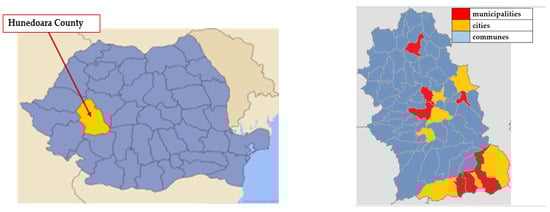
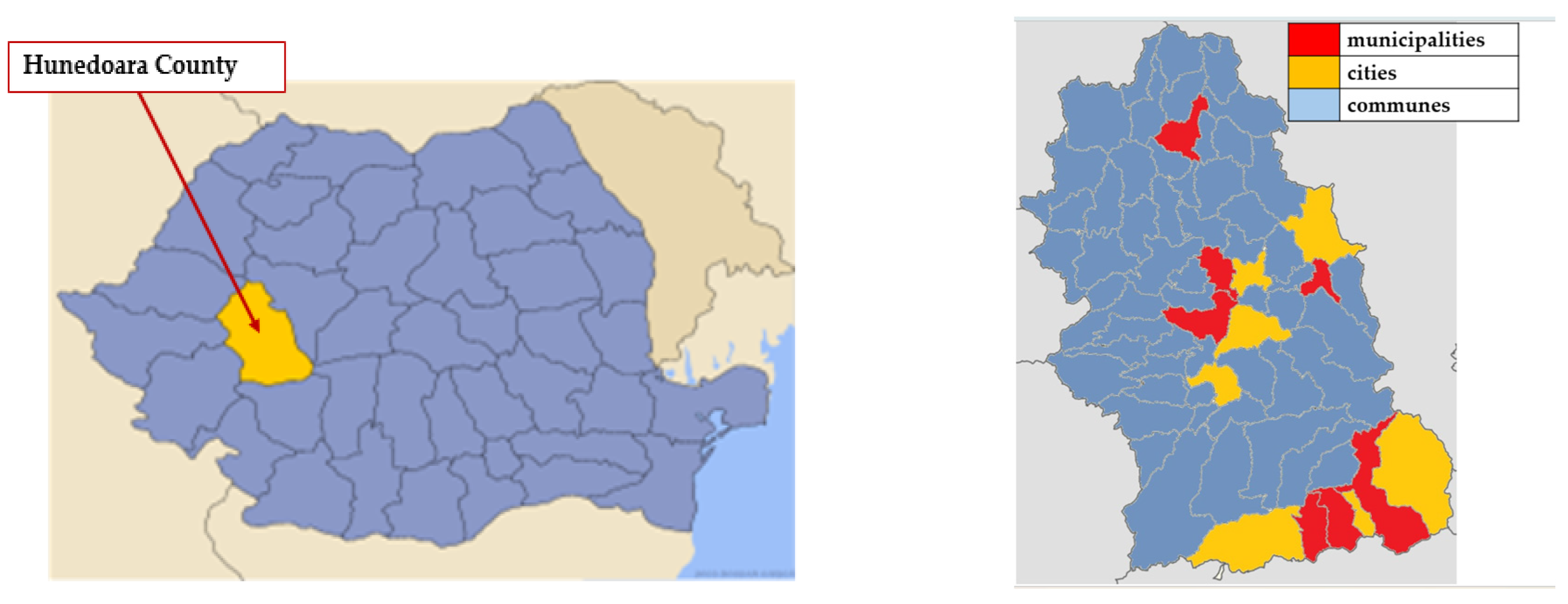
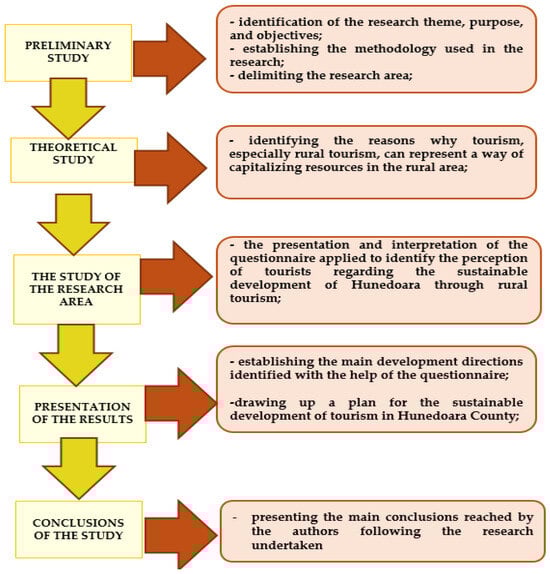
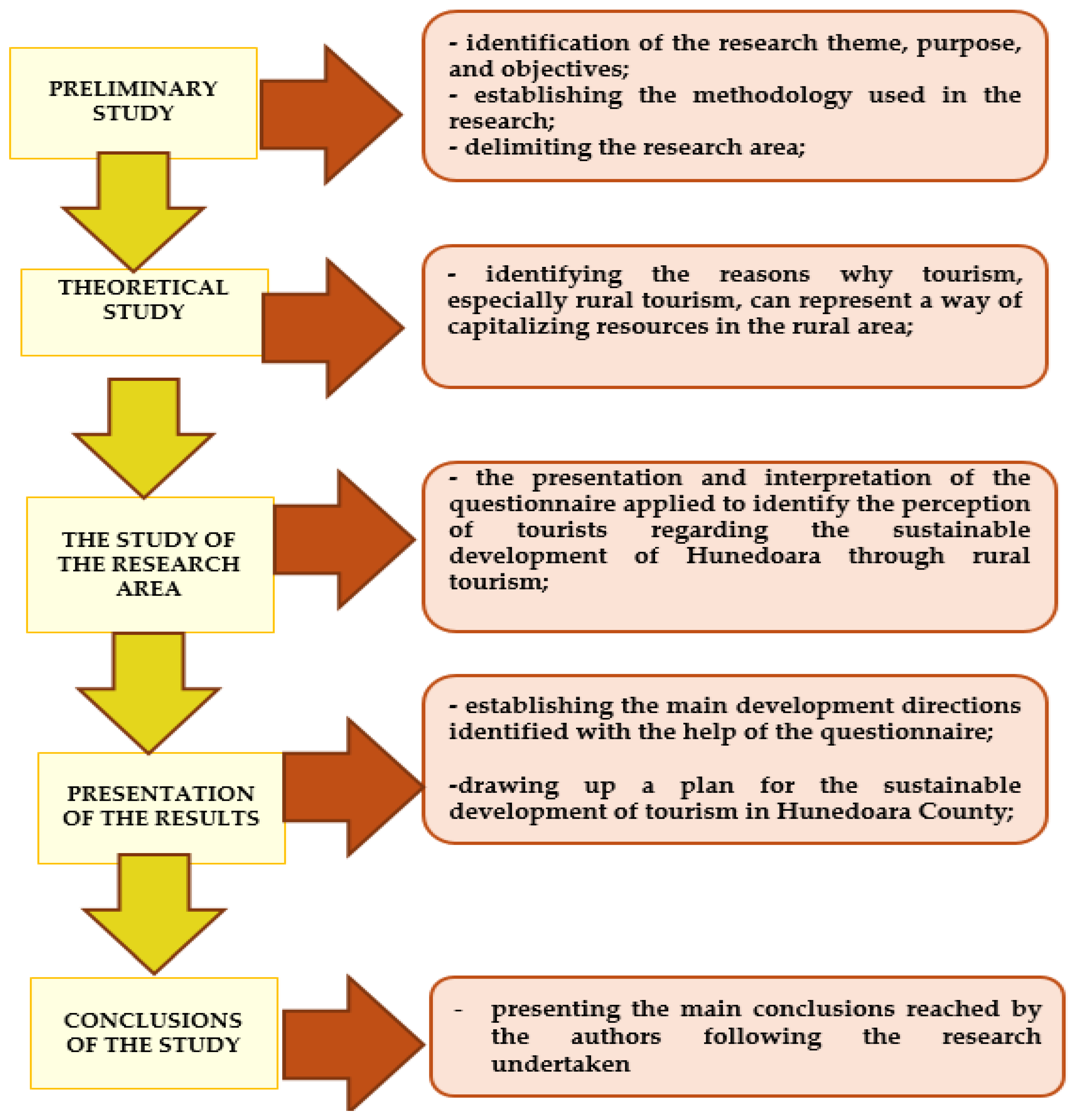
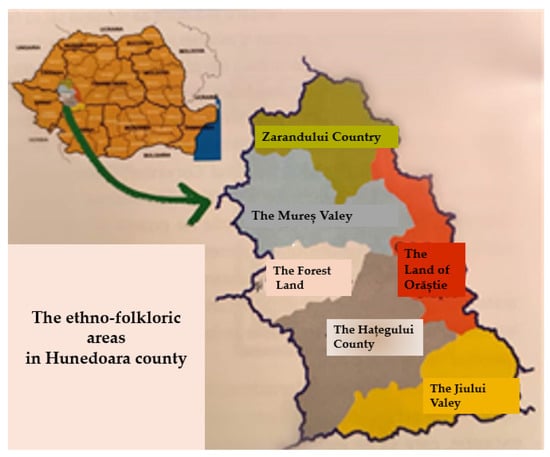
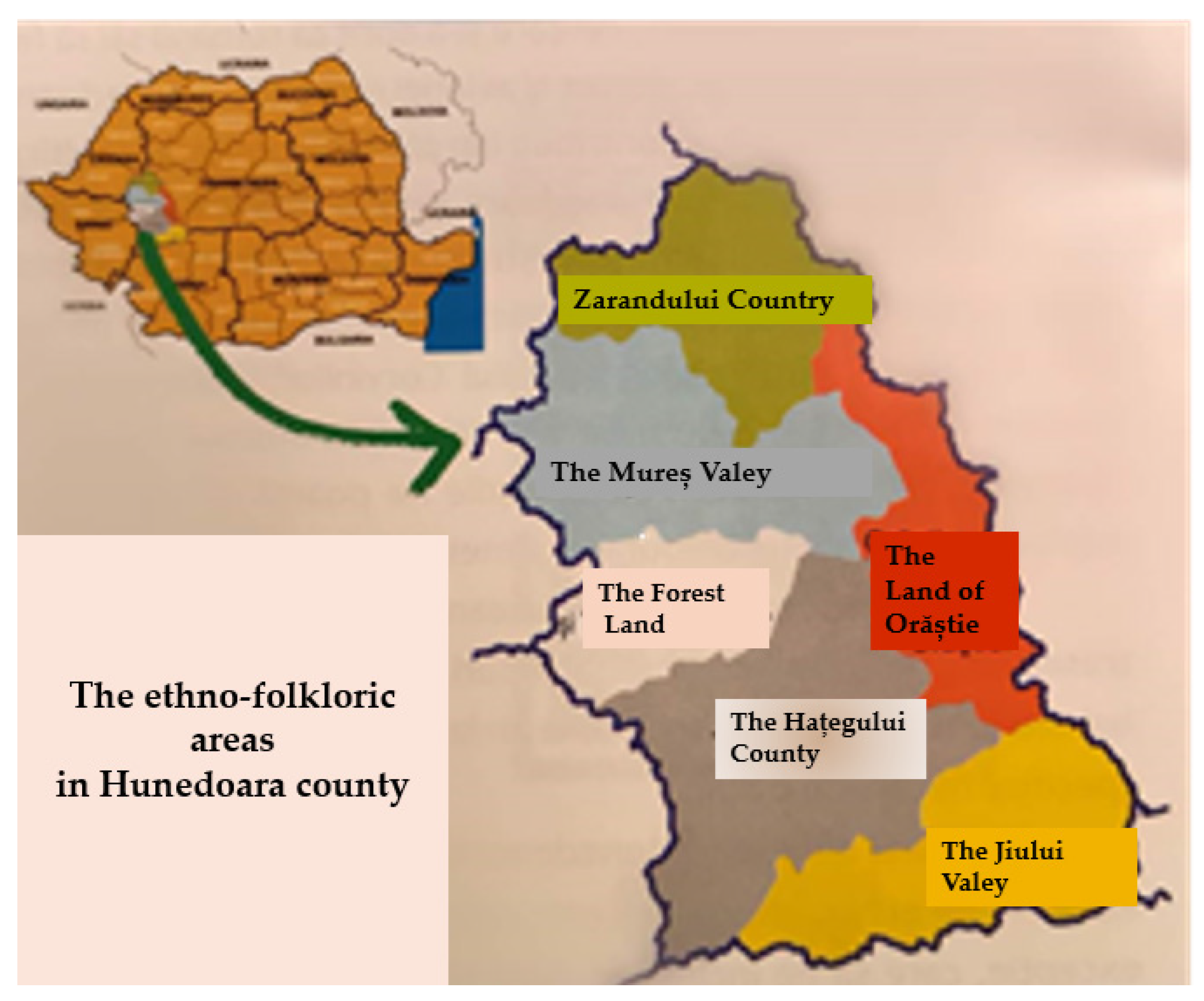
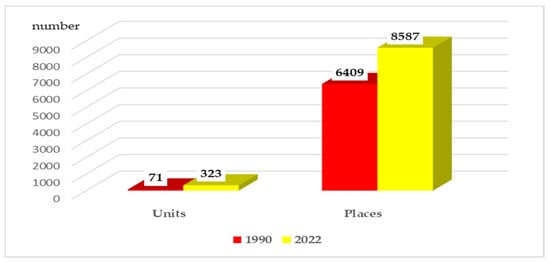
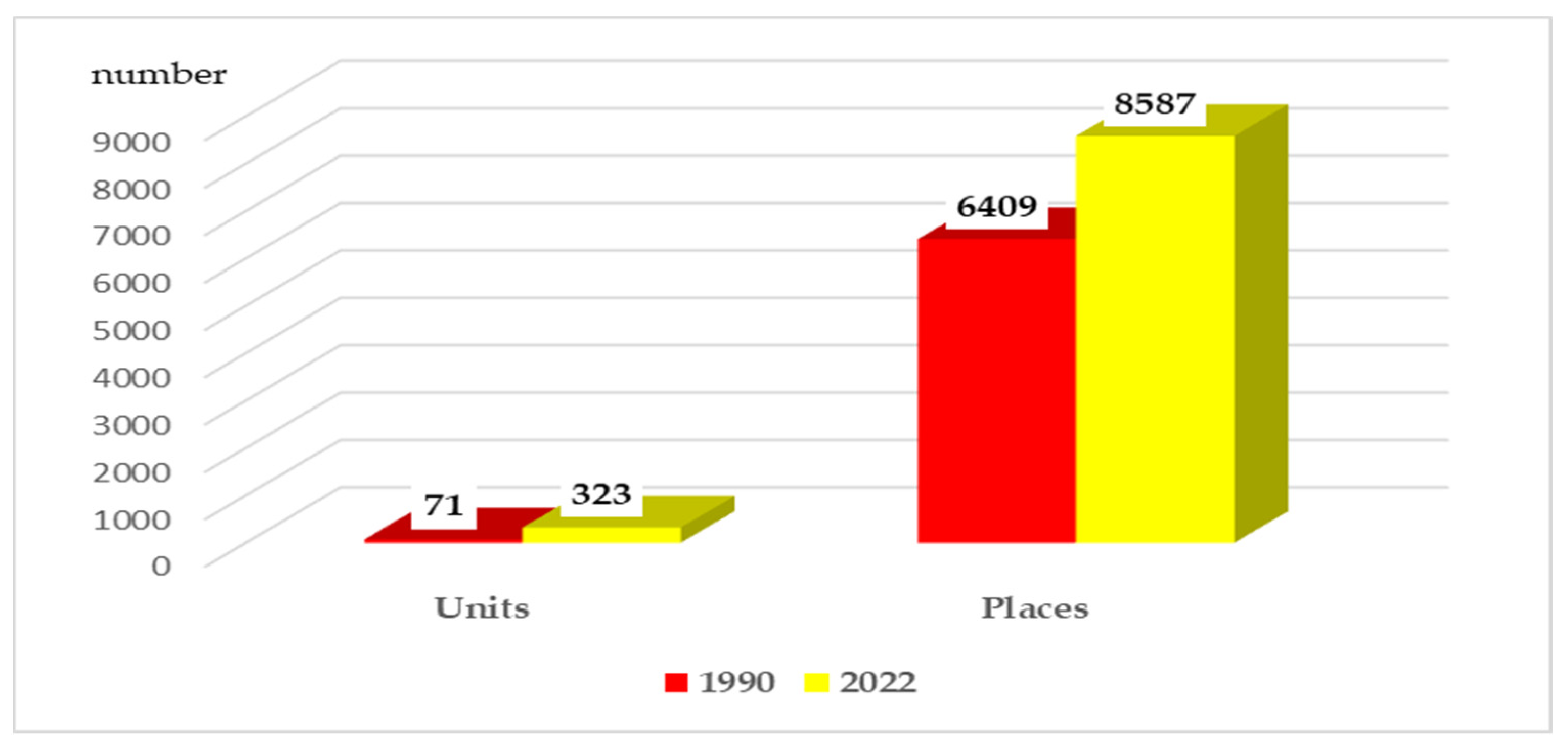
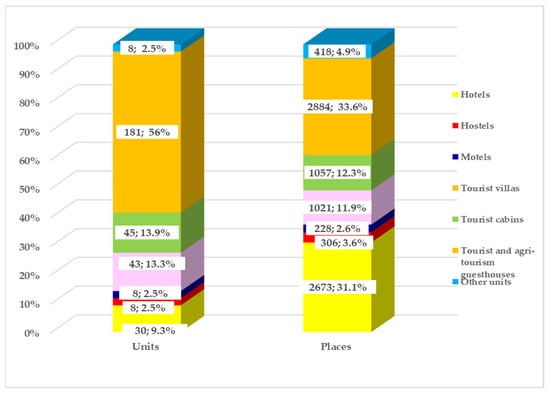
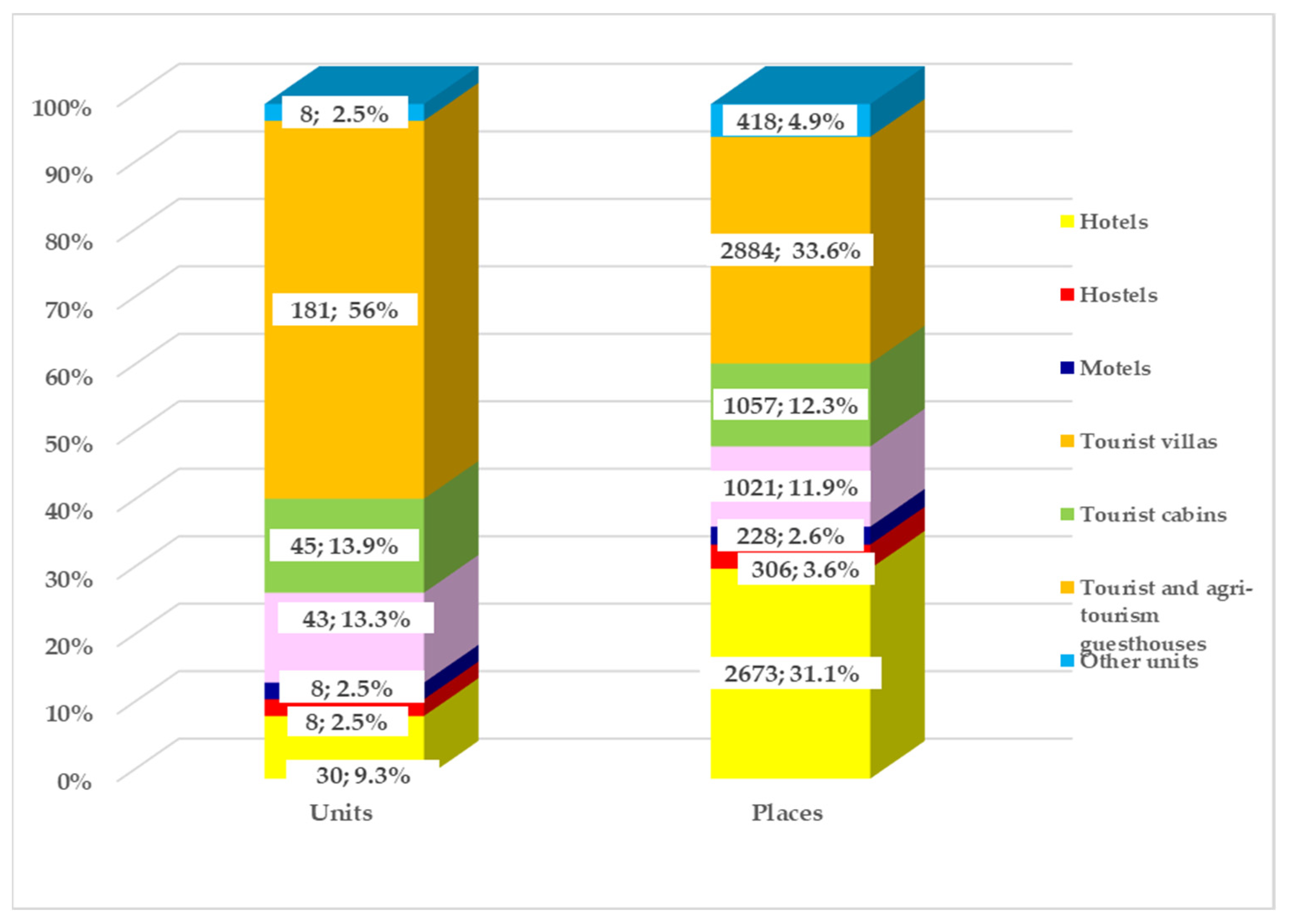
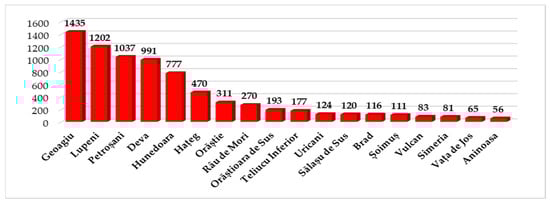
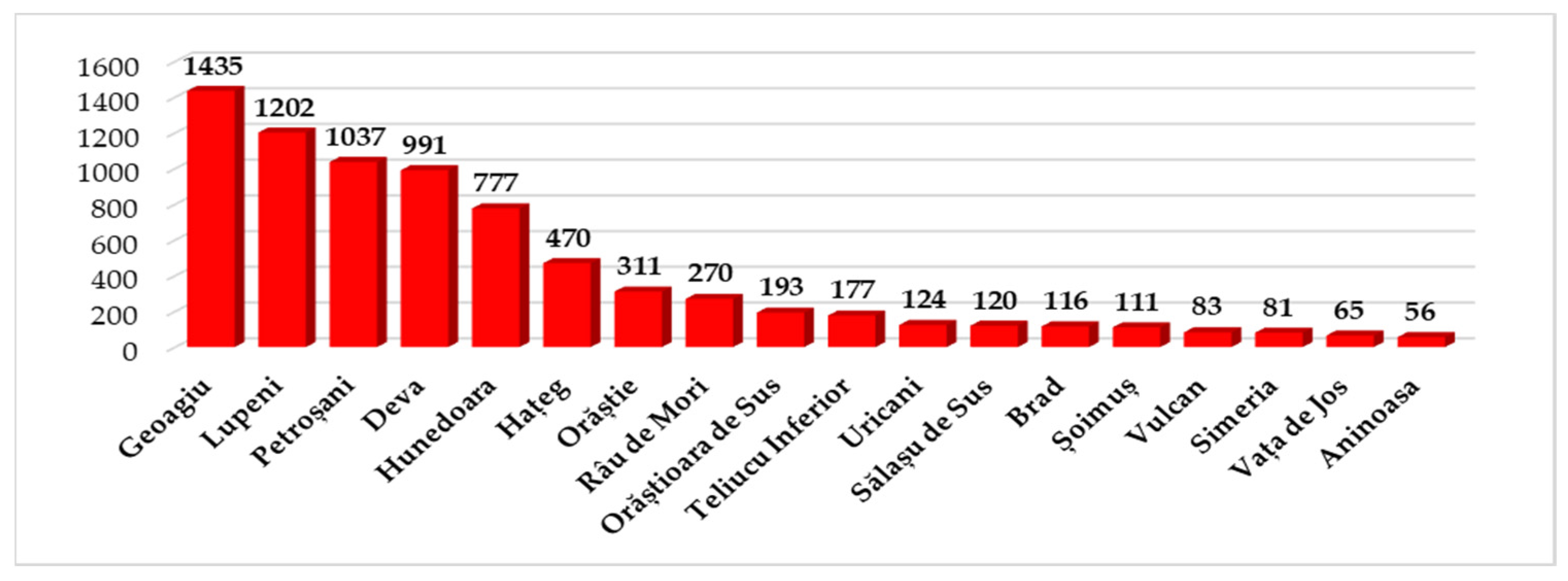
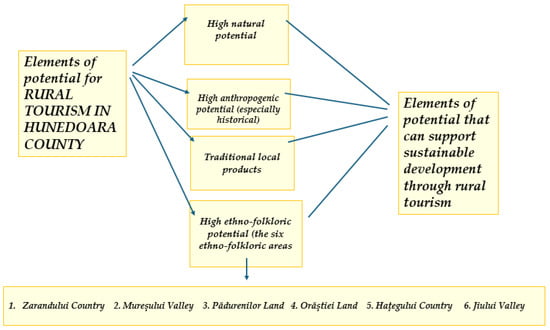
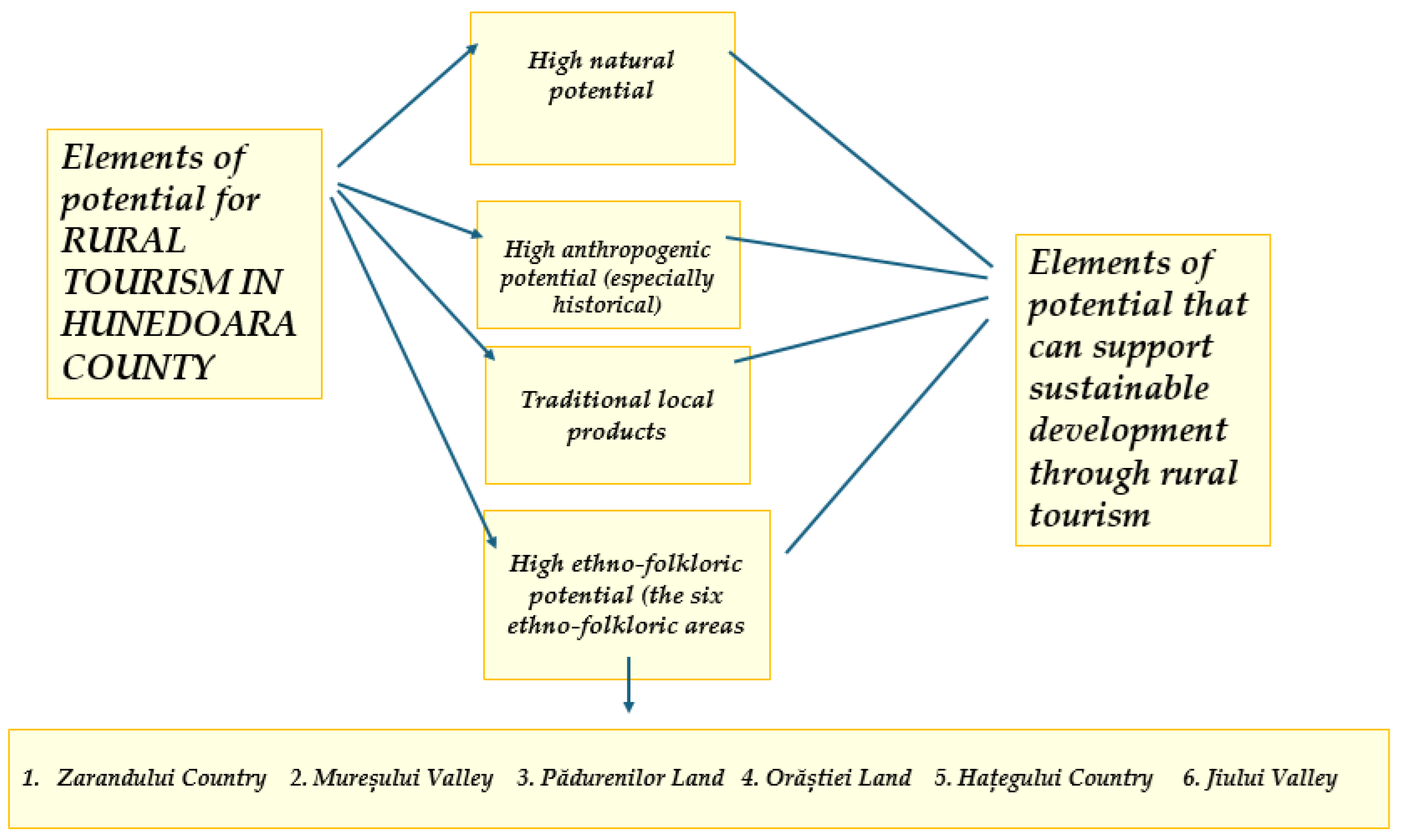

Disclaimer/Publisher’s Note: The statements, opinions and data contained in all publications are solely those of the individual author(s) and contributor(s) and not of MDPI and/or the editor(s). MDPI and/or the editor(s) disclaim responsibility for any injury to people or property resulting from any ideas, methods, instructions or products referred to in the content. |
© 2024 by the authors. Licensee MDPI, Basel, Switzerland. This article is an open access article distributed under the terms and conditions of the Creative Commons Attribution (CC BY) license (https://creativecommons.org/licenses/by/4.0/).