Article

Evolution of Green Finance: A Bibliometric Analysis through Complex Networks and Machine Learning


by
Mariana Reis Maria
1,*,†,
Rosangela Ballini
1,† and
Roney Fraga Souza
2,†
1
Institute of Economics, Universidade Estadual de Campinas, Campinas 13083-857, SP, Brazil
2
Faculty of Economics, Federal University of Mato Grosso, Cuiabá 78060-900, MT, Brazil
*
Author to whom correspondence should be addressed.
These authors contributed equally to this work.
Sustainability 2023, 15(2), 967; https://doi.org/10.3390/su15020967
Submission received: 28 October 2022 / Revised: 20 December 2022 / Accepted: 23 December 2022 / Published: 5 January 2023
(This article belongs to the Special Issue Energy Transitions and Green Finance towards Sustainability)

Abstract

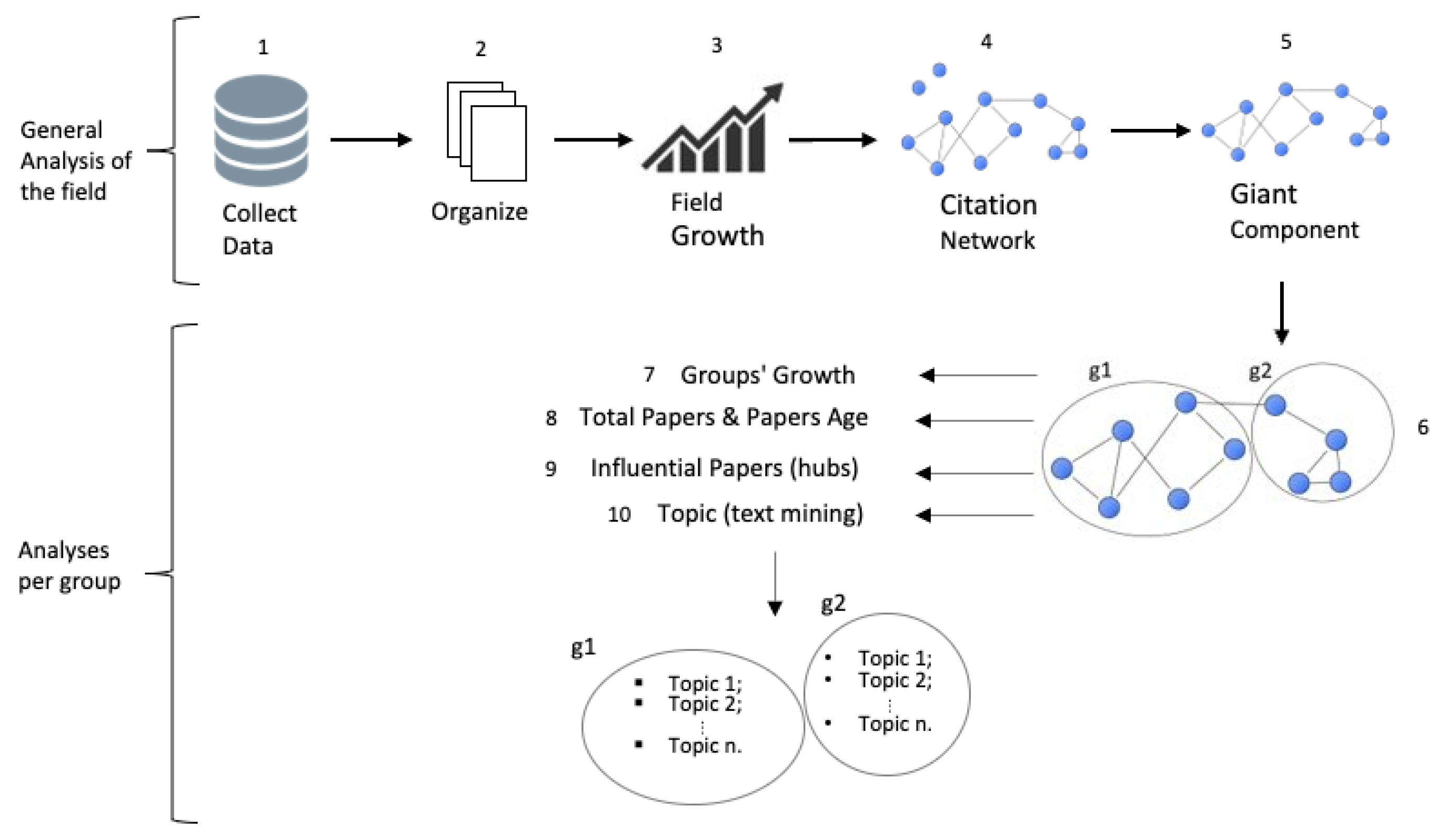
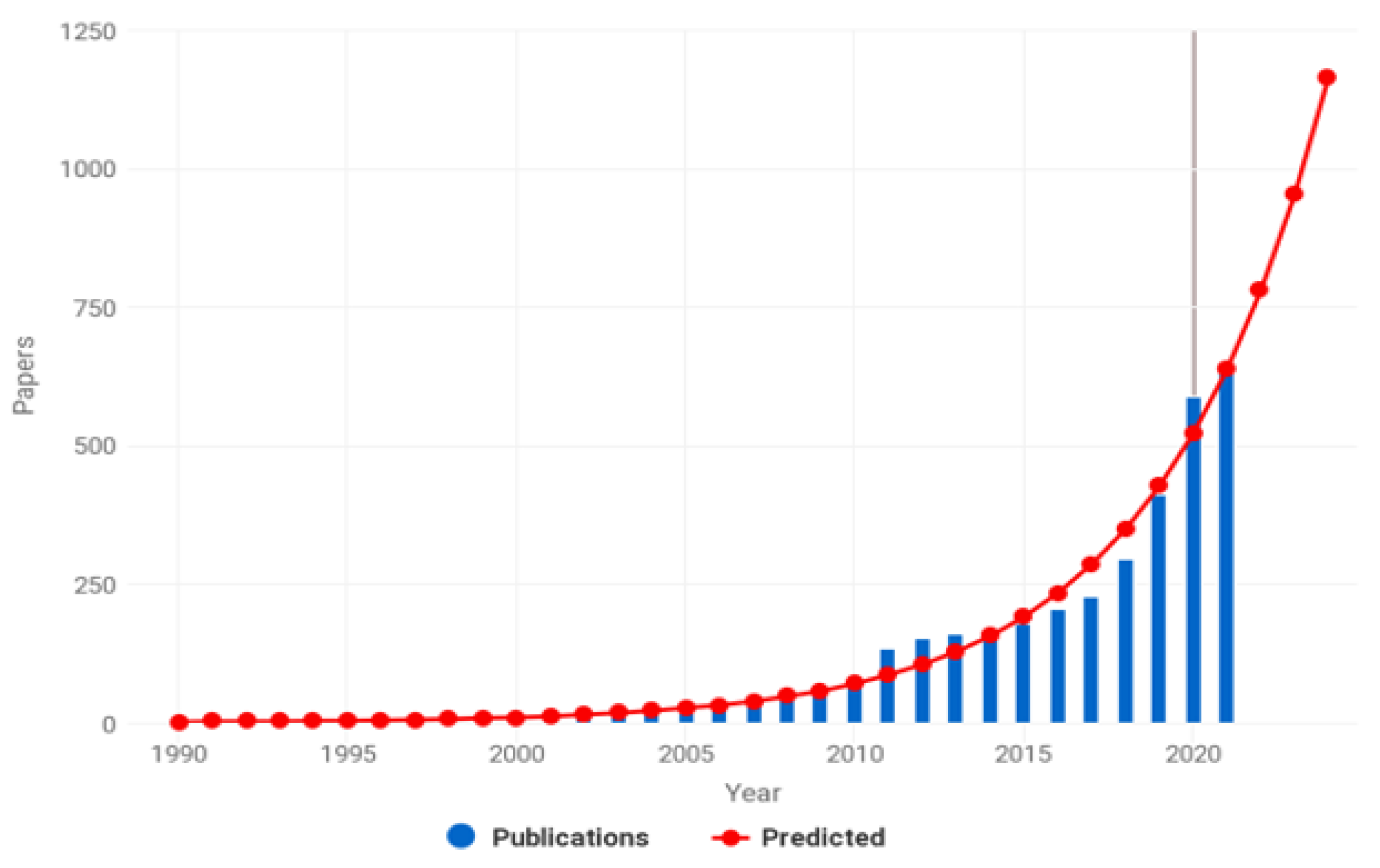
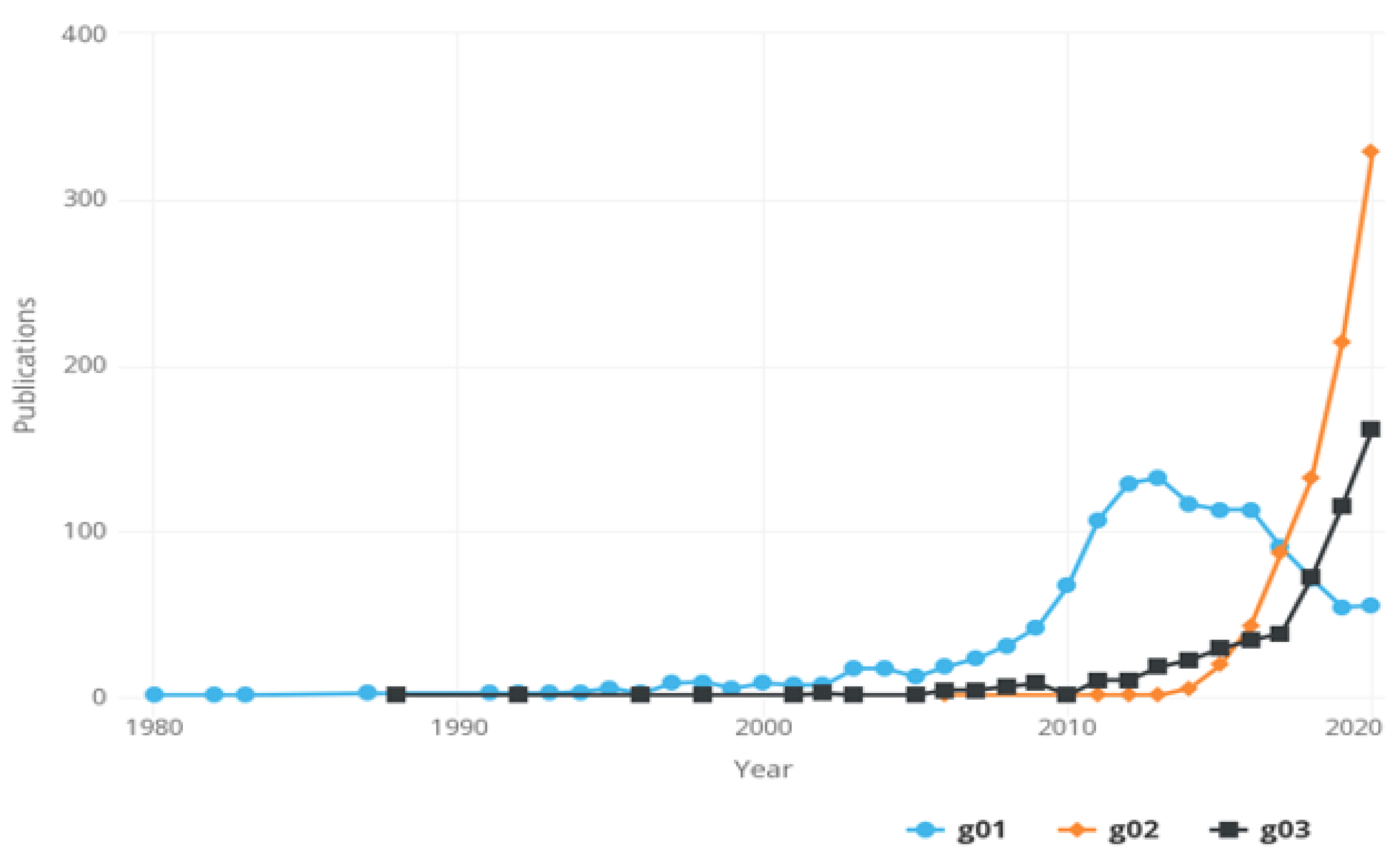
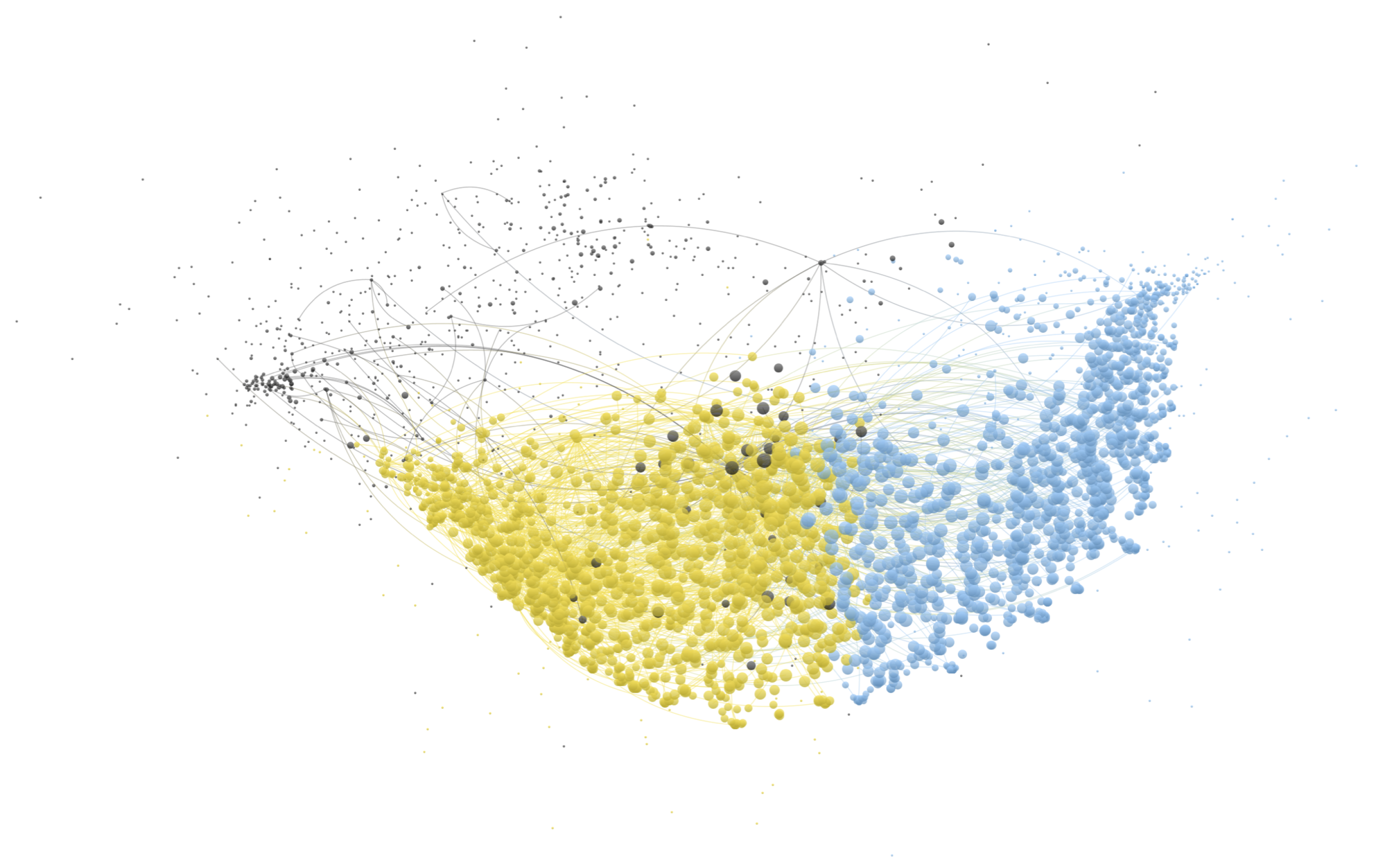
A fundamental structural transformation that must occur to break global temperature rise and advance sustainable development is the green transition to a low-carbon system. However, dismantling the carbon lock-in situation requires substantial investment in green finance. Historically, investments have been concentrated in carbon-intensive technologies. Nonetheless, green finance has blossomed in recent years, and efforts to organise this literature have emerged, but a deeper understanding of this growing field is needed. For this goal, this paper aims to delineate this literature’s existing groups and explore its heterogeneity. From a bibliometric coupling network, we identified the main groups in the literature; then, we described the characteristics of these articles through a novel combination of complex network analysis, topological measures, and a type of unsupervised machine learning technique called structural topic modelling (STM). The use of computational methods to explore literature trends is increasing as it is expected to be compatible with a large amount of information and complement the expert-based knowledge approach. The contribution of this article is twofold: first, identifying the most relevant articles in the network related to each group and, second, the most prestigious topics in the field and their contributions to the literature. A final sample of 3275 articles shows three main groups in the literature. The more mature is mainly related to the distribution of climate finance from the developed to the developing world. In contrast, the most recent ones are related to climate financial risks, green bonds, and the insertion of financial development in energy-emissions-economics models. Researchers and policy-makers can recognise current research challenges and make better decisions with the help of the central research topics and emerging trends identified from STM. The field’s evolution shows a clear movement from an international perspective to a nationally-determined discussion on finance to the green transition.
Keywords: green finance; bibliometric analysis; literature review; topic modelling green finance; bibliometric analysis; literature review; topic modelling