

Article

Understanding Generation Z’s Tourism Purchasing Decisions Through Internet Technologies: The Case of Influencer Marketing


1
Faculty of Management and Business, University of Prešov, 080 01 Prešov, Slovakia
2
Statistical Office of the Slovak Republic, 840 00 Bratislava 4, Slovakia
*
Author to whom correspondence should be addressed.
Future Internet 2025, 17(12), 559; https://doi.org/10.3390/fi17120559 (registering DOI)
Submission received: 29 October 2025 / Revised: 27 November 2025 / Accepted: 2 December 2025 / Published: 3 December 2025

Abstract

In the era of rapidly evolving Internet technologies, influencer marketing has emerged as a transformative force in digital tourism, reshaping how travelers discover, evaluate, and choose destinations and accommodations. This study investigates the relationships between key dimensions of influencer marketing (credibility, authenticity, content format, perceived effectiveness, campaign frequency, and geographic proximity) and consumer behavior in tourism, with particular emphasis on trust formation and decision-making regarding accommodations and destinations among Slovak Generation Z (born 1997–2012) travelers. A structured electronic questionnaire was administered in December 2024 to assess respondents’ perceptions of influencer marketing in the context of travel-related choices. The instrument comprised 12 items measured on a 5-point Likert scale (1 = strongly disagree to 5 = strongly agree), capturing various aspects of influencers’ impact on accommodations and destinations. The final sample included 337 Generation Z participants (65% women and 35% men) aged 18–27 years. Data were analyzed using Spearman’s rank correlation to test six hypotheses concerning the influence of influencer marketing on tourism decision-making. The results supported all six hypotheses, revealing significant positive relationships between the examined dimensions of influencer marketing and consumer behavioral outcomes. These findings emphasize the expanding role of influencer marketing as a central mechanism in digital tourism strategies and highlight its importance in understanding how Internet technologies shape the purchasing behavior of Slovak Generation Z travelers.

1. Introduction

Technology is currently advancing at an exceptionally rapid pace, particularly with regard to the use of the Internet. The Internet has not only facilitated substantial progress in communication, media, and information technologies but has also driven the evolution of digital marketing strategies aimed at enhancing consumer purchasing decisions [1]. Social media, as a pivotal component of this evolution, has grown in popularity—not merely as a source of entertainment but as a critical marketing tool across multiple industries, including tourism. Social media has profoundly transformed how consumers communicate and engage with one another [2]. Platforms such as Instagram, TikTok, YouTube, and Facebook enable businesses to communicate directly with their customers, fostering interaction, engagement, and the creation of new marketing opportunities [3,4].
In the tourism sector, social media influencers have emerged as key intermediaries between destinations and potential travelers. By creating and sharing content that resonates with audiences, influencers are able to exert substantial influence over travel-related decision-making, shaping preferences and consumer behavior [5]. In the hospitality industry, influencer marketing involves collaborations with individuals who have cultivated credibility and significant followings on social media platforms to promote tourism and hospitality services. Influencers leverage their perceived authenticity and expertise to shape consumer attitudes and behaviors, providing brands with a more engaging, relatable, and interactive medium for reaching potential customers [6].
The global rise of influencer marketing has garnered significant attention within the marketing community. In an era characterized by information overload, the authenticity of influencer-generated content enables brands to cut through communication clutter and build meaningful relationships with their target audiences [7]. Particularly in competitive markets like hospitality, companies continually seek innovative strategies to enhance their brand image and market positioning. Influencer marketing has emerged as a prominent solution, offering creative ways to increase brand recognition and to foster deeper consumer engagement [6,8].
This paper aims to investigate the relationships between key dimensions of influencer marketing (credibility, authenticity, content format, perceived effectiveness, campaign frequency, and geographic proximity) and consumer behavior in tourism, with particular emphasis on trust formation and decision-making regarding accommodations and destinations among Generation Z travelers. Generation Z was selected as the target group for this research because this cohort represents digital natives who have grown up in an environment shaped by the Internet, mobile technologies, and social media. They are highly active users of online platforms and exhibit a strong reliance on digital sources when making purchasing and travel-related decisions [9,10]. Compared to older generations, Generation Z shows greater engagement with influencers, valuing authenticity, interactivity, and peer-like relationships over traditional advertising [11,12]. Their behavior is strongly shaped by online recommendations, visual content, and perceived trustworthiness of social media personalities, making them a crucial segment for understanding how Internet technologies and influencer marketing influence tourism decision-making [13,14,15]. Recent comparative research [16] highlights generational differences in how destination-marketing influencer content is processed. The results show that Generation Z responds differently than Millennials, especially regarding persuasiveness, perceived authenticity, and decision-making triggers. This generational shift further reinforces the timely and justified focus on Generation Z travelers in the present study. Moreover, recent research [17] adopts a holistic view, showing that social media influencers can shape travelers’ decisions not only at the stage of destination discovery, but also across the entire travel customer journey—from initial inspiration, through booking decisions, to post-trip evaluation and destination loyalty. This development suggests a shift in how tourism businesses and destination marketers view influencer collaborations: from one-off marketing pushes to integrated strategies that influence the full decision lifecycle.
The remainder of this paper is structured as follows. Section 2 reviews the relevant literature on social media and influencer marketing in the context of tourism. Section 3 develops the research hypotheses based on theoretical foundations and prior studies. Section 4 presents the methodology and the research sample. Section 5 provides the results, and Section 6 discusses the findings in the context of existing literature while offering insights for both theory and practice. Finally, Section 7 concludes the paper, summarizing the study’s limitations and suggesting directions for future research.

2. Literature Review

2.1. Social Media and Influencer Marketing in Tourism

Social media represents a significant milestone in the development of Internet technologies, shaping not only communication patterns but also marketing strategies across various industries [4]. Within tourism, influencers act as intermediaries connecting destinations with prospective travelers. Through engaging content, authentic storytelling, and interactive communication, influencers can significantly impact travel decision-making and brand perception [5,6]. Awareness of influencer marketing continues to grow globally, highlighting its effectiveness in promoting products and services via social media channels.
Influencers have become particularly impactful due to their ability to generate word-of-mouth recommendations and shape consumer opinions. Ye [18] emphasizes that effective influencer marketing depends on a nuanced understanding of platform characteristics, content strategies, and audience communication preferences. By leveraging expertise and authenticity, influencers enable travel brands to establish emotional connections with followers. Sharing personal experiences, narratives, and visually compelling content, they inspire audiences to visit recommended destinations while building trust in promoted services [19].
Rahjasa et al. [20] observe that visually engaging content shared by travel influencers fosters trust among followers. Their study on tourists planning trips to Ubud demonstrates that travelers often rely on influencer recommendations in addition to the conventional reviews found on travel portals. This underscores the influential role of social media content in shaping travel preferences and decision-making processes. Similarly, Poulis and Chatzopoulou [21] argue that influencer marketing is effective at multiple stages of the tourist journey, influencing destination choice, hotel selection, and interest in related products or services.
The impact of influencers varies across social media platforms due to differences in content format, interactivity, and user engagement. Instagram and TikTok, which emphasize visual appeal and short-form video content, are particularly effective in promoting travel destinations, facilitating high levels of interaction and engagement [18]. YouTube, by contrast, enables longer-form storytelling and more in-depth product presentations, making it a suitable platform for conveying detailed information about hotels, destinations, and travel experiences. Strategic collaborations with influencers on these platforms enhance brand visibility, encourage user-generated content, and reinforce perceptions of authenticity [6].
Studies indicate that the type and format of content are critical for engagement. Trivedi et al. [22] show that celebrity influencers in longer video advertisements generate higher engagement and more substantial effects on travel decision-making compared to expert influencers or to shorter videos. Similarly, Jani et al. [23] find that visually oriented platforms exert stronger influences on destination selection than text-based media, emphasizing the importance of content presentation in digital tourism marketing.

2.2. Generational Differences in Social Media Use with an Emphasis on Generation Z

A growing body of research has explored the influence of social media marketing and influencer engagement on tourism behavior across different generational cohorts, including Generation X (born 1965–1980), Generation Y (Millennials) (1981–1996), and Generation Z (1997–2012), as defined by Popşa [24]. Susanto et al. [25] found that social media marketing significantly shapes tourists’ perceptions and decision-making processes, particularly among Millennials and Generation Z. Their survey revealed that influential social media personalities can directly affect travel choices, emphasizing the importance of the perceived trustworthiness and authenticity of destinations. Similarly, Zorlu and Candan [26] explored intergenerational differences in destination choice influenced by social media. They identified statistically significant variations in perception and influence levels across Generations X, Y, and Z.
Expanding this discussion, Abate et al. [27] investigated influencer marketing’s role in promoting environmentally sustainable destinations across multiple generations. They found that authenticity and social attractiveness were key predictors of environmentally conscious perceptions across all age groups. Interestingly, only Generation Z respondents were influenced by the physical attractiveness of eco-destinations promoted by influencers. Similarly, Bratina and Faganel [12] analyzed influencer marketing’s impact on purchase behavior in Generations X and Z. Their findings indicate that loyalty to influencers significantly enhances purchase intention in both generations, demonstrating the cross-generational relevance of influencer trust.
Generational differences play a significant role in social media use and responsiveness to influencer marketing. Millennials and Generation Z exhibit high engagement with influencer content, valuing authenticity, relatability, and interactive storytelling. Instagram and TikTok dominate engagement among these cohorts, while older generations, including Generation X and Baby Boomers, are more likely to seek reality-based content through platforms like Facebook or other direct sources of information [9,10,28].
Generation Z perceives influencers as peers or friends whose opinions hold weight in travel and purchasing decisions. Their behavior is influenced by factors such as trustworthiness, credibility, and authenticity of the influencer [11,12]. Millennials also rely heavily on influencer content, particularly when it demonstrates expertise, persuasive power, and high-quality production [29]. Research highlights that preferences, engagement, and purchase intention differ significantly across generations, necessitating tailored marketing strategies for each cohort [16,30,31].
Several studies have focused specifically on Generation Z, highlighting this cohort’s unique susceptibility to influencer marketing. Štimac et al. [13] investigated how influencer recommendations shape Generation Z’s tourism preferences. They concluded that Generation Z tends to view influencer advice as equivalent to recommendations from friends, reinforcing the peer-like relationship between influencers and their audiences. Supporting this, Francis [14] reported a strong correlation between influencer authenticity and Generation Z’s travel decision-making processes.
Further evidence of this pattern comes from Rancati and d’Agata [32], who found that visual content—particularly photos and videos produced by travel bloggers—has a moderate but notable effect on travel behavior. Likewise, Mchavu et al. [33] confirmed that influencer marketing substantially shapes local tourism behavior within Generation Z populations. Similar findings were reported by Nariyani et al. [15], who showed that influencer credibility significantly affects the trust and information selection processes underlying travel decisions. Finally, Rao and Raghuvanshi [34] demonstrated that Generation Z’s purchase decisions are highly influenced by authentic and well-targeted influencers, echoing trends observed in previous studies.

2.3. Influencer Marketing in the Tourism Decision-Making Process and Consumer Behavior

Influencer marketing affects multiple stages of travel decision-making. Arini [35] reports that influencer recommendations increase engagement with hotel services, leading to higher occupancy rates, particularly among Millennial travelers. Mucunska and Nakovski [36] found that influencer endorsements enhance customer trust, brand awareness, and loyalty in the hospitality sector. These effects are further reinforced when influencers provide authentic, credible, and engaging content aligned with consumer expectations [37].
Seibel [38] applied the Theory of Planned Behavior (TPB) [39] to examine German and Brazilian Millennial tourists, finding that attitudes, subjective norms, and perceived behavioral control significantly mediate the influence of social media content on travel decision-making. External factors such as income, destination infrastructure, and attractiveness also interact with influencer content to shape tourist behavior. Shah et al. [4] similarly note that influencer marketing allows previously unknown destinations to reach new audiences, shaping travel preferences in ways not previously observed in tourism marketing.
The platforms through which influencers communicate also play a crucial role. Băltescu and Untaru [40] highlighted that Generation Z predominantly relies on TikTok for travel inspiration, followed closely by Instagram. Short-form video content on these platforms was found to shape attitudes toward destinations by immersing viewers in narrative-driven experiences, a phenomenon supported by Cao et al. [41]. However, Zhao [42] noted that the effectiveness of such short videos varies across generations and geographic regions, suggesting that platform-based engagement strategies should be context-sensitive.
The mechanisms through which influencers impact decision-making include social proof, fear of missing out (FOMO), perceived credibility, authenticity, and engagement with content. Kurniadi et al. [43] demonstrated that exposure to viral content on TikTok increases consumer FOMO, driving purchase intention and travel interest. Dinh et al. [44] further highlighted that consumers are motivated to mimic influencers’ behaviors, which can enhance materialism and purchasing propensity.
Social media platforms provide unique opportunities for tourism marketing. Short, visually rich content on TikTok and Instagram fosters engagement and FOMO among Generation Z, whereas YouTube enables deeper engagement and narrative development. Nadanyiova and Sujanska [45] found that Instagram remains the primary platform for Generation Z engagement, followed by YouTube, TikTok, and Facebook. Platform selection is crucial for maximizing engagement and the effectiveness of influencer campaigns, as different platforms resonate differently across generational cohorts.
While many studies emphasize the positive influence of social media and influencer marketing, some offer more nuanced perspectives. Trivedi et al. [22] compared the impact of celebrity and expert influencers in hotel advertising, finding that celebrity endorsements in longer video formats generate stronger effects on brand perception and booking intention. Conversely, Pan et al. [46] argued that the type of social media platform itself does not significantly affect followers’ perceptions of influencer credibility or persuasive power, indicating that fundamental human evaluation mechanisms remain stable across digital contexts.
Influencer content also provides practical advantages for consumers. Chan et al. [47] observe that tourists rely on influencer recommendations for comparing comfort levels, services, and amenities in hotels. Marin and Condrea [48] highlight that satisfaction often aligns with influencer content expectations, emphasizing the importance of accurate and authentic representation. Social media also allows tourism organizations to provide interactive engagement, respond to queries, and offer promotions, thereby increasing consumer engagement and satisfaction [49,50].
Consumer behavior is significantly influenced by trust, expertise, perceived relevance, and credibility of influencers [51,52]. For younger generations, particularly Generation Z, these attributes determine the effectiveness of marketing campaigns, as they allow them to discern authentic content from commercialized messaging [11]. Followers are more likely to make purchases when they perceive influencers as genuine users of promoted products [45,53]. Sponsored posts, if perceived as authentic and transparent, can positively influence consumer attitudes, though overly commercialized content may undermine trust [54].
Influencer impact varies by age, gender, and content type. Celebrity influencers tend to exert stronger effects on teenagers, while young adults prefer bloggers or niche experts who provide fashion, lifestyle, or travel recommendations. Older audiences rely more on expert content, valuing credibility and reliability [55]. Across generations, the alignment between influencer attributes and consumer expectations is crucial to effective marketing [45,56,57].

3. Development of Hypotheses

Ajzen’s [39] TPB, a prominent framework in social psychology, offers a systematic approach to explaining and predicting human actions and provides the foundation for the hypotheses in this study. According to TPB, an individual’s intention to purchase is shaped by three factors: attitude, subjective norms, and perceived behavioral control. Attitude refers to the extent to which a person evaluates a behavior positively or negatively. Subjective norms capture the influence of social pressure, referring to the perceived expectations of important others whose approval or disapproval may affect one’s behavior. Perceived behavioral control relates to an individual’s assessment of how easy or difficult it is to carry out the behavior in question. Purchase intention represents a consumer’s tendency, inclination, or plan to buy a particular product or service in the future and reflects their willingness to make a purchase under specific circumstances or at a given time [58].
The literature review highlights how influencers shape travel behavior—not only through the content they create, but also through their credibility, authenticity, and strategic engagement. In today’s social media era, the right influencer can turn a follower’s curiosity into an actual trip. Drawing on the theoretical foundations presented in Section 2, we propose six research hypotheses, each supported by the preceding literature and rationale, consistent with the TPB.
Source credibility (a combination of trustworthiness and expertise) is likely to shape users’ attitudes and perceived reliability of the recommended behavior (e.g., choosing a destination or accommodation), which in TPB translates into stronger behavioral intentions and, ultimately, behavior [59,60,61]. Studies in influencer marketing confirm that credibility is a key predictor of purchase or travel intentions. Travelers often rely on influencers as trusted sources when selecting destinations, accommodations, or transportation. In our research, we expected a clear pattern: the more credible an influencer is perceived to be, the more they shape their followers’ travel decisions [15,34,51]. Therefore, we propose the following:
Hypothesis 1.
Perceived influencer credibility is positively correlated with their impact on travel service and product selection decisions.
Authenticity plays a central role in building trust. Authenticity enhances followers’ attitudes toward the promoted behavior (e.g., visiting a destination) by increasing message credibility, and it can shape subjective norms if authenticity is socially valued. Trust mediates these relationships, linking authenticity to behavioral intentions, which aligns with the constructs of the TPB. Research in tourism-influencer contexts identifies authenticity as a core dimension in measuring influencer effectiveness [60,61,62]. Influencers who are perceived as genuine significantly increase confidence in their recommendations, particularly regarding accommodations [14,19,27]. Therefore, we propose the following:
Hypothesis 2.
Perceptions of influencers’ authenticity are positively associated with trust in their recommendations when selecting accommodations.
High-quality, immersive content enhances recipients’ attitudes toward booking by making the behavior more appealing and desirable, and it can increase perceived behavioral control by demonstrating the accessibility and feasibility of the experience. These effects align with the TPB, suggesting that well-designed content can indirectly boost booking intentions through attitude and perceived behavioral control. Empirical studies in tourism marketing show that visual storytelling and content format significantly influence booking intentions [60,61,63]. The format and style of influencer content (videos, vlogs, or photos) affect travelers’ willingness to book accommodations. Attractive and engaging content enhances the impact of reviews on booking decisions [20,22,23]. Therefore, we propose the following:
Hypothesis 3.
There is a positive correlation between the type of content created by influencers and the influence of their reviews on willingness to book accommodation.
Effective influencer marketing can positively shape travelers’ attitudes toward unfamiliar destinations, reinforce subjective norms through social proof, and enhance perceived behavioral control by providing guidance and reducing uncertainty. These mechanisms align with the TPB, explaining how influencer content can increase travel intentions and ultimately influence behavior across the customer journey. Recent research finds that influencers can shape traveler behavior across the entire customer journey, from discovery to travel intention [60,64,65]. Influencer marketing can spark curiosity about destinations previously unknown to travelers. Compared to traditional advertising, influencers are often perceived as more persuasive [4,5,6]. Therefore, we propose the following:
Hypothesis 4.
There is a positive correlation between the perceived effectiveness of influencer marketing and the tendency to visit destinations previously unknown.
Repeated exposure to influencer content may reinforce attitudes, strengthen perceived norms (if multiple posts or campaigns create a sense of popularity or consensus), and increase familiarity, thereby increasing the salience of recommended options and lowering perceived barriers to behavioral control. This cumulative effect aligns with TPB’s emphasis on stable attitudes and normative beliefs over time. Furthermore, studies on social media influencer marketing note that repeated exposure increases persuasion effectiveness [60,63,66]. Frequent exposure to influencer campaigns amplifies their impact on destination choice. Regular contact with influencer content strengthens their persuasive effect [21,43]. Therefore, we propose the following:
Hypothesis 5.
There is a positive correlation between the frequency of influencer campaigns and the extent to which influencers affect opinions on choosing travel services or products.
Geographic proximity and destination–follower fit can enhance perceived behavioral control by making travel feel easier, strengthen subjective norms through social acceptability, and foster positive attitudes via perceived value congruence. These mechanisms align with the TPB, suggesting that proximity amplifies the impact of influencer marketing on accommodation choices by increasing behavioral intention. This is supported by research showing that factors such as “destination or accommodation fit” (i.e., congruence between follower and destination/influencer) shape perceived value and travel intention [65]. When influencers promote accommodations in nearby regions, travelers show increased interest. Localized content activates a stronger desire to visit [33]. Therefore, we propose the following:
Hypothesis 6.
There is a positive correlation between the tendency to try previously unknown accommodations due to influencer marketing and the impact of geographically proximate influencer promotions on accommodation choices.

4. Materials and Methods

The study employed a cross-sectional survey design using an electronic questionnaire distributed to students of Economics and Management at University of Prešov in Slovakia, specifically from Generation Z. The questionnaire was administered via Google Forms and distributed through university email lists in December 2024. Participation was voluntary, and no financial or material compensation was offered. To ensure eligibility, respondents were asked screening questions confirming that they were students in the target program and belonged to the target age group. A total of 337 valid responses were collected (response rate ≈ 48%). While the study used convenience sampling from a single university and field of study, it provides a focused insights into the target population. Although the survey relied on electronic distribution, students not active on social media were included via university email, ensuring that participation was not limited to social-media users.
The structured questionnaire assessed respondents’ perceptions of influencer marketing in the context of travel decision-making. The questionnaire consisted of 12 items, each measured on a 5-point Likert scale ranging from 1 (strongly disagree) to 5 (strongly agree). The items were designed to capture various dimensions of influencer impact, including trustworthiness, authenticity, content type, and the effects of influencer marketing on respondents’ willingness to try accommodations or visit destinations. This questionnaire design allowed for a systematic evaluation of respondents’ attitudes toward influencer marketing while maintaining anonymity and ensuring comparability across different aspects of travel-related decision-making.
The questionnaire consisted of six constructs reflecting key dimensions of influencer impact in the travel context. Credibility (Items 1–4) assessed the degree to which influencers are perceived as trustworthy and reliable sources of information when selecting travel services, destinations, accommodations, and transportation options. Authenticity and content format (Items 5–7) captured the perceived genuineness of influencers and the persuasive influence of the type and quality of content they produce, particularly in relation to accommodation choices. Perceived effectiveness (Items 8–9 and 12) evaluated the extent to which influencer marketing motivates consumers to consider previously unknown accommodations or destinations and how it compares to traditional advertising. Campaign frequency (Item 10) reflects the influence of repeated exposure to influencer campaigns on decision-making, while geographic proximity (Item 11) measures whether promotions of locations closer to the consumer have a stronger persuasive effect. Although these constructs are conceptually distinct, the measurement model assumes a unidimensional factor structure, with all items contributing to a single overarching dimension of influencer impact. Table 1 presents the constructs, their corresponding items, and the supporting literature.
Figure 1 presents the conceptual structure of the measurement model. Although the questionnaire included six theoretical constructs (credibility, authenticity, content format, perceived effectiveness, campaign frequency, and geographic proximity), factor analysis indicates a single unidimensional factor (see results in Section 5.1). The figure illustrates how all items contribute to this overarching dimension of influencer impact, with items grouped according to their theoretical construct for clarity of interpretation.
The composite variable (new Item denoted as No. 2, 3, 4) captures perceived credibility of influencers. This variable is based on the statement, “I consider influencers to be a trustworthy source of information when choosing travel services or products”, adapted to three specific decision-making contexts: destinations (Item 2), accommodations (Item 3), and transportation (Item 4). For each respondent, the median value across these three items was calculated to represent their overall trust in influencers as a source of travel-related information. The median was chosen instead of the mean because it provides a more robust measure of central tendency when dealing with ordinal Likert-scale data, which may not meet the assumptions of normality. This approach minimizes the influence of extreme responses (outliers) and offers a logical summary of respondents’ general perceptions, reflecting the central tendency of their ratings in a way that is appropriate for Likert-scale measurement.
For analysis, descriptive statistics (including mean, median, and standard deviation) were calculated for each item to summarize the central tendency and dispersion of responses. Following the approach of previous studies in influencer marketing research [72,81], Spearman’s rank correlation coefficient was used to test the research hypotheses, as it is appropriate for assessing the strength and direction of associations between ordinal variables. For the analysis and processing of the data, we employed Statistica 14 and StataNow 19.5 Standard Edition software. Table 2 provides an overview of the research hypotheses, the corresponding questionnaire items used to measure the relevant variables, and the expected direction of the correlations.
The final sample comprised 337 participants, including 219 women (65%) and 118 men (35%). Respondents’ ages ranged from 18 to 27 years, indicating that the entire sample belonged to Generation Z. The mean and median ages were both 22 years, with a standard deviation of 1.98, reflecting a relatively homogeneous age distribution.

5. Results

5.1. Findings from the Questionnaire Survey

Construct validity was assessed using exploratory factor analysis with principal component extraction. The Kaiser–Meyer–Olkin (KMO) measure indicated excellent sampling adequacy (KMO = 0.951), and Bartlett’s test of sphericity was significant (χ2(66) = 2788.02, p < 0.001), confirming that the correlation matrix was suitable for factor analysis. The analysis produced a clear unidimensional factor structure. A single factor had an eigenvalue of 7.39, accounting for 61.56% of the total variance, while all subsequent eigenvalues were below 1.0, supporting the retention of only one factor. This indicates that the 12 items measure a single underlying construct. Factor loadings were all strong, ranging from 0.71 to 0.85, well above the commonly recommended minimum threshold of 0.40. The low uniqueness values (0.28–0.50) further demonstrate that each item contributed substantially to the measurement of the latent construct.
Internal consistency reliability was examined using Cronbach’s alpha. The overall scale demonstrated excellent reliability, with a Cronbach’s alpha of 0.94 (α = 0.942; standardized α = 0.943). The average inter-item correlation was 0.583, indicating strong internal coherence among the items. Item–total correlations ranged from 0.651 to 0.804, all exceeding the commonly recommended minimum of 0.30, confirming that each item contributed meaningfully to the scale. Additionally, the “alpha if item removed” values ranged from 0.935 to 0.940, none of which exceeded the overall alpha, suggesting that all items were appropriate and that removing any item would not increase the scale’s reliability.
Table 3 presents descriptive statistics for the 12 questionnaire items and one composite item (No. 2, 3, 4), including mean, median, and standard deviation values. Moreover, it presents factor loadings for the one-factor solution and “alpha if item removed” values for the 12 questionnaire items.
The results indicate that respondents agreed most strongly with item 9 (mean = 2.941) and item 12 (mean = 2.905), suggesting that influencer marketing has a notable impact on respondents’ travel intentions and perceived effectiveness relative to traditional advertising. Conversely, respondents agreed least with item 10 (mean = 2.460) and item 1 (mean = 2.522), indicating that participants perceived the frequency of influencer campaigns and the general impact of influencers on travel service choices as the least influential factors in their decision-making. Most items had a median value of 3, reflecting a general tendency toward neutrality or slight agreement across the sample. Standard deviations ranged from 1.106 to 1.308, suggesting moderate variability in responses. The data highlight that, while influencer marketing influences respondents’ travel-related decisions, its impact varies depending on the type of influence and context.
Table 4 presents the percentage distribution of responses for each questionnaire item on a 5-point Likert scale, ranging from 1 (strongly disagree) to 5 (strongly agree). The table provides a detailed view of participants’ attitudes toward each aspect of influencer marketing in the context of tourism. The responses are also disaggregated by gender, allowing for comparison between male and female respondents. Means for each group are also presented to facilitate clearer comparison of results.
Across all four credibility items, respondents predominantly selected neutral responses (around 30–37%). Mean scores ranged from 2.46 to 2.61, indicating slightly negative to neutral attitudes toward the credibility of influencers in travel decision-making. Women consistently rated influencers as slightly more credible than men, while men showed a higher share of disagreement, particularly in Item 1. These results suggest that attitudes toward influencer credibility are weak or ambivalent. Since credibility is a key precursor to attitude formation, the moderate scores imply that influencers may not strongly influence individuals’ evaluations of travel options. Gender differences, though small, suggest that women may be slightly more receptive to influencer-provided information, consistent with prior literature indicating that women often rely more on social cues and recommendations when making consumption choices (e.g., [82]).
Item 5 showed a stronger pattern of agreement compared to credibility items. Authenticity appears to be evaluated more positively than credibility. A moderate share of respondents (approximately 26%) chose “agree” or “strongly agree,” highlighting the importance of authenticity in shaping trust. Authenticity contributes to attitude formation by strengthening positive beliefs about the recommended accommodation. Prior research has shown that when influencers are perceived as authentic and genuine, this perception enhances trust and credibility, which, in turn, positively affects followers’ attitudes and purchase intentions (e.g., [72,83]).
Content format plays a moderate role. For Item 6, women showed more agreement (24.7%) than men (13.6%). Item 7 also demonstrated moderate neutrality overall. These items generally indicate that respondents are more influenced by specific review content (photos, videos, ratings) than by generic content. In terms of the TPB, high-quality, detailed content may act as a subjective-norm cue (i.e., signaling that this product is recommended and approved). It may also affect perceived behavioral control by reducing uncertainty and making the accommodation seem easier to evaluate (e.g., [84]).
Items related to perceived effectiveness displayed moderately positive results, especially with regard to discovering new destinations or accommodations. Item 9 showed the strongest agreement overall, with a total mean of approximately 2.941, and women significantly higher (3.096) than men (2.653). Item 12 revealed similar positivity, with means of 2.895 (for men) and 2.924 (for women). These items exhibited the strongest gender differences, with women expressing notably stronger positive attitudes. Considering the TPB, perceived effectiveness reflects attitudinal beliefs about influencer marketing as a beneficial and informative tool [85]. When respondents feel that influencer content helps them discover new options, their behavioral intentions to engage with such content increase. Women’s higher agreement may indicate a greater perceived usefulness of influencer-generated information. Meta-analytic evidence shows that post characteristics (including informational value and experiential richness) significantly influence consumer attitudes and purchase intentions in influencer marketing contexts [46]. Moreover, when followers perceive influencer messages as authentic and well-communicated, their attitudes toward the recommendation improve and purchase intentions increase [83,86].
Item 10, related to the frequency of influencer campaigns, exhibited generally low agreement, with mean responses of approximately 2.449 for men and 2.466 for women. Respondents do not believe that higher campaign frequency necessarily increases influence. In terms of the TPB, campaign frequency does not appear to strengthen attitudes or subjective norms. Excessive exposure may even weaken persuasive effects due to perceived repetitiveness or commercial pressure. Guo and Jiang [87] argue that repeated advertising exposure may lead to consumer ad fatigue, which reduces responsiveness over time. Thus, overly frequent campaigns may become less effective.
Answers to Item 11, related to geographic proximity, suggests that men may be more influenced by proximity-based recommendations. Men showed more agreement (22%) compared to women (11.9%), with men’s mean (2.737) slightly higher than women’s (2.621). Proximity is related to perceived behavioral control [88]. Recommendations for nearby accommodations may reduce perceived effort, risk, or logistical barriers, especially among men. Xue and Zhang [89] noted that increasing travel distance (i.e., choosing distant destinations) is associated with higher perceived costs and perceived risks, which suggests that nearby accommodations may reduce such perceived barriers.
Across constructs, respondents hold neutral to moderately positive attitudes toward influencer marketing. They value authenticity and useful content more than mere endorsement. Women consistently report more favorable attitudes. Influencers appear to have modest power as normative referents. Respondents do not universally trust influencers but acknowledge their usefulness in discovering new destinations. Geographic proximity and detailed reviews enhance respondents’ confidence in making travel decisions, especially when content reduces uncertainty. These elements contribute to modest but meaningful behavioral tendencies toward considering influencer recommendations—consistent with TPB’s proposition that attitudes, norms, and perceptions of control shape behavioral intentions [39].

5.2. Hypotheses Testing

Table 5 presents the outcomes of the hypotheses testing using Spearman rank correlation analysis. All six hypotheses were supported, as indicated by statistically significant correlations (p-value < 0.001).
The results show that perceived influencer credibility is positively associated with their impact on travel service and product selection (Hypothesis 1: rs = 0.6442), suggesting that respondents are more likely to follow recommendations from influencers they consider credible. Similarly, perceptions of influencers’ authenticity are positively correlated with trust in their accommodation recommendations (Hypothesis 2: rs = 0.6038), highlighting the importance of authenticity in shaping consumer trust. The analysis also revealed that the type of content created by influencers significantly influences consumers’ willingness to book accommodations (Hypothesis 3: rs = 0.6140), indicating that content style and presentation play key roles in decision-making. Furthermore, the perceived effectiveness of influencer marketing is positively associated with the tendency to visit previously unknown destinations (Hypothesis 4: rs = 0.5939), demonstrating that effective influencer campaigns can encourage exploration of new travel locations. The frequency of influencer campaigns was found to have a moderate positive correlation with their impact on opinions regarding travel services and products (Hypothesis 5: rs = 0.5117), suggesting that repeated exposure strengthens influence. Finally, influencer promotions of geographically close accommodations were positively correlated with the tendency to try previously unknown accommodations (Hypothesis 6: rs = 0.6371), emphasizing the role of location relevance in marketing effectiveness.
A deeper inspection of the data revealed a considerable proportion of neutral or skeptical responses among Generation Z participants, particularly regarding the influence of campaigns on previously unknown destinations and accommodations. This suggests that, while the correlations are statistically significant, the overall level of agreement is moderate rather than uniformly strong.

6. Discussion

The findings of this study confirm the significant role of influencer marketing in shaping tourism-related decision-making among Generation Z travelers. All six hypotheses were supported, demonstrating that key dimensions—credibility, authenticity, content format, perceived effectiveness, campaign frequency, and geographic proximity—substantially influence consumer trust and behavioral intentions within the tourism context.
The positive association between perceived influencer credibility and their impact on travel service and product selection reinforces prior research identifying credibility as a key determinant of influencer effectiveness [15,51]. Influencers who are perceived as knowledgeable, trustworthy, and reliable exert greater persuasive power, guiding followers’ choices of destinations, accommodations, or services. This is consistent with Mucunska and Nakovski [36], who found that credible influencers enhance consumer confidence, brand awareness, and loyalty in the hospitality industry. Interestingly, a subset of Generation Z participants expressed neutrality toward influencer credibility, suggesting that peer recommendations or personal research may play an equally important role in travel decision-making for this cohort.
Similarly, the significant relationship between authenticity and trust in accommodation recommendations underscores the importance of perceived genuineness in influencer marketing. Consistent with Gburová et al. [19] and Francis [14], authenticity strengthens emotional connections between influencers and their audiences, fostering trust and perceived reliability. Authentic storytelling and transparent communication enhance influencers’ relatability, particularly among Generation Z, who prioritize real experiences over overt promotional content [11]. Surprisingly, a considerable portion of respondents expressed neutral or skeptical perceptions of authenticity, suggesting that while genuineness generally builds trust, some Generation Z travelers critically evaluate influencer content and remain cautious. This finding highlights heterogeneity within the cohort and provides a more nuanced understanding of their engagement with influencer marketing.
The results also indicate that the type and format of influencer content play a critical role in consumers’ willingness to book accommodations. This aligns with prior research by Trivedi et al. [22] and Jani et al. [23], which found that visually appealing and well-produced content—such as short videos or high-quality photos—drives higher engagement and influences purchase intentions. Generation Z’s preference for visually rich platforms like Instagram and TikTok [40] further emphasizes the importance of visual storytelling in travel-related decision-making. Interestingly, our data reveal that not all visually rich content equally motivates action; some participants reported neutral responses despite the content’s visual appeal. This suggests that factors such as content quality, perceived relevance, and alignment with personal travel preferences may moderate its impact, highlighting the need for marketers to tailor content both visually and contextually to resonate with Generation Z audiences.
Furthermore, the positive correlation between the perceived effectiveness of influencer marketing and the tendency to visit previously unknown destinations aligns with Shah et al. [4] and Ma [5], who observed that influencer marketing can raise awareness of destinations that might otherwise remain unnoticed. By leveraging social media, influencers can introduce emerging or lesser-known locations to new audiences, motivating exploration through engaging and credible digital communication. However, our findings also reveal a notable degree of neutrality among respondents. While some Generation Z travelers are motivated to explore new destinations, others remain skeptical, suggesting that even effective influencer marketing does not uniformly drive exploratory behavior. This partially challenges the assumption that Generation Z is consistently open to new experiences and offers a novel insight: influencer campaigns may need to combine credibility, content relevance, and additional trust-building strategies to more effectively encourage travel to unfamiliar locations.
The moderate relationship observed between the frequency of influencer campaigns and their impact on travel opinions suggests that repeated exposure can enhance persuasive influence, but with diminishing returns. This aligns with Poulis and Chatzopoulou [21] and Dinh et al. [44], who argued that continuous visibility on social media strengthens message recall and attitude formation. However, excessive exposure may induce content fatigue, reducing engagement and responsiveness. Interestingly, the effect observed in our study is not as strong as might be expected. Generation Z participants appear particularly sensitive to overexposure, which can result in indifference or neutrality toward the content. This underscores a practical implication: campaign frequency should be carefully optimized to maintain engagement while avoiding saturation and skepticism.
Finally, the strong positive association between geographically proximate influencer promotions and the willingness to try previously unknown accommodations underscores the importance of local relevance in digital marketing. Consistent with Rancati and d’Agata [32] and Arini [35], travelers are more likely to act on recommendations that are accessible and contextually meaningful. This finding aligns with the broader literature emphasizing the role of proximity and personalization in enhancing marketing effectiveness, particularly among Generation Z, who value relatable and localized experiences [33]. However, an unexpected observation is that a notable portion of respondents expressed neutral or skeptical attitudes toward geographically close promotions. This suggests that while local relevance can increase engagement, it is not universally persuasive. Some participants may perceive nearby recommendations as less novel or exciting, highlighting a nuanced boundary condition: geographic proximity enhances influence primarily when combined with perceived value, novelty, or trustworthiness. This insight extends existing literature by demonstrating that even highly contextually relevant influencer content may encounter moderate resistance among certain Generation Z travelers.
The findings offer several practical implications for tourism marketing and digital communication practitioners. First, tourism businesses and destination marketing organizations should prioritize partnerships with influencers who demonstrate high credibility and authenticity, as these attributes significantly enhance consumer trust and booking intentions. Collaborations should focus on shared values and transparent communication rather than follower count alone, emphasizing genuine storytelling and real experiences. As noted by Sambronska and Matusikova [90], alignment between an influencer’s area of expertise and the tourism product being promoted is crucial for establishing credibility and increasing campaign effectiveness. Second, the format and quality of influencer content are critical in shaping Generation Z’s travel decisions. Marketers should encourage visually engaging, interactive, and immersive formats—such as short-form videos, behind-the-scenes experiences, and user-generated content—to capture attention and stimulate interest in travel [91]. Third, campaign frequency and geographic relevance also influence consumer engagement. While repeated exposure to influencer content can strengthen brand recall, excessive repetition may lead to content fatigue. Collaborating with influencers who promote regionally relevant accommodations or destinations can further increase engagement, as local authenticity enhances relatability and the perceived attainability of travel experiences [92]. Finally, the study highlights the strategic value of leveraging Internet technologies—including AI-based recommendation systems, social media analytics, and real-time engagement tools—to optimize influencer collaborations and assess their impact on consumer decision-making. By combining data-driven insights with authentic digital storytelling, tourism organizations can strengthen connections with Generation Z and foster long-term brand loyalty [93] in the evolving digital tourism landscape. Moreover, findings from Section 5.1 offer additional practical implications for the travel and influencer marketing sectors. Travel marketers should prioritize the creation and promotion of authentic, visually detailed content, as respondents are more influenced by genuine reviews and clear, descriptive information than by high-frequency campaign exposure. Influencers can enhance their impact by emphasizing transparency and presenting experiences in an honest and relatable manner, thereby strengthening perceived authenticity and trust. For accommodation providers and destination managers, collaborations with influencers may be particularly effective when introducing travelers to new or lesser-known destinations, as influencer content has demonstrated strong potential in raising awareness of previously unfamiliar options. Additionally, the results indicate that gender differences should be considered in marketing strategies, since women show greater receptiveness to influencer-driven information, especially in the context of discovering new travel opportunities.
It is important to note that the questionnaire was distributed in December 2024, and influencer marketing trends evolve rapidly [94]. Platform dynamics, content formats, and influencers’ strategies can shift quickly [95], potentially affecting the relevance and impact of these findings over time. Recent literature highlights that the influencer marketing landscape continuously adapts to new trends, technologies, and user behaviors [96]. Therefore, while the present study provides valuable insights into Generation Z’s responses to influencer credibility, authenticity, content style, and campaign characteristics, future research should consider longitudinal designs or updated surveys to capture evolving trends. Incorporating more recent or continuous data collection would help determine whether the observed relationships remain stable and ensure that conclusions stay relevant in a dynamic digital marketing environment.

7. Conclusions

Our findings contribute to the growing understanding of how Internet technologies mediate the relationship between influencer marketing and consumer behavior in tourism. Academically, this study advances knowledge of key influencer marketing constructs—credibility, authenticity, content type, perceived effectiveness, campaign frequency, and geographic proximity—and their impact on trust formation and decision-making among young, digitally active consumers. The study also highlights nuanced aspects of Generation Z’s responses, including moderate skepticism and the significance of local relevance, extending prior theoretical frameworks. Practically, the results offer actionable insights for tourism organizations and marketers aiming to optimize influencer campaigns. Emphasizing transparency, authenticity, high-quality content, and contextual relevance (e.g., geographically proximate recommendations) can strengthen engagement and influence among digitally active young adults. Additionally, managing campaign frequency carefully is crucial to avoid neutrality or disengagement, underscoring the need for balanced, targeted, and context-sensitive marketing strategies.
Although this study provides valuable insights into the relationship between influencer marketing dimensions and tourism decision-making among Generation Z, several limitations should be acknowledged. First, the research relied on a self-reported questionnaire distributed to a single generational cohort, which may limit the generalizability of the findings to other age groups. Future research should, therefore, include a broader demographic range—such as Millennials or Generation Alpha—to examine whether the observed relationships hold across generational boundaries. Second, the sample was limited to students of Economics and Management at a single university in Slovakia and predominantly included active social media users, which may introduce geographic and selection biases. Consequently, the findings should not be overgeneralized to all Generation Z travelers globally. Future research should expand the sample to multiple universities, fields of study, countries, or regions, and include participants with varying levels of social media activity to improve the generalizability and robustness of the results. Future research could also adopt experimental or qualitative approaches (e.g., interviews, content analysis, or eye-tracking studies) to capture richer behavioral data and explore causal mechanisms between influencer characteristics and consumer trust. Cross-cultural comparisons could also provide valuable insights into how cultural values and levels of technological adoption influence the effectiveness of influencer marketing in different tourism markets. Additionally, this study did not account for potential moderating variables such as Generation Z students’ purchasing power, travel preferences, or social media usage duration, all of which may impact influencer effectiveness. Future studies could incorporate moderation analyses to examine how these factors shape the relationships explored here, thereby enhancing the depth and applicability of the findings. Finally, the questionnaire was distributed in December 2024. Given the rapid evolution of influencer marketing trends, the timeliness of the data may limit the generalizability of the conclusions. Longitudinal data collection or updated surveys reflecting emerging social media practices would help ensure that future results remain relevant in a dynamic digital marketing landscape.

Author Contributions

Conceptualization, P.V., Z.K., I.H., N.K., V.O. and M.Č.; methodology, P.V., Z.K., I.H., N.K., V.O. and M.Č.; software, P.V.; validation, P.V.; formal analysis, P.V.; investigation, P.V., Z.K., I.H., N.K., V.O. and M.Č.; resources, P.V., Z.K., I.H., N.K., V.O. and M.Č.; data curation, P.V.; writing—original draft preparation, P.V., Z.K., I.H., N.K., V.O. and M.Č.; writing—review and editing, P.V., Z.K., I.H., N.K., V.O. and M.Č.; visualization, P.V.; supervision, P.V., Z.K., I.H., N.K., V.O. and M.Č.; project administration, P.V.; funding acquisition, P.V. All authors have read and agreed to the published version of the manuscript.

Funding

This research was funded by the Scientific Grant Agency of the Ministry of Education, Research, Development and Youth of the Slovak Republic and the Slovak Academy of Sciences (grant no. 1/0241/25–VEGA) and by the Cultural and Educational Grant Agency of the Ministry of Education, Research, Development and Youth of the Slovak Republic (grant No. 001PU-4/2025–KEGA).

Institutional Review Board Statement

Ethical review and approval were waived for this study as the type of questionnaire carried out does not require approval from the ethics committee of the University of Presov, Faculty of Management and Business.

Informed Consent Statement

Informed consent was obtained from all subjects involved in the study.

Data Availability Statement

The data presented in this study are available on request from the corresponding author.

Conflicts of Interest

Author Natália Kolková was employed by the Statistical Office of the Slovak Republic. The remaining authors declare that the research was conducted in the absence of any commercial or financial relationships that could be construed as a potential conflict of interest.

Abbreviations

The following abbreviations are used in this manuscript:
FOMOFear of missing out
KMOKaiser–Meyer–Olkin
No.Number
TPBTheory of Planned Behavior
rsSpearman rank correlation coefficient
Std. dev.Standard deviation

References

  1. LM, L.S.; Kurnadi, E.; Kusumadewi, R.N.; Ristiana, D. The Effect of User Generated Content and Promotion Mediated by Influncer on Purchasing Decisions (Study on Shopee Users in Majalengka Regency). Financ. Bus. Manag. J. 2024, 2, 14–26. [Google Scholar] [CrossRef]
  2. Nastisin, L.; Stefko, R.; Fedorko, R. Engaging with Brands Online: A Study of Consumer Online Brand Related Activities on Tik Tok as a Part of Brand E-commerce. In Proceedings of the 8th International Scientific Conference of the Economics, Management & Business, Novy Smokovec, Slovakia, 28–29 September 2023. [Google Scholar]
  3. Tumati, R.; Daskin, M.; Yavuz, E. Power of Social Media Influencers in Shaping Omani Tourist Decisions; Özgür Publications: Gaziantep, Turkey, 2024. [Google Scholar]
  4. Shah, M.; Shah, A.; Bhanusali, N. To Study the Effect of Influencer Marketing on Consumer’s Choices of Travel Destinations. BSSS J. Commer. 2024, 16, 151–163. [Google Scholar] [CrossRef]
  5. Ma, S. A Study on the Impact of Influencers on the Tourism Industry in Ningxia, China. J. Soc. Sci. Econ. 2024, 3, 55–65. [Google Scholar] [CrossRef]
  6. Das, E. The Impact of Meaningful Influencer Collaborations on Hospitality Businesses. Int. J. Financ. Mark. Res. 2024, 8, 112–126. [Google Scholar]
  7. Bakker, D. Conceptualising Influencer Marketing. J. Emerg. Trends Mark. Manag. 2018, 1, 79–87. [Google Scholar]
  8. Kádeková, Z.; Holienčinová, M. Influencer marketing as a modern phenomenon creating a new frontier of virtual opportunities. Commun. Today 2018, 9, 90–105. [Google Scholar]
  9. Barbe, D.; Neuburger, L. Generation Z and digital influencers in the tourism industry. In Generation Z Marketing and Management in Tourism and Hospitality: The Future of the Industry; Stylos, N., Rahimi, R., Okumus, B., Williams, S., Eds.; Springer International Publishing: Cham, Switzerland, 2021; pp. 167–192. [Google Scholar]
  10. Hysa, B.; Karasek, A.; Zdonek, I. Social media usage by different generations as a tool for sustainable tourism marketing in society 5.0 idea. Sustainability 2021, 13, 1018. [Google Scholar] [CrossRef]
  11. Dharma, I.D.S.; Hengky, L.L.C.; Ni, L.S.; Zhen, L.S.; Yee, L.Z.; Brayn, N.U.; Ilyas, S.S.; Teoh, K.B.; Tunde, O.A.; Sin, L.G.; et al. The Effect of Influencer Marketing on Gen Z Purchasing Intentions in Emerging Economies. Asia Pac. J. Manag. Educ. 2024, 7, 221–240. [Google Scholar] [CrossRef]
  12. Bratina, D.; Faganel, A. Understanding Gen Z and Gex X Responses to Influencer Communications. Adm. Sci. 2024, 14, 33. [Google Scholar] [CrossRef]
  13. Štimac, H.; Kelić, I.; Banožić, D. Impact of Influence Marketing on Attitudes of Tourist Service Users. In Proceedings of the 35th International Business Information Management Association Conference, Seville, Spain, 1–2 April 2020. [Google Scholar]
  14. Francis, R. Narrative Review on The Impact of Social Media Influencer (SMIs) in Shaping Travel Decesion among Gen Z. Forum Komun. 2024, 19, 56–76. [Google Scholar] [CrossRef]
  15. Nariyani, N.N.; Agustini, O.P.N.; Liestiandre, K.H. Influencer Credibility as Source of Travel Information for Generation Z to Bali. Indones. J. Interdiscip. Res. Sci. Technol. 2024, 2, 1429–1440. [Google Scholar] [CrossRef]
  16. Ong, Y.X.; Sun, T.; Ito, N. Understanding followers’ processing and perceptions of social media influencer destination marketing: Differences between #Millennials and #GenZs. J. Hosp. Tour. Manag. 2024, 60, 194–207. [Google Scholar] [CrossRef]
  17. Pourazad, N.; Stocchi, L.; Simmonds, L. Influencers and the choice of a travel destination: A customer journey and information processing perspective. Inf. Technol. Tour. 2025, 27, 1185–1228. [Google Scholar] [CrossRef]
  18. Ye, S. Analysis of Influencer Marketing on Social Media Platforms. In Proceedings of the 2024 International Conference on Education, Economics, Management, and Social Sciences (EMSS 2024): Science, Technology & Social Development Proceedings Series, Melbourne, VIC, Australia, 25–26 September 2024. [Google Scholar]
  19. Gburová, J.; Matušíková, D.; Vadkertiová, A. Analysis of the impact of celebrity and influencer marketing on promoting cryptocurrencies in the tourism industry. J. Infrastruct. Policy Dev. 2024, 8, 10697. [Google Scholar] [CrossRef]
  20. Rahjasa, S.L.; Prasasti, G.; Apriliani, K.M. How travel influencer and social media influence tourist travel decision to Ubud. TRJ Tour. Res. J. 2024, 8, 127–141. [Google Scholar] [CrossRef]
  21. Poulis, A.; Chatzopoulou, E. The role of Social Media Influencers to Tourists’ Travel Decisions. In Proceedings of the European Marketing Academy Regional Conference, Athens, Greece, 27–29 September 2023. [Google Scholar]
  22. Trivedi, J.; Sama, R.; Arora, P. Effect of Influencer Marketing on Travelers’ Destination and Hotel Choice: The Moderating Role of Advertising Duration. Prism 2022, 18, 1–24. [Google Scholar]
  23. Jani, A.; Rana Ratnoday, N.R.; Bajpai, S.; Sharma, V. Social media influence on travel choices. Int. Res. J. Humanit. Interdiscip. Stud. (IRJHIS) 2024, 5, 1–14. [Google Scholar]
  24. Popşa, R.E. Exploring the generation Z travel trends and behavior. Stud. Bus. Econ. 2024, 19, 189. [Google Scholar] [CrossRef]
  25. Susanto, E.; Gaffar, V.; Disman, D.; Furqon, C. Influencing Travel Decision: Social Media’s Role in Destination Perception and Visit Intentions. Afr. J. Hosp. Tour. Leis. 2024, 13, 531–539. [Google Scholar]
  26. Zorlu, Ö.; Candan, T. The impact of social media influencers on destination preferences: A cross-generation comparison. J. Tour. Leis. Hosp. 2023, 5, 53–61. [Google Scholar] [CrossRef]
  27. Abate, Y.A.; Ukpabi, D.C.; Karjaluoto, H. Eco-influencers: A cross-generational investigation on the role of social media influencer marketing on green destination image. Tour. Recreat. Res. 2025, 1–21. [Google Scholar] [CrossRef]
  28. Kapoor, T. A study of Impact of Influencer Marketing on Buying Behaviour of Customers across Different Generations. Int. J. Sci. Res. 2021, 10, 761–766. [Google Scholar] [CrossRef]
  29. Rodrigues, M.A.; Carvalho, M.A.; Oliveira, L.; Barbosa, A. How digital influencer content and characteristics influence Generation Y persuasiveness and purchase intention. Tour. Manag. Stud. 2024, 20, 25–38. [Google Scholar] [CrossRef]
  30. Hammed, A.A. Factors Influencing the Digital Tourism Marketing of Generation Z Tourists “Applied to the Egyptian Tourist Destination”. Int. J. Tour. Archeol. Hosp. (IJTAH) 2024, 4, 15. [Google Scholar] [CrossRef]
  31. Tavdishvili, T.; Maglakelidze, E. Generation Y and Z Preferences Regarding Influencer Marketing. In Proceedings of the 35th International Business Information Management Association Conference, Seville, Spain, 1–2 April 2020. [Google Scholar]
  32. Rancati, E.; d’Agata, A. How do Travel Bloggers Influence Generation Z’s Travel Decision? An Exploratory Study through Five Italian Famous Travel Bloggers. Eur. Sci. J. 2025, 21, 17. [Google Scholar] [CrossRef]
  33. Mchavu, S.U.; Ali, I.M.; Yılmazdoğan, O.C. How perceptions of travel influencers on Instagram affect visit intention? A research on Generation Z from Zanzibar. Balk. Sos. Bilim. Derg. 2022, 11, 1–9. [Google Scholar]
  34. Rao, R.; Raghuvanshi, R. A Study on the Impact of Influencer’s Marketing on Gen Z’s Purchase. Int. J. Creat. Res. Thoughts 2024, 12, 2320–2882. [Google Scholar]
  35. Arini, I.A.M. Influencer strategi marketing efektif untuk mempromosikan pariwisata kabupaten buleleng. Cultoure: J. Ilm. Pariwisata Budaya Hindu 2022, 3, 73–84. [Google Scholar] [CrossRef]
  36. Mucunska, D.; Nakovski, D. Digital marketing in hospitality-case study hotel manstir. UTMS J. Econ. 2022, 13, 67–75. [Google Scholar]
  37. Pop, R.A.; Săplăcan, Z.; Dabija, D.C.; Alt, M.A. The impact of social media influencers on travel decisions: The role of trust in consumer decision journey. Curr. Issues Tour. 2022, 25, 823–843. [Google Scholar] [CrossRef]
  38. Seibel, G. The impact of influencer marketing on destination choice-A quantitative study among Brazilian and German millennials. RCMOS–Rev. Científica Multidiscip. O Saber 2024, 1, 41–150. [Google Scholar] [CrossRef]
  39. Ajzen, I. The theory of planned behavior. Organ. Behav. Hum. Decis. Process. 1991, 50, 179–211. [Google Scholar] [CrossRef]
  40. Băltescu, C.A.; Untaru, E.N. Exploring the Characteristics and Extent of Travel Influencers’ Impact on Generation Z Tourist Decision. Sustainability 2025, 17, 66. [Google Scholar] [CrossRef]
  41. Cao, X.; Qu, Z.; Liu, Y.; Hu, J. How the destination short video affects the customers’ attitude: The role of narrative transportation. J. Retail. Consum. Serv. 2021, 62, 102672. [Google Scholar] [CrossRef]
  42. Zhao, Y. The influence factors of short video marketing on consumer purchasing behavior and the effective suggestions. In Proceedings of the 2nd International Conference on Social Development and Media Communication (SDMC 2022), Sanya, China, 25–27 November 2022. [Google Scholar]
  43. Kurniadi, S.; Mulyana, A.; Komaladewi, R. The Influence of FOMO Leading to Purchase Intention: A Study on Culinary MSMEs in Indonesia. J. Innov. Manag. Account. Bus. 2024, 3, 71–83. [Google Scholar] [CrossRef]
  44. Dinh, T.C.T.; Wang, M.; Lee, Y. How Does the Fear of Missing out Moderate the Effect of Social Media Influencers on Their Followers’ Purchase Intention? Sage Open 2023, 13. [Google Scholar] [CrossRef]
  45. Nadanyiova, M.; Sujanska, L. The Impact of Influencer Marketing on the Decision-Making Process of Generation Z. Econ. Cult. 2023, 20, 68–76. [Google Scholar] [CrossRef]
  46. Pan, M.; Blut, M.; Ghiassaleh, A.; Lee, Z.W.Y. Influencer marketing effectiveness: A meta-analytic review. J. Acad. Mark. Sci. 2025, 53, 52–78. [Google Scholar] [CrossRef]
  47. Chan, M.T.Y.; Fong, L.H.N.; Law, R. Choosing the Right Social Media Influencer for Hotel: The Perspective of Consumers. J. Hosp. Tour. 2021, 19, 36–47. [Google Scholar]
  48. Marin, C.A.; Condrea, E. Choosing the Hotel According to the Quality Presented by Influencers on Social Networks. In Proceedings of the International Conference Innovative Business Management & Global Entrepreneurship (IBMAGE 2020), Warsaw, Poland, 4 September 2020. [Google Scholar]
  49. Islam, T. Applications of Social Media in the Tourism Industry: A Review. SEISENSE J. Manag. 2021, 4, 59–68. [Google Scholar] [CrossRef]
  50. Dwivedi, S.K.; Tripathi, H.; Kumar, V.; Vishwakarma, S. A study on impact of social media in promoting tourism. Int. J. Dev. Res. 2023, 13, 62897–62901. [Google Scholar] [CrossRef]
  51. Dhillon, K. The Influence of Fashion Bloggers and Influencers on Consumer Behavior: Examination of the Impact that Fashion Bloggers and Influencers have on Consumers’ Purchasing Decision, Brand Perception, and Personal Style. Acad. Mark. Stud. J. 2023, 27, 1–9. [Google Scholar]
  52. Chan, F. A Study of Social Media Influencers and Impact on Consumer Buying Behaviour in the United Kingdom. IPRPD Int. J. Bus. Manag. Stud. 2022, 3, 79–134. [Google Scholar]
  53. Kutz, K.O.; Espinal, K.; Flynn, E.; Cheney, J. Social Media Influencers’ Impact on Consumer Purchasing Decisions. Proc. N. Y. State Commun. Assoc. 2024, 2023, 4. [Google Scholar]
  54. Esteban-Santos, L.; Medina, I.G.; Carey, L.; Bellido-Pérez, E. Fashion bloggers: Communication tools for the fashion industry. J. Fash. Mark. Manag. 2018, 22, 420–437. [Google Scholar] [CrossRef]
  55. Durmishi, A.; Durmishi, L. The impact of influencer marketing on the consumer decision-making process. Multidiscip. Sci. J. 2024, 6, 2024227. [Google Scholar] [CrossRef]
  56. Singer, M.F.; Callendar, C.L.; Ma, X.; Tham, S.M. Differences in perceived influencer authenticity: A comparison of Gen Z and Millennials’ definitions of influencer authenticity during the de-influencer movement. Online Media Glob. Commun. 2023, 2, 351–378. [Google Scholar] [CrossRef]
  57. Fatima, N.; Erdoğdu, A. Investigation of how brands using influencer marketing affect the purchasing decision of the Z generation in the context of Türkiye. J. Life Econ. 2023, 10, 179–189. [Google Scholar] [CrossRef]
  58. Tiwari, A.; Kumar, A.; Kant, R.; Jaiswal, D. Impact of fashion influencers on consumers’ purchase intentions: Theory of planned behaviour and mediation of attitude. J. Fash. Mark. Manag. Int. J. 2024, 28, 209–225. [Google Scholar] [CrossRef]
  59. Adaba, G.B.; Frimpong, F.; Mwainyekule, L. Empirical Analysis of Social Media Influencers’ Effect on Consumer Purchase Intentions and Behavior. Platforms 2025, 3, 11. [Google Scholar] [CrossRef]
  60. Manthiou, A.; Ulrich, I.; Kuppelwieser, V. The travel influencer construct: An empirical exploration and validation. Tour. Manag. 2024, 101, 104858. [Google Scholar] [CrossRef]
  61. Skordoulis, M.; Vrentzou, A.D.; Arsenou, E.; Kalantonis, P.; Papagrigoriou, A. Effectiveness of Social Media Influencers in Tourism Marketing: The Case of Eco-Friendly Hotels in Greece. In The International Conference on Strategic Innovative Marketing and Tourism; Kavoura, A., Briciu, V.A., Briciu, A., Eds.; Cham: Springer, Switzerland, 2025; Volume 1, pp. 909–917. [Google Scholar]
  62. Serrano-Malebrán, J.; Campos, F.; Vidal-Silva, C.; Veneros-Alquinta, D.; Zuñiga-Contreras, F.; Ahumada-Gutierrez, D. From search engines to social influence: A stimulus-organism-response model of travel influencers on TikTok. Front. Commun. 2025, 10, 1649647. [Google Scholar] [CrossRef]
  63. Wei, Y.; Liu, H.; Zhuo, W.; Park, K.S. The influence of social media attributes on impulsive travel intentions: Integrating the Stimulus–Organism–Response theory and Information Adoption Model. Sustainability 2025, 17, 4404. [Google Scholar] [CrossRef]
  64. Chatzopoulou, E.; Poulis, A.; Rizomyliotis, I.; Κonstantoulaki, K. Influencers as Brand Architects: Co-Creation and Customer Experience in Tourism. Rev. Mark. Sci. 2025, in press. [Google Scholar] [CrossRef]
  65. Tsai, C.M.; Hsin, S.P. The influence of influencer marketing on the consumers’ desire to travel in the post-pandemic era: The mediation effect of influencer fitness of destination. Sustainability 2023, 15, 14746. [Google Scholar] [CrossRef]
  66. Fayyaz, M.S.; Abbasi, A.Z.; Kumar, S.; Qureshi, A.; Hussain, K.; Muhammad, L. Integrating digital influencer persuasion model and theory of planned behavior: The mediating role of consumer involvement in endorsed brands. J. Retail. Consum. Serv. 2025, 85, 104309. [Google Scholar] [CrossRef]
  67. Guerreiro, C.; Viegas, M.; Guerreiro, M. Social networks and digital influencers: Their role in customer decision journey in tourism. J. Tour. Sustain. Well-Being 2019, 7, 240–260. [Google Scholar]
  68. Lou, C.; Yuan, S. Influencer marketing: How message value and credibility affect consumer trust of branded content on social media. J. Interact. Advert. 2019, 19, 58–73. [Google Scholar] [CrossRef]
  69. Magno, F.; Cassia, F. The impact of social media influencers in tourism. Anatolia 2018, 29, 288–290. [Google Scholar] [CrossRef]
  70. Audrezet, A.; De Kerviler, G.; Moulard, J.G. Authenticity under threat: When social media influencers need to go beyond self-presentation. J. Bus. Res. 2020, 117, 557–569. [Google Scholar] [CrossRef]
  71. Kim, D.Y.; Kim, H.Y. Trust me, trust me not: A nuanced view of influencer marketing on social media. J. Bus. Res. 2021, 134, 223–232. [Google Scholar] [CrossRef]
  72. Gohil, S.A.; k Nagariya, B.; Parmar, A.U.; Joshi, M.P.D.; Joshi, D.B. The Impact of Influencer Authenticity on Purchase Intentions among Gen Z Consumers. Adv. Consum. Res. 2025, 2, 890–903. [Google Scholar]
  73. Kapitan, S.; van Esch, P.; Soma, V.; Kietzmann, J. Influencer marketing and authenticity in content creation. Australas. Mark. J. 2022, 30, 342–351. [Google Scholar] [CrossRef]
  74. Upananda, D.R.P.; Bandara, D.M.D. Impact of influencer marketing on social media users’ travel intention. Sri Lanka J. Mark. 2022, 8, 154–174. [Google Scholar] [CrossRef]
  75. De Veirman, M.; Cauberghe, V.; Hudders, L. Marketing through Instagram influencers: The impact of number of followers and product divergence on brand attitude. Int. J. Advert. 2017, 36, 798–828. [Google Scholar] [CrossRef]
  76. Sudarso, A.; Hendra, H.; Suryani, W. When influencers get real: How do customers react? J. Innov. Bus. Econ. 2025, 9, 313–322. [Google Scholar] [CrossRef]
  77. Peres, R.; Oliveira, C.; Dias, N. Perception of Followers Regarding the Role of Social Media Digital Influencers in Tourism on the Decision-Making Process. Glob. J. Tour. Leis. Hosp. Manag. 2024, 1, 1–11. [Google Scholar]
  78. Ichii, K.; Masuda, H. Influencer attributes and characterizations on Tourists’ intention to revisit destination in social media influencer marketing. Hum. Side Serv. Eng. 2022, 62, 1–7. [Google Scholar]
  79. Migkos, S.P.; Giannakopoulos, N.T.; Sakas, D.P. Impact of Influencer Marketing on Consumer Behavior and Online Shopping Preferences. J. Theor. Appl. Electron. Commer. Res. 2025, 20, 111. [Google Scholar] [CrossRef]
  80. Lee, J.; Walter, N.; Hayes, J.L.; Golan, G.J. Do influencers influence? A meta-analytic comparison of celebrities and social media influencers effects. Soc. Media Soc. 2024, 10, 20563051241269269. [Google Scholar] [CrossRef]
  81. Alkan, Z.; Ulaş, S. Trust in social media influencers and purchase intention: An empirical analysis. Online J. Commun. Media Technol. 2023, 13, e202301. [Google Scholar] [CrossRef]
  82. Vinerean, S.; Opreana, A.; Budac, C.; Mihaiu, D.M. Does Gender Matter for Electronic Word-of-Mouth Interactions in Social Media Marketing Strategies? An Empirical Multi-Sample Approach. J. Theor. Appl. Electron. Commer. Res. 2025, 20, 79. [Google Scholar] [CrossRef]
  83. Cabeza-Ramírez, L.J.; Sánchez-Cañizares, S.M.; Santos-Roldán, L.M.; Fuentes-García, F.J. Impact of the perceived risk in influencers’ product recommendations on their followers’ purchase attitudes and intention. Technol. Forecast. Soc. Change 2022, 184, 121997. [Google Scholar] [CrossRef]
  84. Long, J.; Zaidin, N.; Mai, X. Social media influencer streamers and live-streaming shopping: Examining consumer behavioral intention through the lens of the theory of planned behavior. Future Bus. J. 2024, 10, 80. [Google Scholar] [CrossRef]
  85. Hugh Wilkie, D.C.; Dolan, R.; Harrigan, P.; Gray, H. Influencer marketing effectiveness: The mechanisms that matter. Eur. J. Mark. 2022, 56, 3485–3515. [Google Scholar] [CrossRef]
  86. Ilieva, G.; Yankova, T.; Ruseva, M.; Dzhabarova, Y.; Klisarova-Belcheva, S.; Bratkov, M. Social media influencers: Customer attitudes and impact on purchase behaviour. Information 2024, 15, 359. [Google Scholar] [CrossRef]
  87. Guo, R.; Jiang, Z. Optimal dynamic advertising policy considering consumer ad fatigue. Decis. Support Syst. 2024, 187, 114323. [Google Scholar] [CrossRef]
  88. Wang, D.; Brown, G.; Liu, Y.; Mateo-Babiano, I. A comparison of perceived and geographic access to predict urban park use. Cities 2015, 42, 85–96. [Google Scholar] [CrossRef]
  89. Xue, L.; Zhang, Y. The effect of distance on tourist behavior: A study based on social media data. Ann. Tour. Res. 2020, 82, 102916. [Google Scholar] [CrossRef]
  90. Sambronska, K.; Matusikova, D. Digital Marketing in Tourism Industry as a Tool to Sustainable Future of the Cities in Post Pandemic Period. In Proceedings of the 8th International Scientific Conference of the Economics, Management & Business, Novy Smokovec, Slovakia, 28–29 September 2023. [Google Scholar]
  91. Dixit, P. Tourism and Technology: The Future; Educohack Press: Delhi, India, 2025. [Google Scholar]
  92. Souza, L.H.; Kastenholz, E.; Barbosa, M.D.L.A.; Carvalho, M.S.E.S.C. Tourist experience, perceived authenticity, place attachment and loyalty when staying in a peer-to-peer accommodation. Int. J. Tour. Cities 2020, 6, 27–52. [Google Scholar] [CrossRef]
  93. Umoren, O.; Didi, P.U.; Balogun, O.; Abass, O.S.; Akinrinoye, O.V. Strategic Digital Storytelling Techniques for Building Authentic Brand Narratives and Driving Cross-Generational Consumer Trust Online. Int. Sci. Ref. Res. J. 2022, 5, 238–261. [Google Scholar]
  94. Chinthala, L.K. Next-Gen marketing: Trends in influencer marketing, data-driven campaigns, and social media evolution. Int. J. Sci. Res. Eng. Trends 2023, 9, 1901–1904. [Google Scholar] [CrossRef]
  95. Borchers, N.S.; Enke, N. Managing strategic influencer communication: A systematic overview on emerging planning, organization, and controlling routines. Public Relat. Rev. 2021, 47, 102041. [Google Scholar] [CrossRef]
  96. Chen, J.; Zhang, Y.; Cai, H.; Liu, L.; Liao, M.; Fang, J. A comprehensive overview of micro-influencer marketing: Decoding the current landscape, impacts, and trends. Behav. Sci. 2024, 14, 243. [Google Scholar] [CrossRef]
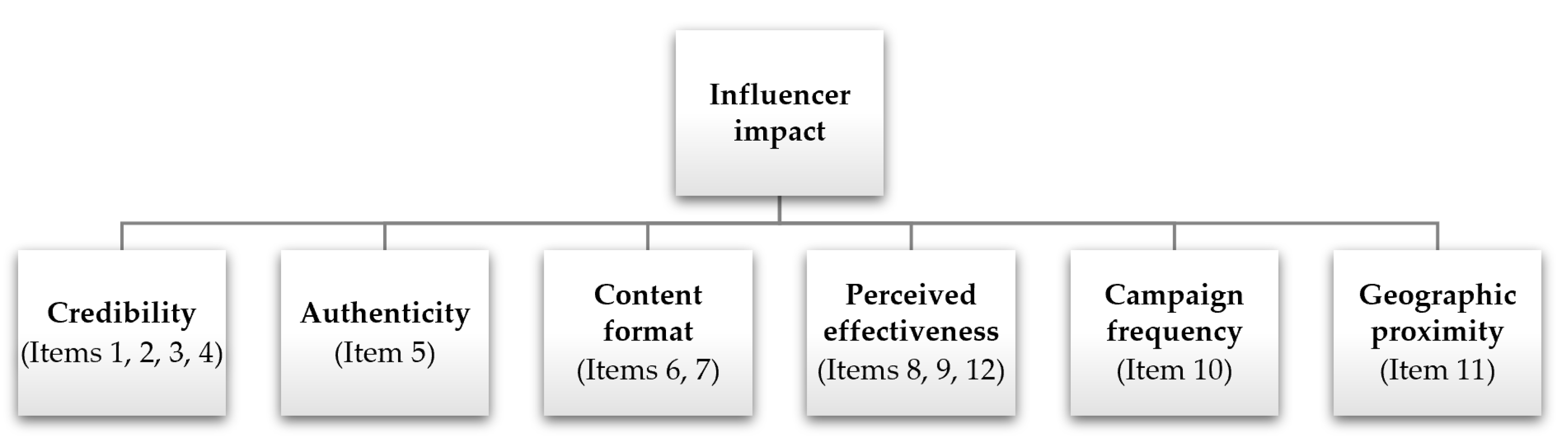
Figure 1. Conceptual structure of the measurement model. Source: own processing. Note: The numbers and full text of the questionnaire items referenced in this figure are provided in Table 1.
Futureinternet 17 00559 g001
Table 1. Questionnaire items, constructs, and supported research.
No.ItemConstructSupported References
1Influencers affect my opinion when choosing travel services or products.Credibility[67,68,69]
2I consider influencers to be a trustworthy source of information when choosing a travel destination.Credibility[38,67,68,69]
3I consider influencers to be a trustworthy source of information when choosing accommodation.Credibility[38,67,68,69]
4I consider influencers to be a trustworthy source of information when choosing transportation to a destination.Credibility[38,67,68,69]
5The authenticity of influencers greatly impacts my trust in their accommodation recommendations.Authenticity[70,71,72]
6Reviews provided by influencers (e.g., hotel service ratings, room photos, etc.) strongly influence my willingness to book accommodation.Content format[67,69]
7The type of content created by influencers has influenced my willingness to book accommodation.Content format[73,74,75]
8Thanks to influencer marketing, I am more inclined to try accommodation I was previously unaware of.Perceived effectiveness[67,69]
9Thanks to influencer marketing, I am more inclined to visit destinations I was previously unaware of.Perceived effectiveness[67,69]
10The more frequently influencer campaigns appear, the greater their influence on my choice of destination.Campaign frequency[76]
11If an influencer promotes accommodation in a region geographically close to me, it has a greater impact on my decision to visit that accommodation.Geographic proximity[77,78]
12I consider influencer marketing to be more effective than traditional advertising (billboards, TV, catalogs, etc.).Perceived effectiveness[79,80]
Table 2. Hypotheses, variables, and expected correlations.
HypothesisVariables (Questionnaire Items)Expected Direction of Correlation
1No. 1 and No. 2, 3, 4positive
2No. 3 and No. 5positive
3No. 6 and No. 7positive
4No. 9 and No. 12positive
5No. 10 and No. 1positive
6No. 8 and No. 11positive
Note: The numbers and full text of the questionnaire items referenced in this table are provided in Table 1.
Table 3. Descriptive statistics for questionnaire items and Cronbach’s alpha if item removed.
No.MeanMedianStd. Dev.Factor LoadingAlpha If Item Removed
12.52231.1930.7100.940
22.56431.1140.8390.935
32.56131.1560.8460.935
42.60531.1680.8100.936
2, 3, 42.56131.106
52.74531.2270.7580.938
62.72731.2210.7930.937
72.55531.1460.8210.936
82.69731.2710.8130.936
92.94131.3080.7780.937
102.46021.1390.7480.938
112.66231.3000.7480.938
122.90531.2970.7380.939
Note: The numbers and full text of the questionnaire items referenced in this table are provided in Table 1. All items were measured on a 5-point Likert scale ranging from 1 (strongly disagree) to 5 (strongly agree). Std. dev. denotes standard deviation.
Table 4. Distribution of respondents’ answers for each questionnaire item (percentages).
Item No.Group1
Strongly Disagree
2
Disagree
3
Neutral
4
Agree
5
Strongly agree
Mean
1Total25.8223.1529.6715.735.64
Men28.819.532.215.34.22.466
Women24.225.128.316.06.42.553
2Total20.4726.7133.8313.955.04
Men22.926.333.112.75.12.508
Women19.226.934.214.65.02.594
3Total21.6627.0031.1613.956.23
Men25.426.329.711.96.82.483
Women19.627.432.015.15.92.603
4Total21.3625.2231.1616.026.23
Men23.723.728.017.86.82.602
Women20.126.032.915.15.92.607
2, 3, 4Total21.0724.3337.0912.465.04
Men23.724.633.112.75.92.525
Women19.624.239.312.34.62.580
5Total19.8821.6632.3416.329.79
Men19.518.635.615.311.02.797
Women20.123.330.616.99.12.717
6Total20.4722.5528.4920.777.72
Men18.622.935.613.69.32.720
Women21.522.424.724.76.82.731
7Total22.2626.1130.2716.624.75
Men24.620.329.720.35.12.610
Women21.029.230.614.64.62.525
8Total23.4420.1829.3817.219.79
Men24.625.425.413.611.02.610
Women22.817.431.519.29.12.744
9Total19.2917.8025.2224.9312.76
Men28.016.927.117.810.22.653
Women14.618.324.228.814.23.096
10Total24.6327.6029.6713.354.75
Men26.325.429.714.44.22.449
Women23.728.829.712.85.02.466
11Total25.5219.5828.7815.4310.68
Men26.316.125.422.010.22.737
Women25.121.530.611.911.02.621
12Total19.2918.1028.4921.0713.06
Men22.015.324.624.613.62.924
Women17.819.630.619.212.82.895
Note: The numbers and full text of the questionnaire items referenced in this table are provided in Table 1.
Table 5. Summary of hypotheses and results.
HypothesisVariablesSpearman Correlation Coefficientt-Statisticsp-ValueSupported/Rejected
1No. 1 and No. 2, 3, 40.644215.41740.0000Supported
2No. 3 and No. 50.603813.86340.0000Supported
3No. 6 and No. 70.614014.23680.0000Supported
4No. 9 and No. 120.593913.51130.0000Supported
5No. 10 and No. 10.511710.90050.0000Supported
6No. 8 and No. 110.637115.12800.0000Supported
Note: The numbers and full text of the questionnaire items referenced in this table are provided in Table 1.
Disclaimer/Publisher’s Note: The statements, opinions and data contained in all publications are solely those of the individual author(s) and contributor(s) and not of MDPI and/or the editor(s). MDPI and/or the editor(s) disclaim responsibility for any injury to people or property resulting from any ideas, methods, instructions or products referred to in the content.


