

Article

Stakeholder Participation and Multi-Actor Collaboration in Model Forest Governance: Insights from the Bucak Model Forest, Türkiye


1
Program of Forestry and Forest Products, Köyceğiz Vocational School, Muğla Sıtkı Koçman University, Muğla 48800, Türkiye
2
Institute of Forestry, Lithuanian Research Centre for Agriculture and Forestry, Kedainiu District, 58344 Akademija, Lithuania
3
Faculty of Forestry, Isparta University of Applied Sciences, Isparta 32260, Türkiye
4
Department of Forestry, Vocational School of Forestry, İstanbul University—Cerrahpaşa, İstanbul 34473, Türkiye
5
Faculty of Forestry, İstanbul University—Cerrahpaşa, İstanbul 34473, Türkiye
*
Author to whom correspondence should be addressed.
Forests 2026, 17(1), 4; https://doi.org/10.3390/f17010004
Submission received: 4 November 2025 / Revised: 8 December 2025 / Accepted: 16 December 2025 / Published: 19 December 2025
(This article belongs to the Special Issue Multiple-Use and Ecosystem Services of Forests—3rd Edition)

Abstract

This study investigates the factors influencing stakeholders’ willingness to contribute to the Bucak Model Forest (BMF) in Türkiye, a participatory governance initiative aimed at promoting sustainable forest management. Based on a survey of 1134 local residents and stakeholders, the research employs both descriptive statistics and multivariate analyses, including stepwise multiple linear regression and Chi-square tests. The regression analysis revealed that variables such as awareness of the BMF, positive attitudes toward ecotourism, trust in forestry institutions, and willingness to engage in forest-related activities without financial gain positively affect the intention to contribute, while gender showed a weak negative relationship. The overall explanatory power of the regression model was 23%, indicating the need to consider additional variables for a deeper understanding. Chi-square analyses demonstrated weak but significant associations between demographic characteristics and perceptions of forest use, conservation, and organizational trust. The findings underscore the necessity of refining participatory strategies in Model Forests by enhancing outreach, adjusting strategic planning based on local dynamics, and strengthening institutional capacities. The study contributes to the literature on collaborative forest governance and provides practical insights for improving stakeholder engagement in similar landscape-scale sustainability initiatives.

1. Introduction

Sustainable forest management (SFM) has recently evolved from a production-oriented model to a holistic governance approach that emphasizes the balanced and permanent protection of the ecological, economic and socio-cultural dimensions of forest areas [1,2]. In this management approach, the active participation of local stakeholders in decision-making processes has become a determining factor in terms of the legitimacy and success of the practices [3,4,5,6]. In regions where forests constitute both ecological infrastructure and socio-economic systems, inclusive governance mechanisms become essential for balancing competing interests and facilitating adaptive, participatory decision-making. The effectiveness of governance systems, especially at the local level, depends on a combination of sound technical planning, voluntary cooperation of local communities, mutual trust among stakeholders and the effectiveness of representation mechanisms [7,8]. Participatory governance, in contrast to traditional top-down approaches, emphasizes shared responsibility and mutual trust among actors, which are increasingly seen as preconditions for sustainable outcomes. In this context, stakeholder participation plays a pivotal role in the protection of natural resources, in enhancing the social legitimacy of decisions, mitigating conflicts, and strengthening governance capacity [9,10,11,12]. The Model Forest approach represents an innovative governance model that operationalizes sustainable development goals at the local level through voluntary engagement and an emphasis on multi-stakeholder collaboration [13,14,15].
Model Forests were first developed in Canada in the early 1990s to improve the applicability of SFM in local contexts. The Model Forest approach has now expanded to more than 60 Model Forests around the world and has evolved into a global framework that integrates social and ecological systems through inclusive, participatory governance [16]. These structures are based on principles such as voluntarism, partnership, transparency and information sharing, and aim for nature and community harmony at the large-scale landscape level. However, their success depends on technical capacity as well as on local people’s trust in the process, forms of participation and governance structures [8,14]. Model Forests aim to strengthen social learning, local capacity and institutional resilience as well as the management of biophysical resources [3,17].
The Model Forest approach in Türkiye emerged in the mid-2000s as a response to the growing need for an integrated and participatory governance model for SFM, rural development, stakeholder engagement and environmental protection. In 2010, Türkiye joined the Model Forest movement through the Yalova Model Forest Initiative, the country’s first implementation in this field [18]. This initiative reflected both Türkiye’s efforts to align with international principles of environmental governance and its recognition of the need to integrate local development dynamics. The initiative was established within the framework of cooperation with the International Model Forest Network (IMFN) and its regional subdivision, the Mediterranean Model Forest Network. A subsequent initiative is the Bucak Model Forest (BMF). Established in the Bucak district of Burdur Province, this structure draws attention as the second large-scale model forest example within the IMFN in Türkiye [7,16]. The BMF initiative joined the IMFN in 2014 with the aims of ensuring the direct participation of local people in SFM, raising social awareness on ecosystem services and encouraging the active involvement of women and youth in nature-based development processes.
However, the success of Model Forest initiatives in Türkiye, as in many other countries, largely depends on the quality and continuity of stakeholder engagement. A previous study on the BMF indicates that local stakeholder engagement remains largely advisory and reflects limited influence on decision-making processes. This limited participation is often attributed to structural constraints such as insufficient institutional support, lack of financial incentives, and inadequate mechanisms to empower local actors [3,7] conducted a comparative analysis of Model Forest initiatives in Russia and Sweden to assess how multi-stakeholder collaboration contributes to SFM. The study examines how participatory structures enhance local adaptive capacity under differing governance systems. Findings indicate that involving highly representative actors and balancing local and national governance levels are key conditions for effective and adaptive forest governance models. Another study, Elbakidze et al. (2007) analyzed stakeholder participation in the Kovdozersky Model Forest located in northwestern Russia, aiming to support the development of adaptive forest governance [19]. The study’s findings revealed that the process was dominated by private sector actors, while civil society participation remained limited. The authors emphasized the need for inclusive, multi-level collaboration and integrated landscape planning to address the ecological, economic, and cultural challenges present in the region. Nichiforel et al. (2024) found that stakeholder participation in Romania’s FSC certification processes was largely consultative, with minimal influence on decision-making [20]. The study emphasizes the importance of meaningful, decision-oriented participation as a tool to strengthen SFM in voluntary certification systems. These findings underscore the need to move beyond symbolic participation and towards more tangible, shared forms of stakeholder engagement in decision-making. Recent literature highlights Model Forests as a forestry strategy, while they equally act as platforms for social learning and co-management [17]. Trust among stakeholders, horizontal learning processes, knowledge sharing, and joint decision-making mechanisms enhance the functionality of these structures and facilitate more effective achievement of sustainability goals [4,10]. It is evident that Model Forests have evolved into multidimensional platforms that bring together ecological systems, cultural heritage, rural development, and social equity [19]. Cultural ecosystem services shape the quality of individuals’ connection to nature, which in turn directly influences their motivation to participate in Model Forest initiatives [21,22,23]. The success of Model Forests relies on a combination of context-sensitive participatory structures, strong capacities for social learning, trust-based governance, and effective technical forestry practices [24].
This study examines the functioning of participatory governance structures within the BMF, with the aim of identifying key factors that influence stakeholder engagement and proposing informed recommendations to strengthen participatory mechanisms. The research empirically analyses which factors shape local-level participation and provides suggestions for enhancing the participatory dimension of Model Forest governance. Accordingly, the study aims to generate insights that are applicable beyond the Bucak district, offering contributions to other Model Forest initiatives as well as to broader participatory forest policy processes. In order to understand what drives community participation in the BMF initiative, this study tests a set of hypotheses based on existing literature and contextual variables.

2. Materials and Methods

2.1. Study Area

The establishment and coordination of Model Forests are overseen by the IMFN, which is headquartered in Canada. Model Forests are participatory governance frameworks designed to manage social, environmental, economic, and cultural values collectively within large-scale forest landscapes, in line with the principles of sustainable development. To promote knowledge sharing and collaboration among Model Forests operating in similar socio-ecological contexts, the IMFN is structured into six regional networks: the African Model Forest Network, the Baltic Landscape Network (Northern Europe and Russia), the Canadian Model Forest Network, the Ibero-American Model Forest Network, the Mediterranean Model Forest Network, and the Regional Model Forest Network—Asia [13,16].
The case study area, the BMF, is located in Bucak district of Burdur province in Türkiye and operates within the framework of the IMFN (Figure 1).
In Türkiye, forest management is carried out by the General Directorate of Forestry (OGM), which operates under the Ministry of Agriculture and Forestry. OGM is responsible for afforestation, timber production, maintenance, protection, fire prevention, and supporting forest-dependent communities. Within the framework of participatory governance, forest villagers are involved in forestry activities through cooperatives. Threats such as forest fires, illegal construction, and climate change pose significant current risks to SFM. Türkiye has implemented multi-stakeholder governance models through Model Forest initiatives in regions such as Yalova and Bucak. During the establishment phase of the BMF, a wide range of stakeholders were involved under the leadership of the Bucak Forest Enterprise Directorate on behalf of the General Directorate of Forestry. These stakeholders included various public institutions, private sector entities, non-governmental organizations, neighborhood headmen, cooperatives, villagers, local communities, and university representatives. Approximately 80% of the BMF population resides in rural areas and relies on agriculture, animal husbandry, and forestry for their livelihoods. Forests constitute 69% of the total BMF area and are managed with the objectives of producing the highest quality and quantity of timber as well as fulfilling a range of functional purposes. These forest lands also contain rich mineral and marble reserves, which has led to a notable increase in mining and quarrying activities in recent years. Irrigated agriculture is practiced on 21% of the agricultural lands within the BMF. In the mountainous areas, crops such as olives, figs, grapes, peaches, pistachios, sesame, citrus fruits, and vegetables are cultivated, while field crops and cereals are grown predominantly in the plains. For subsistence, local residents also engage in goat and sheep farming, poultry keeping, migratory beekeeping, and to a limited extent, inland aquaculture. According to Turkish Statistical Institute, the population of Bucak district in 2024 is 68,096; of this population, 49.96% are male and 50.4% are female.

2.2. Study Data and Statistical Methods

This study employed both primary and secondary data sources. Primary data were collected through a survey conducted with stakeholders of the BMF, while secondary data consisted of the Strategic Management Plan of the BMF and various institutional documents related to the BMF initiative. These sources provided essential background information for the research and served as a guide during the preparation of the survey form. The goals, governance structure, and stakeholder participation objectives outlined in the strategic plan played a fundamental role in identifying the variables used in the primary data collection process and ensured that the survey aligned with the institutional context. Moreover, during the analysis and interpretation stages, these documents served as a reference point to evaluate the extent to which stakeholder attitudes and behaviors aligned with the strategic objectives. This integrative approach enabled the contextual evaluation of survey findings and contributed to the meaningfulness of the results.
The sample size was determined using the Formula (1):
n = Z 2 N p q [ N 1 D 2 + ( Z 2 p q ) ]
where Z = 1.96, N = 68,096, p = 0.5, q = 0.5 and D = 0.05. The calculated sample size was 382; however, due to favorable conditions, the survey was conducted through face-to-face interviews with 1134 participants. The sample size was increased in order to enhance the statistical power of the study and to ensure a broader and more diverse representation of the population. Participants were required to be residents of Bucak district aged 19 years or older, and were randomly selected from stakeholder groups. The questionnaire included 19 items, resulting in 26 variables as some questions captured multiple aspects.
Data analysis combined descriptive and inferential statistical techniques. Descriptive statistics were used to summarize frequencies and percentages. Inferential analyses included multivariate linear regression and Chi-square tests of independence. In the regression model, the dependent variable was defined as the “willingness to contribute to the BMF project”, with 18 independent variables included. The general regression model is expressed as Formula (2):
Y = β0 + βiXi + ε
Model validity was tested with the F-statistic, and the significance of coefficients with the t-test, both at a 5% level of significance. The coefficient of determination (R2) was employed to assess explanatory power [25].
Chi-square tests were further applied to examine associations between demographic variables and those related to BMF, forestry organizations, forest utilization, and forest protection. Relationships were considered significant at p < 0.05. Cramér’s V was used to assess the strength of significant associations, with thresholds of weak (0–0.30), moderate (0.31–0.60), and strong (0.61–1.00) relationships. Cross-tabulations were used to interpret the direction and nature of associations [26]. All analyses were performed using SPSS 24.0.
This study is guided by the following main hypothesis: The willingness of individuals to contribute to the BMF initiative is significantly influenced by individual and institutional factors such as environmental awareness, institutional trust, knowledge about the BMF, willingness to work voluntarily, and attitudes toward ecotourism and mining activities.
In the regression analysis, demographic variables such as gender, age, marital status, education level were included as control variables to account for their potential confounding effects on the willingness to contribute to the BMF initiative.

3. Results

3.1. Socio-Demographic Characteristics of Participants

The socio-demographic profile of the participants in the study was presented Table 1. The sample includes individuals from various age groups, educational backgrounds, and occupational categories residing in the Bucak district. Descriptive statistics for variables such as gender, age, marital status, education level, occupation, place of residence, and duration of residency are summarized using frequency and percentage values.
Among the total of 1134 respondents, 57% were male and 43% female. The majority of participants (55%) were aged 31 and above, while 45% were between the ages of 19 and 30. The age groups were categorized as 19–30 and 31 and above to reflect distinct life stages and community engagement patterns, with younger participants typically at early career or educational stages and older individuals more likely integrated into local socio-economic and governance structures. In terms of marital status, 58% were married and 42% single. Regarding education, the highest proportion of respondents had completed high school (36%), followed by middle school (25%) and associate degree (15%). Only 8% held a bachelor’s degree. Occupationally, participants were diverse, with the highest representation from housewives (18%), workers (16%), students (15%), and farmers (13%). In the research, worker refers to people who work for wages, while trader refers to self-employed people who engage in commercial activities or local entrepreneurship. Place of residence data shows that 57% lived in the district center, 31% in villages, and 12% in towns. Additionally, 64% of the participants were native-born residents of the area, while others had resided in the region for up to 10 years (Percentages are rounded to the nearest whole number).
Table 2 presents the frequency and percentage distribution of participants’ awareness of the BMF and their willingness to contribute to its activities. The data reflect the extent to which respondents are informed about the BMF initiative and their level of interest in participating in or supporting its operations [27].
As shown in Table 2, 45% of the stakeholders reported being aware of the BMF, while 60% expressed a willingness to contribute to its activities. This finding suggests a positive relationship between awareness of the BMF and the intention to participate. Therefore, if the goal is to enhance stakeholder engagement in the BMF, the initial focus should be on expanding outreach and awareness efforts. This indicates that a considerable portion of the population is willing to support the initiative despite lacking formal knowledge of it, highlighting the importance and potential effectiveness of awareness and outreach efforts.
However, in addition to informational campaigns, it is equally important to implement participatory mechanisms aimed at fostering active involvement among all stakeholder groups. In line with this need, the Strategic Plan of the BMF includes the goal of “ensuring the promotion of the Bucak Model Forest”, supported by the following two activities [27]:
It is essential that a range of activities be implemented to ensure a sustainable process of promotion and awareness-raising. In particular, an official website and social media accounts must be established and actively maintained to guarantee the regular dissemination of information and updates. Promotional campaigns must also be carried out through local and national press, television, and radio in order to effectively reach different segments of society. Furthermore, workshops, seminars, and information meetings should be organized to enhance stakeholders’ knowledge and to secure their active involvement in the process. It is equally important that sustainability- and environment-oriented educational programs be introduced in schools and universities to foster awareness among younger generations. Stronger collaboration with the International Model Forest Network must be developed to implement joint projects and knowledge-sharing activities. Finally, an online feedback mechanism through which stakeholders can directly communicate their views and suggestions must be established to reinforce the principles of participatory governance. Empirical findings from various Model Forest initiatives indicate that stakeholder awareness is a key determinant of participation and commitment [7,28,29,30,31,32,33,34,35,36].
Table 3 presents the frequency and percentage distribution of variables related to participants’ perceptions of and interactions with the forestry organization. The results reflect levels of trust, perceptions of political neutrality, and comfort in communication with forestry officials. The variable “Perceiving the Organization as Political” refers to the extent to which respondents perceive the forestry authority as influenced by political structures. These variables were used to examine the relational dynamics between stakeholders and institutional actors, particularly in the context of governance trust.
The majority of participants (67%) reported that they trust the forestry organization, and 86% stated that they feel comfortable or very comfortable visiting the institution without hesitation. Additionally, 82% indicated that they could always or generally express their opinions openly to forest officers. These findings reflect a relatively high level of confidence and transparency in the relationship between stakeholders and the forestry authority in the Bucak region. Such positive perceptions are particularly significant given the central role of public forestry institutions in coordinating and supporting Model Forest initiatives in Türkiye.
Table 4 presents the frequency and percentage distribution of participants’ attitudes toward forest-related activities, including mining, ecotourism, conservation behaviors, and direct forest use. The variables reflect stakeholders’ environmental values, their behavioral intentions regarding forest protection, and how they utilize forest resources in their daily lives.
As shown in Table 5, more than 60% of respondents exhibited strong forest protection tendencies, including actions such as reporting illegal logging, preventing forest fires, and educating children about forests. However, only 39% supported the existence of mining activities in forest areas, and just 47% reported actively following forestry-related developments. These lower percentages highlight potential challenges for stakeholder engagement in the BMF, particularly regarding extractive land uses and long-term participatory awareness. A review of the BMF Strategic Plan (2017) revealed that no specific goal or activity addresses conflict management or participatory governance, despite these being identified gaps in the stakeholder feedback [27].
When analyzing forest use preferences, the most commonly reported benefits were recreation (30%), access to clean drinking water (16%), fuelwood collection (13%), and harvesting edible plants and mushrooms (11%). If hunting and fishing are considered together as similar extractive uses, their combined share would rise significantly in the ranking. While the Strategic Plan includes several activities related to recreation and non-timber forest products (e.g., thyme, bay leaves, mushrooms), it does not address water provisioning, the second most frequently cited use by stakeholders. This suggests a partial misalignment between actual local forest needs and strategic planning priorities [37,38,39,40].

3.2. Determinants of Willingness to Contribute to the BMF Initiative

A multiple linear regression analysis using a stepwise procedure was conducted to identify the main determinants of participants’ willingness to contribute to the BMF initiative. As predictors were added sequentially, the coefficient of determination (R2) increased from 0.099 (Model 1) to 0.230 (Model 7); the final model’s adjusted R2 = 0.225 indicates that the included predictors explain about 23% of the variance. The Durbin–Watson statistic of 1.788 suggests no residual autocorrelation, supporting model reliability. These improvements are consistent with the view that participation in forest governance is multi-causal—shaped by knowledge, attitudes, and institutional context rather than a single dominant factor [1,3].
In the final specification (Table 6), seven variables were significant (p < 0.05) with VIF < 2: awareness of the BMF project, positive perception of ecotourism, willingness to work in forestry without financial compensation, trust in the forestry organization, viewing the forestry organization as political, positive perception of mining activities, and gender. Awareness and a positive view of ecotourism showed the strongest positive effects; gender carried a small negative coefficient (male > female willingness). The emphasis on information, local benefits, and inclusive participation is consistent with stakeholder engagement and co-production frameworks [9,35].
Among the predictors. awareness of the BMF project and positive perception of ecotourism demonstrated the strongest positive effects on willingness to contribute. Conversely, gender had a negative coefficient, implying that male respondents were slightly more inclined to contribute compared to female respondents.
Based on Model 7, the regression equation is expressed as:
Willingness to Contribute = 0.382 (BMF Awareness) − 0.150 (Gender) + 0.111 (Voluntary Forestry Work) + 0.081 (Trust in Forestry Organization) + 0.074 (Viewing Forestry as Political) + 0.061 (Positive View on Mining) + 0.261 (Positive View on Ecotourism)
Although the model explains only about 23% of the variance in willingness to contribute, it provides meaningful insights into the behavioral and attitudinal factors that drive local participation in the BMF framework. Further research could explore additional variables such as economic dependency on forest resources or previous engagement in community-based projects to better account for the remaining variance.
The results suggest that individuals’ environmental awareness, perceived project legitimacy, and altruistic motivation play central roles in shaping their willingness to engage with the BMF initiative. Specifically, a positive attitude toward ecotourism and awareness of the BMF project indicate that participants who recognize the environmental and socioeconomic benefits of SFM are more likely to express support and involvement. At the same time, the positive contribution of trust in the forestry organization reflects institutional confidence, which strengthens cooperative attitudes.
However, the inclusion of political perception of the forestry organization and support for mining activities as significant predictors suggests that not all motivations align perfectly with the core independence and environmental integrity principles expected of civil society–based forest governance. This duality indicates that while many stakeholders share the civic and environmental values consistent with sustainable forest governance, a subset demonstrates a more pragmatic alignment with state or industry interests. If such tendencies persist, the BMF initiative may risk evolving toward institutional dependency rather than functioning as a genuinely autonomous, community-driven organization. As observed in relevant literature [41,42,43,44], the research findings indicate that stakeholders’ willingness to participate in the BMF initiative is shaped by factors such as environmental awareness, perceived legitimacy, altruistic motivation, and institutional trust. However, the presence of political perceptions and support for mining activities also reflects pragmatic tendencies that may conflict with the core principles of civil society–based forest governance. To enhance the reliability of the final regression model (Model 7), robustness tests were conducted using heteroscedasticity-consistent standard errors (HC3). This adjustment ensures the validity of statistical inferences even in the presence of potential heteroscedasticity in the data. The results confirmed the statistical significance and direction of all key predictors, particularly awareness of the BMF project, voluntary orientation, and positive perceptions of ecotourism. In addition, a multicollinearity diagnostic was performed by calculating the Variance Inflation Factor (VIF) for each independent variable. All VIF values were well below the conventional threshold of 10, indicating no significant multicollinearity concerns in the model.

3.3. Relationships Between Demographic Characteristics and Model Forest Participation

To explore the associations between participants’ demographic characteristics and their engagement with forestry-related attitudes and behaviors, Chi-square independence tests were conducted. Seven demographic variables (gender, age, marital status, educational level, occupation, income, and settlement proximity to forests) were tested against eighteen variables related to forestry and the BMF initiative.
Table 7 presents the Chi-square values and significance levels (Asymp. Sig. 2-sided) for the relationships between key demographic variables and attitudes or behaviors related to forestry and the BMF initiative. Values with the grey background indicate statistical significance (typically p < 0.05). All significant associations (p < 0.05) indicate weak to moderate relationships based on Cramer’s V coefficients (0.00–0.30). These results indicate that socio-demographic factors play a measurable role in shaping local communities’ forestry-related attitudes and participation tendencies.
Table 8 demonstrates the distribution of responses regarding willingness to contribute to the Model Forest initiative by age and marital status categories. The results highlight higher participation intentions among older and married respondents.
The findings reveal that 63% of respondents over the age of 31 expressed willingness to contribute to the BMF initiative, compared to 55% among those aged 18–30. Similarly, 63.6% of married participants indicated willingness to contribute, while this rate was 53.7% among single respondents. These differences, though moderate, suggest that both age and marital status are important in shaping individuals’ motivation and sense of responsibility toward sustainable forest governance. Chi-square tests were conducted in accordance with standard statistical assumptions. Since all cells had expected frequencies above 5, the reliability of the test results was ensured. Additionally, Cramer’s V coefficients were examined to better assess the strength of the relationships. Although traditional robustness tests are not typically applied to analyses involving categorical variables, the presence of significant and consistent results across various demographic variables supports the reliability of the findings.

4. Discussion

The general findings indicate that demographic characteristics significantly influence attitudes toward forest use, protection, and participation in model forest governance. In particular, higher engagement levels among older and married individuals may reflect stronger emotional attachment to forest resources and a greater sense of intergenerational responsibility.
From a policy perspective, these demographic patterns underline the need to incorporate social heterogeneity into the participatory strategies of the BMF. Programs that specifically target younger and single individuals through education, awareness, and social integration efforts could broaden the base of participation.
However, a review of the current BMF Strategic Plan reveals no explicit emphasis on demographic differentiation in participation strategies. A similar shortcoming was observed in the YMF case study [32], where stakeholder diversity was not sufficiently integrated into project planning. Incorporating these insights into future revisions of the BMF Strategic Plan could enhance the representativeness, sustainability, and legitimacy of participatory forest management efforts [27].
These findings are consistent with broader international evidence. For instance, Ferreira et al. (2020) found that ecological awareness and participatory processes significantly enhance stakeholders’ commitment to forest governance initiatives [10]. Similarly, Ekström et al. (2024) emphasized the importance of intrinsic motivation and trust in fostering durable stakeholder collaboration in forest-related sustainability programs [4].
Empirical findings from various Model Forest initiatives indicate that stakeholder awareness is a key determinant of participation and commitment [7,28,29,30,31,32,33]. For example, in the case of the BMF in Türkiye, Tolunay et al. (2014) found that the level of institutional stakeholders’ understanding of the Model Forest concept had a direct influence on their willingness to contribute to the initiative [7]. This aligns with observations from other countries, such as Sweden, India, Kenya and Ecuador, where participatory success was strongly associated with how well stakeholders were informed and engaged [28,29,30,31]. Similarly, in Nepal, the community driven Terai Arc Landscape restoration program has shown that local involvement in forest restoration activities leads to environmental benefits while reinforcing social cohesion and trust in forest governance [33]. These findings collectively underscore that effective stakeholder engagement in Model Forests cannot be achieved without first ensuring widespread understanding and visibility of the initiative among all relevant actors. This tendency may reflect a form of trust-based social capital, where community support is shaped not only by knowledge but also by institutional trust, emotional attachment, and cultural traditions of collective action.
In Türkiye, where almost all forests are state-owned, Model Forests function as an important participatory governance tool, enabling multi-actor collaboration in a traditionally centralized system. The results suggest that initiatives like BMF can strengthen shared decision-making, institutional trust, and grassroots engagement, offering implications for more democratic long-term forest governance.
The role of awareness and local contextual understanding also aligns with the landscape approach discussed by Angelstam et al. (2019), who demonstrated that the success of model forests in Russia was highly contingent upon stakeholder-driven long-term processes, rather than short-term demonstration projects [8]. In fact, one of the major obstacles to sustainability identified in Russian Model Forests was the limited institutionalization of participatory governance due to insufficient state support and reliance on external funding.
In the context of sustainable development, Ma et al. (2022) highlight that forestry systems contribute to at least 11 of the 17 Sustainable Development Goals (SDGs), notably SDG15 (Life on Land), SDG6 (Clean Water and Sanitation), and SDG13 (Climate Action) [45]. The BMF case aligns with this multidimensional perspective, as local communities in Bucak engage with the forest not only for economic or recreational purposes but also for biodiversity conservation, water sourcing, and environmental stewardship. However, the relatively weak correlation coefficients in this study suggest that further exploration of contextual and structural factors is needed.
An unexpected yet important finding was the weak negative association between gender and willingness to contribute, with women showing slightly less inclination to participate. This observation resonates with Elbakidze et al. (2012), who documented structural gender biases in forest institutions in post-Soviet contexts, suggesting the need for more inclusive governance practices [35]. As emphasized by Bekiroğlu et al. (2016 and 2024) in their study on the YMF, stakeholder trust in the forestry organization is a crucial driver of cooperation and engagement in participatory forest governance [18,32]. The Bucak case mirrors these findings, suggesting a continued improvement in state–community relations. Despite these advancements, it is important to note that 40% of respondents remained undecided about whether the forestry organization is politically neutral, highlighting a potential area for institutional reflection. Previous research has shown that perceptions of politicization may hinder stakeholder engagement in forest-related decision-making processes [20,34]. Such positive perceptions are particularly significant given the central role of public forestry institutions in coordinating and supporting Model Forest initiatives in Türkiye.
In General, these results suggest that while there is a strong foundation of trust and openness toward the forestry institution in the study area, further efforts are needed to ensure perceived neutrality and inclusiveness. Building and maintaining this trust is particularly vital in participatory frameworks such as Model Forests, where long-term collaboration depends heavily on transparent governance, mutual respect, and inclusive communication [35,36]. For instance, studies from Ecuador, Cameroon, and Sweden stress that overlooking community-defined ecosystem services such as water access or cultural values can reduce trust and undermine governance structures [24,35,36,40]. Therefore, for BMF to maintain social legitimacy and foster long-term collaboration, it is essential to integrate locally perceived forest values into strategic decision-making frameworks. These findings align with international research on Model Forests, which emphasizes the importance of including stakeholder-defined priorities into planning processes.
Finally, this study underscores the need for more sophisticated and context-sensitive evaluation mechanisms. Angelstam et al. (2013) advocate for the application of place-based governance frameworks that integrate environmental, economic, and social indicators to assess the performance of model forests as long-term sustainability platforms [46]. Such an approach would also benefit the BMF initiative by informing strategic planning processes that account for local stakeholder dynamics, cultural values, and institutional trust.

5. Conclusions

This study aimed to identify the factors influencing stakeholder engagement in the BMF initiative, with a particular focus on the willingness to contribute to SFM efforts. The empirical findings reveal several key insights into the dynamics of participation and the socio-institutional context shaping this engagement.
The stepwise multiple regression analysis developed seven models explaining stakeholder willingness to contribute to the BMF. The highest explanatory power was observed in Model 7 (R2 = 0.23), which included variables such as gender, awareness of the BMF project, trust in forestry institutions, willingness to participate without financial incentive, perceptions of ecotourism and mining, and the view of forestry institutions as political entities. Despite their statistical significance, these variables explain only a modest portion of the variation, indicating the need for broader, potentially qualitative dimensions. Chi-square independence tests demonstrated weak but significant relationships between stakeholders’ demographic characteristics (age, marital status, education) and their awareness of, and willingness to contribute to, the BMF. In particular, older and married individuals were more likely to express willingness to contribute—an observation consistent with findings in community-based forest governance research [10,47]. The positive correlation between trust in the forestry organization and willingness to engage confirms previous research emphasizing institutional trust as a prerequisite for participatory governance [17,35]. Similarly, supportive attitudes toward ecotourism appear to foster engagement, suggesting alignment between environmental awareness and participatory behavior (4).
As a relatively young civil society initiative, BMF requires improvement not only in stakeholder inclusion but also in terms of institutional structure, operational environment, shared values, and tangible impacts. Current limitations echo critiques from other Model Forests, such as YMF, where the absence of independence from governmental forestry agencies hindered stakeholder motivation [41]. Based on the study’s findings, the following recommendations are offered to enhance stakeholder engagement and governance effectiveness in the Bucak Model Forest and similar initiatives:
Model Forest Strategic Plans should be revised to explicitly incorporate the identified drivers and barriers to participation, ensuring that their objectives align with community dynamics and motivations. Positive perceptions of ecotourism can be leveraged through awareness campaigns, workshops, and local economic incentives, thereby encouraging sustainable practices and broader stakeholder participation.
Forestry institutions must actively foster transparent and inclusive communication channels to enhance institutional trust, particularly among underrepresented groups such as women and youth. Furthermore, stakeholder engagement should move beyond symbolic participation by granting stakeholders greater influence in decision-making processes—a need emphasized by Nichiforel et al. (2024), who critique the superficial nature of stakeholder roles in forest certification schemes [20].
Model Forests should also invest in holistic capacity building, emphasizing not only project implementation but also long-term development of governance, leadership, and local empowerment. Finally, stakeholder dynamics should be understood as evolving over time; therefore, continuous monitoring, participatory evaluation, and adaptive governance mechanisms must be integrated into Model Forest management structures to ensure learning and responsiveness to change. The findings offer support for the proposed hypotheses, particularly regarding the roles of awareness, voluntary orientation, and institutional trust.

Author Contributions

Conceptualization, T.T., H.B., A.T. and Ç.U.; methodology, T.T., H.B. and A.T.; software, T.T. and H.B.; validation, H.B., D.P. and Ç.U.; formal analysis, T.T., H.B. and S.B.; investigation, T.T. and S.B.; resources, T.T., D.P., M.Š., M.A. and O.B.; data curation, T.T., H.B., S.B. and Ç.U.; writing—original draft preparation, T.T., A.T. and M.Š.; writing—review and editing, Ç.U. and M.A.; visualization, Ç.U., A.T. and O.B.; supervision, T.T., Ç.U. and D.P.; project administration, T.T., A.T. and Ç.U.; funding acquisition, D.P., M.Š., M.A., O.B. and Ç.U. All authors have read and agreed to the published version of the manuscript.

Funding

This research received no external funding.

Data Availability Statement

The data presented in this study are available on request from the corresponding author upon reasonable request.

Conflicts of Interest

The authors declare no conflicts of interest.

Abbreviations

The following abbreviations are used in this manuscript:
BMFBucak Model Forest
FSCForest Stewardship Council
OGMGeneral Directorate of Forestry
SPSSStatistical Package for the Social Sciences
SDGsSustainable Development Goals
SFMSustainable Forest Management
IMFNInternational Model Forest Network
YMFYalova Model Forest

References

  1. Klenk, N.L.; Reed, M.G.; Lidestav, G.; Carlsson, J. Models of representation and participation in Model Forests: Dilemmas and implications for networked forms of environmental governance involving indigenous people. Environ. Policy Gov. 2013, 23, 161–176. [Google Scholar] [CrossRef]
  2. Ciccarino, I.D.M.; Fernandes, M.E.D.S.T. A bibliometric review of stakeholders’ participation in sustainable forest management. Can. J. For. Res. 2023, 54, 252–267. [Google Scholar] [CrossRef]
  3. Elbakidze, M.; Angelstam, P.; Sandström, C.; Axelsson, R. Multi-stakeholder collaboration in Russian and Swedish Model Forest initiatives: Adaptive governance toward sustainable forest management? Ecol. Soc. 2010, 15, 14. [Google Scholar] [CrossRef]
  4. Ekström, H.; Droste, N.; Brady, M. Modelling forests as social-ecological systems: A systematic comparison of agent-based approaches. Environ. Model. Softw. 2024, 175, 105998. [Google Scholar] [CrossRef]
  5. Örtenholm, E. The İnfluence of Stakeholder Participation on the Legitimacy of Municipal Environmental Governance: A Qualitative Case Study of Stakeholder Participation in Kristianstad Vattenrike Biosphere Reserve. Master’s Thesis, Stockholm University, Stockholm, Sweden, 2024; p. 72. [Google Scholar]
  6. Van der Wel, K.; van de Mortel, M.; van de Grift, L.; Akerboom, S. How to make stakeholder participation work? Constructing legitimacy in environmental policymaking. J. Environ. Policy Plan. 2025, 27, 166–181. [Google Scholar] [CrossRef]
  7. Tolunay, A.; Türkoglu, T.; Elbakidze, M.; Angelstam, P. Determination of the Support Level of Local Organizations in a Model Forest Initiative: Do Local Stakeholders Have Willingness to Be Involved in the Model Forest Development? Sustainability 2014, 6, 7181–7196. [Google Scholar] [CrossRef]
  8. Angelstam, P.; Elbakidze, M.; Axelsson, R.; Khoroshev, A.; Pedroli, B.; Tysiachniouk, M.; Zabubenin, E. Model forests in Russia as landscape approach: Demonstration projects or initiatives for learning towards sustainable forest management? For. Policy Econ. 2019, 101, 96–110. [Google Scholar]
  9. Luyet, V.; Schlaepfer, R.; Parlange, M.B.; Buttler, A. A framework to implement stakeholder participation in environmental projects. J. Environ. Manag. 2012, 111, 213–219. [Google Scholar] [CrossRef]
  10. Ferreira, V.; Barreira, A.P.; Loures, L.; Antunes, D.; Panagopoulos, T. Stakeholders’ engagement on nature-based solutions: A systematic literature review. Sustainability 2020, 12, 640. [Google Scholar] [CrossRef]
  11. Pelyukh, O.; Lavnyy, V.; Paletto, A.; Troxler, D. Stakeholder analysis in sustainable forest management: An application in the Yavoriv region (Ukraine). For. Policy Econ. 2021, 131, 102561. [Google Scholar] [CrossRef]
  12. Ratner, B.D.; Larson, A.M.; Barletti, J.P.S.; ElDidi, H.; Catacutan, D.; Flintan, F.; Suhardiman, D.; Falk, T.; Meinzen-Dick, R. Multistakeholder platforms for natural resource governance: Lessons from eight landscape-level cases. Ecol. Soc. 2022, 27, 2. [Google Scholar] [CrossRef]
  13. Bonnell, B.; de Camino, R.; Diaw, C.; Johnston, M.; Majewski, P.; Montejo, I.; Segur, M.; Svensson, J. From Rio to Rwanda: Impacts of the IMFN over the past 20 years. For. Chron. 2012, 88, 245–253. [Google Scholar] [CrossRef]
  14. Hvenegaard, G.T.; Carr, S.; Clark, K.; Dunn, P.; Olexson, T. Promoting sustainable forest management among stakeholders in the prince albert model forest, Canada. Conserv. Soc. 2015, 13, 51–61. [Google Scholar] [CrossRef]
  15. Johansson, M.; Sjölander-Lindqvist, A.; Dressel, S.; Ericsson, G.; Sandström, C. Expectations about voluntary efforts in collaborative governance and the fit with perceived prerequisites of intrinsic motivation in Sweden’s ecosystem-based moose management system. Ecol. Soc. 2022, 27, 20. [Google Scholar]
  16. IMFN (International Model Forest Network). Research Shows Model Forest Effectively Connects Stakeholders. Available online: https://imfn.net (accessed on 22 November 2024).
  17. Axelsson, R.; Ljung, M.; Blicharska, M.; Frisk, M.; Henningsson, M.; Mikusiński, G.; Folkeson, L.; Göransson, G.; Jönsson-Ekström, S.; Sjölund, A.; et al. The challenge of transdisciplinary research: A case study of learning by evaluation for sustainable transport infrastructures. Sustainability 2020, 12, 6995. [Google Scholar] [CrossRef]
  18. Bekiroğlu, S.; Özdemir, M.; Özyürek, E.; Arslan, A. Opportunities to enhance contribution of model forests in the sustainable forest resources management (example from Yalova Model Forest). J. Environ. Manag. 2016, 181, 701–709. [Google Scholar] [CrossRef] [PubMed]
  19. Elbakidze, M.; Angelstam, P.; Axelsson, R. Sustainable forest management as an approach to regional development in the Russian Federation: State and trends in Kovdozersky Model Forest in the Barents region. Scand. J. For. Res. 2007, 22, 568–581. [Google Scholar] [CrossRef]
  20. Nichiforel, L.; Buliga, B.; Palaghianu, C. Two decades of stakeholder voices: Exploring engagement in Romania’s FSC forest management certification. J. Clean. Prod. 2024, 475, 143718. [Google Scholar] [CrossRef]
  21. Başak, E.; Cetin, N.I.; Vatandaşlar, C.; Pamukcu-Albers, P.; Karabulut, A.A.; Çağlayan, S.D.; Besen, T.; Erpul, G.; Balkız, Ö.; Avcıoğlu Çokçalışkan, B.; et al. Ecosystem services studies in Turkey: A national-scale review. Sci. Total Environ. 2022, 844, 157068. [Google Scholar]
  22. Lee, H.; Youn, Y.C. Relevance of cultural ecosystem services in nurturing ecological identity values that support restoration and conservation efforts. For. Ecol. Manag. 2022, 505, 119920. [Google Scholar] [CrossRef]
  23. Panaro, S.; Delabre, I.; Marshall, F. Cultural ecosystem services and opportunities for inclusive and effective nature-based solutions. Ecol. Econ. 2025, 230, 108525. [Google Scholar] [CrossRef]
  24. Andong, S.; Dupuits, E.; Enriquez, D.; Melchiade, L.; Ongolo, S.; Robles, Á.S. Unshaping Model Forests in the Global South: Trans-Local Politics and Community Forestry Knowledge Circulation in Ecuador and Cameroon. Int. J. Commons 2025, 19, 138–157. [Google Scholar] [CrossRef]
  25. Van Ginkel, J.R. Significance Tests and Estimates for R2 for Multiple Regression in Multiply Imputed Datasets: A Cautionary Note on Earlier Findings, and Alternative Solutions. Multivar. Behav. Res. 2019, 54, 514–529. [Google Scholar] [CrossRef]
  26. Fox, W. Social Statistics Using Microcase; Nelson Hall Inc.: Chicago, IL, USA, 1992; ISBN 10 0922914273. [Google Scholar]
  27. BMF. Bucak Model Forest Strategic Plan 2018–2022; BMF: Bucak, Türkiye, 2014. [Google Scholar]
  28. Wallin, I.; Carlsson, J.; Hansen, H.P. Envisioning future forested landscapes in Sweden–Revealing local-national discrepancies through participatory action research. For. Policy Econ. 2016, 73, 25–40. [Google Scholar]
  29. Hayes, T.; Murtinho, F.; Wolff, H. The impact of payments for environmental services on communal lands: An analysis of the factors driving household land-use behavior in Ecuador. World Dev. 2017, 93, 427–446. [Google Scholar] [CrossRef]
  30. Mogoi, J.; Obonyo, E.; Ongugo, P.; Oeba, V.; Mwangi, E. Communities, property rights and forest decentralisation in Kenya: Early lessons from participatory forestry management. Conserv. Soc. 2012, 10, 182–194. [Google Scholar] [CrossRef]
  31. Matta, J.; Alavalapati, J.; Kerr, J.; Mercer, E. Agency perspectives on transition to participatory forest management: A case study from Tamil Nadu, India. Soc. Nat. Resour. 2005, 18, 859–870. [Google Scholar] [CrossRef]
  32. Bekiroğlu, S.; Özdemir, M.; Özyürek, E.; Çakır, G. Significance of model forest stakeholders in the management of sustainable forest resources: The case of Yalova model forest, Turkey. Forestist 2024, 74, 74–83. [Google Scholar] [CrossRef]
  33. Pandey, H.P.; Maraseni, T.N.; Apan, A.; Pokhrel, S.; Zhang, H. Lessons from a participatory forest restoration program on socio-ecological and environmental aspects in Nepal. Trees For. People 2025, 20, 100854. [Google Scholar]
  34. Angelstam, P.; Andersson, K.; Axelsson, R.; Elbakidze, M.; Jonsson, B.G.; Roberge, J.M. Protecting forest areas for biodiversity in Sweden 1991–2010: The policy implementation process and outcomes on the ground. Silva Fenn. 2011, 45, 1111–1133. [Google Scholar] [CrossRef]
  35. Elbakidze, M.; Angelstam, P.; Axelsson, R. Stakeholder identification and analysis for adaptive governance in the Kovdozersky Model Forest, Russian Federation. For. Chron. 2012, 88, 298–305. [Google Scholar] [CrossRef]
  36. Rojas, C.; Carrera, E.; Imbach, A.; Villalobos, R.; Durán, L. Impacts and Lessons Learned from Participatory Landscape Management Platforms: The Case of Latin American Model Forests. 2021. Available online: https://imfn.net/wp-content/uploads/2021/08/RLABM-Impact-report-2020-FINAL-ENG.pdf (accessed on 29 May 2025).
  37. Calder, I.R. Forests and water—Ensuring forest benefits outweigh water costs. For. Ecol. Manag. 2007, 251, 110–120. [Google Scholar] [CrossRef]
  38. Ombogoh, D.B.; Mwangi, E.; Larson, A.M. Community participation in forest and water management planning in Kenya: Challenges and opportunities. For. Trees Livelihoods 2022, 31, 104–122. [Google Scholar] [CrossRef]
  39. Bauer, J.; Herr, A. Hunting and fishing tourism. In Wildlife Tourism: Impacts, Management and Planning; Cambridge University Press: Cambridge, UK, 2004; Chapter 4; pp. 57–78. [Google Scholar]
  40. Lhoest, S.; Vermeulen, C.; Fayolle, A.; Jamar, P.; Hette, S.; Nkodo, A.; Maréchal, K.; Dufrêne, M.; Meyfroidt, P. Quantifying the Use of Forest Ecosystem Services by Local Populations in Southeastern Cameroon. Sustainability 2020, 12, 2505. [Google Scholar] [CrossRef]
  41. Özdemir, M. Evaluation of Yalova’s Participation in the International Model Forest Network in terms of Turkish Forestry. In National Mediterranean Forest and Environment Symposium Proceedings Book; KSÜ Faculty of Forestry: Kahramanmaraş, Türkiye, 2011; pp. 1367–1376. [Google Scholar]
  42. Garrido, P.; Elbakidze, M.; Angelstam, P. Stakeholders’ perceptions on ecosystem services in Östergötland’s (Sweden) threatened oak wood-pasture landscapes. Landsc. Urban Plan. 2017, 158, 96–104. [Google Scholar] [CrossRef]
  43. Avcı, D. Mining conflicts and transformative politics: A comparison of Intag (Ecuador) and Mount Ida (Turkey) environmental struggles. Geoforum 2017, 84, 316–325. [Google Scholar] [CrossRef]
  44. Uyar, Ç.; Özdemir, S.; Perkumienė, D.; Aleinikovas, M.; Šilinskas, B.; Škėma, M. Spatiotemporal Patterns of Avian Species Richness Across Climatic Regions. Diversity 2025, 17, 557. [Google Scholar] [CrossRef]
  45. Ma, Z.; Hu, C.; Huang, J.; Li, T.; Lei, J. Forests and Forestry in Support of Sustainable Development Goals (SDGs): A Bibliometric Analysis. Forests 2022, 13, 1960. [Google Scholar] [CrossRef]
  46. Angelstam, P.; Andersson, K.; Annerstedt, M.; Axelsson, R.; Elbakidze, M.; Garrido, P.; Grahn, P.; Johnsson, K.I.; Pedersen, S.; Schlyter, P.; et al. Solving problems in social–ecological systems: Definition, practice and barriers of transdisciplinary research. Ambio 2013, 42, 254–265. [Google Scholar]
  47. Secco, L.; Pettenella, D. Participatory processes in forest management: The Italian experience in defining and implementing forest certification schemes. Schweiz. Z. Forstwes. 2006, 157, 445–452. [Google Scholar] [CrossRef]
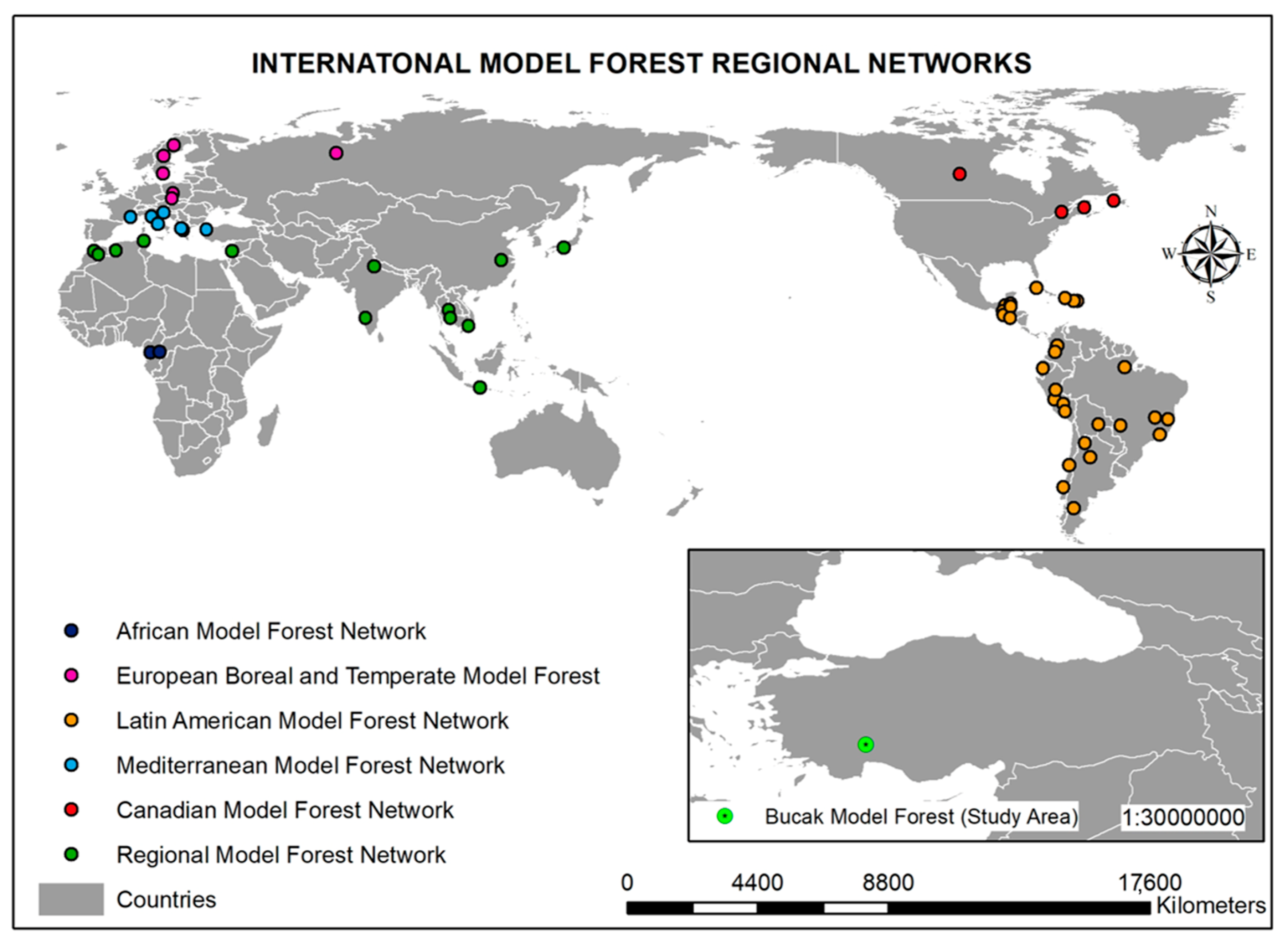
Figure 1. Bucak Model Forest in Türkiye [16].
Forests 17 00004 g001
Table 1. Demographic Composition of the Participants.
VariableCategoryFrequency (n)Percentage (%)
GenderMale64957
Female48543
Age19–3051345
31 and above62155
Marital StatusSingle47542
Married65958
Education LevelLiterate333
Primary School14213
Middle School28725
High School41236
Associate Degree17215
Bachelor’s Degree888
OccupationUnemployed11110
Daily Worker535
Farmer15313
Retired595
Student17515
Housewife20018
Worker18416
Public Official615
Trader757
Other636
Place of ResidenceVillage35231
Town13112
District Center65157
Duration of ResidenceNative-born71964
1–5 years18416
6–10 years23120
Table 2. Public Awareness and Willingness to Contribute to the BMF.
VariableCategoryFrequency (n)Percentage (%)
BMF AwarenessYes51145
No62355
Willingness to Contribute to BMFYes67460
No23020
Undecided23020
Table 3. Descriptive Results on Perceptions of and Relations with the Forestry Organization.
VariableCategoryFrequency (n)Percentage (%)
Trust in the Forestry OrganizationYes75667
No13712
Undecided24121
Perceiving the Organization as PoliticalYes39735
No28625
Undecided45140
Comfort in Visiting the OrganizationAlways can63356
Can34430
Undecided858
Cannot easily484
Cannot242
Comfort Expressing Opinions to Forest OfficersAlways can51545
Can41537
Undecided1029
Cannot easily575
Cannot454
Table 4. Descriptive Results on Forest Use and Conservation Attitudes.
VariableCategoryFrequency (n)Percentage (%)
Support for Mining Operations in Forest AreasYes44639
No44740
Undecided24121
Support for Ecotourism InvestmentsYes79870
No15814
Undecided17816
Approving Forests as Waste Disposal AreasYes28825
No84675
Preferences Regarding the Utilization of Forest ResourcesWaged forest work1695
Collecting plants/mushrooms for sale1374
Collecting plants/mushrooms for food33711
Recreation95330
Fishing2207
Drinking water supply51716
Firewood collection42113
Use of forest soil1756
Hunting1966
Beekeeping682
Table 5. Willingness of Participants to Engage in Forestry-Related Activities.
ActivityAlways Can
(%)
Can
(%)
Undecided
(%)
Cannot Easily
(%)
Cannot
(%)
Reporting illegal logging4636765
Volunteering to fight forest fires6323473
Removing harmful animals from forests322716169
Warning people who may harm forests48335104
Educating children about forests6720643
Planting tree saplings5928652
Joining forestry trainings313218145
Following forestry developments2225162413
Volunteering for forests without remuneration313313617
Table 6. Coefficients and Significance Levels of the Final Regression Model (Model 7).
ModelUnstandardized CoefficientsStandardized
Coefts
tSig.Collinearity Statistics
BStd. ErrorBetaToleranceVIF
1(Constant)1.1200.049 22.6670.000
Finding ecotourism positive0.3360.0300.31411.1330.0001.0001.000
2(Constant)0.5280.080 6.6310.000
Finding ecotourism positive0.3070.0290.28710.4760.0000.9881.012
Awareness of the BMF project0.4090.0440.2549.2730.0000.9881.012
3(Constant)0.3340.082 4.0940.000
Finding ecotourism positive0.2610.0290.2448.9250.0000.9461.057
Awareness of the BMF project0.3910.0430.2429.0600.0000.9851.015
Willingness to work in forestry without financial compensation0.1180.0150.2087.6490.0000.9511.051
4(Constant)0.1700.092 1.8590.063
Positive perception of ecotourism investments0.2580.0290.2418.8990.0000.9461.057
Awareness of the BMF project0.3790.0430.2358.8070.0000.9801.021
Willingness to work in forestry without financial compensation0.1140.0150.2027.4600.0000.9481.055
Seeing the forestry institution as a political structure0.0950.0250.1023.8560.0000.9891.011
5(Constant)0.3010.102 2.9610.003
Finding ecotourism positive0.2690.0290.2519.2170.0000.9321.073
Awareness of the BMF project0.4070.0440.2529.2640.0000.9331.071
Willingness to work in forestry without financial compensation0.1110.0150.1977.2830.0000.9441.059
Seeing the forestry institution as a political structure0.0970.0250.1043.9370.0000.9891.012
Gender−0.1300.044−0.080−2.9370.0030.9321.072
6(Constant)0.2770.101 2.7340.006
Finding ecotourism positive0.2630.0290.2469.0300.0000.9281.078
Awareness of the BMF project0.3810.0450.2368.5670.0000.9011.109
Willingness to work in forestry without financial compensation0.1090.0150.1937.1490.0000.9421.061
Seeing the forestry institution as a political structure0.0810.0250.0873.2200.0010.9451.058
Gender−0.1440.044−0.089−3.2460.0010.9231.084
Trust in the forestry organization0.0840.0270.0863.0800.0020.8841.131
7(Constant)0.1890.109 1.7270.084
Finding ecotourism positive0.2610.0290.2438.9600.0000.9271.079
Awareness of the BMF project0.3820.0440.2378.5950.0000.9011.110
Willingness to work in forestry without financial compensation0.1110.0150.1977.2970.0000.9371.067
Seeing the forestry institution as a political structure0.0740.0250.0802.9590.0030.9331.072
Gender−0.1500.044−0.092−3.3850.0010.9191.088
Trust in the forestry organization0.0810.0270.0832.9830.0030.8821.134
Positive perception of mining operations0.0610.0280.0582.1690.0300.9711.030
Table 7. Results of the Chi-Square Tests Between Demographic Variables and Forestry-Related Attitudes.
Demographic VariablesGenderAgeMarital StatusEducational Level
Variables Related to
Forestry and the BMF
Pearson Chi-Square ValueAsymp. Sig. (2-Sided)Pearson Chi-Square ValueAsymp. Sig. (2-Sided)Pearson Chi-Square ValueAsymp. Sig. (2-Sided)Pearson Chi-Square ValueAsymp. Sig. (2-Sided)
Awareness of the BMF58.771 a0.000 **59.682 a0.000 **57.629 a0.000 **35.655 a0.000 **
Willingness to Contribute to the BMF2.990 a0.22414.473 a0.025 **18.534 a0.001 **6.003 a0.815
Trust in the Forestry Organization28.384 a0.000 **10.341 a0.11122.670 a0.000 **10.294 a0.415
Perception of the Forestry Organization as a Political Institution12.928 a0.002 **6.088 a0.4132.560 a0.63422.174 a0.014 **
Positive Perception of Mining Activities11.346 a0.00312.359 a0.0545.258 a0.26233.730 a0.000 **
Finding ecotourism positive20.724 a0.000 **8.673 a0.1935.307 a0.25720.424 a0.025
Occasionally Disposing of Waste in Forest Areas4.378 a0.036 **15.991 a0.001 **3.486 a0.17527.134 a0.000 **
Willingness to Visit the Forestry Organization Without Hesitation93.213 a0.000 **19.689 a0.07312.276 a0.13936.764 a0.012 **
Willingness to Express Opinions Freely to Forestry Officials66.006 a0.000 **13.027 a0.3675.807 a0.66929.890 a0.072
Reporting Illegal Logging in Forests19.669 a0.001 **12.814 a0.38316.213 a0.039 **49.154 a0.000 **
Volunteering to Extinguish Forest Fires16.174 a0.003 **36.315 a0.000 **6.298 a0.61436.086 a0.015 **
Driving Away Animals That Damage Forests93.472 a0.000 **41.944 a0.000 **26.787 a0.001 **59.325 a0.000 **
Warning People Who May Harm Forests31.669 a0.000 **36.217 a0.000 **34.816 a0.000 **73.183 a0.000 **
Educating Children About Forests9.720 a0.045 **8.205 a0.7697.939 a0.43939.626 a0.006 **
Planting Tree Saplings Found or Received13.744 a0.008 **22.140 a0.036 **20.233 a0.009 **57.956 a0.000 **
Volunteering to Attend Forestry-Related Training7.286 a0.12230.878 a0.002 **40.938 a0.000 **68.334 a0.000 **
Following Developments in Forestry33.158 a0.000 **55.656 a0.000 **73.185 a0.000 **74.871 a0.000 **
Following Developments in Forestry16.211 a0.003 **31.280 a0.002 **14.734 a0.06526.235 a0.158
Note: 0 cells (0%) have expected count less than 5 (a). All Chi-square tests yielded Cramer’s V values between 0.00 and 0.30. Significance level: p < 0.05. Values with the grey background indicate statistical significance (typically p < 0.05). The double asterisk (**) indicates that the relationship is highly significant at the p < 0.01 level. This means there is less than a 1% probability that the observed relationship occurred by chance.
Table 8. Cross-Tabulation Results Between Willingness to Contribute to the BMF and Demographic Variables.
AgeTotalMarital Status
18–30>31SingleMarriedTotal
Willingness
to Contribute to the BMF
YesCount283391674255419674
% within Age and Marial
Status
55.2%63%59.4%53.7%63.6%59.4%
NoCount10512523098132230
% within Age and Marial
Status
20.5%20.1%20.3%20.6%20%20.3%
UndecidedCount125105230122108230
% within Age and Marial
Status
24.4%16.9%20.3%25.7%16.4%20.3%
TotalCount51362111344756591134
% within Age and Marial
Status
100.0%100.0%100.0%100.0%100.0%100.0%
Disclaimer/Publisher’s Note: The statements, opinions and data contained in all publications are solely those of the individual author(s) and contributor(s) and not of MDPI and/or the editor(s). MDPI and/or the editor(s) disclaim responsibility for any injury to people or property resulting from any ideas, methods, instructions or products referred to in the content.



