Abstract
The VIG (Vacuum Insulated Glazing) unit, composite glazing in which the space between glass panes is filled with vacuum, is one of the most advanced technologies. The key elements of the construction of VIG plates are the support pillars. Therefore, an important issue is the analysis of their mechanical properties, such as Young’s modulus and their variability over a long period of time. Machine learning (ML) methods are undergoing tremendous development these days. Among the many different techniques included in AI, neural networks (NN) and extreme gradient boosting (XGB) algorithms deserve special attention. In this study, to train selected methods of machine learning, numerical data developed in the VIG plate modelling process using Abaqus program were used. The test method proposed in this article is based on the VIG plate subjected to forced vibrations of specific frequencies and then the reading of the dynamic response of the composite plate. Such collected and pre-developed experimental data were used to obtain the mechanical parameters of the steel elements located inside the analysed vacuum glazing. In the future, the proposed research methods can be used to analyse the mechanical properties of other types of composite panels.
1. Introduction
1.1. Purpose and Scope of Work
This is the first paper to describe the Machine Learning (ML) models that are capable of predicting mechanical parameters of VIG-type plates based on their mechanical and dynamic properties.
The work could be divided into four steps. The first step was to create a numerical imitation of the VIG plates using FEM software (Abaqus CAE 2017) and to obtain natural frequencies for assumed sets of numerical models with different geometrical and mechanical parameters. The second step was to train and test the predictive model using data collected from the numerical analysis. The third step was to carry out experimental modal analysis for seven different VIG plates in order to obtain their first thirty natural frequencies.
The final step was to use a predictive ML model to anticipate mechanical properties of support pillars located inside experimentally tested plates.
1.2. Motivation
There are many studies concerning VIG-type windows, most of them focused on aspects referred to as thermal and acoustic insulation, as well as mechanical properties. In [1], Simko investigated the heat transfer processes and stresses in VIG panels. Cho and Kim tested the heat transfer coefficient of vacuum glazing using a simulation in which they considered multiple cases that included different glass types, number of layers and spacing between pillars [2]. Arya and Hyde theoretically analysed a vacuum glazing system with rigid and flexible edge seals [3], while Ashmore, Cabrera, and Kocer compared the acoustic performance of VIG and monolithic glazing [4]. Nonetheless, in [5], the authors analysed the effect of different geometric and mechanical parameters on the static and dynamic response of VIG panels.
As every part of the building, vacuum glazing windows are exposed to external factors, such as rainfall or sunbeams or wind forces. As the result, they degrade over time and there might be a need to check their current condition. The verification of the vacuum glazing components’ mechanical properties located in the existing buildings is impossible. This is due to the fact that the structure of the window cannot be damaged during this process. Therefore, a non-destructive method is required.
1.3. VIG Panels Description
The 21st century brings many challenges that provide changes in mindset of civil engineers. Progressive climate change has become a motivation to modify design guidelines. Due to the need to reduce energy consumption, stricter conditions were introduced for the insulation of the building envelope. Increasing the insulation performance of a building envelope is most often achieved by using a layer of high thermal resistance material such as mineral wool. Multi-pane windows with argon or other gas are currently the most popular option for windows. However, the continuous development in building materials brings new solutions. One of them is the VIG (Vacuum Insulating Glass) window technology, which is one of the most advanced technologies allowing for a significant reduction in building energy losses.
The VIG window is not an entirely new technology. It was first described by Zoller in the patent literature in 1913 [6]. Since then, VIG technology has been the subject of a lot of analysis and research [7,8]. Nevertheless, the first one was produced and presented in 1989 by Collins at the ISES Congress. The process of manufacturing the first vacuum plate proved to be very time consuming and demanding [1].
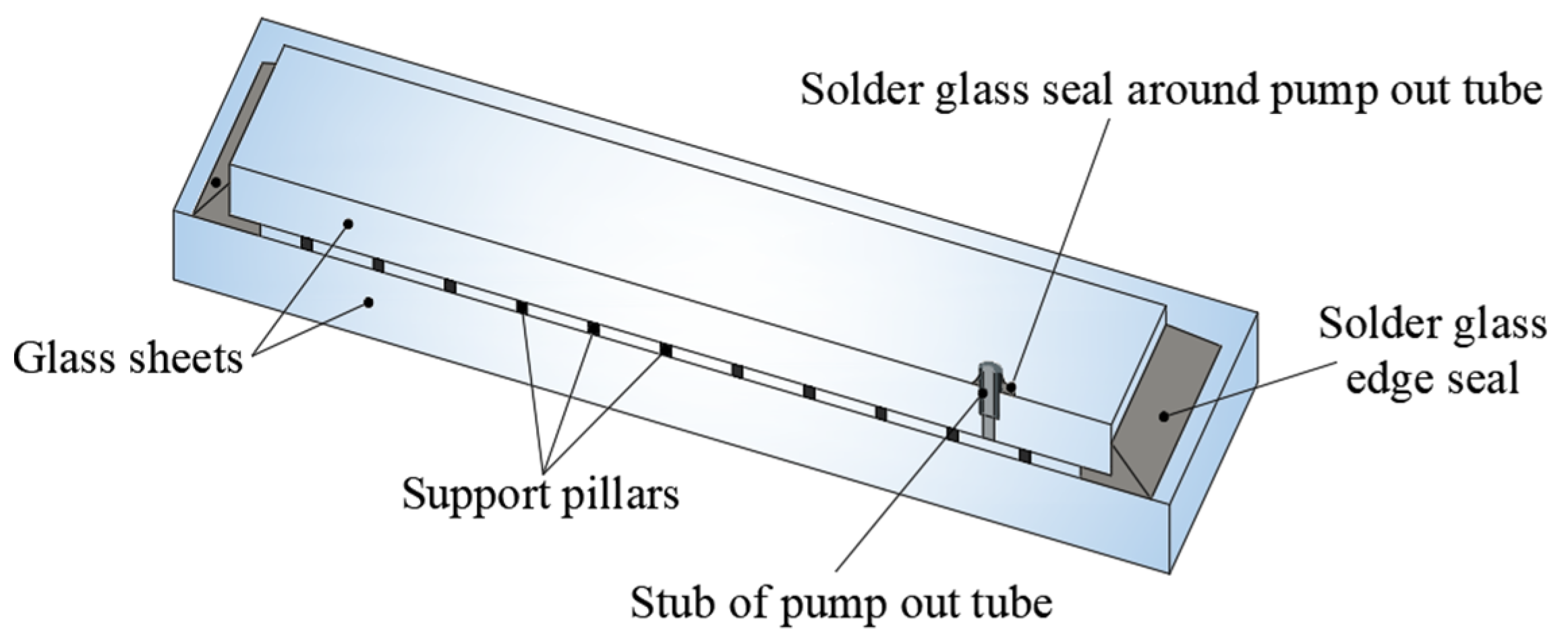
The process of manufacturing VIG plates and introducing them to the market took place in the late 1990s. The production of VIG windows is distinctly different from that of a traditional composite window [6]. Figure 1 shows a schematic of the design of currently used VIG plates.
Figure 1.
Scheme of construction of the VIG unit.
VIG vacuum glazing consists of two panes of glass hermetically sealed around the edges. The height of the space between the glass plates, where the vacuum is located, is only 0.3 mm. The atmospheric pressure outside the composite panel generates the risk of collapse or contact between the glass panes. To counteract this, a system of support pillars was placed between them [3,9]. The diameter of the pillars is not more than 600 micrometres, and their compressive strength is not less than 400 MPa. Therefore, they are usually made of metal [10].
Two edge sealing methods are currently used. The first one uses a flexible metal edge seal that allows relative movement of the two panes of glass. In the second method, an edge seal is used in which two sheets of glass are rigidly bonded together [11].
Currently, VIG vacuum plates are used in household appliances and building structures. The use of glass as a component of household appliances is justified by its excellent physical and aesthetic properties. In 2018, Siemens, Anthony, and Haier presented a VIG-type perspective window in a refrigerator. The effects of changing the traditional glazing to vacuum glazing were reducing the panel thickness and the energy consumption of a refrigerator [12].
VIG windows are characterised by their low thickness. For this reason, they can be the ideal solution for modernisation in historical buildings. In these buildings, the appearance of the windows must fit into the aesthetics of the entire building. Many older buildings have original window frames with single pane glazing. They are thin but have a high heat transfer coefficient. The goal of modernisation of these facilities is to increase energy efficiency while keeping the appearance of the façade intact. VIG plates allow these criteria to be met [12].
Examples of the use of VIG windows during the renovation of historic buildings can be seen in the 17th century Hermitage Museum in Amsterdam, the MIT central campus in Cambridge, or the Prince William V Art Gallery in The Hague [12].
The use of vacuum windows in newly designed buildings is not yet as popular as in retrofitted buildings. However, due to their excellent insulation parameters, they have great potential to also conquer this construction sector [12].
2. Materials and Methods
2.1. Subject of the Study
In order to characterize different multiple VIG elements, appropriate parameters were adopted.
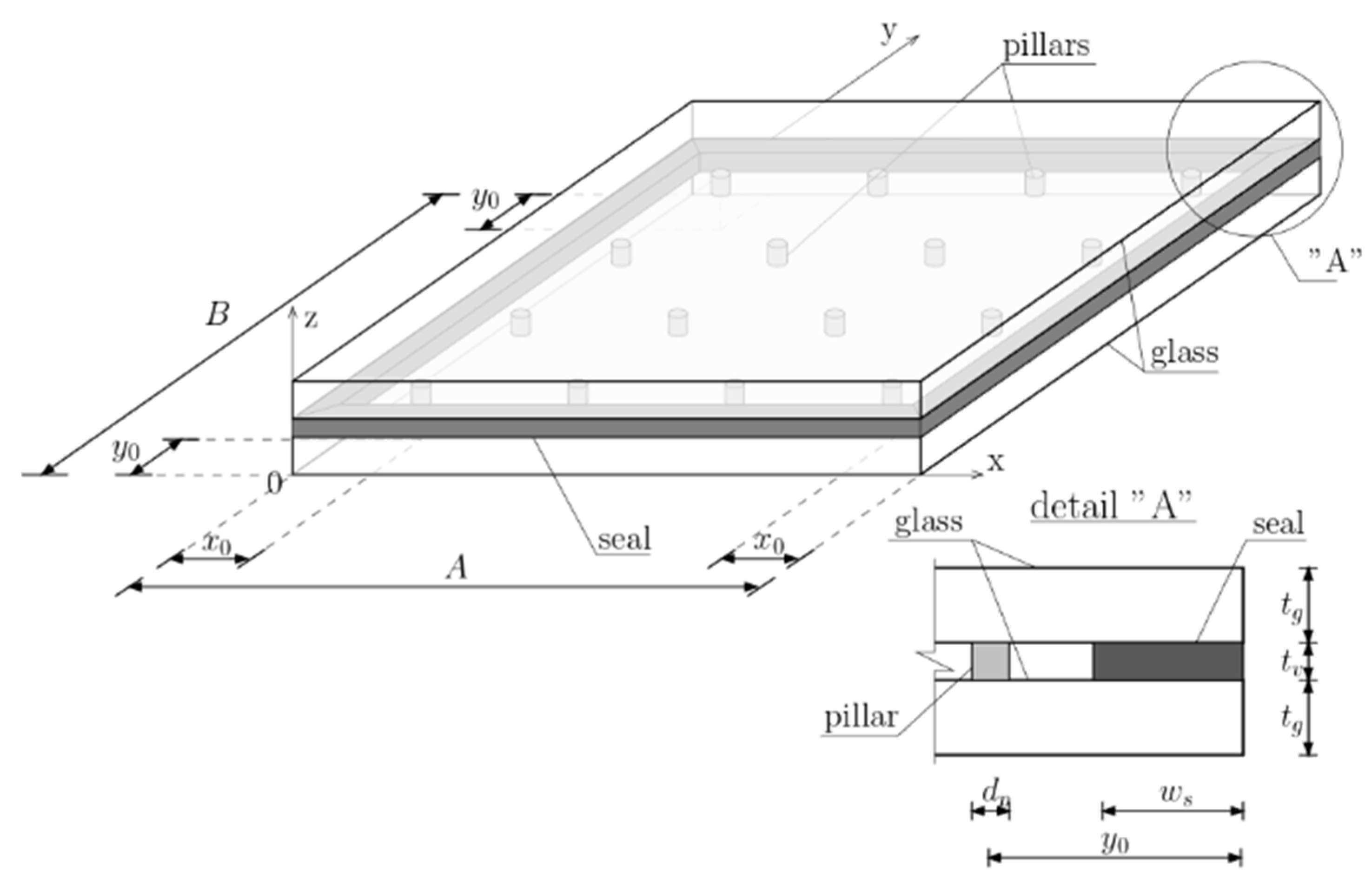
Figure 2 presents the diagram of the VIG-type windows’ structure. Following geometric parameters were assumed: A and B as the VIG dimensions, tg as the glass panels’ thicknesses, tv as the vacuum thickness, ws as the seal width, nx and ny as number of pillars in both orthogonal directions, dp as the support pillars diameter, x0 and y0 as the pillars offset from the VIG edges.
Figure 2.
VIG panel structure scheme.
The characteristics of three materials used in this study were adopted. Density, Young’s modulus, and Poisson’s ratio for the glass, pillars, and seal were assumed as follows: ρg, Eg, νg, ρp, Ep, νp, ρs, Es, νs.
2.2. Laboratory Experiments
Seven VIG type plates were investigated in this study. The construction of the tested panels is typical. They consist of two sheets of tempered glass hermetically sealed around the edges with a seal made of steel. The thicknesses of the panes are different, and they define the thickness of the whole composite element. The width of the edge seal is 9 mm around the perimeter of the panel. There is a vacuum between the glass panes, and the possible pressure deviation inside the panel is up to 0.1 Pa. The thickness of the vacuum is 0.3 mm. A system of steel support pillars is placed between the glass panes. The diameter of a single pillar is 0.6 mm, and their spacing is 55 mm.
Plates vary in thickness and dimensions in plan view. Table 1 presents the variable geometric parameters of the tested plates and defines the plate numbering, which will be used in this paper. Table 2 presents the fixed parameters of the tested elements.
Table 1.
Variable geometric parameters of the tested VIG plates.
Table 2.
Constant parameters of the tested VIG plates.
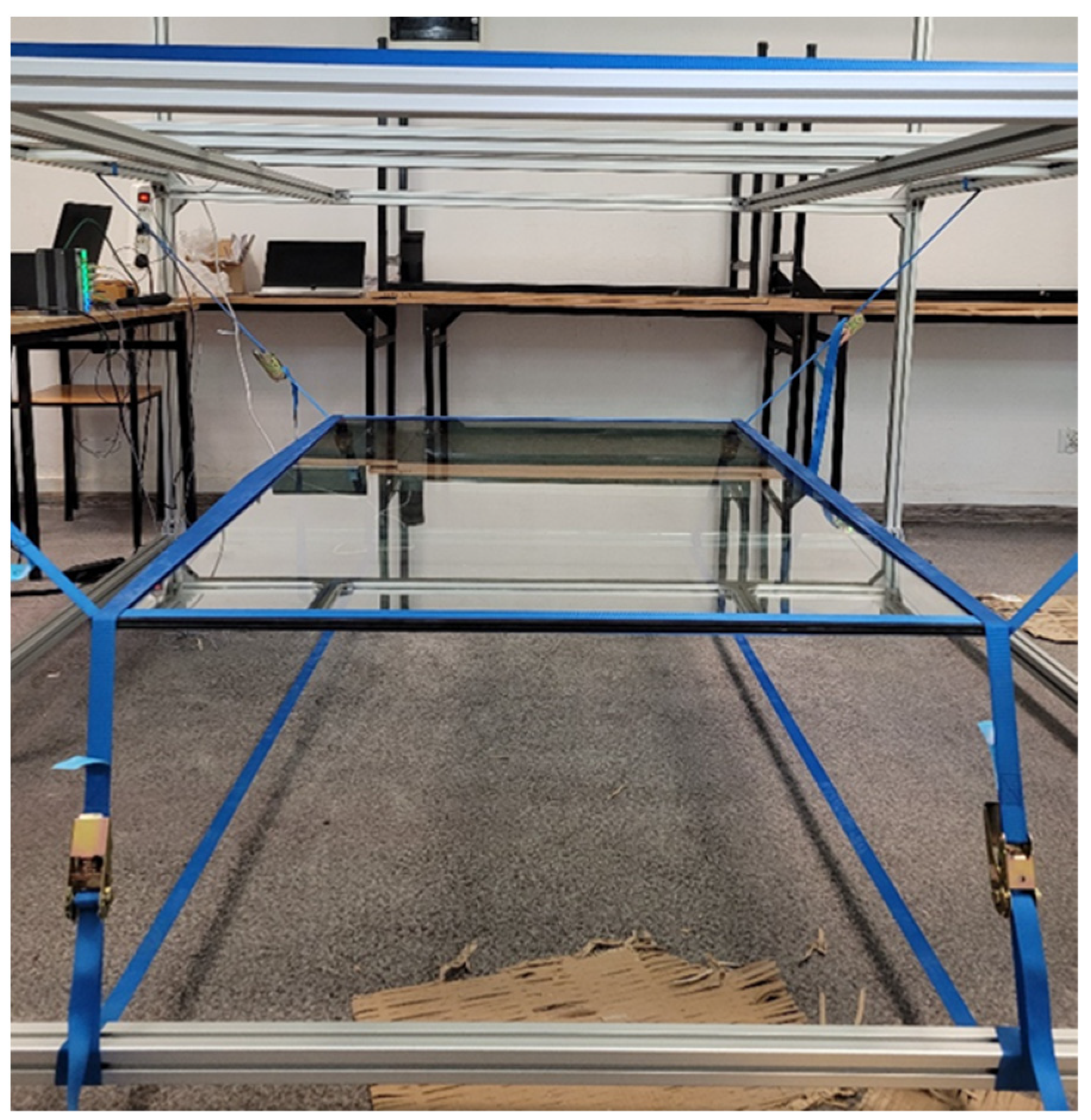
In order to test the vacuum windows, a special test stand in the shape of a cube with a 2 m side has been created. The structure of the stand is made of 40 mm × 40 mm aluminium profile sections. The composite panels were suspended from the frame structure using fabric elastic bands. It was assumed that the tape would wrap around the slab along all four edges. The tapes used were made of polyester with a width of 25 m. Figure 3 illustrates the method used to suspend the panels.
Figure 3.
Board suspension method using elastic bands.
The basic properties of the elastic tape were determined via additional testing. Four tensile tests were performed on a tape with an initial length of 15 cm using a Zwick Roell Z050 (ZwickRoell, Ulm, Germany) static testing machine. The results of the test are described in Section 2.3. The Young’s modulus of the tape was determined as 4 GPa.
Non-destructive measurement technology based on the PULSE vibration test method from Brüel & Kjær (Nærum, Denmark) were used to test the panels. The basic element in this method is a LAN-XI type 3160 (Brüel & Kjær, Nærum, Denmark) measuring cassette, which is the data acquisition system and the central unit of the entire measurement system. This element has several input and output positions, to which the vibration excitation device, the measuring apparatus, and the computer are connected.
A specialised Brüel & Kjær impact hammer type 8206 with a sensitivity of 22.7 mV/N was used as the excitation device. It allows for generating impulse signals and, contrary to electrodynamic actuators, does not cause additional load of the tested object. The hammer has three interchangeable tips—rubber, plastic, and aluminium. Ultimately, the plastic tip was used because it allowed for accurate reading of results with little risk of overload.
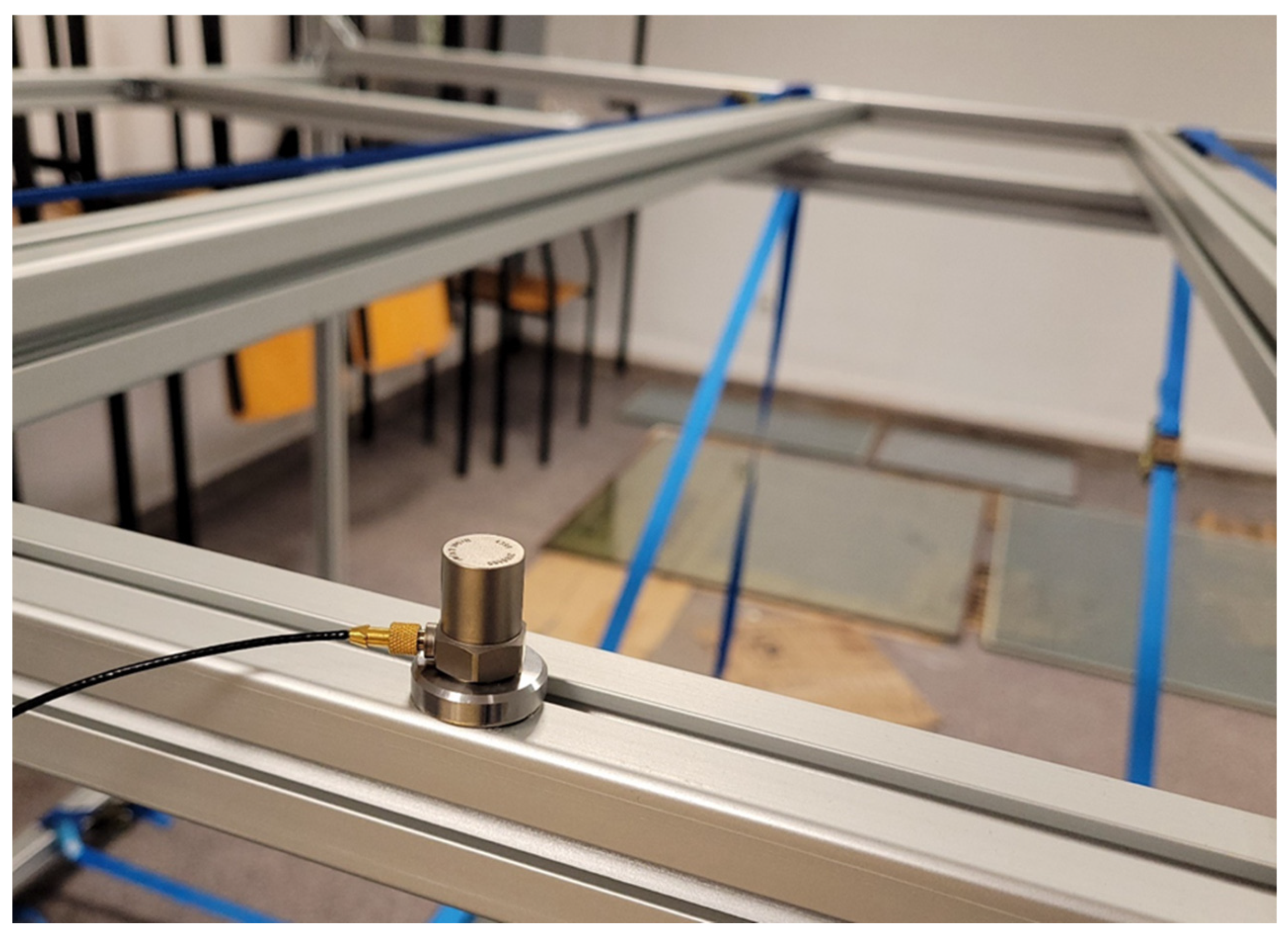
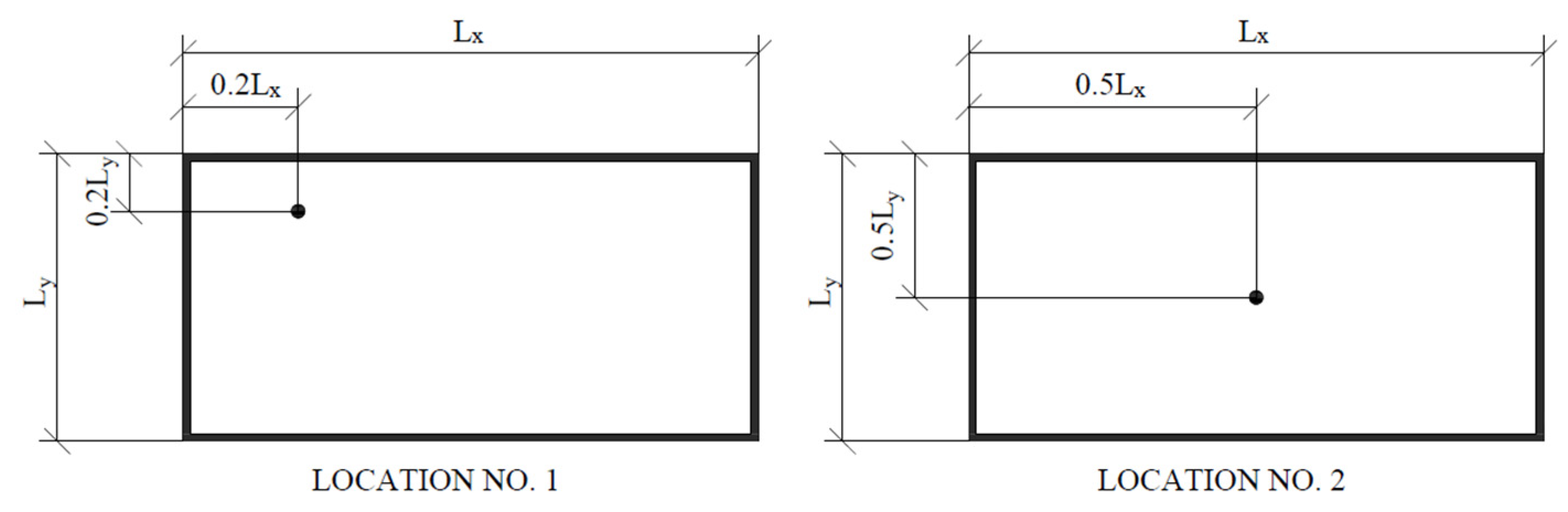
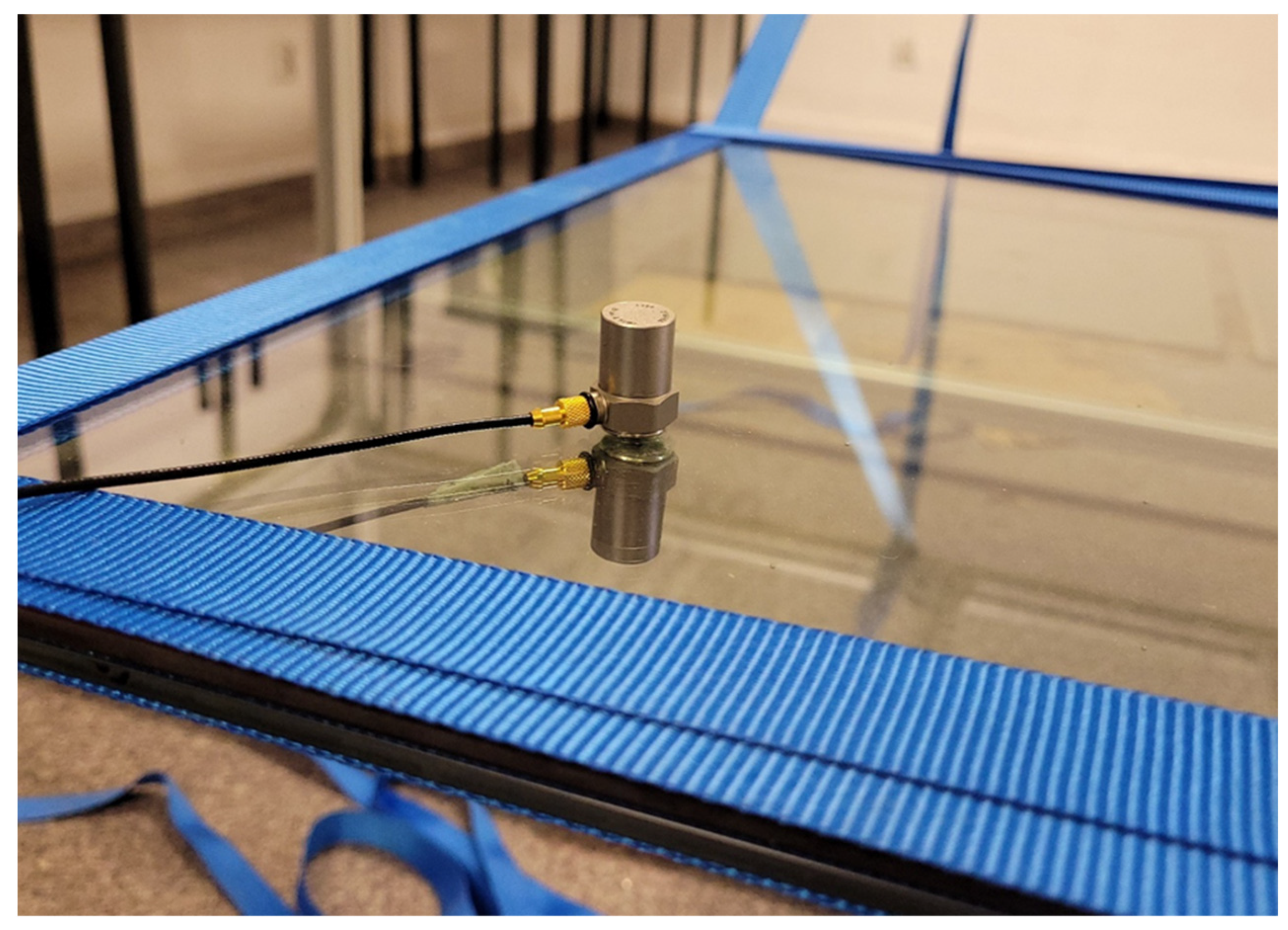
The recording of the dynamic response of the composite structures was measured using Brüel & Kjær type 4399 accelerometers. The accelerometer is used to measure linear and angular acceleration. Three uniaxial accelerometers will be used in this study to study accelerations in the vertical direction. In order not to disturb the structure of the composite plates and the vacuum action, the accelerometers were attached to the surface of the test pieces with beeswax. Two accelerometers were attached to the vacuum glazing-one on the top surface of the plate and one on the bottom surface. Two measurement points were chosen at distances from the edge of the plate equal to 0.2 and 0.5 of the plate’s edge length to minimize the possibility of a situation where the accelerometer is located at a place with zero vibration amplitude. Additionally, a control measurement was made by placing one accelerometer on the aluminium frame. Figure 4, Figure 5 and Figure 6 show the location and mounting of the accelerometers.
Figure 4.
Mounting method and location of accelerometer on aluminium frame.
Figure 5.
Mounting method of accelerometers on the VIG panel.
Figure 6.
Accelerometer locations on the VIG panel.
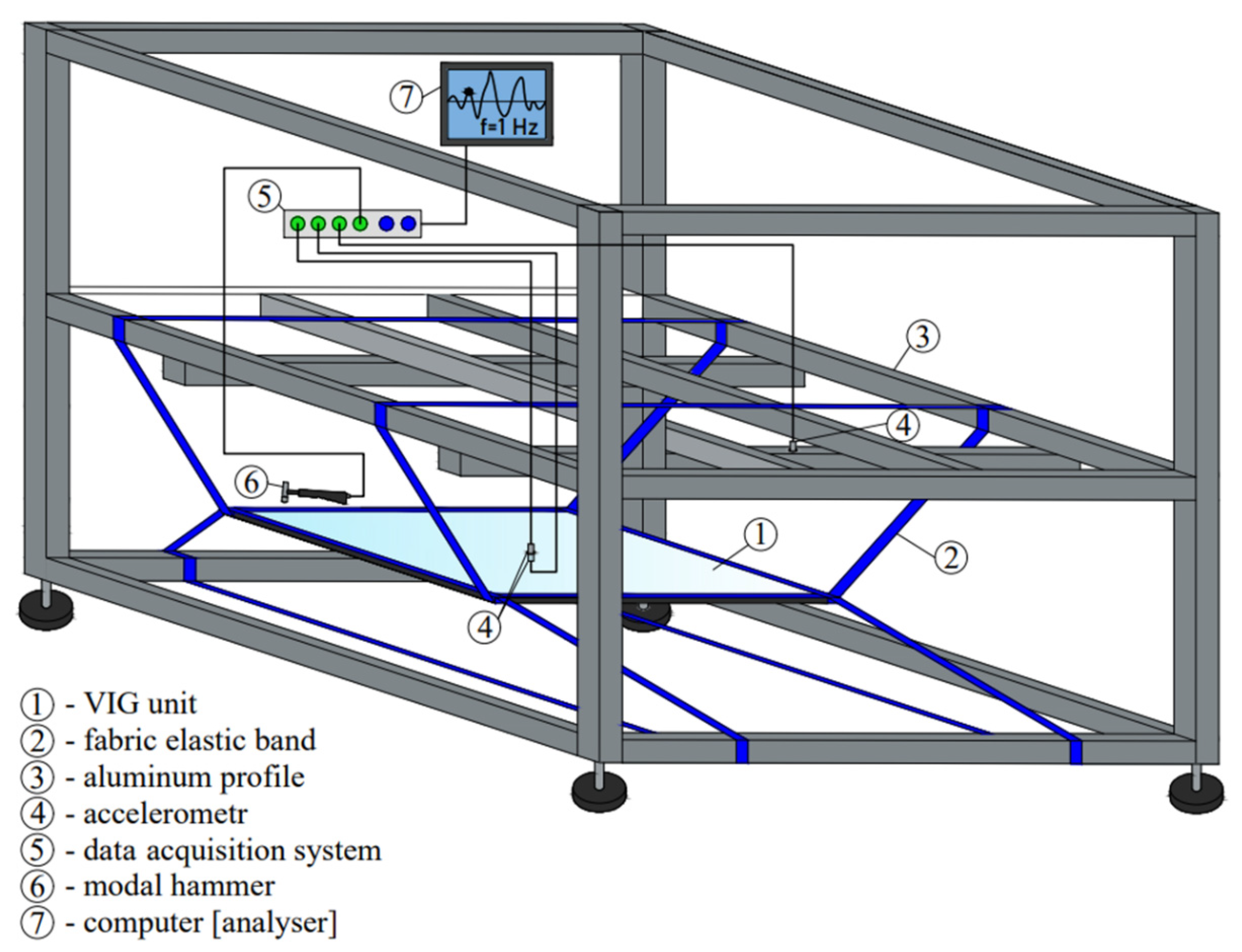
A computer with installed software compatible with the measurement equipment and the impact hammer is also connected to the data acquisition system via LAN cable. Figure 7 shows the complete test stand.
Figure 7.
Scheme of the test stand with its elements.
Brüel & Kjær software was used to observe and record measurements of the dynamic response of the VIG plates. The Front-end Pulse communicates with the computer via a LAN network cable. However, the computer must know the IP address that the Front-end Pulse uses. The process of setting up the computer to communicate with the Front-end was conducted using the program PULSE Front-end Setup.
PULSE Labshop can transform the measured data into a frequency domain and determine the FRF (Frequency Response Function) and thus modal parameters such as the natural frequency using Fast Fourier Transform (FFT). The Fast Fourier Transform is a powerful algorithm for calculating the Discrete Fourier Transform (DFT). The DFT is a discrete equivalent of the continuous Fourier transform, which is used because of the discrete nature of the measured data. Performing a change of the domain of the function from the domain xo to the domain so for the function f(x), the Fourier transform can be described by Equation (1):
in which i is an imaginary unit [6].
The discrete Fourier transform for a sequence xn consisting of N elements is given by the formula:
where are the signal samples, and i the imaginary unit ) [6].
Reducing the number of necessary arithmetic operations in FFT relative to DFT is carried out by dividing the sequence into smaller strings. One of the most popular methods of determining the FFT is the classical Cooley–Turkey algorithm, in which the sequences of signal values have a basis equal to 2. It is assumed that N is a power of two and there are N samples of the discrete signal. This sequence is first decomposed into strings consisting of samples with even xe(n) and odd xo(n) indices. The Fourier transform of the strings is performed: Xe(n), Xo(n) and sums the transforms of the whole sequence of samples according to formula:
for [13].
The signals connected to the data acquisition system were added in PULSE Labshop. The first three signals were accelerometers, located on the top and bottom surfaces of the VIG plate and aluminium frame, respectively, acc_top, acc_bottom, and acc_frame. The fourth and last input added was a vibration forcing device, the impact hammer: hammer. A signal group was also created to which all transducers were added. This group was connected to the FFT analyser. Then, cross-spectrum functions were added:
- cross-spectrum(acc_top,hammer)–Input
- cross-spectrum(acc_bottom,hammer)–Input
- cross-spectrum(acc_top,acc_frame)–Input
- cross-spectrum(acc_bottom,acc_frame)–Input
After all settings had been applied, measurements were made using the Start button. Five combinations of the VIG plate test method were considered, differing in the position of the accelerometers on the plate and where the loads were applied. Two accelerometer location positions were assumed, location No. 1 and location No. 2 (Figure 6). The forcing will be applied at 2 selected points and at random. Three trials were performed for each combination. Table 3 shows the description of the combinations and their numbering, which will be used later in the paper.
Table 3.
Combinations of VIG plate test method.
2.3. Finite Element Method
In this study, the finite element method (FEM) software (ABAQUS CAE 2017) was used in order to perform a dynamic analysis. FEM allowed for the creation of a model with full 3D representation of support pillars and, consequently, provided greater accuracy [14,15]. The adopted model allows the inclusion of stress concentration in support pillars and shear deformation. It should be mentioned that vacuum thickness compared to glass pane thickness is small; therefore, 3D finite elements provide more accurate results when it comes to dynamic response.
Calculations in ABAQUS/CAE 2017 were performed using PLGrid Infrastructure, which provides access to clusters located in five High Performance Computing centres. Computational tasks are outsourced through a so-called middleware, which manages the resources of all hubs centrally. The WCSS hub was used in this analysis. CPU run time depended on model size and was about 4–30 min.
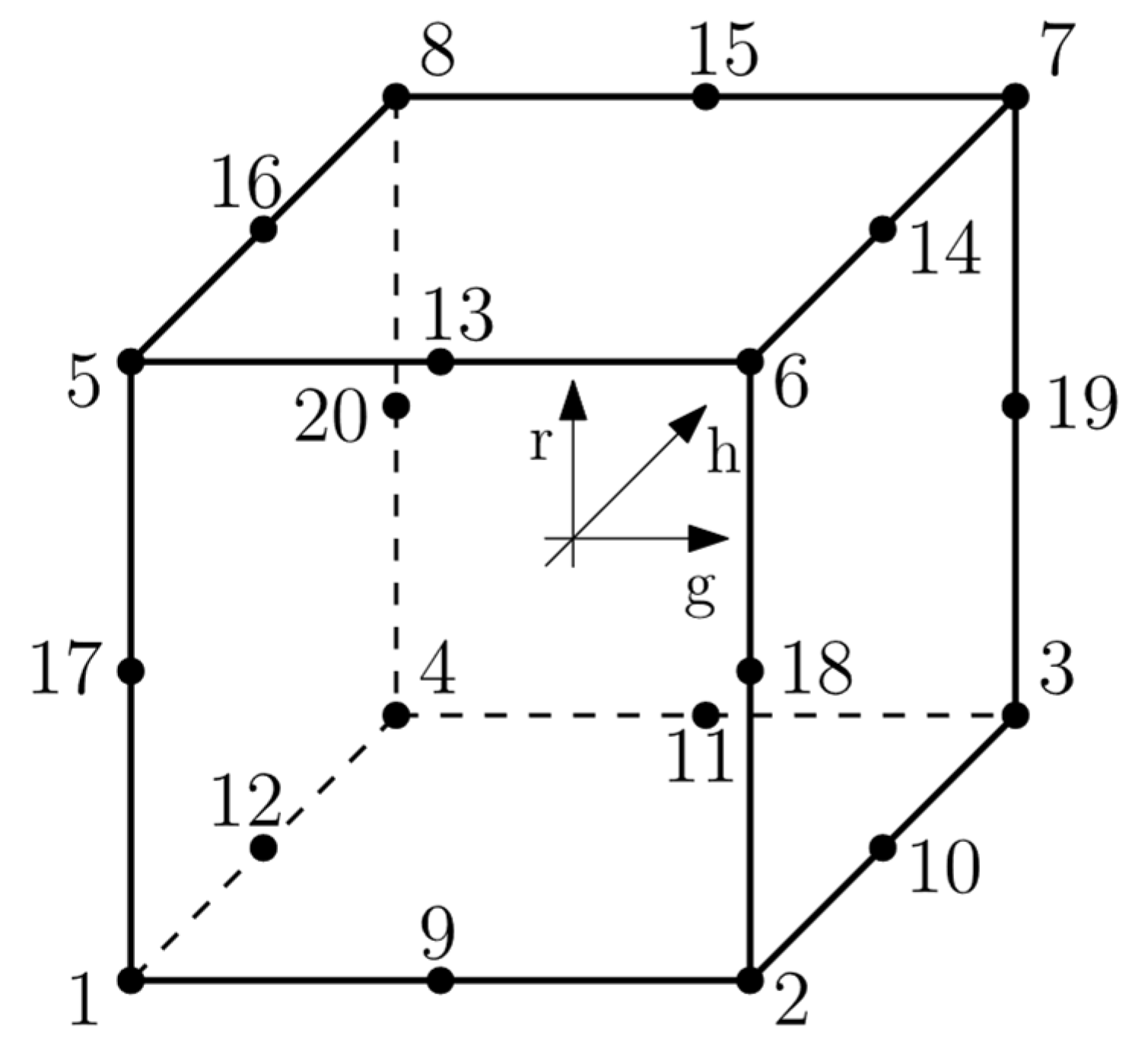
In this paper, C3D8R was assumed (Figure 8)—first order, reduced integration element with hourglass control activated.
Figure 8.
C3D8R element designations where numbers indicates number of nodes [16].
An interesting study which describes numerical difficulties of shear locking and hourglassing may be investigated in paper [17].
The interpolation function u for C3D8R element is given by Equation (6):
where NI are isoparametric shape functions, and I is the node of the element.
The shape functions are the same as for the C3D8 element and can be found in [16,18] (7):
where I denotes the node of the element. The last four vectors , are the hourglass base vectors. The gradient matrix is defined by integrating over the element:
where is volume of the element and i = 1, 2, 3. In the centroidal strain formulation, the gradient matrix is simply given:
The model used in this study is precisely described in [5].
The dynamic analysis of VIG plate has been performed in this paper. To perform a dynamic analysis, the linear perturbation step was created. The frequency extraction performs eigenvalue extraction to calculate the natural frequencies and the corresponding mode shapes of a system. Geometric linearity was accounted for. The eigenvalue problem for the natural frequencies was considered:
where is the mass matrix, is the stiffness matrix, is the eigenvector (mode of vibration), and M and N are degrees of freedom. The Lanczos method with 30 eigenvalues set was chosen.
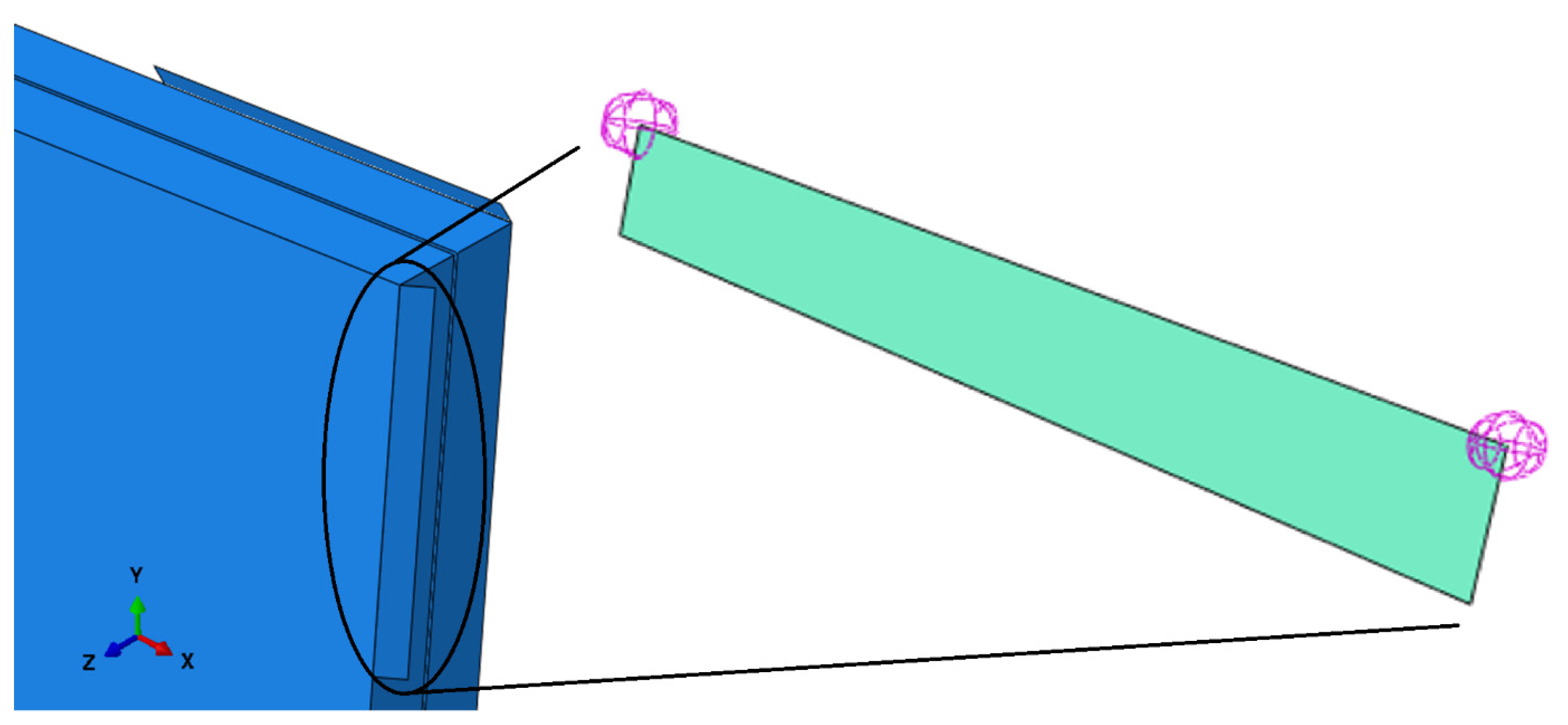
The static scheme of the considered VIG plate was assumed in accordance with the experimental analysis. Boundary conditions were represented in the created FEM model as eight small shell elements on short sections of glass panes’ edges, close to the corners of the VIG element, rotated by the appropriate angle in order to imitate elastic bands (Figure 9).
Figure 9.
Numerical imitation of elastic bands in ABAQUS.
This tiny elements’ stiffness is significantly higher in comparison to glass panes’ stiffness. Their main goal was to imitate the angle of the bands. This high stiffness elements are restrained by two one-directional springs. The spring’s stiffness is the total linear stiffness of one band split into two nodal springs (11):
where is nodal stiffness, is a band’s modulus of elasticity, is a length of band is a band’s cross-section area, and is a band’s width.
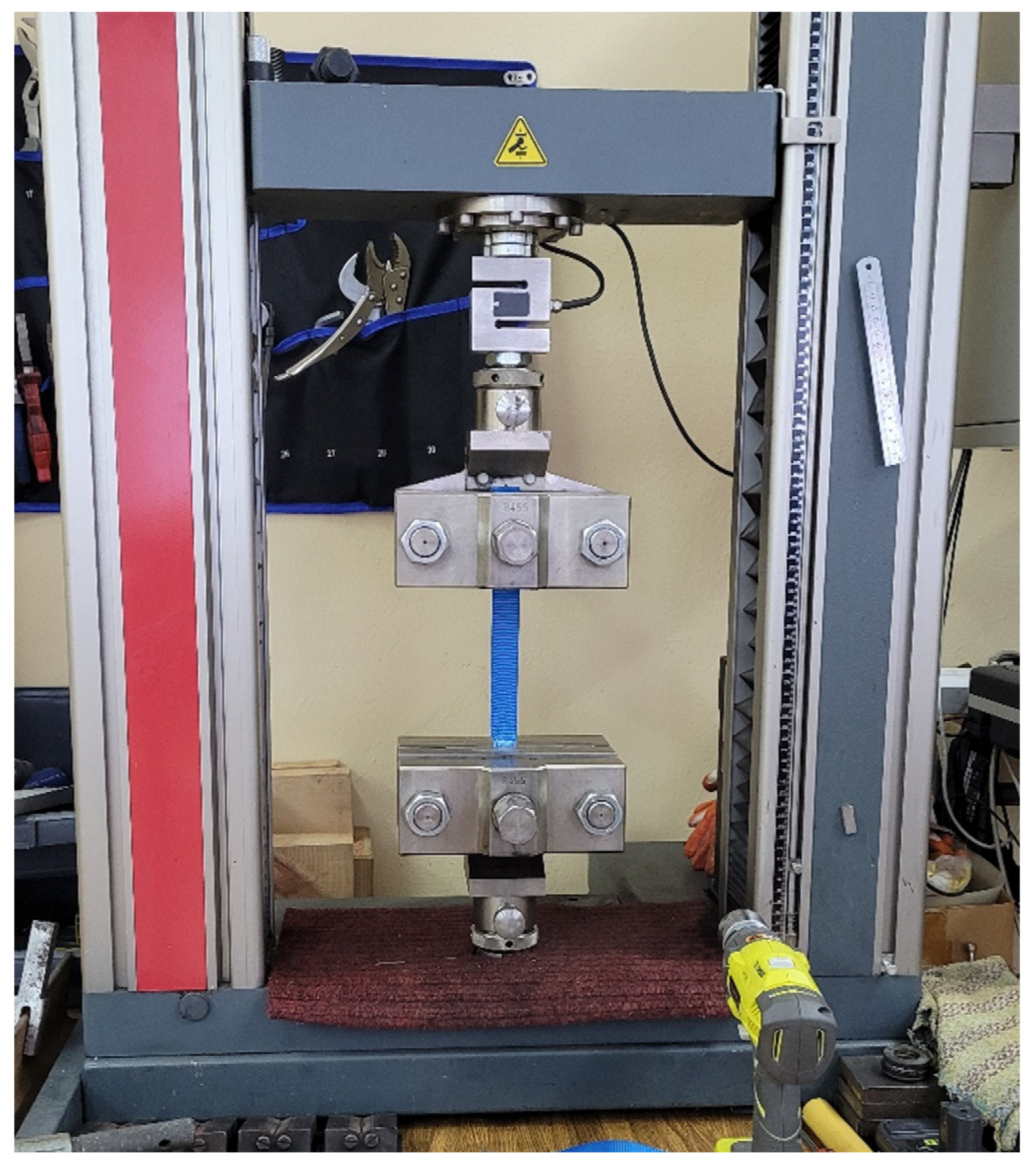
In order to determine the Young’s modulus of the bands, experimental test were performed. Four samples were subjected to a uniaxial tensile test (Figure 10) and the proper results were obtained.
Figure 10.
Experimental tests of support bands.
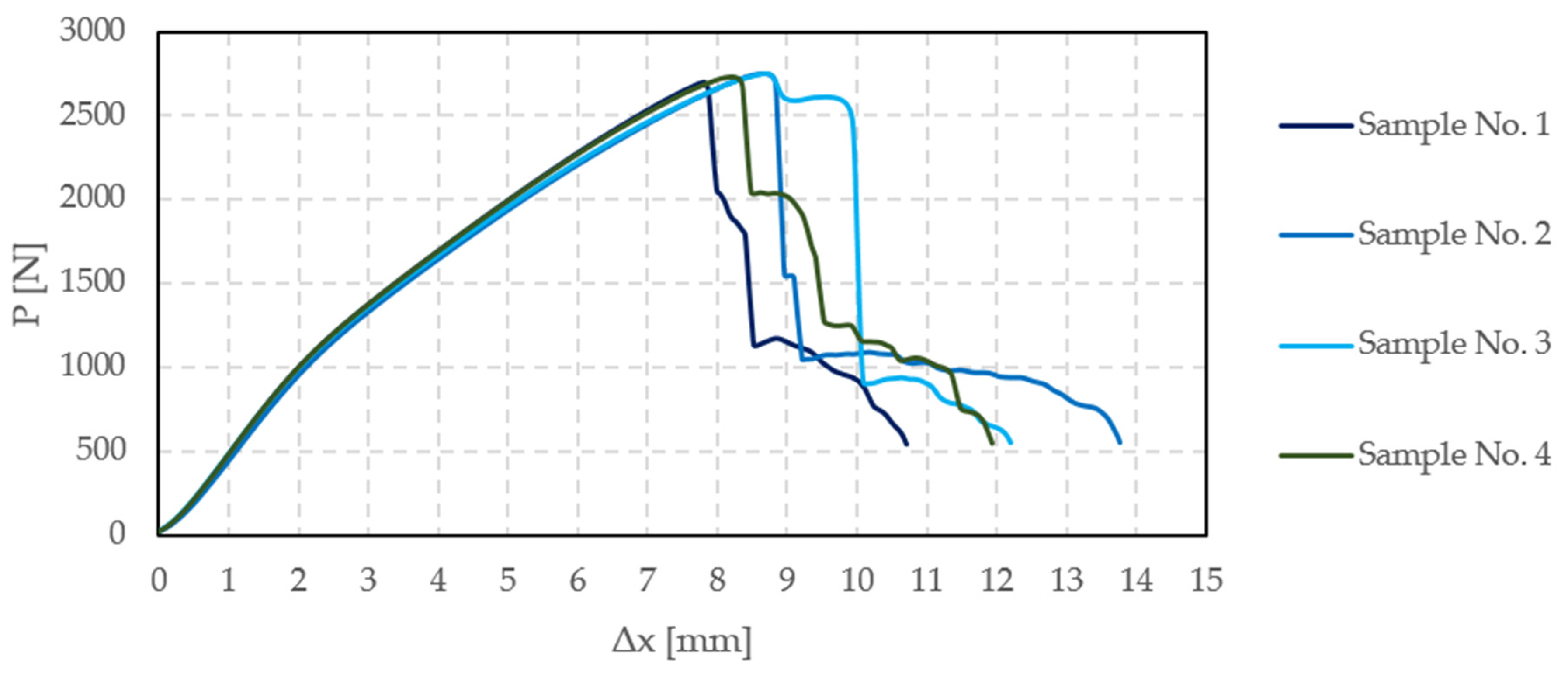
The samples’ length was 150 mm, width 25 mm, and thickness 0.75 mm. The force-displacement relationship obtained from the experiments is presented in Figure 11.
Figure 11.
Force-displacement relationship for the four experimentally tested bands.
Therefore, based on Figure 11, the band’s modulus of elasticity was assumed as 4.0 GPa.
2.4. Machine Learning Method
2.4.1. Extreme Gradient Boosting
The Extreme Gradient Boosting method is one of many machine learning (ML) algorithms. It is a Gradient Boosting Decision Trees (GBDT) method. It provides parallel tree boosting and is the leading machine learning library for regression, classification, prediction, and ranking problems. This method is based on supervised machine learning, decision trees, ensemble learning, gradient boosting.
The XGB method was initially a research project by Tianqi Chen [19] within a research group called Distributed (Deep) Machine Learning Community (DMLC). It should also be mentioned that in 2019 the XGB method was one of the winners of the prestigious InfoWorld Technology of the Year award. The XGB library is constantly being developed around the world due to the ever-increasing number of scientists contributing to it. XGBoost machine learning models perfectly combine performance and processing time in relation to other algorithms.
A detailed description of the XGB algorithm structure is presented below [20].
Data set was assumed as follows:
The model that was used for training and learning consists of k trees. The result obtained using this model can be described as follows:
where is a hypothetical space and is a regression decision tree:
In Equation (14), is the leaf (the end node of the decision tree of the x-th sample) and is the result of this leaf. The predicted result for the t-th iteration can be determined as follows:
Therefore, the objective function can be defined as:
where is the error function and represents the complexity of the model.
is the total number of leaves and is the result of the leaf:
Then, Equation (17) can be simplified by applying the Taylor expansion of the second order:
Based on the above analysis, the final objective function can be written as:
In summary, the objective function is optimised and the optimal solution is as follows:
In order to determine the effectiveness of the XGB model, the value of the root mean square error (RMSE) was determined. The equation for the described expression is as follows:
where is the target value used to train the model and is the value predicted by the model.
2.4.2. Deep Neural Networks
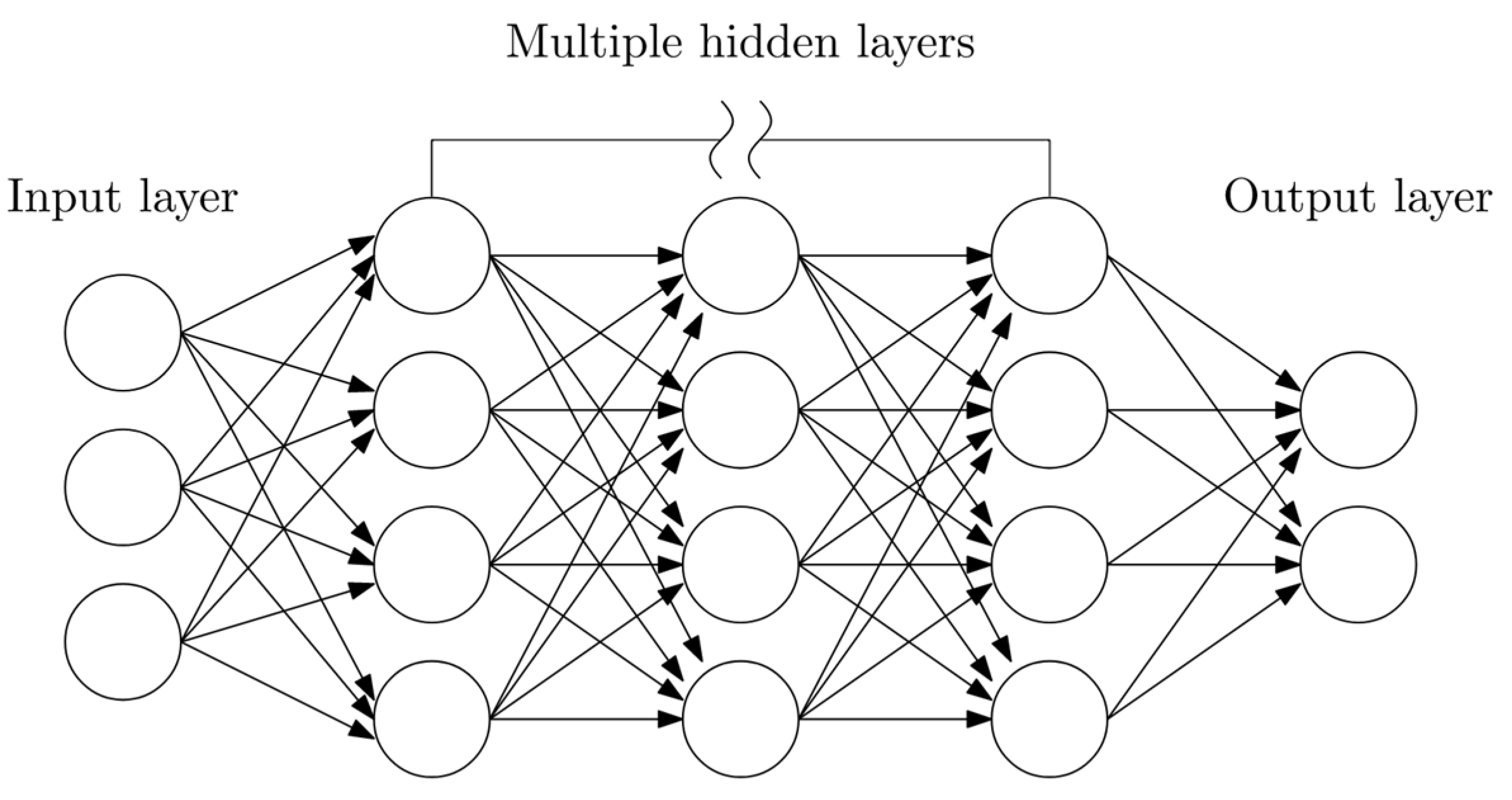
Neural Networks (NN) are part of the ML and are also the basis of Deep Learning (DL) algorithms. Their goal is to compute the structure of the biological networks of neurons in the human brain. They consist of an input layer, one or more hidden layers and an output layer. Each artificial neuron of a given layer connects to each artificial neuron of adjacent layers (or layers) and has an associated weight and activation threshold. If a neural network consists of a minimum of four layers-an input layer, an output layer, and at least two hidden layers–then it can be called a Deep Neural Network (DNN) (Figure 12).
Figure 12.
Deep Neural Networks diagram.
The first step towards creating something like neural networks in the human brain was a study published in 1943 [21]. McCulloch and Pitts compared it with binary threshold neurons to Boolean logic.
In 1958, Frank Rosenblatt took another step beyond the work of McCulloch and Pitts [21] by adding a weight equation to the neuron. He created and described the concept of a perceptron, and then used it to create an algorithm, whose purpose was to distinguish the cards marked on the left from the cards marked on the right [22].
NN algorithms are also used in engineering in order to obtain soil geotechnical properties or mechanical properties of surface layered systems based on non-destructive experimental test [23].
With time, there were more and more studies on neural networks. Their use has grown steadily and continues to grow. Despite the extensive use of neural networks in many aspects of everyday life, this topic is still being developed and improved, and its final goal is to achieve the effectiveness of the human brain.
In this paper, a deep neural network with back propagation was used, which can be classified as Multilayer Perceptron (MLP) networks. The description of this algorithm is presented below [24].
The following Equation (25) describes the nonlinear neuron used:
where is the selected non-linear activation function. The signal describes the total excitation of the neuron (26):
where signals are components of the vector , while is a constant component of the neuron, therefore .
Assuming as the vector , the signal in the vector form can also be written as follows (27):
For a multi-layer network, a training sequence of the following structure can be assumed (28):
It consists of pairs in the form of which contain n-dimensional vectors determined in the j-th step of the learning process and k-dimensional sets defining the outputs from the elements closing the network in this step. If the vector of the output signals from these elements does not meet the requirements, i.e., an error determined by the difference is specified, then the determination of the layer of neurons responsible for this error it will not be possible. The solution to this problem is to use the backpropagation error algorithm. It means that having the determined error (occurring during the implementation of the j-th step of the learning process in the neuron number m), it is possible to transfer this error back to all neurons whose signals were inputs for the m-th neuron.
Due to the lack of possibility for a strict separation of input and output signals (the output signals of one layer become input signals of the next layer), a uniform numbering of neurons was adopted (without dividing them into input, output, and hidden layers) and the constant for the signal appearing at the output of the m-th neuron in the j-th step of the learning process.
Moreover, it should be noted that by introducing a uniform designation, also for the input signals, each input of the network can be defined as buffered by a neuron whose task is to convert the input signal into the signal (the neuron is linear and the weight value of the single input of this neuron is 1). This relationship is determined by the following Equation (29):
It can be concluded that the only way to distinguish the type of a given signal (input, output, or one of the hidden layer signals) is to determine the number m. Therefore, the sets of neuron numbers of the following subsets were introduced:
—set of numbers of input neurons to the network;
—set of numbers of output neurons from the network;
—a set of neuron numbers of the hidden layer of the network;
—a set of numbers of neurons providing input signals to a specific neuron currently under consideration;
—a set of neuron numbers to which the given, currently considered neuron, sends its output signal.
Using the above markings, it is possible to describe the output signal of each m-th neuron of the network in the j-th step of the learning process (30):
where is the value of the synapse weighting factor (connection of two neurons) connecting the input of the m-th neuron with the output of the i-th neuron during the j-th step of the learning process. The order of calculations is directly related to the sequence of transmitting signals from the network input to the neurons in subsequent layers. First, determining for , then for (successively in all layers from the entrance towards the exit), and finally for .
In the case of the backpropagation method, the proper order to find the values of the corrected synaptic weights is exactly the opposite of that required to determine the values of the signals in successive network elements.
The first step is to determine the correction for the neurons constituting the initial network layer (). Since the expected values of exist in the training sequence for individual signals , the determination of the error can be carried out directly. It is necessary to assume that the numbering of the vector components is the same as the numbering of the neurons that make up the output layer of the network. Then:
where for :
This Equation (32) for and for in the form of a logistic function can be written as follows (33):
Using an analogy, the following rule can be defined for neurons of hidden layers (34):
Nonetheless, for , it is not possible to directly determine the value of .
Assuming that (although the considered neuron belongs to the hidden layer, its signal reaches only output layer neurons, i.e., those for which the error values can be easily determined), it can be shown [25] that the error of the hidden layer neuron can be determined by backpropagation of the errors detected in the signal receiving layer:
where the factor is the weight in the neuron number at its input number , i.e., receiving a signal from the currently considered neuron. This means that the back-projected errors are multiplied by the same coefficients by which the transmitted signals were multiplied, only that the direction of information transmission was reversed in this case.
In order to determine the effectiveness of the NN model, the value of the root mean square error (RMSE) was determined (24).
2.4.3. Input and Output Data
The key aspect of creating an effective predictive model is the appropriate selection of the data set in order to conduct the learning process of the model. It is important due to the goal of the algorithm, which is finding a predictable pattern that is hidden in the entire data set.
The purpose of splitting data is to prevent undesirable extrapolation (building a model from data that should not be known), overfitting (the process of designing a model that conforms so closely to a provided data set that it becomes ineffective in the future predictions), and underfitting (the process of designing a model that conforms so loosely to a provided data set that it becomes ineffective in the future).
The assumed data sets include different types of parameters. These are both scalar values with and without units. The data, on which models based on ML algorithms could be trained, must be unitless. Table 4 presents all the parameters of input and output data assumed in this paper.
Table 4.
Parameters of input and output data.
Precise description of the data set that has been obtained from numerical analysis is discussed in Section 3.2. The entire data set has been randomly divided into a training data set (80%) and a test data set (20%).
Using the described data sets, two different algorithms were developed–XGB and DNN. The reason was the desire to examine the performance of these methods in reference to the considered problem.
3. Results
3.1. Experimental Analysis
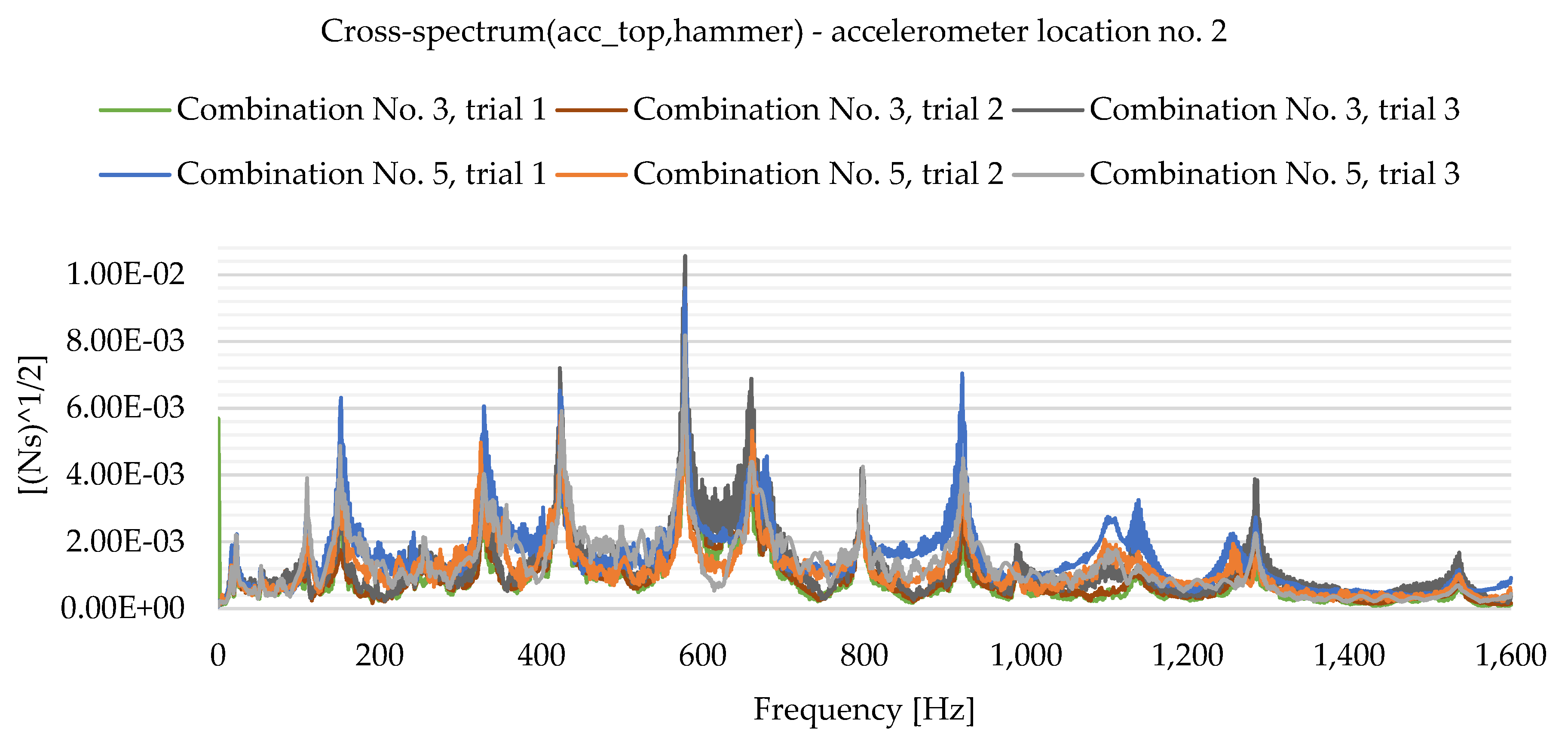
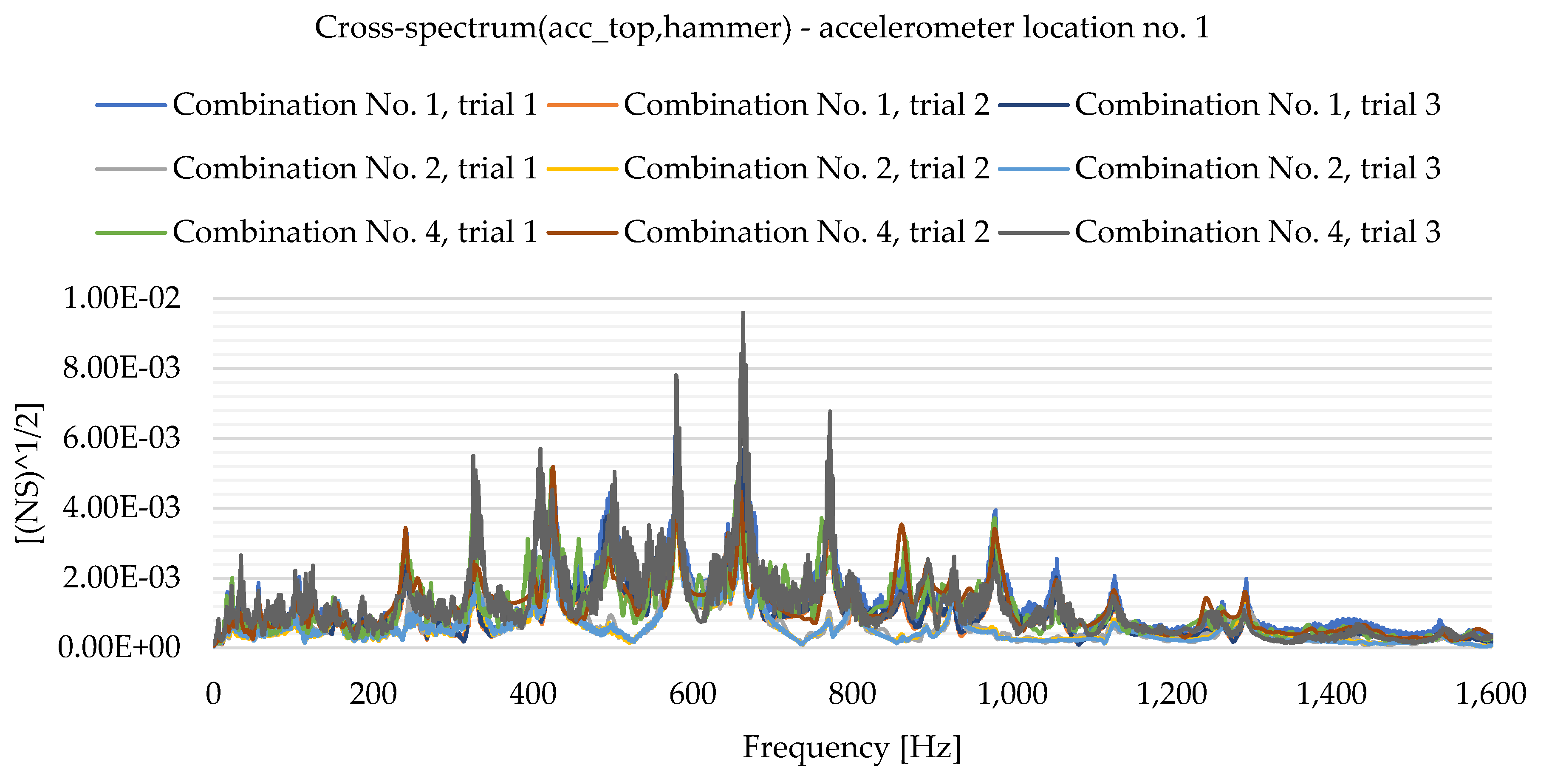
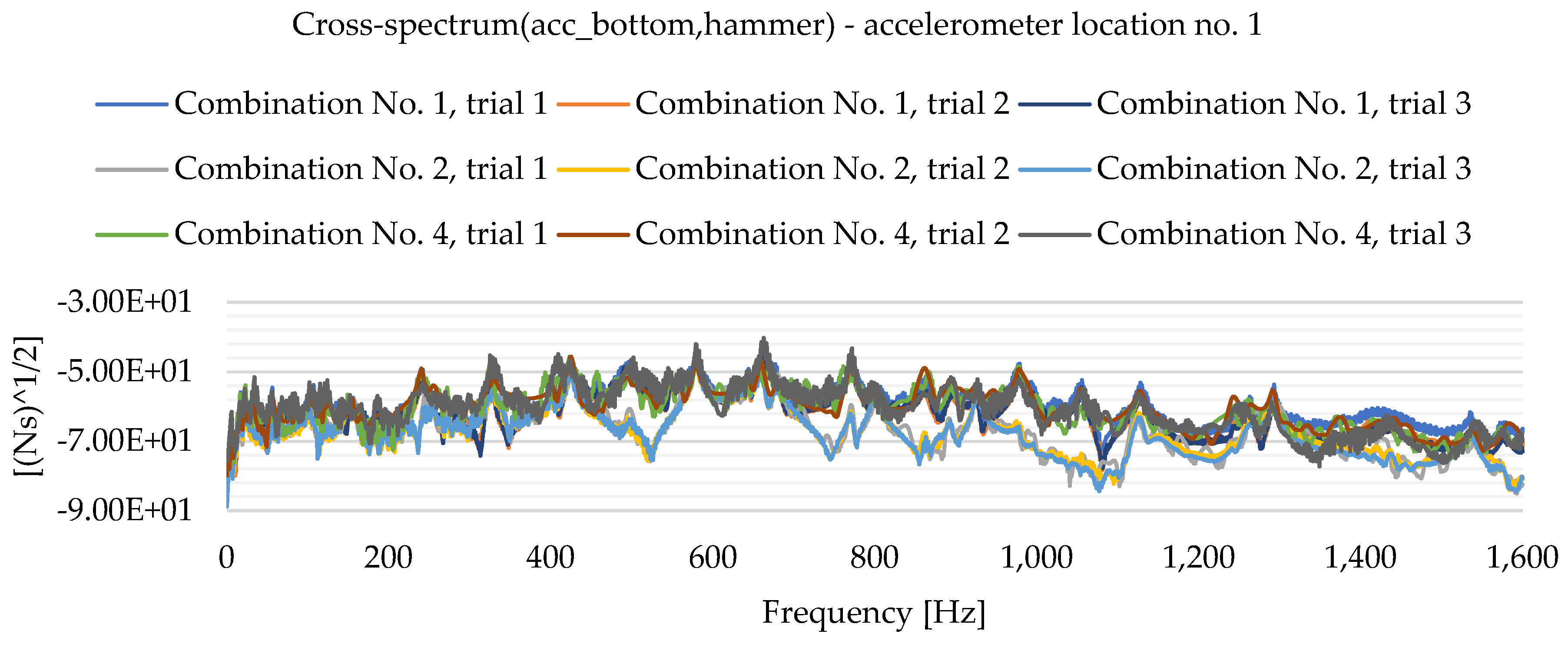
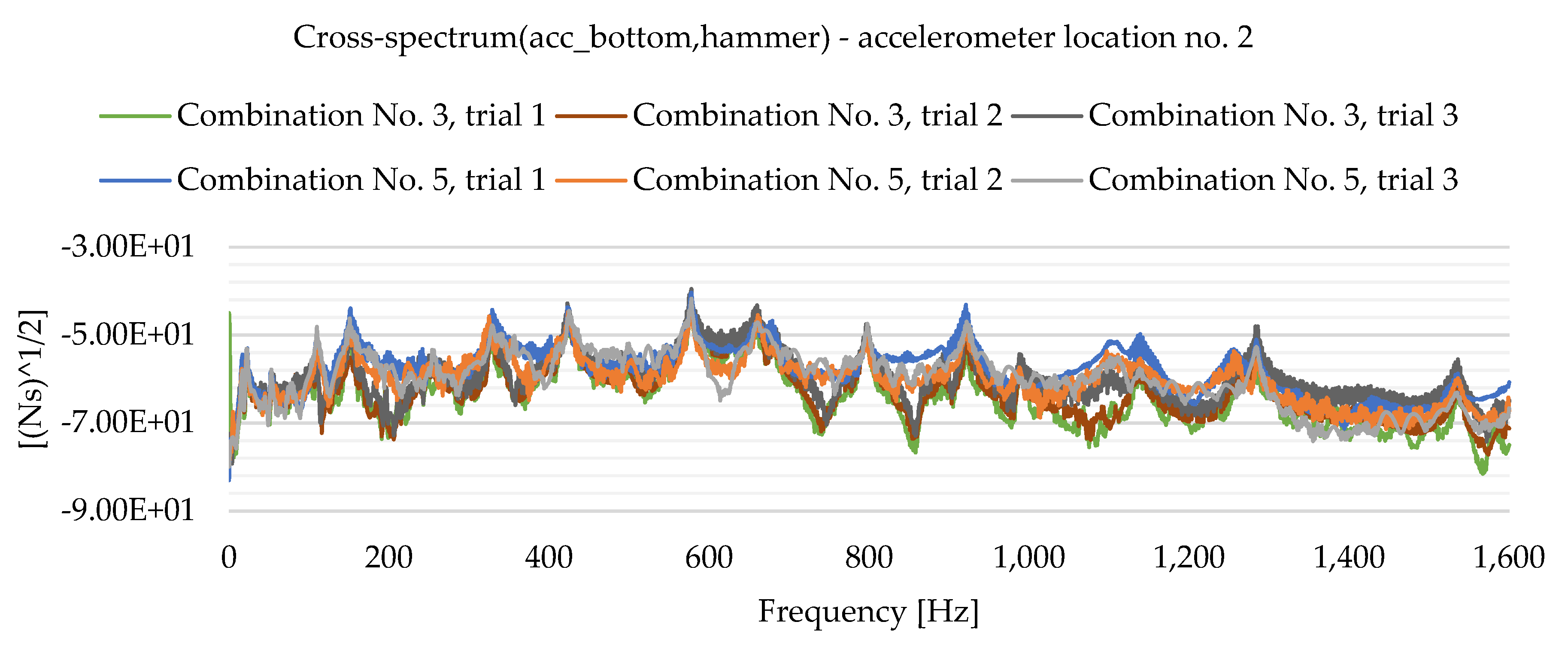
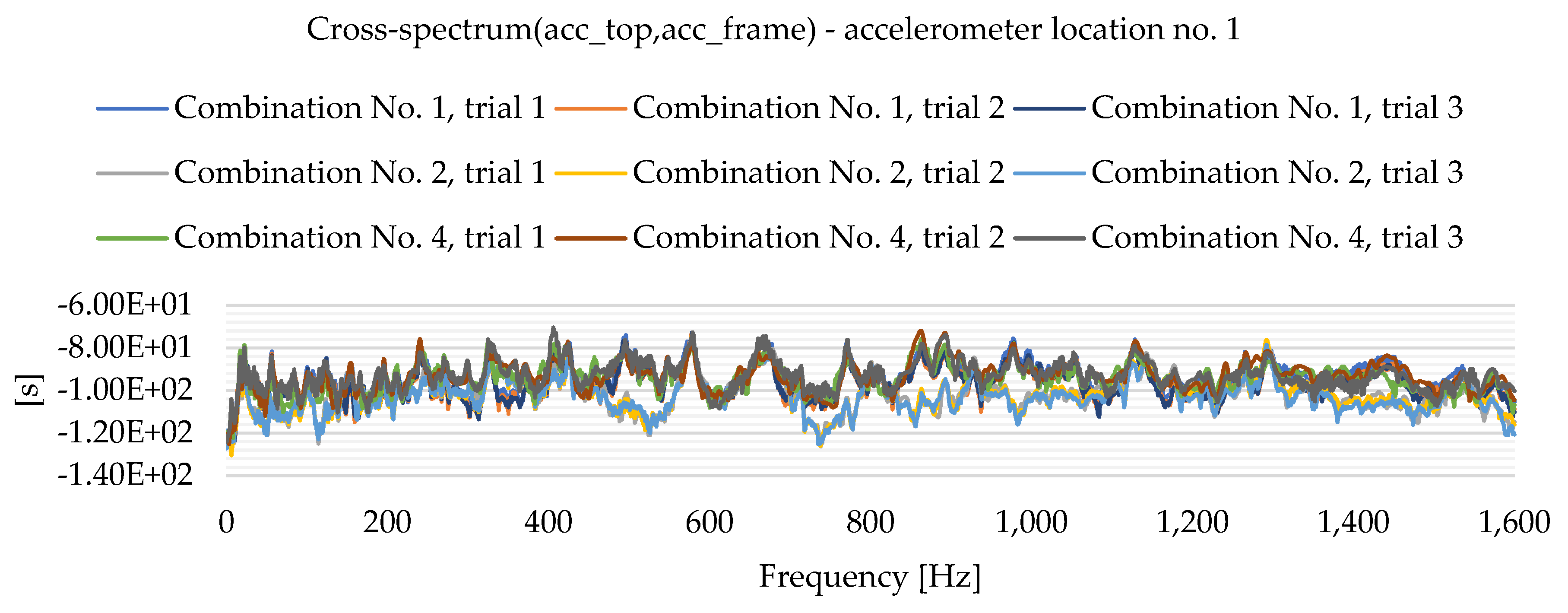
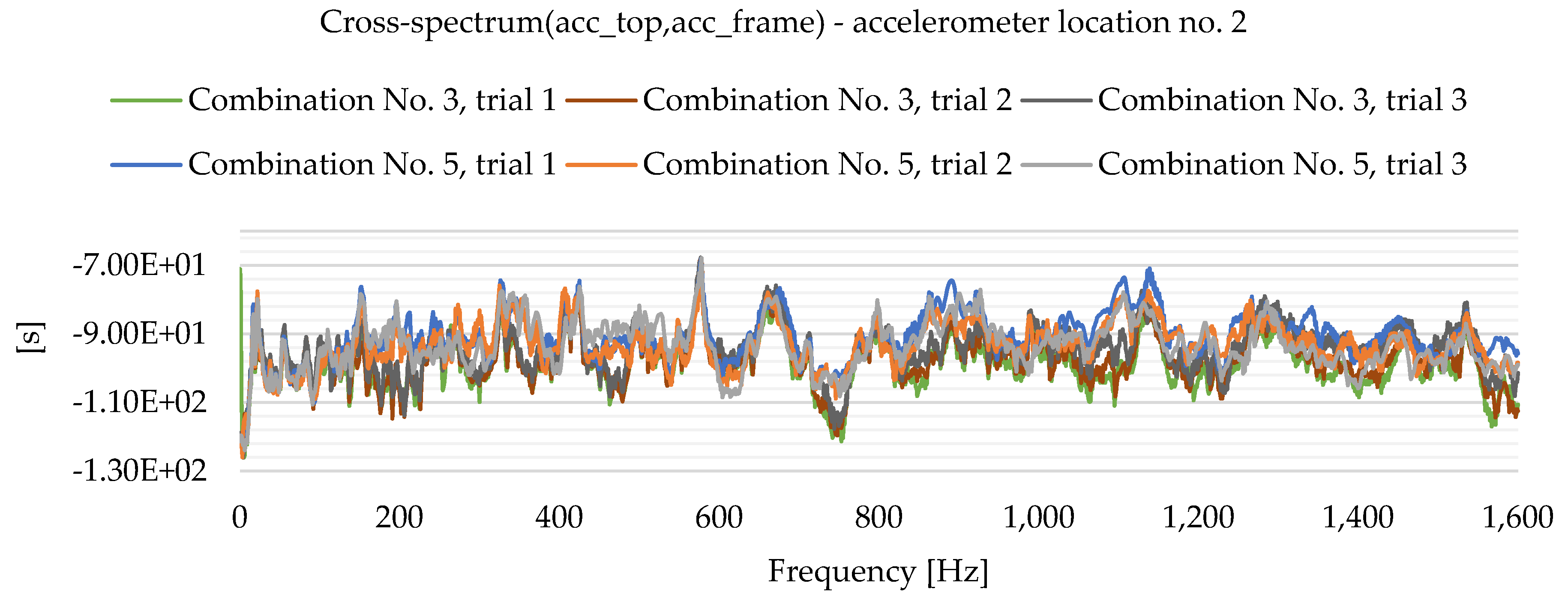
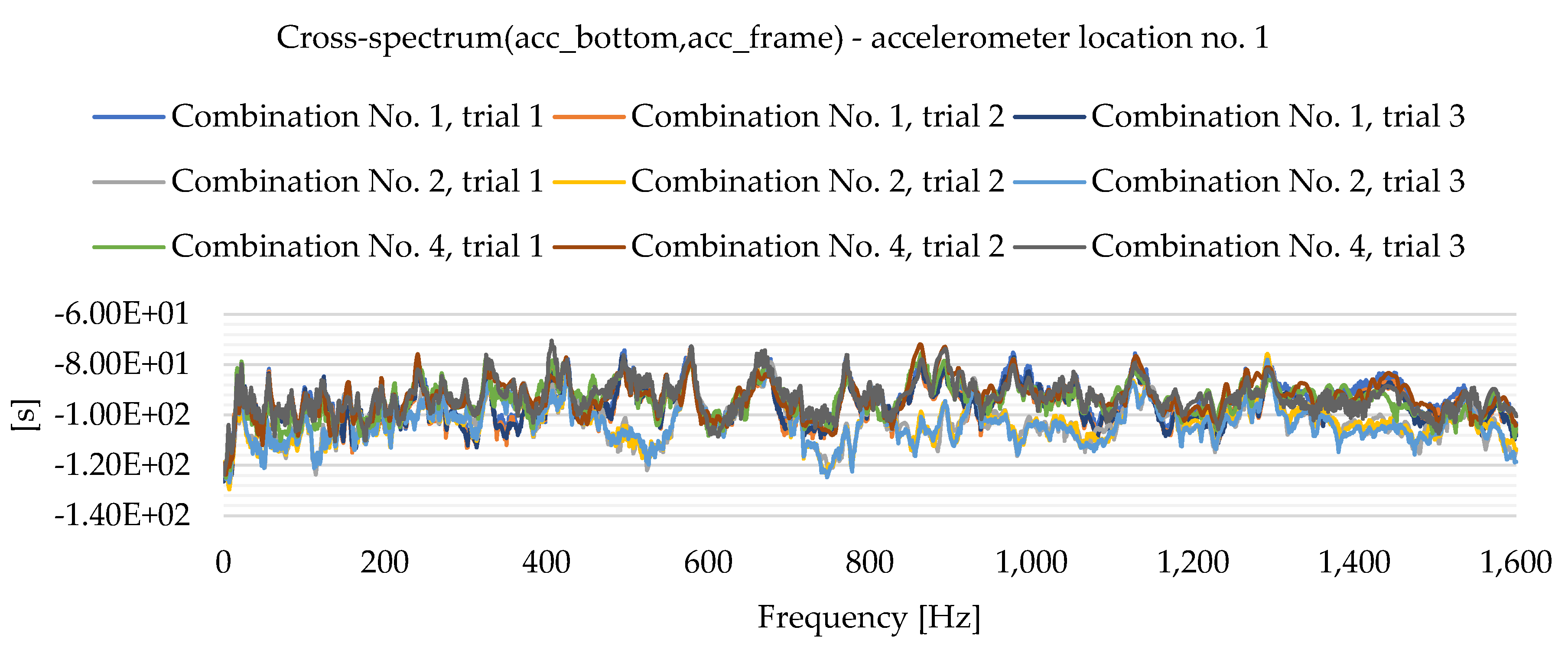
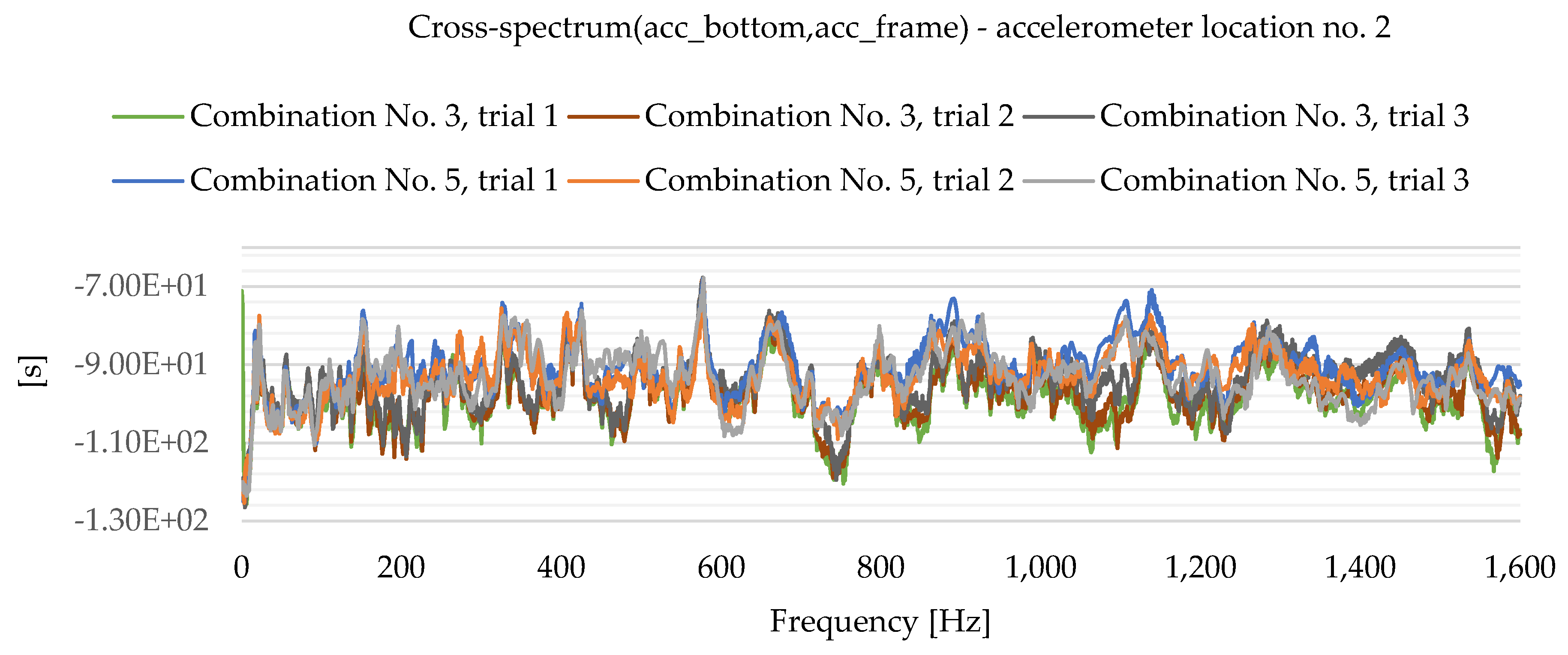
As a result of the experimental study, frequency spectrum plots were obtained from which the natural frequencies of the plates can be read. Figure 13, Figure 14, Figure 15, Figure 16, Figure 17, Figure 18, Figure 19 and Figure 20 show the graphs for a 500 mm × 600 mm × 8.3 mm plate.
Figure 13.
Frequency spectrum diagram (acc_top,hammer)—accelerometer location No. 1.
Figure 14.
Frequency spectrum diagram (acc_top,hammer)—accelerometer location No. 2.
Figure 15.
Frequency spectrum diagram (acc_bottom,hammer)—accelerometer location No. 1.
Figure 16.
Frequency spectrum diagram (acc_bottom,hammer)—accelerometer location No. 2.
Figure 17.
Frequency spectrum diagram (acc_top,acc_frame)—accelerometer location No. 1.
Figure 18.
Frequency spectrum diagram (acc_top,acc_frame)—accelerometer location No. 2.
Figure 19.
Frequency spectrum diagram (acc_bottom,acc_frame)—accelerometer location No. 1.
Figure 20.
Frequency spectrum diagram (acc_bottom,acc_frame)—accelerometer location No. 2.
The natural frequencies were determined by looking for local extremes on the characteristics of the spectra. It was also taken into account that the function is not increasing and decreasing in a smooth manner. From the spectra plots, the ranges in which local extremes are expected were determined and the maximum values were chosen.
In order to correctly analyse these results, numerical models (Section 2.3) for the geometrical and mechanical parameters of the tested VIG-type windows (Table 1 and Table 2) were created and natural frequencies obtained. Numerically obtained mode shapes were taken into account. This is very important in the case of 1000 mm × 1000 mm plates because the natural frequencies for some two consecutive mode shapes are the same. This is due to the same geometrical parameters in two directions.
The averaged values of natural frequencies obtained from all measurements are shown in Table 5.
Table 5.
Natural frequencies obtained from experimental analysis.
3.2. Numerical Analysis
The eigenvalues (natural frequencies) for a given set of parameters were obtained using the numerical models described in Section 2.3. Mesh density assumption has been analysed in the same way as described in the paper [5]. Table 6 shows all the values adopted for the implementation of the numerical models on the basis of which the values of the natural frequencies were determined. In total, 315 different numerical models were created by making combinations that include all the given values.
Table 6.
VIG parameters combinations assumed for analysis.
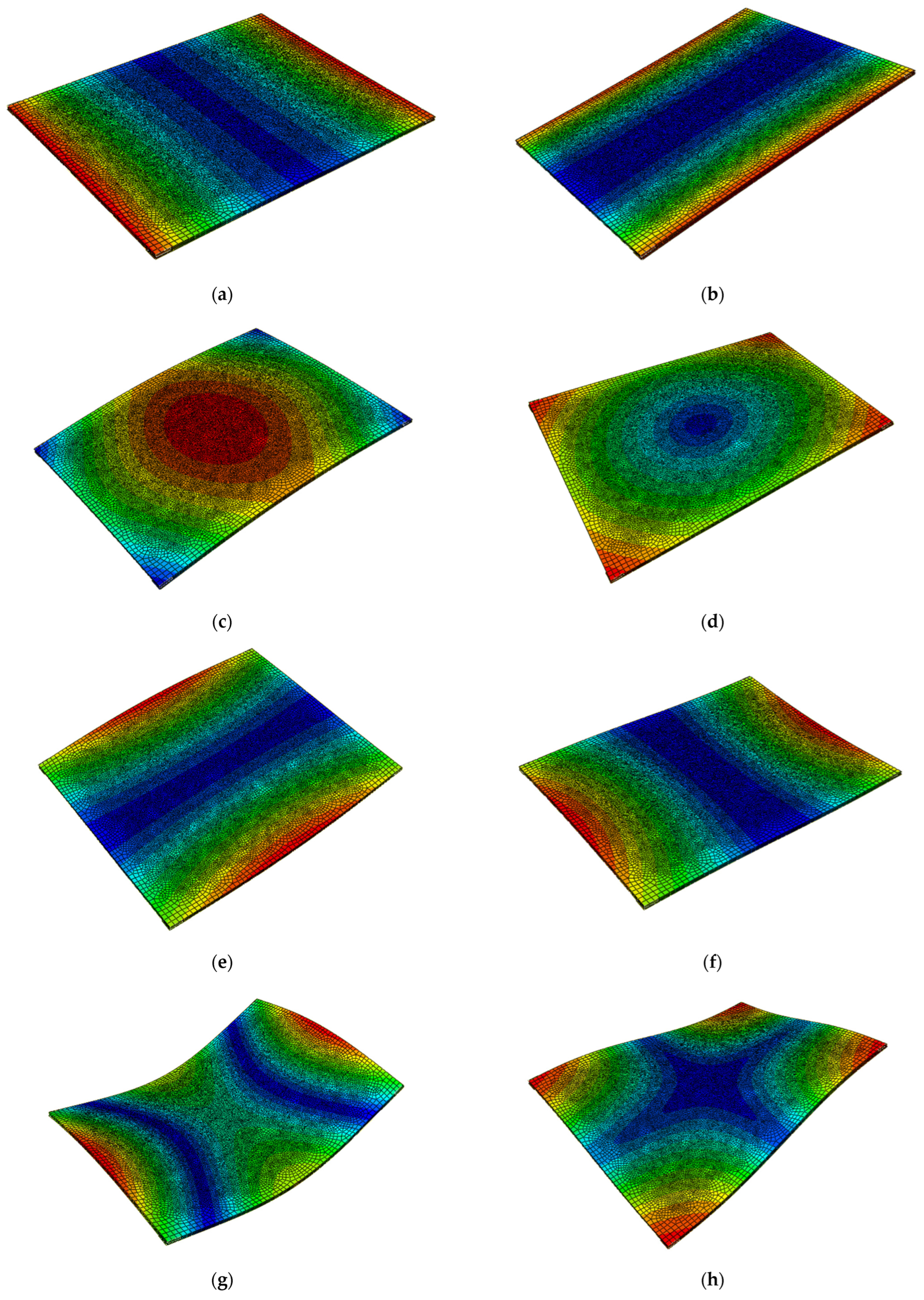
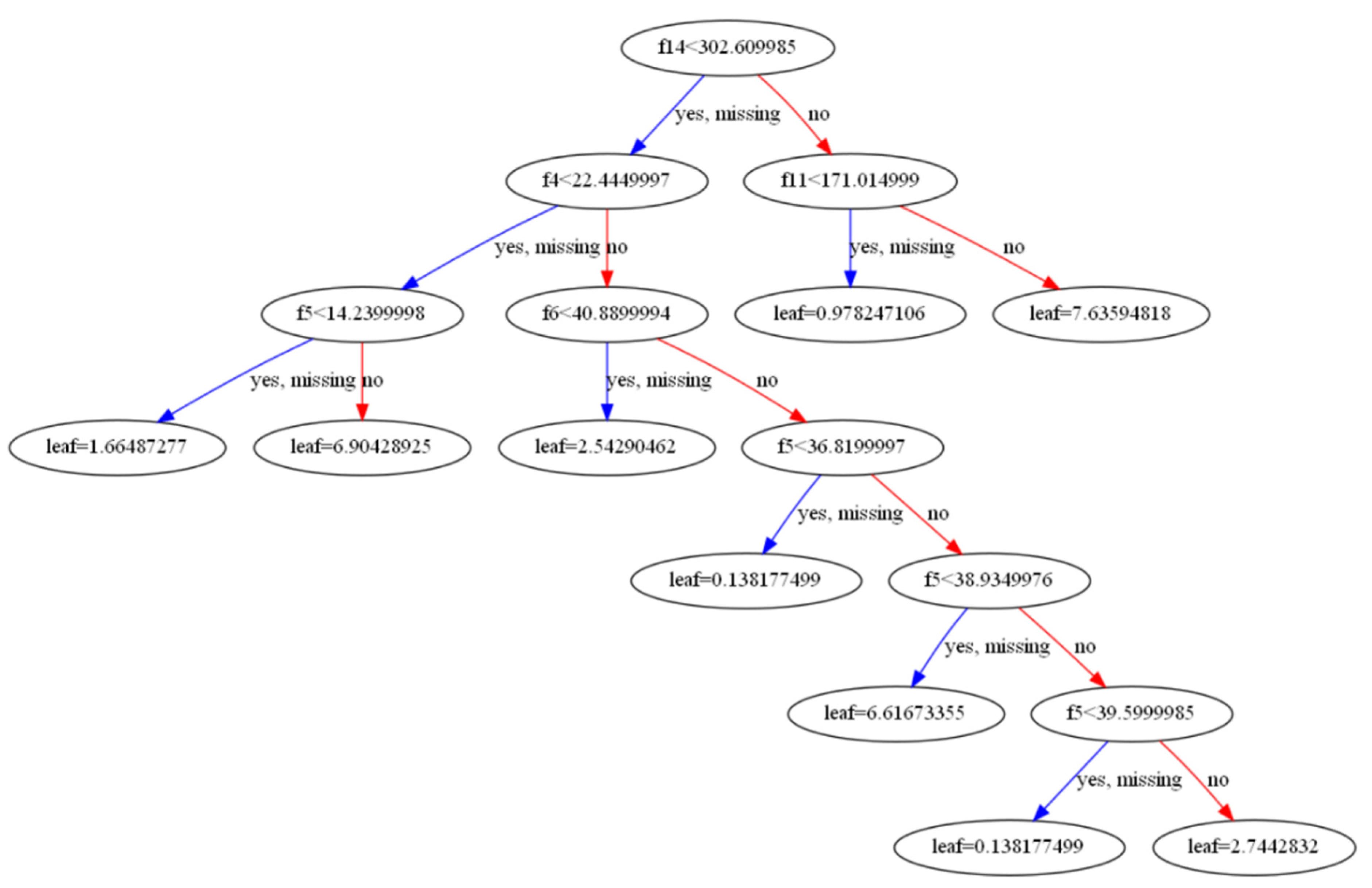
First thirty natural frequencies were determined. Mode shapes for the first ten natural frequencies are shown in Figure 21. The greatest relative deflection is marked in red.

Figure 21.
Mode shapes for the first ten natural frequencies from (a–j).
3.3. Machine Learning
3.3.1. Extreme Gradient Boosting
In order to create XGB algorithm in Python XGBRegressor function was used. Linear regression was assumed for this model. Moreover, to find the most optimal parameters of the predictive model, multiple combinations of models’ parameters were analysed. These parameters are shown in Table 7. Final parameters were chosen to obtain the least possible Root Mean Squared Error (RMSE) that was determined by Equation (24).
Table 7.
Assumed XGB parameters.
The errors, obtained for the assumed parameters of the created Extreme Gradient Boosting predictive model, are presented in Table 8.
Table 8.
The errors for XGB predictive model.
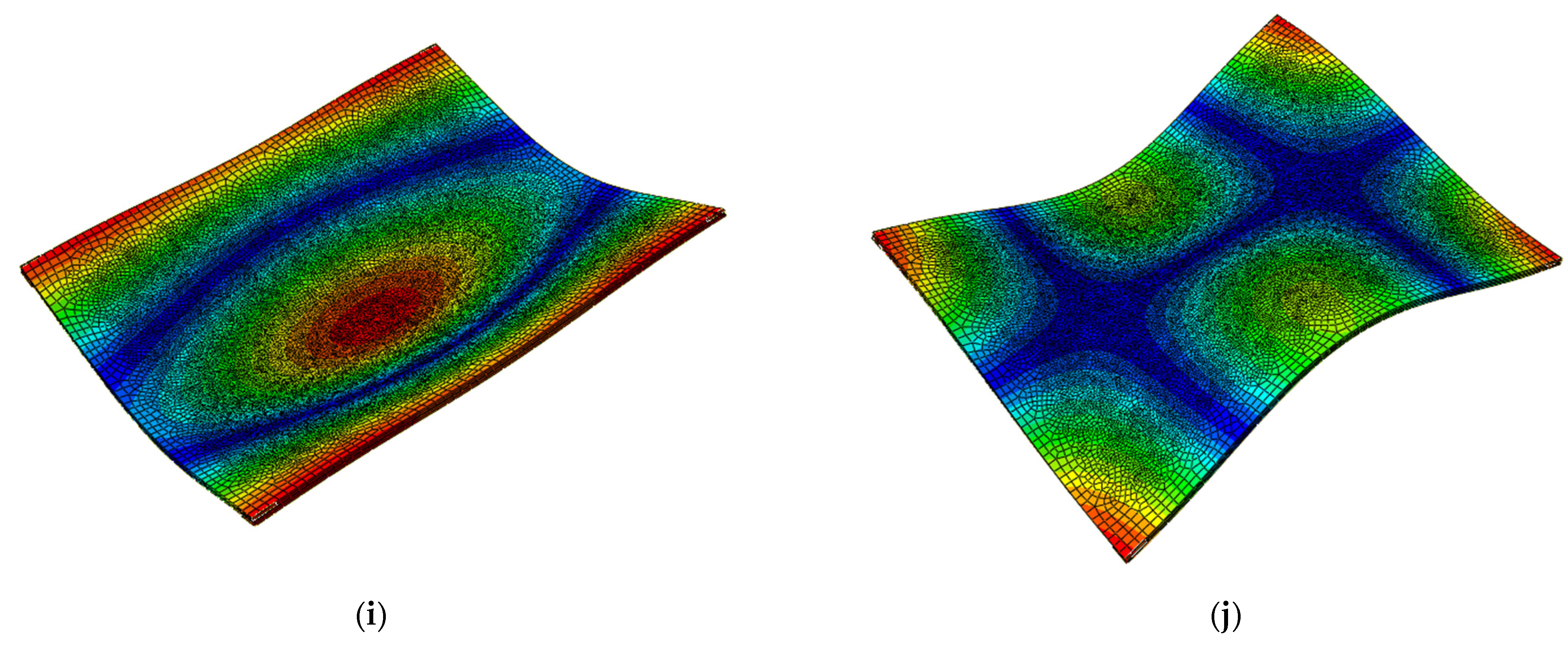
Figure 22 shows one random tree from the whole set of automatically created decision trees.
Figure 22.
One random XGB decision tree generated by the algorithm.
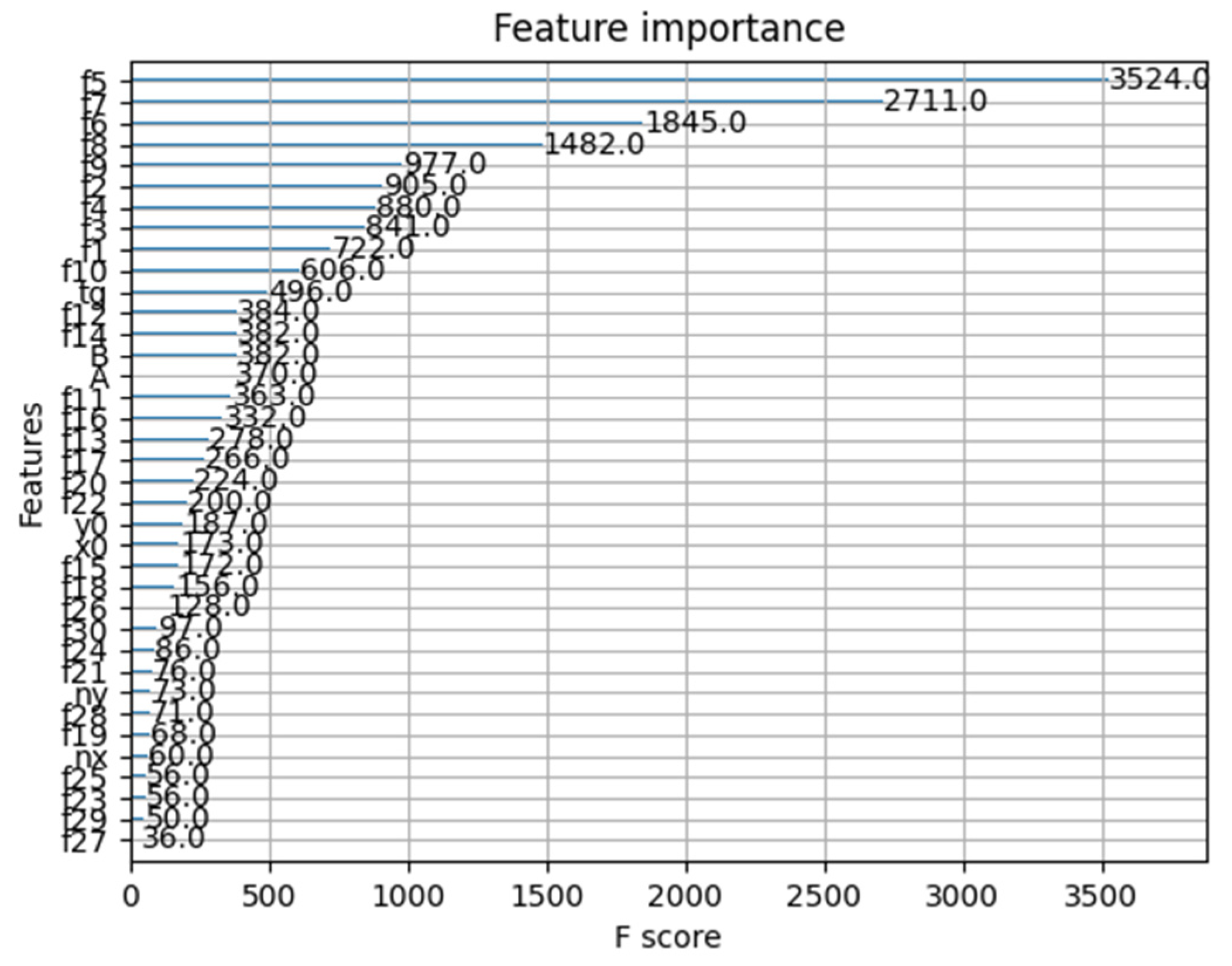
Figure 23 presents feature importance diagram for the obtained results from the XGB predictive model.
Figure 23.
Feature importance diagram for the generated XGB model.
3.3.2. Neural Networks
In order to create DNN script in Python, pytorch, skorch, and sklearn libraries were used. Moreover, to find the most optimal parameters of NN, GridSearch function from sklearn library was taken. These parameters are shown in Table 9. Final parameters were chosen to obtain the least possible Root Mean Squared Error (RMSE) that is determined by Equation (24).
Table 9.
Assumed DNN parameters.
It has to be mentioned that all the data in the provided data set had to be normalised in order to train DNN algorithm; this is due to a low effectiveness of neural networks when it comes to values with different a order of magnitude. Therefore, the normalizer function from sklearn library was used.
The errors, obtained for the assumed parameters of the created Deep Neural Network predictive model, are presented in Table 10.
Table 10.
The errors for DNN predictive model.
4. Machine Learning in Non-Destructive Experiments of VIG Units
The final part of this paper is to use the created predictive models in order to obtain the Young’s modulus of pillars located between glass panes of the tested VIG plates. In this case, the predictive models will be used as a function that determines the Young’s modulus value, and the experimental results will be used as variables for the mentioned function (Table 5). Based on these assumptions, the wanted values were determined using two predictive models for seven tested VIG elements. The results are presented in Table 11.
Table 11.
ML models predictions for the tested VIG plates.
5. Conclusions and Future Research
The aim of this study was to anticipate Young’s modulus of VIG pillars using ML predictive models. Two different types of ML models were investigated–Extreme Gradient Boosting and Deep Neural Networks.
Summarizing briefly all the data obtained and presented, the following could be stated:
- the experimental tests were properly performed;
- the created numerical model is extremely sensitive with respect to natural frequencies;
- the provided data are immensely corelated and ML models are not able to generalize themselves;
- the final results are not satisfactory.
Each issue is described further in this section.
In accordance with the results obtained from the experimental tests, it could be concluded that the number of combinations, concerning different locations of accelerometers and different locations of force application, was huge enough to provide satisfactory results, because all the wanted natural frequencies (obtained from the numerical models) were identified. In order to obtain more than the first thirty natural frequencies, more combinations should be investigated. Moreover, the performed number of trials was also enough in order to obtain proper results, because the results from those trials were almost the same.
The numerical model, based on the assumptions from [5], provides accurate results because it does not omit a problem with small ratio of distance between glass panes (thickness of vacuum layer) in comparison to glass panes’ thicknesses. It should be also mentioned that in [5], authors presented that changing the value of pillars’ modulus of elasticity do not significantly influence the dynamic properties (natural frequencies) of VIG plates. Therefore, the sets of data with natural frequencies, provided for the VIG window with the same overall dimensions, are highly similar to each other.
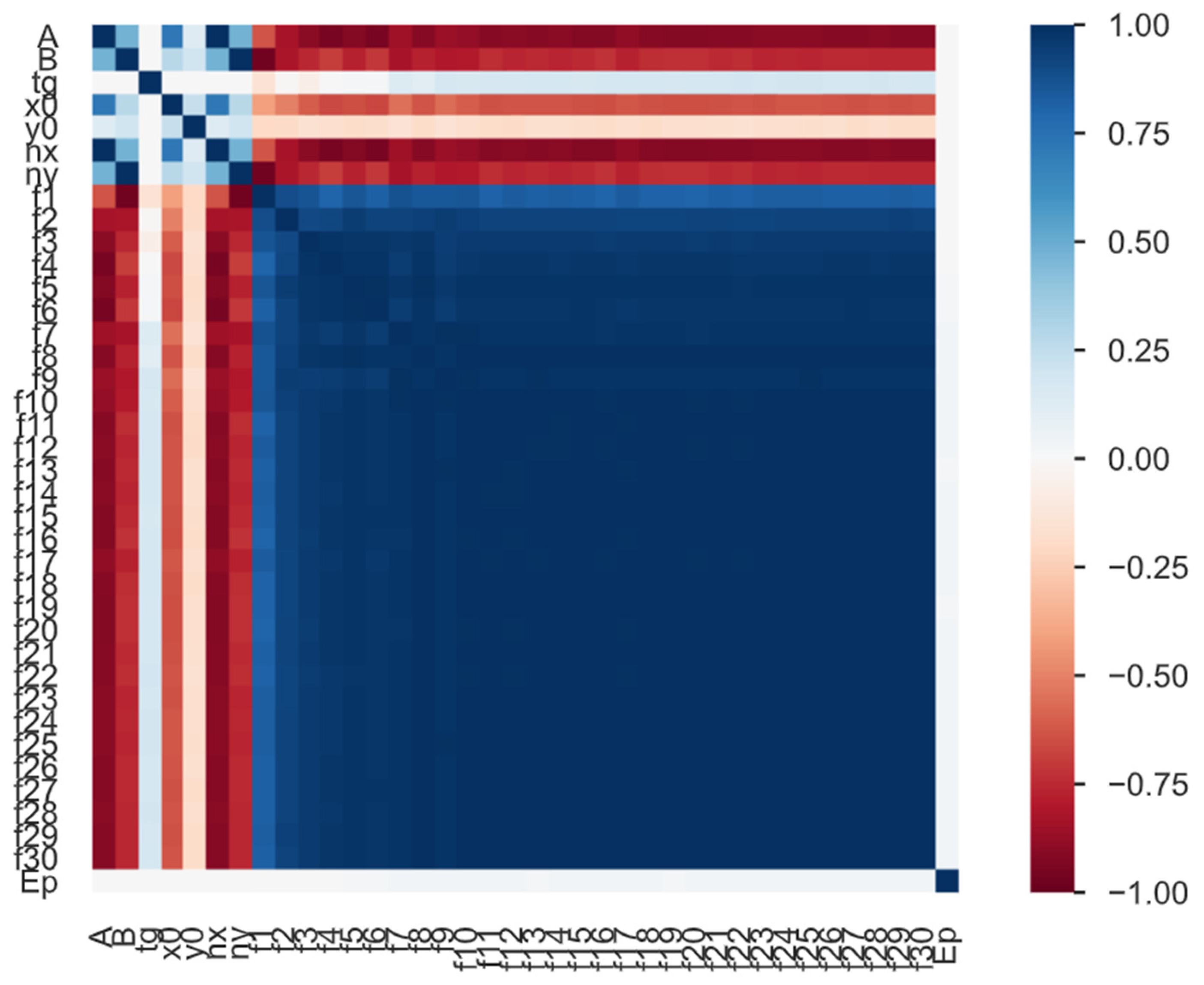
Considering provided data, despite rather low relative errors presented in Table 11, the results should have definitely lower error. Despite the dataset being rather tiny, it could be observed that these data are highly corelated (Figure 24). Although the results from XGB algorithm are slightly more promising than results from DNN algorithm, both predictive models are unable to generalize themselves. Predicted values are close to the mean value of the whole set. This is probably due to two following aspects: pillars’ influence on natural frequencies is not significant and provided data could not be highly diverse. The assumptions for the data sets adopted this study are insufficient.
Figure 24.
The Spearman’s rank correlation coefficient for provided dataset.
There are two possible solutions to solve this problem. The first one is to highly extend the data set. More complex data could cause definitely lower correlation of variables between training and test data sets. Instead of using the natural frequencies, the complete spectra of the dynamic response could be used. The second possibility is to use meta-learning [24]. It refers to learning algorithms that learn from other learning algorithms and became more powerful. It is also related to model selecting and algorithm tuning.
Considering the fact, that non-destructive tests of VIG plates could play a key role in testing how these windows are aging, further investigation have to be performed. Therefore, future research will continue to focus on the development and validation of two mentioned methods.
Author Contributions
Conceptualization, I.K., D.K., S.K., M.R., Ł.D. and A.W.; Data curation, I.K., D.K. and S.K.; Formal analysis, I.K., D.K., S.K. and M.R.; Investigation, I.K., D.K., S.K. and M.R.; Methodology, I.K., D.K., S.K. and M.R.; Resources, I.K., D.K., S.K. and M.R.; Software, I.K., D.K., S.K. and M.R.; Validation, D.K.; Writing—original draft, I.K., D.K., S.K. and M.R.; Writing—review and editing, I.K., D.K., S.K. and M.R. All authors have read and agreed to the published version of the manuscript.
Funding
The contribution is founded by the Polish Minister of Education and Science under contract No. SKN/SP/496315/2021. This research was supported in part by PL-Grid Infrastructure.
Institutional Review Board Statement
Not applicable.
Informed Consent Statement
Not applicable.
Data Availability Statement
The data presented in this study are available on request from the corresponding author.
Conflicts of Interest
The authors declare no conflict of interest. The funders had no role in the design of the study; in the collection, analyses, or interpretation of data; in the writing of the manuscript, or in the decision to publish the result.
References
- Simko, T.M. Heat Transfer Processes and Stresses in Vacuum Glazing. Ph.D. Thesis, The University of Sydney, Sydney, Australia, 1996. [Google Scholar]
- Cho, S.; Kim, S.-H. Analysis of the Performance of Vacuum Glazing in Office Buildings in Korea: Simulation and Experimental Studies. Sustainability 2017, 9, 936. [Google Scholar] [CrossRef]
- Arya, F.; Hyde, T. Theoretical Study of Flexible Edge Seals for Vacuum Glazing. Int. J. Struct. Construct. Eng. 2017, 11, 1133–1137. [Google Scholar]
- Ashmore, N.; Cabrera, D.; Kocer, C. Acoustic Properties of Vacuum Insulating Glazing. In Proceedings of the Acoustics Hunter Valley, Sydney, Australia, 15–18 November 2015. [Google Scholar]
- Kowalczyk, I.; Kozanecki, D.; Krasoń, S.; Rabenda, M. Computational Modelling of VIG Plates Using FEM: Static and Dynamic Analysis. Materials 2022, 15, 1467. [Google Scholar] [CrossRef] [PubMed]
- Zoller, A. Hohle Glasscheibe. Deutsches Reich Patents Nr. 387655, 29 October 1913. [Google Scholar]
- Bao, M. Structural and Functional Integrity of Energy-Efficient Glazing Units. Ph.D. Thesis, The University of Birmingham, Birmingham, UK, 2014; p. 39. [Google Scholar]
- Zheng, W.; Li, R.; Liu, J. Study on stress and deformation of support pillar of vacuum flat glazing. In Proceedings of the 2011 Second International Conference on Mechanic Automation and Control Engineering, Inner Mongolia, China, 15–17 July 2011; pp. 2609–2612. [Google Scholar]
- McSporran, N. Properties and Performance of Vacuum Insulated Glazing. J. Green Build. 2014, 9, 60–74. [Google Scholar] [CrossRef]
- Vogel-Martin, M.M.; Wolk, M.B.; Free, M.B.; Benson, O.; Schwartz, E.L.; Kamrath, R.F.; Kolb, B.U.; Humpal, K.M.; Hendrickson, M.J. Vacuum Glazing Pillars for Insulated Glass Units. Application Number 14/025958. U.S. Patent Application 20150079313, 19 March 2015. [Google Scholar]
- Collins, R.; Simko, T. Current status of the science and technology of vacuum glazing. Sol. Energy 1998, 62, 189–213. [Google Scholar] [CrossRef]
- Zhang, L.; Zhang, H.; Wang, A.; Zhao, Y.; Li, Y. The Application and Development Trend of Vacuum Insulated Glass. The Glass Performance Days. 28 August 2020. Available online: https://www.glassonweb.com/article/application-and-development-trend-vacuum-insulated-glass (accessed on 13 June 2023).
- Oran, B.E. The Fast Fourier Transform and Its Applications; Prentice-Hall, Inc.: Upper Saddle River, NJ, USA, 1988. [Google Scholar]
- Zhu, W. Effects of Pillar and Sealing Design on thermal and Mechanical Performance of Vacuum Insulated Glazing. Master’s Thesis, University of Tennessee, Knoxville City, CO, USA, August 2021. [Google Scholar]
- Han, Z.M.; Bao, Y.W.; Wu, W.D.; Liu, Z.Q.; Liu, X.G.; Tian, Y. Evaluation of Thermal Performance for Vacuum Glazing by Using Three-Dimensional Finite Element Model. Key Eng. Mater. 2011, 492, 328–332. [Google Scholar] [CrossRef]
- Abaqus Version 6.6. Documentation, 3DS Dessault System. Available online: https://classes.engineering.wustl.edu/2009/spring/mase5513/abaqus/docs/v6.6/index.html (accessed on 1 December 2021).
- Quili Sun, E. Shear Locking and Hourglassing in MSC Nastran, Abaqus, and Ansys. In Proceedings of the Msc Software Users Meeting, January 2006. [Google Scholar]
- Eight-Node Brick Element with Reduced Integration (C3D8R and F3D8R). Available online: https://web.mit.edu/calculix_v2.7/CalculiX/ccx_2.7/doc/ccx/node27.html (accessed on 20 November 2021).
- Chen, T.; Guestrin, C. XGBoost: A Scalable Tree Boosting System. In Proceedings of the KDD ’16: 22nd ACM SIGKDD International Conference on Knowledge Discovery and Data Mining, San Francisco, CA, USA, 13–17 August 2016; pp. 785–794. [Google Scholar] [CrossRef]
- Miller, B.; Ziemiański, L. Optimization of dynamic behavior of thin-walled laminated cylindrical shells by genetic algorithms and deep neural networks supported by modal shape identification. Adv. Eng. Softw. 2020, 147, 102830. [Google Scholar] [CrossRef]
- Mcculloch, W.S.; Pitts, W.H. A logical calculus of the ideas immanent in nervous activity. Bull. Math. Biophys. 1943, 5, 115–133. [Google Scholar] [CrossRef]
- Rosenblatt, F. The perceptron: A probabilistic model for information storage and organization in the brain. Psychol. Rev. 1958, 65, 386–408. [Google Scholar] [CrossRef] [PubMed]
- Lefik, M. Zastosowanie Metod Numerycznych W Analizie Wybranych Zagadnień Geotechniki I Geotechniki Środowiskowej; Wydawnictwo Politechniki Łódzkiej: Łódź, Poland, 2021. [Google Scholar]
- Tadeusiewicz, R. Sieci Neuronowe; Akademicka Oficyna Wydawnicza: Warsaw, Poland, 1993; Volume II, p. 14. [Google Scholar]
- Werbos, P.; John, P. Beyond Regression: New Tools for Prediction and Analysis in the Behavioral Sciences. Ph.D. Thesis, Harvard University, Cambridge, MA, USA, January 1974. [Google Scholar]
Disclaimer/Publisher’s Note: The statements, opinions and data contained in all publications are solely those of the individual author(s) and contributor(s) and not of MDPI and/or the editor(s). MDPI and/or the editor(s) disclaim responsibility for any injury to people or property resulting from any ideas, methods, instructions or products referred to in the content. |
© 2023 by the authors. Licensee MDPI, Basel, Switzerland. This article is an open access article distributed under the terms and conditions of the Creative Commons Attribution (CC BY) license (https://creativecommons.org/licenses/by/4.0/).