Article

Effect of Moisture on Gas Emissions from Stored Woody Biomass

1
Jiangsu Key Laboratory of Chemical Pollution Control and Resources Reuse, School of Environmental and Biological Engineering, Nanjing University of Science and Technology, Nanjing 210094, China
2
Department of Chemical and Biological Engineering, University of British Columbia, 2360 East Mall, Vancouver, BC V6T 1Z3, Canada
*
Author to whom correspondence should be addressed.
Energies 2020, 13(1), 128; https://doi.org/10.3390/en13010128
Submission received: 27 November 2019 / Revised: 19 December 2019 / Accepted: 25 December 2019 / Published: 26 December 2019
(This article belongs to the Section A4: Bio-Energy)

Abstract

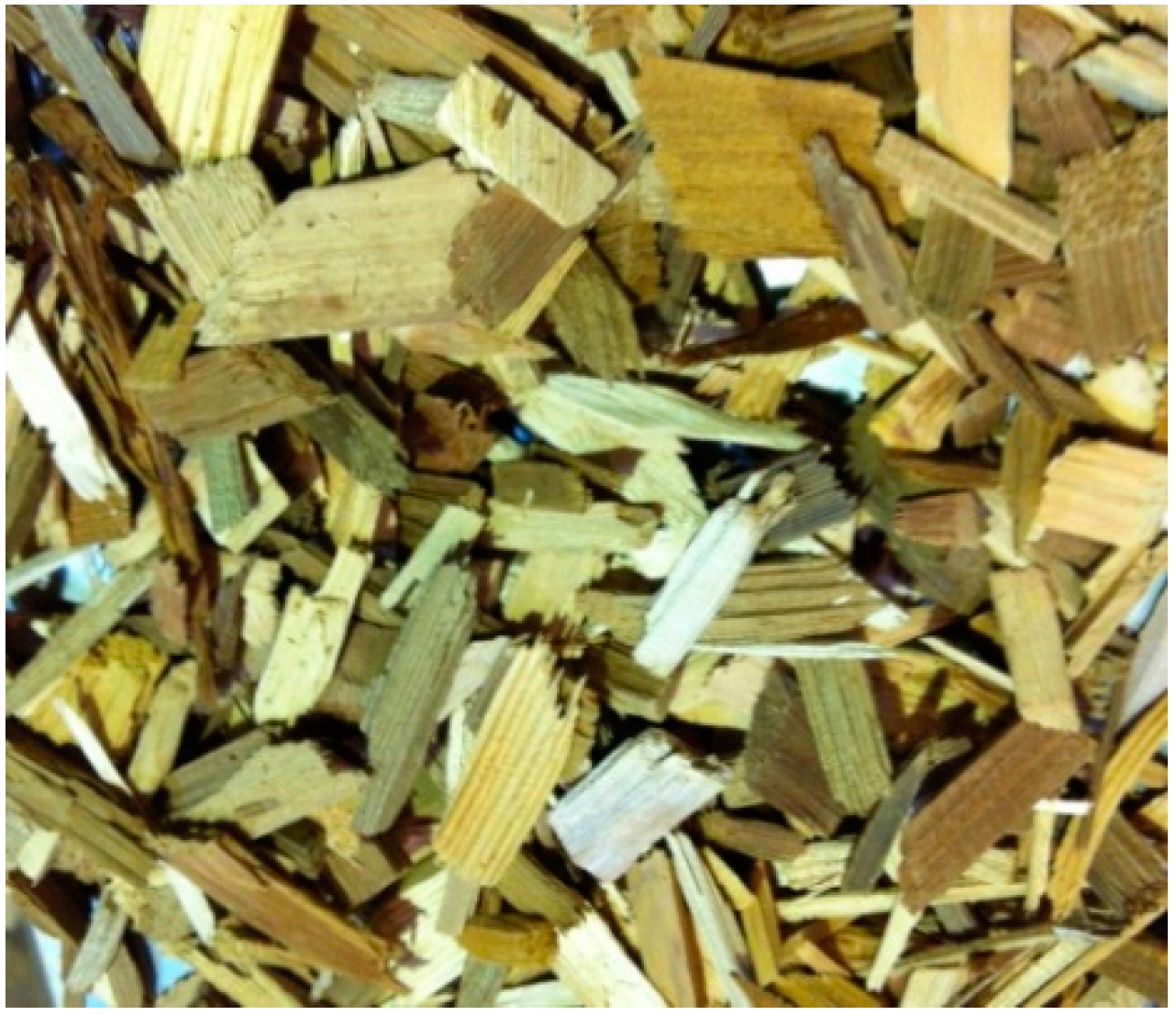
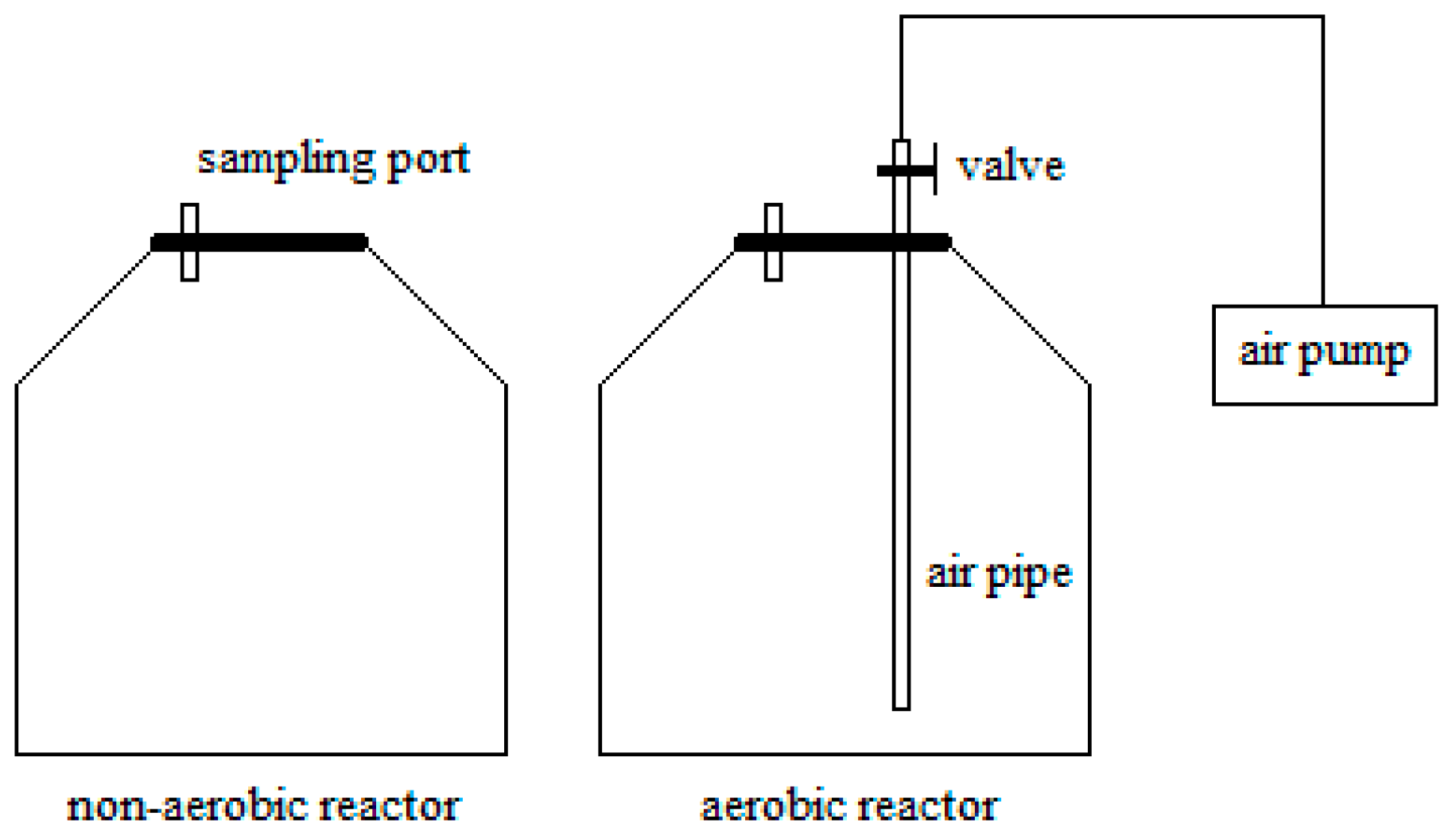
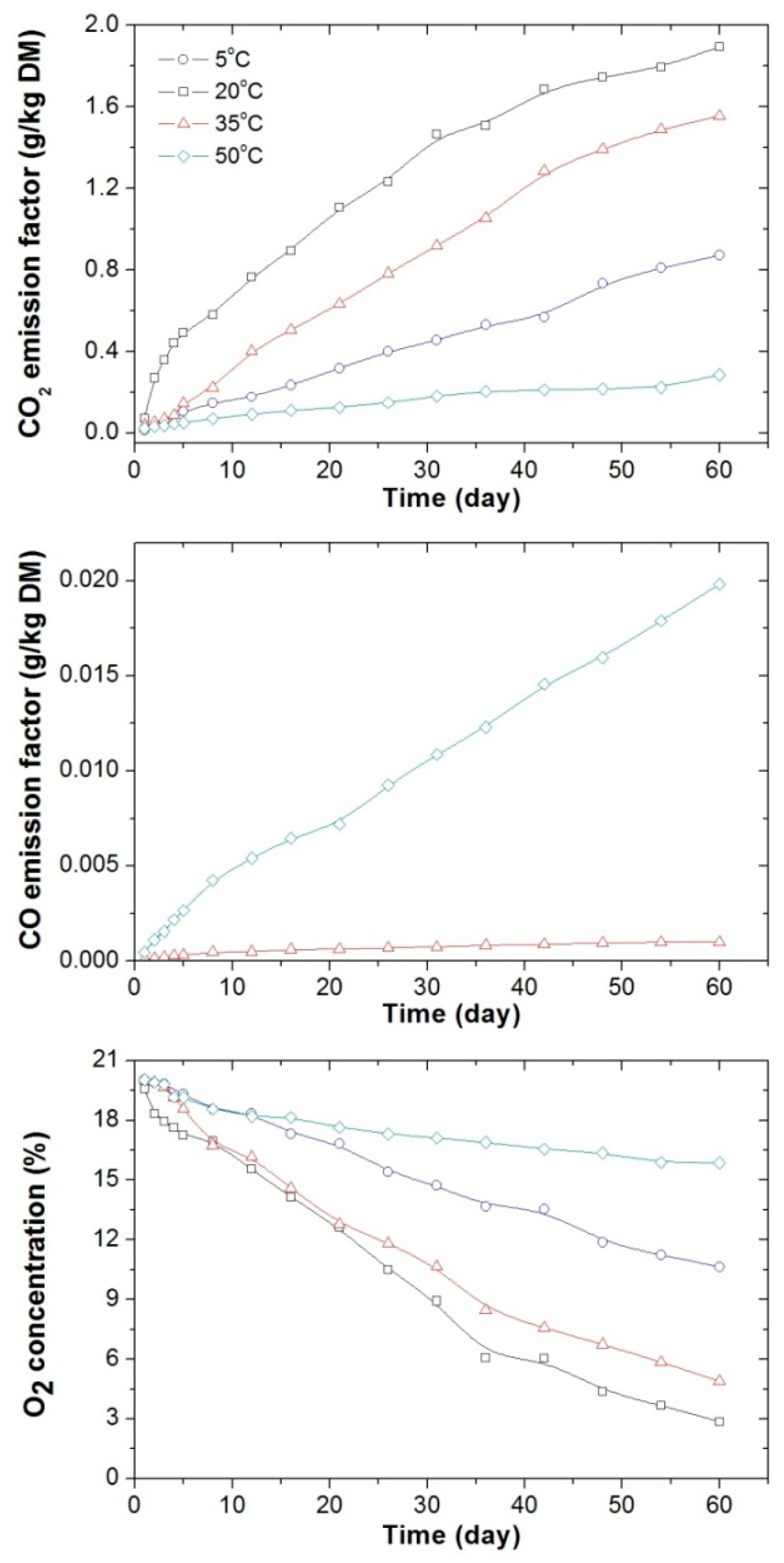
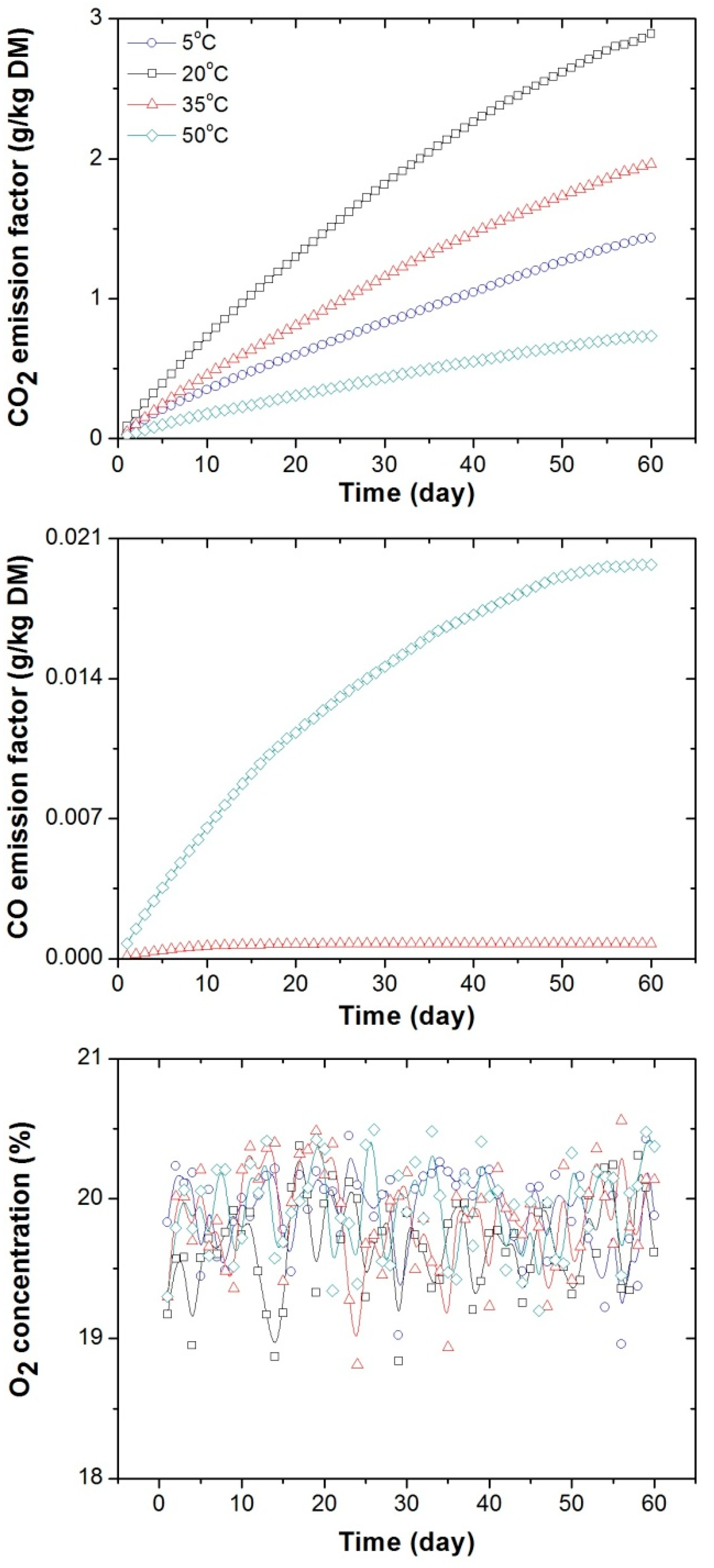
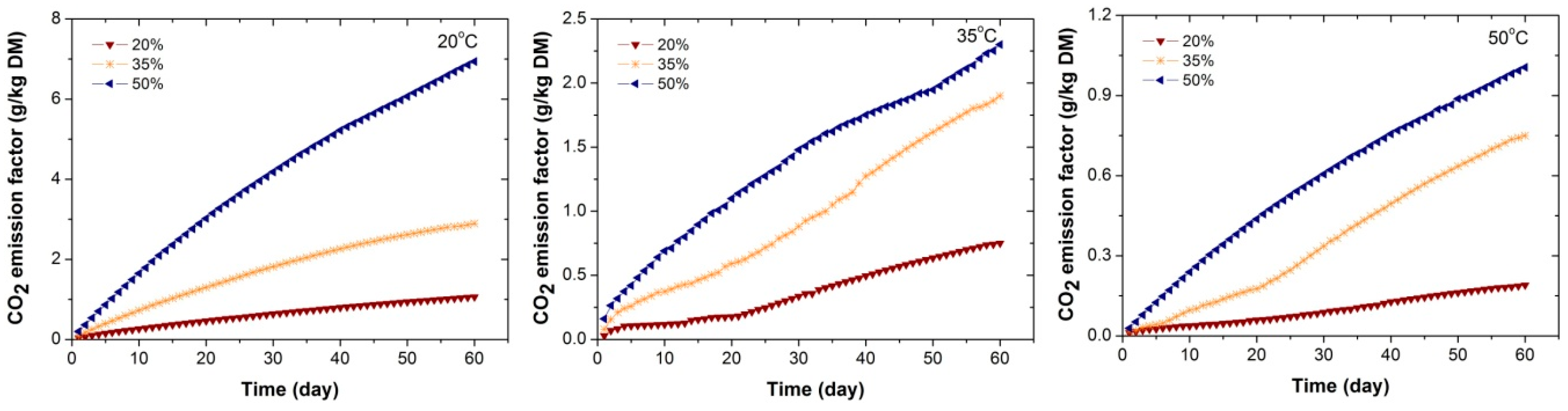
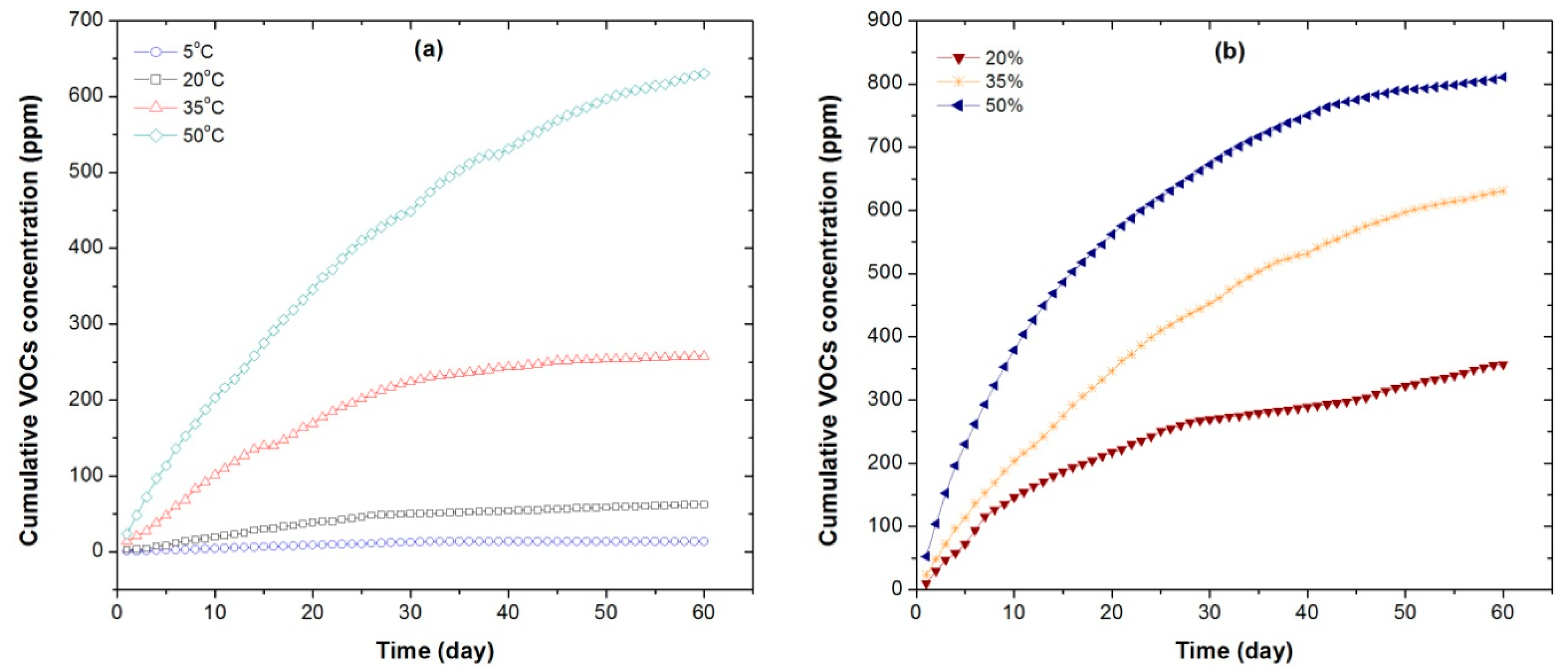
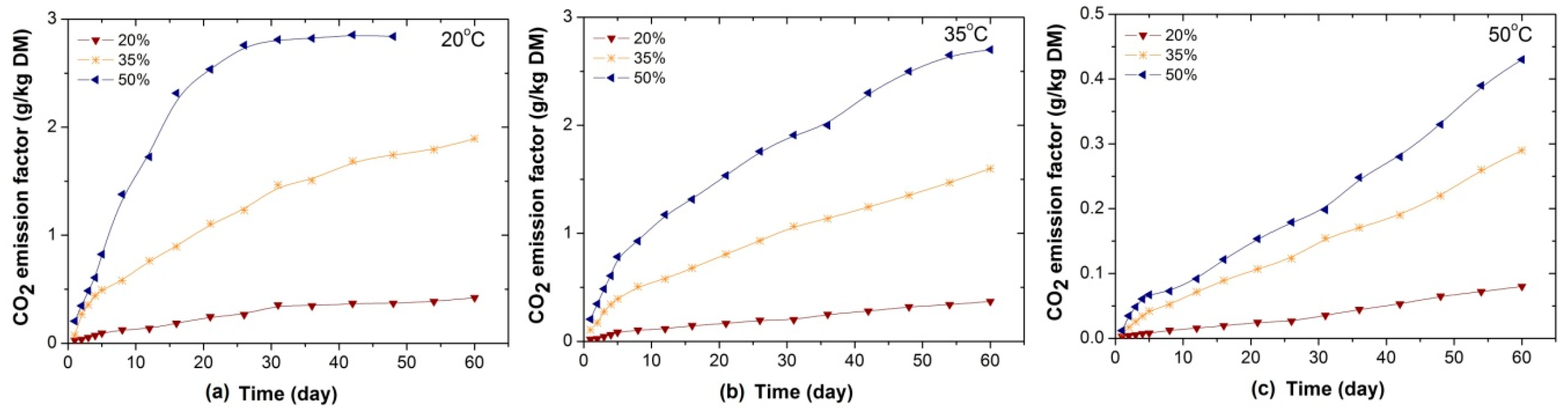
Biomass materials have been increasingly used due to their renewable nature. The problems occurring during the storage of fresh woody materials include gas emissions and dry matter losses as a result of degradation. The objective of this study was to investigate and quantify the effect of moisture content on gas emissions from stored wood chips. Experiments were conducted under non-aerobic and aerobic conditions using fresh Western Red Cedar (WRC) chips with different initial moisture contents over a range of temperatures. The peak CO2 emission factor of 2.9 g/kg dry matter (DM) was observed from high moisture chips at 20 °C under non-aerobic conditions after two-month storage, which was an order of magnitude greater than that from low moisture chips. In the case of volatile organic compounds, a range of compounds were detected from all tests. The concentration of VOCs was found to be positively correlated with moisture content. Gas emissions from the aerobic reactors exhibited similar trends as non-aerobic reactors with respect to the effect of moisture content, although higher values were observed under aerobic conditions. Slight reduction of dry mass from all tests at the end of storage indicated the decay-resistance characteristics of WRC.
Keywords: wood chips; storage; moisture content; aerobic; non-aerobic; gas emission; dry matter loss wood chips; storage; moisture content; aerobic; non-aerobic; gas emission; dry matter loss