

Article

Effects of the Recognition, Measurement, and Disclosure of Biological Assets Under IAS 41 on Value Creation in Colombian Agribusinesses


by
Iván Andrés Ordóñez-Castaño
1,2,*,
Angélica María Franco-Ricaurte
2,3,
Edila Eudemia Herrera-Rodríguez
4,5 and
Luis Enrique Perdomo Mejía
6
1
Facultad de Ciencias Económicas, Universidad de San Buenaventura, Cali 760031, Colombia
2
Department of Economics and Social Sciences, Universitat Politécnica de Valencia, 46022 València, Spain
3
Faculta de Ciencias Empresariales, Institución Universitaria Antonio José Camacho, Cali 760001, Colombia
4
Financial Accounting Department, Universidad de Panamá, Panamá City 06001, Panama
5
Sistema Nacional de Investigación (SNI), Secretaría Nacional de Ciencia, Tecnología e Innovación—SENACYT Panamá, Panamá City 06001, Panama
6
Facultad de Ciencias de la Administración, Universidad del Valle, Cali 760001, Colombia
*
Author to whom correspondence should be addressed.
J. Risk Financial Manag. 2026, 19(1), 11; https://doi.org/10.3390/jrfm19010011
Submission received: 9 October 2025 / Revised: 15 December 2025 / Accepted: 17 December 2025 / Published: 23 December 2025
(This article belongs to the Special Issue Financial Accounting)

Abstract

This article examines how the recognition, measurement, and disclosure of biological assets (BAs) under IAS 41 affect value creation in Colombian agribusinesses following IFRS adoption. Using EMIS Benchmark data for Colombia, we construct a panel of 157 agro-industrial firms that are neither subsidiaries of multinationals nor listed on the stock exchange; the panel covers 2012–2022, spanning the period before and after IFRS adoption. The database combines accounting and financial indicators with categorical variables capturing the scope of activities, valuation methods (historical cost, realisable value, present value, fair value), and disclosure policies for BAs. Value creation is proxied by EBITDA, return on equity (ROE), and return on assets (ROA). We estimate fixed-effects panel models for three IFRS groups. Results show that, in Group 1, defining the accounting scope and using fair value and present value as measurement bases are associated with higher firm value, while Groups 2 and 3 display positive but statistically weaker effects. Explicit disclosure is also associated with higher profitability, particularly for SMEs. These findings are consistent with agency and firm theories: when entrepreneurial activities are recognised, measured, and disclosed consistently and transparently, information asymmetry and agency costs fall, and accounting policies become a driver of organisational performance in agribusinesses in emerging markets. The results also support the assumptions of institutional theory, as external regulatory pressures from IFRS and internal pressures arising from relationships among firms in the agro-industrial sector shape and reinforce information disclosure practices.

1. Introduction

In many countries, accounting for agricultural activities has traditionally attracted limited attention from accounting researchers, practitioners, and regulators (Herbohn & Herbohn, 2006). One reason may be that historical cost accounting was long regarded as more representative than fair value (FV). However, although historical cost provides stability and reliability by recording acquisition and development expenditures, it may not adequately reflect market fluctuations or biological transformations. Its use should therefore be assessed in context to ensure that financial information faithfully represents the economic reality of the asset (Campos-Llerena et al., 2025).
This study examines how the recognition, measurement, and disclosure of biological assets (BAs) under IAS 41 affect value creation in the Colombian agribusiness sector. We review the accounting policies adopted by firms for BAs and the use of present value (PV), fair value (FV), and realisable value (RV) as measurement bases and analyse their association with value creation for the firms in the sample.
The RV of BAs, defined in IAS 41 as FV less costs to sell, plays a key role in strategic decision-making. It reflects the potential cash inflows from their sale and provides a market-based benchmark for their current value, thereby enhancing transparency and the decision-usefulness of financial statements (Campos-Llerena et al., 2025). From a shareholder perspective, value creation can be understood as the incremental value generated by the firm’s activities, in this case through BAs. However, measuring BAs in accordance with IAS 41 requires considerable effort when determining FV. Prior research shows that when BAs are measured at FV, the accuracy of forecasts of future cash flows improves as the proportion of BAs in total assets increases (Argilés-Bosch et al., 2018). FV is therefore considered more relevant and better able to capture the economic effects of the biological transformation that BAs undergo over their life cycle (Herbohn & Herbohn, 2006). In turn, FV provides users with decision-useful information that is both relevant and reliable (Barth, 2006; Gigler et al., 2007; Marra, 2016). The introduction of FV measurement for BAs in agriculture has thus led to more reliable information for decision-making in the agricultural sector and to more timely recognition of increases in the value of BAs (Argilés-Bosch et al., 2012; Batca-Dumitru et al., 2020; Gonçalves et al., 2017; Sorolla García, 2019).
Based on these considerations, the implementation of IFRS makes historical cost less relevant, since capitalising the costs of transforming BAs does not necessarily reflect the cash flows they are expected to generate (Daly & Skaife, 2016; Sorolla García, 2019). Agricultural activities differ substantially from other business activities and therefore require a specific approach to financial reporting and disclosure (Bohušová & Svoboda, 2016;). Ignoring changes in the measurement of these assets may introduce reporting bias and constrain decision-making, as the intrinsic value of BAs is not fully captured.
In recent years, the Colombian agricultural sector has played a prominent role in international markets. IAS 41 (Agriculture) places significant emphasis on FV as a measurement basis. However, the most commonly used basis in Colombia remains historical cost, which suggests that agribusiness firms are not yet fully aligned with the requirements of IAS 41 (Peña Breffe, 2019). This study is therefore relevant because analysing the accounting policies and valuation methods used in value creation for these firms can help align the agribusiness sector with IAS 41.
This research is grounded in agency, firm, and institutional theories and contributes theoretical insights by focusing on SMEs, whereas prior studies have largely examined large corporations. SMEs are economically significant, accounting for around 90% of businesses worldwide (World Bank, 2023). The study also has important practical implications, as its findings can be used by entrepreneurs, policymakers, auditors, and agribusiness firms to assess how recognition and measurement choices for BAs can generate value.
The results show that the disclosure of business activities, as reflected in the accounting policies adopted by Colombian agribusiness firms for presenting financial information in accordance with IAS 41, is associated with higher firm value. This provides empirical evidence consistent with agency theory, since managers can increase organisational value and thereby address shareholders’ interests. The predictions of firm theory are also supported, as clearly defining the scope of the business activity reduces conflicts of interest among stakeholders. From an institutional theory perspective, the findings further suggest that external regulatory pressures from IFRS and internal pressures arising from relationships among firms in the agribusiness sector transform practices into social facts through institutionalisation.
The remainder of the article is structured as follows. Section 2 reviews the literature and develops the hypotheses. Section 3 describes the data and research methods. Section 4 presents the panel data regression results. Section 5 concludes and outlines the study’s limitations and directions for future research.

2. Literature Review and Hypothesis Formulation

2.1. Literature Review

2.1.1. Contextualization of the International Financial Reporting Standards Implementation Process in Colombia

The growing global importance of agricultural activity attracted the attention of the International Accounting Standards Committee (IASC), which issued a dedicated financial reporting standard for BAs, IAS 41 Agriculture, in 2001IFRS, 2023). Before the implementation of IFRS, Colombian entities engaged in agricultural, livestock and related activities prepared their accounting records under Decree 2649 of 1993.
The IFRS implementation process in Colombia began with Law 1314 of 2009 (Ley 1314 de 2009-Gestor Normativo, n.d.), which established the principles and standards for accounting, financial reporting, and assurance. Decree 2784 of 2012 (Decreto 2784 de 2012-Gestor Normativo, n.d.) set out the implementation schedule for Law 1314 and defined the following mandatory phases: (1) a mandatory preparation period from 1 January 2013 to 31 December 2013; (2) a transition period from 1 January 2014 to 31 December 2014, during which companies were required to keep parallel accounting records, maintaining books under Decrees 2649 and 2650 for legal purposes while simultaneously preparing IFRS-based information for comparative purposes; (3) a final reporting period under local standards up to 31 December 2014, corresponding to the last closing under Colombian GAAP before full IFRS adoption; and (4) a full application period beginning on 1 January 2015, when the mandatory adoption of IFRS for all legal purposes formally commenced.
To implement this process, the government, through the Consejo Técnico de la Contaduría Pública (CTCP, Technical Council of Public Accountancy) (Consejo Técnico de la Contaduría Pública, 2012), classified companies into three groups in accordance with the Strategic Guidance document. This classification was subsequently regulated by Decrees 4946 of 2011, 2784 of 2012, 2706 of 2012, and 3022 of 2013 issued by the Presidency of the Republic of Colombia (Decreto 2706 de 2012, n.d.; Decreto 4946 de 2011, n.d.; Decreto 2784 de 2012-Gestor Normativo, n.d.; Decreto 3022 de 2013 Nivel Nacional, n.d.). Table 1 presents the grouping of companies used in the IFRS implementation process.
The reporting practices of Group 1 companies are characterised by more formal and comprehensive disclosure. This reflects the mandatory nature of their financial reporting, as these entities are issuers of securities. By contrast, Group 2 companies, which include SMEs, provide relevant financial information but do not disclose all items that would be required under full IFRS, because such disclosure is not mandatory for them. Finally, Group 3 companies, which comprise micro and small entities, are often not required to prepare full financial statements and may keep only minimal records, focusing on information they consider material and relevant. For illustration, Group 1 includes multinational firms listed on the stock exchange that prepare their financial information fully in accordance with current regulations. Group 2 includes medium-sized firms with between five and ten employees that sell to multinationals and are required to submit relevant financial information to those customers. A firm in Group 3 may employ three people, sell to a Group 1 or Group 2 company, and prepare and disclose only the information specifically requested by the auditors of the respective customer.

2.1.2. Recognition and Valuation Policies for Biological Assets in the Colombian Context

In the Colombian agro-industrial sector, the recognition and measurement of BAs are governed by the IFRS framework and by the accounting policies issued by the Superintendency of Companies, understood as the set of guidelines, principles, methods, and procedures that govern the preparation and presentation of financial statements). In this context, IAS 8 (IFRS–IAS 8, 2023) regulates the criteria for selecting and applying accounting policies, as well as the estimates and disclosures that make management’s judgements explicit and thereby mitigate information asymmetry among stakeholders (Baalbaki Shibly & Dumontier, 2015; de Lima et al., 2018; Elbakry et al., 2017; Akerlof, 1970). Complementarily, IAS 2 defines the treatment of inventories arising from contracts for the purchase and sale of goods, finished products, work in progress, raw materials, and supplies (IFRS–IAS 2, 2023), while IAS 16 governs the recognition and measurement of property, plant, and equipment (PPE) as long-lived, tangible productive assets held for use rather than for sale (IFRS–IAS 16, 2023).
For BAs specifically, IAS 41 requires measurement, in principle, at FV less costs to sell, and permits the use of historical cost only when FV cannot be measured reliably (IFRS–IAS 41, 2023). This choice of valuation policies is not neutral, FV allows the incorporation of market fluctuations and biological transformation into the estimation of future cash flows, whereas cost-based measures may favour stability at the expense of lower sensitivity to changes in the economic environment (Campos-Llerena et al., 2025). Realisable value (RV)—defined as FV less costs to sell—thus becomes a central benchmark for assessing cash-generating capacity and aligning accounting information with market conditions. In Colombia, IFRS adoption has been a strategic step in redefining these accounting policies (Hellman et al., 2018; Houqe et al., 2014; Kang & Gray, 2013), seeking to harmonise local practice with international standards and to improve the quality, comparability, and decision-usefulness of agro-industrial firms’ financial information, thereby reducing information asymmetry between preparers and users of financial statements.

2.2. Theoretical Framework and Formulation of Hypotheses

The analysis of the recognition, measurement, and disclosure of BAs in Colombian agribusiness firms is grounded in agency theory, the theory of the firm, and institutional theory. From an agency perspective, financial reporting under IFRS—including the treatment of BAs—is conceived as a mechanism for reducing information asymmetry and agency costs between managers and shareholders through more complete and reliable disclosure (Akerlof, 1970; Jensen & Meckling, 1976). The theory of the firm, in turn, emphasises decision-making and the configuration of organisational structures that enable firms to create value by balancing transaction and coordination costs, for which accounting information on BAs becomes a central input. Institutional theory highlights that the adoption of IFRS in Colombia reflects strong normative and regulatory pressures that shape reporting practices and promote greater transparency and comparability. Within this theoretical framework, the present study examines how IFRS-based recognition and measurement policies for BAs in Colombian agribusiness firms are associated with value creation.

2.2.1. Agency Theory

Agency theory examines the relationship between managers (agents) and shareholders (principals) (Jensen & Meckling, 1976). Agents are entrusted with maximising organisational value in order to serve shareholders’ interests, but this relationship is prone to conflicts of interest that give rise to agency problems (Jensen & Meckling, 1976). Agency theory highlights the benefits of disclosure, arguing that greater transparency helps to reduce information asymmetry and agency costs. Information asymmetry arises when agents are better informed than shareholders or owners (Akerlof, 1970), so that one party holds private information about elements that are material to the relationship (Gaudet & Lasserre, 2015) or has superior knowledge about the quality of the underlying goods, which affects the quality of information (Franco et al., 2017). This divergence in information can exacerbate agency problems (Bhattacharya et al., 2013; Diamond & Verrecchia, 1991; Kim & Verrecchia, 1994; Korschun et al., 2014), leading executives to take decisions that favour their own interests to the detriment of those they represent and creating an imbalance between the parties (Akerlof, 1970; Bruce et al., 2017; Herrera Rodríguez & Macagnan, 2016). Decision-making—understood as the process of identifying and selecting among alternative courses of action to address a specific problem—is a core element of planning and business management (Kaya, 2014). Information asymmetry can therefore distort the decision-making process, which is central to the functioning of the firm as conceptualised by the theory of the firm.

2.2.2. Theory of the Firm

The theory of the firm builds on the idea that companies weigh the transaction costs of using the market against the coordination costs of producing or developing inputs and processes internally. This trade-off makes it necessary to align the interests of agents and shareholders (Jensen & Meckling, 1976). The theory of the firm was developed to clarify the existence and functions of firms (Engert et al., 2016). It posits that the benefits and costs of organising, managing, and governing transactions within the firm can be identified and assessed (Klein, 2016), reflecting the firm’s role as the most important institution in modern economies (Kay, 2018). Boatright (1996) offers a more recent perspective, arguing that the theory of the firm is fundamental to finance and corporate law because it conceives the firm—and the contracts and agreements it embodies—as a nexus among different business stakeholder groups.

2.2.3. Institutional Theory

Institutional theory (Veblen & Rosado, 1945) views the structure of society as an industrial or economic mechanism composed of economic institutions. It explains how organisations adopt structures in response to external and internal normative pressures, transforming patterns into social facts through institutionalisation. Firms are frequently influenced by such pressures, which may originate from the state or arise within the organisation itself (Zucker, 1987). This process of normative adoption generates stability not necessarily through internal efficiency but through the search for social acceptance. Institutionalism thus contributes not only to debates on formal rules and managerial structures but also to the understanding of informal norms and networks of social relations (Macagnan, 2013). On this basis, it can be argued that the more complex the set of groups influencing firms, the greater the pressures they face and the more transparency they must exhibit in order to remain competitive in the market.

2.3. Formulation of Hypotheses

The hypotheses for this study contrasted from two theoretical perspectives: agency theory and firm’s theory. Table 2 presents empirical literature that supports the hypotheses.
Accounting policies for the recognition and measurement of BAs face several challenges. Biological transformation is not always linear, and BAs are subject to risks and uncertainties related to animals and plants that make it difficult to determine a reliable value (Campos Llerena et al., 2025). Bohušová and Svoboda (2016) conclude that it is not reasonable to apply a single accounting treatment to all types of BAs. From an agency-theory perspective, firms seek to mitigate information asymmetry, while, in line with the theory of the firm, they aim to maximise profits. Accordingly, the recognition and measurement of BAs are expected to contribute to corporate value creation. On this basis, we propose the following hypothesis:
H1. 
Accounting policies for the recognition and measurement of BAs enhance value creation in Colombian agribusiness firms.
IAS 41 requires BAs to be measured, both at initial recognition and at each reporting date, at FV less estimated costs to sell (IAS 41, para. 12). Argilés and Slof (2000) argue in favour of measuring BAs at FV, as this approach avoids the complexity of calculating their historical cost. FV provides users with relevant and reliable information that is useful for decision-making (Barth, 2006; Gigler et al., 2007; Marra, 2016), and enhanced reliability helps to mitigate information asymmetry, in line with agency theory (Jensen & Meckling, 1976). The concept of present value (PV) for BAs is also central to measurement and financial management in the agricultural sector, as it involves updating the economic value of the future net cash flows generated by BAs, discounted at an appropriate rate to reflect the time value of money and associated risks. PV thus complements FV and improves the transparency and accuracy of financial information (Campos-Llerena et al., 2025). By contrast, Herbohn and Herbohn (2006) and Batca-Dumitru et al. (2020) regard FV as an unsuitable basis for BA measurement. Nevertheless, several studies conclude that FV-based accounting is more useful than historical cost, both for preparing financial statements and for enhancing judgement in decision-making (Argilés et al., 2011; Gonçalves et al., 2017; Khushvakhtzoda (Barfiev) & Nazarov, 2021; Sorolla García, 2019; Campos-Llerena et al., 2025).
Bohušová et al. (2012) conclude that IAS 41 resolves the method of reporting costs incurred in relation to the transformation of BAs, so it is necessary to consider the requirements for measuring BAs without active market to FV. For their part, Cairns et al. (2011) found that most companies take a conservative approach and/or lack incentives to use FV measurement. Based on these approaches, the following hypothesis is formulated:
H2. 
The measurement of BAs with the present value and FV methods contributes to value creation in Colombia agribusiness firms.
The adoption of IAS 41 facilitates the flow of firm-specific information; however, Wen-hsin Hsu et al. (2019) find no differential effect of its adoption for agricultural companies that process their own raw materials. Argilés-Bosch et al. (2018) report that asymmetry in asset information negatively affects predictive ability when assets are measured at historical cost. From a firm theory perspective, accounting disclosure that reduces such asymmetry contributes to profit maximisation and, consequently, to value creation, since information is imperfect and costly, implying a high degree of information asymmetry (Stiglitz, 2000). The presence of information asymmetry between agents and owners prevents transactions from being conducted efficiently (Herrera Rodríguez & Macagnan, 2016). In this regard, agency theory (Jensen & Meckling, 1976) posits that disclosure reduces information asymmetry and agency costs. Transparency thus becomes central to building stakeholders’ trust in managers’ decisions (Herrera Rodríguez & Ordóñez Castaño, 2019). Taken together with institutional theory, which holds that organisations adopt structures in response to external and internal regulatory pressures, this suggests that an explicit asset disclosure policy can be expected to reduce information asymmetry and, in turn, enhance firm value. Consistent with this view, Li et al. (2021) show that greater disaggregation of information following IFRS adoption improves market liquidity and reduces information asymmetry, while Gonçalves et al. (2017) find that recognised assets measured at FV are value-relevant, particularly in firms with higher levels of disclosure, which helps lower the cost of capital by mitigating information asymmetry. Ordóñez-Castaño et al. (2021) further show that higher levels of information asymmetry are associated with a lower likelihood of disclosure under GRI criteria. On this basis, we propose the following hypothesis:
H3. 
Since IFRS adoption, Colombian agribusiness firms that explicitly disclose BAs, thereby mitigating information asymmetry, generate more value than those that rely on implicit disclosure.

3. Materials and Methods

This study examines how the recognition, measurement, and disclosure of biological assets (BAs) under IAS 41 affect value creation in Colombian agribusiness firms. To test the hypotheses, we adopt a quantitative research design that links value-creation indicators with firms’ accounting policies and the degree of disclosure regarding BAs. The empirical analysis uses data from EMIS Benchmark for Colombia, which reports financial information for 2967 firms in the agricultural sector. From this universe, we identify 267 agro-industrial firms with information validated by the Superintendency of Companies, engaged in agricultural production and reporting management information for the period 2012–2022. We then exclude 110 firms that were foreign subsidiaries or publicly listed, in order to avoid the risk of voluntary IFRS adoption before 2014, yielding a final population of 157 firms. On this basis, we construct a stratified probabilistic sample by IFRS Groups 1, 2, and 3, with a 5% margin of error.
Between 2019 and 2020, the number of firms in the analysed sector decreased by 10.29%, a change that may be associated with the COVID-19 pandemic; however, this decline does not compromise the representativeness of the sample. In addition, the number of firms in 2021 and 2022 increased by 3.18% and 3.09%, respectively. Figure 1 presents the stratification of the sample by group, according to the IFRS implementation scheme in Colombia. Group 1 comprises issuers of securities and entities of public interest (20.38% of the sample). Group 2 includes SMEs that are neither listed on the stock exchange nor of public interest (62.42% of the sample). Group 3 consists of small firms (17.20% of the sample).
To assess changes in BA disclosure following IFRS implementation in Colombian agribusiness firms, we construct categorical variables based on information disclosed in financial statements and management reports. The categories, defined in accordance with the IFRS conceptual framework (IFRS, 2023), are summarised in Table 3, which details three sets of discrete variables for each asset category (property, plant, and equipment; inventories; and BAs). The first set, Scope, consists of three dichotomous variables. The second set comprises ten variables that capture the valuation methods used for initial and subsequent measurement of the assets. The third set includes five disclosure variables grouped into three categories according to the type of information reported.
Continuous variables were obtained from EMIS Benchmark data for Colombia. Eleven variables were extracted from this source, including accounting and financial indicators (net profit, change in total assets, change in net profit, change in equity, operating margin, indebtedness, leverage, short-term liabilities, operating cycle, current ratio, and working capital), together with three proxies for value creation: EBITDA, ROE, and ROA.
We thus construct a panel dataset for 157 firms over an 11-year period, comprising 32 variables in total, of which 14 are continuous and 18 are discrete. This dataset is further subdivided into three panels corresponding to Groups 1, 2, and 3.
On this basis, we estimate panel models of the form given in Equation (1), where the dependent variables (V) proxy value creation (EBITDA, ROE, and ROA) for each group under IFRS. The regressors are organised into two blocks: financial information (FI) and evaluated assets (EA), distinguishing BAs from PPE and inventories (Stock) observed in the 157 companies (i) over the 11-year period (t).
V i t = α i + β 1 F I i t + β 2 B A i t + μ i t
To assess and enhance the explanatory power of the regressors for value creation, we first conducted a descriptive analysis of the data. We then applied a set of robustness checks: (i) multicollinearity was examined using variance inflation factors (VIFs) and the condition number of the regressor matrix; (ii) heteroskedasticity was tested with the Breusch–Pagan/Cook–Weisberg and White tests, and the models were re-estimated with robust standard errors (White/Arellano) clustered at the firm level; (iii) panel autocorrelation was assessed using the Wooldridge test; and (iv) contemporaneous cross-sectional dependence was evaluated using Pesaran’s CD test. In addition, potential endogeneity was analysed using the Durbin–Wu–Hausman (DWH) test.
After confirming the data structure and model consistency, we applied panel model selection tests to determine whether a fixed-effects specification was preferable to a random-effects specification. This was assessed using the Hausman test, which compares the efficiency and consistency of the estimators (Baltagi, 2008). Furthermore, to evaluate whether a random-effects model was appropriate, we employed the Breusch–Pagan Lagrange multiplier test to detect unobserved heterogeneity (Hsiao, 2014).

4. Results

The results are presented in three stages. First, we describe the 157 firms in the sample, distinguishing among the three groups defined under the IFRS implementation scheme in Colombia. Second, we report the panel regression models that assess how the predictor variables explain value creation in agribusiness firms, given IFRS adoption and the explicit disclosure of BAs. Finally, we present the model estimates used to test the research hypotheses and determine whether they are supported or rejected.

4.1. Sector Description

The size, profitability, indebtedness, and operating performance of the firms were assessed using their accounts, financial indicators, and the recognition, measurement, and disclosure policies applied to their assets (PPE, inventories, and BAs). Table 4 shows that, following IFRS adoption in 2014 by Colombian agribusiness firms, Group 1 (G1) firms increased their asset values, improved net profits, and expanded equity, while changes in the remaining indicators were modest. Group 2 (G2) firms exhibit no substantial variation in most indicators. By contrast, Group 3 (G3) firms experienced an overall decline in profitability measures, which may reflect the fact that IFRS were not originally designed with this type of firm in mind, although this group shows a marked increase in leverage indicators.
Regarding the categorical variables, before 2014, 50.48% of the firms in the sample had defined the scope for PPE and 48.77% for inventories. After IFRS adoption, these proportions rose to 54.74% for PPE and 55.66% for inventories. It is noteworthy that 54.21% of the firms defined the scope for BAs only after adopting IFRS.
Prior to IFRS adoption in 2014, the initial and subsequent measurement methods most frequently used by Colombian agribusiness firms for PPE and inventories were historical cost and RV in similar proportions. Following adoption, FV became the most common basis for initial measurement of PPE (24.85%) and BAs, allowing the balance sheet to be updated more frequently and to better reflect the firm’s economic position, while PV was most frequently used for inventories (25.88%). A similar pattern is observed for final measurement. It is also notable that around half of the firms retain the initial and final measurement methods that they used before adopting IFRS.
Finally, the disclosure variables show that, both before and after IFRS adoption, roughly two thirds of the firms reported in the notes to the financial statements the bases and methods used to measure PPE and inventories. Before adoption, 34.57% of the firms made some reference to BAs in their notes. After IFRS adoption across the three groups, 30.70% of firms disclosed information on BAs explicitly, 34.22% did so implicitly, and 35.08% did not disclose such information. Among these alternatives, explicit disclosure is the channel most likely to reduce information asymmetry in Colombian agribusiness firms.

4.2. Model Selection and Consistency Testing

EBITDA, ROA and ROE indicators were used as proxies for value creation as dependent variables, evaluating three models, according to Equations (2)–(4) for each of the IFRS groups.
E B I T D A i t = α i + β 1 I F i t + β 2 B A i t + μ i t
R O E i t = α i + β 1 I F i t + β 2 B A i t + μ i t
R O A i t = α i + β 1 I F i t + β 2 B A i t + μ i t
Each of the panel data specifications was estimated under both fixed-effects (FE) and random-effects (RE) assumptions. In all cases, the Hausman test was significant, indicating that the FE estimators are preferred to the RE estimators. In addition, the Breusch–Pagan Lagrange multiplier test for RE (Baltagi & Li, 1990) was not significant for any of the models, suggesting limited unobserved heterogeneity in the RE specifications and further supporting the choice of FE models.

4.2.1. EBITDA

According to Equation (2), the financial variables that act as controls in the model and are statistically significant for EBITDA generation in all three groups are net profit, change in net profit, and working capital. In each case, the sign of the relationship between the control variables and EBITDA is consistent with expectations. With respect to the definition of the scope of BAs, the results show a positive impact on EBITDA in all three groups; however, only in Group 1 is there statistical evidence that defining the scope of BAs is associated with an average increase of USD 31,347 in EBITDA compared with agro-industrial firms that do not specify the scope of their BAs.
For BA measurement, initial measurement has a relatively limited impact on EBITDA, and among the measurement methods, PV shows a stronger association with EBITDA than FV. This pattern is statistically significant only for Group 1, with no robust evidence for Groups 2 and 3 (Table 5). Regarding explicit BA disclosure, there is no statistically significant evidence of value creation via EBITDA, although the estimated coefficients are positive for all three groups.
Overall, these findings suggest that defining the scope of BAs in the accounting policy has a positive effect on the presentation of economic value in the financial statements of Group 1 firms. By contrast, firms in Groups 2 and 3, which are not required to define BA scope in their accounting policies and often do not do so, do not exhibit significant increases in EBITDA. This absence of formal scope definition may limit opportunities to enhance financial performance.

4.2.2. ROE

According to Equation (3), only leverage has a statistically significant impact on ROE in agribusiness firms, with positive effects of 1.57% for Group 1, 4.95% for Group 2, and 14.18% for Group 3. When the scope of BAs is defined, Group 1 firms increase their ROE by 36.32% relative to firms that do not define scope, whereas for Groups 2 and 3 the coefficients are positive but not statistically significant.
Regarding initial measurement, Group 1 firms exhibit a 13.42% positive effect on ROE and Group 3 firms a 20.74% effect, while the (positive) impact for Group 2 is not statistically significant. Moreover, Group 3 firms show a stronger effect at final measurement (26.68%) than at initial measurement.
For BA disclosure, Group 1 firms record an 11.65% increase in ROE, although the coefficient for explicit disclosure is not statistically significant. By contrast, explicit BA disclosure is associated with increases in ROE of 37.23% in Group 2 and 41.75% in Group 3 (Table 6). These results indicate that Group 1 firms, which are required to disclose financial information, achieve a substantial positive impact on ROE. However, Group 3 firms—despite not being subject to mandatory disclosure—display even larger effects of initial measurement and explicit disclosure on ROE. This pattern may suggest that Group 3 firms adopt these practices strategically to strengthen their bargaining position with larger firms and to achieve short-term growth, as reflected in the higher ROE at final measurement and the greater prevalence of explicit disclosure.

4.2.3. ROA

Table 7 reports the FE panel estimates for ROA by IFRS group. In all three groups, operating margin, leverage, and operating cycle are statistically significant, indicating that they can be treated as control variables, as their relationship with ROA is consistent with the specification in Equation (4).The definition of scope in the BA is statistically significant for group 1, indicating a 15.85% increase in ROA in agro-industrial companies belonging to this group.
The definition of BA scope is statistically significant only for Group 1, where it is associated with a 15.85% increase in ROA for agro-industrial firms in this group. With respect to BA measurement, initial measurement has a smaller effect on ROA than final measurement. In Group 1, initial measurement increases ROA by 2.43%, whereas final measurement raises it by 4.84%. In Group 2, ROA increases by 1.97% with initial measurement and by 2.03% with final measurement. In Group 3, the corresponding effects are 1.69% and 4.79%, respectively. In Group 1, final measurement at FV is particularly relevant, as it is associated with an 18.94% increase in ROA, compared with 5.70% when BAs are measured at PV.
For BA disclosure, Groups 2 and 3 exhibit statistically significant effects on ROA when disclosure is explicit: ROA increases by 4.92% in Group 2 and by 5.44% in Group 3. These findings suggest that, although firms in Groups 2 and 3 are not required to maintain an explicit disclosure policy, those that do so appear to signal higher profitability and thereby strengthen their position in transactions with larger firms.
Based on the results in Table 5, Table 6 and Table 7, the adoption of IFRS in Colombia—particularly with respect to BA disclosure—has affected the value-creation variables (EBITDA, ROE, and ROA) of agribusiness firms. However, the magnitude and significance of these effects differ across groups, depending on the definition of BA scope, the type and method of measurement, and the degree of explicit disclosure associated with each group’s classification.

5. Discussion

We formulated three hypotheses. The first (H1) posits that Colombian agribusiness firms that define the scope of BAs in their accounting policies for recognition and measurement enhance value creation. H1 is supported for G1 firms with respect to EBITDA, ROE, and ROA. These findings are consistent with agency theory, as agents appear to increase organisational value and thereby serve shareholders’ interests. They also support the theory of the firm, since clearly defining the scope of BAs helps to reduce conflicts of interest among parties. G1 firms operate as formal institutions subject to stricter regulatory requirements, which aligns with these results; as listed companies, they must improve profitability and transparency to attract investors. By contrast, H1 is not supported for G2 and G3 firms, which may give rise to agency conflicts. A plausible explanation is that these firms are not legally required to submit detailed information, although doing so could help legitimise their actions in the eyes of stakeholders.
From an institutional-theory perspective, the results can be explained by the different levels of pressure faced by each group. G1 firms are subject to stricter regulation, which leads them to adopt clearer accounting policies in order to comply with standards and maintain organisational legitimacy (Roh et al., 2025). By contrast, G2 and G3 firms are exposed to weaker institutional pressures regarding disclosure and value-creation practices, so their decisions to adopt or formalise such policies are more discretionary and largely voluntary.
The second hypothesis (H2) posits that measuring BAs using PV and FV contributes to value creation in Colombian agribusiness firms. The results show that final measurement has a stronger effect on EBITDA, ROE, and ROA than initial measurement; however, both PV and FV contribute to value creation in G1, with positive impacts on all three variables. Across the three groups, these measurement choices are associated with increases in firm value as reflected in ROE. In this sense, the predictions of agency theory and the theory of the firm are supported, as managers appear to strengthen value creation for stakeholders. By meeting stakeholder expectations, firms also enhance their legitimacy, demonstrating that the societies in which they operate benefit from their activities. The findings are consistent with the arguments of Argilés and Slof (2000) and Bohušová et al. (2012), who view PV as a way of avoiding the complexity of measuring BAs at cost. They also align with evidence that FV-based accounting is more user-friendly (Khushvakhtzoda (Barfiev) & Nazarov, 2021; Sorolla García, 2019; Campos-Llerena et al., 2025; Cameran et al., 2025; Nguyen et al., 2023) and extend this literature by showing that FV measurement is likewise associated with value creation.
Institutional theory also helps to explain why PV and FV are associated with value creation, particularly in Group 1. IFRS adoption in Colombia has created strong institutional pressures that encourage firms to align with internationally accepted valuation practices. The use of PV and FV therefore reflects not only economic considerations but also an institutional need to demonstrate compliance with international standards. This alignment enhances credibility and reduces the risk perceived by investors and financial institutions, thereby reinforcing organisational legitimacy. In Groups 2 and 3, the adoption of these methods is likewise shaped by institutional pressures, as firms emulate the practices of more highly regulated entities in order to gain recognition and acceptance in the market.
Finally, the third hypothesis (H3) posits that the accounting disclosure of BAs contributes to value creation in Colombian agribusiness firms. The results show that explicit BA disclosure is associated with higher ROE and ROA for G2 and G3 firms, whereas for G1 firms there is no significant effect of explicit disclosure, although implicit BA disclosure is positively related to ROE. Overall, these findings indicate that BA disclosure contributes to value creation, in line with prior evidence (Cairns et al., 2011; He et al., 2018; Xie et al., 2020). They also support the predictions of agency theory and the theory of the firm: by disclosing the existence and measurement of BAs, firms provide stakeholders with more information, reducing information asymmetry and responding to growing formal and informal demands for transparency and legitimacy. This interpretation is consistent with the results reported by Herrera Rodríguez and Ordóñez Castaño (2019), Roychowdhury et al. (2019), Li et al. (2021), and Meshram and Arora (2021).
From an institutional-theory perspective, the behaviour of firms in Groups 2 and 3 reflects attempts to gain legitimacy through voluntary disclosure. In the absence of strong coercive pressures, their disclosure practices are primarily driven by normative expectations regarding transparency and by mimetic pressures to follow the practices of larger or more heavily regulated firms. For G1 firms, implicit disclosure may be sufficient to satisfy the requirements imposed by the regulatory framework. This suggests that BA disclosure serves a dual institutional function: it reduces information asymmetry and operates as a mechanism of legitimacy in the face of growing formal and informal demands.
Since Colombia adopted IFRS, it has been able to structure and consolidate a single, high-quality accounting system (Orthaus-Wahl et al., 2025). Many of the subsequent refinements and responses to emerging concerns have incorporated observations and feedback originating from the Colombian context.

6. Conclusions

Based on the group classification established for IFRS implementation, agribusiness firms exhibit the following patterns: (1) Group 1 firms improved their financial position; (2) Group 2 firms show no material change following IFRS adoption; and (3) Group 3 firms experienced a decline in profits associated with higher leverage, reflecting their need for additional funding to support operations. Overall, the introduction of IFRS and the associated group classification have provided stakeholders with more detailed and comparable information, thereby mitigating information asymmetry. This evidence is consistent with modern formulations of the theory of the firm, agency theory and institutional theory, which emphasise the role of disclosure and accounting standards in enhancing transparency and aligning the interests of managers and stakeholders.
Colombian agribusiness firms demonstrate that, since IFRS implementation, they have broadened the scope used to define and disclose BAs, which has contributed to reducing information asymmetry. Before IFRS adoption, the sector primarily measured these assets at historical cost and FV; after adoption, there is clear evidence of a shift toward FV for BAs, which entails the use of more sophisticated techniques to update their values on a continuous and systematic basis, while PV has become the predominant measurement basis for other types of inventories. These results are consistent with the postulates of the theory of the firm and agency theory: when companies are efficiently organised and managed, stakeholders can more easily observe and verify the benefits generated, thereby reinforcing the reduction in agency costs and information asymmetry. Regarding the explicit disclosure of BAs, there is no statistically significant evidence of value creation via EBITDA, although the estimated coefficients are positive for all three groups. Among the roughly two-thirds of firms that do exhibit value-creation effects, this may reflect the involvement of different organisational areas in the formulation of BA-related accounting policies. Such cross-functional participation is consistent with the theory of the firm, which highlights the role of coordinated internal decision-making in generating value.
Explicit disclosure of BAs under IAS 41 became more prevalent following IFRS adoption in 2014 and is associated with increases in the value of these assets and, consequently, in firm value. Moreover, evidence for the period 2012–2022 indicates that Colombian agribusiness firms have broadened the scope of their BA-related accounting policies. This suggests that, over time, a growing number of firms are appropriately implementing the standard, thereby reducing information asymmetry for stakeholders and supporting the assumptions of agency theory.
This finding confirms that firms in Groups 1 and 2 disclose information primarily because they are required to do so. By contrast, a typical SME in Group 3 may employ only three people and sell to a Group 1 or Group 2 firm; as a result of these transactions, it must prepare and disclose the information requested by the auditors or reviewers of its larger counterparties in Groups 1 and 2.
The incorporation of BAs into the IFRS framework through IAS 41 Agriculture has fundamentally changed how agro-industrial firms structure their accounting information. The standard establishes specific criteria for measuring BAs and agricultural produce, recognising their distinctive role within agribusiness activities. This represents a clear departure from the previous Colombian regulatory regime (Decree 2649 of 1993), which treated these assets as inventories or PPE without specific differentiation. Unlike the historical cost model, IAS 41’s approach allows changes in the economic value of BAs over their production cycle to be captured more faithfully in the financial statements.
Group 1 firms that defined the accounting scope of their BAs in accordance with IAS 41 achieved superior financial performance. These firms increased their ROE by 36.32% and their ROA by 15.85%, indicating that well-defined accounting policies are not merely a formal requirement but a practice that can enhance organisational performance; this aligns with institutional theory. By contrast, Groups 2 and 3—whose firms are not obliged to formalise such policies—did not exhibit statistically significant improvements, although the coefficients are positive. This contrast suggests that failing to adopt these practices may imply foregoing important opportunities to improve efficiency and profitability.
This study fills a gap in the literature by jointly analysing BA disclosure and its impact on profitability across three types of firms subject to different regulatory regimes in the Colombian agribusiness sector. It is particularly relevant because it examines the definition of scope for the recognition and measurement of BAs, the use of PV and FV as valuation bases, and the associated disclosure policies, with a specific focus on how accounting disclosure strategies can enhance firms’ profitability.
These findings have important practical implications, as they can guide accounting standard-setters and policymakers in designing mechanisms that agribusiness managers can adopt to strengthen value creation for shareholders.

Limitations and Future Lines of Research

Among the limitations of this research, we note that the financial information is up to date, whereas the information disclosed in the notes to the financial statements is not always synchronised. This constraint restricted the analysis to the period 2012–2022. A longer horizon in which financial data and supplementary disclosures can be reconciled might reveal a stronger contribution of BAs to firm value and allow for richer evidence on their value in use. This limitation also points to an avenue for future research, namely, the systematic exploitation of integrated annual reports published on corporate websites, where complementary information—such as BA valuation methods—is often disclosed.
As a future line of research, we suggest applying the methodology used in this study to other contexts and conducting comparative analyses of firms operating in the same sector across different countries, which could reveal how accounting policies are adapted in different jurisdictions. In addition, updating the database and extending the time horizon would allow researchers to deepen the insights from this study and to assess the role of additional explanatory variables.

Author Contributions

Conceptualization, formal analysis, investigation and writing (original draft preparation, review and editing) were carried out by all authors. Methodology, resources and funding acquisition were taken care of by I.A.O.-C. and E.E.H.-R. Finally, data curation was performed by I.A.O.-C. All authors have read and agreed to the published version of the manuscript.

Funding

The project had the logistical and financial support of the Universidad de San Buenaventura Cali, in the framework of the research project ‘Green business, competitiveness and contribution to territorial development in the Valle del Cauca—Colombia with ID 34216056, in the framework of the permanent call for external projects endorsed by the Bonaventurian Research Directorate (DIB). In addition, this study was made possible thanks to the support of the National Research System (SNI) of the National Secretariat of Science, Technology and Innovation (Panama) and by the University of Panama through the Vice-Rectory of Research and Postgraduate Studies, with the call for research funds.

Institutional Review Board Statement

Not applicable.

Informed Consent Statement

Not applicable.

Data Availability Statement

The data is available from the authors upon reasonable request.

Acknowledgments

We extend our gratitude to Sistema Nacional de Investigación (SNI) of the Secretaría Nacional de Ciencia, Tecnología e Innovación (SENACYT—Panamá).

Conflicts of Interest

The authors declare no conflicts of interest. The funders had no role in the design of the study; in the collection, analyses, or interpretation of data; in the writing of the manuscript; or in the decision to publish the results.

References

  1. Akerlof, G. A. (1970). The market for “Lemons”: Quality uncertainty and the market mechanism. The Quarterly Journal of Economics, 84(3), 488. [Google Scholar] [CrossRef]
  2. Argilés, J. M., Garcia-Blandon, J., & Monllau, T. (2011). Fair value versus historical cost-based valuation for biological assets: Predictability of financial information. Revista de Contabilidad, 14(2), 87–113. [Google Scholar] [CrossRef]
  3. Argilés, J. M., & Slof, J. (2000). New opportunities for farm accounting. European Accounting Review, 10(2), 361–383. [Google Scholar] [CrossRef]
  4. Argilés-Bosch, J. M., Aliberch, A. S., & Blandón, J. G. (2012). A comparative study of difficulties in accounting preparation and judgement in agriculture using fair value and historical cost for biological assets valuation. Revista de Contabilidad, 15(1), 109–142. [Google Scholar] [CrossRef]
  5. Argilés-Bosch, J. M., Miarons, M., Garcia-Blandon, J., Benavente, C., & Ravenda, D. (2018). Usefulness of fair valuation of biological assets for cash flow prediction. Spanish Journal of Finance and Accounting/Revista Española de Financiación y Contabilidad, 47(2), 157–180. [Google Scholar] [CrossRef]
  6. Azhari, A., & Bouaziz, S. M. (2020). The difficulty of measuring biological assets under IAS 41: Agriculture. Revue Du Contrôle, De La Comptabilité Et De l’audit, 3(1), 29–41. [Google Scholar]
  7. Baalbaki Shibly, F., & Dumontier, P. (2015). Qui a le plus profité de l’adoption des IFRS en France? Revue Française de Gestion, 41(249), 145–158. [Google Scholar] [CrossRef]
  8. Baltagi, B. H. (2008). Econometric analysis of panel data. John Wiley and Sons. [Google Scholar]
  9. Baltagi, B. H., & Li, Q. (1990). A lagrange multiplier test for the error components model with incomplete panels. Econometric Reviews, 9(1), 103–107. [Google Scholar] [CrossRef]
  10. Barth, R. (2006). Improving relationships within the schoolhouse. Educational Leadership, 63, 8. [Google Scholar]
  11. Batca-Dumitru, C.-G., Ilincuta, L.-D., Hurloiu, L.-R., & Rusu, B.-F. (2020). Theoretical study on the accounting treatment prescribed for biological assets and agricultural products by ias 41 agriculture—First part theory. Annals-Economy Series, Constantin Brancusi University, Faculty of Economics, 3, 21–35. [Google Scholar]
  12. Bhattacharya, N., Desai, H., & Venkataraman, K. (2013). Does earnings quality affect information asymmetry? Evidence from trading costs*. Contemporary Accounting Research, 30(2), 482–516. [Google Scholar] [CrossRef]
  13. Bispo, T., & Lopes, A. I. (2022). Exploring the value relevance of biological assets and bearer plants: An analysis with IAS 41. Custos e @gronegocio Online, 18(1), 61–84. [Google Scholar]
  14. Boatright, J. R. (1996). Business ethics and the theory of the firm. American Business Law Journal, 34(2), 217–238. [Google Scholar] [CrossRef]
  15. Bohušová, H., & Blašková, V. (2012). In what ways are countries which have already adopted IFRS for SMEs different. Acta Universitatis Agriculturae et Silviculturae Mendelianae Brunensis, 60(2), 37–44. [Google Scholar] [CrossRef]
  16. Bohušová, H., & Svoboda, P. (2016). Biological assets: In what way should be measured by SMEs? Procedia-Social and Behavioral Sciences, 220, 62–69. [Google Scholar] [CrossRef]
  17. Bohušová, H., Svoboda, P., & Nerudová, D. (2012). Biological assets reporting: Is the increase in value caused by the biological transformation revenue? Agricultural Economics (Zemědělská Ekonomika), 58(11), 520–532. [Google Scholar] [CrossRef]
  18. Bruce, A. I., Czaczkes, T. J., & Burd, M. (2017). Tall trails: Ants resolve an asymmetry of information and capacity in collective maintenance of infrastructure. Animal Behaviour, 127, 179–185. [Google Scholar] [CrossRef]
  19. Cairns, D., Massoudi, D., Taplin, R., & Tarca, A. (2011). IFRS fair value measurement and accounting policy choice in the United Kingdom and Australia. The British Accounting Review, 43(1), 1–21. [Google Scholar] [CrossRef]
  20. Cameran, M., Campa, D., & Daniele, M. (2025). Does stepping-back from IFRS pay off? Evidence from EUROPEAN unlisted firms’ cost of debt. Finance Research Letters, 85, 107936. [Google Scholar] [CrossRef]
  21. Campos Llerena, L. P., Arias Pérez, M. G., Vayas López, Á. H., & Barreno Córdova, C. A. (2025). Valuation of biological assets and reasonableness of financial information: A systematic review of empirical evidence in the agricultural sector. Sapienza: International Journal of Interdisciplinary Studies, 6(3), e25051. [Google Scholar] [CrossRef]
  22. Campos-Llerena, P., Chávez-Hernández, Z., Jiménez-Estrella, P., & Salazar-Mejía, C. (2025). Application of accounting standards in the valuation of biological assets: An analysis of the poultry sector in Tungurahua, Ecuador. Journal of Risk and Financial Management, 18(9), 509. [Google Scholar] [CrossRef]
  23. Consejo Técnico de la Contaduría Pública (CTCP). (2012, December 5). Direccionamiento estratégico del proceso de convergencia de las Normas de Contabilidad e Información Financiera y de Aseguramiento de la Información, con estándares internacionales [Strategic direction of the convergence process of accounting and financial information and information assurance standards, with international standards]. Available online: https://cdn.accounter.co/docs/Documentos/Direccionamiento%20dic%20de%202012%20.pdf (accessed on 23 January 2025).
  24. Daly, A., & Skaife, H. A. (2016). Accounting for biological assets and the cost of debt. Journal of International Accounting Research, 15(2), 31–47. [Google Scholar] [CrossRef]
  25. Decreto 2706 de 2012. (n.d.). Available online: https://www.suin-juriscol.gov.co/viewDocument.asp?id=1482996 (accessed on 23 January 2025).
  26. Decreto 2784 de 2012-Gestor Normativo. (n.d.). Función pública. Available online: https://www.funcionpublica.gov.co/eva/gestornormativo/norma.php?i=75511 (accessed on 23 January 2025).
  27. Decreto 3022 de 2013 Nivel Nacional. (n.d.). Available online: https://www.alcaldiabogota.gov.co/sisjur/normas/Norma1.jsp?i=70843 (accessed on 23 January 2025).
  28. Decreto 4946 de 2011. (n.d.). Available online: https://www.suin-juriscol.gov.co/viewDocument.asp?ruta=Decretos/1554328 (accessed on 23 January 2025).
  29. de Lima, V. S., de Lima, G. A. S. F., & Gotti, G. (2018). Effects of the adoption of IFRS on the credit market: Evidence from Brazil. The International Journal of Accounting, 53(2), 77–101. [Google Scholar] [CrossRef]
  30. Diamond, D. W., & Verrecchia, R. E. (1991). Disclosure, liquidity, and the cost of capital. The Journal of Finance, 46(4), 1325. [Google Scholar] [CrossRef]
  31. Elbakry, A. E., Nwachukwu, J. C., Abdou, H. A., & Elshandidy, T. (2017). Comparative evidence on the value relevance of IFRS-based accounting information in Germany and the UK. Journal of International Accounting, Auditing and Taxation, 28, 10–30. [Google Scholar] [CrossRef]
  32. Engert, S., Rauter, R., & Baumgartner, R. J. (2016). Exploring the integration of corporate sustainability into strategic management: A literature review. Journal of Cleaner Production, 112, 2833–2850. [Google Scholar] [CrossRef]
  33. Franco, A. M., Ordóñez-Castaño, I. A., & Perdomo, L. E. (2017). Los agentes y la toma de decisiones en las PyMEs frente convergencia a NIIF una observación en seis empresas de algunos sectores en el Valle del Cauca. FACES: Revista de La Facultad de Ciencias Económicas y Sociales, 23(48), 78–93. [Google Scholar]
  34. Gaudet, G., & Lasserre, P. (2015). The management of natural resources under asymmetry of information. Annual Review of Resource Economics, 7(1), 291–308. [Google Scholar] [CrossRef]
  35. Gigler, F., Kanodia, C., & Venugopalan, R. (2007). Assessing the information content of mark-to-market accounting with mixed attributes: The case of cash flow hedges. Journal of Accounting Research, 45(2), 257–276. [Google Scholar] [CrossRef]
  36. Gonçalves, R., Lopes, P., & Craig, R. (2017). Value relevance of biological assets under IFRS. Journal of International Accounting, Auditing and Taxation, 29, 118–126. [Google Scholar] [CrossRef]
  37. He, L. Y. (Colly), Wright, S., & Evans, E. (2018). Is fair value information relevant to investment decision-making: Evidence from the Australian agricultural sector? Australian Journal of Management, 43(4), 555–574. [Google Scholar] [CrossRef]
  38. Hellman, N., Carenys, J., & Moya Gutierrez, S. (2018). Introducing more IFRS principles of disclosure—Will the poor disclosers improve? Accounting in Europe, 15(2), 242–321. [Google Scholar] [CrossRef]
  39. Herbohn, K., & Herbohn, J. (2006). International accounting standard (IAS) 41: What are the implications for reporting forest assets? Small-Scale Forestry, 5(2), 175–189. [Google Scholar] [CrossRef]
  40. Herrera Rodríguez, E. E., & Macagnan, C. B. (2016). Revelación de informaciones sobre capital estructural organizativo de los bancos en Brasil y España. Contaduría y Administración, 61(1), 4–25. [Google Scholar] [CrossRef]
  41. Herrera Rodríguez, E. E., & Ordóñez Castaño, I. A. (2019). Intangible resources disclosed in the Panama stock market. Contaduria y Administracion, 64(4), e126. [Google Scholar] [CrossRef]
  42. Houqe, M. N., Easton, S., & van Zijl, T. (2014). Does mandatory IFRS adoption improve information quality in low investor protection countries? Journal of International Accounting, Auditing and Taxation, 23(2), 87–97. [Google Scholar] [CrossRef]
  43. Hsiao, C. (2014). Analysis of panel data. Cambridge University Press. [Google Scholar] [CrossRef]
  44. IFRS. (2023). Supporting materials for IFRS accounting standards. Available online: https://www.ifrs.org/supporting-implementation/supporting-materials-by-ifrs-standards/ (accessed on 23 January 2025).
  45. IFRS–IAS 2. (2023). IAS 2 inventories. Available online: https://www.ifrs.org/issued-standards/list-of-standards/ias-2-inventories/ (accessed on 23 January 2025).
  46. IFRS–IAS 8. (2023). Accounting policies, changes in accounting estimates and errors. Available online: https://www.ifrs.org/issued-standards/list-of-standards/ias-8-accounting-policies-changes-in-accounting-estimates-and-errors/ (accessed on 23 January 2025).
  47. IFRS–IAS 16. (2023). Property, plant and equipment. Available online: https://www.ifrs.org/supporting-implementation/supporting-materials-by-ifrs-standards/ias-16/ (accessed on 23 January 2025).
  48. IFRS–IAS 41. (2023). Agriculture. Available online: https://www.ifrs.org/issued-standards/list-of-standards/ias-41-agriculture/ (accessed on 23 January 2025).
  49. Jensen, M. C., & Meckling, W. H. (1976). Theory of the firm: Managerial behavior, agency costs and ownership structure. Journal of Financial Economics, 3(4), 305–360. [Google Scholar] [CrossRef]
  50. Kang, H., & Gray, S. J. (2013). Segment reporting practices in Australia: Has IFRS 8 made a difference? Australian Accounting Review, 23(3), 232–243. [Google Scholar] [CrossRef]
  51. Kay, J. (2018). Theories of the firm. International Journal of the Economics of Business, 25(1), 11–17. [Google Scholar] [CrossRef]
  52. Kaya, A. (2014). Decision making by coaches and athletes in sport. Procedia-Social and Behavioral Sciences, 152, 333–338. [Google Scholar] [CrossRef]
  53. Khushvakhtzoda (Barfiev), K., & Nazarov, D. (2021). The fuzzy methodology’s digitalization of the biological assets evaluation in agricultural enterprises in accordance with the IFRS. Mathematics, 9(8), 901. [Google Scholar] [CrossRef]
  54. Kim, O., & Verrecchia, R. E. (1994). Market liquidity and volume around earnings announcements. Journal of Accounting and Economics, 17(1–2), 41–67. [Google Scholar] [CrossRef]
  55. Klein, P. G. (2016). Why entrepreneurs need firms, and the theory of the firm needs entrepreneurship theory. Revista de Administração, 51(3), 323–326. [Google Scholar] [CrossRef]
  56. Korschun, D., Bhattacharya, C. B., & Swain, S. D. (2014). Corporate social responsibility, customer orientation, and the job performance of frontline employees. Journal of Marketing, 78(3), 20–37. [Google Scholar] [CrossRef]
  57. Ley 1314 de 2009-Gestor Normativo. (n.d.). Función pública. Available online: https://www.funcionpublica.gov.co/eva/gestornormativo/norma.php?i=36833 (accessed on 23 January 2025).
  58. Li, B., Siciliano, G., Venkatachalam, M., Naranjo, P., & Verdi, R. S. (2021). Economic consequences of IFRS adoption: The role of changes in disclosure quality*. Contemporary Accounting Research, 38(1), 129–179. [Google Scholar] [CrossRef]
  59. Ludvigsen, M. F., & Tronstad, S. (2019). The value relevance of reported biological assets at fair value in the salmon farming industry [Master’s thesis, Handelshøyskolen BI]. [Google Scholar]
  60. Macagnan, C. B. (2013). Institutional theory: A review of the main representatives of the institutionalist school of economics. BASE-Revista de Administração e Contabilidade Da Unisinos, 10(2), 130–141. [Google Scholar] [CrossRef]
  61. Marra, A. (2016). The pros and cons of fair value accounting in a globalized economy. Journal of Accounting, Auditing & Finance, 31(4), 582–591. [Google Scholar] [CrossRef]
  62. Meshram, V. V., & Arora, J. (2021). Accounting constructs and economic consequences of IFRS adoption in India. Journal of International Accounting, Auditing and Taxation, 45, 100427. [Google Scholar] [CrossRef]
  63. Nguyen, H. T. T., Nguyen, H. T. T., & Van Nguyen, C. (2023). Analysis of factors affecting the adoption of IFRS in an emerging economy. Heliyon, 9(6), e17331. [Google Scholar] [CrossRef] [PubMed]
  64. Ordóñez-Castaño, I. A., Herrera-Rodríguez, E. E., Ricaurte, A. M. F., & Mejía, L. E. P. (2021). Voluntary disclosure of gri and csr environmental criteria in colombian companies. Sustainability, 13(10), 5405. [Google Scholar] [CrossRef]
  65. Orthaus-Wahl, S., Pelger, C., & Erb, C. (2025). When living laws collide: FASB/IASB conceptual framework development as a contested discursive space. Accounting, Organizations and Society, 115, 101612. [Google Scholar] [CrossRef]
  66. Peña Breffe. (2019). Experiencias en la aplicación de la NIC 41 Agricultura en países de América Latina. Revista Cubana de Finanzas y Precios, 3(2), 66–76. Available online: https://www.mfp.gob.cu/revista/index.php/RCFP/article/view/08_V3N22019_RPB/08_V3N22019_RPB (accessed on 4 April 2025).
  67. Roh, T., Xiao, S., Park, B. I., & Ghauri, P. N. (2025). Stakeholder pressure, democracy levels, and multinational enterprise corporate social responsibility: Stakeholder and institutional theories. Journal of Business Research, 200, 115619. [Google Scholar] [CrossRef]
  68. Roychowdhury, S., Shroff, N., & Verdi, R. S. (2019). The effects of financial reporting and disclosure on corporate investment: A review. Journal of Accounting and Economics, 68(2–3), 101246. [Google Scholar] [CrossRef]
  69. Sorolla García, J. (2019). Discussion on the valuation of biological assets: Fair value vs. historical cost. Available online: https://repositori.uji.es/xmlui/handle/10234/187229 (accessed on 4 April 2025).
  70. Stiglitz, J. (2000). Capital market liberalization, economic growth, and instability. World Development, 28(6), 1075–1086. Available online: https://EconPapers.repec.org/RePEc:eee:wdevel:v:28:y:2000:i:6:p:1075-1086 (accessed on 4 April 2025). [CrossRef]
  71. Veblen, T. (1945). Teoría de la clase ociosa. Revista Mexicana de Sociologia, 7(3), 441. [Google Scholar] [CrossRef]
  72. Wen-hsin Hsu, A., Liu, S., Sami, H., & Wan, T. (2019). IAS 41 and stock price informativeness. Asia-Pacific Journal of Accounting & Economics, 26(1–2), 64–89. [Google Scholar] [CrossRef]
  73. World Bank. (2023). World Bank annual report 2023: A new era in development. World Bank. [Google Scholar]
  74. Xie, B., Liu, M., Randhir, T. O., Yi, Y., & Hu, X. (2020). Is the biological assets measured by historical cost value-related? Custos e @gronegócio Online Line, 16(1), 122–150. Available online: http://www.custoseagronegocioonline.com.br/numero1v16/OK%206%20assets.pdf (accessed on 4 April 2025).
  75. Zucker, L. G. (1987). Institutional theories of organization. Annual Review of Sociology, 13, 443–464. [Google Scholar] [CrossRef]
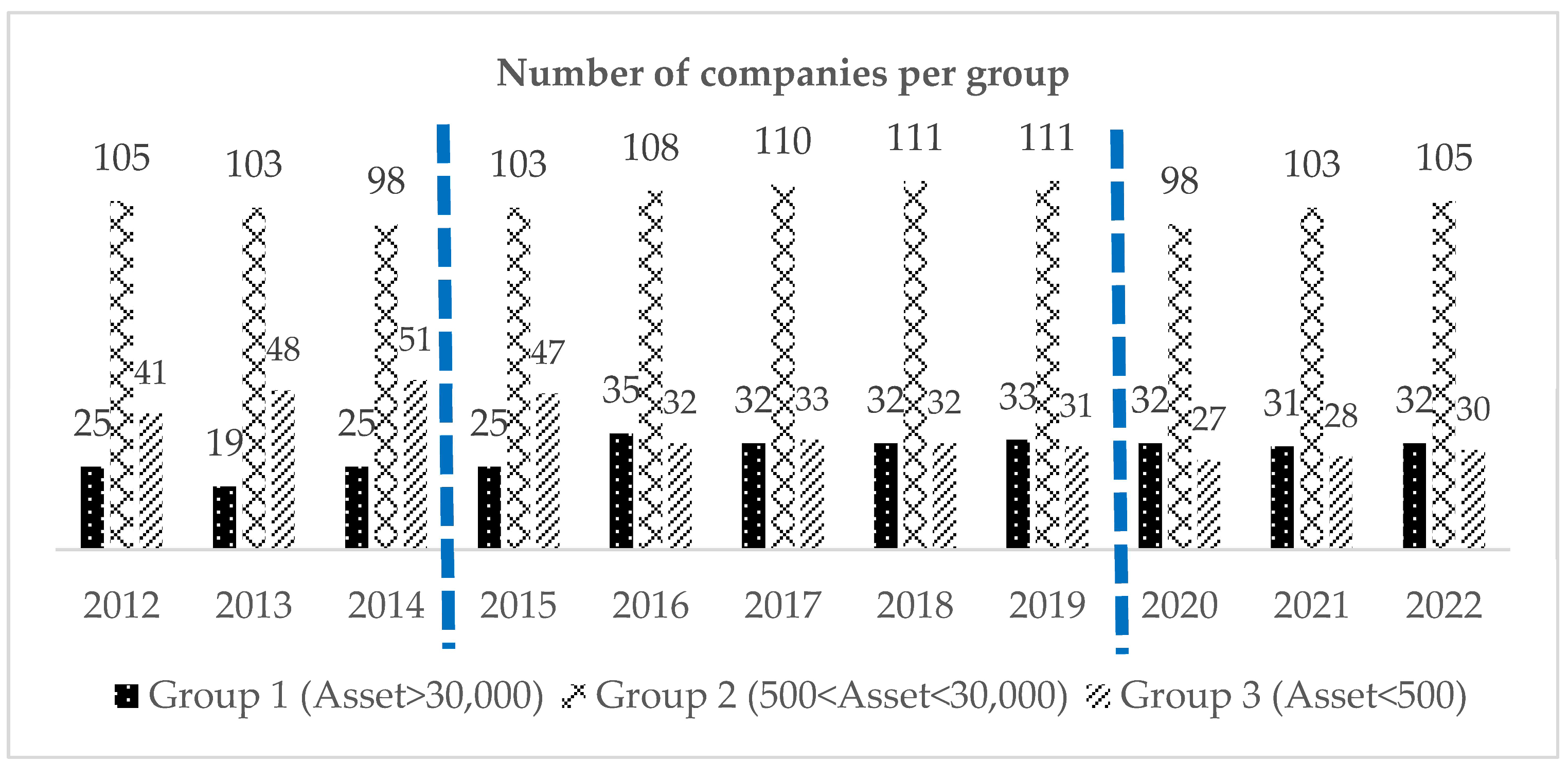
Figure 1. Stratification of the sample by observed companies.
Jrfm 19 00011 g001
Table 1. Classification of companies by group in the process of IFRS implementation in Colombia.
GroupDescriptionRegulation
Group 1Issuers of securities or companies listed on the stock exchange, public interest entities which are obliged to render accounts. Its description is large companies which have total assets exceeding thirty thousand legal monthly minimum wages in force, or which have a staff of more than 200 workers, as well as organisations that make 50% of imports or exports of their total operations, as well as if it is a parent or subordinate of a national or foreign company.Decree 4946 de 2011
Decree 2784 of 2012
Group 2Includes SMEs, which are distinguished by the fact that they are not listed on the stock exchange and are not of public interest. They are exempt from submitting financial reports. In addition, they prepare their financial statements in accordance with the SME standard.Decree 3022 of 2013
Group 3These are micro and small enterprises that are expressly authorised to issue their financial statements and the respective disclosures in abbreviated form. The relevant conditions include having assets of less than 500 minimum legal salaries in force, revenues of less than 6000 minimum legal salaries in force and having a staff of less than 10 employees.Decree 2706 of 2012.
Table 2. Empirical literature supporting the formulation of the hypotheses.
ReferencePurpose of the ResearchVariablesCausal
Relationship
(Herbohn & Herbohn, 2006)Measure the effect on the company’s financial structure when recognising BAs.Net profit+
Total assets+
(Argilés et al., 2011)Compare approaches across studies companies in the agricultural sector in Spain on the valuation of BAs by historical cost and FV, compared to their financial information.Net profit+
Total assets+
Cash flow+
Equity+
ROA+
ROE+
Asset turnover+
(Cairns et al., 2011)Measure the effect on BAs accounting policy choices and financial statement comparability in the United Kingdom (UK) and Australia around the adoption of international financial reporting standards (IFRS).BAsN/R
Equity+
(Bohušová & Blašková, 2012)Measuring the effect on future cash flows and the variation in assets that are variables considered in the researchProfit+
Operating Cycle-
Cash flow+
(Daly & Skaife, 2016)Clarify how between the cost of debt and the method of recognition of the BAs are connected.Debt-
Sales+
Total Assets+
(Gonçalves et al., 2017)Clarify fundamental concepts and offer methodological guidance on company size and value creationSize+
BAs N/R
(He et al., 2018)Measure the effect of the BAs on future operating cash flows.Net profit+
Cash flow+
BAs+
(Argilés-Bosch et al., 2018)Measure the effect on future cash flows.SalesN/R
ROA+
Cash flow+
Change in Assets+
(Wen-hsin Hsu et al., 2019)Clarify fundamental concepts and offer practical guidance for the variables of size, leverage, ROA, sales and returnsSize+
Leverage+
ROA+
Sales+
ShareN/R
Returns+
(Sorolla García, 2019)A comparison of BA valuation models -FV and HC- identifies which more effectively reflect improvements in financial reporting and supports decision-making.BA Recognition+
(Azhari & Bouaziz, 2020)Recognition of the FV of the BAProfit+
BAs+
Total Assets+
Market value+
(Ludvigsen & Tronstad, 2019)Differences in BA values following the 2005 IFRS adoption in Norway’s salmon industry.BA Recognition (before 2005)N/R
BA Recognition (after 2005)N/R
(Roychowdhury et al., 2019)to which financial information facilitates the allocation of capital to appropriate investment projects, based on empirical evidence, to reduce information asymmetry.Market liquidity+
Information asymmetry-
(Batca-Dumitru et al., 2020)Accounting treatment of agricultural products and assets under Romanian Accounting Standards aligned with IFRS—applying IAS 41 Agriculture or, for agricultural products, IAS 2 Inventories.BA Recognition+
(Xie et al., 2020)Differences in the market value of Shanghai-listed agro-industrial firms before vs. after biological asset re-recognition.Debt-
Market value+
BA Recognition (before 2007)N/R
BA Recognition (after 2007)N/R
(Khushvakhtzoda (Barfiev) & Nazarov, 2021)Fuzzy set–based estimates of BA costs and operational risks in Tajikistan’s agro-industrial enterprises.Profit+
Total Assets+
Market value+
BAs+
(Meshram & Arora, 2021)Effects of IFRS adoption, based on International Financial Reporting Standards (IFRS), on the quality and comparability of Indian companies’ financial reports, focusing on market liquidity and information asymmetry.Market liquidity+
Information asymmetry-
(Ordóñez-Castaño et al., 2021)Asymmetry in the disclosure of GRI criteria using financial and non-financial information.Information asymmetry-
Bispo and Lopes (2022). Relationship between market valuation of shares and accounting information on factories and BAsBA NIC 41+
Prepared by the authors, the signs in the table refer to Positive Relationship (+), Negative Relationship (-), No Relationship (N/R).
Table 3. Structure of the categorical variables.
Stages of Accounting Treatment According to IFRSDefinitionCategorical VariablesCategory DescriptionCategory
ScopeIncludes aspects addressed in IFRS (which are applicable to certain elements of the Financial Statements) or those that are not applicable or are not addressed in the standard.PPE_Scope
Inv_Scope
BA_Scope
It corresponds to the entire context of the IFRS system1 = Have
When the company uses another financial information system2 = Does not have
Initial and final measurementProcess of determining monetary value from which the elements of the financial statements are recognised and accounted for.PPE_InitMeasur_Field
PPE_InitMeasur_Equip
PPE_InitMeasur_Plant
Inv_InitMeasur
BA_InitMeasur
PPE_FinMeasur_Field
PPE_FinMeasur_Equip
PPE_FinMeasur_Plant
Inv_FinMeasur
BA_FinMeasur
It includes the amount of cash and other items paid, or the fair value of the consideration given in exchange at the time of acquisition.1 = Historical cost
Estimated sale price of an asset in the normal course of operations less the estimated costs to complete its production and those necessary to carry out the sale.2 = realisable value
It is the discounted value of the net cash inflows expected to be generated by the asset in the normal course of operations.3 = Present value
It is the amount for which an asset can be exchanged on the market.4 = Fair value
When the observed company did not reveal a method of asset valuation5 = Not evident
RecognitionThe process of presenting financial information related to the eventPPE_Rev
Inv_Rev
BA_Rev
These are the comments and explanations found in financial reports, explaining the meaning of the data and figures presented in said reports.1 = Explicit
When the information in the reports reveals the value, but the explanatory notes do not detail it2 = Implicit
It is not shown in either financial information or the supplementary information of the observed firms.3 = Not evident
Prepared by the authors.
Table 4. Behaviour of financial variables according to company group and truncated to the year of IFRS implementation.
TimeBefore 2014After 2014
VariableG1G2G3TotalG1G2G3Total
Change in assets0.150.170.140.160.270.170.260.17
Change in net income0.453.52−1.461.840.492.37−0.961.19
Change in equity0.130.221.310.490.280.23−0.49−0.27
Net profit0.110.14−0.100.070.130.05−0.080.03
ROA0.060.05−0.030.030.080.06−0.030.04
ROE0.110.10−0.200.030.150.13−0.200.03
Operating profit0.130.00−0.08−0.010.180.070.000.08
Debt0.400.460.590.480.480.550.630.56
Leverage0.841.203.621.771.261.775.672.90
Short-term liabilities0.660.730.740.720.630.720.730.69
Operating cycle *83.0990.2893.8390.2593.1295.6089.3192.68
Current ratio1.261.461.661.481.191.511.181.29
Prepared by the authors—* Variable measured in days.
Table 5. Results of the fixed effects model with panel data for EBITDA by group according to IFRS.
Explained Variable = EBITDAGroup 1Group 2Group 3
Observed Variables
Net profit0.8666 ***0.5174 ***0.8091 ***
Change in assets97.986689.3518 ***204.0139 **
Change in net income17.6282 ***8.3196 ***27.0247 ***
Change in equity321.280218.1119 ***41.3916
Operating margin3242.0262 **3213.7014 ***373.4251 *
Indebtedness−20,633.0923 *−4327.4740 **−6101.1137 *
Leverage41.871912.5766201.6417 **
Short-term liabilities2788.267311,745.2002 ***8619.2248 ***
Operational Cycle−65.6208 **−20.0617 ***−7.1040
Current Ratio1323.4591317.4229 *284.7860
Working Capital0.1249 **0.1116 ***0.3659 ***
D_BA_Scope31,436.7581 **1554.4796703.5211
BA_InitMeasur8122.33271116.47214760.4637 **
BA_FinMeasur36,512.3244 ***2377.3877 *691.2184
D_BA_InitMeasur_pv76,264.7645 ***1541.9201640.8598
D_BA_FinMeasur_pv78,253.9530 ***3341.31531618.9965
D_BA_InitMeasur_rv58,397.8543 *2700.835711,024.6893
D_BA_FinMeasur_rv78,204.4062 **5980.453023,384.7483 *
BA_Rev363.8037125.84153457.5060
D_BA_Rev_ex14,163.65092777.97206631.6394
Note: * p < 0.05; ** p < 0.01; *** p < 0.001.
Table 6. Results of the fixed effects model with panel data for ROE by group according to IFRS.
Explained Variable = ROEGroup 1Group 2Group 3
Observed Variables
Net profit1.5730 × 10−6 ***2.4527 × 10−6 *8.3300 × 10−6 **
Change in assets0.00160.00030.0103 **
Change in net income0.00000.00000.0003
Change in equity0.00200.00010.0063 *
Operating margin0.0416 ***0.03320.1681 **
Indebtedness0.2833 ***−0.09281.6723 ***
Leverage0.0157 ***0.0495 ***0.1418 ***
Short-term liabilities0.08620.04250.1670
Operational Cycle−0.0011 ***−0.0004−0.0006
Current Ratio0.00140.00750.0182
Working Capital0.00000.00000.0000
D_BA_Scope0.3632 ***0.18880.4546
BA_InitMeasur0.1342 ***0.08060.2074 **
BA_FinMeasur0.06530.03710.2668 **
D_BA_InitMeasur_pv0.05740.25210.5238
D_BA_FinMeasur_pv0.08950.05400.2211
D_BA_InitMeasur_rv0.11780.05671.1935 **
D_BA_FinMeasur_rv0.2989 *0.5677 *0.4511 **
BA_Rev0.1165 **0.05400.3523 **
D_BA_Rev_ex0.14810.3723 **0.4175 *
Note: * p < 0.05; ** p < 0.01; *** p < 0.001.
Table 7. Results of the fixed effects model with panel data for ROA by group according to IFRS.
Explained Variable = ROAGroup 1Group 2Group 3
Observed Variables
Net profit5.3311 × 10−7 ***8.9200 × 10⁻⁷ ***1.9800 × 10⁻⁶ ***
Change in assets0.00110.00000.0023
Change in net income0.00000.00000.0001
Change in equity0.00150.0001 **0.0012 **
Operating margin0.0258 ***0.0211 ***0.0095 ***
Indebtedness−0.0306−0.1046 ***−0.0564 ***
Leverage0.0006 **0.0004 **0.0023 **
Short-term liabilities0.02890.0200 *0.0321 *
Operational Cycle−0.0005 ***−0.0002 ***
Current Ratio0.01400.0023 *0.0031 *
Working Capital0.0000 **0.00000.0000
D_BA_Scope0.1585 ***0.00420.0789
BA_InitMeasur0.0243 *0.0197 **0.0168 **
BA_FinMeasur0.0484 ***0.0203 **0.0479 **
D_BA_InitMeasur_pv0.1057 *0.04260.0211
D_BA_FinMeasur_pv0.0570 *0.02620.0860
D_BA_InitMeasur_rv0.15750.02920.1020
D_BA_FinMeasur_rv0.1894 ***0.01960.2307
BA_Rev0.00360.01480.0465
D_BA_Rev_ex0.03570.0492 **0.0544 **
Note: * p < 0.05; ** p < 0.01; *** p < 0.001.
Disclaimer/Publisher’s Note: The statements, opinions and data contained in all publications are solely those of the individual author(s) and contributor(s) and not of MDPI and/or the editor(s). MDPI and/or the editor(s) disclaim responsibility for any injury to people or property resulting from any ideas, methods, instructions or products referred to in the content.


