Article

The Toxicity of Mancozeb Used in Viticulture in Southern Brazil: A Cross-Sectional Study

by
Sheila de Castro Cardoso Toniasso
1,*,
Camila Pereira Baldin
1,2,
Vittoria Calvi Sampaio
1,
Raquel Boff da Costa
1,
Nelson David Suarez Uribe
1,
Patrícia Gabriela Riedel
1,
Débora Costa
1,
Norma Marroni
2,
Elizângela Schemitt
2,
Marilda Brasil
2,
Ana Leticia Hilário Garcia
3,
Juliana da Silva
3,
Eliane Dallegrave
4,
Maria Carlota Borba Brum
1,
Robson Martins Pereira
1,
Franciele Lopes dos Reis
1,2,
Luciana da Silva Pereira
1,
Eduardo Natan Maraschin Klein
1,
Hidayat Kassim
1 and
Dvora Joveleviths
1
1
Graduate Program in Gastroenterology and Hepatology, Federal University of Rio Grande do Sul, Porto Alegre 90035-003, RS, Brazil
2
Experimental Laboratory of Pulmonary Science and Inflammation, Hospital de Clínicas de Porto Alegre, Porto Alegre 90035-003, RS, Brazil
3
Genetic Toxicology Laboratory, La Salle University (UniLaSalle), Canoas 92425-900, RS, Brazil
4
Department of Pharmacosciences, Federal University of Health Sciences of Porto Alegre, Porto Alegre 90050-170, RS, Brazil
*
Author to whom correspondence should be addressed.
Int. J. Environ. Res. Public Health 2026, 23(1), 34; https://doi.org/10.3390/ijerph23010034
Submission received: 20 September 2025 / Revised: 21 November 2025 / Accepted: 2 December 2025 / Published: 25 December 2025

Abstract

Background: Viticulture in Southern Brazil heavily relies on fungicides, such as Mancozeb, to manage fungal diseases. Increasing concern has emerged regarding the chronic health effects of Mancozeb exposure among vineyard workers, particularly its potential to induce oxidative stress and genotoxicity. Methods: A cross-sectional study was conducted between July and November 2023 involving 94 participants: 50 vineyard workers occupationally exposed to Mancozeb and 44 organic farmers with no history of pesticide exposure, who served as the control group. Eligible participants were aged 18 years or older, and exposed individuals had at least 5 years of documented Mancozeb use. Data on demographics, health status, occupational history, and use of personal protective equipment (PPE) were collected through structured interviews. Blood and urine samples were analyzed to determine hematological and biochemical parameters, oxidative stress biomarkers, genotoxicity (via comet assay and micronucleus test), and urinary ethylene thiourea (ETU), the primary metabolite of Mancozeb. Results: Workers exposed to Mancozeb exhibited significantly elevated levels of oxidative stress markers (p < 0.001) and DNA damage in both genotoxicity assays (p < 0.001). Urinary ETU concentrations were also markedly elevated, and a threshold of 69.3 ng/mL was identified as a discriminative marker of exposure. Conclusions: This study offers a novel contribution by proposing a specific biological exposure limit for ETU concentrations, derived from ROC curve analysis, representing a significant advancement in occupational health. The findings underscore the urgent need for regulatory biological exposure limits and the implementation of effective preventive strategies.

1. Introduction

Viticulture has undergone accelerated growth over the years. Southern Brazil is the country’s leading region for grape cultivation and winemaking, with the Serra Gaúcha accounting for over 70% of the cultivated area [1]. Brazilian viticulture originated in this southern region, where it evolved into one of the most significant economic and cultural activities. This tradition was introduced by Italian immigrants who arrived in Brazil in the late 19th century, bringing with them technical expertise in grape and wine production, along with a profound cultural connection to the land and vine cultivation.
These families of Italian descent settled on small rural properties and implemented production systems based on family labor, preserving agricultural practices and lifestyles passed down through generations. Over time, viticulture became a central element of the economies and daily lives of many communities. Thus, it transcends its productive role and embodies the cultural identity of Italian descendants, enriching Brazil’s cultural diversity.
To sustain large-scale production, this agricultural system relies heavily on chemical inputs such as fertilizers and pesticides. Mancozeb is a fungicide and acaricide commonly used on grapevines. It ranks fourth among the most widely used pesticides in Brazil [2,3]. Although it is widely recognized that Mancozeb does not significantly bioaccumulate in soil or water, inadequate regulation of its sale and use, combined with the lack of personal protective equipment (PPE), can lead to various health and environmental issues, particularly for agricultural workers exposed to this compound [4].
Several biomarkers are essential tools for monitoring the physiological and biochemical impacts of toxic substances. The metabolic degradation of ethylenebisdithiocarbamates (EBDCs), including Mancozeb, results in the formation of carbon disulfide (CS2), ethylene thiourea (ETU), manganese (Mn), and zinc (Zn). ETU is considered a key biomarker for assessing exposure to this pesticide. Another important marker is acetylcholinesterase, an enzyme responsible for regulating nerve impulses by breaking down acetylcholine at neuromuscular junctions and synapses, which may be altered during acute pesticide poisoning [5,6,7]. Although acetylcholinesterase (AChE) is traditionally used as a biomarker for organophosphate exposure, dithiocarbamates can also affect its enzymatic activity. Estimates of ETU elimination kinetics vary significantly, ranging from 32 to 100 h [8,9].
The toxicity of these compounds can also be evaluated through oxidative stress, characterized by an imbalance between excessive production of reactive oxygen species (ROS) and cellular antioxidant defense systems [10]. Scientific evidence suggests that prolonged exposure to pesticides may be linked to DNA damage and cancer development. Studies have demonstrated that pesticides can induce genotoxicity, impair DNA repair mechanisms, and increase the risk of persistent mutations [11].
Exposure to the fungicide Mancozeb has been linked to pronounced hepatotoxic effects, including oxidative stress, disruptions in essential metal homeostasis, and histopathological injury in rodent experimental models [12,13]. Evidence indicates that the compound triggers biochemical and inflammatory disturbances in hepatic tissue, underscoring its toxic potential even under subchronic exposure conditions [14].
Although its carcinogenic potential remains under debate, Mancozeb is believed to contribute to chronic liver damage, potentially affecting hepatic metabolism and gene expression involved in detoxification pathways [15]. These findings highlight the importance of biochemical and clinical monitoring of workers chronically exposed to pesticides, especially in regions with intensive agricultural activity.
Accordingly, this study was developed as part of a broader translational research project, following a previous experimental study conducted by the same research group. It aims to evaluate the toxicity of the fungicide Mancozeb, an ethylenebisdithiocarbamate (EBDC), in agricultural workers exposed and unexposed to this substance in Southern Brazil.

2. Materials and Methods

This cross-sectional study was conducted between July and November 2023, coinciding with the period of grapevine spraying with Mancozeb. A total of 94 participants were recruited: 50 grape producers from Southern Brazil were included in the exposed group, and 44 organic farmers from the same region were included in the unexposed group.
Inclusion criteria for the exposed group were as follows: age ≥ 18 years and occupational use of Mancozeb for at least five years. For the unexposed group, the following criteria were used: age ≥ 18 years, working in certified organic farming for at least five years, self-declared organic farmers, and holding certification or a conformity assessment accredited by regulatory agencies. Workers with active neoplastic diseases were excluded.
This study was approved by the Research Ethics Committee of the Hospital de Clínicas de Porto Alegre, Brazil (CAAE No. 11627319.5.0000.5327), and all participants provided written informed consent before enrollment.

2.1. Data Collection

Data was collected using a structured questionnaire addressing sociodemographic information, educational level, work practices, use of personal protective equipment (PPE), duration of exposure to Mancozeb, health status, and current medications. The Alcohol Use Disorders Identification Test (AUDIT) was applied to assess alcohol consumption. Anthropometric data and physical examinations were also performed on all participants. Additionally, rapid tests for hepatitis B and C were administered. The farmers wore long-sleeved shirts, gloves, long pants, and masks. Mancozeb was applied every 15 days from September to December.
Blood samples were collected to assess hematological parameters, genotoxicity, and oxidative stress. Samples were collected in the field, centrifuged, separated, stored on ice, and transported for subsequent analysis to Porto Alegre.

2.2. Biochemical and Hematological Analyses

The following biochemical parameters were assessed: urea and creatinine (colorimetric method); aspartate aminotransferase (AST) and alanine aminotransferase (ALT) (enzymatic method); alkaline phosphatase (kinetic colorimetric method—p-NNP—DG KC); complete blood count and platelet count using light absorption spectrophotometry, impedance, and flow cytometry; and BChE activity (kinetic enzymatic method).

2.3. Oxidative Stress

Lipid peroxidation levels were measured in serum using the TBARS assay and expressed in nmol/mg protein, as described by Buege and Aust [16]. Protein concentration was determined using the Bradford method [17]. The activities of antioxidant enzymes SOD and CAT were measured according to the protocols of Misra and Fridovich [18] and Boveris and Chance [19], with results expressed as specific enzymatic activity units.

2.4. Genotoxicity Comet Assay

The alkaline comet assay was performed according to the protocol described by Souza et al. [20], with minor modifications. Blood samples (5 µL) were gently mixed with 95 µL of 0.75% low-melting-point agarose and immediately spread on microscope slides previously coated with 1.5% normal-melting-point agarose (Appendix A) [21].

2.5. Micronucleus Test in Exfoliated Buccal Mucosa Cells

Buccal cells were collected using cervical cytobrushes by scraping the right and left sides of the oral mucosa of each participant.
The micronucleus test followed the protocol outlined by Thomas et al. [22]. After cell collection, the brushes were immersed in conical tubes containing 10 mL of Saccomanno’s fixative solution (Appendix A). The slides were subsequently stained with Feulgen and Light green, and 2000 cells per participant were microscopically analyzed. The analysis considered the frequency of micronuclei (MN), nuclear buds (BUD), broken eggs (BE), and binucleated cells.

2.6. Urine Analysis and ETU Detection

Results were expressed in nanograms (ng) of ETU per milliliter (mL) of urine.
ETU levels in urine were determined using liquid chromatography coupled with tandem mass spectrometry (UHPLC-MS/MS). Urine samples were stored in polypropylene tubes at −80 °C until analysis. The method used was a modified QuEChERS protocol, followed by UHPLC-MS/MS analysis [23] (Appendix A).

2.7. Statistical Analysis

A sample size of 86 participants (43 per group) was calculated to detect a minimum mean difference of 0.7 units between exposed and unexposed groups, assuming a standard deviation of 1 unit, 90% power, and a 5% significance level. An additional 10 participants were included to account for potential dropouts, bringing the total to 96.
Quantitative variables were described using means and standard deviations or medians and interquartile ranges, as appropriate. Categorical variables were described using absolute and relative frequencies.
Student’s t-test was used for mean comparisons. In cases of asymmetry, the Mann–Whitney U test was applied. Pearson’s chi-square or Fisher’s exact test was used for comparing proportions.
Receiver Operating Characteristic (ROC) curve analysis was used to determine the optimal cut-off point for urinary ETU in identifying pesticide exposure.
To control potential confounders, multivariate linear regression models were applied. Regression coefficients (β) and their 95% confidence intervals (CIs) were calculated to estimate the effect of exposure on the studied outcomes. Variables with a p-value < 0.20 in the bivariate analysis and with practical relevance in the literature were included in the multivariate models.
All raw data used in the statistical analyses are available from the corresponding author, ensuring transparency and enabling future systematic reviews and meta-analyses.
The significance level was set at 5% (p < 0.05), and analyses were performed using SPSS version 27.0.

3. Results

A total of 94 agricultural workers were analyzed, comprising 50 in the exposed group and 44 in the non-exposed group (Table 1).
In the exposed group, the majority of participants were male (92%). The two groups were similar in terms of mean age, ethnicity, educational level, and smoking status.
Although neither group engaged in regular physical activity at levels considered significant (i.e., more than 150 min per week), both were classified as physically active due to the nature of their work, which involves physical exertion and frequent walking.
The exposed group had a higher prevalence of hypertension, dyslipidemia, and use of medications. In contrast, musculoskeletal disorders were more common among participants in the unexposed group.
All workers in the exposed group reported using personal protective equipment (PPE), including gloves, long pants, masks, boots, and long-sleeved shirts.
Among the non-exposed group, predominant crops included vegetables and leafy greens.
The mean duration of pesticide exposure in the exposed group was 28 years, ranging from 19.8 to 40 years.
Approximately 50% of participants in the unexposed group reported prior exposure to pesticides, with their last exposure occurring more than five years earlier.
Moreover, 86% of workers in the exposed group used backpack sprayers to apply Mancozeb during vineyard activities.
Low-dose alcohol consumption was more prevalent in the exposed group.
There were no significant differences between the two groups in analyses of urea, creatinine, aspartate aminotransferase (AST), alanine aminotransferase (ALT), and alkaline phosphatase, all within normal limits.
Participants in the exposed group had a larger abdominal circumference, indicating greater central fat accumulation, and consistently higher blood pressure—both systolic and diastolic—possibly suggesting increased cardiovascular risk. Other vital signs and Body Mass Index (BMI) did not show meaningful differences between the groups.
The results presented in Table 2 show clear biological effects associated with occupational exposure to Mancozeb among vineyard workers.
Urinary ETU levels were significantly higher in the exposed group than in the unexposed group (p < 0.010), confirming effective internal exposure and validating ETU as a reliable biomarker for assessing Mancozeb exposure.
Biochemical parameters, ◦, in Figure 1, indicated a pronounced oxidative imbalance in the exposed group. Increased TBARS levels (p < 0.001) and catalase activity (p < 0.001), coupled with a significant reduction in SOD activity (p < 0.001), suggest enhanced lipid peroxidation and an altered antioxidant response, consistent with oxidative stress induced by pesticide exposure. Protein, p = 000.1.
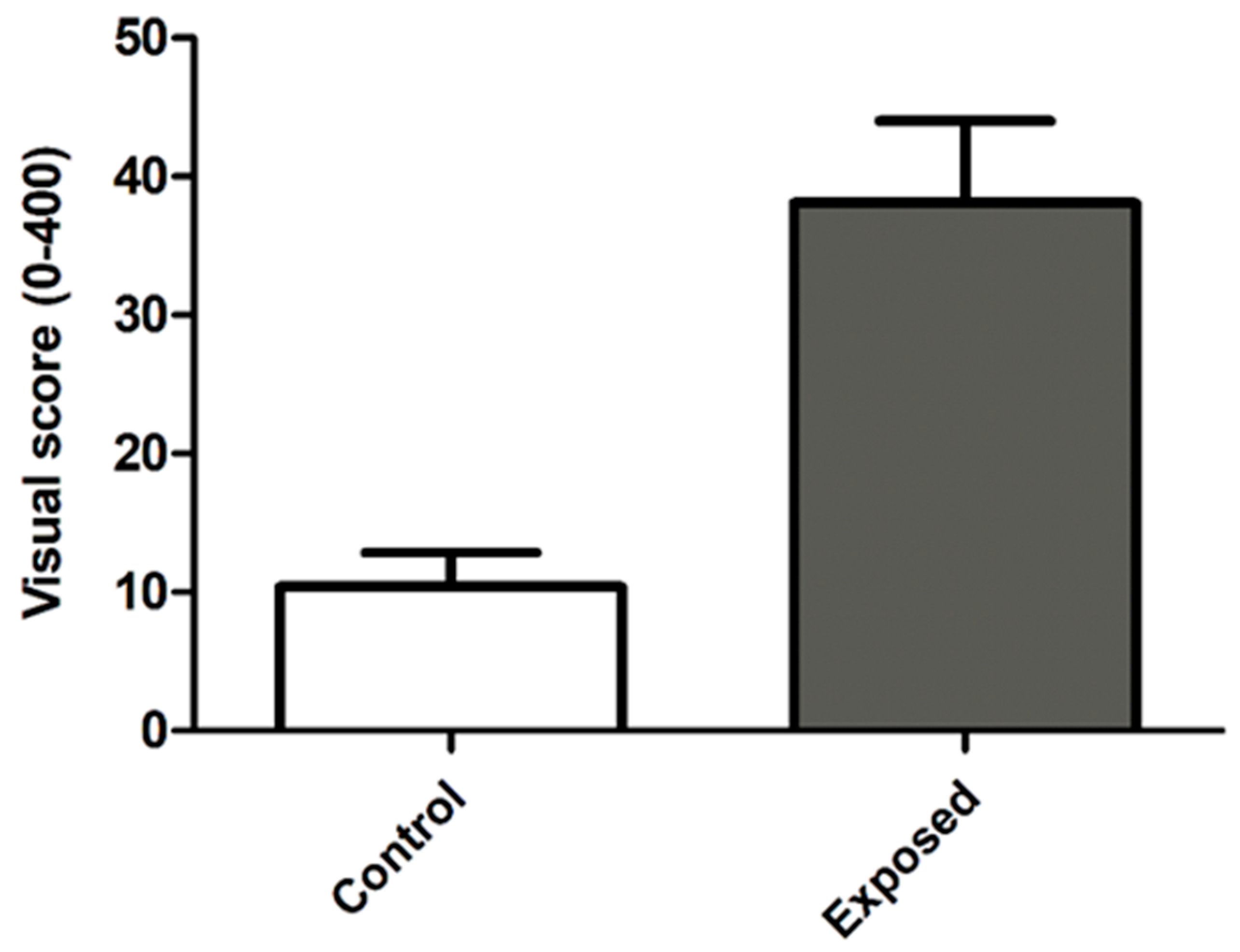
Genotoxic biomarkers also showed notable differences. Although the frequencies of binucleated cells and micronuclei did not reach statistical significance between groups, the DNA damage index (assessed by the comet assay; visual score; Figure 2) was significantly higher in the exposed group (p < 0.001), supporting the genotoxic potential of Mancozeb in real-world occupational conditions.
The comet assay results (Figure 2) showed significantly greater DNA damage in the Mancozeb-exposed group than in the unexposed group (p < 0.001). This finding is consistent with previous studies demonstrating Mancozeb’s genotoxic potential in both in vitro and in vivo models. The elevated DNA damage index reinforces the evidence of genotoxic stress among occupationally exposed individuals, highlighting the need for preventive measures and regular biological monitoring in this worker population.
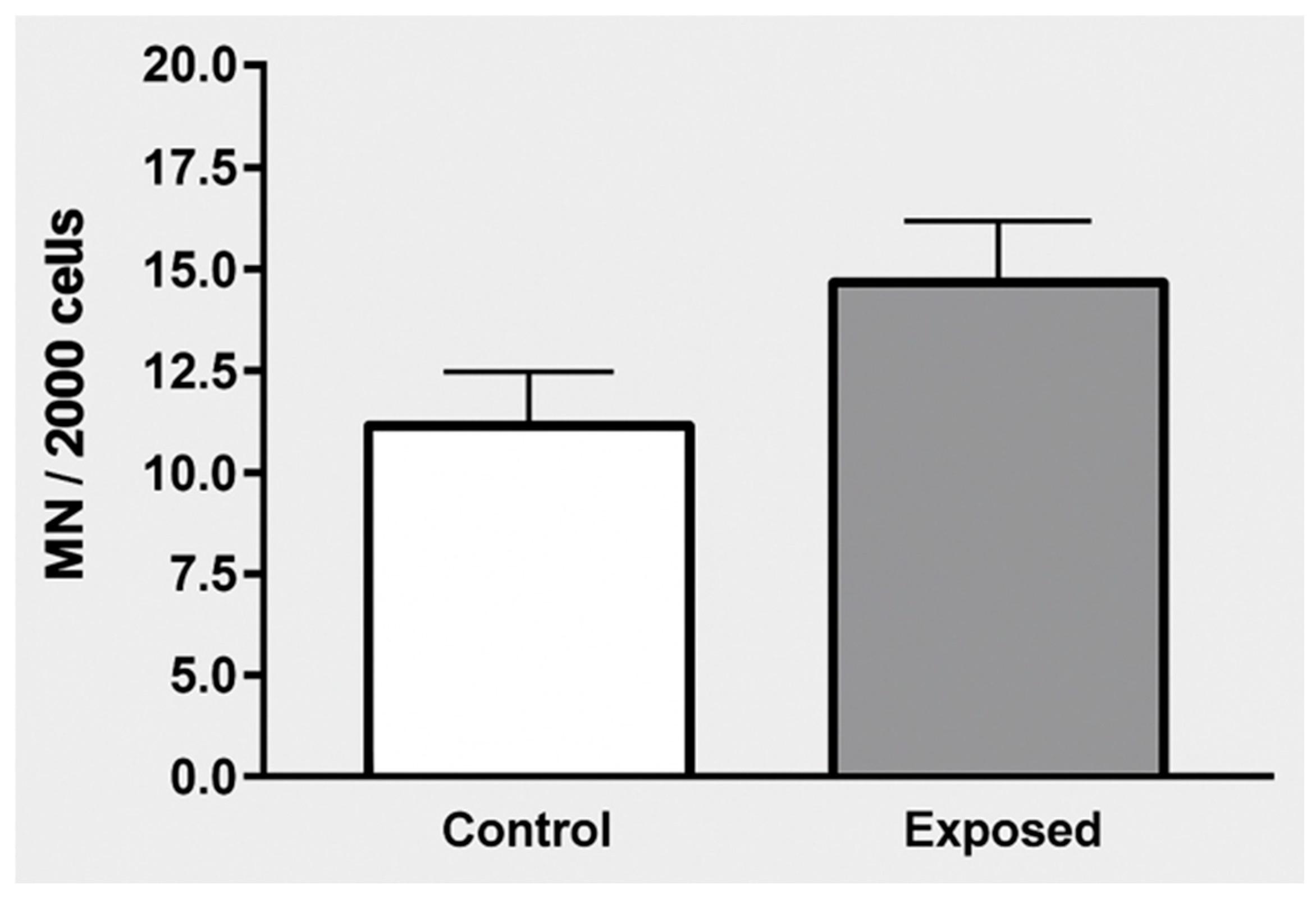
Furthermore, although BUD + BE and micronuclei frequency did not differ significantly, there was a tendency toward greater chromosomal instability in the exposed group (Figure 3).
Overall, the findings indicate that chronic occupational exposure to Mancozeb is associated with increased systemic oxidative stress and DNA damage in exposed workers, emphasizing the need to improve protective measures and implement biological monitoring protocols in agricultural environments.
Micronucleus frequency is a widely used biomarker for indicating genetic damage or genomic instability.
The exposed group showed a significantly higher mean number of MN/2000 cells than the unexposed group.
This result suggests that individuals in the exposed group (likely due to pesticide exposure, as described previously) exhibited greater genotoxic damage, potentially as a consequence of chronic exposure to pesticides such as Mancozeb.
The increase in MN levels in the exposed group may be related to prolonged exposure (a mean of 28 years) and use of spraying equipment, despite PPE use.
These findings underscore the importance of biological monitoring and preventive measures to reduce occupational genetic risk in this population.
Table 3 presents the results of a multivariate linear regression analysis evaluating the effect of occupational exposure on various biochemical and biological outcomes. The model was adjusted for potential confounding variables, such as hypertension, dyslipidemia, alcohol use, elevated BMI, musculoskeletal disorders, age, and sex (as indicated in the table footnotes).
The multivariate analysis did not alter the previously observed statistically significant associations between occupational Mancozeb exposure and oxidative stress and genotoxic damage.
Although transaminase levels did not differ significantly, the possibility of Mancozeb-related hepatotoxicity cannot be ruled out.
Exposure was significantly associated with increased urinary ETU, a specific biomarker of Mancozeb exposure.
Elevated TBARS levels indicated enhanced lipid peroxidation and oxidative stress. The significant increase in catalase activity, coupled with the marked reduction in SOD, indicates an imbalance in the antioxidant defense system.
The variable “damage,” associated with the presence of micronuclei or other genotoxic markers, was significantly higher in the exposed group, consistent with the previous figures.
Although no significant differences were observed in classical hepatic enzymes, such as AST and ALT, this finding warrants further discussion. The absence of detectable alterations in these markers may indicate that hepatic damage associated with Mancozeb exposure occurs subclinically, without evident biochemical manifestation, or that it is expressed through mechanisms not captured by conventional enzymes, such as mitochondrial dysfunction or subcellular inflammation mediated by oxidative stress. Furthermore, given that the analyzed cohort was predominantly male, it is important to acknowledge that potential gender-related differences in xenobiotic metabolism and pesticide susceptibility may influence hepatic responses. Exploring these differences could contribute to a broader understanding of Mancozeb’s impact on public health, emphasizing the need for future studies with more gender-balanced samples.
ALT, creatinine, total cholesterol, and LDL were not significantly associated with exposure.
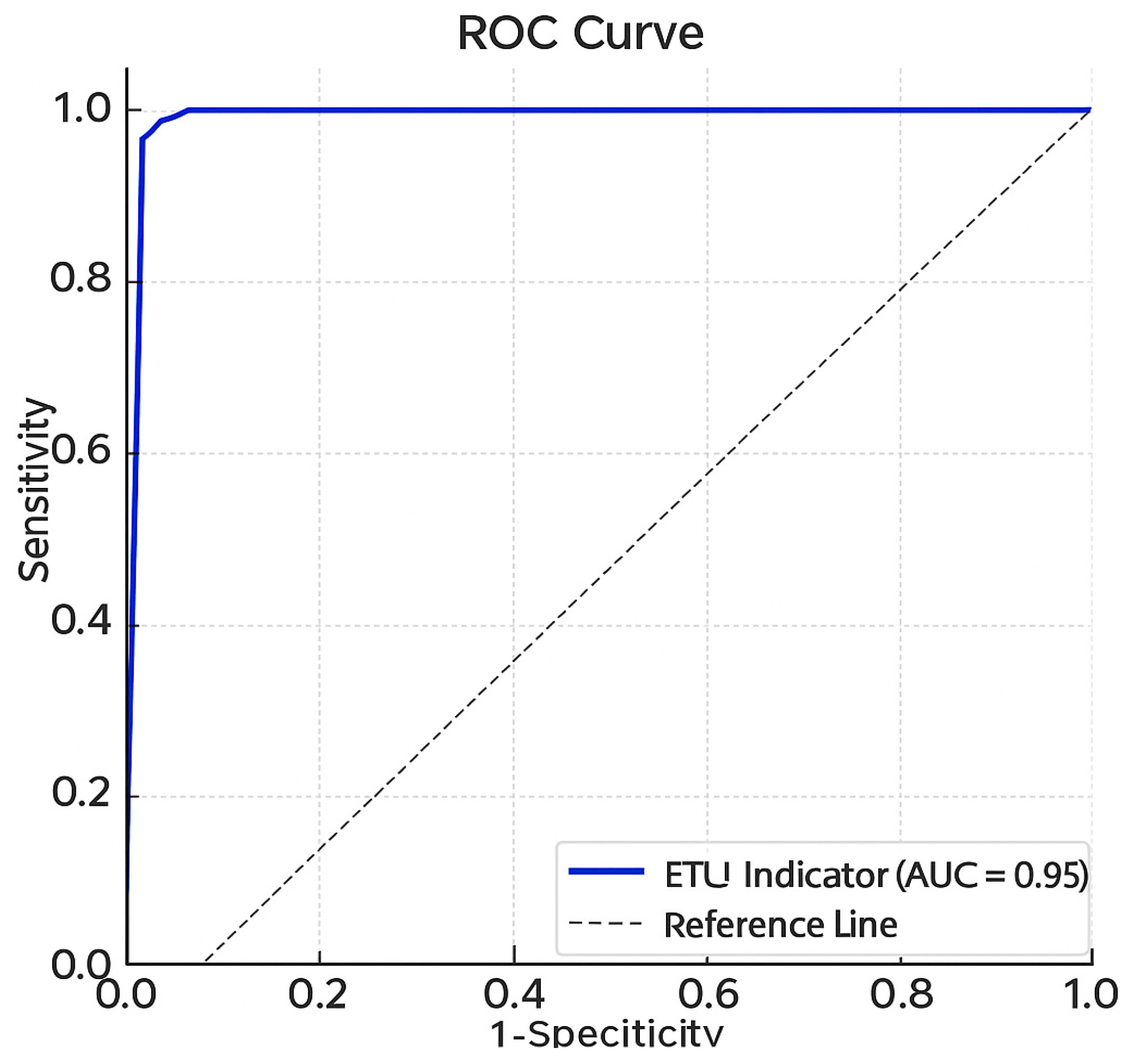
The Receiver Operating Characteristic (ROC) curve assesses the accuracy of ETU as a biomarker of Mancozeb exposure. The area under the curve (AUC) was 0.95 (95% CI: 0.90–1.00), indicating excellent discriminative ability to distinguish between exposed and non-exposed individuals.
The identified cut-off value was 69.3 ng/mL, with 100% sensitivity and 90.2% specificity. These values demonstrate that ETU accurately identified all exposed individuals (no false negatives) and produced a low false-positive rate among unexposed individuals.
In Figure 4, the cut-off value of 69.3 ng/mL was determined via comparison with the control group of organic farmers with no occupational exposure to pesticides and reflects the upper limit observed in non-exposed individuals from the same region.
The high sensitivity and specificity suggest that ETU is a valuable biomarker for the occupational screening and biological monitoring of workers exposed to Mancozeb, despite the limitation that no universally recognized specific marker currently exists.
Occupational exposure to pesticides, particularly Mancozeb, was associated with increased oxidative stress—evidenced by elevated TBARS and altered antioxidant enzyme activity (increased catalase and decreased SOD)—greater genotoxic damage (increased DNA damage markers),and confirmed internal exposure via elevated urinary ETU.

4. Discussion

This innovative study assessed the human toxicity of the pesticide Mancozeb and forms part of a broader translational research initiative. Previous experimental data in rats demonstrated the compound’s toxic potential, particularly its direct effects on gut microbiota [24].
A 2021 literature review linked Mancozeb to various adverse health outcomes, including hepatic, renal, and genotoxic effects, with elevated levels of ETU and liver enzymes [25]. These findings align with the results of the present study, which identified alterations in antioxidant systems associated with oxidative stress and genotoxic damage, as well as increased urinary ETU concentrations.
Grapevine cultivation under conditions of high humidity and mild temperatures—characteristic of Southern Brazil’s climate—promotes fungal proliferation and necessitates preventive disease control. In such scenarios, chemical control with fungicides such as Mancozeb is commonly adopted [26].
The detection of Mancozeb as a food residue raises additional concerns regarding exposure, as it may contribute to ETU levels in individuals considered non-exposed.
A study on glyphosate exposure revealed that workers who did not wear gloves exhibited higher urinary glyphosate levels than those who did. Moreover, manual application was significantly associated with elevated biomarker concentrations [27].
Mancozeb toxicity is primarily attributed to its metabolite, ethylene thiourea (ETU). Prior studies have demonstrated a correlation between urinary ETU levels and pesticide application. The use of spraying equipment also appears to increase exposure risk. In this study, 86% of workers exposed to Mancozeb reported using sprayers during application.
Additionally, the literature on other pesticides, such as glyphosate, has documented DNA and chromosomal damage in human cells, along with genotoxic, hormonal, and enzymatic effects [28,29]. A 2021 study proposed a potential link between glyphosate exposure and carcinogenesis, identifying it as a possible contributor to non-Hodgkin lymphoma in exposed individuals [30].
Mental health disorders, including depression, have also been associated with pesticide exposure. A U.S.-based study found that farmers exhibited a higher prevalence of severe depression compared to other occupational groups and reported a consistent association between pesticide exposure and depressive symptoms across most studies analyzed [31].
In 2019, the World Health Organization recognized pesticide exposure as a significant risk factor for suicide in rural communities.
Two experimental studies in mice indicated that physical exercise may enhance antioxidant mechanisms, suggesting a potential protective effect in populations exposed to pesticides. In occupational settings, regular physical activity could mitigate the harmful metabolic effects of these substances [32,33].
An experimental study demonstrated that Mancozeb increases oxidative stress by altering antioxidant enzyme levels and elevating hepatic enzyme activity, including aspartate aminotransferase (AST), alanine aminotransferase (ALT), and alkaline phosphatase [34].
Pesticide exposure has also been associated with a 30% increased risk of metabolic syndrome, according to a systematic review encompassing 12 studies and 6789 participants [35].
Although this study focused on Mancozeb, it is worth noting that other widely used agricultural pesticides also exhibit genotoxic and oxidative properties. However, a detailed comparison across pesticide classes lies beyond the scope of this work.
Organophosphate poisoning among agricultural workers has been linked to reduced acetylcholinesterase activity and increased activities of SOD, CAT, and GPx [31]. A longitudinal study reported elevated liver function markers in agricultural workers, with a statistically significant correlation between prolonged pesticide exposure and increased biomarkers of hepatic damage [36].
Several studies have suggested a potential association between chronic pesticide exposure and an increased risk of neurodegenerative diseases such as Parkinson’s and Alzheimer’s. Neurotoxic agents—including organophosphates, carbamates, pyrethroids, and dithiocarbamates—can cross the blood–brain barrier and induce oxidative stress, chronic inflammation, and mitochondrial dysfunction, all of which are implicated in the pathophysiology of these conditions [37,38].
In Parkinson’s disease, occupational pesticide exposure is linked to the selective degeneration of dopaminergic neurons in the substantia nigra. In Alzheimer’s disease, evidence from animal models suggests accelerated accumulation of β-amyloid plaques and tau protein tangles following exposure to neurotoxic compounds [39,40].
Furthermore, rural populations or individuals environmentally exposed to pesticides exhibit a higher incidence of early cognitive symptoms, motor deficits, and behavioral disorders, which may represent initial signs of neurodegenerative diseases [41,42]. Long-term exposure to low levels of pesticides, even in the absence of acute poisoning, may result in cumulative effects on the central nervous system [43]. These findings underscore the need for public policies to reduce pesticide use, monitor the health of rural workers, and promote less toxic agricultural alternatives to safeguard neurological health.
The association between noncommunicable chronic diseases (NCDs) and pesticide use has become an increasing concern in public health. Scientific evidence suggests that prolonged and continuous exposure to these chemical agents—commonly used in intensive agriculture—may contribute to the development of various NCDs, including cancers; neurodegenerative diseases (such as Parkinson’s and Alzheimer’s); and endocrine, respiratory, and cardiovascular disorders [44].
DNA damage in exposed workers was identified using both the comet assay and the micronucleus test.
The methodology employed to assess Mancozeb exposure—based on urinary ETU quantification—proved effective in occupational settings. In this context, the ROC curve analysis of urinary ETU presented in this study is particularly noteworthy, as it identifies a specific cut-off point associated with occupational Mancozeb exposure, potentially serving as an estimate of individual toxic burden.
The sample was predominantly male. However, this does not constitute a limitation in evaluating sex-related differences, as the current literature does not indicate significant sex-based variation in the parameters analyzed in relation to Mancozeb exposure.
Future studies by the research group plan to incorporate environmental and dietary assessments and to enhance hepatic toxicity evaluation using FibroScan and non-invasive biomarkers, such as the Fibrosis-4 Index (FIB-4), to detect liver fibrosis.
Over the years, public policies focused on workers’ health have sought to integrate surveillance and prevention strategies addressing the adverse effects of pesticide exposure, particularly among rural workers directly exposed to these substances. It is essential to foster coordination among health services, sanitary and environmental surveillance, and intersectoral initiatives to mitigate the impacts of pesticide use on human health.
Despite regulatory advancements, implementing these policies continues to face several challenges, including underreporting of poisoning cases, deficiencies in monitoring pesticide use and commercialization, and inadequate training of healthcare professionals to identify and report related health outcomes. In this context, it is imperative to strengthen occupational health surveillance systems and promote more sustainable agricultural practices.
The previous literature has already demonstrated the potential toxic risk of Mancozeb, showing a direct relationship between urinary ETU levels and internal dose [45]. Another study reported significant alterations in serum markers of oxidative stress and immune response among vineyard workers exposed to the fungicide, indicating measurable systemic effects [46]. Taken together, these findings underscore the relevance of biomarkers as essential tools for assessing occupational risks and monitoring exposure to Mancozeb.

5. Conclusions

Mancozeb is a widely used fungicide in agriculture, and occupational exposure may pose significant health risks to workers. This study identified adverse effects associated with oxidative stress and DNA damage, as well as elevated urinary ETU levels in exposed individuals. Using ROC curve analysis, a biological exposure limit for Mancozeb was established, representing a notable methodological advancement.
The proposed cut-off value for ETU, 69.3 ng/mL, should be considered a central recommendation for biomonitoring programs, serving as a reference parameter for assessing occupational exposure.
The findings reinforce the need for preventive measures, such as substituting less toxic substances, worker rotation, and strict adherence to PPE. This study also highlights the importance of continuous occupational health surveillance amid evolving production processes and the introduction of new pesticides.

Author Contributions

Conceptualization, methodology, validation, formal analysis, investigation, and resources, S.d.C.C.T., D.J., A.L.H.G. and J.d.S.; data curation, all authors; writing—original draft preparation, S.d.C.C.T., M.C.B.B. and D.J.; writing—review and editing, all authors; visualization, all authors; supervision, D.J.; project administration, D.J. All authors have read and agreed to the published version of this manuscript.

Funding

This research was funded by Research Incentive Fund (FIPE) of the Hospital de Clínicas de Porto Alegre (HCPA).

Institutional Review Board Statement

This study was conducted in accordance with the Declaration of Helsinki and approved by the Research Ethics Committee of Hospital de Clínicas de Porto Alegre (protocol code: 11627319.5.0000.5327; approval date: 12 December 2021).

Informed Consent Statement

Informed consent was obtained from all subjects involved in this study.

Data Availability Statement

The data presented in this study is available upon request from the corresponding author. This study focused exclusively on exposure to the fungicide Mancozeb, excluding the assessment of other groups of pesticides, such as organophosphates, carbamates, or quaternary compounds, which represents a recognized limitation.

Acknowledgments

Use of AI Tools: During the preparation of this manuscript, the authors used ChatGPT, version 5, to format the article and edit tables and figures. The authors reviewed and edited the output and take full responsibility for the content of this publication.

Conflicts of Interest

The authors declare no conflicts of interest.

Abbreviations

The following abbreviations are used in this manuscript:
ALTAlanine aminotransferase
ASTAspartate aminotransferase
AUCArea Under the Curve
AUDITAlcohol Use Disorders Identification Test
BChEButyrylcholinesterase
BMIBody Mass Index
BUD + BENuclear buds + broken eggs (DNA damage markers)
CATCatalase
CIConfidence Interval
CS2Carbon disulfide
DNADeoxyribonucleic acid
DMSODimethyl sulfoxide
EBDCEthylenebisdithiocarbamate
EDTAEthylenediaminetetraacetic acid
EPAEnvironmental Protection Agency (USA)
ETUEthylene thiourea
GPxGlutathione peroxidase
LDLLow-Density Lipoprotein
MNMicronucleus
MRMMultiple Reaction Monitoring
NaClSodium chloride
NCDNoncommunicable Chronic Disease
PPEPersonal Protective Equipment
QuEChERSQuick, Easy, Cheap, Effective, Rugged, and Safe (pesticide residue extraction method)
ROCReceiver Operating Characteristic
ROSReactive Oxygen Species
SDStandard Deviation
SODSuperoxide dismutase
SPSSStatistical Package for the Social Sciences
TBARSThiobarbituric Acid Reactive Substances
UHPLC-MS/MSUltra-High-Performance Liquid Chromatography–Tandem Mass Spectrometry
ZnZinc

Appendix A

Appendix A.1. Comet Assay

The alkaline comet assay was performed with minor modifications [20]. Blood samples (5 µL) were mixed with 95 µL of 0.75% low-melting-point agarose and applied to slides pre-coated with 1.5% normal-melting-point agarose. Slides were lysed in cold buffer (2.5 M NaCl, 10 mM Tris, 100 mM EDTA, 1% Triton X-100, 10% DMSO, pH 10) at 4 °C for 1 h to 3 days, then DNA was unwound in alkaline buffer (300 mM NaOH, 1 mM EDTA, pH ~ 13) for 20 min. Electrophoresis was performed at 25 V (0.9 V/cm) and 300 mA for 15 min. Slides were neutralized with 0.4 M Tris (pH 7.5) and stained with silver nitrate. For each sample, 100 cells (50 per replicate) were analyzed, and DNA damage was scored from 0 (no damage) to 4 (maximum damage), yielding a damage index (DI) of 0–400 per individual (visual score) [21].

Appendix A.2. Micronucleus Test in Exfoliated Buccal Mucosa Cells

Buccal mucosa cell samples were collected using cervical tissue collection brushes by scraping both the right and left sides of the oral cavity in each individual.
The micronucleus assay in exfoliated buccal mucosa cells followed the protocol described by Thomas et al. After sample collection, the brush was immersed in a conical tube containing 10 mL of Saccomanno’s fixative solution (50% [v/v] ethanol and 2% [v/v] polyethylene glycol diluted in water). The tubes were centrifuged at 1500 rpm for 10 min, and the sedimented cells were homogenized with a specific buffer (Tris-HCl, EDTA, NaCl, and Milli-Q water). Subsequently, the cell suspension was placed on microscope slides and air-dried at room temperature. The slides were then stained with Giemsa. A total of 2000 cells per individual were microscopically analyzed, and the frequencies of micronuclei, nuclear buds, and binucleated cells were assessed [22].

Appendix A.3. Urine Analysis and ETU Detection

The results are expressed in nanograms (ng) of ETU per milliliter of urine.
Urine samples were extracted using a liquid–liquid extraction technique, as described below. In 15 mL Falcon tubes, 0.16 g of magnesium sulfate, 1 mL of urine samples, and 6 mL of dichloromethane were added. After vortexing for 30 s, the samples were centrifuged at 3500 rpm for 6 min. Subsequently, 5 mL of the organic phase was transferred to a new tube, evaporated at 40 °C under a nitrogen stream, and reconstituted with 100 µL of Milli-Q water. A 20 µL aliquot was then injected into the analytical system.
For sample analysis, a Nexera-i LC-2040C Plus system coupled with a triple quadrupole mass spectrometer LCMS-8045 (brand Shimadzu, Kyoto Japan) was used. ESI-MS/MS parameters were set in positive mode as follows: ionization voltage of 4000 V; desolvation line temperature of 250 °C; heating block temperature of 400 °C; drying gas flow of 10 L/min; and nebulizing gas flow at 3 L/min. Analyses were performed using multiple reaction monitoring (MRM) with the following transitions: m/z 103.10 → m/z 44.15; m/z 103.10 → m/z 42.10; and m/z 103.10 → m/z 60.10 for the detection of ethylene thiourea ([M + H]+). Chromatographic separation was achieved on a Shim-pack GISS column (2.1 × 100 mm, 1.9 μm particle size; brand Shimadzu, Kyoto, Japan) at, a flow rate of 0.3 mL/min. The mobile phases consisted of water (solvent A) and acetonitrile (solvent B), both containing 0.1% formic acid, with the following elution gradient: 0–1 min, 0% B; 1–3 min, 0–100% B; 3–3.5 min, 100% B; 3.5–3.6 min, 100–0% B; 3.6–8 min, 0% B. The column oven was maintained at 30 °C. Data was processed using LabSolutions software, version LabSolutions LC/GC (brand Shimadzu, Kyoto, Japan).

References

  1. Embrapa. Brazilian Viticulture: Production Data and Trends. 2021. Available online: https://www.infoteca.cnptia.embrapa.br/infoteca/bitstream/doc/1149674/1/Com-Tec-226.pdf (accessed on 12 September 2024).
  2. IBAMA. Consolidation of Data Provided by Registrant Companies of Technical Products, Pesticides, and Related Substances, in Accordance with Article 41 of Decree No. 4,074/2022. Available online: https://dadosabertos.ibama.gov.br/ro/dataset/relatorios-de-comercializacao-de-agrotoxicos (accessed on 13 September 2024).
  3. Meirelles, L.A.; Veiga, M.M.; Duarte, F. Pesticide contamination and PPE use: Legal and design aspects. Laboreal 2016, 12, 2. [Google Scholar] [CrossRef]
  4. Fustinoni, S.; Campo, L.; Liesivuori, J.; Pennanen, S.; Vergieva, T.; van Amelsvoort, L.; Bosetti, C.; Van Loveren, H.; Colosio, C. Biological monitoring and questionnaire for assessing exposure to ethylenebisdithiocarbamates in a multicenter European field study. Hum. Exp. Toxicol. 2008, 27, 681–691. [Google Scholar] [CrossRef] [PubMed]
  5. Vargas, T.S.; Salustriano, N.A.; Klein, B.; Romão, W.; Silva, S.R.C.; Wagner, R.; Scherer, R. Fungicides in red wines produced in South America. Food Addit. Contam. Part A 2018, 35, 2135–2144. [Google Scholar] [CrossRef] [PubMed]
  6. Gupta, P.K. Toxicity of fungicides. In Veterinary Toxicology, 2nd ed; Gupta, R.C., Ed.; Academic Press: Cambridge, MA, USA, 2018; pp. 569–580. [Google Scholar]
  7. Ramírez-Santana, M.; Farías-Gómez, C.; Zúñiga-Venegas, L.; Sandoval, R.; Roeleveld, N.; Van Der Velden, K.; Scheepers, P.T.J.; Pancetti, F. Biomonitoring of blood cholinesterases and acylpeptide hydrolase activities in rural inhabitants exposed to pesticides. PLoS ONE 2018, 13, e0196084. [Google Scholar] [CrossRef]
  8. Kurttio, P.; Savolainen, K. Ethylenethiourea in air and in urine as an indicator of exposure to ethylenebisdithiocarbamate fungicides. Scand. J. Work. Environ. Health 1990, 16, 203–207. [Google Scholar] [CrossRef] [PubMed]
  9. Kurttio, P.; Vartiainen, T.; Savolainen, K. Environmental and biological monitoring of exposure to ethylenebisdithiocarbamate fungicides and ethylenethiourea. Occup. Environ. Med. 1990, 47, 203–206. [Google Scholar] [CrossRef] [PubMed] [PubMed Central]
  10. Sule, R.O.; Condon, L.; Gomes, A.V. A common feature of pesticides: Oxidative stress. Oxid. Med. Cell. Longev. 2022, 2022, 5563759. [Google Scholar] [CrossRef]
  11. Hashem, M.A.; Mohamed, W.A.M.; Attia, E.S.M. Assessment of protective potential of Nigella sativa oil against carbendazim- and/or mancozeb-induced hematotoxicity, hepatotoxicity, and genotoxicity. Environ. Sci. Pollut. Res. 2018, 25, 1270–1282. [Google Scholar] [CrossRef] [PubMed]
  12. Yahia, E.; Aiche, M.A.; Chouabbia, A.; Boulakoud, M.S. Subchronic mancozeb treatement induced liver toxicity via oxidative stress in male wistar rats. Commun. Agric. Appl. Biol. Sci. 2014, 79, 553–559. [Google Scholar] [PubMed]
  13. Kistinger, B.R.; Hardej, D. The ethylene bisdithiocarbamate fungicides mancozeb and nabam alter essential metal levels in liver and kidney and glutathione enzyme activity in liver of Sprague-Dawley rats. Environ. Toxicol. Pharmacol. 2022, 92, 103849. [Google Scholar] [CrossRef] [PubMed]
  14. Gök, E.; Deveci, E. Histopathological, immunohistochemical and biochemical alterations in liver tissue after fungicide-mancozeb exposures in Wistar albino rats. Acta Cir. Bras. 2022, 37, e370404. [Google Scholar] [CrossRef] [PubMed] [PubMed Central]
  15. U.S. Environmental Protection Agency (EPA). Mancozeb–Human Health Risk Assessment; EPA: Washington, DC, USA, 2005. [Google Scholar]
  16. Buege, J.A.; Aust, S.D. Microsomal lipid peroxidation. Methods Enzymol. 1978, 52, 302–310. [Google Scholar]
  17. Bradford, M.M. A rapid and sensitive method for the quantitation of microgram quantities of protein utilizing the principle of protein–dye binding. Anal. Biochem. 1976, 72, 248–254. [Google Scholar] [CrossRef]
  18. Misra, H.P.; Fridovich, I. The role of superoxide anion in the autoxidation of epinephrine and a simple assay for superoxide dismutase. J. Biol. Chem. 1972, 247, 3170–3175. [Google Scholar] [CrossRef]
  19. Boveris, A.; Chance, B. The mitochondrial generation of hydrogen peroxide. General properties and effect of hyperbaric oxygen. Biochem. J. 1973, 134, 707–716. [Google Scholar] [CrossRef] [PubMed] [PubMed Central]
  20. Collins, A.R. The comet assay for DNA damage and repair: Principles, applications, and limitations. Mol. Biotechnol. 2004, 26, 249–261. [Google Scholar] [CrossRef] [PubMed]
  21. Souza, M.R.; Garcia, A.L.H.; Dalberto, D.; Martins, G.; Picinini, J.; de Souza, G.M.S.; Chytry, P.; Dias, J.F.; Bobermin, L.D.; Quincozes-Santos, A.; et al. Environmental exposure to mineral coal and by-products: Influence on human health and genomic instability. Environ. Pollut. 2021, 287, 117346. [Google Scholar] [CrossRef] [PubMed]
  22. Thomas, P.; Holland, N.; Bolognesi, C.; Kirsch-Volders, M.; Bonassi, S.; Zeiger, E.; Knasmueller, S.; Fenech, M. Buccal micronucleus cytome assay. Nat. Protoc. 2009, 4, 825–837. [Google Scholar] [CrossRef] [PubMed]
  23. Anastassiades, M.; Lehotay, S.J.; Štajnbaher, D.; Schenck, F.J. Fast and easy multiresidue method employing acetonitrile extraction/partitioning and dispersive solid-phase extraction for the determination of pesticide residues in produce. J. AOAC Int. 2003, 86, 412–431. [Google Scholar] [CrossRef] [PubMed]
  24. Pezzini, M.F.; Rampelotto, P.H.; Dall’AGnol, J.; Guerreiro, G.T.S.; Longo, L.; Uribe, N.D.S.; Lange, E.C.; Álvares-Da-Silva, M.R.; Joveleviths, D. Changes in the gut microbiota of rats after exposure to the fungicide mancozeb. Toxicol. Appl. Pharmacol. 2023, 466, 116480. [Google Scholar] [CrossRef] [PubMed]
  25. Dall’Agnol, J.C.; Pezzini, M.F.; Uribe, N.S.; Joveleviths, D. Systemic effects of the pesticide mancozeb—A literature review. Eur. Rev. Med. Pharmacol. Sci. 2021, 25, 4113–4120. [Google Scholar] [CrossRef] [PubMed]
  26. Embrapa. Cultivo da Videira: Recomendações Técnicas. 2020. Available online: https://ainfo.cnptia.embrapa.br/digital/bitstream/item/112196/1/Cultivo-da-videira-32070.pdf (accessed on 13 September 2024).
  27. Connolly, A.; Jones, K.; Galea, K.S.; Basinas, I.; Kenny, L.; McGowan, P.; Coggins, M. Exposure assessment using human biomonitoring for glyphosate and fluroxypyr users in amenity horticulture. Int. J. Hyg. Environ. Health 2017, 220, 1064–1073. [Google Scholar] [CrossRef] [PubMed]
  28. Khayat, C.B.; Costa, E.O.; Gonçalves, M.W.; Cunha, D.M.d.C.e.; da Cruz, A.S.; Melo, C.O.d.A.; Bastos, R.P.; da Cruz, A.D.; Silva, D.d.M.e. Assessment of DNA damage in Brazilian workers occupationally exposed to pesticides: A study from Central Brazil. Environ. Sci. Pollut. Res. 2013, 20, 7334–7340. [Google Scholar] [CrossRef] [PubMed]
  29. Saad-Hussein, A.; Beshir, S.; Taha, M.M.; Shahy, E.M.; Shaheen, W.; Abdel-Shafy, E.A.; Thabet, E. Early prediction of liver carcinogenicity due to occupational exposure to pesticides. Mutat. Res. Toxicol. Environ. Mutagen. 2019, 838, 46–53. [Google Scholar] [CrossRef] [PubMed]
  30. Kabat, G.C.; Price, W.J.; Tarone, R.E. On recent meta-analyses of exposure to glyphosate and risk of non-Hodgkin’s lymphoma in humans. Cancer Causes Control. 2021, 32, 409–414. [Google Scholar] [CrossRef] [PubMed]
  31. Cancino, J.; Soto, K.; Tapia, J.; Muñoz-Quezada, M.T.; Lucero, B.; Contreras, C.; Moreno, J. Occupational exposure to pesticides and symptoms of depression in agricultural workers. A systematic review. Environ. Res. 2023, 231 Pt 2, 116190. [Google Scholar] [CrossRef] [PubMed]
  32. Muthusamy, V.R.; Kannan, S.; Sadhaasivam, K.; Gounder, S.S.; Davidson, C.J.; Boeheme, C.; Hoidal, J.R.; Wang, L.; Rajasekaran, N.S. Acute exercise stress activates Nrf2/ARE signaling and promotes antioxidant mechanisms in the myocardium. Free. Radic. Biol. Med. 2012, 52, 366–376. [Google Scholar] [CrossRef] [PubMed] [PubMed Central]
  33. Ghignatti, P.V.d.C.; Russo, M.K.B.; Becker, T.; Guecheva, T.N.; Teixeira, L.V.; Lehnen, A.M.; Schaun, M.I.; Leguisamo, N.M. Preventive aerobic training preserves sympathovagal function and improves DNA repair capacity of peripheral blood mononuclear cells in rats with cardiomyopathy. Sci. Rep. 2022, 12, 6422. [Google Scholar] [CrossRef] [PubMed] [PubMed Central]
  34. Aprioku, J.S.; Amamina, A.M.; Nnabuenyi, P.A. Mancozeb-induced hepatotoxicity: Protective role of curcumin in rat animal model. Toxicol. Res. 2023, 12, 107–116. [Google Scholar] [CrossRef] [PubMed] [PubMed Central]
  35. Lamat, H.; Sauvant-Rochat, M.-P.; Tauveron, I.; Bagheri, R.; Ugbolue, U.C.; Maqdasi, S.; Navel, V.; Dutheil, F. Metabolic syndrome and pesticides: A systematic review and meta-analysis. Environ. Pollut. 2022, 305, 119288. [Google Scholar] [CrossRef] [PubMed]
  36. Hundekari, I.; Suryakar, A.; Rathi, D. Acute organo-phosphorus pesticide poisoning in North Karnataka, India: Oxidative damage, haemoglobin level and total leukocyte. Afr. Health Sci. 2013, 13, 129–136–36. [Google Scholar] [CrossRef] [PubMed] [PubMed Central]
  37. Costa, C.; Teodoro, M.; Giambò, F.; Catania, S.; Vivarelli, S.; Fenga, C. Assessment of Mancozeb Exposure, Absorbed Dose, and Oxidative Damage in Greenhouse Farmers. Int. J. Environ. Res. Public Health 2022, 19, 10486. [Google Scholar] [CrossRef] [PubMed] [PubMed Central]
  38. Baltazar, M.T.; Dinis-Oliveira, R.J.; Bastos, M.d.L.; Tsatsakis, A.M.; Duarte, J.A.; Carvalho, F. Pesticides exposure as etiological factors of Parkinson’s disease and other neurodegenerative diseases—A mechanistic approach. Toxicol. Lett. 2014, 230, 85–103. [Google Scholar] [CrossRef] [PubMed]
  39. Calsolaro, V.; Edison, P. Neuroinflammation in Alzheimer’s disease: Current evidence and future directions. Alzheimer’s Dement. 2016, 12, 719–732. [Google Scholar] [CrossRef]
  40. Tanner, C.M.; Ross, G.W.; Jewell, S.A.; Hauser, R.A.; Jankovic, J.; Factor, S.A.; Bressman, S.; Deligtisch, A.; Marras, C.; Lyons, K.E.; et al. Occupation and risk of parkinsonism: A multicenter case-control study. Arch. Neurol. 2009, 66, 1106–1113. [Google Scholar] [CrossRef] [PubMed]
  41. Hayden, K.M.; Norton, M.C.; Darcey, D.; Ostbye, T.; Zandi, P.P.; Breitner, J.C.S.; Welsh-Bohmer, K.A. Cache County Study Investigators. Occupational exposure to pesticides increases the risk of incident AD: The Cache County Study. Neurology 2010, 74, 1524–1530. [Google Scholar] [CrossRef] [PubMed] [PubMed Central]
  42. Kamel, F.; Hoppin, J.A. Association of pesticide exposure with neurologic dysfunction and disease. Environ. Health Perspect. 2004, 112, 950–958. [Google Scholar] [CrossRef]
  43. Freire, C.; Koifman, S. Pesticide exposure and Parkinson’s disease: Epidemiological evidence of association. NeuroToxicology 2012, 33, 947–971. [Google Scholar] [CrossRef]
  44. Mostafalou, S.; Abdollahi, M. Pesticides and human chronic diseases: Evidences, mechanisms, and perspectives. Toxicol. Appl. Pharmacol. 2013, 268, 157–177. [Google Scholar] [CrossRef] [PubMed]
  45. Mandić-Rajčević, S.; Rubino, F.M.; Colosio, C. Establishment of health-based biological exposure limits for pesticides: A proof of principle study using mancozeb. Regul. Toxicol. Pharmacol. 2020, 115, 104689. [Google Scholar] [CrossRef] [PubMed]
  46. Colosio, C.; Fustinoni, S.; Corsini, E.; Bosetti, C.; Birindelli, S.; Boers, D.; Campo, L.; La Vecchia, C.; Liesivuori, J.; Pennanen, S.; et al. Changes in serum markers indicative of health effects in vineyard workers after exposure to the fungicide mancozeb: An Italian study. Biomarkers 2007, 12, 574–588. [Google Scholar] [CrossRef] [PubMed]
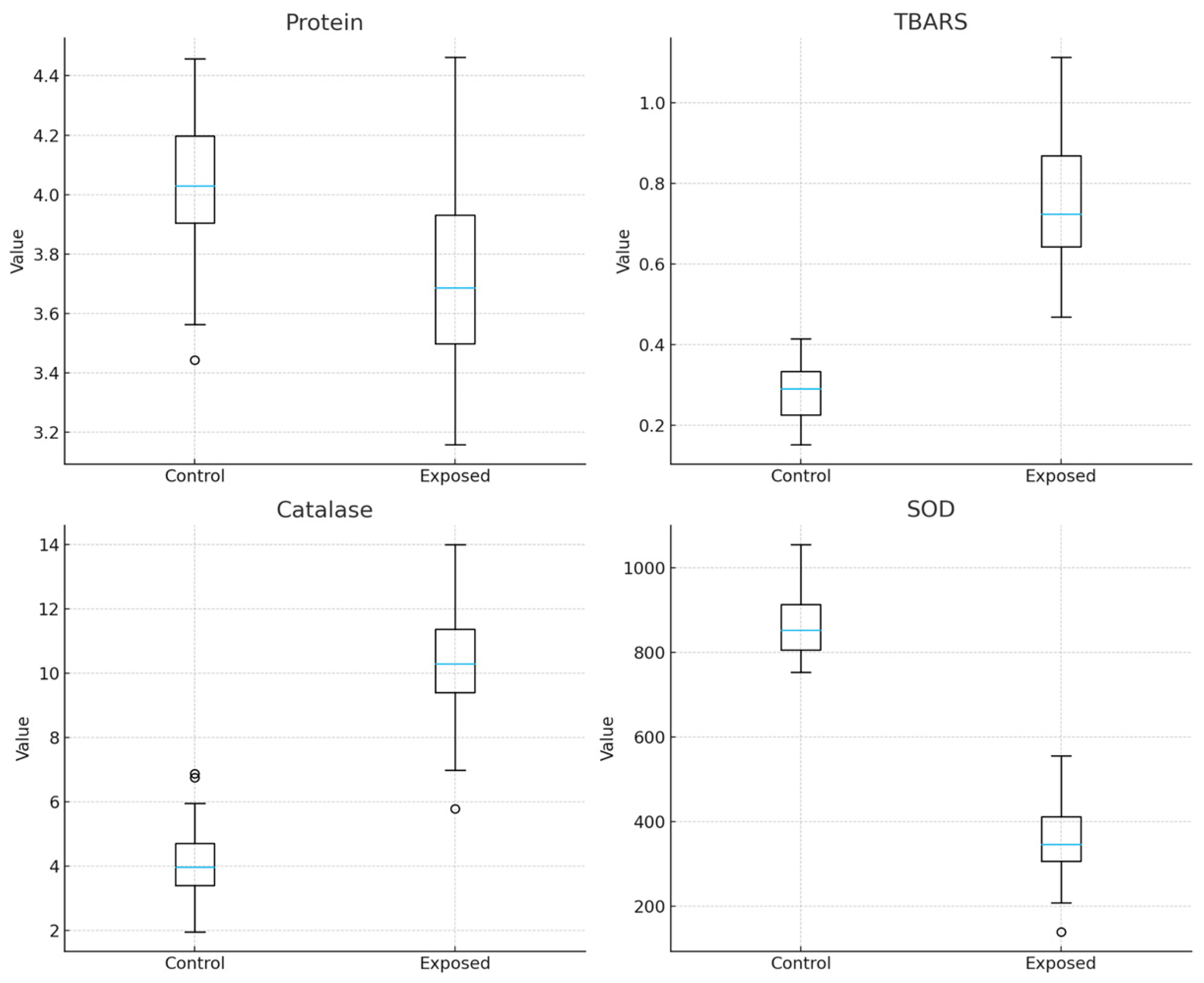
Figure 1. Biochemical parameters indicated a pronounced oxidative imbalance (p < 0.001).
Ijerph 23 00034 g001
Figure 2. The mean ± standard deviation of the visual score (0–400) assessed using the comet assay in cells from the exposed group compared with the unexposed group. Significant at p < 0.001; unpaired t-test.
Ijerph 23 00034 g002
Figure 3. Micronucleus (MN) test results in buccal mucosa cells: unexposed and exposed groups. Data is presented as mean ± standard error per 2000 cells per individual.
Ijerph 23 00034 g003
Figure 4. ROC curve of urinary ETU.
Ijerph 23 00034 g004
Table 1. The sociodemographic, clinical, and lifestyle characteristics of the non-exposed and exposed groups.
VariablesNon-Exposed Group
(n = 44)
Exposed Group
(n = 50)
p-Value
Age (years)—mean ± SD49.1 ± 12.944.6 ± 14.60.124
Sex—No. (%) 0.008
Female14 (31.8)4 (8.0)
Male30 (68.2)46 (92.0)
Ethnic group—No. (%) 0.191
White40 (90.9)50 (100.0)
Black1 (2.3)0 (0.0)
Mixed race2 (4.5)0 (0.0)
Asian descent1 (2.3)0 (0.0)
Educational level—No. (%) 0.753
Primary education16 (36.4)22 (44.0)
Secondary education19 (43.2)19 (38.0)
Higher education9 (20.5)9 (18.0)
Current comorbidities or diseases (yes)—No. (%)21 (47.7)23 (46.0)1.000
Hypertension3 (6.8)13 (26.0)0.028
Diabetes mellitus1 (2.3)3 (6.0)0.620
Dyslipidemia0 (0.0)6 (12.0)0.028
Hepatitis2 (4.5)0 (0.0)0.216
Common mental disorder4 (9.1)3 (6.0)0.702
Musculoskeletal/rheumatologic disease8 (18.2)2 (4.0)0.042
Other conditions7 (15.9)7 (14.0)1.000
Use of medications—No. (%)12 (27.3)25 (50.0)0.041
Use of herbal teas, supplements, and/or vitamins—No. (%)8 (18.2)1 (2.0)0.011
Alcohol consumption—No. (%)30 (68.2)45 (90.0)0.018
Smoking—No. (%)0 (0.0)2 (4.0)0.497
Table 2. Biochemical and genotoxicity biomarkers in the non-exposed and exposed groups.
VariablesNon-Exposed Group (n = 44)Exposed Group (n = 50)p-Value
ETU indicator—median (P25–P75)0.05 (0.05–1.46)168.9 (143.8–220.6)<0.010
Binucleated—mean ± SD28.2 ± 11.524.9 ± 10.10.139
Micronuclei—median (P25–P75)8 (3.3–14.8)9.5 (6–16)0.105
BUD + BE—median (P25–P75)2 (1–7)4 (3–7)0.094
Damage—median (P25–P75)0 (0–20)25 (0–41.5)<0.001
Abbreviations: ETU: ethylene thiourea (metabolite of Mancozeb); BUD + BE: nuclear buds + broken eggs (DNA damage markers).
Table 3. Multiple linear regression analysis of exposure effects, adjusted for confounding variables.
Variablesb (95% CI)p-Value
AST *7.90 (−0.30 to 16.1)0.059
ALT **8.02 (−4.06 to 20.1)0.190
Creatinine ***0.03 (−0.02 to 0.08)0.219
Glucose *−14.2 (−27.2 to −1.08)0.034
Total cholesterol ***−14.8 (−37.1 to 7.56)0.192
LDL ***−18.1 (−38.2 to 2.03)0.077
ETU indicator *213.8 (168.5 to 259.1)<0.001
Oxidative stress protein *−0.28 (−0.43 to −0.14)<0.001
TBARS *0.52 (0.46 to 0.57)<0.001
Catalase *6.38 (5.63 to 7.13)<0.001
SOD *−496.6 (−540.4 to −452.8)<0.001
DNA damage19.6 (8.13 to 31.0)0.001
Adjustment notes: * Adjusted for hypertension, dyslipidemia, alcohol consumption, musculoskeletal disease, and elevated BMI. ** Adjusted for hypertension, dyslipidemia, alcohol consumption, and elevated BMI. *** Adjusted for hypertension, dyslipidemia, alcohol consumption, elevated BMI, age, and sex.
Disclaimer/Publisher’s Note: The statements, opinions and data contained in all publications are solely those of the individual author(s) and contributor(s) and not of MDPI and/or the editor(s). MDPI and/or the editor(s) disclaim responsibility for any injury to people or property resulting from any ideas, methods, instructions or products referred to in the content.