1. Introduction
Platelet-derived growth factors (PDGFs) constitute a key family of signaling molecules that exert potent mitogenic and chemotactic effects on mesenchymal-derived cells such as fibroblasts, smooth muscle cells, and glial cells [
1]. The PDGF family comprises four distinct polypeptide chains (
PDGFA,
PDGFB,
PDGFC, and
PDGFD), which assemble into five functional dimeric isoforms (PDGF-AA, -AB, -BB, -CC, and -DD). These ligands transmit signals through two receptor tyrosine kinases—
PDGFR-α and
PDGFR-β. Receptor binding to ligands triggers receptor dimerization and autophosphorylation, thereby activating downstream pathways—including the PI3K/AKT and MAPK/ERK pathways—that regulate cell proliferation, migration, survival, and differentiation [
1,
2,
3,
4,
5].
Among these members,
PDGFD was discovered relatively late and is unique in requiring proteolytic activation to achieve full biological activity [
2,
4]. Similarly to
PDGFB,
PDGFD primarily binds to and activates
PDGFR-ββ homodimers [
4]. Accumulating evidence indicates
PDGFD participates in diverse physiological and pathological processes, including organ fibrosis, inflammation, angiogenesis, and tumorigenesis [
6,
7,
8,
9]. Its expression has been detected in multiple tissues, with notably elevated levels in the heart, kidney, pancreas, and adipose tissue, suggesting tissue-specific functions [
2,
4,
10].
Skeletal muscle development and postnatal regeneration are highly dependent on the activity of muscle-specific stem cells—satellite cells. Upon activation, these cells proliferate, differentiate, and fuse to form new muscle fibers or repair damaged ones [
11,
12]. The mouse myoblast cell line C2C12 serves as a mature in vitro model for myogenesis. It can be induced to differentiate from myoblasts into multinucleated myotubes upon serum removal [
12,
13].
Although the functions of
PDGFA and
PDGFB in mesenchymal cells have been extensively studied, the role of
PDGFD—particularly in skeletal muscle biology—remains poorly understood. Previous studies suggest it may participate in adipocyte maturation and homeostasis regulation [
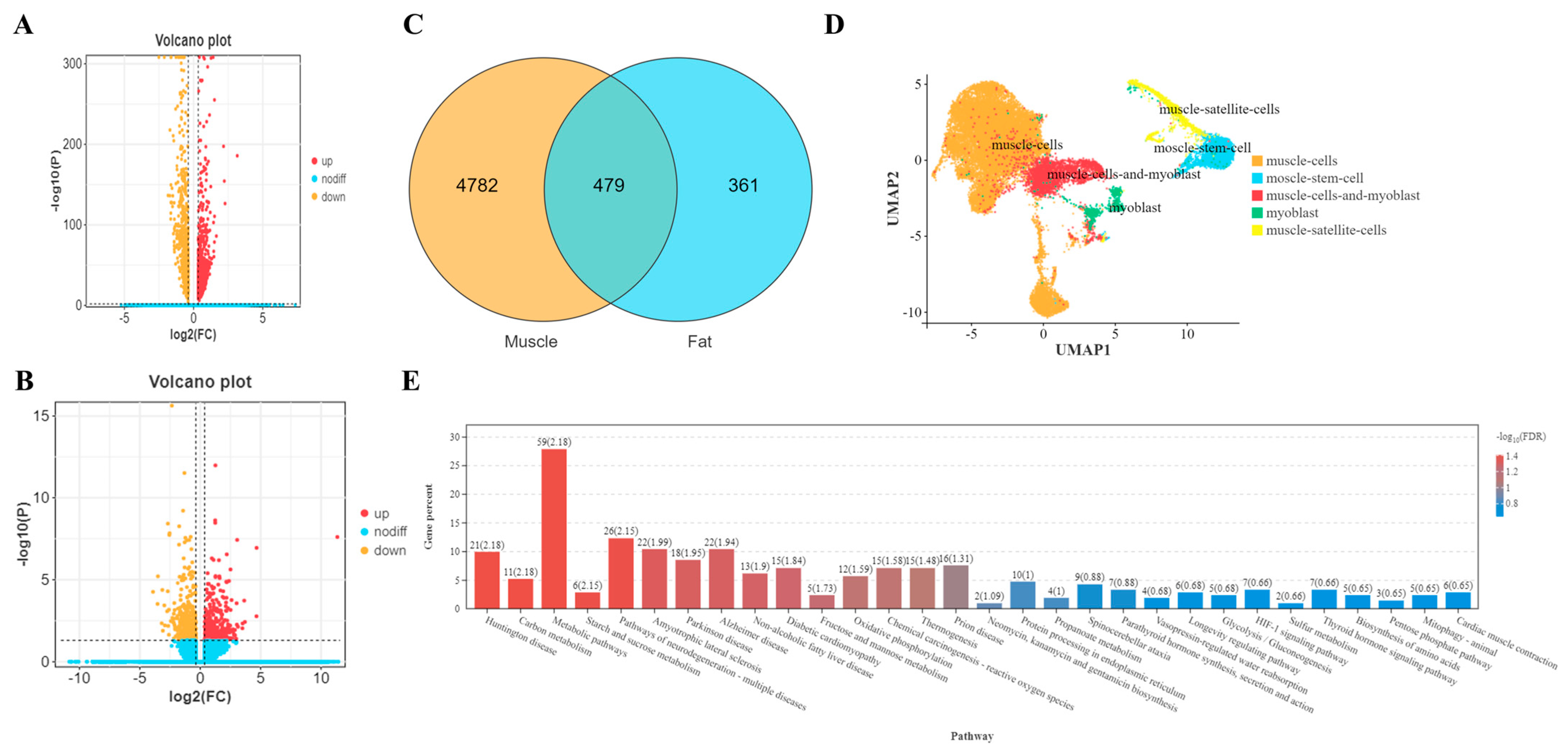
14], but its direct function in myogenic cells remains understudied. We utilized snRNA-seq data from
Jiangquan Black pig muscle to identify conserved regulators of muscle development, as well as validated findings in the widely accepted mouse C2C12 myoblast model. However, a critical gap exists in our understanding of whether and how
PDGFD, a factor implicated in adipogenesis, directly regulates the fundamental processes of skeletal myogenesis—specifically, the expansion of the myoblast pool and the subsequent execution of the differentiation program. Its potential role in coordinating the transition from proliferation to differentiation, a pivotal switch in muscle development, remains entirely elusive.
Based on its expression pattern and known functions, we hypothesized that PDGFD serves as a dual-function regulator in myogenesis, sustaining myoblast survival and proliferation during the growth phase, and subsequently promoting or permitting myogenic differentiation. To test this hypothesis, we aimed to systematically validate the functional role of PDGFD in skeletal muscle cells. Using the C2C12 cell model, we investigated the effects of PDGFD knockdown and overexpression on cell proliferation, apoptosis, cell cycle progression, and myogenic differentiation. Furthermore, by investigating its interaction with the canonical PI3K/AKT pathway, we sought to preliminarily determine whether PDGFD’s functions are mediated through this well-known survival axis or involve alternative signaling mechanisms. This study provides new insights into the role of PDGFD in myogenesis, laying the foundation for a deeper understanding of its significance in muscle physiology and related diseases.
2. Materials and Methods
2.1. snRNA-Seq Analysis
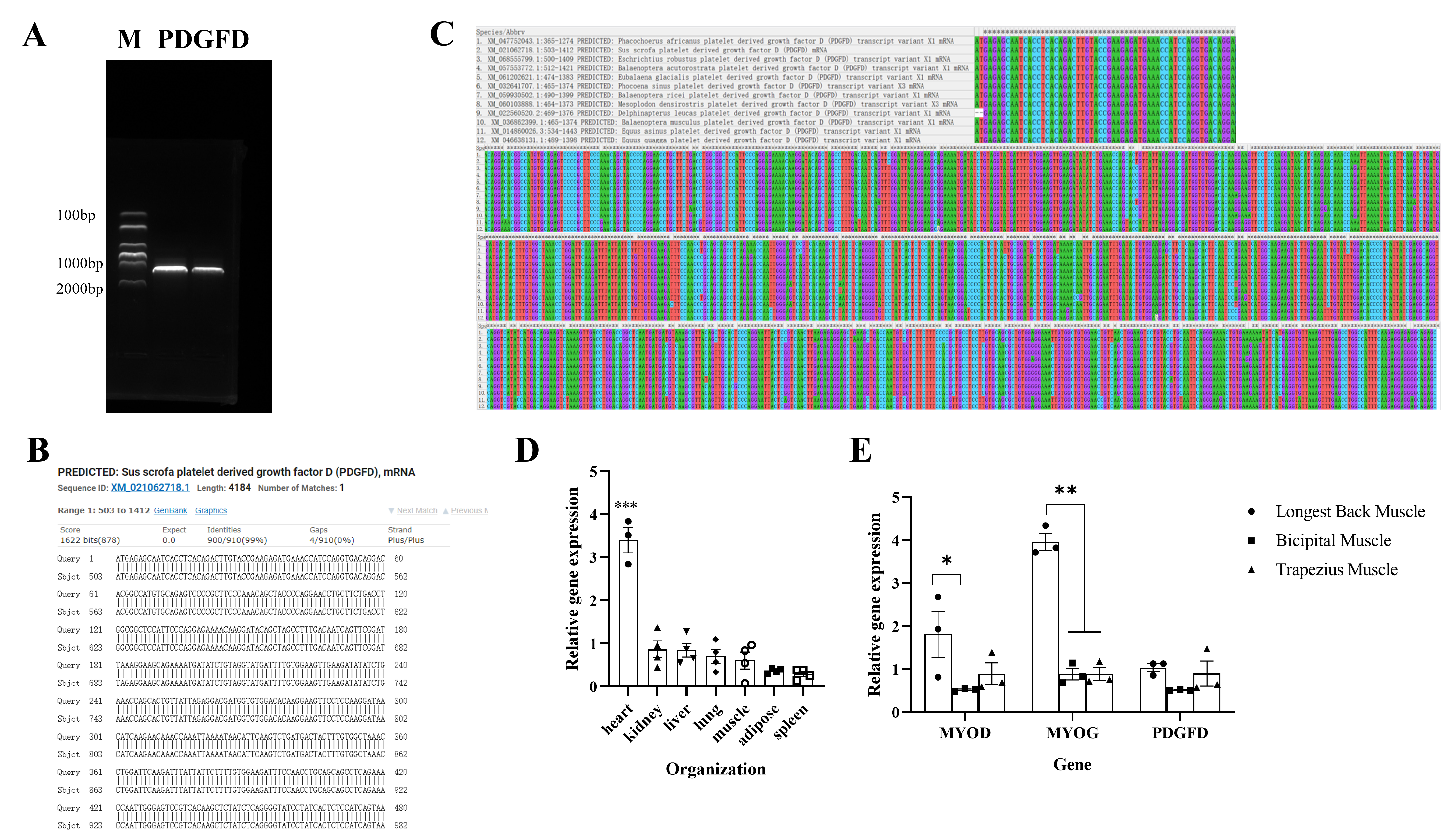
The experimental pigs were selected from Jiangquan Black pigs at a farm in Shandong Province. Based on average daily weight gain, four Jiangquan Black pigs with the highest and lowest average daily weight gains were chosen (Two heads in each group). Their longissimus dorsi muscles were extracted for single-nuclei RNA sequencing (snRNA-seq) using the 10× Genomics platform. The specific method involved lysing and disrupting tissues to isolate nuclei, followed by filtering using a flow cytometer before library construction and sequencing. Seurat was further employed to exclude cells with fewer than 24,000 unique molecular identifier (UMI) counts or those expressing fewer than 250 genes or more than 4900 genes. To address batch effects during clustering. Simultaneously, during sampling, we preserved the heart, liver, kidneys, spleen, lungs, adipose tissue, as well as the biceps brachii and trapezius muscles at −80 °C for subsequent gene expression analysis.
2.2. Cell Culture and Differentiation
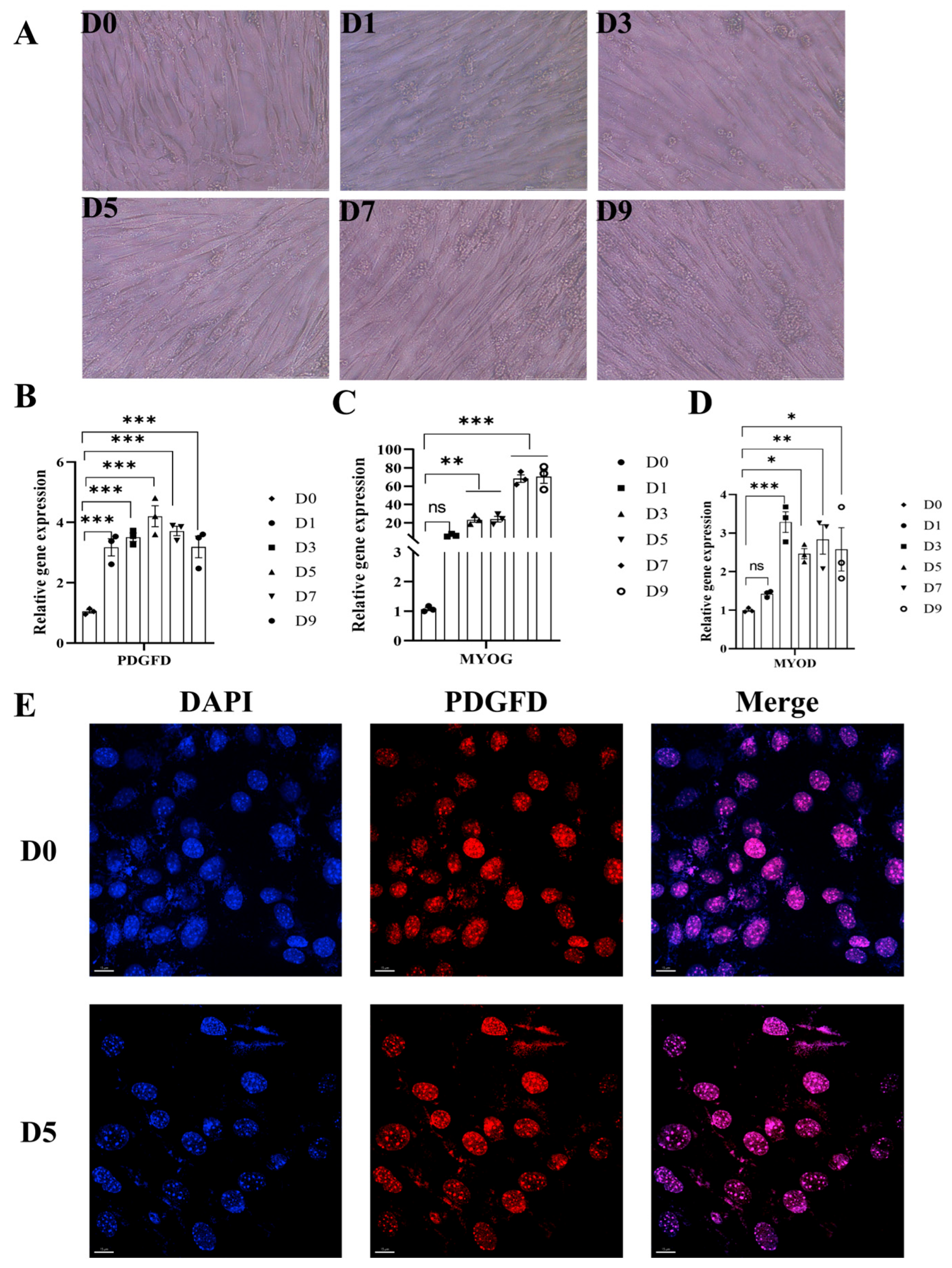
The genetic screening was based on the results of single-cell nuclear sequencing in our laboratory, and the mouse muscle satellite cell line C2C12 (purchased from Wuhan Prosperity Life Sciences Co., Ltd., Wuhan, China) was used for the experiment. C2C12 cells between passages 8 and 15 were used for all experiments to ensure consistent differentiation potential. The medium of C2C12 muscle satellite cells was supplemented with 10% fetal bovine serum (FBS), 1% antibiotic mixture of penicillin, streptomycin, and gentamycin, and high-sugar Dulbecco’s Modified Eagle Medium (DMEM, Gibco, Carlsbad, CA, USA). Cells were cultured at 37 °C in a humidified incubator with 5% CO2. When C2C12 cells grew to 60–80% confluence, differentiation medium (2% horse serum (HS)) was added to induce them into undergoing differentiation, and samples were taken at different periods, with the start of induction recorded as D0, and cells differentiating D1, D3, D5, D7, and D9 were collected for subsequent experiments.
2.3. Analysis of PDGFD Sequence Information
The cDNA was synthesized by designing primers based on the sequence of the
PDGFD gene in NCBI (XM_021062718.1), the primer sequences (see
Table 1). The full-length of the gene was amplified with ApexHF HS DNA polymerase CL (AG12204) (Wuhan, China), after which the PCR products were gel-recovered (TIANGEN, DP209) (Beijing, China) and sequenced. The results obtained were subjected to blast comparison and then analyzed for conserved regions as well as evolutionary relationships of the genes using MEGA-X64.
2.4. Cellular Immunofluorescence
Cells were plated onto 6-well plate coverslips at 1 × 10⁵ cells/mL. After the specified culture period, the samples were processed for immunofluorescence. The procedure commenced with fixation in chilled 4% paraformaldehyde (30 min, 37 °C), followed by permeabilization using 0.1% Triton X-100 (Beijing, China) (40 min, RT). Non-specific sites were blocked with 5% FBS (1 h, 37 °C). The preparations were then incubated with the primary antibody (Proteintech, Cat# 14075-1-AP; 1:1000 dilution) (Wuhan, China) overnight at 4 °C and subsequently with Alexa Fluor 647-tagged secondary antibody (1:1000, 1 h, 37 °C) in the dark. Nuclei were visualized by DAPI staining (10 min, 37 °C). Between each step, extensive rinsing with PBS was performed. The images were acquired using an Andor confocal live-cell imaging system (Dragonfly, Hertfordshire, UK).
2.5. Plasmid Construction and Cell Transfection
The sequence of the interfering fragment was designed according to its CDS region (see
Table 2), and the full-length cDNA of
PDGFD was obtained by PCR using PrimeSTAR Max DNA Polymerase (Takara, Dalian, China). The PCR products were subjected to gel electrophoresis and gel recovery sequencing, and the sequences were aligned with those in NCBI to ensure correctness. The PCR products and the pEGFP-N1 plasmid (Clontech, Mountain View, CA, USA) were digested with FastDigest HindIII and BamHI (Chengdu, China), and then the
PDGFD fragment was ligated into the linearized pEGFP-N1 vector with T4 DNA ligase (Chengdu, China) to generate the PDGFD-pEGFP-N1 plasmid, which was verified by sequencing. For transformation, 10 μL of the recombinant plasmid was added to 50 μL of DH5α competent cells (Tiangen Biotech, Beijing, China), following the manufacturer’s instructions. Positive clones were selected on LB solid medium containing 50 μg/mL kanamycin and verified by colony PCR. Then, the validated recombinant plasmids were extracted using the Tian Gen Plasmid Extraction Kit (Tiangen Biotech, Beijing, China) for subsequent experiments. For transfection, cells were seeded into 6-well plates (Corning, Corning, NY, USA) at a density of 1 × 10
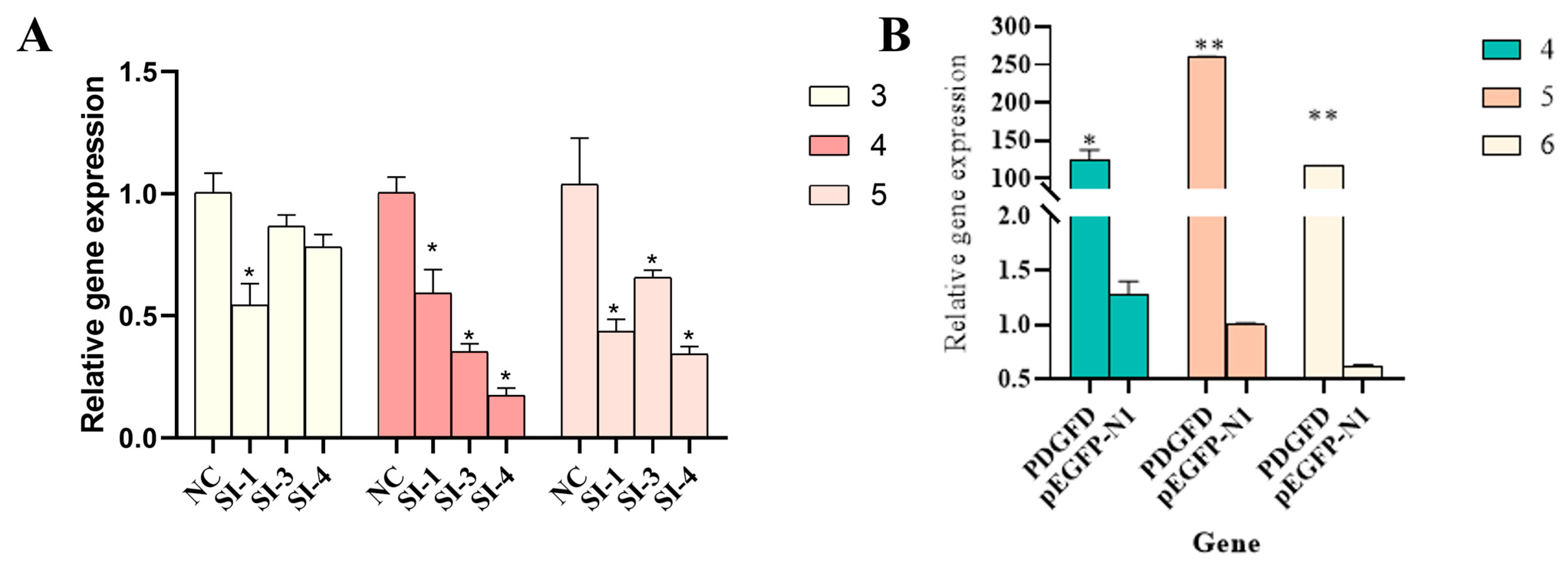
5 cells per well one day prior to transfection. When the cell confluence reached 60–80%, the culture medium was replaced with serum-free Opti-MEM (Gibco). Transfection was performed using Hieff Trans Liposomal Transfection Reagent (Yeasen, Shanghai, China) according to the manufacturer’s protocol. Specifically, 4 μL of siRNA (20 μM) or 5 μg of overexpression vector was diluted in 250 μL Opti-MEM, mixed gently with the transfection reagent, and added to the cells. After 6 h of incubation, the medium was replaced with fresh complete growth medium. Each experiment was performed with at least three independent biological replicates (n = 3), defined as cells harvested from separate transfections performed on different days using cells from different passages. Non-targeting siRNA (si-NC) and empty pEGFP-N1 vector (Vector) were used as negative controls in all relevant experiments. Transfection efficiency was confirmed by Western blot analysis of PDGFD protein levels.
2.6. Cell Proliferation Assay
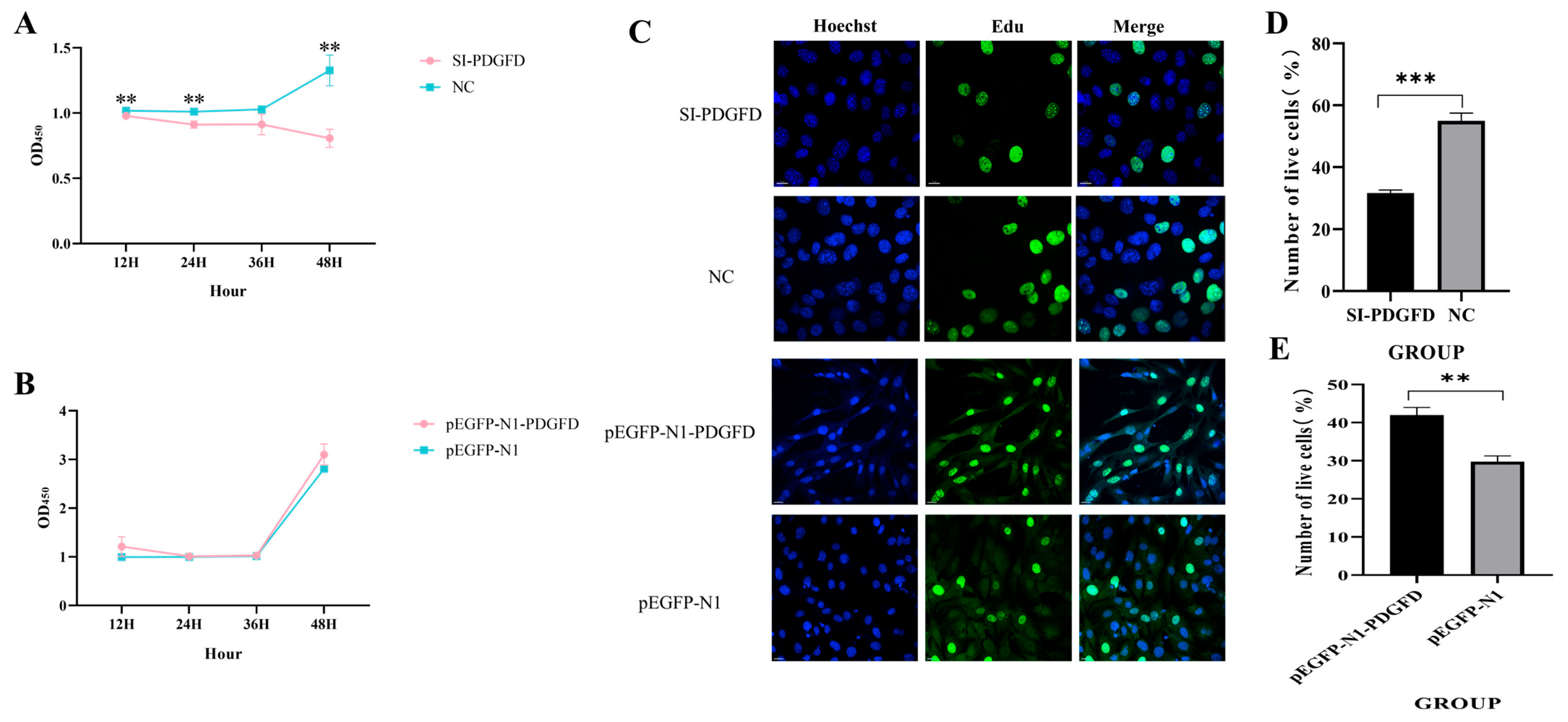
Cell proliferation activity was assessed using the CCK-8 assay kit (Yeasen, Shanghai, China). Log-phase cells were seeded at 100 μL per well into a 96-well plate, with six replicate wells per group. An additional six wells contained an equal volume of complete medium as a blank control. After 12 h of incubation, cells were transfected with the interference fragment and overexpression vector. Cell viability was assessed at 12, 24, 36, and 48 h post-transfection: 10 μL of CCK-8 working solution was added to each well. Plates were incubated in the incubator, protected from light, for 2 h, followed by measurement of absorbance at 450 nm using a microplate reader.
To observe cell proliferation using the EdU-488 assay kit (Shanghai, China), pre-place cell coverslips in a 6-well plate, dispensing 200 μL of cell suspension onto each coverslip. After 1 h of culture to allow cell attachment, slowly add 1.5 mL of growth medium to each well. Proceed with transfection once cell density reaches 70–80%. Twenty-four hours post-transfection, add the EdU-488 reagent (Shanghai, China) and continue incubation for 2 h. All subsequent procedures must be strictly adhered to in accordance with the kit instructions.
2.7. Cell Cycle and Apoptosis Assay
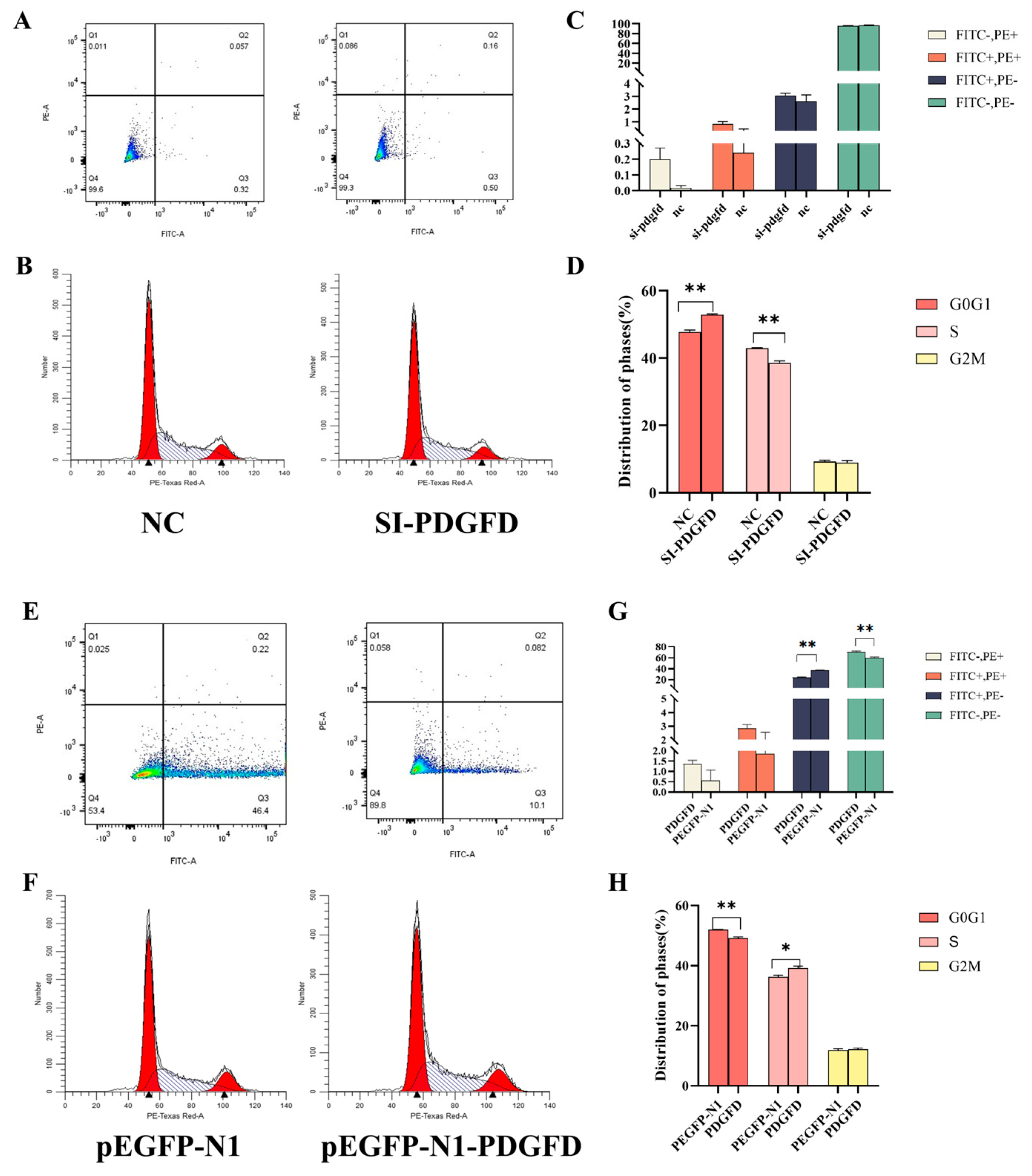
Following transfection and expansion to the required cell density (1 × 10⁶ cells), cell cycle and apoptosis assays were conducted separately. Cell cycle analysis: Processed using the Cell Cycle and Apoptosis Detection Kit (Beyotime, C1052) (Shanghai, China). Following cell collection, strictly adhere to the protocol instructions, employing an FSC/SSC-based gating strategy for flow cytometric analysis. Apoptosis Analysis: Assessed using the Annexin V-FITC Apoptosis Detection Kit (Beyotime, C1062M) (Shanghai, China), with all steps performed according to the manufacturer’s protocol. Upon completion of the aforementioned experiments, statistical analysis of the data was conducted using FlowJo software (version 10.8.1).
2.8. Real-Time Fluorescent Quantitative PCR Analysis
Total cellular RNA was extracted using an RNA extraction kit (TIANGEN, RNA simple Total RNA Extraction Kit), followed by cDNA synthesis with a reverse transcription kit (Evo M-MLV Reverse Transcription Premix Kit, Accurate Biotechnology) (Wuhan, China). The reverse transcription reaction employed a two-step method: initial incubation at 42 °C for 2 min, followed by incubation at 37 °C for 15 min, then at 85 °C for 5 s, and finally storing it at 4 °C. The reaction system contained 1 µg of total RNA in a total volume of 20 µL.
qPCR amplification was performed using the cDNA as a template, employing the SYBR
® Green Pro Taq HS Pre-mixed qPCR Kit (Accurate Biotechnology) for gene expression analysis. The reaction system comprised 10 µL SYBR Premix Ex Taq (2×) and forward/reverse primers (2 µM, 0.4 µL each). All reactions were performed in triplicate. β-actin served as the housekeeping gene, and relative gene expression was calculated using the 2
−ΔΔCt method, where ΔCt = Ct target gene − Ct housekeeping gene. Species-specific primers were employed for both porcine and murine samples; primer sequences are detailed in
Table 3. All experimental procedures were conducted on ice.
2.9. Western Blot
Following treatment, allow cells to grow to the designated time point. Add RIPA lysis buffer containing PMSF (Biyun Tian, P0013B, Shanghai, China) to lyse the cells. Collect the lysate into a 1.5 mL centrifuge tube, mix thoroughly, then centrifuge at 4 °C and 12,000 rpm for 5 min. Remove the supernatant. Determine protein concentration using the BCA Protein Concentration Assay Kit (Beyotime) (Shanghai, China). Dilute all protein samples to an identical concentration with RIPA buffer, add 5× SDS-PAGE loading buffer in proportion, heat in a 100 °C water bath for 10 min, then store temporarily at −20 °C. Perform protein electrophoresis using elife pre-made gel, running under the required voltage conditions. Following electrophoresis, transfer proteins to a PVDF membrane using Xinsaimai Rapid Blotting Transfer Solution (taking care to avoid bubbles). After transfer, block at 37 °C for 30 min. Subsequently, add the primary antibody diluted at a ratio of 1:1000 and incubate overnight at 4 °C. After recovering the primary antibody, wash with 1× TBST. Add the secondary antibody diluted 1:1000 and incubate at room temperature for 2 h. Finally, wash with TBST and perform chemiluminescent imaging using ECL chemiluminescent substrate (Biyun Tian) to detect protein bands. All primary antibodies used in these experiments were purchased from Proteintech as follows: Beta-Actin Recombinant antibody (8115-1-RR), MYOD1 Rabbit PolyAb (18943-1-AP), MYOG Polyclonal antibody (26762-1-AP), and MEF2C Polyclonal antibody (10056-1-AP). Goat Anti-Rabbit IgG, HRP Conjugated (CW0103S). Pre-stained Protein Marker 10-180KD (Cat No.: P1018).
2.10. Pathway Activator
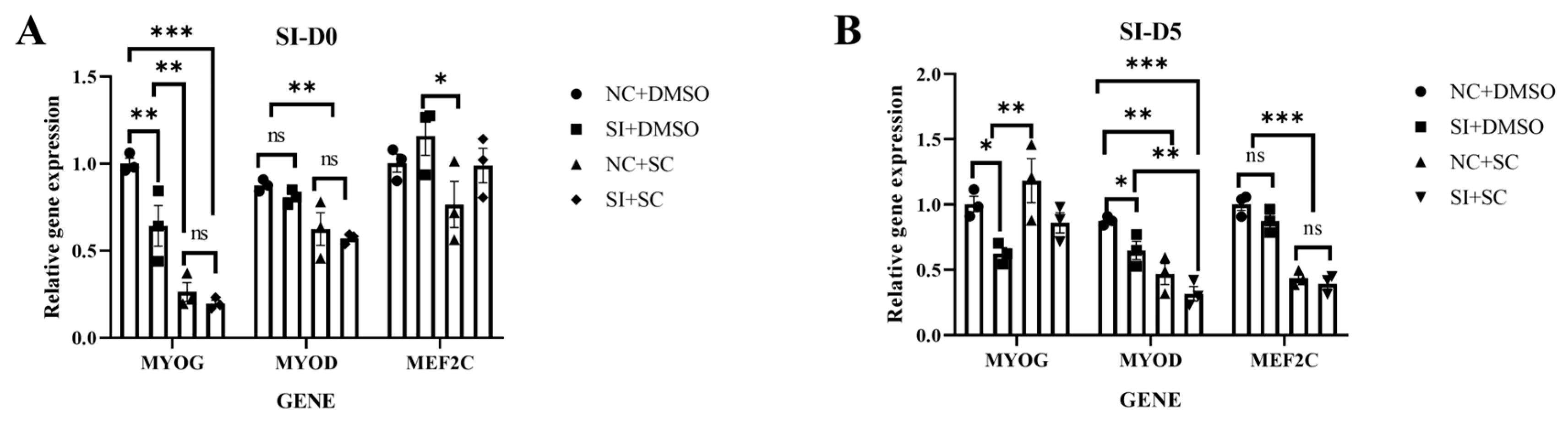
After transfection (designated as Day 0), to activate the PI3K/Akt signaling pathway, the culture medium was replaced with a fresh differentiation medium containing 20 μmol/L SC79 (MedChemExpress, Monmouth Junction, NJ, USA), a specific Akt activator. This concentration was selected based on previous studies showing effective pathway activation in C2C12 myoblasts. An equivalent volume of dimethyl sulfoxide (DMSO, Sigma-Aldrich, St. Louis, MO, USA), the solvent for SC79, was added to the control groups to account for any potential solvent effects. The medium, along with the activator or DMSO, was refreshed every 24 h throughout the subsequent differentiation period until the cells were harvested for analysis.
2.11. Statistical Analysis
Quantitative analysis of protein band gray values was performed using ImageJ 1.5x software. All experimental data underwent statistical processing using IBM SPSS Statistics 25 software. Comparisons between two groups were performed using the independent-samples t-test, while comparisons among multiple groups employed one-way analysis of variance (ANOVA). Statistical results are presented as mean ± standard error of the mean (SEM), with statistical graphs generated using GraphPad Prism 8.0 software. Differences were considered statistically significant at * p < 0.05; ** p < 0.01; *** p < 0.001., respectively.
4. Discussion
This study provides the first functional evidence that PDGFD, a member of the platelet-derived growth factor family with known roles in fibrosis and adipogenesis, plays a crucial and multifaceted role in skeletal myogenesis. Using the C2C12 myoblast model, we demonstrate that PDGFD acts not merely as a mitogen, but as a dual-function regulator: it is essential for maintaining the proliferative myoblast pool and serves as a positive driver of terminal myogenic differentiation. Furthermore, our data intriguingly suggest that these two functions may be orchestrated through distinct, or at least partially separable, signaling modalities.
4.1. PDGFD as a Guardian of the Myoblast Pool: Promoting Survival over Proliferation
Our results firmly establish
PDGFD as a key survival and pro-proliferation factor for myoblasts. The significant reduction in cell viability upon
PDGFD knockdown, coupled with the increased apoptotic rate, aligns with the well-established role of the PDGF family as potent survival factors for mesenchymal cells [
5,
14,
15]. However, the lack of a significant change in cell cycle distribution upon
PDGFD manipulation is particularly insightful. This indicates that PDGFD’s primary contribution to the expanding myoblast population is not through forcefully pushing cells through the cell cycle, but rather through creating a permissive microenvironment by suppressing apoptosis. This “guardian” function is critical for maintaining an adequate reservoir of myogenic precursors, a prerequisite for effective muscle growth and regeneration.
4.2. PDGFD as an Initiator of Myogenic Differentiation: A Novel Role Beyond Mitogenesis
More importantly, we uncover a previously unrecognized and direct role for
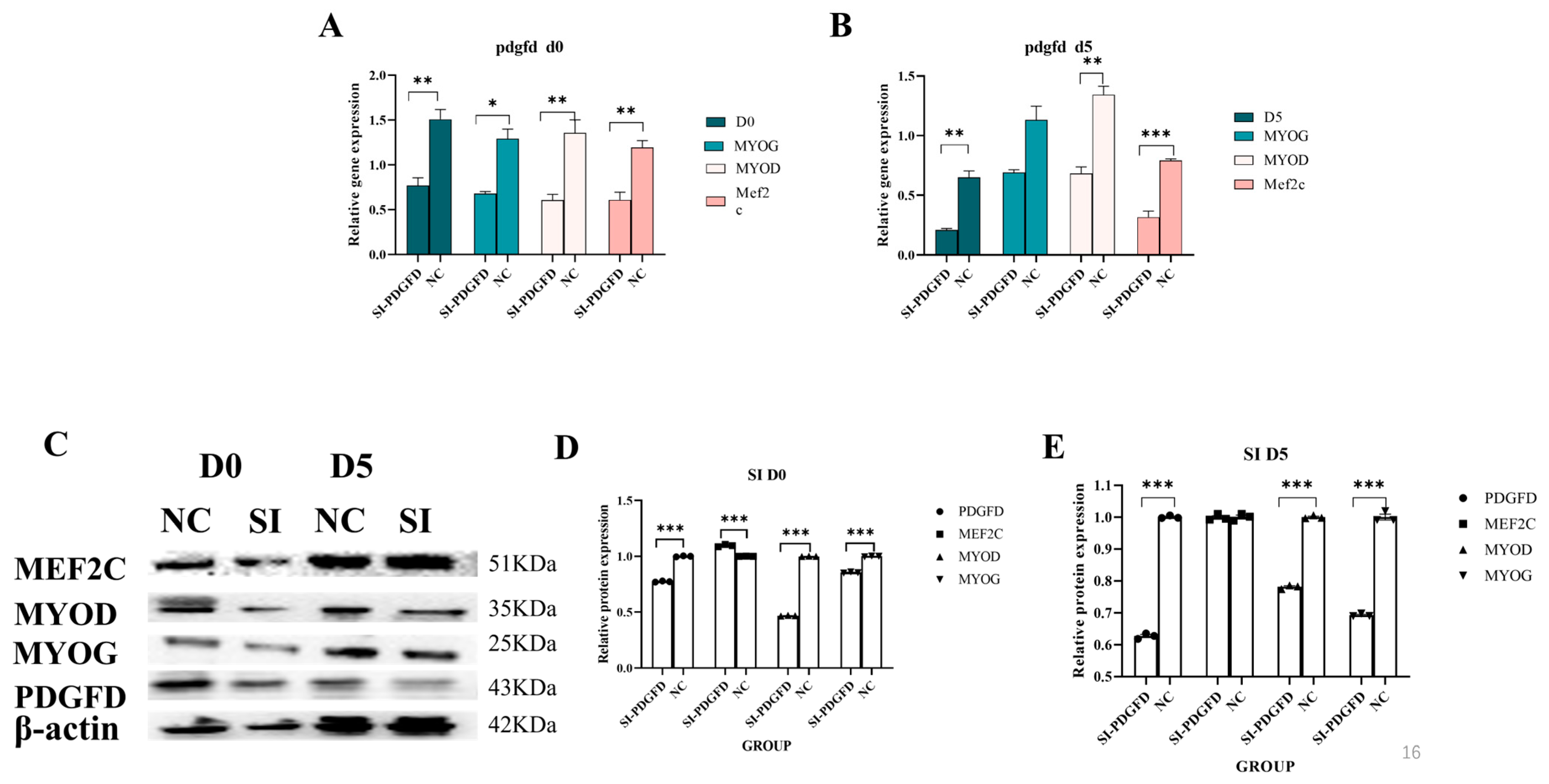
PDGFD in promoting myogenic differentiation. Knockdown of PDGFD led to a consistent downregulation of the master regulators MyoD and MyoG at both mRNA and protein levels. Given that MyoD commits cells to the myogenic lineage and MyoG executes terminal differentiation and fusion [
16], their suppression strongly indicates a compromised differentiation program. The dynamic expression pattern of
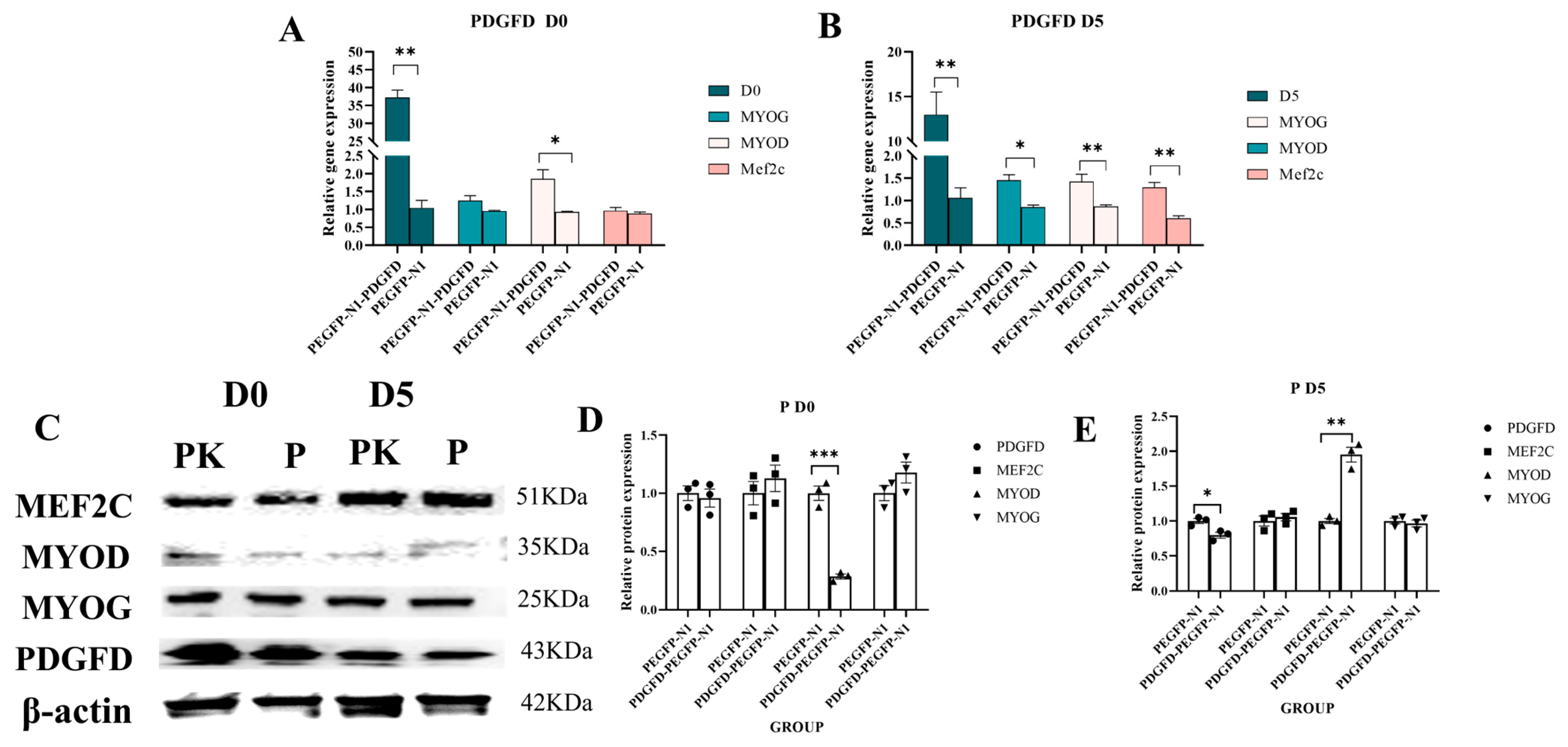
PDGFD during differentiation—peaking at mid-stage (D5)—further supports its active participation in the differentiation process rather than being a passive bystander. This temporal expression suggests that PDGFD might function as a differentiation “timer” or “amplifier”, ensuring the robust activation of the myogenic transcriptional cascade once proliferation subsides. The less pronounced effect of
PDGFD overexpression on promoting differentiation could be attributed to the already high differentiation efficiency of C2C12 cells or the existence of tight upstream regulatory checkpoints.
4.3. Divergence from the Canonical Pathway: Implications for Context-Dependent PDGFD Signaling
A pivotal and intriguing finding of our study is the apparent dissociation between PDGFD’s function and the sustained activation of the PI3K/Akt pathway in the context of differentiation. The PI3K/Akt pathway is a major downstream effector of PDGFR-β, renowned for promoting cell survival and growth [
17,
18]. As expected, pharmacological hyper-activation of Akt with SC79 potently inhibited terminal differentiation, consistent with the literature showing that sustained Akt signaling can block myogenic conversion. However, the lack of an additive or synergistic inhibitory effect when combining
PDGFD knockdown with SC79 treatment is revealing. This non-additivity suggests that the inhibitory effect of PDGFD loss on differentiation is not simply mediated by attenuating the same PI3K/Akt survival signal that, when exogenously maximized, also blocks differentiation.
This observation points to a more complex, context-dependent signaling mechanism. We propose two non-exclusive possibilities: First, PDGFD may regulate differentiation through a parallel signaling branch downstream of PDGFR-β, such as the MAPK/ERK pathway, which has been shown to have nuanced, stage-specific roles in myogenesis. Second, PDGFD’s nuclear localization observed in our immunofluorescence study (though preliminary) hints at potential non-canonical, intracellular functions, perhaps as a co-regulator of transcription independent of its secreted growth factor activity. This divergence underscores that PDGFD’s role is not monolithic; its pro-survival and pro-differentiation outputs may be uncoupled, allowing it to fulfill sequential functions during myogenesis.
4.4. Limitations and Future Perspectives
This study has several limitations that chart the course for future research. First, while we used molecular markers, direct morphological quantification of myotube formation (e.g., fusion index, myotube diameter) would strengthen the differentiation phenotype. Second, the preliminary snRNA-seq data from pigs suggest PDGFD’s co-involvement in adipocyte biology, raising the fascinating question of how it might coordinate or decide between myogenic and adipogenic fates in mesenchymal precursors—an area ripe for exploration. Third, definitively mapping the signaling pathway responsible for PDGFD’s pro-differentiation effect requires further work, such as using pathway-specific inhibitors alongside rescue experiments.



 ,
,