Molecular Basis of GABA Aminotransferase Inhibition in Epilepsy: Structure, Mechanisms, and Drug Development





Abstract
1. Introduction
2. GABA and GABAergic Neurotransmission
2.1. The Central Role of GABA in Neuronal Inhibition
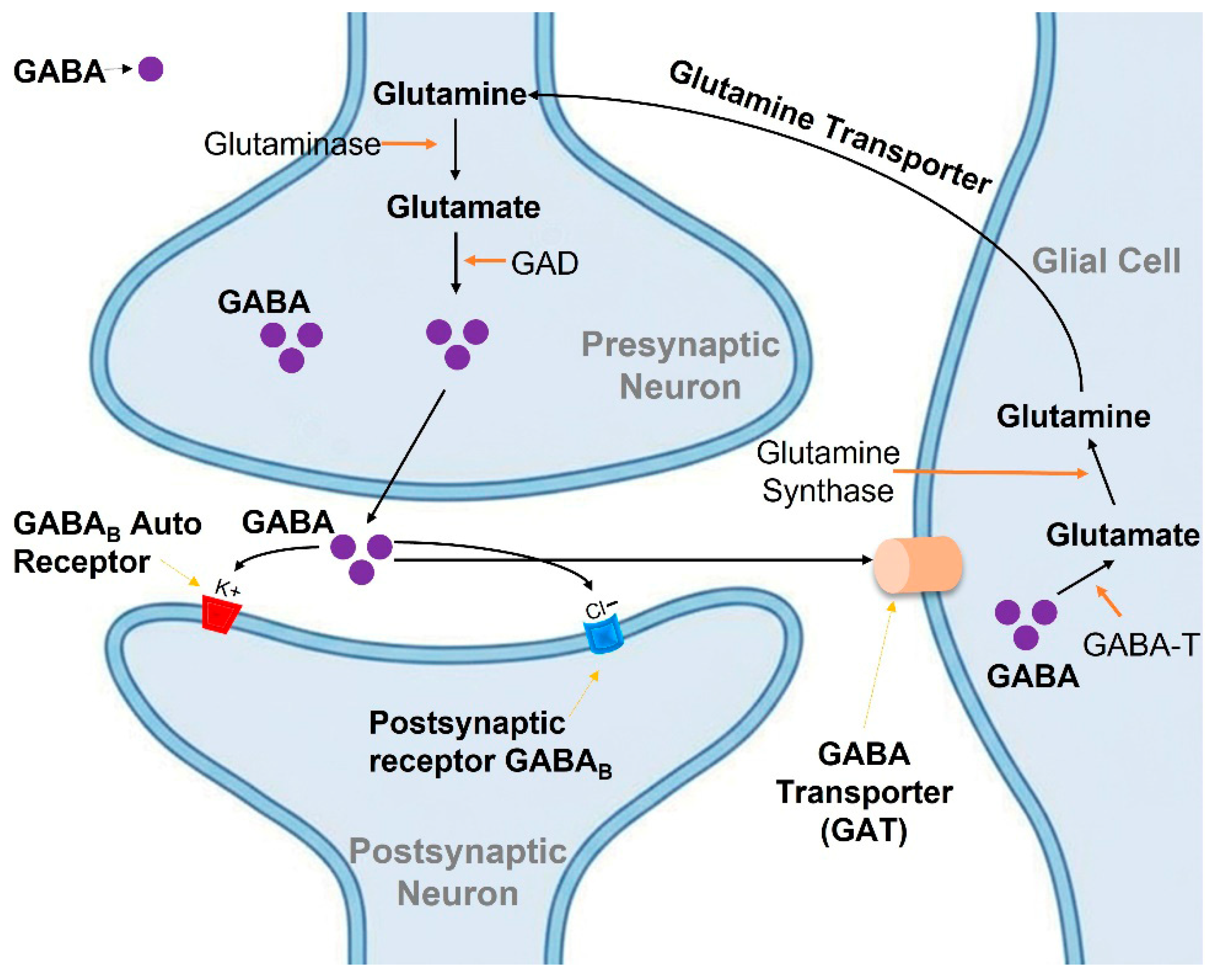
2.2. GABA Synthesis and Metabolism
2.3. GABAergic Dysfunction in Epilepsy
2.4. Therapeutic Implications
3. GABA Aminotransferase: Structure, Function, and Mechanism
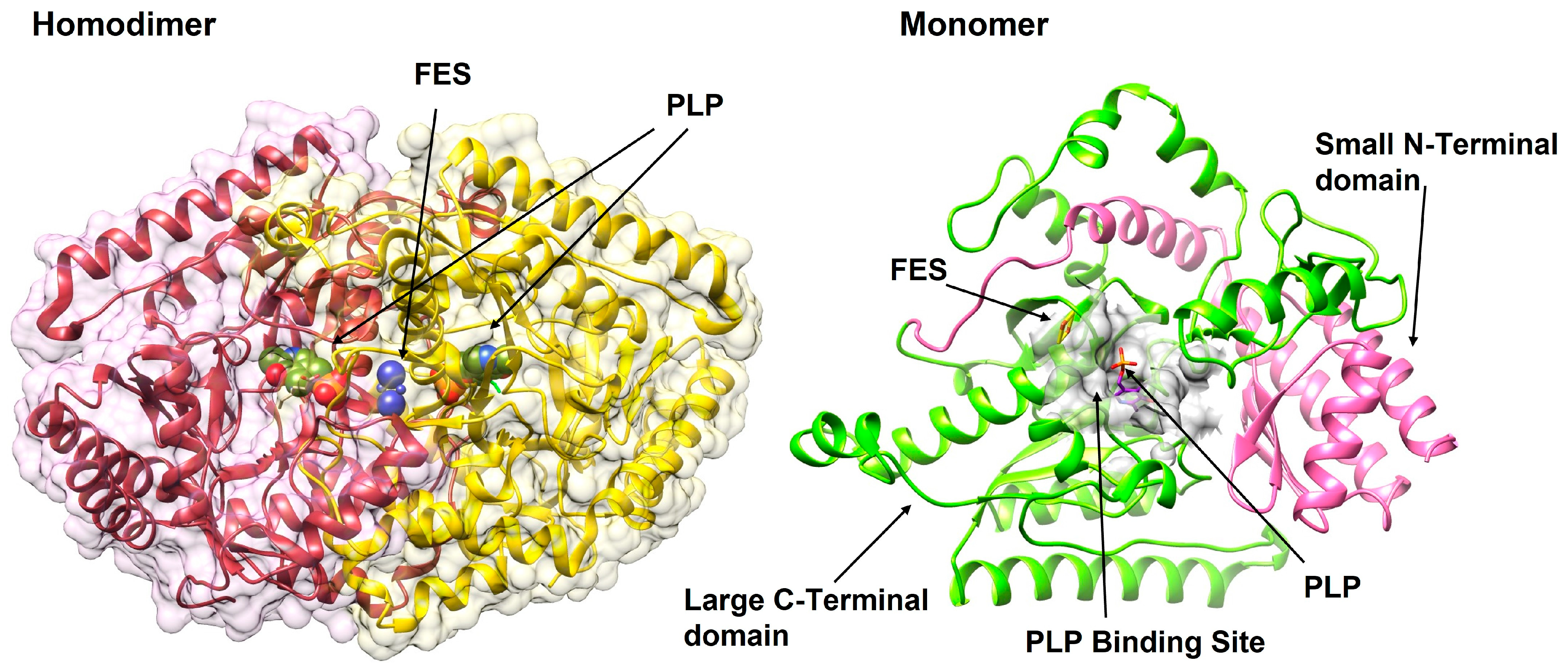
3.1. Molecular Structure and Organization

| Feature | Description | References |
|---|---|---|
| Enzyme name | GABA aminotransferase (GABA-T); EC 2.6.1.19 | [80,81] |
| Gene | ABAT (chromosome 16p13.2, 16 exons) | |
| Molecular mass | ~109 kDa (homodimer; ~54.5 kDa per monomer) | |
| Amino acid residues | ~500 amino acids per monomer | |
| Domain structure | Large catalytic domain (residues 48–374, active site Lys329); small domain (residues 1–47 and 375–500) involved in dimerization and substrate binding | |
| Cofactor | Pyridoxal 5′-phosphate (PLP) covalently bound to Lys329 via Schiff base | |
| Substrate specificity | Prefers GABA and α-ketoglutarate; catalyzes formation of succinic semialdehyde and glutamate | |
| Subcellular localization | Mitochondrial matrix (post-cleavage of targeting sequence) | |
| Physiological function | Catalyzes rate-limiting step in GABA degradation; links neurotransmitter metabolism to energy production |

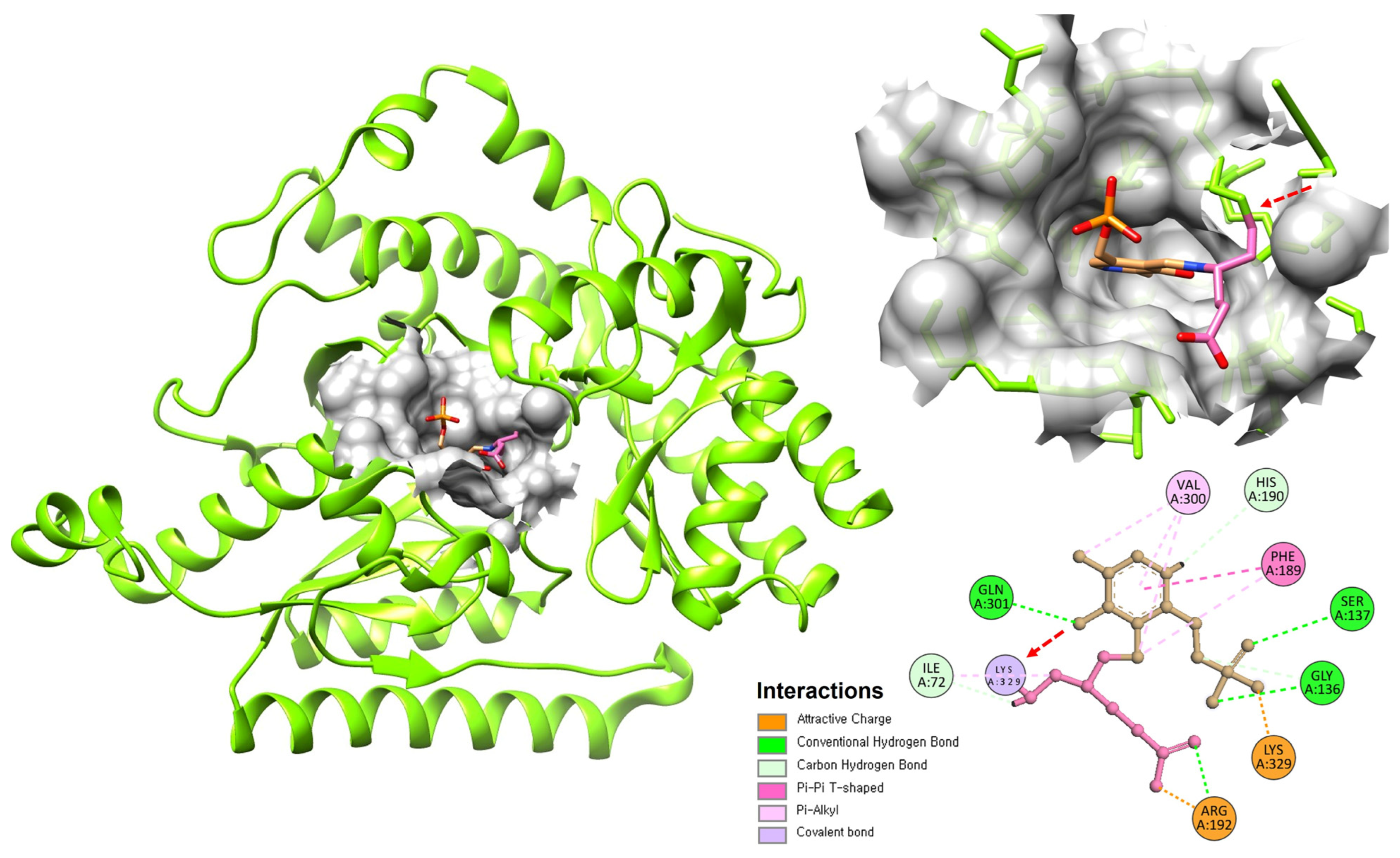
3.2. Catalytic Mechanism
3.3. Cellular Localization and Physiological Function
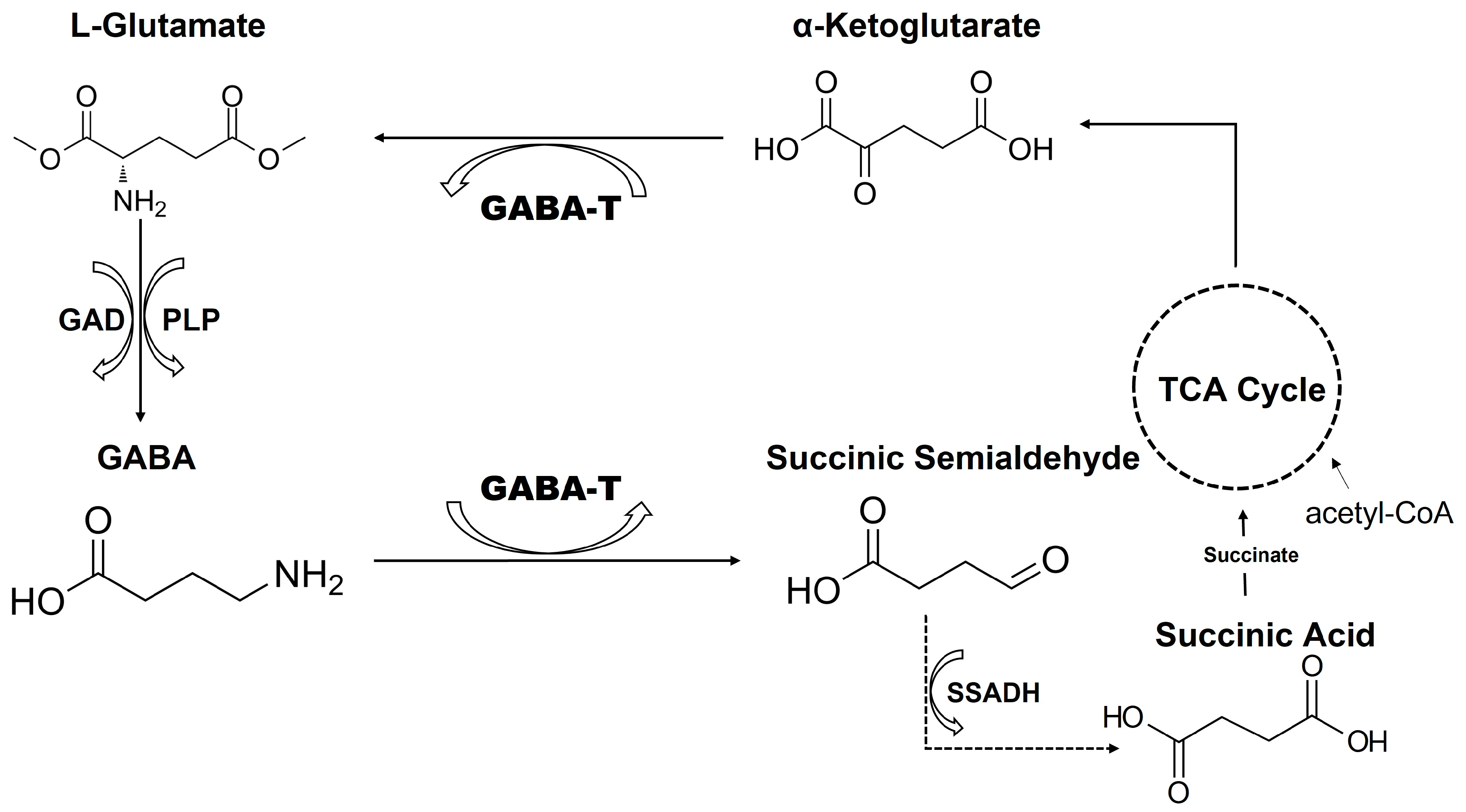
3.4. GABA-T in the GABA Shunt Pathway
3.5. GABA-T Regulation, Expression, and Enzymatic Activity
3.6. Pathological Alterations in GABA-T Function
4. GABA-T as a Therapeutic Target in Epilepsy
4.1. Rationale for GABA-T Inhibition
4.2. Effects on Seizure Threshold and Epileptic Activity
4.3. Advantages over Alternative GABAergic Strategies
4.4. Limitations and Considerations
5. Molecular and Genetic Considerations
5.1. GABA-T Gene Mutations and Deficiency Phenotypes
5.2. Genetic Spectrum and Mutation Types
5.3. The GABA-T Deficiency Paradox
5.4. Pharmacogenomics of GABA-T Inhibitor Response
5.5. Genetic Factors and Retinal Toxicity
5.6. Epilepsy-Associated Gene Interactions
6. GABA-T Inhibitors: Development and Mechanisms
6.1. Vigabatrin (γ-vinyl-GABA)
6.1.1. Discovery and Development History
6.1.2. Mechanism of Irreversible Inhibition
6.1.3. Pharmacokinetics and Pharmacodynamics
6.2. Development of Second-Generation Inhibitors
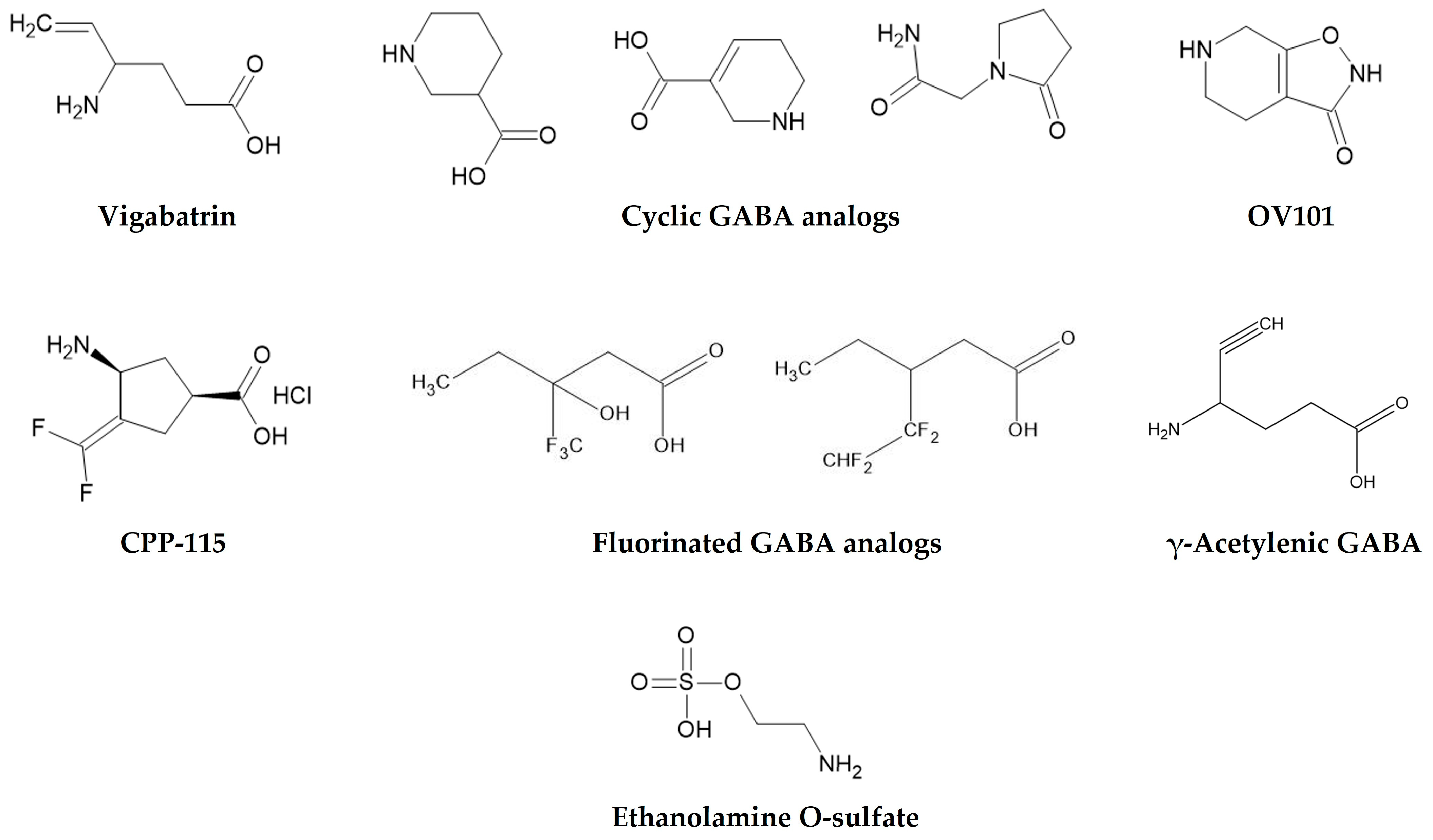
| Inhibitor | Mechanism of Action | Reversibility | Key Features | Clinical/Development Status | References |
|---|---|---|---|---|---|
| Vigabatrin (γ-vinyl-GABA) | Mechanism-based irreversible inhibition (suicide substrate forming covalent adduct with PLP) | Irreversible | Potent CNS penetration; elevates GABA levels 100–200%; risk of retinal toxicity | FDA-approved for infantile spasms and refractory partial seizures | [190,191] |
| Cyclic GABA analogs | Conformationally restricted inhibitors | Reversible | Modest activity; low potency | Experimental | [112,192,193] |
| OV101 (Gaboxadol) | Selective agonist at extrasynaptic GABAA receptors containing the δ-subunit; enhances tonic inhibition without directly affecting synaptic (phasic) transmission. | Reversible | Acts independently of GABA-T inhibition; increases inhibitory tone through sustained activation of high-affinity GABAA receptors; provides a novel approach to restoring inhibitory balance. | Originally developed for insomnia; later investigated for epilepsy, Angelman syndrome, and Fragile X syndrome. Phase II clinical trials showed mixed efficacy; development for epilepsy was discontinued, but research in neurodevelopmental disorders continues. | [194,195,196] |
| CPP-115 | Vigabatrin analog with improved CNS selectivity and reduced peripheral exposure | Irreversible | Designed to lower retinal toxicity; greater potency at lower doses | Early clinical stage | [197,198,199] |
| Ethanolamine O-sulfate | GABA analog; competitive inhibition of GABA-T | Reversible | Mild anticonvulsant effect; limited potency | Preclinical | [200,201,80] |
| γ-Acetylenic GABA | Mechanism-based inactivator similar to vigabatrin | Irreversible | High in vitro potency; safety not established | Experimental | [202,203] |
| Fluorinated GABA analogs | Modified lipophilicity and enzyme affinity | Reversible or irreversible (depending on analog) | Potentially enhanced selectivity | Preclinical | [204,205,206] |
6.3. Comparative Pharmacology of Reversible and Irreversible Inhibition
6.4. Structure–Activity Relationships of GABA-T Inhibitors
6.5. Experimental and Dual-Action GABA-T Inhibitors
6.6. Outlook and Challenges in GABA-T Inhibitor Development
7. Emerging Research and Future Directions
7.1. Innovation in Inhibitor Design and Discovery Strategies
7.2. Targeted Delivery and Multi-Mechanistic Therapeutic Strategies
7.3. Biomarkers, Neuroprotection, and Expanding Clinical Applications
8. Challenges and Limitations
9. Conclusions
Author Contributions
Funding
Data Availability Statement
Conflicts of Interest
References
- Giourou, E.; Stavropoulou-Deli, A.; Giannakopoulou, A.; Kostopoulos, G.K.; Koutroumanidis, M. Introduction to epilepsy and related brain disorders. In Cyberphysical Systems for Epilepsy and Related Brain Disorders: Multi-Parametric Monitoring and Analysis for Diagnosis and Optimal Disease Management; Springer: Berlin/Heidelberg, Germany, 2015; pp. 11–38. [Google Scholar]
- Anwar, H.; Khan, Q.U.; Nadeem, N.; Pervaiz, I.; Ali, M.; Cheema, F.F. Epileptic seizures. Discoveries 2020, 8, e110. [Google Scholar] [CrossRef]
- Potnis, V.; Albhar, K.G.; Nanaware, P.A.; Pote, V.S. A review on epilepsy and its management. J. Drug Deliv. Ther. 2020, 10, 273–279. [Google Scholar] [CrossRef]
- Sazgar, M.; Young, M.G. Seizures and epilepsy. In Absolute Epilepsy and EEG Rotation Review: Essentials for Trainees; Springer: Berlin/Heidelberg, Germany, 2019; pp. 9–46. [Google Scholar]
- De Boer, H.M.; Mula, M.; Sander, J.W. The global burden and stigma of epilepsy. Epilepsy Behav. 2008, 12, 540–546. [Google Scholar] [CrossRef] [PubMed]
- World Health Organization. Improving the Lives of People with Epilepsy: A Technical Brief; World Health Organization: Geneva, Switzerland, 2022. [Google Scholar]
- Trinka, E.; Kwan, P.; Lee, B.; Dash, A. Epilepsy in Asia: Disease burden, management barriers, and challenges. Epilepsia 2019, 60, 7–21. [Google Scholar] [CrossRef] [PubMed]
- Niriayo, Y.L.; Gebregziabher, T.; Demoz, G.T.; Tesfay, N.; Gidey, K. Drug therapy problems and contributing factors among patients with epilepsy. PLoS ONE 2024, 19, e0299968. [Google Scholar] [CrossRef]
- Engelborghs, S.; D’hooge, R.; De Deyn, P. Pathophysiology of epilepsy. Acta Neurol. Belg 2000, 100, 201–213. [Google Scholar]
- Cavazos, J.E.; Sanchez, R. Pathophysiology of seizures and epilepsy. In Epilepsy; CRC Press: Boca Raton, FL, USA, 2004; pp. 23–39. [Google Scholar]
- Walls, A.B.; Waagepetersen, H.S.; Bak, L.K.; Schousboe, A.; Sonnewald, U. The glutamine–glutamate/GABA cycle: Function, regional differences in glutamate and GABA production and effects of interference with GABA metabolism. Neurochem. Res. 2015, 40, 402–409. [Google Scholar] [CrossRef]
- Patri, M. Synaptic transmission and amino acid neurotransmitters. In Neurochemical Basis of Brain Function and Dysfunction; IntechOpen: London, UK, 2019. [Google Scholar]
- Sears, S.M.; Hewett, S.J. Influence of glutamate and GABA transport on brain excitatory/inhibitory balance. Exp. Biol. Med. 2021, 246, 1069–1083. [Google Scholar] [CrossRef]
- Kaur, S.; Singh, S.; Arora, A.; Ram, P.; Kumar, S.; Kumar, P.; Abed, S.N. Pharmacology of GABA and its receptors. In Frontiers in Pharmacology of Neurotransmitters; Springer: Berlin/Heidelberg, Germany, 2020; pp. 241–292. [Google Scholar]
- Enna, S.J. The GABA receptors. In The GABA Receptors; Springer: Berlin/Heidelberg, Germany, 2007; pp. 1–21. [Google Scholar]
- Murala, S.; Yelam, A.; Ismail, M.M.; Bollu, P.C. Gaba. In Neurochemistry in Clinical Practice; Springer: Berlin/Heidelberg, Germany, 2022; pp. 73–89. [Google Scholar]
- Kabała, K.; Janicka, M. Relationship between the GABA pathway and signaling of other regulatory molecules. Int. J. Mol. Sci. 2024, 25, 10749. [Google Scholar] [CrossRef]
- Jalil, S.U.; Ansari, S.A.; Ansari, M.I. GABA Genetic Engineering/Genome Editing Aspects. In GABA Signaling System and Abiotic Stress Tolerance in Plants; Springer: Berlin/Heidelberg, Germany, 2025; pp. 365–377. [Google Scholar]
- Tette, F.-M.; Kwofie, S.K.; Wilson, M.D. Therapeutic anti-depressant potential of microbial GABA produced by Lactobacillus rhamnosus strains for GABAergic signaling restoration and inhibition of addiction-induced HPA axis hyperactivity. Curr. Issues Mol. Biol. 2022, 44, 1434–1451. [Google Scholar] [CrossRef]
- Krämer, G.; Wohlrab, G.C. Vigabatrin. In The Treatment of Epilepsy; Wiley: Hoboken, NJ, USA, 2015; pp. 667–679. [Google Scholar]
- Grant, S.M.; Heel, R.C. Vigabatrin: A review of its pharmacodynamic and pharmacokinetic properties, and therapeutic potential in epilepsy and disorders of motor control. Drugs 1991, 41, 889–926. [Google Scholar] [CrossRef] [PubMed]
- Pathan, U.H.A.; Shetty, N.; Anhar, S.; Mayya, R. Peripheral visual field defect of vigabatrin in pediatric epilepsy: A review. Egypt. J. Neurol. Psychiatry Neurosurg. 2023, 59, 95. [Google Scholar] [CrossRef]
- Li, K.; Xu, E. The role and the mechanism of γ-aminobutyric acid during central nervous system development. Neurosci. Bull. 2008, 24, 195–200. [Google Scholar] [CrossRef]
- Avoli, M.; Krnjević, K. The long and winding road to gamma-amino-butyric acid as neurotransmitter. Can. J. Neurol. Sci. 2016, 43, 219–226. [Google Scholar] [CrossRef] [PubMed]
- Ghit, A.; Assal, D.; Al-Shami, A.S.; Hussein, D.E.E. GABAA receptors: Structure, function, pharmacology, and related disorders. J. Genet. Eng. Biotechnol. 2021, 19, 123. [Google Scholar] [CrossRef]
- Ríos, J.-L.; Schinella, G.R.; Moragrega, I. Phenolics as GABAA receptor ligands: An updated review. Molecules 2022, 27, 1770. [Google Scholar] [CrossRef]
- Möhler, H. Physiology and pharmacology of the GABA system: Focus on GABA receptors. In GABA and Sleep: Molecular, Functional and Clinical Aspects; Springer: Berlin/Heidelberg, Germany, 2010; pp. 3–23. [Google Scholar]
- Almutairi, S.; Sivadas, A.; Kwakowsky, A. The effect of oral GABA on the nervous system: Potential for therapeutic intervention. Nutraceuticals 2024, 4, 241–259. [Google Scholar] [CrossRef]
- Oishi, Y.; Saito, Y.C.; Sakurai, T. GABAergic modulation of sleep-wake states. Pharmacol. Ther. 2023, 249, 108505. [Google Scholar] [CrossRef]
- Benarroch, E.E. GABAB receptors: Structure, functions, and clinical implications. Neurology 2012, 78, 578–584. [Google Scholar] [CrossRef]
- Michałowski, M.; Kraszewski, S.; Mozrzymas, J. Binding site opening by loop C shift and chloride ion-pore interaction in the GABA A receptor model. Phys. Chem. Chem. Phys. 2017, 19, 13664–13678. [Google Scholar]
- Bryson, A.; Reid, C.; Petrou, S. Fundamental neurochemistry review: GABAA receptor neurotransmission and epilepsy: Principles, disease mechanisms and pharmacotherapy. J. Neurochem. 2023, 165, 6–28. [Google Scholar] [CrossRef] [PubMed]
- Hübner, C.A.; Holthoff, K. Anion transport and GABA signaling. Front. Cell. Neurosci. 2013, 7, 177. [Google Scholar] [CrossRef] [PubMed]
- Sieghart, W. Subunit composition and structure of GABAA-receptor subtypes. In The GABA Receptors; Springer: Berlin/Heidelberg, Germany, 2007; pp. 69–86. [Google Scholar]
- Antkowiak, B.; Rammes, G. GABA (A) receptor-targeted drug development-New perspectives in perioperative anesthesia. Expert Opin. Drug Discov. 2019, 14, 683–699. [Google Scholar] [CrossRef] [PubMed]
- Padgett, C.L.; Slesinger, P.A. GABAB receptor coupling to G-proteins and ion channels. Adv. Pharmacol. 2010, 58, 123–147. [Google Scholar]
- Shen, C.; Mao, C.; Xu, C.; Jin, N.; Zhang, H.; Shen, D.-D.; Shen, Q.; Wang, X.; Hou, T.; Chen, Z. Structural basis of GABAB receptor–Gi protein coupling. Nature 2021, 594, 594–598. [Google Scholar] [CrossRef]
- Castelli, M.P.; Gessa, G.L. Distribution and localization of the GABAB receptor. In GABAB Receptor; Springer: Berlin/Heidelberg, Germany, 2016; pp. 75–92. [Google Scholar]
- Evenseth, L.S.M.; Gabrielsen, M.; Sylte, I. The GABAB receptor—Structure, ligand binding and drug development. Molecules 2020, 25, 3093. [Google Scholar] [CrossRef]
- Papasergi-Scott, M.M.; Robertson, M.J.; Seven, A.B.; Panova, O.; Mathiesen, J.M.; Skiniotis, G. Structures of metabotropic GABAB receptor. Nature 2020, 584, 310–314. [Google Scholar] [CrossRef]
- Kantamneni, S. Modulation of neurotransmission by the GABAB receptor. In GABAB Receptor; Springer: Berlin/Heidelberg, Germany, 2016; pp. 109–128. [Google Scholar]
- Brown, D.A. Neurons, receptors, and channels. Annu. Rev. Pharmacol. Toxicol. 2020, 60, 9–30. [Google Scholar] [CrossRef]
- Lee, S.-E.; Lee, Y.; Lee, G.H. The regulation of glutamic acid decarboxylases in GABA neurotransmission in the brain. Arch. Pharmacal Res. 2019, 42, 1031–1039. [Google Scholar] [CrossRef]
- Wu, H.; Jin, Y.; Buddhala, C.; Osterhaus, G.; Cohen, E.; Jin, H.; Wei, J.; Davis, K.; Obata, K.; Wu, J.-Y. Role of glutamate decarboxylase (GAD) isoform, GAD65, in GABA synthesis and transport into synaptic vesicles—Evidence from GAD65-knockout mice studies. Brain Res. 2007, 1154, 80–83. [Google Scholar] [CrossRef]
- Ueno, H. Enzymatic and structural aspects on glutamate decarboxylase. J. Mol. Catal. B Enzym. 2000, 10, 67–79. [Google Scholar] [CrossRef]
- Buddhala, C.; Hsu, C.-C.; Wu, J.-Y. A novel mechanism for GABA synthesis and packaging into synaptic vesicles. Neurochem. Int. 2009, 55, 9–12. [Google Scholar] [CrossRef] [PubMed]
- Bolneo, E.; Chau, P.Y.S.; Noakes, P.G.; Bellingham, M.C. Investigating the role of GABA in neural development and disease using mice lacking GAD67 or VGAT genes. Int. J. Mol. Sci. 2022, 23, 7965. [Google Scholar] [CrossRef] [PubMed]
- Kanaani, J.; Cianciaruso, C.; Phelps, E.A.; Pasquier, M.; Brioudes, E.; Billestrup, N.; Baekkeskov, S. Compartmentalization of GABA synthesis by GAD67 differs between pancreatic beta cells and neurons. PLoS ONE 2015, 10, e0117130. [Google Scholar] [CrossRef]
- Zhu, X.M.; Ong, W.Y. Changes in GABA transporters in the rat hippocampus after kainate-induced neuronal injury: Decrease in GAT-1 and GAT-3 but upregulation of betaine/GABA transporter BGT-1. J. Neurosci. Res. 2004, 77, 402–409. [Google Scholar] [CrossRef]
- Alekseeva, O.; Gerda, B.; Zhilyaeva, A.; Demchenko, I. Anticonvulsant Efficacy of Inhibition of Synaptic and Extrasynaptic GABA-Transporters in the Prevention of Hyperbaric Oxygen Seizures. J. Evol. Biochem. Physiol. 2023, 59, 709–718. [Google Scholar] [CrossRef]
- Łątka, K.; Bajda, M. Analysis of different binding modes for tiagabine within the GAT-1 transporter. Biomolecules 2022, 12, 1663. [Google Scholar] [CrossRef]
- Zhang, Q.; Zhu, L.; Li, H.; Chen, Q.; Li, N.; Li, J.; Zhao, Z.; Xiao, D.; Tang, T.; Bi, C. Insights and progress on the biosynthesis, metabolism, and physiological functions of gamma-aminobutyric acid (GABA): A review. PeerJ 2024, 12, e18712. [Google Scholar] [CrossRef]
- Jalil, S.U.; Ansari, S.A.; Ansari, M.I. GABA Transporters and Their Function in Stress Tolerance. In GABA Signaling System and Abiotic Stress Tolerance in Plants; Springer: Berlin/Heidelberg, Germany, 2025; pp. 89–105. [Google Scholar]
- Marafiga, J.R.; Pasquetti, M.V.; Calcagnotto, M.E. GABAergic interneurons in epilepsy: More than a simple change in inhibition. Epilepsy Behav. 2021, 121, 106935. [Google Scholar] [CrossRef]
- Rho, J.M.; Boison, D. The metabolic basis of epilepsy. Nat. Rev. Neurol. 2022, 18, 333–347. [Google Scholar] [CrossRef]
- Sperk, G.; Furtinger, S.; Schwarzer, C.; Pirker, S. GABA and its receptors in epilepsy. Adv. Exp. Med. Biol. 2004, 548, 92–103. [Google Scholar]
- Treiman, D.M. GABAergic mechanisms in epilepsy. Epilepsia 2001, 42, 8–12. [Google Scholar] [CrossRef]
- Sarlo, G.L.; Holton, K.F. Brain concentrations of glutamate and GABA in human epilepsy: A review. Seizure 2021, 91, 213–227. [Google Scholar] [CrossRef]
- Li, R.; Xiao, L.; Han, H.; Long, H.; Liao, W.; Yang, Z.; Zhu, H.; Wang, X.; Zou, T.; Huang, Y. Transcriptionally downregulated GABAergic genes associated with synaptic density network dysfunction in temporal lobe epilepsy. Eur. J. Nucl. Med. Mol. Imaging 2025, 52, 1970–1988. [Google Scholar] [CrossRef] [PubMed]
- Feng, Y.; Wei, Z.-H.; Liu, C.; Li, G.-Y.; Qiao, X.-Z.; Gan, Y.-J.; Zhang, C.-C.; Deng, Y.-C. Genetic variations in GABA metabolism and epilepsy. Seizure 2022, 101, 22–29. [Google Scholar] [CrossRef]
- Scheper, M.; Sørensen, F.N.; Ruffolo, G.; Gaeta, A.; Lissner, L.J.; Anink, J.J.; Korshunova, I.; Jansen, F.E.; Riney, K.; van Hecke, W. Impaired GABAergic regulation and developmental immaturity in interneurons derived from the medial ganglionic eminence in the tuberous sclerosis complex. Acta Neuropathol. 2024, 147, 80. [Google Scholar] [CrossRef] [PubMed]
- Stephens, D.; King, S.; Lambert, J.; Belelli, D.; Duka, T. GABAA receptor subtype involvement in addictive behaviour. Genes Brain Behav. 2017, 16, 149–184. [Google Scholar] [CrossRef] [PubMed]
- Engin, E.; Liu, J.; Rudolph, U. α2-containing GABAA receptors: A target for the development of novel treatment strategies for CNS disorders. Pharmacol. Ther. 2012, 136, 142–152. [Google Scholar] [CrossRef]
- Zhu, X.; Li, P. GABA (A) Receptor Subunit (γ2, δ, β1-3) Variants in Genetic Epilepsy: A Comprehensive Summary of 206 Clinical Cases. J. Child Neurol. 2024, 39, 354–370. [Google Scholar] [CrossRef]
- Absalom, N.L.; Lin, S.X.; Liao, V.W.; Chua, H.C.; Møller, R.S.; Chebib, M.; Ahring, P.K. GABAA receptors in epilepsy: Elucidating phenotypic divergence through functional analysis of genetic variants. J. Neurochem. 2024, 168, 3831–3852. [Google Scholar] [CrossRef]
- Parodi, G.; Zanini, G.; Collo, L.; Impollonia, R.; Cervetto, C.; Frega, M.; Chiappalone, M.; Martinoia, S. In vitro electrophysiological drug testing on neuronal networks derived from human induced pluripotent stem cells. Stem Cell Res. Ther. 2024, 15, 433. [Google Scholar] [CrossRef] [PubMed]
- Bampali, K.; Koniuszewski, F.; Vogel, F.D.; Fabjan, J.; Andronis, C.; Lekka, E.; Virvillis, V.; Seidel, T.; Delaunois, A.; Royer, L. GABAA receptor-mediated seizure liabilities: A mixed-methods screening approach. Cell Biol. Toxicol. 2023, 39, 2793–2819. [Google Scholar] [CrossRef] [PubMed]
- Perucca, E.; Bialer, M.; White, H.S. New GABA-Targeting Therapies for the Treatment of Seizures and Epilepsy: I. Role of GABA as a Modulator of Seizure Activity and Recently Approved Medications Acting on the GABA System. CNS Drugs 2023, 37, 755–779. [Google Scholar] [CrossRef] [PubMed]
- Zhang, T.; Yu, F.; Xu, H.; Chen, M.; Chen, X.; Guo, L.; Zhou, C.; Xu, Y.; Wang, F.; Yu, J. Dysregulation of REV-ERBα impairs GABAergic function and promotes epileptic seizures in preclinical models. Nat. Commun. 2021, 12, 1216. [Google Scholar] [CrossRef]
- Shen, D.; Wan, J.; Zhang, X.; Sui, J.; Zhan, L.; Zheng, Y.; Ni, Y.; Zhang, Q. A knock-in mouse model for GABRG2-related epileptic encephalopathy displays spontaneous generalized seizures and cognitive impairment. Cell Death Discov. 2025, 11, 443. [Google Scholar] [CrossRef]
- Han, H.A.; Cortez, M.A.; Snead, O.C., III. GABAB receptor and absence epilepsy. In Jasper’s Basic Mechanisms of the Epilepsies, 4th ed.; National Center for Biotechnology Information: Bethesda, MD, USA, 2012. [Google Scholar]
- Croarkin, P.E.; Levinson, A.J.; Daskalakis, Z.J. Evidence for GABAergic inhibitory deficits in major depressive disorder. Neurosci. Biobehav. Rev. 2011, 35, 818–825. [Google Scholar] [CrossRef]
- Pelkey, K.A.; Chittajallu, R.; Craig, M.T.; Tricoire, L.; Wester, J.C.; McBain, C.J. Hippocampal GABAergic inhibitory interneurons. Physiol. Rev. 2017, 97, 1619–1747. [Google Scholar] [CrossRef]
- Feng, H.-J. Allosteric modulation of αβδ GABAA receptors. Pharmaceuticals 2010, 3, 3461–3477. [Google Scholar] [CrossRef]
- Nieto, A.; Bailey, T.; Kaczanowska, K.; McDonald, P. GABAB receptor chemistry and pharmacology: Agonists, antagonists, and allosteric modulators. Curr. Top. Behav. Neurosci. 2021, 52, 81–118. [Google Scholar]
- Janković, S.M.; Dješević, M.; Janković, S.V. Experimental GABA A receptor agonists and allosteric modulators for the treatment of focal epilepsy. J. Exp. Pharmacol. 2021, 13, 235–244. [Google Scholar] [CrossRef]
- Koh, W.; Kwak, H.; Cheong, E.; Lee, C.J. GABA tone regulation and its cognitive functions in the brain. Nat. Rev. Neurosci. 2023, 24, 523–539. [Google Scholar] [CrossRef] [PubMed]
- Ambrosini, G.; Floriani, F.; Manni, V.; Dando, I.; Montioli, R. Biochemical investigation of pathogenic missense mutations of human 4-amino butyrate aminotransferase towards the understanding of the molecular pathogenesis of GABA transaminase deficiency. Mol. Genet. Metab. 2025, 145, 109149. [Google Scholar] [CrossRef]
- Okuda, K.; Kato, S.; Ito, T.; Shiraki, S.; Kawase, Y.; Goto, M.; Kawashima, S.; Hemmi, H.; Fukada, H.; Yoshimura, T. Role of the aminotransferase domain in B acillus subtilis GabR, a pyridoxal 5′-phosphate-dependent transcriptional regulator. Mol. Microbiol. 2015, 95, 245–257. [Google Scholar] [CrossRef] [PubMed]
- Silverman, R.B. Design and mechanism of GABA aminotransferase inactivators. Treatments for epilepsies and addictions. Chem. Rev. 2018, 118, 4037–4070. [Google Scholar] [CrossRef] [PubMed]
- Park, M.G.; Han, A.-r.; Kim, S.Y.; Kim, T.Y.; Kim, H.M.; Lee, C.J. High-yield synthesis and purification of recombinant human GABA transaminase for high-throughput screening assays. J. Enzym. Inhib. Med. Chem. 2021, 36, 2016–2024. [Google Scholar] [CrossRef]
- Tramonti, A.; Ghatge, M.S.; Babor, J.T.; Musayev, F.N.; di Salvo, M.L.; Barile, A.; Colotti, G.; Giorgi, A.; Paredes, S.D.; Donkor, A.K. Characterization of the Escherichia coli pyridoxal 5′-phosphate homeostasis protein (YggS): Role of lysine residues in PLP binding and protein stability. Protein Sci. 2022, 31, e4471. [Google Scholar] [CrossRef]
- Tran, J.U.; Brown, B.L. Structural basis for allostery in PLP-dependent enzymes. Front. Mol. Biosci. 2022, 9, 884281. [Google Scholar] [CrossRef]
- Roura Padrosa, D.; Alaux, R.; Smith, P.; Dreveny, I.; López-Gallego, F.; Paradisi, F. Enhancing PLP-binding capacity of class-III ω-transaminase by single residue substitution. Front. Bioeng. Biotechnol. 2019, 7, 282. [Google Scholar] [CrossRef]
- Giraudo, A. Development of Innovative GABAa Receptor Ligands Using a Bioisosteric Approach. Ph.D. Thesis, University of Turin, Torino, Italy, 2018. [Google Scholar]
- Andersen, J.V. The Glutamate/GABA-Glutamine Cycle: Insights, Updates, and Advances. J. Neurochem. 2025, 169, e70029. [Google Scholar] [CrossRef]
- Ravasz, D.; Kacso, G.; Fodor, V.; Adam-Vizi, V.; Chinopoulos, C. Catabolism of GABA, succinic semialdehyde or gamma-hydroxybutyrate through the GABA shunt impair mitochondrial substrate-level phosphorylation. Neurochem. Int. 2017, 109, 41–53. [Google Scholar] [CrossRef]
- Hertz, L.; Rothman, D.L. Glucose, lactate, β-hydroxybutyrate, acetate, GABA, and succinate as substrates for synthesis of glutamate and GABA in the glutamine–glutamate/GABA cycle. In The Glutamate/GABA-Glutamine Cycle: Amino Acid Neurotransmitter Homeostasis; Springer: Berlin/Heidelberg, Germany, 2016; pp. 9–42. [Google Scholar]
- Brikis, C. Characterization of Glyoxylate/Succinic Semialdehyde Reductases in Plants and Impact of Elevated CO2 on γ-Aminobutyrate Metabolism in ‘Empire’ Apple Fruit Stored Under Controlled Atmosphere Conditions; University of Guelph: Guelph, ON, Canada, 2015. [Google Scholar]
- Nesterov, S.V.; Skorobogatova, Y.A.; Panteleeva, A.A.; Pavlik, L.L.; Mikheeva, I.B.; Yaguzhinsky, L.S.; Nartsissov, Y.R. NMDA and GABA receptor presence in rat heart mitochondria. Chem.-Biol. Interact. 2018, 291, 40–46. [Google Scholar] [CrossRef] [PubMed]
- Cavalcanti-de-Albuquerque, J.P.; de-Souza-Ferreira, E.; de Carvalho, D.P.; Galina, A. Coupling of GABA metabolism to mitochondrial glucose phosphorylation. Neurochem. Res. 2022, 47, 470–480. [Google Scholar] [CrossRef] [PubMed]
- Scimemi, A. Structure, function, and plasticity of GABA transporters. Front. Cell. Neurosci. 2014, 8, 161. [Google Scholar] [CrossRef] [PubMed]
- Andersen, J.V.; Schousboe, A. Milestone Review: Metabolic dynamics of glutamate and GABA mediated neurotransmission—The essential roles of astrocytes. J. Neurochem. 2023, 166, 109–137. [Google Scholar] [CrossRef]
- Andersen, J.V.; Schousboe, A.; Wellendorph, P. Astrocytes regulate inhibitory neurotransmission through GABA uptake, metabolism, and recycling. Essays Biochem. 2023, 67, 77–91. [Google Scholar] [CrossRef]
- Si, W.; Li, H.; Kang, T.; Ye, J.; Yao, Z.; Liu, Y.; Yu, T.; Zhang, Y.; Ling, Y.; Cao, H. Effect of gaba-t on reproductive function in female rats. Animals 2020, 10, 567. [Google Scholar] [CrossRef]
- Eprintsev, A.T.; Anokhina, G.B.; Shakhov, Z.N.; Moskvina, P.P.; Igamberdiev, A.U. The Role of Glutamate Metabolism and the GABA Shunt in Bypassing the Tricarboxylic Acid Cycle in the Light. Int. J. Mol. Sci. 2024, 25, 12711. [Google Scholar] [CrossRef]
- Ansari, M.I.; Jalil, S.U.; Ansari, S.A.; Hasanuzzaman, M. GABA shunt: A key-player in mitigation of ROS during stress. Plant Growth Regul. 2021, 94, 131–149. [Google Scholar] [CrossRef]
- Jalil, S.U.; Ansari, S.A.; Ansari, M.I. GABA and Physiological Response Against Hypoxia Stress. In GABA Signaling System and Abiotic Stress Tolerance in Plants; Springer: Berlin/Heidelberg, Germany, 2025; pp. 253–267. [Google Scholar]
- Schousboe, A.; Bak, L.K.; Waagepetersen, H.S. Astrocytic control of biosynthesis and turnover of the neurotransmitters glutamate and GABA. Front. Endocrinol. 2013, 4, 102. [Google Scholar] [CrossRef]
- Bellieny-Rabelo, D.; De Oliveira, E.A.G.; Ribeiro, E.d.S.; Costa, E.P.; Oliveira, A.E.A.; Venancio, T.M. Transcriptome analysis uncovers key regulatory and metabolic aspects of soybean embryonic axes during germination. Sci. Rep. 2016, 6, 36009. [Google Scholar] [CrossRef]
- Deng, C.-X.; Wu, Z.-B.; Chen, Y.; Yu, Z.-M. Pinellia total alkaloids modulate the GABAergic system in hippocampal formation on pilocarpine-induced epileptic rats. Chin. J. Integr. Med. 2020, 26, 138–145. [Google Scholar] [CrossRef] [PubMed]
- Kilb, W. Development of the GABAergic system from birth to adolescence. Neuroscientist 2012, 18, 613–630. [Google Scholar] [CrossRef]
- Kilb, W.; Kirischuk, S.; Luhmann, H.J. Role of tonic GABAergic currents during pre-and early postnatal rodent development. Front. Neural Circuits 2013, 7, 139. [Google Scholar] [CrossRef] [PubMed]
- Deidda, G.; Bozarth, I.F.; Cancedda, L. Modulation of GABAergic transmission in development and neurodevelopmental disorders: Investigating physiology and pathology to gain therapeutic perspectives. Front. Cell. Neurosci. 2014, 8, 119. [Google Scholar] [CrossRef] [PubMed]
- Sherwin, A.L. Neuroactive amino acids in focally epileptic human brain: A review. Neurochem. Res. 1999, 24, 1385–1395. [Google Scholar] [CrossRef]
- Braat, S.; Kooy, R.F. The GABAA receptor as a therapeutic target for neurodevelopmental disorders. Neuron 2015, 86, 1119–1130. [Google Scholar] [CrossRef]
- García-Cazorla, Á.; Artuch, R.; Pearl, P.L. Disorders of neurotransmission. In Inborn Metabolic Diseases: Diagnosis and Treatment; Springer: Berlin/Heidelberg, Germany, 2022; pp. 547–570. [Google Scholar]
- Parviz, M.; Vogel, K.; Gibson, K.M.; Pearl, P.L. Disorders of GABA metabolism: SSADH and GABA-transaminase deficiencies. J. Pediatr. Epilepsy 2014, 3, 217–227. [Google Scholar] [CrossRef]
- Hashimoto, K. The role of glutamate on the action of antidepressants. Prog. Neuro-Psychopharmacol. Biol. Psychiatry 2011, 35, 1558–1568. [Google Scholar] [CrossRef]
- Levy, L.M.; Degnan, A.J. GABA-based evaluation of neurologic conditions: MR spectroscopy. Am. J. Neuroradiol. 2013, 34, 259–265. [Google Scholar] [CrossRef]
- Chowdhury, F.A.; O’Gorman, R.L.; Nashef, L.; Elwes, R.D.; Edden, R.A.; Murdoch, J.B.; Barker, G.J.; Richardson, M.P. Investigation of glutamine and GABA levels in patients with idiopathic generalized epilepsy using MEGAPRESS. J. Magn. Reson. Imaging 2015, 41, 694–699. [Google Scholar] [CrossRef]
- Park, M.G.; Lim, J.; Kim, D.; Lee, W.-S.; Yoon, B.-E.; Lee, C.J. Suppressing astrocytic GABA transaminase enhances tonic inhibition and weakens hippocampal spatial memory. Exp. Mol. Med. 2025, 57, 379–389. [Google Scholar] [CrossRef]
- Morland, C.; Frøland, A.-S.; Pettersen, M.N.; Storm-Mathisen, J.; Gundersen, V.; Rise, F.; Hassel, B. Propionate enters GABAergic neurons, inhibits GABA transaminase, causes GABA accumulation and lethargy in a model of propionic acidemia. Biochem. J. 2018, 475, 749–758. [Google Scholar] [CrossRef] [PubMed]
- Mueller, S.G.; Weber, O.M.; Duc, C.O.; Weber, B.; Meier, D.; Russ, W.; Boesiger, P.; Wieser, H.G. Effects of vigabatrin on brain GABA+/CR signals in patients with epilepsy monitored by 1H-NMR-spectroscopy: Responder characteristics. Epilepsia 2001, 42, 29–40. [Google Scholar] [CrossRef] [PubMed]
- Sherif, F.M. Pharmacological profile of the GABA-transaminase inhibitor vigabatrin. World J. Pharm. Pharm. Sci. 2015, 4, 139–148. [Google Scholar]
- Wu, P.-P.; Cao, B.-R.; Tian, F.-Y.; Gao, Z.-B. Development of SV2A ligands for epilepsy treatment: A review of levetiracetam, brivaracetam, and padsevonil. Neurosci. Bull. 2024, 40, 594–608. [Google Scholar] [CrossRef]
- Gajcy, K.; Lochynski, S.; Librowski, T. A role of GABA analogues in the treatment of neurological diseases. Curr. Med. Chem. 2010, 17, 2338–2347. [Google Scholar] [CrossRef]
- Kamieniak, M.; Kośmider, K.; Miziak, B.; Czuczwar, S.J. The Oxidative Stress in Epilepsy—Focus on Melatonin. Int. J. Mol. Sci. 2024, 25, 12943. [Google Scholar] [CrossRef]
- Bialer, M.; Johannessen, S.I.; Koepp, M.J.; Levy, R.H.; Perucca, E.; Tomson, T.; White, H.S. Progress report on new antiepileptic drugs: A summary of the Fourteenth Eilat Conference on New Antiepileptic Drugs and Devices (EILAT XIV). I. Drugs in preclinical and early clinical development. Epilepsia 2018, 59, 1811–1841. [Google Scholar] [CrossRef]
- Maragakis, N.J. The challenges of translational medicine. In Translational Neuroscience: Applications in Psychiatry, Neurology, and Neurodevelopmental Disorders; Cambridge University Press: Cambridge, UK, 2012; p. 214. [Google Scholar]
- Zhang, Q.; Forster-Gibson, C.; Bercovici, E.; Bernardo, A.; Ding, F.; Shen, W.; Langer, K.; Rex, T.; Kang, J.-Q. Epilepsy plus blindness in microdeletion of GABRA1 and GABRG2 in mouse and human. Exp. Neurol. 2023, 369, 114537. [Google Scholar] [CrossRef]
- Łukawski, K.; Czuczwar, S.J. Emerging therapeutic targets for epilepsy: Preclinical insights. Expert Opin. Ther. Targets 2022, 26, 193–206. [Google Scholar] [CrossRef]
- Maheshwari, A.; Nahm, W.K.; Noebels, J.L. Paradoxical proepileptic response to NMDA receptor blockade linked to cortical interneuron defect in stargazer mice. Front. Cell. Neurosci. 2013, 7, 156. [Google Scholar] [CrossRef]
- Pakkhesal, S. GABAA receptor modulation by the endocannabinoid system: Insights into the regulatory mechanisms involving glutamine synthetase and MAPK mediators. Hum. Cell 2024, 37, 1751–1753. [Google Scholar] [CrossRef] [PubMed]
- Hsu, Y.-T.; Chang, Y.-G.; Chern, Y. Insights into GABAAergic system alteration in Huntington’s disease. R. Soc. Open Biol. 2018, 8, 180165. [Google Scholar] [CrossRef] [PubMed]
- Branchereau, P.; Cattaert, D.; Delpy, A.; Allain, A.-E.; Martin, E.; Meyrand, P. Depolarizing GABA/glycine synaptic events switch from excitation to inhibition during frequency increases. Sci. Rep. 2016, 6, 21753. [Google Scholar] [CrossRef] [PubMed]
- Zeilhofer, H.U.; Wildner, H.; Yévenes, G.E. Fast synaptic inhibition in spinal sensory processing and pain control. Physiol. Rev. 2012, 92, 193–235. [Google Scholar] [CrossRef]
- Madsen, K.K.; White, H.S.; Schousboe, A. Neuronal and non-neuronal GABA transporters as targets for antiepileptic drugs. Pharmacol. Ther. 2010, 125, 394–401. [Google Scholar] [CrossRef]
- Yang, J.; Shen, J. Elevated endogenous GABA concentration attenuates glutamate-glutamine cycling between neurons and astroglia. J. Neural Transm. 2009, 116, 291–300. [Google Scholar] [CrossRef]
- Wang, P.; Eshaq, R.S.; Meshul, C.K.; Moore, C.; Hood, R.L.; Leidenheimer, N.J. Neuronal gamma-aminobutyric acid (GABA) type A receptors undergo cognate ligand chaperoning in the endoplasmic reticulum by endogenous GABA. Front. Cell. Neurosci. 2015, 9, 188. [Google Scholar] [CrossRef]
- Marvin, J.S.; Shimoda, Y.; Magloire, V.; Leite, M.; Kawashima, T.; Jensen, T.P.; Kolb, I.; Knott, E.L.; Novak, O.; Podgorski, K. A genetically encoded fluorescent sensor for in vivo imaging of GABA. Nat. Methods 2019, 16, 763–770. [Google Scholar] [CrossRef]
- Perucca, E.; Brodie, M.J.; Kwan, P.; Tomson, T. 30 years of second-generation antiseizure medications: Impact and future perspectives. Lancet Neurol. 2020, 19, 544–556. [Google Scholar] [CrossRef]
- Koshal, P.; Jamwal, S.; Akula, K.K.; Bansal, P.K. Animal Models of Epilepsy. In Animal Models of Neurological Disorders: Principle and Working Procedure for Animal Models of Neurological Disorders; Springer: Berlin/Heidelberg, Germany, 2018; pp. 59–78. [Google Scholar]
- Rissardo, J.P.; Fornari Caprara, A.L. Cenobamate (YKP3089) and drug-resistant epilepsy: A review of the literature. Medicina 2023, 59, 1389. [Google Scholar] [CrossRef] [PubMed]
- Kirmse, K.; Hübner, C.A.; Isbrandt, D.; Witte, O.W.; Holthoff, K. GABAergic transmission during brain development: Multiple effects at multiple stages. Neuroscientist 2018, 24, 36–53. [Google Scholar] [CrossRef] [PubMed]
- Wu, C.; Sun, D. GABA receptors in brain development, function, and injury. Metab. Brain Dis. 2015, 30, 367–379. [Google Scholar] [CrossRef] [PubMed]
- Löscher, W.; Gillard, M.; Sands, Z.A.; Kaminski, R.M.; Klitgaard, H. Synaptic vesicle glycoprotein 2A ligands in the treatment of epilepsy and beyond. CNS Drugs 2016, 30, 1055–1077. [Google Scholar] [CrossRef]
- Xu, Z.; Liu, Y.; Wei, P.; Feng, K.; Niu, J.; Shen, G.; Lu, W.; Xiao, W.; Wang, J.; Smagghe, G.J. High gama-aminobutyric acid contents involved in abamectin resistance and predation, an interesting phenomenon in spider mites. Front. Physiol. 2017, 8, 216. [Google Scholar] [CrossRef]
- Geisler, C.E.; Ghimire, S.; Bruggink, S.M.; Miller, K.E.; Weninger, S.N.; Kronenfeld, J.M.; Yoshino, J.; Klein, S.; Duca, F.A.; Renquist, B.J. A critical role of hepatic GABA in the metabolic dysfunction and hyperphagia of obesity. Cell Rep. 2021, 35, 109301. [Google Scholar] [CrossRef]
- Besse, A.; Wu, P.; Bruni, F.; Donti, T.; Graham, B.H.; Craigen, W.J.; McFarland, R.; Moretti, P.; Lalani, S.; Scott, K.L. The GABA transaminase, ABAT, is essential for mitochondrial nucleoside metabolism. Cell Metab. 2015, 21, 417–427. [Google Scholar] [CrossRef]
- Louro, P.; Ramos, L.; Robalo, C.; Cancelinha, C.; Dinis, A.; Veiga, R.; Pina, R.; Rebelo, O.; Pop, A.; Diogo, L.; et al. Phenotyping GABA transaminase deficiency: A case description and literature review. J. Inherit. Metab. Dis. 2016, 39, 743–747. [Google Scholar] [CrossRef]
- Nagappa, M.; Bindu, P.S.; Chiplunkar, S.; Govindaraj, P.; Narayanappa, G.; Krishnan, A.; Bharath, M.S.; Swaminathan, A.; Saini, J.; Arvinda, H.R. Hypersomnolence-hyperkinetic movement disorder in a child with compound heterozygous mutation in 4-aminobutyrate aminotransferase (ABAT) gene. Brain Dev. 2017, 39, 161–165. [Google Scholar] [CrossRef]
- Pontes, A.; Zhang, Y.; Hu, W. Novel functions of GABA signaling in adult neurogenesis. Front. Biol. 2013, 8, 496–507. [Google Scholar] [CrossRef]
- Barker-Haliski, M.L.; Löscher, W.; White, H.S.; Galanopoulou, A.S. Neuroinflammation in epileptogenesis: Insights and translational perspectives from new models of epilepsy. Epilepsia 2017, 58, 39–47. [Google Scholar] [CrossRef]
- Shen, W.; Nwosu, G.; Honer, M.; Clasadonte, J.; Schmalzbauer, S.; Biven, M.; Langer, K.; Flamm, C.; Poliquin, S.; Mermer, F.; et al. γ-Aminobutyric acid transporter and GABA(A) receptor mechanisms in Slc6a1(+/A288V) and Slc6a1(+/S295L) mice associated with developmental and epileptic encephalopathies. Brain Commun. 2024, 6, fcae110. [Google Scholar] [CrossRef] [PubMed]
- Randhave, K.; Zavalin, K.; Kang, J.-Q. 4-Phenylbutyrate Rescues Neurobehavioral Phenotypes in SLC6A1-Related Encephalopathy. Epilepsy Res. 2025, 107708. [Google Scholar] [CrossRef]
- Na, J.-H.; Lee, Y.-M. Therapeutic approach to epilepsy in patients with mitochondrial diseases. Yonsei Med. J. 2025, 66, 131. [Google Scholar] [CrossRef]
- Conte, E.; Boccanegra, B.; Dinoi, G.; Pusch, M.; De Luca, A.; Liantonio, A.; Imbrici, P. Therapeutic approaches to tuberous sclerosis complex: From available therapies to promising drug targets. Biomolecules 2024, 14, 1190. [Google Scholar] [CrossRef]
- Wang, J.; Zhang, G.; Huang, S.; Wei, M.; Wu, Y.; Xie, Z. Dravet syndrome: Novel insights into SCN1A-mediated epileptic neurodevelopmental disorders within the molecular diagnostic-therapeutic framework. Front. Neurosci. 2025, 19, 1634718. [Google Scholar]
- Kostić, N.; Dotsikas, Y.; Malenović, A. Critical review on the analytical methods for the determination of zwitterionic antiepileptic drugs—Vigabatrin, pregabalin, and gabapentin—In bulk and formulations. Instrum. Sci. Technol. 2014, 42, 486–512. [Google Scholar] [CrossRef]
- Mandrioli, R.; Mercolini, L. Metabolism of drugs used in the therapy of seizures: An analytical point of view. Part 1. Curr. Drug Metab. 2017, 18, 735–756. [Google Scholar] [CrossRef]
- Ben-Menachem, E. Vigabatrin. Epilepsia 1995, 36, S95–S104. [Google Scholar] [CrossRef]
- Connelly, J.F. Vigabatrin. Ann. Pharmacother. 1993, 27, 197–204. [Google Scholar] [CrossRef] [PubMed]
- Seetharaman, R.; Advani, M.; Mali, S.; Pawar, S. Enzymes as targets of Drug Action: An Overview. Int. J. 2020, 3, 114. [Google Scholar]
- Moschitto, M.J.; Doubleday, P.F.; Catlin, D.S.; Kelleher, N.L.; Liu, D.; Silverman, R.B. Mechanism of Inactivation of Ornithine Aminotransferase by (1 S, 3 S)-3-Amino-4-(hexafluoropropan-2-ylidenyl) cyclopentane-1-carboxylic Acid. J. Am. Chem. Soc. 2019, 141, 10711–10721. [Google Scholar] [CrossRef] [PubMed]
- Taylor, C.P. GABA receptors and GABAergic synapses as targets for drug development. Drug Dev. Res. 1990, 21, 151–160. [Google Scholar] [CrossRef]
- Waschkies, C.F.; Bruns, A.; Müller, S.; Kapps, M.; Borroni, E.; Von Kienlin, M.; Rudin, M.; Künnecke, B. Neuropharmacological and neurobiological relevance of in vivo 1H-MRS of GABA and glutamate for preclinical drug discovery in mental disorders. Neuropsychopharmacology 2014, 39, 2331–2339. [Google Scholar] [CrossRef]
- Lou, S.; Cui, S. Drug treatment of epilepsy: From serendipitous discovery to evolutionary mechanisms. Curr. Med. Chem. 2022, 29, 3366–3391. [Google Scholar] [CrossRef]
- Löscher, W.; Jäckel, R.; Müller, F. Anticonvulsant and proconvulsant effects of inhibitors of GABA degradation in the amygdala-kindling model. Eur. J. Pharmacol. 1989, 163, 1–14. [Google Scholar] [CrossRef]
- Shorvon, S. History of the Drug Treatment of Epilepsy Between 1955 and 1989 with Special Reference to the Role of the International League Against Epilepsy (ILAE). Treat. Epilepsy 2009. [Google Scholar] [CrossRef]
- Foroozan, R. Vigabatrin: Lessons learned from the United States experience. J. Neuro-Ophthalmol. 2018, 38, 442–450. [Google Scholar] [CrossRef]
- Faught, E. Vigabatrin therapy for refractory complex partial seizures: Review of clinical trial experience in the United States. Acta Neurol. Scand. 2011, 124, 29–35. [Google Scholar] [CrossRef]
- Chiron, C. Stiripentol and vigabatrin current roles in the treatment of epilepsy. Expert Opin. Pharmacother. 2016, 17, 1091–1101. [Google Scholar] [CrossRef]
- Pesaturo, K.A.; Spooner, L.M.; Belliveau, P. Vigabatrin for infantile spasms. Pharmacotherapy 2011, 31, 298–311. [Google Scholar] [CrossRef]
- Granström, M.L.; Gaily, E.; Liukkonen, E. Treatment of infantile spasms: Results of a population-based study with vigabatrin as the first drug for spasms. Epilepsia 1999, 40, 950–957. [Google Scholar] [CrossRef] [PubMed]
- Tuley, A.; Fast, W. The taxonomy of covalent inhibitors. Biochemistry 2018, 57, 3326–3337. [Google Scholar] [CrossRef] [PubMed]
- Raboni, S.; Spyrakis, F.; Campanini, B.; Amadasi, A.; Bettati, S.; Peracchi, A.; Mozzarelli, A.; Contestabile, R. 7.10-pyridoxal 5′-phosphate-dependent enzymes: Catalysis, conformation, and genomics. Compr. Nat. Prod. II 2010, 7, 273–350. [Google Scholar]
- Ben-Menachem, E. Mechanism of action of vigabatrin: Correcting misperceptions. Acta Neurol. Scand. 2011, 124, 5–15. [Google Scholar] [CrossRef] [PubMed]
- Sills, G.J. Mechanisms of action of antiepileptic drugs. Epilepsy 2011, 25, 295–303. [Google Scholar]
- Asif, M. A review on antiepileptic drug and their uses, mechanism of actions, adverse effects and drug interaction. Curr. Sci. Perspect. 2016, 2, 19–38. [Google Scholar]
- Zheng, Q.; He, S.; Xu, S.-L.; Ma, M.-D.; Fan, M.; Ge, J.-F. Pharmacokinetics and tissue distribution of vigabatrin enantiomers in rats. Saudi Pharm. J. 2024, 32, 101934. [Google Scholar] [CrossRef]
- Duhamel, P.; Ounissi, M.; Le Saux, T.; Bienayme, H.; Chiron, C.; Jullien, V. Determination of the R (−) and S (+)-enantiomers of vigabatrin in human plasma by ultra-high-performance liquid chromatography and tandem mass-spectrometry. J. Chromatogr. B 2017, 1070, 31–36. [Google Scholar] [CrossRef]
- Rasmussen, A.D.; Truchot, N.; Dyssegaard, A.; Fant, P. Retinal and systemic toxicity of vigabatrin is driven by the S-enantiomer in the long Evans rat. Toxicol. Pathol. 2023, 51, 126–134. [Google Scholar] [CrossRef] [PubMed]
- Nøhr, M.K.; Frølund, S.; Holm, R.; Nielsen, C.U. Pharmacokinetic aspects of the anti-epileptic drug substance vigabatrin: Focus on transporter interactions. Ther. Deliv. 2014, 5, 927–942. [Google Scholar] [CrossRef] [PubMed]
- Nøhr, M.K.; Thale, Z.I.; Brodin, B.; Hansen, S.H.; Holm, R.; Nielsen, C.U. Intestinal absorption of the antiepileptic drug substance vigabatrin is altered by infant formula in vitro and in vivo. Pharmacol. Res. Perspect. 2014, 2, e00036. [Google Scholar] [CrossRef] [PubMed]
- Kalasapur, A.S. A Comparative Study of the Efficacy and Safety of Sodium Valproate V/S Magnesium Valproate in Generalized Tonic Clonic Seizures in Neurology OPD; Rajiv Gandhi University of Health Sciences: Bengaluru, India, 2018. [Google Scholar]
- Anderson, G.D.; Hakimian, S. Pharmacokinetic of antiepileptic drugs in patients with hepatic or renal impairment. Clin. Pharmacokinet. 2014, 53, 29–49. [Google Scholar] [CrossRef]
- Patsalos, P.N. Vigabatrin. In Antiepileptic Drug Interactions: A Clinical Guide; Springer International Publishing: Cham, Switzerland, 2016; pp. 141–144. [Google Scholar]
- Lerner, J.T.; Salamon, N.; Sankar, R. Clinical profile of vigabatrin as monotherapy for treatment of infantile spasms. Neuropsychiatr. Dis. Treat. 2010, 6, 731–740. [Google Scholar] [CrossRef][Green Version]
- Bhagat, K.; Singh, J.V.; Pagare, P.P.; Kumar, N.; Sharma, A.; Kaur, G.; Kinarivala, N.; Gandu, S.; Singh, H.; Sharma, S. Rational approaches for the design of various GABA modulators and their clinical progression. Mol. Divers. 2021, 25, 551–601. [Google Scholar] [CrossRef]
- Rodríguez-Lozada, J.; Tovar-Gudiño, E.; Guevara-Salazar, J.A.; Razo-Hernández, R.S.; Santiago, Á.; Pastor, N.; Fernández-Zertuche, M. QSAR and molecular docking studies of the inhibitory activity of novel heterocyclic GABA analogues over GABA-AT. Molecules 2018, 23, 2984. [Google Scholar] [CrossRef]
- Tovar-Gudiño, E.; Guevara-Salazar, J.A.; Bahena-Herrera, J.R.; Trujillo-Ferrara, J.G.; Martínez-Campos, Z.; Razo-Hernández, R.S.; Santiago, Á.; Pastor, N.; Fernández-Zertuche, M. Novel-substituted heterocyclic GABA analogues. Enzymatic activity against the GABA-AT enzyme from Pseudomonas fluorescens and in silico molecular modeling. Molecules 2018, 23, 1128. [Google Scholar] [CrossRef]
- Puranik, N.; Song, M. Therapeutic role of heterocyclic compounds in neurodegenerative diseases: Insights from Alzheimer’s and Parkinson’s diseases. Neurol. Int. 2025, 17, 26. [Google Scholar] [CrossRef]
- Zaccara, G.; Schmidt, D. Antiepileptic drugs in clinical development: Differentiate or die? Curr. Pharm. Des. 2017, 23, 5593–5605. [Google Scholar] [CrossRef]
- Silverman, R.B. The 2011 EB Hershberg Award for important discoveries in medicinally active substances:(1 S, 3 S)-3-amino-4-difluoromethylenyl-1-cyclopentanoic acid (CPP-115), a GABA aminotransferase inactivator and new treatment for drug addiction and infantile spasms. J. Med. Chem. 2012, 55, 567–575. [Google Scholar] [CrossRef]
- Pejčić, A.; Janković, S.M.; Đešević, M.; Gojak, R.; Lukić, S.; Marković, N.; Milosavljević, M. Novel and emerging therapeutics for genetic epilepsies. Expert Rev. Neurother. 2021, 21, 1283–1301. [Google Scholar] [CrossRef] [PubMed]
- Khorkova, O.; Hsiao, J.; Wahlestedt, C. Nucleic acid–based therapeutics in orphan neurological disorders: Recent developments. Front. Mol. Biosci. 2021, 8, 643681. [Google Scholar] [CrossRef] [PubMed]
- Maranga, C.; Fernandes, T.G.; Bekman, E.; da Rocha, S.T. Angelman syndrome: A journey through the brain. FEBS J. 2020, 287, 2154–2175. [Google Scholar] [CrossRef]
- Borisova, T.; Pozdnyakova, N.; Shaitanova, E.; Gerus, I.; Dudarenko, M.; Mironets, R.; Haufe, G.; Kukhar, V. Synthesis of new fluorinated analogs of GABA, Pregabalin bioisosteres, and their effects on [3H] GABA uptake by rat brain nerve terminals. Bioorg. Med. Chem. 2015, 23, 4316–4323. [Google Scholar] [CrossRef] [PubMed]
- Lee, H.; Doud, E.H.; Wu, R.; Sanishvili, R.; Juncosa, J.I.; Liu, D.; Kelleher, N.L.; Silverman, R.B. Mechanism of Inactivation of γ-Aminobutyric Acid Aminotransferase by (1S,3S)-3-Amino-4-difluoromethylene-1-cyclopentanoic Acid (CPP-115). J. Am. Chem. Soc. 2015, 137, 2628–2640. [Google Scholar] [CrossRef] [PubMed]
- Chan, K.; Hoon, M.; Pattnaik, B.R.; Ver Hoeve, J.N.; Wahlgren, B.; Gloe, S.; Williams, J.; Wetherbee, B.; Kiland, J.A.; Vogel, K.R.; et al. Vigabatrin-Induced Retinal Functional Alterations and Second-Order Neuron Plasticity in C57BL/6J Mice. Investig. Ophthalmol. Vis. Sci. 2020, 61, 17. [Google Scholar] [CrossRef]
- Gavande, N.; Yamamoto, I.; Salam, N.K.; Ai, T.H.; Burden, P.M.; Johnston, G.A.; Hanrahan, J.R.; Chebib, M. Novel Cyclic Phosphinic Acids as GABAC ρ Receptor Antagonists: Design, Synthesis, and Pharmacology. ACS Med. Chem. Lett. 2011, 2, 11–16. [Google Scholar] [CrossRef]
- Suemasa, A.; Watanabe, M.; Kobayashi, T.; Suzuki, H.; Fukuda, H.; Minami, M.; Shuto, S. Design and synthesis of cyclopropane-based conformationally restricted GABA analogues as selective inhibitors for betaine/GABA transporter 1. Bioorg. Med. Chem. Lett. 2018, 28, 3395–3399. [Google Scholar] [CrossRef]
- Brickley, S.G.; Mody, I. Extrasynaptic GABA(A) receptors: Their function in the CNS and implications for disease. Neuron 2012, 73, 23–34. [Google Scholar] [CrossRef]
- Bird, L.M.; Ochoa-Lubinoff, C.; Tan, W.-H.; Heimer, G.; Melmed, R.D.; Rakhit, A.; Visootsak, J.; During, M.J.; Holcroft, C.; Burdine, R.D. The STARS phase 2 study: A randomized controlled trial of gaboxadol in Angelman syndrome. Neurology 2021, 96, e1024–e1035. [Google Scholar] [CrossRef] [PubMed]
- Richardson, B.D.; Ling, L.L.; Uteshev, V.V.; Caspary, D.M. Extrasynaptic GABAA Receptors and Tonic Inhibition in Rat Auditory Thalamus. PLoS ONE 2011, 6, e16508. [Google Scholar] [CrossRef] [PubMed]
- Briggs, S.W.; Mowrey, W.; Hall, C.B.; Galanopoulou, A.S. CPP-115, a vigabatrin analogue, decreases spasms in the multiple-hit rat model of infantile spasms. Epilepsia 2014, 55, 94–102. [Google Scholar] [CrossRef] [PubMed]
- Pan, Y.; Gerasimov, M.R.; Kvist, T.; Wellendorph, P.; Madsen, K.K.; Pera, E.; Lee, H.; Schousboe, A.; Chebib, M.; Bräuner-Osborne, H.; et al. (1S, 3S)-3-amino-4-difluoromethylenyl-1-cyclopentanoic acid (CPP-115), a potent γ-aminobutyric acid aminotransferase inactivator for the treatment of cocaine addiction. J. Med. Chem. 2012, 55, 357–366. [Google Scholar] [CrossRef]
- Doumlele, K.; Conway, E.; Hedlund, J.; Tolete, P.; Devinsky, O. A case report on the efficacy of vigabatrin analogue (1S, 3S)-3-amino-4-difluoromethylenyl-1-cyclopentanoic acid (CPP-115) in a patient with infantile spasms. Epilepsy Behav. Case Rep. 2016, 6, 67–69. [Google Scholar] [CrossRef]
- Qume, M.; Fowler, L. Effect of chronic treatment with the GABA transaminase inhibitors γ-vinyl GABA and ethanolamine O-sulphate on the in vitro GABA release from rat hippocampus. Br. J. Pharmacol. 1997, 122, 539. [Google Scholar] [CrossRef]
- John, R.A.; Rummer, E.M.; Williams, J.; Cole, G.; Fowler, L.J.; Richens, A. Micro-vacuolation in rat brains after long term administration of GABA-transaminase inhibitors: Comparison of effects of ethanolamine-O-sulphate and vigabatrin. Biochem. Pharmacol. 1987, 36, 1467–1473. [Google Scholar] [CrossRef]
- Abbot, E.L.; Grenade, D.S.; Kennedy, D.J.; Gatfield, K.M.; Thwaites, D.T. Vigabatrin transport across the human intestinal epithelial (Caco-2) brush-border membrane is via the H+ -coupled amino-acid transporter hPAT1. Br. J. Pharmacol. 2006, 147, 298–306. [Google Scholar] [CrossRef]
- Abdul-Ghani, A.S.; Coutinho-Netto, J.; Bradford, H.F. The action of γ-vinyl-GABA and γ-acetylenic-GABA on the resting and stimulated release of GABA in vivo. Brain Res. 1980, 191, 471–481. [Google Scholar] [CrossRef]
- Lu, H.; Silverman, R.B. Fluorinated conformationally restricted γ-aminobutyric acid aminotransferase inhibitors. J. Med. Chem. 2006, 49, 7404–7412. [Google Scholar] [CrossRef] [PubMed]
- Abdul Manan, M.A.F.; Cordes, D.B.; Slawin, A.M.; Bühl, M.; Liao, V.W.; Chua, H.C.; Chebib, M.; O’Hagan, D. The Synthesis and Evaluation of Fluoro-, Trifluoromethyl-, and Iodomuscimols as GABA Agonists. Chemistry 2017, 23, 10848–10852. [Google Scholar] [CrossRef] [PubMed]
- Naik, R.; Valentine, H.; Dannals, R.F.; Wong, D.F.; Horti, A.G. Synthesis and Evaluation of a New (18)F-Labeled Radiotracer for Studying the GABA(B) Receptor in the Mouse Brain. ACS Chem. Neurosci. 2018, 9, 1453–1461. [Google Scholar] [CrossRef] [PubMed]
- Ahmad, B.; Maranchick, N.; Pomar-Forero, D.; Busl, K.; Hirsch, L.; Bruzzone, M.; Eisenschenk, S.; Peloquin, C.; Maciel, C. VIGAB-STAT—A Phase IIa Feasibility Trial of Irreversible GABA-transaminase Inhibition as Adjunct Treatment of Status Epilepticus After Cardiac Arrest (P4-2.003). Neurology 2024, 102, 3498. [Google Scholar] [CrossRef]
- Zhao, J.; Shin, Y.; Jin, Y.; Jeong, K.M.; Lee, J. Determination of enantiomeric vigabatrin by derivatization with diacetyl-L-tartaric anhydride followed by ultra-high performance liquid chromatography-quadrupole-time-of-flight mass spectrometry. J. Chromatogr. B 2017, 1040, 199–207. [Google Scholar] [CrossRef]
- Löscher, W. The epileptic gerbil. Neuronal networks and actions of antiepileptic drugs. In Drugs for the Control of Epilepsy; CRC Press: Boca Raton, FL, USA, 2019; pp. 309–324. [Google Scholar]
- Pathan, S.A.; Jain, G.K.; Akhter, S.; Vohora, D.; Ahmad, F.J.; Khar, R.K. Insights into the novel three ‘D’s of epilepsy treatment: Drugs, delivery systems and devices. Drug Discov. Today 2010, 15, 717–732. [Google Scholar] [CrossRef]
- Mehdi, S. Covalent Enzyme Inhibition in Drug Discovery and Development. Enz. Technol. 2013, 81–129. [Google Scholar] [CrossRef]
- Labouta, I.; Jacobsen, P.; Thorbek, P.; Krogsgaard-Larsen, P.; Hjeds, H. Syntheses of Some Cyclic Amino Acids Structurally Related to the GABA Analogue Homo-beta-Proline. Acta Chem. Scand. 1982, 36, 669–674. [Google Scholar] [CrossRef]
- Yasir, M.; Park, J.; Lee, Y.; Han, E.-T.; Park, W.S.; Han, J.-H.; Kwon, Y.-S.; Lee, H.-J.; Chun, W. Discovery of GABA Aminotransferase Inhibitors via Molecular Docking, Molecular Dynamic Simulation, and Biological Evaluation. Int. J. Mol. Sci. 2023, 24, 16990. [Google Scholar] [CrossRef]
- Yasir, M.; Park, J.; Han, E.-T.; Park, W.S.; Han, J.-H.; Kwon, Y.-S.; Lee, H.-J.; Chun, W. Computational exploration of the effects of mutations on GABA aminotransferase in GABA aminotransferase deficiency. Int. J. Mol. Sci. 2023, 24, 10933. [Google Scholar] [CrossRef]
- Belete, T.M. Recent progress in the development of new antiepileptic drugs with novel targets. Ann. Neurosci. 2023, 30, 262–276. [Google Scholar] [CrossRef]
- Tashima, T. Carrier-Mediated Delivery of Low-Molecular-Weight N-Containing Drugs across the Blood–Brain Barrier or the Blood–Retinal Barrier Using the Proton-Coupled Organic Cation Antiporter. Future Pharmacol. 2023, 3, 742–762. [Google Scholar] [CrossRef]
- Gentile, D. A Computational Approach for the Molecular Recognition of Novel Ophthalmic Prodrugs and Molecular Modelling of Sigma Receptor Ligands in Ocular Diseases. 2021. Available online: https://tesidottorato.depositolegale.it/handle/20.500.14242/73926 (accessed on 4 December 2025).
- Yasir, M.; Park, J.; Choe, J.; Han, J.-H.; Han, E.-T.; Park, W.S.; Chun, W. Structure-Guided Identification of JAK2 Inhibitors: From Similarity to Stability and Specificity. Future Pharmacol. 2025, 5, 66. [Google Scholar] [CrossRef]
- Yasir, M.; Park, J.; Han, E.-T.; Han, J.-H.; Park, W.S.; Choe, J.; Chun, W. Integration of Deep Learning with Molecular Docking and Molecular Dynamics Simulation for Novel TNF-α-Converting Enzyme Inhibitors. Future Pharmacol. 2025, 5, 55. [Google Scholar] [CrossRef]
- Yasir, M.; Park, J.; Han, E.-T.; Han, J.-H.; Park, W.S.; Choe, J.; Chun, W. Investigating Natural Product Inhibitors of IKKα: Insights from Integrative In Silico and Experimental Validation. Molecules 2025, 30, 2025. [Google Scholar] [CrossRef] [PubMed]
- Yasir, M.; Park, J.; Han, E.-T.; Park, W.S.; Han, J.-H.; Chun, W. Structural comparison of human and Plasmodium proteasome β5 subunits: Informing selective inhibitor design for anti-malaria agents. Malar. J. 2025, 24, 21. [Google Scholar] [CrossRef]
- Yasir, M.; Park, J.; Han, E.-T.; Han, J.-H.; Park, W.S.; Hassan, M.; Kloczkowski, A.; Chun, W. Discovery of novel TACE inhibitors using graph convolutional network, molecular docking, molecular dynamics simulation, and Biological evaluation. PLoS ONE 2024, 19, e0315245. [Google Scholar] [CrossRef]
- Yasir, M.; Park, J.; Han, E.-T.; Park, W.S.; Han, J.-H.; Chun, W. Identification of Potential Tryptase Inhibitors from FDA-Approved Drugs Using Machine Learning, Molecular Docking, and Experimental Validation. ACS Omega 2024, 9, 38820–38831. [Google Scholar] [CrossRef]
- Yasir, M.; Park, J.; Chun, W. Discovery of novel aldose reductase inhibitors via the integration of ligand-based and structure-based virtual screening with experimental validation. ACS Omega 2024, 9, 20338–20349. [Google Scholar] [CrossRef]
- Yasir, M.; Park, J.; Han, E.-T.; Han, J.-H.; Park, W.S.; Chun, W. Identification of malaria-selective proteasome β5 inhibitors through pharmacophore modeling, molecular docking, and molecular dynamics simulation. Int. J. Mol. Sci. 2024, 25, 11881. [Google Scholar] [CrossRef]
- Park, J.-Y.; Lee, Y.; Lee, H.J.; Kwon, Y.-S.; Chun, W. In silico screening of GABA aminotransferase inhibitors from the constituents of Valeriana officinalis by molecular docking and molecular dynamics simulation study. J. Mol. Model. 2020, 26, 228. [Google Scholar] [CrossRef] [PubMed]
- Alshehri, F.F. Integrated virtual screening, molecular modeling and machine learning approaches revealed potential natural inhibitors for epilepsy. Saudi Pharm. J. 2023, 31, 101835. [Google Scholar] [CrossRef] [PubMed]
- Sinha, S.; Dubey, M.; Misal, S.; Alavala, R.R.; CS, R. Computational Analyses of the Mechanism of Action of Antiepileptic Agents. In Applications of Computational Tools in Drug Design and Development; Springer: Berlin/Heidelberg, Germany, 2025; pp. 885–933. [Google Scholar]
- Yasir, M.; Park, J.; Han, E.-T.; Park, W.S.; Han, J.-H.; Choe, J.; Hassan, M.; Kloczkowski, A.; Chun, W. Computational Analysis of GAT1 Mutations: Functional Consequences from Molecular Dynamics and Binding Free Energy Calculations. Int. J. Mol. Sci. 2025, 26, 11339. [Google Scholar] [CrossRef]
- Chan, B.W.; Lynch, N.B.; Tran, W.; Joyce, J.M.; Savage, G.P.; Meutermans, W.; Montgomery, A.P.; Kassiou, M. Fragment-based drug discovery for disorders of the central nervous system: Designing better drugs piece by piece. Front. Chem. 2024, 12, 1379518. [Google Scholar] [CrossRef]
- Wasko, M.J.; Pellegrene, K.A.; Madura, J.D.; Surratt, C.K. A role for fragment-based drug design in developing novel lead compounds for central nervous system targets. Front. Neurol. 2015, 6, 197. [Google Scholar] [CrossRef]
- Li, C.; Yao, S.; Li, Z.; Gao, Y. Application of Novel Drug-Delivery Strategies in Neurological Disorders. Adv. Mater. 2025, 37, 2503646. [Google Scholar] [CrossRef]
- Gernert, M.; Feja, M. Bypassing the blood–brain barrier: Direct intracranial drug delivery in epilepsies. Pharmaceutics 2020, 12, 1134. [Google Scholar] [CrossRef]
- Boison, D. Cell and gene therapies for refractory epilepsy. Curr. Neuropharmacol. 2007, 5, 115–125. [Google Scholar] [CrossRef][Green Version]
- Police, A. Approaches to Alleviate the Vigabatrin Induced Retinal Toxicity. Ph.D. Thesis, The University of Mississippi, Oxford, MS, USA, 2020. [Google Scholar]
- Heim, M.; Gidal, B. Vigabatrin-associated retinal damage–potential biochemical mechanisms. Acta Neurol. Scand. 2012, 126, 219–228. [Google Scholar] [CrossRef]
- Löscher, W. Single-target versus multi-target drugs versus combinations of drugs with multiple targets: Preclinical and clinical evidence for the treatment or prevention of epilepsy. Front. Pharmacol. 2021, 12, 730257. [Google Scholar] [CrossRef]
- Zhu, X.-H.; Lee, B.-Y.; Tuite, P.; Coles, L.; Sathe, A.G.; Chen, C.; Cloyd, J.; Low, W.C.; Steer, C.J.; Chen, W. Quantitative assessment of occipital metabolic and energetic changes in Parkinson’s patients, using in Vivo 31P MRS-based metabolic imaging at 7T. Metabolites 2021, 11, 145. [Google Scholar] [CrossRef] [PubMed]
- Auriat, A.M.; Neva, J.L.; Peters, S.; Ferris, J.K.; Boyd, L.A. A review of transcranial magnetic stimulation and multimodal neuroimaging to characterize post-stroke neuroplasticity. Front. Neurol. 2015, 6, 226. [Google Scholar] [CrossRef] [PubMed]
- Loo, S.K.; Lenartowicz, A.; Makeig, S. Research review: Use of EEG biomarkers in child psychiatry research–current state and future directions. J. Child Psychol. Psychiatry 2016, 57, 4–17. [Google Scholar] [CrossRef] [PubMed]
- Ewen, J.B.; Sweeney, J.A.; Potter, W.Z. Conceptual, regulatory and strategic imperatives in the early days of EEG-based biomarker validation for neurodevelopmental disabilities. Front. Integr. Neurosci. 2019, 13, 45. [Google Scholar] [CrossRef]
- Prezioso, G.; Chiarelli, F.; Matricardi, S. Efficacy and safety of vigabatrin in patients with tuberous sclerosis complex and infantile epileptic spasm syndrome: A systematic review. Expert Rev. Neurother. 2023, 23, 661–671. [Google Scholar] [CrossRef]
- Hussain, S.A.; Schmid, E.; Peters, J.M.; Goyal, M.; Bebin, E.M.; Northrup, H.; Sahin, M.; Krueger, D.A.; Wu, J.Y.; Pearson, D. High vigabatrin dosage is associated with lower risk of infantile spasms relapse among children with tuberous sclerosis complex. Epilepsy Res. 2018, 148, 1–7. [Google Scholar] [CrossRef]
- Jones, K.; Go, C.; Boyd, J.; Ochi, A.; McCoy, B.; Puka, K.; Snead, O.C., III. Vigabatrin as first-line treatment for infantile spasms not related to tuberous sclerosis complex. Pediatr. Neurol. 2015, 53, 141–145. [Google Scholar] [CrossRef]
- Li, X.; Slesinger, P.A. GABAB receptors and drug addiction: Psychostimulants and other drugs of abuse. In Behavioral Neurobiology of GABAB Receptor Function; Springer: Berlin/Heidelberg, Germany, 2021; pp. 119–155. [Google Scholar]
- Somoza, E.C.; Winship, D.; Gorodetzky, C.W.; Lewis, D.; Ciraulo, D.A.; Galloway, G.P.; Segal, S.D.; Sheehan, M.; Roache, J.D.; Bickel, W.K. A multisite, double-blind, placebo-controlled clinical trial to evaluate the safety and efficacy of vigabatrin for treating cocaine dependence. JAMA Psychiatry 2013, 70, 630–637. [Google Scholar] [CrossRef]


Disclaimer/Publisher’s Note: The statements, opinions and data contained in all publications are solely those of the individual author(s) and contributor(s) and not of MDPI and/or the editor(s). MDPI and/or the editor(s) disclaim responsibility for any injury to people or property resulting from any ideas, methods, instructions or products referred to in the content. |
© 2025 by the authors. Licensee MDPI, Basel, Switzerland. This article is an open access article distributed under the terms and conditions of the Creative Commons Attribution (CC BY) license (https://creativecommons.org/licenses/by/4.0/).
Share and Cite
Yasir, M.; Choe, J.; Han, J.-H.; Chun, W. Molecular Basis of GABA Aminotransferase Inhibition in Epilepsy: Structure, Mechanisms, and Drug Development. Curr. Issues Mol. Biol. 2025, 47, 1032. https://doi.org/10.3390/cimb47121032
Yasir M, Choe J, Han J-H, Chun W. Molecular Basis of GABA Aminotransferase Inhibition in Epilepsy: Structure, Mechanisms, and Drug Development. Current Issues in Molecular Biology. 2025; 47(12):1032. https://doi.org/10.3390/cimb47121032
Chicago/Turabian StyleYasir, Muhammad, Jongseon Choe, Jin-Hee Han, and Wanjoo Chun. 2025. "Molecular Basis of GABA Aminotransferase Inhibition in Epilepsy: Structure, Mechanisms, and Drug Development" Current Issues in Molecular Biology 47, no. 12: 1032. https://doi.org/10.3390/cimb47121032
APA StyleYasir, M., Choe, J., Han, J.-H., & Chun, W. (2025). Molecular Basis of GABA Aminotransferase Inhibition in Epilepsy: Structure, Mechanisms, and Drug Development. Current Issues in Molecular Biology, 47(12), 1032. https://doi.org/10.3390/cimb47121032