Molecular Investigation of Product Nkabinde in HIV Therapy: A Network Pharmacology and Molecular Docking Approach
 ,
, 
Abstract
1. Introduction
2. Results and Discussion
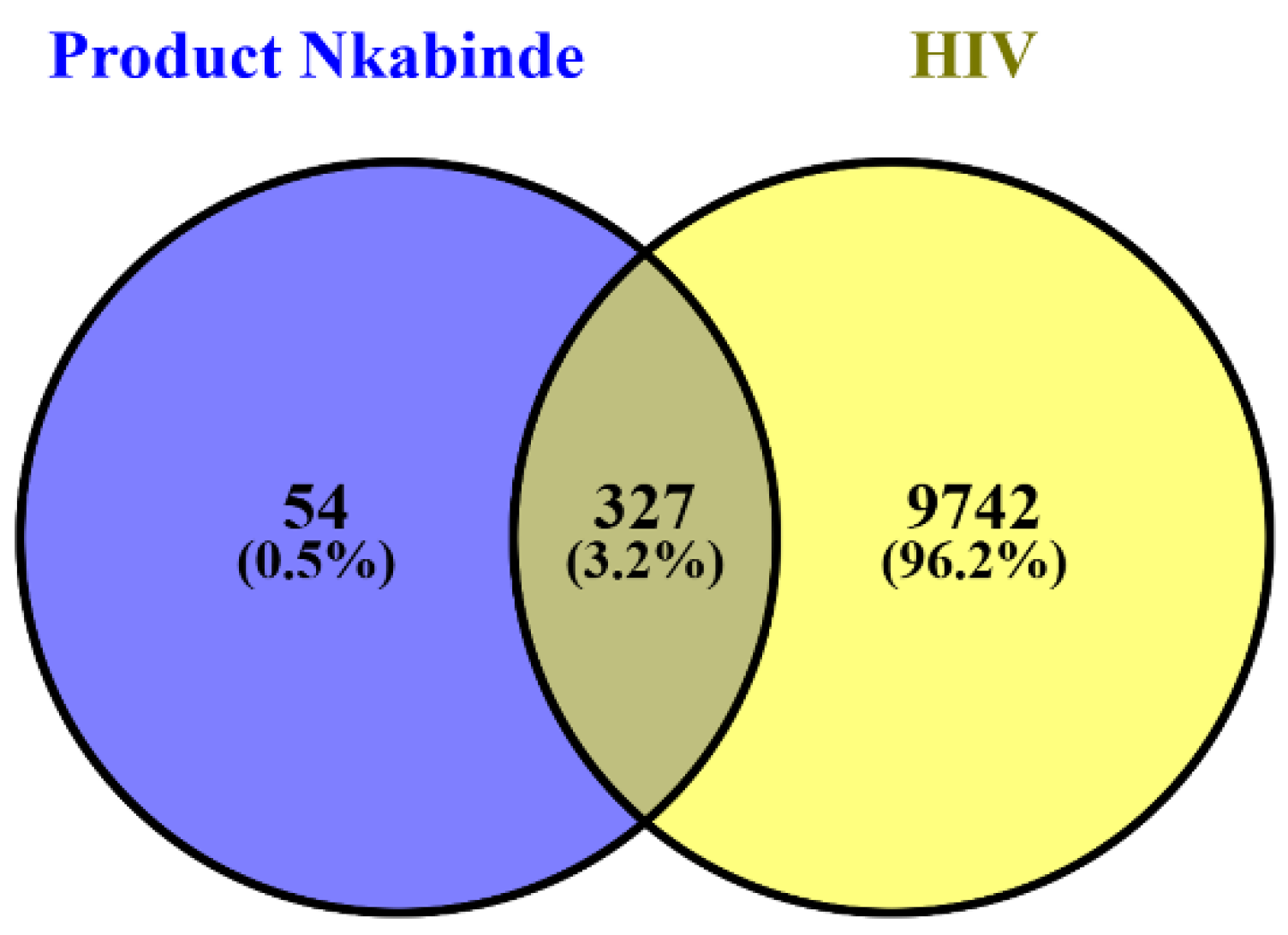
2.1. Comparative Analysis of Intersecting Gene Sets
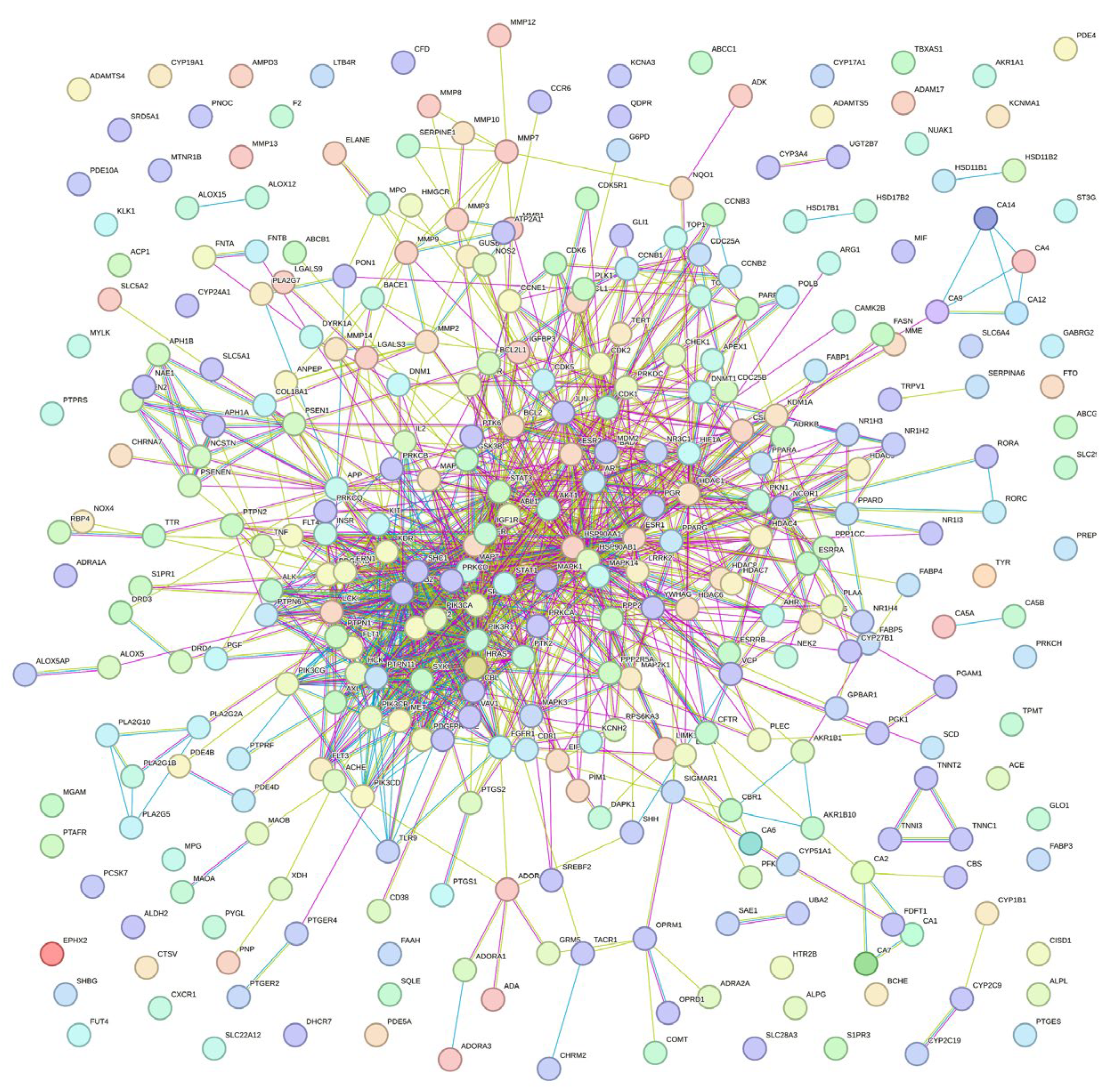
2.2. Protein to Protein Interactions
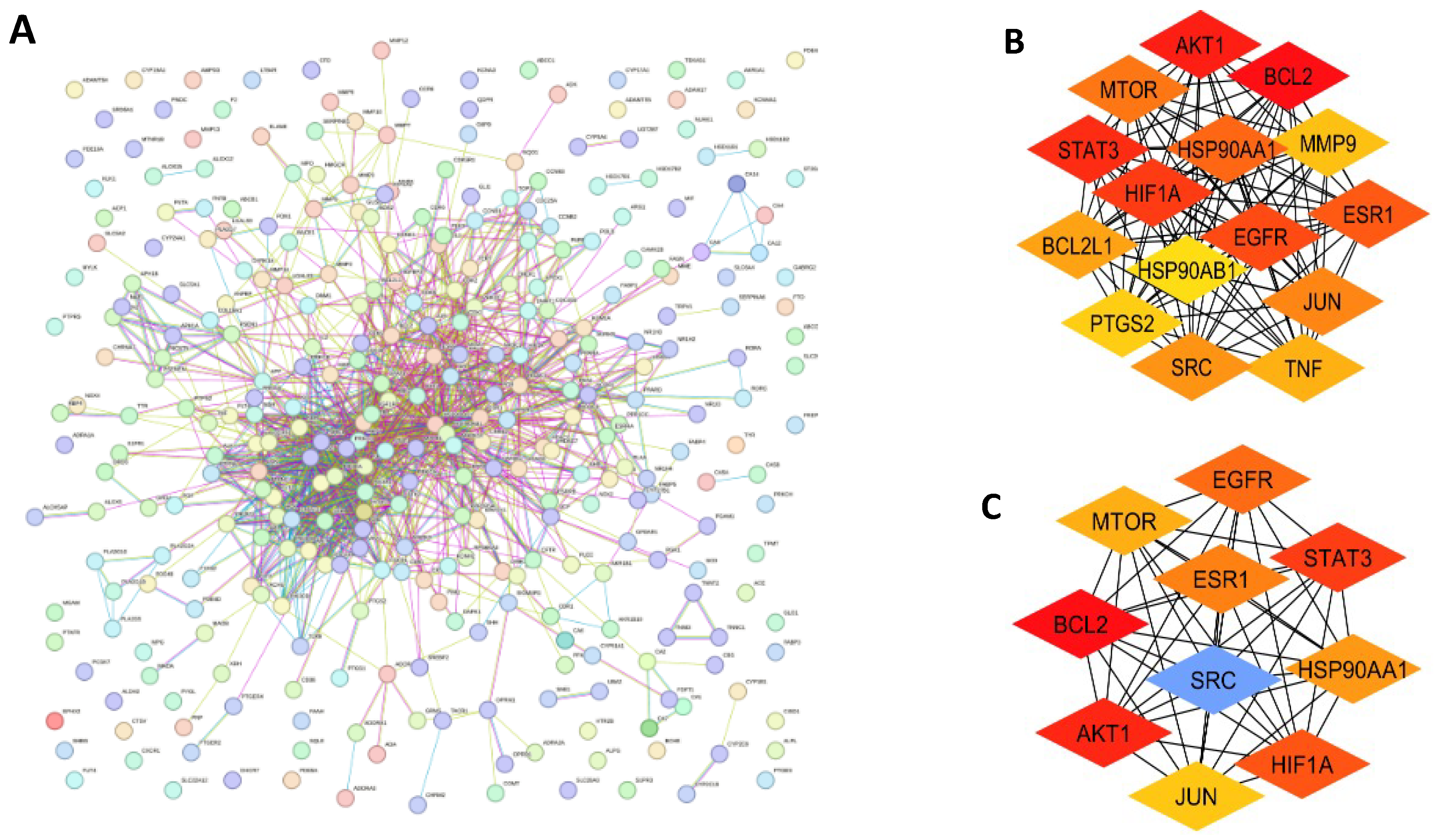
2.3. Identification of the Hub Genes
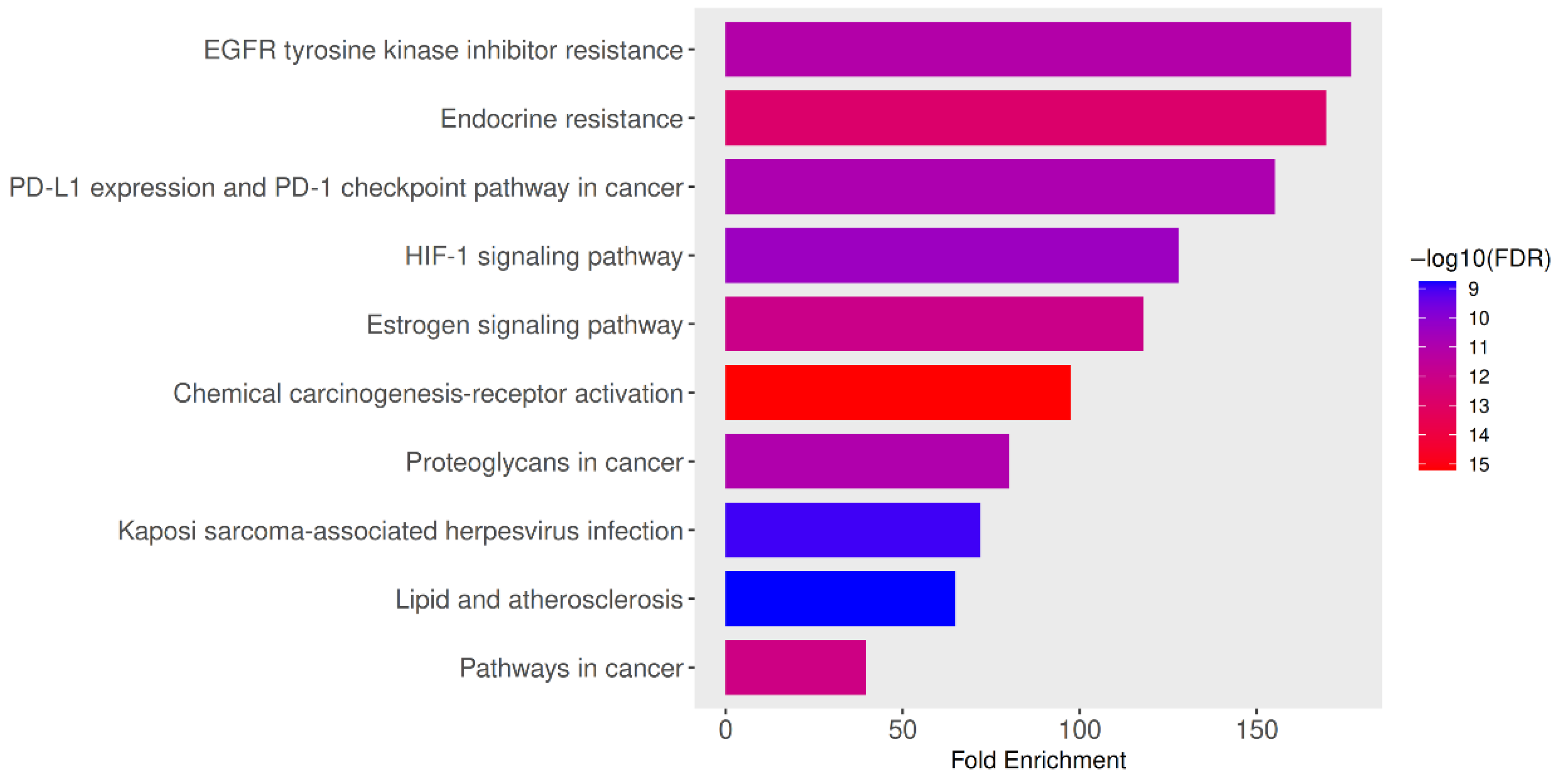
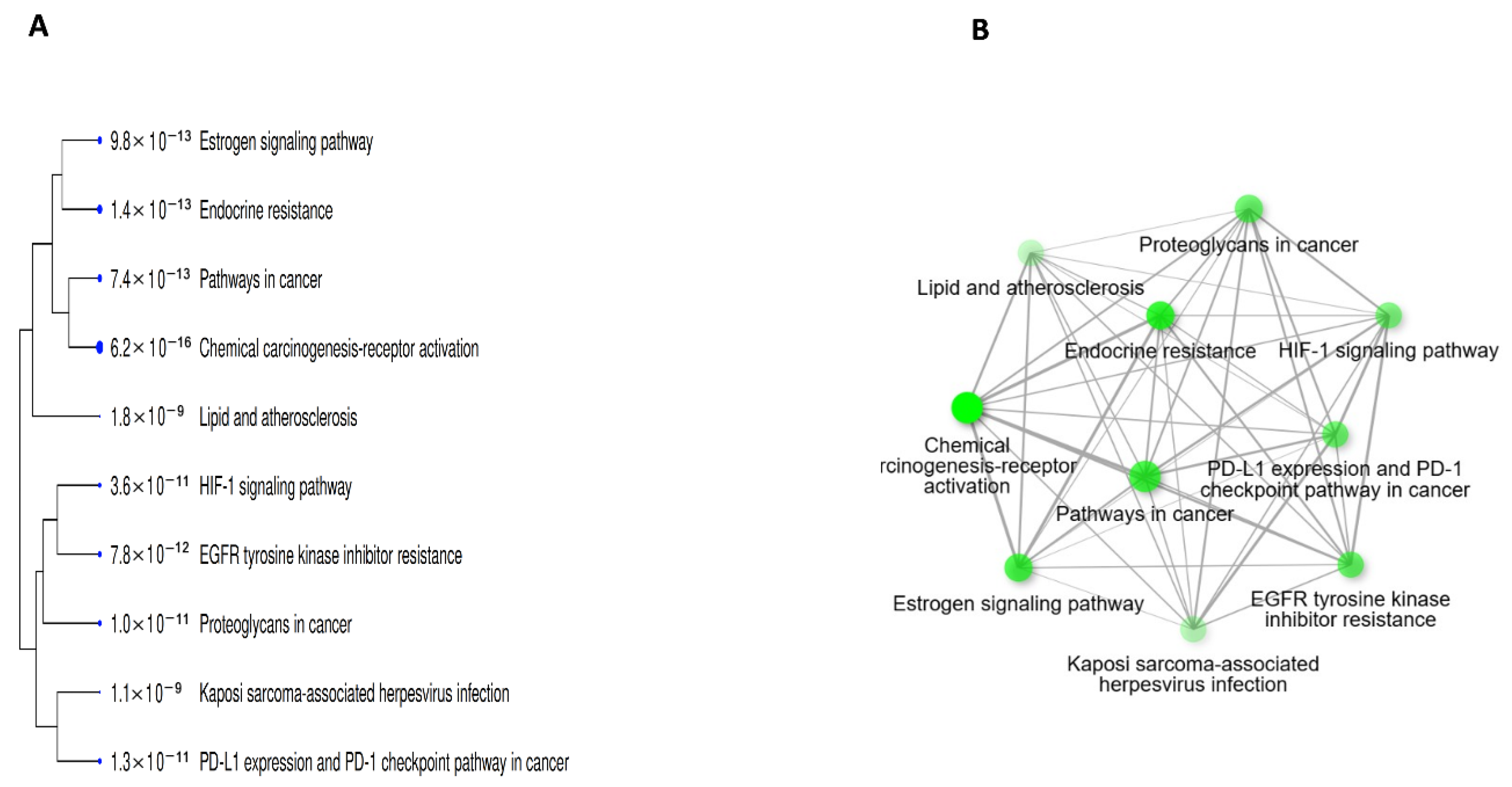
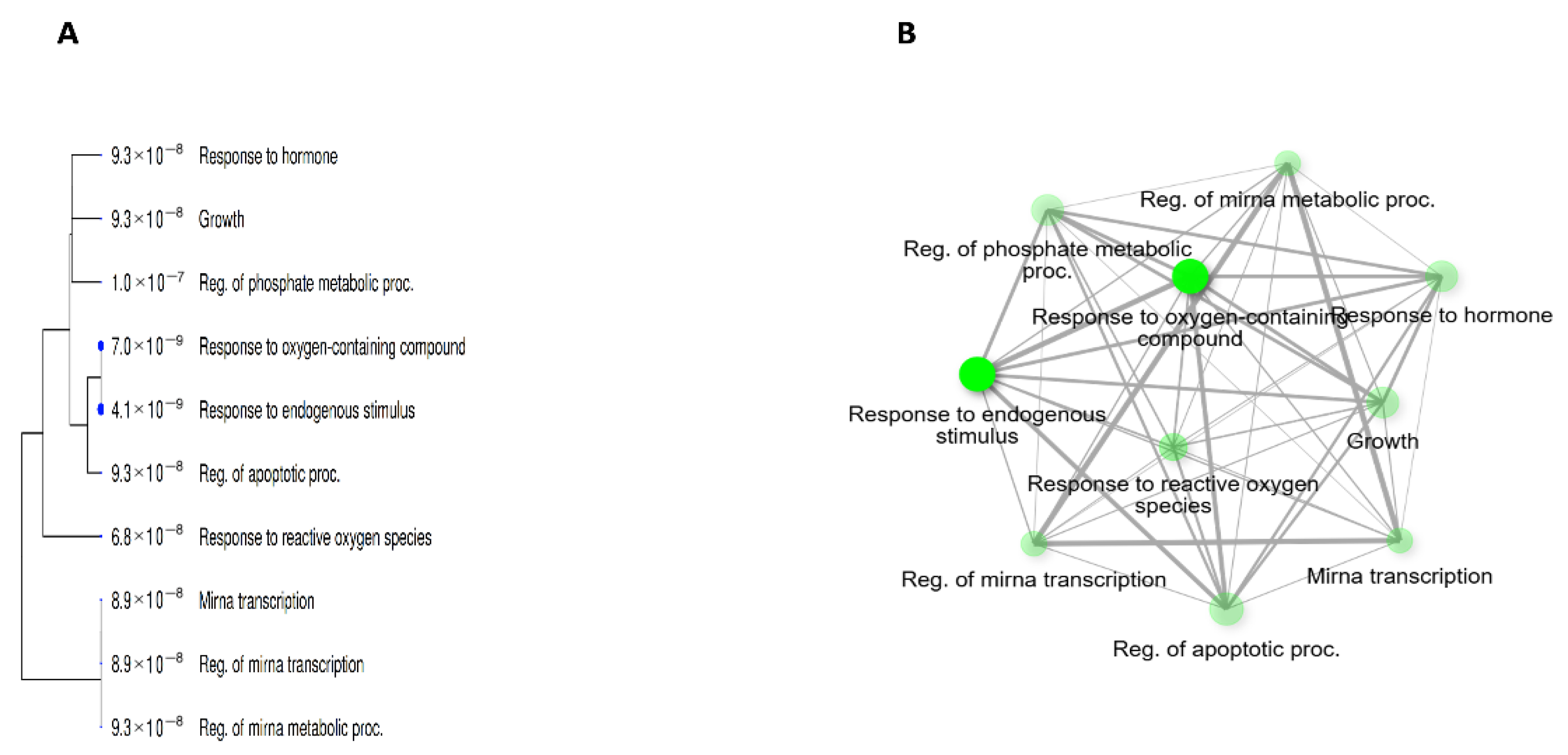
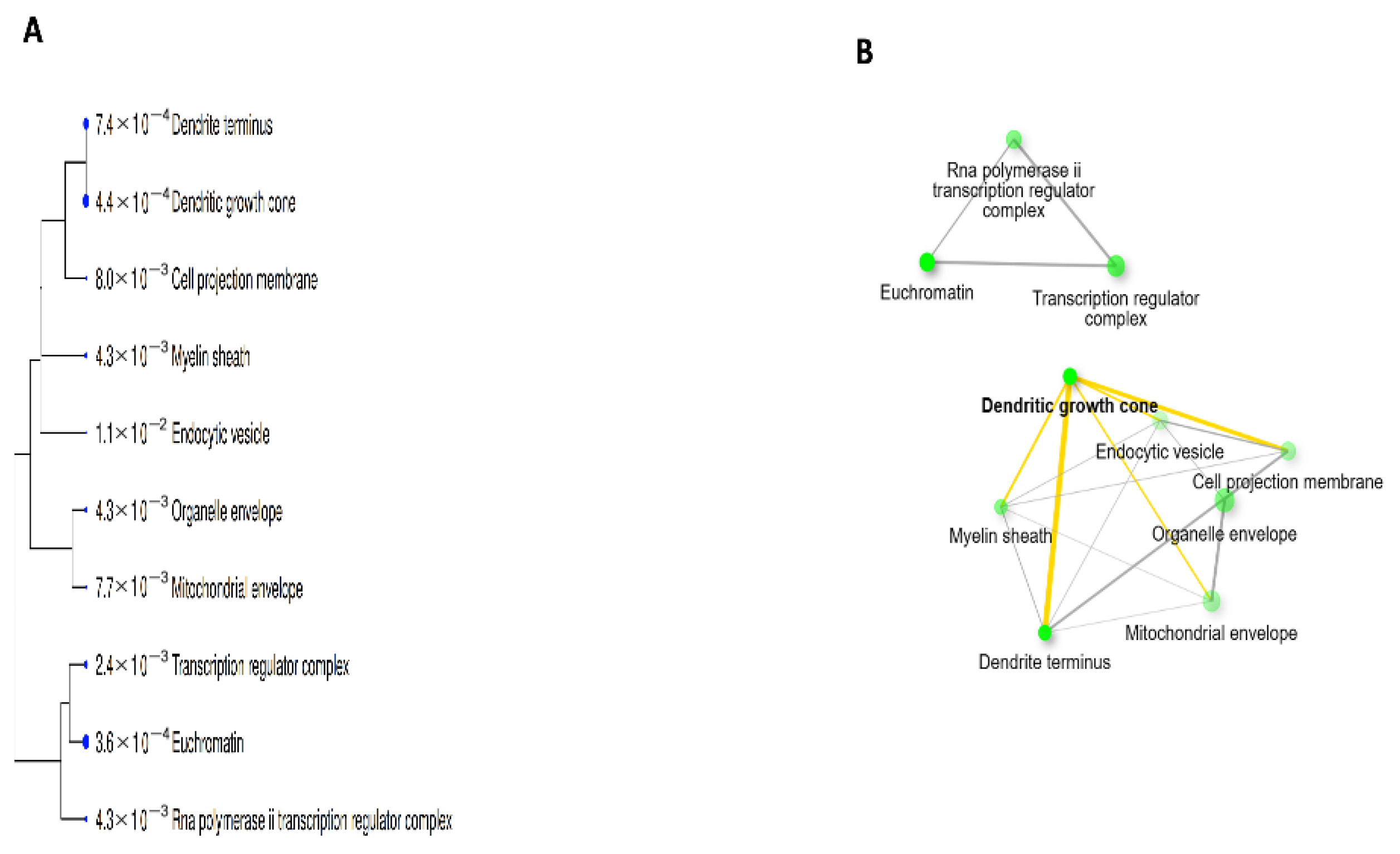
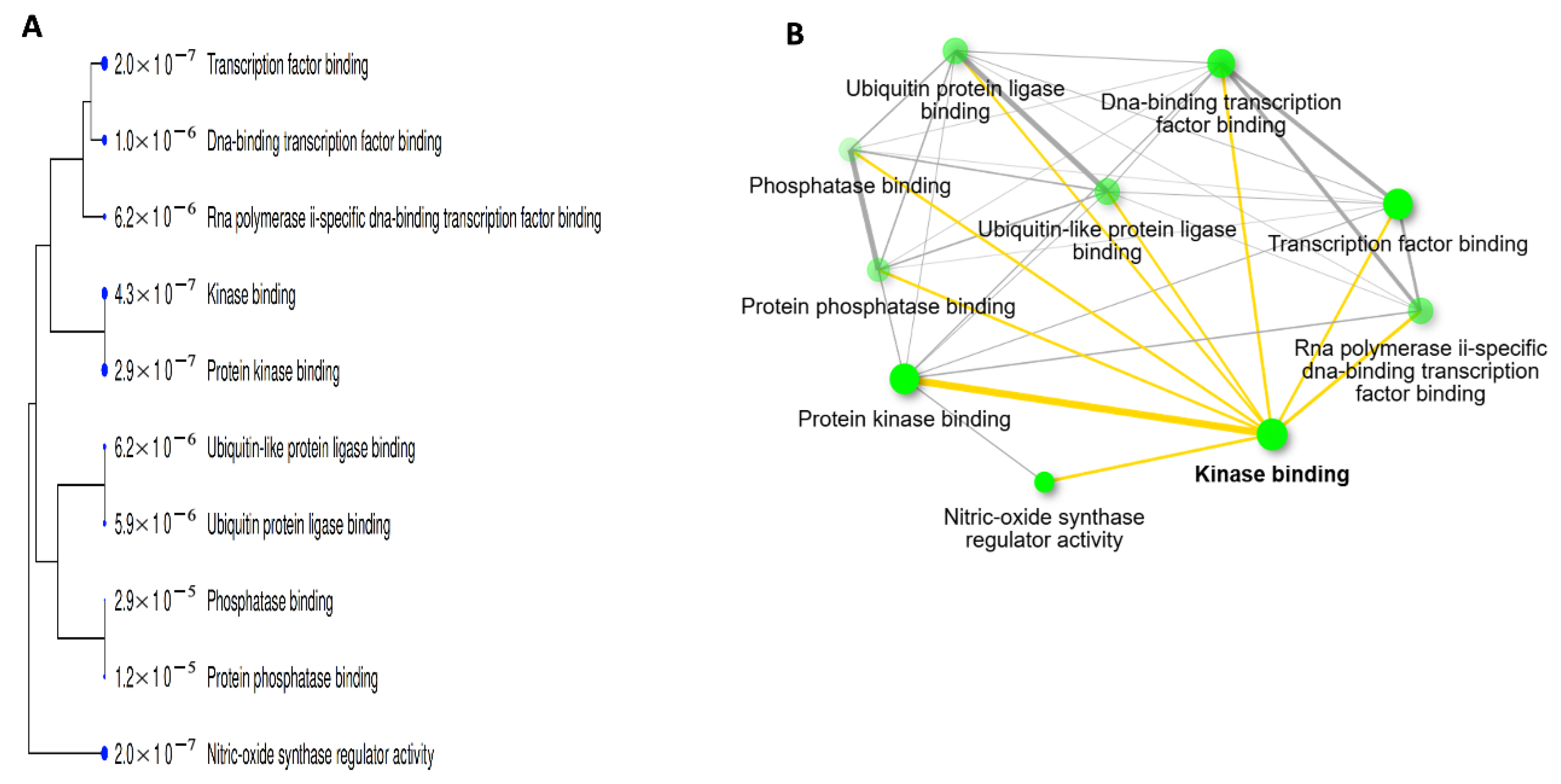
2.4. Functional Enrichment Analysis
2.5. Molecular Docking and Protein–Ligand Interaction Analysis
3. Materials and Methods
3.1. Compound Retrieval and Screening
3.2. Comparative Analysis of Product Nkabinde and HIV Gene Sets
3.3. Protein–Protein Interaction (PPI) Network Analysis
3.4. Identification of the Hub Genes
3.5. Functional Enrichment Analysis
3.6. Protein and Ligand Preparations
3.7. Molecular Docking and Protein–Ligand Interaction Analysis
4. Conclusions
Supplementary Materials
Author Contributions
Funding
Institutional Review Board Statement
Informed Consent Statement
Data Availability Statement
Acknowledgments
Conflicts of Interest
References
- HIV/AIDS in the World–AmfAR, The Foundation for AIDS Research. Available online: https://www.amfar.org/about-hiv-aids/statistics-worldwide/ (accessed on 1 January 2026).
- Bergman, M.M.; Chima Ugbaja, S.; Setlhare, B.; Makinde Atiba, P.; Kumalo, H.M.; Ngcobo, M.; Gqaleni, N. The Public Health Impact of Foreign Aid Withdrawal by the United States Government and Its Implications for ARVs, Preexposure, and Postexposure Prophylaxis Medications in South Africa and Nigeria. World 2025, 6, 74. [Google Scholar] [CrossRef] [Scilit]
- Rizvi, S.A.A.; Einstein, G.P.; Tulp, O.L.; Sainvil, F.; Branly, R. Introduction to Traditional Medicine and Their Role in Prevention and Treatment of Emerging and Re-Emerging Diseases. Biomolecules 2022, 12, 1442. [Google Scholar] [CrossRef] [Scilit]
- Hu, Z.; Venketsamy, R. Traditional Chinese Medicine to Improve Rural Health in South Africa: A Case Study for Gauteng. Health SA Gesondheid 2022, 27, 1871. [Google Scholar] [CrossRef] [Scilit] [PubMed]
- Marwa, K.J.; Kadodo, J.; Iddi, S.; Kapesa, A. Herbal Medicines Use among HIV/AIDS Patients on Antiretroviral Therapy and Its Influence on Viral Suppression and CD4 Count: A Survey at a Tertiary Hospital in Tanzania. Public Health Pract. 2024, 7, 100492. [Google Scholar] [CrossRef] [Scilit] [PubMed]
- Okyere, J.; Ayebeng, C.; Owusu, B.A.; Agbemavi, W.; Amoako, J.K.; Dickson, K.S. Utilisation of Traditional Healers among Older People Living with HIV in South Africa: A WHO SAGE Well-Being of Older People Study. AIDS Res. Ther. 2023, 20, 40. [Google Scholar] [CrossRef] [Scilit] [PubMed]
- Mariod, A.A.; Tahir, H.E.; Komla, M.G. Sclerocarya birrea Chemical Composition, Bioactivities and Uses. In Wild Fruits: Composition, Nutritional Value and Products; Springer: Berlin/Heidelberg, Germany, 2019; pp. 219–228. [Google Scholar] [CrossRef] [Scilit]
- McGaw, L.J.; Famuyide, I.M.; Khunoana, E.T.; Aremu, A.O. Ethnoveterinary botanical medicine in South Africa: A review of research from the last decade (2009 to 2019). J. Ethnopharmacol. 2020, 257, 112864. [Google Scholar] [CrossRef] [Scilit]
- Selogatwe, K.M.; Asong, J.A.; Struwig, M.; Ndou, R.V.; Aremu, A.O. A Review of Ethnoveterinary Knowledge, Biological Activities and Secondary Metabolites of Medicinal Woody Plants Used for Managing Animal Health in South Africa. Vet. Sci. 2021, 8, 228. [Google Scholar] [CrossRef] [Scilit]
- Woldeamanel, M.M.; Senapati, S.; Mohapatra, S.; Subudhi, H.; Rath, P.; Panda, A.K. Ethnomedicinal and Ethnobotanical Investigations and Documentation of Plants Used by Traditional Healers of Eastern India. Curr. Tradit. Med. 2022, 8, 2–27. [Google Scholar] [CrossRef] [Scilit]
- Ojewole, J.A.O.; Mawoza, T.; Chiwororo, W.D.H.; Owira, P.M.O. Sclerocarya birrea (a. Rich) Hochst. (Anacardiaceae): A Review of Its Phytochemistry, Pharmacology and Toxicology and Its Ethnomedicinal Uses. Phytother. Res. 2009, 24, 633–639. [Google Scholar] [CrossRef] [Scilit]
- Komane, B.; Vermaak, I.; Summers, B.; Viljoen, A. Safety and Efficacy of Sclerocarya birrea (A. Rich.) Hochst (Marula) Oil: A Clinical Perspective. J. Ethnopharmacol. 2015, 176, 327–335. [Google Scholar] [CrossRef] [Scilit]
- Salihu Abdallah, M.; Mustafa, M.; Nallappan, P.; Choi, S.; Paik, J.-H.; Rusea, G.; Saied, E.M.; Patel, H.M.; Ali Khan, B.; University, G.; et al. Determination of phenolics and flavonoids of some useful medicinal plants and bioassay-guided fractionation substances of Sclerocarya birrea (A. Rich) Hochst stem (bark) extract and their efficacy against Salmonella typhi. Front. Chem. 2021, 9, 670530. [Google Scholar] [CrossRef] [Scilit] [PubMed]
- Moyo, M.; Kulkarni, M.; Finnie, J.; HortScience, J.V.S. After-Ripening, Light Conditions, and Cold Stratification Influence Germination of Marula [Sclerocarya birrea (A. Rich.) Hochst. subsp. caffra (Sond.) Kokwaro] seeds. HortScience 2009, 44, 119–124. [Google Scholar] [CrossRef] [Scilit]
- Kankara, S.S.; Nuhu, A.I.; Haruna, M.R.; Bindawa, K.A.; Abubakar, I.B.; Bello, A. Indigenous Traditional Knowledge of Medicinal Plants Used for the Management of HIV/AIDS Opportunistic Infections in Katsina State, Nigeria. Ethnobot. Res. Appl. 2022, 23, 35. [Google Scholar] [CrossRef] [Scilit]
- Hafidh, R.R.; Abdulamir, A.S.; Jahanshiri, F.; Abas, F.; Abu Bakar, F.; Sekawi, Z. Asia Is the Mine of Natural Antiviral Products for Public Health. Open Complement. Med. J. 2009, 1, 58–68. [Google Scholar]
- Yin, Z.H.; Yan, H.L.; Pan, Y.; Zhang, D.W.; Yan, X. Evaluation of a Flavonoid Library for Inhibition of Interaction of HIV-1 Integrase with Human LEDGF/P75 towards a Structure–Activity Relationship. Ann. Med. 2022, 54, 1590–1600. [Google Scholar] [CrossRef] [Scilit]
- Setlhare, B.; Letsoalo, M.; Nkabinde, M.; Mzobe, G.; Mtshali, A.; Parveen, S.; Ngcobo, S.; Invernizzi, L.; Maharaj, V.; Ngcobo, M.; et al. An in vitro study to elucidate the effects of product Nkabinde on immune response in peripheral blood mononuclear cells of healthy donors. Front. Pharmacol. 2024, 15, 1308913, Erratum in Front. Pharmacol. 2024, 15, 1401376. [Google Scholar]
- Mngomezulu, K.; Madlala, P.; Nkabinde, S.A.; Nkabinde, M.; Ngcobo, M.; Gqaleni, N. Herbal Formulations, Product Nkabinde and Gnidia sericocephala, Exhibit Potent in Vitro Activity against HIV-1 Infection. Front. Pharmacol. 2025, 16, 1618187. [Google Scholar] [CrossRef] [Scilit]
- Tembeni, B.; Sciorillo, A.; Invernizzi, L.; Klimkait, T.; Urda, L.; Moyo, P.; Naidoo-Maharaj, D.; Levitties, N.; Gyampoh, K.; Zu, G.; et al. HPLC-Based Purification and Isolation of Potent Anti-HIV and Latency Reversing Daphnane Diterpenes from the Medicinal Plant Gnidia sericocephala (Thymelaeaceae). Viruses 2022, 14, 1437. [Google Scholar] [CrossRef] [Scilit]
- Maharaj, V.; Dashnie, N.; Tembeni, B. Characterization and Isolation of Anti-HIV and Latency Reversal Agents for the Development of a Herbal Mixture of Gnidia sericocephala, Senna italica, Sclerocarya birrea and Pentanisia prunelloides. Ph.D. Thesis, University of Pretoria, Pretoria, South Africa, 2022. [Google Scholar]
- Prajapati, P.M.; Patel, S.K.; Rawal, R.M.; Lakhani, K.G.; Hamid, R.; Maitreya, B.B. Decoding the Therapeutic Mechanism of Conocarpus lancifolius in Hepatocellular Carcinoma: Network Pharmacology, Molecular Docking, and LC-MS QTOF Insights. Front. Pharmacol. 2025, 16, 1582374. [Google Scholar] [CrossRef] [Scilit]
- Hasan, M.A.M.; Maniruzzaman, M.; Huang, J.; Shin, J. Statistical and Machine Learning Based Platform-Independent Key Genes Identification for Hepatocellular Carcinoma. PLoS ONE 2025, 20, e0318215. [Google Scholar] [CrossRef] [Scilit]
- Navneesh; Pandey, S.; Shakya, R.; Pasricha, S.; Das Kurmi, B.; Patel, P. Recent Updates on C-Src Kinase and Src-Abl Nonreceptor Tyrosine Kinases Inhibitors. In Current Molecular Targets of Heterocyclic Compounds for Cancer Therapy; Academic Press: Cambridge, MA, USA, 2024; pp. 83–113. [Google Scholar] [CrossRef] [Scilit]
- Fan, T.-J.; Xie, C.; Li, L.; Jin, X.; Cui, J.; Wang, J.-H. HIV-1 Nef Activates Proviral DNA Transcription by Recruiting Src Kinase to Phosphorylate Host Protein Nef-Associated Factor 1 to Compromise Its Viral Restrictive Function. J. Virol. 2025, 99, e0028025. [Google Scholar] [CrossRef] [Scilit]
- Dickerson, H.; Diab, A.; Al Musaimi, O. Epidermal Growth Factor Receptor Tyrosine Kinase Inhibitors in Cancer: Current Use and Future Prospects. Int. J. Mol. Sci. 2024, 25, 10008. [Google Scholar] [CrossRef] [Scilit]
- Arabatzis, T.J.; Wakley, A.A.; McLane, V.D.; Canonico, D.; Cao, L. Effects of HIV Gp120 on Neuroinflammation in Immunodeficient vs. Immunocompetent States. J. Neuroimmune Pharmacol. 2020, 16, 437. [Google Scholar] [CrossRef] [Scilit]
- Marafie, S.K.; Al-Mulla, F.; Abubaker, J. MTOR: Its Critical Role in Metabolic Diseases, Cancer, and the Aging Process. Int. J. Mol. Sci. 2024, 25, 6141. [Google Scholar] [CrossRef] [Scilit] [PubMed]
- Crater, J.M.; Nixon, D.F.; Furler O’Brien, R.L. HIV-1 Replication and Latency Are Balanced by MTOR-Driven Cell Metabolism. Front. Cell. Infect. Microbiol. 2022, 12, 1068436. [Google Scholar] [CrossRef] [Scilit] [PubMed]
- Hu, Y.; Dong, Z.; Liu, K. Unraveling the Complexity of STAT3 in Cancer: Molecular Understanding and Drug Discovery. J. Exp. Clin. Cancer Res. 2024, 43, 23. [Google Scholar] [CrossRef] [Scilit] [PubMed]
- Tolomeo, M.; Cascio, A. The STAT Signaling Pathway in HIV-1 Infection: Roles and Dysregulation. Int. J. Mol. Sci. 2025, 26, 9123. [Google Scholar] [CrossRef] [Scilit]
- Chen, P.; Li, B.; Ou-Yang, L. Role of Estrogen Receptors in Health and Disease. Front. Endocrinol. 2022, 13, 839005. [Google Scholar] [CrossRef] [Scilit]
- Xie, J.; Ding, Y.; Li, X.; Pu, R.; Liu, W.; Li, P.; Yin, J. Association of ESR1 Gene Polymorphisms with the Susceptibility to Hepatitis B Virus Infection and the Clinical Outcomes. J. Med. Virol. 2023, 95, e28510. [Google Scholar] [CrossRef] [Scilit]
- Noorsaeed, S.; AlBurtamani, N.; Rokan, A.; Fassati, A. Heat Shock Protein 90 Is a Chaperone Regulator of HIV-1 Latency. PLoS Pathog. 2025, 21, e1012524. [Google Scholar] [CrossRef] [Scilit]
- Liu, C.; Zhao, W.; Su, J.; Chen, X.; Zhao, F.; Fan, J.; Li, X.; Liu, X.; Zou, L.; Zhang, M.; et al. HSP90AA1 Interacts with CSFV NS5A Protein and Regulates CSFV Replication via the JAK/STAT and NF-ΚB Signaling Pathway. Front. Immunol. 2022, 13, 1031868. [Google Scholar] [CrossRef] [Scilit] [PubMed]
- Noorsaeed, S. Heat Shock Protein 90 Is a Master Regulator of HIV-1 Latency. Thesis, University of London, London, UK, 2025. [Google Scholar]
- Fakhri, S.; Moradi, S.Z.; Faraji, F.; Kooshki, L.; Webber, K.; Bishayee, A. Modulation of Hypoxia-Inducible Factor-1 Signaling Pathways in Cancer Angiogenesis, Invasion, and Metastasis by Natural Compounds: A Comprehensive and Critical Review. Cancer Metastasis Rev. 2024, 43, 501–574. [Google Scholar] [CrossRef] [Scilit] [PubMed]
- Zhang, J.; Yao, M.; Xia, S.; Zeng, F.; Liu, Q. Systematic and Comprehensive Insights into HIF-1 Stabilization under Normoxic Conditions: Implications for Cellular Adaptation and Therapeutic Strategies in Cancer. Cell. Mol. Biol. Lett. 2025, 30, 2. [Google Scholar] [CrossRef] [Scilit] [PubMed]
- Reyes, A.; Corrales, N.; Gálvez, N.M.S.; Bueno, S.M.; Kalergis, A.M.; González, P.A. Contribution of Hypoxia Inducible Factor-1 during Viral Infections. Virulence 2020, 11, 1482. [Google Scholar] [CrossRef] [Scilit]
- Lin, H.; Ye, Z.; Xu, R.; Li, X.E.; Sun, B. The Transcription Factor JUN Is a Major Regulator of Quiescent Pancreatic Stellate Cell Maintenance. Gene 2023, 851, 147000. [Google Scholar] [CrossRef] [Scilit]
- Nagesh, R.; Kiran Kumar, K.M.; Naveen Kumar, M.; Patil, R.H.; Sharma, S.C. Regulation of Jun and Fos AP-1 Transcription Factors by JNK MAPKs Signaling Cascade in Areca Nut Extract Treated KB Cells. Biochem. Biophys. Rep. 2021, 27, 101090. [Google Scholar] [CrossRef] [Scilit]
- Guo, N.; Wang, X.; Xu, M.; Bai, J.; Yu, H.; Zhang, L. PI3K/AKT Signaling Pathway: Molecular Mechanisms and Therapeutic Potential in Depression. Pharmacol. Res. 2024, 206, 107300. [Google Scholar] [CrossRef] [Scilit]
- Naranjo, O.; Torices, S.; Clifford, P.R.; Rodriguez, T.; Osborne, O.M.; Tiburcio, D.; Fattakhov, N.; Park, M.; Stevenson, M.; Toborek, M. AKT Signaling Modulates Latent Viral Reservoir Viability in HIV-1-Infected Blood–Brain Barrier Pericytes. J. Biol. Chem. 2024, 300, 105526. [Google Scholar] [CrossRef] [Scilit]
- Vogler, M.; Braun, Y.; Smith, V.M.; Westhoff, M.A.; Pereira, R.S.; Pieper, N.M.; Anders, M.; Callens, M.; Vervliet, T.; Abbas, M.; et al. The BCL2 Family: From Apoptosis Mechanisms to New Advances in Targeted Therapy. Signal Transduct. Target. Ther. 2025, 10, 91. [Google Scholar] [CrossRef] [Scilit]
- Zhang, M.; Li, X.; Pang, X.; Ding, L.; Wood, O.; Clouse, K.A.; Hewlett, I.; Dayton, A.I. Bcl-2 Upregulation by HIV-1 Tat during Infection of Primary Human Macrophages in Culture. J. Biomed. Sci. 2002, 9, 133–139. [Google Scholar] [CrossRef]
- Chandrasekar, A.P.; Badley, A.D. Prime, Shock and Kill: BCL-2 Inhibition for HIV Cure. Front. Immunol. 2022, 13, 1033609. [Google Scholar] [CrossRef] [Scilit] [PubMed]
- Zhang, Y.; Li, M.; Lin, F.; Guo, R.; Wu, D.; Shen, R.; Harypursat, V.; Chen, Y.; Chen, Y. HIV-1 Matrix Protein P17: A Key Factor in HIV-Associated Cancers. Front. Virol. 2025, 5, 1584507. [Google Scholar] [CrossRef] [Scilit]
- Thaler, J.; Sigel, C.; Beasley, M.B.; Wisnivesky, J.; Crothers, K.; Bauml, J.; Hysell, K.; Emu, B.; Borsu, L.; Sigel, K. Clinically Significant Mutations in HIV-Infected Patients with Lung Adenocarcinoma. Br. J. Cancer 2017, 117, 1392–1395. [Google Scholar] [CrossRef] [Scilit] [PubMed]
- Gubser, C.; Chiu, C.; Lewin, S.R.; Rasmussen, T.A. Immune Checkpoint Blockade in HIV. eBioMedicine 2022, 76, 103840. [Google Scholar] [CrossRef] [Scilit]
- Premeaux, T.A.; Moser, C.B.; McKhann, A.; Hoenigl, M.; Yeung, S.T.; Pang, A.P.S.; Corley, M.J.; Lederman, M.M.; Landay, A.L.; Gianella, S.; et al. Monitoring Circulating Immune Checkpoint Proteins as Predictors of Non-AIDS Morbid Events in People With HIV Initiating Antiretroviral Therapy. Open Forum Infect. Dis. 2022, 9, ofab570. [Google Scholar] [CrossRef] [Scilit]
- Duette, G.; Gerber, P.P.; Rubione, J.; Perez, P.S.; Landay, A.L.; Crowe, S.M.; Liao, Z.; Witwer, K.W.; Holgado, M.P.; Salido, J.; et al. Induction of HIF-1α by HIV-1 Infection in CD4 + T Cells Promotes Viral Replication and Drives Extracellular Vesicle-Mediated Inflammation. MBio 2018, 9, e00757-18. [Google Scholar] [CrossRef] [Scilit]
- Kang, S.; Tang, H. HIV-1 Infection and Glucose Metabolism Reprogramming of T Cells: Another Approach Toward Functional Cure and Reservoir Eradication. Front. Immunol. 2020, 11, 572677. [Google Scholar] [CrossRef] [Scilit]
- Obare, L.M.; Temu, T.; Mallal, S.A.; Wanjalla, C.N. Inflammation in HIV and Its Impact on Atherosclerotic Cardiovascular Disease. Circ. Res. 2024, 134, 1515–1545. [Google Scholar] [CrossRef] [Scilit]
- Pedro, M.N.; Rocha, G.Z.; Guadagnini, D.; Santos, A.; Magro, D.O.; Assalin, H.B.; Oliveira, A.G.; Pedro, R.D.J.; Saad, M.J.A. Insulin Resistance in HIV-Patients: Causes and Consequences. Front. Endocrinol. 2018, 9, 401539. [Google Scholar] [CrossRef] [Scilit]
- Gonçalves, P.H.; Uldrick, T.S.; Yarchoan, R. HIV-Associated Kaposi Sarcoma and Related Diseases. AIDS 2017, 31, 1903. [Google Scholar] [CrossRef] [Scilit]
- Yang, W.-S.; Lin, T.-Y.; Chang, L.; Yeh, W.W.; Huang, S.-C.; Chen, T.-Y.; Hsieh, Y.-T.; Chen, S.-T.; Li, W.-C.; Pan, C.-C.; et al. HIV-1 Tat Interacts with a Kaposi’s Sarcoma-Associated Herpesvirus Reactivation-Upregulated Antiangiogenic Long Noncoding RNA, LINC00313, and Antagonizes Its Function. J. Virol. 2020, 94, 1280–1299. [Google Scholar] [CrossRef] [Scilit] [PubMed]
- Maskew, M.; MacPhail, A.; Whitby, D.; Egger, M.; Wallis, C.L.; Fox, M.P. Prevalence and Predictors of Kaposi Sarcoma Herpes Virus Seropositivity: A Cross-Sectional Analysis of HIV-Infected Adults Initiating ART in Johannesburg, South Africa. Infect. Agents Cancer 2011, 6, 22. [Google Scholar] [CrossRef] [Scilit] [PubMed]
- Morando, N.; Rosenzvit, M.C.; Pando, M.A.; Allmer, J. The Role of MicroRNAs in HIV Infection. Genes 2024, 15, 574. [Google Scholar] [CrossRef] [Scilit] [PubMed]
- Ivanov, A.V.; Valuev-Elliston, V.T.; Ivanova, O.N.; Kochetkov, S.N.; Starodubova, E.S.; Bartosch, B.; Isaguliants, M.G. Oxidative Stress during HIV Infection: Mechanisms and Consequences. Oxid. Med. Cell. Longev. 2016, 2016, 8910396. [Google Scholar] [CrossRef] [Scilit]
- Stephens, C.; Naghavi, M.H. The Host Cytoskeleton: A Key Regulator of Early HIV-1 Infection. FEBS J. 2024, 291, 1835–1848. [Google Scholar] [CrossRef] [Scilit]
- Halcrow, P.W.; Lakpa, K.L.; Khan, N.; Afghah, Z.; Miller, N.; Datta, G.; Chen, X.; Geiger, J.D. HIV-1 Gp120-Induced Endolysosome de-Acidification Leads to Efflux of Endolysosome Iron, and Increases in Mitochondrial Iron and Reactive Oxygen Species. J. Neuroimmune Pharmacol. 2022, 17, 181–194. [Google Scholar] [CrossRef] [Scilit]
- Hoffman, H.K.; Aguilar, R.S.; Clark, A.R.; Groves, N.S.; Pezeshkian, N.; Bruns, M.M.; van Engelenburg, S.B. Endocytosed HIV-1 Envelope Glycoprotein Traffics to Rab14+ Late Endosomes and Lysosomes to Regulate Surface Levels in T-Cell Lines. J. Virol. 2022, 96, e0076722. [Google Scholar] [CrossRef] [Scilit]
- Van Lint, C.; Bouchat, S.; Marcello, A. HIV-1 Transcription and Latency: An Update. Retrovirology 2013, 10, 67. [Google Scholar] [CrossRef] [Scilit]
- Manches, O.; Frleta, D.; Bhardwaj, N. Dendritic Cells in Progression and Pathology of HIV Infection. Trends Immunol. 2014, 35, 114–122. [Google Scholar] [CrossRef] [Scilit]
- Dobransky, A.; Root, M.; Hafner, N.; Marcum, M.; Sharifi, H.J. CRL4-DCAF1 Ubiquitin Ligase Dependent Functions of HIV Viral Protein R and Viral Protein X. Viruses 2024, 16, 1313. [Google Scholar] [CrossRef] [Scilit]
- Oswald, J.; Constantine, M.; Adegbuyi, A.; Omorogbe, E.; Dellomo, A.J.; Ehrlich, E.S. E3 Ubiquitin Ligases in Gammaherpesviruses and HIV: A Review of Virus Adaptation and Exploitation. Viruses 2023, 15, 1935. [Google Scholar] [CrossRef] [Scilit]
- Pasquereau, S.; Herbein, G. CounterAKTing HIV: Toward a “Block and Clear” Strategy? Front. Cell. Infect. Microbiol. 2022, 12, 827717. [Google Scholar] [CrossRef] [Scilit] [PubMed]
- Asamitsu, K.; Fujinaga, K.; Okamoto, T. HIV Tat/P-TEFb Interaction: A Potential Target for Novel Anti-HIV Therapies. Mol. A J. Synth. Chem. Nat. Prod. Chem. 2018, 23, 933. [Google Scholar] [CrossRef] [Scilit] [PubMed]
- Roebuck, K.A.; Saifuddin, M. Regulation of HIV-1 Transcription. Gene Expr. 2018, 8, 67. [Google Scholar]
- PubChem. Available online: https://pubchem.ncbi.nlm.nih.gov/#query=Nevirapine (accessed on 1 November 2024).
- SwissTargetPrediction. Available online: http://www.swisstargetprediction.ch/ (accessed on 11 September 2025).
- SEA Search Server. Available online: https://sea.bkslab.org/ (accessed on 11 September 2025).
- GeneCards–Human Genes | Gene Database | Gene Search. Available online: https://www.genecards.org/ (accessed on 11 September 2025).
- Venny 2.1.0. Available online: https://bioinfogp.cnb.csic.es/tools/venny/ (accessed on 11 September 2025).
- Szklarczyk, D.; Kirsch, R.; Koutrouli, M.; Nastou, K.; Mehryary, F.; Hachilif, R.; Gable, A.L.; Fang, T.; Doncheva, N.T.; Pyysalo, S.; et al. The STRING Database in 2023: Protein-Protein Association Networks and Functional Enrichment Analyses for Any Sequenced Genome of Interest. Nucleic Acids Res. 2023, 51, D638–D646. [Google Scholar] [CrossRef] [Scilit]
- Download Cytoscape. Available online: https://cytoscape.org/download.html (accessed on 11 September 2025).
- Ge, S.X.; Jung, D.; Jung, D.; Yao, R. ShinyGO: A Graphical Gene-Set Enrichment Tool for Animals and Plants. Bioinformatics 2020, 36, 2628–2629. [Google Scholar] [CrossRef] [Scilit]
- Barretto, A.J.B.; Orda, M.A.; Tsai, P.W.; Tayo, L.L. Analysis of Modular Hub Genes and Therapeutic Targets across Stages of Non-Small Cell Lung Cancer Transcriptome. Genes 2024, 15, 1248. [Google Scholar] [CrossRef] [Scilit]
- Muley, V.Y. Functional Insights Through Gene Ontology, Disease Ontology, and KEGG Pathway Enrichment. Methods Mol. Biol. 2025, 2927, 75–98. [Google Scholar] [CrossRef] [Scilit]
- Ni, Y.; Seffernick, A.E.; Onar-Thomas, A.; Pounds, S.B. Computing Power and Sample Size for the False Discovery Rate in Multiple Applications. Genes 2024, 15, 344. [Google Scholar] [CrossRef] [Scilit]
- Enrichment Analysis. Available online: https://bamboo.genobank.org/enrichment.html (accessed on 15 September 2025).
- RCSB PDB: Homepage. Available online: https://www.rcsb.org/ (accessed on 11 September 2025).
- Maestro | Schrödinger. Available online: https://www.schrodinger.com/platform/products/maestro/ (accessed on 11 September 2025).
- Fitrianingsih, S.P.; Kurniati, N.F.; Fakih, T.M.; Adnyana, I.K. Integrating Network Pharmacology, Molecular Docking, and Molecular Dynamics to Explore the Antidiabetic Mechanism of Physalis angulata L. Pharmacia 2025, 72, 1–29. [Google Scholar] [CrossRef] [Scilit]
- Bhattacharya, K.; Chandra Nath, B.; Ahmed, E.; Khanal, P.; Chanu, N.R.; Deka, S.; Das, D.; Shrivastava, A.K. Integration of Network Pharmacology, Molecular Docking, and Simulations to Evaluate Phytochemicals from Drymaria cordata against Cervical Cancer. RSC Adv. 2024, 14, 4188. [Google Scholar] [CrossRef]
- Ugwu-Korie, N.; Quaye, O.; Wright, E.; Languon, S.; Agyapong, O.; Broni, E.; Gupta, Y.; Kempaiah, P.; Kwofie, S.K. Structure-Based Identification of Natural-Product-Derived Compounds with Potential to Inhibit HIV-1 Entry. Molecules 2023, 28, 474. [Google Scholar] [CrossRef] [Scilit]
- Shana, E. Protein-Ligand Interactions: Its Biological Process and Molecular Choreography for Drug Development to Cell Signaling. Enzym. Eng. 2023, 12, 223. [Google Scholar]
- Duda-Chodak, A.; Tarko, T. Possible Side Effects of Polyphenols and Their Interactions with Medicines. Molecules 2023, 28, 2536. [Google Scholar] [CrossRef] [Scilit]
- Ciupei, D.; Colişar, A.; Leopold, L.; Stănilă, A.; Diaconeasa, Z.M. Polyphenols: From Classification to Therapeutic Potential and Bioavailability. Foods 2024, 13, 4131. [Google Scholar] [CrossRef] [Scilit]



| Region | PLHIV (Millions) | New HIV Infections (Thousands) | AIDS-Related Deaths (Thousands) | Antiretroviral Therapy (ART) Coverage (%) |
|---|---|---|---|---|
| Eastern & Southern Africa | 21.1 | 490 | 260 | 84 |
| Western & Central Africa | 5.2 | 160 | 120 | 76 |
| Asia & Pacific | 6.9 | 300 | 150 | 69 |
| Latin America | 2.5 | 120 | 27 | 71 |
| Caribbean | 0.34 | 15 | 4.8 | 74 |
| Eastern Europe & Central Asia | 2.1 | 130 | 48 | 51 |
| Western & Central Europe & North America | 2.4 | 62 | 9 | 80 |
| Middle East & North Africa | 0.24 | 23 | 7 | 48 |
| Global Total | 40.8 | 1300 | 630 | 77 |
| Common Name | Full Name | Function | Association | References |
|---|---|---|---|---|
| SRC | Proto-Oncogene Tyrosine-Protein Kinase Src | Non-receptor tyrosine kinase regulating signalling pathways involved in cell–cell anchoring, survival, development, and immune response growth, survival, adhesion, and immune responses | HIV leverages Src-family kinases for enhanced viral entry, replication, and immune evasion. PN could be implicated in the modulation of SRC to inhibit these mechanisms, thereby decreasing these processes, slowing the HIV’s potential to develop infections. | [24,25] |
| EGFR | Epidermal Growth Factor Receptor | Receptor tyrosine kinase responsible for cell growth, multiplication, development, and cell viability | HIV glycoprotein 120 redirects EGFR pathways, thereby promoting infections and neuroinflammations. Targeting EGFR with PN promises to inhibit HIV-induced immune activation and neurotoxicity. | [26,27] |
| MTOR | Mechanistic Target of Rapamycin | Primary regulation of cell metabolism, development, and cellular recycling | During HIV infection, there is an activation of MTOR signalling, which assists in maintaining the viral reservoir. Therefore, the inhibition of MTOR by PN has the potential to block viral replication and improve pathogen elimination. | [28,29] |
| STAT3 | Signal Transducer and Activator of Transcription 3 | A transcription factor that regulates the immune system and signals cytokines and cell viability. | Manipulation of STAT3 by HIV promotes immune imbalance and persistent inflammation. Therefore, modulation of STA3 by PN can potentially restore immune balance and the associated HIV inflammations. | [30,31] |
| ESR1 | Estrogen Receptor 1 | A nuclear receptor that regulates the expression of genes in estrogen regulates immunity and inflammation. | Due to ESR1 immunomodulation potentials, it relatively regulates viral replication. Therefore, PN’s inhibition of the ESR1 pathway enhances immune resilience in PLHIV, especially women. | [32,33] |
| HSP90AA1 | Heat Shock Protein 90 Alpha Family Class A Member 1 | A molecular chaperone responsible for chaperoning viral and host proteins | The functioning and folding of HIV proteins depend on HSP90. Therefore, PN inhibition of HSP90 destabilizes HIV proteins and inhibits viral replication. | [34,35,36] |
| HIF1A | Hypoxia-Inducible Factor 1-Alpha | A transcription factor responsible for the regulation of cellular stress and hypoxic conditions | The upregulation of HIF1A by HIV promotes immune imbalance and viral latency. Therefore, PN modulation of HIF1A could result in the reduction in viral replication in a stressful environment | [37,38,39] |
| JUN | Jun Proto-Oncogene | A component of the AP-1 transcription factor, responsible for the regulation of cellular stress reaction, replication, and apoptosis. | The activation of JUN/AP-1 by HIV Tat and Nef proteins boosts viral transcription. Therefore, the suppression of JUN by PN could inhibit HIV replication at the transcriptional level. | [25,40,41] |
| AKT1 | AKT Serine/Threonine Kinase 1 | A central kinase in the PI3K/AKT pathway that is responsible for the regulation of cell viability, replication, and growth | Activation of AKT1 by HIV prevents cellular death in HIV-infected cells, thereby sustaining the viral reservoir. Therefore, the modulation of AKT1 by PN could improve HIV-infected cellular death and inhibit persistent viral replication | [42,43] |
| BCL2 | B-Cell Lymphoma 2 | Anti-apoptotic protein, responsible for the prevention of cellular apoptosis | The upregulation of BCL2 by HIV protects infected cells from death. Therefore, the inhibition of BCL2 by PN could facilitate the death of HIV-infected cells and lower the latent viral load | [44,45,46] |
| Enrichment FDR | Number of Genes (nGenes) | Pathway Genes | Fold Enrichment | Pathways (Biological Process) |
|---|---|---|---|---|
| 7.8 × 10⁻¹² | 6 | 79 | 176.6 | EGFR tyrosine kinase inhibitor resistance |
| 1.4 × 10⁻¹³ | 7 | 96 | 169.6 | Endocrine resistance |
| 1.3 × 10⁻¹¹ | 6 | 90 | 155.1 | PD-L1 expression and PD-1 checkpoint pathway in cancer |
| 3.6 × 10⁻¹¹ | 6 | 109 | 128 | HIF-1 signalling pathway |
| 9.8 × 10⁻¹³ | 7 | 138 | 118 | Estrogen signalling pathway |
| 6.2 × 10⁻¹⁶ | 9 | 215 | 97.4 | Chemical carcinogenesis-receptor activation |
| 1.0 × 10⁻¹¹ | 7 | 203 | 80.2 | Proteoglycans in cancer |
| 1.1 × 10⁻⁹ | 6 | 194 | 71.9 | Kaposi sarcoma-associated herpesvirus infection |
| 1.8 × 10⁻⁹ | 6 | 215 | 64.9 | Lipid and atherosclerosis |
| 7.4 × 10⁻¹³ | 9 | 529 | 39.6 | Pathways in cancer |
| Enrichment FDR | nGenes | Pathway Genes | Fold Enrichment | Pathways |
|---|---|---|---|---|
| 8.9 × 10⁻⁸ | 5 | 90 | 129.2 | Regulation of miRNA transcription |
| 8.9 × 10⁻⁸ | 5 | 91 | 127.8 | Mirna transcription |
| 9.3 × 10⁻⁸ | 5 | 103 | 112.9 | Regulation of the miRNA metabolic process. |
| 6.8 × 10⁻⁸ | 6 | 207 | 67.4 | Response to reactive oxygen species |
| 9.3 × 10⁻⁸ | 8 | 960 | 19.4 | Growth |
| 9.3 × 10⁻⁸ | 8 | 962 | 19.3 | Response to hormone |
| 1.0 × 10⁻⁷ | 8 | 1021 | 18.2 | Regulation of the phosphate metabolic process. |
| 4.1 × 10⁻⁹ | 10 | 1566 | 14.9 | Response to endogenous stimulus |
| 7.0 × 10⁻⁹ | 10 | 1772 | 13.1 | Response to oxygen-containing compound |
| 9.3 × 10⁻⁸ | 9 | 1621 | 12.9 | Reg. of apoptotic proc. |
| Enrichment FDR | nGenes | Pathway Genes | Fold Enrichment | Pathways |
|---|---|---|---|---|
| 4.4 × 10⁻⁴ | 2 | 9 | 516.8 | Dendritic growth cone |
| 7.4 × 10⁻⁴ | 2 | 14 | 332.3 | Dendrite terminus |
| 3.6 × 10⁻⁴ | 3 | 65 | 107.3 | Euchromatin |
| 4.3 × 10⁻³ | 2 | 50 | 93 | Myelin sheath |
| 4.3 × 10⁻³ | 3 | 286 | 24.4 | RNA polymerase ii transcription regulator complex |
| 8.0 × 10⁻³ | 3 | 383 | 18.2 | Cell projection membrane |
| 2.4 × 10⁻³ | 4 | 564 | 16.5 | Transcription regulator complex |
| 1.1 × 10⁻² | 3 | 461 | 15.1 | Endocytic vesicle |
| 7.7 × 10⁻³ | 4 | 917 | 10.1 | Mitochondrial envelope |
| 4.3 × 10⁻³ | 5 | 1441 | 8.1 | Organelle envelope |
| Enrichment FDR | nGenes | Pathway Genes | Fold Enrichment | Pathways |
|---|---|---|---|---|
| 2.0 × 10⁻⁷ | 3 | 7 | 996.8 | Nitric-oxide synthase regulator activity |
| 1.2 × 10⁻⁵ | 4 | 168 | 55.4 | Protein phosphatase binding |
| 2.9 × 10⁻⁵ | 4 | 222 | 41.9 | Phosphatase binding |
| 5.9 × 10⁻⁶ | 5 | 351 | 33.1 | Ubiquitin protein ligase binding |
| 6.2 × 10⁻⁶ | 5 | 369 | 31.5 | Ubiquitin-like protein ligase binding |
| 6.2 × 10⁻⁶ | 5 | 376 | 30.9 | RNA polymerase II-specific DNA-binding transcription factor binding |
| 1.0 × 10⁻⁶ | 6 | 527 | 26.5 | DNA-binding transcription factor binding |
| 2.0 × 10⁻⁷ | 7 | 648 | 25.1 | Transcription factor binding |
| 2.9 × 10⁻⁷ | 7 | 762 | 21.4 | Protein kinase binding |
| 4.3 × 10⁻⁷ | 7 | 843 | 19.3 | Kinase binding |
| Protein | Phytochemicals | Scores (kcal/mol) | Protein | Phytochemicals | Scores (kcal/mol) |
|---|---|---|---|---|---|
| 1. EGFR | Co-crystallized | −9.523 | 5. JUN | Co-crystallized | −10.563 |
| Rutin | −8.127 | Catechin | −9.512 | ||
| Catechin | −7.048 | Emodin | −9.033 | ||
| (-)-epicatechin | −6.579 | chrysophanol | −8.902 | ||
| Quercetin | −6.560 | Quercetin | −8.786 | ||
| 2,3,4′,5,6-pentahydroxybenzophenone-4-C-glucoside | −6.343 | quercetin-3-O-arabinoside | −8.761 | ||
| 2. ESR1 | Co-crystallized | −11.658 | 6. MTOR | Co-crystallized | −4.952 |
| Aloin | −8.585 | Rutin | −6.386 | ||
| Rutin | −8.450 | quercetin-3-O-arabinoside | −6.006 | ||
| epigallocatechin gallate | −8.307 | Catechin | −5.850 | ||
| Quercetin | −7.805 | (-)-epicatechin | −5.741 | ||
| physcion | −7.514 | quercetin-3-0-β-D-(6′-galloyl)-glucopyranoside | −5.708 | ||
| 3. SRC | Co-crystallized | −3.912 | 7. HSP90AA1 | Co-crystallized | −10.030 |
| Quercetin | −4.520 | Rutin | −10.578 | ||
| gallic acid | −4.486 | 7-7′-dihydroxy-3-8′-biscoumarin | −9.140 | ||
| Catechin | −4.430 | 2,3,4′,5,6-pentahydroxybenzophenone-4-C-glucoside | −9.103 | ||
| Emodin | −3.800 | quercetin-3-0-β-D-(6′-galloyl)-glucopyranoside | −9.017 | ||
| (-)-epicatechin | −3.797 | Chrysophanol | −8.695 | ||
| 4. AKT1 | Co-crystallized | −11.385 | 8. STAT3 | Co-crystallized | −12.045 |
| quercetin-3-O-arabinoside | −9.874 | 7-7′-dihydroxy-3-8′-biscoumarin | −6.253 | ||
| quercetin-3-0-β-D-(6′-galloyl)-glucopyranoside | −9.054 | quercetin-3-0-β-D-(6′-galloyl)-glucopyranoside | −5.235 | ||
| (-)-epicatechin | −9.000 | gnidimacrin | −5.049 | ||
| Rutin | −8.954 | Rutin | −4.918 | ||
| epigallocatechin gallate | −8.892 | Catechin | −4.904 | ||
| 9. HIF1A | Co-crystallized | −8.011 | 10 BCL2 | Co-crystallized | −4.982 |
| Catechin | −7.153 | quercetin-3-0-β-D-(6′-galloyl)-glucopyranoside | −7.021 | ||
| quercetin-3-O-arabinoside | −6.989 | gnidimacrin | −6.720 | ||
| Aloin | −6.845 | procyanidin B2 | −5.737 | ||
| Quercetin | −6.718 | (-)-epicatechin | −5.679 | ||
| Rutin | −6.642 | 2,3,4′,5,6-pentahydroxybenzophenone-4-C-glucoside | −5.603 |
| Protein | PN Ligand | Interacting Residues & Type of Bonds | Comparison with Co-Crystallized Ligand Binding Mode | Implications in HIV Pathogenesis |
|---|---|---|---|---|
| EGFR | Rutin | SER885, ARG889, SER921, GLY874, VAL876, ILE886, TYR891, SER924, ILE923, GLU922, ALA920, GLY873, LYS875, ILE878, LYS879, MET881. Hydrogen bonds, van der Waals, and hydrophobic interactions. | The docked PN ligand occupies the same canonical ATP-binding pocket as the co-crystallized EGFR inhibitor, forming overlapping hydrogen-bond and hydrophobic interactions with key hinge and pocket-lining residues. This spatial overlap supports a conserved binding orientation and functional relevance of the predicted pose. | Stable binding within the EGFR pocket suggests that modulation of EGFR-mediated signaling, which HIV exploits for entry, replication, and immune evasion, is possible. |
| HSP90AA1 | Rutin | ASP91, ILE96, MET98, ASP102, LEU103, ASN106, LEU107, ILE110, ALA111, LYS58, ALA55, SER52, ASN51, GLY97, GLY117, GLY135, PHE118, TYR119, TRP162. Hydrogen bonds and hydrophobic interactions. | The PN ligand aligns within the N-terminal ATP-binding domain similarly to the co-crystallized ligand, engaging conserved residues involved in chaperone activity. Shared hydrophobic and hydrogen-bond interactions indicate preservation of the native binding architecture. | Supports disruption of HSP90AA1 chaperone activity required for HIV protein folding and replication. |
| JUN | Catechin | LYS92, ALA91, MET146, GLU147, LEU148, ASP150, ALA151, ASN152, LEU206, GLN155, MET149. Hydrogen bonds, hydrophobic interactions, π–π bonding. | The docked ligand binds within the transcriptionally relevant interface occupied by the co-crystallized ligand, maintaining comparable orientation and interaction patterns. This suggests effective engagement of JUN regulatory regions involved in transcriptional modulation. | Suggests inhibition of JUN-mediated transcriptional activation involved in HIV replication and immune activation. |
| AKT1 | Quercetin-3-O-arabinoside | ASN51, ASN54, LEU210, ALA212, ILE290, ASP292, TYR272, VAL270, LYS268, SER205, THR211, TRP80, GLN79, VAL271. Hydrogen bonds and hydrophobic interactions. | The PN ligand localizes to the same kinase-associated pocket as the co-crystallized ligand, interacting with residues critical for catalytic regulation. The similarity in pose supports functional modulation rather than nonspecific surface binding. | Indicates modulation of AKT1 survival signalling used by HIV to maintain infected-cell longevity and viral reservoirs. |
| ESR1 | Aloin | GLU352, ALA350, LEU349, THR347, MET342, ASP351, LEU346, ARG394, LEU391, MET388, LEU384, TRP383, MET421, ILE424, PHE425, LEU428. Hydrogen bonds, hydrophobic and charged interactions. | The docked ligand overlaps with the ligand-binding domain occupied by the co-crystallized estrogen receptor ligand, reproducing key polar and hydrophobic contacts that stabilize receptor–ligand complexes. This confirms biologically plausible binding. | Stable ESR1 binding suggests interference with ESR1-mediated transcriptional and immune-regulatory pathways in HIV infection. |
| BCL2 | Quercetin-3-O-β-D-(6′-galloyl)-glucopyranoside | ALA108, ARG105, VAL92, GLU95, LEU96, ARG98, ASP99, TYR67, ASP70, PHE71, GLU73, MET74, GLN77, PHE112, GLU111, PHE109. Hydrogen bonds, hydrophobic, charged, and π–π interactions. | The PN ligand occupies the BH3-binding groove similarly to the co-crystallized ligand, engaging conserved hydrophobic and charged residues essential for anti-apoptotic function. This overlap supports competitive binding within a validated functional site. | Occupation of the BCL2 binding pocket suggests inhibition of anti-apoptotic activity, promoting apoptosis of HIV-infected cells and reducing latent viral load. |
Disclaimer/Publisher’s Note: The statements, opinions and data contained in all publications are solely those of the individual author(s) and contributor(s) and not of MDPI and/or the editor(s). MDPI and/or the editor(s) disclaim responsibility for any injury to people or property resulting from any ideas, methods, instructions or products referred to in the content. |
© 2026 by the authors. Licensee MDPI, Basel, Switzerland. This article is an open access article distributed under the terms and conditions of the Creative Commons Attribution (CC BY) license.
Share and Cite
Ugbaja, S.C.; Ngcobo, M.; Nkabinde, S.A.; Nkabinde, M.; Gqaleni, N. Molecular Investigation of Product Nkabinde in HIV Therapy: A Network Pharmacology and Molecular Docking Approach. Int. J. Mol. Sci. 2026, 27, 808. https://doi.org/10.3390/ijms27020808
Ugbaja SC, Ngcobo M, Nkabinde SA, Nkabinde M, Gqaleni N. Molecular Investigation of Product Nkabinde in HIV Therapy: A Network Pharmacology and Molecular Docking Approach. International Journal of Molecular Sciences. 2026; 27(2):808. https://doi.org/10.3390/ijms27020808
Chicago/Turabian StyleUgbaja, Samuel Chima, Mlungisi Ngcobo, Siphathimandla Authority Nkabinde, Magugu Nkabinde, and Nceba Gqaleni. 2026. "Molecular Investigation of Product Nkabinde in HIV Therapy: A Network Pharmacology and Molecular Docking Approach" International Journal of Molecular Sciences 27, no. 2: 808. https://doi.org/10.3390/ijms27020808
APA StyleUgbaja, S. C., Ngcobo, M., Nkabinde, S. A., Nkabinde, M., & Gqaleni, N. (2026). Molecular Investigation of Product Nkabinde in HIV Therapy: A Network Pharmacology and Molecular Docking Approach. International Journal of Molecular Sciences, 27(2), 808. https://doi.org/10.3390/ijms27020808