From Microbes to Medicine: Targeting Metalloprotein Pathways for Innovative Antibacterial Strategies


Abstract
1. Introduction
2. Search Strategy and Evidence Selection
3. Mechanisms of Metalloprotein Targeting in Bacterial Pathogenesis
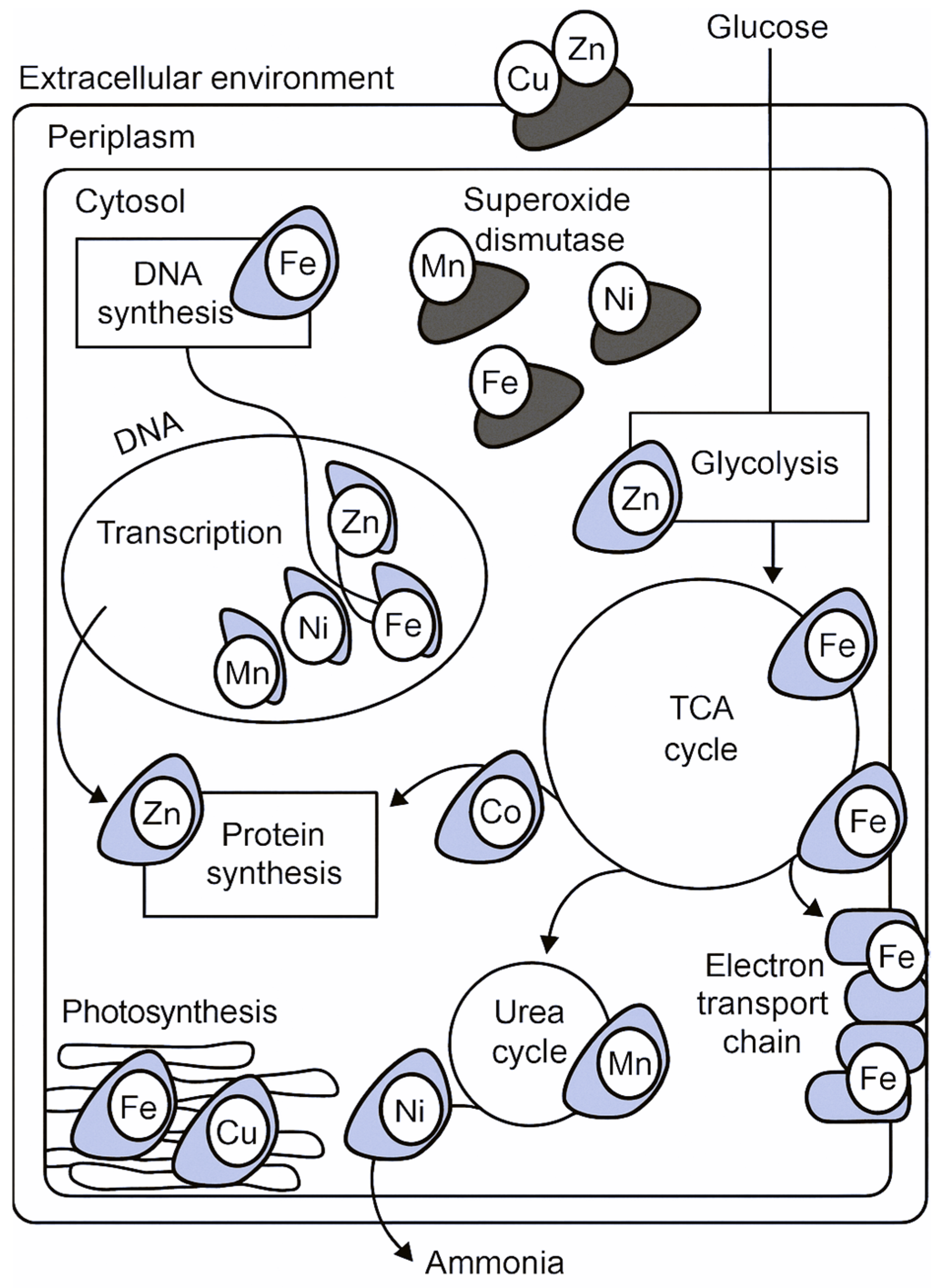
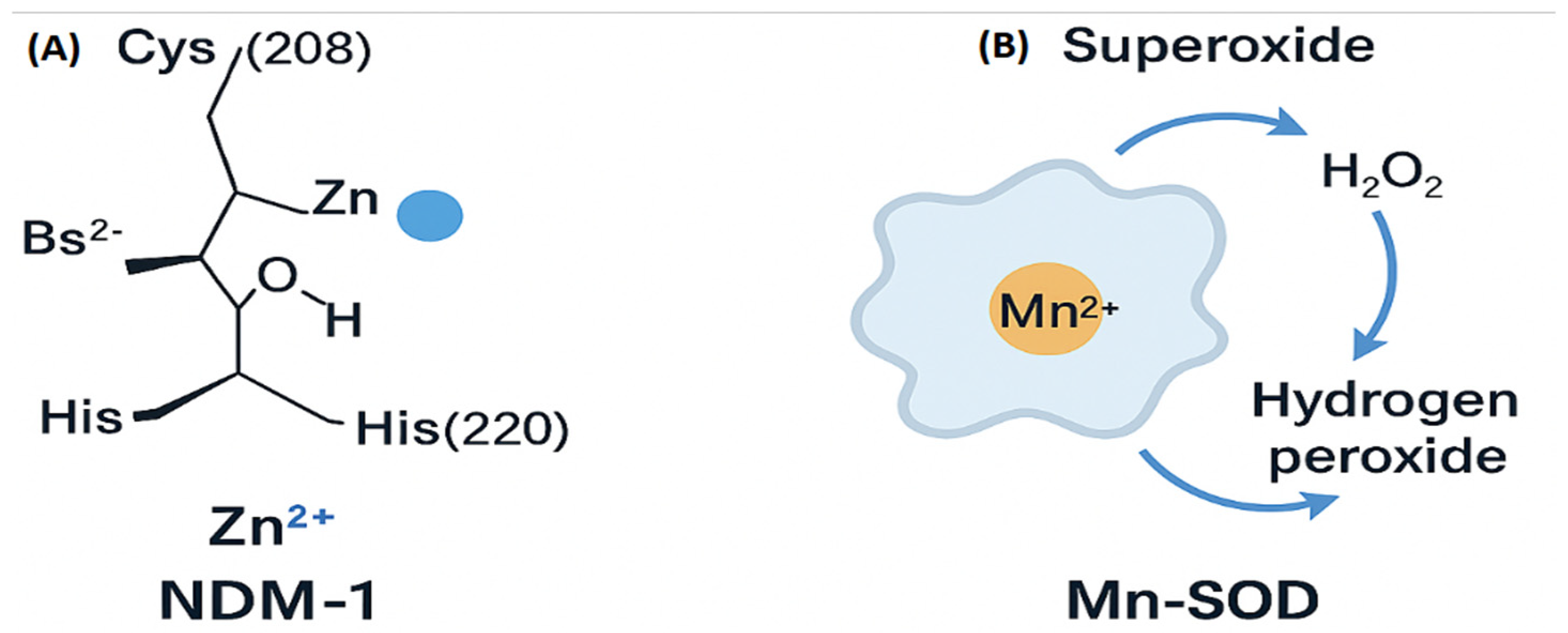
3.1. Oxidative Stress Response
3.2. Enzymatic Activity
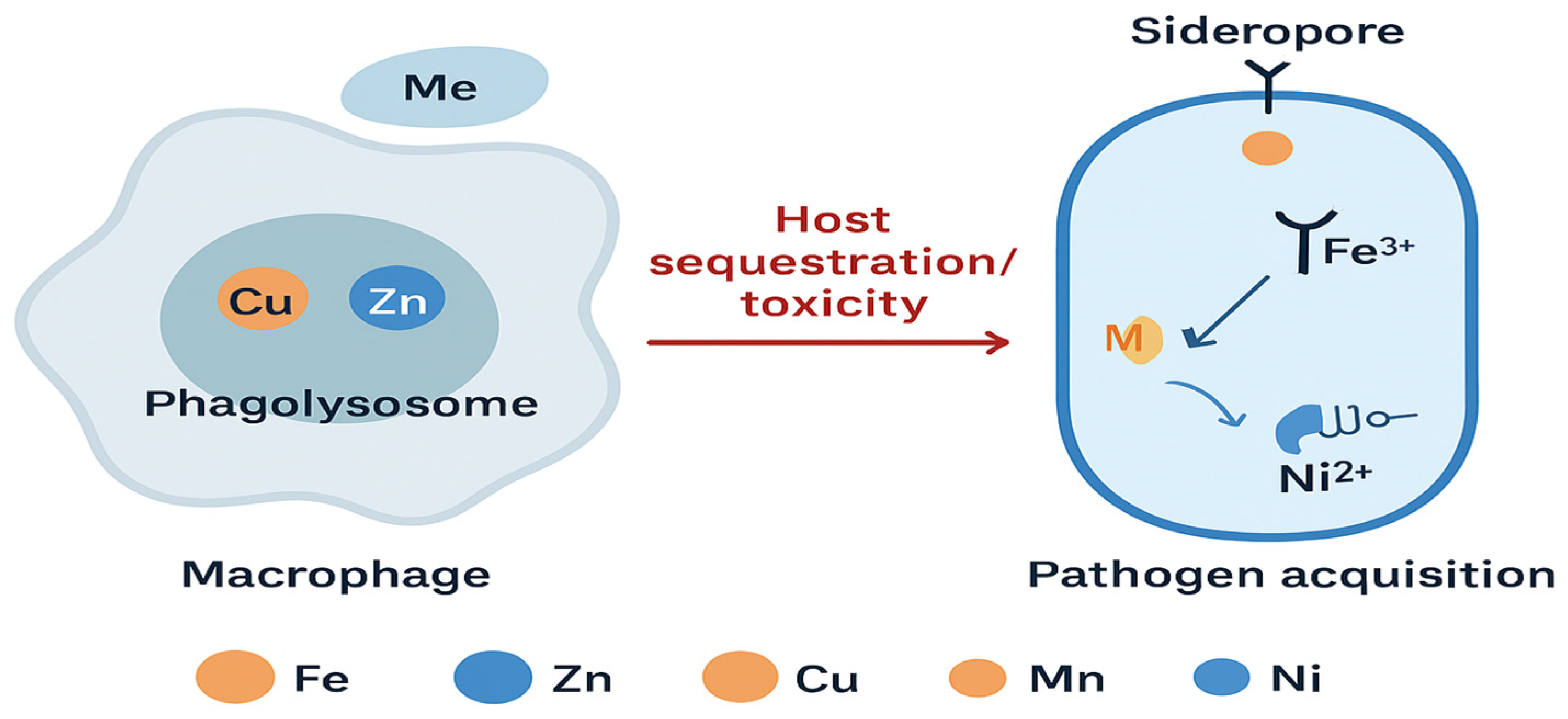
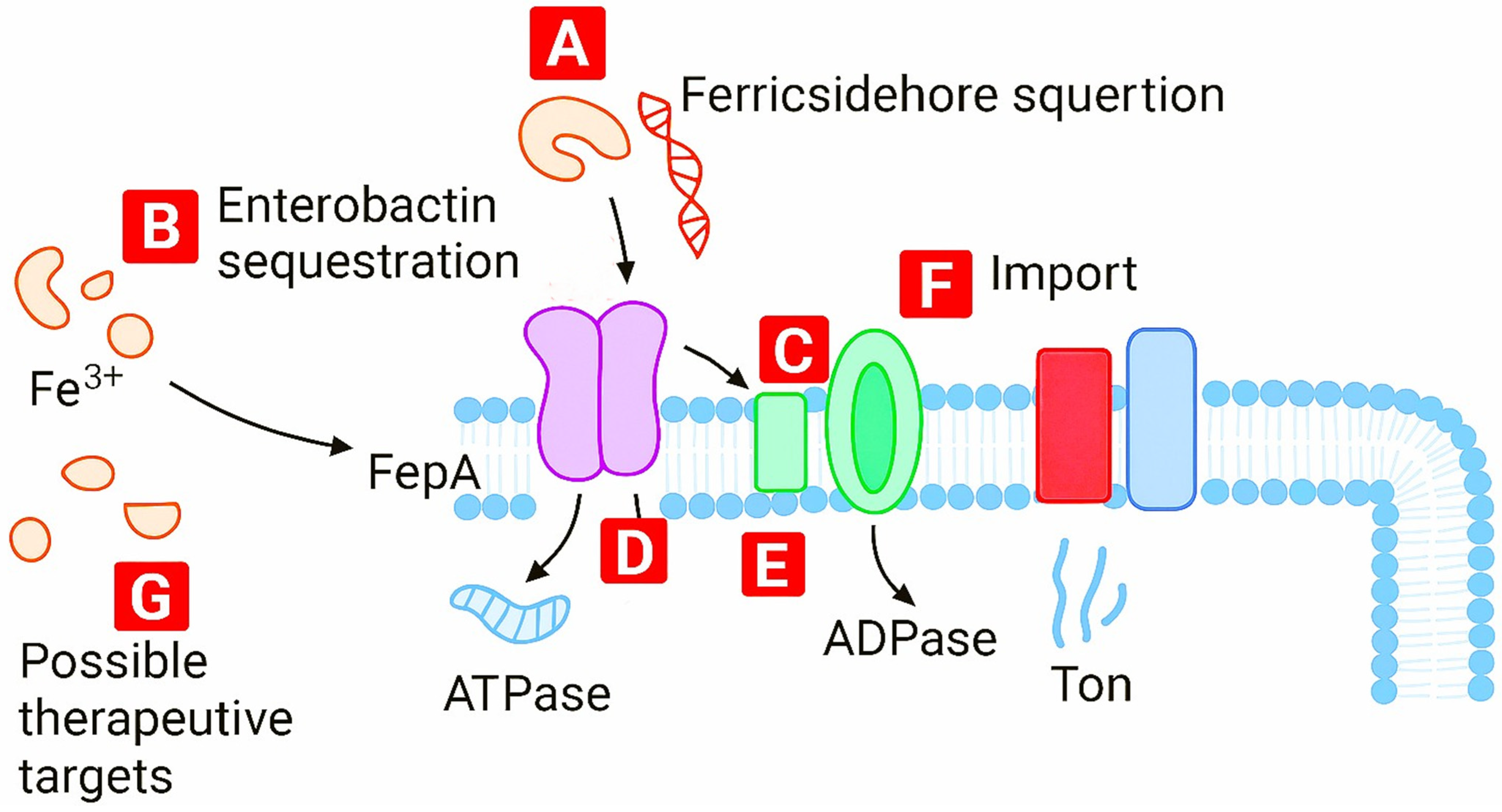
3.3. Metal Acquisition Systems
3.4. Host–Pathogen Metal Competition
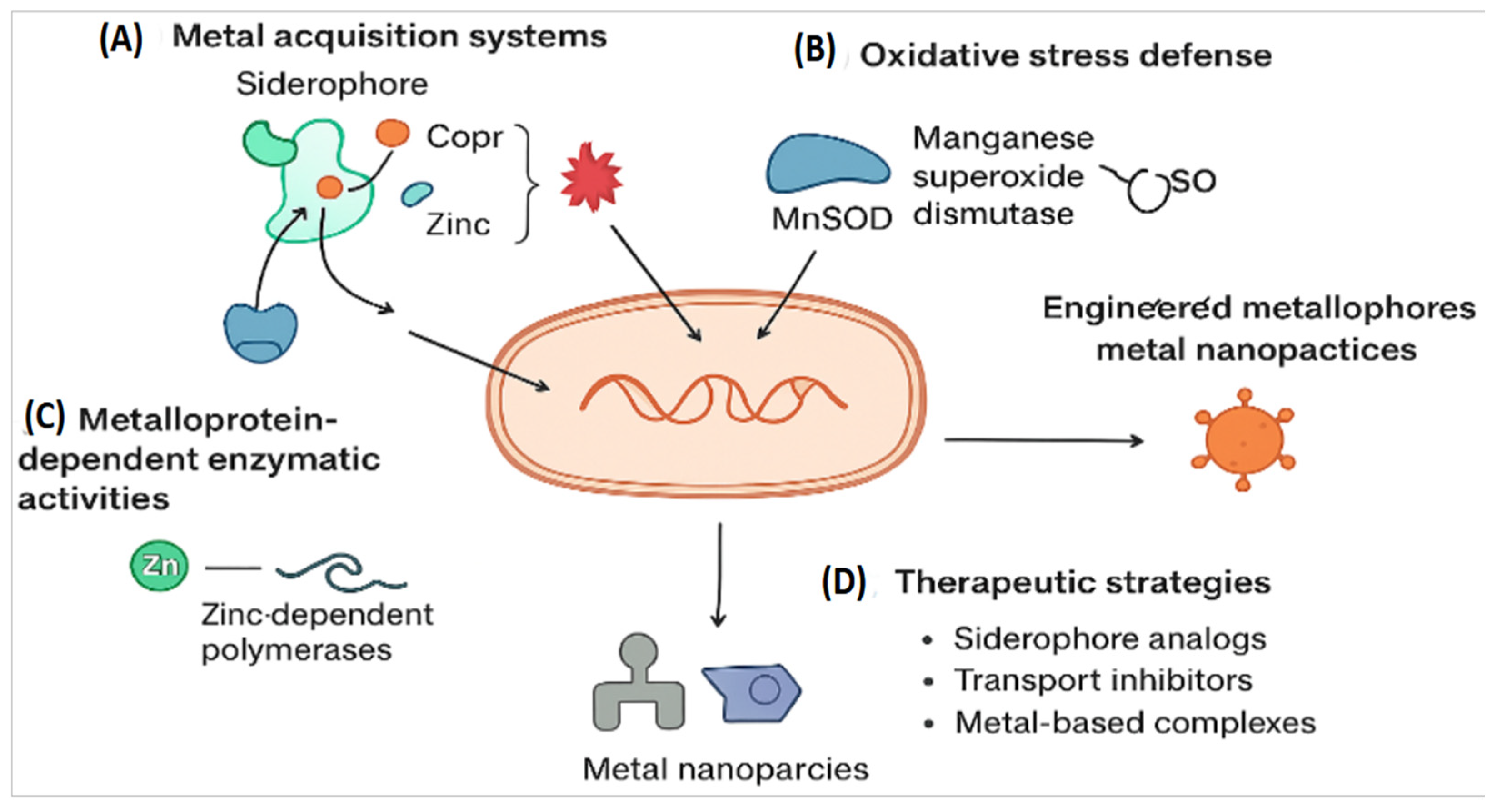
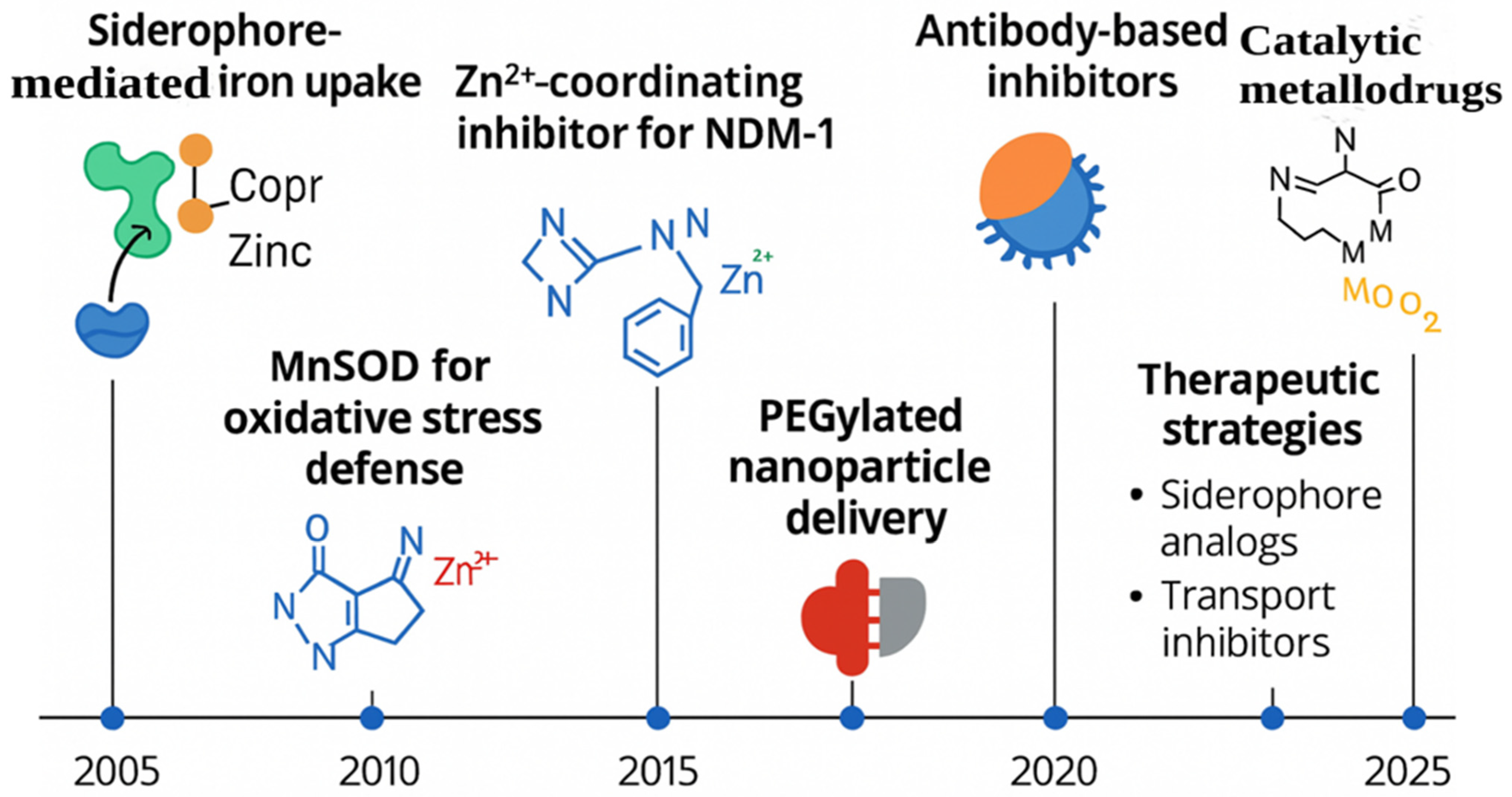
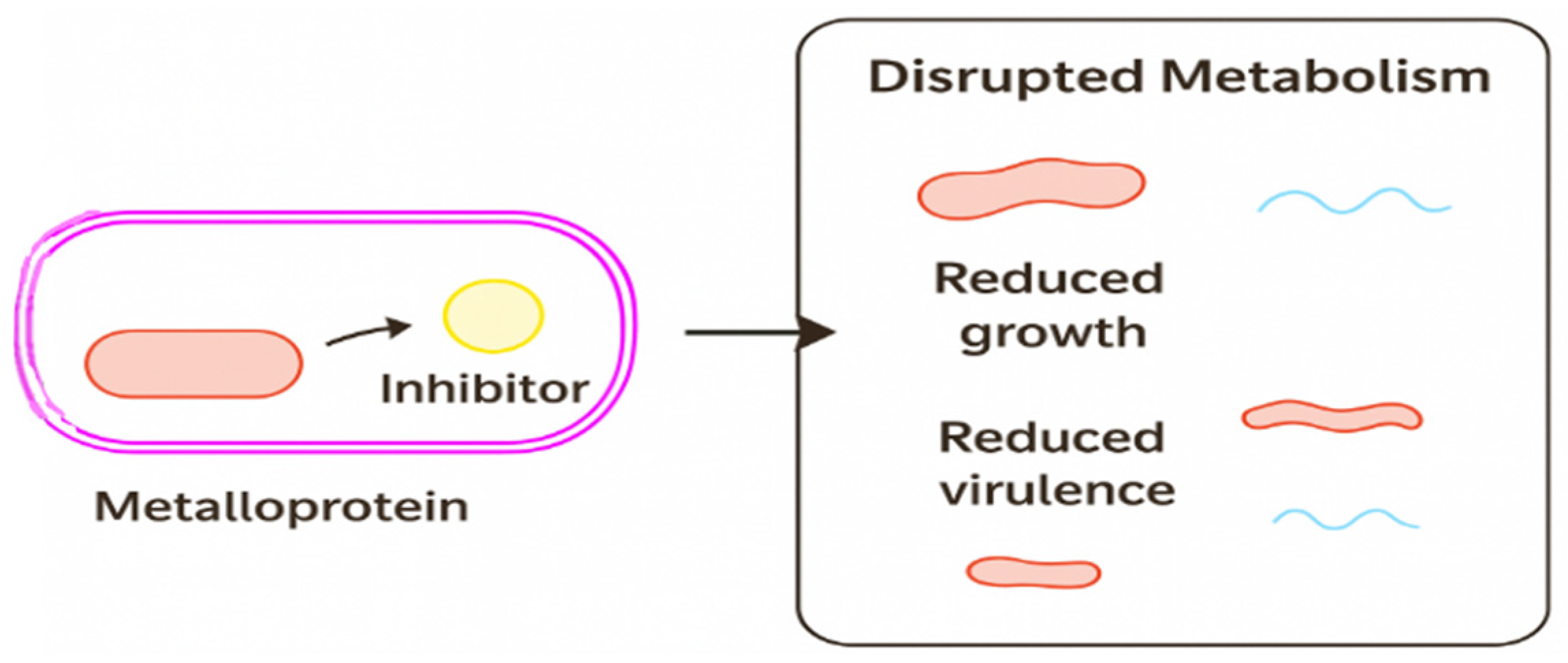
3.5. Unified Mechanistic Framework and Translational Progression
4. Functional and Therapeutic Implications
From Mechanisms to Strategies: Integrating Metalloprotein Insights into Antibacterial Development
5. Targeting Metal Homeostasis: Experimental Insights
5.1. Mechanisms of Action
5.2. Importance in Bacterial Survival
5.3. Potential for Drug Development
- Extracellular disruption: Charged species and ionic metals destabilize the bacterial envelope and proton motive force.
- Intracellular targeting: Metal pharmacophores penetrate cells and undergo organometallic transformations triggered by bacterial reductants.
6. Innovative Approaches to Target Metalloproteins: Toward Mechanism-Informed Antibacterial Design
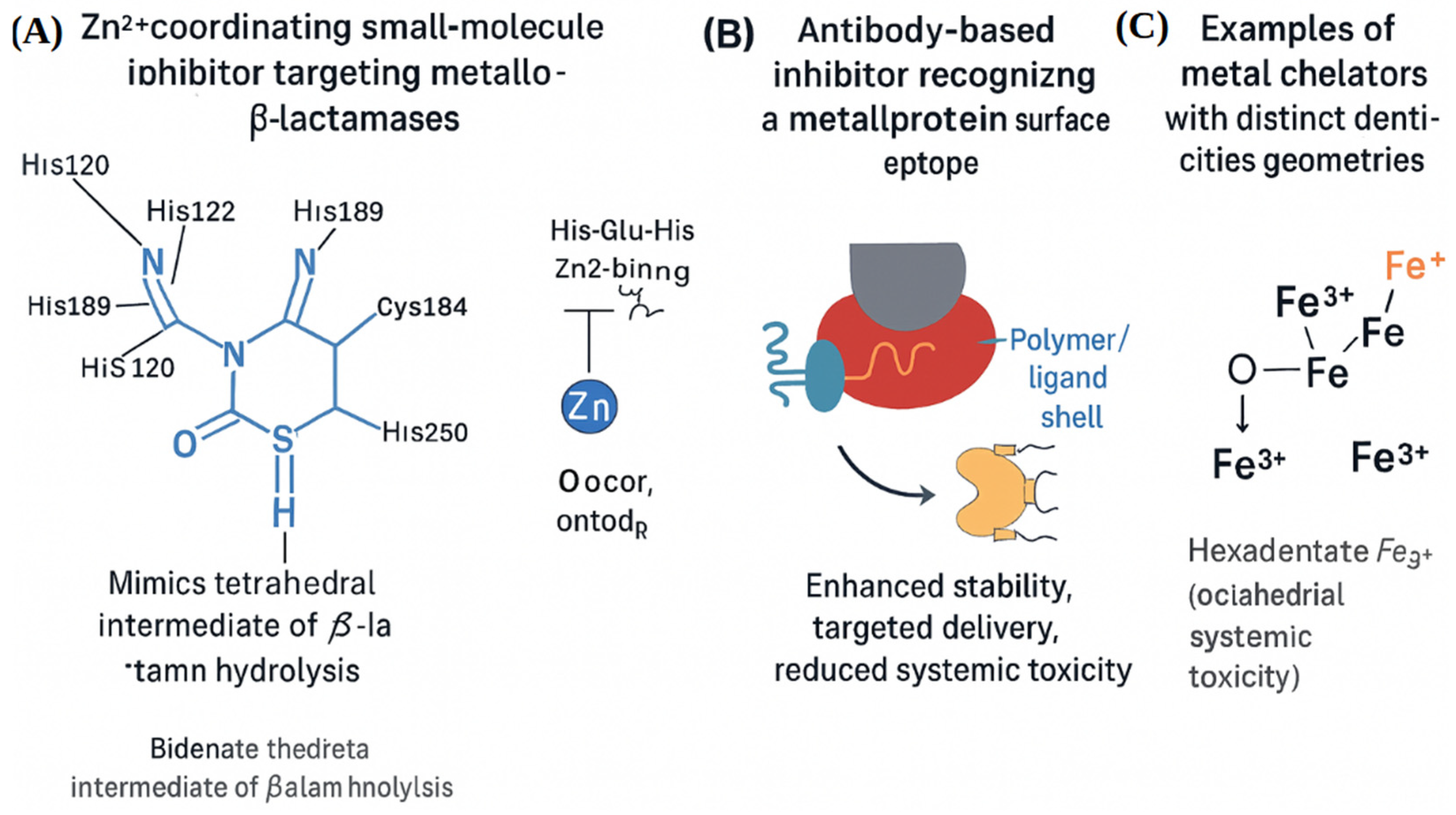
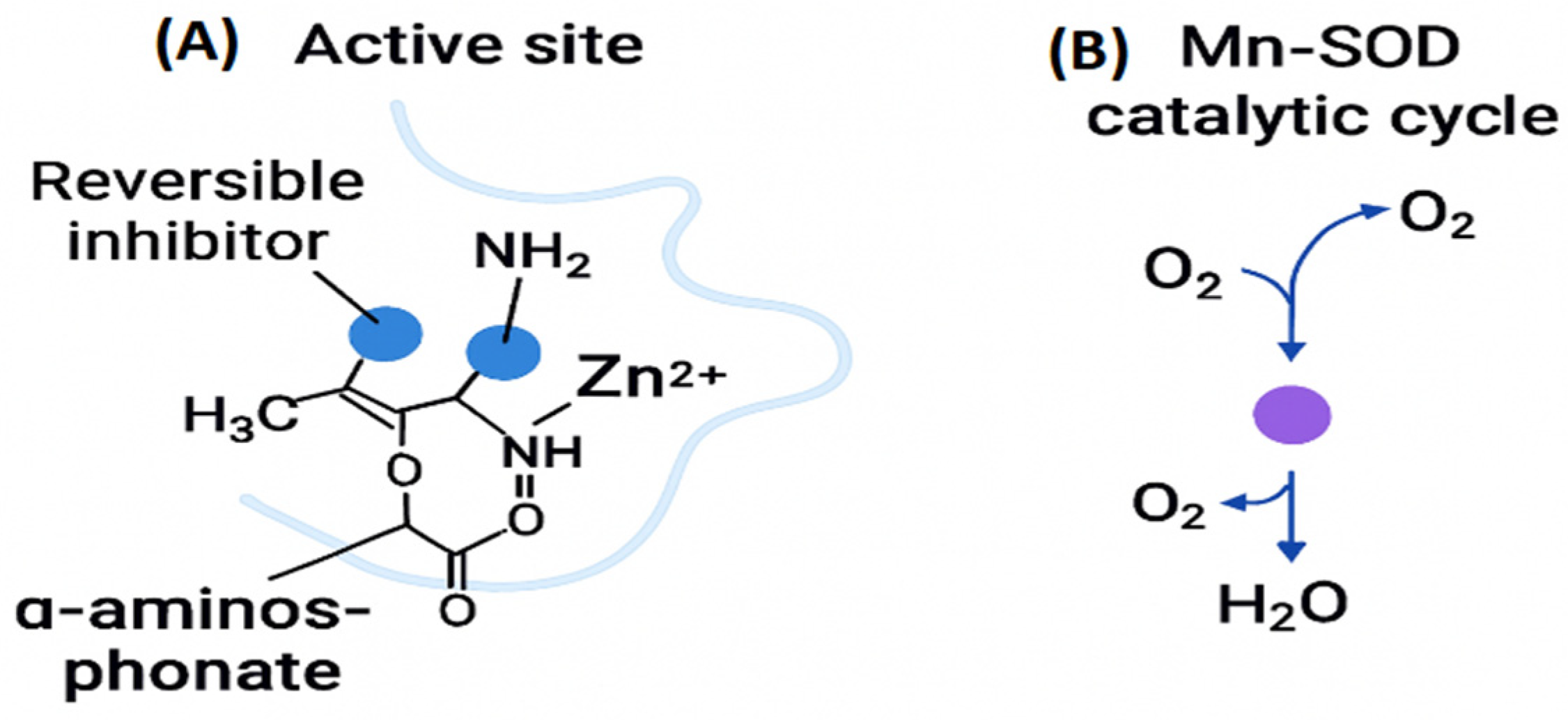
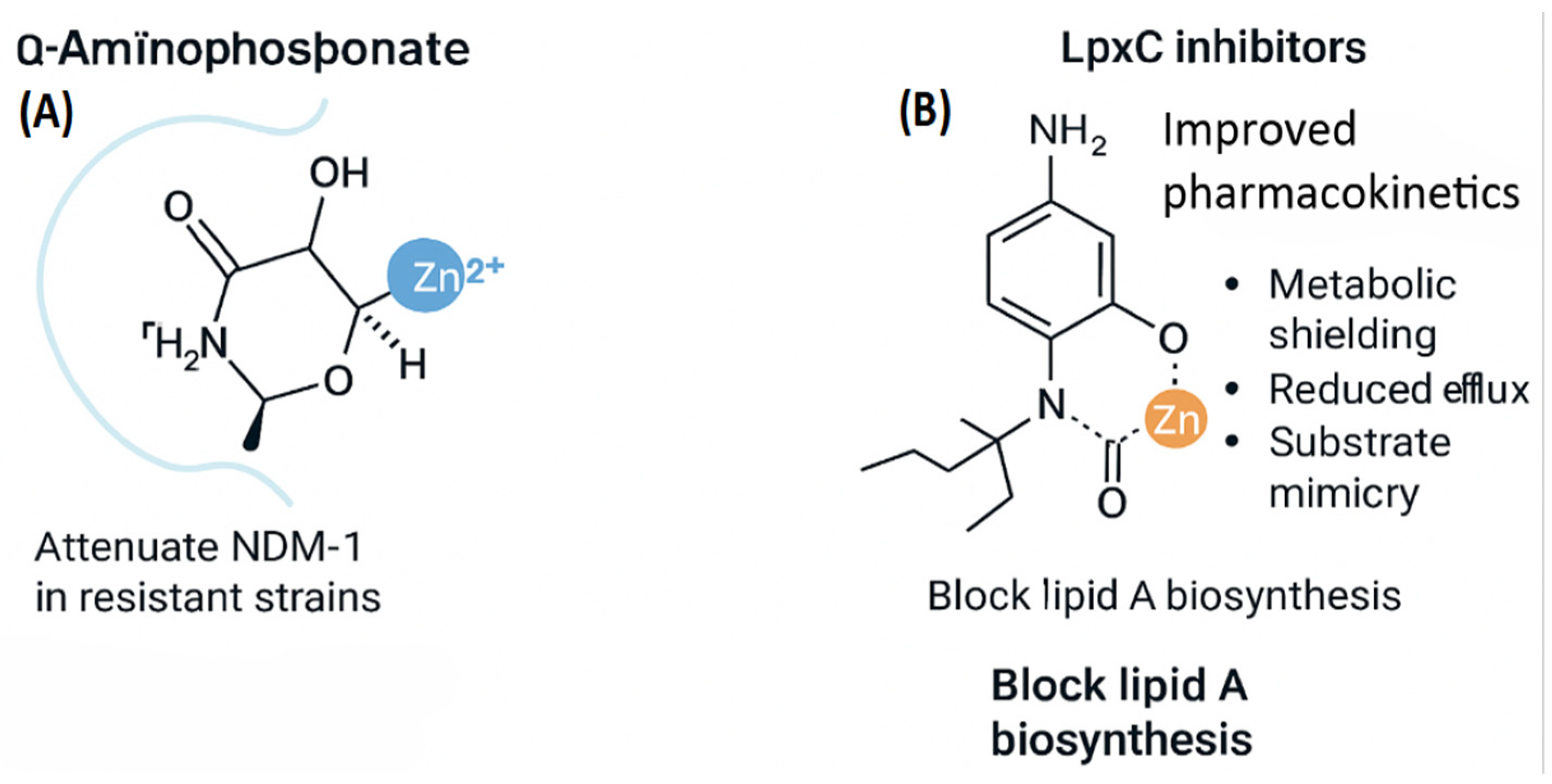
6.1. Small Molecule Inhibitors: Beyond Chelation
- Bidentate O,O-donors (e.g., phosphonates, hydroxamates) enhance Zn2+ affinity by stabilizing tetrahedral or trigonal bipyramidal geometries.
- Mixed N,O-donors can be tuned for Fe3+ or Mn2+ selectivity by modulating ligand field strength.
- Electron-donating substituents on aromatic scaffolds increase metal affinity by enhancing electron density at the donor atoms.
- Steric bulk near the metal-binding group reduces potency by hindering access to the catalytic pocket or distorting optimal chelation geometry.
6.2. Monoclonal Antibodies and Biologics: Precision Targeting
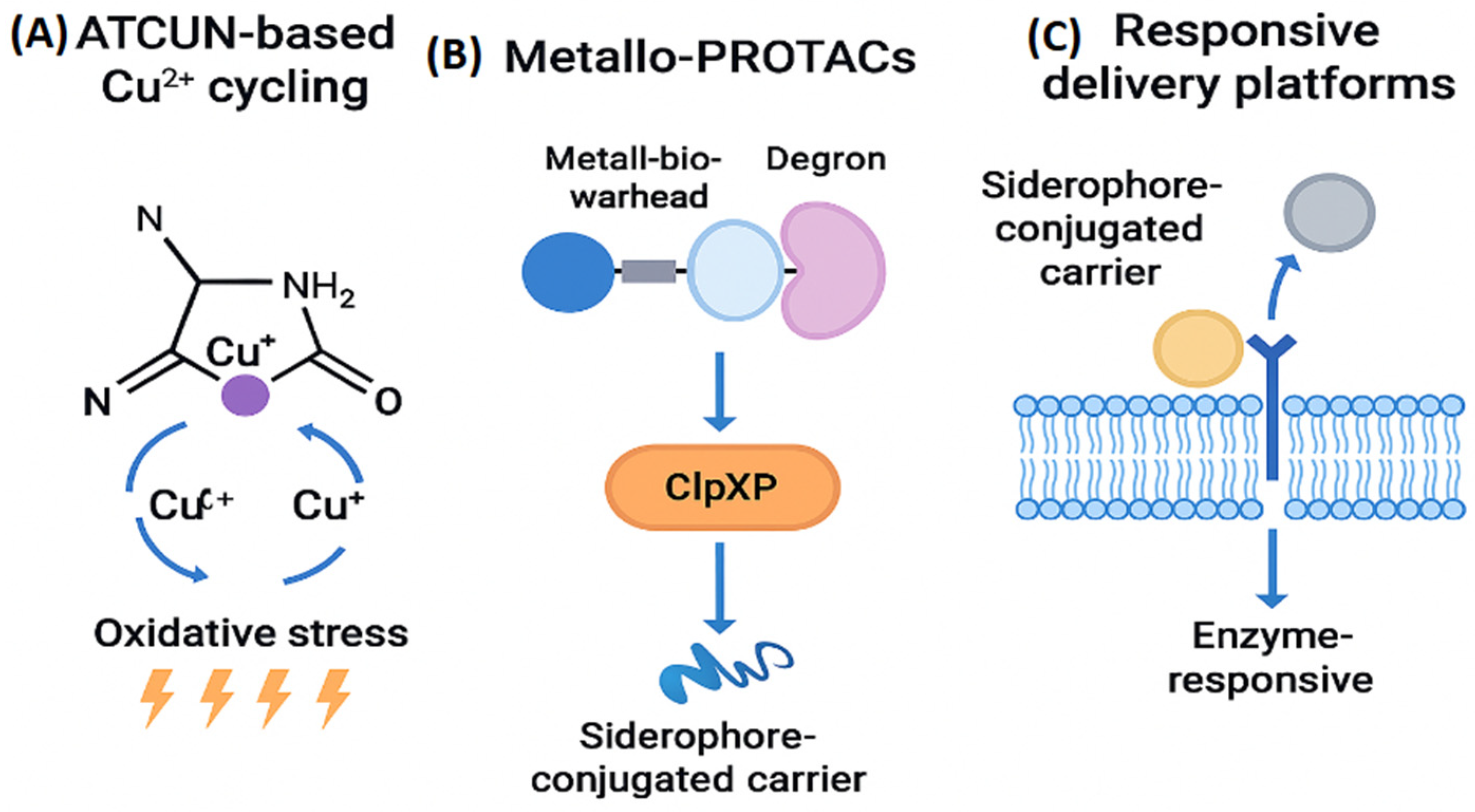
6.3. Catalytic Metallodrugs and Metallo-PROTACs: Mechanistic Innovation
6.4. Molecular Bottlenecks and Future Directions in Metalloprotein-Targeted Antibacterial Design
- dual-pathway inhibition (e.g., siderophore blockade + MnSOD inhibition)
- rational drug combinations informed by network topology
- bifunctional inhibitors coupling metal-binding pharmacophores with allosteric modulators
- catalytic metallodrugs or metallo-PROTACs capable of disabling multiple essential nodes
7. Critical Appraisal and Innovation Pathways
7.1. Isoform Selectivity and Structural Precision
7.2. Delivery Platform Optimization
7.3. Multi-Target Resistance Mitigation
7.4. Interdisciplinary Integration for Clinical Translation
8. Case Studies of Metalloprotein-Targeted Antibacterial Strategies
8.1. Iron-Targeting Strategies: Chelation, Mimicry, and Siderophore Hijacking
8.2. Zinc-Directed Inhibition of Metallo-β-Lactamases
8.3. Copper-Based Redox Disruption
8.4. Emerging Modalities: Metallo-PROTACs and Responsive Nanoparticles
8.5. Cross-Cutting Principles and Therapeutic Implications
- Potency vs. selectivity trade-off: Zn-chelators and copper complexes are potent but nonspecific, whereas biologics and non-chelating binders achieve higher selectivity but face delivery challenges.
- Structural knowledge drives success: Strategies such as OP607 require detailed structural data, underscoring the importance of crystallography and SAR-guided optimization.
- Delivery determines therapeutic index: Siderophore conjugates and responsive nanoparticles outperform free chelators by ensuring pathogen-specific uptake and minimizing host exposure.
- Mechanistic durability: Metallo-PROTACs offer irreversible inhibition, while reversible inhibitors provide tunable, safer activity.
- 1.
- Exploit rigid or highly conserved metal-binding architectures.
- 2.
- Leverage pathogen-specific uptake pathways.
- 3.
- Incorporate delivery platforms that enhance selectivity.
- 4.
- Align with systems-level understanding of metal trafficking.
9. Strategic Challenges and Translational Pathways in Metalloprotein Targeting
10. Limitations of This Review
- Scope of Literature Coverage: Although this review integrates evidence from major databases (PubMed, Scopus, Web of Science), it may not capture all emerging studies published after the search window or in non-indexed journals. As the field of metallodrug chemistry and nanoparticle design continues to advance rapidly, some recent results may not yet be included here. Rapid developments in metallodrug chemistry and nanoparticle engineering may introduce new findings not reflected in this overview.
- Variability in Experimental Methodologies: The studies summarized employ diverse experimental systems, ranging from in vitro biochemical assays to in vivo infection models, which complicates direct comparison. Variations in metal levels, experimental setups, or how closely tests mimic real infection conditions can affect how effective an inhibitor appears to be.
- Limited Clinical Translation Data: Many metalloprotein-targeted strategies remain in preclinical stages. As a result, conclusions regarding therapeutic potential are based primarily on mechanistic and early-stage experimental evidence rather than large-scale clinical validation.
- Pathogen-Specific Differences: Metalloprotein function and metal-homeostasis pathways vary across bacterial species. While this review highlights generalizable principles, some mechanistic insights may not apply uniformly to all pathogens, particularly those with unique metal-acquisition systems or regulatory networks.
- Structural Data Gaps: For several metalloproteins of therapeutic interest, high-resolution structural information remains incomplete. This limits the precision of mechanism-informed inhibitor design and may bias the review toward better-characterized targets such as metallo-β-lactamases and siderophore receptors.
11. Concluding Perspectives
Author Contributions
Funding
Data Availability Statement
Acknowledgments
Conflicts of Interest
References
- Neto, J.F.d.S.; Staats, C.C.; Pontes, M.H. Editorial: Metal homeostasis in microbial physiology and virulence. Front. Cell. Infect. Microbiol. 2023, 13, 1183137. [Google Scholar] [CrossRef]
- Begg, S.L. The role of metal ions in the virulence and viability of bacterial pathogens. Biochem. Soc. Trans. 2019, 47, 77–87. [Google Scholar] [CrossRef]
- Choi, Y.; Koh, J.; Cha, S.; Roe, J. Activation of zinc uptake regulator by zinc binding to three regulatory sites. Nucleic Acids Res. 2024, 52, 4185–4197. [Google Scholar] [CrossRef] [PubMed]
- Chandrangsu, P.; Rensing, C.; Helmann, J.D. Metal homeostasis and resistance in bacteria. Nat. Rev. Microbiol. 2017, 15, 338–350, Erratum in Nat. Rev. Microbiol. 2017, 15, 379. [Google Scholar] [CrossRef] [PubMed]
- Karnwal, A.; Jassim, A.Y.; Mohammed, A.A.; Said, A.R.M.; Selvaraj, M.; Malik, T. Addressing the global challenge of bacterial drug resistance: Insights, strategies, and future directions. Front. Microbiol. 2025, 16, 1517772. [Google Scholar] [CrossRef] [PubMed]
- Vitali, V.; Zineddu, S.; Messori, L. Metal compounds as antimicrobial agents: Smart approaches for discovering new effective treatments. RSC Adv. 2025, 15, 748. [Google Scholar] [CrossRef]
- Simmons, B. Clinical reasoning: Concept analysis. J. Adv. Nurs. 2010, 66, 1151–1158. [Google Scholar] [CrossRef]
- Kehl-Fie, T.E.; Skaar, E.P. Nutritional immunity beyond iron: A role for manganese and zinc. Curr. Opin. Chem. Biol. 2010, 14, 218–224. [Google Scholar] [CrossRef]
- Shirakawa, K.T.; Sala, F.A.; Miyachiro, M.M.; Job, V.; Trindade, D.M.; Dessen, A. Architecture and genomic arrangement of the MurE–MurF bacterial cell wall biosynthesis complex. Proc. Natl. Acad. Sci. USA 2023, 120, e2219540120. [Google Scholar] [CrossRef]
- Cassat, J.E.; Skaar, E.P. Iron in infection and immunity. Cell Host Microbe 2013, 13, 509–519. [Google Scholar] [CrossRef]
- Hood, M.I.; Skaar, E.P. Nutritional immunity: Transition metals at the pathogen–host interface. Nat. Rev. Microbiol. 2012, 10, 525–537. [Google Scholar] [CrossRef] [PubMed]
- Rossolini, G.M. Extensively drug-resistant carbapenemase-producing Enterobacteriaceae. J. Intern. Med. 2015, 277, 528–531. [Google Scholar] [CrossRef] [PubMed]
- King, A.M.; Reid-Yu, S.A.; Wang, W.; King, D.T.; De Pascale, G.; Strynadka, N.C.; Walsh, T.R.; Coombes, B.K.; Wright, G.D. AMA overcomes antibiotic resistance by NDM and VIM metallo-β-lactamases. Nature 2014, 510, 503–506. [Google Scholar] [CrossRef]
- Palica, K.; Deufel, F.; Skagseth, S.; Di Santo Metzler, G.P.; Thoma, J.; Andersson Rasmussen, A.; Valkonen, A.; Sunnerhagen, P.; Leiros, H.-K.S.; Andersson, H.; et al. α-Aminophosphonate inhibitors of metallo-β-lactamases NDM-1 and VIM-2. RSC Med. Chem. 2023, 14, 2277–2300. [Google Scholar] [CrossRef]
- Hijazi, A.K.; El-Khateeb, M.; Taha, Z.A.; Alomari, M.I.; Khwaileh, N.M.; Alakhras, A.I.; Al-Momani, W.M.; Elrashidi, A.; Barham, A.S. Anti-Bacterial and Anti-Fungal Properties of a Set of Transition Metal Complexes Bearing a Pyridine Moiety and [B(C6F5)4]2 as a Counter Anion. Molecules 2025, 30, 3121. [Google Scholar] [CrossRef]
- Beck, A.; Goetsch, L.; Dumontet, C.; Corvaïa, N. Strategies and challenges for the next generation of antibody–drug conjugates. Nat. Rev. Drug Discov. 2017, 16, 315–337. [Google Scholar] [CrossRef] [PubMed]
- Liu, F.; Su, Z.; Chen, P.; Tian, X.; Wu, L.; Tang, D.; Li, P.; Deng, H.; Ding, P.; Fu, Q.; et al. Structural basis for zinc-induced activation of a zinc uptake transcriptional regulator. Nucleic Acids Res. 2021, 49, 6511–6528. [Google Scholar] [CrossRef]
- Šink, R.; Kotnik, M.; Zega, A.; Barreteau, H.; Gobec, S.; Blanot, D.; Dessen, A.; Contreras-Martel, C. Crystallographic Study of Peptidoglycan Biosynthesis Enzyme MurD: Domain Movement Revisited. PLoS ONE 2016, 11, e0152075. [Google Scholar] [CrossRef]
- Antimicrobial Resistance Collaborators. Global burden of bacterial AMR in 2019. Lancet 2022, 399, 629–655, Correction in Lancet 2022, 400, 1102. [Google Scholar] [CrossRef]
- Huang, Z.; Bian, X.; Li, Y.; Hu, J.; Guo, B.; Yang, X.; Jin, Y.; Zheng, S.; Wang, X.; Gao, C.; et al. In vitro pharmacokinetics/pharmacodynamics of FL058 (a novel β-lactamase inhibitor) combined with meropenem against carbapenemase-producing Enterobacterales. Front. Pharmacol. 2024, 15, 1282480. [Google Scholar] [CrossRef]
- Miethke, M.; Pieroni, M.; Weber, T.; Brönstrup, M.; Hammann, P.; Halby, L.; Arimondo, P.B.; Glaser, P.; Aigle, B.; Bode, H.B.; et al. Towards the sustainable discovery and development of new antibiotics. Nat. Rev. Chem. 2021, 5, 726–749. [Google Scholar] [CrossRef]
- Porcheron, G.; Garenaux, A.; Proulx, J.; Sabri, M.; Dozois, C.M. Iron, copper, zinc, and manganese transport and regulation in pathogenic Escherichia coli. Front. Cell. Infect. Microbiol. 2013, 3, 90. [Google Scholar] [CrossRef]
- Wang, Y.; Wang, S.; Chen, W.; Song, L.; Zhang, Y.; Shen, Z.; Yu, F.; Li, M.; Ji, Q. CRISPR-Cas9 and CRISPR-Assisted Cytidine Deaminase Enable Precise and Efficient Genome Editing in Klebsiella pneumoniae. Appl. Environ. Microbiol. 2018, 84, e01834-18. [Google Scholar] [CrossRef]
- Song, Y.; Wu, X.; Li, Z.; Ma, Q.Q.; Bao, R. Molecular mechanism of siderophore regulation by the Pseudomonas aeruginosa BfmRS two-component system in response to osmotic stress. Commun. Biol. 2024, 7, 295. [Google Scholar] [CrossRef]
- Capdevila, D.A.; Wang, J.; Giedroc, D.P. Zinc metallostasis at the host–pathogen interface. J. Biol. Chem. 2016, 291, 20858–20868. [Google Scholar] [CrossRef] [PubMed]
- Djoko, K.Y.; Ong, C.L.; Walker, M.J.; McEwan, A.G. Copper and zinc toxicity in innate immunity. J. Biol. Chem. 2015, 290, 18954–18961. [Google Scholar] [CrossRef]
- Kumar, L.; Bisen, M.; Harjai, K.; Chhibber, S.; Azizov, S.; Lalhlenmawia, H.; Kumar, D. Advances in Nanotechnology for Biofilm Inhibition. ACS Omega 2023, 8, 21391–21409. [Google Scholar] [CrossRef]
- Lemire, J.; Harrison, J.; Turner, R. Antimicrobial activity of metals: Mechanisms, molecular targets and applications. Nat. Rev. Microbiol. 2013, 11, 371–384. [Google Scholar] [CrossRef] [PubMed]
- Jiang, D.; Ye, Z.; Hsieh, C.-Y.; Yang, Z.; Zhang, X.; Kang, Y.; Du, H.; Wu, Z.; Wang, J.; Zeng, Y.; et al. MetalProGNet: A structure-based deep graph model for metalloprotein–ligand interaction predictions. Chem. Sci. 2023, 14, 2054–2069. [Google Scholar] [CrossRef] [PubMed]
- Jumper, J.; Evans, R.; Pritzel, A.; Green, T.; Figurnov, M.; Ronneberger, O.; Tunyasuvunakool, K.; Bates, R.; Žídek, A.; Potapenko, A.; et al. Highly accurate protein structure prediction with AlphaFold. Nature 2021, 596, 583–589. [Google Scholar] [CrossRef]
- Cheng, Y. Single-particle cryo-EM at crystallographic resolution. Cell 2015, 161, 450–457. [Google Scholar] [CrossRef] [PubMed]
- Costa, S.; Ragusa, M.A.; Buglio, G.L.; Scilabra, S.D.; Nicosia, A. The Repertoire of Tissue Inhibitors of Metalloproteases: Evolution, Regulation of Extracellular Matrix Proteolysis, Engineering and Therapeutic Challenges. Life 2022, 12, 1145. [Google Scholar] [CrossRef]
- Palmer, L.D.; Skaar, E.P. Transition metals and virulence. Annu. Rev. Genet. 2016, 50, 67–91. [Google Scholar] [CrossRef]
- Kim, J.J.; Kim, Y.S.; Kumar, V. Heavy metal toxicity: An update of chelating therapeutic strategies. J. Trace Elem. Med. Biol. 2019, 54, 226–231. [Google Scholar] [CrossRef]
- Zhang, H.; Hao, Q. Crystal structure of NDM-1 reveals a common β-lactam hydrolysis mechanism. FASEB J. 2011, 25, 2574–2582. [Google Scholar] [CrossRef]
- Jain, R.K.; Stylianopoulos, T. Delivering nanomedicine to solid tumors. Nat. Rev. Clin. Oncol. 2010, 7, 653–664. [Google Scholar] [CrossRef]
- Békés, M.; Langley, D.R.; Crews, C.M. PROTAC targeted protein degraders: The past is prologue. Nat. Rev. Drug Discov. 2022, 21, 181–200. [Google Scholar] [CrossRef] [PubMed]
- Su, J.; Li, Z.; Liao, B.; Zhu, Y.; Zhang, X.; Wang, C.; He, J. Microcalorimetric study of the effect of manganese on the growth and metabolism in a heterogeneously expressing manganese-dependent superoxide dismutase (Mn-SOD) strain. J. Therm. Anal. Calorim. 2017, 130, 1407–1416. [Google Scholar] [CrossRef]
- Gasparrini, A.J.; Wang, B.; Sun, X.; Kennedy, E.A.; Hernandez-Leyva, A.; Ndao, I.M.; Tarr, P.I.; Warner, B.B.; Dantas, G. Persistent metagenomic signatures of early-life hospitalization and antibiotic treatment in the infant gut microbiota and resistome. Nat. Microbiol. 2019, 4, 2285–2297. [Google Scholar] [CrossRef]
- Lysenko, V.; Gao, M.-L.; Sterk, F.A.C.; Innocenti, P.; Slingerland, C.J.; Martin, N.I. Design, Synthesis, and Antibacterial Evaluation of Rifampicin–Siderophore Conjugates. ACS Infect. Dis. 2025, 11, 2301–2309. [Google Scholar] [CrossRef]
- Krokidis, M.G.; Koumadorakis, D.E.; Lazaros, K.; Ivantsik, O.; Exarchos, T.P.; Vrahatis, A.G.; Kotsiantis, S.; Vlamos, P. AlphaFold3: An Overview of Applications and Performance Insights. Int. J. Mol. Sci. 2025, 26, 3671. [Google Scholar] [CrossRef] [PubMed]
- Becker, K.W.; Skaar, E.P. Metal limitation and toxicity at the interface between host and pathogen. FEMS Microbiol. Rev. 2014, 38, 1235–1249. [Google Scholar] [CrossRef]
- Poole, K. At the nexus of antibiotics and metals: The impact of Cu and Zn on antibiotic activity and resistance. Trends Microbiol. 2017, 25, 820–832. [Google Scholar] [CrossRef]
- Sherry, N.L.; Lee, J.Y.H.; Giulieri, S.G.; Connor, C.H.; Horan, K.; Lacey, J.A.; Lane, C.R.; Carter, G.P.; Seemann, T.; Egli, A.; et al. Genomics for antimicrobial resistance—Progress and future directions. Antimicrob. Agents Chemother. 2025, 69, e01082-24. [Google Scholar] [CrossRef]
- Kasmanas, J.C.; Magnúsdóttir, S.; Zhang, J.; Smalla, K.; Schloter, M.; Stadler, P.F.; Ponce, A.C.; Rocha, U. Integrating comparative genomics and risk classification by assessing virulence, antimicrobial resistance, and plasmid spread in microbial communities with gSpreadComp. GigaScience 2025, 14, giaf072. [Google Scholar] [CrossRef]
- Olsen, N.S.; Riber, L. Metagenomics as a transformative tool for antibiotic resistance surveillance: The role of mobile genetic elements and phages. Antibiotics 2025, 14, 296. [Google Scholar] [CrossRef] [PubMed]
- Gräff, Á.T.; Barry, S.M. Siderophores as tools and treatments. npj Antimicrob. Resist. 2024, 2, 47. [Google Scholar] [CrossRef] [PubMed]
- Garau, G.; Di Guilmi, A.M.; Hall, B.G. Structure-based phylogeny of the metallo-β-lactamases. Antimicrob. Agents Chemother. 2005, 49, 2778–2784. [Google Scholar] [CrossRef]
- Haloi, N.; Howard, R.J.; Lindahl, E. Cryo-EM ligand building using an AlphaFold3-like model and molecular dynamics. PLoS Comput. Biol. 2025, 21, e1013367. [Google Scholar] [CrossRef]
- Keskey, R.C.; Xiao, J.; Hyoju, S.; Lam, A.; Kim, D.; Sidebottom, A.M.; Zaborin, A.; Dijkstra, A.; Meltzer, R.; Thakur, A.; et al. Enterobactin inhibits microbiota-dependent activation of AhR to promote bacterial sepsis in mice. Nat. Microbiol. 2025, 10, 388–404. [Google Scholar] [CrossRef]
- Katsube, T.; Echols, R.; Arjona Ferreira, J.C.; Krenz, H.K.; Berg, J.K.; Galloway, C. Cefiderocol, a siderophore cephalosporin for Gram-negative bacterial infections: Pharmacokinetics and safety in subjects with renal impairment. J. Clin. Pharmacol. 2017, 57, 584–591. [Google Scholar] [CrossRef]
- Sheldon, J.R.; Skaar, E.P. Acinetobacter baumannii can use multiple siderophores for iron acquisition, but only acinetobactin is required for virulence. PLoS Pathog. 2020, 16, e1008995. [Google Scholar] [CrossRef]
- Francine, P. Systems biology: New insight into antibiotic resistance. Microorganisms 2022, 10, 2362. [Google Scholar] [CrossRef] [PubMed]
- Liu, Y.; Xu, Y.; Xu, X.; Chen, X.; Chen, H.; Zhang, J.; Ma, J.; Zhang, W.; Zhang, R.; Chen, J. Metagenomic identification of pathogens and antimicrobial-resistant genes in bacterial positive blood cultures by nanopore sequencing. Front. Cell. Infect. Microbiol. 2023, 13, 1283094. [Google Scholar] [CrossRef] [PubMed]
- Colaço, H.G.; Santo, P.E.; Matias, P.M.; Bandeiras, T.M.; Vicente, J.B. Roles of Escherichia coli ZinT in cobalt, mercury and cadmium resistance and structural insights into the metal-binding mechanism. Metallomics 2016, 8, 327–336. [Google Scholar] [CrossRef]
- Schalk, I.J. Bacterial siderophores: Diversity, uptake pathways and applications. Nat. Rev. Microbiol. 2025, 23, 24–40. [Google Scholar] [CrossRef]
- Serebnitskiy, Z.; Orban, K.; Finkel, S.E. A role for Dps ferritin activity in long-term survival of Escherichia coli. Microbiol. Spectr. 2025, 13, e01837-24. [Google Scholar] [CrossRef]
- Zhu, C.; Diao, Z.; Yang, Y.; Liao, J.; Wang, C.; Li, Y.; Liang, Z.; Xu, P.; Liu, X.; Zhang, Q.; et al. Recent advances and challenges in metal-based antimicrobial materials: A review of strategies to combat antibiotic resistance. J. Nanobiotechnol. 2025, 23, 193. [Google Scholar] [CrossRef] [PubMed]
- Sandy, M.; Butler, A. Microbial iron acquisition: Marine and terrestrial siderophores. Chem. Rev. 2009, 109, 4580–4595. [Google Scholar] [CrossRef]
- Alhayek, A.; Hirsch, A.K.H. Bacterial metalloproteases as promising drug targets for antivirulence agents. Annu. Rep. Med. Chem. 2023, 60, 107–134. [Google Scholar] [CrossRef]
- Gasser, G.; Metzler-Nolte, N. The potential of organometallic complexes in medicinal chemistry. Curr. Opin. Chem. Biol. 2012, 16, 84–91. [Google Scholar] [CrossRef] [PubMed]
- Wong, D.; Nielsen, T.B.; Bonomo, R.A.; Pantapalangkoor, P.; Luna, B.; Spellberg, B. Clinical and pathophysiological overview of Acinetobacter infections: A century of challenges. Clin. Microbiol. Rev. 2017, 30, e00058-16. [Google Scholar] [CrossRef] [PubMed]
- Almeida, M.R.; Videira, M.A.; Lima, J.C.; Saraiva, L. Mechanistic insights into Staphylococcus aureus IsdG-ferrochelatase interactions: A key to understanding haem homeostasis in pathogens. J. Inorg. Biochem. 2025, 269, 112878. [Google Scholar] [CrossRef] [PubMed]
- Frei, A.; Zuegg, J.; Elliott, A.G.; Baker, M.; Bräse, S.; Brown, C.; Chen, F.; Dowson, C.G.; Dujardin, G.; Jung, N.; et al. Metal complexes as a promising source for new antibiotics. Chem. Sci. 2020, 11, 2627–2639, Correction in Chem. Sci. 2020, 11, 4531. [Google Scholar] [CrossRef]
- Kayode, M.; Ayodeji, O.E.; Yetunde, B.B.; Joseph, O.T.; Timothy, A.T.; Habeeb, O.; Tochi, N.S.; Alice, A.A.; Onyemeh, O.; Okeowo, H.; et al. Synthesis, characterization and antimicrobial activity of mixed antibiotic–vitamin metal complexes involving metronidazole and thiamine. Asian J. Chem. Sci. 2024, 14, 46–59. [Google Scholar] [CrossRef]
- Nahar, L.; Hagiya, H.; Gotoh, K.; Asaduzzaman, M.; Otsuka, F. New Delhi metallo-β-lactamase inhibitors: A systematic scoping review. J. Clin. Med. 2024, 13, 4199. [Google Scholar] [CrossRef]





| Metal Coordination and Structural Details | Clinical Stage | Toxicity | Selectivity | Delivery | Target Mechanism | Agent |
|---|---|---|---|---|---|---|
| N,N-bidentate ligation; octahedral Fe3+; PDB: n/a | Preclinical | Potential host metal depletion | Moderate | Systemic | Chelates Fe3+, disrupts metalloenzymes | 2,2′-Bipyridyl [1,14] |
| Hexadentate catecholate; stable octahedral Fe3+; PDB: 1FEP | Experimental (in vivo) | Low | High | Bacterial secretion | Fe3+ sequestration | Enterobactin [1,4] |
| Dinuclear Zn2+ center; His/Asp/Cys ligands; PDB: 3SPU, 4EYB | Phase I/II | Minimal off-target effects | High | IV/oral | Zinc-binding β-lactamase | NDM-1 Inhibitors [2] |
| O,O-donor ligands; octahedral Fe; PDB: n/a | Preclinical | Low | High | Topical/systemic | Chelates Fe3+, inhibits biofilm | OP607 [12,13] |
| Extracellular His/Cys motifs; geometry target-dependent; PDB varies | Early | Low | Very high | IV | Metalloprotein neutralization | Antibody inhibitors [27] |
| Limitations | Advantages | Evidence | Therapeutic Strategy | Mechanism | Pathogens | Target Class |
|---|---|---|---|---|---|---|
| Selectivity challenges | Unique bacterial targets | In vitro inhibition | Small molecule inhibitors | Copper uptake and oxidative stress (Cu+/Cu2+ via Met-/His-rich motifs; linear/trigonal planar; PDB: CopA 3RFU) | P. aeruginosa | Copper Transport Proteins [32] |
| Resistance via transporter mutations | Pathogen-specific | Mouse peritonitis, UTI models | Siderophore analogs, chelators | High-affinity Fe3+ acquisition (Fe3+ octahedral; catecholate/hydroxamate; FepA/BauA; PDB: 1FEP,5FP1) | E. coli | Iron-Siderophore Systems [1,4] |
| Resistance via transporter mutations | Pathogen-specific | Mouse peritonitis, UTI models | Siderophore analogs, chelators | High-affinity Fe3+ acquisition (Fe3+ octahedral; catecholate/hydroxamate; FepA/BauA; PDB: 1FEP, 5FP1) | S. aureus | |
| Risk of off-target ROS imbalance | Direct virulence target | Genetic knockout and virulence models | Enzyme inhibitors | ROS detoxification (Mn2+ trigonal bipyramidal; His26/His81/Asp167/His171; PDB: 2XDA) | S. aureus | Mn-Superoxide Dismutase [2] |
| Host enzyme similarity | Essential enzymes | Structural biology + inhibitor screens | Zn-binding site inhibitors | DNA replication/repair (Zn2+ tetrahedral; His/Cys/Asp residues; PDB: 3A1J) | N. gonorrhoeae | Zn-dependent Enzymes [3] |
| Redundancy across strains | Virulence disruption | In vitro and tissue models | Protease inhibitors | Host tissue invasion (Zn2+ catalytic center; His-Glu-His triad; tetrahedral; PDB: 1QJX) | H. pylori | Metalloproteinases [33] |
| Representative Example | Disadvantages | Advantages | Strategy Type |
|---|---|---|---|
| Broad-spectrum MMP inhibitors (e.g., batimastat, marimastat) | Poor isoform selectivity; systemic toxicity (e.g., musculoskeletal pain) | High potency; minimal structural complexity | Zn-chelating small molecules [5,43] |
| S1′-pocket-targeted MMP-7 inhibitors | Requires detailed structural data; extensive SAR optimization | Isoform selectivity; preserves native metal coordination | Non-chelating pocket binders [7,8] |
| ADAMTS-selective peptide inhibitors | Proteolytic instability; delivery and bioavailability challenges | High affinity; modular and tunable design | Peptides/Peptidomimetics [16] |
| Engineered TIMPs | High production cost; limited tissue penetration; potential immunogenicity | High specificity; long circulating half-life | Biologics (TIMPs, antibodies) [25,27] |
| ATCUN-motif-based metallodrugs | Metal lability; risk of systemic toxicity | Novel catalytic mechanisms; prodrug activation potential | Catalytic metallodrugs [18,43] |
| Pt-PROTACs degrading Trx1/TrxR1 | Large molecular size; permeability and E3-ligase recruitment constraints | Permanent target removal; catalytic mode of action | Targeted degraders (metallo-PROTACs) [43] |
| MMP-responsive nanoparticles | Complex formulation; variable enzyme expression across tissues | Spatial control; reduced systemic exposure | Responsive delivery systems [13] |
Disclaimer/Publisher’s Note: The statements, opinions and data contained in all publications are solely those of the individual author(s) and contributor(s) and not of MDPI and/or the editor(s). MDPI and/or the editor(s) disclaim responsibility for any injury to people or property resulting from any ideas, methods, instructions or products referred to in the content. |
© 2026 by the authors. Licensee MDPI, Basel, Switzerland. This article is an open access article distributed under the terms and conditions of the Creative Commons Attribution (CC BY) license.
Share and Cite
Alshatari, S.S.; Ziarno, M. From Microbes to Medicine: Targeting Metalloprotein Pathways for Innovative Antibacterial Strategies. Int. J. Mol. Sci. 2026, 27, 737. https://doi.org/10.3390/ijms27020737
Alshatari SS, Ziarno M. From Microbes to Medicine: Targeting Metalloprotein Pathways for Innovative Antibacterial Strategies. International Journal of Molecular Sciences. 2026; 27(2):737. https://doi.org/10.3390/ijms27020737
Chicago/Turabian StyleAlshatari, Sumaya Sameer, and Malgorzata Ziarno. 2026. "From Microbes to Medicine: Targeting Metalloprotein Pathways for Innovative Antibacterial Strategies" International Journal of Molecular Sciences 27, no. 2: 737. https://doi.org/10.3390/ijms27020737
APA StyleAlshatari, S. S., & Ziarno, M. (2026). From Microbes to Medicine: Targeting Metalloprotein Pathways for Innovative Antibacterial Strategies. International Journal of Molecular Sciences, 27(2), 737. https://doi.org/10.3390/ijms27020737