Article

Epidemiology of Short-Stay Unit Emergency Calls in a Tertiary Emergency Department: A TECOR Study


1
Royal Hobart Hospital, Tasmanian Health Service, Hobart 7000, Australia
2
Tasmanian School of Medicine, University of Tasmania, Hobart 7000, Australia
3
Tasmanian Emergency Medicine Research Institute, Hobart 7000, Australia
4
Menzies Institute for Medical Research, University of Tasmania, Hobart 7000, Australia
*
Author to whom correspondence should be addressed.
Emerg. Care Med. 2026, 3(1), 4; https://doi.org/10.3390/ecm3010004
Submission received: 19 December 2025 / Revised: 21 January 2026 / Accepted: 22 January 2026 / Published: 27 January 2026

Abstract

Background/Objectives: Emergency department short-stay units (ED SSUs) manage patients requiring short-term observation and treatment. For a small number of patients, a longer hospital admission is required. Care for these patients is provided by an inpatient team and the responsibility for managing acute clinical deterioration falls to a rapid response team, activated by an emergency call. While emergency calls have primarily been a feature of the inpatient setting, admitted patients are increasingly boarding within ED SSUs and the occurrence and impact of emergency calls in this setting remains largely unreported. This study aimed to determine the incidence and characteristics of emergency calls within an ED SSU, describing patient demographics, clinical triggers, and outcomes. Methods: This retrospective cohort study utilised the Tasmanian Emergency Care Outcomes Registry (TECOR) to analyse emergency calls in the ED SSU of a tertiary emergency department between 1 February 2024 and 28 February 2025. Inclusion criteria were defined as adult patients (≥14 years) admitted to an inpatient service who had emergency calls whilst in the ED SSU. Descriptive statistics were used to characterise this cohort. Results: Of 83,238 ED presentations, 11,775 adult patients were transferred to the ED SSU. 1464 (12.4%) of these patients were subsequently admitted under an inpatient service but remained boarding in the ED SSU, with 54 emergency calls occurring in 38 unique patients (2.6%). The median age was 81.5 years (IQR 65–86), older than both the main ED cohort with a median age of 71 years, and median ages of 65 to 69.5 years reported in ward-based cohorts. Most calls were medical emergency team (MET) activations (52, 96.30%) with only 2 (3.7%) code blues. The most common triggers were hypotension (20, 37.04%), reduced level of consciousness (7, 12.96%) and serious concern (7, 12.96%). Delays occurred in 18.52% of calls (mean 82 min). The median ED SSU length of stay for patients having an emergency call was 40.15 h, substantially exceeding the intended ED SSU admission criteria threshold of 24 h. Goals of care remained incomplete in 33.33% of calls, even after emergency team review. Conclusions: ED SSU emergency calls are infrequent but clinically significant, involving an elderly, vulnerable population with late sign triggers and prolonged boarding. These findings highlight fundamental mismatches between patient acuity and ED SSU environment capabilities, emphasising the need for improved monitoring, more selective admission criteria, and enhanced systems for recognising deterioration for patients boarding in ED SSUs.

1. Introduction

Emergency department short-stay units (ED SSUs) aim to improve patient flow and reduce overcrowding by managing patients requiring short-term observation and treatment for common emergency presentations. For appropriately risk-stratified patients, ED SSUs provide a safe and financially effective care pathway, with increased patient satisfaction [1,2]. However, for a small number of patients, a longer hospital stay is required and care is transferred from the emergency medical team to an inpatient speciality team. These admitted patients can remain physically boarding within the ED SSU when barriers to patient flow restrict access to hospital beds. The acuity of patients admitted to ED SSUs is often underestimated, especially during periods of significant overcrowding [3]. Despite their intended role in managing lower-risk patients, serious adverse events do occur in this setting.
The recognition and response to patient deterioration has evolved significantly since the early 2000s, when research demonstrated that serious adverse events in hospitalised patients were often preceded by abnormal vital signs [4,5,6,7,8]. These findings led to the widespread adoption of rapid response systems (RRS), which utilise objective clinical triggers alongside subjective concerns to facilitate the early escalation of care and prompt review by clinicians who are experts in resuscitation [9,10]. Rapid response systems are often two-tiered, with medical emergency teams (MET) responding to clinical deterioration and code blue by activating specialist teams for responding to cardiac arrest or respiratory failure. While these systems have been linked to fewer cardiac arrests and lower mortality in traditional ward settings [11,12], their application and effectiveness in emergency department environments, and particularly ED SSUs, remains poorly understood [13].
Emergency departments across Australia and internationally face increasing pressures due to rising patient presentations, ageing populations, and constrained inpatient capacity [14]. These factors contribute to persistent ED overcrowding and access block, where the demand for timely emergency care exceeds a department’s capacity to assess, treat, and discharge patients efficiently [15,16]. ED overcrowding is a critical issue that undermines the performance of the entire acute care system, leading to increased patient harm, longer wait times, extended hospital stays, and ambulance delays [17]. While often perceived as an ED-specific problem, it is a symptom of broader systemic strain and a mismatch between inpatient bed capacity and rising demand [18]. Central to ED over-crowding is access block, where admitted patients remain boarded in the ED [18,19]. This phenomenon extends to ED SSUs, where patients may be admitted under inpatient specialty teams yet remain physically within the ED SSU environment due to a lack of available ward beds and preventing patients from the ED from accessing these beds.
The ED SSU setting presents unique vulnerabilities for admitted patients. SSU admission criteria typically specify an expected length of stay under 24 h with management by the emergency medicine team. However, when ED SSU patients are subsequently admitted to an inpatient specialty team, medical oversight may diminish while physical separation from the main ED and the inpatient ward reduces visibility. This combination of reduced medical oversight, physical distance from either the main ED or inpatient ward, and an environment not designed for extended inpatient care places these patients at particular risk of unrecognised deterioration.
Rapid response teams have historically been a ward-based intervention. In the ED setting, deteriorated patients typically undergo immediate assessment, resuscitation, and stabilisation by ED staff without requiring external emergency team activation. However, as increasing numbers of admitted patients board in EDs and SSUs under the care of inpatient teams, emergency calls are becoming more common in these non-traditional settings. The operational characteristics of ED SSUs, including limited monitoring capacity, staffing ratios designed for observation rather than acute care, and infrastructure not optimised for critically ill patients, differ substantially from both main ED resuscitation areas and traditional ward environments. Further, as the expected length of stay for ED SSU admissions is less than 24 h, nursing routines and models of care differ from traditional ward-based nursing.
While emergency calls have been extensively studied in general inpatient populations, their occurrence and impact within ED SSUs remain largely unreported. Our recent analysis of emergency calls across the broader ED demonstrated that these events represent a significant operational burden, with admitted patients experiencing emergency calls having substantially longer ED lengths of stay when compared to those without such events [20]. However, that study excluded ED SSU patients, leaving this distinct population uncharacterised. Understanding the nature, triggers, and outcomes of emergency call activations in this context is critical for patient safety and system design.
This study addresses this gap by analysing emergency call activations within the ED SSU of a tertiary emergency department, using a focused subset of data from the Tasmanian Emergency Care Outcomes Registry (TECOR) [21]. Building on our previously published analysis of emergency calls across the broader ED [20], this study specifically examines the ED SSU environment. Our primary objective is to determine the incidence of emergency calls in our ED SSU. The secondary objectives include describing patient demographics, SSU length of stay, clinical triggers, and patient disposition and management associated with these events in the ED SSU setting.

2. Materials and Methods

2.1. Setting

This pilot retrospective cohort study was undertaken at a major tertiary referral–teaching ED in Australia. The annual census rate for the study period was just over 75,000 patients, of which approximately 65% are adults based on local definition (14 years and older). The ED is staffed by emergency medicine specialists, trainee registrars, medical residents, and interns who rotate through both the main ED and the ED SSU. The ED has a dedicated 24-bed short-stay unit for the management of adult patients requiring an extended period of treatment or observation under the emergency medicine team. The ED SSU model of care is intended for uncomplicated, stable adult patients, with an expected length of stay (LOS) < 24 h.
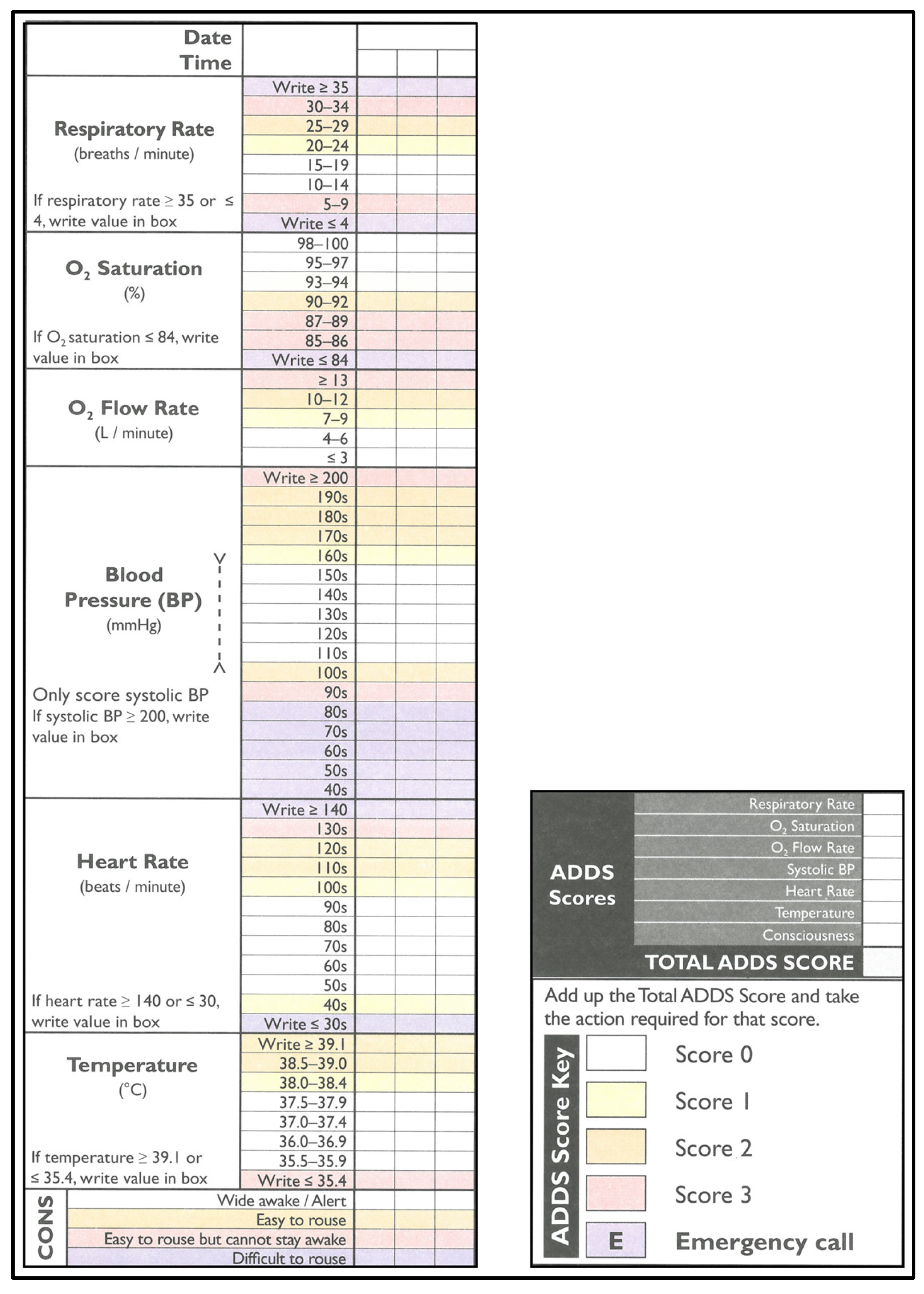
The emergency call criteria used in our ED SSU mirror those used on the inpatient hospital wards and consists of a two-tier system: (1) code blue for cardiac arrest and/or imminent airway threat, and (2) an medical emergency team (MET) call for clinical deterioration (Table 1, Appendix A). While the emergency department specialises in the resuscitation and stabilisation of acutely unwell patients, disposition is made in the ED to either refer a patient to an inpatient team for admission, or to discharge. Clinical deterioration for non-admitted patients remains the responsibility of the emergency medicine team. When a patient is admitted, their clinical management and decision-making falls to the inpatient team regardless of the patient’s physical location within the hospital, even if they remain within the ED or ED SSU. At our hospital, patients must be admitted under an inpatient team to qualify for an emergency call. Patients in this study cohort were admitted and managed by an inpatient team, yet they remained physically boarding within the ED SSU.
Our health service uses paper-based charting, with nurse-led handwritten observation charts employing the Adult Deterioration Detection System (ADDS) for monitoring and identifying patient deterioration and to prescribe appropriate actions [22]. There is variability in the configuration of emergency call teams responding to ED emergency calls in Australia [23]. Members who attend emergency calls in our ED SSU include a medical registrar, a senior ED doctor, a medical resident, a medical intern, the in-charge ED SSU nurse, and the ED SSU nurse assigned to that patient’s care. In contrast to ward-based emergency calls, ED emergency calls are not attended by ICU staff, but a referral for consultation can be made and admission to the ICU considered.
Table 1. Adult emergency call criteria.
Call TypeCriteria
MET CallAny observation in the purple area 1
A total ADDS 2 score greater than or equal to 8 1
Airway threat
Serious concern about the patient
New drop in oxygen saturation < 90%
Sudden fall in level of consciousness
Seizure
Code BlueImpending or actual cardiac or respiratory arrest
Impending or actual airway compromise
1 See Appendix A for colour scoring key and numerical chart. 2 ADDS—Adult Deterioration Detection System. Adapted from [24], Australian Commission on Safety and Quality in Health Care, 2012.

2.2. Methods

There is no currently available national emergency department clinical care data system in Australia. An ED clinical quality registry module for Medical Emergency Team (MET) activations was established in our emergency department. This study used data from the Tasmanian Emergency Care Outcomes registry (TECOR) (ACTRN12624000278538) to conduct a retrospective cohort study of emergency calls between 1 February 2024 and 28 February 2025, covering the registry’s initial 13 months of registry data collection [21]. Data entry into TECOR for the emergency call module included a combination of automated entry for demographic details and other routinely collected ED data for federal reporting. The remaining data was manually entered by research nursing staff. We sought to evaluate patient demographics for emergency calls made from within our ED SSU, including age, sex, Australian Triage Scale (ATS) score, ED length of stay, disposition, and most common diagnosis based on ICD-10 coding.

2.3. Inclusion Criteria

All adult patients (14 years and older) admitted to the ED SSU for the study period, and who had an emergency call(s) whilst in the ED SSU, were included. Medical Emergency Team call(s) were identified through hospital switchboard communication logs and ED-based incident reporting.

2.4. Exclusion Criteria

Exclusion criteria included patients where there was no documented evidence of an emergency call taking place. Emergency calls for paediatric patients (under 14 years), those occurring in the main emergency department clinical area, and duplicates were excluded. Activations for non-admitted patients (e.g., in outpatients), visitors, or staff outside of the ED were excluded.

2.5. Data Analysis

Descriptive statistics were prepared using Stata 18.1 (StataCorp LLC, College Station, TX, USA). Categorical variables were presented as frequencies and their percentages, and continuous variables were depicted as means and standard deviations (SDs) if evenly distributed, or medians and interquartile ranges (IQRs) if not.

2.6. Ethical Approval

Ethical approval was provided by the Tasmania Health and Medical Human Research Ethics Committee (HREA30260, 26 February 2024).

3. Results

3.1. Incidence of Emergency Calls

There were 83,238 ED presentations during the study period, of which 11,775 adult patients (14 years and older) were transferred to the ED SSU. Of these, 1464 (12.4%) were admitted under the care of inpatient services, other than Emergency Medicine, and were eligible for inclusion. There were 54 emergency calls made in the ED SSU for this period, involving 38 individual patients representing 2.6% of all eligible admissions and an emergency call event rate of 36.8 per 1000.

3.2. Characteristics of Patients Requiring an Emergency Call

The median age was 81.5 years (IQR 65–86), with females representing 50% of all emergency calls made in the ED SSU (Table 2). Most emergency calls involved patients with an Australian Triage Scale (ATS) category 3 (22, 57.89%), followed by ATS category 2 (13, 34.21%) and ATS category 4 (3, 7.89%). Disposition following an emergency call in the ED SSU resulted in a majority of patients eventually transferred to the ward (26, 68.42%), followed by discharge home (6, 15.79%) and ICU (3, 7.89%). Two deaths in the ED were recorded within this cohort, representing 5.26% of patients who had an emergency call. Undifferentiated patients with a diagnosis of generally unwell/illness not otherwise specified (NOS) was the most frequent diagnosis for patients having an emergency call during their ED SSU stay, making up 9 (23.68%) patients, followed by undifferentiated chest pain, with 4 (10.53%) patients (Table 2).
The median ED length of stay prior to transfer to the ED SSU was 5.80 h (IQR 4.20–9.20). Median ED SSU LOS was 40.15 h (IQR 26.05–58.28), well exceeding the recommended ED SSU LOS of 24 h. ED SSU LOS was variable between discharge disposition, with the longest LOS seen in patients who were discharged home from the ED SSU without having been transferred to the hospital inpatient setting. Extended median ED SSU LOS, exceeding the recommended 24 h, was seen in all discharge dispositions. Maximum SSU LOS was greater than 4 days, at 109.73 h (Table 2).

3.3. Emergency Call Characteristics

Most emergency calls activated within the ED SSU were MET calls (52, 96.30%), while code blue was infrequent (2, 3.70%) (Table 3). The most frequent triggers for an emergency call included systolic blood pressure < 90 mmHg (21, 37.04%), serious concern (7, 12.96%), Glasgow coma score < 10 (7, 12.96%), and heart rate > 140 beats per minute (6, 11.11%). Oxygen saturations < 90% triggered 5 (9.26%) emergency calls. The mean duration of an emergency call was 37.81 min (SD 17.22). For the majority of patients who had an emergency call during their ED SSU stay, only one call occurred (28, 73.68%). However, 6 patients (15.79%) had a second emergency call, 2 (5.26%) patients a third emergency call, and a further 2 (5.26%) had a fourth emergency call (Table 3).

3.4. Emergency Call Management and Outcomes

On review of the circumstances of the emergency call, the attending medical emergency response team can make time-limited modifications to the ADDS criteria and subsequent emergency call triggers. These modifications acknowledge the state of deterioration and recognise that altered vital signs may persist for some time while treatments are initiated. For patients who had an emergency call in the ED SSU, the most common ADDS modifications were for systolic blood pressure (19, 35.19%), oxygen saturation (10, 18.52%), and heart rate (8, 14.81%) (Table 4).
Goals of Care (GOC) alphanumerical definitions for our hospital include the following: A—for cardiopulmonary resuscitation and all appropriate life-sustaining treatments; B—not for cardiopulmonary resuscitation, but maybe for intubation; C—not for cardiopulmonary resuscitation or intubation, but maybe for a MET call; and D—not for cardiopulmonary resuscitation or intubation, and not for any emergency calls. Revisiting and assessing the GOC for the patient following an emergency call is also commonly undertaken, and allows for discussion of the likely disease course, treatment options, and outcome [25,26]. For the ED SSU cohort, 34 (62.96%) who had a documented GOC remained unchanged. In 18 calls (33.34%), GOC were incomplete prior to an emergency call, and remained incomplete following the emergency call. Only 2 patients (3.70%) had their GOC changed following an emergency call in the ED SSU (1 changed from B to C and 1 from incomplete to D).
Management of patients receiving emergency calls in the hospital inpatient setting typically involves the decision of treating the patient in place or transferring them to the ICU for a higher degree of care and intervention. While this model of care for admitted patients would require transfer following ED SSU emergency calls to the ICU, similar patterns of access block limit the availability of this option. The ED SSU has the benefit of proximity to the main ED and the ability to transfer patients to facilitate higher levels of care. While this should be reserved exclusively for non-admitted patients, clinical need and patient safety take priority. For emergency calls in the ED SSU, the majority of patients remained within the ED SSU (40, 74.07%), with 7 (12.96%) moving to the ED resuscitation room, 6 (11.11%) moving to the main ED, and only 1 (1.85%) transferred from the ED SSU to the ICU (Table 4).
Delays in emergency calls, when emergency call criteria were met but emergency team activation was not initiated immediately, were also recorded. For all emergency calls in the ED SSU, 10 (18.52%) had a delay to initiating an emergency call, with a mean delay of 82 min (SD 54.24). The cause for delay was not stated in 4 (40.00%) cases, while the most frequent reason for delay was contacting the incorrect level of clinician in 7 (70.00%) cases.
Final separation from hospital following an emergency call in the ED SSU was the patients usual place of residence for 29 (76.32%) patients. Four patients (10.53%) died during hospital admission following an ED SSU emergency call with a median length of stay in the ED SSU of 39.03 h and diagnoses of congestive cardiac failure, dementia, transient ischaemic attack, and aspiration pneumonia.

4. Discussion

This pilot study is the first to describe the epidemiology of emergency calls within an emergency department short-stay unit. We found that emergency calls in the ED SSU were uncommon but clinically significant, occurring in 2.6% of eligible admitted patients. These patients were older than their main ED counterparts and experienced substantially prolonged ED SSU length of stay, with a median of 40.15 h, nearly double the intended 24 h ED SSU threshold. The most frequent trigger for emergency calls was hypotension, and a substantial proportion of patients had incomplete GOC documentation both before and after emergency call activation. These findings highlight unique vulnerabilities in the ED SSU environment and raise important questions about monitoring, staffing, and clinical oversight for admitted patients boarding in this setting.
The rate of emergency calls in the ED SSU, occurring at 36.8 per 1000 eligible patients during the study period, was slightly higher than in the main emergency department, with 29.4 per 1000 eligible patients during the same period [20]. This difference may reflect the distinct patient populations and care environments, with ED SSU patients having been initially risk-stratified as suitable for less-frequent observation yet subsequently requiring escalation. While cohorts vary in composition, ward-based studies reports rates of emergency call activations from 47.9 to 131.9 per 1000 [27,28]. This is consistent with reports of adverse events occurring in older patients at a reduced rate in short-stay units when compared with inpatient medical wards [29,30].
ED SSU emergency call patients were older than their ED counterparts, with a median age of 81 years (IQR 65–86), compared with a median of 72 years (IQR 52–82) for patients having emergency calls within the main ED [20]. This is also older than reported demographics from ward-based studies, with the reported median ages ranging from 65 to 69.5 years [9,27]. The advanced age of ED SSU emergency call patients likely reflects the increased complexity in managing comorbid conditions more frequent in older adults, where clinical trajectories may be less predictable despite initial stability. Advanced age increases the likelihood of comorbidity and frailty. While an admission to the ED SSU may be for a single system pathology, care must be taken when assessing the appropriateness of older patients who may benefit from specialist geriatric and medical team care [31].
Most emergency calls in the ED SSU were MET calls (52, 96.30%) rather than code blue activations (2, 3.70%), suggesting that the rapid response system is detecting deterioration before complete cardiorespiratory collapse in most cases. This is consistent with the intended function of RRS to enable early intervention before cardiac arrest occurs.
The most frequent trigger for emergency calls in our ED SSU patient group was a systolic blood pressure < 90 mmHg (20, 37.04%), followed by serious concern (7, 12.96%) and Glasgow coma score < 10 (7, 12.96%). While hypotension was also the largest proportion of emergency call triggers cited in our main ED cohort, variation was observed with a higher relative number of calls made for serious concern and altered mental status (reduced GCS) in the ED SSU group [20]. Similarly, hypotension was also foremost amongst emergency call triggers in ward-based studies [27,32]. However, the predominance of hypotension as the primary trigger is concerning, as it is widely recognised as a late sign of deterioration [33,34].
We found that 10 (18.52%) emergency calls had documented delays between a patient meeting emergency call criteria and emergency call initiation, with a median delay of 58.5 min. This delay rate appeared similar to ward-based literature, where 17–29% of emergency calls were delayed [35,36,37]. Delay in RRS activation leads to increased mortality and unplanned ICU admission. Chen et al. demonstrated, in a randomised controlled trial across 23 hospitals, that a delay of just 15 min to emergency team activation was independently associated with increased unplanned ICU admission and death [35]. Importantly, their study found that older patients (>75 years), those with altered or lowered Glasgow Coma Scale scores, and those whose main reason for activation was hypotension, were more likely to experience delayed calls, characteristics that closely match our ED SSU population profile. Our cohort was older, with hypotension being the most common trigger, and nearly one in five calls were delayed. This combination suggests that ED SSU patients requiring emergency calls may be at particularly high risk for adverse outcomes, and the convergence of these risk factors across studies requires further investigation. The reasons for delayed calls in our cohort included failure to contact the appropriate level of clinician (7, 70%) and failure to identify severity of illness (6, 60%), with some delays having multiple contributing factors. These findings suggest both system-level issues in escalation pathways and potential gaps in the recognition of clinical deterioration as causative factors of afferent limb failure in the ED SSU environment.
Only 7 (12.96%) emergency calls in our cohort were triggered by serious concern. This is similar to ward-based studies of MET activation that reported clinical concern as a reason for calls between 13.5% and 18% of activations [27,38]. This is substantially higher than the 6.83% reported in our main ED cohort [20]. The higher rate of subjective concern triggers in the ED SSU compared to the main ED needs further examination, but may reflect the transition from continuous monitoring of ‘objective triggers’ available in the ED to routine observation practices in the ED SSU. In the main ED resuscitation and acute areas, continuous cardiac monitoring (CCM) and frequent vital sign assessment provide objective early warning of deterioration. In contrast, in the absence of specific clinical indicators, CCM is removed in the ED SSU and observations are more akin to ward-based care, where nursing staff rely more heavily on clinical assessment during routine patient reviews. This shift from technology-dependent surveillance to clinical observation may increase the salience of subjective concern as a trigger, particularly when patients “look unwell” during routine nursing rounds when objective vital signs might not meet emergency call criteria [38]. This finding validates the importance of subjective triggers in environments where continuous monitoring is limited, and highlights the value of experienced clinical judgement in detecting subtle deterioration, effective interdisciplinary communication, and empowerment of clinical staff to communicate concerns early [39,40].
A substantially prolonged length of stay was observed for patients requiring emergency calls in the ED SSU. The median ED SSU LOS was 40.15 h, nearly double the recommended 24 h threshold for ED SSU admissions. This extended length of stay was seen across all discharge dispositions, with even patients transferred to the ICU spending a median of 31.13 h in the ED SSU. The maximum ED SSU LOS reached 109.73 h, over four days, highlighting the extent of boarding for some patients.
This prolonged ED SSU stay likely reflects the intersection of multiple system pressures. First, patients who deteriorate in the ED SSU may require extended stabilisation before they are suitable for ward transfer or meet ICU admission criteria. Second, hospital access block means that even when patients are deemed suitable for ward transfer, beds may not be available. Third, patients requiring emergency calls represent a higher-acuity cohort who may not meet the original ED SSU inclusion criteria of expected discharge within 24 h, yet remain in the ED SSU due to insufficient inpatient bed capacity.
The extended ED SSU length of stay raises significant safety and quality concerns. SSU environments are designed for short-term observation with staffing ratios, monitoring capabilities, and infrastructure appropriate for stable patients with predictable trajectories. When patients with emergency calls, who, by definition, have demonstrated clinical instability, remain in this environment for extended periods, there is a disconnect between patient acuity and environmental capability. Our findings suggest that once a patient requires an emergency call in the ED SSU, they have exceeded the intended scope of ED SSU care and may require either transfer to a higher-acuity area or enhanced monitoring and staffing support.
We found that GOC documentation for patients requiring emergency calls in the ED SSU was frequently incomplete. While 34 calls (62.96%) involved patients with documented GOC that remained unchanged, 18 calls (33.33%) occurred in patients without documented GOC, and this documentation remained incomplete even after the emergency call. Only 2 patients (3.70%) had their GOC modified following an emergency call. The absence of documented GOC in one-third of emergency calls is concerning for several reasons. First, these discussions ideally should occur before acute deterioration, when patients are cognitively intact and can participate meaningfully in shared decision-making. Emergency calls often occur at times when patients are confused, sedated, or otherwise unable to engage in these discussions, placing the burden on distressed family members to make complex decisions under time pressure. Second, the lack of documented GOC may lead to the provision of interventions that are not aligned with patient values or preferences, particularly in older patients with significant comorbidity where aggressive intervention may not improve outcomes or quality of life.
The persistence of incomplete documentation even after an emergency call suggests several possibilities. The treating inpatient team may not be present during the emergency call response, particularly if it occurs outside of business hours, leading to deferral of these discussions. The emergency call response team may not have access to appropriate family or guardians to initiate GOC discussions for patients unable to express their wishes. Finally, the acute nature of the deterioration may necessitate immediate intervention, with GOC discussions deferred until the patient is stabilised, though our data suggests this deferral often becomes indefinite.
For the ED SSU population specifically, GOC discussions may be particularly overlooked. These patients are often admitted for what appears to be a straightforward short-term issue, and the perceived low risk may lead to assumptions that GOC documentation is unnecessary. Our findings demonstrate that even in this apparently lower-acuity setting, serious deterioration occurs, highlighting the importance of routine GOC documentation for all admitted patients regardless of expected length of stay.

Limitations

This study has several limitations that should be considered when interpreting the findings. This was a pilot single-centre retrospective cohort study drawing on data from a clinical quality registry at one tertiary hospital, this may limit generalisability to other settings. ED SSU structures, staffing models, admission criteria, and patient populations vary considerably between institutions, and our findings may not be representative of all SSU environments.
The sample size was relatively small, with only 38 unique patients experiencing 54 emergency calls over the 13-month study period. This reflects the low incidence of emergency calls in the ED SSU and limits our ability to perform more sophisticated statistical analyses or identify predictors of adverse outcomes.
Eligibility for an emergency call in the ED SSU required admission under an inpatient specialty team, representing only 12.4% of all ED SSU patients during the study period. This means our findings may not be generalisable to the broader ED SSU population managed by the emergency medicine team. However, this focus on patients admitted under inpatient teams is clinically relevant, as these are the patients most vulnerable to gaps in medical oversight when boarding in the ED SSU.
Our study only identified patients who had formal emergency calls activated and may not capture all incidences of clinical deterioration. Patients who deteriorated but whose management was undertaken by clinical staff present, or who were managed by ED staff without formal MET activation, would not be captured in our data. Further, elements of documentation that require manual transcription are frequently incomplete, requiring medical record review or staff interviews to complete registry data fields. Data were not available to compare deteriorating patients managed by the ED team with those managed by the medical emergency team in this study, nor with outcomes observed across the general hospital inpatient population. Such comparisons would provide valuable insight to inform future research directions, including iterative improvements to registry data-capture design.
As an epidemiological observational study, we cannot attribute causality. It is beyond the scope of this study to determine whether the extended ED SSU length of stay, incomplete GOC, or other factors directly contributed to the need for emergency calls, or whether these are simply markers of a more complex patient population.

5. Conclusions

This pilot study provides the first epidemiological description of emergency calls within an emergency department ED SSU. Emergency calls in the SSU were uncommon, occurring in 2.6% of eligible admitted patients, but represented a clinically significant burden with important safety implications. This cohort was older than reports of patients requiring emergency calls in the main ED and from ward-based literature. Hypotension was the leading trigger for emergency calls, and nearly one in five emergency calls experienced a delay to activation. This represents a particularly vulnerable population with a high risk of adverse outcomes.
The median length of stay for patients requiring emergency calls was nearly double the intended 24 h threshold, highlighting a fundamental mismatch between patient acuity and the SSU environment. Prolonged boarding reflects broader system pressures and hospital access block, and raises significant concerns about the appropriateness of managing acutely deteriorating patients in an environment designed for the short-term observation of stable patients. Gaps in GOC documentation also represent missed opportunities for patient-centred care and shared decision-making.
These findings highlight the need for clear admission criteria, defined escalation pathways, and improved systems for responding to deterioration in the SSU environment. As hospital access block continues to drive the boarding of admitted patients in emergency departments and ED SSUs, recognising and mitigating the risks associated with prolonged stays in these settings is critical for patient safety. Further research is needed to identify modifiable factors that may reduce the incidence and improve the outcomes of emergency calls in the ED SSU.

Author Contributions

Conceptualization, V.T., T.D. and G.B.; methodology, V.T., T.D. and G.B.; analysis, G.B., T.D. and V.T.; investigation, V.T., T.D. and G.B.; data curation, G.B. and T.D.; writing—original draft preparation, G.B.; writing—review and editing, V.T., T.D., L.T. (Lauren Thurlow), S.P., L.T. (Lizette Tredoux) and G.B.; visualisation, G.B. and V.T.; supervision, V.T.; project administration, G.B.; and funding acquisition, V.T. All authors have read and agreed to the published version of the manuscript.

Funding

This research was funded by the Medical Research Future Fund (MRFF), grant number MRF2018041.

Institutional Review Board Statement

The study was conducted in accordance with the Declaration of Helsinki and approved by the Ethics Committee of the University of Tasmania Human Research Ethics Committee (HREA30260, 26 February 2024).

Informed Consent Statement

Patient consent was waived and approved by the University of Tasmania Human Research Ethics Committee, given that the information published will be deidentified and not re-identifiable, and informed consent or opt-out options for the number of patients expected was not feasible.

Data Availability Statement

The data presented in this study are available on request from the corresponding author due to local privacy laws.

Conflicts of Interest

The authors declare no conflicts of interest. The funders had no role in the design of the study; in the collection, analyses, or interpretation of data; in the writing of the manuscript; or in the decision to publish the results.

Abbreviations

The following abbreviations are used in this manuscript:
SSUShort-Stay Unit
ED(s)Emergency Department(s)
RRSRapid Response System
METMedical Emergency Team
TECORTasmanian Emergency Care Outcomes Registry
ADDSAdult Deterioration Detection Score
GOCGoals of Care
CCMContinuous Cardiac Monitoring
GCSGlasgow Coma Scale

Appendix A

Figure A1. The Adult Deterioration Detection System (ADDS) chart. Adapted from [24], Australian Commission on Safety and Quality in Health Care, 2012.
Ecm 03 00004 g0a1

References

  1. Baugh, C.W.; Venkatesh, A.K.; Bohan, J.S. Emergency department observation units: A clinical and financial benefit for hospitals. Health Care Manag. Rev. 2011, 36, 28–37. [Google Scholar] [CrossRef] [PubMed]
  2. Konnyu, K.J.; Kwok, E.; Skidmore, B.; Moher, D. The effectiveness and safety of emergency department short stay units: A rapid review. Open Med. J. 2012, 6, e10–e16. [Google Scholar]
  3. Galipeau, J.; Pussegoda, K.; Stevens, A.; Brehaut, J.C.; Curran, J.; Forster, A.J.; Tierney, M.; Kwok, E.S.; Worthington, J.R.; Campbell, S.G.; et al. Effectiveness and safety of short-stay units in the emergency department: A systematic review. Acad. Emerg. Med. 2015, 22, 893–907. [Google Scholar] [CrossRef] [PubMed]
  4. Andrews, L.B.; Stocking, C.; Krizek, T.; Gottlieb, L.; Krizek, C.; Vargish, T.; Siegler, M. An alternative strategy for studying adverse events in medical care. Lancet 1997, 349, 309–313. [Google Scholar] [CrossRef]
  5. Davis, P.; Lay-Yee, R.; Briant, R.; Ali, W.; Scott, A.; Schug, S. Adverse events in New Zealand public hospitals I: Occurrence and impact. N. Z. Med. J. 2002, 115, U271. [Google Scholar]
  6. Leape, L.L.; Brennan, T.A.; Laird, N.; Lawthers, A.G.; Localio, A.R.; Barnes, B.A.; Hebert, L.; Newhouse, J.P.; Weiler, P.C.; Hiatt, H. The nature of adverse events in hospitalized patients—Results of the Harvard Medical Practice Study II. N. Engl. J. Med. 1991, 324, 377–384. [Google Scholar] [CrossRef]
  7. Schimmel, E.M. The hazards of hospitalization. Ann. Intern. Med. 1964, 60, 100–110. [Google Scholar] [CrossRef]
  8. Wilson, R.M.; Runciman, W.B.; Gibberd, R.W.; Harrison, B.T.; Newby, L.; Hamilton, J.D. The quality in Australian health care study. Med. J. Aust. 1995, 163, 458–471. [Google Scholar] [CrossRef]
  9. Jones, D.; Pearsell, J.; Wadeson, E.; See, E.; Bellomo, R. Rapid response system components and in-hospital cardiac arrests rates 21 years after introduction into an Australian teaching hospital. J. Patient Saf. 2023, 19, 478–483. [Google Scholar] [CrossRef]
  10. DeVita, M.A.; Bellomo, R.; Hillman, K.; Kellum, J.; Rotondi, A.; Teres, D.; Auerbach, A.; Chen, W.-J.; Duncan, K.; Kenward, G.; et al. Findings of the first consensus conference on medical emergency teams. Crit. Care Med. 2006, 34, 2463–2478. [Google Scholar] [CrossRef]
  11. Maharaj, R.; Raffaele, I.; Wendon, J. Rapid response systems: A systematic review and meta-analysis. Crit. Care 2015, 19, 254. [Google Scholar] [CrossRef] [PubMed]
  12. Winters, B.D.; Weaver, S.J.; Pfoh, E.R.; Yang, T.; Pham, J.C.; Dy, S.M. Rapid-response systems as a patient safety strategy: A systematic review. Ann. Intern. Med. 2013, 158, 417–425. [Google Scholar] [CrossRef] [PubMed]
  13. McGaughey, J.; Fergusson, D.A.; Van Bogaert, P.; Rose, L. Early warning systems and rapid response systems for the prevention of patient deterioration on acute adult hospital wards. Cochrane Database Syst. Rev. 2021. [Google Scholar] [CrossRef]
  14. Pearce, S.; Marr, E.; Shannon, T.; Marchand, T.; Lang, E. Overcrowding in emergency departments: An overview of reviews describing global solutions and their outcomes. Intern. Emerg. Med. 2024, 19, 483–491. [Google Scholar] [CrossRef]
  15. Australasian College for Emergency Medicine. Policy on Standard Terminology. Available online: https://acem.org.au/getmedia/e5cf7ac4-dae5-4193-be9a-6746b0d85009/Policy_on_Standard_Terminology (accessed on 27 March 2024).
  16. Savioli, G.; Ceresa, I.F.; Gri, N.; Bavestrello Piccini, G.; Longhitano, Y.; Zanza, C.; Piccioni, A.; Esposito, C.; Ricevuti, G.; Bressan, M.A. Emergency department overcrowding: Understanding the factors to find corresponding solutions. J. Pers. Med. 2022, 12, 279. [Google Scholar] [CrossRef]
  17. Singer, A.J.; Thode, H.C., Jr.; Viccellio, P.; Pines, J.M. The association between length of emergency department boarding and mortality. Acad. Emerg. Med. 2011, 18, 1324–1329. [Google Scholar] [CrossRef]
  18. Australasian College for Emergency Medicine. Position Statement: Access Block. Available online: https://acem.org.au/getmedia/c0bf8984-56f3-4b78-8849-442feaca8ca6/S127_v01_Statement_Access_Block_Mar_14.aspx (accessed on 17 September 2025).
  19. Clark, J.; Islam, M.S. Hospital access block: A scoping review. J. Emerg. Nurs. 2022, 48, 430–454. [Google Scholar] [CrossRef]
  20. Tran, V.; Dunbabin, T.; Page, S.; Thurlow, L.; Barrington, G. The Epidemiology of Emergency Calls in a Tertiary Emergency Department for Admitted Patients: A TECOR Study. Healthcare 2025, 13, 1670. [Google Scholar] [CrossRef]
  21. Tran, V.; Barrington, G.; Page, S. The Tasmanian Emergency Care Outcomes Registry (TECOR) Protocol. Emerg. Care Med. 2024, 1, 153–164. [Google Scholar] [CrossRef]
  22. Hill, A.; Horswill, M.S.; Preece, M.H.; Watson, M.O. The Development of the Adult Deterioration Detection System (ADDS) Chart; University of Queensland: Brisbane, Australia, 2010. [Google Scholar]
  23. Considine, J.; Jones, D.; Bellomo, R. Emergency department rapid response systems: The case for a standardized approach to deteriorating patients. Eur. J. Emerg. Med. 2013, 20, 375–381. [Google Scholar] [CrossRef]
  24. Adult Deterioration Detection System (ADDS) Chart with Blood Pressure Table, Developed by the Australian Commission on Safety and Quality in Health Care (ACSQHC); ACSQHC: Sydney, Australia, 2012.
  25. Smith, R.L.; Hayashi, V.N.; Lee, Y.I.; Navarro-Mariazeta, L.; Felner, K. The medical emergency team call: A sentinel event that triggers goals of care discussion. Crit. Care Med. 2014, 42, 322–327. [Google Scholar] [CrossRef]
  26. Kerkham, T.; Brain, M. Goals of care conversations and documentation in patients triggering medical emergency team calls. Intern. Med. J. 2020, 50, 1373–1376. [Google Scholar] [CrossRef] [PubMed]
  27. Nolan, J.; Mackay, I.; Nolan, T.; de Looze, J. Medical Emergency Team call within 24 h of medical admission with a focus on sepsis: A retrospective review. Intern. Med. J. 2024, 54, 961–969. [Google Scholar] [CrossRef] [PubMed]
  28. Wijesundera, P.; See, E.J.; Robbins, R.; Crosthwaite, A.; Smallwood, D.; Jones, D.; Bellomo, R. Features, risk factors, and outcomes of older internal medicine patients triggering a medical emergency team call. Acta Anaesthesiol. Scand. 2022, 66, 392–400. [Google Scholar] [CrossRef] [PubMed]
  29. Strøm, C.; Rasmussen, L.S.; Löwe, A.-S.; Lorentzen, A.K.; Lohse, N.; Madsen, K.H.B.; Rasmussen, S.W.; Schmidt, T.A. Short-stay unit hospitalisation vs. standard care outcomes in older internal medicine patients—A randomised clinical trial. Age Ageing 2018, 47, 810–817. [Google Scholar] [CrossRef]
  30. Strøm, C.; Mollerup, T.K.; Kromberg, L.S.; Rasmussen, L.S.; Schmidt, T.A. Hospitalisation in an emergency department short-stay unit compared to an internal medicine department is associated with fewer complications in older patients–an observational study. Scand. J. Trauma Resusc. Emerg. Med. 2017, 25, 80. [Google Scholar] [CrossRef]
  31. Basic, D.; Khoo, A. Admission variables predicting short lengths of stay of acutely unwell older patients: Relevance to emergency and medical short-stay units. Aust. Health Rev. 2009, 33, 502–512. [Google Scholar] [CrossRef]
  32. Zhang, R.; Maher, B.; Ramos, J.; Hardidge, A.; Olenko, L.; Weinberg, L.; Robbins, R.; Churilov, L.; Peyton, P.; Jones, D. The epidemiology of Medical Emergency Team calls for orthopedic patients in a teaching hospital: A retrospective cohort study. Resuscitation 2021, 159, 1–6. [Google Scholar] [CrossRef]
  33. Hagedoorn, N.N.; Zachariasse, J.M.; Moll, H.A. Association between hypotension and serious illness in the emergency department: An observational study. Arch. Dis. Child. 2020, 105, 545–551. [Google Scholar] [CrossRef]
  34. Brekke, I.J.; Puntervoll, L.H.; Pedersen, P.B.; Kellett, J.; Brabrand, M. The value of vital sign trends in predicting and monitoring clinical deterioration: A systematic review. PLoS ONE 2019, 14, e0210875. [Google Scholar] [CrossRef]
  35. Chen, J.; Bellomo, R.; Flabouris, A.; Hillman, K.; Assareh, H.; Ou, L. Delayed emergency team calls and associated hospital mortality: A multicenter study. Crit. Care Med. 2015, 43, 2059–2065. [Google Scholar] [CrossRef]
  36. Tirkkonen, J.; Skrifvars, M.B.; Tamminen, T.; Parr, M.J.; Hillman, K.; Efendijev, I.; Aneman, A. Afferent limb failure revisited–A retrospective, international, multicentre, cohort study of delayed rapid response team calls. Resuscitation 2020, 156, 6–14. [Google Scholar] [CrossRef]
  37. Trinkle, R.M.; Flabouris, A. Documenting Rapid Response System afferent limb failure and associated patient outcomes. Resuscitation 2011, 82, 810–814. [Google Scholar] [CrossRef]
  38. Santiano, N.; Young, L.; Hillman, K.; Parr, M.; Jayasinghe, S.; Baramy, L.-S.; Stevenson, J.; Heath, T.; Chan, C.; Claire, M.; et al. Analysis of medical emergency team calls comparing subjective to “objective” call criteria. Resuscitation 2009, 80, 44–49. [Google Scholar] [CrossRef]
  39. Martland, J.; Chamberlain, D.; Hutton, A.; Smigielski, M. Communication and general concern criterion prior to activation of the rapid response team: A grounded theory. Aust. Health Rev. 2016, 40, 477–483. [Google Scholar] [CrossRef]
  40. Wood, C.; Chaboyer, W.; Carr, P. How do nurses use early warning scoring systems to detect and act on patient deterioration to ensure patient safety? A scoping review. Int. J. Nurs. Stud. 2019, 94, 166–178. [Google Scholar] [CrossRef]
Table 2. Population characteristics of patients who had an emergency call in the ED SSU.
CategoryVariablen (%)
GenderFemale20 (52.63)
Male18 (47.37)
Total38
Number of Calls/GenderFemale27 (50.00)
Male27 (50.00)
Total54
AgeMean (years ± SD)74.60 (17.01)
Range (min–max)35–96
Median (IQR)81.5 (65–86)
Australian Triage Scale1-
213 (34.21)
322 (57.89)
43 (7.89)
5-
ED Length of StayMean (hours ± SD)7.10 (4.53)
Range (min–max)0.5–18.8
Median (IQR)5.80 (4.20–9.20)
ED SSU Length of StayMean (hours ± SD)44.05 (25.60)
Range (min–max)6.25–109.73
Median (IQR)40.15 (26.05–58.28)
Hospital Length of StayMean (hours ± SD)176.74 (181.29)
Range (min–max)13–912
Median (IQR)123 (80–211)
Disposition, n (%), Median SSU LOS hoursICU3 (7.89), 31.13
Ward26 (68.42), 42.72
Usual place of residence6 (15.79), 45.12
Other hospital1 (2.63), 29.43
Died in ED2 (5.26), 43.50
Top ten ED diagnosis (ICD-10), n (%)Generally unwell/illness NOS (R69.0)
Chest pain undifferentiated (R07.4)
9 (23.68)
4 (10.53)
Limb pain (M79.69)2 (5.26)
Cellulitis of lower limb (L03.13)2 (5.26)
Epistaxis (nosebleed) (R04.0)2 (5.26)
Urinary tract infection (UTI) (N39.0)1 (2.63)
Injury of head–not otherwise specified (S09.9)1 (2.63)
Lower back pain (M54.5)
Influenza-like Illness (ILI) (J11.1)
1 (2.63)
1 (2.63)
Hyperglycaemia (R73)1 (2.63)
Table 3. Emergency call characteristics.
CategoryVariablen (%)
Call TypeMET Call52 (96.30)
Code Blue2 (3.70)
Call ReasonAirway threat1 (1.85)
Difficulty breathing1 (1.85)
Respiratory rate < 4-
Respiratory rate > 353 (5.56)
Oxygen saturation < 90%5 (9.26)
Heart rate < 404 (7.41)
Heart rate > 1406 (11.11)
Systolic blood pressure < 9020 (37.04)
Glasgow coma scale < 107 (12.96)
Seizure4 (7.41)
Serious concern7 (12.96)
ADDS 1-
Other1 (1.82)
Call DurationMean (minutes ± SD)37.81 (17.22)
Range (min–max)8–101
Median (IQR)34.5 (30–42)
Number of Emergency Calls128 (73.68)
26 (15.79)
32 (5.26)
42 (5.26)
5-
1 ADDS—Adult Deterioration Detection Score.
Table 4. Emergency call management and outcomes.
CategoryVariablen (%)
ADDS 1 ModificationsNone19 (35.19)
Systolic blood pressure19 (35.19)
Heart rate8 (14.81)
Oxygen saturation10 (18.52)
Oxygen flow rate-
Temp-
Consciousness1 (1.185)
Other
Goals of CareUnchanged34 (62.96)
A to B 2-
A or B to C 2-
A or B or C to D 22 (3.70)
Incomplete before emergency call18 (33.34)
Incomplete after emergency call18 (33.34)
DispositionUnchanged40 (74.07)
Moved to resuscitation bay7 (12.96)
Moved to ICU1 (1.85)
Died-
Moved to main ED6
Delays to METDelay to MET10 (18.52)
Mean (minutes ± SD)82 (54.24)
Range (min–max)31–205
Median (IQR)58.5 (44–121)
Reason for delay(s)None stated4 (40.00)
Appropriate staff in attendance-
Message sent2 (20.00)
Called incorrect level of clinician7 (70.00)
Called ED clinical review-
Severity not identified6 (60.00)
Hospital SeparationAged care2 (5.26)
Died4 (10.53)
Public hospital1 (2.63)
Other service2 (5.26)
Usual residence/accommodation29 (76.32)
1 Adult Acute Deterioration Score; 2 Goals of Care alphanumerical definitions: A—for cardiopulmonary resuscitation and all appropriate life-sustaining treatments; B—not for cardiopulmonary resuscitation, but maybe for intubation; C—not for cardiopulmonary resuscitation or intubation, but maybe for a MET call; and D—not for cardiopulmonary resuscitation or intubation, and not for any emergency calls.
Disclaimer/Publisher’s Note: The statements, opinions and data contained in all publications are solely those of the individual author(s) and contributor(s) and not of MDPI and/or the editor(s). MDPI and/or the editor(s) disclaim responsibility for any injury to people or property resulting from any ideas, methods, instructions or products referred to in the content.