


Abstract
Lithium is the most reliable mood stabilizer available for the treatment of bipolar disorder. However, its use is limited by multiple concerns, including acute toxicity. Lithium levels have frequently been key to decisions regarding initiation of dialysis. Following the methodological principles of the Scale for the Assessment of Narrative Review Articles (SANRA), comprehensive searches were conducted across the following databases: PubMed, Embase, Web of Science, and Cochrane Library, without limitations on publication period. In an effort to standardize and objectify the decision to use dialysis, current treatment recommendations discuss clinical presentation but ultimately rely on measured serum lithium levels. Decision making can be improved if it takes into account whether lithium toxicity occurred slowly (which is equivalent to chronic toxicity, so that clinical signs of toxicity exceed expectations of measured lithium levels) or quickly (in which measured lithium levels exceed observed clinical severity). We propose that clinicians consider these factors and suggest that involving a broader interdisciplinary team, including psychiatry, in the decision-making process could enhance outcomes.
1. Introduction
Lithium is consistently recommended as the treatment of choice in patients with bipolar disorder [1,2], but its use has been declining consistently over time [3,4]. Some of this decline is driven by concern about toxicity and other safety issues [5]. Lithium has a narrow therapeutic index with recommended levels ranging from 0.6 to 1.2 mEq/L (or mmol). Levels below 0.4 mEq/L are unlikely to be effective, while levels exceeding 1.2 mEq/L are associated with increased risk of lithium toxicity [6,7,8]. In clinical practice, the term “lithium toxicity” is most often first associated with acute lithium intoxication, where rapid rises in serum lithium levels produce early symptoms and frequently lead to the need for dialysis. However, chronic toxicity may present more insidiously and may be more clinically severe but with lower lithium levels leading to the erroneous conclusion that extracorporeal removal is not required [9]. Lithium toxicity is feared because, in severe cases, it can be debilitating or fatal. Since lithium is not metabolized, treatment of toxicity can only be accomplished by removal of the lithium—that is accomplished most effectively with dialysis. It is important to note that outcome of severe lithium toxicity has overall improved, with death occurring in only 0.16% of all cases of lithium toxicity, but specific data regarding sequelae are not available [10].
Nonetheless, to reverse the decline in the use of lithium [4] and increase the confidence of prescribers, it is important to educate clinicians to ultimately reduce the fear associated with lithium toxicity.
Lithium levels have been used to help define the severity of toxicity, but severity is ultimately defined by clinical presentation and course (Table 1) [11,12,13,14]. Mild lithium toxicity typically presents with symptoms such as tremor and nausea, and may also include dyscoordination, reduced consciousness, and changes in muscle tone and reflexes. Full recovery is the expected outcome. With mild toxicity, levels are usually below 1.5 mEq/L. The same symptoms are seen in moderate (1.5–2.5 mEq/L) and severe (>2.5 mEq/L) toxicity but with worsening severity. In moderate toxicity, neurologic sequelae are seen beyond the acute phase but may be transient or short lived, but severe toxicity is associated with significant sequelae that are usually permanent or long-lived (because neuronal function may improve over time), or with death [10,12,14]. Greater variation in clinical presentation is driven by the fact that the intracellular fraction determines clinical presentation. Consequently, toxicity may be seen at serum levels below 1.5 mEq/L [15,16]. Despite the theoretical relevance of intracellular concentrations, current pharmacological data confirms that measuring the red blood cell (RBC) lithium concentration or the RBC-to-plasma lithium ratio provides no substantial clinical benefit beyond simply monitoring the plasma concentration, which remains the critical factor for guiding treatment, such as decisions regarding dialysis [17]. Serum lithium levels vary due to several factors including fluctuations in hydration, dietary intake, renal function, drug interactions, and inconsistent adherence to the prescribed treatment regimen [8]. The somewhat indistinct parameters in the clinical presentation, coupled with the wide range of individual variation in lithium levels, make it more difficult to define and operationalize a set of criteria for initiation of dialysis in the setting of lithium toxicity. In other words, decision to dialyze must frequently be based on clinical judgment rather than predetermined criteria.
Table 1.
Grades of lithium toxicity; note that the range of lithium levels can be quite broad and in reality they are overlapping. (Modified from [13,18]).
Coadministration with antipsychotics, which is becoming more frequent [3], increase the risk or severity of lithium toxicity [19] and consequent sequelae [20]. In the largest review of its kind, investigation of factors in 213 cases of acute lithium toxicity revealed that the most common scenario was pre-renal renal dysfunction (i.e., dehydration, not lithium-induced renal dysfunction) leading to reduced lithium clearance and consequent toxicity [11]. While lithium use is considered to potentially cause kidney failure, a review of 96 episodes of lithium toxicity finds that lithium toxicity does not lead to irreversible kidney failure so that renal function after recovery was the same as prior to the episode [21]. Recent studies have clarified the distinct mechanisms underlying different lithium-related renal adverse effects. Tabibzadeh and colleagues showed that the decline in measured glomerular filtration rate (mGFR) is independently associated with the duration of lithium treatment (average reduction: ~0.8 mL/min/1.73 m2 per treatment year), rather than with the daily dose. Renal microcysts, visible on MRI within one year, correlated with duration and GFR decline, signaling structural damage independently of acute dose levels [22]. Conversely, tubular dysfunction and nephrogenic diabetes insipidus are primarily driven by daily lithium burden and osmolar intake. Higher daily doses robustly correlate with polyuria and vasopressin resistance, even in the absence of overt symptoms. Together, these findings suggest that cumulative exposure (treatment duration) is the principal determinant of lithium-related CKD and microcyst formation, whereas daily lithium dose and dietary osmolar load are key modifiable factors contributing to polyuria and tubular vasopressin resistance [23]. Maintaining appropriate and effective lithium levels is essential to reduce the risk of therapeutic failure and toxicity [6,7,8], and monitoring of laboratory parameters is seen as an important tool towards that goal [24].
In addition to laboratory testing, it is important for clinicians to be able to clinically identify lithium toxicity. While this is generally obvious when toxicity is significant or severe [10], it is more difficult when it is mild and sometimes when moderate [25]. This is because lithium toxicity may masquerade as something else [26], including psychiatric symptoms [27,28], or may occur at therapeutic levels [18,29]. In this context, the relational skills of nephrology and dialysis nurses in clinical care settings become paramount. As frontline providers with prolonged patient contact, they play a decisive role in detecting subtle behavioral changes or physical symptoms that may precede frank toxicity, bridging the gap between analytical data and clinical presentation [30].
Once toxicity is identified, it needs to be immediately addressed. Milder cases of toxicity can be managed with hydration. In cases of severe poisoning, extracorporeal removal techniques are essential for minimizing the duration of neurotoxic exposure [31]. The decision about dialysis should be based on a combination of clinical toxicity, exposure duration, and a series of serum lithium level assessments [32]. However, dialysis is not benign [33] and is expensive with variable availability [34]; furthermore, there are no randomized trials available to guide clinicians regarding the decision to perform or not perform dialysis [35], making that decision potentially difficult and frequently subjective [36].
The primary objective of this narrative review was to synthesize the available evidence on the indications and optimal timing of dialysis in patients with lithium toxicity. The secondary objectives were to (i) examine how toxicity pattern (acute, chronic, and acute-on-chronic), clinical presentation, and renal function influence dialysis decisions; and (ii) propose a practical, clinician-oriented framework to support real-world decision making. We believe that clinicians who are comfortable in addressing difficult judgment decisions that might arise with lithium toxicity are more likely to use lithium and do so safely. We undertook this review to clarify the criteria for choosing dialysis as a form of treatment in acute lithium toxicity.
2. Methods
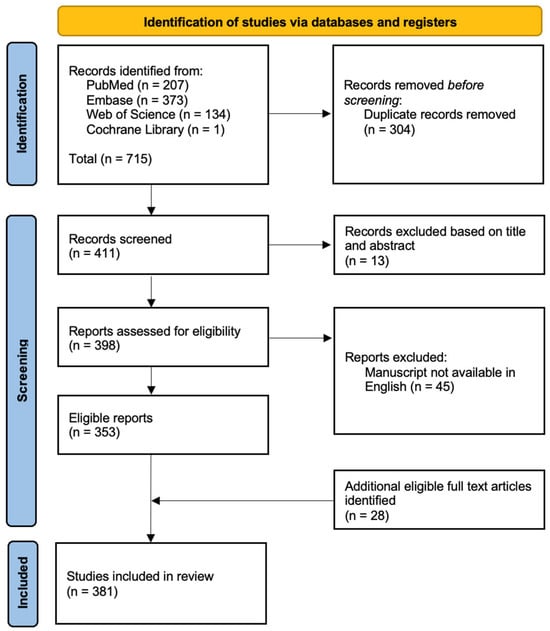
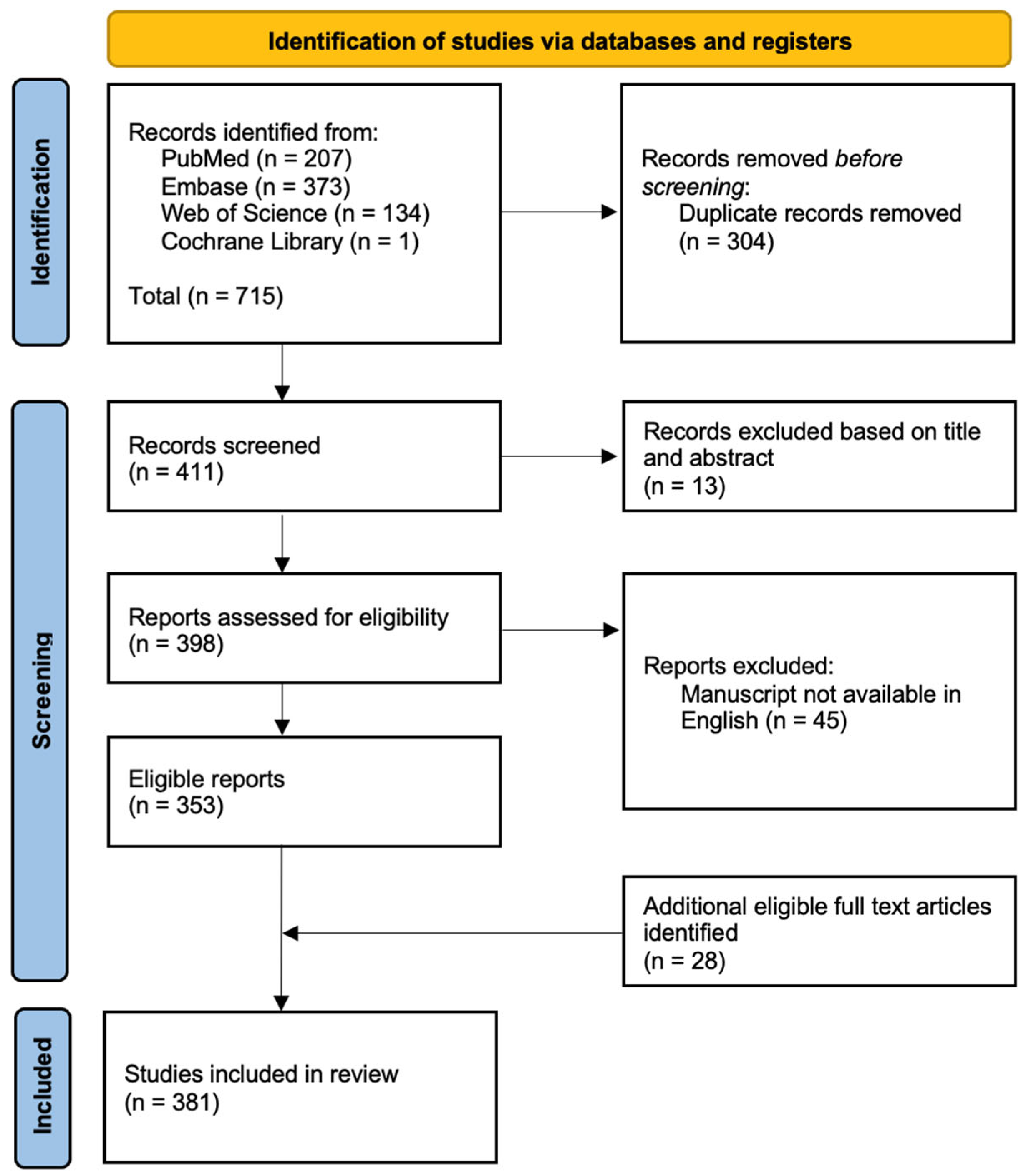
We addressed the six quality points of the Scale for the Assessment of Narrative Review Articles (SANRA) [37]. The completed checklist is available in Supplementary File S1. The primary objective of this narrative review was to investigate when to start hemodialysis in the setting of lithium intoxication. Due to the limited number of primary studies on the subject, a broad search was employed with the following search query: (“lithium toxicity” OR “lithium poisoning” OR “lithium intoxication”) AND (“dialysis” OR “hemodialysis” OR “haemodialysis” OR “renal replacement therapy”). No date restrictions were applied to the search. These terms were used to search four databases: PubMed, Embase, Web of Science, and Cochrane Library. The query was input verbatim, as above, in all databases with the exception of Embase, where the query was slightly modified so that every term used the /exp keyword to include all pseudonyms for each term. Results were then cross-referenced between databases to remove duplicates using the following fields: PMID, Embase ID, Web of Science ID, Title, Author, and Year Published. Once duplicates were removed, the title and abstract of articles were reviewed and categorized by four reviewers. Categories consisted of the following: Case Report; Clinical Trial; Observational; Pre-Clinical; Randomized Controlled Trial; Retrospective; Review; and Uncategorized. Any disagreement in the review process was resolved by discussion amongst the group. Full texts were sourced either free online or via institution specific interlibrary loan, dependent on availability. The inclusion and exclusion criteria and the overall study selection process are presented in the flow diagram (Figure 1).
Figure 1.
Flow diagram of study identification, screening, eligibility and inclusion.
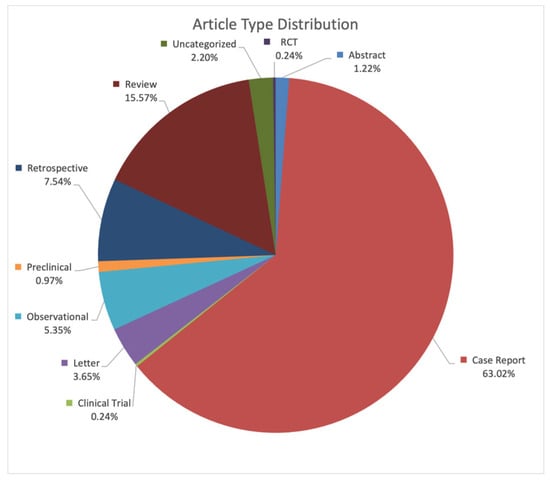
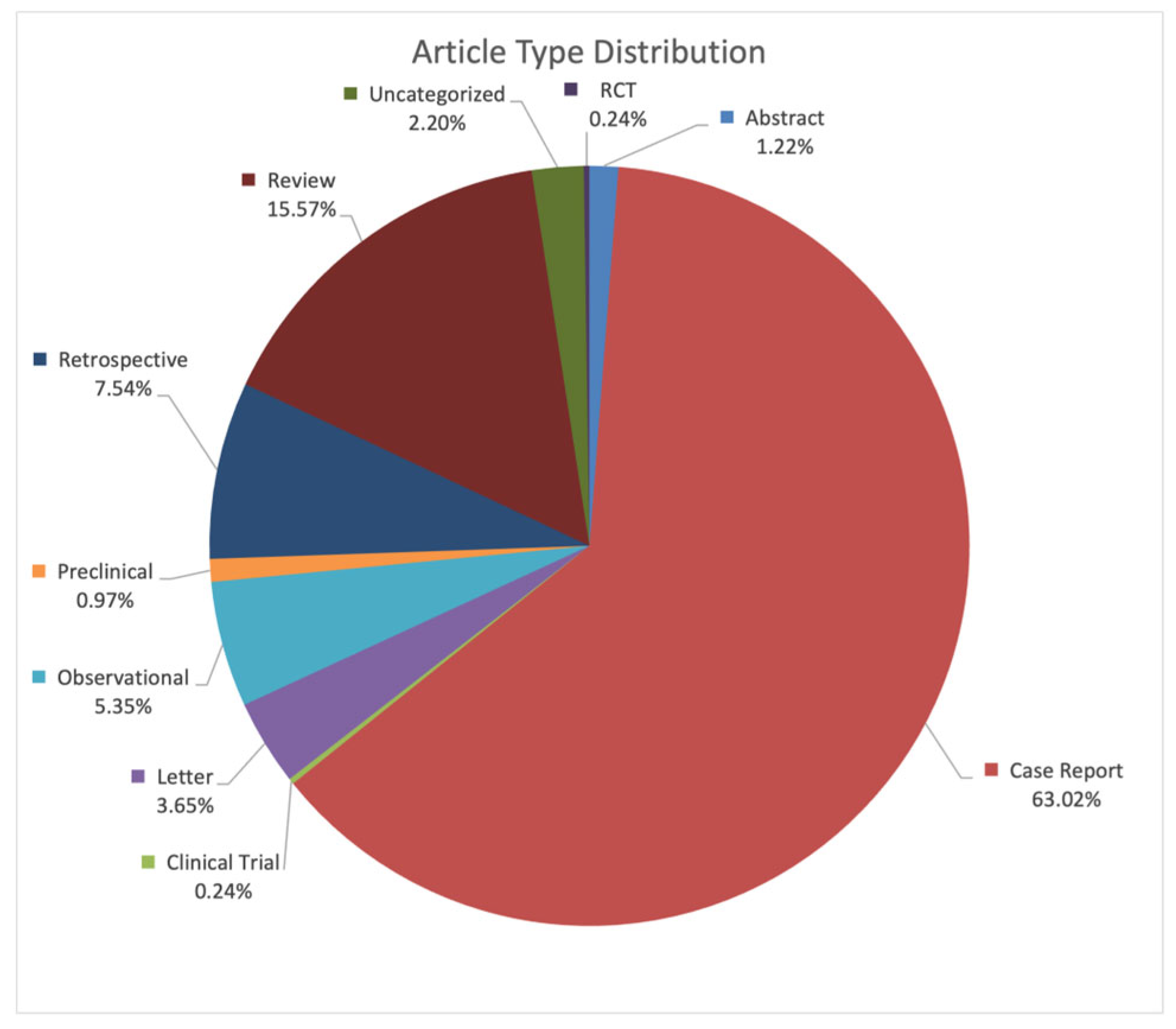
The search yielded a total of 715 results across all four databases: 207 from PubMed, 373 from Embase, 134 from Web of Science, and just one from Cochrane Library. When duplicates were removed there were 411 unique articles to review. Categorical distribution of the results can be seen in Figure 2.
Figure 2.
Pie chart showing the distribution of 411 unique articles from all databases.
3. Discussion
3.1. Pathophysiology of Lithium Toxicity
While the mechanism of action of lithium in treating bipolar disorder is not known, it is clear that the intracellular fraction is the active fraction in patients [38], and also mediates the symptoms of toxicity [32]. Lithium accumulates slowly in the intracellular compartment due to differential rates of influx and efflux [39]. Specifically, lithium always travels down the concentration gradient because it cannot be actively transported across membranes [40]. It enters cells through any sodium channel, but can only exit cells through counter-exchange with another cation, usually sodium [40]. These differential rates of transmembrane transport underlie an interesting phenomenon of lithium poisoning: intentional lithium overdoses—when a patient suddenly consumes large amounts of lithium—may result in significantly higher serum lithium levels compared to non-intentional overdoses, when the lithium concentration increases slowly over a period of time; however, due to the lower intracellular levels with a recent intentional overdose, symptoms of toxicity may be minor despite high extracellular serum lithium levels [32,39]. This represents one of the central problems in identifying and treating lithium toxicity—incongruence between serum lithium levels and the clinical severity of toxicity. Thus, it is important to remember that the rate of development of lithium poisoning frequently determines the expressed symptoms, the likelihood for neuronal damage, and the course of recommended treatment, because slower processes are generally associated with higher intracellular concentrations and more severe outcomes.
Removing lithium from the intracellular compartment is performed predominantly through sodium-lithium counter-exchange [34]. Consequently, saline infusions are an important part of treating toxicity and should be performed whether or not the patient is also undergoing dialysis and independent of the severity of the presentation [10,40,41]. It is interesting to note that many reports do not report a significant decline in serum lithium levels with saline infusions, but that is because the redistribution of lithium from the intracellular compartment to the extracellular compartment would actually increase serum lithium concentration [40]. This is most clearly seen with rebounding of lithium levels after dialysis [42,43]. Patients with acute toxicity are less likely to benefit from saline infusions because there is less lithium inside cells, but, in general, its use to minimize toxic symptoms and maximize lithium diuresis is still recommended [44].
3.2. Identification of Lithium Toxicity
The recommended therapeutic range of lithium has declined since its introduction from 0.8 to 1.5 mEq/L to the current 0.6–1.2 mEq/L. Recommendations of maintenance levels are frequently in the range of 0.4–0.8 mEq/L, with increases to 1.0 mEq/L when patient becomes more psychiatrically symptomatic [7]. Higher levels can be achieved if necessary. But clinicians generally use lithium clinically, titrating up to clinical response and down due to side effects with levels serving as a general guide [45].
Because of the potential disconnect between serum lithium levels and the active intracellular fraction, serum concentrations are generally inadequate to determine toxicity. Serum concentrations are important and provide an objective measure of the total lithium load, but knowing how lithium toxicity came about can shed light on the course of treatment. For the purpose of this discussion, we will discuss three time courses: acute toxicity, chronic toxicity, and acute-on-chronic toxicity [46]. Acute toxicity is identified as symptom onset within less than 24 h of presentation, and usually with serum lithium > 2.5 mEq/L. It occurs most frequently as intentional overdosage of prescribed lithium. Chronic toxicity is generally the slow accumulation over a long period of time (>48 h), and is thus associated with greater intracellular accumulation but lower serum levels <2.0 mEq/L [16,47]. Acute-on-chronic lithium toxicity has characteristics of both acute and chronic toxicity. This multi-modal toxicity is the most common cause of more severe toxicity. It is important to note that how the toxic state developed does not determine the severity of toxicity or the decision to dialyze—that is determined by the clinical symptoms described in Table 1 and other clinical parameters described in Table 2. However, the process by which toxicity developed can help clinicians understand the clinical symptoms of their patients.
Table 2.
Recommended criteria for institution of Extracorporeal Treatments (ECTRs) such as dialysis (modified from [48,49]).
Acute lithium toxicity arises when an individual, who has not previously been exposed to lithium or has been poorly adherent to prescribed lithium, consumes or accumulates an excessive quantity, either by intentional overdose [47], drug–drug interaction (e.g., institution of a diuretic or other medication that reduces lithium clearance) [50], dehydration, or infections [16]. Lithium toxicity can also be influenced by other risk factors, such as impaired renal function, extended exposure to high serum lithium levels, a prior history of neurological disorders, simultaneous use of neuroleptics or valproate, electroconvulsive therapy, febrile conditions, low sodium levels, nephrogenic diabetes insipidus, advanced age (over 50 years), thyroid abnormalities, or diminished creatinine clearance [51,52].
Acute lithium toxicity is usually associated with high serum levels; patients will frequently present with peripheral symptoms such as nausea, vomiting, and diarrhea, and most neurological symptoms tend to be mild or exhibit delayed onset [11]. Table 1 outlines the presentation of different grades of toxicity. In the absence of neurologic symptoms, hydration and observation may be adequate treatments for mild toxicity [11]. There are exceptions. The most common results in intentional overdose are protracted absorption and worsening of lithium toxicity while undergoing initially “adequate” treatment. Additionally, febrile infections are an independent risk factor, and may increase the likelihood of irreversible neurological sequelae in individuals using lithium thus upgrading level of toxicity [53]. In such cases, despite the presence of mild or minimal central nervous system manifestations, dialysis should be taken into consideration in some clinical situations.
Conversely, chronic lithium toxicity impacts individuals on prolonged lithium treatment in whom, over time, lithium intake has exceeded elimination, and they have amassed lithium in their bodily tissues [47]. This form of toxicity predominantly presents with neurological symptoms such as reduced consciousness or cognitive dysfunction, hyperreflexia, myoclonus, ataxia or other dyscoordination, and nystagmus (Table 1). Persistent toxicity may result in the Syndrome of Irreversible Lithium-Effectuated Neurotoxicity (SILENT), a long-term cerebellar disorder characterized by ataxia, nystagmus, and gait disturbances that persist for more than two months after lithium toxicity [54]. SILENT, originally described in 1987 [55], can develop in patients undergoing lithium therapy, even when plasma lithium levels remain within the therapeutic range, and may arise at any point during treatment [56,57,58]. Among the primary risk factors for SILENT, febrile infections play a significant role, potentially contributing to its onset and progression [53]. A recent scoping review of 117 SILENT cases demonstrated that cerebellar dysfunction is the predominant persistent deficit (77%), followed by cognitive impairment (20%) and parkinsonism (16%) [59]. Fever, dehydration, renal impairment, and concomitant antipsychotic use were the most frequently reported precipitating factors. Notably, the current literature does not show that early hemodialysis prevents SILENT; irreversible cerebellar deficits have been reported despite prompt lithium removal, with MRI often revealing cerebellar atrophy or gliosis [54].
Associated altered mental states can vary from agitation and confusion to comatose states and seizures. Renal complications associated with chronic lithium toxicity encompass chronic tubulointerstitial nephropathy and nephrogenic diabetes insipidus, which is prevalent among long-term lithium users. Such conditions have the potential to cause intravascular volume depletion and acute pre-renal kidney injury, potentially exacerbating lithium buildup [60]. Electrocardiographic abnormalities can also manifest in cases of chronic toxicity [46].
In situations of acute-on-chronic lithium toxicity, patients exceed their prescribed maintenance dose (overdose) or experience a reduction in lithium clearance, leading to a blend of neurological and gastrointestinal symptoms [61]. This is the most common route of lithium toxicity [16].
3.3. Dialysis for Lithium Toxicity
Because lithium enters cells through the sodium channels, there is differential accumulation of lithium in neurons that fire faster [39]. This may have something to do with the actual mechanism of lithium—and other mood stabilizers—in treating bipolar disorder [41], but also explains lithium toxicity. Coordination of neuronal activity is much more complex than simple activity, and when it comes to movement, coordination of movement generally requires a significant increase in firing rate compared to simple movements [62,63,64]. Consequently, when intraneuronal lithium level increases, neurons that are involved in coordination of movements accumulate more lithium, and are the first to exhibit signs of lithium toxicity. Said differently, dyscoordination is always the first evidence of increasing brain intracellular lithium levels, so that dyscoordination (ataxia, dysarthria, dysmetria, or blurry vision [dyscoordination of eye movements]) is indicative of lithium toxicity [15,39,40].
Mild toxicity, determined by clinical presentation and associated with a lithium plasma value of less than 1.5 mmol/L (Table 1), can frequently be treated with intravenous repletion with normal saline partly by correcting the defect in renal concentrating ability caused by lithium itself [65]. However, treating lithium toxicity ultimately involves removing intracellular lithium. Since lithium must move across the membrane down a concentration gradient, reducing serum lithium levels will accelerate intracellular concentration decline. When diuresis is not sufficient, dialysis needs to be added [35]. On occasion, clinicians may need to deal with other obstacles, such as availability of dialysis services [66,67], or management disagreements [68].
The question of when to start dialysis is more complicated. The Extra Corporeal Treatments in Poisonings (EXTRIP) workgroup tried to identify several guidelines to answer these questions [43]. However, these guidelines focused on lithium levels to make the recommendations more objective. They did not address the question of how toxicity may have developed, i.e., whether it is acute or chronic or acute on top of chronic [21,48]. Consequently, strictly following these criteria can increase the number of lithium intoxicated patients eligible for dialysis by around two thirds (presumably due to inclusion of individuals that had taken a sudden overdose but had not been taking their lithium previously, resulting in a high plasma lithium level and essentially no intracellular lithium) [61]. Given that the extracellular lithium level may not be representative of the intracellular active fraction, we believe it is very important to include the clinical level of toxicity in the decision-making process. Evidence from a recent intensive care unit cohort further supports these modality-based principles. In a series of 128 patients, serum lithium ≥ 5.2 mmol/L and creatinine ≥ 200 µmol/L were identified as the strongest predictors for dialysis need, and omission of extracorporeal treatment in patients meeting these thresholds was associated with higher rates of persistent neurological deficits [69]. These findings suggest that markedly elevated serum lithium levels and renal impairment may help refine dialysis decisions beyond current EXTRIP level-based recommendations [68]. Moreover, moderate toxicity is frequently associated with survival but long-lived neurologic sequelae. We propose a modified version of the EXTRIP criteria to address these issues (Table 2).
Hemodialysis is considered the preferred method for the clearance of low molecular weight, water-soluble substances, particularly those with limited distribution volumes and little affinity for protein or lipid binding, like lithium [35,70,71,72,73]. However, other forms of dialysis have been used, including different modalities of continuous renal replacement therapy (CRRT) [42,72], sustained low-efficiency dialysis (SLED) [74], and peritoneal dialysis [75]. Comparative data indicate meaningful differences among these modalities: IHD achieves the highest immediate lithium clearance due to superior diffusive efficiency, whereas CRRT provide slower but sustained clearance that may better mitigate rebound in chronic or acute-on-chronic toxicity. SLED appears to offer an intermediate clearance profile—slower than IHD yet more efficient than standard CRRT. Peritoneal dialysis remains markedly less effective and is generally reserved for settings where hemodialysis is unavailable [76]. IHD can filter lithium at a rate of 500 mL/min compared to the normal physiologic rate of about 120 mL/min [77,78]. Viewed differently, hemodialysis reduces the half-life of lithium from 16 to 4 h (range 3.5–4.9 h) [79]. This can produce a rapid reduction in lithium plasma concentrations which is believed to reduce neurologic injury [35]. The half-life of lithium in the brain is longer than in the plasma, at about 28 h, cerebrospinal fluid concentrations drop at equivalent rates [80]. Combining acute hemodialysis with a slower continuous intervention such as veno-venous hemodiafiltration, can more effectively reduce intracellular lithium concentrations [42]. This might be of particular importance in chronic or acute over chronic toxicity when the toxicity has developed slowly because lithium is within a patient’s intracellular compartments.
When dialysis is successful, patients may exhibit a rebound of measured plasma concentrations. This is generally interpreted as redistribution of lithium to the extracellular space from the intracellular compartment [40]. It is almost exclusively seen when lithium toxicity occurred slowly, or if there is an acute over chronic toxic event. It is important that dialysis be continued (or reinitiated) to ensure that these ions do not re-enter the intracellular compartment causing additional toxic damage. Dialysis should be maintained until lithium level is less than 1 mEq/L and continues to drop [62].
4. Limitations
Despite a comprehensive and systematic search across four major databases (PubMed, Embase, Web of Science, and Cochrane Library), it is still possible that some relevant articles may have been missed as we excluded gray literature. Furthermore, there were great variations in the quality and depth of information provided in the included articles, which ranged from single case reports to observational studies. The heterogeneity of reporting across these diverse study types can pose challenges when attempting to synthesize the data and may introduce selection bias. The decision to initiate dialysis is multifactorial, depending on variable factors such as resource availability and interdisciplinary coordination, which may vary across different clinical settings.
To enhance the clinical applicability of our review, we incorporated a concise, stepwise framework to guide real-world decision-making in lithium toxicity. Because the decision to initiate dialysis depends not only on serum lithium levels but also on clinical severity, exposure duration, resource availability, and interdisciplinary coordination, we summarize key elements of management in a practical table (Table 3).
Table 3.
Stepwise Clinical Management Algorithm for Lithium Toxicity.
5. Conclusions
Management of lithium toxicity remains highly variable and subjective. Any form of dialysis appears to be effective with advantages and disadvantages that match particulars of the clinical situation. Intermittent hemodialysis remains the gold standard for lithium detoxification due to its favorable rate of filtration (approximately 500 mL/min), providing rapid clearance of lithium from the blood. Once lithium is removed from the extracellular compartment, there is usually a rebound effect with elevation of plasma levels if toxicity occurred slowly. Slower or more continuous dialysis, such as CRRT, provides a stable filtration rate over a longer duration, effectively hiding the efflux of intracellular lithium.
Attempts to reduce the ambiguity of the decision of when to begin hemodialysis have resulted in the EXTRIP recommendations [43]. The relatively low threshold of dialysis when reduction in consciousness is present or if toxicity developed slowly (Table 2) ensures the best outcome of treatment. Treatment teams must be careful not to be overly influenced with measured lithium levels. We believe it is beneficial for the psychiatric consultation-liaison team to be involved.
Supplementary Materials
The following supporting information can be downloaded at: https://www.mdpi.com/article/10.3390/kidneydial6010005/s1, File S1: SANRA (Scale for the Assessment of Narrative Review Articles) checklist.
Author Contributions
I.H.A., K.I., H.A. and T.L.S. conducted the literature search and drafted the manuscript. E.B. initiated the project. All authors contributed to the conception and design of the study. R.S.E.-M. provided supervision and final revision and approval of the manuscript. All authors have read and agreed to the published version of the manuscript.
Funding
This research received no external funding.
Data Availability Statement
No new data were generated or analyzed in this study.
Conflicts of Interest
El-Mallakh is a speaker for Axsome, Johnson and Johnson, Lundbeck, Otsuka, and Vanda. None of the other authors have any potential conflicts of interest to declare.
References
- Fiorillo, A.; Sampogna, G.; Albert, U.; Maina, G.; Perugi, G.; Pompili, M.; Rosso, G.; Sani, G.; Tortorella, A. Facts and myths about the use of lithium for bipolar disorder in routine clinical practice: An expert consensus paper. Ann. Gen. Psychiatry 2023, 22, 50. [Google Scholar] [CrossRef] [Scilit]
- Shah, B. Bipolar disorder: The foundational role of mood stabilizers. Curr. Psychiatry 2023, 22, 36–41. [Google Scholar] [CrossRef] [Scilit]
- Rhee, T.G.; Olfson, M.; Nierenberg, A.A.; Wilkinson, S.T. 20-Year Trends in the Pharmacologic Treatment of Bipolar Disorder by Psychiatrists in Outpatient Care Settings. Am. J. Psychiatry 2020, 177, 706–715. [Google Scholar] [CrossRef] [Scilit]
- Pahwa, M.; Elsayed, O.H.; El-Mallakh, R.S. The paradox of vanishing lithium. Bipolar Disord. 2023, 25, 97–98. [Google Scholar] [CrossRef] [Scilit]
- Hidalgo-Mazzei, D.; Mantingh, T.; de Mendiola, X.P.; Samalin, L.; Undurraga, J.; Strejilevich, S.; Severus, E.; Bauer, M.; González-Pinto, A.; Nolen, W.A.; et al. Clinicians’ preferences and attitudes towards the use of lithium in the maintenance treatment of bipolar disorders around the world: A survey from the ISBD Lithium task force. Int. J. Bipolar Disord. 2023, 11, 20. [Google Scholar] [CrossRef] [Scilit]
- Nemeroff, C.B.; Evans, D.L.; Gyulai, L.; Sachs, G.S.; Bowden, C.L.; Gergel, I.P.; Oakes, R.; Pitts, C.D. Double-blind, placebo-controlled comparison of imipramine and paroxetine in the treatment of bipolar depression. Am. J. Psychiatry 2001, 158, 906–912. [Google Scholar] [CrossRef] [PubMed]
- Nolen, W.A.; Licht, R.W.; Young, A.H.; Malhi, G.S.; Tohen, M.; Vieta, E.; Kupka, R.W.; Zarate, C.; Nielsen, R.E.; Baldessarini, R.J.; et al. What is the optimal serum level for lithium in the maintenance treatment of bipolar disorder? A systematic review and recommendations from the ISBD/IGSLI Task Force on treatment with lithium. Bipolar Disord. 2019, 21, 394–409. [Google Scholar] [CrossRef] [Scilit] [PubMed]
- Clark, C.T.; Newmark, R.L.; Wisner, K.L.; Stika, C.; Avram, M.J. Lithium Pharmacokinetics in the Perinatal Patient with Bipolar Disorder. J. Clin. Pharmacol. 2022, 62, 1385–1392. [Google Scholar] [CrossRef] [Scilit]
- Hedya, S.A.; Avula, A.; Swoboda, H.D. Lithium Toxicity. In StatPearls; StatPearls Publishing: Treasure Island, FL, USA, 2025. [Google Scholar]
- Boltan, D.D.; Fenves, A.Z. Effectiveness of normal saline diuresis in treating lithium overdose. Bayl. Univ. Med. Cent. Proc. 2008, 21, 261–263. [Google Scholar] [CrossRef] [Scilit]
- El-Mallakh, R.S. Acute lithium neurotoxicity. Psychiatr. Dev. 1986, 4, 311–328. [Google Scholar]
- Dunne, F.J. Lithium toxicity: The importance of clinical signs. Br. J. Hosp. Med. 2010, 71, 206–210. [Google Scholar] [CrossRef] [Scilit]
- Mowry, J.B.; Spyker, D.A.; Cantilena, L.R., Jr.; Bailey, J.E.; Ford, M. 2012 Annual Report of the American Association of Poison Control Centers’ National Poison Data System (NPDS): 30th Annual Report. Clin. Toxicol. 2013, 51, 949–1229. [Google Scholar] [CrossRef] [Scilit] [PubMed]
- Spatola, L.; Maringhini, S.; Canale, C.; Granata, A.; D’AMico, M. Lithium poisoning and renal replacement therapy: Pathophysiology and current clinical recommendations. Int. Urol. Nephrol. 2023, 55, 2501–2505. [Google Scholar] [CrossRef] [Scilit] [PubMed]
- Grandjeani, E.M.; Aubry, J.-M. Lithium: Updated human knowledge using an evidence-based approach: Part I: Clinical efficacy in bipolar disorder. CNS Drugs 2009, 23, 225–240. [Google Scholar] [CrossRef] [Scilit]
- Gitlin, M. Lithium side effects and toxicity: Prevalence and management strategies. Int. J. Bipolar Disord. 2016, 4, 27. [Google Scholar] [CrossRef] [Scilit]
- El Balkhi, S.; Megarbane, B.; Poupon, J.; Baud, F.J.; Galliot-Guilley, M. Lithium poisoning: Is determination of the red blood cell lithium concentration useful? Clin. Toxicol. 2009, 47, 8–13. [Google Scholar] [CrossRef] [Scilit]
- El-Mallakh, R.S. Lithium and ECT Interaction. Convuls. Ther. 1987, 3, 309. [Google Scholar]
- Netto, I.; Phutane, V.H.; Ravindran, B. Lithium neurotoxicity due to second-generation antipsychotics combined with lithium: A systematic review. Prim. Care Companion CNS Disord. 2019, 21, 27431. [Google Scholar] [CrossRef] [Scilit]
- Fenves, A.Z.; Emmett, M.; White, M.G. Lithium intoxication associated with acute renal failure. South. Med. J. 1984, 77, 1472–1474. [Google Scholar] [CrossRef] [Scilit]
- Ott, M.; Stegmayr, B.; Renberg, E.S.; Werneke, U. Lithium intoxication: Incidence, clinical course and renal function—A population-based retrospective cohort study. J. Psychopharmacol. 2016, 30, 1008–1019. [Google Scholar] [CrossRef] [Scilit] [PubMed]
- Tabibzadeh, N.; Faucon, A.-L.; Vidal-Petiot, E.; Serrano, F.; Males, L.; Fernandez, P.; Khalil, A.; Rouzet, F.; Tardivon, C.; Mazer, N.; et al. Determinants of Kidney Function and Accuracy of Kidney Microcysts Detection in Patients Treated with Lithium Salts for Bipolar Disorder. Front. Pharmacol. 2021, 12, 784298. [Google Scholar] [CrossRef] [Scilit]
- Tabibzadeh, N.; Vidal-Petiot, E.; Cheddani, L.; Haymann, J.-P.; Lefevre, G.; Etain, B.; Bellivier, F.; Marlinge, E.; Delavest, M.; Vrtovsnik, F.; et al. Chronic Lithium Therapy and Urine-Concentrating Ability in Individuals with Bipolar Disorder: Association Between Daily Dose and Resistance to Vasopressin and Polyuria. Kidney Int. Rep. 2022, 7, 1557–1564. [Google Scholar] [CrossRef] [Scilit]
- Nederlof, M.; Heerdink, E.R.; Egberts, A.C.G.; Wilting, I.; Stoker, L.J.; Hoekstra, R.; Kupka, R.W. Monitoring of patients treated with lithium for bipolar disorder: An international survey. Int. J. Bipolar Disord. 2018, 6, 12. [Google Scholar] [CrossRef] [Scilit] [PubMed]
- MacLeod-Glover, N.; Chuang, R. Chronic lithium toxicity Considerations and systems analysis. Can. Fam. Physician 2020, 66, 258–261. [Google Scholar] [PubMed]
- Almadani, A.H.; AlBuqami, F.H.; A Aljaffer, M. Challenges in the Clinical Diagnosis of Lithium Toxicity: A Case Report. Cureus 2023, 15, e47503. [Google Scholar] [CrossRef] [Scilit]
- Nurnberger, J.I., Jr. Diuretic-induced lithium toxicity presenting as mania. J. Nerv. Ment. Dis. 1985, 173, 316–318. [Google Scholar] [CrossRef] [Scilit]
- El-Mallakh, R.S.; Kantesaria, A.N.; Chaikovsky, L.I. Lithium toxicity presenting as mania. Drug Intell. Clin. Pharm. 1987, 21, 979–981. [Google Scholar] [CrossRef] [Scilit]
- Jacob, J.E.; Chng, W.Q.; Teo, D.B. Looking Beyond Numbers: Lithium Toxicity Within Therapeutic Levels. Am. J. Med. 2020, 133, e155–e156. [Google Scholar] [CrossRef] [Scilit]
- Mancin, S.; Palomares, S.M.; Sguanci, M.; Palmisano, A.; Gazineo, D.; Parozzi, M.; Ricco, M.; Savini, S.; Ferrara, G.; Anastasi, G.; et al. Relational skills of nephrology and dialysis nurses in clinical care settings: A scoping review and stakeholder consultation. Nurse Educ. Pract. 2025, 82, 104229. [Google Scholar] [CrossRef] [Scilit]
- del Valle, K.M.P.; Magro, M.M.; Tocora, D.G.; Boldoba, N.B.; Puncel, C.B.; Obregón, A.S.; Palomares, J.R.R.; Fuente, G.D.A.D.L. Medium cut-off membrane expanded hemodialysis for Lithium removal: A case report. Front. Toxicol. 2025, 7, 1677299. [Google Scholar] [CrossRef] [Scilit]
- Nagappan, R.; Parkin, W.G.; Holdsworth, S.R. Acute lithium intoxication. Anaesth. Intensive Care 2002, 30, 90–92. [Google Scholar] [CrossRef] [Scilit]
- Maher, J.F.; Schreiner, G.E. Hazards and complications of dialysis. N. Engl. J. Med. 1965, 273, 370–377. [Google Scholar] [CrossRef] [Scilit]
- Pockros, B.M.; Finch, D.J.; Weiner, D.E. Dialysis and Total Health Care Costs in the United States and Worldwide: The Financial Impact of a Single-Payer Dominant System in the US. J. Am. Soc. Nephrol. 2021, 32, 2137–2139. [Google Scholar] [CrossRef] [Scilit]
- Lavonas, E.J.; Buchanan, J. Hemodialysis for lithium poisoning. Cochrane Database Syst. Rev. 2015, 2015, CD007951. [Google Scholar] [CrossRef] [Scilit]
- Liu, Y.-H.; Tsai, K.-F.; Hsu, P.-C.; Hsieh, M.-H.; Fu, J.-F.; Wang, I.-K.; Liu, S.-H.; Weng, C.-H.; Huang, W.-H.; Hsu, C.-W.; et al. Hemodialysis Treatment for Patients with Lithium Poisoning. Int. J. Environ. Res. Public Health 2022, 19, 10044. [Google Scholar] [CrossRef] [Scilit]
- Baethge, C.; Goldbeck-Wood, S.; Mertens, S. SANRA—A scale for the quality assessment of narrative review articles. Res. Integr. Peer Rev. 2019, 4, 5. [Google Scholar] [CrossRef] [Scilit]
- Komoroski, R.A.; Lindquist, D.M.; Pearce, J.M. Lithium compartmentation in brain by 7Li MRS: Effect of total lithium concentration. NMR Biomed. 2013, 26, 1152–1157. [Google Scholar] [CrossRef] [Scilit]
- El-Mallakh, R. Preventing bipolar relapse while avoiding lithium toxicity: The role of the lithium ratio and intraerythrocyte lithium concentration determination. Lithium 1994, 5, 17–22. [Google Scholar]
- El-Mallakh, R.S. Ion homeostasis and the mechanism of action of lithium. Clin. Neurosci. Res. 2004, 4, 227–231. [Google Scholar] [CrossRef] [Scilit]
- El-Mallakh, R.S.; Huff, M.O. Mood stabilizers and ion regulation. Harv. Rev. Psychiatry 2001, 9, 23–32. [Google Scholar] [CrossRef]
- Meertens, J.H.; Jagernath, D.R.; Eleveld, D.J.; Zijlstra, J.G.; Franssen, C.F. Haemodialysis followed by continuous veno-venous haemodiafiltration in lithium intoxication; a model and a case. Eur. J. Intern. Med. 2009, 20, e70–e73. [Google Scholar] [CrossRef] [Scilit]
- Decker, B.S.; Goldfarb, D.S.; Dargan, P.I.; Friesen, M.; Gosselin, S.; Hoffman, R.S.; Lavergne, V.; Nolin, T.D.; Ghannoum, M. Extracorporeal Treatment for Lithium Poisoning: Systematic Review and Recommendations from the EXTRIP Workgroup. Clin. J. Am. Soc. Nephrol. 2015, 10, 875–887. [Google Scholar] [CrossRef] [Scilit]
- El-Mallakh, R.S. Treatment of acute lithium toxicity. Vet. Hum. Toxicol. 1984, 26, 31–35. [Google Scholar]
- Tondo, L.; Alda, M.; Bauer, M.; Bergink, V.; Grof, P.; Hajek, T.; Lewitka, U.; Licht, R.W.; Manchia, M.; Müller-Oerlinghausen, B.; et al. Clinical use of lithium salts: Guide for users and prescribers. Int. J. Bipolar Disord. 2019, 7, 16. [Google Scholar] [CrossRef] [Scilit]
- Kobylianskii, J.; Austin, E.; Gold, W.L.; Wu, P.E. A 54-year-old woman with chronic lithium toxicity. Can. Med. Assoc. J. 2021, 193, E1345–E1348. [Google Scholar] [CrossRef] [Scilit]
- Baird-Gunning, J.; Lea-Henry, T.; Hoegberg, L.C.G.; Gosselin, S.; Roberts, D.M. Lithium Poisoning. J. Intensive Care Med. 2017, 32, 249–263. [Google Scholar] [CrossRef] [Scilit]
- Ferreira, S.; Santos, S.; Ferreira, S.G.; Fernandes, L.; Almeida, P. Chronic Lithium Intoxication: A Challenging Diagnosis. Cureus 2024, 16, e52626. [Google Scholar] [CrossRef] [Scilit]
- Ahsan, S.; Illg, Z.N.; Moran, T.P.; Morgan, B.W.; Carpenter, J.E. Predictors of prolonged supratherapeutic serum lithium concentrations: A retrospective chart review. Clin. Toxicol. 2024, 62, 550–556. [Google Scholar] [CrossRef]
- Mahli, G.S.; Bell, E.; Outhred, T.; Berk, M. Lithium therapy and its interactions. Aust. Prescr. 2020, 43, 91–93. [Google Scholar] [CrossRef] [Scilit]
- Munshi, K.R.; Thampy, A. The syndrome of irreversible lithium-effectuated neurotoxicity. Clin. Neuropharmacol. 2005, 28, 38–49. [Google Scholar] [CrossRef] [Scilit]
- Santos, C.F.; Gomes, R. Syndrome of irreversible lithium-effectuated neurotoxicity (SILENT): A review. Eur. Psychiatry 2022, 65, S717. [Google Scholar] [CrossRef] [Scilit]
- Verdoux, H.; Debruyne, A.-L.; Queuille, E.; De Leon, J. A reappraisal of the role of fever in the occurrence of neurological sequelae following lithium intoxication: A systematic review. Expert Opin. Drug Saf. 2021, 20, 827–838. [Google Scholar] [CrossRef] [Scilit]
- Marmol, S.; Beltre, N.; Margolesky, J. Syndrome of irreversible lithium-effectuated neurotoxicity (SILENT): A preventable cerebellar disorder. Cerebellum 2024, 23, 1733–1735. [Google Scholar] [CrossRef] [Scilit] [PubMed]
- Adityanjee. The syndrome of irreversible lithium effectuated neurotoxicity. J. Neurol. Neurosurg. Psychiatry 1987, 50, 1246–1247. [Google Scholar] [CrossRef] [Scilit]
- Donaldson, I.M.; Cuningham, J. Persisting neurologic sequelae of lithium carbonate therapy. Arch. Neurol. 1983, 40, 747–751. [Google Scholar] [CrossRef] [Scilit] [PubMed]
- Verdoux, H.; Bourgeois, M.L. Irreversible neurologic sequelae caused by lithium. L’encephale 1991, 17, 221–224. [Google Scholar] [CrossRef] [Scilit]
- Roy, M.; Stip, E.; Black, D.N.; Lew, V.; Langlois, R. Neurologic sequelae secondary to acute lithium poisoning. Can. J. Psychiatry 1999, 44, 671–679. [Google Scholar] [CrossRef] [Scilit]
- Konieczny, K.; Detraux, J.; Bouckaert, F. The Syndrome of Irreversible Lithium-Effectuated Neurotoxicity: A Scoping Review. Anatol. J. Psychiatry 2024, 25, 190–205. [Google Scholar] [CrossRef] [Scilit]
- Grünfeld, J.-P.; Rossier, B.C. Lithium nephrotoxicity revisited. Nat. Rev. Nephrol. 2009, 5, 270–276. [Google Scholar] [CrossRef] [Scilit]
- Buckley, N.A.; Cheng, S.; Isoardi, K.; Chiew, A.L.; Siu, W.; Vecellio, E.; Chan, B.S. Haemodialysis for lithium poisoning: Translating EXTRIP recommendations into practical guidelines. Br. J. Clin. Pharmacol. 2020, 86, 999–1006. [Google Scholar] [CrossRef] [Scilit]
- Ajemian, R.; Bullock, D.; Grossberg, S. A model of movement coordinates in the motor cortex: Posture-dependent changes in the gain and direction of single cell tuning curves. Cereb. Cortex 2001, 11, 1124–1135. [Google Scholar] [CrossRef] [Scilit]
- Barter, J.W.; Li, S.; Sukharnikova, T.; Rossi, M.A.; Bartholomew, R.A.; Yin, H.H. Basal ganglia outputs map instantaneous position coordinates during behavior. J. Neurosci. 2015, 35, 2703–2716. [Google Scholar] [CrossRef] [Scilit]
- Lindén, H.; Berg, R.W. Why Firing Rate Distributions Are Important for Understanding Spinal Central Pattern Generators. Front. Hum. Neurosci. 2021, 15, 719388. [Google Scholar] [CrossRef] [Scilit]
- Harbord, N. Common Toxidromes and the Role of Extracorporeal Detoxification. Adv. Chronic Kidney Dis. 2020, 27, 11–17. [Google Scholar] [CrossRef] [Scilit]
- Himmelfarb, J.; Vanholder, R.; Mehrotra, R.; Tonelli, M. The current and future landscape of dialysis. Nat. Rev. Nephrol. 2020, 16, 573–585. [Google Scholar] [CrossRef] [Scilit]
- Crouch, E.; Yell, N.; Herbert, L.; Browne, T.; Hung, P. Availability and Quality of Dialysis Care in Rural versus Urban US Counties. Am. J. Nephrol. 2024, 55, 361–368. [Google Scholar] [CrossRef] [Scilit] [PubMed]
- Otani, V.; Otani, T.; Freirias, A.; Calfat, E.; Aoki, P.; Cross, S.; Sumskis, S.; Kanaan, R.; Cordeiro, Q.; Uchida, R. Predictors of Disagreement Between Diagnoses from Consult Requesters and Consultation-Liaison Psychiatry. J. Nerv. Ment. Dis. 2019, 207, 1019–1024. [Google Scholar] [CrossRef] [Scilit]
- Vodovar, D.; El Balkhi, S.; Curis, E.; Deye, N.; Mégarbane, B. Lithium poisoning in the intensive care unit: Predictive factors of severity and indications for extracorporeal toxin removal to improve outcome. Clin. Toxicol. 2016, 54, 615–623. [Google Scholar] [CrossRef] [Scilit] [PubMed]
- Keller, F.; Wilms, H.; Schultze, G.; Offerman, G.; Molzahn, M. Effect of plasma protein binding, volume of distribution and molecular weight on the fraction of drugs eliminated by hemodialysis. Clin. Nephrol. 1983, 19, 201–205. [Google Scholar]
- Okusa, M.D.; Crystal, L.J.T. Clinical manifestations and management of acute lithium intoxication. Am. J. Med. 1994, 97, 383–389. [Google Scholar] [CrossRef] [Scilit] [PubMed]
- van Bommel, E.F.; Kalmeijer, M.D.; Ponssen, H.H. Treatment of life-threatening lithium toxicity with high-volume continuous venovenous hemofiltration. Am. J. Nephrol. 2000, 20, 408–411. [Google Scholar] [CrossRef] [Scilit]
- Ouellet, G.; Bouchard, J.; Ghannoum, M.; Decker, B.S. Available extracorporeal treatments for poisoning: Overview and limitations. Semin. Dial. 2014, 27, 342–349. [Google Scholar] [CrossRef] [Scilit]
- Fiaccadori, E.; Maggiore, U.; Parenti, E.; Greco, P.; Cabassi, A. Sustained low-efficiency dialysis (SLED) for acute lithium intoxication. NDT Plus 2008, 1, 329–332. [Google Scholar] [CrossRef] [Scilit]
- Hansen, H.E.; Amdisen, A. Lithium intoxication: Report of 23 cases and review of 100 cases from the literature. QJM Int. J. Med. 1978, 47, 123–144. [Google Scholar]
- Deville, K.; Charlton, N.; Askenazi, D. Use of extracorporeal therapies to treat life-threatening intoxications. Pediatr. Nephrol. 2024, 39, 105–113. [Google Scholar] [CrossRef] [Scilit]
- Iman, Y.; Bamforth, R.; Ewhrudjakpor, R.; Komenda, P.; Gorbe, K.; Whitlock, R.; Bohm, C.; Tangri, N.; Collister, D. The impact of dialysate flow rate on haemodialysis adequacy: A systematic review and meta-analysis. Clin. Kidney J. 2024, 17, sfae163. [Google Scholar] [CrossRef] [Scilit] [PubMed]
- Kaufman, D.; Basit, H.; Knohl, S. Physiology, Glomerular Filtration Rate. In StatPearls; StatPearls Publishing: Treasure Island, FL, USA, 2025. [Google Scholar]
- Plenge, P.; Stensgaard, A.; Jensen, H.V.; Thomsen, C.; Mellerup, E.T.; Henriksen, O. 24-hour lithium concentration in human brain studied by Li-7 magnetic resonance spectroscopy. Biol. Psychiatry 1994, 36, 511–516. [Google Scholar] [CrossRef] [Scilit]
- Jaeger, A.; Sauder, P.; Kopferschmitt, J.; Jaegle, M.L. Toxicokinetics of lithium intoxication treated by hemodialysis. J. Toxicol. Clin. Toxicol. 1985, 23, 501–517. [Google Scholar] [CrossRef] [Scilit] [PubMed]

Disclaimer/Publisher’s Note: The statements, opinions and data contained in all publications are solely those of the individual author(s) and contributor(s) and not of MDPI and/or the editor(s). MDPI and/or the editor(s) disclaim responsibility for any injury to people or property resulting from any ideas, methods, instructions or products referred to in the content. |
© 2026 by the authors. Licensee MDPI, Basel, Switzerland. This article is an open access article distributed under the terms and conditions of the Creative Commons Attribution (CC BY) license.