1. Introduction
Influenza, a viral pathogen responsible for recurrent seasonal epidemics and devastating pandemics for over a century, has historically been conceptualized primarily as an acute respiratory illness [
1]. This paradigm, however, requires a fundamental re-evaluation, according to the World Health Organization (WHO) that endorsed the Pandemic Influenza Preparedness (PIP) Framework incorporating lessons from COVID-19 [
2,
3,
4]. The recent COVID-19 pandemic cast a stark light on the profound and persistent multi-organ sequelae that can follow an acute viral infection, a phenomenon now widely recognized as long COVID or Post-Acute Sequelae of SARS-CoV-2 (PASC) [
5,
6]. This has catalyzed a critical re-examination of other respiratory viruses, prompting the hypothesis that influenza may also precipitate a parallel, yet under-characterized, post-acute infection syndrome (PAIS)—a “long flu” [
7,
8].
Long flu has been recognized for many years, particularly within the cardiovascular system. The association between influenza and cardiac dysfunction is not a modern observation; severe cardiac damage was documented in nearly all fatalities of the 1918 Spanish flu pandemic [
9], and has been a consistent finding in autopsies of fatal seasonal influenza cases since [
10,
11]. Modern epidemiological analyses have quantified this burden, estimating that influenza infection is significantly attributable to cardiovascular diseases (CVDs), such as myocarditis [
12], ischemic heart disease [
13], stroke [
14], heart failure [
15], atrial fibrillation [
16,
17], and acute myocardial infarction [
18,
19,
20,
21,
22]. Crucially, recent experimental evidence has transcended correlation, providing mechanistic underpinnings for these observations. Studies using heart–influenza virus models have demonstrated that robust viral replication within cardiomyocytes is a requisite driver of cardiac fibrosis and electrical dysfunction, a pathogenic effect that is not solely attributable to systemic inflammation from severe lung infection [
23]. Beyond the heart, emerging evidence also links influenza to adverse neurological outcomes of Alzheimer’s Disease and dementia [
24,
25,
26], further supporting its potential for systemic, long-term pathology.
Despite this growing body of evidence, our understanding of the long-term, multi-system consequences of influenza remains fragmented. Prior research has often been confined to shorter follow-up periods, a narrow spectrum of outcomes, or a singular focus on either cardiovascular or respiratory complications. Consequently, a comprehensive, longitudinal cartography of the risks preceding and following influenza infection is conspicuously absent. Comparative analyses with COVID-19 have revealed that while both viruses impose a significant post-acute burden, they exhibit distinct organ-specific risk profiles [
8]. This finding underscores the necessity of characterizing long flu not merely as an analogue of long COVID, but as a distinct clinical entity with its own unique landscape of risk and morbidity. Key knowledge gaps persist regarding the long-term persistence of multi-organ sequelae, the pre-existing conditions that confer susceptibility, and the pathophysiology of extrapulmonary complications independent of acute pneumonia.
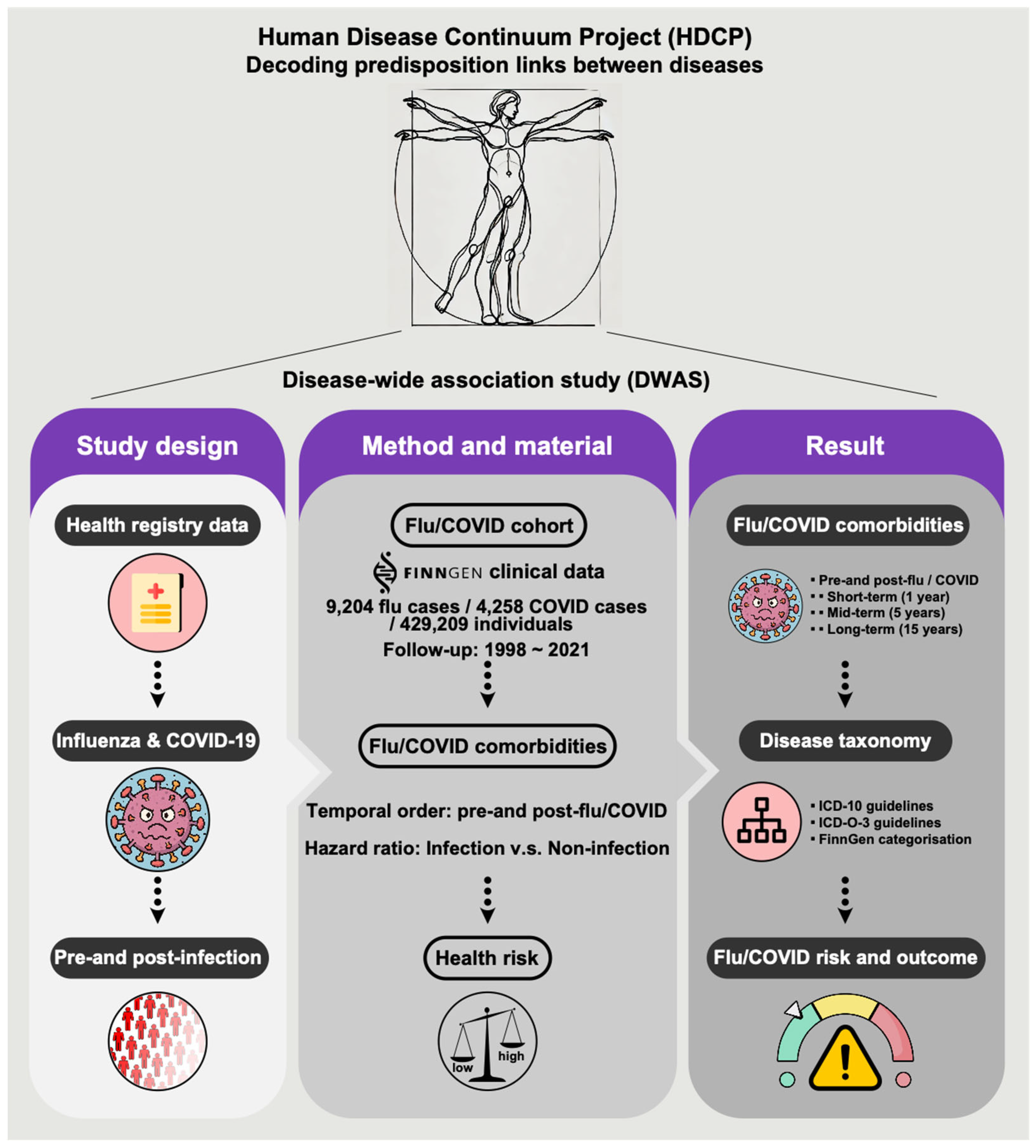
To address these critical gaps, this study leveraged a large-scale cohort to conduct a disease-wide association study (DWAS), systematically mapping the landscape of health outcomes following influenza. This DWAS approach was chosen due to its ability to capture the broad spectrum of disease associations and its previous successful application in investigating systemic conditions such as stroke, depression, and Alzheimer’s disease [
27,
28,
29,
30,
31]. This DWAS of influenza aims to provide a comprehensive, temporally resolved portrait of both pre-existing risks before influenza and the subsequent risk of multi-organ sequelae, with a particular focus on their persistence over one, five, and fifteen years. By situating these findings within a multi-system framework, this effort seeks to redefine the true, long-term burden of this ubiquitous pathogen. This comprehensive landscape is essential for refining preventive strategies—including vaccination prioritization and risk stratification—and for generating precise hypotheses to guide future mechanistic and interventional research.
3. Results
3.1. Overview of Disease-Wide Association of COVID-19
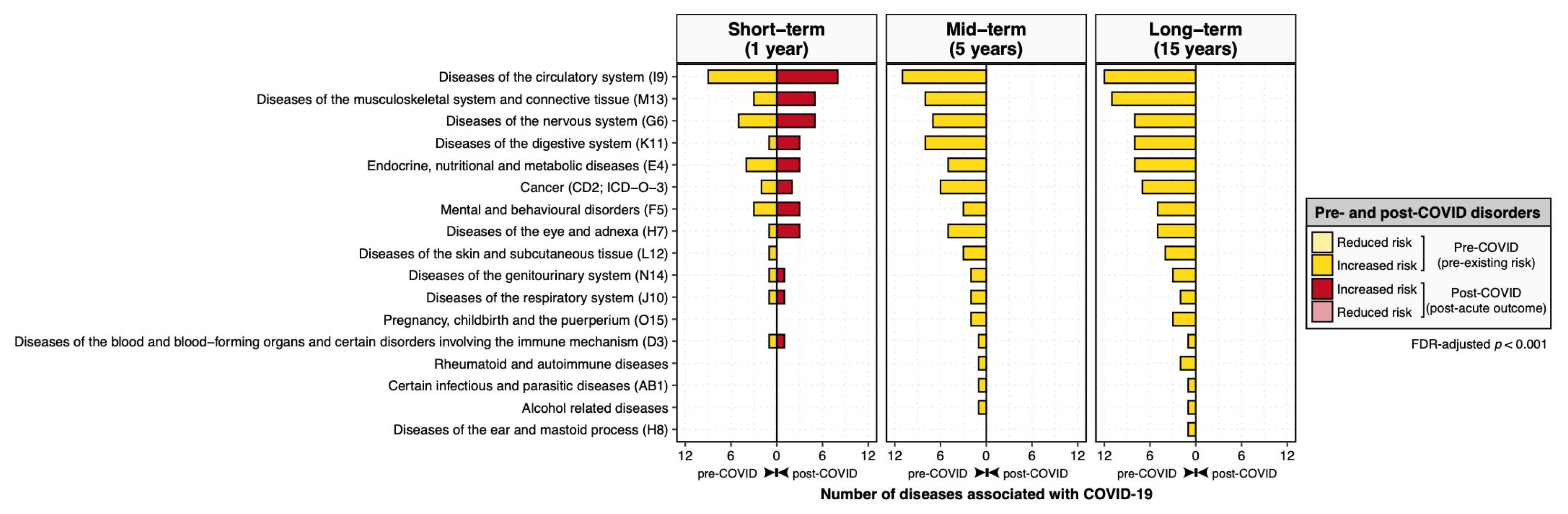
The Disease-Wide Association Study (DWAS) conducted on a spectrum of clinical endpoints highlighted a remarkably intricate landscape of COVID-19-related sequelae. Following rigorous adjustments for multiple hypothesis testing, with a false discovery rate (FDR) threshold of <0.001, this analysis revealed a multitude of robust associations across a diverse array of organ systems. While the analysis confirmed well-established links to respiratory complications, the findings significantly extended beyond the respiratory domain, encompassing notable associations with a variety of other physiological systems.
Specifically, the study identified substantial relationships between COVID-19 and pathologies affecting the circulatory system (ICD-10: I9), musculoskeletal and connective tissues (ICD-10: M13), and the nervous system (ICD-10: G6). Additionally, significant associations were observed in the digestive system (ICD-10: K11), endocrine, nutritional and metabolic disorders (ICD-10: E4), as well as cancerous conditions (ICD-10: CD2; ICD-O-3). Moreover, the analysis revealed a marked prevalence of mental and behavioral disorders (ICD-10: F5), ocular conditions (ICD-10: H7), and other respiratory system disorders (ICD-10: J10) in the COVID-19 cohort. The findings of this wide-ranging disease association are visually represented in
Figure 2, illustrating the far-reaching implications of COVID-19 on health beyond its initial respiratory impact.
These extensive associations underscore the systemic nature of COVID-19, highlighting its capacity to affect nearly every major organ system. Furthermore, the results provide critical insight into the long-term health burdens attributable to COVID-19, extending well beyond the acute phase of infection and shedding light on the complex pathophysiological consequences that persist in the long-term recovery phase.
3.2. Pre-Existing Risk Factors for COVID-19 Susceptibility and Post-COVID Syndrome (Long COVID)
The investigation into pre-existing health conditions that predispose individuals to both initial COVID-19 infection and subsequent post-COVID syndrome (long COVID) revealed significant insights into the broader health risks exacerbated by the pandemic. This study focused on the pre- and post-infection health status of individuals who were later diagnosed with COVID-19, providing a longitudinal perspective on how chronic conditions may predispose individuals to more severe disease outcomes.
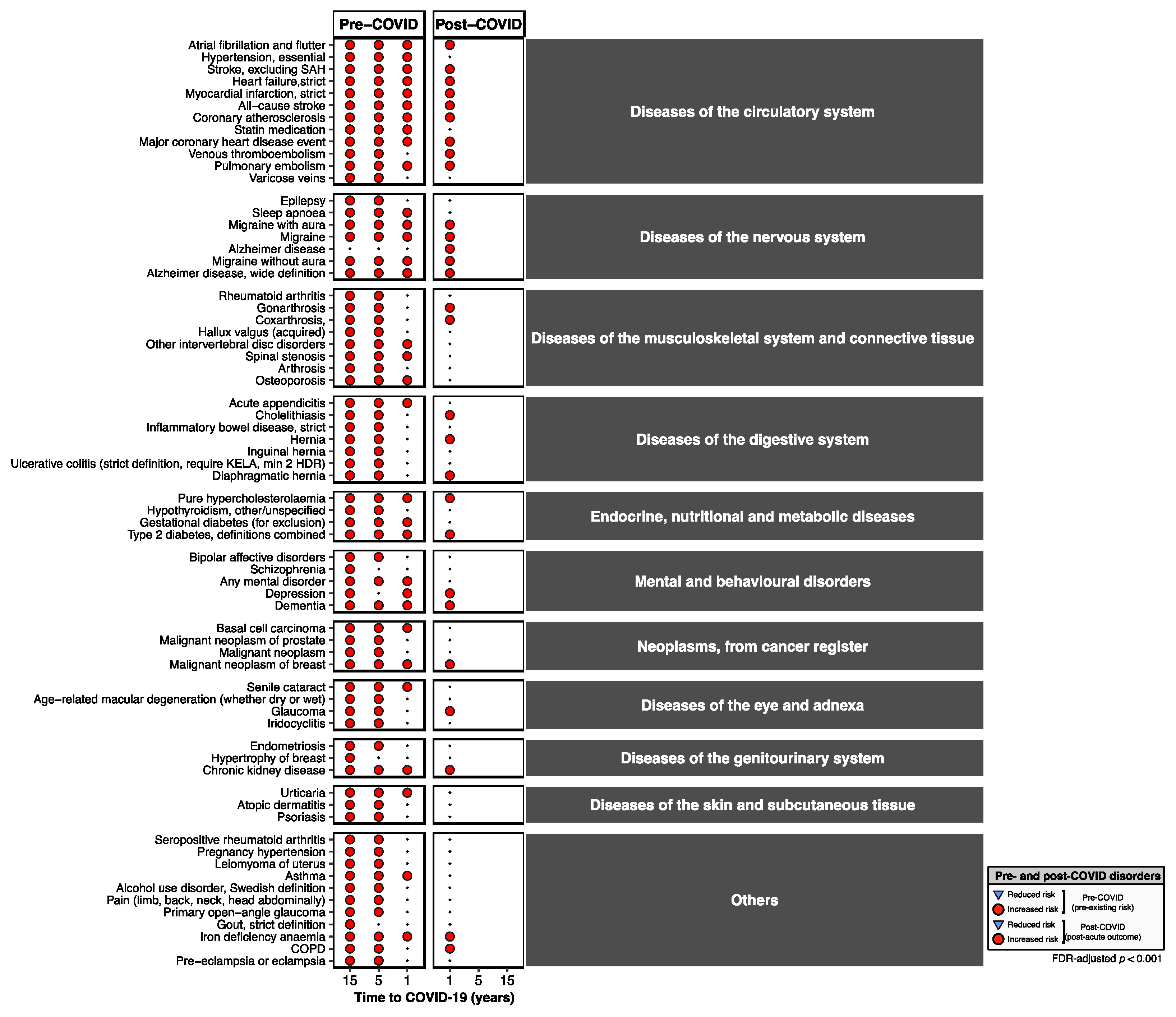
Our findings indicate that individuals with established chronic health conditions were at a substantially higher risk for both contracting COVID-19 and developing post-COVID sequelae. The most pronounced pre-existing risk factor was cardiovascular disease (CVD). A range of CVD diagnoses, including atrial fibrillation and flutter, hypertension, stroke, heart failure, myocardial infarction, coronary atherosclerosis, major coronary heart disease, venous thromboembolism, pulmonary embolism, and varicose veins, were all strongly associated with an increased likelihood of future COVID-19 infection (
Figure 3). These cardiovascular conditions may serve as markers for underlying vulnerability, potentially influencing both immune response and susceptibility to the virus.
In addition to cardiovascular diseases, other chronic conditions emerged as significant contributors to the risk of post-COVID syndrome. These included neurological and musculoskeletal disorders such as migraine, Alzheimer’s disease, and various arthritic conditions (gonarthrosis, coxarthrosis). Additionally, metabolic and endocrine disorders, including type 2 diabetes and pure hypercholesterolemia, were identified as major contributors to the heightened susceptibility to long COVID. Mental health conditions, such as depression and dementia, also appeared to increase the risk of long-term complications post-COVID infection. Other chronic diseases, such as chronic kidney disease, iron deficiency anemia, and chronic obstructive pulmonary disease (COPD), were similarly implicated in increasing the likelihood of both acute and long-term COVID-related health complications (
Figure 3).
These results underscore the pivotal role of pre-existing health conditions in both the likelihood of COVID-19 infection and the development of post-infection syndromes. The interactions between chronic diseases and COVID-19 not only amplify the severity of the acute phase of the illness but also appear to contribute to the persistence of symptoms in the post-acute phase, complicating recovery and further straining healthcare systems globally.
3.3. Overview of Disease-Wide Association of Influenza
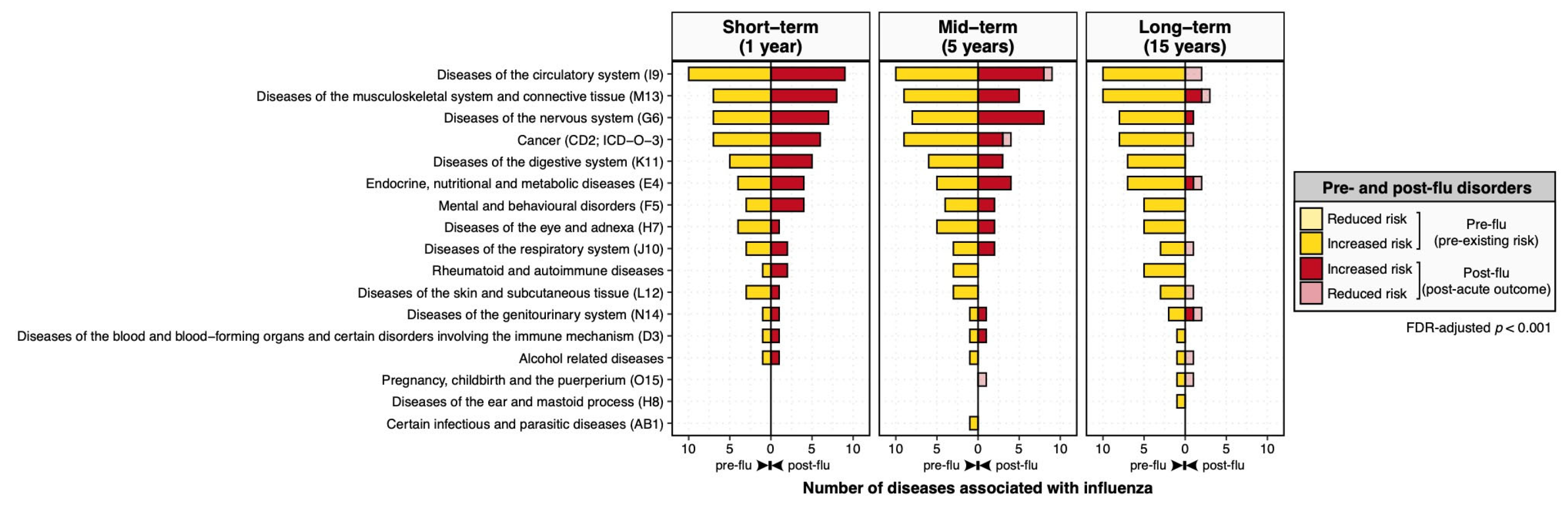
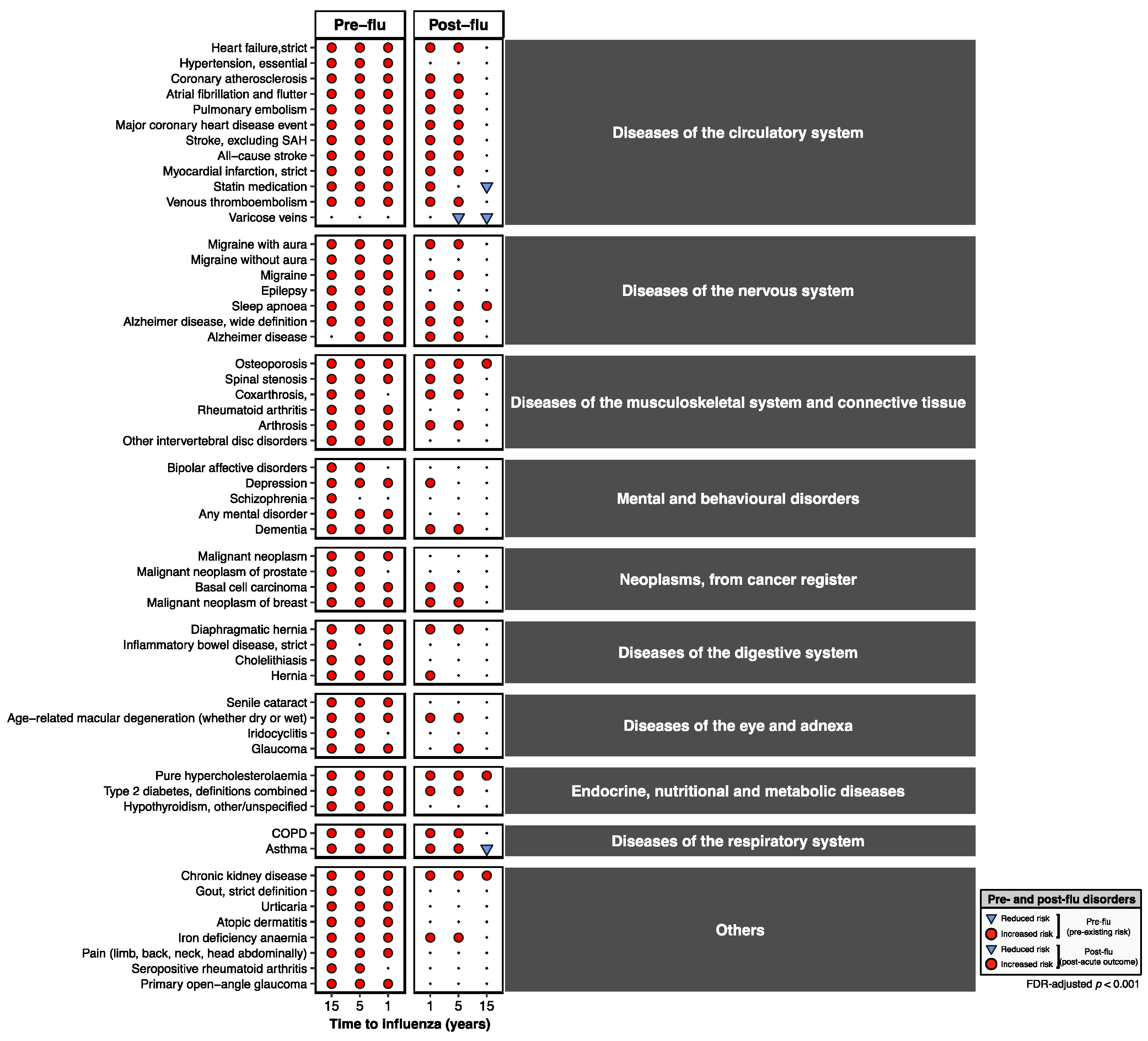
The DWAS of 110 distinct clinical endpoints revealed a complex landscape of influenza-related disorders. After stringent correction for multiple hypothesis testing (FDR-adjusted
p-value < 0.001), this analysis identified numerous significant associations spanning a wide array of organ systems. These included not only the expected respiratory conditions but also robust links to diseases of the circulatory system (I9), musculoskeletal system and connective tissue (M13), nervous system (G6), cancer (CD2; ICD−O−3), digestive system (K11), endocrine, nutritional and metabolic diseases (E4), mental and behavioral disorders (F5), eye and adnexa (H7), and respiratory system (J10), as well as specific rheumatoid and autoimmune diseases (
Figure 4).
This broad pattern of associations underscores that the clinical impact of influenza extends far beyond the acute respiratory tract, implicating it as a significant systemic stressor. The subsequent analyses dissect the temporal nature of these associations, distinguishing between pre-existing conditions that predispose individuals to influenza and the long-term sequelae that define the ‘long flu’ syndrome.
3.4. Pre-Existing Risks of Increased Influenza Predisposition
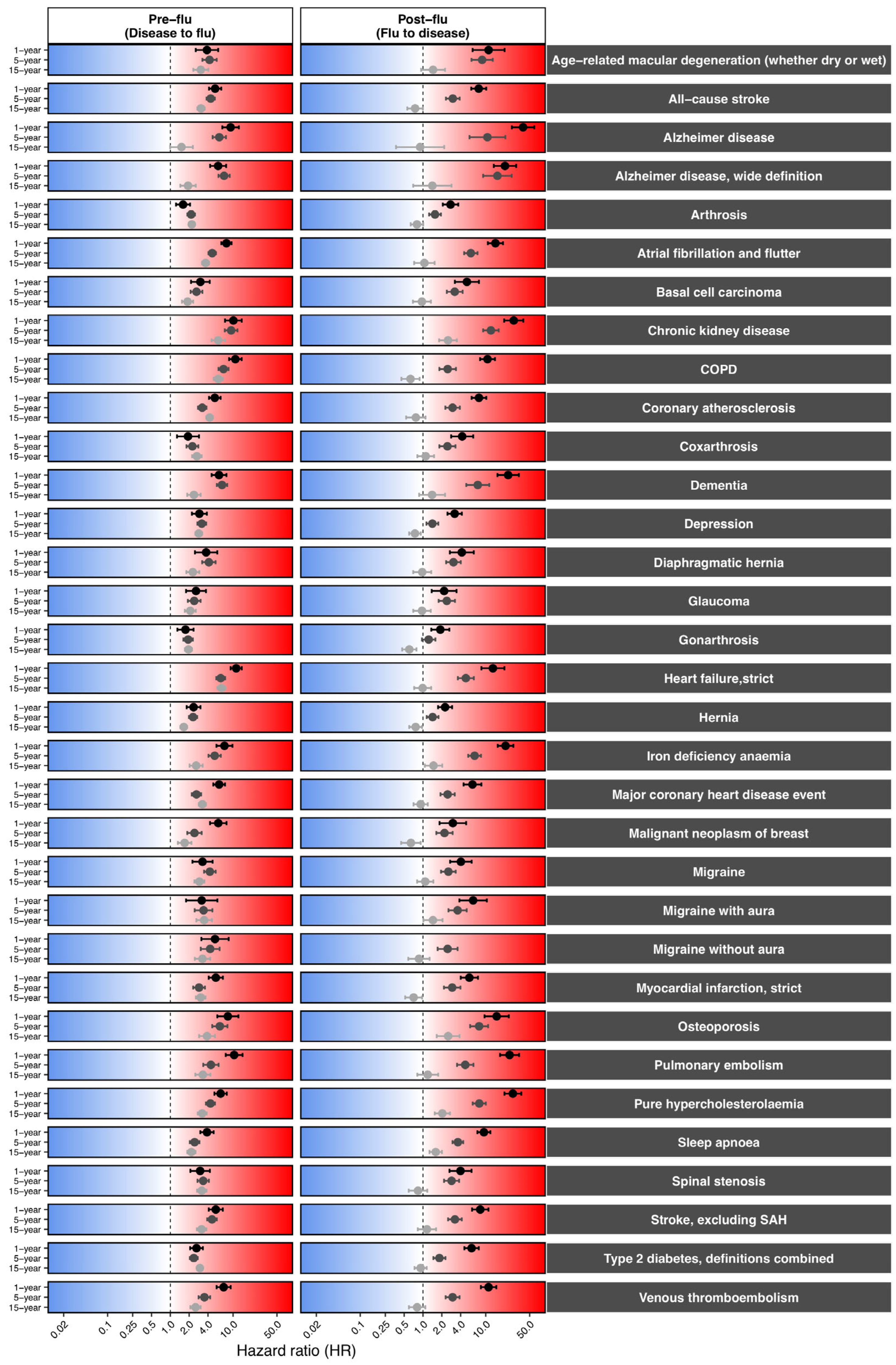
This study first investigated the pre-influenza health status of individuals who subsequently received a clinical diagnosis of influenza. This analysis of the predisposition window revealed that a significant burden of chronic disease was associated with a higher likelihood of future influenza diagnosis. Notably, pre-existing cardiovascular diseases (CVDs) constituted the most prominent risk category. Individuals with established diagnoses of heart failure, hypertension, coronary atherosclerosis, atrial fibrillation and flutter, pulmonary embolism, major coronary heart disease, stroke, myocardial infarction, and venous thromboembolism all demonstrated a significantly higher probability of a subsequent influenza diagnosis (
Figure 5 and
Figure 6).
Beyond the cardiovascular system, other chronic conditions also emerged as significant predisposing factors. These included chronic respiratory diseases such as chronic obstructive pulmonary disease (COPD), metabolic disorders like type 2 diabetes, and chronic inflammatory conditions, including rheumatoid arthritis. This pattern suggests that the risk of progressing to clinically significant influenza is not random but is concentrated in individuals with a higher burden of pre-existing, non-communicable diseases, likely reflecting a state of heightened vulnerability or compromised physiological reserve.
3.5. Long-Term, Multi-System Sequelae Following Influenza
The central objective of this study was to characterize the post-acute landscape of incident disease following influenza. This analysis of the post-infection period identified a substantial burden of new-onset morbidity across multiple organ systems, with many risks persisting for years after the acute infection. The temporal dynamics of these sequelae were heterogeneous; some risks were concentrated in the immediate post-infection period, while others remained significantly elevated for up to one to fifteen years, defining a clear ‘long flu’ phenotype (FDR-adjusted
p-value < 0.001;
Figure 6).
The most striking and persistent signals were observed within the cardiovascular and neurological domains. While long COVID has been associated with neurological symptoms, neurological complications in long flu are less well-studied and require more rigorous investigation to establish clear patterns and mechanisms. Moreover, significant long-term risks were also identified for metabolic, musculoskeletal, and renal disorders, including new-onset type 2 diabetes, osteoporosis, and chronic kidney disease. These findings collectively establish that influenza can act as an initiating or accelerating event for a wide spectrum of chronic conditions, contributing to a substantial long-term burden of health loss.
3.6. Persistent Cardiovascular and Neurological Risk Signatures
Among the diverse sequelae, cardiovascular and neurological outcomes represented the most robust and durable risk signatures. Following an influenza infection, individuals exhibited a significantly elevated risk for a wide range of incident CVDs. The risk for thromboembolic events, including pulmonary embolism and venous thromboembolism, was acutely elevated in the first year post-infection before gradually attenuating over time. Additionally, the risks for other major cardiovascular events, such as heart failure, atrial fibrillation and flutter, stroke, and myocardial infarction, also remained statistically significant and clinically relevant across the one-to-five-year follow-up windows (
Figure 6). This long-term, persistent elevation in cardiovascular risk highlights influenza as a potent trigger for durable adverse cardiac and vascular remodeling.
A parallel signature of persistent risk was observed for neurological and psychiatric conditions. Influenza was associated with a long-term increased incidence of neurodegenerative disorders, including migraine (with and without aura), Alzheimer’s disease and dementia, as well as common mental health conditions such as depression. The risk for these conditions was evident within the first year and persisted throughout the one-to-five-year follow-up period (
Figure 3 and
Figure 4). These findings suggest that the systemic inflammation or potential neurotropic effects of influenza may contribute to the initiation or acceleration of neuropathological processes.
In summary, this longitudinal analysis reveals that an influenza infection is not an isolated event but is embedded in a continuum of chronic disease. It is both preceded by a state of heightened vulnerability, particularly in patients with existing cardiometabolic disease, and is followed by a durable, multi-system legacy of heightened risk for new-onset chronic conditions, with cardiovascular and neurological diseases being the most prominent long-term sequelae.
4. Discussion
This nationwide, disease-wide investigation fundamentally reframes our understanding of influenza, moving beyond its conceptualization as a self-limited respiratory illness to redefine it as a potent systemic catalyst for a broad spectrum of chronic, non-communicable diseases. By analyzing the longitudinal health trajectories of an entire population, this study demonstrates that a clinical diagnosis of influenza is not a stochastic event but is deeply embedded within a continuum of multi-morbidity. These findings establish a clear bidirectional relationship: a substantial burden of pre-existing chronic disease, particularly cardiometabolic conditions, markedly increases susceptibility to clinically significant influenza, which in turn precipitates a durable, multi-system legacy of incident morbidity that persists for up to five to fifteen years. This ‘long flu’ syndrome, characterized by significantly elevated risks of cardiovascular, neurological, and metabolic sequelae, represents a previously underappreciated public health burden.
The findings from this study underscore the long-term, multi-organ sequelae associated with influenza infection, particularly highlighting the sustained cardiovascular and neurological risks that persist for years after recovery from acute infection. While these results align with previous research documenting the broader systemic effects of influenza, they also emphasize the need for a clearer conceptualization of ‘long flu.’ As we have discussed, ‘long flu’ is not a single syndrome but rather a constellation of independent post-viral sequelae that may include cardiovascular, neurological, and other systemic complications. This understanding is crucial as it helps to guide future research and inform clinical practices related to post-influenza care. It is important to note, however, that due to limitations in the available data, such as the lack of information on vaccination status, socio-economic factors, and behavioral variables, the study’s findings may be subject to residual confounding. While adjustments for major pre-existing conditions were made, further research incorporating these additional variables is needed to refine our understanding of long flu and its clinical implications. Moving forward, a more rigorous investigation into the construct validity of long flu, including potential latent class or factor analyses, is essential to further define its clinical significance and distinguish it from other post-viral syndromes, such as long COVID.
A central finding of this study is the profound and enduring interplay between influenza and cardiovascular disease. This analysis demonstrates that influenza effectively functions as a systemic ‘stress test,’ unmasking latent cardiovascular vulnerability and actively promoting new-onset pathology. The observation that individuals with pre-existing heart failure, coronary atherosclerosis, and atrial fibrillation are predisposed to influenza aligns with a model where compromised physiological reserve lowers the threshold for severe infection. More striking, however, is the clear evidence of influenza as a causative or accelerating factor for long-term cardiovascular risk, independent of acute pneumonia. The persistent, multi-year elevation in risk for heart failure, stroke, and myocardial infarction post-infection points towards mechanisms that transcend the acute inflammatory phase. This aligns with experimental data showing that direct influenza virus replication in cardiomyocytes drives cardiac fibrosis and dysfunction, and with large-scale observational studies estimating that influenza is attributable for a substantial fraction of ischemic heart disease mortality globally. Plausible mechanisms likely involve a concert of pathways, including sustained endothelial dysfunction, a persistent pro-thrombotic state, and chronic, low-grade inflammation that accelerates underlying atherosclerotic processes [
15,
23,
34].
The discovery of a durable risk signature for neurological and psychiatric sequelae, including migraine (with and without aura), Alzheimer’s disease, dementia, and depression, is a critical and sobering finding. This observation positions influenza alongside other systemic inflammatory triggers implicated in neuro-inflammation and the acceleration of neurodegenerative processes. While the observational design cannot elucidate the precise pathophysiology, these associations lend strong support to hypotheses involving virus-induced breakdown of the blood–brain barrier, activation of central nervous system microglia, or persistent systemic inflammation promoting protein misfolding and neuronal injury. The prolonged risk horizon, extending over a decade, suggests that the initial viral insult can initiate a cascade of pathological events that unfolds over many years, contributing significantly to the population burden of cognitive decline and mental illness.
The broader landscape of post-acute sequelae, including new-onset type 2 diabetes and chronic kidney disease, solidifies the characterization of long flu as a multi-system disorder. This pattern of extrapulmonary organ injury is a defining feature of post-acute infection syndromes (PAIS), as established most prominently during the COVID-19 pandemic. Previous studies have shown that while both SARS-CoV-2 and influenza can lead to long-term health loss, they exhibit distinct organotrophic profiles, and SARS-CoV-2 exerts a more pronounced and widespread extrapulmonary toll [
8,
35,
36]. Additionally, Type 2 diabetes was observed both in long flu and long COVID, which may be driven by mechanisms linked to chronic inflammation, insulin resistance, and other metabolic disruptions that are common to both post-infectious syndromes [
37]. Comparatively, this study for influenza confirmed that its systemic impact is significant and warrants a holistic, multi-organ approach to post-infection surveillance and care.
The relationship between infectious and chronic diseases is increasingly recognized as being deeply interconnected, with infections playing a pivotal role in the onset and exacerbation of chronic conditions. Acute infections can act as triggers for long-term health problems, either by directly inducing organ damage or by initiating chronic inflammatory processes that persist long after the infection has resolved. Furthermore, individuals with pre-existing chronic conditions are often more susceptible to severe infections, creating a vicious cycle where chronic diseases exacerbate the severity of infections, while infections further impair long-term health. This bidirectional relationship underscores the need for a holistic approach to healthcare that considers the long-term implications of infections on chronic disease progression, emphasizing the importance of preventive measures such as vaccination and early interventions to break the cycle of disease exacerbation. Addressing this intersection could significantly reduce the global burden of both infectious and chronic diseases, improving long-term health outcomes across diverse populations.
4.1. Clinical and Public Health Implications
This study carries immediate and actionable implications for clinical practice and public health strategy. The identification of patients with pre-existing cardiometabolic and inflammatory conditions as a high-risk group for influenza provides a clear, evidence-based rationale for prioritizing and intensifying preventive measures. Chief among these is vaccination. Overwhelming evidence demonstrates that influenza vaccination significantly mitigates the risk of major adverse cardiovascular events, reduces hospitalizations for heart failure, and lowers mortality, particularly during periods of peak viral circulation [
38,
39,
40,
41,
42,
43]. Despite this, vaccine uptake remains distressingly suboptimal, even in high-risk populations within well-resourced health systems [
44]. While vaccination reduces the risk of acute cardiovascular complications, the impact on long-term sequelae, particularly in the context of long flu or long COVID, requires further investigation [
5,
45]. Influenza vaccination may reduce the risk of myocardial infarction, stroke, and cardiovascular-related mortality, particularly among high-risk populations. A study involving approximately 9000 adults revealed that individuals who received the influenza vaccine had a 34% lower likelihood of experiencing major cardiovascular events in the following year compared to those who did not receive the vaccine [
46]. For individuals with recent cardiac events, the protective effect was even more pronounced, with a 45% reduction in the risk of severe cardiovascular outcomes [
46].
Accurately framing the influenza vaccine as a preventive tool for heart attacks and strokes may be pivotal in addressing the persistently low global vaccination rates. The World Health Organization has set a target of achieving 75% vaccination coverage among older adults and individuals with chronic health conditions. However, as of 2023, only 13 of 194 member states have met this target. This represents a critical, actionable gap in secondary prevention that must be addressed through targeted patient education, system-level interventions, and proactive engagement by cardiologists and primary care physicians alike, who must champion vaccination as a fundamental component of cardiovascular risk management [
47,
48]. By emphasizing the role of long flu, healthcare professionals can better communicate the substantial benefits of vaccination to the public.
4.2. Policy Attention and Prioritization of Long Flu
The advent of Long COVID has propelled a significant expansion in our understanding of the long-term sequelae of viral infections, prompting analogous investigations into the post-acute effects of influenza. Like Long COVID, long flu represents a multi-system disorder that manifests in a wide range of chronic health conditions, often extending far beyond the initial respiratory illness. These insights provide a crucial framework for understanding how influenza, like SARS-CoV-2, may trigger or accelerate the progression of chronic diseases such as heart failure, stroke, and neurodegenerative conditions. As with Long COVID, these complications are often under-recognized and poorly understood, leaving patients with a prolonged burden of disease that significantly impairs quality of life.
Moreover, the absence of a unified diagnostic and treatment framework for long flu, akin to the challenges observed in Long COVID care, underscores the need for urgent policy attention and research prioritization. Specifically, there is a pressing need for the development of robust diagnostic tools, effective therapeutic interventions, and comprehensive care pathways that address the multifaceted impacts of influenza beyond the acute phase. This call to action is further supported by the intersection of long flu and broader public health priorities, including vaccination strategies, healthcare infrastructure, and equitable access to care, which were similarly highlighted in the policy recommendations for Long COVID. Public health initiatives are needed to raise awareness about the potential long-term impacts of influenza, especially among healthcare providers and at-risk populations. Educating the public about the risk factors for long flu and the importance of vaccination can help reduce its prevalence and severity.
4.3. Limitations of This Study
While this study provides a comprehensive analysis of the long-term sequelae of influenza using the extensive FinnGen dataset, the strengths of this study—its population-scale, longitudinal design, and disease-wide scope—must be weighed against its inherent limitations. The observational framework precludes definitive causal inference; residual confounding from factors such as healthcare-seeking behaviors, socioeconomic status, or unmeasured lifestyle variables may influence the observed associations. While the analysis was adjusted for age and sex, the lack of data on additional important confounders—such as baseline comorbidities, vaccination status, socio-economic indicators, and behavioral factors (e.g., smoking, physical activity)—is a notable limitation. These variables could influence both the likelihood of influenza infection and the severity of post-influenza sequelae. Unfortunately, these data were not considered in this study. Therefore, while our findings provide valuable insights, they may be subject to residual confounding, and the conclusions drawn may not fully account for these unmeasured factors. We highlight this limitation and suggest that future studies should aim to incorporate these additional variables for more comprehensive risk assessments. Additionally, the reliance on clinical diagnosis codes from specialist care may not capture milder influenza cases managed in primary care, potentially selecting for a population with a higher baseline burden of disease.
Another limitation pertains to the observational nature of the study and the use of Cox proportional hazards models to assess the associations between influenza and long-term health outcomes. While these models are robust, they do not fully address potential biases inherent in the data, such as immortal-time bias or competing risks, which could affect the accuracy of the associations observed. Although we recognize the value of sensitivity analyses such as propensity score matching, competing risks models, and landmark analyses, these methods were not implemented due to the complexity of the cohort and the focus on maintaining statistical power.