Review

A Scoping Review of AI-Driven mHealth Systems for Precision Hydration: Integrating Food and Beverage Water Content for Personalized Recommendations


by
Kyriaki Apergi
,
Georgios D. Styliaras
*,
George Tsirogiannis
,
Grigorios N. Beligiannis
and
Olga Malisova
Department of Food Science and Technology, University of Patras, G Seferi 2, 30100 Agrinio, Greece
*
Author to whom correspondence should be addressed.
Multimodal Technol. Interact. 2025, 9(11), 112; https://doi.org/10.3390/mti9110112
Submission received: 30 September 2025 / Revised: 3 November 2025 / Accepted: 6 November 2025 / Published: 8 November 2025

Abstract

Background: Precision nutrition increasingly integrates mobile health (mHealth) and artificial intelligence (AI) tools. However, personalized hydration remains underdeveloped, particularly in accounting for both food- and beverage-derived water intake. Objective: This scoping review maps the existing literature on mHealth applications that incorporate machine learning (ML) or AI for personalized hydration. The focus is on systems that combine dietary (food-based) and fluid (beverage-based) water sources to generate individualized hydration assessments and recommendations. Methods: Following the PRISMA-ScR guidelines, we conducted a structured literature search across three databases (PubMed, Scopus, Web of Science) through March 2025. Studies were included if they addressed AI or ML within mHealth platforms for personalized hydration or nutrition, with an emphasis on systems using both beverage and food intake data. Results: Of the 43 included studies, most examined dietary recommender systems or hydration-focused apps. Few studies used hydration assessments focusing on both food and beverages or employed AI for integrated guidance. Emerging trends include wearable sensors, AR tools, and behavioral modeling. Conclusions: While numerous digital health tools address hydration or nutrition separately, there is a lack of comprehensive systems leveraging AI to guide hydration from both food and beverage sources. Bridging this gap is essential for effective, equitable, and precise hydration interventions. In this direction, we propose a hydration diet recommender system that integrates demographic, anthropometric, psychological, and socioeconomic data to create a truly personalized diet and hydration plan with a holistic approach.

1. Introduction

Modern lifestyles with unbalanced diet patterns, along with increased sedentary behaviors, such as tobacco use, contribute to the escalating global disease burden of Non-Communicable Diseases (NCDs) [1,2]. At the same time, dehydration is a rather common condition in adults, especially among vulnerable populations, including older adults and patients with chronic diseases [3]. Epidemiological studies show a connection between dehydration and increased hospital admissions and poorer health outcomes [3,4,5]. Excessive consumption of alcohol or sugar-sweetened beverages, if used for rehydration, may actually exacerbate dehydration due to their diuretic effects or high osmotic load. Thus, their use for rehydration is not recommended as this can increase the risk for various chronic conditions, from urolithiasis and constipation to obesity and hypertension [6,7,8], imposing a significant burden for healthcare systems.
Despite the fact that water balance maintenance (euhydration) is often neglected, it stands as the most fundamental nutritional requirement for human health, since water is the predominant component of human’s body, enabling critical physiological processes, such as metabolic reactions, thermoregulation, nutrient transport, and electrolyte homeostasis [6,8]. It has been demonstrated that hydration levels impact overall health, with even mild fluid deficits significantly impairing physical capabilities and cognitive function [9,10]. Current scientific evidence further indicates that optimal hydration levels, along with a diet rich in food with high water content, such as fresh fruit and vegetables, play a preventative role against various forms of cancer and other NCDs [4,5,7,9]. Current research disproportionately focuses on dietary impacts on health outcomes, overlooking hydration as a critical health determinant. In addition, sustainable lifestyle modifications—particularly regarding diet and hydration practices—remain exceptionally challenging to monitor and implement [11].
Moreover, existing dietary and hydration guidelines often overlook the substantial inter-individual variations in physiological responses to dietary and fluid intake patterns [12,13]. Recent evidence supports the idea that personalized nutrition can enhance health outcomes more than generic advice [14,15,16]. Since food contributes significantly to fluid intake and the consumption of alcohol and high-caloric beverages is connected to various health issues, precision nutrition could be tailored further, providing hydration guidance, considering the intake of water from all sources. In this context, precision hydration with recommendations based on each individual’s biological, anthropometric, diet patterns and preferences, as well as environmental and other lifestyle characteristics, could improve hydration status and reduce disease risk. Precision hydration systems aim to proactively optimize fluid intake, taking into account individual variability in fluid needs, environmental factors, and activity levels, which may not be fully captured by subjective thirst signals alone, as thirst is a lagging indicator that typically arises after dehydration has already begun.
In today’s digital age, with the advancement of precision medicine, and personalized health interventions based on individual genetic, metabolic, psychological, and lifestyle factors, there is growing potential to apply this approach to diet and hydration strategies [17,18]. Modern data-driven technologies, such as artificial intelligence (AI) and machine learning (ML), enable the integration of diverse data sources, considering individual differences in metabolism, psychological influences, social behaviors, and environmental factors to develop precision hydration plans. This holistic personalized approach not only optimizes hydration, but also enhances sustainable change, promoting a balanced diet and potentially reducing NCD risk. However, the applications of mHealth remain limited and there is growing concern about their equitable accessibility, particularly for vulnerable populations at high risk [17,18]. Additionally, there is a significant gap in real-world evidence regarding the effectiveness, feasibility, and long-term sustainability of precision interventions across diverse populations [17,18].
Technological advances in AI are transforming the way we monitor and manage nutrition and hydration. From wearable devices to image recognition and predictive modeling, AI has been applied to estimate nutrient intake, detect dehydration risk, and personalize recommendations about food or fluid intake. Despite this growing interest, the existing literature lacks a unified overview of how these systems could provide personalized advice for improved hydration, with recommendations about both fluid and food intake simultaneously, taking into account the water content in foods. While some narrative overviews exist, a structured mapping of empirical research using AI in these areas is lacking. Therefore, a scoping review is an appropriate way to map the current evidence, technologies, and research gaps.
The aim of this scoping review is to systematically identify and map the current landscape of mHealth and AI-driven tools that provide personalized hydration recommendations. Special attention is given to systems that integrate fluid intake from both beverages and food, leveraging machine learning for individualized assessments and behavior-driven guidance [13,17,18,19]. Unlike traditional approaches that focus exclusively on drinks, our review highlights the critical need for dual-source hydration tracking within intelligent nutrition recommender systems. The review further examines how such strategies can be embedded into public health initiatives aimed at reducing the risk of non-communicable diseases at both the individual and population levels. The main contributions of this review are threefold: first, we propose a conceptual framework for incorporating precision hydration into AI-driven dietary guidance platforms, addressing the current gap in personalized fluid intake recommendations that also take into account the water content in foods. Second, we assess the multifactorial approach required for effective hydration optimization, highlighting the interplay between anthropometric, behavioral, and contextual influences on dietary patterns. Third, we identify the key challenges and opportunities for implementing precision hydration technologies in real-world public health systems, with particular attention to equity, accessibility, and the unique needs of vulnerable populations at elevated risk of dehydration-related chronic conditions.

2. Materials and Methods

This scoping review was conducted in accordance with the PRISMA-ScR (Preferred Reporting Items for Systematic Reviews and Meta-Analyses extension for Scoping Reviews) guidelines [20]. This review aimed to explore the breadth of the literature on AI-integrated hydration and nutrition systems and identify key concepts, technological frameworks, and research gaps. The protocol was developed a priori and registered in Open Science Framework (OSF) DOI 10.17605/OSF.IO/YQJ5F. No funding was received for the present study.

2.1. Eligibility Criteria

We included peer-reviewed articles, conference proceedings, and the relevant gray literature published in English that addressed the following:
-
Studies involving the integration of hydration tracking with dietary patterns using multi-source (food + drink) water intake and AI or machine learning systems integrating both food and beverage intake for hydration.
-
mHealth applications that use AI for personalized hydration status assessment and guidance.
-
Behavioral, psychological, or environmental factors influencing hydration.
-
Food recommendation systems with hydration components.
We excluded studies for the following reasons:
-
The study was not available in English, to ensure accurate interpretation and consistency in data extraction.
-
The study focused solely on clinical outcomes without technological integration, as such studies fall outside the scope of our review on AI- and mHealth-based hydration systems.
-
The study lacked relevance to AI, mHealth, or hydration, in order to maintain a clear and focused synthesis of studies addressing the intersection of these domains.

2.2. Information Sources and Search Strategy

A systematic search was conducted in PubMed, Scopus, and Web of Science from inception to March 2025. The search strategy was developed to capture studies at the intersection of artificial intelligence, mobile/digital health, precision nutrition, hydration, and food recommendation systems. Search terms included controlled vocabulary (e.g., MeSH terms in PubMed) and free-text keywords, combined using Boolean operators (Appendix A). No language filters were applied.

2.3. Selection and Data Charting Process

Two reviewers independently screened all titles and abstracts (KA, OM). After removing duplicates, titles and abstracts were screened for relevance. Full-text articles were assessed for eligibility. Disagreements were resolved through discussion. Data were charted on the following:
-
Study author(s), year of publication;
-
Study design, population characteristics;
-
ML/AI;
-
mHealth technologies used;
-
Wearable sensors;
-
Food + beverage hydration;
-
Personalized guidance;
-
Outcome measures (e.g., hydration status, performance metrics);
-
Data Fusion/Multimodal Input;
-
Behavioral and environmental integration;
-
Implementation barriers and policy considerations.
No assumptions were made when data were incomplete. A critical appraisal of the included sources was not conducted, as the aim of this scoping review was to map the existing evidence rather than assess study quality. This is consistent with standard scoping review methodology.

2.4. Synthesis of Results

A qualitative thematic synthesis was conducted to identify recurring patterns, technological trends, and research gaps. No formal risk of bias assessment was performed due to the exploratory nature of the review.

3. Results

A total of 42 records were identified through database searches, including PubMed (n = 8), Scopus (n = 14), and Web of Science (n = 20). After removing duplicates, 40 unique records remained for screening. Title and abstract screening excluded 10 records, leaving 30 articles for full-text assessment. Of these, six articles were excluded for reasons such as lack of relevance to precision hydration (n = 3), insufficient methodological detail (n = 2), or duplication of study population (n = 1). Ultimately, 43 studies were included in the scoping review: 24 were sourced from the databases, while an additional 19 were identified through citation chaining and hand-searching; a summary of the study selection, including excluded studies, is presented in the flow diagram (Figure 1).
Table 1 outlines the core references reviewed, highlighting their type, contribution, and relevance for this review, while Table 2 presents the studies as a matrix, helping to visualize the gaps (e.g., lack of food + beverage integration in AI systems) in the current research.
This scoping review is structured as follows. Following this introduction, Section 3.1 discusses the role of food water content in overall hydration status. Section 3.2 examines existing hydration diet recommendations and their current limitations. Section 3.3 explores the psychological, social, and environmental drivers that influence fluid intake behavior, while Section 3.4 discusses the integration of AI and mHealth technologies in hydration diet recommenders. Section 3.5 reviews the smart applications that are currently available for assessing hydration status, and finally, Section 4 presents our proposed framework for an advanced hydration diet recommendation system, addresses the public health implications of implementing precision hydration strategies and identifies key challenges and proposes solutions for successful implementation.
It is important to note that, within the context of this review, the term ‘recommendation’ encompasses a spectrum of guidance, which ranges from clinically validated dietary recommendations to more flexible, user-centered suggestions generated by algorithmic systems. Where appropriate, we distinguish between evidence-based nutritional guidelines intended to support health outcomes, and behavioral guidance tools, such as recipe or restaurant suggestion systems, which are primarily designed to enhance user engagement and personalization without necessarily carrying clinical authority.

3.1. Food Water Content

Water that is contained in foods contributes significantly to total fluid intake and thus can have an important role in hydration, yet this is often overlooked in many dietary recommendations and applications. Scientific authorities, such as the European Food Safety Authority (EFSA) and the Institute of Medicine (IOM), define the Total Water Intake (TWI) as the sum of water obtained from beverages, food moisture, and metabolic oxidation. According to EFSA, approximately 70–80% of TWI is typically derived from beverages, while about 20–30% might come from foods, although this balance is quite variable and depends on factors such as dietary patterns, types of food and drink consumed, and individual factors, namely age and physical activity level [19]. Additionally, oxidation water produced from the metabolism of macronutrients may contribute an estimated 250–600 mL/day, particularly in active individuals [20]. The IOM offers similar guidance, recommending adequate TWI, while noting that most water intake comes from beverages, without issuing separate values for Total Fluid Intake (TFI) [52]. This distinction is especially important for the development of personalized hydration support systems, as food-based water may play a proportionally greater role in some individuals’ hydration profiles. These proportions may vary significantly depending on age, dietary habits, and environmental conditions [53].
While most hydration guidelines focus mostly on plain water and beverages, it is rather important to recognize that many foods, particularly fresh fruits, vegetables, and soups, contain high water content that contributes to the individual’s overall fluid intake [22,24,54]. For example, fruits such as watermelon and citrus and vegetables such as cucumbers and tomatoes contain water in concentrations of more than 90%, contributing significantly to hydration levels. In addition, these food-based fluids contain electrolytes, which help enhance water retention, making them particularly valuable [22,24]. They also provide essential nutrients, like vitamins, minerals and fiber, which contribute to overall health and well-being. Despite the importance of fluids in foods for hydration, this factor is frequently neglected, not only in generic applications that monitor diet intake, but also in applications created specifically to assist hydration, such as nutrition trackers and mobile apps that send reminders regarding water consumption [54]. These tools often focus solely on tracking the consumption of plain water and sometimes additionally tea, coffee, and other beverages, missing a substantial portion of the daily hydration intake from foods. As a result, individuals may be unaware of the full contribution their food choices make toward their hydration needs. If fluid intake from food is not properly considered, hydration strategies may fail to capture the full picture of an individual’s hydration status. This can be particularly problematic when implementing precision nutrition and hydration programs, where accurate data is critical for personalized recommendations. Without considering the contribution of fluids from foods, hydration plans may miss opportunities to optimize fluid intake, especially for individuals who may struggle to drink adequate amounts of water.
Moreover, the calorie content of beverages plays a significant role in hydration strategies and can impact health risks, particularly when it comes to NCDs [34]. While water, herbal teas, and low-calorie drinks are ideal for hydration, without contributing excessive calories, sugary beverages such as sodas, energy drinks, milk, and sweetened juices can lead to an increased caloric intake. Regular consumption of these high-calorie beverages can contribute to weight gain, insulin resistance, and higher risks of obesity, type 2 diabetes, and cardiovascular disease [34]. Moreover, sugary drinks often provide little or no nutritional value in terms of hydration, and beverages high in caffeine or alcohol may promote dehydration due to their high sugar content, which can have a diuretic effect [55,56]. Therefore, education on balancing beverage choices is essential not only for maintaining proper hydration, but also for reducing the long-term risk of metabolic and cardiovascular diseases.
However, the calories in beverages can be beneficial in certain cases, particularly for individuals who have higher energy needs or specific health conditions. For instance, athletes or individuals engaging in intense physical activity may benefit from the partial substitution of water with caloric beverages, such as sports drinks, to replenish lost energy, and restore glycogen stores and electrolytes, supporting recovery and performance [57,58]. Similarly, individuals who are underweight, struggle to tolerate food volume, or have difficulty consuming enough calories through food alone, such as those with certain medical conditions or in recovery from surgery, may find calorie-containing beverages helpful. High-calorie drinks like smoothies, milkshakes, or meal replacement drinks can provide water, protein, essential nutrients, and extra calories needed to assist hydration while at the same time helping to prevent malnutrition and promote weight gain or maintenance. Also, in cases of dehydration, particularly when fluid losses are substantial, such as during intense heat, exercise, or fever, beverages containing calories and electrolytes, such as oral rehydration solutions, can be beneficial. They help restore both hydration and electrolyte balance, thereby reducing the risk of complications associated with dehydration [30].
A diet proposed for optimal hydration can naturally align with a diet designed for the prevention of NCDs, as both approaches emphasize the importance of whole, nutrient-dense foods. Hydration-focused diets often recommend water-rich foods like fruits and vegetables, which are not only high in water but also packed with essential vitamins, minerals and fiber. These foods support hydration while simultaneously contributing to the prevention of NCDs such as cardiovascular disease, diabetes, and certain cancers. For example, consuming foods like cucumbers, watermelon, oranges, and leafy greens helps maintain hydration levels while providing antioxidants, potassium, and dietary fiber, nutrients known to lower blood pressure, support healthy blood sugar levels, and reduce inflammation, all of which are critical factors in NCD prevention.
Incorporating the fluid content of foods into hydration assessments and recommendations, and providing education on proper hydration choices, either through food or beverages, could offer a more comprehensive and effective approach to managing hydration and reduce NCD risk. By accounting for both food and beverage sources of fluids, this approach enables more accurate monitoring of hydration status and ensures that dietary interventions are better aligned with an individual’s specific needs and preferences. Adopting a holistic perspective on hydration bridges the gap between food and beverage consumption, making it easier for individuals to adhere to diet and hydration guidelines and, ultimately, improving health outcomes. This shift in perspective could also have significant implications for public health campaigns, promoting a more inclusive approach to hydration that recognizes all sources of fluids, ultimately fostering more sustainable and effective hydration habits across diverse populations.

3.2. Hydration Diet Recommenders

Precision medicine is an approach to medical treatment that considers individual variability in genes, environment, and lifestyle for each person. It aims to tailor prevention, diagnosis, and treatment strategies to specific patient characteristics rather than using a one-size-fits-all approach [12,18]. It is a data-driven approach that harvests information such as genomics, intestinal microbiota, and metabolomics to improve patient outcomes [15,17,40,59].
Personalized diet recommendation systems play a crucial role in tailoring diet advice to individual needs, leveraging tools like AI and ML to create customized hydration plans. These systems typically fall into three main categories: 1. diet recommendation systems, which generate customized daily or weekly meal plans by analyzing a person’s profile and utilizing multidimensional data; 2. personalized guidance on recipes, offering personalized recipe suggestions based on user preferences, dietary needs, and other relevant data; and 3. personalized guidance on restaurant recommendations, which assist individuals in making informed choices, suggesting food items in the menu that align with their nutritional profiles [17].
Currently, these systems primarily rely on basic demographic characteristics, including gender and age, and anthropometric data to make recommendations. In addition to these functions, these systems could also integrate hydration monitoring by incorporating the fluid content of meals and beverages. For example, meal plans could consider the water content of foods, such as fruits, vegetables, and soups, while recipe suggestions could include options that help meet daily hydration goals. Restaurant recommendations could guide individuals toward menu items with adequate hydration potential, ensuring a more comprehensive approach to both nutrition and hydration. By combining personalized dietary advice with hydration monitoring, these systems could promote more balanced and sustainable health habits for better hydration and NCDs prevention. This additional data, such as fluid intake patterns and activity levels, could elevate these systems to provide precision hydration. This approach would further enhance the accuracy of recommendations, improve adherence to hydration guidelines, and contribute to better health outcomes, particularly in reducing the long-term risk of NCDs.

3.3. Psychological, Social, and Environmental Drivers of Fluid Intake Behavior

Among the included studies, several examined psychological and social factors influencing fluid intake behaviors. Studies identified stress, mood, and emotional states as factors affecting diet and beverage choices [23,60,61], with some evidence that negative emotions may increase consumption of caffeinated or alcoholic beverages over water [61]. Cultural norms and beverage preferences were noted as influences on hydration patterns [21], and socioeconomic factors including education level and access to clean water were identified as determinants of beverage quality and availability [62,63].
However, the included studies provided limited empirical evidence specifically examining the integration of psychological assessment tools or personality-based tailoring within hydration recommendation systems. While some studies discussed behavioral factors conceptually [27,28], none of the included AI-driven or mHealth hydration systems incorporated validated psychological instruments such as the Big Five Inventory for personalized recommendations. This represents a significant gap in current research and an opportunity for future system development.

3.4. Integration of AI and mHealth Technologies in Hydration Diet Recommenders

The term mobile-health (mHealth) refers to the practice of medicine and public health facilitated by mobile devices [64]. The World Health Organization (WHO) has identified mHealth as a pivotal health-promotion strategy with the potential to enhance global health outcomes across low-, middle-, and high-income countries [65]. Modern mHealth applications, powered by AI algorithms and advanced ML models, can offer significant advantages regarding precision hydration [66]. These technologies allow for the collection of real-time hydration and other lifestyle data. For example, analyzing fluid intake patterns plays a fundamental role in AI-driven hydration recommendation systems, as it establishes the foundation for accurately assessing both the quantity and variety of fluids consumed. This field has seen significant advancements in recent years, with various AI-powered hydration platforms. The systems can be categorized based on their specific functions and the different methodologies and datasets used. The fragmentation of existing approaches and lack of integrated solutions becomes evident through a detailed examination of separate technologies. This fragmentation is precisely what our proposed framework aims to address. AI algorithms using massive amounts of data collected from individuals can identify patterns and trends in drinking and other lifestyle behaviors that offer insights into an individual’s modifiable habits associated with hydration risk.
A large number of current studies have demonstrated that the growing integration of wearable sensors, AI, and ML in the field of hydration monitoring is possible and effective. Several works [38,44,45] explore the use of multi-sensor or wearable technologies, utilizing biometric and environmental data to assess hydration in real time, and are considered key mHealth-based technologies enabling personalized hydration guidance, which this scoping review advocates. Suppiah et al. (2021) [32] and Kulkarni et al. (2021) [33] incorporated ML methods to adapt recommendations based on individual behavior or context, which is critical for developing adaptive hydration plans. Jo, S. et al. (2021) [31] and Chiao et al. (2024) [45] provide some important overviews of biosensing and wearable technologies, helping to contextualize the types of data that could be integrated into AI-powered hydration recommender systems, while skin sensors and smartphone cameras can help in data collection [29,47].
A recent systematic review by Sreeharsha et al. (2024) [48] evaluated wearable sensor-based hydration monitoring systems powered by machine learning. While this review confirmed the accuracy of ML techniques for dehydration detection, it did not address the integration of food-based water intake or personalized recommendation functionalities within mHealth platforms. This further highlights the gap in the current research between monitoring and personalized guidance systems that combine AI, hydration tracking, and nutritional inputs.
Other promising studies have applied ML algorythms to monitor hydration status or detect fluid intake behaviors using wearable technologies. For instance, Mengistu et al. (2016) [26] have developed a wearable system called AutoHydrate, combining a throat microphone, smartwatch, and embedded processing unit to automatically detect drinking activities and physical movement. The system employed Support Vector Machines for acoustic signal classification and Gradient Boosting Decision Trees for activity recognition, achieving high accuracy in detecting fluid intake and calculating personalized fluid recommendations based on Dietary Reference Intakes.
Importantly, a subset of these studies has included the validation of model outcomes. For instance, Liaqat et al. (2020) [29] and Alaslani et al. (2024) [47] have successfully shown that non-invasive methods, which range from skin sensors to smartphone cameras, can now be used to estimate hydration status with accuracy, making the data collection even more accurate, accessible, and user-friendly. Similarly, in 2022, Wang et al. [39] explored hydration status prediction using non-invasive physiological and sweat biomarkers during endurance exercise. Their single-subject study used nonlinear ML models to predict dehydration levels, with heart rate and whole-body sweat rate being the most accurate indicators. In another study, Li et al. (2024) [46] proposed a multimodal drinking activity detection system using wrist, container movement, and swallowing acoustics. Their multi-sensor fusion model, using SVM and Extreme Gradient Boosting, significantly outperformed unimodal approaches, achieving F1-scores up to 96.5% for event-based evaluations. Dolci et al. (2022) [13] present a notable example of personalized hydration modeling using ML, focusing mainly on the prediction of optimal daily water intake with the goal of achieving a target urine osmolality of about a 500 mOsm/kg, which is consindered a clinical marker for optimal hydration status. Their model combines both intrinsic variables (age, sex, height, weight) and extrinsic factors, including food and beverage intake, which makes it one of the few studies to account for dietary water content in its predictive framework. By analyzing data from multiple hydration-focused clinical trials, the authors evaluated a range of ML methods and found that XGBoost outperformed other models in predicting urine osmolality (Mean Absolute Error = 124.99), with a classification accuracy of 85.5%, compared to 77.8% for standard dietary guidelines. This work exemplifies the potential of data-driven approaches, not just for hydration assessment but also for personalized, actionable guidance. Importantly, this study stands out among the current literature for explicitly incorporating food-derived water intake into its algorithm, aligning closely with the aims of integrated hydration recommender systems. However, while the model offers predictive recommendations for fluid intake, it does not integrate real-time, context-aware feedback via mHealth platforms or behavioral data from wearable sensors. Bridging this gap between clinical modeling and digital, personalized health tools represents a key area for future development.
The above-mentioned systems have shown the technical feasibility of real-time hydration monitoring using ML and sensor data. However, none of the reviewed studies incorporate water content from food or generate comprehensive recommendations that combine both beverage and dietary sources of hydration. This represents a key gap in the field. For optimal hydration, especially in free-living and diverse populations, future AI-driven systems should integrate both fluid- and food-derived water intake and offer context-aware, personalized guidance grounded in user behavior, environmental factors, and nutritional needs. The integration of AI algorithms with mHealth platforms to deliver personalized recommendations for diet and water intake holds significant potential to advance accessible precision hydration in a cost-effective and user-friendly manner. The abovementioned studies establish a technological foundation for an AI-integrated, fluid hydration recommendation system, clearly showing that while monitoring capabilities are advancing, the integration of these tools into real-time, personalized, mHealth-guided dietary interventions with food-and-fluid hydration recommendation systems remains largely unexplored.
Personalized hydration advice can account for an individual’s metabolic profile, which in turn may further improve the efficacy of interventions regarding dehydration, cardiometabolic health, and NCD prevention. Moreover, these systems usually integrate multiple data sources, such as wearable sensing devices and health records, to provide a more comprehensive analysis of an individual’s temperature, heartbeat, exercise levels, sleep environmental characteristics, etc. This integration aims to achieve a better understanding of how various factors, such as genetics, stress, activity, environmental indices, and fluid intake, interact and influence hydration and health outcomes [31,33,37].
An AI-powered hydration diet recommender system that can provide personalized hydration advice but also allows for personalized Specific, Measurable, Achievable, Realistic, and Timely (SMART) goals could improve adherence to health-promoting diet and hydration patterns and reduce the risk of dehydration and developing NCDs. AI systems, in addition to providing diet and hydration guidance, can also monitor adherence to recommendations and make adjustments if necessary, ensuring users stay on track with their objectives [17,67]. For example, when a user deviates from the suggested drinking patterns or SMART goals, the system could provide reminders or suggest alternative beverages that align with their goals. Also, wearable sensors can provide recommendation systems with data for more accurate and on-site recommendations. Additionally, the use of images/videos, analyzed by AI and ML algorithms, can provide an input to recommendation systems regarding food and beverage recognition, as well as intake volumes. By providing personalized, real-time feedback, AI-powered mHealth tools could lead to higher user satisfaction and increase app use, offering support and motivation, so that users remain engaged and motivated to maintain healthy hydration habits.

3.5. Smart Applications Assessing Hydration

Smartphone applications designed to support individuals in monitoring and improving hydration generally offer personalized hydration goals, progress tracking, and reminders. These apps are useful tools for promoting optimal hydration but often focus exclusively on liquid intake, overlooking the significant contribution of water in foods.
For example, “Waterllama” is an iOS app that is compatible with Apple Watch and other widgets and integrates gamification to encourage hydration, motivating users to meet their goals through interactive features. However, it primarily tracks beverages and does not account for water content in foods [49]. “Water Time Drink Tracker & Reminder” is another Android smart app that offers users the ability to set daily hydration targets with reminders to promote regular intake. The app focuses solely on liquid intake and does not include food-derived water in its assessments [50]. “My Water” is an Android and iOS app, also compatible with Apple watch, that allows users to log various beverages and adjust hydration goals based on personal variables. Like many other apps, it focuses on liquids and does not incorporate the water content from food sources [68]. Similarly, “WaterMinder”, which runs also on desktops as well as mobile devices, provides an intuitive platform for tracking daily water intake and integrates with devices like the Apple Watch for ease of use. However, it does not consider water in food, limiting its assessment to liquids [69]. Also, “Aqualert”, running on both Android iOS and placing more emphasis on purposely colorful graphical elements than the previous apps, allows for customizable hydration goals and flexible reminder settings, yet it only tracks liquid consumption and excludes the contribution from food-derived water [70].
“Hydro Coach” operates on both main mobile platforms, calculates hydration goals based on user data, and adjusts for weight changes. Rewards for achieving certain hydration goals appear as amusing animations. It sends reminders but does not integrate water content from foods, focusing only on beverages [71]. “Plant Nanny” is an app that has been popular for more than 10 years and combines hydration tracking with a plant-growing game to motivate users to meet their water goals. However, it does not address food-derived hydration [51]. “Daily Water Tracker Reminder- Waterful” is an Android app that provides a simple interface for logging water intake and setting personalized goals. Like other apps, it does not take into account water from food sources.
Drink Water Reminder helps users establish regular hydration routines and tracks liquid consumption. It does not factor in the water content from foods, limiting its scope [72]. While the above-mentioned hydration tracking apps offer valuable features, like reminders and personalized goals, they typically neglect the significant role of water in food. Additionally, mHealth is a broad field that encompasses the use of mobile technologies, such as smartphones, tablets, and wearable devices, to support various health-related activities, including disease prevention, diagnosis, treatment, and monitoring. mHealth includes a wide range of services, from chronic disease management to fitness tracking, mental health support, and telemedicine [64]. It involves the use of mobile applications, sensors, and data analytics to track and manage various aspects of health, offering a comprehensive approach to health management [42,64,66]. For example, mHealth apps can help users monitor chronic conditions like diabetes or hypertension, track physical activity, provide remote consultations with healthcare providers, or offer mental health support through mood tracking or stress management. The existing hydration apps are a specific subset of mHealth applications focused solely on monitoring and improving hydration status. These apps help users track their daily water intake and set hydration goals, and provide reminders to encourage regular hydration. While hydration apps can be considered as a useful tool for promoting adequate hydration, they typically have a narrower focus compared to the broader range of health functions that can be offered by an mHealth solution. For instance, the current hydration apps primarily track liquid intake and generally do not integrate with other health data or devices in the way that more comprehensive mHealth apps do. Thus, they may not provide the same level of support for managing chronic diseases, tracking fitness metrics, or offering mental health services. Future developments should consider integrating these apps into mHealth solutions and consider the food water content, personalized goals and needs, and extra data from other devices, such as stress levels, physical activity status, environmental conditions, etc., in order to provide a more comprehensive assessment of hydration.

4. Discussion

4.1. Proposal

Existing hydration apps typically only track fluid intake from beverages. Meanwhile, nutrition-focused AI tools rarely include hydration, let alone water from food. This review identifies a critical opportunity: integrating food- and beverage-derived water tracking within intelligent systems powered by AI and mHealth. These systems could generate real-time, personalized hydration recommendations, addressing individual physiological, behavioral, and environmental contexts, thereby closing a gap in both clinical practice and public health tools.
The proposed hydration diet recommender integrates demographic, anthropometric, psychological, and socioeconomic data to create a truly personalized diet and hydration plan with a holistic approach. Users begin by selecting SMART goals tailored to their needs, based on a precision diet and hydration plan. To support this tailored approach, smartwatches and activity trackers help monitor key health metrics like heart rate, activity levels, and environmental conditions. At the same time, smart mobile apps allow users to track their eating and drinking habits, while smart water bottles provide data about current water intake. By continuously collecting this information and integrating it with other factors influencing hydration and eating behavior, the proposed hydration recommendation system can refine and adjust diet and hydration guidance according to environmental conditional and lifestyle habits in real-time. Users can monitor their progress, adapt their SMART goals as needed, and receive ongoing, personalized feedback that educates them in real-world scenarios. This dynamic process helps to increase satisfaction with the comprehensive hydration diet recommender, assisting the users in staying motivated in the long-term in a way that is both practical and achievable.
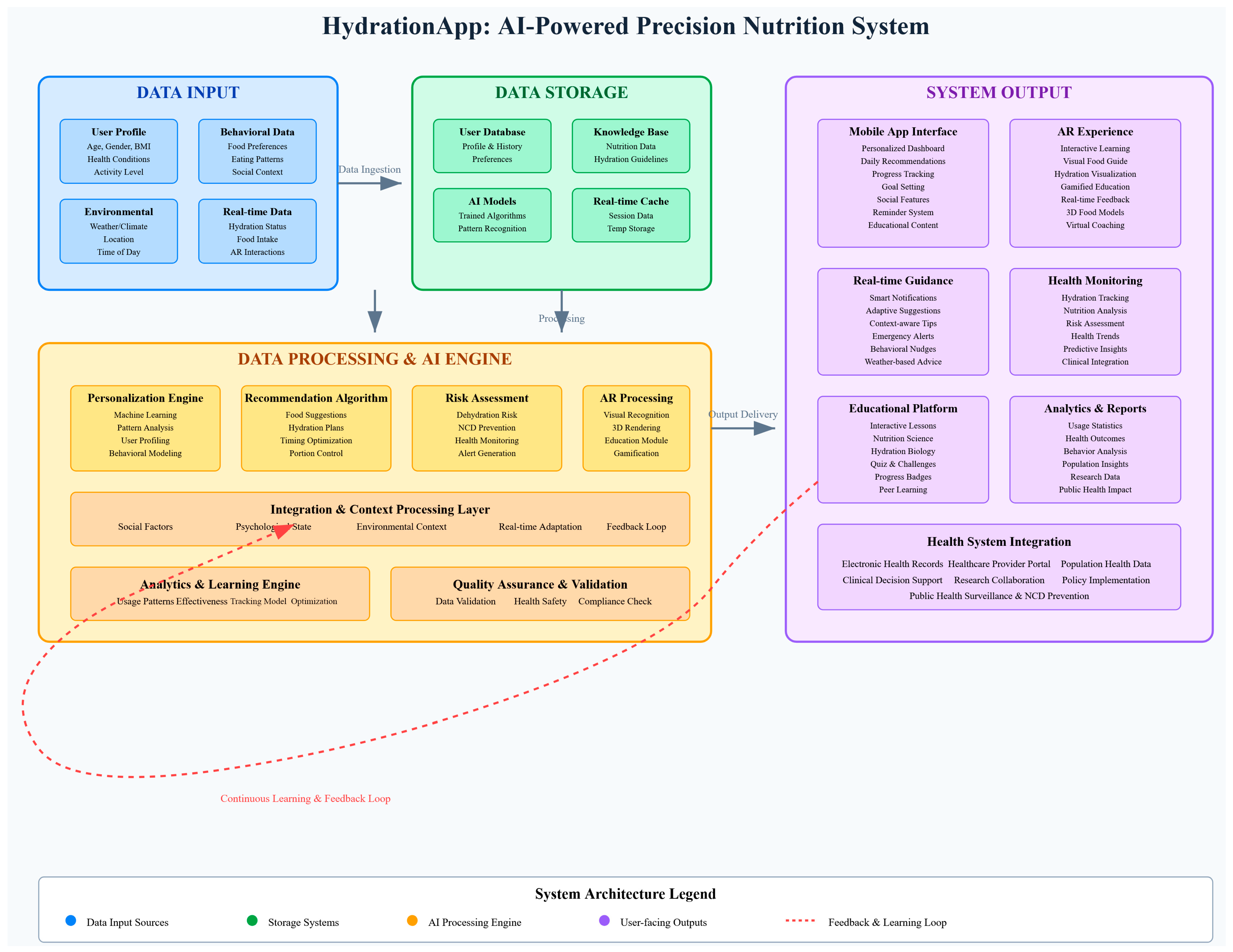
Figure 1 illustrates the proposed HydrationApp system architecture, a comprehensive precision nutrition platform that integrates artificial intelligence, mHealth technologies, and augmented reality features to address the growing need for personalized dietary and hydration guidance. The system represents an innovative approach to precision nutrition specifically designed to deliver individualized recommendations for improved hydration through mobile and augmented reality technologies, particularly targeting young adult populations. The architecture employs a systematic four-stage data pipeline that begins with the collection of multidimensional input parameters, including individual demographic profiles, behavioral patterns, environmental contexts, and real-time physiological monitoring data. This diverse information is subsequently stored in structured databases alongside comprehensive nutritional knowledge bases and trained machine learning models. The core processing layer utilizes sophisticated artificial intelligence algorithms that synthesize these multidimensional data streams while accounting for the complex interplay of social, psychological, and environmental factors known to influence dietary behaviors. The platform’s strength lies in its ability to transform this complex data integration into actionable, evidence-based recommendations delivered through intuitive user interfaces, including mobile application dashboards, immersive augmented reality educational experiences, real-time health monitoring systems, and seamless integration with broader healthcare infrastructures. Critically, the system incorporates a continuous learning mechanism that enables machine learning algorithms to refine their predictive capabilities based on user interactions and health outcomes, thereby improving recommendation accuracy and personalization effectiveness over time. This architecture aligns with contemporary precision nutrition principles and addresses the critical gap between population-based dietary guidelines and individual-specific nutritional needs, ultimately supporting the prevention of dehydration-related health issues and non-communicable diseases through the promotion of evidence-based nutritional behaviors.

4.2. Public Health Implications

The integration of mHealth tools into public health frameworks holds significant potential for improving population health outcomes. By accounting for individual and population-level variability, integration enhances efforts to prevent hydration-related chronic conditions such as kidney stones, urinary tract infections, and cardiovascular diseases [66]. This personalized approach helps public health strategies and policy recommendations to be more effective, targeted, and inclusive, ultimately fostering healthier communities.
Policymakers have a critical role in creating supportive frameworks for the implementation of precision hydration technologies. Integrating these tools into existing health systems requires the development of policies that provide resources for implementation, establish reimbursement strategies, and promote training for healthcare providers to effectively utilize related technologies [65].
Standards for data privacy and security must be prioritized to protect individuals’ sensitive information, and ethical guidelines should inspect the use of AI in diet and hydration for fairness and transparency. Furthermore, integrating diet and hydration tools with electronic health records can open the way for the use of precision diet and hydration interventions within clinical environments. These proposals could bridge the gap between technological advancements and practical public health applications, making precision hydration part of future healthcare strategies.

4.3. Challenges and Proposed Solutions

Despite the tremendous AI and technological advances, vulnerable populations, who are often at higher risk for developing NCDs, face significant barriers to accessing even basic healthcare, let alone precision hydration services. The barriers often stem from the limited availability of healthcare professionals, but also the lack of local resources, plus the high costs of specialized interventions. Furthermore, mobile apps and AI-driven tools require a certain level of digital literacy, which can be a significant obstacle for vulnerable groups, particularly older adults, those with disabilities, or those with lower levels of education [65]. These populations may struggle to access or use effectively innovative approaches, including mHealth apps. Additionally, language difficulties and varying levels of health literacy can further complicate the delivery of effective mHealth interventions [41].
Additionally, an important consideration in AI- and ML-driven hydration recommendation systems is the scope and, of course, the quality of the training data. Current models predominantly rely on structured datasets from controlled studies or sensor-based measurements, which may not fully capture dynamic biological feedback, such as thirst perception, hormonal regulation, or any individual variability in hydration needs. Similarly, contextual and environmental factors, which also include the accessibility of drinking water, public health infrastructure, or practical app features such as barcode scanning of beverages, are rarely incorporated, potentially limiting the real-world applicability of these tools. Addressing these gaps will require larger, more diverse datasets that integrate physiological, behavioral, social, and environmental dimensions. Incorporating such multidimensional data could enhance predictive accuracy, allow for context-aware recommendations, and improve both individual adherence and public health impact, thereby bridging the gap between technological innovation and practical hydration interventions.
Personalized studies using mHealth tools face several challenges, including the need for participant screening and targeted recruitment based on genetic profiles, health status, and lifestyle behaviors. Additionally, social and psychological factors, such as cultural influences, emotional drinking and eating patterns, and social dynamics, must be accounted for to ensure diverse and representative participant groups. These problems make it difficult to achieve adequate statistical power to evaluate within- and between-group variability, which can be both time-intensive and resource-intensive. Moreover, the predictive potential of a diet and hydration tool determining dehydration and NCD risk is still in the development phase, with current models largely overlooking the interplay of psychological, social, and environmental factors. This limitation highlights the need for more integrative approaches to improve the applicability and effectiveness of findings in real-world settings.
To address these challenges, innovative methodologies and integrative study designs are essential. The combination of holistic approaches with high-throughput screening platforms and advanced ML algorithms can improve the prediction of individual responses to hydration interventions. Translational research—the process of applying laboratory discoveries and clinical insights to real-world healthcare solutions—is also needed to bridge the gap between mHealth, hydration and public health applications, ensuring findings are actionable and accessible. Incorporating emotional and psychological dimensions into hydration recommendation tools can create more person-centered interventions. Features like behavioral factors, culturally sensitive recommendations, and social support can further promote adherence and address social determinants of health. Public health policies should prioritize equitable access to precision hydration services, particularly for vulnerable populations, by offering personalized nutrition and hydration at lower cost, culturally appropriate diet advice, and support networks within the community. This holistic and inclusive approach can help reduce health disparities and foster healthier communities by improving outcomes for hydration-related chronic diseases [41,67].
The integration of data science, diet and hydration science, psychology, and public health policy could indeed help to accelerate the development of effective tools. Our proposed framework would particularly benefit from further research in these interdisciplinary fields to enhance both its precision and its applicability. Our review highlights the need for further comprehensive research to develop and evaluate the effectiveness of smart hydration diet recommenders across diverse populations, examining both short-term usability and long-term health outcomes. Such research could optimize the performance of applications like HydrationApp and ensure more precise, evidence-based decision making in personalized hydration guidance.
First, further research in developing and validating robust AI algorithms could integrate complex biological, psychological, and social data, which would enhance the precision of hydration diet recommendations. Also, the integration of physiological, psychological, and social dimensions into personalized diet and hydration interventions will be crucial for maximizing their effectiveness. Moreover, more sophisticated virtual- and augmented-reality technologies, plus gamification, could revolutionize hydration recommendation tools by simulating social eating and drinking environments or physically demanding situations, which could provide personalized diet and hydration education and increase users’ engagement with the tool [35,36,43,66]. Additionally, cost-effectiveness studies will play a pivotal role in evaluating the feasibility of scaling these innovations within healthcare systems, particularly in resource-limited settings. Multi-Criteria Decision Analysis (MCDA) could be a valuable tool for optimizing AI-driven hydration diet recommenders [25]. In this context, MCDA can integrate diverse criteria, such as genetic and metabolic profiles, food and beverage preferences, cultural considerations, economic constraints, and the accessibility of food and water sources, ensuring that recommendations are practical, equitable, and tailored to individual needs. This approach can enhance decision making in precision nutrition and hydration, leading to more effective and sustainable interventions and policies.
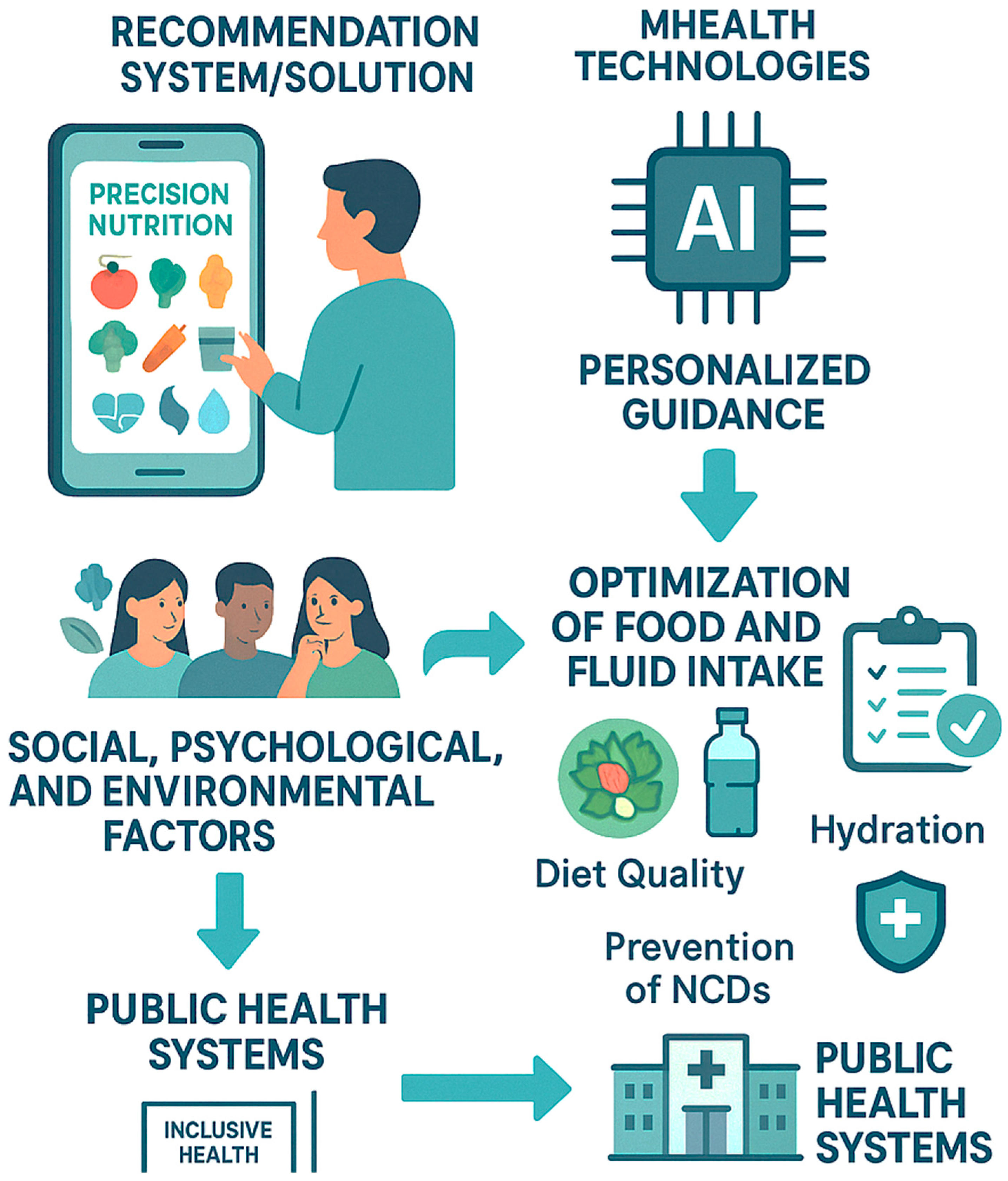
Finally, addressing health disparities should remain a central focus, with targeted research aimed at understanding and removing barriers faced by vulnerable populations. Governments and health organizations should fund and support research that explores the connections between hydration, genetics, psychology, social behavior, and health outcomes. By creating comprehensive data repositories, policymakers can develop evidence-based strategies to integrate precision nutrition and hydration into existing public health frameworks, establishing effective interventions for short-term dehydration and long-term NCD risk reduction. Figure 2 illustrates an integrated digital framework that takes advantage of the use of AI along with mHealth technologies to deliver real-time, personalized recommendations for both food and fluid intake. Positioned at the intersection of precision nutrition and public health, this system incorporates behavioral, social, and environmental data to enhance dietary quality and hydration. By addressing the complexity of individual needs and NCD prevention, the model advocates for inclusive health policies and the incorporation of precision nutrition strategies into national health systems in a sustainable and low-cost way, supporting the transformative shift from population-level guidelines to personalized public health strategies.

4.4. Psychological and Social Dimensions in Future Hydration Systems

On broader behavioral science and precision nutrition literature, we propose that future hydration recommendation systems should integrate psychological and social determinants to enhance personalization and adherence.
Stress, mood, cognitive biases, and emotional regulation are all patterns that can significantly alter thirst perception as well fluid intake behaviors. Research in nutritional psychology demonstrates that individuals may consume more caffeinated or alcoholic beverages in response to negative emotions [23,61], potentially disrupting optimal hydration. While the included studies acknowledged these factors conceptually, none of them implemented systematic psychological assessment within AI-driven hydration tools.
In addition, beverage preferences are shaped by cultural norms, with some populations preferring tea, coffee, or sugary drinks over plain water [21,73]. Socioeconomic status also determines both affordability and access to quality beverage options [62]. Family dynamics, social support systems, workplace environments, and peer influences can either facilitate or undermine hydration behaviors [63]. Understanding these drivers is more than essential in developing targeted interventions, especially for children, older adults, and athletes in vulnerable populations [24].
To further enhance future hydration recommendation systems, we propose integrating validated psychological assessment tools. Dietary behavior questionnaires could help provide clear insights into individual fluid intake patterns [27]. Additionally, personality categorization using instruments such as the Big Five Personality Traits (BFI-2) could refine recommendations [28]. For example, by classifying users based on traits such as conscientiousness, openness to experience, or impulsivity, a hydration system could tailor guidance to an individual’s psychological profile. However, we emphasize that this approach requires substantial empirical validation before implementation, as none of the studies in our review demonstrated such integration in hydration contexts.
Using validated instruments, future hydration recommendation systems could offer more personalized and adaptive suggestions, potentially improving adherence and maximizing long-term impact on non-communicable disease risk. This represents a promising, yet currently underexplored, direction for precision hydration research.

4.5. Strengths and Limitations

This review explores a timely and rapidly evolving topic concerning the use of AI and mHealth technologies in order to provide personalized guidance for nutrition and specifically for optimizing hydration.
However, there are several important limitations to acknowledge. Most significantly, at the time this scoping review was conducted, no empirical studies evaluating AI-based systems that offer integrated, personalized recommendations for both nutrition and hydration were identified. As such, the analysis was primarily conceptual and exploratory in nature and relied on the related literature (e.g., digital nutrition apps, hydration trackers, and theoretical frameworks) to outline current capabilities and propose future directions. While this limits the strength of directly applicable evidence, it also underscores the novelty and need for innovation in this emerging field. Moreover, the included studies provided limited empirical evidence on several critical dimensions. Behavioral determinants of hydration (e.g., habit formation, social influences on drinking behavior) were rarely examined in hydration-specific contexts. Technological factors, including sensor accuracy, real-time data integration challenges, and user interface design solutions for hydration apps, received minimal attention in the reviewed literature. Psychological determinants, such as motivation, self-efficacy, health beliefs, and emotional regulation related to hydration, were largely absent from hydration-focused studies, though well-established in broader nutrition behavior research. Our Discussion necessarily draws on this broader behavioral and nutritional literature to contextualize the findings, as hydration-specific research on cultural, psychological, and socioeconomic determinants remains limited.
In this context, several themes discussed in this review, including cultural sensitivity, socioeconomic accessibility, family influences, and behavioral tailoring, are derived from general behavioral science, precision nutrition, and mHealth implementation research rather than hydration-specific empirical studies from our included articles. For example, barriers related to digital literacy, healthcare access, and resource limitations reflect well-documented challenges in the broader mHealth literature rather than findings unique to hydration interventions. Similarly, recommendations for culturally sensitive design and consideration of social determinants reflect established principles from health equity research and precision nutrition frameworks, not exclusively hydration-specific evidence. We have been careful to frame these as important considerations for future system design and implementation rather than as direct findings from the scoping review.
Consistent with the PRISMA-ScR guidelines for scoping reviews, we did not conduct formal quality assessment or risk-of-bias evaluation of included studies. The purpose of this review was to map the landscape of existing research and identify gaps, not to synthesize evidence for clinical recommendations or evaluate intervention effectiveness. This approach is appropriate for an emerging field where integrated AI-driven hydration systems are largely absent from the literature, but it means we cannot comment on the methodological rigor or robustness of individual included studies. Many findings are context-specific and may not generalize across populations or settings. Studies examining hydration apps or nutrition recommenders were often conducted in high-resource settings with technologically literate populations, limiting their applicability to vulnerable groups, low-resource contexts, or populations with limited digital access. Additionally, hydration needs and behaviors are highly variable across age groups, activity levels, climates, and health conditions—dimensions not adequately represented in the current evidence base.
Several components of our proposed HydrationApp framework (Section 4.1) represent future research directions rather than validated applications. These include real-time physiological monitoring integration, augmented reality educational features, and continuous machine learning refinement based on user outcomes. While grounded in existing technologies from adjacent fields, their application to integrated food-beverage hydration systems requires empirical validation. When our Discussion moves from evidence synthesis to conceptual proposals for future systems, we added explicit transitional language to maintain clarity about the speculative nature of these elements.
While our proposed framework mentions psychological factors, we refer to health-related behavioral constructs (e.g., motivation, self-efficacy, health beliefs) commonly integrated into mHealth interventions, rather than personality profiling or trait-based tailoring, which would require substantial additional validation before integration into hydration recommendation systems.
Despite these limitations, this review contributes to identifying key gaps in current evidence and practice and underscores the need for future empirical research, particularly in under-monitored and high-risk populations such as children, the elderly, individuals with chronic diseases, and athletes. One of the main strengths of our work is its broad, forward-looking perspective. While many existing reviews focus only either on diet or general health technology, we highlight the unique opportunity to bring nutrition and hydration together in a single, individualized system. Including hydration is especially important, as it often is overlooked in health recommendations, despite playing a key role in overall well-being and chronic disease prevention. Another strength is the multidisciplinary nature of the review. We bring together ideas and developments from nutrition science, digital health, behavioral psychology, and AI. This multidisciplinary approach makes this work useful not just for researchers in one field, but for anyone interested in how these areas can work together to improve health outcomes, highlighting the complexity involved in developing intelligent, context-aware systems that can accommodate real-life variability in dietary behaviors and hydration needs.There is considerable opportunity for the development and validation of integrated AI-mHealth platforms that holistically address both nutritional and hydration needs, particularly in the context of chronic disease prevention and personalized health promotion. By systematically mapping the current state of knowledge and clearly delineating the boundaries between empirical findings and conceptual proposals, this review provides a foundation for rigorous future research in precision hydration science.

4.6. Figures

The proposed system architecture is organized into four color-coded functional layers connected by directional data flow arrows and a continuous feedback mechanism (Figure 3). Blue components represent the Data Input layer, comprising multiple data sources feeding the system: user profile data (demographics, health conditions, activity levels), behavioral data (preferences, eating patterns, social context), environmental data (weather, location, time), and real-time monitoring data (hydration status, food intake, AR interactions). Green components illustrate the Data Storage layer with organized storage systems, including a user database for profiles and history, a knowledge base with nutrition and hydration guidelines, AI models and trained algorithms, and a real-time cache for session data. Yellow components depict the Data Processing and AI Engine layer, representing the core intelligence infrastructure: a personalization engine using machine learning, recommendation algorithms for food and hydration, a risk assessment for dehydration and non-communicable diseases (NCDs), AR processing for educational content, an integration layer considering social, psychological, and environmental factors, an analytics engine for continuous learning, and quality assurance and validation systems. Purple components show the System Output layer, encompassing user-facing applications and integrations: a mobile app interface with personalized dashboards, AR experience with interactive learning, real-time guidance and smart notifications, health monitoring and tracking, an educational platform with gamified content, analytics and reporting, and integration with health systems. The red dashed line represents the continuous feedback loop that enables the system to learn and improve over time through user interaction analysis and outcome evaluation.

5. Conclusions

This scoping review reveals several clear gaps in the current digital health landscape: the absence of AI- and mHealth-powered systems that provide personalized hydration recommendations based on both food and beverage water intake. While hydration apps and dietary recommenders exist, few systems combine these domains into a single, precision-guided approach. Future innovation must target this intersection, enabling accurate, personalized, and sustainable hydration strategies for diverse populations. Beyond this, the review identifies broader challenges and considerations, including policy implementation, public health impact, and the accessibility and practicability of AI-driven hydration tools. Rather than replacing standard hydration practices, these emerging innovative technologies could further extend their reach and adaptability, addressing the individuals’ variability and behavior patterns, and contextual challenges, such as climate, physical activity, or illness.
Future research should focus on the design, implementation, and validation of AI-driven recommendation systems that are able to provide more comprehensive, real-time guidance for both diet intake and hydration. Collaborative efforts between researchers, healthcare professionals, policymakers, and technology developers are more than essential to ensure that these tools are scalable, equitable, culturally sensitive, and clinically effective. Finally, hydration-aware dietary recommendation systems might support more sustainable health behaviors in the long-term and play a valuable role in reducing the global burden of non-communicable diseases. Future research should focus on the design, implementation, and validation of AI-driven recommendation systems, such as the one proposed in this paper. By systematically mapping their current capabilities and limitations, this review provides a foundation for developing next-generation precision hydration tools that integrate AI, mHealth, and comprehensive dietary assessments to support public health and clinical practice. In this way, technological opportunities and real-world considerations will be able to translate precision hydration recommendations into scalable, equitable, and actionable interventions.

Author Contributions

Conceptualization, K.A., G.D.S., G.T., G.N.B., and O.M.; methodology, K.A., G.D.S., G.T., G.N.B., and O.M.; investigation, K.A. and O.M.; writing—original draft preparation, K.A.; writing—review and editing, K.A., G.D.S., G.T., G.N.B., and O.M.; visualization, K.A. and O.M.; supervision, O.M.; project administration, O.M.; funding acquisition, O.M. All authors have read and agreed to the published version of the manuscript.

Funding

This research received no external funding.

Data Availability Statement

A complete list of included studies and their sources is provided in the reference list. No primary datasets were generated as part of this scoping review.

Acknowledgments

Generative AI tools were not used in the design, data collection, analysis, or interpretation phases of this review. AI assistance was limited to language editing for grammar, clarity, and formatting purposes during manuscript preparation. Anthropic. (2025). Claude 3.7 Sonnet [Large language model]. https://claude.ai was used for figure generation (accessed on 30 September 2025).

Conflicts of Interest

The authors declare no conflicts of interest.

Abbreviations

The following abbreviations are used in this manuscript:
AIArtificial Intelligence
ARAugmented Reality
CASPCritical Appraisal Skills Programme
EFSAEuropean Food Safety Authority
IOMInstitute of Medicine
mHealthMobile Health
NCDsNon-Communicable Chronic Diseases
MLMachine Learning
MCDAMulti-Criteria Decision Analysis
ROBISRisk Of Bias In Systematic reviews
SMART GoalsSpecific, Measurable, Achievable, Realistic, and Timely Goals
TFITotal Fluid Intake
TWITotal Water Intake
WHOWorld Health Organization

Appendix A

The following five concept groups were used:
  • Artificial intelligence and machine learning
(“artificial intelligence,” “machine learning,” “predictive modeling”)
2.
Digital and mobile health
(“mHealth,” “mobile health,” “digital health,” “smartphone application”)
3.
Personalized nutrition
(“personalized nutrition,” “precision nutrition,” “individualized diet”)
4.
Hydration and fluid intake
(“hydration,” “fluid intake,” “water consumption,” “dehydration prevention”)
5.
Food and nutrition guidance
(“food recommendation,” “dietary guidance,” “nutrition intervention”)
Database-Specific Search Strings:
PubMed
(Free text and MeSH terms)
plaintext
“artificial intelligence”[MeSH Terms] OR “artificial intelligence”[All Fields]
OR “machine learning”[MeSH Terms] OR “machine learning”[All Fields]
OR “predictive modeling”[All Fields])
AND
(“mHealth”[All Fields] OR “mobile health”[All Fields] OR “digital health”[All Fields]
OR “smartphone application”[All Fields])
AND
(“personalized nutrition”[All Fields] OR “precision nutrition”[All Fields]
OR “individualized diet”[All Fields])
AND
(“hydration”[MeSH Terms] OR “hydration”[All Fields] OR “fluid intake”[All Fields]
OR “water consumption”[All Fields] OR “dehydration prevention”[All Fields])
AND
(“food recommendation”[All Fields] OR “dietary guidance”[All Fields]
OR “nutrition intervention”[All Fields]))
Scopus
TITLE-ABS-KEY (
“artificial intelligence” OR “machine learning” OR “predictive modeling”)
AND
(“mHealth” OR “mobile health” OR “digital health” OR “smartphone application”)
AND
(“personalized nutrition” OR “precision nutrition” OR “individualized diet”)
AND
(“hydration” OR “fluid intake” OR “water consumption” OR “dehydration prevention”)
AND
(“food recommendation” OR “dietary guidance” OR “nutrition intervention”)
Web of Science
TS = (“artificial intelligence” OR “machine learning” OR “predictive modeling”)
AND
TS = (“mHealth” OR “mobile health” OR “digital health” OR “smartphone application”)
AND
TS = (“personalized nutrition” OR “precision nutrition” OR “individualized diet”)
AND
TS = (“hydration” OR “fluid intake” OR “water consumption” OR “dehydration prevention”)
AND
TS = (“food recommendation” OR “dietary guidance” OR “nutrition intervention”)

References

  1. World Health Organization. Non-Communicable Diseases: Key Facts; WHO: Geneva, Switzerland, 2025. [Google Scholar]
  2. Budreviciute, A.; Damiati, S.; Sabir, D.K.; Onder, K.; Schuller-Goetzburg, P.; Plakys, G.; Katileviciute, A.; Khoja, S.; Kodzius, R. Management and Prevention Strategies for Non-Communicable Diseases (NCDs) and Their Risk Factors. Front. Public Health 2020, 8, 574111. [Google Scholar] [CrossRef]
  3. Taylor, K.; Tripathi, A.K.; Jones, E.B. Adult Dehydration. In StatPearl; StatPearls Publishing: St. Petersburg, FL, USA, 2025. [Google Scholar]
  4. Liska, D.; Mah, E.; Brisbois, T.; Barrios, P.L.; Baker, L.B.; Spriet, L.L. Narrative Review of Hydration and Selected Health Outcomes in the General Population. Nutrients 2019, 11, 70. [Google Scholar] [CrossRef]
  5. Perrier, E.T. Hydration for Health: So What? Ten Advances in Recent Hydration History. Ann. Nutr. Metab. 2019, 74, 4–10. [Google Scholar] [CrossRef]
  6. Popkin, B.M.; D’Anci, K.E.; Rosenberg, I.H. Water, Hydration, and Health. Nutr. Rev. 2010, 68, 439–458. [Google Scholar] [CrossRef]
  7. Kolasa, K.M.; Lackey, C.J.; Grandjean, A.C. Hydration and Health Promotion. Nutr. Today 2009, 44, 190–201. [Google Scholar] [CrossRef]
  8. El-Sharkawy, A.M.; Sahota, O.; Lobo, D.N. Acute and Chronic Effects of Hydration Status on Health. Nutr. Rev. 2015, 73, 97–109. [Google Scholar] [CrossRef] [PubMed]
  9. Perrier, E.T. Shifting Focus: From Hydration for Performance to Hydration for Health. Ann. Nutr. Metab. 2017, 70, 4–12. [Google Scholar] [CrossRef] [PubMed]
  10. Perrier, E.T.; Armstrong, L.E.; Bottin, J.H.; Clark, W.F.; Dolci, A.; Guelinckx, I.; Iroz, A.; Kavouras, S.A.; Lang, F.; Lieberman, H.R. Hydration for Health Hypothesis: A Narrative Review of Supporting Evidence. Eur. J. Nutr. 2021, 60, 1167–1180. [Google Scholar] [CrossRef] [PubMed]
  11. Ali, M.K.; Echouffo-Tcheugui, J.B.; Williamson, D.F. How Effective Were Lifestyle Interventions In Real-World Settings That Were Modeled On The Diabetes Prevention Program? Health Aff. 2012, 31, 67–75. [Google Scholar] [CrossRef]
  12. Betts, J.A.; Gonzalez, J.T. Personalised Nutrition: What Makes You so Special? Nutr. Bull. 2016, 41, 353–359. [Google Scholar] [CrossRef]
  13. Dolci, A.; Vanhaecke, T.; Qiu, J.; Ceccato, R.; Arboretti, R.; Salmaso, L. Personalized Prediction of Optimal Water Intake in Adult Population by Blended Use of Machine Learning and Clinical Data. Sci. Rep. 2022, 12, 19692. [Google Scholar] [CrossRef]
  14. Celis-Morales, C.; Livingstone, K.M.; Marsaux, C.F.M.; Macready, A.L.; Fallaize, R.; O’Donovan, C.B.; Woolhead, C.; Forster, H.; Walsh, M.C.; Navas-Carretero, S.; et al. Effect of Personalized Nutrition on Health-Related Behaviour Change: Evidence from the Food4Me European Randomized Controlled Trial. Int. J. Epidemiol. 2017, 46, 578–588. [Google Scholar] [CrossRef]
  15. Michel, M.; Burbidge, A. Nutrition in the Digital Age—How Digital Tools Can Help to Solve the Personalized Nutrition Conundrum. Trends Food Sci. Technol. 2019, 90, 194–200. [Google Scholar] [CrossRef]
  16. Konstantinidou, V.; Ruiz, L.A.D.; Ordovás, J.M. Personalized Nutrition and Cardiovascular Disease Prevention: From Framingham to PREDIMED. Adv. Nutr. 2014, 5, 368S–371S. [Google Scholar] [CrossRef]
  17. Tsolakidis, D.; Gymnopoulos, L.P.; Dimitropoulos, K. Artificial Intelligence and Machine Learning Technologies for Personalized Nutrition: A Review. Informatics 2024, 11, 62. [Google Scholar] [CrossRef]
  18. Mathers, J.C. Paving the Way to Better Population Health through Personalised Nutrition. EFSA J. 2019, 17, e170713. [Google Scholar] [CrossRef]
  19. EFSA Panel on Dietetic Products, Nutrition, and Allergies (NDA). Scientific Opinion on Dietary Reference Values for Water. EFSA J. 2010, 8, 1459. [Google Scholar] [CrossRef]
  20. Tricco, A.C.; Lillie, E.; Zarin, W.; O’Brien, K.K.; Colquhoun, H.; Levac, D.; Moher, D.; Peters, M.D.J.; Horsley, T.; Weeks, L. PRISMA Extension for Scoping Reviews (PRISMA-ScR): Checklist and Explanation. Ann. Intern. Med. 2018, 169, 467–473. [Google Scholar] [CrossRef] [PubMed]
  21. Shepherd, R. Social Determinants of Food Choice. Proc. Nutr. Soc. 1999, 58, 807–812. [Google Scholar] [CrossRef] [PubMed]
  22. Sharp, R.L. Role of Whole Foods in Promoting Hydration after Exercise in Humans. J. Am. Coll. Nutr. 2007, 26, 592S–596S. [Google Scholar] [CrossRef] [PubMed]
  23. Torres, S.J.; Nowson, C.A. Relationship between Stress, Eating Behavior, and Obesity. Nutrition 2007, 23, 887–894. [Google Scholar] [CrossRef] [PubMed]
  24. Le Bellego, L.; Jean, C.; Jiménez, L.; Magnani, C.; Tang, W.; Boutrolle, I. Understanding Fluid Consumption Patterns to Improve Healthy Hydration. Nutr. Today 2010, 45, S22–S26. [Google Scholar] [CrossRef]
  25. Thokala, P.; Duenas, A. Multiple Criteria Decision Analysis for Health Technology Assessment. Value Health 2012, 15, 1172–1181. [Google Scholar] [CrossRef] [PubMed]
  26. Mengistu, Y.; Pham, M.; Do, H.M.; Sheng, W. AutoHydrate: A Wearable Hydration Monitoring System. In Proceedings of the 2016 IEEE/RSJ International Conference on Intelligent Robots and Systems (IROS), Daejeon, Republic of Korea, 9–14 October 2016; pp. 1857–1862. [Google Scholar]
  27. Järvelä-Reijonen, E.; Karhunen, L.; Sairanen, E.; Muotka, J.; Lindroos, S.; Laitinen, J.; Puttonen, S.; Peuhkuri, K.; Hallikainen, M.; Pihlajamäki, J.; et al. The Effects of Acceptance and Commitment Therapy on Eating Behavior and Diet Delivered through Face-to-Face Contact and a Mobile App: A Randomized Controlled Trial. Int. J. Behav. Nutr. Phys. Act. 2018, 15, 22. [Google Scholar] [CrossRef]
  28. Beierle, F.; Probst, T.; Allemand, M.; Zimmermann, J.; Pryss, R.; Neff, P.; Schlee, W.; Stieger, S.; Budimir, S. Frequency and Duration of Daily Smartphone Usage in Relation to Personality Traits. Digit. Psychol. 2020, 1, 20–28. [Google Scholar] [CrossRef]
  29. Liaqat, S.; Dashtipour, K.; Arshad, K.; Ramzan, N. Non Invasive Skin Hydration Level Detection Using Machine Learning. Electronics 2020, 9, 1086. [Google Scholar] [CrossRef]
  30. Millard-Stafford, M.; Snow, T.K.; Jones, M.L.; Suh, H. The Beverage Hydration Index: Influence of Electrolytes, Carbohydrate and Protein. Nutrients 2021, 13, 2933. [Google Scholar] [CrossRef]
  31. Jo, S.; Sung, D.; Kim, S.; Koo, J. A Review of Wearable Biosensors for Sweat Analysis. Biomed. Eng. Lett. 2021, 11, 117–129. [Google Scholar] [CrossRef]
  32. Suppiah, H.T.; Ng, E.L.; Wee, J.; Taim, B.C.; Huynh, M.; Gastin, P.B.; Chia, M.; Low, C.Y.; Lee, J.K. Hydration Status and Fluid Replacement Strategies of High-Performance Adolescent Athletes: An Application of Machine Learning to Distinguish Hydration Characteristics. Nutrients 2021, 13, 4073. [Google Scholar] [CrossRef]
  33. Kulkarni, N.; Compton, C.; Luna, J.; Alam, M.A.U. A Non-Invasive Context-Aware Dehydration Alert System. In Proceedings of the 22nd International Workshop on Mobile Computing Systems and Applications, Virtual, 24–26 February 2021; pp. 157–159. [Google Scholar]
  34. Malik, V.S.; Hu, F.B. The Role of Sugar-Sweetened Beverages in the Global Epidemics of Obesity and Chronic Diseases. Nat. Rev. Endocrinol. 2022, 18, 205–218. [Google Scholar] [CrossRef]
  35. Al-Rayes, S.; Al Yaqoub, F.A.; Alfayez, A.; Alsalman, D.; Alanezi, F.; Alyousef, S.; AlNujaidi, H.; Al-Saif, A.K.; Attar, R.; Aljabri, D.; et al. Gaming Elements, Applications, and Challenges of Gamification in Healthcare. Inf. Med. Unlocked 2022, 31, 100974. [Google Scholar] [CrossRef]
  36. Oc, Y.; Plangger, K. GIST Do It! How Motivational Mechanisms Help Wearable Users Develop Healthy Habits. Comput. Hum. Behav. 2022, 128, 107089. [Google Scholar] [CrossRef]
  37. Rodin, D.; Shapiro, Y.; Pinhasov, A.; Kreinin, A.; Kirby, M. An Accurate Wearable Hydration Sensor: Real-World Evaluation of Practical Use. PLoS ONE 2022, 17, e0272646. [Google Scholar] [CrossRef]
  38. Sabry, F.; Eltaras, T.; Labda, W.; Hamza, F.; Alzoubi, K.; Malluhi, Q. Towards On-Device Dehydration Monitoring Using Machine Learning from Wearable Device’s Data. Sensors 2022, 22, 1887. [Google Scholar] [CrossRef]
  39. Wang, S.; Lafaye, C.; Saubade, M.; Besson, C.; Margarit-Taule, J.M.; Gremeaux, V.; Liu, S.-C. Predicting Hydration Status Using Machine Learning Models from Physiological and Sweat Biomarkers during Endurance Exercise: A Single Case Study. IEEE J. Biomed. Health Inf. 2022, 26, 4725–4732. [Google Scholar] [CrossRef]
  40. Hillesheim, E.; Brennan, L. Distinct Patterns of Personalised Dietary Advice Delivered by a Metabotype Framework Similarly Improve Dietary Quality and Metabolic Health Parameters: Secondary Analysis of a Randomised Controlled Trial. Front. Nutr. 2023, 10, 1282741. [Google Scholar] [CrossRef]
  41. Rod, M.H.; Rod, N.H.; Russo, F.; Klinker, C.D.; Reis, R.; Stronks, K. Promoting the Health of Vulnerable Populations: Three Steps towards a Systems-Based Re-Orientation of Public Health Intervention Research. Health Place 2023, 80, 102984. [Google Scholar] [CrossRef]
  42. de Castro, B.A.; Levens, S.M.; Sullivan, M.; Shaw, G. Recommender Systems Use in Weight Management MHealth Interventions: A Scoping Review. Obes. Rev. 2024, 26, e13863. [Google Scholar] [CrossRef] [PubMed]
  43. Dimou, V.; Styliaras, G.; Apergi, K.; Malisova, O. HydrationApp: Educating Young People on Hydration Through AR; Bastiaens, T., Ed.; Association for the Advancement of Computing in Education (AACE): Waynesville, NC, USA; Brussels, Belgium, 2024; pp. 558–566. [Google Scholar]
  44. Tonello, S.; Zacchini, A.; Galli, A.; Golparvar, A.; Meimandi, A.; Peruzzi, G.; Pozzebon, A.; Lago, N.; Cester, A.; Giorgi, G. Design and in Vitro Characterization of a Wearable Multisensing System for Hydration Monitoring. IEEE Trans. Instrum. Meas. 2024, 73, 1–11. [Google Scholar] [CrossRef]
  45. Chiao, J.-C.; Bing, S.; Chawang, K.; Crowe, B. Thirsty for a Noninvasive Wearable to Detect Dehydration: A Review. IEEE Antennas Propag. Mag. 2024, 66, 66–76. [Google Scholar] [CrossRef]
  46. Li, J.-H.; Yu, P.-W.; Wang, H.-C.; Lin, C.-Y.; Lin, Y.-C.; Liu, C.-P.; Hsieh, C.-Y.; Chan, C.-T. Multi-Sensor Fusion Approach to Drinking Activity Identification for Improving Fluid Intake Monitoring. Appl. Sci. 2024, 14, 4480. [Google Scholar] [CrossRef]
  47. Alaslani, R.; Perzhilla, L.; Rahman, M.M.U.; Laleg-Kirati, T.-M.; Al-Naffouri, T.Y. You Can Monitor Your Hydration Level Using Your Smartphone Camera. IEEE Trans. Instrum. Meas. 2025, 74, 1–14. [Google Scholar] [CrossRef]
  48. Sreeharsha, A.; McHale, S.; Nnamoko, N.; Pereira, E. Towards Data-Driven Hydration Monitoring: Insights from Wearable Sensors and Advanced Machine Learning Techniques. Electronics 2024, 13, 4960. [Google Scholar] [CrossRef]
  49. Waterllama. Available online: https://www.waterllama.com (accessed on 10 April 2025).
  50. Water Time Drink Tracker & Reminder. Available online: https://play.google.com/store/apps/details?id=com.victorsharov.mywaterapp&hl=en&gl=US (accessed on 10 April 2025).
  51. Plant Nanny Water Tracker. Available online: https://sparkful.app/plant-nanny (accessed on 10 April 2025).
  52. Institute of Medicine Institute of Medicine. Dietary Reference Intakes for Water, Potassium, Sodium, Chloride, and Sulfate; The National Academies Press: Washington, DC, USA, 2005. [Google Scholar]
  53. Armstrong, L.E.; Johnson, E.C. Water Intake, Water Balance, and the Elusive Daily Water Requirement. Nutrients 2018, 10, 1928. [Google Scholar] [CrossRef]
  54. Seal, A.D.; Suh, H.-G.; Jansen, L.T.; Summers, L.G.; Kavouras, S.A. Hydration and Health. In Analysis in Nutrition Research; Elsevier: Amsterdam, The Netherlands, 2019; pp. 299–319. [Google Scholar]
  55. Stookey, J.D. The Diuretic Effects of Alcohol and Caffeine and Total Water Intake Misclassification. Eur. J. Epidemiol. 1999, 15, 181–188. [Google Scholar] [CrossRef] [PubMed]
  56. Maughan, R.J.; Griffin, J. Caffeine Ingestion and Fluid Balance: A Review. J. Hum. Nutr. Diet. 2003, 16, 411–420. [Google Scholar] [CrossRef] [PubMed]
  57. Peden, D.L.; Funnell, M.P.; Reynolds, K.M.; Kenefick, R.W.; Cheuvront, S.N.; Mears, S.A.; James, L.J. Post-Exercise Rehydration: Comparing the Efficacy of Three Commercial Oral Rehydration Solutions. Front. Sports Act. Living 2023, 5, 1158167. [Google Scholar] [CrossRef] [PubMed]
  58. Shirreffs, S.M. Post-Exercise Rehydration and Recovery. In Sports Drinks: Basic and Practical Aspects; Maughan, R.J., e Murray, R., Eds.; CRC Press: Boca Raton, FL, USA, 2000; p. 1. [Google Scholar]
  59. Laddu, D.; Hauser, M. Addressing the Nutritional Phenotype Through Personalized Nutrition for Chronic Disease Prevention and Management. Prog. Cardiovasc. Dis. 2019, 62, 9–14. [Google Scholar] [CrossRef]
  60. Russo, S.; Jongerius, C.; Faccio, F.; Pizzoli, S.F.M.; Pinto, C.A.; Veldwijk, J.; Janssens, R.; Simons, G.; Falahee, M.; de Bekker-Grob, E.; et al. Understanding Patients’ Preferences: A Systematic Review of Psychological Instruments Used in Patients’ Preference and Decision Studies. Value Health 2019, 22, 491–501. [Google Scholar] [CrossRef]
  61. Midoun, E.; Salem, Y.; Akelah, D.; Abed, H.; Darwish, R.; Kerdjani, M.; Ansari, S.H. Consumption of Sweets and Caffeine under Stress; a Cross-Sectional Study among Dental Students in Riyadh, Saudi Arabia. Donn J. Dent. Oral. Hyg. 2018, 4, 23–30. [Google Scholar]
  62. Mayén, A.-L.; Marques-Vidal, P.; Paccaud, F.; Bovet, P.; Stringhini, S. Socioeconomic Determinants of Dietary Patterns in Low- and Middle-Income Countries: A Systematic Review. Am. J. Clin. Nutr. 2014, 100, 1520–1531. [Google Scholar] [CrossRef] [PubMed]
  63. Kenefick, R.W.; Sawka, M.N. Hydration at the Work Site. J. Am. Coll. Nutr. 2007, 26, 597S–603S. [Google Scholar] [CrossRef]
  64. Lewis, T.L.; Boissaud-Cooke, M.A.; Aungst, T.D.; Eysenbach, G. Consensus on Use of the Term “App” Versus “Application” for Reporting of MHealth Research. J. Med. Internet Res. 2014, 16, e174. [Google Scholar] [CrossRef]
  65. Martínez-Pérez, B.; de la Torre-Díez, I.; López-Coronado, M. Mobile Health Applications for the Most Prevalent Conditions by the World Health Organization: Review and Analysis. J. Med. Internet Res. 2013, 15, e120. [Google Scholar] [CrossRef]
  66. Abaza, H.; Marschollek, M. MHealth Application Areas and Technology Combinations. Methods Inf. Med. 2017, 56, e105–e122. [Google Scholar] [CrossRef] [PubMed]
  67. Fardet, A.; Rock, E. Toward a New Philosophy of Preventive Nutrition: From a Reductionist to a Holistic Paradigm to Improve Nutritional Recommendations. Adv. Nutr. 2014, 5, 430–446. [Google Scholar] [CrossRef] [PubMed]
  68. My Water—Daily Water Tracker. Available online: https://mywaterapp.me (accessed on 10 April 2025).
  69. WaterMinder. Available online: https://waterminder.com (accessed on 10 April 2025).
  70. Aqualert: Water Tracker Daily. Available online: https://www.aqualertapp.com (accessed on 10 April 2025).
  71. Hydro Coach. Available online: https://play.google.com/store/apps/details?id=com.codium.hydrocoach (accessed on 10 April 2025).
  72. Daily Water Tracker Reminder- Waterful. Available online: https://play.google.com/store/apps/details?id=com.drink.water.reminder.alarm.tracker (accessed on 10 April 2025).
  73. Aertsens, J.; Verbeke, W.; Mondelaers, K.; Van Huylenbroeck, G. Personal Determinants of Organic Food Consumption: A Review. Br. Food J. 2009, 111, 1140–1167. [Google Scholar] [CrossRef]
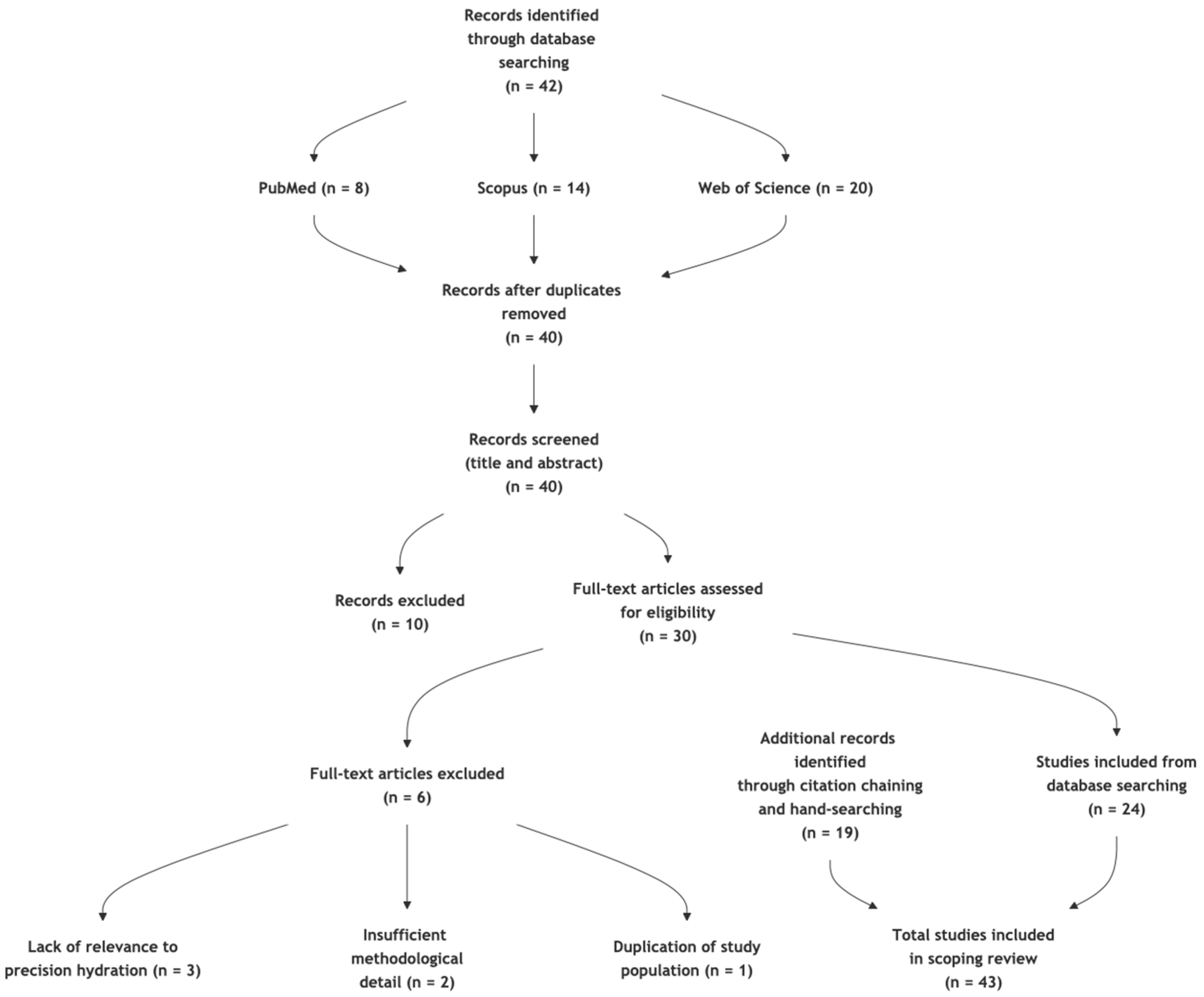
Figure 1. Flowchart of studies included in this study.
Mti 09 00112 g001
Figure 2. AI-Driven precision nutrition: a next-generation framework for personalized food and fluid guidance in public health.
Mti 09 00112 g002
Figure 3. HydrationApp system architecture and data flow diagram.
Mti 09 00112 g003
Table 1. Conceptual summary of the reviewed literature based on thematic relevance.
NoAuthor(s)/SourceYearStudy Type/Source TypeMain Theme(s)
1Shepherd [21]1999Review ArticleSocial determinants of food choice, providing behavioral context for AI-integrated food recommendation systems.
2Sharp [22]2007Review ArticleRole of whole foods in hydration, informing food-based hydration recommendation algorithms.
3Torres and Nowson [23]2007Review ArticleStress-eating behavior relationships, informing psychological factors in personalized food recommendation algorithms.
4Le Bellego et al. [24]2010Research ArticleFluid consumption pattern analysis supporting the development of personalized hydration recommendation systems.
5Ali et al. [11]2012Review ArticleReal-world effectiveness of lifestyle interventions modeled on diabetes prevention, validating clinical application potential.
6Thokala and Duenas [25]2012Methodological ArticleMultiple criteria decision analysis for health technology assessment, informing evaluation frameworks for AI nutrition systems.
7Konstantinidou et al. [16]2014Review ArticleLinks personalized nutrition to cardiovascular disease prevention, demonstrating the clinical relevance of precision nutrition systems.
8Betts and Gonzalez [12]2016CommentaryTheoretical foundation for personalized nutrition approaches, supporting individualized dietary guidance systems.
9Mengistu, Y. et al. [26]2016Conference PaperDevelopment of AutoHydrate, a wearable hydration monitoring system using sensor data.
10Celis-Morales et al. [14]2017Randomized Controlled TrialLarge-scale European RCT demonstrating the effectiveness of personalized nutrition interventions on health-related behavior change.
11Järvelä-Reijonen et al. [27]2018Randomized Controlled TrialRCT evidence of mobile app effectiveness in dietary behavior change, validating mHealth platforms for personalized nutrition interventions.
12Michel and Burbidge [15]2019Review ArticleAddresses digital tools for solving personalized nutrition challenges, providing a framework for AI-integrated recommendation systems.
13Liska et al. [4]2019Narrative ReviewComprehensive review of hydration and health outcomes, providing a scientific foundation for hydration monitoring systems.
14Perrier [5]2019Review ArticleHistorical perspective on hydration research advances, contextualizing current hydration monitoring technologies.
15Mathers [18]2019CommentaryPopulation health through personalized nutrition, addressing the policy integration of AI-driven nutrition systems.
16Budreviciute et al. [2]2020Review ArticleNCD management and prevention strategies, providing health system context for AI-integrated nutrition platforms.
17Beierle et al. [28]2020Cross-sectional StudySmartphone usage patterns and personality traits, informing user engagement strategies for mHealth nutrition platforms.
18Liaqat, S. et al. [29]2020Research ArticleML algorithms for non-invasive skin hydration level estimation.
19Perrier et al. [10]2021Narrative ReviewEvidence supporting hydration for health hypothesis, validating the importance of precision hydration guidance systems.
20Millard-Stafford et al. [30]2021Research ArticleBeverage hydration index research providing a scientific basis for fluid recommendation algorithms in AI systems.
21Jo, S. et al., [31]2021Review ArticleWearable biosensors for sweat analysis and implications for real-time hydration tracking.
22Suppiah, Haresh T. et al. [32]2021Research ArticleUse of ML to classify hydration characteristics in adolescent athletes.
23Kulkarni, N. et al. [33]2021Conference PaperDevelopment of a non-invasive, context-aware dehydration alert system using mobile and wearable inputs.
24Dolci et al. [13]2022Research ArticleDemonstrates machine learning application for personalized water intake prediction using clinical data, directly addressing AI-driven precision nutrition systems.
25Malik and Hu [34]2022Review ArticleSugar-sweetened beverages and chronic disease risk, informing healthy food recommendation system parameters.
26Al-Rayes et al. [35]2022Review ArticleGamification in healthcare applications, informing engagement strategies for AI-powered nutrition platforms.
27Oc and Plangger [36]2022Research ArticleMotivational mechanisms in wearable technology for healthy habits, supporting behavioral design in AI nutrition systems.
28Rodin, D. et al. [37]2022Research ArticleValidation study of a wearable hydration sensor under real-life conditions.
29Sabry, F. et al. [38]2022Research ArticleMachine learning applied to dehydration detection using data from wearable sensors.
30Wang, S. et al. [39]2022Case StudyPersonalized hydration prediction models using sweat biomarkers and physiological data.
31Hillesheim and Brennan [40]2023Secondary Analysis RCTEvidence of metabotype-based personalized dietary advice effectiveness, validating precision nutrition frameworks.
32Rod et al. [41]2023Methodological ArticleSystems-based public health intervention research, providing framework for implementing AI nutrition systems in healthcare.
33Tsolakidis et al. [17]2024Review ArticleComprehensive review of AI and ML technologies in personalized nutrition, providing technological framework for intelligent food recommendation systems.
34de Castro et al. [42]2024Scoping ReviewExamines recommender systems in weight management mHealth interventions, bridging AI technology with mHealth applications.
35Dimou et al. [43]2024Educational Tool StudyAugmented reality application for hydration education, showcasing innovative mHealth technologies for nutritional guidance.
36Tonello, S. et al. [44]2024Research ArticleDesign and testing of a wearable multi-sensing hydration monitoring system.
37Chiao, J.C. et al. [45]2024Review ArticleTechnical and clinical potential of noninvasive wearable devices for dehydration monitoring.
38Li, J.H. et al. [46]2024Research ArticleML-based fluid intake recognition using multi-sensor fusion in fluid intake behavior monitoring.
39Alaslani, R. et al. [47]2024Preprint/arXivReal-time hydration level estimation using a smartphone camera and computer vision.
40Sreeharsha, A. et al. [48]2024Systematic ReviewReview of wearable sensors and ML algorithms for hydration monitoring, highlighting sensor limitations and model performance.
41Waterllama [49]2025Mobile ApplicationCommercial hydration tracking platform demonstrating current mHealth implementation for fluid intake monitoring.
42Water Time Drink Tracker [50]2025Mobile ApplicationExemplifies mobile reminder systems for fluid intake behavior modification and real-time fluid intake guidance.
43Plant Nanny Water Tracker [51]2025Mobile ApplicationDemonstrates gamified mHealth approach to hydration tracking, illustrating behavioral engagement strategies in mobile platforms.
Table 2. Thematic matrix of the studies included in the scoping review.
NoAuthor(s)/SourceYearWearable SensorsMachine Learning/AIHealth/App-BasedFood + BeverageHydrationPersonalized GuidanceData Fusion/Multimodal InputBehavioral and Environmental IntegrationImplementation Barriers and Policy Considerations
1Shepherd [21]1999XYesYesYesXYesXYesYes
2Sharp [22]2007XYesYesYesYesYesXYesYes
3Torres and Nowson [23]2007XYesYesYesXYesXYesYes
4Le Bellego et al. [24]2010XYesYesYesYesYesXYesYes
5Ali et al. [11]2012XYesYesXXYesXYesYes
6Thokala and Duenas [25]2012XYesYesXXYesXYesYes
7Konstantinidou et al. [16]2014XYesYesYesXYesXYesYes
8Betts and Gonzalez [12]2016XYesYesYesXYesXYesYes
9Mengistu, Y. et al. [26]2016YesYesYesXYesYesYesYesYes
10Celis-Morales et al. [14]2017XYesYesXXYesXYesYes
11Järvelä-Reijonen et al. [27]2018XYesYesYesXYesXYesYes
12Michel and Burbidge [15]2019XYesYesYesXYesXYesYes
13Liska et al. [4]2019XXYesXYesXXYesX
14Perrier [5]2019XXYesXYesXXYesX
15Mathers [18]2019XYesYesYesXYesXYesYes
16Budreviciute et al. [2]2020XYesYesYesXYesXYesYes
17Beierle et al. [28]2020XYesYesXXYesXYesX
18Liaqat, S. et al. [29]2020YesYesYesXYesYesYesYesYes
19Perrier et al. [10]2021XXYesXYesXXYesX
20Millard-Stafford et al. [30]2021XYesYesYesYesYesXYesX
21Jo, S. et al. [31]2021YesXXXYesXXYesX
22Suppiah, H.T. et al. [32]2021YesYesYesXYesYesXYesX
23Kulkarni, N. et al. [33]2021YesYesYesXYesYesYesYesX
24Dolci et al. [13]2022XYesYesXYesYesYesYesX
25Malik and Hu [34]2022XYesYesYesXXXYesYes
26Al-Rayes et al. [35]2022XYesYesYesXXXYesX
27Oc and Plangger [36]2022YesYesYesXXXYesYesX
28Rodin, D. et al. [37]2022YesXXXYesXXXX
29Sabry, F. et al. [38]2022YesYesXXYesXXXX
30Wang, S. et al. [39]2022YesYesXXYesYesYesYesX
31Hillesheim and Brennan [40] 2023XYesYesYesXYesXYesYes
32Rod et al. [41]2023XYesYesXXYesXYesYes
33Tsolakidis et al. [17]2024XYesYesYesXYesYesYesX
34de Castro et al. [42]2024XYesYesXXYesYesYesX
35Dimou et al. [43]2024XXYesXYesYesYesYesX
36Tonello, S. et al. [44]2024YesYesYesXYesYesYesYesX
37Chiao, J.C. et al. [45]2024YesXYesXYesXXXX
38Li, J.H. et al. [46]2024YesYesYesYesYesYesYesYesX
39Alaslani, R. et al. [47]2024XYesYesXYesXXXX
40Sreeharsha, A. et al. [48]2024YesYesYesXYesXXYesX
41Waterllama [49]2025XXYesXYesYesXYesX
42Water Time Drink Tracker [50]2025XXYesXYesYesXYesX
43Plant Nanny Water Tracker [51]2025XXYesXYesYesXYesX
Disclaimer/Publisher’s Note: The statements, opinions and data contained in all publications are solely those of the individual author(s) and contributor(s) and not of MDPI and/or the editor(s). MDPI and/or the editor(s) disclaim responsibility for any injury to people or property resulting from any ideas, methods, instructions or products referred to in the content.