Article

Mixed Reality Game Design for the Effectiveness and Application Research of Integrating Sustainable Concepts into Blended Learning

Faculty of Arts and Design, Macao Polytechnic University, Macao 999078, China
*
Author to whom correspondence should be addressed.
Multimodal Technol. Interact. 2026, 10(1), 3; https://doi.org/10.3390/mti10010003 (registering DOI)
Submission received: 13 November 2025 / Revised: 22 December 2025 / Accepted: 23 December 2025 / Published: 30 December 2025

Abstract

This study explores how mixed reality (MR) game environments, enabled by sensor-based motion tracking and interactive visualization technologies, can be effectively integrated into blended learning to promote sustainability education. Using eight Macau bakeries as empirical cases, field investigations collected and categorized surplus bread samples, while carbon emission frameworks informed pedagogical design. Employing a multidimensional research methodology combining questionnaires and semi-structured interviews, the study delved into the intrinsic link between bread waste and carbon emissions. Through perceptual interaction design and task-oriented challenge modes within the MR environment, users were immersed in experiencing the pathway of sustainable behavioral impact. Post-instructional engagement with the MR game revealed that >90% of participants expressed strong affinity for the system design, and >85% perceived it as intuitively operable. Analysis of user feedback and performance data demonstrates the system’s potential to deliver solutions for reducing bread waste and carbon emissions. By establishing a replicable MR game framework and technical mechanisms, this research offers novel perspectives for future sustainability education studies in the field of behavioral mixed reality design.

Graphical Abstract

1. Introduction

The United Nations released the Special Edition of the Sustainable Development Goals Progress Report (2023), highlighting that environmental issues are currently extremely severe and that sustainability is widely recognized as one of the most critical national development strategies. Food waste within the food chain represents an international problem. Globally, it is estimated that one-third of food (approximately 1.3 billion tons) becomes waste during its “lifetime”, meaning it remains unused [1]. Global food waste has emerged as a core challenge for sustainable development. Macao’s government data indicates that approximately 40% of solid waste consists of food scraps. Beyond actively promoting a “food-saving” culture, the government has implemented several initiatives to reduce food waste. These include the 2018 “Food Scrap Recycling Pilot Program for Restaurants”, which trains staff at participating establishments in how to sort food waste properly. Food scraps are collected and transported to food waste processing units at the waste incineration plant for recycling. Despite government efforts to promote food conservation and recycling programs, the waste of staple foods like bread remains particularly problematic. For instance, an average British household generates approximately 210 kg of avoidable food waste annually, equivalent to £565.7 [2]. The disconnect between people’s awareness of environmental issues and their social and natural surroundings is considered a fundamental problem of unsustainabilitys [3], yet it is rarely addressed in continuing education. Existing technological solutions have limitations. For instance, the Safe Food AR application allows users to obtain augmented reality details about product origins and contents by following instructions using their phone camera [4]. This approach fails to establish a direct connection between individual wasteful behaviors and environmental impacts. In 2016, Jinsoo An and his team announced Project Nourished, primarily utilizing VR headsets to provide environmental and virtual simulations. By recreating dining experiences through sight, taste, smell, sound, and touch, the technology convinces participants that the “fake” food they consume is gourmet, enabling them to experience culinary delights within simulated environments [5]. While this approach offers immersive interactive experiences, it remains detached from real-world educational contexts and thus fails to influence food waste behaviors.
Despite growing global attention to food waste and technological solutions, bread—a staple food—is often overlooked. Addressing this gap, this study selects bread as its research subject to explore integrating sustainable development concepts with MR game interactions. By analyzing the relationship between carbon footprints and bread consumption, environmental knowledge is embedded within the game content. For system design, Unity was chosen as the development platform, paired with Meta Quest 3 as the hardware experience device to ensure immersive user interactions. Additionally, a blended learning model is introduced, enabling seamless learning across online and offline environments to comprehensively enhance educational outcomes. The primary objectives of this research are threefold:
(i) Address bread waste education: Use MR games to teach the link between bread waste and carbon footprints, raising public awareness of food waste.
(ii) Evaluate technological feasibility: Examine Unity and Meta Quest 3 in MR games for environmental education to inform future research.
(iii) Explore the effectiveness of blended learning models: Investigating the application outcomes of blended learning models in environmental education by integrating online and offline learning environments, aiming to offer educators more diversified and efficient teaching methods to advance the popularization and development of environmental education.
This study investigates the application of sustainability concepts within blended learning and game interactions. By leveraging MR technology, it offers a novel, highly interactive learning approach for environmental education, enhancing public awareness of food waste issues and carbon footprints.

2. Literature Review

2.1. Surplus Bread and Carbon Footprint

Food waste is a global concern extending far beyond the context of Macau, and increasing international attention has been directed toward addressing this issue. According to the United Nations Environment Programme (UNEP) Food Waste Index Report (2021), Chinese households generate 91.6462 million tons of food waste annually. Preventing food waste has also become a central component of post-pandemic economic recovery strategies [6].
The concept of carbon footprint is widely defined as the total amount of carbon dioxide emissions directly or indirectly generated by a specific, which was introduced and standardized by [7]. Wiedmann et al. introduced the widely accepted concept of carbon footprint. This metric quantifies the total carbon dioxide emissions generated directly or indirectly by a specific activity, as well as those accumulated throughout a product’s entire life cycle [8]. As an environmental assessment metric, the carbon footprint serves as a critical tool for guiding mission reduction and verification efforts [9]. Without a thorough understanding of carbon footprint data, organizations are unable to implement cost-effective emission reduction strategies [10]. Studies have quantified greenhouse gas emissions associated with bread production and consumption. A research estimated emissions from the life-cycle of 1 kg of white and rye bread prior to retail distribution, finding that white bread emitted slightly less than rye bread [11]. In retail practice, packaging type also affects total emissions. Whole-grain thick-sliced bread packaged in plastic bags has the lowest carbon footprint, while white medium-sliced bread in paper bags has the highest. The primary emission hotspots occur during wheat cultivation and bread consumption (specifically baking and refrigeration), accounting for 35% and 25% of total emissions, respectively. Avoiding bread baking and refrigeration can therefore reduce carbon footprint by an average of 25%. Minimizing consumer-level waste can produce an additional 5–10% reduction [12]. The Environmental Information Center calculates carbon dioxide equivalents (CO2e) based on global warming potential (GWP) index, using CO2e as a standard unit for measuring carbon footprints*. For instance, the production of 1 kg of packaged sliced bread requires 0.496 kg CO2eq.kgFU-1. For the Sicilian bread DW “Pagnotta del Dittaino”, approximately 67% emissions stem from the production of 0.811 kg of DW grain [13].

2.2. Mixed Reality (MR) Concept

Since the introduction of the MR continuum in 1994, the technological capabilities, design practices, and theoretical perspectives of MR have evolved substantially. However, defining and discussing MR has become increasingly complex. MR is often regarded as an advanced form of augmented reality (AR) that delivers enhanced user experiences through higher levels of immersion, virtuality, and both implicit and explicit interactions [14]. As new visualization and interaction technologies continue to emerge, the methods and strategies for implementing MR-based design have also diversified. Mixed reality (MR) bridges the physical and virtual worlds, enabling their fusion [15]. Compared with other emerging technologies, MR enables the highest level of interactive engagement within the real-world contexts [16]. Its applications spread numerous industries. In industrial settings, augmented and mixed reality technologies are used to infuse digital information with physical environments, making the dynamic interrelationship between real and virtual factories visible and tangible [17]. In the cultural heritage aspect, AR and MR technologies are increasingly employed for education and virtual museum reconstruction, achieving user-centered exhibition objectives. MR technology has also proven effective for simulation-based training, allowing professionals to acquire knowledge, skills, and attitudes without direct exposure to physical instruments or live experimental subjects, thereby significantly reducing risk. Educational models incorporating MRE can integrate cognitive, technical, and behavioral skills into realistic instructional scenarios, serving as a more effective and experiential learning approach [18]. Beyond formal education and professional training, MR is increasingly applied in community learning and recreational contexts [19]. For example, Education Outside the Classroom (EOTC) models leverage MR and action learning principles to promote self-directed learning. These models have been used in marine ecology education to help users explore, understand, and engage with marine conservation topics [20]. In higher education, online distance education platforms also benefit from immersive technologies such as VR and MR, which create engaging, collaborative, and enjoyable virtual environments suitable for team-based remote learning [21]. Experimental studies further indicate that users generally hold positive perceptions and high acceptance levels of MR technology. In particular, higher education students—particularly those in science-related disciplines—demonstrate strong willingness to adopt MR technology in future learning and professional contexts [22].

2.3. Sustainable Concepts and Blended Learning Models

The concept of sustainable development emerged as an integrative response to earlier fragmented approaches to development. In recognition of the persistent global challenges of poverty and inequality, the United Nations (UN) declared four development decades between 1960 and 2000 to promote coordinated growth and equity [23]. In the field of education, blended learning has become an increasingly prevalent approach, and research has examined its academic and societal benefits [24]. Educators can engage students in sustainability-oriented learning by incorporating narratives of social change and designing assignments that address real-world sustainable development challenges. Through such activities, students are encouraged to analyze and apply relevant policies and legislation that enhance environmental, economic, and social responsibility, cultivating the competencies necessary for building a sustainable future [25]. Hughes and colleagues developed multidisciplinary methods to transform MR technology into community-based learning formats, thereby enhancing the entertainment, educational value, and user satisfaction of public space experiences [26].
The integration of traditional and technology-enhanced education enables new opportunities for sustainable learning [27]. MR technology allows users to interact with virtual objects in real environments, enriching visual engagement and facilitating experiential learning through direct interaction with both digital and physical counterparts. MR-based educational environments develop highly interactive learning tools by integrating computational devices and spatially shared experiences. Within these “mixed” spaces, students and teachers can collaboratively achieve learning objectives that connect virtual and physical elements. Linking classroom and out-of-classroom learning experiences, proposing theoretical frameworks, and generating data-driven insights for researchers can all enhance environmental literacy as a key educational outcome [28]. Prior studies have also demonstrated the potential of interactive simulation games as effective ways for teaching sustainable design concepts. Experimental projects have developed a range of design concepts and created simulation game interfaces that enable learners to explore sustainability principles through immersive, participatory experiences [29]. Although current systems still face technical and theoretical limitations, they provide promising evidence that interactive and game-based learning can effectively strengthen students’ understanding of sustainability while fostering broader public engagement and awareness. Educators can leverage MR technology to enhance instructional effectiveness and facilitate communication with students, thereby achieving intended learning objectives.

3. Research Method

This project integrates MR technology with game-based design, employing sustainability concepts as its theoretical foundation. The main components of the game—bread, food waste, and carbon footprint indicators—were creatively developed using MR interaction techniques to emphasize the theme of sustainability. The development process involved several key stages (Figure 1). First, game elements and initial sketches were designed to establish the narrative and interaction structure. Subsequently, the game design phase refined these elements into a coherent system architecture. Programming, scene modeling, and interactive interface development were implemented using the Unity engine and Adobe Photoshop, transforming the conceptual design into a functional MR experience through technical realization. Finally, user testing and questionnaires were conducted during the Mixed Reality Experience Operation phase to collect feedback and evaluate the system’s usability and educational effectiveness.
In the game, players are required to answer educational questions and strike virtual bread to reveal information related to carbon footprint. The game consists of ten progressively challenging levels, incorporating both single-choice and multiple-choice questions. For example, one of the single-choice questions asks:
“Which stage in bread production contributes the most to its carbon footprint?”
a. Raw material production
b. Logistics and transportation
c. Energy consumption during baking
d. Packaging materials.
A sample multiple-choice question is:
“What are the advantages of purchasing low-carbon bread for our daily lives?”
a. Improves the environment and promotes public health
b. Reduces resource waste and environmental burden
c. Stimulates local economic development
d. Fosters environmental awareness

3.1. Research Subjects and Procedures

This study organized student customers to purchase bread at local bakeries in Macau on 1 October 2024 to 10 October 2024. After users completed the preceding illustrated knowledge learning module, they proceeded to operate the MR interactive game. The study observed issues encountered by students during game operation and used questionnaires to assess their system satisfaction and quality. The system ultimately incorporated a scoring mechanism. Table 1 outlines the complete experimental procedure.

3.2. Questionnaire Design

After participants completed the game, the results of the blended learning experience were analyzed with a combination of the Game Experience Questionnaire (GEQ) and the System Usability Scale (SUS). The GEQ, developed by IJsselsteijn, Poels and de Kort [30] and further refined by IJsselsteijn, de Kort and Poels, is designed to systematically assess players’ multidimensional gaming experience. Its primary aim is to quantify, through self report, the impact of game design on users cognition, emotion and behavior (Table 2). The game experience section contains 33 items, which are grouped into seven constructs: competence, immersion, flow, tension, challenge, negative affect and positive affect. These items are arranged in a randomized order across the questionnaire, so that items measuring positive and negative affect may appear adjacent to one another. Participants indicated their agreement with each statement using a five point Likert scale ranging from 0, indicating total disagreement, to 4, indicating total agreement.
The System Usability Scale (SUS) was developed by John Brooke in 1996 as a standardized instrument for rapidly assessing users’ subjective perception of system usability, such as for software, websites and hardware [31]. Table 3 Its core structure consists of ten items, which alternate between positively and negatively worded statements. Positive questions are odd, negative questions are even. For example, a positively phrased item is “I think I would like to use this food waste interactive game frequently”, while a negatively phrased item is “I found the system unnecessarily complex”. Participants respond to each item using a five-point Likert scale ranging from 1, indicating total disagreement, to 5, indicating total agreement. Scoring involves transforming the responses so that for positively worded items the score is the original rating minus one, and for negatively worded items the score is five minus the original rating. The sum of these transformed scores is then multiplied by 2.5, producing a final result on a scale from 0 to 100. An average benchmark in the industry is 68 points, and scores above 70 are regarded as good, meaning better than 75 percent of products.

3.3. Semi-Structured Interviews

This interview centers on evaluating the user experience of a specific system (Table 4) designed around eight core questions that can be grouped into four primary dimensions: First, it explores the system’s impact on user awareness and behavior, including cognitive shifts toward reducing food waste after use (No. 1) and recognition of how data feedback—such as carbon footprint metrics—influences behavioral habits (No. 2). Second, it focuses on feature feedback and optimization directions, covering new features users wish to see added (No. 3), areas requiring system improvements (e.g., interface design, feedback speed, interaction formats) (No. 4), and the most memorable functional modules (e.g., MR scenes, carbon footprint points, interactive games) (No. 5). Third, it evaluates technical experience and interaction perception, addressing technical obstacles encountered during use (e.g., lag, recognition errors) (No. 6) and assessments of the naturalness and familiarity of MR interaction designs (e.g., rolling pin operations) (No. 7 and No. 8). Overall, the interview question structure aims to systematically gather users’ subjective feedback on the system’s cognitive impact, functional design, technical performance, and interactive experience, thereby providing a basis for subsequent system optimization.

4. System Interface Design

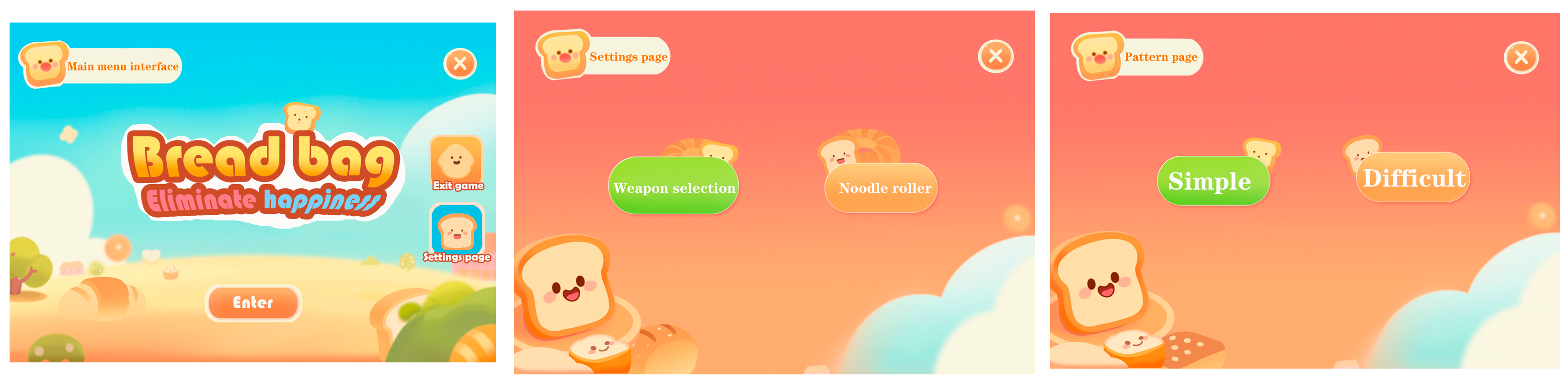
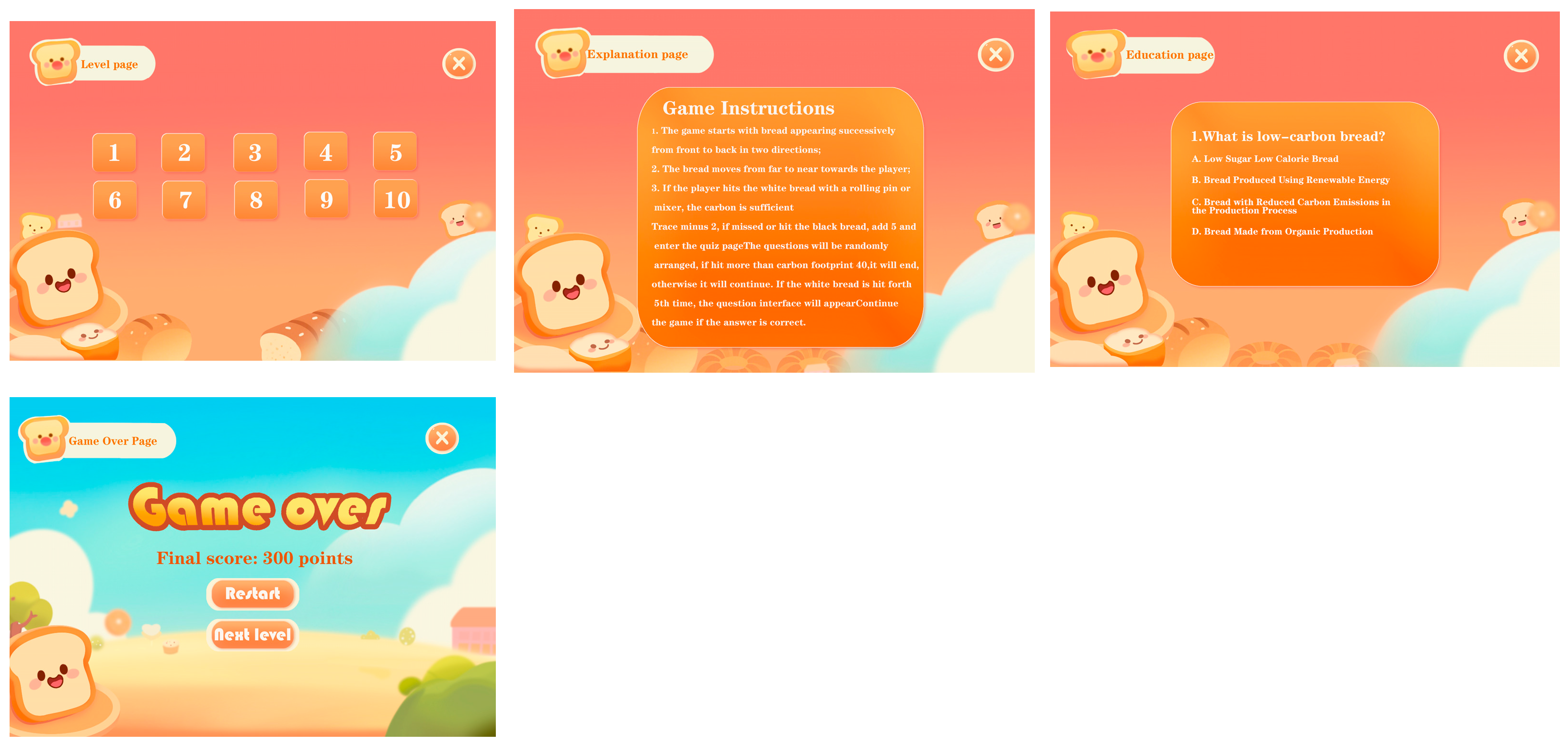
The terms “intuitiveness” and “ease of use” are frequently used to describe principles of user interface (UI) design. According to Blair-Early and Zender, an integrated strategy that considers users, content, and form represents a more comprehensive visual approach at a higher level [32]. Following this principle, the UI design in this study prioritizes user experience while minimizing unnecessary decorative elements to maintain clarity and functionality. Contemporary MR games such as Back to Home and Pokémon GO exemplify simple yet effective interface concepts. Drawing inspiration from these examples (Figure 2), the interface developed in this project adopts warm-toned, cartoon-like esthetics and employs bread-related iconography, such as croissants, sourdough, cinnamon rolls, German pretzel knots, brioche, etc., to create a visually engaging and coherent theme.
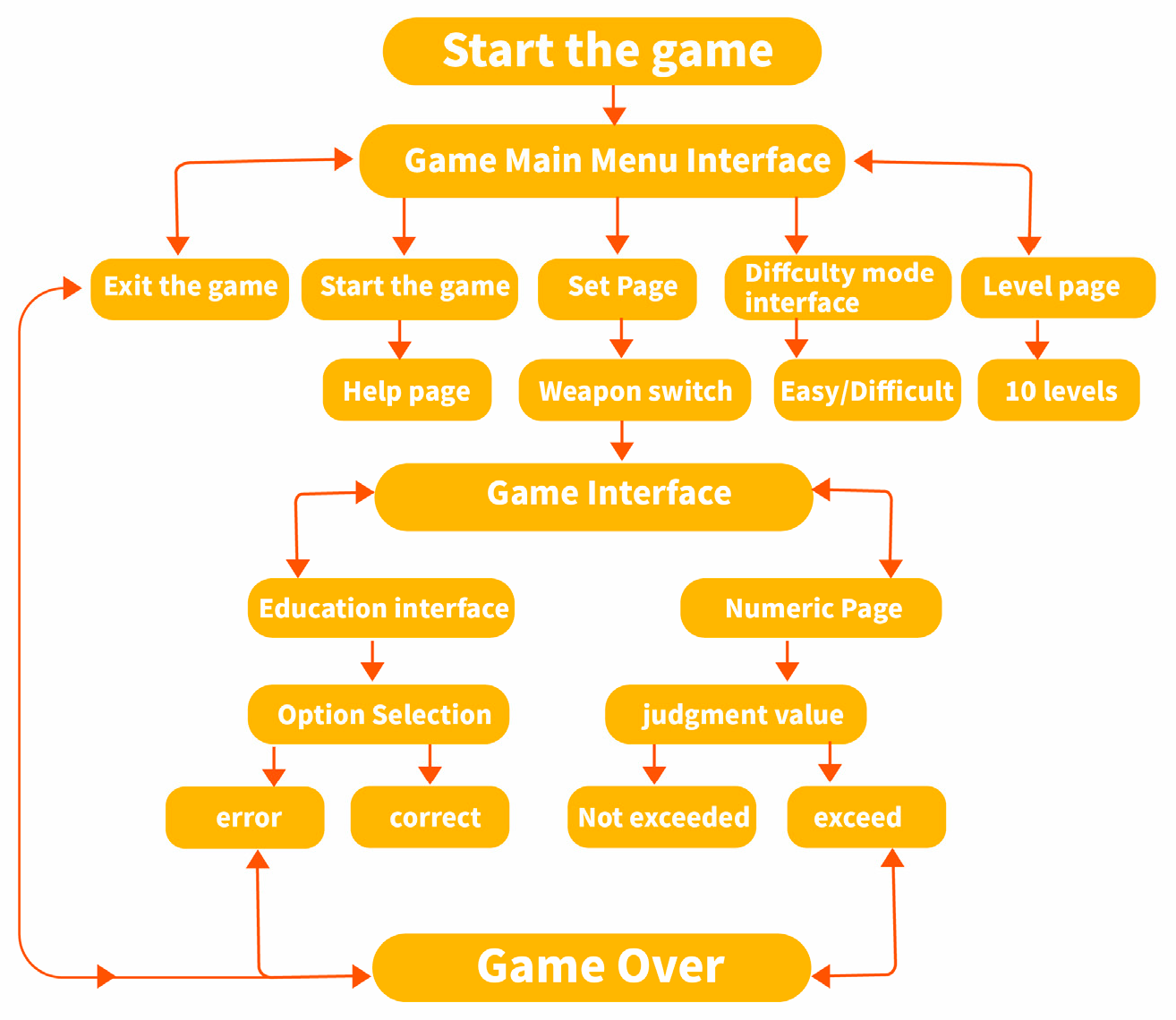
Upon completion of each game session, a result page is displayed, allowing players to restart or proceed to the next level. The final interface leads to the ranking and rewards screen, which displays players’ carbon footprint score. Traditional bread categories like croissants and sourdough bread are consistently applied as part of the visual theme across the UI design. The visual elements were initially illustrated in Procreate, then imported into Unity for dynamic processing. The interaction logic was developed within Unity’s UI system after the design drafts. Layered PSD files were imported into Unity, and adaptive layouts were created using the Canvas and RectTransform components. Control behaviors were defined through C# scripts. For instance, Figure 3’s code illustrates how it demonstrates the logic for buttons on the main menu interface: public button objects are created and linked to click events, where exit_btn triggers program termination (Application. Quit) and start_btn initiates interface transitions (loading the choose_model_go module).
After the interaction and interface design were finalized, the Unity’s Build Settings were used to compile the project into an APK installation package for testing. The visual design of each page was produced primarily with Procreate and Photoshop, ensuring stylistic consistency throughout the application. Once the code coding phase was complete, the APK was exported using Unity’s development tools. Finally, the MR game was deployed to Meta Quest 3 devices through the SideQuest platform, which serves as a wireless bridge between the development computer and the headset, enabling debugging and real-time testing.

5. Blended Learning Game Architecture Design

This section presents the design and implementation of the blended learning game architecture, combining online and face-to-face learning modes to support sustainability education. It provides an overview of the experimental setup, design logic, and the teaching outcomes observed during testing.

5.1. Online Web-Based Learning

Blended learning has seen rapid advancement in recent years, as reflected in the evolution of English Language Teaching (ELT) practices and theories. Numerous online courses have been developed in countries like Canada, Russia, and China, driven by increasing institutional and educator engagement. The core advantage of online learning lies in its ability to overcome temporal and spatial constraints while maintaining the emotional connection of interpersonal interaction.
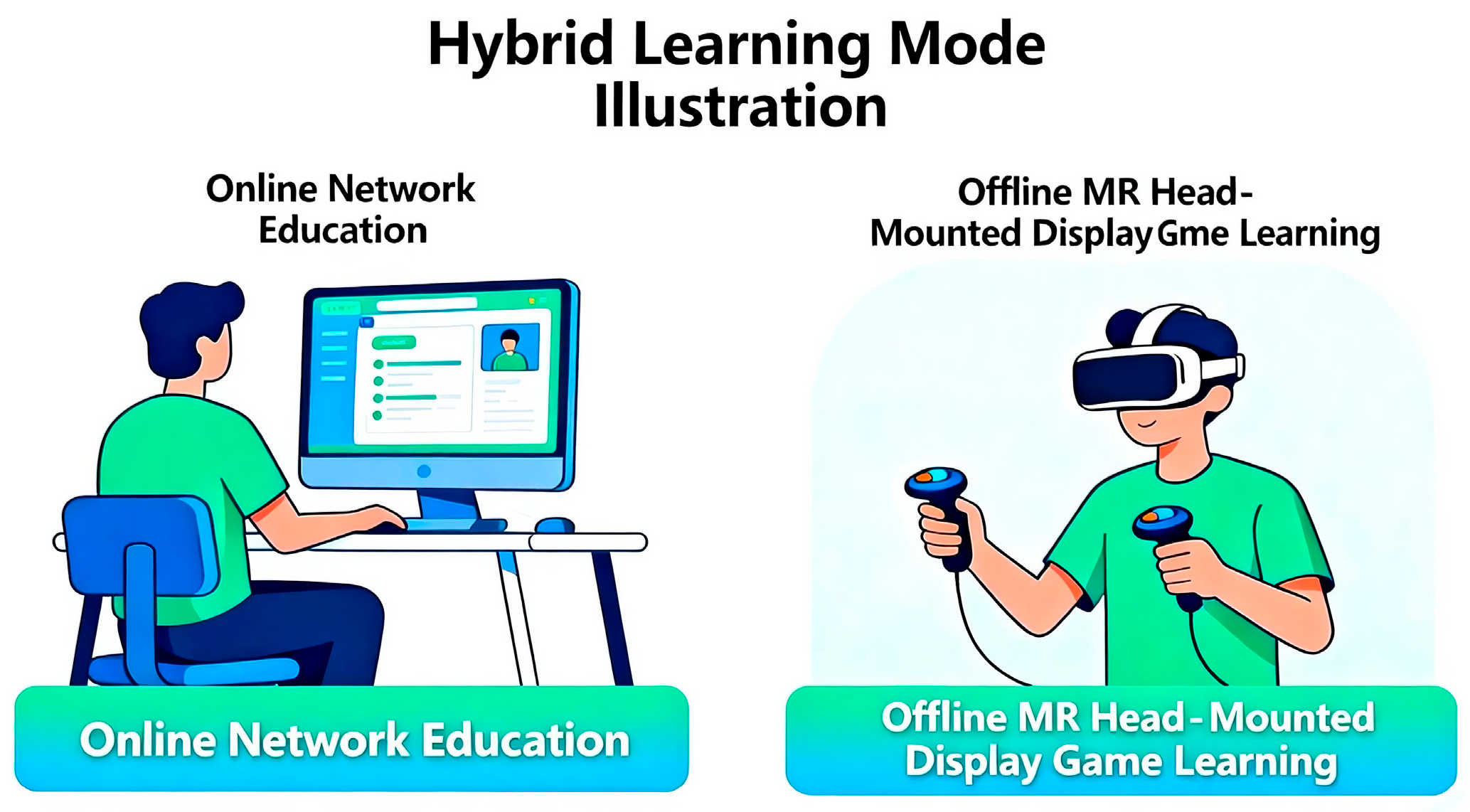
Online instruction integrates human gestures with shared screen content, supported by cognitive tools like digital whiteboards and mind maps. This configuration exemplifies the practical application of blended learning in educational digital transformation. Furthermore, such models extend beyond the classroom, finding applications in domains such as corporate training and telemedicine, where cross-domain collaboration benefits from similar hybrid methodology. This study primarily employs a blended learning approach combining online learning with offline MR game experiences, as illustrated in Figure 3. It proposes a hybrid model that organically integrates online knowledge acquisition with offline MR game experiences to achieve immersive and interactive learning for sustainable education. This method not only leverages MR technology to create learning environments but also enhances motivation and engagement through gamification mechanisms, such as points, levels and educational interface feedback, thereby overcoming challenges inherent in traditional environmental education. Online learning serves as the foundational component for carbon footprint and food waste-related education. Researchers deliver fundamental knowledge instruction and screen relevant videos online, establishing learners’ initial understanding of sustainability concepts. This groundwork prepares participants for subsequent carbon footprint education within the MR game. Furthermore, the study tests this theoretical and practical approach within the specific context of bread waste in Macau, aiming to validate its effectiveness in enhancing public awareness regarding food waste.

5.2. Face-to-Face Learning

Face-to-face learning in this study primarily involves offline learning through interactive MR devices. The game architecture enables users to explore sustainability-related topics, particularly the carbon footprint of leftover bread. By creating an MR environment, users can experience a realistic learning setting and have the option to engage in gameplay situated within a bakery context.
The face-to-face learning component centers on interactive gaming experiences that facilitate the understanding of sustainability concepts. Field testing was conducted at a Macau bakery. The game scene design adopts a level-based structure, with the Gamemanager (Script) establishing initial stages. The entire game is implemented using ray interaction, allowing players to operate the controller to enter different levels. Progress is achieved by striking bread to earn carbon footprint points. During gameplay, educational pop-up questions appear. Correct answers, combined with sufficient carbon footprint points, enable players to advance to the next stage. The level design consists of 10 stages. Players use a rolling pin or mixer to strike black bread, which deducts 2 points and opens a quiz page. Striking white bread adds 5 carbon footprint points. After consecutively striking the 5th black bread, a question interface appears. Ten questions are presented in total, alternating between single-choice and multiple-choice formats based on difficulty. Correct answers allow the game to continue, whereas incorrect answers end the game.
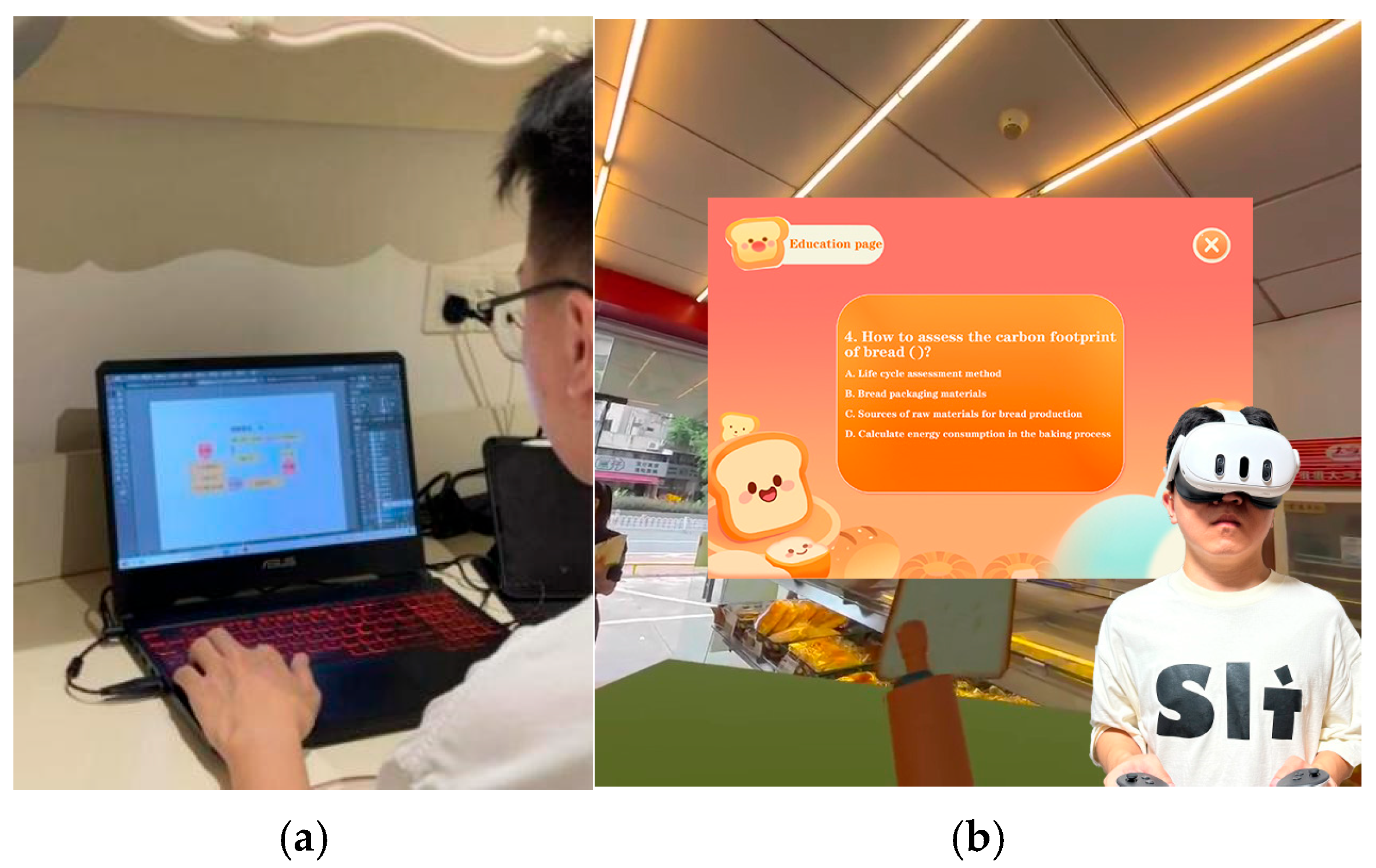
The process of establishing a game research framework (Figure 4): (a) From the initial level design and conception of engaging content, through to incorporating carbon footprint education and assigning point values to in-game tasks. (b) Following the completion of the game design, practical testing revealed several issues, such as controllers failing to register clicks on the UI (requiring distance adjustments), unimplementable interactive elements, and frequent game stuttering. Subsequent refinements were undertaken to address these concerns.
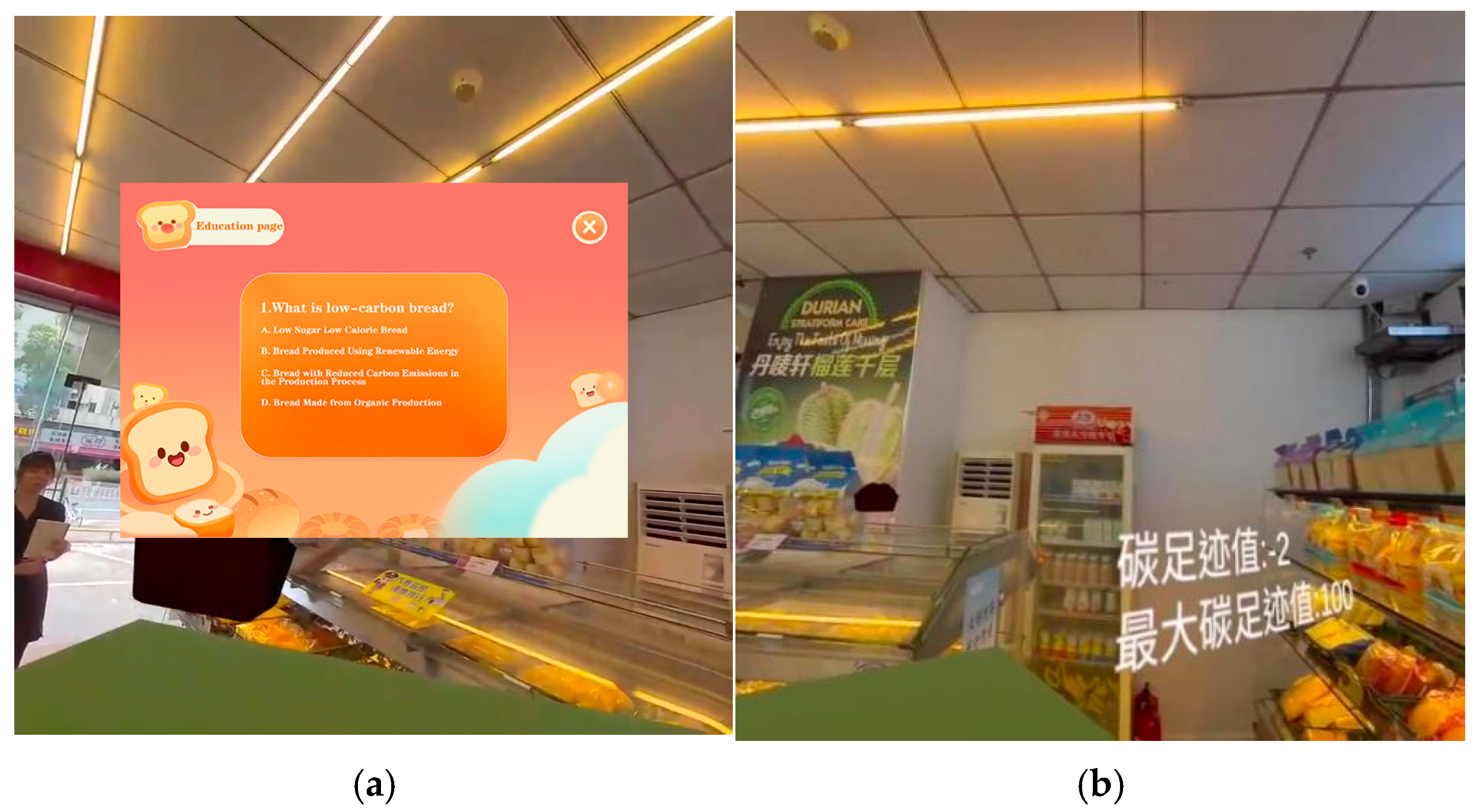
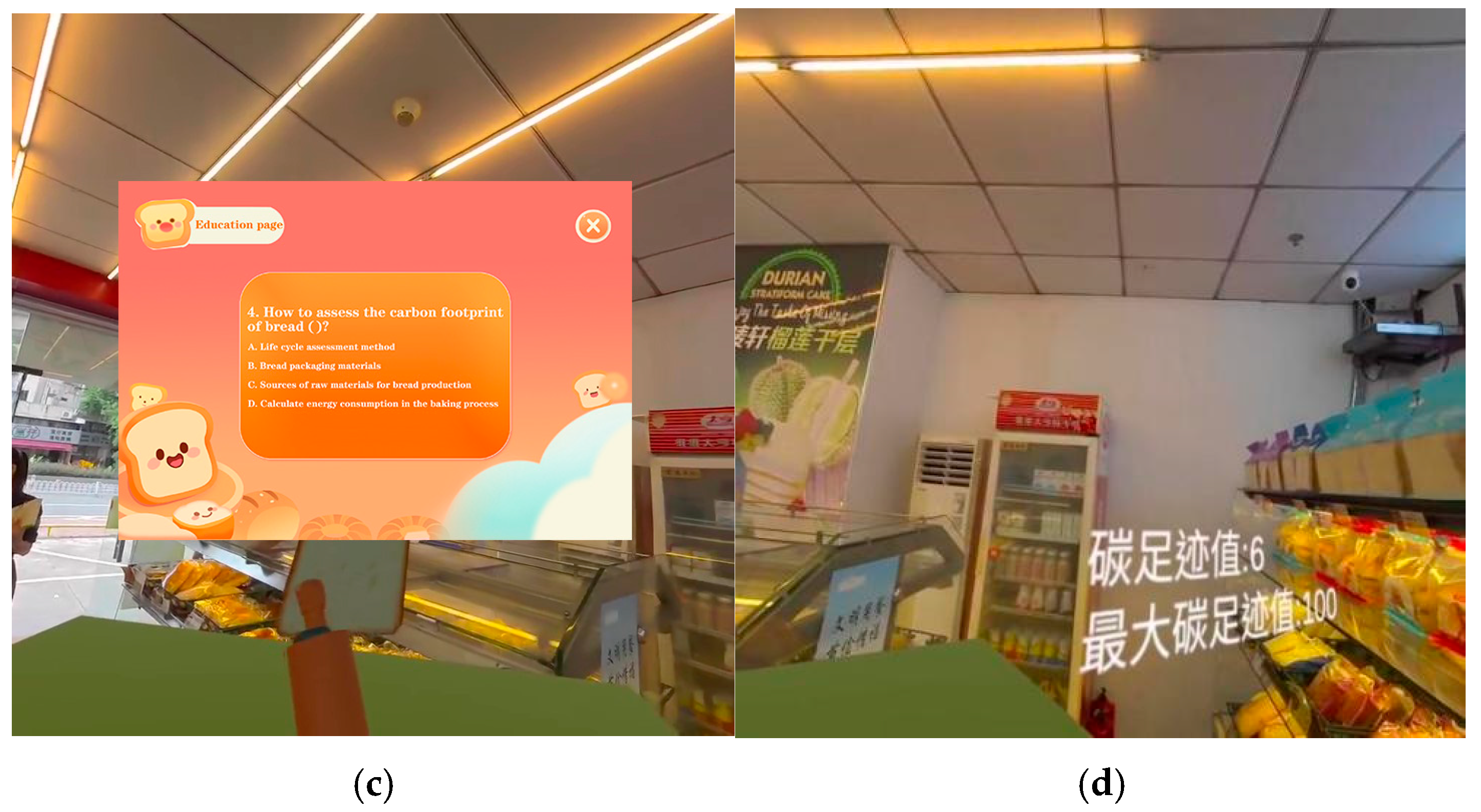
Upon commencing the game content, participants must undertake a carbon footprint assessment (Figure 5). Learning about carbon footprints occurs through eliminating bread items depicted in Figure 5a,c. Testers earn carbon credits by removing bread; for instance, white bread in Figure 5b,d yields 2 credits. Correctly answering questions grants extra points, while encountering specific bread types deducts points. Testers can progress through levels while simultaneously learning about carbon footprints.
Through preliminary testing, conducted via both online dissemination and offline gameplay, users were able to pre-learn knowledge about food waste through the online module and engage in experiential learning offline. After the MR offline learning, the questionnaire was collected and the semi-structured interview was conducted. This approach expands learning methods, effectively disseminates knowledge about leftover bread, and helps users understand sustainability concepts.

6. Results and Analysis

6.1. Test Population Data Statistics

This study adopted an experimental research method, primarily targeting undergraduate and graduate students at universities. As shown in (Table 5) 59 participants (Male = 34) were selected among students with prior experience using digital devices to ensure basic operational proficiency. Testing was conducted in five groups: 10% Freshmen, 24% Sophomores, 34% Juniors, 14% Seniors, and 19% Graduate Students. Each group completed the MR game testing sequentially, followed by a post-experiment questionnaire.
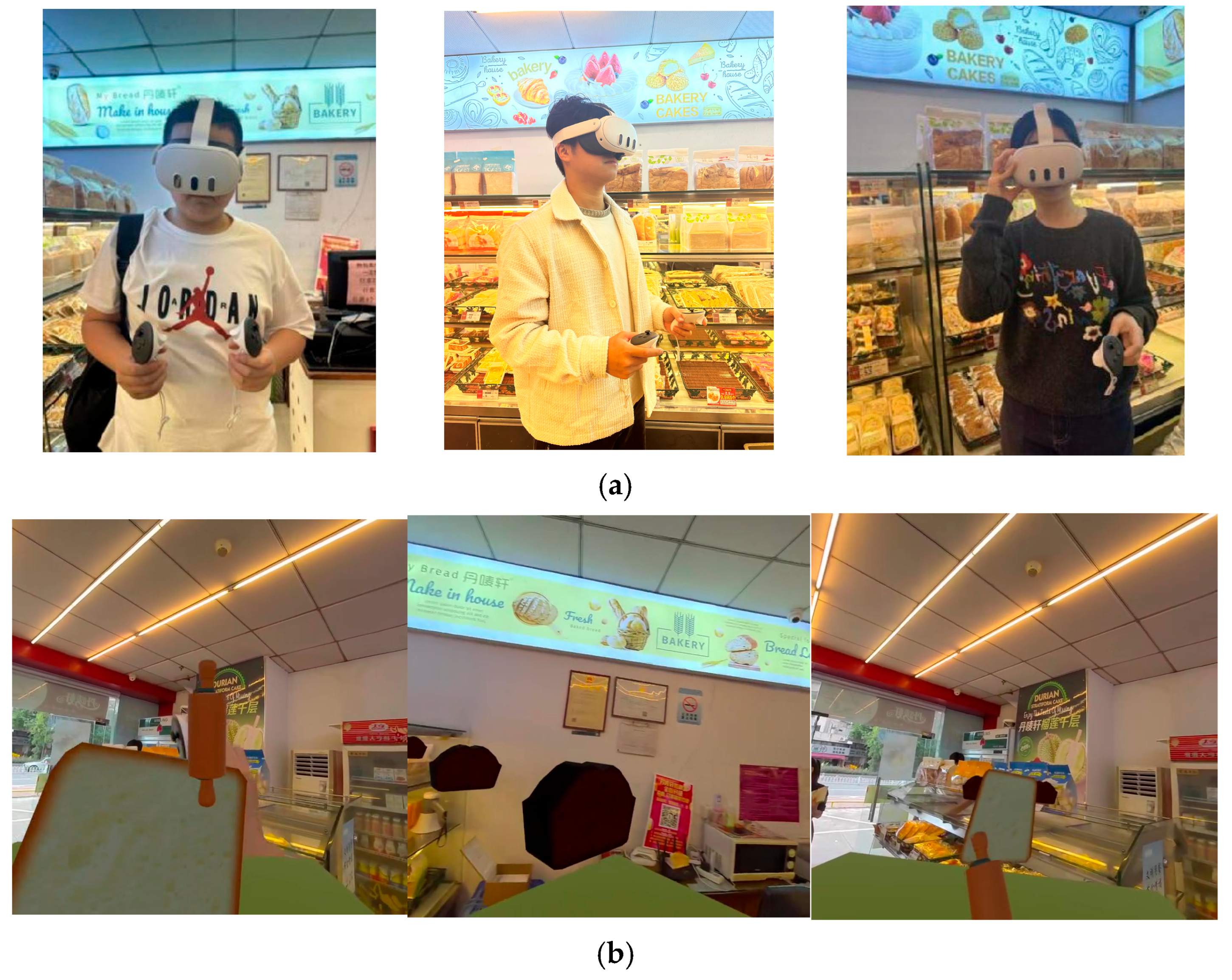
During the experimental process, participants were required to complete the MR game testing experience in sequence. Among these, 15 students had neither previously used VR devices nor engaged in interactive games like ‘Leftover Food’. Each participants wore VR equipment (Figure 6) to engage with the game and complete corresponding levels. During formal testing, participants entered the game after viewing the instructions interface. Upon completing the game, participants undertook carbon footprint learning assessments.
With participants’ informed consent, the testing process was documented through photography and other appropriate means. Following the collection of questionnaires, the feasibility and validity of the sample were verified. The core scale used in the original version demonstrated satisfactory internal consistency, with Cronbach’s α > 0.7. Confirmatory factor analysis (CFA) revealed excellent model fit indices (CFI > 0.9, RMSEA < 0.08), and factor loadings generally exceeded 0.6, confirming the validity of the scale.

6.2. Questionnaire Reliability and Validity Analysis

This section presents the results of reliability and validity testing conducted on the questionnaire following data collection. Reliability was assessed using Cronbach’s alpha coefficient, a measure of internal consistency ranging from 0 to 1, where higher values indicate greater reliability.
The IBM SPSS Statistics 27 reliability analysis yielded a Cronbach’s alpha value of 0.839, indicating good reliability for the questionnaire. This suggests a high degree of internal consistency among the scale’s items and satisfactory validity for evaluating factors related to MR interactive game experiences (Table 6).
In addition, this study employed SPSS software to conduct the KMO measure and Bartlett’s Test of Sphericity. The KMO value is 0.839, and Bartlett’s test produced a statistically significant result of p < 0.001, demonstrating sufficient inter-variable correlation and confirming the validity of the data for factor analysis.
Table 7 shows that the overall experience exhibits highly positive engagement and extremely low negative emotions, with variations within the positive dimensions. Specifically, across the five dimensions representing positive experiences, participant feedback clustered predominantly at moderately high levels. The mean scores for Competence (M = 2.58) and Flow State (M = 2.58) tied as the highest, with concentrated distributions (SD = 0.786 and 0.829, respectively). Notably, 26 participants (43.42%) rated Competence at the highest level 3, while 24 participants (40.7%) did the same for Flow State. This strongly suggests the experience successfully enabled participants to perceive their competence matching task demands while entering a state of deep focus and enjoyment, aligning with the ideal data observed during the initial hypothesis testing. Closely related metrics—sensory immersion (M = 2.47) and positive affect (M = 2.50)—also remained at similarly high levels. Level 2 ratings were given by 25 participants (42.95%) for sensory immersion and 24 participants (40.7%) for positive affect, indicating that most individuals experienced emotional pleasure and imaginative immersion alongside cognitive engagement in the educational activity. Although the challenge dimension had a relatively balanced mean score (M = 2.50), it exhibited the largest standard deviation (SD = 0.841), indicating more pronounced individual differences in perception. This likely reflects the task design allowing participants of varying skill levels to identify their own difficulty points: some found it just right (24 participants, 40.02%), while others perceived it as more demanding (7 participants, 11.88%).
In contrast to these positive dimensions, the two negative dimensions—Anxiety/Worry (M = 0.31) and Negative Emotion (M = 0.31) exhibited extremely low average scores with distributions heavily clustered at the lower end. A substantial majority of participants (44 participants, 74.6%, and 46 participants, 77.58%) reported experiencing no anxiety or negative emotions whatsoever, with only a very small minority expressing mild negative feelings. Collectively, the data reveal an efficient and healthy experiential structure: driven by moderate challenge, it robustly supports a widespread sense of competence and flow experiences, generating intense immersion and positive emotions while keeping negative emotions at extremely low levels.
Following testing sessions, several students shared their reflections. Four participants were randomly selected from the 59 respondents for qualitative interviews (P-15, P-16, P-19, P-25):
P-15: “I’ve seen similar videos before, but trying it myself for the first time was still quite interesting.”
P-16: “I felt a real sense of accomplishment seeing my score after finishing the game.”
This study was intentionally designed to present game content in the most intuitive and accessible way—using simple gestures such as striking bread with a rolling pin—to foster embodied interaction and real-world engagement. Over 98% of students reported successful interaction with the MR environment and expressed willingness to replay the game to achieve higher scores.
Nevertheless, for many students unfamiliar with VR equipment, the first experience remains somewhat unfamiliar or intimidating.
P-19: “I was a bit nervous, but it’s quite novel.”
P-25: “It’s challenging the first time, but it gets easier with practice.”
Regarding the challenge dimension, 95% of participants reported that this was their first hands-on exposure to VR. Although most had played similar web-based games or watched VR gameplay videos, the direct experience initially posed challenges. However, after brief guidance and training, over 90% of students found the system easy to use and reported no significant difficulties.

6.3. Overall Analysis and Evaluation of Game Testing

The System Usability Scale (SUS) tool was used to systematically evaluate system usability from the end-user perspective. In industrial usability research, SUS accounts for 43% of post-study questionnaire usage (Table 7). This instrument consists of 10 statements rated on a 5-point Likert scale, from which weighted average percentages are calculated.
This study was conducted with two participant groups with prior VR or AR experience and those without. The group criterion was based on quantitative Question 3: “Have you ever used VR equipment or played augmented reality games?” Participants reporting 0–1 instances of use were classified as the non-user group, while those reporting 2–3 instances were assigned to the user group (acknowledging that some may have used either VR or AR games, but not both). Due to the scale of the test, 20 participants were selected for grouped testing. The non-user comprised 9 males and 6 females (average age 20.5), distributed across sophomore and junior years. The user group included 10 males and 5 females. Each group was further subdivided into participants with and without operational experience. All participants completed the SUS questionnaire before date analysis.
The SUS questionnaires and corresponding statistical data for each item in the non-user group were analyzed. The overall average converted score was 72.8 points (range 70–85), which exceeds the SUS benchmark average of 68 points, indicating good overall system usability. However, significant internal variation was observed across different items.
To facilitate comparison, the results were categorized into high, medium, and low scoring groups. High-scoring group: Items A5 (85 points) and A4 (77.5 points) performed exceptionally well, far exceeding the excellent threshold (80 points), reflecting mature and well-developed interaction design. Medium-scoring group: Items A1 (72.5) and B1 (72.5) were close to the overall mean, indicating a standard level of usability. Low-scoring group: Items A7, B2, B3 (all 70 points) slightly exceeded the baseline but still showed clear potential for improvement.
Summary: For Item Q4 (Technical Dependency), the mean score was 2.8 (SD = 0.7). The low-scoring items (e.g., A7, B3) received scores ≤ 2, showing notable contrast from the high-scoring item (A5 = 4). This result reflects a stratified distribution of user technical proficiency, suggesting that beginners require additional guidance and support during interaction.
According to SUS metrics Table 8 and Table 9, both user group and the non-user group scored above 70—significantly exceeding the benchmark average of 68. This indicates the system’s high usability and positive user engagement. The MR game effectively encouraged emotional involvement, increased interactivity, and generated strong with layout and design. Nevertheless, several participants suggested that the game’s motivation could be further enhanced. Future versions will consider incorporating leaderboards, reward badges, or similar gamification features to promote user engagement and a sense of accomplishment. A few users also mentioned initial operational difficulty during their attempt, reinforcing the need for improved tutorial design.


7. Conclusions

7.1. The Research Scope and Limitations

Although this study provides preliminary evidence for the effectiveness of MR games in sustainability education, several limitations should be acknowledged, which also suggest directions for future research.

7.1.1. Single-Site Student Sample

The study was conducted exclusively with university students in Macau, limiting the generalizability of the findings. Participants were predominantly young adults with prior experience in operating digital devices, which may not reflect the attitudes, behaviors, or technological familiarity of broader demographic groups, such as secondary school students, working adults, or the elderly. Future research should include more diverse populations to enhance the external validity of the results.

7.1.2. Lack of a Control Group

The study employed a one-group pretest–posttest design without a control group. While participants reported positive experiences and perceived learning gains, the absence of a comparison group makes it difficult to isolate the specific effects of the MR game from other factors, such as the novelty of the technology or the influence of the instructional context. Future studies should adopt experimental or quasi-experimental designs with control groups to better assess the causal impact of MR-based interventions.

7.1.3. Reliance on Short-Term Post-Test Data

Data collection occurred immediately after the MR game experience, capturing only short-term reactions and self-reported perceptions. This approach does not assess the long-term retention of knowledge gains, attitude changes, or behavioral intentions prompted by the game. Longitudinal studies with delayed post-tests are needed to evaluate the lasting educational effects and potential behavior change.

7.1.4. Overreliance on Self-Reported Measures

The study primarily used subjective instruments such as the GEQ and SUS, along with semi-structured interviews. While these tools provide valuable insights into user experience and perceived usability, they are susceptible to social desirability bias and may not fully capture actual learning outcomes or behavioral change. Future research should incorporate more objective measures, such as knowledge tests, observational data, or tracking of real-world food waste behavior, to triangulate findings and strengthen validity.

7.2. Summary and Outlook

The primary objective of this study was to develop a mixed reality (MR)-based game centered on sustainability, with the specific aim of reducing food waste and raising public awareness of this global issue. To help players understand the carbon emissions generated throughout bread production, a carbon footprint scoring system was designed and embedded into the gameplay experience.
The concept of integrating blended learning with MR game interaction emerged from insights gained through literature reviews and expert interviews in interaction design. This approach enables players to explore and understand fundamental sustainability principles through both online and offline learning experiences. The study creatively demonstrates how sustainability concepts can be effectively incorporated into digital gaming environments, allowing gamers to grasp how bread production impacts the environment.
This research represents a significant forward in the application of MR technology to sustainability education. Focusing on the dynamics of food waste generation within Macau’s local baking industry, the study systematically structured the sustainability theory framework and integrating Life Cycle Assessment (LCA) and carbon footprint analysis. Field observations conducted in typical local bakeries revealed that, despite Macau’s considerable daily waste of bread, businesses often employ “waste marketing” strategies to attract customers, which highlights the need for more sustainable production and consumption practices.
This study innovatively designed a bread carbon footprint map by synthesizing extensive literature and quantifying carbon flow data across Macau’s stages of raw material procurement, production energy consumption, logistics distribution, and waste disposal stages. It documented the local carbon footprints and introduced mixed reality (MR) technology into the food waste domain, resulting in the development of a “Carbon Footprint Visualization” interactive game engine. This system enables blended learning scenarios—such as manipulating a rolling pin to strike virtual dough and observe changes in carbon equivalent—while integrating problem-oriented gamification mechanisms. The model incorporates the Technology Acceptance Model (TAM), followed by comprehensive feasibility assessments via questionnaires and semi-structured evaluations measuring cognitive load and situational immersion.

Author Contributions

Writing—original draft preparation, Software, Methodology, Z.W.; Visualization, Investigation, C.X.; Funding acquisition, P.H. All authors have read and agreed to the published version of the manuscript.

Funding

“Research on the Integration of Sustainable Concepts into the Design of Innovative Service Systems in Macao’s Surplus Food Problem”, Macao Science and Technology Development Fund (FDCT), 0045/2023/ITP2.

Institutional Review Board Statement

This study involved human participants. In addition to the local regulations of Macao, formal ethical approval was not required on the grounds that the research constituted an open experimental procedure and was a minimal-risk evaluation test. Informed consent was obtained from all participants, and the study was conducted in compliance with recognized ethical standards.

Informed Consent Statement

Informed consent was obtained from all participants, and the study was conducted in compliance with recognized ethical standards.

Data Availability Statement

The original contributions presented in this study are included in the article. Further inquiries can be directed to the corresponding authors.

Conflicts of Interest

The authors declare no conflicts of interest. The data presented in this study are available on request from the corresponding author.

References

  1. Gustavsson, J.; Cederberg, C.; Sonesson, U.; Van Otterdijk, R.; Meybeck, A. Global Food Losses and Food Waste: Extent, Causes and Prevention; FAO: Rome, Italy, 2011. [Google Scholar]
  2. Aureli, V.; Scalvedi, M.L.; Rossi, L. Food waste of Italian families: Proportion in quantity and monetary value of food purchases. Foods 2021, 10, 1920. [Google Scholar] [CrossRef]
  3. Pyle, R.M. The Thunder Tree; Armbrecht-Forbes; Oregon State University Press: Corvallis, OR, USA, 1993. [Google Scholar]
  4. Todorović, V.; Milić, N.; Lazarević, M. Augmented Reality in Food production traceability—Use case. In Proceedings of the IEEE EUROCON 2019—18th International Conference on Smart Technologies, Novi Sad, Serbia, 1–4 July 2019; pp. 1–5. [Google Scholar]
  5. Limbasiya, H. Sense Simulation in Virtual Reality to Increase: Immersion, Presence, and interactions. Master’s Thesis, University of Dublin, Dublin, Ireland, 2018. [Google Scholar]
  6. Mahmoudi, M.; Mashayekhian, M.; Bunch, B.; Joodaky, A. Rethinking Packaging for Food Waste Prevention: A Scoping Review of Consumer Behavior and Design Opportunities. Sustainability 2025, 17, 5213. [Google Scholar] [CrossRef]
  7. Wiedmann, T.; Minx, J. A definition of ‘carbon footprint’. In Ecological Economics Research Trends; Nova Science Publishers: Hauppauge, NY, USA, 2008; Volume 1, pp. 1–11. [Google Scholar]
  8. Weidema, B.P.; Thrane, M.; Christensen, P.; Schmidt, J.; Løkke, S. Carbon Footprint. J. Ind. Ecol. 2008, 12, 3–6. [Google Scholar] [CrossRef]
  9. Pandey, D.; Agrawal, M.; Pandey, J.S. Carbon footprint: Current methods of estimation. Environ. Monit. Assess. 2011, 178, 135–160. [Google Scholar] [CrossRef] [PubMed]
  10. Matthews, H.S.; Hendrickson, C.T.; Weber, C.L. The importance of carbon footprint estimation boundaries. Environ. Sci. Technol. 2008, 42, 5839–5842. [Google Scholar] [CrossRef]
  11. Jensen, J.K.; Arlbjørn, J.S. Product carbon footprint of rye bread. J. Clean. Prod. 2014, 82, 45–57. [Google Scholar] [CrossRef]
  12. Espinoza-Orias, N.; Stichnothe, H.; Azapagic, A. The carbon footprint of bread. Int. J. Life Cycle Assess. 2011, 16, 351–365. [Google Scholar] [CrossRef]
  13. Ingrao, C.; Messineo, A.; Beltramo, R.; Yigitcanlar, T.; Ioppolo, G. How can life cycle thinking support sustainability of buildings? Investigating life cycle assessment applications for energy efficiency and environmental performance. J. Clean. Prod. 2018, 201, 556–569. [Google Scholar] [CrossRef]
  14. Speicher, M.; Hall, B.D.; Nebeling, M. What is mixed reality? In Proceedings of the 2019 CHI Conference on Human Factors in Computing Systems, Glasgow, UK, 4–9 May 2019; pp. 1–15. [Google Scholar]
  15. Rokhsaritalemi, S.; Sadeghi-Niaraki, A.; Choi, S.-M. A review on mixed reality: Current trends, challenges and prospects. Appl. Sci. 2020, 10, 636. [Google Scholar] [CrossRef]
  16. Quint, F.; Sebastian, K.; Gorecky, D. A mixed-reality learning environment. Procedia Comput. Sci. 2015, 75, 43–48. [Google Scholar] [CrossRef]
  17. Bekele, M.K.; Pierdicca, R.; Frontoni, E.; Malinverni, E.S.; Gain, J. A survey of augmented, virtual, and mixed reality for cultural heritage. J. Comput. Cult. Herit. (JOCCH) 2018, 11, 1–36. [Google Scholar] [CrossRef]
  18. Brunzini, A.; Grandi, F.; Peruzzini, M.; Pellicciari, M. An integrated methodology for the assessment of stress and mental workload applied on virtual training. Int. J. Comput. Integr. Manuf. 2024, 37, 1088–1106. [Google Scholar] [CrossRef]
  19. Hughes, C.E.; Stapleton, C.B.; Hughes, D.E.; Smith, E.M. Mixed reality in education, entertainment, and training. IEEE Comput. Graph. Appl. 2005, 25, 24–30. [Google Scholar] [CrossRef] [PubMed]
  20. Aguayo, C.; Eames, C. Using mixed reality (XR) immersive learning to enhance environmental education. J. Environ. Educ. 2023, 54, 58–71. [Google Scholar] [CrossRef]
  21. Coyne, L.; Takemoto, J.K.; Parmentier, B.L.; Merritt, T.; Sharpton, R.A. Exploring virtual reality as a platform for distance team-based learning. Curr. Pharm. Teach. Learn. 2018, 10, 1384–1390. [Google Scholar] [CrossRef]
  22. Rasimah, C.M.Y.; Ahmad, A.; Zaman, H.B. Evaluation of user acceptance of mixed reality technology. Australas. J. Educ. Technol. 2011, 27, 1369–1387. [Google Scholar] [CrossRef]
  23. Paul, B.D. A history of the concept of sustainable development: Literature review. Ann. Univ. Oradea Econ. Sci. Ser. 2008, 17, 576–580. [Google Scholar]
  24. Albiladi, W.S.; Alshareef, K.K. Blended learning in English teaching and learning: A review of the current literature. J. Lang. Teach. Res. 2019, 10, 232–238. [Google Scholar] [CrossRef]
  25. Rowe, D. Education for a sustainable future. Science 2007, 317, 323–324. [Google Scholar] [CrossRef]
  26. Oliver, M.; Trigwell, K. Can ‘blended learning’ be redeemed? E-Learn. Digit. Media 2005, 2, 17–26. [Google Scholar]
  27. Aguayo, C.; Eames, C.; Cochrane, T. A Framework for Mixed Reality Free-Choice, Self-Determined Learning. Res. Learn. Technol. 2020, 28, 2347. [Google Scholar] [CrossRef]
  28. Ayer, S.K.; Messner, J.I.; Anumba, C.J. Augmented reality gaming in sustainable design education. J. Archit. Eng. 2016, 22, 04015012. [Google Scholar] [CrossRef]
  29. IJsselsteijn, W.A.; De Kort, Y.A.; Poels, K. The Game Experience Questionnaire; Technische Universiteit Eindhoven: Eindhoven, The Netherlands, 2013. [Google Scholar]
  30. Brooke, J. SUS-A quick and dirty usability scale. Usability Eval. Ind. 1996, 189, 4–7. [Google Scholar]
  31. Lewis, J.R. The system usability scale: Past, present, and future. Int. J. Hum. Comput. Interact. 2018, 34, 577–590. [Google Scholar] [CrossRef]
  32. Hockly, N. Blended learning. Elt J. 2018, 72, 97–101. [Google Scholar] [CrossRef]
Figure 1. Mind map of game framework.
Mti 10 00003 g001
Figure 2. UI Design Diagram.
Mti 10 00003 g002aMti 10 00003 g002b
Figure 3. Hybrid Learning: Online and Offline Examples.
Mti 10 00003 g003
Figure 4. Design scenario and test. (a) environmental setup model; (b) User Preliminary Test.
Mti 10 00003 g004
Figure 5. Actual test environment. (a) White bread trigger interface; (b) The interface shows the carbon footprint value of-2 and the maximum carbon footprint value of 100. (c) Black Bread Trigger Interface; (d) The interface shows the carbon footprint value of 6 and the maximum carbon footprint value of 100.
Mti 10 00003 g005aMti 10 00003 g005b
Figure 6. Some testers’ perspectives. (a) Test users. (b) Test from a user’s perspective.
Mti 10 00003 g006
Table 1. Experimental process.
StageExperimental ProcessTime
1Organize and explain the research content and how to operate the equipment
(1) Sustainable Knowledge Learning: Conducting knowledge learning related to food waste carbon footprint.
15 min
(2) Game Explanation: Explain the game content and let students understand the operation rules.10 min
(3) Hands-on Experience with Practical Operation: Conducting MR equipment testing segment.10 min
2Survey and Semi-structured Interviews
(1) GEQ analysis, conducted in several groups for testing, followed by a game satisfaction test after completion.
10 min
(2) SUS test, divided into 2 groups to test those who have not used VR equipment and those who have used it separately, obtaining data reports.5 min
(3) After the experiment, semi-structured interviews were conducted, focusing on eight key questions, with the interviews being recorded by hand.15 min
Table 2. The aspects and question number of GEQ.
AspectDimensionQuestionsNumber
CompetenceC1I am skilled.Q2
C2I am good at playing this game.Q10
C3I am good at this game.Q15
C4I feel competent.Q17
C5I reached the game’s goals quickly.Q21
Sensory and Imaginative/ImmersionSI1I was interested in the game’s story.Q3
SI2Playing this game was visually appealing.Q12
SI3I felt immersed in the imagination.Q18
SI4I felt I could explore more.Q19
SI5I was impressed by this game.Q27
SI6Playing felt like a rich experience.Q30
FlowF1I was completely absorbed in the game.Q5
F2I forgot about other things while playing.Q13
F3I lost track of time.Q25
F4I was fully focused on the game.Q28
F5I felt disconnected from the outside world.Q31
Tension and AnnoyanceTA1I felt annoyed.Q22
TA2I felt irritable.Q24
TA3I felt frustrated.Q29
ChallengeC1I found the game difficult.Q11
C2I felt pressured.Q23
C3I found the game challenging.Q26
C4I felt time pressure. Q32
C5I had to put a lot of effort.Q33
Negative AffectNA1I thought about other things while playing. Q7
NA2I thought about other things while playing.Q8
NA3I felt tired. Q9
NA4I felt bored.Q16
Positive AffectPA1I felt content.Q1
PA2I found the game interesting.Q4
PA3I felt happy.Q6
PA4I felt good.Q14
PA5I enjoyed playing this game.Q20
Table 3. The content and number of SUS.
QuestionsNumber
I think I would like to use this food waste interactive game frequently.Q1
I found the system unnecessarily complex.Q2
I thought the food waste interactive game was easy to use.Q3
I think that I would need the support of a technical person to be able to use this food waste interactive game.Q4
I found the various functions in this food waste interactive game were well integrated. Q5
I thought there was too much inconsistency in this food waste interactive game. Q6
I would imagine that most people would learn to use this food waste interactive game very quickly.Q7
I found the food waste interactive game very cumbersome to use.Q8
I felt very confident using the food waste interactive game. Q9
I needed to learn a lot of things before I could get going with this food waste interactive game.Q10
Table 4. The content of interviews.
QuestionsNumber
After using this system, have you become more conscious about reducing food waste? Can you give an example?No. 1
Did the data feedback provided by the system (such as carbon footprint) make you more aware of your own behavior habits?No. 2
If you could add one feature, what would it be and why?No. 3
Which parts of the system do you think need optimization? (e.g., interface design, feedback speed, interaction forms, etc.No. 4
Which functions in the system impressed you the most? (e.g., MR scenes, carbon footprint points, interactive games, etc.No. 5
Did you encounter any technical issues during use? (e.g., lag, recognition errors, etc.)No. 6
Did the MR interactions designed in this study natural to you? (e.g., the rolling pin operation). Were there any aspects you found unfamiliar?No. 7
Table 5. Statistical Data on Test Subjects’ Age, Education Level, and Gender Distribution.
VariablesLevelNumberPercentage
Age and Education LevelFreshman (18–20)610%
Sophomore (20–22)1424%
Junior (22–23)2034%
Senior Year (23–25)814%
Graduate and above (25–30)1119%
GenderMale2449%
Female3551%
Have you ever used VR equipment or played interactive games like Surplus Food?0 times1525%
1 time1119%
2 times1525%
3 times or more1831%
Table 6. Reliability Analysis of the Game Content GEQ Scale.
DimensionCoefficient AlphaVariableStandardized Alpha Coefficient
Competence0.8336 Questions0.833
Sensory and Imaginative/Immersion0.8526 questions0.851
Flow0.8405 questions0.840
Tension/Annoyance0.8643 questions0.863
Challenge0.8285 questions0.828
Negative Affect0.9034 questions0.909
Positive Affect0.8285 questions0.828
Overall Reliability0.94433 items0.939
Table 7. Overall Learning Assessment.
Assessment Score Percentage
Item01234MSD
Competence0.2%6.46%39%43.42%10.88%2.580.786
Sensory and Imaginative/Immersion0.28%8.78%42.95%39.85%8.22%2.470.781
Flow0%8.84%37.3%40.7%13.22%2.580.829
Tension/Annoyance74.6%20.3%5.1%0%0%0.310.564
Challenge0%10.88%40.02%37.3%11.88%2.500.841
Negative Affect77.58%16.08%5.52%0.85%0%0.310.580
Positive Affect0%9.5%40.7%40.7%9.86%2.500.799
Note: M denotes the mean value, SD stands for standard deviation.
Table 8. Statistical Data of SUS Questionnaire and Items for Non-User Group.
TestersItemScore
Q1Q2Q3Q4Q5Q6Q7Q8Q9Q10
A1332423333372.5
A2323323333370
A3333233332370
A4444242134377.5
A5234244344485
A6132343434375
A7233333323370
B1323333333372.5
B2223323333470
B3223323333470
A1–A7: Female students, B1–B3: Male students.
Table 9. Statistical Data for SUS Questionnaire and Items for Used Group.
TestersItemScore
Q1Q2Q3Q4Q5Q6Q7Q8Q9Q10
A1 *424444344492.5
A2222443444482.5
A3324433444487.5
A4424443444492.5
A5423444444492.5
A6224424444485
A7224434343380
B1 *224424444280
B2422444343485
B3424444444495
* A1–A7: Female students, B1–B3: Male students.
Disclaimer/Publisher’s Note: The statements, opinions and data contained in all publications are solely those of the individual author(s) and contributor(s) and not of MDPI and/or the editor(s). MDPI and/or the editor(s) disclaim responsibility for any injury to people or property resulting from any ideas, methods, instructions or products referred to in the content.