1. Introduction
It is now well established that Emerging Asian economies suffer from a central economic paradox. Previous research has established that these economies are blocked within factors that still generate export success, energy intensive production and industrial expansion. Simultaneously, these same factors are driving greater damage to environmental sustainability. This complexity is more evidence in transportation goods, where carbon reduction policies conflict with increased export competitiveness.
It has previously been observed that this paradox is established more clearly in transportation logistics, which plays a significant role in supply chain and fosters economic integration [
1]. A well-established and solid logistics sector is a major contributor to lower trading costs and supports rapid movement of goods and services across borders. It is believed that a robust logistics sector is uncommon across developing Asian economies, with barriers including technology, infrastructure and institutions behind the inability of small and medium-sized enterprises (SMEs) from engaging in global trade dynamics [
2].
This trade-off has been instrumental in our understanding of the logistics sector. Such a trade-off comes from the fact that economic relationships vary dramatically across different performance levels. What most likely causes benefits to struggling exporters may harm the successful exporters. There are obvious difficulties in accepting the reliability of mean-based approaches, as they fail to detect heterogeneity and sector-specific challenges that are more apparent in trade distribution, also overlooking critical variations across performance levels. In the new global economy, a more nuanced analysis of asymmetries in the determinants of trade has become a central and compelling demand, especially with regard to emerging Asian economies. Taking these asymmetries into the economic analysis consideration is becoming very essential for the relevant parties, including policy makers, not only for the sake of building policies but also to increase logistics performance.
Within the context of the Asian economies, transportation goods represent approximately 10.6% of Asia’s exports and account for 16% of CO2 emissions. It can therefore be assumed that the policymakers need a better understanding of how macroeconomic factors affect performance levels differently. Such understanding is critical when it comes to designing nuanced interventions. This study investigates the interplay between macroeconomic factors and sustainability indicators and their impact on logistics performance. Macroeconomic factors include real GDP, inflation rate and real effective exchange rate, while sustainability indicators include energy prices and intensity and CO2 emissions. In this context, the logistics performance can be defined as the production and exporting capacity that an economy has when it comes to transport-related goods. In broad terms, logistics performance can also be defined as any assessment that is required to evaluate in order to engage in global value chains. The ability in this context refers to the operations of trading capacity expansion that makes the country a more competitive and significant trading partner in infrastructure sophistication. The performance will be divided by the analysis into two categories: first is the robust exporting activity and second is the low trading periods. This differentiating is considered using the feature of quantile ARDL panel analysis. Such a methodology allows us to capture non-uniform effects that are limited by the standard econometric approaches. This research contributes to a theoretical debate on trade–environment ties and highlights the importance of trade policy design. If distinct performers need distinct interventions, crafting effective strategies requires precise knowledge of these conditional associations and their magnitudes across the distribution.
The past decade has seen the rapid development of the trade and sustainability debate. Recent research in trade theory has heightened the need to analyse both macroeconomic and environmental factors in isolation rather than study the combined effects across different market conditions. Previous research has established that trade flows are normally affected by increased GDP growth, while a growing body of literature has started to recognise the environmental consequences of industrialization. The current debate is rather controversial, and there is no general agreement about synthesizing these perspectives while accounting for performance-dependent heterogeneities. Research to date has not yet determined that firms face distinct constraints and opportunities when they are operating at different productivity levels. Accordingly, superior technological levels and financial resources might be more reachable by high performers when energy efficiency is being invested in, while on the other hand the weak performers may lack this access to such technology or face higher costs to adopt sustainable practices. This study proposes a new methodology to investigate and answer the question of how macroeconomic and sustainability factors differentially affect logistics performance across different performers among emerging Asian exporters. The remaining part of the paper proceeds as follows.
Section 2 reviews the previous studies and literature.
Section 3 presents P-QARDL methodology.
Section 4 describes the data used in this study.
Section 5 discusses results.
Section 6 shows the limitations and future research.
Section 7 concludes with policy implications.
2. Literature Review
The relevant factors can be classified into macroeconomic stability, quality of infrastructure and logistics performance [
3]. It is now understood by economic models that sustainable transportation plays an important role in creating jobs in green technologies and infrastructure by improving economic growth, and also plays a role in public health improvement as a result of lower pollution [
4,
5].
Prior research has provided evidence for transport export trends, indicating increased attention to multimodal integration with aims to improve efficiency and sustainability. For instance, [
6] suggested that solid macroeconomic stability leads to a robust sustainable transport infrastructure, with particular focus on macro indicators including real GDP, exchange rates, and inflation [
3]. Detailed examination of sustainability conditions by [
7] showed that strategies that aim to reduce emissions and technological advancements are more robust and can be expanded when sustainability conditions are improved. According to the study, these conditions involve energy prices and energy intensity. Relatedly, [
8] found that succeeding at climate goals is highly dependent on strategies that consider reducing transport-related CO
2 emissions using a sophisticated energy infrastructure.
There are several gaps that have arisen in the sustainability literature. To date, several studies have investigated the macroeconomic conditions and environmental factors in isolation; these studies have ignored the nexus between sustainable macroeconomic conditions and improved environmental factors. It is possible to analyse the intersection of these factors and give less attention to studying their separate effects. The Panel Quantile Regression (PQR) would be an ideal methodological approach that helps to capture heterogeneous effects. This approach is significant for analysing these effects under different economic conditions and provides a detailed examination of the dynamic relationship between environmental and macroeconomic factors and their impact on logistic performance.
2.1. Theoretical Foundations and Conceptual Framework
It is important to mention that operations that allow transportation goods to move across borders broadly describe the term “transport exports”. Transportation goods are significant for international trade dynamics and play a role in improving global value chains. Relatedly, the operations that reduce or restrict environmental impacts, expand energy efficiency and expand economics growth broadly describes the term sustainability in this context, where sustainable transport exports solely involve efficient energy management and reducing carbon emissions and to some extent improving social equity. Trade scholars adopt this definition, as it captures both ecological integrity and reflects potential economic opportunities [
9,
10].
As has been previously reported in the literature, there are three main dimensions to assess export flow performance: economic factors, environmental, and energy efficiency. Studies of [
11,
12] are well documented; it is also well acknowledged that carbon footprints and CO
2 emissions have been reduced as a result of sustainable transport exports. Some authors have also suggested that these exports strengthen competitiveness, decarbonize, and optimize energy use, ensuring sustainable trade capabilities and the achievement of global climate targets.
2.2. Trade and Sustainability Theoretical Frameworks
Much of the current literature on trade and sustainability pays particular attention to the improvements in the transport manufacturing sector because of the superior correlation between export performance and sustainable practices. Seminal contributions have been made by Ricardo’s theory of comparative advantage, which revealed that more efficient production capabilities within advanced technological economies make these economies more globally competitive [
13,
14]. The Heckscher–Ohlin model has provided evidence for factor endowment differentials that increase the capacity for specialization patterns of different types of transportation goods [
13].
This has also been explored by Paul Krugman’s theory, which referred to economies of scale and industrial clustering that facilitate knowledge spillovers and supply chain integration processes using transport manufacturing clusters [
15]. Some authors have driven the further development of price pass-through as suggested by [
16], while some authors [
17] have studied price elasticity for output. Collectively, previous studies have emphasized that improving energy efficiency is essential for global competitiveness of exportable products.
There exists a considerable body of literature on environmental economics as a new dimension that is a significant aspect of sustainability. For example, The EKC hypothesis indicates that at higher income levels some economies experience expansion and then fall after a technological change, explaining that these economies are also well known for higher emissions caused by transport manufacturing industries. Furthermore, [
9] suggested that solid environmental regulations would enhance innovation levels, leading to the economy being at better environmental and relative competitive advantage levels. Overall, these studies highlight the need for adopting sustainable practices that allow for achieving both environmental and economic goals.
2.3. Heterogeneous Responses in Trade Performance
The literature on trade determinants has highlighted several theories. For example, Krugman’s trade theory suggested that there will be different export behaviour within firms that are endowed with different competitive advantages [
18]. A recent study by [
19] demonstrated that threshold effects and non-linearities arise when macroeconomic factors are involved in the trade analysis. Particularly, some economic gains appear after certain levels of economic development [
19]. A consequence of that is asymmetry that by principle refers to the fact that high-performing exporters react differently than low-performing ones. In other words, high performers exhibit significantly greater resilience to economic downturns, whereas low performers demonstrate a greater susceptibility [
20].
It was reported in the literature that export performance’s conditional distribution depends on several factors and quantile regression methods can be used to assess these factors as suggested by [
18]. For example, recent research suggests that different outcomes over exporter segments would be produced as a result of policy interventions, whether infrastructure [
19] or technical measures [
21], which shows the importance of context-specific policies that exports should consider.
2.4. Integrated Conceptual Framework for Export Determinants
The suggested framework comprises three interrelated dimensions impacting export performance. First, the indicators of macroeconomic stability relate to improving trade competitiveness [
22]. Second, energy factors include access to resources and efficiency, which impact operational costs [
23]. Finally, environmental regulations disrupt market opportunities [
24]. These elements feature multidirectional feedback loops; growth enables energy-efficiency investments, and improved export performance reinforces macroeconomic stability. Quantile regression analysis reveals heterogeneous impacts on different export performances. Thus, high-performance exporting firms, as shown by [
25], while [
20] shows that high-performance exporting firms are less affected by economic fluctuations, low-performance exporting ones are more affected. The framework will enable targeted policy responses for specific types of exporter challenges. As depicted in
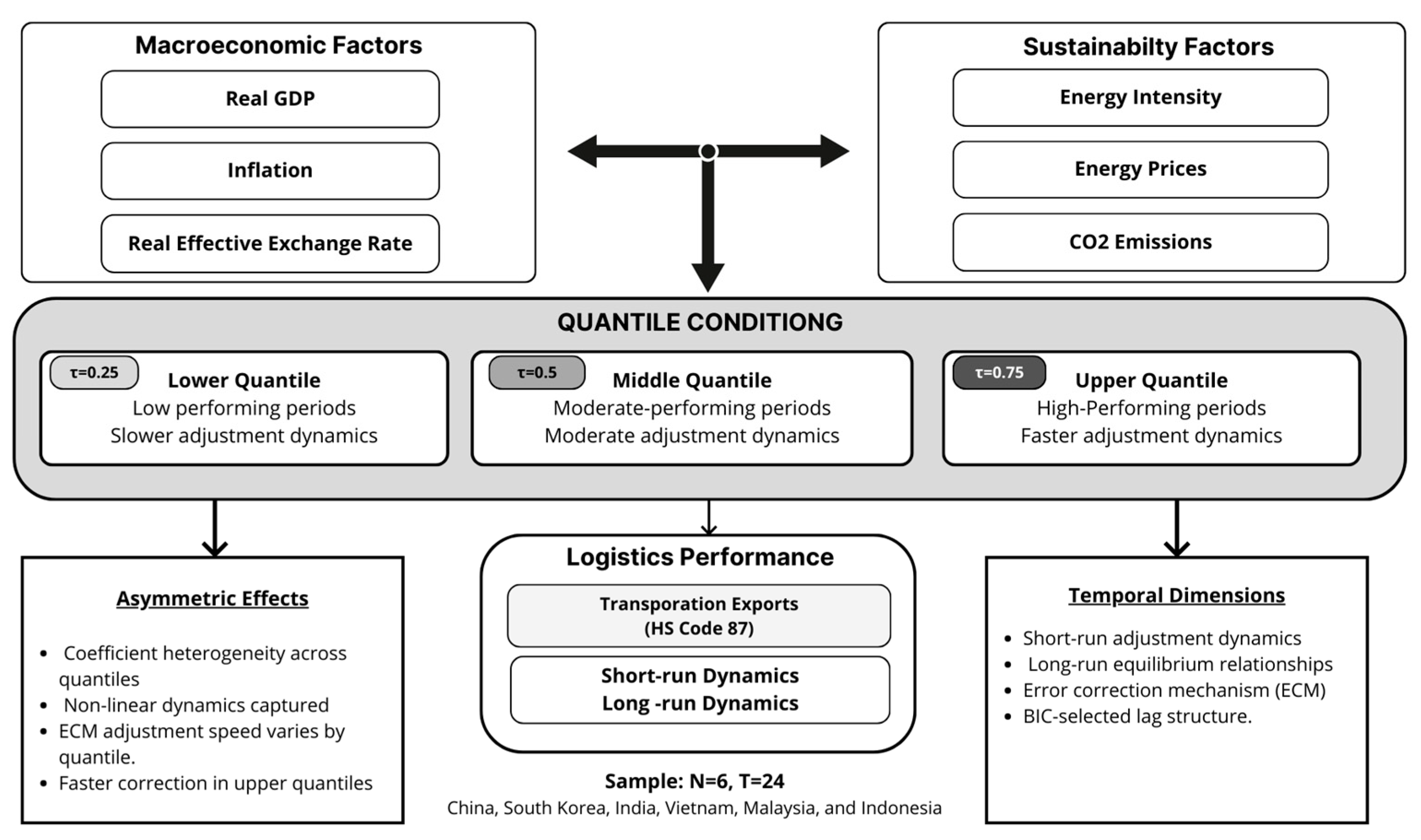
Figure 1, the conceptual model illustrates this dynamic relationship.
Export performance can be tackled through a conceptual framework that considers three main interrelated dimensions. As suggested by [
22], macroeconomic conditions confirm that structural competitiveness is important for export performance. The second dimension is related to environmental regulations, which act as stimuli to business activity but also disrupt market opportunities if not correctly regulated [
24]. It is also important to include energy-related factors, which are very significant to operational costs. Collectively, these dimensions show that export performance experiences multidirectional feedback loops; growth enables energy-efficiency investments, and improved export performance reinforces macroeconomic stability. A quantile analysis would show that at different export performances there is a heterogeneous impact. High-performing exporters are less affected by economic fluctuations, while low-performing exporters are more vulnerable to extreme economic conditions [
20,
25]. An integrated framework would be a standard benchmark for targeted policy responses related to exporters’ challenges and uncertainty. A framework that involves and is structured around two key interconnected dimensions (sustainability constraints and macroeconomic conditions) illustrates asymmetry across different performance levels. An integrated framework would be a standard benchmark for targeted policy responses related to exporters’ challenges and uncertainty.
Figure 1 shows the full conceptual model that explains these dynamics. The figure shows the macroeconomic and sustainability factors as the main interconnected dimensions, with the context of export performance being a measure of logistics performance. These factors combined reveal asymmetric effects across different performance levels. A distinctive feature of this framework is that it allows a quantile conditioning mechanism to analyse three performance levels: lower quantile (τ = 0.25) representing low-performing periods with slower adjustment dynamics; middle quantile (τ = 0.5) capturing moderate-performing periods with moderate adjustment dynamics; and upper quantile (τ = 0.75) reflecting high-performing periods with faster adjustment dynamics.
The advantage of this stratification is that it allows for asymmetric effects identification, where coefficient heterogeneity may vary across quantiles, capturing non-linear dynamics and the speed of adjustment by error correction mechanism (ECM) differing by performance level. The framework helps the study by tracing the logistics performance measured by Transportation Exports (HS Code 87). It also studies the short-run adjustment dynamics and long-run equilibrium relationships. The temporal dimensions use BIC-selected lag structures to capture dynamic relationships over time. This conceptual framework undermines the conventional one-size-fits-all policy approach by arguing that the same macro-economic and sustainability variables have different effects in a low, moderate, and high-performance period in the logistics sector. The framework thus provides the theoretical basis to the Panel Quantile ARDL (P-QARDL) technique used in this study.
3. Empirical Methodology
3.1. Model Selection and Justification
Our research question necessitates a methodology that addresses three analytical challenges simultaneously: first, capturing heterogeneous effects along the performance distribution; two, modelling short-run dynamics and long-run equilibrium; and three, accounting for potential endogeneity through lag structures. As proposed by [
26], the Panel Quantile Autoregressive Distributed Lag (P-QARDL) model satisfies all three requirements.
To characterize performance-dependent heterogeneity in logistics trade flows, we examined a number of panel estimation techniques before selecting the Panel Quantile Autoregressive Distributed Lag (P-QARDL) model. The Panel ARDL accommodates a mixed order of integration and incorporates an error-correction mechanism. However, the mean-based specification used entails homogeneity across the conditional distribution, rendering it inappropriate for our distributional questions. Mean Group (MG-ARDL) and Pooled Mean Group (PMG-ARDL) models permit a cross-country heterogeneity of short-run or long-run dynamics but do not distinguish a performance state within a country. Periods of high performance in China and periods of low performance in Vietnam are treated the same if they occur at the same time, limiting their relevance to our second research question. The Common Correlated Effects ARDL (CCE-ARDL) and Cross-Sectionally Augmented ARDL (CS-ARDL) models lean heavily on the common unobserved factors that come with cross-sectional dependence. According to our diagnostic tests (Pesaran CD and Frees), this dominance of common factors is limited. For this reason, CCE-ARDL and CS-ARDL are inefficient and inconsistent with our focus on distributional dependence.
Panel Quantile Regression [
27,
28] captures distributional heterogeneity but lacks dynamic structure, cointegration and error correction mechanisms [
29]. The dynamic quantile model includes lagged effects yet does not allow for a cointegration model or data-driven lag selection. In contrast to the earlier methodology, P-QARDL uses quantile-specific coefficients, autoregressive distributed lags, and a cointegration framework to effectively assess both short-run and long-run effects across quantiles. It also measures error-correcting speeds at all quantiles, which answers our research question.
Considering P-QARDL is not just a technical preference but the methodological foundation driving our main contributions. It changed the question of average effects which can be addressed through a standard ARDL to how effects vary across performance states, which is the theoretical focus of this research. The alternative methods either give up wealth of distribution (MG-ARDL), lack dynamic structure (static quantile regression), or address other issues (CCE-ARDL for common factors not observed). The next sections discuss specification, estimation, and diagnostic procedures.
We conceptualize logistics performance as the capacity of an economy to produce and export transport-related goods, reflecting its integration into global supply chains and infrastructure sophistication. Following [
30], we use HS-87 trade flows as a proxy, as they capture transport equipment manufacturing and export capacity. This proxy aligns with our focus on performance-dependent heterogeneity and offers annual coverage from 2000 to 2023, unlike the biennial Logistics Performance Index (LPI), which is available only from 2007 onward.
3.2. Model Specifications
We propose an integrated framework where export performance (EP) depends on three interacting dimensions that create differential effects across the performance distribution:
where effects vary by performance quantile τ:
This study assesses the influence of macroeconomic and sustainability indicators on logistics performance, focusing specifically on export and import activity within the transportation equipment sector. This study employs a panel quantile ARDL regression model to examine asymmetries and heterogeneities among the variables, evaluating both short- and long-term effects across different quantiles of the conditional distributions of the variables. The literature typically models the relationship between the logistics market and relevant macroeconomic factors using symmetry assumptions and historical data from a single country. Traditional models that depend on symmetry assumptions often assess effects only at the midpoint of the variables, potentially compromising the policy-oriented outcomes of the research.
A review of the literature identified limited studies indicating that the relationship between these variables shows notable asymmetry over time. It is worth noting that this asymmetry can be theoretically demonstrated through various economic frameworks. According to the theory of asymmetric price transmission, macroeconomic shocks cause price changes along the logistics value chain; the speed and magnitude of these changes vary depending on market conditions [
31]. Hysteresis effects in international trade further elucidate how temporary disruptions may have permanent impacts, with differential effects across quantiles of the conditional distribution [
32]. The existence of threshold effects and non-linearities between GDP, exchange rates, energy prices, and transport trade volumes further rationalizes the idea of asymmetry. In addition, state-dependent transmission mechanisms suggest that policy instrument effectiveness differs according to the state of the economy, with potentially more substantial effects during economic slowdowns or upturns [
33]. According to the capacity constraint theory, firms operating at different points on their production possibility frontiers have different marginal costs and elasticities, so they will react differently to the identical stimulus [
34]. The theories in conjunction call for methodologies that can suitably model the complexity and non-homogeneity of such relationships, rather than the usual mean-based estimation techniques that assume homogeneity of parameters over conditional distributions.
Drawing from the existing literature, we constructed the following functional model to analyse the influence of macroeconomic factors on the logistics market, while controlling for relevant sustainability variables:
Equation (2) specified that the logistics market () is dependent on economic growth (), inflation rate (), exchange rate (), Energy process (), Energy Intensity (), and CO2 emission ().
The variables were assumed to be linearly related. Introducing subscripts for the country indicator (i) and the time indicator (t) in Equation (2) results in the following expression:
The P-QARDL model modifies the ARDL approach by utilising a quantile regression framework. The analysis began with an assessment of a panel autoregressive distributed lag (ARDL) regression.
The disturbance term is represented as
, and the lag orders
and
, for all
, are selected based on the BIC (Maximum lag order of 1 was allowed for BIC selection, balancing model fit and parsimony given 24-year sample.) information criteria following [
26]. The panel QARDL model is formulated as
The formula for is as follows: . It is crucial to realise that the control variables within the model produce the smallest σ-field, referred to as . The expression denotes the quantile of concerning .
The short-term dynamics are then expressed as:
where
Upon evaluating Equation (5), the research developed the subsequent panel QARDL model:
Mathematically, Equation (7) can be represented as:
In Equation (8), the quantile level is represented by , with the cross section indicated by and time denoted by . The coefficients represent the short run, while the coefficients denote the long run. The error correction term is represented as .
The ECM parameter, represented as
in Equation (5), is expected to demonstrate a significant negative value. The impact of the variables on logistics, both in the short and long term, can be assessed using the Wald test to evaluate the null hypotheses. The parameter
is defined in the following manner:
Similarly, these hypotheses are checked on each parameter for the residual short-run parameter.
4. Data Description and Preliminary Analysis
4.1. Dependent Variable: Logistics Performance Proxy
This study considers the trade volume of transportation goods/equipment as a proxy of logistics performance. It is important to mention that the standard logistics performance index (LPI) is known as a comprehensive index but suffer from two main issues: LPI is not available annually compared with trade flows data which are available annually. Also, LPI data coverage is temporal and suffers from subjectivity as perception-based surveys are mainly the source of the data. The decision to use trade data in the transportation sector as a proxy of logistics performance is validated through two approaches:
4.1.1. Theoretical Justification
A reliable indicator of a nation’s logistical capacity is the trade volume in transportation goods. The production of these goods demands sophisticated supply chains and necessitates the existence of well-managed inventory systems that guarantee efficient manufacturing and deliver a superior quality to meet consumer demands [
30]. The decision to export substantial and high-value products depends profoundly on strong infrastructure, including railways, cargo shipping ports, and effective customs procedures. Any potential shortcomings or anticipated weaknesses in the development or operation of these systems will ultimately have a negative impact on the country’s competitiveness and add further complications in terms of export volume [
35]. A country will be well-positioned at the global level and considered as a mature industrial ecosystem if it has the full ability to export transportation goods, goods that are considered within the most technologically sophisticated products [
36]. In addition, the production of such goods is inherently global in nature, a process that involves higher levels of global networking and collective global efforts which in turn necessitates joint operations and significant cross-border alliances. Collectively, these attributes reaffirm the manufactured goods as an indicator of logistics across multiple economies, rather than just a reflection of industrial output.
4.1.2. Empirical Validation Against LPI
With an aim to empirically validate utilizing manufacturing trade as a proxy for logistics performance, the trade data has been correlated against the available LPI scores (from 2007 to 2023). The comparison has been set based on the computed Spearman rank correlations as shown in
Table 1:
All LPI dimensions show significant positive correlations with HS-87 exports at p < 0.05, with infrastructure quality (ρ = 0.71) and logistics competence (ρ = 0.69) exhibiting particularly strong associations. This indicates that countries with higher HS-87 trade volumes systematically score better on direct logistics performance metrics.
One of the issues that emerges from adopting trade as a proxy for logistics performance is the fact that trade flows primarily represent logistics as an export or import capability. For this approach, this is considered as a limitation that needs to be acknowledged. This approach would not consider logistics performance with regard to core dimensions like freight efficiency, warehousing standards, or last-mile delivery. It is also important to mention that considering the HS-87 trade category includes transport products that range from bicycles to aircraft; this aggregation makes it difficult to distinguish between goods that require a high level of technological sophistication with goods that require a standard technology level. Furthermore, trade flows reflect the country’s ability to access global markets and consider the demand conditions, but such flows cannot represent the pure logistics capacity. Overall, this validation indicates that an economy might exhibit insubstantial trade volume of transportation goods resulting from sectoral specialization, while maintaining a strong infrastructure. It is worth mentioning that an endogeneity concern is still valid, where successful trade influences and increases infrastructure investment and improved logistics performance stimuluses trade outcomes. The ARDL structure controls for this concern as it mitigates simultaneity bias; nonetheless it does not completely eliminate it.
Apart from the mentioned limitations, it is worth noting that there are distinct advantages for adopting trade data in transportation goods compared to LPI for the research structure. Trade data is fully available annually for the Asian economies. LPI is only available biennially from 2007. This feature will highly contribute to the construction of dynamic and balanced panel data for the full 24-year period (2000–2023). Moreover, trade data is reported objectively with no survey-based indices as comparted to LPI data. Also, trade data can be classified into exports or imports flows; this directional analysis allows the analysis to involve directional asymmetries in logistics performance. This is an analytical feature that aggregate LPI is unable to provide. Finally, transportation trade is considered as a conservative and policy-relevant proxy of logistics performance as proven by the strong empirical correlation between HS-87 trade and LPI scores.
4.2. Sample Construction
This study aims to capture the intersection of economics and environmental factors affecting logistics performance as proxied by transportation trade. The sample utilizes annual data from 2000 to 2023. The data have been collected from different databases including the IMF, the UN Comtrade database and the World Bank database. The research design includes two main variables categories, one being macroeconomic variables that include real GDP, inflation rate and real effective exchange rate, while the other category reflects the sustainability variables including variables on energy prices and intensity and CO2 emissions.
Because the study considers selected Asian countries, the real GDP has been included to control for the economic fluctuations that this region has been experiencing for the last few decades. Also, the inflation rate is added to the analysis to reflect the purchasing power within these economies. This is considered as a reliable indicator and provides a better economic comparison over time. The inclusion of real effective exchange rate would allow the analysis to shed light on currency valuation and how trade competitiveness and investment flows can be affected by this valuation. With regard to sustainability variables, CO2 emissions data has been collected from the World Bank database. With the context of this study, this variable represents and measures the environmental impact of transport and industry, highlighting sustainability issues.
With reference to energy intensity, this variable allows the study to consider the energy efficiency for the economic activities; the inclusion of this variable also helps to identify the scope of emissions reduction. Another significant aspect of the energy sector is energy prices, which have been included in the analysis to measure the changing costs of energy inputs used in domestic production. This variable has the potential to impact consumption patterns in the transport sector. Furthermore, the variable enables the distinction between countries that differ in terms of their energy policies and resource endowments. This means that countries can achieve divergent results in terms of their trade competitiveness and sustainability. Energy intensity and energy prices are distinct in this regard. Energy intensity focuses on efficiency, whereas energy prices reflect market values and policy decisions.
The primary dependent variable in this study is the trade flows. Instead of relying on aggregate trade flows, this study has disaggregated the total trade to only focus on transportation goods (The disaggregation has been performed using two digits of the Harmonized System Code (87-HS Code). Analysing product-level trade flows provides an effective way to evaluate the variability of these flows in relation to different macroeconomic and sustainability conditions. This study emphasizes the importance of trade flows of transportation goods for the following reasons. Transportation goods, such as vehicles, aircraft, and ships, play a significant role in shaping the global supply chain and critically facilitate the development of the economic structure [
37], with economic integration considered to be heavily dependent on roads and highways, which basically transfer goods and individuals and eventually promote connectivity. Transport systems facilitate the shipment of products and enable individuals to travel. This movement has a direct impact on economic growth by reducing trade costs and making markets more accessible. It also impacts international trade patterns by determining the direction and location of goods being produced and consumed.
Trade in transportation goods is used in this study as a proxy for logistics performance because effective logistics are essential in the context of international trade; they affect costs, delivery times, and competition in global markets [
35]. Another reason is that the trade of transport goods demonstrates a country’s capacity to manufacture and ship high-value-added goods that show technical sophistication and industrial capability [
30]. For example, lower trade costs and quicker delivery times, which are experienced by a country with developed ports, easy customs, and efficient supply chains, allow businesses to gain a competitive edge. On the other hand, inadequate logistics infrastructure in countries leads to high trade costs and low competitiveness. The research shows that enhancing logistics performance can significantly improve trade and economic growth. Investments in transportation infrastructure and trade facilitation are therefore crucial to enhance overall logistics performance. This shows that logistics performance and trade competitiveness have a strong correlation. Another reason the trade in transport goods is analysed is that it is indicative of a country’s capability to produce and export high-value manufactured goods [
36]. A country that can produce and export advanced vehicles, such as aircraft, cars, or high-speed trains, is likely to have a developed an industrial base, a skilled workforce, and an orientation towards advanced technology.
Table A1—
Appendix A shows all information about the “Data Sources and Definitions of the selected variables” in this research.
The sample comprises six emerging Asian economies—China, South Korea, Malaysia, Vietnam, India, and Indonesia. Different levels of industrialization, trade integration, and sustainability challenges have influenced the selection of these countries. China represents a global trading leader facing peak environmental constraints, while South Korea illustrates a technologically advanced industrial economy that is balancing manufacturing competitiveness with resource demands. Malaysia and Vietnam are fast-emerging economies that are becoming increasingly supply chain–integrated economies that highlight contrasting dynamics of export orientation and energy dependence. For the case of India, it is a county that experiences the significant pressure of improving economic growth that also comes with increased sustainability concerns, while infrastructure and resource-driven trade patterns are more apparent in the case of Indonesia. Collectively, there is a distinctive feature of considering these countries as a sample of the study. They form a unique combination of distinct levels of technological advancement, economic growth and logistics performance. These economies particularly exhibit differentiated regulatory frameworks, technological sophistication and infrastructure. As a result, the analysis would be equipped with a sample that allows a comprehensive analysis on the intersection of macroeconomic and sustainability factors. Considering these economies would be a meaningful selection of samples when it comes to studying the trade-off position between exports and environmental concerns. Also, it helps to determine a better trade policy and draw a wider lesson on sustainable transport in emerging economies.
4.3. Quantile Unit Root
To apply panel QARDL approach, a standard setup has been performed here to evaluate the stationary variables and their correlations over time. As suggested by [
38], it is crucial to account for standard shocks and employ a generalised quantile unit root test on panel data. One distinction of this method is that it provides a comprehensive analysis of the data, while giving more focus to variable behaviour differentiations across different quantiles.
As presented in
Table 2, the quantile unit root test shows that at the specified quantile all the analysed variables are stationary at both conditional means and conditional quantiles. After first applying differences, the subsequent values of the variable become stationary. The findings indicate that the variables are integrated at either one or zero levels. This suggests that the validity of the panel QARDL model is confirmed by the model parameters linked to various orders of integration.
4.4. Panel Cointegration Results
We employed a panel cointegration test to investigate potential alterations in the cointegration relationship among the variables across the distribution, following the verification of their stationary characteristics. Building on previous studies [
39,
40], we utilised [
41] a cointegration test to examine four tests that adhere to a normal distribution: Gt (between groups), Ga (among groups), Pt (between panels), and Pa (among panels). The results in
Table 3 indicate significant and enduring correlations among the factors examined in the studied countries. The Ga and Pa tests indicate a lack of sufficient evidence for cointegration.
4.5. Cross-Sectional Dependency (CD) Results
Assessing cross-sectional dependence is essential in the panel QARDL process, as it mitigates problems associated with inaccurate test statistics and inefficient estimators. This cross-sectional dependence arises from an unidentified common disturbance and interactions among units, characterised by non-mutually exclusive error terms [
42]. The research utilised two assessments: the Frees’s test [
43] and the Pesaran CD test [
44] to assess cross-sectional dependence. The findings in
Table 4 demonstrate no cross-sectional dependence among the variables, as they surpass conventional thresholds of statistical significance.
As a final check, we assess the homogeneity or heterogeneity of the slope coefficients through the [
45] test. The results presented in
Table 4 indicate that the computed slope coefficients fall below the critical
p-value at the 1% significance threshold. Consequently, we reject the null hypothesis (H
0), which posits that the independent variables do not exert a significant effect on the dependent variable. Therefore, we accept the alternative hypothesis, which asserts that the independent variables have a significant effect on the dependent variable.
It is important to mention that there are two key concerns that need to be addressed; these are related to the appropriateness of pooling and cross-sectional dependence. Therefore, there will be a distinction between two key dimensions: cross-sectional dependence (CD) and slope heterogeneity. The null hypothesis of independence has been rejected as the values of Frees’s test (−1.234,
p = 0.217) and the Pesaran CD test (4.087,
p = 0.188) support the rejection. This allows the study to confirm that there is no significant evidence of unobserved common factors such as global financial crises or oil shocks driving residual correlation across countries. Additionally, this reveals that in our panel, country-specific shocks dominate. However, we can strongly reject the slope homogeneity (
p < 0.01) as revealed by Pesaran–Yamagata test (
Table 5), which reflects the fact that the magnitudes of coefficient should differ across countries. Basically, this is a feature related to the form of heterogeneity that a quantile-based approach is explicitly designed to capture. More importantly, the adoption of CCE or CS-ARDL estimators is not warranted due to the absence of strong cross-sectional dependence. Instead, the P-QARDL model remains appropriate, as it flexibly captures performance-dependent heterogeneity through quantile-specific coefficients, without imposing uniform slope assumptions. Moreover, our relatively short time dimension (T = 24) and modest cross-section (N = 6) limit the feasibility and efficiency of fully disaggregated country-specific QARDL estimation.
5. Results of Panel QARDL
The P-QARDL empirical results display a significant heterogeneity in the impacts of macroeconomic and sustainability factors on logistics performance across segments of the conditional distribution. This section discusses these results in detail, illustrating asymmetries and heterogeneities that mean-based models would likely overlook.
5.1. The Impact on the Export Sector
5.1.1. Short-Run Dynamics in Transportation Exports
As shown in a seminal study in this area is the work of [
46] who revealed that emissions constrains reduction is less likely to harm export competitiveness among manufacturing firms; the study reached this conclusion by taking into account the fact that CO
2 emissions grow with expanded exports activity. These results reflect those of [
47], who also found that economies focusing on green logistics are more likely to experience trade-offs; increased export activity will be linked with increased environmental regulations.
Table 6 shows the negative and statistically significant error correction mechanism (ECM) coefficients observed at all quantiles strongly suggest the existence of cointegration and provide a validation for the model specification. The adjustment speed to equilibrium across the distribution varies a great deal, from about −0.413 in the lower quantile to about −0.574 in the upper quantile. The pattern suggests that corrections to transportation exports are more rapid during periods of high performance than during periods of low performance.
This quantile-specific finding has important implications for trade cycle dynamics. In a circumstance where export activity is high (upper quantile), markets are much more efficient in correcting temporary disequilibrium. Almost 57% of the deviations are corrected within one period. The strong adjustment capacity likely reflects the existence of more developed market mechanisms and institutional frameworks that function more efficiently when the economy is strong. On the other hand, in phases of lower export activity (the lower quantile), the rate of correction operates more sluggishly, at around 41%, likely due to the structural rigidities that become more binding during an economic downturn.
Asymmetries in the effectiveness of the policy across states of the export market are suggested by the differential adjustment speeds. When there is a period of high performance, interventions are likely to yield faster results, whereas policy actions would take longer to implement during downturns.
A closer inspection of the table reveals that transportation exports have a positive relationship with real GDP. The coefficients are statistically significant at all quantiles. In addition, the magnitude of the impact increases monotonically, starting from 0.222 for the lowest quantile to 0.345 for the highest quantile. The results show an increasing robustness of the GDP–exports association, confirming that economic growth provides substantial rewards for transport exports, particularly during periods of vigorous export growth. These results align with those of [
48,
49,
50], who have revealed that real GDP positively influences transportation exports across different quantiles in the short run. This also supports the idea of creating virtuous cycles in international trade, whereby the initial success of an enterprise or country enhances its export competitiveness and access to markets within the respective trading partner’s economy.
It is apparent from this table that the inflation coefficient shows a reversal pattern across quantiles. The impact is most substantial in the middle quantile, where an effect of −0.092 was obtained, indicating that moderate inflation pressures may prove especially challenging for export competitiveness under normal market conditions. This could be due to the limited pricing power that firms had during the average export performance periods, which prevented them from passing through inflation cost increases to overseas customers. The coefficients of inflation in the upper and lower quantiles are small, at −0.041 and −0.057, respectively, indicating that the adverse impact of inflation is not significant at the extreme quantiles. When exports are relatively high, firms could end up with better market positions and be able to hedge against inflationary pressure. When exports are low, however, other structural constraints may already dominate the impact of inflation. Collectively, these studies confirm that in the long run inflation would affect exports flows [
51]. However, this effect is conditional on the selection of countries studied and economic circumstances [
52].
The results in the table demonstrate a notable consistent adverse effect across all quantiles for real effective exchange variables. The magnitude of this effect ranges from −0.235 to −0.247. This result suggests that export competition is experiencing a robust challenge due to the consistent current appreciation of the real effective exchange rate. The results also suggest that this is an isolated challenge from market conditions. The consistency and clarity of this effect, compared to other variables that show significant variation, confirms that exchange rate management is a key policy for effectively boosting export capacity. In line with the findings of this study, the previous literature shows that the real effective exchange rate has a significant impact on transport sector exports, particularly in the short term [
53]. It has been noted by previous studies that export competitiveness can be scaled as a result of REER depreciation, a mechanism that includes relative price improvements that in principle benefits agricultural sectors and less export-intensive sectors or firms [
54]. There are different impacts across different exports intensity quantiles as revealed by the ARDL results, showing that market conditions could stimulate heterogeneous responses [
55,
56].
Notably, there is an adverse effect across all quintile levels in the case of variables including energy (prices and intensity). These effects are closely related to fact that these energy-related factors are very critical to transportation trade performance. The results revealed that the most favourable impact is in the upper quantile for the energy intensity variable, while the coefficient ranges from 0.174 to −0.210. This observation may support the hypothesis that high-performing export firms are more likely to be affected by substantial operation complexity and energy management issues. On the question of energy prices, the results suggest that the transportation sector is nonetheless sensitive to energy market shocks; it is therefore likely that a critical connection exists between exporters’ performance and energy costs. These results are in agreement with those obtained by [
57,
58] who suggested that there is a significant association between energy related variables and transformation trade competitiveness.
Another significant aspect of sustainability is CO2 emissions; the results show that transportation exports have a significant and positive relationship with CO2 emissions across all quintiles, with coefficients ranging from 0.142 to 0.142. Most striking was the substantial effect in the upper quantile (peak periods), where stronger growth is linked with expanded export levels. However, this reflects a new challenge regarding sustainability of export-led growth strategies. Moreover, this suggests a trade pattern that involves a trade-off between macroeconomic factors and environmental constraints, uniquely in the case of robust exporting, where CO2 emissions are more likely to be linked with substantial exports levels. Moreover, the results demonstrate the fact that a nation’s economic expansion objectives are not disconnected from its environmental management requirements.
5.1.2. Long-Run Dynamics in Transportation Exports
The image is enhanced over an extended period (as shown in
Table 7). The results in the long run are more persistent and often larger than the short-run estimates, implying structural relationships rather than temporary fluctuations. The positive impact of real GDP is significant, with coefficients ranging from 0.430. In particular, the middle quantile displays the smallest estimate of 0.430. This suggests a non-linear effect, implying economic growth differentially benefits transport exports during periods of low and high trade performance.
This U-shaped pattern may reflect varying mechanisms across the distribution. In lower quantiles, added economic growth may help overcome threshold effects that impede export activity. Growth is expected to enable firms in the upper quantiles to capitalize on scale and network economies, thereby accelerating export expansion. The middle-quantile moderation suggests the possible presence of transitional challenges as export sectors evolve from small to large-scale operations. This finding was also reported by [
59], who confirmed that the influence of RGDP on transportation exports is not uniform. In lower quantiles, where export performance may be sluggish, the relationship might exhibit weaker responsiveness to GDP changes. Conversely, higher quantile exporters tend to react more strongly to increases in RGDP, benefiting from enhanced market access and investment capabilities.
In the long run, inflation has an increasingly negative impact, with coefficients ranging from −0.109 to −0.247. The consistent rise in negative impact has implications across various levels, demonstrating that sustained inflation poses a higher relative challenge for the top-performing export sectors. This finding is the opposite of the short-run pattern. Strong exporters might be able to absorb inflation shocks in the short run. However, they will erode competitiveness more if inflation persists. This finding broadly supports the work of [
60]. It was revealed that the export volumes of firms in different market conditions would respond differently to inflation, as seen in the coefficient diversity across quantiles. Increases in the higher quantiles suggest that firms that can absorb or pass on inflation-related cost increases to consumers may be able to maintain or even improve their export competitiveness.
The impact of real effective exchange rate changes becomes more intense over the long run (−0.182 to −0.383). In the upper quantile, the negative impact is particularly strong. This pattern suggests that the overvaluation of a currency can hinder the export competitiveness of established large-scale exporters. The negative influence on export performance has more than doubled from the lower to the upper quantiles, indicating that the impact of exchange rate policy is very significant for export performance. These observations were also supported by findings from [
61], who asserted that a real effective exchange rate has a significant impact on exports, while also stating that exchange rates act as both a determinant and a response variable. The interconnection means that both the favourable and unfavourable exchange rates affect the trajectories of exports.
Over the long run, the negative effects of energy variables are significantly elevated as opposed to the short run. Energy intensity coefficients are between −0.298 and −0.464, while the impact of energy price is between −0.410 and −0.431. The large size of these negative coefficients suggests that energy efficiency and price stability are crucial factors in enhancing export competitiveness, particularly for energy-intensive sectors such as transportation. These findings support the conclusion that this relationship usually has a negative contribution to transportation exports through increasing energy demand, lowering competitiveness [
62]. Firms in lower quantiles, which may be less energy-efficient than their higher quantile counterparts, will likely be affected more negatively by the rise in energy costs than firms in higher quantiles, since they can absorb the cost-induced effects via further technology adoption.
In the long run, the CO2 emission coefficients remain positive and increase in magnitude (from 0.263 to 0.333), confirming the coupling between transportation exports and carbon emissions. The relationship between these two policy objectives poses a challenge to frameworks that are willing to combine export promotion and climate mitigation.
5.2. The Impact on the Import Sector
5.2.1. Short-Run Dynamics in Transportation Imports
Similarly to the error correction terms for exports, the error correction terms for imports exhibit similar patterns, with generally smaller magnitudes ranging from −0.364 to −0.419 as shown in
Table 8. This shift shows that import markets are slower to adjust to disequilibria than export markets. The fact that the middle quantile seems to show the slowest adjustment (−0.320) suggests some rigidities in imports during moderate conditions. These may be institutional constraints that become binding during ‘standard’ conditions but are likely to become superseded in extreme conditions through exceptional measures.
The effect of real GDP on imports across the quantiles (0.168 to 0.182) is positive and more homogenous than that of exports. This uniformity indicates that economic growth promotes transportation imports more consistently across varied circumstances. Smaller coefficients on imports compared with export coefficients suggest that growth in the domestic economy exerts a more potent stimulus to outbound than to inbound transport activities.
While the coefficients for export inflation yield a diverse outcome across various quantiles, import coefficients are entirely positive across the quantiles. This surprising result may reflect the fact that inflation is perceived as a signal of domestic demand pressure, which raises prices and import demand. The highest coefficient at the mid-quantile (0.053) indicates that this mechanism works best in normal conditions.
The real effective exchange rate (REER) exhibits positive coefficients for imports, ranging from 0.120 to 0.195, while being negatively related to exports. This distortion is theoretically explained by a rise in a currency, which makes imports cheaper and exports more expensive. The most substantial impact occurs in the median quantile, indicating that passthrough from the exchange rate to the import market is likely most effective under normal economic conditions.
According to the results of our estimation, energy variables harm import performance across all quantiles, similar to their effect on export performance. The impact of energy intensity varies from −0.155 to −0.218, and the effect of energy price ranges from −0.217 to −0.291. Findings reveal that energy factors limit both sides of international transportation trade; however, the upper quantiles exhibit the strongest limits. The increasing magnitude of negative effects across quantiles suggests that energy challenges become more binding as import activity intensifies.
Across all quantiles (0.177 to 0.205), CO2 emissions are positively associated with transportation imports. In contrast to exports, the pattern here is much more uniform, suggesting a more consistent carbon-import relationship across different market conditions. The similar values of the coefficient across quantiles indicate that the carbon intensity of transport imports could be less sensitive to the import activities compared to those of exports.
5.2.2. Long-Run Dynamics in Transportation Imports
The long-run impact of GDP has significant effects on imports across various quantiles (0.217–0.274) as shown in
Table 9. This means that sustained economic growth has a proportionately larger impact on national imports as the economy performs well. The range, however, is smaller than for exports, suggesting that there is less heterogeneity in how GDP affects import performance versus export performance over time.
The effect of inflation is more pronounced in the long run, especially in the middle and top quantiles, with coefficient values of 0.071 and 0.081, respectively. This reinforces the interpretation that inflation may reflect strong domestic demand, which drives up imports. There is an increasing gradient across quantiles, suggesting that as import markets expand, this mechanism becomes stronger.
The REER has positive effects on imports over the long run. The coefficients rise from 0.185 to 0.215 across quantiles. However, the coefficients are slightly moderate in the middle quantile, at 0.219. This aligns with theoretical expectations, which suggest that sustained currency appreciation has a significant impact on import growth under various conditions. The non-monotonic relationship indicates that there may be complex threshold effects in how exchange rates affect import markets.
In the long run, imports continue to face an adverse effect from energy variables. The impacts of energy intensity fall between −0.117 and −0.205, while the effects of energy price vary between −0.217 and −0.273. The growing magnitude across quantiles indicates that energy constraints become increasingly binding relative to import markets as they expand. This pattern is entirely consistent with the export findings and highlights the cross-cutting relevance of energy factors in international transportation trade.
The CO2 emission coefficients in the long run continue to remain positive for imports but display a non-monotonic trend. The coefficient is lowest for the middle quantile (0.182) and highest for the lower quantile (0.240). The inverse-U shape implies a complex carbon–import relationship, potentially reflecting different compositions of imports under various market conditions.
5.3. Comparative Analysis and Policy Implications
5.3.1. Asymmetric Effects Across Quantiles
According to our P-QARDL results, the effects of macroeconomic and sustainability factors on logistics performance exhibit significant heterogeneity across segments of the conditional distribution. Conventional mean-based regression approaches would not reveal these asymmetries, demonstrating the analytical advantages of quantile regression techniques.
The error correction mechanism indicates an asymmetry as corrections are made more quickly when exports and imports are performing well. The finding contradicts traditional models that assume symmetric adjustment and shows that market efficiency is contingent on the state of the trade cycle. From a policy perspective, this suggests that interventions may need to be calibrated differently in different phases of the trade cycle, with potentially more aggressive measures required when the trade cycle is in a downturn, as the natural adjustment mechanism will operate more slowly.
The effects of GDP show different patterns of exports and imports. The impact of economic growth on exports is monotonically increasing along the quantiles, indicating bigger benefits in boom periods. In the case of imports, the pattern is flatter, suggesting more uniform GDP impacts across market conditions. This asymmetry has important implications for understanding how economic growth affects trade balances across different states of the economy.
Inflation negatively affects exports but positively affects imports, highlighting the complex relationship between price stability and trade performance. According to these quantile-specific patterns, the inflation effects were not only different between trade directions but also varied across different conditions. To devise an optimal policy design, these asymmetric relationships suggest that inflation management strategies may have asymmetric impacts on various categories of trades.
The effect of the exchange rate shows apparent directional differences between exports (negative) and imports (positive), aligning with theoretical expectations. The quantile-specific patterns, with generally stronger effects in upper quantiles, suggest that the exchange rate policy may cause disproportionate impacts. This finding indicates that currency management is crucial when trade expands, with implications for the optimal timing of interventions.
The impact of energy variables on both exports and imports is negative and increases in magnitude as the quantiles are considered. The pattern demonstrates that energy policy is of critical importance to trade competitiveness, especially for high-volume transportation activities. Investment in energy efficiency may bring about a greater competitive advantage for the best-performing trade sectors, attributed to asymmetrical distribution across quantiles.
The CO2 emissions exhibit a positive correlation with exports and imports, but with different patterns across quantiles. The impact of exports grows steadily across quantiles, but for imports the pattern is more complex and non-monotonic. The differences indicate that the trade–environment relationship varies not only with trade direction but also with market conditions. Thus, properly decoupling trade growth from emissions is a challenging task for policymakers.
5.3.2. Short-Run Versus Long-Run Dynamics
Our findings show there are significant differences between short-run and long-run effects across variables. In general, in the long run, coefficients increase in absolute value. This indicates that transitory effects become stronger in structural terms over time.
For GDP, short-run elasticities of exports are between 0.222 and 0.345, and those of imports are between 0.168 and 0.182. In the long run, the range of elasticities of exports is between 0.430 and 0.602, and those of the imports are between 0.217 and 0.274. In other words, sustained economic growth creates a snowball effect, generating transportation trade-related benefits that cumulatively exceed the total impact.
The impact of inflation becomes even more pronounced over the long run relative to the short run. For the upper quantiles of exports (−0.247). It is more negative in the long run than the short run (−0.041). The increase exposes competitive losses that occur over time due to cost pressures and adjustments in expectations; they would be increasing but not immediately visible.
In the long run, the effects of exchange rate impact are similar to the effect of trade pattern, which takes place on a larger scale. For the upper-quartile export category, a negative coefficient appears in the short run. This value increases from −0.247 in the short run to −0.383 in the long run. It suggests the cumulative impacts are extreme for established exporters.
Energy variables show some of the most extensive amplifications from the short to the long run. For example, energy intensity impacts exports in the upper quantile more than twice as much, rising from −0.210 in the short run to −0.464 in the long run. Increasing energy efficiency is crucial for the long-term sustainable competitiveness of trade.
6. Limitations and Future Research
While this study offers valuable insights into performance-dependent heterogeneities in logistics trade across emerging Asian economies, there are several limitations that should be considered and can provide directions for future research. First, the use of transportation trade (HS-87) as a proxy for logistics performance; this is theoretically justified and an empirical correlation with World Bank LPI scores. Nevertheless, logistics performance captures trade outcomes rather than the quality of infrastructure directly. It shows trade volume and production power but does not show operation capabilities including customs efficiency, port infrastructure, and supply chain resilience. Future research is needed to validate these measures using freight volume data, logistics cost index, and disaggregated LPI components.
Secondly, the annual data from 2000 to 2023 limits the examination of short-run dynamics and seasonal variation. While it is appropriate to use annual frequency for long-run modelling-type estimation of the ARDL framework, it may conceal the volatility during crises (financial crisis of 2008, COVID-19, supply chain crisis, etc.). Utilizing quarterly or monthly data gives better granularity to the adjustment mechanism and policy responsiveness. The sample was limited to six countries only—China, South Korea, India, Vietnam, Malaysia, and Indonesia—due to availability of data and diversity in logistics maturity. Nonetheless, including other industrializing economies such as Thailand and Bangladesh taints generalizability. Extending the sample would allow for greater external validity and regional comparison.
Third, the Panel Quantile ARDL model captures distributional heterogeneity as well as dynamic interrelationships while imposing weak cross-sectional dependence. The diagnostic tests (with p-values of Frees p = 0.217 and Pesaran CD p = 0.188) corroborate this presumption, although unmodeled spatial spillovers or linkages of regional value chains may still exist. The study also suggests the application of spatial econometric methods and common correlated effects estimators in future studies to account for the interdependencies. In addition, the ARDL model controls for endogeneity through lag structures and error correction mechanisms but does not fully resolve reverse causality or omitted variables. Instrumental variable methods or quasi-experimental designs may improve causation.
Fourth, the aggregate treatment of HS-87 may impair inter-sectoral differences. Vehicles, aircraft, ships, and railway equipment vary in terms of technology, energy intensity and environment footprint. By disaggregating HS-87, as well as distinguishing energy sources or technology vintages (e.g., electric vs. conventional vehicles), more in-depth analysis would be possible. In addition, as the Pesaran–Yamagata tests indicate slope heterogeneity (
Table 5), in this paper, distributional heterogeneity at different quantiles of performance is given priority over country-specific decomposition. Given our sample of N = 144, a full country–quantile estimation would be statistically imprecise and would mask the core contribution of this paper which is to show that the performance level systematically moderates the macroeconomic–logistics relationships. Future studies that employ larger cross-country samples might focus on country–quantile interactions to see whether distributional patterns are country-variant.
Fifth, the model excludes potentially influential variables, including institutional quality, technological innovation, geopolitical risks, and participation in global value chains. These variables may moderate or mediate the observed relationships between macroeconomic indicators, sustainability metrics, and logistics performance. Likewise, the environmental dimension only considers CO2 emissions while excluding other pollutants (for instance, PM2.5, NOx) and water usage and social sustainability aspects (for instance, working conditions, gender equity). A multidimensional sustainability framework would allow for a more comprehensive understanding of inclusive and environmental logistics policy. By overcoming these limitations and pursuing such extensions as multi-country validation, firm-level analysis, spatial modelling, and sustainability scenario design, future research could build upon the contributions of this study, paving the way for a deeper understanding of sustainable logistics development in emerging economies.
7. Conclusions
This study sets out to gain a better understanding of logistics performance as proxied by transportation trade. In this investigation, the aim was to assess the impact of macroeconomic conditions and sustainable variables on logistics performance in emerging Asian economies, a region that has always been known for making the balance between exports expansion and environmental concerns. One of the significant findings to emerge from this study is the significant heterogeneities in transportation trade patterns among the selected Asian economies. The evidence from this study suggests that there is an asymmetric response across different segments of the conditional distribution of logistics performance. Consequently, trade outcomes and macroeconomic factors are not uniform across different market conditions. The findings suggest that a state-dependent market efficiency is more likely to depend on two key factors: better policy management and improved intervention design. Our analysis has indicated that (ECM) is moving faster in the case of upper quantiles (high performance periods) and it is moving slower in the case of lower quantiles (low and downturn periods).
During expansion periods, economic growth benefits export of transportation in a disproportionately larger manner. It points to the presence of virtuous cycles in international trade. Second, all quantiles find energy variables to be binding constraints with the effect becoming stronger over time. This impact is stronger during high-performance periods. As a result, energy efficiency is becoming increasingly important for competitiveness in transport markets. Moreover, the connection between carbon dioxide emissions and trade performance remains persistent as well as positive, which is more pronounced for the upper quantiles. Consequently, it becomes unrealistic to enhance environmental sustainability objectives and to implement export-led regulatory growth policies.
Asymmetrical effects of exports and imports provide additional information regarding trade expansion. GDP’s effect on exports strengthens progressively across quantiles. In contrast, the import responses appear more uniform. It is possible that the responses arise from different mechanisms. The results reveal the expected directional effect from exchange rate effects. Currency appreciation adversely affects exports and favourably affects imports. The responses do exhibit quantile-specific intensities, which implies the hypotheses on best currency management considering trade cycles in the negative and positive phases. Our findings indicate the need for state-dependent policies reflecting heterogeneous trade responses from the perspective of policymakers.
Policies to stabilize macroeconomics, especially actions to deal with inflation and exchange rate, must also consider asymmetric effects. The adverse impacts of energy policy on trade competitiveness have become stronger in the upper quantiles and expanded over longer time periods. The trade–environmental relationship is among the toughest policy challenges. Emission and trade performance are still closely linked, underlying our findings. Accordingly, it is very challenging to achieve the Sustainable Development Goals without hampering export performance. Our study indicates that carefully designed policies will be crucial for emerging Asian economies to maintain export competitiveness while addressing sustainable development challenges. These trade responses are heterogeneous and asymmetric. Taken together, these quantile-level findings support strong recommendations to formulate an effective economic policy that consider the complex dynamics of the global trading environment.