
Article

Cognitive Supply Chain Management and Risk Management in Pharmaceuticals: The Mediating Roles of Forecasting, Synchronization, and Transparency

by
Ismail Abushaikha
1,
Munirah Sarhan Alqahtani
2,
Omar M. Bwaliez
1,* and
Ola M. Bwaliez
3
1
Business School, German Jordanian University, Amman 11180, Jordan
2
Business School, Imam Mohammad Ibn Saud Islamic University (IMSIU), Riyadh 11564, Saudi Arabia
3
School of Pharmacy, The University of Jordan, Amman 11942, Jordan
*
Author to whom correspondence should be addressed.
Logistics 2026, 10(1), 11; https://doi.org/10.3390/logistics10010011 (registering DOI)
Submission received: 30 October 2025 / Revised: 22 December 2025 / Accepted: 25 December 2025 / Published: 30 December 2025
(This article belongs to the Section Artificial Intelligence, Logistics Analytics, and Automation)

Abstract

Background: This study examines the degree to which cognitive supply chain management (CSCM) indirectly enhances supply chain risk management (SCRM), addressing the lack of specific empirical research concerning the underlying mechanisms of this relationship. Specifically, this study tests the CSCM-SCRM relationship using the mediating roles of supply chain forecasting (SCF), supply chain synchronization (SCS), and supply chain transparency (SCT). Methods: For this quantitative research, a survey was conducted among 287 respondents of pharmaceutical companies operating in Saudi Arabia. Convenience sampling was conducted, and the collected data were then analyzed via partial least squares structural equation modeling (PLS-SEM) through SmartPLS 4 software. The dynamic capabilities theory (DCT) and information processing theory (IPT) were integrated to develop the conceptual framework of this study. Results: The findings indicate that CSCM does not exert a direct impact on SCRM. Instead, CSCM significantly enhances SCF, SCS, and SCT. Among these, both SCF and SCT have a direct positive impact on SCRM and act as significant mediators in the CSCM–SCRM relationship. In contrast, SCS neither directly impacts SCRM nor plays a mediating role in this relationship. Based on this study, the positive outcomes of CSCM on SCRM come about via SCF and SCT rather than SCS. Conclusions: This study contributes to the literature by empirically validating a model that integrates CSCM, SCF, SCS, SCT, and SCRM in the context of Saudi pharmaceutical companies. It further contributes to the pharmaceutical practitioners by establishing that CSCM exerts an indirect positive effect on SCRM via information-intensive capabilities.

1. Introduction

In today’s uncertain and dynamic global business environment, supply chain risk management (SCRM) has emerged as a crucial strategic focus area for manufacturers. This is due to an escalating number of disruptions such as wars, global outbreaks, and climate changes that have made supply chain models vulnerable [1]. In reaction to such changes, manufacturers are increasingly adopting cognitive supply chain management (CSCM), which brings together new technology innovations such as artificial intelligence (AI), machine learning (ML), and blockchain technology and cognitive human capacity for improved decision-making and risk anticipation and adaptation [2,3]. CSCM marks a shift from reactive supply chain practices and policies to proactive practices, allowing for anticipation and adaptation of risks.
The current study is based upon the growing realization that cognitive abilities, including sharing mental models, cognitive flexibility, or knowledge sharing, play a vital role in improving pharmaceutical supply chain performance during uncertain scenarios [4,5]. The pharmaceutical supply chain, however, is confronting many new events, such as global active ingredients, transportation, production shutdown, shortage, or increased volatility in demand for critical drugs, which pose many threats to pharmaceutical supply chain performance during uncertain circumstances [6,7]. The same threats apply to the pharmaceutical sector in Saudi Arabia, emphasizing the importance of developing high cognitive abilities [8]. The use of cognitive technologies may enhance these abilities by facilitating the use of predictive analytics in the controlled procurement of medication, thus ensuring agility in addition to the continuity of activities in times of a crisis [7]. Moreover, cognitive supply chain approaches are also in line with the ambitions of the Saudi Vision 2030 with regard to the enhancement of the maturity of the green and sustainable supply chains [8]. Knowledge management remains the backbone of CSCM in relation to the increased ability of the pharmaceutical companies in Saudi Arabia to cope with any alteration in the market [6,8]. These developments point out the strategic position of CSCM in enhancing operational efficiency and public health outcomes within the region [6]. While technological adoption has developed fast within Saudi pharmaceutical sector, only a few empirical studies exist on how cognitive technologies translate to enhanced risk management outcomes [8]. In light of these premises, this study aims to close this gap by investigating the mechanisms by which CSCM influences SCRM through the mediating roles played by supply chain forecasting (SCF), supply chain synchronization (SCS), and supply chain transparency (SCT).
Although the trend of using CSCM is on the rise, there are still many gaps in the literature. First, there has been an emphasis on the direct relationship between cognitive technologies and the effects of supply chain performance. This was done without the involvement of the processes that mitigate risk [9,10]. Second, the issues of forecasting, synchronization, and transparency of mediators in the relationship between CSCM and SCRM have remained unexplored [11,12]. Third, there is a lack of information from emerging economies, such as the Saudi environment that is rapidly undergoing the effects of digitalization [13]. Fourth, the integration of dynamic capabilities theory (DCT) and information processing theory (IPT) in explaining CSCM’s impact on risk management is still largely underexplored [14,15]. Fifth, synchronization has usually been treated as a one-dimensional construct, without considering its limitations when not supported by other capabilities [16]. Sixth, transparency has been studied primarily in ethical or sustainability contexts, rather than as a strategic enabler of risk management [17]. Finally, limited studies have tested the indirect ways that CSCM improves risk management. This study contributes a novel framework that integrates CSCM with forecasting, synchronization, and transparency as distinct information-processing capabilities within a unified DCT–IPT theoretical lens. Unlike earlier works that consider these constructs separately or looks only at direct effects, our model empirically examines the indirect cognitive mechanisms through which CSCM influences risk management outcomes. To our knowledge, no prior research has validated these mediated relationships within the pharmaceutical industry of an emerging economy such as Saudi Arabia.
To handle these gaps, this study is guided by the following research questions (RQs):
RQ1. Does CSCM directly improve SCRM in Saudi pharmaceutical companies?
RQ2. How do SCF, SCS, and SCT mediate the relationship between CSCM and SCRM?
RQ3. Which of these mediating capabilities are most effective in translating cognitive technologies into risk mitigation outcomes?
These questions aim to reveal the mechanisms and circumstances that determine the effectiveness of CSCM in dealing with the risk of the supply chain. To address these questions, the current study uses a quantitative approach via partial least squares structural equation modeling (PLS-SEM). The data were collected using a survey that was administered to employees in the pharmaceutical industry in Saudi Arabia. A total of 287 employees from the pharmaceutical industry took part in the study. The study used SmartPLS 4 software to analyze the constructs of CSCM, SCF, SCS, SCT, and SCRM. The current study combined DCT and IPT in a conceptual framework that uses forecasting, synchronization, and transparency as mediating variables to define the potential of CSCM in risk management.
The rest of this study is divided into the following sections. Section 2 discusses the literature on CSCM, SCF, SCS, SCT, and SCRM. Section 3 formulates the research hypotheses and explains the conceptual framework. Section 4 discusses the research methodology, which covers the survey and measurement items, sampling and data collection, and the control for survey bias. Section 5 covers the analysis of the measurement and structural models. Section 6 interprets the findings in the framework of the current theories. Finally, Section 7 concludes this study by summarizing the theoretical and practical implications, limitations, and future research directions.

2. Literature Review

2.1. Cognitive Supply Chain Management (CSCM)

CSCM pertains to a sophisticated manner of managing a supply chain via the combination of human cognition with advanced technologies such as artificial intelligence (AI), cognitive computing, machine learning (ML), internet of things (IoT), and blockchain. This stands in contrast to common digital supply chain solutions that focus on automation. Rather, CSCM intends to supplement human cognition in order to permit supply chains to perceive and respond to their environments in a real-time manner [3,4].
The current literature shows an ever-increasing importance being placed on the cognitive foundations of CSCM. Żywiołek et al. [3] used cognitive indicators such as cognitive congruence, building a collective understanding, and knowledge exchange to conceptualize CSCM, which was proven to have positive impacts on information spreading and capability building within supply chain networks. Their results showed that cognitive alignment between actors in supply chain networks is an essential enabler to build adaptive supply chain behavior, especially under uncertain or risky environments. Likewise, Hu et al. [4] recently investigated the importance of cognitive and social distances to supply chain capabilities and found that information technology usage operates as a moderator between them. Their article presented empirical findings that with effective cognitive distance management by information technology, it is possible to increase supply chain agility and responsiveness. This conclusion proves that CSCM is not simply an information technology concept, but rather it is a socio-technical capability where alignment by cognition, along with information processing via information technology, contributes to supply chain performance.
Based on DCT, CSCM could be perceived as a higher-order capability that helps companies to sense threats, respond to opportunities, and change supply chain processes [14]. The cognitive technologies used in CSCM help firms to better react to weak signals, predict disruptions, and change operational configurations before reacting to them. From an IPT perspective, CSCM increases a firm’s information processing capacity by improving the quality, timeliness, and interpretability of supply chain information [18]. The cognitive processes articulated by Żywiołek et al. [3] and Hu et al. [4], namely knowledge exchange, cognitive alignment, and sense-making facilitated by IT, all serve to support and enhance the accuracy of forecasting and visibility within supply chain networks. All these processes eliminate the issue of information asymmetry. Taken together, the current study defined CSCM as the integration of cognitive technology and human cognition with the goal of improving learning and information processing within the supply chain [3,4,14,18].

2.2. Supply Chain Forecasting (SCF)

SCF is the analytical process of predicting future demand, supply, and market conditions to support strategic and operational decisions across the supply chain. It involves the use of historical data, statistical models, and increasingly, AI and big data analytics to improve forecast accuracy and responsiveness [12,19]. SCF is critical in optimizing inventory costs and procurement as well as ensuring customer satisfaction through the alignment of supply chain activities in response to the market needs. This can be attributed to the reduction of the bullwhip effect that has been observed in collaborative forecasting with the inputs provided by various supply chain participants [20].

2.3. Supply Chain Synchronization (SCS)

SCS involves activities and decisions that help supply chain members become aligned in order to enable efficient supply chain operations, information, and funds flow [21]. This is achieved by ensuring activities associated with ordering, production, and distribution become aligned in order to remove any inefficiencies arising in operations [21]. Activities and technology associated with real-time information exchange, among other operations, help enable SCS, as it is related to operations associated with having improved agility and supply chain performance [22]. The process of SCS is considered important, particularly in cases where there is ambiguity associated with supply chain operations [23].

2.4. Supply Chain Transparency (SCT)

SCT is the degree to which information about supply chain activities, such as sourcing, manufacturing, logistics, and sustainable practices, is available to all parties concerned. It thus enables product traceability within the supply chain, mapping of possible risks, as well as ensuring sustainability with ethics-compliance [17]. SCT is deemed a strategic capability in creating stakeholder trust and capital, therefore developing supply chain resilience outward [24]. Companies can get a finer view of upstream and downstream activities and accordingly can manage risks in advance [25]. The issues with SCT, however, involve the level of confidentiality required when making transparency available. When it comes to synchronizing supply chains in the pharmaceutical industry, it involves activities related to cooperation with regulatory bodies, distribution, and compliance. That is why SCT in this industry encompasses tracing-controlled substances, a batch genealogy, temperature, and regulatory reporting [6].

2.5. Supply Chain Risk Management (SCRM)

SCRM is described as the systematic process of identifying, assessing, mitigating, and monitoring risks that could affect the movement and supply of goods, services, and information from suppliers through manufacturers and onto customers [1]. SCRM involves both reactive and proactive measures regarding uncertainties due to internal and external sources, including supplier failures, geopolitical issues, natural calamities, and cyber threats [1]. For a successful SCRM process, close coordination among supply chain members is required, along with proper use of predictive analytics and development of contingency planning for supply chain resilience and risk management [26]. As globalized supply chains are gaining increasing complexity, there has been an immense rise in the need for proper risk management frameworks in supply chain processes [27]. Qiao and Zhao [28] in their study identified that integrating supply chains, being an essential component of synchronization practices, reduces financial risk and entire supply chain risk by improving supply chain members’ sharing of information and making it more transparent to each other. Improved information processing from cognitive management leads to supply chain resilience due to risk management performance improvement because of risk management performance by forecasting acting as an important mediator [10].

3. Hypotheses Development and Conceptual Framework

3.1. The Impact of CSCM on SCRM

CSCM positively and directly impacts SCRM by improving knowledge exchange, mental model alignment, and process innovation, which play significant roles in risk mitigation. Żywiołek et al. [3] concluded that cognitive congruence and flexibility in the supply chain increase the diffusion of safety measures and the integration of security in organizations, positively impacting risk management. CSCM also positively impacts SCRM by improving visibility for real-time risk detection to implement proactive risk mitigation plans [28]. In addition to that, the work by Hu et al. [4] confirmed that cognitive distance is positively impacted by the effective utilization of information technology in an organization to increase flexibility in the supply chain, which is an important mediating variable that improves supply chain capability and resilience. Cognitive attributes in the supply chain, including virtual negotiation, language communication, and shared objectives, have confirmed that enhanced resilience is boosted by reduced vulnerabilities in external disturbances [29]. These contributions confirmed that CSCM positively impacts SCRM by improving mental model alignment, communication, and adaptive response capability to see through disruptions in the supply chain. Based on this stream of research, it is hypothesized that:
H1. 
CSCM has a positive and direct effect on SCRM. 

3.2. The Impact of CSCM on SCF, SCS, and SCT

CSCM positively influences SCF by enhancing knowledge exchange, cognitive alignment, and the integration of advanced analytical capabilities. Żywiołek et al. [3] emphasized that cognitive congruence and flexibility within supply chains improve the effective dissemination of knowledge and process innovation, which are essential for accurate and adaptive forecasting. Hu et al. [4] further demonstrated that cognitive distance, when managed through IT utilization, improves supply chain flexibility and capability; both of which are foundational to responsive and data-driven forecasting systems. Additionally, Hofmann and Rutschmann [12] argued that the integration of big data analytics into forecasting processes requires cognitive alignment among stakeholders to ensure meaningful interpretation and application of data insights. These arguments validated that CSCM positively impacts SCF by facilitating mental model alignment, intelligence synergy, and informed data analytics applications within forecasting activities. CSCM has increased firms’ proficiency to effectively decode complex market information and combine dynamic data streams within forecasting systems to enact better predictive forecasting performance based on actual demand patterns and models. Based on these arguments, we can hypothesize that:
H2. 
CSCM has a positive effect on SCF. 
CSCM supports SCS through enhancing communication, cognitive compatibility, and process innovation of supply chain networks. Żywiołek et al. [3] proved that cognitive congruence and flexibility result in effective knowledge transfer and process dissemination necessary to achieve synchronized operations amongst the supply chain partners. Likewise, Hu et al. [4] established that cognitive distance, through proper management via IT utilization, enhances supply chain flexibility which again leads to enhancement of total supply chain capability, a major constituent of synchronization. These findings indicate the strategic role of cognitive alignment and technological support in leading to an improved coordinated and resilient supply chain system. In this respect, CSCM, by enhancing the quality and timeliness of shared information, extends support for synchronized production and logistics decisions across partners. Hence, it is hypothesized that:
H3. 
CSCM has a positive effect on SCS. 
CSCM positively influences SCT through the sharing of knowledge, which improves communication and allows the diffusion of knowledge within supply chain networks. Żywiołek et al. [3] stated that cognitive compatibility and effective communication between supply chain actors enhance the congruent diffusion of information, which forms one of the bases of transparency. Feng et al. [30] reiterated that relational embeddedness, supported by digitalization, significantly enhances the visibility of internal practices and environmental, social, and governance (ESG) disclosures of supply chains. According to Cihan [5], the cognitive frameworks facilitate the manager in comprehending the paradoxical tensions, transparency-related issues included, by structurally, cognitively, and technologically integrating the strategies. Cumulatively, these works establish that CSCM influences SCT positively through the alignment of mental schemas, improvement in relational dynamics, and facilitation by digital tools for free information exchange. Hence, these findings lead us to hypothesize that:
H4. 
CSCM has a positive effect on SCT. 

3.3. The Impact of SCF, SCS, and SCT on SCRM

SCF is an important factor that positively contributes to SCRM because it helps to proactively identify risks that may cause disruptions. Browning et al. [31] in their article argued that SCF is essential for supply chain planning and resilience, especially when dealing with situations such as the COVID-19 pandemic. Their work showed that SCF began from traditional statistics to human-supported approaches. It helps to achieve better risk management practices. Moreover, the work by Park and Singh [32] strongly demonstrated that predictive analytics in conjunction with automated risk alerts systems increase the presumability to identify risks in the company. In addition, the works by Li et al. [33] and Abushaikha et al. [34] showed that SCF using big data analytics helps to increase the presumability to identify risks, thus increasing disaster immunity and overall supply chain performance. These findings, therefore, verify that SCF positively contributes to SCRM by allowing the company to have timely information to effectively cope with uncertainty. Hence, it is hypothesized that:
H5. 
SCF has a positive effect on SCRM. 
SCS plays a positively pivotal role in SCRM by increasing information, coordination, and response synchronization in supply chain partners. This was proven by Qiao and Zhao [28], as supply chain integration, a major key in synchronization, decreases financing risks as well as supply chain risks by increasing information sharing and transparency. Zhu et al. [35] further reinforced these ideas, as integrated SCRM, with operations synchronized, assists in having risk visibility and control in a full end-to-end process. Moreover, Chaudhuri et al. [36] also revealed that both internal and external integrations in manufacturing increase factory flexibility and risk response, where SCRM as a moderator increases and amplifies synchronization advantages. These ideas validate that SCS is a strategic key in efficient risk management in uncertain supply chain environments. Hence, we can hypothesize that:
H6. 
SCS has a positive effect on SCRM. 
SCT has been identified to have a significantly positive impact on SCRM through enhanced visibility, proactive identification of risk, and increased trust among stakeholders in the supply chain. The argument by Jia et al. [17] was reinforced, asserting that SCT increases an organization’s risk detection and management capabilities through enhanced visibility of upstream activities, thereby helping an organization foresee potential threats and adopt measures to mitigate them. Zheng et al. [37] also verified the argument that SCF, especially in a digitally facilitated environment, limits the impact of idiosyncratic risk in newly ventured public corporations. Additionally, Jia et al. [38] asserted that SCT helps enhance supply chain sustainability, thereby validating SCT’s essentiality in risk management strategies. Hence, it is hypothesized that:
H7. 
SCT has a positive effect on SCRM. 

3.4. The Impact of SCF and SCT on SCS

SCF is about making accurate, timely, and collaborative predictions that align supply chain activities across its partners. Helms [20] therefore pointed out that collaborative forecasting changes independent demand into dependent, known demand, allowing for subsequent planning and reduction of inefficiencies. Similarly, Waage [11] elaborated that fully synchronized forecasting has no bullwhip effect by harmonizing plans among all members in the supply chain. Yet, Hofmann and Rutschmann [12] have added that big data analytics improve forecast accuracy, thereby facilitating synchronized decision-making and operational alignment. In short, through cognitive insight and advanced analytics, SCF offers the necessary informational platform on which synchronized scheduling, optimized inventories, and real-time coordination among supply chain actors can converge. Consequently, with proper and collaborative forecasting, demand fluctuations may not only be anticipated, but supply chain partners would also be able to act as a single unit. Therefore, it is hypothesized that:
H8. 
SCF has a positive effect on SCS. 
SCT is an important enabler of SCS, as it enables transparency and openness that facilitate the synchronization of decisions and activities among supply chain partners. Diego and Montes-Sancho [13] discussed that upstream transparency, specifically in the form of second-tier suppliers, is instrumental in heightening the levels of overall supply chain transparency and facilitating synchronization. Feng et al. [30] supported the view that the enhancement of relational embedding facilitated by digitalization is instrumental in heightening the levels of transparency, which in turn is instrumental in facilitating synchronization. Cihan [5] added that cognitive frameworks facilitate manager-level synchronization of tensions, such as that of transparency, by employing structural and technical approaches that facilitate the alignment of decisions and action. Hence, it can be hypothesized that:
H9. 
SCT has a positive effect on SCS. 

3.5. SCF, SCS, and SCT as Mediators

CSCM has a positive effect on SCRM, and this association is appropriately mediated by SCF, as cognitive insights are converted into forecasting powers [3,4]. The importance of cognitive congruency and flexibility in increasing knowledge transfer and process innovations as a basis for effective forecasting and risk anticipation was emphasized in a study conducted by Żywiołek et al. [3]. The role of human intervention in forecasting was further reinforced in a study undertaken by Browning et al. [31], as forecasting has transitioned from a mere theoretical concept to a human-supported process integral to risk management in the context of systemic disruptions. The same concept was proved in a study done by Rashid et al. [10] wherein the capability to process information has a strong connection to cognitive management. This has a profound effect on increasing the resilience of the supply chain corresponding to effective risk management with forecasting as a critical mediator. These observations provide evidence to the hypothesis test that SCF has a positive intermediary role in the relationship between CSCM and SCRM in converting cognitive insights for strategies for risk mitigation. Thus, it is hypothesized that:
H10. 
SCF positively mediates the relationship between CSCM and SCRM. 
CSCM positively impacts SCRM, and this association is effectively coupled through SCS that brings about the translation of cognitive alignment to operational resilience. Żywiołek et al. [3] suggested that cognitive congruence and flexibility positively stimulate communication and dissemination of processes that form the basis for synchronized activities in the supply chain. Xu and Wang [39] extended the idea by suggesting that paradoxical cognition positively contributes to ambidexterity in terms of the supply chain, in addition to organizational learning, which are major mediators for quantum leaps in sustainable and resilient supply chains. Cihan [5] suggested that by incorporating cognitive theories with structural or technological approaches, organizations can successfully address paradoxical tensions to positively stimulate synchronization, ultimately contributing to enhanced risk management. These observations clearly suggest that SCS is an important bridge that helps to positively translate CSCM to SCRM because of cognitive alignments. Hence, we can hypothesize that:
H11. 
SCS positively mediates the relationship between CSCM and SCRM. 
CSCM exerts a positive impact on SCRM, and this impact is mediated effectively through SCT, improving the flow of accurate, timely, and shared information across supply chain partners. Żywiołek et al. [3] stressed that cognitive compatibility and effective communication may facilitate the processes of knowledge transfer and process diffusion, being the very grounds of transparency. Xu and Wang [39] further showed that paradoxical cognition underpins organizational learning and ambidexterity leading to sustainable supply chain practices by making transparent choices. Feng et al. [30] demonstrated that relational embeddedness, enhanced by digitalization, significantly enhances SCT, which subsequently underpins risk mitigation through increasing visibility to internal practices and ESG disclosures. These contributions assert that SCT acts as an important mediator of the way CSCM positively influences SCRM by means of alignment of cognitive processes with transparent strategies of operation. Therefore, it is hypothesized that:
H12. 
SCT positively mediates the relationship between CSCM and SCRM. 

3.6. Conceptual Framework

The conceptual framework for this study, presented in Figure 1, combines DCT [14] and IPT [18] theories to understand the impact of CSCM on SCRM. Based on DCT, CSCM was postulated as a higher-order dynamic capability that allows organizations to sense supply chain risks using AI-enabled forecasting [40], seize opportunities through synchronization [25], and shape operations through blockchain transparency [2,41]. This mediating process corresponds to DCT’s sensing, seizing, and transforming building blocks for enhancing resilience [14,42]. To add complementarity, IPT explains how CSCM copes with uncertainties through increased capacity for handling uncertain information; better forecasts that reduce uncertainty through improved accuracy [43], using data synchronization tools for synchronized decision-making [44], and supply chain-wide transparency [45]. A new paradigm combining these theories generates a basis for comprehending how cognitive technologies help firms create a competitive advantage involving not merely implementation but developing an information-intensive adaptive supply chain capability [9,46]. This paradigm places forecasts, synchronization, and transparency at a mediating nexus as linked, separate supply chain process capability that translates CSCM value addition as SCRM achievement.

4. Research Methodology

Based on the conceptual framework constructed in the previous section, this section describes the research methodology on which this study was based, allowing hypotheses to be empirically tested.

4.1. Survey and Measurement Items

To test the relationships among empirical constructs, a structured questionnaire was designed using scales from previous literature that are well validated. This process began by reviewing literature from which constructs and measures can be identified. The provisional scales were further subjected to expert reviews by three academics and three practitioners from industry to confirm content, relevance, and validity. Additionally, a pilot test was performed by 30 members of the supply chain community, validating the internal consistency of scales; each construct has a Cronbach’s alpha measure distinctly above 0.70 as recommended [47].
The final questionnaire consisted of two parts: demographic data and items for construct measurement. Respondents were directed to answer each question based on their agreement with a statement using a 5-point Likert scale with responses from 1 (Strongly Disagree) to 5 (Strongly Agree). As presented in Table 1, items under the CSCM construct encompassed AI/ML, predictive analytics, IoT sensors, blockchain technology, and cognitive computing. SCF was measured by items encompassing AI-driven demand prediction, real-time data integration, collaborative forecasting, model updates, and feedback. Additionally, SCS was measured by items under real-time data sharing, dynamic scheduling, cloud-based planning, inventory optimization, and lead time synchronization. SCT was measured by items under supplier visibility, supplier sustainability reporting, blockchain-based traceability, customer access to product life cycle information, and auditing against ethical compliances. SCRM was measured by items encompassing supplier risk planning, risk assessment, scenario planning analysis, collaborative risk management planning, and key risk indicator management tracking. Measurement items highlight adequate technology due to its role in enabling and implementing cognitive capabilities in terms of superior reasoning capabilities, malleability, and processing capabilities in today’s supply chains.
The selection of variables was underpinned by DCT and IPT, which jointly emphasize sensing (forecasting), seizing (synchronization), and transforming (transparency) capabilities as channels through which cognitive technologies enhance resilience. Measurement items were adapted from validated scales and aligned with the theoretical constructs to ensure content validity. Items under CSCM included the integration of human and technology cognition, while items in SCF, SCS, and SCT included the depth of information processing, the degree of operations coordination, and risk mitigation visibility processes. Moreover, it is important to note that the items in the measurement of the constructs proposed in this study are gleaned from SCM literature and are not from regulations, as the items pertain to the capabilities of managers and the organizational processes.

4.2. Sampling and Data Collection

A quantitative research design with a cross-sectional nature was employed in this study to examine the influence of CSCM on SCRM in the Saudi pharmaceutical context. This study used non-probability purposive sampling targeting the respondents possessing relevant expertise, such as managers, supervisors, and operational staff involved in supply chain activities. Purposive sampling is considered appropriate for exploratory studies seeking to generate insights based on domain-specific knowledge among sampled participants [50]. Email distributions were issued in two waves between January and June 2025, with 1000 questionnaires being sent and receiving 463 responses for a response rate of 46.3%. Applying strict criteria for data screening to ensure quality, including the elimination of incomplete or inconsistent responses, yielded 287 valid responses for data analysis. The sample size was well above the threshold of 200 recommended for PLS-SEM for statistical power [47]. The respondents’ demographic profile shown in Table 2 indicates a presentation of their gender, job position, experience, and company size.

4.3. Control for Survey Bias

A cross-sectional design has been cited as a possible cause of common method bias (CMB) [51]. To lower CMB, we employed both methodological remedies and statistical tests. Adhering to the methodological recommendations of Podsakoff et al. [52], we included a cover letter that introduced respondents to the purpose of the study, we also guaranteed respondents’ confidentiality and anonymity. Additionally, we pre-tested the survey instrument and sectioned it according to the model’s components to avoid item ambiguity [53]. We also employed the one-factor test to ensure the absence of CMB. The analysis of CMB revealed that the highest variation explained by one component (29.24%) was below the 50% threshold, confirming the absence of CMB [54].
Convergent and discriminant validity were assessed using the average variance extracted (AVE), Fornell–Larcker, and HTMT criteria as recommended by Hair et al. [47]. Internal consistency reliability was addressed by Cronbach alpha and composite reliability, while multicollinearity was addressed by the variance inflation factor (VIF). Methods taken collectively ensure integrity and removal of bias. Considering the possibility of non-response bias in survey-based research, two strategies were employed to confirm the absence of any bias. First, the recommendation by Armstrong and Overton [55] was employed to examine the difference between late and early responses. The independent sample t-test provided no evidence of differences in the two waves on multiple indicators. This confirms that non-response bias is not a limitation in this study. Secondly, the company sizes of the surveyed respondents were compared with those of the non-respondent samples. The results produced no evidence of statistically significant differences, also emphasizing the absence of non-response bias in this study.

5. Data Analysis and Results

5.1. Measurement Model Assessment

To evaluate construct validity and reliability, the PLS-SEM algorithm was employed. Construct validity was assessed through convergent and discriminant validity. Convergent validity was confirmed by examining factor loadings and AVE, with all items exceeding the recommended threshold of 0.5 [47], as shown in Table 3. Discriminant validity was verified using both the Fornell–Larcker criterion and the heterotrait–monotrait (HTMT) ratio. Table 4 shows that the square root of the AVE for each construct was greater than its correlations with other constructs [56], while Table 5 shows that all HTMT ratios were below the 0.9 threshold [57], confirming adequate discriminant validity. Reliability was assessed using Cronbach’s alpha and composite reliability (CR), with all values surpassing the recommended cut-off of 0.70, indicating strong internal consistency [47,58].

5.2. Structural Model Assessment

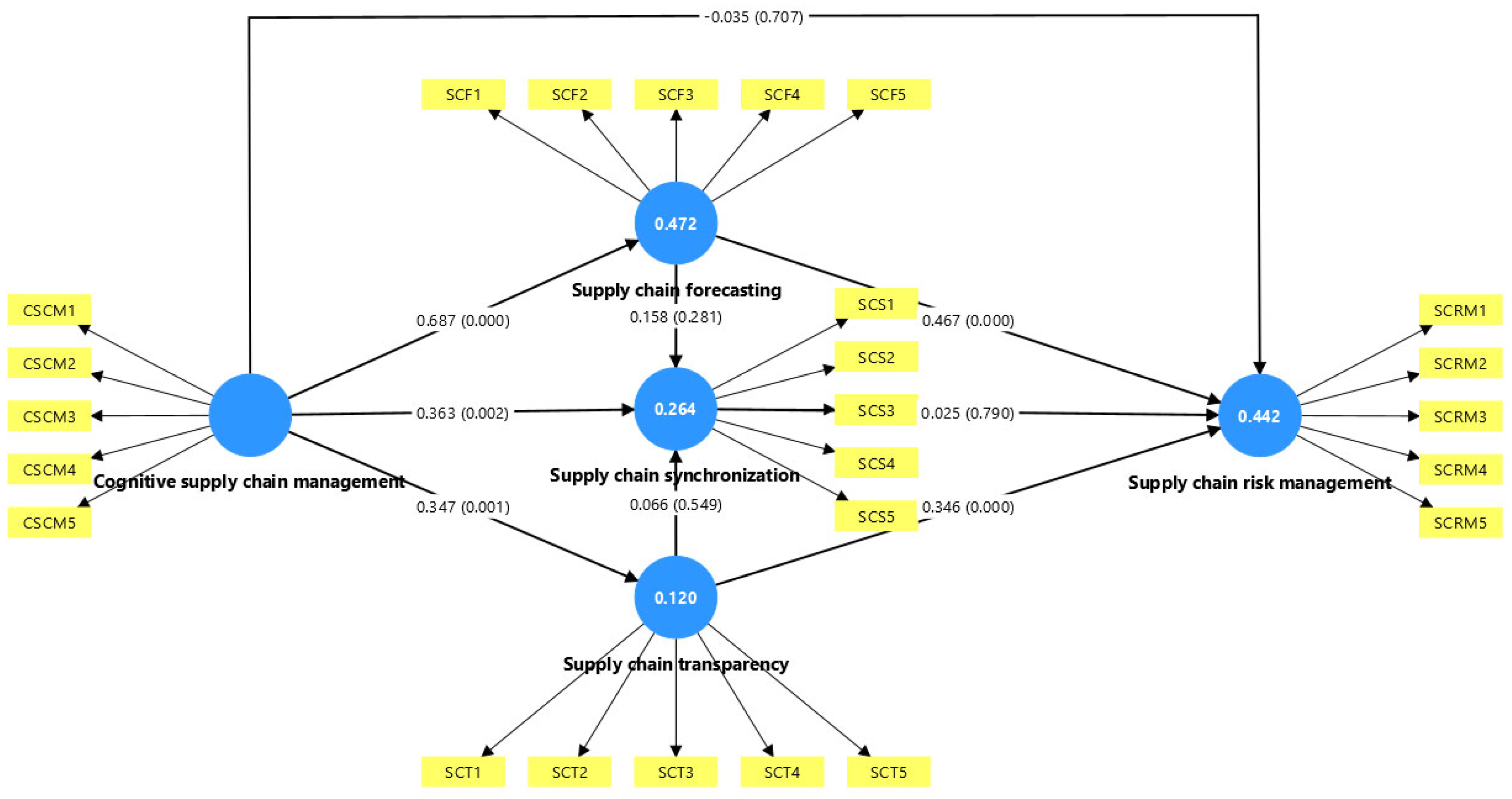
PLS-SEM bootstrapping method with 5000 sub-samples was used to run the structural model in SmartPLS 4, as shown in Figure 2. Several measures of fit were used to evaluate the adequacy of the structural model. The coefficient of determination (R2) values indicated how well the model was at explaining the results (dependent variables). The R2 values of SCF, SCS, SCT, and SCRM are 0.472, 0.264, 0.120, and 0.442, respectively. Hence, the explanatory power of the model was established [47]. According to Byrne [59], standardized root mean square residuals (SRMR) should be less than 0.09 and normed-fit index (NFI) should be greater than 0.9. The structural model fit measures revealed an SRMR value of 0.071 and an NFI value of 0.94, indicating an acceptable model fit.
The results of the structural model, presented in Table 6, revealed a critical finding for pharmaceutical companies in Saudi Arabia. While CSCM has a non-significant direct effect on SCRM (H1: β = −0.035, p = 0.707), it exerts strong and statistically significant positive influences on all three proposed mediating capabilities. Specifically, CSCM demonstrates a very strong effect on SCF (H2: β = 0.687, p < 0.001), a substantial impact on SCS (H3: β = 0.363, p < 0.01), and a significant effect on SCT (H4: β = 0.347, p < 0.05). This implies that the implementation of cognitive technologies significantly improves the forecasting capability, process synchronization, and transparency of the company’s supply chain.
Additionally, the results of the mediating paths’ analysis helped to inform the mechanism through which CSCM influences SCRM. The direct paths from the mediators to SCRM showed that both SCF (H5: β = 0.467, p < 0.001) and SCT (H7: β = 0.346, p < 0.001) are significant drivers of risk management, whereas SCS (H6: β = 0.025, p = 0.790) is not. However, the analysis revealed that SCF (H8: β = 0.158, p = 0.281) and SCT (H9: β = 0.066, p = 0.549) are insignificant drivers of SCS. Consequently, the mediation tests confirmed that SCF (H10: β = 0.321, p < 0.001) and SCT (H12: β = 0.120, p < 0.05) serve as significant mediating variables, fully explaining the relationship between CSCM and SCRM. In contrast, the path through SCS (H11) was not supported. This suggests that for Saudi manufacturers, the risk mitigation benefits of cognitive technologies are realized not directly, but indirectly by first creating more robust forecasting and transparency mechanisms.

6. Discussion

The findings of this study showed that CSCM does not directly improve SCRM. This contradicts previous assumptions that cognitive technologies inherently improve risk mitigation [4,29]. However, this finding is in line with Żywiołek et al. [3] in establishing that too much cognitive congruence may result in “cognitive rigidity” which may adversely affect innovation in the management of risks in a supply chain. The implication was that CSCM is not an isolated solution to risk management in its own capability but needs to be integrated with other dynamic capabilities.
The strong positive impact of CSCM on the mediating factors, SCF, SCS, and SCT, underscored the indirect links by which CSCM makes its impact on SCRM. More specifically, SCF was identified as the most influential mediator, verifying the belief that accurate forecasted data increases readiness and response to unforeseen events. Waage [11] characterized the role of synchronized planning and forecasted data for demand-driven supply chain systems to handle inventory costs effectively and suppress the bullwhip effect. Although forecasting could serve as an information basis for synchronization, there was no support for a direct effect of SCF to SCS within the healthcare scenario of Saudi pharmaceutical companies. Moreover, while transparency is important for visibility and accountability, SCT was not found to have a direct relationship with synchronized activities of supply chain partners.
Interestingly, while SCF and SCT significantly mediated the relationship between CSCM and SCRM, SCS did not. That could mean that synchronization alone may not work to mitigate risks unless supported with transparency and forecasting. Stadtfeld and Gruchmann [16] postulated that dynamic capabilities need to evolve as bundles of practices, and synchronization in isolation lacks the adaptive depth required for resilience. Furthermore, Al-Khatib [60] established that transparency enhances risk management because it would appear to greatly enhance the level of visibility and trust that could exist across a supply chain, and this also aligns with the supported mediation effect of SCT in this study.
The complementarity of DCT and IPT offers a theoretical framework for understanding these results [14,18]. DCT offers insight into how CSCM helps firms sense, seize, and transform capabilities when responding to environmental changes [61], whereas IPT stresses the importance of information gathering, analysis, and storage in coping with uncertainty [15]. By considering the combined use of DCT and IPT, it is clear why CSCM ends up being beneficial for SCRM only when complemented with capabilities for forecasting and transparency. DCT clearly stresses the importance of transforming supply chain processes [14], whereas IPT stresses the importance of eliminating information asymmetry [18]. The important mediating roles of forecasting and transparency illustrate that for CSCM, risk management improvement requires robust capabilities for processing information effectively. The findings supporting the mediation effect imply that for SCRM, CSCM works not directly, but through augmenting capabilities for information processing (such as those from forecasting and transparency), which play a critical role in dynamic adaptation. This is a clear indication that for pharmaceutical companies operating in Saudi Arabia, not only do they need to invest in cognitive technologies but also in organizational processes in order to improve effective information flow. An emerging view has also been seen in studies involving the healthcare sector, where improved forecasting and transparency have been found to improve the continuity of supplies considerably [6,8]. Another point made clear in our research findings is that synchronization generally remains fairly weak in a controlled environment where transparency is obstructed by certain regulatory strictures.
The lack of significance of the mechanism of synchronization can be seen to contradict the views of Qiao and Zhao [28] and Chaudhuri et al. [36], where the mechanism of integration favors the reduction of risks during emergencies. This anomaly in views leads to the presumption that there may be limitations in the mechanism of synchronization in emerging countries in the sense that it will continue to lack strategy unless the mechanism of real-time transparency is favored. The significant status of the forecast mechanism goes in line with the views of Walter et al. [19] and Li et al. [33], thereby validating the use of the dominant mechanism of forecast in making emergency systems more resilient. The non-significant impact of synchronization might be attributed to the structural orientation of the pharmaceutical supply chain within the Saudi market, which is yet to be developed on the digital level. Synchronization cannot perform efficiently within the industry until the level of coordination among various actors within a particular industry is developed. Most of the companies operating within the emerging economies have still not developed this level of synchronization. The reason for this might be attributed to the level of sophistication within the industry.

7. Conclusions

7.1. Main Findings

This study integrates DCT and IPT, thus conceptualizing how CSCM contributes to risk resilience through increased information processing and adaptive capabilities. The findings of this study state that CSCM does not directly enhance SCRM in Saudi pharmaceutical firms, although it significantly improves SCRM through the mediating roles of SCF and SCT. Strong indirect effects via SCF and SCT highlight the crucial role of predictive analytics and visibility in supply chain risk mitigation. Enhanced forecasting reduces stockouts of essential medicines, transparency supports the detection of quality deviations, and better risk monitoring minimizes supply disruptions that could compromise patient treatment adherence. On the other hand, SCS does not prove to be a significant mediator, indicating that coordination probably cannot work without other mechanisms. Neither SCF nor SCT directly drives SCS in Saudi pharmaceutical supply chains. SCS may, therefore, be more dependent on other factors than forecasting accuracy or transparency alone, such as cognitive alignment or technological integration.

7.2. Theoretical Implications

This study benefits the theory of supply chain management as it combines the DCT with the IPT to indicate that CSCM has a mediating impact on SCRM based upon indirect mechanisms of forecasting, synchronization, and transparency. The mediating roles of SCF and SCT confirm the IPT emphasis on the effective acquisition and dissemination of information in dealing with uncertainty, while the DCT is supported by the malleability of CSCM to reconfigure processes in dynamic contexts. Through uncovering the minor mediating role of SCS, the study enriches the construct of theoretical models and treats CSCM as a higher-order dynamic capability that relies on the supplementary information processing mechanisms, rather than direct technological effects. This is contrary to the earlier studies, as discussed in the literature, whereby the direct effects of digitalization on risk management [10], artificial intelligence analytics on resilience and visibility [25], and the positive direct effect of big data analytics on risk management and responsiveness [40] are emphasized.

7.3. Practical Implications

This study underscores that, in the context of the pharmaceutical industry in Saudi Arabia, CSCM enhances SCRM essentially by improving forecasting and transparency, although its efficacy is contingent on other systems that support predictive analytics in cognizance. It is recommended that managers should attach prime importance to developing effective forecasting tools and proper communication channels, although they should take note that synchronization is merely a nominal mediator, being better synchronized with information-enriched process requirements. Improving SCRM enhances drug safety by allowing early warning systems for possible contamination and delivery deviated from routine, thereby mitigating drug shortages by providing better visibility into the disruptions. Moreover, this research outcome can guide policymakers, namely the Ministry of Health and Saudi Food and Drug Authority (SFDA) in Saudi Arabia, to emphasize standardized cognitive platforms, transparency requirements, and joint forecasting mechanisms, possibly by implementing mandatory platforms that ensure digital traceability, current inventory reporting, or reward mechanisms that stimulate the use of cognitive analytics platforms to collectively strengthen resilience against drug shortages.

7.4. Limitations and Future Research Directions

This study has several limitations that should be acknowledged. Convenience sampling, together with the country-level setting, suggests that the current findings are not generalizable to other parts of the world where the nature of CSCM and SCRM might be different. On the other hand, a cross-sectional research design makes it difficult to identify the dynamics of the relationship between CSCM and SCRM over time, given the fast-paced development of cognitive technologies. Moreover, using survey self-report data might raise concerns about biases, given the possibility of unrealistic views of CSCM impacts and practices by some of the respondents. Longitudinal research designs should be considered in future CSCM research to identify how CSCM capabilities evolve over time, thereby impacting SCRM. Further, inter-country or inter-sectoral comparisons of CSCM impacts should be considered to obtain a wider perspective regarding the issue of CSCM impacts on SCRM. Other mediating, moderating, or ancillary factors like organizational culture, digital maturity, or environmental regulations should also be investigated by future research to offer further clarity regarding how CSCM impacts SCRM. An in-depth case study within the Saudi pharmaceutical sector would further enrich the literature by providing qualitative insights. Although pharmaceutical supply chains are influenced by additional factors such as regulatory compliance, approval timelines, and strict storage requirements, these elements fall outside the scope of the current model. Future research may incorporate these industry-specific constraints as moderating variables to provide a more comprehensive understanding of their effects on SCRM.

Author Contributions

Conceptualization, I.A., O.M.B. (Omar M. Bwaliez) and O.M.B. (Ola M. Bwaliez); methodology, O.M.B. (Omar M. Bwaliez); software, O.M.B. (Omar M. Bwaliez); validation, I.A., O.M.B. (Ola M. Bwaliez), and M.S.A.; formal analysis, O.M.B. (Omar M. Bwaliez); investigation, I.A.; resources, O.M.B. (Ola M. Bwaliez) and M.S.A.; data curation, O.M.B. (Ola M. Bwaliez) and M.S.A.; writing—original draft preparation, O.M.B. (Omar M. Bwaliez) and I.A.; writing—review and editing, I.A., O.M.B. (Omar M. Bwaliez) and O.M.B. (Ola M. Bwaliez); visualization, O.M.B. (Ola M. Bwaliez); supervision, I.A.; project administration, O.M.B. (Omar M. Bwaliez); funding acquisition, I.A. and M.S.A. All authors have read and agreed to the published version of the manuscript.

Funding

This work was supported and funded by the Deanship of Scientific Research at Imam Mohammad Ibn Saud Islamic University (IMSIU): IMSIU-DDRSP2504.

Institutional Review Board Statement

This study is waived for ethical review by the policies of the University of Jordan. You may also find the policy details at https://research.ju.edu.jo/Pages/Scientific-Research-Ethics.aspx (accessed on 1 January 2025).

Informed Consent Statement

Informed consent for participation was obtained from all subjects involved in the study.

Data Availability Statement

The original contributions presented in the study are included in the article; further inquiries can be directed to the corresponding author.

Conflicts of Interest

The authors declare no conflicts of interest.

References

  1. Fan, Y.; Stevenson, M. A review of supply chain risk management: Definition, theory, and research agenda. Int. J. Phys. Distrib. Logist. Manag. 2018, 48, 205–230. [Google Scholar] [CrossRef]
  2. Younis, H.; Bwaliez, O.M.; Al-Okaily, M.; Tanveer, M.I. Revolutionizing supply chain management: A critical meta-analysis of empowerment and constraint factors in blockchain technology adoption. Bus. Process Manag. J. 2024, 30, 1472–1500. [Google Scholar]
  3. Żywiołek, J.; Mathiyazhagan, K.; Shahzad, U.; Zhao, X.; Saikouk, T. Enhancing cognitive metrics in supply chain management through information and knowledge exchange. Int. J. Logist. Manag. 2025, 36, 200–221. [Google Scholar] [CrossRef]
  4. Hu, Q.; Yu, H.; Wu, H.; Chen, J. Impacts of cognitive and social distances on supply chain capability: The moderating effect of information technology utilization. Int. J. Logist. Manag. 2024, 35, 233–255. [Google Scholar]
  5. Cihan, E.E. Navigating supply chain paradoxes: A cognitive framework for managerial strategy based on systematic literature synthesis. J. Enterp. Inf. Manag. 2025, 36, 1–40. [Google Scholar] [CrossRef]
  6. Zighan, S.; Dwaikat, N.Y.; Alkalha, Z.; Abualqumboz, M. Knowledge management for supply chain resilience in pharmaceutical industry: Evidence from the Middle East region. Int. J. Logist. Manag. 2024, 35, 1142–1167. [Google Scholar]
  7. Laghouag, A. The maturity of sustainable supply chain management practices: An applied study on pharmaceutical firms. J. Money Bus. 2023, 3, 237–249. [Google Scholar] [CrossRef]
  8. Almaktoom, A.T.; Yusuf, N. Optimizing forecasting techniques for cost-effective procurement of controlled medications in Saudi Arabia’s healthcare system. Int. J. Pharm. Healthc. Mark. 2025, 19, 1186–1208. [Google Scholar]
  9. Brandon-Jones, E.; Squire, B.; Autry, C.W.; Petersen, K.J. A contingent resource-based perspective of supply chain resilience and robustness. J. Supply Chain Manag. 2014, 50, 55–73. [Google Scholar]
  10. Rashid, A.; Rasheed, R.; Ngah, A.H.; Pradeepa Jayaratne, M.D.R.; Rahi, S.; Tunio, M.N. Role of information processing and digital supply chain in supply chain resilience through supply chain risk management. J. Glob. Oper. Strateg. Sourc. 2024, 17, 429–447. [Google Scholar] [CrossRef]
  11. Waage, F. Fully synchronized supply chain forecasting. In Advances in Business and Management Forecasting; Emerald Group Publishing Limited: Bingley, UK, 2008; pp. 211–224. [Google Scholar]
  12. Hofmann, E.; Rutschmann, E. Big data analytics and demand forecasting in supply chains: A conceptual analysis. Int. J. Logist. Manag. 2018, 29, 739–766. [Google Scholar] [CrossRef]
  13. Diego, J.; Montes-Sancho, M.J. Nexus supplier transparency and supply network accessibility: Effects on buyer ESG risk exposure. Int. J. Oper. Prod. Manag. 2025, 45, 895–924. [Google Scholar]
  14. Teece, D.J. Explicating dynamic capabilities: The nature and microfoundations of (sustainable) enterprise performance. Strateg. Manag. J. 2007, 28, 1319–1350. [Google Scholar]
  15. Lu, Q.; Jiang, Y.; Wang, Y. Improving supply chain resilience from the perspective of information processing theory. J. Enterp. Inf. Manag. 2024, 37, 721–744. [Google Scholar] [CrossRef]
  16. Stadtfeld, G.M.; Gruchmann, T. Dynamic capabilities for supply chain resilience: A meta-review. Int. J. Logist. Manag. 2024, 35, 623–648. [Google Scholar]
  17. Jia, F.J.; Seuring, S.; Chen, L.; Azadegan, A. Guest editorial: Supply chain transparency: Opportunities, challenges and risks. Int. J. Oper. Prod. Manag. 2024, 44, 1525–1538. [Google Scholar] [CrossRef]
  18. Galbraith, J. Designing Complex Organizations; Addison-Wesley: Reading, MA, USA, 1973. [Google Scholar]
  19. Walter, A.; Ahsan, K.; Rahman, S. Application of artificial intelligence in demand planning for supply chains: A systematic literature review. Int. J. Logist. Manag. 2025, 36, 672–719. [Google Scholar] [CrossRef]
  20. Helms, M.M.; Ettkin, L.P.; Chapman, S. Supply chain forecasting–collaborative forecasting supports supply chain management. Bus. Process Manag. J. 2000, 6, 392–407. [Google Scholar]
  21. Kambil, A. Synchronization: Moving beyond re-engineering. J. Bus. Strateg. 2008, 29, 51–547. [Google Scholar] [CrossRef]
  22. Simatupang, T.M.; Sridharan, R. An integrative framework for supply chain collaboration. Int. J. Logist. Manag. 2005, 16, 257–274. [Google Scholar] [CrossRef]
  23. Baah, C.; Opoku Agyeman, D.; Acquah, I.S.K.; Agyabeng-Mensah, Y.; Afum, E.; Issau, K.; Ofori, D.; Faibil, D. Effect of information sharing in supply chains: Understanding the roles of supply chain visibility, agility, collaboration on supply chain performance. Benchmarking 2022, 29, 434–455. [Google Scholar] [CrossRef]
  24. Morgan, T.R.; Gabler, C.B.; Manhart, P.S. Supply chain transparency: Theoretical perspectives for future research. Int. J. Logist. Manag. 2023, 34, 1422–1445. [Google Scholar] [CrossRef]
  25. Dubey, R.; Bryde, D.J.; Blome, C.; Roubaud, D.; Giannakis, M. Facilitating artificial intelligence powered supply chain analytics through alliance management during the pandemic crises in the B2B context. Ind. Mark. Manag. 2021, 96, 135–146. [Google Scholar] [CrossRef]
  26. Tummala, R.; Schoenherr, T. Assessing and managing risks using the supply chain risk management process (SCRMP). Supply Chain Manag. 2011, 16, 474–483. [Google Scholar] [CrossRef]
  27. Colicchia, C.; Strozzi, F. Supply chain risk management: A new methodology for a systematic literature review. Supply Chain Manag. 2012, 17, 403–418. [Google Scholar] [CrossRef]
  28. Qiao, R.; Zhao, L. Reduce supply chain financing risks through supply chain integration: Dual approaches of alleviating information asymmetry and mitigating supply chain risks. J. Enterp. Inf. Manag. 2023, 36, 1533–1555. [Google Scholar] [CrossRef]
  29. Daghar, A.; Alinaghian, L.; Turner, N. The role of cognitive capital in supply chain resilience: An investigation during the COVID-19 pandemic. Supply Chain Manag. 2023, 28, 576–597. [Google Scholar]
  30. Feng, B.; Zheng, M.; Shen, Y. The effect of relational embeddedness on transparency in supply chain networks: The moderating role of digitalization. Int. J. Oper. Prod. Manag. 2024, 44, 1621–1648. [Google Scholar] [CrossRef]
  31. Browning, T.; Kumar, M.; Sanders, N.; Sodhi, M.S.; Thürer, M.; Tortorella, G.L. From supply chain risk to system-wide disruptions: Research opportunities in forecasting, risk management and product design. Int. J. Oper. Prod. Manag. 2023, 43, 1841–1858. [Google Scholar] [CrossRef]
  32. Park, M.; Singh, N.P. Predicting supply chain risks through big data analytics: Role of risk alert tool in mitigating business disruption. Benchmarking 2023, 30, 1457–1484. [Google Scholar] [CrossRef]
  33. Li, L.; Gong, Y.; Wang, Z.; Liu, S. Big data and big disaster: A mechanism of supply chain risk management in global logistics industry. Int. J. Oper. Prod. Manag. 2023, 43, 274–307. [Google Scholar] [CrossRef]
  34. Abushaikha, I.; Bwaliez, O.M.; Yaseen, M.H.; Hamadneh, S.; Darwish, T.K. Leveraging animal feed supply chain capabilities through big data analytics: A qualitative study. Int. J. Qual. Reliab. Manag. 2025, 42, 2605–2625. [Google Scholar] [CrossRef]
  35. Zhu, Q.; Krikke, H.; Caniëls, M.C. Integrated supply chain risk management: A systematic review. Int. J. Logist. Manag. 2017, 28, 1123–1141. [Google Scholar] [CrossRef]
  36. Chaudhuri, A.; Boer, H.; Taran, Y. Supply chain integration, risk management and manufacturing flexibility. Int. J. Oper. Prod. Manag. 2018, 38, 690–712. [Google Scholar] [CrossRef]
  37. Zheng, L.J.; Islam, N.; Zhang, J.Z.; Wang, H.; Au, K.M.A. How does supply chain transparency influence idiosyncratic risk in newly public firms: The moderating role of firm digitalization. Int. J. Oper. Prod. Manag. 2024, 44, 1649–1675. [Google Scholar] [CrossRef]
  38. Jia, F.; Li, K.; Chen, L.; Nazrul, A.; Yan, F. Supply chain transparency: A roadmap for future research. Ind. Manag. Data Syst. 2024, 124, 2665–2688. [Google Scholar] [CrossRef]
  39. Xu, T.; Wang, J. Examining the impact of leader’s paradoxical cognition on supply chain sustainability: A moderated chain mediation model. Int. J. Logist. Manag. 2024, 35, 1760–1778. [Google Scholar] [CrossRef]
  40. Wamba, S.F.; Dubey, R.; Gunasekaran, A.; Akter, S. The performance effects of big data analytics and supply chain ambidexterity: The moderating effect of environmental dynamism. Int. J. Prod. Econ. 2020, 222, 107498. [Google Scholar] [CrossRef]
  41. Kshetri, N. Blockchain’s roles in meeting key supply chain management objectives. Int. J. Inf. Manag. 2018, 39, 80–89. [Google Scholar] [CrossRef]
  42. Töyli, H.L.; Ojala, J.L.; Wieland, A.; Wallenburg, C.M. The influence of relational competencies on supply chain resilience: A relational view. Int. J. Phys. Distrib. Logist. Manag. 2013, 43, 300–320. [Google Scholar] [CrossRef]
  43. Syntetos, A.A.; Babai, Z.; Boylan, J.E.; Kolassa, S.; Nikolopoulos, K. Supply chain forecasting: Theory, practice, their gap and the future. Eur. J. Oper. Res. 2016, 252, 1–26. [Google Scholar] [CrossRef]
  44. Barratt, M.; Oke, A. Antecedents of supply chain visibility in retail supply chains: A resource-based theory perspective. J. Oper. Manag. 2007, 25, 1217–1233. [Google Scholar] [CrossRef]
  45. Mora-Monge, C.A.; Caridi, M.; Crippa, L.; Perego, A.; Sianesi, A.; Tumino, A. Measuring visibility to improve supply chain performance: A quantitative approach. Benchmarking 2010, 17, 593–615. [Google Scholar] [CrossRef]
  46. Wong, L.W.; Tan, G.W.H.; Lee, V.H.; Ooi, K.B.; Sohal, A. Unearthing the determinants of Blockchain adoption in supply chain management. Int. J. Prod. Res. 2020, 58, 2100–2123. [Google Scholar] [CrossRef]
  47. Hair, J.F.; Black, W.C.; Babin, B.J.; Anderson, R.E. Multivariate Data Analysis, 8th ed.; Cengage Learning: Boston, MA, USA, 2022. [Google Scholar]
  48. Fildes, R.; Goodwin, P.; Lawrence, M.; Nikolopoulos, K. Effective forecasting and judgmental adjustments: An empirical evaluation and strategies for improvement in supply-chain planning. Int. J. Forecast. 2009, 25, 3–23. [Google Scholar] [CrossRef]
  49. Holmström, J.; Holweg, M.; Lawson, B.; Pil, F.K.; Wagner, S.M. The digitalization of operations and supply chain management: Theoretical and methodological implications. J. Oper. Manag. 2019, 65, 728–734. [Google Scholar] [CrossRef]
  50. Malhotra, N.K. Marketing Research: An Applied Orientation, 6th ed.; Prentice Hall: New Jersey, NJ, USA, 2010. [Google Scholar]
  51. Podsakoff, P.M.; MacKenzie, S.B.; Podsakoff, N.P. Sources of method bias in social science research and recommendations on how to control it. Annu. Rev. Psychol. 2012, 63, 539–569. [Google Scholar] [CrossRef] [PubMed]
  52. Podsakoff, P.M.; MacKenzie, S.B.; Lee, J.Y.; Podsakoff, N.P. Common method biases in behavioral research: A critical review of the literature and recommended remedies. J. Appl. Psychol. 2003, 88, 879–903. [Google Scholar] [CrossRef]
  53. Bwaliez, O.M. The triple impact of green supply chain management on circular economy, environmental, and export performances. Benchmarking 2025, 32, 1–26. [Google Scholar] [CrossRef]
  54. Baumgartner, H.; Weijters, B. Commentary on “common method bias in marketing: Causes, mechanisms, and procedural remedies”. J. Retail. 2012, 88, 563–566. [Google Scholar] [CrossRef]
  55. Armstrong, J.S.; Overton, T.S. Estimating nonresponse bias in mail surveys. J. Mark. Res. 1977, 14, 396–402. [Google Scholar] [CrossRef]
  56. Fornell, C.; Larcker, D.F. Structural equation models with unobservable variables and measurement error. J. Mark. Res. 1981, 18, 39–50. [Google Scholar] [CrossRef]
  57. Henseler, J.; Ringle, C.M.; Sarstedt, M. A new criterion for assessing discriminant validity in variance-based structural equation modeling. J. Acad. Mark. Sci. 2015, 43, 115–135. [Google Scholar] [CrossRef]
  58. Shbikat, N.; Bwaliez, O.M. Enhancing Kendall’s W using genetic algorithm: A computational approach to inter-rater reliability optimization. Expert Syst. Appl. 2025, 278, 12732. [Google Scholar] [CrossRef]
  59. Byrne, B.M. Structural Equation Modeling with AMOS: Basic Concepts, Applications, and Programming, 2nd ed.; Routledge: New York, NY, USA, 2013. [Google Scholar]
  60. Al-Khatib, A.W. The impact of supply chain transparency and supply chain resilience on supply chain risk management: A moderation effect modeling. Supply Chain Manag. 2025, 30, 566–581. [Google Scholar] [CrossRef]
  61. Herburger, M.; Wieland, A.; Hochstrasser, C. Building supply chain resilience to cyber risks: A dynamic capabilities perspective. Supply Chain Manag. 2024, 29, 5–280. [Google Scholar] [CrossRef]
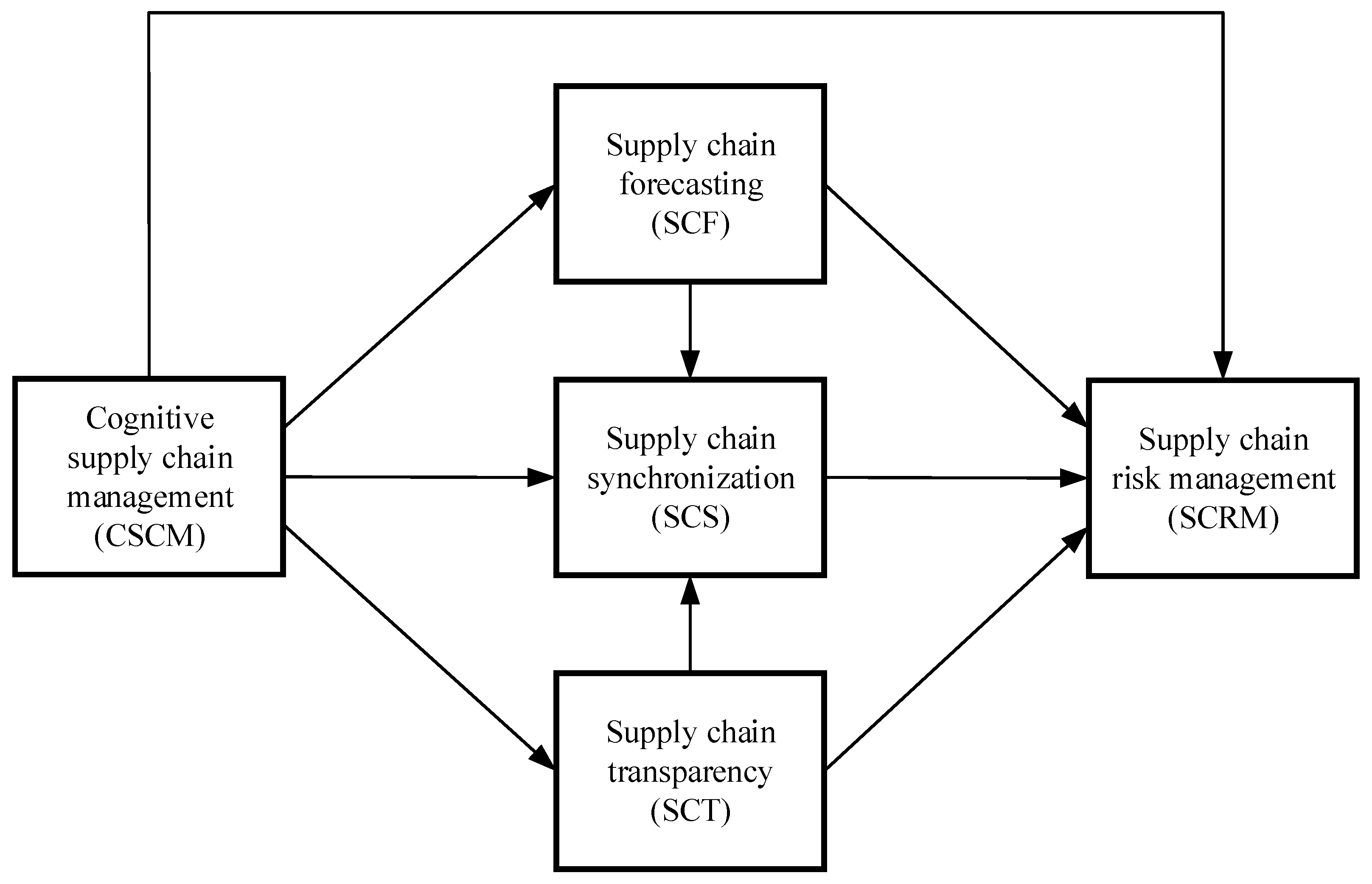
Figure 1. Conceptual model illustrating the hypothesized relationships among CSCM, SCF, SCS, SCT, and SCRM.
Logistics 10 00011 g001
Figure 2. Structural model results displaying the path coefficients and p-values (in brackets) for the relationships among the study variables.
Logistics 10 00011 g002
Table 1. Measurement items of research constructs.
Item CodeItem Description and Sources
Cognitive supply chain management [25,40]
CSCM1“Our company uses AI/ML algorithms to analyze supply chain data in real time”
CSCM2“We employ predictive analytics to automate decision-making in supply chain operations”
CSCM3“IoT-enabled sensors are used to monitor inventory levels and shipment conditions”
CSCM4“We utilize blockchain technology to improve data security and traceability”
CSCM5“Our supply chain systems integrate cognitive computing (such as NLP, computer vision) for problem-solving”
Supply chain forecasting [43,48]
SCF1“We use AI-driven tools to predict demand fluctuations with high accuracy”
SCF2“Our forecasts incorporate real-time market data (social trends, economic indicators)”
SCF3“We employ collaborative forecasting with suppliers and customers”
SCF4“Our forecasting models are regularly updated to reflect new data patterns”
SCF5“Forecast accuracy is measured and improved through feedback loops”
Supply chain synchronization [44,49]
SCS1“Our supply chain partners share real-time data on inventory and orders”
SCS2“Production and logistics schedules are dynamically adjusted based on partner inputs”
SCS3“We use digital platforms (cloud ERP) to align planning across the supply chain”
SCS4“Our company and suppliers jointly optimize inventory levels to reduce bullwhip effects”
SCS5“We synchronize lead times with partners to minimize delays”
Supply chain transparency [41,45]
SCT1“We have end-to-end visibility into Tier-1 and Tier-2 supplier activities”
SCT2“Our company tracks and discloses sustainability metrics (carbon footprint, labor practices)”
SCT3“We use blockchain/distributed ledger technology (DLT) to provide immutable records of product origins”
SCT4“Customers can access real-time information about product journey (design-to-delivery, farm-to-fork)”
SCT5“We audit and report supplier compliance with ethical standards”
Supply chain risk management [9,42]
SCRM1“We maintain contingency plans for key supply chain disruptions (alternate suppliers)”
SCRM2“Our company regularly assesses risks (geopolitical, demand volatility) in the supply chain”
SCRM3“We use scenario planning to prepare for potential disruptions”
SCRM4“Our supply chain team collaborates with partners to mitigate joint risks”
SCRM5“We measure and track key risk indicators (KRIs) to monitor supply chain vulnerabilities”
Table 2. Demographic profile of respondents.
CategoryFrequencyPercentage (%)
Gender
Male19868.99
Female8931.01
Total287100
Job position
Top management level10536.59
Middle management level13948.43
Low management level4314.98
Total287100
Job experience
Less than 5 years289.76
5—less than 10 years5619.51
10—less than 15 years4314.98
15—less than 20 years9633.45
20 years and above6422.30
Total287100
Company size
Small (1—less than 100 employees)8128.22
Medium (100—less than 250 employees)14349.83
Large (250 employees and above)6321.95
Total287100
Table 3. Validity and reliability of the research constructs.
Item CodeVIFFactor
Loading
AVECronbach’s
Alpha
Composite
Reliability
Cognitive supply chain management 0.6000.8340.842
CSCM11.6580.794
CSCM21.6610.760
CSCM31.9360.812
CSCM41.7330.749
CSCM51.6010.756
Supply chain forecasting 0.5790.8170.829
SCF11.3730.878
SCF21.8830.796
SCF31.8900.789
SCF42.1040.844
SCF51.5470.882
Supply chain synchronization 0.5580.7980.811
SCS11.3110.828
SCS22.0950.801
SCS32.3570.857
SCS41.8440.784
SCS51.2320.737
Supply chain transparency 0.5180.7520.833
SCT12.0690.810
SCT22.3090.847
SCT31.7630.830
SCT41.3860.743
SCT51.1680.841
Supply chain risk management 0.6630.8700.876
SCRM12.5870.844
SCRM22.6070.837
SCRM32.6680.869
SCRM42.3050.833
SCRM51.5350.772
Table 4. Discriminant validity using the Fornell-Larcker criterion.
Construct12345
1. CSCM0.775
2. SCF0.6870.761
3. SCS0.4950.4320.747
4. SCT0.3470.3730.2510.720
5. SCRM0.4180.5820.2960.5140.814
Note. AVE’s square root on the diagonal.
Table 5. Discriminant validity using the heterotrait–monotrait (HTMT) ratio criterion.
Construct12345
1. CSCM-
2. SCF0.803-
3. SCS0.5860.514-
4. SCT0.4070.4450.333-
5. SCRM0.4820.6820.3540.632-
Table 6. Hypothesis testing results with path coefficients, t-values, and p-values.
HypothesisPathPath Coefficientt-Valuep-ValueResult
H1CSCM → SCRM−0.0350.3760.707Not supported
H2CSCM → SCF0.68713.8440.000Supported
H3CSCM → SCS0.3633.0450.002Supported
H4CSCM → SCT0.3473.3080.001Supported
H5SCF → SCRM0.4673.9550.000Supported
H6SCS → SCRM0.0250.2670.790Not supported
H7SCT → SCRM0.3464.5590.000Supported
H8SCF → SCS0.1581.0790.281Not supported
H9SCT → SCS0.0660.5990.549Not supported
H10CSCM → SCF → SCRM0.3213.7940.000Supported
H11CSCM → SCS → SCRM0.0020.1190.905Not supported
H12CSCM → SCT → SCRM0.1202.2710.023Supported
Disclaimer/Publisher’s Note: The statements, opinions and data contained in all publications are solely those of the individual author(s) and contributor(s) and not of MDPI and/or the editor(s). MDPI and/or the editor(s) disclaim responsibility for any injury to people or property resulting from any ideas, methods, instructions or products referred to in the content.