Targeting the Endoplasmic Reticulum Oxidoreductin-1 Alpha–Protein Disulfide Isomerase Redox Interface as a Therapeutic Strategy in Cancer

 , , , , and
Abstract
1. Introduction
2. Physiological Roles of PDI, ERO1α, and Their Redox Interface
2.1. Protein Disulfide Isomerases (PDIs)
2.2. Endoplasmic Reticulum Oxidoreductin 1α (ERO1α)
2.3. Functional Coupling of PDI and ERO1α in the Endoplasmic Reticulum
3. Dysregulation of PDI and ERO1α in Cancer
3.1. PDI Involvement in Cancer Progression
3.2. ERO1α in Cancer Biology
4. Small Molecule and Peptide Inhibitors of ERO1α and PDI
4.1. PDI Inhibitors
4.2. ERO1α Inhibitors
5. Translational and Clinical Implications
6. Challenges and Future Perspectives
7. Conclusions
Author Contributions
Funding
Institutional Review Board Statement
Informed Consent Statement
Data Availability Statement
Conflicts of Interest
Abbreviations
| ABCG2 | ATP-binding cassette subfamily G member 2 |
| Akt | Protein kinase B |
| ALS | Amyotrophic lateral sclerosis |
| ATF6 | Activating transcription factor 6 |
| BiP | Binding immunoglobulin protein |
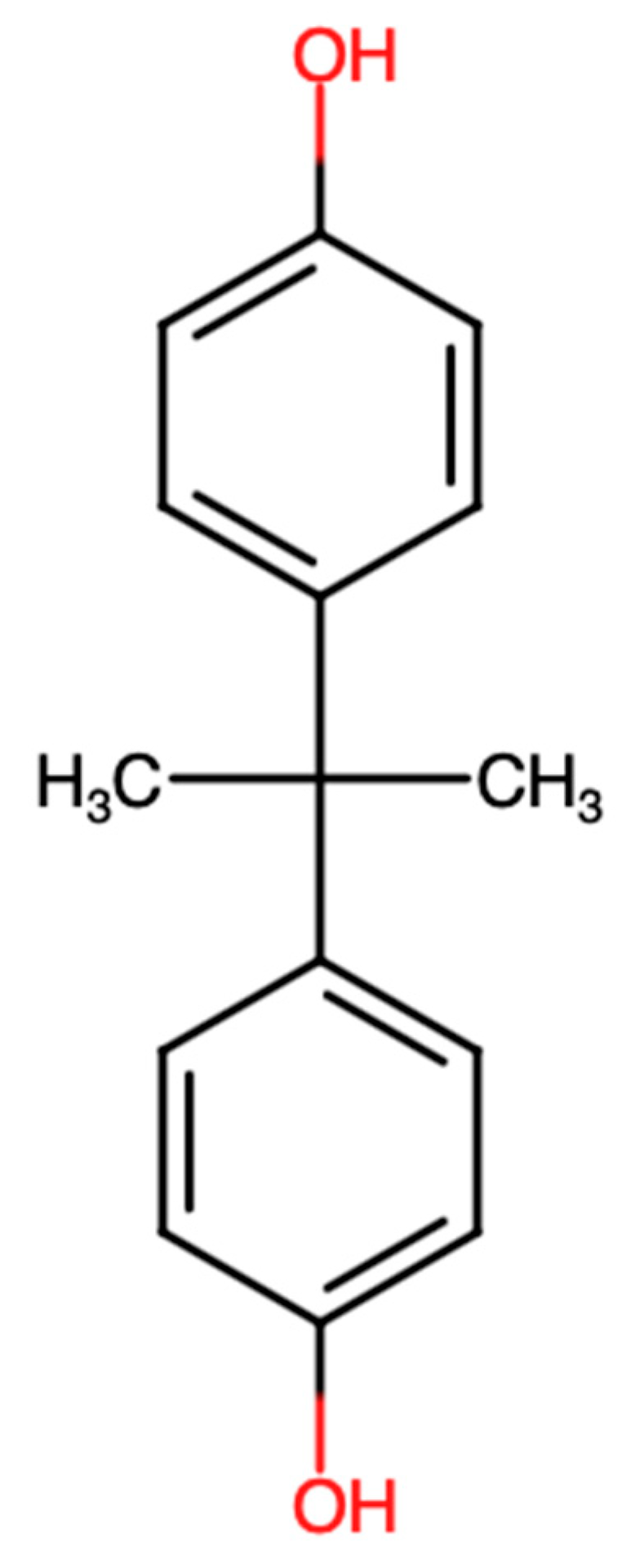
| BPA | Bisphenol A |
| CA9 | Carbonic anhydrase IX |
| CHOP | C/EBP homologous protein (GADD153) |
| CNX | Calnexin |
| CRT | Calreticulin |
| DAMPs | Damage-associated molecular patterns |
| EMT | Epithelial–mesenchymal transition |
| EN460 | Small molecule ERO1α inhibitor |
| ER | Endoplasmic reticulum |
| ERK1/2 | Extracellular signal-regulated kinases 1 and 2 |
| ERO1α | Endoplasmic reticulum oxidoreductin 1 alpha |
| ERO1β | Endoplasmic reticulum oxidoreductin 1 beta |
| ERp57 | Endoplasmic reticulum protein 57 (PDIA3) |
| ERp72 | Endoplasmic reticulum protein 72 (PDIA4) |
| FAD | Flavin adenine dinucleotide |
| GADD153 | Growth arrest and DNA damage–inducible protein 153 |
| GRP78 | Glucose-regulated protein 78 |
| GRP94 | Glucose-regulated protein 94 |
| GSH | Reduced glutathione |
| GSSG | Oxidized glutathione |
| H2O2 | Hydrogen peroxide |
| HCC | Hepatocellular carcinoma |
| HIF-1α | Hypoxia-inducible factor 1 alpha |
| HTS | High-throughput screening |
| IDO1 | Indoleamine 2,3-dioxygenase 1 |
| IRE1 | Inositol-requiring enzyme 1 |
| MAO-A/B | Monoamine oxidase A/B |
| MCF-7 | Human breast cancer cell line |
| MDA-MB-231 | Triple-negative breast cancer cell line |
| MHC-I | Major histocompatibility complex class I |
| MPR1 | Multidrug resistance-associated protein 1 |
| mTOR | Mechanistic target of rapamycin |
| mTORC1 | Mechanistic target of rapamycin complex 1 |
| NF-κB | Nuclear factor kappa B |
| NFIB | Nuclear factor I B |
| NSCLC | Non-small cell lung cancer |
| PACMA | Propynoic acid carbamoyl methyl amide |
| PD-1 | Programmed cell death protein 1 |
| PD-L1 | Programmed death-ligand 1 |
| PDI | Protein disulfide isomerase |
| PDIA1 | Protein disulfide isomerase A1 |
| PDIA3 | Protein disulfide isomerase A3 |
| PDIA4 | Protein disulfide isomerase A4 |
| PDIA6 | Protein disulfide isomerase A6 |
| PERK | Protein kinase R–like ER kinase |
| PI3K | Phosphoinositide 3-kinase |
| PPARδ | Peroxisome proliferator-activated receptor delta |
| PRDX4 | Peroxiredoxin 4 |
| ROS | Reactive oxygen species |
| S1PR1 | Sphingosine-1-phosphate receptor 1 |
| SLC7A11 | Solute carrier family 7 member 11 |
| SPR | Surface plasmon resonance |
| STAT3 | Signal transducer and activator of transcription 3 |
| TNBC | Triple-negative breast cancer |
| UPR | Unfolded protein response |
| VEGF-A | Vascular endothelial growth factor A |
| VEGFR2 | Vascular endothelial growth factor receptor 2 |
References
- Kettel, P.; Karagöz, G.E. Endoplasmic Reticulum: Monitoring and Maintaining Protein and Membrane Homeostasis in the Endoplasmic Reticulum by the Unfolded Protein Response. Int. J. Biochem. Cell Biol. 2024, 172, 106598. [Google Scholar] [CrossRef] [PubMed]
- Ragupathi, A.; Mastrogiannis, A.J.; Rahimi, N. Biochemistry, Tertiary Protein Structure. Available online: https://www.ncbi.nlm.nih.gov/sites/books/NBK470269/ (accessed on 2 January 2026).
- Shergalis, A.G.; Hu, S.; Bankhead, A., 3rd; Neamati, N. Role of the ERO1-PDI Interaction in Oxidative Protein Folding and Disease. Pharmacol. Ther. 2020, 210, 107525. [Google Scholar] [CrossRef] [PubMed]
- Chen, X.; Cubillos-Ruiz, J.R. Endoplasmic Reticulum Stress Signals in the Tumour and Its Microenvironment. Nat. Rev. Cancer 2021, 21, 71–88. [Google Scholar] [CrossRef] [PubMed]
- Nagel, R.; Semenova, E.A.; Berns, A. Drugging the Addict: Non-oncogene Addiction as a Target for Cancer Therapy. EMBO Rep. 2016, 17, 1516–1531. [Google Scholar] [CrossRef]
- Huang, D.; Baldandorj, B.; Odkhuu, E.; Amartuvshin, E.; Boldbaatar, D.; Guo, H.; Mendjargal, A. ERO1α Regulates Curcumin-Induced Autophagy via PI3K/AKT Pathway. Cancer Treat. Res. Commun. 2025, 44, 100957. [Google Scholar] [CrossRef]
- Nie, Q.; Yang, J.; Zhou, X.; Li, N.; Zhang, J. The Role of Protein Disulfide Isomerase Inhibitors in Cancer Therapy. ChemMedChem 2025, 20, e202400590. [Google Scholar] [CrossRef]
- Tavender, T.J.; Bulleid, N.J. Molecular Mechanisms Regulating Oxidative Activity of the Ero1 Family in the Endoplasmic Reticulum. Antioxid. Redox Signal. 2010, 13, 1177–1187. [Google Scholar] [CrossRef]
- Hao, S.; Cai, D.; Gou, S.; Li, Y.; Liu, L.; Tang, X.; Chen, Y.; Zhao, Y.; Shen, J.; Wu, X.; et al. Does Each Component of Reactive Oxygen Species Have a Dual Role in the Tumor Microenvironment? Curr. Med. Chem. 2024, 31, 4958–4986. [Google Scholar] [CrossRef]
- Goldberger, R.F.; Epstein, C.J.; Anfinsen, C.B. Acceleration of Reactivation of Reduced Bovine Pancreatic Ribonuclease by a Microsomal System from Rat Liver. J. Biol. Chem. 1963, 238, 628–635. [Google Scholar] [CrossRef]
- Andreu, C.I.; Woehlbier, U.; Torres, M.; Hetz, C. Protein Disulfide Isomerases in Neurodegeneration: From Disease Mechanisms to Biomedical Applications. FEBS Lett. 2012, 586, 2826–2834. [Google Scholar] [CrossRef]
- Wang, C.; Li, W.; Ren, J.; Fang, J.; Ke, H.; Gong, W.; Feng, W.; Wang, C. Structural Insights into the Redox-Regulated Dynamic Conformations of Human Protein Disulfide Isomerase. Antioxid. Redox Signal. 2013, 19, 36–45. [Google Scholar] [CrossRef]
- Cole, K.S.; Grandjean, J.M.D.; Chen, K.; Witt, C.H.; O’Day, J.; Shoulders, M.D.; Wiseman, R.L.; Weerapana, E. Characterization of an A-Site Selective Protein Disulfide Isomerase A1 Inhibitor. Biochemistry 2018, 57, 2035–2043. [Google Scholar] [CrossRef]
- Chiavari, M.; Ciotti, G.M.P.; Canonico, F.; Altieri, F.; Lacal, P.M.; Graziani, G.; Navarra, P.; Lisi, L. PDIA3 Expression in Glioblastoma Modulates Macrophage/Microglia Pro-Tumor Activation. Int. J. Mol. Sci. 2020, 21, 8214. [Google Scholar] [CrossRef]
- Soldà, T.; Garbi, N.; Hämmerling, G.J.; Molinari, M. Consequences of ERp57 Deletion on Oxidative Folding of Obligate and Facultative Clients of the Calnexin Cycle. J. Biol. Chem. 2006, 281, 6219–6226. [Google Scholar] [CrossRef]
- Medinas, D.B.; Rozas, P.; Hetz, C. Critical Roles of Protein Disulfide Isomerases in Balancing Proteostasis in the Nervous System. J. Biol. Chem. 2022, 298, 102087. [Google Scholar] [CrossRef] [PubMed]
- Perri, E.R.; Thomas, C.J.; Parakh, S.; Spencer, D.M.; Atkin, J.D. The Unfolded Protein Response and the Role of Protein Disulfide Isomerase in Neurodegeneration. Front. Cell Dev. Biol. 2016, 3, 80. [Google Scholar] [CrossRef]
- Oka, O.B.V.; Yeoh, H.Y.; Bulleid, N.J. Thiol-Disulfide Exchange between the PDI Family of Oxidoreductases Negates the Requirement for an Oxidase or Reductase for Each Enzyme. Biochem. J. 2015, 469, 279–288. [Google Scholar] [CrossRef] [PubMed]
- Jha, V.; Kumari, T.; Manickam, V.; Assar, Z.; Olson, K.L.; Min, J.-K.; Cho, J. ERO1-PDI Redox Signaling in Health and Disease. Antioxid. Redox Signal. 2021, 35, 1093–1115. [Google Scholar] [CrossRef] [PubMed]
- Chen, P.; Sharma, A.; Weiher, H.; Schmidt-Wolf, I.G.H. Biological Mechanisms and Clinical Significance of Endoplasmic Reticulum Oxidoreductase 1 Alpha (ERO1α) in Human Cancer. J. Exp. Clin. Cancer Res. 2024, 43, 71. [Google Scholar] [CrossRef]
- Ramming, T.; Appenzeller-Herzog, C. The Physiological Functions of Mammalian Endoplasmic Oxidoreductin 1: On Disulfides and More. Antioxid. Redox Signal. 2012, 16, 1109–1118. [Google Scholar] [CrossRef]
- Tanaka, T.; Kutomi, G.; Kajiwara, T.; Kukita, K.; Kochin, V.; Kanaseki, T.; Tsukahara, T.; Hirohashi, Y.; Torigoe, T.; Okamoto, Y.; et al. Cancer-Associated Oxidoreductase ERO1-α Promotes Immune Escape through up-Regulation of PD-L1 in Human Breast Cancer. Oncotarget 2017, 8, 24706–24718. [Google Scholar] [CrossRef]
- Varone, E.; Decio, A.; Chernorudskiy, A.; Minoli, L.; Brunelli, L.; Ioli, F.; Piotti, A.; Pastorelli, R.; Fratelli, M.; Gobbi, M.; et al. The ER Stress Response Mediator ERO1 Triggers Cancer Metastasis by Favoring the Angiogenic Switch in Hypoxic Conditions. Oncogene 2021, 40, 1721–1736. [Google Scholar] [CrossRef] [PubMed]
- Sevier, C.S.; Kaiser, C.A. Disulfide Transfer between Two Conserved Cysteine Pairs Imparts Selectivity to Protein Oxidation by Ero1. MBoC 2006, 17, 2256–2266. [Google Scholar] [CrossRef] [PubMed]
- Masui, S.; Vavassori, S.; Fagioli, C.; Sitia, R.; Inaba, K. Molecular Bases of Cyclic and Specific Disulfide Interchange between Human ERO1α Protein and Protein-Disulfide Isomerase (PDI). J. Biol. Chem. 2011, 286, 16261–16271. [Google Scholar] [CrossRef] [PubMed]
- Amodio, G.; Pagliara, V.; Moltedo, O.; Remondelli, P. Structural and Functional Significance of the Endoplasmic Reticulum Unfolded Protein Response Transducers and Chaperones at the Mitochondria–ER Contacts: A Cancer Perspective. Front. Cell Dev. Biol. 2021, 9, 641194. [Google Scholar] [CrossRef]
- Zhang, Y.; Li, T.; Zhang, L.; Shangguan, F.; Shi, G.; Wu, X.; Cui, Y.; Wang, X.; Wang, X.; Liu, Y.; et al. Targeting the Functional Interplay between Endoplasmic Reticulum Oxidoreductin-1α and Protein Disulfide Isomerase Suppresses the Progression of Cervical Cancer. EBioMedicine 2019, 41, 408–419. [Google Scholar] [CrossRef]
- Rahman, N.S.A.; Zahari, S.; Syafruddin, S.E.; Firdaus-Raih, M.; Low, T.Y.; Mohtar, M.A. Functions and Mechanisms of Protein Disulfide Isomerase Family in Cancer Emergence. Cell Biosci. 2022, 12, 129. [Google Scholar] [CrossRef]
- Powell, L.E.; Foster, P.A. Protein Disulphide Isomerase Inhibition as a Potential Cancer Therapeutic Strategy. Cancer Med. 2021, 10, 2812–2825. [Google Scholar] [CrossRef]
- Hung, C.-S.; Lee, K.-L.; Huang, W.-J.; Su, F.-H.; Liang, Y.-C. Pan-Inhibition of Protein Disulfide Isomerase Caused Cell Death through Disrupting Cellular Proteostasis in Pancreatic Ductal Adenocarcinoma Cells. Int. J. Mol. Sci. 2023, 24, 16467. [Google Scholar] [CrossRef]
- Robinson, R.M.; Reyes, L.; Duncan, R.M.; Bian, H.; Reitz, A.B.; Manevich, Y.; McClure, J.J.; Champion, M.M.; Chou, C.J.; Sharik, M.E.; et al. Inhibitors of the Protein Disulfide Isomerase Family for the Treatment of Multiple Myeloma. Leukemia 2019, 33, 1011–1022. [Google Scholar] [CrossRef]
- Yang, S.; Jackson, C.; Karapetyan, E.; Dutta, P.; Kermah, D.; Wu, Y.; Wu, Y.; Schloss, J.; Vadgama, J.V. Roles of Protein Disulfide Isomerase in Breast Cancer. Cancers 2022, 14, 745. [Google Scholar] [CrossRef]
- Lee, E.; Lee, D.H. Emerging Roles of Protein Disulfide Isomerase in Cancer. BMB Rep. 2017, 50, 401–410. [Google Scholar] [CrossRef] [PubMed]
- Goplen, D.; Wang, J.; Enger, P.Ø.; Tysnes, B.B.; Terzis, A.J.A.; Laerum, O.D.; Bjerkvig, R. Protein Disulfide Isomerase Expression Is Related to the Invasive Properties of Malignant Glioma. Cancer Res. 2006, 66, 9895–9902. [Google Scholar] [CrossRef] [PubMed]
- Wise, R.; Duhachek-Muggy, S.; Qi, Y.; Zolkiewski, M.; Zolkiewska, A. Protein Disulfide Isomerases in the Endoplasmic Reticulum Promote Anchorage-Independent Growth of Breast Cancer Cells. Breast Cancer Res. Treat. 2016, 157, 241–252. [Google Scholar] [CrossRef] [PubMed]
- Bakker, E.; Fujii, M.; Krstic-Demonacos, M.; Demonacos, C.; Alhammad, R. Protein Disulfide Isomerase A1-associated Pathways in the Development of Stratified Breast Cancer Therapies. Int. J. Oncol. 2022, 60, 16. [Google Scholar] [CrossRef]
- Tufo, G.; Jones, A.W.E.; Wang, Z.; Hamelin, J.; Tajeddine, N.; Esposti, D.D.; Martel, C.; Boursier, C.; Gallerne, C.; Migdal, C.; et al. The Protein Disulfide Isomerases PDIA4 and PDIA6 Mediate Resistance to Cisplatin-Induced Cell Death in Lung Adenocarcinoma. Cell Death Differ. 2014, 21, 685–695. [Google Scholar] [CrossRef]
- Kim, K.; An, A.; Park, H.; Jang, K.; Moon, W.; Kang, M.; Lee, Y.; Ku, J.; Chung, M. Combined Expression of Protein Disulfide Isomerase and Endoplasmic Reticulum Oxidoreductin 1-α Is a Poor Prognostic Marker for Non-small Cell Lung Cancer. Oncol. Lett. 2018, 16, 5753–5760. [Google Scholar] [CrossRef]
- Xu, S.; Butkevich, A.N.; Yamada, R.; Zhou, Y.; Debnath, B.; Duncan, R.; Zandi, E.; Petasis, N.A.; Neamati, N. Discovery of an Orally Active Small-Molecule Irreversible Inhibitor of Protein Disulfide Isomerase for Ovarian Cancer Treatment. Proc. Natl. Acad. Sci. USA 2012, 109, 16348–16353. [Google Scholar] [CrossRef]
- Karamali, N.; Daraei, A.; Rostamlou, A.; Mahdavi, R.; Akbari Jonoush, Z.; Ghadiri, N.; Mahmoudi, Z.; Mardi, A.; Javidan, M.; Sohrabi, S.; et al. Decoding Contextual Crosstalk: Revealing Distinct Interactions between Non-Coding RNAs and Unfolded Protein Response in Breast Cancer. Cancer Cell Int. 2024, 24, 104. [Google Scholar] [CrossRef]
- Ong, G.; Logue, S.E. Unfolding the Interactions between Endoplasmic Reticulum Stress and Oxidative Stress. Antioxidants 2023, 12, 981. [Google Scholar] [CrossRef]
- Bhattarai, K.R.; Riaz, T.A.; Kim, H.-R.; Chae, H.-J. The Aftermath of the Interplay between the Endoplasmic Reticulum Stress Response and Redox Signaling. Exp. Mol. Med. 2021, 53, 151–167. [Google Scholar] [CrossRef]
- Gupta, N.; Park, J.E.; Tse, W.; Low, J.K.; Kon, O.L.; McCarthy, N.; Sze, S.K. ERO1α Promotes Hypoxic Tumor Progression and Is Associated with Poor Prognosis in Pancreatic Cancer. Oncotarget 2019, 10, 5970–5982. [Google Scholar] [CrossRef]
- Tanaka, T.; Kutomi, G.; Kajiwara, T.; Kukita, K.; Kochin, V.; Kanaseki, T.; Tsukahara, T.; Hirohashi, Y.; Torigoe, T.; Okamoto, Y.; et al. Cancer-Associated Oxidoreductase ERO1-α Drives the Production of VEGF via Oxidative Protein Folding and Regulating the mRNA Level. Br. J. Cancer 2016, 114, 1227–1234. [Google Scholar] [CrossRef]
- Yan, W.; Wang, X.; Liu, T.; Chen, L.; Han, L.; Xu, J.; Jin, G.; Harada, K.; Lin, Z.; Ren, X. Expression of Endoplasmic Reticulum Oxidoreductase 1-α in Cholangiocarcinoma Tissues and Its Effects on the Proliferation and Migration of Cholangiocarcinoma Cells. Cancer Manag. Res. 2019, 11, 6727–6739. [Google Scholar] [CrossRef]
- Hu, S.; Lou, J.; Chen, Y.; Ding, M.; Qin, J.; Nie, J.; Li, Y.; Liu, Z.; Xu, M.; Sun, H.; et al. ERO1A-Positive Tumor Epithelial Cells in Colorectal Cancer Progression: A Multi-Omics Perspective. Apoptosis 2025, 30, 3044–3068. [Google Scholar] [CrossRef]
- Takei, N.; Yoneda, A.; Sakai-Sawada, K.; Kosaka, M.; Minomi, K.; Tamura, Y. Hypoxia-Inducible ERO1α Promotes Cancer Progression through Modulation of Integrin-Β1 Modification and Signalling in HCT116 Colorectal Cancer Cells. Sci. Rep. 2017, 7, 9389. [Google Scholar] [CrossRef]
- Takei, N.; Yoneda, A.; Kosaka, M.; Sakai-Sawada, K.; Tamura, Y. ERO1α Is a Novel Endogenous Marker of Hypoxia in Human Cancer Cell Lines. BMC Cancer 2019, 19, 510. [Google Scholar] [CrossRef] [PubMed]
- Wang, Z.; Zong, H.; Liu, W.; Lin, W.; Sun, A.; Ding, Z.; Chen, X.; Wan, X.; Liu, Y.; Hu, Z.; et al. Augmented ERO1α upon mTORC1 Activation Induces Ferroptosis Resistance and Tumor Progression via Upregulation of SLC7A11. J. Exp. Clin. Cancer Res. 2024, 43, 112. [Google Scholar] [CrossRef] [PubMed]
- Yang, S.; Yang, C.; Yu, F.; Ding, W.; Hu, Y.; Cheng, F.; Zhang, F.; Guan, B.; Wang, X.; Lu, L.; et al. Endoplasmic Reticulum Resident Oxidase ERO1-Lalpha Promotes Hepatocellular Carcinoma Metastasis and Angiogenesis through the S1PR1/STAT3/VEGF-A Pathway. Cell Death Dis. 2018, 9, 1105. [Google Scholar] [CrossRef] [PubMed]
- Liu, L.; Wang, W.; Zhao, Z.; Hu, C.; Tao, L.; Zhang, X. Pholidonone, an Active Stilbene Derivative from Pholidota Cantonensis, Exhibits pro-Apoptotic Effect via Induction of Endoplasmic Reticulum Stress in Human Gastric Cancer. Food Nutr. Res. 2019, 63, 10–29219. [Google Scholar] [CrossRef]
- Liu, L.; Li, S.; Qu, Y.; Bai, H.; Pan, X.; Wang, J.; Wang, Z.; Duan, J.; Zhong, J.; Wan, R.; et al. Ablation of ERO1A Induces Lethal Endoplasmic Reticulum Stress Responses and Immunogenic Cell Death to Activate Anti-Tumor Immunity. Cell Rep. Med. 2023, 4, 101206. [Google Scholar] [CrossRef]
- Voronkova, M.A.; Johnson, B.; Gandhi, N.; Koomen, J.M.; Patrick, M.; Shanthi Bhupathi, S.; Wu, V.M.; Elliott, A.; Vanderwalde, A.; Halmos, B.; et al. ERO1A Levels Are a Prognostic Indicator in EGFR Mutated Non Small Cell Lung Cancer. NPJ Precis. Oncol. 2024, 8, 250. [Google Scholar] [CrossRef] [PubMed]
- Tay, A.H.M.; Cinotti, R.; Sze, N.S.K.; Lundqvist, A. Inhibition of ERO1a and IDO1 Improves Dendritic Cell Infiltration into Pancreatic Ductal Adenocarcinoma. Front. Immunol. 2023, 14, 1264012. [Google Scholar] [CrossRef]
- Cornelius, J.; Cavarretta, I.; Pozzi, E.; Lavorgna, G.; Locatelli, I.; Tempio, T.; Montorsi, F.; Mattei, A.; Sitia, R.; Salonia, A.; et al. Endoplasmic Reticulum Oxidoreductase 1 Alpha Modulates Prostate Cancer Hallmarks. Transl. Androl. Urol. 2021, 10, 1110–1120. [Google Scholar] [CrossRef]
- Rosenberg, N.; Mor-Cohen, R.; Sheptovitsky, V.H.; Romanenco, O.; Hess, O.; Lahav, J. Integrin-Mediated Cell Adhesion Requires Extracellular Disulfide Exchange Regulated by Protein Disulfide Isomerase. Exp. Cell Res. 2019, 381, 77–85. [Google Scholar] [CrossRef]
- Park, B.; Lee, S.; Kim, E.; Cho, K.; Riddell, S.R.; Cho, S.; Ahn, K. Redox Regulation Facilitates Optimal Peptide Selection by MHC Class I during Antigen Processing. Cell 2006, 127, 369–382. [Google Scholar] [CrossRef]
- Sato, Y.; Kojima, R.; Okumura, M.; Hagiwara, M.; Masui, S.; Maegawa, K.; Saiki, M.; Horibe, T.; Suzuki, M.; Inaba, K. Synergistic Cooperation of PDI Family Members in Peroxiredoxin 4-Driven Oxidative Protein Folding. Sci. Rep. 2013, 3, 2456. [Google Scholar] [CrossRef] [PubMed]
- Bekendam, R.H.; Bendapudi, P.K.; Lin, L.; Nag, P.P.; Pu, J.; Kennedy, D.R.; Feldenzer, A.; Chiu, J.; Cook, K.M.; Furie, B.; et al. A Substrate-Driven Allosteric Switch That Enhances PDI Catalytic Activity. Nat. Commun. 2016, 7, 12579. [Google Scholar] [CrossRef] [PubMed]
- Yamada, R.; Cao, X.; Butkevich, A.N.; Millard, M.; Odde, S.; Mordwinkin, N.; Gundla, R.; Zandi, E.; Louie, S.G.; Petasis, N.A.; et al. Discovery and Preclinical Evaluation of a Novel Class of Cytotoxic Propynoic Acid Carbamoyl Methyl Amides (PACMAs). J. Med. Chem. 2011, 54, 2902–2914. [Google Scholar] [CrossRef]
- Hoffstrom, B.G.; Kaplan, A.; Letso, R.; Schmid, R.S.; Turmel, G.J.; Lo, D.C.; Stockwell, B.R. Inhibitors of Protein Disulfide Isomerase Suppress Apoptosis Induced by Misfolded Proteins. Nat. Chem. Biol. 2010, 6, 900–906. [Google Scholar] [CrossRef]
- Young, H.S.; McGowan, L.M.; Jepson, K.A.; Adams, J.C. Impairment of Cell Adhesion and Migration by Inhibition of Protein Disulphide Isomerases in Three Breast Cancer Cell Lines. Biosci. Rep. 2020, 40, BSR20193271. [Google Scholar] [CrossRef]
- Banerjee, R.; Pace, N.J.; Brown, D.R.; Weerapana, E. 1,3,5-Triazine as a Modular Scaffold for Covalent Inhibitors with Streamlined Target Identification. J. Am. Chem. Soc. 2013, 135, 2497–2500. [Google Scholar] [CrossRef]
- Tseng, H.-J.; Chen, W.-C.; Kuo, T.-F.; Yang, G.; Feng, C.-S.; Chen, H.-M.; Chen, T.-Y.; Lee, T.-H.; Yang, W.-C.; Tsai, K.-C.; et al. Pharmacological and Mechanistic Study of PS1, a Pdia4 Inhibitor, in β-Cell Pathogenesis and Diabetes in Db/Db Mice. Cell. Mol. Life Sci. 2023, 80, 101. [Google Scholar] [CrossRef] [PubMed]
- Chu, J.-C.; Tsai, K.-C.; Wang, T.-Y.; Chen, T.-Y.; Tsai, J.-Y.; Lee, T.; Lin, M.-H.; Hsieh, Y.S.Y.; Wu, C.-C.; Huang, W.-J. Discovery and Biological Evaluation of Potent 2-Trifluoromethyl Acrylamide Warhead-Containing Inhibitors of Protein Disulfide Isomerase. Eur. J. Med. Chem. 2025, 283, 117169. [Google Scholar] [CrossRef] [PubMed]
- Furie, B.; Flaumenhaft, R. Thiol Isomerases in Thrombus Formation. Circ. Res. 2014, 114, 1162–1173. [Google Scholar] [CrossRef]
- Blais, J.D.; Chin, K.-T.; Zito, E.; Zhang, Y.; Heldman, N.; Harding, H.P.; Fass, D.; Thorpe, C.; Ron, D. A Small Molecule Inhibitor of Endoplasmic Reticulum Oxidation 1 (ERO1) with Selectively Reversible Thiol Reactivity. J. Biol. Chem. 2010, 285, 20993–21003. [Google Scholar] [CrossRef] [PubMed]
- Hayes, K.E.; Batsomboon, P.; Chen, W.-C.; Johnson, B.D.; Becker, A.; Eschrich, S.; Yang, Y.; Robart, A.R.; Dudley, G.B.; Geldenhuys, W.J.; et al. Inhibition of the FAD Containing ER Oxidoreductin 1 (Ero1) Protein by EN-460 as a Strategy for Treatment of Multiple Myeloma. Bioorg. Med. Chem. 2019, 27, 1479–1488. [Google Scholar] [CrossRef]
- Varone, E.; Retini, M.; Cherubini, A.; Chernorudskiy, A.; Marrazza, A.; Guidarelli, A.; Cagnotto, A.; Beeg, M.; Gobbi, M.; Fumagalli, S.; et al. Small Molecule-Mediated Inhibition of the Oxidoreductase ERO1A Restrains Aggressive Breast Cancer by Impairing VEGF and PD-L1 in the Tumor Microenvironment. Cell Death Dis. 2025, 16, 105. [Google Scholar] [CrossRef]
- Jantrapirom, S.; Sangphukieo, A.; U-on, N.; Poonsawas, P.; Wongkumool, W.; Yeewa, R.; Lo Piccolo, L. Discovery of a Pyrazolopyridine Alkaloid Inhibitor of ERO1A that Mitigates Neuronal ER Stress and Age-Related Decline. bioRxiv 2025. [Google Scholar] [CrossRef]
- Johnson, B.D.; Kaulagari, S.; Chen, W.-C.; Hayes, K.; Geldenhuys, W.J.; Hazlehurst, L.A. Identification of Natural Product Sulfuretin Derivatives as Inhibitors for the Endoplasmic Reticulum Redox Protein ERO1α. ACS Bio Med Chem Au 2022, 2, 161–170. [Google Scholar] [CrossRef]
- Okumura, M.; Kadokura, H.; Hashimoto, S.; Yutani, K.; Kanemura, S.; Hikima, T.; Hidaka, Y.; Ito, L.; Shiba, K.; Masui, S.; et al. Inhibition of the Functional Interplay between Endoplasmic Reticulum (ER) Oxidoreduclin-1α (Ero1α) and Protein-Disulfide Isomerase (PDI) by the Endocrine Disruptor Bisphenol A. J. Biol. Chem. 2014, 289, 27004–27018. [Google Scholar] [CrossRef]
- Zhang, Q.; Fu, C.; Liu, S.; Leng, Y.; Duan, L.; Wang, N.; Zhang, L.; Qiao, H. Construction and Validation of a Prognostic Model Based on Mitochondria-Associated Endoplasmic Reticulum Membranes Gene Signature in LUAD Patients. PLoS ONE 2025, 20, e0330722. [Google Scholar] [CrossRef]
- Chen, Z.; Wang, W.; Abdul Razak, S.R.; Han, T.; Ahmad, N.H.; Li, X. Ferroptosis as a Potential Target for Cancer Therapy. Cell Death Dis. 2023, 14, 460. [Google Scholar] [CrossRef]
- Tu, Z.; Ouyang, Q.; Long, X.; Wu, L.; Li, J.; Zhu, X.; Huang, K. Protein Disulfide-Isomerase A3 Is a Robust Prognostic Biomarker for Cancers and Predicts the Immunotherapy Response Effectively. Front. Immunol. 2022, 13, 837512. [Google Scholar] [CrossRef] [PubMed]
- Kuo, M.T. Redox Regulation of Multidrug Resistance in Cancer Chemotherapy: Molecular Mechanisms and Therapeutic Opportunities. Antioxid. Redox Signal. 2009, 11, 99–133. [Google Scholar] [CrossRef]
- Ranbhise, J.S.; Singh, M.K.; Ju, S.; Han, S.; Yun, H.R.; Kim, S.S.; Kang, I. The Redox Paradox: Cancer’s Double-Edged Sword for Malignancy and Therapy. Antioxidants 2025, 14, 1187. [Google Scholar] [CrossRef] [PubMed]
- Yadav, V.; Sivaram, A.; Vyas, R. Unfolded Protein Response Complexity in Gynecological Tumor Dynamics: Therapeutic Challenges and Future Perspectives. Cell Cycle 2025, 24, 237–267. [Google Scholar] [CrossRef] [PubMed]
- Benham, A.M.; Van Lith, M.; Sitia, R.; Braakman, I. Ero1–PDI Interactions, the Response to Redox Flux and the Implications for Disulfide Bond Formation in the Mammalian Endoplasmic Reticulum. Philos. Trans. R. Soc. B Biol. Sci. 2013, 368, 20110403. [Google Scholar] [CrossRef]
- Chen, P.; Chen, Y.; Sharma, A.; Gonzalez-Carmona Maria, A.; Schmidt-Wolf, I.G.H. Inhibition of ERO1L Induces Autophagy and Apoptosis via Endoplasmic Reticulum Stress in Colorectal Cancer. Cell. Signal. 2025, 127, 111560. [Google Scholar] [CrossRef]
- Luo, W.; He, D.; Zhang, J.; Ma, Z.; Chen, K.; Lv, Z.; Fan, C.; Yang, L.; Li, Y.; Zhou, Z. Knockdown of PPARδ Induces VEGFA-Mediated Angiogenesis via Interaction with ERO1A in Human Colorectal Cancer. Front. Oncol. 2021, 11, 713892. [Google Scholar] [CrossRef]
- Zilli, F.; Marques Ramos, P.; Auf Der Maur, P.; Jehanno, C.; Sethi, A.; Coissieux, M.; Eichlisberger, T.; Sauteur, L.; Rouchon, A.; Bonapace, L.; et al. The NFIB-ERO1A Axis Promotes Breast Cancer Metastatic Colonization of Disseminated Tumour Cells. EMBO Mol. Med. 2021, 13, e13162. [Google Scholar] [CrossRef] [PubMed]
- Zhang, W.; Shi, Y.; Oyang, L.; Cui, S.; Li, S.; Li, J.; Liu, L.; Li, Y.; Peng, M.; Tan, S.; et al. Endoplasmic Reticulum Stress—A Key Guardian in Cancer. Cell Death Discov. 2024, 10, 343. [Google Scholar] [CrossRef] [PubMed]
- Watanabe, M.M.; Laurindo, F.R.M.; Fernandes, D.C. Methods of Measuring Protein Disulfide Isomerase Activity: A Critical Overview. Front. Chem. 2014, 2, 73. [Google Scholar] [CrossRef]
- Johnson, B.D.; Geldenhuys, W.J.; Hazlehurst, L.A. The Role of ERO1α in Modulating Cancer Progression and Immune Escape. J. Cancer Immunol. 2020, 2, 103–115. [Google Scholar] [CrossRef]



| Cancer Type | Main Findings | References (Open Access) |
|---|---|---|
| Glioma | PDI is highly expressed in invasive and migrating glioma cells in xenograft models and human glioblastoma tissues. | [34] |
| Breast cancer | PDIA1, PDIA3, PDIA4, and PDIA6 are upregulated, with PDIA1 detected in tumor tissue, interstitial fluid, plasma, and blood; Overexpression of PDI is associated with mammosphere formation and therapy-resistant cell populations; PDIA1 silencing in ERα-positive and ERα-negative cells alters gene expression related to ROS regulation, cell cycle control, immune signaling, metabolism, and calcium homeostasis. | [29,35,36] |
| Lung cancer | PDIA4 and PDIA6 are overexpressed in cisplatin-resistant non-small cell lung cancer cells, and PDI expression correlates positively with ERO1α levels. | [37,38] |
| Ovarian cancer | Pharmacological inhibition or siRNA-mediated silencing of PDI induces cytotoxicity in human ovarian cancer cell lines. | [39] |
| Cancer Type | Main Findings | References (Open Access) |
|---|---|---|
| Pancreatic cancer | ERO1α expression was induced under hypoxic conditions and was associated with increased tumor growth and progression in pancreatic cancer cell and mouse models. Combined inhibition of ERO1α and IDO1 increased dendritic cell infiltration and reduced tumor growth. | [43,54] |
| Breast cancer | ERO1α promoted tumor growth and angiogenesis through oxidative protein folding and increased VEGF-A expression in MDA-MB-231 cells and mouse models. Elevated ERO1α expression was correlated with poor prognosis in triple-negative breast cancer. | [44] |
| Liver cancer | ERO1α activated the S1PR1/STAT3/VEGF-A signaling pathway, enhancing tumor cell migration and angiogenesis. Increased ERO1α expression was associated with reduced patient survival. | [50] |
| Lung cancer | ERO1α contributed to an immunosuppressive tumor microenvironment and reduced sensitivity to PD-1 blockade in lung cancer models. Genetic ablation of ERO1α enhanced T-cell-mediated anti-tumor immunity and induced immunogenic cell death. Elevated ERO1α expression was identified as a negative prognostic factor across lung cancer subtypes. | [52,53] |
| Prostate cancer | ERO1α expression positively correlated with Gleason score and was further increased in docetaxel-resistant prostate cancer cells. Genetic suppression of ERO1α reduced proliferation, migration, and invasion, with stronger effects observed in highly metastatic cells. | [55] |
| Cervical cancer | ERO1α promoted tumor growth, migration, and epithelial–mesenchymal transition through H2O2-dependent signaling. Mutation of Val101 disrupted ERO1α–PDI interaction, reduced oxidase activity, and suppressed oxidative folding and tumor progression. | [27] |
| Cholangiocarcinoma | High ERO1α expression enhanced proliferation, migration, and epithelial–mesenchymal transition via Akt/mTOR signaling and was associated with poor prognosis. | [45] |
| Colorectal cancer | ERO1α-positive cells exhibited increased invasive capacity and epithelial–mesenchymal transition, and high ERO1α expression was associated with unfavorable clinical outcome. | [46] |
| Compound | Primary PDI Isoform/Selectivity | Evidence from Isolated Enzyme Assays | Evidence from Cell-Based Assays | Evidence from Animal Studies | Clinical Evaluation Status | Reference |
|---|---|---|---|---|---|---|
| PACMA31 | Predominantly PDIA1/P4HB; irreversible covalent active-site modifier | Forms covalent adducts with active-site cysteines → sustained inhibition of PDI activity | Reported to suppress ovarian cancer cell survival/proliferation and trigger ER stress/UPR-associated effects in tumor context | Xenograft efficacy (ovarian cancer mouse xenograft; tumor targeting + tumor growth suppression) | No clinical studies reported | [39] |
| 16F16 | Often used as PDIA1/PDI inhibitor; described as irreversible/thiol-reactive in the literature | Reported to inhibit PDI via interaction with catalytic thiols (commonly treated as irreversible in mechanistic discussions) | Widely used in cells to perturb PDI-dependent folding/stress pathways (many applications; mechanism varies by context) | In vivo use exists mainly in thrombosis/inflammation literature (blocking PDI-dependent TF activation in disease models); not established as an anti-cancer compound | No clinical studies reported | [66] |
| RB-11-ca | PDIA1 (a-domain) active-site covalent probe; binds Cys53 (N-terminal cysteine of the a-domain CXXC motif) | Target ID + site mapping supports selective covalent labeling of PDIA1 C53 | Used as a cell-active covalent probe (cellular profiling/labeling); not primarily an in vivo efficacy molecule | No animal efficacy reported in the primary characterization paper | No clinical studies reported | [13] |
| KSC-34 | PDIA1 a-site selective covalent inhibitor; reported ~30-fold selectivity for a vs. a′ site | Time-dependent inhibition reported with kinact/KI and a-site preference | Cellular characterization: minimal sustained UPR/ER stress relative to broader PDI inhibition; used as a selective PDIA1 tool | No in vivo evaluation reported in the primary characterization | No clinical studies reported | [13] |
| PS1 | PDIA4/ERp72-targeting small molecule inhibitor used as a PDIA4-directed chemical probe | Mechanistic/pharmacologic characterization (PDIA4-focused) | Improves β-cell survival/ER stress phenotypes in cellular models | In db/db mice, PS1 (alone ± metformin) improves diabetic endpoints (GTT, HbA1c, incidence, and β-cell function markers) | No clinical studies reported | [64] |
| 14d | Reported as a reversible PDI inhibitor | Reported IC50 ≈ 0.48 μM for PDI inhibition | Reduces platelet activation/aggregation with low cytotoxicity in the reported evaluation | Reduced thrombus formation in animal thrombosis models | No clinical studies reported | [65] |
| Compound | Primary Target/Selectivity | Isolated Enzyme Evidence | Cell-Based Evidence | Animal Evidence | Clinical Evaluation Status | References |
|---|---|---|---|---|---|---|
| EN460 | ERO1α inhibitor; thiol-reactive tool compound | Reported IC50 of ~1.9 μM in original biochemical work | In multiple myeloma cells, EN460 inhibits proliferation/induces apoptosis (Hayes 2019 [68], PMC6554731) (PMC) | EN460 used in vivo and linked to VEGF/PD-L1/tumor effects | No clinical studies reported | [72,73,74] |
| QM295 | Reported ERO1 inhibitor hit (often cited alongside EN460); | IC50 of ~1.9 μM in kinetic assay (vendor page; not primary literature) | Reported as HTS hit used for UPR/ERO1 pathway probing in literature reviews | Not reported | No clinical studies reported | [19] |
| I2/I3 | Covalent ERO1α inhibitors | IC50: I2, ~8.1 μM; I3, ~3.5 μM | Cellular pathway effects (VEGF-A/PD-L1 axis) | In vivo testing consistent with anti-tumor pathway modulation | No clinical studies reported | [69] |
| T151742 | Aurone/sulfuretin-derived ERO1α inhibitor; selectivity profiling included | Recombinant assay IC50 = 8.27 ± 2.33 μM; compared vs. EN-460 | Cell viability IC50 of ~16 μM in MTT assay context | Not reported | No clinical studies reported | [71] |
| S88/Geniposide | Reported as ERO1α inhibitors | Inhibit ERO1α in vitro and reduce ER stress markers in neurons | Reduced tunicamycin-induced ER stress markers in human neurons | Improved Drosophila phenotypes/aging measures | No clinical studies reported | [70] |
Disclaimer/Publisher’s Note: The statements, opinions and data contained in all publications are solely those of the individual author(s) and contributor(s) and not of MDPI and/or the editor(s). MDPI and/or the editor(s) disclaim responsibility for any injury to people or property resulting from any ideas, methods, instructions or products referred to in the content. |
© 2026 by the authors. Licensee MDPI, Basel, Switzerland. This article is an open access article distributed under the terms and conditions of the Creative Commons Attribution (CC BY) license.
Share and Cite
Khojayeva, K.; Zhussipbekkyzy, A.; Balkybayeva, D.; Sabit, K.; Lopes, L.R.; Sagatbekova, K.; Zhakupova, A.; Aljofan, M. Targeting the Endoplasmic Reticulum Oxidoreductin-1 Alpha–Protein Disulfide Isomerase Redox Interface as a Therapeutic Strategy in Cancer. Biomedicines 2026, 14, 263. https://doi.org/10.3390/biomedicines14020263
Khojayeva K, Zhussipbekkyzy A, Balkybayeva D, Sabit K, Lopes LR, Sagatbekova K, Zhakupova A, Aljofan M. Targeting the Endoplasmic Reticulum Oxidoreductin-1 Alpha–Protein Disulfide Isomerase Redox Interface as a Therapeutic Strategy in Cancer. Biomedicines. 2026; 14(2):263. https://doi.org/10.3390/biomedicines14020263
Chicago/Turabian StyleKhojayeva, Kamilla, Aiym Zhussipbekkyzy, Dilbara Balkybayeva, Karakat Sabit, Lucia Rossetti Lopes, Kamila Sagatbekova, Assem Zhakupova, and Mohamad Aljofan. 2026. "Targeting the Endoplasmic Reticulum Oxidoreductin-1 Alpha–Protein Disulfide Isomerase Redox Interface as a Therapeutic Strategy in Cancer" Biomedicines 14, no. 2: 263. https://doi.org/10.3390/biomedicines14020263
APA StyleKhojayeva, K., Zhussipbekkyzy, A., Balkybayeva, D., Sabit, K., Lopes, L. R., Sagatbekova, K., Zhakupova, A., & Aljofan, M. (2026). Targeting the Endoplasmic Reticulum Oxidoreductin-1 Alpha–Protein Disulfide Isomerase Redox Interface as a Therapeutic Strategy in Cancer. Biomedicines, 14(2), 263. https://doi.org/10.3390/biomedicines14020263