Article

Ascorbic Acid Protects Bone Marrow from Oxidative Stress and Transient Elevation of Corticosterone Caused by X-ray Exposure in Akr1a-Knockout Mice


1
Laboratory Animal Center, Institute for Promotion of Medical Science Research, Yamagata University Faculty of Medicine, 2-2-2 Iidanishi, Yamagata 990-9585, Japan
2
Physical Chemistry for Life Science Laboratory, Faculty of Pharmaceutical Sciences, Kyushu University, 3-1-1 Maidashi Higashi-ku, Fukuoka 812-8582, Japan
3
Miyata Diabetes and Metabolism Clinic, 5-17-21 Fukushima, Fukushima-ku, Osaka 553-0003, Japan
4
Department of Biochemistry and Molecular Biology, Graduate School of Medical Science, Yamagata University, 2-2-2 Iidanishi, Yamagata 990-9585, Japan
*
Authors to whom correspondence should be addressed.
Antioxidants 2024, 13(2), 152; https://doi.org/10.3390/antiox13020152

Submission received: 28 December 2023 / Revised: 22 January 2024 / Accepted: 24 January 2024 / Published: 25 January 2024
(This article belongs to the Special Issue Blood Cells and Redox Homeostasis in Health and Disease)

Abstract

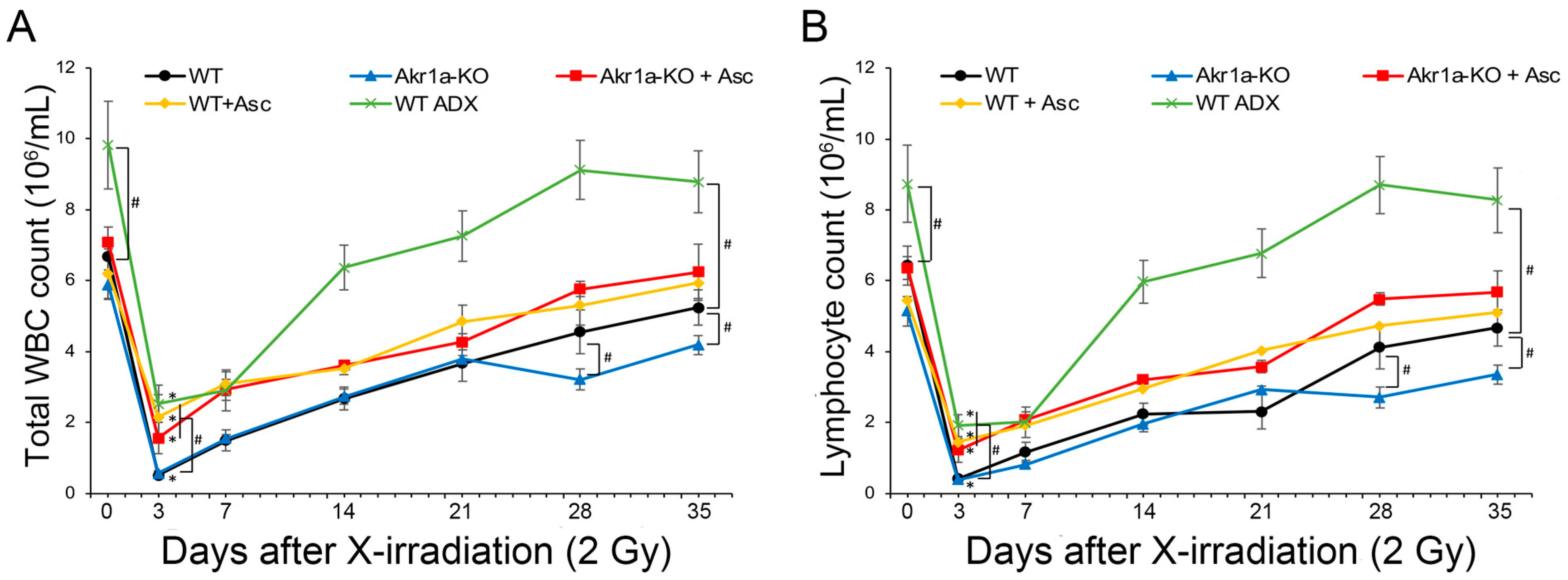
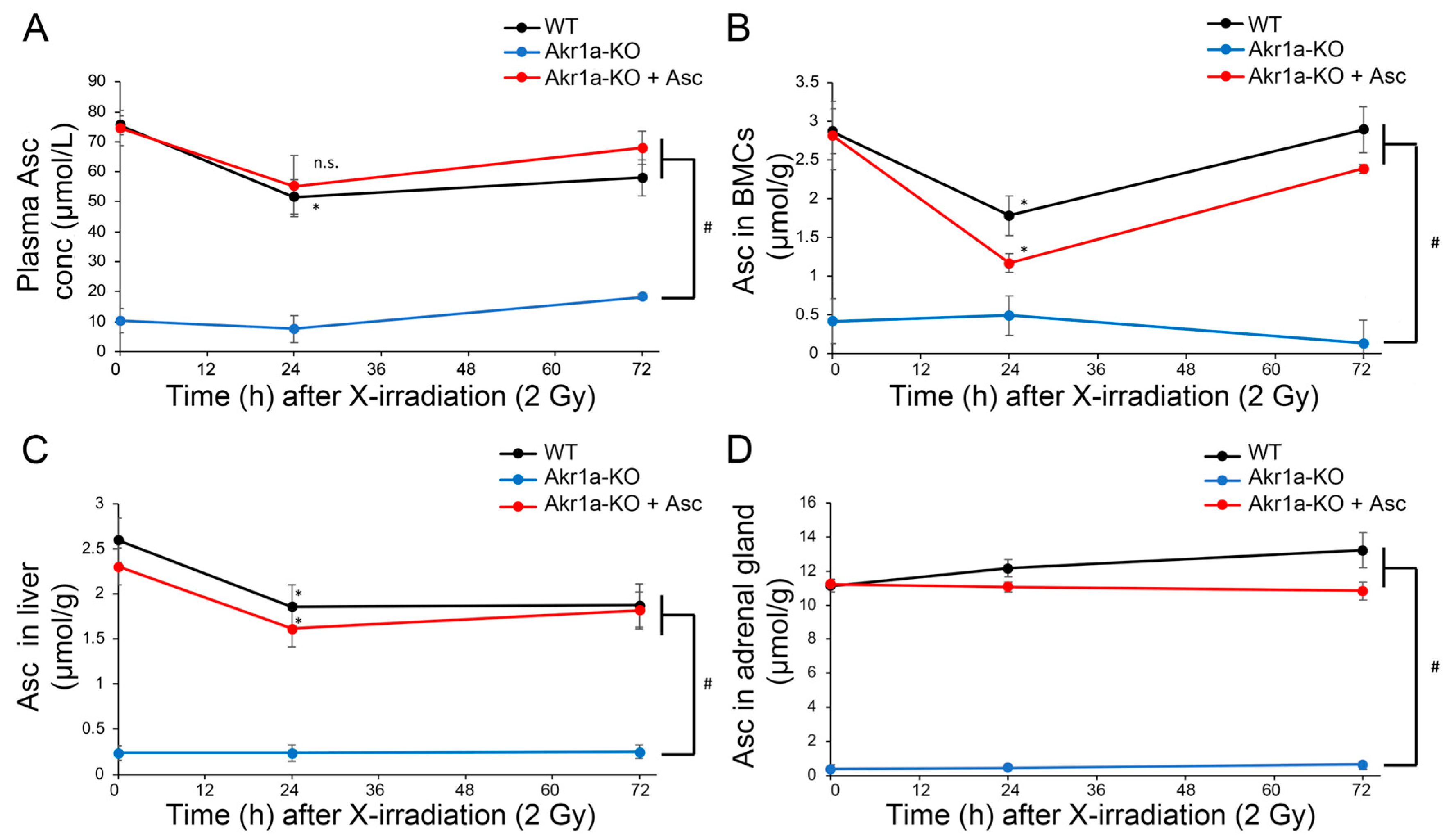
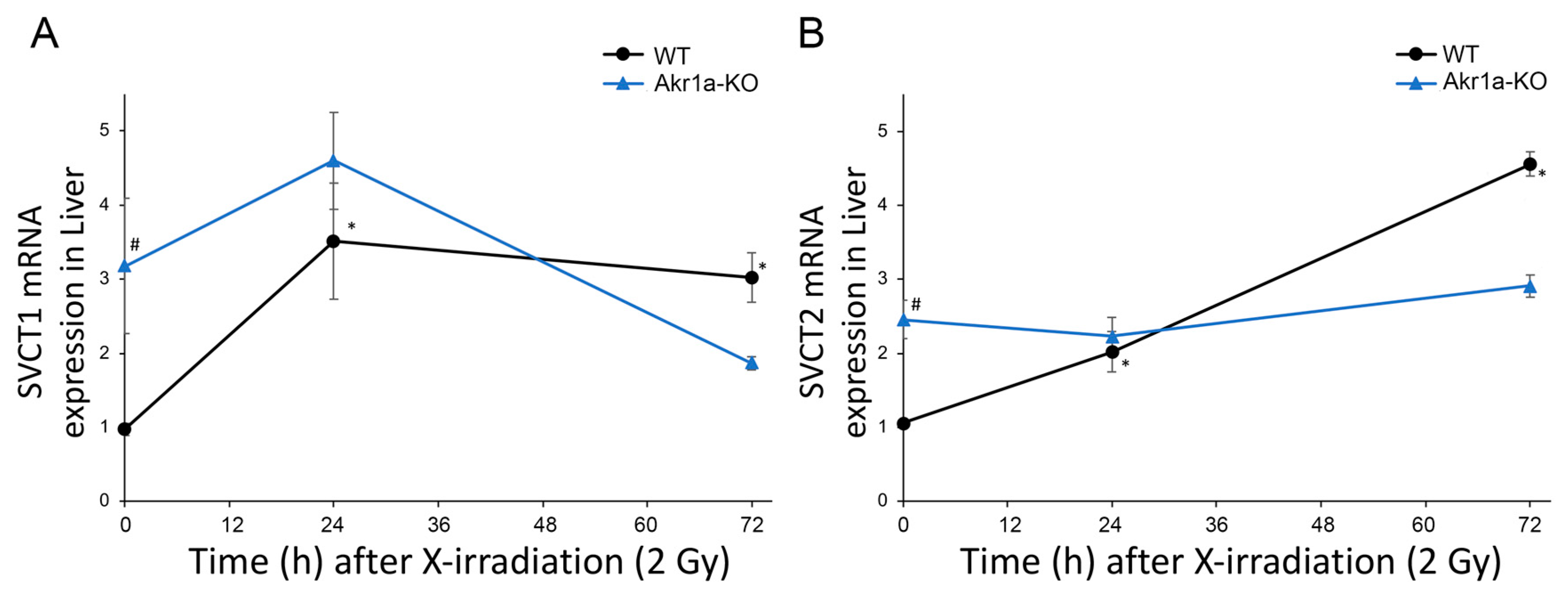
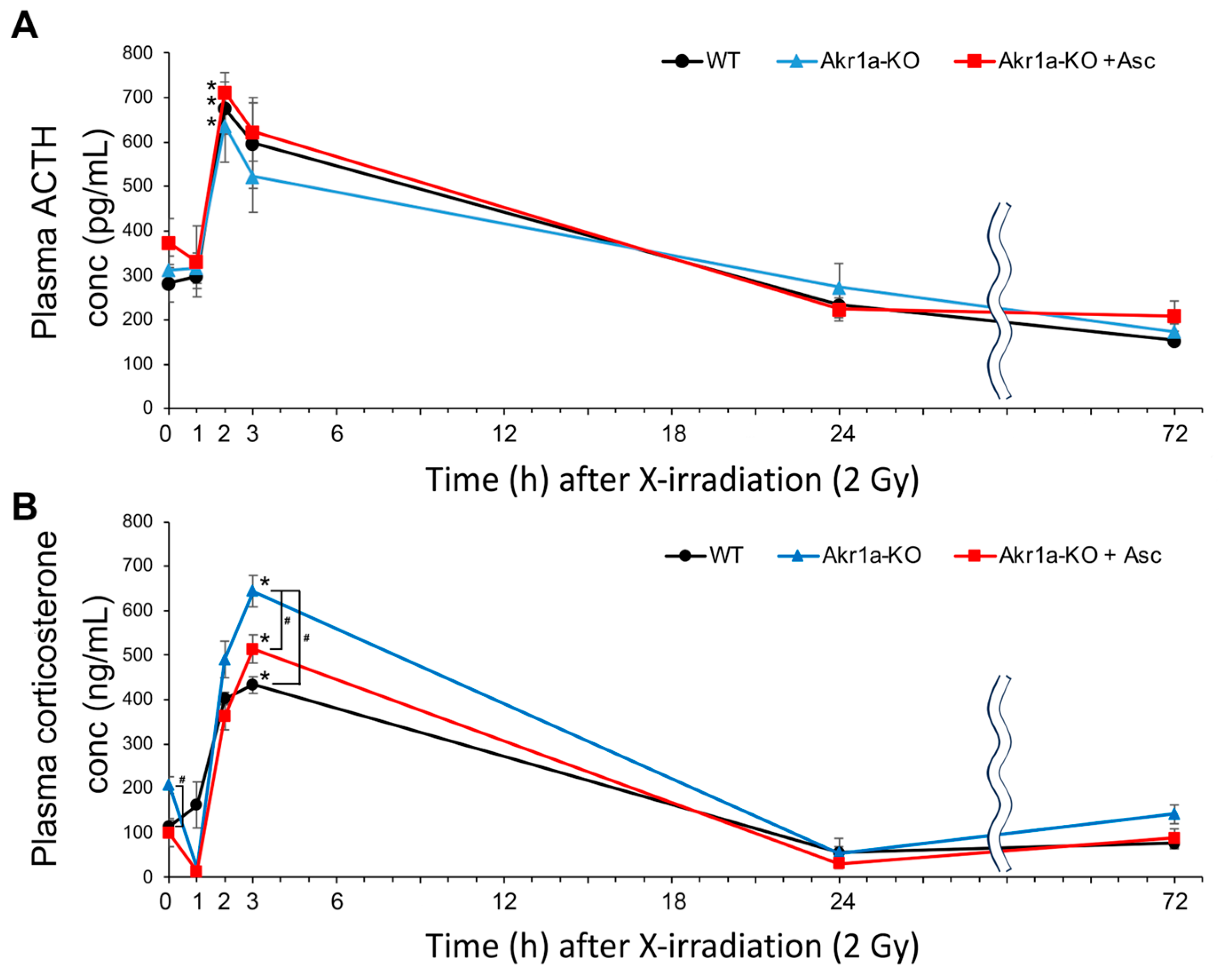
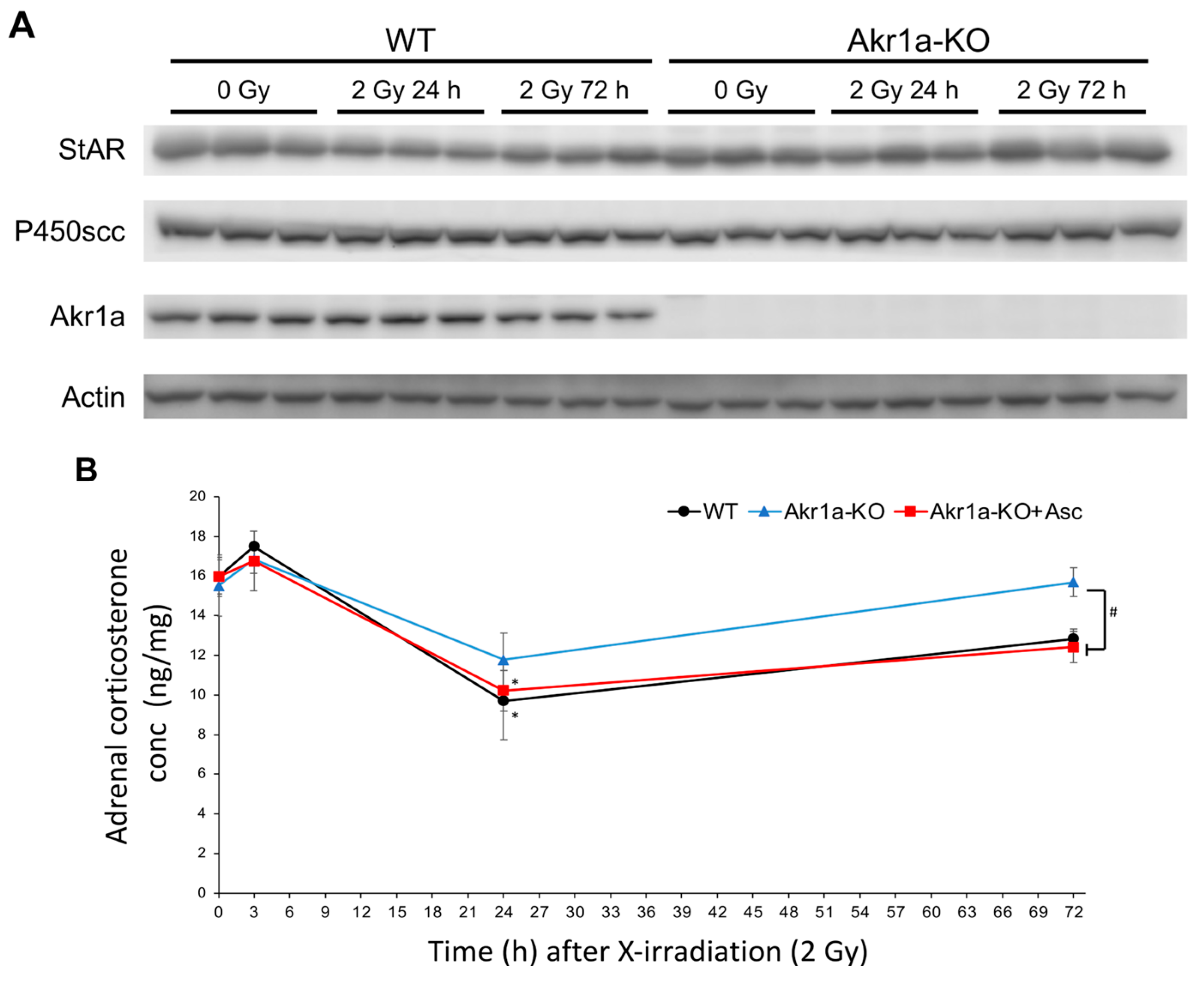
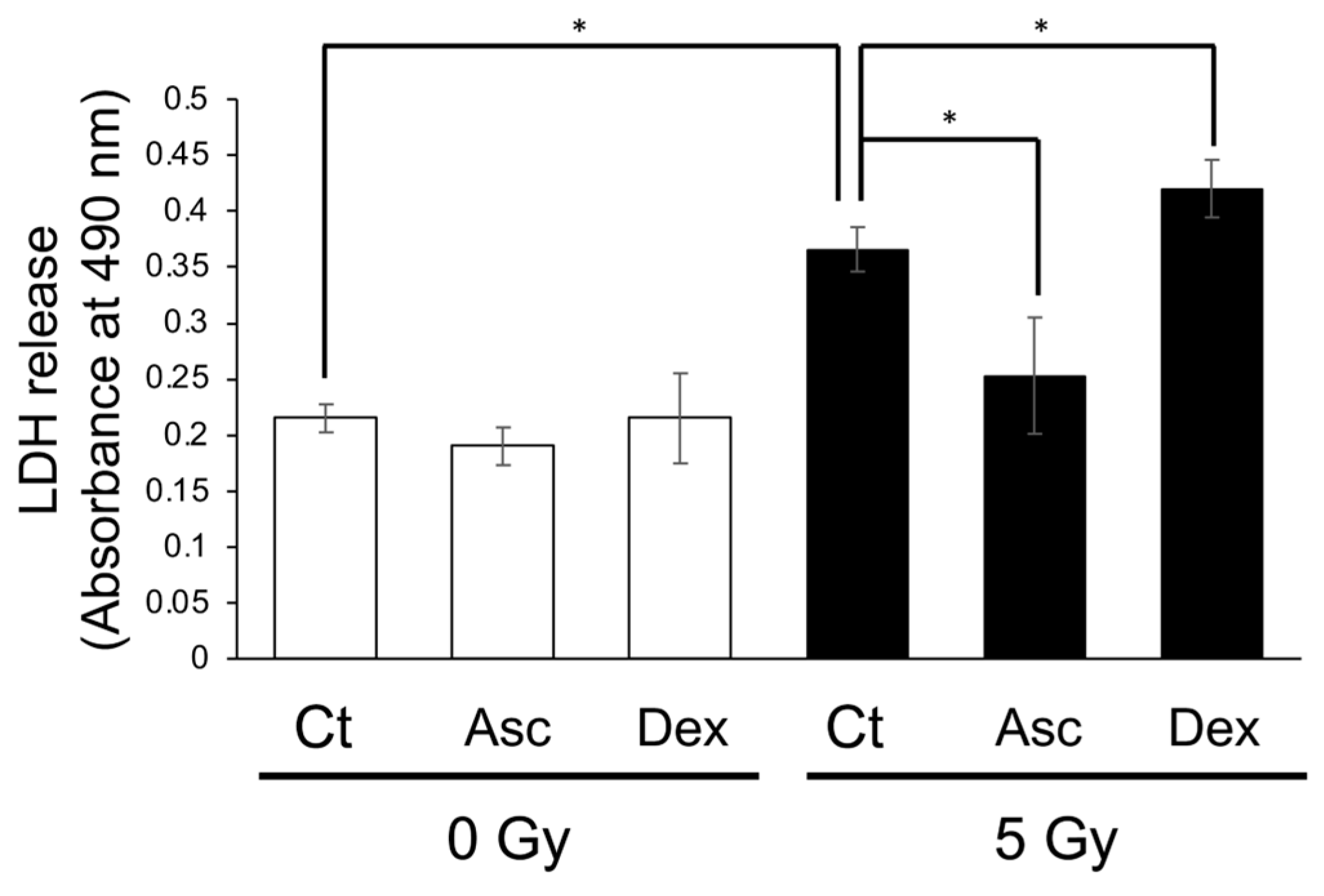
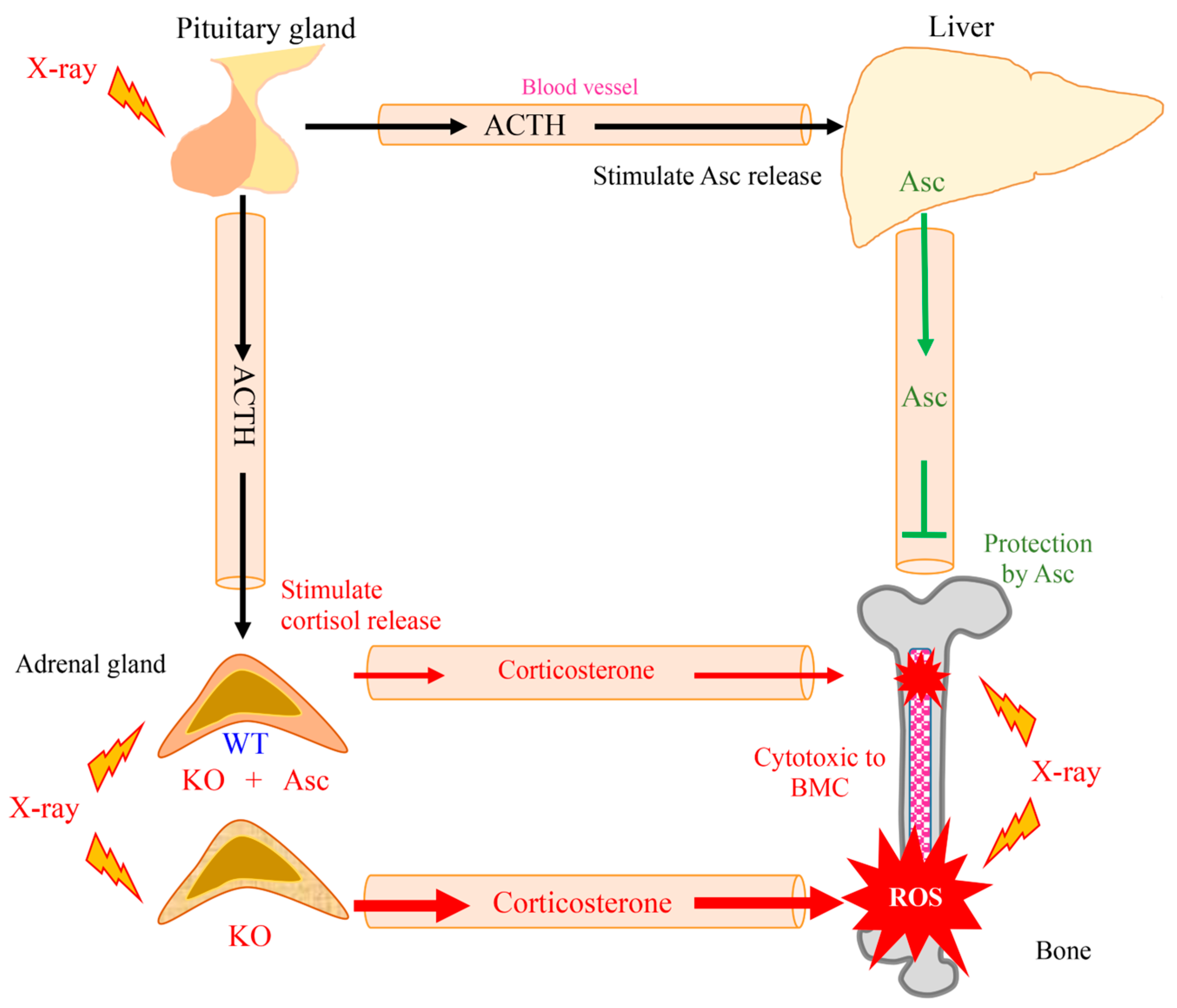
Bone marrow cells are the most sensitive to exposure to X-rays in the body and are selectively damaged even by doses that are generally considered permissive in other organs. Ascorbic acid (Asc) is a potent antioxidant that is reported to alleviate damages caused by X-ray exposure. However, rodents can synthesize Asc, which creates difficulties in rigorously assessing its effects in such laboratory animals. To address this issue, we employed mice with defects in their ability to synthesize Asc due to a genetic ablation of aldehyde reductase (Akr1a-KO). In this study, concentrations of white blood cells (WBCs) were decreased 3 days after exposure to X-rays at 2 Gy and then gradually recovered. At approximately one month, the recovery rate of WBCs was delayed in the Akr1a-KO mouse group, which was reversed via supplementation with Asc. Following exposure to X-rays, Asc levels decreased in plasma, bone marrow cells, and the liver during an early period, and then started to increase. X-ray exposure stimulated the pituitary gland to release adrenocorticotropic hormone (ACTH), which stimulated corticosterone secretion. Asc released from the liver, which was also stimulated by ACTH, appeared to be recruited to the bone marrow. Since corticosterone in high doses is injurious, these collective results imply that Asc protects bone marrow via its antioxidant capacity against ROS produced via exposure to X-rays and the cytotoxic action of transiently elevated corticosterone.
Keywords: reactive oxygen species; adrenal; adrenocorticotropic hormone reactive oxygen species; adrenal; adrenocorticotropic hormone