
Article

Enhanced Antioxidative Capacity Transfer between Sow and Fetus via the Gut–Placenta Axis with Dietary Selenium Yeast and Glycerol Monolaurate Supplementation during Pregnancy


1
College of Animal Science and National Engineering Research Center for Pig Breeding Industry, South China Agricultural University, Guangzhou 510642, China
2
State Key Laboratory of Animal Nutrition, Ministry of Agriculture Feed Industry Center, China Agricultural University, Beijing 100193, China
3
Institute of Quality Standards and Testing Technology for Agricultural Products, Chinese Academy of Agricultural Sciences, Beijing 100081, China
4
Guangdong Laboratory of Modern Agriculture in Lingnan, Guangzhou 510642, China
*
Author to whom correspondence should be addressed.
Antioxidants 2024, 13(2), 141; https://doi.org/10.3390/antiox13020141

Submission received: 30 November 2023 / Revised: 12 January 2024 / Accepted: 16 January 2024 / Published: 23 January 2024
(This article belongs to the Special Issue Role of Antioxidants Intake on Gut Microbiome)

Abstract

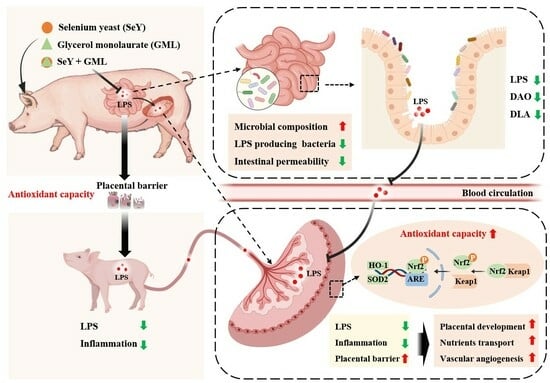
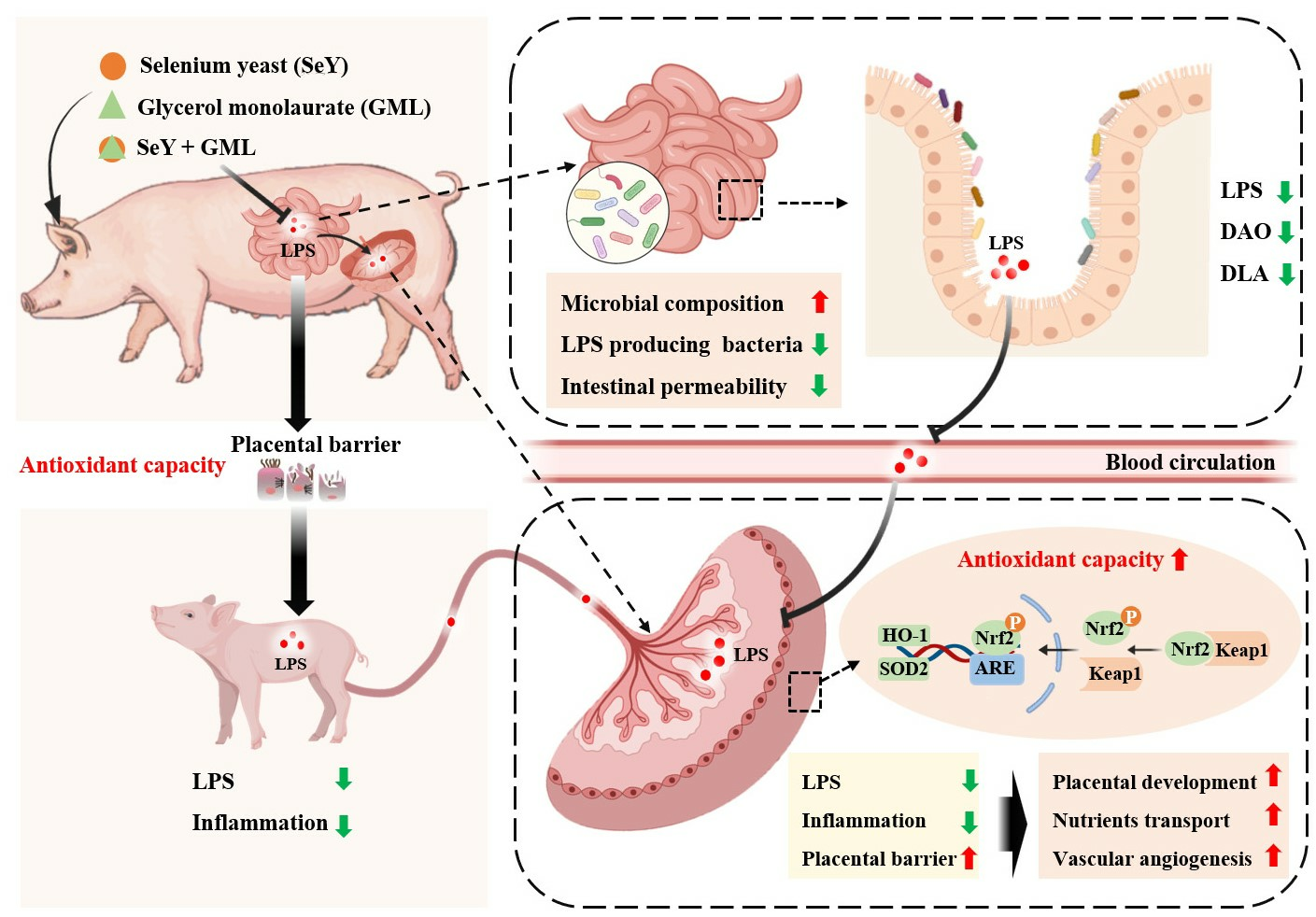
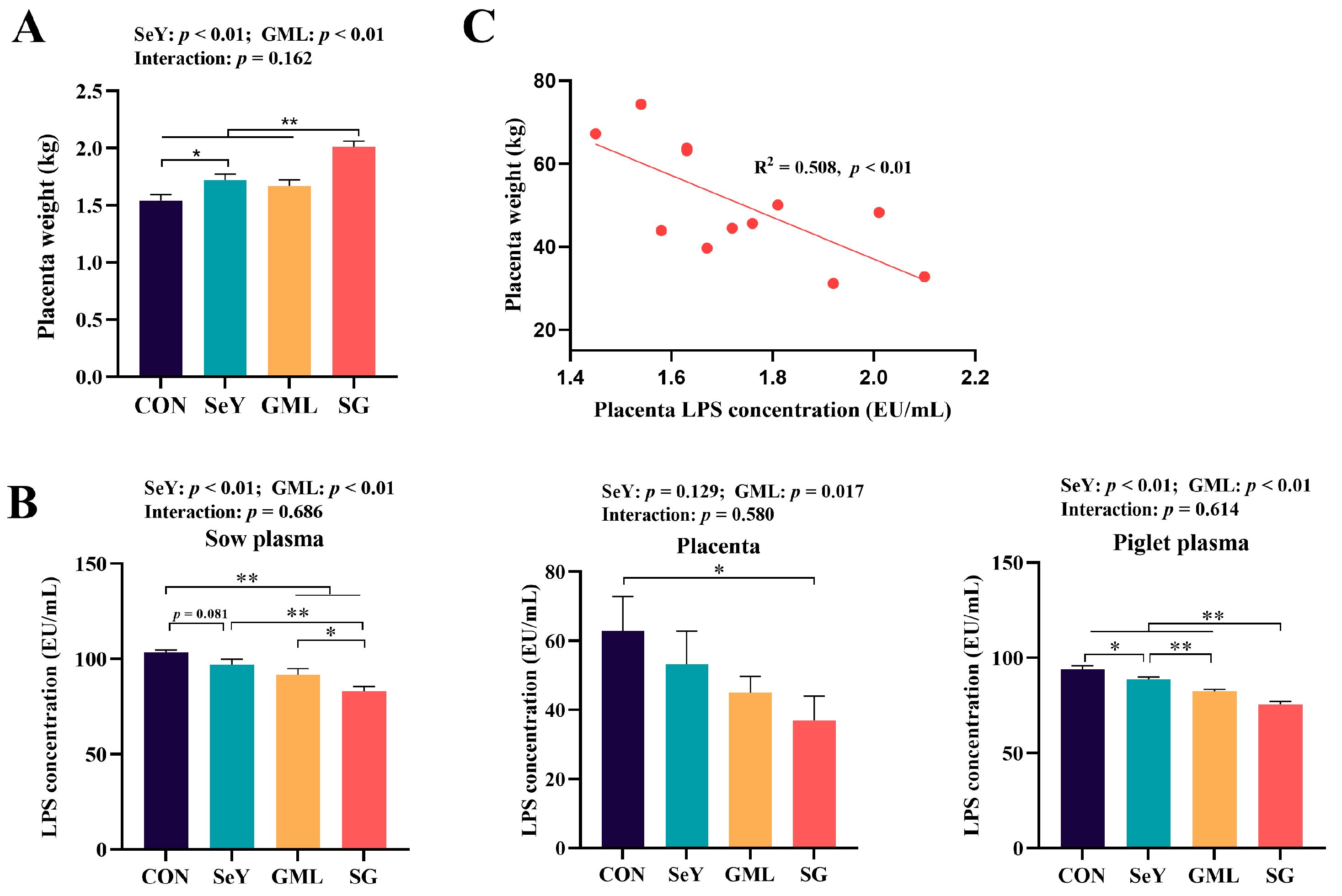
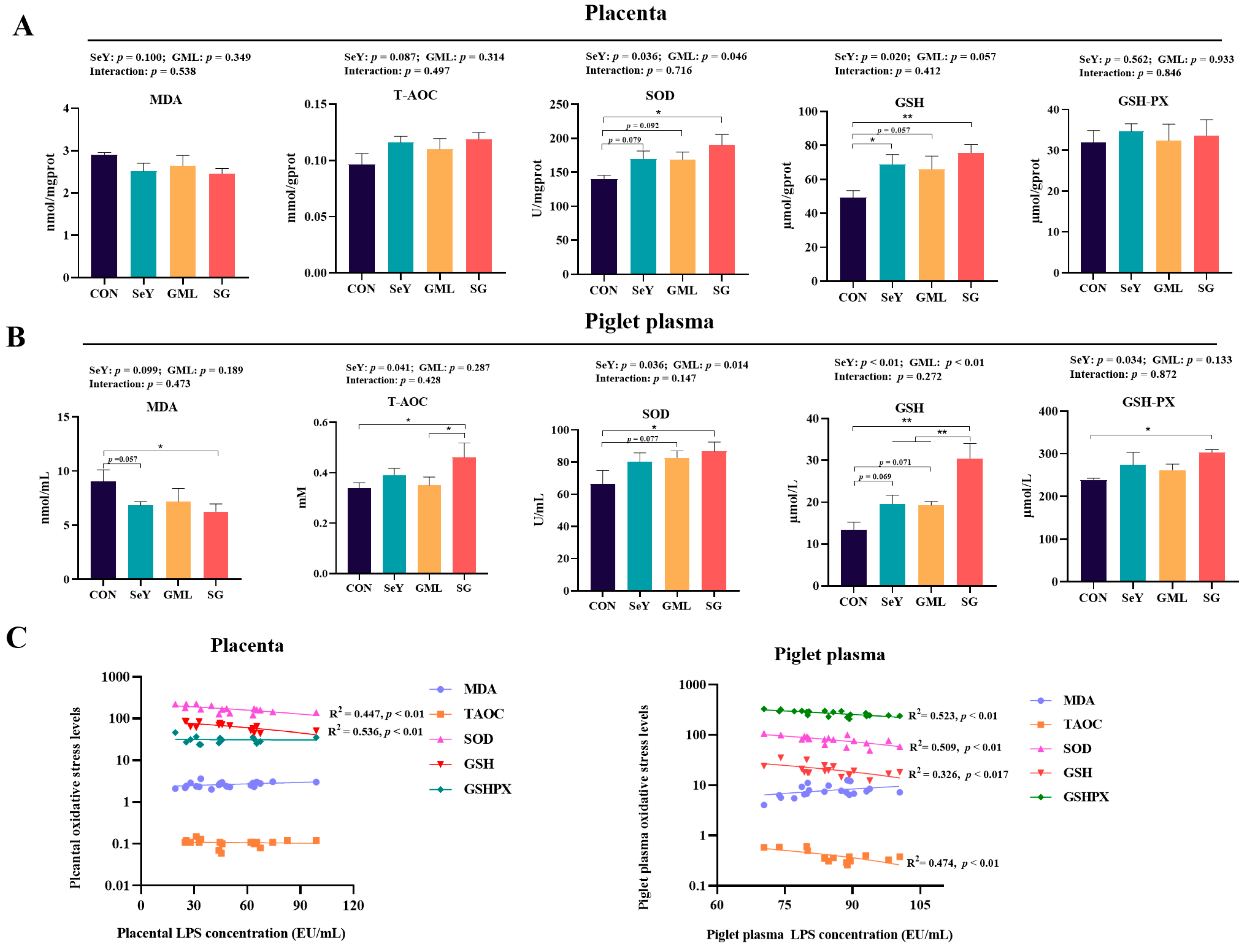
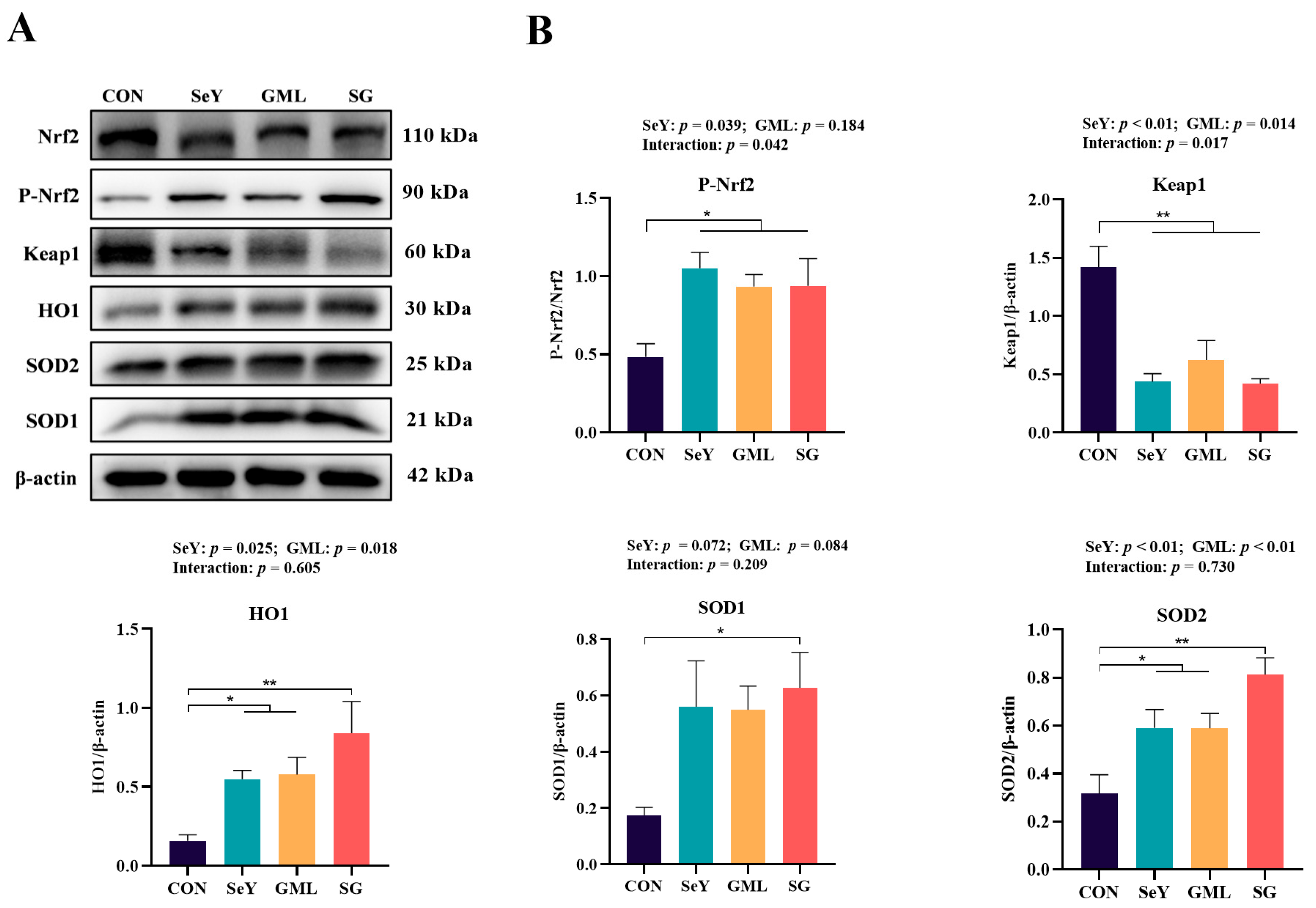
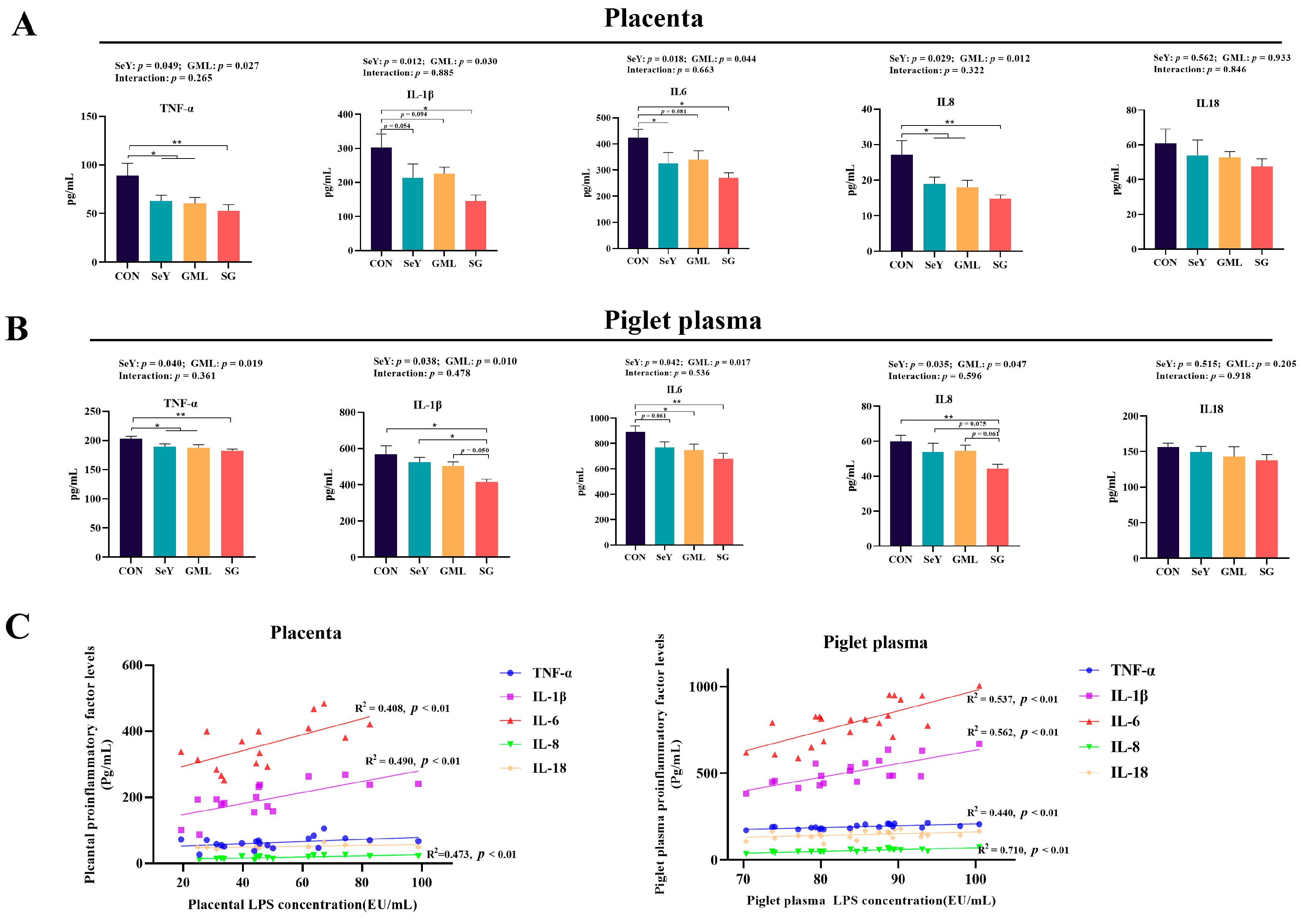
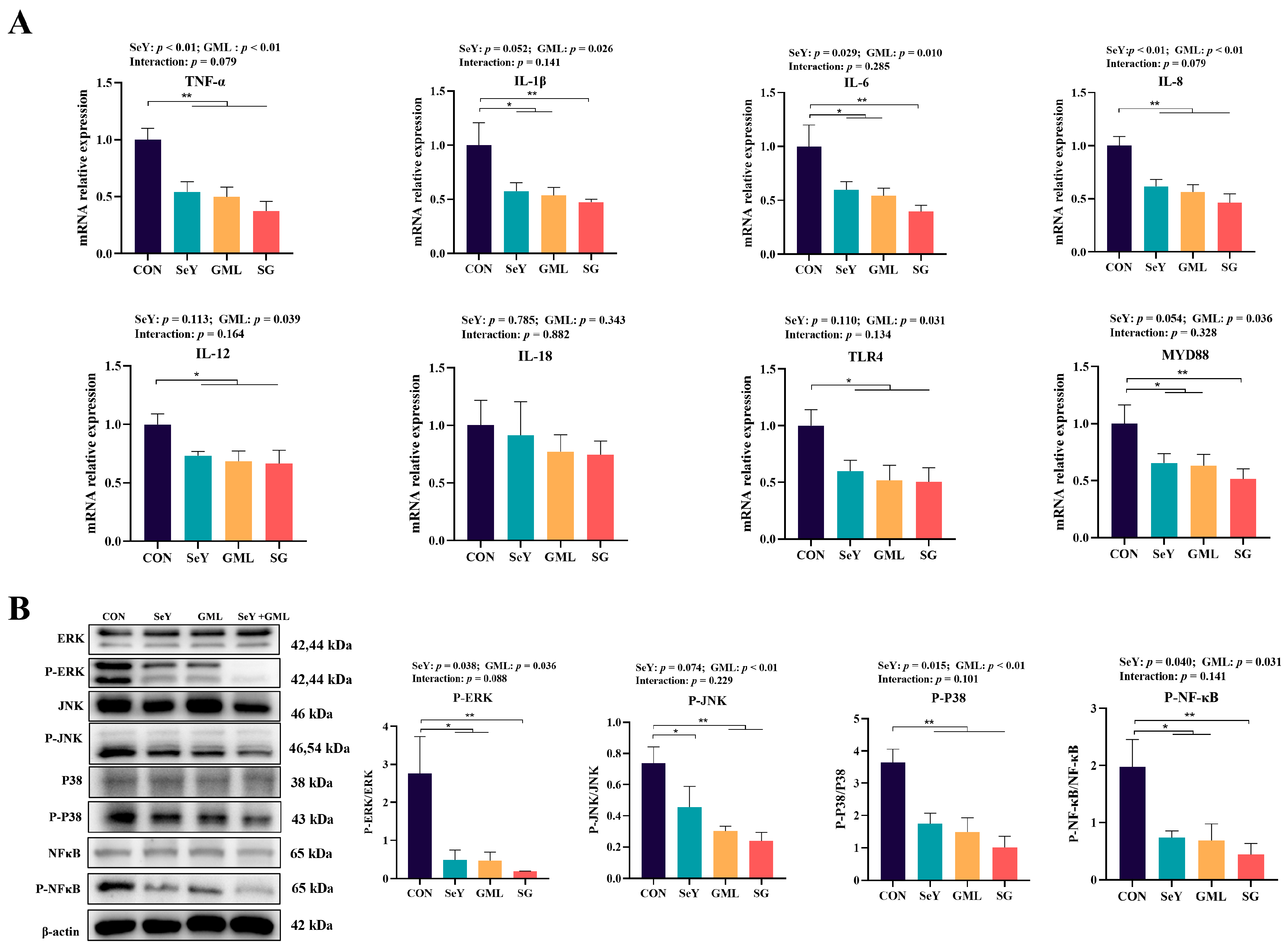
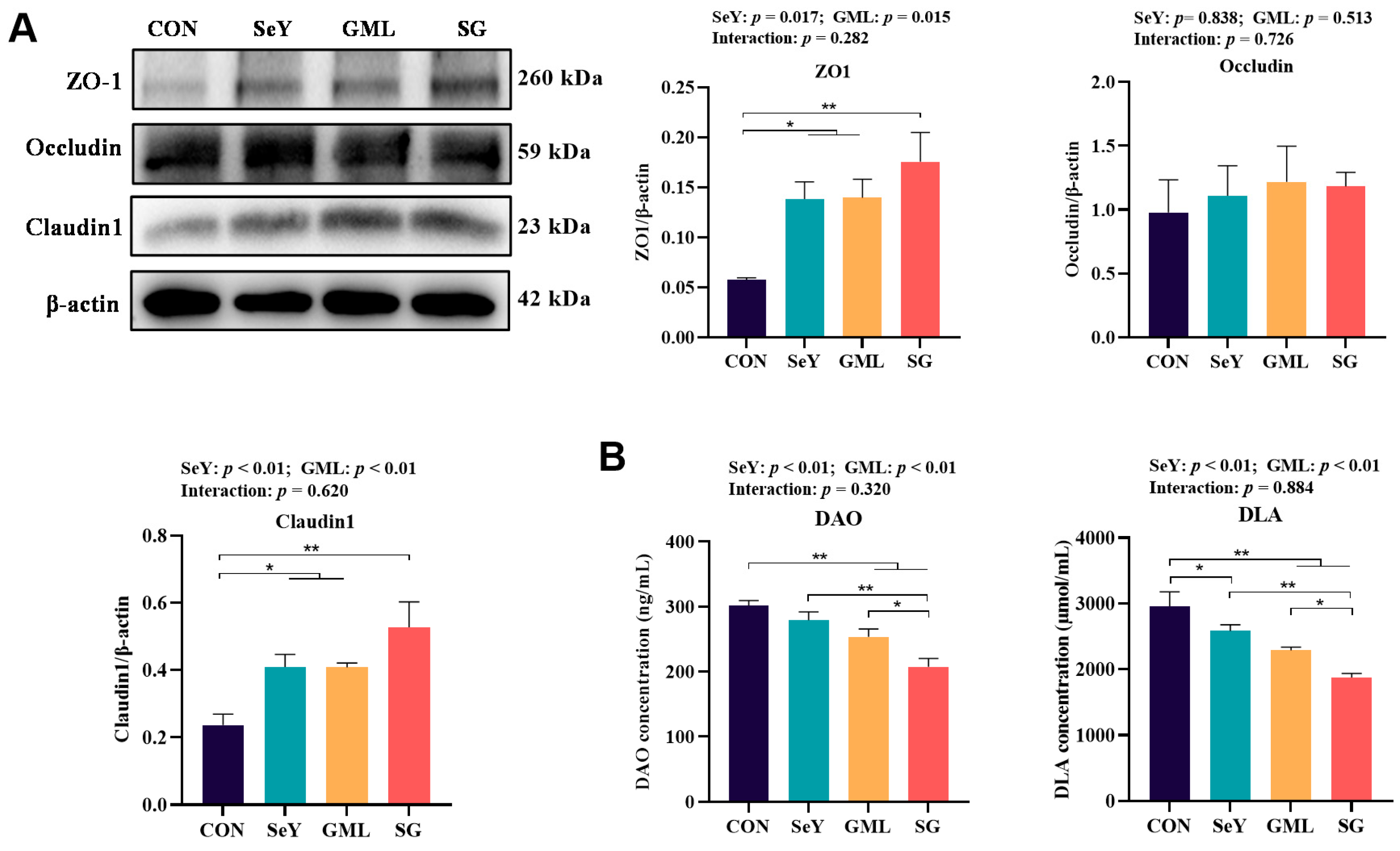
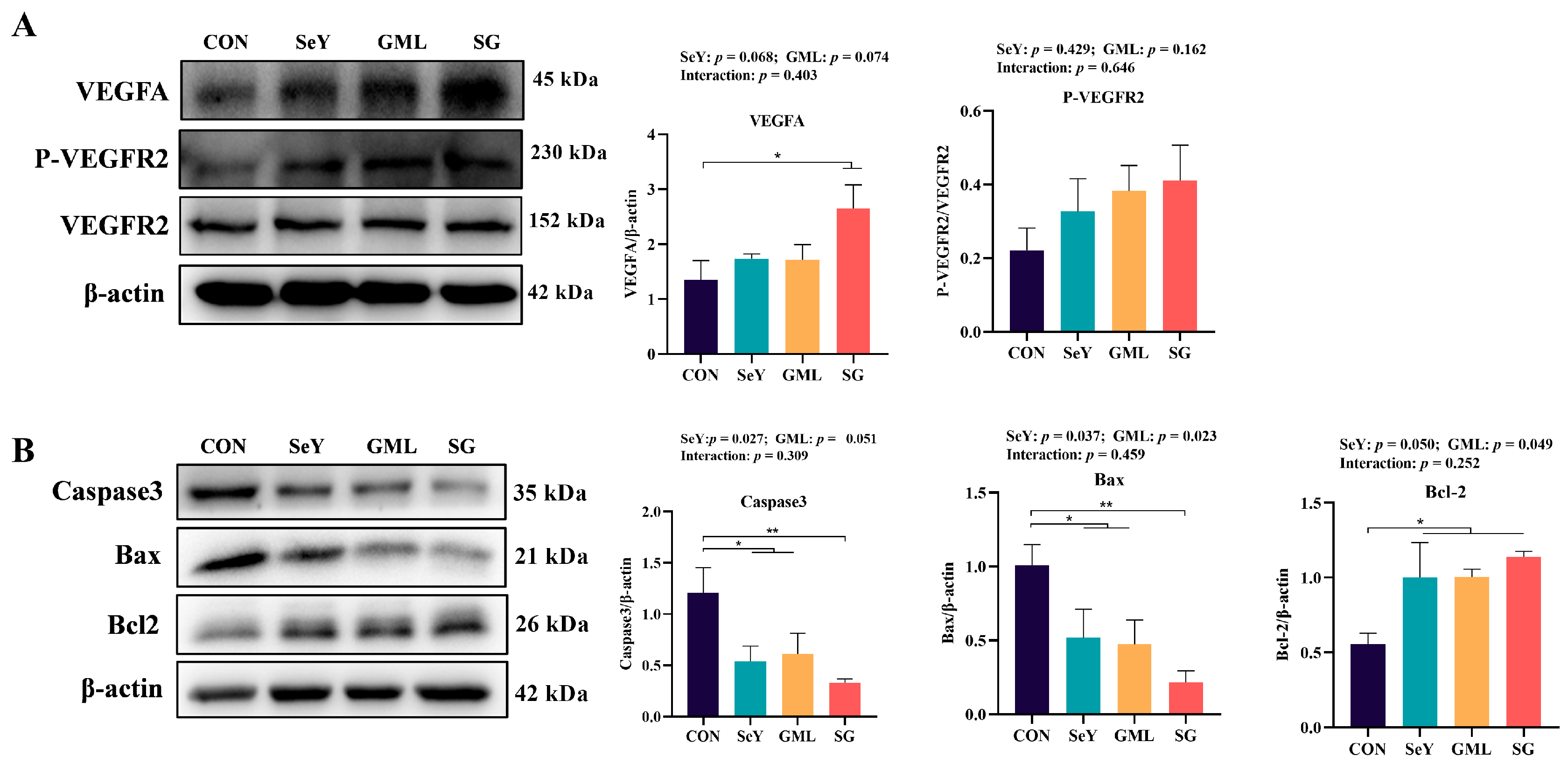
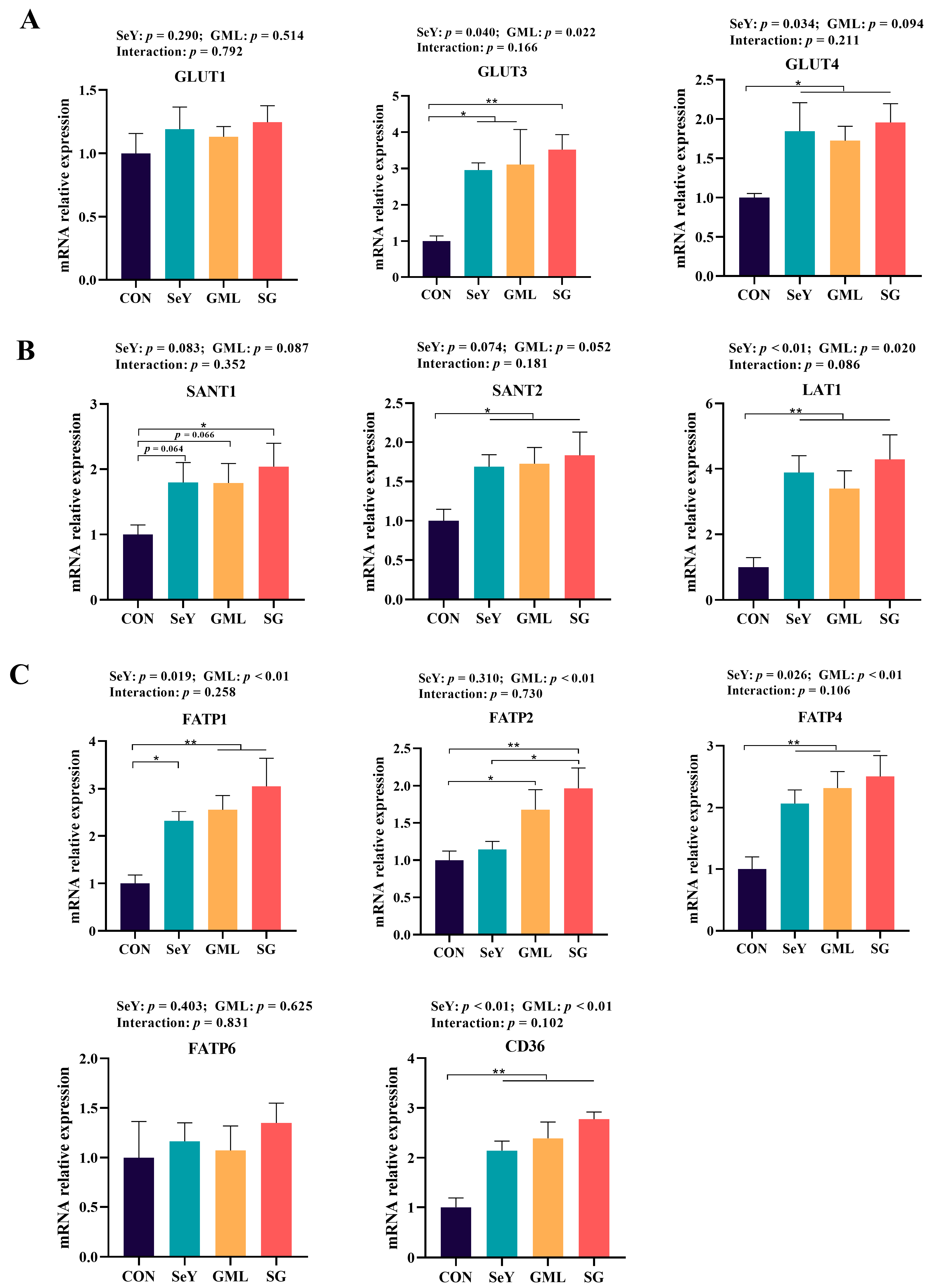
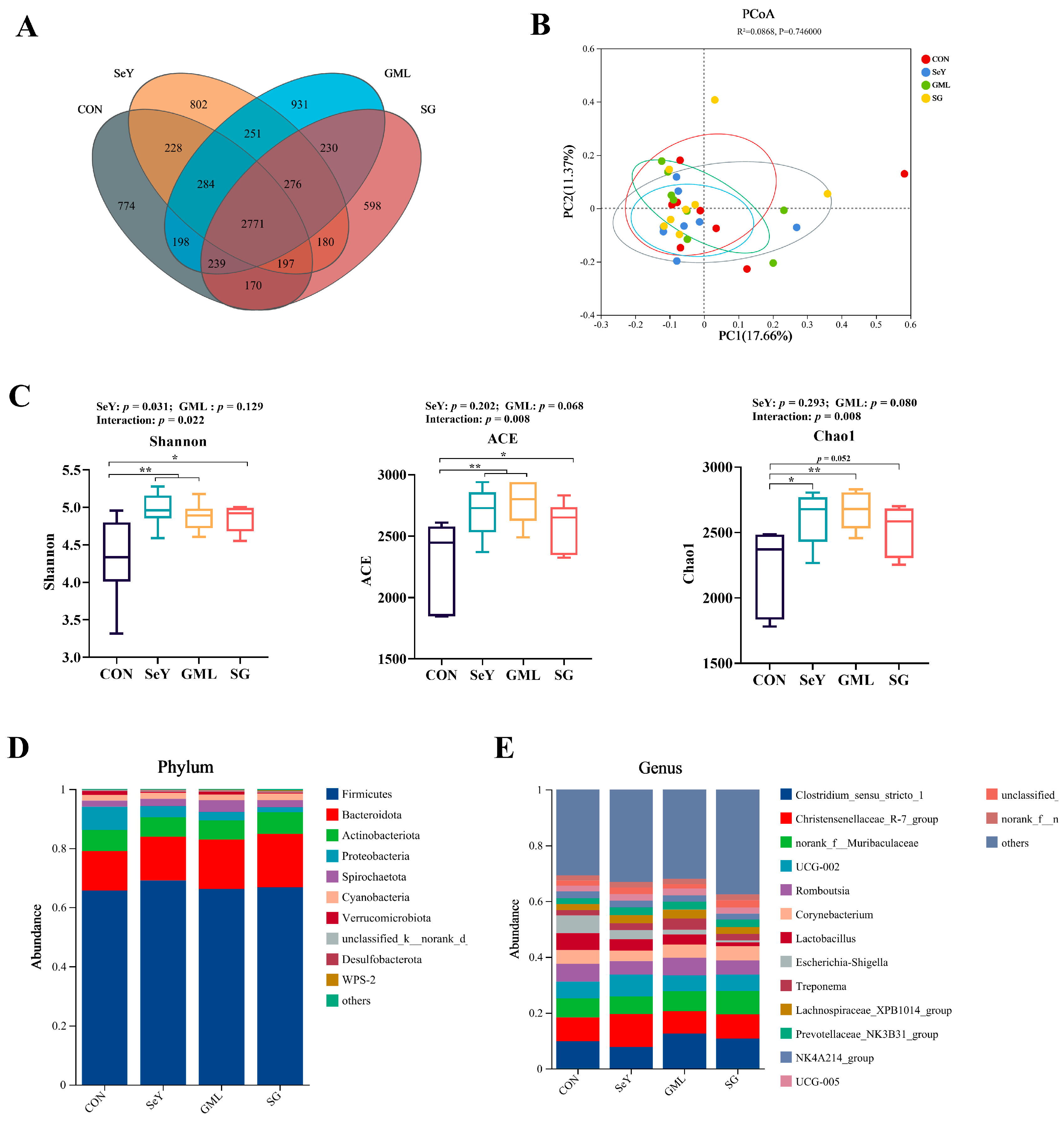
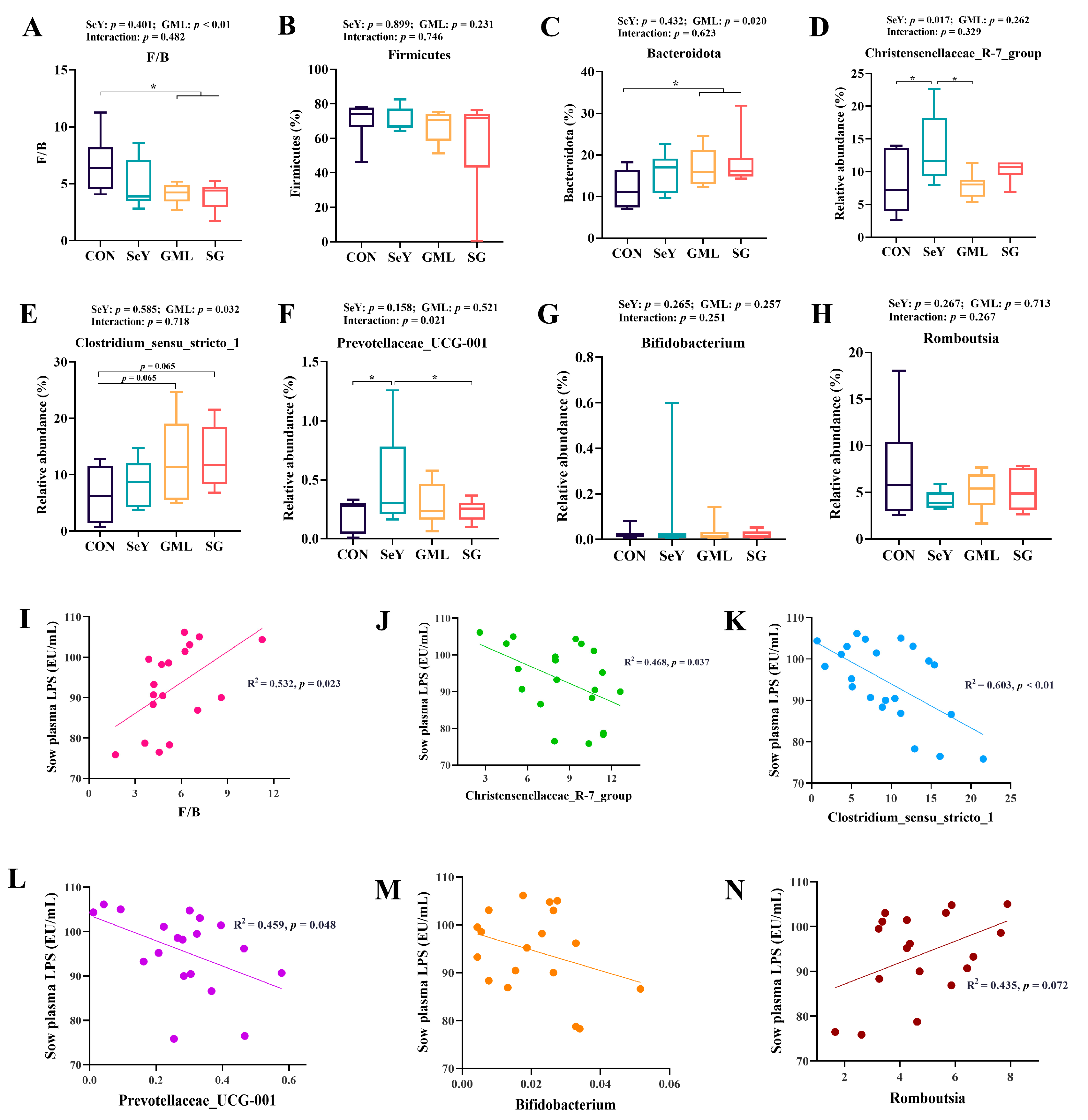
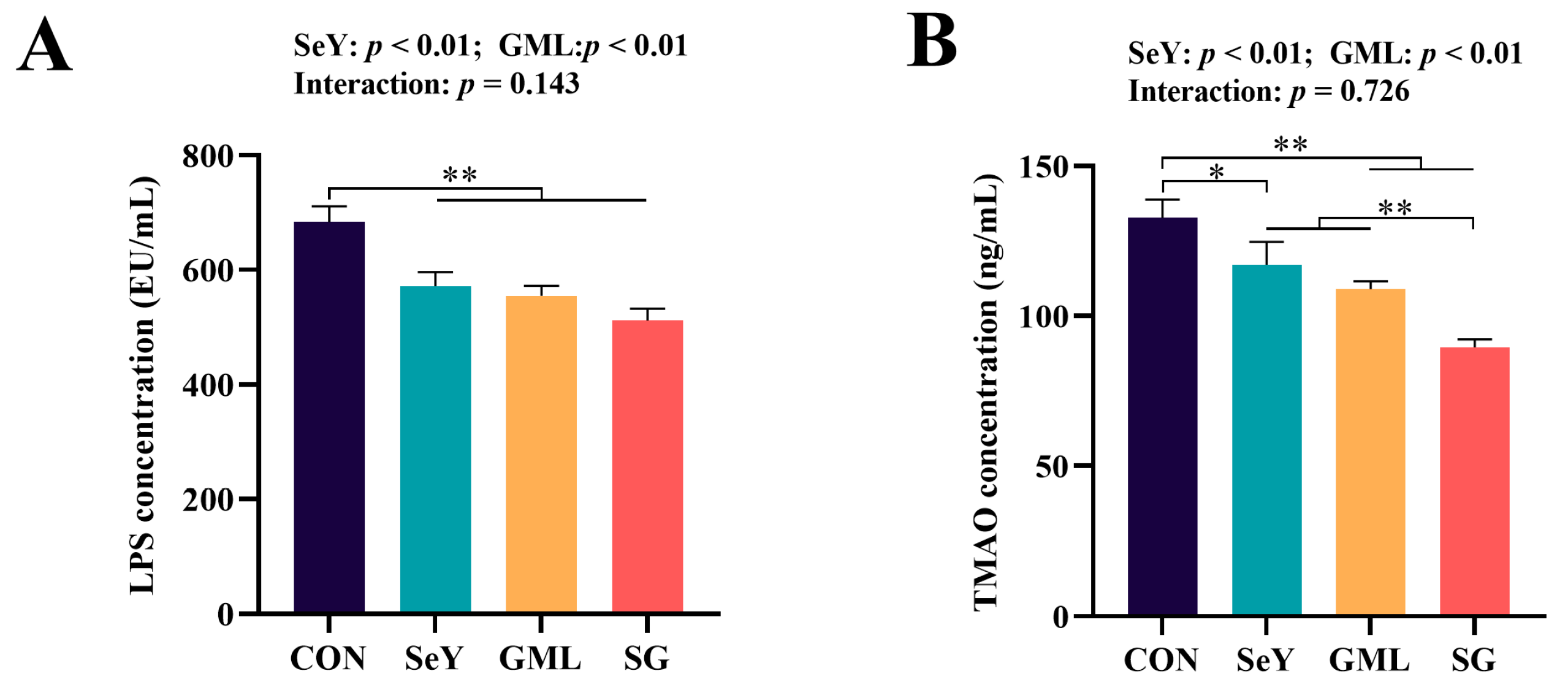
This study aims to investigate the impact of dietary supplementation with selenium yeast (SeY) and glycerol monolaurate (GML) on the transfer of antioxidative capacity between the mother and fetus during pregnancy and its underlying mechanisms. A total of 160 sows with similar body weight and parity of 3–6 parity sows were randomly and uniformly allocated to four groups (n = 40) as follows: CON group, SeY group, GML group, and SG (SeY + GML) group. Animal feeding started from the 85th day of gestation and continued to the day of delivery. The supplementation of SeY and GML resulted in increased placental weight and reduced lipopolysaccharide (LPS) levels in sow plasma, placental tissues, and piglet plasma. Furthermore, the redox balance and inflammatory markers exhibited significant improvements in the plasma of sows fed with either SeY or GML, as well as in their offspring. Moreover, the addition of SeY and GML activated the Nrf2 signaling pathway, while downregulating the expression of pro-inflammatory genes and proteins associated with inflammatory pathways (MAPK and NF-κB). Vascular angiogenesis and nutrient transportation (amino acids, fatty acids, and glucose) were upregulated, whereas apoptosis signaling pathways within the placenta were downregulated with the supplementation of SeY and GML. The integrity of the intestinal and placental barriers significantly improved, as indicated by the increased expression of ZO-1, occludin, and claudin-1, along with reduced levels of DLA and DAO with dietary treatment. Moreover, supplementation of SeY and GML increased the abundance of Christensenellaceae_R-7_group, Clostridium_sensus_stricto_1, and Bacteroidota, while decreasing levels of gut microbiota metabolites LPS and trimethylamine N-oxide. Correlation analysis demonstrated a significant negative relationship between plasma LPS levels and placental weight, oxidative stress, and inflammation. In summary, dietary supplementation of SeY and GML enhanced the transfer of antioxidative capacity between maternal-fetal during pregnancy via gut–placenta axis through modulating sow microbiota composition.
Keywords: selenium yeast; glycerol monolaurate; antioxidative capacity; placenta; pregnancy selenium yeast; glycerol monolaurate; antioxidative capacity; placenta; pregnancy
Graphical Abstract