Comparative Morphology and Ultrastructure of Antennal Sensilla in Dendrolimus superans (Lepidoptera: Lasiocampidae) and Lymantria dispar (Lepidoptera: Lymantriidae)

1
Key Laboratory of Sustainable Forest Ecosystem Management, Ministry of Education, Northeast Forestry University, Harbin 150040, China
2
Forest Protection Research Institute of Heilongjiang Province, Heilongjiang Academy of Forestry, Harbin 150040, China
*
Author to whom correspondence should be addressed.
†
These authors contributed equally to this work.
Insects 2024, 15(9), 655; https://doi.org/10.3390/insects15090655
Submission received: 27 June 2024
/
Revised: 24 August 2024
/
Accepted: 28 August 2024
/
Published: 30 August 2024
Simple Summary
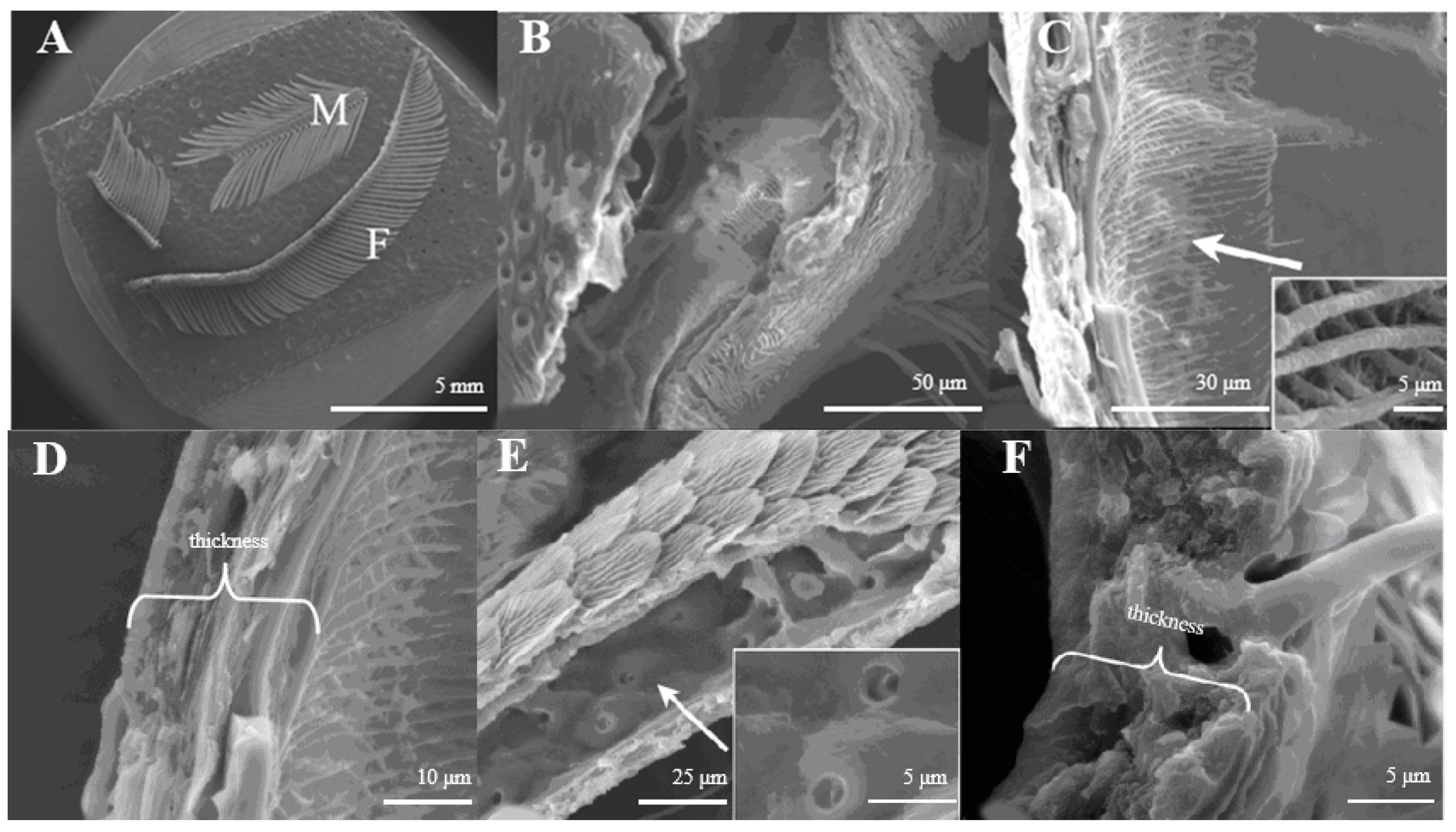
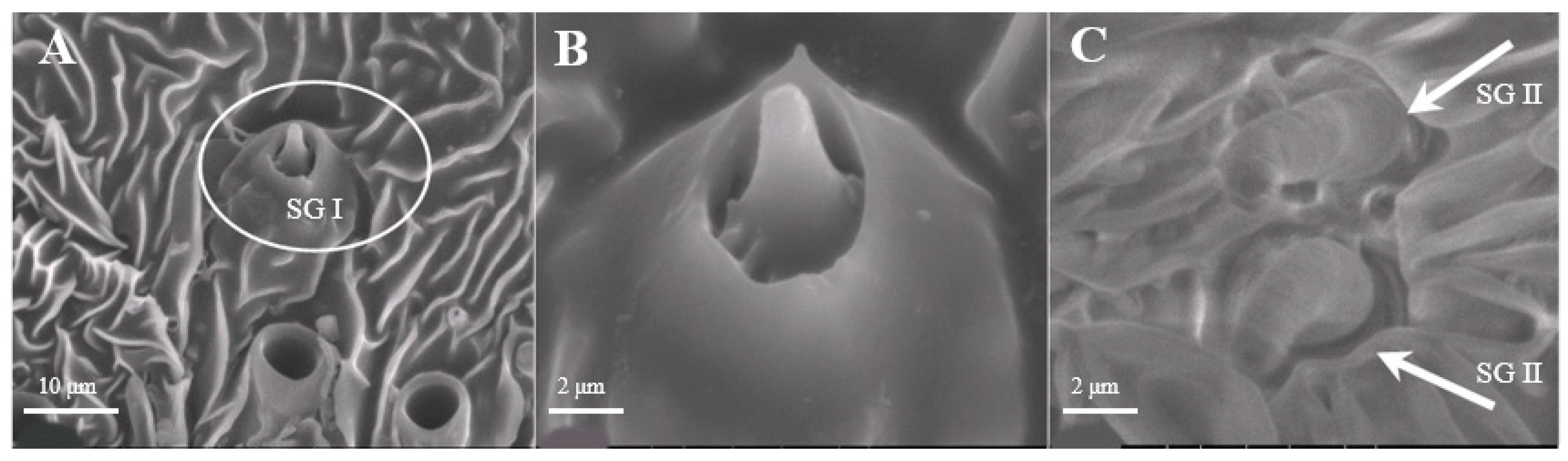
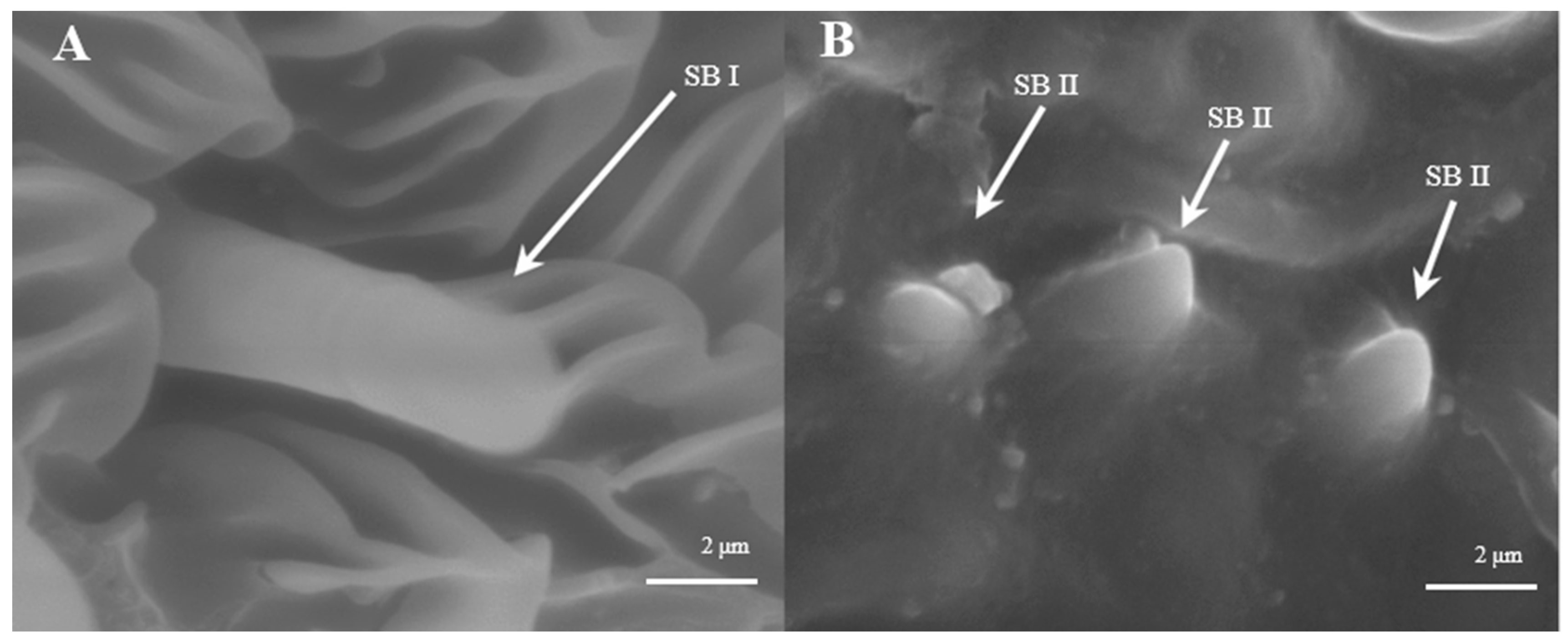
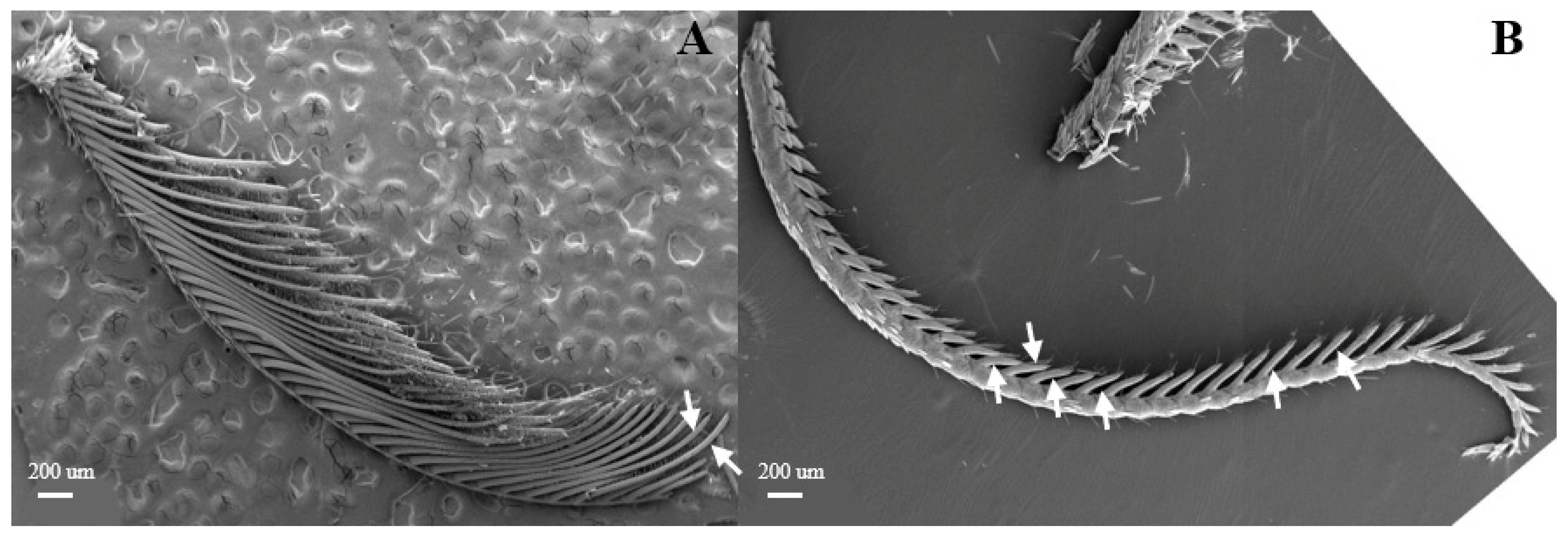
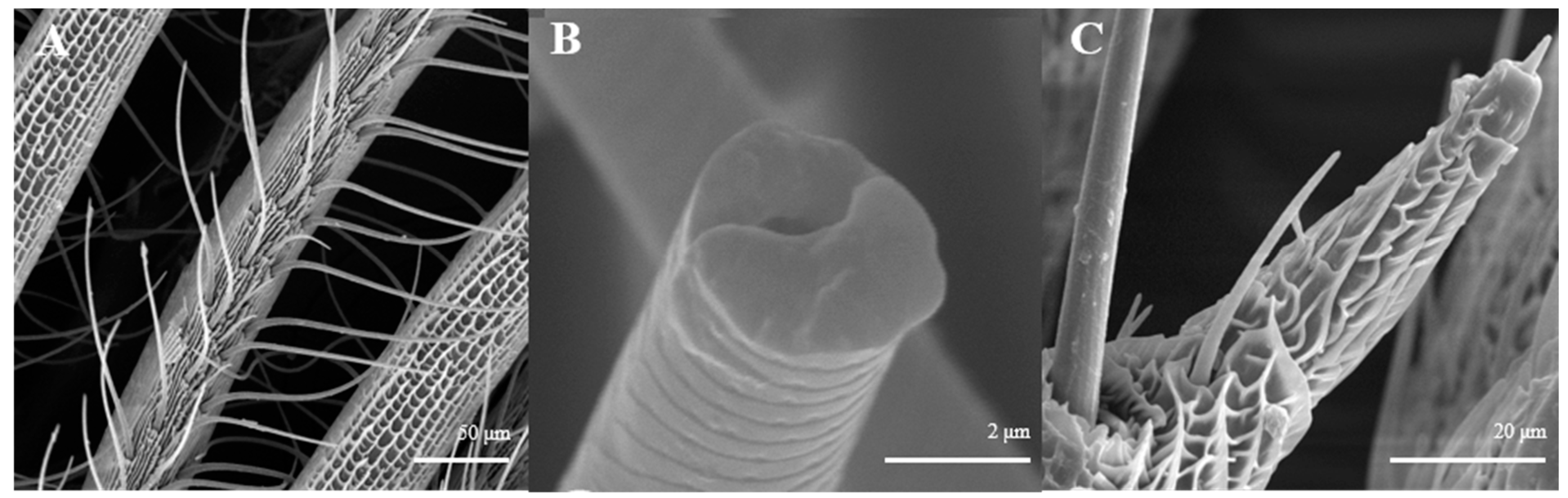
Insects’ antennae are considered to be the principal organs of insects’ olfactory sensory systems, with their surfaces harboring a vast array of specialized and differentiated receptors. In this study, we compared the morphology and ultrastructure of the antennal sensilla of Dendrolimus superans and Lymantria dispar using scanning electron microscopy (SEM). Furthermore, we conducted a comparative analysis to assess the differences in sensillum characteristics, quantity, and distribution between Dendrolimus superans and Lymantria dispar male and female individuals.
Abstract
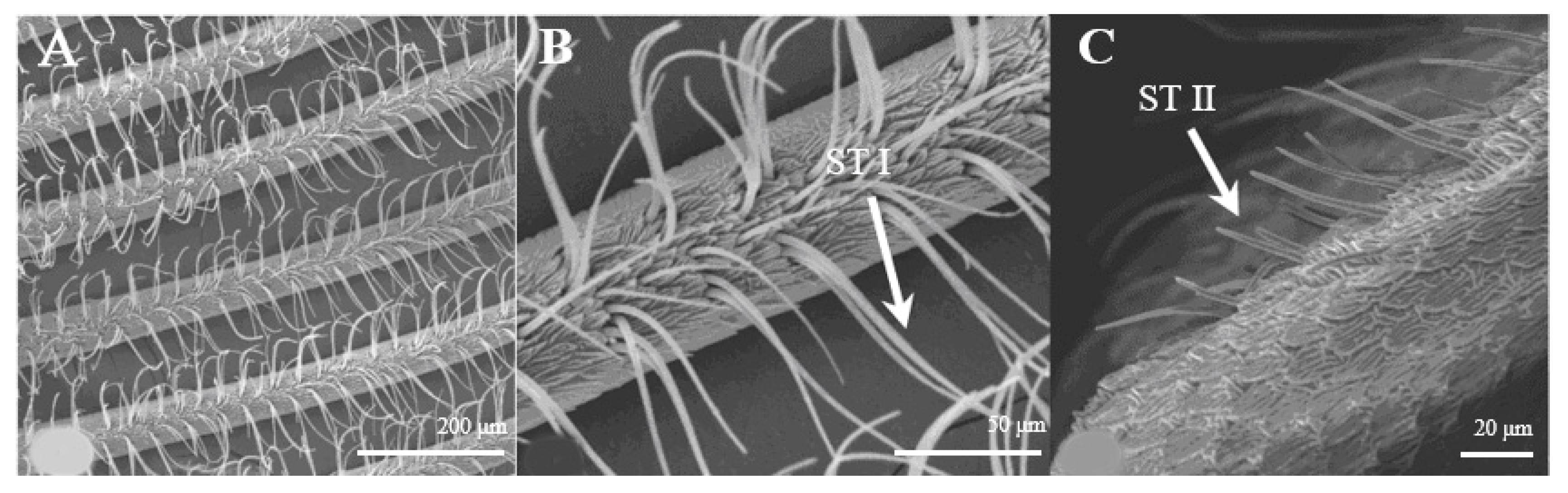
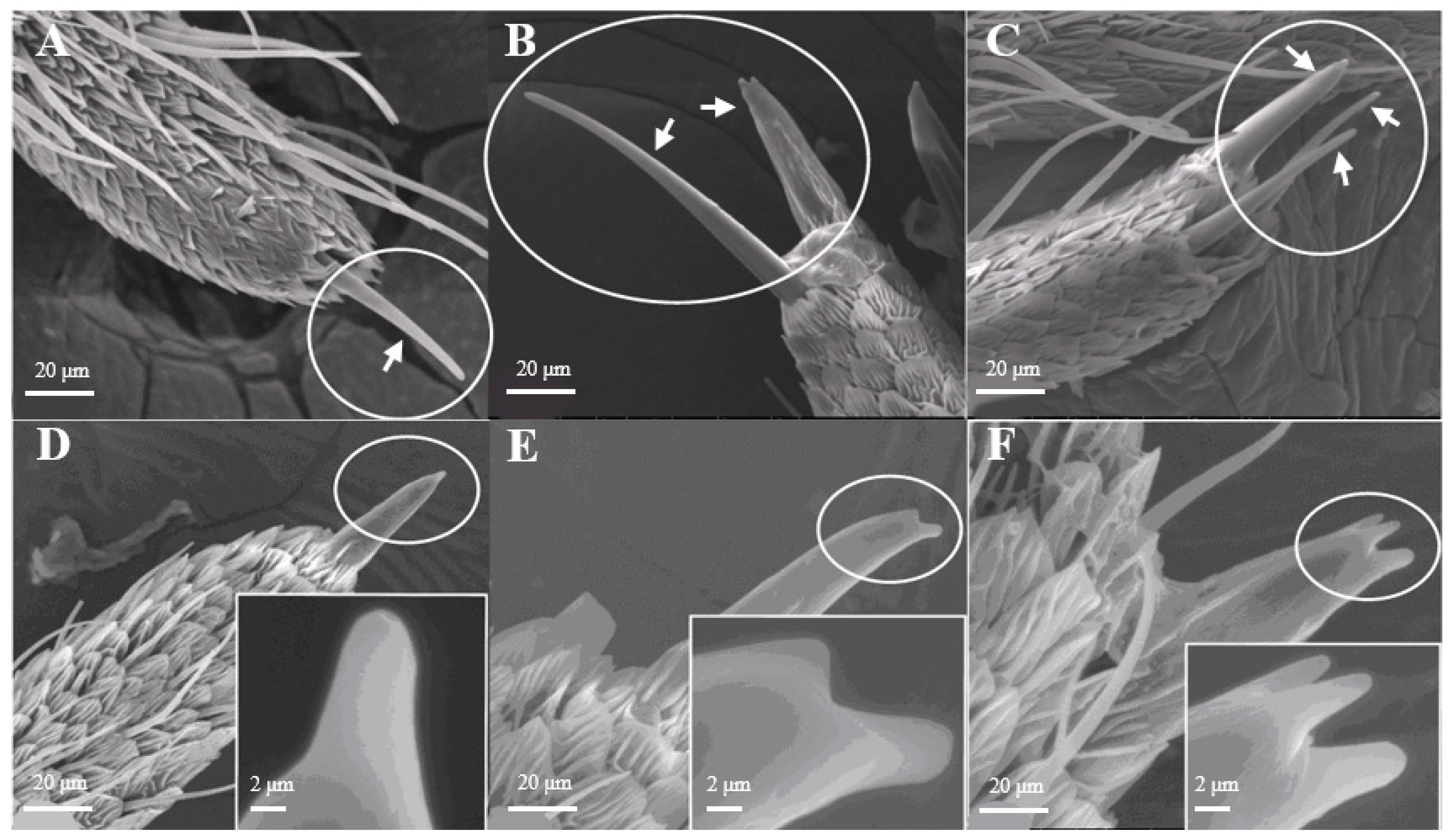
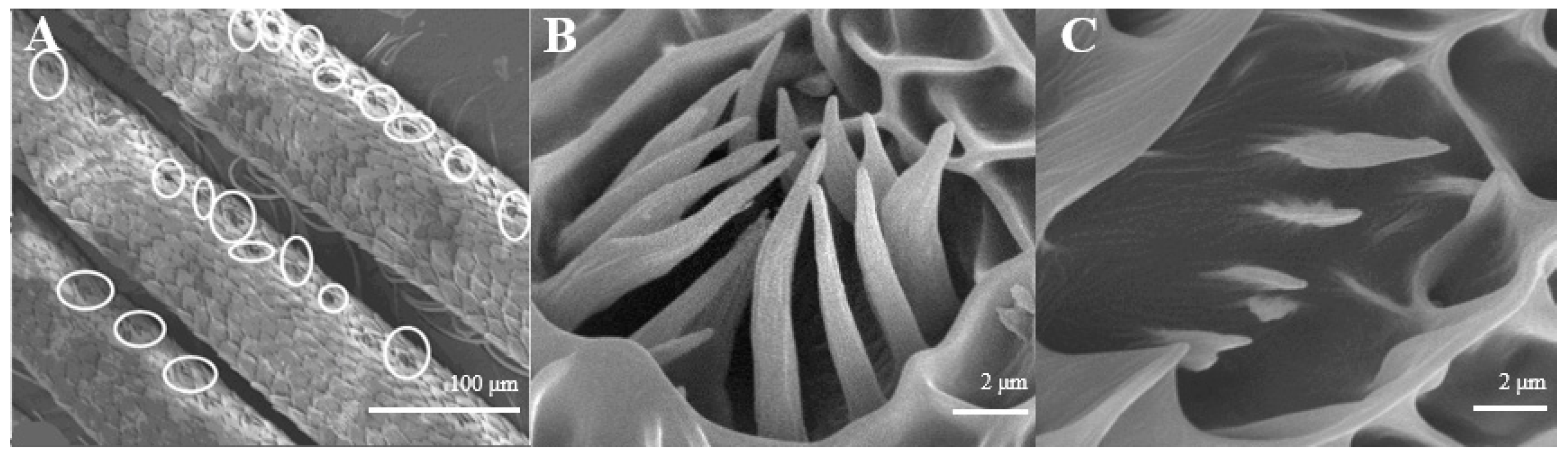
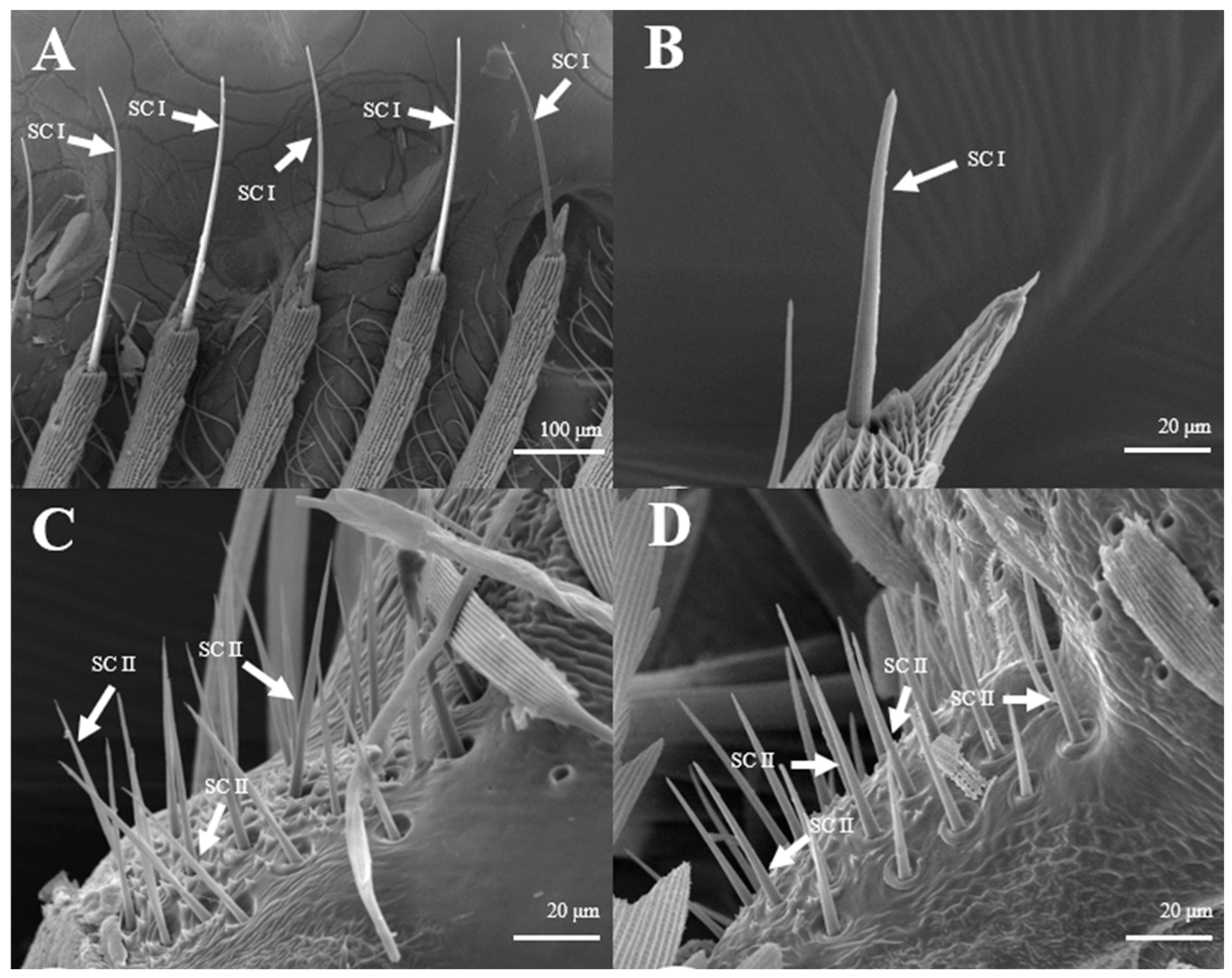
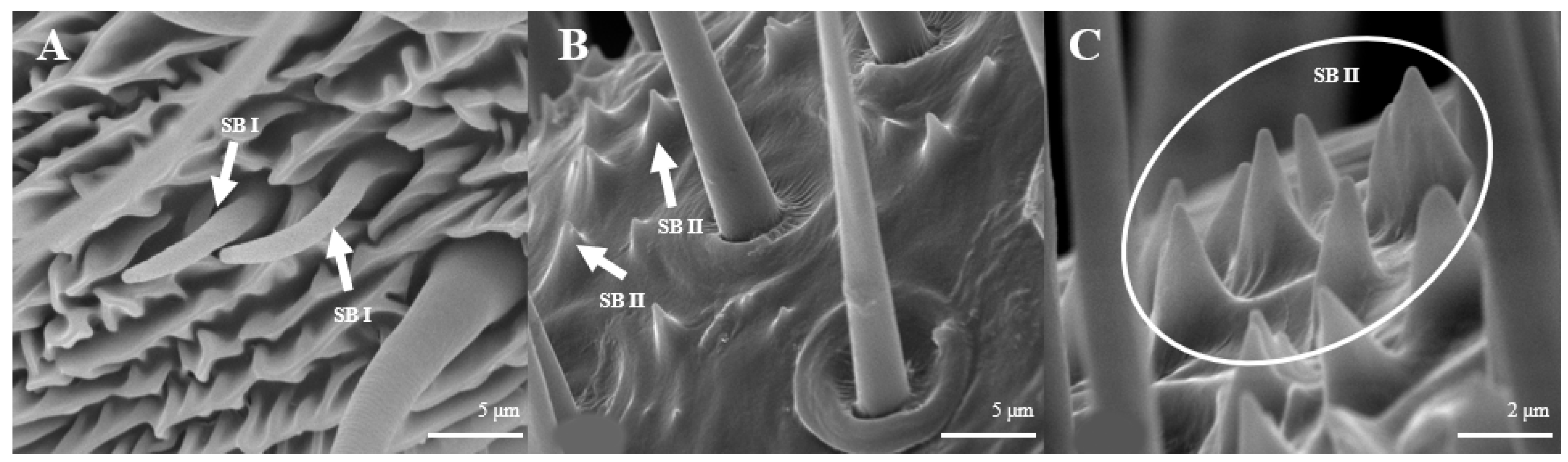
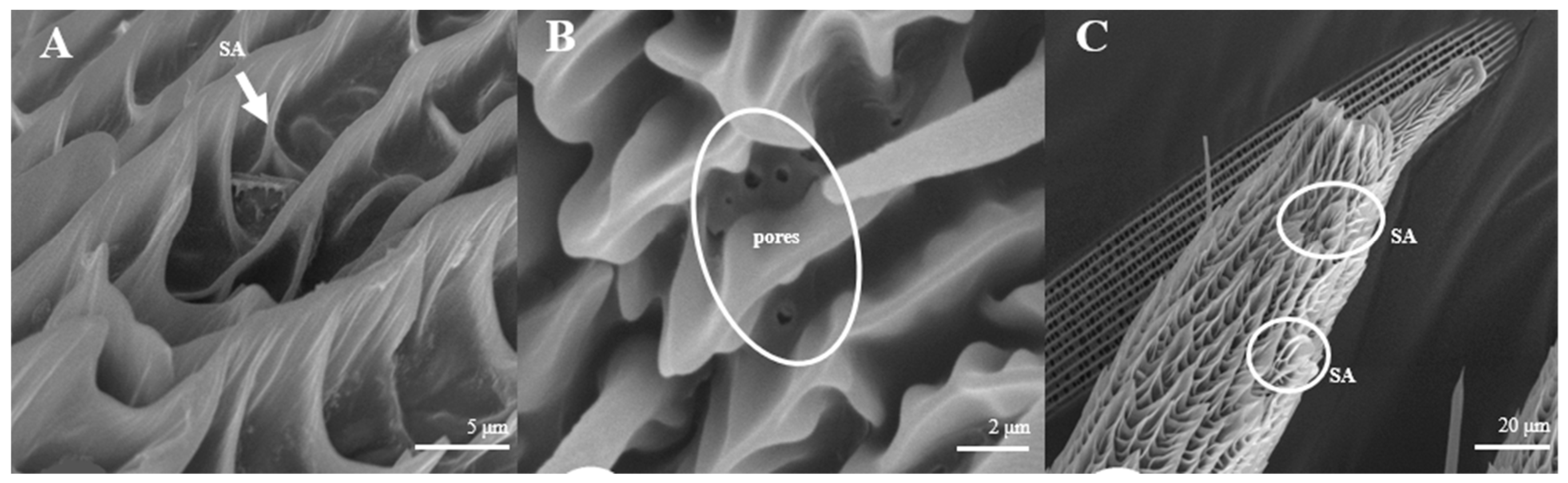
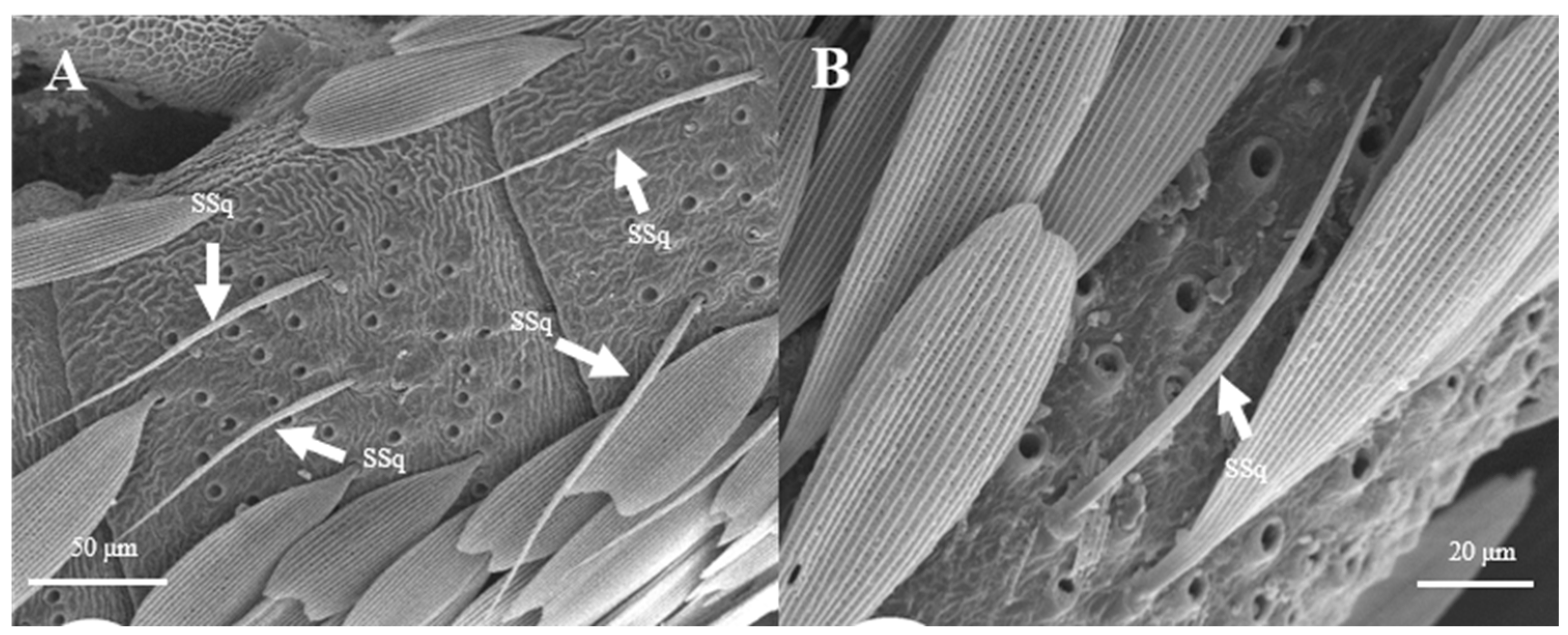
Dendrolimus superans (Lepidoptera: Lasiocampidae) and Lymantria dispar (Lepidoptera: Lymantriidae) are two important forest defoliators in northeast China, with the former being a specialist on Larix spp. and the latter being a generalist feeding on >500 species of plants. The morphology and ultrastructure of antennal sensilla of both male and female D. superans and L. dispar were examined using scanning electron microscopy (SEM). In both sexes of D. superans, the following five types of antennal sensilla were found: sensilla trichoidea, s. chaetica, s. coeloconica, s. gemmiformia, and s. basiconica. In males of L. dispar, six types of antennal sensilla: sensilla trichoidea, s. chaetica, s. coeloconica, s. basiconica, s. styloconica, and s. auricillica, were identified. In addition to the six types found in males, a seventh type of sensilla, s. squamiform, was only detected on L. dispar female antennae. For s. chaetica of D. superans, a unique ultrastructure of sub-branches that have one branch, two branches, and three branches was observed on their tips, which has not yet been reported on other insects. s. styloconica, s. auricillica, and s. squamiform, not found in the specialist D. superans, may be related to the euryphagy of L. dispar. Potential functionalities of these sensilla were discussed with reference to moth feeding habits, and their morphology, distribution, and ultrastructures on both species.