Article

Changes in the Stability Landscape of a River Basin by Anthropogenic Droughts

by
Laura E. Garza-Díaz
* and
Samuel Sandoval-Solis
Department of Land, Air, and Water Resources, University of California, Davis, CA 95616, USA
*
Author to whom correspondence should be addressed.
Water 2022, 14(18), 2835; https://doi.org/10.3390/w14182835
Submission received: 6 August 2022 / Revised: 31 August 2022 / Accepted: 6 September 2022 / Published: 12 September 2022

Abstract

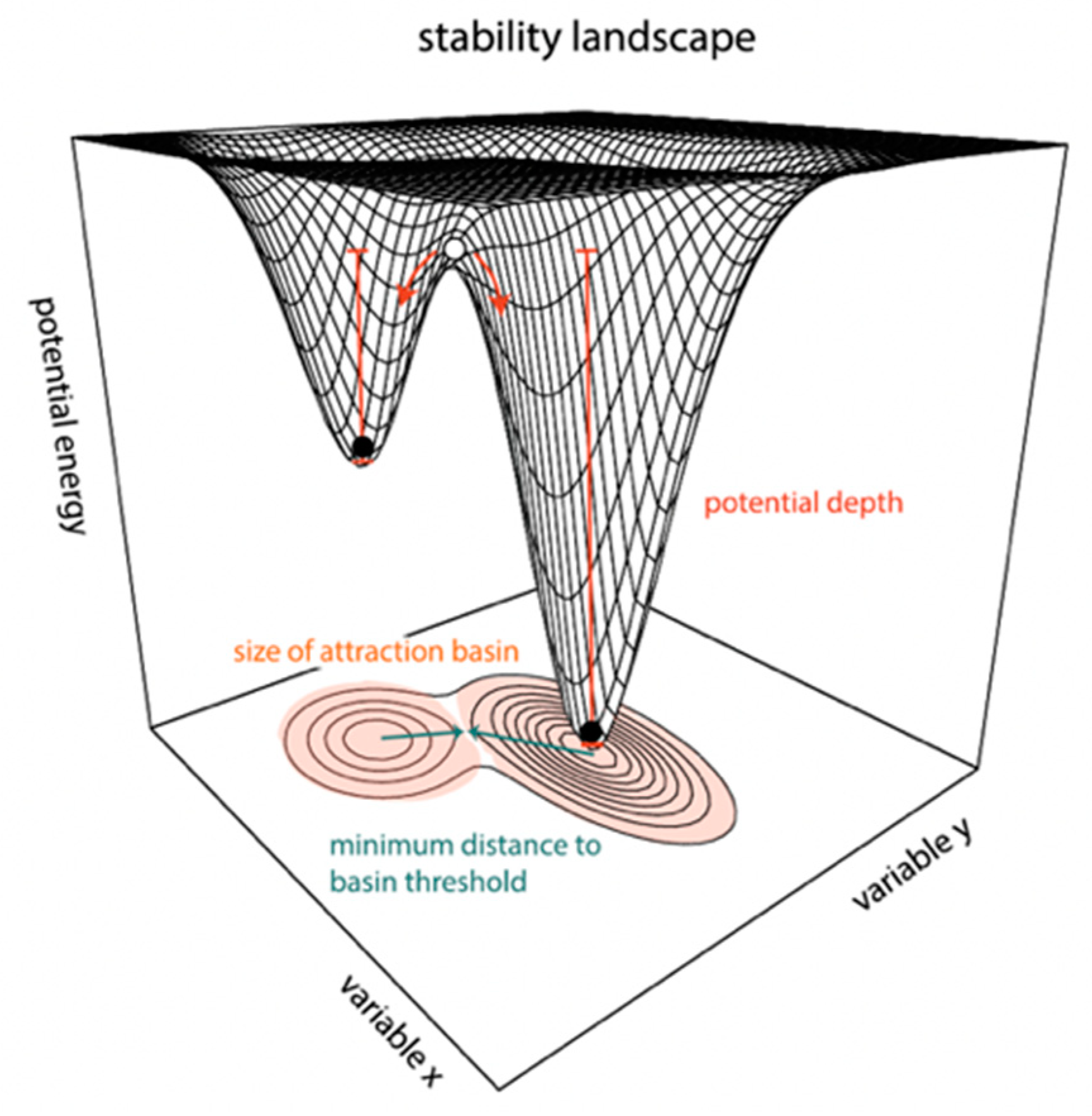
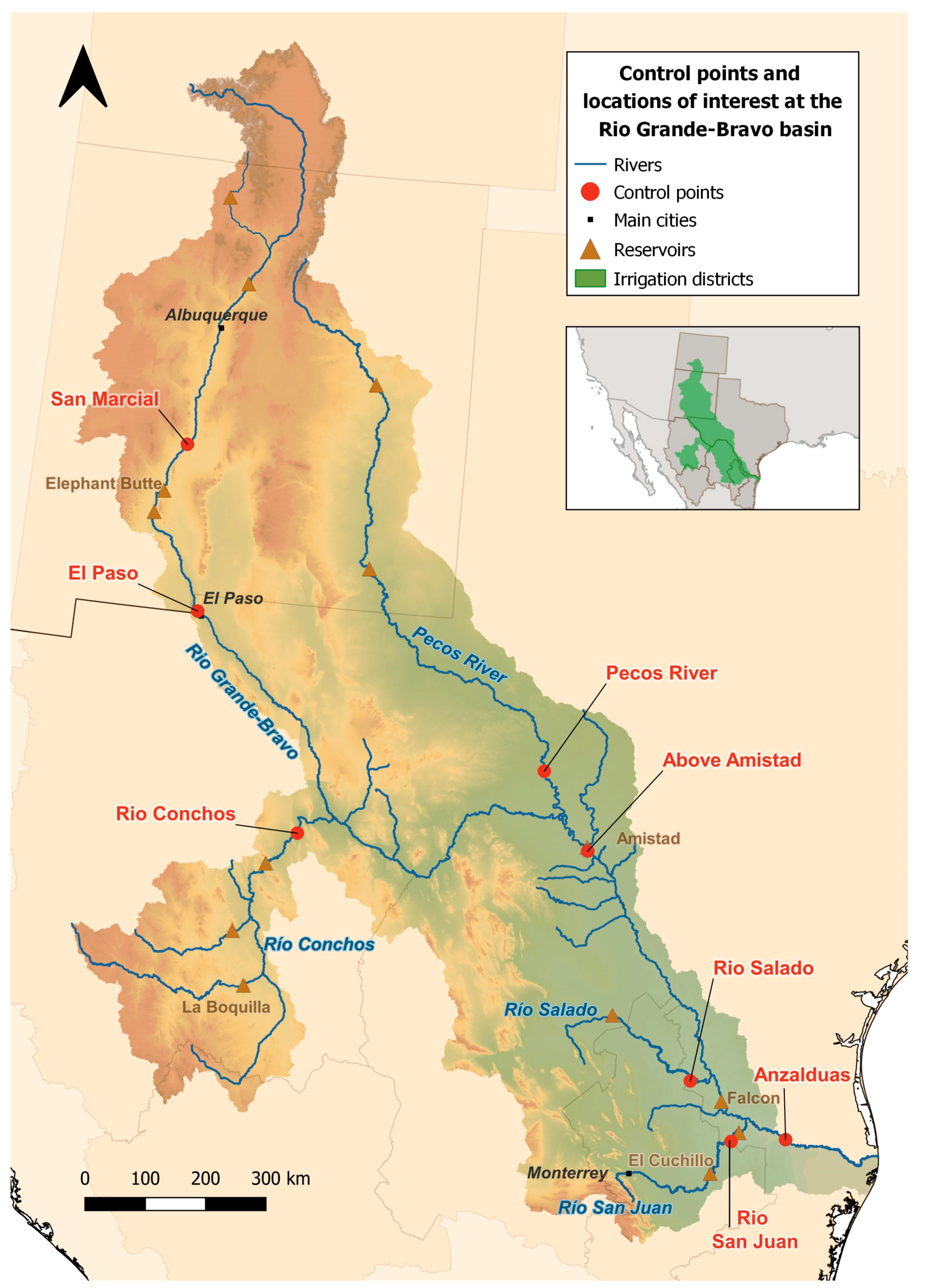
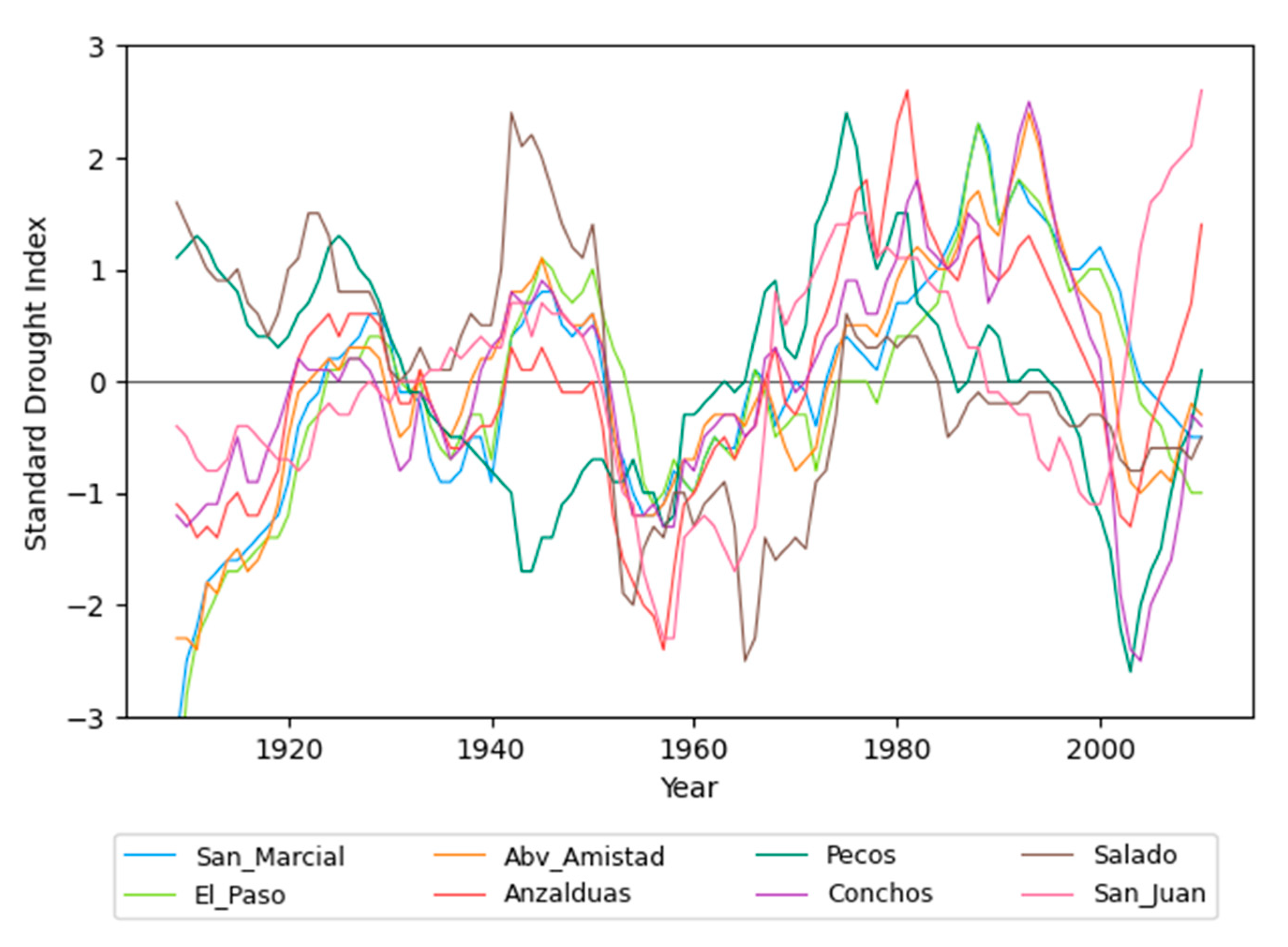
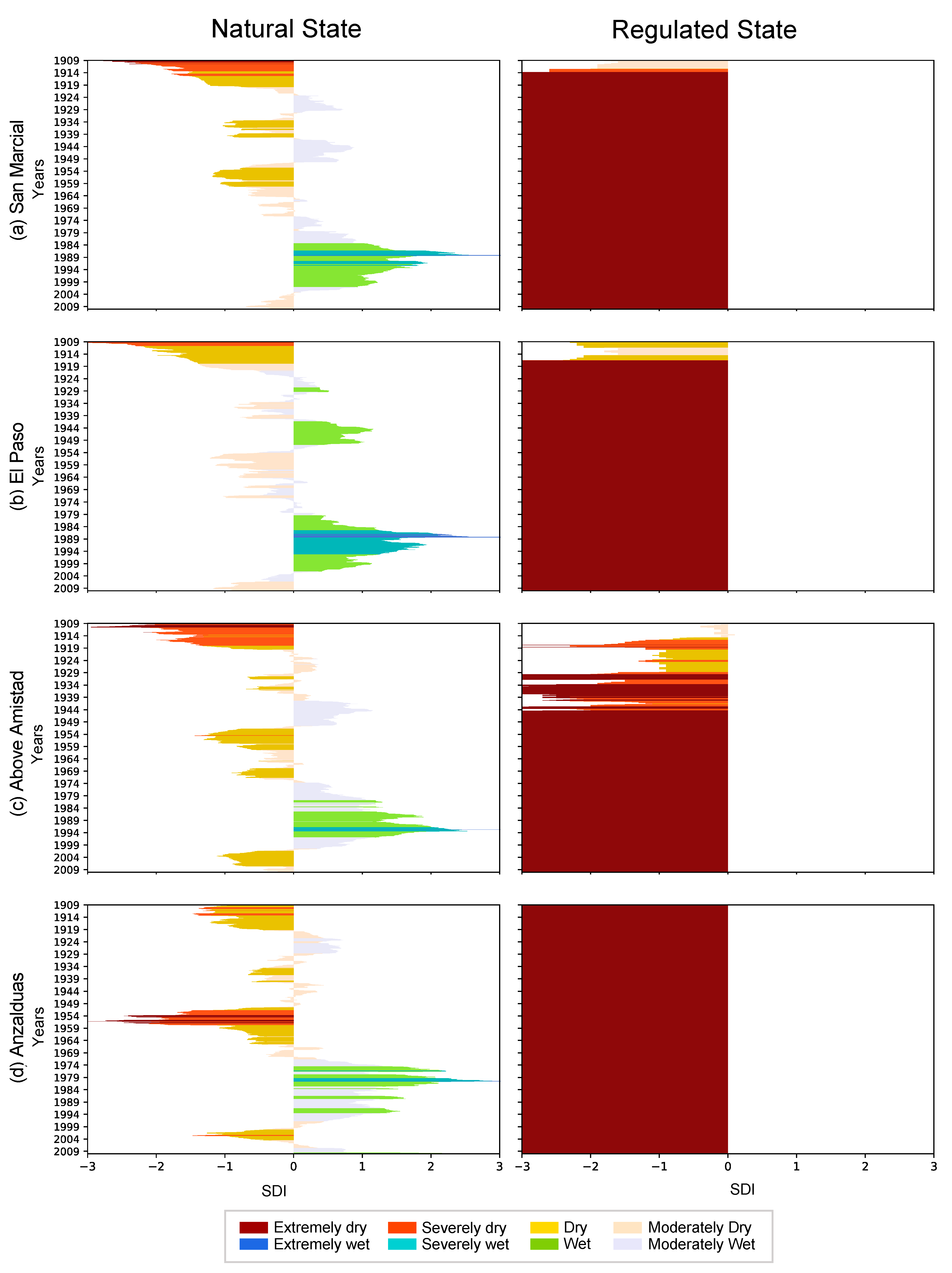
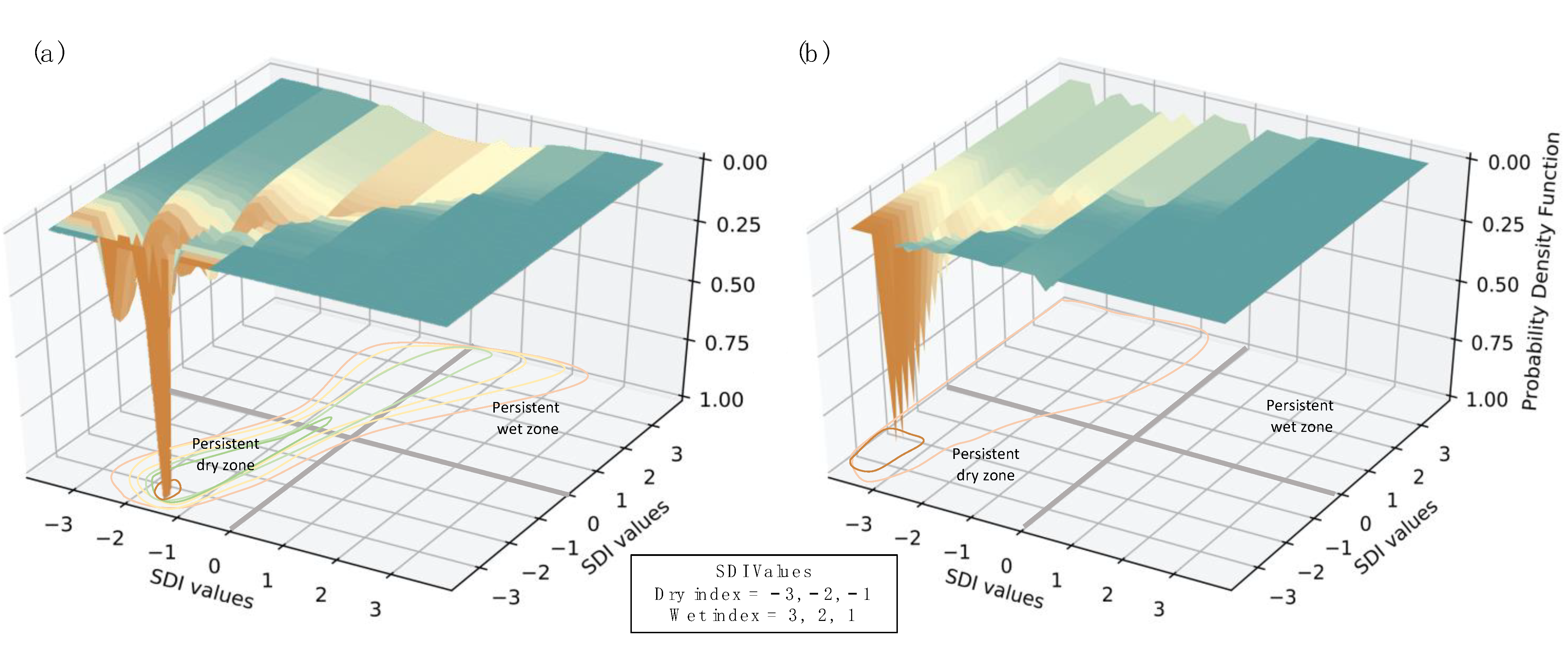
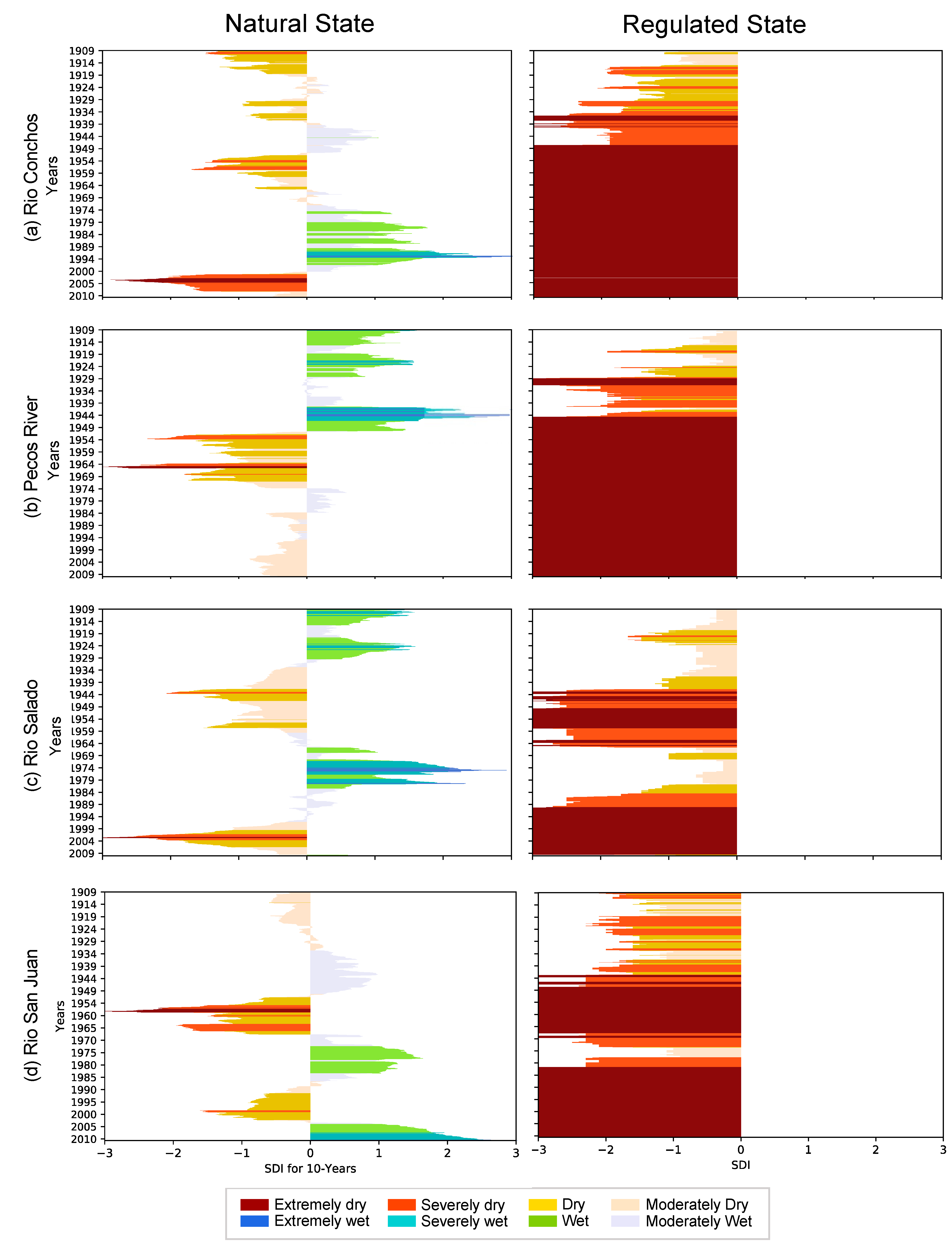
As water resources enter the era of the Anthropocene, the process of anthropogenic droughts arises as the interplay between climate cycles and human-centered water management in rivers. In their natural conditions, rivers exhibit a natural hydrologic variability, wet and dry cycles, that are a vital property for promoting ecological resilience. Human activities alter the temporal variability of streamflow, a resilience property of river systems. We argue that anthropogenic droughts in river basins can lead to changes in the resilience properties of the system depicted in stability landscapes. This study aims to analyze anthropogenic droughts and the changes provoked to the stability landscapes of the streamflow system of a river basin. We use 110 years of regulated and naturalized streamflow data to analyze the hydrologic variability (wet periods and droughts) of a river system. First, we determined the streamflow drought index (SDI), and the results were assessed using probability distribution functions to construct stability landscapes and explore the resilience properties of the system. The transboundary basin of the Rio Grande/Rio Bravo (RGB) is used as a case study. Our main findings include evidence of resilience erosion and alterations to the properties of the stability landscape by the human-induced megadrought in the RGB, which resulted from extensive anthropogenic alteration and fragmentation of the river system. The novelty of this research is to provide a baseline and move forward into quantifying ecological resilience attributes of river basins in water resources planning and management.
Keywords: anthropogenic drought; ecological resilience; river basin; stability landscape anthropogenic drought; ecological resilience; river basin; stability landscape