Enhancing Mechanical Properties of Polymer 3D Printed Parts

Abstract
1. Introduction
2. Materials and Methods
3. Results
3.1. Tensile Strength of Thermally Treated Parts Made from PETG
3.2. Compressive Strength of Thermally Treated Parts Made from PETG
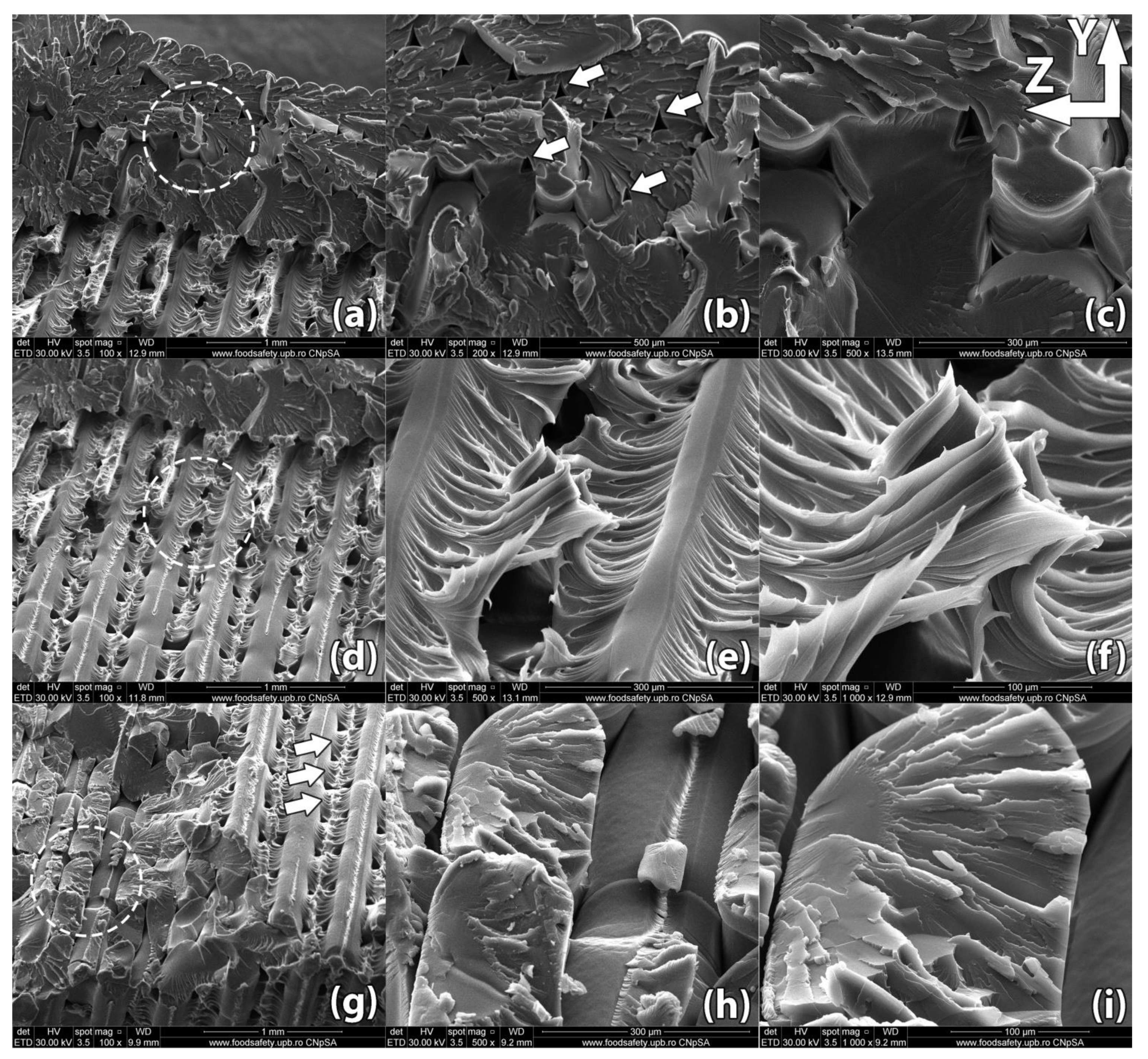
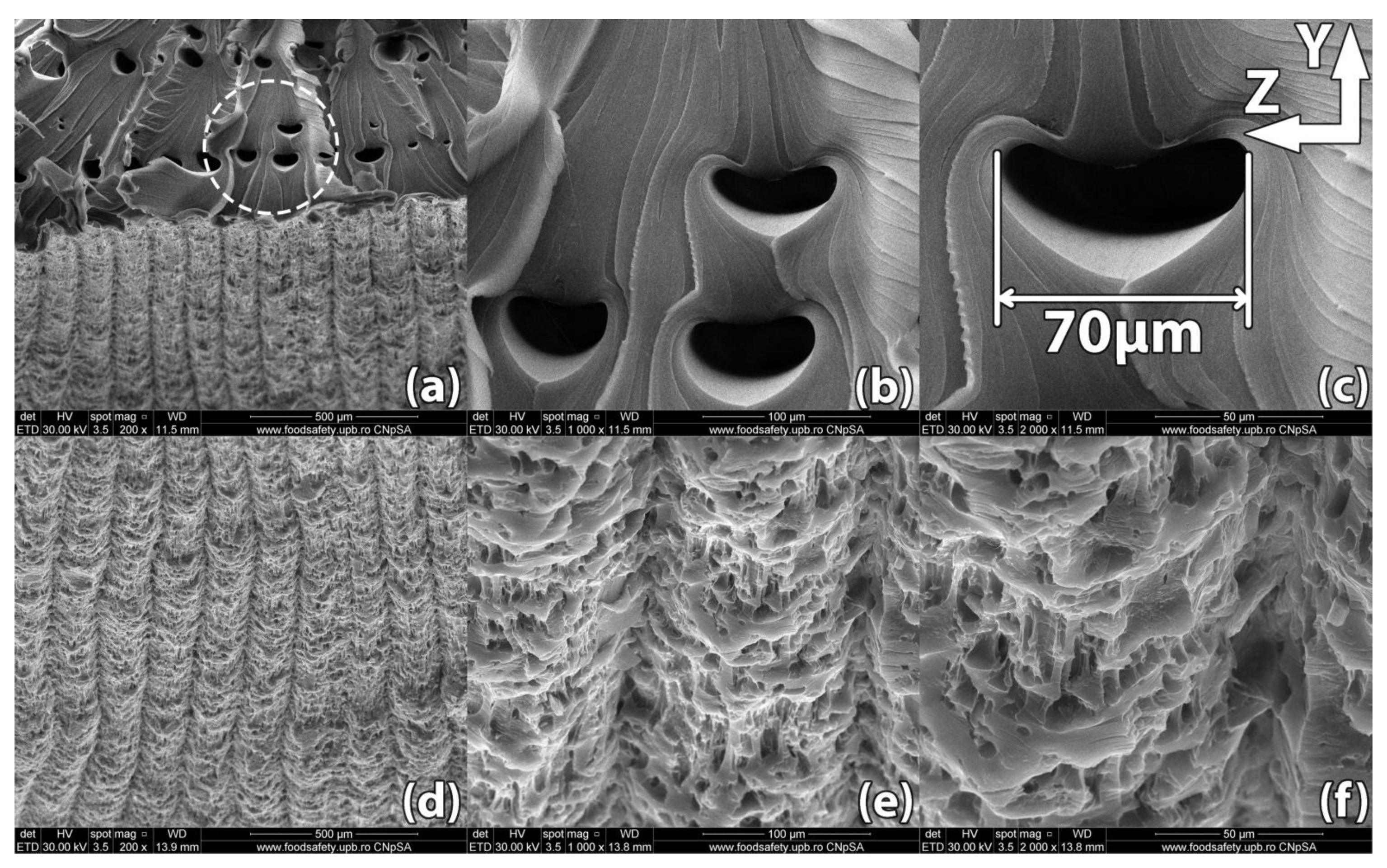
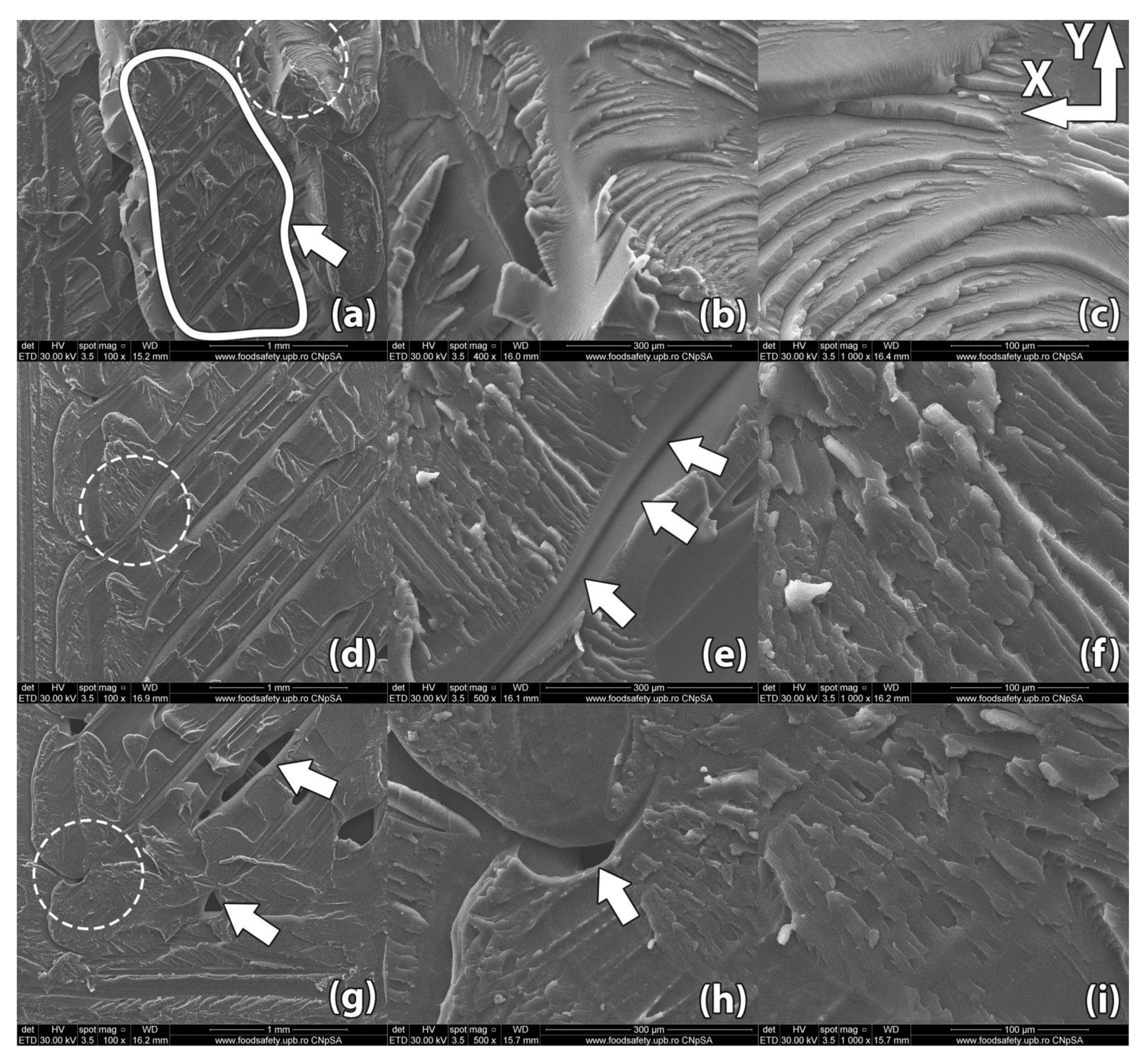
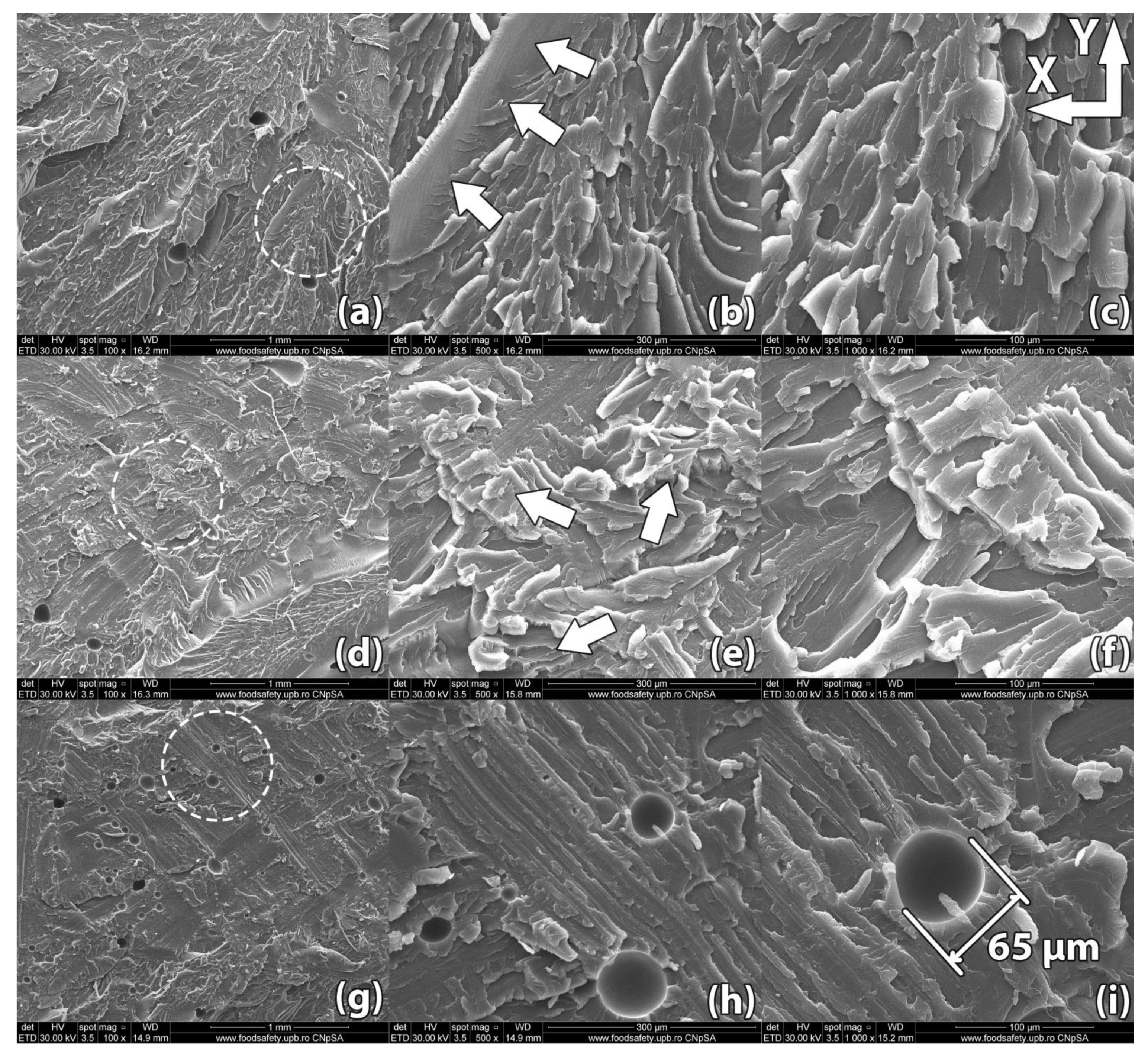
3.3. Scanning Electron Microscopy Analysis
4. Discussion
5. Conclusions
Author Contributions
Funding
Data Availability Statement
Conflicts of Interest
References
- Hull, C.W. Apparatus for Production of Three-Dimensional Objects by Stereolithography. U.S. Patent No. 4575330, 8 August 1984. [Google Scholar]
- Crump, S.S. Apparatus and Method for Creating Three-Dimensional Object. U.S. Patent No. 5121329, 30 October 1989. [Google Scholar]
- Steenhuis, H.-J.; Pretorius, L. Consumer additive manufacturing or 3D printing adoption: An exploratory study. J. Manuf. Technol. Manag. 2016, 27, 990–1012. [Google Scholar] [CrossRef]
- Sepasgozar, S.M.E.; Shi, A.; Yang, L.; Shirowzhan, S.; Edwards, D.J. Additive Manufacturing Applications for Industry 4.0: A Systematic Critical Review. Buildings 2020, 10, 231. [Google Scholar] [CrossRef]
- MarketsandMarkets. Market. Research Report: Industrial 3D Printing Market by Offering, Application, Process, Technology, Industry and Geography—Global Forecast to 2025; Report ID SE 4293; MarketsandMarkets: Northbrook, IL, USA, 2020. [Google Scholar]
- Behalek, L.; Safka, J.; Seidl, M.; Habr, J.; Bobek, J. Fused Deposition Modelling vs. Injection Moulding: Influence of Fiber Orientation and Layer Thickness on the Mechanical Properties. MM Sci. J. 2018, 1, 2722–2726. [Google Scholar] [CrossRef]
- Priya, M.S.; Naresh, K.; Jayaganthan, R.; Velmurugan, R. A comparative study between in-house 3D printed and injection molded ABS and PLA polymers for low-frequency applications. Mater. Res. Express 2019, 6, 085345. [Google Scholar] [CrossRef]
- Riddick, J.C.; Haile, M.A.; Von Wahlde, R.; Cole, D.P.; Bamiduro, O.; Johnson, T.E. Fractographic analysis of tensile failure of acrylonitrile-butadiene-styrene fabricated by fused deposition modeling. Addit. Manuf. 2016, 11, 49–59. [Google Scholar] [CrossRef]
- Zou, R.; Xia, Y.; Liu, S.; Hu, P.; Hou, W.; Hu, Q.; Shan, C. Isotropic and anisotropic elasticity and yielding of 3D printed material. Compos. Part B Eng. 2016, 99, 506–513. [Google Scholar] [CrossRef]
- Cantrell, J.T.; Rohde, S.; Damiani, D.; Gurnani, R.; DiSandro, L.; Anton, J.; Young, A.; Jerez, A.; Steinbach, D.; Kroese, C.; et al. Experimental characterization of the mechanical properties of 3D printed ABS and polycarbonate parts. Rapid Prototyp. J. 2017, 23, 811–824. [Google Scholar] [CrossRef]
- Novakova-Marcincinova, L.; Kuric, I. Basic and Advanced Materials for Fused Deposition Modeling Rapid Prototyping Technology. Manuf. Ind. Eng. 2012, 11, 24–27. [Google Scholar]
- Nordin, N.A.B.; Johar, M.A.; Ibrahim, M.H.I.; Marwah, O.M.F. Advances in high temperature materials for additive manufacturing. IOP Conf. Ser. Mater. Sci. Eng. 2017, 226, 012176. [Google Scholar] [CrossRef]
- Kishore, V.; Chen, X.; Ajinjeru, C.; Hassen, A.; Lindahl, J. Additive Manufacturing of High. Performance Semicrystalline Thermoplastics and Their Composites; Oak Ridge National Laboratory (ORNL): Oak Ridge, TN, USA, 2016.
- Fijul Kabir, S.M.; Mathur, K.; Seyam, A.-F.M. A critical review on 3D printed continuous fiber-reinforced composites: History, mechanism, materials and properties. J. Comp. Struct. 2020, 232, 111476. [Google Scholar] [CrossRef]
- Skrzypczak, N.G.; Tanikella, N.G.; Pearce, J.M. Open source high-temperature RepRap for 3-D printing heat-sterilizable PPE and other applications. HardwareX 2020, 8. [Google Scholar] [CrossRef] [PubMed]
- Hunt, E.J.; Zhang, C.; Anzalone, N.; Pearce, J.M. Polymer recycling codes for distributed manufacturing with 3-D printers. Resour. Conserv. Recycl. 2015, 497, 24–30. [Google Scholar] [CrossRef]
- Pakkanen, J.; Manfredi, D.; Minetola, P.; Iuliano, L. About the Use of Recycled or Biodegradable Filaments for Sustainability of 3D Printing. In Proceedings of the International Conference on Sustainable Design Manufacturing, Gold Coast, QLD, Australia, 24–26 June 2017; pp. 776–785. [Google Scholar] [CrossRef]
- Tian, X.; Liu, T.; Wang, Q.; Dilmurat, A.; Li, D.; Ziegmann, G. Recycling and remanufacturing of 3D printed continuous carbon fiber reinforced PLA composites. J. Clean. Prod. 2017, 142, 1609–1618. [Google Scholar] [CrossRef]
- Zhao, P.; Rao, C.; Gu, F.; Sharmin, N.; Fu, J. Close-looped recycling of polylactic acid used in 3D printing: An experimental investigation and life cycle assessment. J. Clean. Prod. 2018, 197, 1046–1055. [Google Scholar] [CrossRef]
- Dawoud, M.; Taha, I.; Ebeid, S.J. Mechanical behaviour of ABS: An experimental study using FDM and injection moulding techniques. J. Manuf. Process. 2016, 21, 39–45. [Google Scholar] [CrossRef]
- Wang, X.; Zhao, L.; Fuh, J.Y.H.; Lee, H.P. Effect of Porosity on Mechanical Properties of 3D Printed Polymers: Experiments and Micromechanical Modeling Based on X-ray Computed Tomography Analysis. Polymers 2019, 11, 1154. [Google Scholar] [CrossRef]
- Butt, J.; Bhaskar, R. Investigating the Effects of Annealing on the Mechanical Properties of FFF-Printed Thermoplastics. J. Manuf. Mater. Process. 2020, 4, 38. [Google Scholar] [CrossRef]
- Rangisetty, S.; Peel, L.D. The Effect of Infill Patterns and Annealing on Mechanical Properties of Additively Manufactured Thermoplastic Composites. In Proceedings of the ASME 2017 Conference on Smart Materials, Adaptive Structures and Intelligent Systems, Snowbird, UT, USA, 18–20 September 2017. [Google Scholar] [CrossRef]
- Slavković, V.; Grujović, N.; Dišić, A.; Radovanović, A. Influence of Annealing and Printing Directions on Mechanical Properties of PLA Shape Memory Polymer Produced by Fused Deposition Modeling. In Proceedings of the 6th International Congress of Serbian Society of Mechanics, Mountain Tara, Serbia,, 19–21 June 2017. [Google Scholar]
- Wijnen, B.; Sanders, P.; Pearce, J.M. Improved model and experimental validation of deformation in fused filament fabrication of polylactic acid. Prog. Addit. Manuf. 2018, 3, 193–203. [Google Scholar] [CrossRef]
- Morales, N.G.; Fleck, T.J.; Rhoads, J.F. The effect of interlayer cooling on the mechanical properties of components printed via fused deposition. Addit. Manuf. 2018, 24, 243–248. [Google Scholar] [CrossRef]
- Paszkiewicz, S.; Szymczyk, A.; Pawlikowska, D.; Irska, I.; Taraghi, I.; Pilawka, R.; Gu, J.; Li, X.; Tu, Y.; Piesowicz, E. Synthesis and characterization of poly(ethylene terephthalate-co-1,4-cyclohexanedimethylene terephtlatate)-block-poly(tetramethylene oxide) copolymers. RSC Adv. 2017, 7, 41745–41754. [Google Scholar] [CrossRef]
- Dupaix, R.B.; Boyce, M.C. Finite strain behavior of poly(ethylene terephthalate) (PET) and poly(ethylene terephtha-late)-glycol (PETG). Polymer 2005, 46, 4827–4838. [Google Scholar] [CrossRef]
- Turner, S.R.; Liu, Y. Copolyester based on PET with different amounts of CHDM. In Polymer Science: A Comprehensive Reference, 1st ed.; Moeller, M., Matyjaszewski, K., Eds.; Elsevier Science: Amsterdam, The Netherlands, 2012; Volume 5, pp. 311–331. [Google Scholar] [CrossRef]
- Mercado-Colmenero, J.M.; La Rubia, M.D.; Mata-Garcia, E.; Rodriguez-Santiago, M.; Martin-Doñate, C. Experimental and Numerical Analysis for the Mechanical Characterization of PETG Polymers Manufactured with FDM Technology under Pure Uniaxial Compression Stress States for Architectural Applications. Polymers 2020, 12, 2202. [Google Scholar] [CrossRef] [PubMed]
- Hassan, M.H.; Omar, A.M.; Daskalakis, E.; Hou, Y.; Huang, B.; Strashnov, I.; Grieve, B.D.; Bártolo, P. The Potential of Polyethylene Terephthalate Glycol as Biomaterial for Bone Tissue Engineering. Polymers 2020, 12, 3045. [Google Scholar] [CrossRef] [PubMed]
- Bhundari, S.; Lopez-Anido, R.A.; Gardner, D.J. Enhancing the interlayer tensile strength of 3D printed short carbon fiber reinforced PETG and PLA composites via annealing. Addit. Manuf. 2019, 30, 100922. [Google Scholar] [CrossRef]
- ASTM D638—14 Standard Test Method for Tensile Properties of Plastics. Available online: https://www.astm.org/Standards/D638 (accessed on 13 January 2021).
- Popescu, D.; Zapciu, A.; Amza, C.; Marinescu, R.; Baciu, F. FDM process parameters influence over the mechanical properties of polymer specimens: A review. Polym. Test. 2018, 69, 157–166. [Google Scholar] [CrossRef]
- Costa, S.F.; Duarte, F.M.; Covas, J.A. Thermal conditions affecting heat transfer in FDM/FFE: A contribution towards the numerical modelling of the process. Virtual Phys. Prototyp. 2015, 10, 35–46. [Google Scholar] [CrossRef]
- Phan, D.D.; Swain, Z.R.; Mackay, M.E. Rheological and heat transfer effects in fused filament fabrication. J. Rheol. 2018, 62, 1097. [Google Scholar] [CrossRef]
- Rodriguez, J.F.; Thomas, J.P.; Renaud, J.E. Characterization of the mesostructure of fused-deposition acrylonitrile—Butadiene—styrene materials. Rapid Prototyp. J. 2000, 6, 175–186. [Google Scholar] [CrossRef]
- Hart, K.R.; Dunn, R.M.; Sietins, J.M.; Hofmeister Mock, C.M.; Mackay, M.E.; Wetzel, E.D. Increased fracture toughness of additively manufactured amorphous thermoplastics via thermal annealing. Polymer 2018, 144, 192–204. [Google Scholar] [CrossRef]
- Amza, C.G.; Zapciu, A. Embedding Ultra-High-Molecular-Weight Polyethylene Fibers in 3D printed Polylactic Acid (PLA) Parts. Polymers 2019, 11, 1825. [Google Scholar] [CrossRef]
- 3DBenchy—The Jolly 3D Printing Torture-Test by CreativeTools.se, License to Use CC BY-ND 4.0. Available online: https://www.thingiverse.com/thing:763622 (accessed on 13 January 2021).
- Benwood, C.; Anstey, A.; Andrzejewski, J.; Misra, M.; Mohanty, A.K. Improving the Impact Strength and Heat Resistance of 3D Printed Models: Structure, Property, and Processing Correlationships during Fused Deposition Modeling (FDM) of Poly(Lactic Acid). ACS Omega 2018, 3, 4400–4411. [Google Scholar] [CrossRef] [PubMed]
- Gao, X.; Qi, S.; Kuang, X.; Su, Y.; Li, J.; Wang, D. Fused filament fabrication of polymer materials: A review of interlayer bond. Addit. Manuf. 2021, 37, 101658. [Google Scholar] [CrossRef]

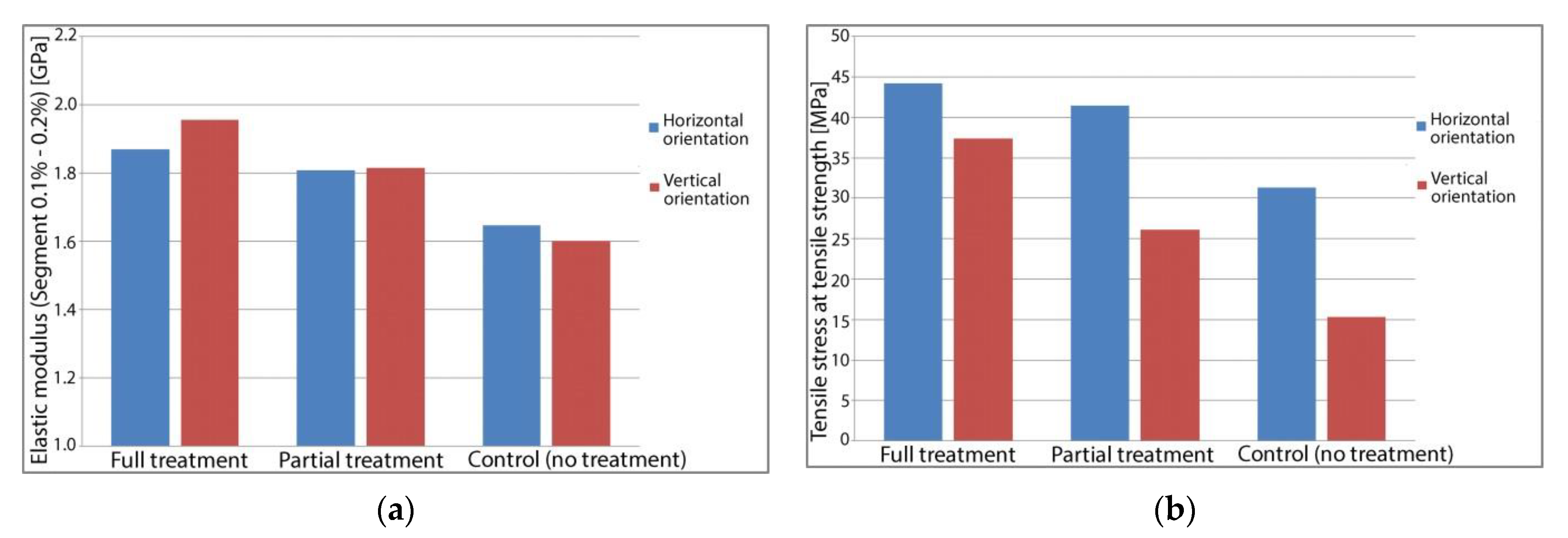
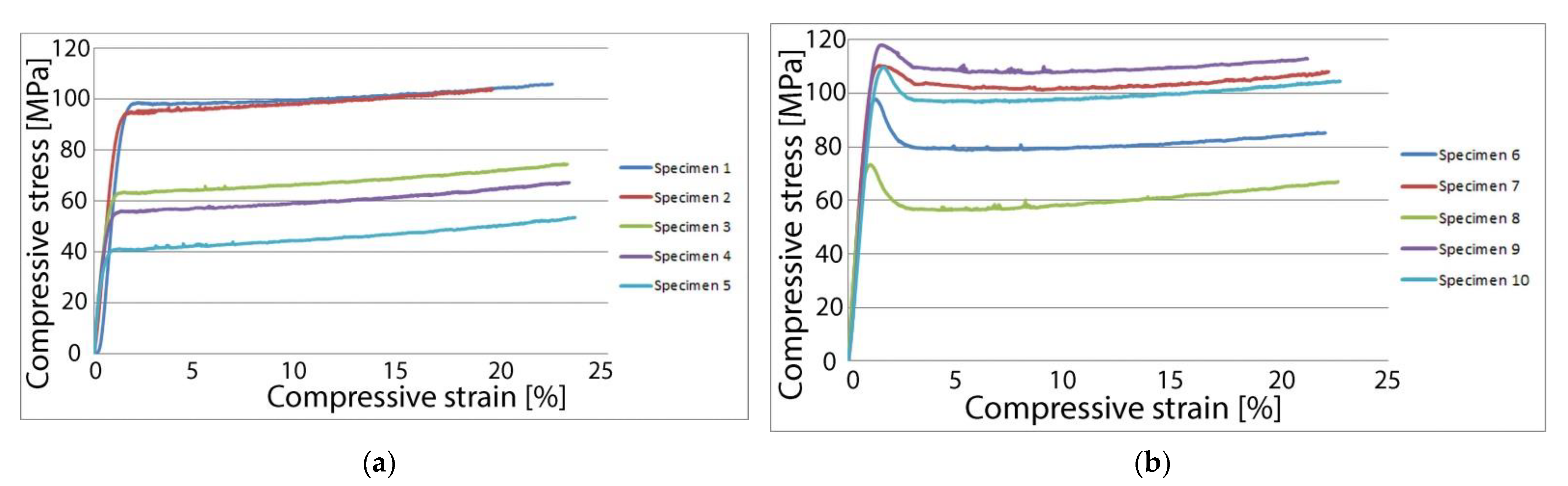
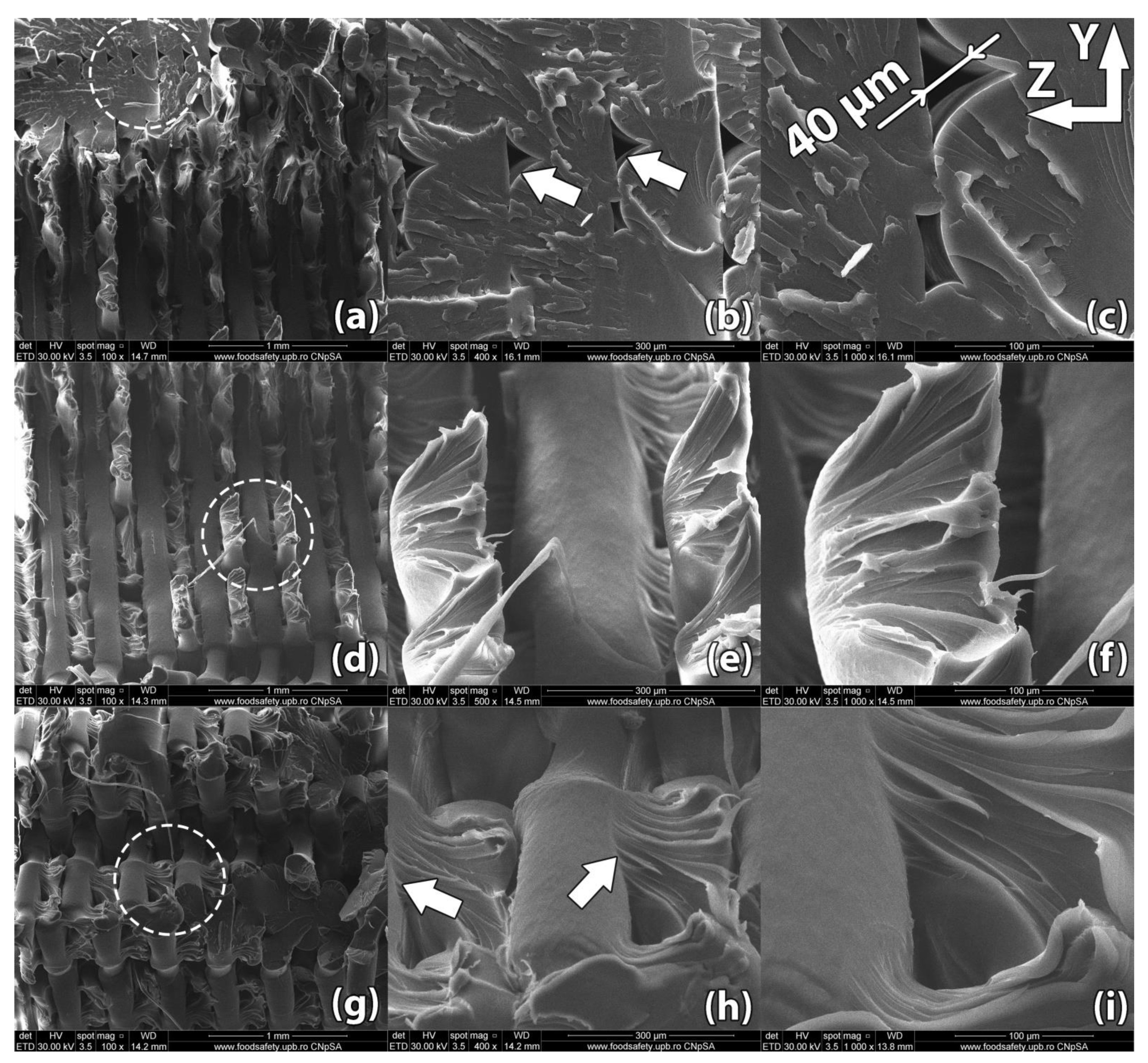

| Test Type | Dimensions [mm] | Extrusion Temperature [°C] | Layer Height [mm] | Infill | Exterior Contours |
|---|---|---|---|---|---|
| Tensile | 13 × 4 | 235 | 0.2 | 100%, 45° raster | 3 |
| Compressive | 10 × 10 × 10 |
| Tested Property | Horizontal Orientation | Vertical Orientation | ||||
|---|---|---|---|---|---|---|
| Full Treatment | Partial Treatment | Control | Full Treatment | Partial Treatment | Control | |
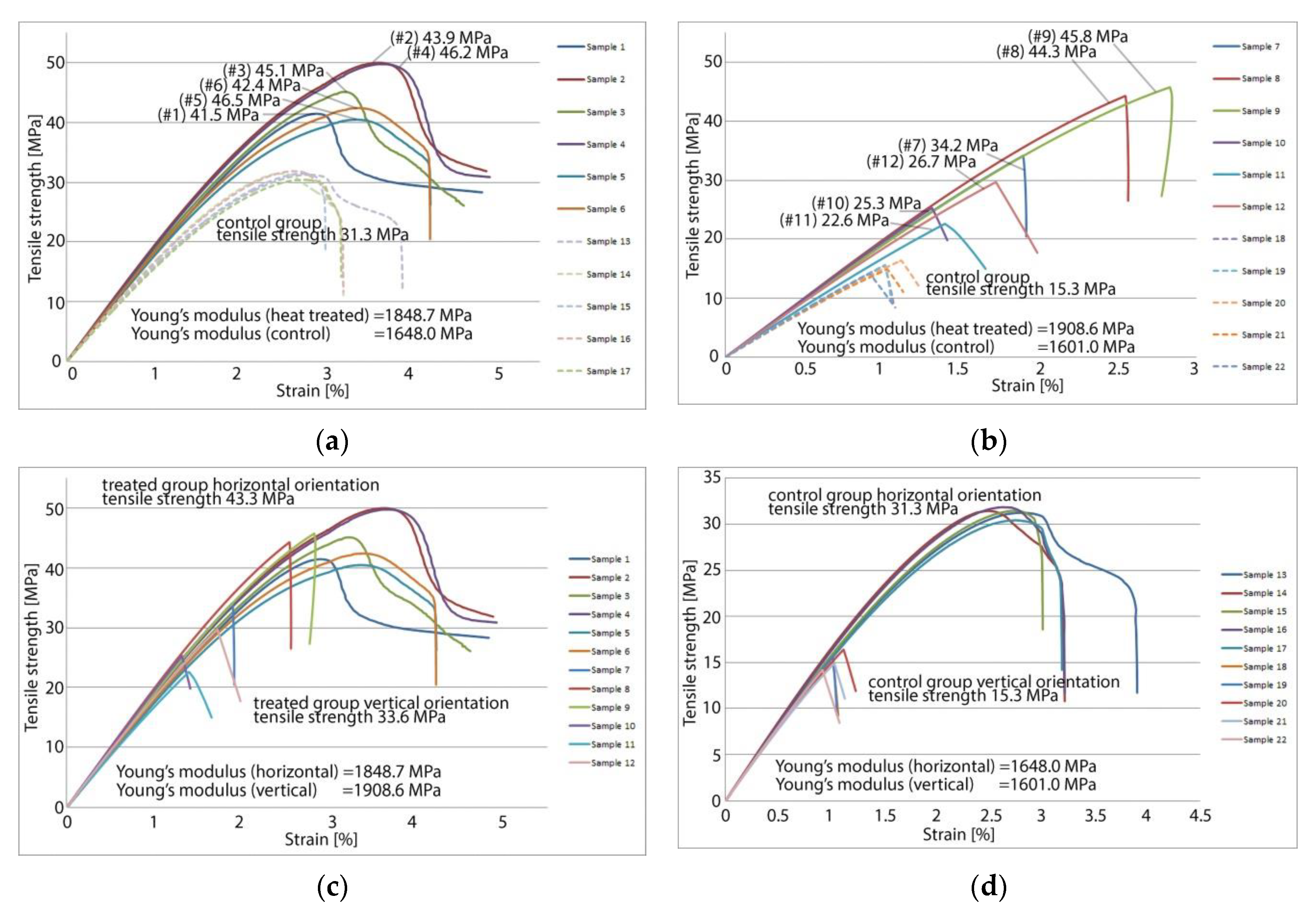
| Strength [MPa] | 44.2 ± 1.0 | 41.5 ± 1.0 | 31.3 ± 0.2 | 37.4 ± 4.8 | 26.2 ± 3.5 | 15.3 ± 0.4 |
| Modulus [MPa] | 1868.7 ± 45.1 | 1808.5 ± 30.3 | 1648.0 ± 21.5 | 1955.4 ± 18.5 | 1815.2 ± 82.2 | 1601.0 ± 10.0 |
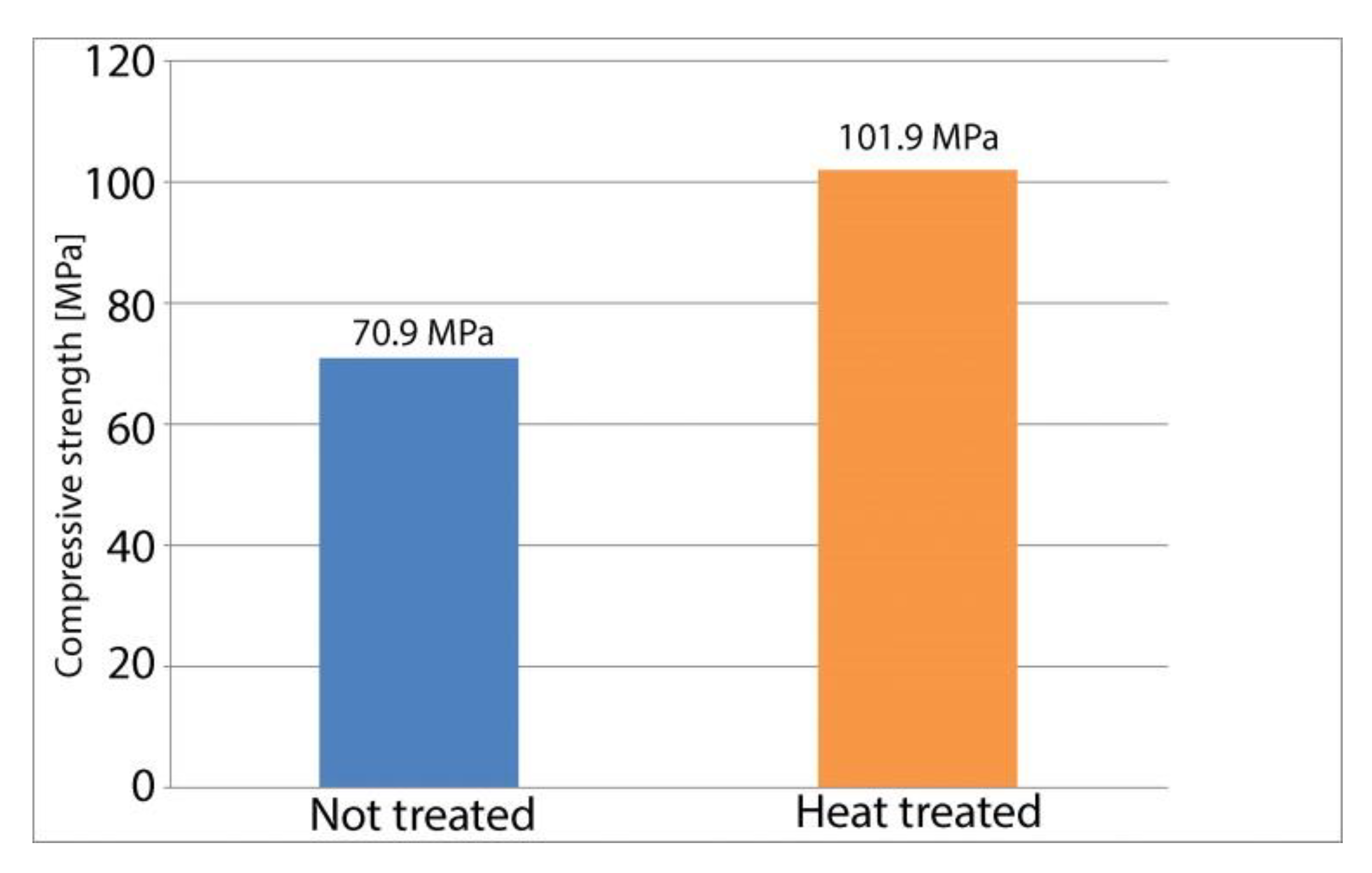
| Property | Heat Treated | Control |
|---|---|---|
| Compressive strength [MPa] | 101.9 ± 11.2 | 70.9 ± 7.8 |
Publisher’s Note: MDPI stays neutral with regard to jurisdictional claims in published maps and institutional affiliations. |
© 2021 by the authors. Licensee MDPI, Basel, Switzerland. This article is an open access article distributed under the terms and conditions of the Creative Commons Attribution (CC BY) license (http://creativecommons.org/licenses/by/4.0/).
Share and Cite
Amza, C.G.; Zapciu, A.; Constantin, G.; Baciu, F.; Vasile, M.I. Enhancing Mechanical Properties of Polymer 3D Printed Parts. Polymers 2021, 13, 562. https://doi.org/10.3390/polym13040562
Amza CG, Zapciu A, Constantin G, Baciu F, Vasile MI. Enhancing Mechanical Properties of Polymer 3D Printed Parts. Polymers. 2021; 13(4):562. https://doi.org/10.3390/polym13040562
Chicago/Turabian StyleAmza, Catalin Gheorghe, Aurelian Zapciu, George Constantin, Florin Baciu, and Mihai Ion Vasile. 2021. "Enhancing Mechanical Properties of Polymer 3D Printed Parts" Polymers 13, no. 4: 562. https://doi.org/10.3390/polym13040562
APA StyleAmza, C. G., Zapciu, A., Constantin, G., Baciu, F., & Vasile, M. I. (2021). Enhancing Mechanical Properties of Polymer 3D Printed Parts. Polymers, 13(4), 562. https://doi.org/10.3390/polym13040562