Effective Non-Invasive Delivery of Epigenetic Drugs Using Functionalized Accessory Unit Conjugates

Abstract
1. Introduction
2. Overview of Delivery Strategies
2.1. Conjugates with Transporter Recognition Units
2.2. Conjugates with Ligands
2.3. Conjugates with CPPs
2.4. Conjugates with Homing Peptides
2.5. Conjugates with Monoclonal Antibodies
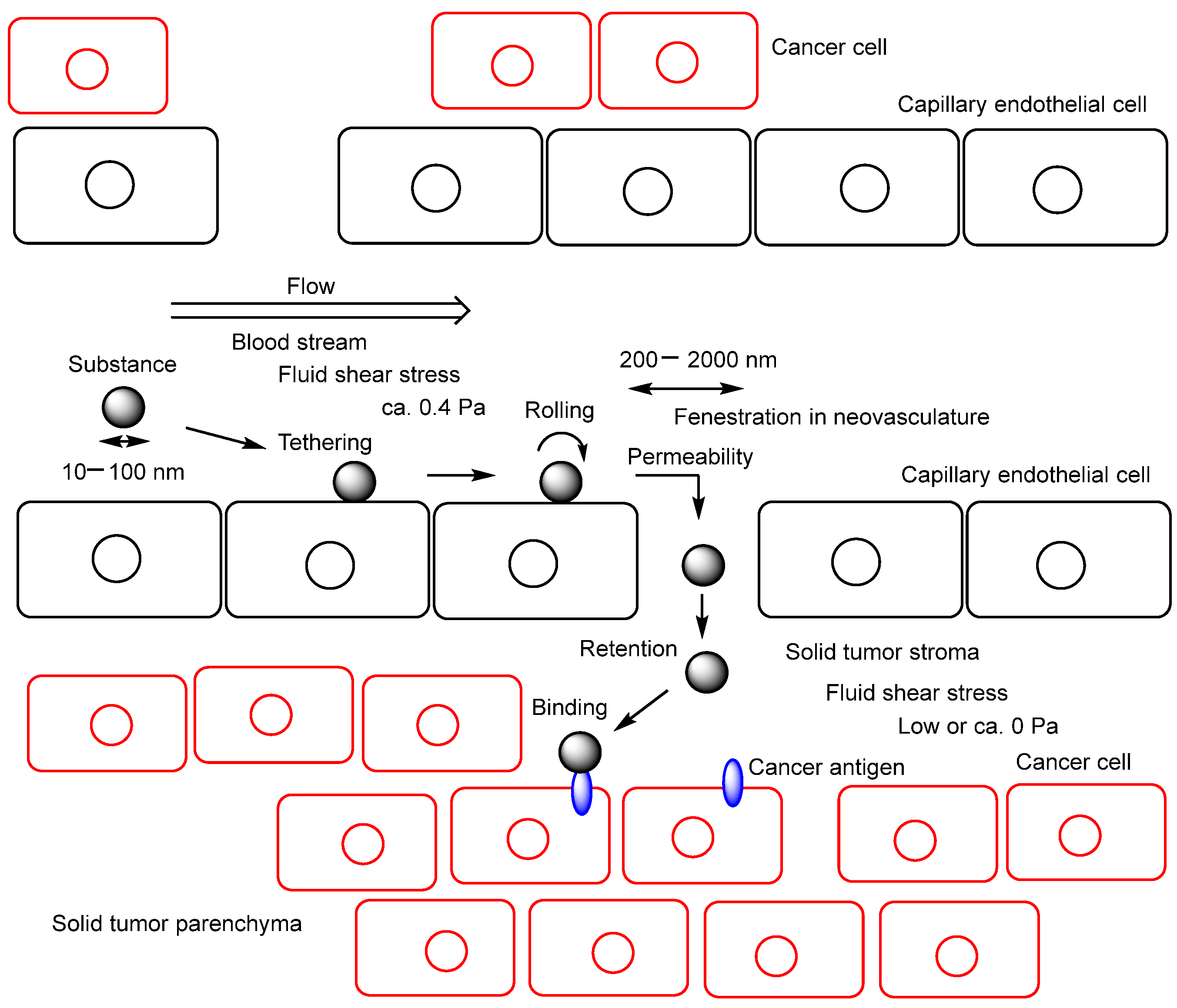
2.6. Conjugates with Nanoparticles
2.7. Promising Strategies for Epigenetic Drug Delivery
3. Conclusions
Funding
Institutional Review Board Statement
Informed Consent Statement
Data Availability Statement
Acknowledgments
Conflicts of Interest
References
- Nurk, S.; Koren, S.; Rhie, A.; Rautiainen, M.; Bzikadze, A.V.; Mikheenko, A.; Vollger, M.R.; Altemose, N.; Uralsky, L.; Gershman, A.; et al. The complete sequence of a human genome. Science 2022, 376, 44–53. [Google Scholar] [CrossRef]
- Wright, M.W.; Bruford, E.A. Naming ‘junk’: Human non-protein coding RNA (ncRNA) gene nomenclature. Hum. Genom. 2011, 5, 90–98. [Google Scholar] [CrossRef]
- Claudianos, C.; Ranson, H.; Johnson, R.M.; Biswas, S.; Schuler, M.A.; Berenbaum, M.R.; Feyereisen, R.; Oakeshott, J.G. A deficit of detoxification enzymes: Pesticide sensitivity and environmental response in the honeybee. Insect Mol. Biol. 2006, 5, 615–636. [Google Scholar] [CrossRef]
- Kiefer, J.C. Epigenetics in development. Dev. Dyn. 2007, 236, 1144–1156. [Google Scholar] [CrossRef]
- Mohd Murshid, N.; Aminullah Lubis, F.; Makpol, S. Epigenetic Changes and Its Intervention in Age-Related Neurodegenerative Diseases. Cell Mol. Neurobiol. 2022, 42, 577–595. [Google Scholar] [CrossRef]
- Takahashi, K.; Yamanaka, S. Induction of pluripotent stem cells from mouse embryonic and adult fibroblast cultures by defined factors. Cell 2006, 126, 663–676. [Google Scholar] [CrossRef]
- Kim, K.; Doi, A.; Wen, B.; Ng, K.; Zhao, R.; Cahan, P.; Kim, J.; Aryee, M.J.; Ji, H.; Ehrlich, L.I.; et al. Epigenetic memory in induced pluripotent stem cells. Nature 2010, 467, 285–290. [Google Scholar] [CrossRef]
- Dai, W.; Qiao, X.; Fang, Y.; Guo, R.; Bai, P.; Liu, S.; Li, T.; Jiang, Y.; Wei, S.; Na, Z.; et al. Epigenetics-targeted drugs: Current paradigms and future challenges. Signal Transduct. Target. Ther. 2024, 9, 332. [Google Scholar] [CrossRef]
- Suraweera, A.; O’Byrne, K.J.; Richard, D.J. Epigenetic drugs in cancer therapy. Cancer Metastasis Rev. 2025, 44, 37. [Google Scholar] [CrossRef]
- Ihezie, S.A.; Mathew, I.E.; McBride, D.W.; Dienel, A.; Blackburn, S.L.; Thankamani Pandit, P.K. Epigenetics in blood–brain barrier disruption. Fluids Barriers CNS 2021, 18, 17. [Google Scholar] [CrossRef]
- Yang, J.; Xu, J.; Wang, W.; Zhang, B.; Yu, X.; Shi, S. Epigenetic regulation in the tumor microenvironment: Molecular mechanisms and therapeutic targets. Signal Transduct. Target. Ther. 2023, 8, 210. [Google Scholar] [CrossRef]
- Wu, D.; Chen, Q.; Chen, X.; Han, F.; Chen, Z.; Wang, Y. The blood-brain barrier: Structure, regulation, and drug delivery. Signal Transduct. Target. Ther. 2023, 8, 217. [Google Scholar] [CrossRef]
- Kadry, H.; Noorani, B.; Cucullo, L. A blood-brain barrier overview on structure, function, impairment, and biomarkers of integrity. Fluids Barriers CNS 2020, 17, 69. [Google Scholar] [CrossRef] [PubMed]
- Tashima, T. Smart Strategies for Therapeutic Agent Delivery into Brain across the Blood–Brain Barrier Using Receptor-Mediated Transcytosis. Chem. Pharm. Bull. 2020, 68, 316–325. [Google Scholar] [CrossRef]
- Drew, D.; North, R.A.; Nagarathinam, K.; Tanabe, M. Structures and General Transport Mechanisms by the Major Facilitator Superfamily (MFS). Chem. Rev. 2021, 121, 5289–5335. [Google Scholar] [CrossRef] [PubMed]
- Cong, V.T.; Houng, J.L.; Kavallaris, M.; Chen, X.; Tilley, R.D.; Gooding, J.J. How can we use the endocytosis pathways to design nanoparticle drug-delivery vehicles to target cancer cells over healthy cells? Chem. Soc. Rev. 2022, 51, 7531–7559. [Google Scholar] [CrossRef] [PubMed]
- Fukui, K.; Yonezawa, T.; Shingu, H. A Molecular Orbital Theory of Reactivity in Aromatic Hydrocarbons. J. Chem. Phys. 1952, 20, 722–725. [Google Scholar] [CrossRef]
- Woodward, R.B.; Hoffmann, R. The Conservation of Orbital Symmetry. Angew. Chem. Int. Ed. 1969, 8, 781–853. [Google Scholar] [CrossRef]
- Hammett, L.P. The Effect of Structure upon the Reactions of Organic Compounds. Benzene Derivatives. J. Am. Chem. Soc. 1937, 59, 96–103. [Google Scholar] [CrossRef]
- Pearson, R.G. Hard and Soft Acids and Bases. J. Am. Chem. Soc. 1963, 85, 3533–3539. [Google Scholar] [CrossRef]
- Laughlin, C.D.; D’Aquili, E.G. Biogenetic Structuralism; Columbia University Press: New York, NY, USA, 1974. [Google Scholar]
- Leavy, S.A. Biogenetic Structuralism. Yale J. Biol. Med. 1976, 49, 420–421. [Google Scholar]
- Li, L.; Liu, R.; Peng, C.; Chen, X.; Li, J. Pharmacogenomics for the efficacy and side effects of antihistamines. Exp. Dermatol. 2022, 31, 993–1004. [Google Scholar] [CrossRef]
- Mehta, D.C.; Short, J.L.; Nicolazzo, J.A. Memantine transport across the mouse blood-brain barrier is mediated by a cationic influx H+ antiporter. Mol. Pharm. 2013, 10, 4491–4498. [Google Scholar] [CrossRef]
- Kurosawa, T.; Tega, Y.; Uchida, Y.; Higuchi, K.; Tabata, H.; Sumiyoshi, T.; Kubo, Y.; Terasaki, T.; Deguchi, Y. Proteomics-Based Transporter Identification by the PICK Method: Involvement of TM7SF3 and LHFPL6 in Proton-Coupled Organic Cation Antiport at the Blood–Brain Barrier. Pharmaceutics 2022, 14, 1683. [Google Scholar] [CrossRef]
- Tega, Y.; Tabata, H.; Kurosawa, T.; Kitamura, A.; Itagaki, F.; Oshitari, T.; Deguchi, Y. Structural Requirements for Uptake of Diphenhydramine Analogs into hCMEC/D3 Cells Via the Proton-Coupled Organic Cation Antiporter. J. Pharm. Sci. 2021, 110, 397–403. [Google Scholar] [CrossRef]
- Hiranaka, S.; Tega, Y.; Higuchi, K.; Kurosawa, T.; Deguchi, Y.; Arata, M.; Ito, A.; Yoshida, M.; Nagaoka, Y.; Sumiyoshi, T. Design, Synthesis, and Blood-Brain Barrier Transport Study of Pyrilamine Derivatives as Histone Deacetylase Inhibitors. ACS Med. Chem. Lett. 2018, 9, 884–888. [Google Scholar] [CrossRef]
- Tashima, T. Intriguing possibilities and beneficial aspects of transporter-conscious drug design. Bioorg. Med. Chem. 2015, 23, 4119–4131. [Google Scholar] [CrossRef]
- Rautio, J.; Laine, K.; Gynther, M.; Savolainen, J. Prodrug Approaches for CNS Delivery. AAPS J. 2008, 10, 92–102. [Google Scholar] [CrossRef]
- Zhang, Y.; Sun, J.; Sun, Y.; Wang, Y.; He, Z. Prodrug design targeting intestinal PepT1 for improved oral absorption: Design and performance. Curr. Drug Metab. 2013, 14, 675–687. [Google Scholar] [CrossRef]
- Savic, B.; Savic, B.; Stanojlovic, S. Epigenetic DNA Methylation Under the Influence of Low-Dose Ionizing Radiation, and Supplementation with Vitamin B12 and Folic Acid: Harmful or Beneficial for Professionals? Epigenomes 2025, 9, 17. [Google Scholar] [CrossRef]
- Low, P.S.; Henne, W.A.; Doorneweerd, D.D. Discovery and Development of Folic-Acid-Based Receptor Targeting for Imaging and Therapy of Cancer and Inflammatory Diseases. Acc. Chem. Res. 2008, 41, 120–129. [Google Scholar] [CrossRef]
- Matherly, L.H.; Hou, Z.; Deng, Y. Human reduced folate carrier: Translation of basic biology to cancer etiology and therapy. Cancer Metastasis Rev. 2007, 26, 111–128. [Google Scholar] [CrossRef]
- Sodji, Q.H.; Kornacki, J.R.; McDonald, J.F.; Mrksich, M.; Oyelere, A.K. Design and Structure Activity Relationship of Tumor-Homing Histone Deacetylase Inhibitors Conjugated to Folic and Pteroic Acids. Eur. J. Med. Chem. 2015, 96, 340–359. [Google Scholar] [CrossRef]
- Liu, A.P.; Aguet, F.; Danuser, G.; Schmid, S.L. Local clustering of transferrin receptors promotes clathrin-coated pit initiation. J. Cell Biol. 2010, 191, 1381–1393. [Google Scholar] [CrossRef]
- Cureton, D.K.; Harbison, C.E.; Cocucci, E.; Parrish, C.R.; Kirchhausen, T. Limited transferrin receptor clustering allows rapid diffusion of canine parvovirus into clathrin endocytic structures. J. Virol. 2012, 86, 5330–5340. [Google Scholar] [CrossRef]
- Kibbey, R.G.; Rizo, J.; Gierasch, L.M.; Anderson, R.G. The LDL Receptor Clustering Motif Interacts with the Clathrin Terminal Domain in a Reverse Turn Conformation. J. Cell Biol. 1998, 142, 59–67. [Google Scholar] [CrossRef]
- Christianson, H.C.; Belting, M. Heparan sulfate proteoglycan as a cell-surface endocytosis receptor. Matrix Biol. 2014, 35, 51–55. [Google Scholar] [CrossRef]
- Foerg, C.; Ziegler, U.; Fernandez-Carneado, J.; Giralt, E.; Rennert, R.; Beck-Sickinger, A.G.; Merkle, H.P. Decoding the entry of two novel cell-penetrating peptides in HeLa cells: Lipid raft-mediated endocytosis and endosomal escape. Biochemistry 2005, 44, 72–81. [Google Scholar] [CrossRef]
- Tashima, T. Intelligent substance delivery into cells using cell-penetrating peptides. Bioorg. Med. Chem. Lett. 2017, 27, 121–130. [Google Scholar] [CrossRef]
- Curcio, A.; Rocca, R.; Alcaro, S.; Artese, A. The Histone Deacetylase Family: Structural Features and Application of Combined Computational Methods. Pharmaceuticals 2024, 17, 620. [Google Scholar] [CrossRef]
- Moreno-Yruela, C.; Bæk, M.; Vrsanova, A.E.; Schulte, C.; Maric, H.M.; Olsen, C.A. Hydroxamic acid-modified peptide microarrays for profiling isozyme-selective interactions and inhibition of histone deacetylases. Nat. Commun. 2021, 12, 62. [Google Scholar] [CrossRef]
- Ruoslahti, E. Targeting tumor vasculature with homing peptides from phage display. Semin. Cancer Biol. 2000, 10, 435–442. [Google Scholar] [CrossRef]
- Berghauser Pont, L.M.; Kleijn, A.; Kloezeman, J.J.; van den Bossche, W.; Kaufmann, J.K.; de Vrij, J.; Leenstra, S.; Dirven, C.M.; Lamfers, M.L. The HDAC Inhibitors Scriptaid and LBH589 Combined with the Oncolytic Virus Delta24-RGD Exert Enhanced Anti-Tumor Efficacy in Patient-Derived Glioblastoma Cells. PLoS ONE 2015, 10, e0127058. [Google Scholar] [CrossRef]
- Chen, Y.; Cai, Y.; Xu, Q.; Chen, Z.W. Atomic force bio-analytics of polymerization and aggregation of phycoerythrin-conjugated immunoglobulin G molecules. Mol. Immunol. 2004, 41, 1247–1252. [Google Scholar] [CrossRef]
- Zhang, J.; Huang, L.; Ge, G.; Hu, K. Emerging Epigenetic-Based Nanotechnology for Cancer Therapy: Modulating the Tumor Microenvironment. Adv. Sci. 2023, 10, 2206169. [Google Scholar] [CrossRef]
- Cianferotti, C.; Faltoni, V.; Cini, E.; Ermini, E.; Migliorini, F.; Petricci, E.; Taddei, M.; Salvini, L.; Battistuzzi, G.; Milazzo, F.M.; et al. Antibody drug conjugates with hydroxamic acid cargos for histone deacetylase (HDAC) inhibition. Chem. Commun. 2021, 57, 867–870. [Google Scholar] [CrossRef]
- Saoudi González, N.; Ros, J.; Baraibar, I.; Salvà, F.; Rodríguez-Castells, M.; Alcaraz, A.; García, A.; Tabernero, J.; Élez, E. Cetuximab as a Key Partner in Personalized Targeted Therapy for Metastatic Colorectal Cancer. Cancers 2024, 16, 412. [Google Scholar] [CrossRef]
- Thaker, S.K.; Silverstein, J.; Konecny, G.E.; Bardia, A. Trastuzumab deruxtecan and the evolving role of human epidermal growth factor receptor 2-targeted antibody-drug conjugates in breast and ovarian cancer. Curr. Opin. Obstet. Gynecol. 2026, 38, 48–56. [Google Scholar] [CrossRef]
- Cini, E.; Faltoni, V.; Petricci, E.; Taddei, M.; Salvini, L.; Giannini, G.; Vesci, L.; Milazzo, F.M.; Anastasi, A.M.; Battistuzzi, G.; et al. Antibody drug conjugates (ADCs) charged with HDAC inhibitor for targeted epigenetic modulation. Chem. Sci. 2018, 9, 6490–6496. [Google Scholar] [CrossRef]
- Hristova-Panusheva, K.; Xenodochidis, C.; Georgieva, M.; Krasteva, N. Nanoparticle-Mediated Drug Delivery Systems for Precision Targeting in Oncology. Pharmaceuticals 2024, 17, 677. [Google Scholar] [CrossRef]
- Torrice, M. Does nanomedicine have a delivery problem? ACS Cent. Sci. 2016, 2, 434–437. [Google Scholar] [CrossRef]
- Kobayashi, H.; Watanabe, R.; Choyke, P.L. Improving Conventional Enhanced Permeability and Retention (EPR) Effects; What Isthe Appropriate Target? Theranostics 2014, 4, 81–89. [Google Scholar]
- Rashidipour, M.; Abbaszadeh, S.; Birjandi, M.; Pajouhi, N.; Ahmadi Somaghian, S.; Goudarzi, G.; Shahryarhesami, S.; Moradi Sarabi, M.; Babaeenezhad, E. Antimicrobial activity and cytotoxic and epigenetic effects of tannic acid-loaded chitosan nanoparticles. Sci. Rep. 2024, 14, 30405. [Google Scholar] [CrossRef]
- Li, H.; Guan, X.; Li, S.; Deng, X.; Lin, Y.; Wu, D.; Wu, Y.; Zhou, D.; Tao, Y.; Fan, M.; et al. Bioinspired black phosphorus delivers histone deacetylase inhibitor-induced synergistic therapy for lung cancer. J. Colloid Interface Sci. 2025, 680, 298–310. [Google Scholar] [CrossRef]
- Li, Z.; Liu, P.; Chen, W.; Liu, X.; Tong, F.; Sun, J.; Zhou, Y.; Lei, T.; Yang, W.; Ma, D.; et al. Hypoxia-cleavable and specific targeted nanomedicine delivers epigenetic drugs for enhanced treatment of breast cancer and bone metastasis. J. Nanobiotechnol. 2023, 21, 221. [Google Scholar] [CrossRef] [PubMed]
- Mo, H.; Liu, J.; Su, Z.; Zhao, D.G.; Ma, Y.Y.; Zhang, K.; Wang, Q.; Fu, C.; Wang, Y.; Chen, M.; et al. Isoalantolactone/hydroxamic acid hybrids as potent dual STAT3/HDAC inhibitors and self-assembled nanoparticles for cancer therapy. Eur. J. Med. Chem. 2024, 277, 116765. [Google Scholar] [CrossRef]
- Ye, C.; Jiang, N.; Zheng, J.; Zhang, S.; Zhang, J.; Zhou, J. Epigenetic therapy: Research progress of decitabine in the treatment of solid tumors. Biochim. Biophys. Acta Rev. Cancer 2024, 1879, 189066. [Google Scholar] [CrossRef]
- Javed, S.A.; Najmi, A.; Ahsan, W.; Zoghebi, K. Targeting PD-1/PD-L-1 immune checkpoint inhibition for cancer immunotherapy: Success and challenges. Front. Immunol. 2024, 15, 1383456. [Google Scholar] [CrossRef]
- Cui, J.W.; Li, Y.; Yang, Y.; Yang, H.K.; Dong, J.M.; Xiao, Z.H.; He, X.; Guo, J.H.; Wang, R.Q.; Dai, B.; et al. Tumor immunotherapy resistance: Revealing the mechanism of PD-1/PD-L1-mediated tumor immune escape. Biomed. Pharmacother. 2024, 171, 116203. [Google Scholar] [CrossRef]
- Cai, H.; Li, X.; Liu, Y.; Ke, J.; Liu, K.; Xie, Y.; Xie, C.; Zhou, D.; Han, M.; Ji, B. Decitabine-based nanoparticles for enhanced immunotherapy of hepatocellular carcinoma via DNA hypermethylation reversal. Chem. Eng. J. 2024, 492, 152175. [Google Scholar] [CrossRef]
- Wohlfarth, J.; Kosnopfel, C.; Faber, D.; Berthold, M.; Siedel, C.; Bernhardt, M.; Schlosser, A.; Aprati, T.; Liu, D.; Schrama, D.; et al. Loss of p14 diminishes immunogenicity in melanoma via non-canonical Wnt signaling by reducing the peptide surface density. Mol. Oncol. 2024, 18, 2449–2470. [Google Scholar] [CrossRef]
- Wang, Q.; Ma, C.; Yang, B.; Zheng, W.; Liu, X.; Jian, G. Dysregulation of DNA methylation in colorectal cancer: Biomarker, immune regulation, and therapeutic potential. Int. Immunopharmacol. 2025, 145, 113766. [Google Scholar] [CrossRef]
- Mitsuhashi, R.; Sato, K.; Kawakami, H. Novel Epigenetics Control (EpC) Nanocarrier for Cancer Therapy Through Dual-Targeting Approach to DNA Methyltransferase and Ten-Eleven Translocation Enzymes. Epigenomes 2025, 9, 6. [Google Scholar] [CrossRef]
- Bure, I.V.; Nemtsova, M.V.; Kuznetsova, E.B. Histone Modifications and Non-Coding RNAs: Mutual Epigenetic Regulation and Role in Pathogenesis. Int. J. Mol. Sci. 2022, 23, 5801. [Google Scholar] [CrossRef]
- Prabhakaran, R.; Thamarai, R.; Sivasamy, S.; Dhandayuthapani, S.; Batra, J.; Kamaraj, C.; Karthik, K.; Shah, M.A.; Mallik, S. Epigenetic frontiers: miRNAs, long non-coding RNAs and nanomaterials are pioneering to cancer therapy. Epigenetics Chromatin 2024, 17, 31. [Google Scholar] [CrossRef]
- Rouge, J. RNA and nanocarriers: Next generation drug and delivery platform take center stage. Trends Biotechnol. 2023, 41, 281–282. [Google Scholar] [CrossRef]
- Zhou, Y.; Wang, G.; Liu, L.; Song, L.; Hu, L.; Liu, L.; Xu, L.; Wang, T.; Liu, L.; Wang, Y.; et al. Cellular crosstalk mediated by Meteorin-like regulating hepatic stellate cell activation during hepatic fibrosis. Cell Death Dis. 2025, 16, 405. [Google Scholar] [CrossRef]
- Khan, E.S.; Däinghaus, T. HSP47 in human diseases: Navigating pathophysiology, diagnosis and therapy. Clin. Transl. Med. 2024, 14, e1755. [Google Scholar] [CrossRef]
- Yan, M.; Cui, Y.; Xiang, Q. Metabolism of hepatic stellate cells in chronic liver diseases: Emerging molecular and therapeutic interventions. Theranostics 2025, 15, 1715–1740. [Google Scholar] [CrossRef]
- Zhou, Z.; Feng, Y.; Jiang, M.; Yao, Z.; Wang, J.; Pan, F.; Feng, R.; Zhao, C.; Ma, Y.; Zhou, J.; et al. Ionizable polymeric micelles (IPMs) for efficient siRNA delivery. Nat. Commun. 2025, 16, 360. [Google Scholar] [CrossRef]
- Fernández-Sanlés, A.; Sayols-Baixeras, S.; Subirana, I.; Sentí, M.; Pérez-Fernández, S.; de Castro Moura, M.; Esteller, M.; Marrugat, J.; Elosua, R. DNA methylation biomarkers of myocardial infarction and cardiovascular disease. Clin. Epigenetics 2021, 13, 86. [Google Scholar] [CrossRef]
- Della Rocca, Y.; Diomede, F.; Konstantinidou, F.; Trubiani, O.; Soundara Rajan, T.; Pierdomenico, S.D.; Gatta, V.; Stuppia, L.; Marconi, G.D.; Pizzicannella, J. Protective effect of oral stem cells extracellular vesicles on cardiomyocytes in hypoxia-reperfusion. Front. Cell Dev. Biol. 2024, 11, 1260019. [Google Scholar] [CrossRef]
- Yildiz, M. Epigenetic Mechanisms in Heart Diseases. Rev. Cardiovasc. Med. 2025, 26, 38696. [Google Scholar] [CrossRef]
- Muniyandi, P.; Palaninathan, V.; Hanajiri, T.; Maekawa, T. Direct Cardiac Epigenetic Reprogramming through Codelivery of Azacytidine and miR-133a Nanoformulation. Int. J. Mol. Sci. 2022, 23, 15179. [Google Scholar] [CrossRef]
- Li, K.; Crews, C.M. PROTACs: Past, present and future. Chem. Soc. Rev. 2022, 51, 5214–5236. [Google Scholar] [CrossRef]
- Campone, M.; De Laurentiis, M.; Jhaveri, K.; Hu, X.; Ladoire, S.; Patsouris, A.; Zamagni, C.; Cui, J.; Cazzaniga, M.; Cil, T.; et al. VERITAC-2 Study Group. Vepdegestrant, a PROTAC Estrogen Receptor Degrader, in Advanced Breast Cancer. N. Engl. J. Med. 2025, 393, 556–568. [Google Scholar] [CrossRef] [PubMed]
- Hussain, M.S.; Zhang, L.; Rana, A.J.; Maqbool, M.; Ashique, S.; Khan, Y.; Jakhmola, V.; Hanbashi, A.; Mawkili, W.; Khan, G. Epigenetic therapy meets targeted protein degradation: HDAC-PROTACs in cancer treatment. Future Med. Chem. 2025, 17, 1725–1737. [Google Scholar] [CrossRef]
- Tashima, T. Proteolysis-Targeting Chimera (PROTAC) Delivery into the Brain across the Blood-Brain Barrier. Antibodies 2023, 12, 43. [Google Scholar] [CrossRef]
- Prasanth, M.I.; Sivamaruthi, B.S.; Cheong, C.S.Y.; Verma, K.; Tencomnao, T.; Brimson, J.M.; Prasansuklab, A. Role of Epigenetic Modulation in Neurodegenerative Diseases: Implications of Phytochemical Interventions. Antioxidants 2024, 13, 606. [Google Scholar] [CrossRef]
- Yamashita, Y.; Itoh, Y.; Takada, Y.; Suzuki, T. Epigenetic Inhibitors as Alzheimer’s Disease Therapeutic Agents. Chem. Pharm. Bull. 2024, 72, 630–637. [Google Scholar] [CrossRef] [PubMed]







| # | Formulation | Vector | Internalization Mechanism | Cargo | Status | References |
|---|---|---|---|---|---|---|
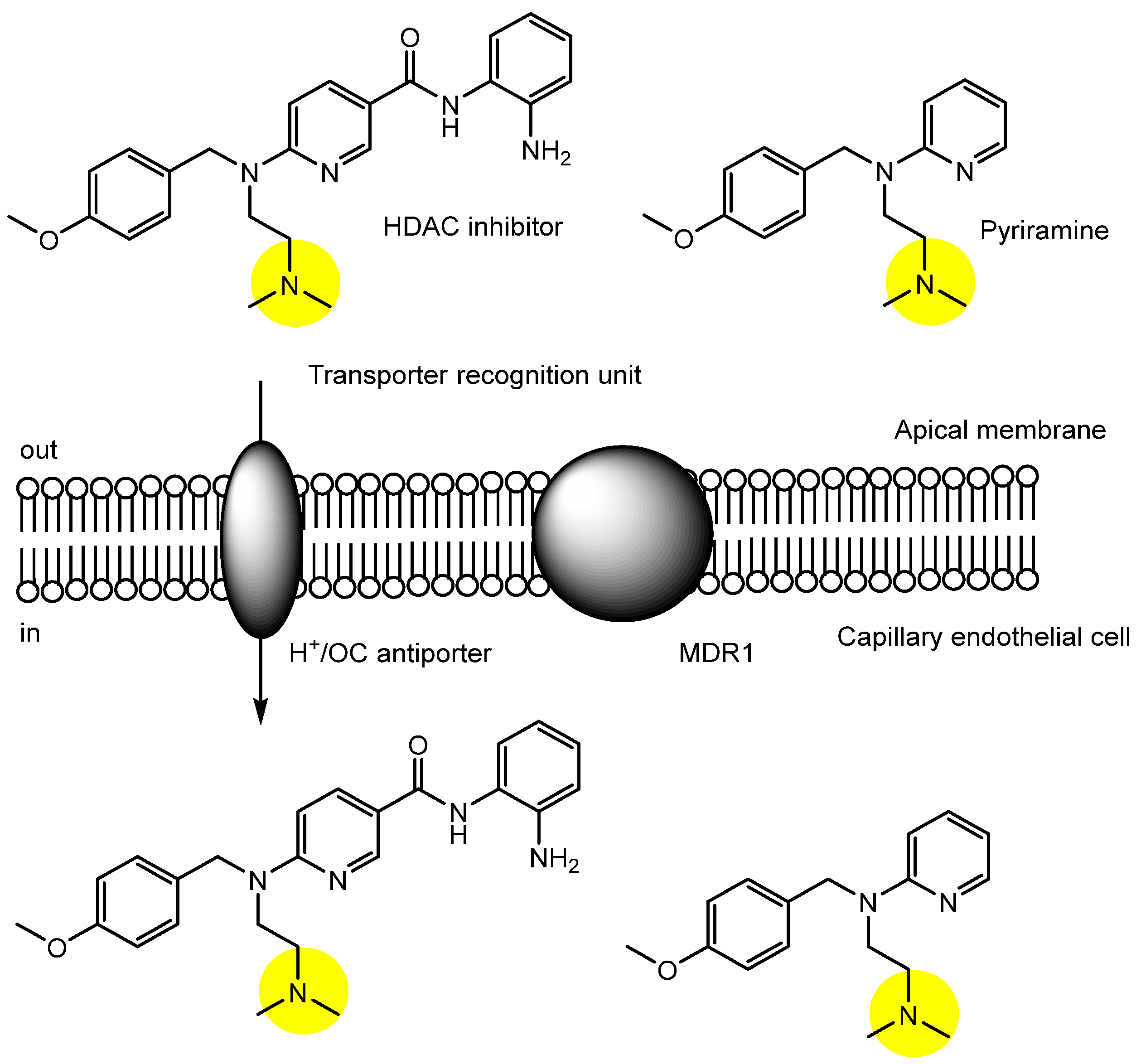
| i | A pyrilamine derivative with the benzamide zinc-binding group | Transporter recognition unit | Carrier-mediated transport | HDAC inhibitor | Basic research (in vitro, in situ brain perfusion assay) | [27] |
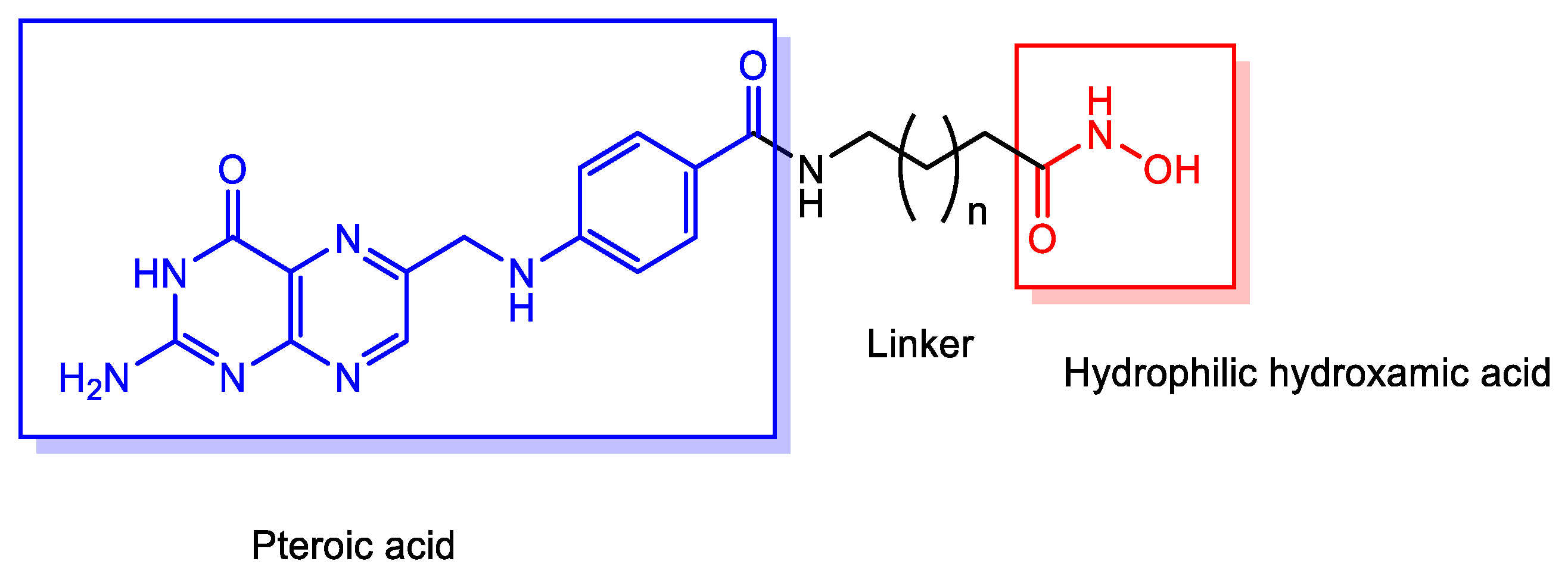
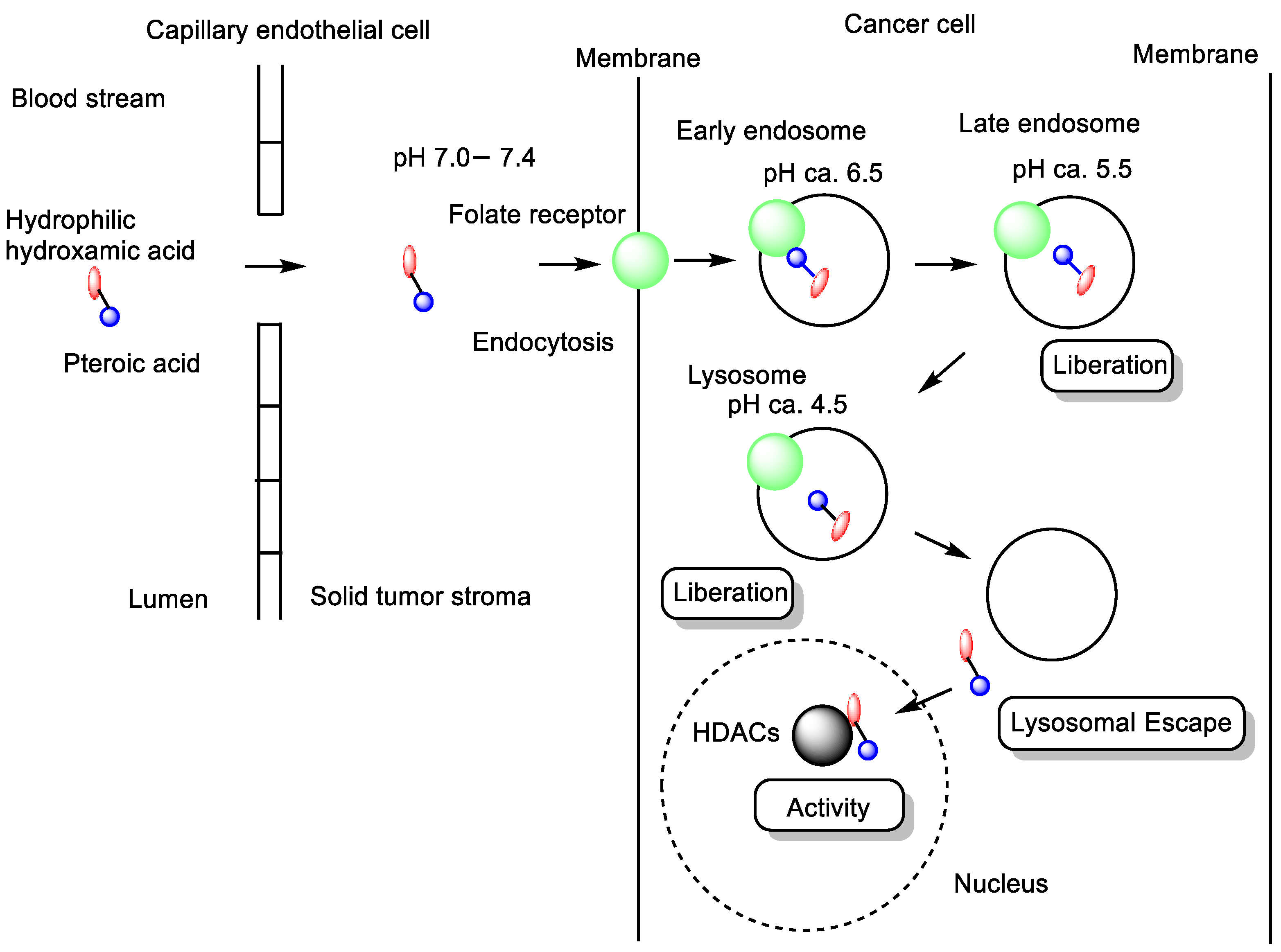
| ii | HDAC inhibitor conjugated with pteroic acid through carbon chain | Ligand (pteroic acid) | Receptor-mediated endocytosis | HDAC inhibitor | Basic research (in vitro) | [34] |
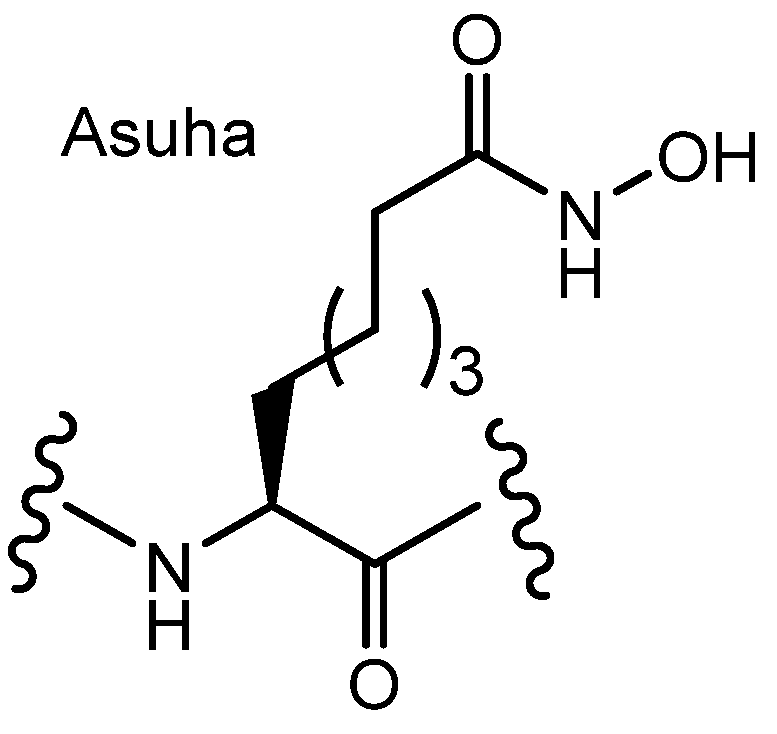
| iii | Hydroxamic acid-modified peptides such as H4(5–19)K12Asuha (Ac-KGGKGLGXGGAKRHR-W-NH2, X=Asuha) | Cell-penetrating peptides | Receptor-mediated endocytosis | HDAC inhibitor (Asuha) | Basic research (in vitro) | [42] |
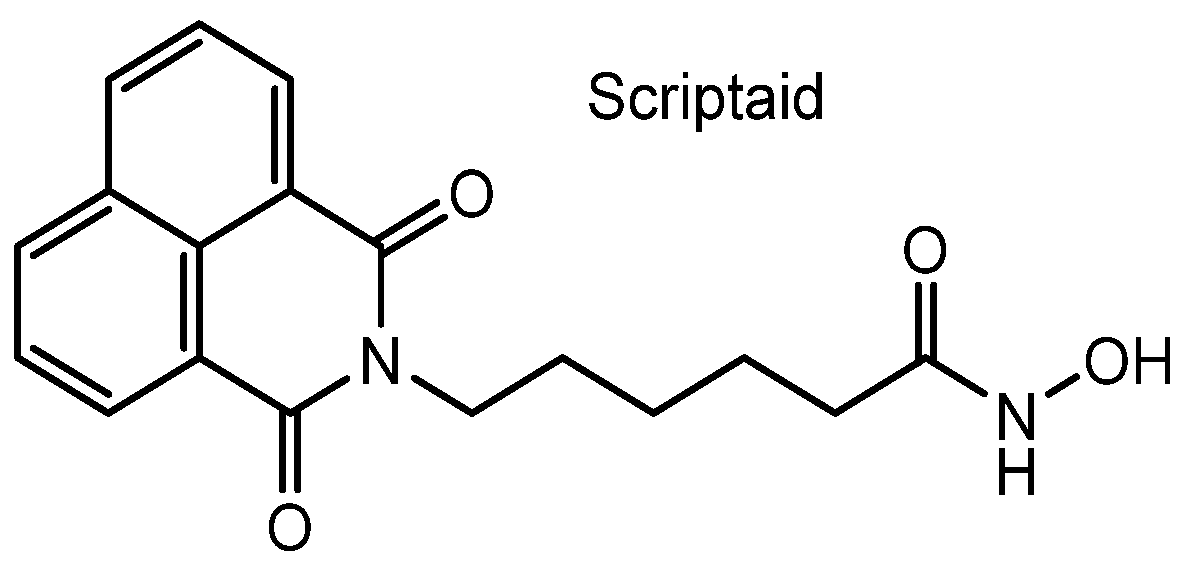
| iv | Panobinostat (LBH589) and scriptaid, concomitantly with Delta24-RGD | RGD-motif | Receptor-mediated endocytosis | HDAC inhibitors (panobinost, scriptaid) | Basic research (in vitro) | [44] |
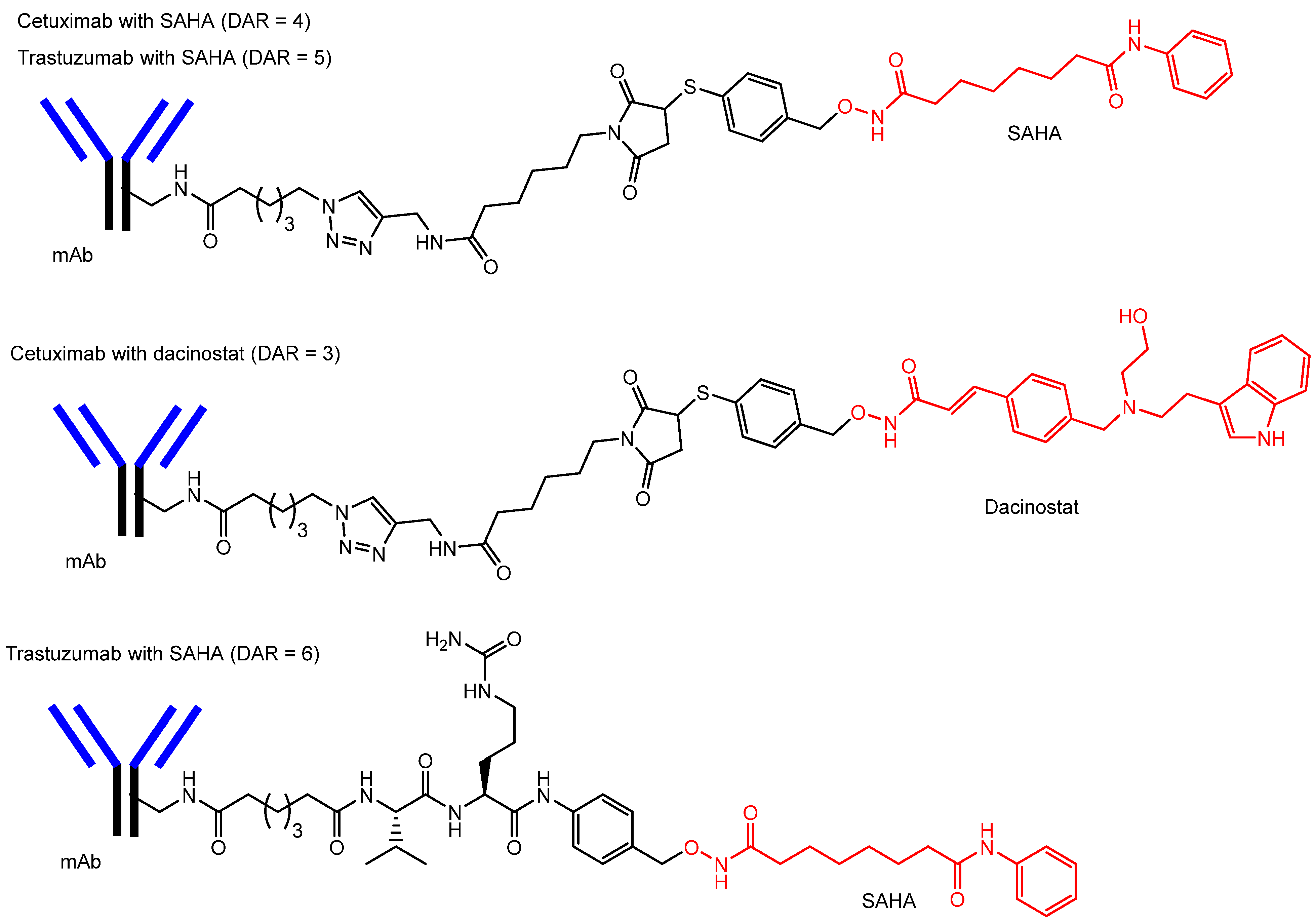
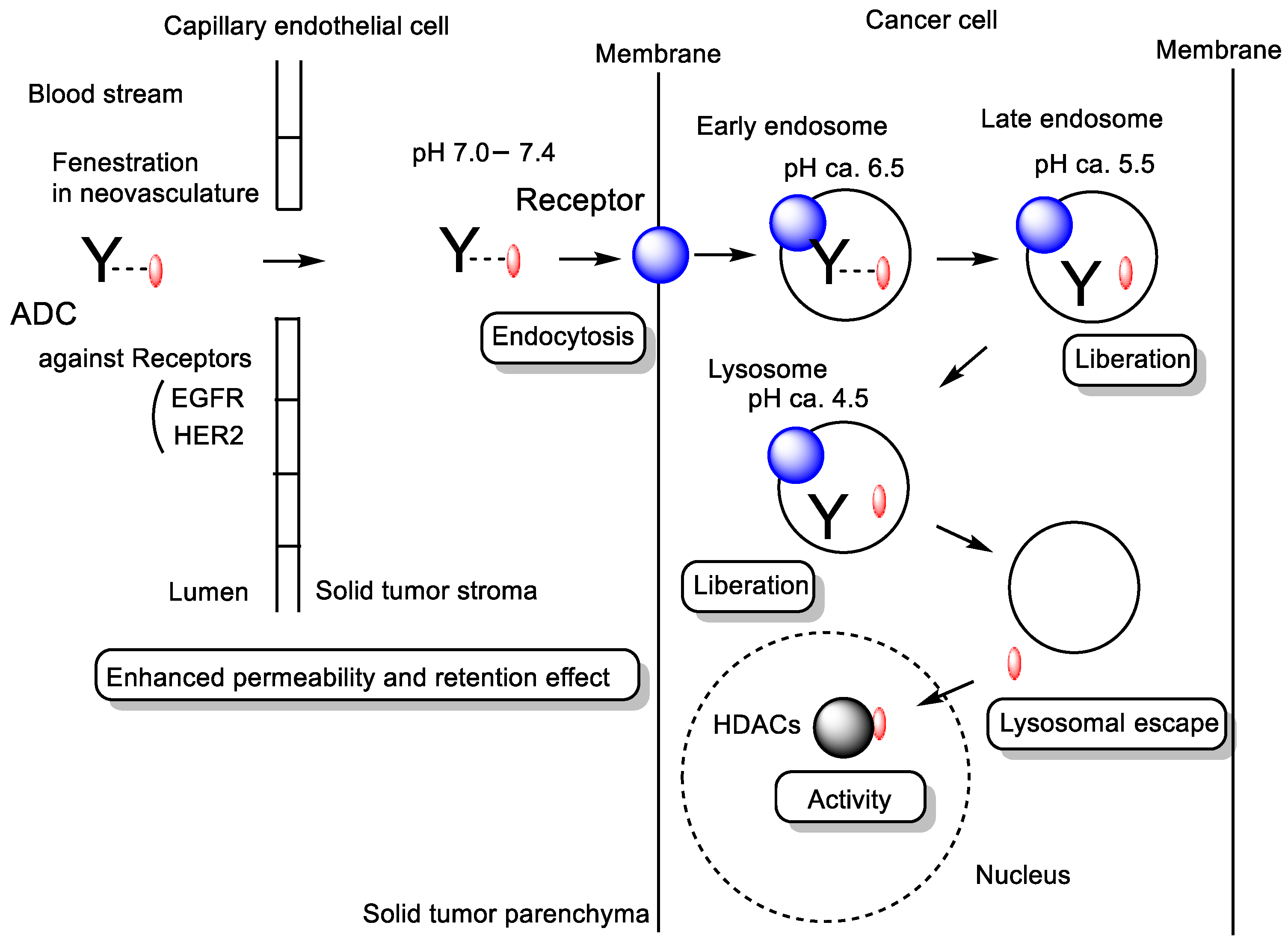
| v | Antibody–drug conjugates | Antibodies (cetuximab, trastuzumab) | Receptor-mediated endocytosis | HDAC inhibitors (ASAHA, dacinostat) | Basic research (in vitro) | [47] |
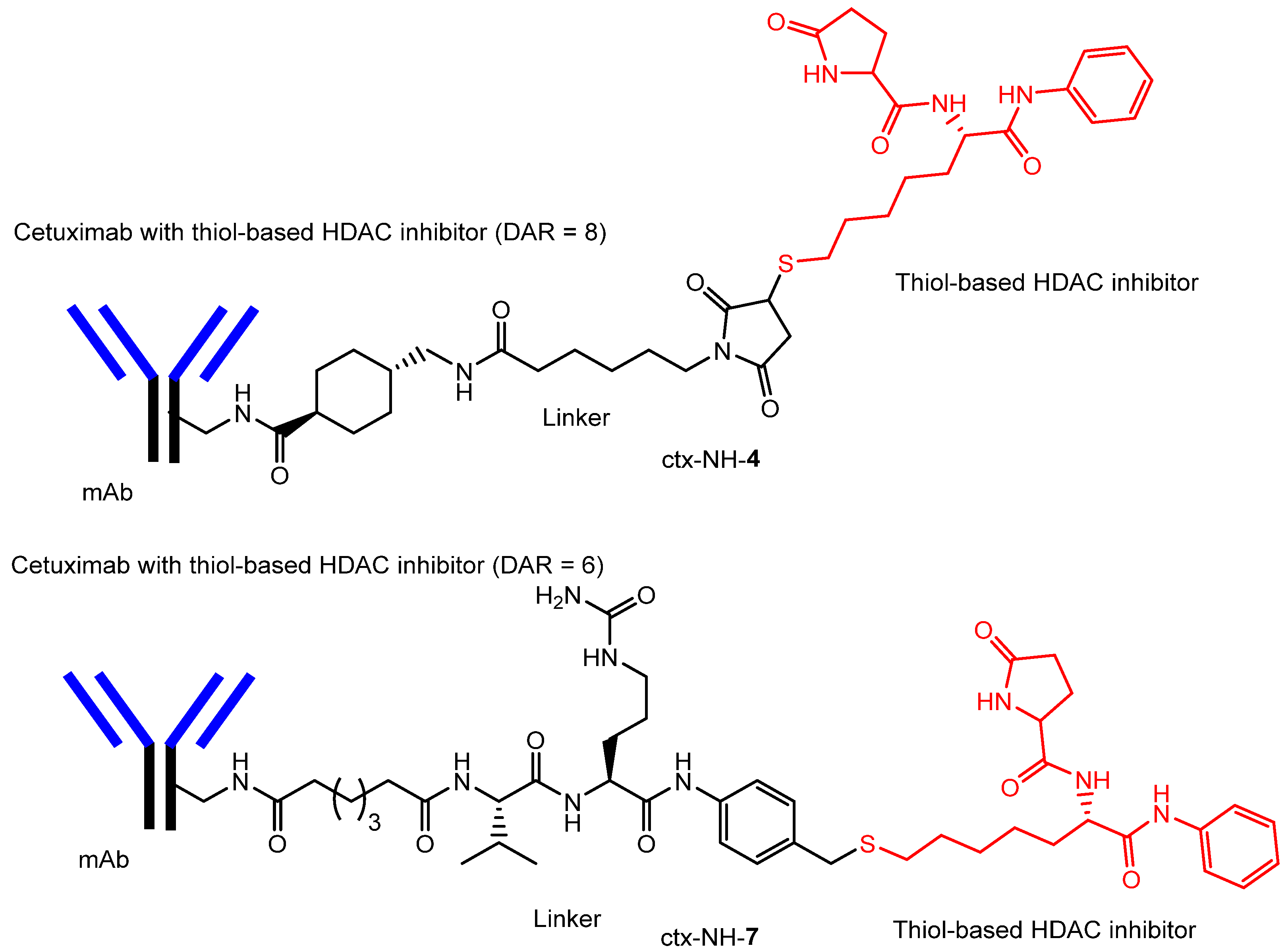
| vi | Antibody–drug conjugates (ctx-NH-4, ctx-NH-7) | Antibody (cetuximab) | Receptor-mediated endocytosis | Thiol-based HDAC inhibitor | Basic research (in vitro) | [50] |
| vii | TA-loaded chitosan-based nanoparticles (Chi-TA-NPs) (567.0 ± 25.84 nm in diameter) | Unknown | Unknown | Tannic acid (expression of DNA methyltransferase) | Basic research (in vitro) | [54] |
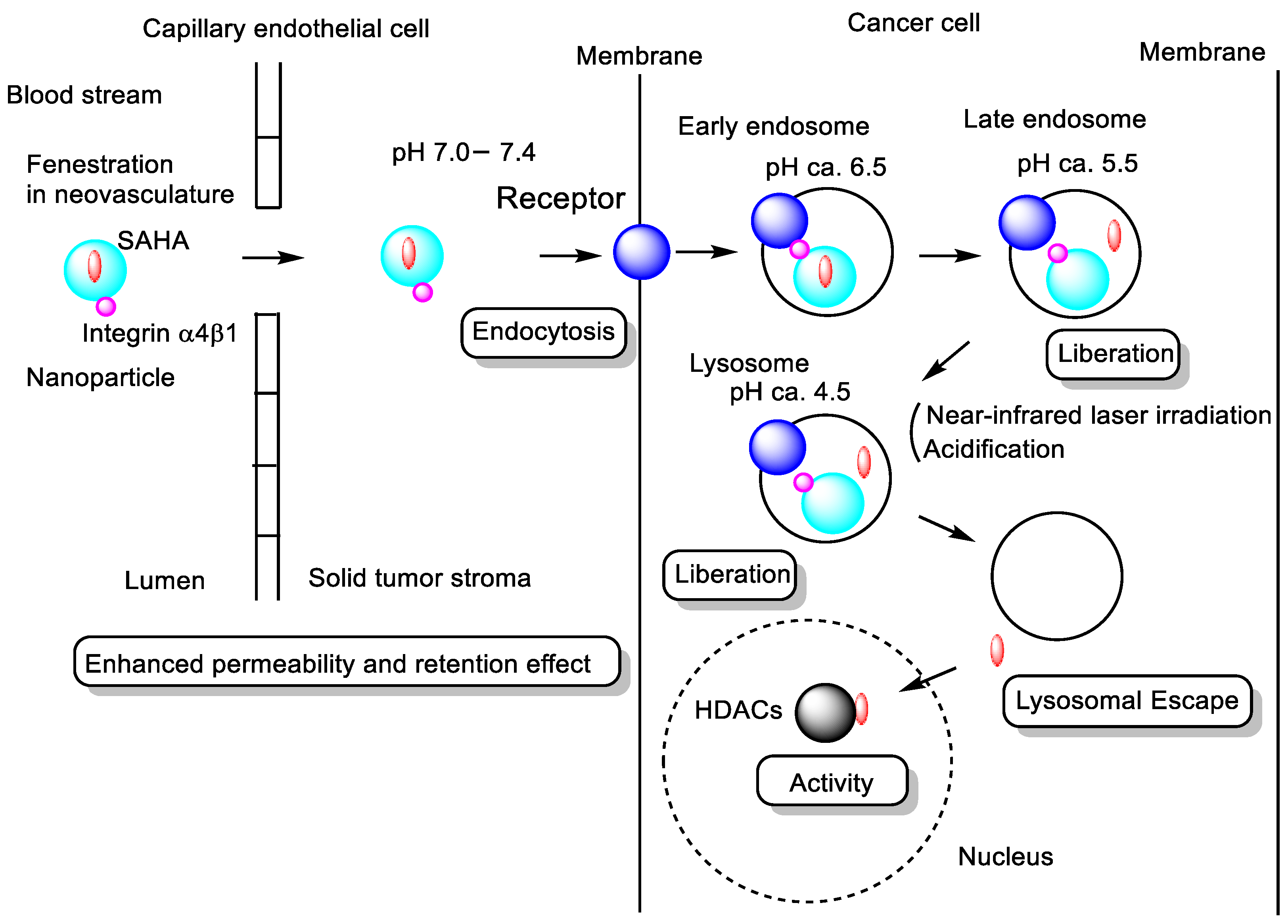
| viii | SAHA-loaded black phosphorus nanoparticles camouflaging with M1 macrophage membranes (MBS) (ca. 100 nm in diameter) | Integrin α4β1 on M1 macrophage membranes | Receptor-mediated endocytosis | HDAC inhibitor (SAHA) | Basic research (in vitro) | [55] |
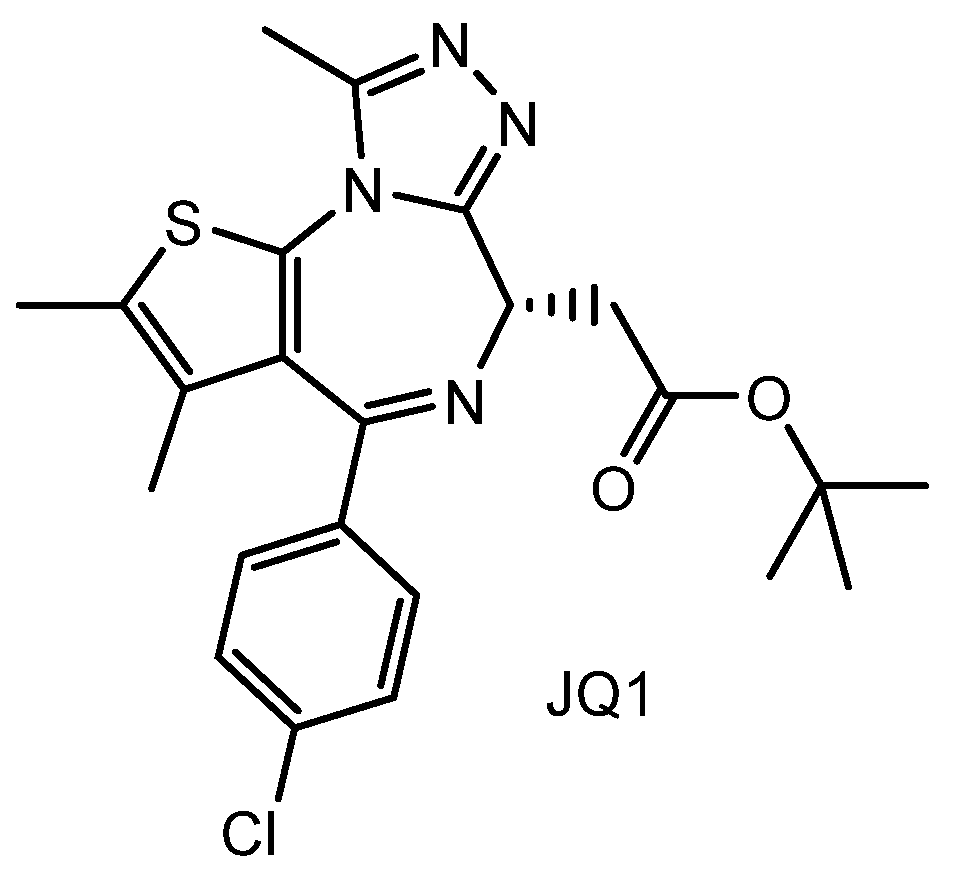
| ix | RGD peptide-modified poly(D,L-lactide-co-glycolide) (PLGA) nanoparticles (ARNPs) loaded with JQ1 (108.39 ± 5.82 nm in diameter) | RGD peptide | Receptor-mediated endocytosis | BET bromodomain inhibitor (JQ1) | Basic research (in vivo) | [56] |
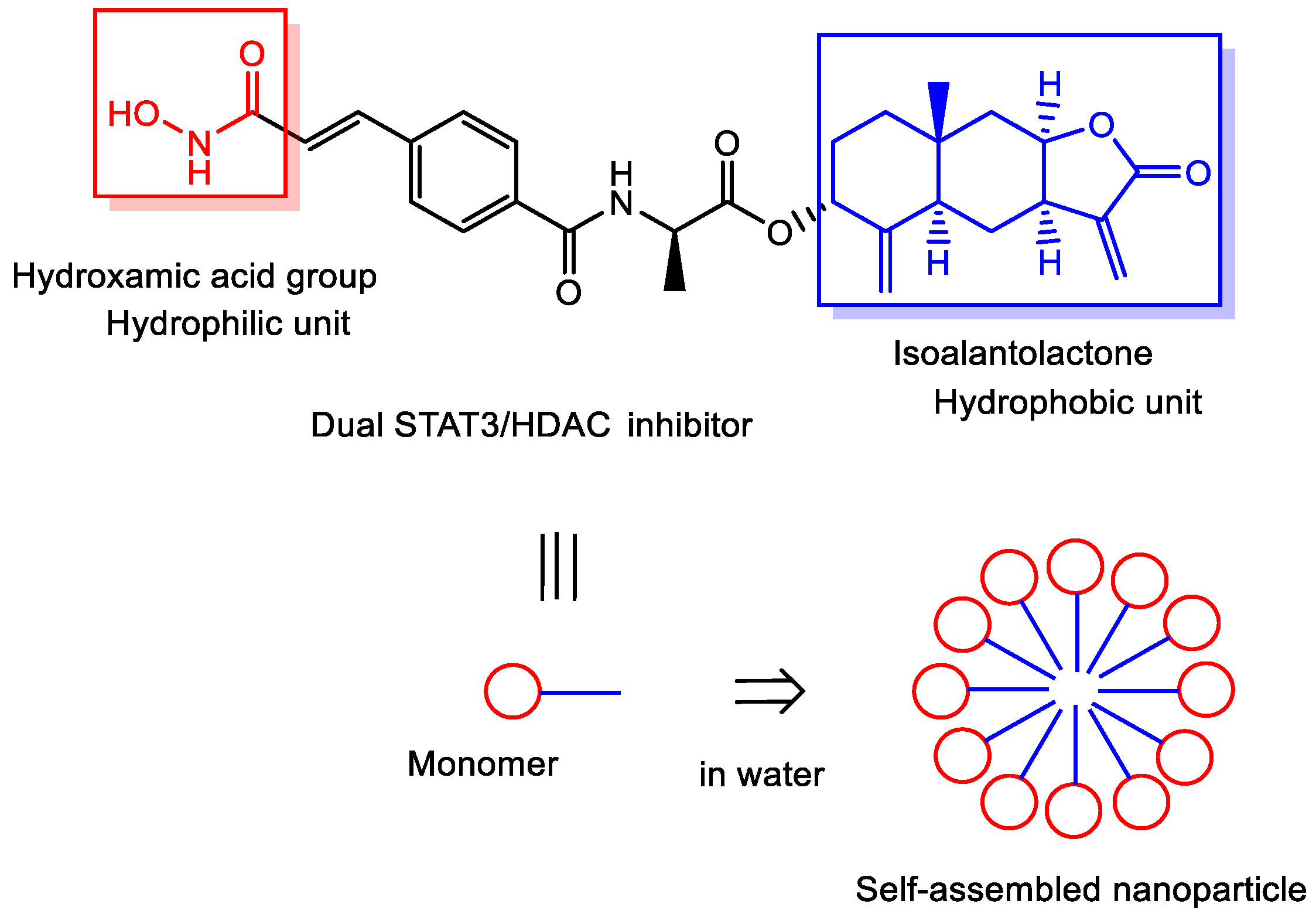
| x | Self-assembled nanoparticles composed of isoalantolactone with hydroxamic acid | Unknown | Unknown | Signal transducer and activator of transcription 3 (STAT3), HDAC inhibitor | Basic research (in vitro, in vivo) | [57] |
| xi | PLGA-based spherical nanoparticles encapsulating decitabine covered with anti-PD-L1 antibody and macrophage membrane (Dec@PLGA@aMM) (95.7 ± 9.1 nm in diameter) | Antibody (anti-PD-L1 antibody) | Receptor-mediated endocytosis | DNA methyltransferase inhibitor (decitabine) | Basic research (in vivo) | [61] |
| xii | Decitabine-encapsulated PLGA core nanoparticles hybridized with TET1 gene-encoding plasmid DNA (ca. 200 nm in diameter) | Unknown | Unknown | DNA methyltransferase inhibitor (decitabine), TET1 gene-encoding plasmid DNA | Basic research (in vitro) | [64] |
| xiii | siHSP47 and siHMGB1-encapculated ionizable polymeric micelles modified with a fibroblast activation protein inhibitor (FAPi-IPMs) (less than ca. 175 nm in diameter) | Fibroblast activation protein inhibitor | Receptor-mediated endocytosis | siRNAs (reduction of collagen secretion and liver inflammation) | Basic research (in vitro) | [71] |
| xiv | Azacitidine and miR-133a-encapsulated PLGA-PEI nanocarriers (ca. 298 nm in diameter) | Unknown | Unknown | DNA methyltransferase inhibitor (decitabine), miRNA (DNA methylation regulation) | Basic research (in vitro) | [75] |
| xv | PROTAC–antibody conjugates | Antibody | Receptor-mediated endocytosis | HDAC degrader | Under analysis in Tashima lab | - |
Disclaimer/Publisher’s Note: The statements, opinions and data contained in all publications are solely those of the individual author(s) and contributor(s) and not of MDPI and/or the editor(s). MDPI and/or the editor(s) disclaim responsibility for any injury to people or property resulting from any ideas, methods, instructions or products referred to in the content. |
© 2026 by the author. Licensee MDPI, Basel, Switzerland. This article is an open access article distributed under the terms and conditions of the Creative Commons Attribution (CC BY) license.
Share and Cite
Tashima, T. Effective Non-Invasive Delivery of Epigenetic Drugs Using Functionalized Accessory Unit Conjugates. Pharmaceutics 2026, 18, 115. https://doi.org/10.3390/pharmaceutics18010115
Tashima T. Effective Non-Invasive Delivery of Epigenetic Drugs Using Functionalized Accessory Unit Conjugates. Pharmaceutics. 2026; 18(1):115. https://doi.org/10.3390/pharmaceutics18010115
Chicago/Turabian StyleTashima, Toshihiko. 2026. "Effective Non-Invasive Delivery of Epigenetic Drugs Using Functionalized Accessory Unit Conjugates" Pharmaceutics 18, no. 1: 115. https://doi.org/10.3390/pharmaceutics18010115
APA StyleTashima, T. (2026). Effective Non-Invasive Delivery of Epigenetic Drugs Using Functionalized Accessory Unit Conjugates. Pharmaceutics, 18(1), 115. https://doi.org/10.3390/pharmaceutics18010115