


Simple Summary
The idea that “sugar feeds cancer” is widely believed and has led many people, including cancer patients, to drastically restrict sugar from their diets. This belief is often based on a misunderstanding of how cancer cells use glucose rather than on solid clinical evidence. In this review, we critically examine decades of human, experimental, and biological research to determine whether eating sugar directly causes cancer to grow or spread. We show that, while high sugar intake can worsen metabolic health and indirectly influence cancer risk, there is no convincing evidence that dietary sugar directly fuels cancer in humans. Misinterpreting this concept may cause unnecessary fear, nutritional harm, and reduced quality of life. Our findings highlight the importance of evidence-based dietary guidance that focuses on overall metabolic health rather than sugar avoidance alone.
Abstract
Background: The belief that “sugar feeds cancer” is widespread and has strongly influenced public perceptions, patient behavior, and dietary recommendations, despite uncertainty regarding its scientific validity. This belief largely stems from misinterpretation of the Warburg effect, which describes altered glucose metabolism in cancer cells rather than dietary sugar dependence. The objective of this review was to critically evaluate whether dietary sugar intake directly contributes to cancer development or progression by examining the totality of epidemiological, experimental, and mechanistic evidence. Methods: We conducted a narrative review of human epidemiological studies, experimental animal and cell-based models, and mechanistic investigations published between 1980 and July 2025. Evidence was synthesized across cancer types, sugar sources, and biological pathways, with careful consideration of study design, exposure relevance, and key confounders, including obesity, insulin resistance, and overall dietary patterns. Results: Across cancer types, epidemiological evidence showed predominantly null or inconsistent associations between sugar intake and cancer risk or outcomes, with positive findings largely confined to metabolically susceptible subgroups and often attenuated after adjustment for adiposity and energy intake. Experimental studies suggested potential tumor-promoting effects under non-physiological conditions, while mechanistic data indicated that sugar influences cancer risk indirectly through insulin signaling, inflammation, and metabolic dysfunction rather than direct tumor fueling. Conclusions: Current evidence does not support the hypothesis that dietary sugar directly “feeds” cancer in humans. Overemphasis on sugar avoidance risks nutritional and psychological harm, particularly among cancer patients. Evidence-based guidance should prioritize overall dietary quality, metabolic health, and patient well-being rather than isolated sugar restriction.
1. Introduction
The idea that “sugar feeds cancer” has become deeply embedded in public consciousness and has influenced dietary practices among patients and the general population alike [1,2,3,4]. This widespread belief stems from the core biological observation, known as the Warburg effect, where cancer cells often exhibit increased glucose uptake and preferentially rely on aerobic glycolysis for energy production [5,6]. Although this metabolic reprogramming is a hallmark of many tumors [7,8], its misinterpretation has led to the common assumption that dietary sugar directly fuels cancer growth in humans [9,10]. Consequently, many cancer patients have been adopting restrictive low-sugar diets (often without clinical indication or scientific consensus), which might be concerning given that cancer patients in specific are uniquely vulnerable to malnutrition, treatment-related anorexia, and cachexia [11,12]. Following restrictive diets that limit sugar-containing foods, especially those that are calorie-dense, can exacerbate these health challenges [13].
These restrictive dietary patterns are often influenced more by fear than by evidence [4,14]. To date, research on this topic remains inconclusive. Epidemiological studies report mixed results: while some suggest modest associations between high intake of sugar-sweetened beverages and risk of specific cancers (such as breast and endometrial), others find no association for cancers of the colon, prostate, pancreas, or liver. Additionally, experimental studies, while offering mechanistic insights, often rely on supra-physiological sugar doses or artificial cell culture conditions that limit their real-world applicability. Mechanistically, proposed links between sugar and carcinogenesis (such as via insulin signaling, inflammation, or oxidative stress) are reasonable but often confounded by broader metabolic dysfunction, including obesity [14,15] and insulin resistance [16,17,18].
The aim of this paper is to critically examine the hypothesis that dietary sugar intake directly contributes to cancer development or progression. We synthesised findings from epidemiological, experimental, and mechanistic studies to evaluate whether dietary sugar acts as an independent risk factor or serves as a proxy for broader metabolic dysregulation. Our hypothesis is that although excessive sugar intake may indirectly influence cancer risk through its effects on insulin signaling and inflammation, there is insufficient evidence to support the claim that dietary sugar directly “feeds” cancer in humans.
2. Methods
We conducted a narrative review of epidemiological, experimental, and mechanistic studies examining the relationship between dietary sugar intake and cancer risk or progression. Searches were performed in PubMed, Scopus, and Web of Science from January 1980 to July 2025. Search terms included combinations of: “sugar”, “dietary sugar”, “sucrose”, “fructose”, “sugar-sweetened beverages”, “glycemic load”, “glycemic index”, “cancer”, “tumor”, “carcinogenesis”, “Warburg effect”, and “metabolism”. Additional relevant articles were identified through citation tracking.
Inclusion criteria included human epidemiological studies, animal or cell-culture experiments evaluating sugar exposure, mechanistic studies examining glucose metabolism relevant to carcinogenesis, and systematic reviews or meta-analyses. Studies were excluded if they were non-original papers without relevant mechanistic content, case reports, or studies not isolating sugar-related exposures.
Two reviewers independently screened abstracts and full texts. Discrepancies were resolved by consensus. Risk of bias for epidemiological studies was qualitatively evaluated based on sample size, adjustment for confounders (particularly BMI, energy intake, smoking), dietary assessment quality, and outcome ascertainment.
Studies reporting null, positive, and inverse associations were all included and discussed to reflect the full spectrum of published evidence.
A narrative review design was intentionally selected due to the heterogeneity of available evidence (epidemiological, mechanistic, and experimental), which cannot be meaningfully synthesized through a systematic review or meta-analysis.
3. A General Overview of Sugar and Its Metabolic Role in Normal and Cancer Cells
3.1. Normal Cellular Energy Metabolism
Glucose is the primary substrate used by cells to generate ATP through a multistep process involving glycolysis, the tricarboxylic acid (TCA) cycle, and oxidative phosphorylation [19,20]. Glycolysis occurs in the cytosol and produces pyruvate, which is then transported into the mitochondria. There, it is converted into acetyl-CoA and enters the TCA cycle [21]. Reduced cofactors Nicotinamide Adenine Dinucleotide (NADH) and Falvin Adenine Dinucleotide (FADH2) generated along the way [22] donate electrons to the electron transport chain (ETC) in the inner mitochondrial membrane, driving ATP synthesis [23]. This aerobic pathway produces approximately 36 to 38 ATP molecules per molecule of glucose [21,22]. Under anaerobic conditions (such as hypoxia or in certain tissues) cells rely on glycolysis alone, converting pyruvate to lactate and generating only 2 ATP per glucose molecule, due to the absence of mitochondrial oxidative phosphorylation [23].
3.2. Cancer Cell Metabolism and the Warburg Effect
The claim that sugar “fuels cancer” originates from Otto Warburg’s observation that many malignant cells preferentially utilize glucose through aerobic glycolysis, converting it into lactate despite adequate oxygen availability, a phenomenon termed the Warburg effect [4,24]. Although energetically inefficient, aerobic glycolysis supports rapid proliferation by supplying glycolytic intermediates for anabolic processes, including nucleotide, lipid, and amino acid biosynthesis [25]. In this context, glucose primarily serves as a carbon source for macromolecular synthesis rather than as a high-yield energy substrate [24,26]. An overview of these pathways is illustrated in Figure 1.
Figure 1.
Overview of normal and cancer-related glucose metabolism, contrasting glycolysis, mitochondrial oxidation, and metabolic rerouting in malignant cells. The schematic highlights how the Warburg effect is often misinterpreted as dietary sugar dependence. (Created with BioRender.com, accessed on 27 November 2025).
The Warburg effect does not imply a universal suppression of mitochondrial function [27]. Many cancer cells retain active mitochondria and engage in the tricarboxylic acid (TCA) cycle and oxidative phosphorylation to varying degrees, depending on tumor type, genetic mutations, and microenvironmental conditions [28,29]. This metabolic plasticity supports the heterogeneity of tumor bioenergetics, allowing cancer cells to switch between glycolysis and oxidative metabolism as needed [30].
3.3. Metabolic Rewiring and Misattributed Causality
The enhanced glucose metabolism observed in tumors arises from intrinsic oncogenic and epigenetic programs not dietary sugar availability. Mutations in MYC, RAS, and AKT, or loss of TP53, upregulate GLUT1 and glycolytic enzymes (HK2, PKM2), driving anabolic flux and metabolite diversion into biosynthesis independently of systemic nutrient intake [31,32].
High dietary sugar intake may still influence cancer risk indirectly by promoting obesity, insulin resistance, and systemic metabolic dysregulation. Chronic hyperglycemia elevates insulin and IGF-1, activating PI3K/Akt/mTOR and MAPK/ERK pathways, which stimulate proliferation, inhibit autophagy, and enhance nutrient uptake [17,33,34,35,36]. Suppression of IGF-binding proteins (e.g., Insulin-like Growth Factor Binding Protein (IGFBPs) and sex hormone-binding globulin (SHBG) increases the bioavailability of IGF-1 and sex steroids, pathways linked to hormonally driven cancers such as breast [29,37,38,39,40,41], endometrial [42,43,44], liver [45,46,47], and prostate [48,49,50,51,52,53,54].
Obesity amplifies these effects via chronic low-grade inflammation, oxidative stress, and altered adipokine signaling (↑ leptin, ↓ adiponectin), inducing a pro-tumorigenic microenvironment [55,56,57]. Parallel to this, sugar-rich diets can remodel the gut microbiome, reducing short-chain fatty acid (SCFA) production, increasing gut permeability [58,59], and promoting translocation of lipopolysaccharide (LPS) into circulation [60,61]. Elevated LPS activates NF-κB and STAT3 signaling, further sustaining systemic inflammation and insulin resistance [62]. Microbial shifts, such as enrichment of Fusobacterium and Enterobacteriaceae, are associated with colorectal [63,64,65] and hepatobiliary cancers [66], although human causality remains uncertain [67].
At the tumor level, hyperglycemia induces SREBP-1c overexpression, enhancing lipogenesis and aggressiveness [68,69], while AMPK inhibition removes a key metabolic checkpoint, enabling unchecked mTOR signaling [70,71]. Tumor cells also exhibit metabolic plasticity, utilizing glutamine, fatty acids, and pentose phosphate pathway activity to sustain growth even under low-glucose conditions [72].
Collectively, these findings indicate that any epidemiological links between sugar intake and cancer are more plausibly mediated through systemic metabolic and inflammatory pathways shaped by adiposity [73,74], insulin-IGF-1 signaling [75,76], and microbiome dysbiosis [77,78,79] rather than by direct tumor cell dependence on dietary glucose.
At the molecular level, oncogenic activation of PI3K/Akt signaling enhances GLUT1 trafficking to the cell membrane, increases glycolytic flux, and stimulates mTOR-mediated protein synthesis [34,35,36]. Loss of p53 further promotes glucose uptake through TIGAR suppression and reduces mitochondrial oxidative capacity [35]. Upregulation of SREBP-1c drives de novo lipogenesis, supporting membrane biosynthesis required for rapid proliferation [37,38,39]. These oncogene-driven pathways act independently of dietary sugar availability, highlighting that the metabolic phenotype of tumors is primarily encoded by intrinsic genetic alterations rather than substrate abundance [55]. These oncogene-driven alterations are summarized in Figure 2.
Figure 2.
Key oncogenic drivers of metabolic rewiring in cancer, including MYC, RAS, AKT, and loss of TP53. These pathways alter glucose uptake, glycolytic flux, mitochondrial function, and biosynthetic activity independent of dietary sugar availability. (Created with BioRender.com, accessed on 27 November 2025).
3.4. Metabolic Plasticity in Cancer Cells
Despite claims that carbohydrate restriction can “starve” tumors, human glucose homeostasis (70–100 mg/dL) is maintained even under fasting or ketogenic diets via gluconeogenesis and glycogenolysis [79,80,81]. Tumors further bypass glucose scarcity through metabolic flexibility utilizing glutamine for TCA cycle anaplerosis [82], nucleotide synthesis [83], and redox control [84,85], and fatty acids via CPT1A- and FATP-mediated β-oxidation for ATP production and membrane biosynthesis [86,87]. While some tumors can metabolize ketone bodies, most exhibit impaired ketolytic capacity, especially those with mitochondrial defects. This adaptability limits the therapeutic impact of dietary carbohydrate restriction [88,89,90].
Metabolic plasticity is supported by the tumor’s ability to reroute carbon sources depending on microenvironmental constraints [80]. Under glucose scarcity, glutamine becomes a dominant anaplerotic substrate via glutaminase-mediated conversion to α-ketoglutarate, supporting TCA cycle flux [81]. Fatty acid oxidation through CPT1A provides ATP and NADPH for redox defense, while activation of AMPK in low-energy states promotes catabolic pathways that sustain cell survival [87]. This adaptive capacity allows tumors to grow even when extracellular glucose is limited, further challenging the notion that restricting dietary sugar can directly ‘starve’ cancer cells [89]. Adaptive pathways supporting tumor survival under nutrient scarcity are depicted in Figure 3.
Figure 3.
Metabolic plasticity mechanisms enabling tumor survival during nutrient limitation, including glutamine utilization, fatty acid oxidation, autophagy, macropinocytosis, and alternative energy pathways. (Created with BioRender.com, accessed on 27 November 2025).
3.5. Immune Cell Glucose Uptake and Fluorodeoxyglucose Positron Emission Tomography (FDG-PET)
FDG-PET exploits high glucose uptake [91,92] but does not necessarily reflect tumor cell dependence on dietary sugars. Dual-tracer PET and flow cytometry in murine solid tumor models showed that tumor-associated macrophages and T cells had the highest FDG uptake, while malignant cells preferentially consumed glutamine [93,94,95]. This finding challenges the interpretation of FDG-PET “hot spots” as evidence of direct sugar fueling tumor growth and instead suggests they reflect immune metabolism within the tumor microenvironment [93].
4. Epidemiological Evidence
4.1. Breast Cancer
In large prospective cohorts (Supplementary Materials Tables S1 and S2), no significant associations were consistently reported between sugar intake and breast cancer risk. The Canadian cohort found no association with SSBs (HR = 1.02, 95% CI: 0.82–1.27), SCBs (HR = 1.13, 95% CI: 0.90–1.41), or fruit juice (HR = 1.17, 95% CI: 0.93–1.48) [96]. The Women’s Health Initiative likewise reported null results for glycemic load, glycemic index, sucrose, and fructose [97], while the CPS-II Nutrition Cohort [98] and the Melbourne Collaborative Cohort Study [99] also showed no associations with beverage intake. The NutriNet-Santé cohort confirmed these findings overall, with elevated risk observed only among premenopausal women [100]. In contrast, some studies have indicated adverse outcomes: the Nurses’ Health cohort reported higher breast cancer mortality with ≥1–3 SSB servings/week (HR ≈ 1.31–1.35) [101], and the WEB study showed that women consuming sugar-sweetened soda ≥5 times/week had significantly increased breast cancer-specific mortality (HR = 1.85, 95% CI: 1.16–2.94) [102]. A case-control study in African American and European American women further suggested that sugary drink intake was associated with increased risk of ER + breast cancer among women with above-median BMI [103]. Regional case-control investigations have also reported positive associations, including significantly higher odds with high SSB intake (OR = 2.8), sweets (OR = 3.7), fruits (OR = 1.6), and dairy (OR = 1.5) in Iran [104], nearly two-fold higher risk among Malaysian women in the highest quartile of sugar intake for both premenopausal (OR = 1.93) and postmenopausal women (OR = 1.87) [105], and approximately 19% increased risk with desserts and sugar-rich foods in Italy (OR = 1.19) [106]. Additional prospective evidence from the SUN cohort indicated increased risk among postmenopausal women with higher SSB consumption [107]. By contrast, in the DISC06 cohort, adolescent sucrose intake was associated with higher breast density in adulthood, whereas fructose, glycemic load, and glycemic index showed no associations [108].
While these positive associations may indicate a link between high sugar intake and breast cancer, they appear largely confined to metabolically and hormonally susceptible subgroups (such as premenopausal women [100], survivors with higher post-diagnostic SSB intake [101], women with above-median BMI [102], and postmenopausal women [105]) and often diminish after adjustment for BMI, total energy intake, and physical activity [96,97,98,99,103,104]. Mechanistically, high sugar intake can promote chronic positive energy balance, leading to central adiposity and insulin resistance [109]. This metabolic state elevates circulating insulin and activates the insulin-like growth factor-1 (IGF-1) axis, enhancing cell proliferation and inhibiting apoptosis [17,110]. In postmenopausal women, excess adipose tissue increases aromatase activity, raising estrogen levels that can drive ER + tumor growth [111,112]. Hyperinsulinemia also reduces sex hormone-binding globulin (SHBG), further increasing bioavailable estrogen [113]. The combined mitogenic and estrogenic stimulation creates a pro-tumorigenic environment in breast tissue. Given that these pathways are indirect consequences of adiposity and metabolic dysfunction, and that null associations dominate in large, well-controlled cohorts, the current evidence supports an indirect, metabolism-driven effect of sugar rather than a direct carcinogenic role.
4.2. Endometrial Cancer
In large prospective cohorts, including the Canadian cohort [96], no significant associations were observed between sugar-sweetened beverages (SSBs) or fruit juice intake and overall endometrial cancer risk. The Iowa Women’s Health Study [114] similarly reported no associations for Type II endometrial cancer with SSBs, fruit juice, or individual sugars. Consistent with these findings, the New Jersey Women’s Health Study also found no association between SSB intake and endometrial cancer [115]. Conversely, the Canadian cohort [96] found higher consumption of sugar-containing beverages was associated with increased risk of Type I endometrial cancer (HR = 1.62), while the Iowa study [114] likewise observed elevated risk of Type I tumors with SSB and glucose intake. The New Jersey study [115] further indicated that greater intake of added sugars and sweet foods (but not SSBs) was positively associated with Type I endometrial cancer.
While these positive associations may appear to support a dietary sugar-cancer link, they are biologically most plausible in the context of obesity-related metabolic and hormonal changes [116]. High sugar intake can promote chronic energy surplus, central adiposity, and insulin resistance, elevating circulating insulin and activating the insulin-like growth factor-1 (IGF-1) pathway, which enhances endometrial cell proliferation [17,36,43]. In postmenopausal women, excess adipose tissue also increases aromatase activity, raising estrogen levels that stimulate endometrial growth [117]. Concurrently, hyperinsulinemia reduces sex hormone-binding globulin (SHBG), further increasing free estrogen bioavailability [113]. Given that these pathways are indirect consequences of adiposity and metabolic dysfunction, and that null associations are reported in large, fully adjusted models, the available evidence suggests an indirect, metabolism-mediated relationship rather than a direct carcinogenic effect of sugar itself.
4.3. Ovarian Cancer
In large prospective studies, no significant associations were observed between sugar-sweetened beverages (SSBs), fruit juice, or sugary foods and ovarian cancer risk. In the Canadian Cohort, the highest versus lowest tertile yielded HRs of 0.92 (95% CI: 0.62–1.36) for SSBs and 0.98 (95% CI: 0.65–1.48) for fruit juice [96]. The Swedish Mammography Cohort similarly reported Swedish Mammography Cohort, no significant associations were found between fruit consumption and ovarian cancer risk [118]. The Melbourne study also found no significant associations [99]. Overall, current evidence does not support a causal link between sugar intake and ovarian cancer.
4.4. Colorectal Cancer
In large prospective cohorts, no significant associations have generally been observed between sugar intake and colorectal cancer risk. The Canadian cohort reported no association with SSBs (HR = 1.02, 95% CI: 0.82–1.27), SCBs (HR = 1.13, 95% CI: 0.90–1.41), or fruit juice (HR = 1.17, 95% CI: 0.93–1.48) [96], while the Melbourne Collaborative Cohort likewise found null results for both sugar-sweetened and artificially sweetened soft drinks [99]. The NIH-AARP Diet and Health Study also showed no associations for sucrose, fructose, or total sugar intake [119], the Women’s Health Initiative reported null findings for glycemic load, glycemic index, and total carbohydrate [120], and the Multiethnic Cohort observed no association for total sugars, sucrose, fructose, or food sources of sugar across diverse populations [121]. A recent JPHC analysis similarly found no significant associations for total, free, or added sugar intake and colorectal cancer risk [122]. In contrast, some studies have suggested increased risks under specific conditions. An early UK case-control analysis found elevated risk with fiber-depleted sugars (RR = 3.6, 95% CI: 1.2–10.9), though not with natural sugars or dietary fiber [123]. In the CPS-II Nutrition Cohort, higher SSB intake was associated with increased colorectal cancer mortality (HR = 1.11, 95% CI: 1.02–1.21) [124]. Subsite-specific analysis in the NIH cohorts indicated increased incidence and mortality with SSB (HR per 1-serving/day = 1.18, 95% CI: 1.03–1.34; HR for mortality = 1.39, 95% CI: 1.13–1.72) and fructose intake (HR = 1.18, 95% CI: 1.03–1.35 for incidence; HR = 1.42, 95% CI: 1.12–1.79 for mortality), specifically for proximal colon cancer [125]. Furthermore, the Nurses’ Health II found that higher adolescent intake of simple sugars and SSBs was associated with increased risk of colorectal adenomas, especially rectal lesions (OR = 1.43, 95% CI: 1.10–1.86 for fructose; OR = 1.30, 95% CI: 1.08–1.55 for SSBs), while adult sugar intake showed no association [126]. In the same cohort, SSB intake in adolescence and adulthood was also linked to increased risk of early-onset colorectal cancer [127].
Mechanistically, excessive free sugar intake may contribute to colorectal carcinogenesis through hyperinsulinemia, activation of the insulin-like growth factor-1 (IGF-1) axis, and systemic inflammation [36,51,62]. As monosaccharides are efficiently absorbed in the small intestine, the colonic epithelium has limited direct exposure to free sugars [128]. This restricted luminal exposure, together with metabolic and dietary modifiers, likely explains the largely null associations reported in well-adjusted prospective cohorts [129].
4.5. Colon Cancer
Evidence from prospective cohorts indicates no consistent associations between sugar intake and colon cancer risk [130]. In the Cancer Prevention Study II, no significant association was observed between total fruit intake and colon cancer incidence, with only women in the very lowest fruit intake category showing higher risk (RR = 1.86; 95% CI: 1.18–2.94), likely reflecting inadequate intake rather than excess sugar [124]. The Multiethnic Cohort likewise reported no associations for total sugar, fructose, glucose, sucrose, SSBs, or whole fruit intake, with an inverse association observed for fruit juice (HR = 0.79; 95% CI: 0.64–0.97) [121]. In the Japan Public Health Center cohort, sugary drink intake was not associated with colon cancer in men (HR = 0.80; 95% CI: 0.63–1.02), while a modest positive association in women (HR = 1.36; 95% CI: 1.03–1.78) did not follow a clear dose-response pattern [131]. Collectively, these findings demonstrate that across large, well-adjusted cohorts, sugar and SSB intake are not consistently linked to colon cancer incidence, and isolated positive results are more plausibly explained by residual confounding, sex-specific variation, or chance [96,99,119,121].
4.6. Liver Cancer
Evidence regarding sugar and SSB intake in relation to hepatocellular carcinoma (HCC) remains inconsistent and generally does not support a direct carcinogenic role of sugars. The NIH-AARP cohort found an inverse association with added fructose (HR = 0.43; 95% CI: 0.22–0.86; p = 0.02) and no links for other sugars [119]. The EPIC cohort (Fedirko et al., 2013) reported a positive association with total sugar intake (HR = 1.88; 95% CI: 1.16–3.03; p = 0.008), while finding no associations for glycemic index (HR = 1.08; 95% CI: 0.65–1.80) or glycemic load (HR = 0.87; 95% CI: 0.32–2.35) [132]. In the Women’s Health Initiative, there was no overall SSB association in non-diabetic individuals, but modest positive associations emerged during the early follow-up period in both non-diabetic (HR = 1.18; 95% CI: 1.03–1.35) and diabetic participants (HR = 1.12; 95% CI: 1.01–1.24) [133]. Lastly, a Japanese case-control study of patients with chronic hepatitis infection found no association between glycemic load and HCC risk (OR = 1.08; 95% CI: 0.93–1.25; p = 0.11) [134]. Taken together, the overall body of evidence points to null or inconsistent associations, with isolated positive findings more plausibly attributable to obesity, insulin resistance, and non-alcoholic fatty liver disease (NAFLD), which promote hepatic inflammation, oxidative stress, and progression to cirrhosis which is a recognized precursor of hepatocellular carcinoma [135,136,137].
4.7. Biliary Tract Cancer
The EPIC cohort found no associations between glycemic index, glycemic load, or total sugar intake and biliary tract cancer [132], with no consistent positive associations further reported or studies.
4.8. Pancreatic Cancer
Across large prospective cohorts, the predominant evidence points toward no significant associations between dietary sugars and pancreatic cancer risk. In the Women’s Health Initiative, null results were observed for sucrose, fructose, glycemic load, and glycemic index [138]. Similarly, the Nurses’ Health Study and Health Professionals Follow-up Study reported no associations for glycemic load, glycemic index, sucrose, or fructose [139]. In the Multiethnic Cohort, no significant associations were detected for total sugars, fruit juice, non-diet sodas, sucrose, or glycemic load [140]. The Alpha-Tocopherol, Beta-Carotene Cancer Prevention Study in male smokers also showed no associations with fruits and berries [141,142].
By contrast, the NIH-AARP Diet and Health Study identified increased risk with free fructose and free glucose, but no associations with sucrose, lactose, or maltose [143]. The Nurses’ Health Study II reported elevated risk with frequent sugar-sweetened beverage intake in women, whereas no association was found in men [141]. In the Swedish Mammography Cohort, soft drink consumption was linked to increased risk, while other sugar-rich foods showed null results [144]. Finally, the Chicago Western Electric Study indicated higher risk with glycemic load in men, but not in women [145].
Taken together, the evidence points to null or inconsistent associations, with isolated positive findings more plausibly explained by metabolic confounding, measurement error, or reverse causation rather than a direct effect of sugars. Excess sugar intake promotes obesity, insulin resistance, and hyperinsulinemia, which drive pancreatic carcinogenesis via inflammation and IGF-1 signaling [36,51,146]. In addition, reliance on food frequency questionnaires introduces dietary misclassification, while preclinical diabetes may alter dietary behaviors, producing spurious associations [147,148,149]. Overall, these factors suggest that sugars act indirectly through metabolic dysfunction rather than as independent carcinogens.
4.9. Hematologic Cancers
In the CPS-II cohort, no associations were observed for leukemia (HR = 0.96, 95% CI: 0.86–1.06) or multiple myeloma (HR = 0.96, 95% CI: 0.83–1.11) [98]. Similarly, in the Nurses’ Health Study and Health Professionals Follow-Up Study, soda consumption showed no associations with leukemia or multiple myeloma in either men or women [150].
By contrast, some subgroup findings suggested potential risks. In the CPS-II cohort, SSB intake was associated with increased risk of non-Hodgkin lymphoma (HR = 1.20, 95% CI: 1.07–1.34) [130]. Consistently, the Nurses’ Health Study and Health Professionals Follow-Up Study reported elevated risk of non-Hodgkin lymphoma in men consuming soda (RR = 1.66, 95% CI: 1.10–2.51), but not in women [150]. Added fructose intake also showed a modest association with higher risk in a separate cohort (HR = 1.53, 95% CI: 0.98–2.38) [116].
Mechanistically, high sugar intake contributes to obesity, insulin resistance, and chronic hyperinsulinemia, which can promote lymphomagenesis through immune dysregulation, altered cytokine signaling, and impaired apoptosis of B and T lymphocytes [151]. Moreover, systemic inflammation and adipokine imbalance associated with obesity provide a pro-tumorigenic microenvironment that facilitates hematological malignancy development [152]. Methodological issues, including dietary misclassification from food frequency questionnaires [153] and reverse causation due to preclinical diabetes or metabolic alterations [154], further support that observed associations are likely secondary or artifactual.
4.10. Larynx, Oral Cavity, and Pharynx
In the CPS-II cohort, no significant associations were observed between SSB intake and cancers of the larynx, oral cavity, or pharynx (HR = 1.04, 95% CI: 0.88–1.24) [98]. By contrast, the NIH-AARP cohort reported a decreased risk with higher added sucrose intake (HR = 0.66, 95% CI: 0.50–0.88) [116]. Taken together, the predominant evidence supports null or inverse associations, with little indication that sugars directly contribute to cancers of the upper aerodigestive tract.
4.11. Melanoma and Skin Cancer
In the CPS-II cohort, no significant associations were observed between SSB intake and risk of melanoma or skin cancer (HR = 1.12, 95% CI: 0.96–1.31) [98]. The evidence therefore supports a null association, suggesting that sugars are unlikely to play a direct role in cutaneous carcinogenesis, where ultraviolet radiation remains the dominant risk factor.
4.12. Gastric Cancer
In the CPS-II cohort, no significant associations were observed between SSB intake and gastric cancer mortality (HR = 1.08, 95% CI: 0.93–1.26) [98]. Similarly, in the Japan Public Health Center-based Prospective Study, no association was found between sugary drink consumption and overall gastric cancer risk (HR = 0.98, 95% CI: 0.82–1.17) [155].
By contrast, case-control studies in Europe suggested elevated risks. In Italy, increased spoonfuls of added sugar were positively associated with gastric cancer risk, with the odds rising in a dose-dependent manner [156]. In France, higher intake of cakes and pastries was also linked to increased risk (OR = 2.96) [157]. Additionally, the Melbourne Collaborative Cohort Study reported a positive association between SSB intake and obesity-related cancers, including gastric cancer, although estimates were imprecise (HR = 1.24, 95% CI: 0.77–1.99) [99].
Taken together, the predominant evidence from prospective cohorts supports null associations, with positive findings largely confined to case-control designs that are more vulnerable to recall bias, selection bias, and residual confounding.
4.13. Kidney Cancer
In the Singapore Chinese Health Study, no significant association was observed between sugary drink intake and kidney cancer risk (HR = 1.02, 95% CI: 0.96–1.08) [123]. The Melbourne Collaborative Cohort Study likewise reported no significant association with SSB intake (HR = 1.32, 95% CI: 0.79–2.19) [99].
By contrast, the CPS-II Nutrition Cohort reported an increased risk of kidney cancer mortality with higher SSB consumption (HR = 1.14, 95% CI: 1.00–1.31; p = 0.003) [98]. Furthermore, in the Singapore Chinese Health Study, risk was elevated among women after exclusion of cases diagnosed within the first three years (HR = 1.11, 95% CI: 1.01–1.22) [123].
Taken together, the evidence shows null or inconsistent associations across cohorts, with isolated positive findings more likely attributable to confounding from obesity [158,159], hypertension [160], and diabetes [161], which are established risk factors for kidney cancer.
4.14. Urinary Tract (Bladder/Urothelial) Cancer
In Argentina, a case-control analysis reported that medium adherence to a high-sugar drink dietary pattern was associated with increased risk of urinary tract tumors (OR = 2.55, 95% CI: 1.28–5.07), whereas high adherence was inversely associated (OR = 0.72, 95% CI: 0.60–0.85) [162]. In the Japan Public Health Center-based Prospective Study, no overall associations were observed, although a modestly increased risk was detected among women after exclusion of cases diagnosed within the first three years (HR = 1.11, 95% CI: 1.01–1.22) [123].
In Europe, the EPIC cohort identified a weak but statistically significant positive association between soft drink intake and urothelial carcinoma risk, with each 100 mL/day increment corresponding to an HR of 1.06 (95% CI: 1.01–1.12) [163]. By contrast, the Health Professionals Follow-Up Study in the United States reported no significant association between soda consumption and bladder cancer incidence (HR = 0.99, 95% CI: 0.90–1.08) [164].
Taken together, the evidence remains inconsistent, with prospective cohorts generally reporting null or weak associations, while stronger positive signals appear primarily in case-control settings that may be subject to recall and selection biases.
4.15. Gall Bladder Cancer
In the CPS-II Nutrition Cohort, no significant association was observed between SSB intake and gallbladder cancer risk (HR = 1.10, 95% CI: 0.84–1.43) [98]. By contrast, in the NIH-AARP cohort, higher fructose intake was suggestively associated with increased gallbladder cancer risk (HR = 1.70, 95% CI: 1.00–2.90), although the result was of borderline statistical significance (p = 0.06) [116].
Taken together, the available evidence remains limited and inconsistent, with the predominant findings pointing toward no clear association between sugar consumption and gallbladder cancer risk.
4.16. Small Intestine Cancer
In the CPS-II Nutrition Cohort, no significant association was observed between SSB intake and small intestine cancer risk (HR = 1.25, 95% CI: 0.83–1.88) [98]. In the NIH-AARP cohort, fructose intake was associated with an increased risk of small intestine cancer (HR = 2.10, 95% CI: 1.06–4.16), although the estimate was based on limited cases and should be interpreted with caution [116].
Taken together, the evidence remains sparse and inconsistent, with prospective data predominantly supporting no clear association between sugar consumption and small intestine cancer risk.
4.17. Glioma and Brain Cancer
In a pooled U.S. cohort analysis, no significant association was observed between soda intake and glioma risk (HR = 0.82, 95% CI: 0.67–1.01, p = 0.06) [165]. Similarly, in the CPS-II Nutrition Cohort, sugar-sweetened beverage consumption was not associated with brain cancer mortality (HR = 0.96, 95% CI: 0.84–1.11, p = 0.714) [98].
Taken together, the current evidence supports null associations between sugar-sweetened beverages and glioma or other brain cancers.
4.18. Esophageal Cancer
In the Australian Cancer Study, no associations were found between carbonated soft drink (CSD) intake and risk of esophageal adenocarcinoma (OR = 0.94, 95% CI: 0.53–1.66) or esophagogastric junction adenocarcinoma (OR = 1.07, 95% CI: 0.67–1.73), while an inverse association was observed for cardia cancer (OR = 0.40, 95% CI: 0.20–0.78) [166]. In the CPS-II Nutrition Cohort, sugar-sweetened beverage intake showed no significant association with esophageal cancer mortality (HR = 0.87, 95% CI: 0.75–1.01) [98]. A pooled case-control study in the United States likewise reported no association between soft drink consumption and esophageal adenocarcinoma risk (OR = 1.04, 95% CI: 0.70–1.54) [167]. By contrast, in the NIH-AARP Diet and Health Study, higher added sugar intake was associated with increased esophageal cancer risk (HR = 1.81, 95% CI: 1.16–2.84) [116].
The isolated positive findings are more plausibly explained by obesity, gastroesophageal reflux disease (GERD), and Barrett’s esophagus, well-established intermediates in esophageal adenocarcinoma [168]. Obesity increases intra-abdominal pressure and promotes reflux, while high sugar intake indirectly contributes to this through weight gain and central adiposity [169]. Furthermore, chronic mucosal injury from acid reflux and subsequent metaplasia-dysplasia sequence are the principal pathogenic drivers [170]. Sugars and SSBs lack a mutagenic mechanism in esophageal epithelial cells, and their observed associations likely reflect metabolic confounding, residual error from dietary misclassification, and reverse causation in individuals with early undiagnosed reflux or metabolic disease [171].
4.19. Lung Cancer
In the CPS-II Nutrition Cohort, an inverse association was reported between SSB intake and lung cancer mortality (HR = 0.92, 95% CI: 0.88–0.96) [98]. In the NutriNet-Santé cohort, no significant association was observed for total sugar intake (HR = 1.00, 95% CI: 0.48–2.06) [100]. The NIH-AARP Diet and Health Study suggested a borderline inverse association with fructose (HR = 0.87, 95% CI: 0.75–1.01) [116]. A case-control study in Pakistan reported inverse associations with juice, fruit, and milk intake [172], while a case-control study in Uruguay found no association between sugary beverages and lung cancer (OR = 1.09, 95% CI: 0.78–1.53) [173].
The null findings from NutriNet-Santé [100] and Uruguay [173], together with the predominance of weak or inconsistent inverse signals, indicate that sugars and SSBs are not causally linked to lung cancer risk. Lung carcinogenesis is overwhelmingly driven by tobacco smoking, occupational exposures, and air pollution [174], whereas sugars lack any mutagenic or tissue-specific mechanism in the lung.
4.20. Prostate Cancer
In the CPS-II Nutrition Cohort, no significant association was observed between SSB intake and prostate cancer mortality (HR = 1.01, 95% CI: 0.93–1.09, p = 0.474) [98]. Similarly, in the NutriNet-Santé cohort, total sugar intake was not associated with prostate cancer risk (HR = 1.04, 95% CI: 0.66–1.64, p = 0.80) [100], and sugary drink intake likewise showed null associations (HR = 1.10, 95% CI: 0.92–1.31, p = 0.30) [175].
By contrast, positive associations were reported in a Canadian case-control study, where sugary drink intake was associated with increased prostate cancer risk (OR = 1.35, 95% CI: 1.10–1.66, p = 0.002) [174], and in the UK Biobank, where SSB intake was linked to higher risk (HR = 1.21, 95% CI: 1.06–1.39, p < 0.01), although fruit juice showed no association [176]. Other large prospective studies, including the NHS and HPFS, found no significant associations between sugary foods, sugary drinks, or total sugars and prostate cancer risk [177,178]. Additionally, biomarker evidence from a Chinese cohort suggested higher PSA concentrations with increasing sugar intake (β = 0.003 ng/mL per gram, 95% CI: 0.001–0.005, p = 0.002) [179].
A recent systematic review by Khaled et al. [180] concluded that the overall body of evidence does not support a consistent association between dietary sugar intake and prostate cancer risk. From a mechanistic perspective, prostate carcinogenesis is primarily driven by androgen signaling, age, and genetic predisposition, while dietary sugars lack a plausible direct carcinogenic mechanism [180]. Apparent positive associations are more likely driven by androgen receptor signaling, age-related hormonal changes, and genetic susceptibility, whereas sugars lack direct mutagenic or androgen-modulating properties [181]. These associations can be explained by confounding from obesity, insulin resistance, and metabolic syndrome [182,183,184,185,186].
A summary of epidemiological studies assessing the link between sugar intake and different cancer types is presented in Table 1.
Table 1.
Summary of Epidemiological Evidence Linking Sugar Intake to Cancer Risk based on Cancer Types.
5. Experimental Evidence
Experimental studies investigating dietary sugars and tumorigenesis have generated mechanistic hypotheses, but most are constrained by artificial models, exaggerated exposures, and surrogate endpoints, limiting their translational value.
Cui et al. [187] reported that fructose enhanced endothelial proliferation and angiogenesis in vitro, with modest in vivo effects. Yet their reliance on inadequate controls (sugar-free serum or water) [188] and mRNA-level endpoints without protein validation [189] undermines experimental validity. While Akt and Src activation were observed [190], absence of pathway crosstalk analysis [191] weakens mechanistic inference. Consistently, Wang et al. [192] found no sucrose-related differences in apoptosis markers in APC^Min mice, underscoring the variability of results across models.
Healy et al. [193] implicated dietary sugar in exacerbating DEN-induced hepatocarcinogenesis, but their conclusions rested on indirect indices of insulin resistance (HOMA-IR, fasting insulin) [194], speculative apoptosis readouts, and confounded ketogenic-diet effects. Similarly, Stamp et al. [195] reported refined sugar-induced colonic proliferation but failed to differentiate malignant from physiological trophic effects on the epithelium.
Frequently cited murine studies repeat these methodological weaknesses. Goncalves et al. [196] demonstrated that daily HFCS gavage accelerated intestinal tumor growth in APC^Min mice, but this required a genetically predisposed background and employed non-physiological dosing. Jiang et al. [197] reported that sucrose-enriched diets (>50% calories) increased mammary tumor burden and metastasis, attributing effects to 12-lipoxygenase activity and 12-HETE accumulation. However, the MMTV-PyMT model invariably develops tumors irrespective of diet, and the extreme sucrose exposure lacks human relevance. Earlier findings by Hei and Sudilovsky [198] in DEN-treated rats follow the same trajectory: sucrose increased hepatic foci but only after chemical initiation, and the surrogate endpoint (enzyme-altered foci) is now recognized as imprecise [199].
Extended the 12-LOX hypothesis to xenograft models, a study reported enhanced mammary tumor growth under sucrose/fructose feeding, yet again employing supraphysiological diets and offering speculative claims of immune modulation without direct mechanistic evidence [197]. More recently, Chang et al. [200] showed that a high-sugar diet upregulated PEPCK1 and promoted Ras/Src-driven tumors in Drosophila, but invertebrate models under exaggerated exposure remain too distant to inform human biology. Nevertheless, the reproducible activation of the 12-LOX/12-HETE axis across multiple dietary sugar models suggests a coherent lipid-mediated signaling pathway that may be relevant to tumor progression under conditions of metabolic excess [198,199,200,201], warranting further investigation in human-relevant experimental systems.
These experimental studies highlight a recurring pattern: dietary sugars may accelerate tumor progression only under conditions of genetic predisposition, chemical initiation, or extreme dietary exposure, but they provide no evidence that sugar initiates carcinogenesis in humans. The consistency lies not in demonstrating causality, but in illustrating the metabolic adaptability of tumor cells which is a property not unique to sugars but shared with amino acids and lipids. Misinterpretation of these preclinical findings has fueled the popular misconception that “sugar feeds cancer,” when the actual evidence is context-dependent, mechanistically limited, and non-translatable to human populations. Importantly, these limitations do not invalidate the mechanistic hypotheses generated by experimental models. Several studies consistently identify biological pathways, such as fructose-mediated de novo lipogenesis, altered lipid signaling through 12-lipoxygenase (12-LOX) and its downstream metabolite 12-HETE, and tumor metabolic flexibility in response to carbohydrate availability, that may contribute to tumor progression under specific metabolic conditions [202,203]. While these mechanisms have largely been demonstrated under supra-physiological sugar exposure or in genetically predisposed systems [203], they remain valuable as hypothesis-generating frameworks. Their relevance should therefore be tested in more human-relevant contexts using physiologic dietary exposures, intact hormonal environments, and translational approaches such as stable isotope tracing, patient-derived organoids, and spatial or single-cell metabolomics.
A summary of experimental evidence is summarized in Table 2.
Table 2.
Critical Summary of Key Experimental Findings.
6. Psychological Significance
The belief that dietary sugar promotes cancer progression remains prevalent despite lacking clinical and mechanistic support [199]. In contrast, moderate sugar intake integrated into a balanced diet may offer neuropsychological benefits during cancer care [200]. Sucrose and glucose activate dopaminergic, opioidergic, and serotonergic pathways that modulate stress, mood, and emotional resilience, specifically under the psychological strain of diagnosis and treatment [201]. These neurochemical effects are clinically relevant in patients experiencing chemotherapy-induced anorexia, taste alterations, and involuntary weight loss, where sweet foods often remain palatable and support caloric intake [201,202,203]. However, several of the misconceptions shown in Table 3 have led patients to adopt restrictive dietary practices that exclude carbohydrate-rich and nutritionally valuable foods. Such behaviors are associated with increased emotional distress, food-related guilt, and compromised nutritional status [204,205,206], and thus addressing misinformation around diet and cancer has ethical importance, especially that fear-driven dietary restriction can negatively affect patient well-being and treatment tolerance.
Table 3.
Scientific and Epidemiological Refutations of Common Sugar-Cancer Misconceptions.
Physiological data further support a regulatory role for sugar in stress responses. Intermittent sucrose intake attenuates HPA-axis activation, reducing stress-induced corticosterone release and altering basolateral amygdala circuitry associated with stress resilience [207,208,209,210]. Also, habitual added sugar intake correlates with a blunted cortisol response during acute stress (such as the Cold Pressor Test) even after adjusting for BMI and sex [211,212]. These findings underscore the psychological significance of moderate sugar consumption during cancer treatment, challenging the oversimplified notion that all sugar intake is detrimental in oncology. Addressing these misconceptions by acknowledging sugar’s role in stress modulation may help reduce dietary anxiety and support more effective, evidence-based nutritional care.
7. Public Health, Clinical, and Research Priorities
From a clinical standpoint, dispelling the entrenched belief that dietary sugar promotes cancer progression is essential for optimising care and preserving scientific clarity. Although unsupported by causal evidence, this misconception has driven restrictive dietary practices that may compromise immune function, wound healing, and treatment tolerance specifically in patients undergoing chemotherapy or radiotherapy [213,214,215]. Often rooted in a misapplication of the Warburg effect, this narrative mistakes tumor-intrinsic metabolic reprogramming for dietary dependency.
The singular focus on sugar elimination has also overshadowed more robust, evidence-based nutritional strategies. Dietary patterns that emphasise on nutrient density, fiber, and metabolic homeostasis, such as the Mediterranean and DASH diets, offer greater benefit in survivorship and quality of life [216,217]. Moreover, several of the misconceptions shown in (Table 3) have shaped not only public behavior but also research trajectories, leading to studies confounded by obesity, insulin resistance, and inflammation, and drawing misleading associations.
More critically, the reductive “sugar feeds cancer” paradigm detracts from meaningful scientific inquiry into tumor-host metabolic interactions, hormone-sensitive pathways, and systemic drivers of malignancy. It has also fueled a commercial landscape of “anti-cancer” diets and supplements [218,219] often unsupported by evidence yet capable of delaying treatment and increasing patient burden. Reorienting oncology nutrition toward systems biology and precision medicine is therefore not only scientifically necessary but a public health imperative.
Public health guidance regarding sugar consumption should prioritize overall dietary quality rather than isolated nutrient restriction. The World Health Organization recommends limiting free and added sugars to less than 10% of total energy intake, with a conditional recommendation of less than 5% for additional metabolic benefit [220]. The American Cancer Society similarly emphasizes minimizing sugar-sweetened beverages while promoting dietary patterns rich in whole grains, fruits, vegetables, and legumes [221]. Importantly, oncology-specific nutrition guidelines from the European Society for Clinical Nutrition and Metabolism (ESPEN) caution against unnecessary dietary restriction in cancer patients, highlighting the risks of malnutrition, sarcopenia, and treatment intolerance [222].
For individuals with cancer, there is currently no evidence to support strict sugar avoidance as a strategy to “starve” tumors. Clinicians should counsel patients that circulating glucose levels are tightly regulated through homeostatic mechanisms, even during carbohydrate restriction, and that tumors exhibit metabolic flexibility that limits the efficacy of sugar elimination. Fear-driven restrictive diets may therefore offer no oncologic benefit while increasing nutritional risk and psychological distress. Clinical counseling should focus on: (1) preventing malnutrition and unintended weight loss during treatment, (2) addressing metabolic risk factors such as obesity, insulin resistance, and physical inactivity, (3) reframing sugar as a marker of dietary pattern quality rather than a direct tumor fuel, and (4) encouraging evidence-based dietary patterns rather than elimination of single nutrients.
8. Emerging Technologies and Critical Perspectives on Sugar Metabolism in Tumor Ecosystems
While the current body of epidemiological and mechanistic evidence does not support the notion that dietary sugar directly “feeds” cancer in humans, emerging technologies now offer opportunities to refine how host metabolism, specific sugar substrates, and tumor ecosystems interact in vivo [223]. These approaches may help resolve long-standing ambiguities that have been difficult to address using conventional dietary assessment tools, bulk tissue analyses, and static biomarkers [223].
8.1. Single-Cell and Spatial Approaches
A central limitation of prior metabolic studies is their reliance on bulk tumor or plasma measurements, which obscure profound intra-tumoral heterogeneity [224]. Recent advances in single-cell metabolomics and spatially resolved transcriptomics now enable direct interrogation of metabolic states across distinct cellular compartments within tumors, including malignant cells, immune infiltrates, fibroblasts, and endothelial cells [224]. Spatial transcriptomic studies have demonstrated that expression of glycolytic and pentose phosphate pathway genes varies substantially across tumor regions and correlates with hypoxia, immune exclusion, and stromal composition rather than uniform glucose availability [225,226]. More recently, spatial metabolomic platforms combining mass spectrometry imaging with histopathology have revealed that glucose-derived metabolites and lactate gradients are shaped by vascular proximity and immune cell density rather than dietary intake [227,228]. These technologies are particularly well suited to disentangling whether sugars such as glucose or fructose are preferentially utilized by specific cell populations within the tumor microenvironment [228]. For example, immune cells, especially activated T cells and macrophages, exhibit high glycolytic flux and glucose uptake, often exceeding that of malignant cells, a phenomenon that complicates interpretation of FDG-PET imaging as a proxy for tumor sugar dependence [229,230]. Applying single-cell metabolomics in patient-derived tissues may therefore clarify whether observed glucose avidity reflects anti-tumor immune activity rather than tumor cell fueling [229].
8.2. Stable Isotope Tracing
Stable isotope-resolved metabolomics (SIRM) offers a dynamic approach to track how labeled sugars are metabolized in vivo, providing direct evidence of substrate utilization rather than inferred associations [231]. Human studies using ^13C-glucose and ^13C-fructose tracers have already demonstrated that fructose is predominantly metabolized by the liver and contributes minimally to systemic glucose pools under physiological conditions [232,233,234]. These findings challenge the assumption that dietary fructose directly reaches peripheral tumors in biologically meaningful quantities. In oncology, isotope tracing studies in patients undergoing surgical resection have shown that tumor carbon utilization is highly context-dependent, with many cancers relying heavily on glutamine, lactate, or fatty acids rather than circulating glucose [235,236]. Importantly, isotope tracing in patients also allows separation of host-level metabolic effects (e.g., insulin secretion, hepatic lipogenesis) from tumor-intrinsic metabolism, reinforcing the distinction between indirect systemic effects of sugar intake and direct tumor fueling [237].
8.3. Fructose Versus Glucose Debate
The relative roles of fructose and glucose in cancer biology remain an area of active debate. Experimental studies have shown that some cancer cells can upregulate fructose transporters (GLUT5) and fructolytic enzymes (KHK, ALDOB), enabling fructose to support glycolysis and lipogenesis under specific conditions [238,239] which has fueled concerns that fructose may uniquely promote tumor growth. However, such effects are highly context-specific and often observed under supra-physiological fructose concentrations or in genetically engineered models that may not reflect human exposure [239]. Human feeding studies indicate that fructose is largely cleared by the liver, where excessive intake contributes to de novo lipogenesis, insulin resistance, and non-alcoholic fatty liver disease (NAFLD), rather than direct delivery to peripheral tissues [240,241]. Thus, any cancer-promoting effects of fructose are more plausibly mediated through systemic metabolic dysfunction rather than direct tumor utilization [240]. New research integrating isotope tracing with spatial and single-cell analyses could clarify whether fructose contributes meaningfully to tumor metabolism in vivo or whether its effects are confined to host-level metabolic derangements that secondarily influence cancer risk.
8.4. Timing and Source of Sugar
Another unresolved issue is whether the timing and source of sugar intake modify cancer-relevant metabolic pathways. Emerging evidence suggests that postprandial glycemic excursions, circadian misalignment, and consumption of sugars within ultra-processed foods may exert different metabolic effects compared with sugars consumed within whole-food matrices such as fruits [242]. Whole fruits, despite containing fructose, are consistently associated with neutral or inverse cancer risk, likely due to their fiber content, polyphenols, and effects on satiety and gut microbiota [243]. In contrast, liquid sugars and sugar-sweetened beverages produce rapid glucose and insulin spikes and contribute disproportionately to positive energy balance [242]. These distinctions underscore the importance of dietary context rather than sugar content alone. Combining continuous glucose monitoring, time-restricted feeding paradigms, and metabolic flux analysis may help determine whether sugar timing influences tumor biology indirectly through insulin-IGF-1 signaling, inflammation, or immune modulation.
9. Conclusions
In conclusion, although excessive sugar intake indirectly contributes to cancer through pathways involving obesity, insulin resistance, and chronic inflammation, the current body of epidemiological, experimental, and mechanistic evidence does not support the claim that dietary sugar directly “feeds” cancer in humans. Misrepresenting this relationship perpetuates psychological harm, disordered eating, and nutritional inadequacy specifically among vulnerable patients.
To advance the field, healthcare providers, researchers, and institutions must work collaboratively to dismantle persistent myths (such as the sugar-cancer link) through evidence-based communication, empathetic counseling, and systems-informed research. Nutrition education should emphasise whole-diet patterns, metabolic health, and individualised care, steering away from fear-based dietary narratives. Public engagement efforts must also counter misinformation and empower patients to make confident, informed decisions.
Furthermore, research priorities should shift toward understanding the complex interplay between metabolism, tumor biology, and patient outcomes through integrative, systems-level frameworks not single-nutrient reductionism. It is time to reframe the narrative from fear to resilience, from restriction to science-informed compassion. By replacing reductionist myths with thoughtful, evidence-driven guidance, we can achieve a more accurate, humane, and empowering approach to cancer nutrition, one that truly supports healing in all its dimensions.
Supplementary Materials
The following supporting information can be downloaded at: https://www.mdpi.com/article/10.3390/onco6010005/s1, Table S1: Study characteristics of the included Epidemiological studies (by cancer type); Table S2: Data extracted from epidemiological studies.
Author Contributions
Conceptualization, K.K. and H.J.; methodology, K.K. and H.J.; validation, K.K., H.J. and B.O.; formal analysis, K.K. and H.J.; investigation, K.K., H.J. and B.O.; resources, K.K., H.J. and B.O.; data curation, K.K. and H.J.; writing—original draft preparation, K.K. and H.J.; writing—review and editing, K.K., H.J. and B.O.; visualization, K.K. and H.J.; supervision, K.K.; project administration, K.K.; funding acquisition, K.K. All authors have read and agreed to the published version of the manuscript.
Funding
This research received no external funding.
Institutional Review Board Statement
Not applicable.
Informed Consent Statement
Not applicable.
Data Availability Statement
No new data were generated or analysed in this study. All data supporting the findings are available within the published literature cited in this article and its reference list. Any datasets referenced from external studies are accessible through their respective public repositories as indicated in the cited sources.
Conflicts of Interest
The authors declare no conflicts of interest.
References
- Myers, A.P.; Cantley, L.C. Sugar Free, Cancer Free? Nutrition 2012, 28, 1036. [Google Scholar] [CrossRef] [Scilit] [PubMed]
- Sullivan, E.S.; Rice, N.; Kingston, E.; Kelly, A.; Reynolds, J.V.; Feighan, J.; Power, D.G.; Ryan, A.M. A National Survey of Oncology Survivors Examining Nutrition Attitudes, Problems and Behaviours, and Access to Dietetic Care throughout the Cancer Journey. Clin. Nutr. ESPEN 2021, 41, 331–339. [Google Scholar] [CrossRef] [Scilit] [PubMed]
- Maschke, J.; Kruk, U.; Kastrati, K.; Kleeberg, J.; Buchholz, D.; Erickson, N.; Huebner, J. Nutritional care of cancer patients: A survey on patients’ needs and medical care in reality. Int. J. Clin. Oncol. 2017, 22, 200–206. [Google Scholar] [CrossRef] [Scilit] [PubMed]
- Depeint, F.; Niamba, C.-N.; Illner, A.-K.; Buche-Foissy, C.; Branchu, J.; Younes, H.; Loncke, C.; Pouillart, P.R. Investigating the Modifications of Sugar Perception and Consumption in Cancer Patients. Nutr. Cancer 2018, 70, 1060–1068. [Google Scholar] [CrossRef] [Scilit]
- Alberghina, L. The Warburg Effect Explained: Integration of Enhanced Glycolysis with Heterogeneous Mitochondria to Promote Cancer Cell Proliferation. Int. J. Mol. Sci. 2023, 24, 15787. [Google Scholar] [CrossRef] [Scilit]
- Warburg, O. On the Origin of Cancer Cells. Science 1956, 123, 309–314. [Google Scholar] [CrossRef] [Scilit]
- Hanahan, D.; Weinberg, R.A. Hallmarks of Cancer: The Next Generation. Cell 2011, 144, 646–674. [Google Scholar] [CrossRef] [Scilit]
- Locasale, J.W.; Cantley, L.C. Altered Metabolism in Cancer. BMC Biol. 2010, 8, 88. [Google Scholar] [CrossRef] [Scilit]
- Liberti, M.V.; Locasale, J.W. The Warburg Effect: How Does It Benefit Cancer Cells? Trends Biochem. Sci. 2016, 41, 211–218. [Google Scholar] [CrossRef] [Scilit]
- Vander Heiden, M.G.; DeBerardinis, R.J. Understanding the Intersections between Metabolism and Cancer Biology. Cell 2017, 168, 657–669. [Google Scholar] [CrossRef] [Scilit]
- Klassen, P.N.; Goldenberg, B.A.; Lambert, P.; Vagianos, K.; Kim, C.A. Ketogenic and Low-Sugar Diets for Patients with Cancer: Perceptions and Practices of Medical Oncologists in Canada. Support. Care Cancer 2020, 28, 5243–5249. [Google Scholar] [CrossRef] [Scilit] [PubMed]
- Caprara, G.; Pallavi, R.; Sanyal, S.; Pelicci, P.G. Dietary Restrictions and Cancer Prevention: State of the Art. Nutrients 2025, 17, 503. [Google Scholar] [CrossRef] [Scilit] [PubMed]
- Laviano, A.; Di Lazzaro Giraldi, G.; Koverech, A. Does Nutrition Support Have a Role in Managing Cancer Cachexia? Curr. Opin. Support. Palliat. Care 2016, 10, 288–292. [Google Scholar] [CrossRef] [Scilit] [PubMed]
- Khaled, K.; Tsofliou, F.; Hundley, V.A. A Structural Equation Modelling Approach to Examine the Mediating Effect of Stress on Diet in Culturally Diverse Women of Childbearing Age. Nutrients 2024, 16, 3354. [Google Scholar] [CrossRef] [Scilit]
- Patil, B.S.; Patil, J.K.; Chaudhari, H.S.; Patil, B.S. Oxidative Stress, Inflammation, and Obesity: Insights into Mechanism and Therapeutic Targets. Proceedings 2025, 119, 6. [Google Scholar] [CrossRef] [Scilit]
- Renehan, A.G.; Zwahlen, M.; Minder, C.; O’Dwyer, S.T.; Shalet, S.M.; Egger, M. Insulin-like Growth Factor (IGF)-I, IGF Binding Protein-3, and Cancer Risk: Systematic Review and Meta-Regression Analysis. Lancet 2004, 363, 1346–1353. [Google Scholar] [CrossRef] [Scilit]
- Młynarska, E.; Grabarczyk, M.; Leszto, K.; Luba, G.; Motor, J.; Sosińska, A.; Rysz, J.; Franczyk, B. Environmental Insults to Glucose Metabolism: The Role of Pollutants in Insulin Resistance. Int. J. Mol. Sci. 2025, 26, 8979. [Google Scholar] [CrossRef] [Scilit]
- Giovannucci, E. Insulin and Colon Cancer. Cancer Causes Control 1995, 6, 164–179. [Google Scholar] [CrossRef] [Scilit]
- Wei, L.; Mousawi, F.; Li, D.; Roger, S.; Li, J.; Yang, X.; Jiang, L.-H. Adenosine Triphosphate Release and P2 Receptor Signaling in Piezo1 Channel-Dependent Mechanoregulation. Front. Pharmacol. 2019, 10, 1304. [Google Scholar] [CrossRef] [Scilit]
- Setiawan, R.; Christi, R.F.; Alhuur, K.R.G.; Widyastuti, R.; Solihati, N.; Rasad, S.D.; Hidajat, K.; Do, D.N. Impact of Glucose and Pyruvate on Adenosine Triphosphate Production and Sperm Motility in Goats. Anim. Biosci. 2024, 37, 631–639. [Google Scholar] [CrossRef] [Scilit]
- Schurr, A.; Passarella, S. Aerobic Glycolysis: A DeOxymoron of (Neuro)Biology. Metabolites 2022, 12, 72. [Google Scholar] [CrossRef] [Scilit]
- Prebble, J.N. The Discovery of Oxidative Phosphorylation: A Conceptual Off-Shoot from the Study of Glycolysis. Stud. Hist. Philos. Sci. Part C Stud. Hist. Philos. Biol. Biomed. Sci. 2010, 41, 253–262. [Google Scholar] [CrossRef] [Scilit] [PubMed]
- Schurr, A. How the “Aerobic/Anaerobic Glycolysis” Meme Formed a “Habit of Mind” Which Impedes Progress in the Field of Brain Energy Metabolism. Int. J. Mol. Sci. 2024, 25, 1433. [Google Scholar] [CrossRef] [Scilit] [PubMed]
- Koppenol, W.H.; Bounds, P.L.; Dang, C.V. Otto Warburg’s Contributions to Current Concepts of Cancer Metabolism. Nat. Rev. Cancer 2011, 11, 325–337. [Google Scholar] [CrossRef] [Scilit] [PubMed]
- Vander Heiden, M.G.; Cantley, L.C.; Thompson, C.B. Understanding the Warburg Effect: The Metabolic Requirements of Cell Proliferation. Science 2009, 324, 1029–1033. [Google Scholar] [CrossRef] [Scilit]
- Teicher, B.A.; Linehan, W.M.; Helman, L.J. Targeting Cancer Metabolism. Clin. Cancer Res. 2012, 18, 5537–5545. [Google Scholar] [CrossRef] [Scilit]
- Jia, D.; Park, J.; Jung, K.; Levine, H.; Kaipparettu, B. Elucidating the Metabolic Plasticity of Cancer: Mitochondrial Reprogramming and Hybrid Metabolic States. Cells 2018, 7, 21. [Google Scholar] [CrossRef] [Scilit]
- Cassim, S.; Vučetić, M.; Ždralević, M.; Pouyssegur, J. Warburg and Beyond: The Power of Mitochondrial Metabolism to Collaborate or Replace Fermentative Glycolysis in Cancer. Cancers 2020, 12, 1119. [Google Scholar] [CrossRef] [Scilit]
- Ramanujan, V.K. Metabolic Plasticity in Cancer Cells: Reconnecting Mitochondrial Function to Cancer Control. J. Cell Sci. Ther. 2015, 6, 211. [Google Scholar] [CrossRef]
- Muralidharan, S.; Sahoo, S.; Saha, A.; Chandran, S.; Majumdar, S.S.; Mandal, S.; Levine, H.; Jolly, M.K. Quantifying the Patterns of Metabolic Plasticity and Heterogeneity along the Epithelial-Hybrid-Mesenchymal Spectrum in Cancer. Biomolecules 2022, 12, 297. [Google Scholar] [CrossRef] [Scilit]
- Phan, L.M.; Yeung, S.C.; Lee, M.H. Cancer metabolic reprogramming: Importance, main features, and potentials for precise targeted anti-cancer therapies. Cancer Biol. Med. 2014, 11, 1–19. [Google Scholar] [CrossRef] [Scilit]
- Fan, S.; Guo, J.; Nie, H.; Xiong, H.; Xia, Y. Aberrant Energy Metabolism in Tumors and Potential Therapeutic Targets. Genes Chromosomes Cancer 2024, 63, e70008. [Google Scholar] [CrossRef] [Scilit] [PubMed]
- Szablewski, L. Insulin Resistance: The Increased Risk of Cancers. Curr. Oncol. 2024, 31, 998–1027. [Google Scholar] [CrossRef] [Scilit] [PubMed]
- Vigneri, P.; Frasca, F.; Sciacca, L.; Pandini, G.; Vigneri, R. Diabetes and cancer. Endocr.-Relat. Cancer 2009, 16, 1103–1123. [Google Scholar] [CrossRef] [Scilit] [PubMed]
- Jiang, B.H.; Liu, L.Z. Chapter 2 PI3K/PTEN signaling in angiogenesis and tumorigenesis. Adv. Cancer Res. 2009, 102, 19–65. [Google Scholar] [CrossRef] [Scilit] [PubMed]
- Yu, H.; Rohan, T. Role of the insulin-like growth factor family in cancer development and progression. J. Natl. Cancer Inst. 2000, 92, 1472–1489. [Google Scholar] [CrossRef] [Scilit]
- nsulin-like Growth Factor 1 (IGF1), IGF Binding Protein 3 (IGFBP3), and Breast Cancer Risk: Pooled Individual Data Analysis of 17 Prospective Studies. Lancet Oncol. 2010, 11, 530–542. [CrossRef] [Scilit]
- Kotsifaki, A.; Maroulaki, S.; Karalexis, E.; Stathaki, M.; Armakolas, A. Decoding the Role of Insulin-like Growth Factor 1 and Its Isoforms in Breast Cancer. Int. J. Mol. Sci. 2024, 25, 9302. [Google Scholar] [CrossRef] [Scilit]
- Hada, M.; Oh, H.; Pfeiffer, R.M.; Falk, R.T.; Fan, S.; Mullooly, M.; Pollak, M.; Geller, B.; Vacek, P.M.; Weaver, D.; et al. Relationship of Circulating Insulin-like Growth Factor-I and Binding Proteins 1–7 with Mammographic Density among Women Undergoing Image-Guided Diagnostic Breast Biopsy. Breast Cancer Res. 2019, 21, 81. [Google Scholar] [CrossRef] [Scilit]
- Shi, R.; Yu, H.; McLarty, J.; Glass, J. IGF-I and Breast Cancer: A Meta-analysis. Int. J. Cancer 2004, 111, 418–423. [Google Scholar] [CrossRef] [Scilit]
- Kaaks, R.; Johnson, T.; Tikk, K.; Sookthai, D.; Tjønneland, A.; Roswall, N.; Overvad, K.; Clavel-Chapelon, F.; Boutron-Ruault, M.; Dossus, L.; et al. Insulin-like Growth Factor I and Risk of Breast Cancer by Age and Hormone Receptor Status-A Prospective Study within the EPIC Cohort. Int. J. Cancer 2014, 134, 2683–2690. [Google Scholar] [CrossRef] [Scilit]
- Cust, A.E.; Allen, N.E.; Rinaldi, S.; Dossus, L.; Friedenreich, C.; Olsen, A.; Tjønneland, A.; Overvad, K.; Clavel-Chapelon, F.; Boutron-Ruault, M.C.; et al. Serum levels of C-peptide, IGFBP-1 and IGFBP-2 and endometrial cancer risk; results from the European prospective investigation into cancer and nutrition. Int. J. Cancer 2007, 120, 2656–2664. [Google Scholar] [CrossRef] [Scilit]
- Mullee, A.; Dimou, N.; Allen, N.; O’Mara, T.; Gunter, M.J.; Murphy, N. Testosterone, sex hormone-binding globulin, insulin-like growth factor-1 and endometrial cancer risk: Observational and Mendelian randomization analyses. Br. J. Cancer 2021, 125, 1308–1317. [Google Scholar] [CrossRef] [Scilit]
- Allen, N.E.; Key, T.J.; Dossus, L.; Rinaldi, S.; Cust, A.; Lukanova, A.; Peeters, P.H.; Onland-Moret, N.C.; Lahmann, P.H.; Berrino, F.; et al. Endogenous Sex Hormones and Endometrial Cancer Risk in Women in the European Prospective Investigation into Cancer and Nutrition (EPIC). Endocr. Relat. Cancer 2008, 15, 485–497. [Google Scholar] [CrossRef] [Scilit] [PubMed]
- Petrick, J.L.; Florio, A.A.; Zhang, X.; Zeleniuch-Jacquotte, A.; Wactawski-Wende, J.; Van Den Eeden, S.K.; Stanczyk, F.Z.; Simon, T.G.; Sinha, R.; Sesso, H.D.; et al. Associations Between Prediagnostic Concentrations of Circulating Sex Steroid Hormones and Liver Cancer Among Postmenopausal Women. Hepatology 2020, 72, 535–547. [Google Scholar] [CrossRef] [Scilit] [PubMed]
- Lukanova, A.; Becker, S.; Hüsing, A.; Schock, H.; Fedirko, V.; Trepo, E.; Trichopoulou, A.; Bamia, C.; Lagiou, P.; Benetou, V.; et al. Prediagnostic plasma testosterone, sex hormone-binding globulin, IGF-I and hepatocellular carcinoma: Etiological factors or risk markers? Int. J. Cancer 2014, 134, 164–173. [Google Scholar] [CrossRef] [Scilit] [PubMed]
- Mazziotti, G.; Sorvillo, F.; Morisco, F.; Carbone, A.; Rotondi, M.; Stornaiuolo, G.; Precone, D.F.; Cioffi, M.; Gaeta, G.B.; Caporaso, N.; et al. Serum insulin-like growth factor I evaluation as a useful tool for predicting the risk of developing hepatocellular carcinoma in patients with hepatitis C virus-related cirrhosis: A prospective study. Cancer 2002, 95, 2539–2545. [Google Scholar] [CrossRef] [Scilit]
- Roddam, A.W.; Allen, N.E.; Appleby, P.; Key, T.J.; Ferrucci, L.; Carter, H.B.; Metter, E.J.; Chen, C.; Weiss, N.S.; Fitzpatrick, A.; et al. Insulin-like growth factors, their binding proteins, and prostate cancer risk: Analysis of individual patient data from 12 prospective studies. Ann. Intern. Med. 2008, 149, 461–488. [Google Scholar] [CrossRef] [Scilit]
- Chan, J.M.; Stampfer, M.J.; Giovannucci, E.; Gann, P.H.; Ma, J.; Wilkinson, P.; Hennekens, C.H.; Pollak, M. Plasma insulin-like growth factor-I and prostate cancer risk: A prospective study. Science 1998, 279, 563–566. [Google Scholar] [CrossRef] [Scilit]
- Schmitz, M.; Grignard, G.; Margue, C.; Dippel, W.; Capesius, C.; Mossong, J.; Nathan, M.; Giacchi, S.; Scheiden, R.; Kieffer, N. Complete Loss of PTEN Expression as a Possible Early Prognostic Marker for Prostate Cancer Metastasis. Int. J. Cancer 2007, 120, 1284–1292. [Google Scholar] [CrossRef] [Scilit]
- Cao, Y.; Nimptsch, K.; Shui, I.M.; Platz, E.A.; Wu, K.; Pollak, M.N.; Kenfield, S.A.; Stampfer, M.J.; Giovannucci, E.L. Prediagnostic Plasma IGFBP-1, IGF-1 and Risk of Prostate Cancer. Int. J. Cancer 2015, 136, 2418–2426. [Google Scholar] [CrossRef] [Scilit] [PubMed]
- Sharma, J.; Gray, K.P.; Evan, C.; Nakabayashi, M.; Fichorova, R.; Rider, J.; Mucci, L.; Kantoff, P.W.; Sweeney, C.J. Elevated Insulin-like Growth Factor Binding Protein-1 (IGFBP-1) in Men with Metastatic Prostate Cancer Starting Androgen Deprivation Therapy (ADT) Is Associated with Shorter Time to Castration Resistance and Overall Survival. Prostate 2014, 74, 225–234. [Google Scholar] [CrossRef] [Scilit] [PubMed]
- Hellawell, G.O.; Turner, G.D.; Davies, D.R.; Poulsom, R.; Brewster, S.F.; Macaulay, V.M. Expression of the type 1 insulin-like growth factor receptor is up-regulated in primary prostate cancer and commonly persists in metastatic disease. Cancer Res. 2002, 62, 2942–2950. [Google Scholar] [PubMed]
- Nickerson, T.; Chang, F.; Lorimer, D.; Smeekens, S.P.; Sawyers, C.L.; Pollak, M. In vivo progression of LAPC-9 and LNCaP prostate cancer models to androgen independence is associated with increased expression of insulin-like growth factor I (IGF-I) and IGF-I receptor (IGF-IR). Cancer Res. 2001, 61, 6276–6280. [Google Scholar]
- Divella, R.; De Luca, R.; Abbate, I.; Naglieri, E.; Daniele, A. Obesity and Cancer: The Role of Adipose Tissue and Adipo-Cytokines-Induced Chronic Inflammation. J. Cancer 2016, 7, 2346–2359. [Google Scholar] [CrossRef] [Scilit]
- Khaled, K. The Role of Healthy Dietary Patterns in Managing Chronic Low-Grade Inflammation—A Literature Review. Am. J. Biomed. Sci. Res. 2024, 24, 636–641. [Google Scholar] [CrossRef] [Scilit]
- Jovanović, M.; Kovačević, S.; Brkljačić, J.; Djordjevic, A. Oxidative Stress Linking Obesity and Cancer: Is Obesity a ‘Radical Trigger’ to Cancer? Int. J. Mol. Sci. 2023, 24, 8452. [Google Scholar] [CrossRef] [Scilit]
- Zhang, P. Influence of Foods and Nutrition on the Gut Microbiome and Implications for Intestinal Health. Int. J. Mol. Sci. 2022, 23, 9588. [Google Scholar] [CrossRef] [Scilit]
- Satokari, R. High Intake of Sugar and the Balance between Pro- and Anti-Inflammatory Gut Bacteria. Nutrients 2020, 12, 1348. [Google Scholar] [CrossRef] [Scilit]
- Usuda, H.; Okamoto, T.; Wada, K. Leaky Gut: Effect of Dietary Fiber and Fats on Microbiome and Intestinal Barrier. Int. J. Mol. Sci. 2021, 22, 7613. [Google Scholar] [CrossRef] [Scilit]
- Akhtar, M.; Chen, Y.; Ma, Z.; Zhang, X.; Shi, D.; Khan, J.A.; Liu, H. Gut microbiota-derived short chain fatty acids are potential mediators in gut inflammation. Anim. Nutr. 2022, 8, 350–360. [Google Scholar] [CrossRef] [Scilit] [PubMed]
- Chen, L.; Chen, R.; Wang, H.; Liang, F. Mechanisms Linking Inflammation to Insulin Resistance. Int. J. Endocrinol. 2015, 2015, 508409. [Google Scholar] [CrossRef] [Scilit] [PubMed]
- Kostic, A.D.; Gevers, D.; Pedamallu, C.S.; Michaud, M.; Duke, F.; Earl, A.M.; Ojesina, A.I.; Jung, J.; Bass, A.J.; Tabernero, J.; et al. Genomic Analysis Identifies Association of Fusobacterium with Colorectal Carcinoma. Genome Res. 2012, 22, 292–298. [Google Scholar] [CrossRef] [Scilit] [PubMed]
- Castellarin, M.; Warren, R.L.; Freeman, J.D.; Dreolini, L.; Krzywinski, M.; Strauss, J.; Barnes, R.; Watson, P.; Allen-Vercoe, E.; Moore, R.A.; et al. Fusobacterium Nucleatum Infection Is Prevalent in Human Colorectal Carcinoma. Genome Res. 2012, 22, 299–306. [Google Scholar] [CrossRef] [Scilit]
- Schwabe, R.F.; Greten, T.F. Gut Microbiome in HCC—Mechanisms, Diagnosis and Therapy. J. Hepatol. 2020, 72, 230–238. [Google Scholar] [CrossRef] [Scilit]
- Wirbel, J.; Pyl, P.T.; Kartal, E.; Zych, K.; Kashani, A.; Milanese, A.; Fleck, J.S.; Voigt, A.Y.; Palleja, A.; Ponnudurai, R.; et al. Meta-Analysis of Fecal Metagenomes Reveals Global Microbial Signatures That Are Specific for Colorectal Cancer. Nat. Med. 2019, 25, 679–689. [Google Scholar] [CrossRef] [Scilit]
- Baas, F.S.; Brusselaers, N.; Nagtegaal, I.D.; Engstrand, L.; Boleij, A. Navigating beyond Associations: Opportunities to Establish Causal Relationships between the Gut Microbiome and Colorectal Carcinogenesis. Cell Host Microbe 2024, 32, 1235–1247. [Google Scholar] [CrossRef] [Scilit]
- Zhao, Q.; Lin, X.; Wang, G. Targeting SREBP-1-Mediated Lipogenesis as Potential Strategies for Cancer. Front. Oncol. 2022, 12, 952371. [Google Scholar] [CrossRef] [Scilit]
- Sun, Q.; Yu, X.; Peng, C.; Liu, N.; Chen, W.; Xu, H.; Wei, H.; Fang, K.; Dong, Z.; Fu, C.; et al. Activation of SREBP-1c Alters Lipogenesis and Promotes Tumor Growth and Metastasis in Gastric Cancer. Biomed. Pharmacother. 2020, 128, 110274. [Google Scholar] [CrossRef] [Scilit]
- Jiang, F.; Li, M.; Yao, T.; Yi, X.; Gao, H. Research Progress on AMPK in the Pathogenesis and Treatment of MASLD. Front. Immunology 2025, 16, 1664–3224. [Google Scholar] [CrossRef] [Scilit]
- Luo, Z.; Zang, M.; Guo, W. AMPK As a Metabolic Tumor Suppressor: Control of Metabolism and Cell Growth. Future Oncol. 2010, 6, 457–470. [Google Scholar] [CrossRef] [Scilit] [PubMed]
- Stincone, A.; Prigione, A.; Cramer, T.; Wamelink, M.M.; Campbell, K.; Cheung, E.; Olin-Sandoval, V.; Grüning, N.M.; Krüger, A.; Tauqeer Alam, M.; et al. The return of metabolism: Biochemistry and physiology of the pentose phosphate pathway. Biol. Rev. Camb. Philos. Soc. 2015, 90, 927–963. [Google Scholar] [CrossRef] [Scilit] [PubMed]
- Lauby-Secretan, B.; Scoccianti, C.; Loomis, D.; Grosse, Y.; Bianchini, F.; Straif, K. Body Fatness and Cancer—Viewpoint of the IARC Working Group. N. Engl. J. Med. 2016, 375, 794–798. [Google Scholar] [CrossRef] [Scilit] [PubMed]
- Malik, V.S.; Pan, A.; Willett, W.C.; Hu, F.B. Sugar-Sweetened Beverages and Weight Gain in Children and Adults: A Systematic Review and Meta-Analysis. Am. J. Clin. Nutr. 2013, 98, 1084–1102. [Google Scholar] [CrossRef] [Scilit]
- Pollak, M. Insulin and Insulin-like Growth Factor Signalling in Neoplasia. Nat. Rev. Cancer 2008, 8, 915–928. [Google Scholar] [CrossRef] [Scilit]
- Gallagher, E.J.; LeRoith, D. The Proliferating Role of Insulin and Insulin-like Growth Factors in Cancer. Trends Endocrinol. Metab. 2010, 21, 610–618. [Google Scholar] [CrossRef] [Scilit]
- DDo, M.H.; Lee, E.; Oh, M.-J.; Kim, Y.; Park, H.-Y. High-Glucose or -Fructose Diet Cause Changes of the Gut Microbiota and Metabolic Disorders in Mice without Body Weight Change. Nutrients 2018, 10, 761. [Google Scholar] [CrossRef] [Scilit]
- Tilg, H.; Zmora, N.; Adolph, T.E.; Elinav, E. The Intestinal Microbiota Fuelling Metabolic Inflammation. Nat. Rev. Immunol. 2020, 20, 40–54. [Google Scholar] [CrossRef] [Scilit]
- Cahill, G.F., Jr. Fuel metabolism in starvation. Annu. Rev. Nutr. 2006, 26, 1–22. [Google Scholar] [CrossRef] [Scilit]
- Ahmad, Y.; Seo, D.S.; Jang, Y. Metabolic Effects of Ketogenic Diets: Exploring Whole-Body Metabolism in Connection with Adipose Tissue and Other Metabolic Organs. Int. J. Mol. Sci. 2024, 25, 7076. [Google Scholar] [CrossRef] [Scilit]
- Owen, O.E.; Felig, P.; Morgan, A.P.; Wahren, J.; Cahill, G.F. Liver and Kidney Metabolism during Prolonged Starvation. J. Clin. Investig. 1969, 48, 574–583. [Google Scholar] [CrossRef] [Scilit]
- DeBerardinis, R.J.; Mancuso, A.; Daikhin, E.; Nissim, I.; Yudkoff, M.; Wehrli, S.; Thompson, C.B. Beyond Aerobic Glycolysis: Transformed Cells Can Engage in Glutamine Metabolism That Exceeds the Requirement for Protein and Nucleotide Synthesis. Proc. Natl. Acad. Sci. USA 2007, 104, 19345–19350. [Google Scholar] [CrossRef] [Scilit] [PubMed]
- Yoo, H.C.; Yu, Y.C.; Sung, Y.; Han, J.M. Glutamine Reliance in Cell Metabolism. Exp. Mol. Med. 2020, 52, 1496–1516. [Google Scholar] [CrossRef] [Scilit] [PubMed]
- Cetinbas, N.M.; Sudderth, J.; Harris, R.C.; Cebeci, A.; Negri, G.L.; Yılmaz, Ö.H.; DeBerardinis, R.J.; Sorensen, P.H. Glucose-dependent anaplerosis in cancer cells is required for cellular redox balance in the absence of glutamine. Sci. Rep. 2016, 6, 32606. [Google Scholar] [CrossRef] [Scilit] [PubMed]
- Son, J.; Lyssiotis, C.A.; Ying, H.; Wang, X.; Hua, S.; Ligorio, M.; Perera, R.M.; Ferrone, C.R.; Mullarky, E.; Shyh-Chang, N.; et al. Glutamine Supports Pancreatic Cancer Growth through a KRAS-Regulated Metabolic Pathway. Nature 2013, 496, 101–105. [Google Scholar] [CrossRef] [Scilit]
- Koundouros, N.; Poulogiannis, G. Reprogramming of fatty acid metabolism in cancer. Br. J. Cancer 2020, 122, 4–22. [Google Scholar] [CrossRef] [Scilit]
- Acharya, R.; Shetty, S.S.; Kumari, N.S. Fatty acid transport proteins (FATPs) in cancer. Chem. Phys. Lipids 2023, 250, 105269. [Google Scholar] [CrossRef] [Scilit]
- Maurer, G.D.; Brucker, D.P.; Bähr, O.; Harter, P.N.; Hattingen, E.; Walenta, S.; Mueller-Klieser, W.; Steinbach, J.P.; Rieger, J. Differential utilization of ketone bodies by neurons and glioma cell lines: A rationale for ketogenic diet as experimental glioma therapy. BMC Cancer 2011, 11, 315. [Google Scholar] [CrossRef] [Scilit]
- Zhang, J.; Jia, P.P.; Liu, Q.L.; Cong, M.H.; Gao, Y.; Shi, H.P.; Yu, W.N.; Miao, M.Y. Low ketolytic enzyme levels in tumors predict ketogenic diet responses in cancer cell lines in vitro and in vivo. J. Lipid Res. 2018, 59, 625–634. [Google Scholar] [CrossRef] [Scilit]
- Huang, D.; Li, T.; Wang, L.; Zhang, L.; Yan, R.; Li, K.; Xing, S.; Wu, G.; Hu, L.; Jia, W.; et al. Hepatocellular carcinoma redirects to ketolysis for progression under nutrition deprivation stress. Cell Res. 2016, 26, 1112–1130. [Google Scholar] [CrossRef] [Scilit]
- Som, P.; Atkins, H.L.; Bandoypadhyay, D.; Fowler, J.S.; MacGregor, R.R.; Matsui, K.; Oster, Z.H.; Sacker, D.F.; Shiue, C.Y.; Turner, H.; et al. A fluorinated glucose analog, 2-fluoro-2-deoxy-D-glucose (F-18): Nontoxic tracer for rapid tumor detection. J. Nucl. Med. 1980, 21, 670–675. [Google Scholar] [CrossRef] [Scilit]
- Buerkle, A.; Weber, W.A. Imaging of Tumor Glucose Utilization with Positron Emission Tomography. Cancer Metastasis Rev. 2008, 27, 545–554. [Google Scholar] [CrossRef] [Scilit]
- Reinfeld, B.I.; Madden, M.Z.; Wolf, M.M.; Chytil, A.; Bader, J.E.; Patterson, A.R.; Sugiura, A.; Cohen, A.S.; Ali, A.; Do, B.T.; et al. Cell-Programmed Nutrient Partitioning in the Tumour Microenvironment. Nature 2021, 593, 282–288. [Google Scholar] [CrossRef] [Scilit] [PubMed]
- Kernstine, K.H.; Faubert, B.; Do, Q.N.; Rogers, T.J.; Hensley, C.T.; Cai, L.; Torrealba, J.; Oliver, D.; Wachsmann, J.W.; Lenkinski, R.E.; et al. Does Tumor FDG-PET Avidity Represent Enhanced Glycolytic Metabolism in Non-Small Cell Lung Cancer? Ann. Thorac. Surg. 2020, 109, 1019–1025. [Google Scholar] [CrossRef] [Scilit] [PubMed]
- Cottone, L.; Valtorta, S.; Capobianco, A.; Belloli, S.; Rovere-Querini, P.; Fazio, F.; Manfredi, A.A.; Moresco, R.M. Evaluation of the Role of Tumor-Associated Macrophages in an Experimental Model of Peritoneal Carcinomatosis Using18 F-FDG PET. J. Nucl. Med. 2011, 52, 1770–1777. [Google Scholar] [CrossRef] [Scilit]
- Arthur, R.S.; Kirsh, V.A.; Mossavar-Rahmani, Y.; Xue, X.; Rohan, T.E. Sugar-Containing Beverages and Their Association with Risk of Breast, Endometrial, Ovarian and Colorectal Cancers among Canadian Women. Cancer Epidemiol. 2021, 70, 101855. [Google Scholar] [CrossRef] [Scilit]
- Shikany, J.M.; Redden, D.T.; Neuhouser, M.L.; Chlebowski, R.T.; Rohan, T.E.; Simon, M.S.; Liu, S.; Lane, D.S.; Tinker, L. Dietary Glycemic Load, Glycemic Index, and Carbohydrate and Risk of Breast Cancer in the Women’s Health Initiative. Nutr. Cancer 2011, 63, 899–907. [Google Scholar] [CrossRef] [Scilit]
- McCullough, M.L.; Hodge, R.A.; Campbell, P.T.; Guinter, M.A.; Patel, A.V. Sugar- and Artificially-Sweetened Beverages and Cancer Mortality in a Large U.S. Prospective Cohort. Cancer Epidemiol. Biomark. Prev. 2022, 31, 1907–1918. [Google Scholar] [CrossRef] [Scilit]
- Hodge, A.M.; Bassett, J.K.; Milne, R.L.; English, D.R.; Giles, G.G. Consumption of sugar-sweetened and artificially sweetened soft drinks and risk of obesity-related cancers. Public. Health Nutr. 2018, 21, 1618–1626. [Google Scholar] [CrossRef] [Scilit]
- Debras, C.; Chazelas, E.; Srour, B.; Kesse-Guyot, E.; Julia, C.; Zelek, L.; Agaësse, C.; Druesne-Pecollo, N.; Galan, P.; Hercberg, S.; et al. Total and Added Sugar Intakes, Sugar Types, and Cancer Risk: Results from the Prospective NutriNet-Santé Cohort. Am. J. Clin. Nutr. 2020, 112, 1267–1279. [Google Scholar] [CrossRef] [Scilit]
- Farvid, M.S.; Spence, N.D.; Rosner, B.A.; Chen, W.Y.; Eliassen, A.H.; Willett, W.C.; Holmes, M.D. Consumption of Sugar-sweetened and Artificially Sweetened Beverages and Breast Cancer Survival. Cancer 2021, 127, 2762–2773. [Google Scholar] [CrossRef] [Scilit] [PubMed]
- Koyratty, N.; McCann, S.E.; Millen, A.E.; Nie, J.; Trevisan, M.; Freudenheim, J.L. Sugar-Sweetened Soda Consumption and Total and Breast Cancer Mortality: The Western New York Exposures and Breast Cancer (WEB) Study. Cancer Epidemiol. Biomark. Prev. 2021, 30, 945–952. [Google Scholar] [CrossRef] [Scilit] [PubMed]
- Chandran, U.; McCann, S.E.; Zirpoli, G.; Gong, Z.; Lin, Y.; Hong, C.-C.; Ciupak, G.; Pawlish, K.; Ambrosone, C.B.; Bandera, E.V. Intake of Energy-Dense Foods, Fast Foods, Sugary Drinks, and Breast Cancer Risk in African American and European American Women. Nutr. Cancer 2014, 66, 1187–1199. [Google Scholar] [CrossRef] [Scilit] [PubMed]
- Marzbani, B.; Nazari, J.; Najafi, F.; Marzbani, B.; Shahabadi, S.; Amini, M.; Moradinazar, M.; Pasdar, Y.; Shakiba, E.; Amini, S. Dietary patterns, nutrition, and risk of breast cancer: A case-control study in the west of Iran. Epidemiol. Health 2019, 41, e2019003. [Google Scholar] [CrossRef] [Scilit]
- Sulaiman, S.; Shahril, M.R.; Wafa, S.W.; Shaharudin, S.H.; Hussin, S.N.A.S. Dietary Carbohydrate, Fiber and Sugar and Risk of Breast Cancer According to Menopausal Status in Malaysia. Asian Pac. J. Cancer Prev. 2014, 15, 5959–5964. [Google Scholar] [CrossRef] [Scilit]
- Tavani, A.; Giordano, L.; Gallus, S.; Talamini, R.; Franceschi, S.; Giacosa, A.; Montella, M.; La Vecchia, C. Consumption of Sweet Foods and Breast Cancer Risk in Italy. Ann. Oncol. 2006, 17, 341–345. [Google Scholar] [CrossRef] [Scilit]
- Romanos-Nanclares, A.; Toledo, E.; Gardeazabal, I.; Jiménez-Moleón, J.J.; Martínez-González, M.A.; Gea, A. Sugar-sweetened beverage consumption and incidence of breast cancer: The Seguimiento Universidad de Navarra (SUN) Project. Eur. J. Nutr. 2019, 58, 2875–2886. [Google Scholar] [CrossRef] [Scilit]
- Jung, S.; Goloubeva, O.; Hylton, N.; Klifa, C.; LeBlanc, E.; Shepherd, J.; Snetselaar, L.; Van Horn, L.; Dorgan, J.F. Intake of Dietary Carbohydrates in Early Adulthood and Adolescence and Breast Density among Young Women. Cancer Causes Control 2018, 29, 631–642. [Google Scholar] [CrossRef] [Scilit]
- Te Morenga, L.; Mallard, S.; Mann, J. Dietary Sugars and Body Weight: Systematic Review and Meta-Analyses of Randomised Controlled Trials and Cohort Studies. BMJ 2012, 346, e7492. [Google Scholar] [CrossRef] [Scilit]
- Arcidiacono, B.; Iiritano, S.; Nocera, A.; Possidente, K.; Nevolo, M.T.; Ventura, V.; Foti, D.; Chiefari, E.; Brunetti, A. Insulin Resistance and Cancer Risk: An Overview of the Pathogenetic Mechanisms. Exp. Diabetes Res. 2012, 2012, 789174. [Google Scholar] [CrossRef] [Scilit]
- Cleary, M.P.; Grossmann, M.E. Obesity and Breast Cancer: The Estrogen Connection. Endocrinology 2009, 150, 2537–2542. [Google Scholar] [CrossRef] [Scilit] [PubMed]
- Brown, K.A. Impact of Obesity on Mammary Gland Inflammation and Local Estrogen Production. J. Mammary Gland. Biol. Neoplasia 2014, 19, 183–189. [Google Scholar] [CrossRef] [Scilit] [PubMed]
- Nestler, J.E. Sex Hormone-Binding Globulin: A Marker for Hyperinsulinemia and/or Insulin Resistance? J. Clin. Endocrinol. Metab. 1993, 76, 273–274. [Google Scholar] [CrossRef] [PubMed]
- Inoue-Choi, M.; Robien, K.; Mariani, A.; Cerhan, J.R.; Anderson, K.E. Sugar-Sweetened Beverage Intake and the Risk of Type I and Type II Endometrial Cancer among Postmenopausal Women. Cancer Epidemiol. Biomark. Prev. 2013, 22, 2384–2394. [Google Scholar] [CrossRef] [Scilit]
- King, M.G.; Chandran, U.; Olson, S.H.; Demissie, K.; Lu, S.-E.; Parekh, N.; Bandera, E.V. Consumption of Sugary Foods and Drinks and Risk of Endometrial Cancer. Cancer Causes Control 2013, 24, 1427–1436. [Google Scholar] [CrossRef] [Scilit]
- Calle, E.E.; Kaaks, R. Overweight, Obesity and Cancer: Epidemiological Evidence and Proposed Mechanisms. Nat. Rev. Cancer 2004, 4, 579–591. [Google Scholar] [CrossRef] [Scilit]
- Onstad, M.A.; Schmandt, R.E.; Lu, K.H. Addressing the Role of Obesity in Endometrial Cancer Risk, Prevention, and Treatment. J. Clin. Oncol. 2016, 34, 4225–4230. [Google Scholar] [CrossRef] [Scilit]
- Larsson, S.C.; Holmberg, L.; Wolk, A. Fruit and Vegetable Consumption in Relation to Ovarian Cancer Incidence: The Swedish Mammography Cohort. Br. J. Cancer 2004, 90, 2167–2170. [Google Scholar] [CrossRef] [Scilit]
- Tasevska, N.; Jiao, L.; Cross, A.J.; Kipnis, V.; Subar, A.F.; Hollenbeck, A.; Schatzkin, A.; Potischman, N. Sugars in Diet and Risk of Cancer in the NIH-AARP Diet and Health Study. Intl J. Cancer 2012, 130, 159–169. [Google Scholar] [CrossRef] [Scilit]
- Kabat, G.C.; Shikany, J.M.; Beresford, S.A.A.; Caan, B.; Neuhouser, M.L.; Tinker, L.F.; Rohan, T.E. Dietary Carbohydrate, Glycemic Index, and Glycemic Load in Relation to Colorectal Cancer Risk in the Women’s Health Initiative. Cancer Causes Control 2008, 19, 1291–1298. [Google Scholar] [CrossRef] [Scilit]
- Kanehara, R.; Park, S.-Y.; Okada, Y.; Iwasaki, M.; Tsugane, S.; Sawada, N.; Inoue, M.; Haiman, C.A.; Wilkens, L.R.; Le Marchand, L. Intake of Sugar and Food Sources of Sugar and Colorectal Cancer Risk in the Multiethnic Cohort Study. J. Nutr. 2024, 154, 2481–2492. [Google Scholar] [CrossRef] [Scilit] [PubMed]
- Kanehara, R.; Katagiri, R.; Goto, A.; Yamaji, T.; Sawada, N.; Iwasaki, M.; Inoue, M.; Tsugane, S. JPHC Study Group. Sugar intake and colorectal cancer risk: A prospective Japanese cohort study. Cancer Sci. 2023, 114, 2584–2595. [Google Scholar] [CrossRef] [Scilit] [PubMed]
- Bristol, J.B.; Emmett, P.M.; Heaton, K.W.; Williamson, R.C. Sugar, Fat, and the Risk of Colorectal Cancer. Br. Med. J. (Clin. Res. Ed.) 1985, 291, 1467–1470. [Google Scholar] [CrossRef] [Scilit] [PubMed]
- McCullough, M.L.; Robertson, A.S.; Chao, A.; Jacobs, E.J.; Stampfer, M.J.; Jacobs, D.R.; Diver, W.R.; Calle, E.E.; Thun, M.J. A Prospective Study of Whole Grains, Fruits, Vegetables and Colon Cancer Risk. Cancer Causes Control 2003, 14, 959–970. [Google Scholar] [CrossRef] [Scilit]
- Yuan, C.; Joh, H.-K.; Wang, Q.-L.; Zhang, Y.; Smith-Warner, S.A.; Wang, M.; Song, M.; Cao, Y.; Zhang, X.; Zoltick, E.S.; et al. Sugar-Sweetened Beverage and Sugar Consumption and Colorectal Cancer Incidence and Mortality According to Anatomic Subsite. Am. J. Clin. Nutr. 2022, 115, 1481–1489. [Google Scholar] [CrossRef] [Scilit]
- Joh, H.-K.; Lee, D.H.; Hur, J.; Nimptsch, K.; Chang, Y.; Joung, H.; Zhang, X.; Rezende, L.F.M.; Lee, J.E.; Ng, K.; et al. Simple Sugar and Sugar-Sweetened Beverage Intake During Adolescence and Risk of Colorectal Cancer Precursors. Gastroenterology 2021, 161, 128–142.e20. [Google Scholar] [CrossRef] [Scilit]
- Hur, J.; Otegbeye, E.; Joh, H.K.; Nimptsch, K.; Ng, K.; Ogino, S.; Meyerhardt, J.; Chan, A.T.; Willett, W.; Wu, K.; et al. Sugar-sweetened beverage intake in adulthood and adolescence and risk of early-onset colorectal cancer among women. Gut 2021, 70, 2330–2336. [Google Scholar] [CrossRef] [Scilit]
- Drozdowski, L. Intestinal Sugar Transport. World J. Gastroenterol. 2006, 12, 1657. [Google Scholar] [CrossRef] [Scilit]
- Johansen, O.E.; Neutel, J.; Gupta, S.; Mariani, B.; Ufheil, G.; Perrin, E.; Rytz, A.; Lahiry, A.; Delodder, F.; Lerea-Antes, J.; et al. Oligomalt, a New Slowly Digestible Carbohydrate, Reduces Post-Prandial Glucose and Insulin Trajectories Compared to Maltodextrin across Different Population Characteristics: Double-Blind Randomized Controlled Trials in Healthy Individuals, People with Obesity, and People with Type 2 Diabetes. Metabolites 2024, 14, 410. [Google Scholar] [CrossRef] [Scilit]
- Wu, Z.-Y.; Chen, J.-L.; Li, H.; Su, K.; Han, Y.-W. Different Types of Fruit Intake and Colorectal Cancer Risk: A Meta-Analysis of Observational Studies. World J. Gastroenterol. 2023, 29, 2679–2700. [Google Scholar] [CrossRef] [Scilit]
- Leung, C.Y.; Abe, S.K.; Sawada, N.; Ishihara, J.; Takachi, R.; Yamaji, T.; Iwasaki, M.; Hashizume, M.; Inoue, M.; Tsugane, S. Sugary Drink Consumption and Risk of Kidney and Bladder Cancer in Japanese Adults. Sci. Rep. 2021, 11, 21701. [Google Scholar] [CrossRef] [Scilit]
- Fedirko, V.; Lukanova, A.; Bamia, C.; Trichopolou, A.; Trepo, E.; Nöthlings, U.; Schlesinger, S.; Aleksandrova, K.; Boffetta, P.; Tjønneland, A.; et al. Glycemic Index, Glycemic Load, Dietary Carbohydrate, and Dietary Fiber Intake and Risk of Liver and Biliary Tract Cancers in Western Europeans. Ann. Oncol. 2013, 24, 543–553. [Google Scholar] [CrossRef] [Scilit] [PubMed]
- Zhang, X.; Albanes, D.; Beeson, W.L.; van den Brandt, P.A.; Buring, J.E.; Flood, A.; Freudenheim, J.L.; Giovannucci, E.L.; Goldbohm, R.A.; Jaceldo-Siegl, K.; et al. Risk of Colon Cancer and Coffee, Tea, and Sugar-Sweetened Soft Drink Intake: Pooled Analysis of Prospective Cohort Studies. J. Natl. Cancer Inst. 2010, 102, 771–783. [Google Scholar] [CrossRef] [Scilit] [PubMed]
- Laguna, J.C.; Alegret, M.; Cofán, M.; Sánchez-Tainta, A.; Díaz-López, A.; Martínez-González, M.A.; Sorlí, J.V.; Salas-Salvadó, J.; Fitó, M.; Alonso-Gómez, Á.M.; et al. Simple Sugar Intake and Cancer Incidence, Cancer Mortality and All-Cause Mortality: A Cohort Study from the PREDIMED Trial. Clin. Nutr. 2021, 40, 5269–5277. [Google Scholar] [CrossRef] [Scilit] [PubMed]
- Fuchs, M.A.; Sato, K.; Niedzwiecki, D.; Ye, X.; Saltz, L.B.; Mayer, R.J.; Mowat, R.B.; Whittom, R.; Hantel, A.; Benson, A.; et al. Sugar-Sweetened Beverage Intake and Cancer Recurrence and Survival in CALGB 89803 (Alliance). PLoS ONE 2014, 9, e99816. [Google Scholar] [CrossRef] [Scilit]
- Liu, X.; Sun, Q.; Hou, H.; Zhu, K.; Wang, Q.; Liu, H.; Zhang, Q.; Ji, L.; Li, D. The Association between BMI and Kidney Cancer Risk: An Updated Dose-Response Meta-Analysis in Accordance with PRISMA Guideline. Medicine 2018, 97, e12860. [Google Scholar] [CrossRef] [Scilit]
- Varra, F.-N.; Varras, M.; Varra, V.-K.; Theodosis-Nobelos, P. Mechanisms Linking Obesity with Non-Alcoholic Fatty Liver Disease (NAFLD) and Cardiovascular Diseases (CVDs)—The Role of Oxidative Stress. Curr. Issues Mol. Biol. 2025, 47, 766. [Google Scholar] [CrossRef] [Scilit]
- Jones, G.S.; Graubard, B.I.; Ramirez, Y.; Liao, L.M.; Huang, W.-Y.; Alvarez, C.S.; Yang, W.; Zhang, X.; Petrick, J.L.; McGlynn, K.A. Sweetened Beverage Consumption and Risk of Liver Cancer by Diabetes Status: A Pooled Analysis. Cancer Epidemiol. 2022, 79, 102201. [Google Scholar] [CrossRef] [Scilit]
- Zhao, L.; Zhang, X.; Coday, M.; Garcia, D.O.; Li, X.; Mossavar-Rahmani, Y.; Naughton, M.J.; Lopez-Pentecost, M.; Saquib, N.; Shadyab, A.H.; et al. Sugar-Sweetened and Artificially Sweetened Beverages and Risk of Liver Cancer and Chronic Liver Disease Mortality. JAMA 2023, 330, 537. [Google Scholar] [CrossRef] [Scilit]
- Lagiou, P.; Rossi, M.; Tzonou, A.; Georgila, C.; Trichopoulos, D.; La Vecchia, C. Glycemic Load in Relation to Hepatocellular Carcinoma among Patients with Chronic Hepatitis Infection. Ann. Oncol. 2009, 20, 1741–1745. [Google Scholar] [CrossRef] [Scilit]
- Ziolkowska, S.; Binienda, A.; Jabłkowski, M.; Szemraj, J.; Czarny, P. The Interplay between Insulin Resistance, Inflammation, Oxidative Stress, Base Excision Repair and Metabolic Syndrome in Nonalcoholic Fatty Liver Disease. Int. J. Mol. Sci. 2021, 22, 11128. [Google Scholar] [CrossRef] [Scilit] [PubMed]
- Dyson, J.; Jaques, B.; Chattopadyhay, D.; Lochan, R.; Graham, J.; Das, D.; Aslam, T.; Patanwala, I.; Gaggar, S.; Cole, M.; et al. Hepatocellular Cancer: The Impact of Obesity, Type 2 Diabetes and a Multidisciplinary Team. J. Hepatol. 2014, 60, 110–117. [Google Scholar] [CrossRef] [Scilit] [PubMed]
- Stolzenberg-Solomon, R.Z. Prospective Study of Diet and Pancreatic Cancer in Male Smokers. Am. J. Epidemiol. 2002, 155, 783–792. [Google Scholar] [CrossRef] [Scilit] [PubMed]
- Lan, Q.-Y.; Zhang, Y.-J.; Liao, G.-C.; Zhou, R.-F.; Zhou, Z.-G.; Chen, Y.-M.; Zhu, H.-L. The Association between Dietary Vitamin A and Carotenes and the Risk of Primary Liver Cancer: A Case–Control Study. Nutrients 2016, 8, 624. [Google Scholar] [CrossRef] [Scilit]
- Gapstur, S.M.; Gann, P.H.; Lowe, W.; Liu, K.; Colangelo, L.; Dyer, A. Abnormal Glucose Metabolism and Pancreatic Cancer Mortality. JAMA 2000, 283, 2552–2558. [Google Scholar] [CrossRef] [Scilit]
- Simon, M.S.; Shikany, J.M.; Neuhouser, M.L.; Rohan, T.; Nirmal, K.; Cui, Y.; Abrams, J. Glycemic Index, Glycemic Load, and the Risk of Pancreatic Cancer among Postmenopausal Women in the Women’s Health Initiative Observational Study and Clinical Trial. Cancer Causes Control 2010, 21, 2129–2136. [Google Scholar] [CrossRef] [Scilit]
- Larsson, S.C.; Bergkvist, L.; Wolk, A. Consumption of Sugar and Sugar-Sweetened Foods and the Risk of Pancreatic Cancer in a Prospective Study. Am. J. Clin. Nutr. 2006, 84, 1171–1176. [Google Scholar] [CrossRef] [Scilit]
- Michaud, D.S. Dietary Sugar, Glycemic Load, and Pancreatic Cancer Risk in a Prospective Study. J. Natl. Cancer Inst. 2002, 94, 1293–1300. [Google Scholar] [CrossRef] [Scilit]
- Nöthlings, U.; Murphy, S.P.; Wilkens, L.R.; Henderson, B.E.; Kolonel, L.N. Dietary Glycemic Load, Added Sugars, and Carbohydrates as Risk Factors for Pancreatic Cancer: The Multiethnic Cohort Study. Am. J. Clin. Nutr. 2007, 86, 1495–1501. [Google Scholar] [CrossRef] [Scilit]
- Schernhammer, E.S.; Hu, F.B.; Giovannucci, E.; Michaud, D.S.; Colditz, G.A.; Stampfer, M.J.; Fuchs, C.S. Sugar-Sweetened Soft Drink Consumption and Risk of Pancreatic Cancer in Two Prospective Cohorts. Cancer Epidemiol. Biomark. Prev. 2005, 14, 2098–2105. [Google Scholar] [CrossRef] [Scilit]
- Jiao, L.; Flood, A.; Subar, A.F.; Hollenbeck, A.R.; Schatzkin, A.; Stolzenberg-Solomon, R. Glycemic Index, Carbohydrates, Glycemic Load, and the Risk of Pancreatic Cancer in a Prospective Cohort Study. Cancer Epidemiol. Biomark. Prev. 2009, 18, 1144–1151. [Google Scholar] [CrossRef] [Scilit] [PubMed]
- Eibl, G.; Cruz-Monserrate, Z.; Korc, M.; Petrov, M.S.; Goodarzi, M.O.; Fisher, W.E.; Habtezion, A.; Lugea, A.; Pandol, S.J.; Hart, P.A.; et al. Diabetes Mellitus and Obesity as Risk Factors for Pancreatic Cancer. J. Acad. Nutr. Diet. 2018, 118, 555–567. [Google Scholar] [CrossRef] [Scilit] [PubMed]
- Zhang, A.M.Y.; Wellberg, E.A.; Kopp, J.L.; Johnson, J.D. Hyperinsulinemia in Obesity, Inflammation, and Cancer. Diabetes Metab. J. 2021, 45, 285–311. [Google Scholar] [CrossRef] [Scilit] [PubMed]
- Ruze, R.; Song, J.; Yin, X.; Chen, Y.; Xu, R.; Wang, C.; Zhao, Y. Mechanisms of Obesity- and Diabetes Mellitus-Related Pancreatic Carcinogenesis: A Comprehensive and Systematic Review. Sig Transduct. Target. Ther. 2023, 8, 139. [Google Scholar] [CrossRef] [Scilit]
- Huxley, R.; Ansary-Moghaddam, A.; Berrington De González, A.; Barzi, F.; Woodward, M. Type-II Diabetes and Pancreatic Cancer: A Meta-Analysis of 36 Studies. Br. J. Cancer 2005, 92, 2076–2083. [Google Scholar] [CrossRef] [Scilit]
- Li, D. Diabetes and Pancreatic Cancer. Mol. Carcinog. 2012, 51, 64–74. [Google Scholar] [CrossRef] [Scilit]
- Schernhammer, E.S.; Bertrand, K.A.; Birmann, B.M.; Sampson, L.; Willett, W.C.; Feskanich, D. Consumption of Artificial Sweetener- and Sugar-Containing Soda and Risk of Lymphoma and Leukemia in Men and Women. Am. J. Clin. Nutr. 2012, 96, 1419–1428. [Google Scholar] [CrossRef] [Scilit]
- Khairan, P.; Sobue, T.; Eshak, E.S.; Kitamura, T.; Iwasaki, M.; Inoue, M.; Yamaji, T.; Iso, H.; Tsugane, S.; Sawada, N. Sugary Drink Consumption and the Subsequent Risk of Gastric Cancer: The Japan Public Health Center-Based Prospective Study. Eur. J. Clin. Nutr. 2023, 77, 218–225. [Google Scholar] [CrossRef] [Scilit]
- La Vecchia, C.; Bosetti, C.; Negri, E.; Franceschi, S. Refined Sugar Intake and the Risk of Gastric Cancer. Int. J. Cancer 1998, 78, 130–131. [Google Scholar] [CrossRef]
- Cornée, J.; Pobel, D.; Riboli, E.; Guyader, M.; Hémon, B. A Case-Control Study of Gastric Cancer and Nutritional Factors in Marseille, France. Eur. J. Epidemiol. 1995, 11, 55–65. [Google Scholar] [CrossRef] [Scilit]
- Andersen, C.J.; Murphy, K.E.; Fernandez, M.L. Impact of Obesity and Metabolic Syndrome on Immunity. Adv. Nutr. 2016, 7, 66–75. [Google Scholar] [CrossRef] [Scilit] [PubMed]
- Skibola, C.F. Obesity, Diet and Risk of Non-Hodgkin Lymphoma. Cancer Epidemiol. Biomark. Prev. 2007, 16, 392–395. [Google Scholar] [CrossRef] [Scilit] [PubMed]
- Thompson, F.E.; Subar, A.F. Dietary Assessment Methodology. Nutr. Prev. Treat. Dis. 2017, 4, 5–48. [Google Scholar] [CrossRef] [Scilit]
- Huang, X.; Li, H.; Zhao, L.; Xu, L.; Long, H. Prediabetes Increases the Risk of Pancreatic Cancer: A Meta-Analysis of Longitudinal Observational Studies. PLoS ONE 2024, 19, e0311911. [Google Scholar] [CrossRef] [Scilit]
- Gluba-Brzózka, A.; Rysz, J.; Ławiński, J.; Franczyk, B. Renal Cell Cancer and Obesity. Int. J. Mol. Sci. 2022, 23, 3404. [Google Scholar] [CrossRef] [Scilit]
- Kim, C.S.; Han, K.-D.; Choi, H.S.; Bae, E.H.; Ma, S.K.; Kim, S.W. Association of Hypertension and Blood Pressure With Kidney Cancer Risk: A Nationwide Population-Based Cohort Study. Hypertension 2020, 75, 1439–1446. [Google Scholar] [CrossRef] [Scilit]
- Bonilla-Sanchez, A.; Rojas-Munoz, J.; Garcia-Perdomo, H.A. Association Between Diabetes and the Risk of Kidney Cancer: Systematic Review and Meta-Analysis. Clin. Diabetes 2022, 40, 270–282. [Google Scholar] [CrossRef] [Scilit]
- Pou, S.A.; Niclis, C.; Eynard, A.R.; Díaz, M.D.P. Dietary Patterns and Risk of Urinary Tract Tumors: A Multilevel Analysis of Individuals in Rural and Urban Contexts. Eur. J. Nutr. 2014, 53, 1247–1253. [Google Scholar] [CrossRef] [Scilit]
- Ibiebele, T.I.; Hughes, M.C.; Whiteman, D.C.; Webb, P.M. Dietary Patterns and Risk of Oesophageal Cancers: A Population-Based Case-Control Study. Br. J. Nutr. 2012, 107, 1207–1216. [Google Scholar] [CrossRef] [Scilit]
- Mayne, S.T.; Risch, H.A.; Dubrow, R.; Chow, W.-H.; Gammon, M.D.; Vaughan, T.L.; Borchardt, L.; Schoenberg, J.B.; Stanford, J.L.; West, A.B.; et al. Carbonated Soft Drink Consumption and Risk of Esophageal Adenocarcinoma. J. Natl. Cancer Inst. 2006, 98, 72–75. [Google Scholar] [CrossRef] [Scilit]
- Ros, M.M.; Bas Bueno-de-Mesquita, H.B.; Büchner, F.L.; Aben, K.K.H.; Kampman, E.; Egevad, L.; Overvad, K.; Tjønneland, A.; Roswall, N.; Clavel-Chapelon, F.; et al. Fluid Intake and the Risk of Urothelial Cell Carcinomas in the European Prospective Investigation into Cancer and Nutrition (EPIC). Int. J. Cancer 2011, 128, 2695–2708. [Google Scholar] [CrossRef] [Scilit] [PubMed]
- Michaud, D.S.; Spiegelman, D.; Clinton, S.K.; Rimm, E.B.; Willett, W.C.; Giovannucci, E. Prospective Study of Dietary Supplements, Macronutrients, Micronutrients, and Risk of Bladder Cancer in US Men. Am. J. Epidemiol. 2000, 152, 1145–1153. [Google Scholar] [CrossRef] [Scilit] [PubMed]
- Dubrow, R.; Darefsky, A.S.; Freedman, N.D.; Hollenbeck, A.R.; Sinha, R. Coffee, Tea, Soda, and Caffeine Intake in Relation to Risk of Adult Glioma in the NIH-AARP Diet and Health Study. Cancer Causes Control 2012, 23, 757–768. [Google Scholar] [CrossRef] [Scilit] [PubMed]
- Schlottmann, F.; Dreifuss, N.H.; Patti, M.G. Obesity and Esophageal Cancer: GERD, Barrett´s Esophagus, and Molecular Carcinogenic Pathways. Expert. Rev. Gastroenterol. Hepatol. 2020, 14, 425–433. [Google Scholar] [CrossRef] [Scilit]
- Alexandre, L. Pathophysiological Mechanisms Linking Obesity and Esophageal Adenocarcinoma. World J. Gastrointest. Pathophysiol. 2014, 5, 534. [Google Scholar] [CrossRef] [Scilit]
- Giroux, V.; Rustgi, A.K. Metaplasia: Tissue Injury Adaptation and a Precursor to the Dysplasia-Cancer Sequence. Nat. Rev. Cancer 2017, 17, 594–604. [Google Scholar] [CrossRef] [Scilit]
- He, T.; Wang, P.; Wang, L.-X.; Tong, M.-H.; Duan, Z.-J. Relationship of Different Metabolic Obesity Phenotypes with Reflux Esophagitis: A Propensity Score Matching Analysis. BMC Endocr. Disord. 2024, 24, 239. [Google Scholar] [CrossRef] [Scilit]
- Luqman, M.; Javed, M.M.; Daud, S.; Raheem, N.; Ahmad, J.; Khan, A.-U.-H. Risk Factors for Lung Cancer in the Pakistani Population. Asian Pac. J. Cancer Prev. 2014, 15, 3035–3039. [Google Scholar] [CrossRef] [Scilit]
- Miles, F.L.; Neuhouser, M.L.; Zhang, Z.F. Concentrated sugars and incidence of prostate cancer in a prospective cohort. Br. J. Nutr. 2018, 120, 703–710. [Google Scholar] [CrossRef] [Scilit]
- Khaled, K.; Jardaly, H.; Almilaji, O. Prostate Cancer and Dietary Sugar Intake: A Systematic Review. Onco 2025, 5, 31. [Google Scholar] [CrossRef] [Scilit]
- Makarem, N.; Bandera, E.V.; Lin, Y.; Jacques, P.F.; Hayes, R.B.; Parekh, N. Consumption of Sugars, Sugary Foods, and Sugary Beverages in Relation to Adiposity-Related Cancer Risk in the Framingham Offspring Cohort (1991–2013). Cancer Prev. Res. 2018, 11, 347–358. [Google Scholar] [CrossRef] [Scilit] [PubMed]
- De Stefani, E.; Deneo-Pellegrini, H.; Mendilaharsu, M.; Ronco, A.; Carzoglio, J.C. Dietary Sugar and Lung Cancer: A Case-control Study in Uruguay. Nutr. Cancer 1998, 31, 132–137. [Google Scholar] [CrossRef] [Scilit] [PubMed]
- Trudeau, K.; Rousseau, M.-C.; Barul, C.; Csizmadi, I.; Parent, M.-É. Dietary Patterns Are Associated with Risk of Prostate Cancer in a Population-Based Case-Control Study in Montreal, Canada. Nutrients 2020, 12, 1907. [Google Scholar] [CrossRef] [Scilit] [PubMed]
- Chazelas, E.; Srour, B.; Desmetz, E.; Kesse-Guyot, E.; Julia, C.; Deschamps, V.; Druesne-Pecollo, N.; Galan, P.; Hercberg, S.; Latino-Martel, P.; et al. Sugary Drink Consumption and Risk of Cancer: Results from NutriNet-Santé Prospective Cohort. BMJ 2019, l2408. [Google Scholar] [CrossRef] [Scilit]
- Drake, I.; Sonestedt, E.; Gullberg, B.; Ahlgren, G.; Bjartell, A.; Wallström, P.; Wirfält, E. Dietary Intakes of Carbohydrates in Relation to Prostate Cancer Risk: A Prospective Study in the Malmö Diet and Cancer Cohort. Am. J. Clin. Nutr. 2012, 96, 1409–1418. [Google Scholar] [CrossRef] [Scilit]
- Liu, Z.; Chen, C.; Yu, F.; Yuan, D.; Wang, W.; Jiao, K.; Yang, S.; Zhang, Y.; Wang, Y.; Liu, L.; et al. Association of Total Dietary Intake of Sugars with Prostate-Specific Antigen (PSA) Concentrations: Evidence from the National Health and Nutrition Examination Survey (NHANES), 2003–2010. BioMed Res. Int. 2021, 2021, 4140767. [Google Scholar] [CrossRef] [Scilit]
- Cui, Y.; Liu, H.; Wang, Z.; Zhang, H.; Tian, J.; Wang, Z.; Song, W.; Guo, H.; Liu, L.; Tian, R.; et al. Fructose Promotes Angiogenesis by Improving Vascular Endothelial Cell Function and Upregulating VEGF Expression in Cancer Cells. J. Exp. Clin. Cancer Res. 2023, 42, 184. [Google Scholar] [CrossRef] [Scilit]
- Lee, D.Y.; Lee, S.Y.; Yun, S.H.; Jeong, J.W.; Kim, J.H.; Kim, H.W.; Choi, J.S.; Kim, G.-D.; Joo, S.T.; Choi, I.; et al. Review of the Current Research on Fetal Bovine Serum and the Development of Cultured Meat. Food Sci. Anim. Resour. 2022, 42, 775–799. [Google Scholar] [CrossRef] [Scilit]
- Ljoki, A.; Aslam, T.; Friis, T.; Ohm, R.G.; Houen, G. In Vitro Angiogenesis Inhibition and Endothelial Cell Growth and Morphology. Int. J. Mol. Sci. 2022, 23, 4277. [Google Scholar] [CrossRef] [Scilit]
- Yang, J.; Sun, X.; Jiang, H.; Li, J.; Liang, J.; Lin, Z. Serum-Free Endothelial Cell Culture Medium for Vascular Smooth Muscle Cells Sheet Formation. J. Biol. Eng. 2025, 19, 51. [Google Scholar] [CrossRef] [Scilit]
- Nachtergaele, S.; He, C. The Emerging Biology of RNA Post-Transcriptional Modifications. RNA Biol. 2016, 14, 156–163. [Google Scholar] [CrossRef] [Scilit] [PubMed]
- Wang, B.; Bobe, G.; LaPres, J.; Bourquin, L. High Sucrose Diets Promote Intestinal Epithelial Cell Proliferation and Tumorigenesis in APCMin Mice by Increasing Insulin and IGF-I Levels. Nutr. Cancer 2009, 61, 81–93. [Google Scholar] [CrossRef] [Scilit]
- Healy, M.E.; Chow, J.D.Y.; Byrne, F.L.; Breen, D.S.; Leitinger, N.; Li, C.; Lackner, C.; Caldwell, S.H.; Hoehn, K.L. Dietary Effects on Liver Tumor Burden in Mice Treated with the Hepatocellular Carcinogen Diethylnitrosamine. J. Hepatol. 2015, 62, 599–606. [Google Scholar] [CrossRef] [Scilit]
- Zhao, X.; An, X.; Yang, C.; Sun, W.; Ji, H.; Lian, F. The Crucial Role and Mechanism of Insulin Resistance in Metabolic Disease. Front. Endocrinol. 2023, 14, 1149239. [Google Scholar] [CrossRef] [Scilit] [PubMed]
- Stamp, D.; Zhang, X.-M.; Medline, A.; Bruce, W.R.; Archer, M.C. Sucrose Enhancement of the Early Steps of Colon Carcinogenesis in Mice. Carcinogenesis 1993, 14, 777–779. [Google Scholar] [CrossRef] [Scilit] [PubMed]
- Goncalves, M.D.; Lu, C.; Tutnauer, J.; Hartman, T.E.; Hwang, S.-K.; Murphy, C.J.; Pauli, C.; Morris, R.; Taylor, S.; Bosch, K.; et al. High-Fructose Corn Syrup Enhances Intestinal Tumor Growth in Mice. Science 2019, 363, 1345–1349. [Google Scholar] [CrossRef] [Scilit]
- Jiang, Y.; Pan, Y.; Rhea, P.R.; Tan, L.; Gagea, M.; Cohen, L.; Fischer, S.M.; Yang, P. A Sucrose-Enriched Diet Promotes Tumorigenesis in Mammary Gland in Part through the 12-Lipoxygenase Pathway. Cancer Res. 2016, 76, 24–29. [Google Scholar] [CrossRef] [Scilit]
- Hei, T.K.; Sudilovsky, O. Effects of a high-sucrose diet on the development of enzyme-altered foci in chemical hepatocarcinogenesis in rats. Cancer Res. 1985, 45, 2700–2705. [Google Scholar]
- Goldsworthy, T.; Campbell, H.A.; Pitot, H.C. The Natural History and Dose-Response Characteristics of Enzyme-Altered Foci in Rat Liver Following Phenobarbital and Diethylnitrosamine Administration. Carcinogenesis 1984, 5, 67–71. [Google Scholar] [CrossRef] [Scilit]
- Chang, C.-W.; Chin, Y.-H.; Liu, M.-S.; Shen, Y.-C.; Yan, S.-J. High Sugar Diet Promotes Tumor Progression Paradoxically through Aberrant Upregulation of Pepck1. Cell. Mol. Life Sci. 2024, 81, 396. [Google Scholar] [CrossRef] [Scilit]
- Hajnal, A.; Smith, G.P.; Norgren, R. Oral Sucrose Stimulation Increases Accumbens Dopamine in the Rat. Am. J. Physiol.-Regul. Integr. Comp. Physiol. 2004, 286, R31–R37. [Google Scholar] [CrossRef] [Scilit]
- Bhattacharjee, P.; Fadlaoui, A.; Ryan, C.E.; Carlson, C.B.; Zhang, D.; Sunny, N.E. Induction of Fructose Mediated de Novo Lipogenesis Coexists with the Upregulation of Mitochondrial Oxidative Function in Mice Livers. J. Nutr. 2025, 155, 1768–1781. [Google Scholar] [CrossRef] [Scilit] [PubMed]
- Dobrian, A.; Morris, M.; Taylor-Fishwick, D.; Holman, T.; Imai, Y.; Mirmira, R.; Nadler, J. Role of the 12-Lipoxygenase Pathway in Diabetes Pathogenesis and Complications. Pharmacol. Ther. 2018, 195, 100–110. [Google Scholar] [CrossRef] [Scilit] [PubMed]
- Reichenbach, A.; Dempsey, H.; Andrews, Z.B. Metabolic Sensing in AgRP Regulates Sucrose Preference and Dopamine Release in the Nucleus Accumbens. J. Neuroendocrinol. 2024, 36, e13389. [Google Scholar] [CrossRef] [Scilit] [PubMed]
- Argiles, J.M.; Mireia, O.; Busquets, S.; Lopez-Soriano, F.J.; Argiles, J.M. Optimal Management of Cancer Anorexia–Cachexia Syndrome. Cancer Manag. Res. 2010, 2, 27–38. [Google Scholar] [CrossRef] [Scilit]
- Ispoglou, T.; McCullough, D.; Windle, A.; Nair, S.; Cox, N.; White, H.; Burke, D.; Kanatas, A.; Prokopidis, K. Addressing Cancer Anorexia-Cachexia in Older Patients: Potential Therapeutic Strategies and Molecular Pathways. Clin. Nutr. 2024, 43, 552–566. [Google Scholar] [CrossRef] [Scilit]
- Guerdoux-Ninot, E.; Kilgour, R.D.; Janiszewski, C.; Jarlier, M.; Meuric, J.; Poirée, B.; Buzzo, S.; Ninot, G.; Courraud, J.; Wismer, W.; et al. Meal Context and Food Preferences in Cancer Patients: Results from a French Self-Report Survey. SpringerPlus 2016, 5, 810. [Google Scholar] [CrossRef] [Scilit]
- Trant, A.; Serin, J.; Douglass, H. Is Taste Related to Anorexia in Cancer Patients? Am. J. Clin. Nutr. 1982, 36, 45–58. [Google Scholar] [CrossRef] [Scilit]
- Micek, A.; Błaszczyk-Bębenek, E.; Cebula, A.; Godos, J.; Konopka, K.; Wąż, A.; Grosso, G. The Bidirectional Association of Malnutrition with Depression and Anxiety in Patients with Cancer: A Systematic Review and Meta-Analysis of Evidence. Aging Clin. Exp. Res. 2025, 37, 162. [Google Scholar] [CrossRef] [Scilit]
- Da Prat, V.; Pravettoni, G.; Casirati, A.; Marzorati, C.; Pedrazzoli, P.; Caccialanza, R. Anticancer Restrictive Diets and the Risk of Psychological Distress: Review and Perspectives. Cancer Med. 2024, 13, e7329. [Google Scholar] [CrossRef] [Scilit]
- Buono, R.; Longo, V.D. Starvation, Stress Resistance, and Cancer. Trends Endocrinol. Metab. 2018, 29, 271–280. [Google Scholar] [CrossRef] [Scilit]
- Harris, A.Z.; Atsak, P.; Bretton, Z.H.; Holt, E.S.; Alam, R.; Morton, M.P.; Abbas, A.I.; Leonardo, E.D.; Bolkan, S.S.; Hen, R.; et al. A Novel Method for Chronic Social Defeat Stress in Female Mice. Neuropsychopharmacology 2018, 43, 1276–1283. [Google Scholar] [CrossRef] [Scilit] [PubMed]
- Darbor, K.E.; Lench, H.C.; Carter-Sowell, A.R. Correction: Do People Eat the Pain Away? The Effects of Acute Physical Pain on Subsequent Consumption of Sweet-Tasting Food. PLoS ONE 2017, 12, e0173165. [Google Scholar] [CrossRef] [Scilit] [PubMed]
- Packard, A.E.B.; Di, S.; Egan, A.E.; Fourman, S.M.; Tasker, J.G.; Ulrich-Lai, Y.M. Sucrose-Induced Plasticity in the Basolateral Amygdala in a ‘Comfort’ Feeding Paradigm. Brain Struct. Funct. 2017, 222, 4035–4050. [Google Scholar] [CrossRef] [Scilit] [PubMed]
- Nashawi, H.; Foltz, C.T.; Smail, M.A.; Buesing, D.R.; Herman, J.P.; Ulrich-Lai, Y.M. The Impact of Limited Sucrose Intake on Perineuronal Nets of Parvalbumin Interneurons in the Basolateral Amygdala: A Potential Role in Stress Resilience. Physiol. Behav. 2025, 290, 114774. [Google Scholar] [CrossRef] [Scilit]
- Smith, K.R.; Schreyer, C.C.; Bello, N.T.; Goodman, E.; Tamashiro, K.L.K.; Moran, T.H.; Guarda, A.S. Blunted Cold Pressor Test-Induced Cortisol but Not Total Ghrelin Response in Women with Bulimia Nervosa Following a Standardized Sweet-Fat Liquid Meal. Appetite 2025, 213, 108020. [Google Scholar] [CrossRef] [Scilit]
- Zänkert, S.; Kudielka, B.M.; Wüst, S. Effect of Sugar Administration on Cortisol Responses to Acute Psychosocial Stress. Psychoneuroendocrinology 2020, 115, 104607. [Google Scholar] [CrossRef] [Scilit]
- Rui, H.; Yuqian, W. Dietary Intervention in Enhancing Immunity of Cancer Patients. J. Vaccines Immunol. 2023, 9, 024–029. [Google Scholar] [CrossRef] [Scilit]
- Eating a Nutritious Diet. 2025. Available online: https://breakthroughcancerresearch.ie/cancer-diet/ (accessed on 30 December 2025).
- Shingler, E.; Perry, R.; Mitchell, A.; England, C.; Perks, C.; Herbert, G.; Ness, A.; Atkinson, C. Dietary Restriction during the Treatment of Cancer: Results of a Systematic Scoping Review. BMC Cancer 2019, 19, 811. [Google Scholar] [CrossRef] [Scilit]
- Trichopoulou, A.; Martínez-González, M.A.; Tong, T.Y.; Forouhi, N.G.; Khandelwal, S.; Prabhakaran, D.; Mozaffarian, D.; De Lorgeril, M. Definitions and Potential Health Benefits of the Mediterranean Diet: Views from Experts around the World. BMC Med. 2014, 12, 112. [Google Scholar] [CrossRef] [Scilit]
- Dominguez, L.J.; Veronese, N.; Baiamonte, E.; Guarrera, M.; Parisi, A.; Ruffolo, C.; Tagliaferri, F.; Barbagallo, M. Healthy Aging and Dietary Patterns. Nutrients 2022, 14, 889. [Google Scholar] [CrossRef] [Scilit] [PubMed]
- Donaldson, M.S. Nutrition and Cancer: A Review of the Evidence for an Anti-Cancer Diet. Nutr. J. 2004, 3, 19. [Google Scholar] [CrossRef] [Scilit] [PubMed]
- Conigliaro, T.; Boyce, L.M.; Lopez, C.A.; Tonorezos, E.S. Food Intake during Cancer Therapy. Am. J. Clin. Oncol. 2020, 43, 813–819. [Google Scholar] [CrossRef] [Scilit] [PubMed]
- WHO. Reducing Free Sugars Intake in Adults to Reduce the Risk of Noncommunicable Diseases. 2025. Available online: https://www.who.int/tools/elena/interventions/free-sugars-adults-ncds (accessed on 30 December 2025).
- American Cancer Society. American Cancer Society Guideline for Diet and Physical Activity for Cancer Prevention. 2025. Available online: https://www.cancer.org/cancer/risk-prevention/diet-physical-activity/acs-guidelines-nutrition-physical-activity-cancer-prevention.html (accessed on 30 December 2025).
- Arends, J.; Bachmann, P.; Baracos, V.; Barthelemy, N.; Bertz, H.; Bozzetti, F.; Fearon, K.; Hütterer, E.; Isenring, E.; Kaasa, S.; et al. ESPEN Guidelines on Nutrition in Cancer Patients. Clin. Nutr. 2016, 36, 11–48. [Google Scholar] [CrossRef] [Scilit]
- Jiang, K.; Liu, H.; Chen, X.; Wang, Z.; Wang, X.; Gu, X.; Tong, Y.; Ba, X.; He, Y.; Wu, J.; et al. Reprogramming of Glucose Metabolism by Nanocarriers to Improve Cancer Immunotherapy: Recent Advances and Applications. Int. J. Nanomed. 2025, 20, 4201–4234. [Google Scholar] [CrossRef] [Scilit]
- Ali, A.; Davidson, S.; Fraenkel, E.; Gilmore, I.; Hankemeier, T.; Kirwan, J.A.; Lane, A.N.; Lanekoff, I.; Larion, M.; McCall, L.-I.; et al. Single Cell Metabolism: Current and Future Trends. Metabolomics 2022, 18, 77. [Google Scholar] [CrossRef] [Scilit]
- Xi, D.; Yang, Y.; Guo, J.; Wang, M.; Yan, X.; Li, C. Single-Cell Sequencing and Spatial Transcriptomics Reveal the Evolution of Glucose Metabolism in Hepatocellular Carcinoma and Identify G6PD as a Potential Therapeutic Target. Front. Oncol. 2025, 15, 1553722. [Google Scholar] [CrossRef] [Scilit]
- Berrell, N.; Monkman, J.; Donovan, M.; Blick, T.; O’Byrne, K.; Ladwa, R.; Tan, C.W.; Kulasinghe, A. Spatial Resolution of the Head and Neck Cancer Tumor Microenvironment to Identify Tumor and Stromal Features Associated with Therapy Response. Immunol. Cell Biol. 2024, 102, 830–846. [Google Scholar] [CrossRef] [Scilit]
- Alexandrov, T. Spatial Metabolomics and Imaging Mass Spectrometry in the Age of Artificial Intelligence. Annu. Rev. Biomed. Data Sci. 2020, 3, 61–87. [Google Scholar] [CrossRef] [Scilit]
- Wheeler, K.; Gosmanov, C.; Sandoval, M.J.; Yang, Z.; McCall, L.-I. Frontiers in Mass Spectrometry-Based Spatial Metabolomics: Current Applications and Challenges in the Context of Biomedical Research. Trends Anal. Chem. 2024, 175, 117713. [Google Scholar] [CrossRef] [Scilit]
- An, Y.-S.; Kim, S.-H.; Roh, T.H.; Park, S.H.; Kim, T.-G.; Kim, J.-H. Correlation between 18F-FDG Uptake and Immune Cell Infiltration in Metastatic Brain Lesions. Front. Oncol. 2021, 11, 618705. [Google Scholar] [CrossRef] [Scilit]
- Cai, L.; Hammond, N.G.; Tasdogan, A.; Alsamraae, M.; Yang, C.; Cameron, R.B.; Quan, P.; Solmonson, A.; Gu, W.; Pachnis, P.; et al. High Glucose Contribution to the TCA Cycle Is a Feature of Aggressive Non–Small Cell Lung Cancer in Patients. Cancer Discov. 2025, 15, 702–716. [Google Scholar] [CrossRef] [Scilit]
- Fan, T.W.-M.; Lorkiewicz, P.K.; Sellers, K.; Moseley, H.N.B.; Higashi, R.M.; Lane, A.N. Stable Isotope-Resolved Metabolomics and Applications for Drug Development. Pharmacol. Ther. 2012, 133, 366–391. [Google Scholar] [CrossRef] [Scilit] [PubMed]
- Varma, V.; Boros, L.G.; Nolen, G.T.; Chang, C.-W.; Wabitsch, M.; Beger, R.D.; Kaput, J. Metabolic Fate of Fructose in Human Adipocytes: A Targeted 13C Tracer Fate Association Study. Metabolomics 2014, 11, 529–544. [Google Scholar] [CrossRef] [Scilit] [PubMed]
- Opekun, A.R.; Balesh, A.M.; Shelby, H.T. Use of the Biphasic13C-Sucrose/Glucose Breath Test to Assess Sucrose Maldigestion in Adults with Functional Bowel Disorders. BioMed Res. Int. 2016, 2016, 1–12. [Google Scholar] [CrossRef] [Scilit] [PubMed]
- Theytaz, F.; de Giorgi, S.; Hodson, L.; Stefanoni, N.; Rey, V.; Schneiter, P.; Giusti, V.; Tappy, L. Metabolic Fate of Fructose Ingested with and without Glucose in a Mixed Meal. Nutrients 2014, 6, 2632–2649. [Google Scholar] [CrossRef] [Scilit]
- Grima-Reyes, M.; Martinez-Turtos, A.; Abramovich, I.; Gottlieb, E.; Chiche, J.; Ricci, J.-E. Physiological Impact of in Vivo Stable Isotope Tracing on Cancer Metabolism. Mol. Metab. 2021, 53, 101294. [Google Scholar] [CrossRef] [Scilit]
- Pachnis, P.; Wu, Z.; Faubert, B.; Tasdogan, A.; Gu, W.; Shelton, S.; Solmonson, A.; Rao, A.D.; Kaushik, A.K.; Rogers, T.J.; et al. In Vivo Isotope Tracing Reveals a Requirement for the Electron Transport Chain in Glucose and Glutamine Metabolism by Tumors. Sci. Adv. 2022, 8, eabn9550. [Google Scholar] [CrossRef] [Scilit]
- Dong, W.; Rawat, E.S.; Stephanopoulos, G.; Abu-Remaileh, M. Isotope Tracing in Health and Disease. Curr. Opin. Biotechnol. 2022, 76, 102739. [Google Scholar] [CrossRef] [Scilit]
- Chen, X.; Yang, M.; Wang, L.; Tu, J.; Yuan, X. Fructose Metabolism in Cancer: Molecular Mechanisms and Therapeutic Implications. Int. J. Med. Sci. 2025, 22, 2852–2876. [Google Scholar] [CrossRef] [Scilit]
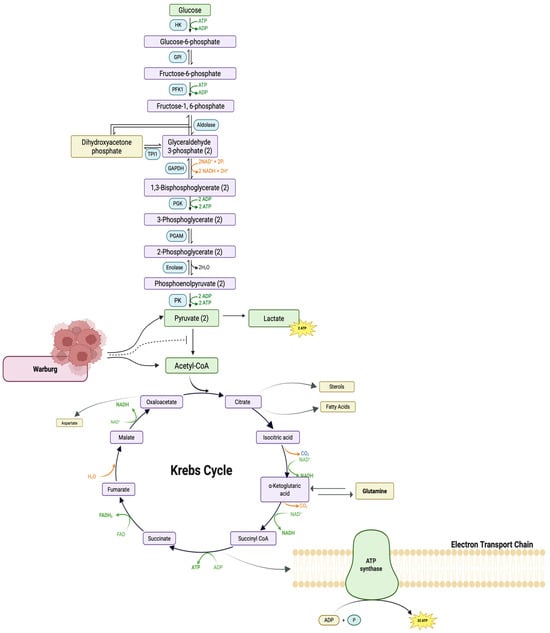
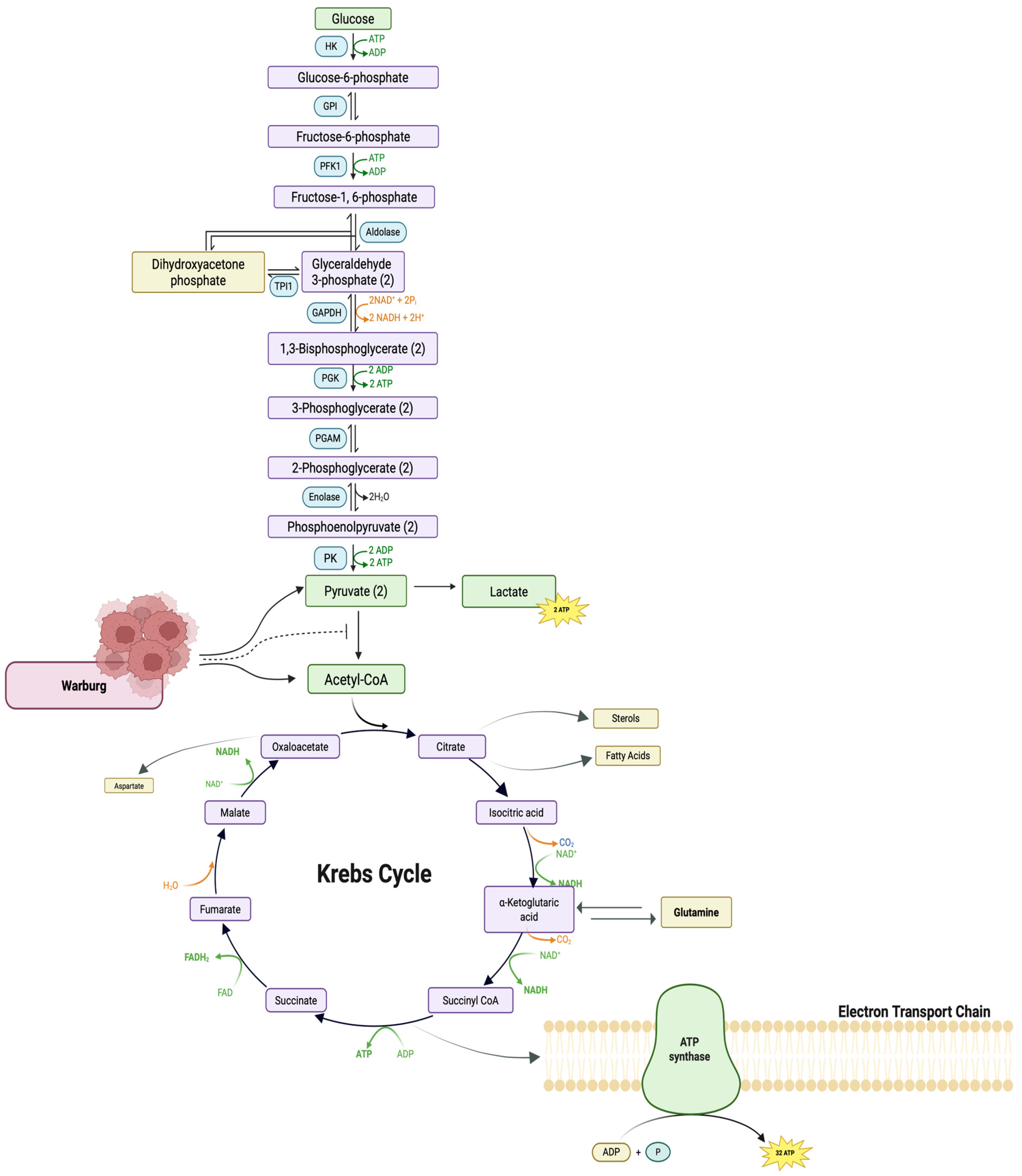
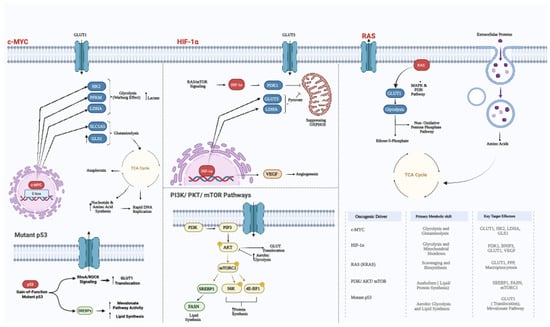
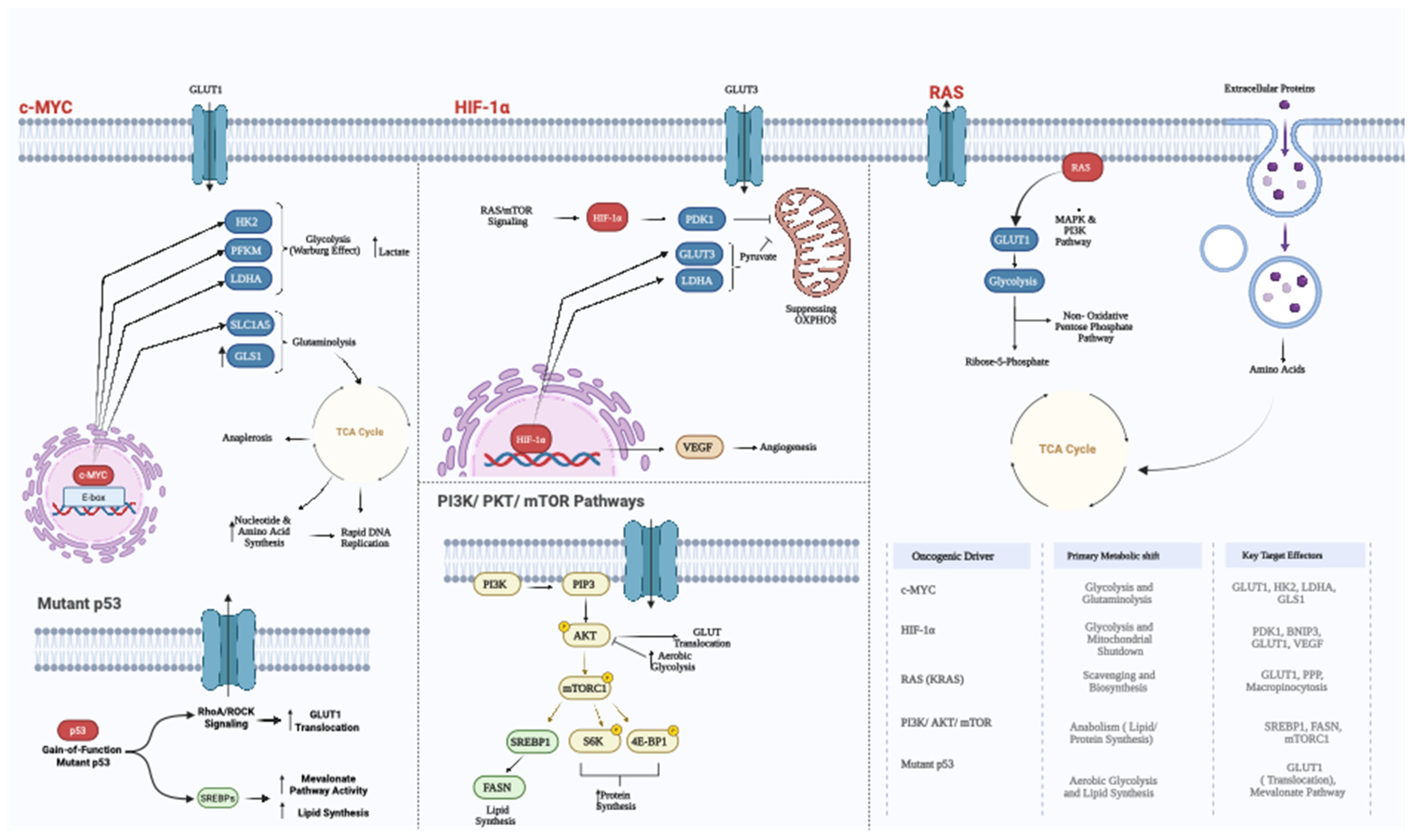
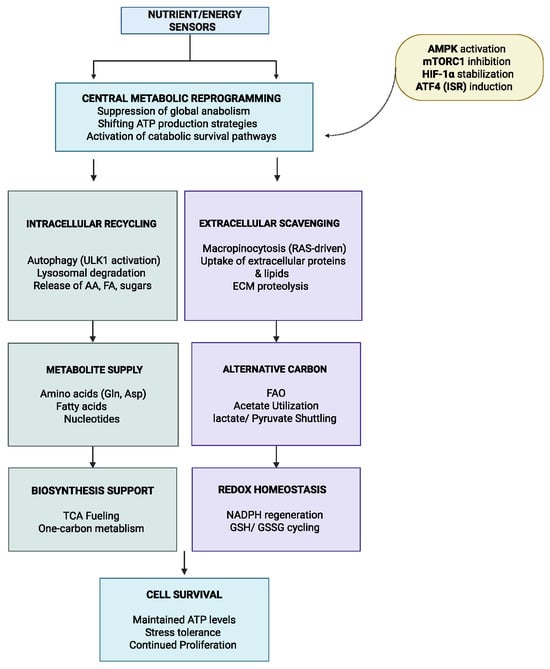
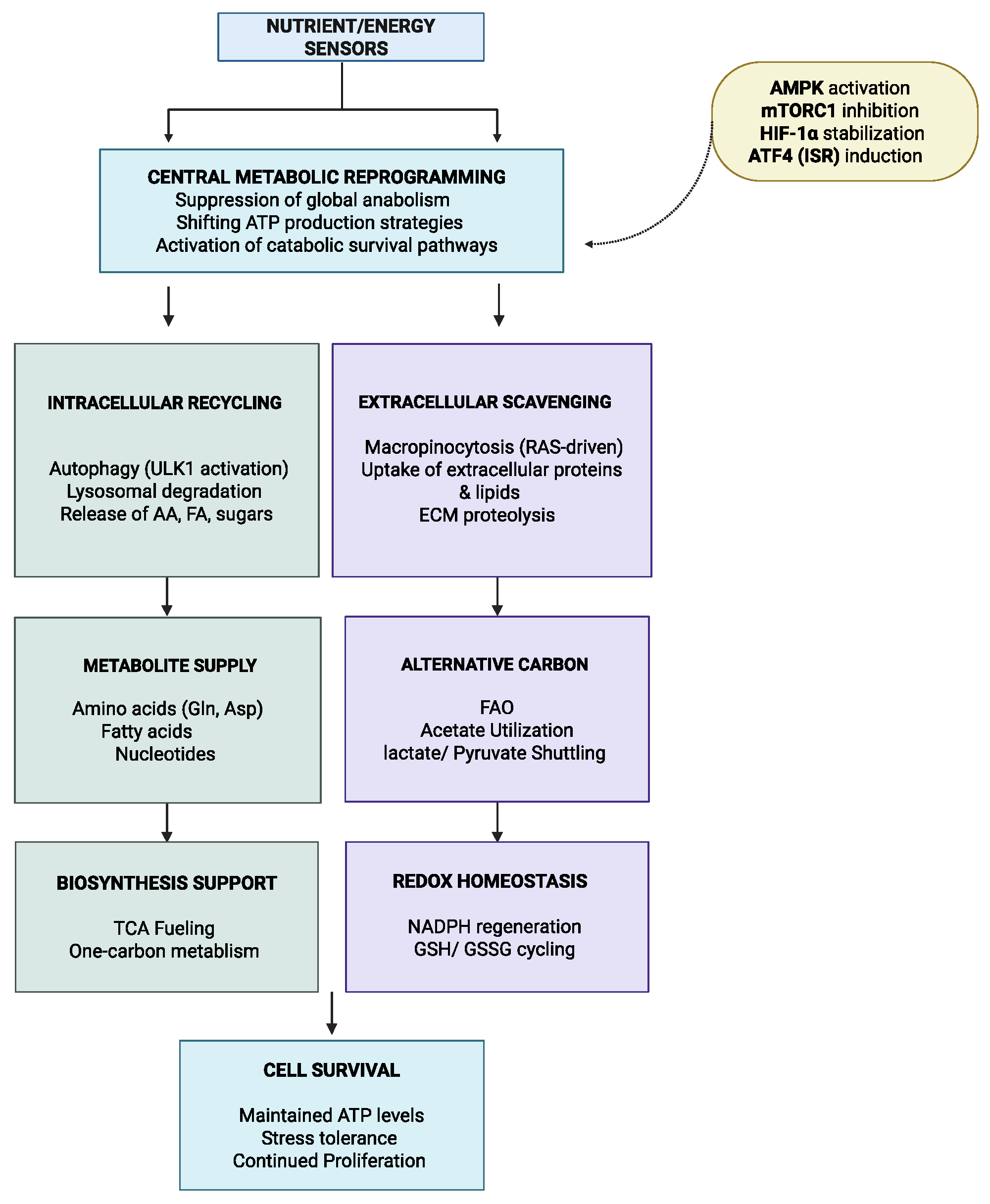

Disclaimer/Publisher’s Note: The statements, opinions and data contained in all publications are solely those of the individual author(s) and contributor(s) and not of MDPI and/or the editor(s). MDPI and/or the editor(s) disclaim responsibility for any injury to people or property resulting from any ideas, methods, instructions or products referred to in the content. |
© 2026 by the authors. Licensee MDPI, Basel, Switzerland. This article is an open access article distributed under the terms and conditions of the Creative Commons Attribution (CC BY) license.