Article

Impact of Post-Traumatic Stress Disorder Management Through Reconsolidation Therapy on Fibromyalgia Syndrome: A Pilot Study

1
Centre de Recherches sur la Cognition et l’Apprentissage, CNRS UMR 7295, Université de Poitiers, Université de Tours, 86000 Poitiers, France
2
Unité de Recherche Clinique Pierre Deniker, Centre Hospitalier Henri Laborit, 86000 Poitiers, France
3
Centre Régional d’Étude et de Traitement de la Douleur, CHU de Poitiers, 86000 Poitiers, France
4
Centre Hospitalier du Nord Deux-Sèvres, Service de Psychiatrie Adulte, 79100 Thouars, France
5
The Australian National PTSD Centre, The University of the Sunshine Coast Thompson Institute, Birtinya, QLD 4575, Australia
6
McGill’s Psychiatry Department, Douglas Institute Research Center, 6875 Lasalle Boulevard, Montreal, QC H4H 1R3, Canada
*
Author to whom correspondence should be addressed.
Biomedicines 2026, 14(1), 190; https://doi.org/10.3390/biomedicines14010190
Submission received: 28 November 2025 / Revised: 17 December 2025 / Accepted: 22 December 2025 / Published: 15 January 2026
(This article belongs to the Special Issue Advanced Research on Psychiatric Disorders)

Abstract

Background: Fibromyalgia syndrome (FMS) and post-traumatic stress disorder (PTSD) may co-occur and are associated with increased symptom burden, functional impairment, and reduced quality of life. Accumulating evidence suggests shared neurobiological mechanisms. Trauma-focused interventions targeting maladaptive memory processes may therefore represent a relevant therapeutic approach in this population. Objective: To evaluate the feasibility, tolerability, and preliminary clinical associations of a brief reconsolidation-based therapy in women with comorbid FMS and PTSD. Methods: This multicenter pilot study included adult women diagnosed with FMS and PTSD who underwent six sessions of reconsolidation therapy combining traumatic memory reactivation with propranolol administration. Clinical outcomes were assessed at baseline and at 3-month follow-up using the Fibromyalgia Impact Questionnaire (FIQ), the Impact of Event Scale–Revised (IES-R), the Montgomery–Åsberg Depression Rating Scale (MADRS), the Beck Depression Inventory (BDI), the Rosenberg Self-Esteem Scale (RSES), and the SF-36. Changes over time were analyzed using paired statistical tests and linear mixed-effects models. Results: Fourteen participants completed the intervention and follow-up assessments. The intervention was feasible and well tolerated. Changes over time were observed in fibromyalgia-related quality of life (FIQ scores), PTSD symptom severity (IES-R), and depressive symptoms (MADRS, BDI), as well as in selected SF-36 domains, including vitality, social functioning, and mental health. A progressive decrease in IES-R scores was observed across treatment sessions. Conclusions: This pilot study suggests that reconsolidation-based therapy is feasible in women with comorbid FMS and PTSD and was associated with changes in PTSD symptoms and fibromyalgia-related functional impact. Given the exploratory design and absence of a control group, these findings should be interpreted cautiously and warrant confirmation in larger, controlled trials.

1. Introduction

Fibromyalgia (FM) is a chronic pain syndrome characterized by widespread musculoskeletal pain, fatigue, sleep disturbances, and cognitive dysfunction. Its heterogeneous presentation significantly impairs daily functioning and social participation, leading to reduced quality of life. FM affects 2–4% of the population [1], with a predominance in women. In France, prevalence is estimated at 1.6% of adults, or 1.2 million individuals [2].
Although its pathophysiology remains unclear, FM is strongly associated with central sensitization, whereby altered pain processing within the central nervous system amplifies sensory perception. Dysfunction of descending pain modulatory pathways, involving impaired inhibitory control and altered brainstem–cortical interactions, has been identified as a key neurobiological feature of FM [3]. A biopsychosocial model describes predisposing, triggering, and perpetuating factors contributing to symptom persistence [4,5]. Among psychosocial contributors, trauma and major stressors are frequent reported and patients with FM report higher rates of trauma exposure, including abuse, compared with controls [6,7]. The association between trauma exposure and FM appears largely mediated by post-traumatic stress disorder (PTSD) [8,9].
From a neurobiological perspective, both FM and PTSD have been associated with dysregulation of stress-response systems, including alterations of the hypothalamic–pituitary–adrenal axis, autonomic nervous system imbalance, and neuroinflammatory processes. These abnormalities are thought to contribute to persistent hyperarousal and maladaptive pain modulation through sensitization of cortico-limbic and brainstem networks involved in threat detection, emotional memory, and nociceptive processing. Recent evidence highlights the contribution of psychological factors such as anxiety and pain acceptance in modulating the impact of trauma on pain perception and disability in fibromyalgia and related conditions [10]. Trauma-related alterations in emotional memory circuits may therefore represent a key biological link between PTSD and FM, providing a mechanistic framework for investigating trauma-focused interventions in this population.
PTSD is a psychiatric disorder marked by intrusive memories, avoidance, hyperarousal, and emotional dysregulation. It involves stress-related brain circuits, particularly the hypothalamic–pituitary–adrenal (HPA) axis and limbic structures, which also contribute to pain regulation [11].
PTSD prevalence in FM is 39.1%, with lifetime rates up to 56% [12,13,14,15]. This co-occurrence aggravates symptoms, reduces quality of life, and worsens treatment outcomes [16,17]. Shared mechanisms include HPA axis dysregulation, autonomic dysfunction, neuroinflammation, and maladaptive plasticity. Early-life adversity, chronic stress, and catastrophizing further intensify symptoms.
Despite these associations, trauma-focused treatments are not included in FM guidelines. Cognitive-behavioral therapy (CBT) is moderately recommended in FM [18] and first-line for PTSD, yet shows limited benefit in comorbid patients. FM-related fatigue, catastrophizing, and somatic preoccupation hinder engagement in cognitive restructuring and exposure [19], and adherence is often poor.
Alternative trauma-focused approaches adapted to FM/PTSD are therefore needed. Reconsolidation therapy [20,21,22] targets traumatic memories by disrupting their reconsolidation. The protocol combines memory reactivation with propranolol, a beta-blocker that blunts the emotional and physiological stress response. This reduces the distress associated with the memory, making it more tolerable.
Evidence suggests reconsolidation therapy yields rapid improvements in PTSD symptoms, is well tolerated due to lower emotional intensity, and has reduced dropout rates. The protocol is simple, requiring a single dose of propranolol with memory reactivation, and can be implemented in outpatient and pain management settings with minimal resources.
The present pilot study aims to evaluate whether reconsolidation blockade therapy improves fibromyalgia-related quality of life, as measured by the FIQ.

2. Materials and Methods

2.1. Study Design

We conducted this multicentric pilot study in two hospitals (Poitiers and Thouars). Data were collected from August 2021 to January 2025.

2.2. Ethics Approval

The study design was approved by the French Regional Ethics Committee (11 May 2021, n° 21 04 09) and Drug Regulatory Agency (19 May 2021). Registration of this study was made on the clinical trial registry before the start of the study (ClinicalTrial.gov, identifier: NCT04950426). All experiments were performed following the relevant guidelines and regulations. All participants were naïve to the purpose of the study and written informed consent was obtained prior to inclusion.

2.3. Participants

Two senior psychiatrists recruited participants diagnosed according to DSM-5 criteria. Eligible participants were adults aged 18 years or older with a diagnosis of fibromyalgia syndrome based on the 2016 ACR criteria, and a comorbid diagnosis of PTSD, defined by meeting DSM-5 criteria following exposure to a single or repeated traumatic event. Participants were required to have a PCL-5 (PTSD Checklist for DSM-5) score greater than 33, indicating clinically significant PTSD symptoms. Patients were included only if they had stable pain management and/or psychotropic treatments for at least two months, were able to read and understand French.
Patients were excluded if they presented a severe psychiatric or neurological disorder (including bipolar or psychotic disorders, acute suicidal, homicidal, or self-injuring intent, traumatic brain injury within the last five years, or alcohol or substance dependence), were involved in trauma-related legal proceedings, or were pregnant or breastfeeding. Additional exclusion criteria included unstable psychotropic treatment, any contraindicated drug interaction with propranolol, a resting heart rate below 55 beats per minute, a systolic blood pressure below 100 mmHg, or any other medical condition considered contraindicating by the study physician.

2.4. Procedure

After receiving detailed study information, participants provided written informed consent. Eligibility was then confirmed by a clinician prior to inclusion. Treatment was initiated within 7 days of enrollment. Six weekly Reconsolidation Therapy™ (RT) sessions were scheduled, with an intersession interval ranging from 4 to 15 days.
At baseline, participants underwent a medical assessment including a pregnancy test, electrocardiogram (ECG), MINI-S interview (Mini International Neuropsychiatric Interview—Suicidality module) [23], and the Posttraumatic Stress Disorder Checklist for DSM-5 (PCL-5) [24]. Clinician-rated measures (Fibromyalgia Impact Questionnaire [FIQ] [25], Montgomery–Åsberg Depression Rating Scale [MADRS] [26], Clinical Global Impressions–Severity [CGI-S]) [27] and self-reported measures (Beck Depression Inventory [BDI] [28], Rosenberg Self-Esteem Scale [RSES] [29], and Short Form-36 Health Survey [SF-36]) [30] were administered. Pain distribution was assessed using a standardized body map. All assessments were repeated at the 3-month endpoint.

2.5. Study Treatment

Reconsolidation Therapy™ consists of the structured reactivation of the patient’s most distressing traumatic memory, combined with the administration of the β-adrenergic blocker propranolol. The intervention comprises six weekly sessions, each lasting approximately 10 to 25 min and delivered by a trained therapist. During the first session, participants compose a 1–2 page written narrative of their traumatic experience. From sessions 1 to 6, patients read this narrative aloud. In subsequent sessions, participants may revise or expand the narrative to include additional distressing details that emerged during the preceding week.
The narrative is required to provide a detailed account of the traumatic event, with particular emphasis on its most emotionally intense component (“hot spot”), to describe at least five associated somatic sensations, and to be written in the first-person, present tense [20].
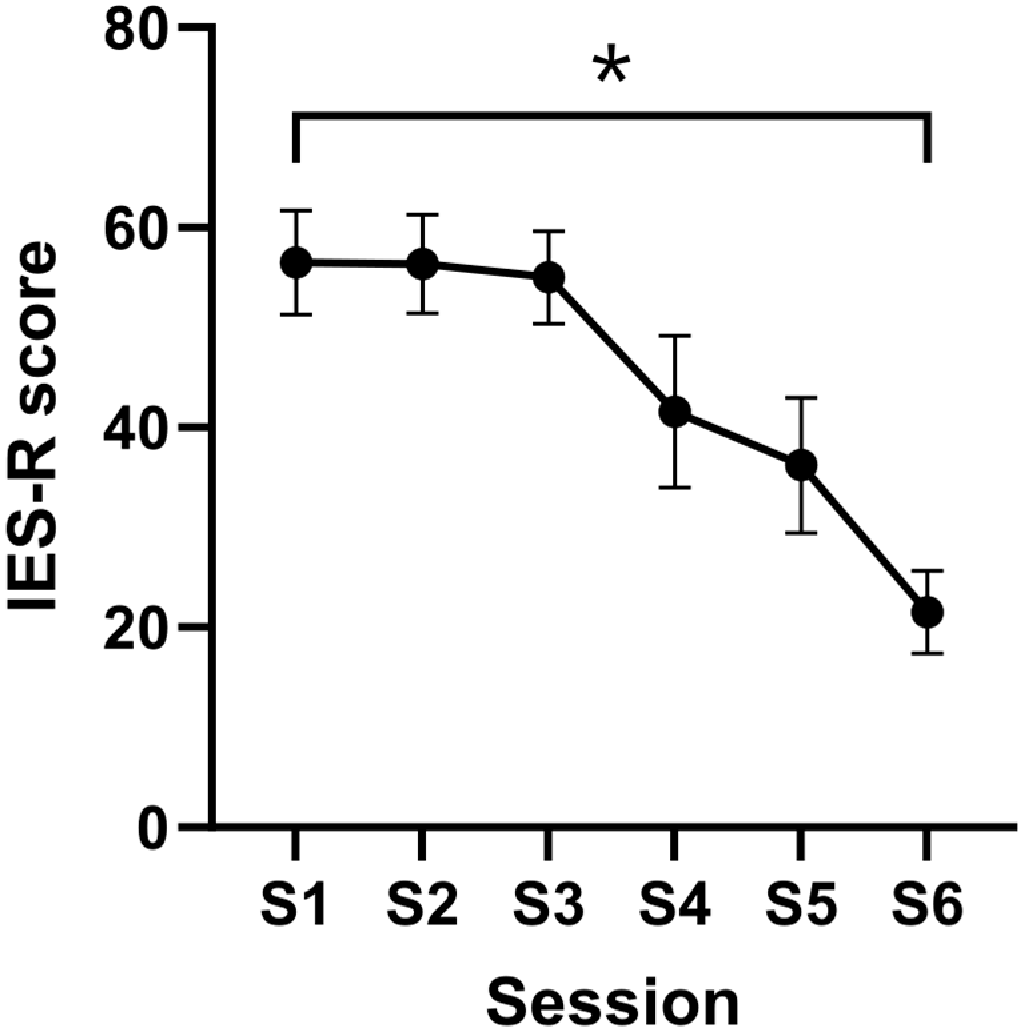
Before each session, blood pressure and heart rate are measured. An oral dose of propranolol (1 mg/kg, calculated according to ideal body weight) is administered 75 min (±15 min) prior to memory reactivation. Following each session, concomitant treatments are documented, adverse events are monitored, suicide risk is assessed, and trauma-related symptom severity is evaluated using the Impact of Event Scale–Revised (IES-R). The IES-R is a 22-item self-report questionnaire assessing post-traumatic symptom severity on a 5-point Likert scale ranging from 0 (“Not at all”) to 4 (“Extremely”).

2.6. Outcomes Assessment

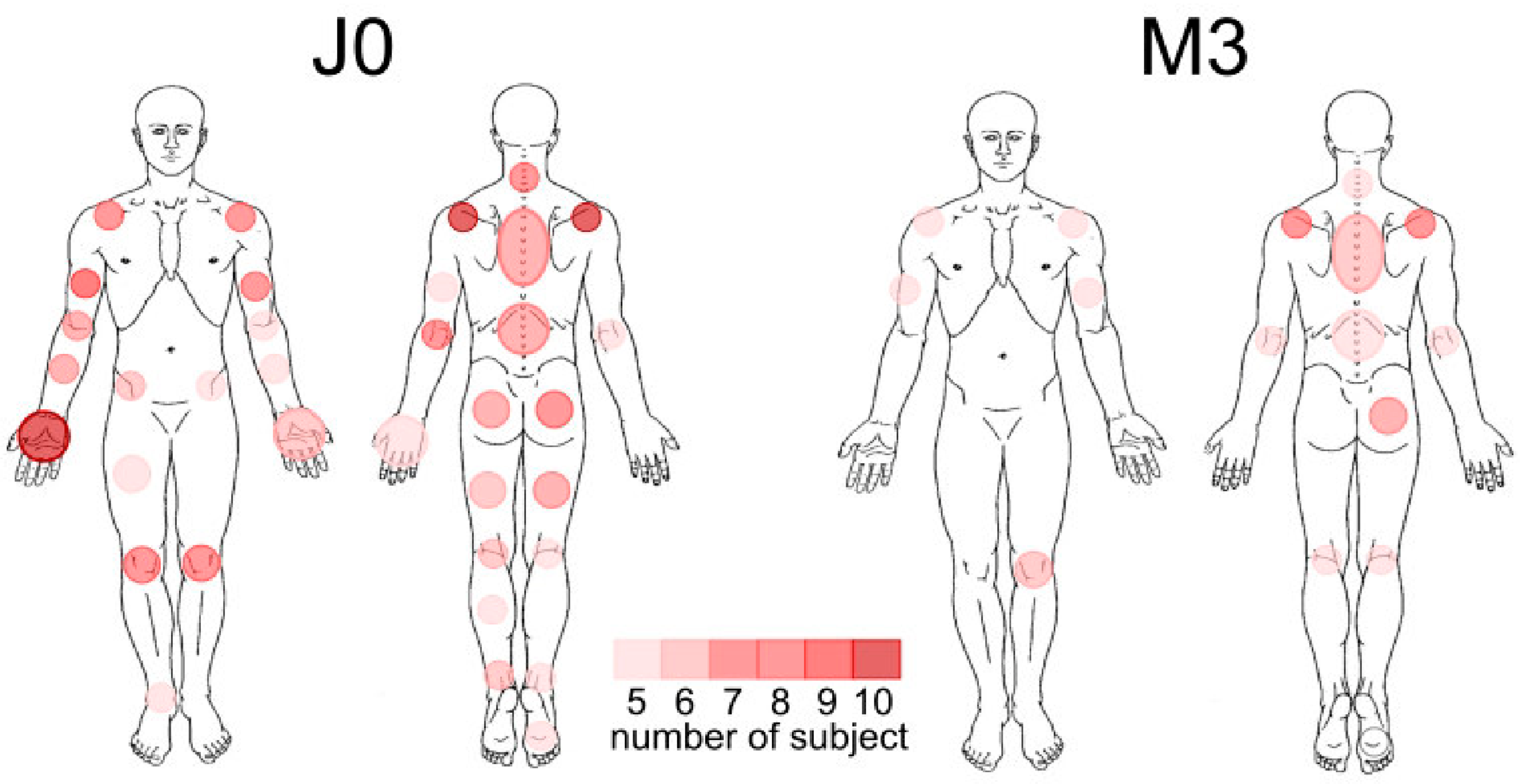
All clinical outcomes were assessed at baseline (T0) and at the predefined study endpoint, corresponding to the 3-month follow-up visit (T3). The primary outcome was the change in quality of life in patients with fibromyalgia syndrome, measured by the FIQ between baseline (T0) and the 3-month follow-up (T3). Secondary outcomes included changes between baseline (T0) and the 3-month follow-up (T3) in PCL-5, MADRS, BDI, SF-36, RSES, and CGI scores. Changes in IES-R scores were analyzed longitudinally across the six treatment sessions. Pain maps were generated at baseline (T0) and at the 3-month follow-up (T3). For each anatomical region, the number of patients reporting pain was recorded, and composite maps were created to represent the spatial distribution of pain across the study population.

2.7. Statistical Analyses

All statistical analyses were performed using the Jamovi Project (2024), Jamovi (Version 2.5), https://www.jamovi.org (Accessed on 2 May 2025).
Continuous variables were summarized as mean ± standard deviation. The level of statistical significance was set at p < 0.05 (two-tailed).
Normality of data distribution was assessed using the Shapiro–Wilk test and visual inspection of Q–Q plots. Clinical outcome measures were compared between baseline (T0) and 3-month follow-up visit (T3) using paired Student’s t-tests when normality assumptions were met or Wilcoxon signed-rank tests otherwise.
The evolution of IES-R scores across treatment sessions was analyzed using a linear mixed-effects model, with session treated as a fixed effect and subject as a random intercept. Post hoc comparisons were performed using Tukey’s multiple-comparison procedure.

3. Results

In this pilot study, 17 women were enrolled. One participant did not receive the intervention and two were lost to follow-up (Figure 1). Analyses were therefore conducted on 14 completers. Participants were aged between 24 and 62 years (mean age = 49.2 ± 9.9 years) and had been diagnosed with fibromyalgia for a mean duration of 6.0 ± 6.4 years (range: 1–24 years). Seven participants were married or living with a partner, and 11 had completed at least a bachelor’s degree.
Regarding trauma history, four participants reported childhood or adolescent sexual assault, one reported adult rape, one reported childhood physical violence from a parent, one reported the traumatic suicide of her father, two reported violence from a former partner, two reported moral and sexual harassment by an employer, one reported a complicated abortion, one reported perinatal loss, and one had experienced a road traffic accident (Table 1).
After the intervention, changes over time were observed in fibromyalgia-related quality of life as measured by the FIQ, as well as reductions in PTSD symptom severity (Table 2). These changes were also illustrated by the comparison of pain mapping at baseline (T0) and at 3-month follow-up (T3) (Figure 2). Given the exploratory nature of the study, these findings should be interpreted cautiously.
Changes were also observed in depressive symptoms, as measured by both the MADRS and the BDI, along with an increase in self-esteem (Table 2).
Regarding health-related quality of life changes over time were particularly observed in the SF-36 domains of General Health, Vitality, Social Functioning, Role–Emotional, and in the Mental Component Summary score (Table 2).
A significant decrease in IES-R scores was observed between session 1 and session 6 (corrected p = 0.0476), reflecting a reduction in subjective post-traumatic stress related to traumatic memories (Figure 3). Given the small sample size, and the absence of a control group all analyses should be considered exploratory.
Regarding pharmacological treatments, non-opioid analgesics were the most frequently prescribed medications (56.2%). Benzodiazepines were used by 44% of participants, indicating frequent use of anxiolytic treatments. Antidepressants (SSRIs, SNRIs, and tricyclic) were prescribed in the majority of cases (11/16 patients, 68.7%). The use of opioids and hypnotic medications suggested concurrent management of chronic pain and sleep disturbances.

4. Discussion

The present pilot study provides preliminary evidence supporting the feasibility and potential clinical relevance of a short, trauma-focused reconsolidation-based therapy in women with comorbid fibromyalgia syndrome (FMS) and post-traumatic stress disorder (PTSD). Following a brief intervention, participants showed changes in PTSD symptom severity, fibromyalgia-related functional impact, depressive symptoms, and several domains of quality of life.
The co-occurrence of PTSD and fibromyalgia has been increasingly recognized, with prevalence estimates ranging from 20% to 40% in fibromyalgia populations [8,9]. This association is thought to reflect shared pathophysiological mechanisms, including hypothalamic–pituitary–adrenal (HPA) axis dysregulation, central sensitization, altered pain modulation, and autonomic nervous system hyperreactivity [31]. In particular, dysfunction of descending pain modulatory systems and interactions between stress-related emotional memory circuits and central sensitization processes may provide a biological framework for understanding the observed changes in fibromyalgia-related functional impact following trauma-focused interventions [3]. These overlapping neurobiological processes provide a plausible framework for understanding why trauma-focused interventions may have downstream effects on pain processing, fatigue, sleep disturbances, and overall disability [10].
The observed reduction in FIQ scores in the present study suggests a potentially clinically meaningful change in functional status, although these findings should be interpreted cautiously given the pilot design. The average change exceeded commonly accepted thresholds for minimal clinically important differences [32], although participants generally remained within the moderate-to-severe impact range.
Improvements in fibromyalgia-related impact were accompanied by gains in health-related quality of life, as reflected by changes in SF-36 domains, particularly vitality, social functioning, emotional role, and mental health. While fibromyalgia-specific instruments are often correlated with generic quality-of-life measures, it is important to distinguish between the original FIQ developed by Burckhardt et al. [25] and the revised FIQR published in 2009 by Bennett et al. [32]. The FIQR, rather than the original FIQ, has been more extensively validated against multidimensional instruments such as the SF-36 due to its domain-based structure and improved psychometric performance [33]. In this study, the use of the original FIQ limits the precision of cross-instrument comparisons.
Beyond improvements in PTSD symptoms, participants exhibited reductions in depressive symptom severity and enhancements in self-esteem, suggesting broader effects on affect regulation and self-perception. These findings are consistent with the conceptualization of PTSD as a disorder of maladaptive threat processing [34] and emotional memory [35].
Previous studies have demonstrated that cognitive-behavioral therapy (CBT) can be beneficial in fibromyalgia and in patients with comorbid trauma histories [36,37]. However, CBT mainly targets cognitive appraisals and coping strategies through top–down mechanisms [38,39], whereas reconsolidation-based interventions are hypothesized to act through bottom–up neurobiological processes involving memory reactivation and interference with memory restabilization [40,41,42]. Clinical work using propranolol-supported reconsolidation has shown promising results in PTSD populations [20,21].
This theoretical distinction may be particularly relevant in fibromyalgia, a condition characterized by heightened central nervous system reactivity and stress-related hyperarousal [43,44]. By attenuating limbic and autonomic activation, reconsolidation-based approaches may indirectly reduce hypervigilance, muscular tension, and pain catastrophizing, thereby contributing to improvements in pain-related disability [45,46]. Nevertheless, direct comparative trials between reconsolidation therapy and CBT are currently lacking.
Several clinical models have been proposed to address the co-occurrence of PTSD and chronic pain, including sequential, parallel, and integrated treatment approaches [47]. Existing studies have evaluated emotional exposure-based therapies, integrated CBT protocols, multidisciplinary care models, and eye movement desensitization and reprocessing (EMDR) [36,48,49]. Systematic reviews indicate that trauma-focused psychological interventions reliably reduce PTSD symptoms, while their effects on pain outcomes are more variable [50,51].
This study has important limitations. The small sample size, lack of a control group, and exploratory design limit causal inference and generalizability. The absence of blinded outcome assessment increases the potential for expectancy effects. Heterogeneity of trauma histories and concomitant pharmacological treatments may also have influenced outcomes. In addition, the timing of assessments should be more clearly standardized.
Furthermore, the study did not include objective or semi-objective measures of pain intensity, sleep quality, or fatigue severity, which are central dimensions of fibromyalgia and should be systematically assessed in future studies [8,52,53].
Despite these limitations, the present findings support the feasibility and acceptability of reconsolidation-based therapy in women with comorbid FMS and PTSD. Larger, adequately powered randomized controlled trials are now required to confirm efficacy, clarify mechanisms of action, identify predictors of response, and determine how trauma-focused interventions can be optimally integrated into multidisciplinary fibromyalgia care pathways.

5. Conclusions

This pilot study provides preliminary evidence supporting the feasibility and potential clinical value of reconsolidation therapy as a trauma-focused intervention for women with comorbid fibromyalgia and PTSD. Given the chronic and complex nature of both conditions, this approach may offer a brief, well-tolerated, and accessible therapeutic option that could be integrated into pain and mental health care settings.
Nevertheless, the absence of a control group, the small sample size, and the exploratory nature of this study limit the strength of causal inferences and generalizability. Larger, adequately powered randomized controlled trials are now required to confirm efficacy, clarify mechanisms of action, assess durability of effects, and determine how trauma-focused interventions can be optimally incorporated into multidisciplinary fibromyalgia care pathways. These findings do not allow conclusions regarding clinical efficacy.

Author Contributions

G.H.G.: Writing—review and editing, Project administration, Methodology, Investigation, Formal analysis, Data curation. D.R.: Writing—review and editing, Investigation, Conceptualization, Data curation. E.C.: Writing—review and editing, Investigation, Conceptualization, Data curation. I.W.: Writing—review and editing, Resources. I.R.: Writing—review and editing, Investigation. A.B.: Writing—review and editing, Resources. D.D.: Writing—review and editing, Investigation, Conceptualization, Data curation. Y.E.F.: Writing—review and editing, Resources, Conceptualization. N.L.: Writing—review and editing, Supervision, Investigation, Data curation. N.J.: Writing—review and editing, Supervision, Resources, Project administration. All authors have read and agreed to the published version of the manuscript.

Funding

This research did not receive any specific grant from funding agencies in the public, commercial, or not-for-profit sectors.

Institutional Review Board Statement

The study was conducted in accordance with the Declaration of Helsinki, and approved by the French Regional Ethics Committee (11 May 2021, n° 21 04 09) and Drug Regulatory Agency (19 May 2021).

Informed Consent Statement

Informed consent was obtained from all subjects involved in the study.

Data Availability Statement

The data presented in this study are available on reasonable request from the corresponding author.

Acknowledgments

We would like to thank Carole Wengermez, Amel Ouardani, and Hélène Videau for their invaluable help in the realization of this study.

Conflicts of Interest

The authors declare that they have no known competing financial interests or personal relationships that could have appeared to influence the work reported in this paper.

References

  1. Jones, G.T.; Atzeni, F.; Beasley, M.; Flüß, E.; Sarzi-Puttini, P.; Macfarlane, G.J. The Prevalence of Fibromyalgia in the General Population: A Comparison of the American College of Rheumatology 1990, 2010, and Modified 2010 Classification Criteria. Arthritis Rheumatol. 2015, 67, 568–575. [Google Scholar] [CrossRef] [PubMed]
  2. Bannwarth, B.; Blotman, F.; Roué-Le Lay, K.; Caubère, J.P.; André, E.; Taïeb, C. Étude de la prévalence de la fibromyalgie dans la population française. Rev. Rhum. 2009, 76, 274–278. [Google Scholar] [CrossRef]
  3. Carneiro, B.D.; Torres, S.; Costa-Pereira, J.T.; Pozza, D.H.; Tavares, I. Descending Pain Modulation in Fibromyalgia: A Short Review of Mechanisms and Biomarkers. Diagnostics 2025, 15, 2702. [Google Scholar] [CrossRef] [PubMed]
  4. Pontes-Silva, A. Fibromyalgia: A new set of diagnostic criteria based on the biopsychosocial model. Rheumatology 2024, 63, 2037–2039. [Google Scholar] [CrossRef]
  5. Sommer, C.; Häuser, W.; Burgmer, M.; Engelhardt, R.; Gerhold, K.; Petzke, F.; Schmidt-Wilcke, T.; Späth, M.; Toelle, T.; Üçeyler, N.; et al. Etiology and pathophysiology of fibromyalgia syndrome. Der Schmerz 2012, 26, 259–267. [Google Scholar] [CrossRef]
  6. Gardoki-Souto, I.; Redolar-Ripoll, D.; Fontana, M.; Hogg, B.; Castro, M.J.; Blanch, J.M.; Ojeda, F.; Solanes, A.; Radua, J.; Valiente-Gómez, A.; et al. Prevalence and Characterization of Psychological Trauma in Patients with Fibromyalgia: A Cross-Sectional Study. Pain Res. Manag. 2022, 2022, 2114451. [Google Scholar] [CrossRef]
  7. Keers, R.; Uher, R.; Huezo-Diaz, P.; Smith, R.; Jaffee, S.; Rietschel, M.; Henigsberg, N.; Kozel, D.; Mors, O.; Maier, W.; et al. Interaction between serotonin transporter gene variants and life events predicts response to antidepressants in the GENDEP project. Pharmacogenom. J. 2011, 11, 138–145. [Google Scholar] [CrossRef]
  8. Häuser, W.; Ablin, J.; Walitt, B. PTSD and Fibromyalgia Syndrome: Focus on Prevalence, Mechanisms, and Impact. In Comprehensive Guide to Post-Traumatic Stress Disorder; Martin, C.R., Preedy, V.R., Patel, V.B., Eds.; Springer International Publishing: Cham, Switzerland, 2015; pp. 1–13. Available online: https://link.springer.com/10.1007/978-3-319-08613-2_52-1 (accessed on 3 April 2024).
  9. Luís, M.; Pinto, A.M.; Häuser, W.; Jacobs, J.W.; Saraiva, A.; Giorgi, V.; Sarzi-Puttini, P.; Castelo-Branco, M.; Geenen, R.; Pereira da Silva, J.A. Fibromyalgia and Post-Traumatic Stress Disorder: Different Parts of an Elephant? Clinical and Experimental Rheumatology [Internet]. 27 June 2025. Available online: https://www.clinexprheumatol.org/abstract.asp?a=22504 (accessed on 26 November 2025).
  10. Maire, C.; Miró, E.; Sánchez, A.I.; Cáliz, R.; Martínez, M.P. Trauma and psychological impact in fibromyalgia and other central sensitization syndromes: The role of anxiety and pain acceptance. BMC Psychol. 2025, 13, 1251. [Google Scholar] [CrossRef]
  11. Nater, U.M.; Fischer, S.; Ehlert, U. Stress as a Pathophysiological Factor in Functional Somatic Syndromes. Curr. Psychiatry Rev. 2011, 7, 152–169. [Google Scholar] [CrossRef]
  12. Cohen, H.; Neumann, L.; Haiman, Y.; Matar, M.A.; Press, J.; Buskila, D. Prevalence of post-traumatic stress disorder in fibromyalgia patients: Overlapping syndromes or post-traumatic fibromyalgia syndrome? Semin. Arthritis Rheum. 2002, 32, 38–50. [Google Scholar] [CrossRef]
  13. Häuser, W.; Galek, A.; Erbslöh-Möller, B.; Köllner, V.; Kühn-Becker, H.; Langhorst, J.; Petermann, F.; Prothmann, U.; Winkelmann, A.; Schmutzer, G.; et al. Posttraumatic stress disorder in fibromyalgia syndrome: Prevalence, temporal relationship between posttraumatic stress and fibromyalgia symptoms, and impact on clinical outcome. Pain 2013, 154, 1216–1223. [Google Scholar] [CrossRef]
  14. Sherman, J.J.; Turk, D.C.; Okifuji, A. Prevalence and impact of posttraumatic stress disorder-like symptoms on patients with fibromyalgia syndrome. Clin. J. Pain 2000, 16, 127–134. [Google Scholar] [CrossRef] [PubMed]
  15. Kleykamp, B.A.; Ferguson, M.C.; McNicol, E.; Bixho, I.; Arnold, L.M.; Edwards, R.R.; Fillingim, R.; Grol-Prokopczyk, H.; Turk, D.C.; Dworkin, R.H. The Prevalence of Psychiatric and Chronic Pain Comorbidities in Fibromyalgia: An ACTTION systematic review. Semin Arthritis Rheum. 2021, 51, 166–174. [Google Scholar] [CrossRef] [PubMed]
  16. Dell’Osso, L.; Carmassi, C.; Consoli, G.; Conversano, C.; Ramacciotti, C.E.; Musetti, L.; Massimetti, E.; Pergentini, I.; Corsi, M.; Ciapparelli, A.; et al. Lifetime post-traumatic stress symptoms are related to the health-related quality of life and severity of pain/fatigue in patients with fibromyalgia. Clin. Exp. Rheumatol. 2011, 29, S73–S78. [Google Scholar] [PubMed]
  17. Amir, M.; Kaplan, Z.; Neumann, L.; Sharabani, R.; Shani, N.; Buskila, D. Posttraumatic stress disorder, tenderness and fibromyalgia. J. Psychosom. Res. 1997, 42, 607–613. [Google Scholar] [CrossRef]
  18. Macfarlane, G.J.; Kronisch, C.; Dean, L.E.; Atzeni, F.; Häuser, W.; Fluß, E.; Choy, E.; Kosek, E.; Amris, K.; Branco, J.; et al. EULAR revised recommendations for the management of fibromyalgia. Ann. Rheum. Dis. 2017, 76, 318–328. [Google Scholar] [CrossRef]
  19. Lumley, M.A.; Schubiner, H.; Lockhart, N.A.; Kidwell, K.M.; Harte, S.E.; Clauw, D.J.; Williams, D.A. Emotional awareness and expression therapy, cognitive behavioral therapy, and education for fibromyalgia: A cluster-randomized controlled trial. Pain 2017, 158, 2354–2363. [Google Scholar] [CrossRef]
  20. Brunet, A.; Orr, S.P.; Tremblay, J.; Robertson, K.; Nader, K.; Pitman, R.K. Effect of post-retrieval propranolol on psychophysiologic responding during subsequent script-driven traumatic imagery in post-traumatic stress disorder. J. Psychiatr. Res. 2008, 42, 503–506. [Google Scholar] [CrossRef]
  21. Brunet, A.; Saumier, D.; Liu, A.; Streiner, D.L.; Tremblay, J.; Pitman, R.K. Reduction of PTSD Symptoms With Pre-Reactivation Propranolol Therapy: A Randomized Controlled Trial. Am. J. Psychiatry 2018, 175, 427–433. [Google Scholar] [CrossRef]
  22. Pigeon, S.; Lonergan, M.; Rotondo, O.; Pitman, R.K.; Brunet, A. Impairing memory reconsolidation with propranolol in healthy and clinical samples: A meta-analysis. J. Psychiatry Neurosci. 2022, 47, E109–E122. [Google Scholar] [CrossRef]
  23. Sheehan, D.V.; Lecrubier, Y.; Sheehan, K.H.; Amorim, P.; Janavs, J.; Weiller, E.; Hergueta, T.; Balker, R.; Dunbar, G.C. The Mini-International Neuropsychiatric Interview (M.I.N.I.): The development and validation of a structured diagnostic psychiatric interview for DSM-IV and ICD-10. J. Clin. Psychiatry 1998, 59, 22–33; quiz 34–57. [Google Scholar]
  24. Wortmann, J.H.; Jordan, A.H.; Weathers, F.W.; Resick, P.A.; Dondanville, K.A.; Hall-Clark, B.; Foa, E.B.; Young-McCaughan, S.; Yarvis, J.S.; Hembree, E.A.; et al. Psychometric analysis of the PTSD Checklist-5 (PCL-5) among treatment-seeking military service members. Psychol. Assess. 2016, 28, 1392–1403. [Google Scholar] [CrossRef] [PubMed]
  25. Burckhardt, C.S.; Clark, S.R.; Bennett, R.M. The fibromyalgia impact questionnaire: Development and validation. J. Rheumatol. 1991, 18, 728–733. [Google Scholar]
  26. Montgomery, S.A.; Åsberg, M. A New Depression Scale Designed to be Sensitive to Change. Br. J. Psychiatry 1979, 134, 382–389. [Google Scholar] [CrossRef] [PubMed]
  27. Busner, J.; Targum, S.D. The clinical global impressions scale: Applying a research tool in clinical practice. Psychiatry 2007, 4, 28–37. [Google Scholar] [PubMed]
  28. Beck, A. A new instrument for measuring insight: The Beck Cognitive Insight Scale. Schizophr. Res. 2004, 68, 319–329. [Google Scholar] [CrossRef]
  29. Rosenberg, M. Rosenberg Self-Esteem Scale [Internet]. 2011. Available online: https://psycnet.apa.org/doiLanding?doi=10.1037%2Ft01038-000 (accessed on 27 November 2025).
  30. Ware, J.E.; Sherbourne, C.D. The MOS 36-item short-form health survey (SF-36). I. Conceptual framework and item selection. Med. Care 1992, 30, 473–483. [Google Scholar] [CrossRef]
  31. Beiner, E.; Lucas, V.; Reichert, J.; Buhai, D.V.; Jesinghaus, M.; Vock, S.; Drusko, A.; Baumeister, D.; Eich, W.; Friederich, H.-C.; et al. Stress biomarkers in individuals with fibromyalgia syndrome: A systematic review with meta-analysis. Pain 2023, 164, 1416–1427. [Google Scholar] [CrossRef]
  32. Bennett, R.M.; Friend, R.; Jones, K.D.; Ward, R.; Han, B.K.; Ross, R.L. The Revised Fibromyalgia Impact Questionnaire (FIQR): Validation and psychometric properties. Arthritis Res. Ther. 2009, 11, R120. [Google Scholar] [CrossRef]
  33. Bennett, R.M.; Bushmakin, A.G.; Cappelleri, J.C.; Zlateva, G.; Sadosky, A.B. Minimal Clinically Important Difference in the Fibromyalgia Impact Questionnaire. J. Rheumatol. 2009, 36, 1304–1311. [Google Scholar] [CrossRef]
  34. Alexandra Kredlow, M.; Fenster, R.J.; Laurent, E.S.; Ressler, K.J.; Phelps, E.A. Prefrontal cortex, amygdala, and threat processing: Implications for PTSD. Neuropsychopharmacology 2022, 47, 247–259. [Google Scholar] [CrossRef] [PubMed]
  35. Pitts, B.L.; Eisenberg, M.L.; Bailey, H.R.; Zacks, J.M. PTSD is associated with impaired event processing and memory for everyday events. Cogn. Res. 2022, 7, 35. [Google Scholar] [CrossRef] [PubMed]
  36. Lacefield, K.; Samph, S.P.; Orbon, S.; Otis, J. Integrated intervention for comorbid posttraumatic stress disorder and fibromyalgia: A pilot study of women veterans. Psychol. Trauma Theory Res. Pract. Policy 2020, 12, 725–729. [Google Scholar] [CrossRef] [PubMed]
  37. Lumley, M.A.; Cohen, J.L.; Stout, R.L.; Neely, L.C.; Sander, L.M.; Burger, A.J. An emotional exposure-based treatment of traumatic stress for people with chronic pain: Preliminary results for fibromyalgia syndrome. Psychother. Theory Res. Pract. Train. 2008, 45, 165–172. [Google Scholar] [CrossRef]
  38. Beck, A.T. Cognitive therapy: Nature and relation to behavior therapy. Behav. Ther. 1970, 1, 184–200. [Google Scholar] [CrossRef]
  39. Disner, S.G.; Beevers, C.G.; Haigh, E.A.P.; Beck, A.T. Neural mechanisms of the cognitive model of depression. Nat. Rev. Neurosci. 2011, 12, 467–477. [Google Scholar] [CrossRef]
  40. Kindt, M.; Soeter, M.; Vervliet, B. Beyond extinction: Erasing human fear responses and preventing the return of fear. Nat. Neurosci. 2009, 12, 256–258. [Google Scholar] [CrossRef]
  41. Nader, K.; Schafe, G.E.; Le Doux, J.E. Fear memories require protein synthesis in the amygdala for reconsolidation after retrieval. Nature 2000, 406, 722–726. [Google Scholar] [CrossRef]
  42. Schiller, D.; Phelps, E.A. Does Reconsolidation Occur in Humans? Front. Behav. Neurosci. 2011, 5, 24. [Google Scholar] [CrossRef]
  43. Clauw, D.J. Fibromyalgia: A Clinical Review. JAMA 2014, 311, 1547. [Google Scholar] [CrossRef]
  44. Martinez-Lavin, M. Biology and therapy of fibromyalgia. Stress, the stress response system, and fibromyalgia. Arthritis Res. Ther. 2007, 9, 216. [Google Scholar] [CrossRef] [PubMed]
  45. Roullet, P.; Vaiva, G.; Véry, E.; Bourcier, A.; Yrondi, A.; Dupuch, L.; Lamy, P.; Thalamas, C.; Jasse, L.; El Hage, W.; et al. Traumatic memory reactivation with or without propranolol for PTSD and comorbid MD symptoms: A randomised clinical trial. Neuropsychopharmacology 2021, 46, 1643–1649. [Google Scholar] [CrossRef] [PubMed]
  46. Thierrée, S.; Richa, S.; Brunet, A.; Egreteau, L.; Roig, Q.; Clarys, D.; El-Hage, W. Trauma reactivation under propranolol among traumatized Syrian refugee children: Preliminary evidence regarding efficacy. Eur. J. Psychotraumatol. 2020, 11, 1733248. [Google Scholar] [CrossRef] [PubMed]
  47. Yule, A. Integrating Treatment for Co-Occurring Mental Health Conditions. Alcohol Res. Curr. Rev. 2019, 40, 61–73. [Google Scholar] [CrossRef]
  48. Grewal, H.; Zhuang, C.; Iqbal, M.; Ur Rehman, B.A.; Norton, J.; Vernon, C.M.; Deol, S.; Brose, S.W. Integrative approach for women with fibromyalgia in a Veterans Affairs Medical Center: An observational study. Medicine 2023, 102, e36285. [Google Scholar] [CrossRef]
  49. Borst, M.; Moeyaert, M.; Van Rood, Y. The effect of eye movement desensitization and reprocessing on fibromyalgia: A multiple-baseline experimental case study across ten participants. Neuropsychol. Rehabil. 2024, 34, 1422–1454. [Google Scholar] [CrossRef]
  50. Goldstein, E.; McDonnell, C.; Atchley, R.; Dorado, K.; Bedford, C.; Brown, R.L.; Zgierska, A.E. The Impact of Psychological Interventions on Posttraumatic Stress Disorder and Pain Symptoms: A Systematic Review and Meta-Analysis. Clin. J. Pain 2019, 35, 703–712. [Google Scholar] [CrossRef]
  51. López-Martínez, A.E.; Reyes-Pérez, Á.; Serrano-Ibáñez, E.R.; Esteve, R.; Ramírez-Maestre, C. Chronic pain, posttraumatic stress disorder, and opioid intake: A systematic review. World J. Clin. Cases 2019, 7, 4254–4269. [Google Scholar] [CrossRef]
  52. Choy, E.H.S. The role of sleep in pain and fibromyalgia. Nat. Rev. Rheumatol. 2015, 11, 513–520. [Google Scholar] [CrossRef]
  53. Wolfe, F.; Clauw, D.J.; Fitzcharles, M.-A.; Goldenberg, D.L.; Häuser, W.; Katz, R.L.; Mease, P.J.; Russell, A.S.; Russell, I.J.; Walitt, B. 2016 Revisions to the 2010/2011 fibromyalgia diagnostic criteria. Semin. Arthritis Rheum. 2016, 46, 319–329. [Google Scholar] [CrossRef]
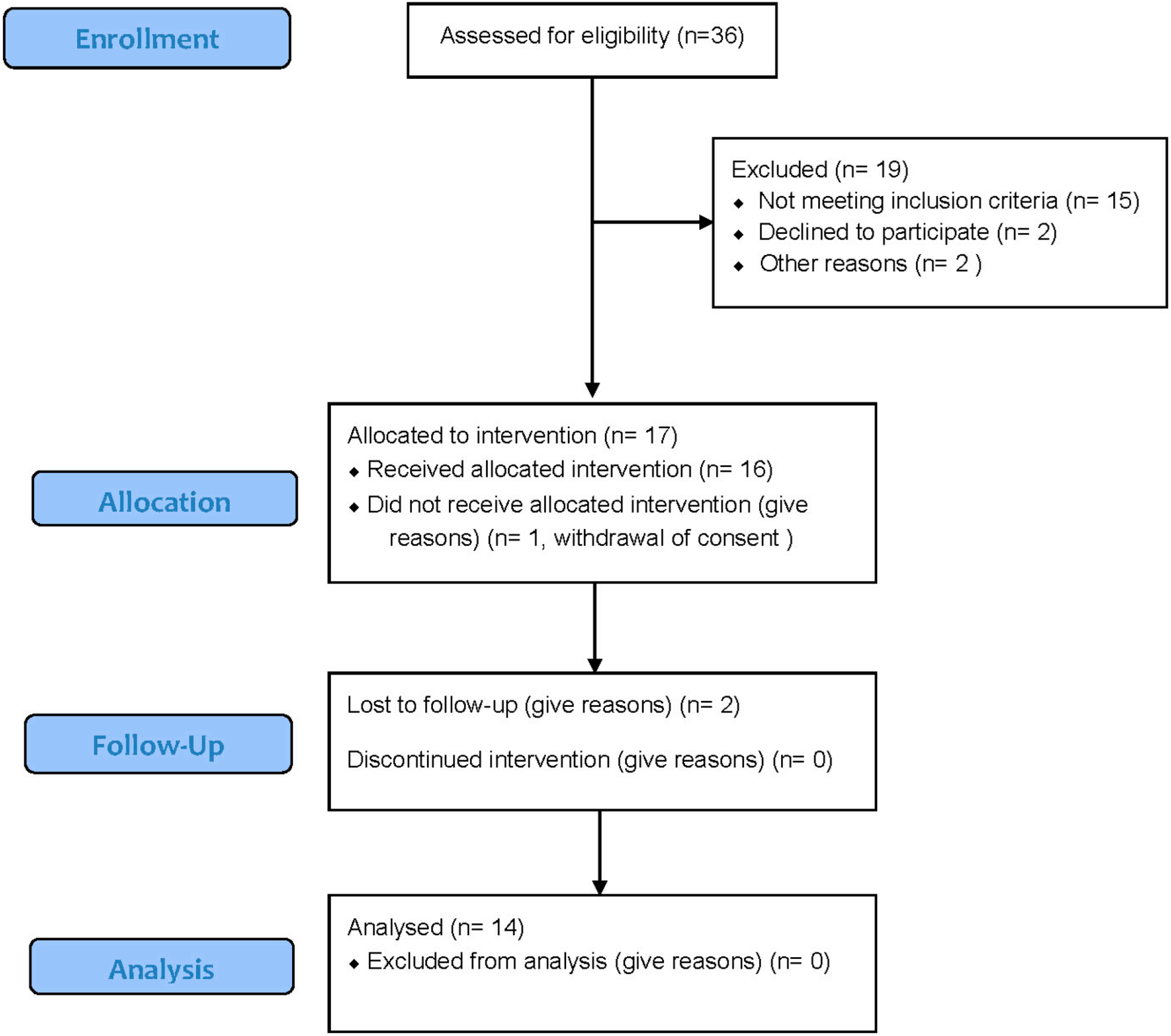
Figure 1. Flow diagram.
Biomedicines 14 00190 g001
Figure 2. Pain distribution maps at baseline (T0) and 3-month follow-up (T3).
Biomedicines 14 00190 g002
Figure 3. Trajectories of IES-R scores across treatment sessions. Values represent mean ± SEM. * indicates a statistically significant decrease between session 1 and session 6 (p < 0.05).
Biomedicines 14 00190 g003
Table 1. Types of trauma.
PatientTypes of TraumaPatientTypes of Trauma
01Father’s suicide10Adolescent rape
02Intrafamilial sexual abuse (sibling)11Road traffic accident
03Spouse’s stroke12Complicated abortion
04Intrafamilial abuse involving a child13Workplace sexual harassment
05Assault by employer14Adult rape
06Death threats from ex-partner15Death of one’s baby at birth
07Domestic violence16Workplace harassment
08Violence from father17Childhood rape
09Childhood rape by an uncle
Table 2. Clinical outcomes.
Baseline (T0)3 Month Follow-Up (T3)p-Value
FIQ score65.2 ± 12.853.5 ± 18.30.018
PCL-5 score50.1 ± 9.525.9 ± 14.2<0.001
RSES score21.2 ± 5.324.6 ± 5.60.032
MADRS score15.5 ± 6.68.6 ± 4.3<0.001
BDI score17 ± 3.512 ± 6.10.003
CGI-S score4.8 ± 0.53.9 ± 0.90.002
CGI-I 2.0 ± 0.9
SF-36
Physical Functioning47.2 ± 14.653.9 ± 19.20.088
Role-Physical15.6 ± 27.225 ± 310.466
Bodily Pain29.1 ± 14.834.3 ± 14.90.146
General Health36 ± 15.442.7 ± 20.40.047
Physical Health Component23.8 ± 124.2 ± 1.20.169
Vitality17.2 ± 11.830.7 ± 24.90.023
Social Functioning37.5 ± 20.455.4 ± 20.60.008
Role-Emotional14.6 ± 29.747.6 ± 42.80.026
Mental Health59.5 ± 9.563.4 ± 4.40.183
Mental Health Component22.2 ± 0.922.9 ± 0.70.029
Notes: Data are presented as mean ± SD. FIQ: Fibromyalgia Impact Questionnaire; PCL-5: Posttraumatic Stress Disorder Checklist for DSM-5; RSES: Rosenberg Self-Esteem Scale; MADRS: Montgomery-Asberg Depression Rating Scale; BDI: Beck Depression Inventory; CGI-S: Clinical Global Impressions Severity; CGI-I: Clinical Global Impressions Improvement; SF-36: Short-Form 36 Health Survey. p-values were obtained using paired t-tests or Wilcoxon signed-rank tests, as appropriate.
Disclaimer/Publisher’s Note: The statements, opinions and data contained in all publications are solely those of the individual author(s) and contributor(s) and not of MDPI and/or the editor(s). MDPI and/or the editor(s) disclaim responsibility for any injury to people or property resulting from any ideas, methods, instructions or products referred to in the content.