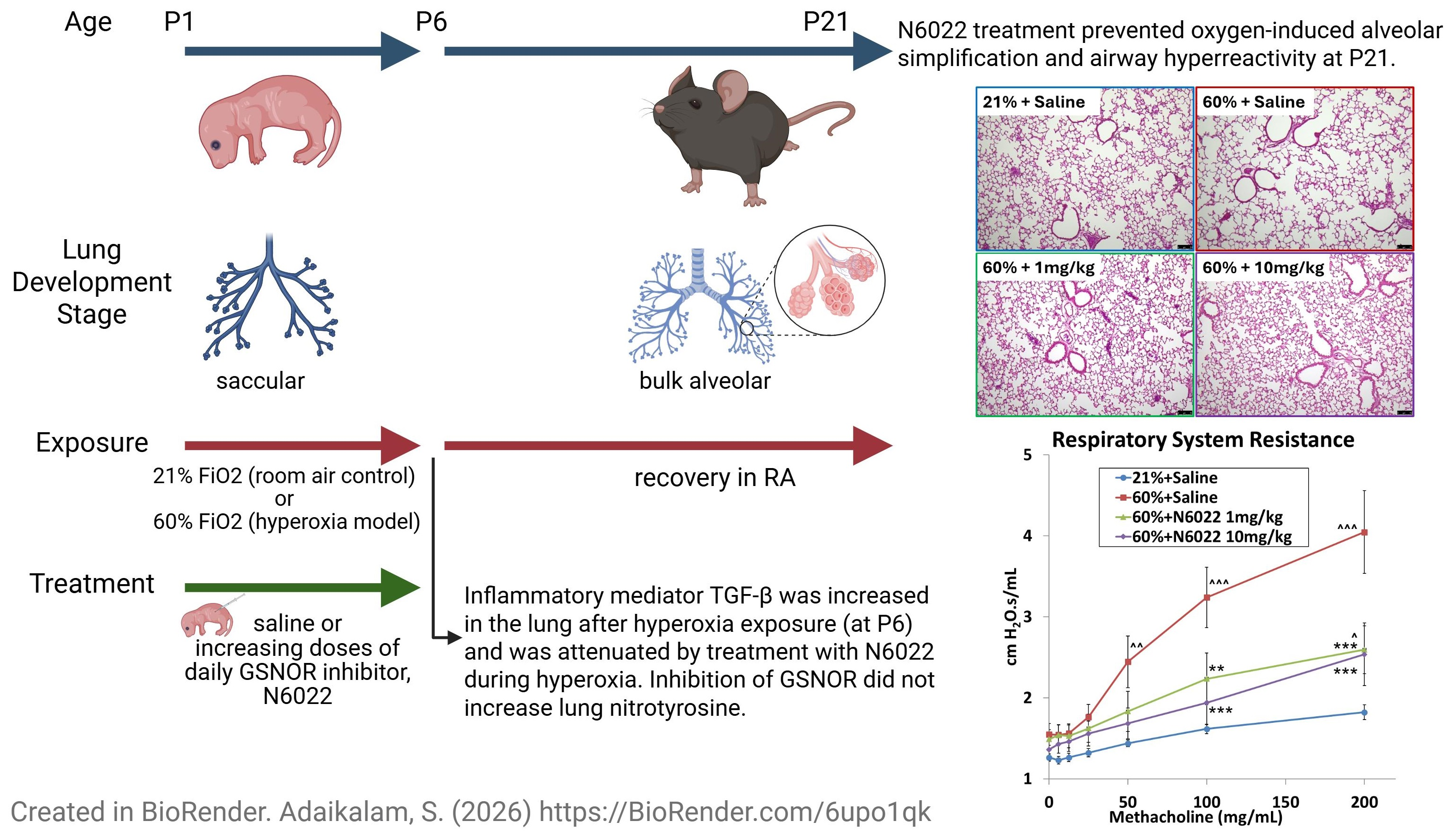
Pharmacologic Inhibition of S-Nitrosoglutathione Reductase Prevents Hyperoxic Alveolar and Airway Disease in Newborn Mice
 , , ,
, , ,
Abstract
1. Introduction
2. Materials and Methods
3. Results
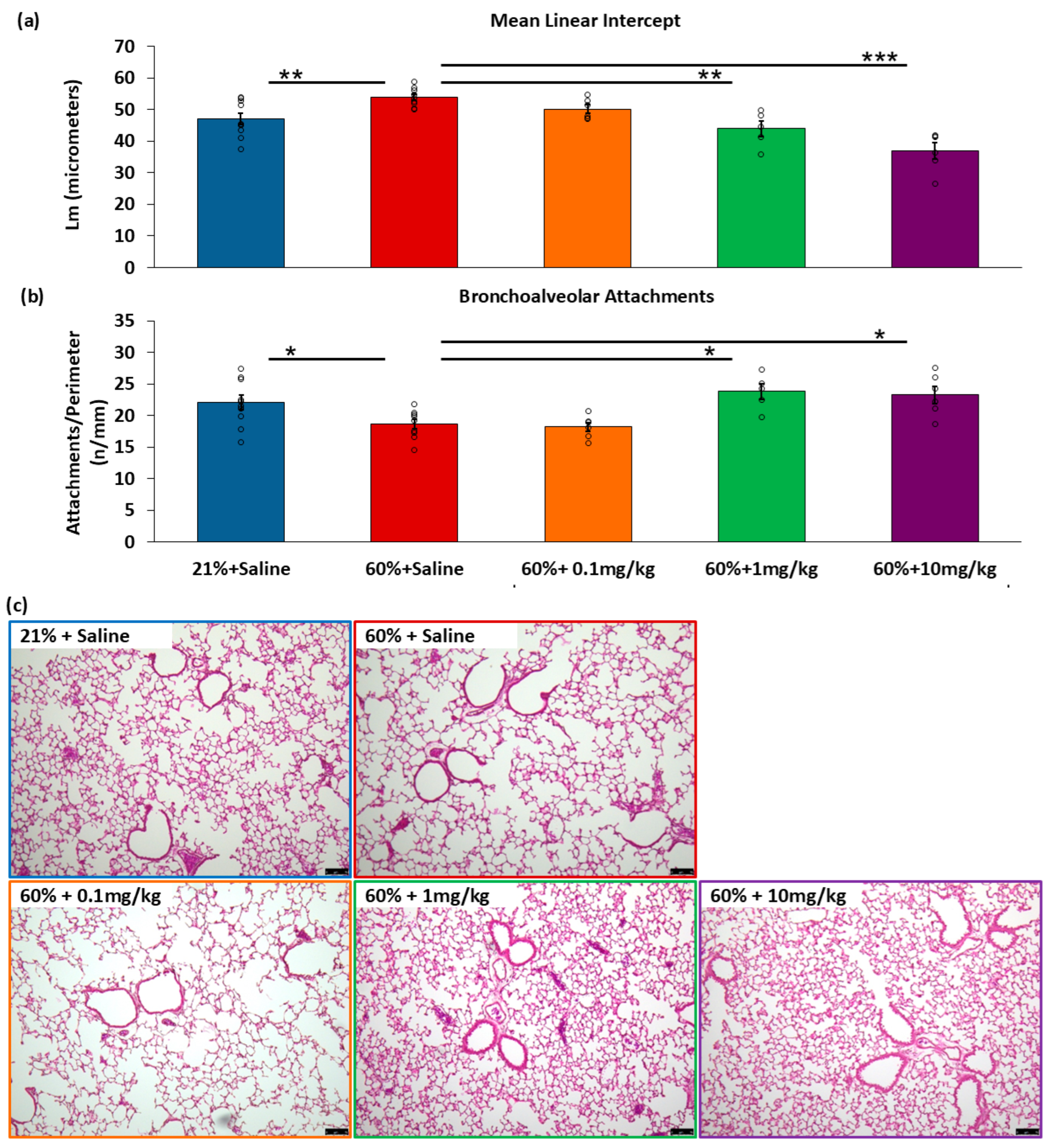
3.1. Evaluation of Alveolar Differences on H&E Stain at P21
3.1.1. Measurements of Alveolar Simplification
3.1.2. Measurements of Airway Tethering
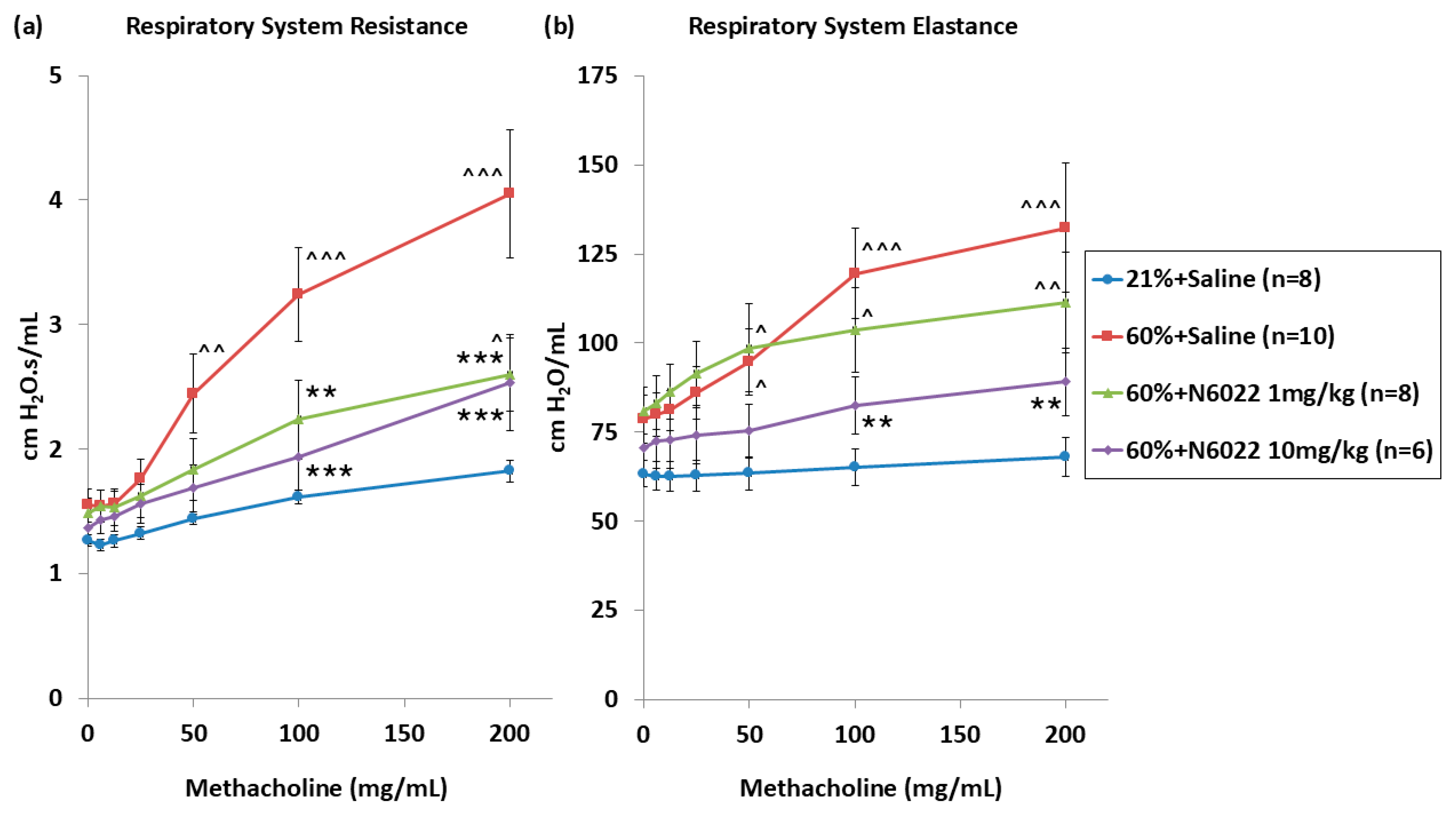
3.2. Measurements of In Vivo Respiratory System Reactivity at P21
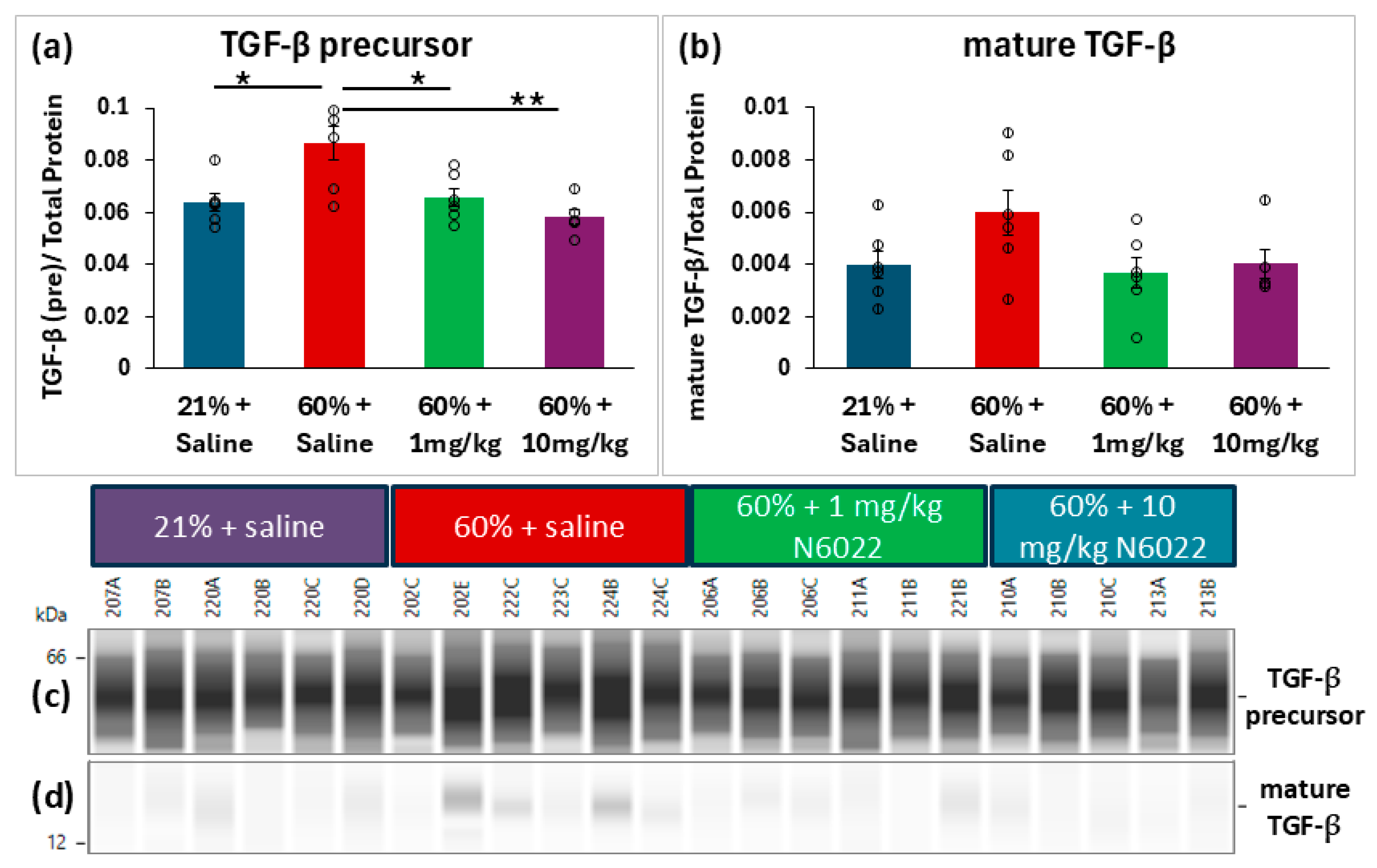
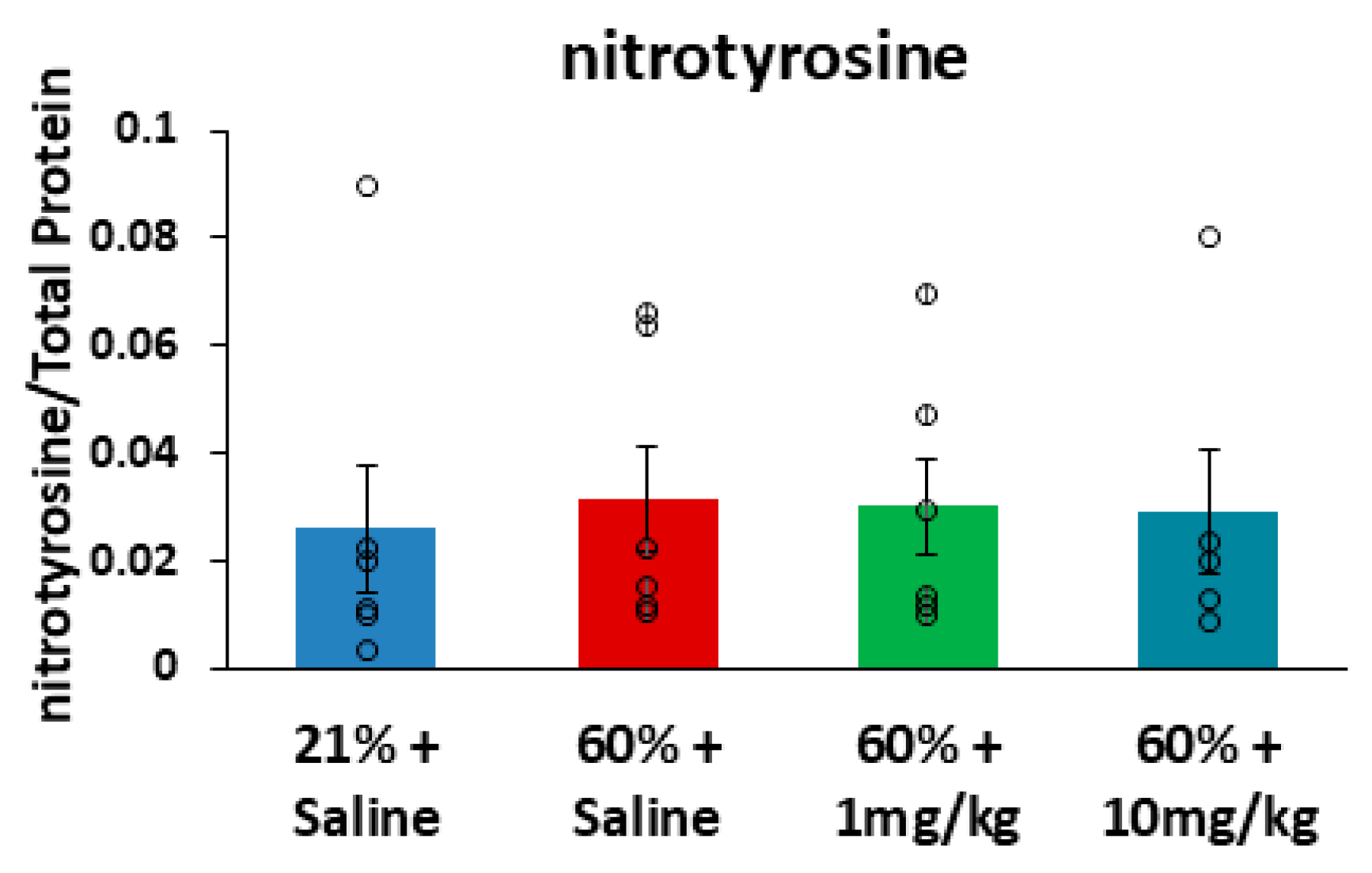
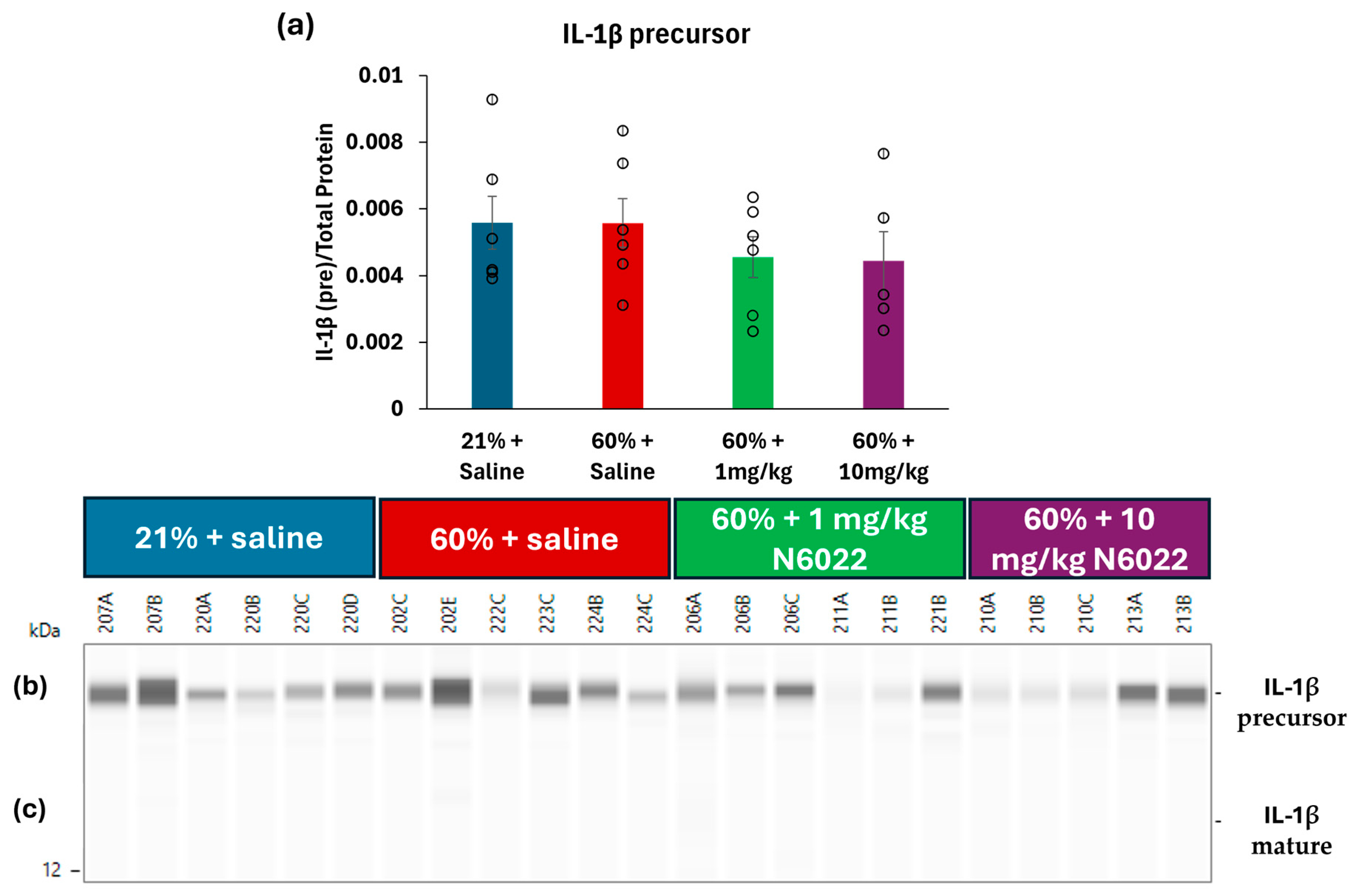
3.3. Evaluation of Lung Proteins Following Newborn Hyperoxia at P6
3.4. Assessment for N6022-Associated Mortality and Morbidity
4. Discussion
5. Conclusions
6. Patents
Supplementary Materials
Author Contributions
Funding
Institutional Review Board Statement
Informed Consent Statement
Data Availability Statement
Acknowledgments
Conflicts of Interest
Abbreviations
| BPD | Bronchopulmonary Dysplasia |
| FDA | Food and Drug Administration (United States of America) |
| FiO2 | Fraction of inspired oxygen |
| GSNO | S-Nitrosoglutathione |
| IL-1β | Interleukin-1 beta |
| IQR | Interquartile Range |
| TGF-β | Transforming Growth Factor-beta |
Appendix A
Appendix A.1. Antibody Optimization for Automated Simple Western

| Antibody Target | Molecular Weight | Catalog | Diluent | Antibody Dilution | Lysate Concentration (µg/µL) |
|---|---|---|---|---|---|
| IL-1β | Mature: 17, precursor: 32 | #12242 | D2 | 1:25 | 1 |
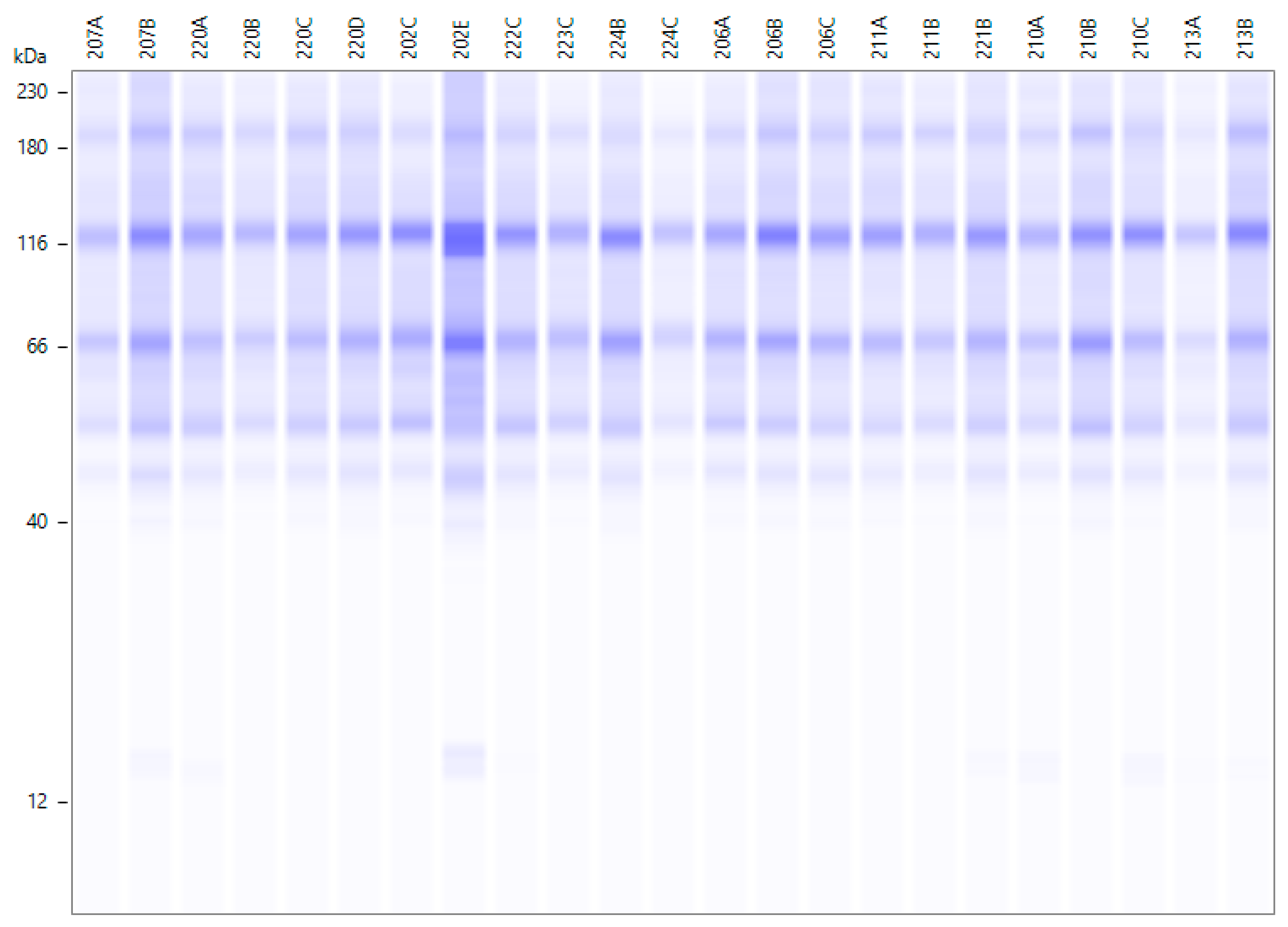
| Nitrotyrosine | Sum of all peaks | #CS9691 | MF | 1:50 | 1 |
| TGF-β | Mature: 17, precursor: 59 | #3711 | MF | 1:25 | 1 |
Appendix A.2. Additional Results from Automated Simple Westerns


Appendix A.3. Body Weights of Mice Treated with Saline or N6022
| Experimental Group | P5 Body Weight Median (IQR) (Grams) | P21 Body Weight Median (IQR) (Grams) |
|---|---|---|
| 21% + Saline | 3.3 (3.0, 3.6) | 10.0 (9.4, 11.2) |
| 60% + saline | 3.3 (3.0, 3.5) | 10.0 (8.4, 11.2) |
| 60% + N6022 (0.1 mg/kg) | 3.3 (3.1, 3.5) | 11.0 (10.4, 12.3) |
| 60% + N6022 (1 mg/kg) | 3.5 (3.1, 3.8) | 10.4 (10.0, 11.1) |
| 60% + N6022 (10 mg/kg) | 3.2 (3.1, 3.5) | 11.2 (9.9, 12.2) |
References
- Lawn, J.E.; Ohuma, E.O.; Bradley, E.; Idueta, L.S.; Hazel, E.; Okwaraji, Y.B.; Erchick, D.J.; Yargawa, J.; Katz, J.; Lee, A.C.C.; et al. Small babies, big risks: Global estimates of prevalence and mortality for vulnerable newborns to accelerate change and improve counting. Lancet 2023, 401, 1707–1719. [Google Scholar] [CrossRef] [PubMed]
- Ward, V.C.; Lee, A.C.; Hawken, S.; Otieno, N.A.; Mujuru, H.A.; Chimhini, G.; Wilson, K.; Darmstadt, G.L. Overview of the Global and US Burden of Preterm Birth. Clin. Perinatol. 2024, 51, 301–311. [Google Scholar] [CrossRef]
- Perin, J.; Mulick, A.; Yeung, D.; Villavicencio, F.; Lopez, G.; Strong, K.L.; Prieto-Merino, D.; Cousens, S.; Black, R.E.; Liu, L. Global, regional, and national causes of under-5 mortality in 2000-19: An updated systematic analysis with implications for the Sustainable Development Goals. Lancet Child Adolesc. Health 2022, 6, 106–115, Erratum in Lancet Child Adolesc. Health 2022, 6, e4.. [Google Scholar] [CrossRef]
- Jensen, E.A.; Dysart, K.; Gantz, M.G.; McDonald, S.; Bamat, N.A.; Keszler, M.; Kirpalani, H.; Laughon, M.M.; Poindexter, B.B.; Duncan, A.F.; et al. The Diagnosis of Bronchopulmonary Dysplasia in Very Preterm Infants. An Evidence-based Approach. Am. J. Respir. Crit. Care Med. 2019, 200, 751–759. [Google Scholar] [CrossRef]
- Cristea, A.I.; Ren, C.L.; Amin, R.; Eldredge, L.C.; Levin, J.C.; Majmudar, P.P.; May, A.E.; Rose, R.S.; Tracy, M.C.; Watters, K.F.; et al. Outpatient Respiratory Management of Infants, Children, and Adolescents with Post-Prematurity Respiratory Disease: An Official American Thoracic Society Clinical Practice Guideline. Am. J. Respir. Crit. Care Med. 2021, 204, e115–e133. [Google Scholar] [CrossRef] [PubMed]
- Ödling, M.; Andersson Franko, M.; Backman, H.; Vanfleteren, L.; Stridsman, C.; Konradsen, J.R. Gestational Age and Birthweight Predict Obstructive Lung Disease—A Study from the Swedish National Airway Register. Ann. Am. Thorac. Soc. 2025, 22, 1522–1530. [Google Scholar] [CrossRef] [PubMed]
- Allen, J.; Panitch, H. Bronchopulmonary dysplasia-A historical perspective. Pediatr. Pulmonol. 2021, 56, 3478–3489. [Google Scholar] [CrossRef] [PubMed]
- Wu, K.Y.; Jensen, E.A.; White, A.M.; Wang, Y.; Biko, D.M.; Nilan, K.; Fraga, M.V.; Mercer-Rosa, L.; Zhang, H.; Kirpalani, H. Characterization of Disease Phenotype in Very Preterm Infants with Severe Bronchopulmonary Dysplasia. Am. J. Respir. Crit. Care Med. 2020, 201, 1398–1406. [Google Scholar] [CrossRef] [PubMed]
- Beam, K.S.; Aliaga, S.; Ahlfeld, S.K.; Cohen-Wolkowiez, M.; Smith, P.B.; Laughon, M.M. A systematic review of randomized controlled trials for the prevention of bronchopulmonary dysplasia in infants. J. Perinatol. 2014, 34, 705–710. [Google Scholar] [CrossRef] [PubMed]
- Gaston, B.; Drazen, J.M.; Jansen, A.; Sugarbaker, D.A.; Loscalzo, J.; Richards, W.; Stamler, J.S. Relaxation of human bronchial smooth muscle by S-nitrosothiols in vitro. J. Pharmacol. Exp. Ther. 1994, 268, 978–984. [Google Scholar] [CrossRef] [PubMed]
- Corti, A.; Franzini, M.; Scataglini, I.; Pompella, A. Mechanisms and targets of the modulatory action of S-nitrosoglutathione (GSNO) on inflammatory cytokines expression. Arch. Biochem. Biophys. 2014, 562, 80–91. [Google Scholar] [CrossRef]
- Liu, L.; Hausladen, A.; Zeng, M.; Que, L.; Heitman, J.; Stamler, J.S. A metabolic enzyme for S-nitrosothiol conserved from bacteria to humans. Nature 2001, 410, 490–494. [Google Scholar] [CrossRef]
- Que, L.G.; Yang, Z.; Stamler, J.S.; Lugogo, N.L.; Kraft, M. S-nitrosoglutathione reductase: An important regulator in human asthma. Am. J. Respir. Crit. Care Med. 2009, 180, 226–231. [Google Scholar] [CrossRef] [PubMed]
- Que, L.G.; Liu, L.; Yan, Y.; Whitehead, G.S.; Gavett, S.H.; Schwartz, D.A.; Stamler, J.S. Protection from experimental asthma by an endogenous bronchodilator. Science 2005, 308, 1618–1621. [Google Scholar] [CrossRef] [PubMed]
- Whalen, E.J.; Foster, M.W.; Matsumoto, A.; Ozawa, K.; Violin, J.D.; Que, L.G.; Nelson, C.D.; Benhar, M.; Keys, J.R.; Rockman, H.A.; et al. Regulation of beta-adrenergic receptor signaling by S-nitrosylation of G-protein-coupled receptor kinase 2. Cell 2007, 129, 511–522. [Google Scholar] [CrossRef] [PubMed]
- Lima, B.; Lam, G.K.; Xie, L.; Diesen, D.L.; Villamizar, N.; Nienaber, J.; Messina, E.; Bowles, D.; Kontos, C.D.; Hare, J.M.; et al. Endogenous S-nitrosothiols protect against myocardial injury. Proc. Natl. Acad. Sci. USA 2009, 106, 6297–6302. [Google Scholar] [CrossRef] [PubMed]
- Raffay, T.M.; Bonilla-Fernandez, K.; Jafri, A.; Sopi, R.B.; Smith, L.A.; Cui, F.; O’Reilly, M.; Zhang, R.; Hodges, C.A.; MacFarlane, P.M.; et al. Bronchopulmonary Dysplasia and Pulmonary Hypertension. The Role of Smooth Muscle adh5. Am. J. Respir. Cell Mol. Biol. 2021, 65, 70–80. [Google Scholar] [CrossRef]
- Dylag, A.M.; Raffay, T.M. Rodent models of respiratory control and respiratory system development-Clinical significance. Respir. Physiol. Neurobiol. 2019, 268, 103249. [Google Scholar] [CrossRef]
- Berger, J.; Bhandari, V. Animal models of bronchopulmonary dysplasia. The term mouse models. Am. J. Physiol. Lung Cell. Mol. Physiol. 2014, 307, L936–L947. [Google Scholar] [CrossRef] [PubMed]
- Dylag, A.M.; Haak, J.; Yee, M.; O’Reilly, M.A. Pulmonary mechanics and structural lung development after neonatal hyperoxia in mice. Pediatr. Res. 2020, 87, 1201–1210. [Google Scholar] [CrossRef] [PubMed]
- Raffay, T.M.; Dylag, A.M.; Di Fiore, J.M.; Smith, L.A.; Einisman, H.J.; Li, Y.; Lakner, M.M.; Khalil, A.M.; MacFarlane, P.M.; Martin, R.J.; et al. S-Nitrosoglutathione Attenuates Airway Hyperresponsiveness in Murine Bronchopulmonary Dysplasia. Mol. Pharmacol. 2016, 90, 418–426. [Google Scholar] [CrossRef]
- Wu, T.-J.; Jing, X.; Teng, M.; Pritchard, K.A., Jr.; Day, B.W.; Naylor, S.; Teng, R.-J. Role of Myeloperoxidase, Oxidative Stress, and Inflammation in Bronchopulmonary Dysplasia. Antioxidants 2024, 13, 889. [Google Scholar] [CrossRef] [PubMed]
- Einisman, H.J.; Gaston, B.; Wijers, C.; Smith, L.A.; Lewis, T.H.; Lewis, S.J.; Raffay, T.M. Tracheomalacia in bronchopulmonary dysplasia: Trachealis hyper-relaxant responses to S-nitrosoglutathione in a hyperoxic murine model. Pediatr. Pulmonol. 2019, 54, 1989–1996. [Google Scholar] [CrossRef] [PubMed]
- Que, L.G.; Yang, Z.; Lugogo, N.L.; Katial, R.K.; Shoemaker, S.A.; Troha, J.M.; Rodman, D.M.; Tighe, R.M.; Kraft, M. Effect of the S-nitrosoglutathione reductase inhibitor N6022 on bronchial hyperreactivity in asthma. Immun. Inflamm. Dis. 2018, 6, 322–331. [Google Scholar] [CrossRef] [PubMed]
- Green, L.S.; Chun, L.E.; Patton, A.K.; Sun, X.; Rosenthal, G.J.; Richards, J.P. Mechanism of inhibition for N6022, a first-in-class drug targeting S-nitrosoglutathione reductase. Biochemistry 2012, 51, 2157–2168. [Google Scholar] [CrossRef]
- Colagiovanni, D.B.; Drolet, D.W.; Langlois-Forget, E.; Piché, M.P.; Looker, D.; Rosenthal, G.J. A nonclinical safety and pharmacokinetic evaluation of N6022: A first-in-class S-nitrosoglutathione reductase inhibitor for the treatment of asthma. Regul. Toxicol. Pharmacol. 2012, 62, 115–124. [Google Scholar] [CrossRef] [PubMed]
- Feldman, A.T.; Wolfe, D. Tissue processing and hematoxylin and eosin staining. Methods Mol. Biol. 2014, 1180, 31–43. [Google Scholar] [PubMed]
- Crowley, G.; Kwon, S.; Caraher, E.J.; Haider, S.H.; Lam, R.; Batra, P.; Melles, D.; Liu, M.; Nolan, A. Quantitative lung morphology: Semi-automated measurement of mean linear intercept. BMC Pulm. Med. 2019, 19, 206. [Google Scholar] [CrossRef] [PubMed]
- Caraher, E.J.; Kwon, S.; Haider, S.H.; Crowley, G.; Lee, A.; Ebrahim, M.; Zhang, L.; Chen, L.C.; Gordon, T.; Liu, M.; et al. Receptor for advanced glycation end-products and World Trade Center particulate induced lung function loss: A case-cohort study and murine model of acute particulate exposure. PLoS ONE 2017, 12, e0184331. [Google Scholar] [CrossRef]
- O’Reilly, M.; Harding, R.; Sozo, F. Altered small airways in aged mice following neonatal exposure to hyperoxic gas. Neonatology 2014, 105, 39–45. [Google Scholar] [CrossRef] [PubMed]
- Thacker, J.S.; Yeung, D.H.; Staines, W.R.; Mielke, J.G. Total protein or high-abundance protein: Which offers the best loading control for Western blotting? Anal. Biochem. 2016, 496, 76–78. [Google Scholar] [CrossRef]
- Mammel, M.C.; Green, T.P.; Johnson, D.E.; Thompson, T.R. Controlled trial of dexamethasone therapy in infants with bronchopulmonary dysplasia. Lancet 1983, 1, 1356–1358. [Google Scholar] [CrossRef] [PubMed]
- Rotschild, A.; Solimano, A.; Puterman, M.; Smyth, J.; Sharma, A.; Albersheim, S. Increased compliance in response to salbutamol in premature infants with developing bronchopulmonary dysplasia. J. Pediatr. 1989, 115, 984–991. [Google Scholar] [CrossRef]
- Bhaskaran, M.; Xi, D.; Wang, Y.; Huang, C.; Narasaraju, T.; Shu, W.; Zhao, C.; Xiao, X.; More, S.; Breshears, M.; et al. Identification of microRNAs changed in the neonatal lungs in response to hyperoxia exposure. Physiol. Genom. 2012, 44, 970–980. [Google Scholar] [CrossRef] [PubMed]
- Wen, X.; Zhang, H.; Xiang, B.; Zhang, W.; Gong, F.; Li, S.; Chen, H.; Luo, X.; Deng, J.; You, Y.; et al. Hyperoxia-induced miR-342-5p down-regulation exacerbates neonatal bronchopulmonary dysplasia via the Raf1 regulator Spred3. Br. J. Pharmacol. 2021, 178, 2266–2283. [Google Scholar] [CrossRef] [PubMed]
- Bodas, M.; Silverberg, D.; Walworth, K.; Brucia, K.; Vij, N. Augmentation of S-Nitrosoglutathione Controls Cigarette Smoke-Induced Inflammatory-Oxidative Stress and Chronic Obstructive Pulmonary Disease-Emphysema Pathogenesis by Restoring Cystic Fibrosis Transmembrane Conductance Regulator Function. Antioxid. Redox. Signal. 2017, 27, 433–451. [Google Scholar] [CrossRef]
- Daniel, K.L.; Gaudet, C.; Hamraghani, A.; Ben Fadel, N.; Yeganeh, B.; Jankov, R.P. Sodium nitrite prevents impaired postnatal alveolar development. Am. J. Physiol. Lung Cell. Mol. Physiol. 2025, 328, L586–L602. [Google Scholar] [CrossRef] [PubMed]
- Blonder, J.P.; Mutka, S.C.; Sun, X.; Qiu, J.; Green, L.H.; Mehra, N.K.; Boyanapalli, R.; Suniga, M.; Look, K.; Delany, C.; et al. Pharmacologic inhibition of S-nitrosoglutathione reductase protects against experimental asthma in BALB/c mice through attenuation of both bronchoconstriction and inflammation. BMC Pulm. Med. 2014, 14, 3. [Google Scholar] [CrossRef] [PubMed]
- Kim, J.; Qiao, F.; Singh, A.K.; Won, J.; Singh, I. Efficacies of S-nitrosoglutathione (GSNO) and GSNO reductase inhibitor in SARS-CoV-2 spike protein induced acute lung disease in mice. Front. Pharmacol. 2023, 14, 1304697. [Google Scholar] [CrossRef] [PubMed]
- Calthorpe, R.J.; Poulter, C.; Smyth, A.R.; Sharkey, D.; Bhatt, J.; Jenkins, G.; Tatler, A.L. Complex roles of TGF-β signaling pathways in lung development and bronchopulmonary dysplasia. Am. J. Physiol. Lung Cell. Mol. Physiol. 2023, 324, L285–L296. [Google Scholar] [CrossRef] [PubMed]
- Holzfurtner, L.; Shahzad, T.; Dong, Y.; Rekers, L.; Selting, A.; Staude, B.; Lauer, T.; Schmidt, A.; Rivetti, S.; Zimmer, K.P.; et al. When inflammation meets lung development-an update on the pathogenesis of bronchopulmonary dysplasia. Mol. Cell Pediatr. 2022, 9, 7. [Google Scholar] [CrossRef] [PubMed]
- Ferrini, M.E.; Simons, B.J.; Bassett, D.J.; Bradley, M.O.; Roberts, K.; Jaffar, Z. S-nitrosoglutathione reductase inhibition regulates allergen-induced lung inflammation and airway hyperreactivity. PLoS ONE 2013, 8, e70351. [Google Scholar] [CrossRef] [PubMed]
- Barnett, S.D.; Buxton, I.L.O. The role of S-nitrosoglutathione reductase (GSNOR) in human disease and therapy. Crit. Rev. Biochem. Mol. Biol. 2017, 52, 340–354. [Google Scholar] [CrossRef] [PubMed]
- Chatterji, A.; Banerjee, D.; Billiar, T.R.; Sengupta, R. Understanding the role of S-nitrosylation/nitrosative stress in inflammation and the role of cellular denitrosylases in inflammation modulation: Implications in health and diseases. Free Radic. Biol. Med. 2021, 172, 604–621. [Google Scholar] [CrossRef] [PubMed]
- Hartman, W.R.; Smelter, D.F.; Sathish, V.; Karass, M.; Kim, S.; Aravamudan, B.; Thompson, M.A.; Amrani, Y.; Pandya, H.C.; Martin, R.J.; et al. Oxygen dose responsiveness of human fetal airway smooth muscle cells. Am. J. Physiol. Lung Cell. Mol. Physiol. 2012, 303, L711–L719. [Google Scholar] [CrossRef] [PubMed]
- Wang, H.; Jafri, A.; Martin, R.J.; Nnanabu, J.; Farver, C.; Prakash, Y.S.; MacFarlane, P.M. Severity of neonatal hyperoxia determines structural and functional changes in developing mouse airway. Am. J. Physiol. Lung Cell. Mol. Physiol. 2014, 307, L295–L301. [Google Scholar] [CrossRef]
- Onugha, H.; MacFarlane, P.M.; Mayer, C.A.; Abrah, A.; Jafri, A.; Martin, R.J. Airway Hyperreactivity Is Delayed after Mild Neonatal Hyperoxic Exposure. Neonatology 2015, 108, 65–72. [Google Scholar] [CrossRef] [PubMed]
- Donaldson, S.H.; Solomon, G.M.; Zeitlin, P.L.; Flume, P.A.; Casey, A.; McCoy, K.; Zemanick, E.T.; Mandagere, A.; Troha, J.M.; Shoemaker, S.A.; et al. Pharmacokinetics and safety of cavosonstat (N91115) in healthy and cystic fibrosis adults homozygous for F508DEL-CFTR. J. Cyst. Fibros. 2017, 16, 371–379. [Google Scholar] [CrossRef]
- Liu, L.; Yan, Y.; Zeng, M.; Zhang, J.; Hanes, M.A.; Ahearn, G.; McMahon, T.J.; Dickfeld, T.; Marshall, H.E.; Que, L.G.; et al. Essential roles of S-nitrosothiols in vascular homeostasis and endotoxic shock. Cell 2004, 116, 617–628. [Google Scholar] [CrossRef] [PubMed]
- Tang, C.H.; Seeley, E.J.; Huang, X.; Wolters, P.J.; Liu, L. Increased susceptibility to Klebsiella pneumonia and mortality in GSNOR-deficient mice. Biochem. Biophys. Res. Commun. 2013, 442, 122–126. [Google Scholar] [CrossRef]
- Tang, C.H.; Wei, W.; Hanes, M.A.; Liu, L. Hepatocarcinogenesis driven by GSNOR deficiency is prevented by iNOS inhibition. Cancer Res. 2013, 73, 2897–2904. [Google Scholar] [CrossRef] [PubMed]


Disclaimer/Publisher’s Note: The statements, opinions and data contained in all publications are solely those of the individual author(s) and contributor(s) and not of MDPI and/or the editor(s). MDPI and/or the editor(s) disclaim responsibility for any injury to people or property resulting from any ideas, methods, instructions or products referred to in the content. |
© 2025 by the authors. Licensee MDPI, Basel, Switzerland. This article is an open access article distributed under the terms and conditions of the Creative Commons Attribution (CC BY) license.
Share and Cite
Adaikalam, S.; Sopi, R.B.; Smith, L.A.; Jafri, A.; MacFarlane, P.M.; Martin, R.J.; Gaston, B.; Raffay, T.M. Pharmacologic Inhibition of S-Nitrosoglutathione Reductase Prevents Hyperoxic Alveolar and Airway Disease in Newborn Mice. Biomedicines 2026, 14, 15. https://doi.org/10.3390/biomedicines14010015
Adaikalam S, Sopi RB, Smith LA, Jafri A, MacFarlane PM, Martin RJ, Gaston B, Raffay TM. Pharmacologic Inhibition of S-Nitrosoglutathione Reductase Prevents Hyperoxic Alveolar and Airway Disease in Newborn Mice. Biomedicines. 2026; 14(1):15. https://doi.org/10.3390/biomedicines14010015
Chicago/Turabian StyleAdaikalam, Stephanie, Ramadan B. Sopi, Laura A. Smith, Anjum Jafri, Peter M. MacFarlane, Richard J. Martin, Benjamin Gaston, and Thomas M. Raffay. 2026. "Pharmacologic Inhibition of S-Nitrosoglutathione Reductase Prevents Hyperoxic Alveolar and Airway Disease in Newborn Mice" Biomedicines 14, no. 1: 15. https://doi.org/10.3390/biomedicines14010015
APA StyleAdaikalam, S., Sopi, R. B., Smith, L. A., Jafri, A., MacFarlane, P. M., Martin, R. J., Gaston, B., & Raffay, T. M. (2026). Pharmacologic Inhibition of S-Nitrosoglutathione Reductase Prevents Hyperoxic Alveolar and Airway Disease in Newborn Mice. Biomedicines, 14(1), 15. https://doi.org/10.3390/biomedicines14010015