Journal Description
Waste
Waste
is an international, peer-reviewed, open access journal on waste management, science and technology, published quarterly online by MDPI.
- Open Access— free for readers, with article processing charges (APC) paid by authors or their institutions.
- High Visibility: indexed within ESCI (Web of Science) and other databases.
- Rapid Publication: manuscripts are peer-reviewed and a first decision is provided to authors approximately 16.6 days after submission; acceptance to publication is undertaken in 4.7 days (median values for papers published in this journal in the first half of 2026).
- Recognition of Reviewers: Reviewers whose reports are timely and of high quality receive an APC discount voucher for a future publication in an MDPI journal. Become a reviewer.
- Journal Cluster of Environmental Science: Sustainability, Land, Clean Technologies, Environments, Nitrogen, Recycling, Urban Science, Safety, Air, Waste, Aerobiology, Toxics, Pollutants, The Journal of Xenobiotics, Journal of Parks, Green and Environmental Remediation.
Latest Articles
Effects of Fermented Fish Residue-Derived Liquid Organic Fertilizer on Soil Chemical Properties, Nutrient Use Efficiency, and Lettuce Growth in Tropical Sandy Soil
Waste 2026, 4(3), 29; https://doi.org/10.3390/waste4030029 - 10 Aug 2026
Abstract
►
Show Figures
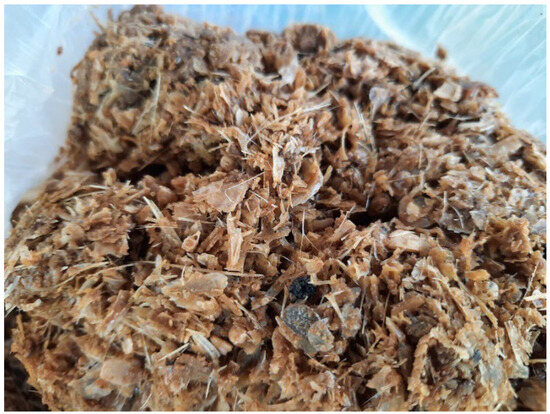
Fermented fish residue (FFR) is a byproduct generated from the fermented fish industry and presents a significant opportunity for waste valorization into liquid organic fertilizer (OF). This study aimed to determine the chemical properties of FFR and its derived OF, along with the
[...] Read more.
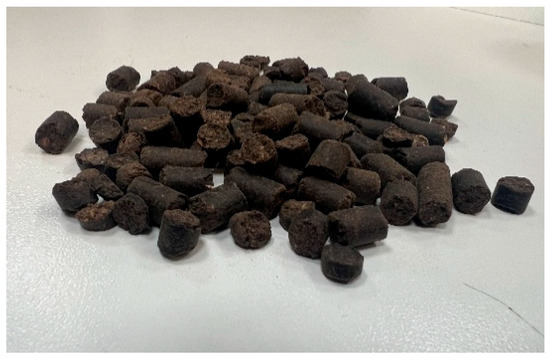
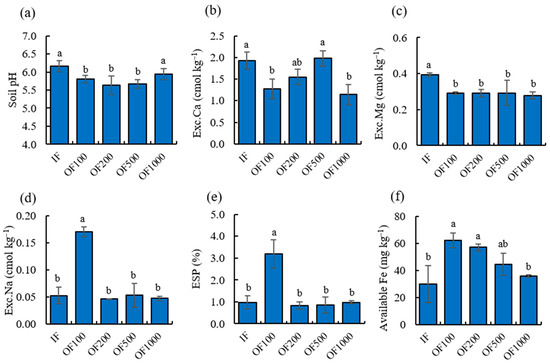
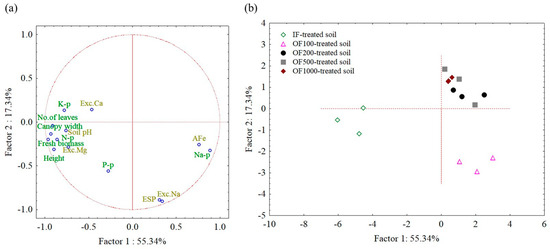
Fermented fish residue (FFR) is a byproduct generated from the fermented fish industry and presents a significant opportunity for waste valorization into liquid organic fertilizer (OF). This study aimed to determine the chemical properties of FFR and its derived OF, along with the effects of OF application on soil chemical properties, nutrient use efficiency, and leafy vegetable growth. A field experiment was conducted in randomized complete block design with five treatments, including the application of inorganic fertilizer (IF) as the control and four OF to water dilution ratios (1:100, 1:200, 1:500, and 1:1000). Both FFR and OF were acidic with elevated amounts of nitrogen (N), electrical conductivity, and sodium (Na), but low levels of phosphorus (P), potassium (K), and toxic elements. Compared with the IF treatment, the OF application increases available iron (36–62 mg kg−1) and the exchangeable sodium percentage to 3.2% in the 1:100 treatment, while lowering soil pH (5.8–5.9), exchangeable calcium (1.1–1.9 cmol kg−1), and magnesium (0.28–0.39 cmol kg−1). Plant Na concentration also increased from 4159 to 17,666 mg kg−1 under OF treatments, with the highest concentration in the 1:100 treatment. The OF applied at higher dilution ratios (>500) significantly improved the partial fertilizer productivity (PFP) of N (7.2 t ka−1), P (18.6 t kg−1), and K (2.4 t kg−1). Fresh biomass was approximately 88% lower under OF treatments than under IF. This indicates an enhanced nutrient use efficiency under lower nutrient input conditions. This improvement in nutrient use efficiency is accompanied by reduced fresh biomass and increased Na accumulation in plants, together with changes in soil Na-related properties, highlighting a trade-off between nutrient supply and potential salinity risk. These findings, therefore, suggest that FFR-derived OF when applied at 1:500 or greater has potential as a low-input fertilizer option.
Full article
Open AccessArticle
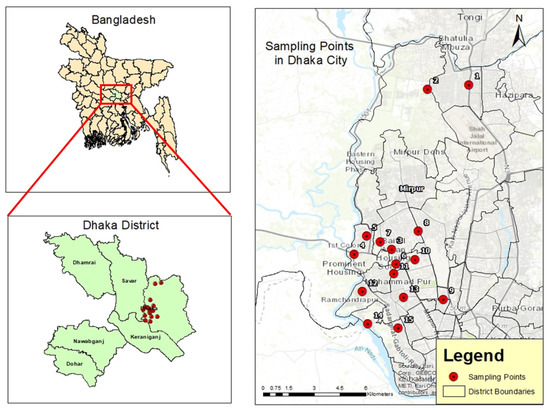
Recyclable Material Flow and Market Dynamics in Secondary Transfer Stations in Dhaka, Bangladesh
by
Abdul Kadir Ibne Kamal, Faisal Ahmed, Md. Rasheduzzaman, Sanjida Parvin, Sarah Zahir, Mirza A. T. M. Tanvir Rahman and Palash Kumer Mondal
Waste 2026, 4(3), 28; https://doi.org/10.3390/waste4030028 - 5 Aug 2026
Abstract
►▼
Show Figures
This study investigates the flow and economic valuation of recyclable materials across fifteen Secondary Transfer Stations (STSs) in Dhaka North City Corporation (DNCC), Bangladesh, with the aim of understanding how market dynamics influence material recovery and circular economy potential. Primary data were collected
[...] Read more.
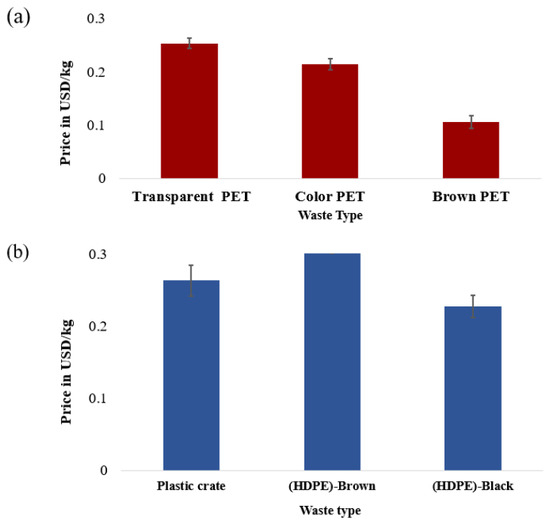
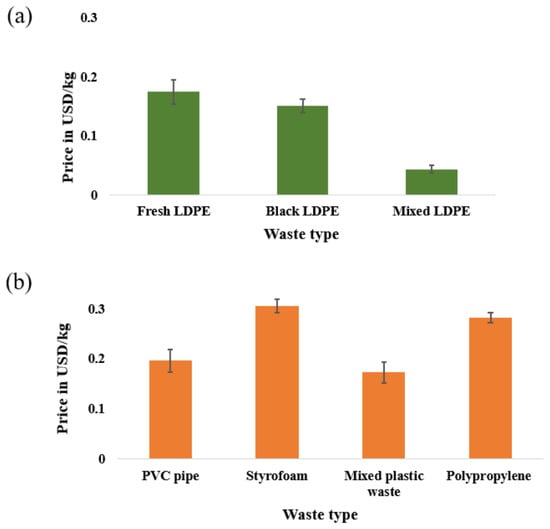
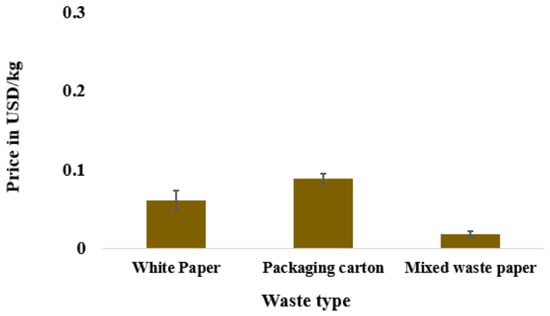
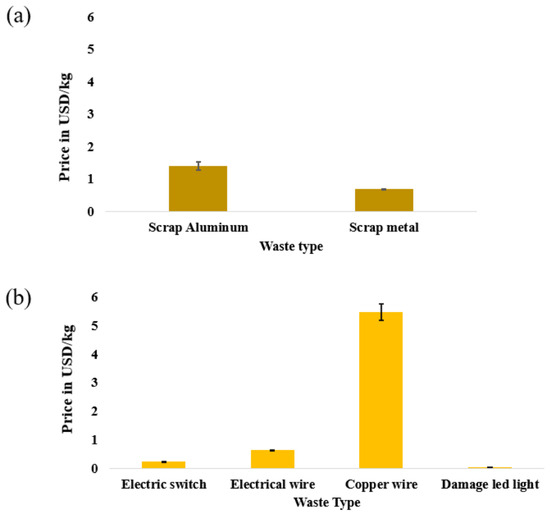
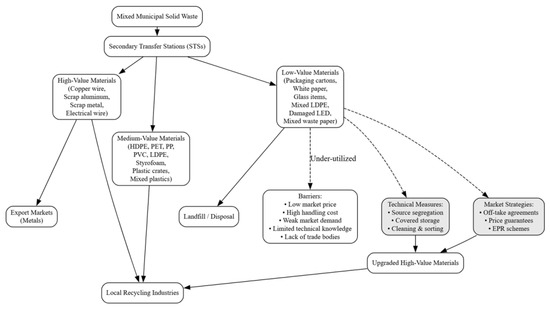
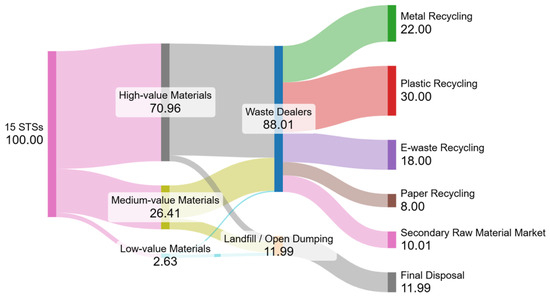
This study investigates the flow and economic valuation of recyclable materials across fifteen Secondary Transfer Stations (STSs) in Dhaka North City Corporation (DNCC), Bangladesh, with the aim of understanding how market dynamics influence material recovery and circular economy potential. Primary data were collected through field surveys, structured questionnaires administered to 50 waste workers, five waste dealers and five local traders. Recovered materials were classified into six major categories, paper, plastic, metal, glass, electronic waste (e-waste), and other materials with further sub-categorization, to capture price variations and material characteristics. The results reveal a highly differentiated recycling market, with prices varying by more than an order of magnitude across materials. High-value materials, including copper wire, scrap aluminum, scrap metal, and electrical wire, are consistently recovered, whereas medium-value materials such as HDPE, PET, polypropylene, PVC, LDPE, Styrofoam, plastic crates, and mixed plastics are recovered selectively depending on market demand. In contrast, low-value materials, including packaging cartons, white paper, glass items, mixed LDPE, damaged LED lights, and mixed wastepaper, are frequently discarded due to weak economic incentives. Despite spatial and socioeconomic differences across STSs, price variability remains relatively low, indicating an integrated city-wide recycling market driven by active trader networks and broader commodity trends. To the best of our knowledge, this is one of the first studies to integrate recyclable material flow with economic valuation across multiple STSs in Dhaka. The findings highlight that recovery efficiency is strongly governed by economic value and informal practices, with limited segregation efficiency and inadequate occupational safety conditions. Enhancing source segregation, improving storage infrastructure, and introducing targeted market and policy interventions for low-value materials are critical for advancing Dhaka’s transition toward a circular and resource-efficient urban waste management system.
Full article

Figure 1
Open AccessArticle
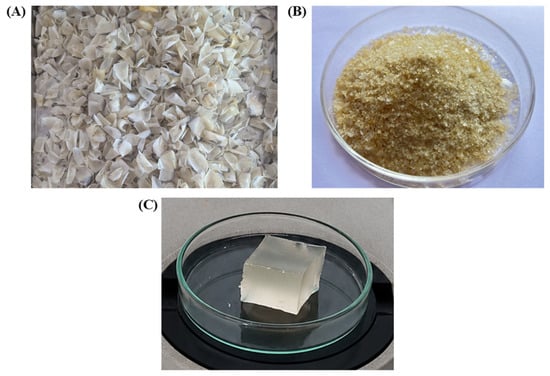
Valorization of Rohu (Labeo rohita) Fish Scale Waste Through Gelatin Extraction: Physicochemical, Thermal, Rheological, and Functional Characterization
by
Khilesh Kumar, Jitender Kumar Jakhar, Soibam Ngasotter, Sanjeev Sharma, Kumar Gaurav, Domendra Dhruve, David Waikhom, F. Tameshwar, Pabitra Barik, Dushyant Kumar Damle, Ankur Jamwal and Sunita Jakhar
Waste 2026, 4(3), 27; https://doi.org/10.3390/waste4030027 - 3 Aug 2026
Abstract
►▼
Show Figures
Fish scales are collagen-rich processing by-products with considerable potential as a sustainable source of non-mammalian gelatin. This study aimed to extract gelatin from Rohu (Labeo rohita) fish scales and comprehensively characterize its physicochemical, thermal, structural, rheological, textural and functional properties for
[...] Read more.
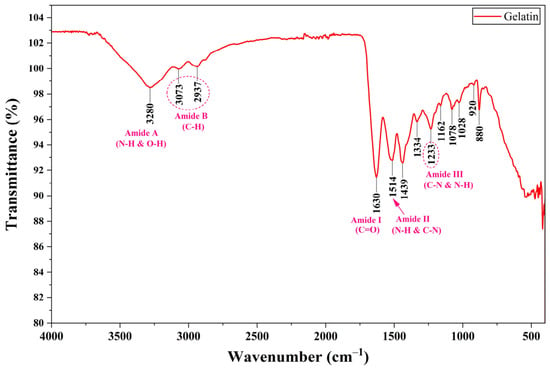
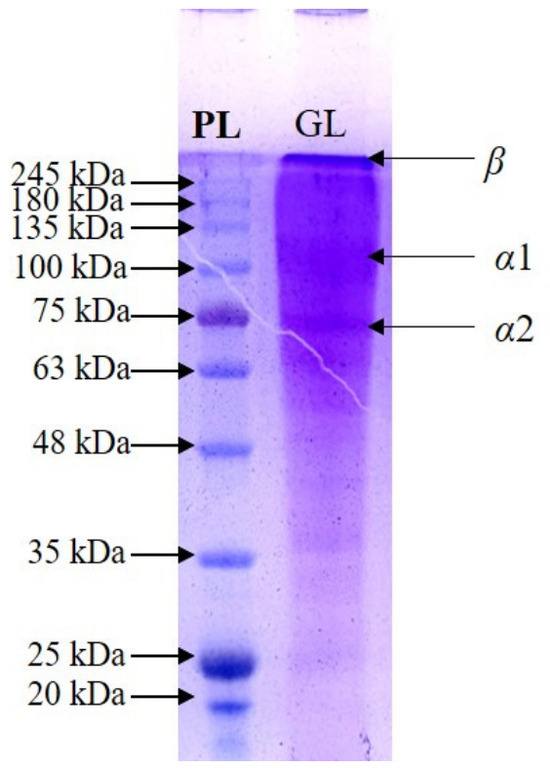
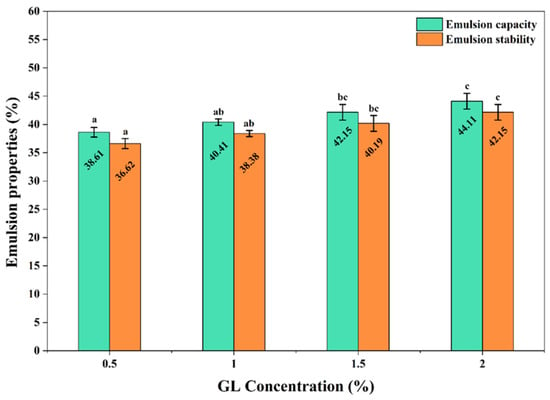
Fish scales are collagen-rich processing by-products with considerable potential as a sustainable source of non-mammalian gelatin. This study aimed to extract gelatin from Rohu (Labeo rohita) fish scales and comprehensively characterize its physicochemical, thermal, structural, rheological, textural and functional properties for potential food and industrial applications. Gelatin was extracted by acid demineralization followed by hot-water extraction and characterized using physicochemical analyses, Fourier transform infrared spectroscopy (FTIR), sodium dodecyl sulfate–polyacrylamide gel electrophoresis (SDS–PAGE), texture profile analysis (TPA) and functional property measurements. The extracted gelatin exhibited a yield of 21.86%, a protein content of 88.37%, an ash content of 1.5%, a gel strength of 182.82 g, a viscosity of 6.56 cP, a solubility of 87.49%, a melting temperature of 23.38 °C, a setting temperature of 20.4 °C and a setting time of 660 s. FTIR and SDS–PAGE confirmed the characteristic structural features of type I collagen-derived gelatin with well-preserved α1, α2 and β chains. The gelatin also demonstrated favorable water-holding capacity (169.70%), fat-binding capacity (188.50%), foaming capacity (193.33%) and foaming stability (77.65%), while emulsion capacity and stability increased with gelatin concentration, reaching 44.11% and 42.15%, respectively, at a gelatin concentration of 2.0%. These findings demonstrate the potential of Rohu fish scale gelatin as a sustainable, value-added non-mammalian biomaterial for food, packaging, pharmaceutical and related industrial applications while promoting the valorization of fish-processing waste.
Full article

Figure 1
Open AccessArticle
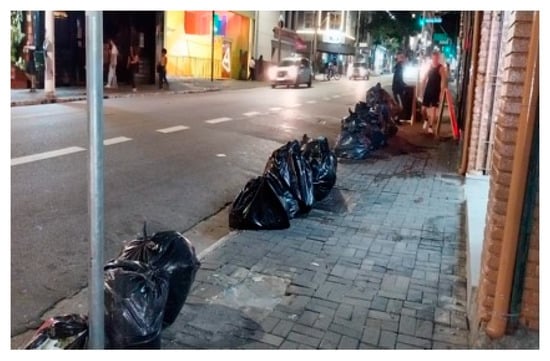
15 Years After the National Solid Waste Policy in the City of São Paulo: Timid Advances in Recycling
by
Adriana Fonseca Braga, Wanda Maria Risso Günther and Helena Ribeiro
Waste 2026, 4(3), 26; https://doi.org/10.3390/waste4030026 - 28 Jul 2026
Abstract
►▼
Show Figures
São Paulo is the largest city in Brazil and the second in Latin America. Its domestic waste production reached 3,515,678.96 tons in 2024. Historically, the city has a low recycling rate, and several laws and policies have been implemented to reverse this situation.
[...] Read more.
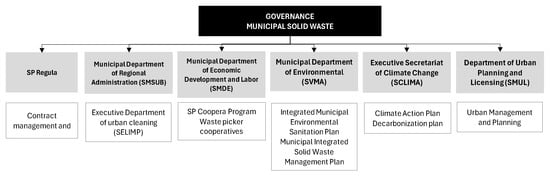
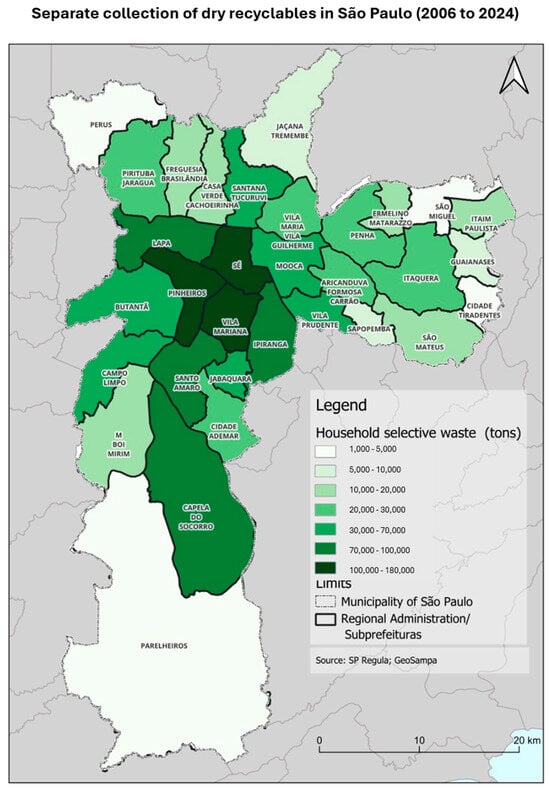
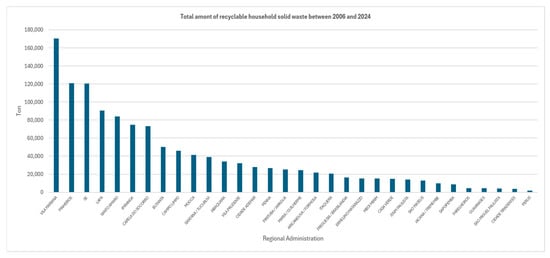
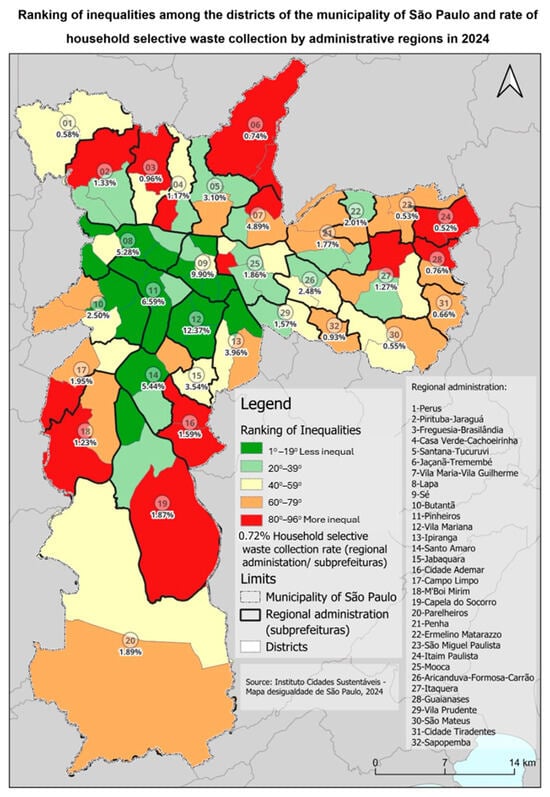
São Paulo is the largest city in Brazil and the second in Latin America. Its domestic waste production reached 3,515,678.96 tons in 2024. Historically, the city has a low recycling rate, and several laws and policies have been implemented to reverse this situation. The objective of this study was to investigate whether there have been advances in the recycling of household solid waste in São Paulo 15 years after the National Solid Waste Policy, from municipal and intra-urban perspectives. The extended period studied and segregated data by regional administration represent the innovative approach of this manuscript. The methodology consisted of a case study with an analysis of the legislation, official data research and evaluation of goals, and socio-spatial distribution. The separate collection rate grew from 0.69% in 2006 to 2.85% in 2024, but this volume represents less than 10% of the target originally projected for the period. A socio-spatial inequality was found as well as a lack of dedicated collection for the organic fraction. It can be concluded that progress is incremental, but limited by structural barriers and urban inequities. Results indicate for São Paulo and for other large cities, mainly in low and middle-income countries, recycling success cannot depend on legislation as it is also correlated with demographic factors, such as educational level, and to the need of targeted policies for a progressive increase in source-separated recycling.
Full article

Figure 1
Open AccessArticle
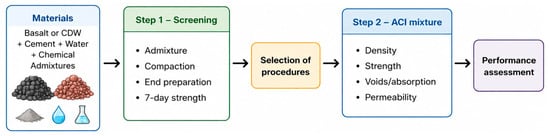
Processing Parameters for Pervious Concrete with Basalt and CDW Aggregates: Addressing the Strength–Porosity–Permeability Trade-Off
by
Urandi Gratão, Murilo Daniel de Mello Innocentini and Lisandro Simão
Waste 2026, 4(3), 25; https://doi.org/10.3390/waste4030025 - 22 Jul 2026
Abstract
►▼
Show Figures
Urban development increases impervious surfaces and stormwater runoff, while the construction sector generates large volumes of construction and demolition waste (CDW). Pervious concrete can mitigate runoff through infiltration and may also valorize CDW, yet its production and testing procedures remain heterogeneous, particularly with
[...] Read more.
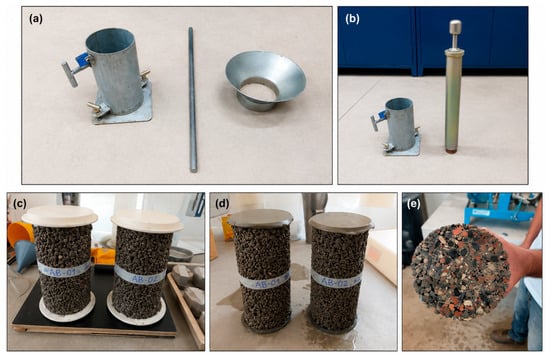
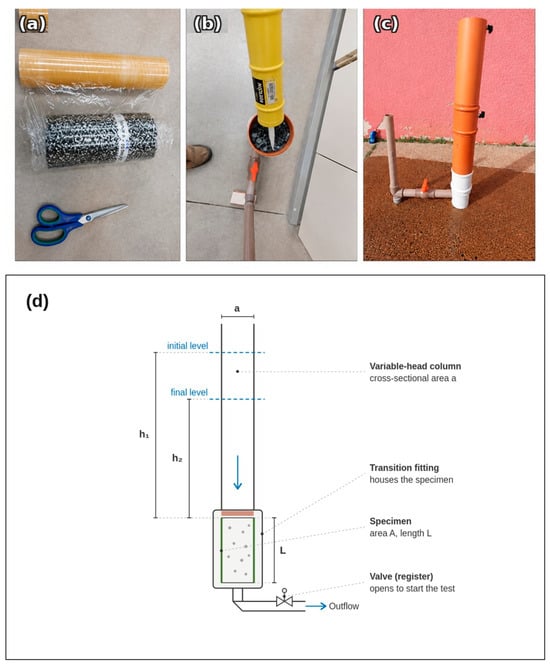
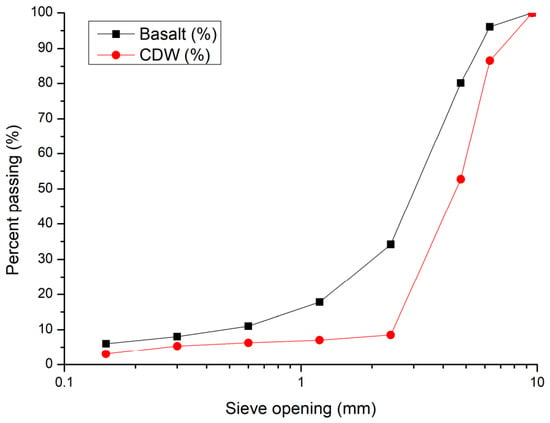
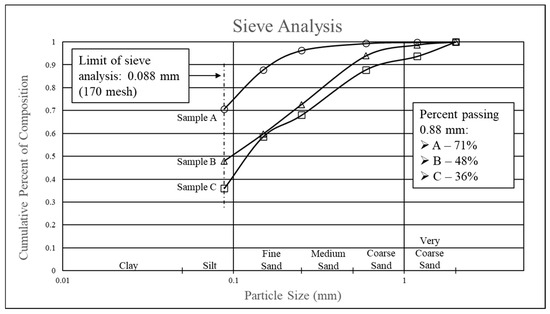
Urban development increases impervious surfaces and stormwater runoff, while the construction sector generates large volumes of construction and demolition waste (CDW). Pervious concrete can mitigate runoff through infiltration and may also valorize CDW, yet its production and testing procedures remain heterogeneous, particularly with recycled aggregates. This study experimentally screens practical processing parameters for pervious concrete produced with basalt and CDW coarse aggregates. The influence of chemical admixture, consolidation method, and end-surface preparation was first assessed to define suitable production conditions: adequate cohesion without admixture required raising the water-to-cement ratio from 0.30 to 0.65; high-energy Proctor compaction crushed the CDW aggregates, favoring standard tamping-rod consolidation; and end-surface preparation had only a minor effect on compressive strength. The selected procedures were then applied to an ACI 522R-based basalt mixture designed for a target void content of 25%, which achieved a fresh density of 1985 kg/m3, a void ratio of 16.88%, and a mean permeability coefficient of 12.18 × 10⁻³ m/s, about twelve times the minimum required by ABNT NBR 16416. Its 28-day compressive strength (12.75 MPa) remained below the 20 MPa pavement-surfacing requirements, although within the typical range reported by ACI 522R for pervious concrete (2.8 to 28 MPa). Overall, aggregate gradation, compaction procedure, and admixture-enabled paste cohesion emerged as the dominant factors governing the strength–porosity–permeability trade-off, guiding subsequent mix optimization.
Full article

Figure 1
Open AccessReview
Thermochemical Conversion of Automotive Paint Sludge: A Review
by
Ndingalutendo Mulaudzi, Nhlanhla Nkosi and Athi-enkosi Mavukwana
Waste 2026, 4(3), 24; https://doi.org/10.3390/waste4030024 - 22 Jul 2026
Cited by 1
Abstract
►▼
Show Figures
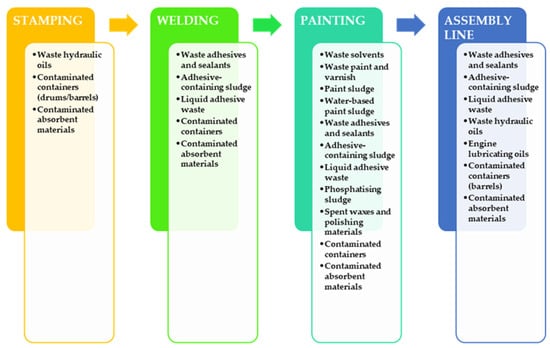
Automotive paint sludge (APS) is a hazardous industrial waste generated during automotive coating operations and is characterized by high moisture content, variable organic and inorganic composition, volatile organic compounds, pigments and heavy metals. Conventional disposal methods, including landfilling and direct incineration, present increasing
[...] Read more.
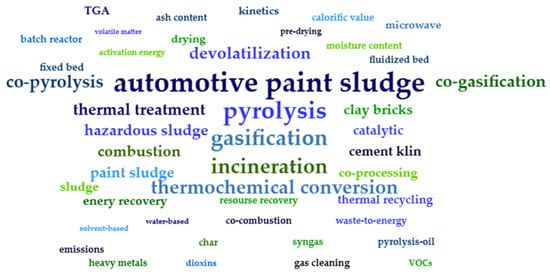
Automotive paint sludge (APS) is a hazardous industrial waste generated during automotive coating operations and is characterized by high moisture content, variable organic and inorganic composition, volatile organic compounds, pigments and heavy metals. Conventional disposal methods, including landfilling and direct incineration, present increasing environmental and regulatory challenges, thereby motivating interest in thermochemical conversion technologies for APS valorization and energy recovery. This review evaluates the current state of research on APS thermochemical conversion through incineration, pyrolysis and gasification pathways. The review compares the major operational characteristics of thermochemical pathways, including reactor conditions, temperature ranges, product yields, energy recovery potential, pollutant formation and downstream cleanup requirements. Also, techno-economic considerations such as drying energy demand and scale-up limitations are discussed. According to the current literature, incineration is the most industrially mature route for APS destruction, whereas pyrolysis offers more flexibility for fuel and material recovery. Gasification shows potential for syngas and hydrogen production but remains insufficiently studied for APS applications. Despite growing interest in APS valorization, a lot of research gaps remain regarding standardized feedstock classification, pilot-scale validation, process integration, environmental risk assessment and techno-economic optimization. Conclusively, future approaches towards managing APS would need to incorporate process optimization for specific APS types, incorporation of co-processing techniques, as well as an overall assessment for both environmental and economic feasibility.
Full article

Figure 1
Open AccessArticle
High-Temperature Gasification of Chlorinated Hydrocarbons: Thermodynamic Calculation
by
Sergey M. Frolov, Nikita V. Apalkov and Fedor S. Frolov
Waste 2026, 4(3), 23; https://doi.org/10.3390/waste4030023 - 16 Jul 2026
Abstract
►▼
Show Figures
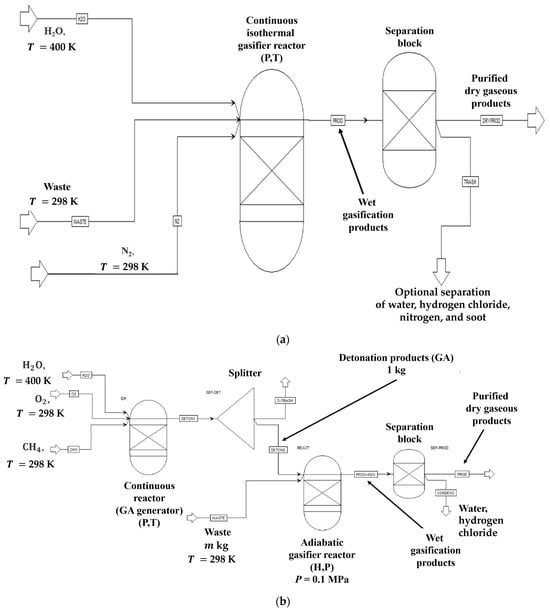
Conventional thermal disposal of chlorinated hydrocarbon (CHC) waste poses high risks of dioxin, furan, chlorine, and phosgene formation, while plasma destruction remains energy-intensive. This work determines the optimal thermodynamic conditions for the allothermal, non-catalytic steam—carbon dioxide gasification of various CHCs utilizing high-temperature detonation
[...] Read more.
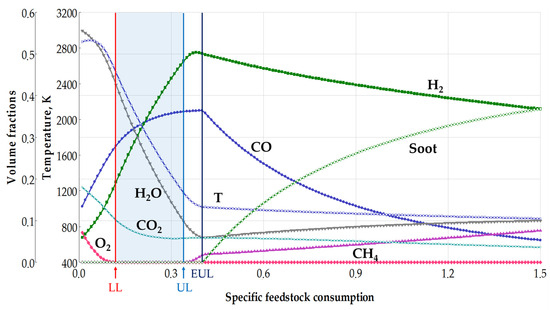
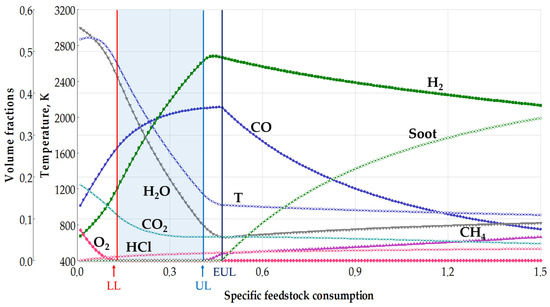
Conventional thermal disposal of chlorinated hydrocarbon (CHC) waste poses high risks of dioxin, furan, chlorine, and phosgene formation, while plasma destruction remains energy-intensive. This work determines the optimal thermodynamic conditions for the allothermal, non-catalytic steam—carbon dioxide gasification of various CHCs utilizing high-temperature detonation gases (2450–2850 K) expanded to atmospheric pressure to achieve non-toxic, valuable syngas and commercial-grade hydrochloric acid. Thermodynamic modeling ensures complete soot- and hydrocarbon-free conversion with 100% carbon conversion efficiency, dry syngas yield up to 5.7 Nm3/kg, and cold gas efficiency reaching 138%. For highly chlorinated (above 70 wt.% chlorine) or unsaturated feedstocks, a co-feeding method using external hydrocarbons (C4H8O2 as an example) was validated to suppress the formation of major ecotoxicants like Cl2, COCl2, and C2Cl2. As for other chlorine-containing ecotoxicants, including highly toxic dioxins, their concentrations in the equilibrium gasification products remain negligibly small, even in the absence of dilution. Importantly, a solvent mass fraction of no more than 0.33 in the initial blend is sufficient to entirely achieve this toxic species suppression. For all considered CHCs (undiluted or diluted with C4H8O2), chlorine is shown to bind exclusively to hydrogen chloride (HCl), with all hazardous emissions remaining below the conditional 1 ppm safety limit. To achieve this, a chlorine capture algorithm was substantiated based on the dissolution of generated HCl within the residual steam condensate or externally delivered water upon cooling the gasification products to 293 K. The proposed technology offers an efficient and environmentally safe alternative to expensive plasma methods for toxic organic waste disposal.
Full article

Figure 1
Open AccessArticle
A Three-Year Assessment of Food Waste in Rio de Janeiro Municipality (Brazil): A First Step Toward Understanding the Issue in Brazil
by
Gabriela Farinha Vaz e Alves, Bianca Ramalho Quintaes, Ronei de Almeida, André Luiz Ferreira Menescal Conde, Alessandra Fonseca Lourenço, Fábio Barbosa Bocti, Bernardo Ornelas Ferreira and Fábio de Almeida Oroski
Waste 2026, 4(3), 22; https://doi.org/10.3390/waste4030022 - 15 Jul 2026
Abstract
►▼
Show Figures
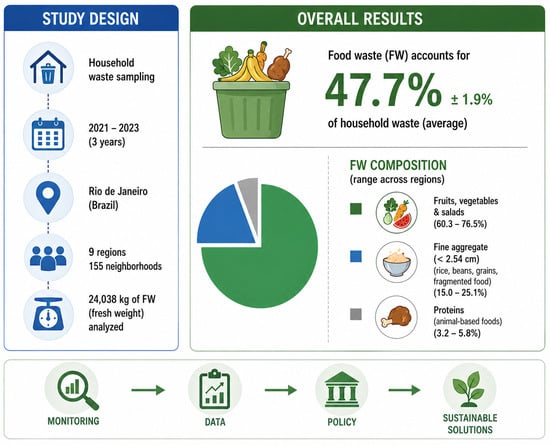
Household food waste remains a huge challenge for solid waste management in municipalities worldwide, especially in the Global South. Existing studies that measure food waste (FW) in cities are scarce, have limited geographic scope, and have limited timeframes. In that direction, the current
[...] Read more.
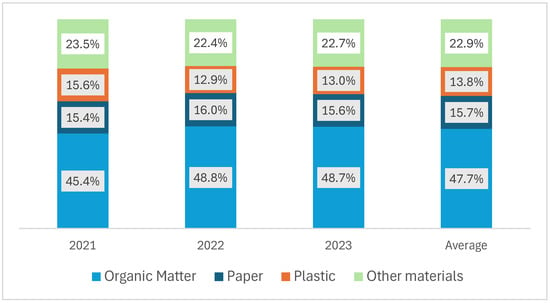
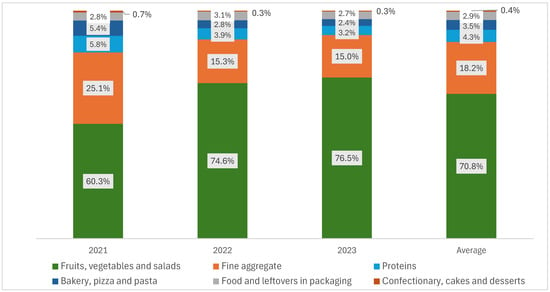
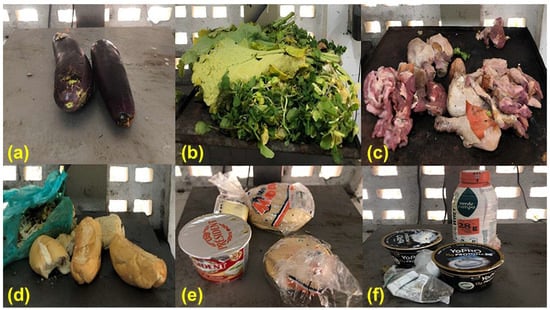
Household food waste remains a huge challenge for solid waste management in municipalities worldwide, especially in the Global South. Existing studies that measure food waste (FW) in cities are scarce, have limited geographic scope, and have limited timeframes. In that direction, the current investigation provides data on the FW composition of nine regions of the municipality of Rio de Janeiro (Brazil), based on a three-year sampling across 155 neighborhoods. Waste samples were collected from 2021 to 2023. In total, about 24,038 kg (fresh weight) was analyzed. Results showed that FW accounts for an average of 47.7 ± 1.9% of household waste in the study period. The FW composition in the city of Rio de Janeiro ranged from 60.3–76.5% for fruits, vegetables, and salads, 15.0–25.1% for fine aggregate (small-sized food residues < 2.54 cm, like rice, beans, grains, and fragmented food particles), and 3.2–5.8% for proteins (discarded animal-based protein foods like chicken and meat). The chi-square goodness-of-fit test was applied to evaluate whether the FW composition in each of the nine regions differed from the mean FW composition of the Rio de Janeiro municipality. The findings revealed statistically significant differences (p-value < 0.05) in the average FW fractions in specific regions and years compared with the city’s average composition. Thus, one of the key takeaways of this investigation was that the percentages of discharged food waste fractions vary over time and across locations, even within the same municipality. The present research took a first step toward understanding the food waste problem in Rio de Janeiro (Brazil) and underscores the importance of monitoring food waste data to guide the development of locally specific strategies for sustainable urban food systems, including waste prevention, recycling, and food recovery.
Full article

Graphical abstract
Open AccessArticle
Floating-Raft Cultivation of Sesuvium portulacastrum in an Integrated Litopenaeus vannamei Aquaculture System Under Varying Salinity
by
Dao Phu Quoc, Nguyen Thanh Trung, Tran Le Vinh, Vu Thi Bac and Le Thi Trang
Waste 2026, 4(3), 21; https://doi.org/10.3390/waste4030021 - 1 Jul 2026
Abstract
►▼
Show Figures
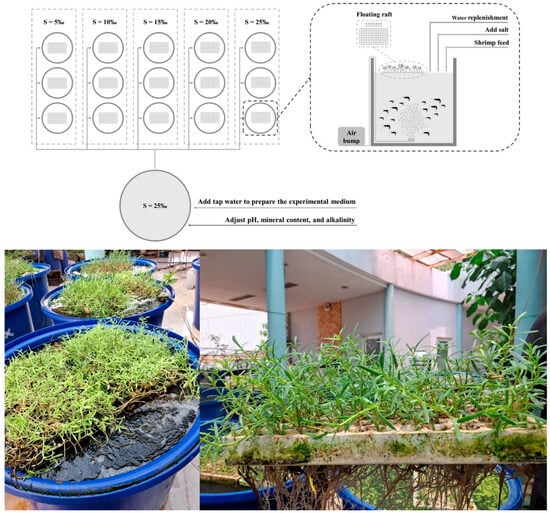
Brackish-water aquaculture provides important livelihoods for many coastal regions worldwide, but it also generates nutrient-rich wastewater that may cause eutrophication if untreated. The use of plants to absorb dissolved nutrients and convert them into harvestable biomass has become an important research direction in
[...] Read more.
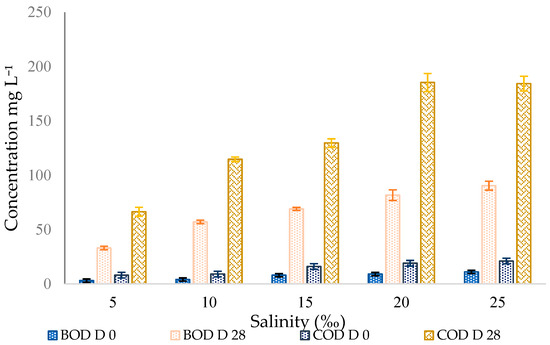
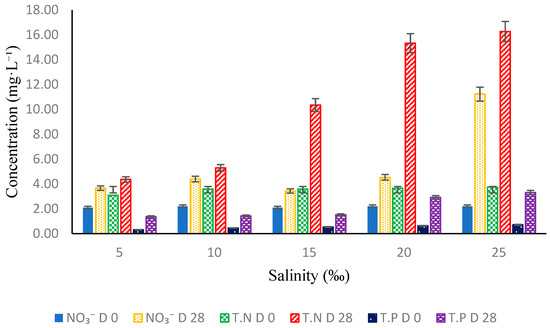
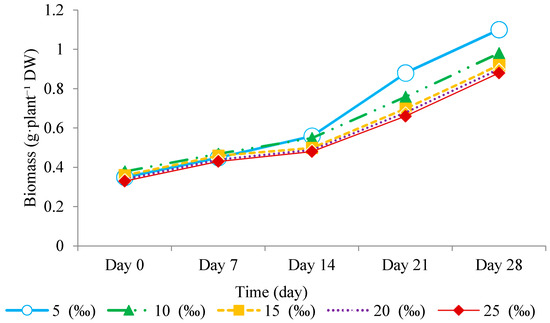
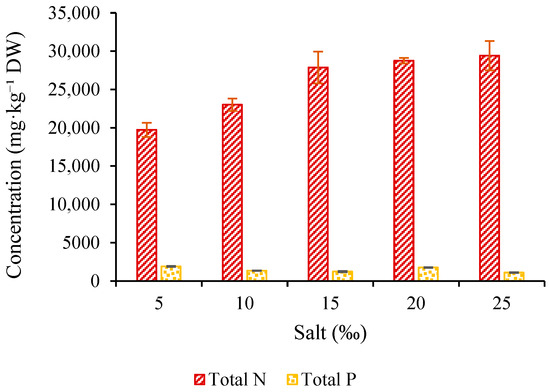
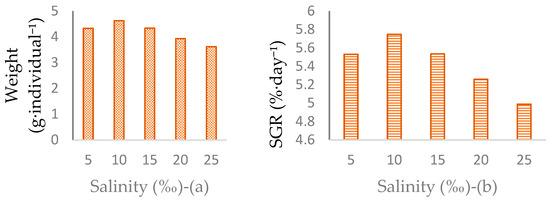
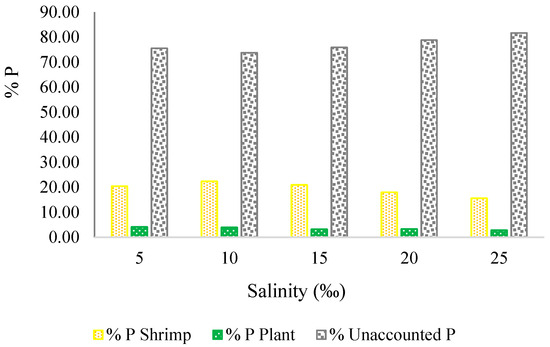
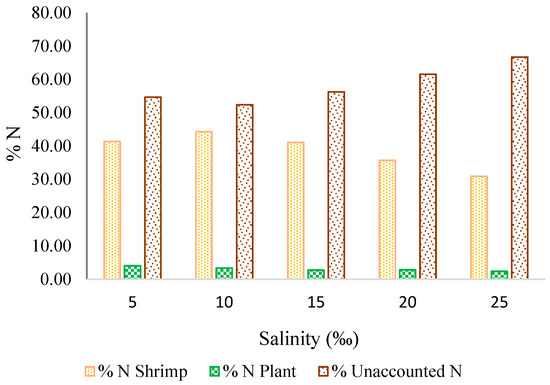
Brackish-water aquaculture provides important livelihoods for many coastal regions worldwide, but it also generates nutrient-rich wastewater that may cause eutrophication if untreated. The use of plants to absorb dissolved nutrients and convert them into harvestable biomass has become an important research direction in aquaculture wastewater management. This study evaluated the performance of Sesuvium portulacastrum L. grown on floating rafts placed directly on the water surface of 0.5 m3 plastic tanks used for Litopenaeus vannamei culture under controlled salinity conditions ranging from 5 to 25‰. During the 28-day experiment, plant growth, shrimp growth performance, plant nutrient accumulation, and nitrogen/phosphorus mass-balance partitioning were assessed. The results showed that S. portulacastrum grew well under brackish conditions, with stronger biomass production at salinities below 15‰, while shrimp growth performance was most favorable at 10–15‰. Nutrient analysis of harvested S. portulacastrum biomass showed that the plant accumulated 19,735–29,433 mg N kg−1 DW and 1099–1912 mg P kg−1 DW, indicating its capacity to recover inorganic N and P through harvestable biomass. At 10‰ salinity, the integrated system reached the highest apparent total nitrogen removal/recovery efficiency of 46.98%, calculated from system-level mass-balance partitioning rather than water-concentration reduction alone. The areal nitrogen recovery rate in harvested S. portulacastrum biomass reached 383 mg N m−2 day−1. Although S. portulacastrum is a salt-tolerant plant, higher salinity levels (≥20‰) reduced plant biomass production and nutrient recovery efficiency. These findings indicate that integrating floating-raft S. portulacastrum into brackish shrimp-culture systems at moderate salinity, particularly 5–15‰, is a feasible strategy for converting dissolved nutrients into harvestable plant biomass.
Full article

Figure 1
Open AccessArticle
Informal Metal Recycling and Circular Economy Potential in King Sabata Dalindyebo Municipality: Environmental, Socio-Economic and Systemic Dynamics
by
Asanda Sharlene Mthembu, Zanele Xelelo, Siyanda Nkwenkwe, Tokozani Mangesi and Leonard Chitongo
Waste 2026, 4(2), 20; https://doi.org/10.3390/waste4020020 - 5 Jun 2026
Abstract
►▼
Show Figures
This study examined the scale of informal metal recycling in the King Sabata Dalindyebo (KSD) Municipality and evaluated its socioeconomic and environmental impacts through a circular economy lens. While formal recycling programs have received research attention, informal recycling systems have been less examined
[...] Read more.
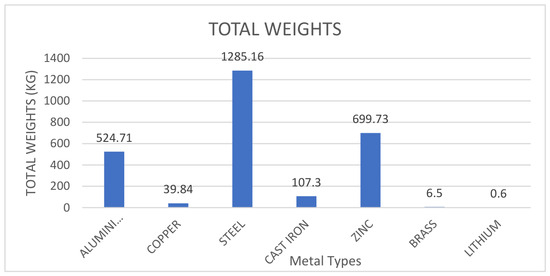
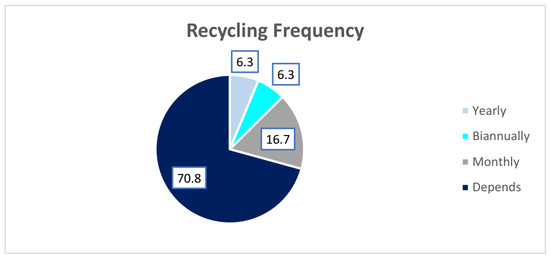
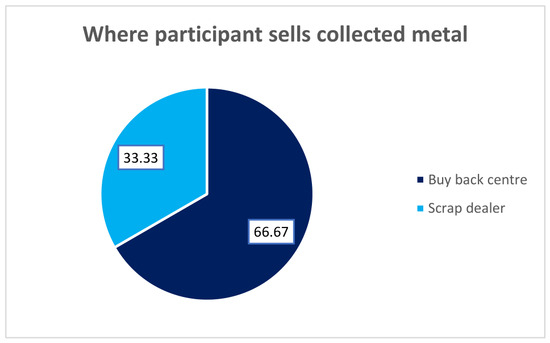
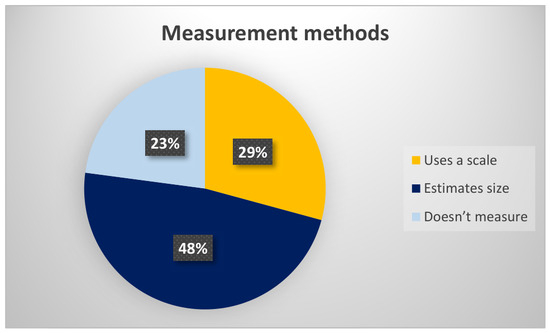
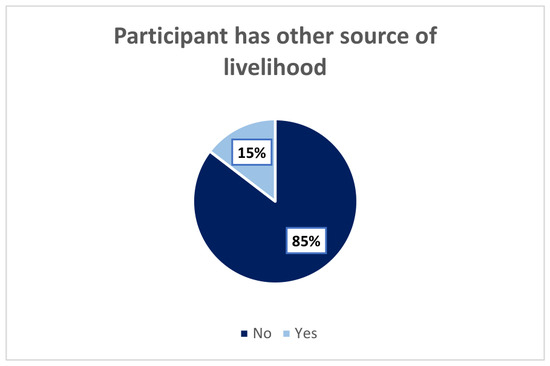
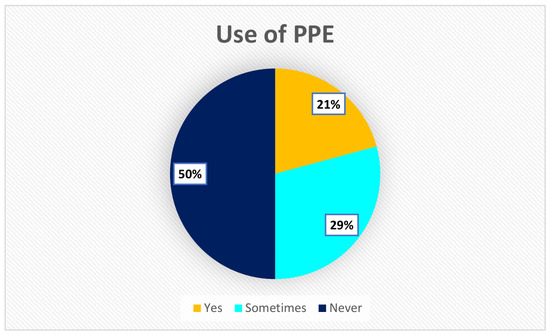
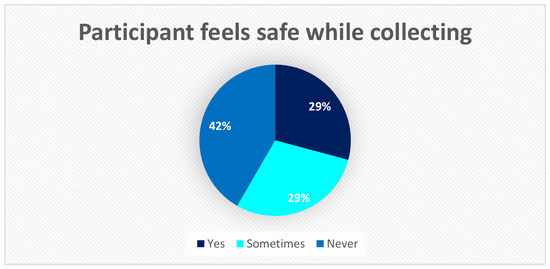
This study examined the scale of informal metal recycling in the King Sabata Dalindyebo (KSD) Municipality and evaluated its socioeconomic and environmental impacts through a circular economy lens. While formal recycling programs have received research attention, informal recycling systems have been less examined despite their critical contribution. A mixed-methods approach was employed, combining quantitative surveys and material measurements with qualitative field observations. Data were collected through focus groups and surveys administered to 48 active recyclers operating along the N2 and R61 highways, supported by systematic field observations and quantification of all recovered materials. The results showed that steel and aluminum were the most recovered metals at 41.7% and 20.8%. Recyclers collected an average of 15.3 kg/day (SD = 4.2) during periods of high material availability and accessibility and the materials are close to market points. The study underscores the socioeconomic and environmental impacts of informal recycling within the circular economy framework, with most participants (85.42%) indicating that recycling was a significant livelihood while 74% cited difficulty transporting bulky materials, often manually. Therefore, the study emphasizes that informal recyclers play a vital role in sustaining the local economy by offering key waste management and resource recovery services. Acknowledge of these informal systems will contribute to a more inclusive understanding of waste management in developing contexts.
Full article

Figure 1
Open AccessArticle
Solvent Survey and Acidification Effects on the Recovery of Main Antioxidant Polyphenols from Dried Olive Pomace
by
Mahmoud Ghazi, Mohamed Mehdi Yataghene, Spyros Grigorakis and Dimitris P. Makris
Waste 2026, 4(2), 19; https://doi.org/10.3390/waste4020019 - 5 Jun 2026
Abstract
►▼
Show Figures
Olive pomace is a major side stream originating from olive processing for the production of olive oil. This waste material bears a load of polyphenolic antioxidants, and thus it might serve as a source of precious phytochemicals. This work had as its objective
[...] Read more.
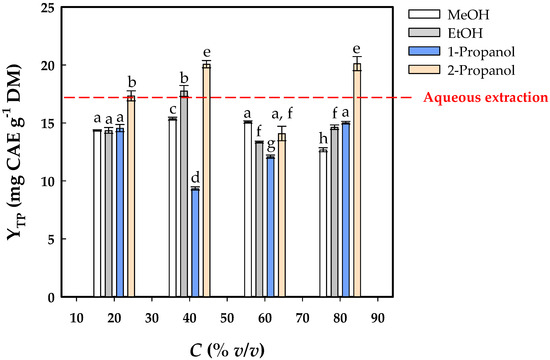
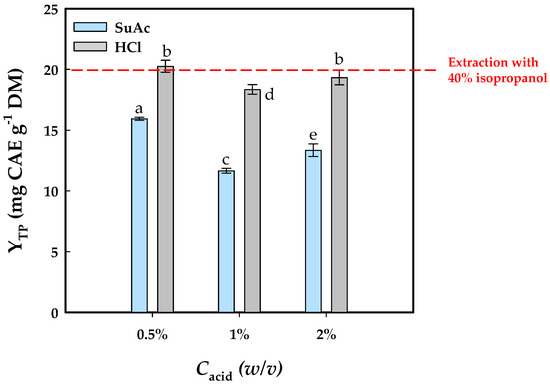
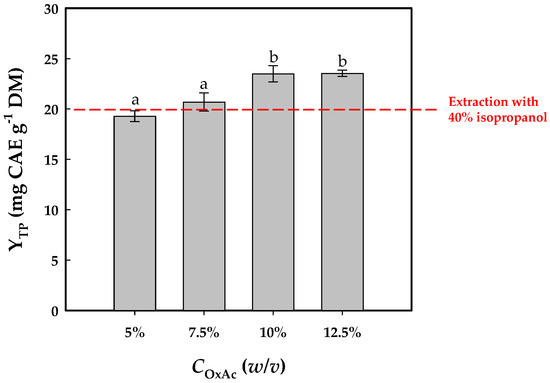
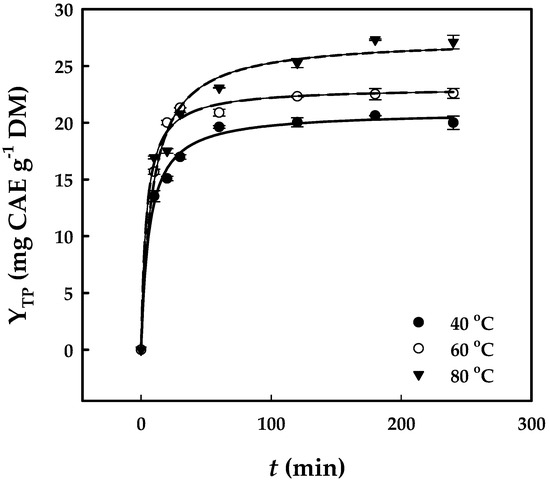
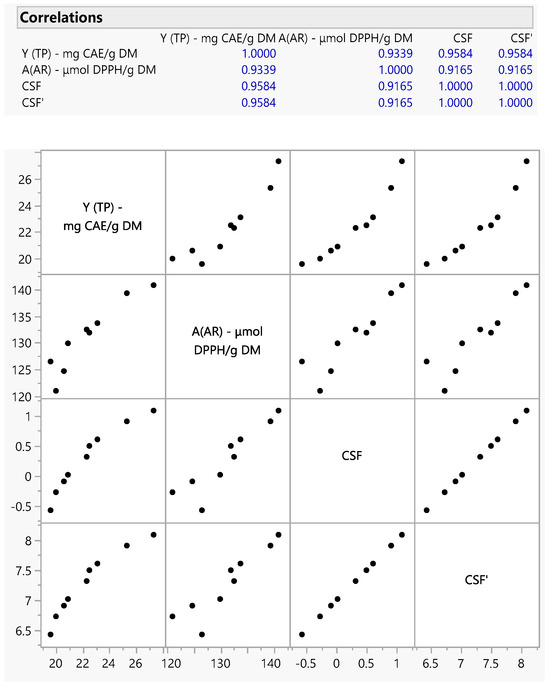
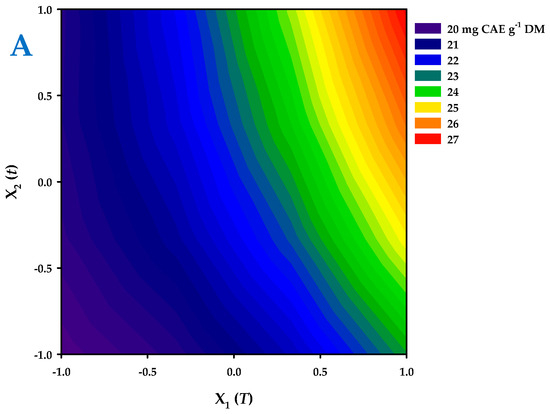
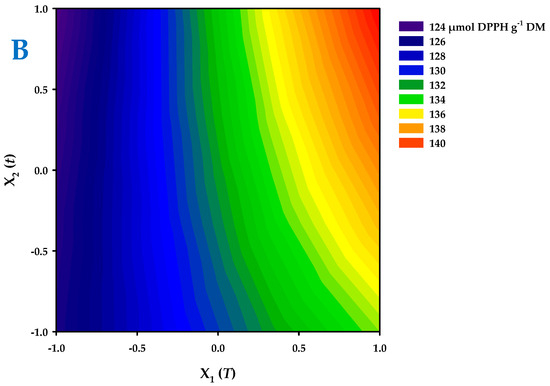
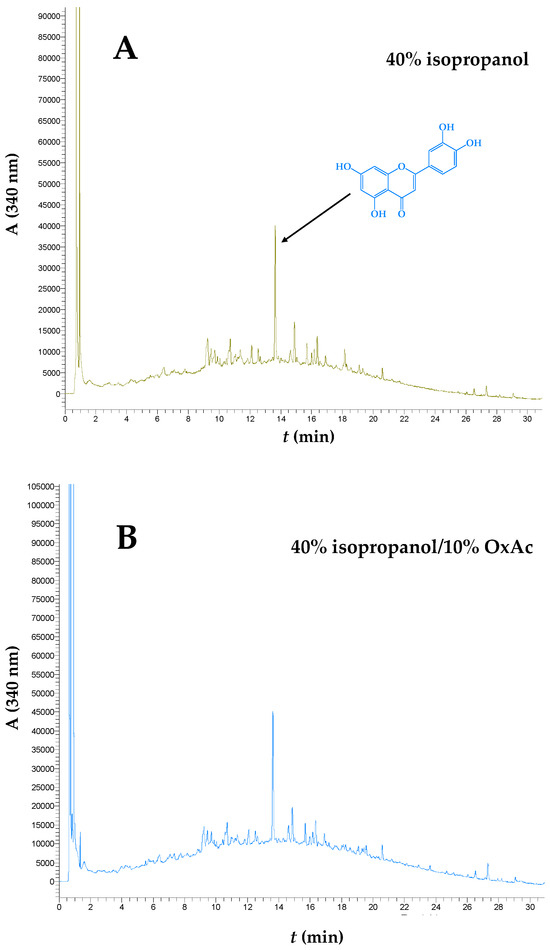
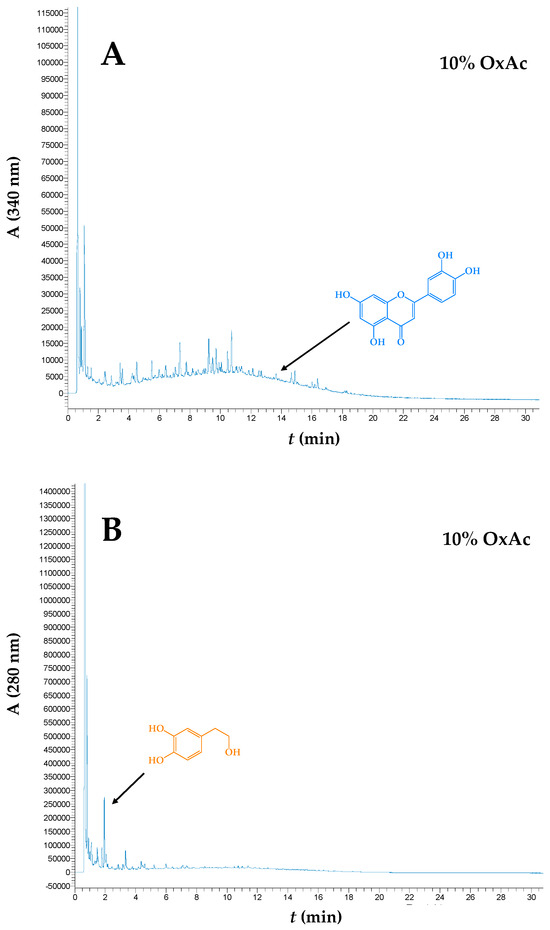
Olive pomace is a major side stream originating from olive processing for the production of olive oil. This waste material bears a load of polyphenolic antioxidants, and thus it might serve as a source of precious phytochemicals. This work had as its objective the development of an extraction process for the efficacious recovery of polyphenols from dried olive pomace (dOP), employing eco-friendly extraction media. To this end, environmentally benign solvents were first compared for their efficiency in obtaining increased yields in total polyphenols, and 40% aqueous isopropanol was selected as the best-performing mixture. Further examination of the role of acidification showed that mineral acid addition (sulfuric, hydrochloric) had a rather negative effect on polyphenol yield. To the contrary, incorporation of oxalic acid into the solvent at a 10% level provided significantly higher extraction yield (p < 0.05), which reached 27.1 ± 1.1 mg caffeic acid equivalents (CAE) per g dOP. This solvent system (40% isopropanol/10% oxalic acid) was additionally scrutinized for its effectiveness by studying the role of process severity and response surface optimization. Out of both approaches, it was demonstrated that polyphenol extraction yield, but also antiradical activity, was directly correlated with residence time and temperature, within the limits tested. Moreover, a high correlation between polyphenol concentration and antiradical activity was also revealed. Liquid chromatography-tandem mass spectrometry analyses showed that the extract obtained with the solvent system used (40% isopropanol/10% oxalic acid) was characterized by the presence of both hydroxytyrosol and the flavone luteolin (242.1 and 178.6 μg g−1 dOP, respectively), but, in the absence of isopropanol, the extract produced was largely dominated by hydroxytyrosol (4629.7 μg g−1 dOP). Thus, it was concluded that the solvent system could fundamentally diversify extract composition. It is proposed that, when combined with integrated biorefinery technologies, this approach could effectively contribute to reducing environmental impacts while enabling the production of valuable natural antioxidants or platform chemicals that are vital for the food, pharmaceutical, and cosmetic industries. Within the broader context of sustainable food waste management, such strategies might be key elements of a circular economy framework.
Full article

Figure 1

Open AccessReview
Biocatalytic Upcycling of Plastic Waste: Harnessing Microbial and Enzymatic Systems for High-Value Product Generation
by
Kuok Ho Daniel Tang
Waste 2026, 4(2), 18; https://doi.org/10.3390/waste4020018 - 28 May 2026
Abstract
This review synthesizes current advances in the biocatalytic upcycling of plastic waste through microbial and enzymatic systems, emphasizing the transformation of recalcitrant polymers into high-value products. A narrative review methodology was adopted to integrate interdisciplinary findings across microbiology, enzymology, biotechnology, and waste management.
[...] Read more.
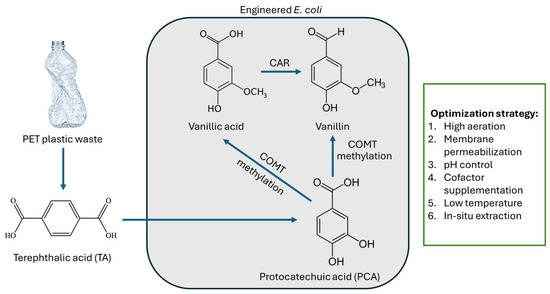
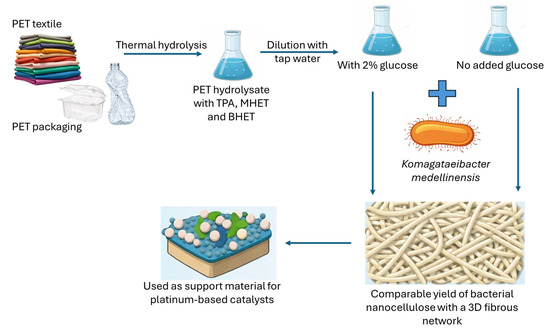
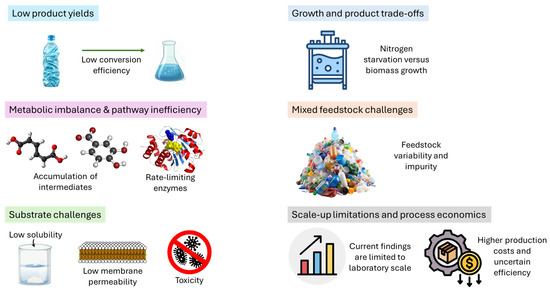
This review synthesizes current advances in the biocatalytic upcycling of plastic waste through microbial and enzymatic systems, emphasizing the transformation of recalcitrant polymers into high-value products. A narrative review methodology was adopted to integrate interdisciplinary findings across microbiology, enzymology, biotechnology, and waste management. Significant progress has been achieved in the depolymerization of plastics such as polyethylene terephthalate (PET), polyurethane, and polyolefins into intermediates, including terephthalic acid and ethylene glycol. These intermediates are subsequently valorized into products such as polyhydroxyalkanoates (PHAs), lipids, terpenoids, organic acids, aromatic compounds, and bacterial cellulose. Quantitative performance metrics demonstrate the potential of these systems. Notably, PHA production from PET-derived substrates has reached up to 1.10 g L−1 (22.7% cell dry weight) and as high as 46% intracellular accumulation, while bacterial cellulose production from PET hydrolysates has achieved ~3.0 g L−1. High conversion efficiencies have been reported in several pathways, including ~90–99% conversion of PET-derived intermediates to catechol, ~91.6% yield of glycolic acid from ethylene glycol (up to 31.4 g L−1), and ~71–79% molar conversion of terephthalic acid to vanillin. Despite these advances, critical limitations persist, including low volumetric productivity in some systems, metabolic imbalances, substrate toxicity, feedstock heterogeneity, and challenges in process integration and scale-up. Future research should prioritize enhancing metabolic flux, improving enzyme efficiency, optimizing microbial consortia, and developing integrated, low-energy depolymerization–bioconversion systems.
Full article
(This article belongs to the Special Issue Towards a Circular Economy: Value-Added Products from Waste)
►▼
Show Figures

Figure 1
Open AccessArticle
Comparison of Imputation Methods for Activated Sludge Data: A Case Study on Imputing Missing Data
by
Malini Deepak and Rabee Rustum
Waste 2026, 4(2), 17; https://doi.org/10.3390/waste4020017 - 28 May 2026
Abstract
►▼
Show Figures
The activated sludge process is pivotal in wastewater treatment, with ongoing research into its process control methods. Modeling treatment plants aids in analyzing relationships among variables, supporting fault detection and operational decision-making. However, datasets from real-world treatment plants often contain outliers and missing
[...] Read more.
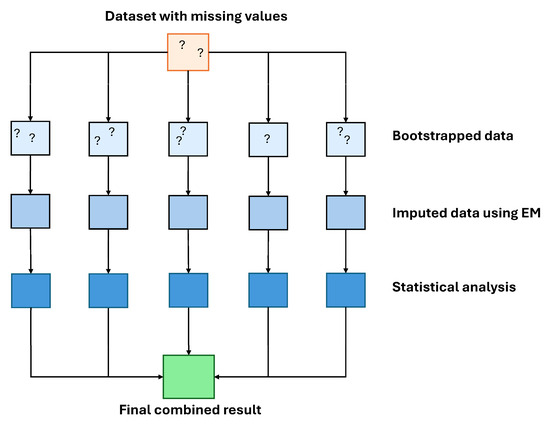
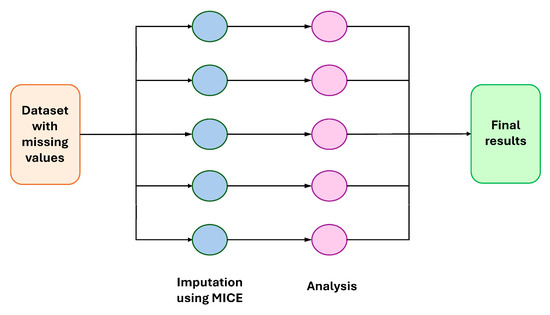
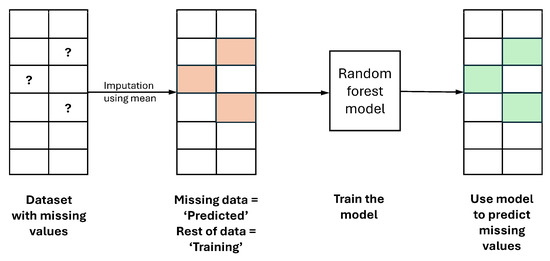
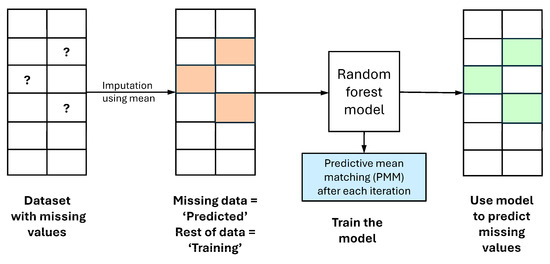
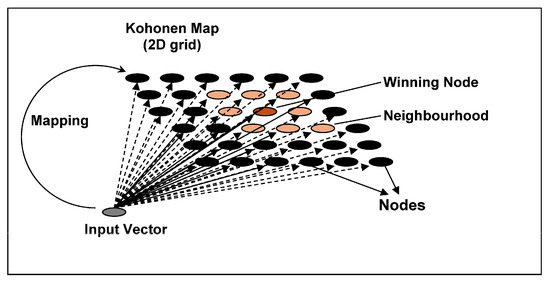
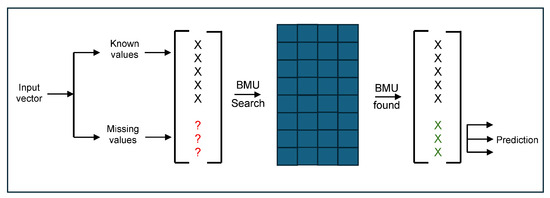
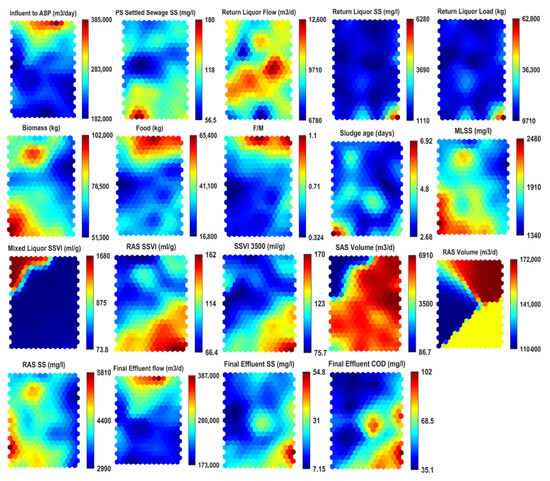
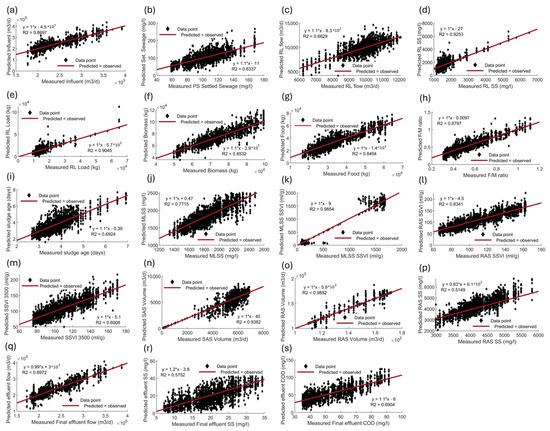
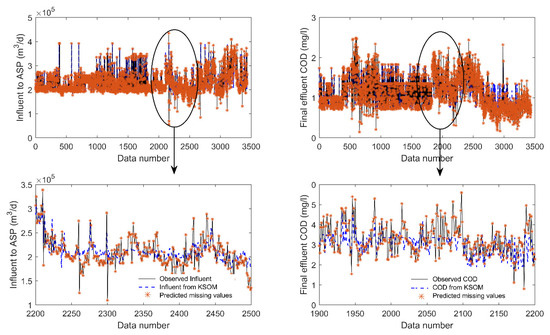
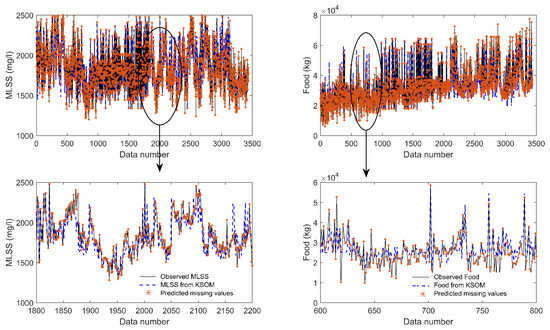
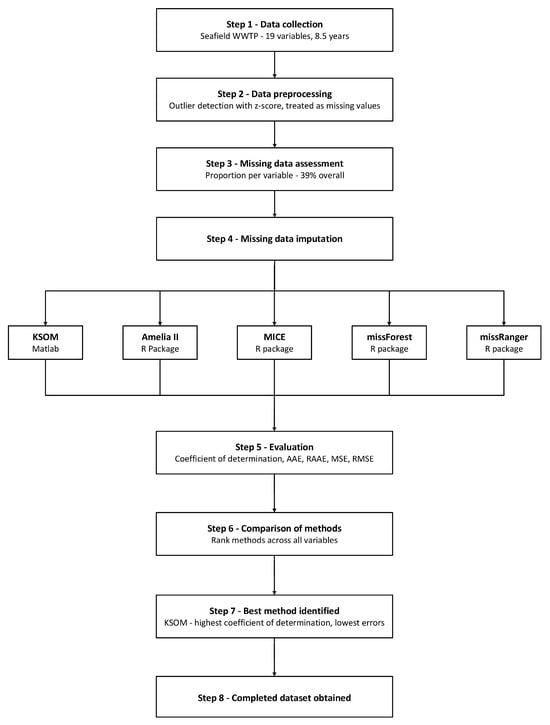
The activated sludge process is pivotal in wastewater treatment, with ongoing research into its process control methods. Modeling treatment plants aids in analyzing relationships among variables, supporting fault detection and operational decision-making. However, datasets from real-world treatment plants often contain outliers and missing values due to sensor faults, maintenance activities, and operational disruptions, making outlier handling and data imputation essential for reliable modeling. Existing studies on data imputation for activated sludge systems are often based on synthetic or short datasets, limited method comparisons, or inconsistent evaluation metrics, which reduces their applicability to full-scale operational settings. This study addresses these limitations by presenting a comprehensive, head-to-head comparison of Kohonen Self-Organising Maps (KSOM) with widely used multiple imputation and tree-based methods, namely Amelia II, MICE, missForest, and missRanger. The methods are applied to a real-world multivariate dataset comprising 19 process variables collected over 8.5 years from a full-scale activated sludge treatment plant, containing 39% overall missing data with highly uneven missingness across variables. A validation framework based on held-out observation data is used, and performance is assessed using complementary metrics, including the coefficient of determination (R2), average absolute error (AAE), relative average absolute error (RAAE), mean squared error (MSE), and root mean squared error (RMSE). Results show that KSOM consistently outperforms the competing methods across most variables and evaluation metrics. KSOM achieves near-perfect R2 values (≈1) for many process variables, with lower absolute and relative errors, even for variables with very high (>70%) and irregular missingness. These findings highlight KSOM’s robustness in capturing multivariate relationships and cluster structure in complex, operational WWTP data.
Full article

Figure 1
Open AccessArticle
Real-Time Solid Waste Sorting Using a Vision-Enabled Robotic Platform
by
Upshanth Prakash, Trishaal Datt, Amitesh Prasad, Waisake Saraqia and Utkal Mehta
Waste 2026, 4(2), 16; https://doi.org/10.3390/waste4020016 - 27 May 2026
Abstract
►▼
Show Figures
This paper describes the development of an automated solid waste sorting system that integrates advanced computer vision pipelines with a robotic manipulator for real-time classification and actuation. The system consists of a Deep Neural Network (DNN) and a YOLOv8-based perception module. Thedeveloped model
[...] Read more.
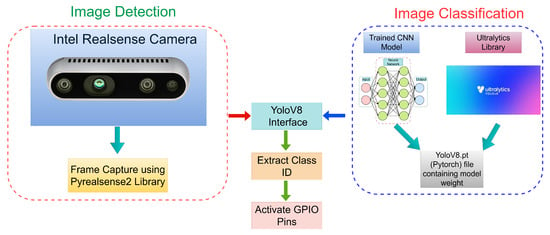
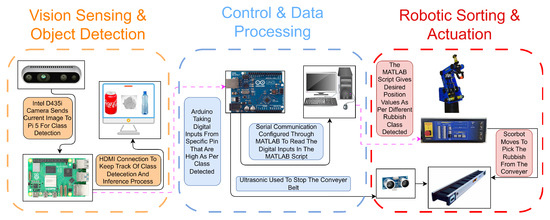
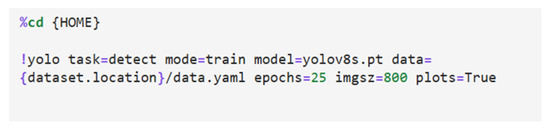
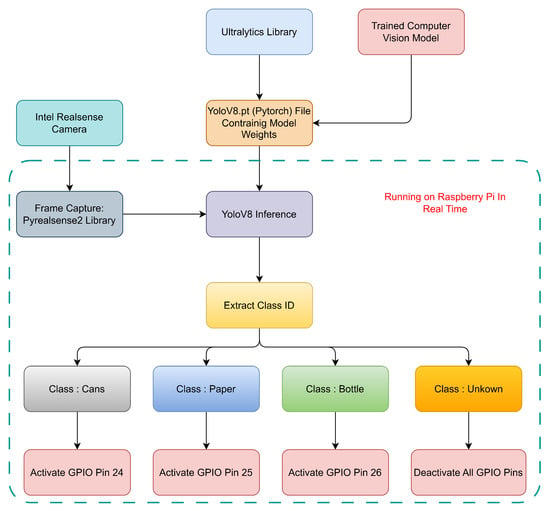
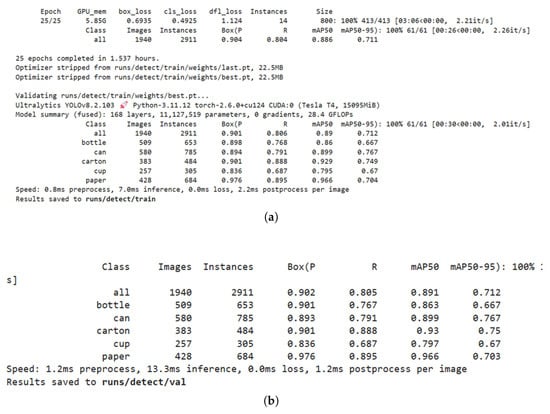
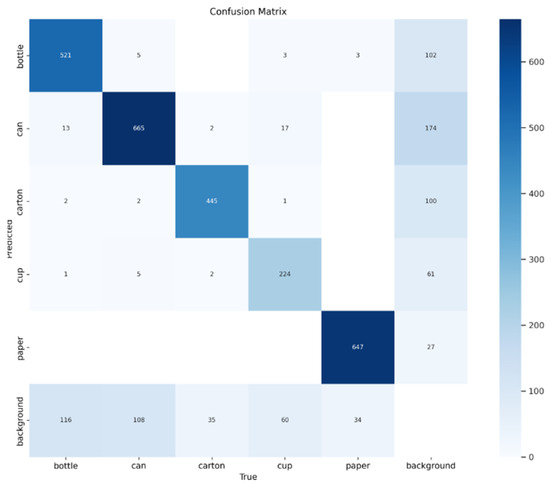
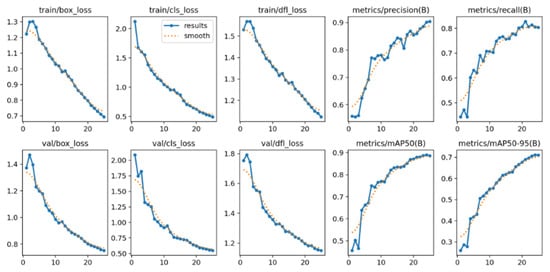
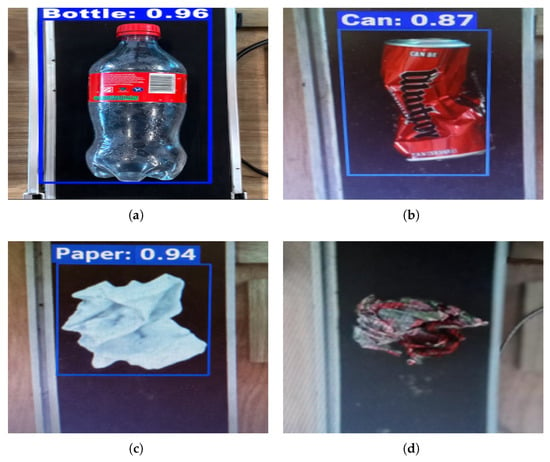
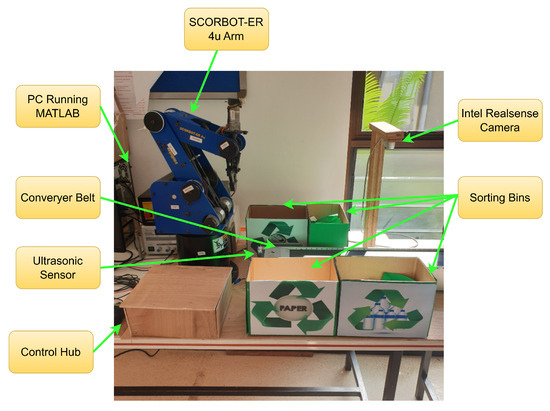
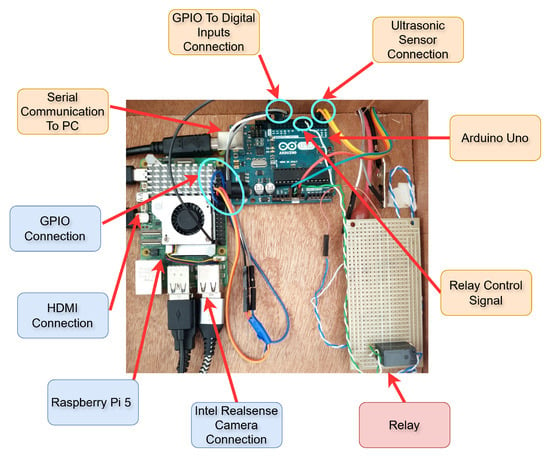
This paper describes the development of an automated solid waste sorting system that integrates advanced computer vision pipelines with a robotic manipulator for real-time classification and actuation. The system consists of a Deep Neural Network (DNN) and a YOLOv8-based perception module. Thedeveloped model is capable of accurately detecting and classifying objects with confidence scores exceeding 0.71, and the overall system attained a sorting accuracy of approximately 81.8% across multiple test batches. From an integration perspective, the coordination among the Intel RealSense camera, Raspberry Pi 5, Arduino Uno, ultrasonic sensors, relay-switching circuit, and SCORBOT-ER 4U robotic arm demonstrated reliable communication and execution, enabling accurate pick-and-place operations. Overall, the results confirm that the proposed system provides a functional and scalable proof of concept for automated waste segregation in controlled environments. The study highlights that while current performance is sufficient for low-speed applications, further improvements in dataset diversity, perception robustness, mechanical gripping, and feedback control are necessary to achieve higher accuracy, reliability, and industrial applicability.
Full article

Figure 1
Open AccessArticle
Fermentative Valorization of Rambutan Peel Ellagitannins: Enhanced Ellagic Acid Release Through Saccharomyces cerevisiae
by
Karen De La Rosa-Esteban, Leonardo Sepúlveda, Norma Paola Melendez-Rentería, Mónica L. Chávez-González, Cristóbal N. Aguilar, José Juan Buenrostro-Figueroa and Juan A. Ascacio-Valdés
Waste 2026, 4(2), 15; https://doi.org/10.3390/waste4020015 - 20 May 2026
Abstract
Rambutan peel, an abundant agro-industrial by-product, is a rich source of ellagitannins (ETs) and represents a promising substrate for the sustainable production of ellagic acid (EA) through solid-state fermentation (SSF). This study aimed to optimize EA release from rambutan peel ETs by SSF
[...] Read more.
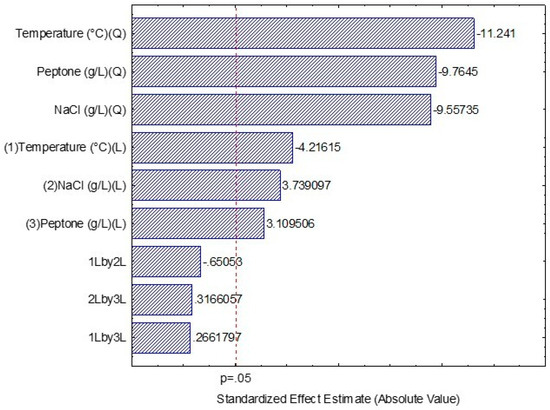
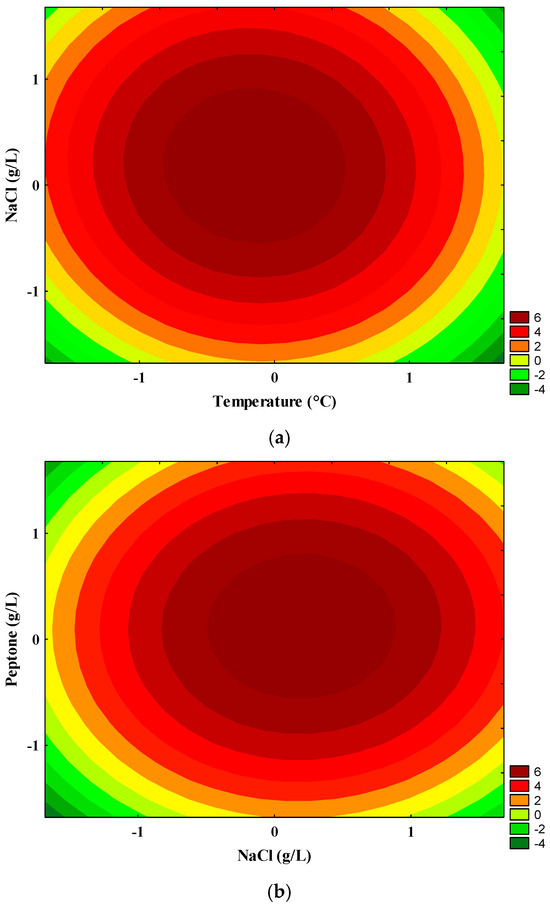
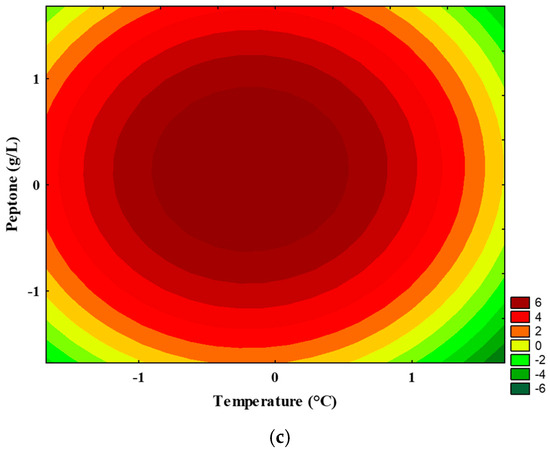
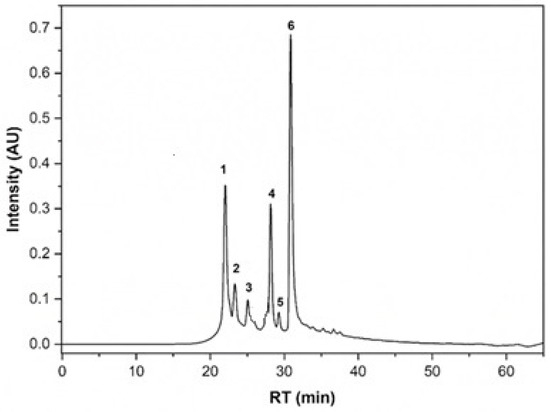
Rambutan peel, an abundant agro-industrial by-product, is a rich source of ellagitannins (ETs) and represents a promising substrate for the sustainable production of ellagic acid (EA) through solid-state fermentation (SSF). This study aimed to optimize EA release from rambutan peel ETs by SSF using Saccharomyces cerevisiae 227 in column reactors. We applied a central composite design (CCD) to evaluate and optimize the effects of temperature, NaCl concentration, and peptone supplementation on EA production. We also used HPLC/ESI/MS to identify and quantify EA. Maximum EA yields were obtained under central experimental conditions (treatments 15 and 16: 35 °C, 0.53 g/L NaCl, and 8 g/L peptone), reaching 8.36 ± 1.58 and 8.23 ± 0.52 mg/g, respectively. The predictive model estimated a maximum EA production of 8.29 mg/g, experimentally validated, at 34.6 °C, 0.58 g/L NaCl, and 8.26 g/L peptone, yielding 8.27 ± 0.47 mg/g. HPLC/ESI/MS analysis further confirmed EA formation and the presence of biodegradation products derived from geraniin and corilagin, indicating effective ET biotransformation. These findings establish optimized conditions for EA production from rambutan peel ETs via SSF and demonstrate the feasibility of implementing a sustainable bioprocess for the valorization of this agro-industrial residue.
Full article
(This article belongs to the Special Issue Advances in Waste Bioprocessing and Fermentation Technologies)
►▼
Show Figures

Figure 1
Open AccessArticle
Evaluating Household Hazardous Waste Management Systems in Greece
by
Maria Markantoni, Tryfon Daras and Apostolos Giannis
Waste 2026, 4(2), 14; https://doi.org/10.3390/waste4020014 - 29 Apr 2026
Abstract
►▼
Show Figures
The growing generation of household hazardous waste (HHW) presents critical environmental and public health challenges worldwide. This study investigates prevailing trends in HHW management and analyzes the socio-economic and demographic determinants that influence public perceptions, attitudes, and behaviors toward HHW recycling practices. A
[...] Read more.
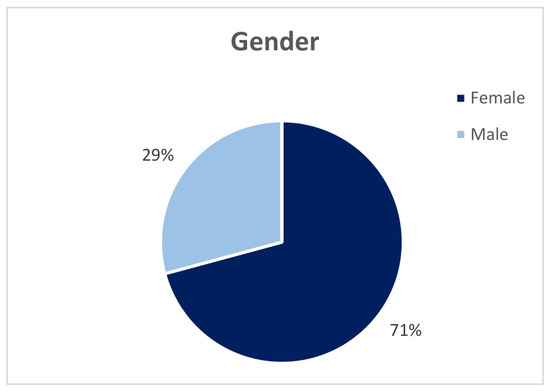
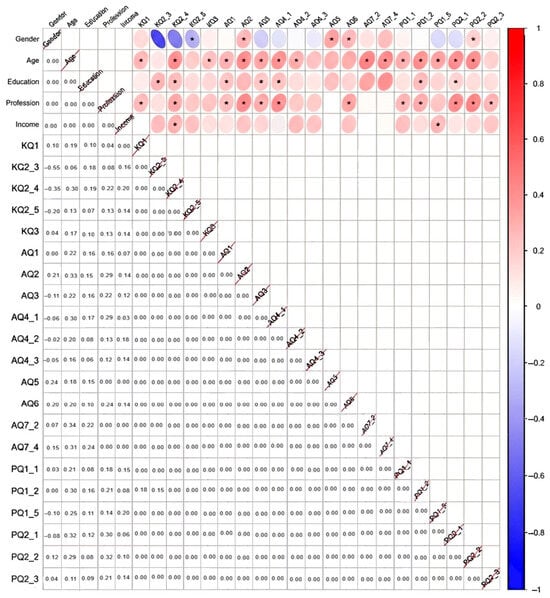
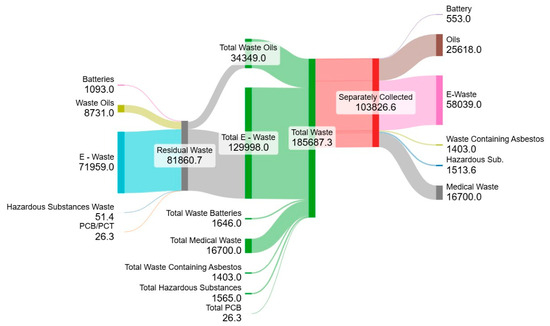
The growing generation of household hazardous waste (HHW) presents critical environmental and public health challenges worldwide. This study investigates prevailing trends in HHW management and analyzes the socio-economic and demographic determinants that influence public perceptions, attitudes, and behaviors toward HHW recycling practices. A comparative mass flow analysis is also conducted to evaluate the limitations of current HHW management practices in Greece and outline policy implementation plans. Statistical findings indicate that income significantly influences recycling behavior. Individuals with annual incomes between €10,001 and €30,000 are less likely to engage in HHW recycling, whereas those earning over €70,000 demonstrate higher levels of recycling participation. The public recognizes the need for green collection points for appropriate HHW management. However, no statistically significant correlation is found between income levels and perceived importance of these facilities. This outcome is attributed to the high proportion (46.7%) of dichotomous variables in the χ2 independence test, exceeding the recommended threshold of 25%, which limits interpretability. Such findings indicate the complex interplay of behavioral and socio-economic variables in HHW recycling. The study highlights the importance of targeted public policies, educational interventions, and infrastructure improvements to increase recycling participation and promote sustainable HHW management in Greece.
Full article

Figure 1
Open AccessReview
A Review of the Impacts of Improper Solid Waste Disposal Practices on Public Health in Sub-Saharan Africa
by
Louiser Tenguh Angwah and Kenichi Matsui
Waste 2026, 4(2), 13; https://doi.org/10.3390/waste4020013 - 17 Apr 2026
Abstract
►▼
Show Figures
Several review studies have addressed the implications of improper waste management on urban livability conditions at large, but we still do not have an overall picture of the link between poor waste management in Sub-Saharan countries and short- and long-term health impacts. Considering
[...] Read more.
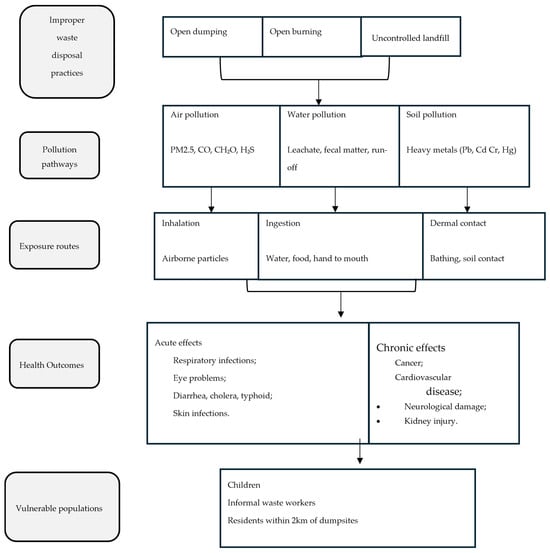
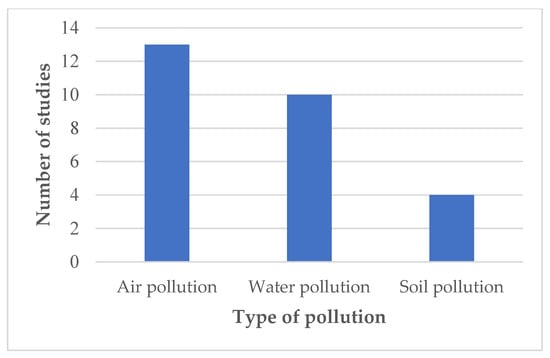
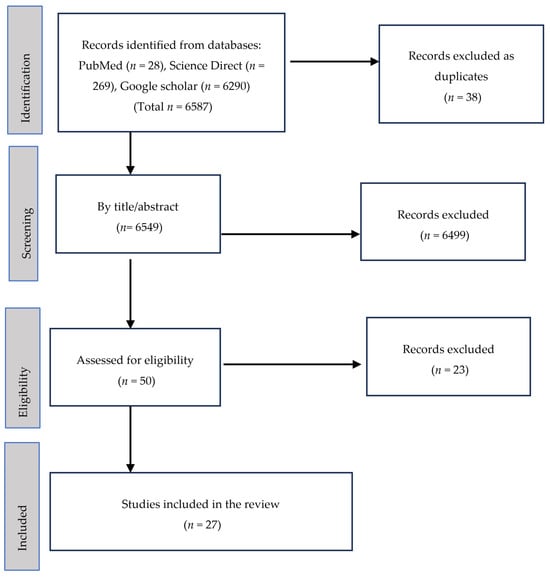
Several review studies have addressed the implications of improper waste management on urban livability conditions at large, but we still do not have an overall picture of the link between poor waste management in Sub-Saharan countries and short- and long-term health impacts. Considering that Sub-Saharan Africa is the location of 19 of the 50 biggest dumpsites in the world, it is important to better understand what we do and do not know so far about this public health–waste management link. This study, therefore, provides an overall understanding of health risks associated with improper waste disposal in Sub-Saharan Africa, with a focus on air, water and soil pollution. Employing a systematic review approach, this study utilized academic databases, including PubMed, ScienceDirect, and Google Scholar, to identify and analyze 27 relevant articles, covering eight Sub-Saharan countries. The review was undertaken by categorizing trends and characteristics under themes of solid waste disposal practices, pollution consequences, and reported health problems. The results showed that air pollution, which was the most widely studied in Sub-Saharan Africa, accounted for 155 deaths/100,000 people. Water pollution has led to outbreaks of cholera, typhoid, and diarrhea, especially in communities near waste sites, while contaminated soil poses long-term risks, including for cancer and developmental harm. The findings also revealed that children, waste workers, and communities living near dumpsites are the most vulnerable. Despite growing evidence of harm, gaps remain in our understanding of chronic and long-term effects due to a lack of longitudinal data and inconsistent methodologies to measure health effects. The study also identified inconsistency in distance-based exposure metrics, as studies used varying distances of residents from waste sites to measure health outcomes. Finally, it highlights the urgent need for improved waste infrastructure, clear landfill siting guidelines, and long-term epidemiological studies to inform health-focused waste policies in Sub-Saharan Africa.
Full article

Figure 1
Open AccessArticle
Efficacy of Sonication on Crude Oil Tank Bottoms for Oil Recovery and Waste Minimization
by
Paul Dahlen, Carl Lam, Hong Luo, Daniel C. Segal, Thuy Nguyen, Emmy Pruitt and Yuanming Guo
Waste 2026, 4(2), 12; https://doi.org/10.3390/waste4020012 - 12 Apr 2026
Abstract
►▼
Show Figures
Crude oil tank bottoms, a mix of oil, sediment, and water from crude oil collection tanks, are a significant waste stream associated with global oil production. In benchtop testing, as an intermediate evaluative step in progressive scaling toward industrial-scale treatment to recover oil
[...] Read more.
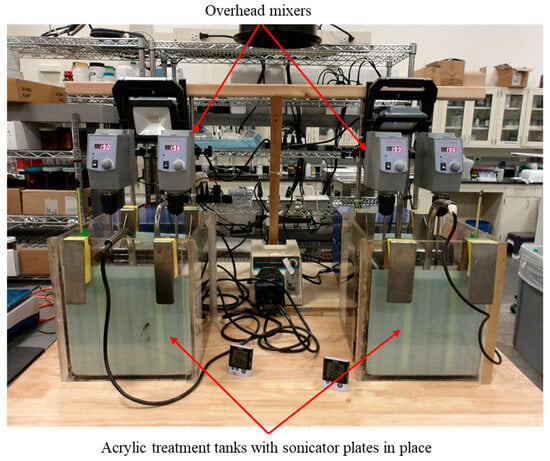
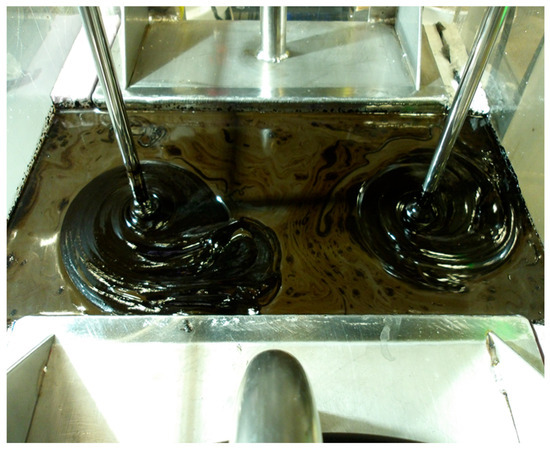
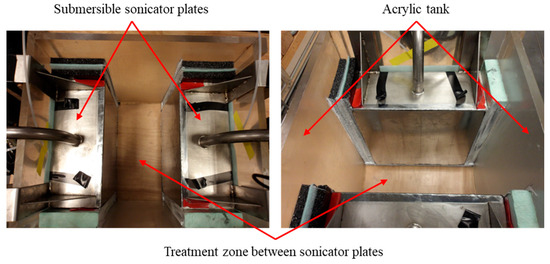
Crude oil tank bottoms, a mix of oil, sediment, and water from crude oil collection tanks, are a significant waste stream associated with global oil production. In benchtop testing, as an intermediate evaluative step in progressive scaling toward industrial-scale treatment to recover oil from tank bottoms and to reduce waste, sonication was applied to samples from three California oilfields using only added water and mechanical mixing. The 2.2 kg sample size, over 40 times that used in most of the testing found in literature, utilized no chemicals during treatment. The tests employed a 1:4 ratio of sludge to added water in an acrylic tank with two 500-watt drop-in plate sonicators. Trial variables included sonication frequencies of 28 or 40 kilohertz, mixing speed, treatment duration, and oil collection methods. Oil recoveries up to 98.2% with mean recoveries of 27.4% were achieved using 0.2 kilowatt-hours per kilogram sample. This study indicated sonication treatment of crude oil tank bottoms with only added water and mixing was a potentially viable approach for waste oil recovery and waste minimization and warrants further investigation at even larger scale.
Full article

Figure 1
Open AccessArticle
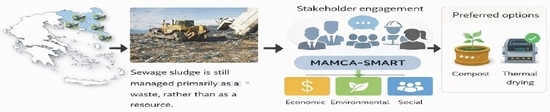
Integrating Multi-Source Stakeholder Data in a Participatory Multi-Criteria Decision Analysis Framework for Sustainable Sewage Sludge Management in Eastern Macedonia and Thrace (Greece)
by
Aikaterini Eleftheriadou, Athanasios P. Vavatsikos, Christos S. Akratos and Maria Evridiki Gratziou
Waste 2026, 4(2), 11; https://doi.org/10.3390/waste4020011 - 7 Apr 2026
Abstract
Sewage sludge management remains a critical challenge in Greece, where increasing regulatory pressure, environmental constraints, and limited stakeholder participation complicate regional decision-making. In particular, the revision of regional Waste Management Plans requires decision-support approaches that are both technically robust and socially legitimate. This
[...] Read more.
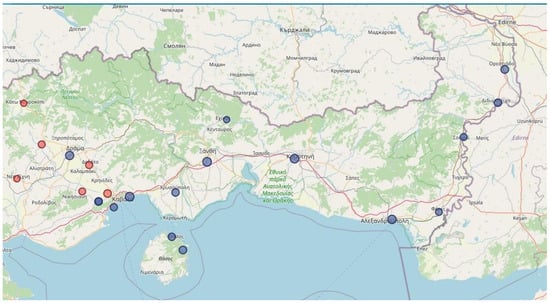
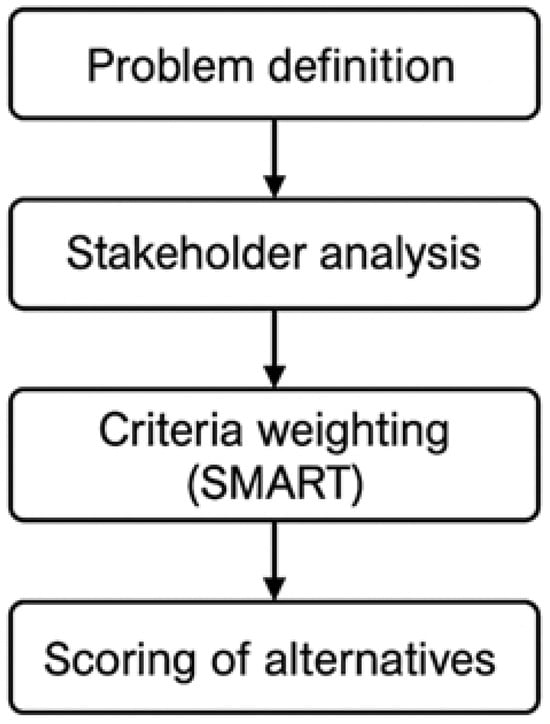
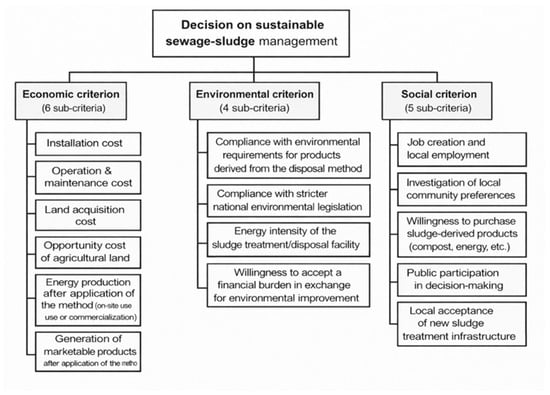
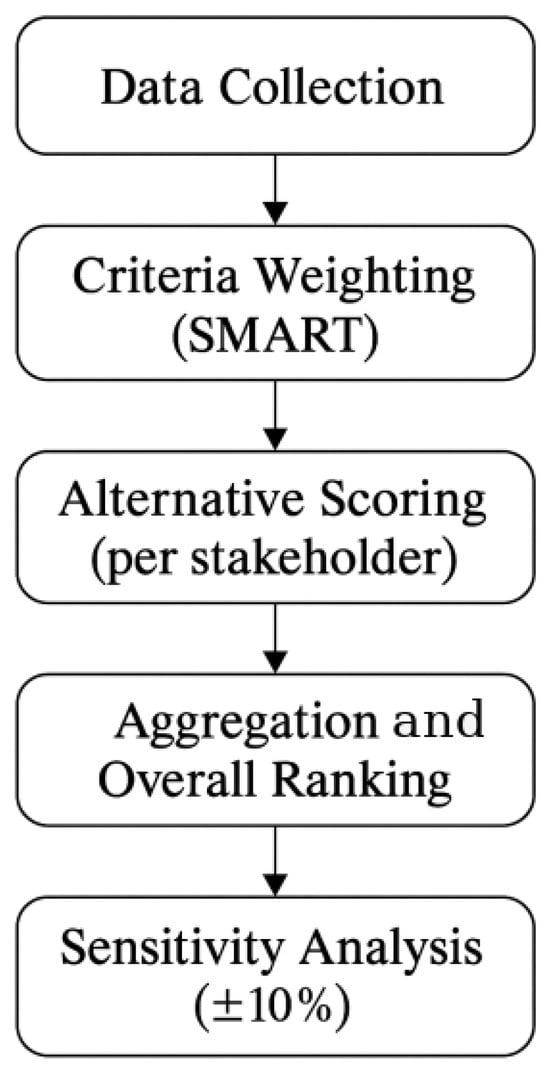
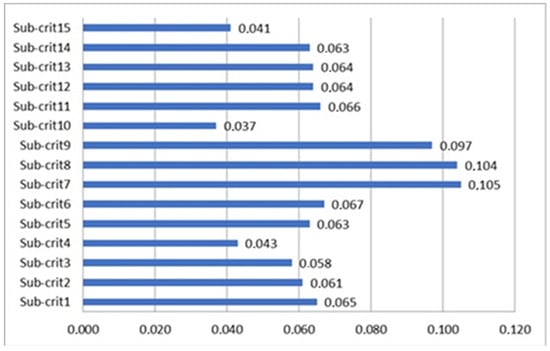
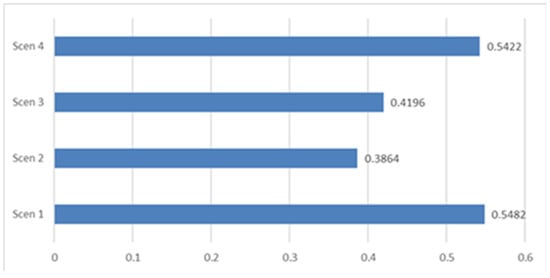
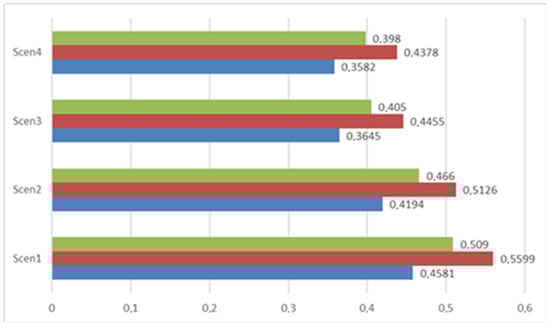
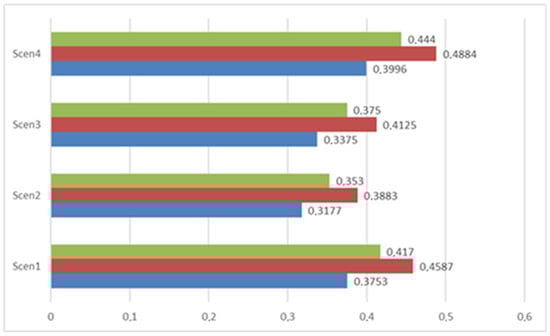
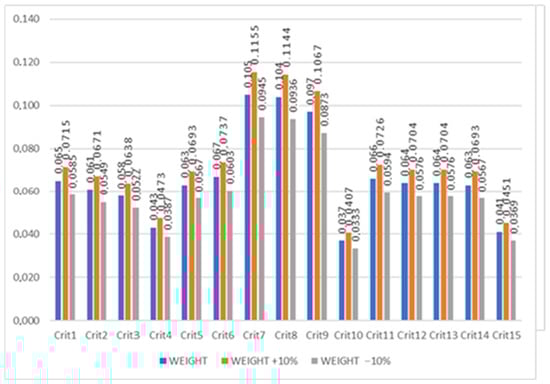
Sewage sludge management remains a critical challenge in Greece, where increasing regulatory pressure, environmental constraints, and limited stakeholder participation complicate regional decision-making. In particular, the revision of regional Waste Management Plans requires decision-support approaches that are both technically robust and socially legitimate. This study develops and applies a participatory, data-driven multi-criteria decision analysis framework to evaluate sustainable sewage sludge management strategies in the Region of Eastern Macedonia and Thrace. The framework combines structured stakeholder participation with quantitative performance assessment, enabling transparent, reproducible, and systematic comparison of alternative sewage sludge management options. Four realistic sludge management alternatives—composting fr agriculture, forestry use, land restoration, and thermal drying with energy recovery were assessed against fifteen economic, environmental, and social sub-criteria. Data were collected through structured questionnaires administered to forty-four representatives from five stakeholder groups: utilities (water and sewerage service providers), local authorities, scientists/experts, end-users, and citizens. Group preferences were aggregated using equal group weighting to ensure balanced representation. The results show that environmental and economic criteria outweigh social aspects. The highest mean weights were assigned to compliance with environmental requirements for products derived from the disposal method (0.105) and compliance with stricter national environmental legislation (0.104), followed by energy intensity (0.097), installation cost (0.065), and operation and maintenance (O&M) cost (0.061). Overall rankings identified composting and thermal drying as the most preferred options, followed by land restoration and forestry use; sensitivity analysis (±10% variation in sub-criterion weights) confirmed ranking stability. The proposed framework enhances decision transparency by embedding measurable criteria and stakeholder inputs within a structured analytical process. From a policy perspective, it addresses participation gaps in Greek waste planning and offers a transferable decision-support tool for future regional planning. Further extensions may include integration with life cycle assessment and cost–benefit analysis to support adaptive updates under circular economy objectives.
Full article
(This article belongs to the Topic Converting and Recycling of Waste Materials)
►▼
Show Figures

Graphical abstract
Open AccessArticle
Clean Hydrogen from Waste Management for Fueling Fuel Cells in Charging Electric Vehicles and DC Power Systems for Emergency Response Systems in Healthcare
by
Pravin Sankhwar and Khushabu Sankhwar
Waste 2026, 4(1), 10; https://doi.org/10.3390/waste4010010 - 11 Mar 2026
Cited by 2
Abstract
►▼
Show Figures
Processes for generating clean hydrogen from waste plastics through thermochemical methods such as pyrolysis and gasification are a promising solution for both waste management and clean energy initiatives. Then, this derived hydrogen powers the fuel cell, which produces electricity that can be directly
[...] Read more.
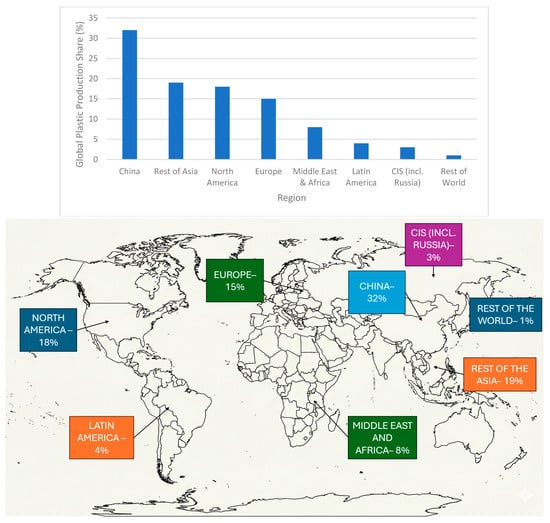
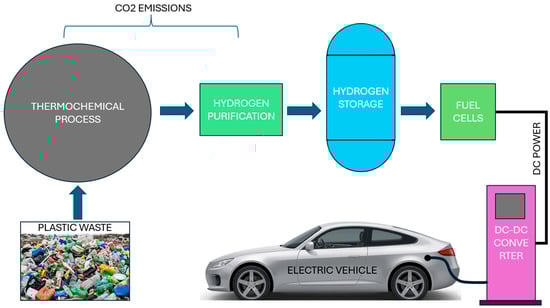
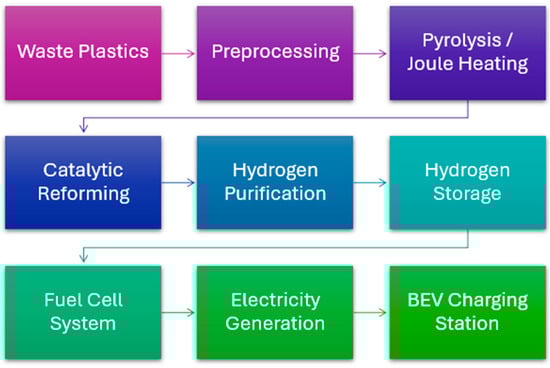
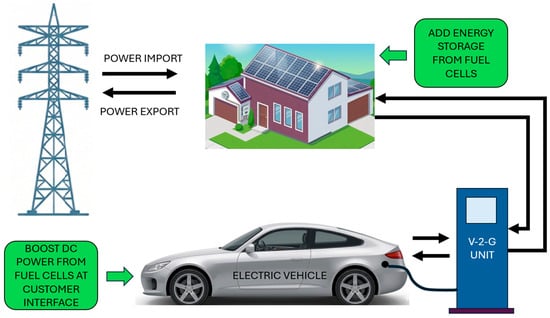
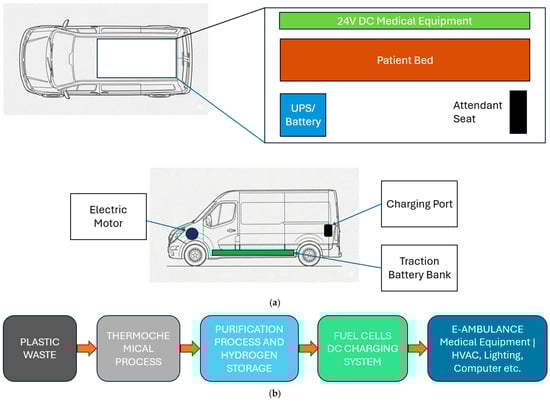
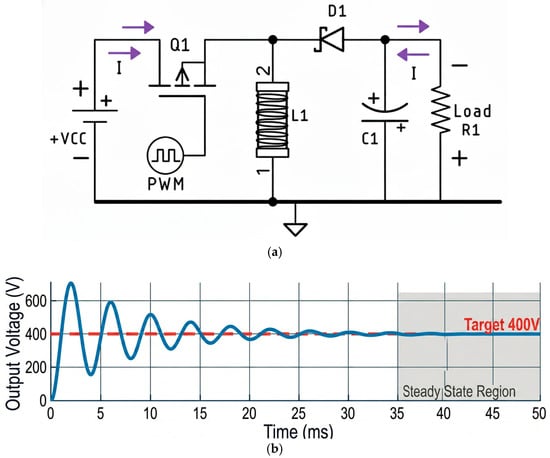
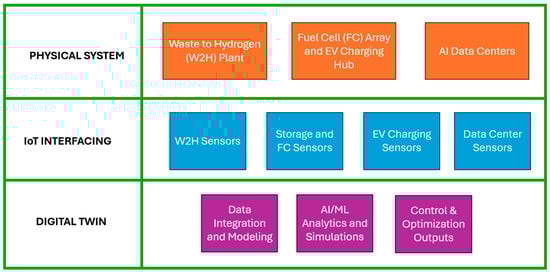
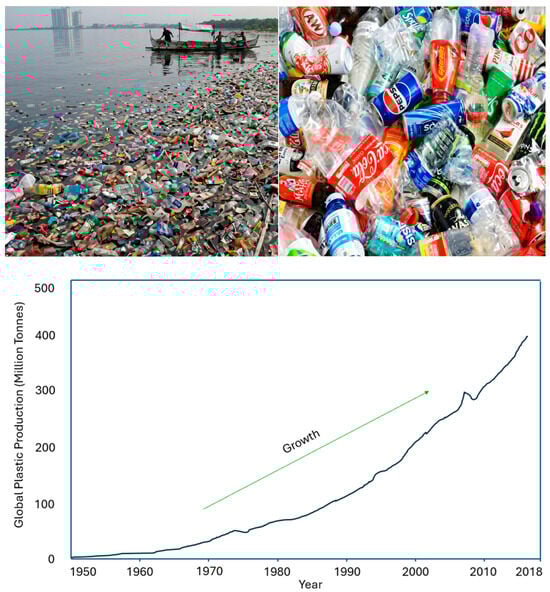
Processes for generating clean hydrogen from waste plastics through thermochemical methods such as pyrolysis and gasification are a promising solution for both waste management and clean energy initiatives. Then, this derived hydrogen powers the fuel cell, which produces electricity that can be directly fed to charge electric vehicles (EVs). Although this complex process has many challenges related to energy efficiency during the conversion processes—starting from the generation of hydrogen from thermochemical processes and hydrogen storage and followed by fueling the fuel cells and charging EV infrastructure—the simplistic conceptual modeling developed for this research demonstrates how an ecosystem of such processes can be made feasible commercially. Clean hydrogen generated using known techniques reported in the literature is promising for commercialization, but harnessing hydrogen from plastics offers additional benefits, such as reducing greenhouse gas (GHG) emissions. Overall, the feasibility of clean hydrogen using this methodology is not limited by potential cost inefficiencies, especially when savings from GHG emissions reduction are taken into account. EVs have become commercially viable thanks to high-energy-density Li-ion batteries. And therefore, research continues to optimize charging performance through the integration of renewable energy and battery storage systems. This study examines another potential of clean hydrogen: its use as a power source in grids, especially V-2-G (vehicle-to-grid) systems. Additionally, direct current (DC) power from a fuel cell powers an EV charger at DC input voltages for e-ambulances. In particular, this designed system operates on DC voltages throughout the power system, combining high-voltage direct current (HVDC) lines, renewable energy sources, DC-DC converters, DC EV chargers, and other supporting components. The literature review identified gaps in plastics production, waste management, and processes for converting them into useful energy. The presented model is a stepping stone towards a novel, innovative process for clean hydrogen production to power electric vehicle charging infrastructure for emergency response systems in healthcare, thereby improving public safety. The limitations of the study would be governed by the effective establishment of locations where waste management services are performed (for example, landfills) and adoption by local government authorities with deregulated power systems.
Full article

Figure 1

Highly Accessed Articles
Latest Books
E-Mail Alert
News
8 September 2026
Topics Webinar丨Interdisciplinary Approaches to Next Generation Circular Economy, 15 September 2026
1 September 2026
MDPI INSIGHTS: The CEO’s Letter #38 – 2 Million Published Articles, Outstanding Reviewers, Michele Parrinello Award, AIS 2026 & WSF-12
Topics
Topic in
C, Polymers, Recycling, Sustainability, Waste
Converting and Recycling of Waste Materials
Topic Editors: Simeng Li, Tolulope A. AgunbiadeDeadline: 30 September 2026
Topic in
Bioengineering, Materials, Processes, Sustainability, Waste
Waste Biodegradation: Recycling and Upcycling
Topic Editors: Virender Kumar, Shashi Kant BhatiaDeadline: 30 November 2026
Topic in
Microorganisms, Pollutants, Processes, Sustainability, Recycling, Waste, Microbiology Research
The Role of Microorganisms in Waste Treatment
Topic Editors: Zuotao Zhang, Tan Chen, Bing ZhangDeadline: 30 April 2027
Topic in
Materials, Sustainability, Waste
Sustainable Waste Management in Materials Science
Topic Editors: Aleksander Hejna, Mateusz BarczewskiDeadline: 30 May 2027
Conferences
Special Issues
Special Issue in
Waste
The Role of Recycling in Reducing Microplastic Pollution in Textile Industry
Guest Editors: Maria Râpă, Carmen GaidauDeadline: 30 September 2026
Special Issue in
Waste
Advances in Waste Bioprocessing and Fermentation Technologies
Guest Editors: José Agustín Tapia Hernández, Francisco Rodríguez-FélixDeadline: 30 September 2026
Special Issue in
Waste
Towards a Circular Economy: Value-Added Products from Waste
Guest Editor: Catherine MulliganDeadline: 30 November 2026
Special Issue in
Waste
Use of Waste Materials in Construction Industry
Guest Editors: Apostolos Giannis, Chao He, Giin Yu Amy TanDeadline: 28 February 2027