



Special Issue "Toxicity and Therapeutic Interventions in the Immune System"
Quicklinks
A special issue of Toxins (ISSN 2072-6651).
Deadline for manuscript submissions: 30 June 2013
Special Issue Editor
Guest Editor
Dr. Azzam A. Maghazachi
Department of Physiology, Faculty of Medicine, Institute of Basic Medical Sciences, University of Oslo, POB 1103, N-0317 Oslo, Norway
E-Mail: azzam.maghazachi@medisin.uio.no
Phone: +47 22851203
Fax: +47 22851279
Interests: drug toxicity; autoimmunity; innate immunity; lysophospholipids; chemokines
Special Issue Information
Dear Colleagues,
Inflammation and autoimmunity are the major causes of most diseases. They represent one side of the same coin, and are the consequences of deviation the immune system toward detrimental pathways. Diseases such as multiple sclerosis, inflammatory bowel diseases, rheumatoid arthritis, to name few, are manifestations of immune cells attacking normal tissues. On the other side of the coin, low or deficiency of immune cells leads to diseases such as cancer, AIDS, and severe combined immunodeficiency, among many others. Transplantation procedures, particularly those among mismatched individuals require interference with immune cells responsible for tissue rejections and host versus graft diseases. Certain drugs have been developed, whereas others are under evaluation to interfere with immune reactions. This volume of Toxins will deal with all aspects of toxicity that result from over-activity of the immune system. In addition, we will consider papers that deal with therapy of diseases caused by the imbalance of innate and adaptive immune systems. Authors dealing with controlling the toxicity of the immune system as a consequence of therapy, or as a result of genetic or environmental factors are strongly encouraged to submit their papers to this special issue of Toxins.
Dr. Azzam A. Maghazachi
Guest Editor
Submission
Manuscripts should be submitted online at www.mdpi.com by registering and logging in to this website. Once you are registered, click here to go to the submission form. Manuscripts can be submitted until the deadline. Papers will be published continuously (as soon as accepted) and will be listed together on the special issue website. Research articles, review articles as well as communications are invited. For planned papers, a title and short abstract (about 100 words) can be sent to the Editorial Office for announcement on this website.
Submitted manuscripts should not have been published previously, nor be under consideration for publication elsewhere (except conference proceedings papers). All manuscripts are refereed through a peer-review process. A guide for authors and other relevant information for submission of manuscripts is available on theInstructions for Authors page. Toxins is an international peer-reviewed Open Access monthly journal published by MDPI.
Please visit the Instructions for Authors page before submitting a manuscript. The Article Processing Charge (APC) for publication in this open access journal is 800 CHF (Swiss Francs). English correction and/or formatting fees of 250 CHF (Swiss Francs) will be charged in certain cases for those articles accepted for publication that require extensive additional formatting and/or English corrections.
Keywords
- toxicity of the immune system
- inflammation
- autoimmune diseases
- transplantation
- cancer
- AIDS
- drugs
Published Papers (16 papers)
|
Received: 7 September 2009; in revised form: 30 September 2009 / Accepted: 10 October 2009 / Published: 13 October 2009
Show/Hide Abstract
| Download PDF Full-text (351 KB) | Download XML Full-text
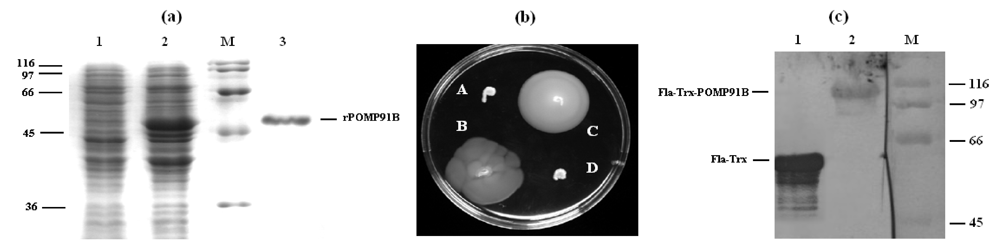
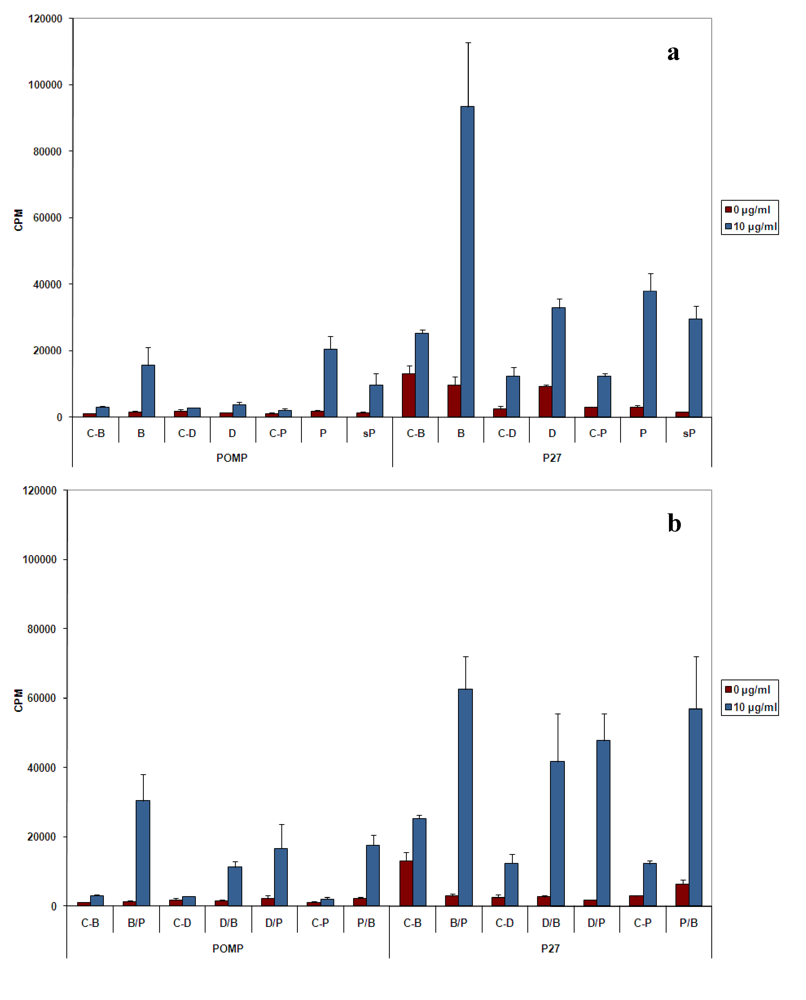
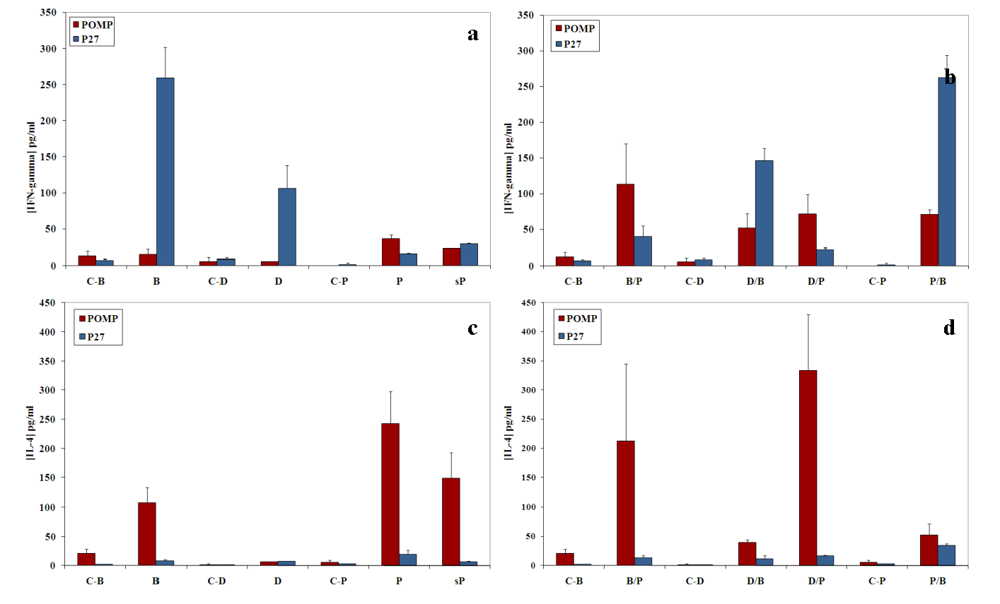
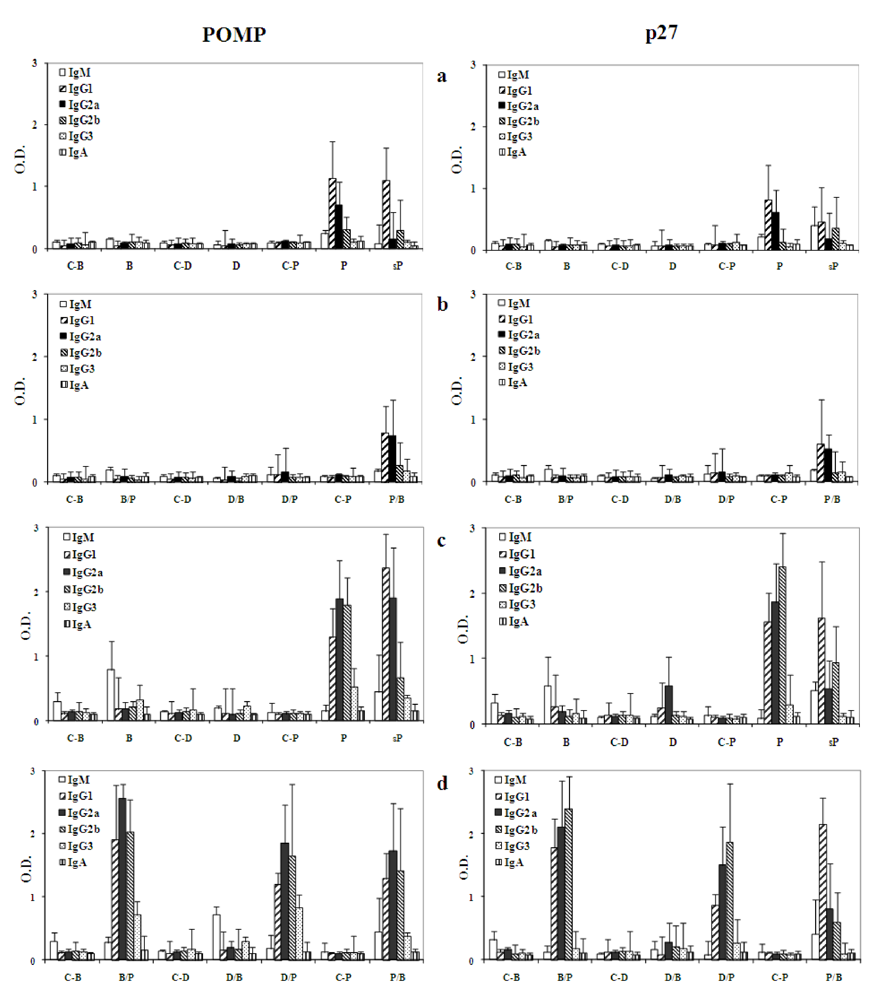
Abstract: In a previous study, we used bacterial flagellin to deliver antigens such as p27 of Mycobacterium tuberculosis to a host immune system and obtained a potent Th1 responsecompared to those obtained with Freund’s adjuvant and DNA immunization. In the current study, using a POMP91B antigen of Chlamydophila abortus, a human and animal pathogen, as a model, we found that this antigen is unable to promote Th1 response. However, this antigen, unlike others, was able to induce a good Th2 response and IL-4 production after immunization by recombinant protein in Freund’s adjuvant or in phosphate buffered saline. Our results suggest that immune response is not only dependent on the immunization adjuvant, but also dependent on the nature of antigen used.
|
|
Received: 1 December 2009; in revised form: 23 December 2009 / Accepted: 25 December 2009 / Published: 8 January 2010
Show/Hide Abstract
| Download PDF Full-text (640 KB) | Download XML Full-text
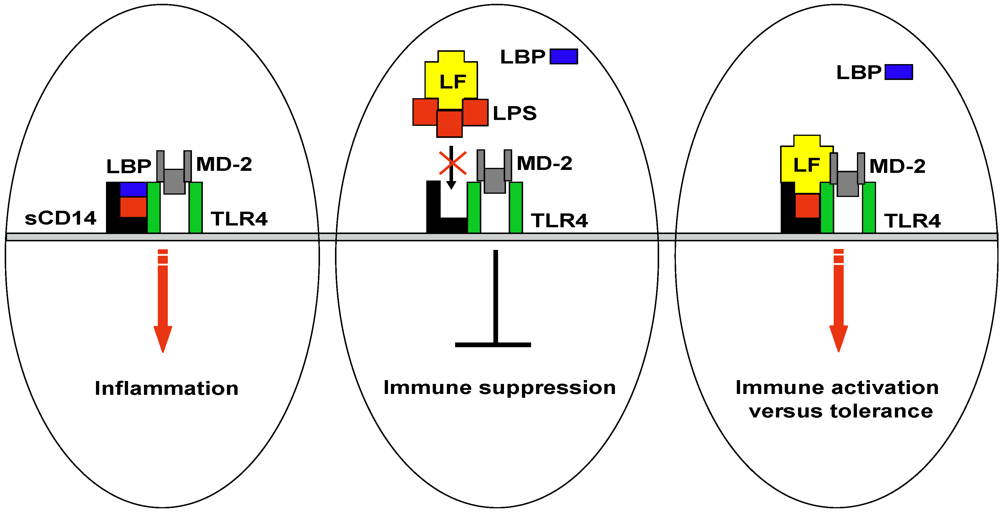
Abstract: Lactoferrin (Lf), an iron-binding glycoprotein expressed in most biological fluids, represents a major component of the mammalian innate immune system. Lf’s multiple activities rely not only on its capacity to bind iron, but also to interact with molecular and cellular components of both host and pathogens. Lf can bind and sequester lipopolysaccharide (LPS), thus preventing pro-inflammatory pathway activation, sepsis and tissue damage. However, Lf-bound LPS may retain the capacity to induce cell activation via Toll-like receptor 4-dependent and -independent mechanisms. This review discusses the complex interplay between Lf and LPS and its relevance in the regulation of the immune response.
|
|
Received: 12 December 2009 / Accepted: 18 January 2010 / Published: 20 January 2010
Show/Hide Abstract
| Download PDF Full-text (616 KB) | Download XML Full-text
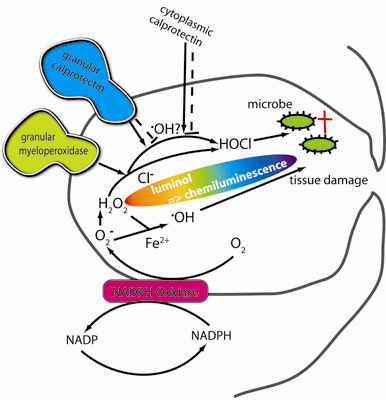
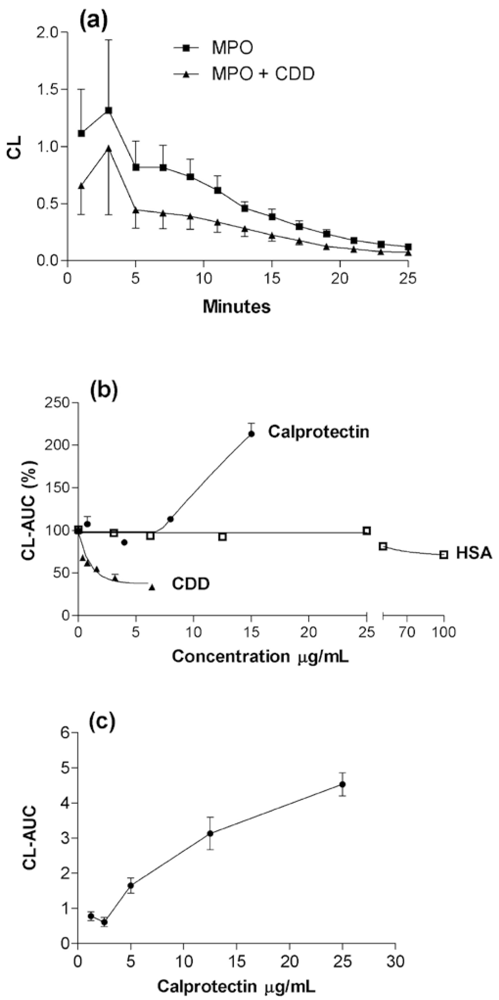
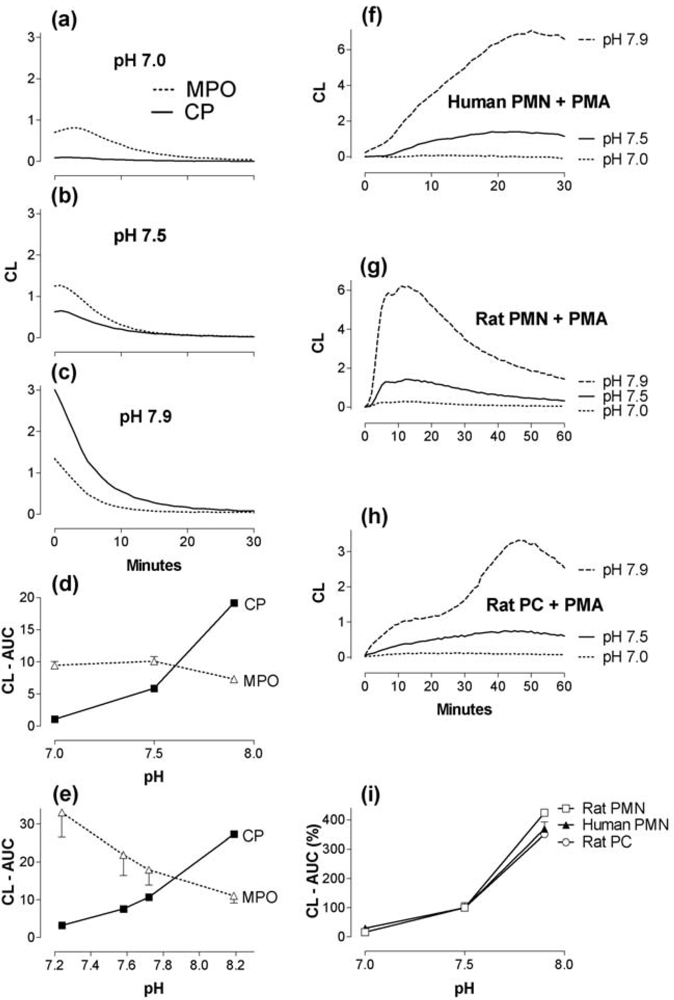
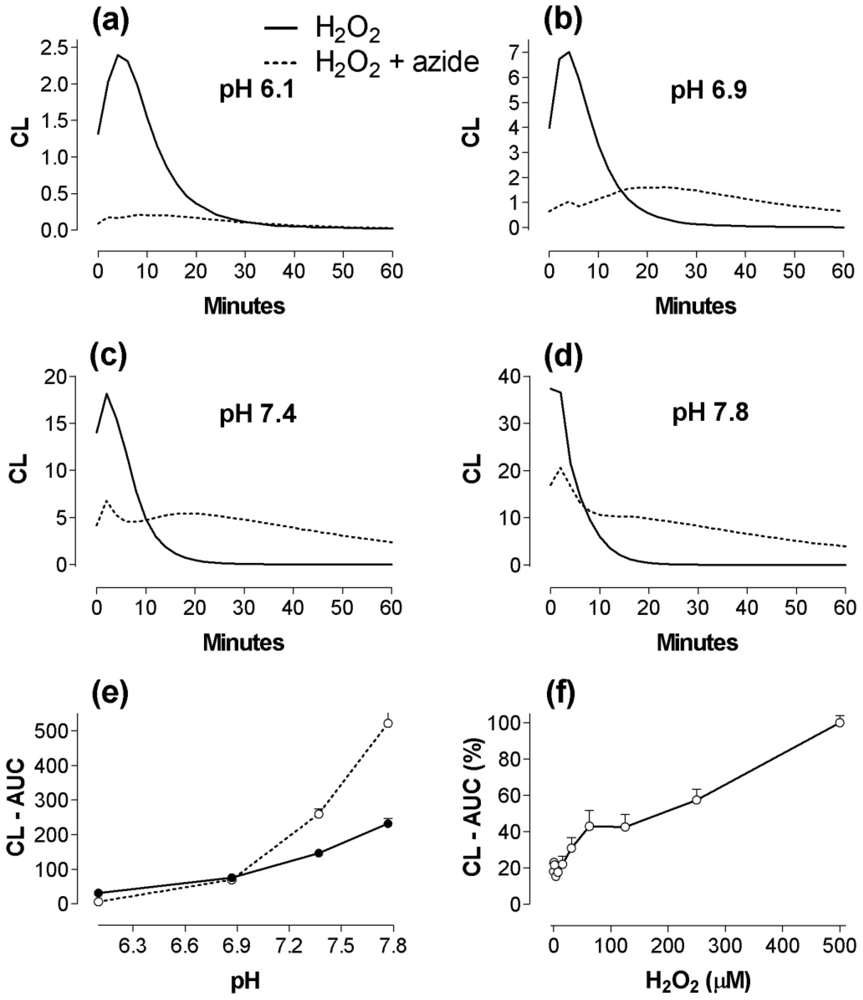
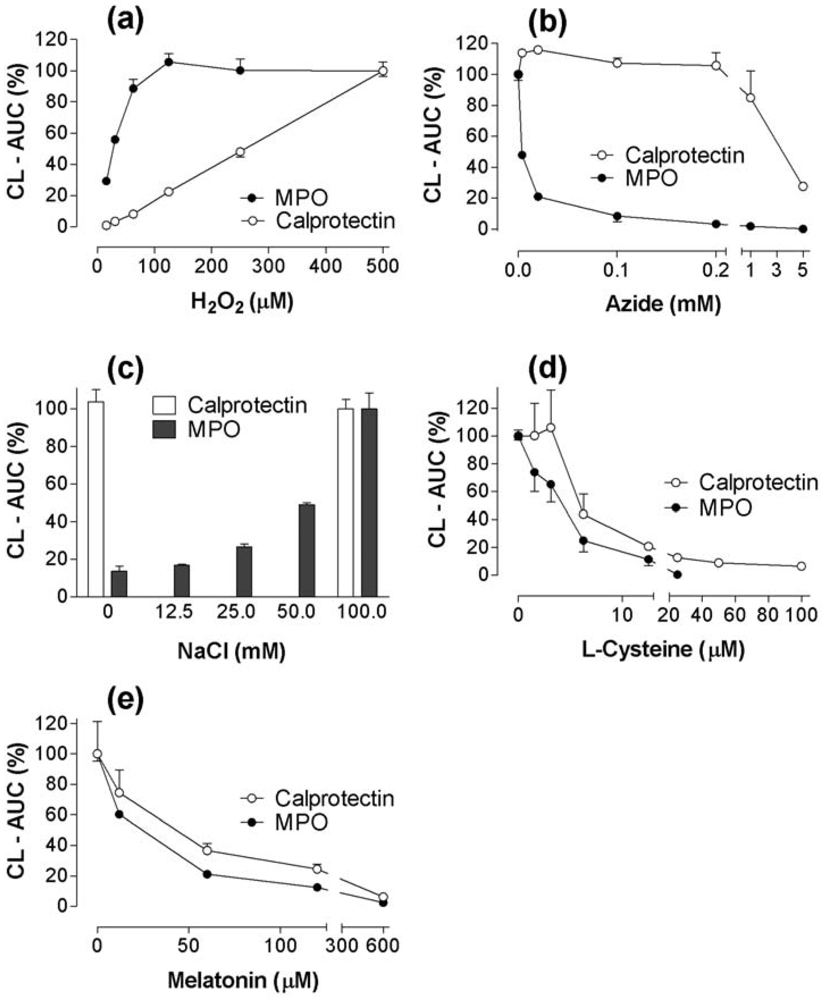
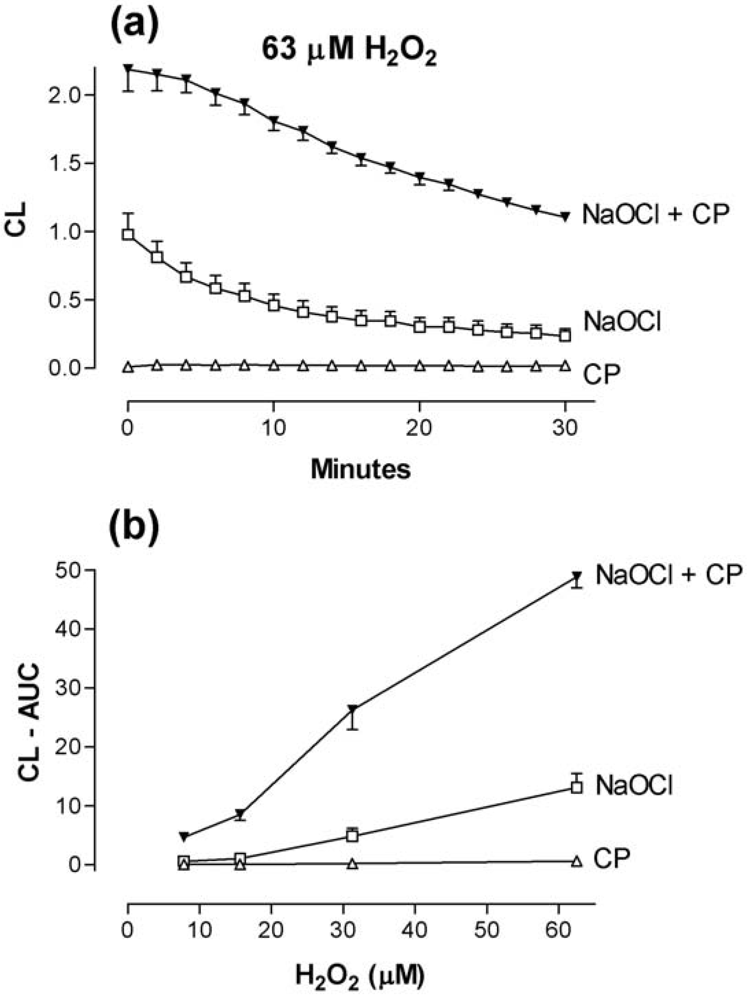
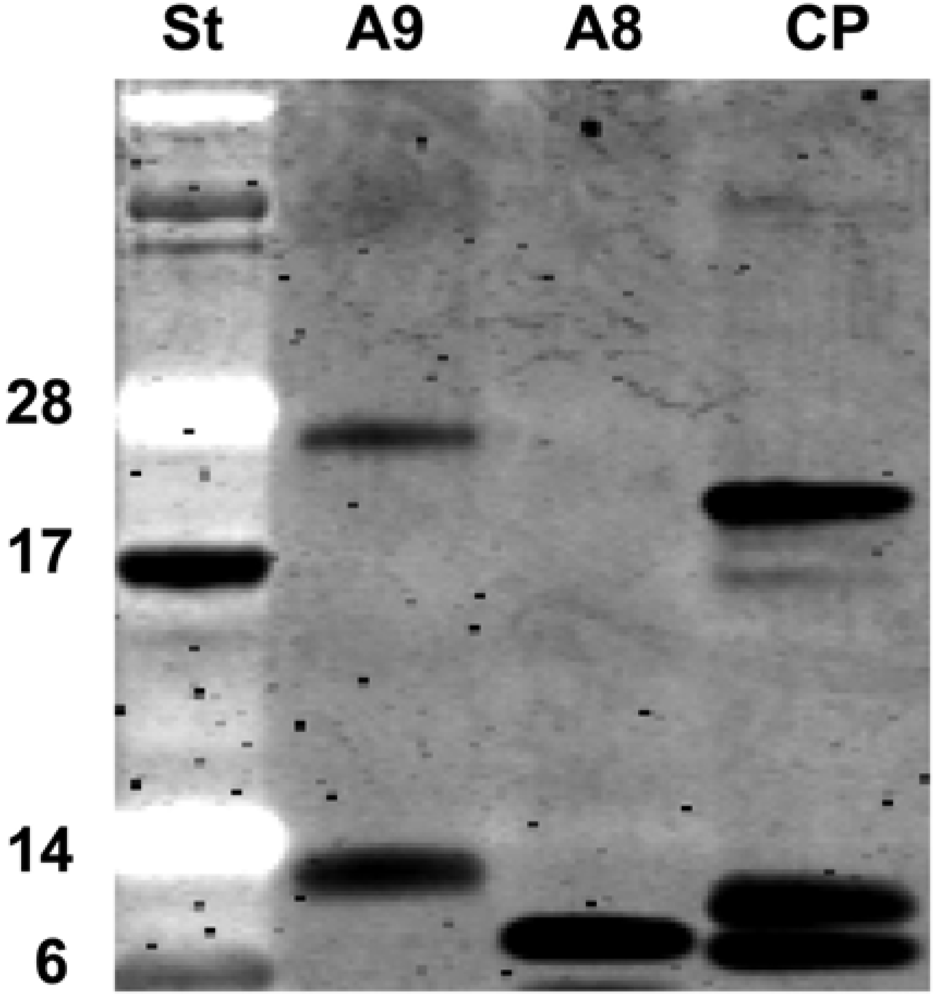
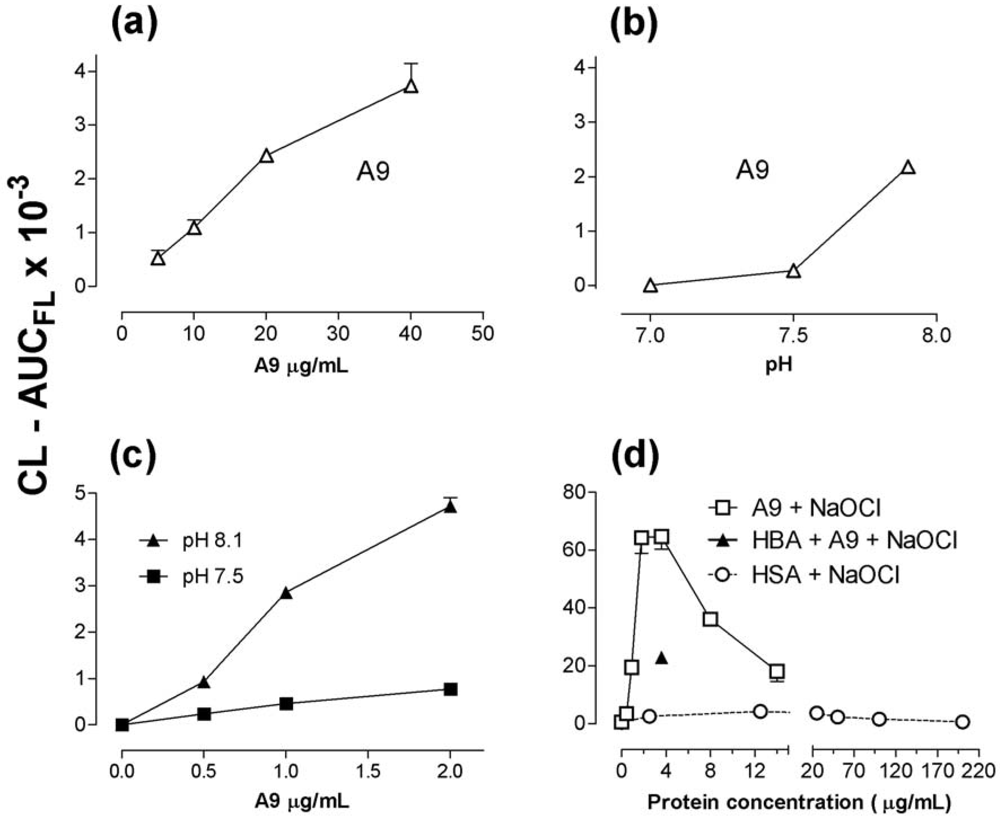
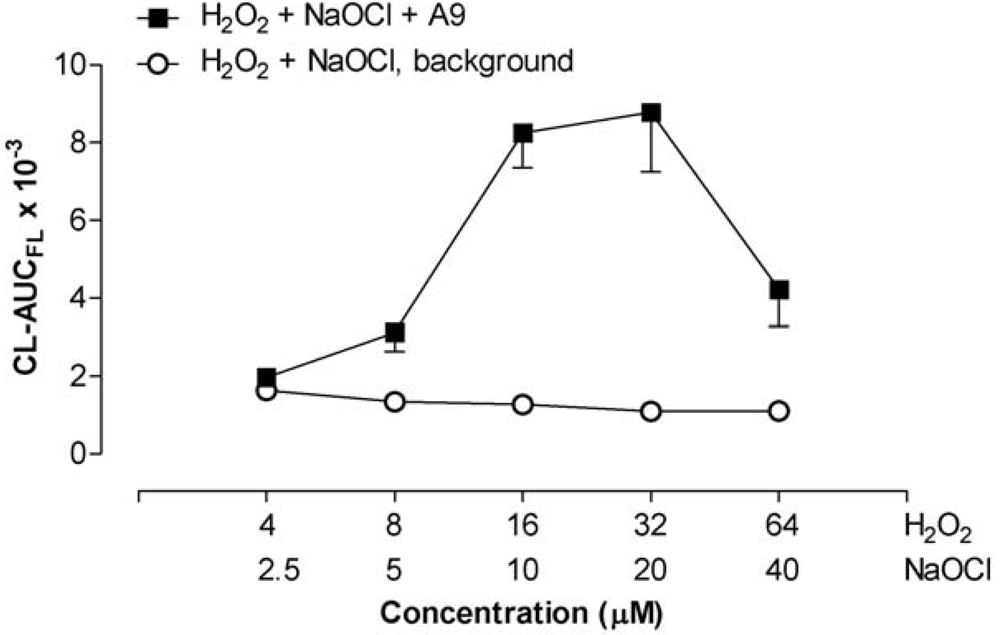
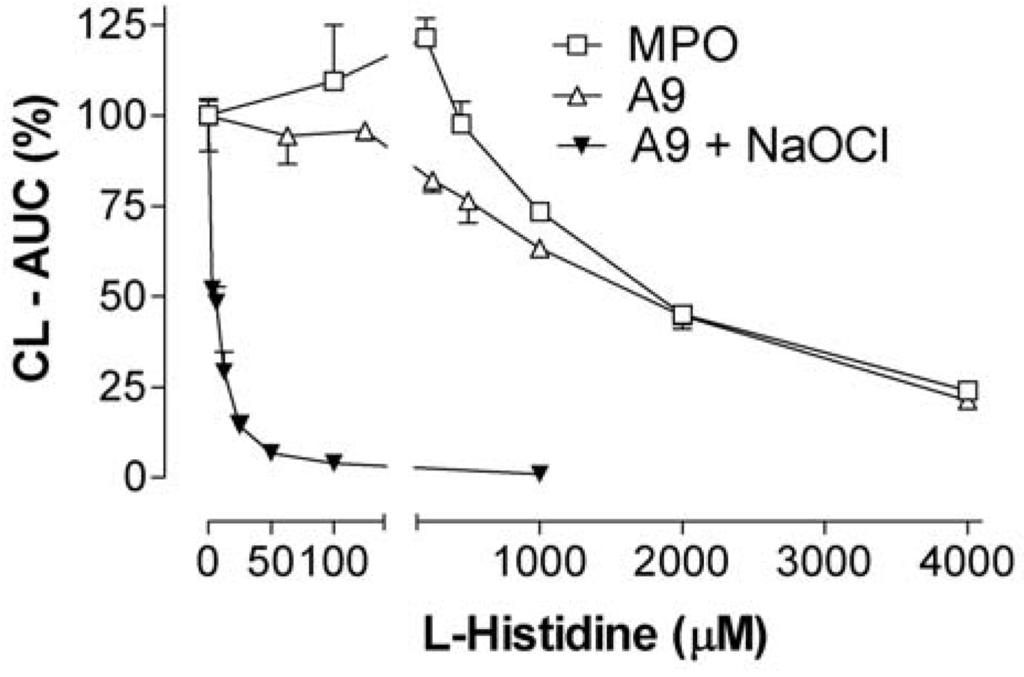
Abstract: Inflammatory mediators trigger polymorphonuclear neutrophils (PMN) to produce reactive oxygen species (ROS: O2-, H2O2, ∙OH). Mediated by myeloperoxidase in PMN, HOCl is formed, detectable in a chemiluminescence (CL) assay. We have shown that the abundant cytosolic PMN protein calprotectin (S100A8/A9) similarly elicits CL in response to H2O2 in a cell-free system. Myeloperoxidase and calprotectin worked synergistically. Calprotectin-induced CL increased, whereas myeloperoxidase-triggered CL decreased with pH > 7.5. Myeloperoxidase needed NaCl for CL, calprotectin did not. 4-hydroxybenzoic acid, binding ∙OH, almost abrogated calprotectin CL, but moderately increased myeloperoxidase activity. The combination of native calprotectin, or recombinant S100A8/A9 proteins, with NaOCl markedly enhanced CL. NaOCl may be the synergistic link between myeloperoxidase and calprotectin. Surprisingly- and unexplained- at higher concentration of S100A9 the stimulation vanished, suggesting a switch from pro-oxidant to anti-oxidant function. We propose that the ∙OH is predominant in ROS production by calprotectin, a function not described before.

|
|
Received: 30 November 2009; in revised form: 7 January 2010 / Accepted: 18 January 2010 / Published: 22 January 2010
Show/Hide Abstract
| Download PDF Full-text (457 KB) | Download XML Full-text
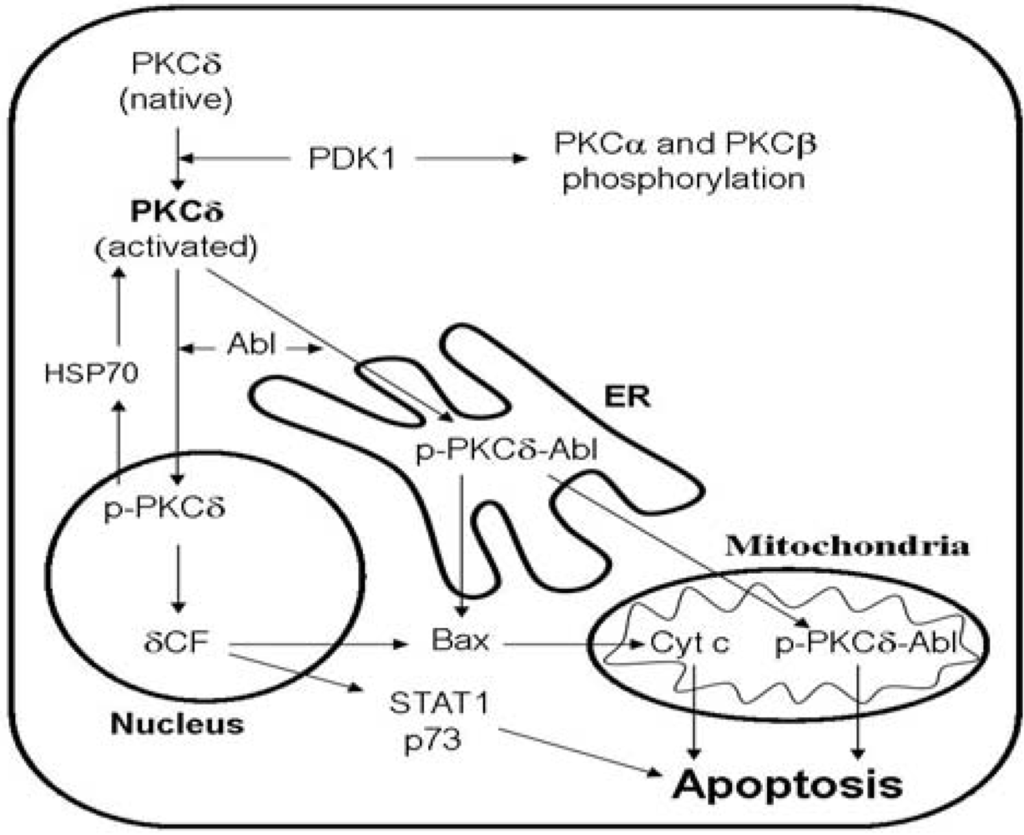
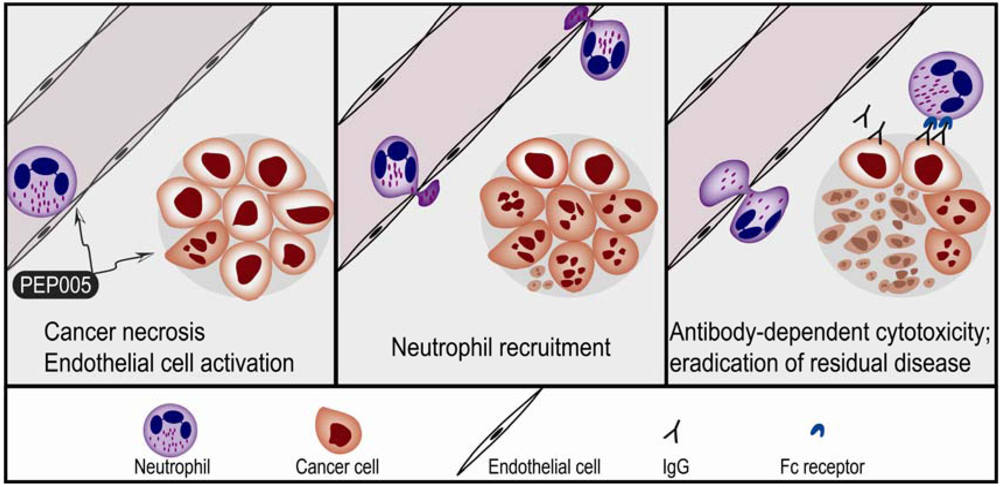
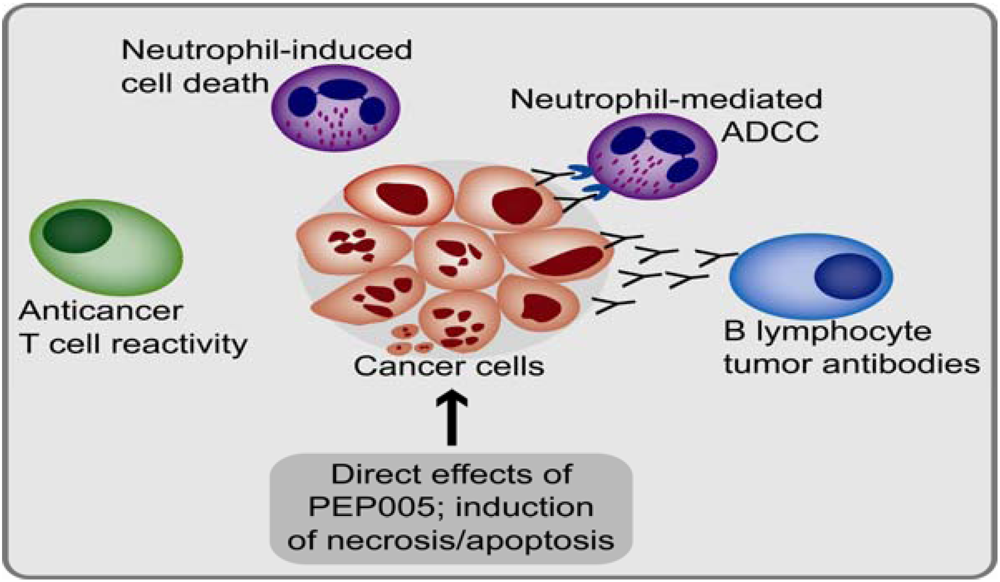
Abstract: The diterpene ester ingenol-3-angelate (referred to as PEP005) is derived from the plant Euphorbia peplus. Crude euphorbia extract causes local toxicity and transient inflammation when applied topically and has been used in the treatment of warts, skin keratoses and skin cancer. PEP005 is a broad range activator of the classical (α, β, γ) and novel (δ, ε, η, θ) protein kinase C isoenzymes. Direct pro-apoptotic effects of this drug have been demonstrated in several malignant cells, including melanoma cell lines and primary human acute myelogenous leukemia cells. At micromolar concentrations required to kill melanoma cells this agent causes PKC-independent secondary necrosis. In contrast, the killing of leukemic cells occurs in the nanomolar range, requires activation of protein kinase C δ (PKCδ) and is specifically associated with translocation of PKCδ from the cytoplasm to the nuclear membrane. However, in addition to this pro-apoptotic effect the agent seems to have immunostimulatory effects, including: (i) increased chemokine release by malignant cells; (ii) a general increase in proliferation and cytokine release by activated T cells, including T cells derived from patients with chemotherapy-induced lymphopenia; (iii) local infiltration of neutrophils after topical application with increased antibody-dependent cytotoxicity; and (iv) development of specific anti-cancer immune responses by CD8+ T cells in animal models. Published studies mainly describe effects from in vitro investigations or after topical application of the agent, and careful evaluation of the toxicity after systemic administration is required before the possible use of this agent in the treatment of malignancies other than skin cancers.
|
|
Received: 8 March 2010 / Accepted: 24 March 2010 / Published: 26 March 2010
Show/Hide Abstract
| Download PDF Full-text (430 KB) | Download XML Full-text
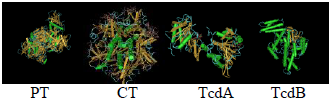
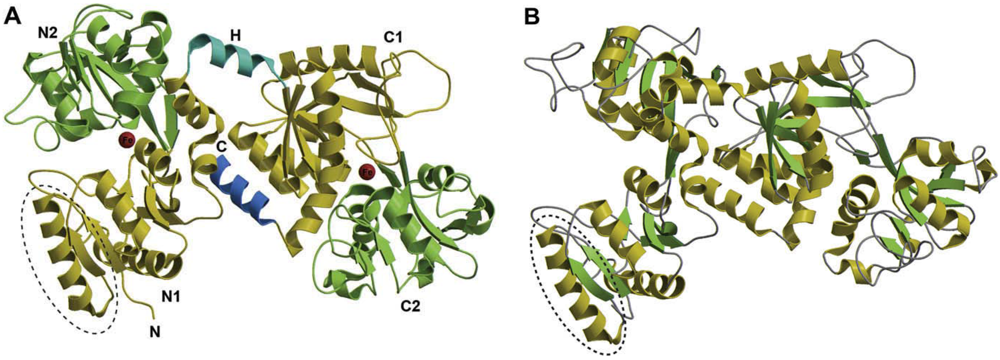
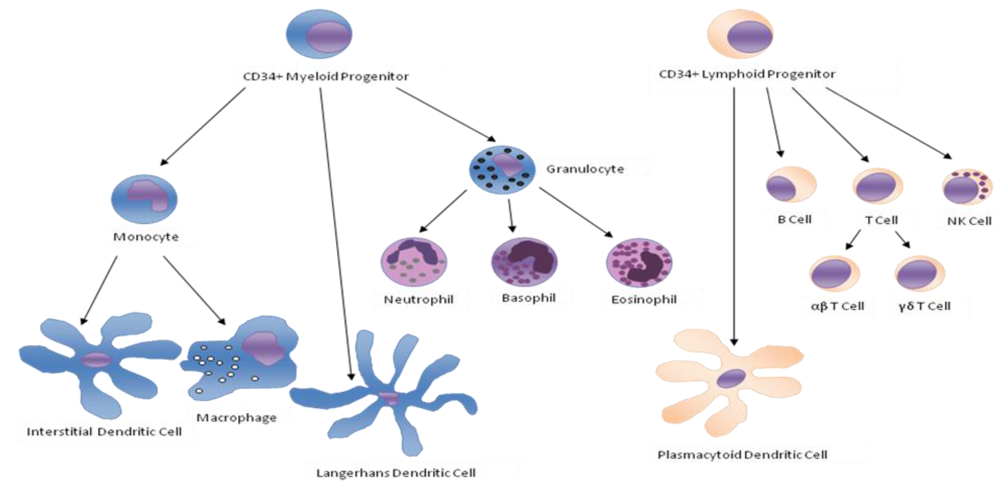
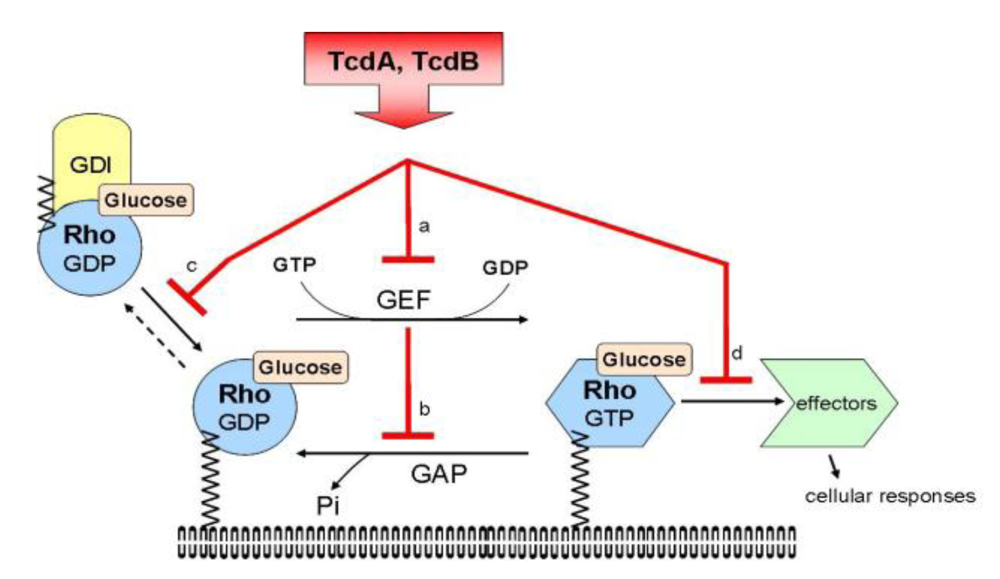
Abstract: Leukocytes are a heterogeneous group of cells that display differences in anatomic localization, cell surface phenotype, and function. The different subtypes include e.g., granulocytes, monocytes, dendritic cells, T cells, B cells and NK cells. These different cell types represent the cellular component of innate and adaptive immunity. Using certain toxins such as pertussis toxin, cholera toxin or clostridium difficile toxin, the regulatory functions of Gαi, Gαs and small GTPases of the Rho family in leukocytes have been reported. A summary of these reports is discussed in this review.
|
|
Received: 14 April 2010 / Accepted: 21 April 2010 / Published: 22 April 2010
Show/Hide Abstract
| Download PDF Full-text (267 KB) | Download XML Full-text
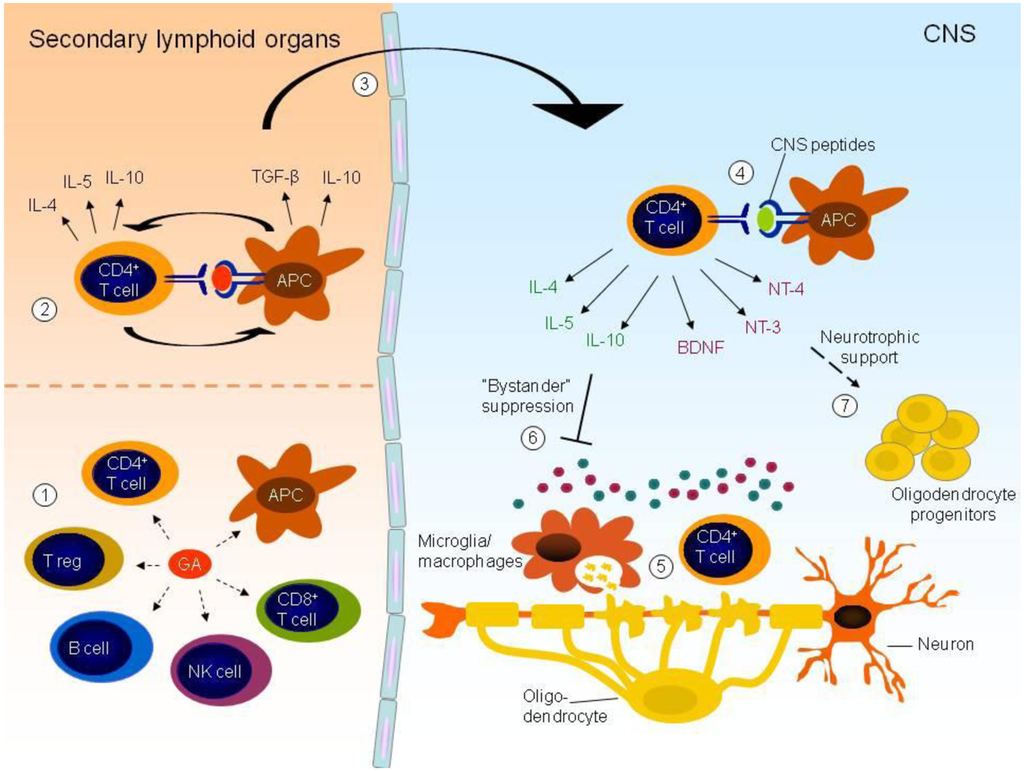
Abstract: The relationship between immune responses to self-antigens and autoimmune disease is unclear. In contrast to its animal model experimental autoimmune encephalomyelitis (EAE), which is driven by T cell responses to myelin antigens, the target antigen of the intrathecal immune response in multiple sclerosis (MS) has not been identified. Although the immune response in MS contributes significantly to tissue destruction, the action of immunocompetent cells within the central nervous system (CNS) may also hold therapeutic potential. Thus, treatment of MS patients with glatiramer acetate triggers a protective immune response. Here we review the immunopathogenesis of MS and some recent findings on the mechanism of glatiramer acetate (GA).
|
|
Received: 16 August 2012; in revised form: 4 September 2012 / Accepted: 5 September 2012 / Published: 14 September 2012
Show/Hide Abstract
| Download PDF Full-text (506 KB) | Download XML Full-text
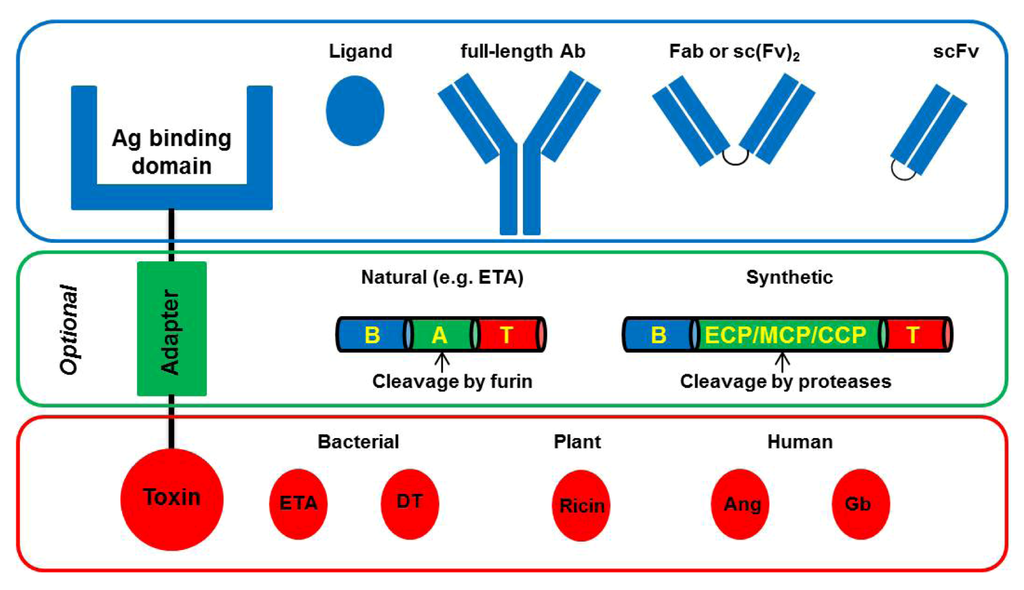
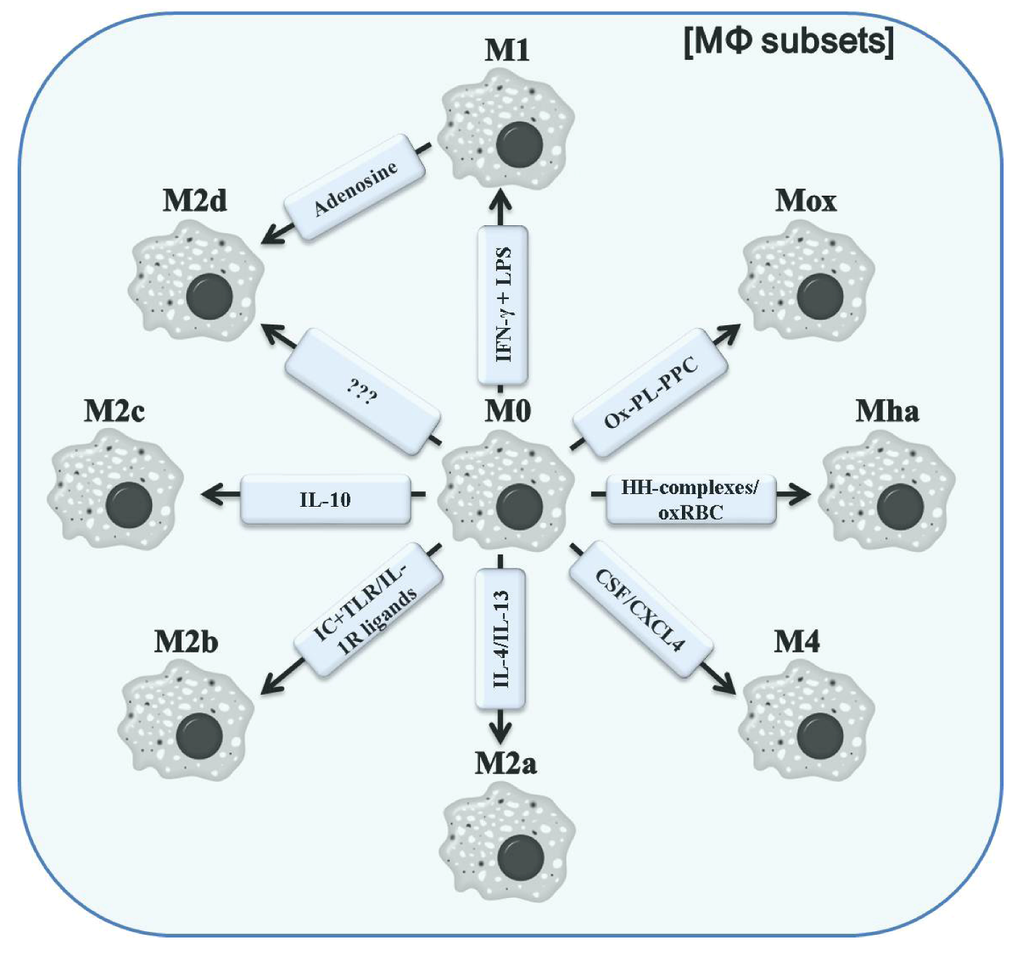
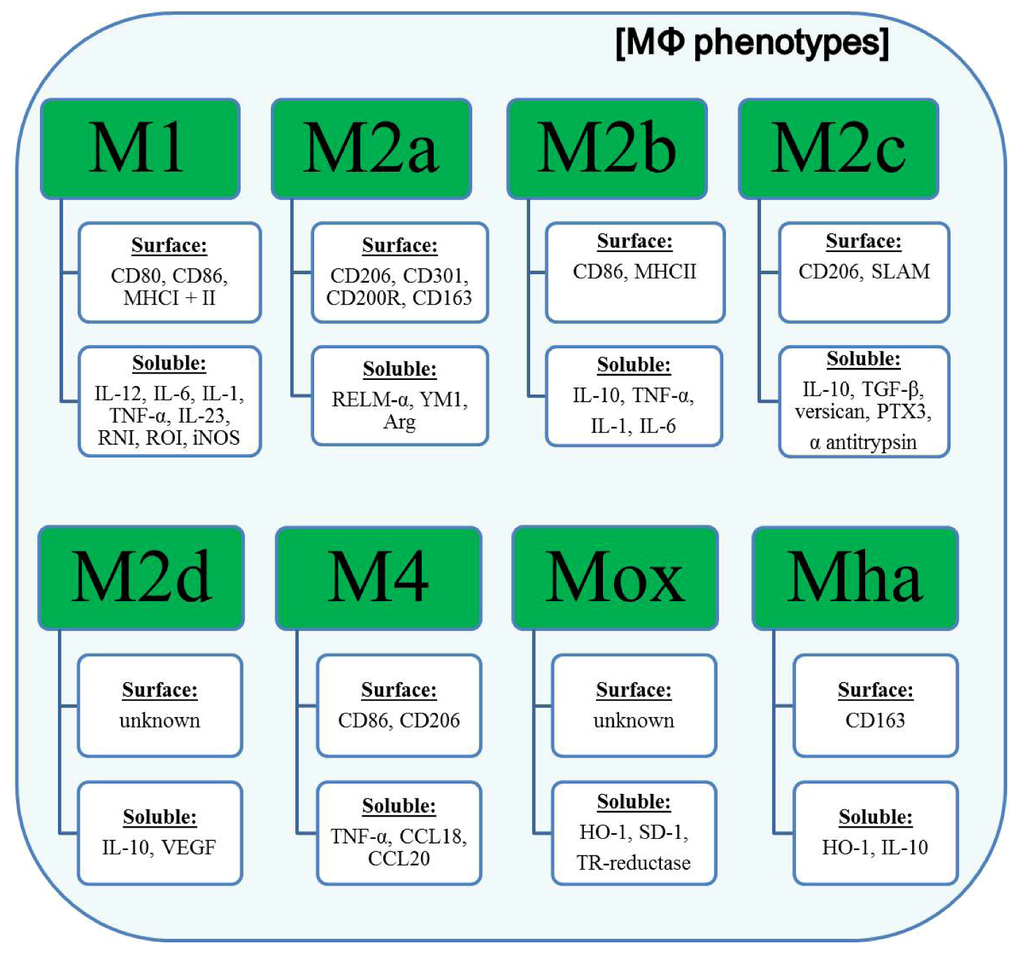
Abstract: Diseases caused by chronic inflammation (e.g., arthritis, multiple sclerosis and diabetic ulcers) are multicausal, thus making treatment difficult and inefficient. Due to the age-associated nature of most of these disorders and the demographic transition towards an overall older population, efficient therapeutic intervention strategies will need to be developed in the near future. Over the past decades, elimination of activated macrophages using CD64-targeting immunotoxins has proven to be a promising way of resolving inflammation in animal models. More recent data have shown that the M1-polarized population of activated macrophages in particular is critically involved in the chronic phase. We recapitulate the latest progress in the development of IT. These have advanced from full-length antibodies, chemically coupled to bacterial toxins, into single chain variants of antibodies, genetically fused with fully human enzymes. These improvements have increased the range of possible target diseases, which now include chronic inflammatory diseases. At present there are no therapeutic strategies focusing on macrophages to treat chronic disorders. In this review, we focus on the role of different polarized macrophages and the potential of CD64-based IT to intervene in the process of chronic inflammation.
|
|
Received: 2 July 2012; in revised form: 6 August 2012 / Accepted: 13 August 2012 / Published: 18 September 2012
Show/Hide Abstract
| Download PDF Full-text (273 KB) | Download XML Full-text
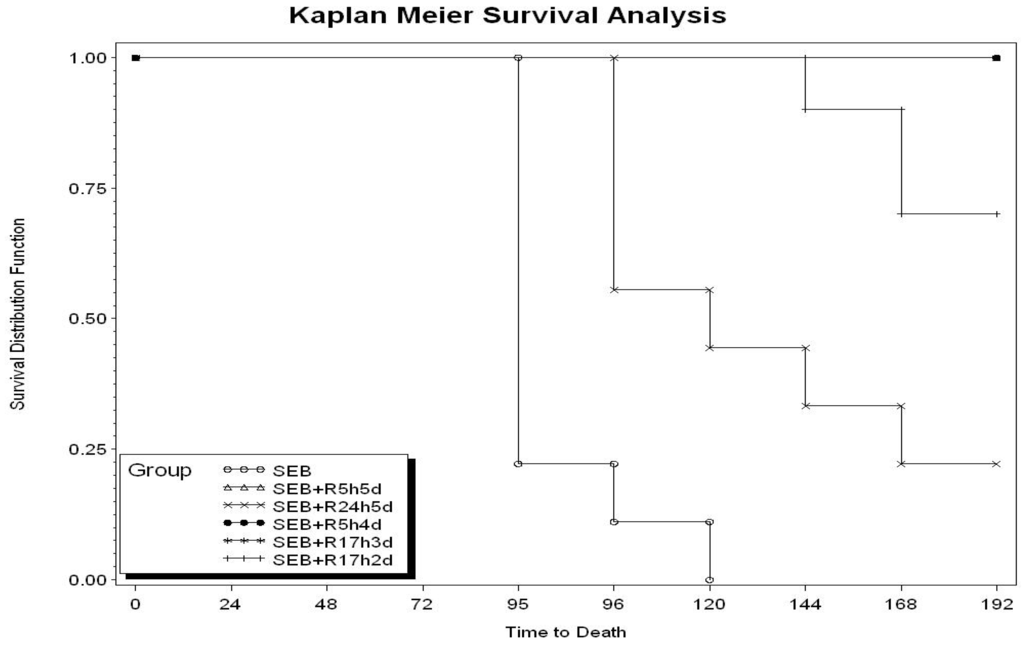
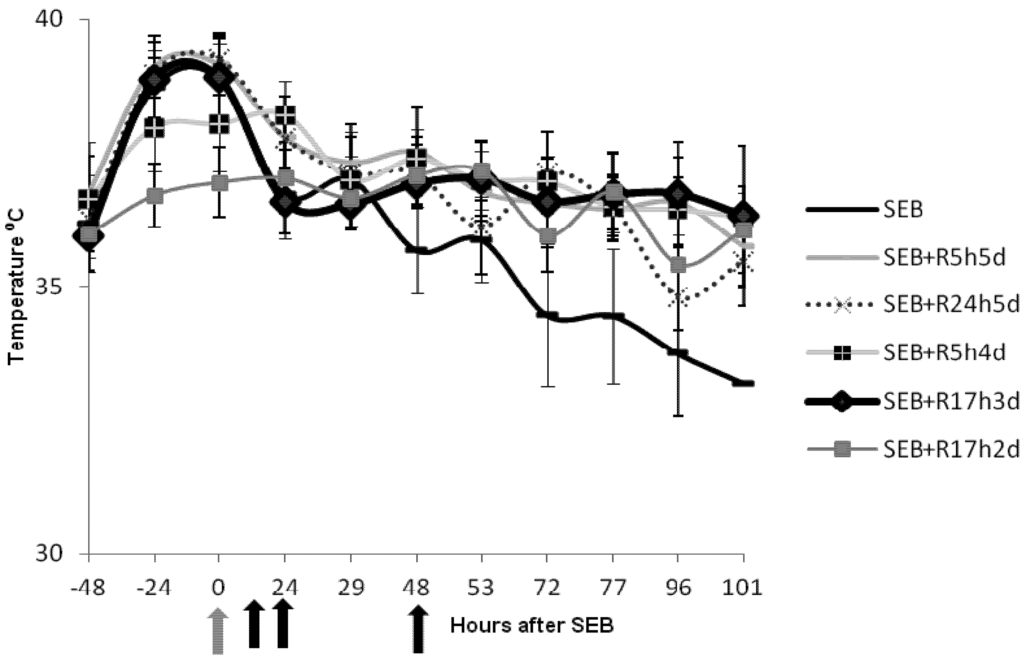
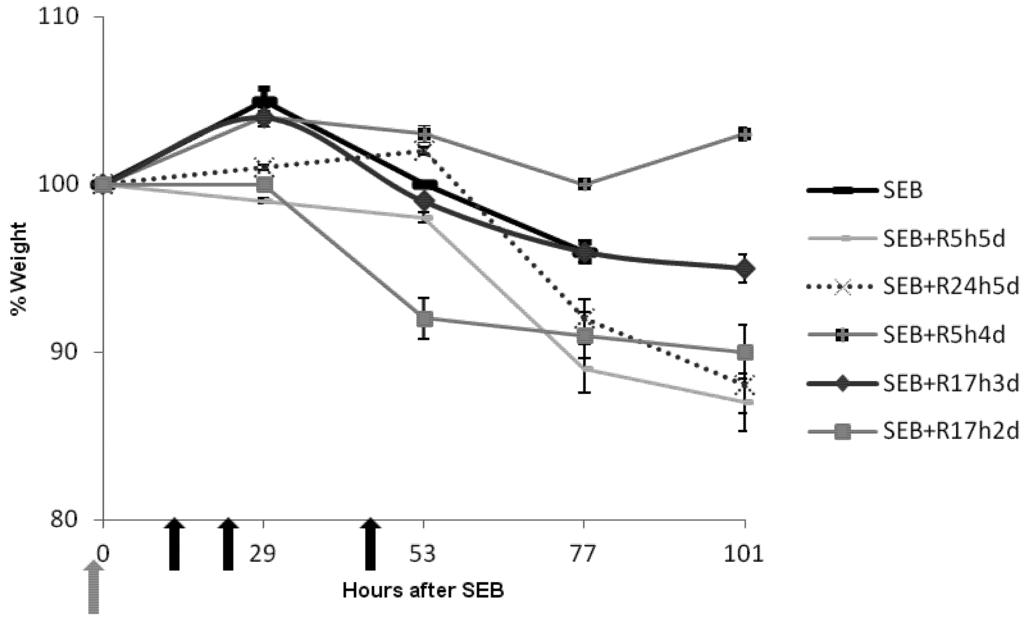
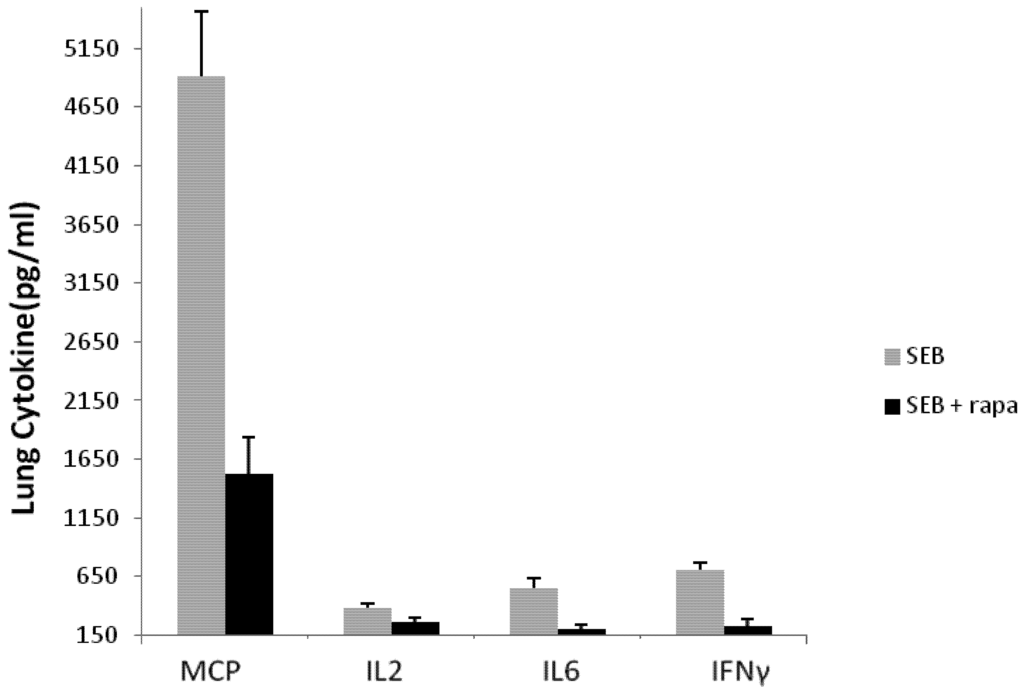
Abstract: Staphylococcal enterotoxin B (SEB) and related exotoxins produced by Staphylococcus aureus are potent activators of the immune system and cause toxic shock in humans. Currently there is no effective treatment except for the use of intravenous immunoglobulins administered shortly after SEB exposure. Intranasal SEB induces long-lasting lung injury which requires prolonged drug treatment. We investigated the effects of rapamycin, an immunosuppressive drug used to prevent graft rejection, by intranasal administration in a lethal mouse model of SEB-induced shock. The results show that intranasal rapamycin alone delivered as late as 17 h after SEB protected 100% of mice from lethal shock. Additionally, rapamycin diminished the weight loss and temperature fluctuations elicited by SEB. Intranasal rapamycin attenuated lung MCP-1, IL-2, IL-6, and IFNγ by 70%, 30%, 64%, and 68% respectively. Furthermore, short courses (three doses) of rapamycin were sufficient to block SEB-induced shock. Intranasal rapamycin represents a novel use of an immunosuppressant targeting directly to site of toxin exposure, reducing dosages needed and allowing a wider therapeutic window.
|
|
Received: 29 June 2012; in revised form: 29 August 2012 / Accepted: 3 September 2012 / Published: 19 September 2012
Show/Hide Abstract
| Download PDF Full-text (228 KB) | Download XML Full-text
Abstract: The call for malaria control, over the last century, marked a new epoch in the history of this disease. Many control strategies targeting either the Plasmodium parasite or the Anopheles vector were shown to be effective. Yet, the emergence of drug resistant parasites and insecticide resistant mosquito strains, along with numerous health, environmental, and ecological side effects of many chemical agents, highlighted the need to develop alternative tools that either complement or substitute conventional malaria control approaches. The use of biological means is considered a fundamental part of the recently launched malaria eradication program and has so far shown promising results, although this approach is still in its infancy. This review presents an overview of the most promising biological control tools for malaria eradication, namely fungi, bacteria, larvivorous fish, parasites, viruses and nematodes.
|
|
Received: 11 June 2012; in revised form: 12 September 2012 / Accepted: 14 September 2012 / Published: 26 September 2012
Show/Hide Abstract
| Download PDF Full-text (248 KB) | Download XML Full-text
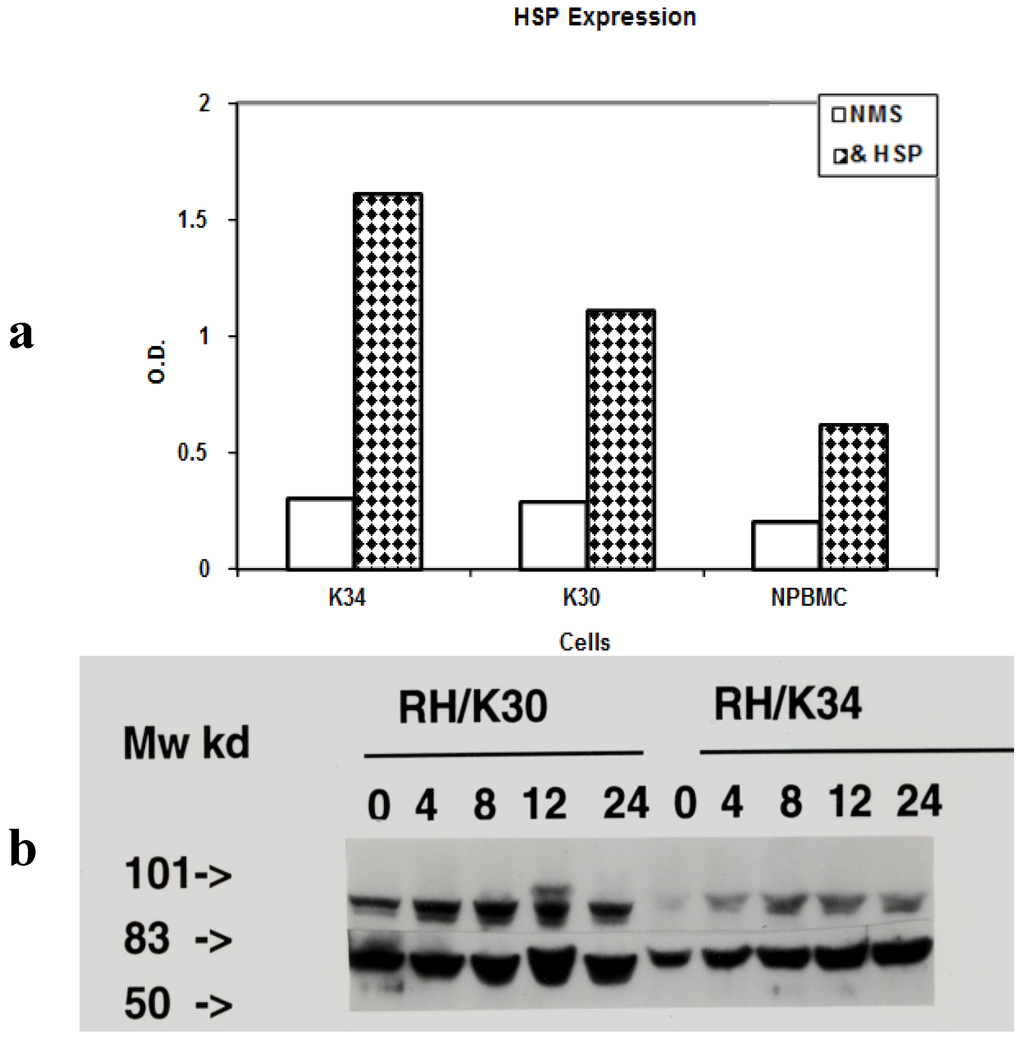
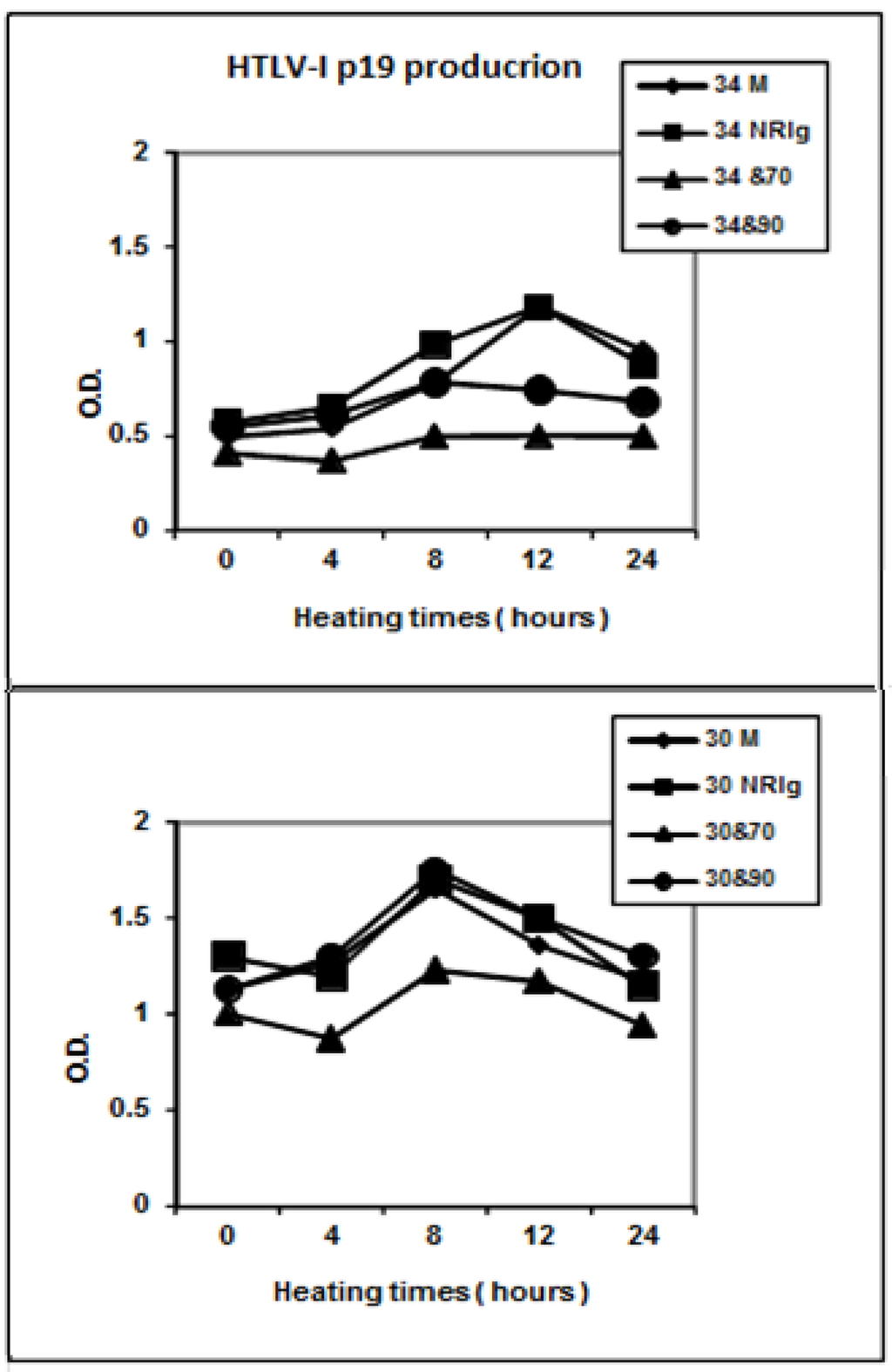
Abstract: Adult T cell leukemia is a fatal malignant transformation caused by the human T-cell lymphoptropic virus type I (HTLV-I). HTLV-I is only associated with the development of this disease in a small percentage of infected individuals. Using two rabbit transformed T-cell lines; RH/K30 (asymptomatic) and RH/K34 (leukemogenic), we have investigated the expression of heat shock proteins (HSP) 90 and 70 and the role of anti-HSPs antibodies on virus production. HSPs surface expression was higher on RH/K34 than RH/K30 cells. Heat treatment of cells increased the expression of HSPs proteins and virus production; HSPs augmentation was stabilized after 12 h and virus production reached a maximum between 8 h–12 h then returned to normal level after 24 h of culture. Incubation of cells only with rabbit anti-HSP 70 antibodies prevented virus production specifically in the leukemogenic cell line. The results indicate a relationship between HSP 70 and virus production.
|
|
Received: 11 July 2012; in revised form: 24 September 2012 / Accepted: 18 October 2012 / Published: 31 October 2012
Show/Hide Abstract
| Download PDF Full-text (1022 KB) | Download XML Full-text
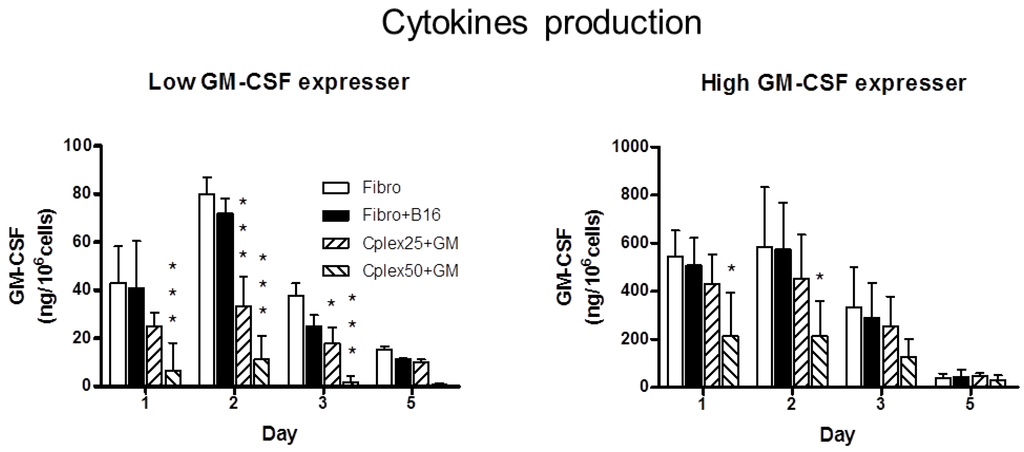
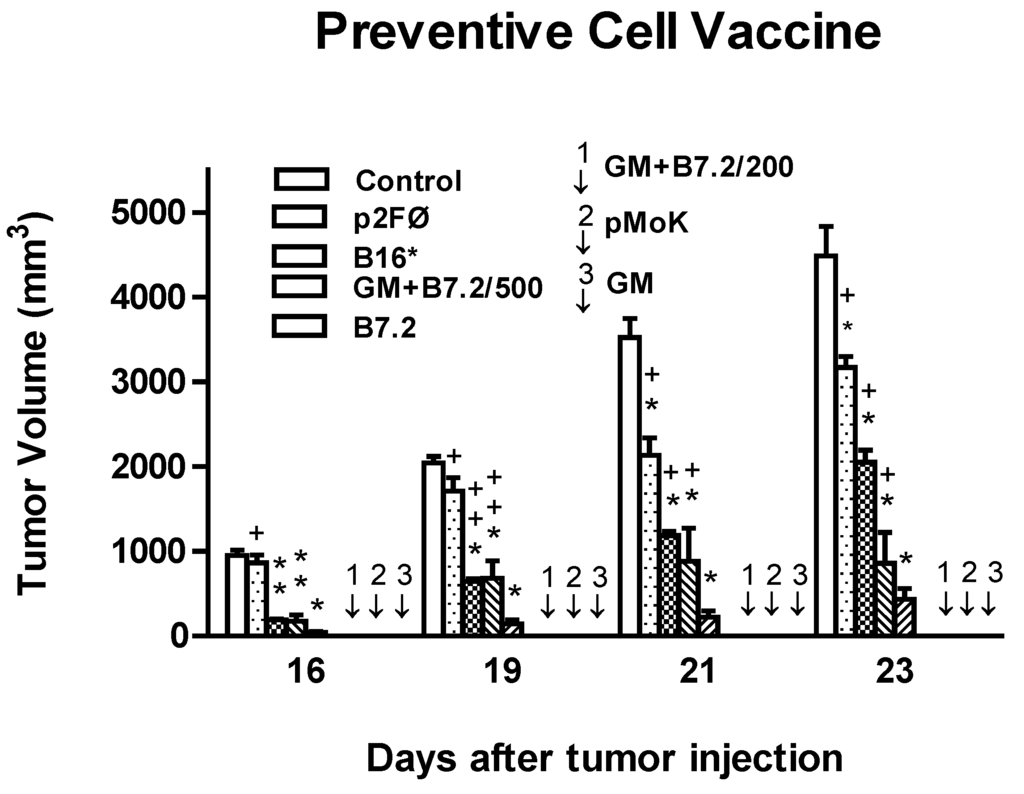
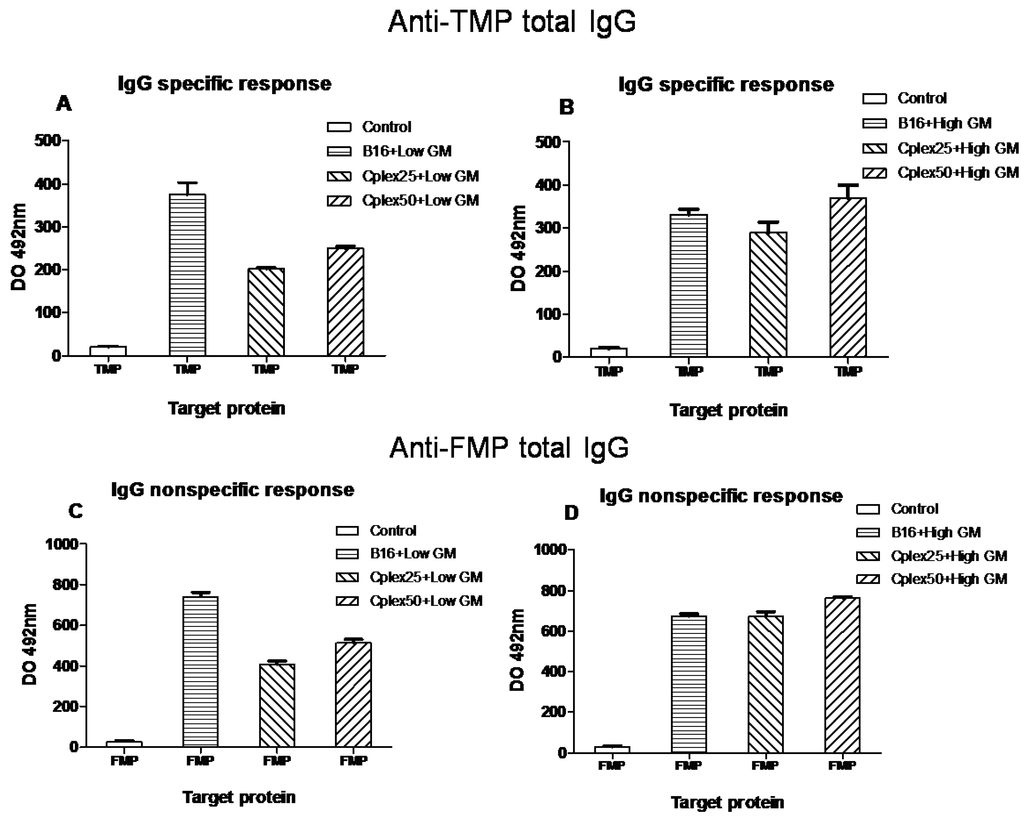
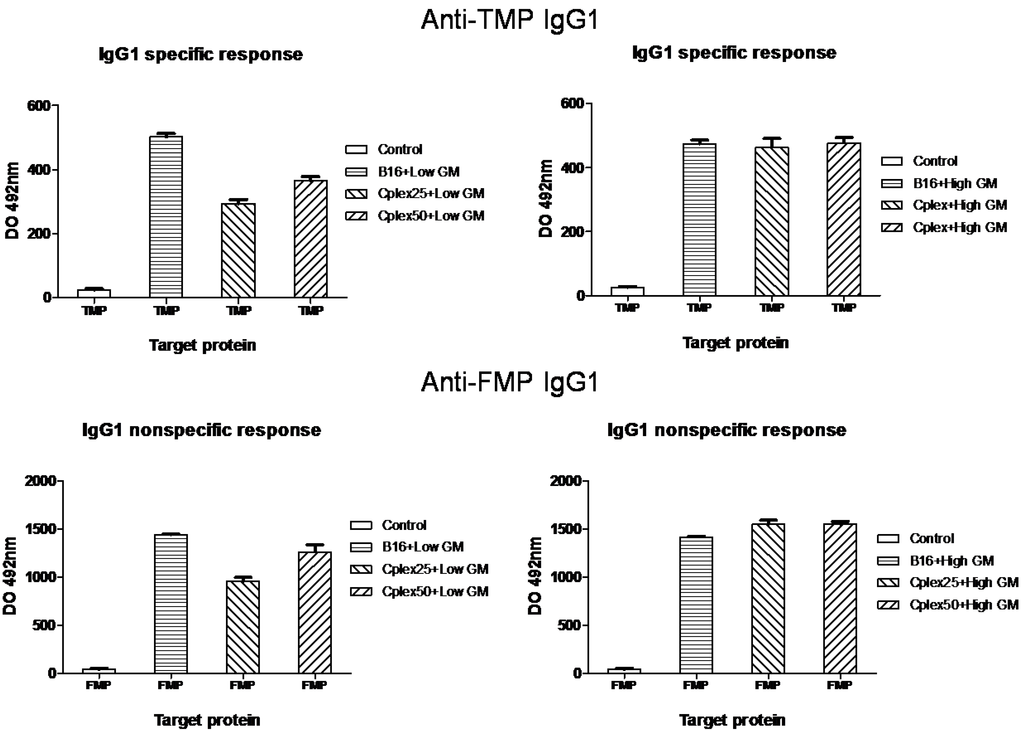
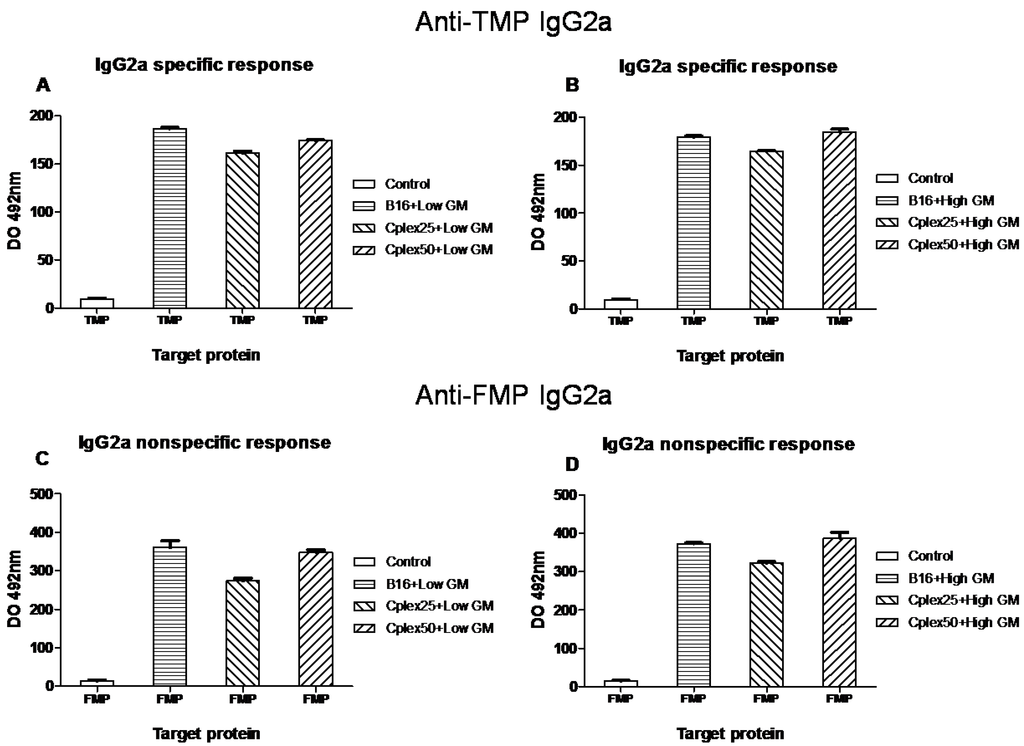
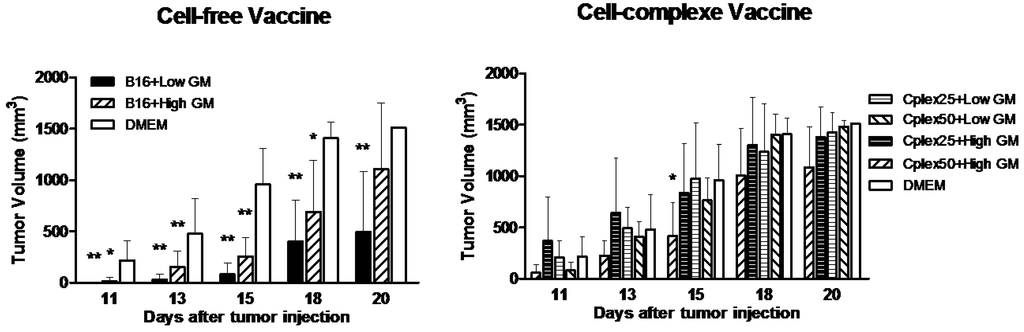
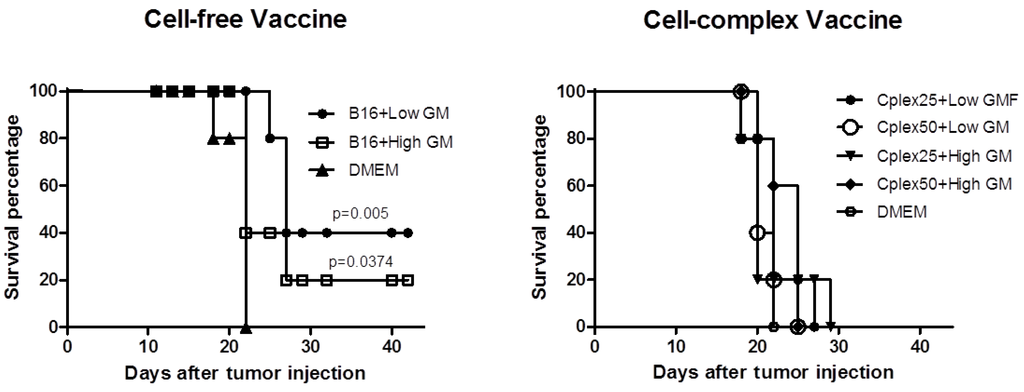
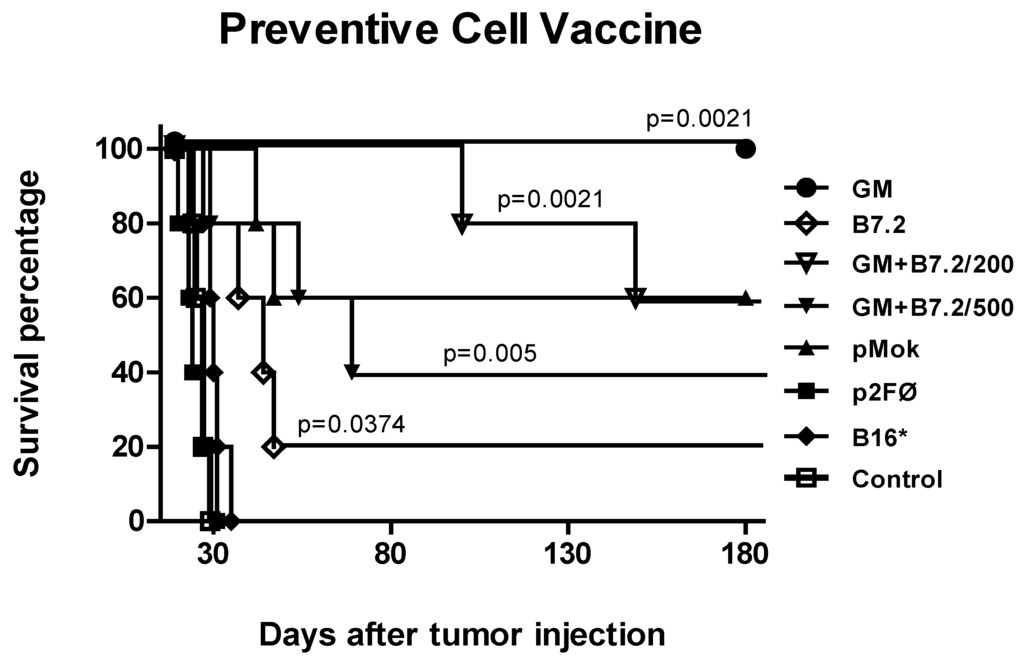
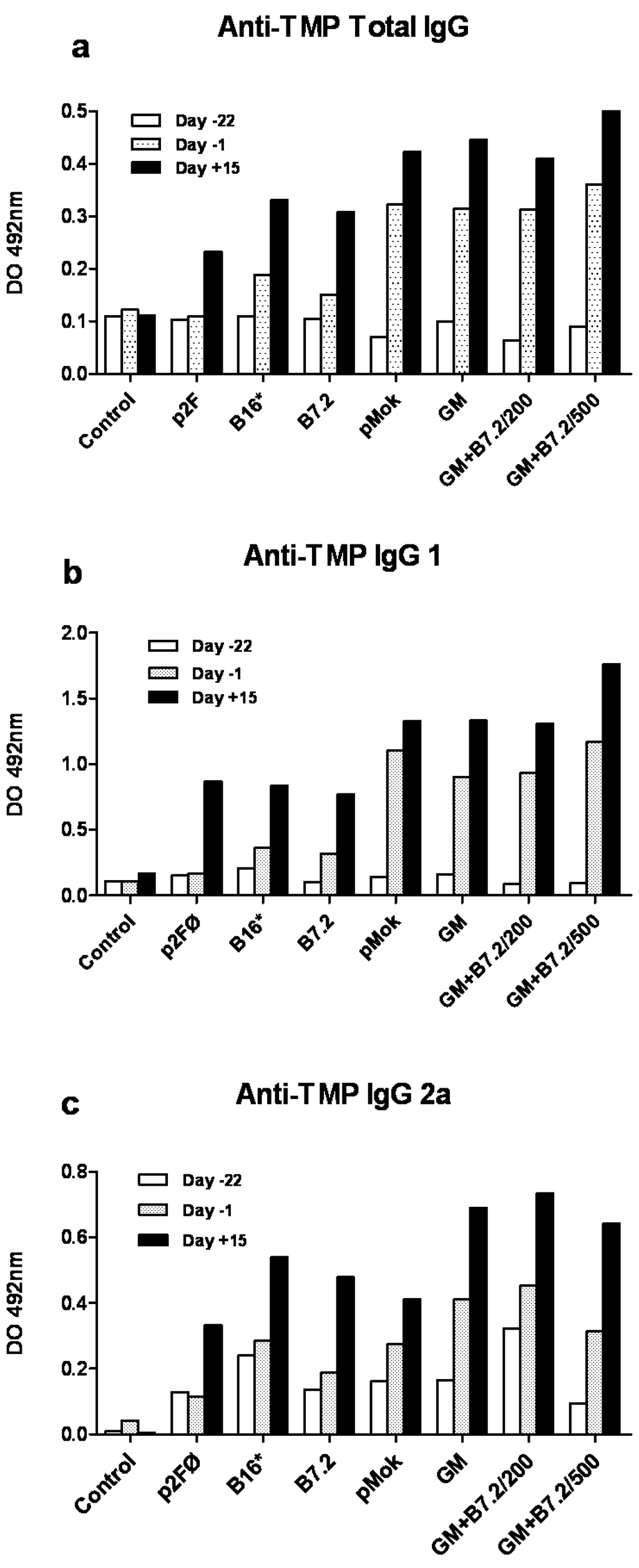
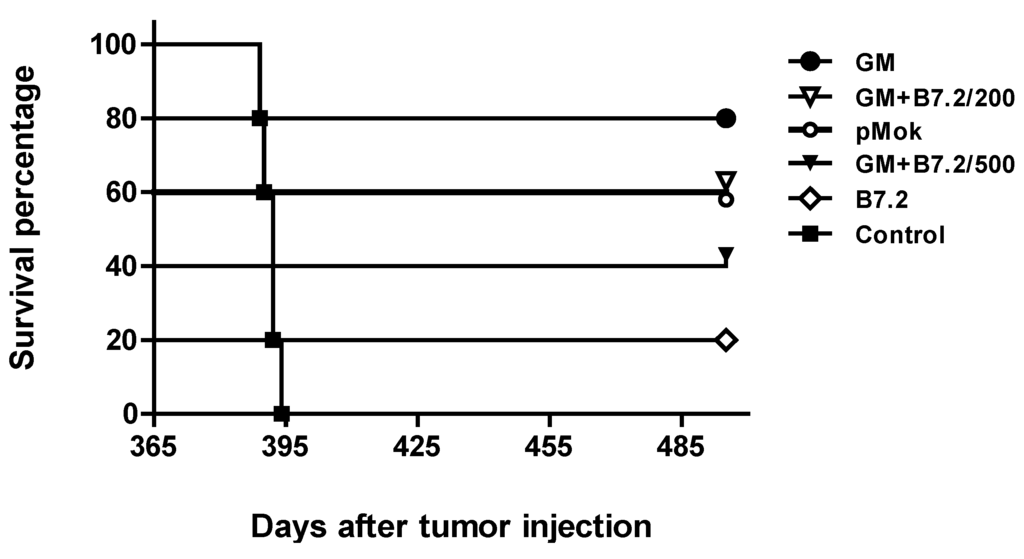
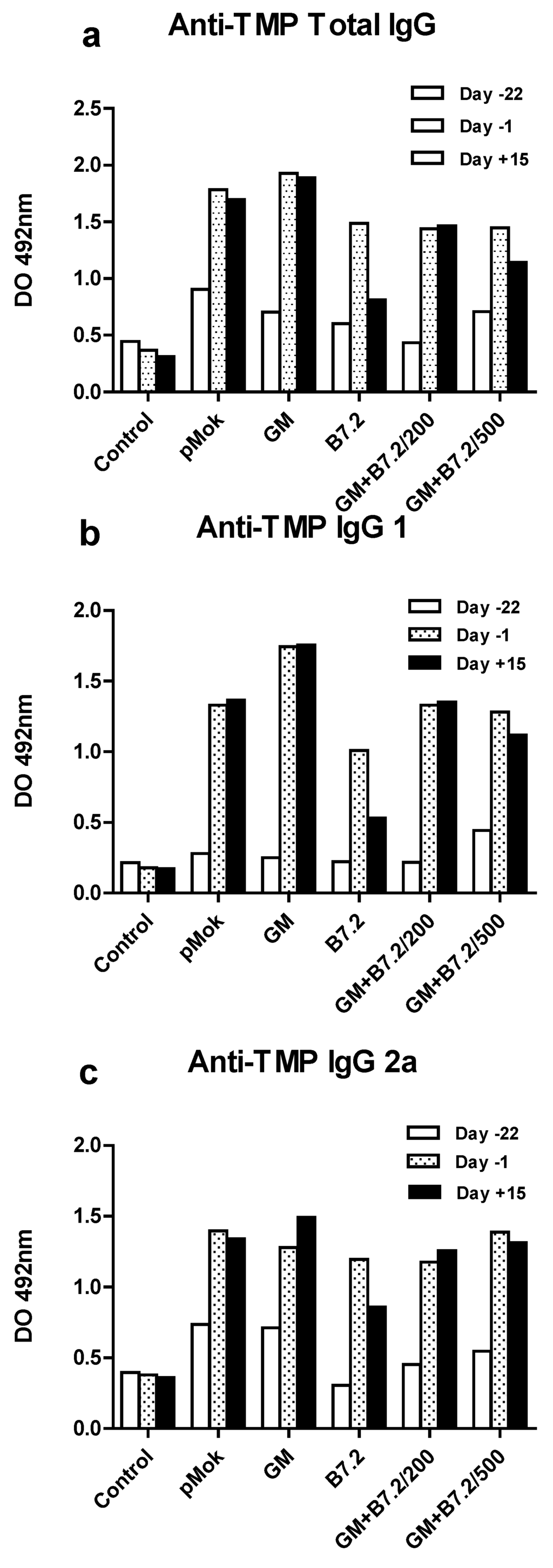
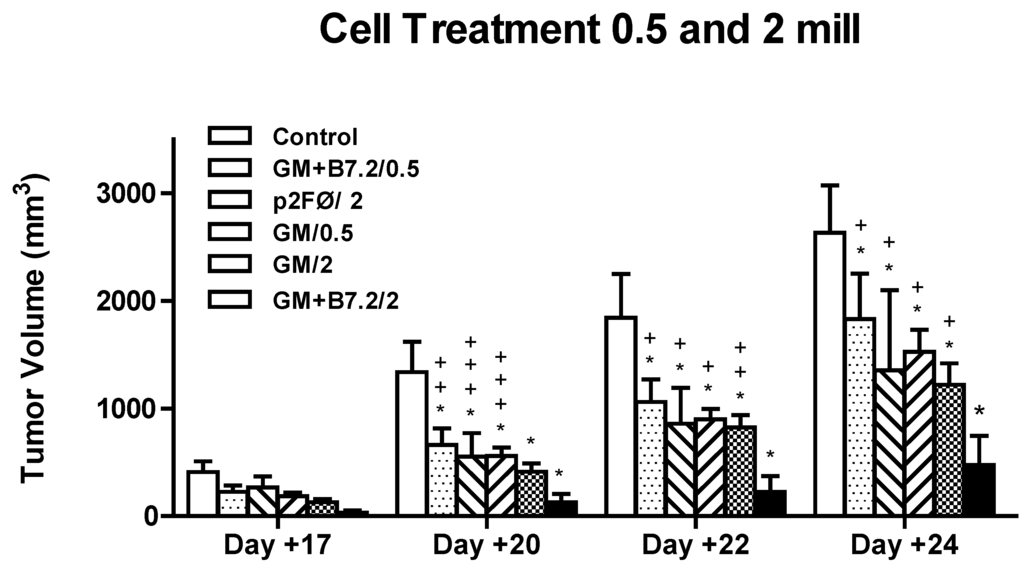
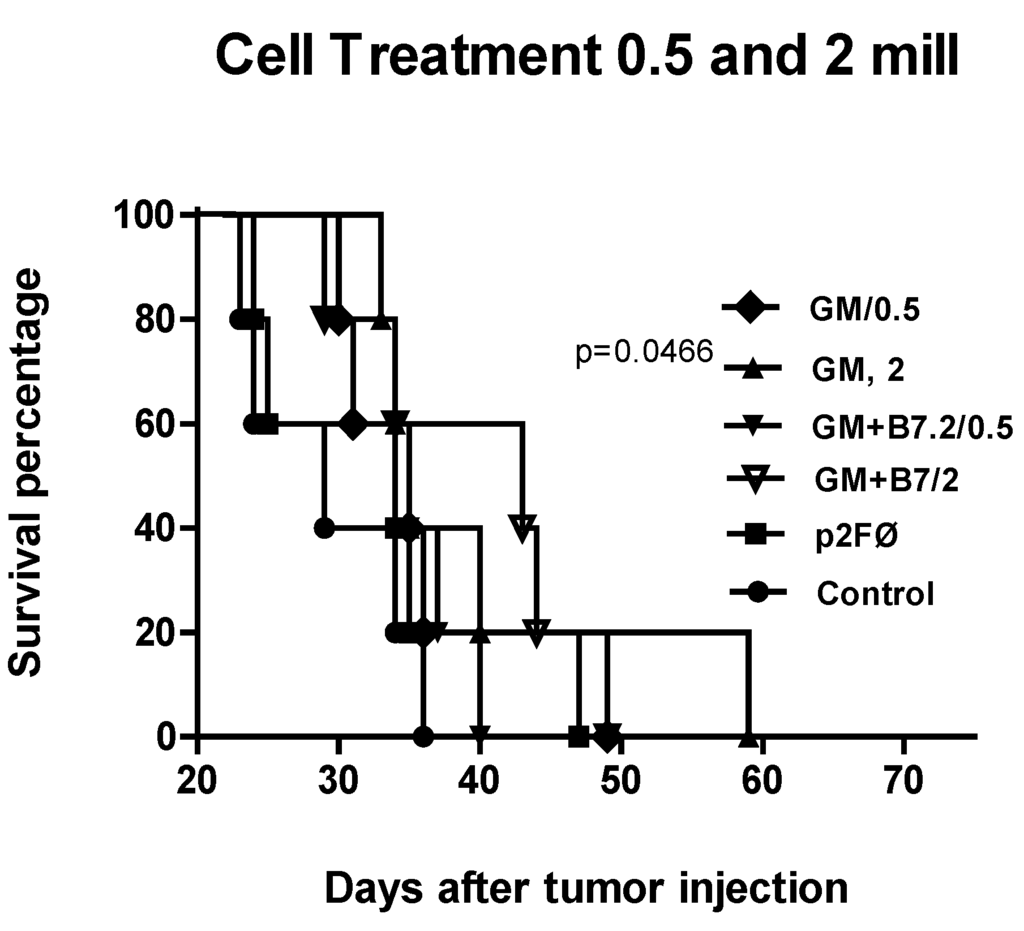
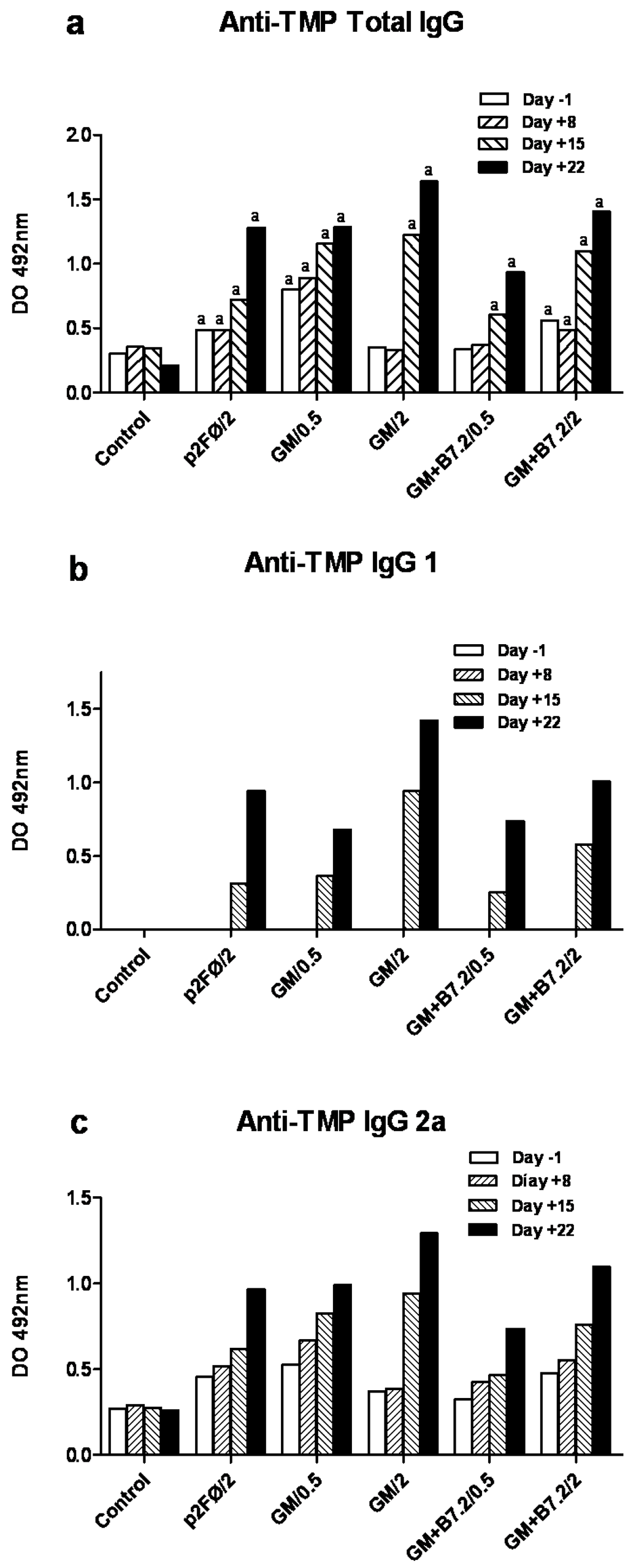
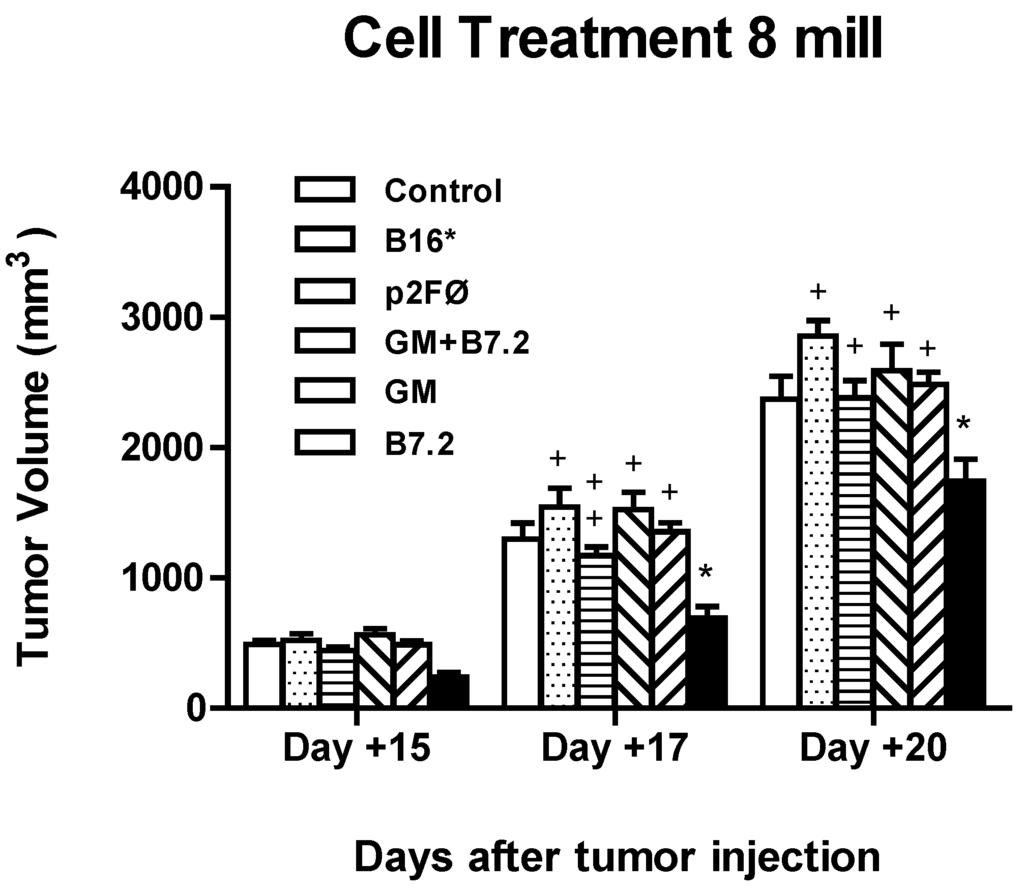
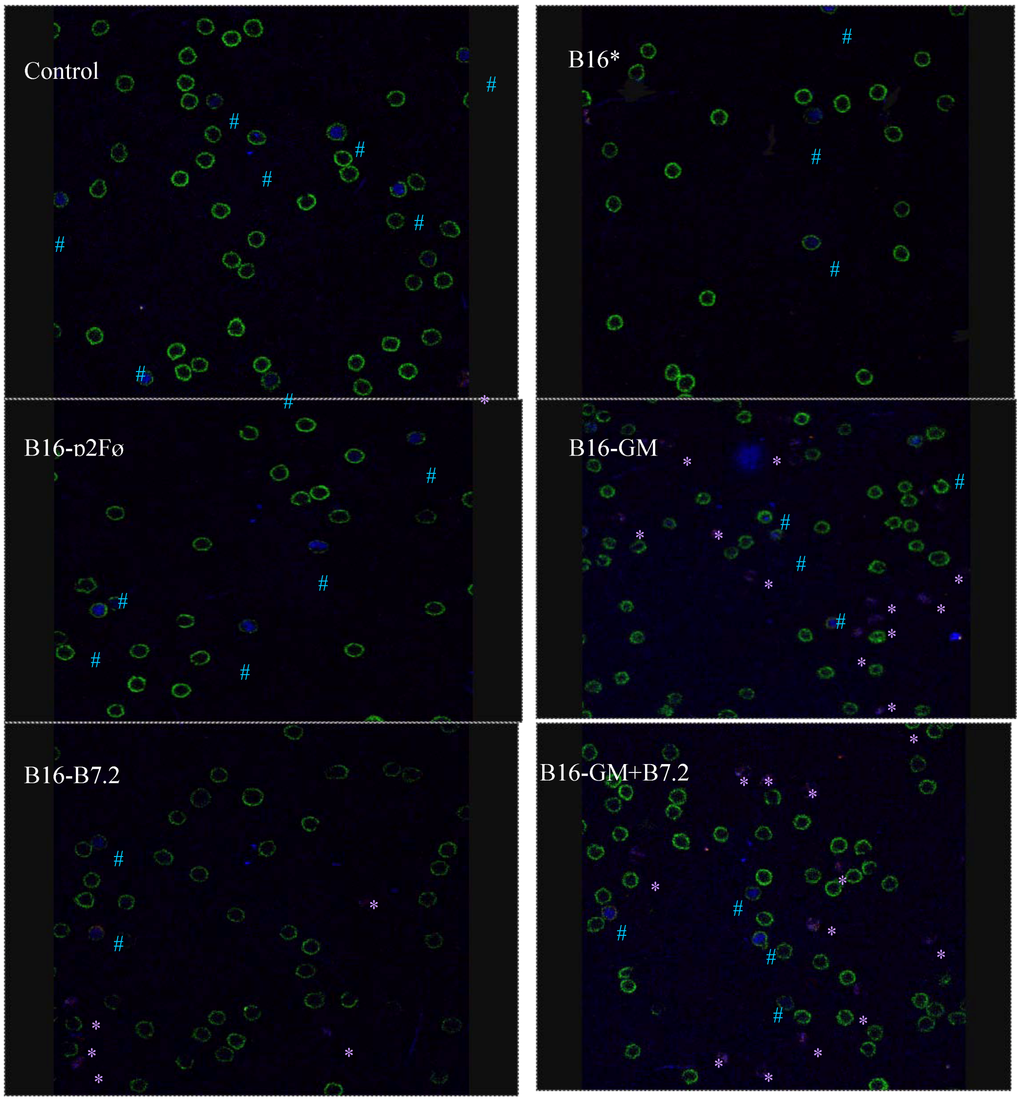
Abstract: Cancer vaccines have always been a subject of gene therapy research. One of the most successful approaches has been working with genetically modified tumor cells. In this study, we describe our approach to achieving an immune response against a murine melanoma model, employing B16 tumor cells expressing GM-CSF and B7.2. Wild B16 cells were injected in C57BL6 mice to cause the tumor. Irradiated B16 cells transfected with GM-CSF, B7.2, or both, were processed as a preventive and therapeutic vaccination. Tumor volumes were measured and survival curves were obtained. Blood samples were taken from mice, and IgGs of each treatment group were also measured. The regulatory T cells (Treg) of selected groups were quantified using counts of images taken by confocal microscopy. Results: one hundred percent survival was achieved by preventive vaccination with the group of cells transfected with p2F_GM-CSF. Therapeutic vaccination achieved initial inhibition of tumor growth but did not secure overall survival of the animals. Classical Treg cells did not vary among the different groups in this therapeutic vaccination model.
|
|
Received: 17 August 2012; in revised form: 26 September 2012 / Accepted: 19 October 2012 / Published: 9 November 2012
Show/Hide Abstract
| Download PDF Full-text (546 KB) | Download XML Full-text
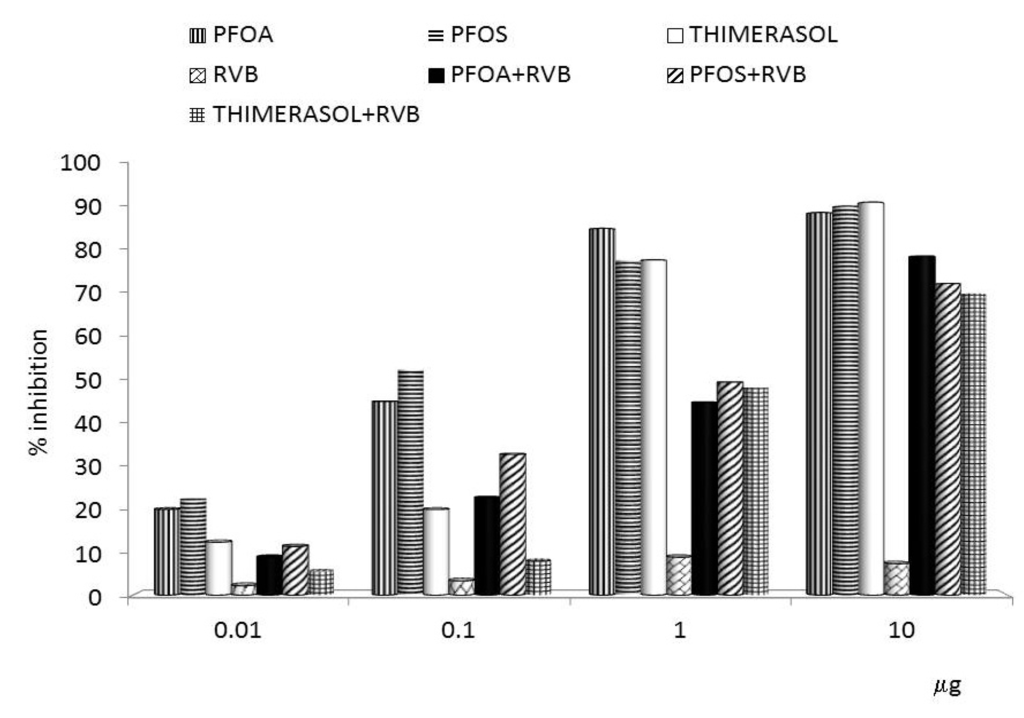
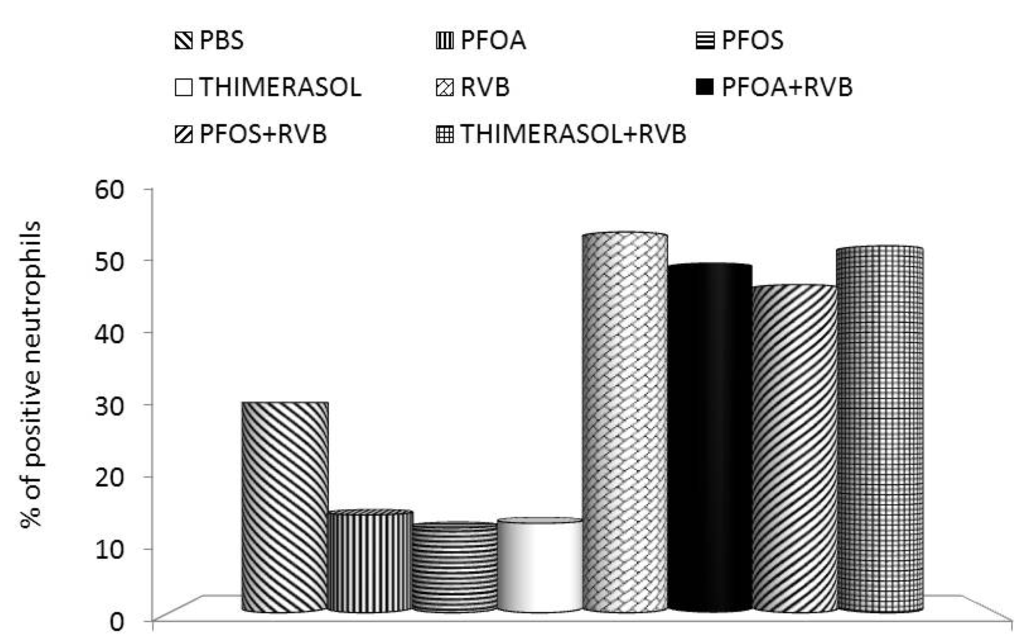
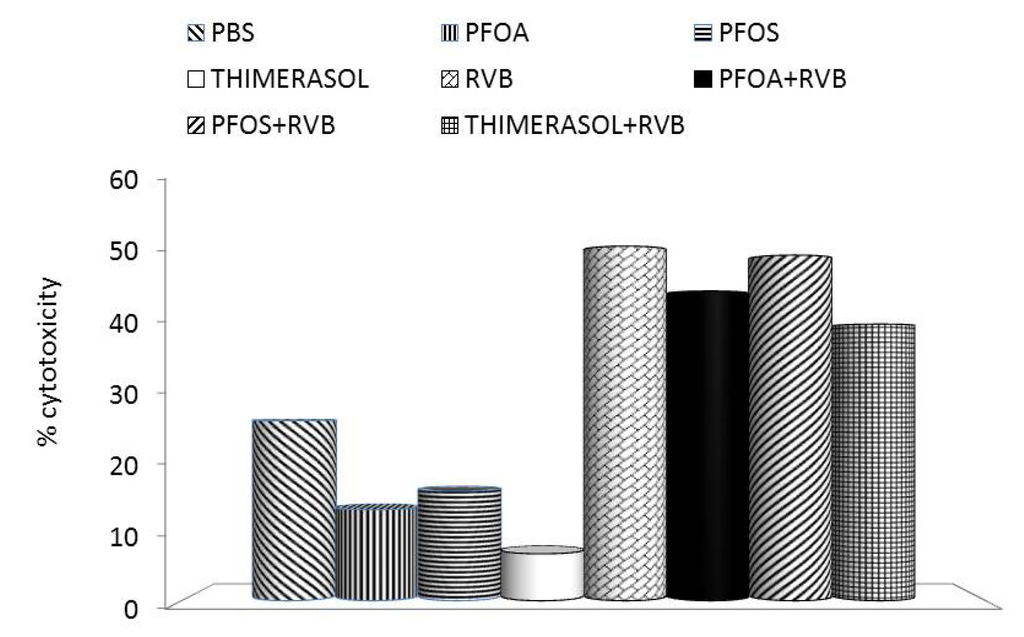
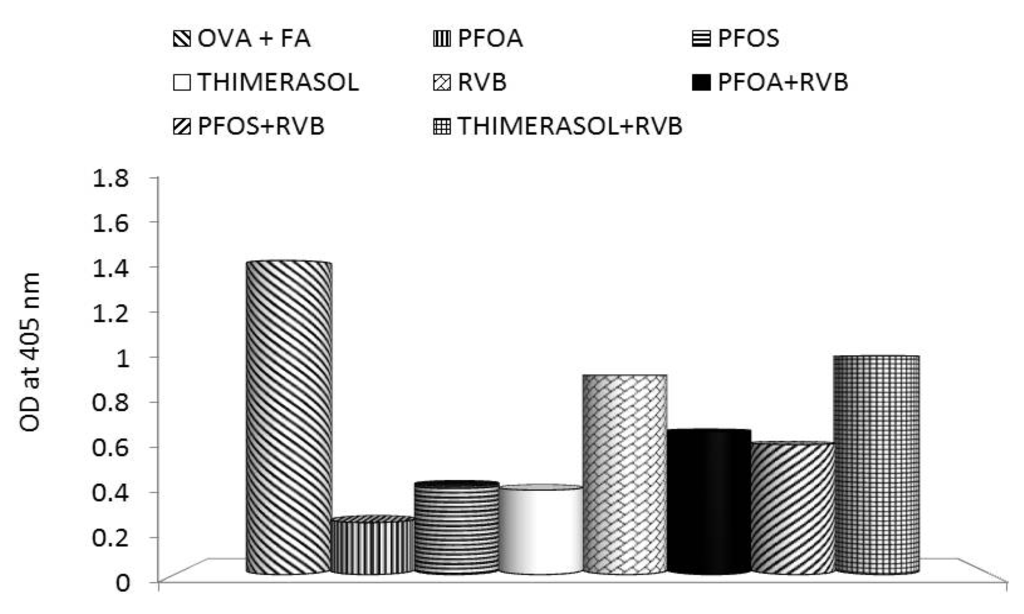
Abstract: Biological immunomodulators are routinely evaluated as a natural source of molecules with profound effects on the immune system. They belong to a group of physiologically active compounds, collectively termed biological response modifiers. Most of the studies were focused on immune system stimulation. Recently, they have become the focus of studies seeking molecules that are able to overcome negative effects of various immunotoxins. This paper concentrates on the effects of a glucan/resveratrol/vitamin C combination on immunosuppressive effects of mercury and perfluorinated hydrocarbons. Effects described in this review have strong clinical potential, as environmental contaminants have adverse effects on all aspects of the immune system and represent a serious threat to the health of both humans and animals.
|
|
Received: 15 November 2012; in revised form: 27 November 2012 / Accepted: 28 November 2012 / Published: 30 November 2012
Show/Hide Abstract
| Download PDF Full-text (825 KB) | Download XML Full-text
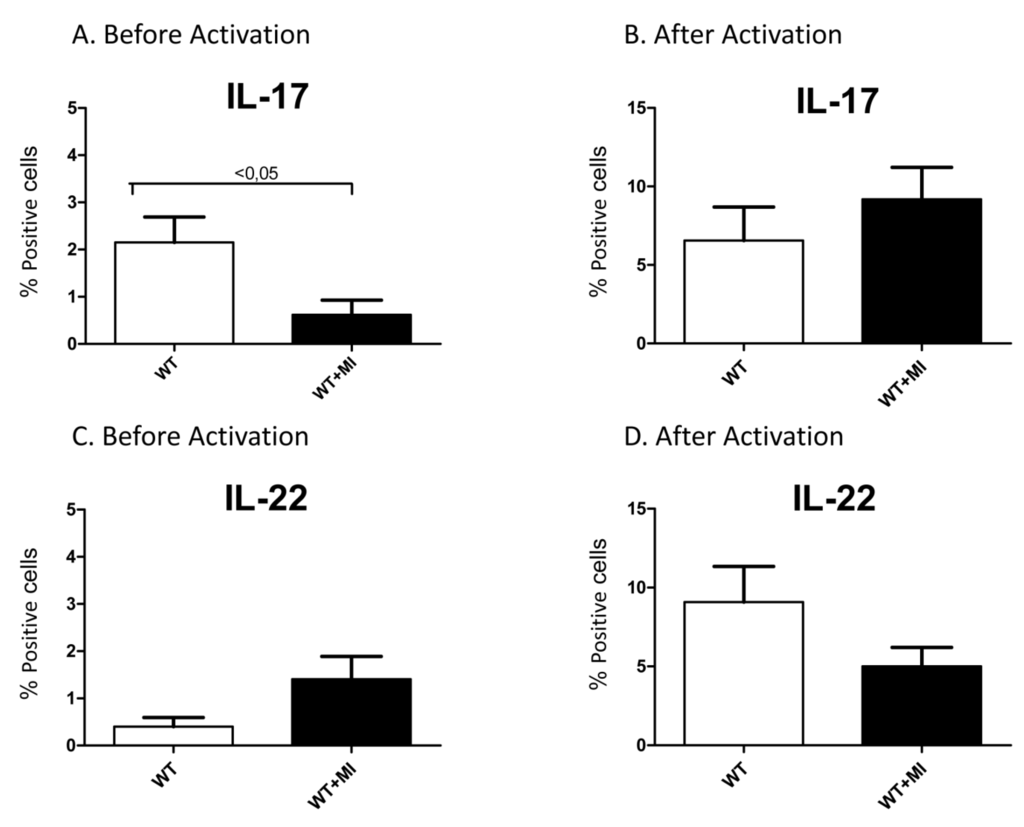
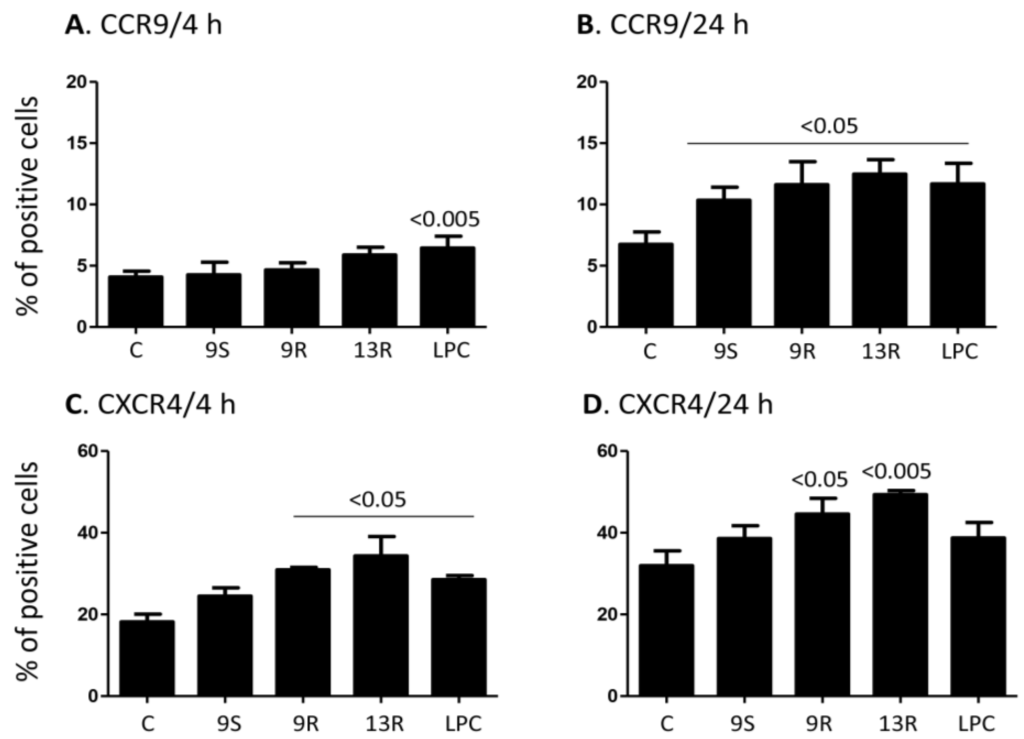
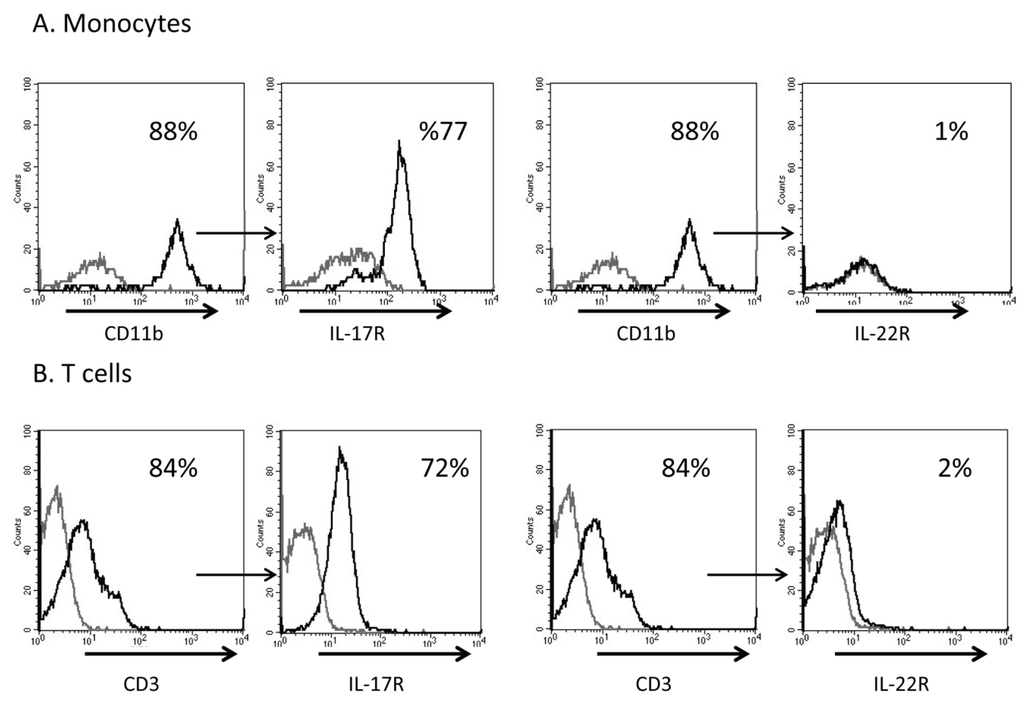
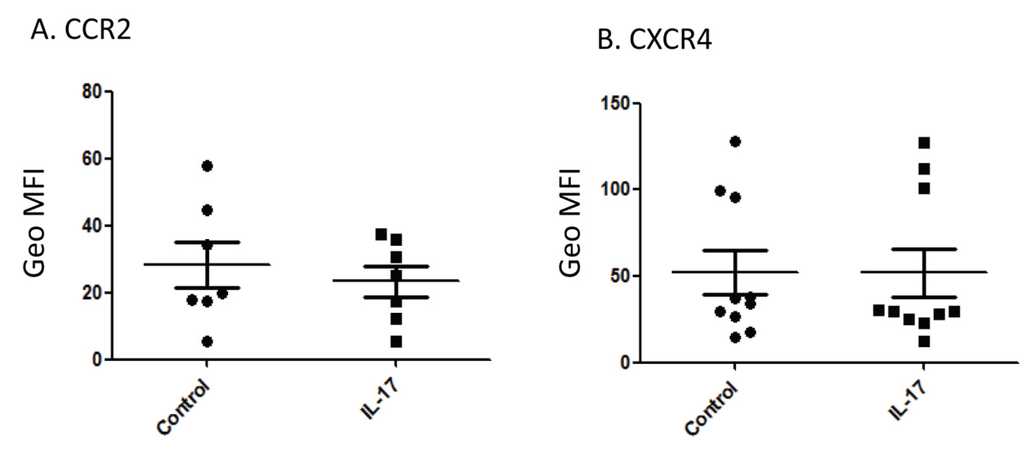
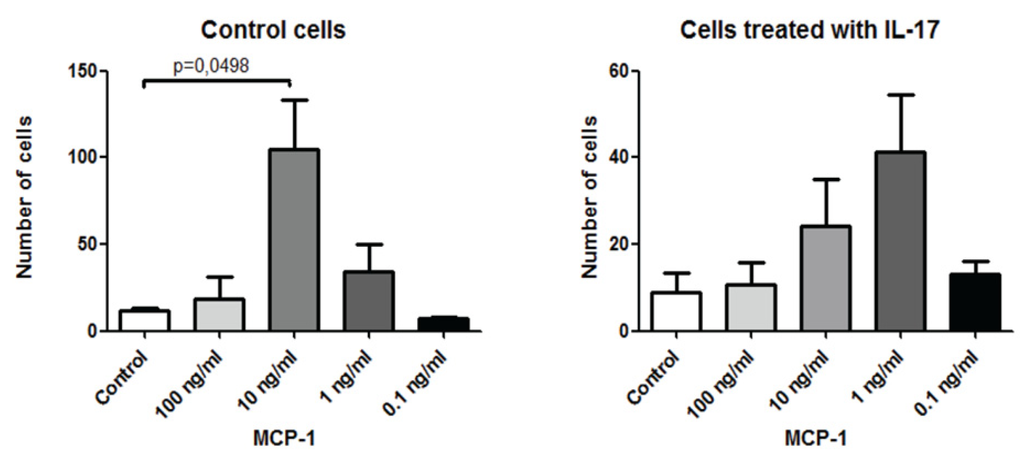
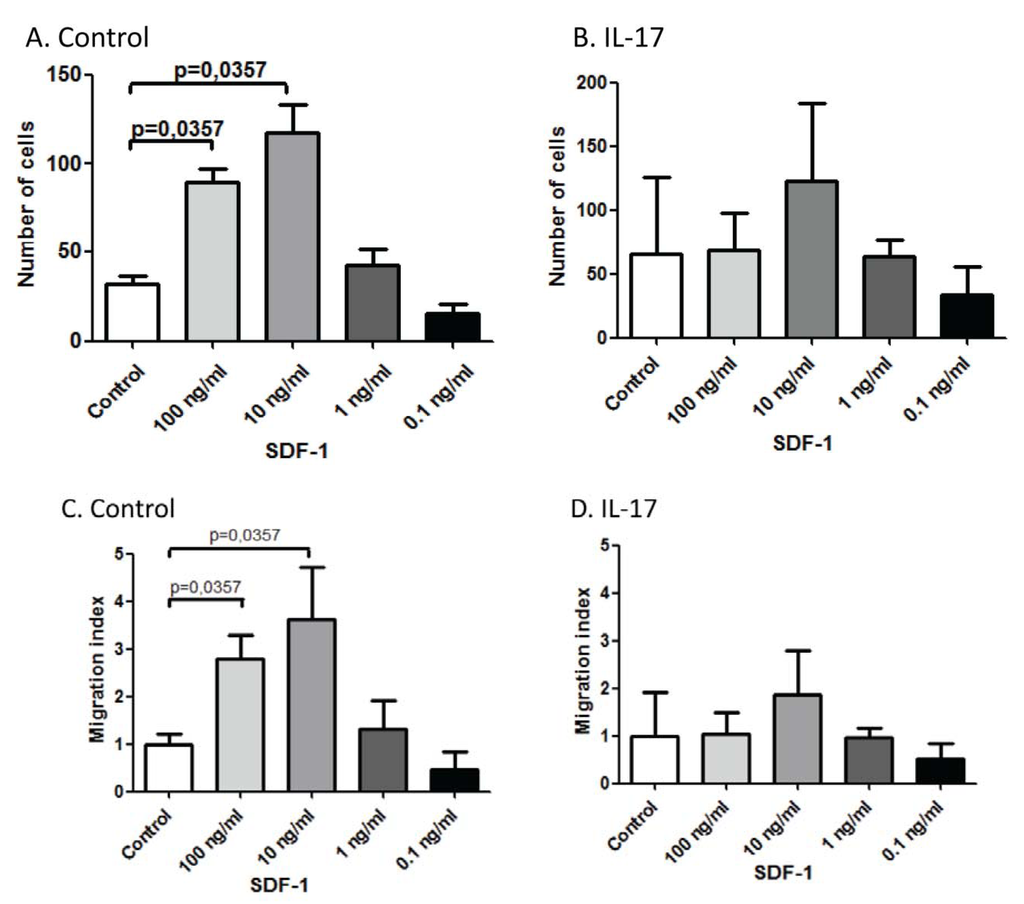
Abstract: The roles of immune cells and their soluble products during myocardial infarction (MI) are not completely understood. Here, we observed that the percentages of IL-17, but not IL-22, producing cells are reduced in mice splenocytes after developing MI. To correlate this finding with the functional activity of IL-17, we sought to determine its effect on monocytes. In particular, we presumed that this cytokine might affect the chemotaxis of monocytes important for cardiac inflammation and remodeling. We observed that IL-17 tends to reduce the expression of two major chemokine receptors involved in monocyte chemotaxis, namely CCR2 and CXCR4. Further analysis showed that monocytes pretreated with IL-17 have reduced in vitro chemotaxis towards the ligand for CCR2, i.e., MCP-1/CCL2, and the ligand for CXCR4, i.e., SDF-1α/CXCL12. Our results support the possibility that IL-17 may be beneficial in MI, and this could be due to its ability to inhibit the migration of monocytes.
|
|
Received: 17 January 2013; in revised form: 5 February 2013 / Accepted: 6 February 2013 / Published: 18 February 2013
Show/Hide Abstract
| Download PDF Full-text (262 KB)
Abstract: Chemokines are important regulators of many different biological processes, including (i) inflammation with activation and local recruitment of immunocompetent cells; (ii) angiogenesis as a part of inflammation or carcinogenesis; and (iii) as a bridge between the coagulation system and inflammation/immune activation. The systemic levels of various chemokines may therefore reflect local disease processes, and such variations may thereby be used in the routine clinical handling of patients. The experience from patients with myeloproliferative diseases, and especially patients with acute myeloid leukemia (AML), suggests that systemic plasma/serum cytokine profiles can be useful, both as a diagnostic tool and for prognostication of patients. However, cytokines/chemokines are released by a wide range of cells and are involved in a wide range of biological processes; the altered levels may therefore mainly reflect the strength and nature of the biological processes, and the optimal clinical use of chemokine/cytokine analyses may therefore require combination with organ-specific biomarkers. Chemokine levels are also altered by clinical procedures, therapeutic interventions and the general status of the patients. A careful standardization of sample collection is therefore important, and the interpretation of the observations will require that the overall clinical context is considered. Despite these limitations, we conclude that analysis of systemic chemokine/cytokine profiles can reflect important clinical characteristics and, therefore, is an important scientific tool that can be used as a part of future clinical studies to identify clinically relevant biomarkers.
|
|
Received: 24 December 2012; in revised form: 7 February 2013 / Accepted: 7 February 2013 / Published: 19 February 2013
Show/Hide Abstract
| Download PDF Full-text (797 KB)
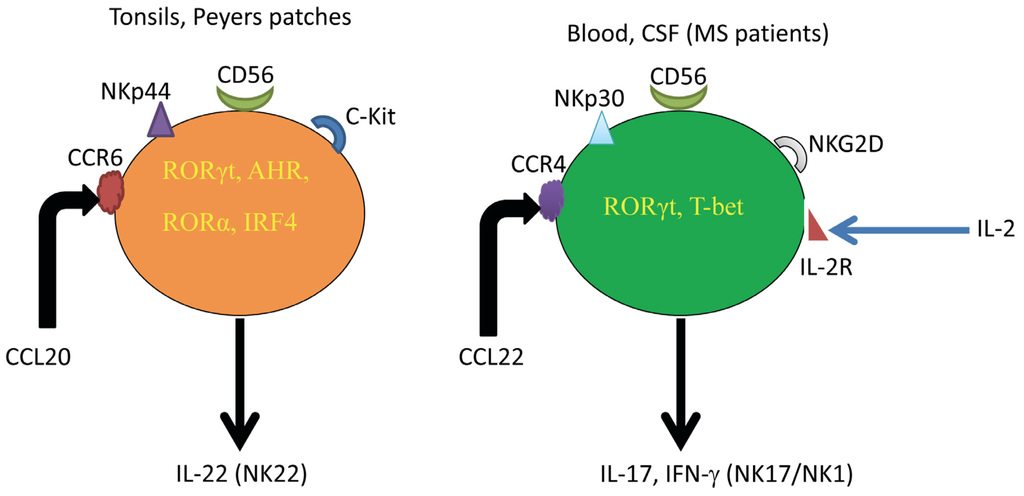
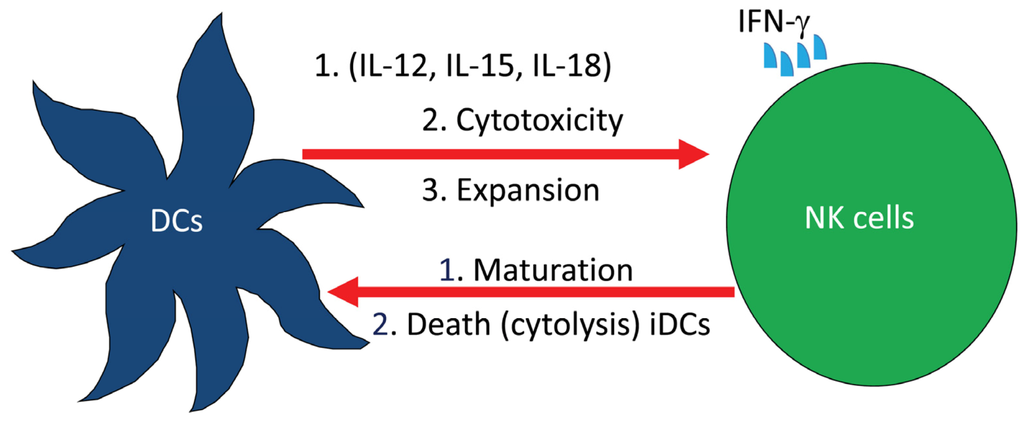
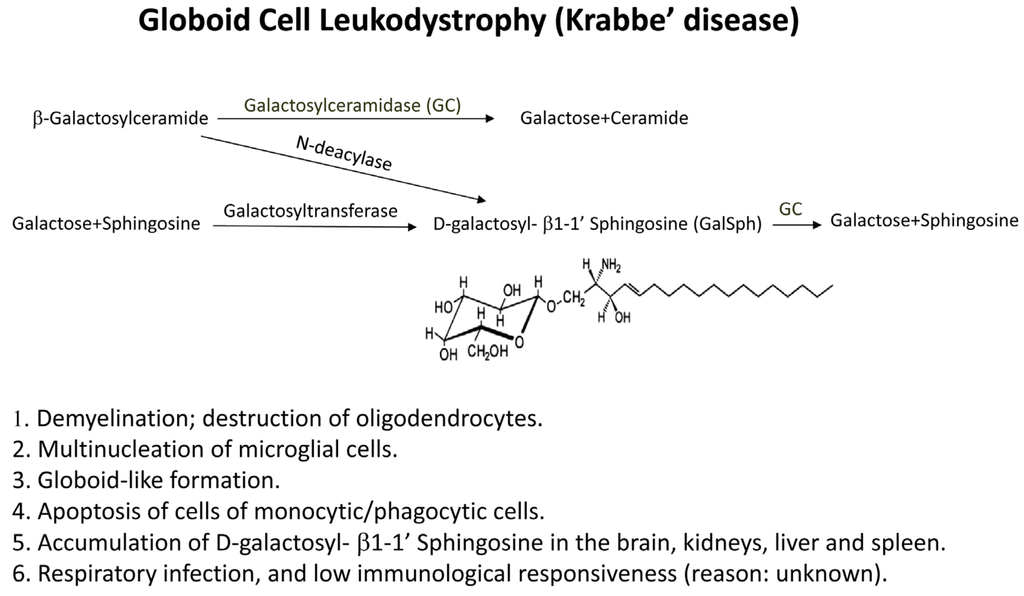
Abstract: Natural killer (NK) cells exert important immunoregulatory functions by releasing several inflammatory molecules, such as IFN-γ and members of chemokines, which include CCL3/MIP-1α and CCL4/MIP-1β. These cells also express heptahelical receptors, which are coupled to heterotrimeric G proteins that guide them into inflamed and injured tissues. NK cells have been shown to recognize and destroy transformed cells and virally-infected cells, but their roles in neurodegenerative diseases have not been examined in detail. In this review, I will summarize the effects of NK cells in two neurodegenerative diseases, namely multiple sclerosis and globoid cell leukodystrophy. It is hoped that the knowledge obtained from these diseases may facilitate building rational protocols for treating these and other neurodegenerative or autoimmune diseases using NK cells and drugs that activate them as therapeutic tools.
|
|
Received: 11 March 2013; in revised form: 1 April 2013 / Accepted: 7 April 2013 / Published: 17 April 2013
Show/Hide Abstract
| Download PDF Full-text (192 KB) | Download XML Full-text
Abstract: The snake venom, rhodocytin, from the Malayan viper, Calloselasma rhodostoma, and the endogenous podoplanin are identified as ligands for the C-type lectin-like receptor 2 (CLEC-2). The snakebites caused by Calloselasma rhodostoma cause a local reaction with swelling, bleeding and eventually necrosis, together with a systemic effect on blood coagulation with distant bleedings that can occur in many different organs. This clinical picture suggests that toxins in the venom have effects on endothelial cells and vessel permeability, extravasation and, possibly, activation of immunocompetent cells, as well as effects on platelets and the coagulation cascade. Based on the available biological studies, it seems likely that ligation of CLEC-2 contributes to local extravasation, inflammation and, possibly, local necrosis, due to microthrombi and ischemia, whereas other toxins may be more important for the distant hemorrhagic complications. However, the venom contains several toxins and both local, as well as distant, symptoms are probably complex reactions that cannot be explained by the effects of rhodocytin and CLEC-2 alone. The in vivo reactions to rhodocytin are thus examples of toxin-induced crosstalk between coagulation (platelets), endothelium and inflammation (immunocompetent cells). Very few studies have addressed this crosstalk as a part of the pathogenesis behind local and systemic reactions to Calloselasma rhodostoma bites. The author suggests that detailed biological studies based on an up-to-date methodology of local and systemic reactions to Calloselasma rhodostoma bites should be used as a hypothesis-generating basis for future functional studies of the CLEC-2 receptor. It will not be possible to study the effects of purified toxins in humans, but the development of animal models (e.g., cutaneous injections of rhodocytin to mimic snakebites) would supplement studies in humans.
|
Last update: 23 January 2013