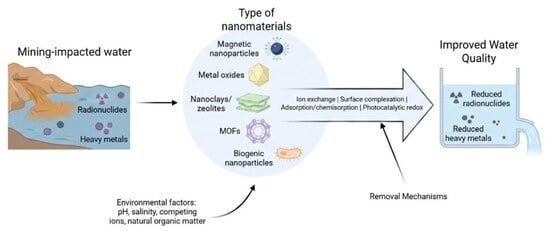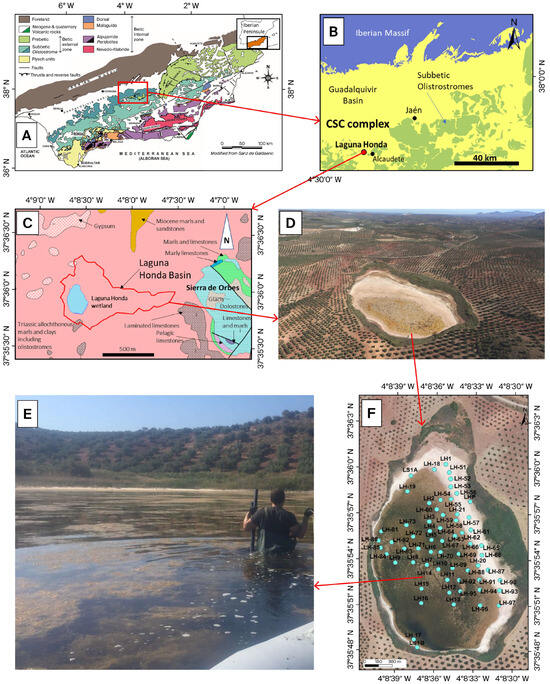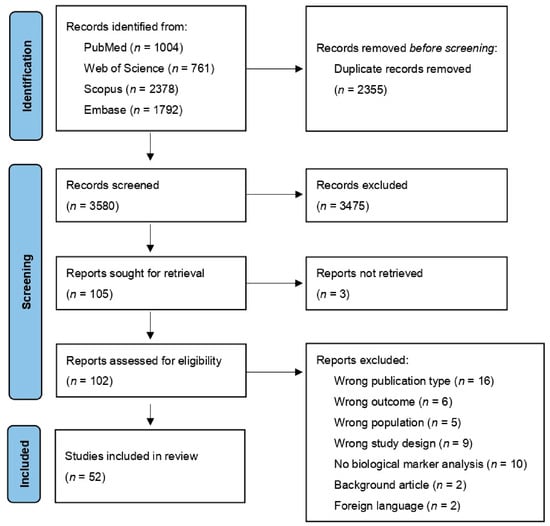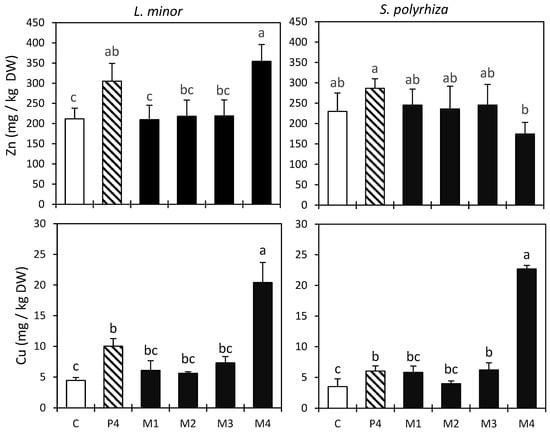




-
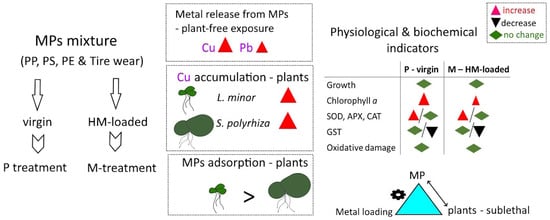
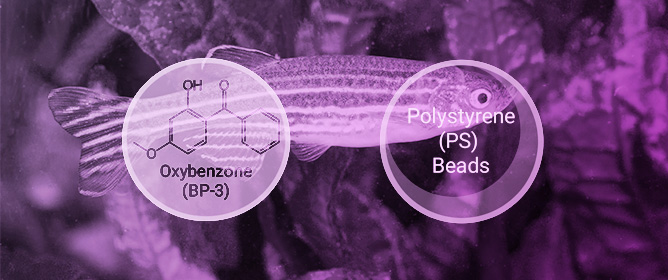
Sorption of Oxybenzone onto Polystyrene Microplastics Influences Bioavailability and Early-Life Development in Zebrafish (Danio rerio) -
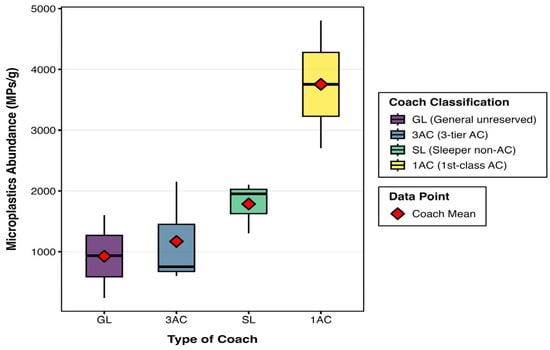
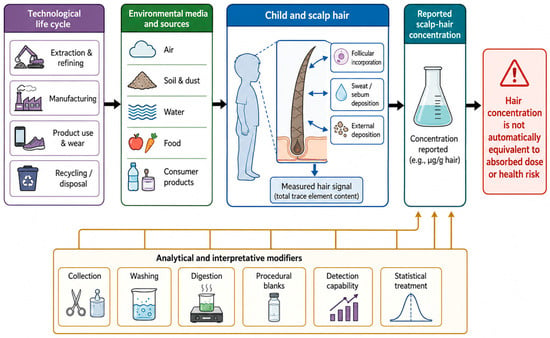
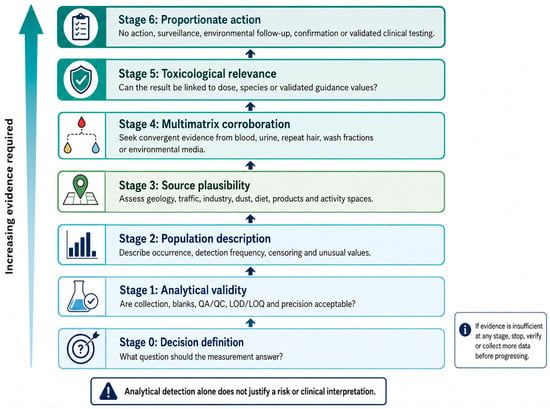
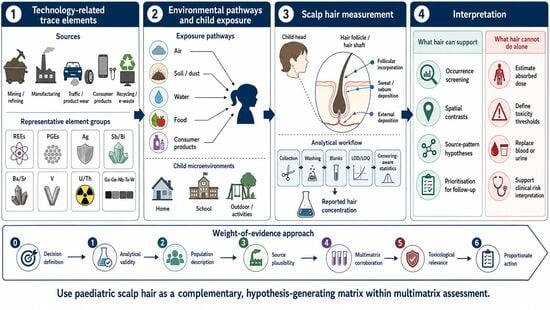
Ba–Sr–V as Geogenic and Traffic Tracers in Paediatric Hair from Urban–Industrial Spain, with Co-Located Topsoil Vanadium -
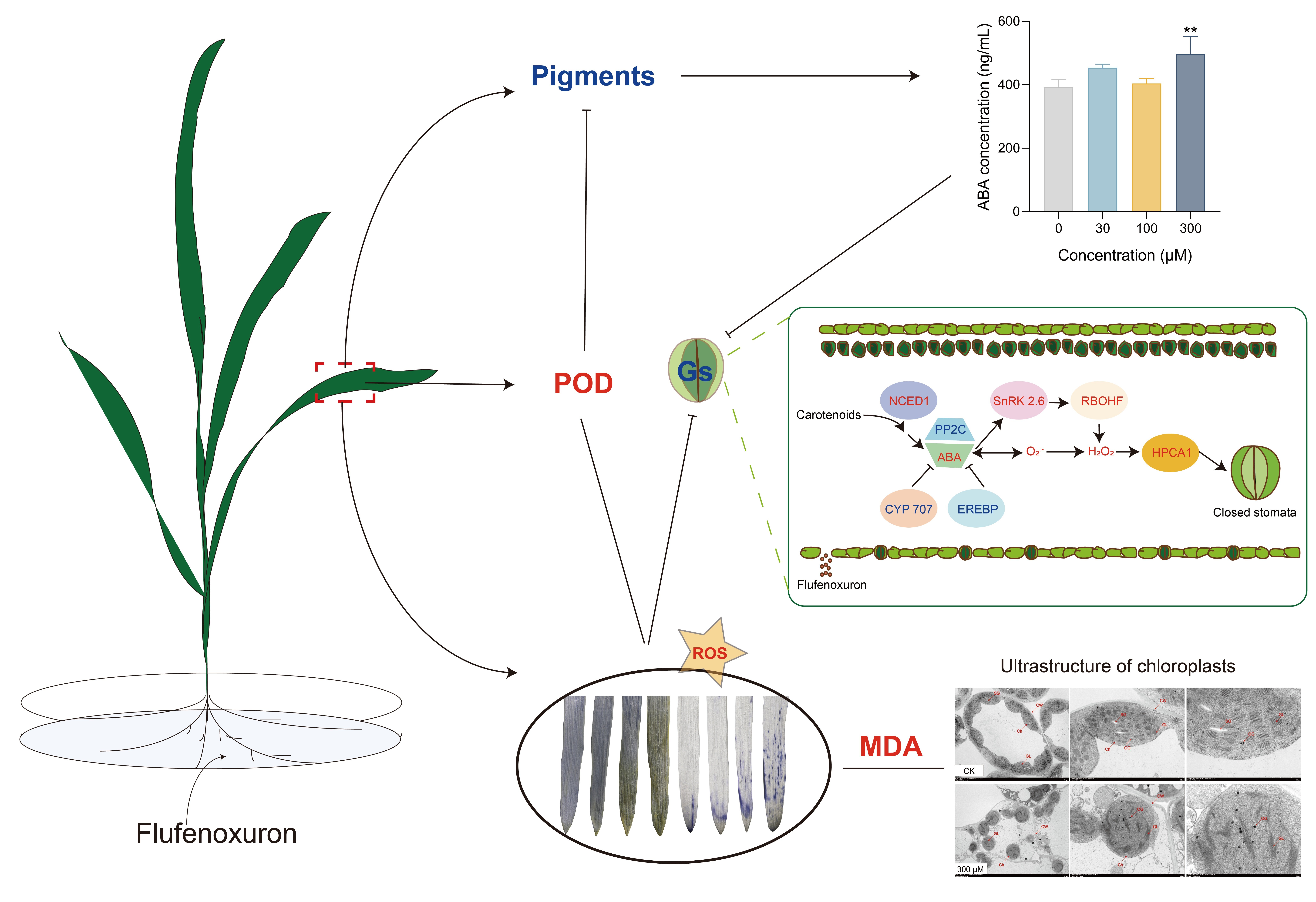
Beyond Blast Injury: Occupational Hygiene, Safety, and Toxicology Considerations for Mixed-Metal and Energetic-Chemical Exposures to Explosive Ordnance Disposal Personnel
Journal Description
Toxics
Toxics
is an international, peer-reviewed, open access journal on all aspects of the toxic chemicals and materials, published monthly online by MDPI.
- Open Access— free for readers, with article processing charges (APC) paid by authors or their institutions.
- High Visibility: indexed within Scopus, SCIE (Web of Science), PubMed, PMC, Embase, CAPlus / SciFinder, AGRIS, and other databases.
- Journal Rank: JCR - Q1 (Toxicology) / CiteScore - Q1 (Chemical Health and Safety)
- Rapid Publication: manuscripts are peer-reviewed and a first decision is provided to authors approximately 17 days after submission; acceptance to publication is undertaken in 2.6 days (median values for papers published in this journal in the first half of 2026).
- Recognition of Reviewers: reviewers who provide timely, thorough peer-review reports receive vouchers entitling them to a discount on the APC of their next publication in any MDPI journal, in appreciation of the work done.
- Journal Cluster of Environmental Science: Sustainability, Land, Clean Technologies, Environments, Nitrogen, Recycling, Urban Science, Safety, Air, Waste, Aerobiology, Toxics, Pollutants, The Journal of Xenobiotics, Journal of Parks, Green and Environmental Remediation.
Impact Factor:
4.9 (2025);
5-Year Impact Factor:
5.3 (2025)
Latest Articles
Effects of Arsenic and Mercury Exposure on Thyroid Dysfunction: An Evidence-Based Risk Assessment Using the TRAEC Strategy
Toxics 2026, 14(9), 795; https://doi.org/10.3390/toxics14090795 - 8 Sep 2026
Abstract
►
Show Figures
Thyroid homeostasis is essential for human health, and arsenic (As) and mercury (Hg) have drawn considerable attention due to their bioaccumulation and potential health risks. However, evidence on their thyroid-disrupting effects remains inconsistent and largely derived from cross-sectional studies, hindering causal inference and
[...] Read more.
Thyroid homeostasis is essential for human health, and arsenic (As) and mercury (Hg) have drawn considerable attention due to their bioaccumulation and potential health risks. However, evidence on their thyroid-disrupting effects remains inconsistent and largely derived from cross-sectional studies, hindering causal inference and risk integration. Here, a meta-analysis was first conducted, which confirmed that both As (Cohen’s d = 0.45, 95% CI: 0.10, 0.81) and Hg (Cohen’s d = 0.40, 95% CI: 0.16, 0.65) exposure were associated with an increased risk of thyroid dysfunction. To further clarify temporality, we analyzed prospective cohort data from 800 adult women in Jiangsu, China. Results showed that As exposure was linearly and positively associated with free thyroxine (FT4) (β = 0.19, 95% CI: 0.01, 0.37), while Hg showed an inverted U-shaped dose–response relationship with FT4 levels. Based on the above epidemiological evidence, we further integrated in vivo and in vitro evidence from published related literature, applied the Targeted Risk Assessment for Environmental Chemicals (TRAEC, ver.1.1) strategy, and obtained final scores of 7.79 for As and 7.09 for Hg (out of 10), indicating a moderate level of thyroid-related health risk. Collectively, these findings suggest that As and Hg exposure may disturb thyroid function, supporting the need for targeted mitigation and further mechanistic research.
Full article
Open AccessArticle
A Predictive Model for the Migration and Bioaccumulation of Residual Malachite Green in Aquaculture Sediments: Simulation and Validation
by
Shengnan Zhang, Xizhuang Zhu, Xi Chen, Liping Qiu, Shunlong Meng, Xingxing Fang and Chao Song
Toxics 2026, 14(9), 794; https://doi.org/10.3390/toxics14090794 - 7 Sep 2026
Abstract
Aquatic product safety is closely linked to human health, yet the effects of historical residual drugs in aquaculture pond sediment remain unclear. Malachite green (MG), a prohibited aquaculture drug, is rapidly converted to leucomalachite green (LMG) after illegal use and may persist in
[...] Read more.
Aquatic product safety is closely linked to human health, yet the effects of historical residual drugs in aquaculture pond sediment remain unclear. Malachite green (MG), a prohibited aquaculture drug, is rapidly converted to leucomalachite green (LMG) after illegal use and may persist in bottom sediment, raising the question of whether residue-positive sediment can cause positive detections in fish at harvest. In order to answer this question, we developed a time-dependent predictive model for the sediment–water–fish system based on a food web bioaccumulation model and a sediment–water equilibrium model. The model examines the relationship between historical MG residues in sediment and positive detections in aquatic products, and estimates LMG residue levels in fish at harvest. The reliability of this model was further validated through comparison with measured data. The results showed that when the sediment residue concentration was 227.48 μg/kg, the maximum LMG concentration in fish during the culture period reached 0.56 μg/kg, indicating a positive correlation with fish concentration. The closer the habitat water layer was to the sediment, the higher the risk of positive detection in fish; in the middle water layer, the LMG concentration in fish could reach 0.28 μg/kg, and, under ideal conditions, a two-fold relationship existed between the middle and lower water layers. Sediment organic carbon content determined the amount of LMG released into the water; when it was set to 0.0035, the initial LMG concentration in water was 0.07 μg/kg, showing a negative correlation with fish concentration. This study confirmed that a certain amount of residual malachite green in sediment could cause positive detection in mandarin fish during the culture period, which is consistent with the validation experiment. If the model predicted no positive detection at the pollutant concentration corresponding to the sediment of the positive detection pond, this would indicate that malachite green originated from other sources during the culture process; otherwise, the sediment may lead to the risk of positive detection in fish. One limitation of the model is that it may underestimate pollutant concentrations in fish during the early stages of aquaculture. In addition, its ability to predict the effects of combined pollutant exposure remains to be validated. The model developed here can be used to estimate residue levels of aquaculture drugs during the culture period and may provide regulatory authorities with a basis for distinguishing historical residues from illicit use, thereby improving the efficiency of aquatic product quality and safety supervision.
Full article
(This article belongs to the Special Issue Emerging Contaminants: From Environmental Fate and Ecotoxicology to Bioaccumulation)
►▼
Show Figures

Graphical abstract
Open AccessReview
Heavy Metal–Induced Hepatic Inflammation: Mechanistic Pathways, Epidemiological Evidence, and the Emerging but Unvalidated Role of Plant-Based Dietary Strategies
by
Jonah Bawa Adokwe, Phisit Pouyfung, Noriyoshi Ogino, Wantanasak Suksong, Supabhorn Yimthiang, Udomratana Vattanasit, Muttika Yongpraderm, Nuttapong Laemun, Yasuko Iwakiri and Tanaporn Khamphaya
Toxics 2026, 14(9), 793; https://doi.org/10.3390/toxics14090793 - 7 Sep 2026
Abstract
Background: Chronic exposure to cadmium (Cd), lead (Pb), and mercury (Hg) has been associated with hepatic inflammation and metabolic liver dysfunction in experimental and epidemiological studies. Experimental evidence indicates that these metals can disrupt redox homeostasis, impair mitochondrial function, suppress nuclear factor erythroid
[...] Read more.
Background: Chronic exposure to cadmium (Cd), lead (Pb), and mercury (Hg) has been associated with hepatic inflammation and metabolic liver dysfunction in experimental and epidemiological studies. Experimental evidence indicates that these metals can disrupt redox homeostasis, impair mitochondrial function, suppress nuclear factor erythroid 2-related factor 2 (Nrf2)-dependent antioxidant responses, and activate inflammatory signaling pathways, with potential relevance to metabolic dysfunction-associated steatotic liver disease (MASLD) and hepatocellular carcinoma (HCC). Methods: PubMed/MEDLINE, Scopus, Web of Science, and the Cochrane Library were searched for peer-reviewed English-language literature published from January 2000 to March 2026. Epidemiological, experimental, and interventional studies linking Cd, Pb, or Hg exposure to hepatic outcomes, as well as potentially relevant plant-derived bioactive compounds, were considered. Results: Human studies report associations between metal exposure and hepatic outcomes, although the evidence is largely observational and affected by important confounders. Polyphenols, flavonoids, alkaloids, and terpenoids show antioxidant, anti-inflammatory, and metal-chelating effects predominantly in vitro and in animal models, with limited clinical validation. Conclusions: Current evidence supports the liver as a potentially important target of chronic metal exposure; however, the available human evidence remains largely observational and does not establish causality. The hepatoprotective effects of plant-derived compounds remain predominantly preclinical and require validation in human populations. Future longitudinal and interventional studies should incorporate exposure assessment and appropriate control of confounding before clinical or dietary recommendations can be established.
Full article
(This article belongs to the Special Issue Environmental Contamination by Toxic Metals and Metalloids, Exposure Limits, and Toxicity Thresholds)
►▼
Show Figures

Graphical abstract
Open AccessReview
Emerging PFAS: Current Concerns, Remediation, and Future Perspectives
by
Ryuichi Mashima
Toxics 2026, 14(9), 792; https://doi.org/10.3390/toxics14090792 - 7 Sep 2026
Abstract
►▼
Show Figures
Emerging per- and polyfluoroalkyl substances (PFAS) constitute the most currently available PFAS used across many applications, such as aqueous film-forming foam, textiles, food contact materials, chromium plating, semiconductor production, and fluoropolymer producing aids. Since the Stockholm convention, legacy PFAS has been successfully replaced
[...] Read more.
Emerging per- and polyfluoroalkyl substances (PFAS) constitute the most currently available PFAS used across many applications, such as aqueous film-forming foam, textiles, food contact materials, chromium plating, semiconductor production, and fluoropolymer producing aids. Since the Stockholm convention, legacy PFAS has been successfully replaced to emerging PFAS. In addition, emerging PFAS can be generated from industrial mitigation process of legacy PFAS, inadvertently from previously emitted fluorocarbons by photooxidation, and is generated for new application such as lithium battery electrolyte. This review first defines emerging PFAS in this manuscript followed by overviewing of their production and mitigation process based on recent advances in technology.
Full article

Figure 1
Open AccessArticle
Comparison of Herbicide Responses Between Root Re-Growth in Lemna aequinoctialis and Root Development During Turion Germination in Spirodela polyrhiza
by
Hojun Lee, Taejun Han and Jihae Park
Toxics 2026, 14(9), 791; https://doi.org/10.3390/toxics14090791 - 7 Sep 2026
Abstract
Root length is increasingly used as a rapid endpoint in duckweed ecotoxicology, yet biologically distinct assays are often treated as equivalent. Two 72 h root-length tests are now in use: root re-growth after excision in mature Lemna aequinoctialis fronds, and root development during
[...] Read more.
Root length is increasingly used as a rapid endpoint in duckweed ecotoxicology, yet biologically distinct assays are often treated as equivalent. Two 72 h root-length tests are now in use: root re-growth after excision in mature Lemna aequinoctialis fronds, and root development during germination of rootless Spirodela polyrhiza turions exposed directly to the test solution. Both begin from zero initial root length, but for different biological reasons. We asked whether they produce comparable herbicide responses. Thirteen herbicides were drawn from a screening campaign in which both assays were run under matched exposure conditions. Nine compounds returned quantified EC50 estimates (with the L. aequinoctialis coefficient of variation below 40%) and formed the primary comparison. EC50 ratios (S. polyrhiza/L. aequinoctialis) ranged from 0.75 to 430 (median 2.76). Five compounds agreed within about three-fold, whereas four compounds spanning several target-site classes diverged by 74- to 430-fold, and potency rankings were not significantly correlated (Spearman ρ = 0.43, p = 0.24). For the common reference toxicant, the two assays differed by only about two-fold, and in the opposite direction; comparable reference-toxicant performance therefore did not predict comparable herbicide responses. The two assays should not be treated as interchangeable root-length tests. However, they differ not only in the biological origin of the measured root but also in species and developmental starting condition, and the present design cannot separate these factors; the observed differences therefore demonstrate assay-level non-equivalence without identifying its biological cause.
Full article
(This article belongs to the Section Ecotoxicology)
►▼
Show Figures

Graphical abstract
Open AccessSystematic Review
Environmental Contaminants and Osteoporosis-Related Outcomes: A Systematic Review and Meta-Analysis
by
Francesco Leonforte, Vito Nicosia, Gianluca Testa, Marco Sapienza, Fabrizio Mattu, Alessia Caldaci, Tommaso Filippini, Vito Pavone and Antonio Mistretta
Toxics 2026, 14(9), 790; https://doi.org/10.3390/toxics14090790 - 7 Sep 2026
Abstract
Environmental contaminants (ECs) may impair skeletal health through endocrine disruption, oxidative stress, inflammation, and altered mineral homeostasis. This systematic review and meta-analysis evaluated the associations between EC exposure and osteoporosis-related outcomes in adults. PubMed/MEDLINE, Scopus, and Web of Science were searched in April
[...] Read more.
Environmental contaminants (ECs) may impair skeletal health through endocrine disruption, oxidative stress, inflammation, and altered mineral homeostasis. This systematic review and meta-analysis evaluated the associations between EC exposure and osteoporosis-related outcomes in adults. PubMed/MEDLINE, Scopus, and Web of Science were searched in April 2026 for English-language studies published from 2016 onward. Study selection followed PRISMA guidelines, while methodological quality was evaluated using the Joanna Briggs Institute (JBI) checklist and Newcastle–Ottawa Scale (NOS). Evaluated contaminant classes encompassed ambient air pollution (PM2.5, PM10, PM1, NO2, NOx, SO2, CO, O3), per- and polyfluoroalkyl substances (PFAS), heavy metals and trace elements (e.g., cadmium, lead), pesticides, polycyclic aromatic hydrocarbons (PAHs), phthalates, volatile organic compounds (VOCs), persistent organic pollutants (POPs, dioxins, PCBs), brominated flame retardants (BFRs), and water disinfection by-products. Random-effects meta-analyses using restricted maximum likelihood estimation were conducted when at least 3 studies were available. Forty-eight studies involving 4,510,868 participants were included. Air contaminants showed the most consistent associations with reduced bone mineral density (BMD) and osteoporosis, followed by selected PFAS and cadmium exposures. Evidence for pesticides, PAHs, phthalates, volatile organic compounds VOCs, POPs, flame retardants, and water disinfection by-products was less consistent. PM2.5 exposure was associated with increased osteoporosis risk (OR = 1.24, 95% CI: 1.02–1.51), and to a lesser extend also PM10 (OR = 1.17, 95% CI: 0.96–1.42). The analyses showed extreme heterogeneity and sensitivity to influential studies. ECs, particularly fine particulate matter, may contribute to skeletal deterioration, although the findings require cautious interpretation. PROSPERO ID: CRD420261460078.
Full article
(This article belongs to the Special Issue Emerging Contaminants in a Changing World: Implications for Human Health)
►▼
Show Figures

Graphical abstract
Open AccessArticle
An A549 Cell-Based Approach Using Repeated Fluorescence Readouts for Assessing Reactive Oxygen Species Activity of Atmospheric Particulate Matter
by
Ioanna Tzagkaroulaki, Evangelia Diapouli, Vasiliki Vasilatou, Stefanos Papagiannis and Efthimios Tagaris
Toxics 2026, 14(9), 789; https://doi.org/10.3390/toxics14090789 - 7 Sep 2026
Abstract
Exposure to atmospheric particulate matter (PM) is a major public-health concern, in part because PM can perturb cellular redox homeostasis. This study evaluates an in vitro A549/DCFH-DA approach using repeated fluorescence readouts to assess PM2.5-induced oxidative activity. Untreated and assay-specific controls were combined
[...] Read more.
Exposure to atmospheric particulate matter (PM) is a major public-health concern, in part because PM can perturb cellular redox homeostasis. This study evaluates an in vitro A549/DCFH-DA approach using repeated fluorescence readouts to assess PM2.5-induced oxidative activity. Untreated and assay-specific controls were combined with zymosan and NIST Standard Reference Material® 2584 suspended in PBS, and fluorescence was monitored at multiple readout times over a 15 min–6 h window. Method performance was characterized using the coefficient of variation (CV) and signal-to-noise ratio (SNR). A dedicated three-concentration SRM 2584 series (0.02, 0.05 and 0.10 mg mL−1) further showed readout-dependent concentration behaviour: at 60 min the untreated-control-corrected mean response increased across the tested concentrations and followed an approximate descriptive linear trend (R2 = 0.90), whereas earlier readouts were non-monotonic. Substrate-related effects were examined using paired PTFE and quartz filters. Among the eight matched PTFE–quartz pairs included in the regression analysis, zero-intercept fits showed slopes close to unity for both mass- and air-volume-normalized responses (0.90 and 0.99, respectively; R2 ≈ 0.99), demonstrating strong proportional agreement within this comparison set; the limited number of pairs does not support universal substrate interchangeability. Application to chemically characterized field PM2.5 samples from an urban-background site and a high-altitude site showed that DCFH-DA fluorescence did not track PM mass alone and is interpreted in terms of exploratory associations with particle composition, rather than causal effects of individual constituents. Taken together, these findings support the use of the method-performance-characterized workflow for assessing oxidative responses to field-collected PM2.5 across multiple readout times and for investigating their associations with particle chemical characteristics.
Full article
(This article belongs to the Special Issue Atmospheric Aerosols and Human Health)
►▼
Show Figures

Graphical abstract
Open AccessArticle
Occupational Organophosphorus Pesticide Exposure and Metabolic Syndrome: Implications of PPARγ
by
Samar Sakr, Mai M. Eldaly, Raghda Ali Elshamy, Noura Almadani, Hanaa A. Nofal, Sherif Attia Hammad, Mamdouh Eldesoqui and Wafaa Ibrahim Soliman
Toxics 2026, 14(9), 788; https://doi.org/10.3390/toxics14090788 - 6 Sep 2026
Abstract
Organophosphorus pesticides (OPPs) are widely used and have recently been linked to metabolic syndrome (MS). This study aimed to investigate the probable association between chronic OPP exposure and MS among farm workers in Sharkia Governorate, Egypt, and to assess the potential role of
[...] Read more.
Organophosphorus pesticides (OPPs) are widely used and have recently been linked to metabolic syndrome (MS). This study aimed to investigate the probable association between chronic OPP exposure and MS among farm workers in Sharkia Governorate, Egypt, and to assess the potential role of peroxisome proliferator-activated receptor gamma (PPARγ). This comparative cross-sectional study included 140 participants, equally divided into OPP-exposed farm workers and non-exposed subjects. OPP exposure was confirmed by detecting plasma residues and cholinesterase activity. MS was diagnosed by assessing body mass index (BMI), waist circumference (WC), blood pressure, plasma glucose, serum insulin, and lipid parameters. Oxidative and inflammatory markers, including malondialdehyde (MDA), gamma-glutamyl transferase (GGT), ferritin, superoxide dismutase (SOD), tumor necrosis factor-alpha (TNF-α), and high-sensitivity C-reactive protein (hs-CRP), were measured. The mRNA expression of the PPARγ and paraoxonase 1 (PON1) genes was also investigated. In total, 60% of farm workers demonstrated MS, compared with 10% of non-exposed participants. Workers exhibited elevated oxidative and inflammatory indices and reduced PPARγ and PON1 expression. PPARγ positively correlated with high-density lipoprotein (HDL), SOD, and PON1, while negatively correlating with glucose, insulin resistance (IR), low-density lipoprotein (LDL), triglycerides (TGs), MDA, GGT, ferritin, TNF-α, and hs-CRP. The study concluded that chronic OPP exposure was associated with increased oxidative stress and inflammation, reduced PPARγ and PON1 expression, disturbed glucose and lipid metabolism, and increased IR. The observed associations between PPARγ downregulation, metabolic disturbances, and oxidative and inflammatory markers suggest that PPARγ dysregulation may represent a potential mechanistic link between chronic OPP exposure and MS. However, this proposed mechanism requires further validation.
Full article
(This article belongs to the Section Human Toxicology and Epidemiology)
►▼
Show Figures

Graphical abstract
Open AccessArticle
Biochar Regulates Contrasting Pb2+ and Cd2+ Transport Regimes Through Water-Dependent Partitioning Transitions Under Unsaturated Conditions
by
Xin Tan, Yilan Li, Lina Xu, Jing Tian, Jiaqi Tan, Jiuli Ruan and Yang He
Toxics 2026, 14(9), 787; https://doi.org/10.3390/toxics14090787 - 5 Sep 2026
Abstract
Biochar has been widely applied for immobilization of potentially toxic elements (PTEs) in contaminated soils; however, its effects on metal transport under transient unsaturated conditions remain insufficiently understood. This study investigated the adsorption, desorption, and transport behavior of Pb2+ and Cd2+
[...] Read more.
Biochar has been widely applied for immobilization of potentially toxic elements (PTEs) in contaminated soils; however, its effects on metal transport under transient unsaturated conditions remain insufficiently understood. This study investigated the adsorption, desorption, and transport behavior of Pb2+ and Cd2+ in biochar-amended soils by combining batch experiments, unsaturated conditions column experiments, and transport modeling. The adsorption kinetics, isotherms, and desorption characteristics of Pb2+ and Cd2+ were evaluated under different biochar levels, and their redistribution during unsaturated infiltration was further analyzed using soil–water-dependent models. Biochar increased the apparent adsorption capacity of both metals, with a stronger response observed for Pb2+ than Cd2+. The Elovich and two-constant models provided better statistical descriptions of adsorption kinetics than the pseudo-second-order model, indicating that adsorption rate behavior involved heterogeneous and multi-rate processes. Freundlich fitting showed that Pb2+ and Cd2+ exhibited non-ideal adsorption behavior, while desorption experiments demonstrated a stronger reduction in apparent Pb2+ release compared with Cd2+ under biochar. Under transient unsaturated infiltration, Pb2+ and Cd2+ exhibited distinct transport patterns. Pb2+ redistribution was adequately described by a linear partitioning relationship, with R2 values ranging from 0.988 to 0.990, indicating relatively stable solid–liquid partitioning within the tested conditions. In contrast, Cd2+ showed stronger dependence on soil–water conditions, and an empirical nonlinear water-dependent model improved model performance, increasing R2 values from 0.533–0.652 for the linear model to 0.903–0.973. The results suggest that biochar effects on potentially toxic element migration under unsaturated conditions are element-specific, involving both apparent sorption enhancement and water-dependent redistribution processes. This study highlights that biochar performance in potentially toxic elements remediation should not be evaluated solely based on equilibrium adsorption capacity. Under field-relevant unsaturated conditions, amendment effectiveness may also depend on interactions between metal-specific retention behavior and soil hydraulic variability. Further studies integrating structural characterization, long-term aging, and reactive transport modeling are required to validate these processes under heterogeneous field conditions.
Full article
(This article belongs to the Section Metals and Radioactive Substances)
►▼
Show Figures

Figure 1
Open AccessArticle
Removal of SARS-CoV-2 Antivirals from Aqueous Media Using Bioaugmented Activated Sludge
by
Dora Lastovčić, Ivona Zirn, Tijana Jezerčić, Kristina Bule Možar, Luka Večenaj, Matija Cvetnić, Marinko Markić, Marin Ganjto, Tomislav Bolanča and Dajana Kučić Grgić
Toxics 2026, 14(9), 786; https://doi.org/10.3390/toxics14090786 - 5 Sep 2026
Abstract
This study investigated the removal of SARS-CoV-2 antivirals substances (SASs) in wastewater treatment systems through kinetic analysis and response surface modeling based on a full factorial experimental design (33). Quadratic models best described the removal of most SASs, revealing nonlinear interactions
[...] Read more.
This study investigated the removal of SARS-CoV-2 antivirals substances (SASs) in wastewater treatment systems through kinetic analysis and response surface modeling based on a full factorial experimental design (33). Quadratic models best described the removal of most SASs, revealing nonlinear interactions among experimental factors and identifying the SASs mixture ratio as the key determinant of removal efficiency. Based on their removal behavior, the investigated SASs were classified into three groups: reversible adsorption (FAV, REM), enhanced bioavailability (DCV, DRV) and irreversible adsorption (LOP, RIT). LOP and RIT exhibited the highest adsorption affinities and formed the initial layer on activated sludge, whereas the limited removal of DRV and FAV reduced the overall treatment efficiency. The increased bacterial Colony-Forming Unit (CFU) suggests enhanced microbial activity, which may have promoted extracellular polymeric substance (EPS) production, contributing to reduced toxicity toward Aliivibrio fischeri. Finally, integrating RSM-derived polynomial models with artificial intelligence offers a promising approach for predicting and optimizing the removal of SARS-CoV-2 antivirals in conventional wastewater treatment plants.
Full article
(This article belongs to the Topic Environment Ecotoxicology and Bioremediation: From Biological Solutions to High-Value Products)
►▼
Show Figures

Graphical abstract
Open AccessArticle
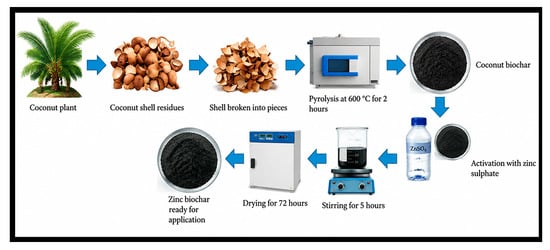
Thiol-Functionalized Magnetic Biochar-Mediated Matrix Cleanup and Selective Enrichment for Trace-Level Rapid Determination of Cadmium in Environmental Water and Aquatic Products
by
Lei Zhu, Xizhuang Zhu, Zhuping Liu, Longxiang Fang, Liping Qiu, Shunlong Meng and Chao Song
Toxics 2026, 14(9), 785; https://doi.org/10.3390/toxics14090785 - 5 Sep 2026
Abstract
Efficient enrichment and rapid determination of trace cadmium (Cd2+) in complex environmental and food matrices remain challenging because of severe matrix interference and insufficient sample pretreatment efficiency. Herein, a thiol-functionalized silica-coated magnetic biochar (MBC@SiO2–SH) was developed as a selective
[...] Read more.
Efficient enrichment and rapid determination of trace cadmium (Cd2+) in complex environmental and food matrices remain challenging because of severe matrix interference and insufficient sample pretreatment efficiency. Herein, a thiol-functionalized silica-coated magnetic biochar (MBC@SiO2–SH) was developed as a selective magnetic adsorbent and integrated with a homogeneous chemiluminescence immunoassay (CLIA) to establish an enrichment-assisted analytical strategy for trace Cd2+ determination in environmental water and aquatic products. Owing to its abundant thiol coordination sites, large specific surface area, and excellent magnetic responsiveness, MBC@SiO2–SH exhibited a high practical Cd2+ enrichment capacity (82.65 mg/g) under high-loading conditions, remarkable selectivity, and good reusability toward Cd2+. Adsorption kinetic, isotherm, thermodynamic, and X-ray photoelectron spectroscopy analyses revealed that Cd2+ uptake was predominantly governed by Cd–S coordination accompanied by physical adsorption. Under the optimized fixed-bed enrichment conditions, the proposed column achieved a preconcentration factor of approximately 40, enabling efficient matrix cleanup and selective enrichment prior to CLIA. The integrated method exhibited excellent analytical performance for both environmental water and aquatic products, with recoveries of 92.26–118.64% and 92.41–108%, respectively, and showed good agreement with ICP-MS. By coupling selective magnetic preconcentration with rapid homogeneous immunodetection, the proposed strategy provides a simple, sensitive, and efficient analytical platform for routine monitoring of trace Cd2+ and offers a generalizable framework for enrichment-assisted rapid analysis of trace contaminants in complex environmental and food matrices.
Full article
(This article belongs to the Special Issue Emerging Contaminants: From Environmental Fate and Ecotoxicology to Bioaccumulation)
Open AccessArticle
Saxitoxin-Equivalent Toxicity of Gymnodinium catenatum and Toxicity Equivalence Factors of GC Toxins Determined by the Neuro-2a Assay
by
Jeong-In Park, Jun Kim, Youngjin Kim, Young-Seok Han, Jung-Rae Rho, Yeonjung Lee, Dong Han Choi and Youn-Jung Kim
Toxics 2026, 14(9), 784; https://doi.org/10.3390/toxics14090784 - 4 Sep 2026
Abstract
►▼
Show Figures
Gymnodinium catenatum is a paralytic shellfish toxin (PST)-producing dinoflagellate that produces classical PSTs and hydroxybenzoate analogues known as GC toxins. Toxicological evaluation of GC toxins remains limited because certified reference materials (CRMs) and toxicity data are unavailable. This study applied the Neuro-2a (N2a)
[...] Read more.
Gymnodinium catenatum is a paralytic shellfish toxin (PST)-producing dinoflagellate that produces classical PSTs and hydroxybenzoate analogues known as GC toxins. Toxicological evaluation of GC toxins remains limited because certified reference materials (CRMs) and toxicity data are unavailable. This study applied the Neuro-2a (N2a) cell-based assay to evaluate PST functional toxicity in a Korean G. catenatum strain. The algal extract was analyzed by dose–response curve fitting to estimate total saxitoxin (STX)-equivalent toxicity, while GC1 & 2, GC3, and GC4 & 5, isolated from large-scale culture and structurally confirmed by NMR and LC-MRM-MS/MS, were evaluated to determine toxicity equivalence factors (TEFs). A clear sigmoidal curve yielded a functional toxicity of 3.7275 pg STX eq cell−1, and TEFs followed the order GC3 > GC4 & 5 > GC1 & 2, with potency gaps considerably larger than previously reported receptor-binding differences. These findings support the N2a assay as a complementary approach for PST analogues lacking CRMs and suggest that receptor-binding affinity alone does not fully predict cellular functional potency. Although the proposed TEFs, obtained from single assays per preparation, are preliminary and assay-specific, this study provides the first functional toxicity estimates for GC toxins, contributing to the toxicological characterization of novel PST analogues.
Full article

Graphical abstract
Open AccessOpinion
Towards Comparable Microplastic Data: Challenges and Priorities for Environmental Monitoring
by
Marco Parolini
Toxics 2026, 14(9), 783; https://doi.org/10.3390/toxics14090783 - 4 Sep 2026
Abstract
Microplastics (MPs) represent one of the main threats that ecosystems currently have to face. The effects of MPs on ecosystems are not fully understood also because the lack of standardized and harmonized procedures and protocols that allow us to accurately detect and quantify
[...] Read more.
Microplastics (MPs) represent one of the main threats that ecosystems currently have to face. The effects of MPs on ecosystems are not fully understood also because the lack of standardized and harmonized procedures and protocols that allow us to accurately detect and quantify levels of contamination and exposure. Inconsistencies in MP amounts occur because procedural, analytical, and reporting discrepancies notably undermine the comparability of results. This paper summarizes the sources of variability in MP data, appealing to the necessity of standardization and/or harmonization of procedural and analytical methods to avoid misleading comparisons and interpretations.
Full article
(This article belongs to the Section Ecotoxicology)
►▼
Show Figures

Figure 1
Open AccessArticle
Establishing Proposition 65 Safe Harbor Levels for Estragole and Methyleugenol in Cosmetics: A Mechanistic Read-Across from Safrole
by
Gabriela de Oliveira Prado Corrêa, Tugstênio Souza, Eduarda Naomi Nakano Conde, Andréia Ávila Soares Oliveira, Natália Albuquerque Vita, Carolina Motter Catarino and Andrezza di Pietro Micali Canavez
Toxics 2026, 14(9), 782; https://doi.org/10.3390/toxics14090782 - 4 Sep 2026
Abstract
California’s Proposition 65 requires warning labels for chemicals associated with carcinogenicity or reproductive toxicity, affecting global cosmetic and fragrance formulations. While safrole has an established safe harbor level (No Significant Risk Level, NSRL) of 3 µg/day, its structural analogues, estragole and methyleugenol, lack
[...] Read more.
California’s Proposition 65 requires warning labels for chemicals associated with carcinogenicity or reproductive toxicity, affecting global cosmetic and fragrance formulations. While safrole has an established safe harbor level (No Significant Risk Level, NSRL) of 3 µg/day, its structural analogues, estragole and methyleugenol, lack specific safe harbor thresholds. To address this data gap using non-animal methodologies, this study evaluated a Next-Generation Risk Assessment (NGRA) workflow combining read-across and in silico modeling. Structural, physicochemical, and skin-permeation profiling supported category homogeneity (Tanimoto Tc ≥ 0.82 and comparable log Kp values) in accordance with OECD and ECHA guidelines. Multi-platform QSAR consensus (ToxTree, Danish QSAR, and VEGA QSAR) indicated that while parent phenylpropenes lack direct bacterial mutagenicity, they share a hepatic bioactivation pathway leading to mammalian clastogenicity and carcinogenicity predictions. Molecular docking with human Cytochrome P450 1A2 (CYP1A2; PDB: 2H14) identified safrole as the category’s conservative toxicological benchmark, exhibiting the highest binding affinity (−8.026 kcal/mol) and closest proximity to the catalytic HEME iron. Consequently, applying safrole’s 3 µg/day NSRL to estragole and methyleugenol provides a quantitative threshold to evaluate consumer exposure in cosmetic products, ensuring public health protection and regulatory compliance.
Full article
(This article belongs to the Special Issue Using Computational Tools to Improve Chemical Safety and Public Health)
►▼
Show Figures

Graphical abstract
Open AccessArticle
Mathematical Model of Emergency Indoor Air Purification by Powder Aerosol
by
Olga Kudryashova and Alexander Vorozhtsov
Toxics 2026, 14(9), 781; https://doi.org/10.3390/toxics14090781 - 3 Sep 2026
Abstract
The rapid removal of fine contaminant particles (0.1–5 µm), including bioaerosols, from indoor air remains a critical challenge, particularly in emergency scenarios such as industrial accidents or biological incidents. This study develops a novel mathematical model that integrates the kinetic evolution of an
[...] Read more.
The rapid removal of fine contaminant particles (0.1–5 µm), including bioaerosols, from indoor air remains a critical challenge, particularly in emergency scenarios such as industrial accidents or biological incidents. This study develops a novel mathematical model that integrates the kinetic evolution of an impulse-sprayed powder aerosol (as an example, TiO2, particle size 5–10 µm) with contaminant-capture efficiency, accounting for Brownian diffusion, inertial impaction, interception, and electrostatic attraction. The model incorporates the triboelectric charge acquired by sorbent particles during pneumatic spraying. Parametric calculations demonstrate that for uncharged particles, capture efficiency in the Greenfield gap is low (η = 0.1–0.3). However, when sorbent particles carry an opposite charge to the contaminants, the efficiency increases to over 0.7, and the characteristic capture time becomes substantially shorter than the gravitational settling time. A model-based criterion for sorption completeness is derived, indicating that, under the specified assumptions, sorbent particles with diameters of 5–7 µm satisfy the criterion at concentrations of approximately 1–2 g/m3. The model provides a theoretical and parametric framework for estimating the required sorbent concentration, capture efficiency, and characteristic purification time under specified room and particle conditions. The results can support the preliminary design of rapidly deployable emergency air-cleaning systems.
Full article
(This article belongs to the Special Issue Advanced Mitigation Strategies for Air Pollutants: Innovative Technologies and Management Practices)
►▼
Show Figures

Graphical abstract
Open AccessReview
From Follicle Development to Fertilization: How PCBs and PFAS May Shape Female Reproductive Health
by
Md Hasanur Alam, Elise C. Barteld, Julia Tlapa, Monica Ridlon and Kimberly P. Keil Stietz
Toxics 2026, 14(9), 780; https://doi.org/10.3390/toxics14090780 - 3 Sep 2026
Abstract
Endocrine system hormones regulate growth, metabolism, and reproduction. These hormones often function at low concentrations, making them especially susceptible to disruption via endocrine-disrupting chemicals (EDCs) that can mimic, block, or disturb normal hormone signaling. Among these EDCs, polychlorinated biphenyls (PCBs) and per- and
[...] Read more.
Endocrine system hormones regulate growth, metabolism, and reproduction. These hormones often function at low concentrations, making them especially susceptible to disruption via endocrine-disrupting chemicals (EDCs) that can mimic, block, or disturb normal hormone signaling. Among these EDCs, polychlorinated biphenyls (PCBs) and per- and polyfluoroalkyl substances (PFAS) are of special concern for human health because they are persistent and bioaccumulate. In this review, we focus on effects of PCBs and PFAS on female reproduction, with emphasis on steroidogenesis, ovarian function, fertility, and assisted reproductive technology (ART) outcomes. We describe the chemical properties and exposure routes of PCBs and PFAS, and how these features explain their long half-lives and ability to transfer to the female reproductive system and fetus. Evidence suggests that both PCBs and PFAS can reduce follicle numbers, disturb oocyte quality, and increase oxidative stress and apoptosis. Human and animal data also link PCB and PFAS exposure with altered ART outcomes. Together, the literature indicates that persistent exposure to PCBs and PFAS poses a significant and long-lasting risk to female reproductive health.
Full article
(This article belongs to the Special Issue Reproductive Toxicity of Exposure to Endocrine Disruptors)
►▼
Show Figures

Graphical abstract
Open AccessReview
Algal Toxins, Food Safety, and Bioterrorism: A Food and Water Defense Perspective
by
Antonello Novelli, Maria Teresa Fernández-Sánchez, Ann M. Marini, Peter Pressman and Andrew Wallace Hayes
Toxics 2026, 14(9), 779; https://doi.org/10.3390/toxics14090779 - 31 Aug 2026
Abstract
Food defense encompasses both the prevention of accidental contamination and the protection of food and water systems against deliberate adulteration. Within this framework, algal toxins deserve greater attention because they occupy a critical intersection of water security, seafood and drinking-water safety, environmental change,
[...] Read more.
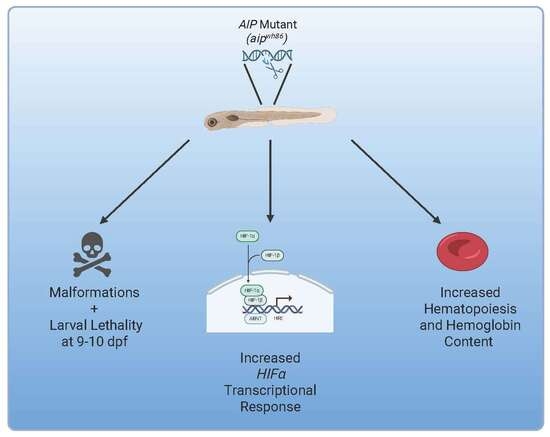
Food defense encompasses both the prevention of accidental contamination and the protection of food and water systems against deliberate adulteration. Within this framework, algal toxins deserve greater attention because they occupy a critical intersection of water security, seafood and drinking-water safety, environmental change, supply-chain continuity, and public health preparedness. The novelty of this review lies in reframing algal toxins from a primarily environmental, seafood safety, or clinical toxicology topic into an integrated food and water defense problem. This perspective brings together harmful algal bloom ecology, toxin toxicology, seafood safety, drinking-water protection, preparedness for intentional adulteration, climate change risk, surveillance, and emergency response. Algal toxins can enter the human supply chain through multiple marine and freshwater pathways, are often undetectable by taste, odor, or appearance, may resist routine preparation measures, and can generate high-consequence disruptions even when contamination begins locally. The analysis further shows that prevention depends largely on upstream measures—including environmental surveillance, harvest-area restrictions, source-water protection, testing, supply-chain controls, and rapid public communication—rather than on consumer behavior. Framed in the context of the U.S. Food and Drug Administration’s Intentional Adulteration Rule under the Food Safety Modernization Act, this paper situates algal toxins within a preventive defense model that integrates monitoring, vulnerability reduction, and emergency preparedness. Although most harmful algal bloom events are naturally occurring, algal toxins warrant attention in food-defense planning because they can contaminate seafood and drinking-water systems, complicate detection and attribution, and expose vulnerabilities across interconnected food and water infrastructures.
Full article
(This article belongs to the Section Human Toxicology and Epidemiology)
Open AccessArticle
Temporal Variability of Urinary Organophosphate Flame Retardant Metabolites Among E-Waste Workers in France: A Pilot Study to Inform Occupational Biomonitoring Sampling Design
by
Baninia Habchi, Guillaume Antoine, Aurélie Martin Remy, François Zimmermann, Marie-Thérèse Lecler, Williams Esteve, Claude Emond, Nathalie Grova and Sophie Ndaw
Toxics 2026, 14(9), 778; https://doi.org/10.3390/toxics14090778 - 31 Aug 2026
Abstract
Workers in the e-waste industry are exposed to chemical hazards, including organophosphate esters (OPEs) used as flame retardants (FRs). Assessing exposure through spot urine metabolite analysis is challenging due to limited knowledge of the toxicokinetics and urinary excretion patterns of OPEs. This pilot
[...] Read more.
Workers in the e-waste industry are exposed to chemical hazards, including organophosphate esters (OPEs) used as flame retardants (FRs). Assessing exposure through spot urine metabolite analysis is challenging due to limited knowledge of the toxicokinetics and urinary excretion patterns of OPEs. This pilot study investigates the temporal variability of seven organophosphate flame retardants (OPFRs) in urine samples from e-waste workers over five workdays to identify the most representative spot urine sample for accurately assessing occupational exposure. Six exposed workers provided urine samples from the first shift of the working week to the morning after the last workday. Seven metabolites, (bis(2-chloroethyl) phosphate (BCEP), diphenyl phosphate (DPHP), di-o-cresyl phosphate (DoCP), di-m-cresyl phosphate (DmCP), di-p-cresyl phosphate (DpCP), bis(1,3-dichloro-2-propyl) phosphate (BDCPP) and bis-(1-chloro-2-propyl) phosphate (BCPP)), were analyzed using liquid chromatography-mass spectrometry. DmCP + DpCP showed weekly increases and fair to good intraclass correlation coefficient (ICC), indicating moderate temporal variability across days. Conversely, DPHP and BCEP showed rapid decreases and lower ICC, suggesting higher intra-day variability. A grouping approach based on collection time and workday showed that the suitable spot urine is 2–5 h delayed post-shift for BCEP and DPHP, whereas the end of the workweek is the most appropriate time for DmCP + DpCP. This pilot study provides preliminary information on temporal variability to inform sampling design. This approach could be extended to a broader range of FRs, thereby enhancing the efficiency and accuracy of occupational biomonitoring.
Full article
(This article belongs to the Special Issue Human Exposure and Health Risk Assessment of Emerging Contaminants)
►▼
Show Figures

Graphical abstract
Open AccessPerspective
Accelerating Cosmetic Innovation Through Next-Generation Computational Toxicology: From Structural Alerts to Molecular Dynamics and Artificial Intelligence for Skin Sensitization Assessment
by
Thomas Enrique Quintero-Trujillo, Liseth Diaz-Rojas, Helen Andrade and Paola Alfonso-Romero
Toxics 2026, 14(9), 777; https://doi.org/10.3390/toxics14090777 - 31 Aug 2026
Abstract
Skin sensitization remains a critical toxicological endpoint in cosmetic ingredient development, particularly under accelerated innovation cycles and increasingly stringent safety requirements. Although NAMs have achieved substantial regulatory maturity for this endpoint, most computational approaches—including structural alerts, read-across, and quantitative structure–activity relationship models—rely predominantly
[...] Read more.
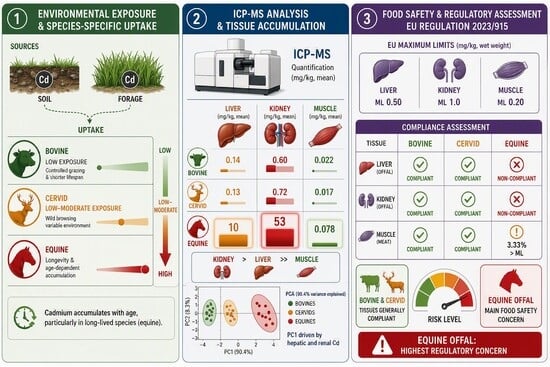
Skin sensitization remains a critical toxicological endpoint in cosmetic ingredient development, particularly under accelerated innovation cycles and increasingly stringent safety requirements. Although NAMs have achieved substantial regulatory maturity for this endpoint, most computational approaches—including structural alerts, read-across, and quantitative structure–activity relationship models—rely predominantly on chemical structure and statistical associations, with limited representation of the molecular processes underlying sensitization. This perspective proposes a transparent and testable computational framework that integrates conventional chemical descriptors, reaction-domain information, covalent docking, molecular dynamics simulations, and machine learning methods. The framework is organized around the skin sensitization adverse outcome pathway and focuses on generating mechanistically informed descriptors associated with the molecular initiating event and selected molecular processes related to keratinocyte activation. These descriptors include reactive geometry, residue accessibility, interaction persistence, conformational behavior, and perturbation hypotheses involving the KEAP1–NRF2 regulatory axis. Rather than replacing established experimental NAMs or DAs, the proposed workflow is intended as a complementary, tiered evidence layer for the early prioritization of structurally characterized cosmetic ingredients and for guiding subsequent experimental testing. Its future value will depend on module-level validation, demonstration of incremental predictive performance, explicit applicability-domain and uncertainty assessment, computational scalability, and prospective comparison with established NAM outcomes.
Full article
(This article belongs to the Special Issue Applicability of New Approach Methodologies (NAMs) to Skin Sensitization: Insights from Industry and Regulatory Perspectives)
►▼
Show Figures

Figure 1
Open AccessArticle
Unveiling the Molecular Mechanisms of Bisphenol-Induced Olfactory Toxicity in Zebrafish
by
Yaxuan Li, Jing Cao, Haoliang Jiang, Mei Hou, Xuefeng Hu, Liting Chen, Dan Li and Yongju Luo
Toxics 2026, 14(9), 776; https://doi.org/10.3390/toxics14090776 - 31 Aug 2026
Abstract
►▼
Show Figures
Bisphenol analogues, including bisphenol F (BPF) and bisphenol S (BPS), are increasingly used as alternatives to bisphenol A (BPA), yet their potential olfactory effects remain poorly understood. In this study, adult zebrafish (Danio rerio) were exposed to environmentally relevant concentrations (5
[...] Read more.
Bisphenol analogues, including bisphenol F (BPF) and bisphenol S (BPS), are increasingly used as alternatives to bisphenol A (BPA), yet their potential olfactory effects remain poorly understood. In this study, adult zebrafish (Danio rerio) were exposed to environmentally relevant concentrations (5 μg/L) of BPF and BPS for 28 days to investigate their impacts on the olfactory system. Histopathological assessment revealed changes in olfactory epithelial morphology, particularly in the BPF-exposed group. Transcriptomic analysis identified 3260 and 1602 differentially expressed genes in BPF and BPS exposure groups, respectively, involving pathways related to signal transduction, immune response, endocrine regulation, cell apoptosis, and olfactory signaling. Further molecular docking and 200 ns molecular dynamics simulations demonstrated stable interactions between with BPF exhibiting stronger binding affinities and more hydrophobic contacts with the targeted proteins (OR, GNB2 and p53) among the targeted proteins. Binding free energy calculations confirmed BPF’s greater binding potential. These findings suggest that BPF may exert more potent olfactory toxicity than BPS, disrupting signal transmission and sensory function in aquatic species. This study provides new mechanistic insights into the molecular basis of bisphenol-induced olfactory disruption and emphasizes the ecological risks of BPF and BPS in aquatic environments.
Full article

Graphical abstract
Journal Menu
► ▼ Journal Menu-
- Toxics Home
- Aims & Scope
- Editorial Board
- Reviewer Board
- Topical Advisory Panel
- Early Career Editorial Board
- Instructions for Authors
- Special Issues
- Topics
- Sections & Collections
- Article Processing Charge
- Indexing & Archiving
- Editor’s Choice Articles
- Most Cited & Viewed
- Journal Statistics
- Journal History
- Journal Awards
- Conferences
- Editorial Office
Journal Browser
► ▼ Journal BrowserHighly Accessed Articles
Latest Books
E-Mail Alert
News
29 December 2025
Meet Us Virtually at the 3rd International Online Conference on Toxics (IOCTO2026), 9–11 September 2026
7 September 2026
Meet Us at the IWA World Water Congress & Exhibition 2026, 4–8 October 2026, Glasgow, UK
Topics
Topic in
IJERPH, JoX, Toxics, Children, Metabolites, Sustainability
Environmental Exposure and Health Risks for Vulnerable Populations
Topic Editors: Mingyang Wu, Yanling DengDeadline: 31 October 2026
Topic in
JMSE, JoX, Pollutants, Toxics, Water, Environments, Limnological Review
Aquatic Emerging Contaminants and Their Ecotoxicological Consequences, 2nd Edition
Topic Editors: Valerio Matozzo, François Gagné, Stefano MagniDeadline: 30 November 2026
Topic in
Applied Sciences, Toxics, IJERPH, Biology, Cancers, Radiation
Disease Risks from Environmental Radiological Exposure
Topic Editors: Valentina Venuti, Francesco CaridiDeadline: 31 December 2026
Topic in
IJERPH, Microplastics, Polymers, Toxics
Plastic Contamination (Plastamination): An Environmental and Public Health-Related Concern
Topic Editors: Rosaria Meccariello, Antonino Testa, Francesco Cappello, Antonietta SantoroDeadline: 1 January 2027
Conferences
Special Issues
Special Issue in
Toxics
Toxicity of Air Pollutants to the Digestive and Respiratory Systems
Guest Editor: Qingtao MengDeadline: 10 September 2026
Special Issue in
Toxics
Environmental Behavior and Ecological Risks of Micro- and Nanoplastics in Aquatic Environments
Guest Editors: Agata Egea-Corbacho Lopera, María del Pilar Yeste SigüenzaDeadline: 15 September 2026
Special Issue in
Toxics
Emerging PFAS: Environmental Fate, Health Risks, and Innovative Remediation Approaches
Guest Editor: Daochen ZhuDeadline: 15 September 2026
Special Issue in
Toxics
Plant Uptake of Heavy Metals in Soil
Guest Editors: Guo Yu, Habib UllahDeadline: 20 September 2026
Topical Collections
Topical Collection in
Toxics
Artificial Intelligence and Data Mining for Toxicological Sciences
Collection Editors: Emilio Benfenati, Noel Aquilina