
Journal Description
Oxygen
Oxygen
is an international, peer-reviewed, open access journal on the whole field of oxygen research published quarterly online by MDPI.
- Open Access free for readers, with article processing charges (APC) paid by authors or their institutions.
- High Visibility: indexed within ESCI (Web of Science), Scopus and other databases.
- Journal Rank: JCR - Q2 (Biochemistry and Molecular Biology) / CiteScore - Q1 (Agricultural and Biological Sciences (miscellaneous))
- Rapid Publication: manuscripts are peer-reviewed and a first decision is provided to authors approximately 24.6 days after submission; acceptance to publication is undertaken in 4.7 days (median values for papers published in this journal in the first half of 2026).
- Recognition of Reviewers: APC discount vouchers, optional signed peer review, and reviewer names published annually in the journal.
- Oxygen is a companion journal of Antioxidants.
- Journal Cluster of Chemical Reactions and Catalysis: Catalysts, Chemistry, Electrochem, Inorganics, Molecules, Organics, Oxygen, Photochem, Reactions, Sustainable Chemistry and Molbank.
Impact Factor:
3.7 (2025);
5-Year Impact Factor:
6.5 (2025)
Latest Articles
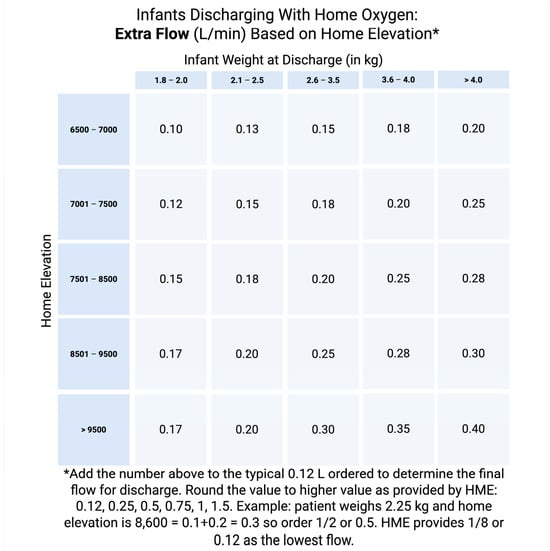
Home Oxygen Therapy Utilization in a Newborn Intensive Care Unit Population at Altitude
Oxygen 2026, 6(3), 23; https://doi.org/10.3390/oxygen6030023 - 11 Aug 2026
Abstract
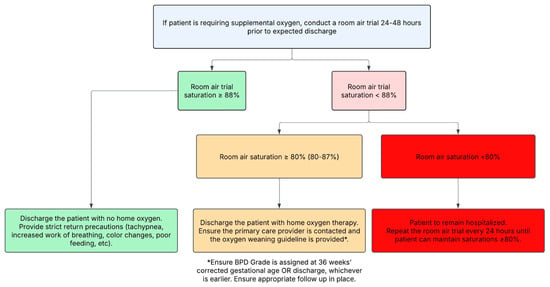
Neonates born at higher altitudes may be at increased risk for adverse outcomes due to lower ambient oxygen availability. Despite frequent use of home oxygen therapy following neonatal intensive care unit (NICU) discharge, evidence-based guidelines assessing discharge readiness and oxygen prescribing in high-altitude
[...] Read more.
Neonates born at higher altitudes may be at increased risk for adverse outcomes due to lower ambient oxygen availability. Despite frequent use of home oxygen therapy following neonatal intensive care unit (NICU) discharge, evidence-based guidelines assessing discharge readiness and oxygen prescribing in high-altitude settings remains limited. This study aimed to identify factors associated with adverse events following discharge and characterize infants discharged with home oxygen therapy in New Mexico. A retrospective chart review was conducted of infants discharged with home oxygen therapy from the University of New Mexico Hospital (UNMH) NICU from 1 July 2018 through 1 July 2023. We found that lower room air trial oxygen saturation and lower birth weight were both significantly associated with adverse events after discharge. These findings informed implementation institutional discharge protocols that indicated minimum room air saturation thresholds prior to discharge and oxygen adjustments for higher altitude. Although implementation of these protocols was not associated with a statistically significant reduction in adverse events, this work established a foundation for future multicenter collaboration with other centers at high altitude to validate these findings and further refine evidence-based discharge practices for infants living at high altitude.
Full article
(This article belongs to the Special Issue Feature Papers in Oxygen Volume III)
►
Show Figures
Open AccessReview
The Potential for Severe, Acute Inflammation to Impact Tissue Oxygenation—A Narrative Review
by
Alan Nimmo and Alexander Younsi
Oxygen 2026, 6(3), 22; https://doi.org/10.3390/oxygen6030022 - 9 Aug 2026
Abstract
Arguably, the most vital function of the cardiovascular system (CVS) is its ability to facilitate the oxygenation of blood in the lungs, and to deliver that oxygen to the rest of the body. This relies on the ability of oxygen to diffuse in
[...] Read more.
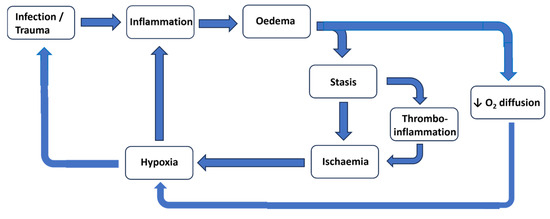
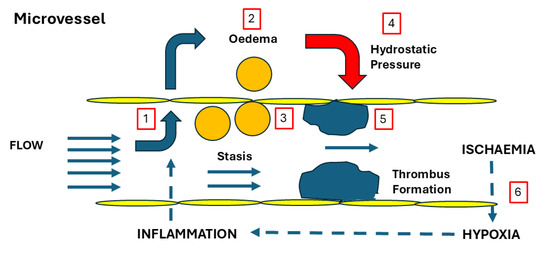
Arguably, the most vital function of the cardiovascular system (CVS) is its ability to facilitate the oxygenation of blood in the lungs, and to deliver that oxygen to the rest of the body. This relies on the ability of oxygen to diffuse in and out of the bloodstream, as well as for the CVS to maintain adequate perfusion of body tissues. The CVS also plays a key role in immune responses, particularly in initiating an acute inflammatory reaction in response to infection or injury. Changes in vascular function, such as vasodilation, increased vascular permeability, and initiation of coagulation, are critical elements of this inflammatory response. Normally, the regulated nature of immune responses helps to limit any potential detrimental effects. However, in cases of severe, dysregulated inflammation, as seen in conditions such as sepsis, the vascular responses that form a normal part of the inflammatory reaction may start to impact upon tissue oxygenation. Increased microvascular permeability and the development of edema can impact upon oxygen diffusion, whilst tissue perfusion can be impacted at the level of both the micro- and macrocirculation. In severe cases, impaired perfusion and oxygen delivery to vital organs may lead to multiple organ system failure. An increased understanding of the impact of inflammation on vascular function may help elucidate novel therapeutic approaches to manage these critical care situations.
Full article
(This article belongs to the Topic Oxidative Stress and Inflammation, 3rd Edition)
►▼
Show Figures

Figure 1
Open AccessArticle
Reactivity of Tertiary Amines with Singlet Oxygen and as Electron Donors in Riboflavin-Mediated Quinone Photoreduction
by
Antonios Tsompanidis, Hannah McMinn, Andrew Mooney and Lisa M. Landino
Oxygen 2026, 6(3), 21; https://doi.org/10.3390/oxygen6030021 - 29 Jul 2026
Abstract
►▼
Show Figures
Singlet oxygen is produced by light-dependent excitation of molecular oxygen using photosensitizers. Using blue light and riboflavin (RF) or riboflavin phosphate (RFP) as photosensitizers, we studied the reaction of singlet oxygen with tertiary amines in aqueous solution because many are used as biochemical
[...] Read more.
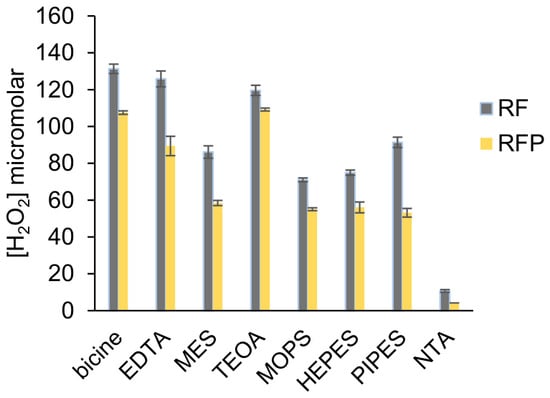
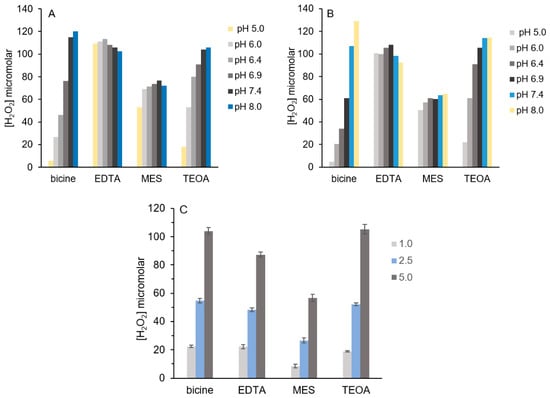
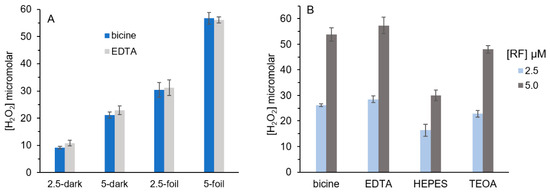
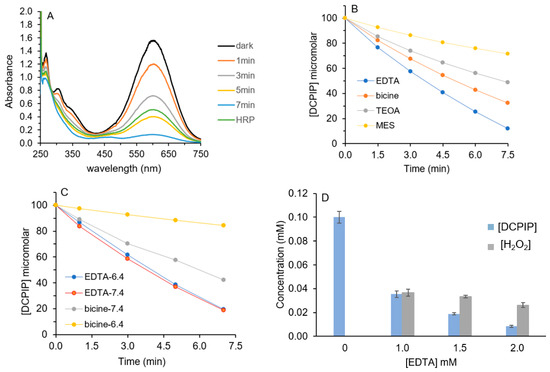
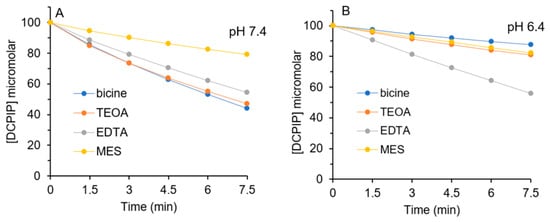
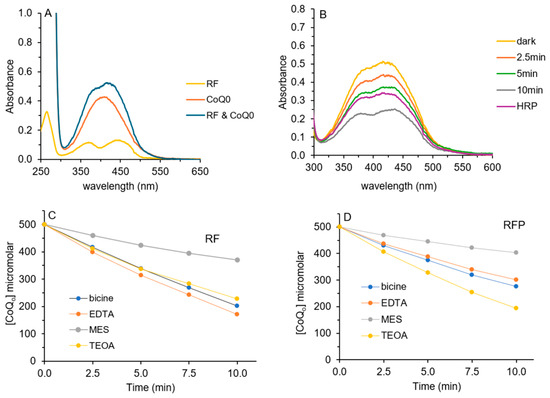
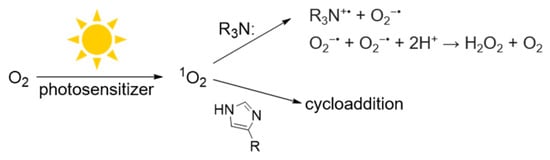
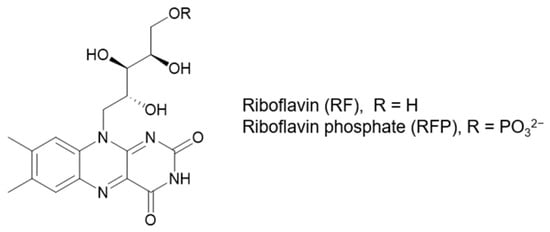
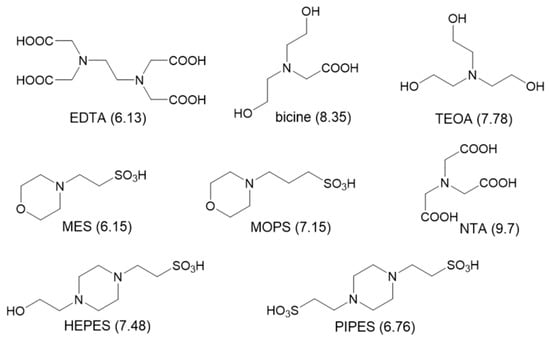
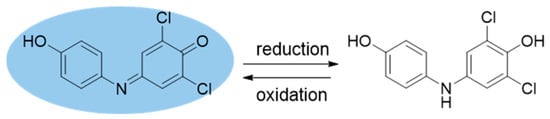
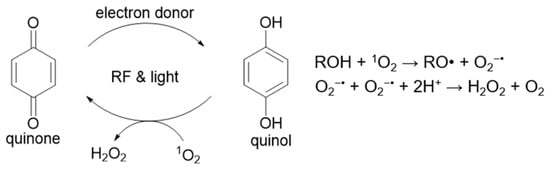
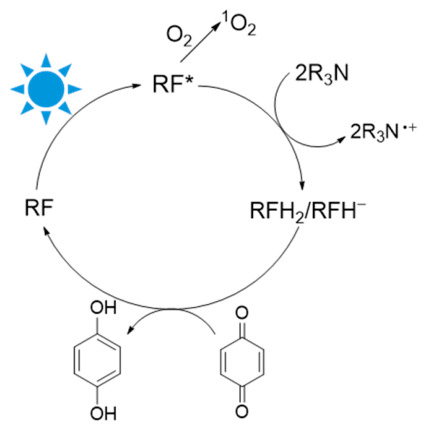
Singlet oxygen is produced by light-dependent excitation of molecular oxygen using photosensitizers. Using blue light and riboflavin (RF) or riboflavin phosphate (RFP) as photosensitizers, we studied the reaction of singlet oxygen with tertiary amines in aqueous solution because many are used as biochemical buffers and as electron donors in photoreduction reactions. The reactions of singlet oxygen with multiple tertiary amines, including ethylenediamine tetraacetic acid (EDTA), bicine, and triethanolamine (TEOA), produced micromolar hydrogen peroxide (H2O2) as the stable end product. For bicine and TEOA, but not EDTA, H2O2 yield increased as pH increased due to their higher amine pKa values. A white LED used in conjunction with riboflavin and tertiary amines also produced H2O2, a contaminant likely to form during tissue culture manipulations. Direct photoreduction of 2,6-dichlorophenolindophenol and 2,3-dimethoxy-5-methyl-p-benzoquinone was achieved using blue light, RF or RFP, and tertiary amines as electron donors. With RF, EDTA was the optimal electron donor for both substrates, whereas with RFP, bicine and TEOA were superior to EDTA. Photochemical redox cycling of both quinones produced H2O2 via singlet oxygen-dependent re-oxidation of reduced quinols. Several amine buffers, including HEPES and PIPES, reacted with singlet oxygen to produce H2O2 but did not function as electron donors in quinone photoreduction assays.
Full article

Figure 1
Open AccessArticle
Stokes Components of Raman-Induced Singlet Oxygen
by
Aristides Marcano Olaizola, Walique Richardson and Sonia Wabukoya
Oxygen 2026, 6(3), 20; https://doi.org/10.3390/oxygen6030020 - 22 Jul 2026
Abstract
►▼
Show Figures
We studied the Stokes signals generated following the Raman photoexcitation of dissolved oxygen in water. When a water sample is pumped with intense nanosecond radiation, Stokes signals of different origins are generated. These signals form a characteristic nonlinear diffraction pattern, comprising a central
[...] Read more.
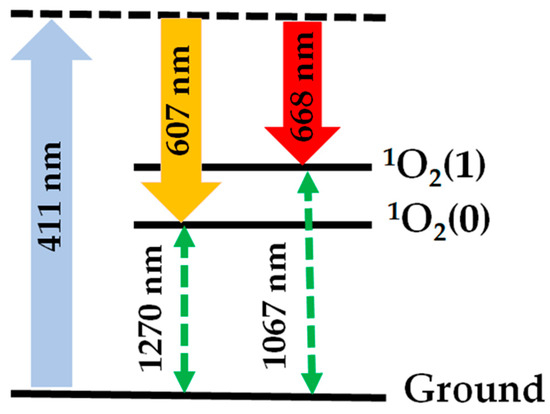
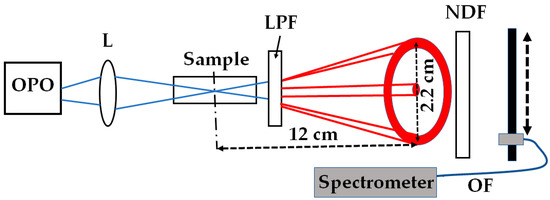
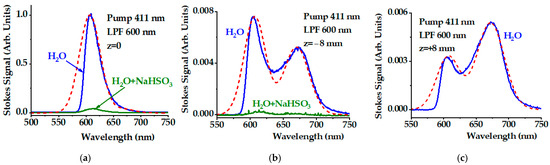
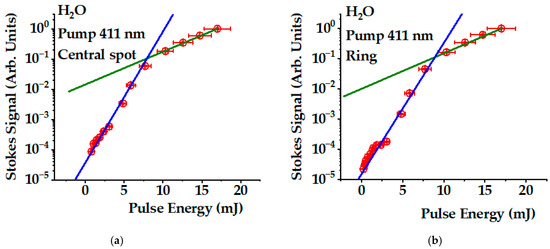
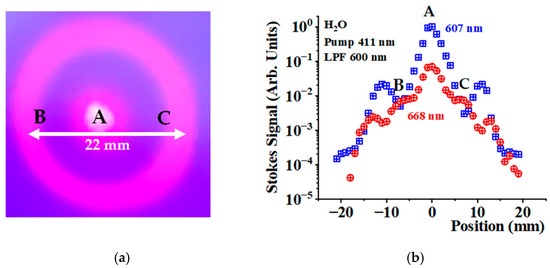
We studied the Stokes signals generated following the Raman photoexcitation of dissolved oxygen in water. When a water sample is pumped with intense nanosecond radiation, Stokes signals of different origins are generated. These signals form a characteristic nonlinear diffraction pattern, comprising a central spot and concentric rings whose radii depend on the Stokes wavelengths. Although most of the Stokes signals correspond to the stretching vibrations of water molecules, we also observed a small contribution from dissolved oxygen molecules. This contribution can be separated from the others using appropriate spectroscopic filters, then analyzed with a spectrometer. In this study, we report on Stokes components assigned to singlet oxygen excitation detected in the central spot, as well as in the diffraction pattern’s ring structure. The signal detected in the central spot exhibits a single peak, while that from the ring shows a two-peak structure. These two observed peaks are interpreted as Stokes signals corresponding to Raman transitions to the two lowest vibrational sublevels of the singlet-oxygen electronic state. We also report exponential growth in the Stokes signal with the pulse energy, in agreement with the standard stimulated Raman theoretical model.
Full article

Figure 1
Open AccessArticle
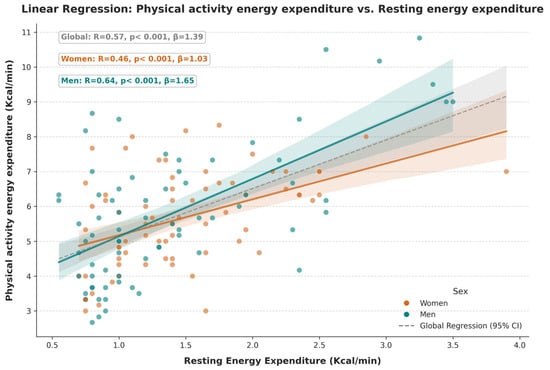
Resting and Physical Activity Energy Expenditure Across an Altitudinal Gradient: An Adjusted Analysis
by
Margot Evelin Bernedo-Itusaca, Shantal Cutipa-Tinta, Judith Marie Merma-Valero, Tatiana Milagros Cruz-Riquelme, Sintia Tatiana Flores-Coila, Mahely Adriana Coa-Coila, Claudia Alejandra Coriman-Cuentas, Mayra Anay Condori-Apaza, Ruth Karina Pérez-Flores, Rocío del Rosario Ramos Allazo, Max Smith Abollaneda Amao, Alberto Alcibiades Salazar Granara, Kevin Pacheco-Barrios, Moua Yang, Ginés Viscor and Ivan Hancco Zirena
Oxygen 2026, 6(3), 19; https://doi.org/10.3390/oxygen6030019 - 14 Jul 2026
Abstract
►▼
Show Figures
Introduction: Survival at high altitudes requires efficient energy management. Although hypobaric hypoxia alters thermodynamic efficiency, the independent impact of altitude versus demographic factors on basal and exertional caloric costs remains uncertain. We evaluated these variables in chronic residents across four Peruvian altitudes.
[...] Read more.
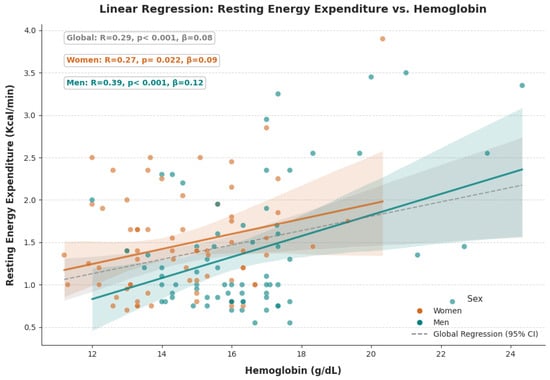
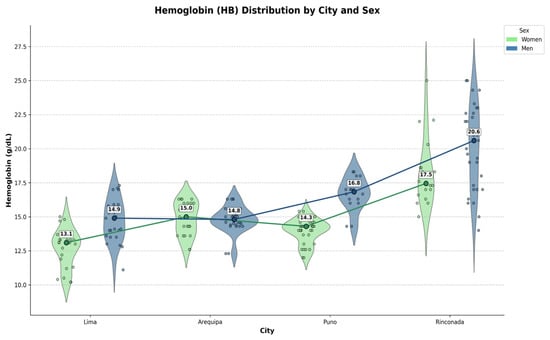
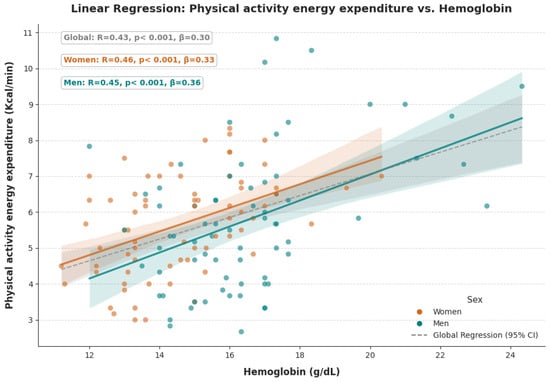
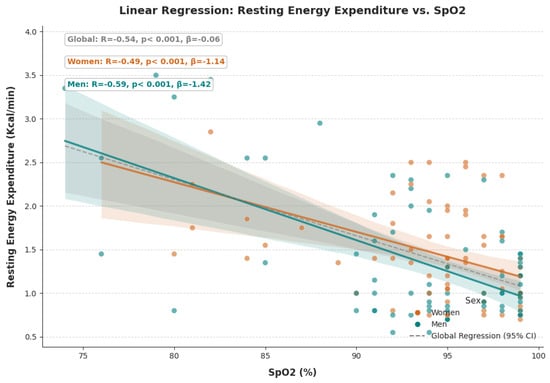
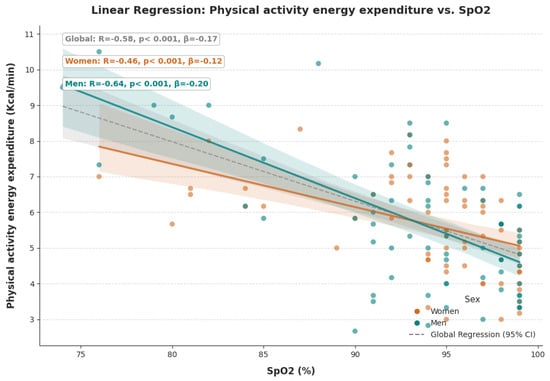
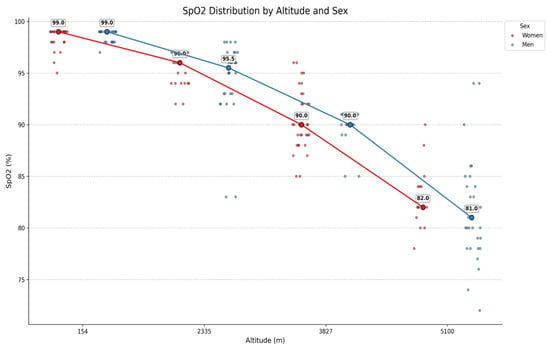
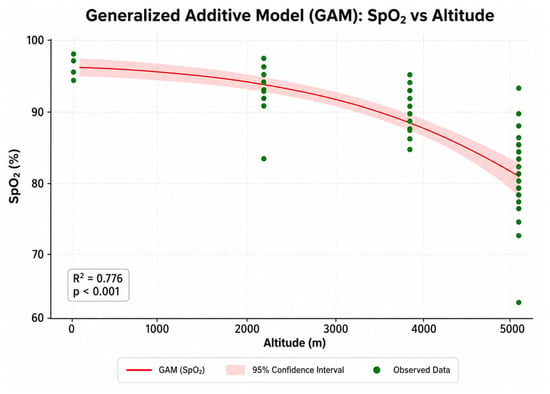
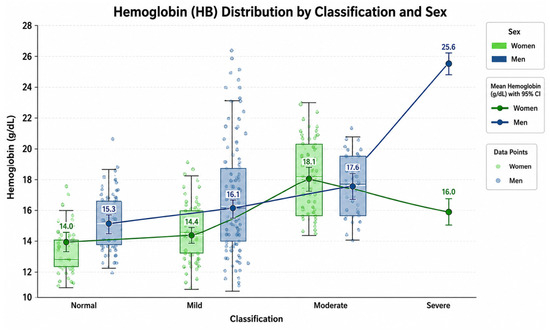
Introduction: Survival at high altitudes requires efficient energy management. Although hypobaric hypoxia alters thermodynamic efficiency, the independent impact of altitude versus demographic factors on basal and exertional caloric costs remains uncertain. We evaluated these variables in chronic residents across four Peruvian altitudes. Methodology: A cross-sectional study was conducted involving 141 healthy adults (aged 18–38 years) residing in Lima (154 m), Arequipa (2335 m), Puno (3827 m), and La Rinconada (5100 m). Resting energy expenditure (REE) and physical activity energy expenditure (PAEE) were estimated using continuous photoplethysmography; PAEE was assessed following the 6-min walk test (6MWT). Hemodynamic parameters, oxygen saturation (SpO2), and hemoglobin (Hb) levels were evaluated. An analysis of covariance (ANCOVA) was employed to adjust metabolic variations for age, sex, and body mass index (BMI). Results: Unadjusted data demonstrated a progressive increase in REE and PAEE proportional to altitude. However, the ANCOVA revealed that the independent effect of the city of residence was no longer statistically significant after adjusting for anthropometric and demographic covariates. Physiologically, the SpO2 deficit imposed a high metabolic demand (an increase of approximately 1.29 kcal in REE for every 1% drop in SpO2). Hb concentrations above 18 g/dL were associated with an exponential increase in caloric cost driven by blood hyperviscosity. A positive correlation was identified between Hb levels and energy expenditure (EE), which proved to be statistically stronger in the female cohort. Under extreme hypoxia conditions (5100 m), men exhibited a significantly higher PAEE (50.60 ± 10.17 kcal vs. 40.78 ± 5.21 kcal). Despite the increased biological effort, mechanical performance in the 6MWT remained constant across cities. Conclusions: There is no independent relationship between REE and the altitude of residence. The initial unadjusted relationship between altitude and EE was negated by covariates, particularly body mass index (BMI). The preservation of functional capacity at the expense of the energy economy underscores the profound physiological burden of Andean acclimatization.
Full article

Figure 1
Open AccessReview
Ozone Therapy as a Controlled Modulator of Redox Signaling and Adaptive Stress Responses: Molecular Mechanisms, Hormetic Effects, and Biomedical Implications
by
Francesca Perra, Faustina Barbara Cannea and Alessandra Padiglia
Oxygen 2026, 6(3), 18; https://doi.org/10.3390/oxygen6030018 - 11 Jul 2026
Cited by 1
Abstract
►▼
Show Figures
Medical ozone has emerged as a potential redox-modulating intervention in inflammatory and degenerative conditions, particularly in dermatological contexts characterized by chronic oxidative imbalance and impaired tissue remodeling. Unlike conventional pharmacological agents, ozone exerts its biological activity through rapid chemical reactions generating transient reactive
[...] Read more.
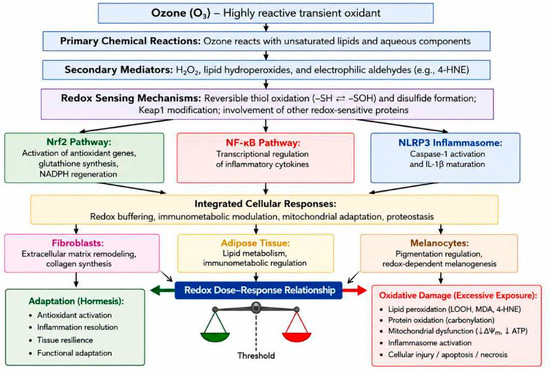
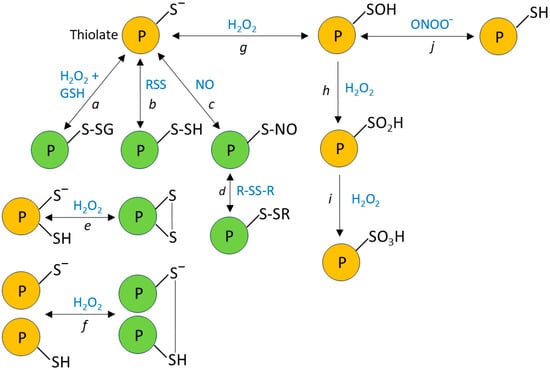
Medical ozone has emerged as a potential redox-modulating intervention in inflammatory and degenerative conditions, particularly in dermatological contexts characterized by chronic oxidative imbalance and impaired tissue remodeling. Unlike conventional pharmacological agents, ozone exerts its biological activity through rapid chemical reactions generating transient reactive and electrophilic species that activate endogenous adaptive signaling pathways. Controlled oxidative perturbations activate antioxidant transcriptional programs, primarily mediated by the nuclear factor erythroid 2-related factor 2 (Nrf2) pathway, while modulating inflammatory signaling networks, including nuclear factor kappa B (NF-κB) and the NOD-like receptor family pyrin domain-containing 3 (NLRP3) inflammasome. This dual behavior reflects hormetic responses in which low-dose exposure promotes adaptive cellular signaling, whereas excessive oxidative burden leads to structural and functional damage. This review summarizes current knowledge on the molecular mechanisms underlying ozone-induced redox modulation, with emphasis on chemical reactivity, spatiotemporal signaling dynamics, thiol-based sensing, and metabolic reinforcement of antioxidant defenses. Particular attention is given to skin and subcutaneous adipose tissue, where oxidative stress, immune activation, and extracellular matrix remodeling converge. Dose dependency, safety constraints, and methodological variability are critically discussed, highlighting the narrow threshold between adaptive signaling and oxidative injury and the need for rigorous mechanistic and clinical validation.
Full article

Figure 1
Open AccessCorrection
Correction: Zouridi et al. The Effect of Additives on the Hydrothermal Synthesis and Thermochromic Performance of Monoclinic Vanadium Dioxide Powder. Oxygen 2022, 2, 410–423
by
Leila Zouridi, Emmanouil Gagaoudakis, Eleni Mantsiou, Theodora Dragani, Xristina Maragaki, Elias Aperathitis, George Kiriakidis and Vassilios Binas
Oxygen 2026, 6(3), 17; https://doi.org/10.3390/oxygen6030017 - 2 Jul 2026
Abstract
The authors requested to update Equation (5) in the original publication [...]
Full article
Open AccessArticle
Higher Prevalence of Cognitive Impairment in Residents of High-Altitude Regions
by
Margot Evelin Bernedo-Itusaca, Judith Marie Merma-Valero, Tatiana Milagros Cruz-Riquelme, Rocio Milagros Ccorimanya-Suni, Maria Emilia Pancaya-Flores, Zhenia Milagros Guevara-Mamani, Doris Chambi-Rodrigo, Mahely Adriana Coa-Coila, Wilma Apaza-Cansaya, Mirian Milagros Apaza-Quispe, Dante Elmer Hancco-Monrroy, Carlos Angel Loayza Coila, Alberto Salazar-Granara, Moua Yang, Ginés Viscor and Ivan Hancco Zirena
Oxygen 2026, 6(3), 16; https://doi.org/10.3390/oxygen6030016 - 24 Jun 2026
Abstract
►▼
Show Figures
Introduction: A major health issue in individuals living at high-altitude regions is an increase in the number of red blood cells (RBCs). This condition generates a series of physiological alterations including the nervous system, where damage can occur due to increased blood viscosity.
[...] Read more.
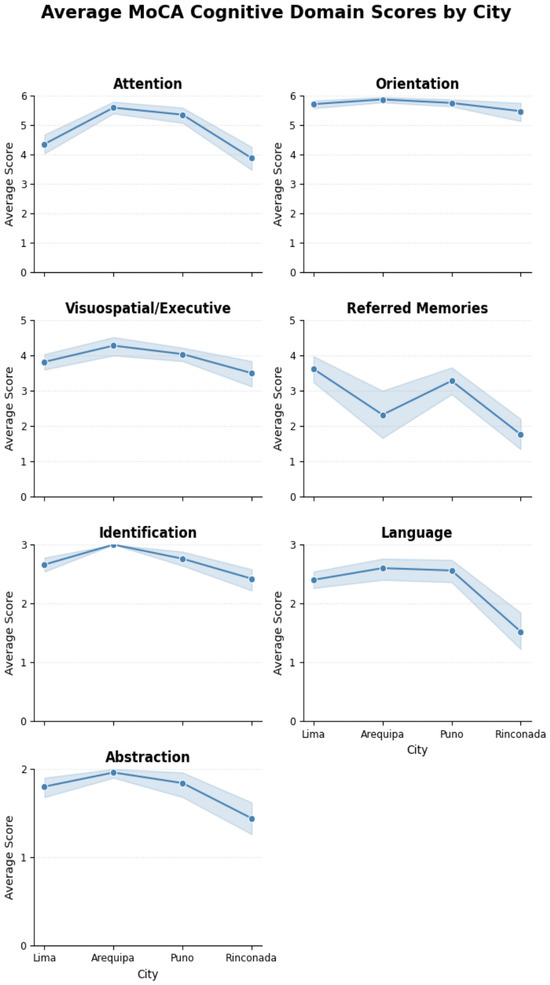
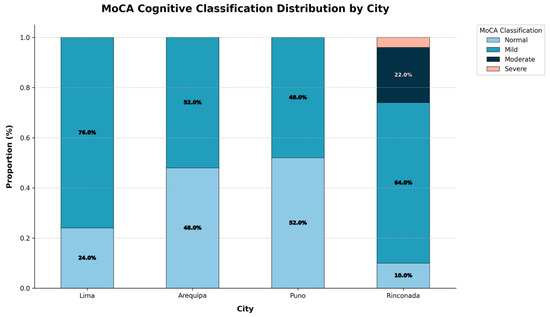
Introduction: A major health issue in individuals living at high-altitude regions is an increase in the number of red blood cells (RBCs). This condition generates a series of physiological alterations including the nervous system, where damage can occur due to increased blood viscosity. This increased viscosity, in turn, could compromise oxygen uptake, potentially linked to a degree of cognitive impairment. Objective: To determine the association between exposure to chronic hypoxia and sleep quality with the degree of cognitive impairment in a young adult population residing at different altitude levels. Methodology: A cross-sectional study was conducted with 200 apparently healthy subjects (aged 21–26 years) permanently residing in four Peruvian cities: Lima (154 m), Arequipa (2335 m), Puno (3820 m), and La Rinconada (5100 m) (n = 50 per location). Physiological profiles (SpO2, blood pressure, heart rate, hemoglobin, and hematocrit) were measured. Cognitive impairment and sleep quality were evaluated using the Montreal Cognitive Assessment (MoCA) and the Pittsburgh Sleep Quality Index (PSQI). Sex-stratified hierarchical multiple linear regression models with bootstrapping were utilized for independent correlation analysis. Results: Hemoglobin levels gradually increased with altitude, peaking at 19.47 ± 3.01 g/dL in La Rinconada, while SpO2 decreased to 81.64%. Moderate-to-severe cognitive impairment was exclusively restricted to the extreme altitude population of La Rinconada, where only 10% of subjects remained unaffected. In the sex-stratified multivariate regression, residency in La Rinconada initially served as a robust negative predictor of MoCA scores among women (β = −5.52, p < 0.001); however, this geographical effect lost statistical significance after adjusting for biological variables in Model 2 (β = −4.72, p = 0.178). In the fully adjusted models, neither individual hemoglobin levels nor SpO2 fluctuations displayed an independent linear association with cognitive performance in either sex (p > 0.05). Sleep quality was poor across cohorts but showed no significant association with cognitive impairment (p = 0.174). Conclusions: Chronic exposure to severe hypoxia (>5000 m) is associated with a greater presence of cognitive impairment, which is largely accounted for by individual physiological adaptations rather than isolated, linear effects of independent hematological or subjective sleep parameters.
Full article

Figure 1
Open AccessReview
Hydroperoxides: Plant Steroids and Triterpenoids as Promising Candidates for Anti-Dementia Therapy
by
Valery M. Dembitsky and Alexander O. Terent’ev
Oxygen 2026, 6(3), 15; https://doi.org/10.3390/oxygen6030015 - 23 Jun 2026
Abstract
►▼
Show Figures
Hydroperoxides (R–OOH, organic hydroperoxides) constitute a relatively small but structurally diverse class of natural metabolites occurring in higher plants, fungi, and marine organisms. Their formation is closely associated with oxidative processes involving redox-active metal ions, particularly iron and copper, which promote reactive oxygen
[...] Read more.
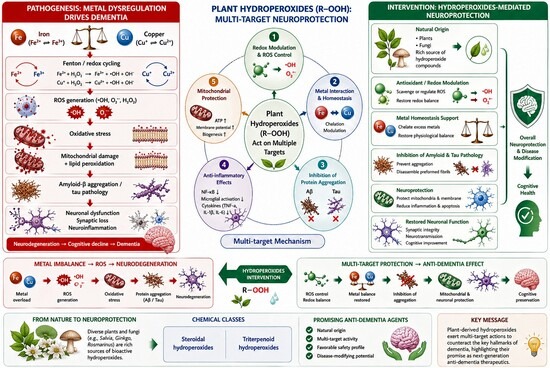
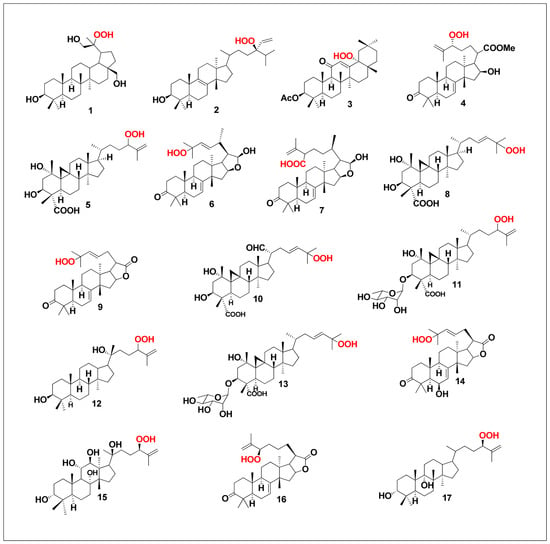
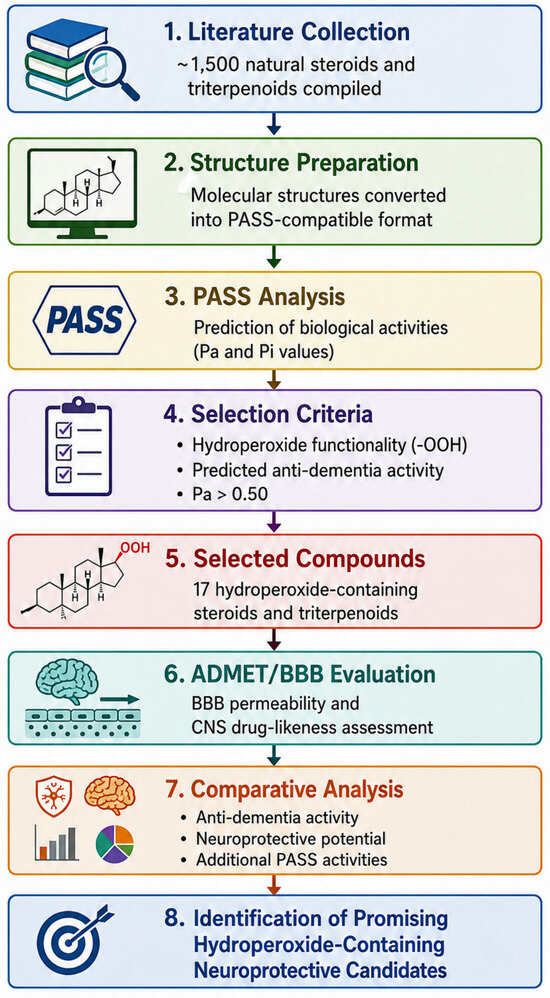
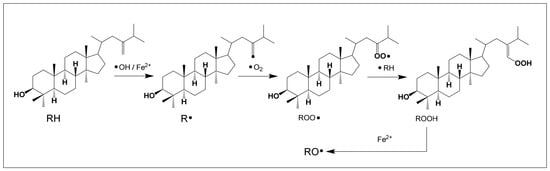
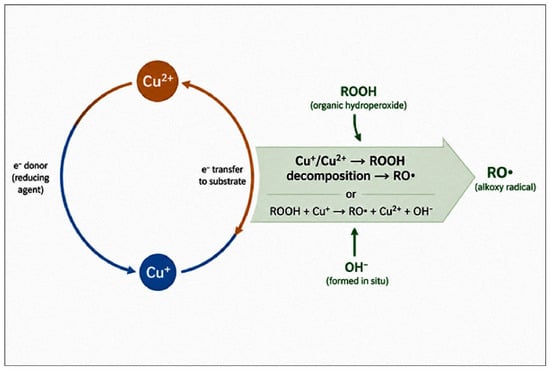
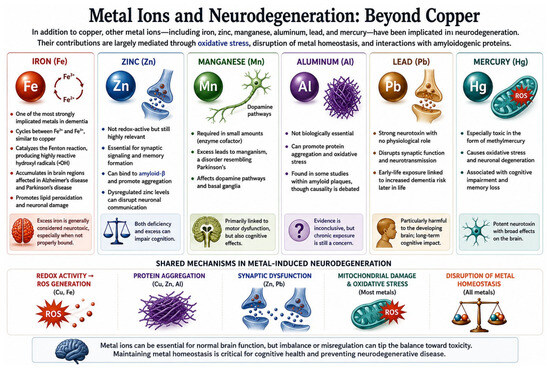
Hydroperoxides (R–OOH, organic hydroperoxides) constitute a relatively small but structurally diverse class of natural metabolites occurring in higher plants, fungi, and marine organisms. Their formation is closely associated with oxidative processes involving redox-active metal ions, particularly iron and copper, which promote reactive oxygen species (ROS) generation and the oxidative transformation of steroids and triterpenoids. In the present study, approximately 1500 naturally occurring steroids and triterpenoids were screened using the PASS (Prediction of Activity Spectra for Substances) platform to identify compounds with potential relevance to neurodegenerative disorders. Among the analyzed compounds, only 17 hydroperoxide-containing steroids and triterpenoids exhibited notable predicted anti-dementia activity and were selected for detailed evaluation. The selected compounds displayed a broad spectrum of predicted biological activities, including antineoplastic, anti-inflammatory, antiulcerative, antithrombotic, hepatoprotective, and neuroprotective effects. Several hydroperoxide-containing triterpenoids demonstrated particularly high predicted anti-dementia activity, with a norlupane-type hydroperoxide exhibiting the highest probability of activity (Pa = 0.972). The biological significance of these compounds may be related to the unique redox properties of the hydroperoxide functionality, which can participate in both oxidative and adaptive signaling processes. Because hydroperoxides interact with transition metal ions and reactive oxygen species, they occupy a complex position at the interface between oxidative stress, cellular defense mechanisms, and neurodegeneration. The present analysis highlights hydroperoxide-containing steroids and triterpenoids as an underexplored class of natural products with potential relevance to dementia research. However, the reported activities are based primarily on computational predictions and should be interpreted as indicators of pharmacological potential rather than experimentally validated therapeutic effects. Further investigations involving blood–brain barrier permeability assessment, biochemical studies, cellular assays, animal models, and clinical evaluation will be required to determine the true therapeutic value of these compounds in neurodegenerative diseases.
Full article

Graphical abstract
Open AccessArticle
The Role of Supplemental Oxygen for Rescuers Performing External Cardiac Compressions: A Double-Blinded Randomized Crossover Trial
by
Biswadev Mitra, Jackson Catalano, Paul Jennings, John Moloney, Simon Savage, Natasha Jennings and Gerard O’Reilly
Oxygen 2026, 6(2), 14; https://doi.org/10.3390/oxygen6020014 - 4 Jun 2026
Abstract
►▼
Show Figures
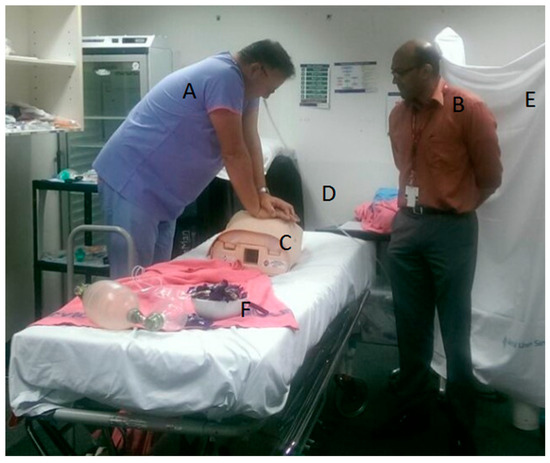
Background: The aim of this study was to assess the effectiveness of supplemental low-flow oxygen on emergency clinicians in improving their quality and length of performance of external chest compressions (ECCs) on a resuscitation manikin. Methods: This was a double-blinded randomized crossover trial.
[...] Read more.
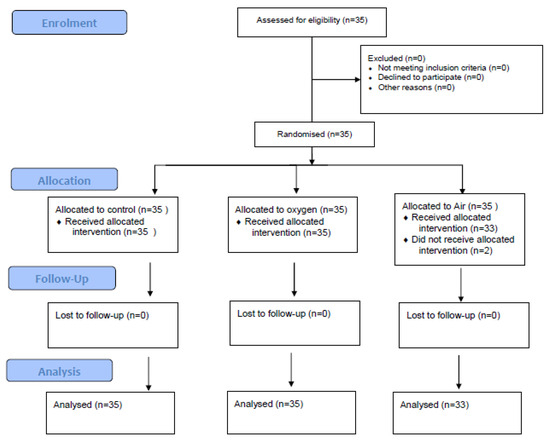
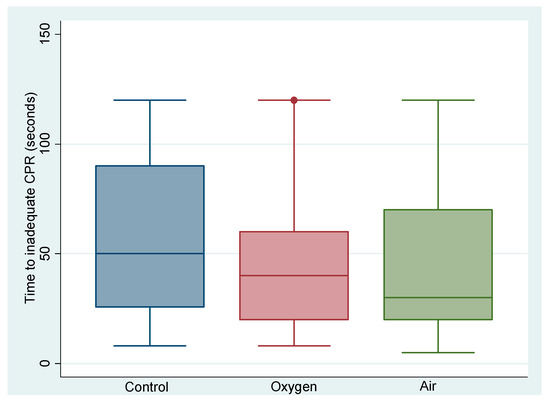
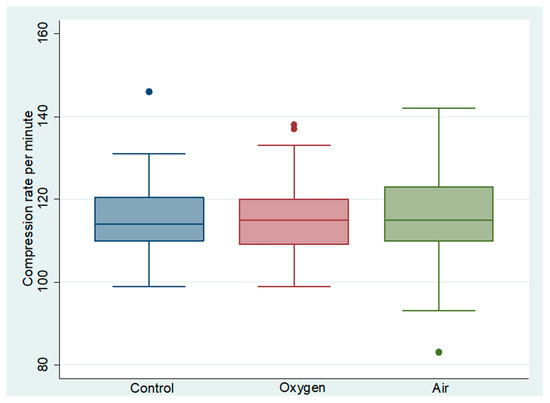
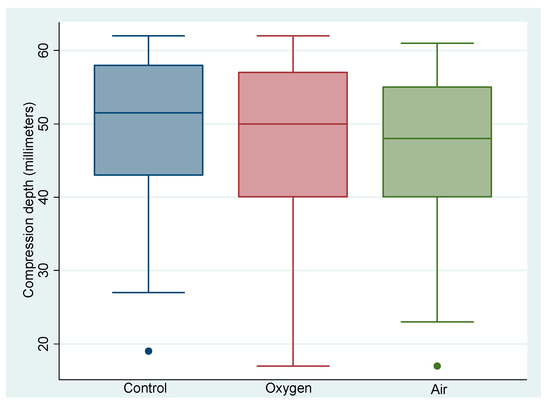
Background: The aim of this study was to assess the effectiveness of supplemental low-flow oxygen on emergency clinicians in improving their quality and length of performance of external chest compressions (ECCs) on a resuscitation manikin. Methods: This was a double-blinded randomized crossover trial. Participants were emergency medicine doctors, nurses, or paramedics working at large emergency departments or ambulance services in Victoria, Australia. The intervention was oxygen and air via nasal cannula during external cardiac compressions. The primary outcome measure was ‘time to inadequate CPR’. Secondary outcome measures included compression rate and compression depth and global rating on a 10-point ordinal scale reporting their ‘comfort’ and ‘convenience’ ratings. Results: There was no statistical or clinical difference between the three study arms with respect to time to inadequate CPR or compression rates per minute. There was a statistically significant difference in the median depth of compression between the control (51.5 mm; IQR 43–58) and air study arms (48.0 mm; IQR 40–55; p = 0.015). Conclusions: Administration of supplemental oxygen (or air) to clinicians performing ECC on a manikin does not improve their performance when measured against internationally accepted guidelines. Supplemental oxygen or air to rescuers performing ECC was not supported.
Full article

Figure 1
Open AccessArticle
Characterization of Mixed Metal Biogenic Manganese Oxide Materials for Catalysis and Rare Earth Element Sequestration
by
Elisa Morales, Jeremy Brown, Chloe Runge, Madeline York, Genesis Dennis, Cole Johnson, Anthony Baudino, Norman Paz-Ramirez, Lily Samson, John Rey A. Romal, Kari L. Stone and Sarah E. Shaner
Oxygen 2026, 6(2), 13; https://doi.org/10.3390/oxygen6020013 - 20 May 2026
Abstract
►▼
Show Figures
This study explores the potential of utilizing biogenic manganese oxides (BMOs) produced by Mn-oxidizing Pseudomonas putida MnB1 to facilitate metal cation uptake for rare earth element (REE) sequestration and the synthesis of novel materials. Previous studies have shown that P. putida MnB1 efficiently
[...] Read more.
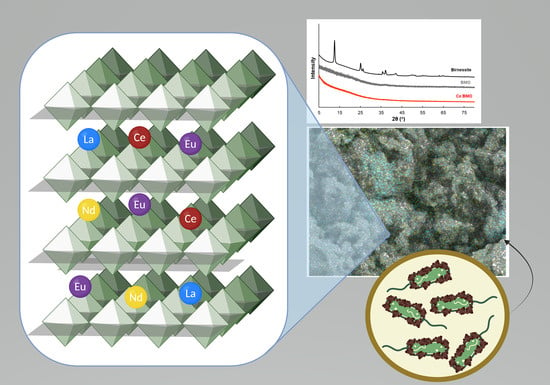
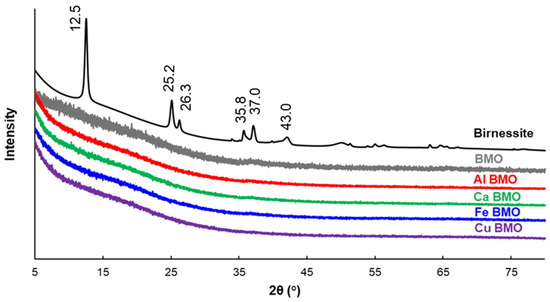
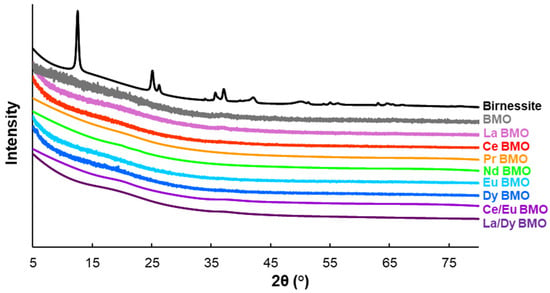
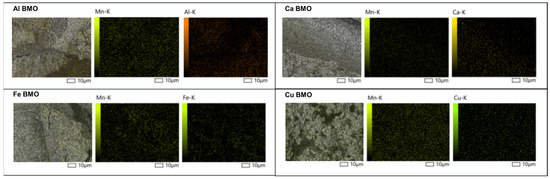
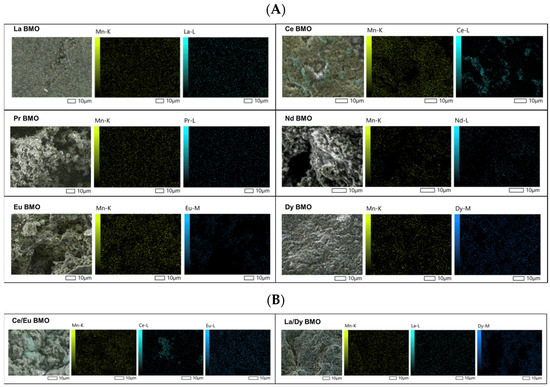
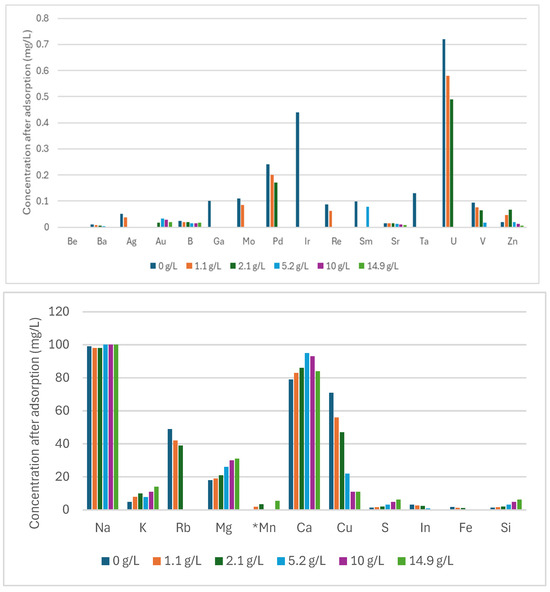
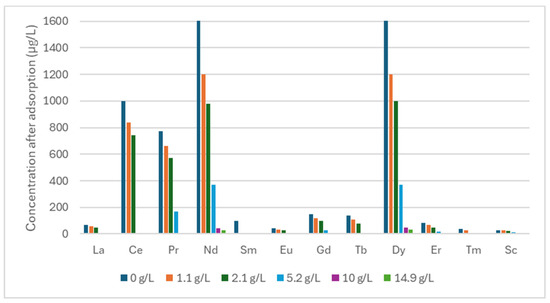
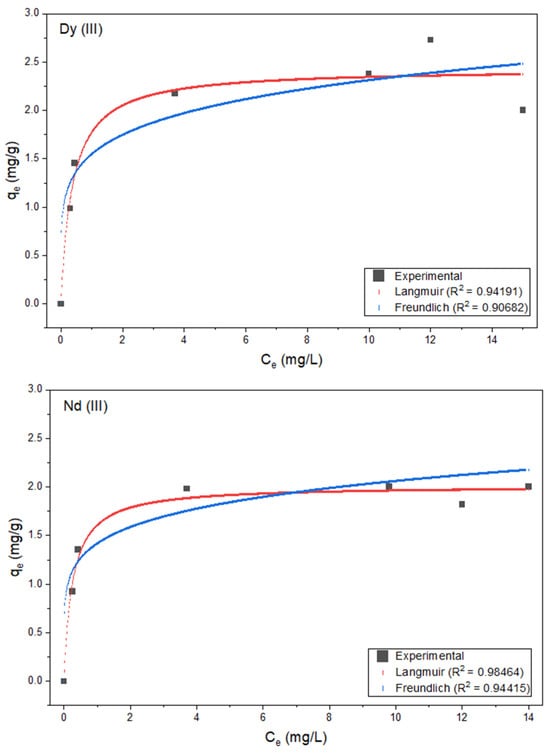
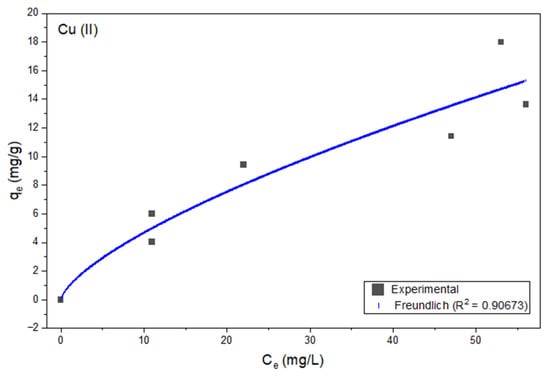
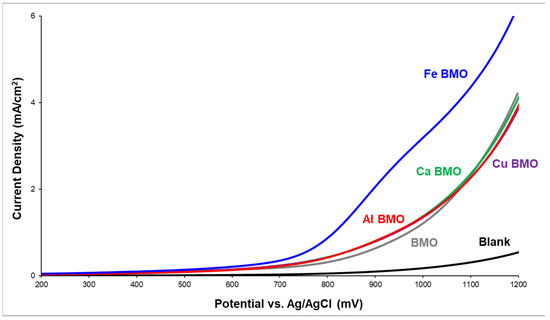
This study explores the potential of utilizing biogenic manganese oxides (BMOs) produced by Mn-oxidizing Pseudomonas putida MnB1 to facilitate metal cation uptake for rare earth element (REE) sequestration and the synthesis of novel materials. Previous studies have shown that P. putida MnB1 efficiently oxidizes environmental Mn(II) to Mn(IV)-oxides, producing BMOs with unique physicochemical properties. Unlike their abiotic counterparts, BMOs exhibit high surface area, reactivity, and amorphous, poorly crystalline structures, making them promising platforms for adsorbing metal cations. This research study, building on the prior work, demonstrates the incorporation of ten different main group, transition, and rare earth metals into the BMO material, with structural characterization conducted via scanning electron microscopy and powder X-ray diffraction. Compositional characterization was determined by inductively coupled plasma optical emission spectroscopy and energy dispersive X-ray spectroscopy via scanning electron microscopy. Following the initial screening of these ten cations, batch adsorption studies were performed for a representative light REE, heavy REE, and transition metal-spiked sample prepared with real wastewater effluent indicating that the BMO material in this study is promising for sequestering REEs from real water streams. These findings advance the understanding of biologically mediated metal adsorption and open pathways for designing new functional materials with potential applications in rare earth sequestration and catalysis. To highlight this later point, the BMO materials with an incorporated main group (Al3+, Ca2+) or transition metal cation (Fe3+, Cu2+) were tested electrochemically for their ability to act as water oxidation catalysts, and each of these materials’ activity was comparable to BMO except for the material with incorporated iron, which showed significantly enhanced activity.
Full article

Graphical abstract
Open AccessCommunication
Methemoglobin Activity Might Explain Rapid Increase in Oxygen Saturation Among COVID-19 Patients Healed with Chlorine Dioxide Gas in Solution
by
Enrique A. Martinez Mosqueira, Pierrick Martinez, Manuel Aparicio-Alonso and Antonio Vega-Galvez
Oxygen 2026, 6(2), 12; https://doi.org/10.3390/oxygen6020012 - 20 May 2026
Abstract
►▼
Show Figures
Chlorine dioxide (ClO2) is a neutral oxidant molecule with a short lifespan once in contact with electron donors (organic matter). ClO2 solutions have antiviral, antibacterial, antifungal, anti-protozoan, anti-inflammatory, anticancer, and wound-healing activity and it was used at safe concentrations on
[...] Read more.
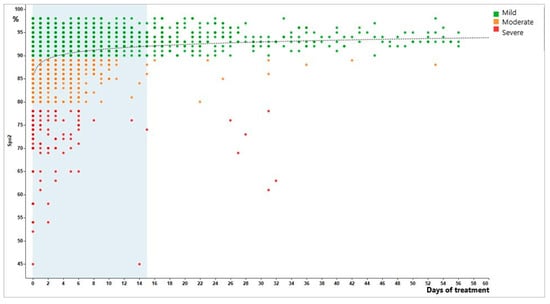
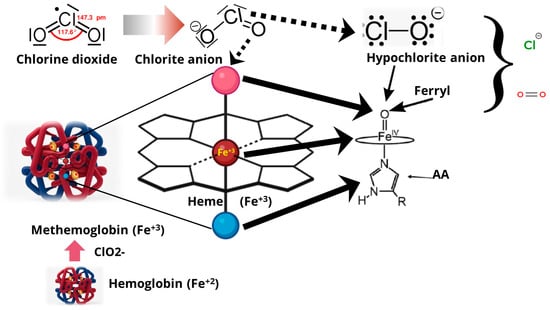
Chlorine dioxide (ClO2) is a neutral oxidant molecule with a short lifespan once in contact with electron donors (organic matter). ClO2 solutions have antiviral, antibacterial, antifungal, anti-protozoan, anti-inflammatory, anticancer, and wound-healing activity and it was used at safe concentrations on patients from different countries during the COVID-19 pandemic. In Mexico, 1067 COVID-19 patients received compassionate treatments with ClO2 during the 2020/2021 pandemic years. We describe the treatments and clinical reports of these patients, as it concerns the oxygen saturation (SpO2) recovery, and provide a biochemical explanation. The number of healed patients was 1057, >99% of the total and SpO2 showed a hyperbolic fast increase. This might happen because ClO2 attracts one electron from the organic matter and produces a chlorite anion ( ). This new molecule is known to exhibit metabolic activity in the blood stream. On the one hand, it will perform the aforementioned antibiotic and healing properties. On the other hand, it will also allow the production of oxygen (O2) to be transported by the Oxyhemoglobin. This reaction is mediated by an intermediate state of a ferryl molecule (Fe=O) in the allosteric heme site of methemoglobin, which behaves as a reductase enzyme. This reaction can explain the rapid and steady increase in O2 saturation in healed patients.
Full article

Figure 1
Open AccessReview
Targeting Catechol Oxidation via Boron Complexation: From Chemistry to Biology
by
Valery M. Dembitsky, Alexander O. Terent’ev and Sergey V. Baranin
Oxygen 2026, 6(2), 11; https://doi.org/10.3390/oxygen6020011 - 18 May 2026
Abstract
►▼
Show Figures
Catechol (benzene-1,2-diol) is a highly versatile chemical motif that plays a central role in both terrestrial and marine systems, where its reactivity is governed by a combination of enzymatic oxidation and non-enzymatic interactions. This review examines the diverse enzymatic pathways responsible for catechol
[...] Read more.
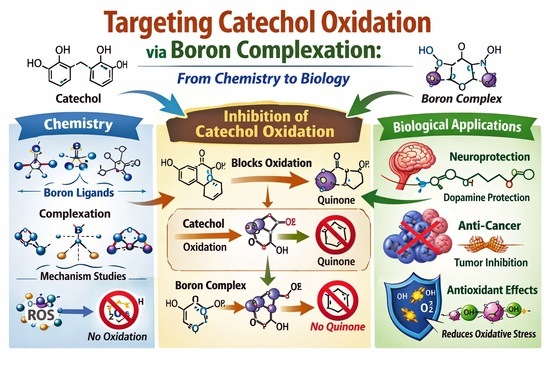
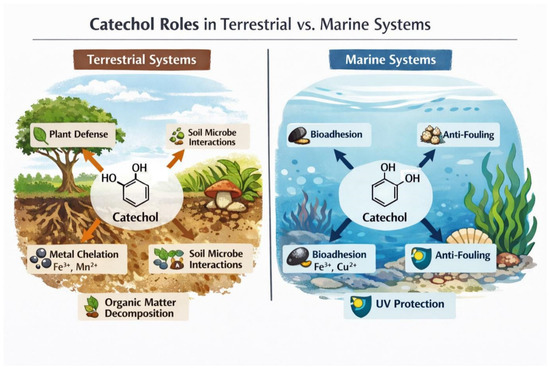
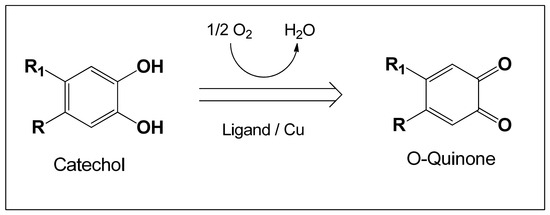
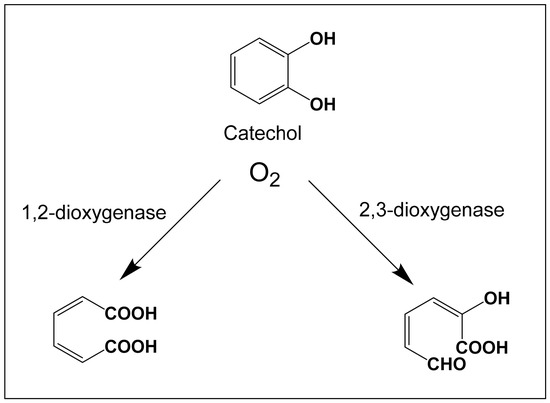
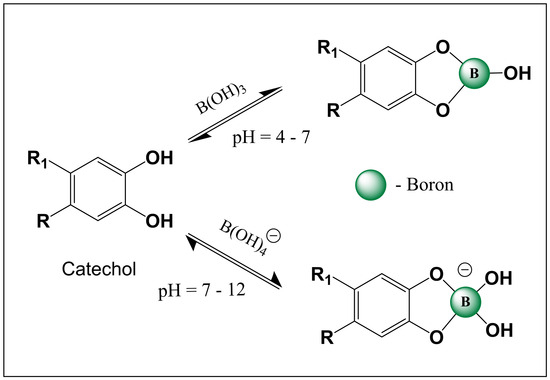
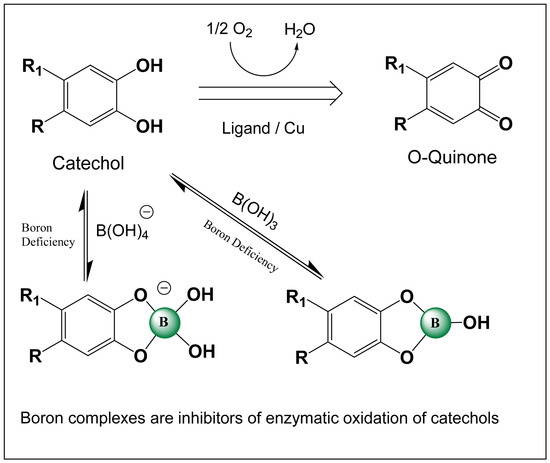
Catechol (benzene-1,2-diol) is a highly versatile chemical motif that plays a central role in both terrestrial and marine systems, where its reactivity is governed by a combination of enzymatic oxidation and non-enzymatic interactions. This review examines the diverse enzymatic pathways responsible for catechol oxidation, including polyphenol oxidases, laccases, peroxidases, and microbial dioxygenases, and highlights how these conserved systems are adapted to distinct ecological functions such as plant defense, carbon cycling, bioadhesion, and material formation. A key focus is placed on the non-enzymatic formation of boron–catechol complexes, which can significantly modulate catechol reactivity. These complexes, formed through reversible interactions between boron species and the 1,2-diol group, can act as inhibitors of catechol oxidation by limiting substrate availability and altering redox behavior. Importantly, the extent of this inhibition is strongly dependent on pH, which governs both the speciation of boron (e.g., boric acid vs. borate) and the stability of borate esters, as well as the activity of oxidative enzymes. In terrestrial systems, variable pH conditions and soil chemistry influence the balance between oxidation, complexation, and degradation, whereas in marine environments, relatively stable and slightly alkaline conditions favor distinct modes of regulation. By integrating enzymatic and non-enzymatic perspectives, this review underscores the importance of boron–catechol interactions as a previously underappreciated control on catechol oxidation across ecosystems, with implications for biogeochemical cycling and the design of bioinspired materials.
Full article

Graphical abstract
Open AccessArticle
Age-Related Expression and Localization of HIF-1α and HIF-2α in Different Tissues of Yak
by
Qin Wu, Huan Yang, Junyu Chen, Zhixin Chai, Hongwen Zhao and Zhijuan Wu
Oxygen 2026, 6(2), 10; https://doi.org/10.3390/oxygen6020010 - 29 Apr 2026
Abstract
►▼
Show Figures
The yak (Bos grunniens), a unique bovine species that is endemic to the Qinghai–Tibet Plateau and adjacent mountainous regions, exhibits remarkable adaptations to chronic high-altitude hypoxia. However, the molecular mechanisms underlying yaks’ adaptation to this extreme environment remain poorly understood. This
[...] Read more.
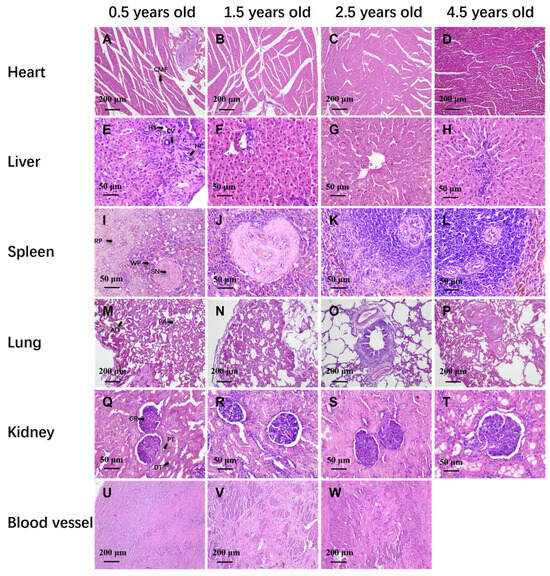
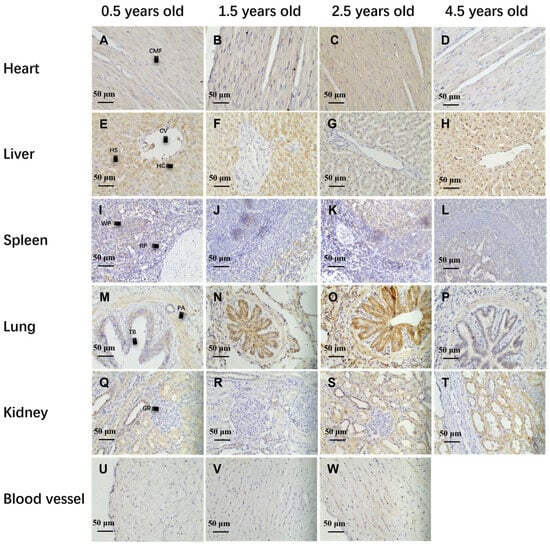
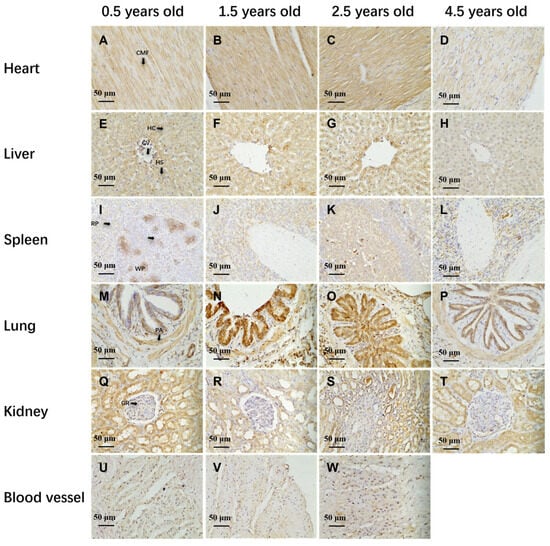
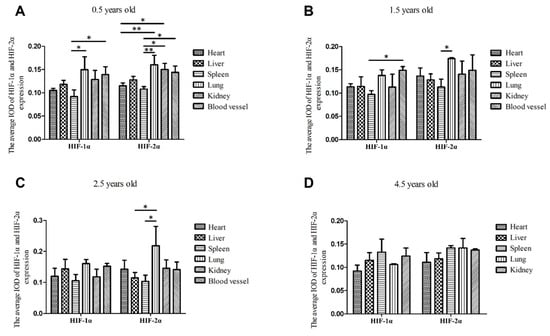
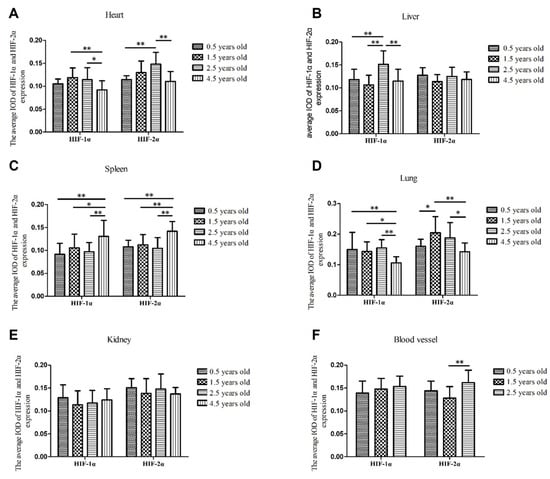
The yak (Bos grunniens), a unique bovine species that is endemic to the Qinghai–Tibet Plateau and adjacent mountainous regions, exhibits remarkable adaptations to chronic high-altitude hypoxia. However, the molecular mechanisms underlying yaks’ adaptation to this extreme environment remain poorly understood. This study aimed to elucidate the spatiotemporal expression dynamics of hypoxia-inducible factor 1α (HIF-1α) and 2α (HIF-2α) in major tissues of yaks across developmental stages (0.5, 1.5, 2.5, and 4.5 years; n = 3 per group). The tissues (heart, liver, spleen, lungs, kidneys, blood vessels and skeletal muscles) were analyzed using hematoxylin and eosin (H&E) staining and immunohistochemistry. The results revealed significant differences in the expression levels of HIF-1α and HIF-2α between tissues and at different ages. In cardiac tissue, both HIF-1α and HIF-2α are localized to the myocardial interstitium, with HIF-1α expression peaking at 1.5–2.5 years and HIF-2α expression reaching its maximum at 2.5 years. Hepatic HIF-1α showed perivenous hepatocytes enrichment and peaked at 2.5 years (p < 0.01 vs. other ages), while HIF-2α was uniformly distributed across lobules without age-related changes. Splenic HIF-1α and HIF-2α levels increased progressively with age, both peaking at 4.5 years (p < 0.01), and age was strongly correlated with expression levels (HIF-1α: r = 0.430; HIF-2α: r = 0.493). In pulmonary tissues, HIF-1α in bronchial smooth muscle peaked at 2.5 years, whereas alveolar septal HIF-2α peaked at 1.5 years (p < 0.05). In the kidney, HIF-1α was primarily localized to tubular epithelial cells and HIF-2α was diffusely distributed in the glomerular interstitium; neither factor showed significant variation across ages. In vascular tissues, HIF-1α expression remained stable across all ages and was predominantly observed in the smooth muscle layer, while HIF-2α exhibited a significant peak in endothelial cells at 2.5 years (p < 0.01). These findings suggest that HIF-1α predominates during early development stages, while HIF-2α becomes dominant as yaks approach maturity.
Full article

Figure 1
Open AccessReview
HIF-1α Signaling in Uterine Fibroids: A Central Integrator of Hypoxic, Hormonal, and Fibrotic Pathways
by
Sruthi Tatavarthi, Valentina Vanos, Abigail Lepsch Combs, Alvina Pan, Mahita Saini and Mostafa A. Borahay
Oxygen 2026, 6(2), 9; https://doi.org/10.3390/oxygen6020009 - 17 Apr 2026
Abstract
►▼
Show Figures
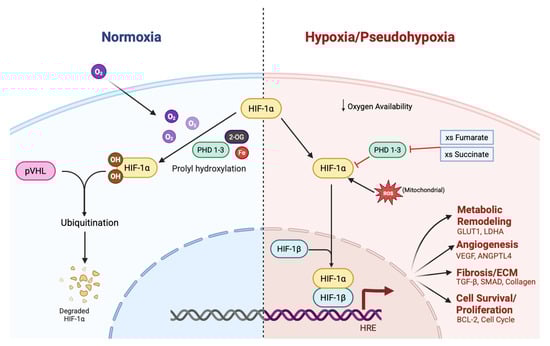
Uterine fibroids (leiomyomas) are common benign smooth muscle tumors that impose substantial symptom burden and healthcare costs worldwide. Although uterine fibroid (leiomyoma) pathogenesis is multifactorial, hypoxia has emerged as a key feature of the uterine fibroid (leiomyoma) microenvironment, particularly within poorly perfused tumor
[...] Read more.
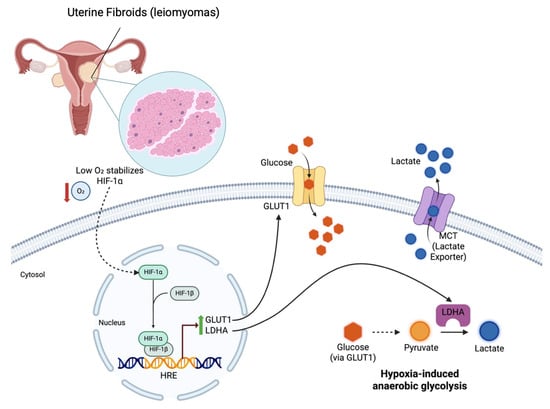
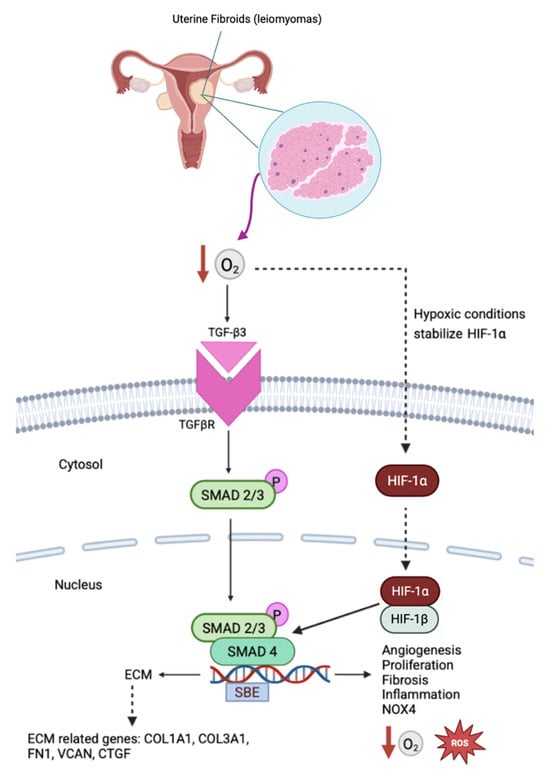
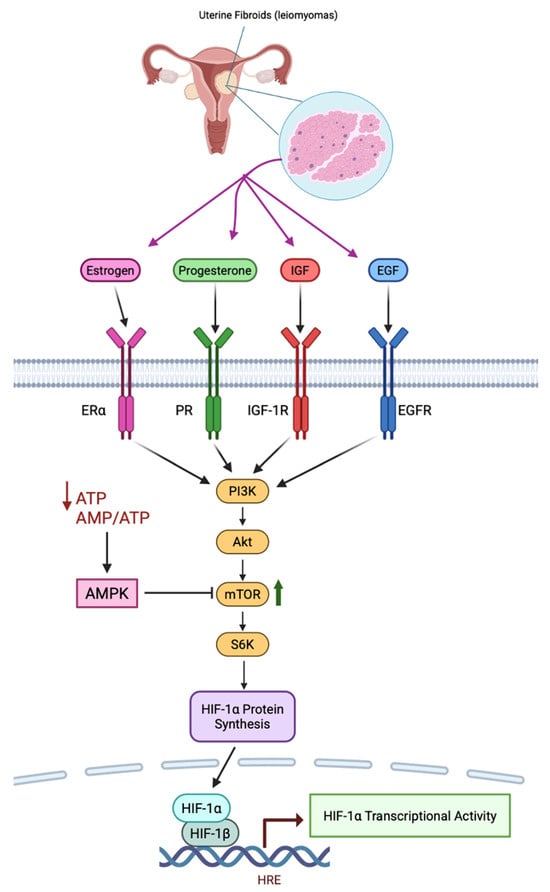
Uterine fibroids (leiomyomas) are common benign smooth muscle tumors that impose substantial symptom burden and healthcare costs worldwide. Although uterine fibroid (leiomyoma) pathogenesis is multifactorial, hypoxia has emerged as a key feature of the uterine fibroid (leiomyoma) microenvironment, particularly within poorly perfused tumor cores. Hypoxia-inducible factor-1α (HIF-1α) is a central transcriptional regulator of cellular adaptation to low oxygen and coordinates downstream programs that support angiogenesis, metabolic reprogramming, cell survival, and extracellular matrix (ECM) remodeling. In uterine fibroids (leiomyomas), these HIF-1α–dependent processes intersect with steroid hormone signaling, growth factor pathways, inflammatory mediators, and redox imbalance, together promoting tumor persistence and progressive fibrosis. This review synthesizes the molecular regulation of HIF-1α, highlights major HIF-linked effector pathways relevant to uterine fibroid (leiomyoma) biology, and emphasizes mechanistic crosstalk with estrogen- and progesterone-responsive signaling, TGF-β/SMAD-driven fibrosis, NF-κB-mediated inflammation, and metabolic checkpoint pathways including mTOR and AMPK. Finally, we evaluate emerging therapeutic strategies that target HIF-1α directly or indirectly through upstream regulators.
Full article

Figure 1
Open AccessReview
Oxygen-Based Therapies and ROS-Targeted Drug Delivery in Pneumonia: A Redox Perspective
by
Devi Sasikumar, Rajimol Raju and Vidya Viswanad
Oxygen 2026, 6(2), 8; https://doi.org/10.3390/oxygen6020008 - 30 Mar 2026
Cited by 1
Abstract
►▼
Show Figures
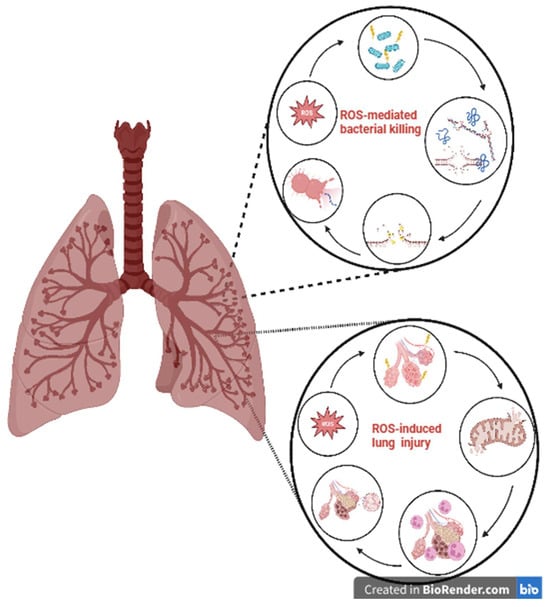
Pneumonia, an acute inflammatory condition of the lung tissue, imposes a significant burden on global health and is characterized by a high rate of illness and death. The pathogenesis of the disease extends beyond infection to breakdown of redox hemostasis, where the excessive
[...] Read more.
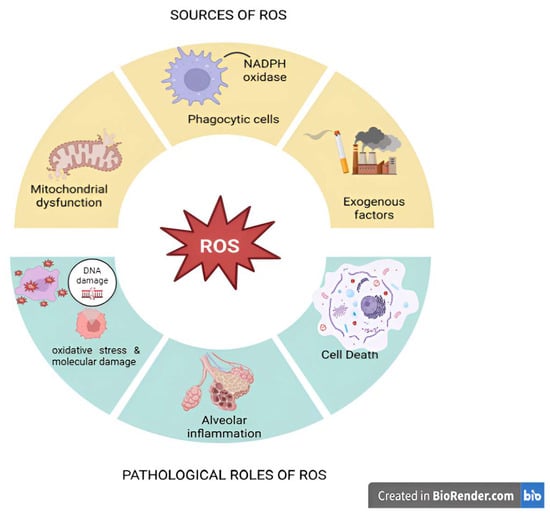
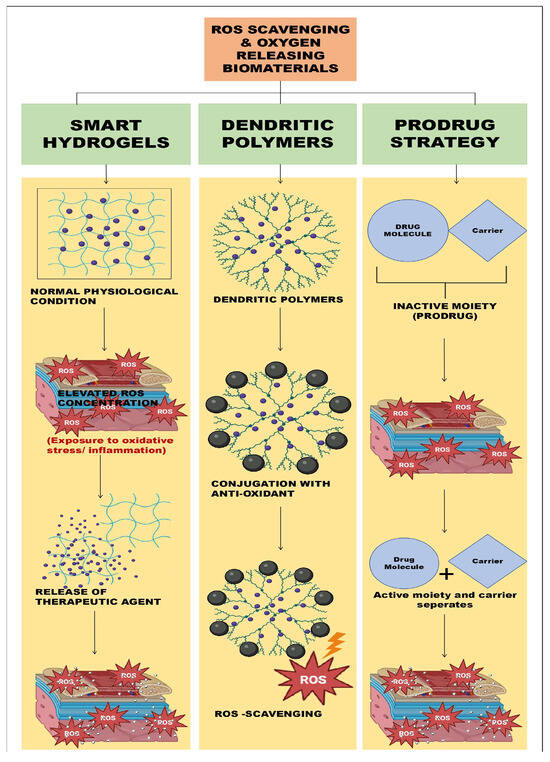
Pneumonia, an acute inflammatory condition of the lung tissue, imposes a significant burden on global health and is characterized by a high rate of illness and death. The pathogenesis of the disease extends beyond infection to breakdown of redox hemostasis, where the excessive reactive oxygen species produced during the immune response inflict damage on the alveolar tissues and hence promote varying complications. This dual role of oxygen and oxidative mechanisms makes the management of pneumonia challenging, as the very oxygen that is vital for host defense, when not regulated, imposes severe lung damage. Antioxidant administration and oxygen therapy offer limited efficacy, mostly due to their non-specific action and iatrogenic harm from oxygen oversupply. These limitations are overcome by the use of emerging therapeutic strategies, which primarily focus on precision-targeted approaches. These include inhalable antioxidants, nanoparticle-based systems and biomaterials that are engineered to respond to local ROS concentrations, which aim to deliver the therapeutic agent directly to the inflamed regions of the lung. Calcium peroxide- and manganese dioxide-incorporating materials are being designed to modulate the oxygen levels, either by releasing it in hypoxic zones or scavenging it in hyperoxic microenvironments. This approach simultaneously addresses hypoxia and oxidative stress. Despite showing promising results in experimental and preclinical studies, complications related to product stability, regulatory compliance, and manufacturing scalability need to be addressed. Personalized treatment protocols, guided by biomarkers, involve the future generation of treatments, aiming to achieve a delicate recalibration of the lung’s oxidative environment for improved patient outcomes.
Full article

Figure 1
Open AccessFeature PaperArticle
The Failure of Pulmonary Oxygen Exchange in Severe Viral Lung Disease: Pneumolysis
by
Gustavo Zubieta-Calleja, Felipe de Jesús Montelongo, Manuel Gabriel Romo Sanchez, Michele Samaja and Natalia Zubieta-DeUrioste
Oxygen 2026, 6(2), 7; https://doi.org/10.3390/oxygen6020007 - 27 Mar 2026
Cited by 1
Abstract
►▼
Show Figures
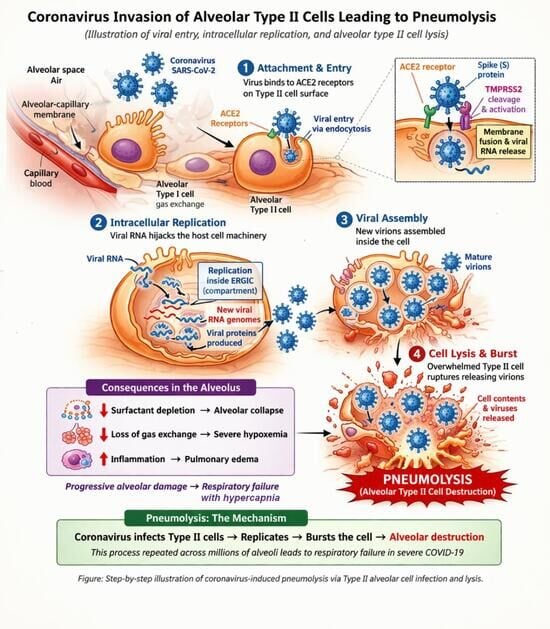
Background: Severe lung compromise from COVID-19, ARDS, and recently AH3N2 can progress to life-threatening hypoxia. Past experience led to standardized protocols that assumed similarity to SARS-CoV. Methods: COVID-19 pathophysiology and histopathological lung biopsy photomicrographs are analyzed. Results: Pneumolysis is defined
[...] Read more.
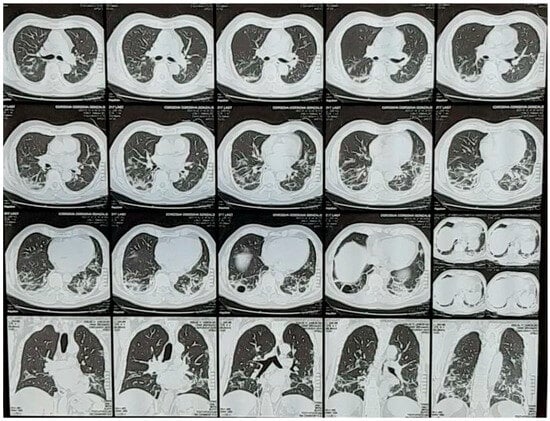
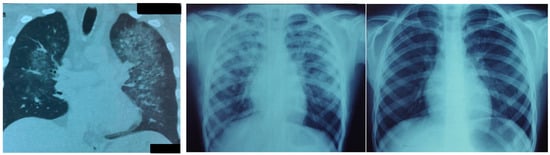
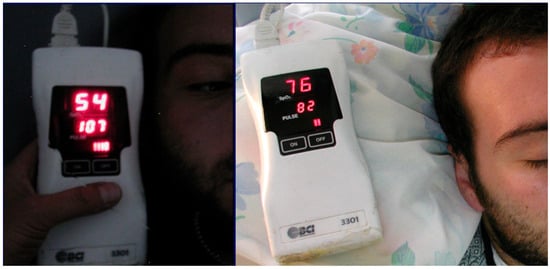
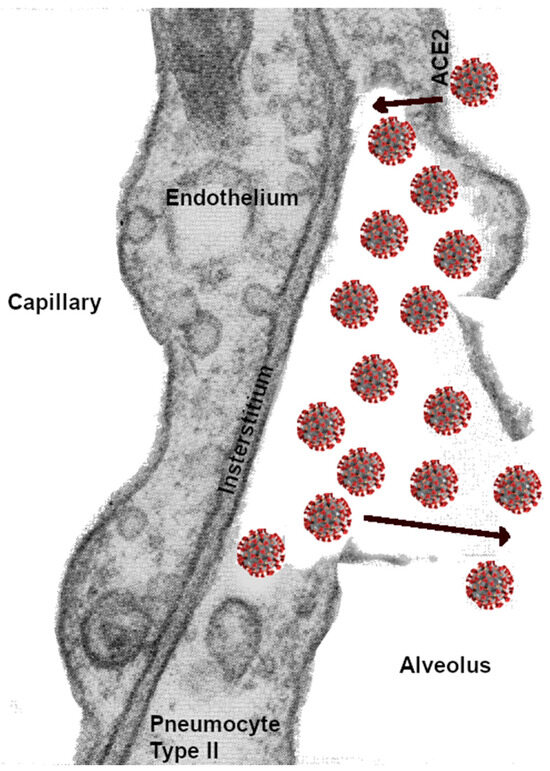
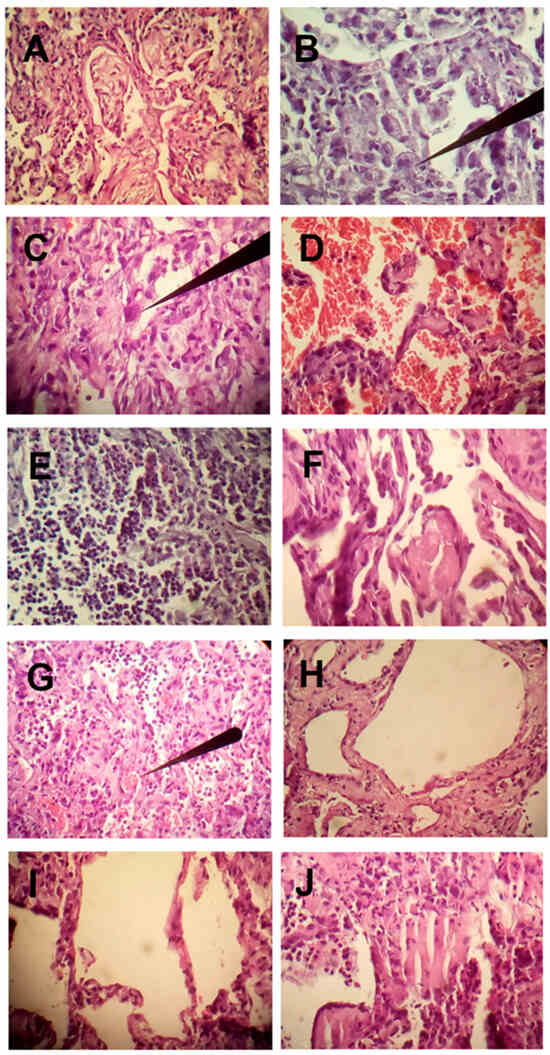
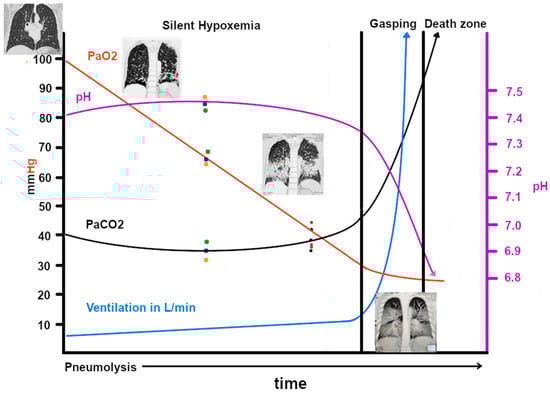
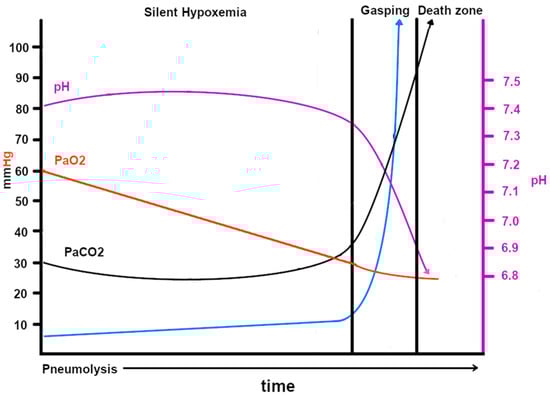
Background: Severe lung compromise from COVID-19, ARDS, and recently AH3N2 can progress to life-threatening hypoxia. Past experience led to standardized protocols that assumed similarity to SARS-CoV. Methods: COVID-19 pathophysiology and histopathological lung biopsy photomicrographs are analyzed. Results: Pneumolysis is defined as progressive alveolar–capillary destruction resulting from SARS-CoV-2 attack on pneumocytes. In the final stages preceding pneumolysis, molecular mechanisms in the lungs include apoptosis in alveolar epithelial type I and II cells, compromising alveolar regeneration, and necrosis, resulting in leakage of intracellular contents and amplifying inflammation. Pyroptosis, driven by inflammasome activity, further disrupts alveolar integrity in ARDS. Histopathological findings include Masson bodies, alveolar-coating cells with nuclear atypia, reactive pneumocytes and reparative fibrosis, intra-alveolar hemorrhage, moderate inflammatory infiltrates and abscesses, microthrombi, hyaline membrane remnants, and emphysema. The three theoretical pathophysiological stages of progressive hypoxemia (silent hypoxemia, gasping, and death zone) are shown. Conclusions: Silent hypoxemia rapidly progresses to critical hypoxemia. This progression results from progressive pneumolysis, inflammation, immune overexpression, autoimmunity, and HAPE-type edema, leading to acute pulmonary insufficiency. Long-lasting COVID-19 can result in fibrosis and, as a compensatory mechanism, polierythrocythemia. The proposed treatment (based on tolerance to hypoxia and the hemoglobin factor) includes prompt oxygen administration, control of inflammatory and immune responses, antibiotics, rehydration, erythropoietin and platelet aggregation inhibitors.
Full article

Graphical abstract
Open AccessArticle
Neuroprotective Role of Pioglitazone Against LPS-Induced Neuroinflammation in Wistar Rats, Targeting Superoxide Dismutase, Lipid Peroxidation and Cognitive Changes
by
Vandana Blossom, Sheetal Dinkar Ullal, Rajalakshmi Rai, Anupama Hegde, Sharada Rai and Anita Sherly A
Oxygen 2026, 6(2), 6; https://doi.org/10.3390/oxygen6020006 - 25 Mar 2026
Cited by 1
Abstract
►▼
Show Figures
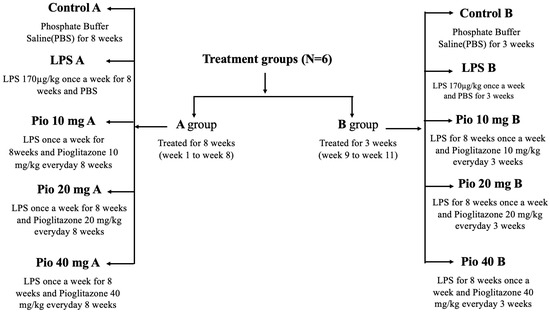
Systemic inflammation leading to neuroinflammation is a matter of concern in recent years because of its implication with neurological disorders. Selective peroxisome proliferator-activated receptor gamma (PPAR-γ) agonists have shown promising anti-inflammatory effects in various neurodegenerative diseases. With pioglitazone being one such PPAR-γ agonist,
[...] Read more.
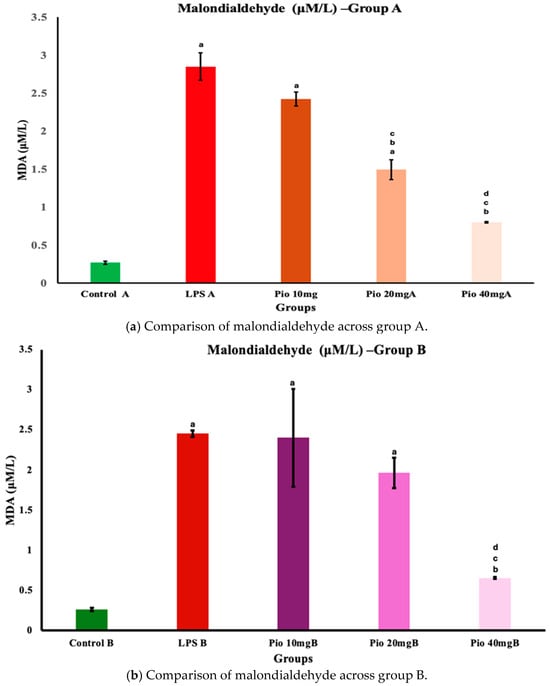
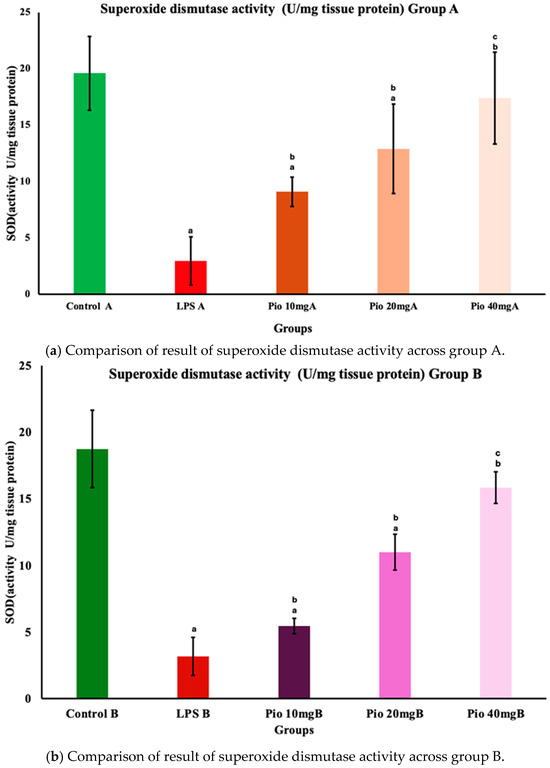
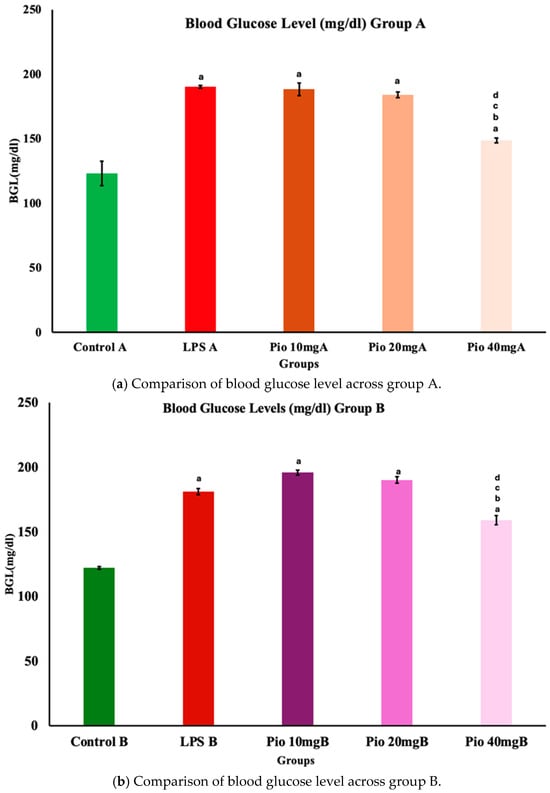
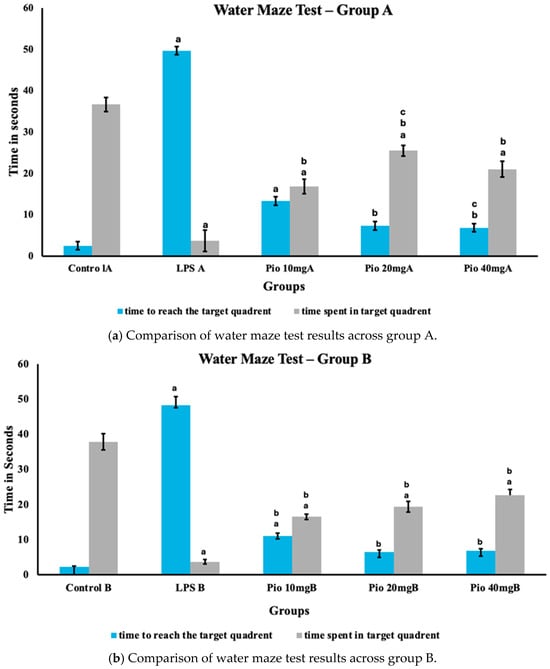
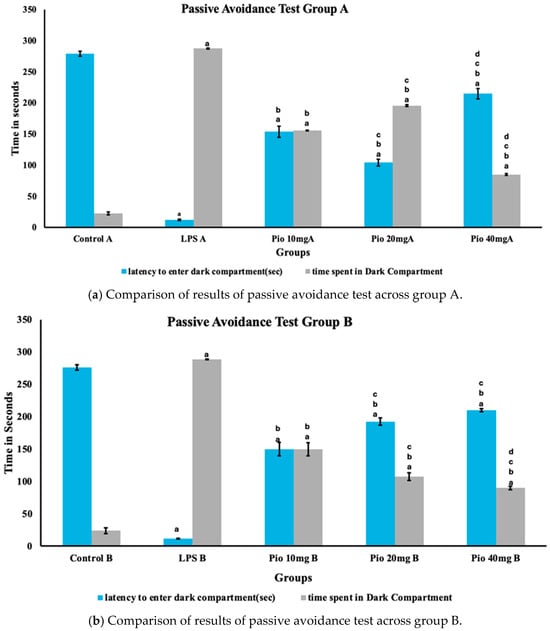
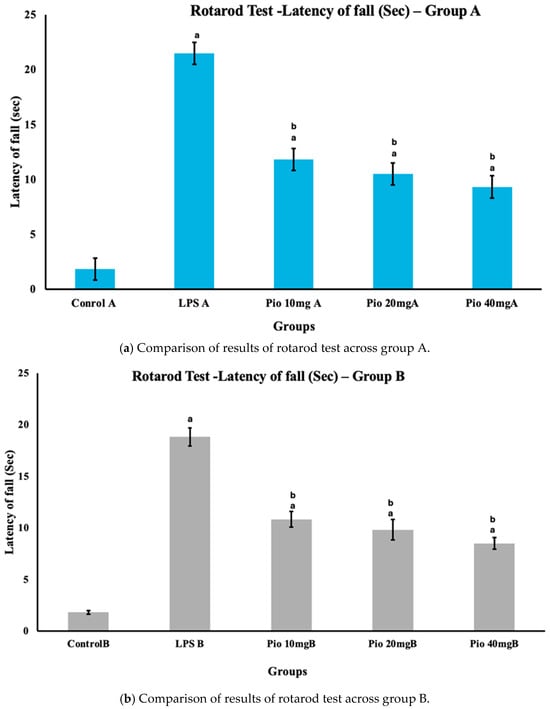
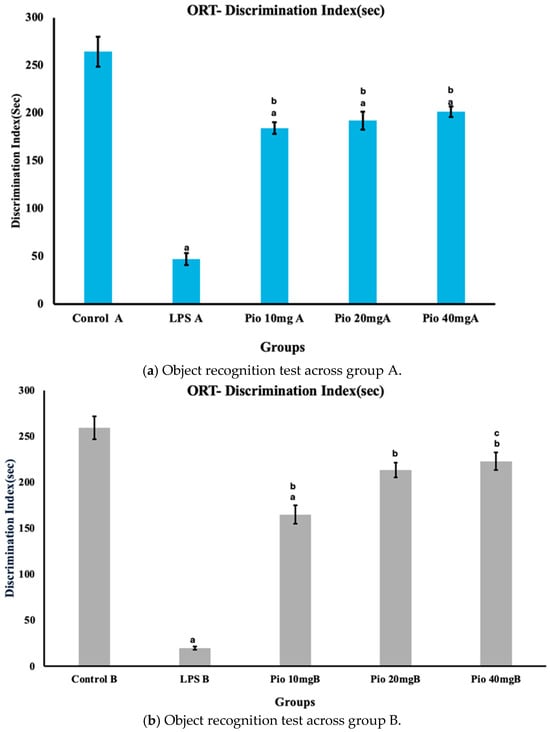
Systemic inflammation leading to neuroinflammation is a matter of concern in recent years because of its implication with neurological disorders. Selective peroxisome proliferator-activated receptor gamma (PPAR-γ) agonists have shown promising anti-inflammatory effects in various neurodegenerative diseases. With pioglitazone being one such PPAR-γ agonist, our study was aimed at investigating the role of pioglitazone on oxidative stress and cognitive changes against LPS-induced neuroinflammation in rats. In-house-bred male Wistar rats, about six weeks old, were utilized for the present study. They were categorized as A (preventive) and B (curative) groups, each with five subgroups: control (1A and 1B), neuro-inflammatory (2A and 2B), and three different dosages of pioglitazone treatment (3A, 3B, 4A, 4B, and 5A, 5B). After the experimental period, cognitive changes were examined by behavioral tests. Brain homogenate was used for biochemical parameters. Deteriorated memory, superoxide dismutase activity and increase in lipid peroxidation in the brain tissue induced by LPS exposure were substantially alleviated (p < 0.001) by pioglitazone treatment. These results suggest that pioglitazone may be neuroprotective against LPS-induced neuroinflammation.
Full article

Figure 1
Open AccessCorrection
Correction: Ahmed et al. The Role of Zinc Oxide Nanoparticles in Boosting Tomato Leaf Quality and Antimicrobial Potency. Oxygen 2026, 6, 2
by
Mostafa Ahmed, Sally I. Abd-El Fatah, Abdulrhman Sayed Shaker, Zoltán Tóth and Kincső Decsi
Oxygen 2026, 6(1), 5; https://doi.org/10.3390/oxygen6010005 - 3 Mar 2026
Abstract
The authors have requested to replace the Molecular Operating Environment (MOE) mentioned in the main text with AutoDock (SWISS Dock, (version 1 [...]
Full article
Open AccessReview
Redox-Based Mechanisms of O2 Sensing in Hypoxic Pulmonary Vasoconstriction: Where Are We Now?
by
Philip I. Aaronson, Jeremy P. T. Ward, Asuncion Rocher and Jesus Prieto-Lloret
Oxygen 2026, 6(1), 4; https://doi.org/10.3390/oxygen6010004 - 22 Feb 2026
Cited by 1
Abstract
Hypoxic pulmonary vasoconstriction (HPV) is a rapid and reversible constrictor response of the pulmonary vasculature, and especially its small muscular precapillary arteries, which is initiated by episodes of local alveolar hypoxia. Acting as a protective homeostatic vasomotor mechanism, HPV enables maximal gas exchange
[...] Read more.
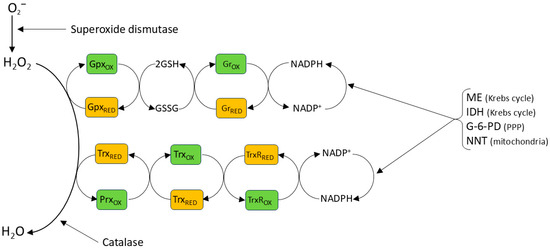
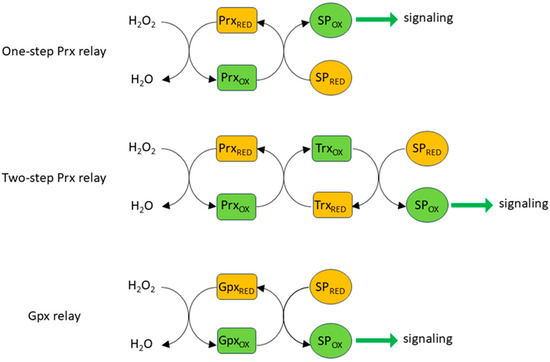
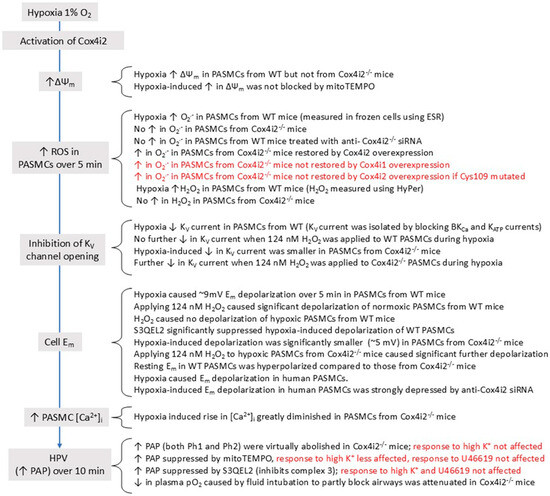
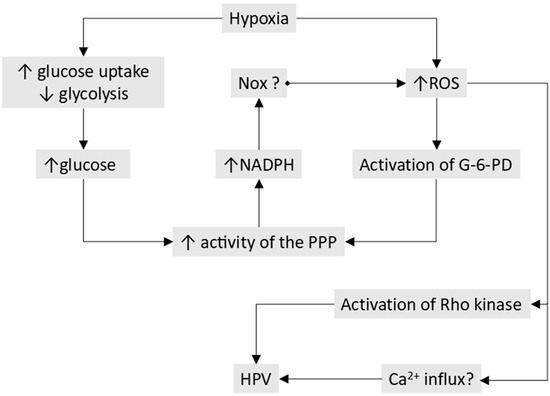
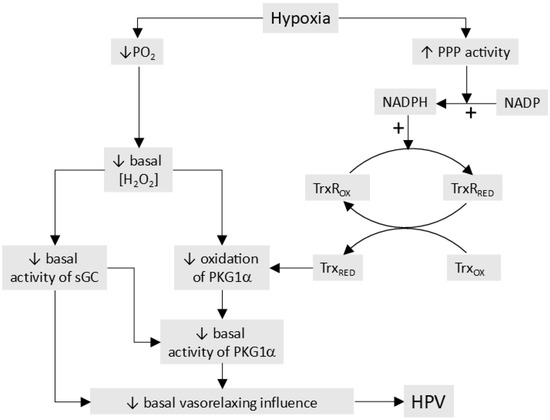
Hypoxic pulmonary vasoconstriction (HPV) is a rapid and reversible constrictor response of the pulmonary vasculature, and especially its small muscular precapillary arteries, which is initiated by episodes of local alveolar hypoxia. Acting as a protective homeostatic vasomotor mechanism, HPV enables maximal gas exchange by diverting blood from poorly ventilated alveoli into those rich in oxygen, thereby optimizing oxygen uptake and the ventilation–perfusion (V/Q) ratio so as to maintain the arterial oxygen partial pressure (PaO2) within the physiological range. HPV is an intrinsic mechanism of pulmonary artery smooth muscle cells (PASMCs), and requires an O2 sensor which acts through mediator(s) to trigger effector mechanisms within these cells to evoke constriction. Whereas HPV effector mechanisms are reasonably well defined, the nature of the O2 sensor and mediators remains in dispute, and a number of proposals have been developed to account for these. Some (but not all) of these share a focus on the concept that hypoxia activates effector mechanisms by inducing a change in the PASMC cytoplasmic redox state. Of these, the Redox Theory, first proposed by Kenneth Weir and Stephen Archer in 1995, proposes that hypoxia inhibits mitochondrial production of reactive oxygen species (ROS), thereby causing the cytoplasm to become more reduced. This inhibits ongoing vasorelaxation maintained by the opening of voltage-gated K+ channels. In contrast, according to the Mitochondrial ROS hypothesis, introduced by Paul Schumacker and Naveen Chandel in 2001, hypoxia increases mitochondrial ROS production, causing an oxidizing shift in the cytoplasmic redox state that activates several vasoconstricting pathways. In a third redox-based scenario, developed by Michael Wolin and Sachin Gupte, hypoxia evokes contraction by causing a fall in H2O2 production by NADPH oxidase and by activating the pentose phosphate pathway. These effects inhibit basal vasorelaxation maintained by the guanylate cyclase and protein kinase G and also stimulate vasoconstricting mechanisms. In this comprehensive review, we first provide a detailed summary of the key studies contributing to the development of these proposals and then subject the evidence supporting them to a critical appraisal, based in part on how well they accord with the wider literature and recent developments in our understanding of how cells shape and deploy redox mechanisms in order to regulate cell function.
Full article
(This article belongs to the Special Issue Feature Papers in Oxygen Volume III)
►▼
Show Figures

Figure 1

Highly Accessed Articles
Latest Books
E-Mail Alert
News
Topics
Topic in
Antioxidants, Biology, Nitrogen, Oxygen, Clinical Bioenergetics, Plants, Biomedicines
Cell Signaling and Redox Biology: From Molecular Mechanisms to Therapeutic Applications
Topic Editors: John T. Hancock, Sergej M. Ostojic, Jiankang Liu, Juan de Dios Alché RamírezDeadline: 31 December 2026
Topic in
Antioxidants, Biomolecules, Chemistry, IJMS, Molecules, Oxygen, Pharmaceutics, Separations
Natural Bioactive Compounds as a Promising Approach to Mitigating Oxidative Stress—Second Edition
Topic Editors: Andrea Ragusa, Michele MaffiaDeadline: 31 December 2027
Special Issues
Special Issue in
Oxygen
Oxygen Chemistry and Electrocatalysis in Metal–Air Batteries: Materials, Mechanisms, and Applications
Guest Editor: Sambhaji S. ShindeDeadline: 31 March 2027