
Special Issue "Advances in Click Chemistry"
QuicklinksA special issue of Molecules (ISSN 1420-3049).
Deadline for manuscript submissions: 30 June 2013
Special Issue Editor
Guest Editor
Dr. Arnaud Gautier
Institut de Chimie de Clermont-Ferrand, CNRS-UMR 6296, Université Blaise Pascal, 24 Avenue des Landais, F-63177 Aubière, France
Website: http://iccf.univ-bpclermont.fr/spip.php?rubrique78&lang=en
E-Mail: Arnaud.GAUTIER@univ-bpclermont.fr
Interests: click chemistry; N-heterocyclic carbenes; lanthanide complexes as biological probe; platinum complexes as cisplatin analogues
Special Issue Information
Dear Colleagues,
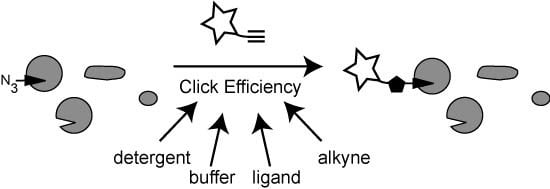
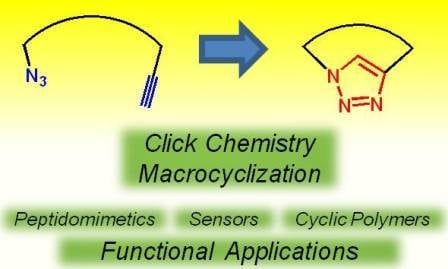
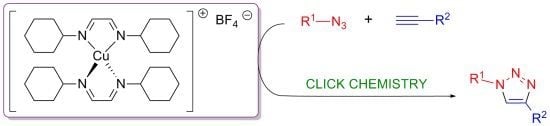
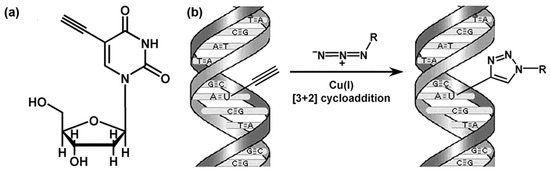
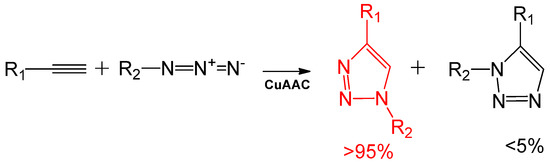
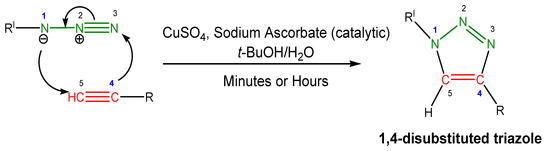
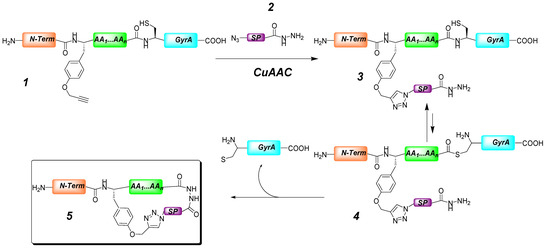
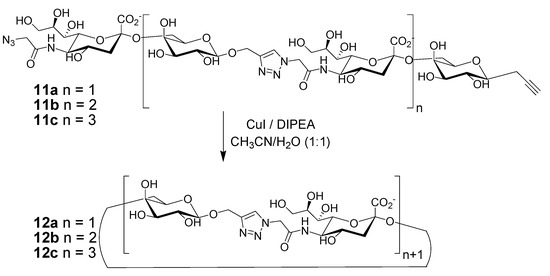
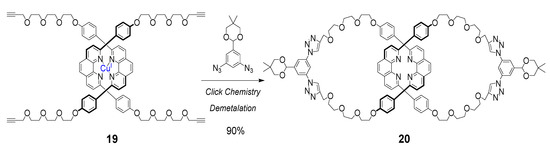
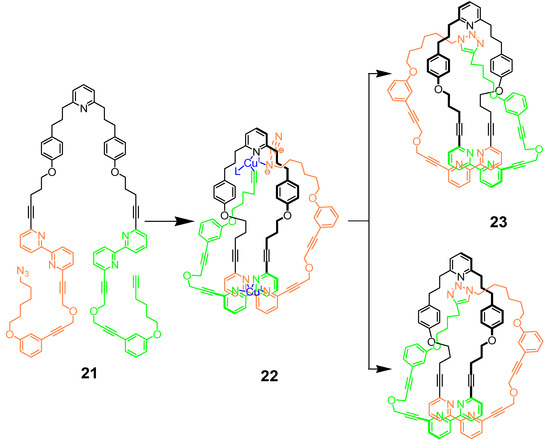
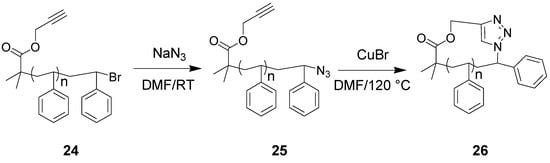
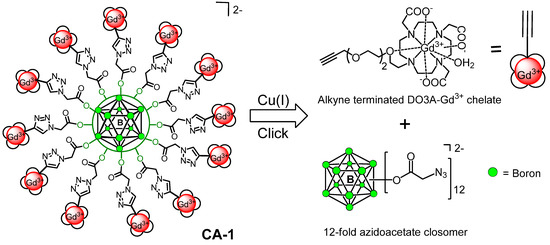
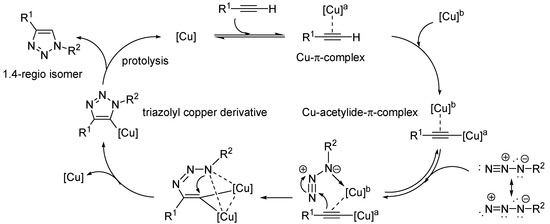
The rise of "click chemistry" as a toolbox gathering only simple, high yielding and easily workable transformations has facilitated an extraordinary increase in the number of molecules available for catalysis, medicinal chemistry, biology, material science and nanotechnologies. Among the synthetic "click tools", the regioselective copper(I)-catalyzed azide-alkyne cycloaddition (CuAAC), is considered as the historical breakthrough in the domain, and has received unrivalled attention. For this reaction, major improvements in the reaction rate and, consequently on the application scopes have arisen from ligand design. However, click chemistry is not restricted to the CuAAC reaction and actually the interest for chemical ligation using strain-promoted alkyne-azide cycloaddition (SPAAC), a copper-free click reaction, is constantly increasing. This allows now pletorious applications at the frontiers of chemistry and biology.
This Special Issue of Molecules will highlight important facets of these milestone reactions, covering all click flavours ranging from methodology to applications. I strongly encourage colleagues to submit their manuscript for this Special Issue to promote and celebrate this exceptional synthetic toolbox.
Dr. Arnaud Gautier
Guest Editor
Submission
Manuscripts should be submitted online at www.mdpi.com by registering and logging in to this website. Once you are registered, click here to go to the submission form. Manuscripts can be submitted until the deadline. Papers will be published continuously (as soon as accepted) and will be listed together on the special issue website. Research articles, review articles as well as communications are invited. For planned papers, a title and short abstract (about 100 words) can be sent to the Editorial Office for announcement on this website.
Submitted manuscripts should not have been published previously, nor be under consideration for publication elsewhere (except conference proceedings papers). All manuscripts are refereed through a peer-review process. A guide for authors and other relevant information for submission of manuscripts is available on the Instructions for Authors page. Molecules is an international peer-reviewed Open Access monthly journal published by MDPI.
Please visit the Instructions for Authors page before submitting a manuscript. The Article Processing Charge (APC) for publication in this open access journal is 1800 CHF (Swiss Francs).
Keywords
- click chemistry
- CuAAC
- RuAAC
- SPAAC
- chemical ligation
- catalysis
- medicinal chemistry
- material science
- nanosciences
Published Papers (2 papers)
|
Review:
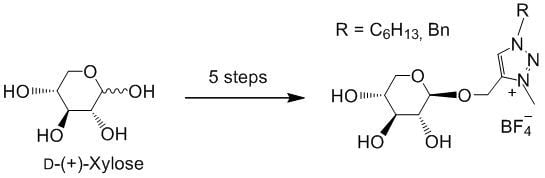
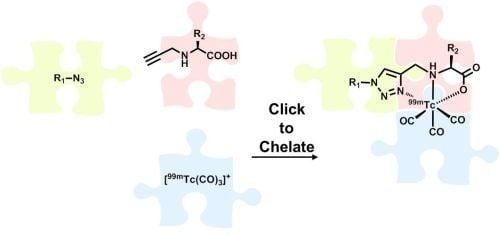
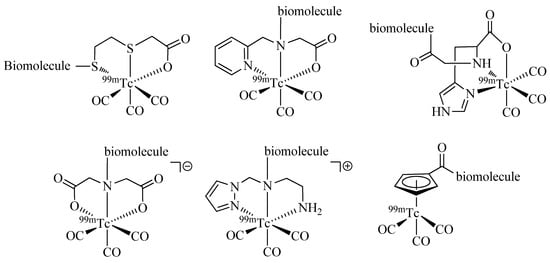
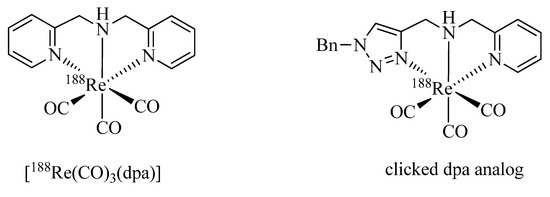
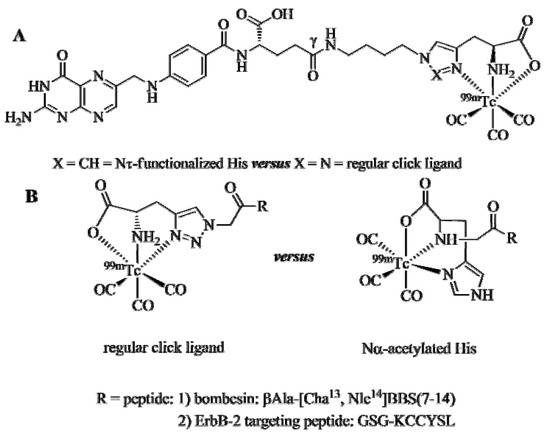
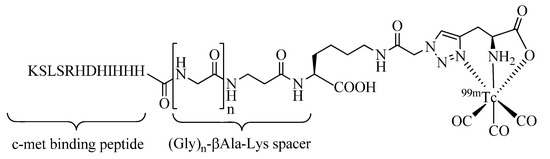
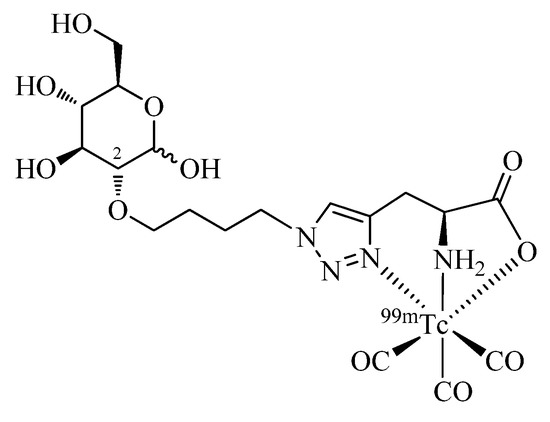
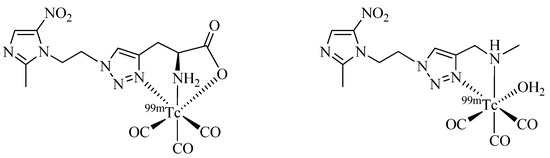
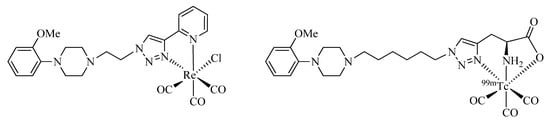
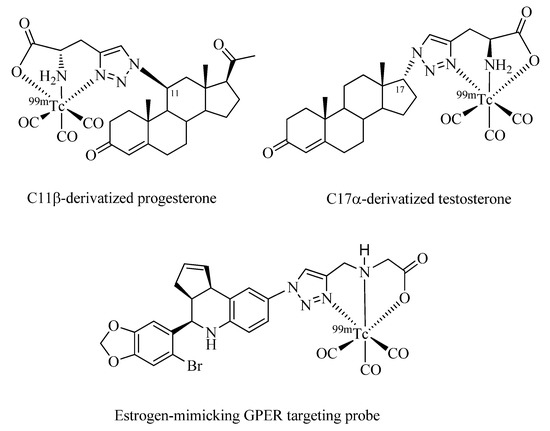
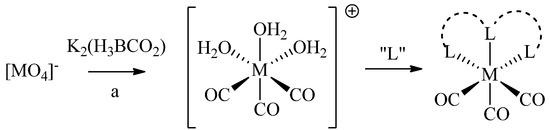
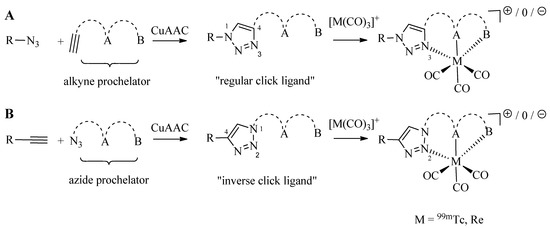
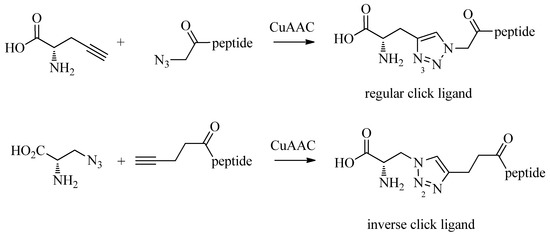
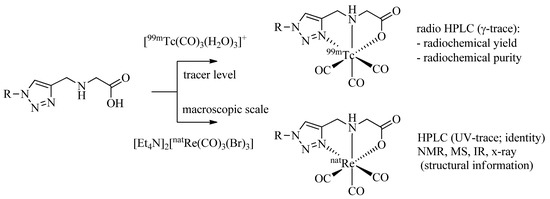
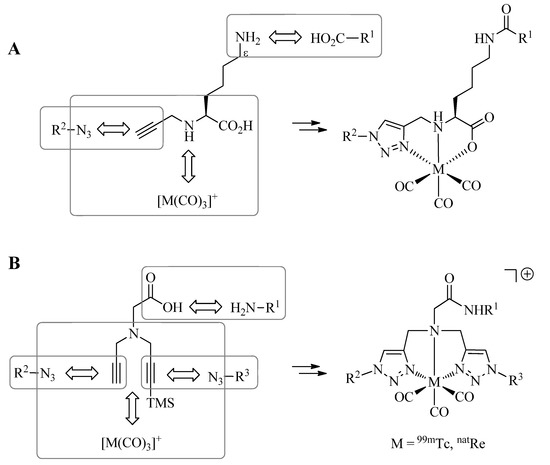
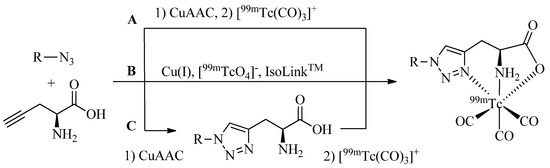
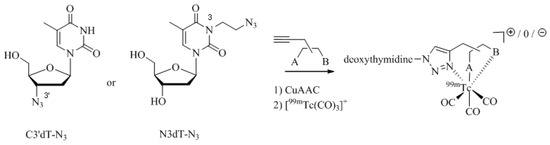
Click-to-Chelate: Development of Technetium and Rhenium-Tricarbonyl Labeled Radiopharmaceuticals
Molecules 2013, 18(3), 3206-3226; doi:10.3390/molecules18033206
Received: 20 February 2013; in revised form: 5 March 2013 / Accepted: 6 March 2013 / Published: 12 March 2013
Show/Hide Abstract
| Download PDF Full-text (519 KB) |
|
Molecules 2013, 18(3), 3339-3355; doi:10.3390/molecules18033339
Received: 22 February 2013; in revised form: 7 March 2013 / Accepted: 12 March 2013 / Published: 14 March 2013
Show/Hide Abstract
| Download PDF Full-text (358 KB) |
Planned Papers
The below list represents only planned manuscripts. Some of these manuscripts have not been received by the Editorial Office yet. Papers submitted to MDPI journals are subject to peer-review.
Type of Paper: Review
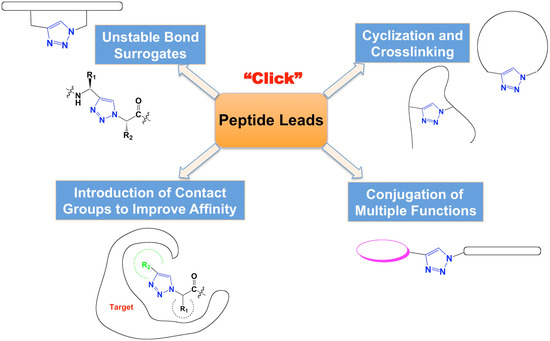
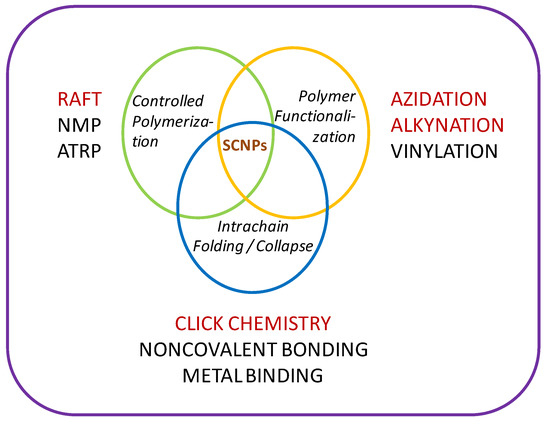
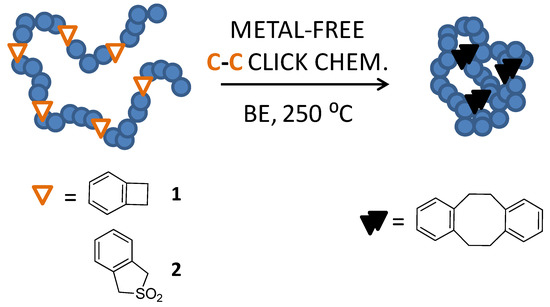
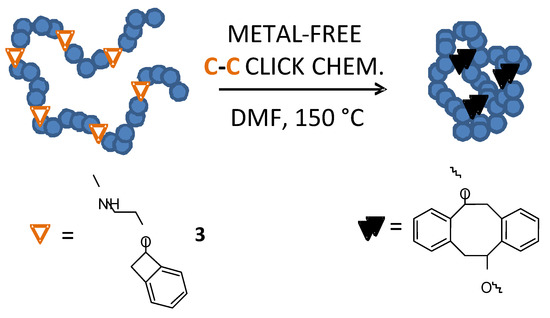
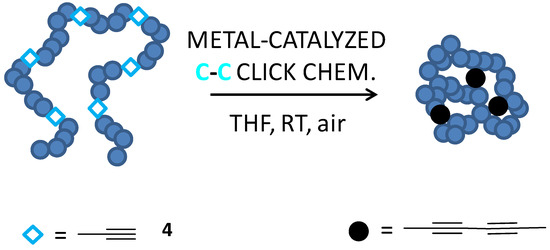
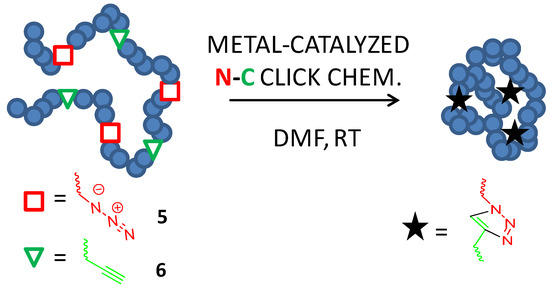
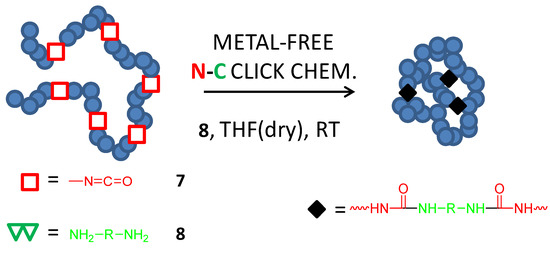
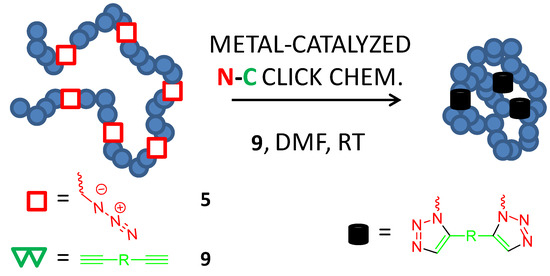
Title: Advances in Click Chemistry for Single-Chain Nanoparticle Construction
Authors: Ana Sanchez-Sanchez1, Irma Perez-Baena1, Jose A. Pomposo1,2,3
Affiliations: 1 Centro de Fisica de Materiales (CSIC, UPV/EHU)-Materials Physics Center, Paseo Manuel de Lardizabal 5, E-20018 San Sebastian, Spain;
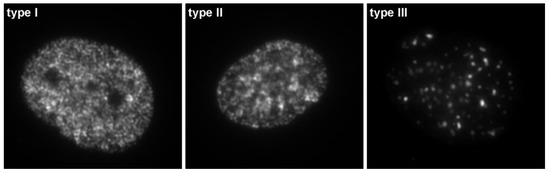
2Departamento de Fisica de Materiales, Universidad del Pais Vasco (UPV/EHU), Apartado 1072, E-20080 San Sebastian, Spain;
3IKERBASQUE - Basque Foundation for Science, Alameda Urquijo 36, E-48011 Bilbao, Spain.
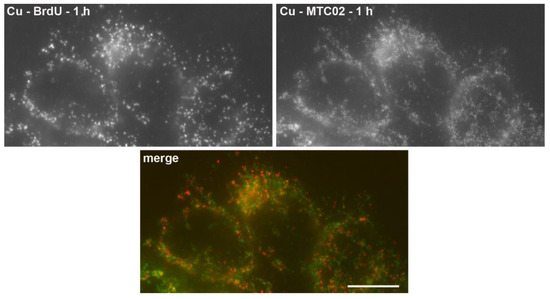
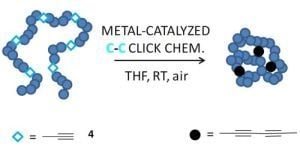
Abstract: Single-chain polymeric nanoparticles are artificial folded soft nano-objects of ultra-small size which have recently gained prominence in nanoscience and nanotechnology due to their exceptional and sometimes unique properties. This review focuses on the current state of the investigations of click chemistry techniques for highly-efficient single-chain nanoparticle construction. Additionally, recent progress achieved for the use of well-defined single-chain nanoparticles in some promising fields, such as nanomedicine and catalysis, are highlighted.
Type of Paper: Article
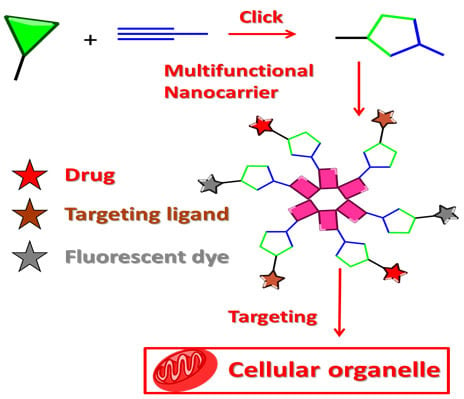
Title: Evolution of Alkyne-Azide Click Chemistry in Designing Nanocarriers for Applications in Biology
Authors: Dusica Maysinger 1,2 and Ashok Kakkar 1,2
Affiliations: 1 Department of Pharmacology and Therapeutics, McGill University, 3655 Promenade Sir-William-Osler, Montreal, Quebec, Canada H3G 1Y6 E-Mail: dusica.maysinger@mcgill.ca
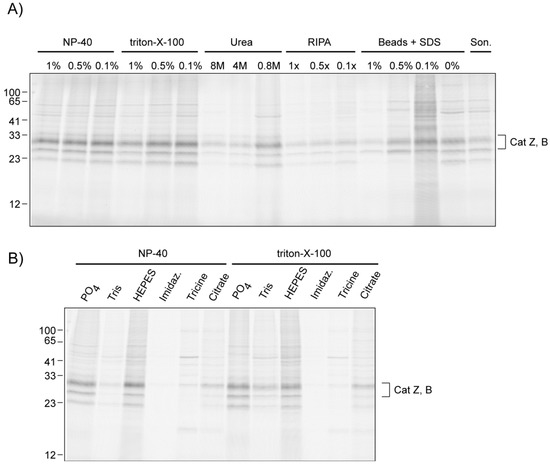
2 Department of Chemistry, McGill University, 801 Sherbrooke St. West, Montreal, Quebec H3A 2K6 Canada
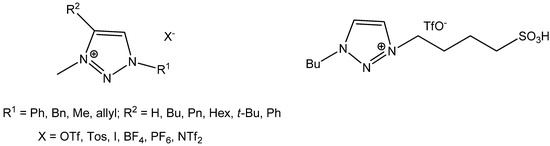
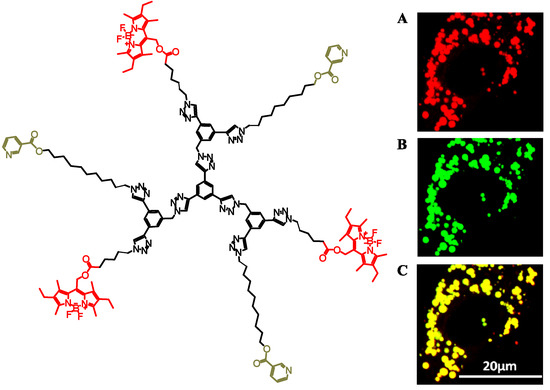
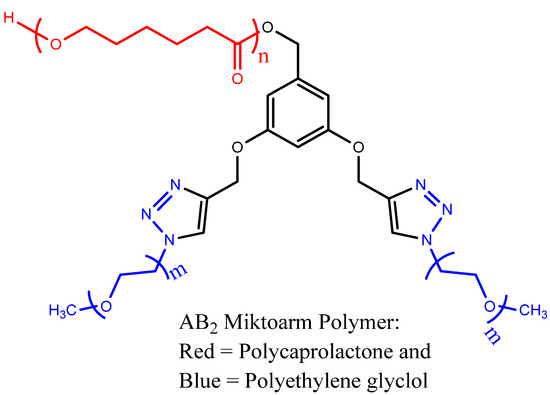
Abstract: Alkyne-azide cycloaddition, first discovered by Huisgen and then simplified and fully described by Sharpless, is one of the most extensively utilized "click" reactions in varied fields of science. Its significance in conjugating a wide variety of functional units has prompted several variations in catalyst, solvents etc., to adapt this high yield reaction to specific needs. This review provides a detailed look at the evolution of this powerful chemistry tool since its inception in 2001, and highlights its utility in ligation for applications in biology today.
Last update: 21 February 2013