
Journal Description
Fuels
Fuels
is an international, peer-reviewed, open access journal on fuel science, published quarterly online by MDPI. The Institute of Energy and Fuel Processing Technology (ITPE) is affiliated to Fuels and their members receive a discount on the article processing charges.
- Open Access— free for readers, with article processing charges (APC) paid by authors or their institutions.
- High Visibility: indexed within ESCI (Web of Science), Scopus, EBSCO, Ei Compendex, and other databases.
- Journal Rank: JCR - Q2 (Engineering, Chemical) / CiteScore - Q2 (Energy Engineering and Power Technology)
- Rapid Publication: manuscripts are peer-reviewed and a first decision is provided to authors approximately 22.1 days after submission; acceptance to publication is undertaken in 6.8 days (median values for papers published in this journal in the first half of 2026).
- Recognition of Reviewers: APC discount vouchers, optional signed peer review, and reviewer names published annually in the journal.
- Journal Cluster of Energy and Fuels: Energies, Batteries, Hydrogen, Biomass, Electricity, Wind, Fuels, Gases, Solar, ESA, Bioresources and Bioproducts and Methane.
Impact Factor:
4.0 (2025);
5-Year Impact Factor:
3.7 (2025)
Latest Articles
Child-Well Stimulation Intensity in Unconventional Reservoirs: Impacts on Well Performance, Economics, and Environmental Considerations
Fuels 2026, 7(3), 53; https://doi.org/10.3390/fuels7030053 - 7 Aug 2026
Abstract
Child-well stimulation design has become a central challenge in mature unconventional reservoirs, where infill wells are commonly completed in reservoirs that have already been modified by parent-well production. Prior depletion changes pore pressure, stress distribution, and fracture-propagation pathways, causing child-well treatments to behave
[...] Read more.
Child-well stimulation design has become a central challenge in mature unconventional reservoirs, where infill wells are commonly completed in reservoirs that have already been modified by parent-well production. Prior depletion changes pore pressure, stress distribution, and fracture-propagation pathways, causing child-well treatments to behave differently from parent-well completions. As a result, increasing fluid volume, proppant loading, stage density, or pump rate does not necessarily produce proportional gains in recovery. This review synthesizes the comprehensive literature on child-well stimulation intensity with emphasis on well performance, fracture-driven interactions, pad-scale economics, diagnostics, and resource-use considerations. The analysis shows that the production response is highly conditional: larger treatments can enhance reservoir contact when fractures access underdrained rock; however they may lose effectiveness when depletion-induced stress changes redirect fracture growth toward parent-well drainage areas or pre-existing fracture networks. In such cases, higher nominal intensity can increase interwell communication, reduce completion efficiency, impair parent-well performance, and weaken pad-level economic value. A key outcome of this review is the distinction between nominal stimulation intensity, represented by the treatment pumped, and effective stimulation intensity, represented by the fraction of that treatment that creates incremental productive fracture area. This distinction reframes child-well optimization from a treatment-size problem to a depletion-aware fracture-placement problem. Diagnostics, coupled modeling, production analysis, and mitigation strategies are therefore necessary to determine whether added stimulation intensity improves recovery or primarily redistributes production within the pad. From an economic perspective, the pad rather than the individual child well is the correct unit for evaluating stimulation-intensity decisions, since pad-level net present value integrates incremental child-well recovery, parent-well degradation, protection costs, spacing effects, and completion capital. Produced-water reuse and lifecycle emission benchmarking represent practical tools for reducing the environmental footprint of child-well development programs while simultaneously lowering freshwater demand and disposal volumes. These economic and environmental dimensions are inseparable from the technical optimization of stimulation intensity and are addressed explicitly in this review. This review concludes that child-well stimulation intensity should be optimized within a pad-scale framework that integrates depletion state, spacing, landing-zone selection, parent-well management, and long-term value rather than being uniformly maximized.
Full article
Open AccessArticle
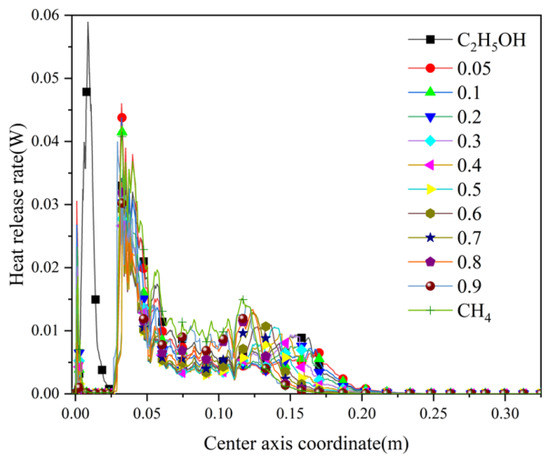
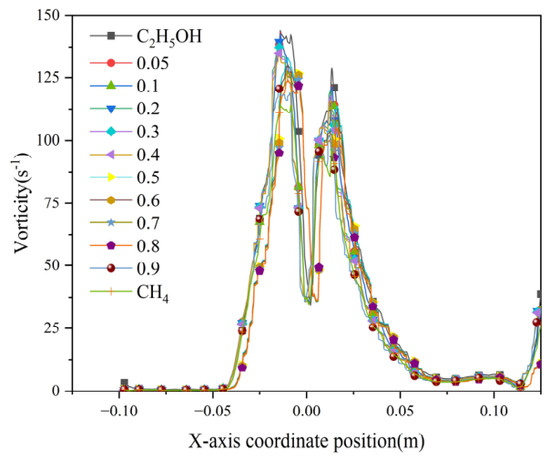
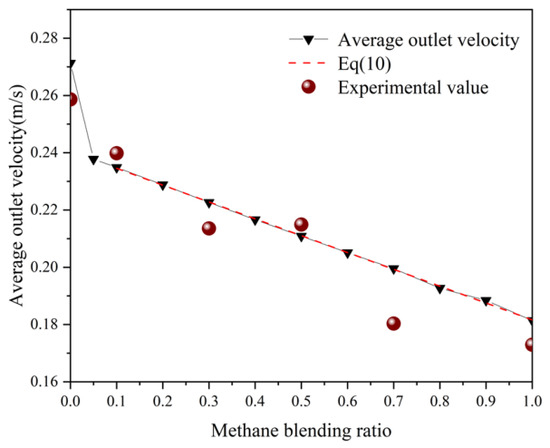
Effects of Methane Addition on Combustion Flow Field and Combustion Characteristics of Ethanol
by
Hong-Tao Tang, Zi-Hao Zhang, Zhe Yang, Fa-Rui Zhao and Yu-Liang Liu
Fuels 2026, 7(3), 52; https://doi.org/10.3390/fuels7030052 - 6 Aug 2026
Abstract
This study employs numerical simulations to systematically investigate the combustion characteristics of methane/ethanol blended fuel–air mixtures under non-premixed turbulent conditions. The effects of the methane blending ratio on the flow-field structure, flame morphology, NO emissions, and combustion efficiency are analyzed. The results show
[...] Read more.
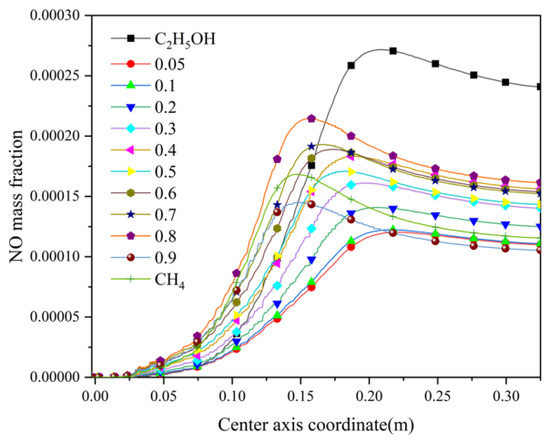
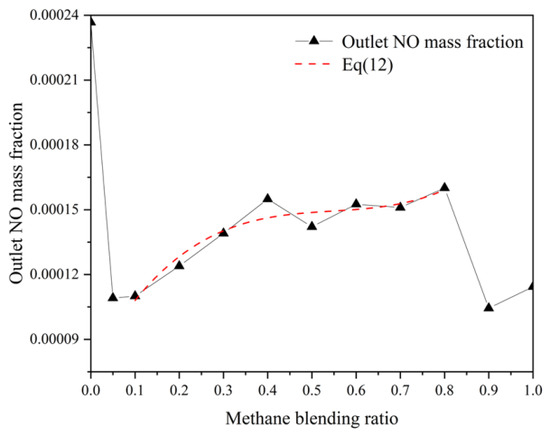
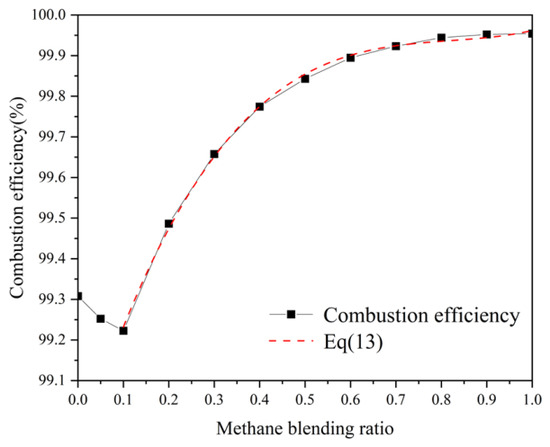
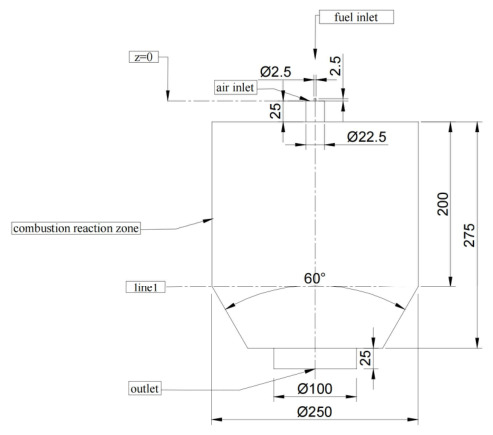
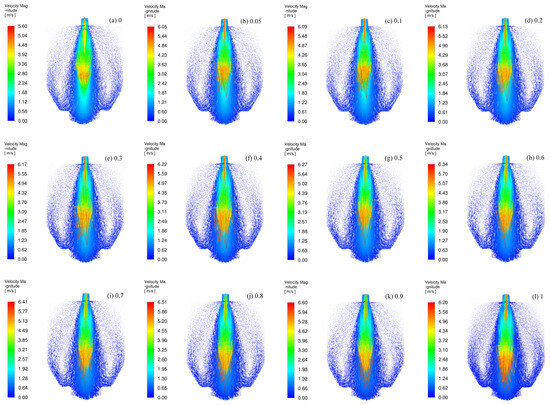
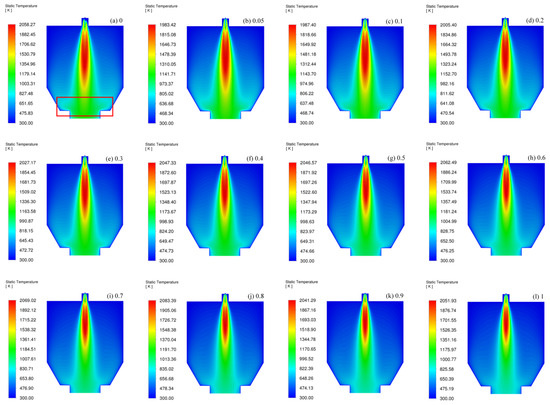
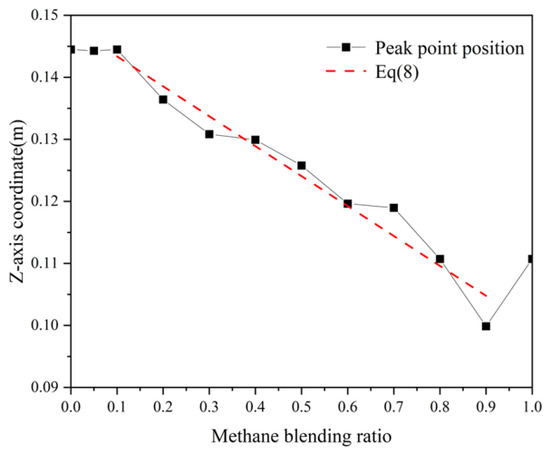
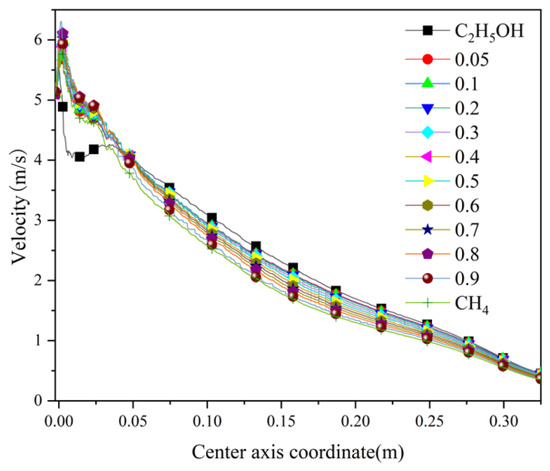
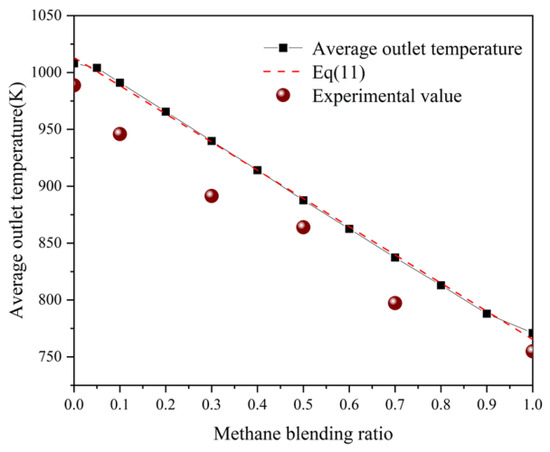
This study employs numerical simulations to systematically investigate the combustion characteristics of methane/ethanol blended fuel–air mixtures under non-premixed turbulent conditions. The effects of the methane blending ratio on the flow-field structure, flame morphology, NO emissions, and combustion efficiency are analyzed. The results show that, with increasing methane blending ratio, the recirculation mechanism gradually shifts from near-field local entrainment to far-field transport, accompanied by a reduction in local shear intensity. Methane addition enhances flame intensity, accelerates combustion, shortens flame length, mitigates heat transfer limitations, and reduces combustion delay. At the initial 10% and the final 20% of the methane blending range, the combustion process exhibits pronounced instability. Methane addition significantly suppresses NO formation, with temperature being the dominant controlling factor, while fuel composition also plays an important role. The overall combustion efficiency is improved. However, a slight decrease is observed at low blending ratios (0–0.1), and the enhancement becomes marginal when the methane blending ratio exceeds 0.6.
Full article

(This article belongs to the Topic Combustion and Application of Carbon Neutral Fuel in Internal Combustion Engine)
►▼
Show Figures

Figure 1
Open AccessArticle
Evaluation of Organic Octane Improvers for Gasoline Fuels: Performance and Environmental Considerations
by
Irena Kostova and Zhelyazko Donchev
Fuels 2026, 7(3), 51; https://doi.org/10.3390/fuels7030051 - 6 Aug 2026
Abstract
►▼
Show Figures
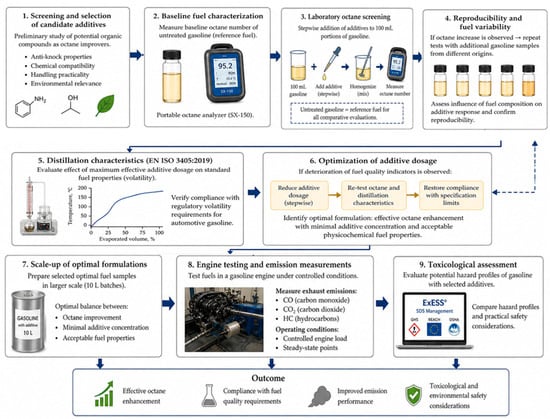
Improving gasoline octane quality is essential for modern spark-ignition engines, as increased knock resistance supports better efficiency, optimized combustion, and reduced fuel consumption. Environmental concerns have increased the demand for cleaner organic alternatives instead of conventional metallic octane boosters. This study evaluated selected
[...] Read more.
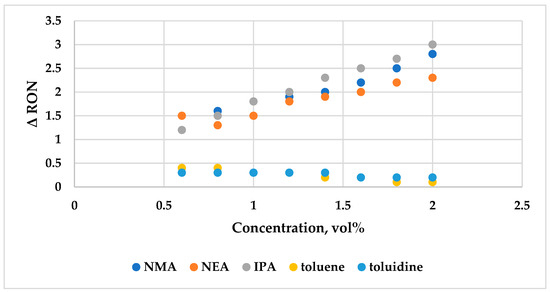
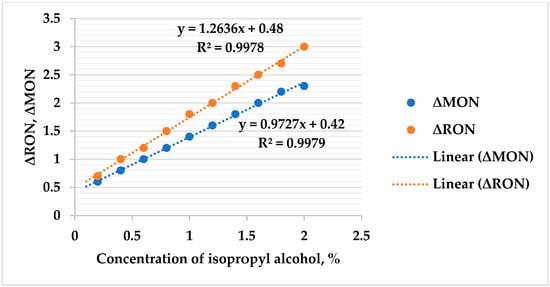
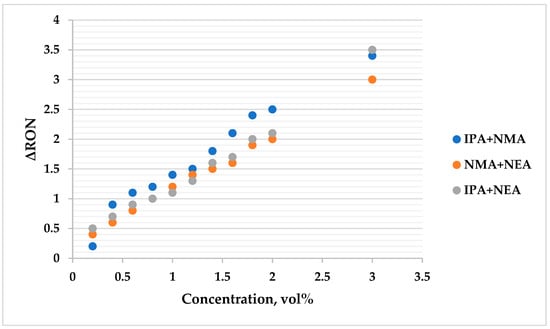
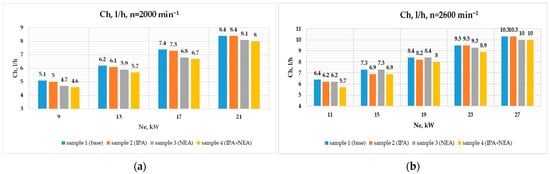
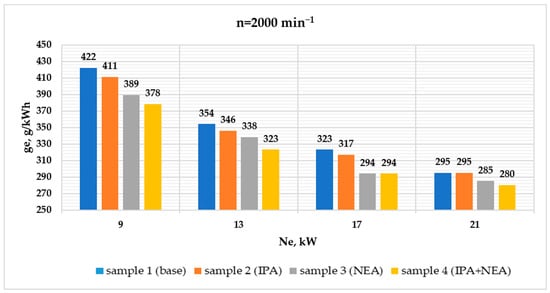
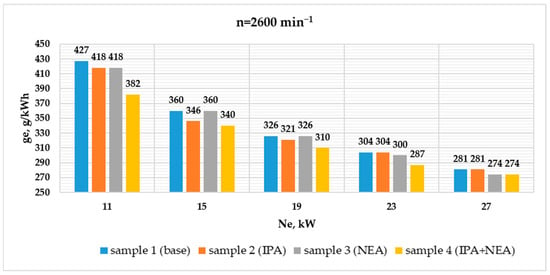
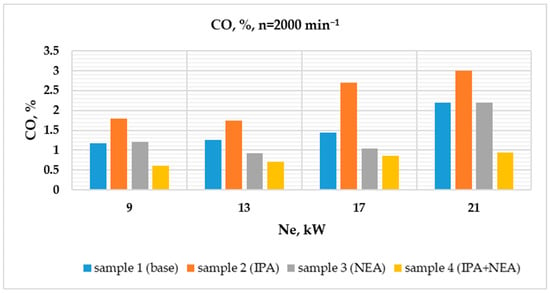
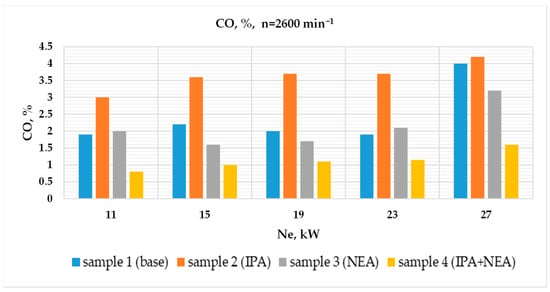
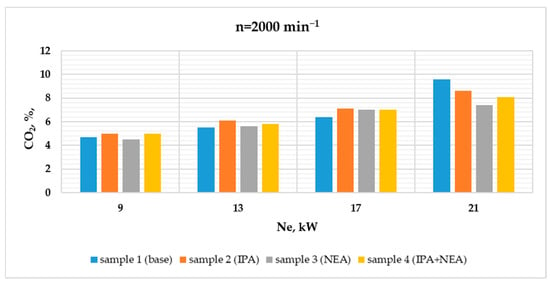
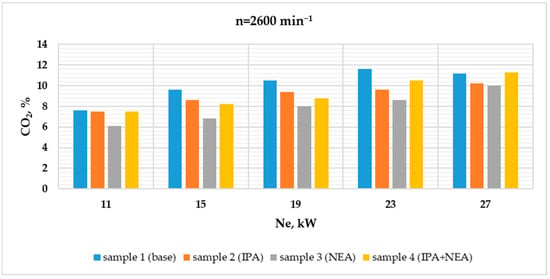
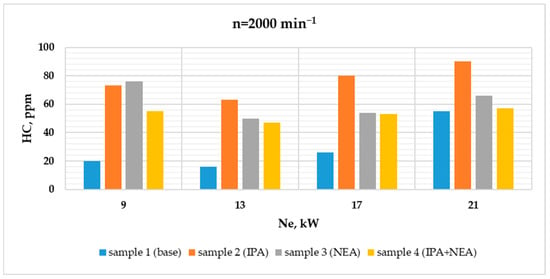
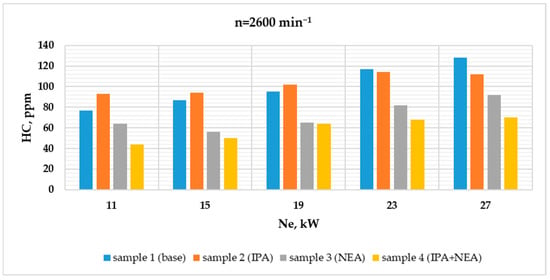
Improving gasoline octane quality is essential for modern spark-ignition engines, as increased knock resistance supports better efficiency, optimized combustion, and reduced fuel consumption. Environmental concerns have increased the demand for cleaner organic alternatives instead of conventional metallic octane boosters. This study evaluated selected organic octane improvers for commercial gasoline fuels, focusing on isopropanol (IPA), N-ethylaniline (NEA), and their binary blends. Fuel samples were prepared by controlled dosing of additives into base gasoline, followed by homogenization and determination of octane number using a portable fuel analyzer. Both additives increased gasoline octane rating, but their effectiveness depended on chemical type and dosage. NEA showed stronger octane-enhancing performance, whereas IPA provided a moderate improvement and potential combustion benefits associated with oxygenated fuel components. The investigated IPA–NEA binary blends increased the research octane number by up to 3.5 units at 3 vol.% additive concentration. Engine bench testing demonstrated reductions in CO emissions of up to 60%, in HC emissions of up to 40.8%, and in fuel consumption of up to 4.7% under selected operating conditions. Distillation characteristics remained within acceptable gasoline quality limits, indicating that the investigated additives did not adversely affect fuel volatility.
Full article
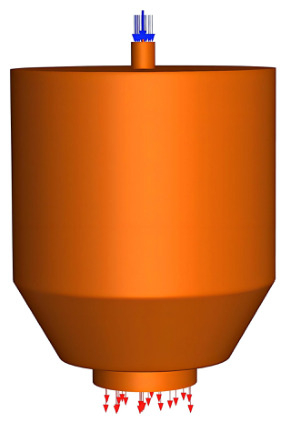
Figure 1
Open AccessArticle
SI and RCCI Quasi-Dimensional Combustion Modeling of Ammonia-Fueled Engines with Fuel-NOx Formation
by
Alberto Ballerini, Gianluca D’Errico, Christine Mounaïm-Rousselle and Pierre Brequigny
Fuels 2026, 7(3), 50; https://doi.org/10.3390/fuels7030050 - 30 Jul 2026
Abstract
The increasing interest in carbon-free fuels has positioned ammonia as a promising energy carrier for Internal Combustion Engines (ICEs), particularly in hard-to-abate sectors such as Heavy-Duty (HD) transport and maritime applications. However, its low reactivity, narrow flammability limits, and intrinsic nitrogen content pose
[...] Read more.
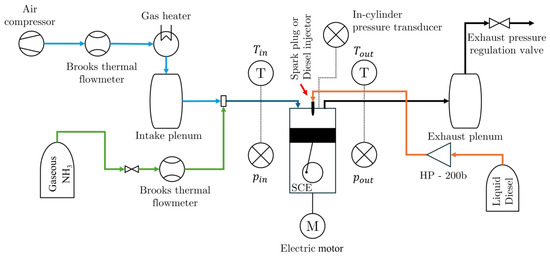
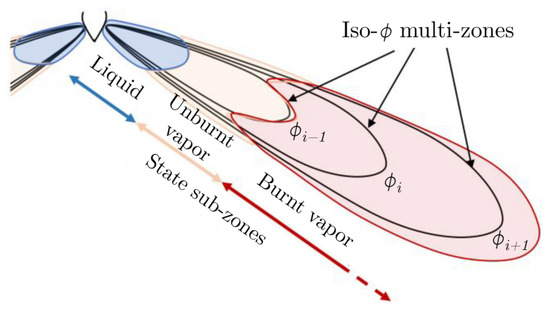
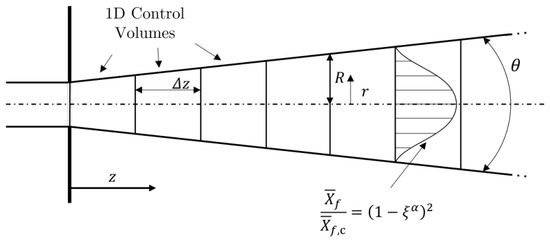
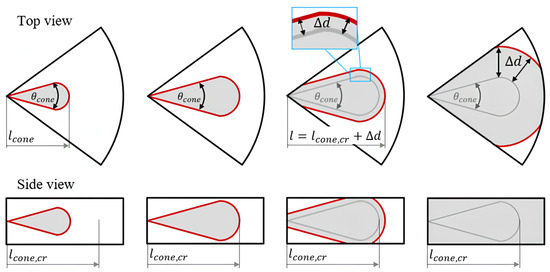
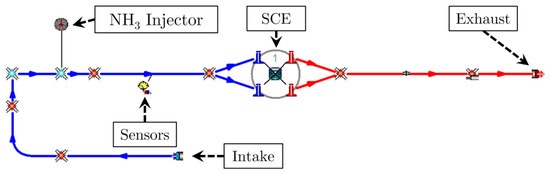
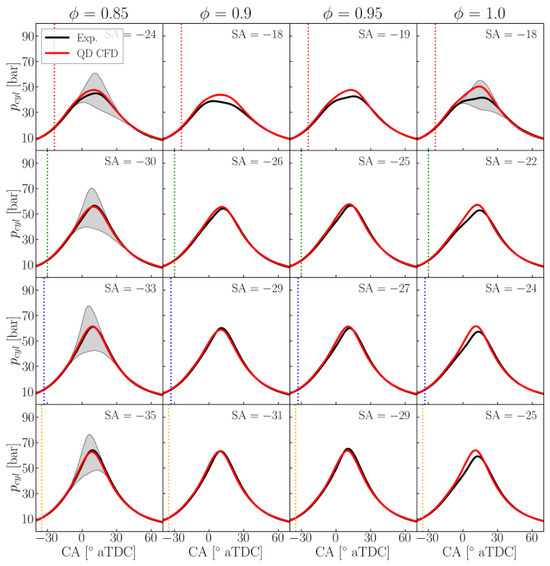
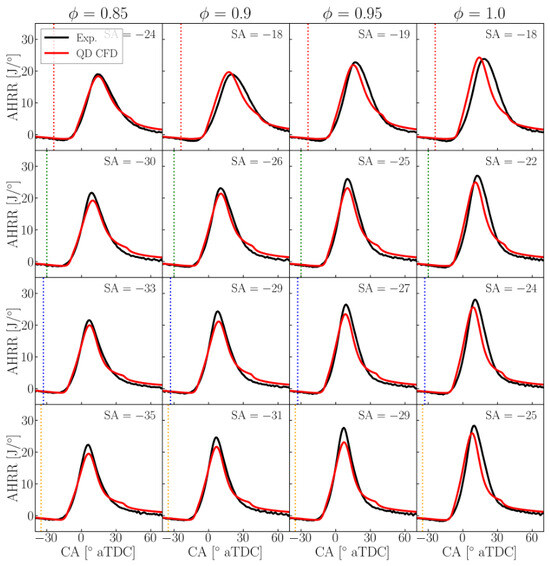
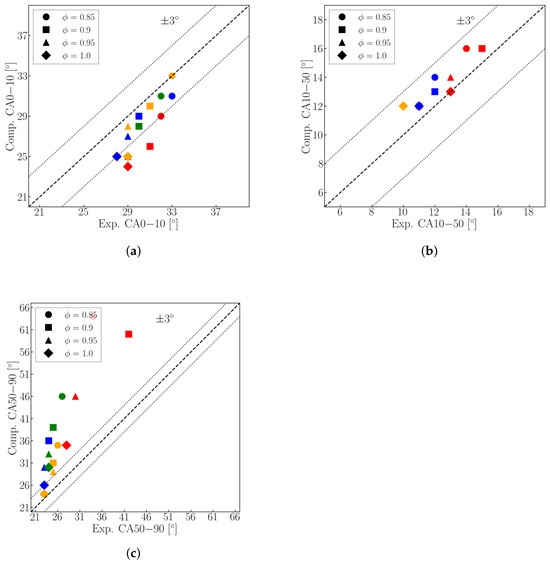
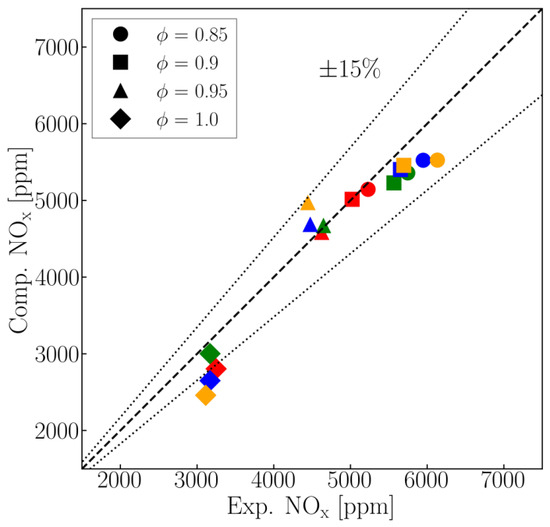
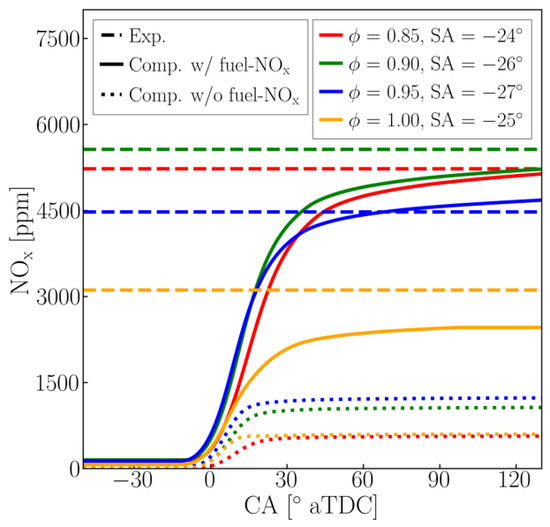
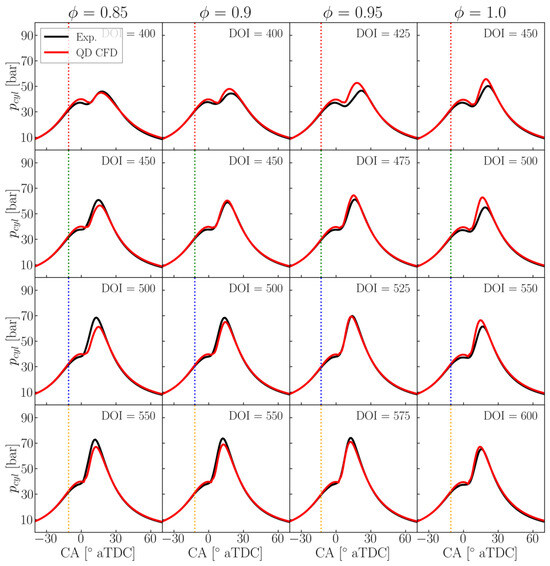
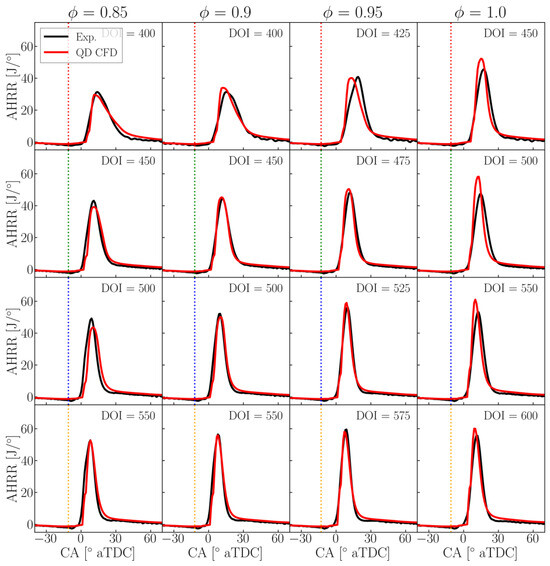
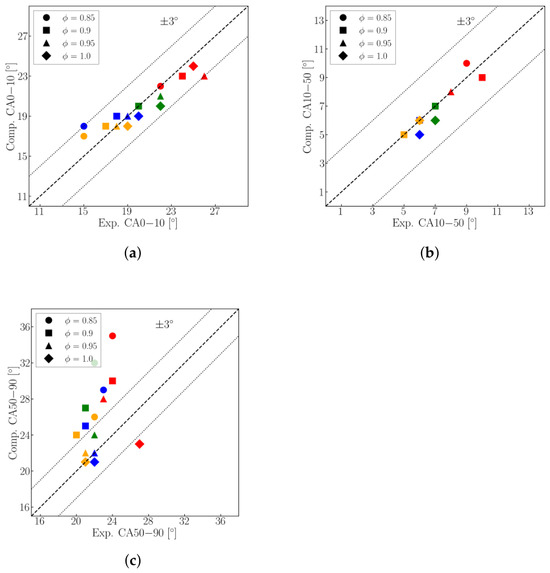
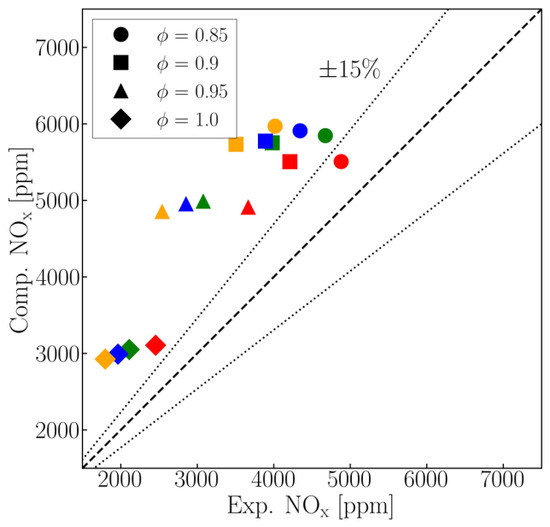
The increasing interest in carbon-free fuels has positioned ammonia as a promising energy carrier for Internal Combustion Engines (ICEs), particularly in hard-to-abate sectors such as Heavy-Duty (HD) transport and maritime applications. However, its low reactivity, narrow flammability limits, and intrinsic nitrogen content pose significant challenges for stable combustion and emissions control. This work presents a predictive Quasi-Dimensional (QD) combustion model applied to simulate ammonia-fueled engines operating under both Spark Ignition (SI) and Reactivity Controlled Compression Ignition (RCCI) modes. The proposed framework couples a turbulent premixed combustion sub-model with a diffusive combustion sub-model, including a dedicated fuel-NOx mechanism to capture nitrogen oxide formation pathways associated with fuel-bound nitrogen. The model accounts for key physical and chemical processes governing combustion, such as ignition delay, mixture stratification, and heat release dynamics, while maintaining computational efficiency suitable for parametric studies. The model is validated against experimental data from a Single-Cylinder Engine (SCE) over a wide range of operating conditions, including variations in equivalence ratio, spark timing, Ammonia Energy Fraction (AEF), and injection strategy. Results demonstrate good agreement in terms of in-cylinder pressure evolution, Apparent Heat Release Rate (AHRR), and NOx emissions, with peak-pressure errors below 4 bar and peak-pressure locations predicted within 2 crank angle degrees. Notably, the dedicated fuel-NOx sub-model substantially improves emission predictions, revealing that fuel-bound nitrogen is the dominant source of NOx in ammonia combustion. Overall, the proposed QD model represents a robust and efficient tool for the analysis and optimization of ammonia-fueled engines, supporting the development of low-carbon combustion strategies for future energy systems.
Full article
(This article belongs to the Special Issue Advances in Propulsion and Energy Systems: Fuel Injection and Combustion Systems)
►▼
Show Figures

Figure 1
Open AccessReview
Use of Hydrothermal Treatment for Anaerobic Digestion of Dairy Manure: Process, Perspectives, and Challenges
by
Kalidas Mainali, Kenita Dahal, Masoud Kazem-Rostami, Shulin Chen and Manuel Garcia-Perez
Fuels 2026, 7(3), 49; https://doi.org/10.3390/fuels7030049 - 21 Jul 2026
Abstract
Effective management of dairy manure is crucial for reducing environmental and public health risks. This waste material can serve as a viable source of bioenergy via anaerobic digestion. The recalcitrance of lignocellulosic fiber in manure presents challenges for its efficient conversion to methane.
[...] Read more.
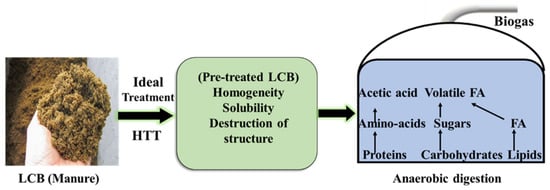
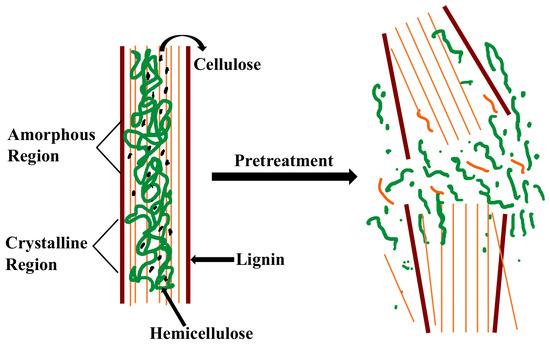
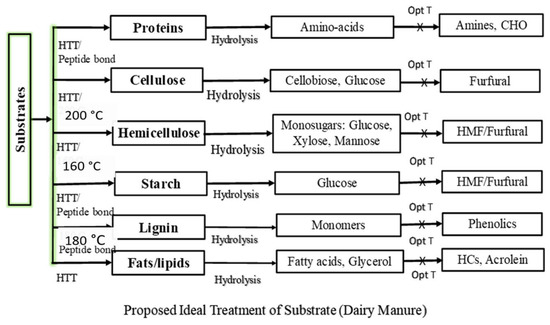
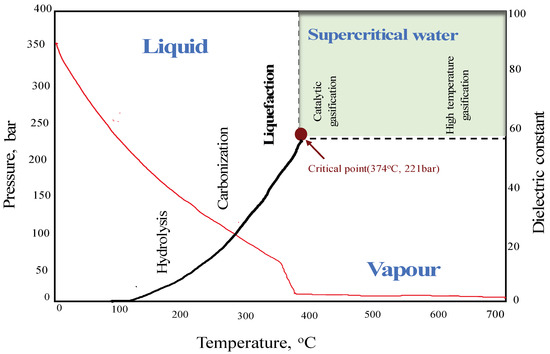
Effective management of dairy manure is crucial for reducing environmental and public health risks. This waste material can serve as a viable source of bioenergy via anaerobic digestion. The recalcitrance of lignocellulosic fiber in manure presents challenges for its efficient conversion to methane. Hydrothermal pretreatment of manure fiber improves process performance by deconstructing the lignocellulosic structure. Low-temperature hydrothermal treatment (90–180 °C) of lignocellulosic biomass optimally enhances the AD process performance by limiting the formation of inhibitory compounds such as furfurals. The integration of an optimal hydrothermal pretreatment within an anaerobic digestion system can improve the homogeneity, miscibility, and digestibility of dairy manure, thereby enhancing biogas yield. This review examines the hydrothermal treatment of lignocellulosic biomass, with a focus on dairy manure, the water chemistry involved in pretreatment, relevant process parameters, and the challenges faced in anaerobic digestion.
Full article
(This article belongs to the Special Issue Recent Advances in Biofuel Production from Biowaste/Biomass-Based Residues)
►▼
Show Figures

Figure 1
Open AccessArticle
Spectral and Physicochemical Properties of Biodiesel Developed from Acacia sieberiana: A Potential Novel Renewable Fuel
by
Muhammad Usman Kaisan, Muhammad Yusuf, Talib Onimisi Ahmadu, S. Narayan, Aisha Jibrin and Joseph Samuel
Fuels 2026, 7(3), 48; https://doi.org/10.3390/fuels7030048 - 14 Jul 2026
Abstract
►▼
Show Figures
In this work, the use of biodiesel derived from Acacia sieberiana (commonly referred to as “Bagaruwa”) seed oil is presented as a potential renewable fuel for compression ignition engines. The biodiesel was produced using transesterification and characterized using Fourier transform infrared spectroscopy (FTIR)
[...] Read more.
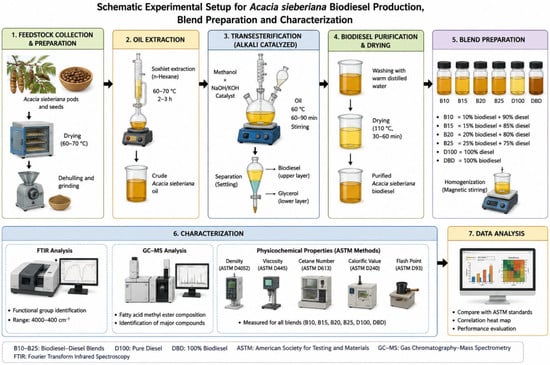
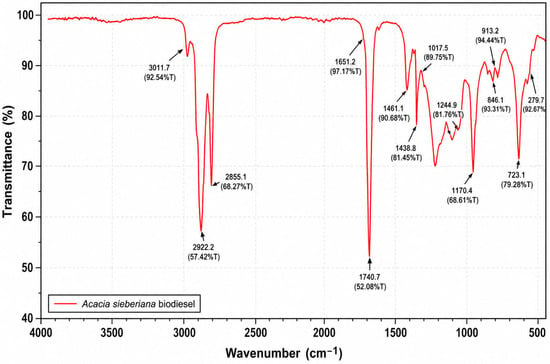
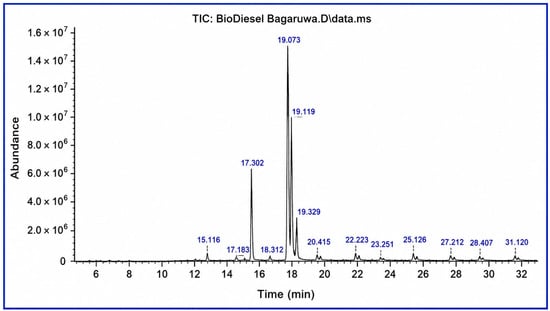
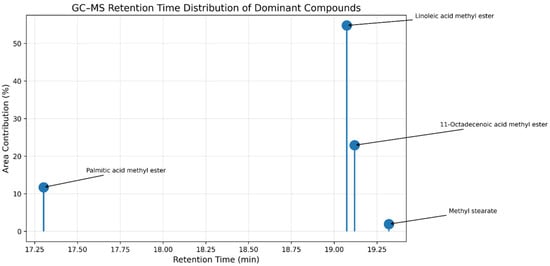
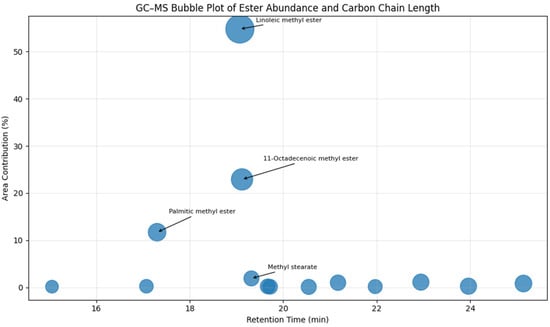
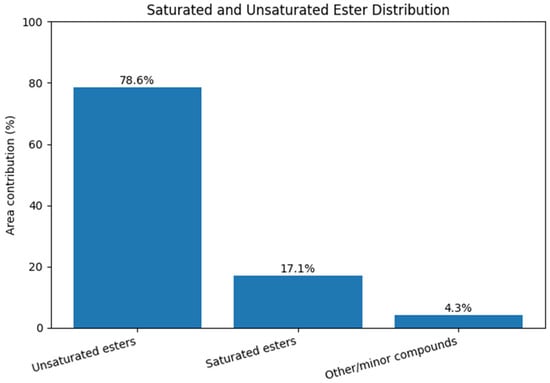
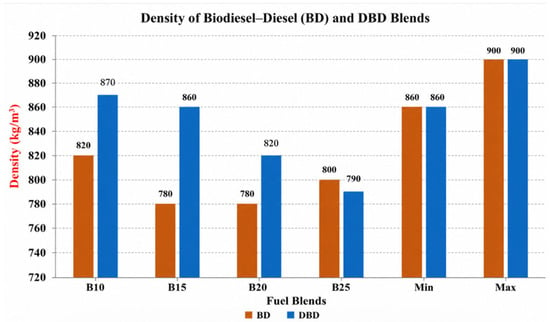
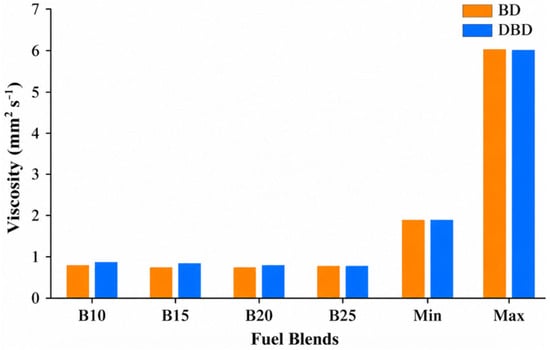
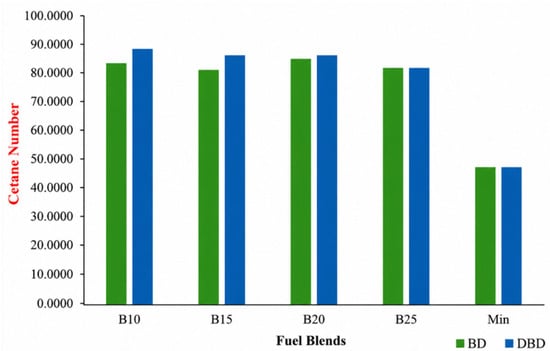
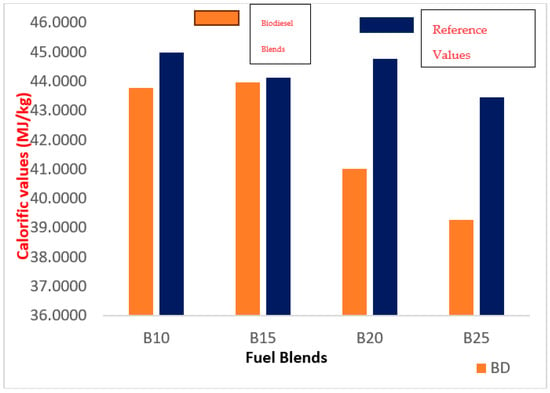
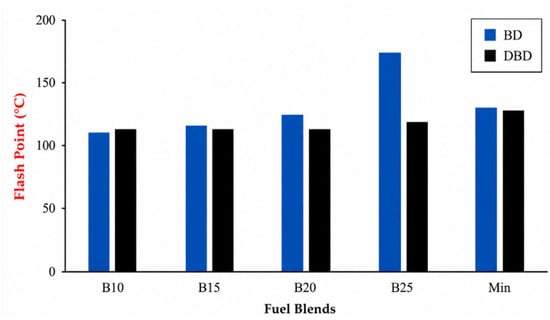
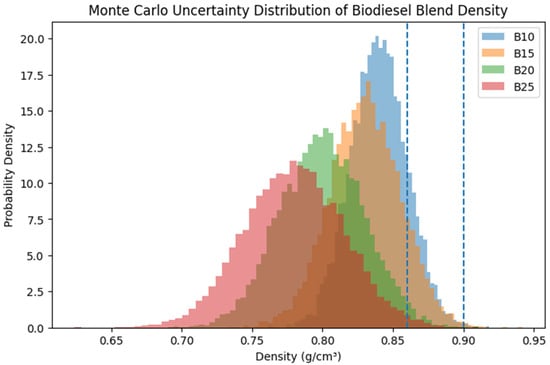
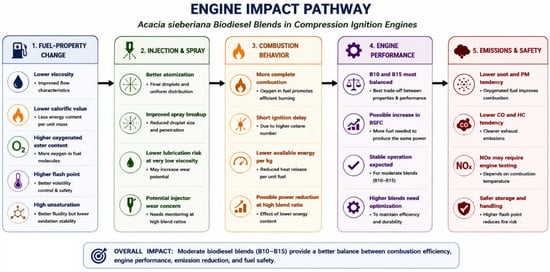
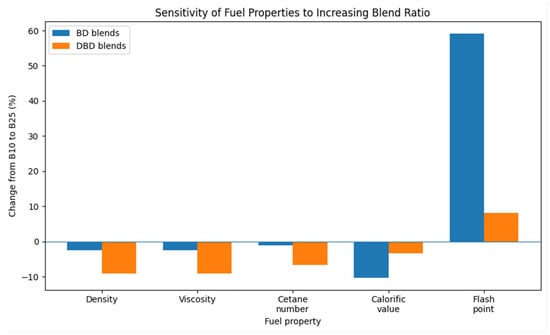
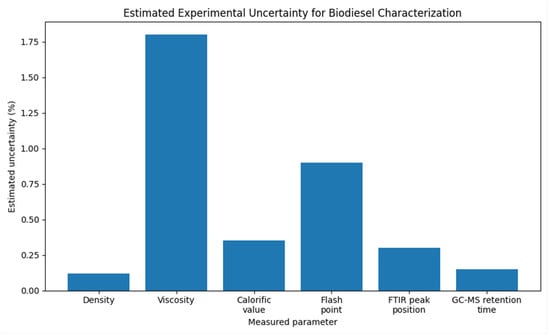
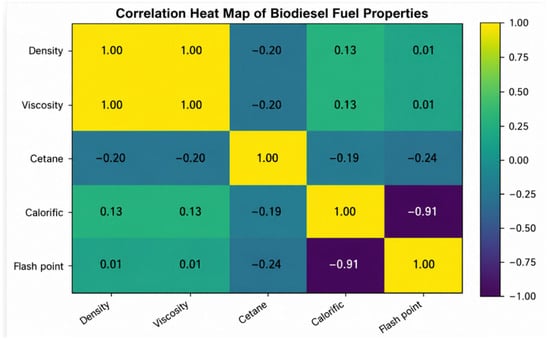
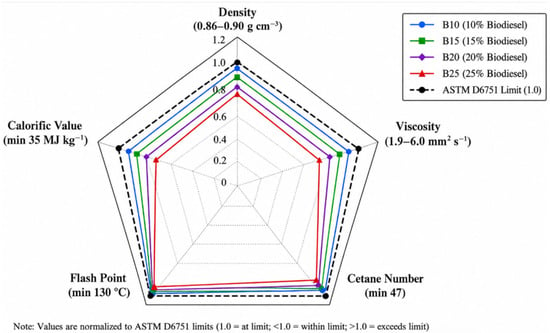
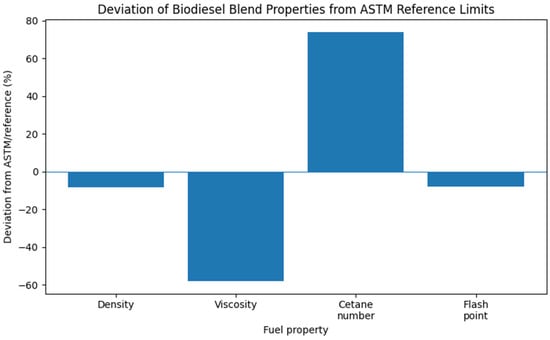
In this work, the use of biodiesel derived from Acacia sieberiana (commonly referred to as “Bagaruwa”) seed oil is presented as a potential renewable fuel for compression ignition engines. The biodiesel was produced using transesterification and characterized using Fourier transform infrared spectroscopy (FTIR) and gas chromatography–mass spectrometry (GC–MS). The FTIR analysis confirmed the presence of functional groups, including C=O stretching at 1740 cm−1, and C–O ester bands at 1244 and 1170 cm−1. The GC–MS analysis showed that linoleic acid methyl ester was the dominant compound (54.77%), followed by 11-octadecenoic acid methyl ester (22.91%) and palmitic acid methyl ester (11.71%). The physicochemical properties of biodiesel–diesel blends were evaluated according to the ASTM standards. Increasing the biodiesel content reduced the density, viscosity, cetane number, and calorific value, while the flash point was found to increase. B10 and B15 blends showed the highest density values within ASTM limits. The results indicated that Acacia sieberiana seed oil is a promising non-edible feedstock for sustainable biodiesel production and applications.
Full article
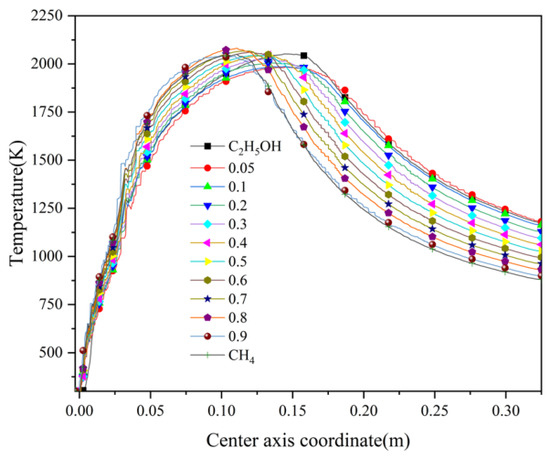
Figure 1
Open AccessArticle
Prediction and Correction of LFL for Multicomponent Gases Relevant to Lithium-Ion Battery Thermal Runaway
by
Ningning Wei, Juanjuan Li and Lei Huo
Fuels 2026, 7(3), 47; https://doi.org/10.3390/fuels7030047 - 14 Jul 2026
Abstract
►▼
Show Figures
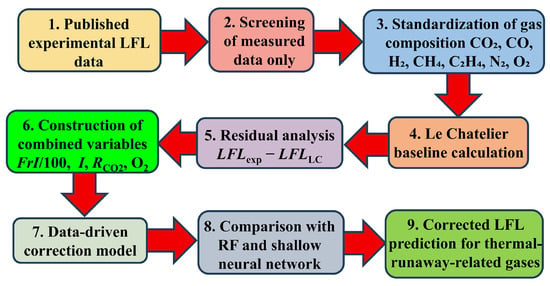
The lower flammability limit (LFL) is critical for assessing ignition and explosion risks associated with lithium-ion battery thermal runaway gases. In this study, a primary experimental LFL database containing 58 data points for H2–CO–CH4–C2H4–CO2
[...] Read more.
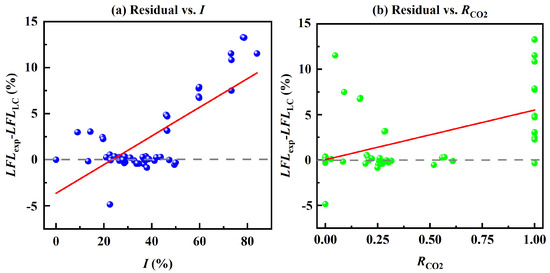
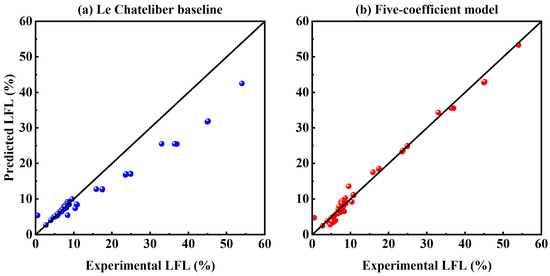
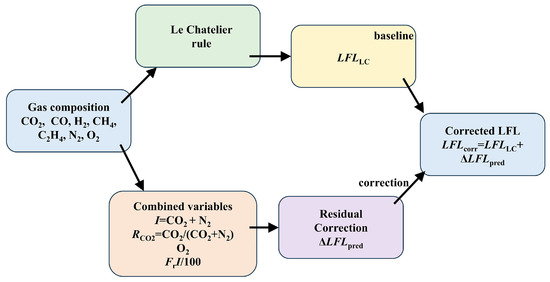
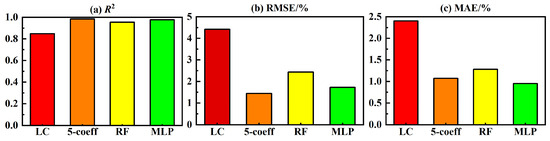
The lower flammability limit (LFL) is critical for assessing ignition and explosion risks associated with lithium-ion battery thermal runaway gases. In this study, a primary experimental LFL database containing 58 data points for H2–CO–CH4–C2H4–CO2–N2–O2 mixtures was compiled from the first author’s publicly available doctoral dissertation. Le Chatelier’s rule was first evaluated as a baseline model, and its prediction residuals were then corrected using a five-coefficient data-driven model based on physically interpretable variables, including total diluent fraction, CO2 fraction in diluent gases, oxygen fraction, and the interaction between highly reactive fuels and dilution. Results showed that Le Chatelier’s rule provided a useful first-order estimate but systematically underestimated LFL under high-dilution and CO2-rich conditions. The proposed correction model reduced the mean absolute error from 2.40% to approximately 1.00% while retaining an explicit mathematical form. This experimental-data-driven framework provides a preliminary and interpretable tool for rapid LFL estimation of multicomponent gases relevant to battery thermal runaway risk assessment.
Full article
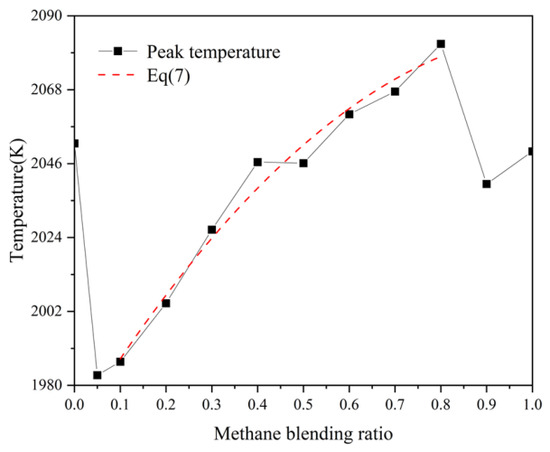
Figure 1
Open AccessReview
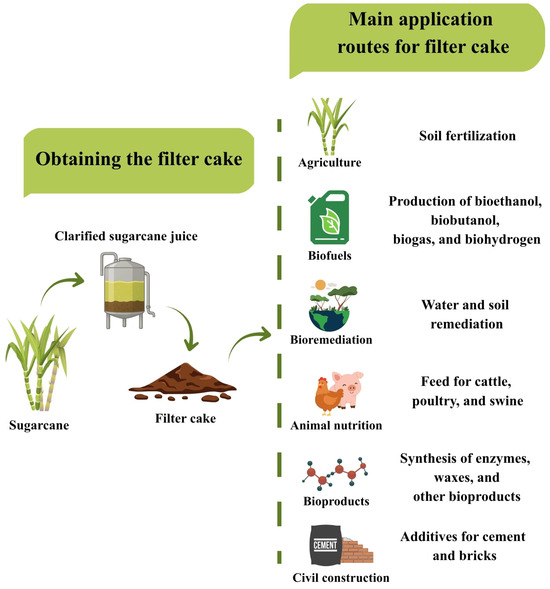
Sugarcane Filter Cake: A Bibliometric Review of Traditional Uses and Its Potential as a Feedstock for Biorefinery and Biofuel Production
by
Wesley Araújo Passos, Meirielly Jesus, Hortência E. P. Santana, Ingrid Vieira Fernandes, Isadora Vieira Fernandes, Joana Santos, Fernando Mata, Daniel Pereira Silva and Denise Santos Ruzene
Fuels 2026, 7(3), 46; https://doi.org/10.3390/fuels7030046 - 14 Jul 2026
Abstract
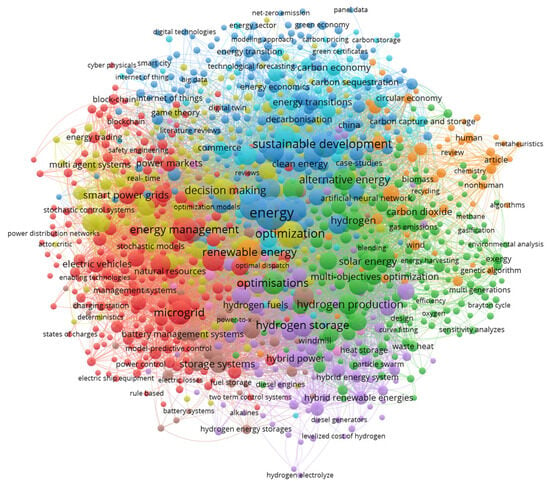
Filter cake is a nutrient-rich solid byproduct generated during sugarcane juice clarification, representing both a challenge and an opportunity for the sugar–energy industry. This study presents a systematic bibliometric analysis of global research on filter cake valorization, with a particular focus on its
[...] Read more.
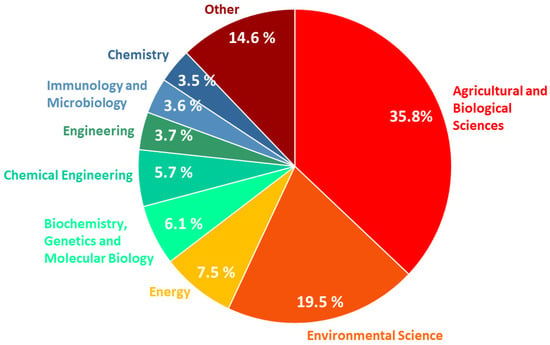
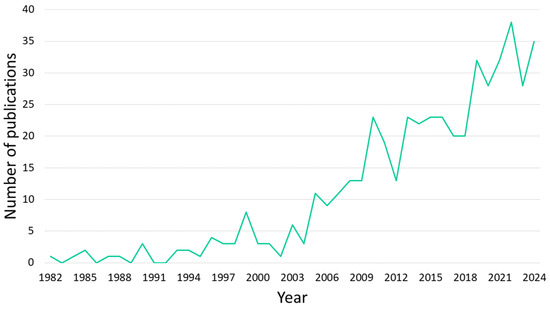
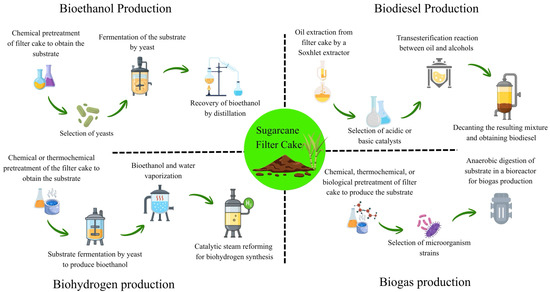
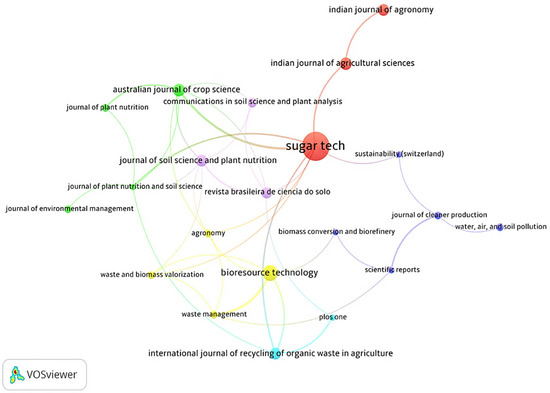
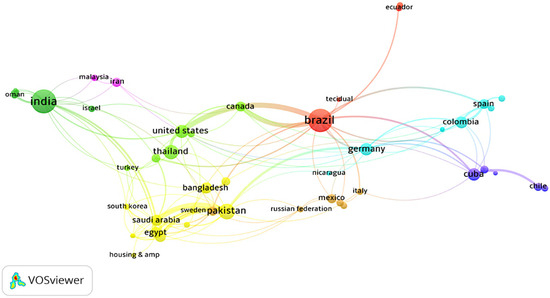
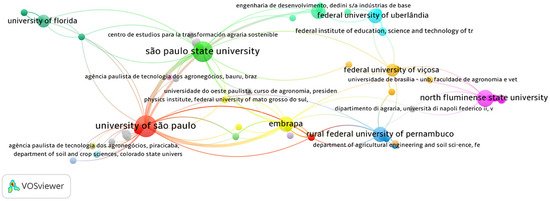
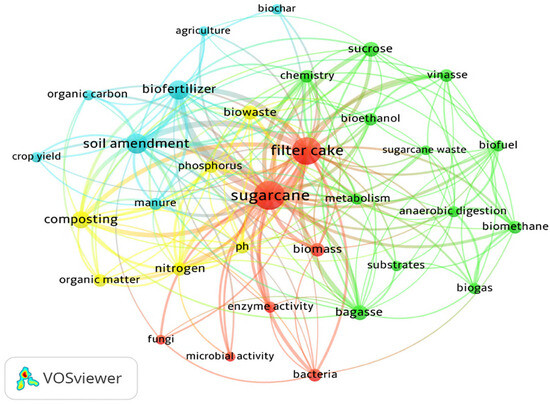
Filter cake is a nutrient-rich solid byproduct generated during sugarcane juice clarification, representing both a challenge and an opportunity for the sugar–energy industry. This study presents a systematic bibliometric analysis of global research on filter cake valorization, with a particular focus on its potential for bioenergy and biofuel production. Data were retrieved from the Scopus database and analyzed using VOSviewer, resulting in a dataset of 530 publications up to 2024, of which 485 address recycling and reintegration pathways. The results identify Brazil and India as leading contributors, with research traditionally concentrated on agricultural applications. However, emerging trends highlight the growing interest in thermochemical and biochemical conversion routes, including its use as a substrate for biogas, bioethanol, and other biofuels. The findings demonstrate that filter cake is a promising feedstock for integrated biorefinery systems, contributing to renewable energy generation and resource recovery. Despite this potential, the transition toward advanced biofuel production and high-value energy applications remains limited. This review provides a comprehensive overview of research trends, identifies key gaps, and outlines strategic directions to support the shift from conventional waste management to energy-oriented valorization within a circular bioeconomy framework.
Full article
(This article belongs to the Special Issue Biofuels and Bioenergy: New Advances and Challenges)
►▼
Show Figures

Figure 1
Open AccessReview
Hypergolic Ignition with High-Test Peroxide: Progress in Catalytic, Reactive, and Ionic Liquid Fuels
by
Luca Caffiero, Federico Rapisarda, Agostino Neri and Stefania Carlotti
Fuels 2026, 7(3), 45; https://doi.org/10.3390/fuels7030045 - 13 Jul 2026
Abstract
►▼
Show Figures
Traditional hypergolic propellants, such as hydrazine derivatives combined with nitrogen tetroxide, present severe toxicity, operational, and environmental hazards. High-test peroxide has emerged as a leading green oxidiser replacement due to its low volatility, high density, and benign decomposition products. This review comprehensively analyses
[...] Read more.
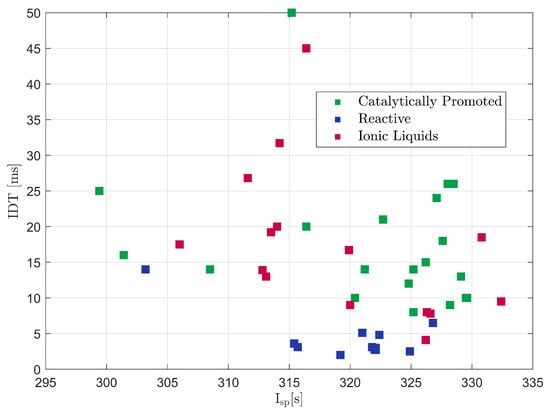
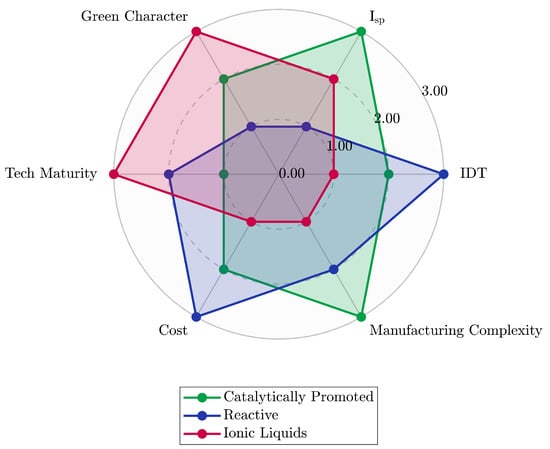
Traditional hypergolic propellants, such as hydrazine derivatives combined with nitrogen tetroxide, present severe toxicity, operational, and environmental hazards. High-test peroxide has emerged as a leading green oxidiser replacement due to its low volatility, high density, and benign decomposition products. This review comprehensively analyses recent advancements in HTP-based hypergolic fuel formulations, categorising them into three major emerging families: catalytically-promoted, reactive, and ionic liquid-based systems. By evaluating key parameters such as ignition delay times, specific impulse and toxicity, this work identifies a clear technological shift from fundamental chemical screening to increasingly more mature solutions. While historical targets defined hypergolicity below 100 ms, recent advanced formulations routinely achieve it under 10 ms requiring minimal additive concentrations (<5 wt%), directly competing with legacy systems. Furthermore, this review highlights critical open challenges that limit commercial adoption, including the long-term storage stability of catalytic blends, high toxicity of reactive systems, and the lifecycle toxicity and high cost of frequently employed ionic liquids. Ultimately, it is concluded that rather than a single universal replacement, the future of green hypergolic propulsion lies in a plurality of solution, where each family is tailored to specific niches defined by mission requirements and cost structures.
Full article
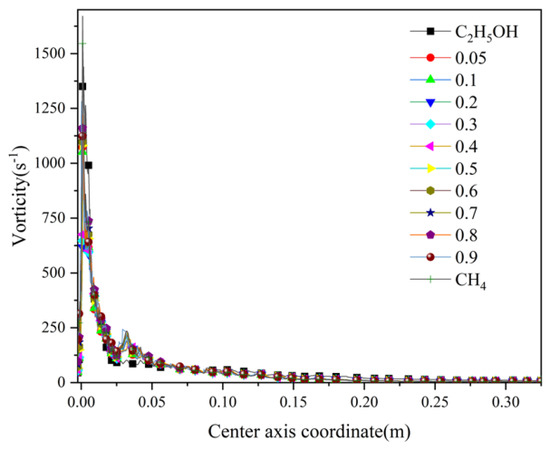
Figure 1
Open AccessArticle
Geological Suitability Evaluation and Favorable Area Optimization for Underground Coal Gasification Using TOPSIS: A Case Study of the No. 15 Coal Seam, Yushe–Wuxiang Block, Qinshui Basin
by
Md Mojahidul Islam, Abdul Rehman Baig, Ishak Zakaria Madani and Sobuj Hasan
Fuels 2026, 7(3), 44; https://doi.org/10.3390/fuels7030044 - 6 Jul 2026
Abstract
►▼
Show Figures
Underground coal gasification (UCG) requires rigorous geological suitability evaluation to reduce project risks, and scientific site selection is critical for success. Taking the No. 15 coal seam in the Yushe–Wuxiang Block (Qinshui Basin) as the focus, this study evaluates the feasibility of deep
[...] Read more.
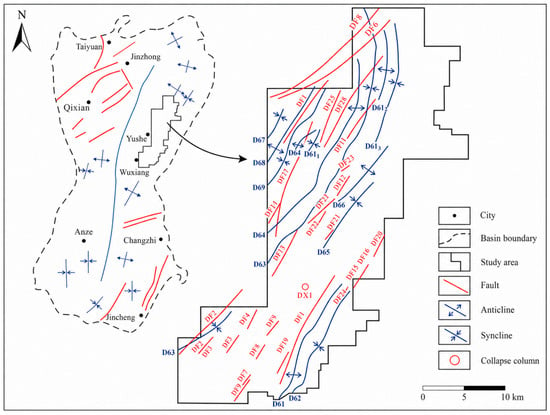
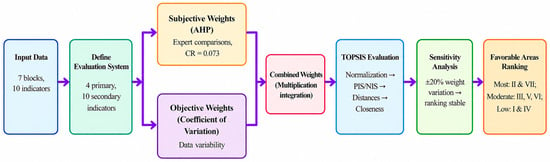
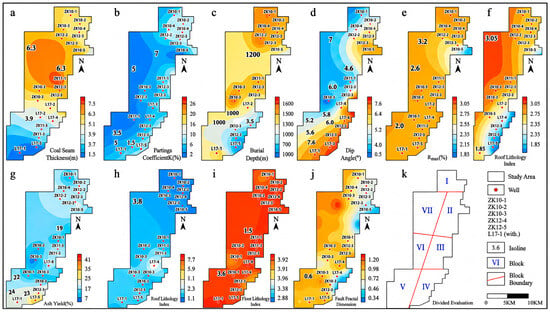
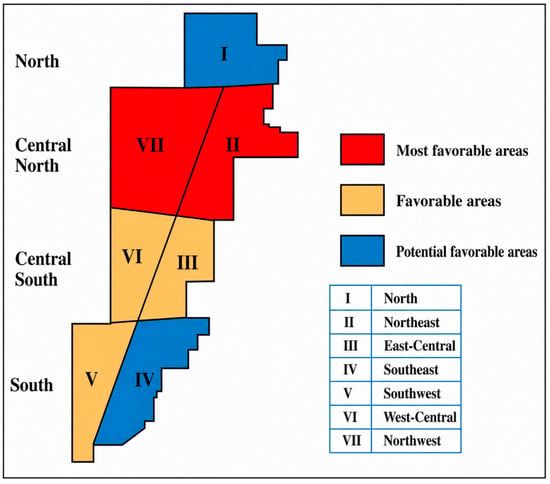
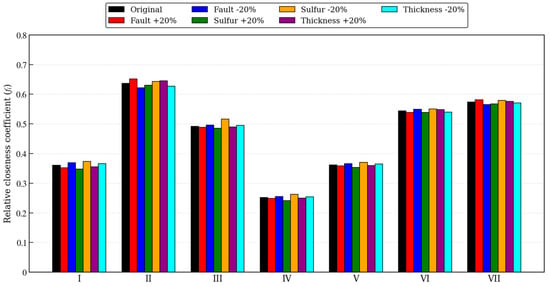
Underground coal gasification (UCG) requires rigorous geological suitability evaluation to reduce project risks, and scientific site selection is critical for success. Taking the No. 15 coal seam in the Yushe–Wuxiang Block (Qinshui Basin) as the focus, this study evaluates the feasibility of deep UCG using a multi-criteria decision-making framework. A hierarchical evaluation model comprising four primary and 10 secondary geological indicators (e.g., coal thickness, parting coefficient, fault fractal dimension, roof lithology) was constructed. Subjective weights were derived from the Analytic Hierarchy Process (AHP) and combined with objective weights from the coefficient of variation method. The TOPSIS (Technique for Order Preference by Similarity to an Ideal Solution) method was then applied to rank seven development units. Results indicate that the No. 15 coal seam has reasonable potential for UCG implementation. The most favorable areas (Blocks II and VII) are characterized by thick coal seams (>5 m), low parting coefficients (<8%), simple fault networks (fractal dimension ≤0.5–1.05), and competent mudstone roofs. Blocks III, V, and VI are moderately favorable, while Blocks I and IV are marginally favorable. These findings provide a prioritized roadmap for pilot-scale UCG testing in the Yushe–Wuxiang Block.
Full article
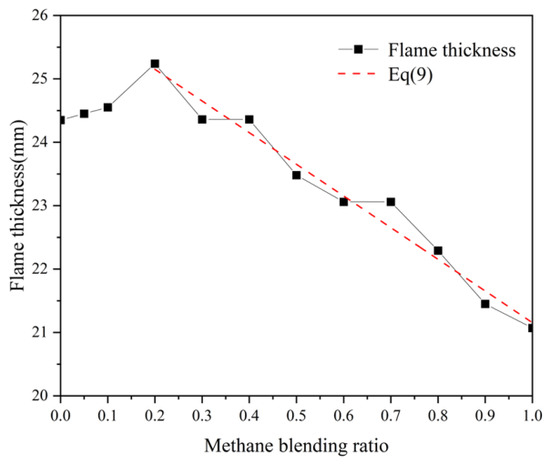
Figure 1
Open AccessReview
Catalytic Conversion of Invasive Lantana Biomass to Renewable Fuels and Functional Biochar: Advances in Integrated Thermochemical Biorefinery System for Circular Bioeconomy
by
Neha Chamola, Harish Chandra Joshi, Aarti Bains, Aradhana Dohroo and Arun Karnwal
Fuels 2026, 7(3), 43; https://doi.org/10.3390/fuels7030043 - 2 Jul 2026
Abstract
The Lantana genus, especially L. camara, has emerged as a potential yet underutilized lignocellulosic feedstock for various catalytic thermochemical conversion products and advanced carbon materials. This study reviews recent developments in the valorization of Lantana biomass to generate biofuels, bio-oil, syngas, and
[...] Read more.
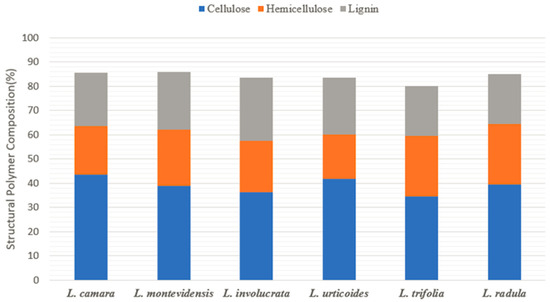
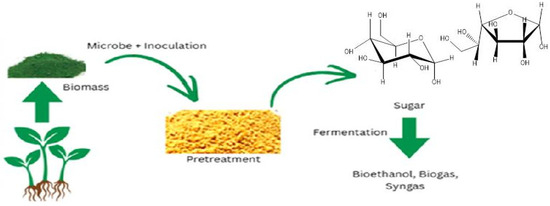
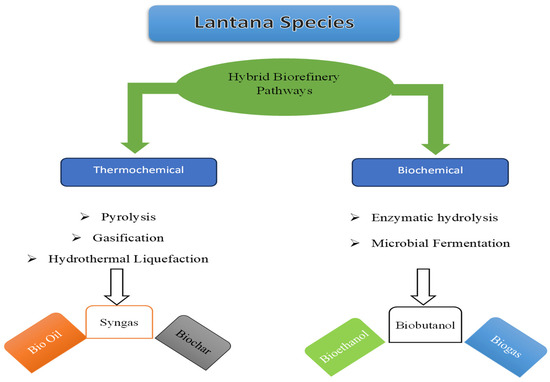
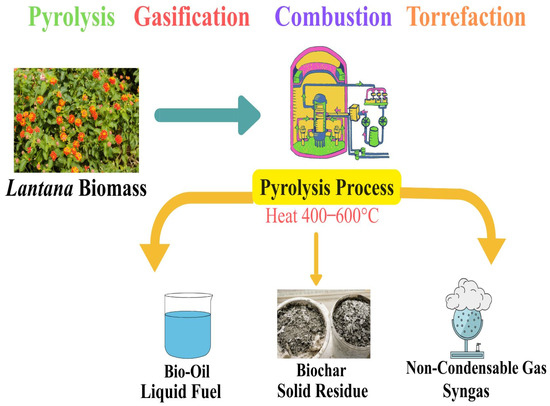
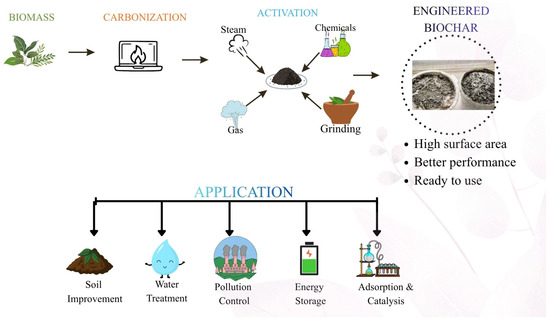
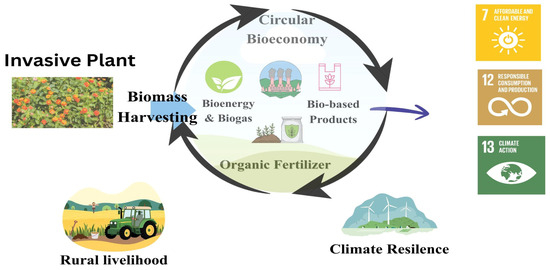
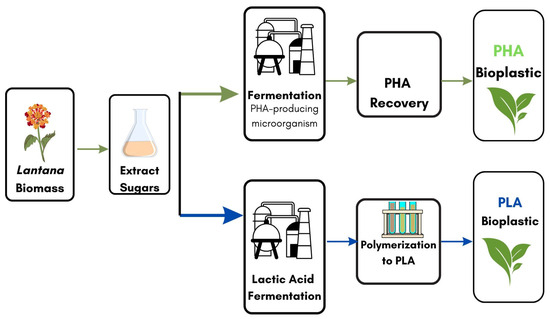
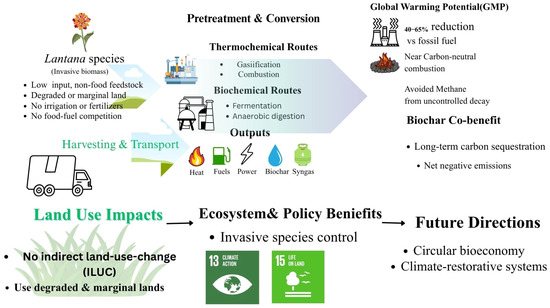
The Lantana genus, especially L. camara, has emerged as a potential yet underutilized lignocellulosic feedstock for various catalytic thermochemical conversion products and advanced carbon materials. This study reviews recent developments in the valorization of Lantana biomass to generate biofuels, bio-oil, syngas, and engineered biochar materials through pyrolysis, gasification, hydrothermal processing, and integrated biorefinery processes, in a critical manner. Particular focus will be on nanocomposite-modified, metal-doped biochar with catalytic elements such as ZSM-5, Fe3O4, TiO2, and Ni-, Co-, and Zn-based oxides to enhance deoxygenation, catalytic cracking, tar reforming, pollutant remediation, and energy storage. Recent developments in catalyst synthesis techniques, such as impregnation, hydrothermal deposition, and in situ functionalization, are reviewed, along with characterization methods including BET, XRD, SEM/TEM, Raman spectroscopy, and XPS. The review further examines the impact of pore structure, surface chemistry, the presence of redox-active centers, and catalyst stability on product selectivity, syngas quality, and upgrading bio-oil performance. The effects of biochar on microbial immobilization, anaerobic digestion, and integrated biochemical conversion are discussed in detail, excluding thermochemical effects. The challenges of catalyst deactivation, biomass heterogeneities, scalability, techno-economic viability, and decentralized biomass logistics are also discussed. In summary, the development and implementation of catalytic reaction engineering, the design of nanocomposite biochar, and circular bioeconomy strategies have great potential to facilitate the conversion of invasive Lantana biomass into renewable fuels, multifunctional carbon materials, and environmentally friendly bioeconomy products.
Full article
(This article belongs to the Special Issue Biomass Conversion to Biofuels: 2nd Edition)
►▼
Show Figures

Figure 1
Open AccessArticle
Colorimetric Assessment as a Complementary Approach to Visual Copper Corrosion Evaluation in Automotive Fuels
by
Lucie Vlčková, David Šeděnka, Štěpán Pravda, František Helebrant, Lukáš Kudrna and Jan Blata
Fuels 2026, 7(3), 42; https://doi.org/10.3390/fuels7030042 - 29 Jun 2026
Abstract
►▼
Show Figures
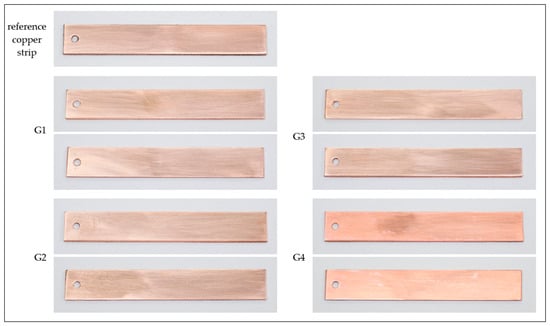
The standardized copper strip corrosion test is commonly used to assess the corrosive effects of automotive gasoline and diesel fuels on metallic materials. This test relies on visual evaluation of copper strip discoloration, which may introduce subjectivity and limit quantitative interpretation. The aim
[...] Read more.
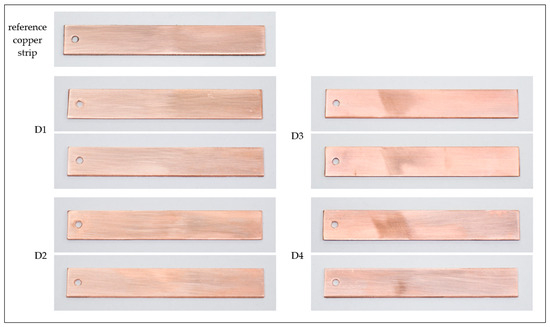
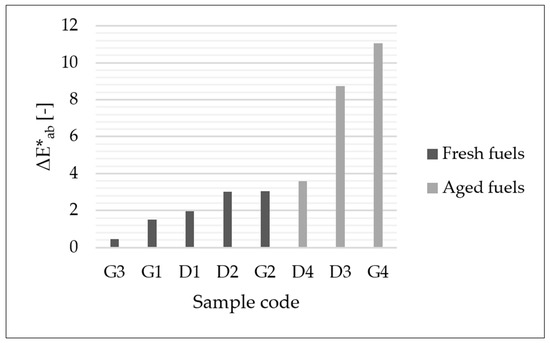
The standardized copper strip corrosion test is commonly used to assess the corrosive effects of automotive gasoline and diesel fuels on metallic materials. This test relies on visual evaluation of copper strip discoloration, which may introduce subjectivity and limit quantitative interpretation. The aim of this study was to compare the conventional visual evaluation with a colorimetric approach as a quantitative alternative. Copper strip corrosion tests were performed according to EN ISO 2160 using gasoline and diesel fuel samples. While all samples were visually classified within corrosion Class 1, colorimetric analysis revealed measurable differences in surface discoloration, with ΔE*ab values ranging from 0.4 to 11.1, and highest values observed for aged fuels. These results demonstrate that colorimetric evaluation provides additional quantitative information beyond conventional visual classification and enables differentiation between fuels within the same acceptance category.
Full article
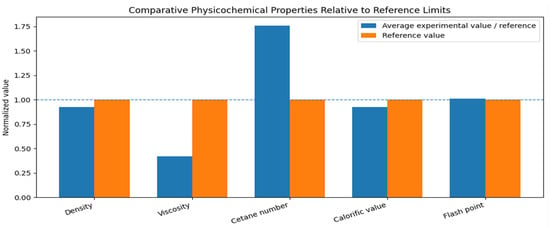
Figure 1
Open AccessArticle
Effect of Gadolinium-Doped Ceria (GDC) Promoter on the Catalytic Activity of Ni/Al2O3 in Methane Dry Reforming
by
Yang Li, Seyed Bahram Nourani Najafi, P. V. Aravind and Anatoli Mokhov
Fuels 2026, 7(2), 41; https://doi.org/10.3390/fuels7020041 - 17 Jun 2026
Abstract
►▼
Show Figures
Dry reforming of methane (DRM) is an attractive route for H2 production and simultaneous CO2 utilization, but its practical implementation is limited by catalyst deactivation. This study experimentally investigates the catalytic performance of Ni/Al2O3 and Gd-doped ceria-promoted Ni/GDC–Al
[...] Read more.
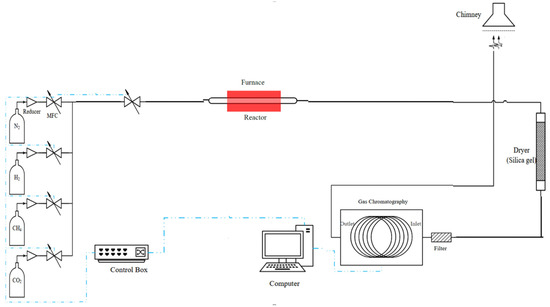
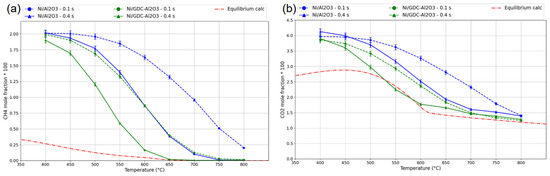
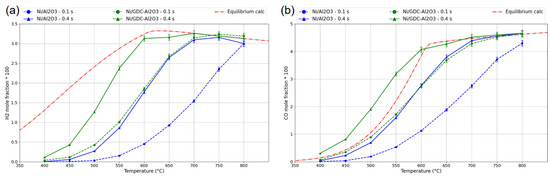
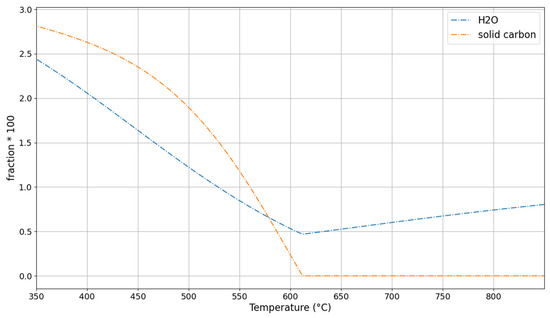
Dry reforming of methane (DRM) is an attractive route for H2 production and simultaneous CO2 utilization, but its practical implementation is limited by catalyst deactivation. This study experimentally investigates the catalytic performance of Ni/Al2O3 and Gd-doped ceria-promoted Ni/GDC–Al2O3 catalysts for DRM in a fixed-bed quartz reactor over 400–800 °C at gas residence times of 0.1 s and 0.4 s. Increasing temperature and residence time enhanced CH4 and CO2 conversion as well as H2 and CO yields for both catalysts. The GDC-promoted catalyst exhibited markedly improved activity, achieving conversions and product yields at 0.1 s comparable to those of Ni/Al2O3 at 0.4 s and reaching complete CH4 conversion at about 650 °C, approximately 100 °C lower than the Ni/Al2O3 catalyst. Long-term testing at 650 °C showed stable catalytic behavior of the Ni/GDC–Al2O3 catalyst, while operational observations qualitatively suggested the absence of significant carbon deposition, consistent with equilibrium calculations.
Full article
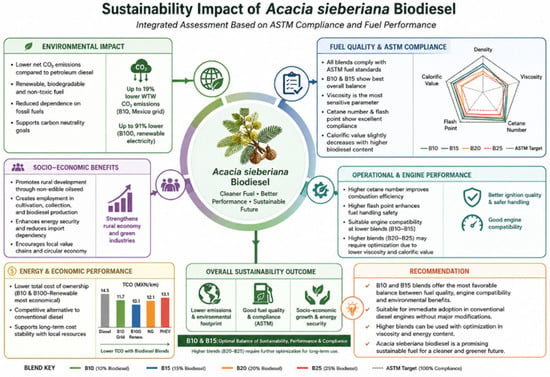
Figure 1
Open AccessArticle
Integrated Thermochemical Conversion of Plastics to Circular Refinery Feedstocks: A System-Level Analysis
by
Maria Laura Mastellone
Fuels 2026, 7(2), 40; https://doi.org/10.3390/fuels7020040 - 17 Jun 2026
Abstract
Plastics pyrolysis is increasingly pursued as a pathway for producing circular hydrocarbon feedstocks for petrochemical integration. However, non-integrated reactor configurations often exhibit limited heat-transfer control, significant char-handling requirements, and variable product distributions. This work presents a system-level interpretation of the MLM-R™ process, an
[...] Read more.
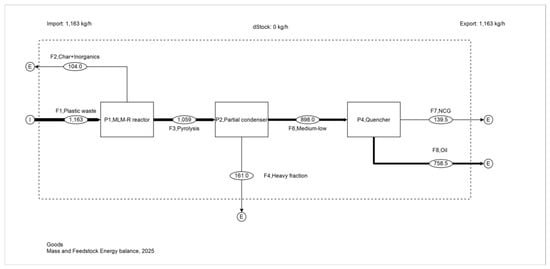
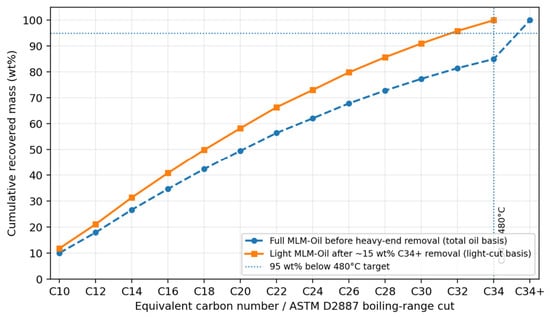
Plastics pyrolysis is increasingly pursued as a pathway for producing circular hydrocarbon feedstocks for petrochemical integration. However, non-integrated reactor configurations often exhibit limited heat-transfer control, significant char-handling requirements, and variable product distributions. This work presents a system-level interpretation of the MLM-R™ process, an integrated pyrolysis–combustion loop in which a circulating solid heat carrier enables continuous thermal supply through internal oxidation of carbonaceous residues. Material Flow Analysis (MFA) was applied to reconcile mass, elemental carbon, and chemical energy distributions across the defined process boundary. For the representative case study (1000 kg polyolefin basis), ~81% of feed carbon and ~83% of feed chemical energy (HHV basis) were recovered in the condensed liquid product, while ~7% of feed carbon was internally combusted to sustain autothermal operation. Simulated distillation analysis indicates that removal—aimed at further reprocessing—of a ~15 wt% C34+ heavy fraction from the pyrolysis vapor stream enables compliance with refinery-relevant boiling range targets (≥95% below 480 °C). The MFA results, supported by the physicochemical interpretation, suggest that integrated control of solids circulation and heat transfer contributes to product selectivity and process scalability in circular feedstock production.
Full article
(This article belongs to the Special Issue Sustainability Assessment of Renewable Fuels Production)
►▼
Show Figures

Figure 1
Open AccessArticle
A Novel Permeability Evolution Model for Gas Flow in Coal Seams
by
Ruguo Dong, Yongli Liu and Lixin Li
Fuels 2026, 7(2), 39; https://doi.org/10.3390/fuels7020039 - 13 Jun 2026
Abstract
►▼
Show Figures
The permeability of coal seams plays a critical role in the efficiency of coalbed methane extraction and gas disaster prevention. Traditional permeability models often overlook the anisotropic and dynamic evolution characteristics of coal under varying stress and gas adsorption conditions. This paper proposes
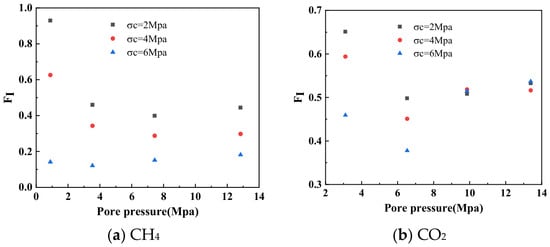
[...] Read more.
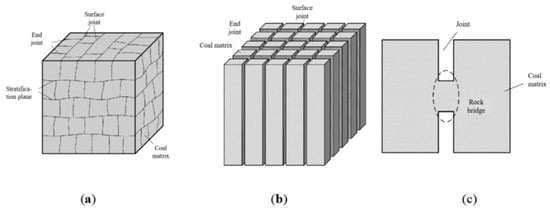
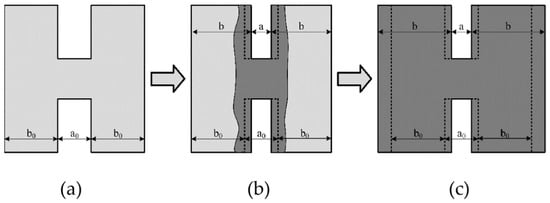
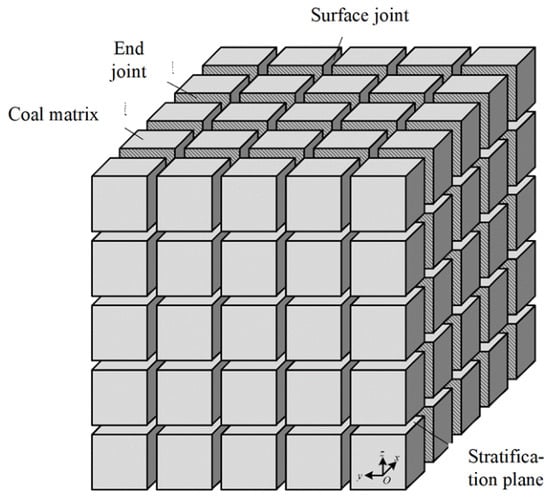
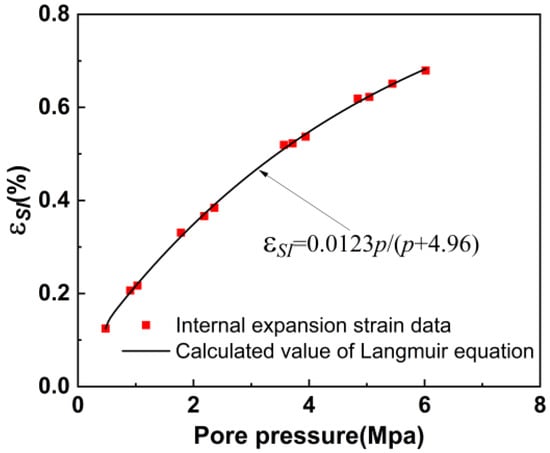
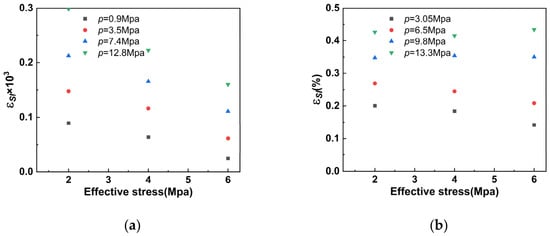
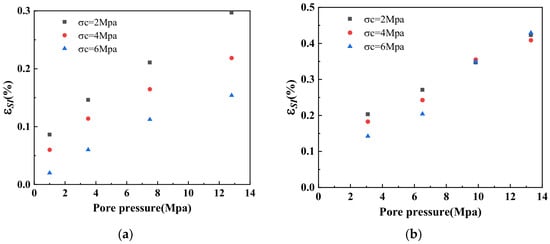
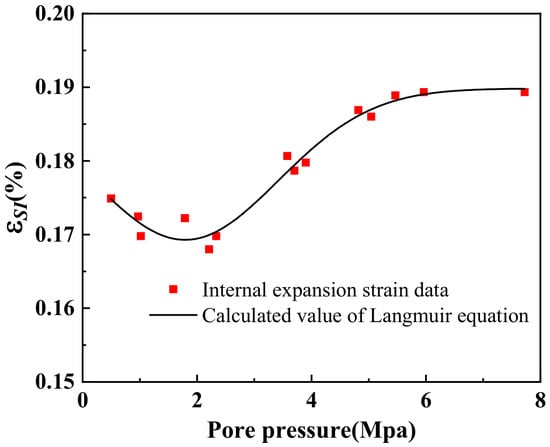
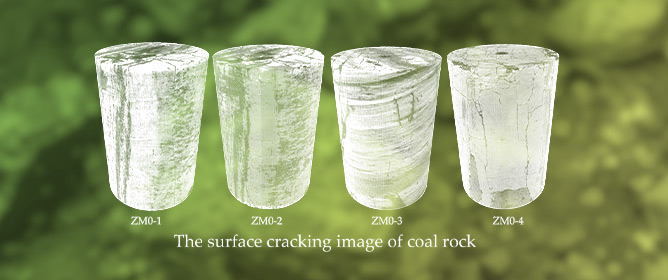
The permeability of coal seams plays a critical role in the efficiency of coalbed methane extraction and gas disaster prevention. Traditional permeability models often overlook the anisotropic and dynamic evolution characteristics of coal under varying stress and gas adsorption conditions. This paper proposes a novel permeability evolution model that integrates the effects of effective stress variation and gas sorption-induced deformation on coal permeability. Starting from the concept of face porosity and utilizing a representative voxel approach, the model incorporates the anisotropy of mechanical parameters and adsorption expansion strain to derive the evolution of permeability in three dimensions. The model is validated against experimental permeability data from two distinct coal samples (Sulcis and Sydney), demonstrating its ability to accurately capture permeability changes under different boundary conditions. Furthermore, the concept of “internal expansion strain coefficient” is introduced to quantify the impact of adsorption-induced matrix deformation on permeability. The model provides a theoretical foundation for predicting gas flow behavior in coal seams under complex in-situ conditions and offers significant insights into the optimization of gas extraction strategies.
Full article
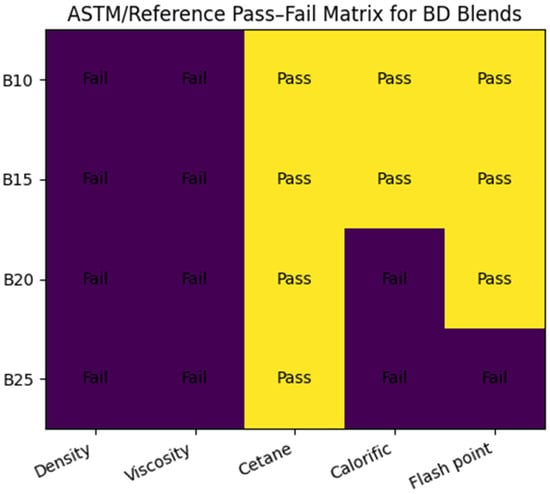
Figure 1
Open AccessArticle
Long-Term Storage Stability: Density of Jet A and Camelina Biodiesel Blends for UAV Micro-Turbojet Applications
by
Anca-Iuliana Dumitru, Sibel Osman, Grigore Cican, Bartosz Ciupek and Łukasz Brodzik
Fuels 2026, 7(2), 38; https://doi.org/10.3390/fuels7020038 - 12 Jun 2026
Abstract
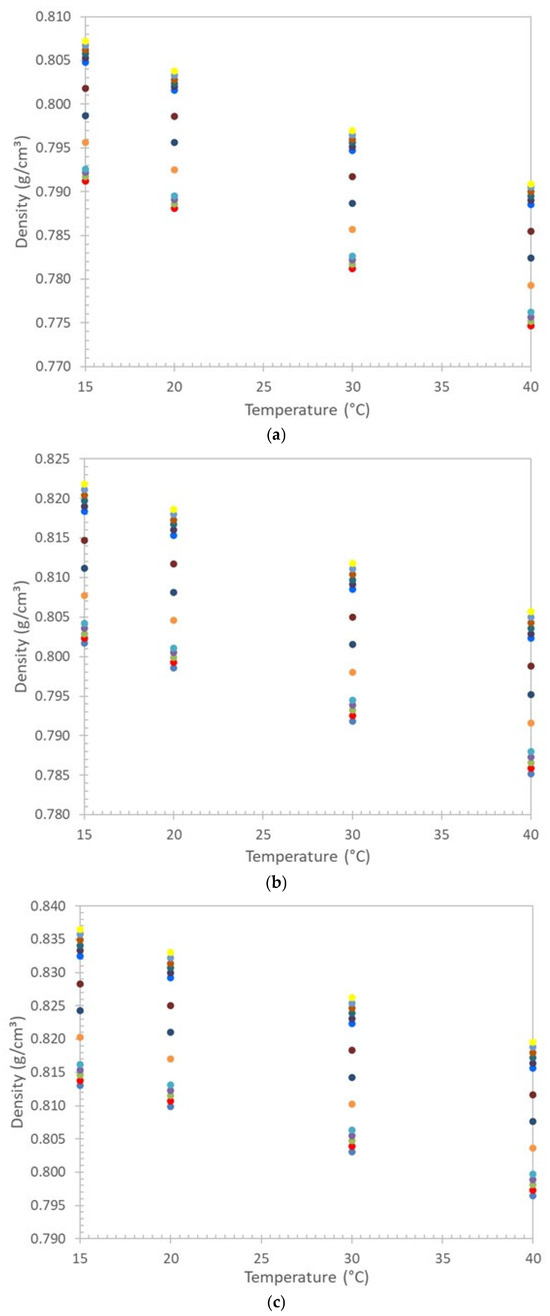
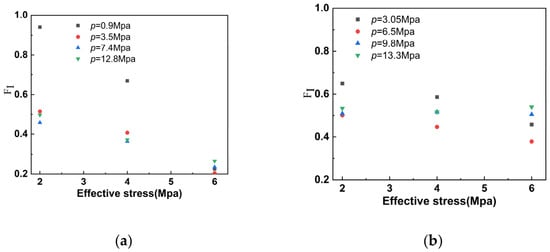
This study evaluates the impact of long-term storage on aviation fuel blends composed of Jet A and camelina-derived biodiesel. The physicochemical properties of the pure biodiesel were assessed according to EN 14214 and ASTM D6751 standards, while the resulting Jet A–biodiesel blends were
[...] Read more.
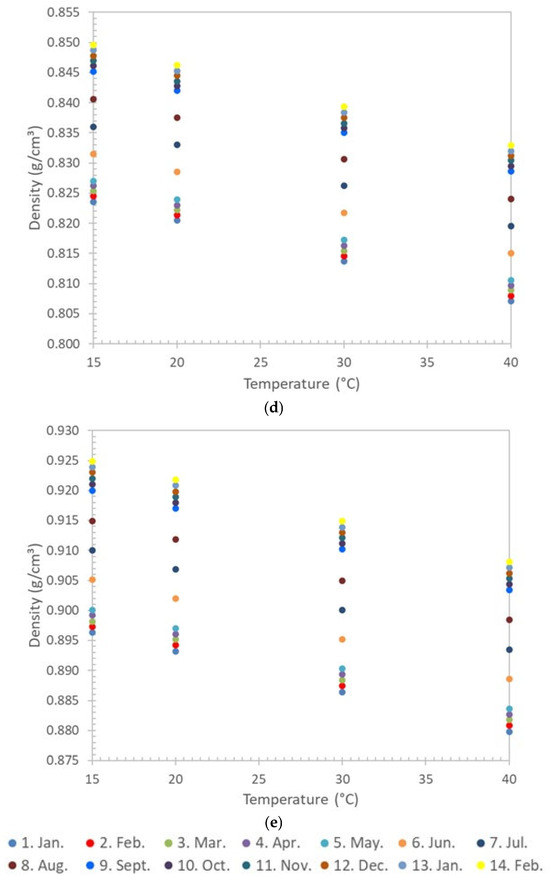
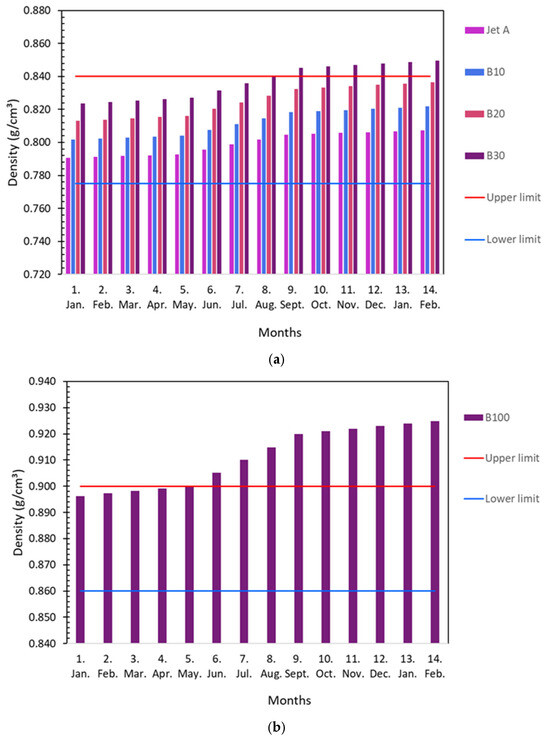
This study evaluates the impact of long-term storage on aviation fuel blends composed of Jet A and camelina-derived biodiesel. The physicochemical properties of the pure biodiesel were assessed according to EN 14214 and ASTM D6751 standards, while the resulting Jet A–biodiesel blends were evaluated against ASTM D1655 aviation fuel specifications. Particular attention was given to the evolution of density during storage as an indicator of fuel stability. The results show that camelina methyl esters exhibit generally satisfactory physicochemical characteristics; however, the iodine value remains a critical limitation. The measured value of approximately 155 significantly exceeds the maximum limit of 120 established by European standards, reflecting the high degree of unsaturation of the feedstock. Long-term monitoring of the blends revealed a clear relationship between biodiesel concentration and the rate of fuel degradation. Increasing the biodiesel fraction led to more pronounced variations in density during storage, indicating reduced stability of the fuel system. Consequently, instability risks increase proportionally with the biodiesel-to-Jet A ratio, highlighting the need for appropriate storage strategies and technological optimization when considering higher concentrations of camelina-derived biodiesel in aviation fuel blends.
Full article
(This article belongs to the Special Issue Sustainable Jet Fuels from Bio-Based Resources)
►▼
Show Figures

Figure 1
Open AccessReview
Green Hydrogen in Integrated Multi-Energy Systems: Technological Pathways, Policy and Market Perspectives, and the Role of Artificial Intelligence
by
Hassan Niazi, Kamran Taghizad-Tavana, Ali Esmaeel Nezhad, Afshin Canani, Mehrdad Tarafdar Hagh and Pouya Paidar
Fuels 2026, 7(2), 37; https://doi.org/10.3390/fuels7020037 - 12 Jun 2026
Abstract
►▼
Show Figures
Green hydrogen is increasingly discussed as an energy carrier that can link electricity, gas, heat, and transport sectors. However, many existing reviews address this topic from separate viewpoints, such as hydrogen production technologies, Artificial Intelligence (AI) applications, or system integration, with less attention
[...] Read more.
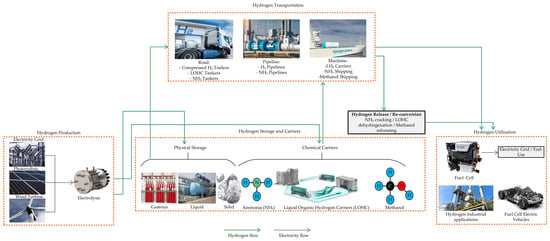
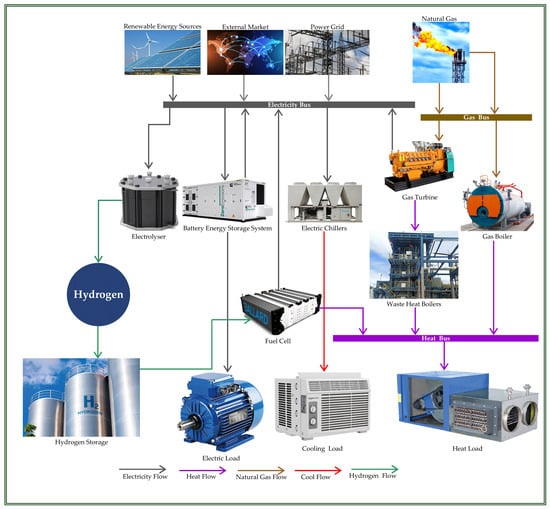
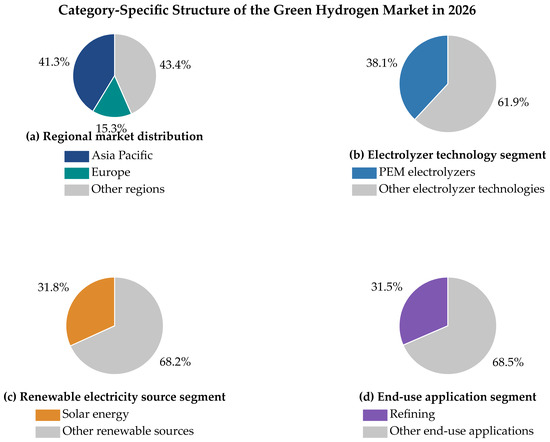
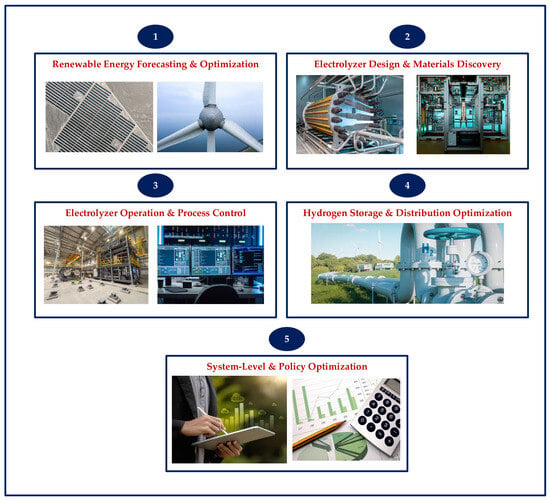
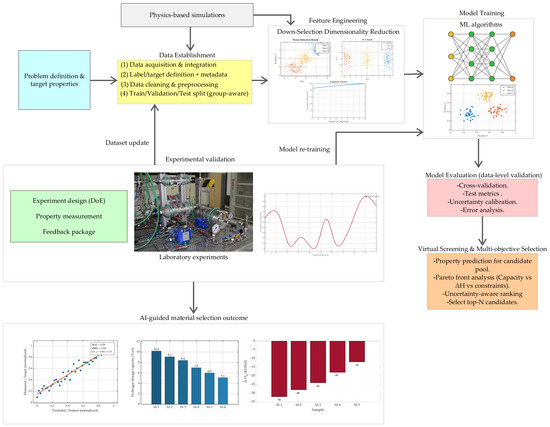
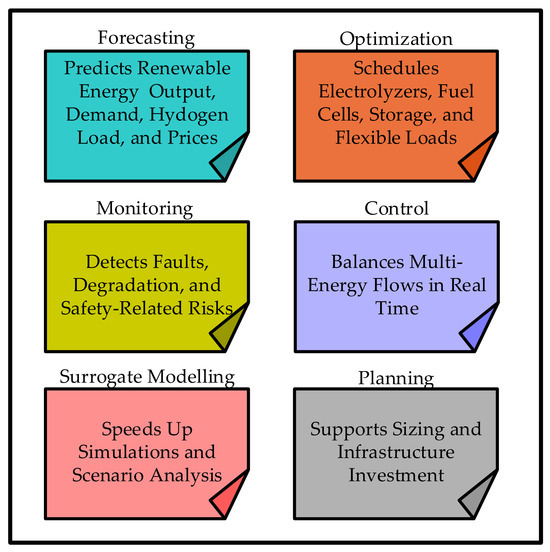
Green hydrogen is increasingly discussed as an energy carrier that can link electricity, gas, heat, and transport sectors. However, many existing reviews address this topic from separate viewpoints, such as hydrogen production technologies, Artificial Intelligence (AI) applications, or system integration, with less attention to how policy and market conditions affect deployment. This review brings these related aspects together in one structured discussion. The paper first reviews the hydrogen supply chain, including production, storage, transport, and utilization. It then discusses an integrated multi-energy architecture in which hydrogen interacts with electricity, natural gas, heat, and cooling networks. Policy instruments in five major economies, including the European Union, the United States, China, Japan, and India, are compared. The review also summarizes the main barriers to large-scale deployment, including high production costs, limited infrastructure, technological challenges, regulatory uncertainty, and supply-chain constraints. In addition, the current market structure and selected large-scale hydrogen projects planned in the United States are reviewed. The paper also examines the role of artificial intelligence in green hydrogen systems. AI applications are grouped into four main stages of the hydrogen value chain: forecasting renewable energy generation, improving electrolyzer design and operation, optimizing storage and distribution, and supporting system-level techno-economic assessment. Recent Machine Learning (ML) studies are compared based on their methods and their contributions to operation and planning. Overall, this review highlights the role of AI in enabling green hydrogen integration within multi-energy systems.
Full article
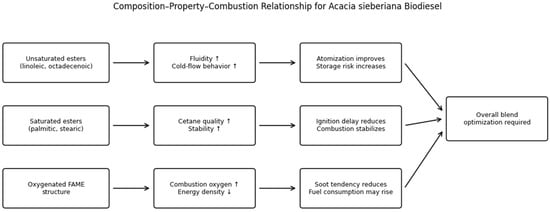
Figure 1
Open AccessArticle
Microbial Dynamics in Two-Stage Anaerobic Digester Integrating ADM1 Simulation with Functional Microbial Kinetics for Food Waste Valorization
by
Jasim Al Shehihi and Nitin Raut
Fuels 2026, 7(2), 36; https://doi.org/10.3390/fuels7020036 - 8 Jun 2026
Abstract
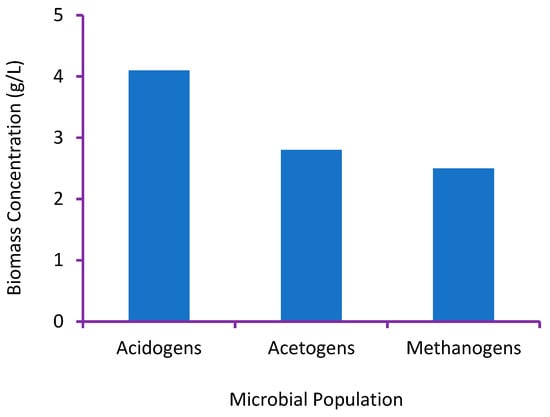
►▼
Show Figures
Two-Stage Anaerobic Digesters (TSADs) have emerged as an effective strategy for improving the stability and efficiency of biogas production from high-strength substrates such as food waste. The separation of acidogenic and methanogenic phases enables better environmental control for distinct microbial communities, thereby enhancing
[...] Read more.
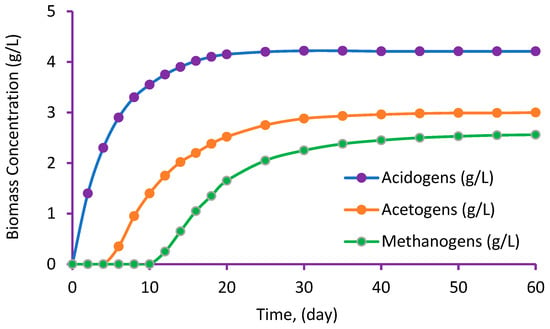
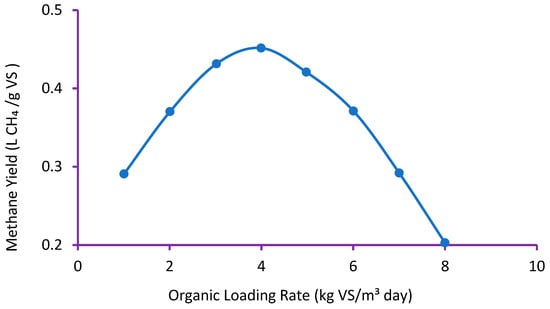
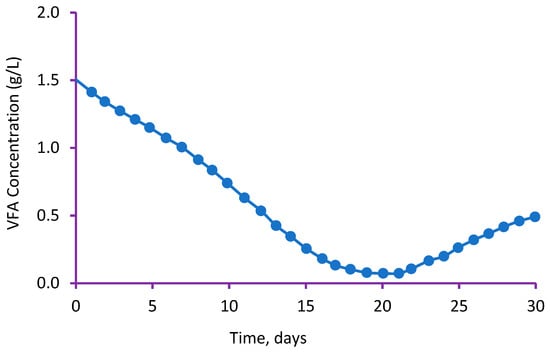
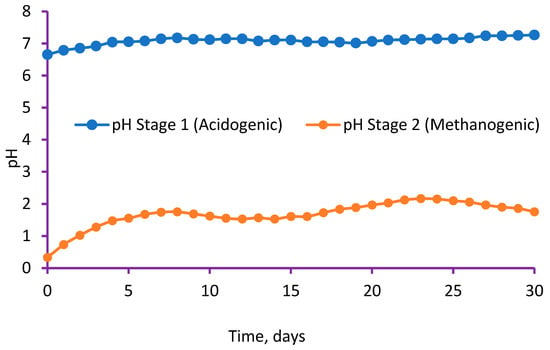
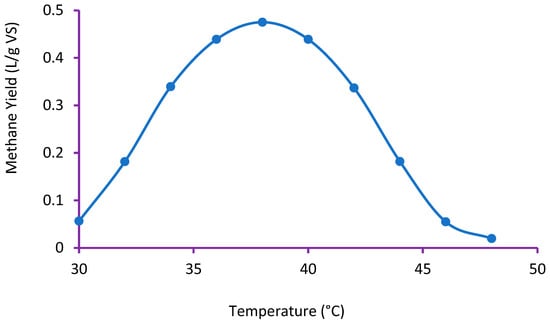
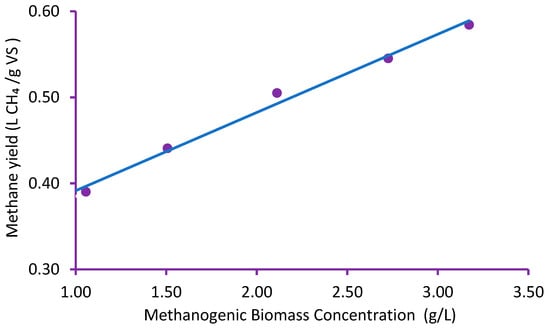
Two-Stage Anaerobic Digesters (TSADs) have emerged as an effective strategy for improving the stability and efficiency of biogas production from high-strength substrates such as food waste. The separation of acidogenic and methanogenic phases enables better environmental control for distinct microbial communities, thereby enhancing methane yield and reducing process instability. This study investigates the dynamics of microbial populations of acidogens, acetogens, and methanogens in a TSAD using an extended Anaerobic Digester Model No. 1 framework incorporating stage-specific microbial growth kinetics. Simulation scenarios were performed across a range of operational parameters, including OLR (1–8 kg VS/m3 day), pH (5.0–8.0), temperature (35 °C and 45 °C), and HRT (10–30 days). The results demonstrate that balanced microbial population dynamics and syntrophic interactions strongly influence methane production and overall digester performance. Optimal methane yields were achieved within an OLR range of 3.5–4.5 kg VS/m3 day under mesophilic conditions. Elevated loading rates led to VFA accumulation and pH decline, resulting in the inhibition of methanogenic populations and reduced methane output. Preliminary parametric analysis suggests that the acetoclastic methanogen growth rate and ammonia inhibition constants are influential parameters affecting system performance. The findings highlight the importance of integrating microbial population dynamics into AD models to enhance predictive accuracy and support the development of intelligent control strategies for sustainable waste-to-energy systems.
Full article
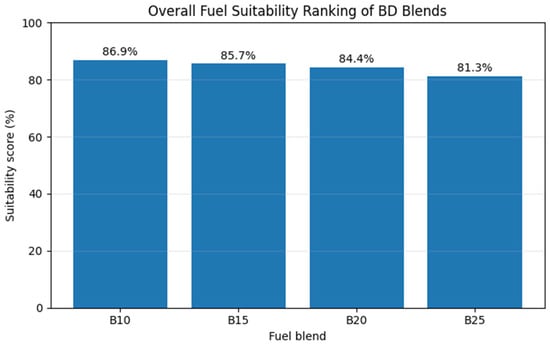
Figure 1
Open AccessArticle
Effect and Analysis of Mixed Non-Ionic Surfactants on Viscosity Reduction in Heavy Oil
by
Rui Liu, Kang Liu, Meiming He, Mingqi Sun, Yuxuan Yang and Wanfen Pu
Fuels 2026, 7(2), 35; https://doi.org/10.3390/fuels7020035 - 8 Jun 2026
Abstract
►▼
Show Figures
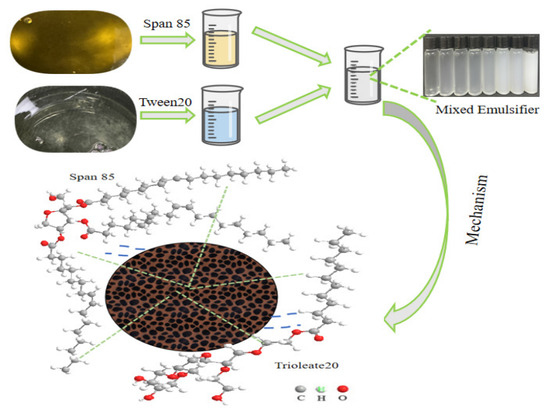
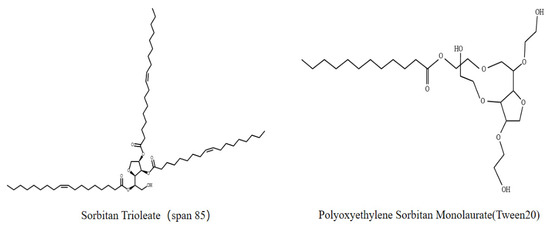
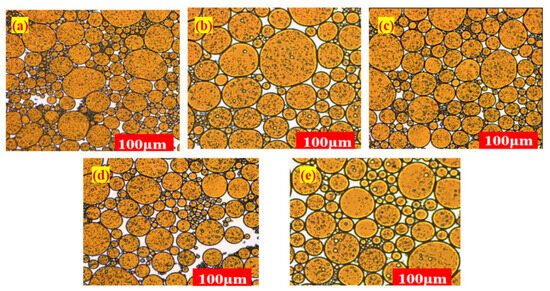
This study investigates improving the flowability of heavy crude oil using non-ionic surfactants that modify interfacial properties, thereby enhancing emulsification and dispersion. A mixture of Span 85 (HLB = 1.8) and Tween 20 (HLB = 16.7) was selected to meet the affinity requirements
[...] Read more.
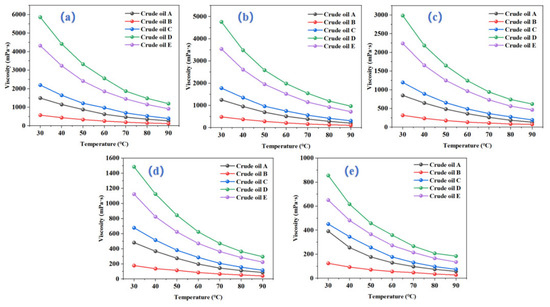
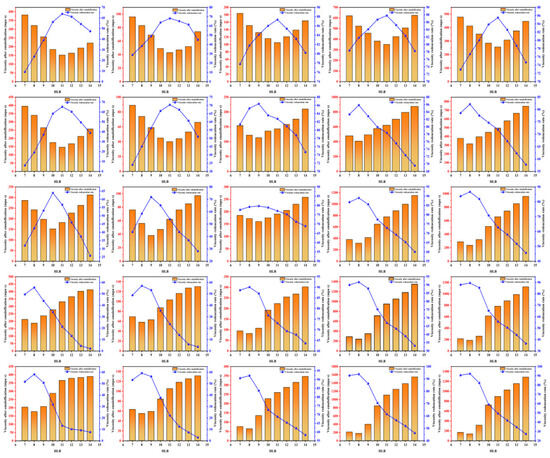
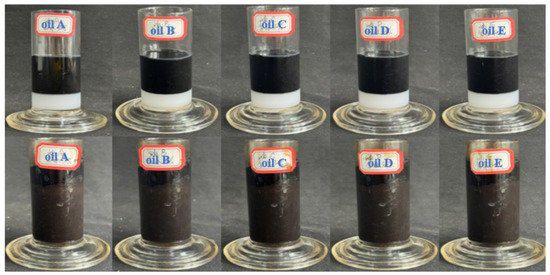
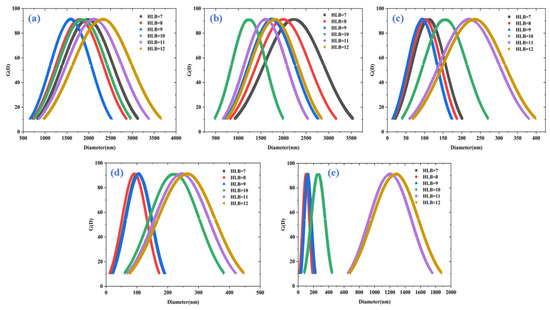
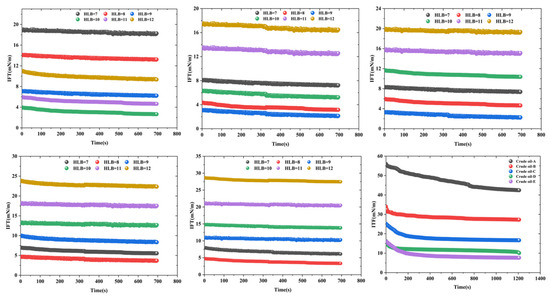
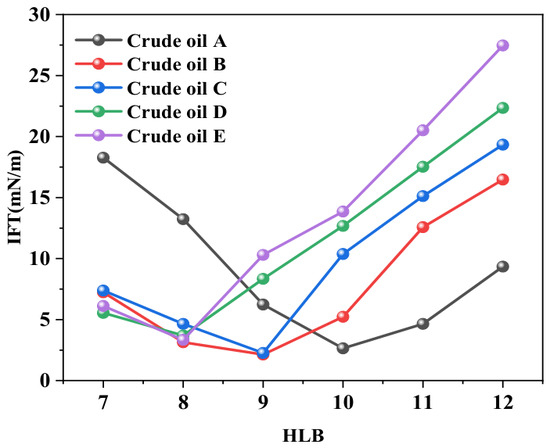
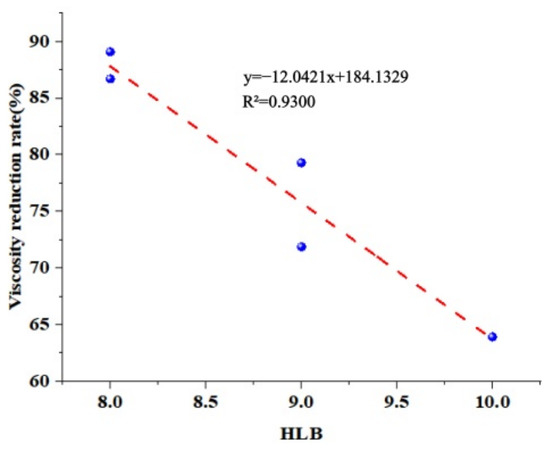
This study investigates improving the flowability of heavy crude oil using non-ionic surfactants that modify interfacial properties, thereby enhancing emulsification and dispersion. A mixture of Span 85 (HLB = 1.8) and Tween 20 (HLB = 16.7) was selected to meet the affinity requirements of both oil and water phases. Experiments were conducted on five different densities of heavy crude oil, evaluating viscosity reduction, emulsion droplet size distribution, and interfacial tension. Notably, this work presents the first systematic examination of interactions between various heavy crude oil densities and mixed emulsifiers. Results show that aligning the HLB value of the mixed emulsifier with that of the heavy crude oil enhances electrostatic repulsion between droplets, reducing droplet size and optimizing surfactant arrangement at the interface. The optimal HLB value for viscosity reduction was determined to be 8.0, at which a viscosity reduction rate of over 89% was achieved for high-density heavy crude oil. A quantitative relationship between emulsion droplet size and viscosity reduction rate was also established, leading to improved emulsion stability and significant viscosity reduction. These findings provide a theoretical framework for applying non-ionic mixed surfactants to enhance heavy crude oil flowability, and deliver experimental data to support field applications in petroleum engineering.
Full article
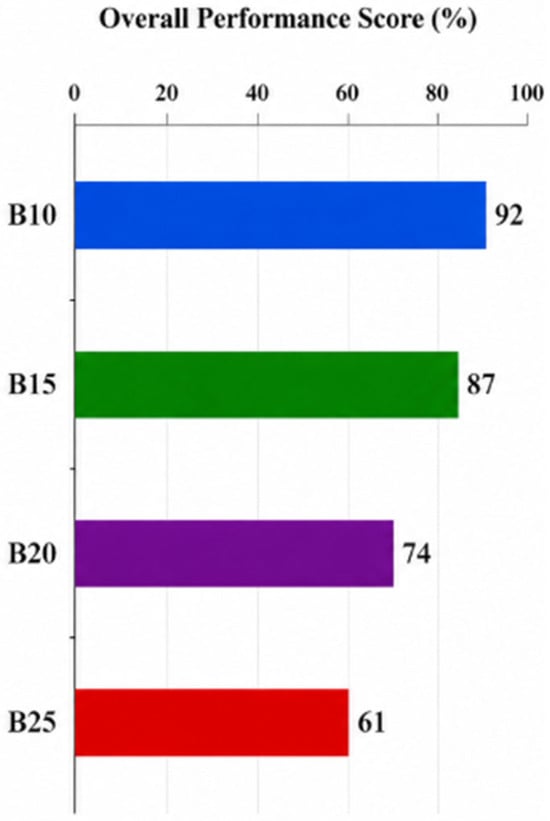
Figure 1
Open AccessArticle
Renewable Energy Convergence and Global Fuel Transition Regimes: Evidence from Heterogeneous Energy Systems
by
Constantinos Katrakylidis and Dimitrios Dimitriadis
Fuels 2026, 7(2), 34; https://doi.org/10.3390/fuels7020034 - 30 May 2026
Abstract
►▼
Show Figures
This study investigates whether countries converge toward common long-run paths in renewable energy consumption and examines the implications for global fuel transition dynamics. Using a balanced panel of 108 countries over the period 1990–2022, we implement an integrated econometric framework that combines stochastic
[...] Read more.
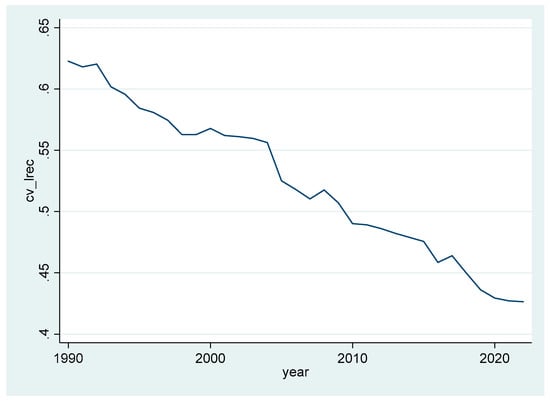
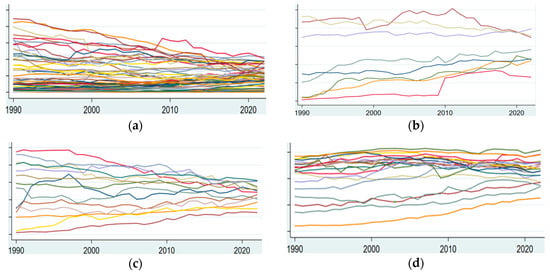
This study investigates whether countries converge toward common long-run paths in renewable energy consumption and examines the implications for global fuel transition dynamics. Using a balanced panel of 108 countries over the period 1990–2022, we implement an integrated econometric framework that combines stochastic convergence tests, β- and σ-convergence analysis, the Phillips–Sul club convergence methodology, ordered logit modelling, and heterogeneous panel causality tests. The results reject global stochastic convergence, indicating that countries do not share a common transition trajectory. However, evidence of β- and σ-convergence suggests the presence of partial and bounded catch-up dynamics. The Phillips–Sul approach identifies four distinct convergence regimes, implying multiple steady-state equilibria in global energy systems. Structural analysis shows that income and governance quality increase the probability of belonging to higher-renewable-energy regimes, while carbon intensity constrains upward transitions. Regime-specific causality results further reveal that the drivers of renewable energy dynamics differ across structural contexts. Overall, the findings demonstrate that global energy transitions are characterized by persistent heterogeneity and regime-dependent adjustment processes rather than uniform convergence. This study contributes by integrating convergence analysis with structural modelling and regime-based interpretation, offering a more comprehensive framework for understanding differentiated decarbonization pathways. The results carry important policy implications, highlighting that effective energy transition strategies must be tailored to regime-specific conditions rather than relying on uniform policy approaches.
Full article
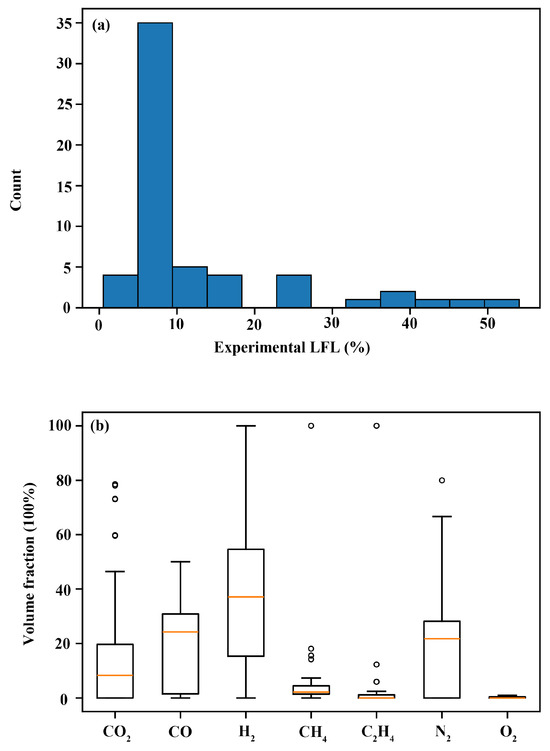
Figure 1
Highly Accessed Articles
Latest Books
E-Mail Alert
News
Topics
Topic in
Catalysts, Energies, Fuels, Hydrogen, Nanoenergy Advances
Hydrogen Energy Technologies, 3rd Edition
Topic Editors: Bahman Shabani, Mahesh SuryawanshiDeadline: 1 November 2026
Topic in
Energies, Geosciences, Applied Sciences, Mining, Fuels, Fractal Fract
Basin Analysis and Modelling, 2nd Edition
Topic Editors: Jingshou Liu, Wenlong Ding, Lei Gong, Ang LiDeadline: 1 December 2026
Topic in
Energies, Fire, Fuels, Processes, Sustainability
Combustion and Application of Carbon Neutral Fuel in Internal Combustion Engine
Topic Editors: Zezhou Guo, Cheng ShiDeadline: 28 February 2027
Topic in
Batteries, Clean Technol., Energies, Fuels, Sci, Vehicles
Trends and Prospects in Integration of Renewable Energy Sources and Electric Vehicles
Topic Editors: Ruifeng Shi, Xinshou Tian, Xianfeng XuDeadline: 30 April 2027
Special Issues
Special Issue in
Fuels
Recent Advances in Biofuel Production from Biowaste/Biomass-Based Residues
Guest Editor: Kalidas MainaliDeadline: 31 August 2026
Special Issue in
Fuels
Sustainability Assessment of Renewable Fuels Production
Guest Editors: Stella Bezergianni, Loukia P. ChrysikouDeadline: 30 November 2026
Special Issue in
Fuels
Advances in Propulsion and Energy Systems: Fuel Injection and Combustion Systems
Guest Editors: Steven Begg, Nwabueze EmekwuruDeadline: 31 March 2027
Special Issue in
Fuels
Biomass Conversion to Biofuels: 2nd Edition
Guest Editor: Mamoru YamadaDeadline: 30 June 2027