13 pages, 1986 KB  
Article
Increasing γ-Aminobutyric Acid Content in Dwarf Cherry Tomato Using CRISPR/Cas9-Mediated Gene Editing
by Danna Yu, Zhiqiang Meng, Fanhui Kong, Ning Gao, Kanglong Liu, Yun Deng, Li Zong, Xingping Zhang and Zhiguo Han
Horticulturae 2025, 11(12), 1423; https://doi.org/10.3390/horticulturae11121423 - 25 Nov 2025
Cited by 2 | Viewed by 1362
Abstract
Gamma-aminobutyric acid (GABA) is considered an important bioactive compound that improves sleep quality and regulates blood pressure. Tomatoes are an ideal horticultural crop that can accumulate a high level of GABA in fruits. The development of higher-GABA tomatoes has significant market potential. In [...] Read more.
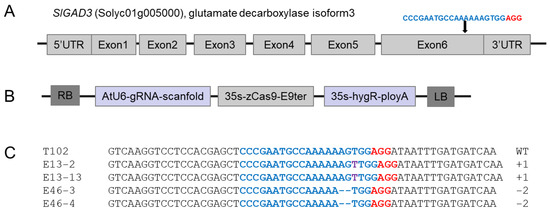
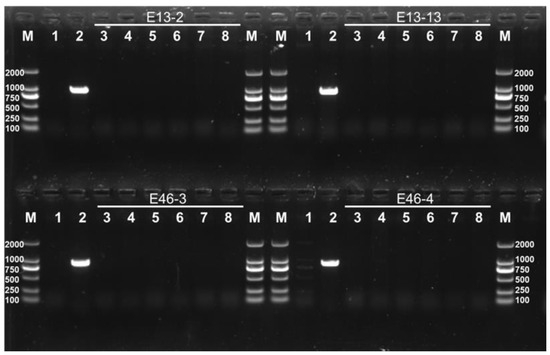
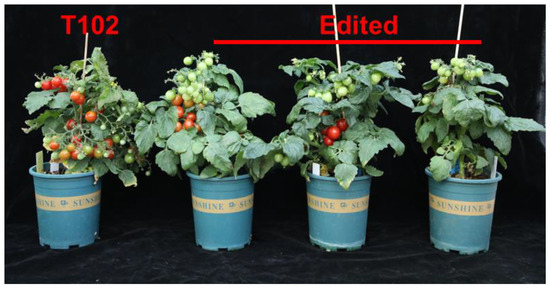
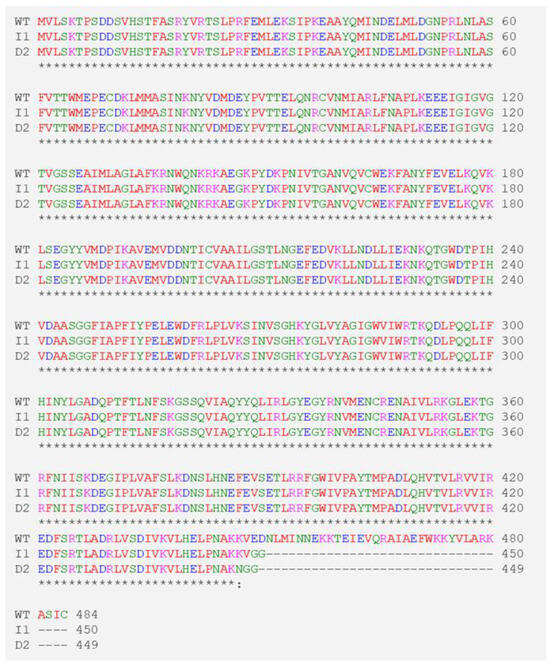
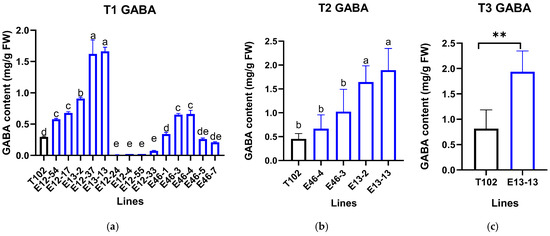
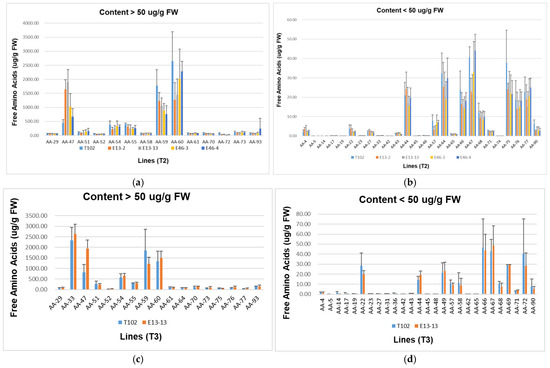
Gamma-aminobutyric acid (GABA) is considered an important bioactive compound that improves sleep quality and regulates blood pressure. Tomatoes are an ideal horticultural crop that can accumulate a high level of GABA in fruits. The development of higher-GABA tomatoes has significant market potential. In this study, we edited the SlGAD3 gene to increase GABA content in the dwarf cherry tomato, WEIMEI T102. After transformation using the Agrobacterium-mediated method, we identified several SlGAD3 mutation lines, which showed changed GABA levels compared to the recipient line. Molecular characterization showed stable trait inheritance for multiple generations. The GABA level in fruits also stably accumulated for multiple generations, which significantly increased up to about 1.9 mg/g FW in E13-13. These results indicate that it is feasible to increase the GABA content in dwarf cherry tomatoes by using gene editing technology. Full article
(This article belongs to the Section Genetics, Genomics, Breeding, and Biotechnology (G2B2))
Show Figures

Figure 1
19 pages, 3790 KB  
Article
Enhancing In Vitro Multiplication and Acclimatization of Blackberry (Rubus L.) Through Sterilization Optimizing and Growth Regulator Use
by Natalya Malakhova, Botakoz Tezekbayeva, Vladimir Kiyan and Yuliya Yefremova
Horticulturae 2025, 11(12), 1422; https://doi.org/10.3390/horticulturae11121422 - 25 Nov 2025
Viewed by 1048
Abstract
Blackberry (Rubus L.) cultivation in Kazakhstan is constrained by the limited availability of certified planting material and the absence of standardized micropropagation protocols adapted to local conditions. This study aimed to optimize the key stages of in vitro culture for the cultivars [...] Read more.
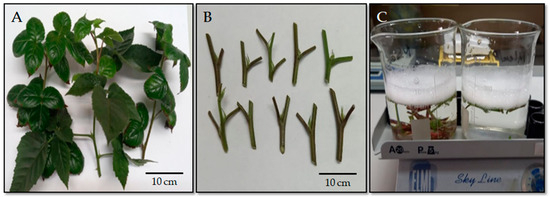
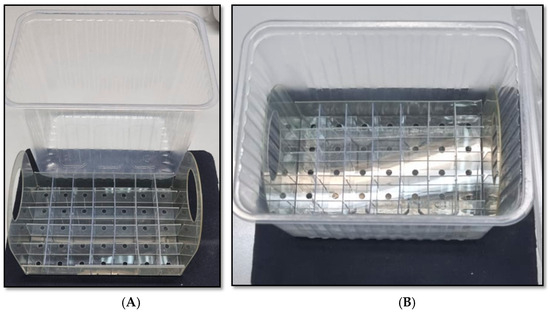
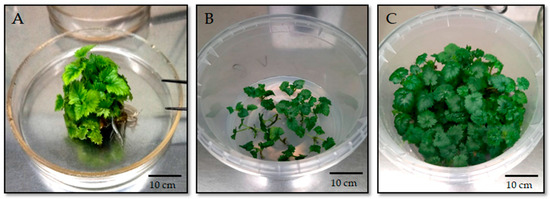
Blackberry (Rubus L.) cultivation in Kazakhstan is constrained by the limited availability of certified planting material and the absence of standardized micropropagation protocols adapted to local conditions. This study aimed to optimize the key stages of in vitro culture for the cultivars ‘Natchez’, ‘Black Magic’, ‘Osage’, and ‘Heaven Can Wait’, including explant sterilization, culture initiation, shoot multiplication, and acclimatization. A sequential sterilization scheme using 70% ethanol followed by 1% sodium hypochlorite ensured high explant survival. Shoot initiation was most efficient on MS medium supplemented with 0.1 mg/L BAP, whereas multiplication was enhanced by 0.5 mg/L BAP and 0.1 mg/L GA3. In the subsequent rooting stage, microcuttings formed stable root systems under ex vitro conditions in agroboxes, confirming that the optimized protocol ensured not only high survival during initiation but also a successful transition to the rooting phase, which is essential for further acclimatization. During ex vitro acclimatization, the application of humic acid, nanosilicon, or succinic acid improved survival under agrobox microventilation. The developed approach provides a reliable framework for producing healthy, adapted plants of the evaluated cultivars and contributes to establishing domestic propagation systems for reducing reliance on imported planting material. Full article
(This article belongs to the Section Propagation and Seeds)
Show Figures

Figure 1
15 pages, 1458 KB  
Article
Comparative Evaluation of Organic and Synthetic Fertilizers on Lettuce Yield and Metabolomic Profiles
by Ana García-Rández, Luciano Orden, Silvia Sánchez-Méndez, Francisco Javier Andreu-Rodríguez, José Antonio Sáez-Tovar, Encarnación Martínez-Sabater, María de los Ángeles Bustamante, María Dolores Pérez-Murcia and Raúl Moral
Horticulturae 2025, 11(12), 1421; https://doi.org/10.3390/horticulturae11121421 - 24 Nov 2025
Cited by 3 | Viewed by 2698
Abstract
The excessive use of synthetic fertilizers in agriculture has raised environmental concerns, prompting the search for sustainable alternatives, such as organic amendments. This study evaluated the agronomic performance, nutrient use efficiency and metabolomic profiles of lettuce (Lactuca sativa L. var. baby leaf) [...] Read more.
The excessive use of synthetic fertilizers in agriculture has raised environmental concerns, prompting the search for sustainable alternatives, such as organic amendments. This study evaluated the agronomic performance, nutrient use efficiency and metabolomic profiles of lettuce (Lactuca sativa L. var. baby leaf) cultivated using synthetic and organic (olive mill waste-based compost pellets and sewage sludge) in a controlled pot experiment. The treatments included three doses of inorganic fertilizer and two organic fertilizers applied at equivalent nitrogen (N) rates, alongside an unfertilized control. Soil physicochemical properties, plant biomass, nutrient uptake and metabolite profiles, including amino acids, sugars and organic acids, were analyzed. Inorganic fertilization rapidly increased soil mineral N and phosphorus (P), enhancing leaf chlorophyll, canopy development and fresh biomass, and promoting the accumulation of reducing sugars (p < 0.05). However, it reduced amino acid and phenolic levels, indicating a metabolic shift towards growth at the expense of stress and antioxidant compounds. Sewage sludge increased soil organic matter and amino acid and sucrose accumulation, but also induced stress-related metabolites. Pelletized compost maintained an intermediate level of nutrient availability, preserved phenolic compounds and improved phosphorus use efficiency. This surpassed the results achieved with sewage sludge in terms of dry matter yield, despite limited short-term growth stimulation. These findings highlight the potential of integrating moderate mineral fertilization with pelletized compost to balance immediate productivity, nutrient efficiency and long-term soil and metabolic quality in lettuce cultivation. Full article
Show Figures

Figure 1
21 pages, 2165 KB  
Article
LED Light and Plant Growth Regulators Affect Callus Induction, Shoot Organogenesis, dl-Tetrahydropalmatine Accumulation, and Activities of Antioxidant Enzymes in Corydalis turtschaninovii Besser
by Jin Zhao and Byoung Ryong Jeong
Horticulturae 2025, 11(12), 1420; https://doi.org/10.3390/horticulturae11121420 - 24 Nov 2025
Viewed by 1059
Abstract
The genus Corydalis, belonging to the Papaveraceae family, is widely distributed across the Northern Hemisphere, primarily in Asia. This study aimed to investigate the effect of plant growth regulators (PGRs) on callus induction, and of light quality and intensity on indirect shoot [...] Read more.
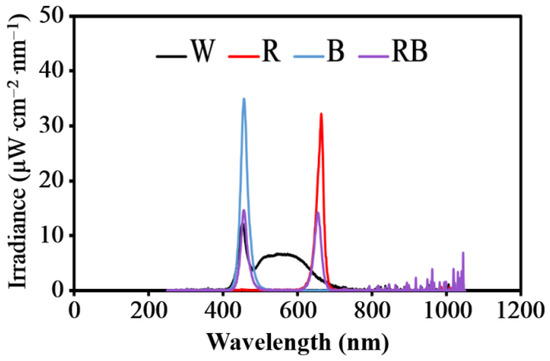
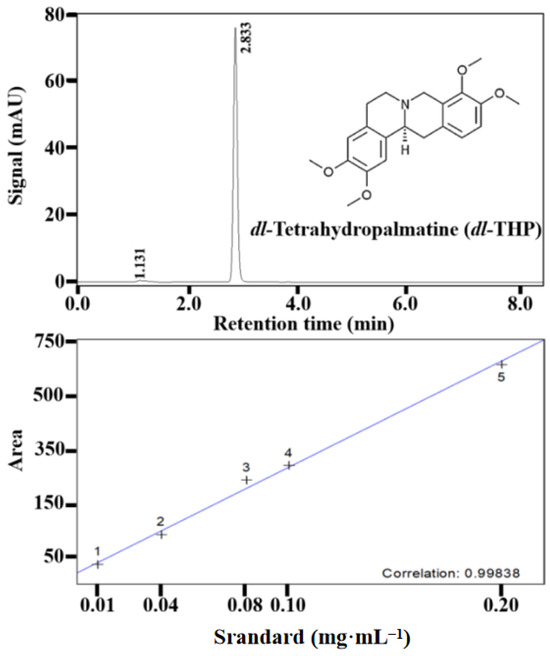
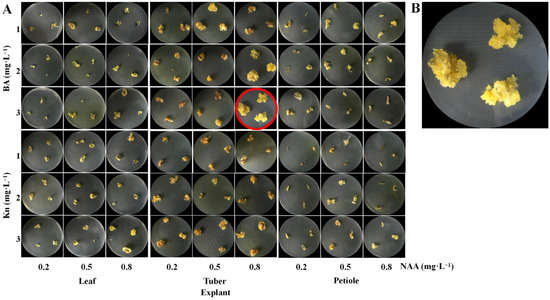
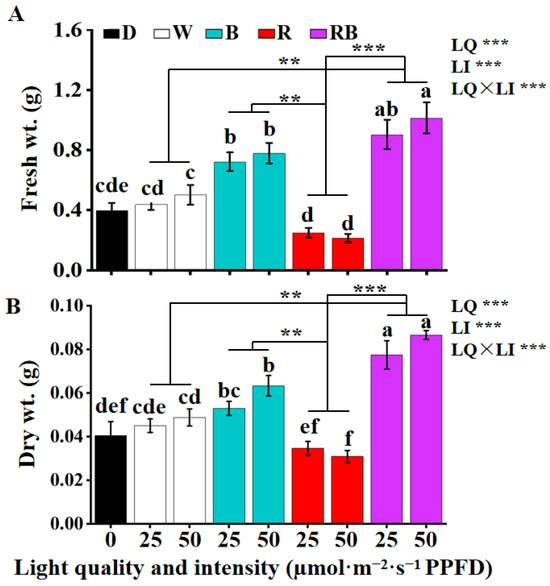
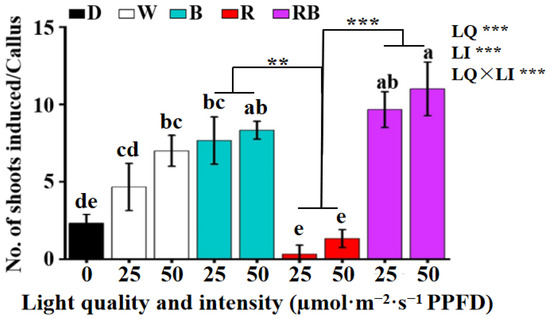
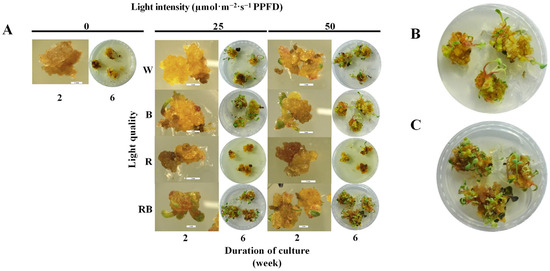
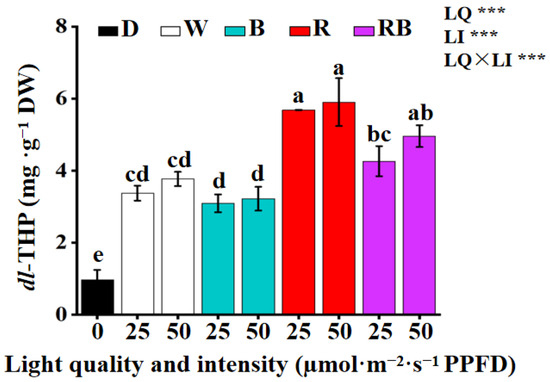
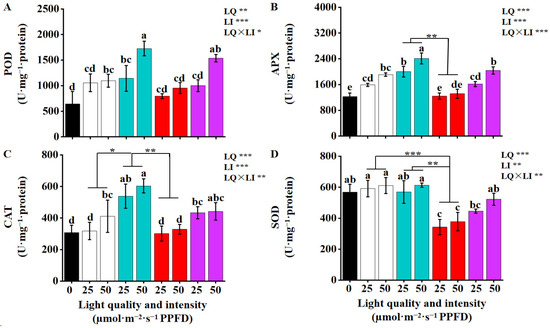
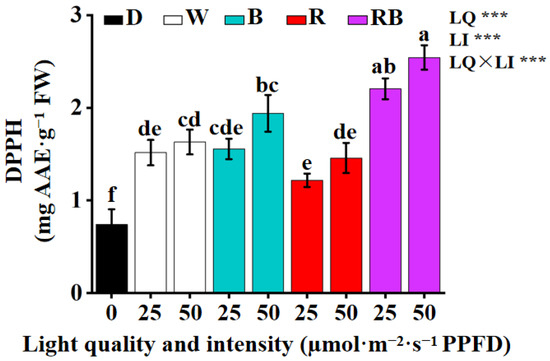
The genus Corydalis, belonging to the Papaveraceae family, is widely distributed across the Northern Hemisphere, primarily in Asia. This study aimed to investigate the effect of plant growth regulators (PGRs) on callus induction, and of light quality and intensity on indirect shoot organogenesis, dl-Tetrahydropalmatine (dl-THP) accumulation, and activities of antioxidant enzymes in Corydalis turtschaninovii Besser. Calli were successfully induced from the leaf, tuber, and petiole explants with different PGR combinations. The best callus induction from leaf, tuber, and petiole explants were obtained in the medium supplemented with 3 mg·L−1 kinetin (Kn) combined with 0.8 mg·L−1 naphthalene acetic acid (NAA), 3 mg·L−1 benzyl adenine (BA) combined with 0.8 mg·L−1 NAA, and 2 mg·L−1 BA combined with 0.5 mg·L−1 NAA, respectively. For indirect shoot organogenesis, calli were cultured on the Murashige and Skoog (MS) medium under dark (D), white (W), red (R), blue (B), or 1:1 mixture of red and blue (RB) light-emitting diodes (LEDs) at an intensity of 25 or 50 µmol·m−2·s−1 photosynthetic photon flux density (PPFD) for six weeks. The RB treatment increased biomass accumulation of the callus, and promoted the induction of the shoot from the callus, whereas the R treatment promoted the dl-THP accumulation, especially with the higher light intensity. Light quality and intensity significantly influenced the activities of antioxidant enzymes and the 1,1-diphenyl-2-picrylhydrazyl (DPPH) radical scavenging capacity in calli, with the most pronounced effects observed under B or RB light treatments. Taken together, the application of monochromatic LED or combinations of red and blue LEDs could be used for the callus culture for different purposes in vitro. Full article
(This article belongs to the Section Medicinals, Herbs, and Specialty Crops)
Show Figures

Figure 1
21 pages, 18153 KB  
Article
A Two-Stage Canopy Extraction Method Utilizing Multispectral Images to Enhance the Estimation of Canopy Nitrogen Content in Pear Orchards with Full Grass Cover
by Yuanhao Sun, Kai Huang, Quanchun Yuan, Xiaohui Lei and Xiaolan Lv
Horticulturae 2025, 11(12), 1419; https://doi.org/10.3390/horticulturae11121419 - 24 Nov 2025
Viewed by 802
Abstract
Accurately extracting the canopies of fruit trees is crucial to improve the estimation accuracy of CNC inversion as well as determine a reasonable application of nitrogen fertilizer. To date, existing studies have mainly focused on canopy extraction in scenarios with no grass or [...] Read more.
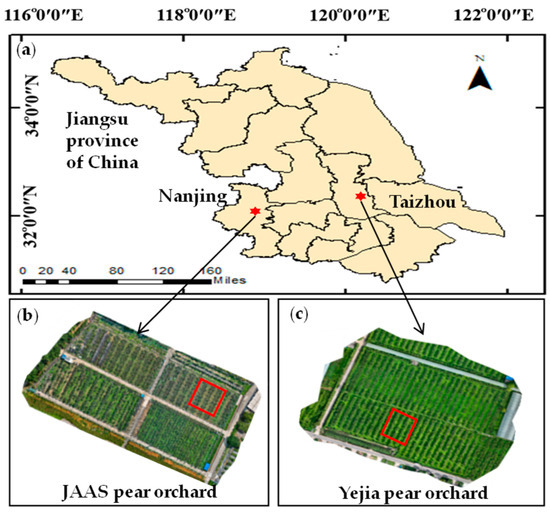
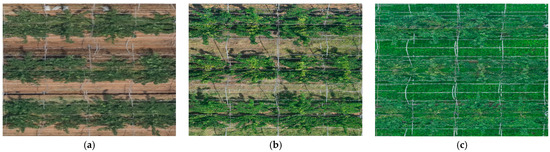
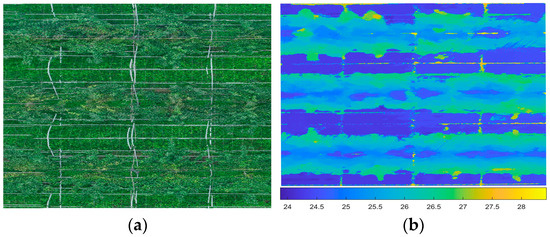
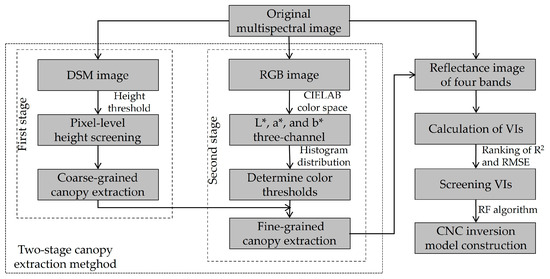
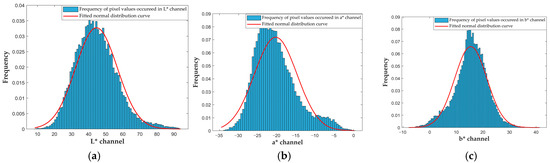
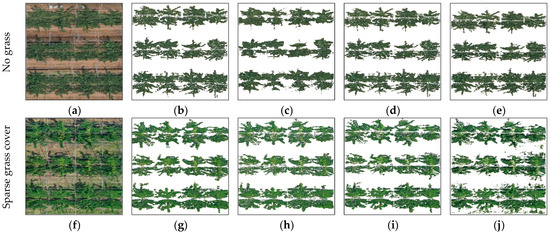
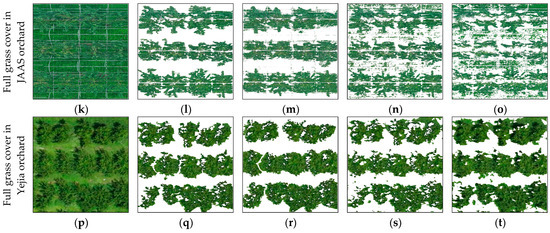
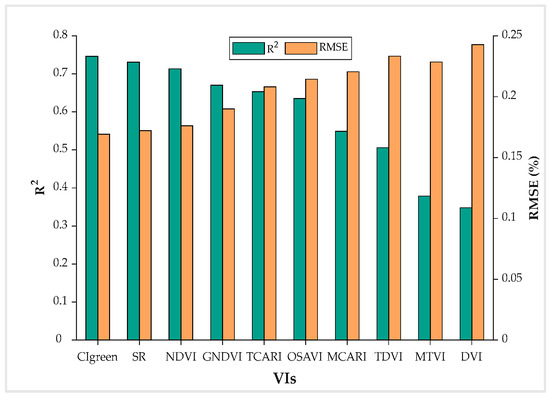
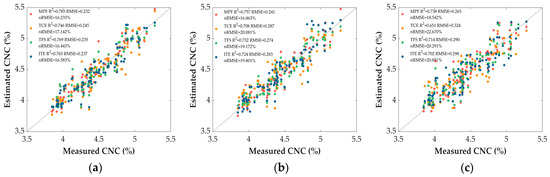
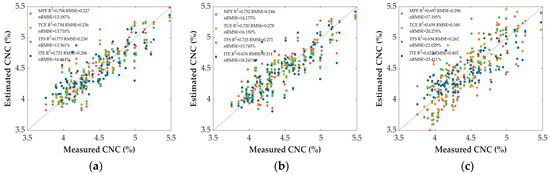
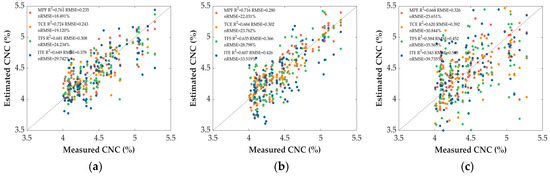
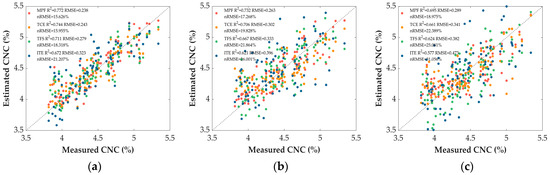
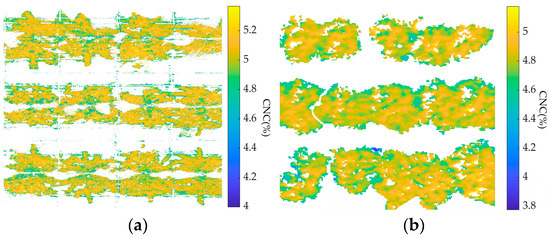
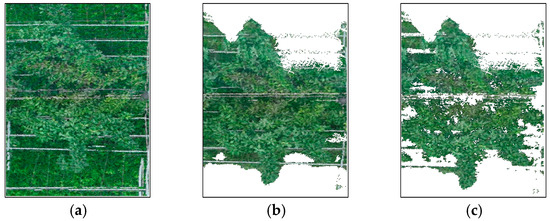
Accurately extracting the canopies of fruit trees is crucial to improve the estimation accuracy of CNC inversion as well as determine a reasonable application of nitrogen fertilizer. To date, existing studies have mainly focused on canopy extraction in scenarios with no grass or sparse grass cover, paying less attention to scenarios with a full grass cover. Thus, in this paper, a two-stage canopy extraction (TCE) method was proposed to address the issue of canopy extraction in scenarios with full grass cover. Firstly, the height difference between the canopies of pear trees and the ground grass was used to eliminate the interference of the ground grass and achieve a coarse-grained canopy extraction. Then, based on the extracted coarse-grained canopies and CIELAB color space, the color thresholds of the L*, a*, and b* channels were determined to remove the interference factors, e.g., branches, shadows, and trellises, for fine-grained canopy extraction by using data distribution from the three channels based on a histogram and the threshold of confidence interval. In canopy extraction experiments, the accuracy, recall, precision, and F1-score of TCE in scenarios with full grass cover can reach 91.725%, 95.789%, 91.284%, and 93.482%, respectively, demonstrating the effectiveness of TCE in addressing canopy extraction issues in this scenario. Thirdly, the RF algorithm was utilized to select suitable VIs based on R2 and RMSE values, and CNC inversion models were constructed. In estimation experiments on CNC inversion, the R2, RMSE, and nRMSE of the constructed CNC inversion based on TCE in a scenario with full grass cover were 0.724, 0.243, and 19.120%, respectively. A comparative analysis with the baseline method revealed that accurate canopy extraction contributed to a high estimation accuracy of CNC inversion. Therefore, our proposed method can provide technical support for the efficient and non-destructive monitoring of the canopy nutrient status in pear orchards. Full article
(This article belongs to the Special Issue New Trends in Smart Horticulture)
Show Figures

Figure 1
16 pages, 731 KB  
Article
Impact on the Health-Promoting Potential of Cranberries for Food Applications Through Soilless Cultivation Practices in Piemonte Region (Italy): A Sustainable Opportunity for Nutraceutical Production
by Teresa Sobrero, Alberto Asteggiano, Dario Donno, Lorenzo Rosso, Andrea Occhipinti, Maria Gabriella Mellano, Annachiara Fioccardi, Gabriele Loris Beccaro and Giovanni Gamba
Horticulturae 2025, 11(12), 1418; https://doi.org/10.3390/horticulturae11121418 - 24 Nov 2025
Cited by 1 | Viewed by 862
Abstract
Cranberry (Vaccinium macrocarpon Aiton), a traditional berry crop cultivated in North America, is appreciated for its high amounts of bioactive compounds and polyphenols. The exploration of its cultivation in different geographic areas may support crop diversification and sustainable production of fruits and [...] Read more.
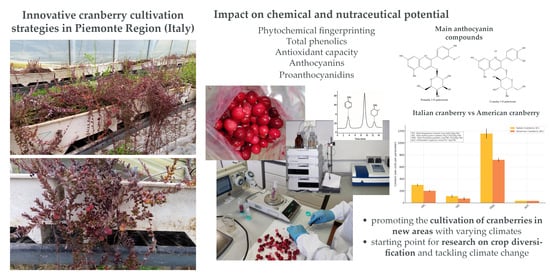
Cranberry (Vaccinium macrocarpon Aiton), a traditional berry crop cultivated in North America, is appreciated for its high amounts of bioactive compounds and polyphenols. The exploration of its cultivation in different geographic areas may support crop diversification and sustainable production of fruits and derived products rich in health-promoting molecules. The present research evaluated the antioxidant capacity, phytochemical profile, and nutritive composition of the ‘Pilgrim’ cranberry cultivar grown in soilless conditions in Northwestern Italy (Bra, Piemonte Region), compared to a reference sample from North America (Canada). Physical–chemical parameters such as weight, fruit size, titratable acidity, and total soluble solids were considered. Additionally, anthocyanins, total phenolics, antioxidant capacity, and proanthocyanidins (PACs) were evaluated using spectrophotometric protocols. Chromatographic techniques (HPLC-MS/MS and HPLC-DAD) were used for detailed profiling of phenolic acids, flavonoids, vitamin C, sugars, organic acids, and PAC types (A- and B-type dimers and trimers). The results highlighted that Italian-grown cranberry fruits, although smaller, showed significantly higher levels of PACs (+61%), anthocyanins (+58%), total polyphenolic compounds (+48%), and antioxidant capacity than North American ones. This may be due to the inhibition of fruit growth by elevated temperatures, resulting in a better synthesis of antioxidants and bioactive compounds. This study may promote the cultivation of cranberries in different climatic regions, as a complementary strategy to international imports, and improve the production of new food applications with a high content of health-promoting molecules. Additionally, the production of antioxidants in plants under challenging conditions may potentially stimulate further studies to address climate change and investigate crop diversification. Full article
(This article belongs to the Special Issue Advances in Tree Crop Cultivation and Fruit Quality Assessment)
Show Figures

Graphical abstract

19 pages, 3074 KB  
Article
Comparative LC-MS/MS Metabolomics of Wild and Cultivated Strawberries Reveals Enhanced Triterpenoid Accumulation and Superior Free Radical Scavenging Activity in Fragaria nilgerrensis
by Mingzheng Duan, Liuyuan Bao, Ting Jiang, Kangjian Song, Yubo Chen, Sijiu He, Xiande Duan, Muhammad Ikram, Shunqiang Yang and Muhammad Junaid Rao
Horticulturae 2025, 11(12), 1417; https://doi.org/10.3390/horticulturae11121417 - 22 Nov 2025
Cited by 2 | Viewed by 1197
Abstract
Strawberry fruit quality is linked to its phytochemical composition, yet the diversity of non-volatile terpenoids remains largely unexplored. Therefore, a comparative LC-MS/MS-based metabolomic analysis of terpenoid profiles was conducted using three commercial cultivars (Fragaria × ananassa) and a wild accession of [...] Read more.
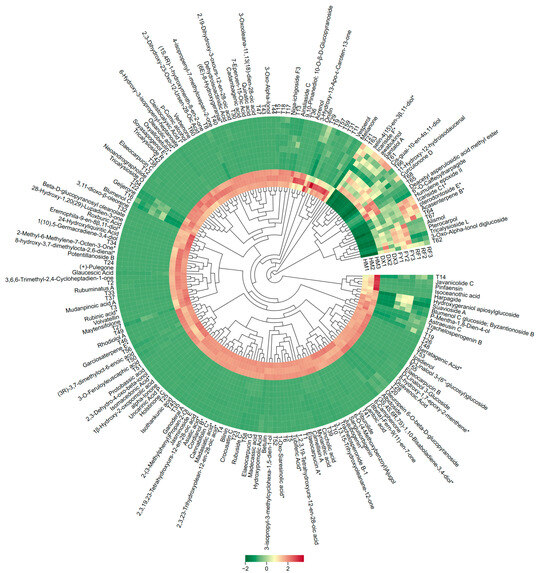
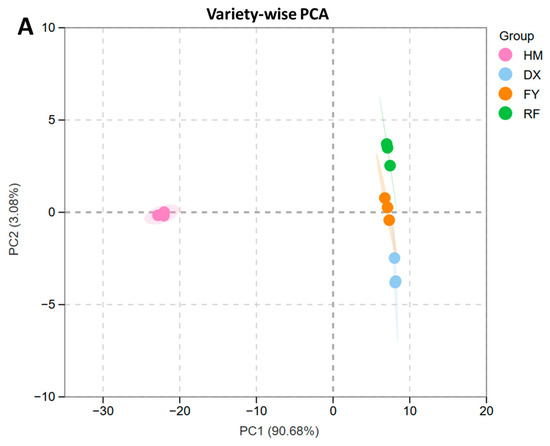
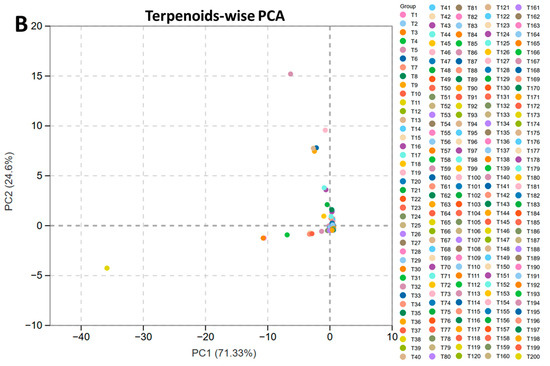
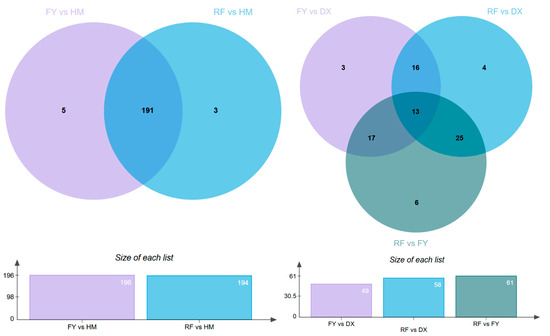
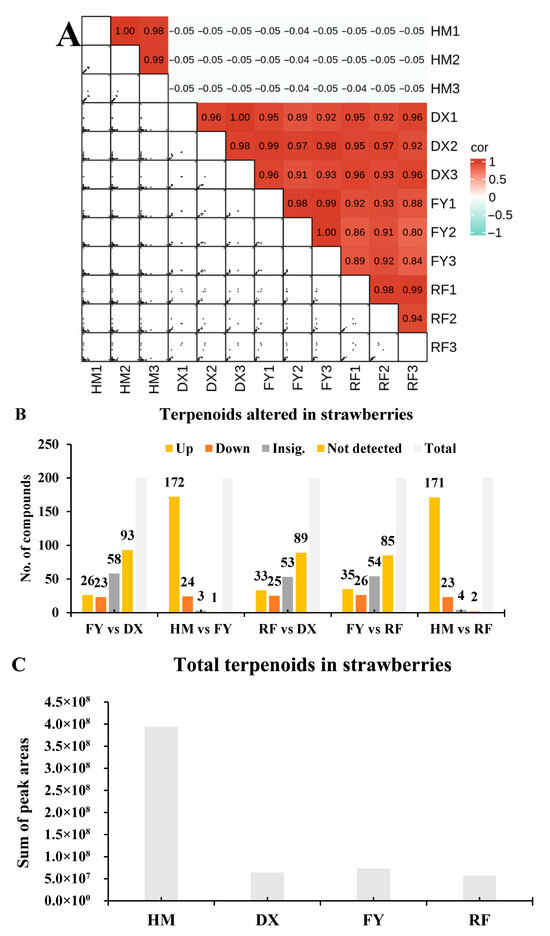
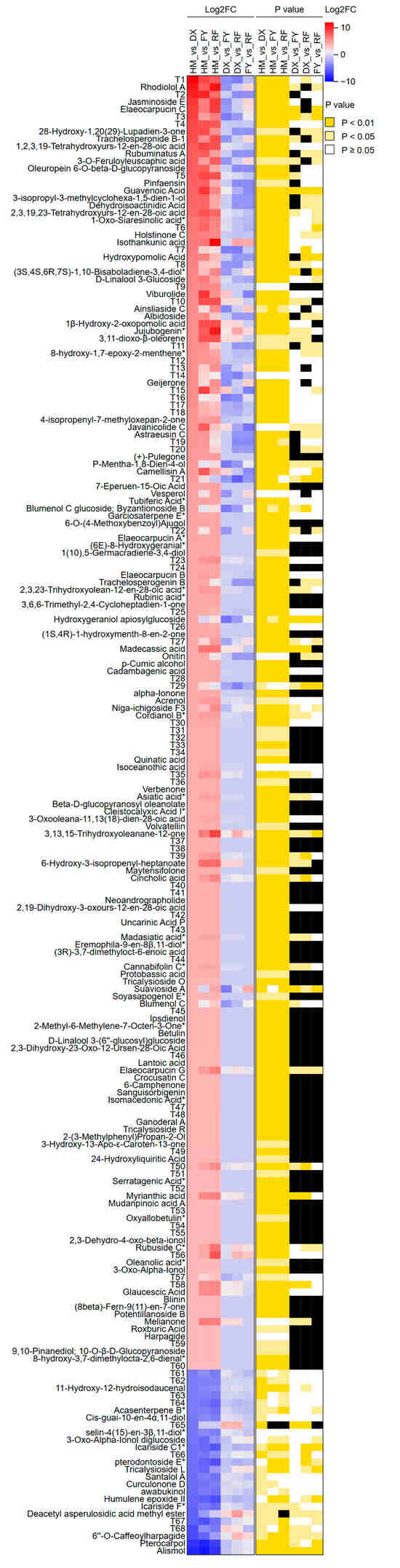
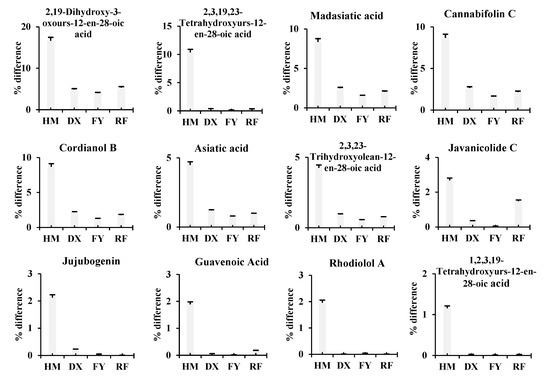
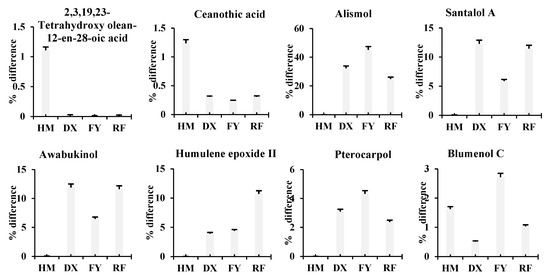
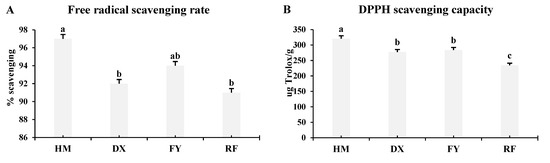
Strawberry fruit quality is linked to its phytochemical composition, yet the diversity of non-volatile terpenoids remains largely unexplored. Therefore, a comparative LC-MS/MS-based metabolomic analysis of terpenoid profiles was conducted using three commercial cultivars (Fragaria × ananassa) and a wild accession of Fragaria nilgerrensis (HM). Results from this study showed that the HM cultivar had a total terpenoid abundance 5–6 times higher than the commercial cultivars. The HM cultivar was uniquely enriched in specific triterpenoids, such as 3β,6β,19α,24-Tetrahydroxyurs-12-en-28-oic acid and 13,27-Cyclo-2,3-Dihydroxy-11,19(29)-Ursadien-28-Oic Acid, which was over 450 times higher than the ‘Danxue’ and ‘Fenyu’ commercial strawberry cultivars. Conversely, sesquiterpenoids like Alismol and Pterocarpol were 100 times lower in HM than in the commercial cultivars. This enhanced triterpenoid accumulation strongly correlated with a superior capacity to scavenge free radicals in vitro, with HM showing maximum capacity, as measured by the DPPH assay. These findings highlight the value of wild strawberry germplasm as a reservoir of biochemical diversity for breeding strawberries with enhanced functional quality. Full article
(This article belongs to the Special Issue Advances in Developmental Biology and Quality Control of Berry Crops)
Show Figures

Figure 1
17 pages, 1468 KB  
Review
Reference Genes in Plant–Pathogen Interaction: A Bibliometric Analysis
by Agata Lizzio, Valerio Battaglia, Ernesto Lahoz, Massimo Reverberi and Milena Petriccione
Horticulturae 2025, 11(12), 1416; https://doi.org/10.3390/horticulturae11121416 - 21 Nov 2025
Viewed by 1457
Abstract
Plant–pathogen interactions are complex biological processes characterized by dynamic changes in genes expression. In molecular plant pathology research, RT-qPCR has proven to be a valuable tool for investigating plant–pathogen interactions by examining gene expression changes in both plants and pathogens during infection. The [...] Read more.
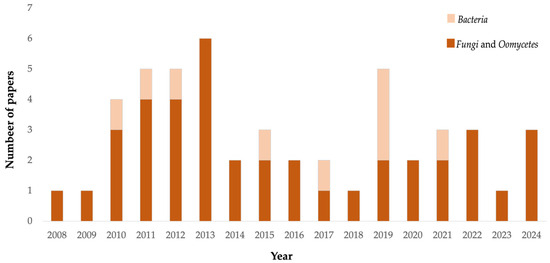
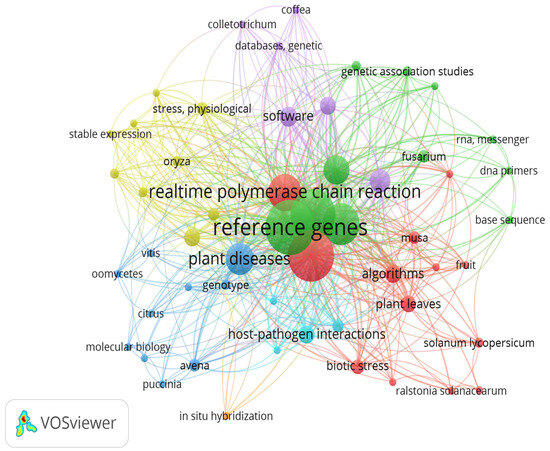
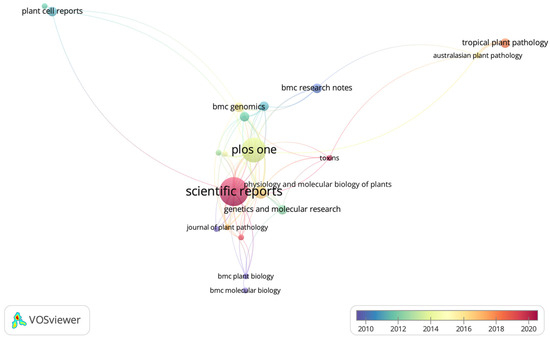
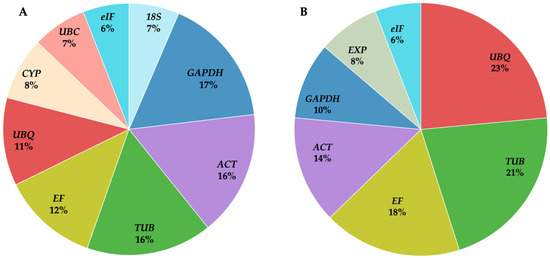
Plant–pathogen interactions are complex biological processes characterized by dynamic changes in genes expression. In molecular plant pathology research, RT-qPCR has proven to be a valuable tool for investigating plant–pathogen interactions by examining gene expression changes in both plants and pathogens during infection. The choice of reliable reference genes is crucial, as this directly affects the robustness of normalization and the accuracy of analyzing the expression of genes of interest. A systematic literature search was conducted across relevant academic databases, resulting in the selection of 47 articles (38 on fungi and oomycetes, 7 on bacteria and 2 covering both bacteria, fungi and oomycetes) that evaluated the stability of 190 candidate reference genes. The most used reference genes in plant—fungal and oomycete pathosystems were GAPDH, ACT, TUB and EF, whereas UBQ, TUB, EF and ACT were most used in plant—bacterial pathosystems. Reference genes revealed considerable variability in their stability across different crops, pathogens and experimental conditions. Notably, several classical reference genes, traditionally assumed to maintain stable expression, exhibited considerable variability, supporting concerns regarding their reliability as universal references. Therefore, this review provides important insights for researchers seeking to identify suitable reference genes for their validation studies in plant–pathogen interaction. Full article
(This article belongs to the Section Plant Pathology and Disease Management (PPDM))
Show Figures

Figure 1

25 pages, 2501 KB  
Review
Advances in Growing Degree Days Models for Flowering to Harvest: Optimizing Crop Management with Methods of Precision Horticulture—A Review
by Helene Fotouo Makouate and Manuela Zude-Sasse
Horticulturae 2025, 11(12), 1415; https://doi.org/10.3390/horticulturae11121415 - 21 Nov 2025
Cited by 5 | Viewed by 4276
Abstract
Temperature plays a vital role in plant metabolism, and effective crop temperature appears to be influenced by variables related to climate change. While extreme weather events are widely discussed, the effects of moderate temperature changes pose consistent yet underexplored challenges for farmers. The [...] Read more.
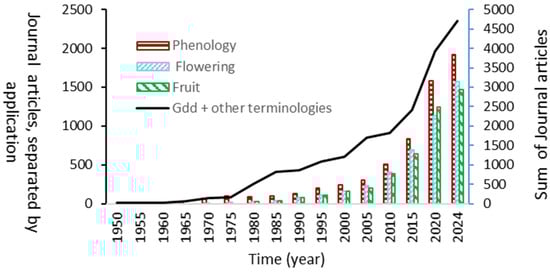
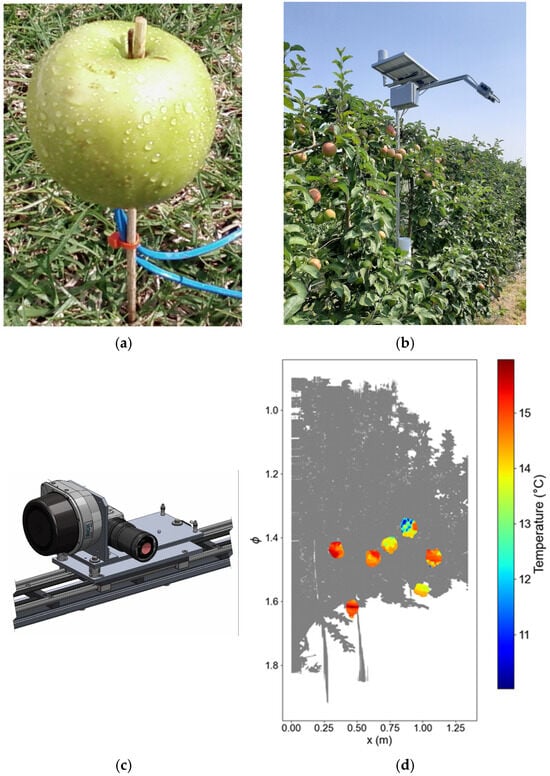
Temperature plays a vital role in plant metabolism, and effective crop temperature appears to be influenced by variables related to climate change. While extreme weather events are widely discussed, the effects of moderate temperature changes pose consistent yet underexplored challenges for farmers. The “growing degree days” (GDD) also termed “heat unit”, is the most widely used approach in agricultural and ecological studies to quantify the relationship between temperature and plant development. This review provides a comprehensive examination of GDD methodology as applied to horticultural crop production, specifically from initial fruit development to fruit maturity, and postharvest. It is the first integrated synthesis of the conceptual evolution, methodological refinement, and broad application of GDD, thereby highlighting the need to optimize GDD approaches in light of emerging technological tools. While the GDD model is valuable for predicting crop development based on heat accumulation, it has limitations in capturing the effects of other environmental factors. Additionally, air temperature may not provide precise data on each plant organ. Recent advances in remote sensing, such as the integration of thermal imaging, RGB cameras, and lidar have enabled the measurement of spatially resolved temperature distribution within crop canopies, including fruit surface temperature. Recent advances, highlighted in the literature, suggest that integrating sensor innovations with machine learning approaches holds high potential for improving the precision of modeling temperature-dependent growth responses and their interactions with other environmental variables. By addressing these challenges and expanding its applications, GDD can continue to serve as an essential tool in promoting sustainable horticultural practices and adapting to global warming. Full article
(This article belongs to the Special Issue Orchard Management Under Climate Change: 2nd Edition)
Show Figures

Figure 1

20 pages, 6667 KB  
Article
Aroma Characterization and Key Volatile Identification in Wuyi Rock Tea Prepared from Wuyi Mingcong Tea Plant Varieties
by Ruihua Liu, Hua Feng, Yao Wu, Shijia Lin, Yucheng Zheng, Yiting Liu, Bo Zhang, Yutao Shi, Chuanpeng Nie, Qi Guo, Zeming Wu, Feiquan Wang and Shan Jin
Horticulturae 2025, 11(12), 1414; https://doi.org/10.3390/horticulturae11121414 - 21 Nov 2025
Viewed by 1303
Abstract
Wuyi Mingcong (WYMC) is a distinctive tea germplasm resource from Wuyi Mountain, known for its unique aroma and quality characteristics. However, the aroma quality of WYMC has been insufficiently studied. In this study, the aroma profiles of seven characteristic tea plant resources WYMC [...] Read more.
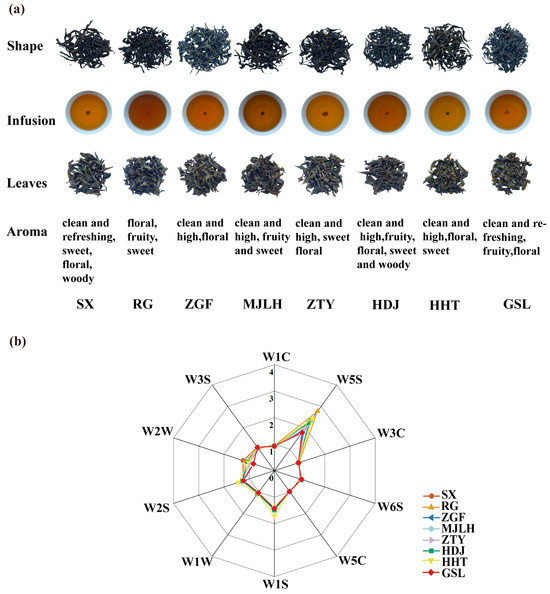
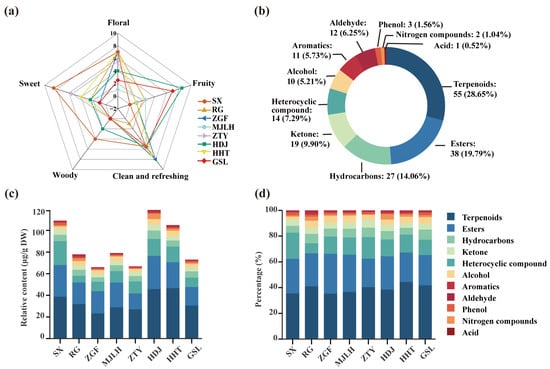
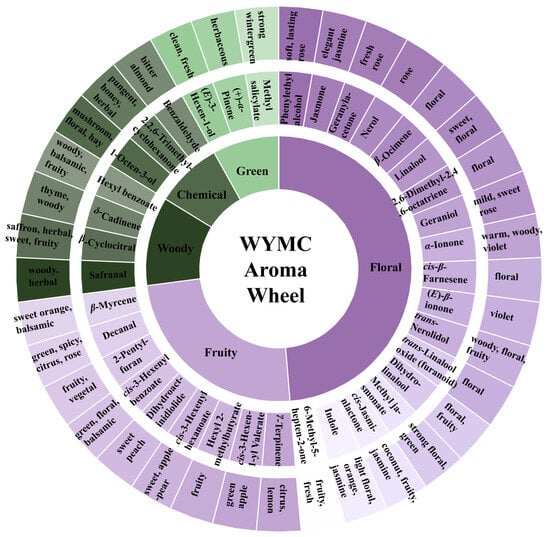
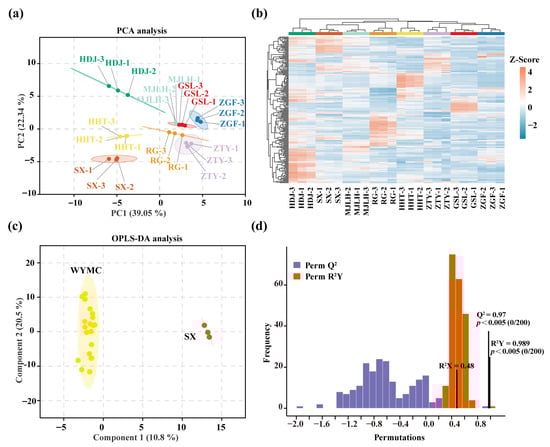
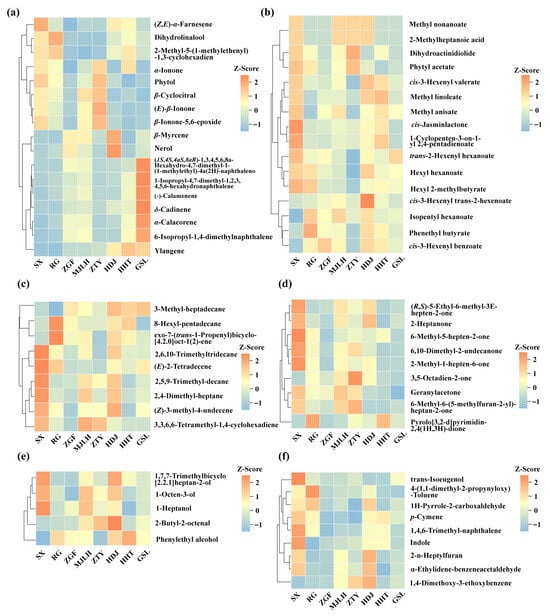
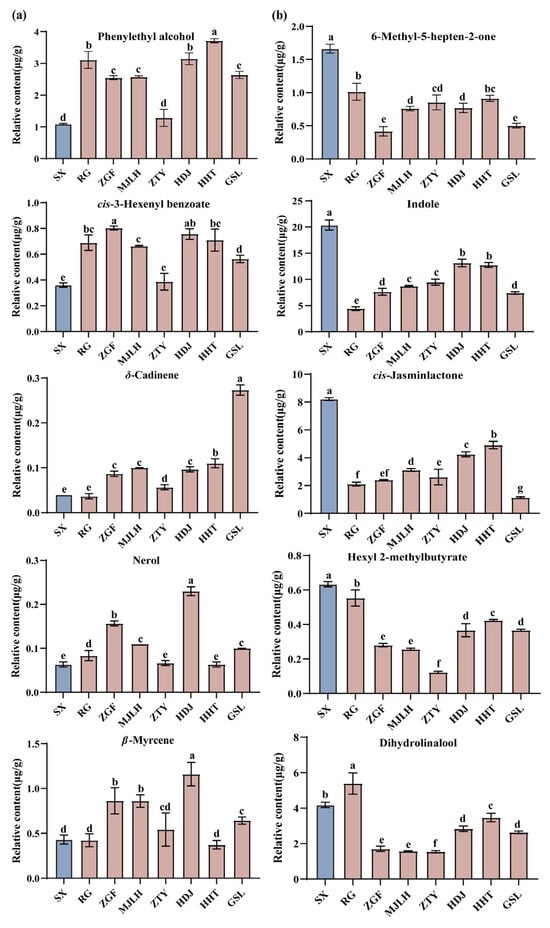
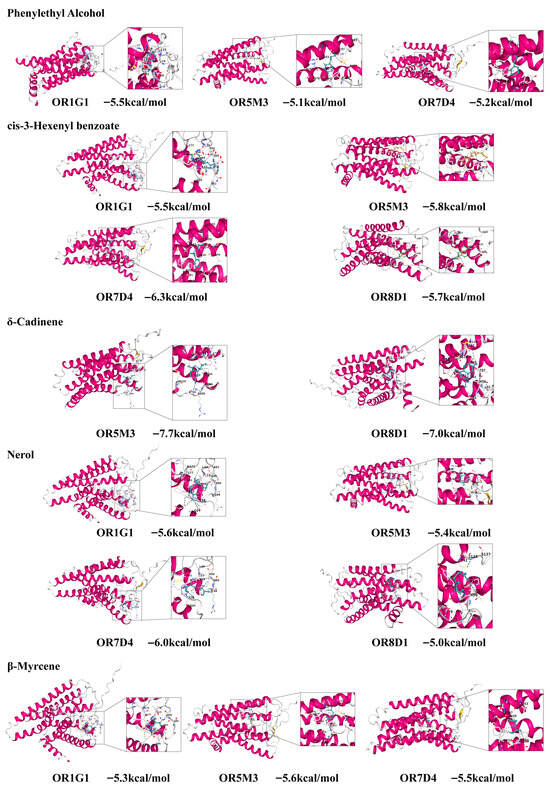
Wuyi Mingcong (WYMC) is a distinctive tea germplasm resource from Wuyi Mountain, known for its unique aroma and quality characteristics. However, the aroma quality of WYMC has been insufficiently studied. In this study, the aroma profiles of seven characteristic tea plant resources WYMC tea samples were characterized using sensory evaluation combined with headspace solid-phase microextraction and gas chromatography–mass spectrometry (HS-SPME-GC-MS). The results revealed that “floral,” “fruity,” “clean and refreshing,” “woody,” and “sweet” were the main aroma characteristics. A total of 37 volatile compounds were found to contribute significantly to the aroma profiles of the seven WYMC tea samples, with dihydrolinalool and (E)-β-ionone likely being the key contributors to their floral and fruity notes. Ten key volatile markers were identified as responsible for aroma differences between the Fujian Shuixian (SX) and seven WYMC tea samples. Phenylethyl alcohol, cis-3-hexenyl benzoate, δ-cadinene, nerol, and β-myrcene may be critical for the formation of WYMC’s characteristic aroma. cis-3-hexenyl benzoate and nerol may act as “broad-spectrum” aroma contributors, enhancing the overall intensity or layered nature of WYMC’s scent. The results of this study enrich the understanding of the aroma characteristics of WYMC and provide a theoretical foundation for the development and utilization of tea germplasm resources in the Wuyi Mountain. Full article
(This article belongs to the Special Issue Sustainable Practices in Tea Plantations)
Show Figures

Figure 1

18 pages, 26917 KB  
Article
Seed Priming with Cold Plasma and Vacuum Increases the Amounts of Phenolic Compounds and Antioxidant Activity in Lavender Herb
by Viktoriia Hurina, Zita Nauciene, Rasa Zukiene, Laima Degutyte-Fomins, Simona Tuckute, Liudas Ivanauskas, Mindaugas Marksa, Victoriya Georgiyants, Olha Mykhailenko and Vida Mildaziene
Horticulturae 2025, 11(12), 1413; https://doi.org/10.3390/horticulturae11121413 - 21 Nov 2025
Cited by 1 | Viewed by 967
Abstract
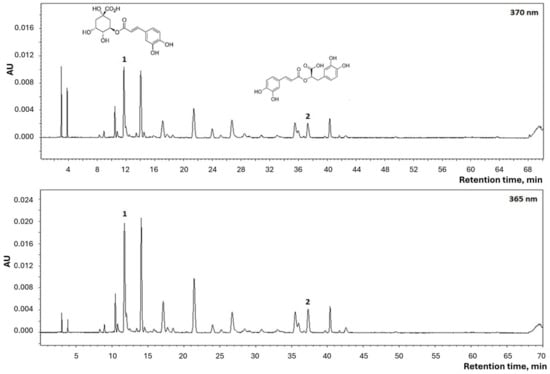
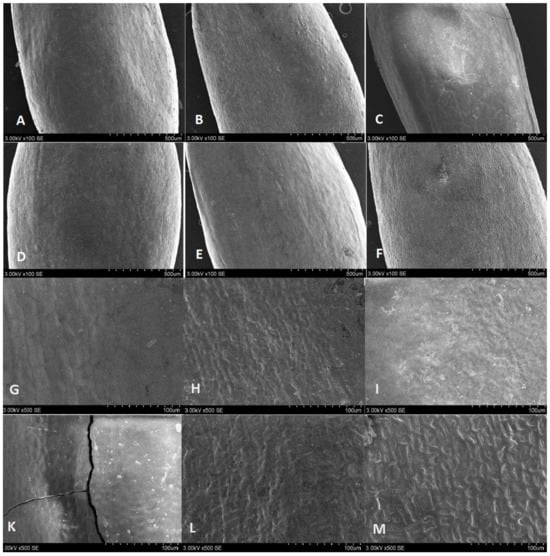
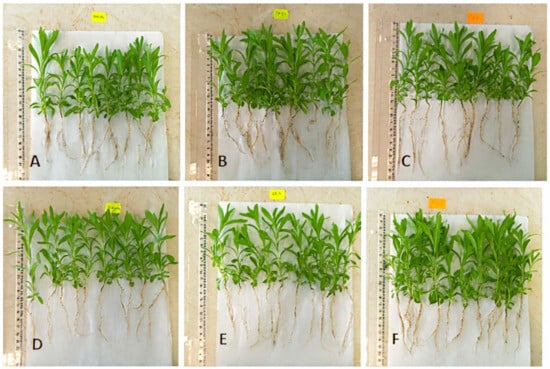
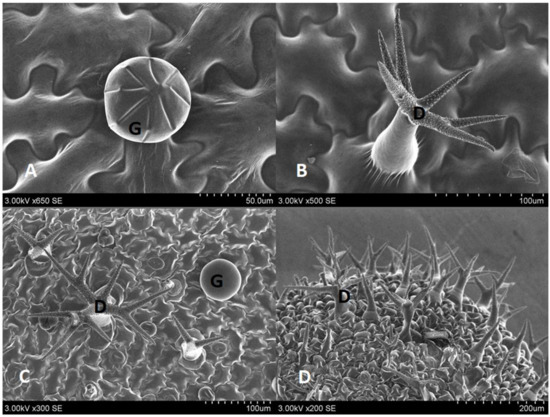
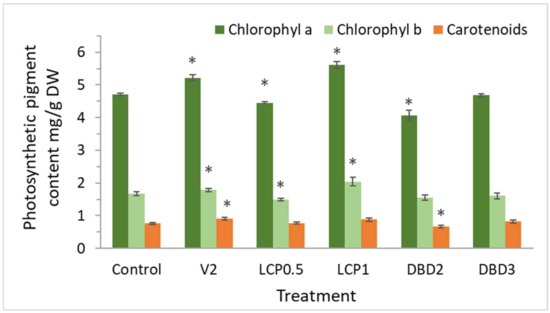
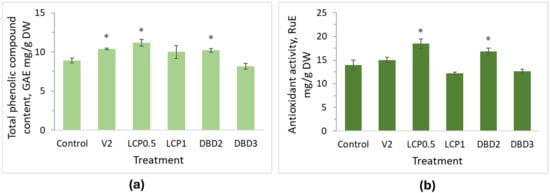
Seed processing effects induced by two types of cold plasma, CP (low-pressure plasma, LCP; dielectric barrier discharge plasma, DBD), and vacuum (V) treatments were compared by estimating changes in the emergence and growth of lavender seedlings, the density of leaf trichomes, and the [...] Read more.
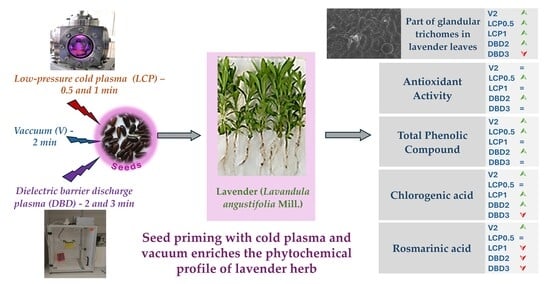
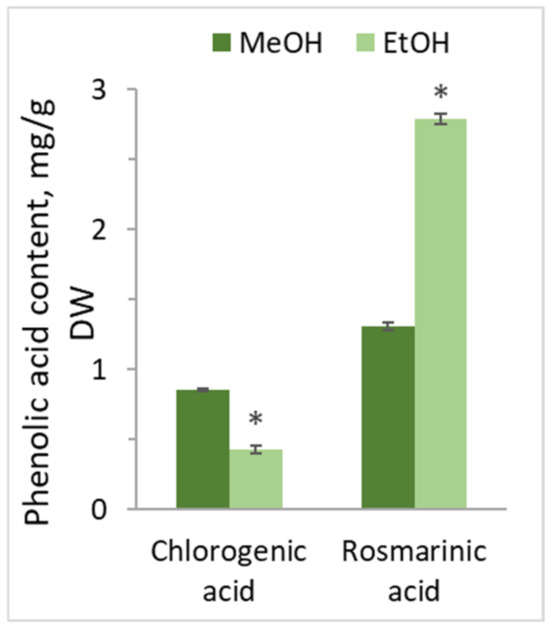
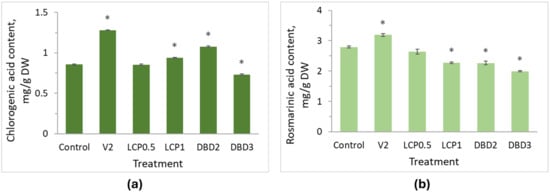
Seed processing effects induced by two types of cold plasma, CP (low-pressure plasma, LCP; dielectric barrier discharge plasma, DBD), and vacuum (V) treatments were compared by estimating changes in the emergence and growth of lavender seedlings, the density of leaf trichomes, and the biochemical composition of leaf extracts, including the content of photosynthetic pigments, TPC, antioxidant activity, and the amounts of two hydroxycinnamic acids associated with antioxidant activity—chlorogenic and rosmarinic acid. DBD treatment for 3 min stimulated the emergence and growth of seedlings but induced negative or neutral effects on biochemical parameters. All treatments, except DBD3, increased the density of glandular trichomes in leaves. Short-term treatments with LCP (0.5 min), DBD (2 min), and V (2 min) increased the total phenolic compound (TPC) content by 15–25%, and the first two treatments enhanced antioxidant activity (21–32%). HPLC analysis revealed that V (2 min) treatment was the most effective, increasing the content of chlorogenic (49%) and rosmarinic (14%) acid. LCP (1 min) and DBD (2 min) treatments increased chlorogenic acid content by 9% and 26%, respectively. The obtained results support the potential of pre-sowing seed treatments with CP and vacuum to produce raw lavender material enriched by biologically active compounds for pharmaceutical and nutraceutical applications. Full article
(This article belongs to the Section Medicinals, Herbs, and Specialty Crops)
Show Figures

Graphical abstract

23 pages, 3331 KB  
Article
Optimization of Agro-Residue Substrates for Sustainable Cultivation of Pleurotus giganteus in Hainan, China
by Xuhan Liu, Zhu Lu, Frederick Leo Sossah, Lin Xu, Hanting Cheng, Qinfen Li, Ye Ding, Yang Yang and Yu Li
Horticulturae 2025, 11(12), 1412; https://doi.org/10.3390/horticulturae11121412 - 21 Nov 2025
Cited by 1 | Viewed by 1178
Abstract
Pleurotus giganteus, a heat-tolerant mushroom with high nutritional and medicinal value, is a promising species for tropical mushroom cultivation in Hainan, China. However, its current dependence on rubber sawdust as the primary substrate compromises environmental sustainability. In this study, we applied a [...] Read more.
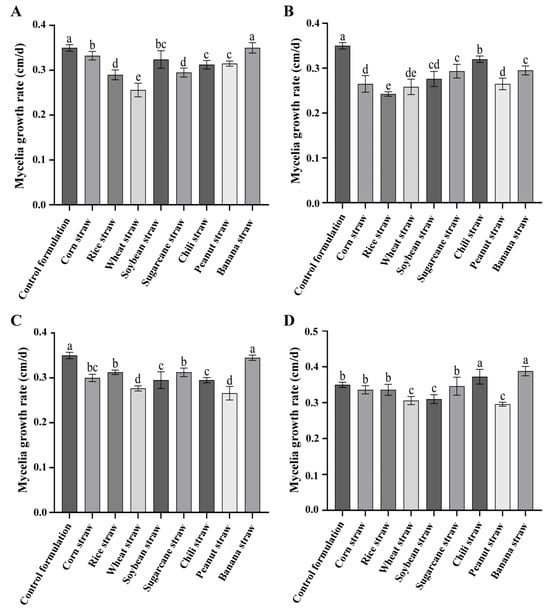
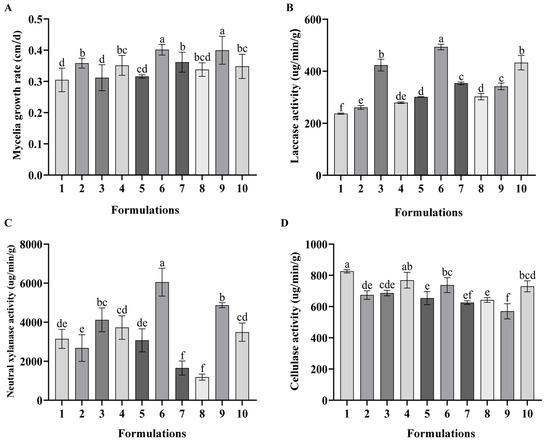
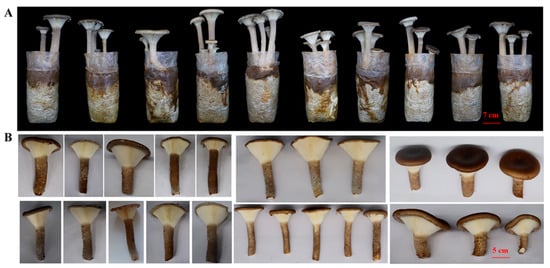
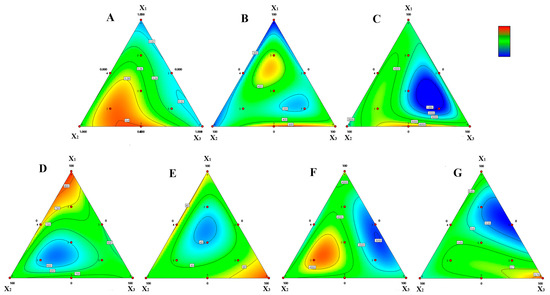
Pleurotus giganteus, a heat-tolerant mushroom with high nutritional and medicinal value, is a promising species for tropical mushroom cultivation in Hainan, China. However, its current dependence on rubber sawdust as the primary substrate compromises environmental sustainability. In this study, we applied a “replacing wood with grass” strategy and used a simplex-lattice design to optimize substrate formulations based on agro-residues. Laboratory screening identified banana straw and chili straw as effective substitutes for rubber sawdust, supporting rapid and dense mycelial growth. Mixed formulations showed distinct advantages in mycelial growth, enzyme activity, agronomic traits (growth cycle, yield, and cap-to-stipe ratio), and nutritional composition compared to the control formulation (CF), particularly in terms of growth rate and laccase activity. Correlation analyses revealed that both individual ingredients and their interactions significantly affected mycelial growth and agronomic traits, with the magnitude and direction of effects depending on their relative proportions. Based on expected response values for key evaluation indices, an optimal formulation (9.97% rubber sawdust, 24.33% banana straw, 10.70% chili straw, 40% cottonseed hulls, 10% wheat bran, and 5% lime) was predicted and experimentally validated to outperform the CF. This study provides a sustainable basis for localized cultivation of P. giganteus in Hainan and supports the high-value valorization of agricultural residues for mushroom production. Full article
(This article belongs to the Special Issue Advances in Propagation and Cultivation of Mushroom)
Show Figures

Figure 1

27 pages, 1886 KB  
Article
Unraveling Diversity in Physical and Mineral Traits of Faba Bean (Vicia faba L.) Landraces Harvested at Immature Stages
by Elisa Gorbe, Irene Moreno-Valle, Ángeles Calatayud and Consuelo Penella
Horticulturae 2025, 11(12), 1411; https://doi.org/10.3390/horticulturae11121411 - 21 Nov 2025
Viewed by 895
Abstract
Faba bean (Vicia faba L.) is a legume valued for its nutritional properties and adaptability, yet the effects of genotypic diversity among landraces and harvest stages on its physical and mineral traits remain insufficiently explored. This study evaluated 14 faba bean genotypes, [...] Read more.
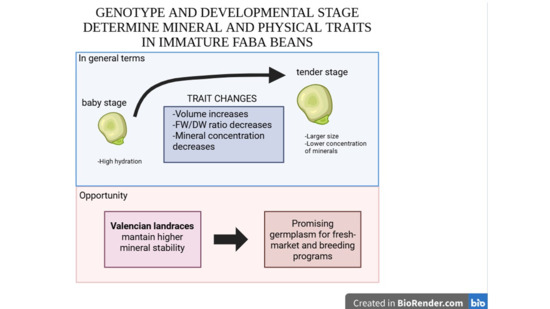
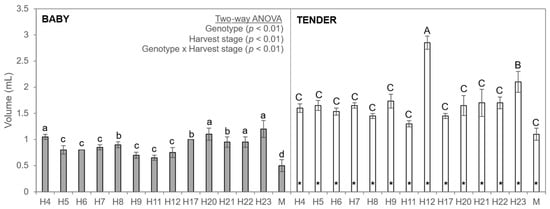
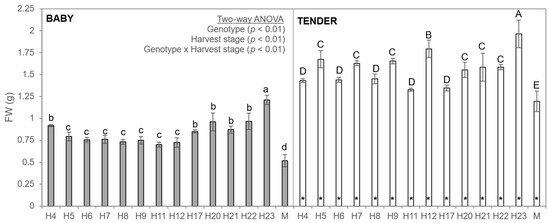
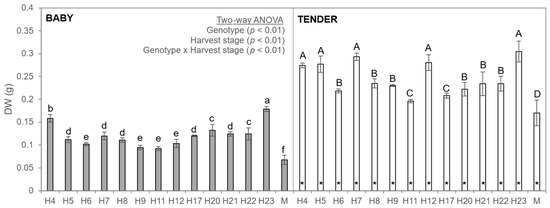
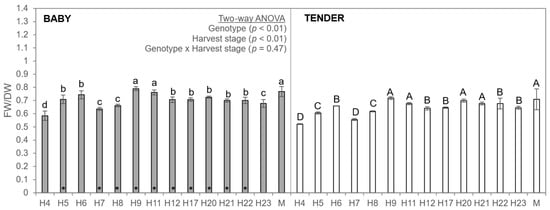
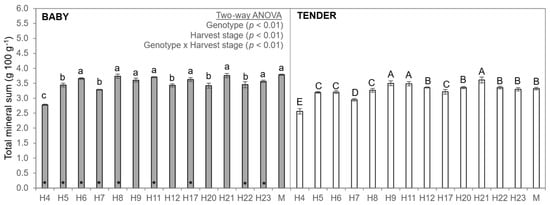
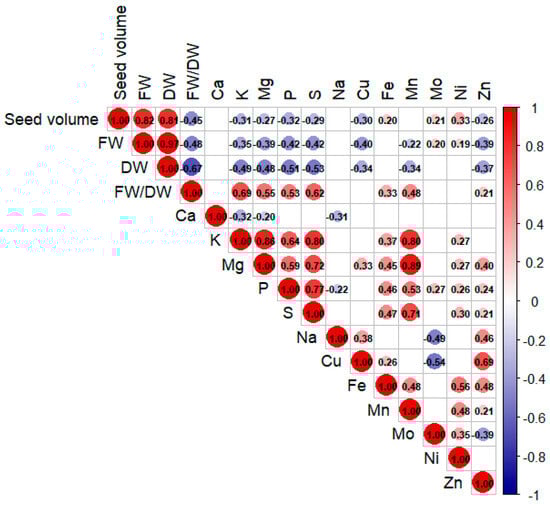
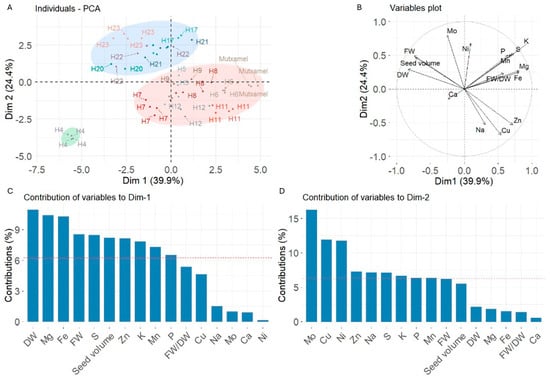
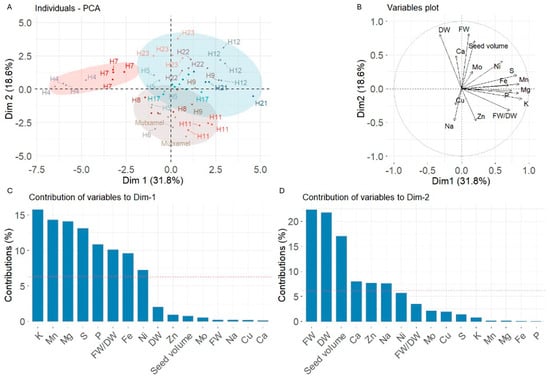
Faba bean (Vicia faba L.) is a legume valued for its nutritional properties and adaptability, yet the effects of genotypic diversity among landraces and harvest stages on its physical and mineral traits remain insufficiently explored. This study evaluated 14 faba bean genotypes, (13 landraces and one commercial cultivar), harvested at two immature stages (baby and tender), to assess variation in seed volume, biomass-related parameters, and mineral composition, and to elucidate how developmental stage and genotype jointly shape nutritional profiles. Across genotypes, seed volume increased while the fresh-to-dry weight ratio (FW/DW) decreased from baby to tender stage, reflecting progressive tissue desiccation. Mineral concentrations, except for Mo and Na, generally declined during seed development, although several landraces (H9, H12, H20, H21, and H22) maintained stable values, indicating genotypic resilience to the dilution effect. Correlation analysis revealed high positive associations among mineral concentrations (e.g., Mg–Mn, K–S, P–S) and with FW/DW, suggesting that higher tissue hydration is associated with higher mineral accumulation. Principal Component Analysis (PCA) further distinguished three clusters per harvest stage, separating mineral-rich landraces (H21, H11, H9) from those with lower concentrations (H4, H7), thus highlighting developmental reorganization and genotype-dependent mineral retention. Overall, both genotype and harvest stage strongly determined the mineral profile of immature faba beans. Landraces emerged as valuable reservoirs of mineral-rich germplasm, while simple physical metrics such as FW/DW may serve as practical and economical proxies for mineral quality in breeding programs. Full article
(This article belongs to the Section Genetics, Genomics, Breeding, and Biotechnology (G2B2))
Show Figures

Graphical abstract