

-
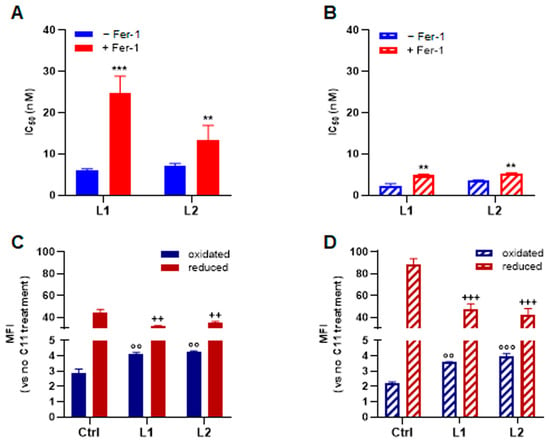
Assessment of pH-Responsive Ionisable Lipid Nanoparticles as Cisplatin Delivery Vehicles for Treating Cisplatin-Resistant Ovarian Cancer -
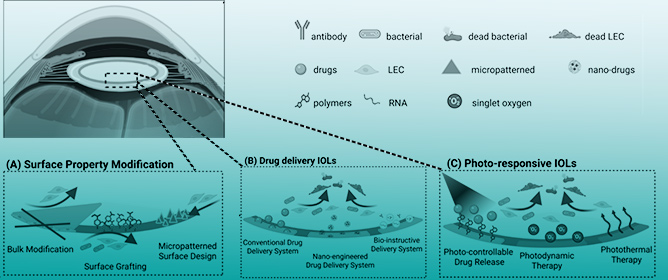
Intraocular Lens Modifications for Postoperative Complication Prevention: Advances in Surface Engineering, Drug Delivery, and Photo-Responsive Strategies -
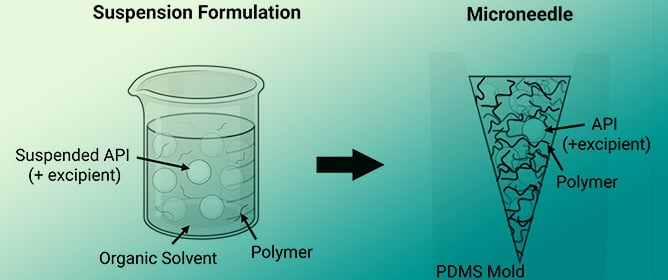
Fabrication of Microneedle Patches by Suspension Casting of Drugs in Organic Solvents -
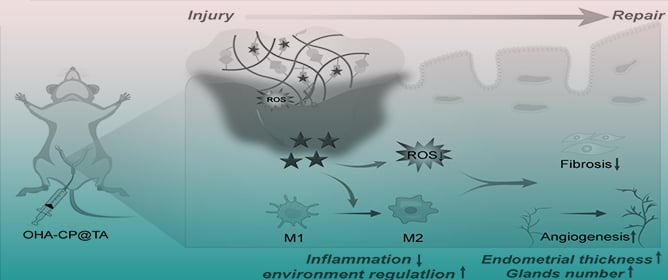
A Reactive Oxygen Species-Responsive Biomimetic Adhesive Hydrogel Mediates Immunoregulation to Effectively Prevent Intrauterine Adhesions -
Co-Formulation of Pembrolizumab Murine Surrogate RMP1-14 with Imagent Ultrasound Contrast Agent Enhances Intratumoral Antibody Delivery Through a Transient Increase in Tumor Blood Perfusion
Journal Description
Pharmaceutics
Pharmaceutics
is a peer-reviewed, open access journal on the science and technology of pharmaceutics and biopharmaceutics, published monthly online by MDPI. The Spanish Society of Pharmaceutics and Pharmaceutical Technology (SEFIG), Pharmaceutical Solid State Research Cluster (PSSRC), Academy of Pharmaceutical Sciences (APS) and Korean Society of Pharmaceutical Sciences and Technology (KSPST) are affiliated with Pharmaceutics and their members receive a discount on the article processing charges.
- Open Access— free for readers, with article processing charges (APC) paid by authors or their institutions.
- High Visibility: indexed within Scopus, SCIE (Web of Science), PubMed, PMC, Embase, CAPlus / SciFinder, and other databases.
- Journal Rank: JCR - Q1 (Pharmacology and Pharmacy) / CiteScore - Q1 (Pharmaceutical Science)
- Rapid Publication: manuscripts are peer-reviewed and a first decision is provided to authors approximately 16.3 days after submission; acceptance to publication is undertaken in 3.3 days (median values for papers published in this journal in the first half of 2026).
- Recognition of Reviewers: reviewers who provide timely, thorough peer-review reports receive vouchers entitling them to a discount on the APC of their next publication in any MDPI journal, in appreciation of the work done.
- Companion journals for Pharmaceutics include: Future Pharmacology, Journal of Pharmaceutical and BioTech Industry and Medicines.
- Journal Clusters-Pharmaceutical Science: Scientia Pharmaceutica, Marine Drugs, Pharmaceuticals, Pharmaceutics, Pharmacy, Biologics, Future Pharmacology, Pharmacoepidemiology, Drugs and Drug Candidates and Journal of Pharmaceutical and BioTech Industry.
Impact Factor:
6.9 (2025);
5-Year Impact Factor:
6.7 (2025)
Latest Articles
Design Considerations for Essential Oil Formulations: Emulsification, Encapsulation and Stabilisation Strategies
Pharmaceutics 2026, 18(8), 953; https://doi.org/10.3390/pharmaceutics18080953 (registering DOI) - 1 Aug 2026
Abstract
Essential oils are widely recognised for their bioactive properties and therapeutic effects. Despite their potential, their practical application is often limited by intrinsic physicochemical constraints, including volatility, chemical instability, hydrophobicity and, most of all, compositional complexity. The development of effective delivery systems is
[...] Read more.
Essential oils are widely recognised for their bioactive properties and therapeutic effects. Despite their potential, their practical application is often limited by intrinsic physicochemical constraints, including volatility, chemical instability, hydrophobicity and, most of all, compositional complexity. The development of effective delivery systems is therefore key to stabilise essential oil constituents, improve bioavailability and enable controlled release. Here we provide a comprehensive analysis of formulation strategies for essential oils, focusing on emulsification and encapsulation techniques. Emulsion-based delivery systems, including nanoemulsions and microemulsions, are discussed in relation to their interfacial behaviour, surfactant interactions and preparation methods. In parallel, encapsulation systems, such as vesicular systems, lipid-based carriers, polymeric nanoparticles and inclusion complexes, are evaluated according to their structural characteristics, protective capabilities, encapsulation efficiencies and release profiles. Collectively, these approaches are examined in the context of their influence on the stability, functionality, and overall performance of essential oil formulations. Emphasis is placed on essential oil-specific challenges that arise when preparing a formulation, especially the heterogenous nature of their chemical composition and its impact on physicochemical properties, partitioning, loading capacity, stability and safety. To contextualise these principles, representative examples of essential oil-based formulations (e.g., thyme, clove, rosemary and mint), formulated singular metabolites (e.g., carvacrol, eucalyptol, limonene and eugenol) and essential oil patent applications (>20,000) and products are outlined to illustrate behaviour and performance within the respective delivery system. Overall, the fundamental design considerations that guide the rational selection, preparation and evaluation of formulations for essential oil-based applications are discussed. Considerations for future directions are also outlined.
Full article
(This article belongs to the Section Physical Pharmacy and Formulation)
►
Show Figures
Open AccessArticle
Involvement of the Opioid Pathway in the Antinociceptive Activity of the Aqueous Stem Extract from Doyerea emetocathartica
by
Genil Dantas de Oliveira, Magna Maria Lima Araújo, Paulo César Dantas da Silva, Gabriela Ribeiro de Sousa, Mariana França de Moraes, Wêndeo Kennedy Costa, Maria Tereza dos Santos Correia, Alisson Macário de Oliveira, Samuel Paulo Cibulski and Harley da Silva Alves
Pharmaceutics 2026, 18(8), 952; https://doi.org/10.3390/pharmaceutics18080952 (registering DOI) - 31 Jul 2026
Abstract
Background: Doyerea emetocathartica (Cucurbitaceae) is endemic to the Brazilian Caatinga, commonly known as “cabeça-de-negro”, and is traditionally used to treat various conditions, including pain. Previous studies have demonstrated that the aqueous stem extract exhibits anti-inflammatory activity, which may be associated with the
[...] Read more.
Background: Doyerea emetocathartica (Cucurbitaceae) is endemic to the Brazilian Caatinga, commonly known as “cabeça-de-negro”, and is traditionally used to treat various conditions, including pain. Previous studies have demonstrated that the aqueous stem extract exhibits anti-inflammatory activity, which may be associated with the presence of cayaponoside D2, a major component of this extract. Given this, the aim of this study was to characterize the aqueous extract of D. emetocatharthica stems in terms of its Cayaponoside D2 content and to evaluate its antinociceptive activity using in vivo models, as well as to assess the involvement of the opioid pathway in the observed effect. Methods: For this purpose, the extract was analyzed by HPLC to quantify cayaponoside D2, and formalin- and acetic acid-induced nociception models were used to evaluate antinociceptive activity; the rats were divided into six groups (n = 6). The test groups received the aqueous extract of the D. emetocathartica stem (DEAQ) at doses of 25, 50, and 100 mg/kg; the control group received 0.9% saline; and morphine and indomethacin were used as positive controls. To investigate the mechanism of action involved in the antinociceptive effect, an evaluation was conducted of the role of the opioid pathway and the involvement of opioid receptors in the antinociceptive effect in the presence of specific antagonists: naloxone, CTOP, naltrindole, and Nor-BNI. Results: The analgesic activity of DEAQ was demonstrated in acetic acid-induced abdominal writhing and formalin-induced nociception models, with the most pronounced effects observed at doses of 50 and 100 mg kg−1. In the formalin test, DEAQ showed a predominant effect during the inflammatory phase. Mechanistic investigations revealed that the antinociceptive activity involves the opioid system, mainly through μ-opioid receptors, with additional participation of δ-opioid receptors, as evidenced by the partial reversal of the effect by selective antagonists. These findings suggest that DEAQ may exert a multimodal analgesic effect involving both opioid and non-opioid pathways. This activity can be attributed to the presence of cayaponoside D2, which was quantified in the extract at a concentration of 108 mg g−1 of dry extract. Conclusions: These findings demonstrate that the aqueous stem extract from D. emetocathartica exhibits promising analgesic activity mediated by the opioid pathway, reinforcing its pharmacological potential and supporting its traditional use in pain management.
Full article
(This article belongs to the Section Drug Targeting and Design)
Open AccessArticle
Biomimetic Brain-Targeted Delivery of Esterified XAV939 for Treating Autism-Associated Social Deficits
by
Hanze Liu, Ya-Rong Wang, Mengmeng Wang, Tiantian Yu, Daozhou Liu, Jing Wang, Yang Gao, Yuanyiyang Hu, Hongyu Ma, Feng Gao, Shengxi Wu, Zhao Wei and Yazhou Wang
Pharmaceutics 2026, 18(8), 951; https://doi.org/10.3390/pharmaceutics18080951 - 31 Jul 2026
Abstract
Background/Objectives: Autism spectrum disorder (ASD) is a group of developmental disorders featured by social dysfunction, for which there still lacks effective treatments. Our previous study demonstrated that XAV939, a tankyrase inhibitor, could alleviate social dysfunction in two ASD mouse models via suppressing
[...] Read more.
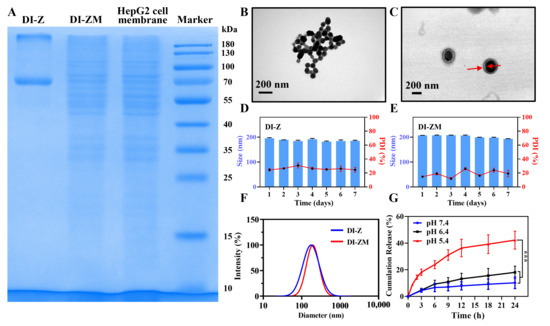
Background/Objectives: Autism spectrum disorder (ASD) is a group of developmental disorders featured by social dysfunction, for which there still lacks effective treatments. Our previous study demonstrated that XAV939, a tankyrase inhibitor, could alleviate social dysfunction in two ASD mouse models via suppressing Wnt and glycolytic signaling. However, its further application is limited by poor brain–blood barrier penetration and low bioavailability. Methods: XAV939 was structurally optimized by esterification. The effects of XAV939-derivatives on Wnt/glycolysis were assessed by Western blotting, Topflash luciferase assay, lactate levels and the extracellular acidification rate. Social behaviors were evaluated by a three-chamber test, a resident–intruder test and ultrasonic vocalization. Biomimetic brain targeting was achieved by neuron-astrocyte hybrid cell membrane encapsulation. Periphery toxicities were examined by biochemical and histological analysis. Results: Three esterified XAV939 were synthesized. Data from both 293FT cells and primary Shank3b-/- neurons revealed that an alkyl ester prodrug of XAV939 (named XAV939-L1) exhibited dual inhibition of Wnt/glycolysis. Intravenous injection of XAV939-L1 effectively improved the social function of Shank3b-/- mice but showed hepatic side effects. Further, we made brain-targeting XAV939-L1 (XAV939-L1-BT) by neuron–astrocyte hybrid cell membrane encapsulation, which greatly enhanced the accumulation of XAV939-L1-BT in the brain and reduced its distribution in peripheral tissues (liver and intestine). At a half-dose of XAV939-L1, XAV939-L1-BT exhibited significant social improvement effects without obvious hepatic and intestinal toxicity. Conclusions: Our data demonstrated an esterified XAV939 and its biomimetic brain-targeted formula as a potential drug candidate for treating ASD-associated social dysfunction.
Full article
(This article belongs to the Special Issue Biomimetic Drug Delivery Systems for Disease Treatment)
►▼
Show Figures

Graphical abstract
Open AccessReview
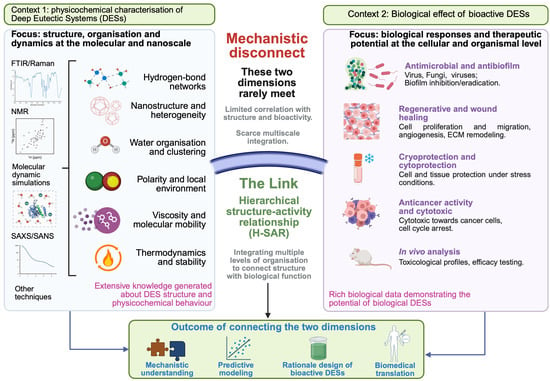
Chemokine-Armed Oncolytic Viruses: Engineering Immune Cell Trafficking to Transform the Tumor Microenvironment
by
Akram Alwithenani
Pharmaceutics 2026, 18(8), 950; https://doi.org/10.3390/pharmaceutics18080950 - 31 Jul 2026
Abstract
Most patients with solid tumors do not respond to immune checkpoint blockade, and inadequate T cell infiltration of the tumor parenchyma is the dominant mechanism of primary resistance. Oncolytic viruses address this problem by a distinct route: they replicate selectively within tumor cells,
[...] Read more.
Most patients with solid tumors do not respond to immune checkpoint blockade, and inadequate T cell infiltration of the tumor parenchyma is the dominant mechanism of primary resistance. Oncolytic viruses address this problem by a distinct route: they replicate selectively within tumor cells, produce immunogenic cell death, and convert infected cells into local sources of any encoded transgene. Most armed designs to date have carried cytokine or checkpoint-antibody payloads, and chemokines have attracted comparatively little attention despite bearing directly on the trafficking bottleneck. This review synthesizes the preclinical literature on chemokine-armed oncolytic viruses across three receptor axes: CXCR3 (CXCL9, CXCL10, CXCL11), CCR5 (CCL5/RANTES), and CCR7 (CCL19). The accumulated evidence indicates that therapeutic outcome depends less on the chemokine payload itself than on the interaction between payload and viral backbone. CXCL11 outperforms its sister CXCR3 ligands not through intrinsic potency but because it is non-redundant with the endogenous chemokines induced by vesicular stomatitis virus and vaccinia, and because it largely escapes proteolytic cleavage by dipeptidyl peptidase 4 (DPP4). CCL5 has shown the most consistent activity in dual-payload designs that pair chemotaxis with a T cell survival cytokine such as IL-15. CCL19, which addresses lymphoid organization rather than effector recruitment, rests on a single published construct. One evidence gap is central: no head-to-head comparison of chemokine payloads within a single viral platform has been published. We therefore propose a translational decision framework that aligns chemokine selection with the immune contexture of the target tumor.
Full article
(This article belongs to the Section Drug Targeting and Design)
►▼
Show Figures

Figure 1
Open AccessReview
Injectable Hydrogels for the Treatment of Temporomandibular Joint Osteoarthritis: From Tissue-Engineering Scaffolds to Joint Lubricants and Mechanical Buffers
by
Chen Huang, Yang Yuan, Zhuofan Yu, Xu Feng, Bowen Zheng and Yi Liu
Pharmaceutics 2026, 18(8), 949; https://doi.org/10.3390/pharmaceutics18080949 - 31 Jul 2026
Abstract
Introduction/Objectives: Temporomandibular joint osteoarthritis (TMJOA) causes pain, mandibular dysfunction, fibrocartilage degradation, and synovial inflammation. Current therapies are mainly palliative and limited by rapid intra-articular clearance and insufficient disease-modifying effects. This review summarizes injectable hydrogels for TMJOA as regenerative scaffolds, drug delivery systems, joint
[...] Read more.
Introduction/Objectives: Temporomandibular joint osteoarthritis (TMJOA) causes pain, mandibular dysfunction, fibrocartilage degradation, and synovial inflammation. Current therapies are mainly palliative and limited by rapid intra-articular clearance and insufficient disease-modifying effects. This review summarizes injectable hydrogels for TMJOA as regenerative scaffolds, drug delivery systems, joint lubricants, and mechanical buffers. Methods: Relevant studies were identified from PubMed/MEDLINE, Web of Science and Google Scholar using terms related to TMJOA, injectable hydrogels, intra-articular delivery, tissue engineering, cartilage repair, lubrication, viscosupplementation and mechanical buffering. Studies were selected if they addressed hydrogel design, biological function, mechanical performance, biosafety or translational evaluation. Results: Injectable hydrogels have been investigated mainly as bioactive regenerative scaffolds and acellular functional biomaterials. Bioactive systems may regulate inflammation and oxidative stress, deliver cells, exosomes, drugs or growth factors, and support fibrocartilage repair. Acellular systems primarily aim to improve intra-articular retention, lubrication, viscoelastic adaptation and mechanical buffering. However, current evidence remains largely preclinical, with limited validation of long-term residence, degradation behavior, TMJ-specific mechanical performance, repeat dosing, biosafety and functional outcomes. Conclusions: Injectable hydrogels represent promising multifunctional platforms for TMJOA treatment. Cell-, exosome-, and growth factor-loaded systems show regenerative potential but face manufacturing, safety, regulatory, and long-term validation challenges. Acellular multifunctional hydrogels may be more feasible for near-term translation. Clinical Significance: Injectable hydrogels may provide minimally invasive, locally sustained treatment for TMJOA by integrating symptom control, microenvironment modulation, and mechanical adaptation.
Full article
(This article belongs to the Section Drug Delivery and Controlled Release)
►▼
Show Figures

Figure 1
Open AccessArticle
Dual-Functional Self-Assembled Nanoparticles for Synergistic Photodynamic Therapy and Antimetastatic Treatment of Colorectal Cancer
by
Yixuan Li, Haokun Zhang, Tinghai Xu, Ruifeng Jiang, Yubin Zhu, Dong Wang and Peng Xu
Pharmaceutics 2026, 18(8), 948; https://doi.org/10.3390/pharmaceutics18080948 - 31 Jul 2026
Abstract
Background: Colorectal cancer (CRC) is a major clinical challenge due to high metastasis and therapy resistance. Photodynamic therapy (PDT) offers precise tumor ablation but lacks sustained anti-metastatic activity. Peptidic urokinase-type plasminogen activator (uPA) inhibitors suppress metastasis but suffer from short half-life and poor
[...] Read more.
Background: Colorectal cancer (CRC) is a major clinical challenge due to high metastasis and therapy resistance. Photodynamic therapy (PDT) offers precise tumor ablation but lacks sustained anti-metastatic activity. Peptidic urokinase-type plasminogen activator (uPA) inhibitors suppress metastasis but suffer from short half-life and poor tumor retention. This study aimed to develop a dual-functional self-assembled nanoplatform integrating PDT and selective uPA inhibition for synergistic CRC treatment. Methods: We designed and synthesized a conjugate by linking pyropheophorbide-a (PPA) with uPA-targeted cyclic peptide IG2, which self-assembled into nanoparticles (PINPs). Physicochemical properties, reactive oxygen species (ROS) generation, and uPA inhibitory activity were characterized. In vitro studies included cellular uptake, cytotoxicity, and invasion assays. In vivo therapeutic efficacy was evaluated in subcutaneous CT26 tumor models and lung metastasis models, with biosafety assessed by body weight monitoring. Results: PINPs exhibited uniform spherical nanostructure, prolonged blood circulation, and enhanced tumor accumulation via the enhanced permeability and retention (EPR) effect. Under 680 nm irradiation, PINPs generated robust ROS and induced tumor cell apoptosis. PINPs potently inhibited uPA activity and suppressed tumor cell invasion. In vivo, PINPs plus PDT achieved significant tumor growth inhibition (73.6%) and strong anti-metastatic efficacy (60.7%), superior to free IG2. No obvious systemic toxicity was observed. Conclusions: The dual-functional PINPs achieve short-term acute tumor ablation via PDT and sustained anti-metastatic potential via uPA inhibition within the tested observation windows, with favorable biosafety. This carrier-free self-assembly strategy provides proof-of-concept validation and a generalizable design paradigm for developing synergistic anti-metastatic nanotherapeutics against metastatic CRC.
Full article
(This article belongs to the Special Issue Functional Nanomaterials for Drug Delivery in Photodynamic Therapy)
►▼
Show Figures

Figure 1
Open AccessArticle
Enhanced Transdermal Delivery of rhHAPLN1 by Soluball® Promotes Pericellular Matrix Stability and Keratinocyte Protection
by
Kyeong Hyeon Lee, Kang Min Kim, Ju Hyuk Han, Kyung Taek Oh and Dae Kyong Kim
Pharmaceutics 2026, 18(8), 947; https://doi.org/10.3390/pharmaceutics18080947 - 31 Jul 2026
Abstract
Background/Objectives: The pericellular matrix (PCM), a highly hydrated hyaluronan (HA)-rich extracellular structure surrounding keratinocytes, serves as a critical regulator of cellular protection, mechanobiological signaling, and epidermal microenvironmental homeostasis. Increasing evidence suggests that age- and stress-associated degradation of the HA-rich PCM contributes to impaired
[...] Read more.
Background/Objectives: The pericellular matrix (PCM), a highly hydrated hyaluronan (HA)-rich extracellular structure surrounding keratinocytes, serves as a critical regulator of cellular protection, mechanobiological signaling, and epidermal microenvironmental homeostasis. Increasing evidence suggests that age- and stress-associated degradation of the HA-rich PCM contributes to impaired regenerative capacity and increased cellular vulnerability. Recombinant human hyaluronan and proteoglycan link protein 1 (rhHAPLN1) has emerged as a promising PCM-stabilizing biomolecule; however, its therapeutic application remains limited by poor skin permeability resulting from the barrier properties of the stratum corneum and the molecular size constraints governing hydrophilic macromolecule delivery. Methods: In the present study, we developed Soluball®, a dodecylamine-templated mesoporous silica-based carrier system designed to enhance the transdermal delivery of rhHAPLN1. Results: In vitro analyses demonstrated that rhHAPLN1 effectively preserved both the structural integrity and functional hydrodynamic volume of the PCM against hyaluronidase (HAdase)-induced degradation in HaCaT keratinocytes. Furthermore, rhHAPLN1 exhibited no significant cytotoxicity at concentrations up to 1 μg/mL and significantly enhanced keratinocyte proliferation under serum-free conditions. Physicochemical characterization revealed that Soluball® possessed a relatively uniform particle size distribution (284.6 nm), a high specific surface area (1048 m2/g), and a mesoporous architecture with an average pore diameter of 3.8 nm, supporting efficient loading of hydrophilic biomolecules. Ex vivo permeation studies using human cadaver skin demonstrated that Soluball®-encapsulated rhHAPLN1 (H-S powder) significantly enhanced cumulative transdermal permeation compared with free rhHAPLN1 (5.54% vs. 0.88%, respectively). To further evaluate platform versatility, water-soluble Vitamin C was employed as a secondary model cargo. Vita-Soluball® exhibited markedly enhanced permeation across both Strat-M® artificial membranes and pig epidermis, achieving cumulative permeation values of 119.12 ± 9.38 μg/mL and 150.39 ± 29.20 μg/mL, respectively. Conclusions: Collectively, these findings suggest that rhHAPLN1 functions as an effective stabilizer of the HA-rich PCM and that Soluball® enhances the transdermal delivery of hydrophilic biomolecules. Overall, Soluball® may represent a promising transdermal delivery platform for hydrophilic biomolecules, although further in vivo validation is warranted.
Full article
(This article belongs to the Topic Advanced Nanotechnology in Drug Delivery Systems)
►▼
Show Figures

Figure 1
Open AccessArticle
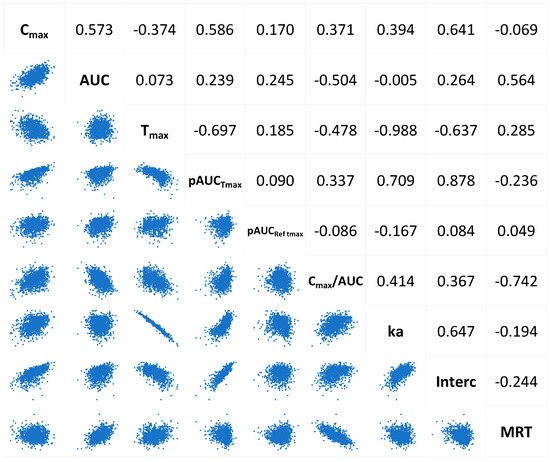
Risk Assessment of Neutropenia Based on Exposure Information Without Plasma Concentration Measurement in Pemetrexed–Platinum-Based Chemotherapy: A Modeling Approach Using Real-World Clinical Data
by
Kazunori Morita, Keiichi Shigetome, Haruka Narise, Tetsuya Kaneko, Naoto Soejima, Ryota Tanaka, Hirofumi Jono, Hiroki Itoh, Daisuke Kadowaki, Koki Tokunaga, Akitomo Shibata, Harumi Tanoue, Kazuya Ichikado, Ayami Kajiwara-Morita, Kentaro Oniki and Junji Saruwatari
Pharmaceutics 2026, 18(8), 946; https://doi.org/10.3390/pharmaceutics18080946 - 31 Jul 2026
Abstract
Background/Objectives: Pemetrexed–platinum chemotherapy is a key treatment option for non-squamous non-small cell lung cancer (NSCLC); however, its use is often limited by hematologic toxicity, particularly neutropenia. We aimed to develop a model-informed framework for assessing neutrophil dynamics using routinely available clinical data and
[...] Read more.
Background/Objectives: Pemetrexed–platinum chemotherapy is a key treatment option for non-squamous non-small cell lung cancer (NSCLC); however, its use is often limited by hematologic toxicity, particularly neutropenia. We aimed to develop a model-informed framework for assessing neutrophil dynamics using routinely available clinical data and pemetrexed exposure. Methods: This real-world investigation included 86 patients with NSCLC who received pemetrexed–platinum chemotherapy for model development, and 83 patients who received the same chemotherapy plus pembrolizumab or bevacizumab for validation. We developed a nonlinear mixed-effects model to predict neutrophil dynamics during the first cycle following pemetrexed–platinum chemotherapy, using patient-specific clinical data collected before chemotherapy initiation and pemetrexed pharmacokinetic parameters derived from physiologically based pharmacokinetic (PBPK) modeling. Results: The final model suggested that the area under the curve (AUC)0–24 >175 μg·h/mL for pemetrexed, blood urea nitrogen, and concomitant use of renin–angiotensin system inhibitors influenced neutrophil suppression and delayed recovery. The receiver operating characteristic curve (AUROC) for identifying patients with a neutrophil count <1500/μL immediately before the anticipated next treatment cycle was 0.768 (95% CI: 0.639–0.898) in the development cohort, and 0.718 (95% CI: 0.545–0.891) in the validation cohort. Conclusions: This model-informed framework, based on PBPK-derived pemetrexed exposure and routinely available clinical factors, may help identify patients at risk of clinically relevant neutropenia that could delay the initiation of the next treatment cycle.
Full article
(This article belongs to the Section Clinical Pharmaceutics)
►▼
Show Figures

Graphical abstract
Open AccessReview
Extracellular-Vesicle-Associated Nucleic Acids in the Diagnosis and Treatment of Respiratory Diseases: A Narrative Review
by
Shuairong Lin, Ruixu Lan, Xiaoyan Zhu, Rui Shen, Ruiying Liu, Jinzhou Cheng and Xiaoliu Liu
Pharmaceutics 2026, 18(8), 945; https://doi.org/10.3390/pharmaceutics18080945 - 30 Jul 2026
Abstract
Respiratory diseases impose a substantial global burden; however, early diagnosis, disease-activity monitoring, and the clinical translation of nucleic acid therapeutics are constrained by the lack of robust biomarkers and efficient delivery systems. This narrative review focuses on four classes of RNA—messenger RNA (mRNA),
[...] Read more.
Respiratory diseases impose a substantial global burden; however, early diagnosis, disease-activity monitoring, and the clinical translation of nucleic acid therapeutics are constrained by the lack of robust biomarkers and efficient delivery systems. This narrative review focuses on four classes of RNA—messenger RNA (mRNA), circular RNA (circRNA), small interfering RNA (siRNA), and microRNA (miRNA)—using exosomes as a representative subtype of extracellular vesicles (EVs) to discuss EV biogenesis, transport, uptake, and engineered cargo loading. We summarize the diagnostic and therapeutic applications of EV-associated nucleic acids in chronic or non-severe respiratory diseases, including asthma, chronic obstructive pulmonary disease, idiopathic pulmonary fibrosis, and cystic fibrosis, as well as in severe acute conditions such as acute respiratory distress syndrome and severe pneumonia. Biofluid-derived EV-associated RNAs can reflect inflammation, immune dysregulation, epithelial injury, infection, and fibrosis, supporting their potential use in disease classification, monitoring, and prognostic assessment. Natural EVs may modulate inflammation and tissue repair through their endogenous cargo, while engineered EVs can deliver therapeutic nucleic acids to exert anti-inflammatory, anti-infective, antifibrotic, and barrier-restorative effects. However, clinical translation is limited by non-standardized isolation and characterization methods, product heterogeneity, variable cargo loading, and insufficient stability and quality-control frameworks. Continued advances in EV isolation, characterization, nucleic acid loading, potency assessment, and manufacturing control are required to realize the diagnostic and therapeutic potential of EV-associated nucleic acids in respiratory diseases.
Full article
(This article belongs to the Section Nanomedicine and Nanotechnology)
►▼
Show Figures

Figure 1
Open AccessReview
Microencapsulation Strategies in Veterinary Medicine: Overcoming Gastrointestinal Barriers in Monogastric and Ruminant Species
by
Milena de Gennaro, Vita D’Amico, Marianna Ivone, Annalisa Cutrignelli, Nunzio Denora and Angela Assunta Lopedota
Pharmaceutics 2026, 18(8), 944; https://doi.org/10.3390/pharmaceutics18080944 - 30 Jul 2026
Abstract
Oral delivery of bioactive compounds in veterinary medicine offers important opportunities to improve animal health, productivity, and welfare, but its effectiveness is often limited by species-specific gastrointestinal physiology. This review aims to provide a comprehensive overview of microencapsulation strategies for oral veterinary delivery,
[...] Read more.
Oral delivery of bioactive compounds in veterinary medicine offers important opportunities to improve animal health, productivity, and welfare, but its effectiveness is often limited by species-specific gastrointestinal physiology. This review aims to provide a comprehensive overview of microencapsulation strategies for oral veterinary delivery, focusing on species-specific gastrointestinal barriers and the formulation approaches developed to overcome them. Monogastric and ruminant animals present distinct gastrointestinal environments that compromise the stability, bioavailability, and therapeutic performance of orally administered compounds. In monogastrics, gastric acidity, digestive enzymes, gastrointestinal transit, and microbiota-mediated interactions represent major barriers, whereas in ruminants, ruminal fermentation, prolonged retention, and physicochemical conditions may cause premature degradation of bioactive compounds. These barriers significantly hinder the successful use of probiotics, enzymes, essential oils, nutrients, vaccines, and veterinary drugs. However, microencapsulation has emerged as a promising solution, providing a protective barrier that improves compound stability, enhances gastrointestinal survival, and enables controlled or site-specific release. By preserving bioactivity and modulating release kinetics, microencapsulation contributes to improved delivery efficiency and functional performance. A distinctive feature of this review is the integration of species-specific gastrointestinal physiology with microencapsulation technologies to provide a rational framework for designing oral delivery systems in veterinary medicine, rather than focusing solely on individual encapsulation technologies. Current challenges related to material selection, formulation optimisation, and industrial scalability are discussed. Overall, this review highlights that integrating gastrointestinal physiology with advanced microencapsulation technologies is essential for developing effective, targeted, and sustainable oral delivery systems, ultimately supporting improved animal health, productivity, and welfare.
Full article
(This article belongs to the Section Pharmaceutical Technology, Manufacturing and Devices)
►▼
Show Figures

Figure 1
Open AccessArticle
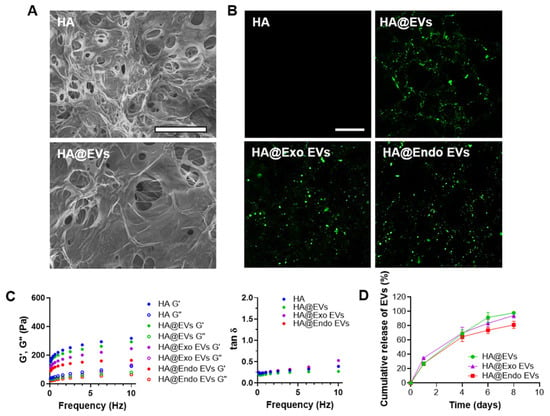
Camel Milk Extracellular Vesicles as Engineered Biogenic Particles: Thermosensitive Hydrogel Integration for Optimized Wound Delivery and Tissue Regeneration
by
Shiqi Li, Rili Ge and Hui Yang
Pharmaceutics 2026, 18(8), 943; https://doi.org/10.3390/pharmaceutics18080943 - 30 Jul 2026
Abstract
Objective: This study aimed to enhance wound healing by developing a delivery platform that combines camel milk-derived extracellular vesicles (CM-EVs) with a thermosensitive chitosan/Poloxamer 407 hydrogel (CM-EVs–Gel), addressing the challenges of instability, poor skin penetration, and burst release associated with EVs. Methods: CM-EVs
[...] Read more.
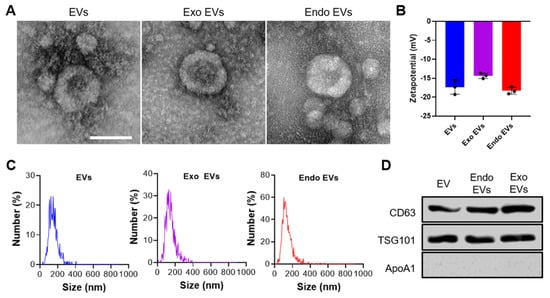
Objective: This study aimed to enhance wound healing by developing a delivery platform that combines camel milk-derived extracellular vesicles (CM-EVs) with a thermosensitive chitosan/Poloxamer 407 hydrogel (CM-EVs–Gel), addressing the challenges of instability, poor skin penetration, and burst release associated with EVs. Methods: CM-EVs were isolated and analyzed for size, markers, and protein content. A thermosensitive hydrogel was created and infused with CM-EVs. Its gelation, injectability, and release kinetics (using the Higuchi model) were tested. Safety was evaluated through ocular irritation and 28-day skin toxicity in rabbits. Wound healing effectiveness was tested in rats with full-thickness wounds, comparing CM-EVs–Gel, a blank hydrogel, and untreated controls. Results: CM-EVs had an average size of 108.5 nm and expressed CD63, CD81, and Alix. The hydrogel solidified at 37 °C within 10 min and followed the Higuchi model for diffusion-controlled release (R2 = 0.974), releasing 81.7% of EVs over 48 h without toxicity. In rats, CM-EVs–Gel achieved 76.31% wound closure by day 6 and 94.7% by day 15, outperforming blank hydrogel (48.77% and 82.1%) and untreated controls (43.14% and 72.3%) (p < 0.01). Histology showed improved re-epithelialization, collagen deposition, and angiogenesis. Conclusions: This study shows that integrating biogenic particle engineering with optimized hydrogel systems allows for controlled release, safety, and enhanced wound healing. Despite missing free EV controls, full rheological data, and mechanistic insights, it highlights comprehensive delivery strategies from particle design to system performance, aligning with the Special Issue’s focus.
Full article
(This article belongs to the Section Drug Delivery and Controlled Release)
►▼
Show Figures

Figure 1
Open AccessArticle
Overcoming Drug Loading and Dosage Volume Challenges of Adsorption-Solidified SNEDDS by pH-Modulation Strategy: Atorvastatin Calcium and Glibenclamide as Model Drugs
by
Abdelrahman Y. Sherif and Mohammad A. Altamimi
Pharmaceutics 2026, 18(8), 942; https://doi.org/10.3390/pharmaceutics18080942 - 30 Jul 2026
Abstract
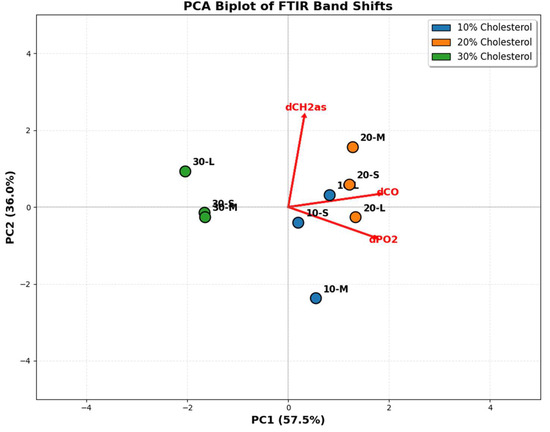
Background: Adsorption-based solidification is a solvent-free route to prepare a solid form of self-nanoemulsifying drug delivery systems (SNEDDS). However, the limited drug loading and the low bulk density of the porous carrier restrict its pharmaceutical applicability. This study developed a pH-modulated SNEDDS
[...] Read more.
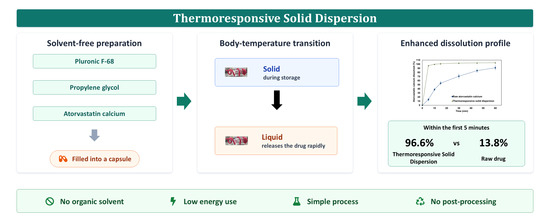
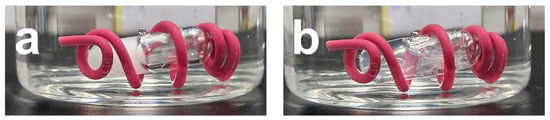
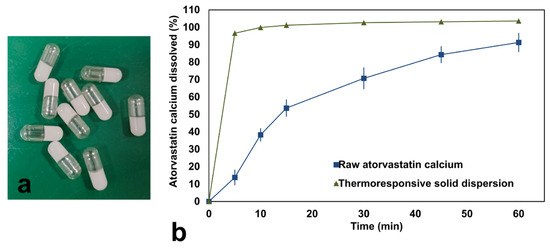
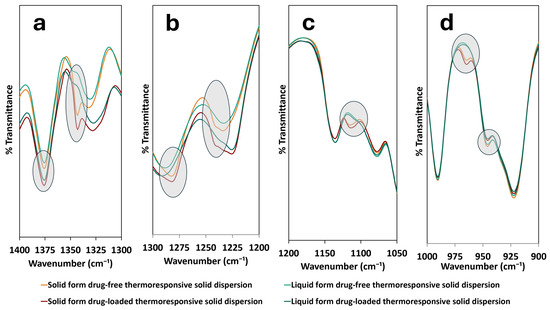
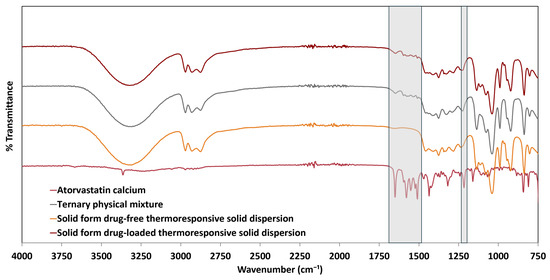
Background: Adsorption-based solidification is a solvent-free route to prepare a solid form of self-nanoemulsifying drug delivery systems (SNEDDS). However, the limited drug loading and the low bulk density of the porous carrier restrict its pharmaceutical applicability. This study developed a pH-modulated SNEDDS in which sodium carbonate modulates the pH of the formulation microenvironment. Atorvastatin calcium and glibenclamide were used as high-dose and low-dose weakly acidic model drugs. Methods: The SNEDDS components were selected by solubility and emulsification screening. Sodium carbonate was incorporated as the pH-modulating agent, and liquid formulations were solidified by adsorption onto Syloid. The formulations were characterized by FTIR, PXRD, and SEM, and evaluated by an in vitro dissolution study. Results: The selected liquid SNEDDS (L-SNEDDS) consisted of polysorbate 80, polyethylene glycol 400, and glyceryl monocaprylate. Sodium carbonate increased the microenvironmental pH from 5.31 to 6.83. This increased drug loading by approximately 2.0-fold for atorvastatin calcium and 3.0-fold for glibenclamide. FTIR showed no chemical interaction between the components. SEM confirmed adsorption within the porous carrier, whereas PXRD showed no detectable drug crystallinity. The increased loading reduced the number of capsules required per dose from two to one for atorvastatin calcium and from four to one for glibenclamide. In vitro dissolution confirmed that pH modulation did not compromise drug dissolution despite the reduced SNEDDS content per dose. Conclusions: pH modulation with sodium carbonate enabled single-capsule dosing and provided a solvent-free route to boost drug loading for the two investigated model drugs.
Full article
(This article belongs to the Section Physical Pharmacy and Formulation)
►▼
Show Figures

Graphical abstract
Open AccessReview
Two Classes of Protein Therapeutics: Why Dose–Response Architecture Defines the Boundary of mRNA Medicines
by
Sarfaraz K. Niazi
Pharmaceutics 2026, 18(8), 941; https://doi.org/10.3390/pharmaceutics18080941 - 30 Jul 2026
Abstract
Messenger RNA (mRNA) entered clinical medicine through vaccines, where the innate immune reactivity that complicates protein therapeutics acts as a built-in adjuvant. The success of the coronavirus disease 2019 (COVID-19) mRNA vaccines inspired an expansive vision of an mRNA 2.0 era extending the
[...] Read more.
Messenger RNA (mRNA) entered clinical medicine through vaccines, where the innate immune reactivity that complicates protein therapeutics acts as a built-in adjuvant. The success of the coronavirus disease 2019 (COVID-19) mRNA vaccines inspired an expansive vision of an mRNA 2.0 era extending the modality to rare and common diseases, with delivery framed as the principal challenge. This review accepts much of that vision but argues it rests on an unstated assumption: that all protein therapeutics form a single pharmacological class. They do not. We propose a taxonomy, the Dose–Response Architecture Classification, separating two classes. Exposure-controlled therapeutics require a specific quantity of active protein on a defined regimen, as outcomes depend on reproducible exposure; examples include insulin, erythropoietin, growth hormone, coagulation factors, and narrow-therapeutic-index biologics. Threshold-response therapeutics depend on surpassing a functional threshold rather than maintaining a precise concentration; these include vaccines, many enzyme-replacement therapies, genome editing, receptor-saturating antibodies, and immune-cell reprogramming. Because an mRNA drug is dosed as an instruction, and a single message is translated into a variable number of proteins through a multiplicative, stochastic intracellular chain, the dose-to-effect relationship is inherently variable. Our central, deliberately falsifiable proposition is that mRNA is suitable for threshold-response therapeutics but unsuitable for exposure-controlled therapeutics unless a construct or delivery system demonstrates validated post-delivery output control within predefined pharmacokinetic and pharmacodynamic limits. This is a pharmacological boundary, not a delivery obstacle. We conclude that the greatest advances in mRNA 2.0 will come not from delivery alone but from disciplined indication triage by class.
Full article
(This article belongs to the Special Issue Next-Generation Delivery Systems for Peptides, Proteins, and Nucleic Acids)
►▼
Show Figures

Figure 1
Open AccessArticle
Texture Analyzer-Derived SeDeM-ODT Extension for Bisoprolol Fumarate Orodispersible Tablets: Formulation Discrimination Within a Pharmacopoeial Disintegration-Compliant Space
by
Çağla Afşin, Sevinç Şahbaz, Setenay Özer-Önder and Timuçin Uğurlu
Pharmaceutics 2026, 18(8), 940; https://doi.org/10.3390/pharmaceutics18080940 - 30 Jul 2026
Abstract
Background/Objectives: Conventional SeDeM-ODT screening relies on physicochemical properties and endpoint disintegration tests, which may have limited discriminatory power among formulations that already meet pharmacopoeial disintegration requirements. This study aimed to extend SeDeM-ODT by incorporating texture analyzer-derived descriptors of low-volume liquid disintegration behavior. Methods:
[...] Read more.
Background/Objectives: Conventional SeDeM-ODT screening relies on physicochemical properties and endpoint disintegration tests, which may have limited discriminatory power among formulations that already meet pharmacopoeial disintegration requirements. This study aimed to extend SeDeM-ODT by incorporating texture analyzer-derived descriptors of low-volume liquid disintegration behavior. Methods: Bisoprolol fumarate was used as a low-dose model drug. Selected excipients were characterized using SeDeM and conventional SeDeM-ODT approaches. Texture analyzer distance–time profiles were used to derive swelling efficiency (SE), residue height (RH), and structural transition efficiency (STE), which were converted into SeDeM-compatible parameters. Orodispersible tablets were developed using a two-factor central composite design and evaluated for mechanical properties, pharmacopoeial disintegration, comparative dissolution performance, texture analyzer behavior, and supportive Heckel parameters. Results: All formulations met the pharmacopoeial disintegration criteria and showed rapid drug release under the applied dissolution conditions. Conventional endpoint-based responses showed limited discriminatory value within the investigated formulation space. In contrast, SE, RH, and STE differentiated formulation-dependent swelling, residual structural persistence, and transition toward structural collapse under low-volume liquid controlled-force conditions. MCC-rich formulations generally retained greater residual structure, whereas lactose-rich and/or higher-superdisintegrant formulations showed lower residual persistence. Comparative kinetic fitting and Heckel analysis supported these interpretations but did not independently establish a definitive disintegration mechanism. Conclusions: Incorporating low-volume liquid texture analyzer-derived parameters into SeDeM-ODT improved the comparative interpretation of excipient and formulation behavior. These findings suggest that pharmacopoeial disintegration compliance may coexist with distinct structural pathways not fully captured by conventional endpoints.
Full article
(This article belongs to the Section Pharmaceutical Technology, Manufacturing and Devices)
►▼
Show Figures

Figure 1
Open AccessArticle
Shikonin-Loaded ROS-Responsive Microneedles for Psoriasis Therapy: Formulation, Transdermal Delivery, and Mechanistic Evaluation
by
Haoran Cheng, Jiaqin Dai, Lulu Cheng, Hao Liang, Yuji Zhuang, Huishan Xu, Xingxian Ou and Jun Shi
Pharmaceutics 2026, 18(8), 939; https://doi.org/10.3390/pharmaceutics18080939 - 30 Jul 2026
Abstract
Background/Objectives: Shikonin (SKN) is a potential anti-psoriatic agent, yet its clinical application is hindered by poor water solubility and low stratum corneum permeability. This study aimed to develop a reactive oxygen species (ROS)-responsive hydrogel microneedle system encapsulating SKN-loaded polymeric micelles (SKN-M@MN) to
[...] Read more.
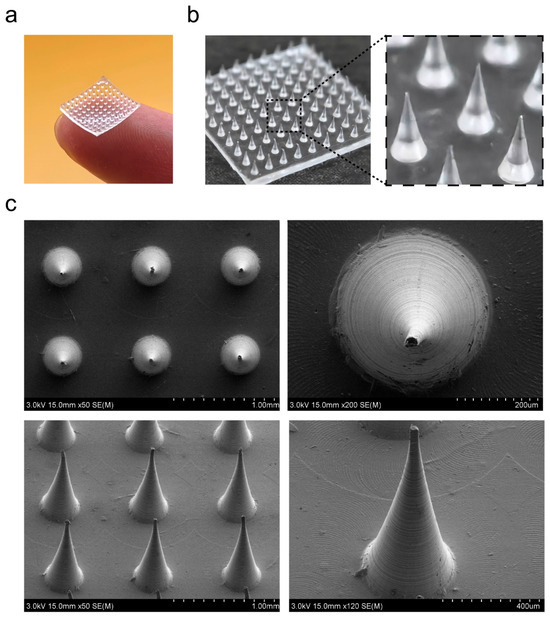
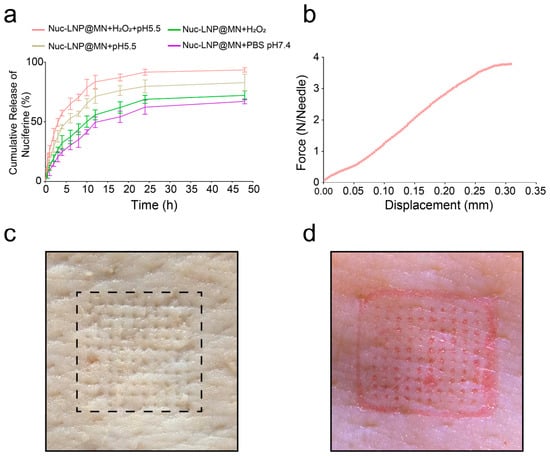
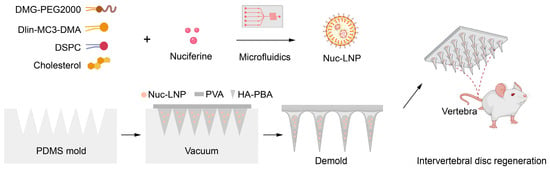
Background/Objectives: Shikonin (SKN) is a potential anti-psoriatic agent, yet its clinical application is hindered by poor water solubility and low stratum corneum permeability. This study aimed to develop a reactive oxygen species (ROS)-responsive hydrogel microneedle system encapsulating SKN-loaded polymeric micelles (SKN-M@MN) to enhance transdermal delivery and evaluate its therapeutic effects in psoriasis. Methods: Shikonin-loaded micelles (SKN-M) were optimised using a thin-film hydration method. SKN-M@MN was fabricated via a two-step casting method using phenylboronic acid-modified hyaluronic acid (HA-PBA) and polyvinylpyrrolidone K90 as the tip matrix. Skin penetration, ROS-responsive release, and anti-psoriatic efficacy were assessed in an imiquimod (IMQ)-induced mouse model. Mechanistic studies included RNA-seq, qPCR, and Western blotting. Results: SKN-M achieved an encapsulation efficiency of 93.45 ± 0.24%, a particle size of 62.49 ± 0.92 nm, and a zeta potential of −36.78 ± 1.12 mV. SKN-M@MN showed 100% skin penetration, sustained drug release, and accelerated degradation under high ROS conditions. In psoriatic mice, SKN-M@MN significantly alleviated skin lesions, reduced epidermal hyperplasia (Ki67), and downregulated IL-17A and TNF-α levels both locally and systemically. Mechanistically, it inhibited the PI3K/AKT and NF-κB signalling pathways. Conclusions: The SKN-M@MN microneedle platform integrates physical skin penetration, ROS-responsive drug release, and pathway inhibition, offering an effective strategy for transdermal delivery of poorly soluble drugs in psoriasis therapy.
Full article
(This article belongs to the Special Issue Microneedles for Drug and Vaccine Delivery)
►▼
Show Figures

Graphical abstract
Open AccessArticle
Antiviral Activity and Mucosal Safety of Novel Human-Milk-Inspired Antimicrobial Peptides
by
Nazita Yousefieh, Louise A. Ouattara, Maimoona Bhutta, Ishita M. Shah, Carolina Herrera and Gustavo F. Doncel
Pharmaceutics 2026, 18(8), 938; https://doi.org/10.3390/pharmaceutics18080938 - 30 Jul 2026
Abstract
Background: Sexually transmitted infections (STIs) remain a major global health concern, with over one million new curable cases reported daily and limited long-term treatment options. Additionally, there are limited treatment options for women with bacterial vaginosis (BV), a dysbiotic condition predisposing them
[...] Read more.
Background: Sexually transmitted infections (STIs) remain a major global health concern, with over one million new curable cases reported daily and limited long-term treatment options. Additionally, there are limited treatment options for women with bacterial vaginosis (BV), a dysbiotic condition predisposing them to STIs. Computationally designed human-milk-inspired antimicrobial peptides (AMPs) are promising candidates for novel antiviral and antibacterial therapies. This study evaluated the cervicovaginal mucosal safety and antiviral activity of three human-milk-inspired AMPs (MAT-006, UCD-MAT-001, and UCD-MAT-002) previously shown to exhibit antimicrobial activity against BV-causing pathogens. Methods: AMP cytotoxicity and inflammatory responses were assessed in relevant genital tract cell lines and cervicovaginal tissues in vitro. AMP anti-HIV-1 and anti-HSV-2 activities were characterized in female genital tract cell lines, TZM-bl cells and HEC-1-A cells, respectively, and in time-of-addition (pre-, co-, and post-HIV-1 challenge; and post-HSV-2 challenge) experiments. The impact of seminal plasma on AMPs’ activity was also evaluated. Results: At the concentrations tested, all three AMPs showed minimal cytotoxicity and no pro-inflammatory responses in cellular and ectocervical tissue explant models. In both co- and post-exposure models, all three AMPs inhibited HIV-1 and HSV-2 replication with IC50 values ranging from 0.78 to 7.72 mg/mL. MAT-006 further showed pre-exposure anti-HIV-1 activity after 6 h (IC50 = 1.07 ± 0.515 mg/mL) and 24 h (IC50 = 0.69 ± 0.152 mg/mL) of incubation. Seminal plasma did not significantly impair MAT-006 and UCD-MAT-001 antiviral activity under experimental conditions. Conclusions: These findings demonstrate the antiviral activity of human-milk-inspired AMPs against HIV-1 and HSV-2 at concentrations that are safe to the cervicovaginal mucosa in vitro, warranting further preclinical evaluation as microbicide candidates with dual antibacterial and antiviral properties.
Full article
(This article belongs to the Section Biologics and Biosimilars)
►▼
Show Figures

Figure 1
Open AccessArticle
Regimen-Specific Population Pharmacokinetics of Isoniazid with and Without Rifamycin: A Bayesian Modeling Analysis of 6H, 3HR, and 3H2P2 Regimens
by
Zhipeng Li, Xiao Xiao, Chunhua Xu, Yiyun Liu, Lexian Gu, Xuliang Li, Xin Shen and Yi Hu
Pharmaceutics 2026, 18(8), 937; https://doi.org/10.3390/pharmaceutics18080937 - 30 Jul 2026
Abstract
Background: Isoniazid (INH) remains a cornerstone of tuberculosis (TB) prevention and treatment, administered either as monotherapy or in combination with rifamycin-containing regimens. In this study, the preventive regimens analyzed included 6 months of daily INH monotherapy (6H), 3 months of daily INH plus
[...] Read more.
Background: Isoniazid (INH) remains a cornerstone of tuberculosis (TB) prevention and treatment, administered either as monotherapy or in combination with rifamycin-containing regimens. In this study, the preventive regimens analyzed included 6 months of daily INH monotherapy (6H), 3 months of daily INH plus rifampicin (3HR), and 3 months of twice-weekly INH plus rifapentine (3H2P2). Despite the adoption of shorter-course regimens, substantial inter-individual variability (IIV) in INH exposure persists, potentially impacting both therapeutic efficacy and toxicity. A quantitative, regimen-specific characterization of INH pharmacokinetics is therefore critical to support model-informed dosing strategies. Methods: Population pharmacokinetic models were developed separately for INH administered as 6H, 3HR, and 3H2P2. The models characterized absorption, clearance, and IIV of INH, while accounting for co-administered rifamycin. The effects of N-acetyltransferase 2 (NAT2) acetylator phenotype and relevant clinical covariates were systematically evaluated. Model performance was assessed using goodness-of-fit diagnostics, posterior predictive checks, and visual predictive checks. Population pharmacokinetic models were developed using a Bayesian nonlinear mixed-effects framework implemented in Stan through CmdStanR version 0.9.0, with additional data processing, statistical summaries, and visualization performed using R version 4.2.3. Results: INH pharmacokinetics were adequately described by regimen-specific models, revealing distinct differences in absorption and variability across regimens. Typical INH apparent oral clearance (CL/F) estimates were 21.83 L/h for 6H, 26.32 L/h for 3HR, and 25.98 L/h for 3H2P2. NAT2 phenotype was a major determinant of INH clearance across regimens: compared with intermediate acetylators, slow acetylators showed 35.4% lower CL/F, whereas fast acetylators showed 48.4% higher CL/F, indicating higher INH exposure in slow acetylators and lower exposure in fast acetylators. Body weight also influenced INH pharmacokinetics. Co-administration with rifampicin or rifapentine influenced INH pharmacokinetics in a manner consistent with reduced exposure in rifamycin-containing regimens, particularly among fast acetylators. Conclusions: Regimen-specific population pharmacokinetic modeling elucidated clinically relevant differences in INH exposure across commonly used preventive and treatment regimens. These findings highlight the importance of accounting for regimen- and genotype-specific effects when optimizing INH dosing and provide a quantitative framework for future model-informed precision dosing approaches in TB care.
Full article
(This article belongs to the Special Issue Personalized Drug Therapy: The Role of Pharmacokinetics and Therapeutic Drug Monitoring)
►▼
Show Figures

Graphical abstract
Open AccessArticle
Rice Bran Wax-Based Matrix Tablets for Sustained Release of Diclofenac Sodium: Effects of Processing and Sintering
by
Nisit Kittipongpatana, Chawis Kingkaew, Pitsanu Duangkartok and Ornanong S. Kittipongpatana
Pharmaceutics 2026, 18(8), 936; https://doi.org/10.3390/pharmaceutics18080936 - 30 Jul 2026
Abstract
Background/Objectives: Rice bran wax (RBW), a natural hydrophobic byproduct of rice bran oil refining, was evaluated as a lipid matrix former for the sustained oral delivery of diclofenac sodium (DFS). Methods: Matrix tablets containing 100 mg DFS and 45–60% (w/w
[...] Read more.
Background/Objectives: Rice bran wax (RBW), a natural hydrophobic byproduct of rice bran oil refining, was evaluated as a lipid matrix former for the sustained oral delivery of diclofenac sodium (DFS). Methods: Matrix tablets containing 100 mg DFS and 45–60% (w/w) RBW, corresponding to 180–240 mg RBW per 400 mg tablet, were prepared using five techniques: simple mixing, dry granulation, extrusion–spheronization, partial melt granulation, and melt granulation. These techniques were selected to represent progressively different thermal, mechanical, and solvent-processing histories, ranging from simple physical blending to high-shear wet processing and extensive distribution of molten wax. Results: Processing method, wax concentration, and thermal sintering significantly influenced matrix structure and drug release. Scanning electron microscopy of the processed powders and granules indicated that melt granulation produced more extensively integrated wax-containing structures, although the internal continuity of the tablet matrix was not directly examined. FTIR and DSC analyses showed no evidence of major drug–excipient interactions and confirmed the retention of a detectable RBW melting transition. Melt granulation produced the greatest release retardation, followed by partial melt granulation, while extrusion–spheronization and dry granulation showed broadly similar release-retarding performance, and simple mixing was the least effective. The optimized formulation, containing 55% (w/w) RBW, prepared by melt granulation and sintered at 80 °C for 2 h, showed sustained release consistent with diffusion through the hydrophobic matrix. It met the dissolution limits specified in the USP–NF monograph for Diclofenac Sodium Extended-Release Tablets and showed a dissolution profile that was broadly comparable to that of the commercial reference product based on descriptive profile analysis. During a preliminary 4-week accelerated stability study, no statistically significant changes were observed in the physicochemical properties subjected to inferential analysis, while friability remained below 1%. The 55MG2 formulation also retained a broadly comparable dissolution profile, although a modest increase in drug release was observed. Conclusions: These findings support the potential of RBW as a natural lipid excipient for controlled oral drug delivery.
Full article
(This article belongs to the Section Physical Pharmacy and Formulation)
►▼
Show Figures

Graphical abstract
Open AccessReview
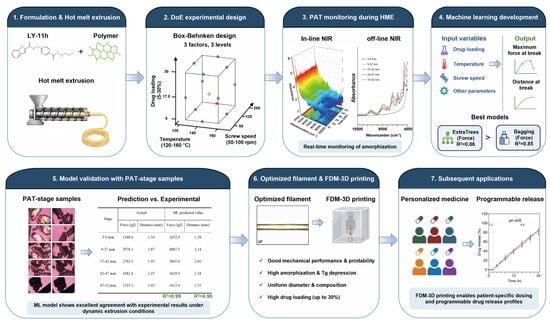
Quality by Design and Process Analytical Technology for On-Demand Drug Manufacturing Through 3D Printing
by
Imola-Rebeka Turac, Tibor Casian, Sonia Iurian, Alina Porfire, Rareș Iovanov, Daniela Elena Popa and Ioan Tomuță
Pharmaceutics 2026, 18(8), 935; https://doi.org/10.3390/pharmaceutics18080935 - 29 Jul 2026
Abstract
Additive manufacturing, also known as 3D printing (3DP), is intended to enable personalised medicine by producing drug products on demand at the Point of Care (PoC), with dose, drug-release profile, and geometry tailored to the individual patient. Despite its promise, widespread adoption is
[...] Read more.
Additive manufacturing, also known as 3D printing (3DP), is intended to enable personalised medicine by producing drug products on demand at the Point of Care (PoC), with dose, drug-release profile, and geometry tailored to the individual patient. Despite its promise, widespread adoption is limited by the absence of ready-to-use quality control (QC) methods for printlets at the PoC. Process Analytical Technology (PAT) tools, particularly vibrational spectroscopic methods like Near-Infrared and Raman spectroscopy, can offer real-time monitoring to ensure the safety and consistency of printed dosage forms. Integrating these tools within a Quality-by-Design (QbD) framework can enhance process understanding, control variability, and minimise risk. Regulatory implementation and technological innovation remain essential for the broader clinical implementation of 3DP in pharmaceutical manufacturing. This review presents an overview of currently existing studies on PAT tools explored for non-destructive quality control across 3DP techniques, examines the correlation between Critical Process Parameters (CPPs), Critical Material Attributes (CMAs), and the Critical Quality Attributes (CQAs) of 3D-printed dosage forms within a QbD context, and outlines the current regulatory landscape alongside key limitations and future directions for the broader integration of 3DP into pharmaceutical development and manufacturing. Current evidence shows that PAT application remains uneven across printing technologies and is predominantly directed at final product quality control, rather than the real-time process monitoring required for a fully closed-loop QbD framework. Existing spectroscopic models are largely restricted to single formulations, printers, and APIs, and the absence of standardised validation reporting and transferability assessments represents a key barrier to routine implementation.
Full article
(This article belongs to the Special Issue Recent Advancements in the 3D Printing of Pharmaceutics)
►▼
Show Figures

Figure 1
Open AccessReview
Emerging Precision Therapeutic Strategies in Pancreatic Ductal Adenocarcinoma: KRAS Targeting, DDR Vulnerabilities, Immune Redirection, and Tumor Microenvironment Remodeling
by
Jun Kim and Seounghun Kang
Pharmaceutics 2026, 18(8), 934; https://doi.org/10.3390/pharmaceutics18080934 - 29 Jul 2026
Abstract
Background/Objectives: Pancreatic ductal adenocarcinoma (PDAC) remains one of the most lethal malignancies because of aggressive tumor biology, pervasive therapeutic resistance, rapid adaptive reprogramming, and a profoundly immunosuppressive tumor microenvironment. This review summarizes recent advances in KRAS-targeted therapies, DNA damage response (DDR)-directed strategies,
[...] Read more.
Background/Objectives: Pancreatic ductal adenocarcinoma (PDAC) remains one of the most lethal malignancies because of aggressive tumor biology, pervasive therapeutic resistance, rapid adaptive reprogramming, and a profoundly immunosuppressive tumor microenvironment. This review summarizes recent advances in KRAS-targeted therapies, DNA damage response (DDR)-directed strategies, immune-redirection platforms, and tumor microenvironment modulation. Methods: We conducted a narrative review of peer-reviewed publications, clinical trial reports, trial registries, and selected conference data addressing emerging therapeutic strategies for PDAC. Results: KRAS-targeted therapies, including KRAS G12D-selective and multi-selective RAS(ON) inhibitors, have demonstrated substantial preclinical and emerging clinical activity while revealing diverse mechanisms of adaptive resistance. DDR-directed approaches are expanding beyond BRCA-mutated disease toward functional homologous recombination deficiency, replication stress, and synthetic lethality. In parallel, bispecific antibodies, T-cell engagers, and CAR-T-cell therapies have generated preliminary evidence of antitumor activity, although stromal exclusion, antigen heterogeneity, and immune suppression remain major barriers. These advances indicate that therapeutic resistance in PDAC is a dynamic process involving interconnected oncogenic, genomic, stromal, metabolic, and immune mechanisms. Conclusions: Future progress will require biologically informed treatment frameworks integrating complementary therapeutic modalities according to baseline tumor biology and treatment-induced adaptive states, supported by longitudinal biomarkers and rational clinical trial design.
Full article
(This article belongs to the Section Biopharmaceutics)
►▼
Show Figures

Graphical abstract
Journal Menu
► ▼ Journal Menu-
- Pharmaceutics Home
- Aims & Scope
- Editorial Board
- Reviewer Board
- Topical Advisory Panel
- Early Career Editorial Board
- Instructions for Authors
- Special Issues
- Topics
- Sections & Collections
- Article Processing Charge
- Indexing & Archiving
- Editor’s Choice Articles
- Most Cited & Viewed
- Journal Statistics
- Journal History
- Journal Awards
- Society Collaborations
- Conferences
- Editorial Office
Journal Browser
► ▼ Journal BrowserHighly Accessed Articles
Latest Books
E-Mail Alert
News
Topics
Topic in
Bioengineering, Molecules, Pharmaceuticals, Pharmaceutics, Processes, Sci. Pharm.
Complementary Strategies in Drug Delivery: From Particle Engineering to System Optimization
Topic Editors: Barbara R. Conway, Hisham Al-ObaidiDeadline: 30 October 2026
Topic in
Antibiotics, IJMS, Microbiology Research, Pharmaceuticals, Pharmaceutics, Nanomaterials, Microorganisms
Challenges and Future Prospects of Antibacterial Therapy, 2nd Edition
Topic Editors: Kwang-Sun Kim, Zehra EdisDeadline: 30 November 2026
Topic in
Applied Microbiology, Microorganisms, Pharmaceuticals, Pharmaceutics, Foods
Probiotics: New Avenues
Topic Editors: Daniela Machado, José Carlos AndradeDeadline: 10 December 2026
Topic in
Biomedicines, Cancers, Cells, JCM, Pharmaceutics, Reports, Allergies
The Tumor Microenvironment, Immuno-Oncology, and Immune Checkpoint: Implications for Current and Emergent Immunotherapies, 2nd Edition
Topic Editors: Joaquim Carreras, Luis J. Castro-VegaDeadline: 31 December 2026
Conferences
Special Issues
Special Issue in
Pharmaceutics
Research on Protein-Based Nanoparticles and Their Pharmaceutical Applications
Guest Editors: Mouhamad Khoder, Hachemi KadriDeadline: 10 August 2026
Special Issue in
Pharmaceutics
Magnetic Nanoparticles in Regenerative Medicine and Tissue Engineering
Guest Editors: Mauricio César De Marzi, Martin Federico DesimoneDeadline: 10 August 2026
Special Issue in
Pharmaceutics
Translating Gene Therapies from Bench to Bedside
Guest Editors: Kamal K.E. Gadalla, Thomas Wishart, Ahad RahimDeadline: 20 August 2026
Special Issue in
Pharmaceutics
Drug Repurposing in Oncology: Pharmaceutical Strategies and Translational Advances
Guest Editors: Monia Taranta, Lisa GherardiniDeadline: 20 August 2026
Topical Collections
Topical Collection in
Pharmaceutics
Women in Pharmaceutics
Collection Editors: Donatella Paolino, Cinzia Anna Ventura
Topical Collection in
Pharmaceutics
Advanced Pharmaceutical Science and Technology in Portugal
Collection Editors: João Sousa, Carla Vitorino, Alberto A. C. C. Pais
Topical Collection in
Pharmaceutics
Advanced Drug Delivery Systems and Technology in Hungary
Collection Editors: Romána Zelkó, Istvan Antal