


-
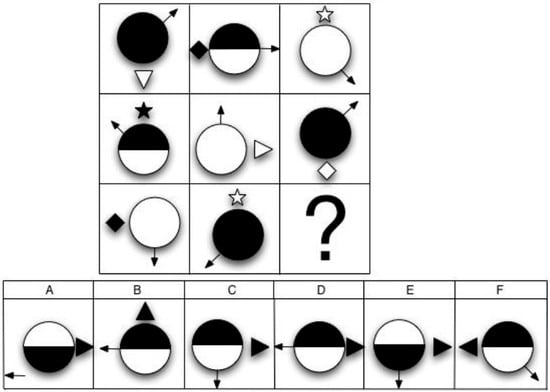
How Intelligence and Prior Knowledge Shape Math Intervention Effects -
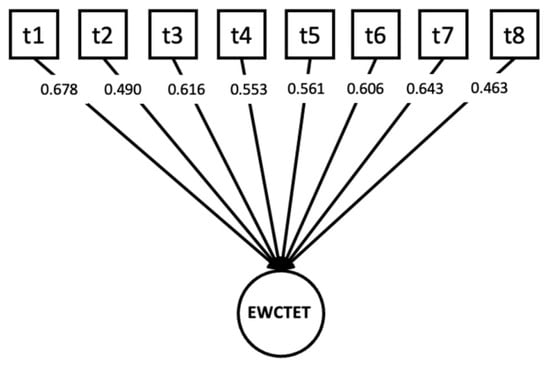
Beyond IQ: Systemic Resources in STEM Achievement -
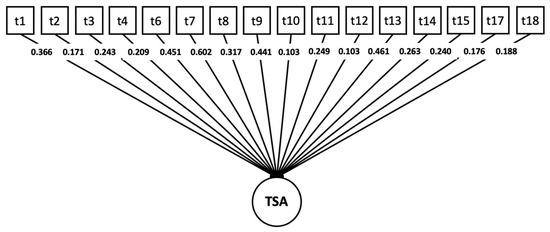
The Contribution of Executive Functions to Academic Achievement in Gifted Children -
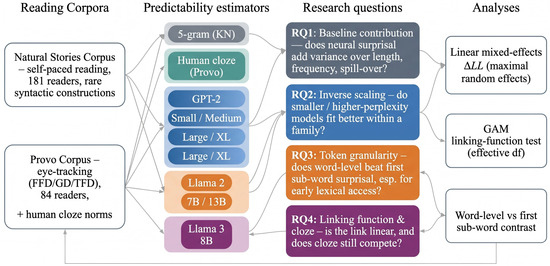
Dual-NLET and Decision Dynamics in Early Estimation -
Cognitive and Affective-Emotional Factors in Math Achievement: The Mediating Role of Intelligence
Journal Description
Journal of Intelligence
is an international, peer-reviewed, open access journal on the study of human intelligence, published monthly online by MDPI.
- Open Access— free for readers, with article processing charges (APC) paid by authors or their institutions.
- High Visibility: indexed within Scopus, SSCI (Web of Science), PubMed, PMC, PsycInfo, PSYNDEX, and other databases.
- Journal Rank: JCR - Q1 (Psychology, Multidisciplinary) / CiteScore - Q1 (Education)
- Rapid Publication: manuscripts are peer-reviewed and a first decision is provided to authors approximately 33.9 days after submission; acceptance to publication is undertaken in 5.5 days (median values for papers published in this journal in the second half of 2025).
- Recognition of Reviewers: reviewers who provide timely, thorough peer-review reports receive vouchers entitling them to a discount on the APC of their next publication in any MDPI journal, in appreciation of the work done.
- Journal Cluster of Education and Psychology: Adolescents, AI in Education, Behavioral Sciences, Education Sciences, International Journal of Cognitive Sciences, Journal of Intelligence, Psychology International and Youth.
Impact Factor:
3.4 (2024);
5-Year Impact Factor:
3.5 (2024)
Latest Articles
Alexithymia and Social Cognition in the General Population: Further Evidence on the Relationship with Theory of Mind, Emotion Recognition, and Empathy
J. Intell. 2026, 14(5), 90; https://doi.org/10.3390/jintelligence14050090 (registering DOI) - 21 May 2026
Abstract
Alexithymia has been associated with deficits in social cognition, although findings are inconsistent and often limited by methodological constraints. This study aimed to clarify this relationship using ecologically valid and traditional standardized measures across multiple social-cognitive domains. A total of 163 adults from
[...] Read more.
Alexithymia has been associated with deficits in social cognition, although findings are inconsistent and often limited by methodological constraints. This study aimed to clarify this relationship using ecologically valid and traditional standardized measures across multiple social-cognitive domains. A total of 163 adults from the general population completed a series of measures, including the Toronto Alexithymia Scale (TAS-20), Questionnaire of Cognitive and Affective Empathy (QCAE), Reading the Mind in the Eyes Test (RMET), Movies for the Assessment of Social Cognition (MASC), and Amsterdam Dynamic Facial Expression Set—Bath Intensity Variations (ADFES-BIV). Results of hierarchical regression analyses revealed that alexithymia facets significantly predicted performance on affective and cognitive empathy (QCAE), and Theory of Mind (MASC total and “No ToM” scores). The only exceptions were affective Theory of Mind (RMET) and recognition of others’ emotions (ADFES-BIV), for which none of the alexithymia facets emerged as significant predictors. The findings suggest that alexithymia is associated with poorer performance in cognitive and affective empathy and contextual Theory of Mind, whereas no significant association emerged for emotion recognition. The results suggest that integrating dynamic and context-rich tasks may be useful for detecting subtle social-cognitive difficulties in individuals with alexithymic traits.
Full article
(This article belongs to the Special Issue Social Cognition and Emotions)
Open AccessArticle
Coding Alone? AI-Assisted Software Work and the Decoupling of Productivity from Public Knowledge-Infrastructure Participation
by
Tianhe Jiang
J. Intell. 2026, 14(5), 89; https://doi.org/10.3390/jintelligence14050089 (registering DOI) - 20 May 2026
Abstract
Complex knowledge work depends on individual output and on public exchanges that document problems, evaluate contributions, route expertise, and preserve reusable knowledge. Software work makes this infrastructure unusually visible through GitHub issues, reviews, comments, mentions, and cross-project ties. As generative AI coding tools
[...] Read more.
Complex knowledge work depends on individual output and on public exchanges that document problems, evaluate contributions, route expertise, and preserve reusable knowledge. Software work makes this infrastructure unusually visible through GitHub issues, reviews, comments, mentions, and cross-project ties. As generative AI coding tools become private, on-demand sources of task support, it is unclear whether productive output remains tightly coupled with participation in this GitHub-visible public knowledge infrastructure. This study examines that question using a balanced panel of approximately 38,000 freelance developers on GitHub observed quarterly from 2019 to 2025 (approximately 1,080,000 person-quarter observations), estimating within-person changes in the association between a Productivity Index and a Social Connectivity Index. Two-way fixed effects models estimate a substantively large weakening after mid-2022 (−0.138 SD, about 44 percent of the pre-AI slope), and the pattern remains stable across alternative operationalizations, model specifications, and sample definitions. A survey-linked subsample (n = 237) provides individual-level triangulation: the weakening aligns with developers’ self-reported AI adoption dates, and heavier AI users exhibit larger decoupling. Decomposition by exchange function is selective: public exchanges with more direct private AI support pathways (information seeking, troubleshooting, preliminary evaluation) weaken more than exchanges anchored in contextual judgment and new-tie formation. This study documents a large-scale behavioral decoupling between productive output and visible GitHub-based public knowledge-infrastructure participation in a real-world problem-solving setting. The pattern is consistent with cognitive offloading as one micro-level pathway, while direct process evidence is left to future work.
Full article
(This article belongs to the Topic Personality and Cognition in Human–AI Interaction)
►▼
Show Figures

Figure 1

Open AccessArticle
Emotional Intelligence and Cognitive Flexibility as Predictors of Academic Success and Adaptation Outcomes Among International Students in Saudi Universities
by
Mubarak S. Aldosari and Haroon N. Alsager
J. Intell. 2026, 14(5), 88; https://doi.org/10.3390/jintelligence14050088 (registering DOI) - 19 May 2026
Abstract
International students in Saudi universities face academic and adaptation challenges shaped by emotional, cognitive, linguistic, and sociocultural factors. This study examined whether emotional intelligence and cognitive flexibility predicted academic success and adaptation outcomes among international students in Saudi public universities. A quantitative cross-sectional
[...] Read more.
International students in Saudi universities face academic and adaptation challenges shaped by emotional, cognitive, linguistic, and sociocultural factors. This study examined whether emotional intelligence and cognitive flexibility predicted academic success and adaptation outcomes among international students in Saudi public universities. A quantitative cross-sectional survey was conducted with 410 international students using structured measures of emotional intelligence, cognitive flexibility, academic success, adaptation outcomes, Arabic proficiency, and sociodemographic characteristics. Data were analysed using descriptive statistics, chi-square tests, Kendall’s tau-b correlations, hierarchical regression, and observed-variable path analysis. Duration of residence was significantly associated with Arabic proficiency, χ2(8) = 82.40, p < .001. Arabic proficiency was positively associated with GPA, τ = 0.62, p < .001, and adaptation outcomes, τ = 0.48, p < .001. In hierarchical regression, sociocultural covariates and psychological predictors explained substantial variance in academic success, R2 = 0.53, and adaptation outcomes, R2 = 0.53. Emotional intelligence and cognitive flexibility remained positive predictors of both outcomes after accounting for Arabic proficiency, duration of residence, region of origin, and language of instruction. Findings suggest that international student success in Saudi universities reflects an interaction of emotional, cognitive, linguistic, and contextual resources. Universities should strengthen integrated support for emotional regulation, adaptive thinking, Arabic-language development, and culturally responsive academic guidance.
Full article
(This article belongs to the Special Issue The Influence of Emotional Intelligence on Individual Development)
►▼
Show Figures

Figure 1
Open AccessArticle
Bidirectional Relations Between Spatial and Mathematics Skills in Elementary School Children: The Role of Domain-Specific Anxieties
by
Elyssa A. Geer, Connie Barroso and Colleen M. Ganley
J. Intell. 2026, 14(5), 87; https://doi.org/10.3390/jintelligence14050087 (registering DOI) - 19 May 2026
Abstract
Research has demonstrated a link between spatial and mathematics skills, although less research has addressed the directionality of this relation and what factors may impact the spatial–mathematics link. Two such factors may be spatial and mathematics anxiety, which are related to performance in
[...] Read more.
Research has demonstrated a link between spatial and mathematics skills, although less research has addressed the directionality of this relation and what factors may impact the spatial–mathematics link. Two such factors may be spatial and mathematics anxiety, which are related to performance in their respective domains, but may also play a cross-domain role in the relation between spatial and mathematics skills. Importantly, these relations are prudent to investigate in children when mathematics and spatial skills are early in their development. To bridge the gap, the present study examined the direction of the relation between spatial and mathematics skills across two waves of data and the domain specificity of cognitive anxieties (spatial and mathematics anxiety) as they relate to their respective skill in children. In a sample of 647 U.S. first-graders (Mage = 6 years 8 months), we found bidirectional relations between spatial and mathematics skills across two waves of data collection. We found domain-specific, but not cross-domain, relations between mathematics anxiety and skills, but no evidence of links between spatial anxiety and spatial or mathematics skills at this age. These results provide support for the bidirectional spatial–mathematics link in young children and suggest that mathematics anxiety may be a useful target for interventions to improve mathematics outcomes.
Full article
(This article belongs to the Special Issue Math Development and Cognitive Skills)
►▼
Show Figures

Figure 1

Open AccessArticle
Developing Talent with Artificial Intelligence: Human–AI Symbiotic Theory (HAIST) as a Framework for AI-Mediated Learning and Talent Development
by
John C. Chick and Laura Thomsen Morello
J. Intell. 2026, 14(5), 86; https://doi.org/10.3390/jintelligence14050086 (registering DOI) - 19 May 2026
Abstract
Traditional talent development models were designed before the AI revolution and do not consider artificial agents as possible sources of development. artificial intelligence is quickly infiltrating education spaces—but our thinking about learning has not caught up with how we can productively pair learners
[...] Read more.
Traditional talent development models were designed before the AI revolution and do not consider artificial agents as possible sources of development. artificial intelligence is quickly infiltrating education spaces—but our thinking about learning has not caught up with how we can productively pair learners with both human and artificial intelligence. Addressing this gap, we introduce Human–AI Symbiotic Theory (HAIST), a novel theoretical framework designed for AI-facilitated environments, which posits how learners can productively leverage both humans and AI as “development partners” across the entire talent development process. We begin with a comprehensive integration of ideas and theory from the literature on talent development, AI for learning, and human–AI collaboration and use these insights to build HAIST for the specific context of talent development. HAIST comprises three mechanisms—Complementary Intelligence Activation (CIA), Dynamic Adaptive Co-Regulation (DACR), and Agency-Preserving Scaffolding (APS)—that are grounded in prior theory and research on topics like sociocultural theory, self-regulated learning, and distributed cognition. We then demonstrate how HAIST can be applied throughout all phases of talent development while highlighting implications for traditionally underserved learners like adult learners, student veterans, multilingual learners, and first-generation learners. We provide an applied example of how the three mechanisms work in tandem to support talent development and discuss points of tension that must be navigated when applying HAIST (e.g., between adaptation and optimization vs. agency). Lastly, we highlight how considerations of ethics and learner rights (algorithmic bias, learner voice, etc.) should be considered when operationalizing HAIST. Overall, HAIST can serve as a foundational theory to not only understand how talent development should occur between learners and both humans and AI, but also to consider the process of instruction design in AI-mediated learning environments.
Full article
(This article belongs to the Special Issue Advances of AI in Talent Development: Synergies Between Creativity, Cognitive Intelligence, and Socio-Emotional Growth)
►▼
Show Figures

Figure 1

Open AccessArticle
User Needs and Preferences for Multimodal Interaction in Social Robots for Later-Life Support: An Exploratory Survey and Conceptual Five-Layer Architecture
by
Ye Zhang and Yuqi Liu
J. Intell. 2026, 14(5), 85; https://doi.org/10.3390/jintelligence14050085 (registering DOI) - 18 May 2026
Abstract
Social robots hold promise for enhancing later-life support, but user needs and preferences for multimodal interaction modalities remain underexplored. This study explores awareness, willingness, perceived barriers, and modality–function associations across multiple interaction modalities among middle-aged and older adults, and proposes a conceptual five-layer
[...] Read more.
Social robots hold promise for enhancing later-life support, but user needs and preferences for multimodal interaction modalities remain underexplored. This study explores awareness, willingness, perceived barriers, and modality–function associations across multiple interaction modalities among middle-aged and older adults, and proposes a conceptual five-layer architecture for design guidance. A questionnaire survey with 199 Chinese respondents (aged 45–64: 89.4%, 65+: 10.6%) examined perceptions of voice, visual, gestural, affective, sEMG, and brain–computer interface interactions. Voice and visual modalities were the most preferred; gesture and affective interactions were moderately accepted; awareness of sEMG was high but may reflect confusion with other sensor technologies; and BCI awareness and willingness were low. Based on survey findings and the literature, a conceptual five-layer architecture is presented to inform future social-robot design. The sample predominantly comprised middle-aged participants, so findings reflect prospective later-life users rather than the broader older-adult population. This study offers user-centered insights into multimodal social-robot interaction and provides design implications for future development rather than evaluating emotional-health interventions.
Full article
(This article belongs to the Special Issue The Influence of Emotional Intelligence on Individual Development)
►▼
Show Figures

Figure 1
Open AccessArticle
The Memory Superiority Effect of Induced Insight in Semantic Versus Perceptual Levels
by
Zhonglu Zhang, Yuxin Zeng, Wenkang Yu and Zeying Zheng
J. Intell. 2026, 14(5), 84; https://doi.org/10.3390/jintelligence14050084 (registering DOI) - 13 May 2026
Abstract
Previous studies have established that insight enhances memory across a variety of tasks. However, it remains unclear whether memory performance differs between perceptual and semantic insights. To address this issue, this study employed a learning–testing paradigm with Chinese riddles. In the learning phase,
[...] Read more.
Previous studies have established that insight enhances memory across a variety of tasks. However, it remains unclear whether memory performance differs between perceptual and semantic insights. To address this issue, this study employed a learning–testing paradigm with Chinese riddles. In the learning phase, individuals judged whether they had grasped the relationship between each riddle and its solution (a Chinese character) under four conditions created by crossing match status (matched vs. unmatched) with riddle type (visual-rule vs. semantic-rule). During the testing phase, they performed immediate and delayed recognition tasks, judging whether each presented character was old or new. The results showed that, relative to trials on which riddles were not solved (primarily unmatched riddles), participants exhibited higher hit rates, recognition rates, and retrospective confidence judgment (RCJ) in both immediate and delayed recognition tasks when they experienced sudden insight into matched riddles. This reflects a memory advantage for insight induced by solution-appropriate processing. Moreover, hit rates, recognition rates, and memory confidence judgment accuracy were consistently higher for semantic insight than for perceptual insight, regardless of match condition (significant main effects with no interaction). In contrast, memory confidence judgment was higher for semantic (vs. perceptual) insight under matched conditions but not under unmatched conditions (significant interaction). Collectively, these findings suggest that insight yields better memory performance when it operates at the semantic level than at the perceptual level.
Full article
(This article belongs to the Special Issue Metacognition of Insight and Creative Cognition)
►▼
Show Figures

Figure 1

Open AccessArticle
Hidden Potential: An Exploratory Study of the Prevalence of Twice-Exceptional Students in Saudi Arabia
by
Norah Almulhim, Abdullah Aljughaiman, Fahad Alnaim, Abdulrahman Alsayed, Sarah Alfawzan and Abdulhamid Alarfaj
J. Intell. 2026, 14(5), 83; https://doi.org/10.3390/jintelligence14050083 (registering DOI) - 10 May 2026
Abstract
Although twice-exceptional students are receiving more attention than before, the topic is still under-researched. This poses a major problem for this group, as a comprehensive educational policy that meets its needs can only be developed based on realistic estimates. Therefore, this study aimed
[...] Read more.
Although twice-exceptional students are receiving more attention than before, the topic is still under-researched. This poses a major problem for this group, as a comprehensive educational policy that meets its needs can only be developed based on realistic estimates. Therefore, this study aimed to explore the prevalence of twice-exceptional students in Saudi Arabia. It also sought to investigate whether prevalence rates vary according to gender, age, and academic subject. The sample included 6875 students ranging from second to twelfth grade. These students were screened via a two-step process. First, students with potential learning disabilities based on a discrepancy of more than 1.5 standard deviations between their academic achievement in two subjects (e.g., between Arabic and math) were flagged for further assessment. Second, a giftedness test was administered to these students to screen for gifted students. The first step suggested that 23.6% of students showed indicators of learning disabilities. The intelligence test in the second stage indicated that 24.5% of students with potential disabilities may be gifted. The preliminary analysis suggests that approximately 5.9% of the sampled student population may be twice-exceptional, which represents a substantial number of underserved students. This suggests the potential value of developing educational policies and practices to meet the needs of this population, although broader replication is needed before definitive policy recommendations can be made.
Full article
(This article belongs to the Special Issue Intelligence Quotient, Emotional Quotient, Creativity Quotient and Other Potential Determinants: A Holistic Approach to Understanding Human Potential and Developing Talents)
►▼
Show Figures

Figure 1
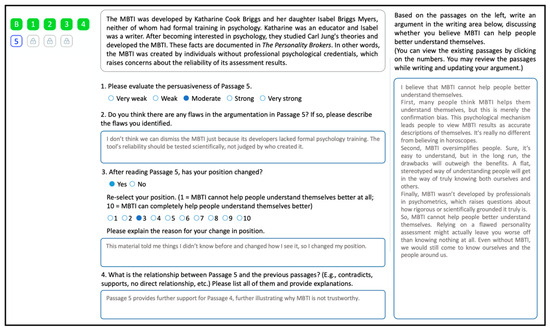
Open AccessArticle
Does Physical Interaction with Insight Problems Really Affect the Solution Rate?
by
Laura Macchi, Daniele Inglese and Laura Caravona
J. Intell. 2026, 14(5), 82; https://doi.org/10.3390/jintelligence14050082 (registering DOI) - 9 May 2026
Abstract
►▼
Show Figures
Insight problems are traditionally presented in verbal or visual form; however, some research suggests that physically interacting with the problem materials may facilitate insight problem solving. In contrast, the more recent literature found no performance improvement with manipulable materials, except for spatial problems
[...] Read more.
Insight problems are traditionally presented in verbal or visual form; however, some research suggests that physically interacting with the problem materials may facilitate insight problem solving. In contrast, the more recent literature found no performance improvement with manipulable materials, except for spatial problems (e.g., the “Eight Coins problem”). In Experiment 1, to challenge the hypothesis that the facilitating effect of material manipulation is mainly related to spatial insight problems, two groups of participants were presented with another spatial insight problem, the “Pencil problem” (a new version of the traditional “Match problem”), either in paper format or in a physical interactive condition. The results showed no significant differences in success rates based on presentation format. Therefore, manipulating the materials does not appear to facilitate solving spatial insight problems per se. In accordance with the misunderstanding theory of insight problem solving, the interacting effect may be limited to situations in which manipulation allows individuals to grasp functional aspects that are crucial for restructuring and reaching the solution. To test this hypothesis, we ran a further study (Experiment 2) in which two groups of participants were presented with a “Matchstick Arithmetic problem” in paper format; one group received the standard representation of the task (I = II + II), while the other, a picture of the arithmetic equation with real matchsticks, whose realistic representation indirectly clarified the misunderstanding that caused the ‘problem forming’ and the impasse. There was a significant increase in solutions in the second condition. In this case, the presence of overlapping matchsticks forming the plus operator helps the participants understand that arithmetic symbols, as well as numbers, can be decomposed, thereby overcoming the misunderstanding that lies in the problem’s critical points.
Full article

Figure 1
Open AccessArticle
The Distinct Roles of Personal and Perceived School Intelligence Mindsets in Learning Motivation and Achievement
by
Kai Zhang, Wu-jing He and Hui-fei Jiang
J. Intell. 2026, 14(5), 81; https://doi.org/10.3390/jintelligence14050081 (registering DOI) - 9 May 2026
Abstract
From the perspective of self-determination theory (SDT), this study investigated (1) how a perceived school intelligence mindset (PSIM) functions as an antecedent of a personal intelligence mindset (PIM) and (2) how these two belief systems differentially predict students’ learning-related outcomes. A total of
[...] Read more.
From the perspective of self-determination theory (SDT), this study investigated (1) how a perceived school intelligence mindset (PSIM) functions as an antecedent of a personal intelligence mindset (PIM) and (2) how these two belief systems differentially predict students’ learning-related outcomes. A total of 607 Chinese middle school students (58% female; Mage = 13.72 years, SD = 1.58) participated in the study. A PSIM and PIM were measured by reference to adapted versions of the Growth Mindset Inventory. Two aspects of learning-related outcomes, i.e., learning motivation and academic achievement, were assessed with the Academic Motivation Scale and district-level standardized examinations, respectively. Structural equation modeling (SEM) with bias-corrected bootstrapping was conducted to test the hypothesized mediation model. The results revealed two key findings. First, a PSIM significantly predicted a PIM. Second, a PSIM had different predictive effects on learning motivation and academic achievement through different paths via a PIM. Specifically, a PSIM did not have a significant direct effect on learning motivation, but its effect on learning motivation was significantly and fully mediated by a PIM. Conversely, a PSIM had a significant direct effect on academic achievement, and this effect was not significantly mediated by a PIM. These findings highlight that school-level mindset environments and personal belief systems operate through distinct pathways, suggesting that interventions targeting both institutional climate and individual beliefs may be necessary to effectively enhance students’ motivation and academic performance.
Full article
(This article belongs to the Section Social and Emotional Intelligence)
►▼
Show Figures

Figure 1
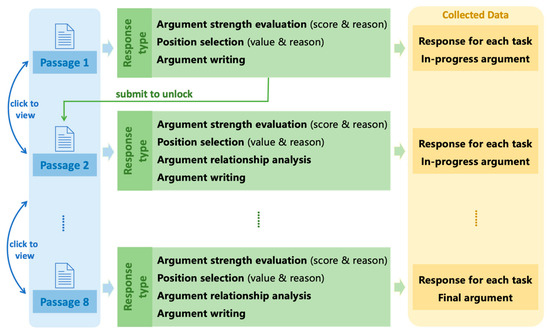
Open AccessArticle
Attentional Symptom Expression Moderates the Role of Vocabulary in Reading Comprehension Among Fifth-Grade Students
by
Vered Markovich, Tami Katzir and Shoshi Dorfberger
J. Intell. 2026, 14(5), 80; https://doi.org/10.3390/jintelligence14050080 - 6 May 2026
Abstract
►▼
Show Figures
Previous research has linked inattentive symptom expression to reading difficulties, primarily in clinically referred samples or using indirect academic indicators. The present study examines attentional variability in a nonreferred community-based school sample with no clinical diagnoses or referrals, using standardized reading measures. The
[...] Read more.
Previous research has linked inattentive symptom expression to reading difficulties, primarily in clinically referred samples or using indirect academic indicators. The present study examines attentional variability in a nonreferred community-based school sample with no clinical diagnoses or referrals, using standardized reading measures. The study further tested whether attentional variability moderates associations between cognitive linguistic skills and reading comprehension. 267 fifth grade students (mean age = 10.8 years) completed standardized measures of word reading efficiency, vocabulary knowledge, working memory, and reading comprehension. Based on parent and teacher ratings, approximately one-third of the sample showed elevated levels of inattentive symptom expression. Regression analyses indicated that vocabulary knowledge and word reading efficiency accounted for the largest proportion of explained variance in reading comprehension, whereas working memory showed weaker associations. Moderation analyses revealed that attentional symptom expression selectively moderated the relationship between vocabulary knowledge and reading comprehension, such that the positive association between vocabulary and comprehension was attenuated among students with elevated attentional symptom expression. No moderation effects were observed for word reading efficiency or working memory. These findings suggest that attentional variability is differentially related to specific cognitive linguistic components involved in reading comprehension.
Full article

Figure 1
Open AccessArticle
Applying GenAI to Optimize Q-Matrix Construction for Cognitive Diagnostic Assessment in EFL Reading
by
Wenbo Du, Jiayi Shen and Xiaomei Ma
J. Intell. 2026, 14(5), 79; https://doi.org/10.3390/jintelligence14050079 - 5 May 2026
Abstract
Q-matrix construction is a foundational yet challenging step in cognitive diagnostic assessment (CDA), which is traditionally reliant on labor-intensive and subjective methods like expert judgment and verbal report analysis. This study explores the potential of generative artificial intelligence (GenAI) to optimize this critical
[...] Read more.
Q-matrix construction is a foundational yet challenging step in cognitive diagnostic assessment (CDA), which is traditionally reliant on labor-intensive and subjective methods like expert judgment and verbal report analysis. This study explores the potential of generative artificial intelligence (GenAI) to optimize this critical process within the domain of EFL reading. By applying three GenAI models (DeepSeek-V3.2, Kimi 2.5, and Doubao 2.0), three purely GenAI-informed Q-matrices (Qmat-DS, Qmat-K, and Qmat-DB) were generated, and through expert revision, a human–AI collaborative Q-matrix (Qmat-DS-H) was obtained. These were compared with an expert-constructed Q-matrix (Qmat-E) and a student-derived Q-matrix (Qmat-S). Using a simulated dataset (N = 1000) and empirical response data from 1083 EFL learners on a diagnostic reading test, the psychometric performance of the six Q-matrices was estimated via the G-DINA model, ACDM model, and RRUM model. Results demonstrated that the human–AI collaborative Q-matrix consistently outperformed the other five Q-matrices, achieving the best absolute model-data fit, the highest classification accuracy, the most stable item parameters, and the most balanced attribute correlation structure. The purely GenAI-informed Q-matrices showed mixed results: there were some improvements in relative fit and slip stability compared to manually constructed Q-matrices, but variable absolute fit and attribute correlation patterns. The findings substantiate GenAI as a feasible pathway for enhancing the efficiency, consistency, and psychometric quality of Q-matrix construction. This study offers a preliminary framework for advancing CDA development, addressing a key methodological bottleneck in language assessment.
Full article
(This article belongs to the Section Contributions to the Measurement of Intelligence)
►▼
Show Figures

Figure 1
Open AccessArticle
The Influence of AI on Critical Thinking and Creativity in L2 Learning Contexts: A Social Cognitive Perspective
by
Yilong Yang, Shuyi Zhang and Yadan Li
J. Intell. 2026, 14(5), 78; https://doi.org/10.3390/jintelligence14050078 - 2 May 2026
Abstract
The expanding role of artificial intelligence (AI) in education raises important questions about how AI-supported learning may foster higher-order thinking and creative talent development. Guided by social cognitive theory, the current research examined how AI self-efficacy predicts creativity among second language (L2) learners
[...] Read more.
The expanding role of artificial intelligence (AI) in education raises important questions about how AI-supported learning may foster higher-order thinking and creative talent development. Guided by social cognitive theory, the current research examined how AI self-efficacy predicts creativity among second language (L2) learners through the mediating roles of AI literacy and critical thinking disposition. Two substudies were conducted. Study 1 (N = 72) tested a simple mediation model and demonstrated that AI self-efficacy positively predicted creativity both directly and indirectly through AI literacy. Study 2 (N = 135) extended these findings by incorporating critical thinking disposition and by using another measure of creativity. Results showed that AI self-efficacy positively predicted creativity, and this relationship was mediated independently by AI literacy and critical thinking disposition, as well as sequentially through both factors. The current study provides empirical evidence for pathways linking AI self-efficacy, AI literacy, critical thinking disposition, and creativity in AI-supported L2 learning. It highlights the importance of reflective and critical use of AI tools in language education.
Full article
(This article belongs to the Special Issue Advances of AI in Talent Development: Synergies Between Creativity, Cognitive Intelligence, and Socio-Emotional Growth)
►▼
Show Figures

Figure 1
Open AccessArticle
Neural Network Copulas for Generating Synthetic Test Data Preserving Psychometric Properties
by
Juyoung Jung, Minho Lee and Won-Chan Lee
J. Intell. 2026, 14(5), 77; https://doi.org/10.3390/jintelligence14050077 - 2 May 2026
Abstract
►▼
Show Figures
In intelligence research, the sharing of item response data from cognitive ability assessments is often restricted by privacy concerns, while traditional parametric simulation methods frequently fail to capture complex response dependencies. This study proposes a neural network copula (NNC) framework for generating synthetic
[...] Read more.
In intelligence research, the sharing of item response data from cognitive ability assessments is often restricted by privacy concerns, while traditional parametric simulation methods frequently fail to capture complex response dependencies. This study proposes a neural network copula (NNC) framework for generating synthetic dichotomous item response data that preserves essential psychometric properties without revealing sensitive examinee information. By decoupling the modeling of marginal item probabilities from the dependence structure using a deep autoencoder and kernel density estimation, the framework accommodates the discrete nature of binary item response data while minimizing distributional assumptions. Validation against large-scale empirical data demonstrated high correspondence across multiple facets. At the data consistency level, the NNC-based synthetic data reproduced total score distributions and inter-item correlations. Psychometrically, the method yielded consistent item characteristic curve parameter estimates, item fit statistics, and test information functions. Furthermore, Monte Carlo replications demonstrated algorithmic stability and inferential precision.
Full article

Figure 1
Open AccessArticle
Psychometric Validation of the Scientific Epistemic Beliefs Questionnaire Among Mexican University Students Using Item Response Theory
by
José Antonio Azuela, Laura Inés Ramírez-Hernández, Osvaldo Aquines-Gutiérrez, Wendy Xiomara Chavarría-Garza, Ayax Santos-Guevara and Humberto Martínez-Huerta
J. Intell. 2026, 14(5), 76; https://doi.org/10.3390/jintelligence14050076 - 2 May 2026
Abstract
This study examines the validity of the Spanish version of the Scientific Epistemic Beliefs (SEB) Questionnaire among university students in northeastern Mexico, considering multiple sources of evidence. The SEB measures four dimensions of epistemic beliefs: Source, Certainty, Development, and Justification. Data from pilot
[...] Read more.
This study examines the validity of the Spanish version of the Scientific Epistemic Beliefs (SEB) Questionnaire among university students in northeastern Mexico, considering multiple sources of evidence. The SEB measures four dimensions of epistemic beliefs: Source, Certainty, Development, and Justification. Data from pilot (n = 150) and main (n = 791) samples were analyzed using Exploratory and Confirmatory Factor Analyses (EFA, CFA), Item Response Theory (IRT), and Differential Item Functioning (DIF). The results provided evidence consistent with a four-factor model, with adequate internal consistency (α = 0.85) and acceptable-to-good fit indices (CFI = 0.944, TLI = 0.936, RMSEA = 0.067, SRMR = 0.071) for a 22-item scale. IRT analyses indicated strong item discrimination, with Source and Certainty covering a broad range of the latent trait, while Development and Justification were more informative at lower to moderate levels. DIF analyses indicated negligible differences in item functioning by gender and academic semester, with minor DIF detected across faculties. Non-parametric analyses identified statistically significant but small differences, with females scoring slightly higher across all dimensions and variations also observed across academic semesters and faculties. Descriptive comparisons with published international data provide contextual evidence within a broader cross-cultural framework.
Full article
(This article belongs to the Section Studies on Cognitive Processes)
►▼
Show Figures

Figure 1
Open AccessArticle
Emotional Intelligence and Teacher Self-Efficacy in Initial Teacher Education: A Psychoeducational Intervention with Spanish Pre-Service Teachers
by
Lorena González-Ros, Teresa Pozo-Rico, Juan Luis Castejón and Raquel Gilar-Corbí
J. Intell. 2026, 14(5), 75; https://doi.org/10.3390/jintelligence14050075 - 1 May 2026
Abstract
►▼
Show Figures
Emotional intelligence and teaching self-efficacy are essential competencies for teachers’ professional and personal development. The aim of this study was to evaluate the effectiveness of a psychoeducational intervention to enhance both areas in future teachers. A quasi-experimental design with pretest and posttest measures
[...] Read more.
Emotional intelligence and teaching self-efficacy are essential competencies for teachers’ professional and personal development. The aim of this study was to evaluate the effectiveness of a psychoeducational intervention to enhance both areas in future teachers. A quasi-experimental design with pretest and posttest measures was implemented, including an experiment. An eight-week program was conducted using active, reflective, and participatory methodologies to promote emotional awareness and confidence in teaching abilities. The OSTES instrument was used to measure teaching self-efficacy, the TMMS-24 to assess perceived emotional intelligence, and the EQ-i to evaluate socioemotional competencies, and. Results revealed significant improvements in the experimental group in emotional attention, clarity, and repair; in instructional strategies, classroom management, and student engagement; as well as in adaptability, interpersonal skills, stress management, and overall emotional intelligence. These effects ranged from moderate to large in magnitude and contrasted with the stable scores in the control group. The findings confirm that psychoeducational interventions focused on emotional competencies can be effective in strengthening emotional intelligence and self-efficacy in pre-service teachers. These outcomes suggest that such programs may contribute to the promotion of well-being and teaching effectiveness during initial teacher education, offering implications for future curricular development in teacher training programs.
Full article

Figure 1
Open AccessArticle
Cognitive Load and Working Memory in Multimedia Video Podcasts: Effects of Elaborative and Seductive Details
by
Robert O. Davis, Yong-Jik Lee, Joseph Vincent and Ji Hae Lee
J. Intell. 2026, 14(5), 74; https://doi.org/10.3390/jintelligence14050074 - 1 May 2026
Abstract
Educational video podcasts are increasingly used in higher education, yet the cognitive mechanisms underlying their effectiveness remain underexplored. This experimental study examined how working memory capacity and additive contextual features influence situational interest, cognitive load, and learning from educational video podcasts. Sixty-two university
[...] Read more.
Educational video podcasts are increasingly used in higher education, yet the cognitive mechanisms underlying their effectiveness remain underexplored. This experimental study examined how working memory capacity and additive contextual features influence situational interest, cognitive load, and learning from educational video podcasts. Sixty-two university students viewed video podcasts on lightning with standard narration with visuals (control), elaborative details, or seductive details. Working memory did not significantly predict learning outcomes or moderate the effects of additive features, and no differences were observed across conditions for cognitive load or situational interest. In free recall, the control condition outperformed the seductive details condition (p = .004, g = 1.03), though this difference was not significant when controlling for working memory. Transfer did not differ across conditions. Follow-up interviews revealed that students across conditions emphasized visuals as critical for comprehension, while those in additive conditions reported feeling overwhelmed despite similar cognitive load ratings. These findings suggest that well-designed multimedia environments may stabilize learning outcomes across differences in working memory capacity, extending cognitive theory of multimedia learning. Designers of educational video podcasts should prioritize narration aligned with supportive visuals over additive contextual features.
Full article
Open AccessSystematic Review
Role of Intelligence in Posttraumatic Stress Disorder Development: A Systematic Review
by
Marcos Lacombe, Ana M. Pérez-García and Isabel Ramírez-Uclés
J. Intell. 2026, 14(5), 73; https://doi.org/10.3390/jintelligence14050073 - 1 May 2026
Abstract
►▼
Show Figures
Posttraumatic stress disorder (PTSD) has been associated with a range of cognitive alterations; however, the relationship between PTSD and intelligence remains unclear. The aim of this systematic review was to examine potential differences in intelligence associated with exposure to traumatic events and/or a
[...] Read more.
Posttraumatic stress disorder (PTSD) has been associated with a range of cognitive alterations; however, the relationship between PTSD and intelligence remains unclear. The aim of this systematic review was to examine potential differences in intelligence associated with exposure to traumatic events and/or a diagnosis of PTSD in adults aged 18 years and older. A systematic search was conducted across three major academic databases—PsycINFO, MEDLINE, and Web of Science—to identify empirical studies assessing intelligence or closely related cognitive constructs in individuals with PTSD or a history of trauma exposure. After applying predefined inclusion criteria, 12 studies were included in the review. Intelligence was assessed using various psychometric instruments, encompassing both global intelligence measures and specific domains such as verbal intelligence and vocabulary. Overall, the findings consistently indicated a negative association between intelligence and PTSD, with lower intelligence scores more frequently observed among individuals with PTSD or significant traumatic exposure. Due to the correlational design of the studies included, causal relationships cannot be established. Consequently, it remains unclear whether intelligence is affected by PTSD or whether higher intelligence may serve as a protective factor against the development or severity of the disorder. From an intelligence research perspective, these findings highlight cognitive ability as a key factor associated with vulnerability and resilience in trauma-related psychopathology.
Full article

Graphical abstract
Open AccessArticle
Supports and Barriers in the Talent Development of Socio-Economically Disadvantaged Gifted Students: A Retrospective Narrative Inquiry
by
Chia Chao Li
J. Intell. 2026, 14(5), 72; https://doi.org/10.3390/jintelligence14050072 - 1 May 2026
Abstract
Equity in gifted education remains a persistent international challenge, particularly regarding the “excellence gap” in advanced achievement and long-term attainment. This study investigates the supports and barriers shaping the talent development of socio-economically disadvantaged gifted students in Taiwan. Using a retrospective narrative inquiry,
[...] Read more.
Equity in gifted education remains a persistent international challenge, particularly regarding the “excellence gap” in advanced achievement and long-term attainment. This study investigates the supports and barriers shaping the talent development of socio-economically disadvantaged gifted students in Taiwan. Using a retrospective narrative inquiry, we analyzed the life stories of 25 alumni from the “Bright Minds Award Program,” a long-term initiative providing financial aid, mentorship, and enrichment opportunities for high-ability learners from low-income households. Findings indicate that participants often displayed early academic promise, yet their developmental trajectories were continuously negotiated under structural constraints (limited material and cultural resources, restricted access to domain-specific cultivation, and opportunity gaps across educational transitions) and the psychosocial burden of poverty (shame, stigma management, and identity strain). Drawing on the Actiotope Model of Giftedness, we identify how exogenous educational capital (e.g., scholarships, information brokerage, mentoring networks) and endogenous learning capital (e.g., resilience, self-regulation, goal persistence) interact to stabilize—or destabilize—developmental pathways. A novel contribution is the emergence of “Acting Middle Class” as a coping mechanism through which participants navigated social stigma and the hidden curriculum of elite educational settings. We argue that effective intervention requires not only resource provision but sustained “educational scaffolding” that is psychologically safe and institutionally stigma-sensitive. Implications are discussed for talent development research, school practice, and equity-oriented policy designs aimed at preventing talent attrition and promoting developmental justice.
Full article
(This article belongs to the Special Issue Intelligence Quotient, Emotional Quotient, Creativity Quotient and Other Potential Determinants: A Holistic Approach to Understanding Human Potential and Developing Talents)
Open AccessArticle
The Approximate Number System and Mathematical Abilities in Chinese Preschoolers With and Without Autism Spectrum Disorder
by
Lilan Chen, Zhiyong Zhong and Wenyuan Jiang
J. Intell. 2026, 14(4), 71; https://doi.org/10.3390/jintelligence14040071 - 21 Apr 2026
Abstract
Mathematical abilities are critical for the developmental outcomes of children with autism spectrum disorder (ASD). However, little is known about these abilities and their association with the approximate number system (ANS) in preschoolers with ASD beyond Western samples, including Chinese children. This cross-sectional
[...] Read more.
Mathematical abilities are critical for the developmental outcomes of children with autism spectrum disorder (ASD). However, little is known about these abilities and their association with the approximate number system (ANS) in preschoolers with ASD beyond Western samples, including Chinese children. This cross-sectional study examined whether formal and informal mathematical abilities differed between children with and without ASD and assessed the extent to which these abilities were associated with ANS acuity. Participants included 47 children with ASD and 47 typically developing (TD) children aged 3–7 years. All children were assessed on measures of formal and informal mathematical abilities, ANS acuity, and non-verbal IQ. No significant group differences in mathematical abilities were found among children aged 3–5 years. However, among children aged 6–7 years, the ASD group showed significantly lower performance in mathematical abilities compared to their TD peers. ANS acuity was significantly correlated with both formal and informal mathematical abilities in the ASD group, but only with informal mathematical abilities in the TD group. Furthermore, ANS acuity accounted for 5.4% of the unique variance in formal mathematical abilities specifically within the ASD group. The patterns of mathematical abilities and their relationship with ANS acuity differ between preschoolers with and without ASD. These findings suggest a differential association between ANS and formal mathematics learning in children with ASD, highlighting implications for the design of early numeracy interventions.
Full article
(This article belongs to the Section Studies on Cognitive Processes)
►▼
Show Figures

Figure 1
Highly Accessed Articles
Latest Books
E-Mail Alert
News
Topics
Topic in
Behavioral Sciences, EJIHPE, Social Sciences, J. Intell.
Personality and Cognition in Human–AI Interaction
Topic Editors: Virginia Sau Y. Kwan, Samantha McMichael, Julia BrailovskaiaDeadline: 15 June 2026
Topic in
Behavioral Sciences, Education Sciences, J. Intell., Children
Personality, Emotions, and Emotional Intelligence Assessments: New Applications and Instruments
Topic Editors: Roberto Burro, Daniela Raccanello, Joana PipaDeadline: 30 June 2026
Topic in
Children, Education Sciences, Healthcare, EJIHPE, J. Intell.
Diversity, Educational Inclusion, Emotional Intelligence, Coping, and Other Factors That Influence Psychological Health and Well-Being
Topic Editors: Francisco Manuel Morales Rodríguez, Juan Pedro Martínez-RamónDeadline: 31 December 2026
Conferences
Special Issues
Special Issue in
J. Intell.
The Development of Children’s Emotional Intelligence: Digital Games, Technologies and Practical Applications
Guest Editors: Chara Papoutsi, Eider Goñi-PalaciosDeadline: 25 May 2026
Special Issue in
J. Intell.
Math Development and Cognitive Skills
Guest Editors: Marina Vasilyeva, Elida V. Laski, Linxi Lu, Beth M. CaseyDeadline: 20 June 2026
Special Issue in
J. Intell.
An Empirical Spotlight on the Science of Asking Questions
Guest Editor: Yoed N. KenettDeadline: 1 August 2026
Special Issue in
J. Intell.
The Intersection of Creativity and Intelligence: Multidisciplinary Perspectives
Guest Editors: Chuanhua Gu, Lei Han, Quanlei Yu, Haiying LiDeadline: 4 November 2026