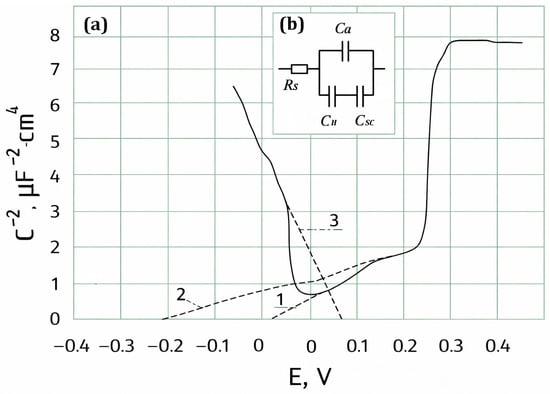



-
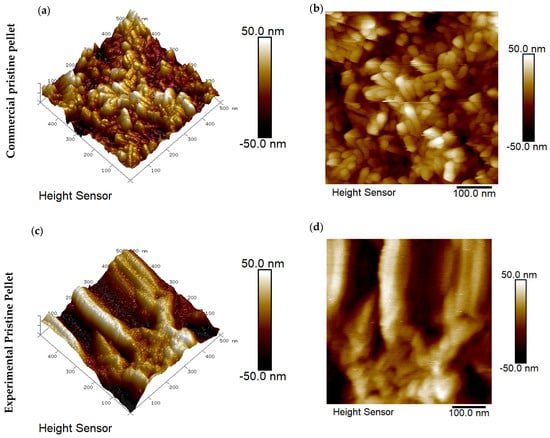
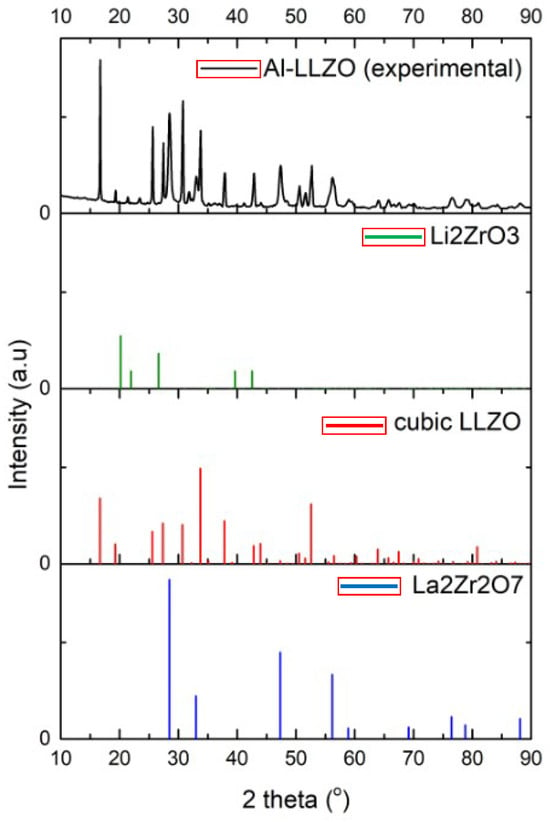
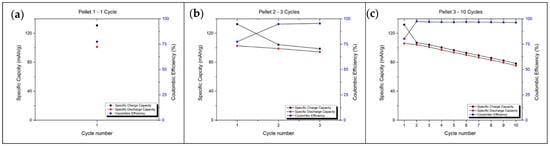
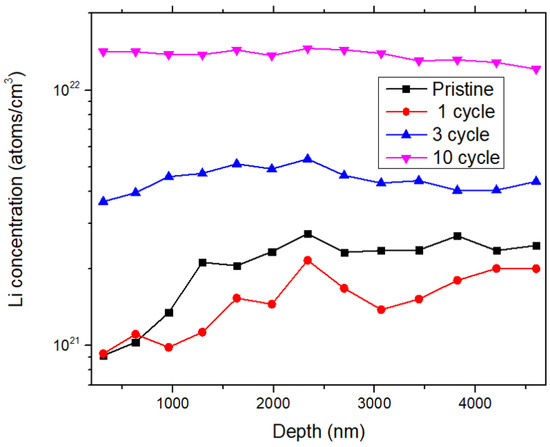
Nuclear Reaction Analysis (NRA) of Al-Doped Lithium Lanthanum Zirconium Oxide (Li7La3Zr2O12) Solid Electrolyte Synthesized Using the Electrospinning Technique -
The Optimization of Non-Uniformity for Copper Electrodeposition with a Tertiary Current Distribution Numerical Model -
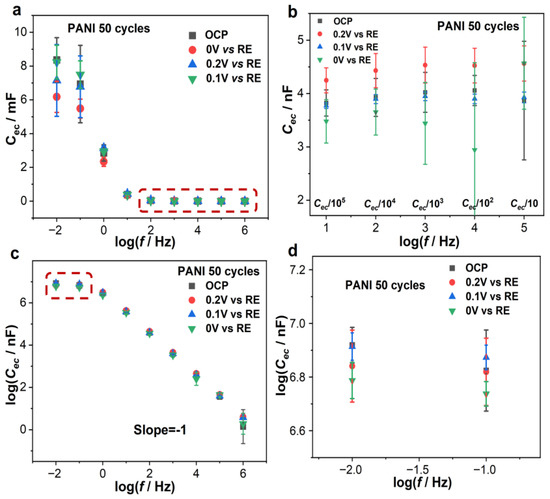
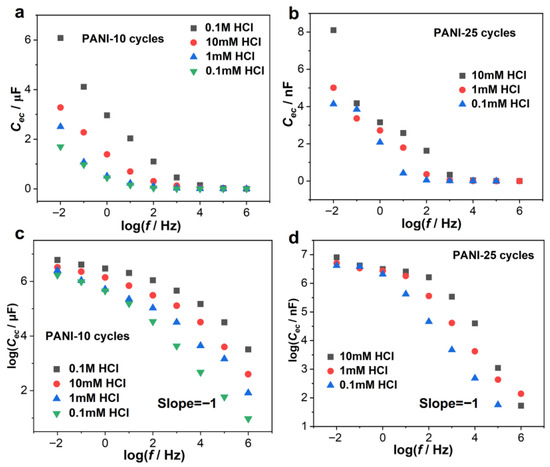
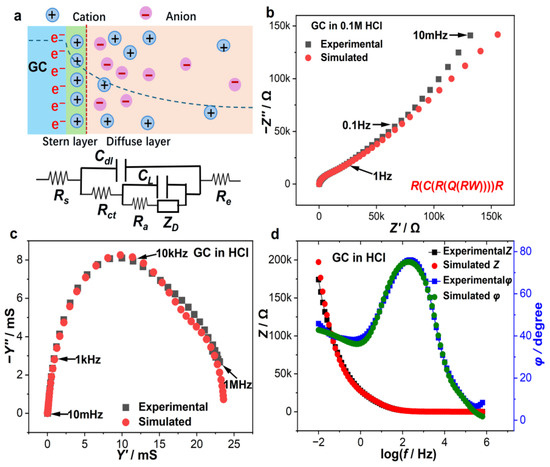
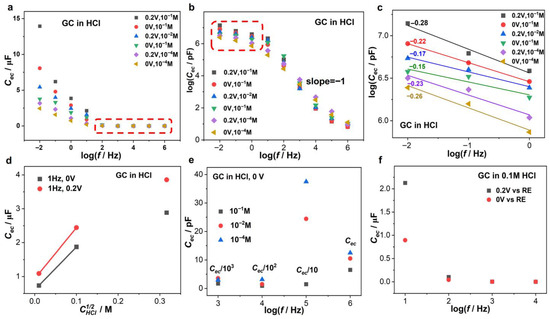
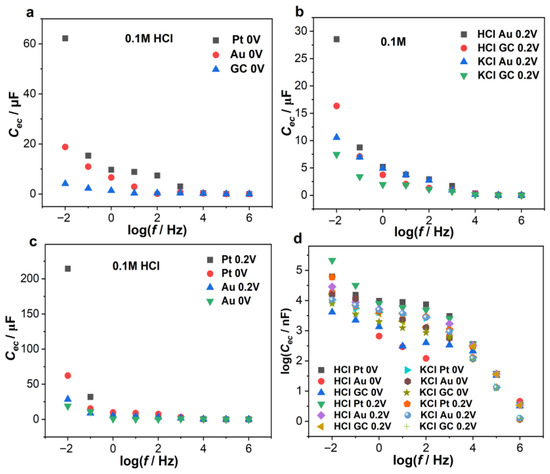
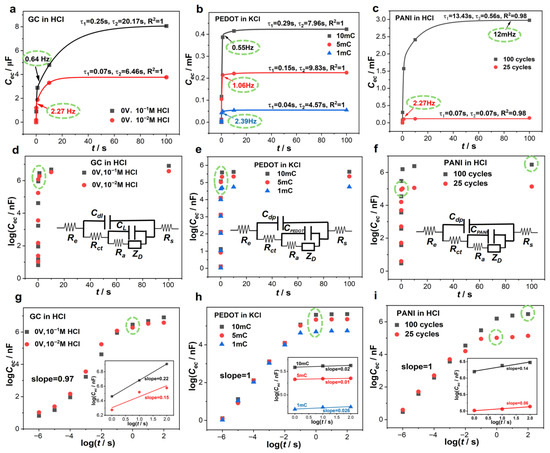
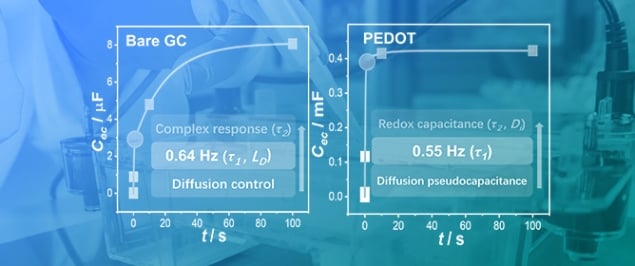
Frequency Dependence of Effective Capacitance Cec for Polyaniline Membrane-Based pH Sensor and its Extension to the Gouy–Chapman–Stern Model
Journal Description
Electrochem
Electrochem
is an international, peer-reviewed, open access journal on electrochemistry published quarterly online by MDPI.
- Open Access— free for readers, with article processing charges (APC) paid by authors or their institutions.
- High Visibility: indexed within Scopus, CAPlus / SciFinder, and other databases.
- Rapid Publication: manuscripts are peer-reviewed and a first decision is provided to authors approximately 25.5 days after submission; acceptance to publication is undertaken in 5.2 days (median values for papers published in this journal in the first half of 2026).
- Journal Rank: CiteScore - Q2 (Materials Chemistry)
- Recognition of Reviewers: APC discount vouchers, optional signed peer review, and reviewer names published annually in the journal.
- Journal Cluster of Chemical Reactions and Catalysis: Catalysts, Chemistry, Electrochem, Inorganics, Molecules, Organics, Oxygen, Photochem, Reactions, Sustainable Chemistry and Molbank.
Latest Articles
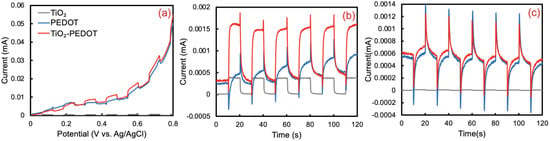
Poly(3,4-Ethylenedioxythiophene)-Centered TiO2 Hybrid Electrodes for HER- and OER-Relevant Photoelectrochemical Responses
Electrochem 2026, 7(3), 22; https://doi.org/10.3390/electrochem7030022 - 3 Aug 2026
Abstract
Photoelectrochemical (PEC) energy conversion is a promising approach for solar-to-chemical fuel production, but its practical performance is limited by insufficient visible-light utilization and charge-carrier recombination. Here, poly(3,4-ethylenedioxythiophene) (PEDOT)-centered TiO2 hybrid electrodes were prepared by electropolymerizing PEDOT on FTO substrates, followed by electrochemical
[...] Read more.
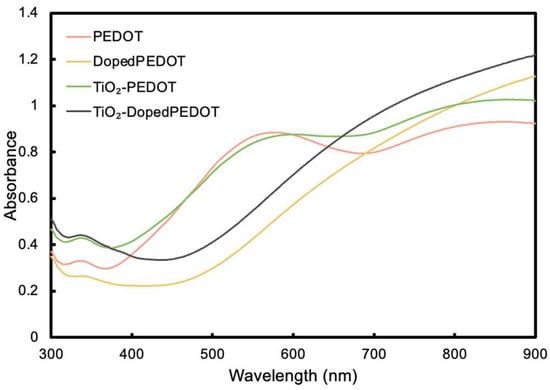
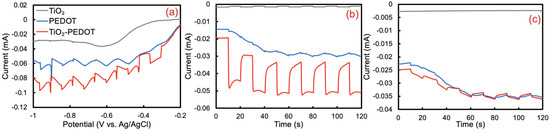
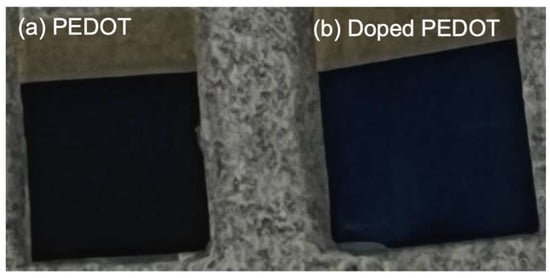
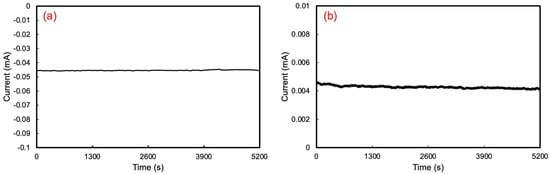
Photoelectrochemical (PEC) energy conversion is a promising approach for solar-to-chemical fuel production, but its practical performance is limited by insufficient visible-light utilization and charge-carrier recombination. Here, poly(3,4-ethylenedioxythiophene) (PEDOT)-centered TiO2 hybrid electrodes were prepared by electropolymerizing PEDOT on FTO substrates, followed by electrochemical doping/dedoping treatment and coating with commercial TiO2 as a model oxide semiconductor. SEM, EDS, and LIBS analyses confirmed the successful deposition of TiO2 onto PEDOT-based films. Four-probe measurements showed that electrochemical doping reduced the apparent resistance of PEDOT-based electrodes, while UV–vis spectroscopy revealed enhanced long-wavelength absorption for doped PEDOT-containing films. PEC measurements using TiO2, PEDOT, and TiO2–PEDOT electrodes showed that PEDOT-containing electrodes exhibited much stronger photoresponses than commercial TiO2 alone under both HER- and OER-relevant conditions. The TiO2–PEDOT electrode showed stable photocurrent responses under chopped illumination and retained photoresponse under illumination transmitted through a 410 nm UV-cut filter, supporting the primary role of PEDOT in visible-light utilization. Long-term chronoamperometry further showed that TiO2–PEDOT retained approximately 99.0% of its cathodic current under HER-relevant conditions and 91.9% of its anodic current under OER-relevant conditions after 5200 s of continuous illumination. The improved response of TiO2–PEDOT compared with PEDOT alone suggests that TiO2/PEDOT physical contact may assist interfacial charge separation and transport. These findings demonstrate that PEDOT-centered metal oxide/conducting polymer hybrids provide a useful model platform for visible-light-responsive PEC energy-conversion applications.
Full article
(This article belongs to the Topic Electrocatalytic Advances for Sustainable Energy)
►
Show Figures
Open AccessArticle
Irreversibility of Ag|AgCl Reference Electrodes
by
Koichi Jeremiah Aoki and Jingyuan Chen
Electrochem 2026, 7(3), 21; https://doi.org/10.3390/electrochem7030021 - 22 Jul 2026
Abstract
►▼
Show Figures
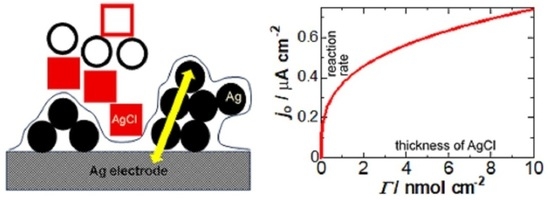
An Ag|AgCl redox couple has been thought to work as a reversible reference electrode, although metal dissolution often occurs irreversibly. This report examines the kinetics by means of ac-impedance of AgCl films at the Ag electrode. A brief result is that the reaction
[...] Read more.
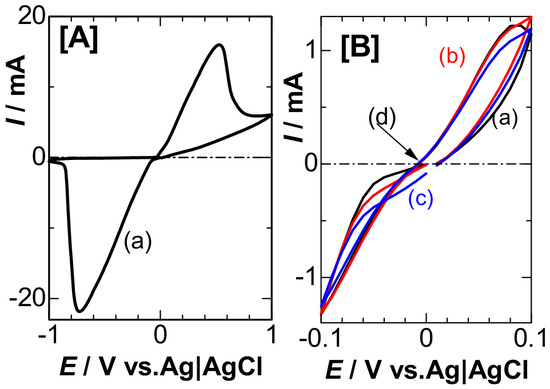
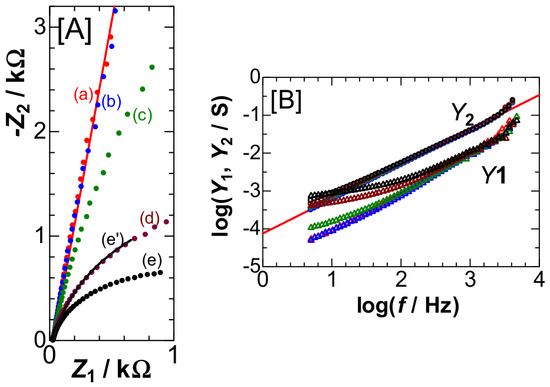
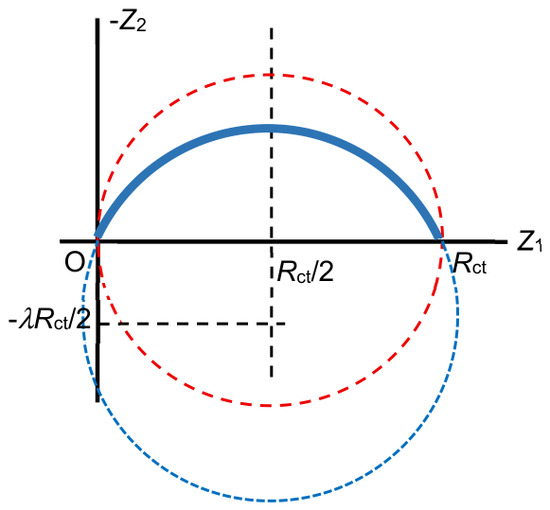
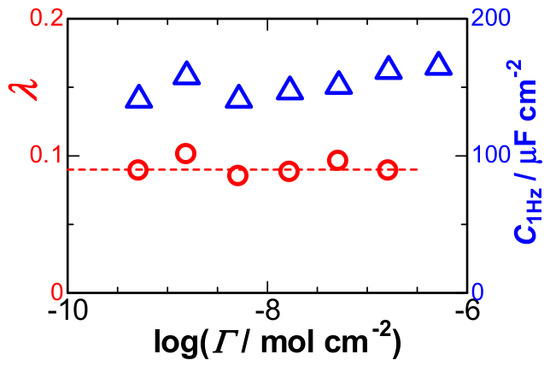
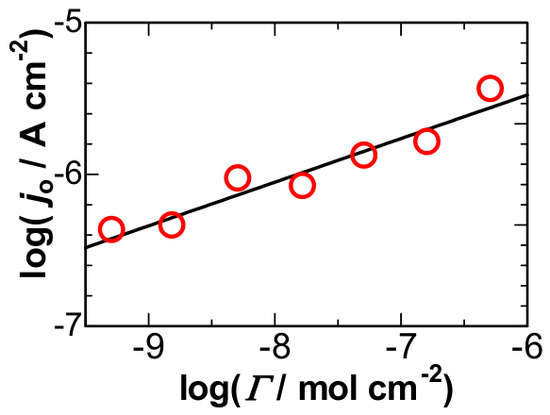
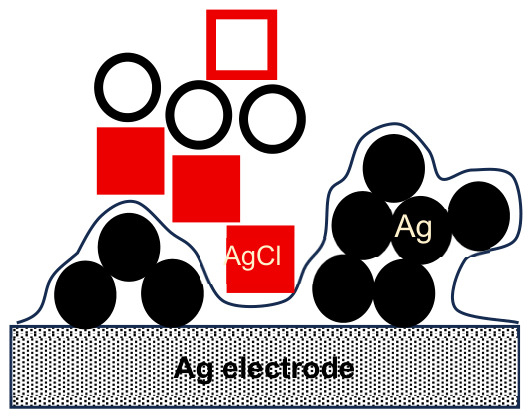
An Ag|AgCl redox couple has been thought to work as a reversible reference electrode, although metal dissolution often occurs irreversibly. This report examines the kinetics by means of ac-impedance of AgCl films at the Ag electrode. A brief result is that the reaction rate for conventional voltammetric currents is totally irreversible, although it can be enhanced with the thickness of the AgCl film. According to the frequency-dependence of the imaginary admittance, the double layer capacitance is determined only by the geometrical area of the Ag-electrode to exhibit 140 μF cm−2. This value is caused by the delocalized charge of AgCl dipoles rather than by water dipoles. The charge transfer rate of AgCl + e− ↔ Ag + Cl− was evaluated from the variation in the real admittance with the frequency to yield the charge transfer rate constant on the order of 10−9 cm s−1. The rate constants increased with the surface density (Γ) of the deposited AgCl in proportion to Γ0.3. The fractional power of the increase indicates that the reaction should occur not only at the geometrical area of the Ag-electrode but also at fluctuated Ag-particles in electric connection with the Ag-electrode, caused by percolation. The reversibility of Ag|AgCl can be realized at current densities smaller than 0.1 μA mm−2, exemplified by 10 nA at a 0.3 mm disk. Then, Ag|AgCl can be used as a counter electrode in ultramicroelectrode techniques in a two-electrode system.
Full article

Graphical abstract
Open AccessReview
Electrochemical Aptamer-Based Sensors for In Vivo Pharmacokinetic Monitoring of Anthracycline Chemotherapeutics: Mechanisms, Stability, and the Clinical Translation Landscape
by
Haoran Zhang, Huixin Wang, Wen Luo and Tao Liu
Electrochem 2026, 7(3), 20; https://doi.org/10.3390/electrochem7030020 - 21 Jul 2026
Abstract
►▼
Show Figures
Anthracycline agents, principally doxorubicin and daunorubicin, are widely used in oncology yet carry a narrow therapeutic index and pronounced interindividual pharmacokinetic variability that exposes patients simultaneously to the risk of subtherapeutic dosing and cumulative cardiotoxicity. Conventional therapeutic drug monitoring (TDM) based on periodic
[...] Read more.
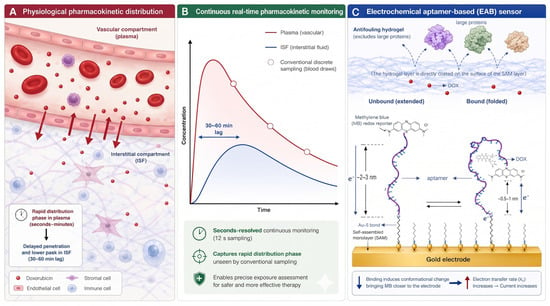
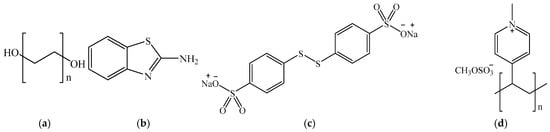
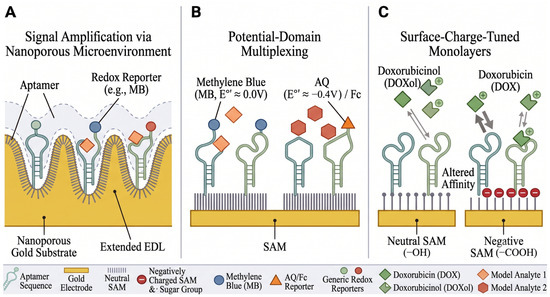
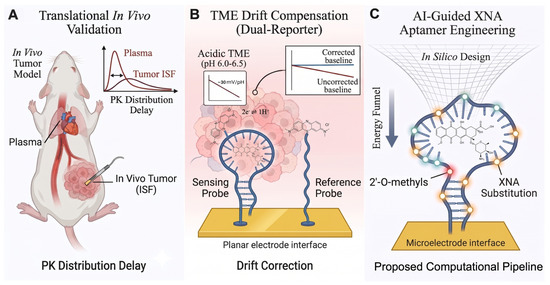
Anthracycline agents, principally doxorubicin and daunorubicin, are widely used in oncology yet carry a narrow therapeutic index and pronounced interindividual pharmacokinetic variability that exposes patients simultaneously to the risk of subtherapeutic dosing and cumulative cardiotoxicity. Conventional therapeutic drug monitoring (TDM) based on periodic venous sampling and offline high-performance liquid chromatography cannot resolve the sub-minute concentration dynamics that determine organ-specific drug exposure. Electrochemical aptamer-based (EAB) sensors couple nucleic-acid aptamers, self-assembled monolayers, and methylene blue redox reporters on gold microelectrodes to convert binding-induced conformational changes into real-time, reagent-free electrochemical signals. Recent advances in this field fall into five areas: signal interrogation strategies, from kinetic differential measurement to calibration-free Fourier-transform impedance spectroscopy (FFT-EIS); interface engineering including nanostructured electrodes and AI-guided aptamer design; in vivo multi-compartment pharmacokinetic monitoring and closed-loop feedback drug delivery; the mechanisms of in vivo signal drift alongside antifouling countermeasures spanning hydrogel barriers, zwitterionic brushes, and xenonucleic acid backbone substitution; and FDA premarket pathways and clinical translation, including Premarket Approval requirements and the emerging Real-Time Clinical Trial (RTCT) framework. In live rodents, dual-compartment monitoring has resolved a reproducible 30–60 min plasma-to-ISF lag for doxorubicin at 12 s temporal resolution; calibration-free FFT-EIS interrogation achieves inter-animal coefficients of variation below 12% without individual pre-calibration; and xenonucleic acid backbone substitution has extended continuous in vivo operation to seven consecutive days. Unlike prior EAB reviews that survey general molecular targets or benchtop aptasensors, this review uniquely integrates anthracycline-specific in vivo pharmacokinetics, multi-compartment plasma–ISF monitoring, calibration-free interrogation, XNA-enabled long-term stability, and FDA/RTCT regulatory translation into a single clinical roadmap. Three gaps still separate rodent proof-of-concept work from chemotherapy patients: clinical-context validation, tumor microenvironment calibration, and anthracycline-specific XNA aptamer design.
Full article

Figure 1
Open AccessArticle
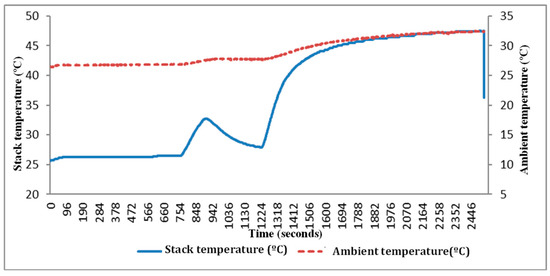
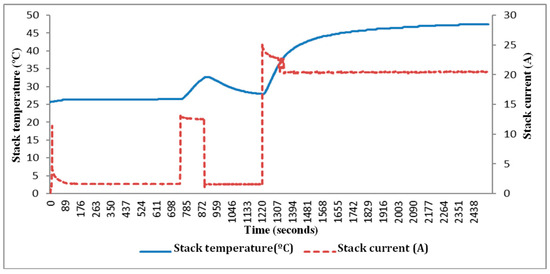
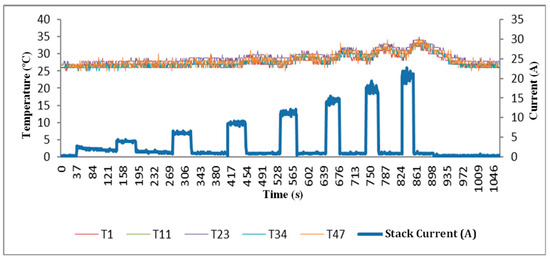
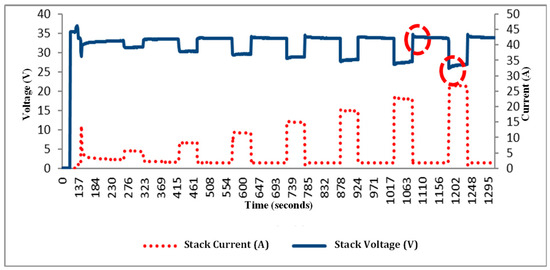
Analysis of the Dynamic Response of a Proton Exchange Membrane (PEM) Fuel Cell Under Variable Load Scenarios
by
Milena L. Zambrano Hernández, Manuel Calderón Godoy, Antonio José Calderón Godoy, Juan Félix González González, José Rogelio Fábrega Duque and Jorge Serrano Reyes
Electrochem 2026, 7(3), 19; https://doi.org/10.3390/electrochem7030019 - 16 Jul 2026
Abstract
►▼
Show Figures
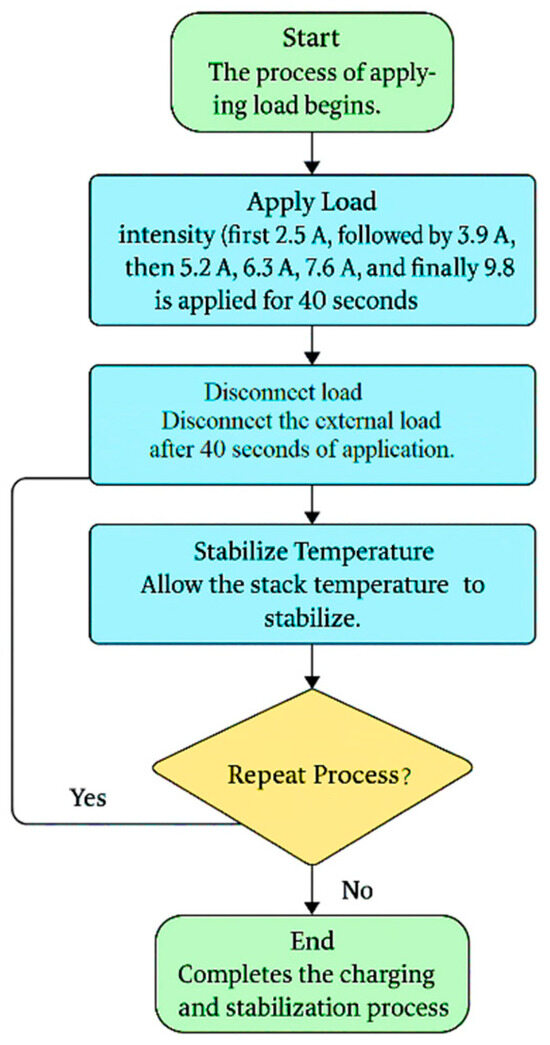
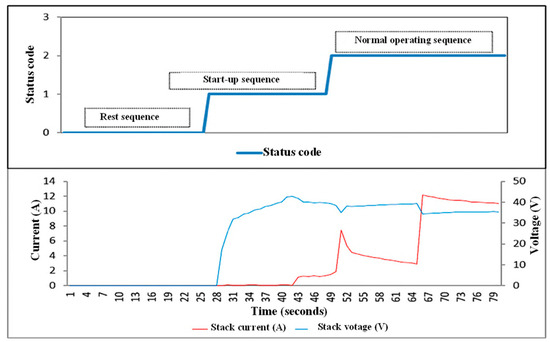
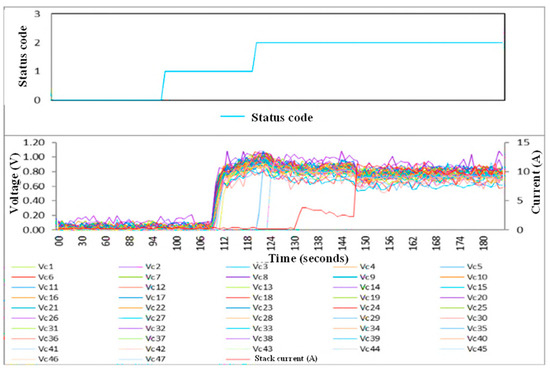
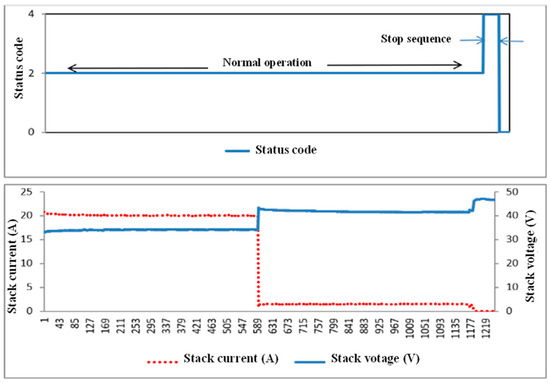
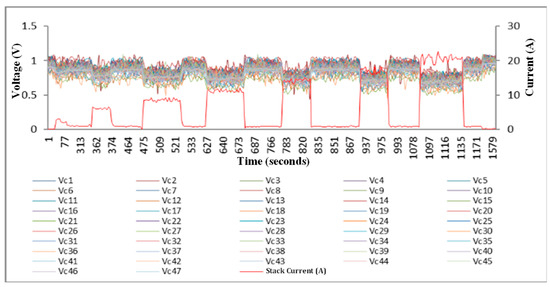
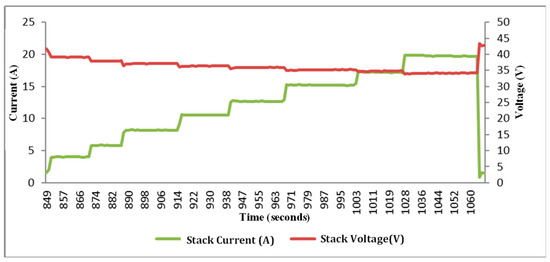
The dynamics and transient response of fuel cell systems are critical aspects, especially in commercial applications where an immediate response to fluctuating power demands is required. This study presents experimental results obtained from evaluating the dynamic behavior of a 1.2 kW Ballard Nexa
[...] Read more.
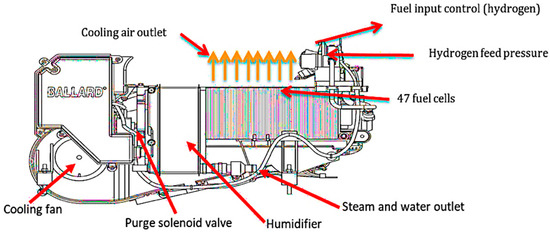
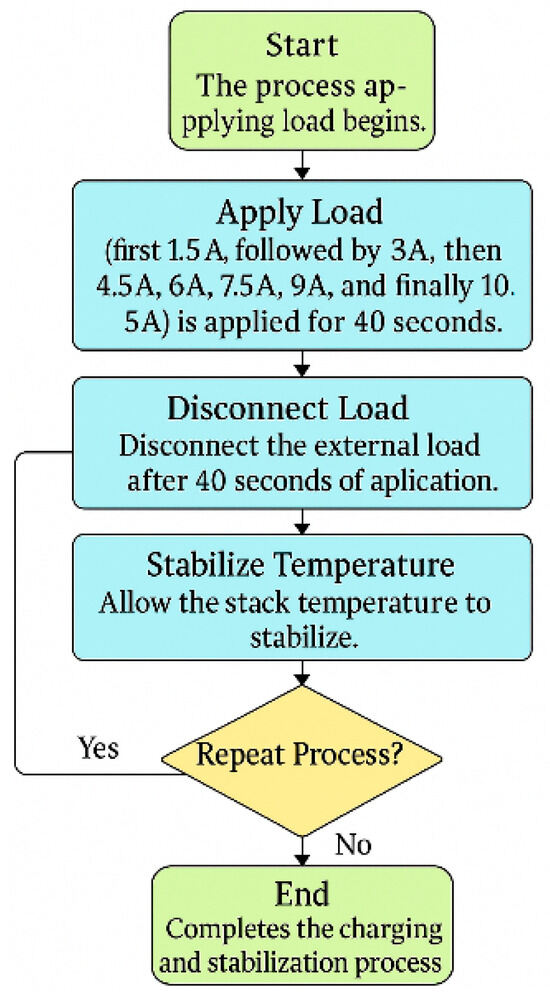
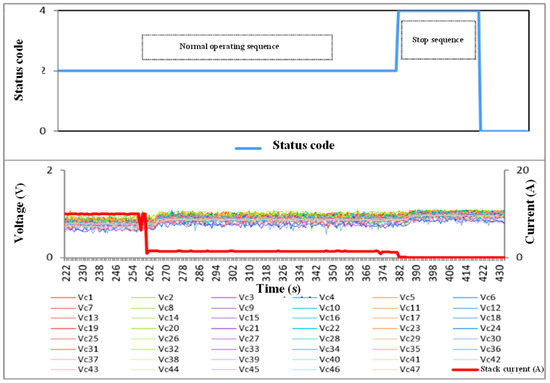
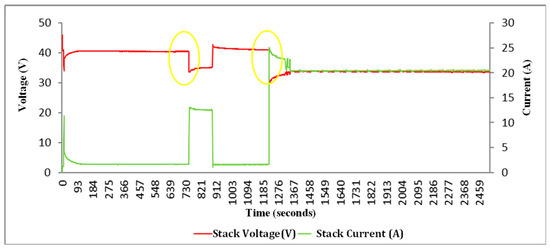
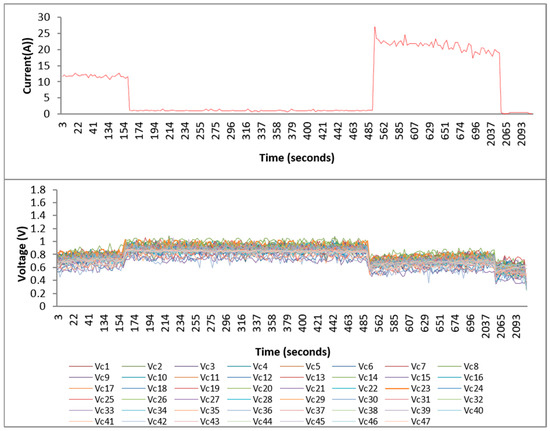
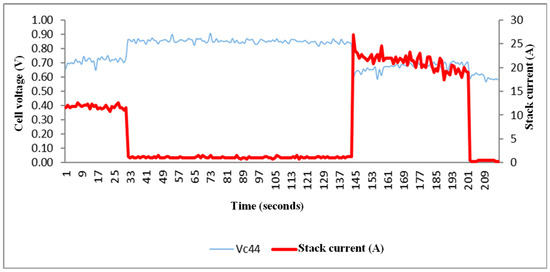
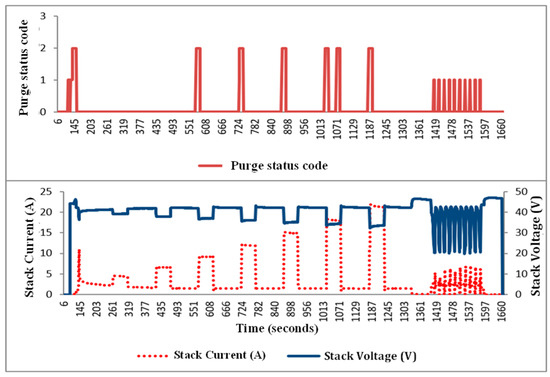
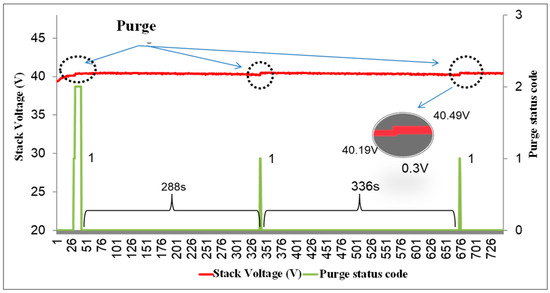
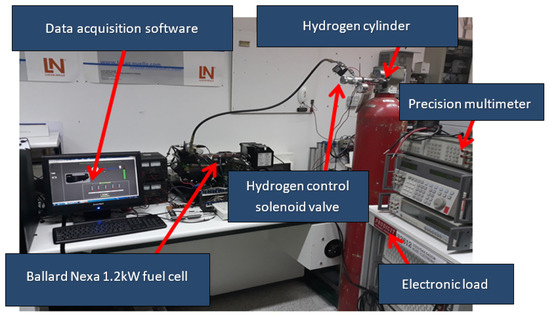
The dynamics and transient response of fuel cell systems are critical aspects, especially in commercial applications where an immediate response to fluctuating power demands is required. This study presents experimental results obtained from evaluating the dynamic behavior of a 1.2 kW Ballard Nexa fuel cell, subjected to various operational disturbances, including startups, shutdowns, step load increases, irregular and constant loading, and system purging operations. The variables analyzed include voltage, current, and temperature, both in individual cells and in the entire system. The results indicate that the temperature exhibits an attenuated response with an arc-like evolution, but with an upward trend correlated with the increase in the demanded current. Meanwhile, when multiple load steps are applied, the system exhibits rapid responses in both cell and stack voltages, with transient overshoot and undershoot peaks whose magnitudes increase proportionally with the applied current. Regarding the purge system, tests show that its activation improves operational efficiency, resulting in approximately 0.3 V of voltage increase per operation. Furthermore, it is observed that the purge frequency increases with higher external load levels, suggesting a direct interaction between energy demand and active waste gas management in the system.
Full article

Figure 1
Open AccessArticle
Insights into the Interpretation of the Electrochemical Results in HLM||Graphite Lithium-Ion Cells and Understanding of the Degradation Mechanisms
by
Imanol Landa-Medrano, Ane Muguruza-Sánchez, Khryslyn Arano, Galyna Kvasha, Pamela C. Smecellato, Susan Sananes-Israel, Elixabete Ayerbe, Hans-Jürgen Grande, Irina Profatilova and Iratxe de Meatza
Electrochem 2026, 7(3), 18; https://doi.org/10.3390/electrochem7030018 - 15 Jul 2026
Abstract
High lithium and manganese oxides (HLMs), also known as lithium- and manganese-rich oxides (LMR), are an alternative to the state-of-the-art (SoA) cathode materials for Li-ion battery cells due to their high specific capacity, working potential, and potential elimination of cobalt from their composition.
[...] Read more.
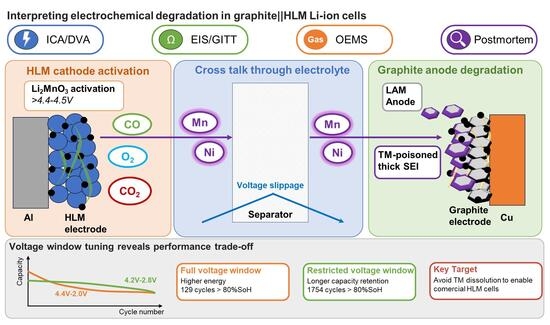
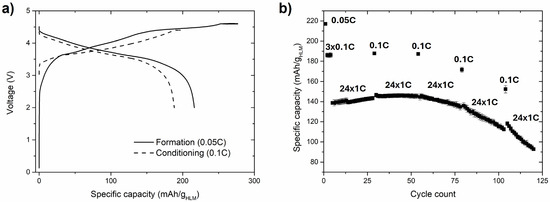
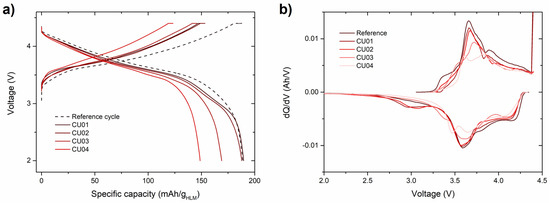
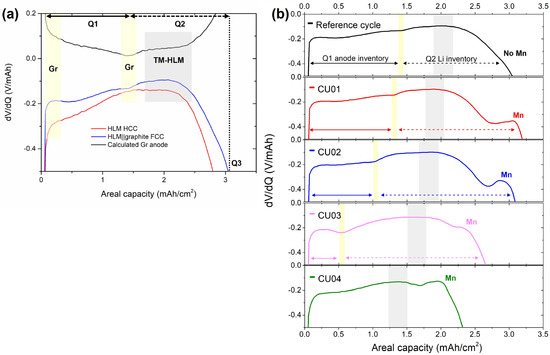
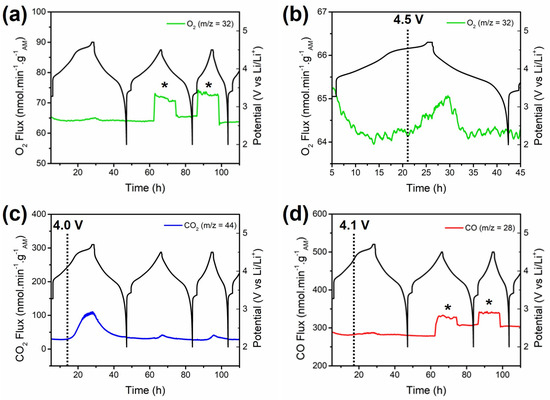
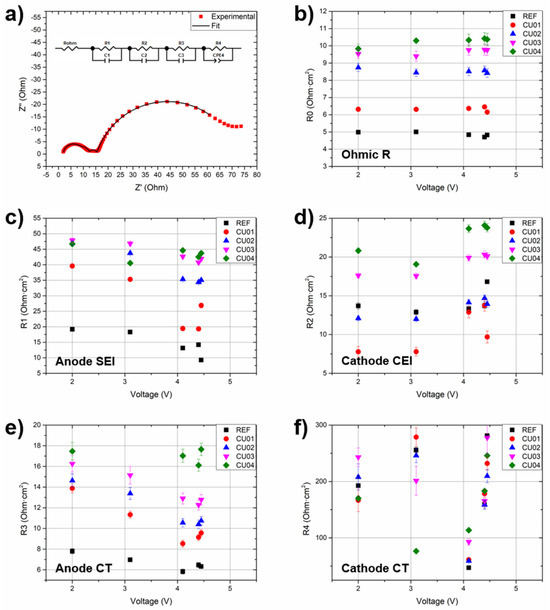
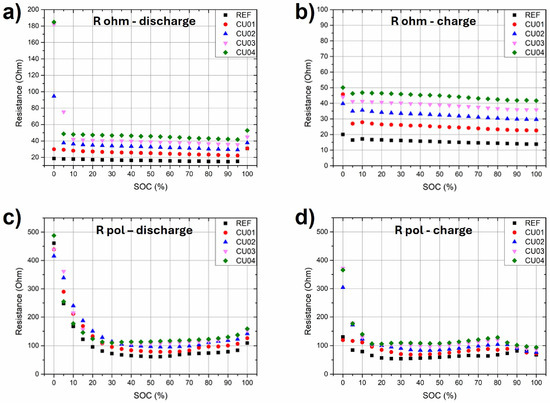
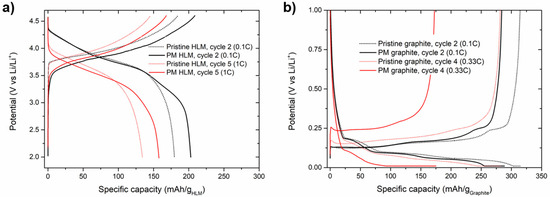
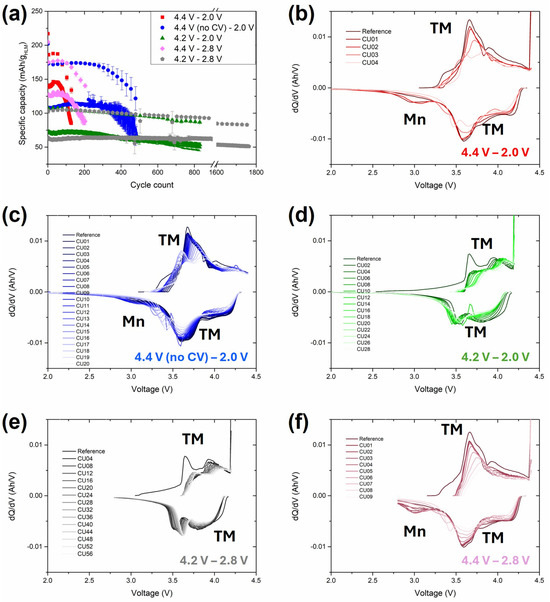
High lithium and manganese oxides (HLMs), also known as lithium- and manganese-rich oxides (LMR), are an alternative to the state-of-the-art (SoA) cathode materials for Li-ion battery cells due to their high specific capacity, working potential, and potential elimination of cobalt from their composition. Nevertheless, they are claimed to undergo accelerated capacity and potential fade. In this work, an extensive electrochemical characterization is conducted while revisiting the most relevant literature on HLM. The classical galvanostatic cycling is used to conduct differential voltage and incremental capacity analyses, while impedance spectroscopy and galvanostatic intermittent titration techniques are applied to complement this test. The results are complemented with online electrochemical mass spectrometry and postmortem characterization. Loss of anode active material is identified as the main degradation mechanism, aggravated by potential slippage. Moreover, the hypotheses on degradation mechanisms are further confirmed by changing the voltage cutoffs of the cells, limiting the Li2MnO3 activation. The results are benchmarked with SoA LiNi0.8Mn0.1Co0.1O2-based cells with a promising balance for HLM in some cases. This work serves as a guide to assist in the interpretation (and avoid misinterpretation) of the results with Li-ion batteries consisting of HLM electrodes.
Full article
(This article belongs to the Special Issue Advanced Electrochemical Materials for Next-Generation High-Performance Batteries)
►▼
Show Figures

Graphical abstract
Open AccessArticle
Cyclic Voltammetric Determination of Paracetamol on a AuNPs-Modified Glassy Carbon Electrode Synthesized from Plant Extract
by
Shaxnoza Rajabova, Nigora Qutlimurotova, Jasur Tursunqulov and Rukhiya Kutlimurotova
Electrochem 2026, 7(3), 17; https://doi.org/10.3390/electrochem7030017 - 1 Jul 2026
Abstract
►▼
Show Figures
Paracetamol (PA) ranks among the most frequently prescribed over-the-counter analgesic and antipyretic agents worldwide; nonetheless, overdose scenarios are associated with severe hepatotoxic and nephrotoxic consequences, while its incomplete metabolic removal renders it a persistent micropollutant in surface and wastewater systems. These concerns underscore
[...] Read more.
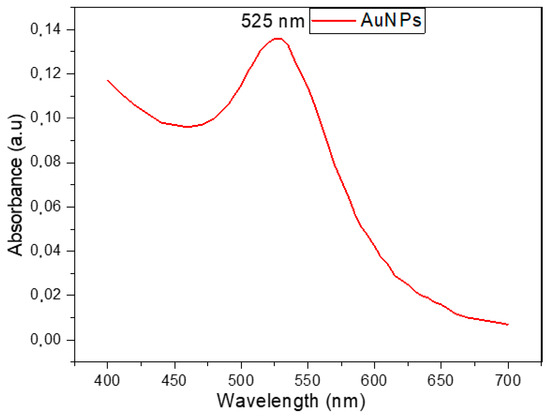
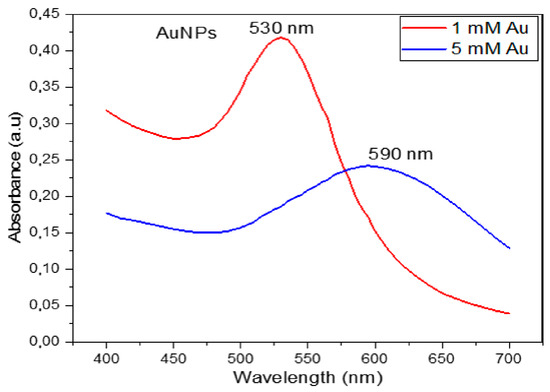
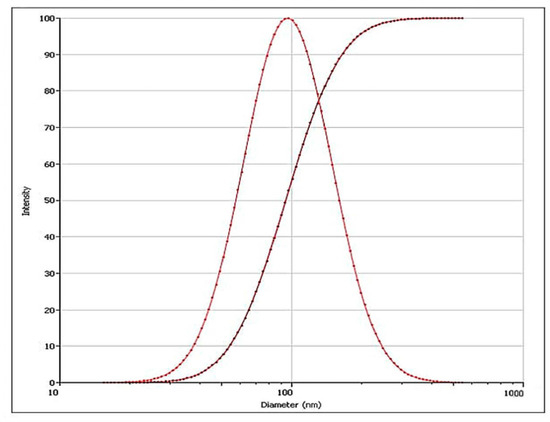
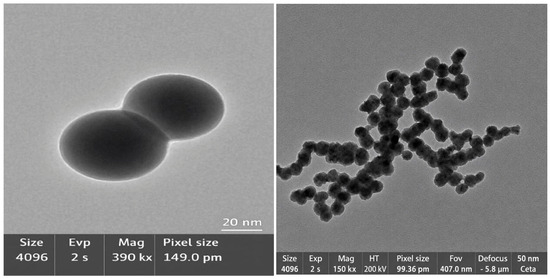
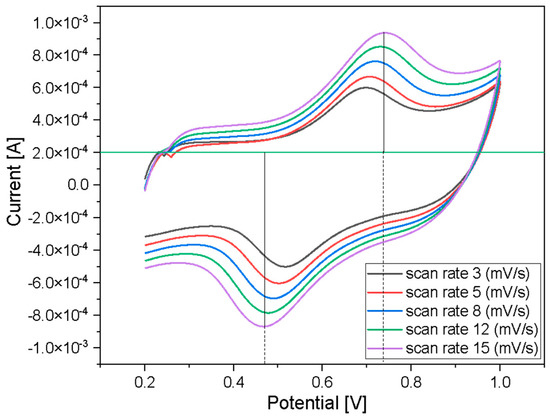
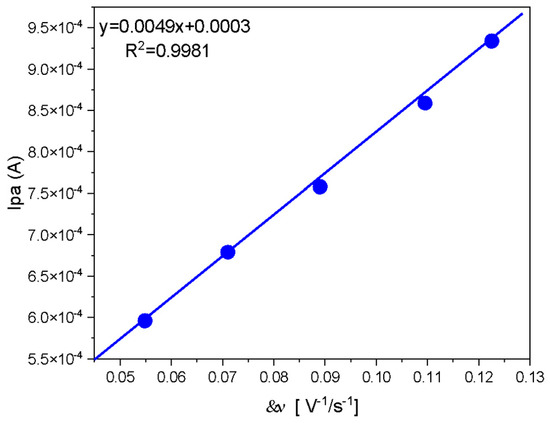
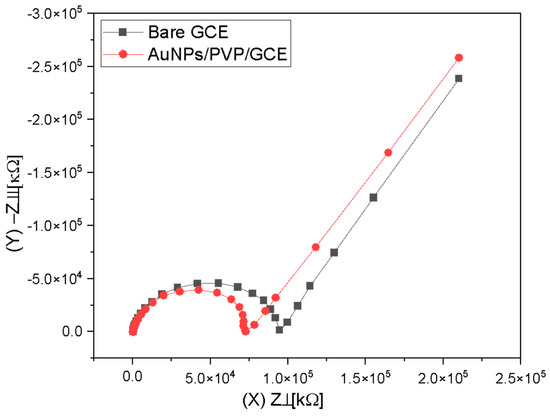
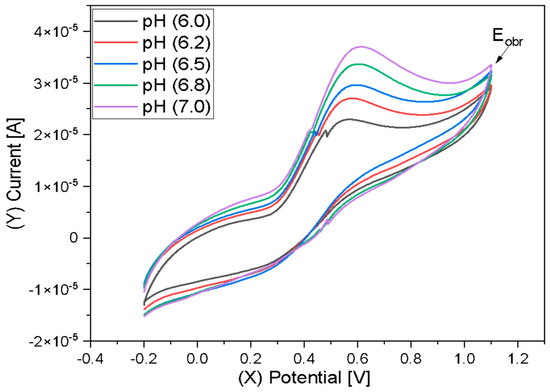
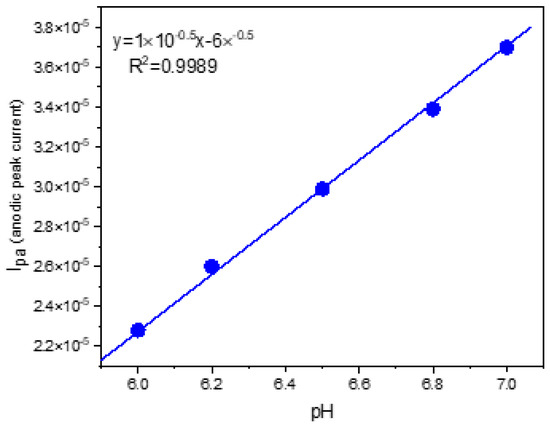
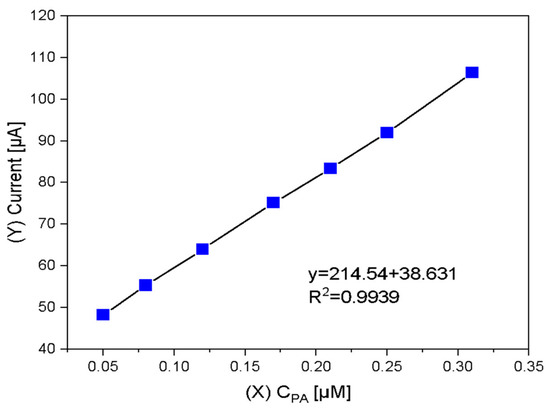
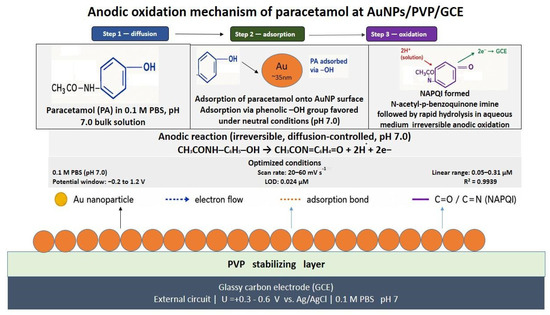
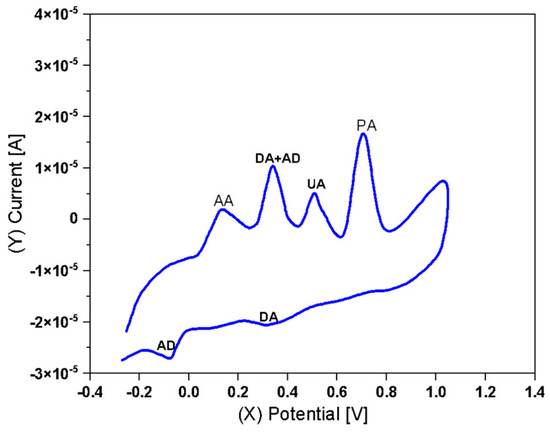
Paracetamol (PA) ranks among the most frequently prescribed over-the-counter analgesic and antipyretic agents worldwide; nonetheless, overdose scenarios are associated with severe hepatotoxic and nephrotoxic consequences, while its incomplete metabolic removal renders it a persistent micropollutant in surface and wastewater systems. These concerns underscore the urgent need for rapid, cost-efficient, and highly sensitive analytical tools capable of quantifying PA at trace levels in complex matrices. In the present study, spherical gold nanoparticles (AuNPs) were fabricated through an environmentally benign route exploiting an aqueous extract of Juniperus sp. leaves as the reducing and capping agent, with polyvinylpyrrolidone (PVP) serving as an additional colloidal stabilizer. The resulting nanoparticles were immobilized on a glassy carbon electrode to construct an AuNPs/PVP/GCE sensing platform. Physicochemical characterization by UV–Vis spectroscopy, dynamic light scattering (DLS), and transmission electron microscopy (TEM) verified the spherical morphology, narrow size distribution, and colloidal stability of the synthesized AuNPs, and further confirmed a 3.5-fold enlargement of the electroactive surface area relative to the unmodified electrode. Under fully optimized conditions, the fabricated sensor delivered a well-defined linear voltammetric response toward PA oxidation across the concentration interval of 0.05–0.31 µM (R2 = 0.9939), with a limit of detection of 0.024 µM and a limit of quantification of 0.080 µM. The sensor retained its analytical accuracy in the presence of common co-existing species, including ascorbic acid, uric acid, dopamine, caffeine, ibuprofen, and adrenaline. Quantitative determination of PA in commercial tablet formulations via the standard addition approach yielded results in close agreement with the declared content, confirming the practical suitability of the AuNPs/PVP/GCE platform for routine pharmaceutical quality control.
Full article

Figure 1
Open AccessArticle
Influence of Roughness of Copper Coatings on the Cathodic Reduction of Nitrate Under Mixed Diffusion–Kinetic Control
by
Oleg Kozaderov, Frol Vdovenkov and Pavel Tarakanov
Electrochem 2026, 7(2), 16; https://doi.org/10.3390/electrochem7020016 - 22 Jun 2026
Abstract
►▼
Show Figures
The morphological and structural state of rough solid electrodes usually has a complex effect on the kinetics of an electrochemical process. In order to correctly distinguish the influence of different factors on the rate of an electrode reaction, it is necessary to first
[...] Read more.
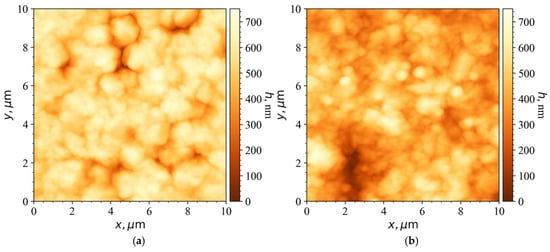
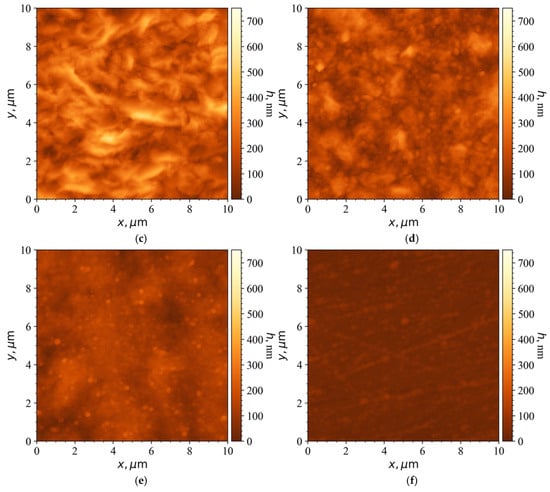
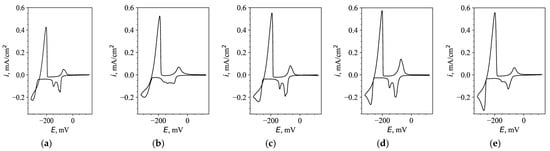
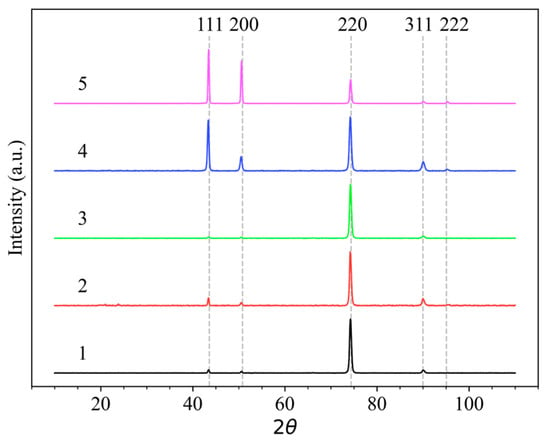
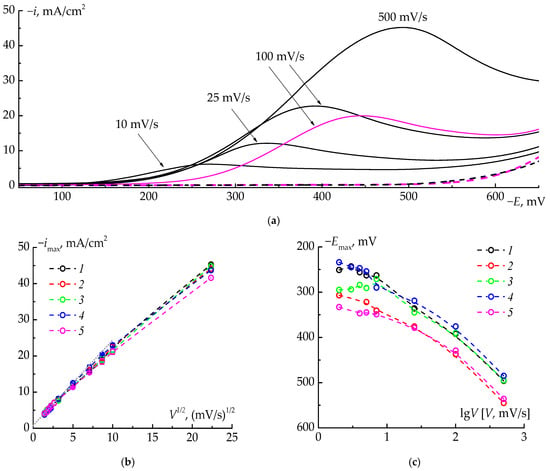
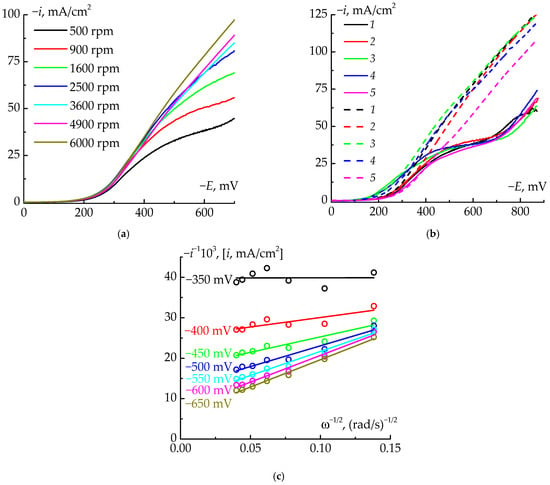
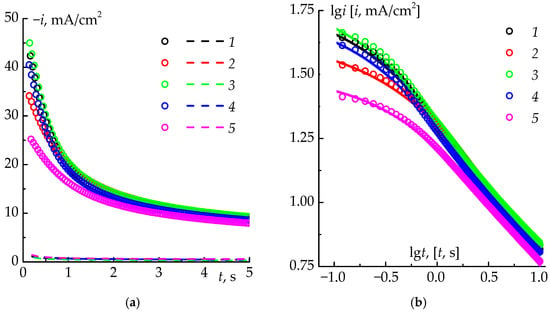
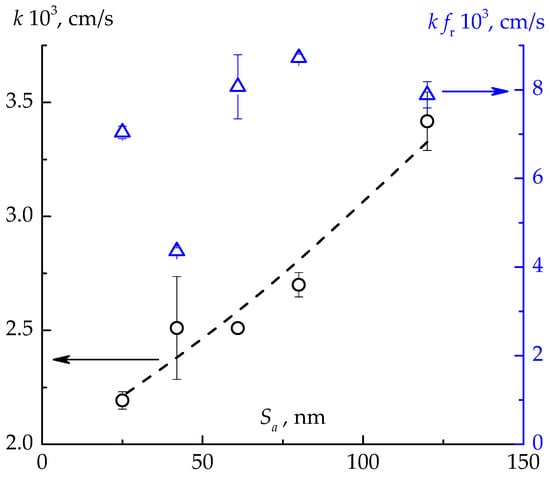
The morphological and structural state of rough solid electrodes usually has a complex effect on the kinetics of an electrochemical process. In order to correctly distinguish the influence of different factors on the rate of an electrode reaction, it is necessary to first separate a purely geometric current rise caused by the surface area increase. At the same time, it is necessary to take into account that surface roughness itself often not only leads to a geometric rise in the electrode area, but also contributes to a change in the kinetic parameters of the electrochemical process. As a consequence, the conclusion regarding an electrocatalytic effect will be reasonable only if the roughness effect is correctly taken into account. The most difficult problem is to establish the role of roughness when experimental electrochemical data are obtained under mixed diffusion–kinetic control of the electrode process. However, the use of appropriate theoretical approaches is required to correctly determine the kinetic characteristics of the electrochemical stage, i.e., of the charge transfer stage. This paper establishes the influence of the morphology and structure of electrodeposited copper coatings on the kinetics of the cathodic reduction of nitrate ion, which occurs in a mixed diffusion–kinetic mode, using the theoretical model of chronoamperometry of an electrochemical process on a rough electrode developed earlier by the authors. Several Cu-electrodes with roughness and structure, the parameters of which vary widely enough, were obtained by cathodic deposition from sulfate solutions of different compositions. The integral (roughness factor) and local (average roughness) characteristics of the surface morphology were determined by methods of underpotential deposition and atomic force microscopy, respectively. Structural investigation of the electrodeposited coatings was carried out by X-ray diffraction to determine their crystallographic structure and average crystallite size. The methods of voltammetry and a rotating disk electrode revealed the mixed kinetics of the electroreduction of ions. The kinetic parameters of the charge transfer stage on the copper coatings with a roughness factor of fr ≤ 3.5 are determined for the first time in this paper by treatment of the experimental current decay curves with the non-linear theoretical equation obtained by the authors for the chronoamperogram of the process on rough electrodes. It was found that the rate constant of the charge transfer stage and the exchange current density of the nitrate ion electroreduction increase by about 50%, with an increase in the average surface roughness from 25 to 120 nm. Considering that this effect is not caused by a purely geometric increase in the true surface area of the electrode, and that the average crystallite size is approximately the same (25 ± 2 nm) for all investigated coatings, it can be concluded that the electrocatalytic activity of copper increases in the reaction of the cathodic reduction of nitrate ions during the transition to copper electrodes with the higher average surface roughness. Taking into account XRD data, the role of the structural and morphological state in the kinetics of the electroreduction of nitrate ions has been established. The smoothest polycrystalline coating was found to be the least electrocatalytically active in this reaction. On the contrary, the roughest coatings with the most prominent plane (220) show the highest activity, which increases with increasing average roughness, possibly due to the growth of defects and excess energy of such curved surfaces.
Full article

Figure 1
Open AccessArticle
Mechanistic Insights into Glycerol Electro-Oxidation in Alkaline Medium on M@Pt/C Catalysts Revealed by In Situ FTIR
by
Rudyere Nascimento Silva, Giuseppe Abíola Camara, Leandro Aparecido Pocrifka and Raimundo Ribeiro Passos
Electrochem 2026, 7(2), 15; https://doi.org/10.3390/electrochem7020015 - 15 Jun 2026
Abstract
The development of efficient catalysts for the glycerol oxidation reaction (GOR) is crucial for advancing direct glycerol fuel cells. This study provides mechanistic insights into the glycerol electro-oxidation reaction (GOR) on Co@Pt/C, Ni@Pt/C, and Sn@Pt/C catalysts using in situ FTIR spectroscopy. While the
[...] Read more.
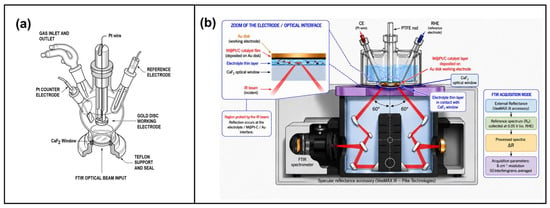
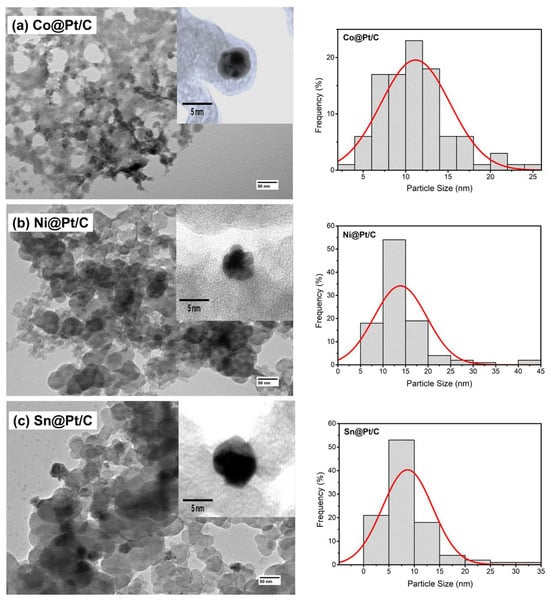
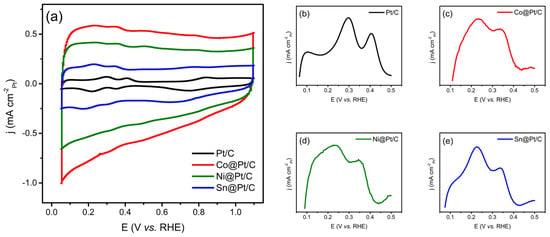
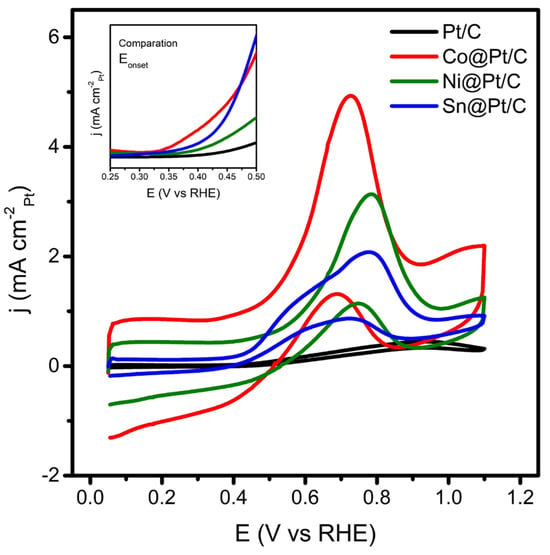
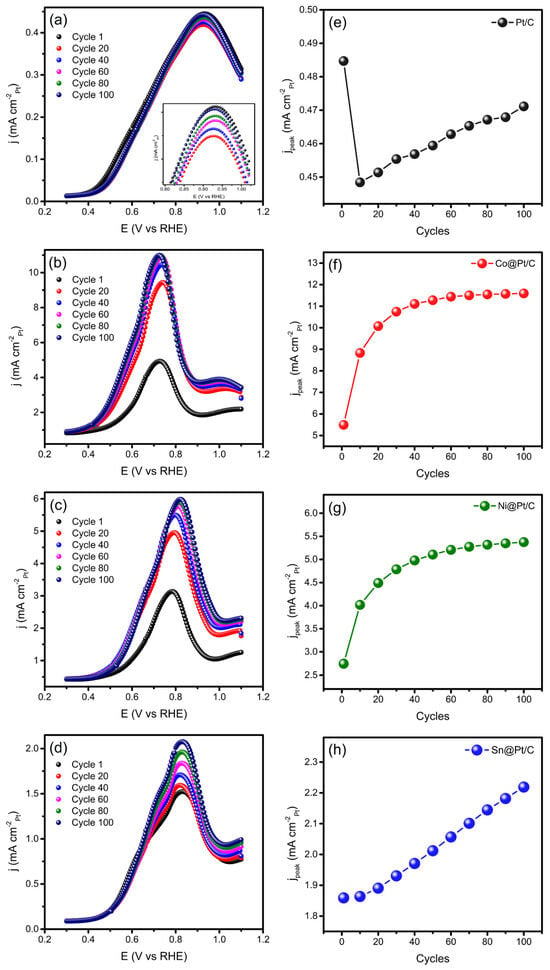
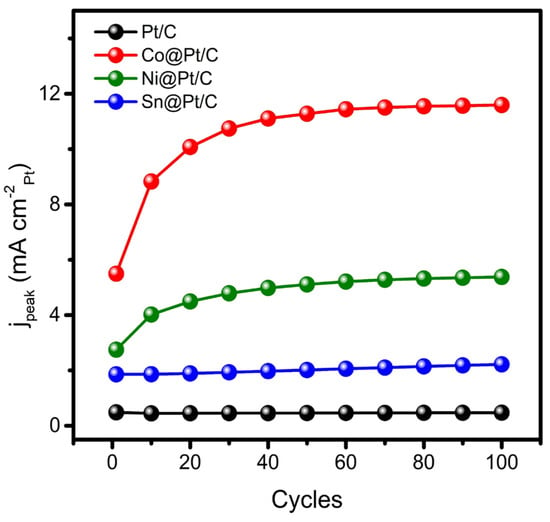
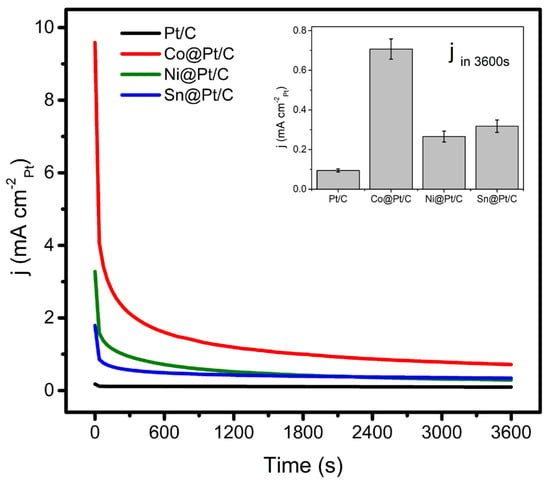
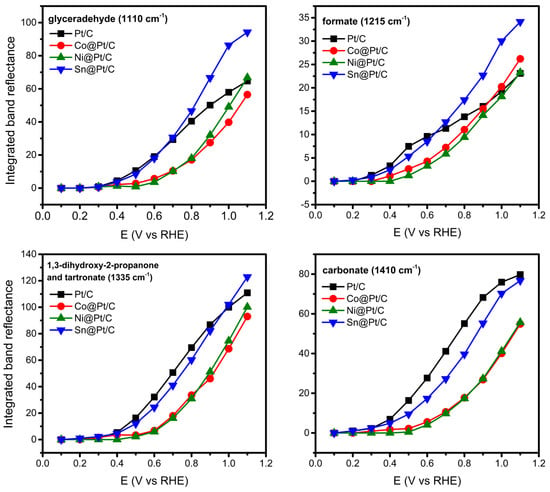
The development of efficient catalysts for the glycerol oxidation reaction (GOR) is crucial for advancing direct glycerol fuel cells. This study provides mechanistic insights into the glycerol electro-oxidation reaction (GOR) on Co@Pt/C, Ni@Pt/C, and Sn@Pt/C catalysts using in situ FTIR spectroscopy. While the structural and electrochemical properties of these materials have been previously reported, their reaction pathways and product selectivity under alkaline conditions remain unclear. Electrochemical performance was evaluated through cyclic voltammetry (CV) and chronoamperometry (1.0 M KOH + 1.0 M glycerol), revealing that the bimetallic catalysts exhibited superior catalytic activity compared to Pt/C. Co@Pt/C demonstrated the highest performance, with a 7.5-fold increase in current density relative to Pt/C, followed by Sn@Pt/C (3.4-fold) and Ni@Pt/C (2.8-fold). In situ FTIR analysis identified key oxidation products, including C3, C2, and C1 species, with evidence of both partial and complete oxidation. These findings demonstrate that the core metal plays a key role in governing reaction pathways and C–C bond cleavage, providing important insights for the rational design of anode materials in direct glycerol fuel cells.
Full article
(This article belongs to the Special Issue Hybrid Fuel Cells: Materials, Performance Optimization and Real-World Deployments)
►▼
Show Figures

Figure 1
Open AccessArticle
Effect of Carbon Black, Carbon Nanotubes and Carbon Nanohorns on Electrochemical Performance of FeCoN/C Catalyst in Low Concentration Direct Ammonia Fuel Cells
by
Muhammad Javed Iqbal, Li-Wei Tseng, Fa-Cheng Su, Qaiser Abbas and Hsiharng Yang
Electrochem 2026, 7(2), 14; https://doi.org/10.3390/electrochem7020014 - 12 Jun 2026
Abstract
►▼
Show Figures
Direct ammonia fuel cells (DAFCs) offer a promising pathway for carbon-free energy conversion but their practical performance is limited by sluggish cathode kinetics. In this work, non-precious FeCoN catalysts offer a cost-effective solution, yet carbon support optimization is crucial for activity and stability.
[...] Read more.
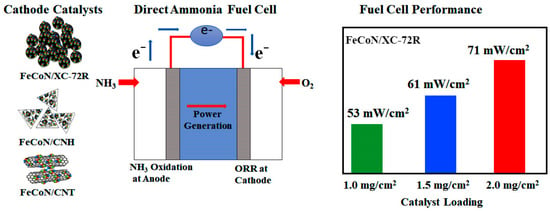
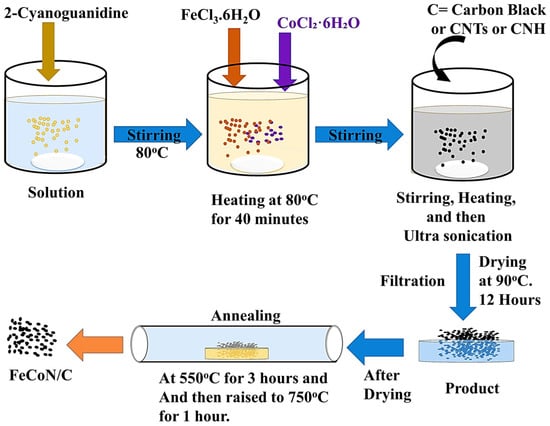
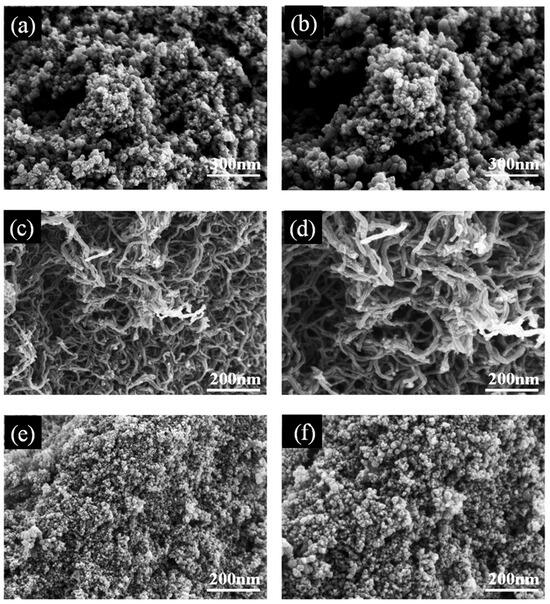
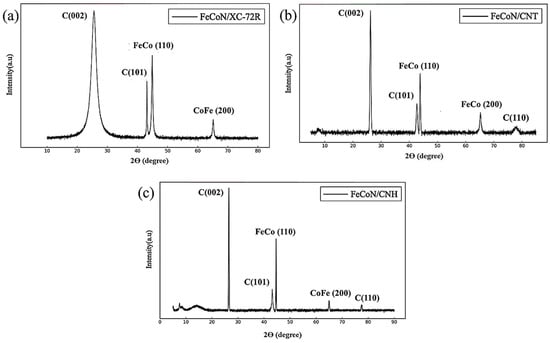
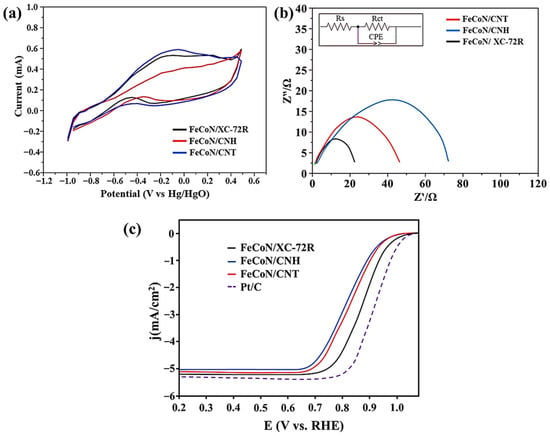
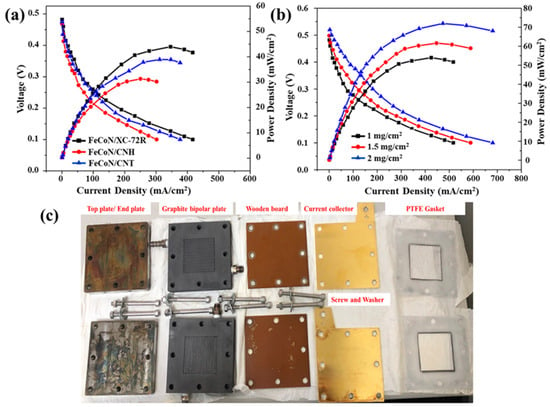
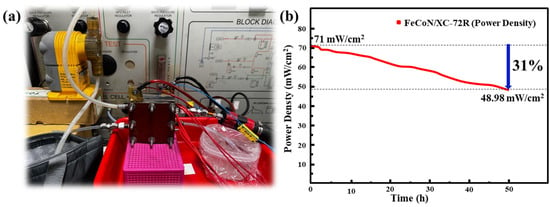
Direct ammonia fuel cells (DAFCs) offer a promising pathway for carbon-free energy conversion but their practical performance is limited by sluggish cathode kinetics. In this work, non-precious FeCoN catalysts offer a cost-effective solution, yet carbon support optimization is crucial for activity and stability. FeCoN/XC-72R, FeCoN/CNT, and FeCoN/CNH cathode catalysts were synthesized by annealing at 550–750 °C. Their structure and morphology were analyzed by X-ray diffraction (XRD) and scanning electron microscopy (SEM). Electrochemical behavior was evaluated by cyclic voltammetry (CV) and electrochemical impedance spectroscopy (EIS) in alkaline medium containing KOH and NH4OH. FeCoN/XC-72R exhibited the lowest resistance of 27 Ω and superior activity. In single cell tests using a 40 wt% PtIr/C anode catalyst at 2 mg cm−2, the FeCoN/XC-72R catalyst achieved the highest power density of 71 mW/cm2 under optimized conditions of 0.1M NH4OH + 3M KOH, 100 °C, and O2 feed. Among the carbon supports, carbon black (XC-72R) proved the most effective support for FeCoN catalysts in low concentration DAFCs, outperforming carbon nanotubes (CNTs) and carbon nanohorns (CNHs). These findings highlight the importance of carbon support selection in the design of efficient cathodes for next generation low concentration direct ammonia fuel cells.
Full article

Graphical abstract
Open AccessArticle
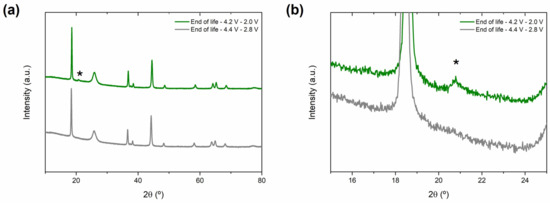
Nuclear Reaction Analysis (NRA) of Al-Doped Lithium Lanthanum Zirconium Oxide (Li7La3Zr2O12) Solid Electrolyte Synthesized Using the Electrospinning Technique
by
Soumya Kollipara, Edan Fields, Seiichiro Higashiya, Latika S. Chaudhary and Haralabos Efstathiadis
Electrochem 2026, 7(2), 13; https://doi.org/10.3390/electrochem7020013 - 2 Jun 2026
Abstract
►▼
Show Figures
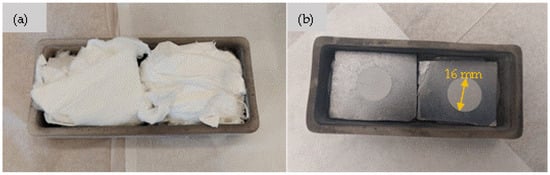
Understanding lithium distribution and transport within Li-ion battery components is critical in improving battery longevity, safety and performance. This study investigates lithium concentration profiles across the interface of an aluminum-doped Li7La3Zr2O12 (Al-LLZO) solid electrolyte and a
[...] Read more.
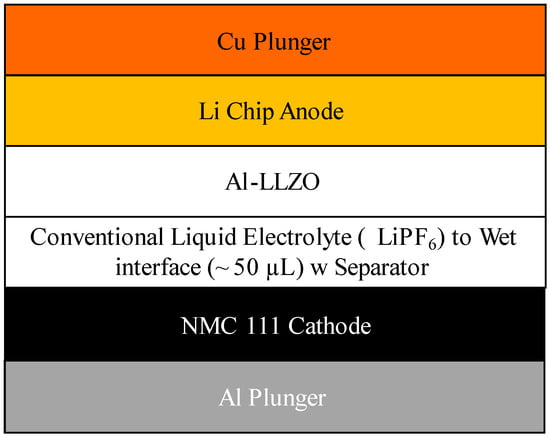
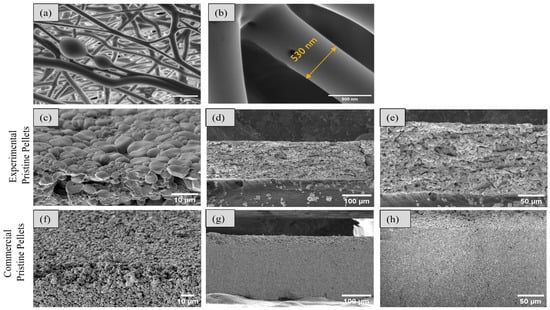
Understanding lithium distribution and transport within Li-ion battery components is critical in improving battery longevity, safety and performance. This study investigates lithium concentration profiles across the interface of an aluminum-doped Li7La3Zr2O12 (Al-LLZO) solid electrolyte and a lithium metal anode using Nuclear Reaction Analysis (NRA), a non-destructive depth-profiling technique. The Al-LLZO electrolyte was synthesized via electrospinning, producing nanofibers, which were subsequently sintered into pellets of average thickness 380 µm. These pellets were integrated into a Li|Al-LLZO|NMC-111 half-cell and cycled at 0.1 C for 1, 3, and 10 cycles, indicating pronounced lithium accumulation at the electrolyte–anode interface. Using NRA, this study provided a clear pathway for better understanding lithium transport and interfacial behavior, by quantitatively measuring the lithium distribution at the Al-LLZO electrolyte–electrode interface, and to look at the changes at this interface over the battery cycles.
Full article

Figure 1
Open AccessArticle
TiO2-Doped Hydrochar Derived from Phoenix dactylifera: Synthesis and Electrocatalytic Performance for Alkaline Hydrogen Production
by
Zineb Hammi, El Houceine Benhadria, Soraya Lakhloufi, Mohamed Amine Koumaiti, Lamyaa Merbouh, Najoua Labjar, El Mostapha Lotfi, Hamid Nasrellah, Ayoub Cherrat and Souad El Hajjaji
Electrochem 2026, 7(2), 12; https://doi.org/10.3390/electrochem7020012 - 14 May 2026
Abstract
►▼
Show Figures
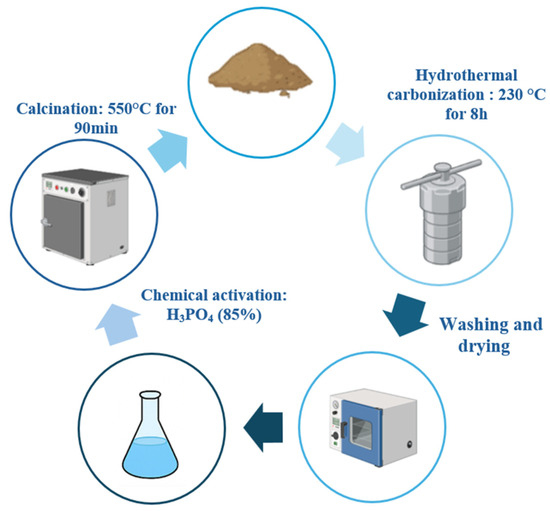
Cost-effective, durable, and environmentally friendly electrocatalysts to be used for the alkaline hydrogen evolution reaction (HER) represent one of the key challenges facing green hydrogen generation. In this context, a TiO2-doped hydrochar derived from Phoenix dactylifera L. Deglet Nour (date pits)
[...] Read more.
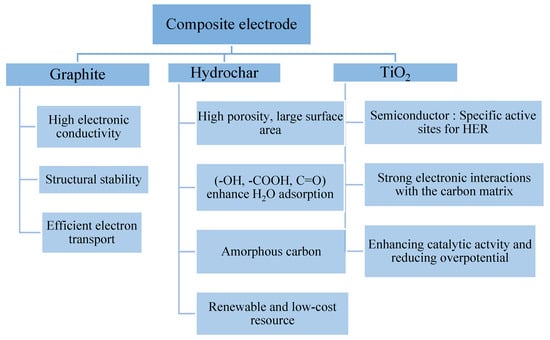
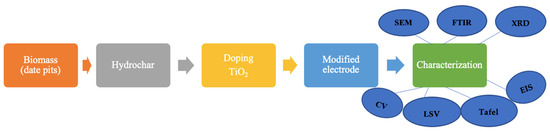
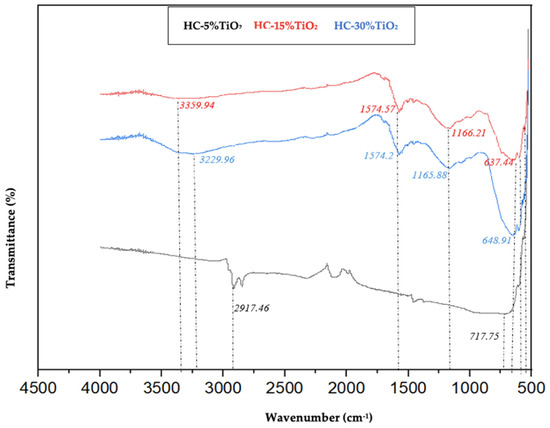
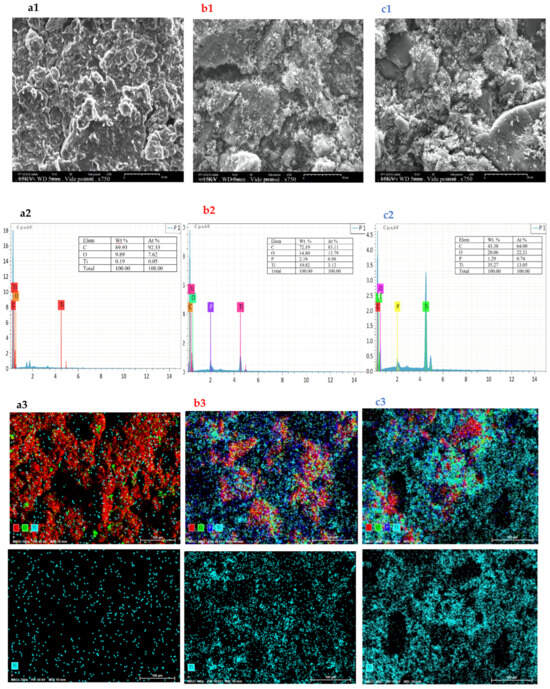
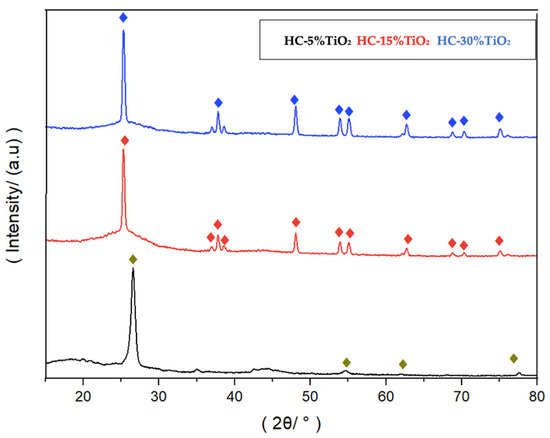
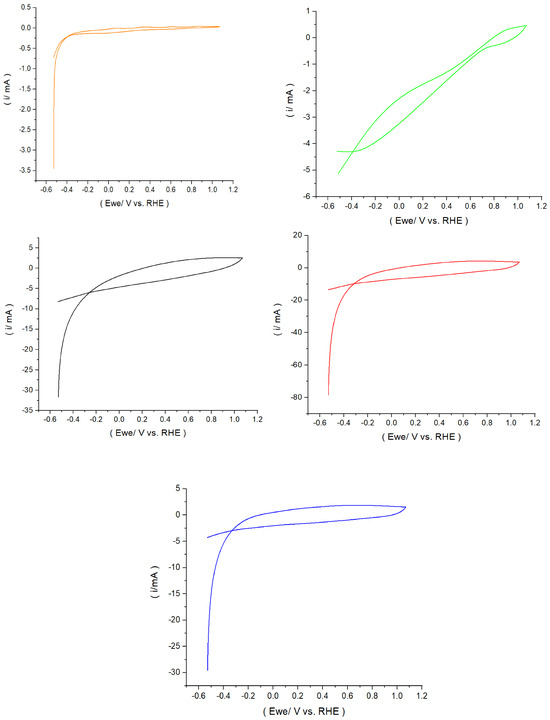
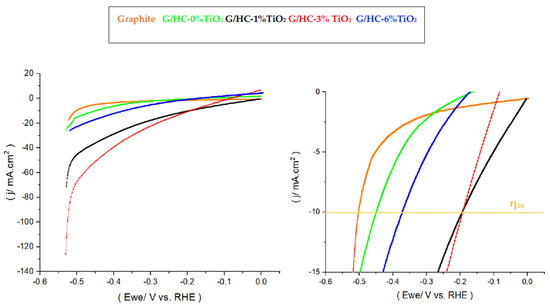
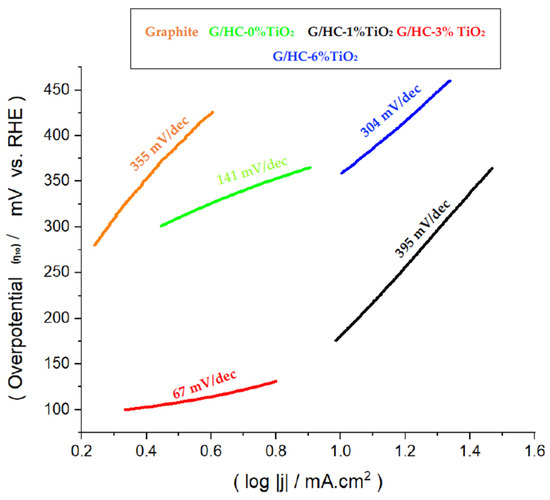
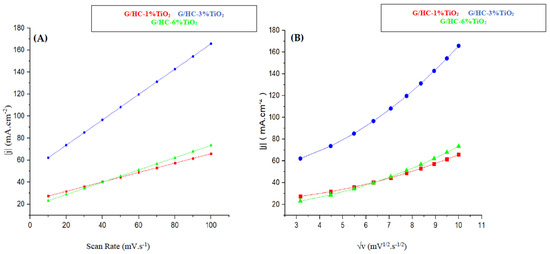
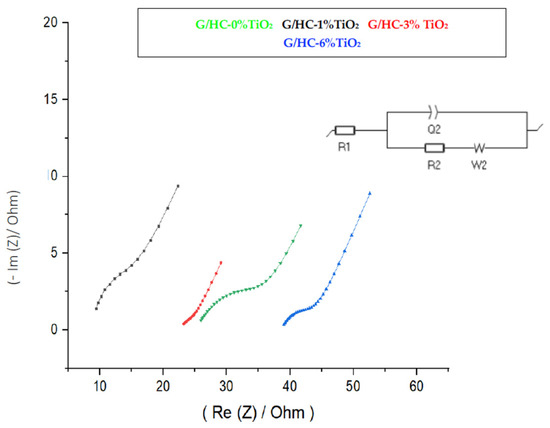
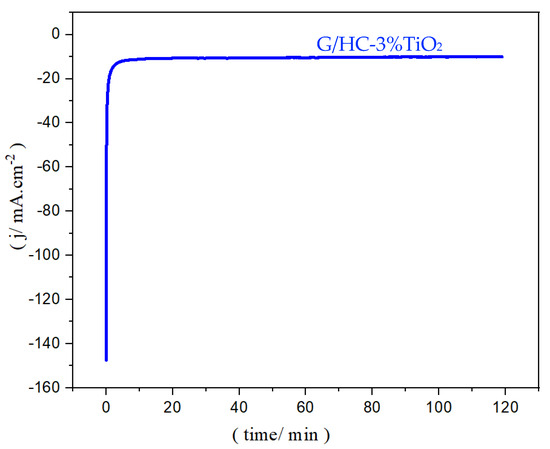
Cost-effective, durable, and environmentally friendly electrocatalysts to be used for the alkaline hydrogen evolution reaction (HER) represent one of the key challenges facing green hydrogen generation. In this context, a TiO2-doped hydrochar derived from Phoenix dactylifera L. Deglet Nour (date pits) was synthesized and incorporated into a graphite-based electrode to improve HER performance in a 1 M KOH solution. Three TiO2 loadings (1, 3, and 6 wt%) were systematically studied and compared using electrochemical techniques to evaluate the influence of oxide incorporation on HER kinetics. In parallel, physicochemical characterization analyses were performed to acquire an in-depth understanding of the morphology, composition, and surface properties of biomass-derived carbonaceous materials and to establish correlations with their electrochemical behavior. The G/HC-3% TiO2 electrode exhibited the most pronounced electrocatalytic performance, with an overpotential of 194 mV at −10 mA·cm−2 and a Tafel slope of 67 mV·dec−1, indicating favorable interfacial charge transfer kinetics. The present work demonstrates that biomass-derived TiO2-doped hydrochar has significant potential as a sustainable and high-performance electrocatalyst in alkaline water electrolysis.
Full article

Figure 1
Open AccessCorrection
Correction: Zhang et al. Graphene-Oxide-Coated CoP2@C Anode Enables High Capacity of Lithium-Ion Batteries. Electrochem 2023, 4, 473–484
by
Wei Zhang, Hangxuan Xie, Zirui Dou, Zhentao Hao, Qianhui Huang, Ziqi Guo, Chao Wang, Kanghua Miao and Xiongwu Kang
Electrochem 2026, 7(2), 11; https://doi.org/10.3390/electrochem7020011 - 8 May 2026
Abstract
The authors would like to make the following corrections about the published paper [...]
Full article
Open AccessArticle
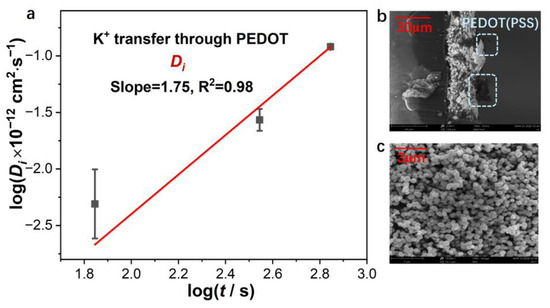
Frequency Dependence of Effective Capacitance Cec for Polyaniline Membrane-Based pH Sensor and its Extension to the Gouy–Chapman–Stern Model
by
Tingting Han, Tao Song, Junyu Gan, Dongxue Han and Li Niu
Electrochem 2026, 7(2), 10; https://doi.org/10.3390/electrochem7020010 - 7 May 2026
Cited by 1
Abstract
►▼
Show Figures
This study proposed an effective capacitance (Cec) for bare and conducting polymer-covered electrodes using electrochemical impedance spectroscopy (EIS). Bare electrodes show three regimes: potential-dependent Helmholtz capacitance, Gouy–Chapman–Stern diffusion capacitance (1 MHz–10 Hz), and complex low-frequency responses, deviating from semi-infinite Warburg
[...] Read more.
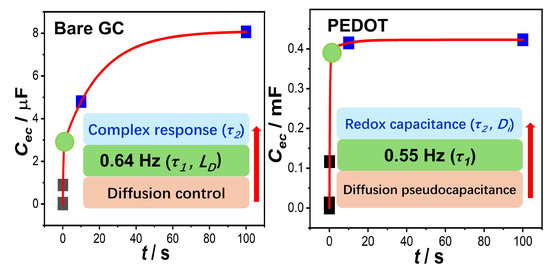
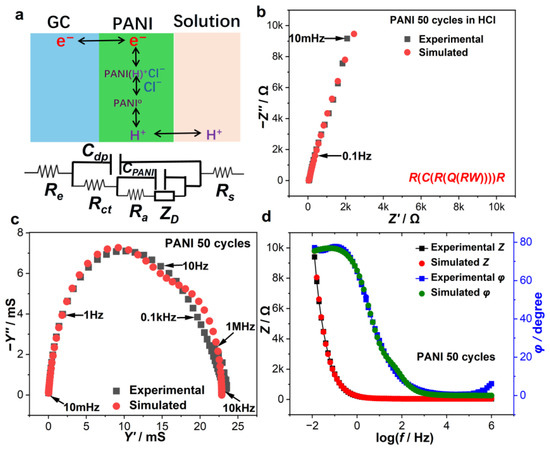
This study proposed an effective capacitance (Cec) for bare and conducting polymer-covered electrodes using electrochemical impedance spectroscopy (EIS). Bare electrodes show three regimes: potential-dependent Helmholtz capacitance, Gouy–Chapman–Stern diffusion capacitance (1 MHz–10 Hz), and complex low-frequency responses, deviating from semi-infinite Warburg diffusion (1 Hz–10 mHz). Polyaniline (PANI) and poly(3,4-ethylenedioxythiophene) PEDOT-based electrodes exhibit larger potential-dependent diffusion pseudocapacitance (1 MHz–10 Hz) and the absence of a Warburg tail or a nearly horizontal low-frequency slope at 0.01–0.026 (1 Hz–10 mHz). A high-frequency Cec of a PANI membrane correlates with bulk electrolyte concentration, while bare electrodes are less affected and dominated by Helmholtz capacitance. The equivalent circuit of the time-dependent EIS impedance spectrum for bare electrodes and PANI and PEDOT-based electrodes shows parallel capacitor behavior in combination with high-frequency capacitance (1 MHz–10 Hz) and a low-frequency response (1 Hz–10 mHz). The mathematical simulation of effective capacitance Cec with respect to time period t (f−1) follows two time constants (τ = RC), representing double-layer capacitance or pseudocapacitance (τ1) and complex low-frequency responses or Warburg diffusion (τ2) for bare electrodes and conducting polymer-based electrodes, respectively. This simulation analysis also elucidates the frequency dependence of the Warburg characteristic frequency (ω) and the extension of the double-layer capacitance diffuse distance LD for H+ with GC electrodes to approximately 7.37–15.15 μm over a time interval of ca. 1 s (t = f−1). The diffusion coefficient Di of K+ ion transfer through a PEDOT solid contact from 1 mC (0.1 µm) to 10 mC (1 µm) is in the range of 0.57–12 × 10−10 cm2·s−1, following a power law with an exponent of 1.75 with respect to the polymerization time of PEDOT, which is inconsistent with Fick’s law.
Full article

Graphical abstract
Open AccessArticle
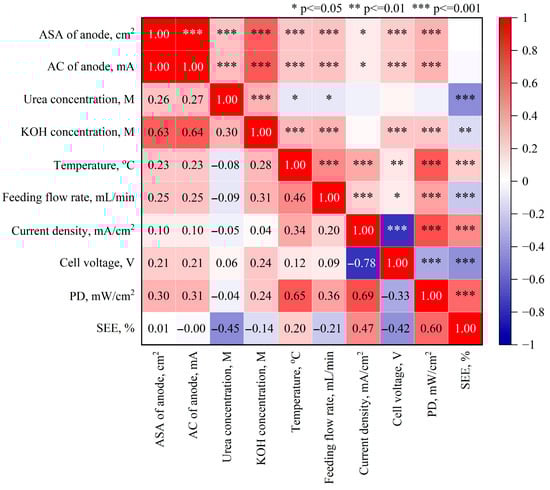
Machine Learning-Based Modeling and Multi-Objective Optimization of Direct Urea–Hydrogen Peroxide Fuel Cell
by
Phan Khanh Thinh Nguyen, Thi Thu Ha Tran and Tamirat Redae Gebreselassie
Electrochem 2026, 7(2), 9; https://doi.org/10.3390/electrochem7020009 - 15 Apr 2026
Abstract
►▼
Show Figures
Direct urea–hydrogen peroxide fuel cells (DUHPFCs) are promising for sustainable power generation, but their performance is governed by highly nonlinear material and operating interactions. This study develops a machine-learning framework employing a multi-output artificial neural network (ANN) to predict cell voltage, power density
[...] Read more.
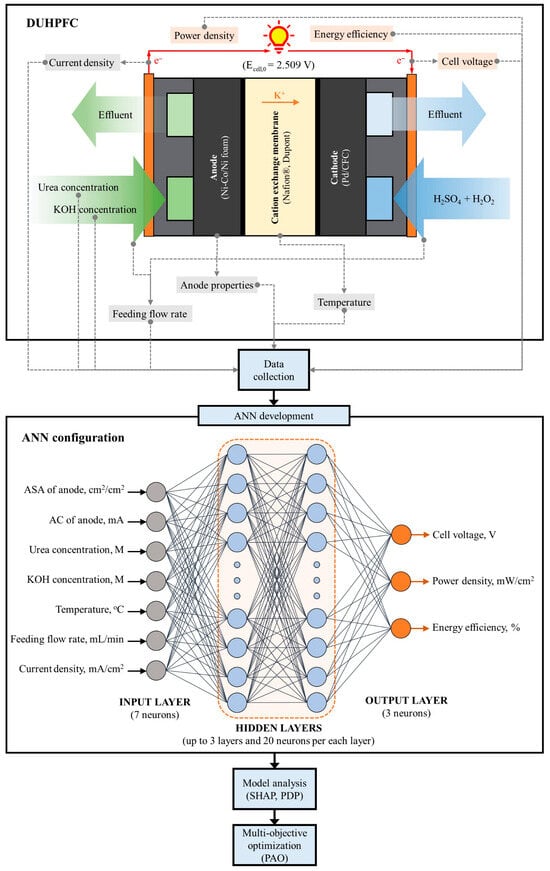
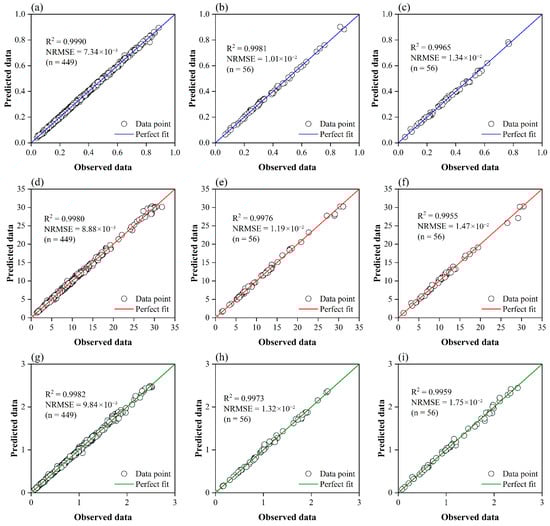
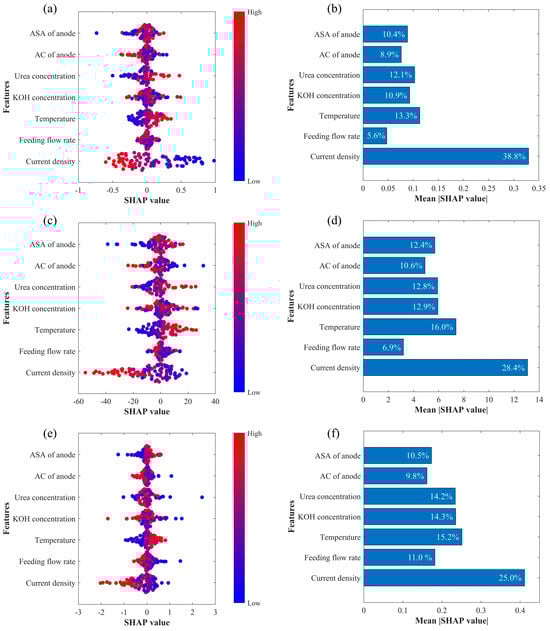
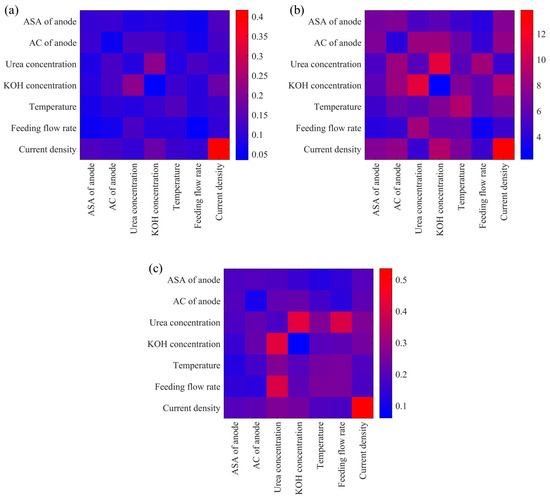
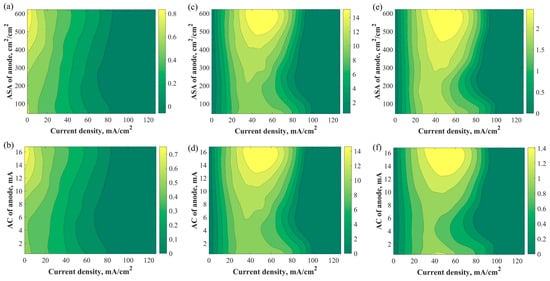
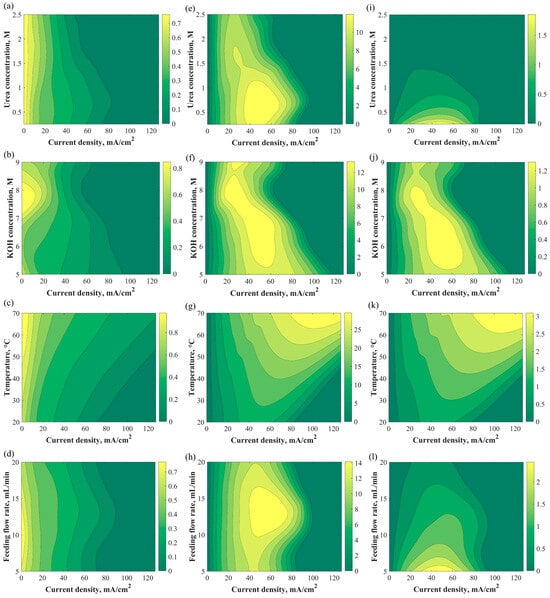
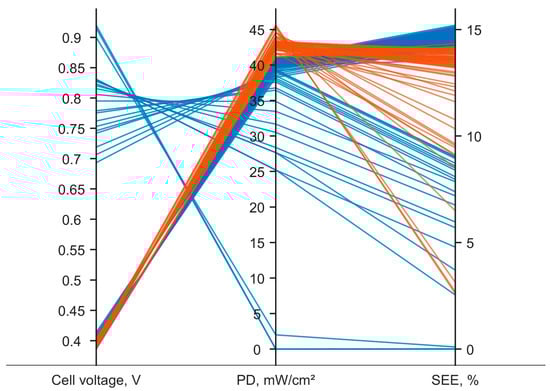
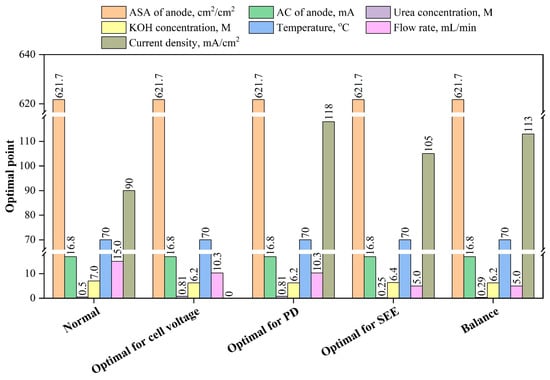
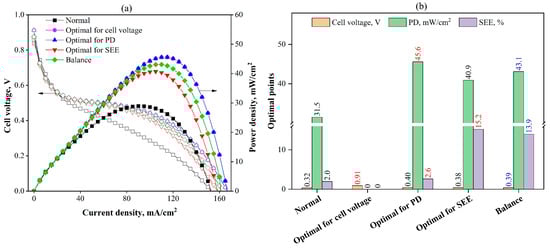
Direct urea–hydrogen peroxide fuel cells (DUHPFCs) are promising for sustainable power generation, but their performance is governed by highly nonlinear material and operating interactions. This study develops a machine-learning framework employing a multi-output artificial neural network (ANN) to predict cell voltage, power density (PD), and substrate-based energy efficiency (SEE) of DUHPFCs. The ANN exhibits excellent predictive accuracy, achieving coefficients of determination (R2) above 0.995 and normalized root mean square errors (NRMSE) below 1.75 × 10⁻² for all outputs. Model interpretability is enhanced by using Shapley additive explanations and partial dependence plots, which identify current density as the dominant factor affecting DUHPFC performance, followed by temperature and anolyte composition. The ANN is coupled with a multi-objective Pareto-search algorithm optimization (PAO) to resolve the trade-offs among competing performance metrics. Under different optimization objectives, a DUHPFC with an Ni0.2Co0.8/Ni-foam anode is predicted to achieve a maximum PD of 45.6 mW/cm2 with a low SEE of 2.6% or a maximum SEE of 15.2% with a moderate PD of 40.9 mW/cm2. Additionally, a balanced operating regime is identified, achieving a PD of 43.1 mW/cm2 and an SEE of 13.9%. Overall, the proposed framework provides an effective decision-support tool for optimizing DUHPFC performance under competing objectives.
Full article

Figure 1
Open AccessArticle
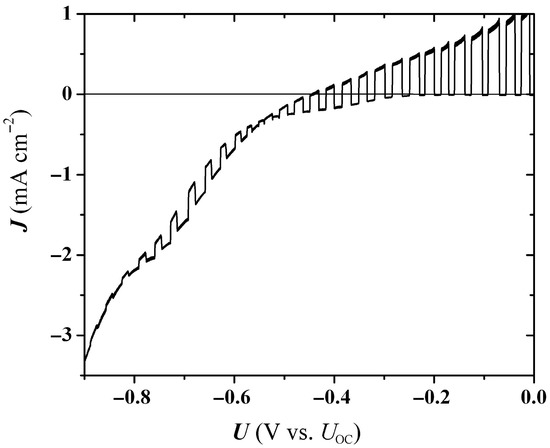
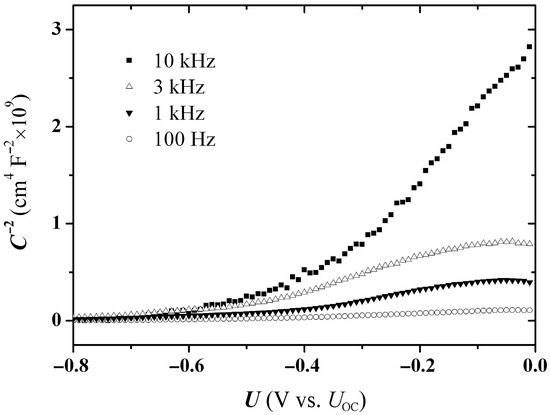
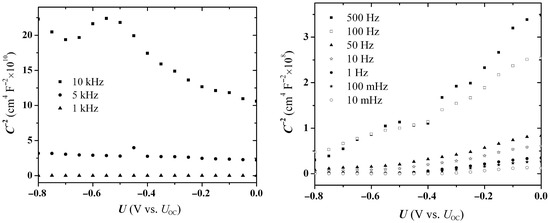
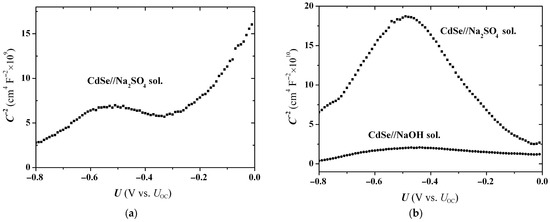
Non-Idealities in Mott–Schottky Analysis of CdSe (Photo)electrodes
by
Dionysios S. Karousos, Panagiotis Priftis and Mirtat Bouroushian
Electrochem 2026, 7(2), 8; https://doi.org/10.3390/electrochem7020008 - 7 Apr 2026
Abstract
►▼
Show Figures
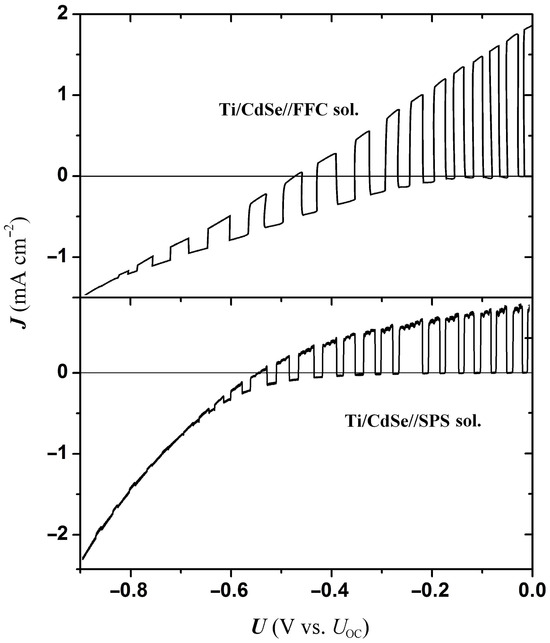
CdSe-coated electrodes, formed by electrodeposition of CdSe barrier layers on metallic Ti or porous TiO2 substrates, were characterized by electrochemical impedance spectroscopy in a (photo)cell using aqueous redox electrolytes based on the sulfide/polysulfide or ferro/ferricyanide couples. The influence of electrode material properties,
[...] Read more.
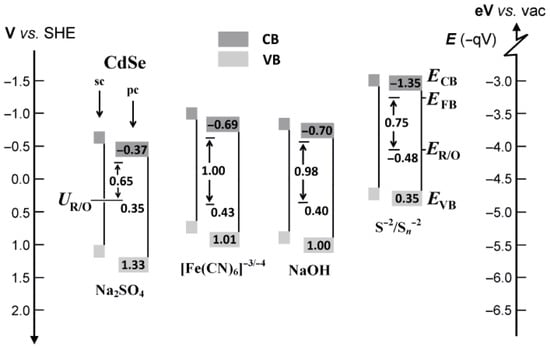
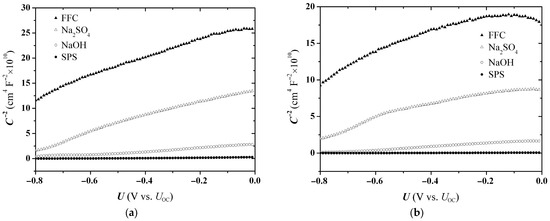
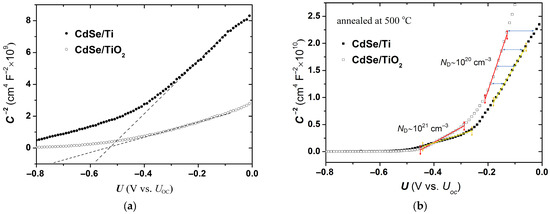
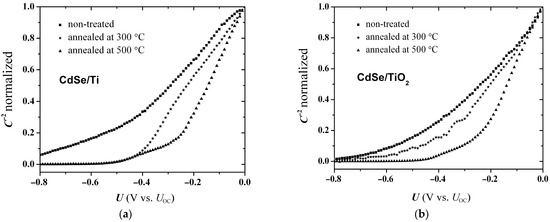
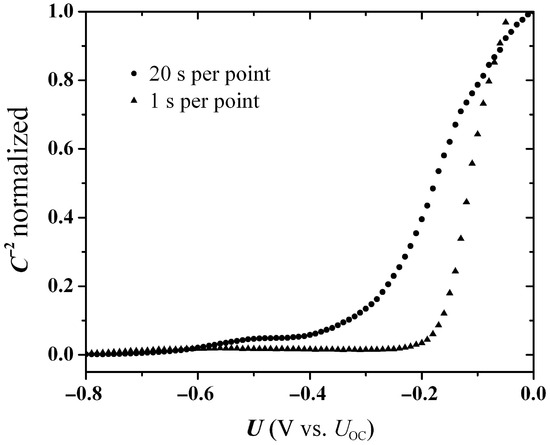
CdSe-coated electrodes, formed by electrodeposition of CdSe barrier layers on metallic Ti or porous TiO2 substrates, were characterized by electrochemical impedance spectroscopy in a (photo)cell using aqueous redox electrolytes based on the sulfide/polysulfide or ferro/ferricyanide couples. The influence of electrode material properties, electrolyte contact, thermal annealing, and measurement conditions (illumination, frequency, potential-scan speed) on the shape and features of Mott–Schottky plots was investigated. The obtained information was evaluated on the basis of the ideal Schottky diode model and photocurrent voltammetry data. Deviations from linear diode behavior and uncertainties in the determination of energetic parameters were examined and attributed to the presence of donor density gradients and surface states in the semiconductor electrode, further complicated by chemical corrosion. The origin of the observed non-idealities is inquired, and specific aspects of the measuring procedure related to the non-stationary character of the interface are discussed.
Full article

Figure 1
Open AccessArticle
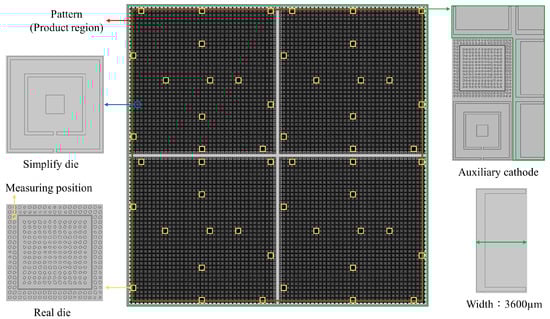
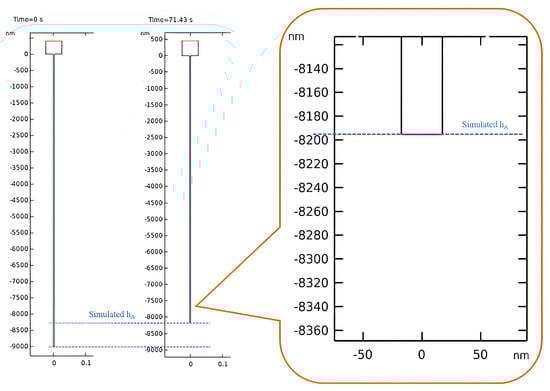
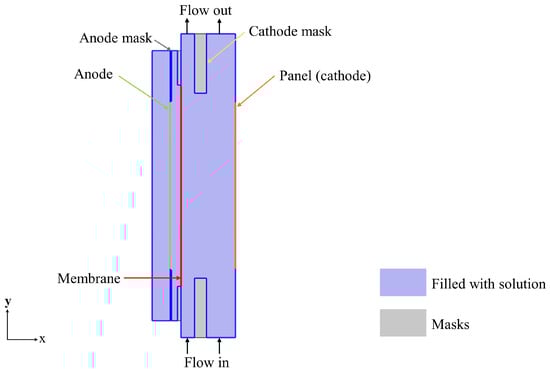
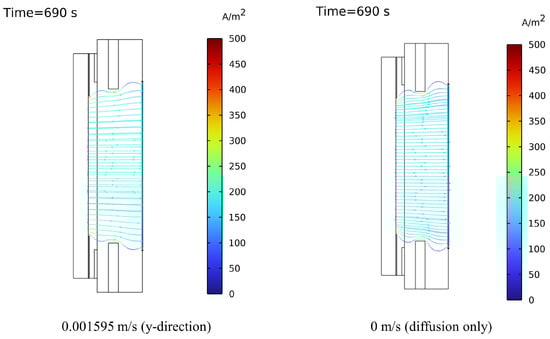
The Optimization of Non-Uniformity for Copper Electrodeposition with a Tertiary Current Distribution Numerical Model
by
Cheng-Xuan Xiao, Chun-Gu Liu, Cao-Feng Chen, Ping-Feng Yang, Jen-Kuang Fang and Hou-Chien Chang
Electrochem 2026, 7(2), 7; https://doi.org/10.3390/electrochem7020007 - 26 Mar 2026
Abstract
►▼
Show Figures
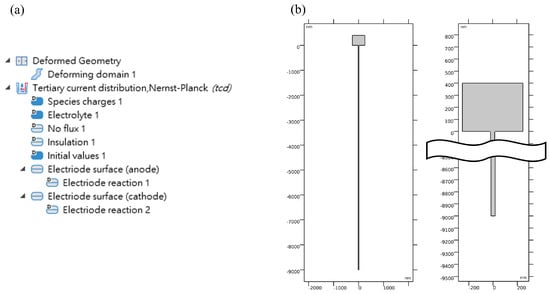
This study investigates the non-uniformity (NU%) of copper deposition in a three-dimensional panel electroplating cell using COMSOL Multiphysics® 6.1 (COMSOL Inc., Burlington, MA, USA). To ensure the accuracy of the simulated current efficiency, the modeling was initially conducted on the
[...] Read more.
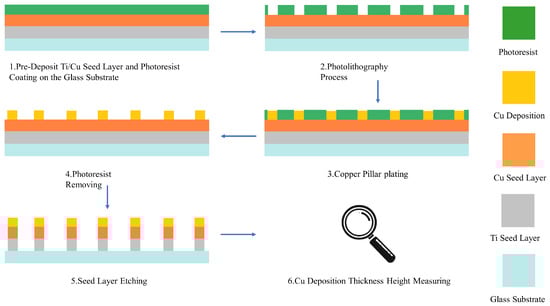
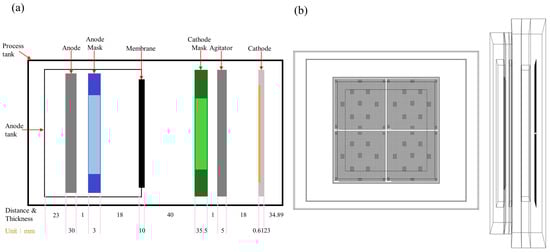
This study investigates the non-uniformity (NU%) of copper deposition in a three-dimensional panel electroplating cell using COMSOL Multiphysics® 6.1 (COMSOL Inc., Burlington, MA, USA). To ensure the accuracy of the simulated current efficiency, the modeling was initially conducted on the electrodeposition of nanoscale metal wires (Nanowires, NWs) using the Finite Element Method (FEM) in COMSOL. After verifying that the simulation accurately reflected the current efficiency at the nanoscale, the model was scaled up to simulate full-sized panel-level electroplating. Various simulation conditions were explored, including two dimensional and three dimensional, electrode kinetics equations, electrolyte compositions, and current densities. The effects of these parameters on current efficiency and deposition uniformity were analyzed to develop a highly accurate COMSOL model. In terms of electrode kinetics, the study compares the advantages and limitations of secondary current distribution and tertiary current distribution models found in the previous literature, and evaluates their simulation results. Furthermore, to reflect the experimental condition where a pre-deposited copper seed layer was applied to reduce internal cathode resistance, the electrode shell physics module in COMSOL was implemented to simulate the potential distribution across the cathode surface. The results confirm that the numerical model using the tertiary current distribution provides more accurate predictions compared to the conventional secondary current distribution approach.
Full article

Figure 1
Open AccessArticle
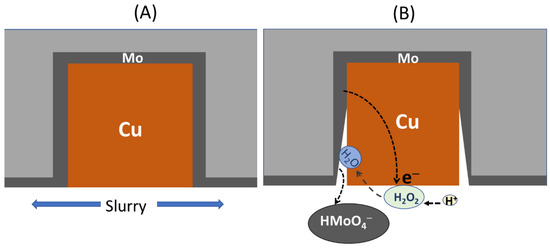
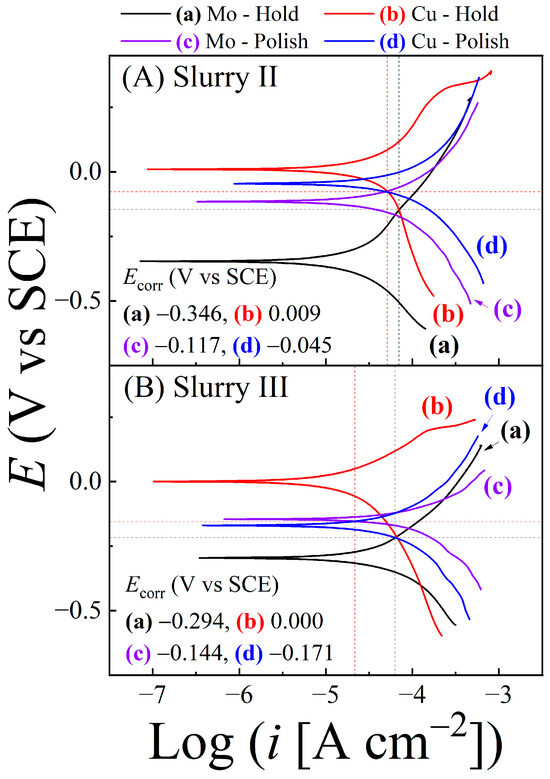
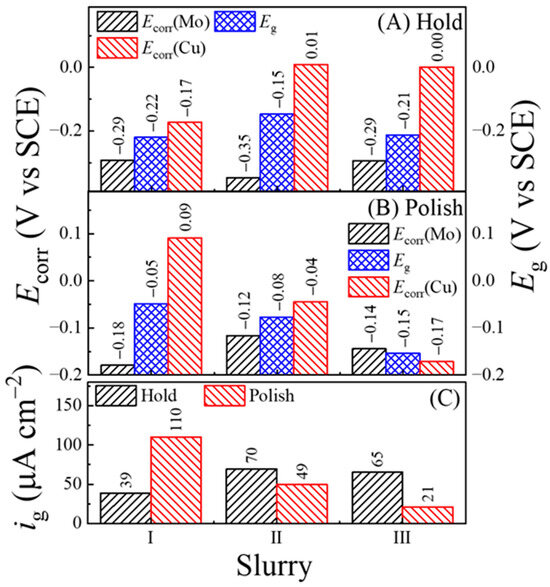
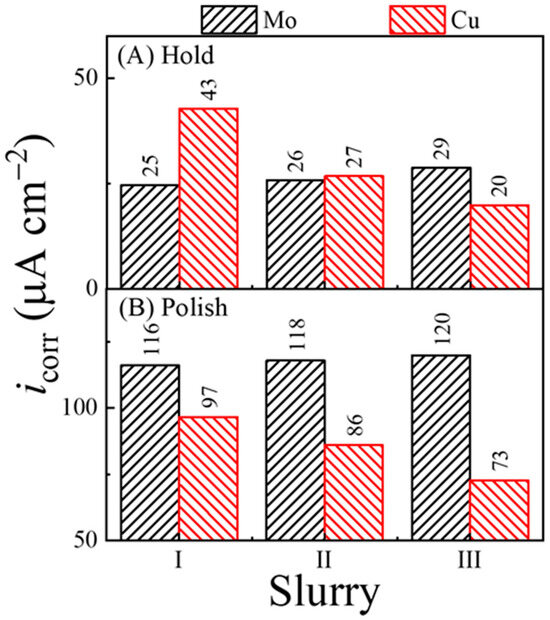
Mitigating Galvanic Corrosion of Molybdenum Diffusion Barriers in Chemical Mechanical Planarization of Copper Interconnects: A Case Study Using Imidazole in a Citrate Slurry of Neutral pH
by
Kassapa U. Gamagedara and Dipankar Roy
Electrochem 2026, 7(1), 6; https://doi.org/10.3390/electrochem7010006 - 14 Mar 2026
Abstract
►▼
Show Figures
Molybdenum (Mo) is currently considered as a potential diffusion barrier material for copper (Cu) interconnects, and these interconnect structures are generally processed using the technique of chemical mechanical planarization (CMP). While a limited number of publications on Mo CMP are presently available, the
[...] Read more.
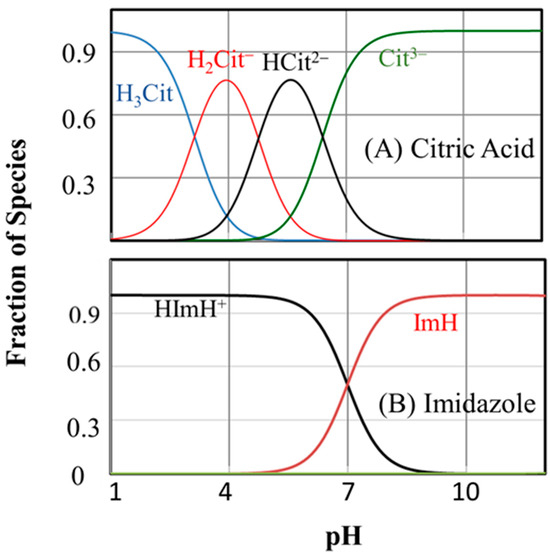
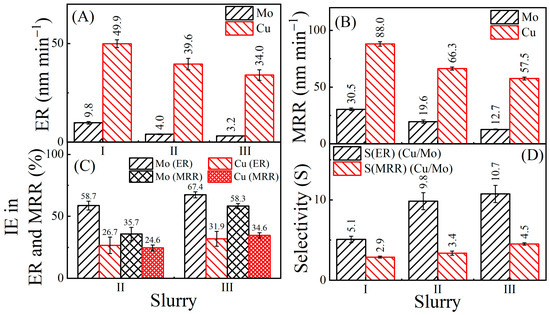
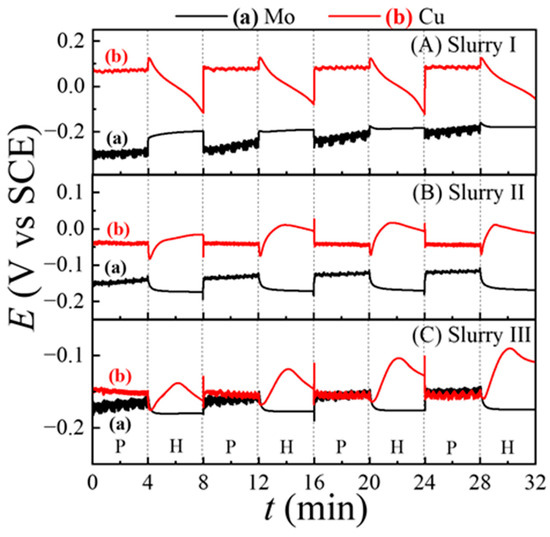
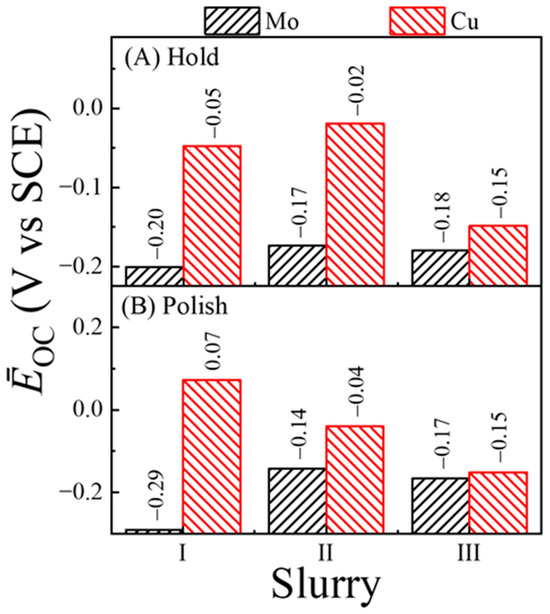
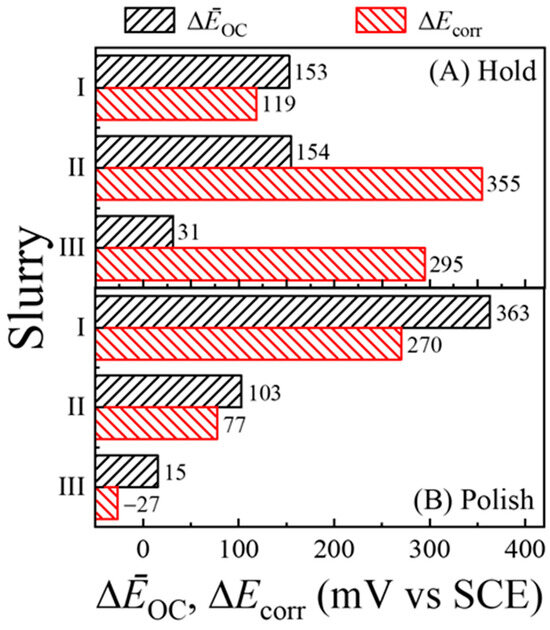
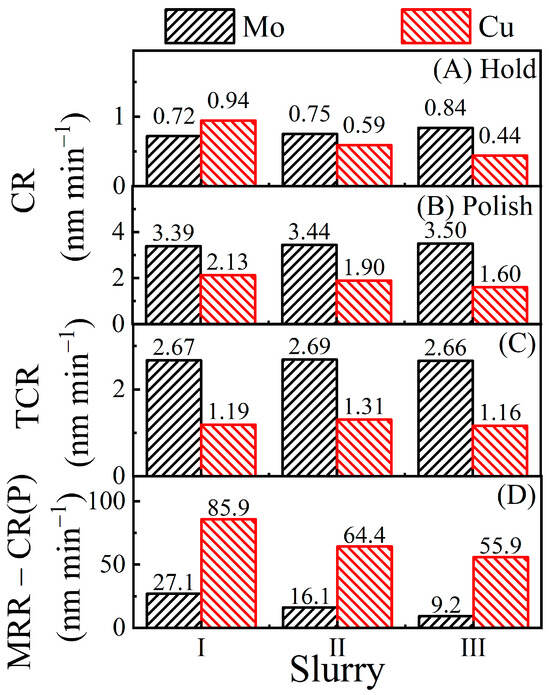
Molybdenum (Mo) is currently considered as a potential diffusion barrier material for copper (Cu) interconnects, and these interconnect structures are generally processed using the technique of chemical mechanical planarization (CMP). While a limited number of publications on Mo CMP are presently available, the considerations for mitigating CMP-induced galvanic corrosion of Mo have remained largely underexplored. Using a model CMP system in pH-neutral slurries of citric acid with silica abrasives, the present work demonstrates how Mo barrier lines in contact with Cu wires in the CMP environment can develop CMP defects of galvanic corrosion. Including imidazole in the slurry considerably reduces the galvanic current of this corrosion process. The mechanisms of galvanic inhibition and material removal are examined by employing strategic tribo-electrochemical measurements. Open-circuit potential and potentiodynamic polarization measurements performed under surface abrasion aid the characterization of CMP-enabling surface reactions. The slurry’s surface chemistry initiates the primary modes of material wear for CMP, and corrosion-induced propagation of subsurface wear mostly governs the measured material removal rates for both Mo and Cu. Although the Cu:Mo selectivity of material removal is affected as the galvanic corrosion of Mo is suppressed, this effect can be controlled by varying the slurry content of imidazole.
Full article

Figure 1
Open AccessArticle
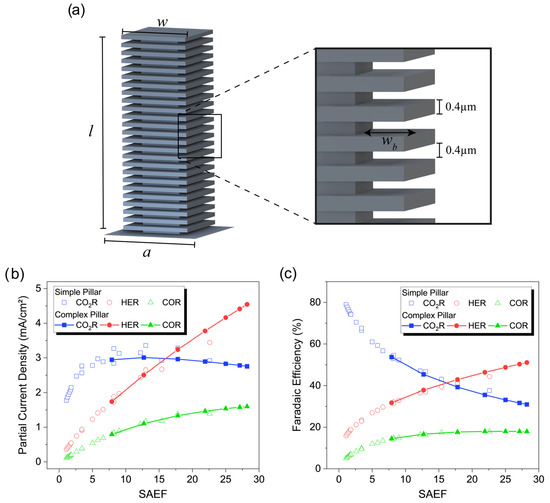
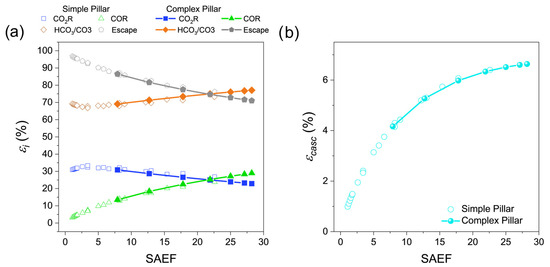
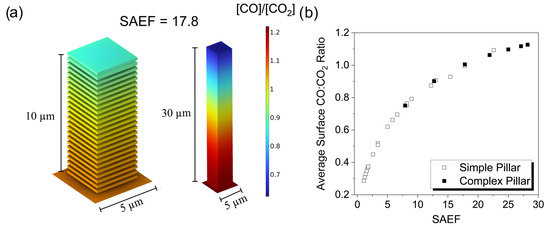
Reaction Diffusion Modelling of 3D Pillar Electrodes in Single-Catalyst CO2 Reduction Cascades
by
Pablo Fernandez, Marisé García-Batlle, Bo Shang, Hailiang Wang, Gregory N. Parsons, James F. Cahoon and Rene Lopez
Electrochem 2026, 7(1), 5; https://doi.org/10.3390/electrochem7010005 - 28 Feb 2026
Cited by 1
Abstract
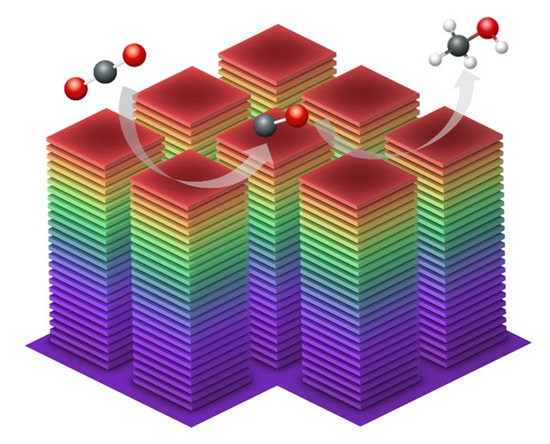
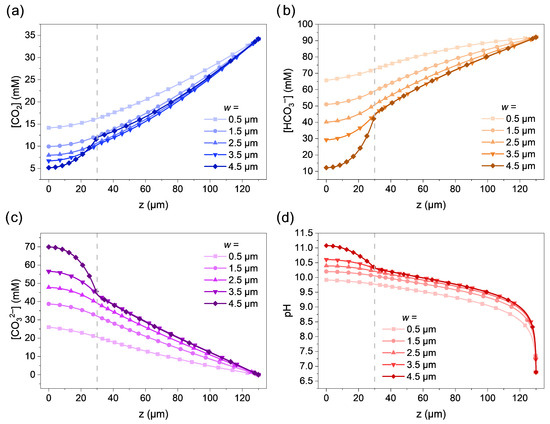
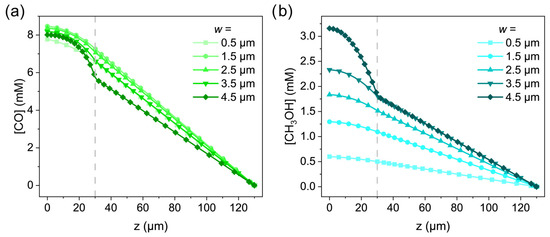
Effective electrochemical CO2 reduction to liquid fuels requires that the local catalytic environment facilitates the desired reactivity, yet a microscopic understanding of this environment is difficult to achieve from experiment alone. In this work, a 3D reaction-diffusion model was developed to explore
[...] Read more.
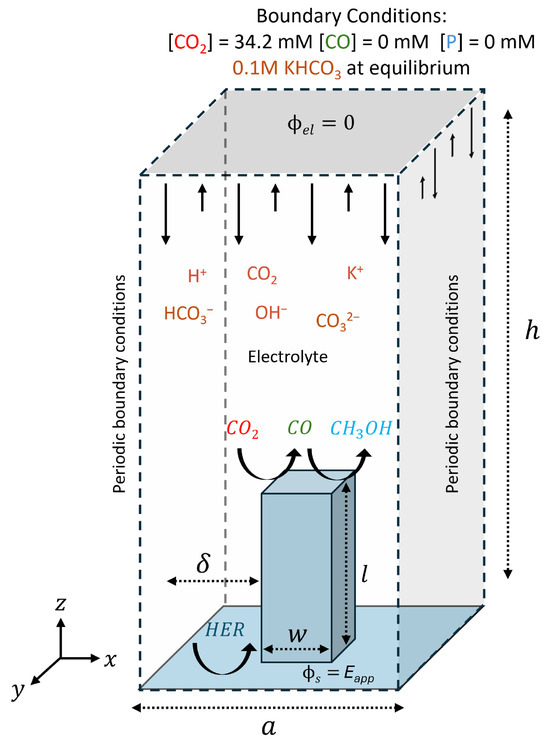
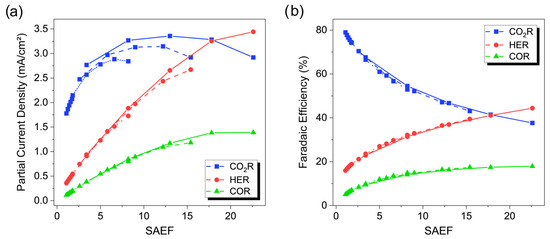
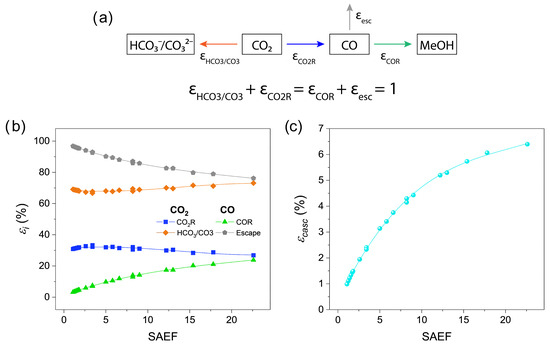
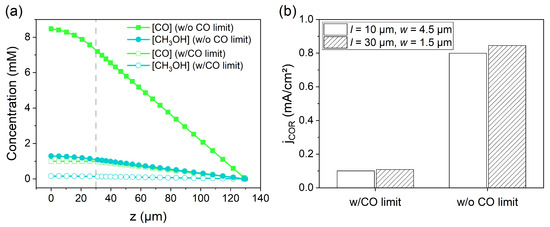
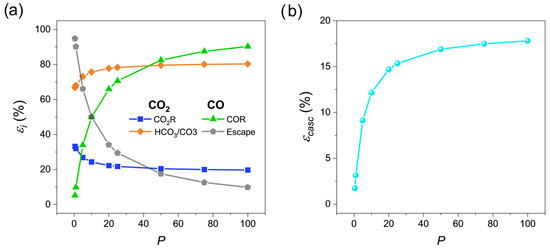
Effective electrochemical CO2 reduction to liquid fuels requires that the local catalytic environment facilitates the desired reactivity, yet a microscopic understanding of this environment is difficult to achieve from experiment alone. In this work, a 3D reaction-diffusion model was developed to explore the effects of electrode surface area and local geometry on the performance of a heterogeneous catalyst that performs a two-step CO2 reduction cascade reaction to CO and then CH3OH under aqueous conditions. Kinetic parameters for the model were inspired by experimental results using a cobalt phthalocyanine (CoPc) catalyst. Three-dimensional architectures composed of arrays of square pillars with varying dimensions and either smooth or periodically modulated surfaces were tested, revealing the extent to which geometry modulates the performance of the cascade reactions. Although structural variations modulate local concentration gradients, we find that electrochemically active surface area predominantly governs the overall cascade reaction. Moreover, the results suggest that supersaturation of CO, with concentrations up to ten-fold higher than the equilibrium solubility limit, might be critical for more efficient conversion to CH3OH. For any given geometry, the spatially averaged ratio of [CO] to [CO2] is dictated by the electrochemically active surface area and determines the yield of CH3OH. For a fixed surface area, geometries that spatially confine the electrolyte yield moderate local [CO] to [CO2] ratios within small volumes. In contrast, less confining geometries result in a broader distribution of local ratios spread over larger volumes, with both configurations yielding the same spatially averaged [CO] to [CO2] ratio. These insights provide valuable design principles—highlighting the critical importance of surface area and possibly CO supersaturation—for engineering advanced electrode architectures that leverage intermediate trapping and CO supersaturation to enhance overall performance in tandem CO2 reduction systems.
Full article
(This article belongs to the Topic Electrocatalytic Advances for Sustainable Energy)
►▼
Show Figures

Graphical abstract
Open AccessArticle
Anodic Thin Films on Gadolinium, Al/Gd and Al/Nb/Gd Systems: Morphology, Growth Mechanisms and Niobia Cork-like Effect
by
Andrei Pligovka, Sergey Zavadski, Andrei Lazavenka and Vadim Bogush
Electrochem 2026, 7(1), 4; https://doi.org/10.3390/electrochem7010004 - 20 Feb 2026
Abstract
►▼
Show Figures
The high reactivity of lanthanide metals poses a challenge to the electrochemical anodizing of surfaces for nanostructured coatings. This paper presents the first systematic experimental investigation of anodic oxidation of lanthanide gadolinium in aqueous solutions of citric, boric, oxalic, and tartaric acids. The
[...] Read more.
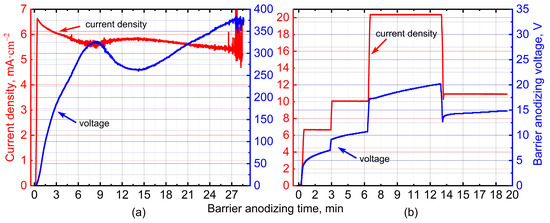
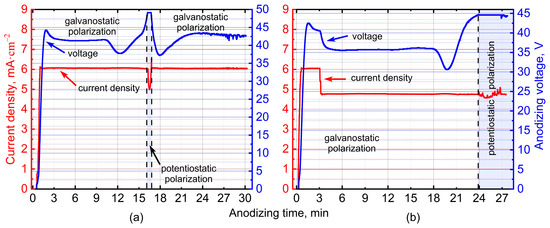
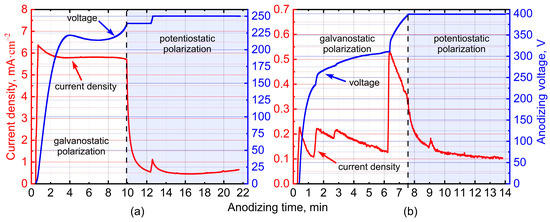
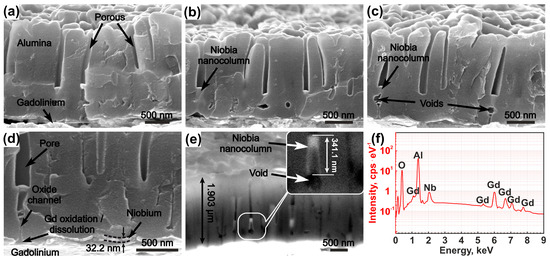
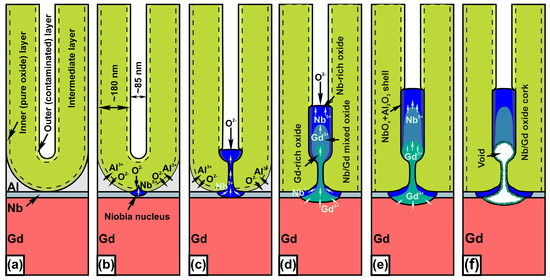
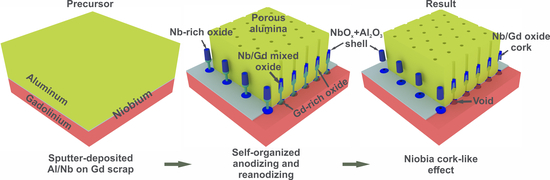
The high reactivity of lanthanide metals poses a challenge to the electrochemical anodizing of surfaces for nanostructured coatings. This paper presents the first systematic experimental investigation of anodic oxidation of lanthanide gadolinium in aqueous solutions of citric, boric, oxalic, and tartaric acids. The voltage-current-time responses of anodizing of gadolinium, Al/Gd and Al/Nb/Gd systems were investigated. Anodic thin films were characterized using modern analysis techniques: SEM, FIB, and EDX. Morphology and voltage-current-time response analysis of anodized Al/Nb/Gd systems made it possible to establish the niobia cork-like effect and to develop a growth model.
Full article

Graphical abstract
Open AccessArticle
Yttrium-Enhanced Passive Films in Austenitic Stainless Steel
by
Maksym Bichev, Denis Miroshnichenko, Sergey Nesterenko, Leonid Bannikov, Leonid Saienko, Volodymyr Tertychnyi, Vladislav Reivi, Kyrylo Serkiz and Mariia Shved
Electrochem 2026, 7(1), 3; https://doi.org/10.3390/electrochem7010003 - 16 Jan 2026
Cited by 1
Abstract
►▼
Show Figures
It has been demonstrated that a monomolecular surface film with semiconducting characteristics forms on an austenitic, corrosion- and heat-resistant chromium–nickel steel with 0.10 wt.% C, 20 wt.% Cr, 9 wt.% Ni, and 6 wt.% Mn (10Kh20N9G6), microalloyed with yttrium, in aqueous 1 M
[...] Read more.
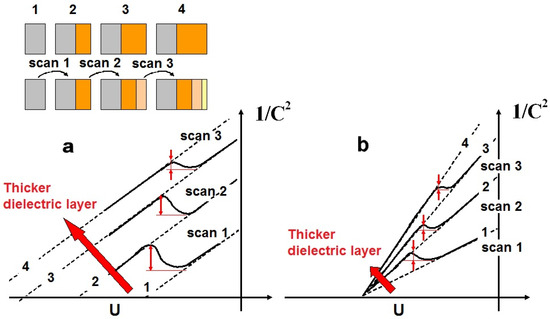
It has been demonstrated that a monomolecular surface film with semiconducting characteristics forms on an austenitic, corrosion- and heat-resistant chromium–nickel steel with 0.10 wt.% C, 20 wt.% Cr, 9 wt.% Ni, and 6 wt.% Mn (10Kh20N9G6), microalloyed with yttrium, in aqueous 1 M H2SO4. This passive layer exhibits semiconducting behavior, as confirmed by electrochemical impedance and capacitance measurements. For the first time, key electronic parameters, including the flat-band potential, the thickness of the semiconductor layer, and the Fermi energy, have been determined from experimental Mott–Schottky plots obtained for the interphase boundary between the yttrium-microalloyed austenitic Cr–Ni steel (10Kh20N9G6) and aqueous 1 M H2SO4. The results reveal a systematic shift in the flat-band potential toward more negative values with increasing yttrium content in the alloy, indicating a modification of the electronic structure of the passive film. Simultaneously, a decrease in the Fermi energy is observed, suggesting an increase in the work function of the metal surface due to the presence of yttrium. These findings contribute to a deeper understanding of passivation mechanisms in yttrium-containing stainless steels. The formation of a semiconducting passive film is essential for enhancing the electrochemical stability of stainless steels, and the role of rare-earth microalloying elements, such as yttrium, in this process is of both fundamental and practical interest.
Full article

Figure 1
Highly Accessed Articles
Latest Books
E-Mail Alert
News
Topics
Topic in
Catalysts, Electrochem, Materials, Molecules, Nanomaterials, Electronic Materials, Reactions
Electrocatalytic Advances for Sustainable Energy
Topic Editors: Yang Liu, Bangwei DengDeadline: 31 December 2026
Topic in
Analytica, AppliedChem, Biosensors, Chemosensors, Electrochem, Sensors
Electrochemical Analysis/Electrochemical Sensors in Bioanalytical Applications and Environmental Monitoring
Topic Editors: Stella Girousi, Rigini M. Papi, Pavlos TziourrouDeadline: 31 March 2027
Topic in
Catalysts, Chemistry, Electrochem, Molecules, Nanomaterials, Biosensors, Chemosensors, Physchem
Nanostructured (Photo-) and Electrocatalysts: Design, Mechanism, and Applications
Topic Editors: Karolina Syrek, Magdalena Gurgul-BednarczykDeadline: 11 June 2027
Topic in
Batteries, Electrochem, Molecules, Chemistry, Sustainable Chemistry, Liquids, AppliedChem
Ionic Liquid/Deep Eutectic Electrolytes/Poly-Based Electrolytes for Batteries
Topic Editors: Dengfeng Yu, Bo Jiang, Gongyuan ZhaoDeadline: 30 November 2027
Special Issues
Special Issue in
Electrochem
Advanced Electrochemical Materials for Next-Generation High-Performance Batteries
Guest Editor: Tao HuangDeadline: 31 January 2027
Special Issue in
Electrochem
Electrochemically-Mediated Approaches for the Capture, Conversion, and Extraction of Environmentally Relevant Species
Guest Editor: Kyumin JangDeadline: 28 February 2027
Special Issue in
Electrochem
Electrochemical Engineering-Driven Fuel Cell Design: From Fundamentals to Industrial Systems
Guest Editors: Srikanth Ponnada, Anandhan SrinivasanDeadline: 31 March 2027
Special Issue in
Electrochem
Sustainable Bioelectrochemical Systems: Advanced Materials Design, Bioelectrocatalysis, Electrochemistry and Energy Conversion
Guest Editors: Bonyoung Koo, Sunghoon SonDeadline: 31 March 2027
Topical Collections
Topical Collection in
Electrochem
Recent Advances in Electrochemical Sensors
Collection Editor: Masato Sone