Journal Description
Polysaccharides
Polysaccharides
is an international, peer-reviewed, open access journal on all aspects of the science of polysaccharides and their derivatives, published quarterly online by MDPI.
- Open Access— free for readers, with article processing charges (APC) paid by authors or their institutions.
- High Visibility: indexed within ESCI (Web of Science), Scopus, FSTA, CAPlus / SciFinder, and other databases.
- Rapid Publication: manuscripts are peer-reviewed and a first decision is provided to authors approximately 20.3 days after submission; acceptance to publication is undertaken in 3.5 days (median values for papers published in this journal in the first half of 2026).
- Journal Rank: JCR - Q2 (Polymer Science) / CiteScore - Q1 (Engineering (miscellaneous))
- Recognition of Reviewers: APC discount vouchers, optional signed peer review, and reviewer names published annually in the journal.
- Journal Cluster of Polymer and Macromolecular Science: Polymers, Membranes, Gels, Polysaccharides, Textiles, Macromol, Microplastics and Adhesives.
Impact Factor:
4.1 (2025);
5-Year Impact Factor:
6.1 (2025)
Latest Articles
Synthesis and Characterization of Hydrogels Based on Chitosan-g-N-Alkyl-Substituted Polyacrylamide Copolymers
Polysaccharides 2026, 7(3), 88; https://doi.org/10.3390/polysaccharides7030088 - 15 Jul 2026
Abstract
►
Show Figures
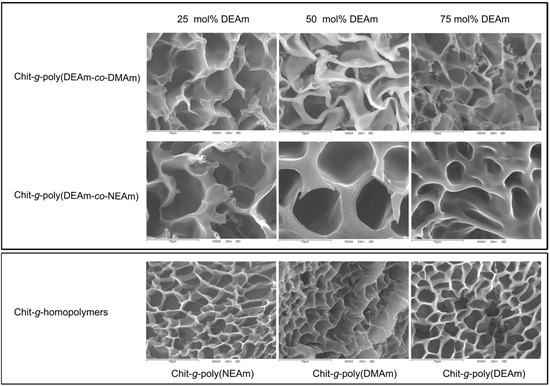
This work is focused on understanding how the properties of chitosan-g-poly(N,N-diethylacrylamide-co-N,N-dimethylacrylamide) and chitosan-g-poly(N,N-diethylacrylamide-co-N-ethylacrylamide) copolymers are affected by varying their compositions. Poly(N,N-diethylacrylamide), PDEAm, is a thermosensitive
[...] Read more.
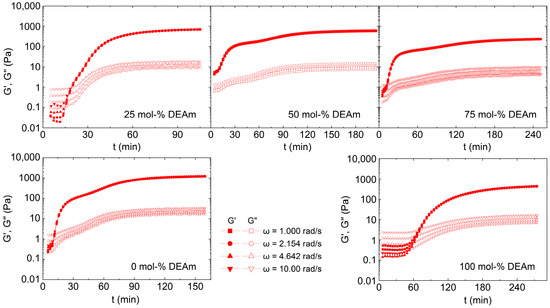
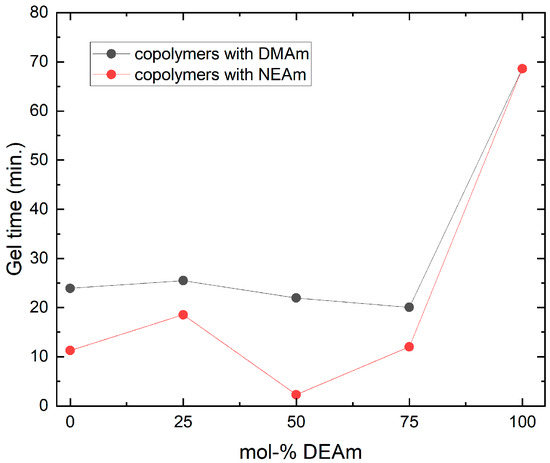
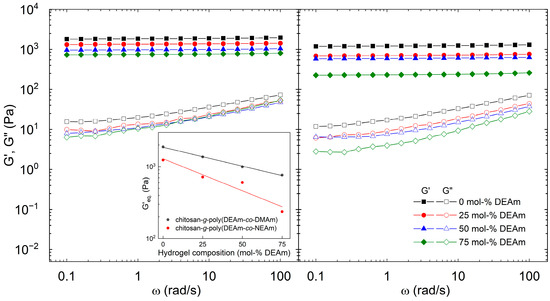
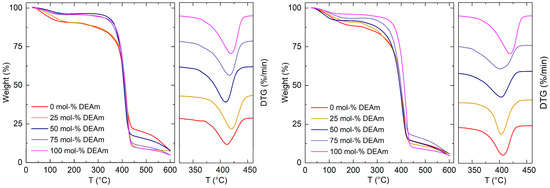
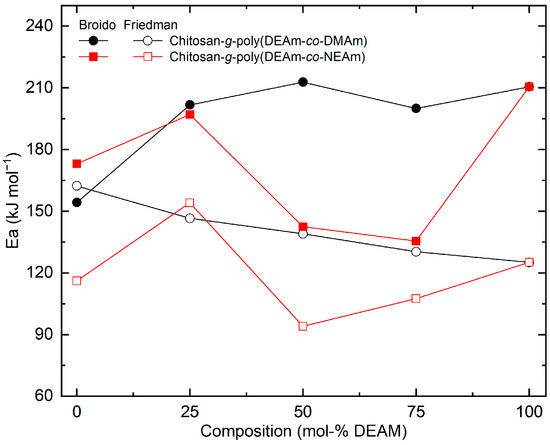
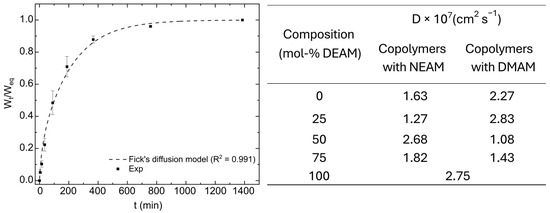
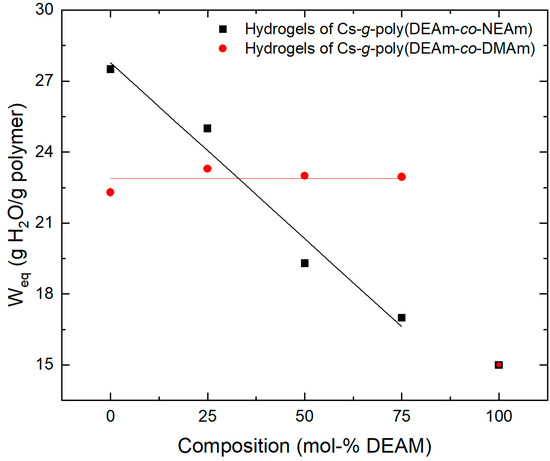
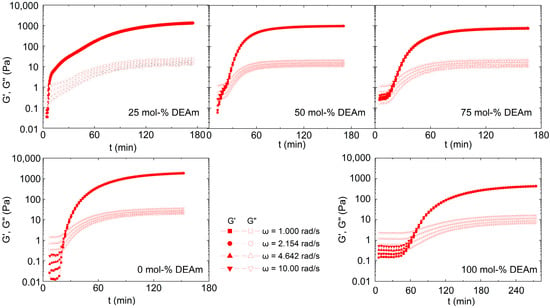
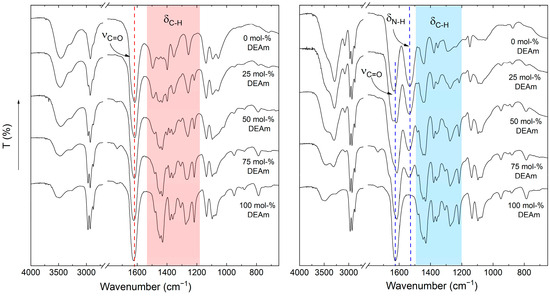
This work is focused on understanding how the properties of chitosan-g-poly(N,N-diethylacrylamide-co-N,N-dimethylacrylamide) and chitosan-g-poly(N,N-diethylacrylamide-co-N-ethylacrylamide) copolymers are affected by varying their compositions. Poly(N,N-diethylacrylamide), PDEAm, is a thermosensitive polymer with a reversible coil-to-globule transition in aqueous solution near the human body temperature. The transition temperature can be tuned by varying the amount of two more hydrophilic units: N-ethylacrylamide (NEAm) or N,N-dimethylacrylamide (DMAm). While the former can participate in hydrogen bonding as a proton donor or acceptor, the latter is only an acceptor and a very-well-known hydrophilic unit with no phase transition. The gelation process was followed by rheological measurements, showing the general features of the chemical gelation and the formation of a strong gel. A reaction autoacceleration was observed, which is interpreted by the high viscosity of the reaction mixture due to the presence of chitosan, although a greater effect was found in NEAm copolymers due to the higher hydrogen-bonding capacity of NEAm. A relationship was found between the compositions of both copolymers, the strength of the hydrogels, and the calculated pore size. The pore sizes range from 32 to 18 nm. Thermogravimetric analysis of the hydrogels showed the typical decomposition stages of polyacrylamides. Neither the temperature of the maximum decomposition rate nor the weight loss associated displayed a clear trend with the copolymer composition. There was an increment in the equilibrium swelling values with the content of NEAm units (from 16 to almost 28 g water/g polymer), but the copolymers with DMAm remained unaffected (swelling values around 23 g water/g polymer). The hydrogen-bonding interaction affected the gelation process and swelling behavior of the hydrogels. This can be explained by the greater ability of NEAm to form hydrogen bonds compared to DMAm.
Full article
Open AccessArticle
Skin Anti-Aging Potential of Sulfated Polysaccharides from Cladophora vagabunda Green Seaweed
by
Alexandra Gaspar-Pintiliescu, Ana-Maria Seciu-Grama, Ana-Maria Prelipcean, Andreia Alecu, Florentina Gatea, Otilia Zarnescu, Ticuta Negreanu-Pirjol and Oana Craciunescu
Polysaccharides 2026, 7(3), 87; https://doi.org/10.3390/polysaccharides7030087 - 14 Jul 2026
Abstract
Sulfated polysaccharides (SPs) from green seaweed species have been scarcely studied for the development of novel pharmaceutical, cosmetic or nutraceutical products. The present study aimed to investigate the physico-chemical characteristics of the sulfated polysaccharidic fractions isolated from Cladophora vagabunda green seaweed and to
[...] Read more.
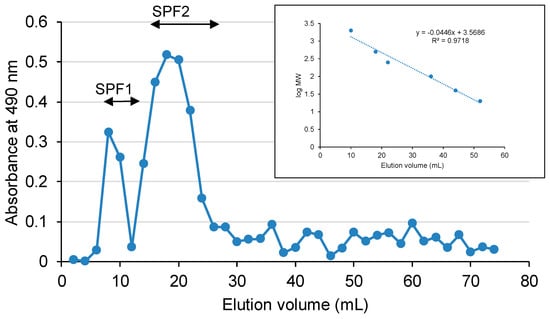
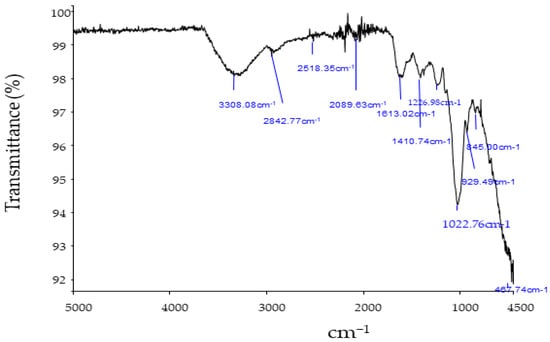
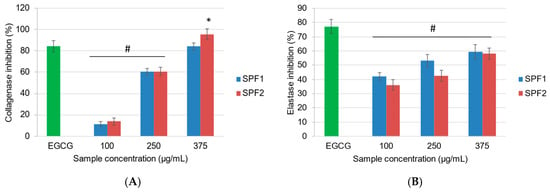
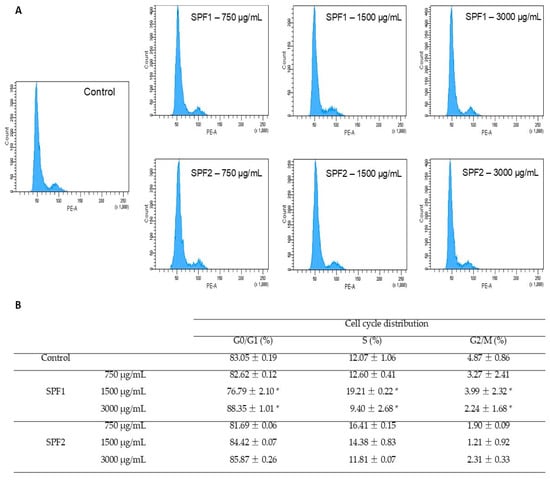
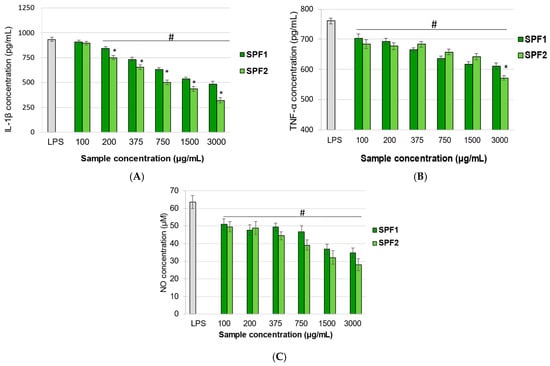
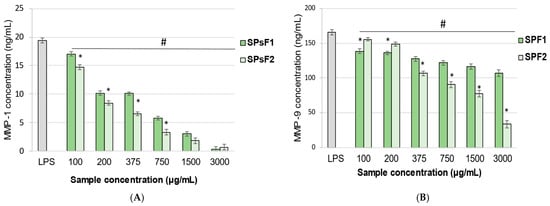
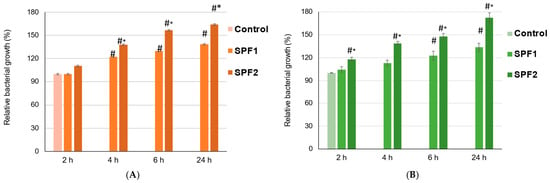
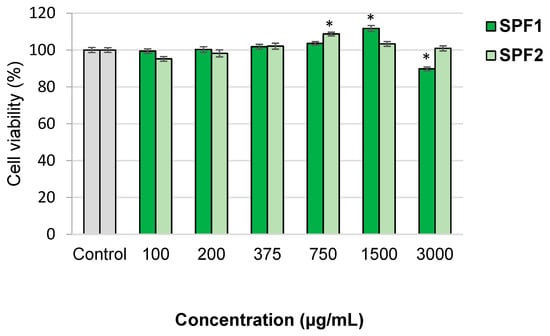
Sulfated polysaccharides (SPs) from green seaweed species have been scarcely studied for the development of novel pharmaceutical, cosmetic or nutraceutical products. The present study aimed to investigate the physico-chemical characteristics of the sulfated polysaccharidic fractions isolated from Cladophora vagabunda green seaweed and to evaluate their anti-aging properties in vitro. SPF1 and SPF2 fractions were separated from the purified polysaccharidic extract by size exclusion chromatography. The content of neutral carbohydrates, uronic acids and sulfate was assessed, while Fourier transform infrared spectroscopy (FT-IR) analysis confirmed the presence of a functional group characteristic for sulfated polysaccharides. Capillary zone electrophoresis indicated the monosaccharides profile and the presence of bioactive fucose and uronic acids. The two fractions differed in sulfate content (22.59% and 29.44%). SF2 showed stronger collagenase inhibition (95.69%), whereas SF1 exhibited greater elastase inhibition (84.2%) in comparison with EGCG. Both fractions exhibited antioxidant, anti-collagenase and anti-elastase activities and also a good biocompatibility and capacity to modulate the cell cycle progression in human dermal fibroblast culture. They showed anti-inflammatory potential by inhibition of interleukin-1 beta (IL-1β), tumor necrosis factor-α (TNF-α) and nitric oxide (NO) production in lipopolysaccharide (LPS)-inflamed THP-1-derived macrophages. Also, the level of matrix metalloproteinase-1 (MMP-1) and MMP-9 secretion was reduced after treatment with C. vagabunda fractions with MMP-1 reduced by ~95% in both fractions and MMP-9 reduced by ~79% in SF2 compared with the control. Both fractions stimulated the growth of probiotic cultures Lactobacillus acidophilus and L. rhamnosus. All these results demonstrated, for the first time, the anti-aging potential of sulfated polysaccharides isolated from C. vagabunda green seaweed.
Full article
(This article belongs to the Special Issue Translational Advances in Polysaccharide-Based Materials: Bridging Pharmacy, Biomedicine, and Engineering)
►▼
Show Figures

Figure 1
Open AccessArticle
Biosynthetic Composites Based on Bacterial Cellulose and Synthetic Polymers: In Silico Prediction of Combinations and In Situ Characterization
by
Elena Efremenko, Aysel Aslanli, Nikolay Stepanov, Olga Senko, Ivan Chumachenko and Maksim Domnin
Polysaccharides 2026, 7(3), 86; https://doi.org/10.3390/polysaccharides7030086 - 14 Jul 2026
Abstract
Composites based on bacterial cellulose (BC) and synthetic polymers are attracting research interest as promising functional materials due to the ability to control their properties. In this study, the interactions between BC and synthetic polymers, poly(vinyl alcohol) (PVA), polylactide (PLA), and polycaprolactone (PCL),
[...] Read more.
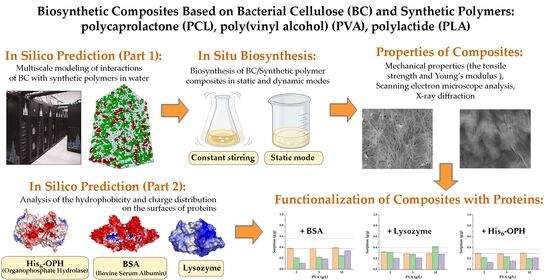
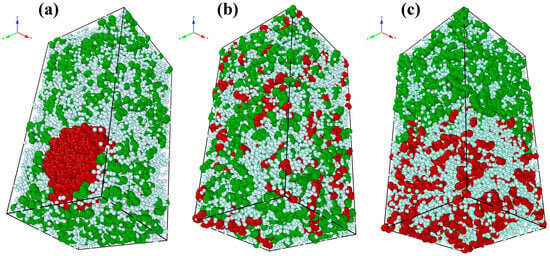
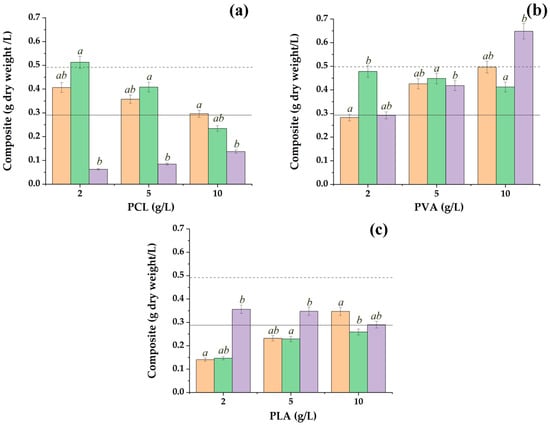
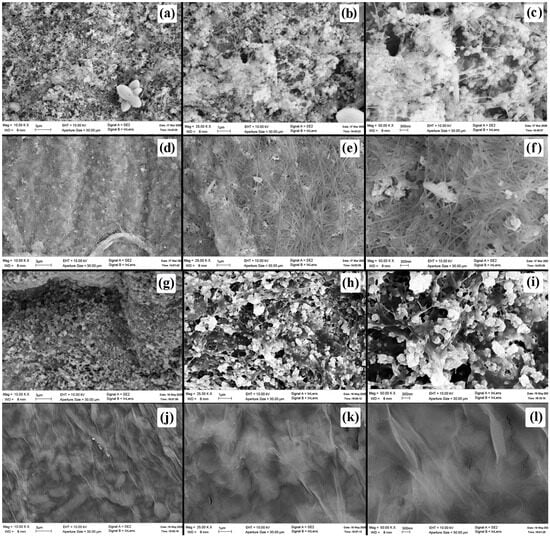
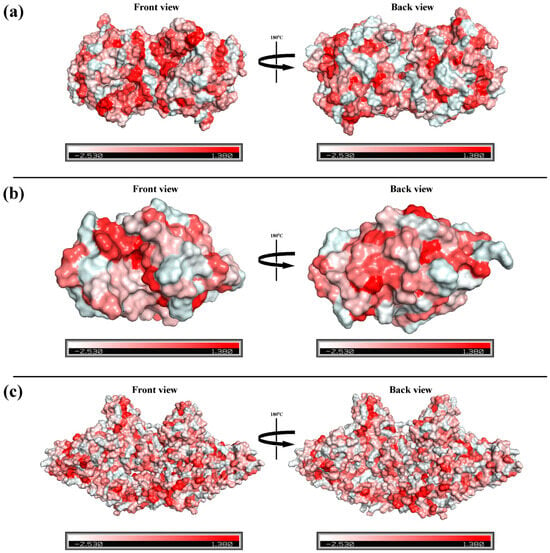
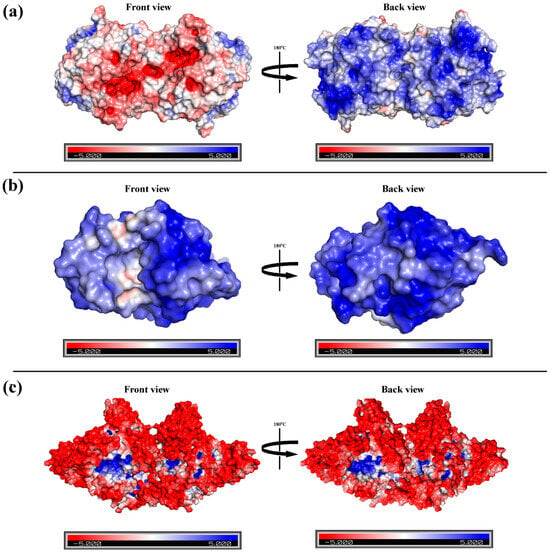
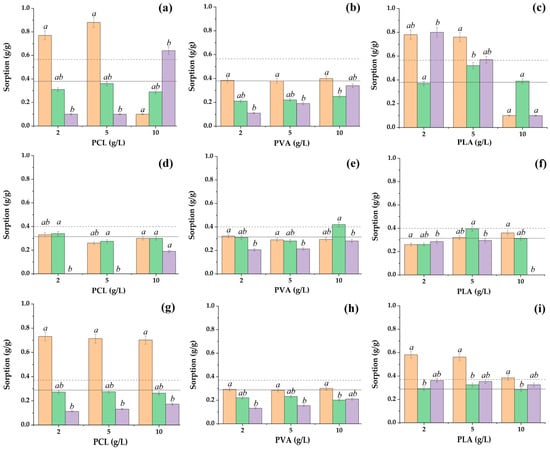
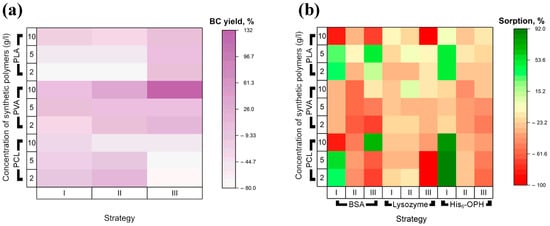
Composites based on bacterial cellulose (BC) and synthetic polymers are attracting research interest as promising functional materials due to the ability to control their properties. In this study, the interactions between BC and synthetic polymers, poly(vinyl alcohol) (PVA), polylactide (PLA), and polycaprolactone (PCL), were investigated using computer modeling, and the biosynthesis, characteristics, and protein sorption capacity of the resulting composites were evaluated. In silico analysis using dissipative particle dynamics predicted a decrease in compatibility with BC in the order PVA > PLA > PCL. The calculated Flory–Huggins interaction parameters for BC/PVA, BC/PLA, and BC/PCL systems were 1.75, 3.93, and 6.03, respectively, indicating a gradual decrease in thermodynamic compatibility. These predictions were experimentally confirmed by in situ biosynthesis of BC/synthetic polymer composites under static and dynamic cultivation conditions. BC/PVA composites exhibited homogeneous morphology with pore size below 100 nm and improved structural integrity. BC/PLA and BC/PCL systems showed phase separation and broader pore size distributions, reaching up to 900 nm. The functionalization of the obtained composites via adsorption of different proteins (bovine serum albumin, lysozyme, and His6-organophosphate hydrolase) revealed a high dependence of the results on the polymer type, the conditions applied for composite synthesis, and the molecule size of the proteins. Estimations of protein–composite interactions were conducted in silico and confirmed in vitro. The maximal sorption capacity was revealed for composites obtained during the cultivation of BC-producing microorganisms under static conditions, with the addition of synthetic polymers to the nutritional medium. In the case of enzymes used for the functionalization of composites, a partial activity loss after sorption was revealed. In BC/PVA composites, the maximal decrease in enzyme activity (~30% from the activity level of the same enzymes in the BC samples) was observed. BC/PLA and BC/PCL composites demonstrated preferences in the sorption of large protein molecules, making them attractive platforms for enzyme immobilization and biocatalytic applications of the obtained catalytically active composites.
Full article
(This article belongs to the Special Issue Nanocellulose-Based Materials: Sustainable and Smart Platforms for Biomedical and Functional Applications)
►▼
Show Figures

Graphical abstract
Open AccessArticle
Short-Range Starch Order, Pasting Behavior, and Gelatinization of Native and Sprouted Wheat and Rice Flour Systems
by
Paloma Lopez-Sarmiento and Julián de la Rosa-Millán
Polysaccharides 2026, 7(3), 85; https://doi.org/10.3390/polysaccharides7030085 - 14 Jul 2026
Abstract
►▼
Show Figures
This study evaluates the effects of germination on the composition, starch architecture, thermal profiles, short-range molecular order, and pasting behavior of wheat and rice flour systems and their corresponding isolated starch fractions. Germination significantly reduced total starch content in wheat flour (74.81–56.74%) and
[...] Read more.
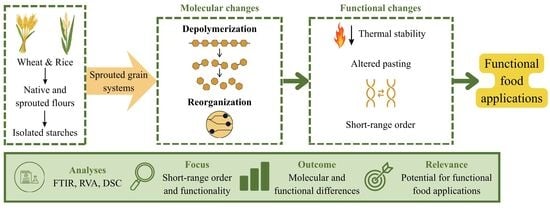
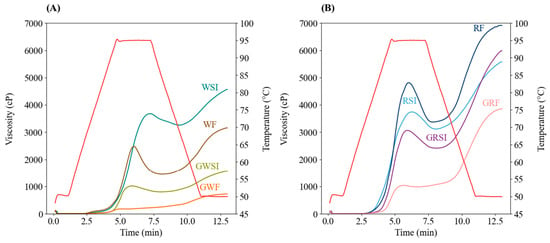
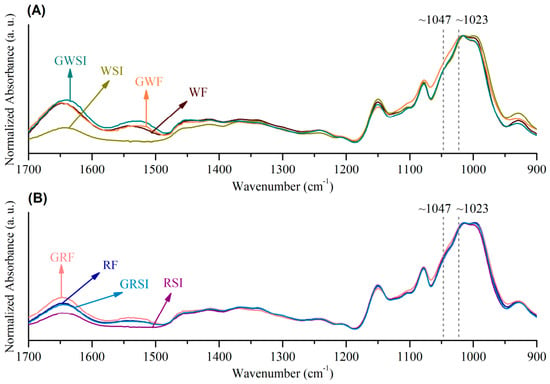
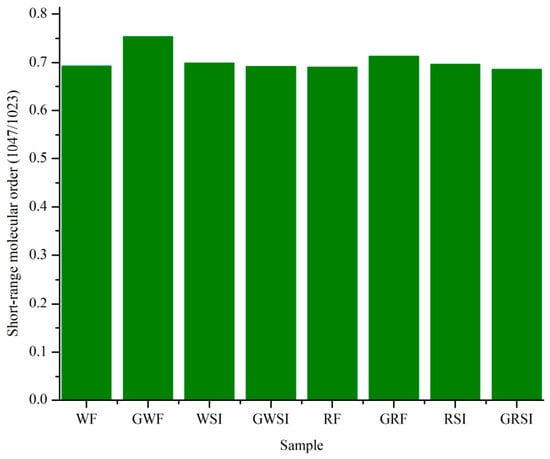
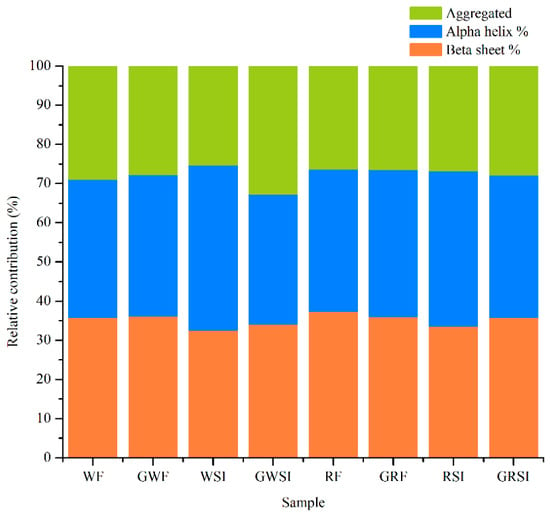
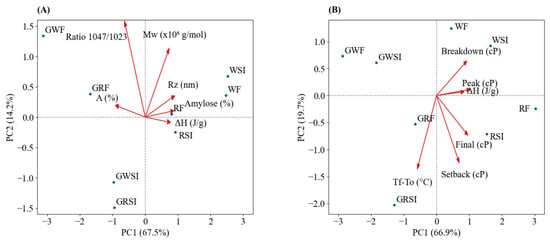
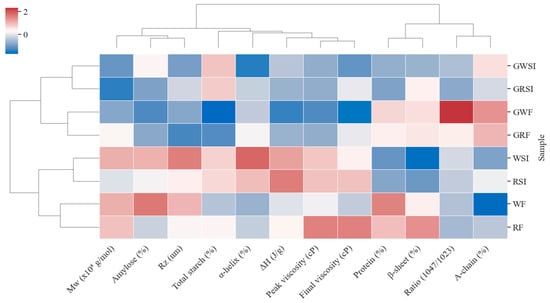
This study evaluates the effects of germination on the composition, starch architecture, thermal profiles, short-range molecular order, and pasting behavior of wheat and rice flour systems and their corresponding isolated starch fractions. Germination significantly reduced total starch content in wheat flour (74.81–56.74%) and rice flour (85.55–64.00%). Additionally, amylose content decreased from 24.70 to 18.77% in wheat flour and from 20.83 to 19.69% in rice flour. Amylopectin A-chains increased in germinated wheat flour (33.98%) and germinated rice flour (31.49%), suggesting starch depolymerization and molecular restructuring. These structural changes are associated with lower gelatinization enthalpy values, which decreased from 8.82 to 4.78 J/g in wheat flour and from 9.99 to 6.90 J/g in rice flour, reflecting reduced thermal stability after sprouting. ATR-FTIR analysis showed that germinated flours had the highest short-range molecular order (1047/1023 ratios of 0.75 and 0.71 for wheat and rice, respectively), despite their lower starch content. Germination also affected the development of viscosity; peak viscosity decreased from 2482.5 to 217.0 cP in wheat flour and from 4830.0 to 1039.5 cP in rice flour. Germination influenced protein secondary structure: it increased relative α-helix content in flour systems (from 35.23% to 36.16% in wheat, and from 36.26% to 37.58% in rice) but decreased it in isolated starches (from 42.05% to 33.17% in wheat, and from 39.60% to 36.29% in rice), suggesting a matrix-specific response. Germination-induced depolymerization and reorganization altered starch structure, thermal properties, and viscosity. These findings provide an integrated structural and functional framework that links starch architecture, molecular order, gelatinization, and the development of viscosity in germinated cereal matrices for food applications.
Full article

Graphical abstract
Open AccessArticle
3D Printed Curcuminoid-Loaded Nanocellulose–Alginate Scaffolds with Tunable Mechanical and Diffusion-Controlled Release Properties
by
Gal Slaček, Petra Kotnik, Željko Knez, Maša Knez Marevci, Silvo Hribernik, Karin Stana Kleinschek and Tamilselvan Mohan
Polysaccharides 2026, 7(3), 84; https://doi.org/10.3390/polysaccharides7030084 - 11 Jul 2026
Abstract
This study reports the fabrication of curcuminoid-loaded nanofibrillated cellulose (NFC)–alginate scaffolds via extrusion-based 3D printing, integrating supercritical CO2 extraction with biofabrication. NFC–alginate inks were pre-crosslinked with CaCl2 (1 to 10 mM) to tune structure and properties. Rheological analysis confirmed shear-thinning behavior
[...] Read more.
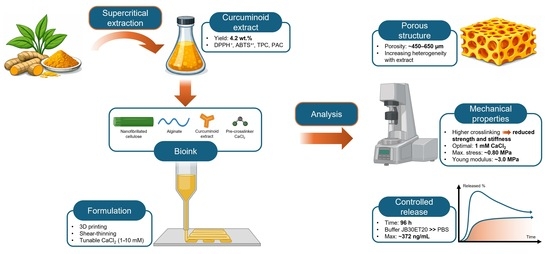
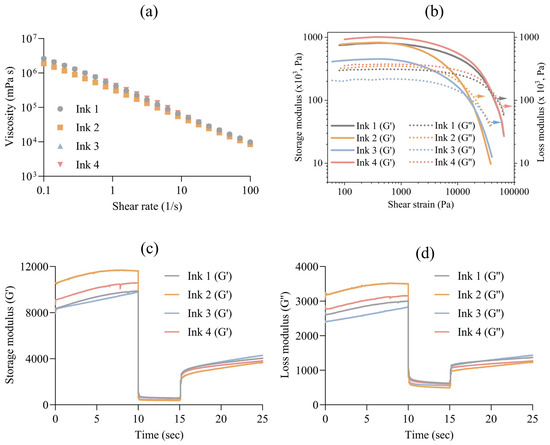
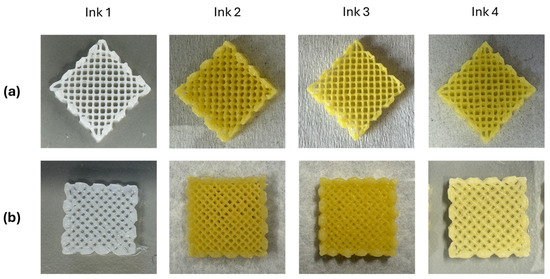
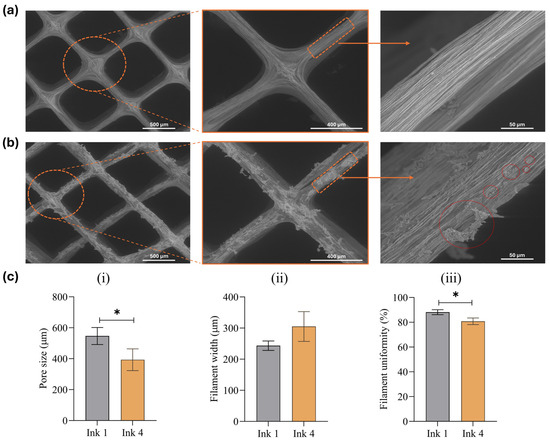
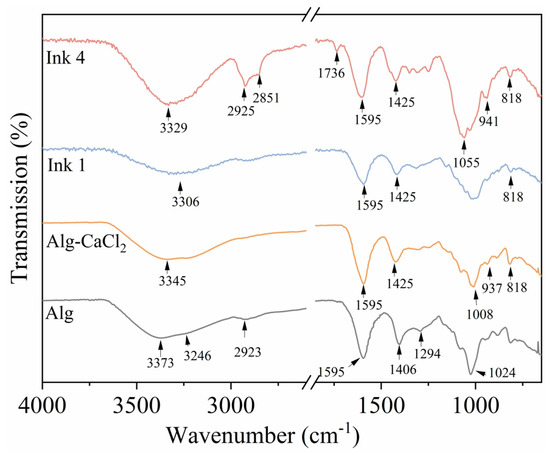
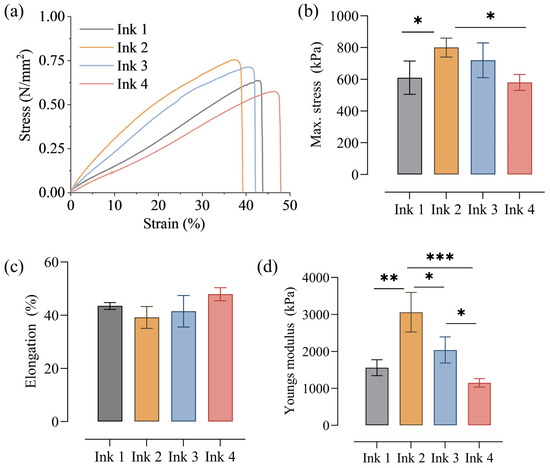
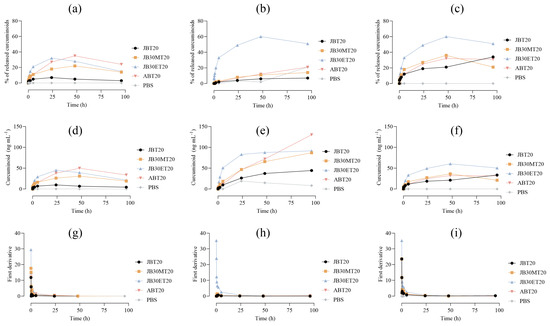
This study reports the fabrication of curcuminoid-loaded nanofibrillated cellulose (NFC)–alginate scaffolds via extrusion-based 3D printing, integrating supercritical CO2 extraction with biofabrication. NFC–alginate inks were pre-crosslinked with CaCl2 (1 to 10 mM) to tune structure and properties. Rheological analysis confirmed shear-thinning behavior suitable for extrusion printing. Mechanical testing revealed a non-linear dependence on crosslinking: optimal performance was achieved by Ink 2 (1 mM CaCl2 with curcuminoid extract), with tensile strength increasing from ~0.60 to ~0.80 MPa and Young’s modulus from ~1.5 to ~3.0 MPa relative (Ink 1, 10 mM CaCl2, without extract), reflecting the combined effect of extract incorporation and ionic pre-crosslinking rather than crosslinker concentration alone; higher crosslinking reduced stiffness (~1.15 MPa). SEM revealed porous architectures (Ink 1: 542 ± 63 μm; Ink 4: 398 ± 71 μm) with increasing structural heterogeneity upon curcuminoid incorporation. In vitro release exhibited biphasic, diffusion-dominated behavior, reaching ~50 to 60% in ethanol-containing media; PBS inclusion as a physiological reference confirmed minimal release (<5%), consistent with the known hydrophobicity and pH-dependent instability of curcuminoids and defining the physicochemical delivery boundaries of the system. The highest release (~372 ng/mL) was achieved at intermediate loading (10×). Kinetic modeling confirmed Higuchi-type diffusion as the dominant mechanism (R2 ≈ 0.90 to 0.99). These results establish a clear structure–property–release relationship and position the scaffolds as a tunable, diffusion-controlled delivery platform for hydrophobic bioactives in topical or formulation-assisted applications employing co-solvents or solubilizing excipients.
Full article
(This article belongs to the Special Issue Nanocellulose-Based Materials: Sustainable and Smart Platforms for Biomedical and Functional Applications)
►▼
Show Figures

Graphical abstract
Open AccessArticle
Study of the Impact of Breakers on Nanomodified Guar Gels for Hydraulic Fracturing
by
Andrey Minakov, Vladimir Zhigarev, Aleksandr Neverov, Maxim Pryazhnikov and Vladimir Prigozhikh
Polysaccharides 2026, 7(3), 83; https://doi.org/10.3390/polysaccharides7030083 - 11 Jul 2026
Abstract
►▼
Show Figures
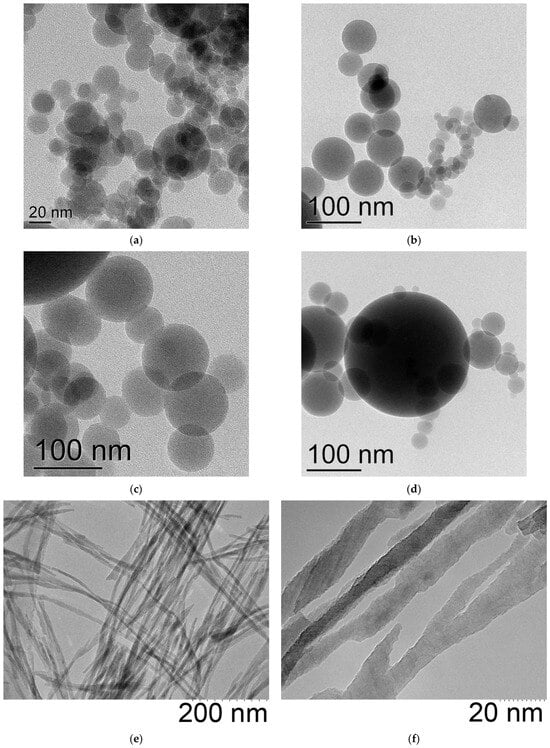
Hydraulic fracturing enhances productivity in low-permeability reservoirs. The introduction of nanomodified gels for hydraulic fracturing has raised the need to revise traditional approaches to their breakdown, as nanoparticles significantly change the kinetics and mechanisms of degradation. In this paper, for the first time,
[...] Read more.
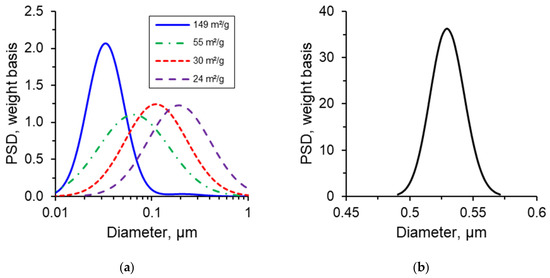
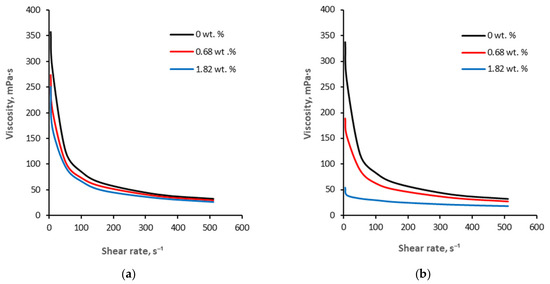
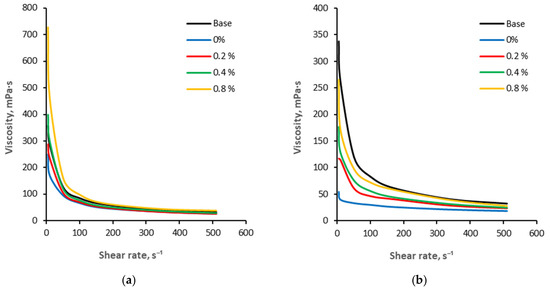
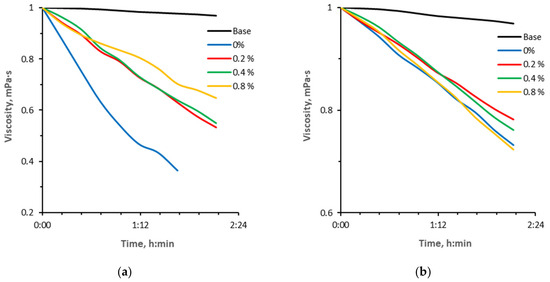
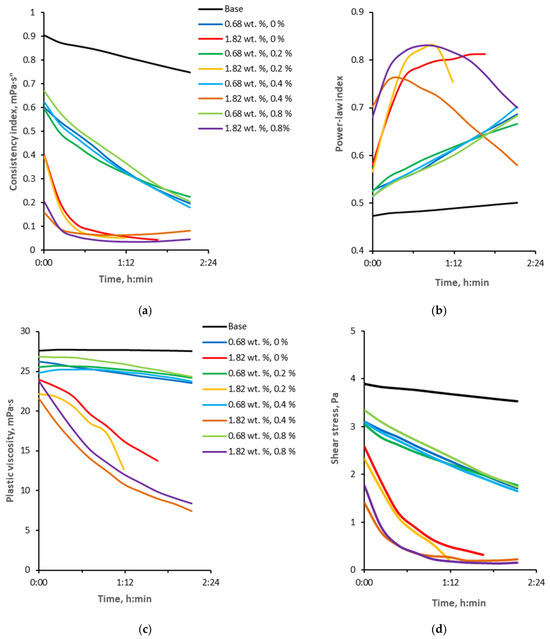
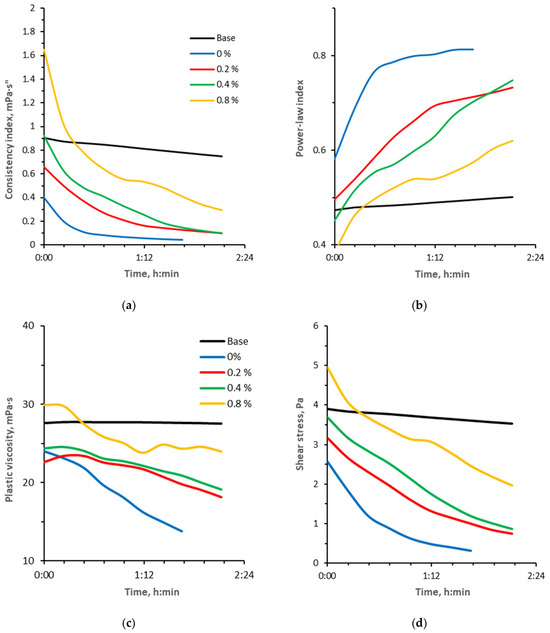
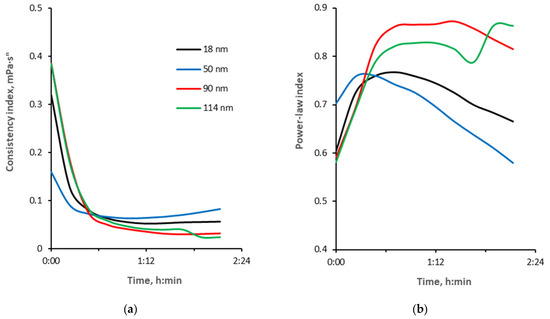
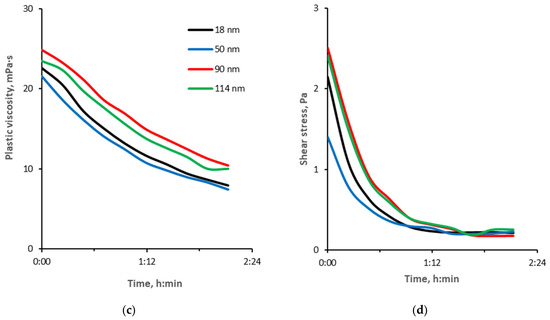
Hydraulic fracturing enhances productivity in low-permeability reservoirs. The introduction of nanomodified gels for hydraulic fracturing has raised the need to revise traditional approaches to their breakdown, as nanoparticles significantly change the kinetics and mechanisms of degradation. In this paper, for the first time, a systematic experimental study of the effects of chemical breakers on the rheological properties of nanomodified guar gels has been conducted. Two commercial oxidative breakers were used, which generate free radicals and cleave the guar polymer backbone, reducing viscosity. The effect of breaker concentration (0–1.82 wt%), as well as the concentration, size, and morphology of nanoparticles on gel breaking, has been studied. Guar gum was used as a gelling agent, and spherical SiO2 and Al2O3 nanoparticles, as well as aluminum oxide nanofibers (ANFs), were used as additives. An increase in breaker concentration accelerates gel breaking. For instance, at 0.68 wt% breaker, complete degradation occurs in about 3 h, whereas at 1.82 wt% it takes only about half an hour, with the viscosity dropping to 30 mPa·s. While nano-additives can either slow down or accelerate degradation depending on their type, size, and concentration, the addition of 0.4 wt% ANFs prolong the degradation time to more than two hours even at the highest breaker concentration. These effects are attributed to the competition between polymer chain scission by free radicals and the formation of physical crosslinks mediated by nanoparticles. The results demonstrate the possibility of purposefully controlling the kinetics of breaking of nanomodified gels for hydraulic fracturing by optimally selecting the breaker composition and nano-additive parameters.
Full article

Figure 1
Open AccessArticle
Multifunctional Citrus Peel Pectins from Seven Species: A Comparative Study of Physicochemical, Techno-Functional, and Bioactive Properties
by
Leila Mohammadi, Gholamreza Kavoosi, Fatemeh-Sadat Hashemirad and Seyed Mohammad Mahdi Dadfar
Polysaccharides 2026, 7(3), 82; https://doi.org/10.3390/polysaccharides7030082 - 9 Jul 2026
Abstract
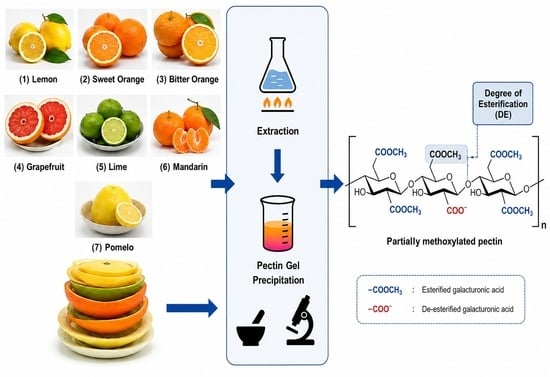
Citrus peel, a major by-product of citrus processing, is a rich source of pectin and other bioactive compounds. In this study, pectin extracted from seven citrus species was comprehensively characterized for its structural, spectral, thermal, physicochemical, techno-functional, antioxidant, and anti-amylase properties. The extracted
[...] Read more.
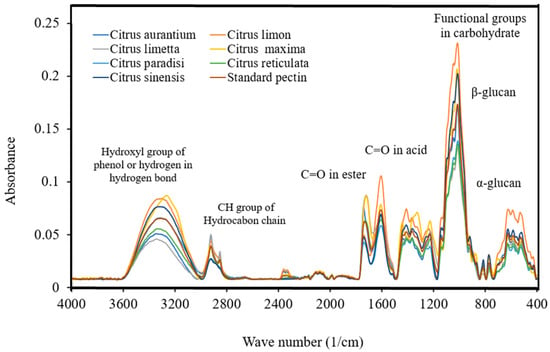
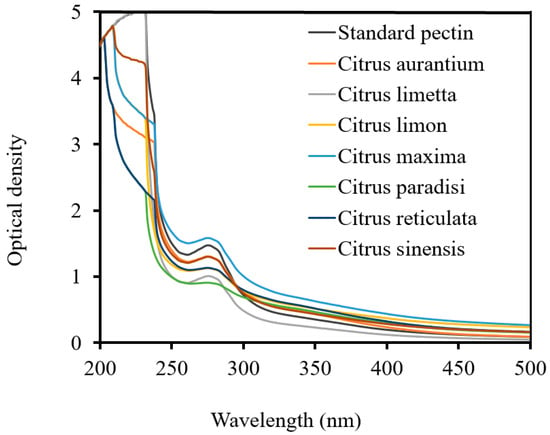
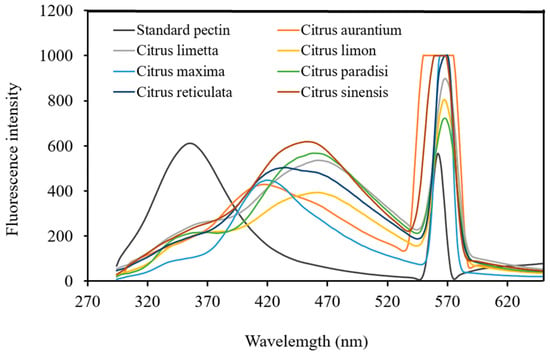
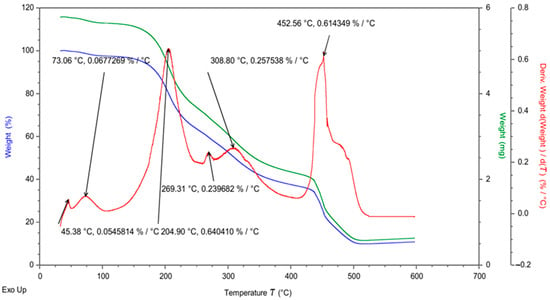
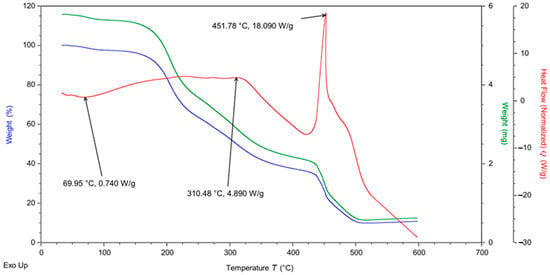
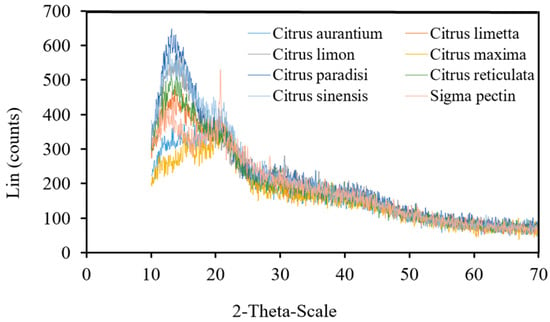
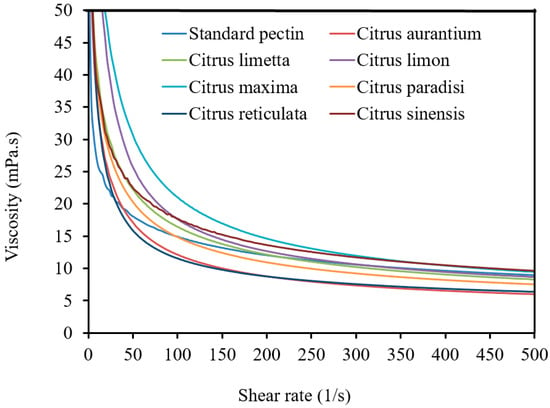
Citrus peel, a major by-product of citrus processing, is a rich source of pectin and other bioactive compounds. In this study, pectin extracted from seven citrus species was comprehensively characterized for its structural, spectral, thermal, physicochemical, techno-functional, antioxidant, and anti-amylase properties. The extracted pectin (~50% methyl esterification) contained residual cellulose, hemicellulose, lignin, and proteins, with Fourier-transform infrared (FTIR) and ultraviolet-visible (UV-Vis) confirming typical galacturonic acid-based structures. Fluorescence analysis revealed emission shifts (420–500 nm) compared to standard pectin. Thermal analysis indicated multi-stage degradation, with major transitions linked to moisture loss, polysaccharide depolymerization, and lignin oxidation. X-ray diffraction (XRD) confirmed a predominantly amorphous structure with minor cellulose domains. The pectin solution showed negative zeta potential, shear-thinning behavior, and high conductivity. Functionally, it exhibited strong swelling, hygroscopicity, and water/oil holding capacity, but low foaming ability. Biologically, it demonstrated moderate antioxidant activity and α-amylase inhibition. These findings highlight citrus pectin as a promising sustainable ingredient for food and pharmaceutical applications, with future work needed to enhance its solubility and bioactivity.
Full article
(This article belongs to the Special Issue Emerging Innovations in Polysaccharide Chemistry: Novel Synthesis Concepts and Tailored Biopolymer Derivatives)
►▼
Show Figures

Graphical abstract
Open AccessArticle
Synergistic Garlic Biomass-Derived Cellulose Nanocrystals and Soy Protein for Stabilised Fish Oil Encapsulation
by
Malaiporn Wongkaew, Titita Bunyarit, Pimolpun Lertbuaban, Wasitta Rachakhom, Piyachat Sunanta, Yuthana Phimolsiripol and Sarana Rose Sommano
Polysaccharides 2026, 7(3), 81; https://doi.org/10.3390/polysaccharides7030081 - 3 Jul 2026
Abstract
Encapsulation serves as a critical strategy for the preservation of sensitive bioactive compounds, ensuring their stability and functionality within complex food matrices. Cellulose nanocrystals (CNCs) upcycled from by-products are being favoured as wall materials because they offer a sustainable yet powerful solution for
[...] Read more.
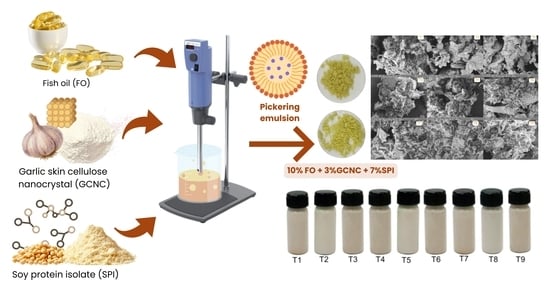
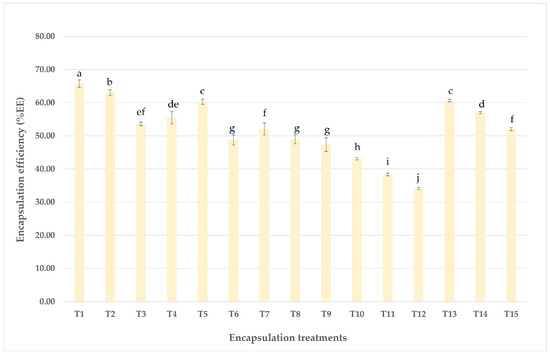
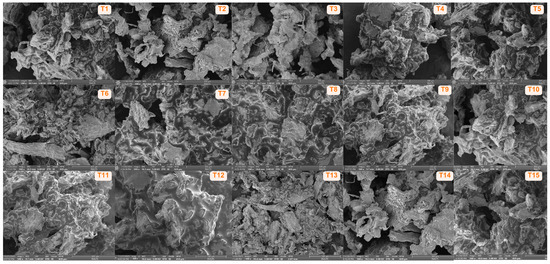
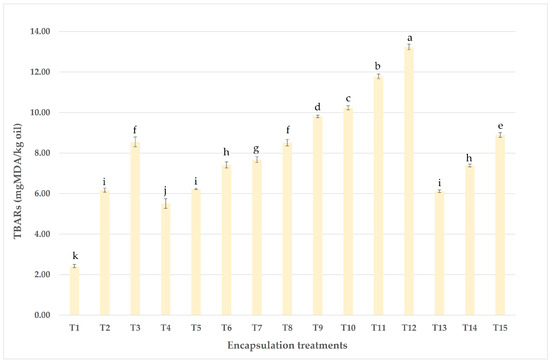
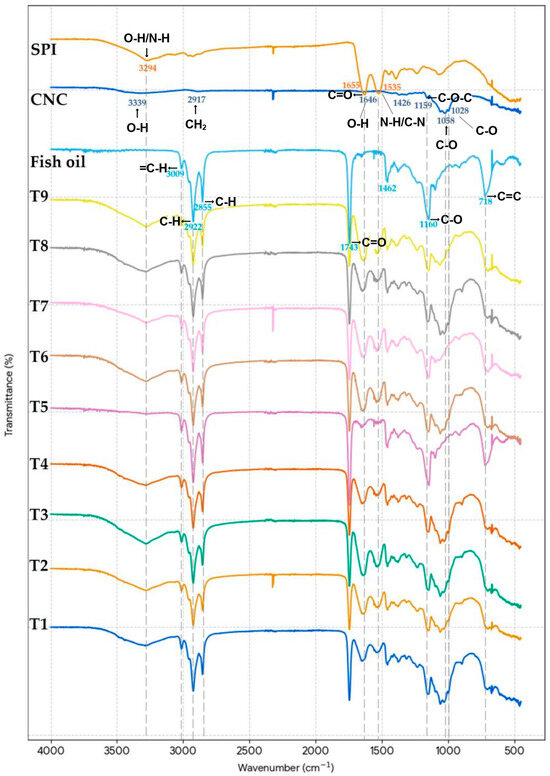
Encapsulation serves as a critical strategy for the preservation of sensitive bioactive compounds, ensuring their stability and functionality within complex food matrices. Cellulose nanocrystals (CNCs) upcycled from by-products are being favoured as wall materials because they offer a sustainable yet powerful solution for maintaining compound stability. This study evaluated the encapsulation of fish oil (FO) within a nanocomposite matrix of garlic skin-derived cellulose nanocrystals (GCNCs) and soy protein isolate (SPI). The synergistic effects of FO loading and GCNC:SPI ratios on the microcapsules’ structural, physicochemical, and digestive properties were investigated. Higher FO loading significantly reduced the moisture content of the resulting microcapsule powders while increasing bulk and tapped densities by minimising internal porosity. Microstructural analysis showed irregularly shaped agglomerates. Higher FO loading also increased surface oil retention and inter-particle adhesion of the microcapsule powders; however, elevated SPI levels effectively counteracted these effects. Colour analysis further revealed that higher FO loading reduced powder lightness (L*) and increased yellowness (b*), while greater GCNC content positively influenced redness (a*). The formulation containing 10% FO, 3% GCNCs, and 7% SPI was identified as the optimal treatment. This ratio achieved the highest encapsulation efficiency (65.77% ± 1.10) and demonstrated superior flowability, characterised by the lowest Carr’s Index (20.65% ± 0.29) and Hausner Ratio (1.23 ± 0.05). Additionally, it maintained oxidative stability, with TBARS values (2.42 ± 0.08 mg MDA/kg oil) remaining consistently below the established 3 mg MDA/kg threshold. Fourier Transform Infrared Spectroscopy confirmed the successful entrapment of FO within the GCNC–SPI matrix. According to the in vitro digestion assays, the wall material provided a durable barrier in acidic media because the gastric release (28.04–55.28%) was significantly lower than the intestinal release (64.38–77.62%). The predominant fatty acids identified in both encapsulated and unencapsulated products were myristic acid (saturated fatty acid), elaidic acid (monounsaturated fatty acid), and docosadienoic acid (polyunsaturated fatty acid). Superior nutritional quality index (NQI) values in the encapsulated samples underscore the effectiveness of the wall material in providing a critical defence against fatty acid degradation and preserving overall oil quality. These findings suggest that the GCNC/SPI binary system is a highly effective delivery vehicle for protecting sensitive polyunsaturated fatty acids in functional food applications.
Full article
(This article belongs to the Special Issue Nanocellulose-Based Materials: Sustainable and Smart Platforms for Biomedical and Functional Applications)
►▼
Show Figures

Graphical abstract
Open AccessArticle
Induction of Salt Stress Tolerance in Strawberries Using a Chitosan–Maltodextrin System
by
Judith Isabel Torres-de la Cruz, Eneida Adilene Pérez-Velasco, Aida Isabel Leal-Robles and Alonso Méndez-López
Polysaccharides 2026, 7(3), 80; https://doi.org/10.3390/polysaccharides7030080 - 3 Jul 2026
Abstract
Salinity is a major abiotic constraint limiting strawberry (Fragaria × ananassa) productivity by disrupting water relations, nutrient uptake, and photosynthetic processes. Biopolymer-based biostimulants have emerged as a sustainable strategy to enhance crop performance under stress conditions. The objective of this study
[...] Read more.
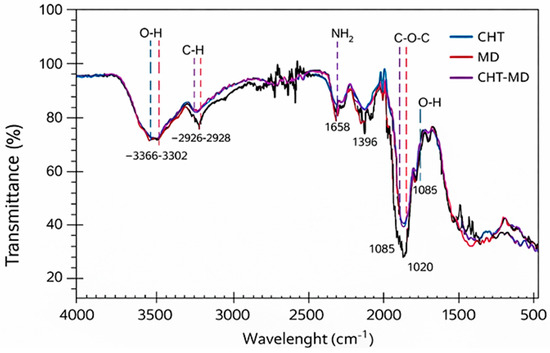
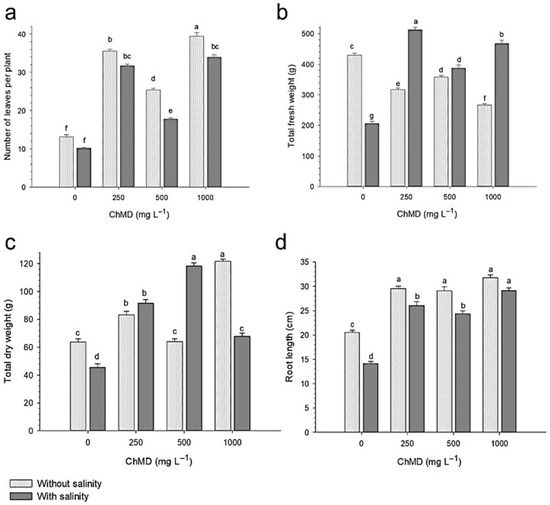
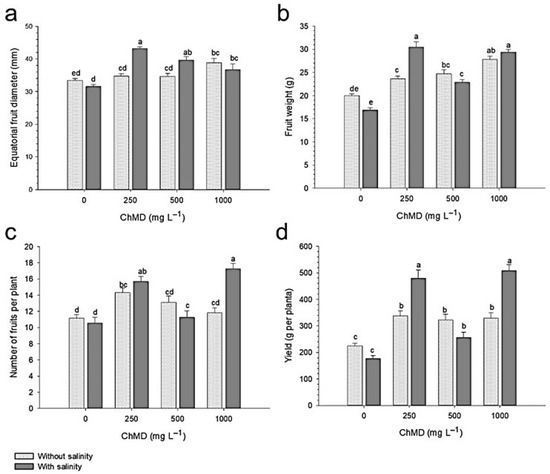
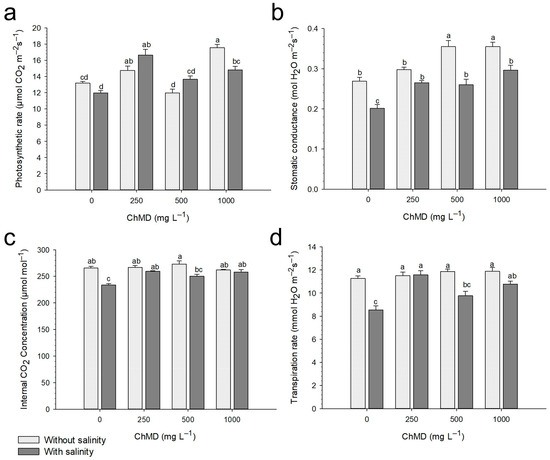
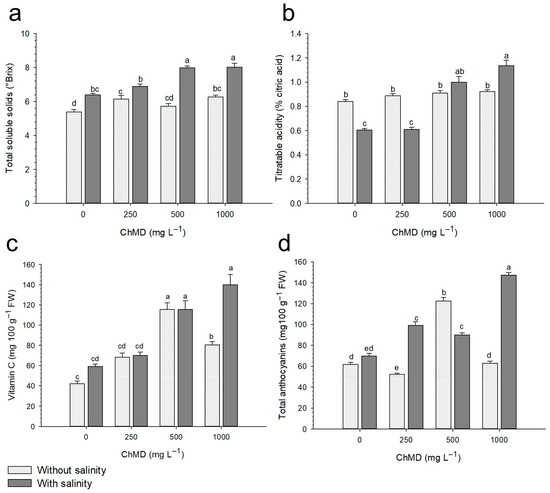
Salinity is a major abiotic constraint limiting strawberry (Fragaria × ananassa) productivity by disrupting water relations, nutrient uptake, and photosynthetic processes. Biopolymer-based biostimulants have emerged as a sustainable strategy to enhance crop performance under stress conditions. The objective of this study was to evaluate the effect of a chitosan–maltodextrin (CHTMD) formulation on growth, physiological response, and fruit quality in strawberry plants under saline conditions at the Universidad Autonoma Agraria Antonio Narro in Saltillo, Mexico. A randomized complete block design with a 2 × 4 factorial arrangement was established, including two salinity levels (0 and 45 mM NaCl) and four CHTMD concentrations (0, 250, 500, and 1000 mg L−1). The application of CHTMD significantly mitigated the adverse effects of salinity and improved plant growth, biomass accumulation, gas exchange, yield, and fruit quality. Under saline conditions, 250 mg L−1 increased total fresh weight by 148.5% compared with the saline control, while root length increased by up to 58.5% under non-saline conditions. Yield was enhanced by 87.3% and 71.4% with 250 and 1000 mg L−1, respectively, whereas fruit number increased by up to 63.8% under salinity. Photosynthetic rate increased from 12.58 to 16.19 μmol CO2 m−2 s−1 and stomatal conductance from 0.235 to 0.325 mol H2O m−2 s−1. Fruit quality was also enhanced, with soluble solids increasing from 5.9 to 7.1 °Brix, vitamin C from 50.58 to 115.42 mg 100 g−1 FW, and total anthocyanins from 65.7 to 106.2 C3G 100 g−1 FW, indicating a substantial enhancement to the fruit’s nutraceutical quality, particularly at 500 mg L−1 and 1000 mg L−1. These findings demonstrate that the CHTMD system is an effective biostimulant capable of improving tolerance to salt stress by modulating key physiological and biochemical responses, as well as enhancing the functional quality of the fruit. This approach represents a promising and sustainable strategy for strawberry production in agricultural systems affected by salinity.
Full article
(This article belongs to the Special Issue Chitin and Chitosan: Preparation, Purification, Characterization, and Applications)
►▼
Show Figures

Figure 1
Open AccessArticle
Seaweed Carrageenan as Promoter of Plant Growth and Elicitor of Natural Defenses Against Magnaporthe oryzae in Rice
by
Jannatun Nayeema, Mahabuba Mostafa and Md. Motaher Hossain
Polysaccharides 2026, 7(3), 79; https://doi.org/10.3390/polysaccharides7030079 - 3 Jul 2026
Abstract
►▼
Show Figures
Rice (Oryza sativa L.) is one of the world’s major staple foods. However, its production is severely constrained by rice blast disease, caused by Magnaporthe oryzae, which leads to substantial yield losses. Conventional management relies on fungicides and chemical treatments; however,
[...] Read more.
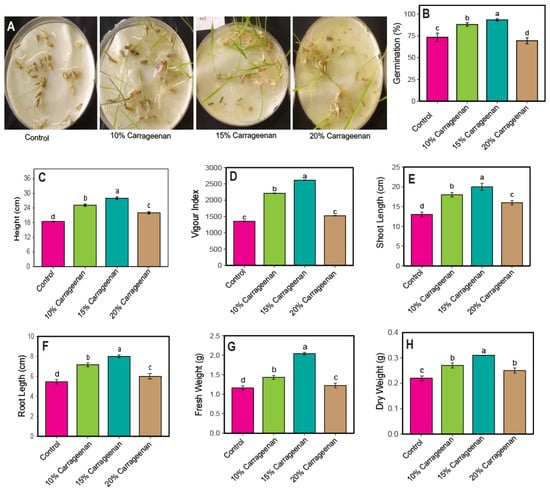
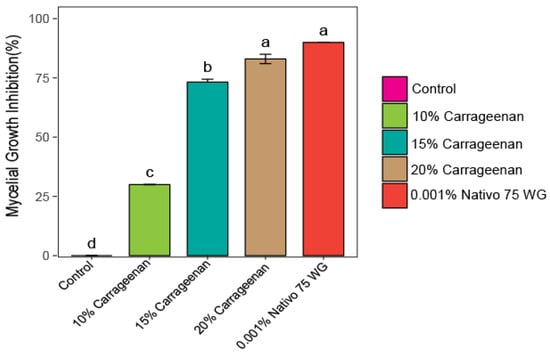
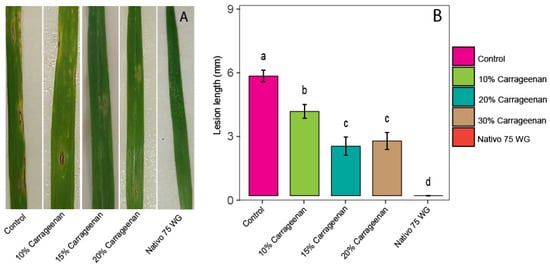
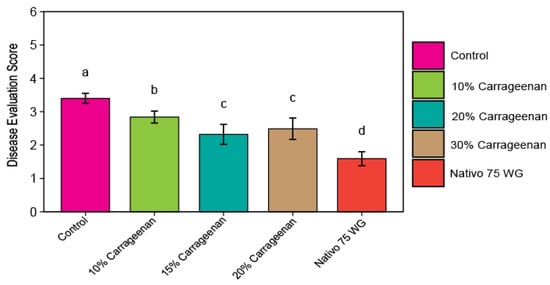
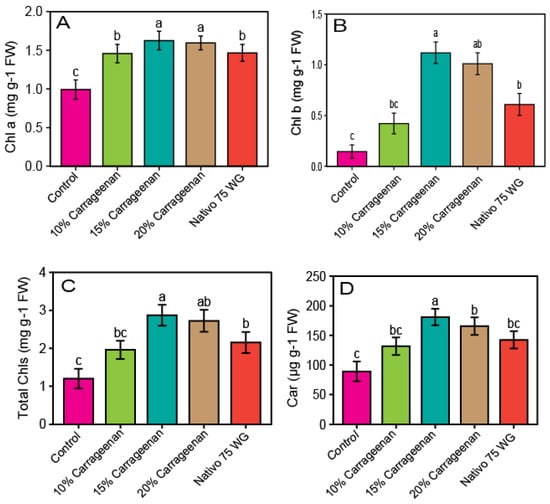
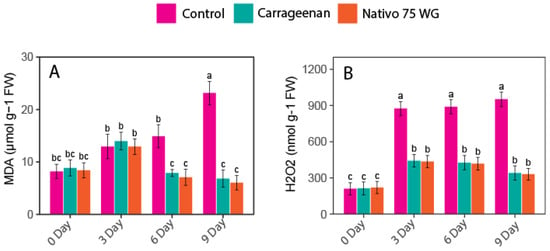
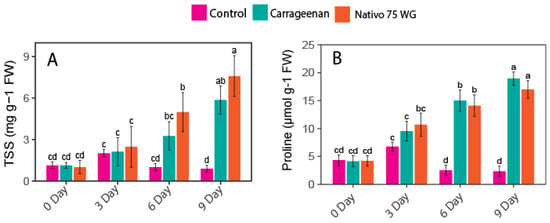
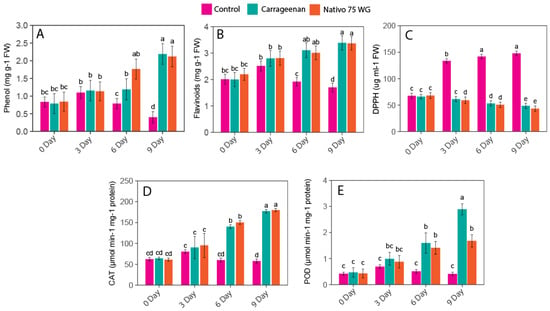
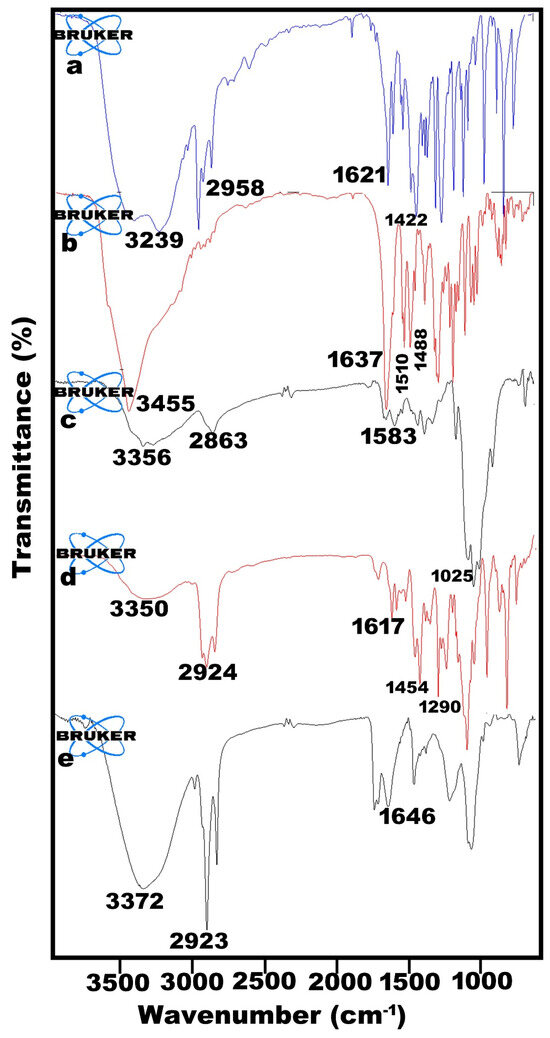
Rice (Oryza sativa L.) is one of the world’s major staple foods. However, its production is severely constrained by rice blast disease, caused by Magnaporthe oryzae, which leads to substantial yield losses. Conventional management relies on fungicides and chemical treatments; however, these methods raise concerns regarding the development of pathogen resistance and potential environmental impacts. This study evaluated carrageenan from Hypnea musciformis, collected from the coast of Saint Martin (92°19′21.28″ E and 20°37′38.12″ N), located in the Bay of Bengal, Bangladesh, as a natural plant growth promoter as well as a biocontrol agent. Carrageenan was characterized by high sulfate (19–35%) and galactose (12–18%) contents, with FT-IR confirming characteristic κ-carrageenan functional groups. Application of 15% carrageenan significantly increased the germination of seed (27%), seedling vigor (93%), shoot and root lengths (54% and 47%), and biomass compared with untreated controls. Carrageenan markedly suppressed M. oryzae, inhibiting mycelial growth (83%), reducing conidiogenesis and conidial germination, and decreasing lesion length in detached leaves and potted plants. Treated rice seedlings exhibited improved soluble sugars, photosynthetic pigments, proline, phenolic and flavonoid contents, and enhanced antioxidant enzyme activities such as CAT (catalase) and POD (peroxidase), while lowering oxidative stress markers such as H2O2 and MDA (malondialdehyde). These results demonstrate that carrageenan from H. musciformis enhances rice growth and elicits defense responses against rice blast, offering a sustainable and environmentally friendly alternative to chemical-based fungicides for integrated M. oryzae management.
Full article

Figure 1
Open AccessArticle
Chitosan-Modified Nanobilosomal Gel for the Transdermal Delivery of Thymol and Silibinin for Rheumatoid Arthritis Management: Synergistic Effect and Improved In Vivo Articular Restoration
by
Deepti Tripathi, Bhupendra Chauhan, Ranjit Singh, Gul Naz Fatima, Parveen Kumar and Preeti Kush
Polysaccharides 2026, 7(3), 78; https://doi.org/10.3390/polysaccharides7030078 - 1 Jul 2026
Abstract
►▼
Show Figures
Rheumatoid arthritis (RA) management via conventional monotherapy is often limited by poor transdermal flux and suboptimal articular accumulation. This study seeks to bridge a critical gap in monotherapy by engineering chitosan-coated nanobilosomal gel co-encapsulated with thymol and silibinin (CH-TH+SB-BG) in a 3:1 stoichiometric
[...] Read more.
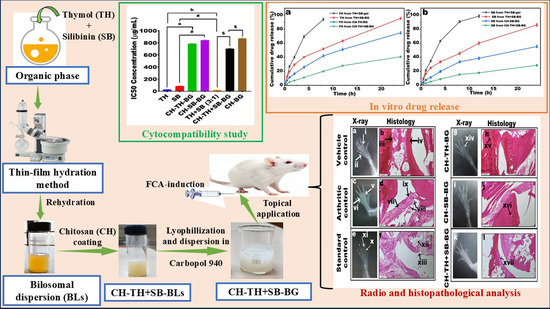
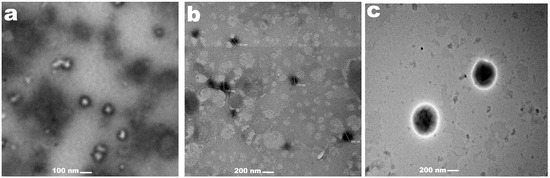
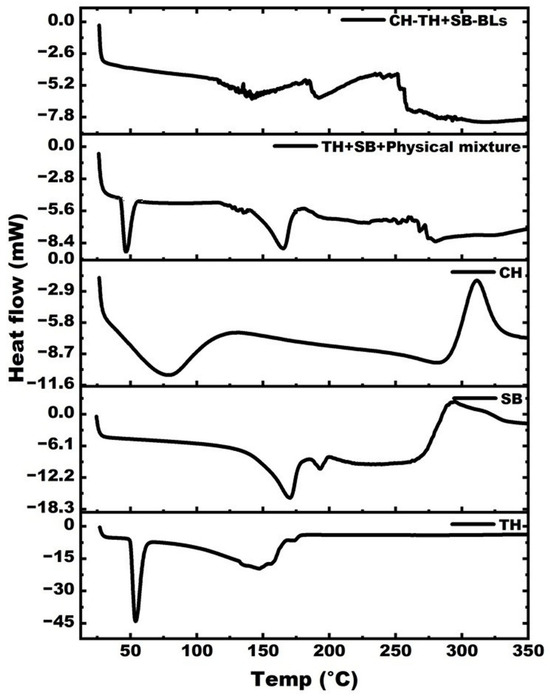
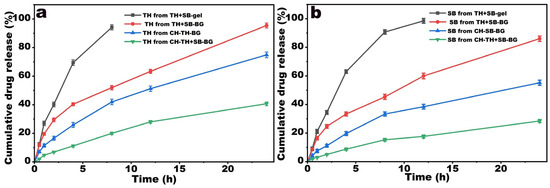
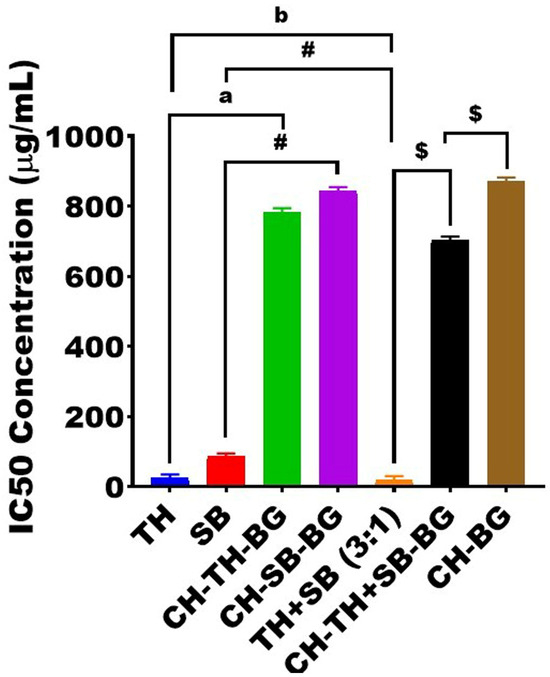
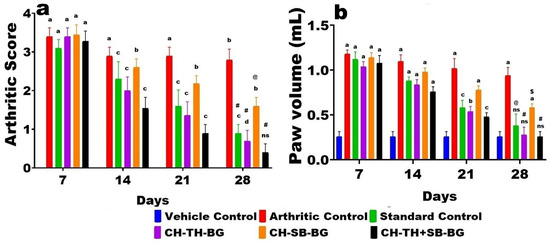
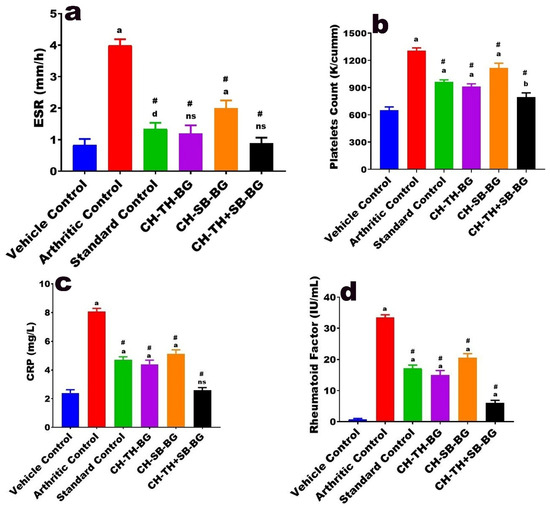
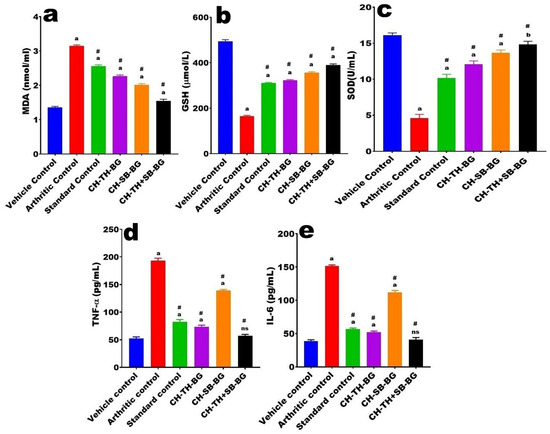
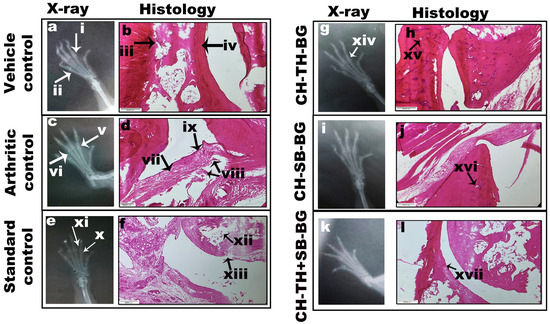
Rheumatoid arthritis (RA) management via conventional monotherapy is often limited by poor transdermal flux and suboptimal articular accumulation. This study seeks to bridge a critical gap in monotherapy by engineering chitosan-coated nanobilosomal gel co-encapsulated with thymol and silibinin (CH-TH+SB-BG) in a 3:1 stoichiometric ratio. Compared with monotherapeutics, the CH-TH+SB-BG showed the highest drug content and a sustained drug release profile, accompanied by higher skin permeation and deposition, indicating the fluidizing effect of thymol and the dermal reservoir of silibinin. Interestingly, CH-TH+SB-BG was cytocompatible, owing to its higher IC50 than that of the pure drugs. A marked reduction in the paw volume and arthritic score and significant normalization of hematological, biochemical, and inflammatory biomarkers, compared with the monotherapeutics, indicate the synergistic anti-inflammatory potential of the developed gel. Furthermore, the dual loading effectively reduced oxidative stress, confirmed by a significant decrease in malondialdehyde level along with the restoration of glutathione and superoxide dismutase levels. The Bliss independence model mathematically validated pharmacological synergy. Radiographic and histopathological analysis confirmed the near-complete articular restoration and marked reduction in pannus formation. In conclusion, the developed transdermal gel can be a more effective and safer alternative to long-term oral administration, opening the way for novel topical management of RA.
Full article

Graphical abstract
Open AccessReview
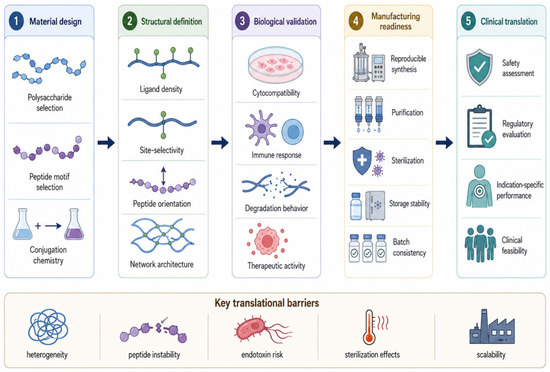
Polysaccharide–Peptide Conjugates as Precision Biomaterials: Conjugation Chemistry, Structural Design, and Biomedical Applications
by
Christian S. Carnero Canales, Jessica Ingrid Marquez Cazorla, Subham Kumar Vishwakarma, Cesar Augusto Roque-Borda and Fernando Rogério Pavan
Polysaccharides 2026, 7(3), 77; https://doi.org/10.3390/polysaccharides7030077 - 27 Jun 2026
Abstract
►▼
Show Figures
Polysaccharide–peptide conjugates are modular biomaterials that combine hydrated carbohydrate frameworks with peptide domains capable of mediating molecular recognition, degradability, antimicrobial activity, and biological signaling. In this review, we discuss how covalent, bioorthogonal, and enzymatic conjugation strategies regulate peptide density, orientation, accessibility, and stability
[...] Read more.
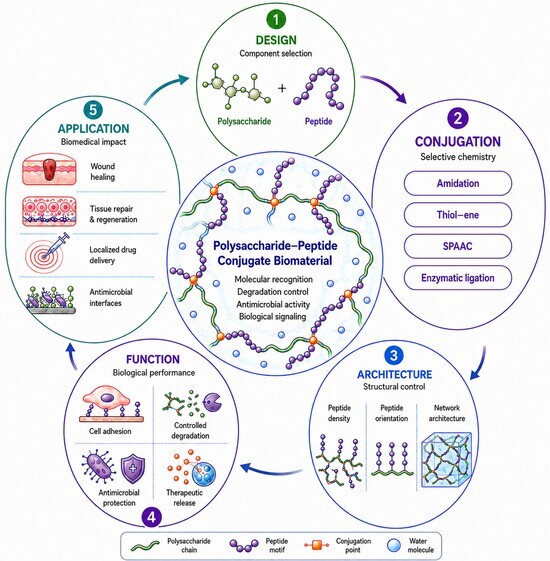
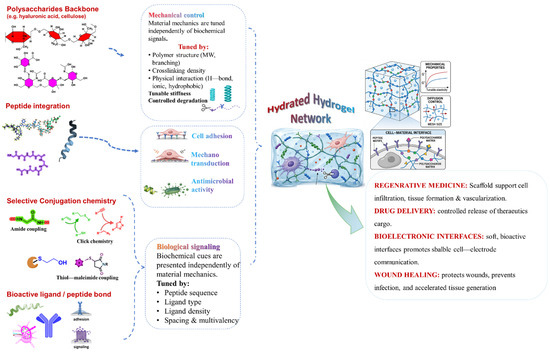
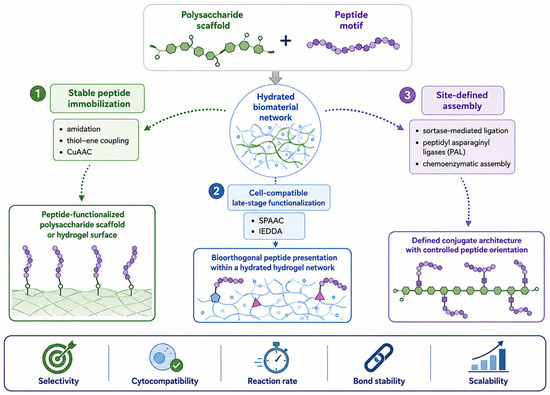
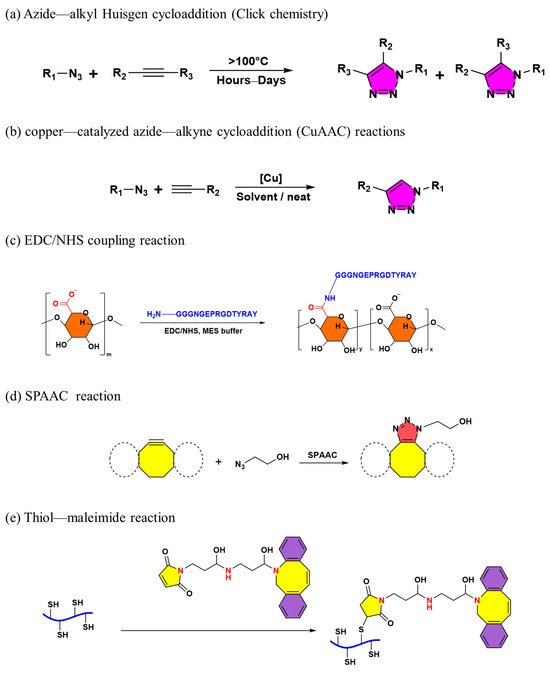
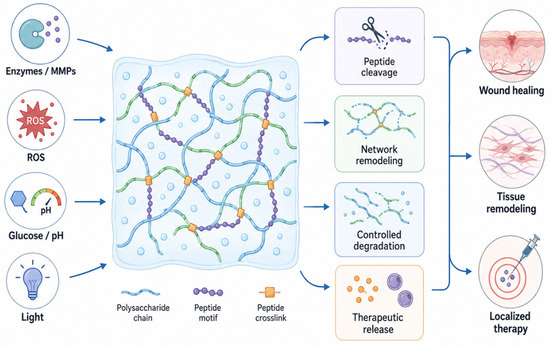
Polysaccharide–peptide conjugates are modular biomaterials that combine hydrated carbohydrate frameworks with peptide domains capable of mediating molecular recognition, degradability, antimicrobial activity, and biological signaling. In this review, we discuss how covalent, bioorthogonal, and enzymatic conjugation strategies regulate peptide density, orientation, accessibility, and stability within polysaccharide-based matrices. These chemical choices are analyzed in relation to network architecture, viscoelasticity, ligand presentation, degradation behavior, and cell–material interactions. Representative systems based on hyaluronic acid, alginate, chitosan, dextran, cellulose, and glycosaminoglycans are examined to illustrate how peptide functionalization can transform otherwise passive scaffolds into adhesive, degradable, antimicrobial, or therapeutically responsive platforms. We further highlight dynamic and enzyme-responsive materials, localized drug delivery systems, antimicrobial coatings, and antibiofilm interfaces as key biomedical applications of these conjugates. The review also addresses translational challenges associated with structural heterogeneity, stability, immunogenicity, sterilization, batch-to-batch reproducibility, and clinical feasibility. Taken together, the evidence discussed here indicates that the performance of polysaccharide–peptide conjugates depends on reproducible structure–function relationships linking conjugation chemistry, macromolecular architecture, and biological activity under application-relevant conditions.
Full article

Graphical abstract
Open AccessArticle
Peanut Shell Waste Valorization in 3D-Printed Biocomposites for Sustainable Food Packaging: Material Properties, Preservation Performance, and Biodegradability
by
Matteo Sambucci, Rosa Rita Esposito, Flavia Marzulli, Irene Bavasso, Stefano Capezzone, Marianna Villano, Fabrizio Sarasini and Jacopo Tirillò
Polysaccharides 2026, 7(3), 76; https://doi.org/10.3390/polysaccharides7030076 - 25 Jun 2026
Abstract
This paper investigates the valorization of peanut shell powder (PSP), an abundant agro-industrial residue, as a biofiller for the development of sustainable 3D printable PLA-based composites for food packaging applications. A low-filled biocomposite containing 2.5 wt.% PSP was successfully processed into filament with
[...] Read more.
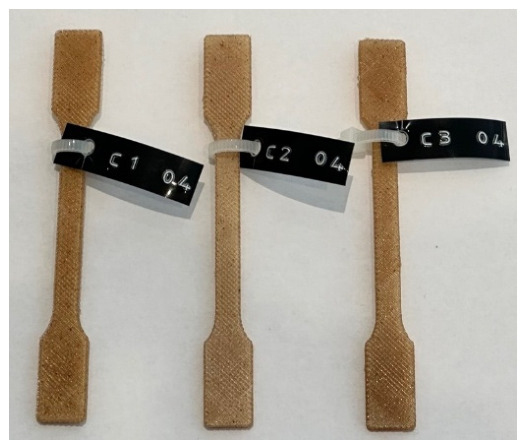
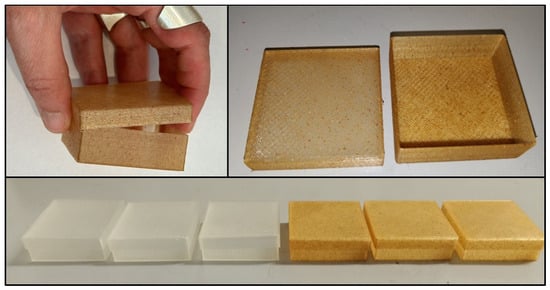
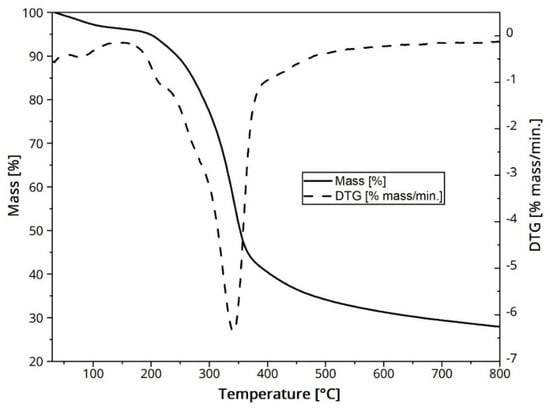
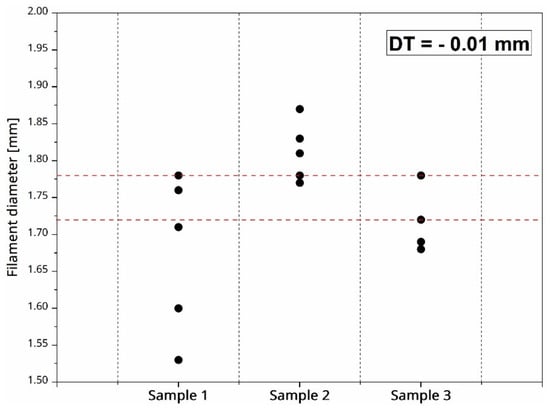
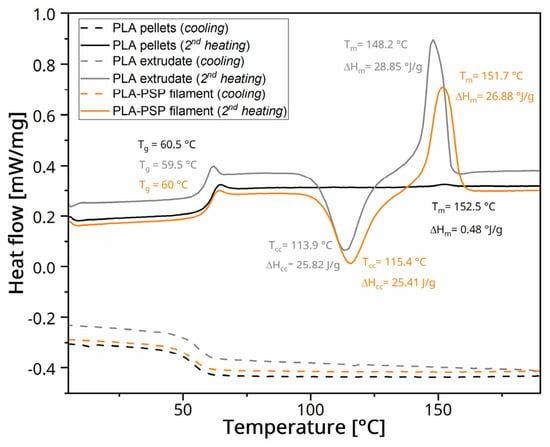
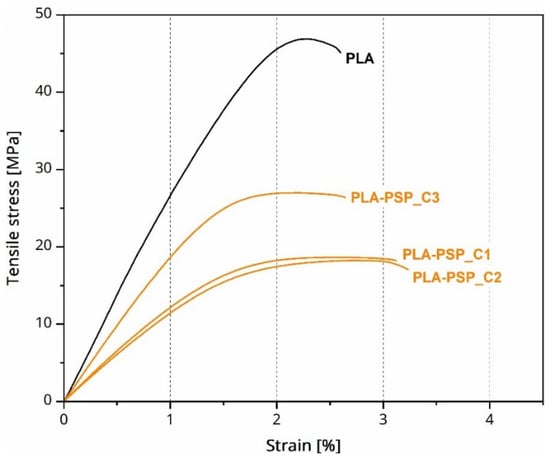
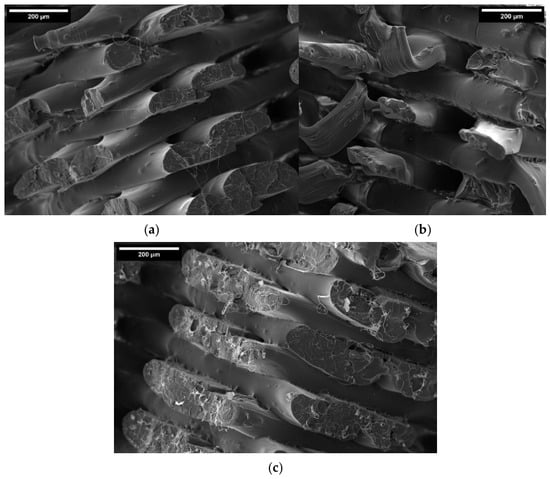
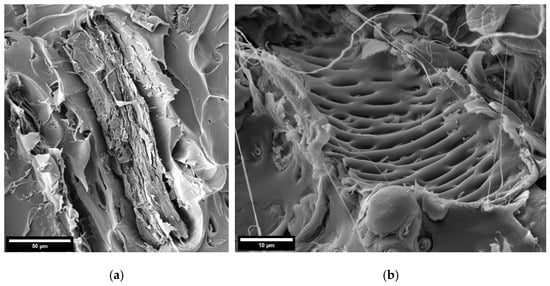
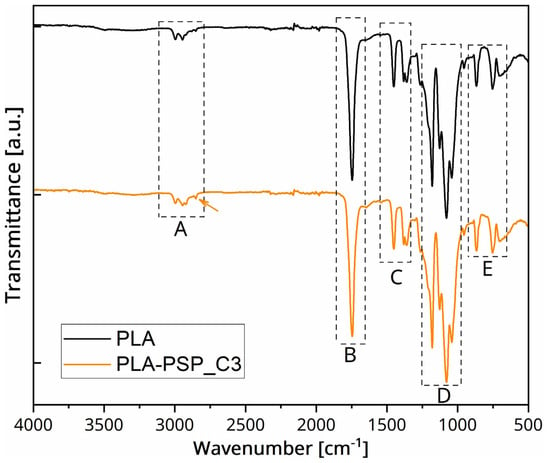
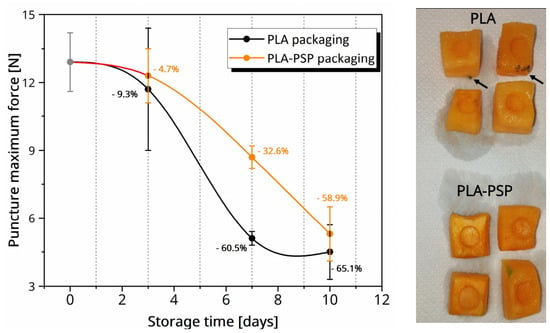
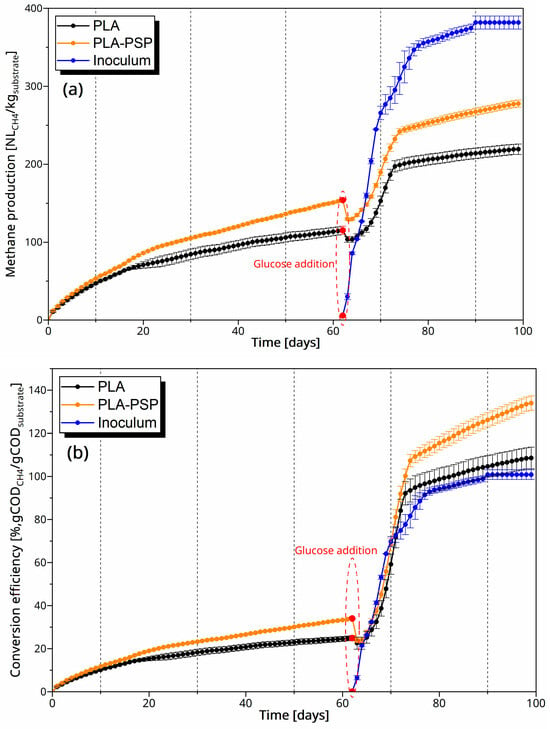
This paper investigates the valorization of peanut shell powder (PSP), an abundant agro-industrial residue, as a biofiller for the development of sustainable 3D printable PLA-based composites for food packaging applications. A low-filled biocomposite containing 2.5 wt.% PSP was successfully processed into filament with dimensional tolerances suitable for fused deposition modeling printing. Thermal and melt flow analyses demonstrated that PSP marginally reduced the thermal stability of PLA while preserving its thermal transition temperatures and increasing the melt flow rate up to 51%. Differential scanning calorimetry revealed a slight increase in crystallinity in biocomposite filament compared to neat PLA pellets, mainly associated with thermo-mechanical processing of the extrusion, while the lower crystallinity degree relative to PLA extrudate suggested a negligible nucleating effect of PSP. To optimize print quality, different extrusion temperatures and infill flow rates were evaluated. The best mechanical performance was achieved at 200 °C and 130% flow rate, where reduced inter-filament porosity (5.2%) resulted in improved tensile strength and stiffness compared with the other printing conditions. Although mechanical properties remained lower than neat PLA, the material proved suitable for non-structural packaging applications. Prototype packaging boxes were fabricated and tested for the storage of fresh-cut melon. Compared with neat PLA packaging, the PLA-PSP system better preserved fruit firmness over 10 days, inhibited fungal growth, and delayed visible deterioration, highlighting the potential active role of PSP in food preservation. Anaerobic biodegradation tests conducted under mesophilic conditions confirmed that the addition of PSP did not hinder PLA biodegradability and slightly enhanced methane production. Overall, the results demonstrate that peanut shell waste can be effectively upcycled into functional 3D-printable biocomposites for sustainable packaging solutions.
Full article
(This article belongs to the Special Issue Polysaccharides in Advanced Packaging: Active Coatings, Safe Additives, and Green Processing)
►▼
Show Figures

Figure 1
Open AccessReview
Sustainable Preparation of Starch Nanoparticles: A Review of Eco-Friendly Methodologies and Their Food Applications
by
Jorge Coronado-Olano, Daniela Edith Igartúa, Ritva Repo-Carrasco-Valencia, Luz María Paucar-Menacho and Dario Marcelino Cabezas
Polysaccharides 2026, 7(3), 75; https://doi.org/10.3390/polysaccharides7030075 - 25 Jun 2026
Abstract
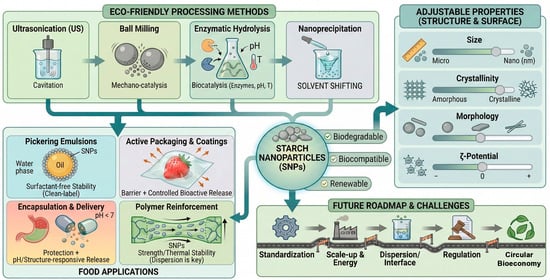
As the world moves toward a circular bioeconomy, starch nanoparticles (SNPs) have emerged as key components for sustainable development. Traditional production methods have historically relied on harsh acid treatments; however, their substantial environmental footprint has catalyzed a much-needed shift toward “green” chemistry. This
[...] Read more.
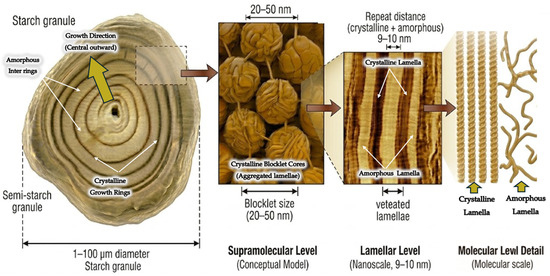
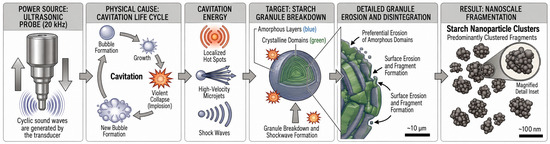
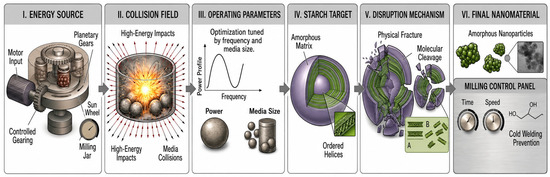
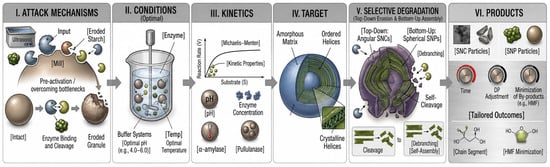
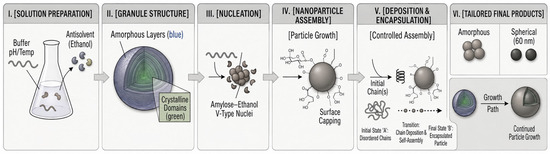
As the world moves toward a circular bioeconomy, starch nanoparticles (SNPs) have emerged as key components for sustainable development. Traditional production methods have historically relied on harsh acid treatments; however, their substantial environmental footprint has catalyzed a much-needed shift toward “green” chemistry. This review explores the rise of eco-friendly synthesis strategies—including high-power ultrasound, mechanical milling, nanoprecipitation, and enzymatic hydrolysis—and explains how these “clean” methods allow us to precisely define the nanoparticles’ properties. Furthermore, the functional applications of SNPs are analyzed, focusing on their role as reinforcing agents in biodegradable packaging, natural stabilizers in food emulsions, and encapsulation matrices for targeted nutrient delivery. By connecting recent breakthroughs, this work identifies technological synergy, the integration of physical and biological methods, as the most promising route to overcome current yield and scalability limitations. Finally, a future perspective is proposed, focusing on what is needed to move these innovations from the lab to industrial applications, ensuring they are safe, effective, and truly sustainable for the global food sector.
Full article
(This article belongs to the Collection Current Opinion in Polysaccharides)
►▼
Show Figures

Graphical abstract
Open AccessArticle
Extraction Route Controls the Microstructure and Rheological Performance of Sodium Alginate from Beach-Cast Sargassum spp.
by
Luis F. Jiménez-Contreras, Armando Ariza-Castolo, Mónica Díaz-Fernández, Erick Sarmiento-Gómez, Jesús A. Barrón-Zambrano and María A. Fernández-Herrera
Polysaccharides 2026, 7(3), 74; https://doi.org/10.3390/polysaccharides7030074 - 23 Jun 2026
Abstract
►▼
Show Figures
Sodium alginate was extracted from beach-cast Sargassum spp. collected along the coast of Puerto Progreso, Yucatán, Mexico, using two established pretreatment routes based on formaldehyde and ethanol. This study evaluates how extraction methodology controls alginate recovery, molecular structure, hydrogel rheology, macroscopic integrity, swelling
[...] Read more.
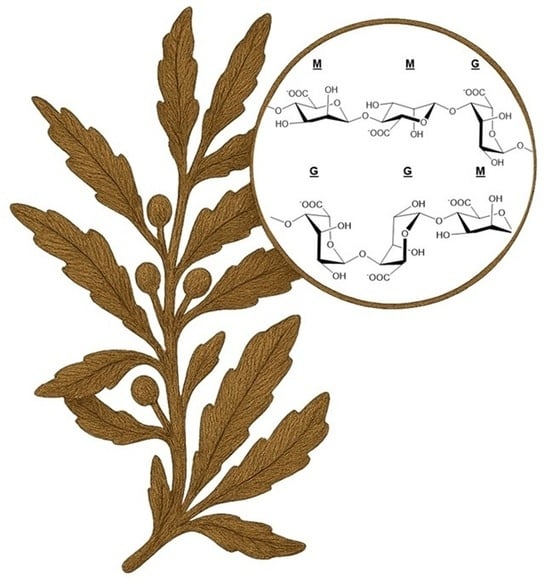
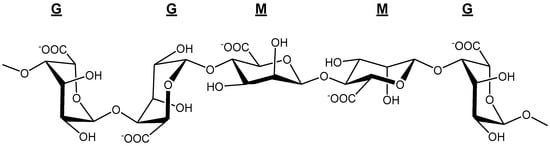
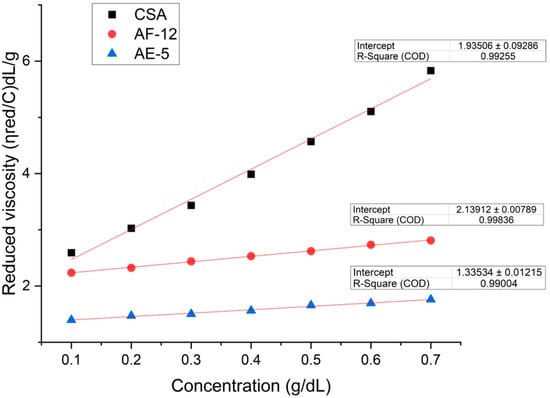
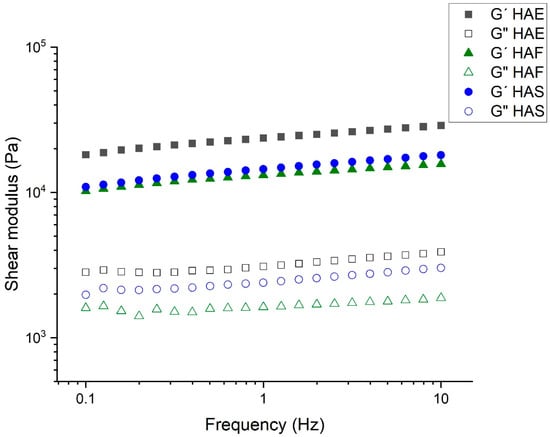
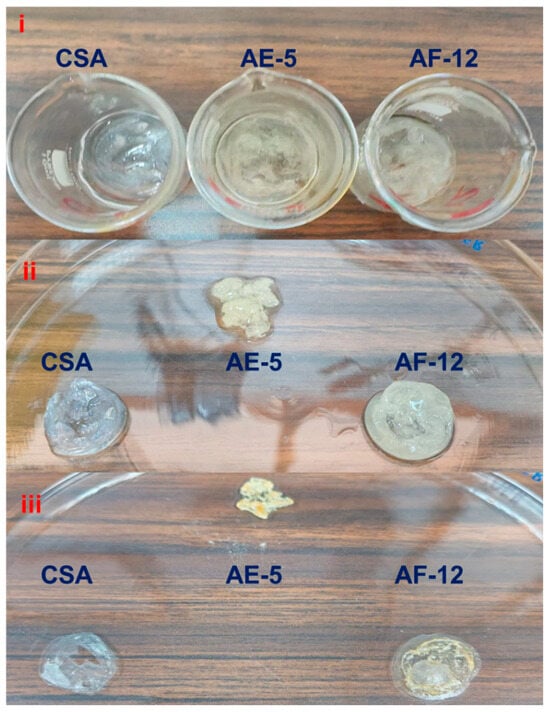
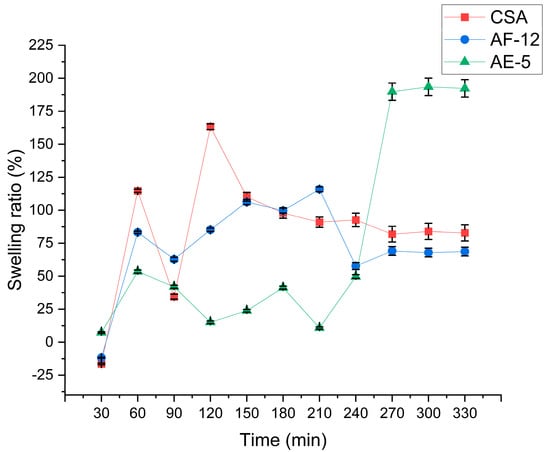
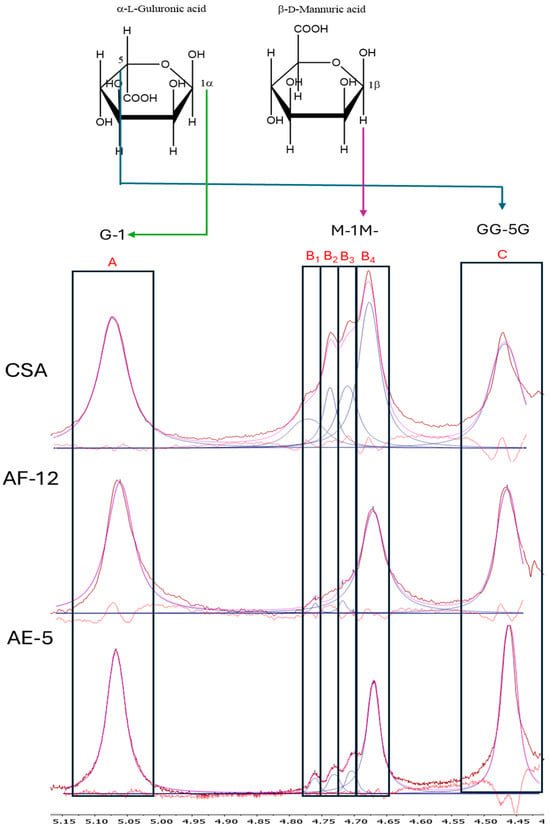
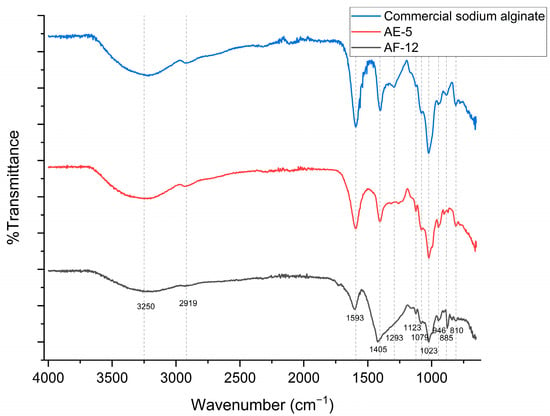
Sodium alginate was extracted from beach-cast Sargassum spp. collected along the coast of Puerto Progreso, Yucatán, Mexico, using two established pretreatment routes based on formaldehyde and ethanol. This study evaluates how extraction methodology controls alginate recovery, molecular structure, hydrogel rheology, macroscopic integrity, swelling behavior, and preliminary inorganic contaminant profiles. The ethanol-based route provided the highest extraction yield, reaching 19.87 ± 0.79% w/w for AE-5, whereas the formaldehyde route reached a maximum of 15.60 ± 0.62% w/w for AF-12; statistical analysis confirmed significant differences among extraction conditions (ANOVA, p < 0.05). Despite its lower yield, the formaldehyde route produced alginate with higher intrinsic viscosity (2.13 dL/g) and viscosity-average molecular weight (1.00 × 10⁵ g/mol) than the ethanol-derived sample (1.33 dL/g and 0.62 × 10⁵ g/mol), indicating better preservation of polymer chain length. 1H NMR analysis showed that AE-5 had higher guluronic acid content (FG = 0.60), lower M/G ratio (0.67), and higher G-block fraction (FGG = 0.54), favoring Ca2+-mediated junction zone formation. Consequently, AE-5-derived hydrogels exhibited the highest storage modulus at 1 Hz (G′ = 23,650 Pa), compared with AF-12-derived hydrogels (13,160 Pa) and the commercial reference (14,480 Pa). However, visual inspection and swelling analysis showed that the higher small-amplitude stiffness of AE-5 did not translate into superior macroscopic integrity; these hydrogels showed greater fragmentation during handling and higher long-term swelling. In contrast, AF-12-derived hydrogels showed lower stiffness but better apparent cohesion and a more restricted swelling profile, consistent with enhanced long-range network connectivity derived from higher molecular weight. FTIR confirmed preservation of the characteristic functional groups of sodium alginate, whereas XRD provided qualitative evidence of residual crystalline inorganic phases. Selected-metal analysis by MP-AES detected Cu in both extracted alginates, while As was detected but not quantified only in AF-12; Cd and Pb were not detected under the analytical conditions employed. Overall, the results establish a route-dependent structure-property relationship in which extraction conditions govern yield, chain preservation, block architecture, viscoelastic response, swelling behavior, and preliminary contaminant profile. These findings support beach-cast Sargassum as a promising source of research-grade sodium alginate, while emphasizing that further purification, expanded contaminant profiling, arsenic speciation, biological evaluation, and direct mechanical testing are required before any food, biomedical, pharmaceutical, or environmental application can be proposed.
Full article

Graphical abstract
Open AccessArticle
Spray-Dried Powder of Vigna radiata Seed Coat Extract: Response Surface Optimization of Carrier and Process Parameters for Powder Quality and Bioactive Content
by
Jringjai Areemit, Chanthima Saoha, Nattawadee Kanpipit, Sakornchon Mattariganont and Suthasinee Thapphasaraphong
Polysaccharides 2026, 7(2), 73; https://doi.org/10.3390/polysaccharides7020073 - 18 Jun 2026
Abstract
►▼
Show Figures
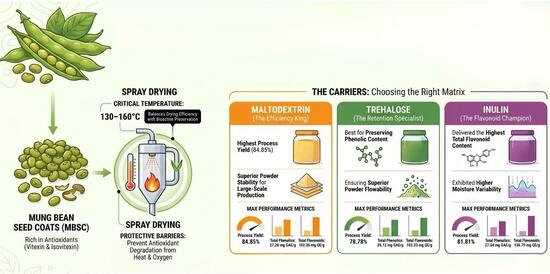
Mung bean (Vigna radiata (L.) Wilczek) seed coat (MBSC) is an underutilized by-product rich in vitexin and isovitexin, but its potential as a source of spray-dried functional powders has not been systematically evaluated. This study investigated the spray drying of MBSC extract
[...] Read more.
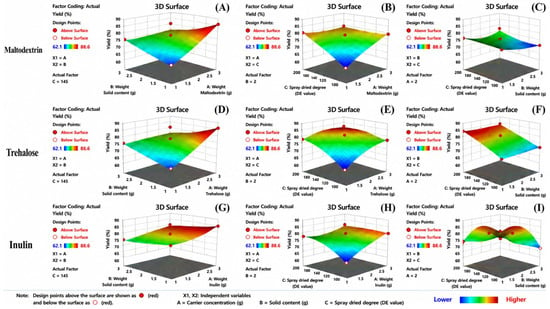
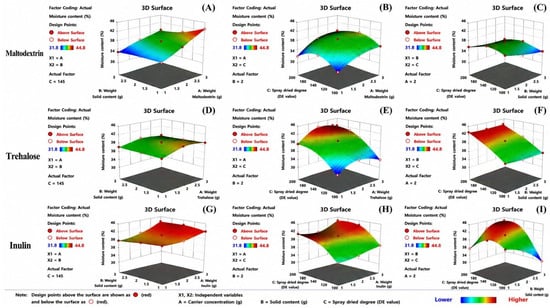
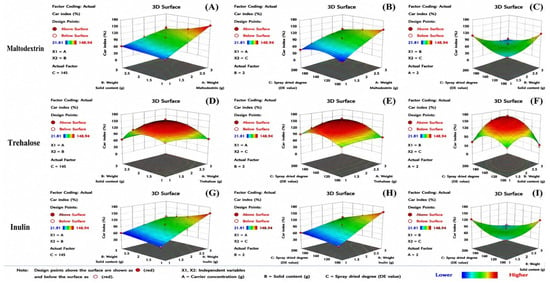
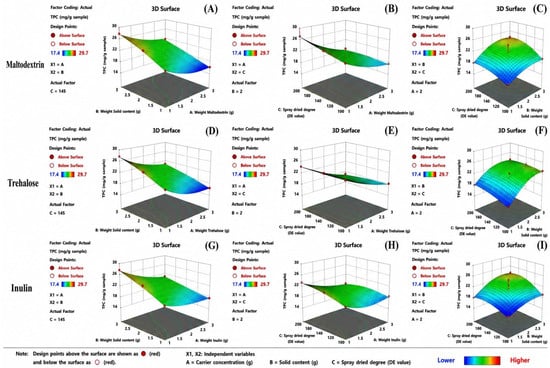
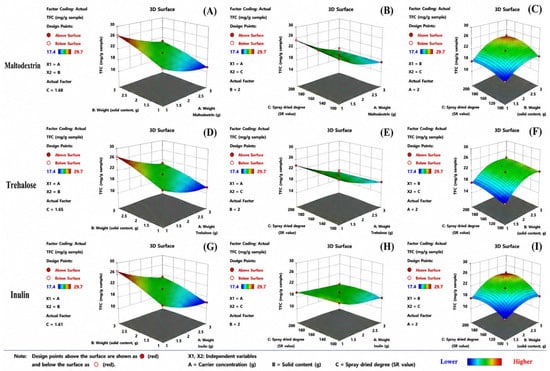
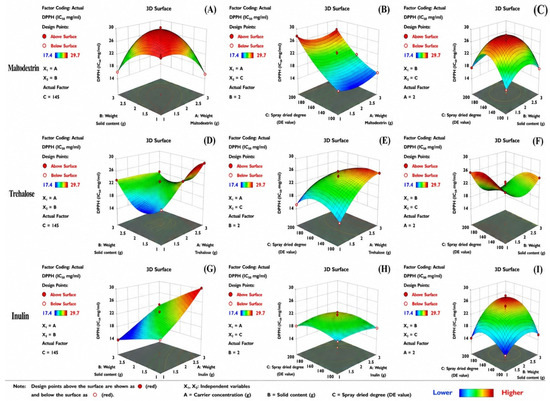
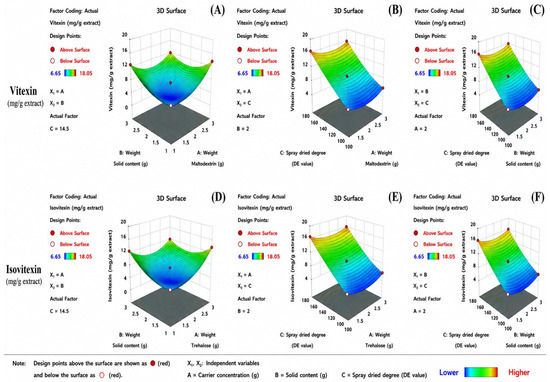
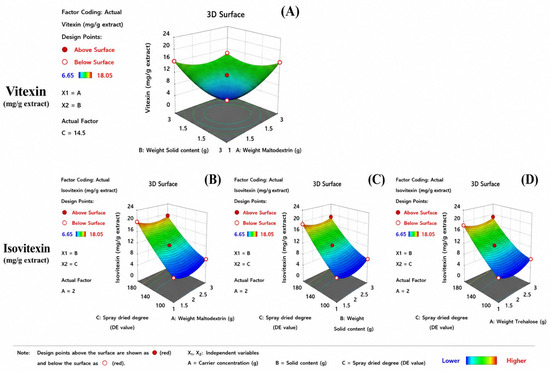
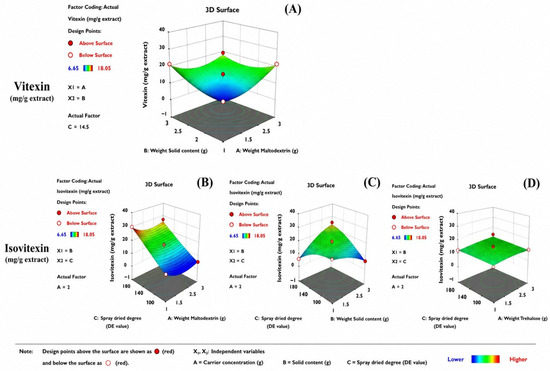
Mung bean (Vigna radiata (L.) Wilczek) seed coat (MBSC) is an underutilized by-product rich in vitexin and isovitexin, but its potential as a source of spray-dried functional powders has not been systematically evaluated. This study investigated the spray drying of MBSC extract using three structurally distinct polysaccharide-based carriers—maltodextrin, trehalose, and inulin—to compare their effects on process yield, powder quality, and the content of phenolic compounds, flavonoids, and antioxidant activity. Response surface methodology (RSM) with a Box–Behnken design was employed to examine the influence of inlet temperature (130–160 °C) and carrier concentration. Maltodextrin provided the highest process yield (84.85%), while trehalose and inulin formulations exhibited stronger antioxidant activity, with the lowest DPPH IC50 values of 0.096 mg/mL and 0.100 mg/mL, respectively (expressed per mg of spray-dried powder). Trehalose yielded the highest total phenolic content (TPC = 28.12 mg GAE/g extract) and acceptable flowability (Carr’s index = 20.72%). Inulin gave the highest total flavonoid content (TFC = 126.8 mg QE/g extract) but showed greater variability, attributed to its polymeric network and higher hygroscopicity. The RSM models showed high predictive accuracy for TPC (R2 > 0.98) and DPPH antioxidant activity (R2 ≈ 1.00). These findings offer a multi-objective optimization framework that links carrier structure to powder performance, providing practical guidance for selecting polysaccharide carriers in the development of spray-dried nutraceutical and functional food ingredients. However, direct measurement of encapsulation efficiency, particle morphology, and storage stability was beyond the scope of this study and warrants further investigation.
Full article

Graphical abstract
Open AccessArticle
Decoding the Bioactive Potential of Blackcurrant Pomace Extract: Toward Biofunctional and Skin-Comfortable Polysaccharide-Based Textiles
by
Aleksandra Ivanovska, Marija Ćorović, Anja Petrov Ivanković, Tanja Lunić, Anita Tarbuk, Xiang-Kui Ren and Igor Jordanov
Polysaccharides 2026, 7(2), 72; https://doi.org/10.3390/polysaccharides7020072 - 18 Jun 2026
Abstract
This study presents a novel approach for the development of biofunctional and skin-comfortable cotton textiles through the integration of blackcurrant water/ethanol pomace extract into polysaccharide-based fabric coating. Extraction of bioactive compounds from blackcurrant pomace was optimized using response surface methodology, yielding a total
[...] Read more.
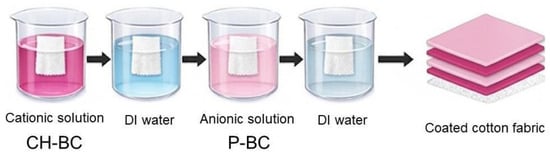
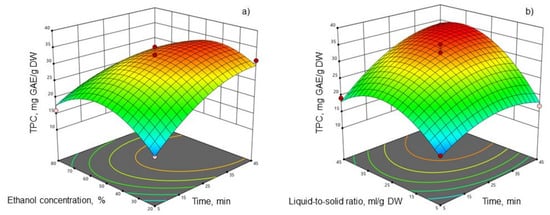
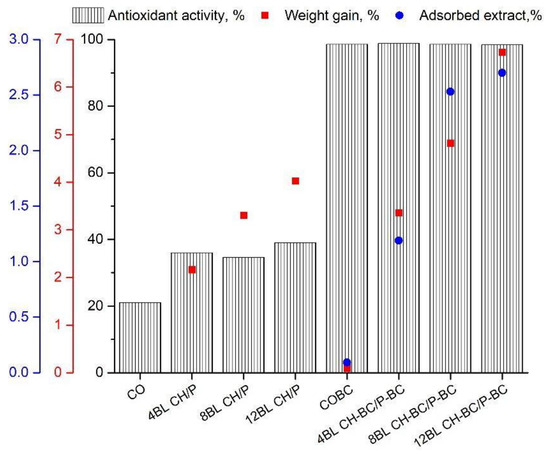
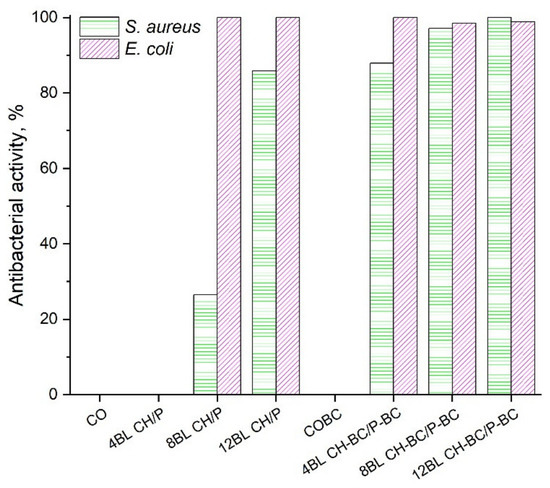
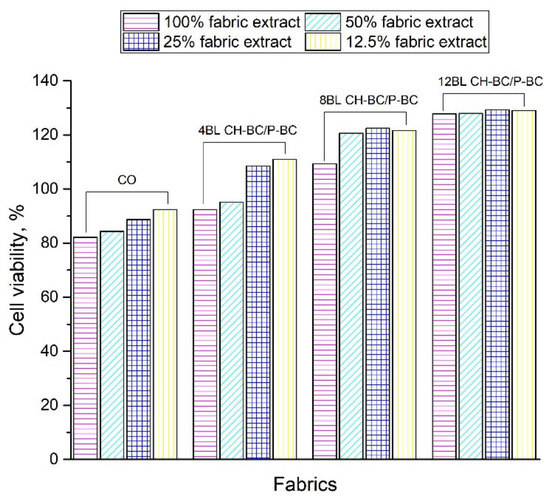
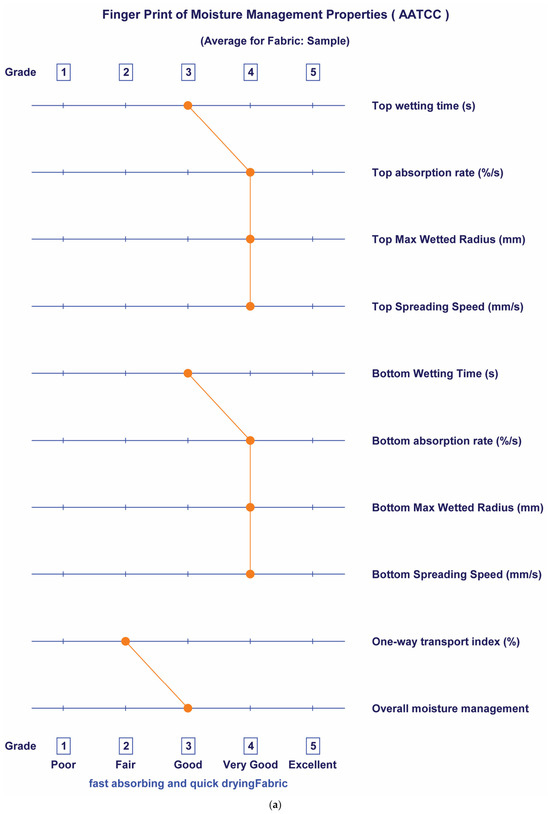
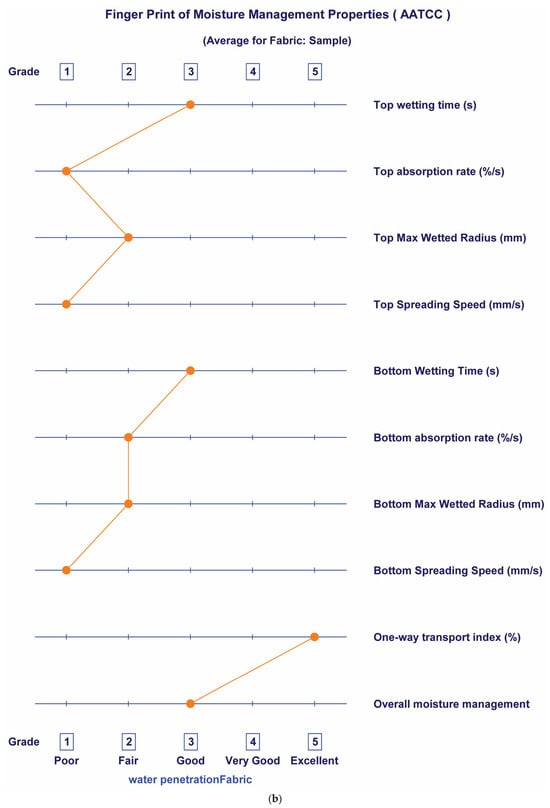
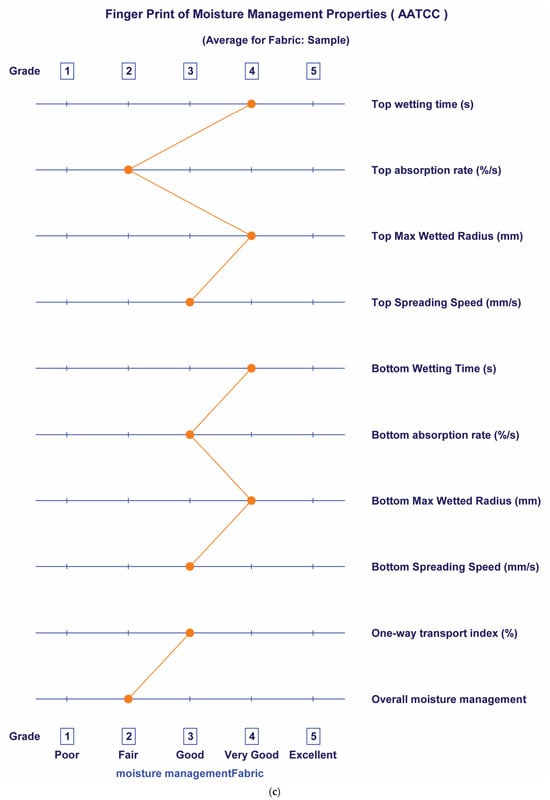
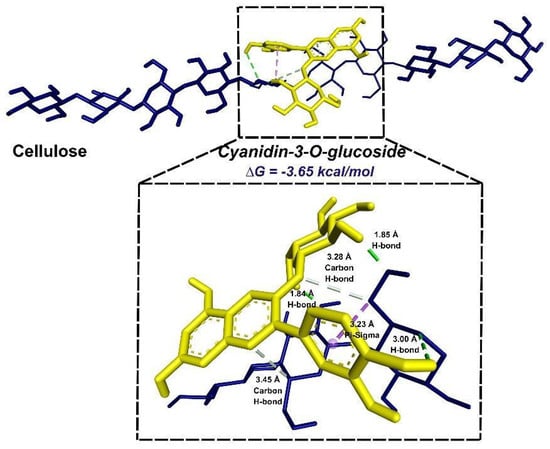
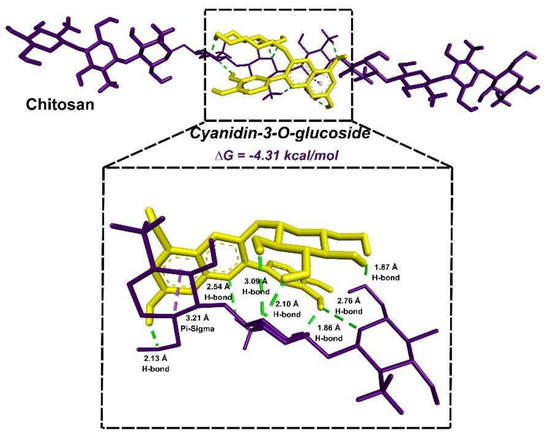
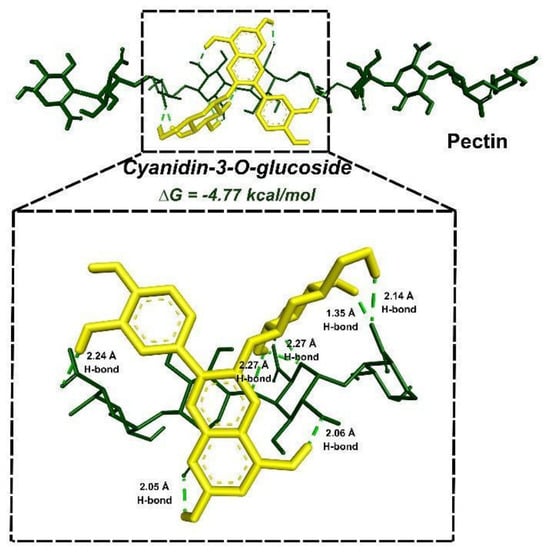
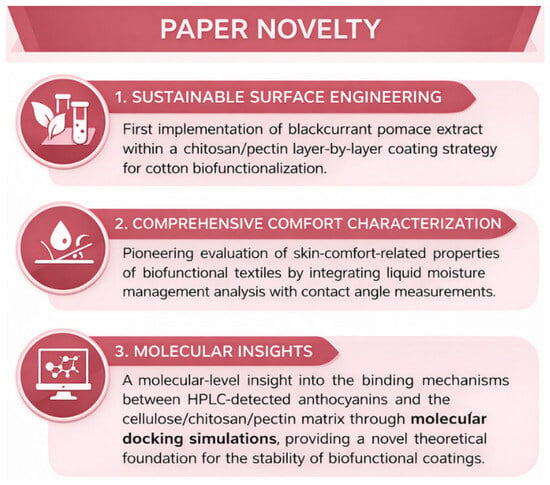
This study presents a novel approach for the development of biofunctional and skin-comfortable cotton textiles through the integration of blackcurrant water/ethanol pomace extract into polysaccharide-based fabric coating. Extraction of bioactive compounds from blackcurrant pomace was optimized using response surface methodology, yielding a total phenolic content of 36.04 mg GAE/g DW, along with significant contents of flavonoids (5.28 mg QE/g DW) and anthocyanins (5.18 mg/g DW). The cotton fabric was biofunctionalized using the layer-by-layer (LbL) deposition technique, incorporating blackcurrant pomace extract within four, eight, or twelve chitosan/pectin bilayers. The biofunctionalized fabrics exhibited no cytotoxic effect and demonstrated nearly 100% antioxidant and antibacterial activity against E. coli and S. aureus. Additionally, the LbL coating enabled tunable extract adsorption (0.09–2.70%) and stabilization of bioactive compounds on the cotton surface, resulting in adjustable fabric coloration and moisture management properties (assessed using the Moisture Management Tester). Molecular docking analysis provided insight into the interactions between HPLC-detected anthocyanins (cyanidin-3-O-glucoside, cyanidin-3-O-rutinoside, delphinidin-3-O-glucoside, and delphinidin-3-O-rutinoside) and polysaccharides, revealing an increase in binding affinity from cellulose to chitosan and pectin. The transition from comfort-oriented fabric to a material featuring integrated moisture management and enhanced biofunctionality, achieved by coating cotton with eight chitosan/pectin bilayers incorporating blackcurrant pomace extract, renders the textile suited for medical, protective, and high-comfort applications.
Full article
(This article belongs to the Special Issue Translational Advances in Polysaccharide-Based Materials: Bridging Pharmacy, Biomedicine, and Engineering)
►▼
Show Figures

Figure 1
Open AccessEditorial
Recent Progress on Lignocellulosic-Based Materials
by
Adrian Cătălin Puițel and Mircea Teodor Nechita
Polysaccharides 2026, 7(2), 71; https://doi.org/10.3390/polysaccharides7020071 - 17 Jun 2026
Abstract
The term progress can be broadly divided into two complementary categories: technical progress and technological progress [...]
Full article
Open AccessArticle
Bioactive Films: Cinnamon Oil Incorporation in Alginate/κ Carrageenan Films Enhanced by Limestone Sludge
by
Joana Carrasqueira, Mafalda Guedes, Ricardo Baptista, Sérgio B. Gonçalves, Clélia Afonso, Maria Manuel Gil, Roberto Gamboa, Raul Bernardino and Susana Bernardino
Polysaccharides 2026, 7(2), 70; https://doi.org/10.3390/polysaccharides7020070 - 15 Jun 2026
Abstract
►▼
Show Figures
This work aimed to develop bioactive films based on alginate and κ-carrageenan that were incorporated with different concentrations 0, 0.2, 0.4, 0.8, 1 and 2% (w/v) of cinnamon essential oil (CEO). The films were crosslinked with a solution of
[...] Read more.
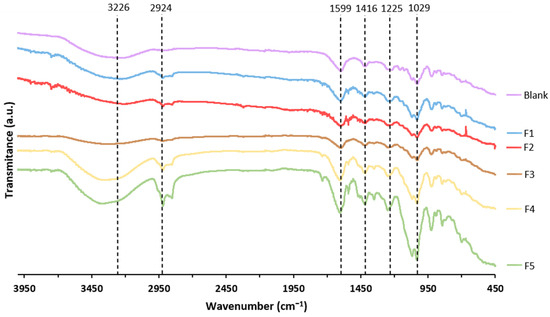
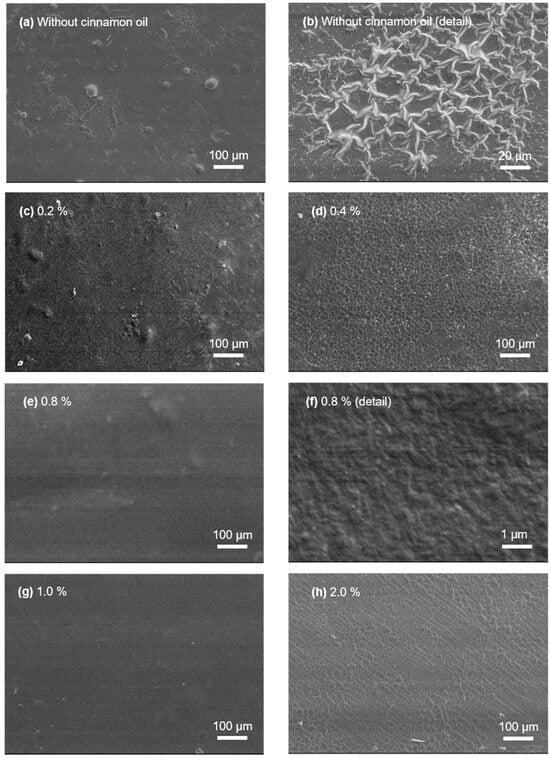
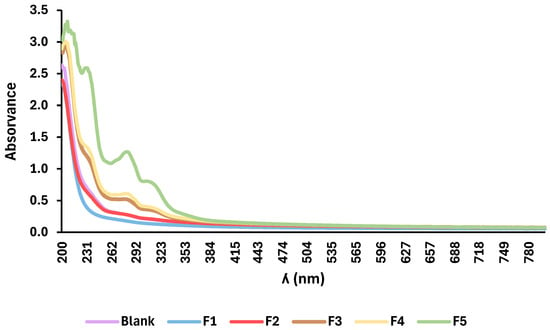
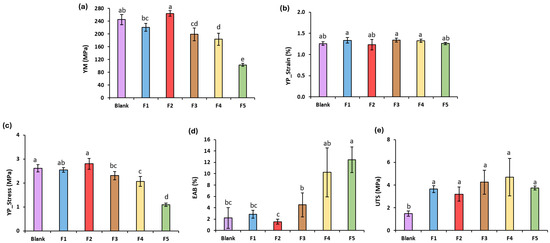
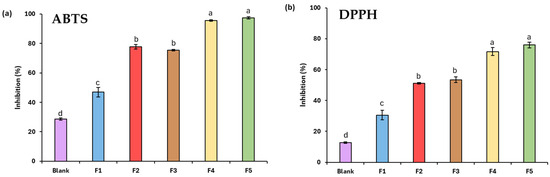
This work aimed to develop bioactive films based on alginate and κ-carrageenan that were incorporated with different concentrations 0, 0.2, 0.4, 0.8, 1 and 2% (w/v) of cinnamon essential oil (CEO). The films were crosslinked with a solution of calcium chloride obtained from limestone sludge through acid dissolution. The films were characterised according to their physical, mechanical, optical, antioxidant and antimicrobial properties. The best film formulation consisted of 1.5% total carbohydrate concentration, 0.45% glycerol and 0.4% (w/v) of Tween 20. The Fourier transform infrared Spectroscopy analysis confirmed the crosslinking between the polysaccharides and the incorporation of the CEO into the polymer matrix. The addition of the CEO increased the film thickness, reduced moisture content and water vapour permeability, yet it increased solubility, due to matrix disruption invoked by the oil droplets. SEM analysis showed that CEO affected film microstructure, with moderate concentrations leading to more homogeneous structures. In terms of the mechanical properties, CEO incorporation reduced stiffness and yield strength whilst increasing film flexibility, showcasing a plasticising effect. The films were colourless and transparent; moreover, none of the samples exhibited absorbance in the visible region (400–800 nm); however, all films showed absorption in the UV region. The incorporation of the CEO into the films provided antioxidant activity. Particularly, the sample containing 2% CEO had the highest activity, with values of 97.5 ± 0.77% and 75.9 ± 1.82% in the ABTS and DPPH, respectively. Overall, these results suggest that the developed films have promising potential as sustainable food packaging materials with enhanced antioxidant functionality, although further optimisation is needed to improve antimicrobial performance and validate their effectiveness in real food packaging systems.
Full article

Figure 1
Open AccessArticle
Bacterial Cellulose Dressings from Mango Pulp Agro-Waste Functionalized with Grapefruit Seed Oil for Diabetic Wound Healing
by
Mayra E. García-Sánchez, Alfonso Barajas-Cervantes, Inés Jiménez-Palomar, José M. Acosta-Cuevas and Erick O. Cisneros-López
Polysaccharides 2026, 7(2), 69; https://doi.org/10.3390/polysaccharides7020069 - 15 Jun 2026
Abstract
Bacterial cellulose (BC) is an emerging biopolymer for skin tissue regeneration; however, its functionalization with natural antimicrobial agents remains limited. This study reports the preclinical evaluation of a BC-based dressing for diabetic wounds. BC membranes were obtained from mango pulp agro-waste by Komagataeibacter
[...] Read more.
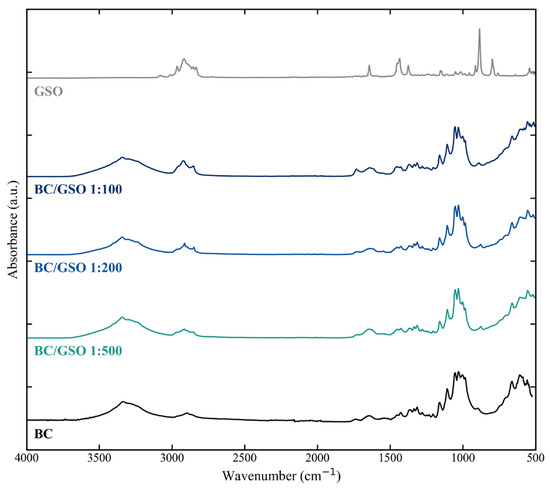
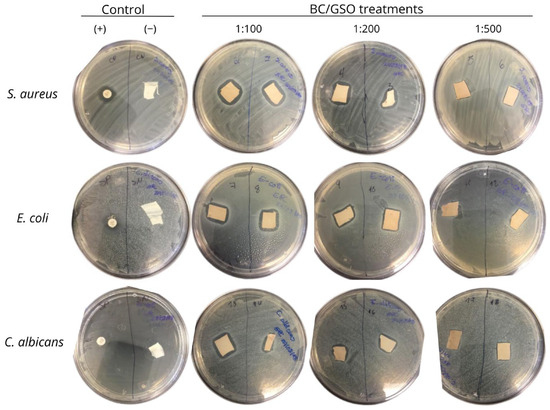
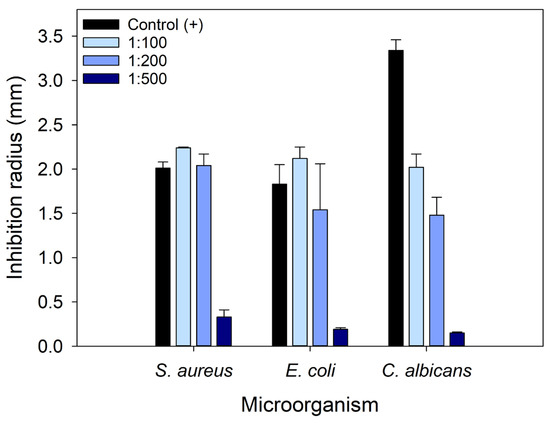
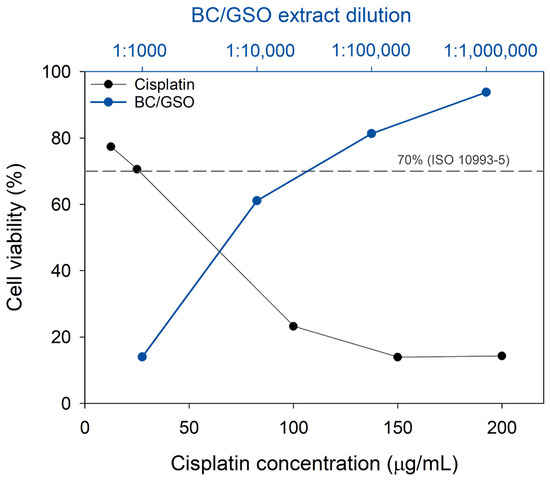
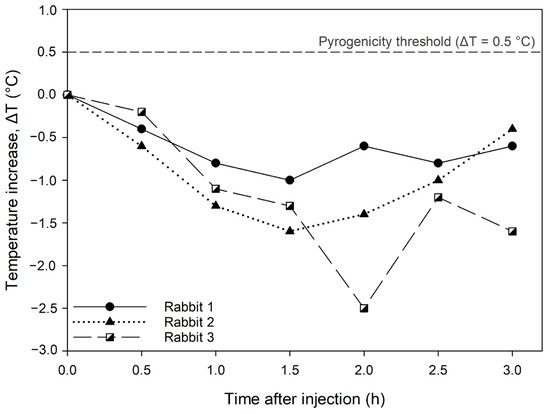
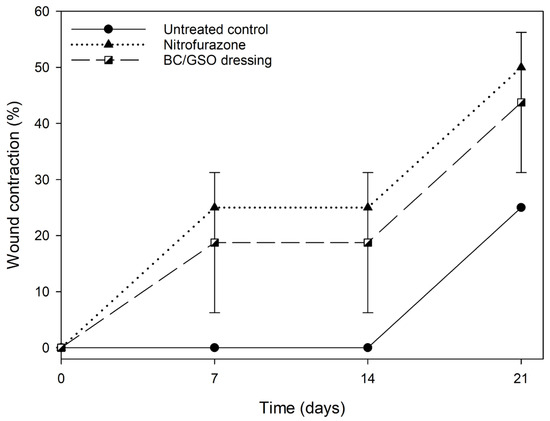
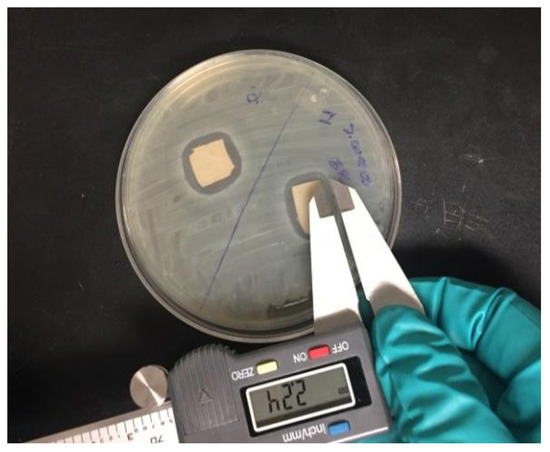
Bacterial cellulose (BC) is an emerging biopolymer for skin tissue regeneration; however, its functionalization with natural antimicrobial agents remains limited. This study reports the preclinical evaluation of a BC-based dressing for diabetic wounds. BC membranes were obtained from mango pulp agro-waste by Komagataeibacter xylinus cultivation (6.32 g/L) and functionalized with grapefruit seed oil (GSO) at three v/v ratios (1:100, 1:200 and 1:500). FTIR spectroscopy confirmed GSO incorporation into the BC matrix through physical interactions, with a dose-dependent loading. Antimicrobial activity of the BC/GSO dressings was screened against Staphylococcus aureus, Escherichia coli and Candida albicans by agar diffusion, showing dose-dependent inhibition zones. Following the minimum effective dose principle, the BC/GSO 1:500 (v/v) formulation was selected for comprehensive biocompatibility evaluation (cytotoxicity, mutagenicity, pyrogenicity and sensitization) and for in vivo wound-healing testing in a streptozotocin-induced diabetic Wistar rat model. Cell viability above 70% was achieved from membrane-extract dilution 1:100,000, while mutagenicity, pyrogenicity and sensitization assays confirmed the absence of adverse biological responses. In vivo, BC/GSO 1:500 (v/v) dressings supported wound closure comparable to nitrofurazone, with no clinical signs of infection. Overall, these results position BC/GSO dressings as a sustainable, biocompatible and antimicrobial candidate for early-stage diabetic wound regeneration and demonstrate the technical feasibility of valorizing mango pulp agro-waste into a high-value biomedical biopolymer.
Full article
(This article belongs to the Special Issue Translational Advances in Polysaccharide-Based Materials: Bridging Pharmacy, Biomedicine, and Engineering)
►▼
Show Figures

Figure 1
Highly Accessed Articles
Latest Books
E-Mail Alert
News
Topics
Topic in
Polymers, Nanomaterials, Gels, Sustainable Chemistry, Polysaccharides, Macromol
Advances in Nanocellulose and Related Polysaccharide-Based Nanomaterials in a Green Context
Topic Editors: Jose Miguel Gonzalez-Dominguez, Albert Nguyen Van Nhien, Caroline Hadad, Víctor Calvo, María Emilia CanoDeadline: 30 November 2026
Topic in
Molecules, Organics, Chemistry, Plants, Polysaccharides, Foods, Pharmaceuticals, Sci
Biological and Pharmacological Activity of Natural Products
Topic Editors: Laura De Martino, Yajun ZhengDeadline: 31 January 2027
Topic in
Gels, JFB, Nanomaterials, Polymers, Polysaccharides
Advances in Bio-Based Functional Materials for Sustainable and Biomedical Applications
Topic Editors: Ricardo J. B. Pinto, Gabriela GuedesDeadline: 1 April 2027
Conferences
Special Issues
Special Issue in
Polysaccharides
Translational Advances in Polysaccharide-Based Materials: Bridging Pharmacy, Biomedicine, and Engineering
Guest Editors: Tina Maver, Uroš MaverDeadline: 30 September 2026
Special Issue in
Polysaccharides
Emerging Innovations in Polysaccharide Chemistry: Novel Synthesis Concepts and Tailored Biopolymer Derivatives
Guest Editors: Martin Gericke, Serena TraboniDeadline: 30 October 2026
Special Issue in
Polysaccharides
Chitin and Chitosan: Preparation, Purification, Characterization, and Applications
Guest Editor: Azizur RahmanDeadline: 30 November 2026
Topical Collections
Topical Collection in
Polysaccharides
Current Opinion in Polysaccharides
Collection Editors: Cédric Delattre, Paolina Lukova, Guillaume Pierre