Journal Description
Drugs and Drug Candidates
is an international, peer-reviewed, open access journal on drug discovery, development, and knowledge, published quarterly online by MDPI.
- Open Access— free for readers, with article processing charges (APC) paid by authors or their institutions.
- High Visibility: indexed within Scopus and other databases.
- Rapid Publication: manuscripts are peer-reviewed and a first decision is provided to authors approximately 16.8 days after submission; acceptance to publication is undertaken in 4.7 days (median values for papers published in this journal in the second half of 2025).
- Recognition of Reviewers: APC discount vouchers, optional signed peer review, and reviewer names published annually in the journal.
- Drugs and Drug Candidates is a companion journal of Pharmaceuticals.
- Journal Clusters-Pharmaceutical Science: Scientia Pharmaceutica, Marine Drugs, Pharmaceuticals, Pharmaceutics, Pharmacy, Future Pharmacology, Pharmacoepidemiology, Drugs and Drug Candidates and Journal of Pharmaceutical and BioTech Industry.
Latest Articles
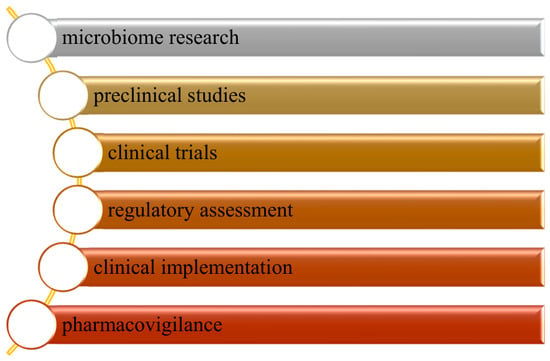
Microbiome Therapies as an Emerging Therapeutic Approaches of Biomedicine: International Regulatory Approaches and Ethical Challenges
Drugs Drug Candidates 2026, 5(3), 37; https://doi.org/10.3390/ddc5030037 (registering DOI) - 26 Jun 2026
Abstract
Background: Microbiome-oriented therapies, including fecal microbiota transplantation (FMT), phage therapy, and live biotherapeutic products (LBPs), represent a promising direction in modern biomedicine for addressing antimicrobial resistance (AMR), recurrent Clostridioides difficile infection (rCDI), and dysbiosis-associated conditions. Despite encouraging clinical outcomes, their integration into routine
[...] Read more.
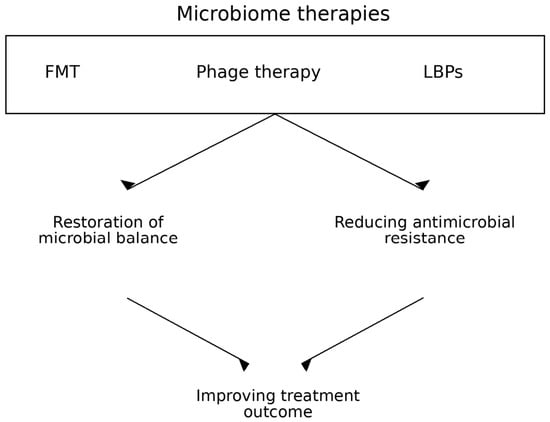
Background: Microbiome-oriented therapies, including fecal microbiota transplantation (FMT), phage therapy, and live biotherapeutic products (LBPs), represent a promising direction in modern biomedicine for addressing antimicrobial resistance (AMR), recurrent Clostridioides difficile infection (rCDI), and dysbiosis-associated conditions. Despite encouraging clinical outcomes, their integration into routine clinical practice remains limited due to regulatory heterogeneity and unresolved ethical challenges. Objective: This review aims to analyze international regulatory approaches to microbiome-based therapies and to identify key bioethical issues associated with their clinical application. Main content: The paper summarizes current scientific evidence and regulatory frameworks governing microbiome therapies in the United States, the European Union, Ukraine, and selected Asia-Pacific countries. Particular attention is given to differences in classification, approval pathways, and safety requirements. The review also examines major ethical concerns, including informed consent, donor screening, biosafety, data protection, and equitable access to innovative treatments. Conclusions: The analysis demonstrates that microbiome therapies have significant potential for improving clinical outcomes and supporting antimicrobial stewardship. However, their broader implementation requires the harmonization of regulatory frameworks, strengthening of biosafety standards, and development of clear ethical guidelines. International cooperation and accumulation of clinical evidence are essential for the safe and effective integration of microbiome-based interventions into healthcare systems.
Full article
(This article belongs to the Special Issue Microbes and Medicines)
►
Show Figures
Open AccessArticle
Utilizing Student Crowdsourcing to Facilitate Natural Product Discovery and Biotechnology Collaborations
by
Tyler Lenoy, Nicholas Zeedyk, Donovan Roberts, Michael Fyfe, Nara Souza and Hans Wildschutte
Drugs Drug Candidates 2026, 5(2), 36; https://doi.org/10.3390/ddc5020036 - 5 Jun 2026
Abstract
Background/Objectives: Course-based Undergraduate Research Experiences (CUREs) represent a form of student crowdsourcing in which individuals perform authentic discovery-based research in a class setting with interest to outside stakeholders. Here, the renowned Tiny Earth (TE) CURE is being utilized to teach microbiology and perform
[...] Read more.
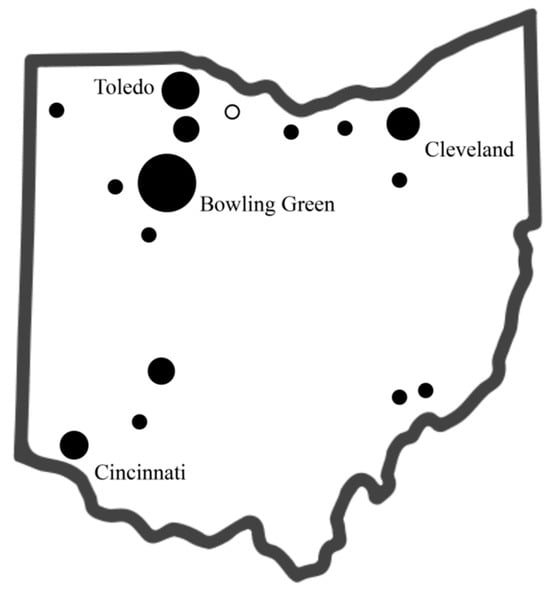
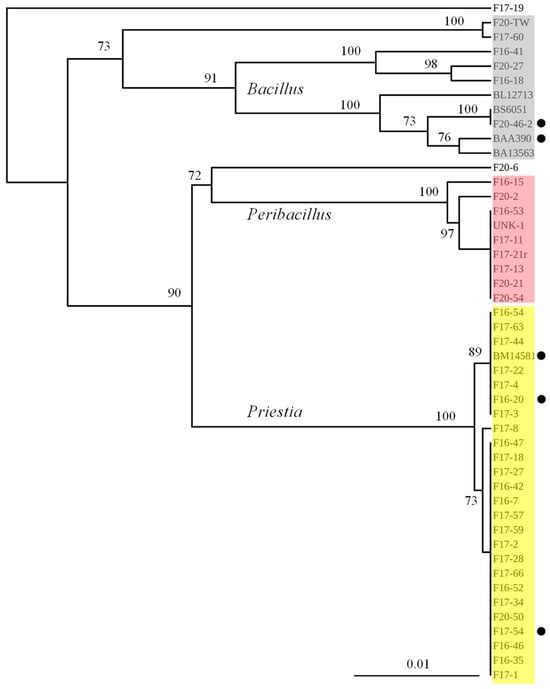
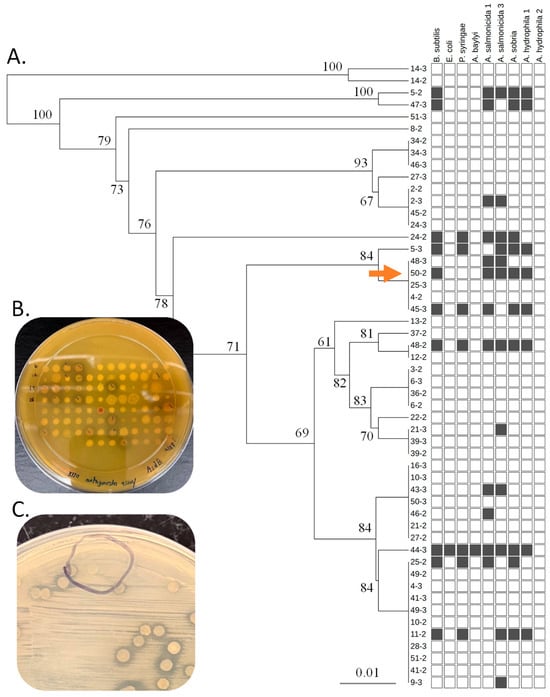
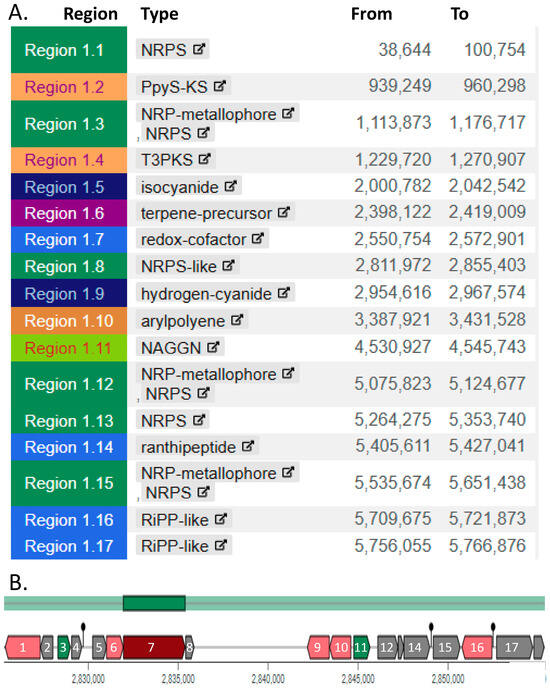
Background/Objectives: Course-based Undergraduate Research Experiences (CUREs) represent a form of student crowdsourcing in which individuals perform authentic discovery-based research in a class setting with interest to outside stakeholders. Here, the renowned Tiny Earth (TE) CURE is being utilized to teach microbiology and perform natural product discovery research by students in the course. Methods: In our TE CURE, students collect soil samples from their hometown and characterize bacteria that can inhibit plant and animal pathogens. This unique growing collection of isolates from across Ohio has provided opportunities to facilitate drug discovery and establish biotechnology collaborations. Results: In this study, we describe two outcomes using our environmental strain collection that initiated biotechnology collaborations and identified bacterial candidates for drug discovery. Results from one project led to a partnership with an aquaculture company. A novel biosynthetic gene cluster involved in antagonistic activity was identified, whose product inhibits Aeromonas pathogens, which cause disease in freshwater fish. The other project involves a collaboration with a global commercial cleaning and equipment company to identify lipase activity among Bacillus strains for its potential use in bioremediation. Conclusions: The unique strain collection generated by students in the CURE led to collaboration with biotechnology companies, which contributed to natural product discovery of an antimicrobial product and active enzymatic activity, all of which benefit education and scientific discovery.
Full article
(This article belongs to the Special Issue Microbes and Medicines)
►▼
Show Figures

Figure 1
Open AccessReview
Effects of Semaglutide on Lipid Metabolism and C-Reactive Protein in Obesity: A Review of STEP Trials
by
Clemilson Berto-Junior, Gabriel Gallo Ribas Blanco, Lucas Varella Marcello, Gabriella Terra Rangel, Natália da Conceição dos Santos Marques, Leonardo Paes Cinelli and Edezio Ferreira da Cunha-Junior
Drugs Drug Candidates 2026, 5(2), 35; https://doi.org/10.3390/ddc5020035 - 3 Jun 2026
Abstract
Obesity is a growing public health concern linked to poor dietary habits, physical inactivity, and metabolic disturbances, which can be evaluated using complementary laboratory tests. Among pharmacological interventions, semaglutide, a GLP-1 receptor agonist, has shown promise by acting on the central nervous system
[...] Read more.
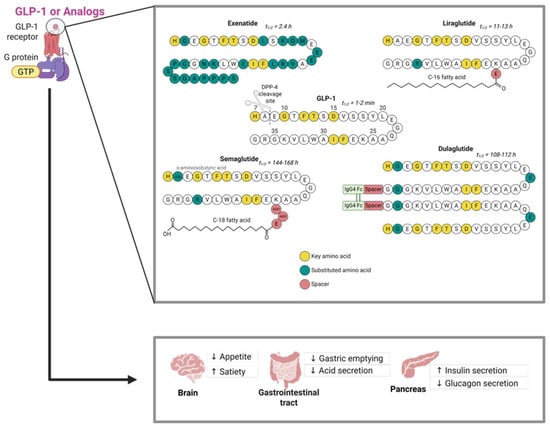
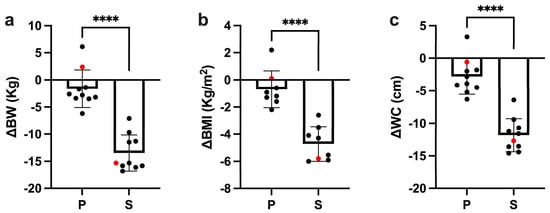
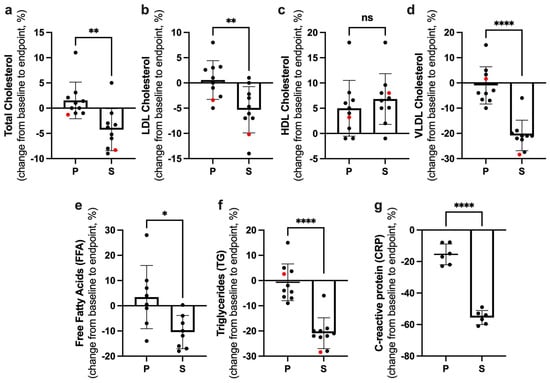
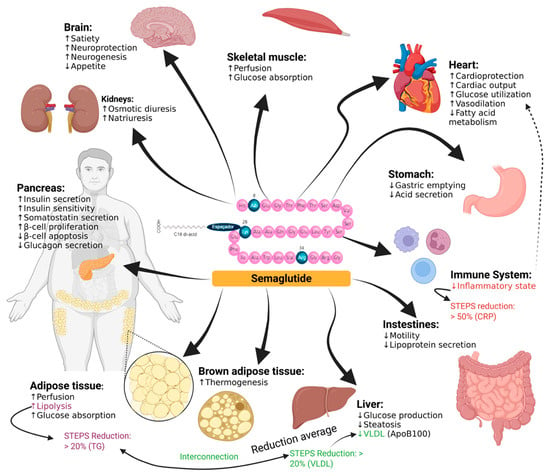
Obesity is a growing public health concern linked to poor dietary habits, physical inactivity, and metabolic disturbances, which can be evaluated using complementary laboratory tests. Among pharmacological interventions, semaglutide, a GLP-1 receptor agonist, has shown promise by acting on the central nervous system to reduce appetite and stimulate insulin secretion, thereby improving the lipid profile and reducing inflammation biomarkers. This review focused on changes in lipid parameters and C-reactive protein (CRP) levels in overweight or obese individuals treated with semaglutide, based on phase 3 studies from the STEP program (“Semaglutide Treatment Effect in People with Obesity”). The STEP clinical trial program was conducted across 36 countries, reflecting a broad and diverse geographic representation. Key findings include significant reductions between placebo vs. semaglutide in body weight (−1.3 vs. −13.0 Kg), body mass index (−0.69 vs. −4.72 kg/m2), and waist circumference (−2.79 × −11.81 cm). Additionally, there were notable decreases in triglycerides (−0.67 vs. −20.89%), VLDL-C (−0.99 vs. 20.82%), and CRP levels (−15.45 vs. −55.55%). These changes reflect improvements in both inflammatory and metabolic markers. The observed benefits suggest that semaglutide may contribute to reducing comorbidities associated with metabolic syndrome and to the prevention of cardiovascular disease. Current evidence also supports its potential role in individualized treatment strategies based on patients’ clinical and biochemical profiles. However, despite these promising findings, further long-term studies are required to confirm the efficacy and safety of semaglutide across diverse populations.
Full article
(This article belongs to the Section Marketed Drugs)
►▼
Show Figures

Figure 1
Open AccessArticle
Real-World Use of Herbal Medicines as Drug Candidates for Upper Respiratory Tract Infections: Insights from Pharmacy Customers and Professionals in Estonia
by
Ain Raal, Jelena Moroz, Aljona Uhanova, Natalia Borovikova, Tetiana Ilina, Alla Kovalyova, Tetiana Gontova and Oleh Koshovyi
Drugs Drug Candidates 2026, 5(2), 34; https://doi.org/10.3390/ddc5020034 - 29 May 2026
Abstract
Background/Objectives: Upper respiratory tract infections (URTIs), including common cold and influenza, remain a major global health burden, and their symptomatic management often includes the use of herbal medicines alongside conventional therapies. The aim of this study was to evaluate the real-world use of
[...] Read more.
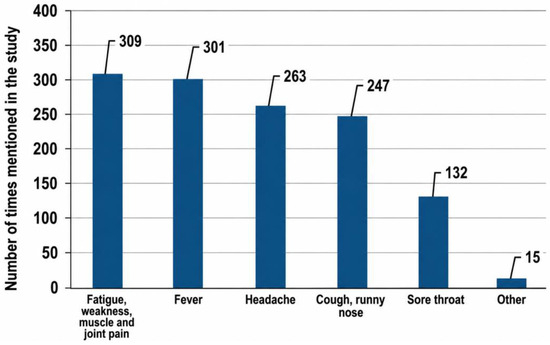
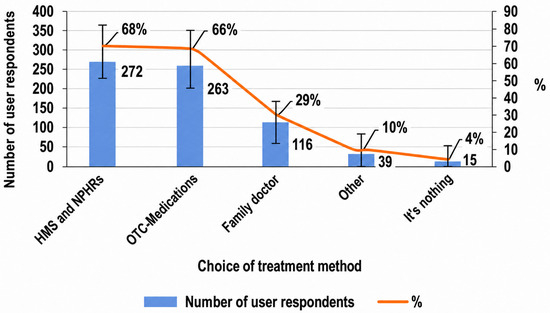
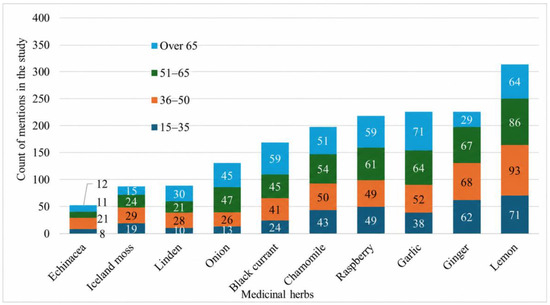
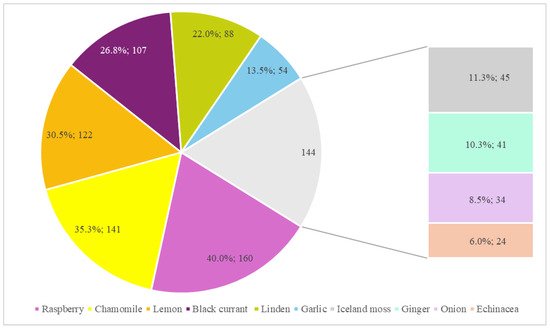
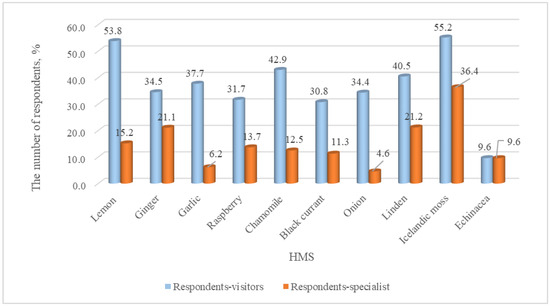
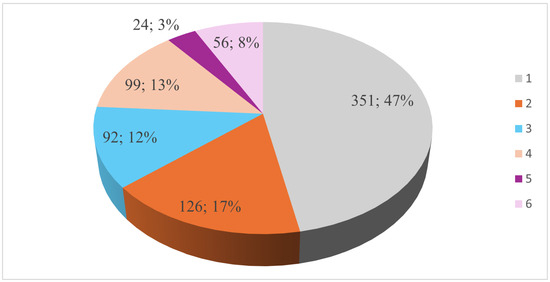
Background/Objectives: Upper respiratory tract infections (URTIs), including common cold and influenza, remain a major global health burden, and their symptomatic management often includes the use of herbal medicines alongside conventional therapies. The aim of this study was to evaluate the real-world use of herbal medicines as drug candidates in the management of URTIs in Estonia, with a focus on differences between pharmacy customers and pharmacy professionals. Methods: A cross-sectional survey was conducted among 905 participants, including 400 pharmacy customers and 505 pharmacy professionals (pharmacists and pharmacy assistants). Standardized questionnaires were used to assess the frequency of use, perceived effectiveness, and safety considerations of commonly used herbal substances and home remedies in adults and children. Results: Herbal medicines and home remedies were widely used, reported by 68% (95% CI: 63.4–72.6%) of pharmacy customers and 71% (95% CI: 67.0–75.0%) of pharmacy professionals. The most commonly used herbal substances included lemon (79%), ginger (57%), garlic (56%), raspberry (55%), and chamomile (50%). While most respondents perceived these remedies as effective for symptom relief, notable discrepancies were observed between customer and professional assessments of efficacy. The use of several herbal substances in children did not consistently align with European Medicines Agency recommendations, highlighting potential safety concerns. The findings demonstrate that widely used herbal substances represent real-world candidates for supportive URTI management; however, their perceived effectiveness and patterns of use are not always supported by regulatory guidance or clinical evidence. These results underscore the need for further pharmacological and clinical studies, as well as improved evidence-based communication between healthcare professionals and patients. Conclusions: The results allow the identification and prioritization of herbal substances as real-world drug candidates for further pharmacological and clinical development.
Full article
(This article belongs to the Section Intellectual Property, Regulatory Affairs, and Market Analysis)
►▼
Show Figures

Figure 1

Open AccessReview
Nonsteroidal Mineralocorticoid Receptor Antagonists in Heart Failure: Mechanistic Basis, Clinical Evidence, and Therapeutic Integration
by
Rami A. Al-Horani and Navneet Goyal
Drugs Drug Candidates 2026, 5(2), 33; https://doi.org/10.3390/ddc5020033 - 28 May 2026
Abstract
The therapeutic landscape for heart failure (HF), particularly in patients with mildly reduced (HFmrEF) and preserved ejection fraction (HFpEF), has historically been characterized by limited effective disease-modifying options. The recent approval of nonsteroidal mineralocorticoid receptor antagonists (nsMRAs), specifically finerenone, represents a major paradigm
[...] Read more.
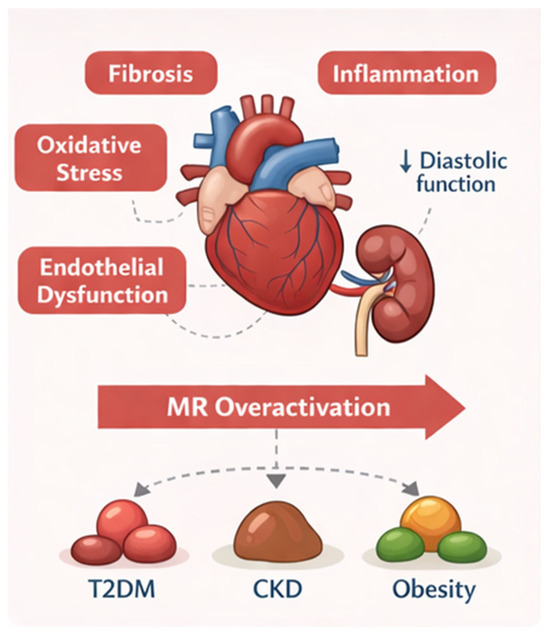
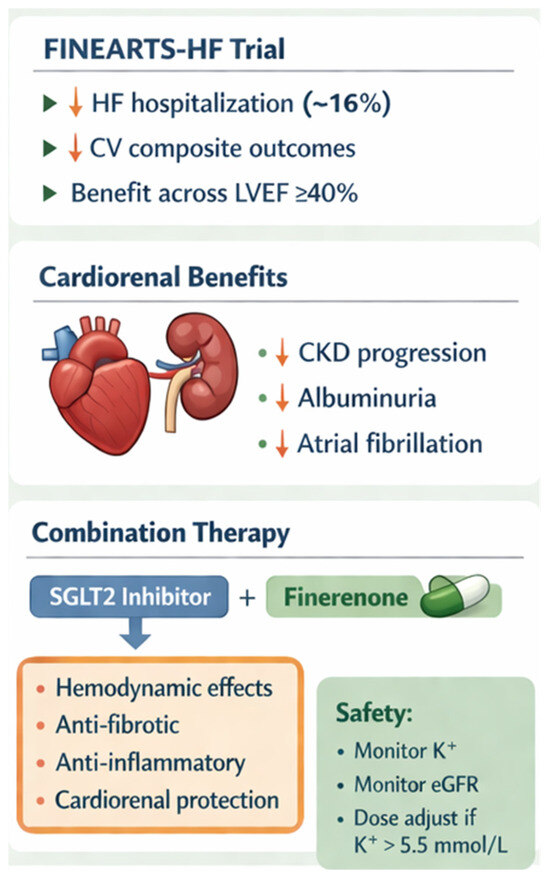
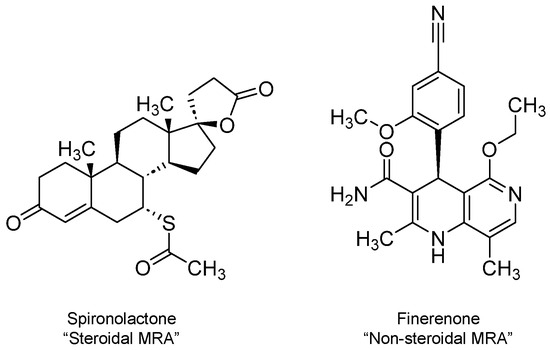
The therapeutic landscape for heart failure (HF), particularly in patients with mildly reduced (HFmrEF) and preserved ejection fraction (HFpEF), has historically been characterized by limited effective disease-modifying options. The recent approval of nonsteroidal mineralocorticoid receptor antagonists (nsMRAs), specifically finerenone, represents a major paradigm shift. This review synthesizes contemporary evidence, including the landmark FINEARTS-HF trial, which demonstrated significant reductions in cardiovascular death and heart failure hospitalizations in patients with left ventricular ejection fraction (LVEF) ≥ 40%. These findings contrast with the neutral overall results and subgroup limitations observed with steroidal MRAs such as spironolactone in the TOPCAT trial. Mechanistic distinctions, cardiorenal benefits, and emerging metabolic effects of finerenone are explored alongside its complementary role with sodium–glucose cotransporter-2 (SGLT2) inhibitors. Practical considerations for implementation, including patient selection, dosing, monitoring, and combination therapy strategies, are discussed. Overall, nsMRAs establish a new foundation for the management of HFmrEF and HFpEF and represent a critical advancement in contemporary heart failure therapeutics.
Full article
(This article belongs to the Section Marketed Drugs)
►▼
Show Figures

Figure 1
Open AccessArticle
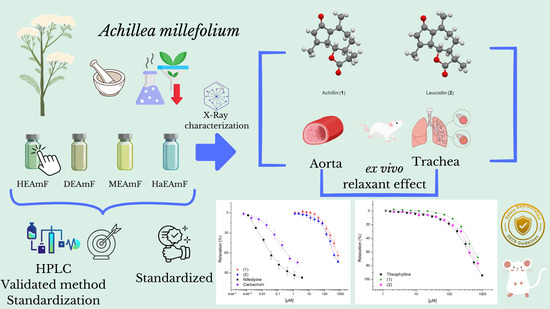
Standardization of Extracts Obtained from Achillea millefolium Flowers Using High-Performance Liquid Chromatography and Correlation with Relaxant Effects of Leucodin and Achillin
by
Monserrat Hernández-Morales, Sergio Alcalá-Alcalá, Luis Arias-Durán, Jaime Escalante-García, Jorge Alberto Barrios-Payán, Rogelio Hernández-Pando and Samuel Estrada-Soto
Drugs Drug Candidates 2026, 5(2), 32; https://doi.org/10.3390/ddc5020032 - 14 May 2026
Abstract
Background/Objectives: Achillea millefolium is a well-known plant used in traditional medicine for the treatment of inflammation, gastrointestinal disorders, respiratory diseases, hypertension, and diabetes, among others. These effects are attributed to the metabolite content of flavonoids and terpenes such as achillin (1)
[...] Read more.
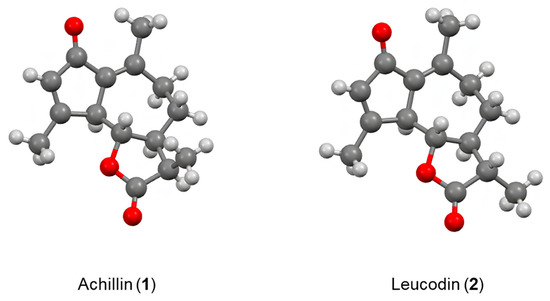
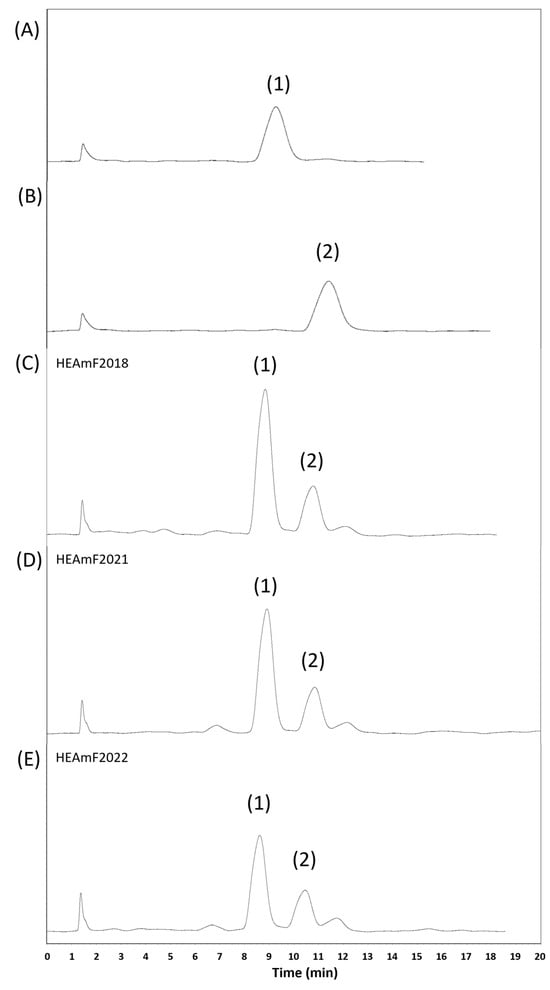
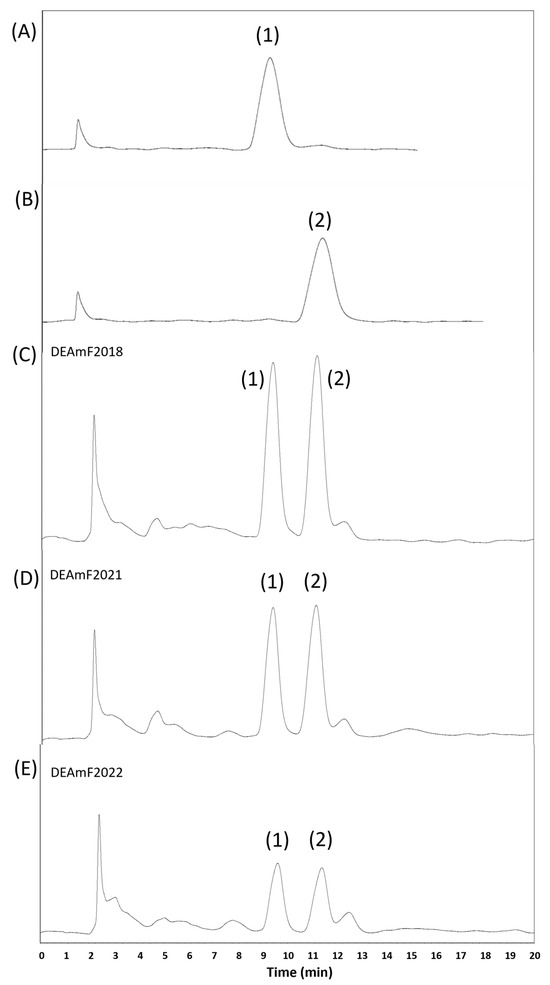
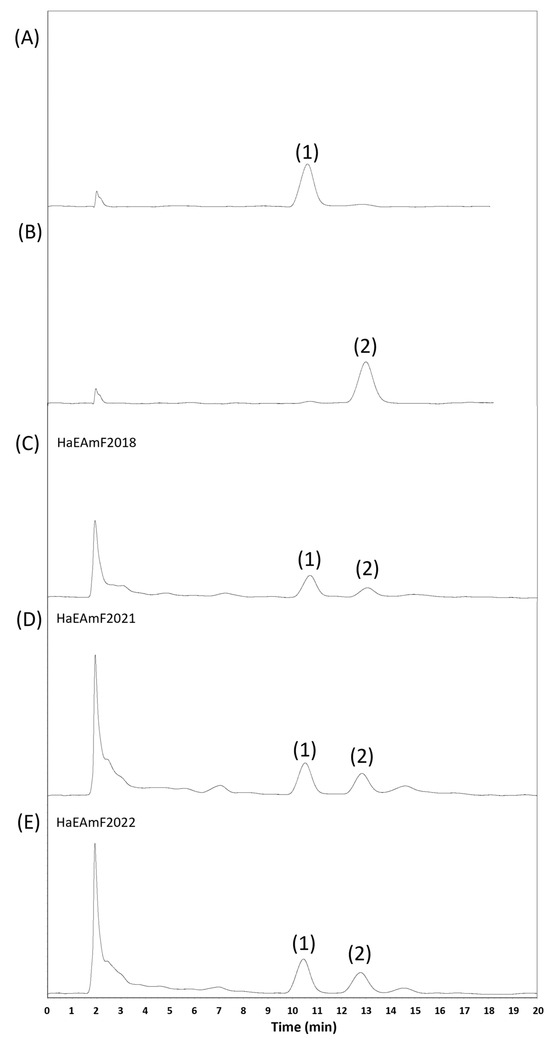
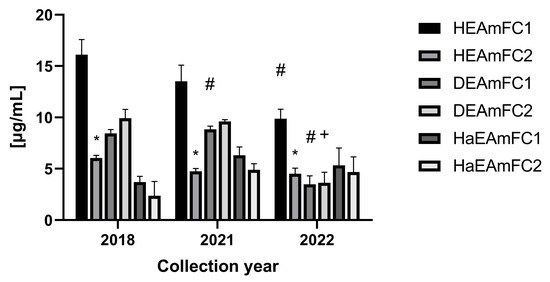
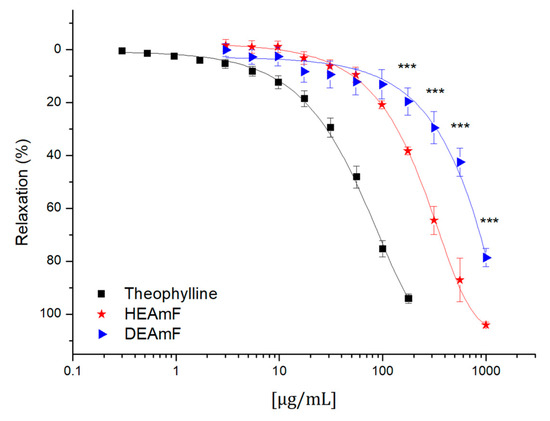
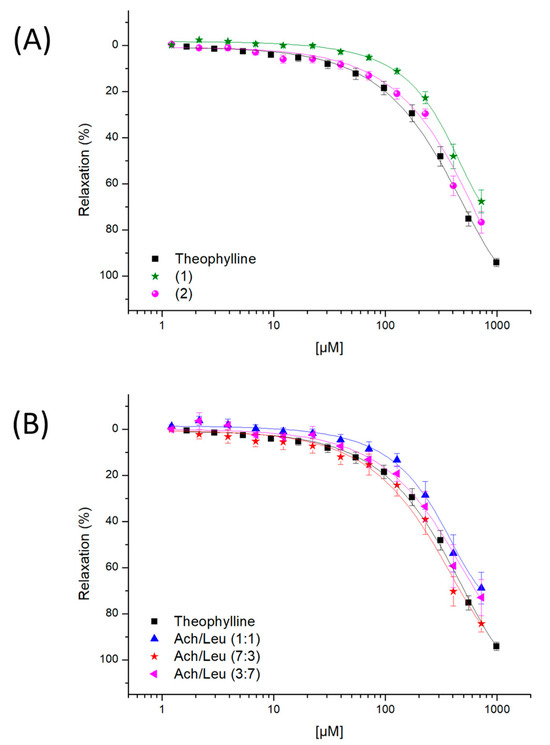
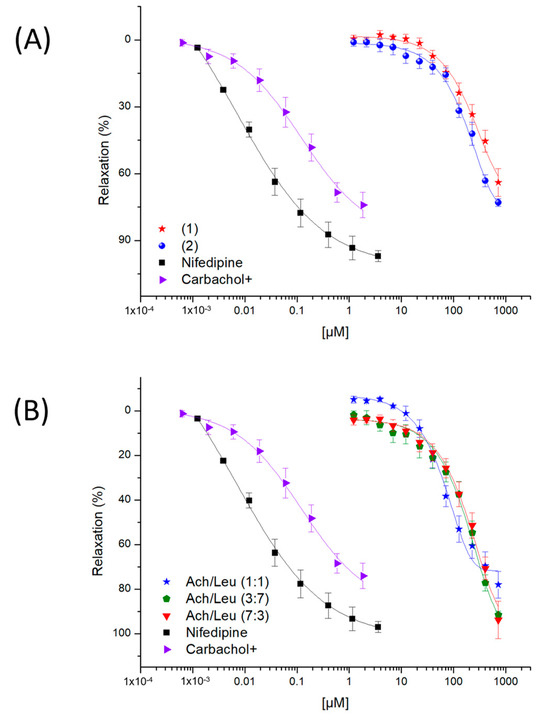
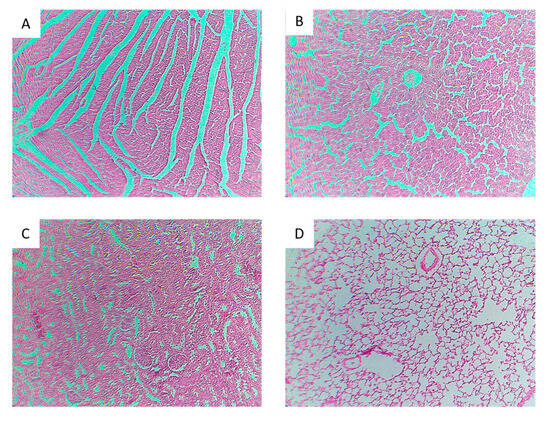
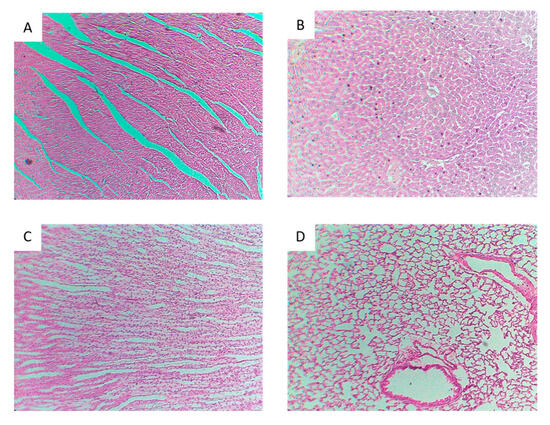
Background/Objectives: Achillea millefolium is a well-known plant used in traditional medicine for the treatment of inflammation, gastrointestinal disorders, respiratory diseases, hypertension, and diabetes, among others. These effects are attributed to the metabolite content of flavonoids and terpenes such as achillin (1) and leucodin (2). Thus, the current investigation aims to standardize the extracts from A. millefollium based on the presence of 1 and 2 and relate them to their relaxant effect in ex vivo assays. Methods: A validated High-Performance Liquid Chromatography (HPLC) method was used to determine the concentration of the main compounds, employing standard molecules previously isolated from the same species and characterized by nuclear magnetic resonance (NMR) and X-ray diffraction. Also, the relaxant effects of both compounds and their combinations were assayed on aortic and tracheal rat rings in an organ bath. Results: Compounds (1) and (2) are the main compounds in hexane, dichloromethane, and hydroalcoholic extracts, present in different proportions. The relaxant effects in ex vivo models of the aorta and trachea showed that the sesquiterpene lactones achillin (1) [Trachea, maximum effect (Emax): 67.67 ± 5.01%, medium effective concentration (EC50): 304.44 ± 2.61 µM; Aorta: Emax: 63.94 ± 6.28%, EC50: 225.73 ± 4.49 µM)] and leucodin (2) (Trachea: Emax: 76.71 ± 4.73%, EC50: 266.40 ± 2.05 µM; Aorta, Emax: 72.96 ± 1.73%, EC50: 163.29 ± 2.99 µM) are responsible for the relaxant effects shown by the extracts. The observed effect is proportional to the concentration of these molecules, with hexane extracts being more active. Additionally, we demonstrate the safety of molecules 1 and 2 through toxicological studies recommended by the OECD. Conclusions: The isolated compounds achillin and leucodin are the primary constituents in the flowers of A. millefolium, with higher concentrations found in hexane extracts, particularly of achillin, which shows a correlation of 2.33 with respect to leucodin. This correlation is closely related to their relaxant effect, as these compounds are the main contributors to the relaxant response in the trachea and aorta, being more effective when used together.
Full article
(This article belongs to the Section Drug Candidates from Natural Sources)
►▼
Show Figures

Graphical abstract
Open AccessArticle
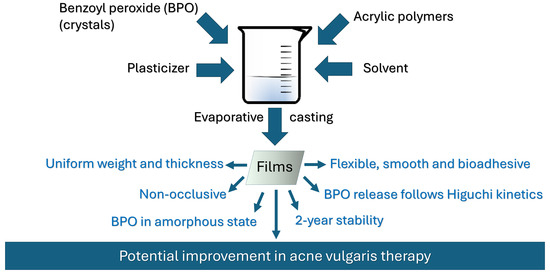
Critical Attribute Considerations in Designing Systems for Sustained Topical Delivery of Hydrophobic Drugs for the Treatment of Acne Vulgaris
by
María Eugenia Acevedo, Judith Anna Roether, Sofía Harriet, Adriana Fernández, Juan Pablo Cattalini, Héctor Juan Prado, Aldo R. Boccaccini and Viviana Mouriño
Drugs Drug Candidates 2026, 5(2), 31; https://doi.org/10.3390/ddc5020031 - 6 May 2026
Abstract
Background/Objectives: A matrix system for topical application was developed for a hydrophobic drug model, benzoyl peroxide (BPO), by turning it into its amorphous state to increase its bioavailability. BPO is commonly used to treat acne vulgaris; however, the commercially available products possess
[...] Read more.
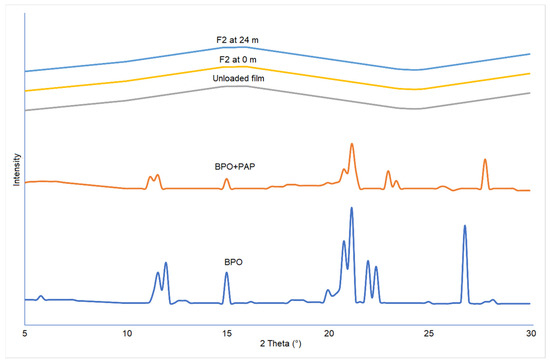
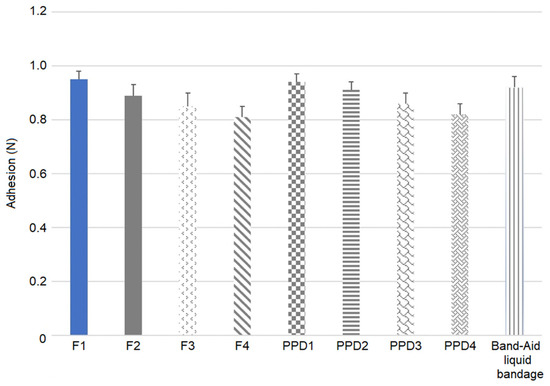
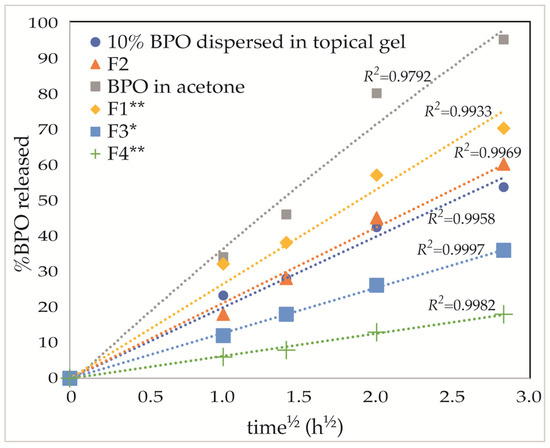
Background/Objectives: A matrix system for topical application was developed for a hydrophobic drug model, benzoyl peroxide (BPO), by turning it into its amorphous state to increase its bioavailability. BPO is commonly used to treat acne vulgaris; however, the commercially available products possess several drawbacks including poor absorption due to large crystal size and thus reduced efficacy and skin irritation. Methods: Several polymeric films containing amorphous BPO were successfully prepared for the first time from polymer + plasticizer colloidal dispersions and characterized. Results: The loaded BPO maintained its amorphous state even after 24 months of storage at 5 °C, and drug release could be modulated by adjusting the film compositions. The prepared films were obtained by solvent evaporation, and residual acetone remained below the level of quantification of the analytical method. In addition, the films were thin, flexible, transparent, bioadhesive, and able to remain on the skin for a clinically relevant period. Microscopic imaging confirmed a homogeneous and continuous morphology. Conclusions: The developed formulations may represent promising alternatives for the treatment of acne vulgaris.
Full article
(This article belongs to the Section Marketed Drugs)
►▼
Show Figures

Graphical abstract
Open AccessReview
Therapeutic and Adjuvant Effects of Probiotics in the Management of Oral Cancer: A Scoping Review of Preclinical and Clinical Evidence
by
Gabriel Tchuente Kamsu and Eugene Jamot Ndebia
Drugs Drug Candidates 2026, 5(2), 30; https://doi.org/10.3390/ddc5020030 - 25 Apr 2026
Abstract
Background/Objectives: Oral cancer remains a major global health challenge, with persistent limitations in treatment efficacy and significant therapy-related morbidity. Probiotics, owing to their immunomodulatory, anti-inflammatory, and microbiota-regulating properties, have emerged as potential therapeutic and adjuvant agents. This scoping review aimed to systematically map
[...] Read more.
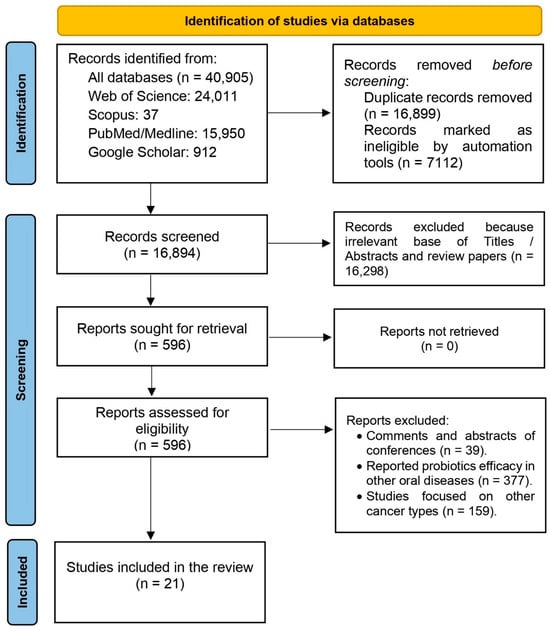
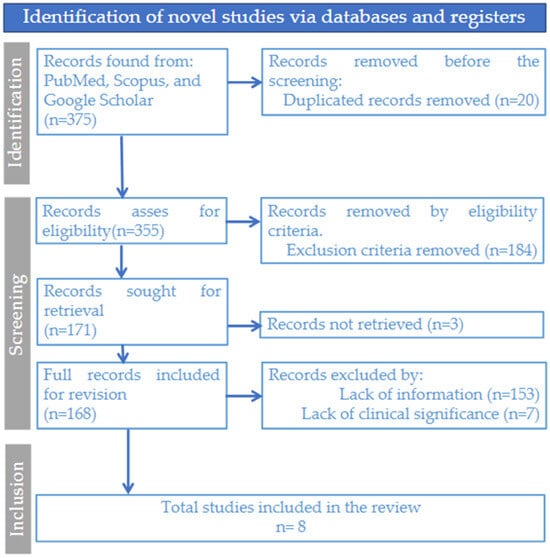
Background/Objectives: Oral cancer remains a major global health challenge, with persistent limitations in treatment efficacy and significant therapy-related morbidity. Probiotics, owing to their immunomodulatory, anti-inflammatory, and microbiota-regulating properties, have emerged as potential therapeutic and adjuvant agents. This scoping review aimed to systematically map and critically appraise preclinical and clinical evidence regarding the therapeutic and supportive effects of probiotics in oral cancer. Methods: A comprehensive literature search was conducted across PubMed, Scopus, Web of Science, and Google Scholar without temporal restrictions, including studies published up to February 2026. Eligible studies comprised in vitro, in vivo, and clinical investigations evaluating the effects of live or non-viable probiotic interventions on oral cancer biology and related clinical outcomes. Results: Twenty-one studies were included: 13 in vitro, 3 in vivo, and 6 clinical studies. Preclinical evidence indicates that strains such as Lactiplantibacillus plantarum, Lactobacillus acidophilus, and Lacticaseibacillus paracasei exert selective antiproliferative effects (up to 85% inhibition) via apoptosis induction, modulation of PTEN/MAPK and NF-κB signaling, and reduction in pro-inflammatory mediators. In vivo models demonstrated tumor growth suppression and improved survival without significant toxicity. Clinically, probiotics reduced treatment-induced oral mucositis, improved salivary function, and enhanced microbiota stability and patient-reported outcomes. However, evidence on direct oncological endpoints remains limited. Conclusions: Probiotics demonstrate biologically plausible, strain-specific antitumor and supportive effects, with the strongest evidence supporting their role as adjunctive agents, particularly in managing treatment-related complications. Further well-designed in vivo and clinical studies are required to define optimal strains, dosing strategies, and integration with standard oncologic treatments.
Full article
(This article belongs to the Section Drug Candidates from Natural Sources)
►▼
Show Figures

Figure 1
Open AccessCorrection
Correction: Demesa-Castañeda et al. Searching for New Antibacterial Compounds Against Staphylococcus aureus: A Computational Study on the Binding Between FtsZ and FtsA. Drugs Drug Candidates 2024, 3, 751–773
by
Alba V. Demesa-Castañeda, David J. Pérez, César Millán-Pacheco, Armando Hernández-Mendoza and Rodrigo Said Razo-Hernández
Drugs Drug Candidates 2026, 5(2), 29; https://doi.org/10.3390/ddc5020029 - 24 Apr 2026
Abstract
In the published version of this article [...]
Full article
Open AccessReview
Use of Antimicrobial Photodynamic Therapy to Inactivate Multidrug-Resistant Enterobacter spp.: Scoping Review
by
Angélica R. Bravo, Matías F. Cuevas and Christian Erick Palavecino
Drugs Drug Candidates 2026, 5(2), 28; https://doi.org/10.3390/ddc5020028 - 22 Apr 2026
Abstract
Background/Objectives: Multidrug-resistant (MDR) Enterobacter spp. are critical pathogens within the ESKAPE group, frequently exhibiting resistance to carbapenems. Antimicrobial photodynamic therapy (aPDT) represents a promising non-antibiotic strategy to circumvent these resistance mechanisms. This scoping review aims to map the current evidence regarding the efficacy
[...] Read more.
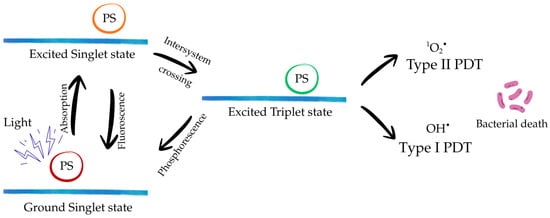
Background/Objectives: Multidrug-resistant (MDR) Enterobacter spp. are critical pathogens within the ESKAPE group, frequently exhibiting resistance to carbapenems. Antimicrobial photodynamic therapy (aPDT) represents a promising non-antibiotic strategy to circumvent these resistance mechanisms. This scoping review aims to map the current evidence regarding the efficacy of aPDT in inactivating Enterobacter spp., identifying the most effective photosensitizers (PS), light parameters, and existing research gaps. Methods: A systematic search was performed across PubMed, Scopus, and Google Scholar (2013–2025) following PRISMA-ScR guidelines and registered on OSF. Studies were included if they evaluated aPDT against Enterobacter spp. (in vitro or in vivo) and provided quantitative data on microbial reduction. Data was extracted using a standardized charting form covering bacterial strains, PS type, light source, and viability reduction. The results from the eligible sources of evidence were synthesized narratively to address the review objectives. Results: Despite the clinical priority of Enterobacter, only seven studies met the eligibility criteria. Methylene Blue remains the most frequently studied PS, achieving reductions of 3–8 log10. Emerging evidence highlights the synergistic efficacy of monocationic chlorins and graphene-based nanomaterials in enhancing the bactericidal effect of light-based treatments. Notably, aPDT demonstrated the ability to inactivate carbapenemases, the bacterial enzymes responsible for carbapenem resistance. However, only two studies evaluated in vivo applications, primarily within dental settings. Conclusions: aPDT is a promising method against MDR Enterobacter spp. and bypasses traditional resistance mechanisms. However, the limited number of studies indicates a significant knowledge gap. Future research should focus on standardized in vivo protocols and the synergy between aPDT and conventional antibiotics to support clinical translation.
Full article
(This article belongs to the Section Biologics)
►▼
Show Figures

Figure 1
Open AccessArticle
A Classic Citrus Monoterpene Revisited: Protective Effects of D-Limonene on Hepatic and Aortic Vascular Dysfunctions in Type 1 Diabetic Rats
by
Leonardo da Rocha Sousa, Nildomar Ribeiro Viana, Renato Sampaio Mello Neto, José Otávio Carvalho Sena de Almeida, José Vinícius de Sousa França, Emerson Iuri Rodrigues Queiroz, Esmeralda Maria Lustosa Barros, Ana Karolinne da Silva Brito, Ana Victória da Silva Mendes, Andressa Amorim dos Santos, Fernanda Cerqueira Barroso Oliveira, Débora Santos Lula Barros, Massimo Lucarini, Alessandra Durazzo, Maria do Carmo de Carvalho e Martins and Daniel Dias Rufino Arcanjo
Drugs Drug Candidates 2026, 5(2), 27; https://doi.org/10.3390/ddc5020027 - 22 Apr 2026
Abstract
Background: Diabetes mellitus is a metabolic disturbance characterized by chronic hyperglycemia, which stems from defective secretion and/or action of insulin. D-Limonene has been studied for the confirmation of its antidiabetic and antioxidant effects. This paper aims to investigate the antidiabetic and antioxidants effects
[...] Read more.
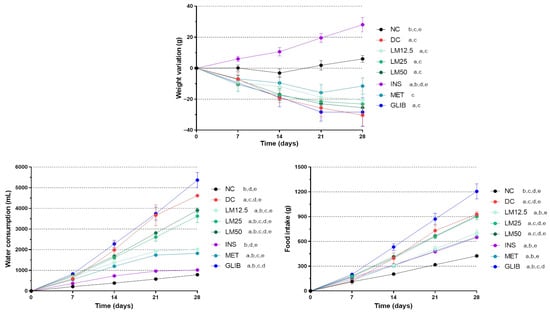
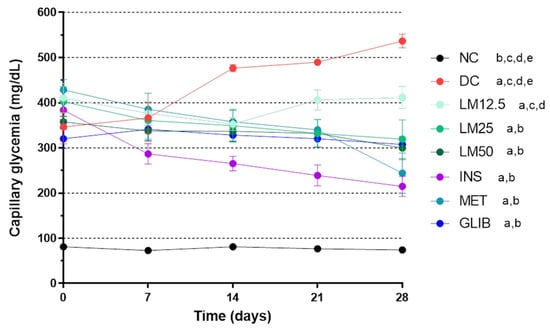
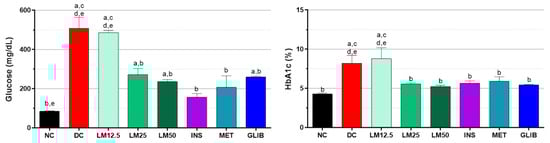
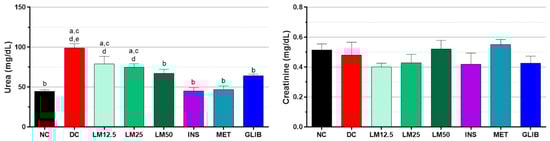
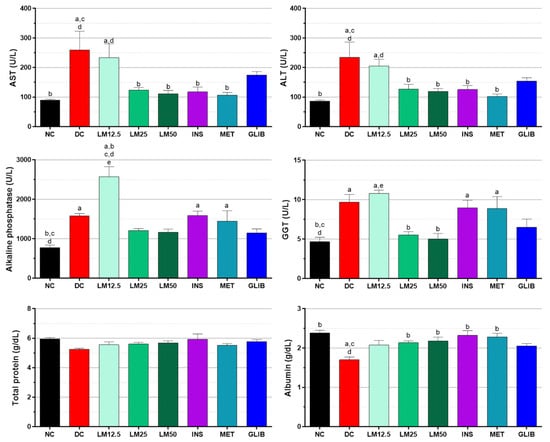
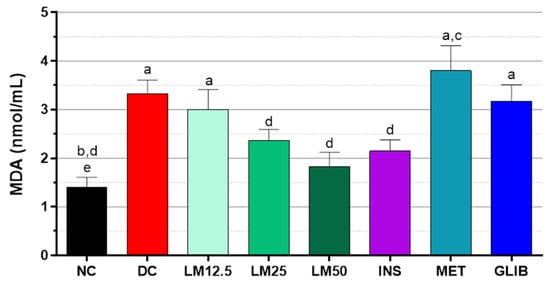
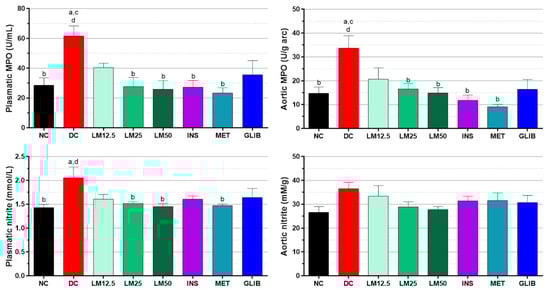
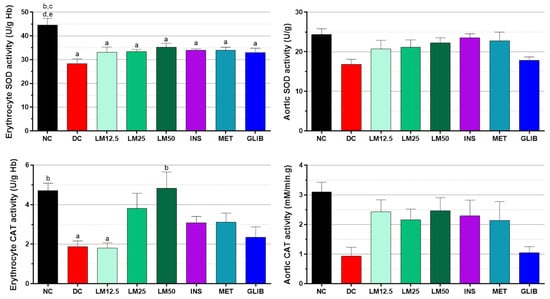
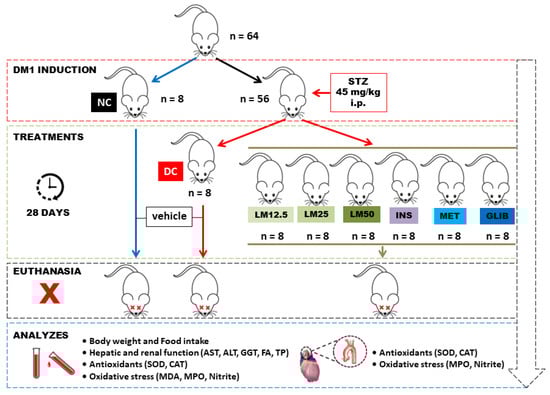
Background: Diabetes mellitus is a metabolic disturbance characterized by chronic hyperglycemia, which stems from defective secretion and/or action of insulin. D-Limonene has been studied for the confirmation of its antidiabetic and antioxidant effects. This paper aims to investigate the antidiabetic and antioxidants effects of D-Limonene in an experimental model of DM1. Methods: Female Wistar rats (180–250g) received streptozotocin (STZ, 45 mg/kg) intraperitoneally. Animals with capillary glycemia ≥ 250 mg/dL were considered diabetic. D-Limonene at oral doses of 12.5 mg/kg, 25 mg/kg and 50 mg/kg was administered during 28-day treatment. Water and food intake, weight gain and capillary glycemia were evaluated. At the end of the treatment, the following biochemical parameters were assessed: serum glucose, HbA1c, urea, creatinine, AST, ALT, GGT, ALP and albumin. The oxidative stress markers were determined in plasma, erythrocytes, and aortic homogenates: malondialdehyde, nitrite, myeloperoxidase, superoxide dismutase and catalase. Results: D-Limonene (25 and 50 mg/kg) significantly reduced serum glucose, HbA1c, AST, ALT, GGT and ALP when compared to DC, as well as plasma MDA and nitrite concentrations. Interestingly, D-Limonene (25 and 50 mg/kg) decreased both plasma and aortic myeloperoxidase activities, as well as increased both erythrocytic and aortic catalase activities. Conclusions: These findings, besides a marked D-Limonene-induced hypoglycemic effect, pave the way for further studies comprising a multi-target treatment by providing benefits on hepatic and vascular complications related to the diabetic condition.
Full article
(This article belongs to the Section Preclinical Research)
►▼
Show Figures

Figure 1
Open AccessArticle
Cannabidiol Prevents Ovariectomy-Induced Thermoregulatory Dysfunction in Rats: A Preclinical Study on Menopausal Vasomotor Symptoms
by
Vitória Leite Lages, Lourdes Fernanda Godinho, Alayanne Santos Guieiro, Thais Trindade, Bruna Oliveira Costa, Joyce Mirlene Moreira Costa, Ramona Ramalho de Souza Pereira, Caíque Olegário Diniz e Magalhães and Kinulpe Honorato-Sampaio
Drugs Drug Candidates 2026, 5(2), 26; https://doi.org/10.3390/ddc5020026 - 18 Apr 2026
Abstract
Background/Objectives: Vasomotor symptoms (hot flashes) affect 70–80% of menopausal women, significantly impairing quality of life. Current treatments include hormone therapy, which is contraindicated for many patients, and non-hormonal alternatives with limited efficacy or adverse effects. Cannabidiol (CBD), a non-psychoactive phytocannabinoid, has emerged as
[...] Read more.
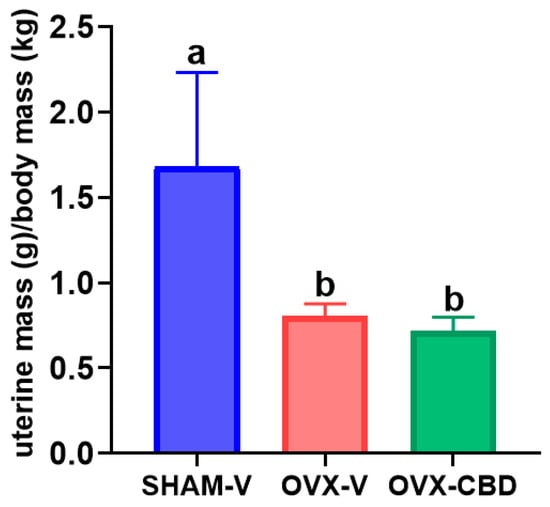
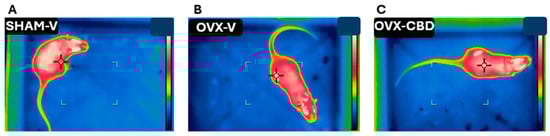
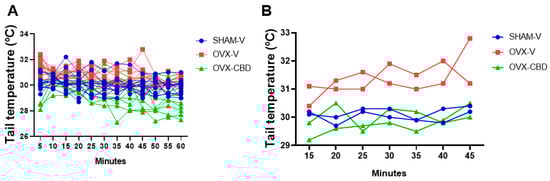
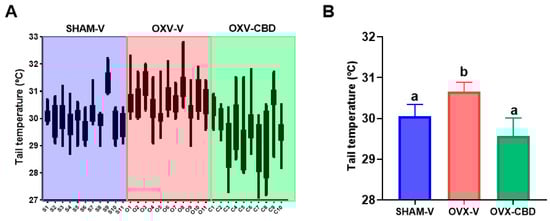
Background/Objectives: Vasomotor symptoms (hot flashes) affect 70–80% of menopausal women, significantly impairing quality of life. Current treatments include hormone therapy, which is contraindicated for many patients, and non-hormonal alternatives with limited efficacy or adverse effects. Cannabidiol (CBD), a non-psychoactive phytocannabinoid, has emerged as a potential therapeutic candidate due to its interaction with the endocannabinoid system. This study aimed to investigate whether a standardized Cannabis sativa extract containing isolated CBD attenuates heat dissipation in ovariectomized rats, a preclinical model of estrogen deficiency. Methods: Female Wistar rats were randomly assigned to sham-operated vehicle-treated (SHAM-V), ovariectomized vehicle-treated (OVX-V), or ovariectomized CBD-treated (OVX-CBD; 10 mg/kg/day, oral gavage) groups. Treatment began on postoperative day 2 and continued for 21 days. Tail-skin temperature, a surrogate marker of heat dissipation, was assessed by infrared thermography on day 14. Energy metabolism was evaluated by indirect calorimetry on day 21. Uterine weight was measured as a biomarker of estrogen depletion. Results: Ovariectomy significantly increased tail temperature compared to SHAM-V. CBD treatment completely prevented this effect, with OVX-CBD animals exhibiting thermographic profiles similar to SHAM-V. Uterine atrophy was not reversed by CBD. No differences in the calorimetry parameter were observed among groups. Conclusions: This study provides novel preclinical evidence that cannabidiol attenuates ovariectomy-induced heat dissipation in rats, without detectable effects on uterine weight or metabolic parameters. These findings suggest that CBD may represent a potential non-hormonal approach for the management of menopausal vasomotor symptoms; however, further studies are required to elucidate the underlying mechanisms and to determine its translational and clinical relevance.
Full article
(This article belongs to the Section Drug Candidates from Natural Sources)
►▼
Show Figures

Figure 1
Open AccessReview
Notes on the Physiopathology of the Kinin-Mediated Angioedema Associated with Angiotensin-Converting Enzyme Inhibition
by
François Marceau
Drugs Drug Candidates 2026, 5(2), 25; https://doi.org/10.3390/ddc5020025 - 17 Apr 2026
Abstract
Angiotensin-converting enzyme (ACE) inhibitors (ACEis) are one of the most successful drug classes for the treatment of hypertension and the prevention of its cardiovascular complications. ACE activates the pressor hormone angiotensin but also inactivates the vasodilator peptide bradykinin (BK). A rare side effect
[...] Read more.
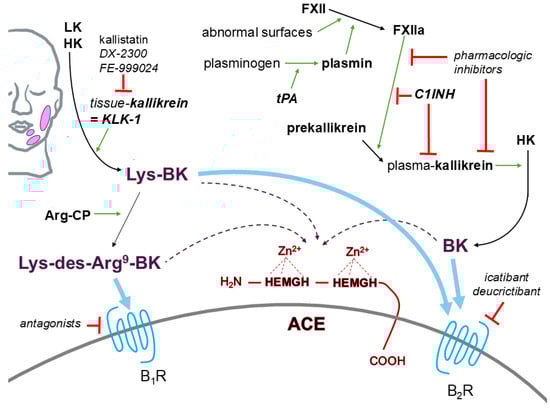
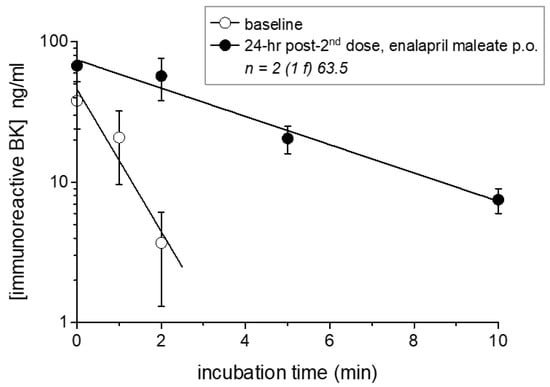
Angiotensin-converting enzyme (ACE) inhibitors (ACEis) are one of the most successful drug classes for the treatment of hypertension and the prevention of its cardiovascular complications. ACE activates the pressor hormone angiotensin but also inactivates the vasodilator peptide bradykinin (BK). A rare side effect of ACEis, angioedema (AE), has been proposed to result from pro-inflammatory effects of BK. Novel considerations are offered in this debate: (1) the bradykinin B2 receptor antagonist icatibant has had an inconsistent effect on ACEi-associated AE, but its potency and duration of action are much inferior to those of a novel nonpeptide antagonist of this receptor, deucrictibant. (2) Tissue kallikrein (KLK-1) is an effective kininogenase, particularly abundant in the salivary glands, possibly related to orofacial presentation of ACEi-induced AE. (3) The strongly regulated human kinin B1 receptor, optimally responsive to Lys-des-Arg9-BK, is functionally compartmentalized with KLK-1 which produces Lys-BK from kininogens. Chronic treatment with ACEi drugs in laboratory animals induces the expression of vascular B1R that mediates vasodilation. Therefore, ACEi-AE may be largely or completely initiated by KLK-1. Inhibitors of this protease or combined antagonists of both kinin receptor subtypes may be useful for the management of this condition.
Full article
(This article belongs to the Special Issue Therapeutic Protease and Peptidase Inhibitors)
►▼
Show Figures

Figure 1
Open AccessArticle
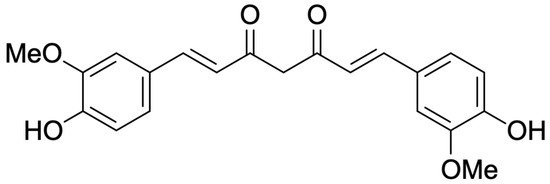
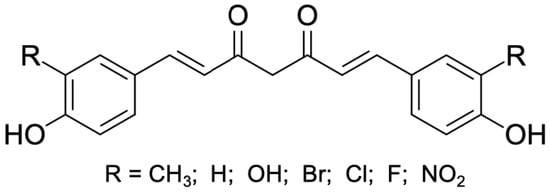
Structural Insights into the Redox Potential of Curcumin Derivatives in Litopenaeus vannamei
by
Damião Sampaio de Sousa, João Miguel Lopes de Melo Lima, Carminda Sandra Brito Salmito-Vanderley and Emmanuel Silva Marinho
Drugs Drug Candidates 2026, 5(2), 24; https://doi.org/10.3390/ddc5020024 - 7 Apr 2026
Cited by 1
Abstract
Background/Objectives: Curcumin derivatives have attracted interest due to their redox-modulating properties and potential applications in aquatic organisms, yet their molecular interactions and environmental safety remain insufficiently characterized. This study aimed to evaluate the redox-related molecular behavior and ecotoxicological profile of curcumin derivatives,
[...] Read more.
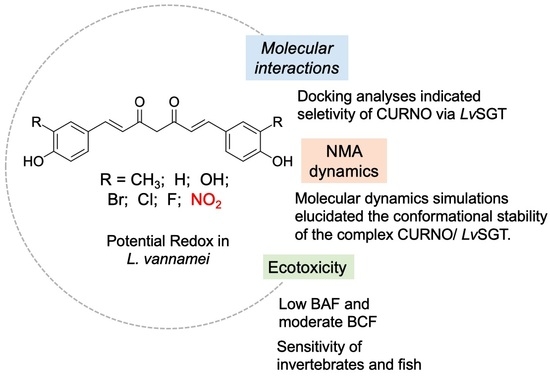
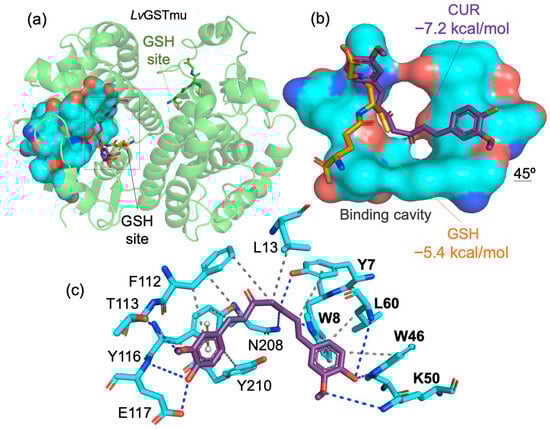
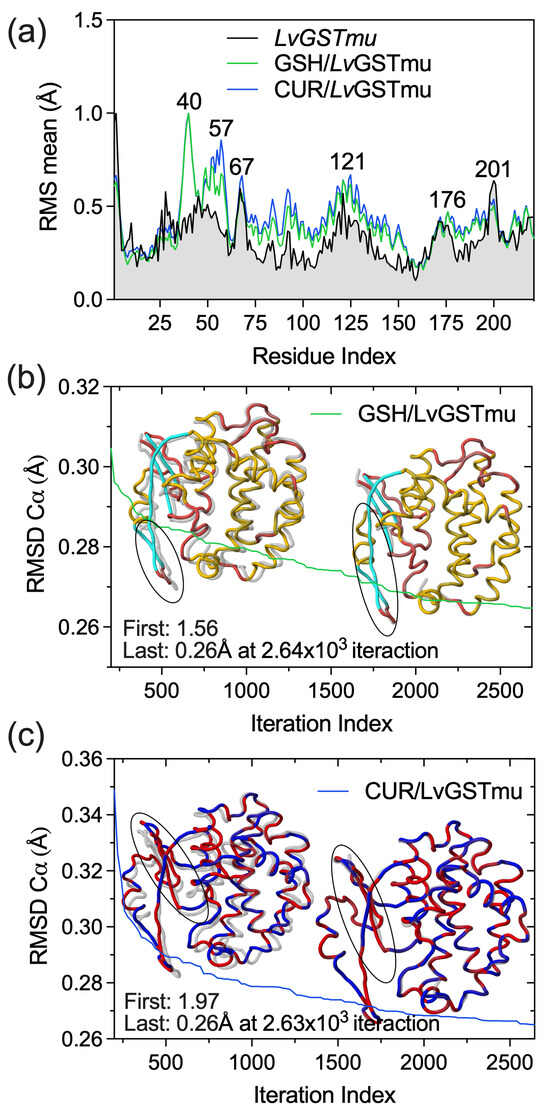
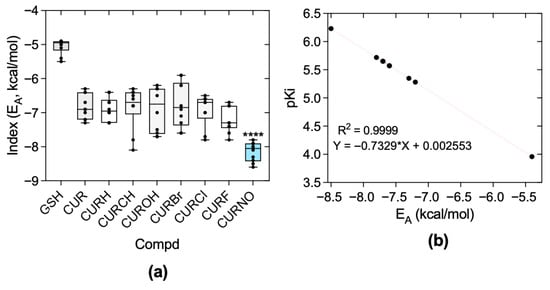
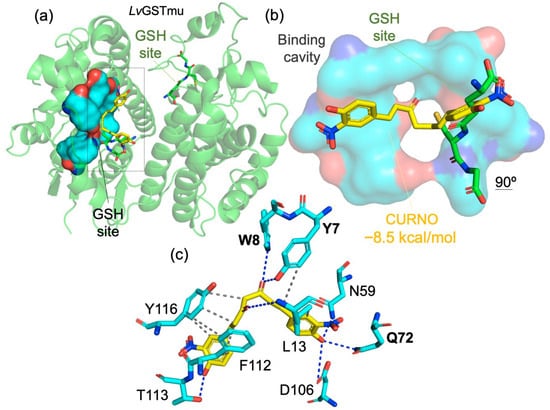
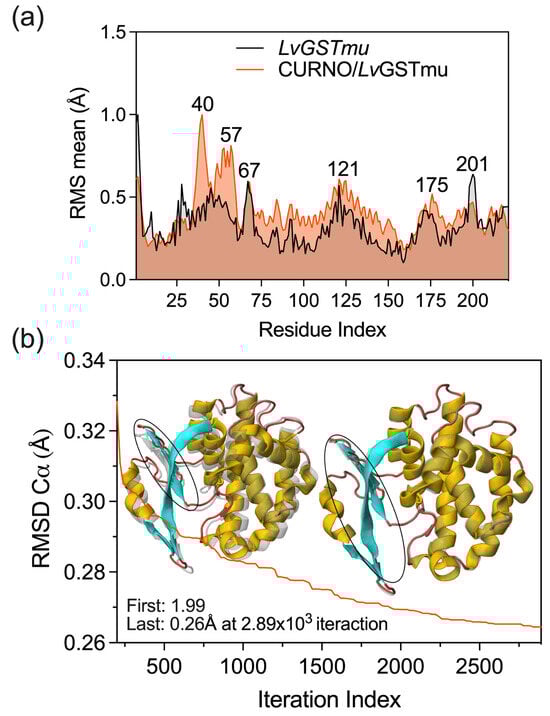
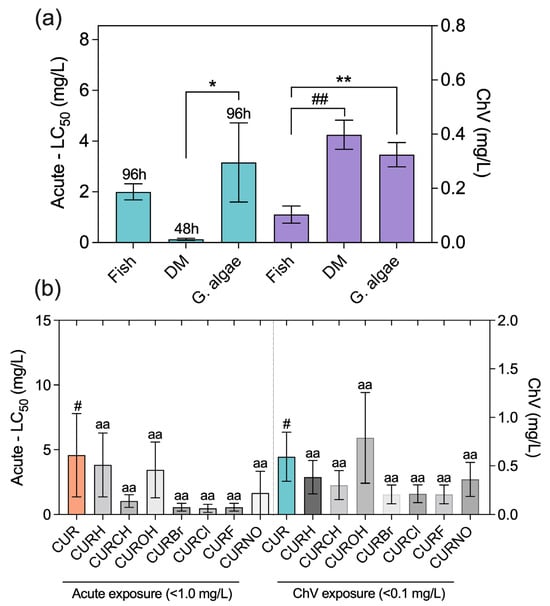
Background/Objectives: Curcumin derivatives have attracted interest due to their redox-modulating properties and potential applications in aquatic organisms, yet their molecular interactions and environmental safety remain insufficiently characterized. This study aimed to evaluate the redox-related molecular behavior and ecotoxicological profile of curcumin derivatives, with emphasis on their interaction with glutathione S-transferase from L. vannamei. Methods: Molecular docking and molecular dynamics simulations were performed to assess binding stability and interaction patterns between the derivatives and LvGSTmu. In parallel, computational predictions were used to estimate environmental persistence, bioaccumulation (BCF/BAF), and acute and chronic aquatic toxicity across multiple trophic levels. Results: Docking and dynamics analyses indicated stable ligand–protein interactions, particularly for CURNO, which showed favorable binding behavior without destabilizing the protein structure. Ecotoxicological predictions suggested low bioaccumulation potential and limited persistence for most derivatives, with CURH and CURNO showing higher sediment persistence. Toxicity responses varied by organism and exposure time but did not differ significantly among derivatives relative to curcumin. Conclusions: The derivatives retained redox-related molecular features while presenting an overall acceptable predicted environmental profile. CURNO emerged as a promising candidate, although its environmental behavior supports the need for further monitoring and experimental validation.
Full article
(This article belongs to the Special Issue Antioxidant Drug Candidates: Mechanistic and Computational Insights into Free Radical Scavenging and Redox Modulation)
►▼
Show Figures

Graphical abstract
Open AccessArticle
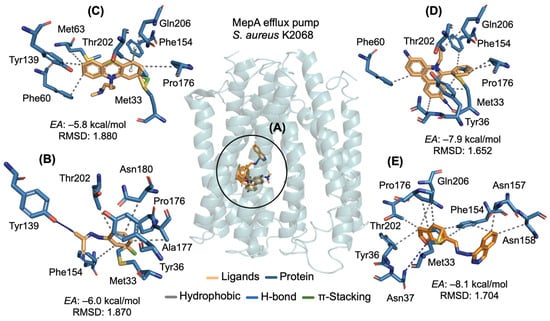
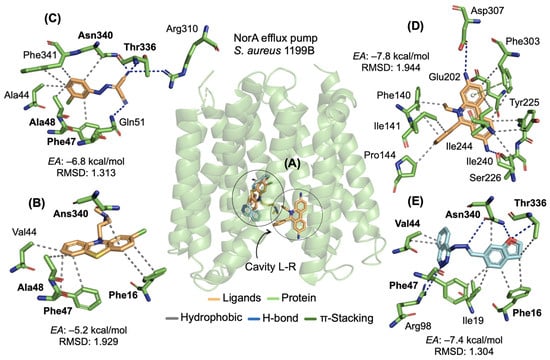
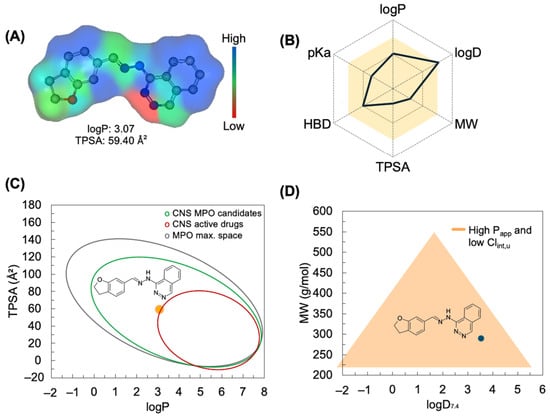
Adjuvant Activity and Resistance-Modifying Capacity of a Novel Heterocyclic Hydrazone Derived from the Drug Hydralazine in NorA and MepA Efflux Pumps of Staphylococcus aureus
by
Milena Oliveira Andrade Moreira, Karla Susanna Tavares Grangeiro Belém, Janaina Esmeraldo Rocha, Davi Ramalho Furtado, Gildenia Alves de Araújo, Ana Joyce Morais Bento, Jessica Bezerra Maciel, Jesyka Macêdo Guedes, Jaiza Maria Lima Dias, Henrique Douglas Melo Coutinho, Francisco das Chagas Lima Pinto, Emmanuel Silva Marinho, Marcia Machado Marinho, Alexandre Magno Rodrigues Teixeira, Walter José Peláez and Hélcio S. dos Santos
Drugs Drug Candidates 2026, 5(1), 23; https://doi.org/10.3390/ddc5010023 - 12 Mar 2026
Cited by 2
Abstract
Background/Objectives: Hydrazones are organic compounds with the general structure R2C=NNHR1, distinguished by their versatility and modifiability, and are widely used in various applications due to their physicochemical and biological properties. They exhibit anticancer, anti-inflammatory, antibiofilm, and antibacterial activities. Antibiotic-resistant
[...] Read more.
Background/Objectives: Hydrazones are organic compounds with the general structure R2C=NNHR1, distinguished by their versatility and modifiability, and are widely used in various applications due to their physicochemical and biological properties. They exhibit anticancer, anti-inflammatory, antibiofilm, and antibacterial activities. Antibiotic-resistant bacteria pose a serious public health threat, employing mechanisms such as enzymatic inactivation and efflux pumps. This study evaluated the antibacterial activity of the hydrazone HDZH1,4BENZ, a hydralazine-derived compound, as well as its potential adjuvant effect in combination with antibiotics against Staphylococcus aureus strains expressing efflux pumps. Methods: The strains used were 1199B (NorA efflux pump-expressing) and K2068 (MepA efflux pump-expressing). All assays were conducted using the broth microdilution method in Brain Heart Infusion (BHI) medium. Initially, the intrinsic antibacterial activity of the compound was determined. Subsequently, modulation assays were performed to evaluate its potential effect on efflux pump activity, with a standard efflux pump inhibitor included as a positive control. Results: Although HDZH1,4BENZ did not demonstrate significant direct antibacterial activity, the results indicate that this hydrazone exerts a notable inhibitory effect on the NorA (Norfloxacin resistance efflux pump A) and MepA (Multidrug efflux protein A) efflux pumps in S. aureus, thereby enhancing the efficacy of antibacterial agents. Conclusions: The activity of the hydrazone was comparable to that of chlorpromazine, suggesting that it may represent a promising alternative in the fight against antibiotic-resistant bacterial infections.
Full article
(This article belongs to the Collection Heterocycles in Drug Discovery)
►▼
Show Figures

Figure 1

Open AccessArticle
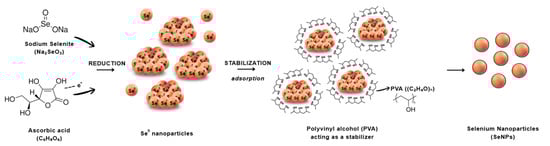
Synthesis of Selenium Nanoparticles: Influence of Reaction Parameters on Physicochemical, Morphological, and Biological Properties
by
Tainá Pereira da Silva Oliveira, Alan Kelbis Oliveira Lima, Talita Pereira Gonçalves, Isadora Florêncio, Sônia Nair Báo, Namuhell Oliveira da Silva, Patrícia Albuquerque, Ildinete Silva-Pereira and Luís Alexandre Muehlmann
Drugs Drug Candidates 2026, 5(1), 22; https://doi.org/10.3390/ddc5010022 - 8 Mar 2026
Cited by 2
Abstract
Background/Objectives: Optimizing synthesis parameters is essential to ensure the quality and stability of nanostructures. This study aimed to optimize the synthesis of selenium nanoparticles (SeNPs) by chemical reduction, using sodium selenite (Na2SeO3), ascorbic acid (AA), and polyvinyl alcohol
[...] Read more.
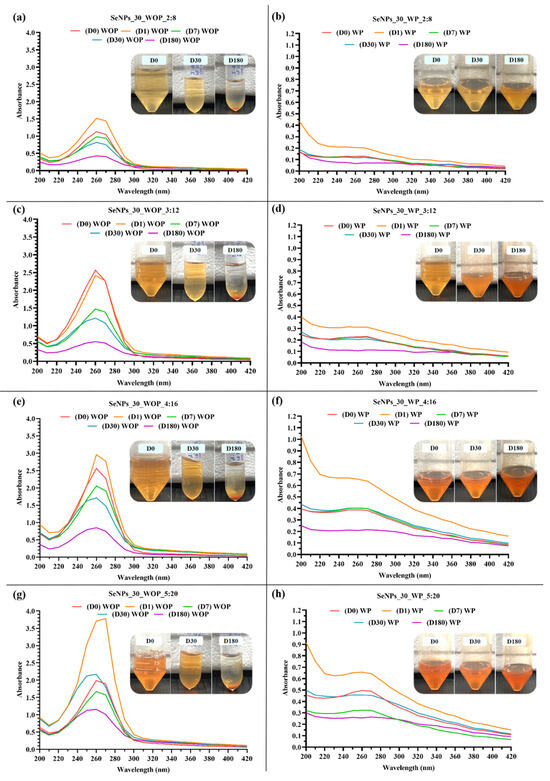
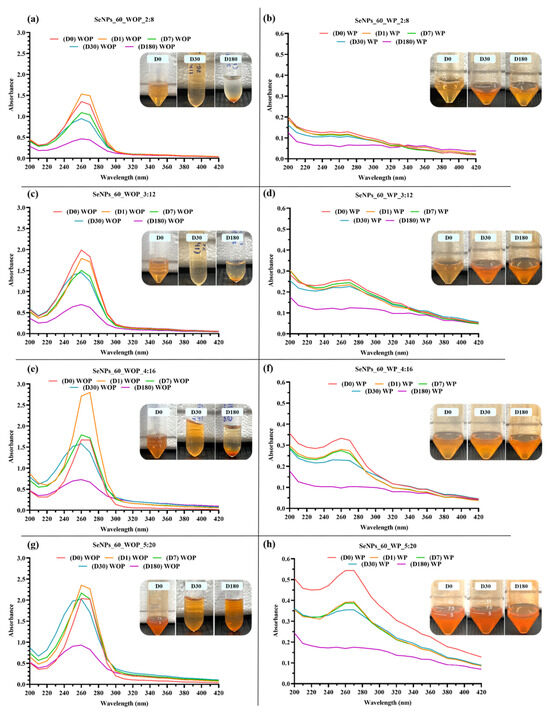
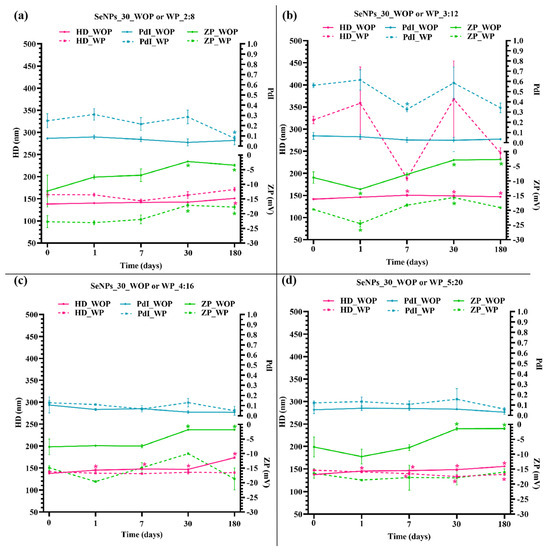
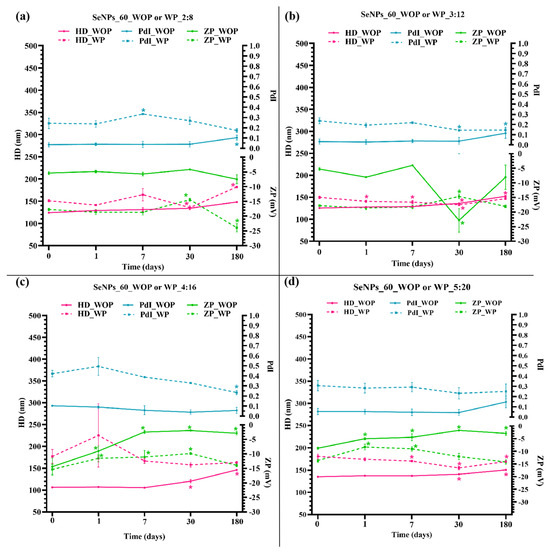
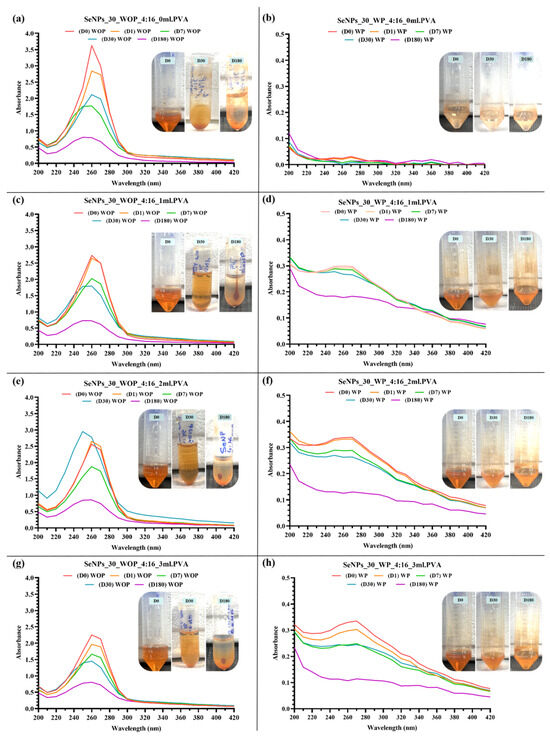
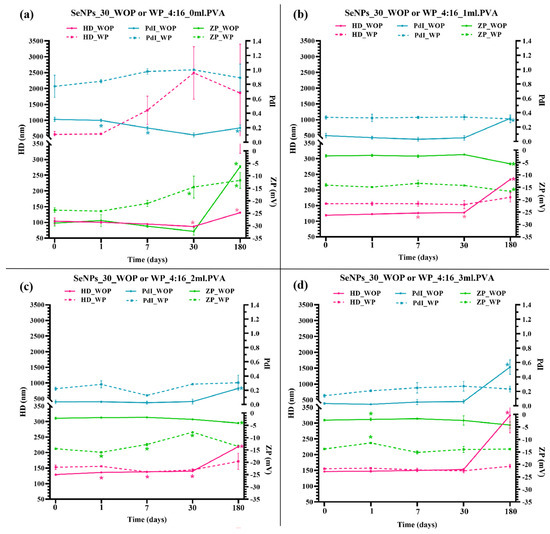
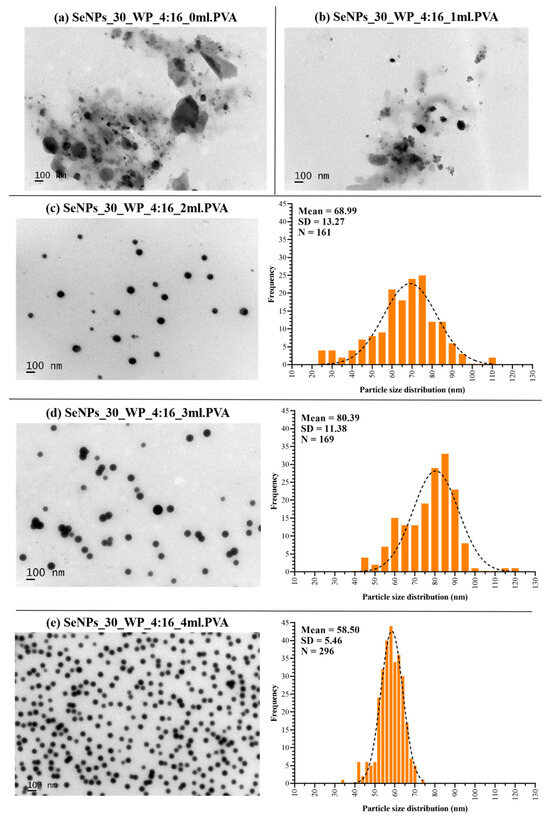
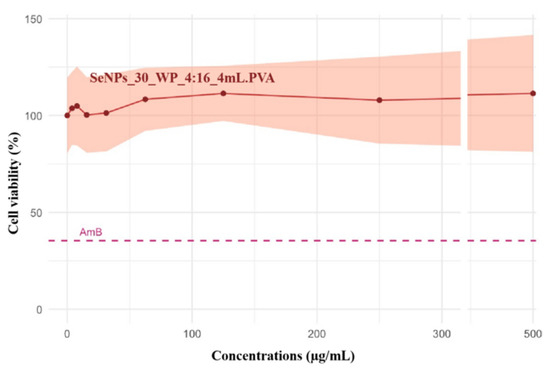
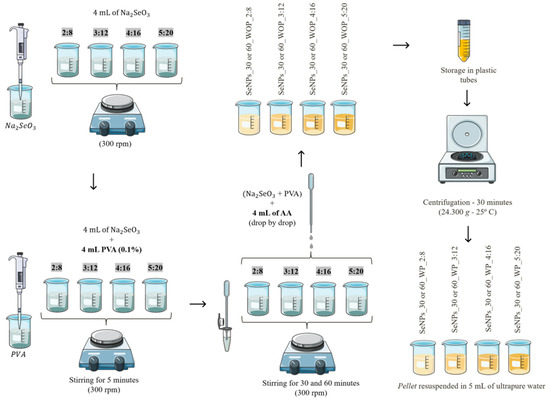
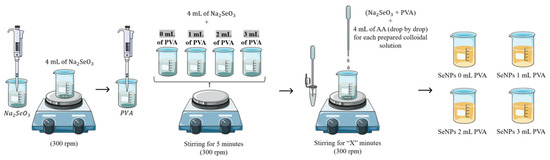
Background/Objectives: Optimizing synthesis parameters is essential to ensure the quality and stability of nanostructures. This study aimed to optimize the synthesis of selenium nanoparticles (SeNPs) by chemical reduction, using sodium selenite (Na2SeO3), ascorbic acid (AA), and polyvinyl alcohol (PVA) at different concentrations, volumes, and molar ratios. The effects of reduction time, purification steps, and variations in the concentration of the precursor and reducing agent, as well as in the volume of the stabilizer, on the characteristics of SeNPs were investigated to ensure their long-term stability, maintenance of their properties, and biological applicability. Methods: The SeNPs were analyzed by UV/Vis absorption spectroscopy, Dynamic Light Scattering (DLS), and Transmission Electron Microscopy (TEM), and were also evaluated for antifungal activity against the SC5314 strain of Candida albicans. Results/Conclusions: Monodisperse SeNPs were obtained under high concentrations of Na2SeO3 and AA, short reduction time, higher volumes of PVA (2–4 mL), and purification at 24.300× g, presenting a spherical morphology, hydrodynamic diameter of 137.0–171.7 nm, dry diameter of 20–120 nm, polydispersity index of 0.049–0.306, Zeta potential of −7.79 to −19.6 mV, and stability for up to 180 days. In the absence or presence of 1 mL of PVA, the SeNPs were predominantly amorphous. Regarding biological activity, the SeNPs did not exhibit antifungal activity under the experimental conditions in the tested strain. Together, this study provides a comprehensive update on the synthesis of SeNPs under different conditions and their stability over time, contributing to the consolidation of knowledge in the field.
Full article
(This article belongs to the Collection Bioinorganic Chemistry in Drug Discovery)
►▼
Show Figures

Figure 1
Open AccessReview
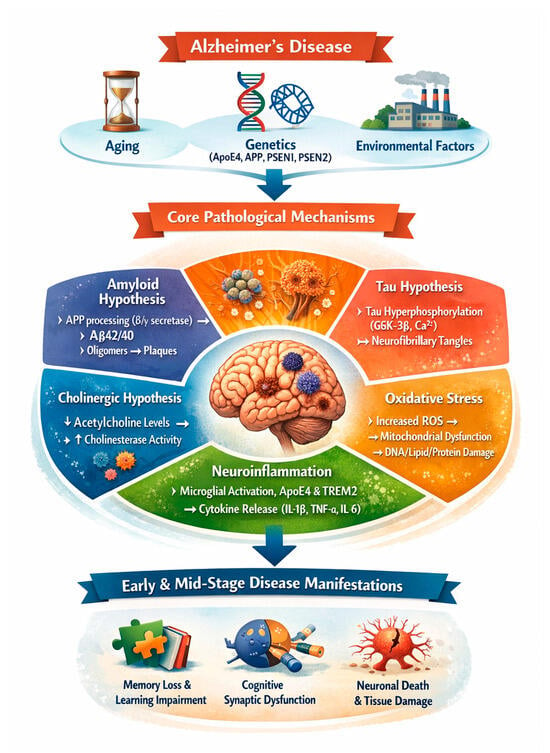
Alzheimer’s Disease and Contemporary Therapeutic Approaches: Recent Advances in Natural Products
by
Ertugrul Gunday and Fatma Sezer Senol Deniz
Drugs Drug Candidates 2026, 5(1), 21; https://doi.org/10.3390/ddc5010021 - 4 Mar 2026
Cited by 2
Abstract
Alzheimer’s disease is a progressive neurodegenerative disorder marked by cognitive decline, and its global prevalence is expected to increase substantially in the coming decades. This review examines current therapeutic approaches and explores the potential role of medicinal plants and natural products in the
[...] Read more.
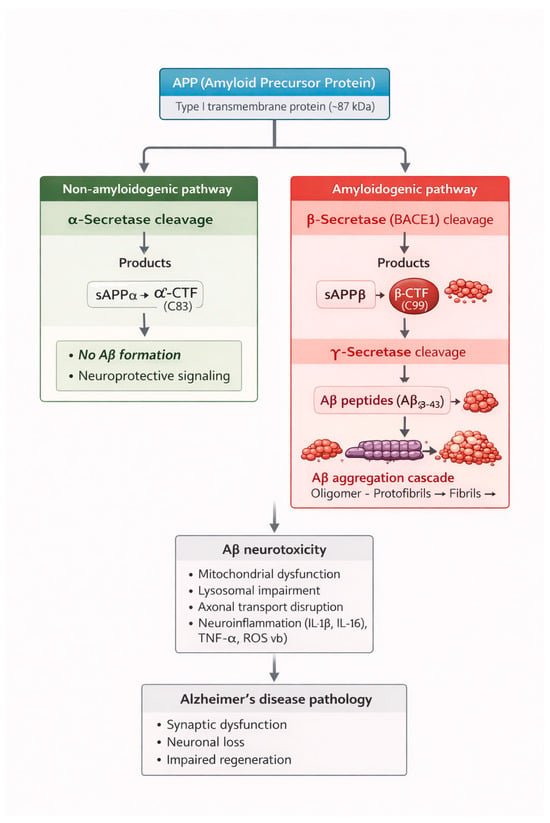
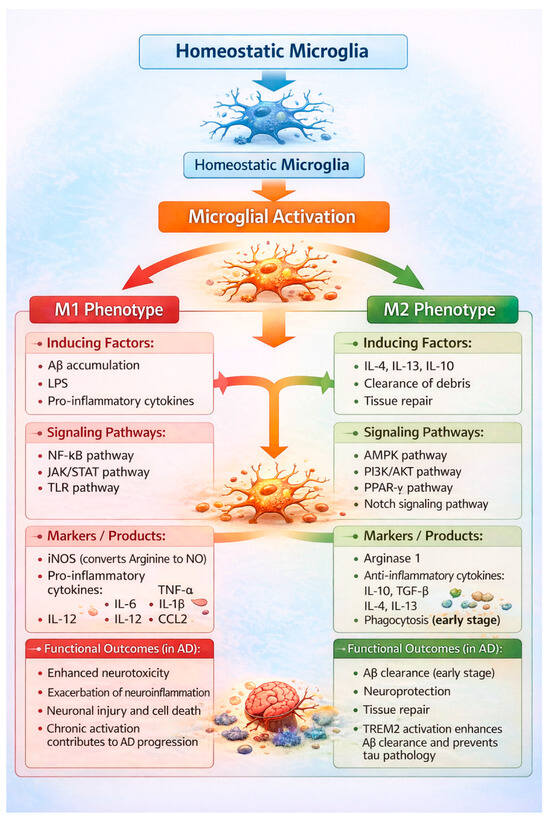
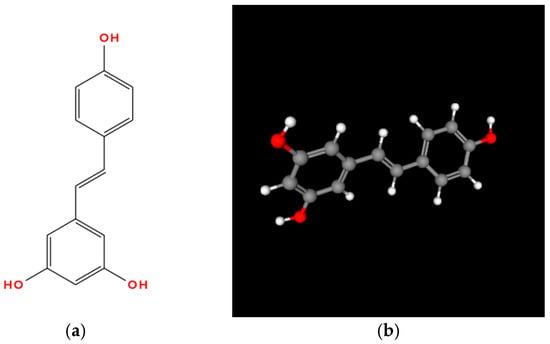
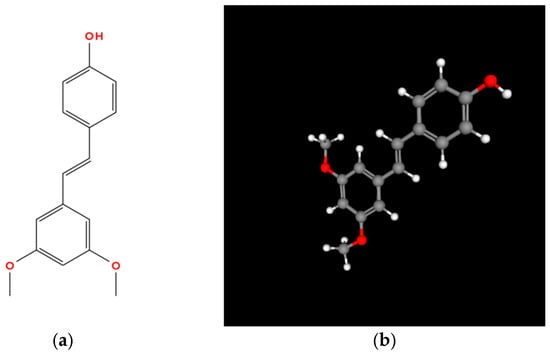
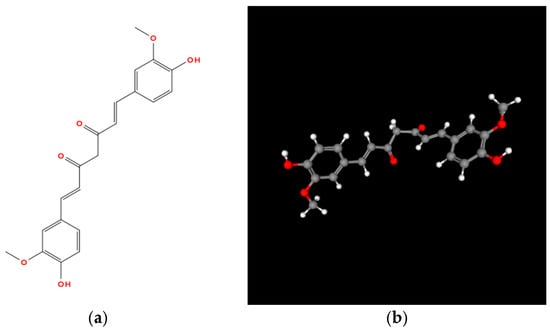
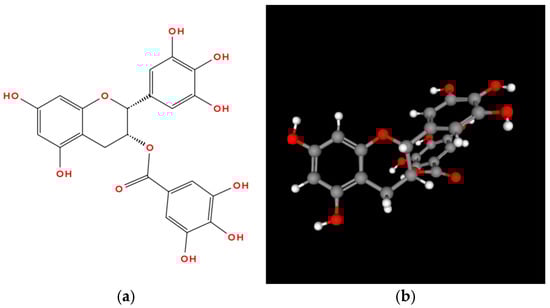
Alzheimer’s disease is a progressive neurodegenerative disorder marked by cognitive decline, and its global prevalence is expected to increase substantially in the coming decades. This review examines current therapeutic approaches and explores the potential role of medicinal plants and natural products in the treatment and prevention of Alzheimer’s disease. This review examines the pathophysiology of Alzheimer’s disease, with particular emphasis on the cholinergic, amyloid, and tau hypotheses. It evaluates currently approved therapeutic approaches, including cholinesterase inhibitors and NMDA receptor antagonists, as well as emerging immunotherapies. In addition, this review provides a comprehensive analysis of the pharmacological properties of various medicinal plants and explores innovative drug delivery systems. Research reveals that while conventional drugs like donepezil and memantine provide symptomatic relief, they do not halt disease progression. Recent immunotherapies, including lecanemab and donanemab, show potential to reduce amyloid-beta accumulation and slow cognitive decline; however, they face safety concerns, such as amyloid-related imaging abnormalities, and high costs. By comparison, several natural products—including huperzine A, curcumin, resveratrol, and epigallocatechin-3-gallate—demonstrate multi-target therapeutic potential through anti-inflammatory, antioxidant, and cholinergic-modulating mechanisms. This review offers a comprehensive contrast between natural products and traditional drugs as well as the safety and economic limitations of immunotherapies. Given the multifactorial nature of AD, therapeutic strategies that address multiple pathological pathways appear necessary. In this regard, plant-derived compounds, due to their broad pharmacological activity and generally favorable safety profiles, emerge as promising candidates for long-term management and may contribute meaningfully to the development of future therapeutic approaches for AD.
Full article
(This article belongs to the Section Drug Candidates from Natural Sources)
►▼
Show Figures

Figure 1
Open AccessArticle
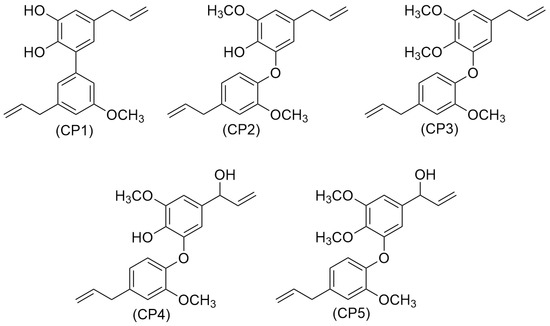
Dehydrodieugenol Neolignans as Multitarget Anti-Inflammatory Agents: sPLA2 Inhibition and Therapeutic Implications
by
Adeilso B. Santos Junior, Caroline R. C. Costa, João H. G. Lago, Airam Roggero, Igor N. Oliveira, Danilo R. S. Lima, Paloma P. Borges, Willian H. B. C. Santos, Marcos A. Oliveira, Sérgio F. Sousa and Marcos H. Toyama
Drugs Drug Candidates 2026, 5(1), 20; https://doi.org/10.3390/ddc5010020 - 3 Mar 2026
Abstract
Background/Objectives: The study investigated the anti-inflammatory potential of neolignan derivatives of dehydrodieugenol (CP1–CP5), focusing on the inhibition of secretory phospholipase A2 (sPLA2), a key enzyme in inflammation. Methods: Comprehensive quantitative docking analysis using four independent algorithms (PLP, ASP, ChemScore, GoldScore) revealed
[...] Read more.
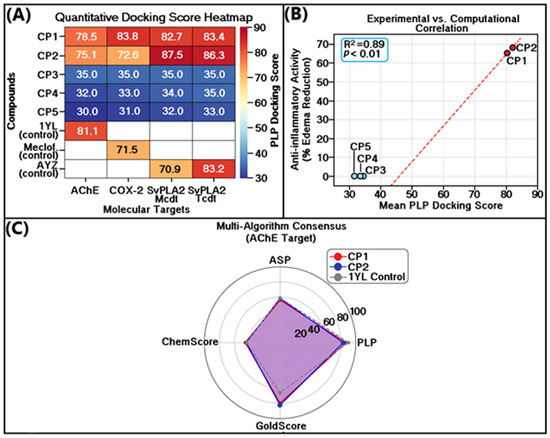
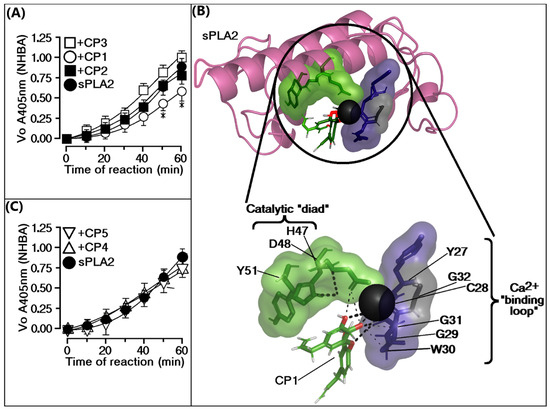
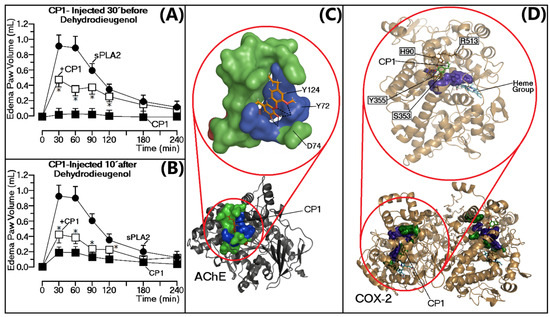
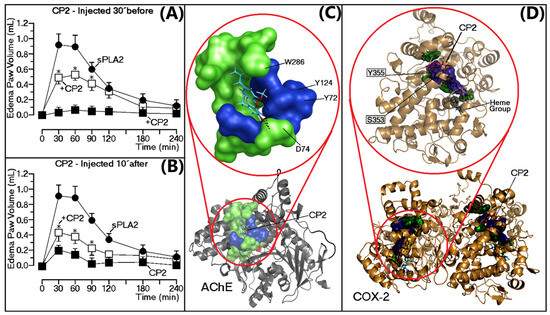
Background/Objectives: The study investigated the anti-inflammatory potential of neolignan derivatives of dehydrodieugenol (CP1–CP5), focusing on the inhibition of secretory phospholipase A2 (sPLA2), a key enzyme in inflammation. Methods: Comprehensive quantitative docking analysis using four independent algorithms (PLP, ASP, ChemScore, GoldScore) revealed exceptional multitarget binding profiles for CP1 and CP2, with scores consistently above activity thresholds for acetylcholinesterase (AChE), cyclooxygenase-2 (COX-2), and sPLA2 from Crotalus durissus terrificus in both monomeric (Mcdt) and quaternary (Tcdt) forms. Results: Among the compounds, CP1 demonstrated the highest predicted affinity (AChE: 78.5, COX-2: 83.8, sPLA2: 82.7–83.4) and most potent experimental activity, reducing sPLA2 catalytic velocity through mixed-type inhibition involving the active site (His47, Asp48) and Ca2+ binding loop. In vivo assays in sPLA2-induced paw edema demonstrated that CP1 and CP2 achieved remarkable anti-inflammatory effects (up to 68.3% reduction), significantly exceeding their protective potential by direct enzyme inhibition, confirming the multitarget mechanism. The strong correlation between predicted docking scores and paw edema reduction (R2 = 0.89, p < 0.01) creates a firm foundation for establishing structure–activity relationship explanations. Conclusions: These findings highlight an integrated mechanism involving: (1) partial sPLA2 modulation, (2) neuroimmune regulation via AChE inhibition, and (3) prostaglandin synthesis blockade through COX-2 inhibition. This multitarget approach, combined with the natural origin of the compounds, positions dehydrodieugenol derivatives as promising candidates for developing therapies against complex inflammatory diseases, offering significant advantages over single-target strategies.
Full article
(This article belongs to the Section In Silico Approaches in Drug Discovery)
►▼
Show Figures

Figure 1
Open AccessReview
Absorption of Vitamin B12 in Older Adults: Advances and Challenges in Sublingual Administration
by
Antonella Quijada, Benjamín Claria, Paula Jiménez, Paula García, Álvaro Pérez and María Elsa Pando
Drugs Drug Candidates 2026, 5(1), 19; https://doi.org/10.3390/ddc5010019 - 3 Mar 2026
Abstract
The aim of this review is to analyze current routes for the administration and absorption of vitamin B12 in older adults, with a special focus on the sublingual route using orodispersible films, and evaluate the advances, materials, and challenges associated with this method
[...] Read more.
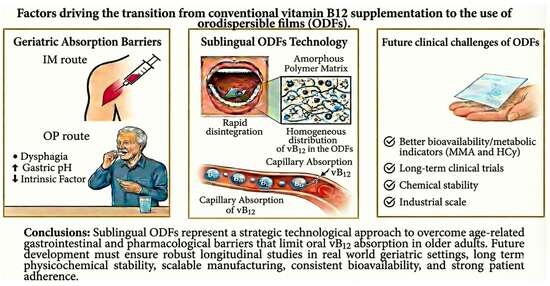
The aim of this review is to analyze current routes for the administration and absorption of vitamin B12 in older adults, with a special focus on the sublingual route using orodispersible films, and evaluate the advances, materials, and challenges associated with this method of administration. Thus, the review aims to provide an updated overview of safe and effective alternatives for preventing and treating vitamin B12 deficiency in this age group. Vitamin B12 deficiency predominantly affects older adults. After the age of 70, absorption decreases, and deficiency occurs most frequently due to age-related gastric atrophy, decreased gastric acid production, reduced intrinsic factor secretion, and inadequate dietary vitamin B12 intake. This narrative review examines traditional and current treatments for vitamin B12 administration in older adults, with a focus on sublingual administration (SL) via orodispersible films (ODFs) to enhance absorption, adherence, and accessibility. SL vitamin B12 bioavailability, advantages versus disadvantages, ODF formulations (polymers such as pregelatinized starch, HPMC, and chitosan), and pharmaceutical process challenges (solvent casting and hot-melt extrusion) were explored in the reviewed in vitro and in vivo studies. According to the collected evidence, the sublingual route appears to offer rapid absorption directly into the bloodstream, with efficacy comparable to/superior to intramuscular (IM)/oral (OP) routes of administration, representing a patient-centered innovation for older adults that overcomes painful treatments and gastrointestinal/swallowing barriers. Future longitudinal clinical trials should validate long-term efficacy, standardize materials, and scale up to viable industrial production, addressing issues related to chemical stability and polypharmacy.
Full article
(This article belongs to the Section Marketed Drugs)
►▼
Show Figures

Graphical abstract
Open AccessArticle
The Analysis of the PI3K-AKT-mTOR Pathway and Mitochondria Modulation by a 2-Aminopyridine Compound Using the Metastatic Prostate Cancer Cell Line PC-3
by
Talita Alvarenga Valdes, Sabrina Mendes Botelho, Keli Lima, Carlos Alberto Montanari, João Agostinho Machado Neto and Andrei Leitão
Drugs Drug Candidates 2026, 5(1), 18; https://doi.org/10.3390/ddc5010018 - 2 Mar 2026
Abstract
Background: Prostate cancer is one of the most prevalent and deadly neoplasias in the male population. Despite the availability of therapies that increase the long-term survival of patients with localized tumors, metastatic prostate cancer is challenging to treat. A previous study revealed that
[...] Read more.
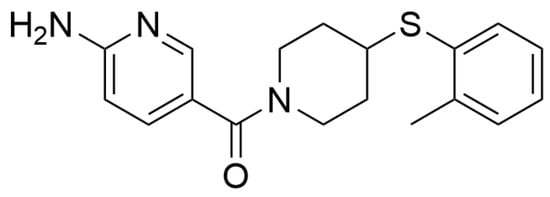
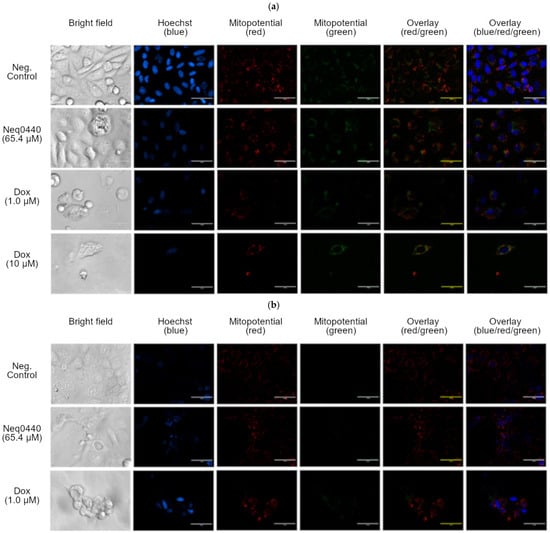
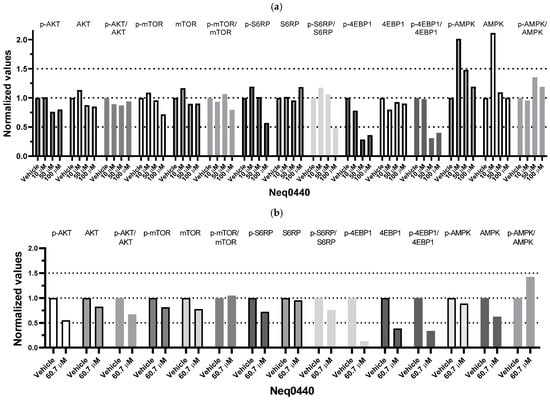
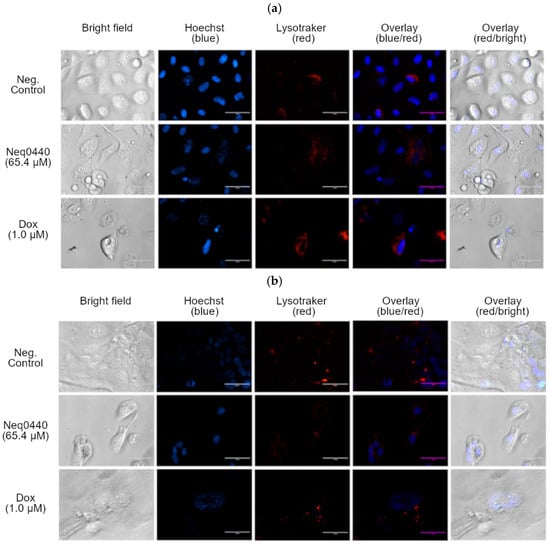
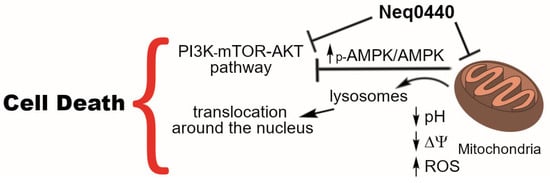
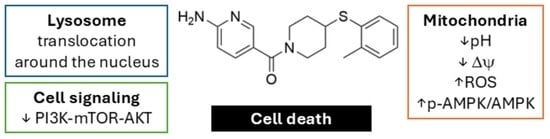
Background: Prostate cancer is one of the most prevalent and deadly neoplasias in the male population. Despite the availability of therapies that increase the long-term survival of patients with localized tumors, metastatic prostate cancer is challenging to treat. A previous study revealed that the 2-aminopyridine derivative (named Neq0440) inhibited the PI3K-AKT-mTOR pathway and presented selective cytotoxicity toward the metastatic prostate cancer cell line PC-3. Methods: Here, we further analyzed the mechanism of action of these molecules by using cell-based colorimetric, fluorometric, epifluorescence microscopy, and Western blot assays. Results: Mitochondrial depolarization increased the AMPK level at 24 h inhibition with Neq0440, which led to the PI3K-AKT-mTOR pathway downregulation after 48 h. The phosphorylation was inhibited for AKT and the downstream quinases (S6RP and 4EBP1) from the PI3K-AKT-mTOR pathway, which can work together with the mitochondrial depolarization, lowering the pH of the medium, increasing ROS levels, and translocating the lysosomes toward the nucleus to trigger cell death. Conclusions: Therefore, Neq0440 can be used as a lead compound to obtain derivatives with a novel anticancer mechanism of action.
Full article
(This article belongs to the Section Preclinical Research)
►▼
Show Figures

Graphical abstract
Highly Accessed Articles
Latest Books
E-Mail Alert
News
Topics
Conferences
Special Issues
Special Issue in
DDC
Microbes and Medicines
Guest Editors: Paul Hyman, Jennifer BennettDeadline: 31 July 2026
Special Issue in
DDC
Therapeutic Protease and Peptidase Inhibitors
Guest Editor: François MarceauDeadline: 30 November 2026
Special Issue in
DDC
Selected Papers from the II Workshop for Drug Hunters
Guest Editors: Alex Gutterres Taranto, Michel Pires da Silva, Tiago Alves de OliveiraDeadline: 31 December 2026
Special Issue in
DDC
Antioxidant Drug Candidates: Mechanistic and Computational Insights into Free Radical Scavenging and Redox Modulation
Guest Editor: Žiko B. MilanovićDeadline: 31 May 2027
Topical Collections
Topical Collection in
DDC
Bioinorganic Chemistry in Drug Discovery
Collection Editors: Tanja Soldatović, Snežana Jovanović-Stević
Topical Collection in
DDC
Chirality in Drugs and Drug Candidates
Collection Editors: Carla Fernandes, Maria Emília De Sousa
Topical Collection in
DDC
Anti-Parasite Drug Discovery
Collection Editors: Alexandra Dassonville-Klimpt, Pascal Sonnet, Jean Guillon
Topical Collection in
DDC
Heterocycles in Drug Discovery
Collection Editors: Thierry Besson, Nicolas Primas, Jean Jacques Vanden Eynde