16 pages, 2289 KB  
Review
Application of Artificial Intelligence in Combating High Antimicrobial Resistance Rates
by Ali A. Rabaan, Saad Alhumaid, Abbas Al Mutair, Mohammed Garout, Yem Abulhamayel, Muhammad A. Halwani, Jeehan H. Alestad, Ali Al Bshabshe, Tarek Sulaiman, Meshal K. AlFonaisan, Tariq Almusawi, Hawra Albayat, Mohammed Alsaeed, Mubarak Alfaresi, Sultan Alotaibi, Yousef N. Alhashem, Mohamad-Hani Temsah, Urooj Ali and Naveed Ahmed
Antibiotics 2022, 11(6), 784; https://doi.org/10.3390/antibiotics11060784 - 8 Jun 2022
Cited by 95 | Viewed by 12076
Abstract
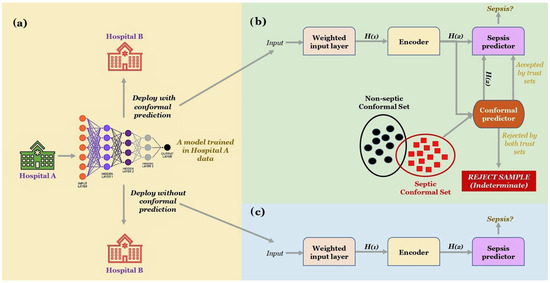
Artificial intelligence (AI) is a branch of science and engineering that focuses on the computational understanding of intelligent behavior. Many human professions, including clinical diagnosis and prognosis, are greatly useful from AI. Antimicrobial resistance (AMR) is among the most critical challenges facing Pakistan [...] Read more.
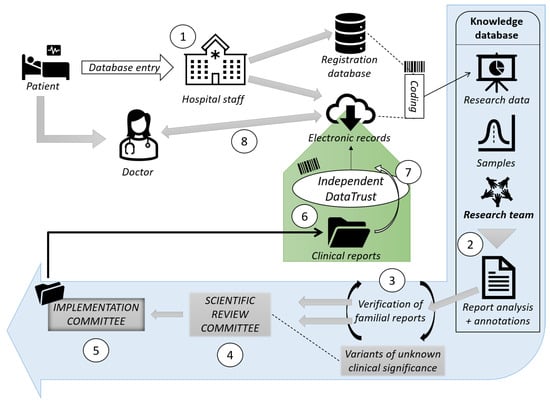
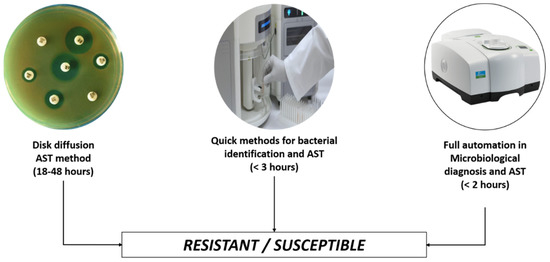
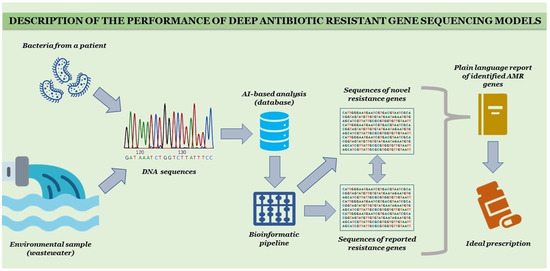
Artificial intelligence (AI) is a branch of science and engineering that focuses on the computational understanding of intelligent behavior. Many human professions, including clinical diagnosis and prognosis, are greatly useful from AI. Antimicrobial resistance (AMR) is among the most critical challenges facing Pakistan and the rest of the world. The rising incidence of AMR has become a significant issue, and authorities must take measures to combat the overuse and incorrect use of antibiotics in order to combat rising resistance rates. The widespread use of antibiotics in clinical practice has not only resulted in drug resistance but has also increased the threat of super-resistant bacteria emergence. As AMR rises, clinicians find it more difficult to treat many bacterial infections in a timely manner, and therapy becomes prohibitively costly for patients. To combat the rise in AMR rates, it is critical to implement an institutional antibiotic stewardship program that monitors correct antibiotic use, controls antibiotics, and generates antibiograms. Furthermore, these types of tools may aid in the treatment of patients in the event of a medical emergency in which a physician is unable to wait for bacterial culture results. AI’s applications in healthcare might be unlimited, reducing the time it takes to discover new antimicrobial drugs, improving diagnostic and treatment accuracy, and lowering expenses at the same time. The majority of suggested AI solutions for AMR are meant to supplement rather than replace a doctor’s prescription or opinion, but rather to serve as a valuable tool for making their work easier. When it comes to infectious diseases, AI has the potential to be a game-changer in the battle against antibiotic resistance. Finally, when selecting antibiotic therapy for infections, data from local antibiotic stewardship programs are critical to ensuring that these bacteria are treated quickly and effectively. Furthermore, organizations such as the World Health Organization (WHO) have underlined the necessity of selecting the appropriate antibiotic and treating for the shortest time feasible to minimize the spread of resistant and invasive resistant bacterial strains. Full article
Show Figures

Figure 1
17 pages, 1671 KB  
Article
Bacterial Resistance to Antibiotics and Clonal Spread in COVID-19-Positive Patients on a Tertiary Hospital Intensive Care Unit, Czech Republic
by Lenka Doubravská, Miroslava Htoutou Sedláková, Kateřina Fišerová, Vendula Pudová, Karel Urbánek, Jana Petrželová, Magdalena Röderová, Kateřina Langová, Kristýna Mezerová, Pavla Kučová, Karel Axmann and Milan Kolář
Antibiotics 2022, 11(6), 783; https://doi.org/10.3390/antibiotics11060783 - 8 Jun 2022
Cited by 9 | Viewed by 3732
Abstract
This observational retrospective study aimed to analyze whether/how the spectrum of bacterial pathogens and their resistance to antibiotics changed during the worst part of the COVID-19 pandemic (1 November 2020 to 30 April 2021) among intensive care patients in University Hospital Olomouc, Czech [...] Read more.
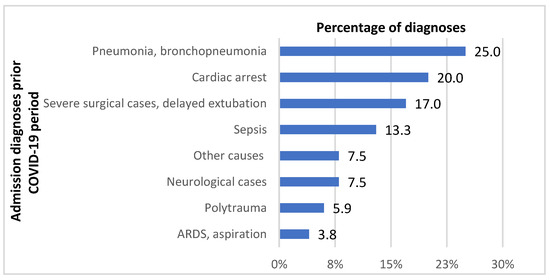
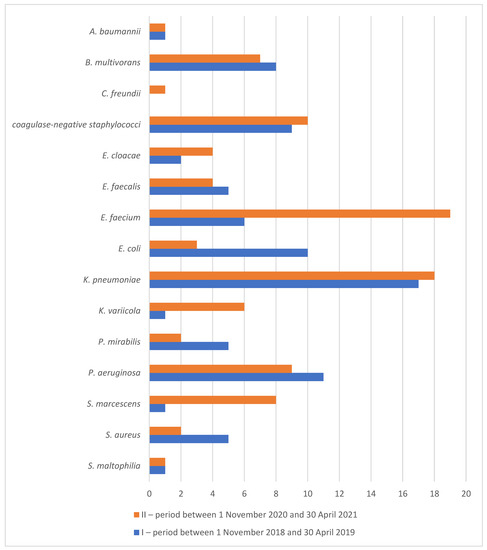
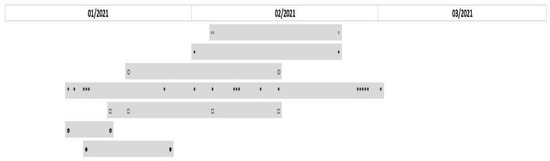
This observational retrospective study aimed to analyze whether/how the spectrum of bacterial pathogens and their resistance to antibiotics changed during the worst part of the COVID-19 pandemic (1 November 2020 to 30 April 2021) among intensive care patients in University Hospital Olomouc, Czech Republic, as compared with the pre-pandemic period (1 November 2018 to 30 April 2019). A total of 789 clinically important bacterial isolates from 189 patients were cultured during the pre-COVID-19 period. The most frequent etiologic agents causing nosocomial infections were strains of Klebsiella pneumoniae (17%), Pseudomonas aeruginosa (11%), Escherichia coli (10%), coagulase-negative staphylococci (9%), Burkholderia multivorans (8%), Enterococcus faecium (6%), Enterococcus faecalis (5%), Proteus mirabilis (5%) and Staphylococcus aureus (5%). Over the comparable COVID-19 period, a total of 1500 bacterial isolates from 372 SARS-CoV-2-positive patients were assessed. While the percentage of etiological agents causing nosocomial infections increased in Enterococcus faecium (from 6% to 19%, p < 0.0001), Klebsiella variicola (from 1% to 6%, p = 0.0004) and Serratia marcescens (from 1% to 8%, p < 0.0001), there were significant decreases in Escherichia coli (from 10% to 3%, p < 0.0001), Proteus mirabilis (from 5% to 2%, p = 0.004) and Staphylococcus aureus (from 5% to 2%, p = 0.004). The study demonstrated that the changes in bacterial resistance to antibiotics are ambiguous. An increase in the frequency of ESBL-positive strains of some species (Serratia marcescens and Enterobacter cloacae) was confirmed; on the other hand, resistance decreased (Escherichia coli, Acinetobacter baumannii) or the proportion of resistant strains remained unchanged over both periods (Klebsiella pneumoniae, Enterococcus faecium). Changes in pathogen distribution and resistance were caused partly due to antibiotic selection pressure (cefotaxime consumption increased significantly in the COVID-19 period), but mainly due to clonal spread of identical bacterial isolates from patient to patient, which was confirmed by the pulse field gel electrophoresis methodology. In addition to the above shown results, the importance of infection prevention and control in healthcare facilities is discussed, not only for dealing with SARS-CoV-2 but also for limiting the spread of bacteria. Full article
Show Figures

Figure 1
18 pages, 1995 KB  
Article
Resistance Genes, Plasmids, Multilocus Sequence Typing (MLST), and Phenotypic Resistance of Non-Typhoidal Salmonella (NTS) Isolated from Slaughtered Chickens in Burkina Faso
by Assèta Kagambèga, Elizabeth A. McMillan, Soutongnooma C. Bouda, Lari M. Hiott, Hazem Ramadan, Daniel K. Soro, Poonam Sharma, Sushim K. Gupta, Nicolas Barro, Charlene R. Jackson and Jonathan G. Frye
Antibiotics 2022, 11(6), 782; https://doi.org/10.3390/antibiotics11060782 - 8 Jun 2022
Cited by 15 | Viewed by 4575
Abstract
The emergence of antimicrobial-resistant bacteria in developing countries increases risks to the health of both such countries’ residents and the global community due to international travel. It is consequently necessary to investigate antimicrobial-resistant pathogens in countries such as Burkina Faso, where surveillance data [...] Read more.
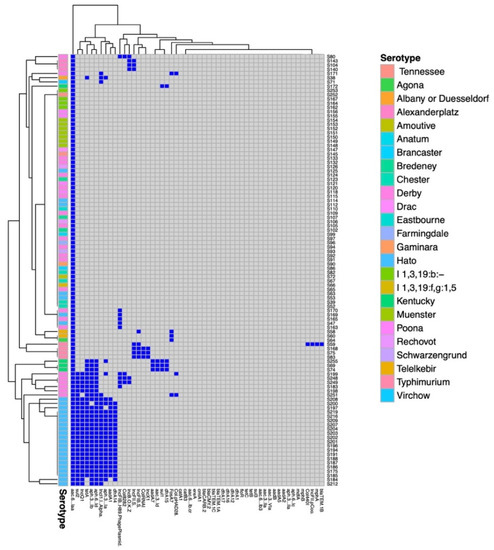
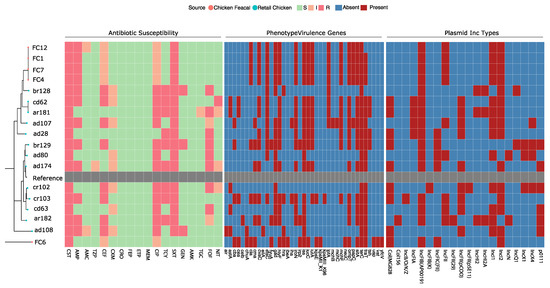
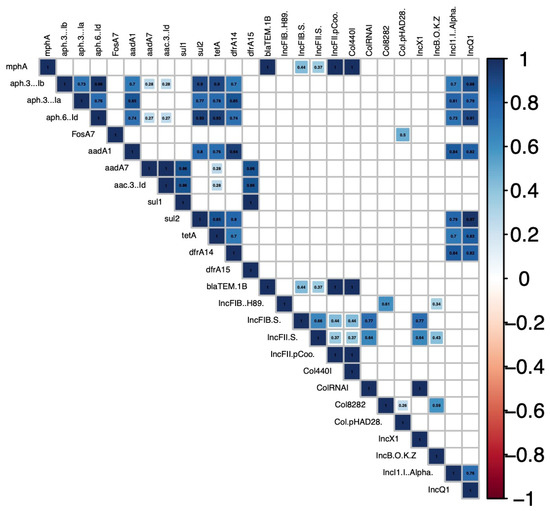
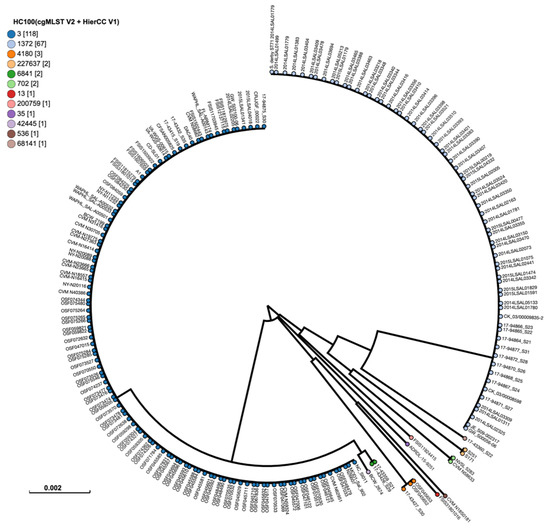
The emergence of antimicrobial-resistant bacteria in developing countries increases risks to the health of both such countries’ residents and the global community due to international travel. It is consequently necessary to investigate antimicrobial-resistant pathogens in countries such as Burkina Faso, where surveillance data are not available. To study the epidemiology of antibiotic resistance in Salmonella, 102 Salmonella strains isolated from slaughtered chickens were subjected to whole-genome sequencing (WGS) to obtain information on antimicrobial resistance (AMR) genes and other genetic factors. Twenty-two different serotypes were identified using WGS, the most prevalent of which were Hato (28/102, 27.5%) and Derby (23/102, 22.5%). All strains analyzed possessed at least one and up to nine AMR genes, with the most prevalent being the non-functional aac(6′)-Iaa gene, followed by aph(6)-Id. Multi-drug resistance was found genotypically in 36.2% of the isolates for different classes of antibiotics, such as fosfomycin and β-lactams, among others. Plasmids were identified in 43.1% of isolates (44/102), and 25 plasmids were confirmed to carry AMR genes. The results show that chicken can be considered as a reservoir of antibiotic-resistant Salmonella strains. Due to the prevalence of these drug-resistant pathogens and the potential for foodborne illnesses, poultry processing and cooking should be performed with attention to prescribed safe handling methods to avoid cross-contamination with chicken products. Full article
Show Figures

Figure 1
16 pages, 3036 KB  
Article
18β-Glycyrrhetinic Acid Induces Metabolic Changes and Reduces Staphylococcus aureus Bacterial Cell-to-Cell Interactions
by Alan J. Weaver, Jr., Timothy R. Borgogna, Galen O’Shea-Stone, Tami R. Peters, Valérie Copié, Jovanka Voyich and Martin Teintze
Antibiotics 2022, 11(6), 781; https://doi.org/10.3390/antibiotics11060781 - 8 Jun 2022
Cited by 9 | Viewed by 3328
Abstract
The rise in bacterial resistance to common antibiotics has raised an increased need for alternative treatment strategies. The natural antibacterial product, 18β-glycyrrhetinic acid (GRA) has shown efficacy against community-associated methicillin-resistant Staphylococcus aureus (MRSA), although its interactions against planktonic and biofilm modes of growth [...] Read more.
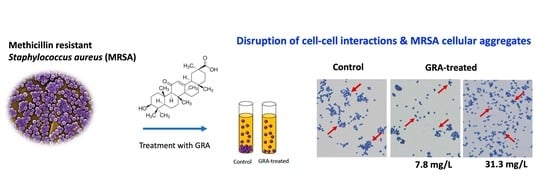
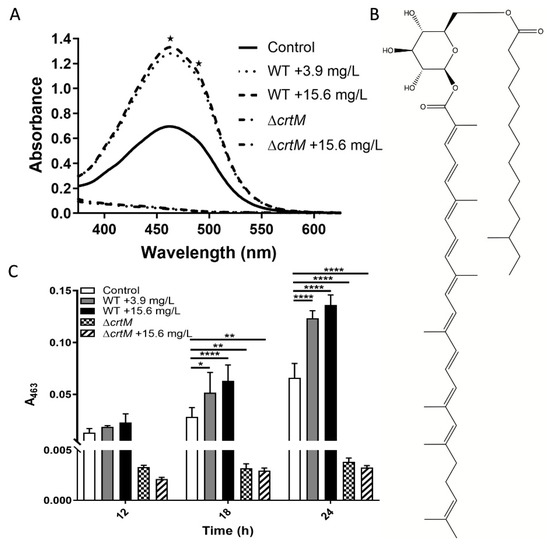
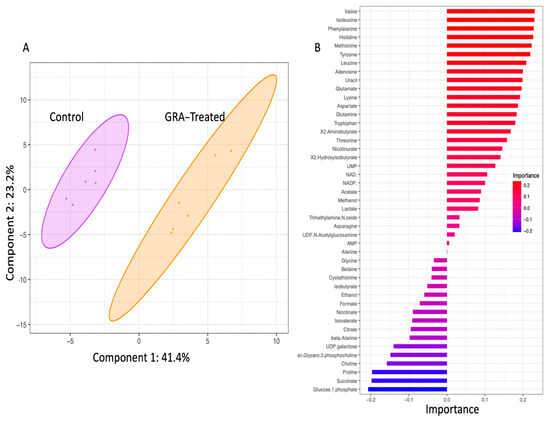
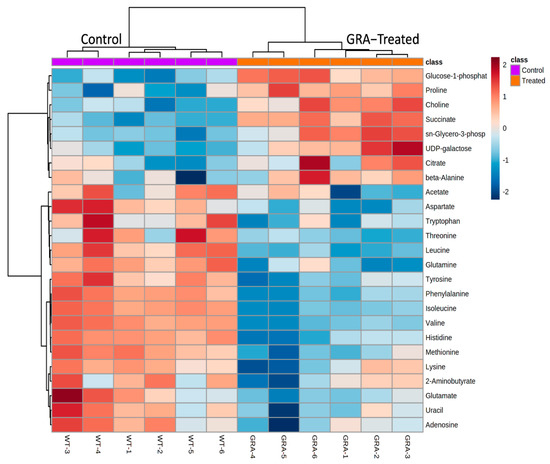
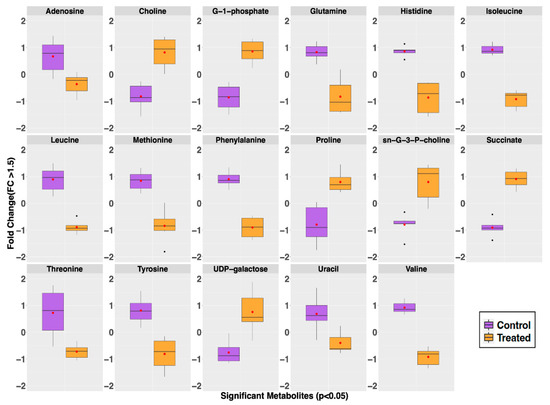
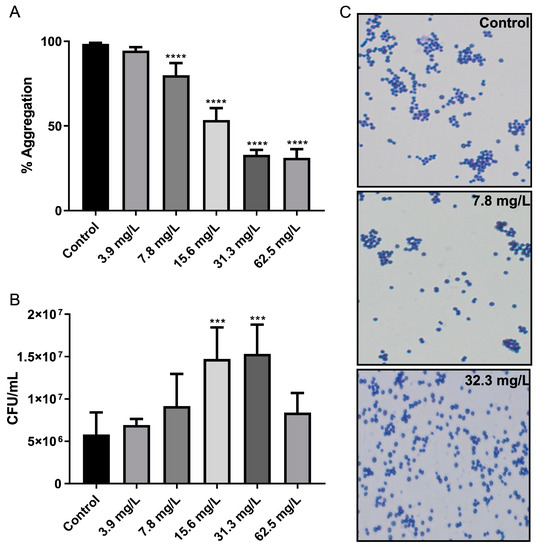
The rise in bacterial resistance to common antibiotics has raised an increased need for alternative treatment strategies. The natural antibacterial product, 18β-glycyrrhetinic acid (GRA) has shown efficacy against community-associated methicillin-resistant Staphylococcus aureus (MRSA), although its interactions against planktonic and biofilm modes of growth remain poorly understood. This investigation utilized biochemical and metabolic approaches to further elucidate the effects of GRA on MRSA. Prolonged exposure of planktonic MRSA cell cultures to GRA resulted in increased production of staphyloxanthin, a pigment known to exhibit antioxidant and membrane-stabilizing functions. Then, 1D 1H NMR analyses of intracellular metabolite extracts from MRSA treated with GRA revealed significant changes in intracellular polar metabolite profiles, including increased levels of succinate and citrate, and significant reductions in several amino acids, including branch chain amino acids. These changes reflect the MRSA response to GRA exposure, including potentially altering its membrane composition, which consumes branched chain amino acids and leads to significant energy expenditure. Although GRA itself had no significant effect of biofilm viability, it seems to be an effective biofilm disruptor. This may be related to interference with cell–cell aggregation, as treatment of planktonic MRSA cultures with GRA leads to a significant reduction in micro-aggregation. The dispersive nature of GRA on MRSA biofilms may prove valuable for treatment of such infections and could be used to increase susceptibility to complementary antibiotic therapeutics. Full article
Show Figures

Graphical abstract

11 pages, 1182 KB  
Article
The Urinary Resistome of Clinically Healthy Companion Dogs: Potential One Health Implications
by Tonatiuh Melgarejo, Nathan Sharp, Janina A. Krumbeck, Guangxi Wu, Young J. Kim and Annika Linde
Antibiotics 2022, 11(6), 780; https://doi.org/10.3390/antibiotics11060780 - 8 Jun 2022
Cited by 3 | Viewed by 3752
Abstract
An interdisciplinary approach to antimicrobial resistance (AMR) is essential to effectively address what is projected to soon become a public health disaster. Veterinary medicine accounts for a majority of antimicrobial use, and mainly in support of industrial food animal production (IFAP), which has [...] Read more.
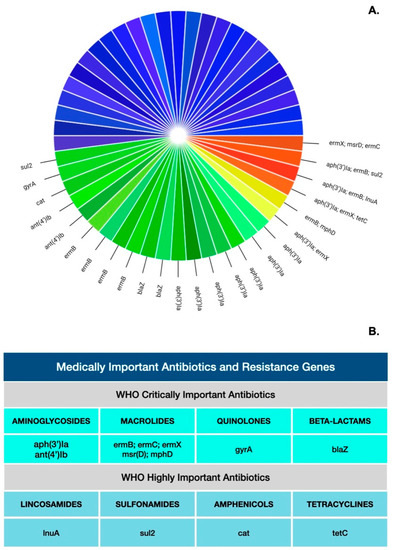
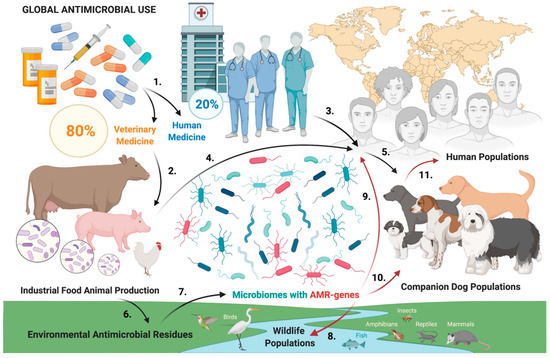
An interdisciplinary approach to antimicrobial resistance (AMR) is essential to effectively address what is projected to soon become a public health disaster. Veterinary medicine accounts for a majority of antimicrobial use, and mainly in support of industrial food animal production (IFAP), which has significant exposure implications for human and nonhuman animals. Companion dogs live in close proximity to humans and share environmental exposures, including food sources. This study aimed to elucidate the AMR-gene presence in microorganisms recovered from urine from clinically healthy dogs to highlight public health considerations in the context of a species-spanning framework. Urine was collected through cystocentesis from 50 companion dogs in Southern California, and microbial DNA was analyzed using next-generation sequencing. Thirteen AMR genes in urine from 48% of the dogs {n=24} were detected. The most common AMR genes were aph(3′)Ia, and ermB, which confer resistance to aminoglycosides and MLS (macrolides, lincosamides, streptogramins) antibiotics, respectively. Antibiotic-resistance profiles based on the AMR genes detected, and the intrinsic resistance profiles of bacterial species, were inferred in 24% of the samples {n=12} for 57 species, with most belonging to Streptococcus, Staphylococcus, and Corynebacterium genera. The presence of AMR genes that confer resistance to medically important antibiotics suggests that dogs may serve as reservoirs of clinically relevant resistomes, which is likely rooted in excessive IFAP antimicrobial use. Full article
(This article belongs to the Special Issue Antibiotic Use in Veterinary)
Show Figures

Figure 1

16 pages, 10745 KB  
Article
Computational Development of Inhibitors of Plasmid-Borne Bacterial Dihydrofolate Reductase
by Pedro J. Silva
Antibiotics 2022, 11(6), 779; https://doi.org/10.3390/antibiotics11060779 - 7 Jun 2022
Cited by 5 | Viewed by 3059 | Correction
Abstract
Resistance to trimethoprim and other antibiotics targeting dihydrofolate reductase may arise in bacteria harboring an atypical, plasmid-encoded, homotetrameric dihydrofolate reductase, called R67 DHFR. Although developing inhibitors to this enzyme may be expected to be promising drugs to fight trimethoprim-resistant strains, there is a [...] Read more.
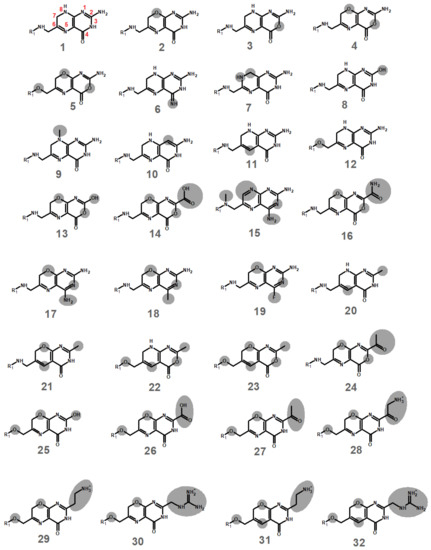
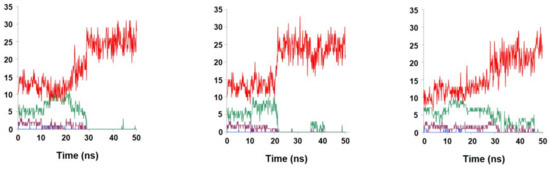
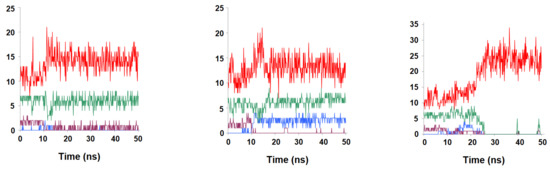
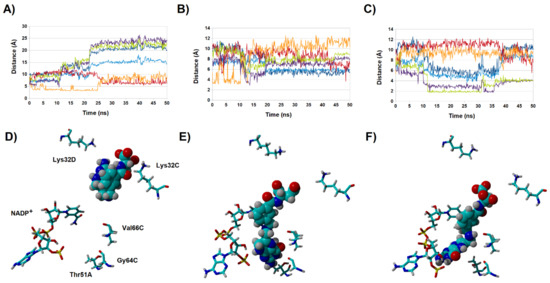
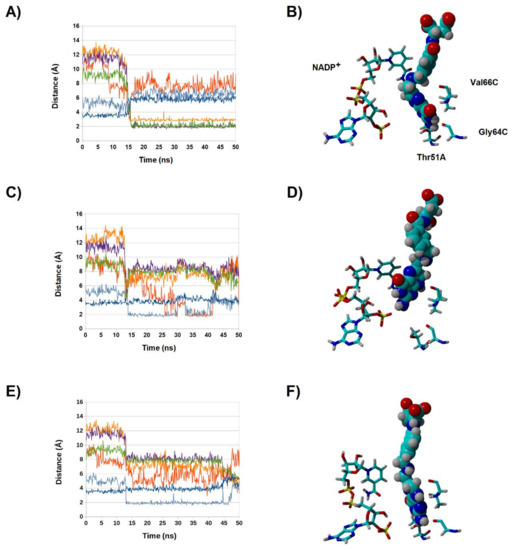
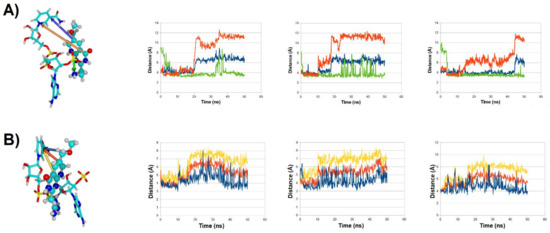
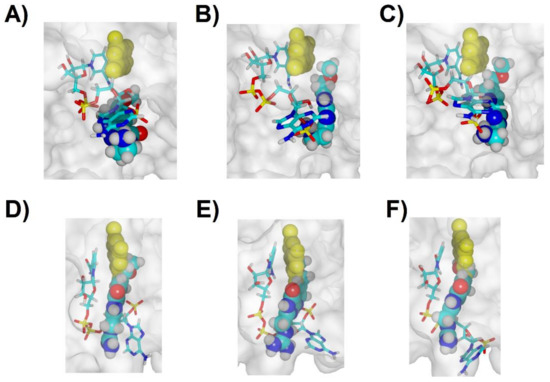
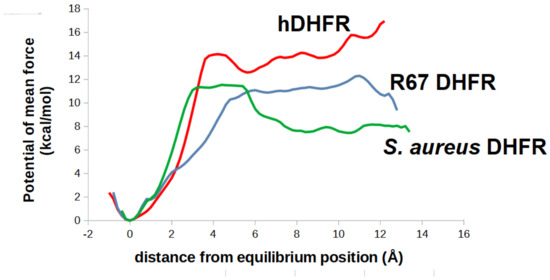
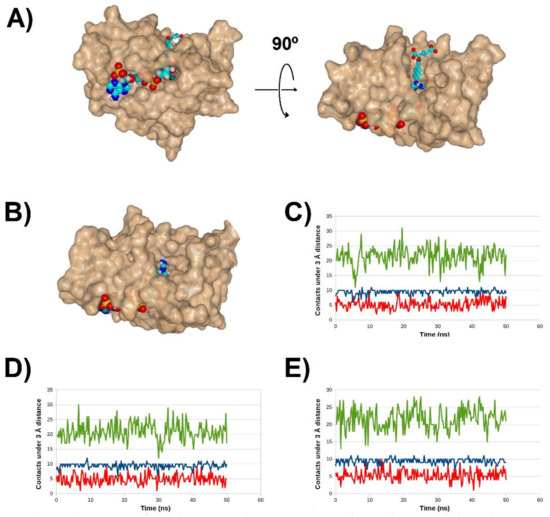
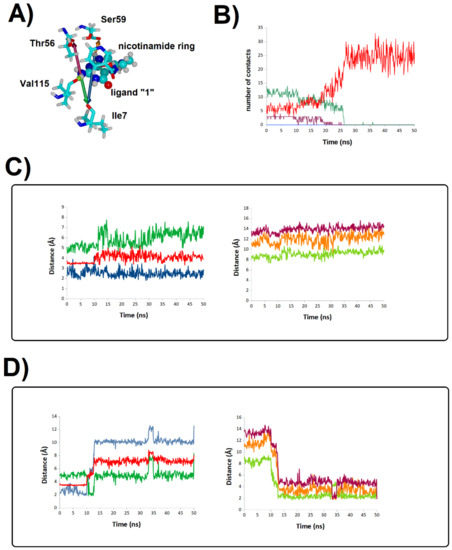
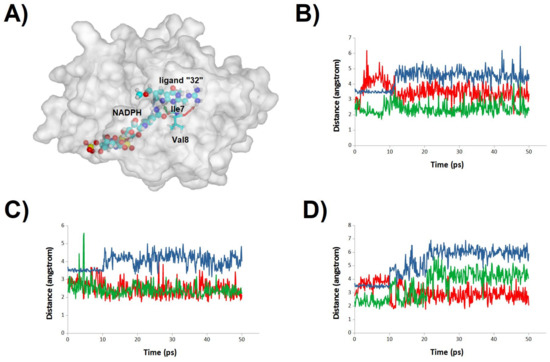
Resistance to trimethoprim and other antibiotics targeting dihydrofolate reductase may arise in bacteria harboring an atypical, plasmid-encoded, homotetrameric dihydrofolate reductase, called R67 DHFR. Although developing inhibitors to this enzyme may be expected to be promising drugs to fight trimethoprim-resistant strains, there is a paucity of reports describing the development of such molecules. In this manuscript, we describe the design of promising lead compounds to target R67 DHFR. Density-functional calculations were first used to identify the modifications of the pterin core that yielded derivatives likely to bind the enzyme and not susceptible to being acted upon by it. These unreactive molecules were then docked to the active site, and the stability of the docking poses of the best candidates was analyzed through triplicate molecular dynamics simulations, and compared to the binding stability of the enzyme–substrate complex. Molecule 32 ([6-(methoxymethyl)-4-oxo-3,7-dihydro-4H-pyrano[2,3-d]pyrimidin-2-yl]methyl-guanidinium) was shown by this methodology to afford extremely stable binding towards R67 DHFR and to prevent simultaneous binding to the substrate. Additional docking and molecular dynamics simulations further showed that this candidate also binds strongly to the canonical prokaryotic dihydrofolate reductase and to human DHFR, and is therefore likely to be useful to the development of chemotherapeutic agents and of dual-acting antibiotics that target the two types of bacterial dihydrofolate reductase. Full article
(This article belongs to the Special Issue Design and Preparation of Antimicrobial Agents)
Show Figures

Figure 1
26 pages, 937 KB  
Review
Antimicrobial Resistance in New Zealand—A One Health Perspective
by Isabelle Pattis, Louise Weaver, Sara Burgess, James E. Ussher and Kristin Dyet
Antibiotics 2022, 11(6), 778; https://doi.org/10.3390/antibiotics11060778 - 7 Jun 2022
Cited by 10 | Viewed by 5597
Abstract
Antimicrobial resistance (AMR) is an increasing global threat that affects human, animal and, often less acknowledged, environmental health. This complex issue requires a multisectoral One Health approach to address the interconnectedness of humans, animals and the natural environment. The prevalence of AMR in [...] Read more.
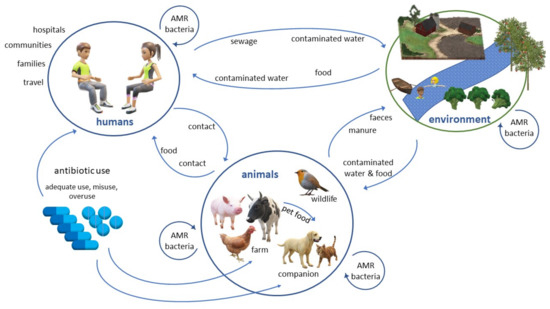
Antimicrobial resistance (AMR) is an increasing global threat that affects human, animal and, often less acknowledged, environmental health. This complex issue requires a multisectoral One Health approach to address the interconnectedness of humans, animals and the natural environment. The prevalence of AMR in these reservoirs varies widely among countries and thus often requires a country-specific approach. In New Zealand (NZ), AMR and antimicrobial usage in humans are relatively well-monitored and -understood, with high human use of antimicrobials and the frequency of resistant pathogens increasing in hospitals and the community. In contrast, on average, NZ is a low user of antimicrobials in animal husbandry systems with low rates of AMR in food-producing animals. AMR in New Zealand’s environment is little understood, and the role of the natural environment in AMR transmission is unclear. Here, we aimed to provide a summary of the current knowledge on AMR in NZ, addressing all three components of the One Health triad with a particular focus on environmental AMR. We aimed to identify knowledge gaps to help develop research strategies, especially towards mitigating AMR in the environment, the often-neglected part of the One Health triad. Full article
Show Figures

Figure 1
17 pages, 1377 KB  
Article
Survey on Carbapenem-Resistant Bacteria in Pigs at Slaughter and Comparison with Human Clinical Isolates in Italy
by Silvia Bonardi, Clotilde Silvia Cabassi, Gerardo Manfreda, Antonio Parisi, Enrico Fiaccadori, Alice Sabatino, Sandro Cavirani, Cristina Bacci, Martina Rega, Costanza Spadini, Mattia Iannarelli, Cecilia Crippa, Ferdinando Ruocco and Frédérique Pasquali
Antibiotics 2022, 11(6), 777; https://doi.org/10.3390/antibiotics11060777 - 7 Jun 2022
Cited by 11 | Viewed by 3528
Abstract
This study is focused on resistance to carbapenems and third-generation cephalosporins in Gram-negative microorganisms isolated from swine, whose transmission to humans via pork consumption cannot be excluded. In addition, the common carriage of carbapenem-resistant (CR) bacteria between humans and pigs was evaluated. Sampling [...] Read more.
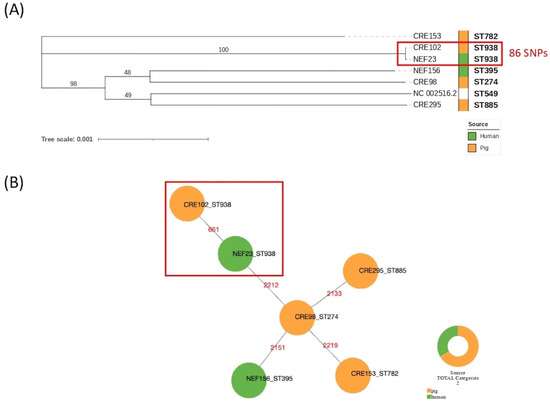
This study is focused on resistance to carbapenems and third-generation cephalosporins in Gram-negative microorganisms isolated from swine, whose transmission to humans via pork consumption cannot be excluded. In addition, the common carriage of carbapenem-resistant (CR) bacteria between humans and pigs was evaluated. Sampling involved 300 faecal samples collected from slaughtered pigs and 300 urine samples collected from 187 hospitalised patients in Parma Province (Italy). In swine, MIC testing confirmed resistance to meropenem for isolates of Pseudomonas aeruginosa and Pseudomonas oryzihabitans and resistance to cefotaxime and ceftazidime for Escherichia coli, Ewingella americana, Enterobacter agglomerans, and Citrobacter freundii. For Acinetobacter lwoffii, Aeromonas hydrofila, Burkolderia cepacia, Corynebacterium indologenes, Flavobacterium odoratum, and Stenotrophomonas maltophilia, no EUCAST MIC breakpoints were available. However, ESBL genes (blaCTXM-1, blaCTX-M-2, blaTEM-1, and blaSHV) and AmpC genes (blaCIT, blaACC, and blaEBC) were found in 38 and 16 isolates, respectively. P. aeruginosa was the only CR species shared by pigs (4/300 pigs; 1.3%) and patients (2/187; 1.1%). P. aeruginosa ST938 carrying blaPAO and blaOXA396 was detected in one pig as well as an 83-year-old patient. Although no direct epidemiological link was demonstrable, SNP calling and cgMLST showed a genetic relationship of the isolates (86 SNPs and 661 allele difference), thus suggesting possible circulation of CR bacteria between swine and humans. Full article
(This article belongs to the Special Issue Antibiotic Resistance in Companion and Food-Producing Animals)
Show Figures

Figure 1
21 pages, 2046 KB  
Article
Characterization of β-Lactamases and Multidrug Resistance Mechanisms in Enterobacterales from Hospital Effluents and Wastewater Treatment Plant
by Christopher Mutuku, Szilvia Melegh, Krisztina Kovacs, Peter Urban, Eszter Virág, Reka Heninger, Robert Herczeg, Ágnes Sonnevend, Attila Gyenesei, Csaba Fekete and Zoltan Gazdag
Antibiotics 2022, 11(6), 776; https://doi.org/10.3390/antibiotics11060776 - 7 Jun 2022
Cited by 19 | Viewed by 4451
Abstract
Antimicrobials in wastewater promote the emergence of antibiotic resistance, facilitated by selective pressure and transfer of resistant genes. Enteric bacteria belonging to Escherichia coli, Klebsiella pneumoniae, Klebsiella oxytoca, Enterobacter cloacae, and Citrobacter species (n = 126) from hospital effluents [...] Read more.
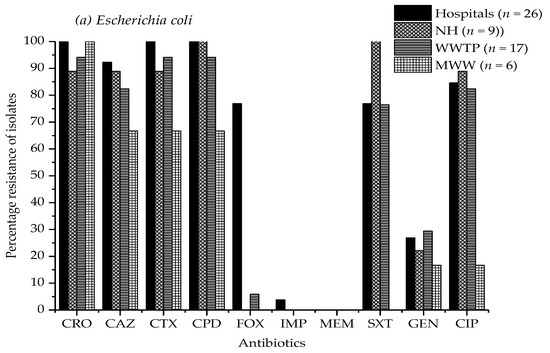
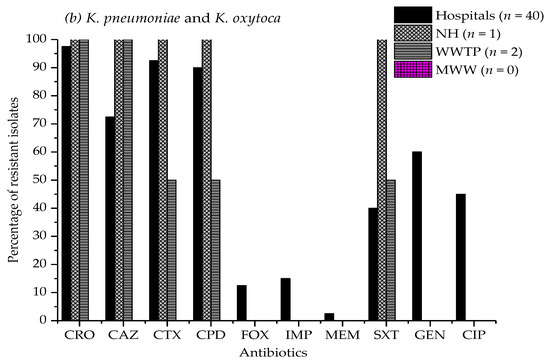
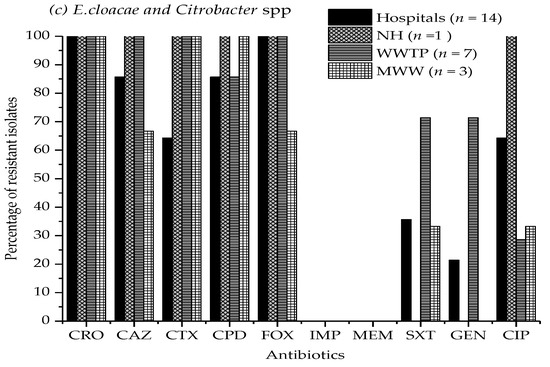
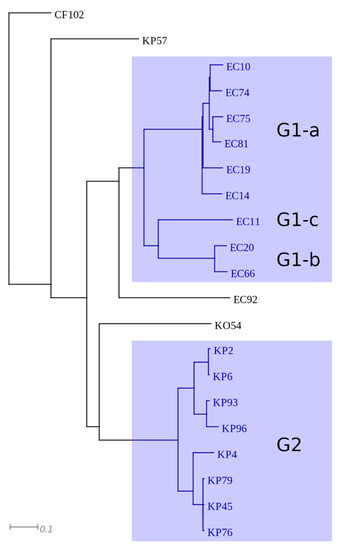
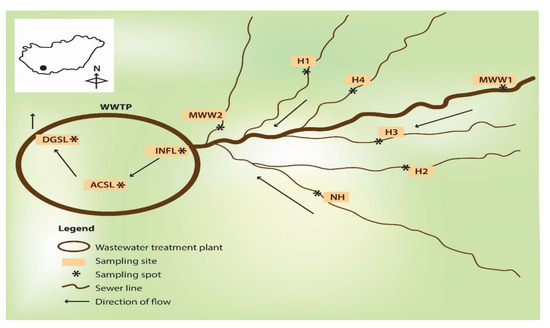
Antimicrobials in wastewater promote the emergence of antibiotic resistance, facilitated by selective pressure and transfer of resistant genes. Enteric bacteria belonging to Escherichia coli, Klebsiella pneumoniae, Klebsiella oxytoca, Enterobacter cloacae, and Citrobacter species (n = 126) from hospital effluents and proximate wastewater treatment plant were assayed for susceptibility to four antimicrobial classes. The β-lactamase encoding genes harbored in plasmids were genotyped and the plasmids were sequenced. A multidrug resistance phenotype was found in 72% (n = 58) of E. coli isolates, 70% (n = 43) of Klebsiella species isolates, and 40% (n = 25) of Enterobacter and Citrobacter species. Moreover, 86% (n = 50) of E. coli, 77% (n = 33) of Klebsiella species, and 25% (n = 4) of Citrobacter species isolates phenotypically expressed extended spectrum β-lactamase. Regarding ESBL genes, blaCTX-M-27 and blaTEM-1 were found in E. coli, while Klebsiella species harbored blaCTX-M-15, blaCTX-M-30, or blaSHV-12. Genes coding for aminoglycoside modifying enzymes, adenylyltransferases (aadA1, aadA5), phosphotransferases (aph(6)-1d, aph(3″)-Ib), acetyltransferases (aac(3)-IIa), (aac(6)-Ib), sulfonamide/trimethoprim resistant dihydropteroate synthase (sul), dihydrofolate reductase (dfrA), and quinolone resistance protein (qnrB1) were also identified. Monitoring wastewater from human sources for acquired resistance in clinically important bacteria may provide a cheaper alternative in regions facing challenges that limit clinical surveillance. Full article
Show Figures

Figure 1
16 pages, 1347 KB  
Article
Identifying Targets for Antibiotic Use for the Management of Carbapenem-Resistant Acinetobacter baumannii (CRAb) in Hospitals—A Multi-Centre Nonlinear Time-Series Study
by Zainab Said Al-Hashimy, Barbara R. Conway, Mubarak Al-Yaqoobi, Faryal Khamis, Ghalib Zahran Al Mawali, Aisha Mahad Al Maashani, Yaqoob Said Al Hadhrami, Said Salim Al Alawi, Mohammed Said Al Mamari, William J. Lattyak, Elizabeth A. Lattyak, Motasem Aldiab, Ian Gould, José-María López-Lozano and Mamoon A. Aldeyab
Antibiotics 2022, 11(6), 775; https://doi.org/10.3390/antibiotics11060775 - 7 Jun 2022
Cited by 6 | Viewed by 3971
Abstract
Solutions are needed to inform antimicrobial stewardship (AMS) regarding balancing the access to effective antimicrobials with the need to control antimicrobial resistance. Theoretical and mathematical models suggest a non-linear relationship between antibiotic use and resistance, indicating the existence of thresholds of antibiotic use [...] Read more.
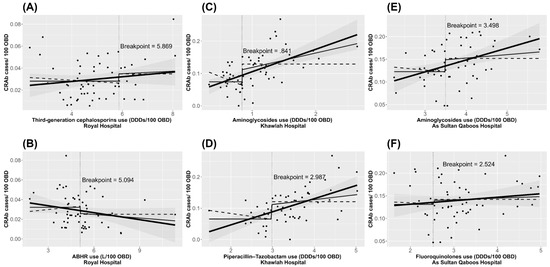
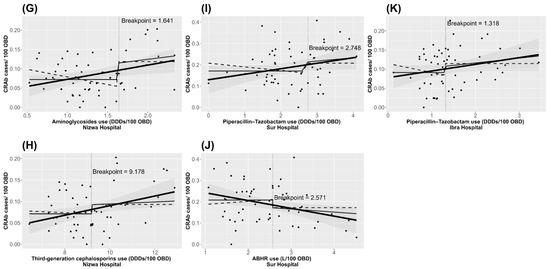
Solutions are needed to inform antimicrobial stewardship (AMS) regarding balancing the access to effective antimicrobials with the need to control antimicrobial resistance. Theoretical and mathematical models suggest a non-linear relationship between antibiotic use and resistance, indicating the existence of thresholds of antibiotic use beyond which resistance would be triggered. It is anticipated that thresholds may vary across populations depending on host, environment, and organism factors. Further research is needed to evaluate thresholds in antibiotic use for a specific pathogen across different settings. The objective of this study is to identify thresholds of population antibiotic use associated with the incidence of carbapenem-resistant Acinetobacter baumannii (CRAb) across six hospital sites in Oman. The study was an ecological, multi-centre evaluation that involved collecting historical antibiotic use and CRAb incidence over the period from January 2015 to December 2019. By using non-linear time-series analysis, we identified different thresholds in the use of third-generation cephalosporins, piperacillin-tazobactam, aminoglycoside, and fluoroquinolones across participating hospitals. The identification of different thresholds emphasises the need for tailored analysis based on modelling data from each hospital. The determined thresholds can be used to set targets for each hospital AMS, providing a balance between access to these antibiotics versus controlling CRAb incidence. Full article
(This article belongs to the Section Antibiotics Use and Antimicrobial Stewardship)
Show Figures

Figure 1
17 pages, 1224 KB  
Article
Transmissibility and Persistence of the Plasmid-Borne Mobile Colistin Resistance Gene, mcr-1, Harbored in Poultry-Associated E. coli
by Hassan Al Mana, Alreem A. Johar, Issmat I. Kassem and Nahla O. Eltai
Antibiotics 2022, 11(6), 774; https://doi.org/10.3390/antibiotics11060774 - 7 Jun 2022
Cited by 12 | Viewed by 3187
Abstract
Colistin, a last-resort antibiotic, is used to treat infections caused by multi-drug-resistant Gram-negative bacteria. Colistin resistance can emerge by acquiring the mobile colistin gene, mcr-1, usually plasmid borne. Studies on mcr-1 and its transmissibility are limited in the Middle East and North [...] Read more.
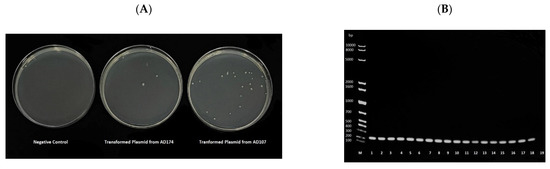
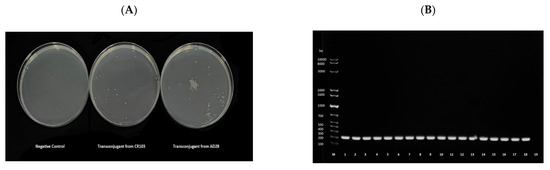
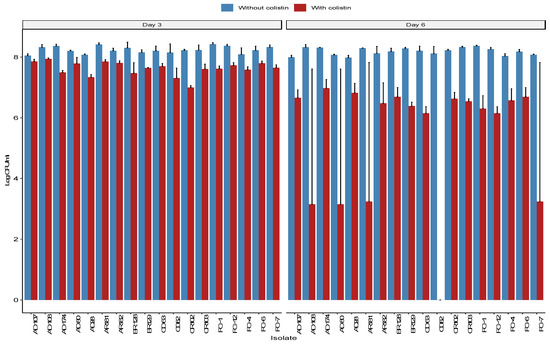
Colistin, a last-resort antibiotic, is used to treat infections caused by multi-drug-resistant Gram-negative bacteria. Colistin resistance can emerge by acquiring the mobile colistin gene, mcr-1, usually plasmid borne. Studies on mcr-1 and its transmissibility are limited in the Middle East and North Africa (MENA) region. Here, we investigated the occurrence of mcr-1 in 18 previously collected Escherichia coli isolates collected from chicken samples in Qatar; whole-genome sequencing was performed to determine the location (plasmid-borne and chromosomal) of mcr-1 in the isolates. Additionally, we assessed the transmissibility of plasmid-borne mcr-1 and its cost on fitness in E. coli biofilms. Our results showed that the E. coli isolates belonged to different sequence types, indicating that mcr-1 was occurring in strains with diverse genetic backgrounds. In silico analysis and transformation assays showed that all the isolates carried mcr-1 on plasmids that were mainly IncI2 types. All the mcr-1 plasmids were found to be transmissible by conjugation. In biofilms, a significant reduction in the number of CFU (≈0.055 logs CFU/mL) and colistin resistance (≈2.19 log CFU/mL) was observed; however, the reduction in resistance was significantly larger, indicating that the plasmids incur a high fitness cost. To our knowledge, this is the first study that investigates mcr-1 transmissibility and persistence in Qatar. Our findings highlight that mcr has the potential to spread colistin resistance to potentially disparate strains and niches in Qatar, posing a risk that requires intervention. Full article
Show Figures

Figure 1
11 pages, 928 KB  
Article
pruR and PA0065 Genes Are Responsible for Decreasing Antibiotic Tolerance by Autoinducer Analog-1 (AIA-1) in Pseudomonas aeruginosa
by Muhammad Reza Pahlevi, Keiji Murakami, Yuka Hiroshima, Akikazu Murakami and Hideki Fujii
Antibiotics 2022, 11(6), 773; https://doi.org/10.3390/antibiotics11060773 - 6 Jun 2022
Viewed by 3176
Abstract
Pseudomonas aeruginosa infection is considered a high-risk nosocomial infection and is very difficult to eradicate because of its tolerance to antibiotic treatment. A new compound, autoinducer analog-1 (AIA-1), has been demonstrated to reduce antibiotic tolerance, but its mechanisms remain unknown. This study aimed [...] Read more.
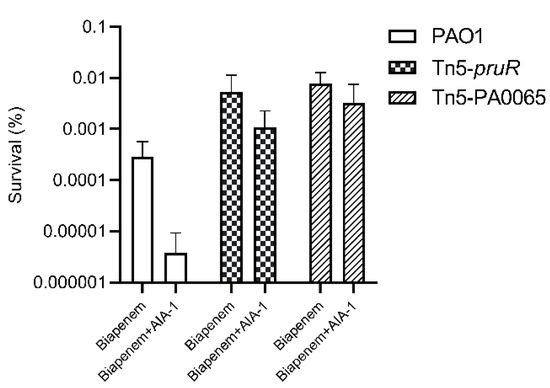
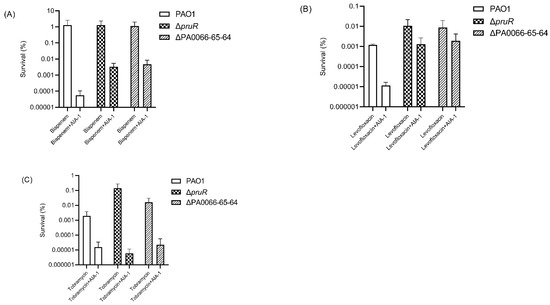
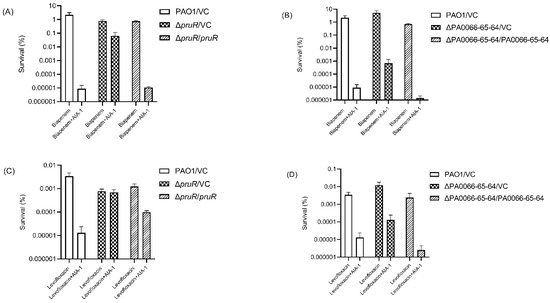
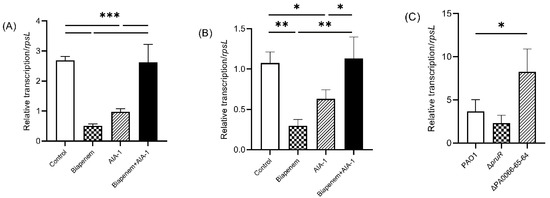
Pseudomonas aeruginosa infection is considered a high-risk nosocomial infection and is very difficult to eradicate because of its tolerance to antibiotic treatment. A new compound, autoinducer analog-1 (AIA-1), has been demonstrated to reduce antibiotic tolerance, but its mechanisms remain unknown. This study aimed to investigate the mechanisms of AIA-1 in the antibiotic tolerance of P. aeruginosa. A transposon mutant library was constructed using miniTn5pro, and screening was performed to isolate high tolerant mutants upon exposure to biapenem and AIA-1. We constructed a deletion mutant and complementation strain of the genes detected in transposon insertion site determination, pruR and PA0066-65-64, and performed killing assays with antibiotics and AIA-1. Gene expression upon exposure to biapenem and AIA-1 and their relationship to stress response genes were analyzed. High antibiotic tolerance was observed in Tn5-pruR and Tn5-PA0065 transposon mutants and their deletion mutants, ΔpruR and ΔPA0066-65-64. Complemented strains of pruR and PA0066-65-64 with their respective deletion mutants exhibited suppressed antibiotic tolerance. It was determined that deletion of PA0066-65-64 increased rpoS expression, and PA0066-65-64 affects antibiotic tolerance via the rpoS pathway. Additionally, antibiotics and AIA-1 were found to inhibit pruR and PA0066-65-64. This study proposed that pruR and PA0066-65-64 are members of the antibiotic tolerance suppressors. Full article
(This article belongs to the Special Issue Antibiotic Tolerance in Pseudomonas aeruginosa)
Show Figures

Figure 1
20 pages, 3689 KB  
Article
Biofilm Formation of Staphylococcus aureus from Pets, Livestock, and Wild Animals: Relationship with Clonal Lineages and Antimicrobial Resistance
by Vanessa Silva, Elisete Correia, José Eduardo Pereira, Camino González-Machado, Rosa Capita, Carlos Alonso-Calleja, Gilberto Igrejas and Patrícia Poeta
Antibiotics 2022, 11(6), 772; https://doi.org/10.3390/antibiotics11060772 - 4 Jun 2022
Cited by 21 | Viewed by 5382
Abstract
This study aimed to compare the biofilm formation ability of Staphylococcus aureus isolated from a wide range of animals and study the association between biofilm formation and antimicrobial resistance and genetic lineages. A total of 214 S. aureus strains isolated from pets, livestock, [...] Read more.
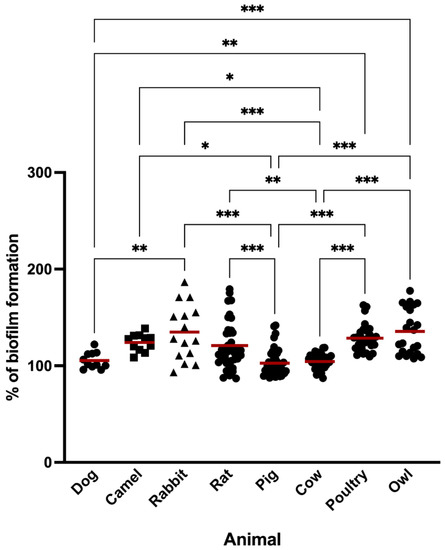
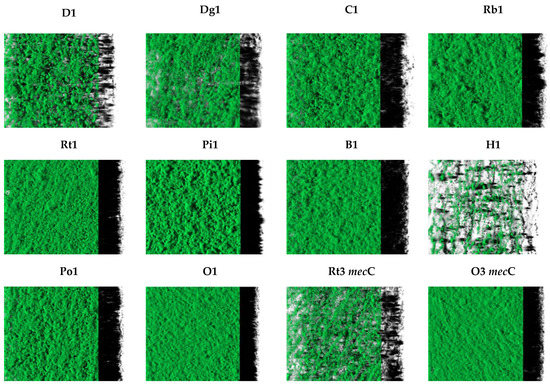
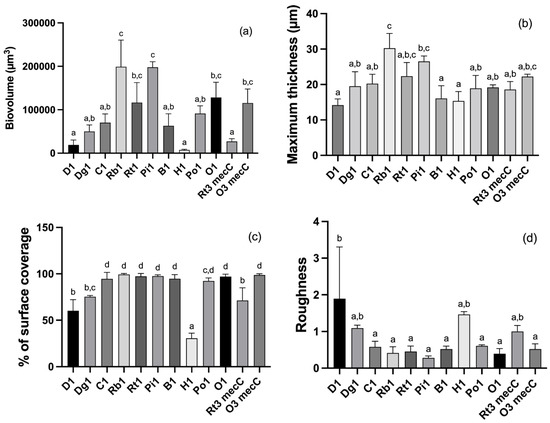
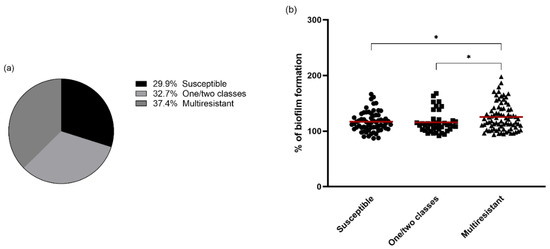
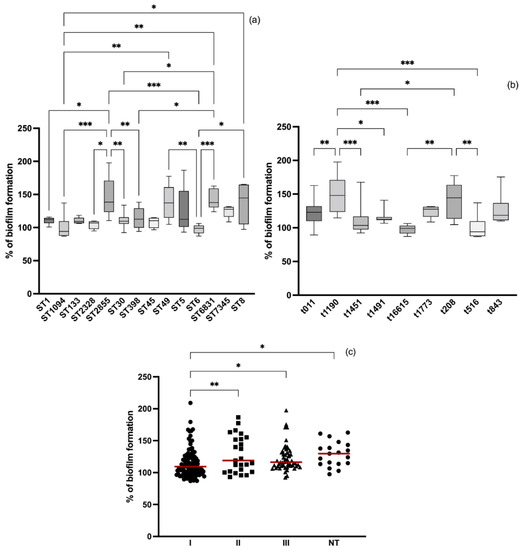
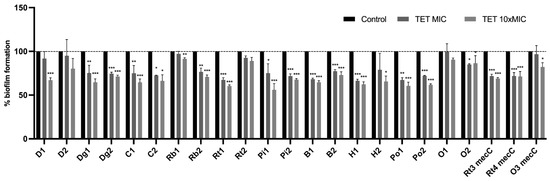
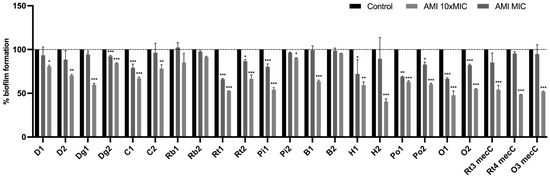
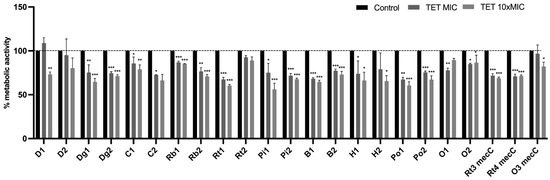
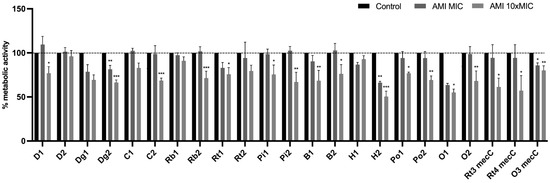
This study aimed to compare the biofilm formation ability of Staphylococcus aureus isolated from a wide range of animals and study the association between biofilm formation and antimicrobial resistance and genetic lineages. A total of 214 S. aureus strains isolated from pets, livestock, and wild animals were evaluated regarding their ability to form biofilms by the microtiter biofilm assay and their structure via confocal scanning laser microscopy. Statistical analysis was used to find an association between biofilm formation and antimicrobial resistance, multidrug resistance, sequence types (STs), spa and agr-types of the isolates. The antimicrobial susceptibility of 24 h-old biofilms was assessed against minimum inhibitory concentrations (MIC) and 10× MIC of amikacin and tetracycline, and the biomass reduction was measured. The metabolic activity of biofilms after antimicrobial treatment was evaluated by the XTT assay. All isolates were had the ability to form biofilms. Yet, significant differences in biofilm biomass production were detected among animal species. Multidrug resistance had a positive association with biofilm formation as well as methicillin-resistance. Significant differences were also detected among the clonal lineages of the isolates. Both tetracycline and amikacin were able to significantly reduce the biofilm mass. However, none of the antimicrobials were able to eradicate the biofilm at the maximum concentration used. Our results provide important information on the biofilm-forming capacity of animal-adapted S. aureus isolates, which may have potential implications for the development of new biofilm-targeted therapeutics. Full article
Show Figures

Figure 1
12 pages, 595 KB  
Article
Epidemiology of Candidemia and Fluconazole Resistance in an ICU before and during the COVID-19 Pandemic Era
by Christina Routsi, Joseph Meletiadis, Efstratia Charitidou, Aikaterini Gkoufa, Stelios Kokkoris, Stavros Karageorgiou, Charalampos Giannopoulos, Despoina Koulenti, Petros Andrikogiannopoulos, Efstathia Perivolioti, Athina Argyropoulou, Ioannis Vasileiadis, Georgia Vrioni and Elizabeth Paramythiotou
Antibiotics 2022, 11(6), 771; https://doi.org/10.3390/antibiotics11060771 - 4 Jun 2022
Cited by 48 | Viewed by 4305
Abstract
The objectives of this study were to investigate the incidence of candidemia, as well as the factors associated with Candida species distribution and fluconazole resistance, among patients admitted to the intensive care unit (ICU) during the COVID-19 pandemic, as compared to two pre-pandemic [...] Read more.
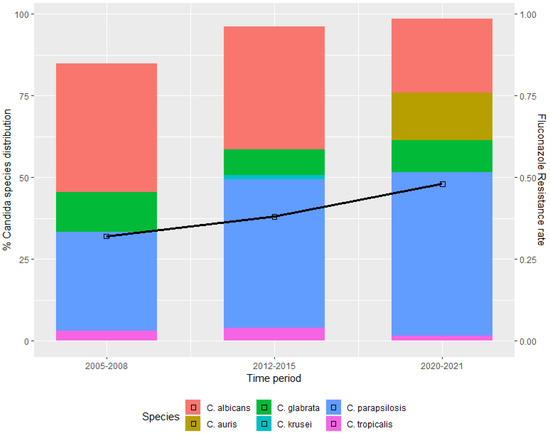
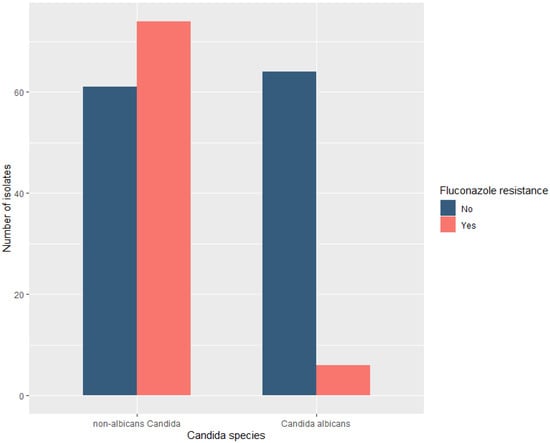
The objectives of this study were to investigate the incidence of candidemia, as well as the factors associated with Candida species distribution and fluconazole resistance, among patients admitted to the intensive care unit (ICU) during the COVID-19 pandemic, as compared to two pre-pandemic periods. All patients admitted to the ICU due to COVID-19 from March 2020 to October 2021, as well as during two pre-pandemic periods (2005–2008 and 2012–2015), who developed candidemia, were included. During the COVID-19 study period, the incidence of candidemia was 10.2%, significantly higher compared with 3.2% and 4.2% in the two pre-pandemic periods, respectively. The proportion of non-albicans Candida species increased (from 60.6% to 62.3% and 75.8%, respectively), with a predominance of C. parapsilosis. A marked increase in fluconazole resistance (from 31% to 37.7% and 48.4%, respectively) was also observed. Regarding the total patient population with candidemia (n = 205), fluconazole resistance was independently associated with ICU length of stay (LOS) before candidemia (OR 1.03; CI: 1.01–1.06, p = 0.003), whereas the presence of shock at candidemia onset was associated with C. albicans (OR 6.89; CI: 2.2–25, p = 0.001), and with fluconazole-susceptible species (OR 0.23; CI: 0.07–0.64, p = 0.006). In conclusion, substantial increases in the incidence of candidemia, in non-albicansCandida species, and in fluconazole resistance were found in patients admitted to the ICU due to COVID-19, compared to pre-pandemic periods. At candidemia onset, prolonged ICU LOS was associated with fluconazole-resistant and the presence of shock with fluconazole-susceptible species. Full article
(This article belongs to the Special Issue Antimicrobial Therapy in Intensive Care Unit)
Show Figures

Figure 1
6 pages, 238 KB  
Article
High Incidence of Acute Kidney Injury in Patients Treated with High-Dose Amoxicillin and Cloxacillin Combination Therapy
by Yvon Ruch, Axel Ursenbach, François Danion, Fanny Reisz, Thierry Nai, Baptiste Hoellinger, Yves Hansmann, Nicolas Lefebvre and Jonas Martzloff
Antibiotics 2022, 11(6), 770; https://doi.org/10.3390/antibiotics11060770 - 4 Jun 2022
Cited by 3 | Viewed by 4185
Abstract
High-dose amoxicillin and cloxacillin combination therapy is recommended for the empiric treatment of selected patients with infective endocarditis despite a low level of evidence. The main objective of this study was to evaluate the renal tolerance of high-dose intravenous amoxicillin and cloxacillin combination. [...] Read more.
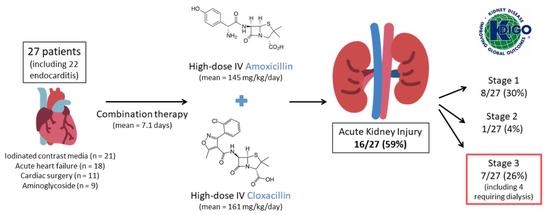
High-dose amoxicillin and cloxacillin combination therapy is recommended for the empiric treatment of selected patients with infective endocarditis despite a low level of evidence. The main objective of this study was to evaluate the renal tolerance of high-dose intravenous amoxicillin and cloxacillin combination. We studied 27 patients treated with amoxicillin and cloxacillin (≥100 mg/kg daily) for at least 48 h. The primary endpoint was the occurrence of acute kidney injury (AKI). The median patient age was 68 ± 8 years, and 16 (59%) were male. The indication for this combination therapy was suspected or confirmed endocarditis with no bacterial identification in 22 (81%) patients. The primary endpoint occurred in 16 (59%) patients after initiating this combination therapy within an average of 4.4 ± 3.6 days. Among them, seven (26%) patients developed severe AKI, including four (15%) patients who required hemodialysis. Other risk factors for AKI were identified in all patients, including injection of iodinated contrast media in 21 (78%), acute heart failure in 18 (67%), cardiac surgery in 11 (41%), and aminoglycoside use in 9 (33%) patients. This study reports an incidence of 59% of AKI after initiating amoxicillin and cloxacillin combination therapy in a population at high renal risk. Full article
(This article belongs to the Section Antibiotic Therapy in Infectious Diseases)
Show Figures

Graphical abstract