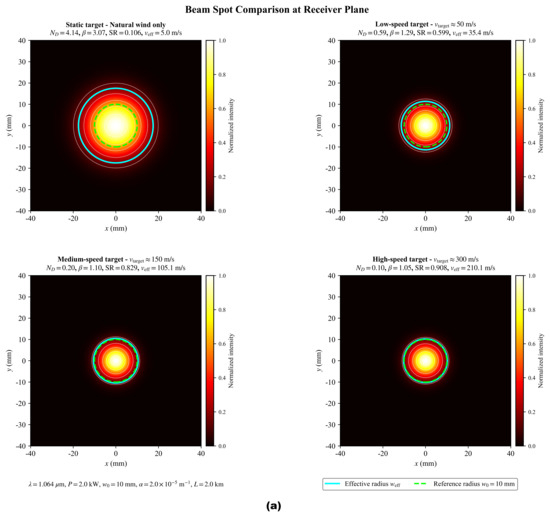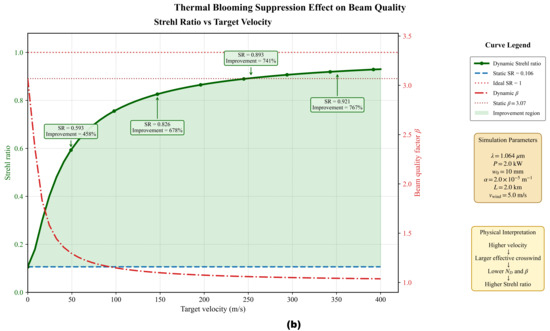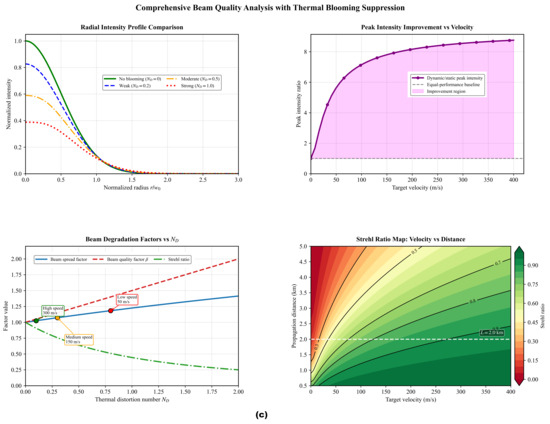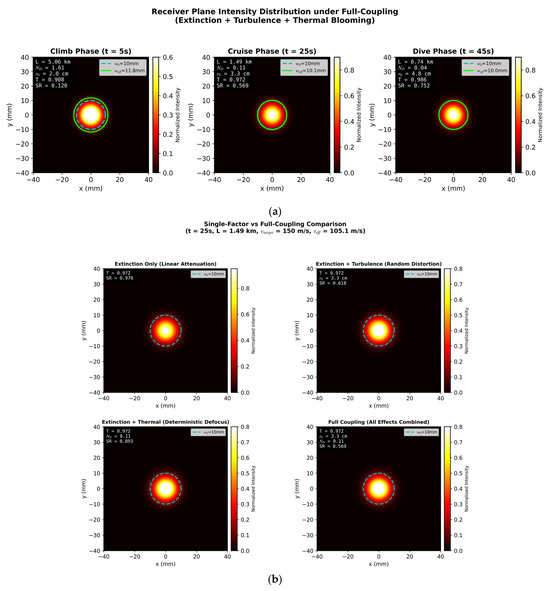

-
A Two-Point Propagation Field of a Single Photon: A Way to X-Ray Picometer Displacement Detection and Nanometer Resolution 3D X-Ray Micro-Tomography -
X-UV Radiative Processes in Structurally Active Media -
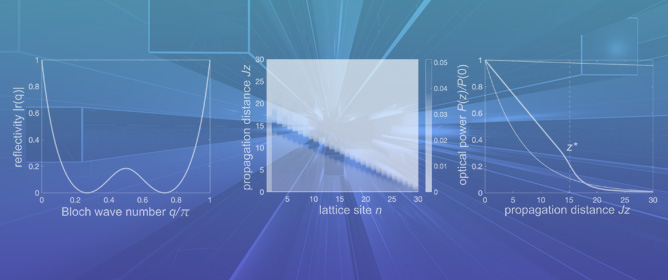
Algebraic Absorption in Non-Hermitian Photonic Lattices -
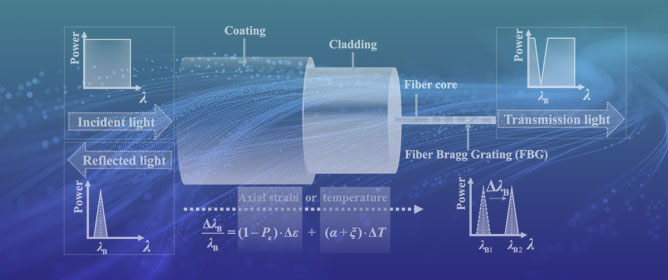
Fiber Bragg Grating Accelerometers: A Review from Single-Axis to Multi-Dimensional Vector Sensing
Journal Description
Photonics
Photonics
is an international, scientific, peer-reviewed, open access journal on the science and technology of optics and photonics, published monthly online by MDPI.
- Open Access— free for readers, with article processing charges (APC) paid by authors or their institutions.
- High Visibility: indexed within Scopus, SCIE (Web of Science), Inspec, Ei Compendex, CAPlus / SciFinder, and other databases.
- Journal Rank: CiteScore - Q2 (Instrumentation)
- Rapid Publication: manuscripts are peer-reviewed and a first decision is provided to authors approximately 13.9 days after submission; acceptance to publication is undertaken in 2.6 days (median values for papers published in this journal in the first half of 2026).
- Recognition of Reviewers: reviewers who provide timely, thorough peer-review reports receive vouchers entitling them to a discount on the APC of their next publication in any MDPI journal, in appreciation of the work done.
- Companion journals for Photonics include: Lights, Lasers and Optoelectronics.
- Journal Cluster of Atomic, Molecular, and Optical (AMO) Physics: Entropy, Photonics, Atoms, Lights, Optics, Physics and Quantum Beam Science.
Impact Factor:
2.1 (2025);
5-Year Impact Factor:
2.1 (2025)
Latest Articles
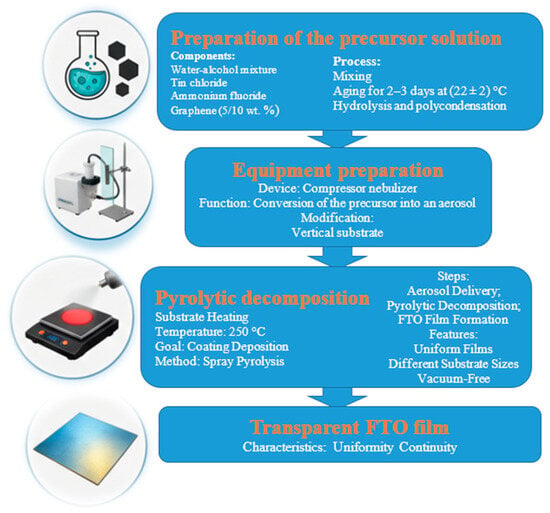
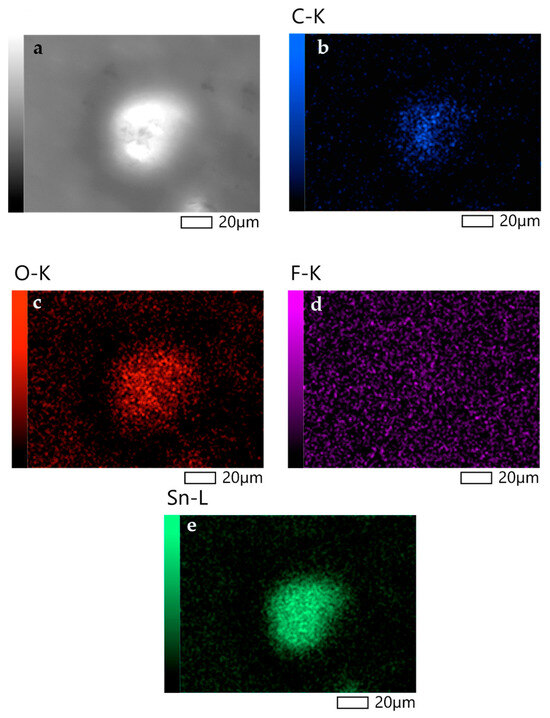
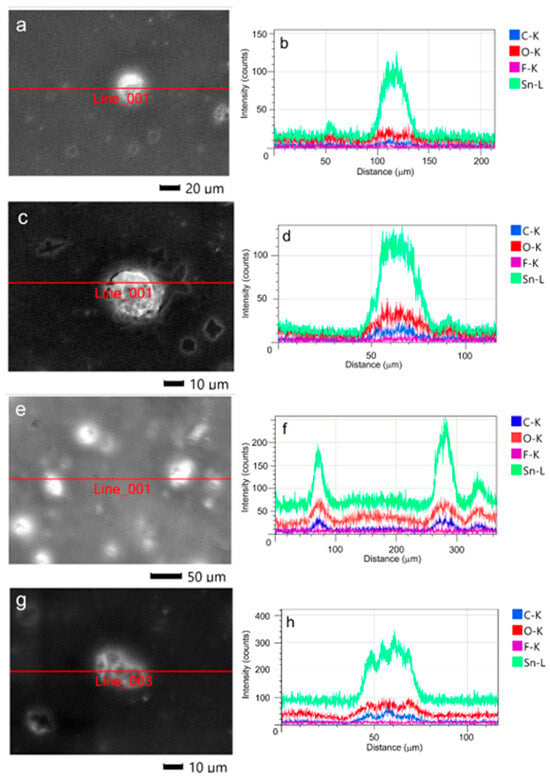
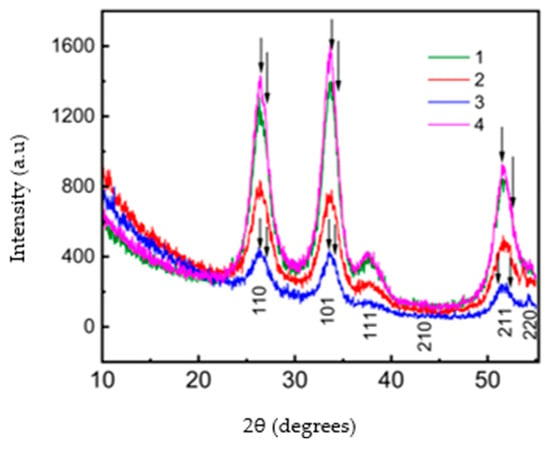
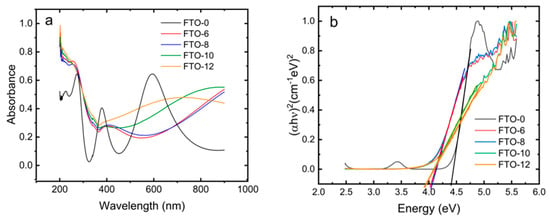
Effect of Graphene Oxide on the Structural and Optical Properties of FTO Layers Obtained by Spray Pyrolysis
Photonics 2026, 13(9), 800; https://doi.org/10.3390/photonics13090800 (registering DOI) - 22 Aug 2026
Abstract
This study examines the effect of graphene oxide nanoparticle (NGO) doping (0.12–0.24 mol%) on the properties of FTO layers obtained by spray pyrolysis. The results show that nanographene promotes phase separation within the FTO bulk. The resulting inhomogeneities are fluorine-depleted relative to the
[...] Read more.
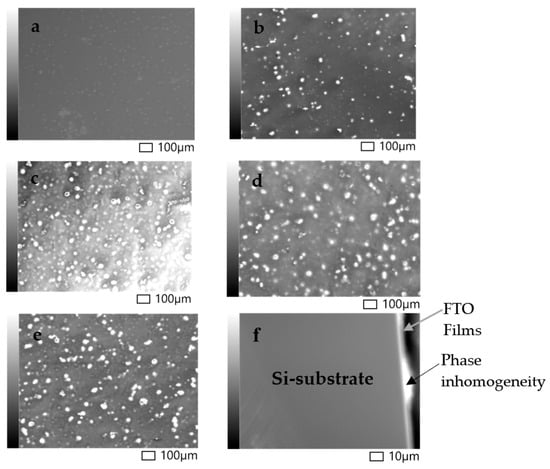
This study examines the effect of graphene oxide nanoparticle (NGO) doping (0.12–0.24 mol%) on the properties of FTO layers obtained by spray pyrolysis. The results show that nanographene promotes phase separation within the FTO bulk. The resulting inhomogeneities are fluorine-depleted relative to the surrounding film. NGO doping also modifies the position and intensity of peaks in the absorption spectra, indicating a change in the nature of the absorbing centers. The optical bandgap of the FTO layers decreases with the increase in NGO from 4.4 eV (undoped samples) to 3.95 eV (samples with the highest NGO concentration). Furthermore, NGO doping reduces the sheet resistance of the FTO layers. This reduction is attributed to increased charge carrier mobility resulting from passivation of nanocrystallite interfaces by graphene oxide nanoparticles. However, the sheet resistance depends non-monotonically on NGO content, with the lowest value observed at 0.16 mol% NGO. The increase in resistance at higher NGO concentrations is due to enhanced carrier scattering caused by the growing size and number of the phase inhomogeneities within the FTO layer.
Full article
(This article belongs to the Special Issue Optical Materials: Novel Properties and Engineering for Future Photonic Devices)
►
Show Figures
Open AccessArticle
Synthesis, Crystal Structure, and Properties of New Layered Rare-Earth Selenites Ln(HSeO3)(SeO3)∙2H2O (Ln = Yb, Dy, Eu)
by
Lingli Li, Lianzheng Su, Bingxing Zhang, Kaiyue Xie, Xuyang Feng, Meihua Yan, Xueling Yang, Zhimei Wang, Jun Ma, Hang Zhao, Tianyu Mao, Xinxin Shang and Bingying Pan
Photonics 2026, 13(8), 799; https://doi.org/10.3390/photonics13080799 - 21 Aug 2026
Abstract
Three layered rare-earth hydrogenselenite–selenite hydrates, Ln(HSeO3)(SeO3)∙2H2O (Ln = Yb, Dy, Eu), were synthesized under hydrothermal conditions and systematically characterized. Single-crystal and powder X-ray diffraction show that the compounds are isostructural and crystallize in the non-centrosymmetric orthorhombic Sohncke
[...] Read more.
Three layered rare-earth hydrogenselenite–selenite hydrates, Ln(HSeO3)(SeO3)∙2H2O (Ln = Yb, Dy, Eu), were synthesized under hydrothermal conditions and systematically characterized. Single-crystal and powder X-ray diffraction show that the compounds are isostructural and crystallize in the non-centrosymmetric orthorhombic Sohncke space group P212121, featuring LnO8 polyhedra and SeO3/HSeO3 units assembled into hydrogen-bonded layered frameworks. Two-component inversion-twin refinements gave Flack x values of 0.06(4), 0.27(3), and 0.22(3) for the Yb-, Dy-, and Eu-containing crystals, respectively; the Yb crystal is dominated by one inversion domain, whereas the Dy and Eu crystals contain appreciable inverted-domain fractions. Because L/D/DL descriptors conventionally refer to the absolute configuration of chiral molecular entities, they are not assigned to these extended inorganic frameworks. Under the present achiral synthesis conditions, crystals dominated by the opposite, inversion-related framework hand cannot be excluded. Photoluminescence measurements reveal characteristic Dy3+ and Eu3+ emissions, while the Yb analogue exhibits a broad visible band tentatively related to host-framework states. Magnetic measurements show no long-range ordering above 2 K; the Yb and Dy phases display dominant antiferromagnetic correlations, whereas the Eu phase is governed mainly by Van Vleck paramagnetism. These results identify Ln(HSeO3)(SeO3)∙2H2O as a layered Sohncke-symmetry platform with lanthanide-dependent optical and magnetic behavior. The observed lanthanide emissions and non-centrosymmetric framework suggest prospective photonic and nonlinear-optical applications, although device-level performance remains to be established.
Full article
(This article belongs to the Special Issue Advancements in Ultrafast Laser Science and Technology)
Open AccessArticle
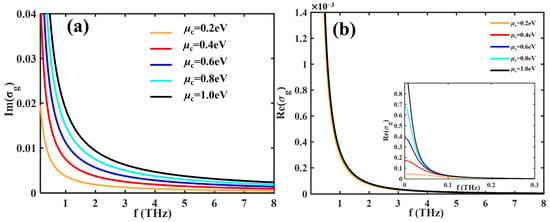
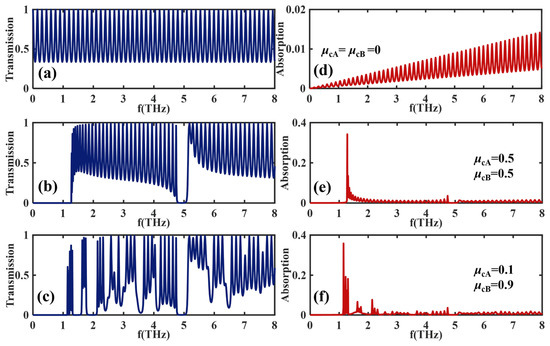
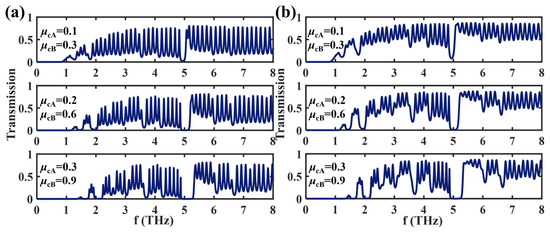
Versatile Spectral Tunability in One-Dimensional Graphene-Based Photonic Crystals via Thue–Morse Quasi-Periodic Chemical Potential Modulation
by
Jianing Yu, Luwei Li and Yichong Liu
Photonics 2026, 13(8), 798; https://doi.org/10.3390/photonics13080798 - 21 Aug 2026
Abstract
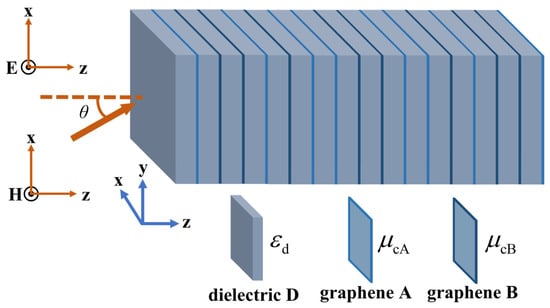
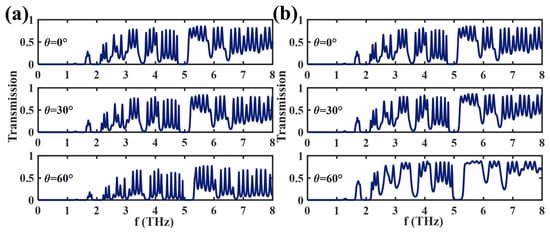
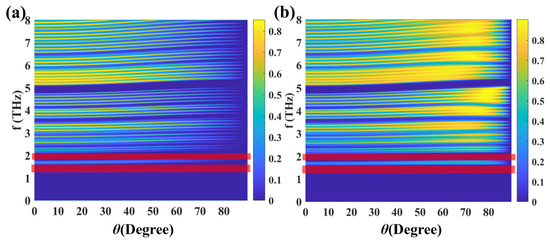
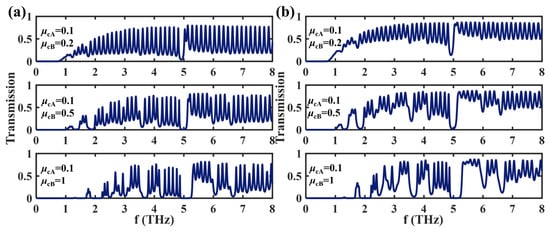
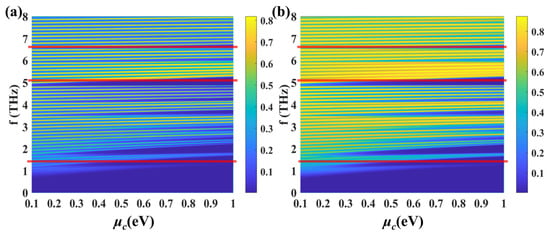
A one-dimensional Thue–Morse graphene photonic crystal (1D TMGPC) composed of alternating identical dielectric layers and graphene sheets is proposed, in which two distinct graphene chemical potentials are arranged according to a Thue–Morse quasi-periodic sequence. Using the transfer matrix method, we demonstrate that this
[...] Read more.
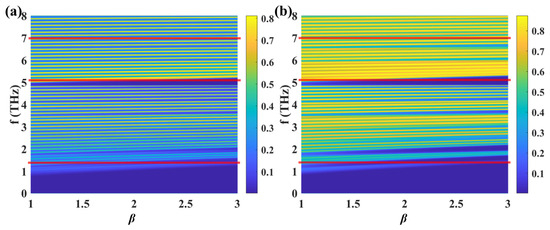
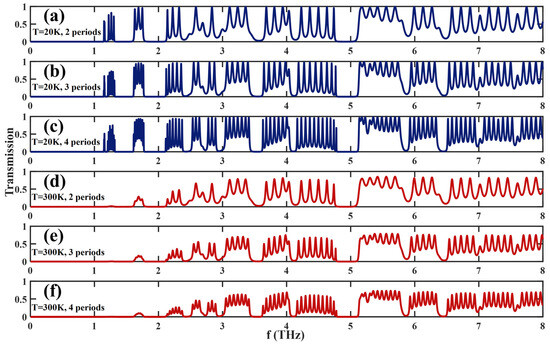
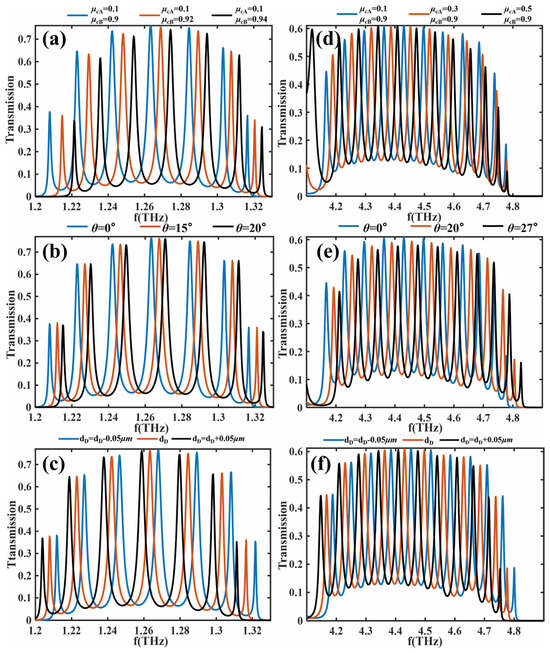
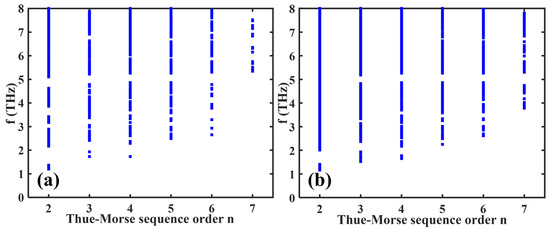
A one-dimensional Thue–Morse graphene photonic crystal (1D TMGPC) composed of alternating identical dielectric layers and graphene sheets is proposed, in which two distinct graphene chemical potentials are arranged according to a Thue–Morse quasi-periodic sequence. Using the transfer matrix method, we demonstrate that this structure effectively modulates terahertz waves and generates multiple abundant photonic bandgaps at both 20 K and 300 K. Notably, a novel splitting of low-frequency bandgaps produces two additional omnidirectional and polarization-insensitive bandgaps centered at approximately 1.45 THz and 1.95 THz. By analyzing the dispersion relations, reflection phase, photonic density of states, and electric field distributions, the boundary-driven modulation mechanism associated with the quasi-periodic chemical potential is elucidated. Furthermore, the proposed structure exhibits excellent multi-dimensional tunability. The bandgap properties can be dynamically tuned via the electrical control of graphene chemical potentials without altering the physical geometry. Structural tailoring provides an additional degree of freedom, as increasing the Thue–Morse sequence order induces passband splitting. Additionally, increasing the number of repeating periods yields comb-like multi-channel narrowband filtering responses. At a cryogenic temperature of 20 K, two distinct multi-channel narrowband comb filtering responses appear in the frequency ranges of 1.20–1.33 THz and 4.10–4.80 THz, with a minimum full width at half maximum (FWHM) of 1.10 GHz. At a room temperature of 300 K, the higher-frequency comb filtering response remains in the range of 4.10–4.80 THz, with a minimum FWHM of 5.70 GHz. Moreover, we evaluate the performance and stability of the structure when employed as filters and electro-optic switches, thereby providing useful insights for terahertz applications. With its simple geometry, abundant bandgaps, and flexible electro-structural tunability, the proposed 1D TMGPC is highly promising for broadband and electrically tunable terahertz devices.
Full article
(This article belongs to the Special Issue Advancements in Photonic Crystals: Materials, Design, and Applications)
►▼
Show Figures

Figure 1

Open AccessArticle
SD-GS: Gradient-Semantic Analysis Based on Multi-State Scene 3D Gaussian Splatting
by
Yiting Li, Jun Chang, Xuehui Zhao, Yue Zhong and Xianzhu Liu
Photonics 2026, 13(8), 797; https://doi.org/10.3390/photonics13080797 - 21 Aug 2026
Abstract
By analyzing the semantic information of Direct Current (DC, the zeroth-order spherical harmonic coefficient) gradients during 3D Gaussian Splatting (3DGS) optimization, this paper achieves unsupervised state classification in scenes with discrete appearance states under the proposed State-Discovery Gaussian Splatting (SD-GS) framework via SVD
[...] Read more.
By analyzing the semantic information of Direct Current (DC, the zeroth-order spherical harmonic coefficient) gradients during 3D Gaussian Splatting (3DGS) optimization, this paper achieves unsupervised state classification in scenes with discrete appearance states under the proposed State-Discovery Gaussian Splatting (SD-GS) framework via SVD dimensionality reduction and K-means clustering. To improve the stability of the clustering results, an appearance-difference-weighted refinement mechanism is further proposed to confirm high-confidence labels. To address the difficulty of distinguishing similar states when the number of states exceeds two, a sequential peeling strategy is proposed that decomposes a multi-class partition into several two-class separations. On four real-world scene datasets, SD-GS achieves 100% classification accuracy with reconstruction quality of 31.98–38.83 dB PSNR. Ablation studies validate the effectiveness of the gradient direction mode and the SVD dimensionality reduction strategy.
Full article
(This article belongs to the Special Issue Optical Imaging Innovations and Applications)
Open AccessArticle
Fabrication and Characterization of a 37 × 1 Fiber Pump Combiner for Multi-Kilowatt Semiconductor-Laser Power Combining
by
Yong Wang, Li Pei, Zhenyu Gu, Wei Jiang, Wensheng Wang, Jing Li, Jingjing Zheng and Tigang Ning
Photonics 2026, 13(8), 796; https://doi.org/10.3390/photonics13080796 - 21 Aug 2026
Abstract
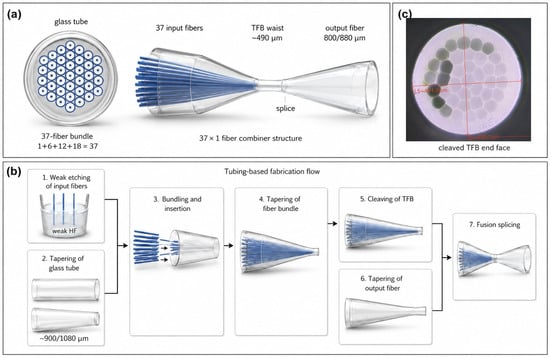
High-port-count fiber pump combiners are important passive components for scalable laser diode (LD) power combining in high-power fiber-laser systems. However, increasing the number of input ports from 19 to 37 narrows the fabrication window because fiber bundle packing, taper uniformity, splice matching, thermal
[...] Read more.
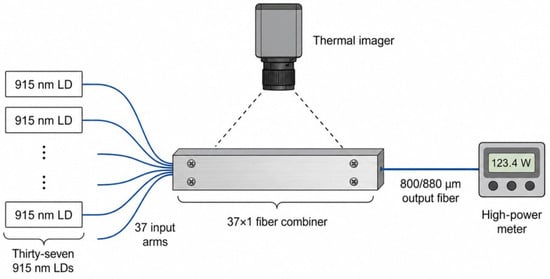
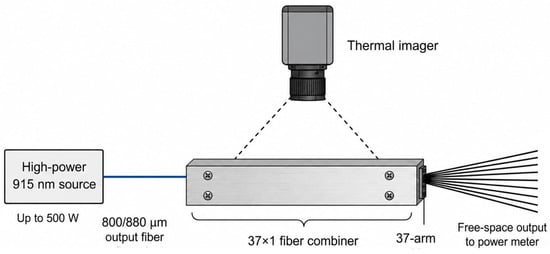
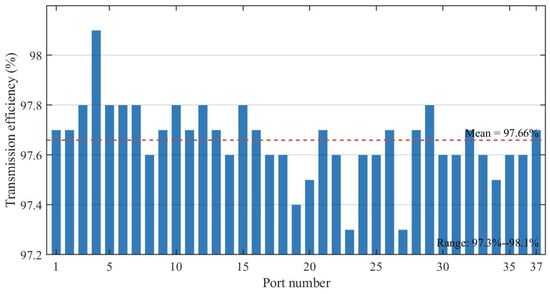
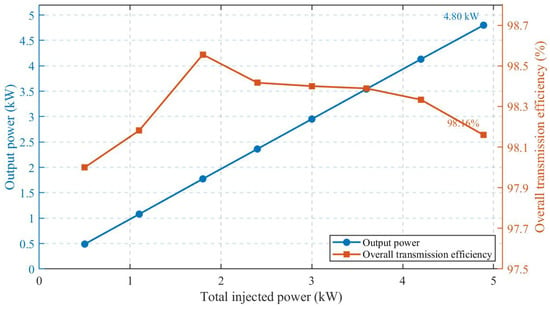
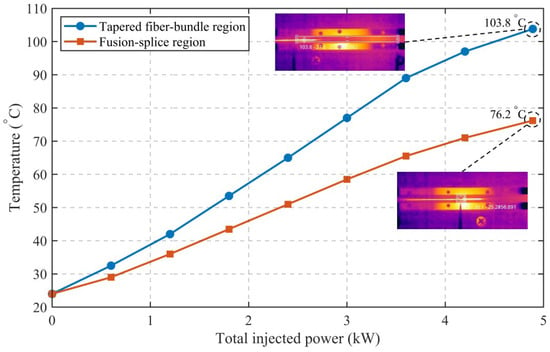
High-port-count fiber pump combiners are important passive components for scalable laser diode (LD) power combining in high-power fiber-laser systems. However, increasing the number of input ports from 19 to 37 narrows the fabrication window because fiber bundle packing, taper uniformity, splice matching, thermal management, and backward-light tolerance must be controlled simultaneously. In this work, a 37 × 1 tapered fiber bundle pump combiner was fabricated by a tubing-based method using thirty-seven 135/155 µm multimode input fibers and an 800/880 µm output fiber. The input fibers were weakly etched to improve bundle compactness, and the glass-tube-assisted fiber bundle was tapered, cleaved, and fusion-spliced with a tapered output fiber. The fabricated combiner was characterized using thirty-seven 915 nm fiber-coupled LDs. At a total injected power of 4.89 kW, the combiner delivered 4.80 kW output power, corresponding to an overall transmission efficiency of 98.16%. The single-port transmission efficiencies were approximately in the range of 97.3–98.1%, indicating good port-to-port uniformity for the dense 37-fiber bundle. During full-power operation, the highest temperature appeared in the tapered fiber bundle region and reached 103.8 °C, while the fusion-splice region reached 76.2 °C. In addition, the device withstood 500 W backward-propagating light without observable damage, indicating its practical tolerance to reverse-power loading. These results show that the proposed 37 × 1 fiber pump combiner provides an effective all-fiber solution for multi-kilowatt LD power combining.
Full article
(This article belongs to the Special Issue High Power Fiber Lasers: Advances and Applications)
►▼
Show Figures

Figure 1
Open AccessArticle
Chance-Constrained Receiver–Scheduler Co-Design via Probabilistic Decodability Graphs for Reliable SIC in Overlapping Multi-Cell NOMA VLC Networks
by
Tingting Qin and Yang Tu
Photonics 2026, 13(8), 795; https://doi.org/10.3390/photonics13080795 - 21 Aug 2026
Abstract
Overlapping optical cells create geometry-dependent inter-cell interference, while receiver-geometry and channel-estimation errors can reverse the effective non-orthogonal multiple access (NOMA) decoding order and increase successive interference cancelation (SIC) failures. This paper develops a chance-constrained receiver–scheduler co-design framework for a multi-cell NOMA visible-light communication
[...] Read more.
Overlapping optical cells create geometry-dependent inter-cell interference, while receiver-geometry and channel-estimation errors can reverse the effective non-orthogonal multiple access (NOMA) decoding order and increase successive interference cancelation (SIC) failures. This paper develops a chance-constrained receiver–scheduler co-design framework for a multi-cell NOMA visible-light communication network with an asymmetrically clipped DC-biased optical orthogonal frequency-division multiplexing physical layer. Correlated position, photodetector-orientation, and channel-estimation errors are propagated through nonlinear geometry-based scenarios. For each SIC direction, a joint three-SINR event defines a layer-, resource-, and direction-labeled probabilistic decodability graph. Candidate NOMA and orthogonal modes are screened on optimization scenarios, admitted by independent one-sided confidence bounds, and selected through resource-constrained mixed-integer linear programming. With the matching fixed, hierarchical powers are adapted under empirical conditional-value-at-risk constraints using trust-region sequential quadratic programming. Because candidate-edge certificates need not remain valid after global matching and power redistribution, the frozen complete assignment is independently recertified before held-out testing. Under the specified uncertainty generator, the proposed method maintains selected-pair outage probabilities of approximately – over the half-power-angle sweep, compared with – for nominal-CSI allocation. Additional experiments quantify network-wide outage, model misspecification, unbalanced deployments, feasibility, and computational cost. The results support reliable slow-timescale scheduling under the adopted link and uncertainty models, without implying distribution-free, waveform-level, or real-time guarantees.
Full article
(This article belongs to the Section Optical Communication and Network)
Open AccessArticle
Comparative Investigation of LG and HG Modes for a QKD-Assisted High-Capacity and Secure LiFi/MDM System
by
Meet Kumari, Satyendra K. Mishra and Jyoteesh Malhotra
Photonics 2026, 13(8), 794; https://doi.org/10.3390/photonics13080794 - 21 Aug 2026
Abstract
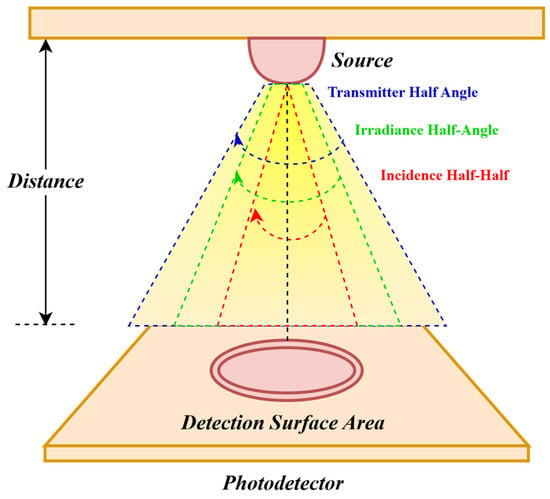
Light fidelity (LiFi) is progressively evolving as a highly promising communication technology because of its unique benefits, available spectrum, low implementation costs, and adaptive beamforming capabilities. Despite their advantages, existing LiFi networks remain constrained by limited data rates, coverage area, and information security
[...] Read more.
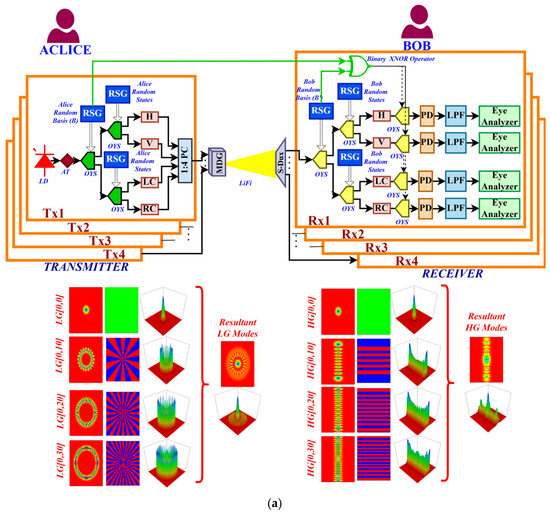
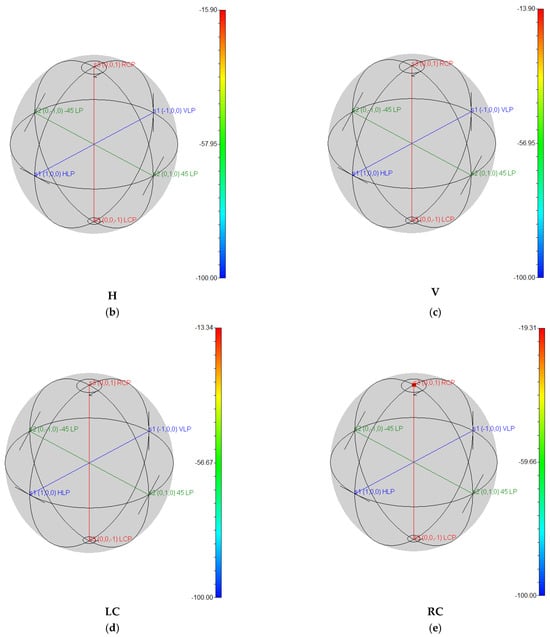
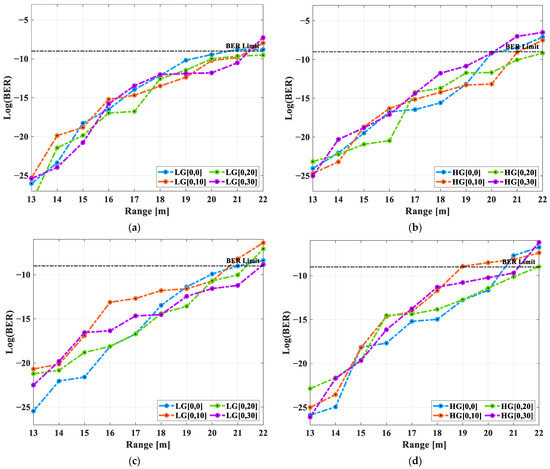
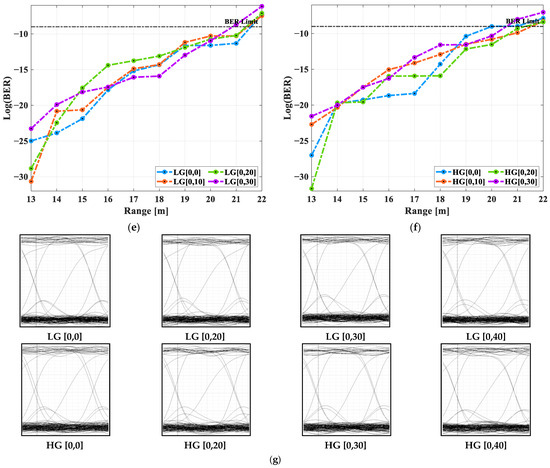
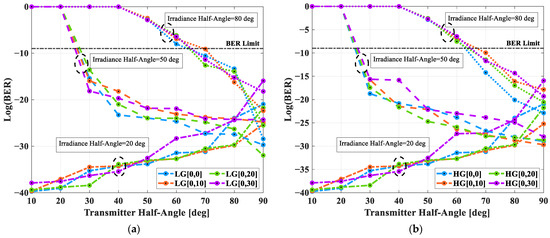
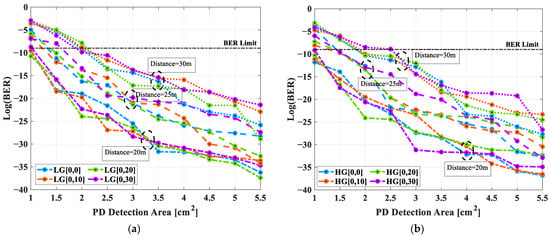
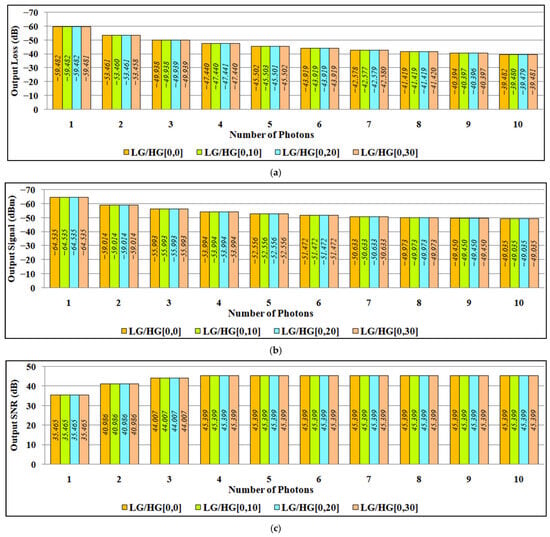
Light fidelity (LiFi) is progressively evolving as a highly promising communication technology because of its unique benefits, available spectrum, low implementation costs, and adaptive beamforming capabilities. Despite their advantages, existing LiFi networks remain constrained by limited data rates, coverage area, and information security in practical environments. Therefore, a high-speed, high-capacity, and secure quantum key distribution (QKD)-assisted integrated multi-wavelengths (450/532/620 nm) LiFi system using mode division multiplexing (MDM) is proposed. The results demonstrate that the proposed system achieves maximum transmission distances of 20.5–22 m and 19–22 m using different Laguerre–Gaussian (LG) and Hermite–Gaussian (HG) mode indices {[0,0], [0,10], [0,20], [0,30]}, at an aggregate data rate of 40 Gbps. Furthermore, the minimum acceptable transmitter angles of 30–90° for irradiance angles of 20–80° are required to maintain the target bit error rate (BER) of 10−9. The minimum photodetector detection areas required at transmission distances of 20–30 m are 1–2 cm2 at the minimum BER limit. Moreover, the proposed system exhibits optimum performance, achieving an optical loss of −39.47 dB, −49.03 dBm received power, and 45.39 dB signal-to-noise ratio for 1–10 photons/pulse. Compared with existing studies, the proposed system demonstrates enhanced overall performance across various communication metrics.
Full article
(This article belongs to the Special Issue Recent Progress in Optical Quantum Information and Communication)
►▼
Show Figures

Figure 1

Open AccessArticle
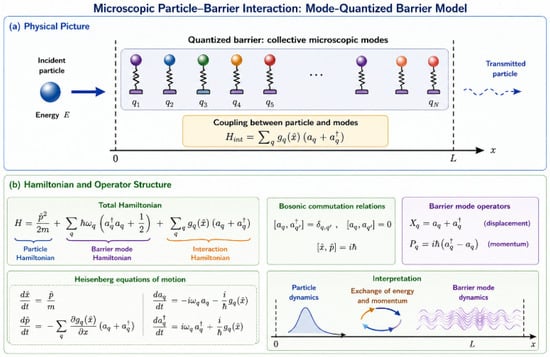
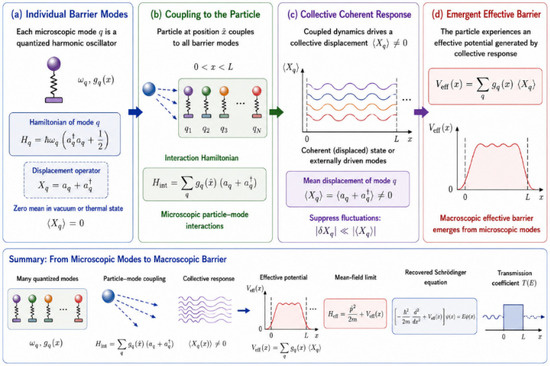
Quantum Tunneling Through a Mode-Quantized Barrier: A Dynamical Second-Quantization Framework
by
Linbin Zheng, Junheng Pan and Jau Tang
Photonics 2026, 13(8), 793; https://doi.org/10.3390/photonics13080793 - 21 Aug 2026
Abstract
►▼
Show Figures
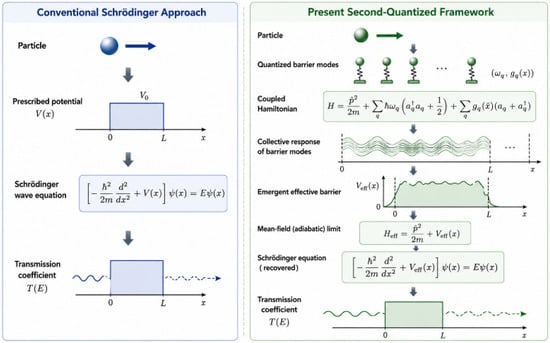
Quantum tunneling is conventionally described by the Schrödinger wave equation with a prescribed static potential barrier, providing accurate transmission probabilities but offering limited insight into the microscopic dynamics of particle–barrier interactions. In this work, we develop a dynamical second-quantization framework in which the
[...] Read more.
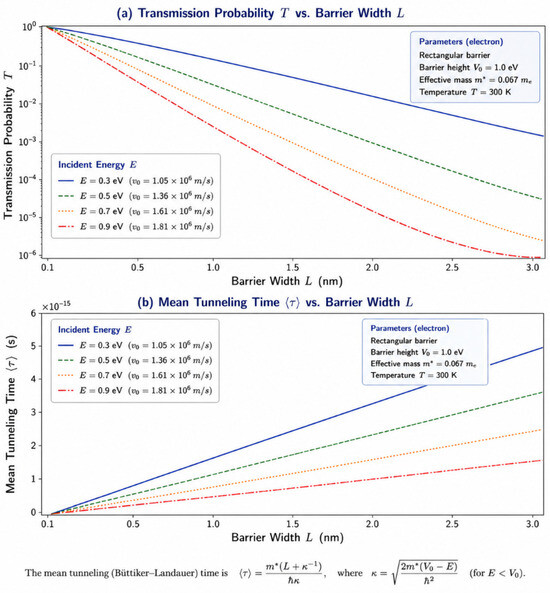
Quantum tunneling is conventionally described by the Schrödinger wave equation with a prescribed static potential barrier, providing accurate transmission probabilities but offering limited insight into the microscopic dynamics of particle–barrier interactions. In this work, we develop a dynamical second-quantization framework in which the barrier is modeled as an ensemble of quantized internal modes rather than as an externally imposed classical potential. The tunneling particle interacts directly with these microscopic barrier excitations through a coupled particle–barrier Hamiltonian, from which the Heisenberg equations of motion are derived. Collective coherent excitations of the barrier modes give rise to an emergent effective barrier that naturally recovers the conventional rectangular barrier and the WKB transmission limit under appropriate conditions. Unlike standard treatments, the present formulation explicitly incorporates microscopic barrier dynamics and provides a unified description of particle–barrier coupling within a second-quantized formalism. The framework further suggests that repeated tunneling events may experience different microscopic interaction histories, motivating a statistical interpretation of tunneling times. Because both the particle and barrier are treated within the same operator formalism, the theory provides a natural foundation for extension to relativistic quantum transport, photonic barriers, cavity quantum electrodynamics, and other structured quantum media.
Full article

Figure 1
Open AccessArticle
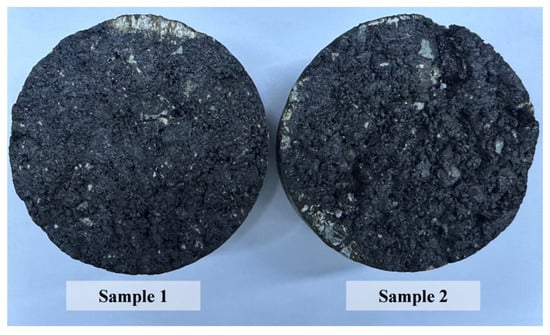
Speckle-Assisted Binocular 3D Reconstruction of Asphalt Pavement with a Multi-Scale Adaptive Feature Fusion Algorithm
by
Zhirong Li, Wenyan Jia, Fuzhong Bai, Xiaojuan Gao, Zhaoxin Xu, Yuetao Sun and Xiulan Wen
Photonics 2026, 13(8), 792; https://doi.org/10.3390/photonics13080792 - 21 Aug 2026
Abstract
To address the challenges of unreliable feature matching, high mismatch rates, and limited reconstruction accuracy in binocular stereo vision applied to asphalt pavement with inherent weak texture features, this paper proposes a speckle-assisted binocular 3D reconstruction method based on a multi-scale adaptive feature
[...] Read more.
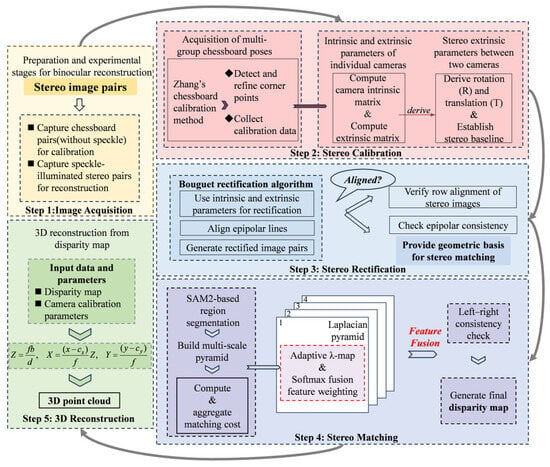
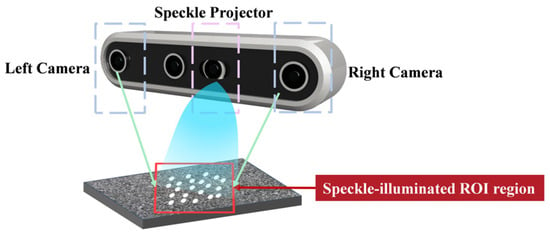
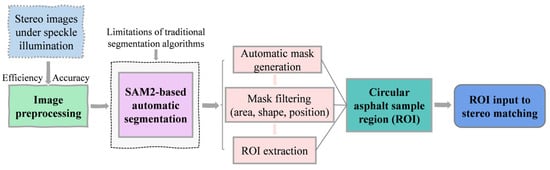
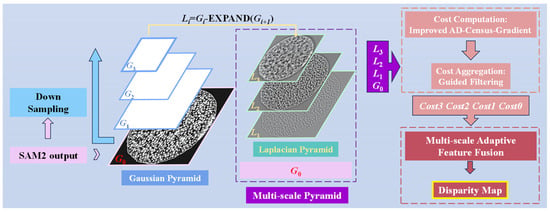
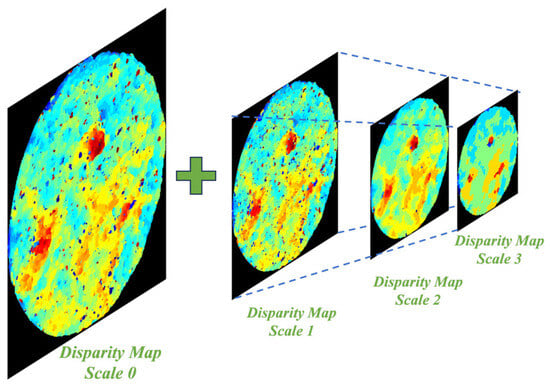
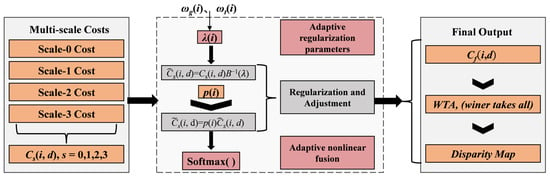
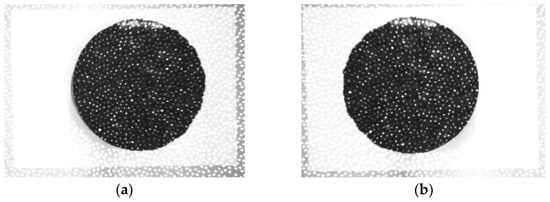
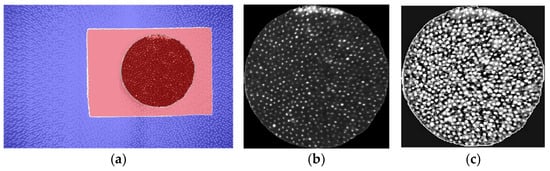
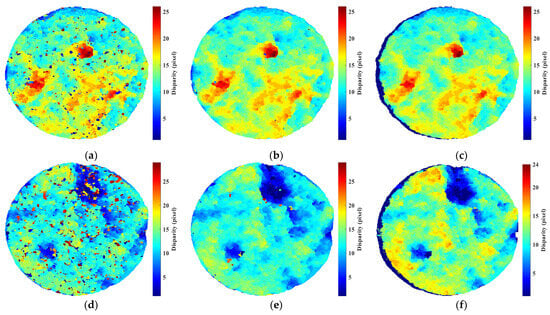
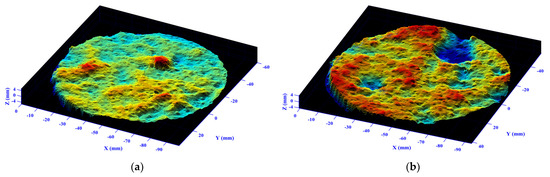
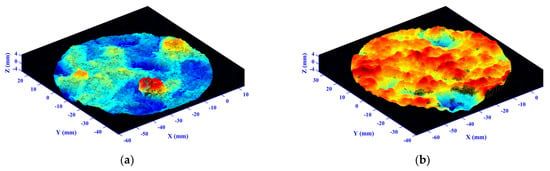
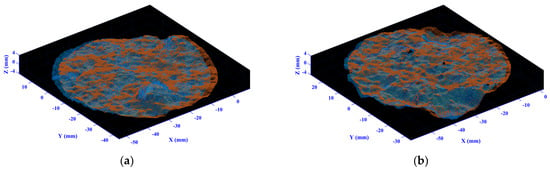
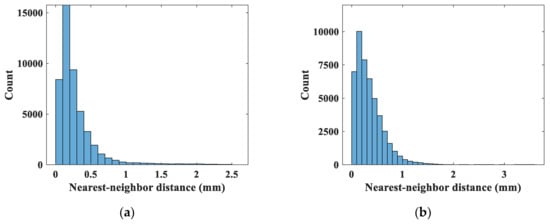
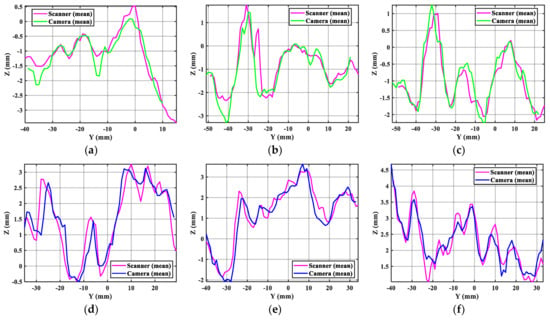
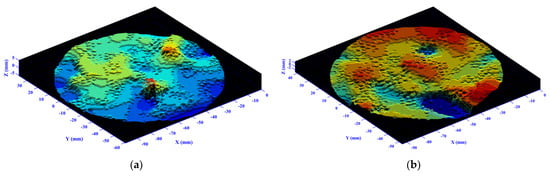
To address the challenges of unreliable feature matching, high mismatch rates, and limited reconstruction accuracy in binocular stereo vision applied to asphalt pavement with inherent weak texture features, this paper proposes a speckle-assisted binocular 3D reconstruction method based on a multi-scale adaptive feature fusion algorithm. Infrared speckle patterns are actively projected to enrich the pavement surface features, and a multi-scale matching framework is developed by integrating Laplacian pyramid representations, feature-driven adaptive regularization, and Softmax-based nonlinear fusion. This design can achieve stable and accurate disparity estimation, even in weak texture regions, and produce high-quality 3D point clouds that faithfully represent both macro-scale undulations and micro-scale texture details. Ablation experiments validate the effectiveness of the proposed modules, showing that the relative errors of the arithmetic mean height (Sa) and root-mean-square height (Sq) are reduced to below 2.3%. When aligned with 3D scanner data using the iterative closest point (ICP) algorithm, the reconstructed point clouds achieve sub-millimeter mean error and an overlap rate exceeding 97%. The results indicate that the proposed method offers a reliable technical solution for efficient texture-depth analysis and practical pavement condition assessment.
Full article
(This article belongs to the Special Issue Optical Imaging for 3D Surface and Phase Recovery: Techniques and Applications)
►▼
Show Figures

Figure 1

Open AccessArticle
Study on Detection Mechanism of Tin Contamination Layer on the EUV Collector Mirror Surfaces Based on Secondary Electrons
by
Yuan Song, Kewei Chai, Qipeng Lu, Xuepeng Gong, Yang Bai and Zhen Zhang
Photonics 2026, 13(8), 791; https://doi.org/10.3390/photonics13080791 - 20 Aug 2026
Abstract
►▼
Show Figures
Tin contamination on extreme ultraviolet (EUV) collector mirrors significantly degrades mirror reflectivity. Hydrogen-based plasma cleaning is currently the standard method for removing the tin layer. However, to prevent substrate damage from over-cleaning, real-time monitoring of the tin layer thickness is critical. It has
[...] Read more.
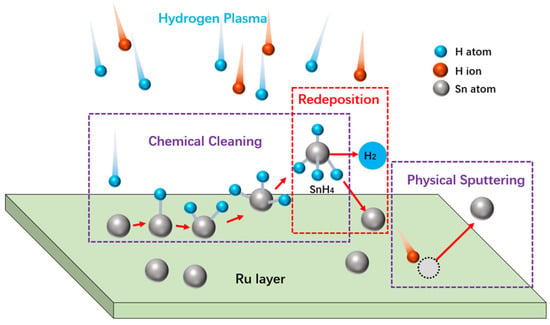
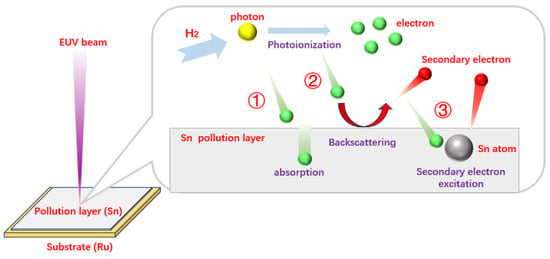
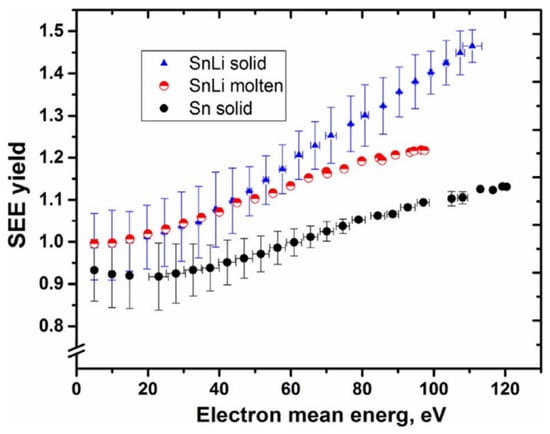
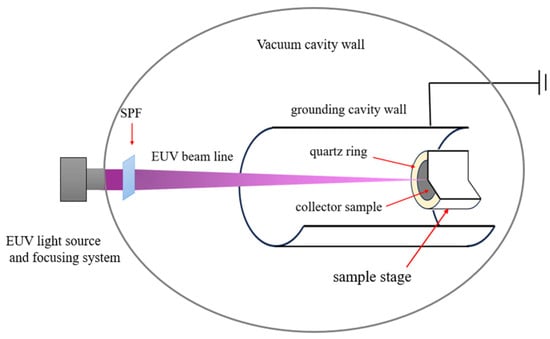
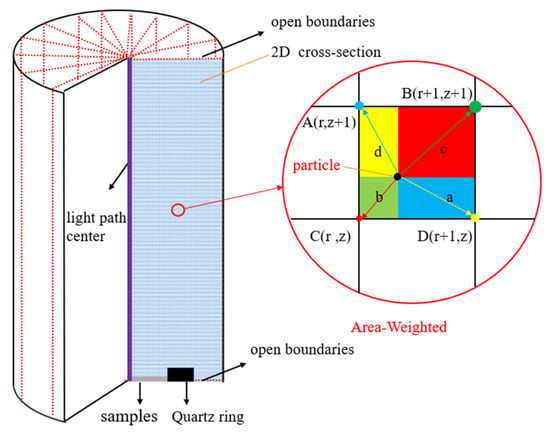
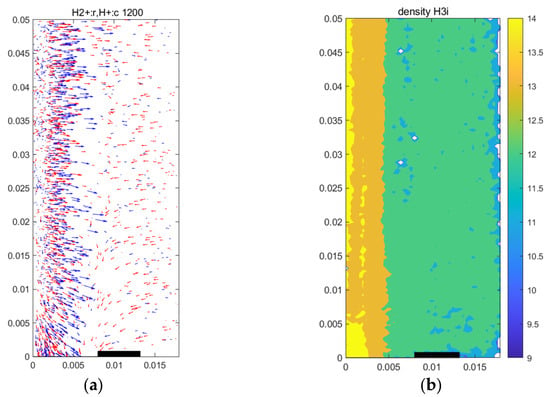
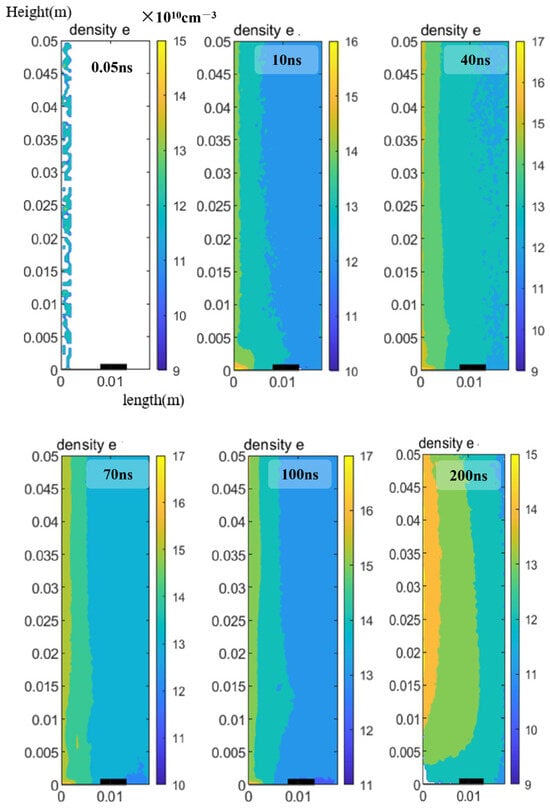
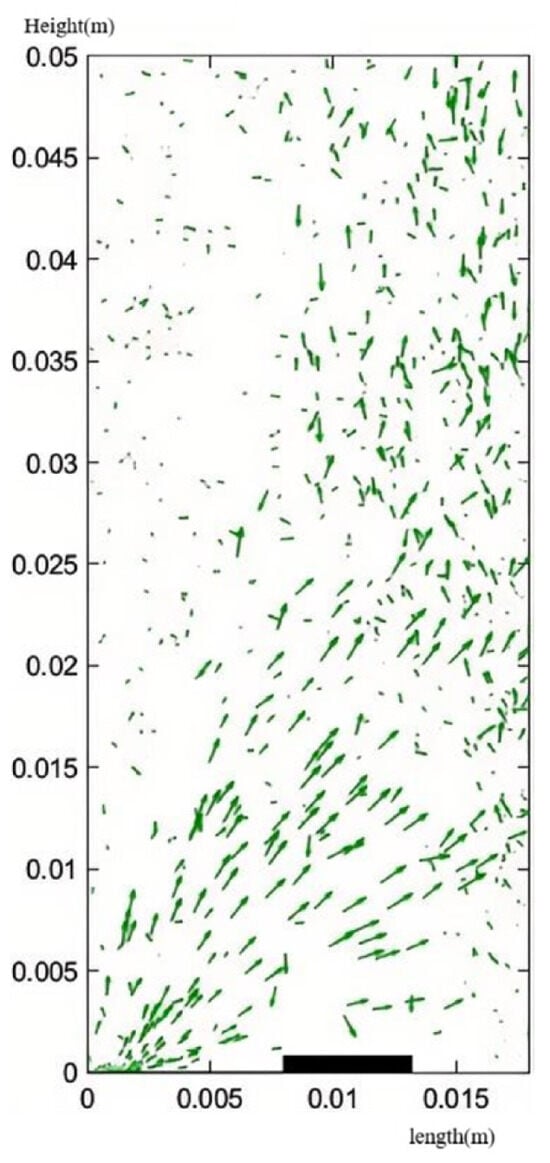
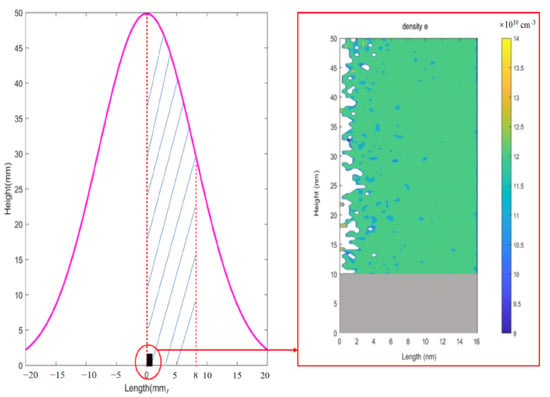
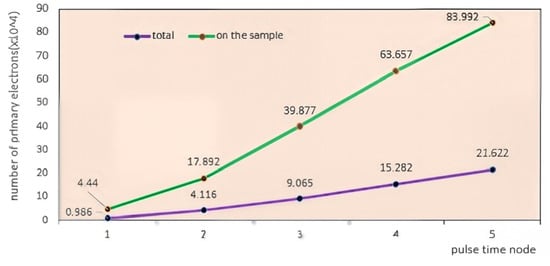
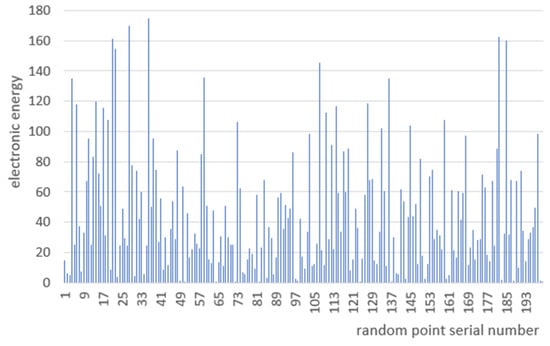
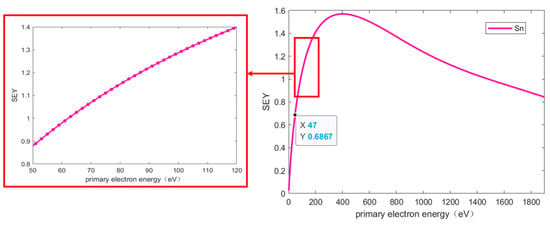
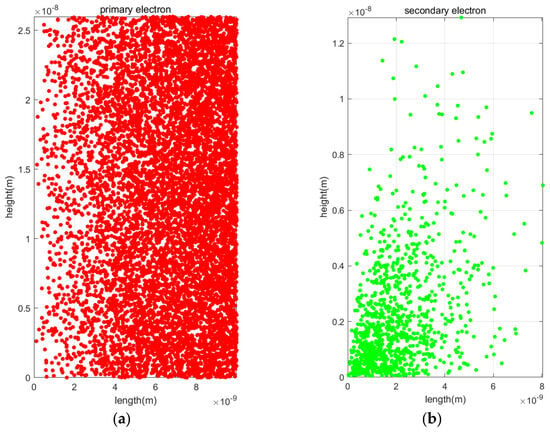
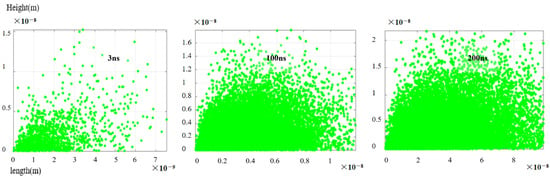
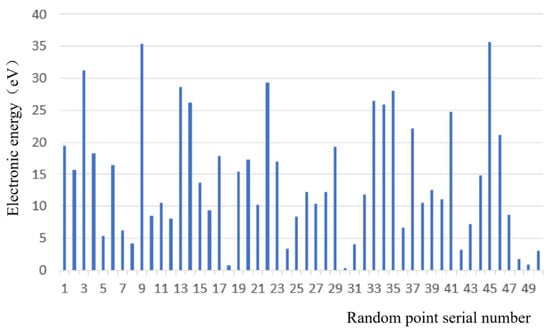
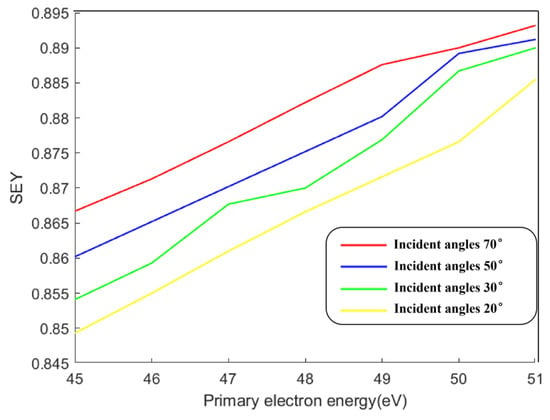
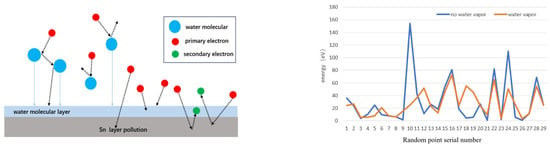
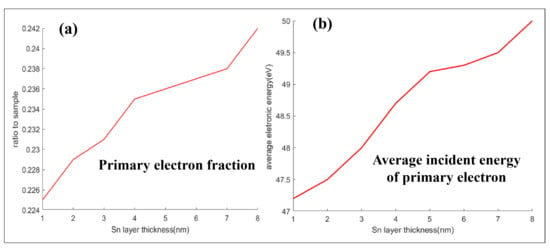
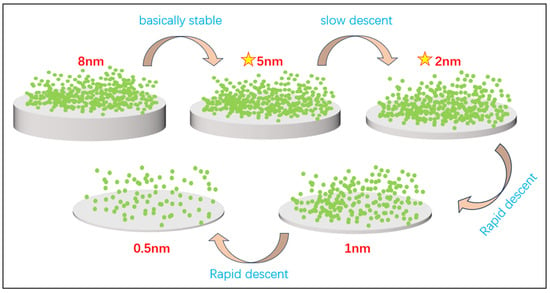
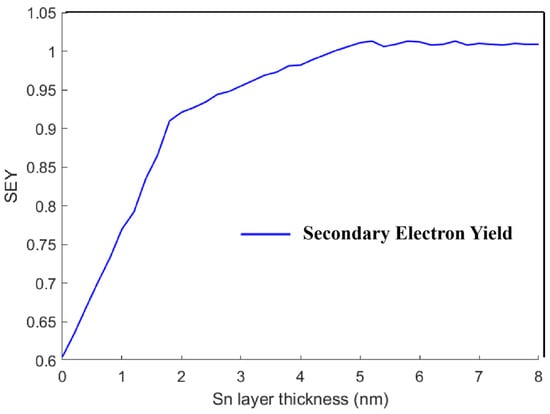
Tin contamination on extreme ultraviolet (EUV) collector mirrors significantly degrades mirror reflectivity. Hydrogen-based plasma cleaning is currently the standard method for removing the tin layer. However, to prevent substrate damage from over-cleaning, real-time monitoring of the tin layer thickness is critical. It has been established that the secondary electron yield (SEY) induced by high-energy primary electron bombardment correlates with the tin layer thickness. Thus, SEY can serve as a thickness indicator to determine the optimal cleaning endpoint. In this study, the evolution of secondary electrons during the cleaning process is simulated using a Particle-in-Cell (PIC) model combined with the Monte Carlo method, and the relationship between SEY and tin layer thickness is established. The simulation results indicate that under the specified conditions, H3+ is the dominant ionic species generated. Primary electrons account for nearly 24% of the incident particles, with an average energy of approximately 47 eV. Most secondary electrons possess energies below 30 eV, and their yield increases monotonically with the tin layer thickness, ranging from 0.60 to 1.05. These findings provide a novel approach for in situ detection of tin contamination layer evolution on EUV collector mirrors.
Full article

Figure 1
Open AccessArticle
Broadband Continuous Mode-Hop-Free Tunable Singly Resonant Optical Parametric Oscillator
by
Meng Qi, Ruiyang Li, Yuanji Li, Jinxia Feng and Kuanshou Zhang
Photonics 2026, 13(8), 790; https://doi.org/10.3390/photonics13080790 - 20 Aug 2026
Abstract
We demonstrate a high-power broadband continuous mode-hop-free (MHF) tunable singly resonant optical parametric oscillator (SRO). To obtain broadband continuous MHF operation, a synchronous etalon-angle locking technique and a feedback-optimized temperature controller were developed based on theoretical investigation. At a pump power of 21
[...] Read more.
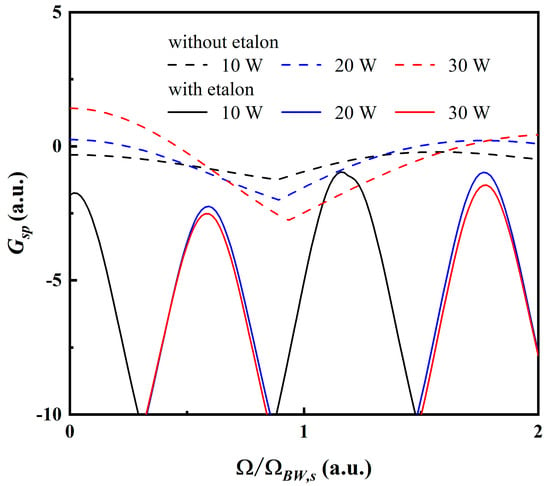
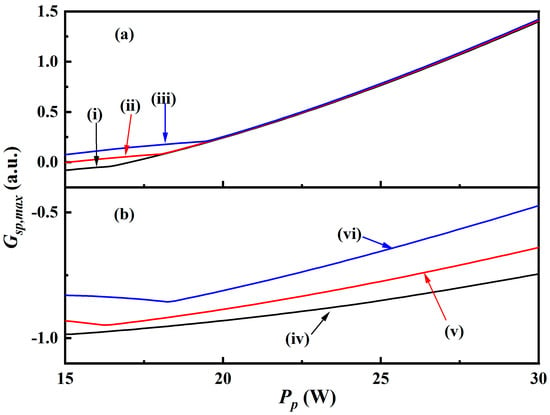
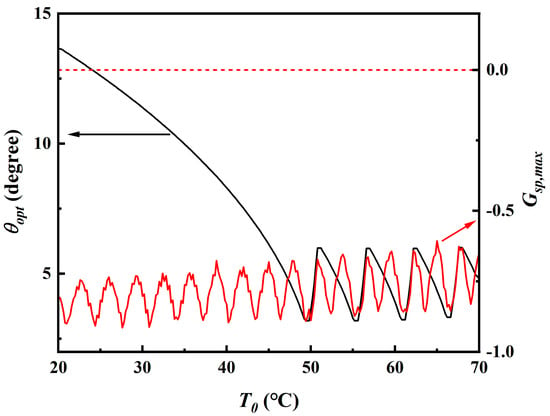
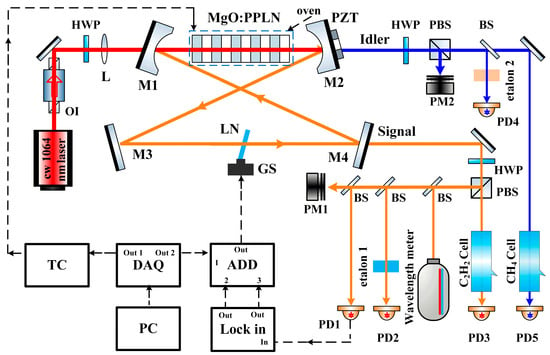
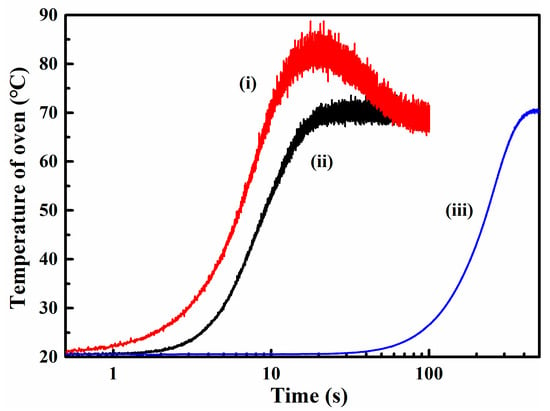
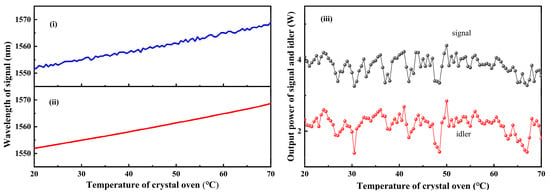
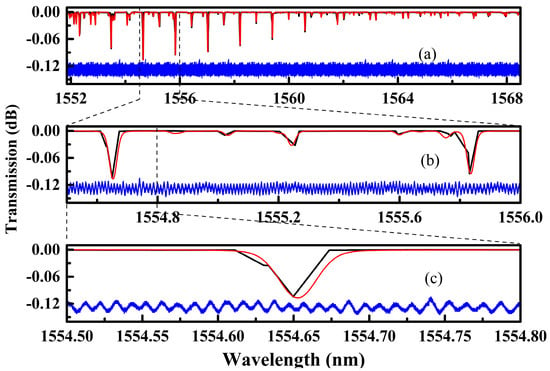
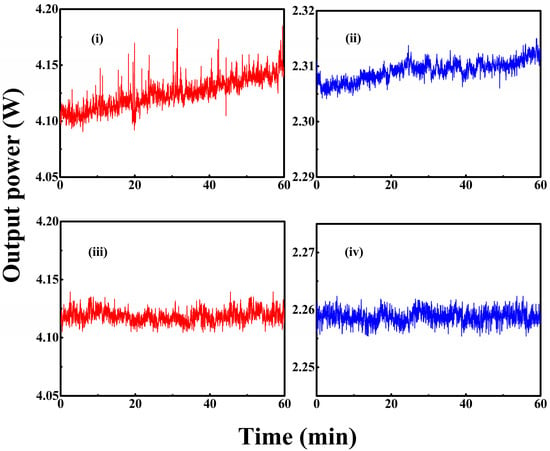
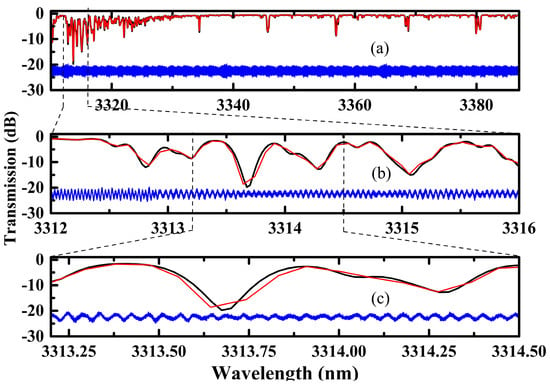
We demonstrate a high-power broadband continuous mode-hop-free (MHF) tunable singly resonant optical parametric oscillator (SRO). To obtain broadband continuous MHF operation, a synchronous etalon-angle locking technique and a feedback-optimized temperature controller were developed based on theoretical investigation. At a pump power of 21 W that was eight times the pump threshold, the measured signal was tuned from 1551.9087 nm to 1568.6549 nm, and the corresponding idler was tuned from 3384.3030 nm to 3307.3073 nm simultaneously. A continuous MHF tuning bandwidth of 2.064 THz was achieved at a tuning speed of 4.7 GHz/s. Continuous MHF operation in the whole tuning band was verified by high-resolution absorption spectroscopy of acetylene and methane, and by the continuous sinusoidal transmission through a Fabry–Perot etalon. The measured powers of the signal at 1560 nm and idler at 3346 nm were 4.12 W and 2.26 W with peak-to-peak fluctuations of ±0.42% and ±0.18%, respectively. These results represent, to the best of our knowledge, the widest continuous MHF tuning bandwidth achieved by a temperature-tuned SRO at high pump power, providing a high-power dual-band coherent source for precision spectroscopy.
Full article
(This article belongs to the Special Issue New Perspectives in Laser Nonlinearity: Phenomena, Theory, and Breakthroughs)
►▼
Show Figures

Figure 1
Open AccessArticle
Practical Calibration of a Multi-View Telecentric Fringe Projection System for High-Dynamic-Range 3D Profilometry
by
Peirui Ji, Chenguan Fu, Guofeng Zhang, Yijun Du, Angyang Ma, Changsheng Li, Dongxu Wu and Yibin Tian
Photonics 2026, 13(8), 789; https://doi.org/10.3390/photonics13080789 - 20 Aug 2026
Abstract
Multi-view fringe projection profilometry systems that integrate a telecentric projector with multiple oblique-view cameras offer unique advantages for inspecting high dynamic-range surfaces featuring densely packed, intricate microstructures. Nevertheless, such systems encounter fundamental calibration challenges, namely, sign ambiguity in the rotation matrices and truncated
[...] Read more.
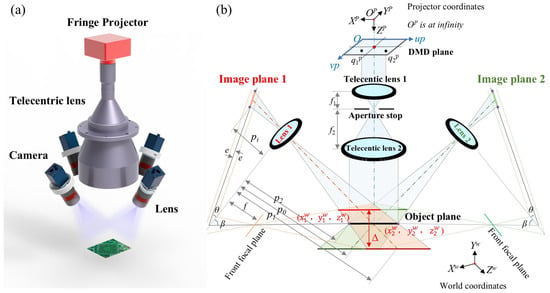
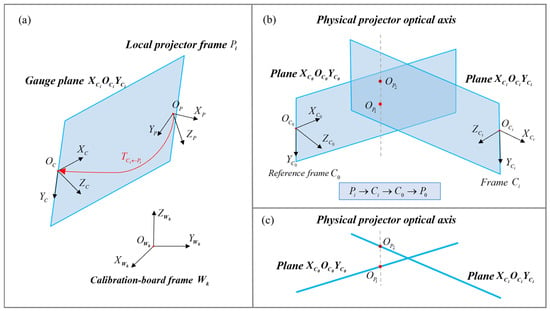
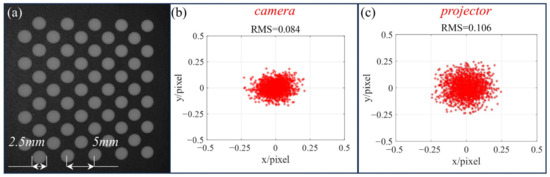
Multi-view fringe projection profilometry systems that integrate a telecentric projector with multiple oblique-view cameras offer unique advantages for inspecting high dynamic-range surfaces featuring densely packed, intricate microstructures. Nevertheless, such systems encounter fundamental calibration challenges, namely, sign ambiguity in the rotation matrices and truncated extrinsic parameters inherent to telecentric projector models, as well as difficulties in multi-view point cloud registration. This paper introduces a novel calibration framework with three principal contributions. First, we resolve the sign ambiguity by calibrating the telecentric projector under a quasi pinhole model and directly transferring the extrinsic sign conventions, thereby obviating the need for costly precision displacement stages or elaborate virtual targets. Second, we fix the axial-gauge freedom by constraining the origin of the projector coordinate system to lie on the XY-plane of the camera coordinate system. Third, we establish precise relative poses between all cameras and a designated reference camera, enabling unified multi-view point cloud registration directly within the projector coordinate frame, which substantially reduces alignment errors and accelerates data processing. Experimental results demonstrate marked improvements in accuracy: reprojection root-mean-square errors of 0.084 pixels for the cameras and 0.106 pixels for the projector, corresponding to in-plane spatial resolutions of 0.21 µm and 0.26 µm, respectively. The proposed method offers a robust solution for micron-level inspection in semiconductor packaging and precision manufacturing.
Full article
(This article belongs to the Special Issue Optical Imaging for 3D Surface and Phase Recovery: Techniques and Applications)
►▼
Show Figures

Figure 1

Open AccessArticle
A Large-Field Photoacoustic-OCT Dual-Modal Imaging System Based on Temporal Medium Separation and Hardware-Based Coordinate Locking
by
Hai Lin, Yuqian Liu, Yutong Wu, Yidan Zhang, Tianyang Deng and Yubin Liu
Photonics 2026, 13(8), 788; https://doi.org/10.3390/photonics13080788 - 19 Aug 2026
Abstract
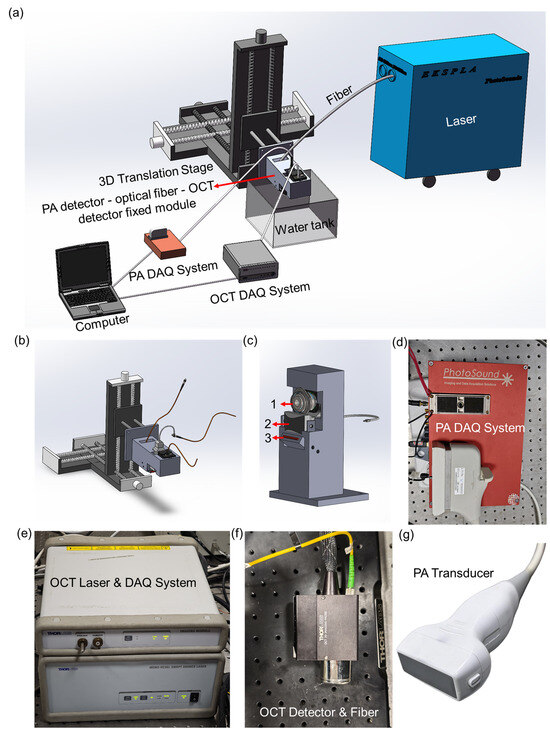
Optical coherence tomography (OCT) and photoacoustic imaging (PAI) provide complementary structural and absorption contrasts but require different coupling conditions: 1310 nm swept-source OCT is attenuated by water, whereas PAI requires acoustic coupling. We developed a large-field dual-modal imaging system combining temporal medium separation
[...] Read more.
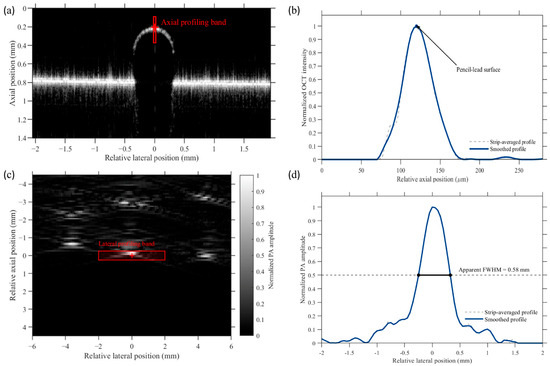
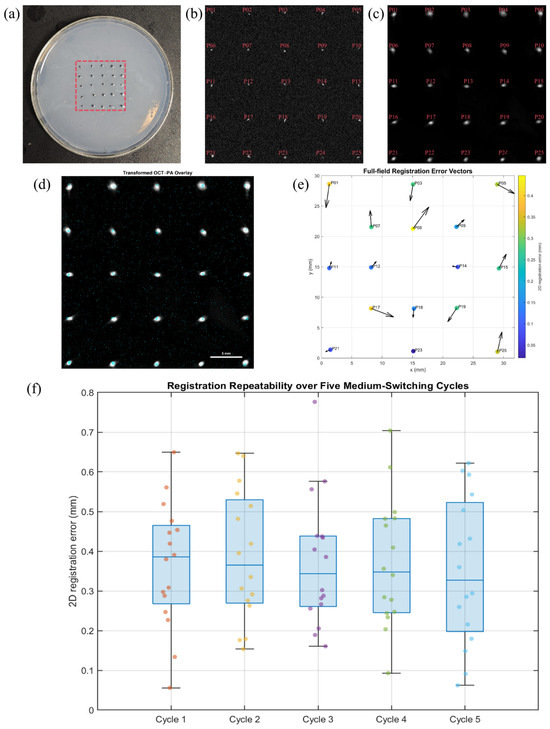
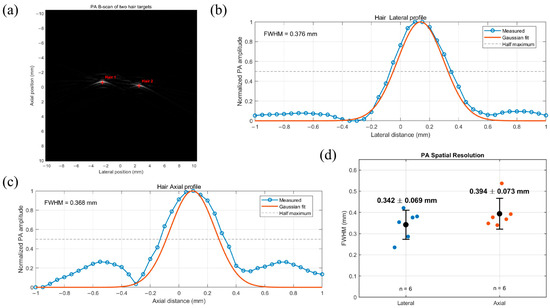
Optical coherence tomography (OCT) and photoacoustic imaging (PAI) provide complementary structural and absorption contrasts but require different coupling conditions: 1310 nm swept-source OCT is attenuated by water, whereas PAI requires acoustic coupling. We developed a large-field dual-modal imaging system combining temporal medium separation with hardware-based coordinate locking. The OCT head, linear-array ultrasound transducer, and photoacoustic excitation fiber bundle were mounted on a rigid common platform, and a one-time calibration established a two-dimensional affine transformation between the modality coordinate systems. OCT was acquired in air and PAI in deionized water within a common large-field coordinate range. In five paired air–water measurements with an approximately 23 mm water path, the displayed OCT peak level decreased from 98.4 ± 1.5 dB in air to 79.4 ± 1.8 dB in water, corresponding to a mean reduction of 19.0 ± 1.4 dB. Quantitative registration was evaluated using a 5 × 5 dual-modal landmark phantom, with nine landmarks used for affine calibration and 16 excluded landmarks reserved for independent validation. The mean two-dimensional validation error was 0.235 ± 0.128 mm, with an RMSE of 0.266 mm and a maximum error of 0.446 mm. Five additional medium-switching cycles performed without recalibration yielded an overall registration error of 0.369 ± 0.163 mm across 80 validation measurements. PA spatial resolution was further characterized using six thin hair targets, yielding lateral and axial FWHM values of 0.342 ± 0.069 mm and 0.394 ± 0.073 mm, respectively. These results demonstrate reproducible two-dimensional en face OCT–PA coordinate mapping under modality-specific coupling conditions and support the proposed workflow as a phantom-based technical validation for large-field multimodal imaging.
Full article
(This article belongs to the Special Issue Photoacoustic Imaging: Methods, Systems, and Applications)
►▼
Show Figures

Figure 1

Open AccessArticle
Modeling and Simulation of High-Energy Laser Propagation for High-Speed Moving Targets with Coupled Linear Attenuation, Turbulence, and Thermal Blooming
by
Bolin Cai, Lin Zhang and Shi Qiu
Photonics 2026, 13(8), 787; https://doi.org/10.3390/photonics13080787 - 19 Aug 2026
Abstract
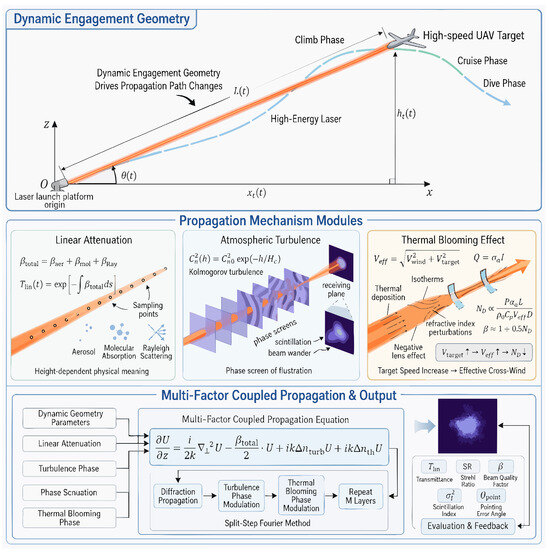
Accurately predicting high-energy laser propagation toward fast-moving aerial targets is not straightforward, since the slant range, elevation angle, atmospheric path, accumulated turbulence, and thermal blooming all change along with target motion. Because of this coupled evolution, fixed-path or quasi-static models can hardly describe,
[...] Read more.
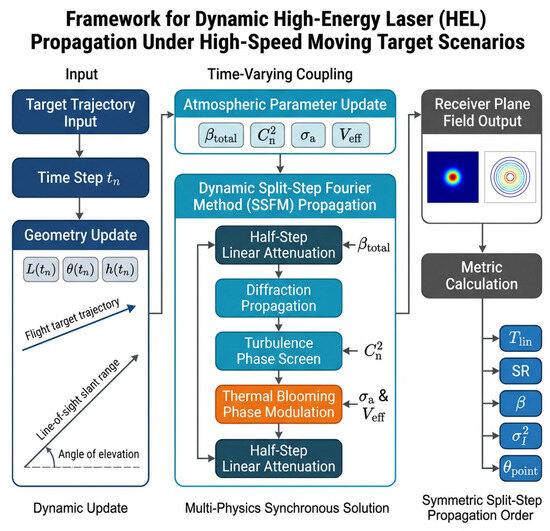
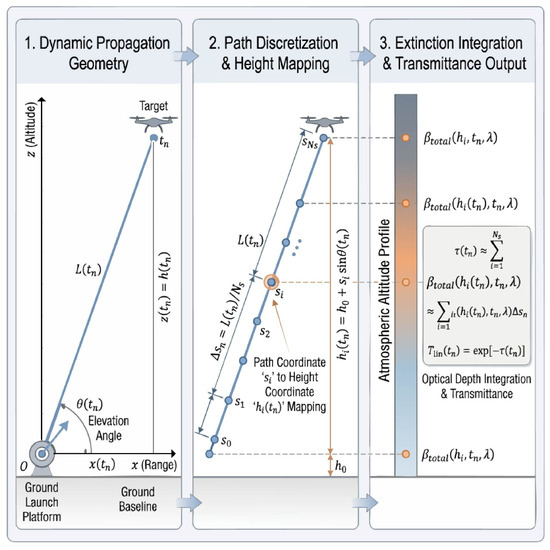
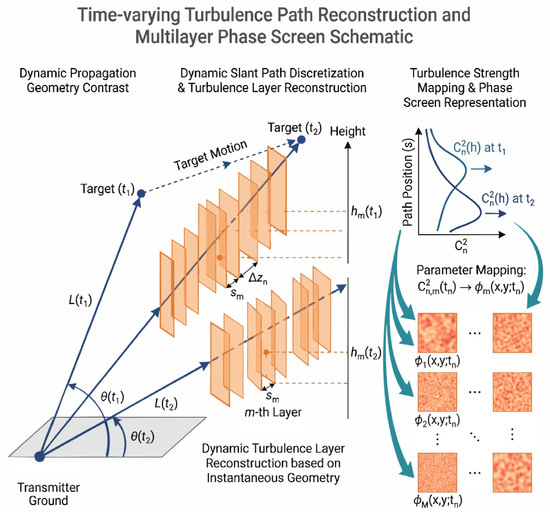
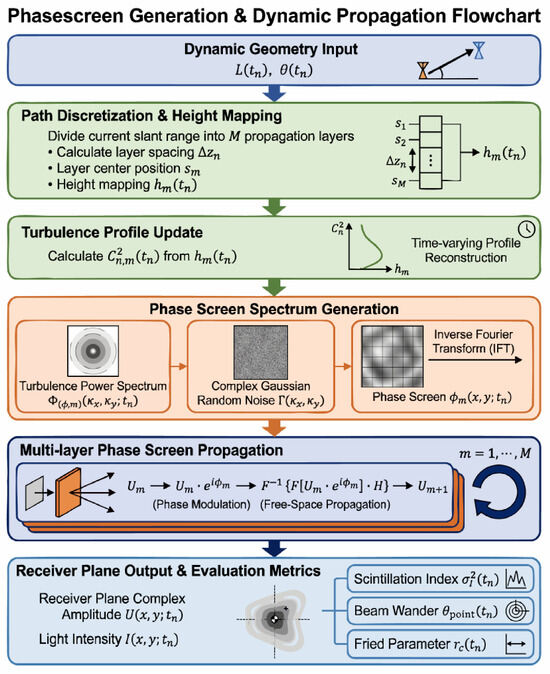
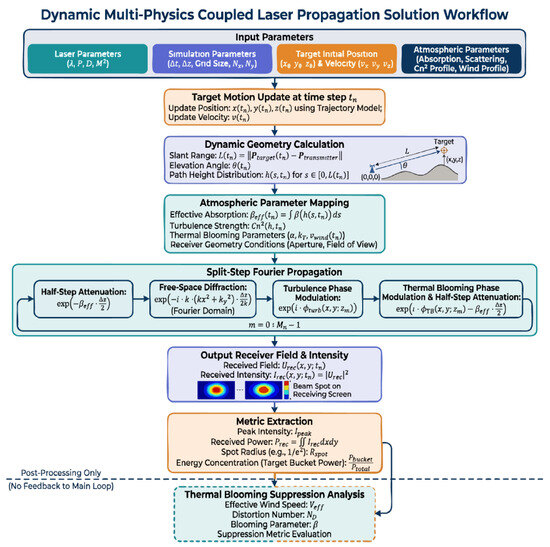
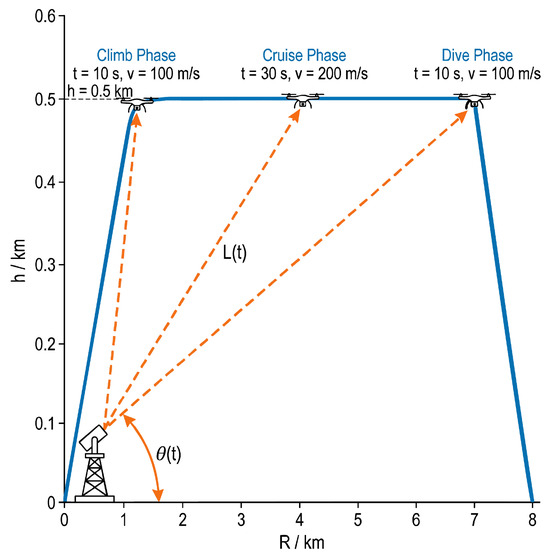
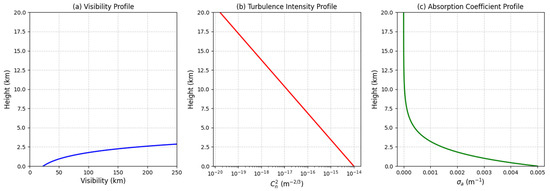
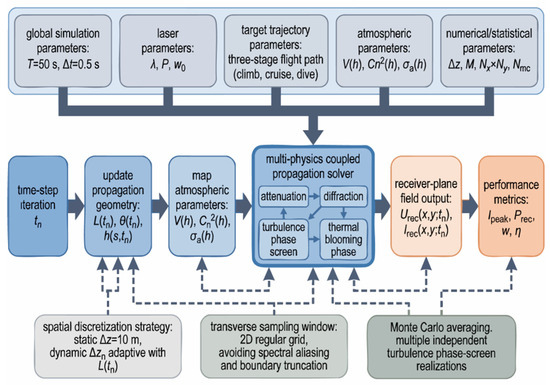
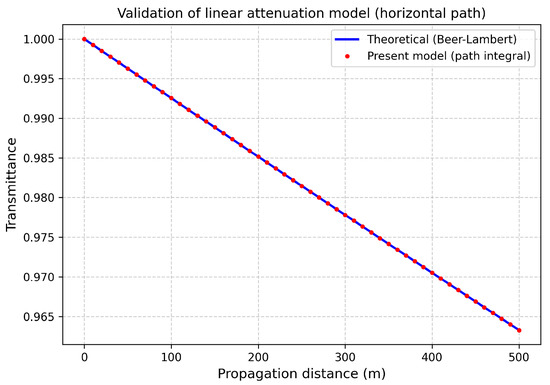
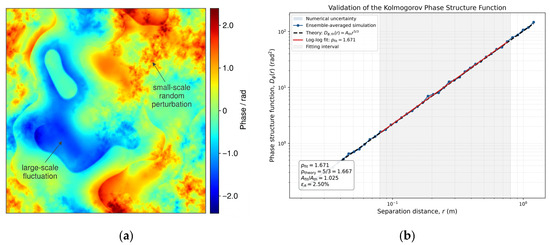
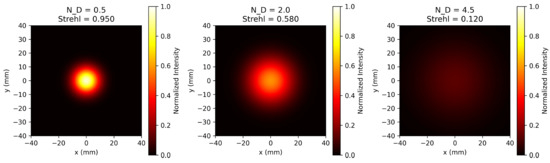
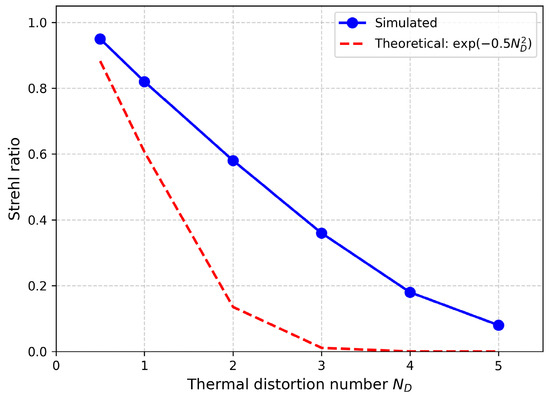
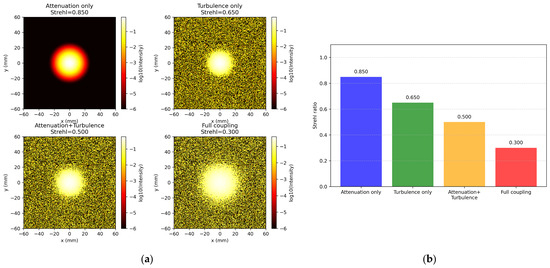
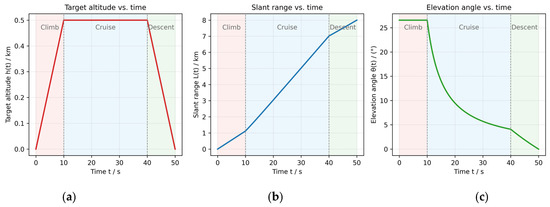
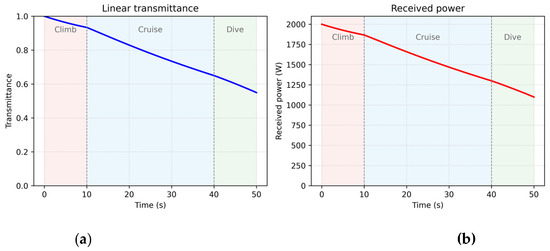
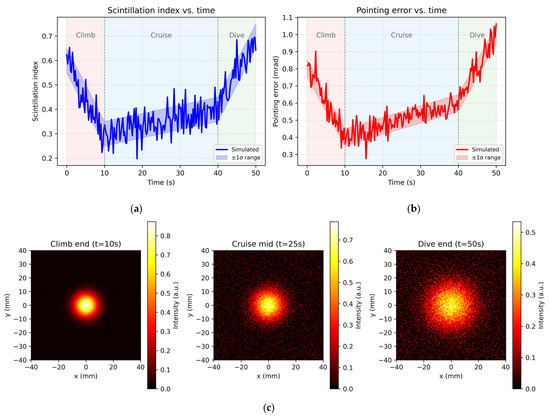
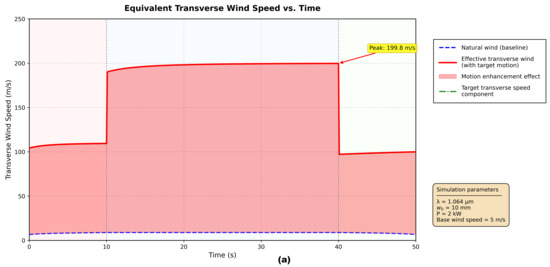
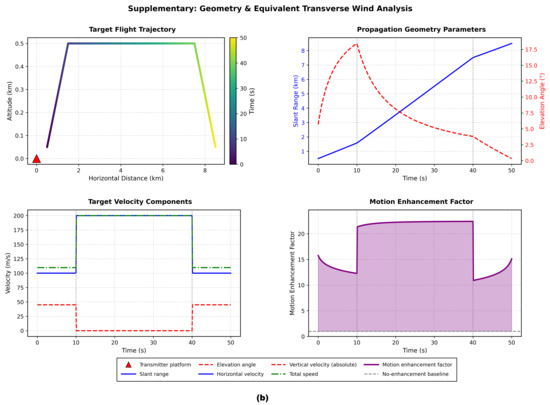
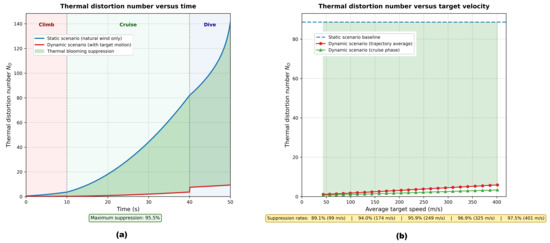
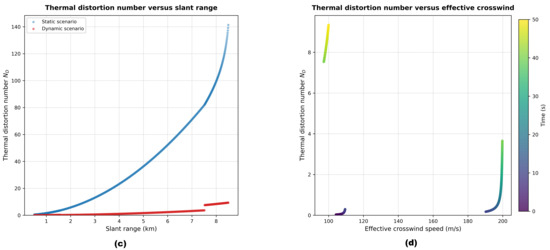
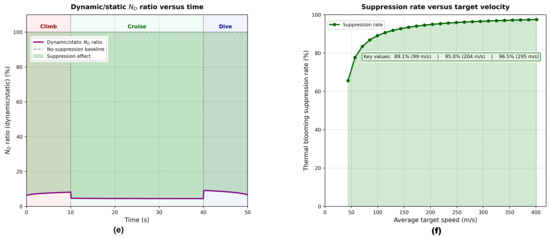
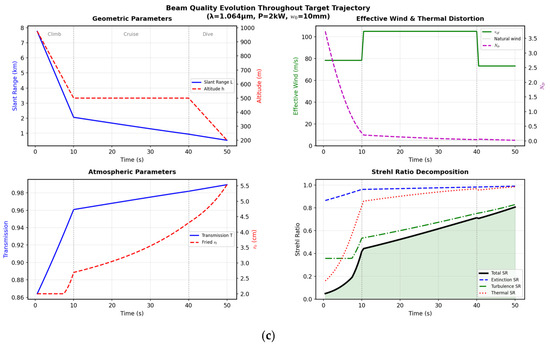
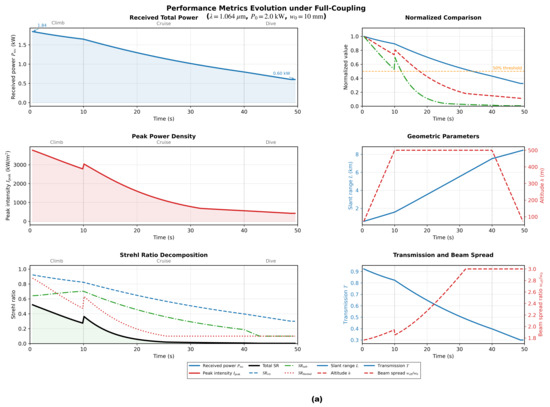
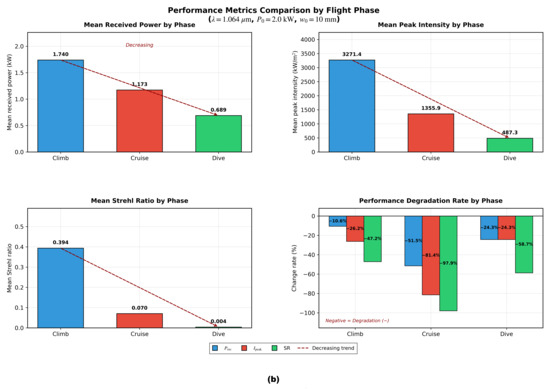
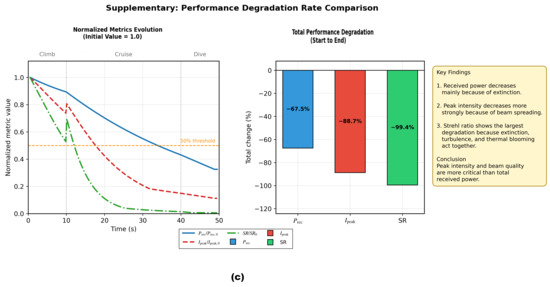
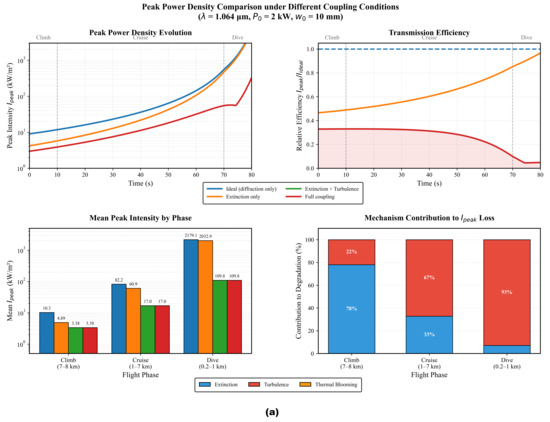
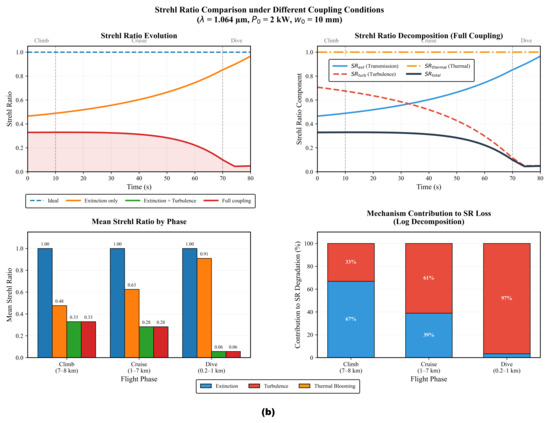
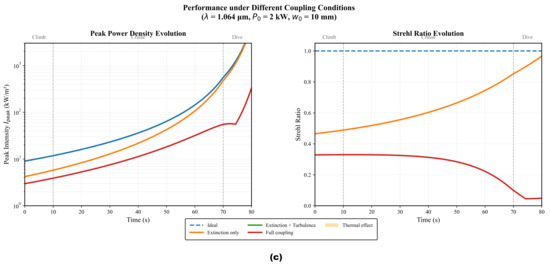
Accurately predicting high-energy laser propagation toward fast-moving aerial targets is not straightforward, since the slant range, elevation angle, atmospheric path, accumulated turbulence, and thermal blooming all change along with target motion. Because of this coupled evolution, fixed-path or quasi-static models can hardly describe, in a complete way, the time-varying loss of beam transmission and the weakening of energy concentration. To address this problem, this paper builds on established wave-optics propagation methods to develop a dynamic multi-physics framework for high-speed moving-target engagements. The central idea is to rebuild the propagation environment at every time step according to the instantaneous target position so that the optical path can be linked with height-dependent extinction, refractive-index structure, and absorption profiles; meanwhile, relative motion is represented as an effective transverse sweeping velocity, which helps reduce the accumulation effect of thermal blooming. Based on a unified split-step Fourier method, the model combines Beer–Lambert path attenuation, Kolmogorov-spectrum multilayer phase screens, and thermal-blooming phase modulation, yielding time-resolved indicators such as transmittance, received power, peak irradiance, Strehl ratio, scintillation index, pointing error, and beam-quality factor. Simulation results show that, in a 500 m static horizontal path, the attenuation module reduces to the Beer–Lambert solution, with the maximum relative error kept below ; the turbulence phase-screen implementation is validated against the absolute Kolmogorov prediction. Over the resolved inertial interval, the ensemble-averaged structure function yields a fitted exponent (theoretical: ) and a relative normalization error of , confirming that the generated screens reproduce both the Kolmogorov scaling and the prescribed turbulence strength. For a 1.064 μm, 2 kW Gaussian beam propagating over a 50 s trajectory of about 8 km, when the target speed increases from 0 to 300 m/s, the thermal-blooming-related beam-quality factor decreases from roughly 1.8 to 1.2, which indicates that dynamic geometry, turbulence, attenuation, and thermal blooming need to be considered together when evaluating laser propagation performance.
Full article
(This article belongs to the Special Issue Advances and Challenges in Free-Space Optics)
►▼
Show Figures

Figure 1
Open AccessArticle
Vector Fields and Dispersion of Fiber Cladding Modes near Crossover
by
Oleg V. Ivanov and James M. Gilbert
Photonics 2026, 13(8), 786; https://doi.org/10.3390/photonics13080786 - 19 Aug 2026
Abstract
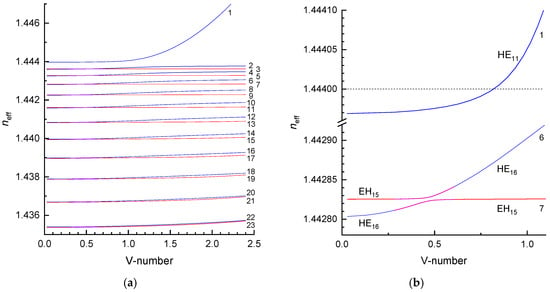
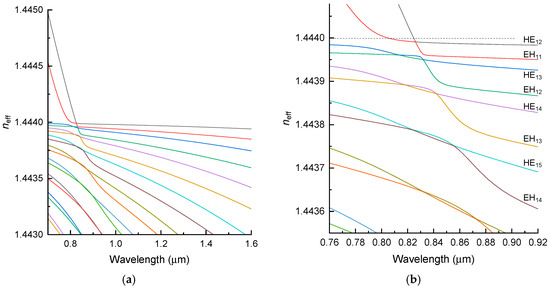
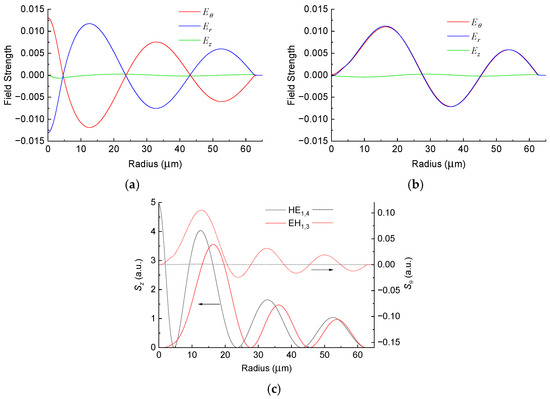
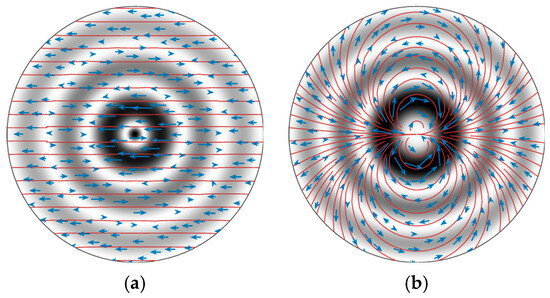
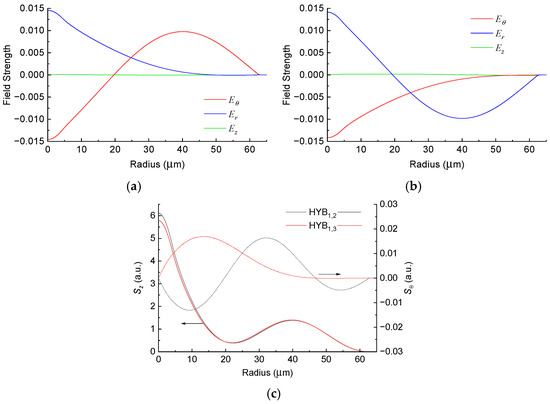
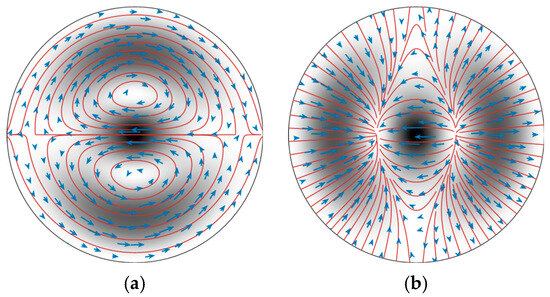
We obtain exact solutions for high-order hybrid cladding modes of standard fibers, paying special attention to the case in which two hybrid cladding modes have very close propagation constants (crossover points). We calculate the mode fields, dispersion, and polarization distribution of cladding modes
[...] Read more.
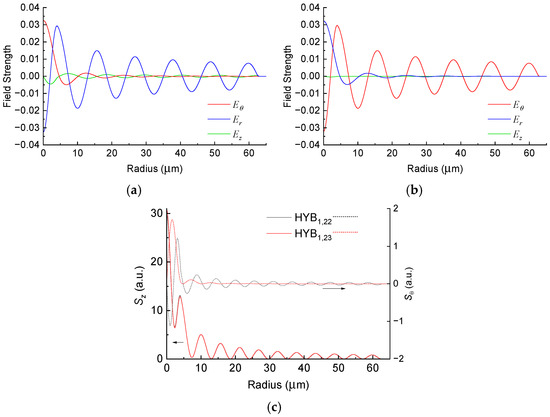
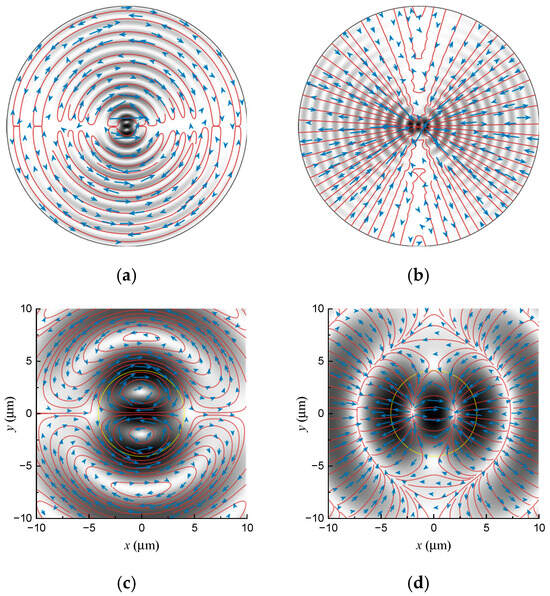
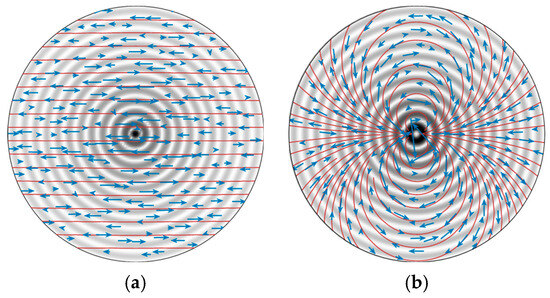
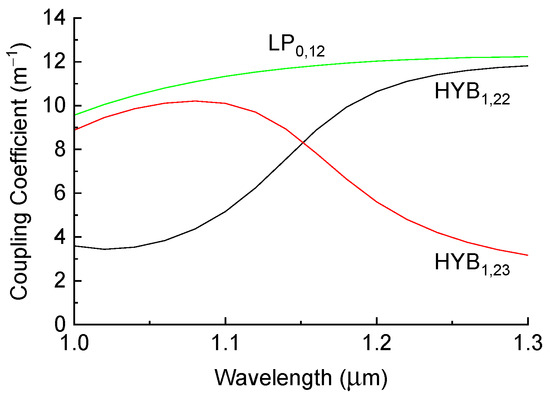
We obtain exact solutions for high-order hybrid cladding modes of standard fibers, paying special attention to the case in which two hybrid cladding modes have very close propagation constants (crossover points). We calculate the mode fields, dispersion, and polarization distribution of cladding modes at crossover. We discuss the applicability of the linearly polarized modes approximation for calculating modes in this case. We show that, at the crossover points, the modes are not standard HE and EH hybrid modes but radial and azimuthal modes with field distributions resembling those of TE and TM modes. We analyze the dispersion of hybrid modes with azimuthal number equal to 1 and find crossover points in the range 0.6–1.7 μm for fibers with various V-numbers. For standard fibers, the first 23 hybrid modes have crossovers at wavelengths below 1.2 μm. Accounting for the new hybrid modes reveals the splitting of resonances in long-period fiber gratings. A linear combination of crossover modes can be used to form approximate HE and EH modes with uniform linear polarization for the HE mode and a magnetic-dipole-like field for the EH mode.
Full article
(This article belongs to the Section Optical Communication and Network)
►▼
Show Figures

Figure 1
Open AccessArticle
HCTDNet: A Novel Near-Real-Time Framework for Detecting Camouflaged Targets in Land-Based Hyperspectral Imagery
by
Xingxin Song, Bing Zhou, Jiale Zhao, Jiaju Ying, Yudan Chen and Lei Deng
Photonics 2026, 13(8), 785; https://doi.org/10.3390/photonics13080785 - 19 Aug 2026
Abstract
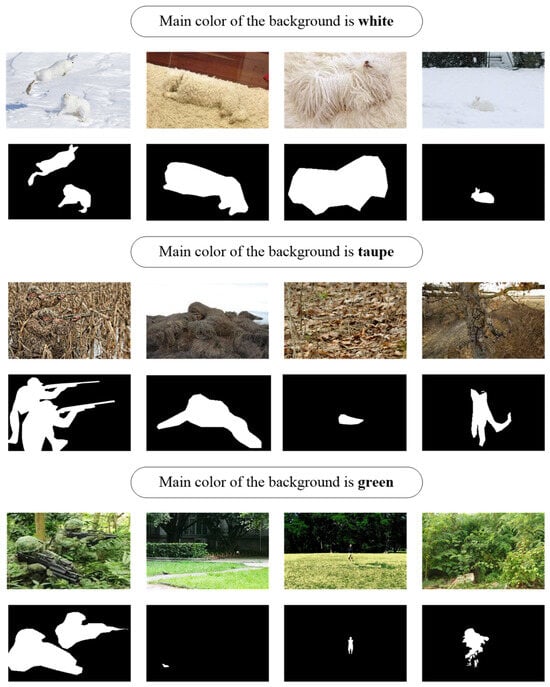
Land-based hyperspectral imaging provides high spatial and spectral resolution for detecting camouflaged targets, but practical deployment remains limited by strong target background spectral similarity, scarce annotated hyperspectral samples, and the computational cost of full-band processing. To address these issues, this paper proposes HCTDNet
[...] Read more.
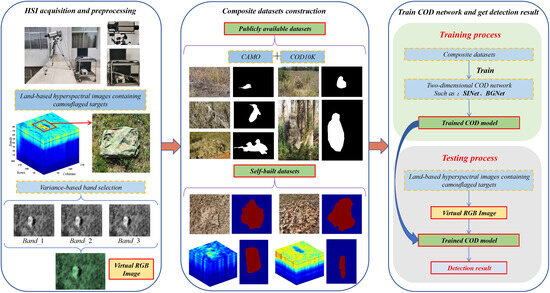
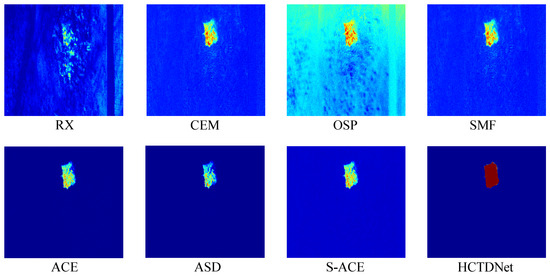
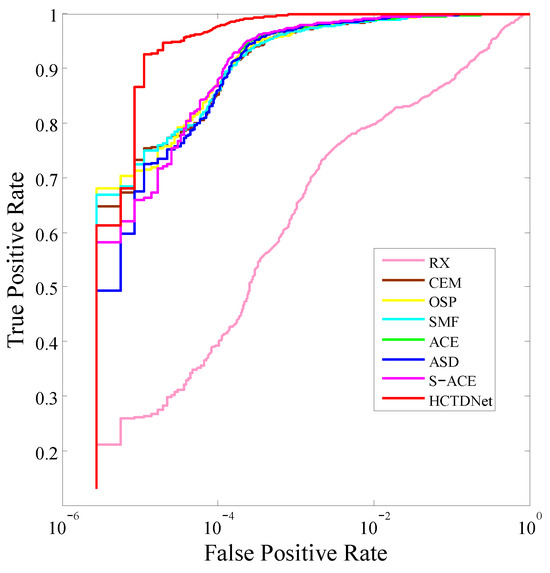
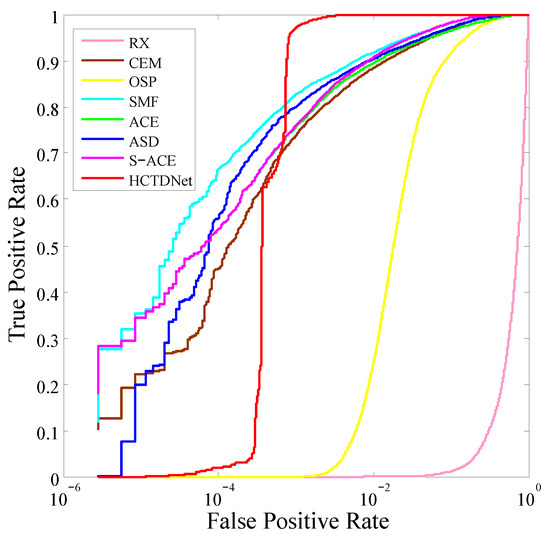
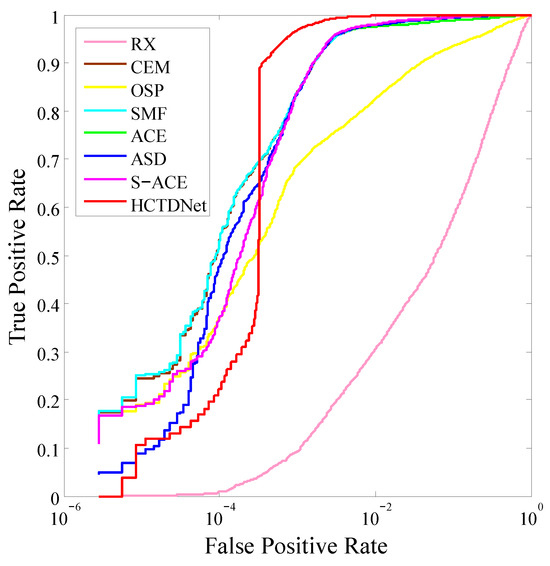
Land-based hyperspectral imaging provides high spatial and spectral resolution for detecting camouflaged targets, but practical deployment remains limited by strong target background spectral similarity, scarce annotated hyperspectral samples, and the computational cost of full-band processing. To address these issues, this paper proposes HCTDNet (Hyperspectral Camouflaged Target Detection Network), a land-based hyperspectral image analysis framework. The method first employs band extraction for data dimensionality reduction, compressing multi-channel hyperspectral images into 3-channel virtual RGB representations, which reduces spectral redundancy while preliminarily enhancing camouflaged target saliency. A pre-trained RGB camouflaged target detector is then adopted as the backbone model, with its parameters frozen to maintain stability, while trainable modality-specific prompts are learned to improve training efficiency. Finally, model fine-tuning is performed using a self-constructed camouflaged target dataset to enhance robustness in detecting camouflaged targets within virtual RGB images. During inference, preprocessed hyperspectral images are fed into the model to generate detection results for camouflaged target regions. The experiments performed on our self-collected land-based hyperspectral dataset with camouflaged targets reveal that HCTDNet achieves superior detection performance compared with seven classical hyperspectral target detection methods while maintaining an average inference speed of approximately 16 FPS. The proposed framework provides an efficient and near-real-time applicable solution for land-based hyperspectral camouflaged target detection, showing significant practical potential.
Full article
(This article belongs to the Special Issue AI for Photonics: Intelligent Imaging, Learning-Driven Optics, and Photonic Computing)
►▼
Show Figures

Figure 1
Open AccessArticle
Performance Analysis of a Three-Hop Heterogeneous Space–Air–Sea Communication System with Adaptive Combining for Mixed FSO/RF and UWOC Transmission
by
Yiyi Yang, Lin Qi, Dexian Yan and Yi Wang
Photonics 2026, 13(8), 784; https://doi.org/10.3390/photonics13080784 - 18 Aug 2026
Abstract
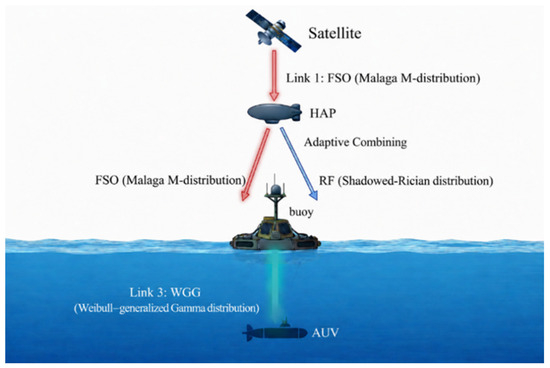
To meet the growing demand for reliable space–air–sea-integrated communications and underwater information backhaul, this paper proposes and analyzes a three-hop heterogeneous space–air–sea communication system consisting of a satellite, a high-altitude platform (HAP), a sea-surface buoy, and an autonomous underwater vehicle (AUV). Specifically, the
[...] Read more.
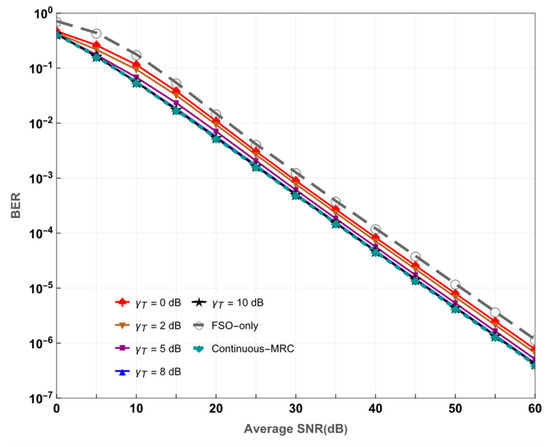
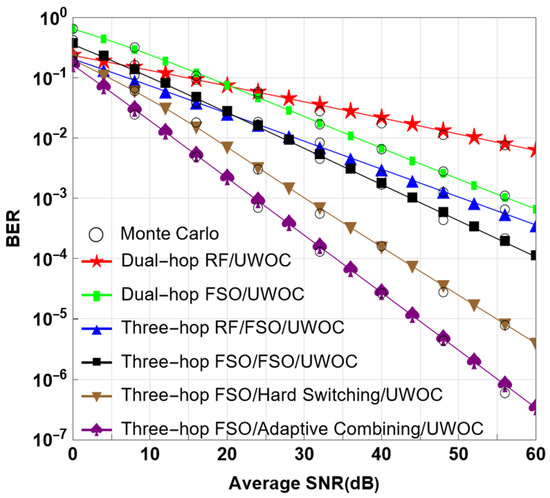
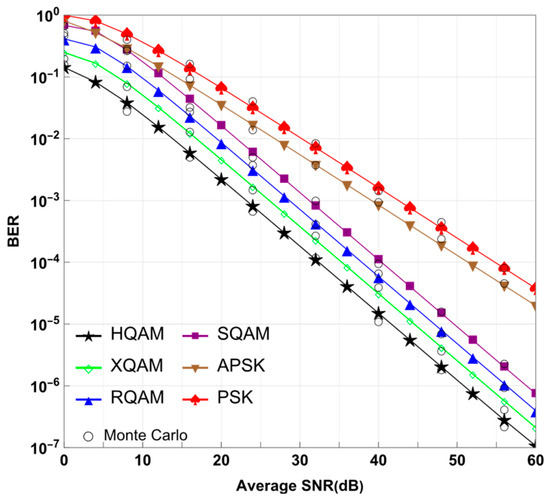
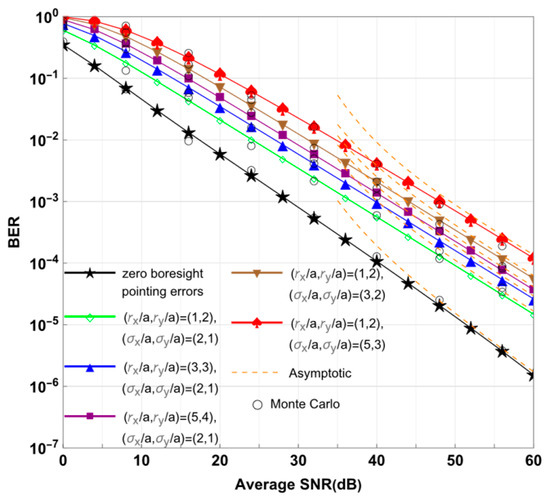
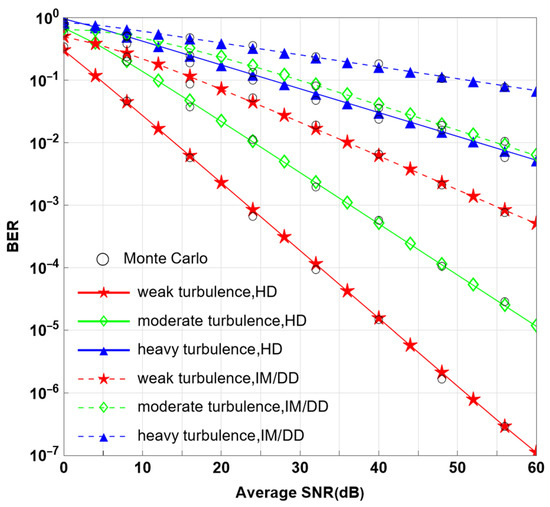
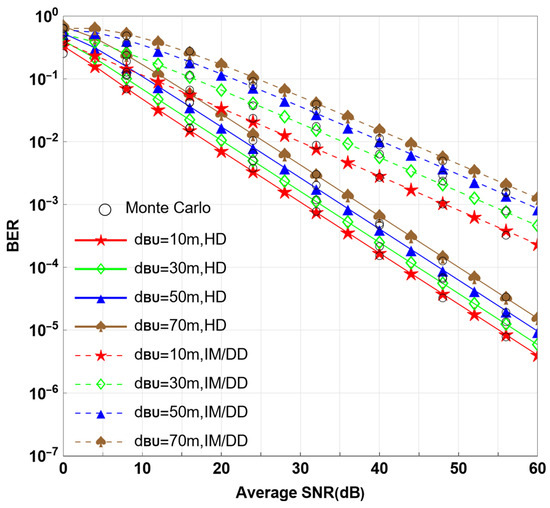
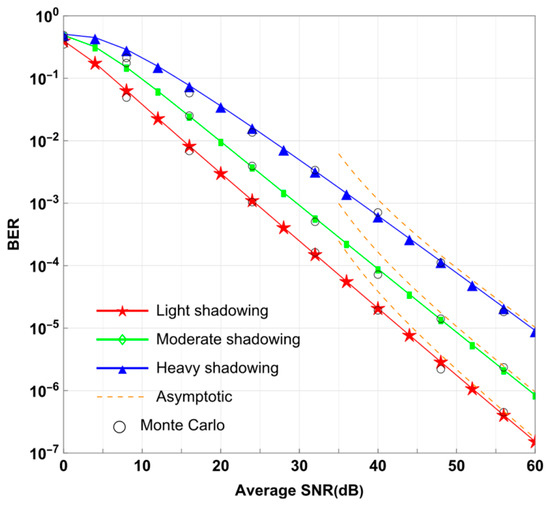
To meet the growing demand for reliable space–air–sea-integrated communications and underwater information backhaul, this paper proposes and analyzes a three-hop heterogeneous space–air–sea communication system consisting of a satellite, a high-altitude platform (HAP), a sea-surface buoy, and an autonomous underwater vehicle (AUV). Specifically, the satellite-to-HAP link employs free-space optical (FSO) transmission, the HAP-to-sea-surface buoy link adopts mixed FSO/radio-frequency (RF) transmission, and the sea-surface buoy-to-AUV link utilizes underwater wireless optical communication (UWOC). To enhance the reliability of the HAP-to-sea-surface buoy link in complex atmospheric and maritime environments, a threshold-based adaptive combining scheme for mixed FSO/RF transmission is designed. Meanwhile, nonzero-boresight pointing error models are incorporated into the FSO and UWOC links to characterize practical link misalignment. Based on the proposed system model, analytical expressions for the end-to-end bit error rate (BER) are derived and validated through Monte Carlo simulations. The numerical results show that the proposed adaptive combining scheme achieves better BER performance than conventional dual-hop and hard-switching schemes. In addition, the effects of pointing errors, underwater turbulence, underwater transmission distance, shadowed fading, detection techniques, and modulation schemes on the system BER performance are further investigated. This work provides theoretical guidance for reliable cross-domain heterogeneous transmission in future space–air–sea integrated communication systems.
Full article
(This article belongs to the Special Issue High-Capacity and Reliable Free-Space Optical Communication Systems)
►▼
Show Figures

Figure 1
Open AccessArticle
Fast Phase Calibration of Reconfigurable MZI Optical Processors via BFGS Quasi-Newton Optimization
by
Donghua Zhou, Quan Luo, Yiyou Fan, Wei Jiang and Jinshan Su
Photonics 2026, 13(8), 783; https://doi.org/10.3390/photonics13080783 - 18 Aug 2026
Abstract
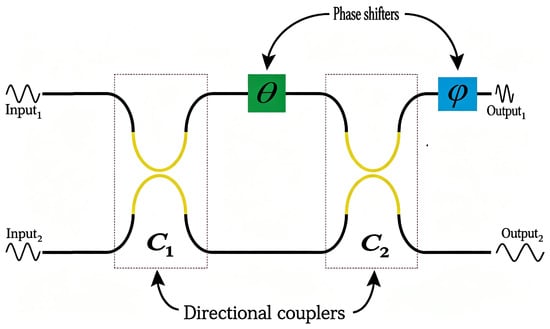
Manufacturing errors introduce phase deviations in Mach–Zehnder interferometers (MZIs) that degrade the fidelity of optical processors. To address this issue, we employ a Broyden–Fletcher–Goldfarb–Shanno (BFGS) quasi-Newton method for phase calibration of a reconfigurable MZI optical processor based on the Reck
[...] Read more.
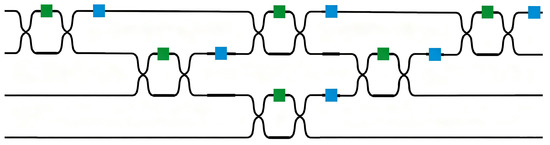
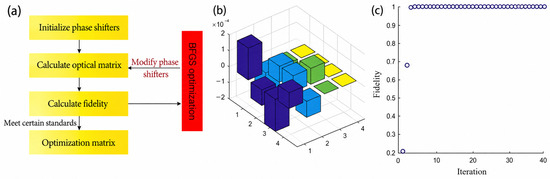
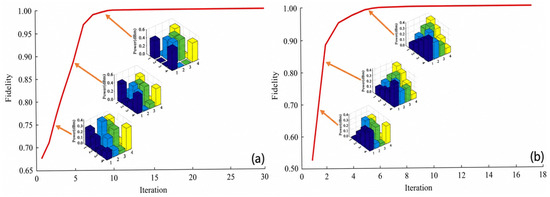
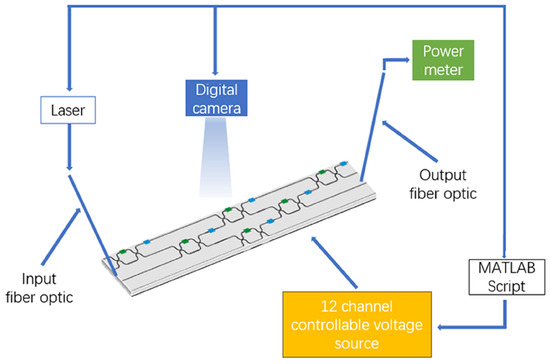
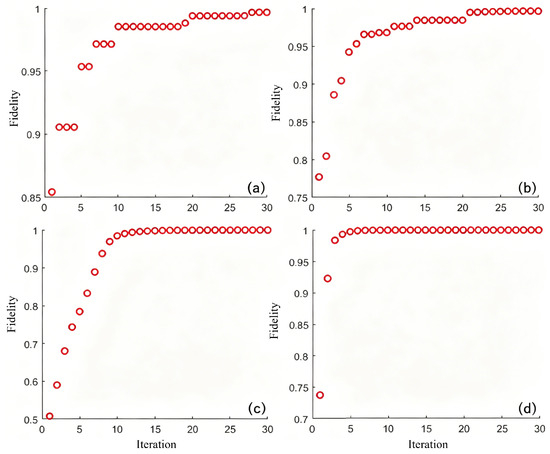
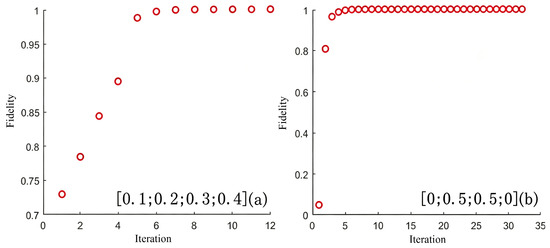
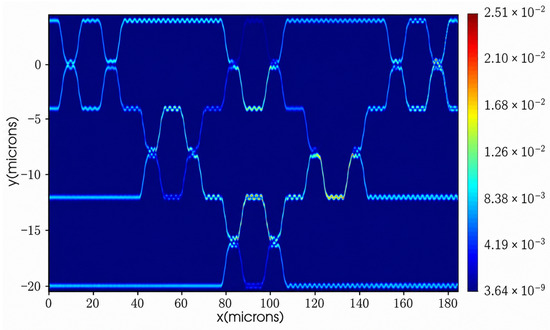
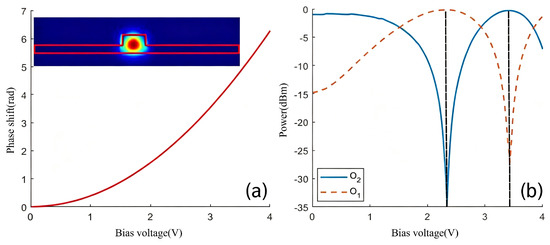
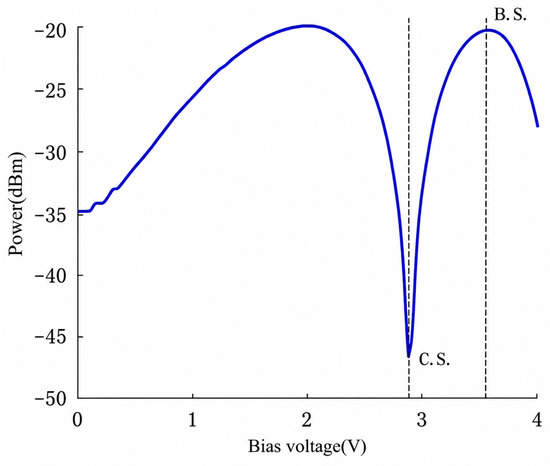
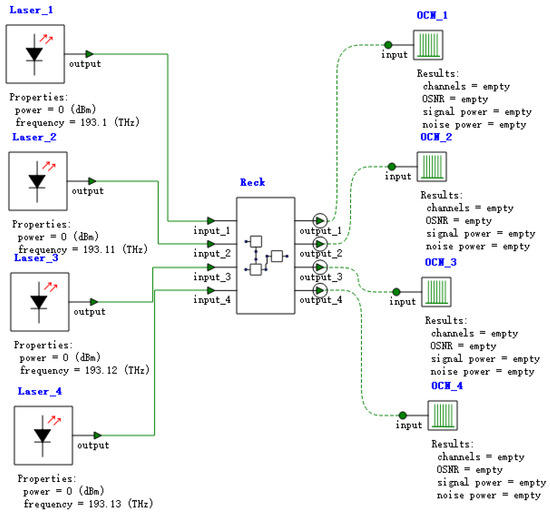
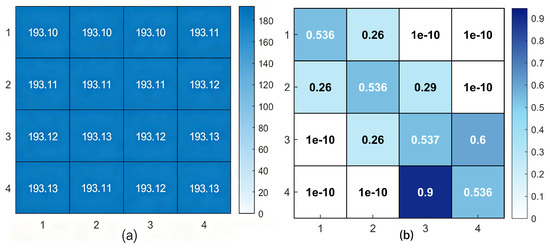
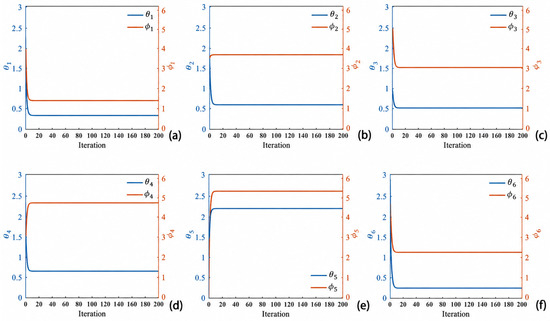
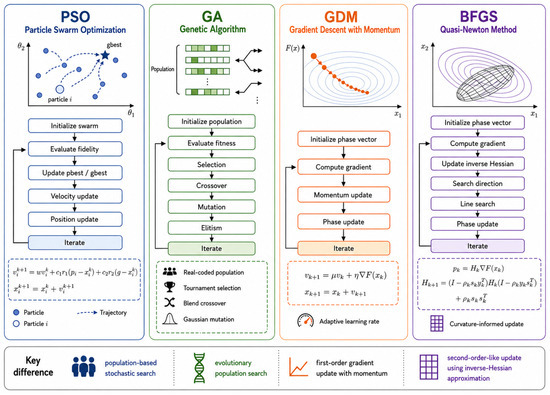
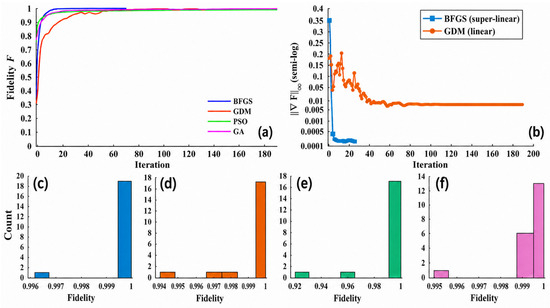
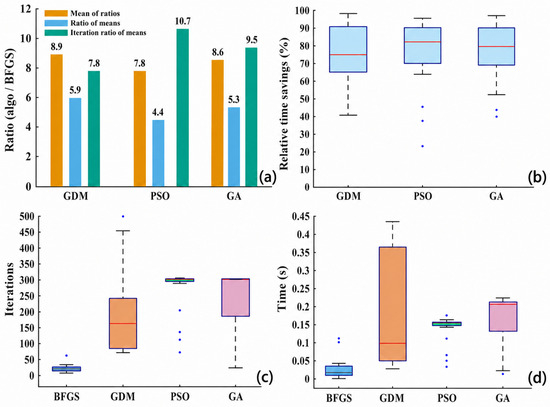
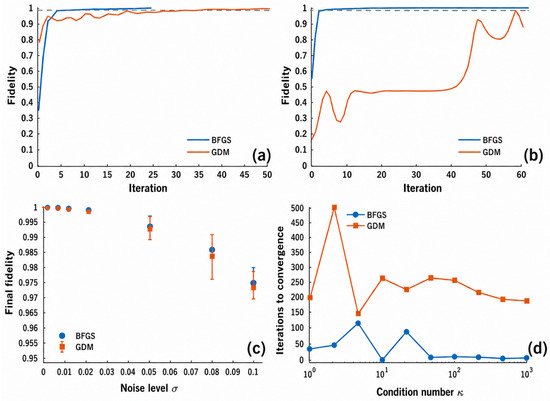
Manufacturing errors introduce phase deviations in Mach–Zehnder interferometers (MZIs) that degrade the fidelity of optical processors. To address this issue, we employ a Broyden–Fletcher–Goldfarb–Shanno (BFGS) quasi-Newton method for phase calibration of a reconfigurable MZI optical processor based on the Reck architecture. By optimizing the mapping from the target matrix to the optical network, the method determines the optimized phase parameters of 12 phase shifters. Thermo-optic simulations are further used to establish the relationship between the applied bias voltage and the induced phase shift, providing a link between the optimized phase parameters and the electrical driving conditions. Compared with Particle Swarm Optimization (PSO), Genetic Algorithms (GA), and Gradient Descent with Momentum (GDM), the BFGS method provides faster convergence and high calibration fidelity. These results demonstrate an efficient approach for phase calibration of programmable MZI optical processors.
Full article
(This article belongs to the Special Issue Latest Advances in Optical Computing, Sensing and Networking)
►▼
Show Figures

Figure 1
Open AccessArticle
High-Power 1100 nm All-Fiber Laser Based on Pre-Chirp-Managed and Gain-Managed Nonlinear Amplification for Multi-Photon Microscopy
by
Qiuhan Sui, Zhichao Feng, Rong Xu, Chunzhu Zhao and Aimin Wang
Photonics 2026, 13(8), 782; https://doi.org/10.3390/photonics13080782 - 18 Aug 2026
Abstract
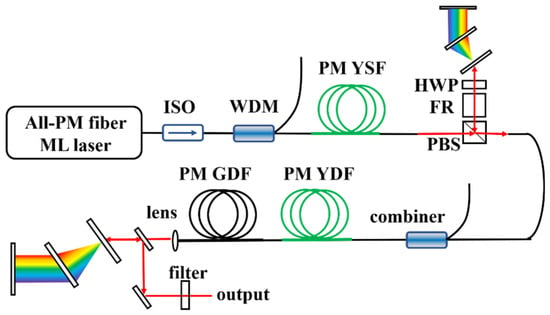
We report a 1100 nm all-polarization-maintaining (all-PM) fiber laser based on gain-managed nonlinear amplification (GMNA), and demonstrate its capability for in vivo two-photon imaging. The home-built fiber oscillator functioned using a nonlinear amplification loop mirror (NALM), delivering a 38.1 MHz, 13.8 mW, 1024
[...] Read more.
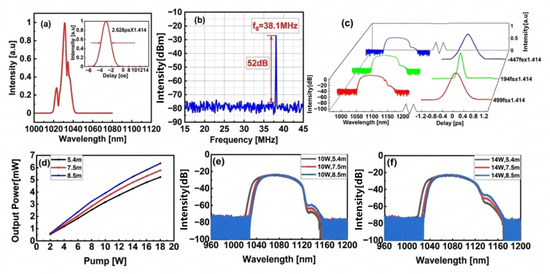
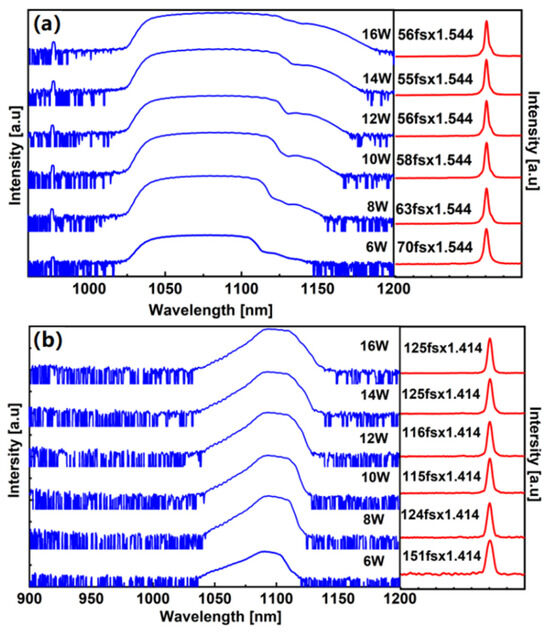
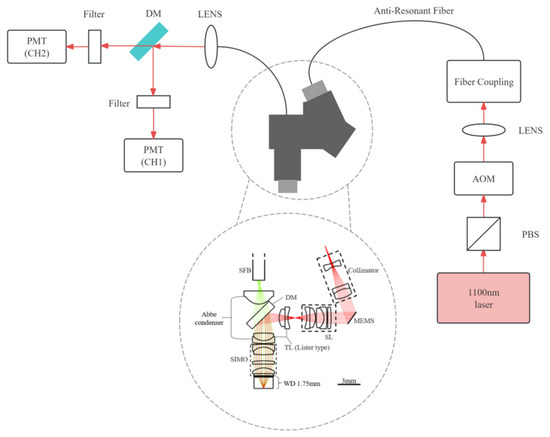
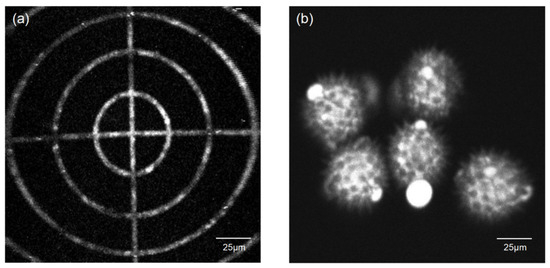
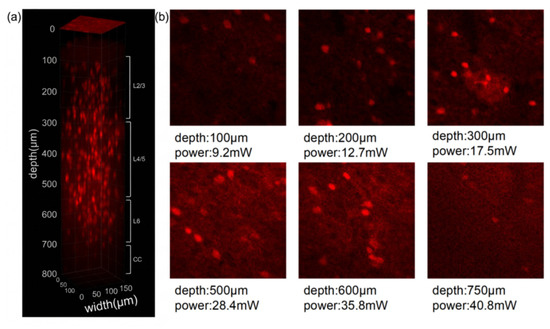
We report a 1100 nm all-polarization-maintaining (all-PM) fiber laser based on gain-managed nonlinear amplification (GMNA), and demonstrate its capability for in vivo two-photon imaging. The home-built fiber oscillator functioned using a nonlinear amplification loop mirror (NALM), delivering a 38.1 MHz, 13.8 mW, 1024 nm signal laser. The pre-chirp management (PCM) was incorporated with GMNA to enable efficient nonlinear amplification. The system ultimately generated pulses with an energy of 110 nJ and a duration of 56 fs, with the corresponding 10 dB spectral range spanning from 1041 nm to 1117 nm. This 1100 nm ultrafast fiber laser provides a convenient light source for multi-photon microscopy (MPM).
Full article
(This article belongs to the Special Issue Ultrafast Optics: From Fundamental Dynamics to Transformative Technologies)
►▼
Show Figures

Figure 1
Open AccessArticle
Fabrication of Multilayer Broadband Reflective Cholesteric Liquid Crystal Films via Poly(vinyl Alcohol) Interlayers and Their Infrared Shielding Properties
by
Jinghao Zhang, Mengqi Xie, Dengyue Zuo, Jianhui Qiao, Mengying Zhao, Zhou Yang, Dong Wang, Wanli He, Hui Cao and Yinjie Chen
Photonics 2026, 13(8), 781; https://doi.org/10.3390/photonics13080781 - 18 Aug 2026
Abstract
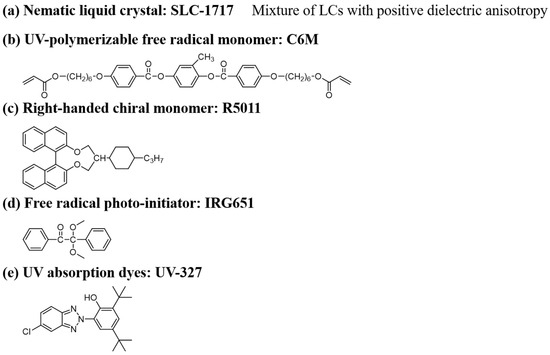
Cholesteric liquid crystals (CLCs) possess the unique ability to selectively reflect incident circularly polarized light, exhibiting tremendous potential in diverse optical applications. In this study, a trilayer composite architecture of polymer-stabilized cholesteric liquid crystals (PSCLCs) was successfully fabricated. Introducing poly(vinyl alcohol) (PVA) as
[...] Read more.
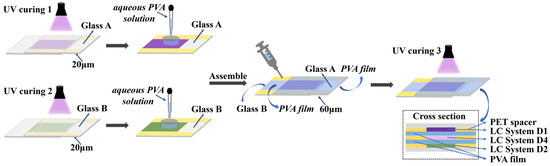
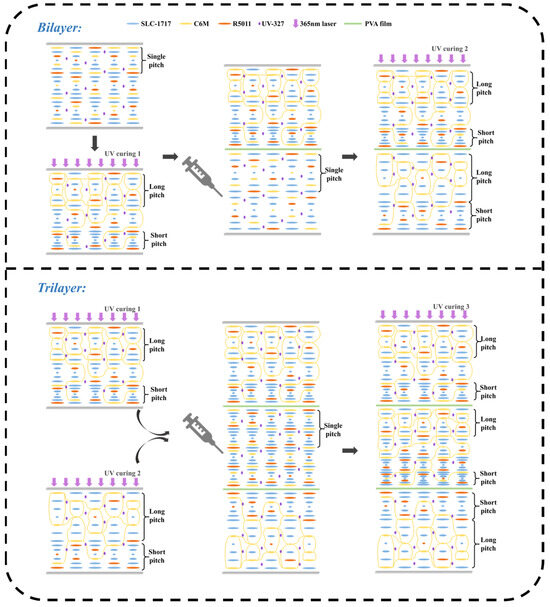
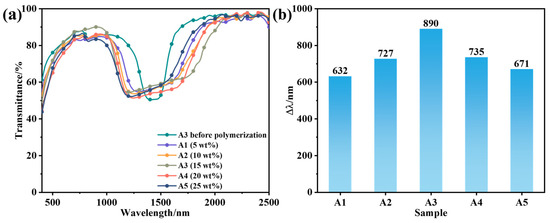
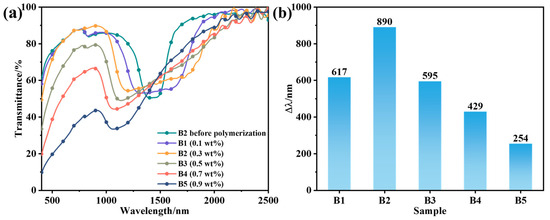
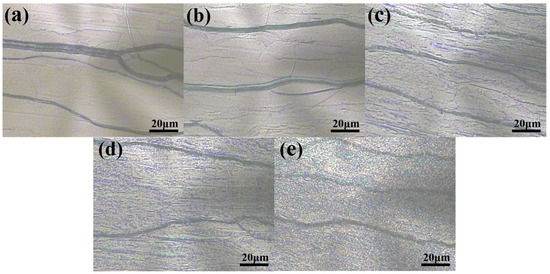
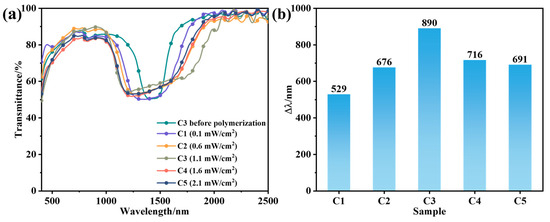
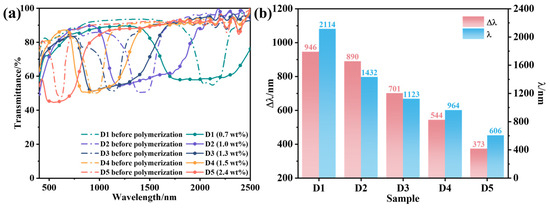
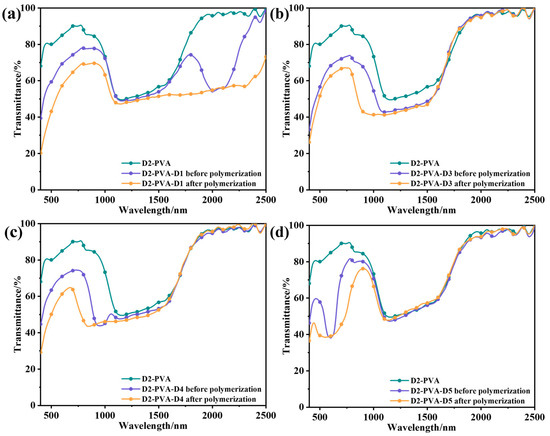
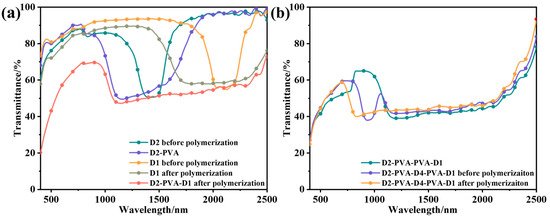
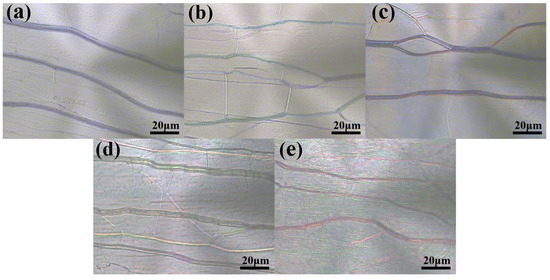
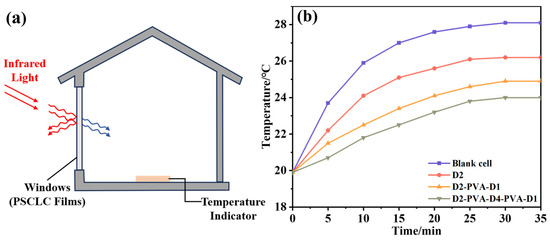
Cholesteric liquid crystals (CLCs) possess the unique ability to selectively reflect incident circularly polarized light, exhibiting tremendous potential in diverse optical applications. In this study, a trilayer composite architecture of polymer-stabilized cholesteric liquid crystals (PSCLCs) was successfully fabricated. Introducing poly(vinyl alcohol) (PVA) as intervening barrier layers enabled the formation of independent and mutually non-interfering broadband reflection bands within each respective layer. Initially, a single-layer system was evaluated to identify the effects of component concentrations and polymerization conditions on the reflection bandwidth. Under optimal conditions, a maximum reflection bandwidth of 890 nm was achieved. Building upon these parameters, the effective concatenation of two independent reflection bands was accomplished by precisely regulating the concentration of the chiral dopant R5011 in the adjacent layers. Subsequently, the trilayer PSCLC film was constructed, ultimately broadening the total reflection bandwidth to 1650 nm. Characterization via polarized optical microscopy (POM) confirmed that the liquid crystal molecules consistently maintained a well-defined planar texture throughout the fabrication process of the multilayer films. Additionally, the film shows good infrared shielding performance. Its ability to regulate ambient light makes it highly promising as an optical filter and thermal management component in LC smart windows and emerging displays.
Full article
(This article belongs to the Special Issue Optical Displays: Materials, Devices and Systems)
►▼
Show Figures

Figure 1
Journal Menu
► ▼ Journal Menu-
- Photonics Home
- Aims & Scope
- Editorial Board
- Reviewer Board
- Topical Advisory Panel
- Early Career Editorial Board
- Instructions for Authors
- Special Issues
- Topics
- Sections
- Article Processing Charge
- Indexing & Archiving
- Editor’s Choice Articles
- Most Cited & Viewed
- Journal Statistics
- Journal History
- Journal Awards
- Conferences
- Editorial Office
Journal Browser
► ▼ Journal BrowserHighly Accessed Articles
Latest Books
E-Mail Alert
News
Topics
Topic in
Electronics, Future Internet, Photonics, Sensors, Telecom, IoT, Applied Sciences, Sci
Visible Light Communications for Localization, Sensing and IoT
Topic Editors: Juan Carlos Torres Zafra, Walter Daniel Leon-SalasDeadline: 28 February 2027
Topic in
Nanomaterials, Polymers, Photonics, Nanomanufacturing, Crystals, Applied Sciences, Optics
Nanomaterials for Photonics and Optoelectronics: Practical Applications and Advances
Topic Editors: Luciana R. P. Kassab, Raul Rangel-Rojo, Rafael Salas-MontielDeadline: 5 June 2027
Topic in
Applied Sciences, Electronics, JSAN, Photonics, Sensors, Telecom
Machine Learning in Communication Systems and Networks, 3rd Edition
Topic Editors: Yichuang Sun, Haeyoung Lee, Oluyomi SimpsonDeadline: 20 August 2027
Topic in
Applied Sciences, Materials, Photonics, Sci, Plasma
Plasmonic Metamaterials and Metadevices
Topic Editors: David N. McIlroy, John F. O'HaraDeadline: 31 October 2027
Conferences
Special Issues
Special Issue in
Photonics
Advances in Optical Sensors and Applications
Guest Editors: Alberto Sposito, Natasha Vukovic, Alexander MayDeadline: 30 August 2026
Special Issue in
Photonics
Optical Metasurface: Applications in Sensing and Imaging
Guest Editors: Sandeep Kumar Chamoli, Qi Chen, Subhash SinghDeadline: 30 August 2026
Special Issue in
Photonics
Principle and Application of Optical Metasurfaces
Guest Editors: Zhizhang Wang, Bin FangDeadline: 31 August 2026
Special Issue in
Photonics
High-Capacity and Reliable Free-Space Optical Communication Systems
Guest Editors: Yi Wang, Guanjun Xu, Guowei YangDeadline: 31 August 2026