
Journal Description
Pharmacoepidemiology
is an international, peer-reviewed, open access journal on high-quality epidemiological, clinical research across the fields of clinical pharmacology and epidemiology, published quarterly online by MDPI.
- Open Access— free for readers, with article processing charges (APC) paid by authors or their institutions.
- High Visibility: indexed within ESCI (Web of Science), Scopus and other databases.
- Journal Rank: CiteScore - Q2 (Pharmacology, Toxicology and Pharmaceutics (miscellaneous))
- Rapid Publication: manuscripts are peer-reviewed and a first decision is provided to authors approximately 27.7 days after submission; acceptance to publication is undertaken in 4.4 days (median values for papers published in this journal in the first half of 2026).
- Recognition of Reviewers: Reviewers whose reports are timely and of high quality receive an APC discount voucher for a future publication in an MDPI journal. Become a reviewer.
- Journal Clusters-Pharmaceutical Science: Scientia Pharmaceutica, Marine Drugs, Pharmaceuticals, Pharmaceutics, Pharmacy, Biologics, Future Pharmacology, Pharmacoepidemiology, Drugs and Drug Candidates and Journal of Pharmaceutical and BioTech Industry.
Impact Factor:
1.6 (2025);
5-Year Impact Factor:
1.5 (2025)
Latest Articles
Clinical and Medication-Related Factors Associated with Adverse Renal Outcomes in Advanced Chronic Kidney Disease Patients Treated with Empagliflozin: A Real-World Study in Thailand
Pharmacoepidemiology 2026, 5(3), 35; https://doi.org/10.3390/pharma5030035 - 17 Sep 2026
Abstract
►
Show Figures
Background: Sodium-glucose cotransporter-2 (SGLT2) inhibitors have been shown to reduce the rate of chronic kidney disease (CKD) progression and provide cardioprotective benefits beyond glycemic control. However, evidence regarding their effects on kidney disease progression in advanced CKD patients remains limited. Objectives: To determine
[...] Read more.
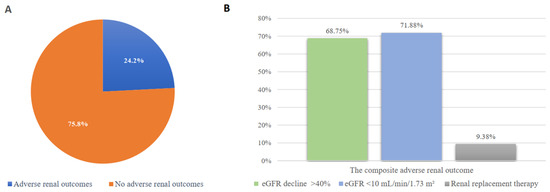
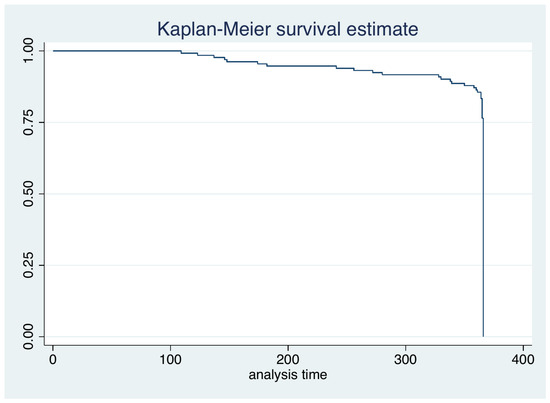
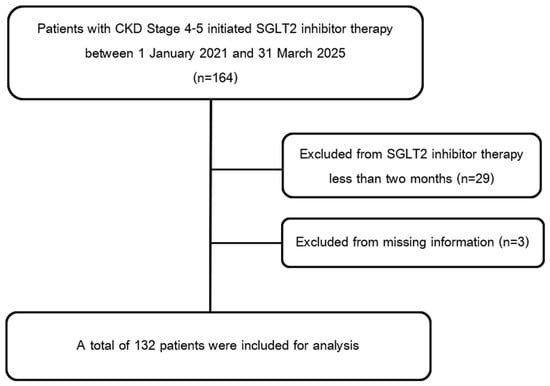
Background: Sodium-glucose cotransporter-2 (SGLT2) inhibitors have been shown to reduce the rate of chronic kidney disease (CKD) progression and provide cardioprotective benefits beyond glycemic control. However, evidence regarding their effects on kidney disease progression in advanced CKD patients remains limited. Objectives: To determine the proportion of patients who developed adverse renal outcomes (AROs) and identify factors associated with AROs among patients with advanced CKD following SGLT2 inhibitor initiation. Methods: This retrospective cohort study was conducted in a tertiary-care hospital in Thailand. Patients with advanced CKD who initiated SGLT2 inhibitor therapy between 1 January 2021 and 31 March 2025 were included. Descriptive statistics were used to summarize the data. Factors associated with AROs were evaluated using Cox proportional hazards regression analysis. Results: A total of 132 patients were included for analysis. All patients received empagliflozin. Most patients were aged ≥60 years (77.27%), and 53.79% were female. During the follow-up period, 24.2% of patients experienced AROs. Multivariable analysis identified CKD stage 5 (aHR = 4.02, 95% CI: 1.92–8.44, p < 0.001) and concomitant use of low-dose aspirin (aHR = 2.35, 95% CI: 1.05–5.26, p = 0.038) as factors independently associated with an increased risk of AROs. Conclusions: Approximately one-quarter of patients with advanced CKD experienced an ARO, following empagliflozin initiation. CKD stage 5 and concomitant low-dose aspirin use were independently associated with AROs. Patients with these characteristics may warrant closer monitoring of renal function, particularly in those with more advanced disease during empagliflozin therapy.
Full article
Open AccessArticle
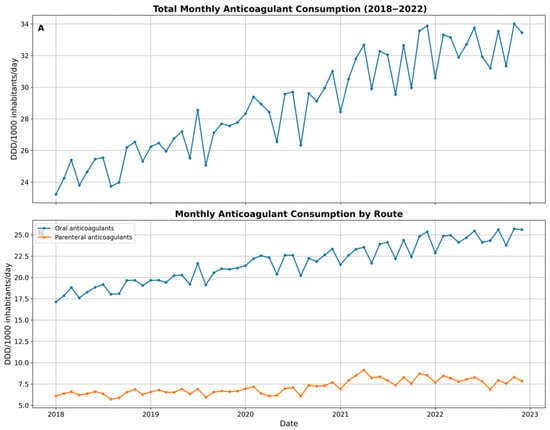
Shifts Toward Direct Oral Anticoagulants in Ambulatory Care: Utilization Trends and SARIMA Forecasts
by
Vasiliki Gougoula, Konstantinos Kassandros, Panagiotis Nikolaos Lalagkas, Evangelia Nena, Georgia Kaiafa, Vangelis G. Manolopoulos, Maria Panagopoulou, Theodoros C. Konstantinides and Christos Kontogiorgis
Pharmacoepidemiology 2026, 5(3), 34; https://doi.org/10.3390/pharma5030034 - 8 Sep 2026
Abstract
►▼
Show Figures
Background: Anticoagulant treatment is central to the prevention and management of thromboembolic cardiovascular disease, and contemporary practice has increasingly shifted toward direct oral anticoagulants. Objectives: To quantify ambulatory anticoagulant utilization trends in Greece during 2018 to 2022 and to forecast utilization
[...] Read more.
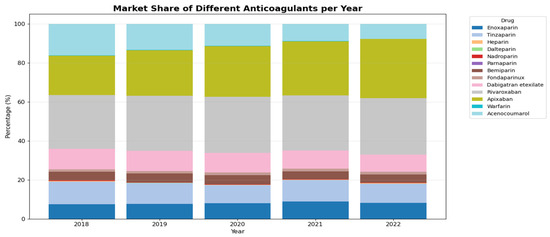
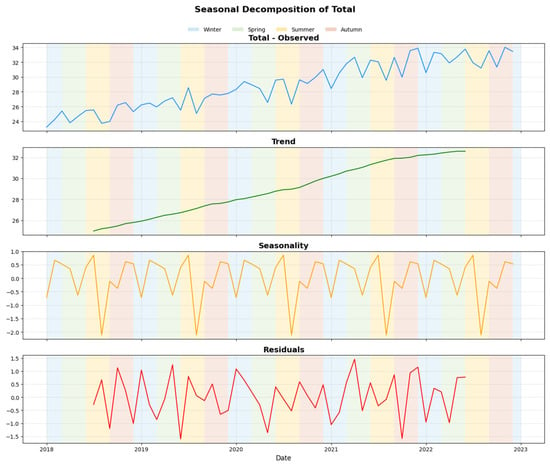
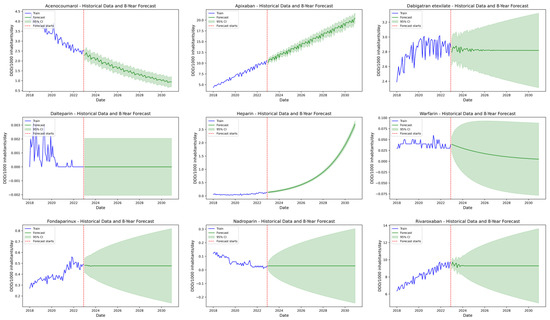
Background: Anticoagulant treatment is central to the prevention and management of thromboembolic cardiovascular disease, and contemporary practice has increasingly shifted toward direct oral anticoagulants. Objectives: To quantify ambulatory anticoagulant utilization trends in Greece during 2018 to 2022 and to forecast utilization through 2030 using standardized drug-utilization metrics. Methods: A retrospective pharmacoepidemiological analysis of community-pharmacy anticoagulant sales data in Greece was performed using IQVIA Greece data as a proxy for population-level drug consumption. Utilization was standardized as defined daily doses per 1000 inhabitants per day. Drug-specific temporal trends were evaluated, and seasonal autoregressive integrated moving average models were developed to generate forecasts through 2030. Results: Total sales-based anticoagulant consumption increased by 31.1%, from 24.84 defined daily doses per 1000 inhabitants per day in 2018 to 32.57 in 2022, corresponding to an average annual increase of 1.57. This increase was primarily driven by direct oral anticoagulants, particularly apixaban, which increased from 5.03 ± 0.36 to 9.91 ± 0.46, and rivaroxaban, which increased from 6.84 ± 0.32 to 9.38 ± 0.29. In contrast, acenocoumarol declined by 37.6%, from 4.02 ± 0.17 to 2.51 ± 0.08. Among parenteral anticoagulants, enoxaparin increased from 1.87 ± 0.11 to 2.65 ± 0.15, whereas nadroparin decreased from 0.06 ± 0.01 to 0.02 ± 0.01. By 2030, apixaban and rivaroxaban are forecast to reach 19.61 (95% CI 18.45 to 20.77) and 9.29 (95% CI 5.09 to 13.49), respectively, whereas acenocoumarol is projected to decline to 0.97 (95% CI 0.72 to 1.23). Conclusions: Sales-based anticoagulant consumption shifted toward direct oral anticoagulants, with concurrent declines in vitamin K antagonists and selected parenteral agents, trends that may inform cardiovascular care planning, reimbursement policy, and implementation of evidence-based anticoagulation strategies.
Full article

Figure 1
Open AccessArticle
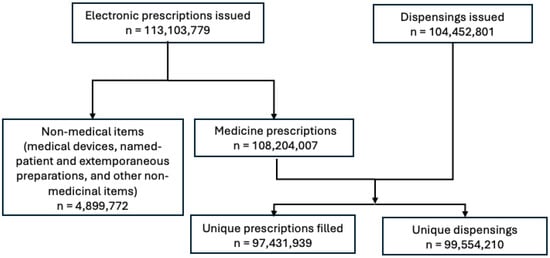
Primary Non-Adherence to Electronic Prescriptions in Lithuania, 2018–2024: Nationwide Prevalence, Factors, and Regional Variation
by
Viktorija Butrimaite, Marija Blockyte, Jurga Andreja Kazlauskaite, Tomas Lasys and Loreta Kubiliene
Pharmacoepidemiology 2026, 5(3), 33; https://doi.org/10.3390/pharma5030033 - 7 Sep 2026
Abstract
►▼
Show Figures
Background/Objectives: Primary non-adherence occurs when a prescribed medicine is never collected, preventing treatment from the beginning. Despite non-adherence being a widespread problem, most evidence comes from Western European and North American systems, and the Baltic region has rarely been assessed. Using Lithuania’s nationwide
[...] Read more.
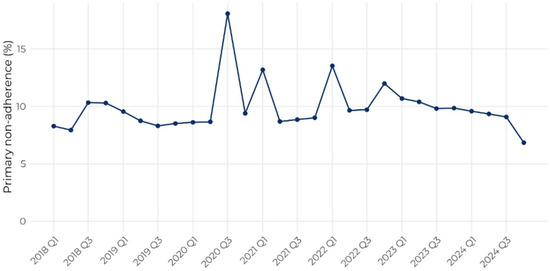
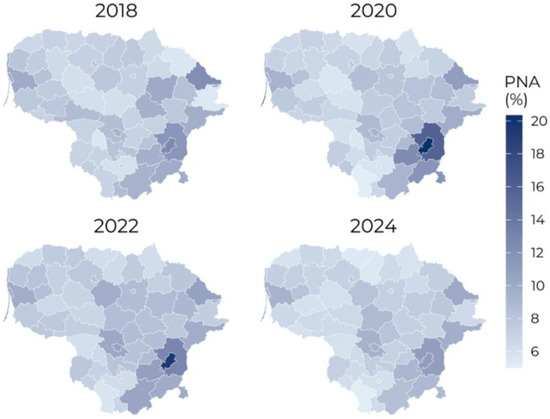
Background/Objectives: Primary non-adherence occurs when a prescribed medicine is never collected, preventing treatment from the beginning. Despite non-adherence being a widespread problem, most evidence comes from Western European and North American systems, and the Baltic region has rarely been assessed. Using Lithuania’s nationwide e-prescription system, we estimated primary non-adherence, identified associated factors, and characterised regional variation. Methods: We conducted a nationwide study of all outpatient electronic prescriptions issued in Lithuania, 2018–2024. We used open, anonymised quarterly prescribing and dispensing records from the national e-prescription subsystem and the national e-Health Services and Cooperation Infrastructure Information System (ESPBI IS). Prescribing and dispensing were deterministically linked. Prescriptions were classified as completed (dispensed quantity ≥ 90% of that prescribed), partially completed (dispensed quantity > 0% but <90%), or not completed (no quantity dispensed, defining primary non-adherence). Logistic regression estimated associations with patient, prescriber, prescription, and geographic characteristics; the results are reported as adjusted odds ratios (aOR) with 99% confidence intervals. Results: Of 108,204,007 prescriptions, 10.0% were never dispensed. Primary non-adherence was strongly associated with non-reimbursed status (aOR 3.47, 99% CI 3.46–3.48), younger age (18–44 years: 19.2% vs. ≥65 years: 7.0%), and short-term treatment (≤30 days: 14.1% vs. >90 days: 5.7%). Primary non-adherence rates were highest in cities (11.8%) and concentrated in the Vilnius metropolitan area (15.3%) and lowest in rural municipalities (5.5–6.0%). Conclusions: One in ten Lithuanian prescriptions is never dispensed. Non-adherence showed a marked, persistent geographic variance, with higher rates centred around Vilnius. Reimbursement status was the dominant correlate, pointing to cost as a key lever at the point of initiation.
Full article

Figure 1
Open AccessArticle
Exploring the Medical Prescription of Cannabis sp.-Derived Products in Brazil: A National Cross-Sectional Survey
by
Caroline Taira Takara, Beatriz Inacio Gonçalves, Taynna Tatiane Pereira, Tácio de Mendonça Lima, Samara Jamile Mendes, Gabriel Rocha Martins, André Rolim Baby and Marília Berlofa Visacri
Pharmacoepidemiology 2026, 5(3), 32; https://doi.org/10.3390/pharma5030032 - 31 Aug 2026
Abstract
Background/Objectives: Patient access to cannabinoid-based therapies in Brazil has expanded with the availability of regulated Cannabis-derived products (CDPs). This study explored CDP prescribing practices among Brazilian physicians. Methods: Between September 2024 and March 2025, a national online survey assessed physician characteristics, prescribing status,
[...] Read more.
Background/Objectives: Patient access to cannabinoid-based therapies in Brazil has expanded with the availability of regulated Cannabis-derived products (CDPs). This study explored CDP prescribing practices among Brazilian physicians. Methods: Between September 2024 and March 2025, a national online survey assessed physician characteristics, prescribing status, and reasons for non-prescription. Among prescribers, we analyzed CDP formulations, brands, indications, patient age groups, and time to therapeutic response. Bivariate and multivariable analyses identified factors associated with CDP prescribing. Results: A total of 333 physicians participated in the study, including 305 prescribers and 28 non-prescribers. Most CDP prescribers worked in private practice settings (67.9%). Specific training in CDP prescribing was the factor most strongly associated with a higher likelihood of prescribing (adjusted OR, 100.73; 95% CI, 12.77–794.72; p < 0.001), while lack of knowledge was the main reason for non-prescription. Although some physicians reported prescribing national products, imported products remained predominant (75.8% vs. 24.2%). Products provided through patient associations were also frequently mentioned. Predominant indications included mental and behavioral disorders, neurological diseases, and pain. Oil-based cannabidiol (CBD) formulations were the most frequently prescribed and were generally administered orally or sublingually. Older patients were the most frequently reported recipients of CDP prescriptions, and most physicians reported observing therapeutic effects within 30 days. Conclusions: Despite an evolving regulatory framework, clinical practice remains challenged by gaps in clinical training and disparities in patient access.
Full article
Open AccessArticle
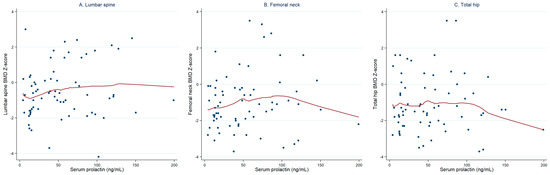
Serum Prolactin and Bone Mineral Density in Women with Schizophrenia Receiving Prolactin-Raising Antipsychotics: A Cross-Sectional Study
by
Kamonrat Somrak, Chompoonuch Werawattanachai, Apiradee Sangngarm, Sipanut Silaket and Tuanthon Boonlue
Pharmacoepidemiology 2026, 5(3), 31; https://doi.org/10.3390/pharma5030031 - 26 Aug 2026
Abstract
Background/Objectives: Antipsychotic-induced hyperprolactinemia may adversely affect skeletal health through suppression of the hypothalamic–pituitary–gonadal axis; however, the independent association between circulating prolactin and bone mineral density (BMD) remains uncertain. Methods: This cross-sectional study examined the association between serum prolactin concentration and BMD Z-scores among
[...] Read more.
Background/Objectives: Antipsychotic-induced hyperprolactinemia may adversely affect skeletal health through suppression of the hypothalamic–pituitary–gonadal axis; however, the independent association between circulating prolactin and bone mineral density (BMD) remains uncertain. Methods: This cross-sectional study examined the association between serum prolactin concentration and BMD Z-scores among women with schizophrenia receiving prolactin-raising antipsychotics. Sixty-eight women underwent serum prolactin measurement and dual-energy X-ray absorptiometry at the lumbar spine, femoral neck, and total hip. Because prolactin concentrations were right-skewed, natural-log-transformed prolactin was used in linear regression analyses. Multivariable models adjusted for age, body mass index (BMI), duration of prolactin-raising antipsychotic exposure, chlorpromazine-equivalent dose, and physical activity, with heteroskedasticity-robust standard errors. Results: Median serum prolactin concentration was 44.51 ng/mL (IQR 16.36–78.37). Serum prolactin was not independently associated with BMD Z-score at the lumbar spine (adjusted β = 0.196, 95% CI −0.212 to 0.605; p = 0.340), femoral neck (β = 0.157, 95% CI −0.142 to 0.456; p = 0.298), or total hip (β = −0.224, 95% CI −0.587 to 0.139; p = 0.221). Higher BMI was positively associated with femoral neck and total hip Z-scores, while physical activity was positively associated with BMD Z-scores at all three sites. In a sensitivity analysis restricted to risperidone-treated participants (n = 60), serum prolactin remained unassociated with BMD Z-scores at all sites. Conclusions: In this cohort, contemporaneous serum prolactin concentration was not independently associated with BMD Z-scores. These findings support a multifactorial approach to skeletal health and warrant confirmation in larger longitudinal studies incorporating cumulative prolactin exposure and endocrine and bone-turnover markers.
Full article
(This article belongs to the Special Issue The Pharmacoepidemiology of Antipsychotics: Utilization, Safety and Effectiveness in Real-World Settings)
►▼
Show Figures

Figure 1
Open AccessArticle
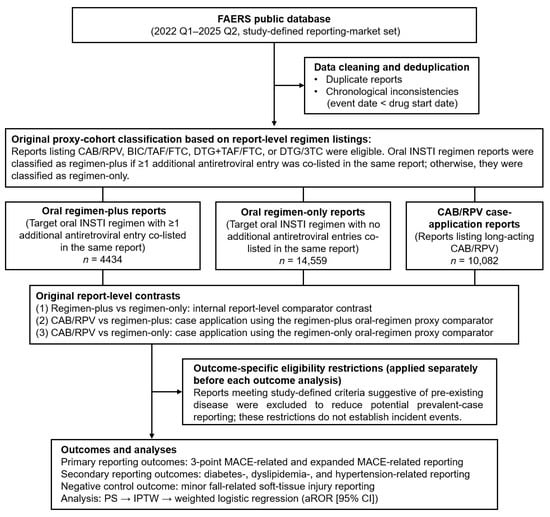
Report-Level Comparator-Definition Sensitivity in FAERS Cardiometabolic Disproportionality Analysis: A Long-Acting Cabotegravir/Rilpivirine HIV Pharmacovigilance Case Study
by
Shigeru Hasebe, Chihiro Nishikawa, Yuki Miura, Taiki Kusaka, Masayuki Tanaka, Shiori Iwane, Toshikazu Tsuji, Hiroyuki Kushida and Maho Kikuta
Pharmacoepidemiology 2026, 5(3), 30; https://doi.org/10.3390/pharma5030030 - 20 Aug 2026
Abstract
►▼
Show Figures
Background/Objectives: Comparator selection can change disproportionality findings when multidrug therapies are represented by report-level listings rather than verified treatment histories. We evaluated a proxy-comparator framework for cardiometabolic reporting with long-acting cabotegravir/rilpivirine (CAB/RPV), including sensitivity to comparator definition and reporting context. Methods: We
[...] Read more.
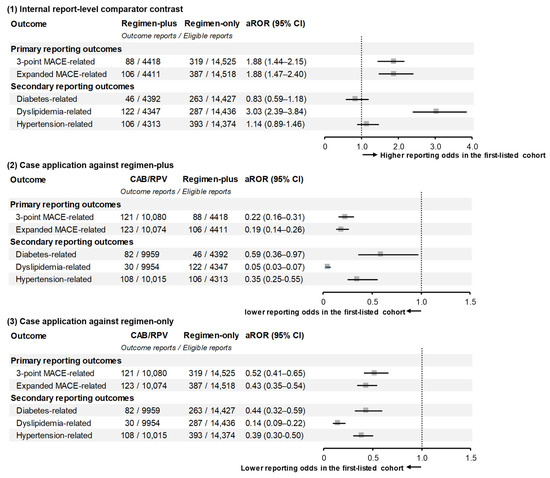
Background/Objectives: Comparator selection can change disproportionality findings when multidrug therapies are represented by report-level listings rather than verified treatment histories. We evaluated a proxy-comparator framework for cardiometabolic reporting with long-acting cabotegravir/rilpivirine (CAB/RPV), including sensitivity to comparator definition and reporting context. Methods: We conducted a disproportionality analysis of publicly available individual case safety reports from the U.S. Food and Drug Administration Adverse Event Reporting System (FAERS), restricted to study-defined markets and the period from the first quarter of 2022 through the second quarter of 2025. Reports were classified as CAB/RPV, regimen-only (a complete oral regimen listing alone), or regimen-plus (that listing plus other antiretrovirals). Three contrasts assessed 3-point and expanded major adverse cardiovascular events (MACE), diabetes, dyslipidemia, and hypertension using inverse probability weighting and adjusted reporting odds ratios (aRORs). Post-review analyses examined demographic completeness, reporter source, geography, and tenofovir disoproxil fumarate (TDF) inclusion. No binary signal threshold, case-by-case review, or causality adjudication was used. Results: The cohorts comprised 10,082 CAB/RPV, 4434 regimen-plus, and 14,559 regimen-only reports. In the internal oral contrast, regimen-plus showed statistically supported upward disproportionality for 3-point MACE (aROR 1.88, 95% confidence interval 1.44–2.15), expanded MACE (1.88, 1.47–2.40), and dyslipidemia (3.03, 2.39–3.84). CAB/RPV estimates were below 1 versus both proxies, although CAB/RPV versus regimen-plus lacked acceptable balance. Sensitivity analyses changed estimates and diagnostics; TDF inclusion left the CAB/RPV versus regimen-plus dyslipidemia estimate essentially unchanged but altered proxy-comparator findings. Conclusions: Proxy-comparator construction influenced cardiometabolic reporting patterns; reporting-context analyses qualified their interpretation. These hypothesis-generating findings do not establish incidence, clinical risk, causal effects, comparative safety, or a protective effect.
Full article

Figure 1
Open AccessArticle
Virologic Outcomes of Predominantly Tenofovir-Based First-Line Antiretroviral Therapy Among Treatment-Naïve HIV Patients in Davao City, Philippines
by
Alfredo A. Hinay, Jr., Avee Joy B. Dayaganon, Aprilyn F. Francisco-Breva, Jennifer Ashley H. Reyes and Reigner Jay B. Escartin
Pharmacoepidemiology 2026, 5(3), 29; https://doi.org/10.3390/pharma5030029 - 12 Aug 2026
Abstract
►▼
Show Figures
Background/Objectives: Tenofovir disoproxil fumarate (TDF)-containing regimens remain the cornerstone of first-line antiretroviral therapy (ART) in many low- and middle-income countries. However, concerns regarding treatment failure and antiretroviral resistance highlight the need to evaluate the effectiveness of treatments under routine clinical conditions. This study
[...] Read more.
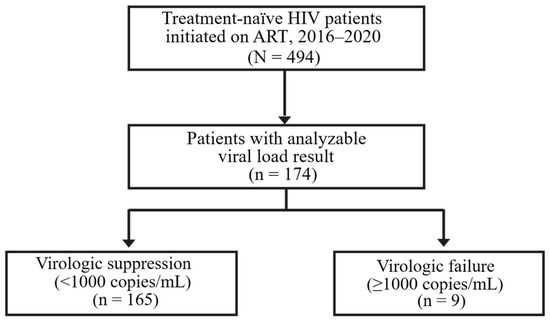
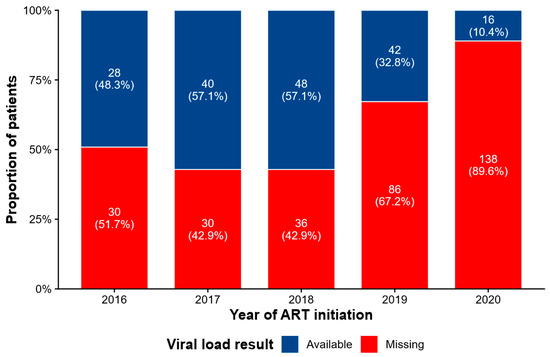
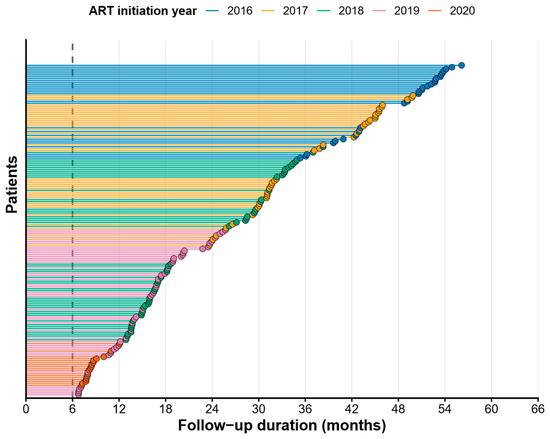
Background/Objectives: Tenofovir disoproxil fumarate (TDF)-containing regimens remain the cornerstone of first-line antiretroviral therapy (ART) in many low- and middle-income countries. However, concerns regarding treatment failure and antiretroviral resistance highlight the need to evaluate the effectiveness of treatments under routine clinical conditions. This study evaluated the virologic outcomes of treatment-naïve individuals living with HIV who received predominantly TDF-based first-line ART in Davao City, Philippines. Methods: A retrospective observational study was conducted among treatment-naïve HIV patients who initiated ART between 2016 and 2020. Demographic and clinical characteristics, ART regimens, HIV surveillance stage classifications, and viral load results were extracted from routinely collected medical records. Virologic suppression was defined as an HIV RNA viral load of <1000 copies/mL and virologic failure as ≥1000 copies/mL. The availability of viral load monitoring and the interval between ART initiation and the latest viral load measurement were also evaluated. Results: A total of 494 treatment-naïve patients with HIV were included. Most patients were male (97.8%) and received TDF-containing regimens (99.0%), predominantly TDF + 3TC + EFV (95.1%). Viral load results eligible for outcompe analysis were available for 174 (35.2%) patients. Among these patients, 165 achieved virologic suppression, corresponding to a suppression rate of 94.8% (95% CI: 90.5–97.3), whereas virologic failure was observed in nine patients (5.2%; 95p% CI: 2.7–9.5). Viral load availability declined substantially among patients initiating ART in recent years, reflecting shorter follow-up durations and fewer opportunities for routine viral load monitoring. High levels of virologic suppression were observed across the demographic and clinical subgroups. Conclusions: Predominantly TDF-based first-line ART demonstrated high virologic effectiveness among treatment-naïve HIV patients with evaluable viral load measurements, with nearly 95% of patients achieving virologic suppression. However, incomplete viral load monitoring, particularly among patients initiating ART in later years, limits the evaluation of treatment outcomes at the program level. Strengthening routine viral load monitoring and long-term follow-up will improve the future real-world evaluation of ART effectiveness.
Full article

Figure 1
Open AccessBrief Report
An Overview of Antibiotic Consumption in Croatian Counties, 2017–2024: Temporal and Geographic Patterns Before, During, and After the COVID-19 Pandemic
by
Sanda Tešanović, Ljiljana Betica Radić, Ankica Džono Boban, Pero Draganić and Maja Radman
Pharmacoepidemiology 2026, 5(3), 28; https://doi.org/10.3390/pharma5030028 - 7 Aug 2026
Abstract
►▼
Show Figures
Background/Objectives: Croatia is among the European countries with moderately high antibiotic consumption and correspondingly elevated antimicrobial resistance (AMR) rates. National-level surveillance, however, masks substantial county-level heterogeneity that is relevant for targeted stewardship. This study aimed to (i) quantify and statistically test temporal changes
[...] Read more.
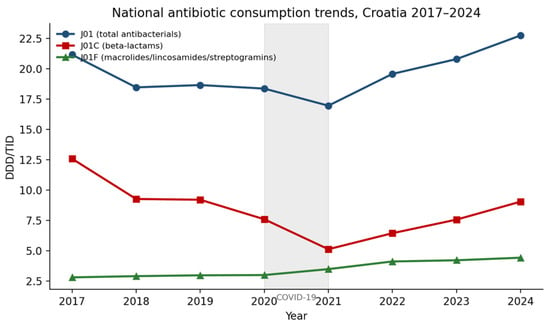
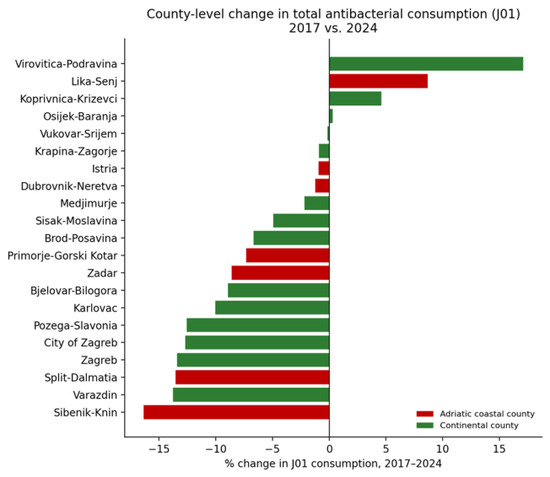
Background/Objectives: Croatia is among the European countries with moderately high antibiotic consumption and correspondingly elevated antimicrobial resistance (AMR) rates. National-level surveillance, however, masks substantial county-level heterogeneity that is relevant for targeted stewardship. This study aimed to (i) quantify and statistically test temporal changes in total antibacterial consumption (J01), beta-lactam antibiotics (J01C), and macrolides/lincosamides/streptogramins (J01F) across all 21 Croatian counties between 2017 and 2024, spanning the pre-pandemic, pandemic, and post-pandemic periods, and (ii) characterize geographic disparities that could inform region-specific stewardship interventions. J01C and J01F were selected because they are, respectively, the most heavily consumed and the most steadily rising antibiotic subgroups in Croatia, and both carry direct relevance to the WHO Access, Watch, Reserve (AWaRe) stewardship framework. Methods: A retrospective, registry-based analysis of antibiotic consumption in all 21 Croatian counties was conducted using annual distribution data from the Croatian Agency for Medicinal Products and Medical Devices (HALMED), covering 1 January 2017 to 31 December 2024. Consumption was expressed as defined daily doses per 1000 inhabitants per day (DDD/TID). County-level values for 2017, 2020, 2021, and 2024 were compared using paired Student’s t-tests (confirmed with Wilcoxon signed-rank tests) and a Friedman test across all four time points; national annual means (2017–2024) were compared descriptively against European Union/European Economic Area (EU/EEA) surveillance benchmarks. Results: National J01 consumption declined from 21.16 to 16.96 DDD/TID between 2017 and 2021 (−19.8%) and rebounded to 22.75 DDD/TID by 2024 (+34.1%); the county-level decline and rebound were both statistically significant (paired t-tests, p < 0.001 for each comparison; Friedman χ2 = 57.97, p < 0.001). J01C followed the same U-shaped pattern, temporally coincident with the COVID-19 pandemic period (12.59 → 5.13 → 9.05 DDD/TID; all comparisons p < 0.001), whereas J01F rose continuously throughout the study period, without a corresponding dip during that period (2.81 → 3.49 → 4.43 DDD/TID; p < 0.001 for every interval). Croatia’s 2024 mean county-level J01 consumption was significantly above the 2024 EU/EEA population-weighted mean of 18.8 DDD/TID (one-sample t-test, p = 0.016). The sharpest pandemic-era declines and post-pandemic rebounds were concentrated in Adriatic coastal counties (Primorje-Gorski Kotar, Zadar, Šibenik-Knin, and Istria). Conclusions: Total and beta-lactam antibiotic consumption in Croatia followed a U-shaped trajectory temporally coincident with the COVID-19 pandemic period, while macrolide, lincosamide, and streptogramin use rose steadily throughout 2017–2024, a pattern of stewardship concern given that this subgroup is predominantly classified as “Watch” under the WHO AWaRe framework. Coastal counties displayed disproportionate fluctuations, plausibly reflecting seasonal population dynamics not captured by resident-population denominators. AWaRe-stratified, tourism-adjusted, county-level surveillance is recommended to guide targeted stewardship.
Full article

Figure 1
Open AccessArticle
Reported Private-Sector Dispensing Trends of Methylphenidate in Costa Rica, 2017–2024: An Ecological Drug-Utilization Study
by
Esteban Zavaleta-Monestel, Luis Guillermo Herrera-Jiménez, Jeaustin Mora-Jiménez and Sebastián Arguedas-Chacón
Pharmacoepidemiology 2026, 5(3), 27; https://doi.org/10.3390/pharma5030027 - 28 Jul 2026
Abstract
►▼
Show Figures
Background/Objectives: Methylphenidate is widely used for attention-deficit/hyperactivity disorder and is available in immediate-release (IR) and extended-release (XR) formulations. Long-term reported private-sector dispensing data from Costa Rica remain limited. Because methylphenidate is a controlled medication, longitudinal dispensing trends are relevant for monitoring access, formulation
[...] Read more.
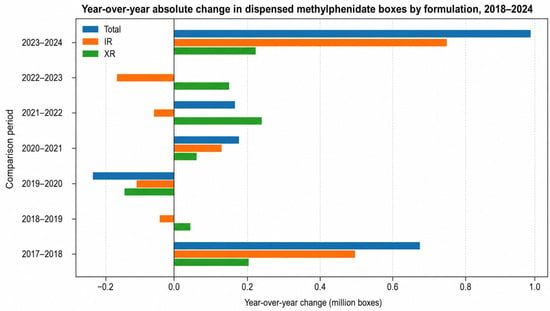
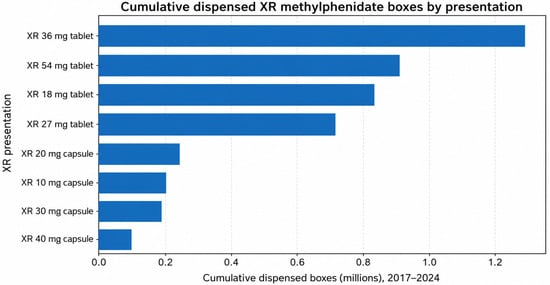
Background/Objectives: Methylphenidate is widely used for attention-deficit/hyperactivity disorder and is available in immediate-release (IR) and extended-release (XR) formulations. Long-term reported private-sector dispensing data from Costa Rica remain limited. Because methylphenidate is a controlled medication, longitudinal dispensing trends are relevant for monitoring access, formulation use, and dose-standardized exposure at the health-system level. This study described reported private-sector methylphenidate dispensing trends from 2017 to 2024 by dispensed boxes and Defined Daily Doses (DDDs). Methods: This retrospective ecological drug-utilization study analyzed reported private-sector administrative controlled-substance dispensing records from 1 January 2017 to 31 December 2024. Products were standardized by brand or generic designation, strength, dosage form, and formulation class. Outcomes included annual and cumulative dispensed boxes, formulation-specific share, XR-to-IR ratio, year-over-year change, presentation-level distribution, population-standardized rates, and DDDs calculated using the WHO reference value of 30 mg/day. Results: Total dispensing increased from 988,739 boxes in 2017 to 2,774,698 boxes in 2024 (+180.63%; CAGR 15.88%). Overall, 13,807,824 boxes were dispensed; IR accounted for 9,344,944 boxes (67.68%) and XR for 4,462,880 boxes (32.32%). In DDDs, XR exceeded IR in every study year and represented 61.0% of cumulative dose-standardized exposure. Conclusions: Reported private-sector methylphenidate dispensing in Costa Rica increased substantially between 2017 and 2024. IR predominated by dispensed boxes, whereas XR predominated by DDDs, highlighting the importance of reporting both administrative volume and dose-standardized metrics. These findings provide a private-sector baseline for controlled-medication surveillance and may inform monitoring of access, formulation mix, and dose-standardized exposure to methylphenidate in Costa Rica.
Full article

Figure 1
Open AccessArticle
Influenza Vaccine Effectiveness Among Italian Adults: A Test-Negative Case–Control Study from an Italian Southern Province During the 2024/25 Winter Season
by
Giuseppe Di Martino, Giustino Parruti, Graziella Soldato, Fabrizio Cedrone, Carlo Crescenzi, Paolo Fazii and Tommaso Staniscia
Pharmacoepidemiology 2026, 5(3), 26; https://doi.org/10.3390/pharma5030026 - 24 Jul 2026
Abstract
Background: In Italy, seasonal flu vaccination was recommended for all children aged 6 months to 6 years, all adults aged ≥60 years and specific at-risk groups. Influenza vac-cine effectiveness (IVE) varies from season to season. It can be related to several factors: possible
[...] Read more.
Background: In Italy, seasonal flu vaccination was recommended for all children aged 6 months to 6 years, all adults aged ≥60 years and specific at-risk groups. Influenza vac-cine effectiveness (IVE) varies from season to season. It can be related to several factors: possible mismatches between circulating virus strains and vaccine composition, the host immune response and the interval between the vaccine administration and the epidemic peak. The present study aimed to estimate IVE against acute respiratory infections (ARIs) caused by influenza during the 2024/25 season in the Province of Pescara, Abruzzo Region, Southern Italy. Methods: A retrospective test-negative case–control study was conducted in the tertiary hospital of the province of Pescara, Abruzzo region, Southern Italy. The study considered all naso/oropharyngeal swabs performed between 15 October 2024 and 1 April 2025. Results: During the study period, 5452 tests were performed and met the inclusion criteria. Among them, 637 tested positive for influenza (11.68%) and 4815 (88.32%) were considered controls. The IVE estimated using the fully adjusted model showed an overall effectiveness of 41.36% (from 1.08 to 57.29%). Considering influenza type, IVE against influenza A was 37.23%, whereas IVE against influenza B was 77.28%. Conclusions: The 2024/2025 season was characterized in our Italian region by a delayed start in flu circulation, with a concomitant and prominent co-circulation of all virus types. Available vaccines provided a moderate protection against laboratory-confirmed influenza, with an estimated VE of 41%.
Full article
Open AccessArticle
Digital Pharmacoepidemiology of Glucagon-like Peptide-1 Receptor Agonists in Russia: A Retrospective Search Query Analysis (2018–2026)
by
Stanislav Kotlyarov and Anna Kotlyarova
Pharmacoepidemiology 2026, 5(3), 25; https://doi.org/10.3390/pharma5030025 - 23 Jul 2026
Abstract
►▼
Show Figures
Background: Glucagon-like peptide-1 receptor agonists (GLP-1RAs) and GLP-1/glucose-dependent insulinotropic polypeptide (GIP) dual agonists have revolutionized the treatment of type 2 diabetes and obesity. The rapid growth in public interest, off-label use, and the emergence of counterfeit drugs underscores the need for timely monitoring
[...] Read more.
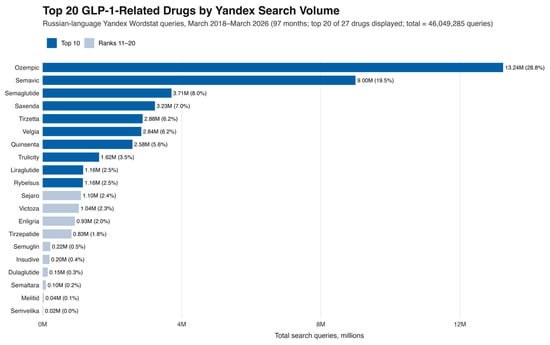
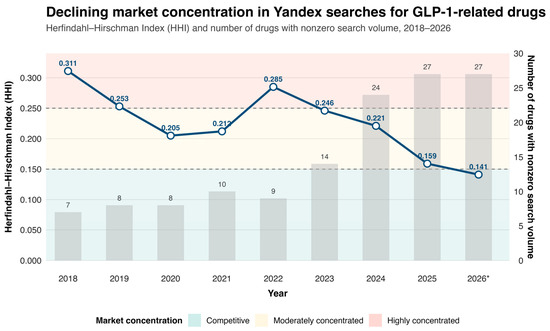
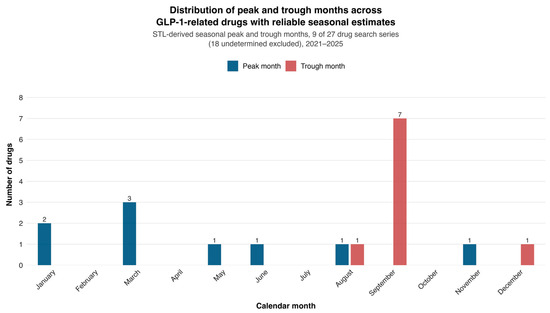
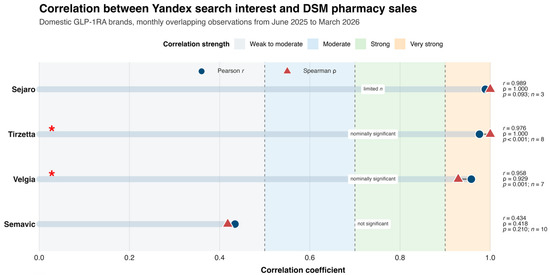
Background: Glucagon-like peptide-1 receptor agonists (GLP-1RAs) and GLP-1/glucose-dependent insulinotropic polypeptide (GIP) dual agonists have revolutionized the treatment of type 2 diabetes and obesity. The rapid growth in public interest, off-label use, and the emergence of counterfeit drugs underscores the need for timely monitoring of information demand. Objective: The objective of this study is to quantitatively characterize the temporal dynamics, market concentration, seasonality, and semantic structure of Russian-language search queries regarding GLP-1RAs and GLP-1/GIP dual agonists and to assess their correlation with pharmaceutical demand. Materials and Methods: This was a retrospective study of Yandex.Wordstat data from March 2018 to March 2026 (covering 97 months, 27 INNs and brand names). Time series analysis (trends, structural breaks, Seasonal-Trend decomposition based on Loess (STL decomposition)), calculation of the Herfindahl–Hirschman Index (HHI), and semantic analysis of 4562 unique formulations (bigrams, trigrams, Term Frequency–Inverse Document Frequency (TF-IDF), thematic classification, morphological normalization) were performed. Validation was conducted using DSM Group pharmacy sales data. Results: A total of 46.05 million queries were analyzed. Interest in semaglutide increased 215-fold, with the structural break point identified in January 2021. The HHI decreased from 0.311 (indicating a highly concentrated market) to 0.141 (indicating a competitive market). The share of diabetes-related queries did not exceed 0.46%, while the share of weight-loss-related queries reached 13.91%, and the share of commercial-component queries reached 41.1%. Four semantic signatures were identified: brand-dominant (Ozempic), instruction-targeted (Saxenda), dose-commercial (Tirzetta), and instruction-commercial (Trulicity). No statistically significant seasonality was confirmed after adjustment for multiple comparisons. The correlation between search interest and pharmacy sales was the strongest for Tirzetta (r = 0.976; n = 8; p < 0.001) and remained significant after trend removal (first differences: r = 0.819; p = 0.024). Conclusions: Yandex.Wordstat data provide a valuable supplementary source for digital pharmacoepidemiology. A systematic discrepancy was found between registered indications and actual information demand, a finding that has significant implications for pharmacovigilance and healthcare planning.
Full article

Figure 1
Open AccessArticle
Comparison of Two Triple Therapy Regimens for Helicobacter pylori Eradication in Patients with Dyspepsia: A Retrospective Study from Primary Care
by
Lirim Shefki Mustafa and Fitim Bexhet Alidema
Pharmacoepidemiology 2026, 5(3), 24; https://doi.org/10.3390/pharma5030024 - 13 Jul 2026
Abstract
Background and Objective: Helicobacter pylori infection remains a major cause of chronic gastritis, dyspepsia, and peptic ulcer disease worldwide. Increasing antibiotic resistance, particularly to clarithromycin, has reduced the effectiveness of standard eradication therapies. The aim of this study was to compare the effectiveness
[...] Read more.
Background and Objective: Helicobacter pylori infection remains a major cause of chronic gastritis, dyspepsia, and peptic ulcer disease worldwide. Increasing antibiotic resistance, particularly to clarithromycin, has reduced the effectiveness of standard eradication therapies. The aim of this study was to compare the effectiveness of two triple therapy regimens for Helicobacter pylori eradication in patients presenting with dyspepsia in primary care and to evaluate the influence of demographic, clinical, and lifestyle factors on treatment outcomes. Methods: This retrospective study included 1800 adult patients with dyspeptic symptoms and confirmed Helicobacter pylori infection who received triple therapy between January 2023 and early 2026 in a primary care setting. Patients were treated with either clarithromycin 500 mg, amoxicillin 1000 mg, and pantoprazole 20 mg, or levofloxacin 500 mg, amoxicillin 1000 mg, and pantoprazole 20 mg. Clinical reassessment and therapy review were performed after 21 days. Eradication status was evaluated using stool antigen testing after completion of therapy. Data extracted from medical records included age, sex, body mass index, smoking status, alcohol consumption, obesity, diabetes mellitus, history of gastroduodenal disease, and chronic use of non-steroidal anti-inflammatory drugs. Statistical analysis included descriptive statistics, chi-square testing, and multivariable logistic regression to identify factors associated with eradication success. Statistical significance was considered at p < 0.05. Results: Among 1800 patients, 52 percent were male and the mean age was 47 years. The levofloxacin-based regimen achieved a significantly higher eradication rate compared with the clarithromycin-based regimen, 82.9 percent versus 71.8 percent, p < 0.001. Treatment failure was more frequent among active smokers, obese patients, alcohol consumers, and individuals with diabetes mellitus. In multivariable analysis, treatment with a levofloxacin-based regimen remained an independent predictor of successful eradication with an odds ratio of 1.88 and p < 0.001. Smoking, obesity, and diabetes were independently associated with lower eradication success. Adverse effects were reported in 13.9 percent of patients receiving clarithromycin and 9.1 percent of those receiving levofloxacin, with a statistically significant difference between the groups, p = 0.002. Conclusions: Levofloxacin-based triple therapy demonstrated superior effectiveness compared with the clarithromycin-based regimen for Helicobacter pylori eradication in patients with dyspepsia in primary care. Lifestyle factors and metabolic comorbidities appear to influence treatment outcomes and should be considered when selecting eradication strategies in routine clinical practice.
Full article
Open AccessArticle
Use of the Zipf–Mandelbrot Law in Modelling US FDA Adverse Reactions
by
Glen Atlas, Sunil Dhar, George Tewfik and Dhvani Shihora
Pharmacoepidemiology 2026, 5(3), 23; https://doi.org/10.3390/pharma5030023 - 6 Jul 2026
Abstract
►▼
Show Figures
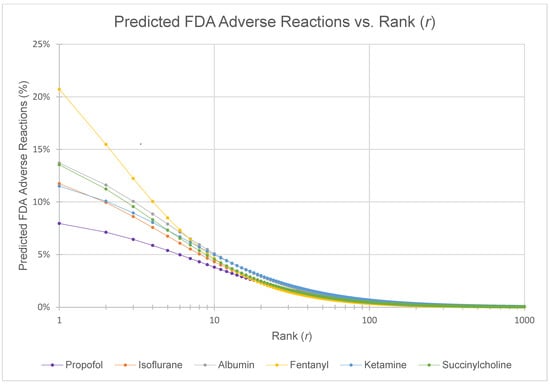
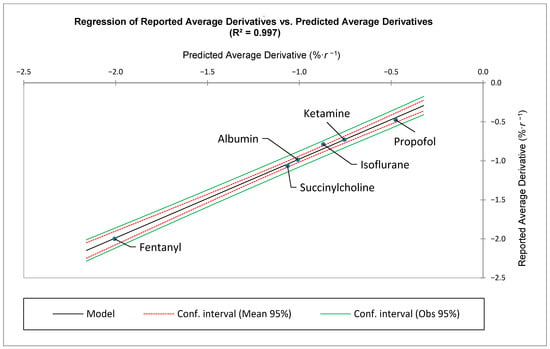
Background: The purpose of this preliminary study was to evaluate the use of the Zipf–Mandelbrot (ZM) law to mathematically model the percentage occurrence of adverse drug reactions (ADRs), as a function of rank, reported to the United States Food and Drug Administration
[...] Read more.
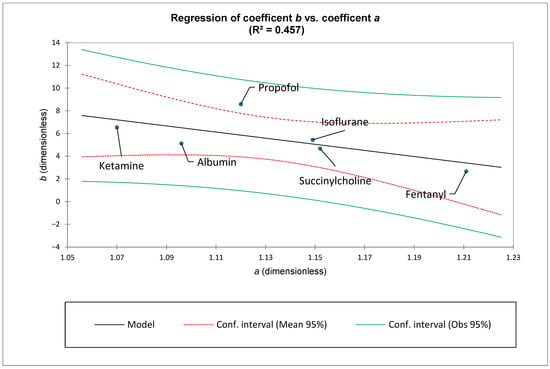
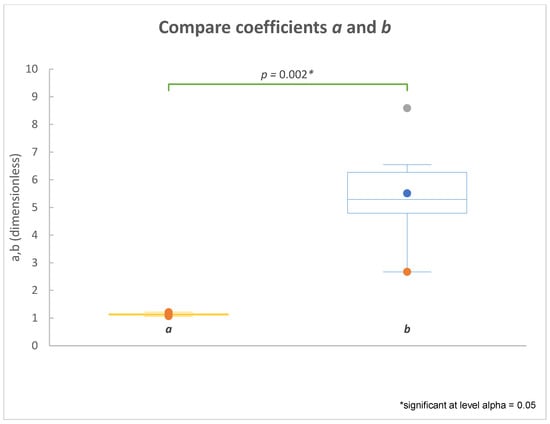
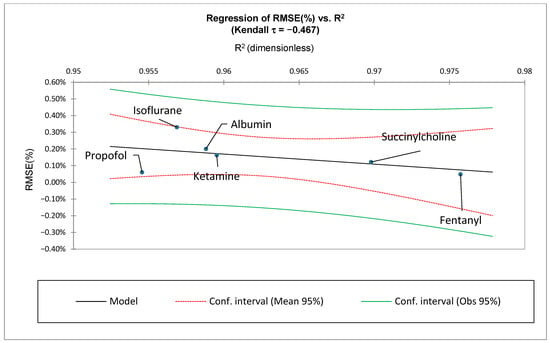
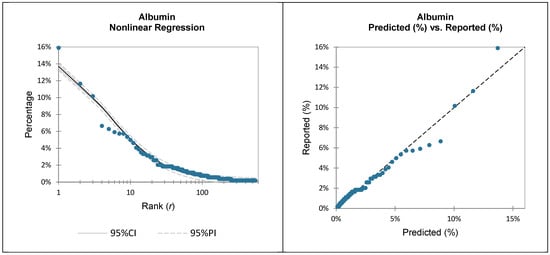
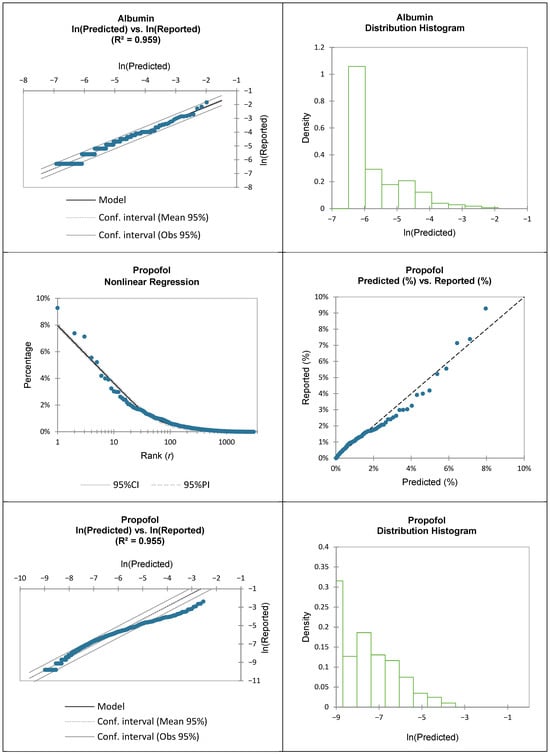
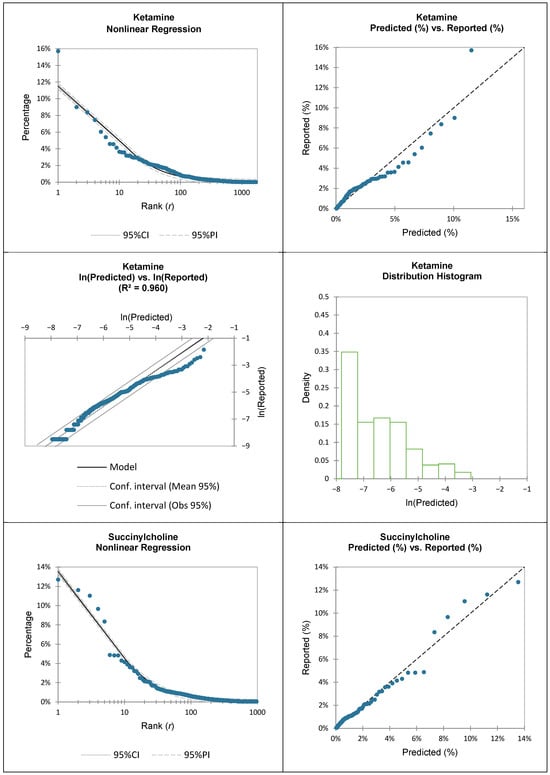
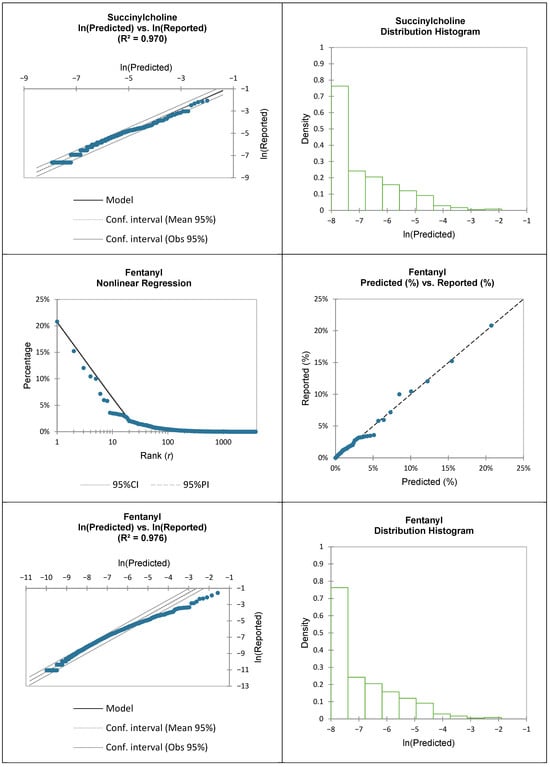
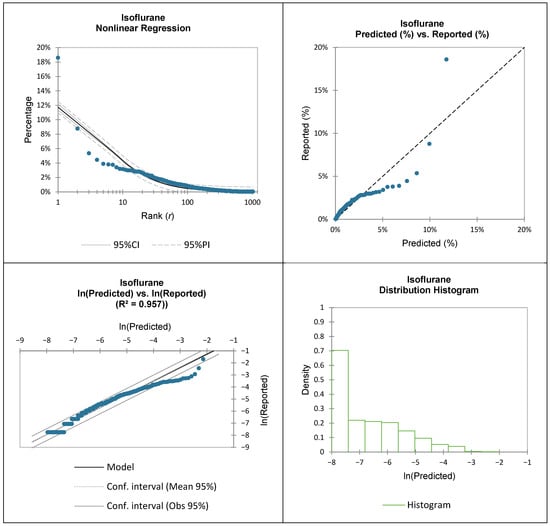
Background: The purpose of this preliminary study was to evaluate the use of the Zipf–Mandelbrot (ZM) law to mathematically model the percentage occurrence of adverse drug reactions (ADRs), as a function of rank, reported to the United States Food and Drug Administration Adverse Event Monitoring System (US FDA AEMS). Methods: Six commonly used but pharmacologically different hospital-based medications were examined. Nonlinear curve fitting of the two ZM coefficients was utilized to model the percentage occurrence of ADRs in a hierarchical or rank order for each drug examined. Results: The reported complications and their associated occurrence rates for all six medications were accurately modeled using the ZM law. Those medications that have a greater percentage of reported ADRs within their first ten ranks were also found to have a greater negative slope. Furthermore, a natural logarithmic transformation of both the reported FDA data and the ZM law-derived predicted values demonstrated a consistent near-linear relationship, which was statistically significant. The ratio of the coefficients of the ZM law, , was also found to be a potentially useful index that allows for describing and comparing the overall shape of the medication-specific distributions. Conclusions: Based upon this preliminary examination, the ZM law appears to be applicable to the mathematical modeling of US FDA-reported ADRs. Additional research to assess and utilize this law for the analysis, economic management, and possible improvement in patient outcomes may be warranted.
Full article

Figure 1
Open AccessArticle
Assessment of Inappropriate Omeprazole Prescribing, Associated Factors and Financial Impact in the Outpatient Department of a General Hospital in Thailand
by
Saranporn Srithonrat, Chayanat Pongsathabordee, Satawat Kulworahathai, Chidawan Prapat, Aticha Jamratkittiwan, Nichakan Jitakson and Taniya Paiboonvong
Pharmacoepidemiology 2026, 5(3), 22; https://doi.org/10.3390/pharma5030022 - 2 Jul 2026
Abstract
Background: Proton pump inhibitors (PPIs) are widely used for the treatment of gastrointestinal (GI) disorders. Omeprazole is one of the most commonly prescribed PPIs in Thailand. However, it is frequently overprescribed in hospital settings, increasing the risk of adverse effects. Moreover, such overuse
[...] Read more.
Background: Proton pump inhibitors (PPIs) are widely used for the treatment of gastrointestinal (GI) disorders. Omeprazole is one of the most commonly prescribed PPIs in Thailand. However, it is frequently overprescribed in hospital settings, increasing the risk of adverse effects. Moreover, such overuse imposes unnecessary healthcare costs. Objectives: To determine the prevalence of potentially inappropriate omeprazole prescribing and its associated factors, and to assess the financial impact of its overuse. Methods: This retrospective cross-sectional study was conducted in a general hospital in Thailand. Outpatients who received omeprazole between 1 January 2025 and 30 June 2025 were included. Descriptive statistics were used to summarize the data. The Chi-square test and Fisher’s exact test were used to compare categorical variables, as appropriate. Factors associated with inappropriate omeprazole prescribing were evaluated using logistic regression analysis. Results: A total of 229 patients receiving 347 omeprazole prescriptions were included. The mean age was 61.35 ± 17.17 years, and 59.4% were female. Inappropriate omeprazole prescribing was identified in 58.2% of prescriptions, primarily due to lack of appropriate indications (75.2%), followed by inappropriate duration. Antiplatelet use (OR 0.21, 95% CI 0.11–0.38, p < 0.001) and dual antiplatelet therapy (OR 0.05, 95% CI 0.01–0.37, p = 0.004) were significantly associated with a lower likelihood of inappropriate prescribing. Conclusions: Inappropriate omeprazole prescribing was common and largely driven by the absence of a clear indication, which was the main contributor to excess costs. Targeted interventions focusing on appropriate initiation, GI risk assessment, and regular reassessment may improve prescribing quality and reduce unnecessary healthcare expenditure.
Full article
Open AccessArticle
Signal Characterization of Insulin Glargine Product Groups in the United States Food and Drug Administration Adverse Event Reporting System
by
Elaf M. Basheer and Mohammed Ibrahim Aladul
Pharmacoepidemiology 2026, 5(3), 21; https://doi.org/10.3390/pharma5030021 - 30 Jun 2026
Abstract
►▼
Show Figures
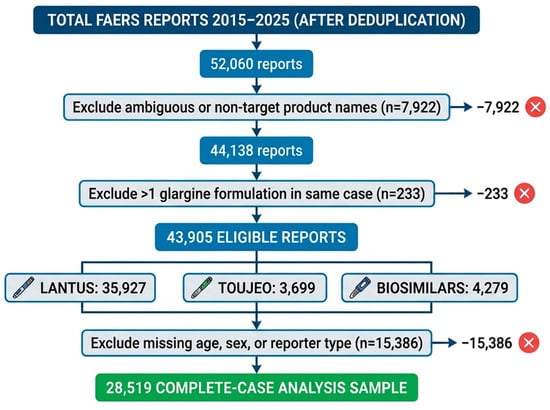
Background/Objectives: We described adverse event reporting patterns for insulin glargine marketed as 100 units/mL (Lantus), 300 units/mL (Toujeo), and 100 units/mL biosimilars (Basaglar/Semglee). Methods: We analyzed Food and Drug Administration Adverse Event Reporting System (FAERS) reports received from 2015 through 2025 that listed
[...] Read more.
Background/Objectives: We described adverse event reporting patterns for insulin glargine marketed as 100 units/mL (Lantus), 300 units/mL (Toujeo), and 100 units/mL biosimilars (Basaglar/Semglee). Methods: We analyzed Food and Drug Administration Adverse Event Reporting System (FAERS) reports received from 2015 through 2025 that listed insulin glargine as a primary or secondary suspect. Reports were grouped by trade name into standard-strength originator (Lantus), high-strength (Toujeo), and biosimilar products. We defined a composite serious outcome (death, life-threatening event, hospitalization, or disability). Logistic regression adjusted for age, sex, reporter type, and year received; Firth’s penalized regression was used for sparse death and hospitalization outcomes. Sensitivity analyses restricted to reports without concomitant suspect products, overlapping calendar windows, and healthcare professional reports. Geographic reporting patterns were analyzed by country. Results: We included 43,905 eligible reports (Lantus: 35,927; Toujeo: 3699; biosimilars: 4279). Unadjusted death was highest for Lantus (8.2%) followed by biosimilars (6.0%) and Toujeo (3.2%). In the primary adjusted model (n = 28,519), reports listing Toujeo had lower adjusted reporting odds of the composite serious outcome compared with Lantus (aOR 0.88, 95% CI 0.81–0.96), while biosimilars showed higher odds (aOR 1.24, 95% CI 1.11–1.38). The biosimilar association was not robust: it attenuated without concomitant drugs (aOR 1.07, 95% CI 0.92–1.23) and reversed in healthcare professional reports (aOR 0.65, 95% CI 0.49–0.87). Device-related events were lower for biosimilars (aOR 0.58) and Toujeo (aOR 0.85). Geographic heterogeneity was extreme (Egypt 76.9% death vs. Italy 0.8%), and the US protective association reversed in recent years. Conclusions: After adjustment for report-level characteristics, Toujeo was associated with lower reporting odds of serious outcomes, while biosimilar findings were inconsistent across sensitivity analyses and driven by consumer reporting. Geographic heterogeneity and the Egypt outlier underscore the fragility of cross-country comparisons in spontaneous reporting data. These findings reflect reporting-behavior heterogeneity rather than differential product safety.
Full article

Figure 1
Open AccessArticle
Medication Adherence and Its Discordance with Glycemic Control in Type 2 Diabetes: A Real-World Study in Primary Health Care in the Brazilian Amazon
by
Laila de Castro Araújo, Valéria dos Santos Lourenço, Valéria de Castro Fagundes, Alana Ferreira de Oliveira, Ana Cristina Lo Prete, Carolina Heitmann Mares Azevedo Ribeiro, Érica dos Santos Sarges, Luana Pereira Margalho, Phelipe Augusto Rabelo Paixão, Stefani Gisele Bastos Dornas, Wherveson de Araújo Ramos, Bianca de Jesus Quintino, Paula Gabrielle Gomes Candido, Victor Mesquita Eguchi, Isaac Antonio Duarte da Silva, William Rodrigues de Lima, Victor de Castro Araújo, Thaty Hanny Feuerstein do Nascimento, Maria Pantoja Moreira de Sena and Luann Wendel Pereira de Sena
Pharmacoepidemiology 2026, 5(3), 20; https://doi.org/10.3390/pharma5030020 - 26 Jun 2026
Abstract
Background/Objectives: Medication adherence is a critical determinant of therapeutic outcomes in type 2 diabetes mellitus (T2DM); however, its relationship with glycemic control remains inconsistent, particularly in real-world and socially vulnerable settings. This study aimed to evaluate medication adherence using multiple validated instruments, assess
[...] Read more.
Background/Objectives: Medication adherence is a critical determinant of therapeutic outcomes in type 2 diabetes mellitus (T2DM); however, its relationship with glycemic control remains inconsistent, particularly in real-world and socially vulnerable settings. This study aimed to evaluate medication adherence using multiple validated instruments, assess disease-related knowledge, and examine their relationship with glycemic control, with a focus on potential discordance between self-reported adherence and objective metabolic outcomes. Methods: A cross-sectional analytical study was conducted with 237 adults with T2DM receiving care in a primary health care (PHC) unit in the Brazilian Amazon. Medication adherence was assessed using the Almeida Adherence Scale, ARMS-12, and the Haynes–Sackett test, while disease-related knowledge was evaluated using the Batalla–Martínez questionnaire. Glycemic control was determined based on glycated hemoglobin (HbA1c) values obtained from clinical records within the previous three months. Descriptive and comparative analyses were performed. Results: The study population was predominantly female (64.1%) and aged 40–59 years (55.7%), with a high prevalence of socioeconomic vulnerability. Non-adherence was identified in 55.7% of participants using the Almeida Adherence Scale, whereas higher adherence rates were observed with ARMS-12 (91.1%) and the Haynes–Sackett test (72.2%). Inadequate disease-related knowledge was found in 77.2% of participants. Among individuals with available HbA1c data (n = 116), the mean HbA1c was 8.63% (SD = 1.65), and 81.9% presented inadequate glycemic control (HbA1c ≥ 7%). Notably, among participants classified as adherent by the ARMS-12 scale (91.1%), inadequate glycemic control was nonetheless present in 81.9% of those with available HbA1c data, illustrating the magnitude of the observed discordance between self-reported adherence and objective metabolic outcomes. Cross-tabulation of each adherence instrument against glycemic control showed no statistically significant associations (chi-square with Yates correction; ARMS-12: p = 0.631, φ = 0.045; Almeida Adherence Scale: p = 0.301, φ = 0.096; Haynes–Sackett: p = 0.800, φ = 0.024). Multivariable logistic regression (Nagelkerke R2 = 0.321; AUC = 0.834) identified older age (aOR = 0.92; 95% CI: 0.87–0.96; p < 0.001) and higher income (aOR = 9.96; 95% CI: 2.05–48.32; p = 0.004) as independent predictors of glycemic outcome, while no adherence measure was independently associated with HbA1c ≥ 7%. A sensitivity analysis using HbA1c ≥ 8.0% revealed poor control in 59.5% of participants (n = 69/116). Conclusions: Despite varying levels of self-reported medication adherence, inadequate glycemic control was highly prevalent. The absence of statistically significant associations between self-reported adherence and HbA1c, combined with the high prevalence of poor glycemic control regardless of adherence status, is consistent with the hypothesis that adherence alone does not fully explain metabolic outcomes in T2DM. Given the cross-sectional design, no causal inferences can be drawn. These findings highlight the need for integrated care strategies in primary health care, including improved health literacy, structured pharmacotherapeutic follow-up, and the use of multiple adherence assessment tools to better inform clinical decision-making.
Full article
Open AccessFeature PaperArticle
Determinants and Temporal Trends of Inappropriate Azithromycin Use in Hospitalized Adults with COVID-19: A Retrospective Pharmacoepidemiologic Cohort Study
by
Fitim Alidema, Arieta Hasani Alidema, Miranda Sejdiu Abazi, Saranda Sejdiu Sadiku and Arben Abazi
Pharmacoepidemiology 2026, 5(2), 19; https://doi.org/10.3390/pharma5020019 - 10 Jun 2026
Abstract
Background: The COVID-19 pandemic was associated with extensive empirical antibiotic exposure despite the predominantly viral etiology of the disease. Evaluating patterns of azithromycin use, prescribing determinants, and appropriateness provides insight into real-world antibiotic use under conditions of diagnostic uncertainty. Methods: We performed a
[...] Read more.
Background: The COVID-19 pandemic was associated with extensive empirical antibiotic exposure despite the predominantly viral etiology of the disease. Evaluating patterns of azithromycin use, prescribing determinants, and appropriateness provides insight into real-world antibiotic use under conditions of diagnostic uncertainty. Methods: We performed a retrospective cohort study including 3200 adult patients hospitalized with laboratory-confirmed COVID-19 at the General Hospital in Ferizaj between June 2020 and June 2022. Demographic characteristics, comorbidities, markers of disease severity, laboratory parameters, and antibiotic exposure were extracted from medical records. Azithromycin prescriptions were classified as appropriate, potentially appropriate, or inappropriate based on predefined clinical and laboratory indicators suggestive of bacterial co-infection. Drug utilization patterns, temporal trends, and independent determinants of inappropriate prescribing were assessed using descriptive analyses and multivariable logistic regression modeling. Results: Among 3200 hospitalized patients, 1968 (61.5%) received azithromycin. Of these prescriptions, 612 (31.1%) were classified as appropriate, 418 (21.3%) as potentially appropriate, and 938 (47.6%) as inappropriate. The proportion of inappropriate use decreased over time, from 52.4% in 2020–2021 to 38.7% in 2022 (p < 0.001). However, a substantial proportion of prescriptions remained inappropriate throughout the study period. In multivariable analysis, absence of laboratory markers suggestive of bacterial infection (OR 2.41; 95% CI 1.98–2.93), concomitant use of more than one antibiotic (OR 1.67; 95% CI 1.32–2.11), and lower clinical severity at admission (OR 1.54; 95% CI 1.21–1.95) were independently associated with inappropriate azithromycin prescribing. Conclusions: Azithromycin use was frequent among hospitalized adults with COVID-19, and a considerable proportion of prescriptions lacked clinical or laboratory justification. Although prescribing patterns changed over time, the persistence of inappropriate use highlights ongoing challenges in aligning antibiotic use with emerging evidence. These findings contribute to the understanding of antibiotic utilization patterns in acute care settings and underscore the importance of integrating objective diagnostic indicators into antimicrobial decision-making to strengthen stewardship practice.
Full article
Open AccessArticle
Perioperative Antibiotic Use in Pediatric Surgical Patients in a Tertiary Care Hospital: A Retrospective Pharmacoepidemiological Study
by
Fitim Bexhet Alidema and Zejdush Tahiri
Pharmacoepidemiology 2026, 5(2), 18; https://doi.org/10.3390/pharma5020018 - 9 Jun 2026
Abstract
Background and Objective: Perioperative antibiotics are widely used in pediatric surgical practice; however, inappropriate selection and prolonged use may contribute to antimicrobial resistance and unnecessary exposure. Appropriate use of perioperative antibiotics is essential to prevent surgical site infections while minimizing antimicrobial resistance,
[...] Read more.
Background and Objective: Perioperative antibiotics are widely used in pediatric surgical practice; however, inappropriate selection and prolonged use may contribute to antimicrobial resistance and unnecessary exposure. Appropriate use of perioperative antibiotics is essential to prevent surgical site infections while minimizing antimicrobial resistance, adverse drug reactions, and unnecessary healthcare costs. Despite existing international recommendations, deviations from guideline-based practice remain frequent in pediatric surgical settings. This study aimed to describe patterns of perioperative antibiotic use and assess the appropriateness of prescribing practices in a tertiary care setting, and to identify factors associated with inappropriate antibiotic use. Methods: A retrospective pharmacoepidemiological study was conducted by reviewing medical records of pediatric patients admitted to a tertiary care hospital in Kosovo between January 2022 and December 2025 (data lock: December 2025). A total of 650 patients aged 0–18 years who underwent surgical interventions and received perioperative antibiotics for prophylaxis or empirical treatment (defined as antibiotic therapy initiated in the presence of suspected infection) were included. Data collected comprised demographic characteristics, surgical diagnoses, type of surgery, antibiotics prescribed, weight-adjusted dosing, route of administration, timing of initiation, and duration of therapy. Appropriateness of antibiotic use was evaluated based on available documentation and compliance with WHO (2018) and CDC (2017) guidelines regarding indication, antibiotic selection, dosage, timing, and duration. Statistical analyses included descriptive statistics, chi-square tests, and multivariable logistic regression to estimate adjusted odds ratios (ORs) with 95% confidence intervals (CIs), with statistical significance set at p < 0.05. Results: Among the 650 patients, 378 (58.2%) were male and 272 (41.8%) were female, with a mean age of 6.8 ± 4.3 years. The most common types of surgery were abdominal (35.7%), otorhinolaryngological (29.4%), urological (19.1%), and orthopedic (15.8%). Perioperative antibiotics were administered predominantly for prophylaxis (91.5%), while 8.5% of patients received empirical treatment. The most frequently prescribed antibiotics were cefazolin (42.6%), ceftriaxone (34.8%), ampicillin/sulbactam (12.3%), and gentamicin (6.1%). Notably, ceftriaxone was frequently prescribed for prophylactic purposes despite international recommendations generally favoring narrow-spectrum first-line agents for perioperative prophylaxis. Intravenous administration was used in 87.9% of cases. Antibiotic duration was ≤24 h in 61.2% of patients, whereas 38.8% received antibiotics for more than 24 h. Overall, appropriate antibiotic use was identified in 62.9% of cases, while 37.1% were classified as inappropriate. Prolonged antibiotic use beyond 24 h (adjusted OR = 3.87; 95% CI: 2.68–5.58; p < 0.001) and ceftriaxone use (adjusted OR = 2.41; 95% CI: 1.63–3.55; p < 0.001), were independently associated with inappropriate antibiotic use. Conclusions: Perioperative antibiotic use in pediatric tertiary care is highly prevalent, with more than one-third of prescriptions not fully aligned with international recommendations. Prolonged antibiotic duration and the preferential use of broad-spectrum agents, particularly ceftriaxone, were the factors most strongly associated with inappropriate prescribing patterns. These findings highlight the need for improved adherence to guideline-based perioperative antibiotic protocols; however, causal inferences regarding stewardship interventions cannot be drawn from this retrospective study. The findings should be interpreted within the limitations inherent to retrospective observational studies.
Full article
Open AccessArticle
Medication Discrepancies at Hospital Discharge Among Adults with and Without Mental Health Conditions: A Retrospective Cohort Study
by
Nabil Nassar and Robyn Tamblyn
Pharmacoepidemiology 2026, 5(2), 17; https://doi.org/10.3390/pharma5020017 - 4 Jun 2026
Abstract
►▼
Show Figures
Background/Objectives: Medication discrepancies at hospital discharge are common and may contribute to adverse drug events and avoidable healthcare use. Patients with mental health conditions may be at increased risk because of greater clinical complexity, polypharmacy, and fragmented care, but comparative evidence during general
[...] Read more.
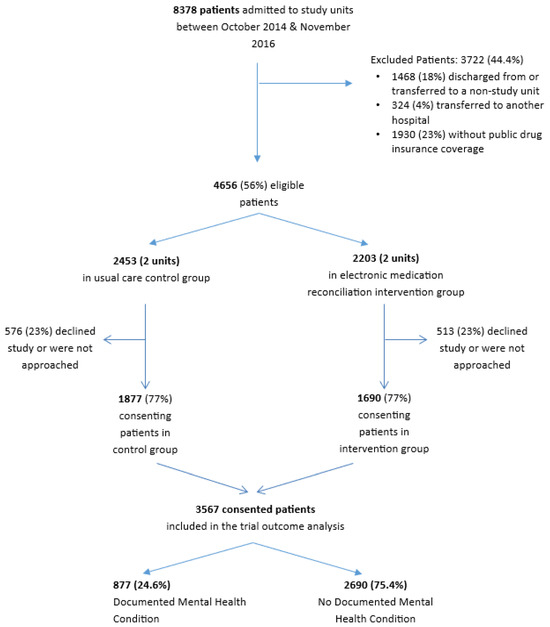
Background/Objectives: Medication discrepancies at hospital discharge are common and may contribute to adverse drug events and avoidable healthcare use. Patients with mental health conditions may be at increased risk because of greater clinical complexity, polypharmacy, and fragmented care, but comparative evidence during general hospital admissions is limited. Our primary objective was to determine whether adults with mental health conditions were more likely than those without such conditions to experience unintended medication discrepancies at hospital discharge. Secondary objectives were to examine discrepancy subtypes, assess whether associations differed for serious mental illness versus other mental health conditions, and explore whether associations varied by reconciliation arm. Methods: We conducted a retrospective cohort study using linked data from the RightRx cluster-randomized trial at the McGill University Health Centre (2014–2016) and Quebec administrative databases. Adults with continuous provincial drug coverage for at least 12 months before admission who met study eligibility criteria were included. The primary exposure was any documented mental health condition; secondary analyses distinguished serious mental illness (SMI) from other mental health conditions. The primary outcome was any unintended medication discrepancy at discharge; subtype analyses examined omissions, therapeutic duplications, and unintended dose changes. Results: Among 3567 patients, 877 (24.6%) had a mental health condition. Crude discrepancy prevalence was similar between groups. In the prespecified primary analysis, mental health condition status was associated with lower observed odds of any unintended discrepancy at discharge. This unexpected inverse association should not be interpreted as evidence of a protective effect and may reflect differences in documentation, residual confounding, selection, or other unmeasured processes. Secondary and supplementary analyses, including omission and SMI subgroup comparisons, did not remain statistically significant after Holm correction. Conclusions: These findings suggest that documentation-based discrepancy measures may relate to mental health status in heterogeneous ways, but they require confirmation in independent settings.
Full article

Figure 1

Open AccessSystematic Review
Characterization of the Enrollment of Pregnant and Breastfeeding People in Cardiovascular Randomized Clinical Trials
by
Tianhui Ma, Simona Miljanic, Hasti Tajdari, Charmaine De Castro, Armaan Mahajan, Najla Tabbara, Sarah C. J. Jorgensen, Isabelle Malhamé and Lisa D. Burry
Pharmacoepidemiology 2026, 5(2), 16; https://doi.org/10.3390/pharma5020016 - 30 May 2026
Abstract
Background/Objectives: Pregnant and breastfeeding people require special considerations for enrollment in clinical trials. However, the baseline proportion of cardiovascular clinical trials including pregnant and breastfeeding people remains unclear. The objective of this study was to characterize the representation of pregnant and breastfeeding people
[...] Read more.
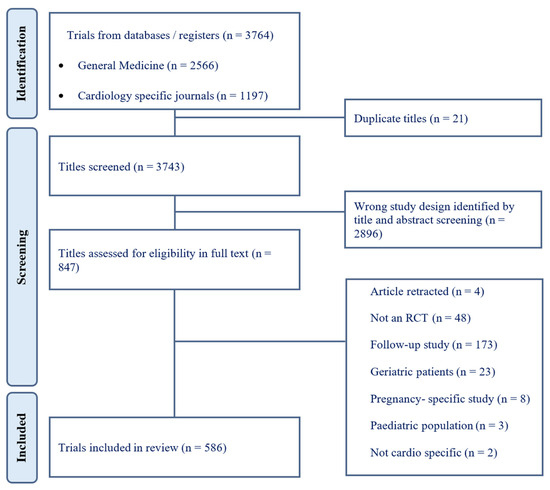
Background/Objectives: Pregnant and breastfeeding people require special considerations for enrollment in clinical trials. However, the baseline proportion of cardiovascular clinical trials including pregnant and breastfeeding people remains unclear. The objective of this study was to characterize the representation of pregnant and breastfeeding people in cardiovascular randomized clinical trials (RCTs) and to determine whether inclusion has increased following the 2018 removal of pregnancy from the FDA’s “vulnerable population” designation. Methods: We screened eight high-impact general medicine and specialty journals for cardiovascular RCTs published between 1 January 2019 and 31 December 2023. We included RCTs examining pharmacological, behavioral, educational, device, or procedural interventions. We excluded RCTs that recruited exclusively male, pediatric, geriatric, or postmenopausal populations, and those specifically designed for obstetrical populations. We also excluded publications reporting follow-up or subgroup, pooled, or secondary analyses of previously published trials. Data from RCTs were independently extracted in duplicate following the PRISMA guidelines. We examined each RCT for pregnancy and breastfeeding inclusion criteria, rationale for exclusion, and contraception requirements. Results: Of 3764 citations identified, 586 met the inclusion criteria. In total, four (0.7%) RCTs permitted inclusion of pregnant people, 382 (65%) explicitly stated their exclusion, and 200 (34%) did not provide specific enrolment criteria for them. The few studies that explicitly stated exclusion of pregnant people (31/382, 8.1%) provided a rationale. 225 (38%) RCTs explicitly stated exclusion of breastfeeding people, and none explicitly permitted inclusion. There was no significant difference in the proportion of pregnant or breastfeeding people included or excluded from RCTs that began enrollment before 2018 versus after 2018. Conclusions: Pregnant and breastfeeding people are primarily excluded from cardiovascular RCTs, and the justification for their exclusion is rarely provided.
Full article
(This article belongs to the Special Issue Women’s Special Issue Series: Pharmacoepidemiology)
►▼
Show Figures

Figure 1
Highly Accessed Articles
Latest Books
E-Mail Alert
News
15 September 2026
Meet Us at the 2026 Fall International Convention of The Pharmaceutical Society of Korea (PSK 2026), 21–23 October 2026, Suwon, Republic of Korea
Topics
Conferences
Special Issues
Special Issue in
Pharmacoepidemiology
The Pharmacoepidemiology of Antipsychotics: Utilization, Safety and Effectiveness in Real-World Settings
Guest Editor: Yi ChaiDeadline: 30 September 2026
Special Issue in
Pharmacoepidemiology
A Global Perspective on Advancing Drug Development and Labeling for Understudied Populations
Guest Editors: Elena Y. Enioutina, Kathleen M. JobDeadline: 30 November 2026
Special Issue in
Pharmacoepidemiology
Women’s Special Issue Series: Pharmacoepidemiology
Guest Editors: Carlotta Franchi, Li-Chia Chen, Carlotta LunghiDeadline: 31 January 2027
Special Issue in
Pharmacoepidemiology
Digital Precision Health Management of Cardiovascular and Cerebrovascular Diseases
Guest Editor: Dafang ChenDeadline: 30 April 2027