Journal Description
Acta Microbiologica Hellenica
(AMH) is an international, peer-reviewed, open access journal on medical microbiology, published quarterly online. It is the official journal of the Hellenic Society for Microbiology (HMS). Society members receive discounts on the article processing charges.
- Open Access— free for readers, with article processing charges (APC) paid by authors or their institutions.
- High Visibility: indexed within Scopus, Biological Abstracts and BIOSIS Previews (Web of Science), and other databases.
- Rapid Publication: manuscripts are peer-reviewed and a first decision is provided to authors approximately 24.3 days after submission; acceptance to publication is undertaken in 3.5 days (median values for papers published in this journal in the first half of 2026).
- Recognition of Reviewers: APC discount vouchers, optional signed peer review, and reviewer names published annually in the journal.
- Journal Cluster of Microbiology: Acta Microbiologica Hellenica, Applied Microbiology, Bacteria, Journal of Fungi, Microorganisms, Microbiology Research, Pathogens, Viruses, Fermentation and Germs.
Latest Articles
In Vitro Activity of Mecillinam Against ESBL- and Non-ESBL-Producing Escherichia coli and Klebsiella pneumoniae Urinary Isolates
Acta Microbiol. Hell. 2026, 71(3), 33; https://doi.org/10.3390/amh71030033 - 26 Aug 2026
Abstract
The rising prevalence of multidrug-resistant (MDR) Enterobacterales poses a major challenge for the empirical treatment of urinary tract infections (UTIs). We evaluated the in vitro activity of mecillinam against urinary Escherichia coli and Klebsiella pneumoniae isolates, including extended-spectrum β-lactamase (ESBL)-producing and non-ESBL-producing isolates.
[...] Read more.
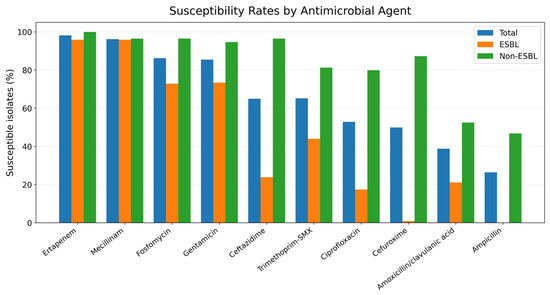
The rising prevalence of multidrug-resistant (MDR) Enterobacterales poses a major challenge for the empirical treatment of urinary tract infections (UTIs). We evaluated the in vitro activity of mecillinam against urinary Escherichia coli and Klebsiella pneumoniae isolates, including extended-spectrum β-lactamase (ESBL)-producing and non-ESBL-producing isolates. In this prospective, single-center study conducted in Spain (December 2020–March 2021), urinary isolates of E. coli and K. pneumoniae from patients with suspected UTIs were tested for susceptibility to mecillinam and other commonly used antibiotics. A total of 503 isolates were analyzed, including 285 non-ESBL-producing and 218 ESBL-producing isolates. Overall susceptibility was 96.2% (95% CI, 94.2–97.7%) for mecillinam and 98.2% for ertapenem. Mecillinam susceptibility was 96.5% (95% CI, 93.6–98.3%) among non-ESBL-producing isolates and 95.9% (95% CI, 92.3–98.1%) among ESBL-producing isolates, with MIC50 values of 0.5 mg/L and 1 mg/L, respectively. Among ESBL-producing isolates, susceptibility to fosfomycin and trimethoprim–sulfamethoxazole was 72.9% and 44.0%, respectively. These findings demonstrate high in vitro activity of mecillinam against urinary E. coli and K. pneumoniae isolates, including both ESBL-producing and non-ESBL-producing isolates, and provide microbiological evidence supporting further clinical evaluation of pivmecillinam as an oral treatment option for UTIs.
Full article
(This article belongs to the Topic Healthcare-Associated Infections and Antimicrobial Therapy)
►
Show Figures
Open AccessArticle
Genomic Epidemiology of Carbapenem-Resistant Enterobacterales in a Bulgarian University Hospital (2022–2025): Emergence and Persistence of Klebsiella pneumoniae ST6260 Carrying blaNDM-5
by
Emma Keuleyan, Ivan Stoikov, Theodor Todorov, Ivan N. Ivanov, Deniz Hamidov and Radoslava Vazharova
Acta Microbiol. Hell. 2026, 71(3), 32; https://doi.org/10.3390/amh71030032 - 21 Aug 2026
Abstract
►▼
Show Figures
Carbapenem-resistant Enterobacterales (CRE) are a major public health concern, yet genomic data from Bulgaria remain limited. We investigated the genomic epidemiology and genomic characteristics of clinically significant CRE recovered at University Hospital “Lozenetz”, Sofia, between 2022 and 2025. Antimicrobial susceptibility testing, phenotypic carbapenemase
[...] Read more.
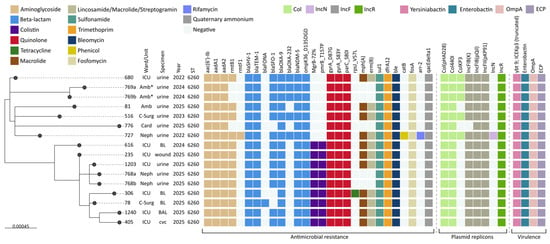
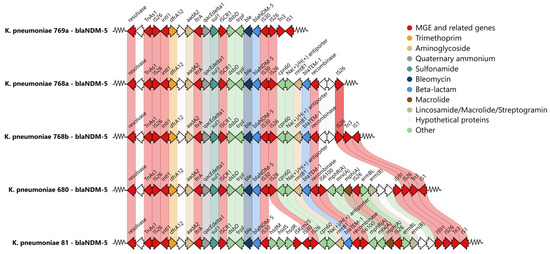
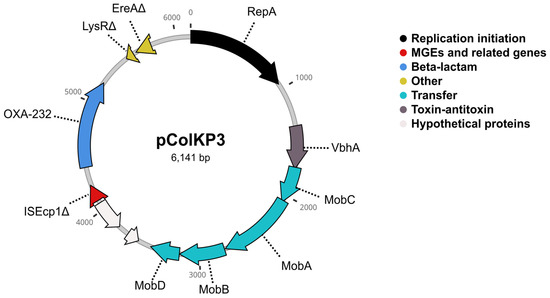
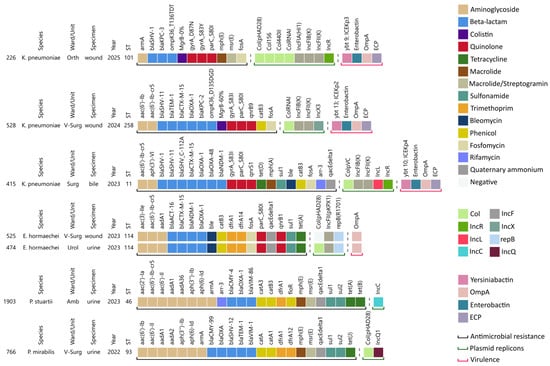
Carbapenem-resistant Enterobacterales (CRE) are a major public health concern, yet genomic data from Bulgaria remain limited. We investigated the genomic epidemiology and genomic characteristics of clinically significant CRE recovered at University Hospital “Lozenetz”, Sofia, between 2022 and 2025. Antimicrobial susceptibility testing, phenotypic carbapenemase characterization, and PCR were combined with whole-genome sequencing of 23 purposively selected isolates chosen to capture temporal, species, carbapenemase, specimen, ward, and resistance-phenotype diversity. The proportion of CRE among all Enterobacterales remained broadly stable over the study period, and Klebsiella pneumoniae was the predominant species throughout. NDM-type carbapenemases were the most frequent overall, although VIM-, KPC-, and OXA-48-like enzymes were also detected. Among the sequenced isolates K. pneumoniae ST6260 (n = 16) was predominant. The remaining isolates included single K. pneumoniae isolates belonging to ST11, ST101, and ST258; two Enterobacter hormaechei ST114; one Proteus mirabilis ST93; and one Providencia stuartii ST46. All ST6260 isolates carried chromosomal blaNDM-5 within a conserved multidrug-resistance module with variable downstream regions, whereas blaOXA-232 was situated on a small ColKP3 plasmid within a defined subcluster. Overall, the data indicate that ST6260 is an emerging hospital-associated multidrug-resistant lineage.
Full article

Figure 1
Open AccessArticle
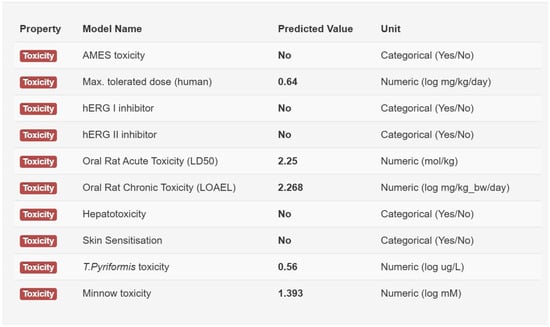
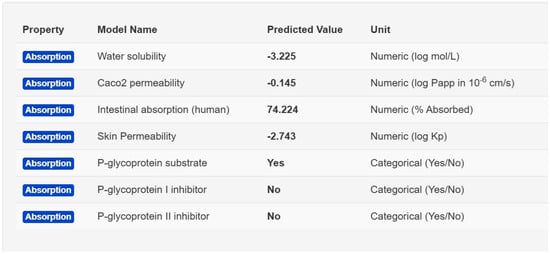
Repurposing of Pentamidine as a Potential Inhibitor of the HMG-Box Protein in Toxoplasma gondii: An Integrated In Silico Approach
by
Zenah Hadi Saied, Arwa R. Khaleel, Zahraa Abdul Al Amer Mohammad-Jawad, Zainab Abdullah Waheed, Ahmed Yahya Abdlhussan, Hussein Mohsin and Nadia Habeeb Sarhan
Acta Microbiol. Hell. 2026, 71(3), 31; https://doi.org/10.3390/amh71030031 - 18 Aug 2026
Abstract
►▼
Show Figures
Background/Objectives: The identification of novel therapeutic targets is imperative to overcome the limitations of current anti-toxoplasmosis treatments. This study aims to investigate the potential of repurposing Pentamidine as an inhibitor against the HMG-Box domain-containing protein (TGARI_247020) in Toxoplasma gondii, a protein
[...] Read more.
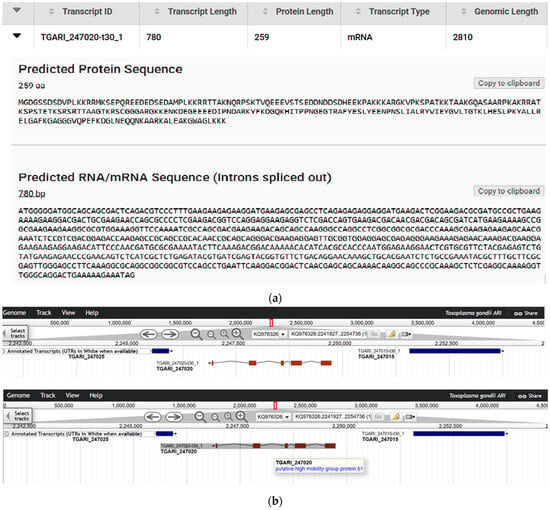
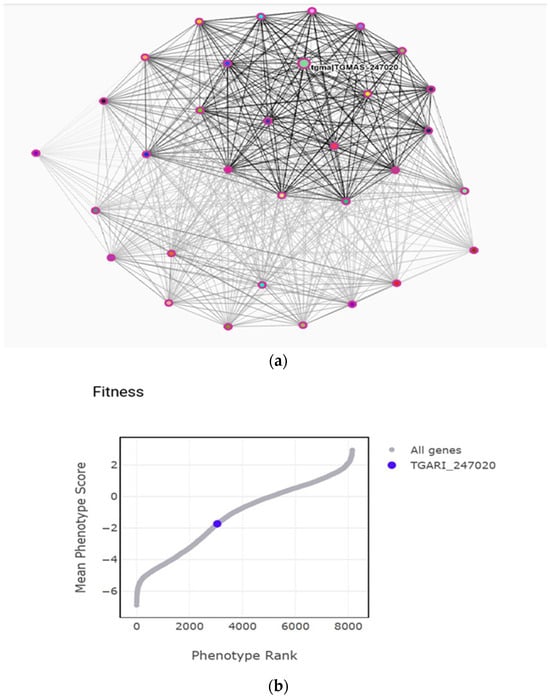
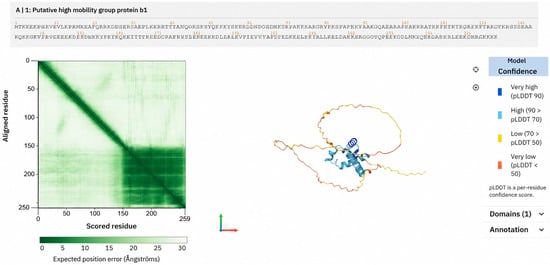
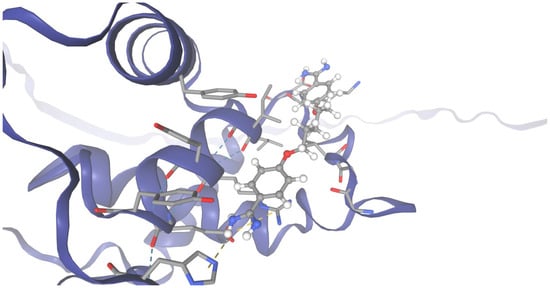
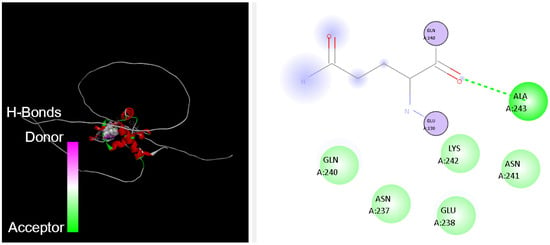
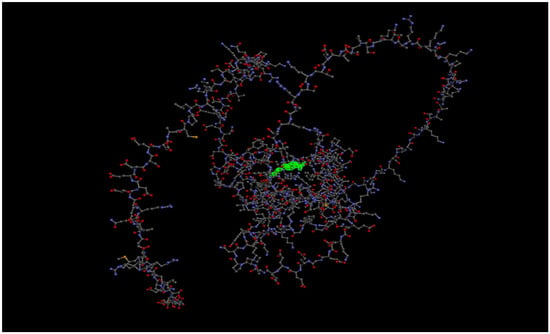
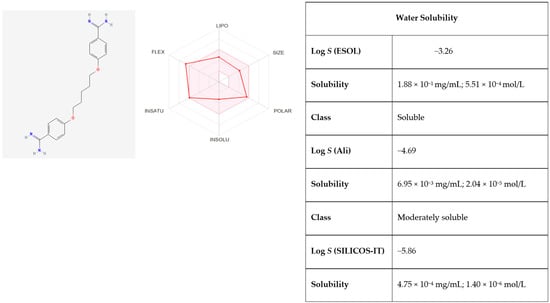
Background/Objectives: The identification of novel therapeutic targets is imperative to overcome the limitations of current anti-toxoplasmosis treatments. This study aims to investigate the potential of repurposing Pentamidine as an inhibitor against the HMG-Box domain-containing protein (TGARI_247020) in Toxoplasma gondii, a protein hypothesized to be essential for the parasite’s genomic stability. Methods: The study utilized a multi-layered in silico approach. First, the biological essentiality of the target gene was validated by analyzing CRISPR-Cas9-based phenomics data from the ToxoDB database. Second, the structural properties of the HMG-Box domain (ID: A0A139YAG1) were characterized using AlphaFold models. Finally, molecular docking simulations were conducted via the SwissDock server to evaluate the binding affinity and interaction dynamics between Pentamidine and the target protein. Results: Genomic analysis revealed a phenotype score of −1.2, confirming the indispensable role of the TGARI_247020 gene for parasite viability. Structural analysis identified a well-defined binding pocket within the HMG-Box domain. Molecular docking results demonstrated a high binding affinity for Pentamidine, yielding an optimal AC Score of −44.93, supported by a FullFitness value of −1134.13 kcal/mol. The interaction was primarily stabilized by a network of hydrogen bonds and favorable steric fits within the catalytic groove of the protein. Toxoplasmosis is widely classified as a neglected parasitic disease, posing persistent public health challenges and veterinary economic concerns globally. Traditional de novo drug discovery is often hindered by high costs and prolonged timelines, making drug repositioning (repurposing) a highly attractive and cost-effective strategy to identify novel therapeutics from established clinical agents over the past decade. Computer-Aided Drug Design (CADD), particularly Structure-Based Drug Design (SBDD), has provided a robust molecular framework to prioritize candidate drugs against essential parasitic targets. In apicomplexan parasites, high-mobility group box (HMGB) proteins, such as TgHMGB1a, serve as critical nuclear architectural factors that bind to distorted DNA structures and modulate genomic transcription, disrupting these essential DNA–protein interactions, representing a promising, yet under-explored, therapeutic target. The hypothesis for evaluating Pentamidine—an aromatic dicationic diamidine traditionally used in African trypanosomiasis—lies in its established ability to interact with nucleic acids and block critical molecular targets in other protozoa, providing a logical biochemical rationale for testing its potential as a structural inhibitor of the T. gondii HMG-box protein. Conclusions: Our findings provide preliminary in silico evidence that Pentamidine targets the HMG-Box protein, suggesting its potential for drug repurposing. However, due to established clinical limitations of Pentamidine (such as nephrotoxicity and poor blood–brain barrier permeability), further experimental in vitro and in vivo validation is strictly required to evaluate its therapeutic efficacy.
Full article

Figure 1
Open AccessPerspective
Building Antimicrobial Reasoning Before Prescribing: Reframing the Role of Preclinical Microbiology Education
by
Razique Anwer
Acta Microbiol. Hell. 2026, 71(3), 30; https://doi.org/10.3390/amh71030030 - 18 Aug 2026
Abstract
Antimicrobial resistance (AMR) is usually addressed through surveillance, prescribing policy, stewardship programs, infection prevention, and drug development. Less attention is given to an earlier educational question: how future doctors first learn to connect microorganisms, antibiotics, and resistance. In some preclinical medical curricula, microbiology
[...] Read more.
Antimicrobial resistance (AMR) is usually addressed through surveillance, prescribing policy, stewardship programs, infection prevention, and drug development. Less attention is given to an earlier educational question: how future doctors first learn to connect microorganisms, antibiotics, and resistance. In some preclinical medical curricula, microbiology provides essential knowledge of microbial structure, virulence, antimicrobial mechanisms, laboratory diagnosis, and resistance pathways, but opportunities to use this knowledge for antimicrobial reasoning may be limited. Students may therefore recall resistance mechanisms yet remain less prepared to interpret culture and susceptibility reports, consider local resistance patterns, or explain when therapy should be escalated, narrowed, optimized, or discontinued. This Perspective argues that AMR education should begin before students prescribe. Preclinical microbiology should preserve its scientific foundation while more deliberately linking microbial mechanisms to clinical scenarios, stewardship principles, microbiology report interpretation, and assessment design. Implementation should be adapted to local standards, supported by faculty development, and evaluated prospectively.
Full article
Open AccessArticle
Maribavir for Refractory Cytomegalovirus Infection in Transplant Recipients: A Single-Center Real-World Case Series with Tailored Therapeutic Management
by
Biagio Pinchera, Alessia D’Agostino, Stefano Mario Susini, Maria Michela Scirocco, Fabrizio Salemi, Amerigo Piccione, Rosa Carrano and Ivan Gentile
Acta Microbiol. Hell. 2026, 71(3), 29; https://doi.org/10.3390/amh71030029 - 17 Aug 2026
Abstract
Background: Refractory cytomegalovirus (CMV) infection remains a major challenge after solid organ transplantation (SOT) and hematopoietic stem cell transplantation (HSCT). Maribavir has demonstrated efficacy and a favorable safety profile in clinical trials, but real-world data on virological endpoints, treatment duration, and recurrence
[...] Read more.
Background: Refractory cytomegalovirus (CMV) infection remains a major challenge after solid organ transplantation (SOT) and hematopoietic stem cell transplantation (HSCT). Maribavir has demonstrated efficacy and a favorable safety profile in clinical trials, but real-world data on virological endpoints, treatment duration, and recurrence remain limited. Methods: We retrospectively reviewed all consecutive transplant recipients treated with maribavir for refractory CMV infection/disease at a tertiary referral center in Naples, Italy. Clinical and laboratory information were extracted from medical records. Results: Six patients were included: five SOT recipients and one autologous HSCT recipient. Maribavir was administered at 400 mg twice daily for a median of 43.5 days (IQR 23–56 days). At the end of treatment, five patients had detectable CMV DNA < 1000 IU/mL without confirmed clearance. Patient 6 was the only patient to achieve confirmed clearance (<LLOQ on two consecutive tests) and experienced virological and clinical rebound 18 days after discontinuation. Overall, 3/6 patients rebounded within 15–21 days. Adverse events were mild, and no patient discontinued therapy because of toxicity. Conclusions: In this small real-world series, maribavir was well tolerated and was associated with marked reductions in CMV DNA. However, three patients experienced early post-treatment rebound, including the only patient who achieved confirmed clearance. These observations are hypothesis-generating and do not establish a stopping threshold for low-level DNAemia or a validated post-treatment monitoring interval. Larger studies incorporating longitudinal viral kinetics, immune recovery, and resistance testing are needed.
Full article
Open AccessReview
Diagnosing Neonatal Sepsis: A Comprehensive Review of Conventional Culture, Molecular Methods, and Host-Response Biomarkers
by
Elena Teona Cosovanu, Eric Oliviu Cosovanu, Silvia Gabriela Ionescu, Andreea Asaftei, Costin Damian, Gabriela Smarandita Asaftei-Titianu, Madalina Andreea Donos, Antoneta Dacia Petroaie, Ileana Katerina Ioniuc, Ovidiu Rusalim Petris, Elena Adorata Coman, Luminita Smaranda Iancu, Irina Draga Caruntu and Ramona Gabriela Ursu
Acta Microbiol. Hell. 2026, 71(3), 28; https://doi.org/10.3390/amh71030028 - 4 Aug 2026
Abstract
Neonatal sepsis remains a leading cause of morbidity and mortality in the first month of life, yet its presentation is nonspecific, and its microbiological confirmation is uniquely difficult. Low-circulating bacterial loads, small obtainable blood volumes, frequent intrapartum antibiotic exposure, and the ambiguity of
[...] Read more.
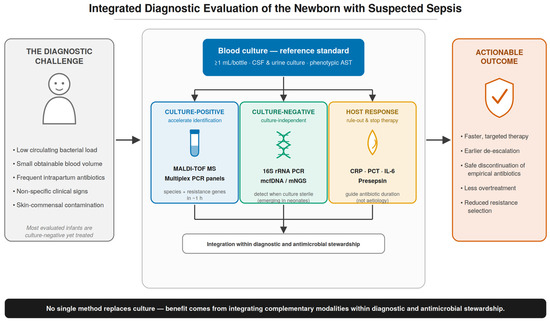
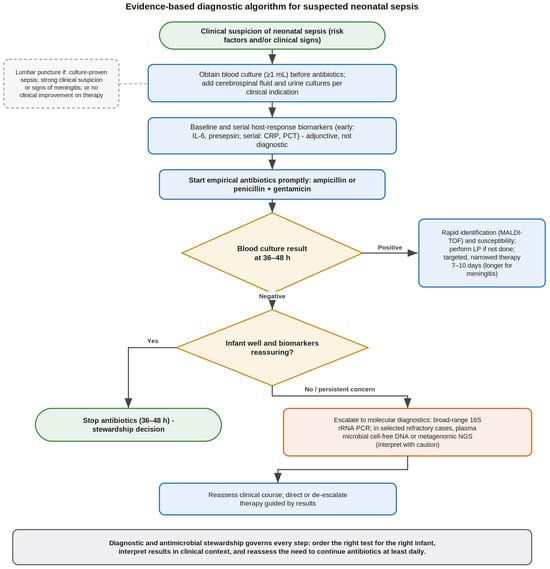
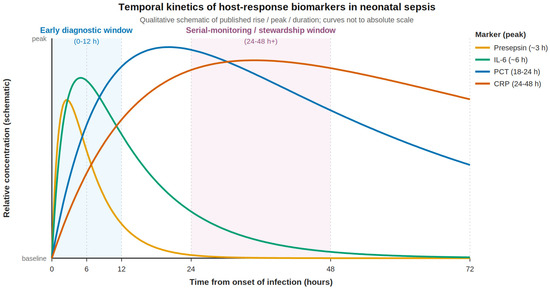
Neonatal sepsis remains a leading cause of morbidity and mortality in the first month of life, yet its presentation is nonspecific, and its microbiological confirmation is uniquely difficult. Low-circulating bacterial loads, small obtainable blood volumes, frequent intrapartum antibiotic exposure, and the ambiguity of skin-commensal isolates erode the sensitivity and specificity of blood culture, the long-standing reference standard, so that most evaluated infants are treated empirically despite sterile cultures. This review synthesizes current evidence on the integrated microbiological evaluation of the newborn: the host- and specimen-related diagnostic challenge; the etiologic spectrum and its antimicrobial-resistance burden; conventional culture; rapid and molecular methods, including mass spectrometry and syndromic and broad-range PCR; metagenomic and cell-free-DNA sequencing; host-response biomarkers; and antimicrobial-susceptibility determination. The evidence indicates that newer methods accelerate or supplement culture but do not yet replace it, each addressing one limitation while introducing caveats of its own. Notably, much of the evidence for direct-from-blood molecular testing, microbial cell-free DNA, and metagenomic sequencing is extrapolated from adults, whereas neonatal data are stronger for several biomarkers. The greatest benefit arises from integrating complementary modalities within diagnostic- and antimicrobial-stewardship frameworks. Neonatal-specific validation, standardized thresholds, and outcome-driven trials remain the principal priorities.
Full article
(This article belongs to the Special Issue Developments and Practices in Medical Biopathology—70th Anniversary of Acta Microbiologica Hellenica)
►▼
Show Figures

Figure 1
Open AccessArticle
Characterization of Environmental and Clinical Cryptococcus neoformans in Southern Ghana
by
Nana Eghele Adade, Prince J. Pappoe-Ashong, Stephen D. Ahator and Japheth A. Opintan
Acta Microbiol. Hell. 2026, 71(3), 27; https://doi.org/10.3390/amh71030027 - 30 Jul 2026
Abstract
►▼
Show Figures
Cryptococcus neoformans and Cryptococcus gatti are the two most common pathogenic species of the encapsulated yeast genus Cryptococcus and have been linked to fatal neurologic infections in both immunocompromised and healthy individuals. Cryptococcosis, which includes AIDS-defining diseases such as cryptococcal meningitis and meningoencephalitis,
[...] Read more.
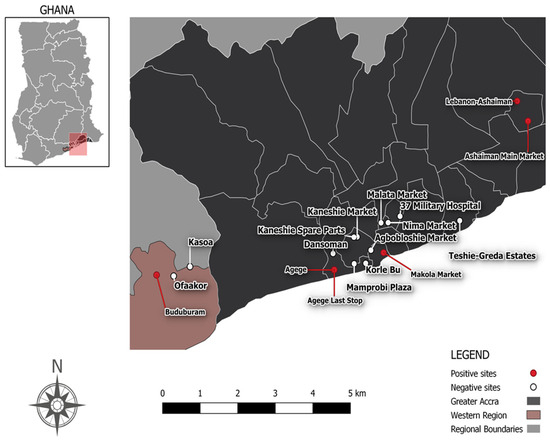
Cryptococcus neoformans and Cryptococcus gatti are the two most common pathogenic species of the encapsulated yeast genus Cryptococcus and have been linked to fatal neurologic infections in both immunocompromised and healthy individuals. Cryptococcosis, which includes AIDS-defining diseases such as cryptococcal meningitis and meningoencephalitis, is the most frequent fungal infection of the central nervous system, with Africa having the greatest fatality rate. The goal of this study was to identify and characterize C. neoformans from pigeon and bat droppings, which are thought to be environmental reservoirs for the yeast and to determine their relatedness to clinical species. A total of 588 dried and 55 moist pigeon droppings, as well as 50 moist bat droppings, were collected from 18 sites in Ghana’s Greater Accra and Western regions, from sources which included markets, a church, households, and a public park. Seven clinical archived C. neoformans isolates were also retrieved from the Central Laboratory of the Korle-Bu Teaching Hospital (KBTH), Greater Accra. Using conventional methods and partial Multi-Locus Sequence Typing (MLST), 49 Cryptococcus neoformans var grubii were isolated from dried pigeon droppings only, yielding a prevalence of 7%. The sequence type (ST)/MLST group could not be defined based on the available data, although the allele types of the housekeeping genes in some of the isolates were identified. Some clinical strains had allele types that were found among the environmental strains, giving preliminary evidence of possible genetic relatedness, highlighting the need for more comprehensive genomic surveillance approaches, to better characterize environmental and clinical cryptococcal isolate transmission patterns and genetic relationships. This work also adds to the global literature supporting pigeon droppings as favorable ecological niches for Cryptococcus. This study was conducted within a One Health framework, recognizing the interconnected roles of environmental reservoirs, animal-associated sources, and human health in the epidemiology of Cryptococcus infections.
Full article

Figure 1
Open AccessReview
Tuberculosis Control Protocols in the European Region: A Brief Overview
by
Aimilios Pliatsikas, Costas Tsiamis, Joseph Papaparaskevas, Georgia Vrioni and Athanasios Tsakris
Acta Microbiol. Hell. 2026, 71(3), 26; https://doi.org/10.3390/amh71030026 - 25 Jul 2026
Abstract
Tuberculosis (TB) continues to be a significant public health challenge in Europe, despite a sustained decline in disease incidence over recent decades. This narrative review briefly traces the historical development of TB diagnosis and focuses on the evolution of TB control protocols from
[...] Read more.
Tuberculosis (TB) continues to be a significant public health challenge in Europe, despite a sustained decline in disease incidence over recent decades. This narrative review briefly traces the historical development of TB diagnosis and focuses on the evolution of TB control protocols from the early twentieth century to the present across Europe, through a longitudinal comparative analysis of its geographical regions. A literature search was conducted using publications, guidelines, and surveillance reports from the World Health Organization (WHO), the European Centre for Disease Prevention and Control (ECDC), and national public health authorities. The analysis follows a geographical framework encompassing Eastern, Western, Northern, and Southern Europe, reflecting historical, socioeconomic, and healthcare system differences. This study presents the transition from traditional diagnostic approaches based on clinical assessment, chest radiography, and smear microscopy to modern molecular and immunological techniques, including Xpert MTB/RIF assays and interferon-gamma release assays (IGRAs). Similarly, treatment strategies have evolved from sanatorium-based supportive care to standardized, evidence-based short-course regimens employing first- and second-line anti-TB drugs. However, marked regional differences remain in the implementation of contemporary protocols. Western and Northern European countries have largely adopted advanced diagnostic technologies and comprehensive surveillance systems and are approaching TB elimination targets. In contrast, Eastern Europe continues to bear a disproportionate disease burden, driven by multidrug-resistant TB, HIV co-infection, and socioeconomic disparities. TB control protocols in Southern Europe are progressively converging with those of Western Europe through the adoption of modern diagnostic approaches, standardized treatment regimens, and WHO-endorsed guidelines. The findings of this study underscore the need for greater harmonization of TB control protocols across Europe through an initiative coordinated by the ECDC/WHO. Accelerating progress toward TB elimination in the European Region will depend on expanding access to modern diagnostic technologies, implementing targeted interventions in high-burden settings, and strengthening cross-border collaboration through coordinated public health policies.
Full article
Open AccessBrief Report
Boiled Water Extract of Wild-Derived Flammulina velutipes Inhibits Biofilm Formation by Staphylococcus aureus Without Bactericidal Effects
by
Yui Nabetani, Kouji Kuramochi and Yuuki Furuyama
Acta Microbiol. Hell. 2026, 71(3), 25; https://doi.org/10.3390/amh71030025 - 15 Jul 2026
Abstract
►▼
Show Figures
Biofilm formation by Staphylococcus aureus presents a large challenge in clinical settings, as it confers resistance to antibiotics. Therefore, anti-biofilm agents that do not exert bactericidal effects are sought after. Extracts of cultivated Flammulina velutipes have been shown to inhibit biofilm formation by
[...] Read more.
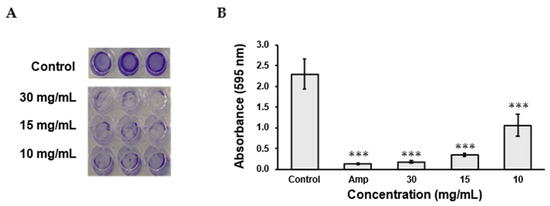
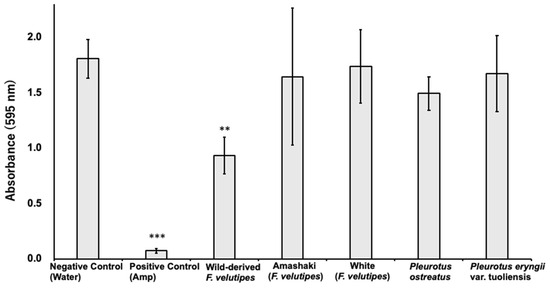
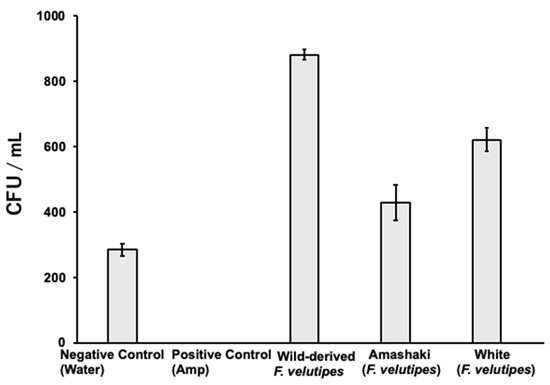
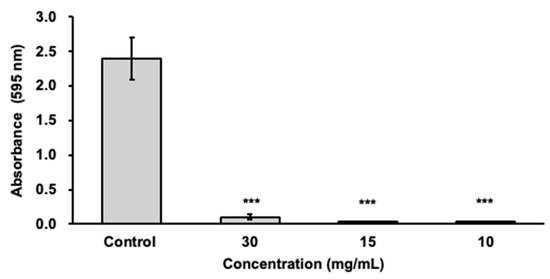
Biofilm formation by Staphylococcus aureus presents a large challenge in clinical settings, as it confers resistance to antibiotics. Therefore, anti-biofilm agents that do not exert bactericidal effects are sought after. Extracts of cultivated Flammulina velutipes have been shown to inhibit biofilm formation by Streptococcus mutans and to exhibit antibacterial activity against S. aureus. However, the effects on biofilm formation by S. aureus have not been investigated. Therefore, the effects of a boiled water extract (BWE) from wild-derived F. velutipes on S. aureus biofilm production and growth were investigated. Staphylococcus aureus and Cutibacterium acnes were treated with BWE and biofilm formation was assessed using crystal violet staining. The BWE substantially reduced biofilm formation by S. aureus without inhibiting bacterial growth. This study is the first to demonstrate that wild-derived F. velutipes extracts inhibit biofilm formation in S. aureus without exerting bactericidal effects. Biofilm formation of C. acnes was also inhibited by BWE treatment.
Full article

Figure 1
Open AccessReview
LL-37 as a Bioactive Peptide with Multifocal Mechanisms of Action
by
Eleutherios Tzortzis, Aikaterini Skeva, Georgios Euthymiou, Dimitrios Themelidis, Giousouf Giousouf, Dimitrios Chronopoulos, Aikaterini Papamichail, Evdoxia Kyrkou-Brakatsoula, Georgia Mamali, Dimitrios C. Cassimos, Theocharis G. Konstantinidis, Georgia Vrioni and Maria Panopoulou
Acta Microbiol. Hell. 2026, 71(3), 24; https://doi.org/10.3390/amh71030024 - 13 Jul 2026
Cited by 1
Abstract
LL-37 has attracted significant research attention as a multifunctional antimicrobial peptide which is implicated in a broad spectrum of activities. It is the only human cathelicidin and represents a key molecule in host defense. Hence, it is described as possessing antimicrobial activity against
[...] Read more.
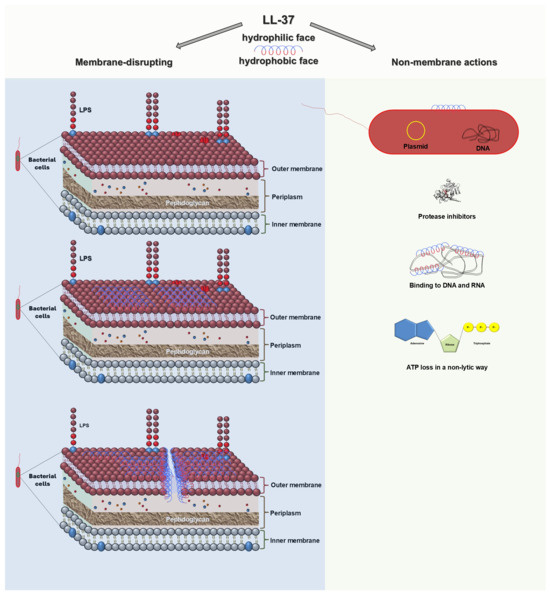
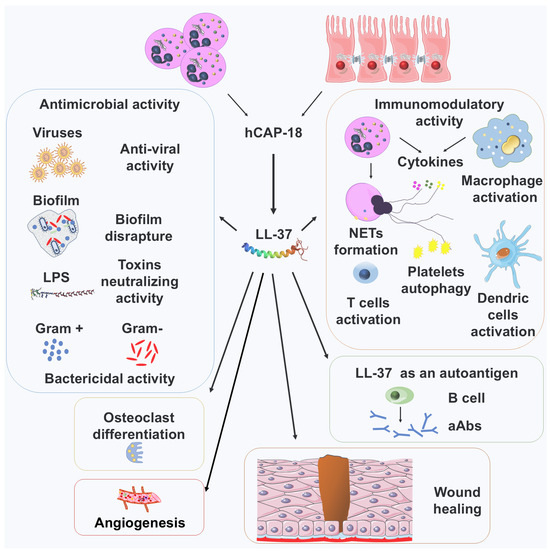
LL-37 has attracted significant research attention as a multifunctional antimicrobial peptide which is implicated in a broad spectrum of activities. It is the only human cathelicidin and represents a key molecule in host defense. Hence, it is described as possessing antimicrobial activity against a wide range of pathogens, including Gram-negative and Gram-positive bacteria, numerous viral species, and various fungi. Though it is widely recognized for its direct antimicrobial activity, it is a multifaceted immunomodulatory and tissue-protective molecule. Beyond host defense, LL-37 actively regulates inflammatory signaling, cellular interactions within the immune system, and mechanisms of tissue repair. Its ability to fine-tune immune responses and simultaneous regeneration highlights its dual role in inflammation control and wound healing. These pleiotropic functions place LL-37 in the spotlight between innate immunity and tissue homeostasis. This review aims to compile LL-37’s antimicrobial and immunomodulatory activities and highlight its wide range of potential clinical applications.
Full article
(This article belongs to the Special Issue Developments and Practices in Medical Biopathology—70th Anniversary of Acta Microbiologica Hellenica)
►▼
Show Figures

Figure 1

Open AccessArticle
Temporal Trends and Factors Associated with Human Leptospirosis in Davao City, Philippines: An 11-Year Surveillance Analysis (2015–2025)
by
Rachelle Laine Durang, Rvin John T. Servillon, Aprilyn F. Francisco-Breva, Glenn Charls L. Buelis, Maria Angela B. Martin and Alfredo A. Hinay, Jr.
Acta Microbiol. Hell. 2026, 71(3), 23; https://doi.org/10.3390/amh71030023 - 12 Jul 2026
Abstract
►▼
Show Figures
Leptospirosis remains a significant public health concern in the Philippines, particularly in urban tropical settings where environmental and climatic conditions favor disease transmission. This study examined temporal trends and factors associated with human leptospirosis in Davao City, Philippines, using surveillance data from 2015
[...] Read more.
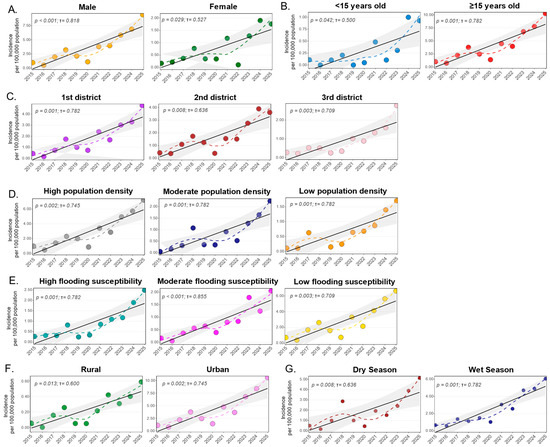
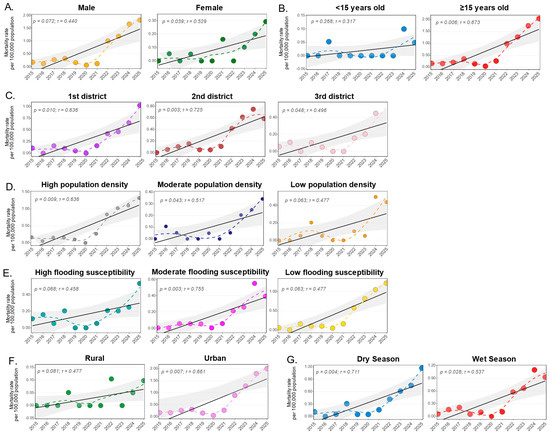
Leptospirosis remains a significant public health concern in the Philippines, particularly in urban tropical settings where environmental and climatic conditions favor disease transmission. This study examined temporal trends and factors associated with human leptospirosis in Davao City, Philippines, using surveillance data from 2015 to 2025. A retrospective observational study was conducted using 1104 surveillance records obtained from the Davao City Health Office–City Epidemiological Surveillance Unit. Annual incidence and mortality rates were calculated per 100,000 population; temporal trends were assessed using Mann–Kendall tests; and associations with demographic, seasonal, geographic, and environmental factors were evaluated using Poisson and negative binomial regression models, as appropriate, based on model diagnostics and comparative fit. Increasing incidence trends were observed across several strata, whereas increasing mortality trends were identified in selected demographic and environmental categories. In the incidence analysis, a higher disease burden was associated with age ≥ 15 years (aIRR = 14.75, 95% CI: 10.77–20.21), male sex (aIRR = 4.78, 95% CI: 3.74–6.11), high population density (aIRR = 4.19, 95% CI: 2.75–6.38), and the wet season (aIRR = 1.30, 95% CI: 1.04–1.61). Mortality was also strongly associated with age ≥ 15 years (aIRR = 36.75, 95% CI: 13.61–99.22) and male (aIRR = 8.50, 95% CI: 4.73–15.27). These findings provide a long-term surveillance-based assessment of leptospirosis in Davao City and identify demographic and environmental patterns relevant to targeted surveillance, seasonal preparedness, and locally adapted prevention strategies for leptospirosis.
Full article

Figure 1
Open AccessReview
Antidepressants as Potential Antimicrobials: Current Evidence, Challenges, and Implications for Antimicrobial Resistance
by
Francis Chukwuebuka Ihenetu, Nnabueze Darlington Nnaji, Christian Kosisochukwu Anumudu, Chiemerie Theresa Ekwueme, Chijioke Christopher Uhegwu, Job Chinagorom Aleke, Precious Somtochukwu Ezechukwu, Chinemerem Rachael Okwo and Helen Onyeaka
Acta Microbiol. Hell. 2026, 71(3), 22; https://doi.org/10.3390/amh71030022 - 10 Jul 2026
Abstract
►▼
Show Figures
Background/Objectives: Antimicrobial resistance (AMR) is a major global health threat that has outpaced the development of new antibiotics. Drug repurposing has emerged as a promising strategy for identifying alternative antimicrobial therapies. Antidepressants have attracted interest because experimental studies suggest they possess off-target antimicrobial
[...] Read more.
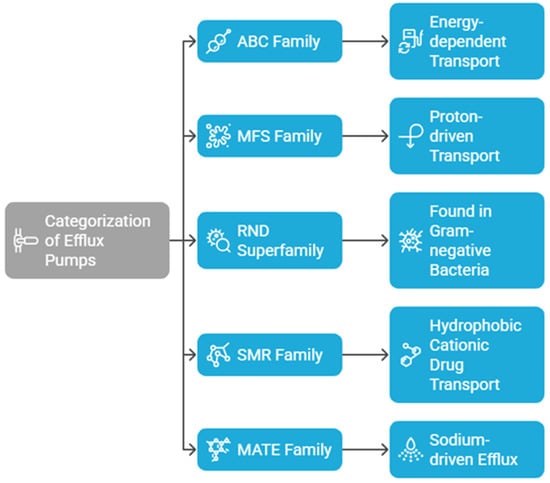
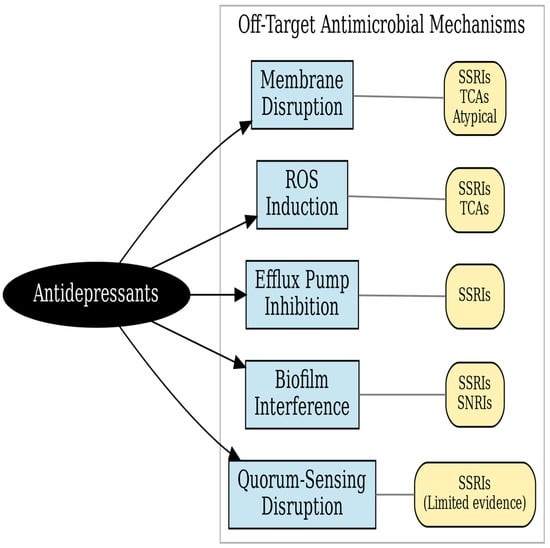
Background/Objectives: Antimicrobial resistance (AMR) is a major global health threat that has outpaced the development of new antibiotics. Drug repurposing has emerged as a promising strategy for identifying alternative antimicrobial therapies. Antidepressants have attracted interest because experimental studies suggest they possess off-target antimicrobial activity, although growing evidence indicates they may also promote antimicrobial resistance. This review critically examines both the therapeutic potential and risks of antidepressant–microbial interactions. Methods: A structured narrative review was conducted using literature identified from major biomedical databases. Experimental, animal, microbiome, environmental, and clinical studies were synthesized according to antidepressant class, antimicrobial mechanisms, interactions with conventional antibiotics, microbiome modulation, and antimicrobial resistance. Results: Experimental evidence demonstrates that several antidepressants inhibit bacterial and fungal pathogens through mechanisms including membrane disruption, oxidative stress induction, efflux pump inhibition, and biofilm interference. Some agents also enhance the activity of conventional antibiotics. However, current evidence is largely preclinical. Multiple studies indicate that antidepressants may also promote antimicrobial resistance through reactive oxygen species-mediated mutagenesis, efflux pump activation, horizontal gene transfer, microbiome dysbiosis, and environmental exposure. Conclusions: Antidepressants represent both a promising drug-repurposing opportunity and a potential contributor to antimicrobial resistance. Although their antimicrobial properties are encouraging, current evidence remains predominantly preclinical, and clinically effective and safe antimicrobial dosing has not been established. At present, their antimicrobial use should be regarded as proof-of-concept rather than a clinically validated therapeutic strategy. Further pharmacokinetic, pharmacodynamic, animal, and clinical studies are required before routine antimicrobial application can be considered.
Full article

Figure 1
Open AccessArticle
A Retrospective Study of Neurosurgical Device-Related Infections over a Two-Year Period in a Tertiary Hellenic Setting
by
Kalliopi Avgoulea, Andronikos Spyrou, Emmanouella Kalogianni, Andria Yiaskouri, Anastasia Athanasopoulou, Anastasios Tsakalos, Maria Kamperogianni and Maria Orfanidou
Acta Microbiol. Hell. 2026, 71(3), 21; https://doi.org/10.3390/amh71030021 - 10 Jul 2026
Abstract
Neurosurgical devices provide clinical benefits that are undermined by the incidence of device-related infections. This study examined the microbiological and clinical characteristics of central nervous system (CNS) infections associated with cerebrospinal fluid (CSF) shunts and drains in neurosurgery patients during August 2022–July 2024.
[...] Read more.
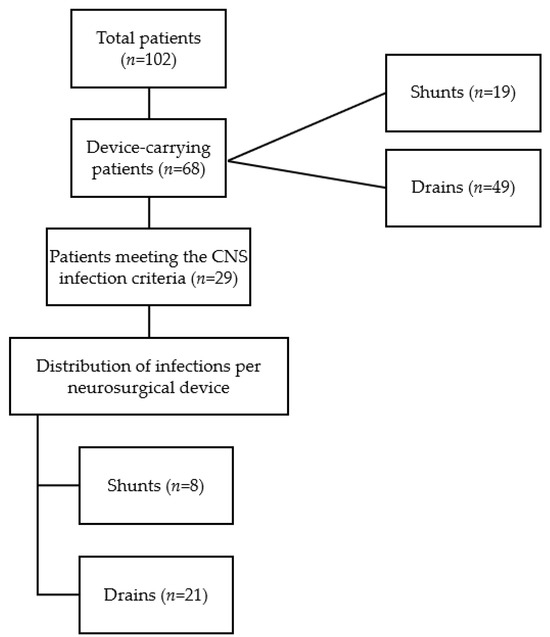
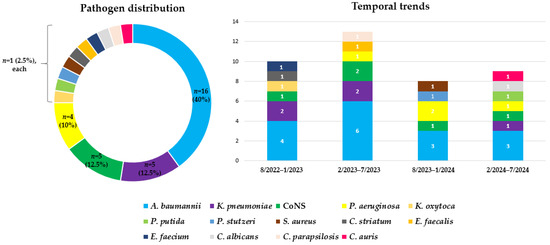
Neurosurgical devices provide clinical benefits that are undermined by the incidence of device-related infections. This study examined the microbiological and clinical characteristics of central nervous system (CNS) infections associated with cerebrospinal fluid (CSF) shunts and drains in neurosurgery patients during August 2022–July 2024. Upon suspicion of CNS infection, CSF samples were submitted for cytology, biochemical analysis, and culture. Identification and susceptibility testing were performed by VITEK-2 and VITEK-MS PRIME (bioMérieux); susceptibility to colistin was determined by broth microdilution (Bruker). The results were interpreted according to EUCAST guidelines. An infection definition was based on IDSA’s guidelines, and the outcome was considered positive upon successful therapeutic intervention. Out of 825 CSFs, 178 showed microbial growth in culture; they corresponded to 102 patients. Neurosurgical devices were implanted in 68 patients and, among them, 29 presented with a CNS infection. The infections attributed to drains and shunts were 72% versus 28%, respectively. Polymicrobial or consecutive infections occurred in 6/29 patients. Overall, 40 pathogens were isolated. The predominant causative agents were Acinetobacter baumannii (40%), Klebsiella pneumoniae (12.5%), coagulase-negative-Staphylococci (12.5%), and Pseudomonas aeruginosa (10%). Neurosurgical devices are easily contaminated and may cause CNS infections, regardless of the device type. The infections’ outcome is multifactorial; timely diagnosis and intervention are of utmost importance.
Full article
(This article belongs to the Special Issue Selected Papers from the 12th Panhellenic Congress of Clinical Microbiology and Medical Biopathology)
►▼
Show Figures

Figure 1

Open AccessArticle
Mortality and Years of Life Lost from Waterborne and Water-Related Infectious Diseases in Costa Rica, 2000–2023: A Nationwide Ecological Study
by
Eric Morales, Melissa Peraza-Castro and Luz Chacón
Acta Microbiol. Hell. 2026, 71(3), 20; https://doi.org/10.3390/amh71030020 - 9 Jul 2026
Abstract
Waterborne, water-related, and foodborne infectious diseases remain preventable causes of mortality, but long-term evidence on their demographic, spatial, and premature mortality burden is limited in Costa Rica. This ecological population-based study described deaths classified under selected ICD-10 codes during 2000–2023 using official mortality
[...] Read more.
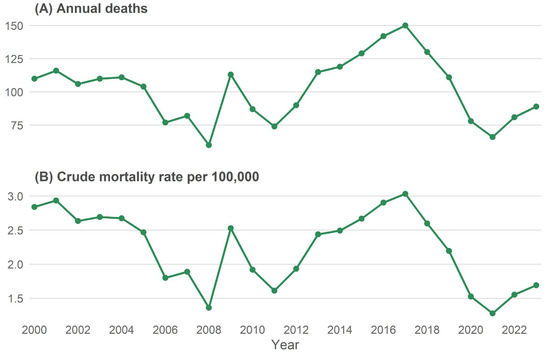
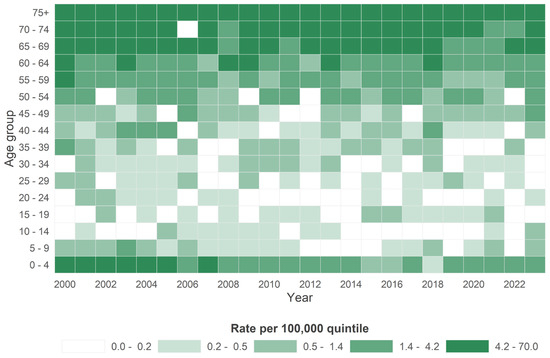
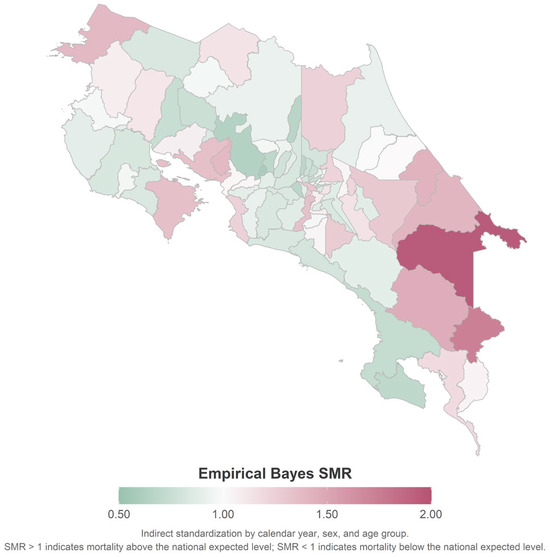
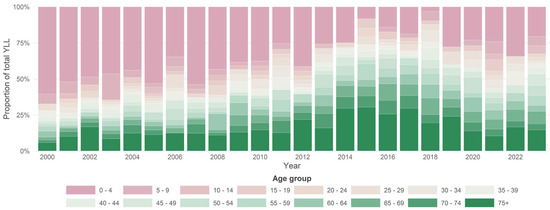
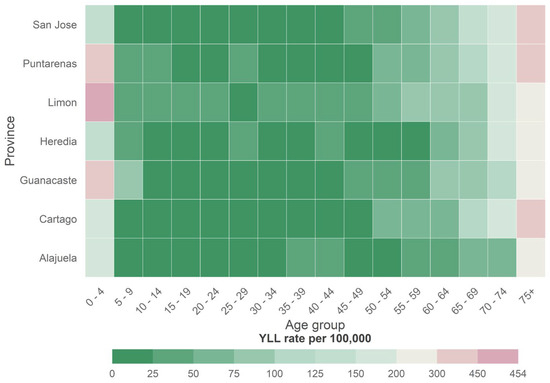
Waterborne, water-related, and foodborne infectious diseases remain preventable causes of mortality, but long-term evidence on their demographic, spatial, and premature mortality burden is limited in Costa Rica. This ecological population-based study described deaths classified under selected ICD-10 codes during 2000–2023 using official mortality and population data. Crude and age-standardized mortality rates, years of life lost (YLL), and YLL rates were estimated by time, sex, age group, and geographic area. A total of 2450 deaths were identified. Diarrhea and gastroenteritis of presumed infectious origin accounted for 1537 deaths (62.7%), followed by other bacterial intestinal infections (23.8%) and leptospirosis (7.0%). Annual crude mortality rates ranged from 1.28 per 100,000 population in 2021 to 3.03 in 2017. Mortality showed a bimodal age pattern, with the highest rate among persons aged 75 years or older and a relevant early-childhood component. A total of 57,625.5 YLL were estimated, with the largest burden among children aged 0–4 years and the highest provincial YLL rates in Limón, Puntarenas, and Guanacaste. These findings support incorporating premature mortality metrics into environmental health surveillance, although the ecological design does not identify exposure sources or causal determinants.
Full article
(This article belongs to the Special Issue Developments and Practices in Medical Biopathology—70th Anniversary of Acta Microbiologica Hellenica)
►▼
Show Figures

Figure 1
Open AccessArticle
FTIR Fingerprinting Unravels Solvent-Dependent Antibacterial Potentials of Vernonia amygdalina Leaf Extracts Against Selected Multidrug-Resistant ESKAPE Isolates
by
Yahaya Yunusa Riko, Zainab Nuruddeen Sanusi, Mannir Kabir, Abubakar Saadu and Emmanuel Ofori-Amponsah
Acta Microbiol. Hell. 2026, 71(3), 19; https://doi.org/10.3390/amh71030019 - 8 Jul 2026
Abstract
►▼
Show Figures
Plant-derived antimicrobials can potentially counteract the increasing ineffectiveness of conventional antibiotics against multidrug-resistant (MDR) ESKAPE pathogens. This study compared the extraction yield, phytochemical profile, functional-group signatures, and antibacterial activity of aqueous and n-hexane leaf extracts of Vernonia amygdalina against selected MDR ESKAPE pathogens
[...] Read more.
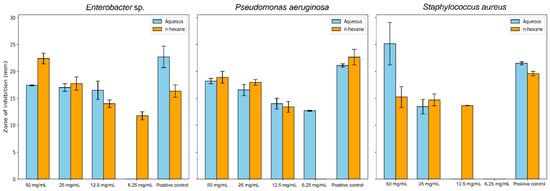
Plant-derived antimicrobials can potentially counteract the increasing ineffectiveness of conventional antibiotics against multidrug-resistant (MDR) ESKAPE pathogens. This study compared the extraction yield, phytochemical profile, functional-group signatures, and antibacterial activity of aqueous and n-hexane leaf extracts of Vernonia amygdalina against selected MDR ESKAPE pathogens from Katsina State, Nigeria. The fresh leaves were subjected to maceration, the obtained yield was calculated, and phytochemical constituents were screened using both standard qualitative assays and FTIR spectroscopy. Antibacterial activity was evaluated by agar well diffusion technique. Statistical significance was determined using the Welch test and two-way ANOVA. The n-hexane extract produced a significantly higher yield than the aqueous extract (28.81% vs. 9.87%; p < 0.0001). Conventional screening detected cardiac glycosides, saponins, steroids, and flavonoids, while FTIR analysis indicated bioactive functional groups consistent with terpenoids, steroids, polyacetylenes, cyanogenic glycosides, triglycerides, and lipophilic alkaloids. Both extracts inhibited the test pathogens, with no significant difference relative to the positive control (p = 0.066). These findings indicate solvent-dependent variation in bioactive metabolites present in V. amygdalina leaves. These compounds exhibited antibacterial activity against MDR ESKAPE pathogens and can hence be exploited as potential leads for discovering novel antibacterials to tackle these pathogens in the study area and beyond.
Full article

Figure 1
Open AccessCommunication
Significant Increase in blaNDM-1 Acinetobacter baumannii in a Tertiary Care Greek Hospital Driven by the Dissemination of Established Clones and the Emergence of Novel Lineages
by
Stylianos Xitsas, Christos-Georgios Gkountinoudis, Amalia Arkouda and Efthymia Petinaki
Acta Microbiol. Hell. 2026, 71(3), 18; https://doi.org/10.3390/amh71030018 - 30 Jun 2026
Abstract
This study aimed to investigate the marked increase in blaNDM-1-positive Acinetobacter baumannii isolates (20% of all CRAB isolates) observed in a tertiary-care hospital in Central Greece during 2025. Thirty blaNDM-1-producing carbapenem-resistant A. baumannii (CRAB) isolates were selected and subjected
[...] Read more.
This study aimed to investigate the marked increase in blaNDM-1-positive Acinetobacter baumannii isolates (20% of all CRAB isolates) observed in a tertiary-care hospital in Central Greece during 2025. Thirty blaNDM-1-producing carbapenem-resistant A. baumannii (CRAB) isolates were selected and subjected to whole-genome sequencing for molecular typing and characterization of antimicrobial resistance determinants and virulence-associated genes. The majority of the isolates (22/30) belonged to ST2Pasteur (18 strains), ST85Pasteur (2 strains) and ST2493Pasteur (2 strains), all previously identified in 2023. The remaining eight strains belonged to newly detected STs, such as ST1Pasteur (six strains) and ST2806Pasteur (two strains). All strains carried the blaNDM-1 gene on the Tn7382. The high prevalence of blaNDM-1-positive CRAB represents not only a local threat but also a national concern, as patients from our hospital are frequently transferred to other healthcare facilities or long-term care centers across the country, creating a substantial risk for further dissemination of these strains. Routine molecular screening for blaNDM-1-positive CRAB may represent a valuable strategy for limiting further dissemination.
Full article
Open AccessReview
Microbiological Hazards and Food Safety Challenges in Street-Vended Foods in Mexico: A Narrative Review
by
Alejandro De Jesús Cortés-Sánchez, Mayra Díaz-Ramírez, Luis Daniel Espinosa-Chaurand, María de la Luz Sánchez-Mundo, Raquel Garcia Barrientos, Monserrat Escamilla-García, Alitzel Belem García-Hernández and Ma. de la Paz Salgado-Cruz
Acta Microbiol. Hell. 2026, 71(2), 17; https://doi.org/10.3390/amh71020017 - 5 Jun 2026
Cited by 1
Abstract
►▼
Show Figures
Street food is a fundamental part of the diet for millions of people, especially in Mexico, standing out for its accessibility, cost, and connection to culinary culture. Street food represents a practical alternative for the population and economic benefits for those who sell
[...] Read more.
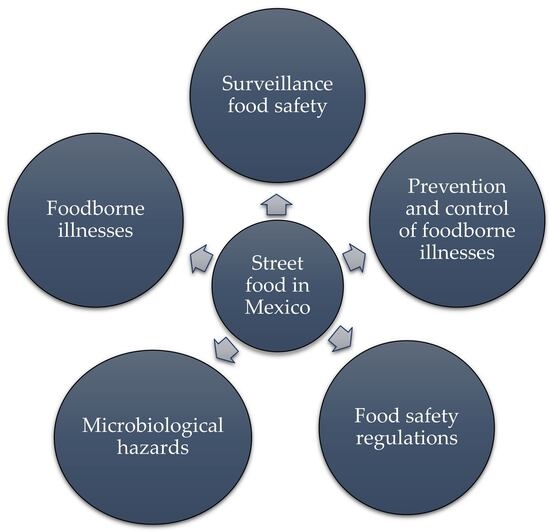
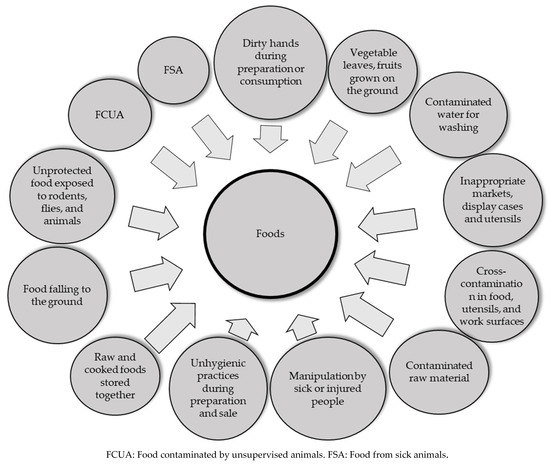
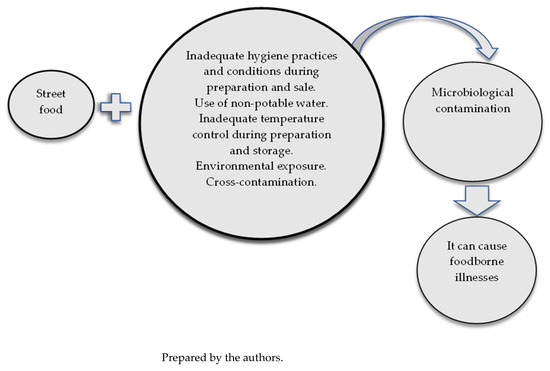
Street food is a fundamental part of the diet for millions of people, especially in Mexico, standing out for its accessibility, cost, and connection to culinary culture. Street food represents a practical alternative for the population and economic benefits for those who sell it. However, its preparation and sale can involve microbiological health hazards if proper hygiene conditions and practices are not applied during the handling, storage, and sale of products. Studies in Mexico have shown the presence of pathogenic microorganisms in street food, including coliform bacteria, Salmonella sp., Escherichia coli, Staphylococcus aureus, and Listeria monocytogenes, among others, capable of causing foodborne illnesses. Therefore, this narrative review provides information available in various databases on street food, foodborne illnesses, causative agents, contaminants, and prevention measures. This study focuses on the Mexican context, including the socioeconomic relevance of these foods, microbiological contaminant hazards, prevention, and the regulatory framework. Although regulations and actions are in place for these foods, challenges remain related to food hygiene education for food handlers, microbiological surveillance of food, and the wide variety of products and sales outlets. Strengthening collaboration among authorities, academia, vendors, and consumers is essential to promote the availability of safe food and protect public health.
Full article

Graphical abstract
Open AccessArticle
Epidemiological Predictors of Severe Leptospirosis in Adults: A Multicenter Retrospective Cohort Study in Northeastern Peninsular Malaysia
by
Yassin K. Al Hariri, Syed A. S. Sulaiman, Amer H. Khan, Azreen S. Adnan, Sundos Q. Al-Ebrahem, Abdiraheem Ali and Nurudeen Hassan
Acta Microbiol. Hell. 2026, 71(2), 16; https://doi.org/10.3390/amh71020016 - 4 Jun 2026
Abstract
►▼
Show Figures
Leptospirosis is among the most widespread zoonotic infections globally and is particularly prevalent in tropical settings, where it remains endemic. In Malaysia, the disease burden has increased markedly over recent decades. Severe leptospirosis can result in multi-organ dysfunction and death; however, early identification
[...] Read more.
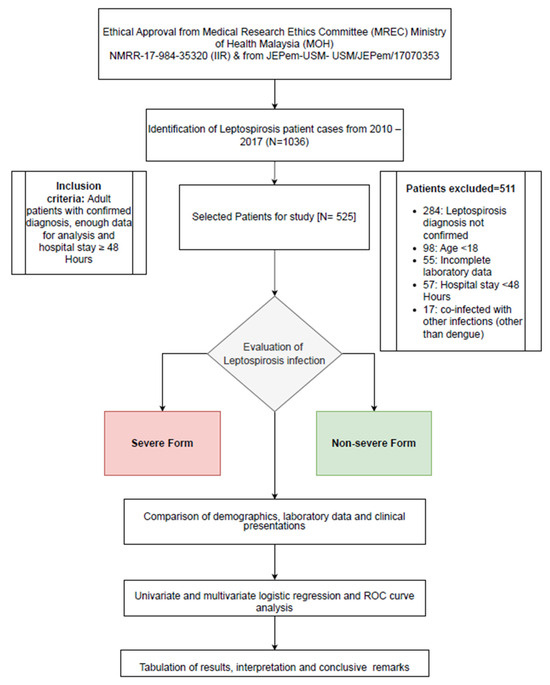
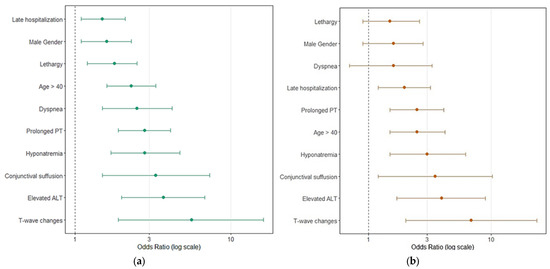
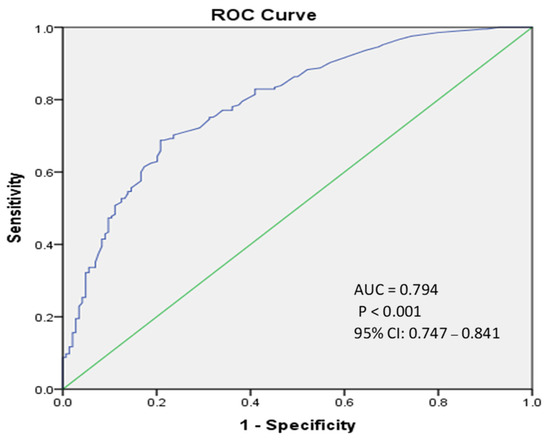
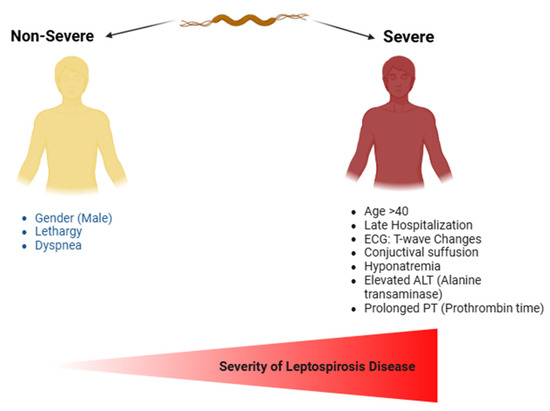
Leptospirosis is among the most widespread zoonotic infections globally and is particularly prevalent in tropical settings, where it remains endemic. In Malaysia, the disease burden has increased markedly over recent decades. Severe leptospirosis can result in multi-organ dysfunction and death; however, early identification of patients at risk of a severe clinical course remains a significant challenge. This study aimed to determine independent clinical and laboratory predictors of severe leptospirosis among adults admitted to hospitals in northeastern Malaysia. A multicenter retrospective cohort study was conducted at two tertiary referral hospitals in Kelantan, northeastern Peninsular Malaysia, over a seven-year period. Adults with confirmed leptospirosis were categorised as severe or non-severe according to established clinical criteria. Group comparisons were performed using appropriate statistical tests, followed by multivariable logistic regression with internal bootstrap validation to identify independent predictors of severe disease. Of 525 patients included in the final analysis (mean age 38.1 ± 16.8 years; 65.5% male), 303 (57.7%) met criteria for severe leptospirosis and overall, in-hospital mortality was 6.5%. Common presenting symptoms (>30% of patients) included fever, myalgia, nausea, vomiting, and arthralgia. Independent predictors of severe disease identified on multivariable analysis were; age > 40 years, delayed hospitalisation (presentation after four days of symptom onset), T-wave changes on electrocardiography, conjunctival suffusion, hyponatraemia, prolonged prothrombin time, and elevated alanine aminotransferase (all p < 0.05). The predictive model demonstrated good discriminatory ability (AUC 0.794, 95% CI: 0.747–0.841). Severe leptospirosis is associated with distinct clinical and laboratory features at presentation. Early recognition of key risk factors—particularly older age, delayed presentation, and electrocardiographic abnormalities—may enable clinicians to stratify risk, initiate timely targeted interventions, and potentially reduce morbidity and mortality in this endemic setting.
Full article

Figure 1
Open AccessBrief Report
Preliminary Exploratory Assessment of Residual Bacterial Contamination After Routine Instrument Reprocessing in Small Animal Veterinary Clinics in Veracruz, Mexico
by
Angelica Olivares-Muñoz, Jose L. Bravo-Ramos, Yessica Lopez-Gomez, Sokani Sanchez-Montes, Luis A. Ortíz Carbajal, Maria G. Sanchez Otero, Angel Alexis Jacinto-Cruz, Carolina Palmeros Exsome and Dora Romero Salas
Acta Microbiol. Hell. 2026, 71(2), 15; https://doi.org/10.3390/amh71020015 - 2 Jun 2026
Abstract
►▼
Show Figures
Effective reprocessing of surgical instruments is essential to prevent healthcare-associated infections in the field of veterinary medicine. However, chemical disinfectants are frequently used as alternatives to sterilization in small animal clinics, particularly in resource-limited settings. This preliminary exploratory study evaluated routine chemical disinfection
[...] Read more.
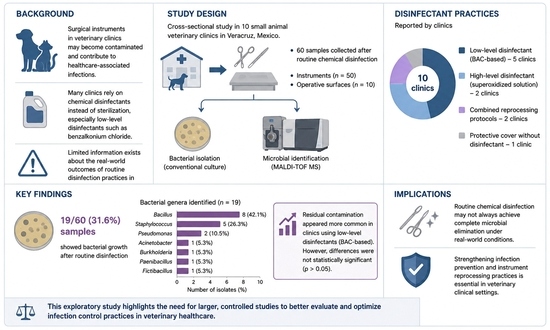
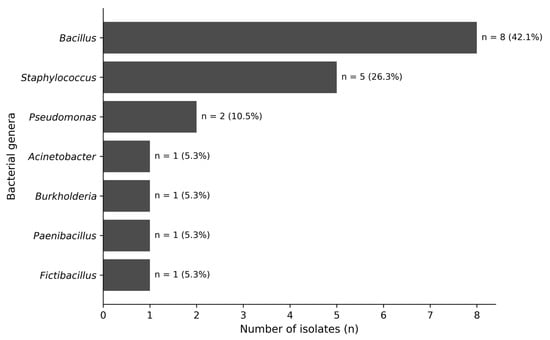
Effective reprocessing of surgical instruments is essential to prevent healthcare-associated infections in the field of veterinary medicine. However, chemical disinfectants are frequently used as alternatives to sterilization in small animal clinics, particularly in resource-limited settings. This preliminary exploratory study evaluated routine chemical disinfection practices and residual bacterial contamination of surgical instruments in veterinary clinics in Veracruz, Mexico. A cross-sectional study was conducted in ten small animal veterinary clinics. Samples were collected from the surgical instruments and operative surfaces immediately after routine chemical disinfection. Bacterial isolation was performed using conventional culture methods, and microbial identification was performed using MALDI-TOF mass spectrometry. Descriptive analysis and Fisher’s exact test were used to explore the association between disinfectant category and bacterial contamination. Bacterial growth was detected in 19 of the 60 samples (31.6%). The identified microorganisms included Bacillus, Staphylococcus, Pseudomonas, Acinetobacter, and Burkholderia species. Most clinics relied on low-level disinfectants, particularly benzalkonium chloride (BAC). Residual contamination was more commonly observed in clinics reporting the use of low-level disinfectants, particularly benzalkonium chloride-based products. However, these findings should be interpreted cautiously because of the exploratory observational design and limited sample size. These results suggest that routine chemical disinfection, particularly when low-level disinfectants are used, may not always achieve complete microbial elimination under real-world clinical conditions. Improved infection prevention and instrument reprocessing practices are required in veterinary clinical settings. From a One Health perspective, strengthening infection control measures in veterinary clinics may help reduce microbial circulation among animals, veterinary personnel, and the environment.
Full article

Graphical abstract
Open AccessArticle
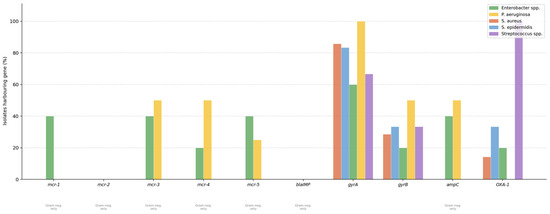
Molecular Epidemiology of mcr (1–5) and Other Critical Resistance Genes in Bacteria Isolated from Canine Otitis Externa in Ankara, Türkiye
by
Fatma Esra Totan and Ayhan Filazi
Acta Microbiol. Hell. 2026, 71(2), 14; https://doi.org/10.3390/amh71020014 - 16 May 2026
Abstract
►▼
Show Figures
Antimicrobial resistance in companion animals is a growing public health concern, yet data on last-resort resistance genes in clinical canine isolates remain scarce. This study characterizes the molecular distribution of critical resistance determinants, including mcr variants (1–5), in bacteria isolated from canine otitis
[...] Read more.
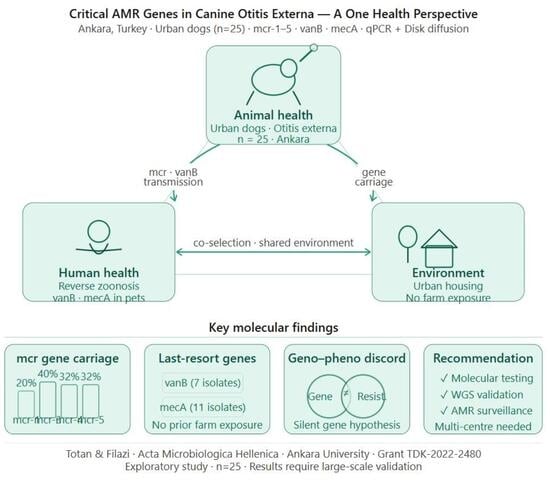
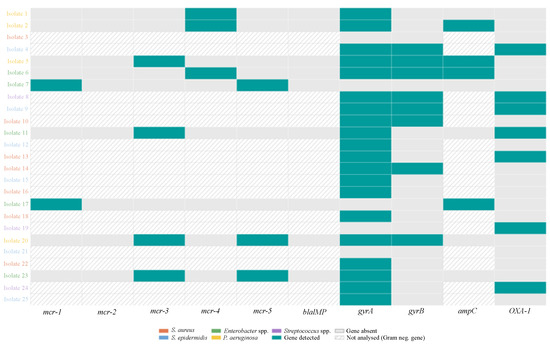
Antimicrobial resistance in companion animals is a growing public health concern, yet data on last-resort resistance genes in clinical canine isolates remain scarce. This study characterizes the molecular distribution of critical resistance determinants, including mcr variants (1–5), in bacteria isolated from canine otitis externa in Ankara, Turkey. Using a combination of phenotypic disk diffusion and targeted quantitative polymerase chain reaction (qPCR), we identified Enterobacter spp., Staphylococcus spp., and Pseudomonas aeruginosa as the predominant pathogens. Notably, among Gram-negative isolates (n = 9), our results indicate preliminary evidence of mobile colistin resistance genes, particularly mcr-3 in 44.4% (4/9), and mcr-4 and mcr-5 each in 33.3% (3/9), marking the first report of these variants in canine ear infections within an urban environment. The observed notable discrepancies between genotypic carriage and phenotypic expression suggest the possible presence of silent resistance reservoirs that traditional diagnostics may overlook. These findings underscore the urgent need for molecular-integrated surveillance in veterinary clinical practice to prevent the zoonotic spread of last-resort resistance genes and to safeguard both animal and public health under the ‘One Health’ framework.
Full article

Graphical abstract
Highly Accessed Articles
Latest Books
E-Mail Alert
News
Topics
Topic in
AMH, Antibiotics, Epidemiologia, Microorganisms
Healthcare-Associated Infections and Antimicrobial Therapy
Topic Editors: Diamantis P. Kofteridis, Petros IoannouDeadline: 28 February 2027
Conferences
Special Issues
Special Issue in
AMH
Developments and Practices in Medical Biopathology—70th Anniversary of Acta Microbiologica HellenicaGuest Editors: Georgia Vrioni, Maria PanopoulouDeadline: 30 June 2027