Journal Description
Remote Sensing
Remote Sensing
is an international, peer-reviewed, open access journal about the science and application of remote sensing technology, published semimonthly online by MDPI. The Remote Sensing Society of Japan (RSSJ) and Japan Society of Photogrammetry and Remote Sensing (JSPRS) are affiliated with Remote Sensing and their members receive discounts on the article processing charge.
- Open Access— free for readers, with article processing charges (APC) paid by authors or their institutions.
- High Visibility: indexed within Scopus, SCIE (Web of Science), Ei Compendex, PubAg, GeoRef, Astrophysics Data System, Inspec, dblp, and other databases.
- Journal Rank: JCR - Q1 (Geosciences, Multidisciplinary) / CiteScore - Q1 (General Earth and Planetary Sciences)
- Rapid Publication: manuscripts are peer-reviewed and a first decision is provided to authors approximately 24.3 days after submission; acceptance to publication is undertaken in 2.6 days (median values for papers published in this journal in the second half of 2025).
- Recognition of Reviewers: reviewers who provide timely, thorough peer-review reports receive vouchers entitling them to a discount on the APC of their next publication in any MDPI journal, in appreciation of the work done.
- Companion journal: Geomatics.
- Journal Cluster of Geospatial and Earth Sciences: Remote Sensing, Geosciences, Quaternary, Earth, Geographies, Geomatics and Fossil Studies.
Impact Factor:
4.1 (2024);
5-Year Impact Factor:
4.8 (2024)
Latest Articles
A Waterfall-Plot-Based Multi-Criteria Framework for X-Ray Pulsar Time-Delay Estimation in Multi-Scenario Celestial Remote Sensing and Navigation
Remote Sens. 2026, 18(11), 1693; https://doi.org/10.3390/rs18111693 (registering DOI) - 23 May 2026
Abstract
To improve the accuracy and stability of X-ray pulsar time-delay estimation for multi-scenario celestial remote sensing and navigation, this paper proposes a time-delay estimation method based on a waterfall-plot multi-criteria framework and develops an end-to-end simulation framework for multi-scenario applications. First, a pulsar
[...] Read more.
To improve the accuracy and stability of X-ray pulsar time-delay estimation for multi-scenario celestial remote sensing and navigation, this paper proposes a time-delay estimation method based on a waterfall-plot multi-criteria framework and develops an end-to-end simulation framework for multi-scenario applications. First, a pulsar profile waterfall-plot model is built, and principal component analysis is performed to characterize candidate periodic structures. The contribution rate of the principal eigenvalue is used to describe the overall significance of the candidate period, and the projection variance of the first principal component is used to measure the prominence of the candidate pattern in the principal subspace. Second, support vector regression is used to fit the peak track of the waterfall plot, and a regression slope is used to describe the geometric stability of the candidate period. These three indicators are fused for pulsar period and time-delay estimation. Tests based on Insight-HXMT satellite observation data show that, compared with the and test methods, our method improves time-delay estimation accuracy by 68.68% and 50.43%, respectively. Multi-scenario navigation simulations indicate positioning improvements of approximately 0.83 km, 3.04 km, and 1.05 km in the Earth-orbiting, Earth–Moon transfer, and Mars approach scenarios, respectively. These results suggest that the proposed framework can improve pulsar time-delay estimation and may provide useful measurement support for celestial remote sensing and navigation.
Full article
(This article belongs to the Section Satellite Missions for Earth and Planetary Exploration)
Open AccessArticle
Automatic Tree Species Identification in a Cold Temperate Natural Broadleaf Mixed Forest Using High-Resolution UAV Imagery and Mask R-CNN
by
Vladislav Bukin, Maximo Larry Lopez Caceres, Yago Diez Donoso, Takashi Kobayashi, Le Tien Nguyen, Friederich Blum, Muhammad Iqbal Faishal and Anna Trigubenko
Remote Sens. 2026, 18(11), 1692; https://doi.org/10.3390/rs18111692 (registering DOI) - 23 May 2026
Abstract
What are the main findings?· A new UAV-QField leaf-canopy validation approach was used to validate tree species in complex natural mixed forests.· Multi-temporal UAV imagery facilitated the manual annotation of closed canopies in mixed forests.· The multi-class and species-specific Mask R-CNN models
[...] Read more.
What are the main findings?· A new UAV-QField leaf-canopy validation approach was used to validate tree species in complex natural mixed forests.· Multi-temporal UAV imagery facilitated the manual annotation of closed canopies in mixed forests.· The multi-class and species-specific Mask R-CNN models showed differential performance for tree detection.
Full article
(This article belongs to the Section Forest Remote Sensing)
Open AccessArticle
Decade-Long Photometric Observations of Light Pollution and Cloud Effects on Night Sky Brightness in Hong Kong
by
Chu Wing So, Chun Shing Jason Pun and Shengjie Liu
Remote Sens. 2026, 18(11), 1691; https://doi.org/10.3390/rs18111691 (registering DOI) - 23 May 2026
Abstract
This study examines how night sky brightness (NSB) in Hong Kong has evolved over the past decade. It combines recent datasets covering 2019–2023 with the earlier dataset analyzed in a previous study (2010–2013) . This study emphasizes the importance of long-term monitoring in
[...] Read more.
This study examines how night sky brightness (NSB) in Hong Kong has evolved over the past decade. It combines recent datasets covering 2019–2023 with the earlier dataset analyzed in a previous study (2010–2013) . This study emphasizes the importance of long-term monitoring in the context of light pollution variations resulting from urban development and increasing public awareness. Photometric data were collected nightly and continuously from multiple locations equipped with a Sky Quality Meter, covering both urban and suburban settings. The in situ observation frequency was at sub-minute intervals, characterizing nighttime profiles with a temporal resolution that other monitoring systems (e.g., satellites) cannot provide. Analysis reveals that Hong Kong’s night skies are substantially brighter than the International Astronomical Union’s (IAU) dark sky standard, with urban areas exceeding 100× the standard brightness on average. By comparing early- and late-night observations, we establish a robust indicator for assessing the direct impact of light pollution, concluding that early evening skies are brighter than late-night skies due to the variation in artificial lighting. Urban regions demonstrated more pronounced post-midnight darkening, a trend consistent with increased light pollution awareness and enhanced compliance with late-night lighting protocols. Additionally, this study introduces remotely sensed infrared (IR) sky temperature as a novel cloud amount indicator, demonstrating a strong positive correlation between cloud amount and NSB, particularly in urban areas. Our findings highlight the urgent need for effective light pollution mitigation strategies in rapidly developing cities like Hong Kong, offering valuable insights for similar initiatives worldwide.
Full article
(This article belongs to the Section Atmospheric Remote Sensing)
Open AccessArticle
Projection for Ecological Carrying Capacity Based on the Interpretable CAXO Model: The Case of China
by
Xiaoyan Tang, Funan Liu and Jingyu Feng
Remote Sens. 2026, 18(11), 1690; https://doi.org/10.3390/rs18111690 (registering DOI) - 23 May 2026
Abstract
Ecological carrying capacity (ECC) is a vital indicator for regional sustainable development, reflecting an ecosystem’s support for human activities while maintaining core functions. Research on ECC has largely focused on static assessment, while exploration of dynamic prediction has been relatively limited. This study
[...] Read more.
Ecological carrying capacity (ECC) is a vital indicator for regional sustainable development, reflecting an ecosystem’s support for human activities while maintaining core functions. Research on ECC has largely focused on static assessment, while exploration of dynamic prediction has been relatively limited. This study constructed a comprehensive evaluation system using the AHP-EW model with multidimensional indicators and developed a CAXO hybrid model for multi-scenario ECC projection of China. ECC patterns were classified into five levels, with SHAP and LIME adopted to interpret ECC changes. The results show that China’s ECC exhibits a “high in the southeast and low in the northwest” spatial pattern and has improved continuously from 2000 to 2020, with the proportion of Level V areas increasing from 10.86% to 14.61%. Significant regional disparities exist, with more favorable ECC conditions east of the Hu Huanyong Line and poorer conditions in the west. The CAXO model achieves reliable performance (OA = 90.01%, Kappa = 87.11%) and outperforms traditional models. SHAP analysis identifies NDVI (2.17) as the most critical driving factor, followed by soil moisture (0.53) and precipitation (0.52), while LIME reveals heterogeneous factor contributions across ECC levels. Northwestern China faces severe ecological constraints (Level I: 53.96%), whereas eastern China exhibits the optimal ECC status (Level V: 70.07%). Multi-scenario projections to 2050 show that Level V areas will reach 28.22% under SSP1-2.6, Level III will account for 27.70% under SSP2-4.5, and Level I will rise to 22.44% under SSP5-8.5. The proposed ECC framework and CAXO model provide scientific support for ecological security early warning and sustainable development policy-making.
Full article
Open AccessArticle
Cross-Modality Spectral Expansion Combined with Physical–Semantic Dual Priors for Cloud Detection in GF-1 Imagery
by
Jing Zhang, Kexiao Shen, Liangnong Song, Shiyi Pan and Yunsong Li
Remote Sens. 2026, 18(11), 1689; https://doi.org/10.3390/rs18111689 (registering DOI) - 23 May 2026
Abstract
Cloud detection in high-resolution Gaofen-1 (GF-1) imagery is challenging due to the absence of short-wave infrared (SWIR) bands, which prevents the use of physically interpretable indices such as the Normalized Difference Snow Index (NDSI) and often leads to severe cloud–snow confusion. To address
[...] Read more.
Cloud detection in high-resolution Gaofen-1 (GF-1) imagery is challenging due to the absence of short-wave infrared (SWIR) bands, which prevents the use of physically interpretable indices such as the Normalized Difference Snow Index (NDSI) and often leads to severe cloud–snow confusion. To address this limitation, we propose a unified framework, termed the Cross-Modality Spectral Expansion and Dual-Prior Network (CMSE-DPNet), that integrates cross-modality spectral expansion with physical–semantic dual priors. First, an improved CycleGAN reconstructs 13-band pseudo-Sentinel-2 spectra from four-band GF-1 imagery, enabling the computation of snow-sensitive physical indices. Second, a Snow-Aware Feature Attention Guidance Module (SAFAGM) introduces pixel-level physical priors derived from NDSI, while a Label-Guided Channel Attention Module (LG-CAM) injects scene-level semantic priors inferred from geographic metadata using a large language model. These complementary priors guide the network to better distinguish clouds from spectrally similar backgrounds. Experiments on the GF-1 dataset show that the proposed method achieves an F1-score of 94.41% and an Intersection over Union (IoU) of 89.40%, outperforming several state-of-the-art cloud detection methods. The results indicate that cross-modality spectral expansion combined with physical–semantic prior guidance effectively improves cloud detection performance in complex cloud–snow coexistence scenarios.
Full article
(This article belongs to the Special Issue AI-Driven Hyperspectral Image Classification and Processing in Remote Sensing)
Open AccessArticle
Coupling Coordination Between Urban Development and Eco-Environment in Chinese Coastal Cities: A Multisource Remote Sensing-Based Assessment
by
Qiang Zhang, Yongde Guo, Jun Yan, Hongyin Xiang and Zhiyu Yan
Remote Sens. 2026, 18(11), 1688; https://doi.org/10.3390/rs18111688 (registering DOI) - 23 May 2026
Abstract
Coastal cities are typical regions where economic growth, population agglomeration, and eco-environmental pressures are strongly coupled. Assessing the coordination between urban development and the eco-environment is therefore important for regional sustainability. This study selected seven representative coastal cities in China—Dalian, Qinhuangdao, Qingdao, Shanghai,
[...] Read more.
Coastal cities are typical regions where economic growth, population agglomeration, and eco-environmental pressures are strongly coupled. Assessing the coordination between urban development and the eco-environment is therefore important for regional sustainability. This study selected seven representative coastal cities in China—Dalian, Qinhuangdao, Qingdao, Shanghai, Fuzhou, Xiamen, and Zhuhai—and integrated multisource remote sensing data with statistical yearbook data to construct a comprehensive evaluation system for urban development level (UDL) and eco-environmental quality (EEQ). An ecologically enhanced indicator system incorporating vegetation condition index (VCI), biological richness index (BRI), normalized difference vegetation index (NDVI), and dynamic habitat index (DHI) was developed. The coupling coordination degree (CCD) model was then used to evaluate urban sustainable development from 2014 to 2023. In addition, an EWM–MLP adaptive weighting strategy was applied to refine entropy-derived weights, and Random Forest was used to identify variables associated with CCD prediction. The results show that CCD values generally increased during the study period, indicating improved coordination between urban development and the eco-environment. However, the evolutionary pathways differed markedly among cities, and UDL and EEQ changes were not fully synchronized. The EWM–MLP strategy introduced adaptive numerical refinements to CCD values while maintaining the overall stability of coordination-level classification. Random Forest analysis showed that CCD prediction was mainly associated with a limited number of high-contribution indicators. For all indicators combined, approximately 7–10 top-ranked variables were generally required to exceed 80% of the total importance, whereas the UDL and EEQ subsystems reached this threshold with fewer indicators. UDL-related variation was mainly associated with land-use structure, population agglomeration, and economic activity, whereas EEQ-related variation was related to ecological conditions, land-cover composition, and environmental pressure. The high-importance indicators exhibited clear inter-city heterogeneity, suggesting the need for differentiated governance strategies. The proposed framework provides methodological support for sustainable development assessment and differentiated governance in coastal cities.
Full article
(This article belongs to the Special Issue Multi-Source Remote Sensing and Spatial Statistical Analysis in Urban Sustainability Research)
Open AccessArticle
A UAV Hyperspectral Inversion Framework for Mapping Soil Heavy Metals Based on Spectral Harmonization, Weighted Ensemble Learning, and Environmental Variable Integration
by
Jiaao Yu, Zhen Chen, Hongchen Yi, Tianni Chi, Shuangjian Wang, Leilei Zhang, Wei Fan and Mingxin Huo
Remote Sens. 2026, 18(11), 1687; https://doi.org/10.3390/rs18111687 (registering DOI) - 22 May 2026
Abstract
Accurate identification of HMs contamination in mine tailings is essential for understanding pollution and supporting remediation. However, conventional laboratory monitoring is labor-intensive, time-consuming, and spatially discontinuous, while UAV hyperspectral inversion is limited by spectral inconsistency, unstable performance under small-sample conditions, and insufficient interpretability.
[...] Read more.
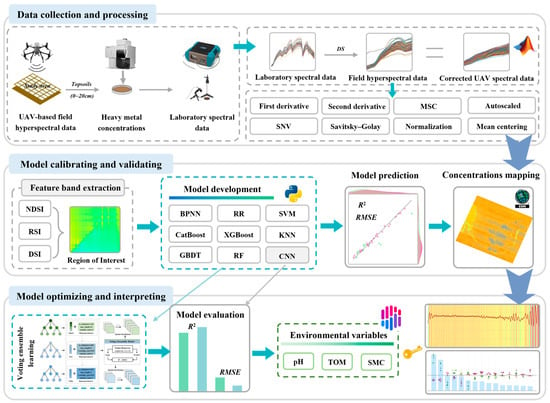
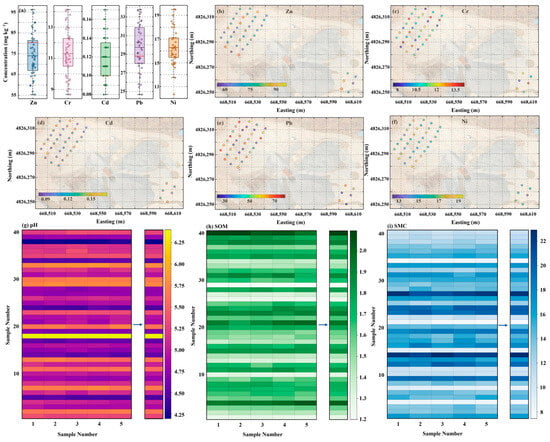
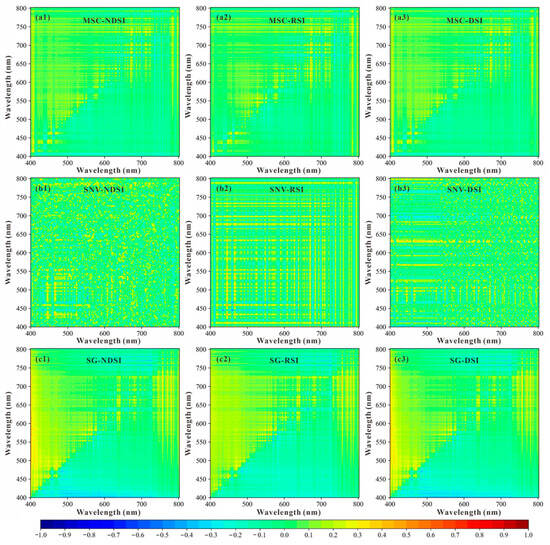
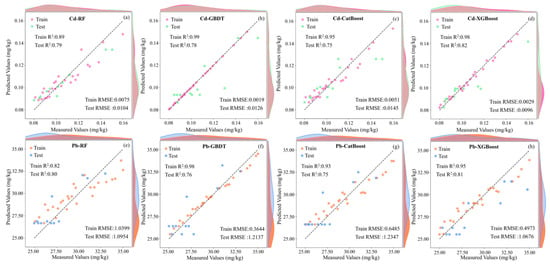
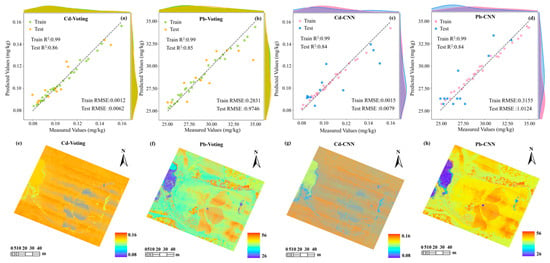
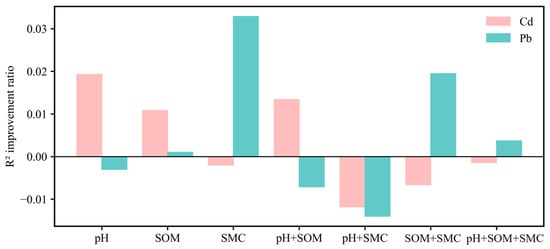
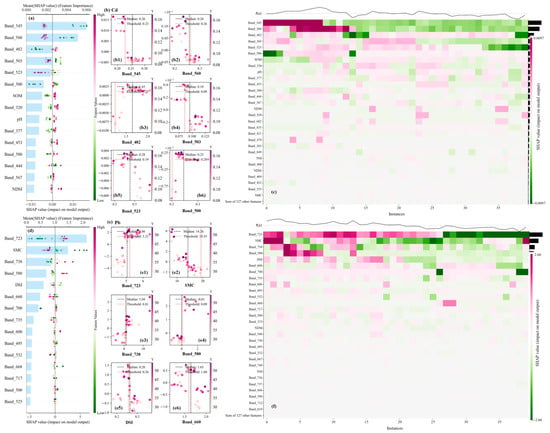
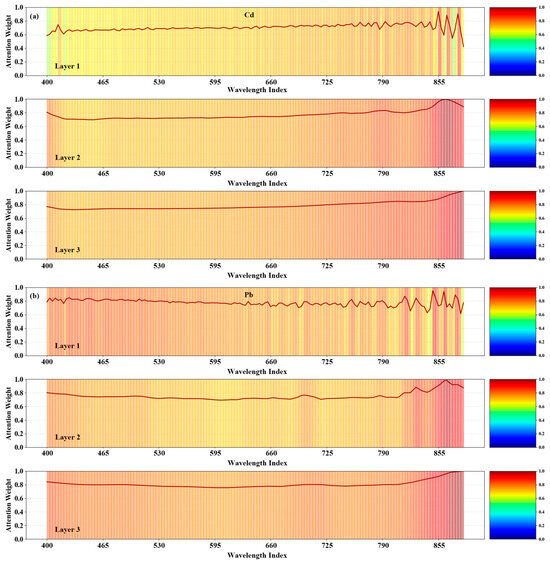
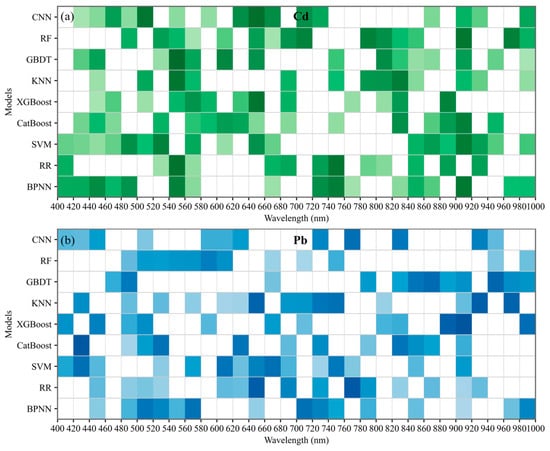
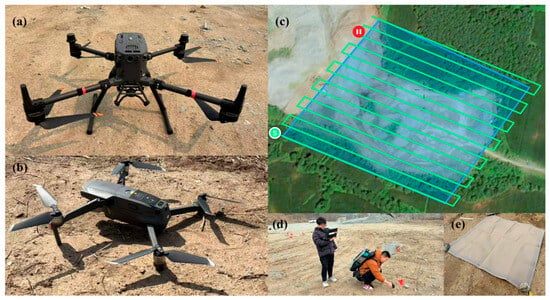
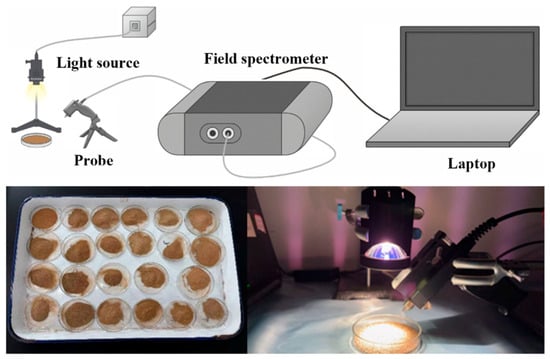
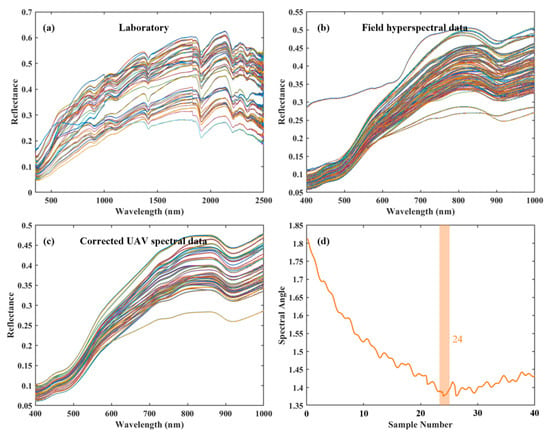
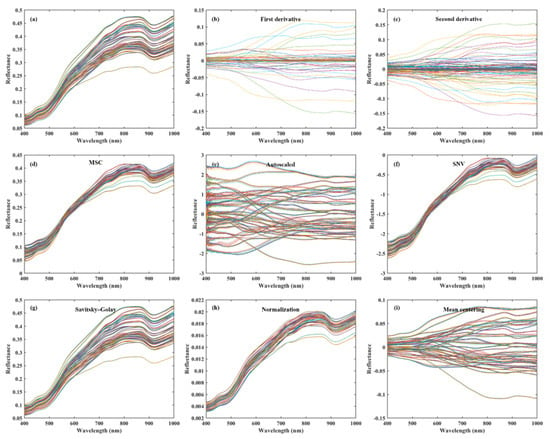
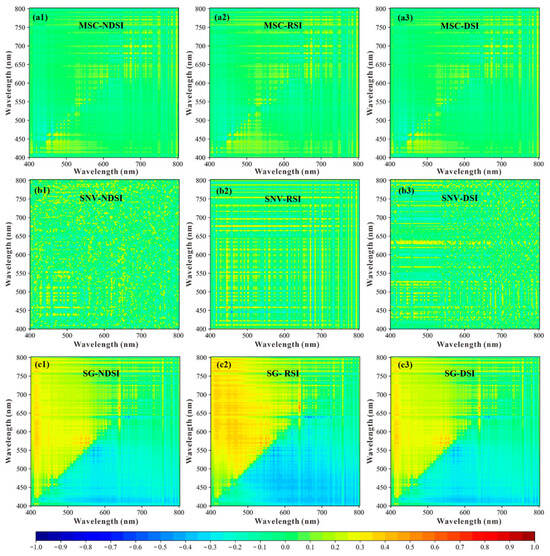
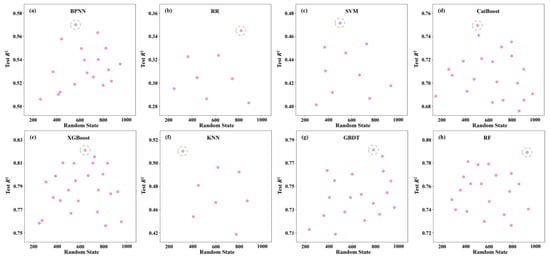
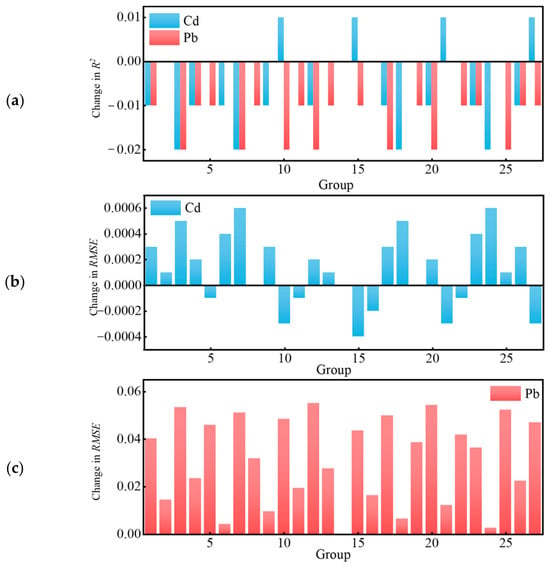
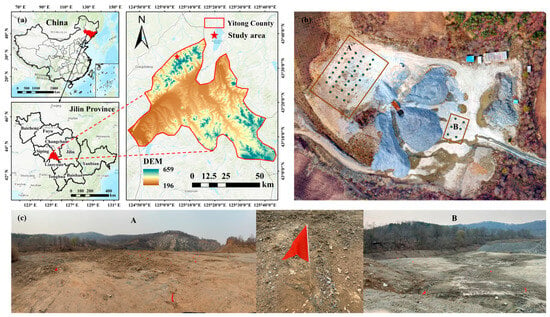
Accurate identification of HMs contamination in mine tailings is essential for understanding pollution and supporting remediation. However, conventional laboratory monitoring is labor-intensive, time-consuming, and spatially discontinuous, while UAV hyperspectral inversion is limited by spectral inconsistency, unstable performance under small-sample conditions, and insufficient interpretability. Here, we developed an interpretable UAV–laboratory synergistic framework for Cd and Pb mapping in the Yitong open-pit mine. Forty site-level soil samples, composited from 200 subsamples, were linked with UAV hyperspectral observations. Direct Standardization was used to harmonize UAV and laboratory spectra. A weighted voting ensemble (RF, GBDT, and XGBoost) achieved the best performance (R2 = 0.85), outperforming the individual models and showing slightly higher stability than CNN (R2 = 0.84). Environmental covariates (pH, SOM, SMC) revealed distinct metal-specific prediction patterns: Cd was mainly associated with pH–SOM interactions, whereas Pb was more strongly associated with SOM–SMC coupling. SHAP and Grad-CAM identified sensitive spectral regions, with Cd linked to the 440–580 nm range and Pb to the 720–740 nm range. Overall, this study provides an integrated framework that combines spectral transfer correction, stable multi-model inversion, and mechanism-oriented interpretability for HMs monitoring in complex mining environments.
Full article
(This article belongs to the Special Issue Hyperspectral and LiDAR Techniques for Earth Observation Applications: Advances in Theory, Algorithms, and Engineering Practice)
►▼
Show Figures

Figure 1
Open AccessArticle
FLKFormer: Frequency-Enhanced Large-Kernel Framework for Object Detection in UAV Imagery
by
Yunhao Chen, Wen-Zhun Huang, Zhen Wang, Sihao Zeng and Chen Yang
Remote Sens. 2026, 18(11), 1686; https://doi.org/10.3390/rs18111686 - 22 May 2026
Abstract
UAV object detection remains challenging due to large scale variation, dense small objects, frequent occlusion, and complex background interference. Existing CNN-based detectors are often limited by weak small-object representation, while Transformer-based detectors may not adequately preserve local details in dense aerial scenes. This
[...] Read more.
UAV object detection remains challenging due to large scale variation, dense small objects, frequent occlusion, and complex background interference. Existing CNN-based detectors are often limited by weak small-object representation, while Transformer-based detectors may not adequately preserve local details in dense aerial scenes. This paper proposes a dual-path detection framework that integrates frequency-domain enhancement with large-kernel convolution and Transformer-based global modeling. An FFT Large-Kernel Convolution (FFLKC) module is introduced to enhance high-frequency details and enlarge the effective receptive field. A Transformer pathway with Full-Process Feature Attention (FPFA) is designed to strengthen long-range dependency modeling and semantic representation. A Frequency-Semantic Memory-guided Adaptive Fusion (FMSAF) module is further employed to integrate local detail features and global contextual information. Experiments on UAVDT and VisDrone demonstrate that the proposed method achieves superior overall detection performance and stronger small-object perception than mainstream detectors. The method reaches 58.7 and 51.8 on UAVDT, and 39.4 and 30.5 on VisDrone. Qualitative and quantitative results verify the effectiveness of the proposed design in improving detection quality under complex UAV backgrounds.
Full article
(This article belongs to the Topic Unmanned Vehicles Technology and Embodied Intelligence Systems for Intelligent Transportation)
Open AccessArticle
A Dual-Branch CNN with Depthwise Separable Fusion for Hyperspectral Image Classification
by
Teng Li, Yunhua Cao, Xing Guo, Shikun Zhang and Lining Yan
Remote Sens. 2026, 18(11), 1685; https://doi.org/10.3390/rs18111685 - 22 May 2026
Abstract
►▼
Show Figures
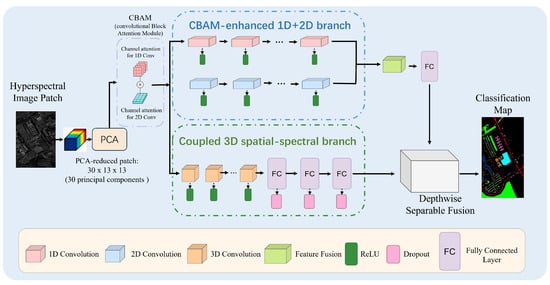
Hyperspectral image classification remains challenging because robust recognition requires preserving spatial–spectral coupling, extracting complementary spectral and spatial cues, and fusing heterogeneous features without excessive redundancy. To address this issue, a dual-branch convolutional neural network (CNN) with depthwise separable fusion, termed DSFA-CNN, is developed.
[...] Read more.
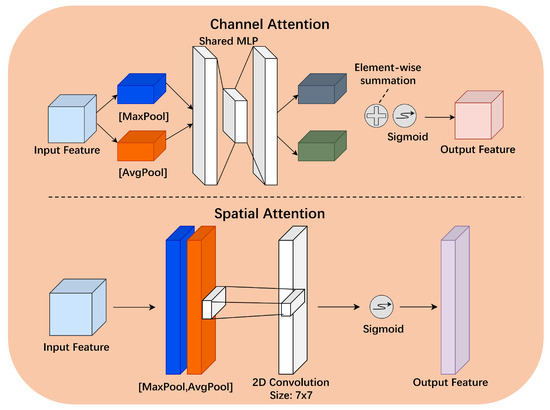
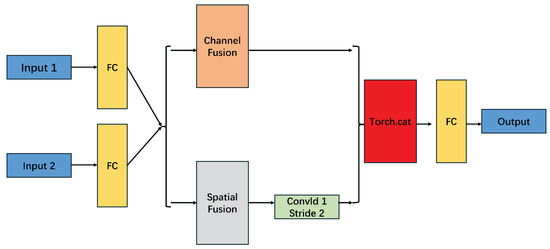
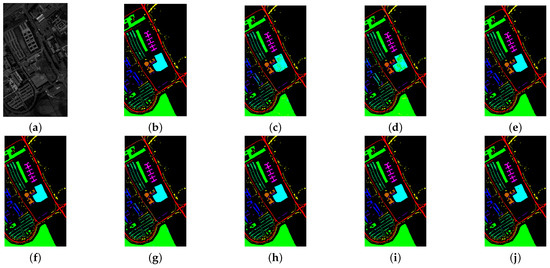
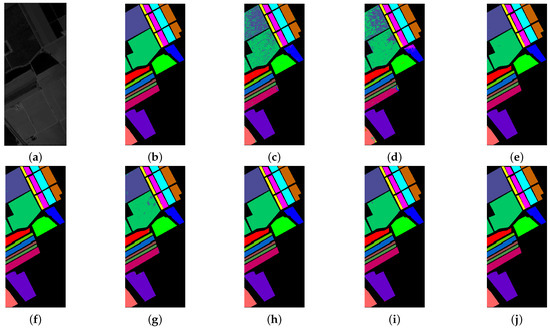
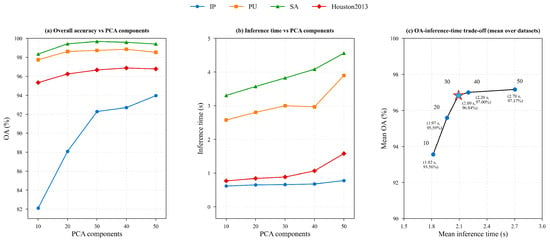
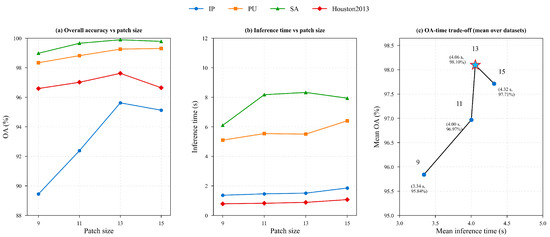
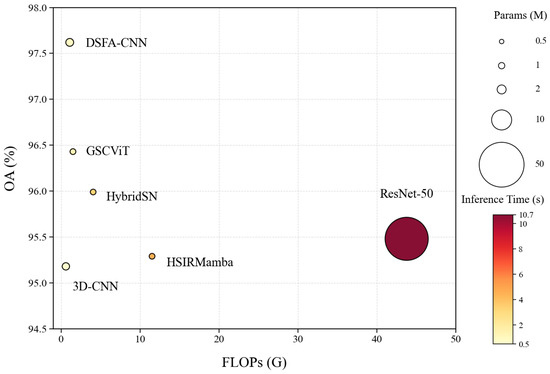
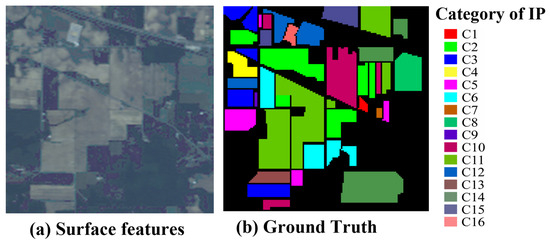
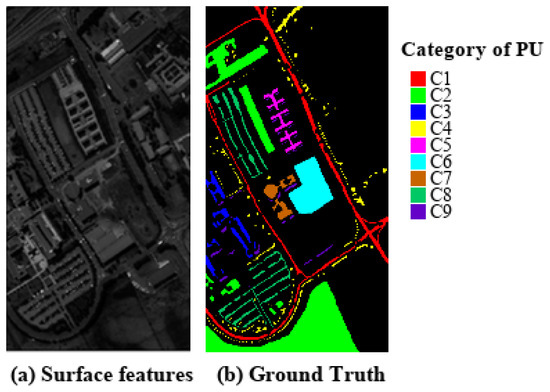
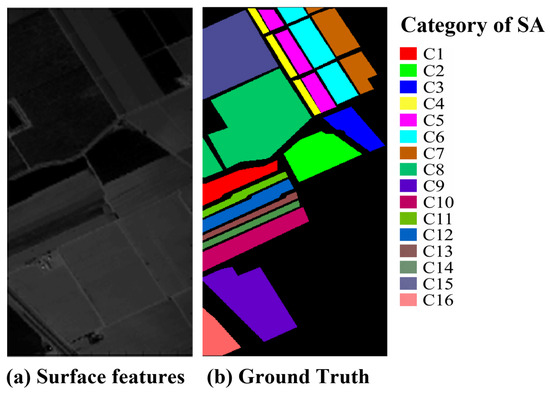
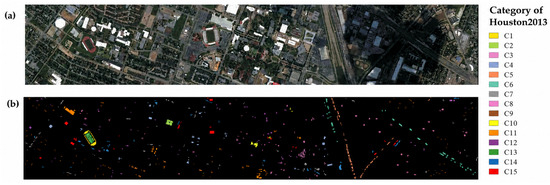
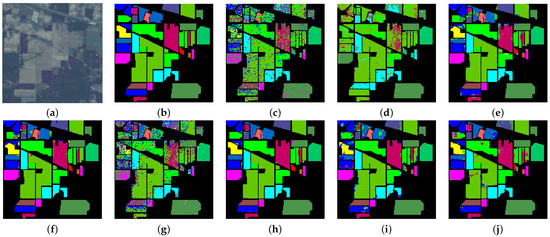
Hyperspectral image classification remains challenging because robust recognition requires preserving spatial–spectral coupling, extracting complementary spectral and spatial cues, and fusing heterogeneous features without excessive redundancy. To address this issue, a dual-branch convolutional neural network (CNN) with depthwise separable fusion, termed DSFA-CNN, is developed. The network combines a 3D convolution branch for coupled spatial–spectral representation learning with a 1D+2D branch for efficient spectral and spatial modeling. A convolutional block attention module (CBAM) is introduced in the decomposed branch to emphasize informative spectral responses and salient spatial regions, and a depthwise separable fusion module is used to improve cross-branch integration while limiting fusion-stage redundancy and the risk of overfitting. Experiments on Indian Pines, University of Pavia, Salinas, and Houston2013 yield overall accuracies of 95.62 ± 0.13%, 99.25 ± 0.13%, 99.89 ± 0.11%, and 97.62 ± 0.23%, respectively. The gains are most evident on the more challenging Indian Pines and Houston2013 scenes. Ablation results show that the dual-branch design provides complementary information, whereas CBAM and the fusion module further improve representation selectivity and feature integration. Computational cost analysis further indicates that DSFA-CNN achieves a more favorable trade-off between classification accuracy and computational efficiency than several recent competitive baselines. These results demonstrate the effectiveness of parallel coupled–decomposed modeling with efficient feature fusion for robust hyperspectral image classification.
Full article

Figure 1
Open AccessArticle
Meteorology-Conditioned High-Resolution Vegetation Forecasting: A Hierarchical Multi-Modal Fusion Network
by
Zhihang Yi, Jianling Yang, Hairong Wang, Xiong Kang, Suzhao Zhang, Xiaowei Zhu and Yingjuan Han
Remote Sens. 2026, 18(11), 1684; https://doi.org/10.3390/rs18111684 - 22 May 2026
Abstract
Predicting high-resolution Normalized Difference Vegetation Index (NDVI) in mountainous ecosystems is challenging due to topographic complexity and climate heterogeneity. Existing methods often struggle to balance fine-grained spatial patterns with multi-scale meteorological drivers. This paper introduces the Hierarchical Multi-Modal Fusion Network (HMMFN), which employs
[...] Read more.
Predicting high-resolution Normalized Difference Vegetation Index (NDVI) in mountainous ecosystems is challenging due to topographic complexity and climate heterogeneity. Existing methods often struggle to balance fine-grained spatial patterns with multi-scale meteorological drivers. This paper introduces the Hierarchical Multi-Modal Fusion Network (HMMFN), which employs a conditioned reconstruction strategy to decouple spatial learning from environmental forcing. The architecture utilizes a dual-stream encoder to process NDVI imagery and meteorological data in parallel. A Transformer module captures long-term temporal dependencies, while a multi-level fusion decoder integrates climate semantics with local vegetation details. The model is optimized using a hybrid loss function that combines Mean Squared Error and Structural Similarity Index Measure to ensure both numerical precision and spatial fidelity. Evaluated in the Liupan Mountains, HMMFN consistently outperforms baseline models across multiple lead times. For prediction horizons ranging from one to five months, the model maintains high accuracy with values between 0.9123 (1-month horizon) and 0.8195 (5-month horizon), achieving a 10.1% and 3.6% reduction in RMSE compared to the optimal baseline model, respectively. These results demonstrate that HMMFN effectively preserves fine-scale spatial structures while maintaining accurate temporal trends across various time steps.
Full article
(This article belongs to the Section AI Remote Sensing)
Open AccessReview
Hyperspectral Image Change Detection with Deep Learning: Methods, Trends, and Challenges
by
Chhaya Katiyar, Sachin Kumar Yadav and Ahmed Mohammed Idris
Remote Sens. 2026, 18(11), 1683; https://doi.org/10.3390/rs18111683 - 22 May 2026
Abstract
Hyperspectral image change detection (HSI-CD) is becoming increasingly important in understanding how the Earth’s surface evolves over time, from monitoring ecosystems to tracking urban expansion. Unlike traditional pixel-based or hand-crafted approaches, deep learning models can automatically learn powerful spectral–spatial features, making them especially
[...] Read more.
Hyperspectral image change detection (HSI-CD) is becoming increasingly important in understanding how the Earth’s surface evolves over time, from monitoring ecosystems to tracking urban expansion. Unlike traditional pixel-based or hand-crafted approaches, deep learning models can automatically learn powerful spectral–spatial features, making them especially effective for this task. In this review, we bring together recent advances in deep learning for HSI-CD, combining a meta-analysis of the literature with an overview of the main model families and training strategies. We cover supervised, semi-supervised, and unsupervised methods, as well as newer directions such as transfer learning, self-supervised frameworks, and hybrid designs that blend CNNs, transformers, and graph neural networks. We also discuss benchmark datasets, evaluation protocols, and case studies that show how these methods perform in practice. Beyond summarizing the current progress, the review highlights ongoing gaps, such as limited labeled data, generalization across sensors, computational efficiency, and the need for interpretability, and points to emerging opportunities for future work. Our goal is to provide both a snapshot of the current state of the field and a road map for advancing deep learning-based HSI-CD.
Full article
(This article belongs to the Special Issue Advanced Change Detection and Anomaly Detection in Remote Sensing)
Open AccessArticle
EMWMS-YOLO: Efficient Multi-Scale Detection Framework for Small Objects in Challenging Remote Sensing Scenes
by
Shuo Tian, Yuguo Li, Jian Li, Wenzheng Sun, Longfa Chen and Na Meng
Remote Sens. 2026, 18(11), 1682; https://doi.org/10.3390/rs18111682 - 22 May 2026
Abstract
Nowadays, remote sensing images are characterized by significant scale variations, a high density of small targets, and complex background conditions, which pose substantial challenges for small-object detection. To address these issues, we propose EMWMS-YOLO, a lightweight and efficient detection framework built upon YOLOv11n.
[...] Read more.
Nowadays, remote sensing images are characterized by significant scale variations, a high density of small targets, and complex background conditions, which pose substantial challenges for small-object detection. To address these issues, we propose EMWMS-YOLO, a lightweight and efficient detection framework built upon YOLOv11n. Specifically, an Efficient Multi-Scale Cross-Layer Extraction (EMSCLE) backbone is designed by integrating the Dual-Branch Feature Extraction (DBFE), Multi-Scale Feature Perception (MSFP), and Spatial Pyramid Pooling Fast with Large Separable Kernel Attention (SPPF-LSKA) modules, enabling effective multi-scale feature extraction and cross-channel interaction. Furthermore, a Multi-Scale Adaptive Feature Fusion (MSAFF) neck architecture, composed of the Channel-Enhanced Convolution (CEC) and Multi-Scale Gated Feature Fusion (MSGFF) modules, is introduced to dynamically fuse cross-scale features and enhance salient target responses while suppressing background noise. In addition, the WaveletPool module replaces conventional pooling operations to reduce information loss and feature aliasing while preserving structural details. A Detect-MultiSEAM detection head is constructed by embedding a multi-scale spatial enhancement attention mechanism, which improves feature representation under complex conditions and reduces missed detections and false positives. Finally, the ShapeIoU loss function is employed to better model geometric and morphological properties, thereby improving localization accuracy. Experimental results on the VEDAI and NWPU-VHR-10 datasets demonstrate that the proposed method achieves improvements of 9.8% and 4.1% in mAP50 over the YOLOv11n baseline, respectively, verifying its effectiveness in small-object detection.
Full article
(This article belongs to the Section Remote Sensing Image Processing)
Open AccessArticle
An Enhanced Image Feature Extraction and Matching Method for Three-Dimensional Reconstruction of Forest Scenes
by
Hangui Wang and Hongyu Huang
Remote Sens. 2026, 18(11), 1681; https://doi.org/10.3390/rs18111681 - 22 May 2026
Abstract
Accurate and efficient 3D reconstruction of trees is of paramount importance for studying forest spatial structures and dynamic resource patterns, optimizing forest management, protecting environments, and analyzing carbon cycles. Currently, Light Detection and Ranging (LiDAR) remains the dominant method for generating 3D models
[...] Read more.
Accurate and efficient 3D reconstruction of trees is of paramount importance for studying forest spatial structures and dynamic resource patterns, optimizing forest management, protecting environments, and analyzing carbon cycles. Currently, Light Detection and Ranging (LiDAR) remains the dominant method for generating 3D models of forest scenes. However, with advancements in computer vision, photogrammetry has emerged as a crucial tool for forest inventory and 3D reconstruction due to its cost-effectiveness. Nevertheless, in practical forestry applications, traditional photogrammetry often suffers from low reconstruction efficiency and poor quality during feature extraction and matching. These issues stem from the complex structure of forest scenes, severe occlusion, and repetitive texture patterns. To address these challenges, this paper proposes an improved 3D tree reconstruction approach based on images, integrating deep learning-based methods. In the sparse reconstruction stage, we utilize the ALIKED (A LIghter Keypoint and descriptor Extraction network with Deformable transformation) algorithm and construct an image pyramid to extract multi-scale robust features. Furthermore, by combining the LightGlue matching algorithm with a neighborhood search constraint strategy, we enhance the stability of camera pose recovery while reducing redundant computations. Experimental results demonstrate that our method outperforms traditional algorithms in both accuracy and robustness regarding image matching. Compared to baseline models, the proposed approach increases the number of feature points by approximately 50% with a more widespread distribution, improves matching accuracy by 4% to 8%, and achieves a 100% image registration rate. Consequently, under the condition of maintaining equivalent re-projection errors, the subsequent sparse point clouds exhibit an average track length increase of 0.6 to 1.4 and a density increase of up to 1.2 times. Notably, this method effectively mitigates artifacts and spurious reconstructions caused by pose drift in forest photogrammetry.
Full article
(This article belongs to the Special Issue Digital Modeling for Sustainable Forest Management)
Open AccessArticle
Machine Learning Approaches for Terrestrial Water Storage Assessment in Coastal Lowland Aquifer System Using GRACE/GRACE-FO Satellite Data (2003–2023)
by
Md Nasrat Jahan, Lance D. Yarbrough, Zahra Ghaffari and Hakan Yasarer
Remote Sens. 2026, 18(11), 1680; https://doi.org/10.3390/rs18111680 - 22 May 2026
Abstract
The Gravity Recovery and Climate Experiment (GRACE) mascon data relies on minor gravitational field variations to map terrestrial water storage anomaly (TWSA). However, the coarse spatial resolution of three degrees by three degrees restricts their application for evaluating small-scale changes in water storage.
[...] Read more.
The Gravity Recovery and Climate Experiment (GRACE) mascon data relies on minor gravitational field variations to map terrestrial water storage anomaly (TWSA). However, the coarse spatial resolution of three degrees by three degrees restricts their application for evaluating small-scale changes in water storage. To address this challenge, in this study, GRACE and GRACE Follow-On (GRACE-FO) data from 2003 to 2023 were downscaled to 800-m resolution across the Coastal Lowland Aquifer System (CLAS) in Texas, Louisiana, Mississippi, Alabama, and Florida. This downscaling used machine learning (ML) models, including Random Forest (RF), Artificial Neural Network (ANN), and Deep Neural Network (DNN). These models incorporated variables such as anomalies in total precipitation (APT), mean temperature (ATM), normalized difference vegetation index (ANDVI), evapotranspiration (AET) from 2003 to 2023, Shuttle Radar Topography Mission DEM, slope angle, soil type, and lithology to generate monthly 800-m TWSA maps. The ANN model showed strong predictive performance (R2 = 0.869–0.989 with low RMSE), although the DNN achieved slightly better statistical accuracy and spatial evaluation metrics; however, ANN was selected for its more realistic and spatially consistent outputs regionally. Building on this improved spatial resolution, analysis of the downscaled TWSA data from 2003 to 2023 identified an overall declining trend in water storage. Trend analysis using linear regression shows that the western CLAS—particularly the Gulf Coast aquifer in Texas and western Louisiana—experiences the strongest depletion, with rates of −0.30 and −0.17 cm/year in Zones 1 and 2, respectively, with Zone 1 being statistically significant. In contrast, the eastern CLAS shows relatively stable conditions, with weak, non-significant increases (+0.05 to +0.18 cm/year), likely reflecting natural variability rather than sustained long-term gain. Therefore, ML-based downscaling of GRACE data enables high-resolution TWS assessment and provides a framework for future extraction of groundwater storage anomalies (GWSA), supporting improved groundwater management.
Full article
Open AccessArticle
Ultra-Fast Object Detection for Side-Scan Sonar Images via Target Presence Awareness
by
Guoqing Xie, Guang Pan, Ju He, Hu Xu and Yang Yu
Remote Sens. 2026, 18(11), 1679; https://doi.org/10.3390/rs18111679 - 22 May 2026
Abstract
Side-scan sonar (SSS) imaging plays a critical role in underwater perception for autonomous underwater vehicles (AUVs). However, the spatial sparsity of targets and the limited computational resources remain challenging for real-time object detection. Existing methods typically adopt dense inference strategies, leading to substantial
[...] Read more.
Side-scan sonar (SSS) imaging plays a critical role in underwater perception for autonomous underwater vehicles (AUVs). However, the spatial sparsity of targets and the limited computational resources remain challenging for real-time object detection. Existing methods typically adopt dense inference strategies, leading to substantial computational redundancy and limited deployment feasibility. In this work, we propose a lightweight and ultra-fast SSS object detection framework based on target presence awareness. The proposed framework follows a coarse-to-fine inference paradigm, in which a target presence analysis module is first employed to rapidly filter out target-absent image patches, and only target-positive patches are forwarded to an Object Forward Detection (OFD) module for fine-grained detection. The TPA module integrates spatial–frequency convolution to efficiently capture both local structural cues and global contextual information with minimal computational overhead. Furthermore, an AttnConv-enhanced detection module is introduced in the OFD stage to strengthen high-frequency target features and improve fine-grained detection performance. Extensive experiments on public SSS datasets demonstrate that the proposed method achieves an mAP of 74.63% on the AI4Shipwrecks dataset and 63.02% on the SSS-Mine dataset. Notably, the framework delivers an ultra-fast inference speed of 174.74 FPS on embedded hardware, representing a 5.2× speedup over conventional dense-processing detection methods.
Full article
(This article belongs to the Section Ocean Remote Sensing)
Open AccessArticle
Spatiotemporal Evolution of Urban Blue-Green Spaces and Evaluation of Their Thermal Environmental Benefits in Beijing
by
Yuxin Zhao, Zhaoning Gong, Ming Luo, Jiameng Zhu, Baoni Dong and Chenxi Zhu
Remote Sens. 2026, 18(11), 1678; https://doi.org/10.3390/rs18111678 - 22 May 2026
Abstract
Urban blue-green spaces play an important role in mitigating thermal environmental stress, yet their long-term configuration and relative thermal environmental benefits remain insufficiently understood at the metropolitan scale. This study examined Beijing from 2000 to 2020 by integrating Landsat time-series imagery, land-cover data,
[...] Read more.
Urban blue-green spaces play an important role in mitigating thermal environmental stress, yet their long-term configuration and relative thermal environmental benefits remain insufficiently understood at the metropolitan scale. This study examined Beijing from 2000 to 2020 by integrating Landsat time-series imagery, land-cover data, landscape metrics, land surface temperature retrieval, Geodetector analysis, and a configuration-oriented Blue-Green Environmental Benefit Index (BGEBI). The results showed that Beijing’s blue-green spaces experienced three stages: rapid decline during 2000–2003, gradual recovery during 2004–2012, and rapid expansion during 2013–2020. Spatially, low-temperature zones were mainly concentrated in the northwestern ecological conservation areas, whereas high-temperature zones were mainly distributed in the southeastern core and plain areas. Green-space landscape indicators, especially forest-related metrics, showed stronger explanatory associations with LST spatial heterogeneity than most wetland-related indicators at the metropolitan scale. The BGEBI results indicated an overall increase in relative thermal environmental benefits from 2000 to 2020, with high-value areas mainly located in the northwestern and central-western mountainous regions and low-value areas mainly distributed in southeastern urbanized areas. These findings suggest that blue-green space planning in high-density megacities should pay greater attention to landscape configuration, spatial connectivity, and scale-sensitive management. The proposed BGEBI framework provides a relative spatial-prioritization tool for identifying areas where blue-green configuration optimization may support thermal-environment improvement.
Full article
(This article belongs to the Special Issue Intelligent Remote Sensing for Wetland Mapping and Monitoring)
Open AccessArticle
A Spatial-Temporal Attention-Based U-Net for Crop Mapping from Time-Series Sentinel-2 Imagery: A Case in Sanjiang Plain
by
Enyu Zhao, Wei Zhang, Yulei Wang, Hao Zhang and Hang Zhao
Remote Sens. 2026, 18(11), 1677; https://doi.org/10.3390/rs18111677 - 22 May 2026
Abstract
Food security is a growing global concern, and accurate crop mapping in major grain-producing regions like China’s Sanjiang Plain—which contributes approximately 7% of national grain output—is essential for agricultural resource management. However, crop classification in this area is hindered by frequent cloud cover,
[...] Read more.
Food security is a growing global concern, and accurate crop mapping in major grain-producing regions like China’s Sanjiang Plain—which contributes approximately 7% of national grain output—is essential for agricultural resource management. However, crop classification in this area is hindered by frequent cloud cover, complex phenological rhythms, and spatial heterogeneity. To address these challenges, this study proposes Spatial-Temporal Attention U-Net (STA-UNet), a crop classification model based on time-series Sentinel-2 imagery, incorporating four key modules: Convolutional Block Attention for enhanced sensitivity to parcel boundaries, Temporal Attention Encoder for adaptive capture of temporal dependencies under cloud interference, Dynamic Upsampling for improved boundary recovery of small parcels, and Adaptive Feature Fusion for bridging semantic gaps between heterogeneous features. Extensive experiments on rice, maize, and soybean classification demonstrate that STA-UNet achieves an overall accuracy of 93.61% and an F1-score of 0.925, outperforming state-of-the-art methods. In spatial generalization tests, STA-UNet maintains overall accuracy above 85.02% in the left-subregion transfer setting and achieves the best three-year average OA of 81.34% in the rice-dominated right-subregion stress test, while temporal generalization tests confirm limited inter-annual performance degradation. These results indicate that STA-UNet provides a robust and effective framework for crop mapping in cloud-prone, phenologically complex agricultural regions.
Full article
(This article belongs to the Special Issue Deep Neural Networks for Hyperspectral Remote Sensing Image Processing (Second Edition))
Open AccessArticle
Surface-Subsurface Thermal Correspondence over Coal Fire Areas with UAV Thermal Infrared Remote Sensing and Subsurface Temperature Field Reconstruction
by
Nianbin Zhang, Lei Shi, Yunjia Wang, Feng Zhao, Yuxuan Zhang, Teng Wang, Kewei Zhang and Leixin Zhang
Remote Sens. 2026, 18(11), 1676; https://doi.org/10.3390/rs18111676 - 22 May 2026
Abstract
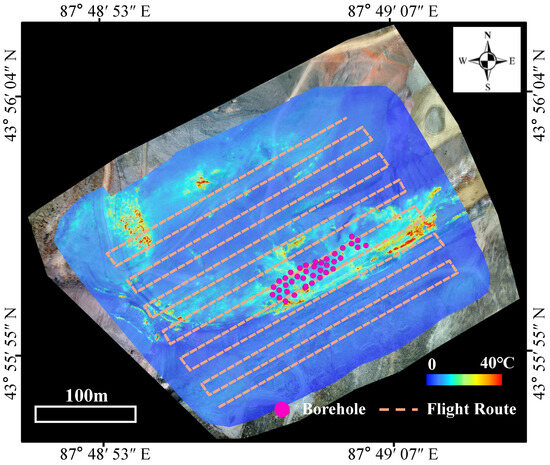
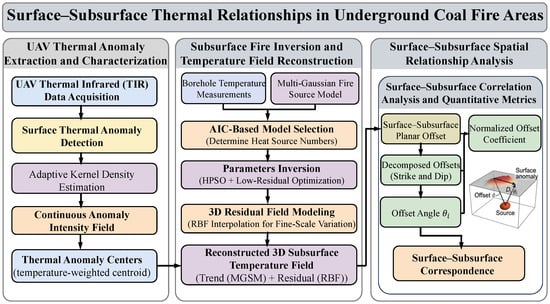
Underground coal fires are persistent subsurface hazards threatening energy resources. UAV thermal infrared remote sensing provides high-resolution observations of surface thermal anomalies, but these signals may be spatially offset from underlying fire sources. An integrated framework was developed for subsurface temperature-field reconstruction and
[...] Read more.
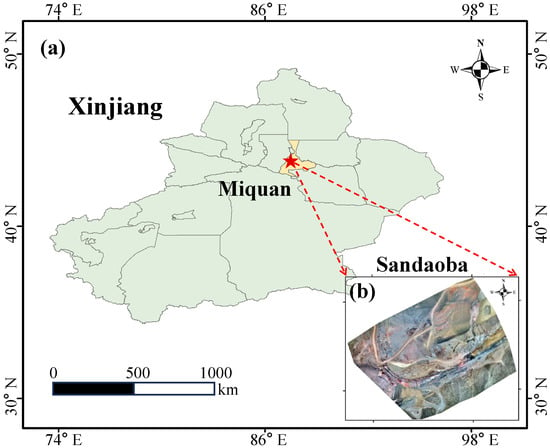
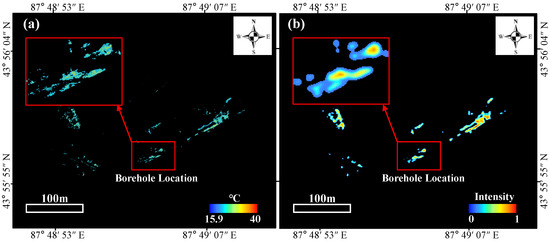
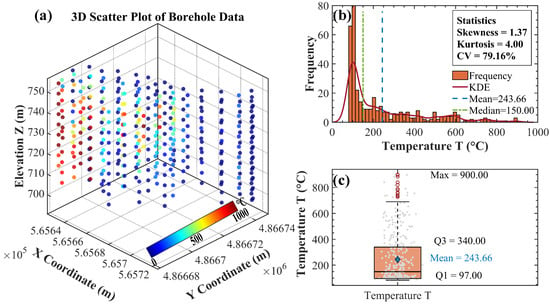
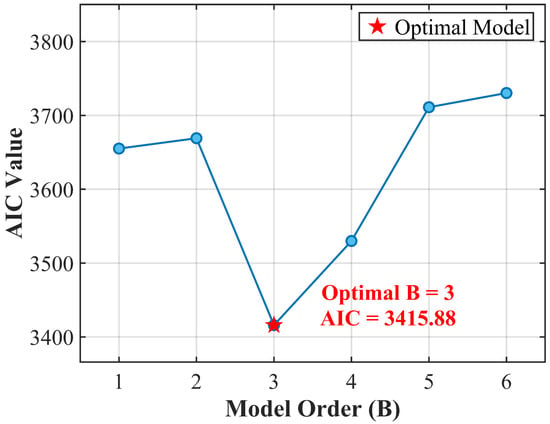
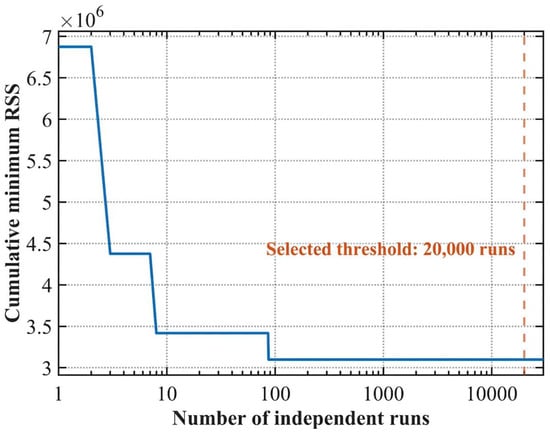
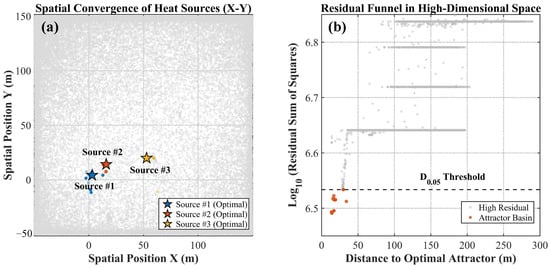
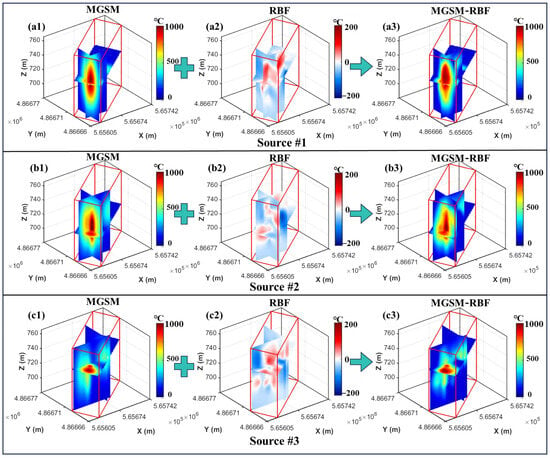
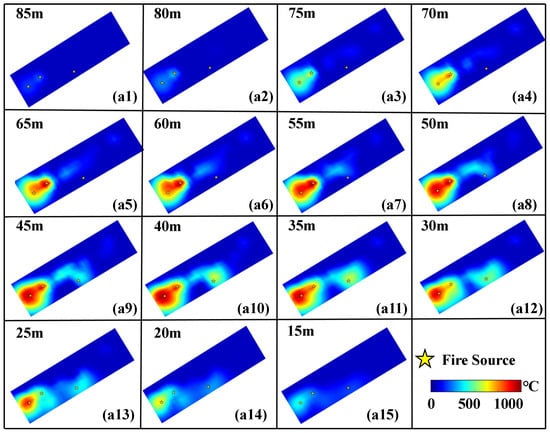
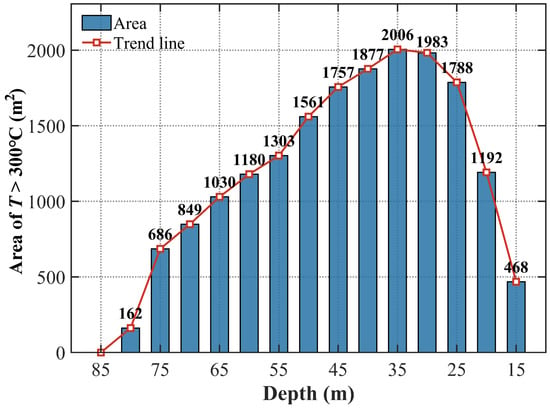
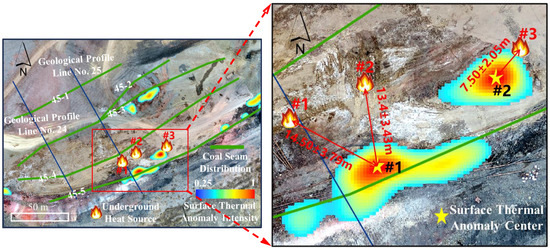
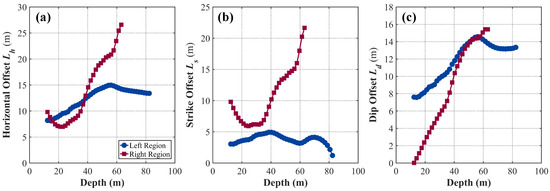
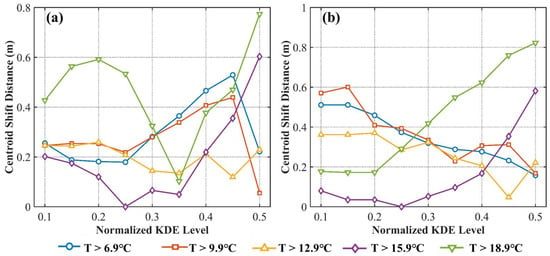
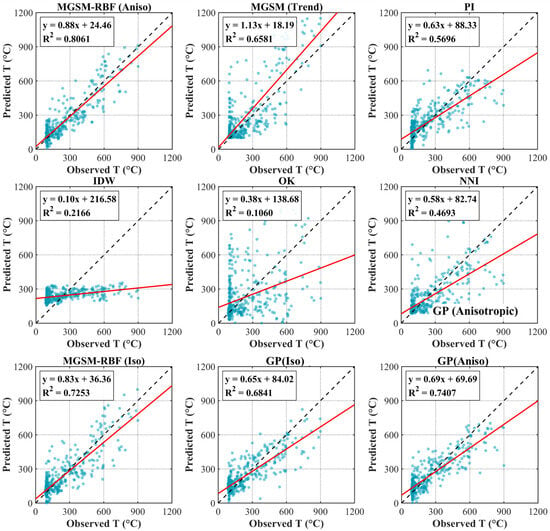
Underground coal fires are persistent subsurface hazards threatening energy resources. UAV thermal infrared remote sensing provides high-resolution observations of surface thermal anomalies, but these signals may be spatially offset from underlying fire sources. An integrated framework was developed for subsurface temperature-field reconstruction and surface–subsurface correspondence and offset analysis. Surface thermal anomaly centers were extracted using statistical thresholding, adaptive kernel density estimation, and intensity-weighted centroids. Subsurface temperature fields were reconstructed using an MGSM-RBF model that combines multi-Gaussian fire-source representation with residual correction. The framework was applied to the Sandaoba coal fire area using UAV thermal infrared data and 370 borehole temperature measurements from 39 boreholes, covering depths of approximately 0–85 m. Reconstruction accuracy was evaluated using spatially buffered cross-validation and compared with eight baseline methods. MGSM–RBF achieved the best performance, with RMSE = 92.49 , MAE = 61.26 , and = 0.81. Two surface thermal anomaly centers and three subsurface fire sources were identified, with primary combustion concentrated at 30–55 m depths. Surface anomalies were not vertical projections of subsurface sources. The horizontal offsets were approximately one-fifth to one-third of burial depth, reflecting depth-dependent and multi-source-controlled surface thermal responses. These findings support UAV-based coal fire interpretation and fire-control planning.
Full article
(This article belongs to the Special Issue Application of Advanced Remote Sensing Techniques in Mining Areas)
►▼
Show Figures

Figure 1
Open AccessArticle
Ionospheric Response to Solar Flares at Mid-Latitudes During Geomagnetically Quiet Periods Based on Pruhonice Ionosonde Data 2023–2024
by
Júlia Erdey, Attila Buzás, János Lichtenberger and Veronika Barta
Remote Sens. 2026, 18(11), 1675; https://doi.org/10.3390/rs18111675 - 22 May 2026
Abstract
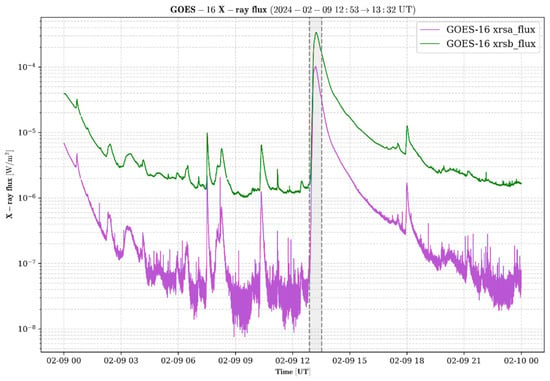
The ionosphere is the ionized region of the atmosphere, extending roughly from 60 km to 1000 km in altitude. During flares, the near-Earth space is subjected to high-energy X-ray and EUV (extreme ultraviolet radiation) radiation, which also impacts the ionosphere. The changes in
[...] Read more.
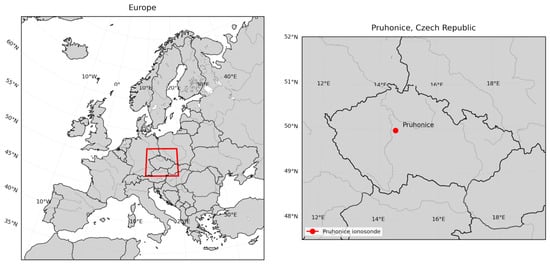
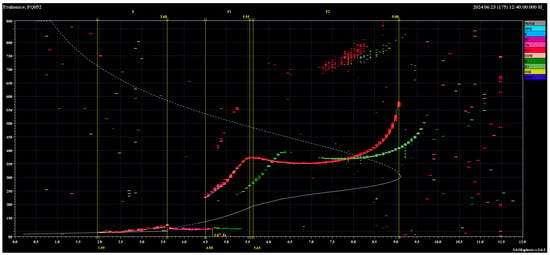
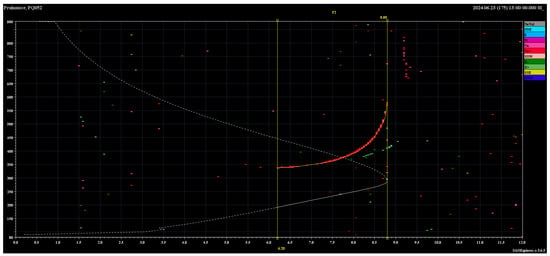
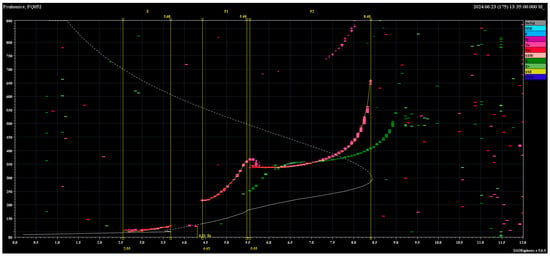
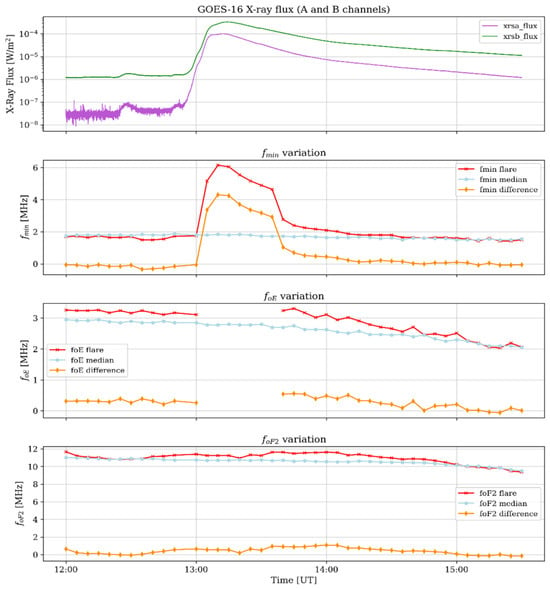
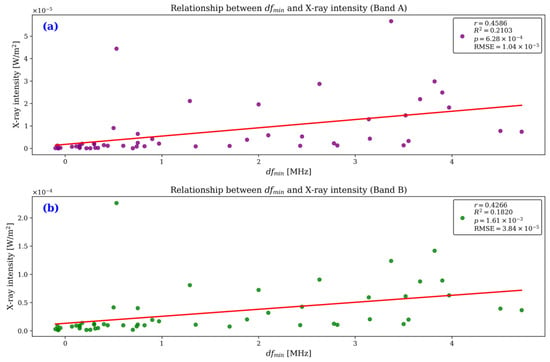
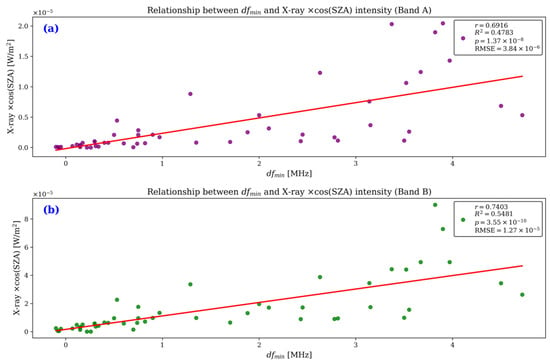
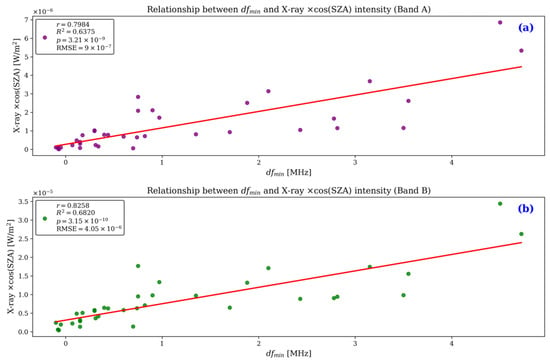
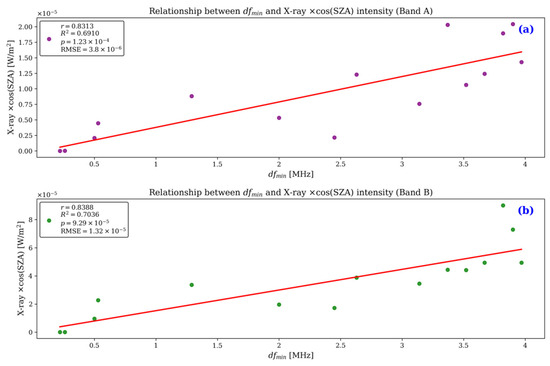
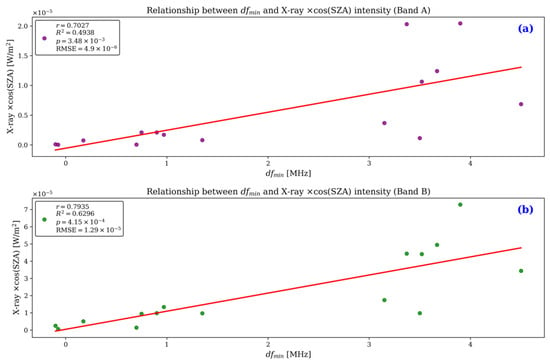
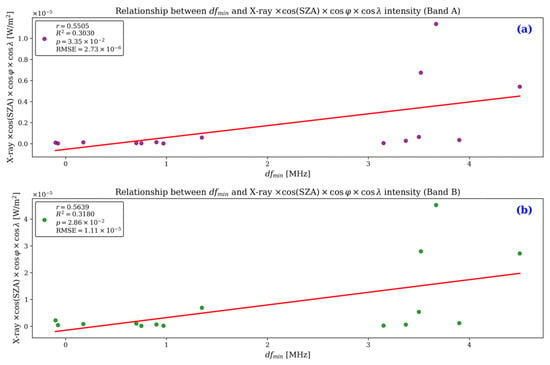
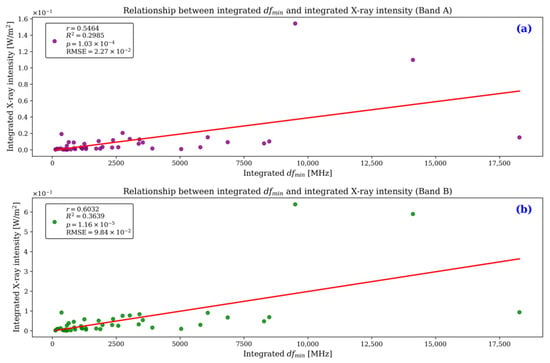
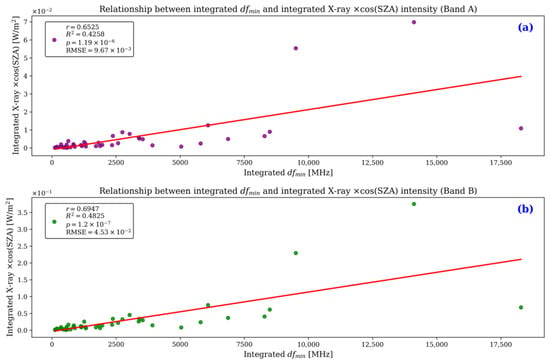
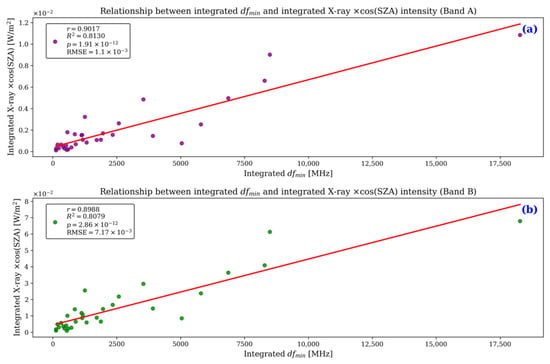
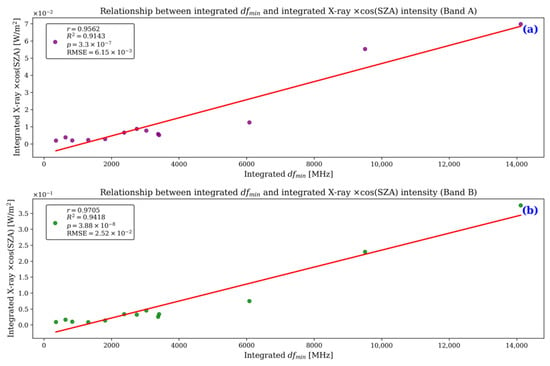
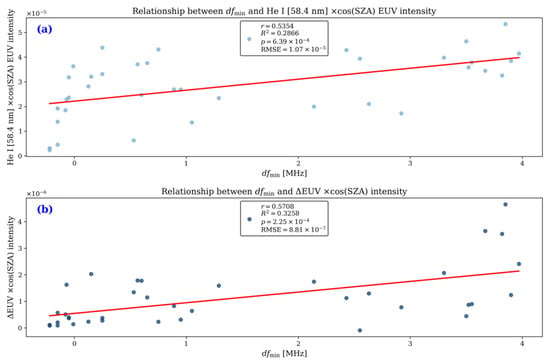
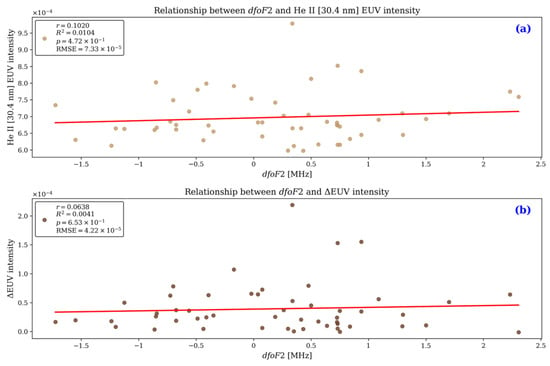
The ionosphere is the ionized region of the atmosphere, extending roughly from 60 km to 1000 km in altitude. During flares, the near-Earth space is subjected to high-energy X-ray and EUV (extreme ultraviolet radiation) radiation, which also impacts the ionosphere. The changes in the ionospheric parameters measured by ionosondes, namely the fmin (minimum frequency) and foF2 (F2-layer ordinary-mode critical frequency) values, were examined during solar flares that occurred in geomagnetically quiet conditions (Dst (Disturbance Storm Time index) > −40 nT, Kp (planetary K-index) < 4). The necessary data were obtained by manually evaluating ionograms recorded by the Czech DPS4D ionosonde at Pruhonice (PQ052). The degree of variation was compared to quiet reference days, allowing for the determination of the deviations in the required values (dfmin, dfoF2). The time series of the deviations were investigated. Furthermore, the relationship between the deviations and a “geoeffectiveness” parameter of the solar flare was also examined. The X-ray flux, the solar zenith angle of the station at the time of the event, and the position of the flare on the solar disk were also taken into account for the determination of the “geoeffectiveness” parameter. A positive correlation was observed between dfmin and the geoeffectiveness parameter of the flare, which was more significant than the correlation between the dfoF2 and the geoeffectiveness parameter.
Full article
(This article belongs to the Section Atmospheric Remote Sensing)
►▼
Show Figures

Figure 1
Open AccessArticle
Transformer-Based Individual Tree Crown Detection from Canopy Height Models with Cross-Domain and Self-Supervised Pretraining
by
Josué Gourde, Baoxin Hu and Qian Li
Remote Sens. 2026, 18(11), 1674; https://doi.org/10.3390/rs18111674 - 22 May 2026
Abstract
Individual tree crown (ITC) detection from remotely sensed data is fundamental to forest inventory and ecological monitoring, but deep learning approaches remain constrained by limited labelled training data. We systematically evaluate three transformer detectors (the Detection Transformer (DETR), Deformable DETR, and DETR with
[...] Read more.
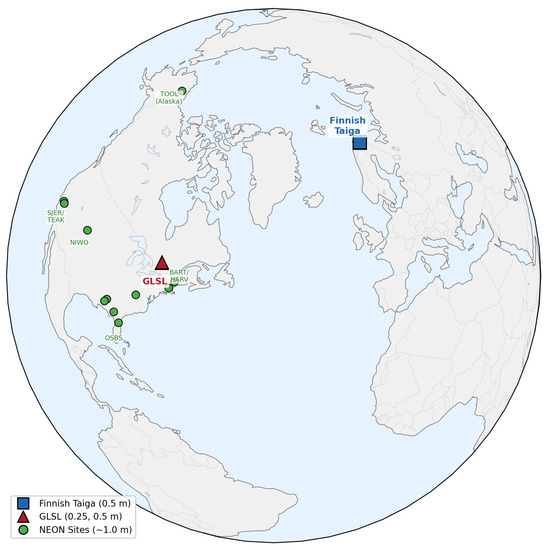
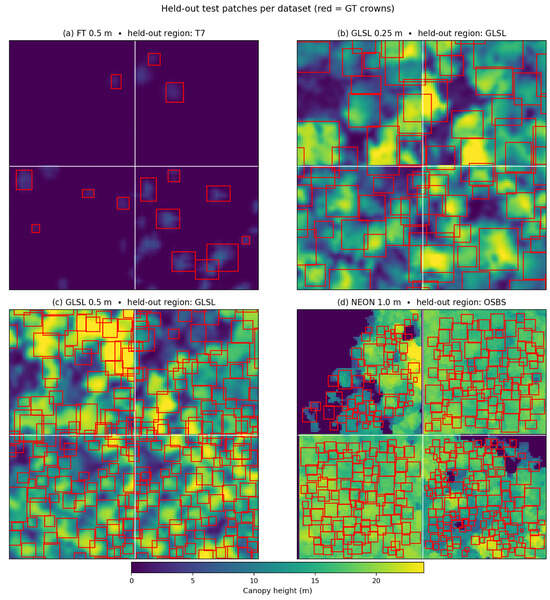
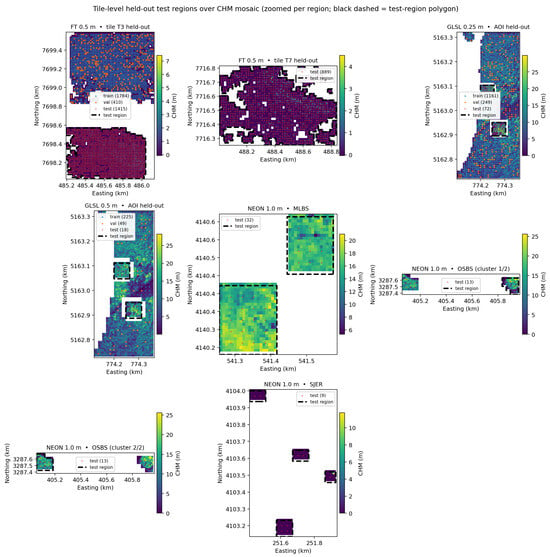
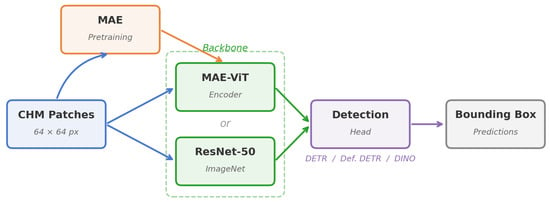
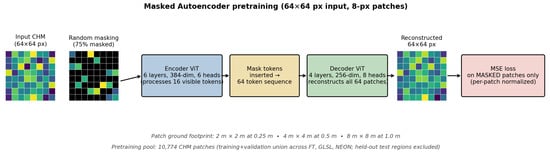
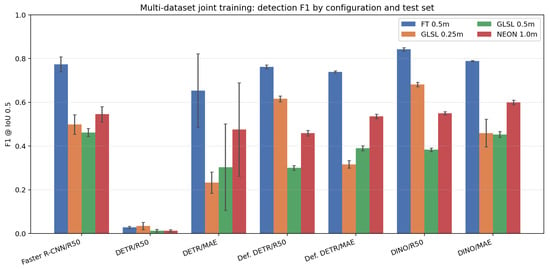
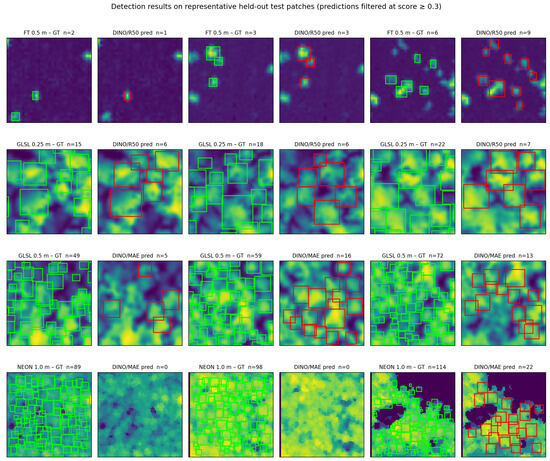
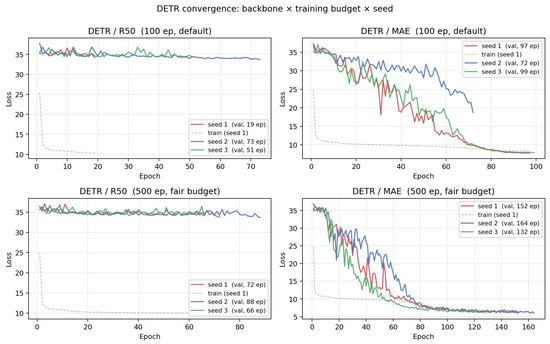
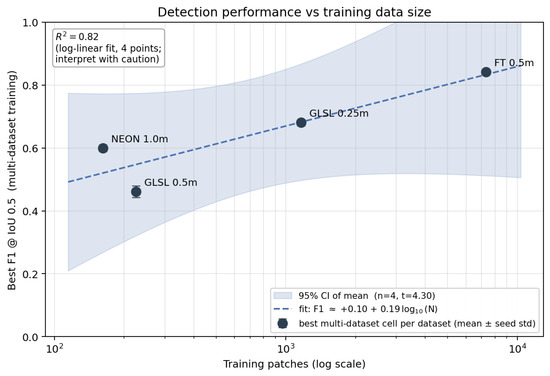
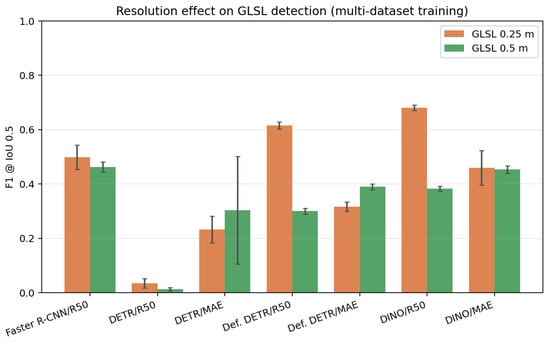
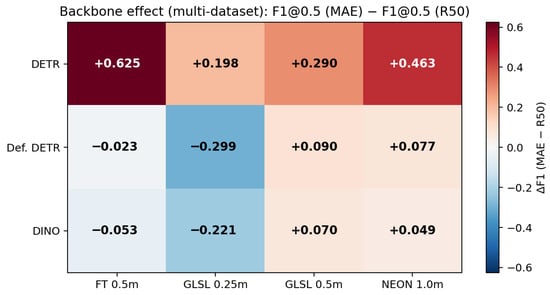
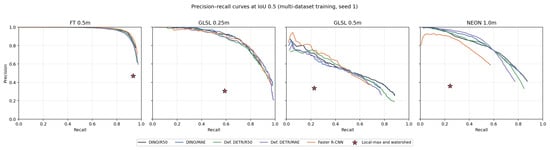
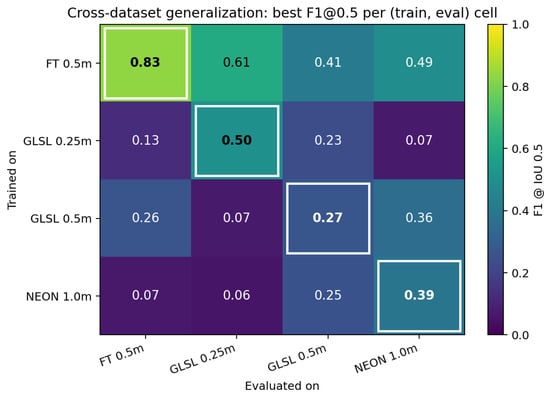
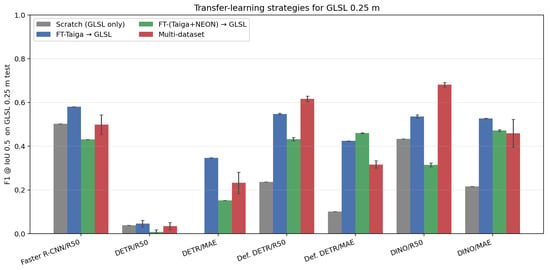
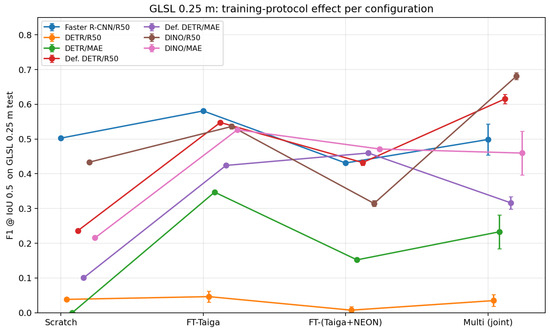
Individual tree crown (ITC) detection from remotely sensed data is fundamental to forest inventory and ecological monitoring, but deep learning approaches remain constrained by limited labelled training data. We systematically evaluate three transformer detectors (the Detection Transformer (DETR), Deformable DETR, and DETR with Improved DeNoising Anchor Boxes (DINO)) paired with two backbones, ImageNet-pretrained ResNet-50 and a Masked Autoencoder (MAE) pretrained on unlabelled Canopy Height Model (CHM) data. These are benchmarked against a classical local maximum and watershed pipeline and Faster R-CNN across four test sets spanning boreal, temperate mixed-wood, and diverse North American forest types at 0.25–1.0 m resolution. Spatially held-out test regions with a one-patch buffer band eliminate sliding-window leakage; headline configurations are reported as mean ± standard deviation across three random seeds. With multi-resolution MAE pretraining, the practical lower bound for non-degenerate single-dataset transformer detection lies between ∼200 and ∼1200 patches. Without MAE pretraining, DETR fails at every dataset size we tested. Multi-dataset joint training reaches on the boreal test set and 0.45–0.68 across the temperate-mixed-wood and NEON test sets, while Faster R-CNN narrowly wins on the smallest training pool. Standard DETR with ResNet-50 collapses regardless of the length of training schedule, but the same architecture with an MAE backbone reaches at that schedule, showing that DETR’s reported instability is conditional on the combination of backbone initialization and training budget rather than architectural. Resolution and backbone interact: ResNet-50 wins at 0.25 m, and MAE wins at 0.5–1.0 m, consistent with the eight-pixel MAE patch-matching crown scale only at coarser resolutions.
Full article
(This article belongs to the Special Issue AI-Driven Forestry Remote Sensing: Datasets, Models, Analysis and Applications)
►▼
Show Figures

Figure 1
Journal Menu
► ▼ Journal Menu-
- Remote Sensing Home
- Aims & Scope
- Editorial Board
- Reviewer Board
- Topical Advisory Panel
- Photography Exhibition
- Instructions for Authors
- Special Issues
- Topics
- Sections & Collections
- Article Processing Charge
- Indexing & Archiving
- Editor’s Choice Articles
- Most Cited & Viewed
- Journal Statistics
- Journal History
- Journal Awards
- Society Collaborations
- Conferences
- Editorial Office
Journal Browser
► ▼ Journal BrowserHighly Accessed Articles
Latest Books
E-Mail Alert
News
Topics
Topic in
Sustainability, Buildings, Sensors, Remote Sensing, Land, Climate, Atmosphere
Advances in Low-Carbon, Climate-Resilient, and Sustainable Built Environment
Topic Editors: Baojie He, Stephen Siu Yu Lau, Deshun Zhang, Andreas Matzarakis, Fei GuoDeadline: 25 May 2026
Topic in
Atmosphere, Forests, Geosciences, Hydrology, Land, Remote Sensing, Sustainability
Karst Environment and Global Change—Second Edition
Topic Editors: Xiaoyong Bai, Yongjun Jiang, Jian Ni, Xubo Gao, Yuemin Yue, Jiangbo Gao, Junbing Pu, Hu Ding, Qiong Xiao, Zhicai ZhangDeadline: 16 June 2026
Topic in
Aerospace, Drones, Electronics, Remote Sensing, Sensors, Signals
Civil and Public Domain Applications of Unmanned Aviation 2025
Topic Editors: Kimon P. Valavanis, Nikolaos VitzilaiosDeadline: 30 June 2026
Topic in
Applied Sciences, Information, Remote Sensing, Signals, Symmetry, J. Imaging
Image Processing, Signal Processing and Their Applications
Topic Editors: Jun Xu, Lianbo MaDeadline: 16 July 2026
Conferences
Special Issues
Special Issue in
Remote Sensing
Advances in Estimating Aboveground Biomass Based on Multi-source Remote Sensing Data
Guest Editors: Shaobo Sun, Xufeng Wang, Kai LiuDeadline: 25 May 2026
Special Issue in
Remote Sensing
Multisource Remote Sensing Data Fusion and Applications in Vegetation Monitoring (Second Edition)
Guest Editors: Dong Liu, Jiakui Tang, Qing ZhangDeadline: 28 May 2026
Special Issue in
Remote Sensing
Monitoring and Restoration of Mining-Impacted Ecosystems Using Remote Sensing Technology
Guest Editors: Qiang Yu, Huaguo Huang, Jianbo QiDeadline: 28 May 2026
Special Issue in
Remote Sensing
Recent Advances in Remote Sensing of Soil Moisture
Guest Editors: Indishe Senanayake, Natthachet Tangdamrongsub, Bin FangDeadline: 28 May 2026
Topical Collections
Topical Collection in
Remote Sensing
Feature Papers for Section Environmental Remote Sensing
Collection Editor: Magaly Koch
Topical Collection in
Remote Sensing
The VIIRS Collection: Calibration, Validation, and Application
Collection Editors: Xi Shao, Xiaoxiong Xiong, Changyong Cao
Topical Collection in
Remote Sensing
Feature Paper Collection on Remote Sensing in Geology, Geomorphology and Hydrology Section
Collection Editors: Francesca Ardizzone, Giuseppe Casula
Topical Collection in
Remote Sensing
Sentinel-2: Science and Applications
Collection Editors: Clement Atzberger, Jadu Dash, Olivier Hagolle, Jochem Verrelst, Quinten Vanhellemont, Jordi Inglada, Tuomas Häme