19 pages, 3862 KB  
Article
New Healthy Low-Sugar and Carotenoid-Enriched/High-Antioxidant Beverage: Study of Optimization and Physicochemical Properties
by Leila Abolghasemi Fakhri, Babak Ghanbarzadeh and Pasquale M. Falcone
Foods 2023, 12(17), 3265; https://doi.org/10.3390/foods12173265 - 30 Aug 2023
Cited by 8 | Viewed by 3711
Abstract
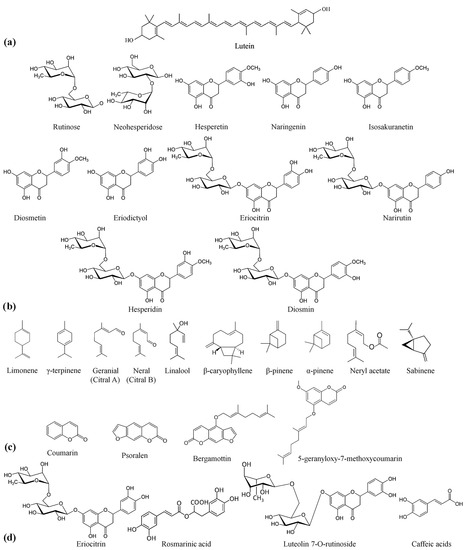
Lutein is a prominent biologically active carotenoid pigment with a polyene skeleton that has great benefits for human health. The study examined the synergistic effects of potentially functional components, including lutein carotenoid (LC), Mentha × Piperita extract (MPE), and Citrus × aurantifolia essential [...] Read more.
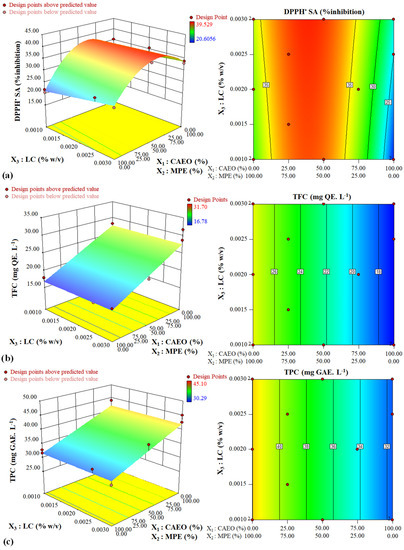
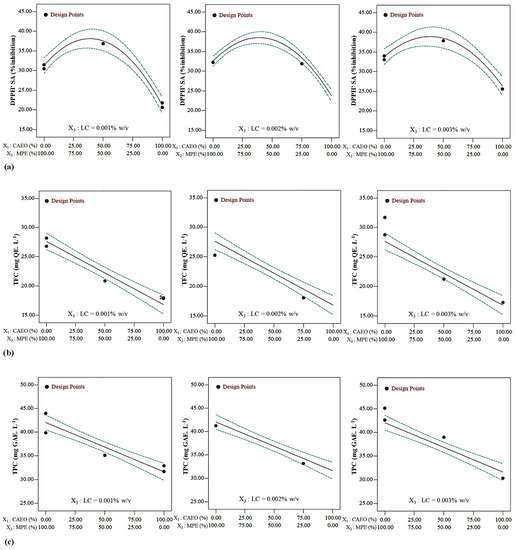
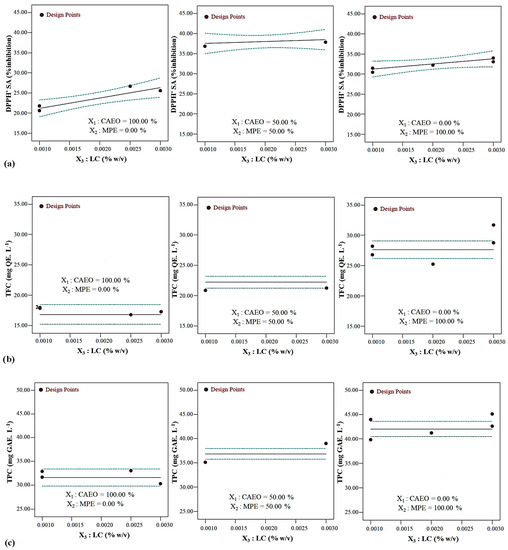
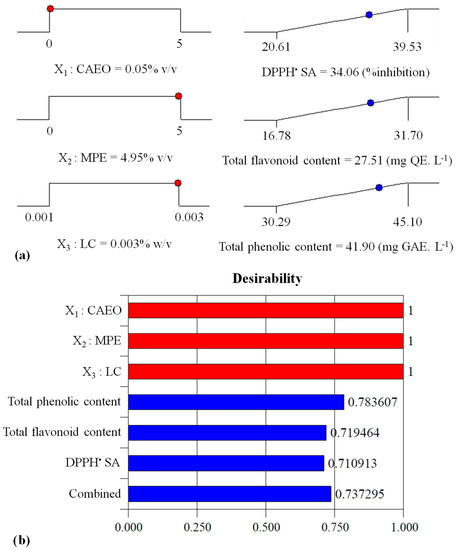
Lutein is a prominent biologically active carotenoid pigment with a polyene skeleton that has great benefits for human health. The study examined the synergistic effects of potentially functional components, including lutein carotenoid (LC), Mentha × Piperita extract (MPE), and Citrus × aurantifolia essential oil (CAEO), all three as bioactive components and antioxidants (AOs), on the physicochemical characteristics of a new low-sugar and carotenoid-enriched high-antioxidant beverage. Sucralose was utilized as a non-nutritive sweetener. Polynomial equations obtained by combined design methodology (CDM) were fitted to the experimental data of total phenolic and flavonoid contents (TPC and TFC, respectively) and antioxidant potential of the beverages using multiple regression analysis with R2 (determination coefficient) values of 0.87, 0.89, and 0.97, respectively. Estimated response values for the TPC, TFC, and antioxidant potential (determined as 2, 2-diphenyl-1-picrylhydrazyl radical (DPPH) scavenging activity) of the optimum beverage formulation were 41.90 mg gallic acid equivalent (GAE) per L−1, 27.51 mg quercetin equivalent (QE) per L−1, and 34.06%, respectively, with a desirability value of 0.74. The potentially functional components had a synergistic effect on the antioxidant potential. This healthy beverage can have the potential to enhance health benefits and may have therapeutic potential for diabetic patients. Full article
(This article belongs to the Section Food Physics and (Bio)Chemistry)
Show Figures

Figure 1
25 pages, 5366 KB  
Review
Reducing the Risk of Acrylamide and Other Processing Contaminant Formation in Wheat Products
by Navneet Kaur and Nigel G. Halford
Foods 2023, 12(17), 3264; https://doi.org/10.3390/foods12173264 - 30 Aug 2023
Cited by 24 | Viewed by 5978
Abstract
Wheat is a staple crop, consumed worldwide as a major source of starch and protein. Global intake of wheat has increased in recent years, and overall, wheat is considered to be a healthy food, particularly when products are made from whole grains. However, [...] Read more.
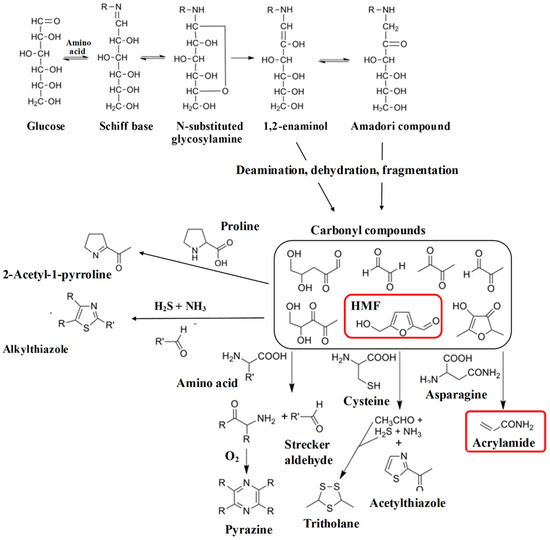
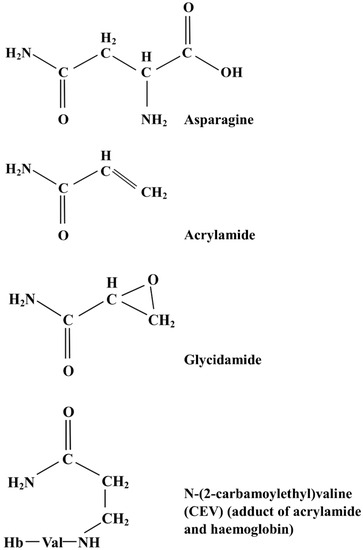
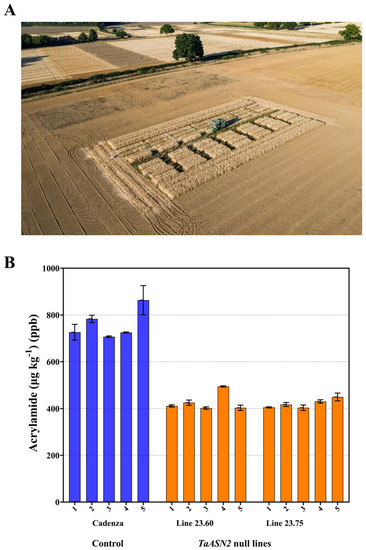
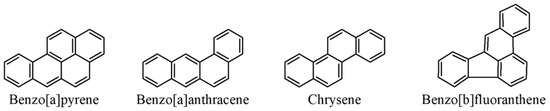
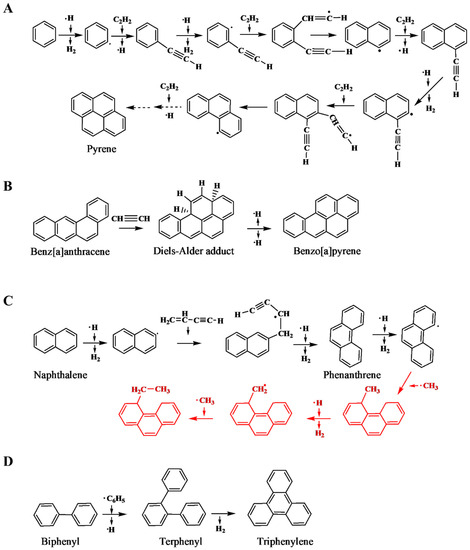
Wheat is a staple crop, consumed worldwide as a major source of starch and protein. Global intake of wheat has increased in recent years, and overall, wheat is considered to be a healthy food, particularly when products are made from whole grains. However, wheat is almost invariably processed before it is consumed, usually via baking and/or toasting, and this can lead to the formation of toxic processing contaminants, including acrylamide, 5-hydroxymethylfurfural (HMF) and polycyclic aromatic hydrocarbons (PAHs). Acrylamide is principally formed from free (soluble, non-protein) asparagine and reducing sugars (glucose, fructose and maltose) within the Maillard reaction and is classified as a Group 2A carcinogen (probably carcinogenic to humans). It also has neurotoxic and developmental effects at high doses. HMF is also generated within the Maillard reaction but can also be formed via the dehydration of fructose or caramelisation. It is frequently found in bread, biscuits, cookies, and cakes. Its molecular structure points to genotoxicity and carcinogenic risks. PAHs are a large class of chemical compounds, many of which are genotoxic, mutagenic, teratogenic and carcinogenic. They are mostly formed during frying, baking and grilling due to incomplete combustion of organic matter. Production of these processing contaminants can be reduced with changes in recipe and processing parameters, along with effective quality control measures. However, in the case of acrylamide and HMF, their formation is also highly dependent on the concentrations of precursors in the grain. Here, we review the synthesis of these contaminants, factors impacting their production and the mitigation measures that can be taken to reduce their formation in wheat products, focusing on the role of genetics and agronomy. We also review the risk management measures adopted by food safety authorities around the world. Full article
(This article belongs to the Special Issue The Generation and Control of Harmful Products in Food Processing)
Show Figures

Figure 1
17 pages, 1824 KB  
Article
Quality of Edible Sesame Oil as Obtained by Green Solvents: In Silico versus Experimental Screening Approaches
by Sinda Trad, Emna Chaabani, Wissem Aidi Wannes, Sarra Dakhlaoui, Salma Nait Mohamed, Saber Khammessi, Majdi Hammami, Soumaya Bourgou, Moufida Saidani Tounsi, Anne-Sylvie Fabiano-Tixier and Iness Bettaieb Rebey
Foods 2023, 12(17), 3263; https://doi.org/10.3390/foods12173263 - 30 Aug 2023
Cited by 13 | Viewed by 4892
Abstract
The present study aimed to investigate the qualitative and quantitative performance of five green solvents, namely 2-methyltetrahydrofuran (MeTHF), cyclopentyl methyl ether (CPME), p-cymene, d-limonene and ethanol to substitute n-hexane, for sesame seed oil extraction. In fact, both CPME and MeTHF [...] Read more.
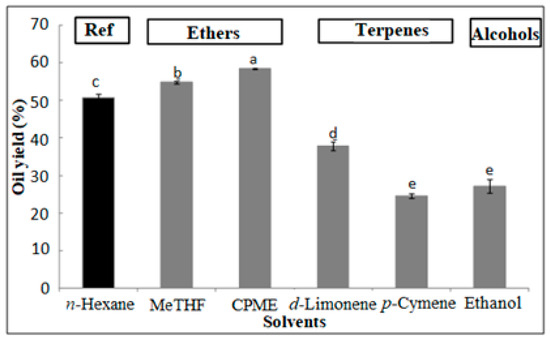
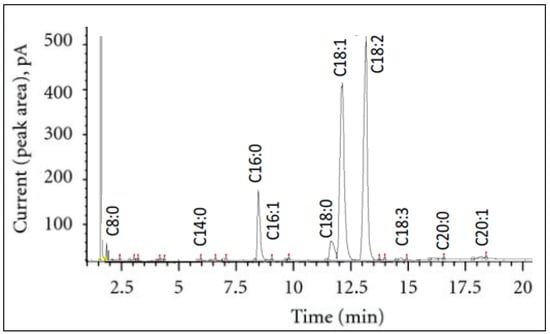
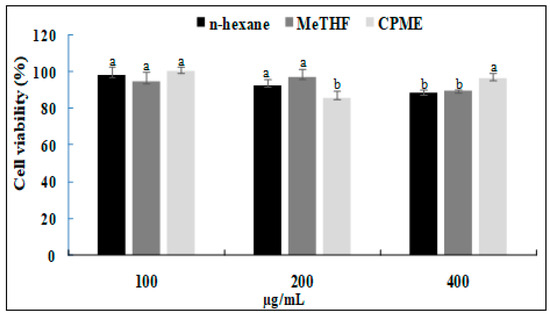
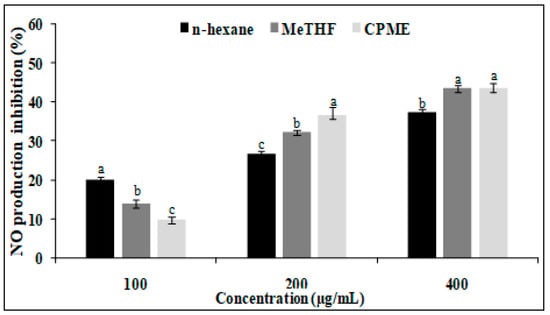
The present study aimed to investigate the qualitative and quantitative performance of five green solvents, namely 2-methyltetrahydrofuran (MeTHF), cyclopentyl methyl ether (CPME), p-cymene, d-limonene and ethanol to substitute n-hexane, for sesame seed oil extraction. In fact, both CPME and MeTHF gave higher crude yields than n-hexane (58.82, 54.91 and 50.84%, respectively). The fatty acid profile of the sesame seed oils remained constant across all the solvent systems, with a predominance of oleic acid (39.27–44.35%) and linoleic acid (38.88–43.99%). The total sterols gained the upmost amount with CPME (785 mg/100 g oil) and MeTHF (641 mg/100 g oil). CPME and MeTHF were also characterized by the optimum content of tocopherols (52.3 and 50.6 mg/100 g oil, respectively). The highest contents of total phenols in the sesame seed oils were extracted by CPME (23.51 mg GAE/g) and MeTHF (22.53 mg GAE/g) as compared to the other solvents, especially n-hexane (8 mg GAE/g). Additionally, sesame seed oils extracted by MeTHF and CPME also had the highest antioxidant and anti-inflammatory properties as compared to the other green solvents and n-hexane, encouraging their manufacturing use for sesame seed oil extraction. Full article
Show Figures

Figure 1
16 pages, 1740 KB  
Review
Nutraceuticals and Their Contribution to Preventing Noncommunicable Diseases
by Aurora Garza-Juárez, Esther Pérez-Carrillo, Eder Ubaldo Arredondo-Espinoza, José Francisco Islas, Diego Francisco Benítez-Chao and Erandi Escamilla-García
Foods 2023, 12(17), 3262; https://doi.org/10.3390/foods12173262 - 30 Aug 2023
Cited by 31 | Viewed by 6952
Abstract
The high rate of deaths around the world from noncommunicable diseases (NCDs) (70%) is a consequence of a poor diet lacking in nutrients and is linked to lifestyle and environmental conditions that together trigger predisposing factors. NCDs have increased 9.8% of public health [...] Read more.
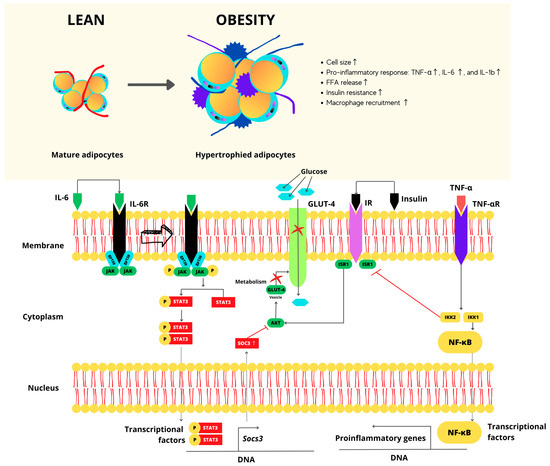
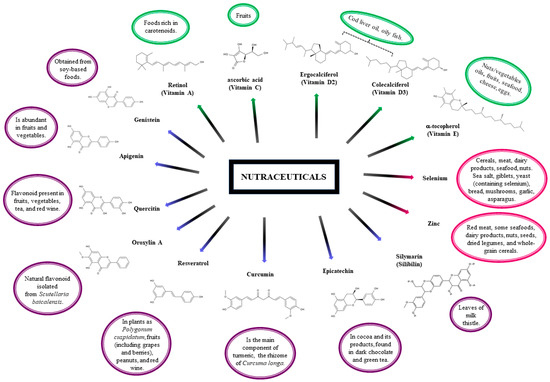
The high rate of deaths around the world from noncommunicable diseases (NCDs) (70%) is a consequence of a poor diet lacking in nutrients and is linked to lifestyle and environmental conditions that together trigger predisposing factors. NCDs have increased 9.8% of public health spending worldwide, which has been increasing since 2000. Hence, international organizations such as the WHO, the Pan American Health Organization, and the Food and Agriculture Organization of the United Nations have been developing strategic plans to implement government and economic policies to strengthen programs in favor of food security and nutrition. A systematic review is presented to document an analysis of the origin and characteristics of obesity, cardiovascular disease, chronic respiratory diseases, diabetes, and cancers affecting a large part of the world’s population. This review proposes a scientifically based report of functional foods including fruits, vegetables, grains, and plants, and how their bioactive compounds called nutraceuticals—when consumed as part of a diet—benefit in the prevention and treatment of NCDs from an early age. Multifactorial aspects of NCDs, such as culture and eating habits, are limitations to consider from the clinical, nutritional, and biochemical points of view of everyone who suffers from them. Full article
Show Figures

Figure 1
19 pages, 355 KB  
Article
Evaluation of the Physical, Chemical, Technological, and Sensorial Properties of Extrudates and Cookies from Composite Sorghum and Cowpea Flours
by Joy Chinenye Mba, Laise Trindade Paes, Leonara Martins Viana, Ana Júlia Carmanini Ferreira, Valéria Aparecida Vieira Queiroz, Hércia Stampini Duarte Martino, Luciana Azevedo, Carlos Wanderlei Piler de Carvalho, Mária Herminia Ferrari Felisberto and Frederico Augusto Ribeiro de Barros
Foods 2023, 12(17), 3261; https://doi.org/10.3390/foods12173261 - 30 Aug 2023
Cited by 13 | Viewed by 4974
Abstract
In recent years, there has been a growing demand for gluten-free and functional products, driven by consumer preferences for healthier and more diverse food choices. Therefore, there is a need to explore new ingredients that can be used as alternatives to traditional gluten-containing [...] Read more.
In recent years, there has been a growing demand for gluten-free and functional products, driven by consumer preferences for healthier and more diverse food choices. Therefore, there is a need to explore new ingredients that can be used as alternatives to traditional gluten-containing grains. Thus, this work evaluated the physical, chemical, technological, and sensorial properties of extrudates and cookies from composite tannin sorghum (rich in resistant starch) and white cowpea flours. Extrudates and cookies were produced from a composite flour made of sorghum and cowpea, at a sorghum:cowpea flour ratio of 70:30, 50:50, and 30:70. Then, raw flours, cookies, and extrudates were characterized (dietary fiber, resistant starch, proteins, antioxidant capacity, pasting properties, etc.). Results obtained for particle size distribution and bulk density indicated that the particles increased and the color changed with the addition of cowpea flour. The raw tannin sorghum flour had a higher resistant starch concentration (36.3%) and antioxidant capacity (211.2 µmolTE/g), whereas cowpea flour had higher levels of proteins (18.7%) and dietary fiber (20.1%). This difference in the raw flour composition contributed to the nutritional value of the extrudates and cookies, especially the cookies which undergo dry heat and had higher retention of resistant starch and antioxidants. Moreover, sorghum flour presented a higher tendency to retrograde (high setback), which was decreased by the addition of cowpea flour. Overall acceptance and intention to purchase were higher for extrudates with 100% sorghum flour (6.52 and 68.3%, respectively) and cookies with 70% cowpea flour (7.03 and 76.7%, respectively). Therefore, nutritious and functional gluten-free extrudates and cookies, of good acceptability, can be produced from composite tannin sorghum and white cowpea flours. Full article
(This article belongs to the Section Food Physics and (Bio)Chemistry)
13 pages, 1849 KB  
Article
The Effect of Atmospheric Dielectric Barrier Discharge Cold Plasma Treatment on the Nutritional and Physicochemical Characteristics of Various Legumes
by Yingmei Wu, Xuewei Feng, Yingying Zhu, Shiyu Li, Yichen Hu, Yang Yao and Nong Zhou
Foods 2023, 12(17), 3260; https://doi.org/10.3390/foods12173260 - 30 Aug 2023
Cited by 11 | Viewed by 3777
Abstract
High activity of lipoxygenase (LOX) has been identified as a primary cause of oxidative rancidity in legumes. In this study, the application of dielectric barrier discharge atmospheric cold plasma (DBD-ACP) (5 W, 10 min) resulted in an obvious decrease in LOX activity in [...] Read more.
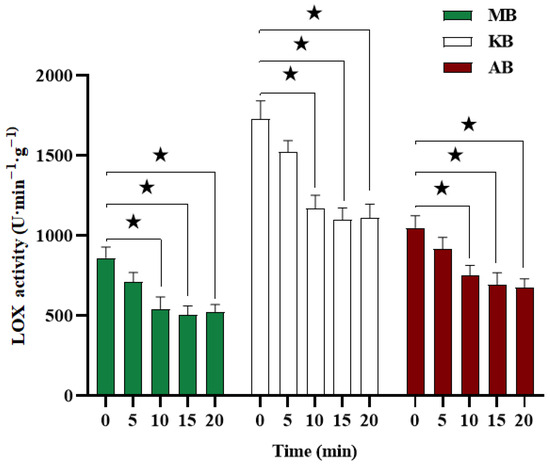
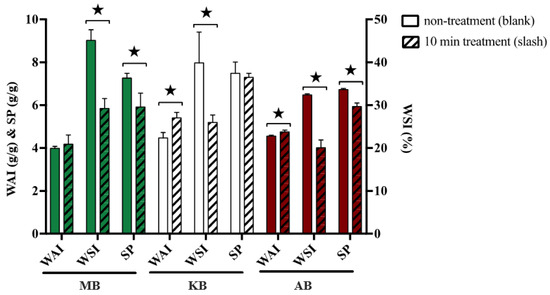
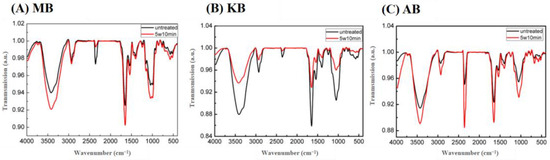
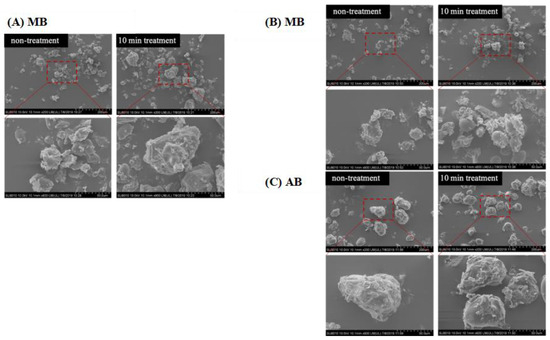
High activity of lipoxygenase (LOX) has been identified as a primary cause of oxidative rancidity in legumes. In this study, the application of dielectric barrier discharge atmospheric cold plasma (DBD-ACP) (5 W, 10 min) resulted in an obvious decrease in LOX activity in mung bean (MB), kidney bean (KB), and adzuki bean (AB) flours by 36.96%, 32.49%, and 28.57%, respectively. Moreover, DBD-ACP induced significant increases (p < 0.05) in content of soluble dietary fiber, saturated fatty acids, and methionine. The starch digestibility of legumes was changed, evidenced by increased (p < 0.05) slowly digestible starch and rapidly digestible starch, while resistant starch decreased. Furthermore, DBD-ACP treatment significantly affected (p < 0.05) the hydration and thermal characteristics of legume flours, evidenced by the increased water absorption index (WAI) and gelatinization temperature, and the decreased swelling power (SP) and gelatinization enthalpy (ΔH). Microscopic observations confirmed that DBD-ACP treatment caused particle aggregation. Full article
(This article belongs to the Section Food Physics and (Bio)Chemistry)
Show Figures

Figure 1
14 pages, 2978 KB  
Article
Effect on the Quality of Larimichthys crocea Pretreated with Dual-Frequency Orthogonal Ultrasonic-Assisted Immersion with Different Powers during Refrigerated Storage at 4 °C
by Chenchen Zhang, Jinfeng Wang and Jing Xie
Foods 2023, 12(17), 3259; https://doi.org/10.3390/foods12173259 - 30 Aug 2023
Cited by 6 | Viewed by 2235
Abstract
In recent years, ultrasonic pretreatment technology has been widely used in the aquatic product preservation industry. Among these technologies, dual-frequency ultrasonic refrigeration is the most common. However, in practical applications, selecting the frequency is relatively simple, and there has been less research on [...] Read more.
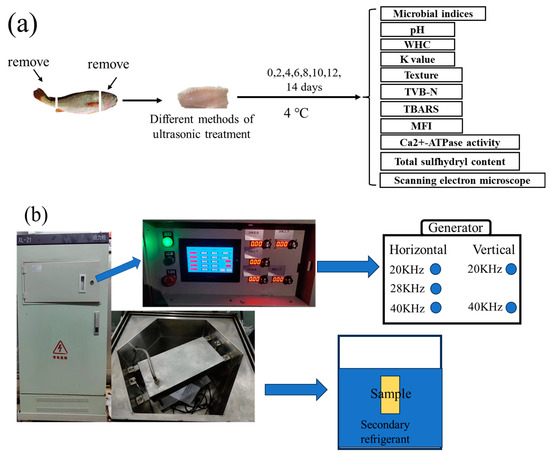
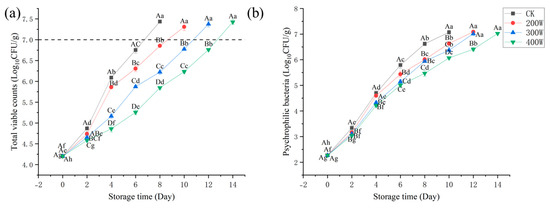
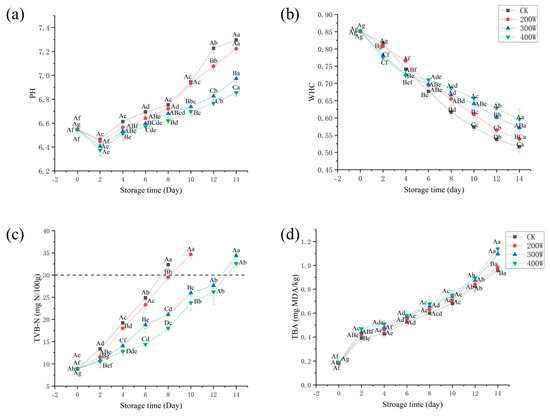
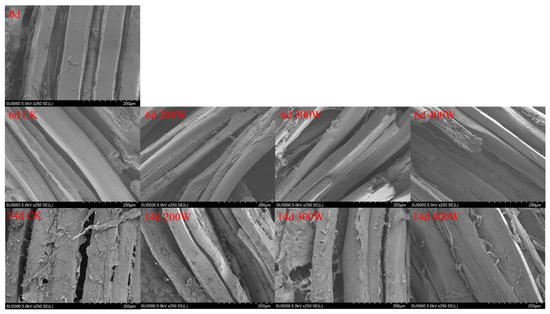
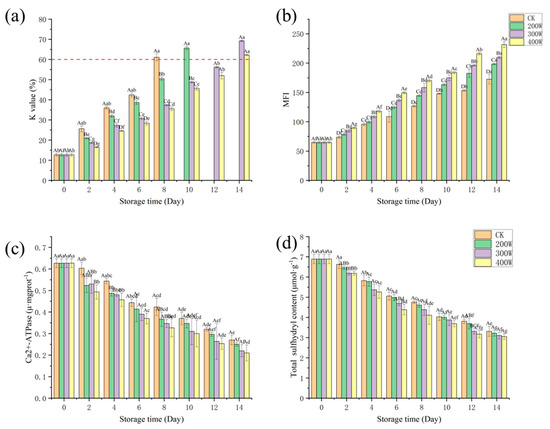
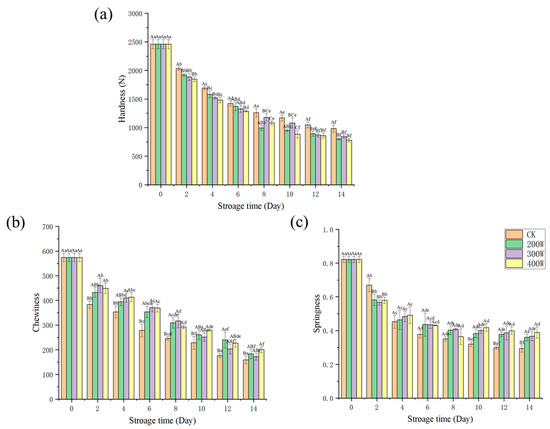
In recent years, ultrasonic pretreatment technology has been widely used in the aquatic product preservation industry. Among these technologies, dual-frequency ultrasonic refrigeration is the most common. However, in practical applications, selecting the frequency is relatively simple, and there has been less research on power selection. In this paper, the specific frequency (up and down 20 kHz, around 40 kHz), using different powers of (a) 200 W, (b) 300 W, and (c) 400 W processing, ultrasonic intermittent mode with 30 s on/30 s off cycle, and an ultrasonic processing time of 10 min was examined; the control group (CK) comprised samples without ultrasonic treatment. The samples were stored at 4 °C and then placed in a Polyethylene (PE) bag. The changes in microbiological parameters, physicochemical indices, and protein indices of the samples were monitored every two days. The results show that 400 W ultrasonic treatment can significantly inhibit the growth of TVC during storage. The rate of increase in pH, TVB−N, and TBA values decreased significantly compared with the other groups. Compared with the CK group, the shelf life of the 400 W treatment group was extended by 6 days. Therefore, the 400 W pretreatment method based on orthogonal double frequency has strong application potential for effectively extending the shelf life of refrigerated large yellow croaker. Full article
(This article belongs to the Section Food Engineering and Technology)
Show Figures

Figure 1
13 pages, 4075 KB  
Article
Effect of 2,5-Dicarbonyl-3-Isobutyl-Piperazine on 3-Isobutyl-2-Methoxypyrazine Biosynthesis in Wine Grape
by Yujuan Lei, Zhansheng Ma, Ping Wang, Xuchen Qin, Xueqiang Guan and Zhenwen Zhang
Foods 2023, 12(17), 3258; https://doi.org/10.3390/foods12173258 - 30 Aug 2023
Cited by 2 | Viewed by 2228
Abstract
The metabolic pathway of 3-alkyl-2-methoxypyrazines (MPs) in grape remains largely unclear except for the final step. In this study, the 2,5-dicarbonyl-3-isobutyl-piperazine (DCIP), which is proposed as the key intermediate of 3-isobutyl-2-methoxypyrazine (IBMP) biosynthesis, was incorporated into Cabernet Sauvignon clusters in situ using a [...] Read more.
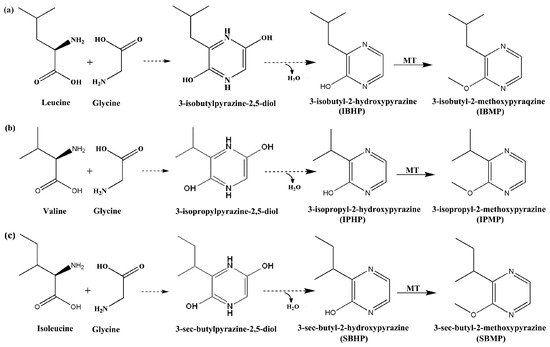
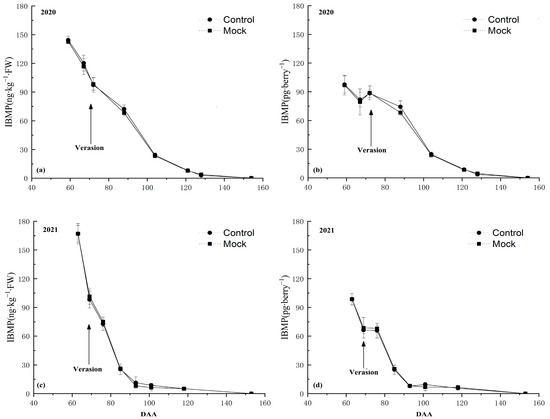
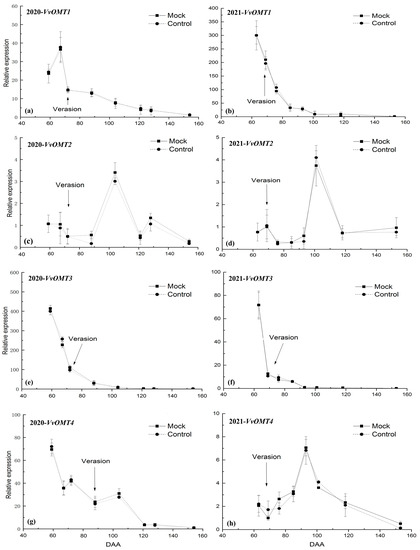
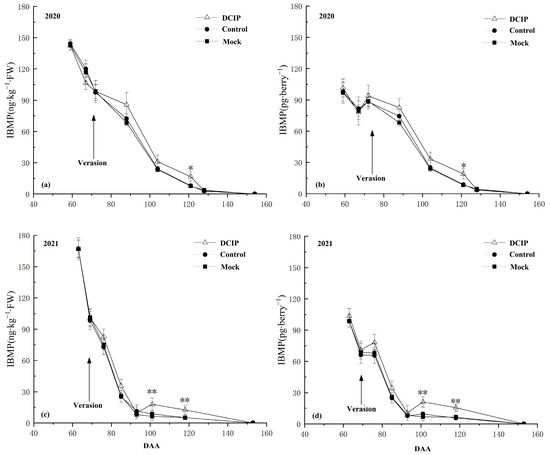
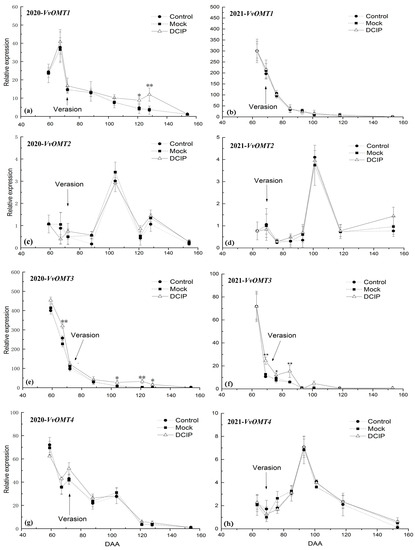
The metabolic pathway of 3-alkyl-2-methoxypyrazines (MPs) in grape remains largely unclear except for the final step. In this study, the 2,5-dicarbonyl-3-isobutyl-piperazine (DCIP), which is proposed as the key intermediate of 3-isobutyl-2-methoxypyrazine (IBMP) biosynthesis, was incorporated into Cabernet Sauvignon clusters in situ using a soaking method. The IBMP concentration of grape and the expression patterns of VvOMTs in berry skin were monitored over two consecutive years. The results showed that the IBMP concentration of grape treated with DCIP was significantly increased at maturity in both years. The relative expression levels of VvOMT1 and VvOMT3 in berry skin were positively correlated with the IBMP accumulation. After DCIP incorporation, the relative expression level of VvOMT1 and particularly that of VvOMT3 were obviously up-regulated and closely mirrored the IBMP accumulation pattern in two consecutive years. Therefore, we speculate that DCIP may be a key intermediate involved in the biosynthesis of IBMP and plays an important role in regulating IBMP accumulation. Full article
(This article belongs to the Section Food Engineering and Technology)
Show Figures

Figure 1
24 pages, 3952 KB  
Article
Effect of Marinating in Dairy-Fermented Products and Sous-Vide Cooking on the Protein Profile and Sensory Quality of Pork Longissimus Muscle
by Agnieszka Latoch, Małgorzata Moczkowska-Wyrwisz, Piotr Sałek and Ewa Czarniecka-Skubina
Foods 2023, 12(17), 3257; https://doi.org/10.3390/foods12173257 - 30 Aug 2023
Cited by 8 | Viewed by 3585
Abstract
The aim of the study was to evaluate the effect of marinating (3 or 6 days) in kefir (KE), yogurt (YO) and buttermilk (BM) and sous-vide cooking (SV) at 60 or 80 °C on changes in the protein profile of pork in relation [...] Read more.
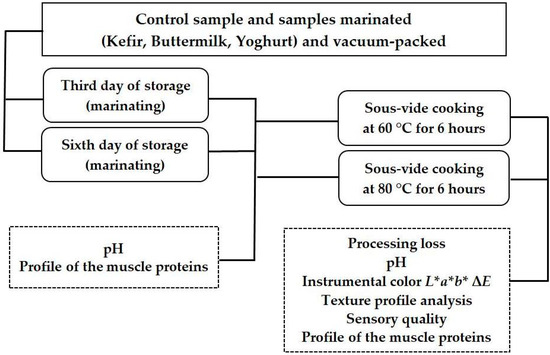
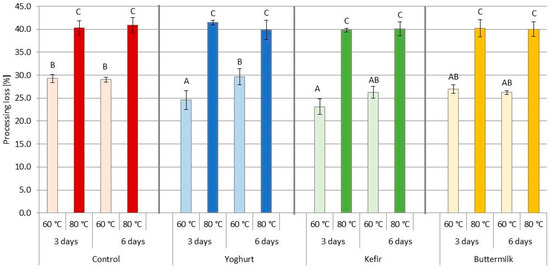
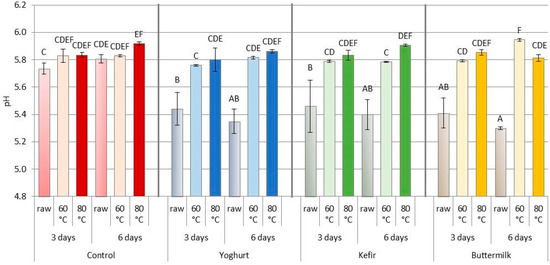
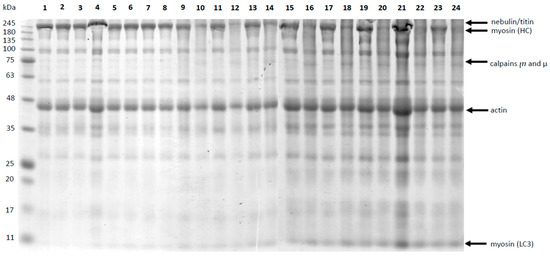
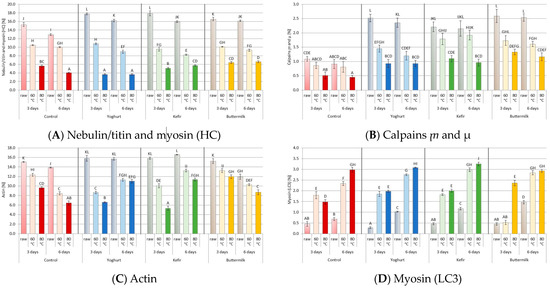
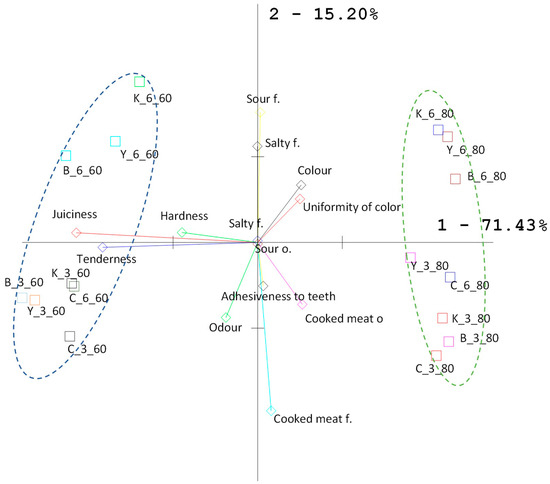
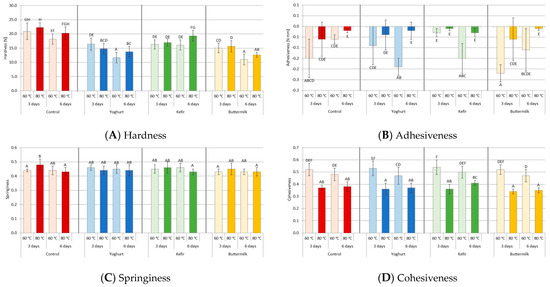
The aim of the study was to evaluate the effect of marinating (3 or 6 days) in kefir (KE), yogurt (YO) and buttermilk (BM) and sous-vide cooking (SV) at 60 or 80 °C on changes in the protein profile of pork in relation to its sensory quality. In the marinated raw meat, an increased share of some fractions of myofibrillar and cytoskeletal proteins and calpains were found. The greatest degradation of proteins, regardless of time, was caused by marinating in YO and KE and cooking SV at 80 °C. The lowest processing losses were in samples marinated in KE and YO and cooked SV at 60 °C, with marinating time having no significant effect. The odor, flavor, tenderness and juiciness of meat marinated in BM was better than in KE and YO. Meat marinated and cooked SV at 60 °C was rated better by the panelists. Changes in proteins significantly affect the formation of meat texture, tenderness and juiciness, which confirms the correlations. This is also reflected in the sensory evaluation. During the process of marinating and cooking meat, protein degradation should be taken into account, which can be a good tool for shaping the sensory quality of cooked pork. Full article
Show Figures

Figure 1
15 pages, 1113 KB  
Article
Optimized Acetic Acid Production by Mixed Culture of Saccharomyces cerevisiae TISTR 5279 and Gluconobacter oxydans TBRC 4013 for Mangosteen Vinegar Fermentation Using Taguchi Design and Its Physicochemical Properties
by Nisa Saelee, Ling-Zhi Cheong and Manat Chaijan
Foods 2023, 12(17), 3256; https://doi.org/10.3390/foods12173256 - 29 Aug 2023
Cited by 8 | Viewed by 4616
Abstract
This research investigates the enhancement of acetic acid production in the mangosteen vinegar fermentation process through mixed-culture fermentation involving S. cerevisiae TISTR 5279 and G. oxydans TBRC 4013, alongside an analysis of the resulting mangosteen vinegar’s qualities and properties using Taguchi Experimental Design [...] Read more.
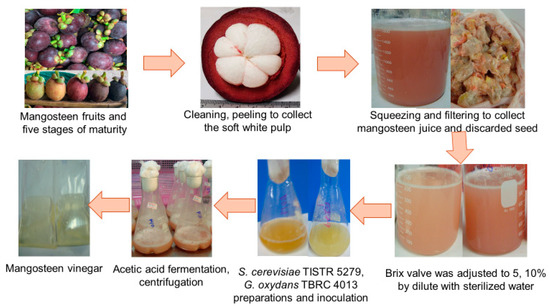
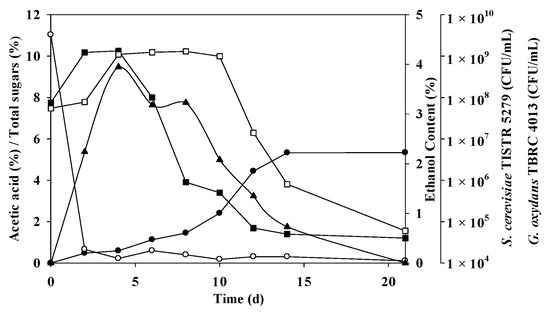
This research investigates the enhancement of acetic acid production in the mangosteen vinegar fermentation process through mixed-culture fermentation involving S. cerevisiae TISTR 5279 and G. oxydans TBRC 4013, alongside an analysis of the resulting mangosteen vinegar’s qualities and properties using Taguchi Experimental Design (TED). It focuses on key parameters, such as the juice concentration, inoculum ratio, and pasteurization conditions, to optimize acetic acid production. The findings highlight that the unpasteurized condition exerts the most significant influence on acetic acid production yield (p < 0.01), followed by the 3:1 inoculum ratio of S. cerevisiae TISTR 5279 to G. oxydans TBRC 4013 and a 10% mangosteen concentration. The achieved theoretical maximum yield of acetic acid on day 21 was 85.23 ± 0.30%, close to the predicted 85.33% (p > 0.05). Furthermore, the highest recorded acetic acid concentration reached 5.34 ± 0.92%. On day 14 of fermentation, the maximum productivity and yield were 3.81 ± 0.10 g/L/h and 0.54 ± 0.22 g/g, respectively. The resulting mangosteen vinegar exhibited elevated levels of total phenolic content (359.67 ± 47.26 mg GAE/100 mL), total flavonoid content (12.96 ± 0.65 mg CAE/100 mL), and anti-DPPH radical activity (17.67 ± 0.22%), suggesting potential health benefits. Beyond these chemical aspects, the mangosteen vinegar displayed distinct physical and chemical characteristics from the original mangosteen juice, possibly conferring additional health advantages. These findings are promising for industrial vinegar fermentation models and propose the potential use of the product as a valuable dietary supplement. Full article
(This article belongs to the Section Food Biotechnology)
Show Figures

Figure 1
12 pages, 1376 KB  
Systematic Review
The Relationship between Mortality from Cardiovascular Diseases and Total Drinking Water Hardness: Systematic Review with Meta-Analysis
by Aleksandra Bykowska-Derda, Marcin Spychala, Magdalena Czlapka-Matyasik, Mariusz Sojka, Jerzy Bykowski and Mariusz Ptak
Foods 2023, 12(17), 3255; https://doi.org/10.3390/foods12173255 - 29 Aug 2023
Cited by 34 | Viewed by 19899
Abstract
Background: Interest in water chemical activity, its content, and its impact on human health has greatly increased throughout the last decade. Some studies suggest that drinking water with high hardness may have preventative effects on cardiovascular diseases. This study aims to investigate the [...] Read more.
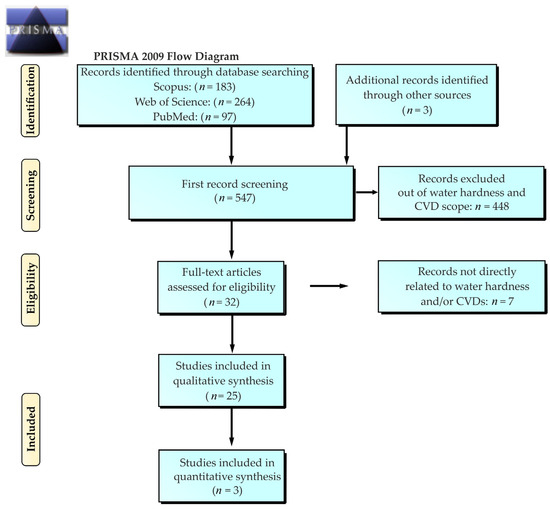
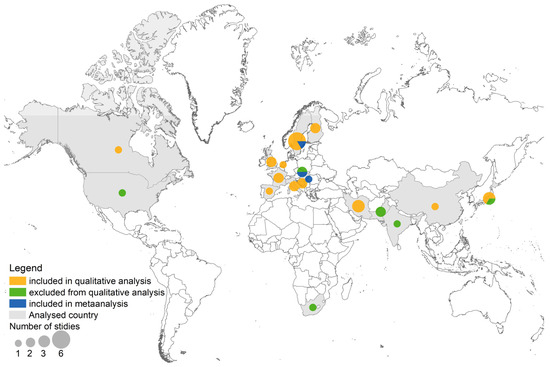
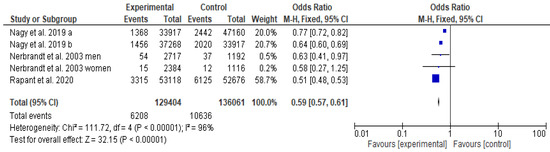
Background: Interest in water chemical activity, its content, and its impact on human health has greatly increased throughout the last decade. Some studies suggest that drinking water with high hardness may have preventative effects on cardiovascular diseases. This study aims to investigate the association between drinking water hardness and cardiovascular disease (CVD) mortality. Methods: The study selection process was designed to find the association between drinking water hardness and CVDs mortality. The search included both qualitative and quantitative research and was performed in three databases: Web of Science (Clarivate Analytics, Ann Arbor, MI, USA), PubMed (National Institute of Health, Bethesda, MA, USA), and Scopus (Elsevier, RELX Group plc, London, UK). The project was registered in the International Prospective Register of Systematic Reviews (PROSPERO), registration number: CRD42020213102. Results: Seventeen studies out of a total of twenty-five studies qualitatively analyzed indicated a significant relation between total water hardness and protection from CVD mortality. The quantitative analysis concluded that high drinking water hardness has a significantly lowering effect on mortality from CVDs, however, the heterogeneity was high. Conclusions: This systematic literature review shows that total water hardness could affect CVD prevention and mortality. Due to the many confounding factors in the studies, more research is needed. Full article
(This article belongs to the Section Food Nutrition)
Show Figures

Figure 1

13 pages, 2292 KB  
Article
Probabilistic Risk Characterization of Heavy Metals in Peruvian Coffee: Implications of Variety, Region and Processing
by Grobert A. Guadalupe, Segundo G. Chavez, Erick Arellanos and Eva Doménech
Foods 2023, 12(17), 3254; https://doi.org/10.3390/foods12173254 - 29 Aug 2023
Cited by 15 | Viewed by 5473
Abstract
Heavy metals are chemical contaminants, toxic, potentially carcinogenic and/or mutagenic, stable, persistent and are of concern in the food chain. The risk to the consumer of the presence of inorganic arsenic (iAs), cadmium (Cd), chromium (Cr), mercury (Hg) and lead (Pb) in five [...] Read more.
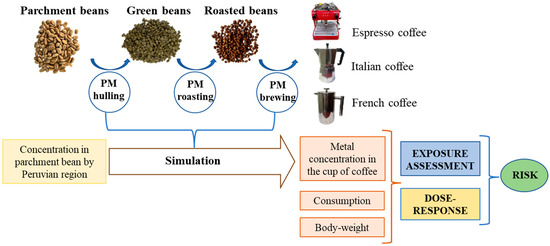
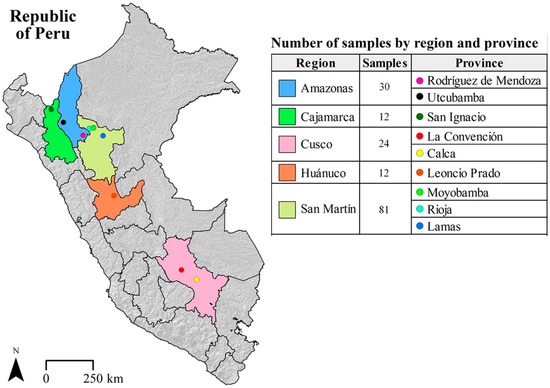
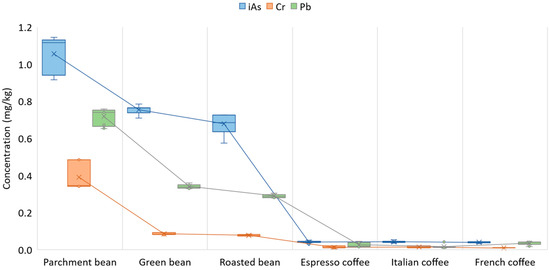
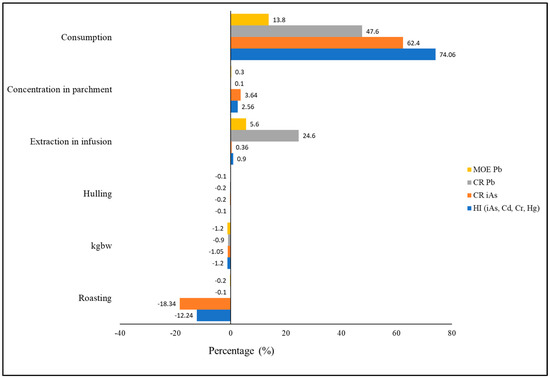
Heavy metals are chemical contaminants, toxic, potentially carcinogenic and/or mutagenic, stable, persistent and are of concern in the food chain. The risk to the consumer of the presence of inorganic arsenic (iAs), cadmium (Cd), chromium (Cr), mercury (Hg) and lead (Pb) in five varieties (Bourbon, Típica, Catimor, Caturra and Pache) of parchment coffee from five regions (Amazonas, Cajamarca, Cusco, Huánuco and San Martín) was investigated in this study. A predictive model of the stages of coffee bean hulling, roasting and infusion was built to simulate the process. The results by region showed significant differences in which San Martín had the highest iAs, Cr and Pb values. The variety was only significant for Cr, of which Pache presented the highest concentration. The Cd and Hg values were below the detection limits. The hazard index (HI) was less than 1 for iAs, Cd, Cr and Hg and the combination of margin of exposure and the probability of exceedance (MOE-POE) for Pb indicated that an adverse health effect was not likely. The cancer risk (CR) for iAs and Pb in the 95th percentile was considered as both high and acceptable, respectively. Full article
(This article belongs to the Section Food Quality and Safety)
Show Figures

Figure 1
18 pages, 7885 KB  
Article
Application of Near Infrared Spectroscopy for the Rapid Assessment of Nutritional Quality of Different Strawberry Cultivars
by Manuela Mancini, Luca Mazzoni, Elena Leoni, Virginia Tonanni, Francesco Gagliardi, Rohullah Qaderi, Franco Capocasa, Giuseppe Toscano and Bruno Mezzetti
Foods 2023, 12(17), 3253; https://doi.org/10.3390/foods12173253 - 29 Aug 2023
Cited by 17 | Viewed by 3792
Abstract
Strawberry is the most cultivated berry fruit globally and it is really appreciated by consumers because of its characteristics, mainly bioactive compounds with antioxidant properties. During the breeding process, it is important to assess the quality characteristics of the fruits for a better [...] Read more.
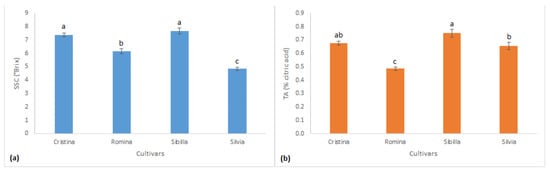
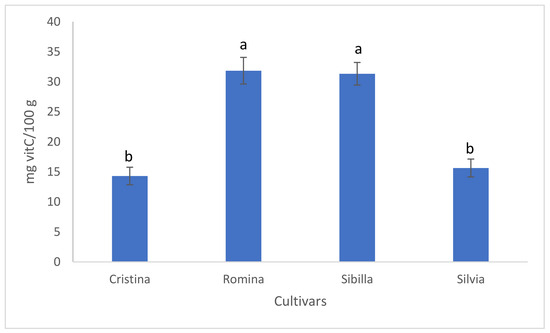
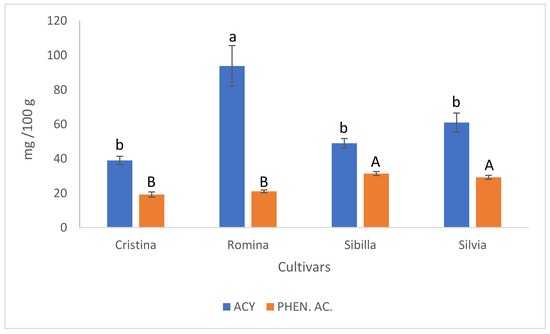
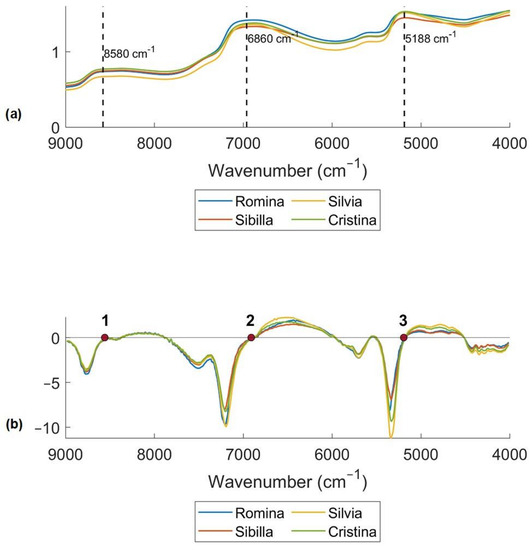
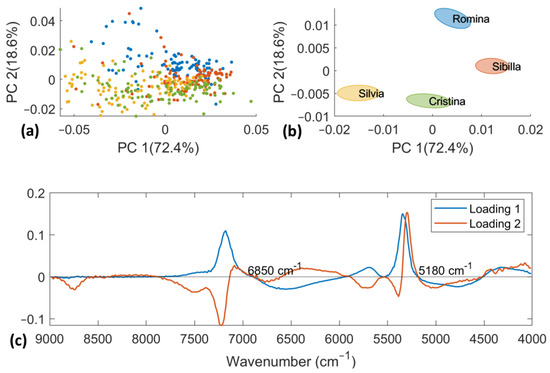
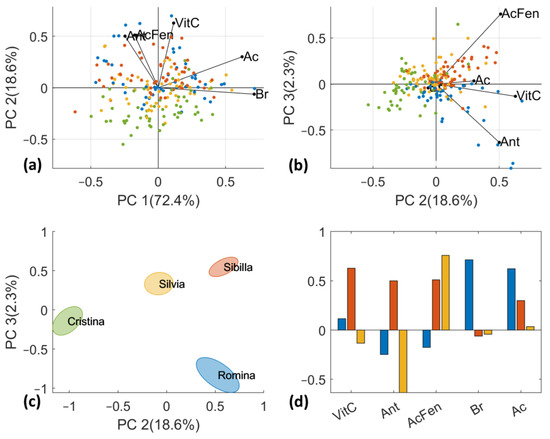
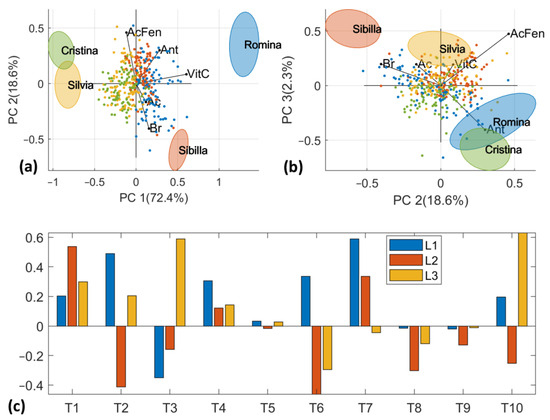
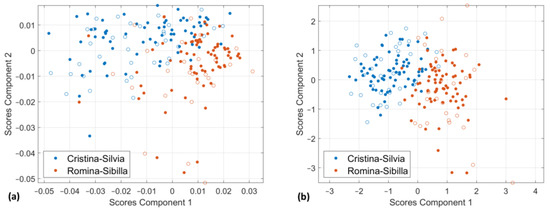
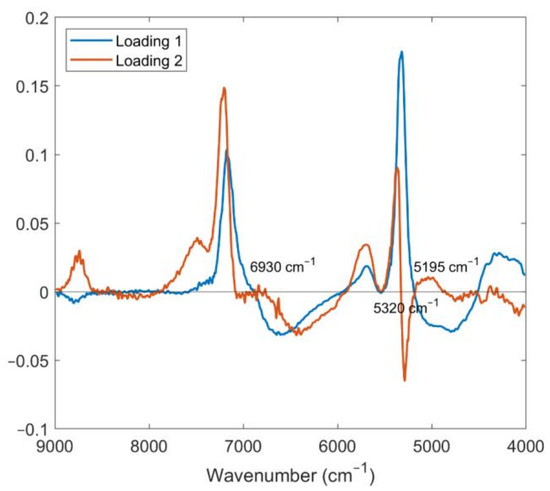
Strawberry is the most cultivated berry fruit globally and it is really appreciated by consumers because of its characteristics, mainly bioactive compounds with antioxidant properties. During the breeding process, it is important to assess the quality characteristics of the fruits for a better selection of the material, but the conventional approaches involve long and destructive lab techniques. Near infrared spectroscopy (NIR) could be considered a valid alternative for speeding up the breeding process and is not destructive. In this study, a total of 216 strawberry fruits belonging to four different cultivars have been collected and analyzed with conventional lab analysis and NIR spectroscopy. In detail, soluble solid content, acidity, vitamin C, anthocyanin, and phenolic acid have been determined. Partial least squares discriminant analysis (PLS-DA) models have been developed to classify strawberry fruits belonging to the four genotypes according to their quality and nutritional properties. NIR spectroscopy could be considered a valid non-destructive phenotyping method for monitoring the nutritional parameters of the fruit and ensuring the fruit quality, speeding up the breeding program. Full article
(This article belongs to the Topic Future Food Analysis and Detection—2nd Volume)
Show Figures

Figure 1
15 pages, 2788 KB  
Article
Low Gluten Beers Contain Variable Gluten and Immunogenic Epitope Content
by Mitchell G. Nye-Wood, Keren Byrne, Sally Stockwell, Angéla Juhász, Utpal Bose and Michelle L. Colgrave
Foods 2023, 12(17), 3252; https://doi.org/10.3390/foods12173252 - 29 Aug 2023
Cited by 6 | Viewed by 7818
Abstract
Gluten content labels inform food choice and people practicing a gluten-free diet rely upon them to avoid illness. The regulations differ between jurisdictions, especially concerning fermented foodstuffs such as beer. Gluten abundance is typically measured using ELISAs, which have come into question when [...] Read more.
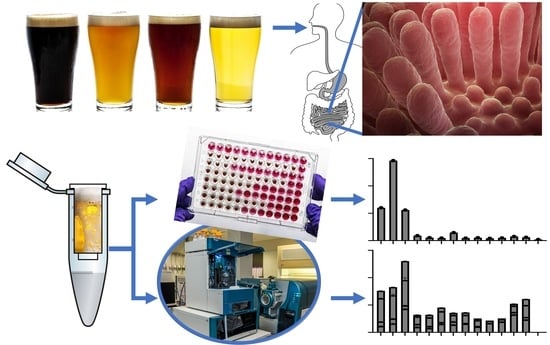
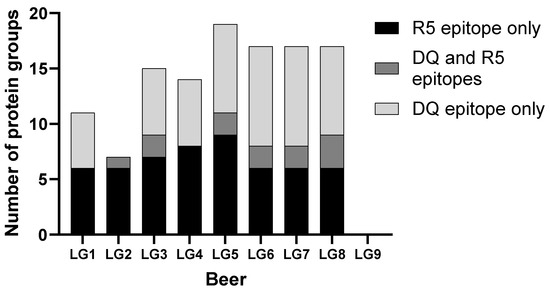
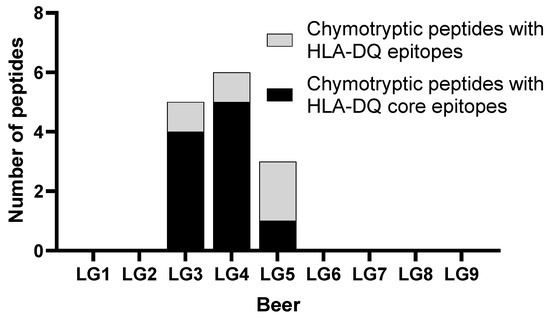
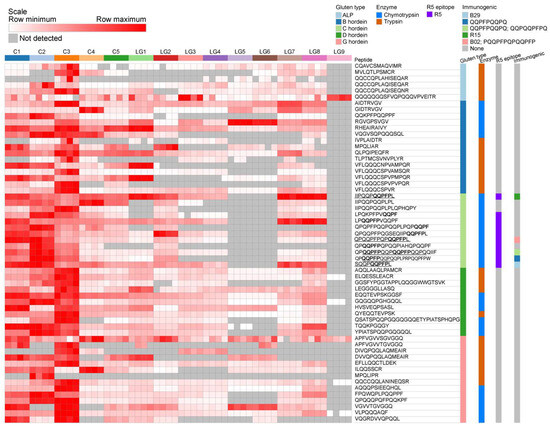
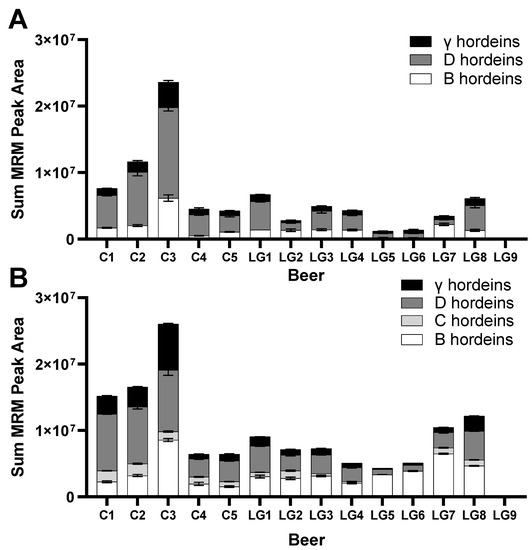
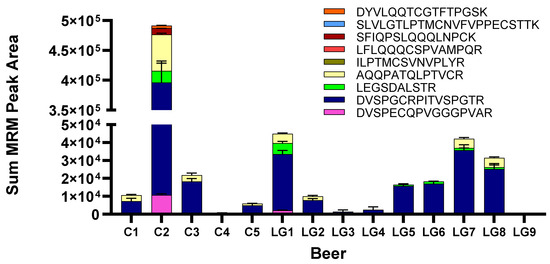
Gluten content labels inform food choice and people practicing a gluten-free diet rely upon them to avoid illness. The regulations differ between jurisdictions, especially concerning fermented foodstuffs such as beer. Gluten abundance is typically measured using ELISAs, which have come into question when testing fermented or hydrolysed foodstuffs such as beer. Mass spectrometry can be used to directly identify gluten peptides and reveal false negatives recorded by ELISA. In this survey of gluten in control and gluten-free beers, gluten protein fragments that contain known immunogenic epitopes were detected using liquid chromatography-mass spectrometry in multiple beers that claim to be gluten-free and have sufficiently low gluten content, as measured by ELISA, to qualify as being gluten-free in some jurisdictions. In fact, several purportedly gluten-free beers showed equivalent or higher hordein content than some of the untreated, control beers. The shortcomings of ELISAs for beer gluten testing are summarised, the mismatch between ELISA and mass spectrometry results are explored, and the suitability of existing regulations as they pertain to the gluten content in fermented foods in different jurisdictions are discussed. Full article
(This article belongs to the Section Drinks and Liquid Nutrition)
Show Figures

Graphical abstract

19 pages, 4618 KB  
Article
Extracts of Dunkelfelder Grape Seeds and Peel Increase the Metabolic Rate and Reduce Fat Deposition in Mice Maintained on a High-Fat Diet
by Chenlu Yang, Xuelin Tian, Yulei Han, Xueqing Shi, Hua Wang and Hua Li
Foods 2023, 12(17), 3251; https://doi.org/10.3390/foods12173251 - 29 Aug 2023
Cited by 8 | Viewed by 3993
Abstract
Chronic high-fat diet intake may induce obesity and increase the risk of metabolic syndrome. The pomace of grape (Vitis vinifera L.) is rich in polyphenols, which are candidates for anti-obesity therapy. The present study aimed to investigate the effects of Dunkelfelder grape [...] Read more.
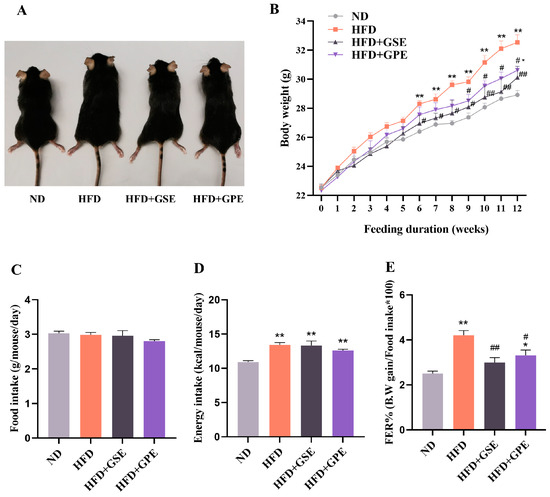
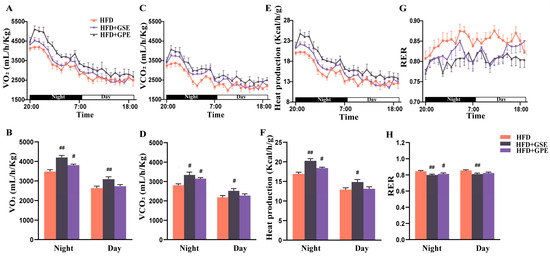
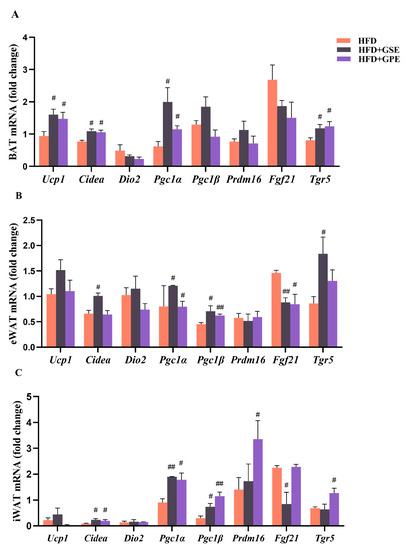
Chronic high-fat diet intake may induce obesity and increase the risk of metabolic syndrome. The pomace of grape (Vitis vinifera L.) is rich in polyphenols, which are candidates for anti-obesity therapy. The present study aimed to investigate the effects of Dunkelfelder grape seed extract (GSE) and grape peel extract (GPE) on lipid and energy metabolism disorders in mice maintained on a high-fat diet (HFD). Male nine-week C57BL/6J mice were randomly assigned to one of four groups, namely, the normal chow diet (ND), HFD, HFD plus GSE (400 mg/kg BW) administered by oral gavage, or HFD plus GPE (400 mg/kg BW) administered by oral gavage. There were eight mice per group, and the experiment was 14 weeks in duration. The results showed that GSE and GPE treatments did not affect energy intake in mice on a high-fat diet, but body weight gain was 24.5% and 17.3% lower in the GSE- and GPE-treated mice than in the HFD group, respectively. They also decreased blood triglyceride (TG), total cholesterol (TC), and fasting blood glucose levels and increased high-density lipoprotein cholesterol (HDL-C). In addition, GSE and GPE reduced adipose tissue weight and excessive lipid droplet accumulation in the adipocytes. The metabolic chamber test showed that the GSE and GPE treatments enhanced oxygen consumption, carbon dioxide production, and heat release while decreasing the respiratory exchange rate (RER). This suggests that GSE and GPE augmented fuel oxidation and energy generation and increased the proportion of lipids being utilized in energy metabolism. GSE and GPE also upregulated the genes controlling lipolysis and downregulated those controlling lipogenesis in adipose tissues. Moreover, they significantly increased the expression levels of the genes regulating thermogenesis in BAT, eWAT, and iWAT, and mitochondrial biogenesis in all three types of adipose tissue. In conclusion, the present study empirically demonstrated that GSE and GPE enhance body fat utilization by augmenting lipid and energy metabolism and could, therefore, ameliorate high-fat diet-induced obesity. Full article
Show Figures

Figure 1