Agriculture 2026, 16(5), 525; https://doi.org/10.3390/agriculture16050525 - 27 Feb 2026
Viewed by 327
Abstract
Elevated nutrient inputs exacerbate the conflict between the advancement of fruit production and environmental sustainability. Quantifying the emission-reduction potential of fruit production systems, predicting environmental impacts, and identifying key orchard management practices are critical to promoting the sustainability of fruit production. However, predictive
[...] Read more.
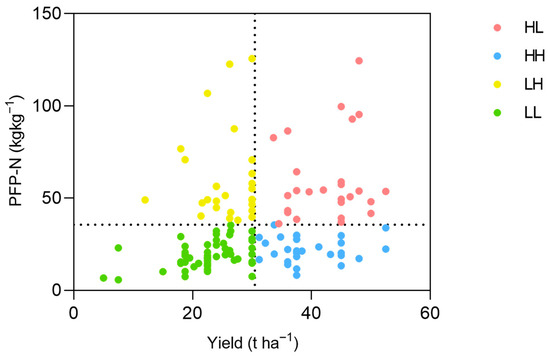
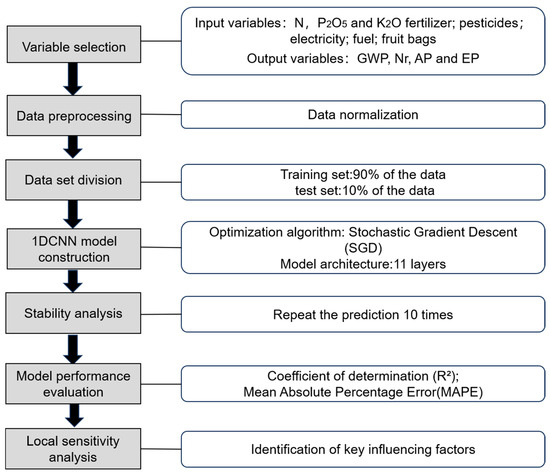
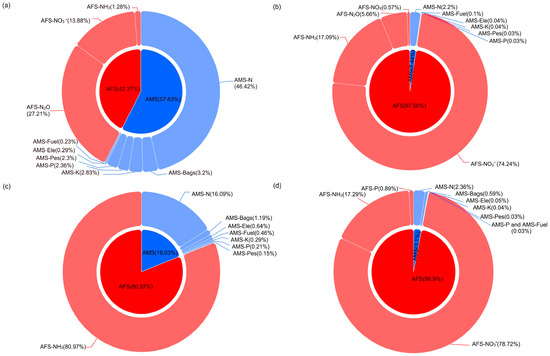
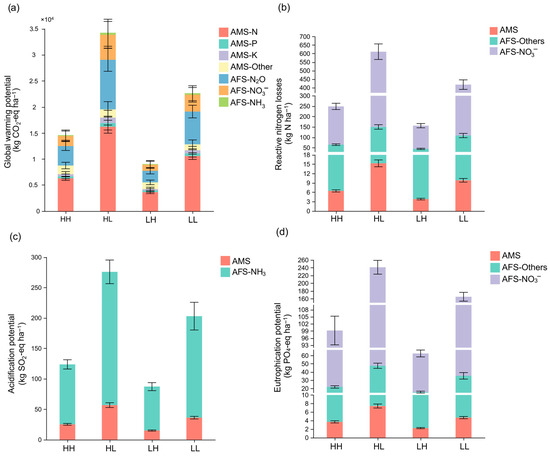
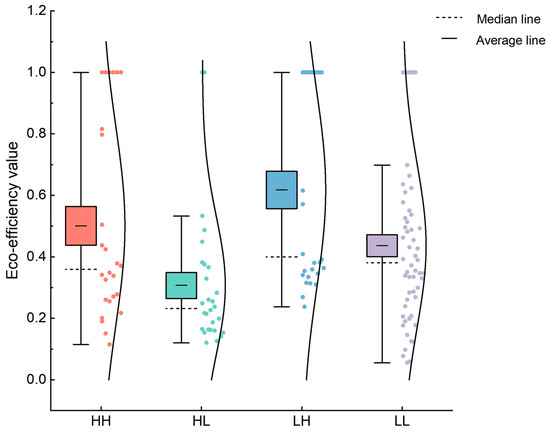
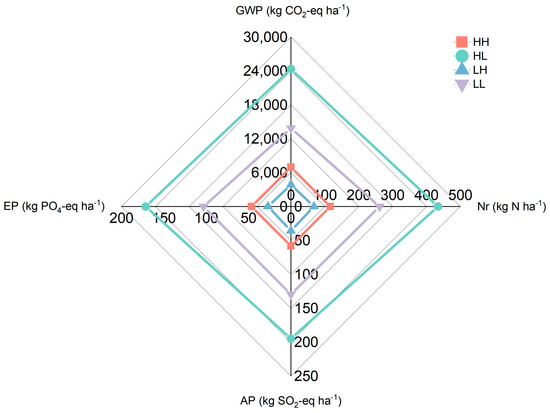
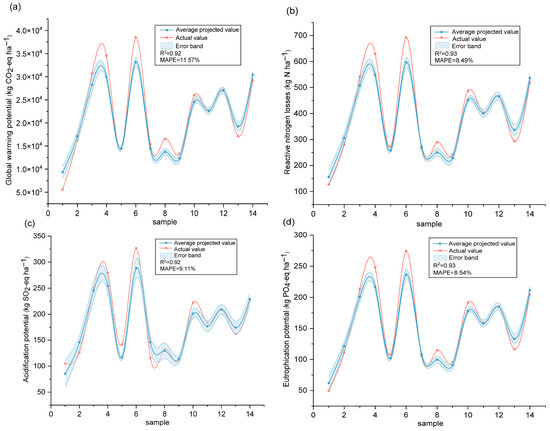
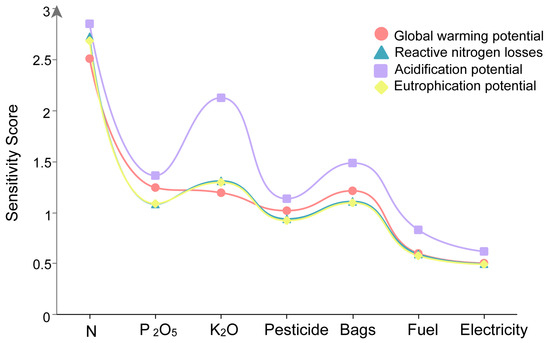
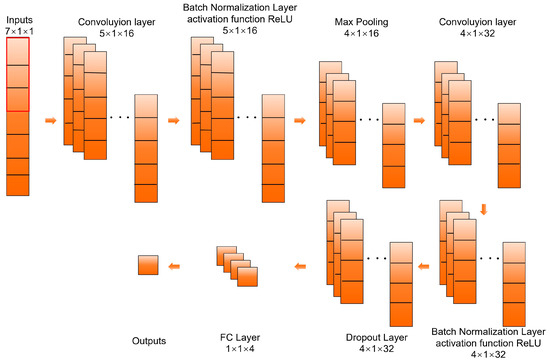
Elevated nutrient inputs exacerbate the conflict between the advancement of fruit production and environmental sustainability. Quantifying the emission-reduction potential of fruit production systems, predicting environmental impacts, and identifying key orchard management practices are critical to promoting the sustainability of fruit production. However, predictive models for orchard environmental impact are primarily based on machine-learning approaches and fail to adopt an efficiency-oriented perspective to quantify emission reductions in orchards with high yields and high partial factor productivity of nitrogen fertilizer (PFP-N). Therefore, this study adopts life-cycle assessment, a deep-learning predictive model, and a slack-based measure (SBM)-undesirable model to evaluate and forecast the environmental impacts of orchards, which encompasses global warming potential (GWP), reactive nitrogen losses (Nr), acidification potential (AP), and eutrophication potential (EP), while also identifying the mitigation potential of orchards. In addition, local sensitivity analysis reveals the extent to which each input variable affects the model predictions. The results indicated that the emission-reduction potential for the high yield and high PFP-N group was quantified as 53.31%, 52.28%, 50.54%, and 52.65% for GWP, Nr, AP, and EP, respectively. The application amount of nitrogen fertilizer is the largest contributing factor among the four environmental impacts (GWP, Nr, AP and EP). These findings are helpful for assessing and predicting environmental impacts, quantifying emission-reduction potential, and determining the relative importance of agricultural input factors associated with environmental impacts, thereby providing potential theoretical support for promoting sustainable orchard development.
Full article
(This article belongs to the Special Issue Life Cycle Assessment and Environmental Impact Analysis of Agricultural Production Systems)
►
Show Figures
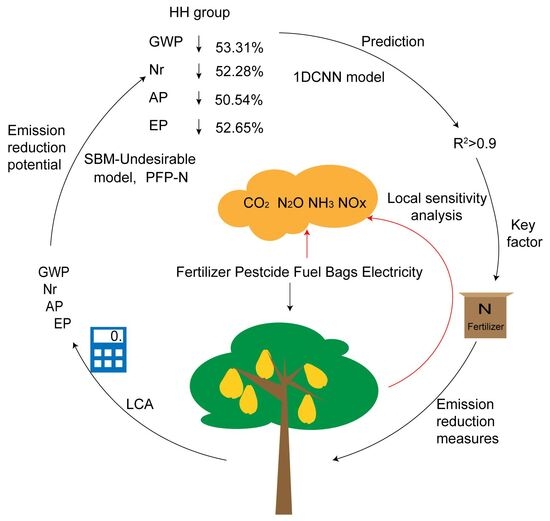
Graphical abstract