29 pages, 1851 KB  
Review
Recent Advances in Real-Time Pluvial Flash Flood Forecasting
by Andre D. L. Zanchetta and Paulin Coulibaly
Water 2020, 12(2), 570; https://doi.org/10.3390/w12020570 - 19 Feb 2020
Cited by 79 | Viewed by 12739
Abstract
Recent years have witnessed considerable developments in multiple fields with the potential to enhance our capability of forecasting pluvial flash floods, one of the most costly environmental hazards in terms of both property damage and loss of life. This work provides a summary [...] Read more.
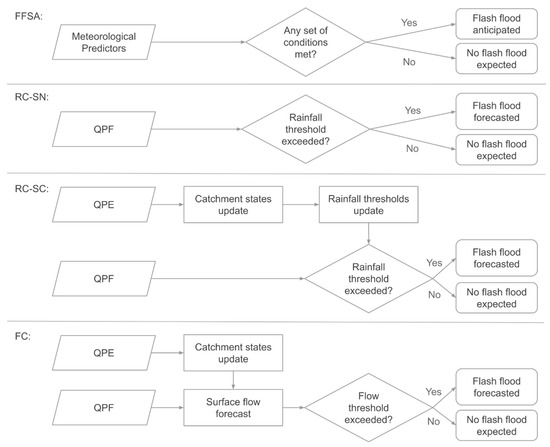
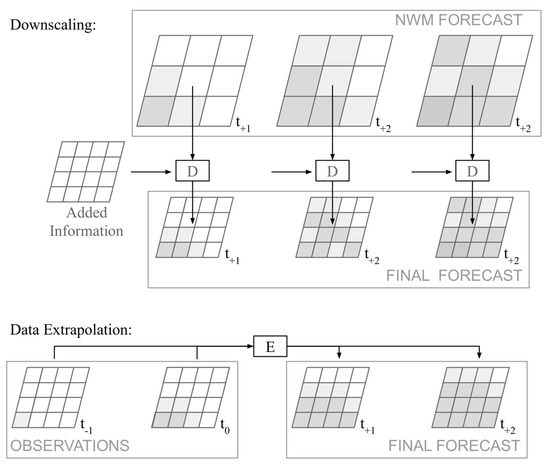
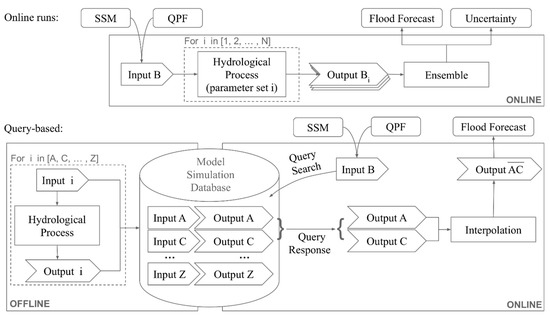
Recent years have witnessed considerable developments in multiple fields with the potential to enhance our capability of forecasting pluvial flash floods, one of the most costly environmental hazards in terms of both property damage and loss of life. This work provides a summary and description of recent advances related to insights on atmospheric conditions that precede extreme rainfall events, to the development of monitoring systems of relevant hydrometeorological parameters, and to the operational adoption of weather and hydrological models towards the prediction of flash floods. With the exponential increase of available data and computational power, most of the efforts are being directed towards the improvement of multi-source data blending and assimilation techniques, as well as assembling approaches for uncertainty estimation. For urban environments, in which the need for high-resolution simulations demands computationally expensive systems, query-based approaches have been explored for the timely retrieval of pre-simulated flood inundation forecasts. Within the concept of the Internet of Things, the extensive deployment of low-cost sensors opens opportunities from the perspective of denser monitoring capabilities. However, different environmental conditions and uneven distribution of data and resources usually leads to the adoption of site-specific solutions for flash flood forecasting in the context of early warning systems. Full article
(This article belongs to the Special Issue Advances in Flash Flood Forecasting)
Show Figures

Figure 1
12 pages, 2674 KB  
Article
Short-Term Effects of Salt Stress on the Amino Acids of Phragmites australis Root Exudates in Constructed Wetlands
by En Xie, Xuejing Wei, Aizhong Ding, Lei Zheng, Xiaona Wu and Bruce Anderson
Water 2020, 12(2), 569; https://doi.org/10.3390/w12020569 - 19 Feb 2020
Cited by 46 | Viewed by 5505
Abstract
In this study, the short-term effects of NaCl stress on the free amino acid content and composition of root exudates of Phragmites australis were evaluated. Nineteen amino acid types were detected in all samples. The results indicated that NaCl significantly influenced the total [...] Read more.
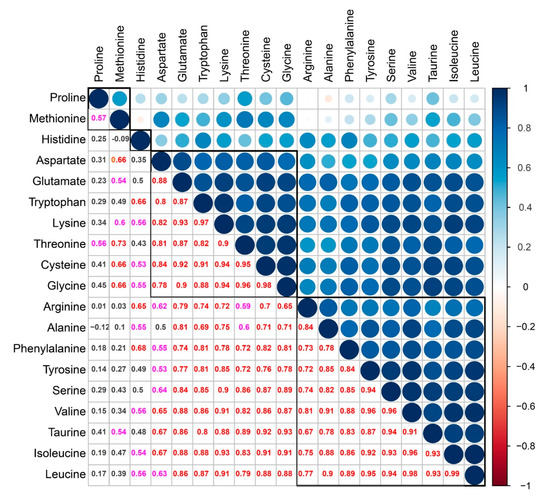
In this study, the short-term effects of NaCl stress on the free amino acid content and composition of root exudates of Phragmites australis were evaluated. Nineteen amino acid types were detected in all samples. The results indicated that NaCl significantly influenced the total amino acid (TotAA) content. The TotAA content at 6‰ salinity (1098.79 μM g−1 DW) was up to 24 times higher than that in the control group (45.97 μM g−1 DW) but decreased to 106.32 μM g−1 DW at 6‰ salinity in the first hour. The stress period also significantly affected the TotAA content. After 4 h of stress, the TotAA content of the control and 1‰ salinity groups increased by approximately 30- and 14-fold, and those of the 3‰ and 6‰ groups decreased to 60% and 37%, respectively. The increase in TotAA content was primarily caused by the increase in proline content; the proportion of proline accounted for 58.05% of the TotAA content at 3‰ salinity level in 2 h. Most amino acids showed a significant positive correlation with each other, but proline and methionine showed a different trend. Therefore, the proline level is a useful indicator of salt stress in Phragmites australis, especially in saltwater wetlands. Full article
(This article belongs to the Special Issue Water Pollution Control Using Eco-treatment Systems)
Show Figures

Figure 1

20 pages, 1114 KB  
Article
Long-Term Storage Credits: Analyzing Market-Based Transactions to Achieve Arizona Water Policy Objectives
by Rebecca F. A. Bernat, Sharon B. Megdal and Susanna Eden
Water 2020, 12(2), 568; https://doi.org/10.3390/w12020568 - 19 Feb 2020
Cited by 18 | Viewed by 6813
Abstract
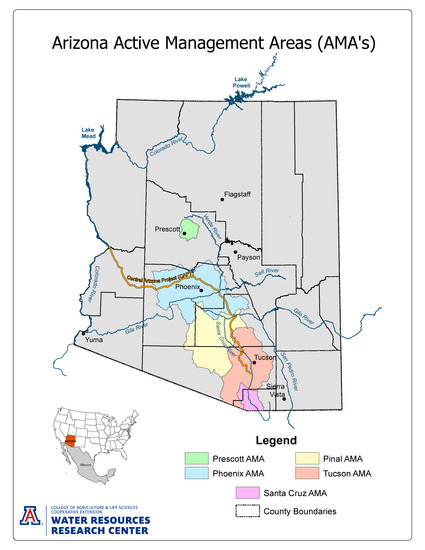
The state of Arizona has created a unique water management tool in response to water scarcity and population growth. In 1994, Arizona’s state legislature authorized the creation of long-term storage credits (LTSCs) through aquifer recharge with Colorado River water or effluent. LTSCs represent [...] Read more.
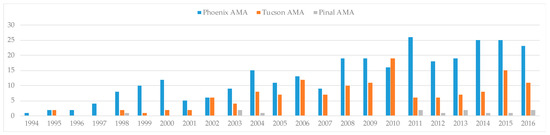
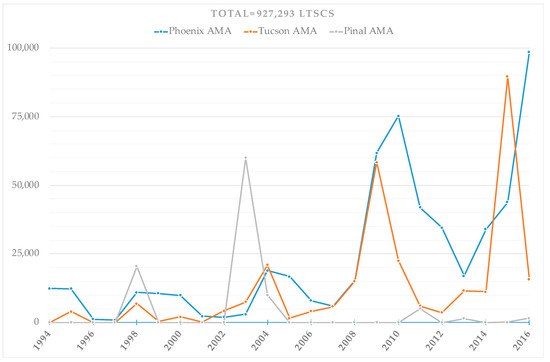
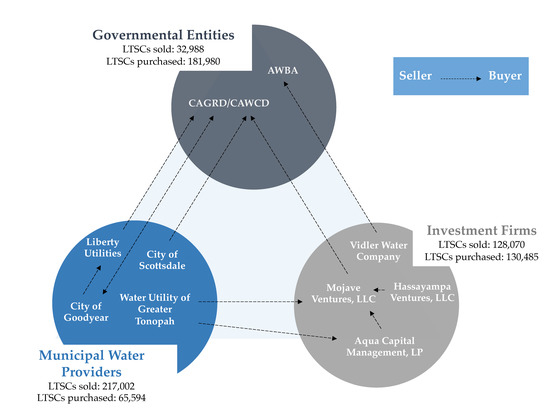
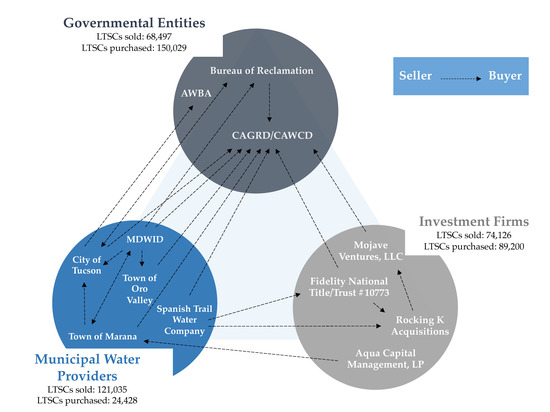
The state of Arizona has created a unique water management tool in response to water scarcity and population growth. In 1994, Arizona’s state legislature authorized the creation of long-term storage credits (LTSCs) through aquifer recharge with Colorado River water or effluent. LTSCs represent a quantity of water the owner is entitled to recover and use once the water has remained underground for a full calendar year. Owners may also sell their LTSCs to others by a simple credit account transfer. LTSCs have emerged as a tool for water users to achieve compliance with groundwater regulations in the most populated areas of the state, such as the cities of Phoenix and Tucson. Using data collected and maintained by the state’s water resources regulator, this study examines sales of LTSCs to reveal patterns of market-based transactions. Analysis of 23 years of public records shows several trends: (1) LTSC transactions have been increasing since 2003; (2) municipal water providers and investment firms have been active participants in LTSC transactions; (3) the greatest transaction volumes involve governmental entities established by state law with groundwater recharge and replenishment obligations. This analysis reveals how LTSCs have contributed to achieving water policy goals in Central Arizona and suggests how the LTSC system can be used to improve water use efficiency through voluntary redistribution in other water scarce regions. Full article
(This article belongs to the Section Water Resources Management, Policy and Governance)
Show Figures

Figure 1

22 pages, 3392 KB  
Article
Scarcity Amidst Plenty: Lower Himalayan Cities Struggling for Water Security
by Hemant Ojha, Kaustuv Raj Neupane, Chandra Lal Pandey, Vishal Singh, Roshan Bajracharya and Ngamindra Dahal
Water 2020, 12(2), 567; https://doi.org/10.3390/w12020567 - 19 Feb 2020
Cited by 27 | Viewed by 10013
Abstract
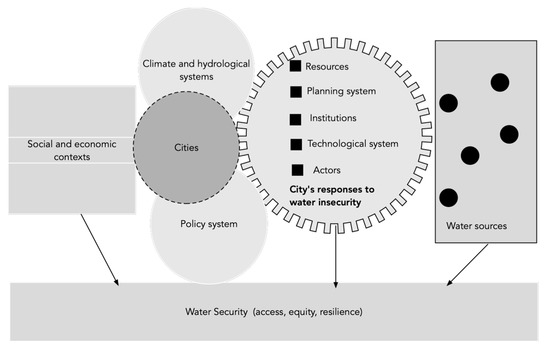
In recent years, growing water insecurity in the Himalayan region has attracted new scientific research and fresh attention on policy. In this paper, we synthesize field research evidence from a sample of five Himalayan cities—three in Nepal and two in the western Indian [...] Read more.
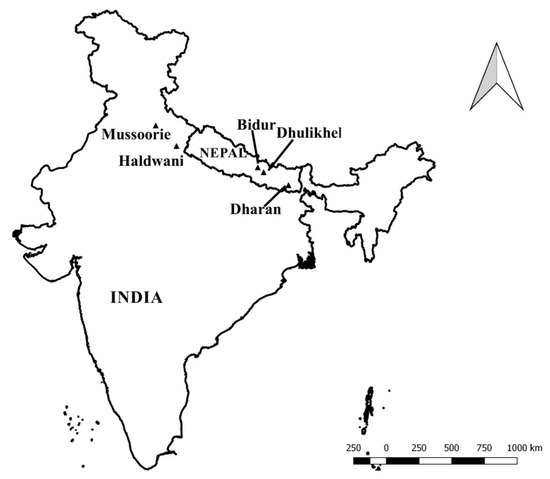
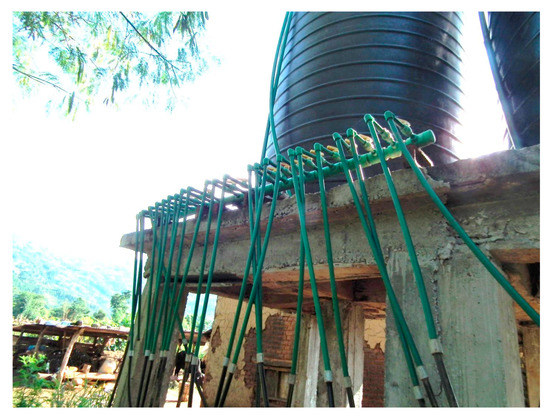
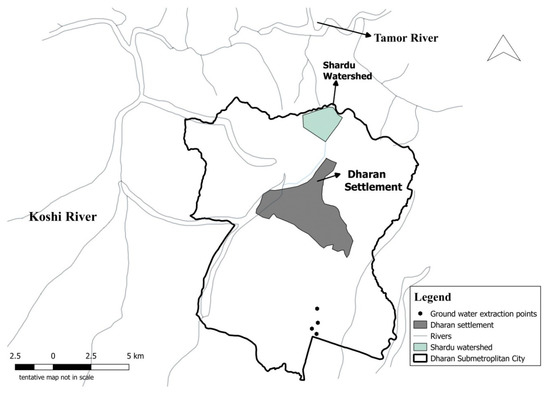
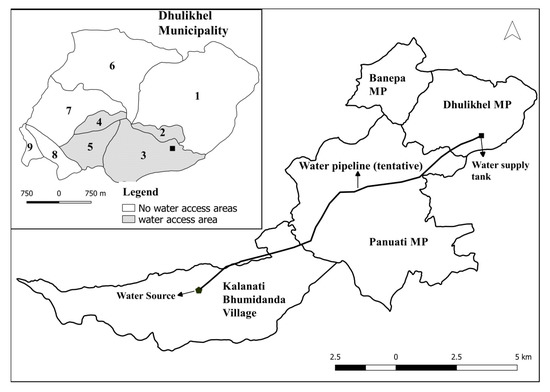
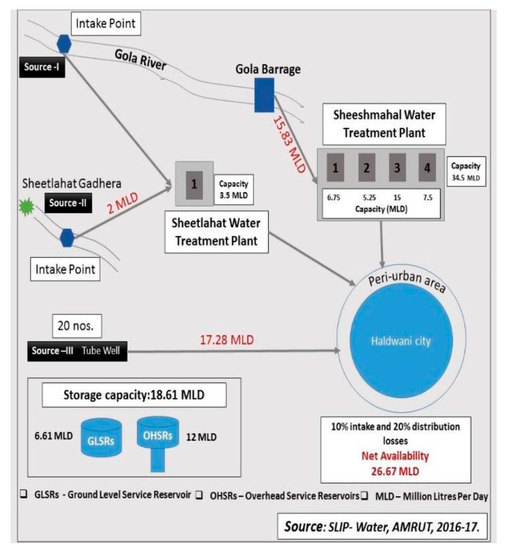
In recent years, growing water insecurity in the Himalayan region has attracted new scientific research and fresh attention on policy. In this paper, we synthesize field research evidence from a sample of five Himalayan cities—three in Nepal and two in the western Indian Himalayas—on various forms of water insecurity and cities’ responses to such challenges. We gathered evidence from a field research conducted in these cities between 2014 and 2018. We show how different types of Himalayan towns (mainly hilltop, foot hill, river side, touristic, and regional trading hub) are struggling to secure water for their residents and tourists, as well as for the wider urban economy. We found that even though the region receives significant amounts of precipitation in the form of snow and rainfall, it is facing increasing levels of water insecurity. Four of the five towns we studied are struggling to develop well-performing local institutions to manage water supply. Worse still, none of the cities have a robust system of water planning and governance to tackle the water challenges emerging from rapid urbanization and climate change. In the absence of a coordinated water planning agency, a complex mix of government, community, and private systems of water supply has emerged in the Himalayan towns across both Nepal and India. There is clearly a need for strengthening local governance capacity as well as down-scaling climate science to inform water planning at the city level. Full article
(This article belongs to the Special Issue Water Security)
Show Figures

Figure 1
18 pages, 1203 KB  
Article
Social Innovations as A Response to Dispossession: Community Water Management in View of Socio-Metabolic Rift in Chile
by Ilka Roose and Alexander Panez
Water 2020, 12(2), 566; https://doi.org/10.3390/w12020566 - 19 Feb 2020
Cited by 13 | Viewed by 5975
Abstract
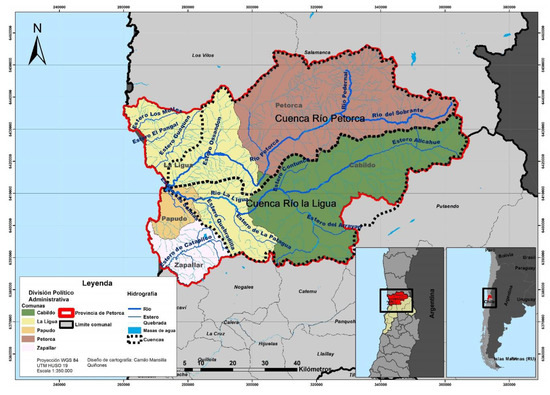
Chile has gone through more than four decades of neoliberalism, inaugurated by the civil–military dictatorship (1973–1990). One of the central aspects of the current model is the neoliberal exploitation of natural commons such as land, water and minerals. In some territories, such as [...] Read more.
Chile has gone through more than four decades of neoliberalism, inaugurated by the civil–military dictatorship (1973–1990). One of the central aspects of the current model is the neoliberal exploitation of natural commons such as land, water and minerals. In some territories, such as the central-north province of Petorca, the accelerated extractivism of this period has disrupted the reproduction of life cycles, leading to disruptive influences in the form of "socio-metabolic fractures". In this article we highlight aspects of this process as it relates to rural community water management. Based on literature and media analysis we first describe the case of Petorca from a political, ecological point of view. We then use the concept of institutional bricolage (ad hoc construction) to analyze qualitative interviews, allowing us to establish a more in-depth insight into the organizational structures of Petorca. Although we point to the weakening of community organization, we highlight in this article how, in a scenario of profound dispossession, as is taking place in the province of Petorca, ongoing experiences of community organization continue to emerge and challenge the impacts of the socio-metabolic rift. Thereby we shed light upon the often less visible structures of power and the processes of meaning and legitimacy within these social innovations. Full article
(This article belongs to the Special Issue Challenges in Supplying Safe Drinking Water in Rural Communities)
Show Figures

Figure 1

19 pages, 5447 KB  
Article
High-Resolution, In Situ Monitoring of Stable Isotopes of Water Revealed Insight into Hydrological Response Behavior
by Amir Sahraei, Philipp Kraft, David Windhorst and Lutz Breuer
Water 2020, 12(2), 565; https://doi.org/10.3390/w12020565 - 18 Feb 2020
Cited by 15 | Viewed by 4058
Abstract
High temporal resolution (20-min intervals) measurements of stable isotopes from groundwater, stream water and precipitation were investigated to understand the hydrological response behavior and control of precipitation and antecedent wetness conditions on runoff generation. Data of 20 precipitation events were collected by a [...] Read more.
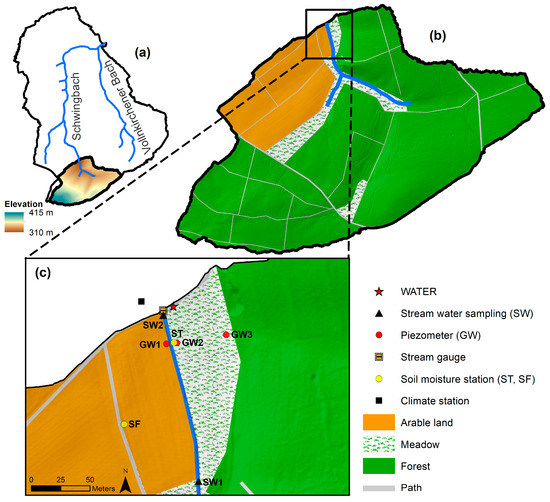
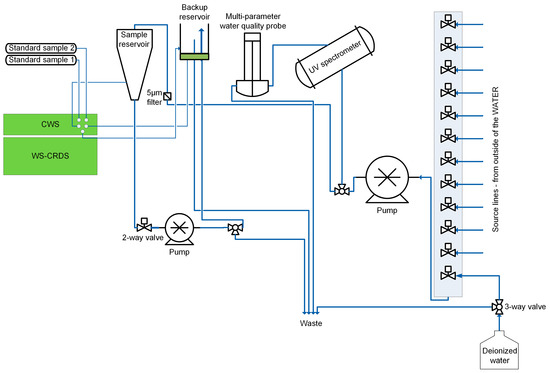
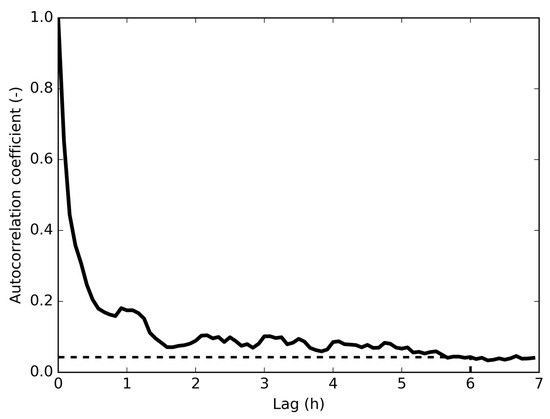
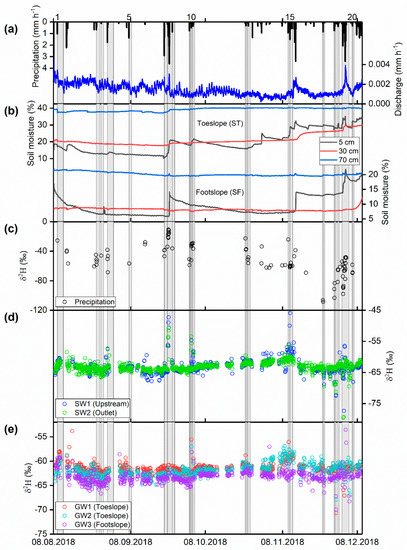
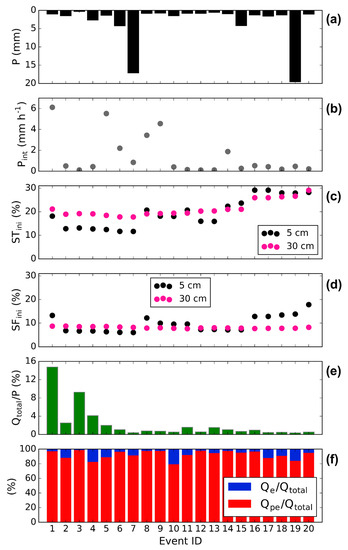
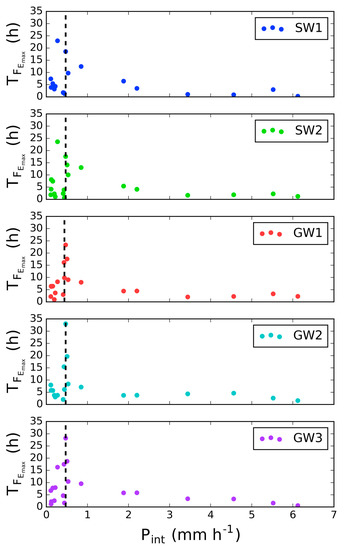
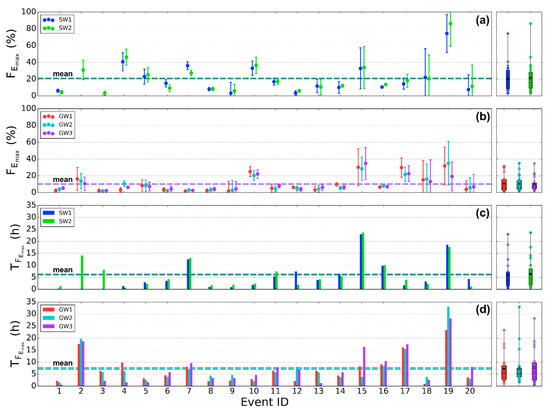
High temporal resolution (20-min intervals) measurements of stable isotopes from groundwater, stream water and precipitation were investigated to understand the hydrological response behavior and control of precipitation and antecedent wetness conditions on runoff generation. Data of 20 precipitation events were collected by a self-sufficient mobile system for in situ measurements over four months in the Schwingbach Environmental Observatory (SEO, temperate climate), Germany. Isotopic hydrograph separation indicated that more than 79% of the runoff consisted of pre-event water. Short response times of maximum event water fractions in stream water and groundwater revealed that shallow subsurface flow pathways rapidly delivered water to the stream. Macropore and soil pipe networks along relatively flat areas in stream banks were likely relevant pathways for the rapid transmission of water. Event water contribution increased with increasing precipitation amount. Pre-event water contribution was moderately affected by precipitation, whereas, the antecedent wetness conditions were not strong enough to influence pre-event water contribution. The response time was controlled by mean precipitation intensity. A two-phase system was identified, at which the response times of stream water and groundwater decreased after reaching a threshold of mean precipitation intensity of 0.5 mm h−1. Our results suggest that high temporal resolution measurements of stable isotopes of multiple water sources combined with hydrometrics improve the understanding of the hydrological response behavior and runoff generation mechanisms. Full article
(This article belongs to the Section Hydrology)
Show Figures

Figure 1
16 pages, 3074 KB  
Article
Future Landslide Characteristic Assessment Using Ensemble Climate Change Scenarios: A Case Study in Taiwan
by Yung-Ming Chen, Chi-Wen Chen, Yi-Chiung Chao, Yu-Shiang Tung, Jun-Jih Liou, Hsin-Chi Li and Chao-Tzuen Cheng
Water 2020, 12(2), 564; https://doi.org/10.3390/w12020564 - 18 Feb 2020
Cited by 13 | Viewed by 3894
Abstract
Affected by climate change owing to global warming, the frequency of extreme rainfall events has gradually increased in recent years. Many studies have analyzed the impacts of climate change in various fields. However, uncertainty about the scenarios they used is still an important [...] Read more.
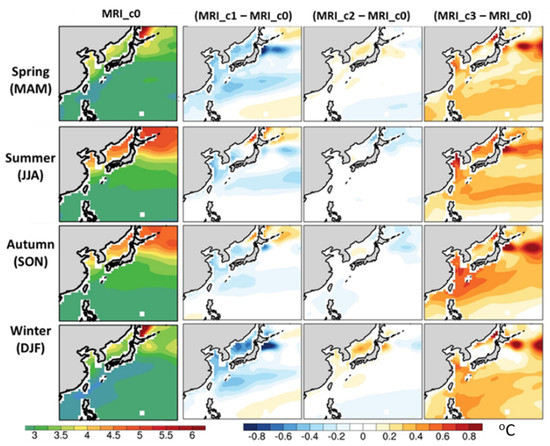
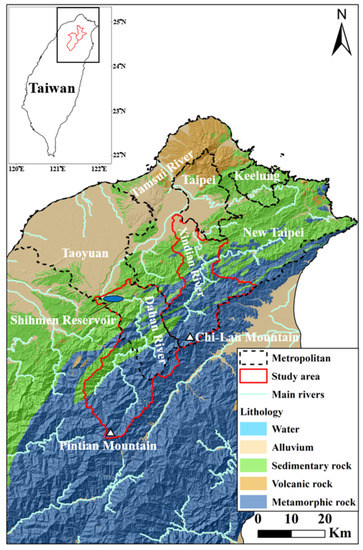
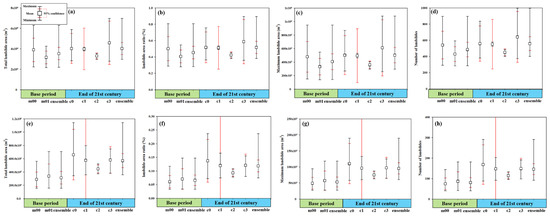
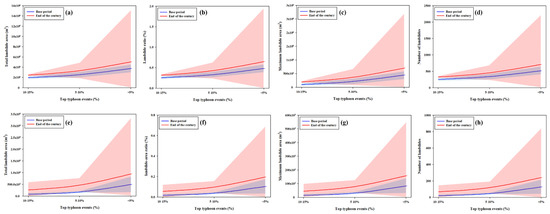
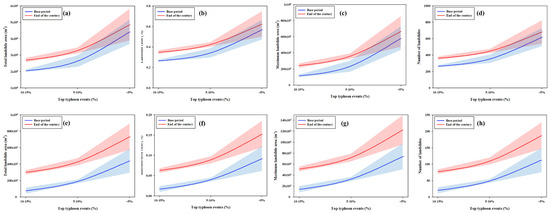
Affected by climate change owing to global warming, the frequency of extreme rainfall events has gradually increased in recent years. Many studies have analyzed the impacts of climate change in various fields. However, uncertainty about the scenarios they used is still an important issue. This study used two and four multi-scenarios at the base period (1979–2003) and the end of the 21st century (2075–2099) to collect the top-ranking typhoons and analyze the rainfall conditions of these typhoons in two catchments in northern Taiwan. The landslide-area characteristics caused by these typhoons were estimated using empirical relationships, with rainfall conditions established by a previous study. In addition to counting landslide-area characteristics caused by the typhoons of each single scenario, we also used the ensemble method to combine all scenarios to calculate landslide-area characteristic statistics. Comparing the statistical results of each single scenario and the ensembles, we found that the ensemble method minimized the uncertainty and identified the possible most severe case from the simulation. We further separated typhoons into the top 5%, 5%–10%, and 10%–15% to confirm possible changes in landslide-area characteristics under climate change. We noticed that the uncertainty of the base period and the end of the 21st century almost overlapped if only a single scenario was used. In contrast, the ensemble approach successfully distinguished the differences in both the average values of landslide-area characteristics and the 95% confidence intervals. The ensemble results indicated that the landslide magnitude triggered by medium- and high-level typhoons (top 5%–15%) will increase by 24%–29% and 125%–200% under climate change in the Shihmen Reservoir catchment and the Xindian River catchment, respectively, while landslides triggered by extreme-level typhoons (top 5%) will increase by 8% and 77%, respectively. Still, the uncertainty of landslide-area characteristics caused by extreme typhoon events is slightly high, indicating that we need to include more possible scenarios in future work. Full article
(This article belongs to the Special Issue Effects of Climate and Environmental Changes on Landslides)
Show Figures

Figure 1
16 pages, 2701 KB  
Article
Geomorphology as a Driver of Heavy Metal Accumulation Patterns in a Floodplain
by Zsuzsanna Szabó, Botond Buró, József Szabó, Csaba Albert Tóth, Edina Baranyai, Petra Herman, József Prokisch, Tamás Tomor and Szilárd Szabó
Water 2020, 12(2), 563; https://doi.org/10.3390/w12020563 - 18 Feb 2020
Cited by 20 | Viewed by 5764
Abstract
The spatial complexity of floodplains is a function of several processes: hydrodynamics, flow direction, sediment transportation, and land use. Sediments can bind toxic elements, and as there are several pollution sources, the risk of heavy metal accumulation on the floodplains is high. We [...] Read more.
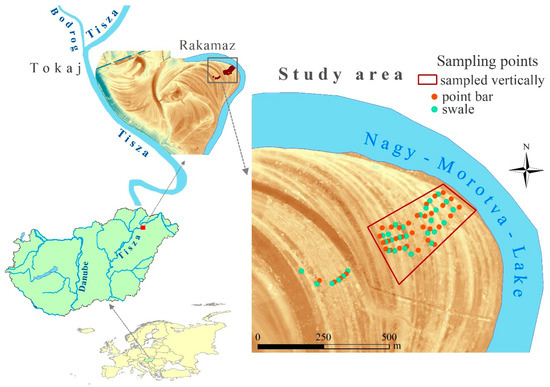
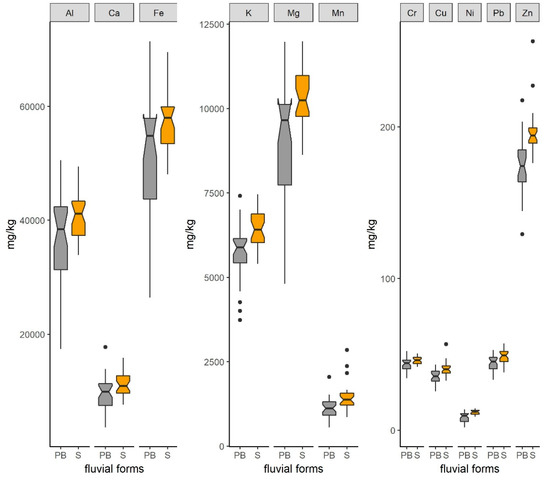
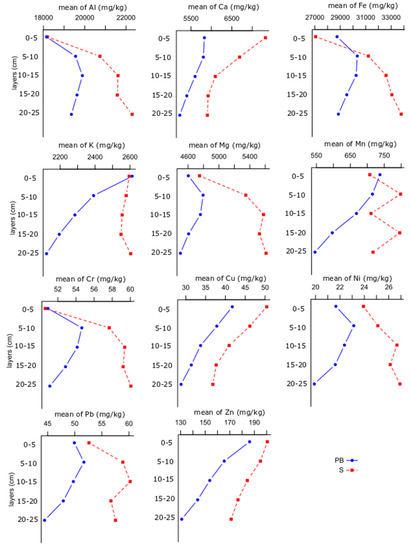
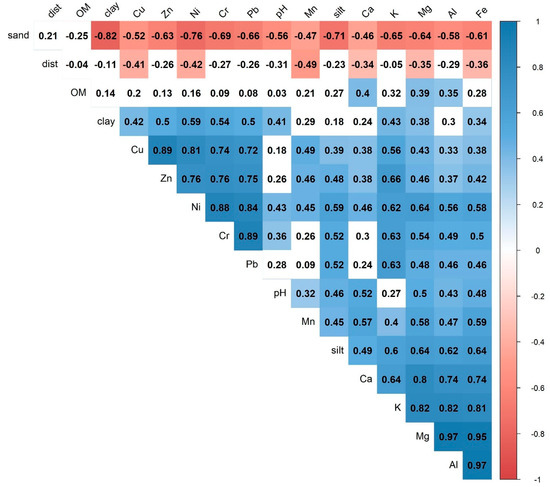
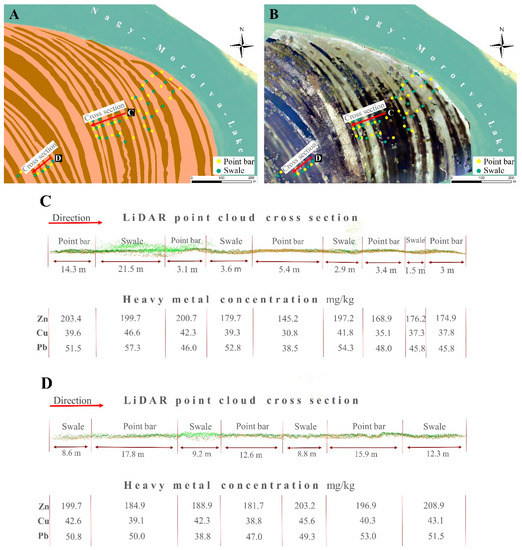
The spatial complexity of floodplains is a function of several processes: hydrodynamics, flow direction, sediment transportation, and land use. Sediments can bind toxic elements, and as there are several pollution sources, the risk of heavy metal accumulation on the floodplains is high. We aimed to determine whether fluvial forms have a role in metal accumulations. Topsoil samples were taken from point bars and swales in the floodplain of the Tisza River, North-East Hungary. Soil properties and metal concentrations were determined, and correlation and hypothesis testing were applied. The results showed that fluvial forms are important drivers of horizontal metal patterns: there were significant differences (p < 0.05) between point bars and swales regarding Fe, K, Mg, Mn, Cr, Cu, Ni, Pb, and Zn. Vertical distribution also differed significantly by fluvial forms: swales had higher metal concentrations in all layers. General Linear Models had different results for macro and micro elements: macro element concentrations were determined by the organic matter, while for micro elements the clay content and the forms were significant explanatory variables. These findings are important for land managers and farmers because heavy metal concentration has a direct impact on living organisms, and the risk of bioaccumulation can be high on floodplains. Full article
(This article belongs to the Special Issue Fluvial Geomorphology and River Management)
Show Figures

Figure 1
15 pages, 3196 KB  
Article
Specific Types and Adaptability Evaluation of Managed Aquifer Recharge for Irrigation in the North China Plain
by Shuai Liu, Weiping Wang, Shisong Qu, Yan Zheng and Wenliang Li
Water 2020, 12(2), 562; https://doi.org/10.3390/w12020562 - 18 Feb 2020
Cited by 8 | Viewed by 3868
Abstract
The North China Plain is the main grain production district in China, with a large area of well irrigation resulting in a large groundwater depression cone. In the 1970s and 1980s, small-scale managed aquifer recharge (MAR) projects were developed to recharge shallow groundwater, [...] Read more.
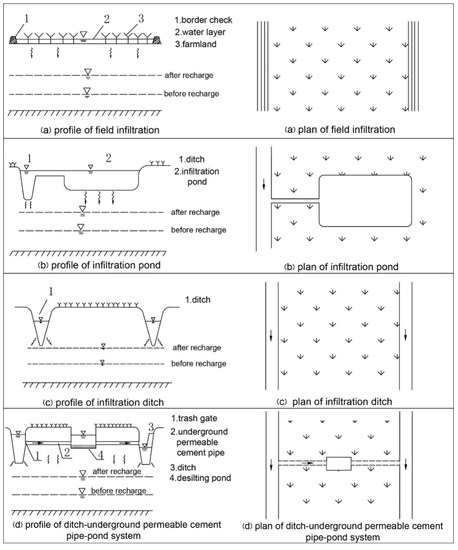
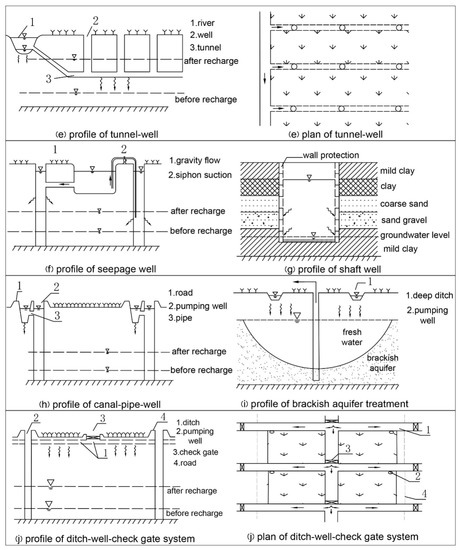
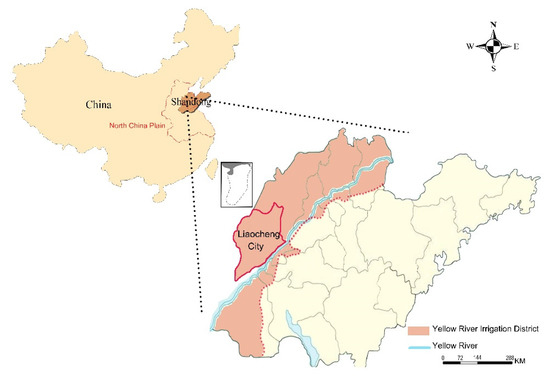
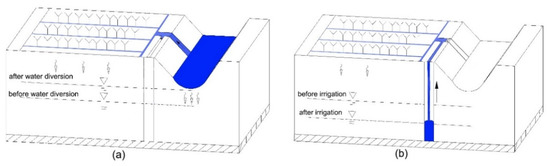
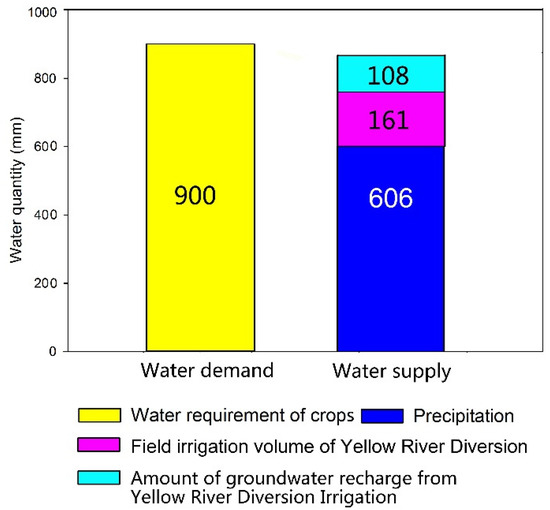
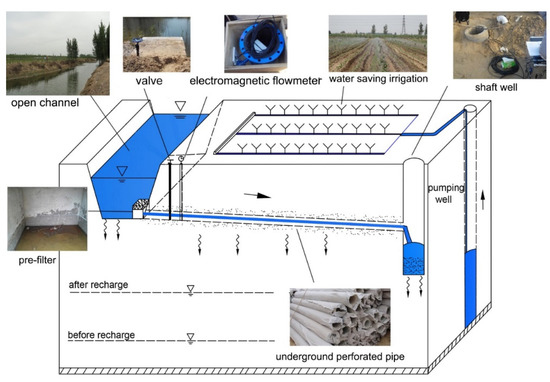
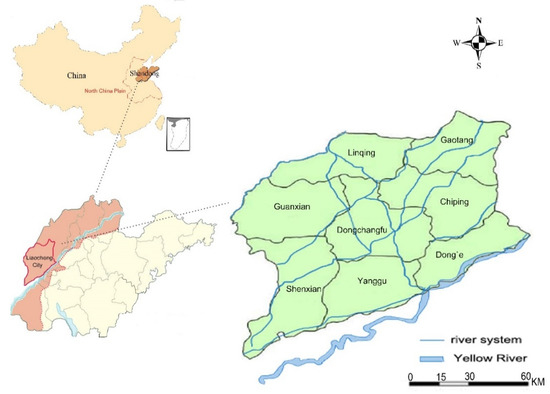
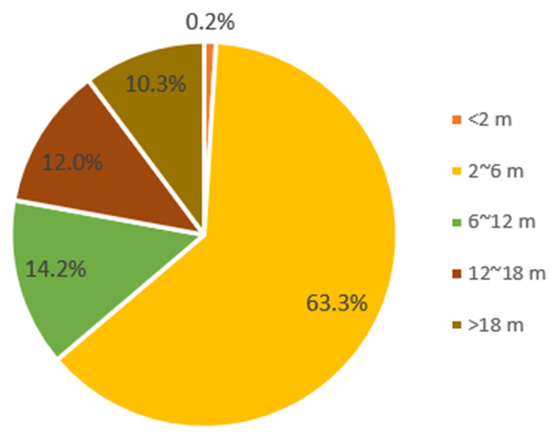
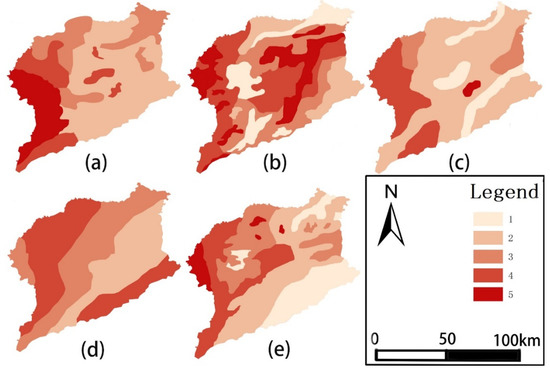
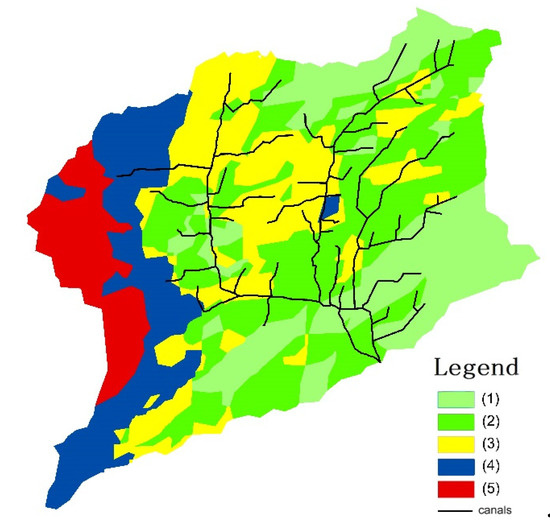
The North China Plain is the main grain production district in China, with a large area of well irrigation resulting in a large groundwater depression cone. In the 1970s and 1980s, small-scale managed aquifer recharge (MAR) projects were developed to recharge shallow groundwater, which played an important role in ensuring stable and high crop yields. MAR projects are divided into 10 types based on local water conservancy characteristics. The combined use of well–canal irrigation has been widespread in the Yellow River Irrigation District of Shandong Province for nearly 40 years, where canals play multiple roles of transporting and storing Yellow River water or local surface water, recharging groundwater and providing canal irrigation. Moreover, the newly developed open channel–underground perforated pipe–shaft–water saving irrigation system can further expand the scope and amount of groundwater recharge and prevent system clogging through three measures. Finally, an adaptability zoning evaluation system of water spreading has been established in Liaocheng City of Shandong Province based on the following five factors: groundwater depth, thickness of fine sand, specific yield, irrigation return flow, and groundwater extraction intensity. The results show that MAR is more adaptable to the western region than to the eastern and central regions. Full article
(This article belongs to the Special Issue Managed Aquifer Recharge for Water Resilience)
Show Figures

Figure 1
24 pages, 9299 KB  
Article
Uncertainty Analysis of a 1D River Hydraulic Model with Adaptive Calibration
by Mohammed Amine Bessar, Pascal Matte and François Anctil
Water 2020, 12(2), 561; https://doi.org/10.3390/w12020561 - 18 Feb 2020
Cited by 36 | Viewed by 6556
Abstract
Water level modeling is a critical component of flood warning systems. A high-quality forecast requires the development of a hydraulic model that reliably accounts for the main sources of uncertainty. In this paper, a 1D hydraulic model with adaptive flow-based calibration was developed. [...] Read more.
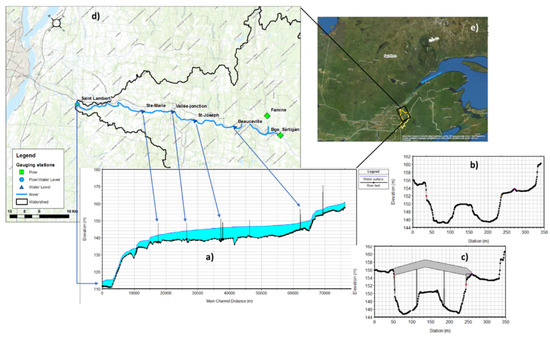
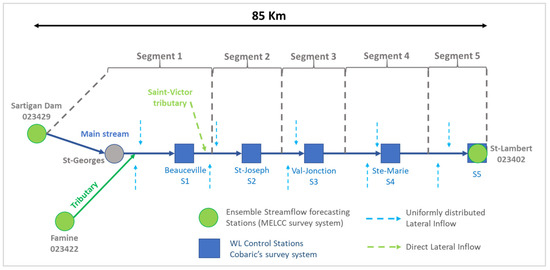
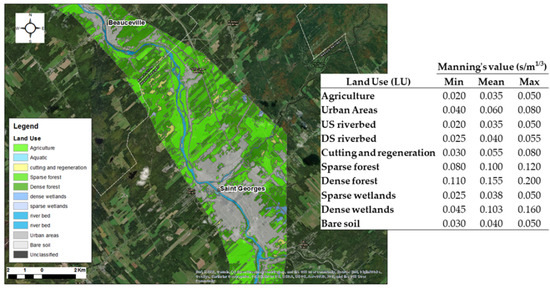
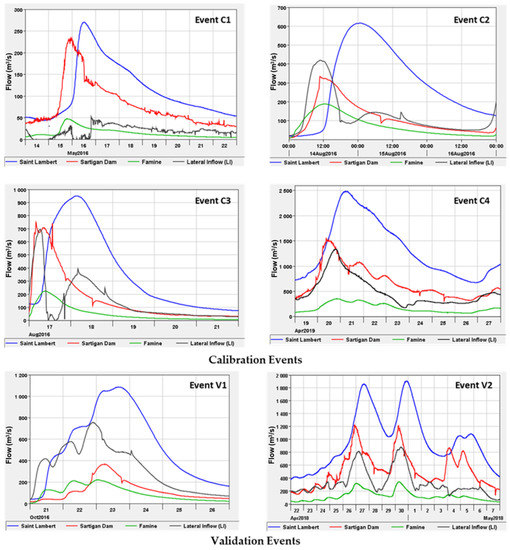
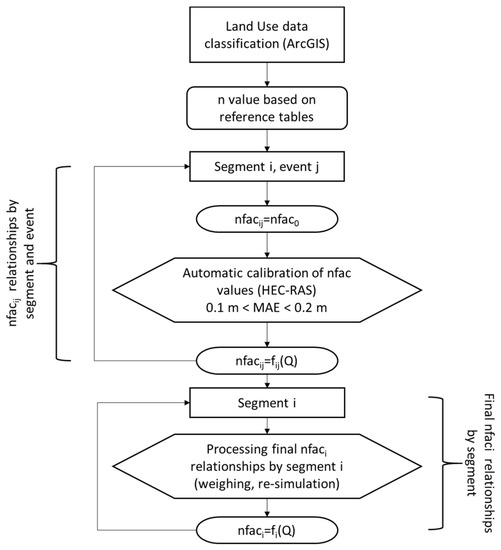
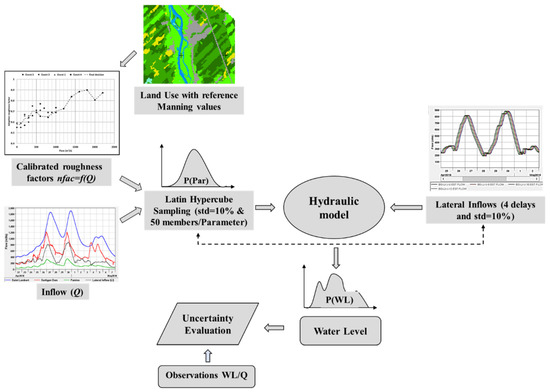
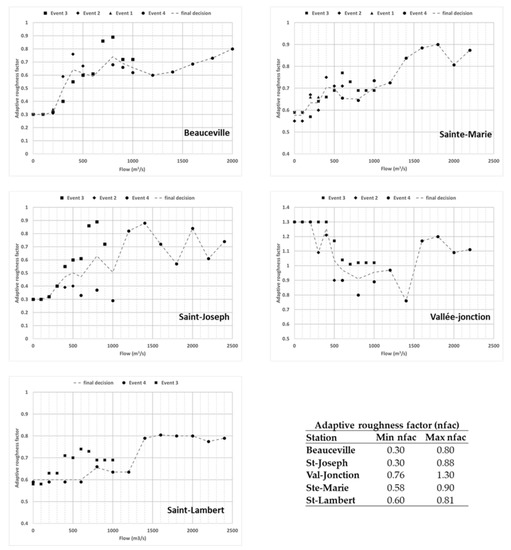
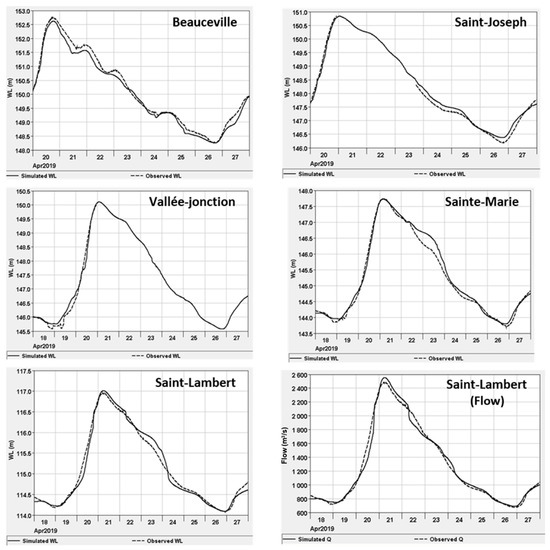
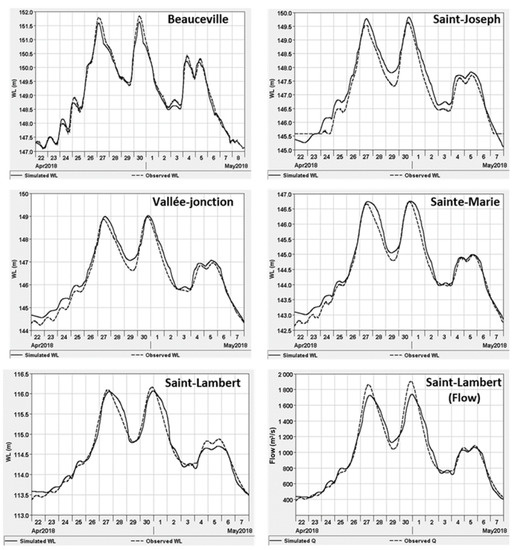
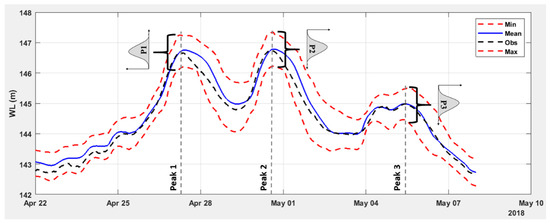
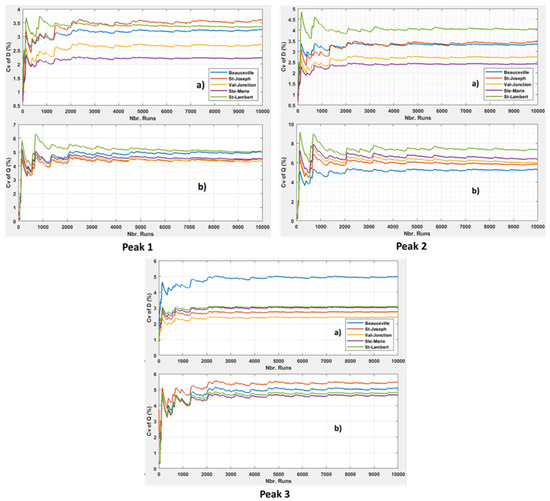
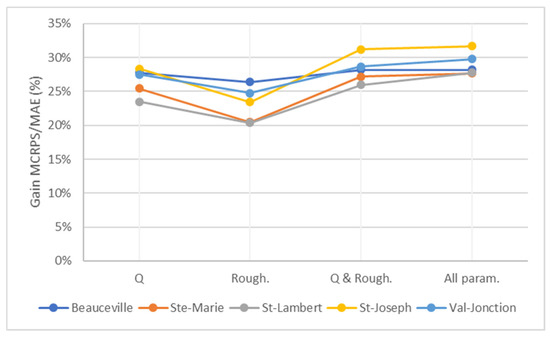
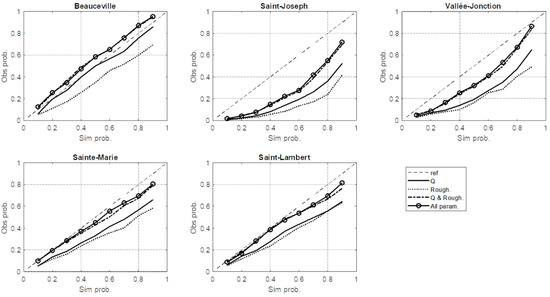
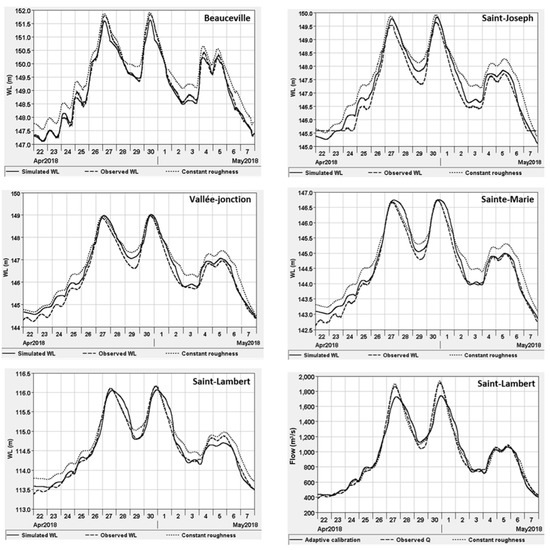
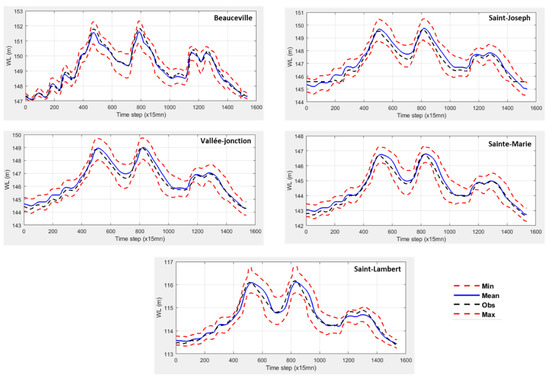
Water level modeling is a critical component of flood warning systems. A high-quality forecast requires the development of a hydraulic model that reliably accounts for the main sources of uncertainty. In this paper, a 1D hydraulic model with adaptive flow-based calibration was developed. This calibration resulted in roughness-flow relationships that allow Manning coefficients to be updated as a function of river flow, to limit errors throughout the flood cycle. An uncertainty analysis is then conducted for independent events, considering as the main source of uncertainty the error in the estimated input flows (upstream and lateral), and in the calibrated roughness coefficients. A set of parameters is generated by Latin Hypercube Sampling (LHS) from the characterization of these errors to evaluate their propagation to the variables of interest, namely water level and flow. These are evaluated by performance metrics (scores) such as the reliability diagram and the continuous rank probability score (CRPS). The adaptive flow-based calibration considerably reduced the error of the 1D model and improved its performance over time and throughout the flood events. The uncertainty analysis resulted in consistent accuracy improvements over a deterministic simulation with gains of 20% to 32%, depending on the combined parameters. Good reliability is also reached for most stations, with resulting spreads and Root Mean Square Error (RMSE) close to one another. The proposed methodology has the potential to improve the descriptive capability of 1D river hydraulic models and to increase their reliability when included in forecasting systems. Full article
(This article belongs to the Section Hydraulics and Hydrodynamics)
Show Figures

Figure 1
18 pages, 7236 KB  
Article
Sound Velocity in a Thin Shallowly Submerged Terrestrial-Marine Quaternary Succession (Northern Adriatic Sea)
by Ana Novak, Andrej Šmuc, Sašo Poglajen, Bogomir Celarc and Marko Vrabec
Water 2020, 12(2), 560; https://doi.org/10.3390/w12020560 - 18 Feb 2020
Cited by 9 | Viewed by 5480
Abstract
Estimating sound velocity in seabed sediment of shallow near-shore areas submerged after the Last Glacial Maximum is often difficult due to the heterogeneous sedimentary composition resulting from sea-level changes affecting the sedimentary environments. The complex sedimentary architecture and heterogeneity greatly impact lateral and [...] Read more.
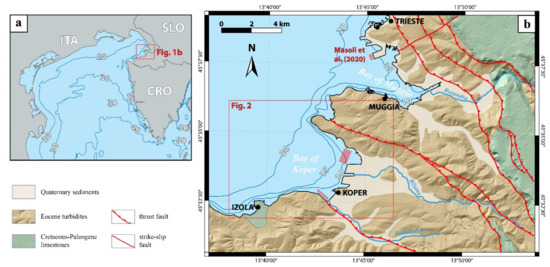
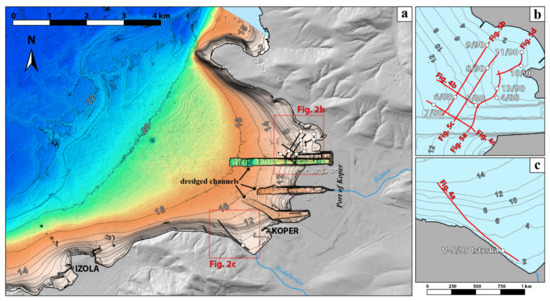
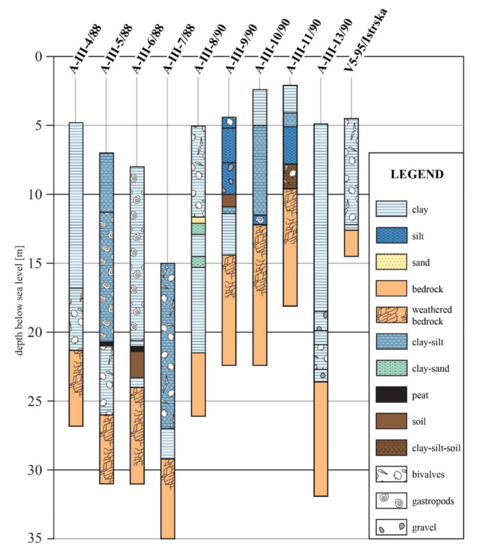
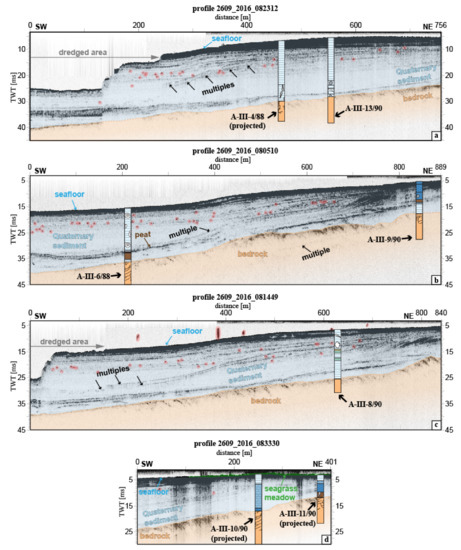
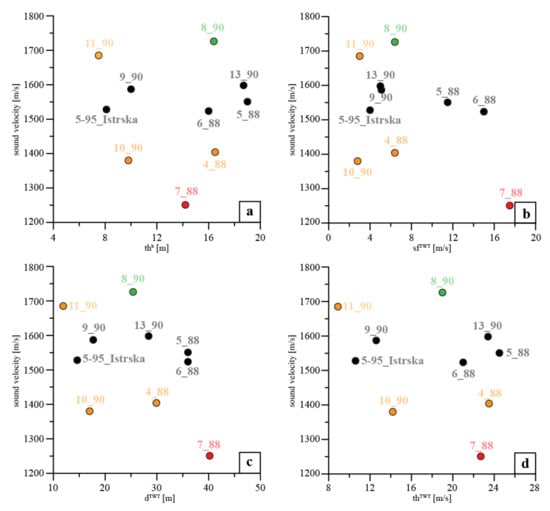
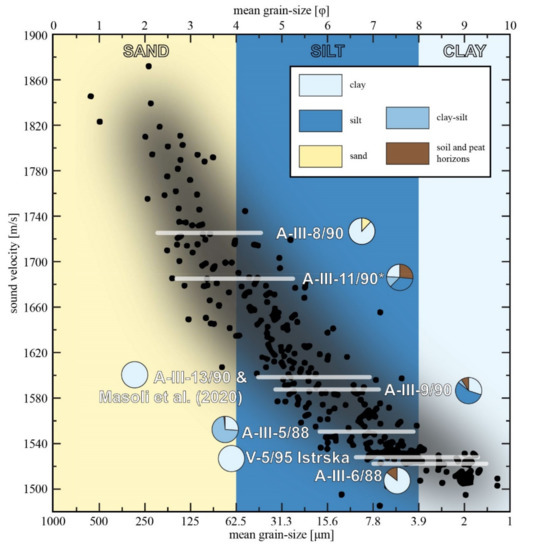
Estimating sound velocity in seabed sediment of shallow near-shore areas submerged after the Last Glacial Maximum is often difficult due to the heterogeneous sedimentary composition resulting from sea-level changes affecting the sedimentary environments. The complex sedimentary architecture and heterogeneity greatly impact lateral and horizontal velocity variations. Existing sound velocity studies are mainly focused on the surficial parts of the seabed sediments, whereas the deeper and often more heterogeneous sections are usually neglected. We present an example of a submerged alluvial plain in the northern Adriatic where we were able to investigate the entire Quaternary sedimentary succession from the seafloor down to the sediment base on the bedrock. We used an extensive dataset of vintage borehole litho-sedimentological descriptions covering the entire thickness of the Quaternary sedimentary succession. We correlated the dataset with sub-bottom sonar profiles in order to determine the average sound velocities through various sediment types. The sound velocities of clay-dominated successions average around 1530 m/s, while the values of silt-dominated successions extend between 1550 and 1590 m/s. The maximum sound velocity of approximately 1730 m/s was determined at a location containing sandy sediment, while the minimum sound velocity of approximately 1250 m/s was calculated for gas-charged sediments. We show that, in shallow areas with thin Quaternary successions, the main factor influencing average sound velocity is the predominant sediment type (i.e. grain size), whereas the overburden influence is negligible. Where present in the sedimentary column, gas substantially reduces sound velocity. Our work provides a reference for sound velocities in submerged, thin (less than 20 m thick), terrestrial-marine Quaternary successions located in shallow (a few tens of meters deep) near-shore settings, which represent a large part of the present-day coastal environments. Full article
(This article belongs to the Special Issue Landscapes and Landforms of Terrestrial and Marine Areas)
Show Figures

Figure 1
14 pages, 1424 KB  
Article
Assessment of Biological and Sanitary Condition of Alien Fish from a High-Mountain Lake (Cottian Alps)
by Paolo Pastorino, Marino Prearo, Marco Bertoli, Vasco Menconi, Giuseppe Esposito, Marzia Righetti, Davide Mugetti, Sabina Pederiva, Maria Cesarina Abete and Elisabetta Pizzul
Water 2020, 12(2), 559; https://doi.org/10.3390/w12020559 - 18 Feb 2020
Cited by 14 | Viewed by 4291
Abstract
This study aimed to assess the biological and sanitary conditions of alien fish in a high-mountain lake (Balma Lake) located in the Cottian Alps. A single fish sampling session (August 2018) using gillnets collected 90 specimens of brook trout (Salvelinus fontinalis). [...] Read more.
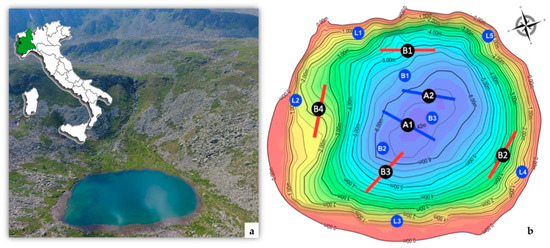
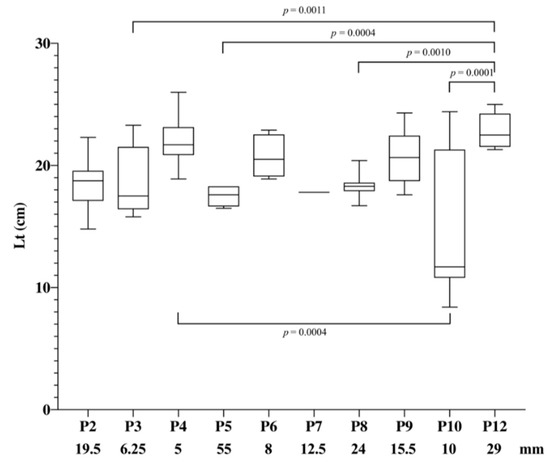
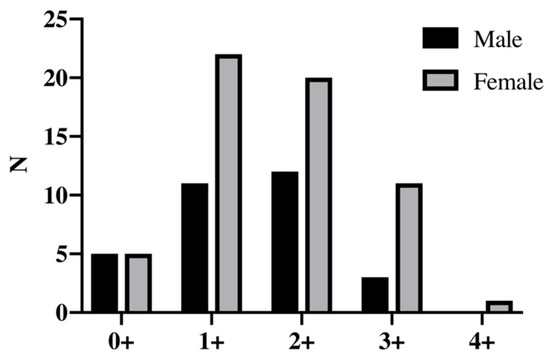
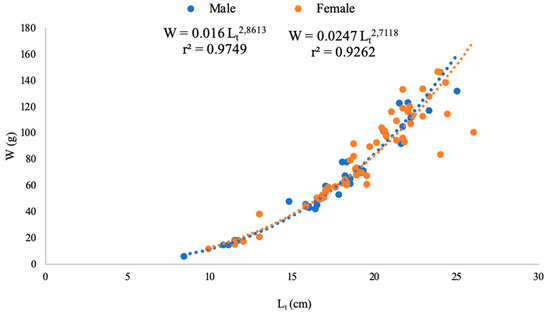
This study aimed to assess the biological and sanitary conditions of alien fish in a high-mountain lake (Balma Lake) located in the Cottian Alps. A single fish sampling session (August 2018) using gillnets collected 90 specimens of brook trout (Salvelinus fontinalis). Sex and age were determined (59 females and 31 males, age class 0+ to 4+). Regression analysis showed no difference in total weight and total length between males and females (ANCOVA: F = 0.453; p = 0.954). The mean condition factor (Kmean) decreased with increasing age for males and females. Terrestrial insects were the main prey found in the fish stomachs. The parasitological exam was negative, and the bacteriological exam was positive for Carnobacterium maltaromaticum and C. divergens in 33% of specimens. The total mercury, cadmium, and lead concentration in muscle tissue was within the maximum limit established by the European Commission for human consumption. The brook trout population was found to be well structured; these findings may help local administrations in the implementation of eradication measures. Full article
(This article belongs to the Special Issue Advances in Mountain and Mediterranean Wetlands Conservation)
Show Figures

Figure 1
25 pages, 6912 KB  
Article
Social Vulnerability Assessment for Flood Risk Analysis
by Laura Tascón-González, Montserrat Ferrer-Julià, Maurici Ruiz and Eduardo García-Meléndez
Water 2020, 12(2), 558; https://doi.org/10.3390/w12020558 - 17 Feb 2020
Cited by 90 | Viewed by 14832
Abstract
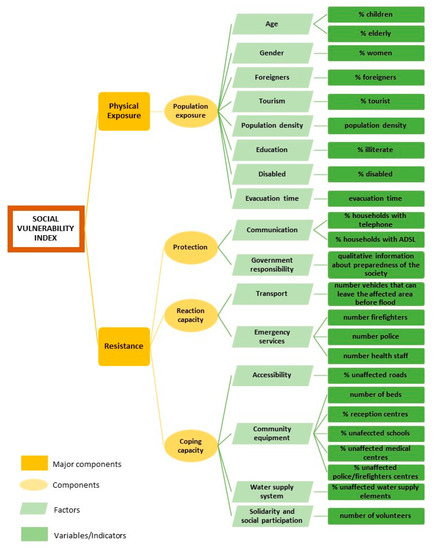
This paper proposes a methodology for the analysis of social vulnerability to floods based on the integration and weighting of a range of exposure and resistance (coping capacity) indicators. It focuses on the selection and characteristics of each proposed indicator and the integration [...] Read more.
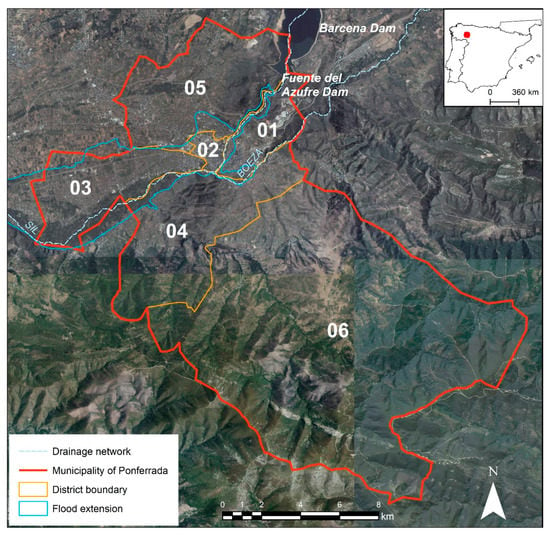
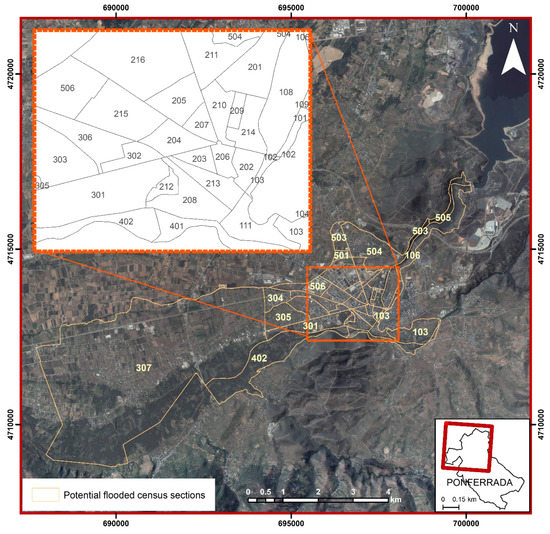
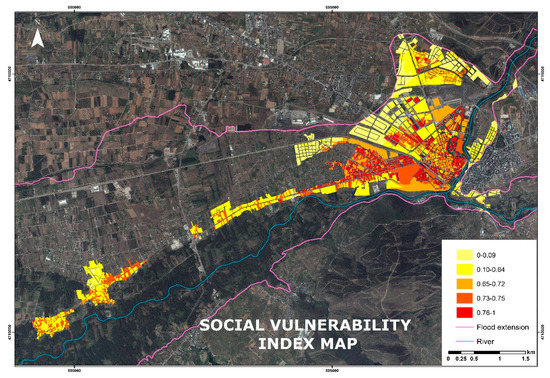
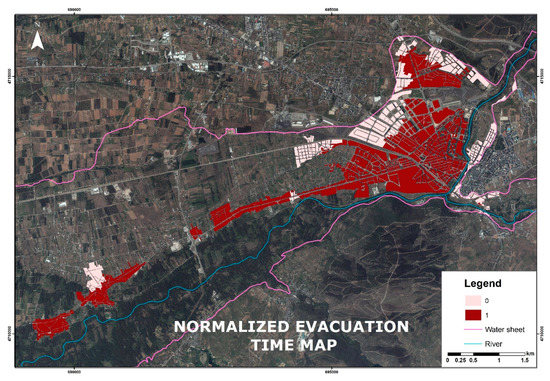
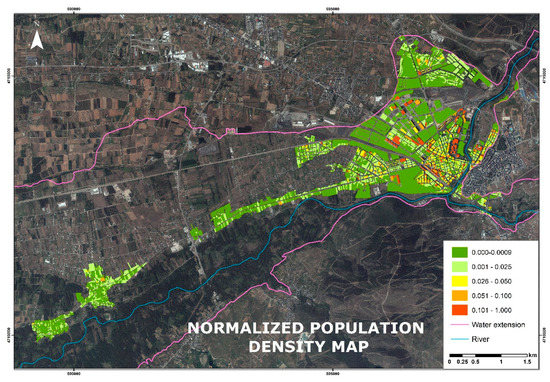
This paper proposes a methodology for the analysis of social vulnerability to floods based on the integration and weighting of a range of exposure and resistance (coping capacity) indicators. It focuses on the selection and characteristics of each proposed indicator and the integration procedure based on the analytic hierarchy process (AHP) on a large scale. The majority of data used for the calculation of the indicators comes from open public data sources, which allows the replicability of the method in any area where the same data are available. To demonstrate the feasibility of the method, a study case is presented. The flood social vulnerability assessment focuses on the municipality of Ponferrada (Spain), a medium-sized town that has high exposure to floods due to potential breakage of the dam located upstream. A detailed mapping of the social vulnerability index is generated at the urban parcel scale, which shows an affected population of 34,941 inhabitants. The capability of working with such detailed units of analysis for an entire medium-sized town provides a valuable tool to support flood risk planning and management. Full article
(This article belongs to the Special Issue Flood Risk Assessments: Applications and Uncertainties)
Show Figures

Figure 1
22 pages, 651 KB  
Article
The Transition to Improved Water-Related Energy Management: Enabling Contexts for Policy Innovation
by Amanda Binks, Brian Head, Paul Lant and Steven Kenway
Water 2020, 12(2), 557; https://doi.org/10.3390/w12020557 - 17 Feb 2020
Cited by 3 | Viewed by 3060
Abstract
We explored the potential for improved policy and regulation with a direct focus on household water-related energy (WRE) management in urban Victoria (Australia). Semi-structured interviews were employed to understand the perspectives of relevant actors within the existing institutional landscape. In this paper, questions [...] Read more.
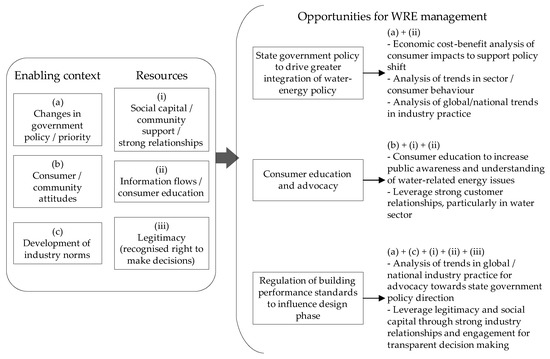
We explored the potential for improved policy and regulation with a direct focus on household water-related energy (WRE) management in urban Victoria (Australia). Semi-structured interviews were employed to understand the perspectives of relevant actors within the existing institutional landscape. In this paper, questions about institutional and policy change are addressed through consideration of the literature on transitions management and institutional entrepreneurship. Key policy opportunities identified by the actors include consumer education and advocacy for behaviour change and technology adoption, and further development of residential building standards to improve the selection and layout of building services at the design phase. The work highlights medium-term opportunities to create an enabling environment for policy practitioners in Victoria to improve management of water-related energy use in households. The work provides an important new perspective on transitions theory in the field of integrated resources management. Full article
(This article belongs to the Special Issue Modelling and Management of the Energy Impact of Urban Water)
Show Figures

Figure 1
26 pages, 4994 KB  
Article
Hydrogeochemical Characteristics and Assessment of Drinking Water Quality in the Urban Area of Zamora, Mexico
by Claudia Alejandra Reyes-Toscano, Ruth Alfaro-Cuevas-Villanueva, Raúl Cortés-Martínez, Ofelia Morton-Bermea, Elizabeth Hernández-Álvarez, Otoniel Buenrostro-Delgado and Jorge Alejandro Ávila-Olivera
Water 2020, 12(2), 556; https://doi.org/10.3390/w12020556 - 17 Feb 2020
Cited by 61 | Viewed by 7298
Abstract
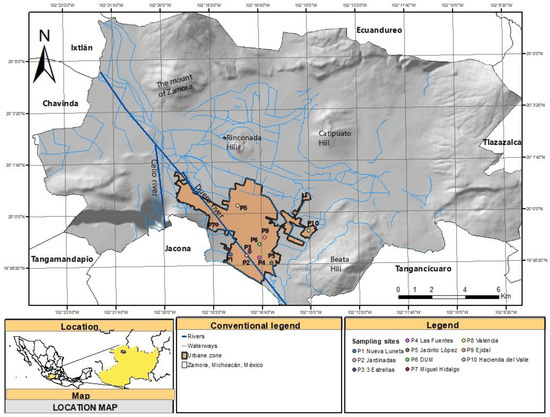
This work assessed the groundwater hydrogeochemistry and the drinking water quality of 10 wells supplying the urban area of Zamora, Michoacán, Mexico. Two sampling campaigns were conducted in May 2018 (dry season) and November 2018 (wet season) to describe the chemistry of the [...] Read more.
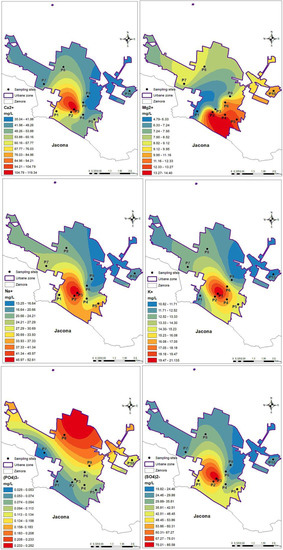
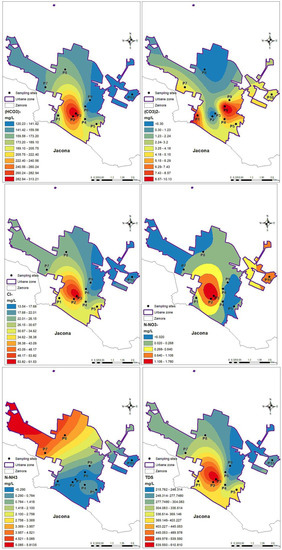
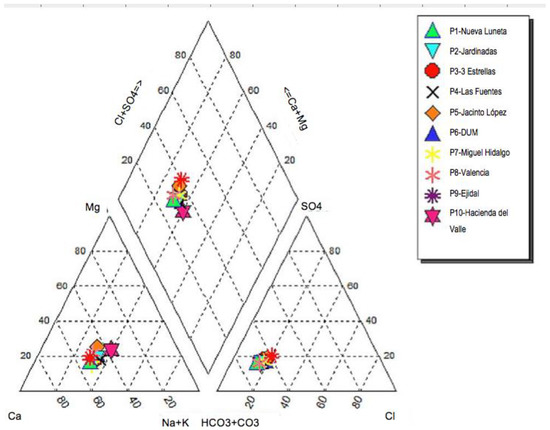
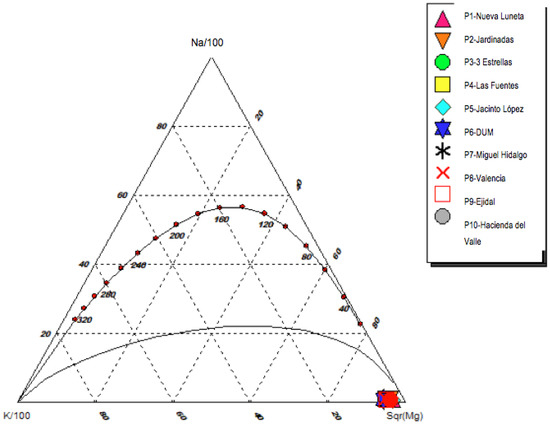
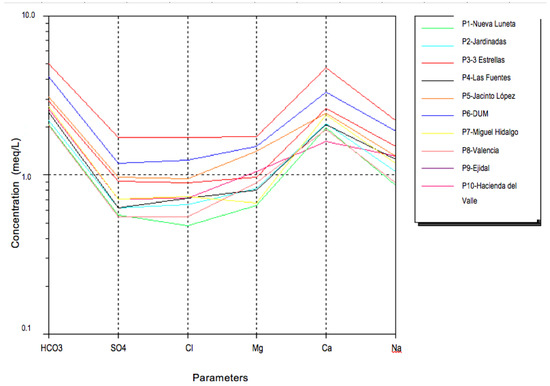
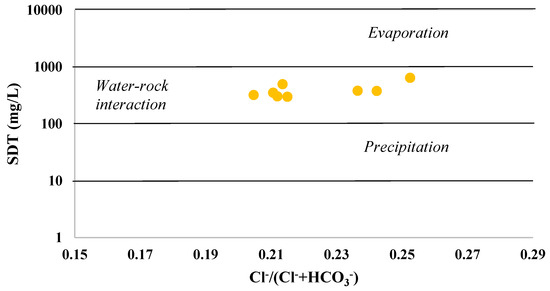
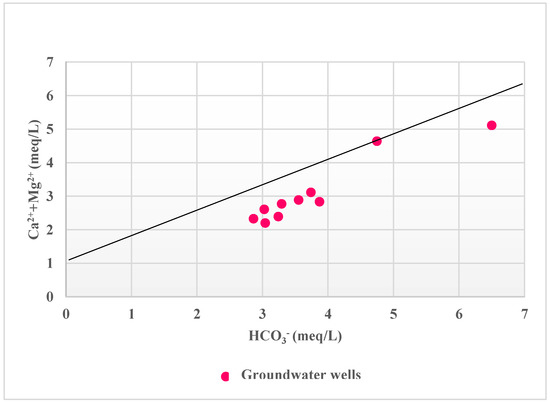
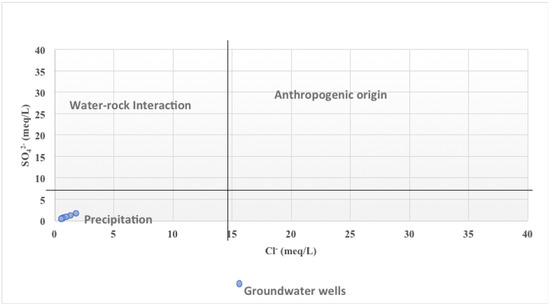
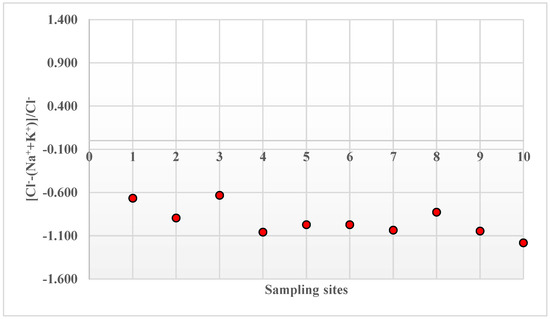
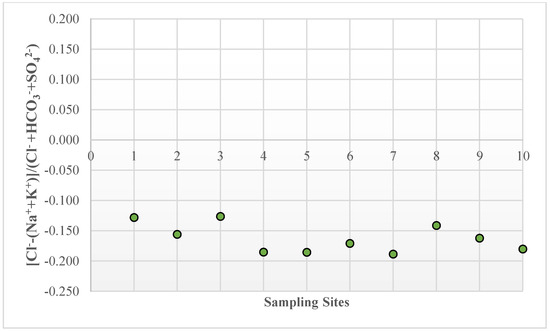
This work assessed the groundwater hydrogeochemistry and the drinking water quality of 10 wells supplying the urban area of Zamora, Michoacán, Mexico. Two sampling campaigns were conducted in May 2018 (dry season) and November 2018 (wet season) to describe the chemistry of the water and its interaction with the rock. Physical and chemical constituents (temperature, pH, electrical conductivity, color, turbidity, solids, total hardness, total alkalinity, chemical and biochemical oxygen demands), major components (Ca2+, Mg2+, Na+, K+, SO42−, PO43−, HCO3, CO32−, Cl, N-NO3, and N-NH3), as well as trace elements (As, Fe, Mn, Ba, Al, Sb, Co, V, Cu, Cd, Cr, Ni, Zn, Tl, Pb) were analyzed. Results showed groundwater with a slight tendency to alkalinity. The hydrogeochemical facies observed are Ca2+-HCO3 in all sites. Hydrochemical diagrams indicate immature, cold, non-saline, and uncontaminated water with short residence time. Water–rock interaction predominates. The water in the study area is appropriate for drinking use according to Mexican and international regulations with an excellent quality in 7 wells and good in the other 3. Full article
(This article belongs to the Section Water Quality and Contamination)
Show Figures

Figure 1