

-
Seed Germination of Native Mediterranean Species for Establishing Self-Sustaining Urban Meadows Supporting Urban Biodiversity -
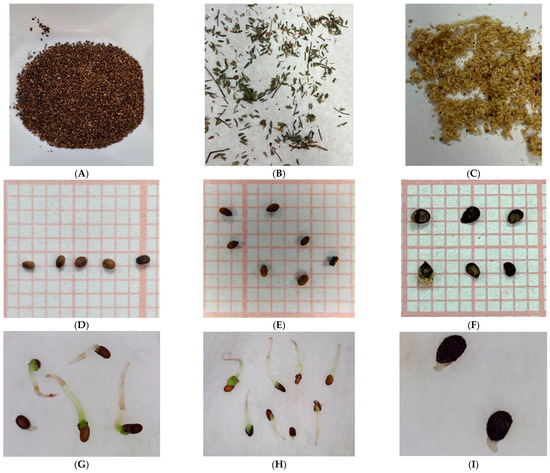
First Report of Viviparity in Seeds of the Physically Dormant Species Hymenaea martiana (Fabaceae) -
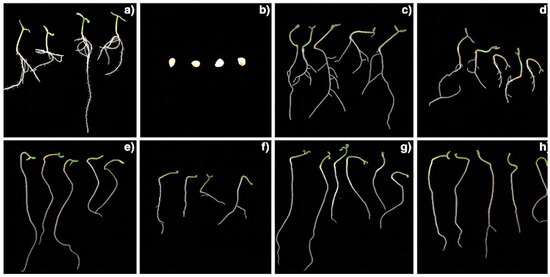
Seed Endophyte Bacillus atrophaeus Colonizes Root and Shoot Tissues Providing Antifungal Activity During Wheat Seedling Establishment
Journal Description
Seeds
Seeds
is an international, peer-reviewed, open access journal on seed science and technology published bimonthly online by MDPI.
- Open Access— free for readers, with article processing charges (APC) paid by authors or their institutions.
- High Visibility: indexed within ESCI (Web of Science), Scopus, EBSCO, and other databases.
- Journal Rank: JCR - Q1 (Agronomy) / CiteScore - Q2 (Agricultural and Biological Sciences (miscellaneous))
- Rapid Publication: manuscripts are peer-reviewed and a first decision is provided to authors approximately 20.6 days after submission; acceptance to publication is undertaken in 3.8 days (median values for papers published in this journal in the first half of 2026).
- Recognition of Reviewers: Reviewers whose reports are timely and of high quality receive an APC discount voucher for a future publication in an MDPI journal. Become a reviewer.
- Seeds is a companion journal of Agronomy.
- Journal Cluster of Agricultural Science: Agriculture, Agronomy, Horticulturae, Soil Systems, AgriEngineering, Crops, Seeds, Grasses, Agrochemicals and AI and Precision Agriculture.
Impact Factor:
3.0 (2025);
5-Year Impact Factor:
3.1 (2025)
Latest Articles
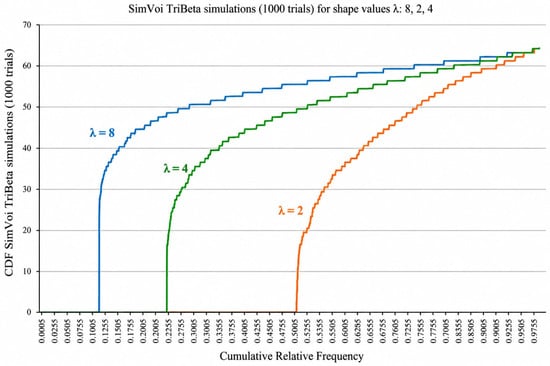
Beyond Protocols and Indices in Seed Germination Studies: Frequentist vs. Probabilistic Errors in Germinability Measures
Seeds 2026, 5(5), 60; https://doi.org/10.3390/seeds5050060 - 16 Sep 2026
Abstract
►
Show Figures
Seed germination indices are commonly used to quantify either the frequency of germination within a tested seed sample or the temporal dynamics of germination events. Among these metrics, final germination percentage, or germinability, is conventionally calculated as the proportion of germinated seeds relative
[...] Read more.
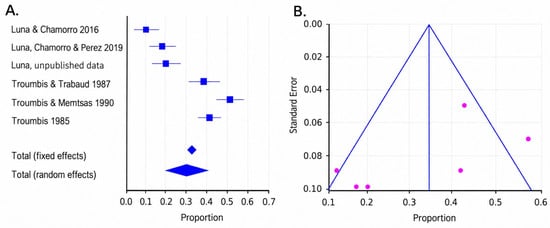
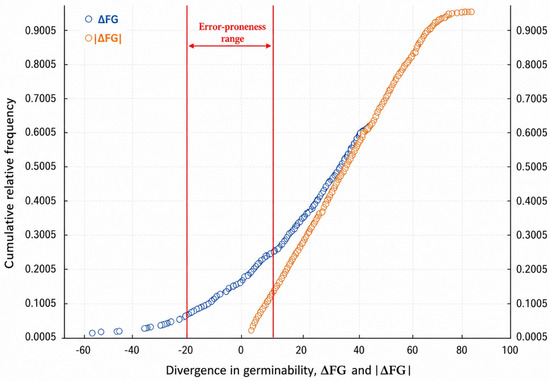
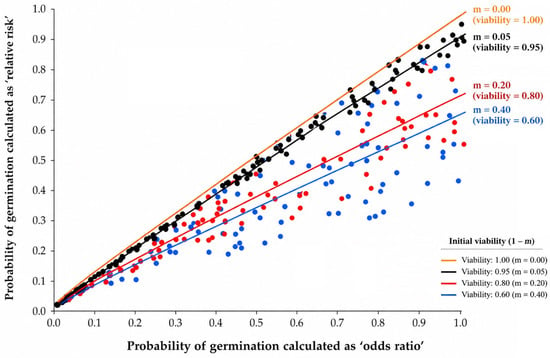
Seed germination indices are commonly used to quantify either the frequency of germination within a tested seed sample or the temporal dynamics of germination events. Among these metrics, final germination percentage, or germinability, is conventionally calculated as the proportion of germinated seeds relative to the total number of seeds subjected to a trial. Although operationally simple, this formulation treats the entire tested seed pool as the biological reference population and may therefore become prone to interpretational error when non-viable seeds form a substantial component of the sample. Here, we examine the consequences of denominator choice in germinability estimation by contrasting the conventional unconditional formulation with a viability-conditioned probabilistic formulation. Using raw data from Cistus salviifolius, a characteristic Mediterranean obligate seeder, we first quantified variation in the proportion of non-viable seeds through a proportion-based meta-analysis. We then applied simulations based on triangular probability distributions, complemented by Beta-PERT sensitivity analyses, to compare the distributional behaviour of conventional and viability-conditioned germinability estimates and to identify the probability ranges in which both formulations converge or diverge. The results indicate that non-viable seed fractions vary substantially among datasets, spanning 12.8% to 55.0% across the six datasets examined. Simulated comparisons further suggest that the divergence between formulations is not uniformly distributed across the germinability spectrum but is most pronounced across intermediate germination ranges. These findings suggest that technical improvements in germination protocols alone may not fully resolve the conceptual limitations of conventional germinability estimates unless viability structure is explicitly incorporated into both experimental design and statistical interpretation.
Full article
Open AccessCorrection
Correction: Ruiz-Vidal et al. Fruit Morphology and Seed Anatomy of Ormosia macrocalyx Ducke. Seeds 2026, 5, 26
by
Jackelin Ruiz-Vidal, Georgina Vargas-Simón, Guillermo Angeles, José Ángel Gaspar-Génico, Lilia María Gama Campillo, Nelly del Carmen Jiménez-Pérez, Pablo Martínez-Zurimendi and Jesús Ascencio-Rivera
Seeds 2026, 5(5), 59; https://doi.org/10.3390/seeds5050059 - 16 Sep 2026
Abstract
In the original publication [...]
Full article
Open AccessArticle
Quality Assessment of Farmer-Managed Tropical Pumpkin (Cucurbita moschata Duch.) Seeds in Uganda
by
Shillah Kwikiiriza, Gail R. Nonnecke, A. Susana Goggi and Maurine Eyokia
Seeds 2026, 5(5), 58; https://doi.org/10.3390/seeds5050058 - 7 Sep 2026
Abstract
►▼
Show Figures
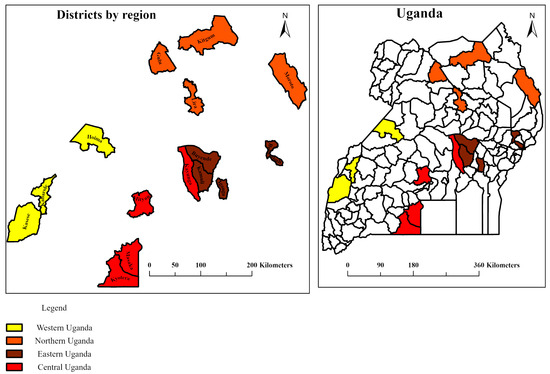
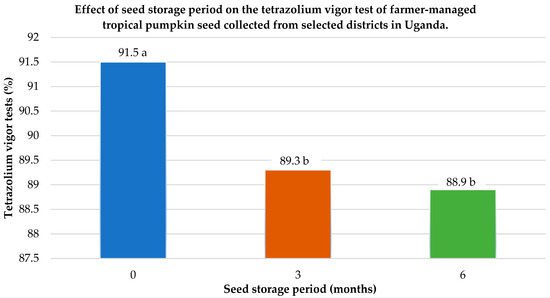
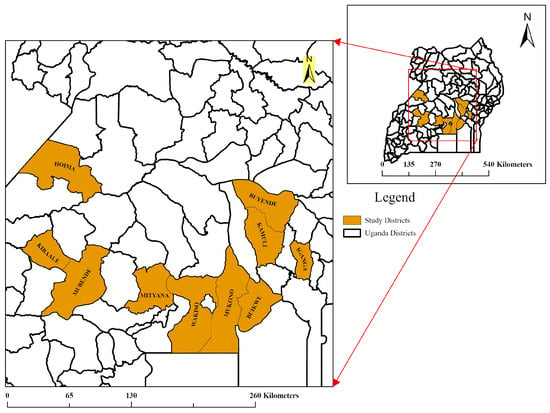
Tropical pumpkin (Cucurbita spp.) is an underutilized, nutrient-dense vegetable crop with potential to enhance food and nutrition security and generate household income among farming communities. In Uganda, farmers primarily obtain pumpkin seed through informal seed systems, including farmer-produced and -managed sources where
[...] Read more.
Tropical pumpkin (Cucurbita spp.) is an underutilized, nutrient-dense vegetable crop with potential to enhance food and nutrition security and generate household income among farming communities. In Uganda, farmers primarily obtain pumpkin seed through informal seed systems, including farmer-produced and -managed sources where seed quality is largely undocumented. This study evaluated the quality of pumpkin seeds collected from 16 selected districts in Uganda and provides the first baseline assessment of tropical pumpkin seed quality within farmer-produced and farmer-managed systems. Seed quality in this study was defined as the ability of seeds to germinate, exhibit high vigor, and remain free of fungal growth. Pumpkin seeds were assessed at 0, 3, and 6 months of storage under conditions representative of local seed traders (25 ± 5 °C; 60 ± 5% RH). Seed-associated fungi recovered on PDA containing streptomycin sulfate after 14 days of incubation were identified morphologically. Seed purity ranged widely (43.8–99.5%), indicating substantial variability among seed sources. Seed germination varied among districts, with most seeds showing improved germination after storage, whereas seed vigor declined with storage duration. Five putatively seedborne fungal genera, Fusarium, Aspergillus, Colletotrichum, Alternaria, and Rhizopus spp., were identified. The findings demonstrate substantial heterogeneity in farmer-produced and -managed seed, which is a predominant seed source in Uganda.
Full article

Figure 1
Open AccessArticle
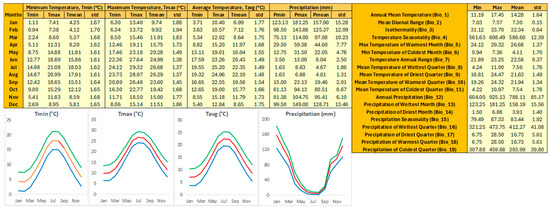
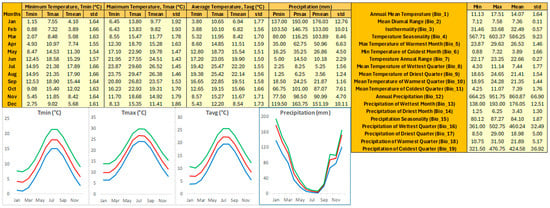
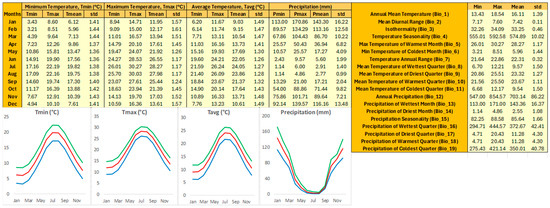
GIS-Derived Bioclimatic Profiles and Seed Germination Responses to Temperature in Three Protected Local Endemic Lamiaceae of Crete (Greece): Facilitating Integrated Conservation and Sustainable Utilization Strategies
by
Elias Pipinis, Stefanos Kostas, Athanasios Stampoulidis, Ioannis Anestis, Dimitra Chatzikidou, Nikoleta Habib, Kiara Vaxevani, Manolis Avramakis, Eleftherios Karapatzak, George Tsoktouridis, Stefanos Hatzilazarou and Nikos Krigas
Seeds 2026, 5(5), 57; https://doi.org/10.3390/seeds5050057 - 7 Sep 2026
Abstract
►▼
Show Figures
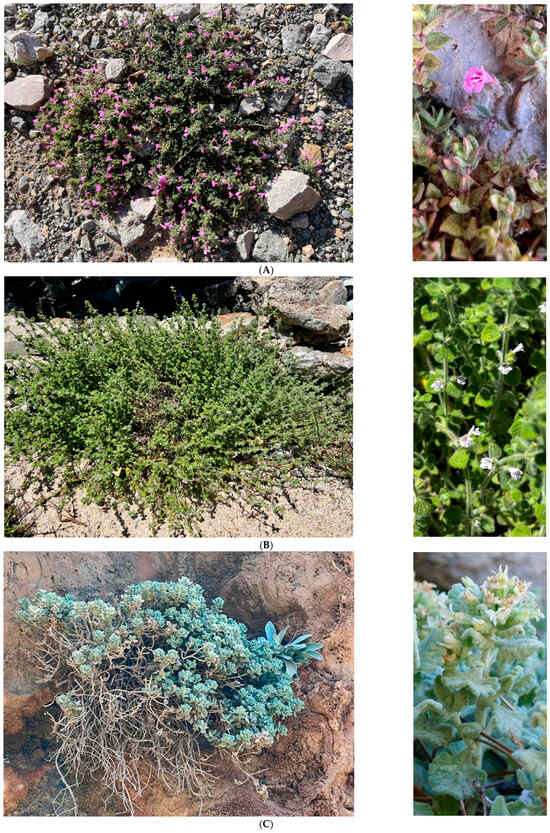
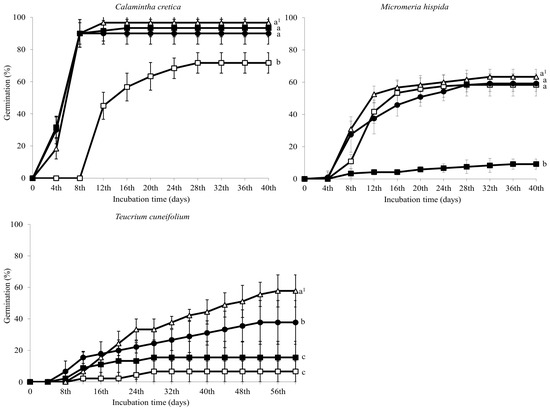
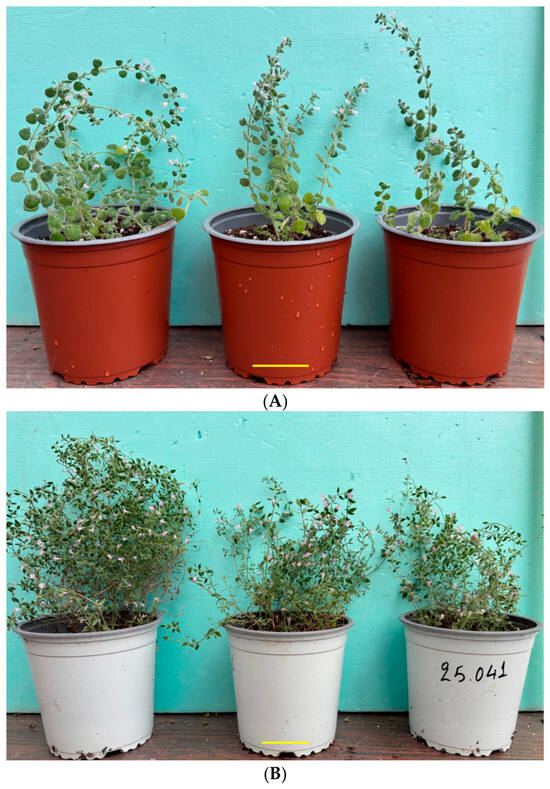
Species-wise, this study focused on three local endemic plant species of Crete (Greece) protected by the Greek Presidential Decree 67/1981, namely Calamintha cretica, Micromeria hispida, and Teucrium cuneifolium (Lamiaceae). The species-specific bioclimatic conditions (temperature, precipitation) that characterize their natural habitats were
[...] Read more.
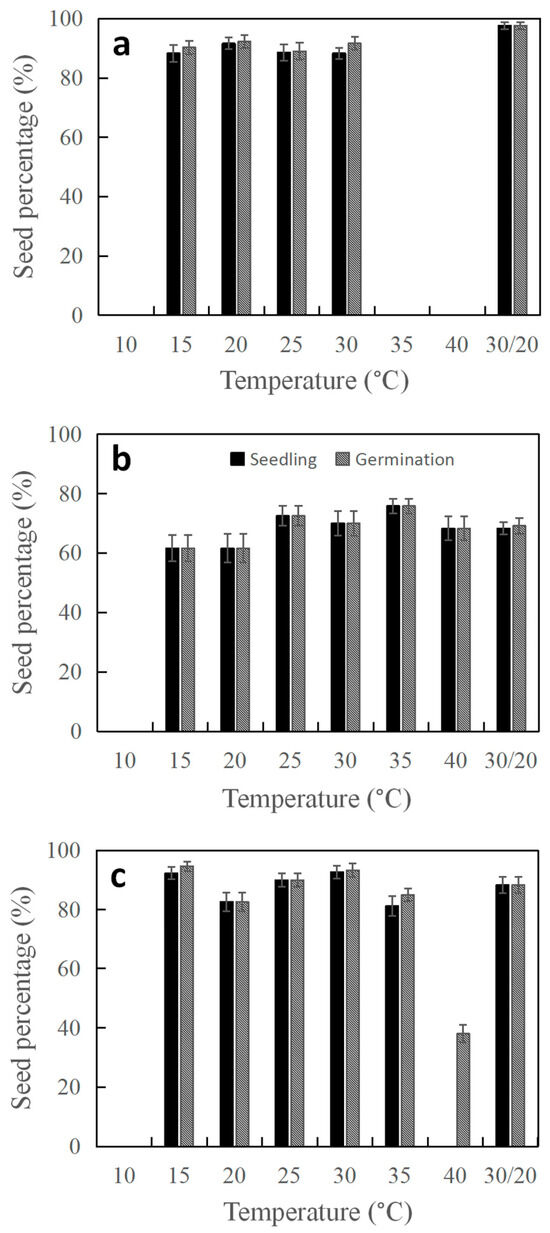
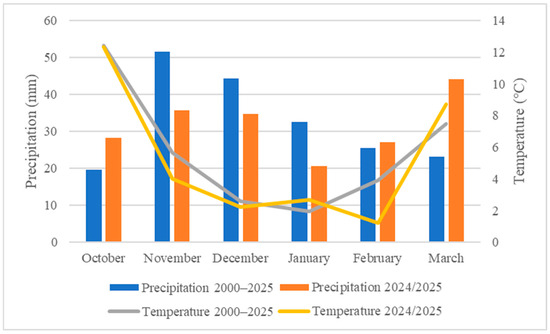
Species-wise, this study focused on three local endemic plant species of Crete (Greece) protected by the Greek Presidential Decree 67/1981, namely Calamintha cretica, Micromeria hispida, and Teucrium cuneifolium (Lamiaceae). The species-specific bioclimatic conditions (temperature, precipitation) that characterize their natural habitats were determined to identify the requirements for successful natural seed germination, using distribution dot maps and open-source geodatabases in GIS (Geographic Information Systems). To facilitate their ex situ conservation, their seed germination was investigated at four different constant temperatures (10, 15, 20, and 25 °C) in growth chambers with a photoperiod of 12 h light/12 h dark. The results indicated that their seed germination requirements showed a range-specific temperature dependence, reflecting their adaptation to local ecological conditions. Specifically, the seeds of C. cretica showed the highest germination percentages at high temperatures (96.67% at 15 °C, 90.00% at 20 °C, and 93.33% at 25 °C). The highest germination percentages (58.33–63.33%) of M. hispida seeds were observed only at a temperature range of 10–20 °C and increasing the incubation temperature to 25 °C resulted in a significant decrease in the percentages of germinated seeds (9.17%). In T. cuneifolium seeds, the highest germination was observed at 15 °C. After their successful pilot pot cultivation, the present study paves the way for future conservation efforts through ex situ seed storage of different population samples and may accelerate their sustainable utilization in different economic sectors as potential novel crops sourced from the local biodiversity pool.
Full article

Figure 1
Open AccessArticle
Seed-Borne Fungi Associated with Pearl Millet (Pennisetum glaucum): A Study of Seed Health, Transmission, Pathogenicity, Virulence, and Host Susceptibility
by
Manuel A. Gonzalez, Osmany M. Herrera, Bruna L. Dias, Ildon R. Nascimento, Marcos V. Giongo, Dalmarcia S. Mourão, Paulo R. Fernandes, Leandro A. Souza, Marcos G. Silva, Maria J. Gonzalez, Rodrigo V. da Costa, Dagma D. Araújo, Luciano V. Cota, Gil R. Santos and Luis O. Viteri
Seeds 2026, 5(5), 56; https://doi.org/10.3390/seeds5050056 - 4 Sep 2026
Abstract
►▼
Show Figures
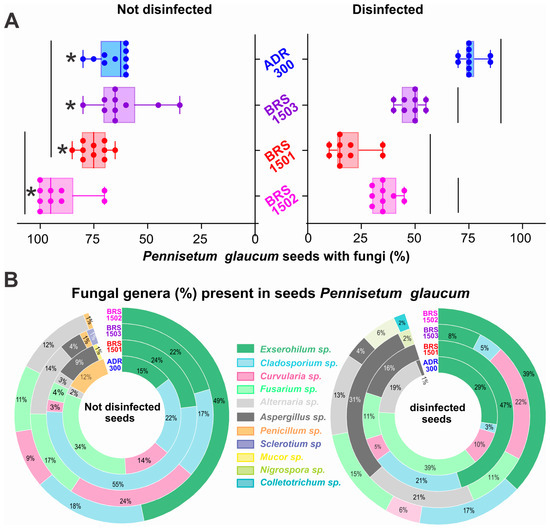
Pearl millet (Pennisetum glaucum L.) is widely cultivated in Brazil as a succession crop and is also used for forage and as a cover crop in conservation agriculture. However, its productivity is compromised by seed-borne phytopathogenic fungi. This study evaluated the incidence,
[...] Read more.
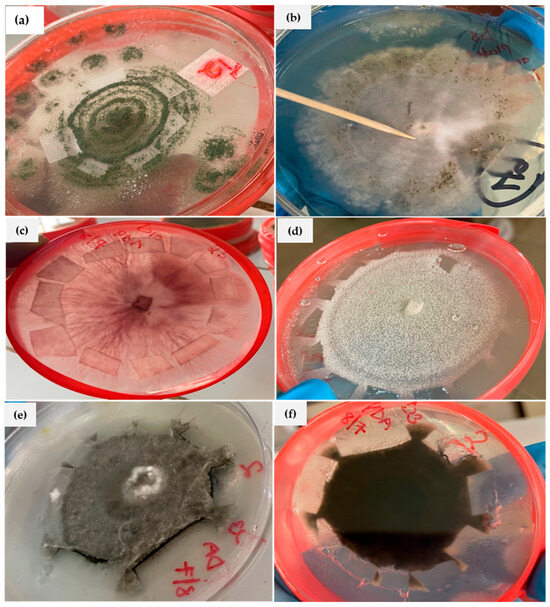
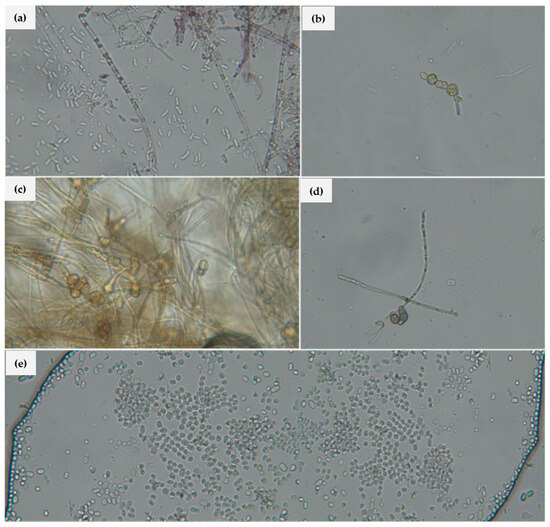
Pearl millet (Pennisetum glaucum L.) is widely cultivated in Brazil as a succession crop and is also used for forage and as a cover crop in conservation agriculture. However, its productivity is compromised by seed-borne phytopathogenic fungi. This study evaluated the incidence, seed-to-seedling transmission, pathogenicity, and cultivar susceptibility of fungal pathogens associated with the seeds of four pearl millet cultivars. Morphologically, a total of 11 fungal genera were identified, including five genera of storage fungi (Cladosporium, Nigrospora, Aspergillus, Penicillium, and Mucor) and six of phytopathogenic fungi (Alternaria, Colletotrichum, Sclerotium, Exserohilum, Curvularia, and Fusarium). Among these, Curvularia, Exserohilum, and Fusarium were transmitted from seeds to seedlings. Pathogenicity assays revealed variation in virulence among the fungal isolates, with Exserohilum isolate 2 and Curvularia isolate 9 producing disease severity indices exceeding 60%. Evaluation of cultivar susceptibility showed that cultivar ADR 300 was the most susceptible, exhibiting disease severity indices greater than 60% for Exserohilum and 56% for Curvularia. These findings demonstrate that pearl millet seeds can serve as a source of primary ioculum, for the seed transmitted fungal genera identified in this study, particularly Curvularia, Exserohilum, and Fusarium, facilitating their transmission from seed to seeding. Therefore, the use of pathogen-free seeds, routine seed health testing, seed treatment, and integrated disease management strategies is essential to reduce pathogen dissemination in pearl millet production systems.
Full article

Figure 1
Open AccessArticle
Differentiation of Plant-Pathogenic Fungi in Soybean Seeds Using Hyperspectral Sensors
by
Guilherme Cristyan Garcia Penha, João Flávio Floriano Borges Gomides, Dthenifer Cordeiro Santana, Gustavo de Faria Theodoro and Charline Zaratin Alves
Seeds 2026, 5(5), 55; https://doi.org/10.3390/seeds5050055 - 2 Sep 2026
Abstract
►▼
Show Figures
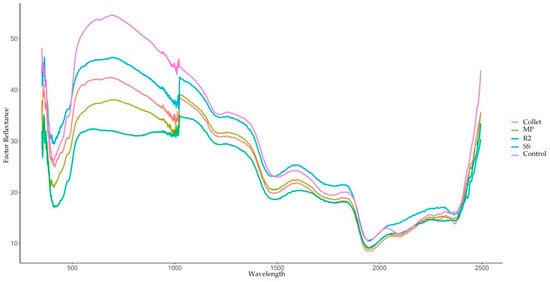
Hyperspectral sensors have emerged as a promising approach in the study of plant diseases. The objective was to distinguish between healthy and inoculated seeds, and also to distinguish between genera of plant-pathogenic fungi in soybean seeds, using hyperspectral sensors combined with machine learning.
[...] Read more.
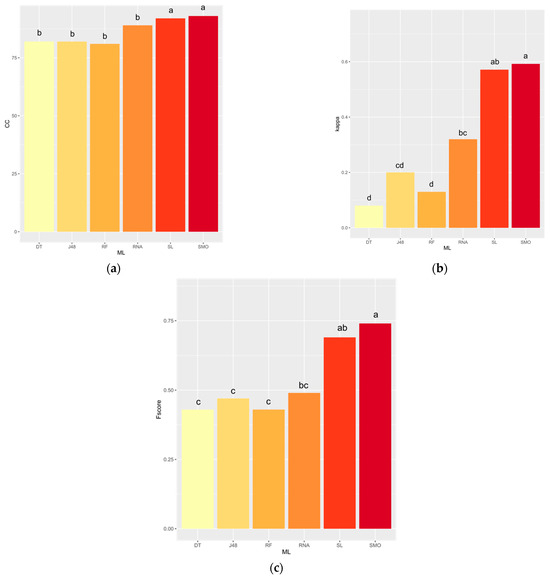
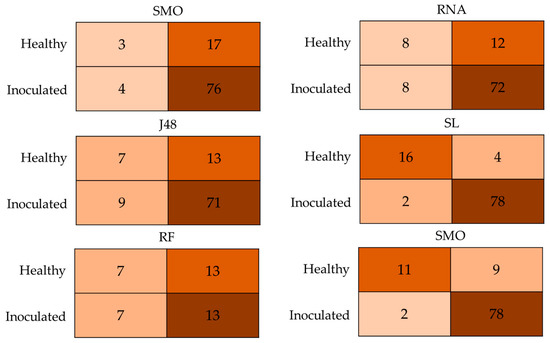
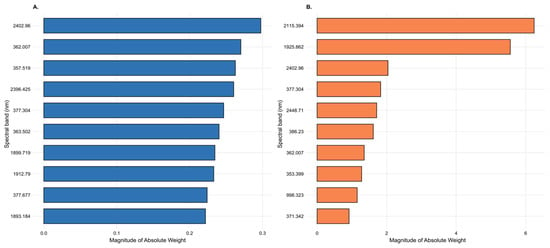
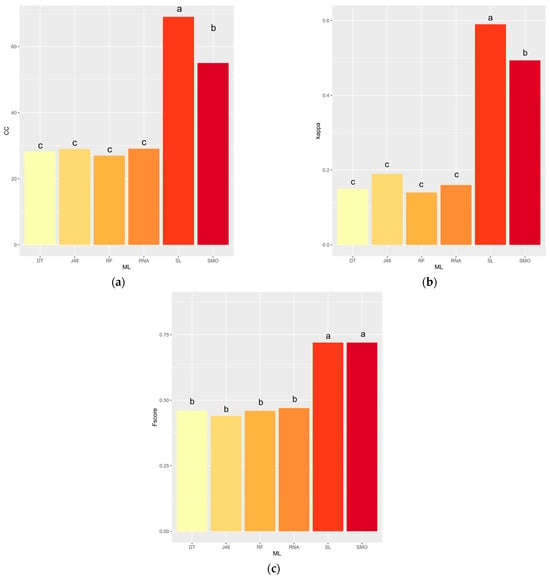
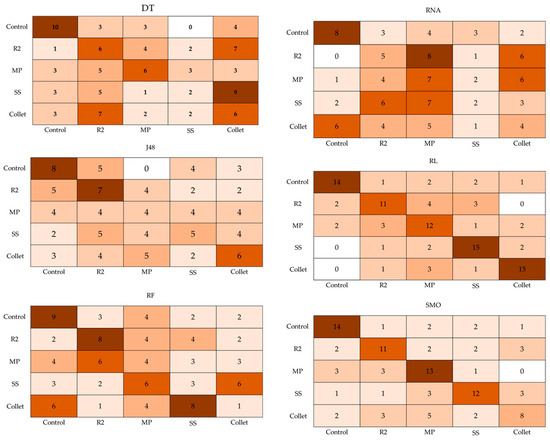
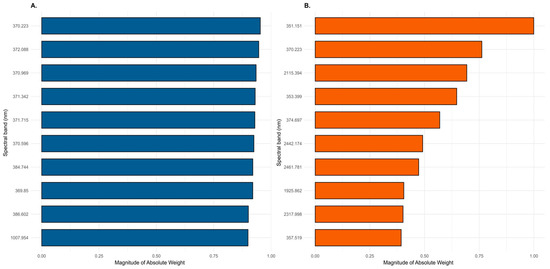
Hyperspectral sensors have emerged as a promising approach in the study of plant diseases. The objective was to distinguish between healthy and inoculated seeds, and also to distinguish between genera of plant-pathogenic fungi in soybean seeds, using hyperspectral sensors combined with machine learning. The experimental design was a fully randomized factorial design with six algorithms (Simple Logistic Regression, Support Vector Machine, Artificial Neural Network, Random Forest, REPTree and J48 decision trees) and four phytopathogens (Sclerotinia sclerotiorum, Macrophomina phaseolina, Rhizoctonia solani, and Colletotrichum sp.) plus the control. Spectral analysis of the seeds was performed using a spectroradiometer (Ocean Optics) consisting of two sensors: NIR and Flame, covering the spectrum from 350 to 2500 nm. It was possible to distinguish between healthy and inoculated seeds, as well as identify the type of phytopathogen, based on each spectral signature. The Simple Logistic Regression and Support Vector Machine algorithms performed best. Hyperspectral sensors combined with machine learning constitute a promising tool for the detection of phytopathogens in seeds, enabling rapid and non-destructive analysis. This promising tool could serve as a complementary alternative to traditional diagnostic methods, which, although accurate, are time-consuming and rely on specialized labor.
Full article

Figure 1
Open AccessArticle
Seed Traits as a Diagnostic Tool for Salicornioideae (Amaranthaceae): Development of a Dichotomous Identification Key
by
Alba Cuena-Lombraña, Gianluca Cireddu and Mauro Fois
Seeds 2026, 5(5), 54; https://doi.org/10.3390/seeds5050054 - 1 Sep 2026
Abstract
►▼
Show Figures
The subfamily Salicornioideae (Amaranthaceae) comprises taxa with a notoriously complex taxonomy due to limited diagnostic characters, high phenotypic plasticity, and frequent hybridization. This study aims to provide a practical tool for supporting the identification of Salicornioideae taxa in Sardinia (Italy), with a particular
[...] Read more.
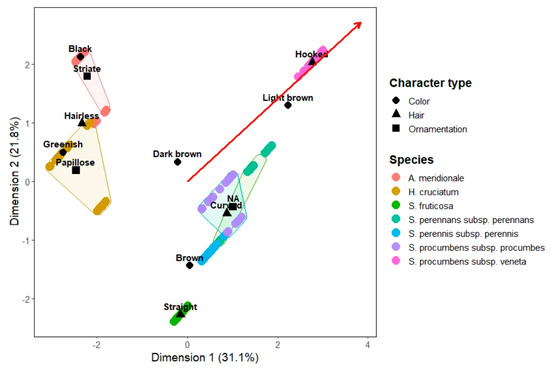
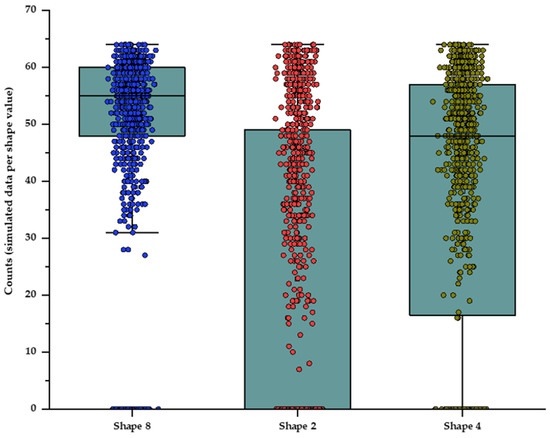
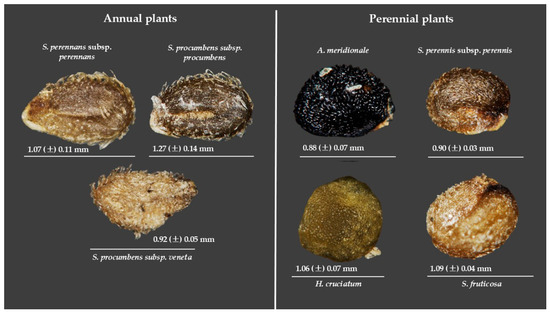
The subfamily Salicornioideae (Amaranthaceae) comprises taxa with a notoriously complex taxonomy due to limited diagnostic characters, high phenotypic plasticity, and frequent hybridization. This study aims to provide a practical tool for supporting the identification of Salicornioideae taxa in Sardinia (Italy), with a particular focus on seed traits as diagnostic taxonomic characters. Mature seeds from seven taxa belonging to the genera Salicornia, Arthrocaulon, and Halocnemum were collected across Sardinia and examined using a digital microscope. Seed traits, including shape, size ratios, colour, surface ornamentation, and the presence and morphology of hairs, were analysed quantitatively and qualitatively. Morphological data were organized into a character matrix and assessed to identify diagnostic features. A Factor Analysis of Mixed Data (FAMD) was used to evaluate the discriminatory power of quantitative and qualitative seed traits and to support the selection of characters for a seed-based dichotomous identification key. The resulting key enables the discrimination of Sardinian annual and perennial taxa, as well as closely related species and subspecies. The results demonstrate that, within the set of taxa examined, seed traits are consistent and easily observable characteristics that can distinguish Salicornioideae taxa at genus, species, and subspecies levels. Improving taxonomic discrimination of Salicornioideae taxa supports floristic, ecological, and conservation studies of halophytic vegetation in Mediterranean regions.
Full article

Figure 1
Open AccessArticle
Static Magnetic Field and 10 Hz Pulsed Electromagnetic Field Priming Improve Early Rice Seedling Establishment Under Salinity with Redox Remodeling and Improved Ion Balance
by
Wanvisa Kodsomboon, Kanjana Thongyoo, Khwanchai Kamoltheptawin, Wanchai Khunnam, Thawatchai Thoradit and Marootpong Pooam
Seeds 2026, 5(5), 53; https://doi.org/10.3390/seeds5050053 - 1 Sep 2026
Abstract
Salinity limits early rice establishment by imposing osmotic stress, ionic imbalance, and poor early seedling growth. Magnetic-field seed treatment has been explored mainly using static magnetic fields (SMFs), whereas low-intensity pulsed electromagnetic fields (PEMFs) remain less defined as physical seed-treatment inputs under salinity.
[...] Read more.
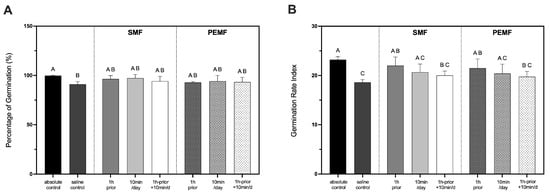
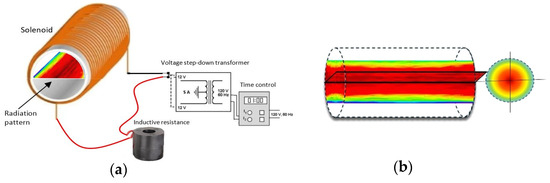
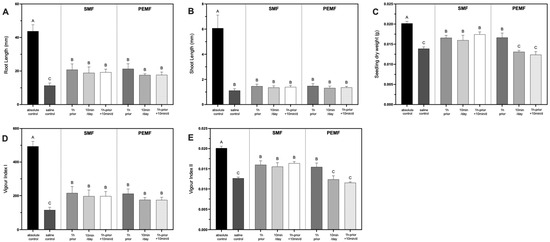
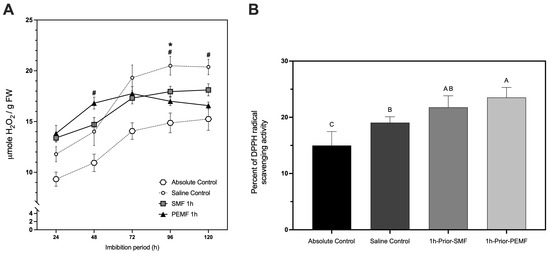
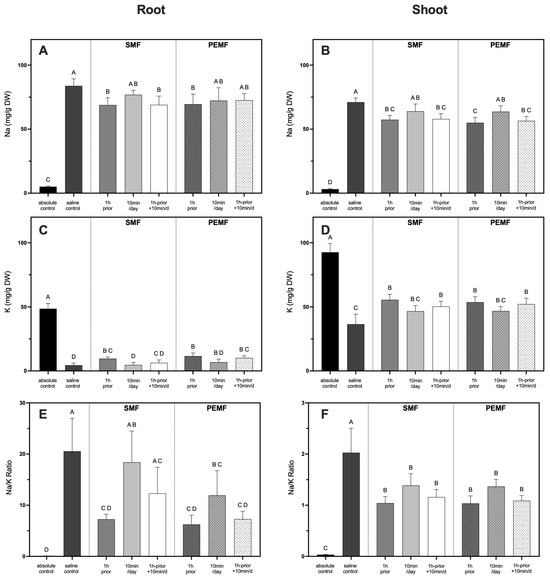
Salinity limits early rice establishment by imposing osmotic stress, ionic imbalance, and poor early seedling growth. Magnetic-field seed treatment has been explored mainly using static magnetic fields (SMFs), whereas low-intensity pulsed electromagnetic fields (PEMFs) remain less defined as physical seed-treatment inputs under salinity. Here, we directly compared SMF and 10 Hz PEMF under matched low-intensity conditions to determine whether PEMF can function as an effective physical seed treatment in rice. Seeds of Oryza sativa L. cv. Phitsanulok 2 were exposed to SMF (2.0 mT) or PEMF (10 Hz, approximately 2.0 mT peak) using three protocols—1 h before sowing, 10 min daily after sowing, or a combined schedule—followed by germination under 150 mM NaCl. Magnetic exposure had limited effect on final germination percentage, but a single 1 h pre-sowing treatment with either SMF or PEMF significantly increased the germination rate index under salinity. This protocol also improved root length, seedling dry weight, and seedling vigour, whereas repeated daily exposure produced less consistent benefits. Redox analysis showed that PEMF increased H2O2 at 48 h but reduced H2O2 at 96 and 120 h compared with the untreated saline control at the corresponding sampling time. PEMF also produced the clearest increase in extractable DPPH radical-scavenging activity at 120 h. Ion analysis showed that the 1 h pre-sowing treatment improved tissue ion balance, as reflected by lower Na+ accumulation, improved K+ status, and a reduced Na+/K+ concentration ratio, particularly in roots. Overall, this study identifies a timing-specific low-intensity magnetic-treatment window for improving early rice establishment under salinity and positions 10 Hz PEMF as a testable non-chemical physical treatment associated with redox remodeling and improved ion homeostasis.
Full article
(This article belongs to the Special Issue Technological Advances in Seed Quality)
►▼
Show Figures

Figure 1
Open AccessArticle
Seed System Pathways to Productivity: A Comparative Analysis of Common Bean Seed Classes in Tanzania
by
Barnaba Douglas Mhagama, Constantine Sakala Busungu, Aloyce Shaban Hepelwa and Frederick Philbert Baijukya
Seeds 2026, 5(5), 52; https://doi.org/10.3390/seeds5050052 - 26 Aug 2026
Abstract
Increasing costs of certified common bean seed, coupled with low grain prices, have led farmers to rely more heavily on farm-saved seeds. Understanding the performance of certified, semi-formal, and farmer-saved seed systems is important for improving productivity and guiding seed system development in
[...] Read more.
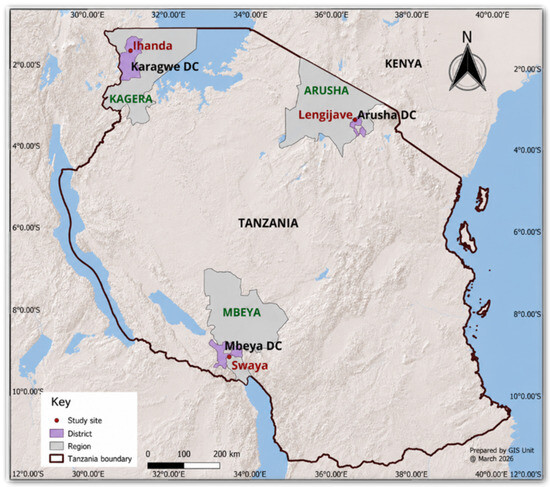
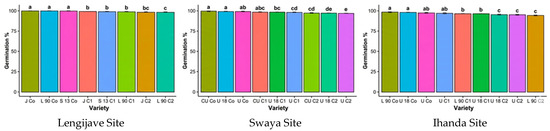
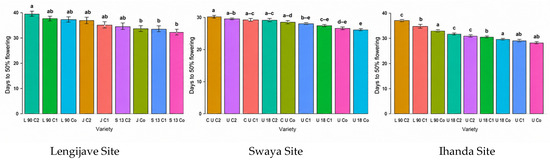
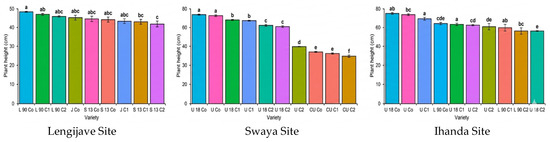
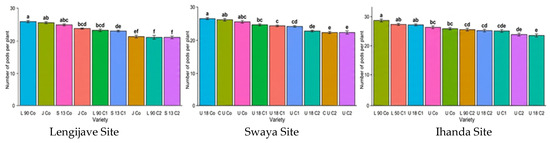
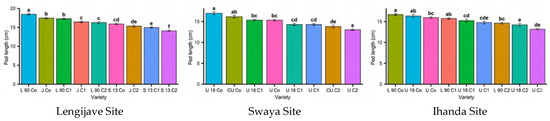
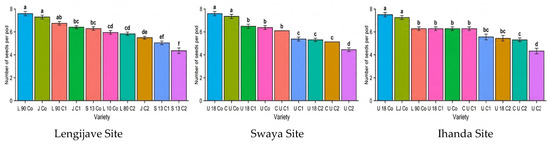
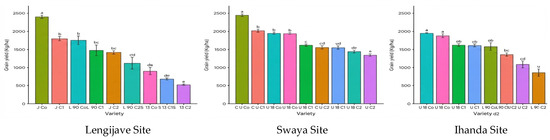
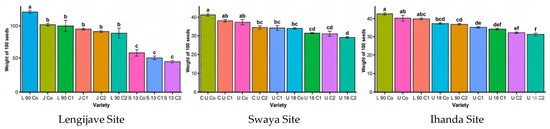
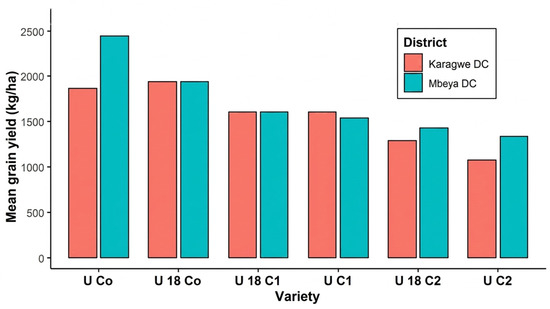
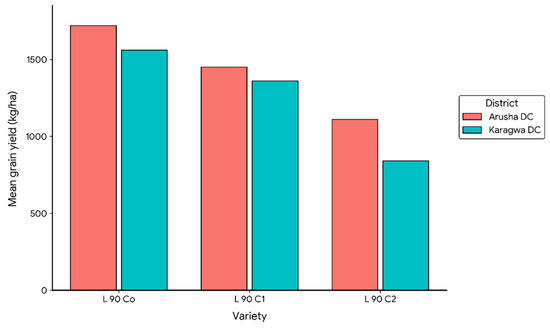
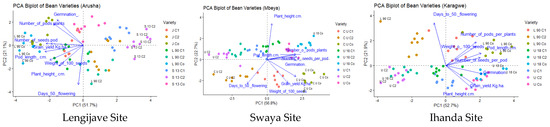
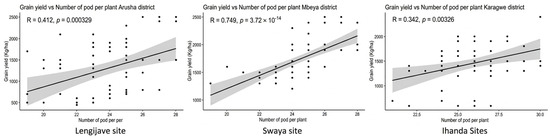
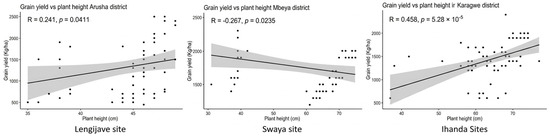
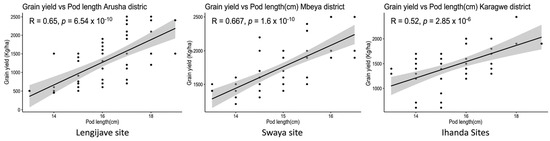
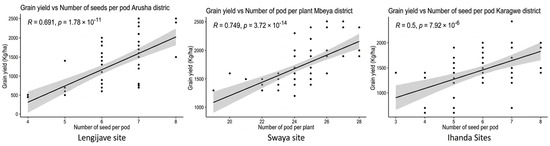
Increasing costs of certified common bean seed, coupled with low grain prices, have led farmers to rely more heavily on farm-saved seeds. Understanding the performance of certified, semi-formal, and farmer-saved seed systems is important for improving productivity and guiding seed system development in Tanzania. Field trials were conducted during the 2024/25 season at Lengijave (Arusha), Swaya (Mbeya), and Ihanda (Karagwe District Council). Six certified bean varieties—Lyamungo 90, JESCA, Selian 13, Calima Uyole, Uyole Njano, and Uyole 18—were evaluated using a split-plot design with eight farmer replications per site. Data were analyzed in R version 4.5.1, released 13 June 2025, using Tukey’s HSD test (5%), Principal Component Analysis (PCA), and regression analysis. Significant side effects (p < 0.001) were observed for germination, flowering time, pods per plant, plant height, pod length, seeds per pod, grain yield, and 100-seed weight. Certified seeds consistently produced higher yields and lower variability than semi-formal and farmer-saved seeds. The highest yields were recorded for Uyole Njano Control at Swaya (2437 kg/ha) and Uyole 18 Control at Ihanda (1937 kg/ha), while Lyamungo 90 Control performed well across sites. PCA clearly separated seed classes, confirming the superior performance of certified seeds in enhancing bean productivity in Tanzania.
Full article
(This article belongs to the Special Issue Technological Advances in Seed Quality)
►▼
Show Figures

Figure 1
Open AccessArticle
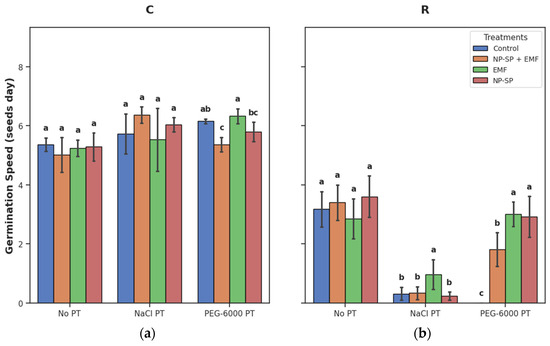
Effects of Electromagnetic Field and Nutri-Priming with Spirulina on Tomato Seed Germination Pre-Treatment NaCl and PEG-6000
by
Jared Osmar Avila-Arroyo, Claudia Hernández-Aguilar, Juana Isabel Méndez and Flavio Arturo Domínguez-Pacheco
Seeds 2026, 5(5), 51; https://doi.org/10.3390/seeds5050051 - 24 Aug 2026
Abstract
►▼
Show Figures
Due to the degradation of agricultural soils due to saline stress and water stress, which affect 34.9% and 44.8% of the Mexican territory, respectively, tomato production is compromised. Consequently, there is a growing interest in strategies to mitigate the adverse effects of abiotic
[...] Read more.
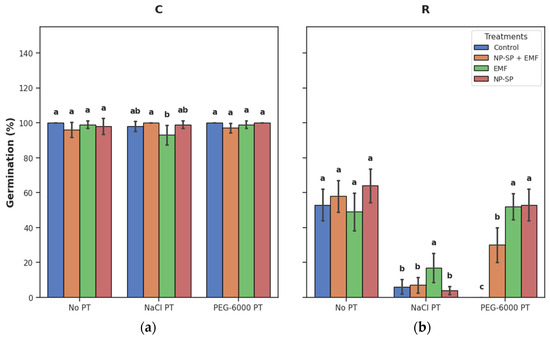
Due to the degradation of agricultural soils due to saline stress and water stress, which affect 34.9% and 44.8% of the Mexican territory, respectively, tomato production is compromised. Consequently, there is a growing interest in strategies to mitigate the adverse effects of abiotic stress. The study aimed to evaluate the effects of electromagnetic fields (EMF) and nutri-priming with Spirulina on seed germination of Cherry and Roma tomato varieties. The seeds were pre-treated with either NaCl or PEG-6000 (an osmotic agent) for one hour, and the experiment followed a completely randomized block design with five replicates. The results indicate that, prior to pre-treatment with NaCl, EMF increased the germination percentage in Roma tomatoes (17%) compared to control seeds (6%). Similarly, under PEG-6000 pre-treatment, the electromagnetic field yielded a significant difference (p < 0.05) in germination percentage, while the combined treatment (EMF + nutri-priming) increased the mean germination time in Cherry tomatoes. It is concluded that germination is influenced by the interaction between the tomato variety, the pre-treatment (NaCl or PEG-6000) and the treatment applied (EMF, nutri-priming, or both). The EMF treatment showed the highest germination rate in the Roma variety following pre-treatment with NaCl. Meanwhile, the NP-SP treatment performed best on the same variety, but under conditions without pre-treatment and with PEG-6000 pre-treatment. Ultimately, the combined treatment (NP-SP + EMF) achieved the best results with the Cherry variety under conditions involving NaCl pre-treatment.
Full article

Figure 1
Open AccessArticle
Germination and Growth Responses of Trifoliate Orange (Poncirus trifoliata L.) Seeds to Glycerol-Chitosan-Based Biostimulant Treatments
by
Christina-Ioanna Ntouvika, Lejdina Hoxha, Magdalini Malliari, Charidimos Vermes, Paschalis Giannoulis and Helen Kalorizou
Seeds 2026, 5(4), 50; https://doi.org/10.3390/seeds5040050 - 19 Aug 2026
Abstract
►▼
Show Figures
Trifoliate orange (Poncirus trifoliata L.), a citrus rootstock valued for its cold hardiness and resistance to broad biotic stress, produces desiccation-sensitive seeds whose successful germination requires optimized pre-sowing treatments for reliable sexual propagation. This study investigated whether chitosan-based coating systems, incorporating glycerol
[...] Read more.
Trifoliate orange (Poncirus trifoliata L.), a citrus rootstock valued for its cold hardiness and resistance to broad biotic stress, produces desiccation-sensitive seeds whose successful germination requires optimized pre-sowing treatments for reliable sexual propagation. This study investigated whether chitosan-based coating systems, incorporating glycerol as a plasticizer combined with either an amino acid biostimulant (betaine-proline) or gibberellic acid (GA3), could improve germination kinetics and seedling establishment. Seeds from mature fruits were subjected to 18 treatments across Petri dish and soil bioassays. In Petri dishes, the germination percentage remained uniformly high (86.67–100%), with GA3-containing formulations promoting shoot elongation and proline-betaine combinations favoring root development. In soil, treatments primarily modulated germination kinetics: GA3 combined with chitosan (1.5–2%) increased the germination speed by approximately 3.0–3.4 times relative to the control, while 1.5% chitosan with proline-betaine and glycerol yielded the fastest germination overall. Biomass responses were strongly formulation-dependent: 2% chitosan with GA3 maximized shoot and total dry weight, whereas 2% chitosan with proline-betaine and glycerol substantially improved root dry biomass and overall seedling quality. Glycerol exerted context-dependent effects, enhancing amino acid formulations while reducing performance in GA3 mixtures. These findings support the use of optimized chitosan-based treatments as effective tools for accelerating emergence and improving seedling robustness in rootstock production.
Full article

Figure 1
Open AccessReview
From Seeds to Plantlets: The Impact of Priming on Ornamental Plants as a Tool for Enhancing Stress Resilience
by
Michela Montone, Carlo Mascarello, Arianna Cassetti, Laura Pistelli, Barbara Ruffoni and Marco Savona
Seeds 2026, 5(4), 49; https://doi.org/10.3390/seeds5040049 - 14 Aug 2026
Abstract
►▼
Show Figures
Ornamental plants constitute an important sector of the agricultural market, with global relevance. The impacts of climate change also affect flowering plants, increasing susceptibility to stress conditions. The most common effects are related to germination capacity and uniformity, which can indirectly compromise aesthetic
[...] Read more.
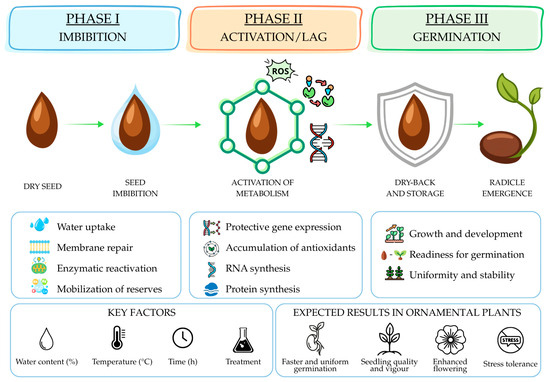
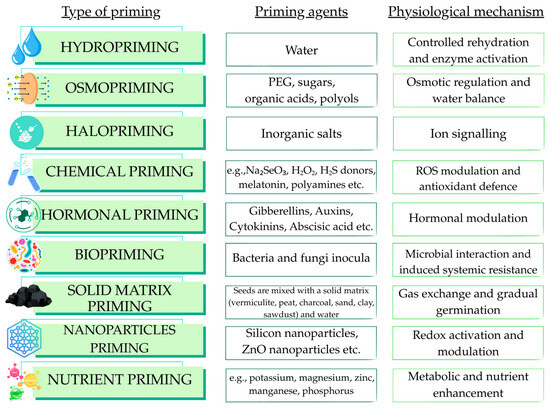
Ornamental plants constitute an important sector of the agricultural market, with global relevance. The impacts of climate change also affect flowering plants, increasing susceptibility to stress conditions. The most common effects are related to germination capacity and uniformity, which can indirectly compromise aesthetic value. Seed priming represents a promising environmentally friendly strategy to improve germination performance and stress tolerance in ornamental plants. This review gives an overview of the most recent advances in priming applied to ornamental species, highlighting the physiological, biochemical, and molecular impacts of the technique. Priming approaches can differ (e.g., hydro-, osmotic, hormonal, nano-based), with the common aim of enhancing germination efficiency, seed vigor, and promoting greater uniformity and quality of plantlets under stress conditions. Up to now, a bottleneck in the use of this promising tool has been represented by different responses related to species and protocol standardization. Molecular evaluation is required to monitor the long-term effectiveness of priming. The use of priming represents a sustainable and low-cost tool to enhance the adaptability of ornamental species in stress conditions, supporting the transition to new sustainable solutions for the future of ornamental plant production.
Full article

Figure 1
Open AccessArticle
Interaction Between Cereals and Pea Intercrops During Their Initial Development
by
István Kristó, Attila Rácz, Péter Jakab and Mária Ágnes Fodor
Seeds 2026, 5(4), 48; https://doi.org/10.3390/seeds5040048 - 13 Aug 2026
Abstract
►▼
Show Figures
The species that make up the intercrop interact with each other during their development, which can be beneficial, harmful, or indifferent to the participants. The aim of this study was to determine whether the developmental differences observed between intercropped and pure stands are
[...] Read more.
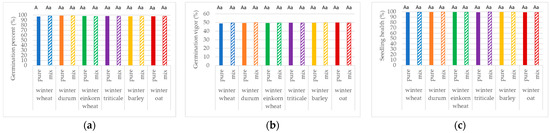
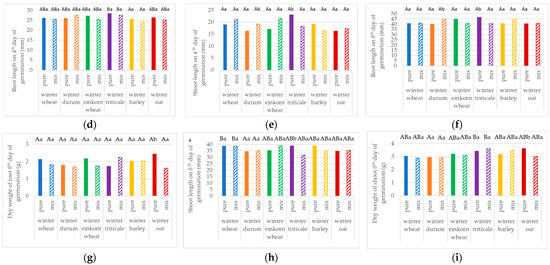
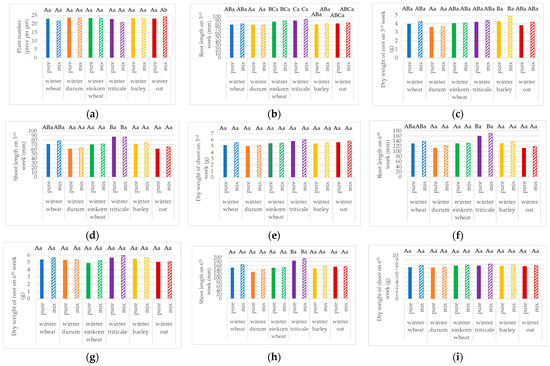
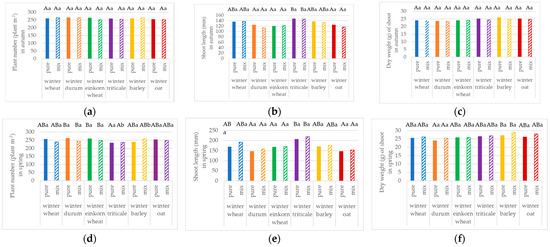
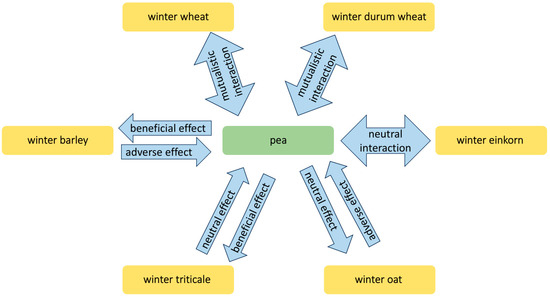
The species that make up the intercrop interact with each other during their development, which can be beneficial, harmful, or indifferent to the participants. The aim of this study was to determine whether the developmental differences observed between intercropped and pure stands are already evident at early developmental stages. We conducted three experiments: (1) a laboratory germination test using filter paper rolls, (2) a laboratory growth test in plant pots, and (3) a small-plot field experiment comparing the development of mixtures and monocultures of winter cereals (winter wheat, winter durum wheat, winter einkorn, winter triticale, winter barley, and winter oats) and winter peas. Based on our results, only minor differences were observed (1–3%) in germination parameters (germination percentage, germination vigor, and seedling health). However, as plant development progressed, increasingly pronounced differences emerged (significance level of p < 0.05) between intercropped and pure stands based on which we assume allelopathic effects. Winter wheat and durum wheat had a positive effect on the initial development of winter pea, whereas barley, and oat had a clearly negative effect. Winter pea negatively affected the germination and early development of triticale and oat, while it had a positive effect on the initial development of durum wheat. Mutually beneficial interactions were identified in the winter wheat–pea and durum wheat–pea combinations during the early stages of plant association.
Full article

Figure 1
Open AccessArticle
Plant Growth-Promoting Effects of Bacterial Isolates Obtained from Funneliformis mosseae Spores on Tomato (Solanum lycopersicum L.) Seed Germination and Early Plant Development
by
Wannalak Senagul, Areeya Mungsachat and Salisa Suchitwarasan
Seeds 2026, 5(4), 47; https://doi.org/10.3390/seeds5040047 - 10 Aug 2026
Abstract
►▼
Show Figures
Bacterial isolates obtained from spores of the arbuscular mycorrhizal fungi (AMF) have been reported to possess various plant growth-promoting traits. These bacterial isolates enhance plant growth and development through mechanisms such as phytohormone production and nutrient mobilization. The objective of this study was
[...] Read more.
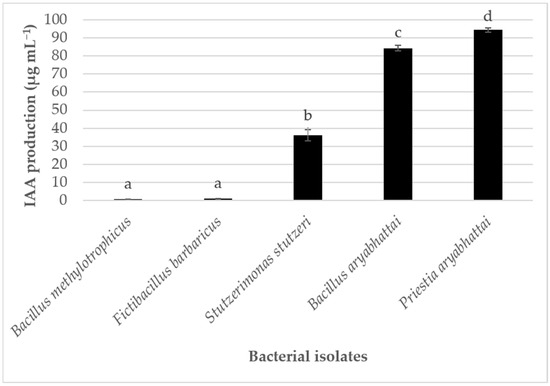
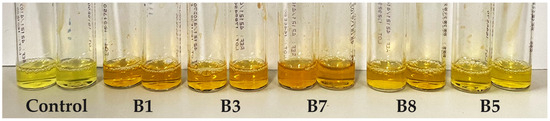
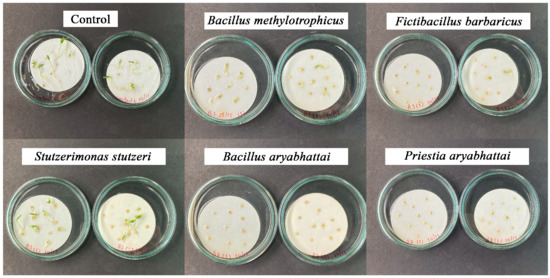
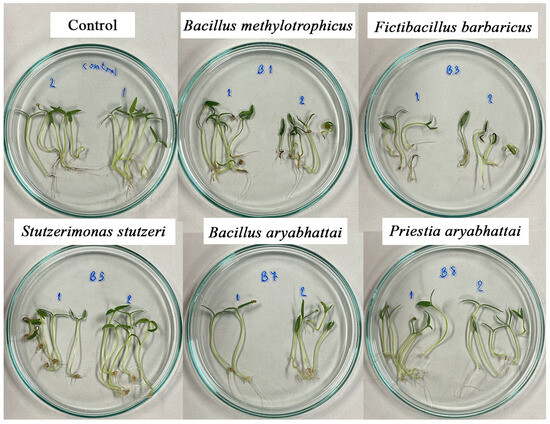
Bacterial isolates obtained from spores of the arbuscular mycorrhizal fungi (AMF) have been reported to possess various plant growth-promoting traits. These bacterial isolates enhance plant growth and development through mechanisms such as phytohormone production and nutrient mobilization. The objective of this study was to investigate the ability of bacterial isolates to promote plant development. Five bacterial isolates, Bacillus methylotrophicus, Fictibacillus barbaricus, Stutzerimonas stutzeri, Bacillus aryabhattai, and Priestia aryabhattai, were isolated from AMF (Funneliformis mosseae) spores. The results indicated that all five bacterial isolates promoted plant growth. The greatest positive effects on the tomato seed germination were obtained with Bacillus methylotrophicus and Stutzerimonas stutzeri, with germination percentages of 90% and 95%, respectively. In addition, Stutzerimonas stutzeri enhanced early tomato seedling growth. Priestia aryabhattai produced the highest amount of indole-3-acetic acid (IAA) at 94.43 µg mL−1, which is the auxin phytohormone for plant growth promotion. Furthermore, Bacillus methylotrophicus, Fictibacillus barbaricus, and Bacillus aryabhattai were able to produce high levels of ammonia, which may contribute to improving plant growth in nutrient-deficient environments. In addition, Bacillus methylotrophicus, Bacillus aryabhattai, and Priestia aryabhattai were able to solubilize both phosphate and potassium. These findings suggest that the investigated bacterial strains could be combined with AMF to improve crop establishment and support sustainable agricultural systems by enhancing nutrient availability and reducing dependence on chemical fertilizers.
Full article

Figure 1
Open AccessArticle
Impacts of Nitrogen Fertilization and Row Spacing on Forage Nutritive Value and Seed Yield of Eragrostis nigra
by
Maihe Ren, Shuqi Li, Chenjie Wei, Yangqing Ou, Weiran Dai and Jian Ren
Seeds 2026, 5(4), 46; https://doi.org/10.3390/seeds5040046 - 6 Aug 2026
Abstract
►▼
Show Figures
Despite the potential of Eragrostis nigra in alleviating forage shortages and controlling soil erosion, there is little information about how nitrogen fertilization and row spacing affect its forage and seed production. Thus, a two-year field experiment was conducted to explore the effects of
[...] Read more.
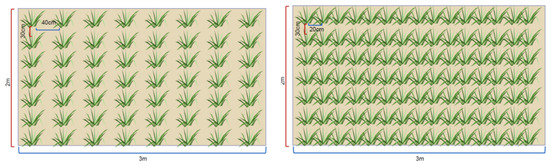
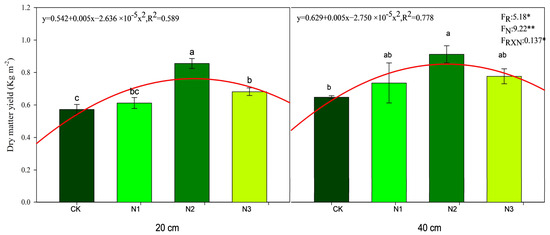
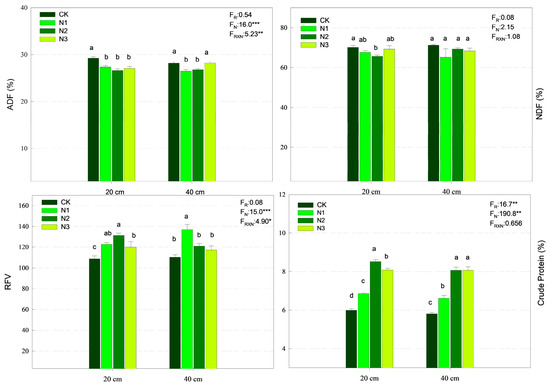
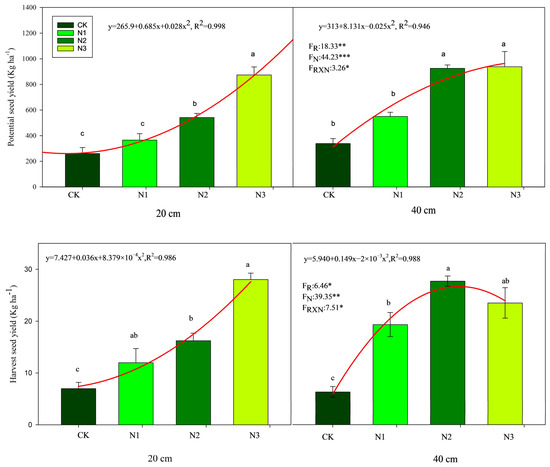
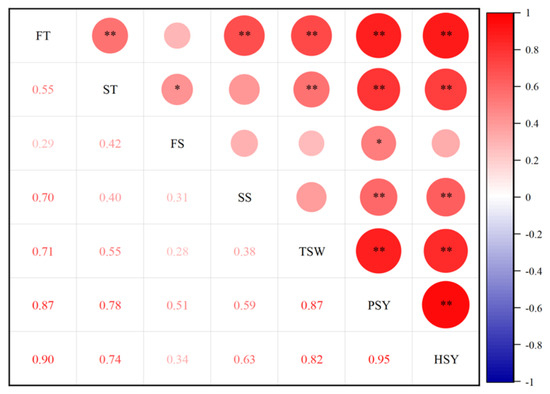
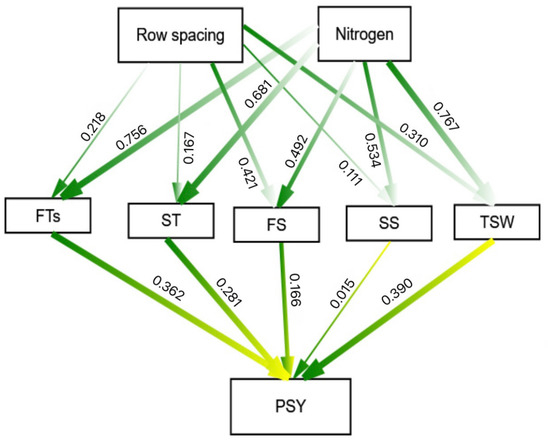
Despite the potential of Eragrostis nigra in alleviating forage shortages and controlling soil erosion, there is little information about how nitrogen fertilization and row spacing affect its forage and seed production. Thus, a two-year field experiment was conducted to explore the effects of nitrogen (N) fertilization (0, 45, 90, 135 kg hectare−1 (ha−1)) and row spacing (20 cm, 40 cm) on its forage yield, nutritive value, seed yield and quality. Results showed that forage dry matter yield (DMY) and harvested seed yield (HSY) increased with higher N rates; however, no further enhancement was observed at 135 kg per ha−1, making 90 kg ha−1 optimum. This may be because excessive nitrogen disrupts the carbon–nitrogen metabolic balance. N fertilization increased the relative feed value by enhancing crude protein content and decreasing acid detergent fiber. Relative to the 20 cm spacing, the 40 cm spacing averagely raised PSY and HSY by 34.7% and 21.3%, respectively. The quadratic regression model yielded maximum predicted HSY values of 27.6 and 26.7 kg ha−1, achieved at optimal N rates of 135 and 98.6 kg ha−1 for the 20 cm and 40 cm spacings, respectively. Thousand-seed weight (TSW), germination index, and vigor index were significantly improved by row spacing and N application (p < 0.05). Seed yield enhancement from N was positively correlated with increases in number of fertile tillers (FT), number of spikelets per tiller and seed set (p < 0.05). Furthermore, FT and TSW had the strongest direct effects on seed yield, with standardized path coefficients of 0.362 and 0.390. Our findings highlight that an application rate of 90 kg ha−1 N combined with 40 cm row spacing could be recommended as the efficient agronomic practice for maximizing forage yield, nutritive value, and seed yield in E. nigra. Importantly, this regime also enhances economic returns while reducing N leaching risks, thereby supporting more sustainable forage production systems.
Full article

Figure 1
Open AccessArticle
Seed Germination Traits and High-Temperature Tolerance of Three Species from Xishuangbanna, SW China
by
Bin Wen, Ya Zhang, Xuejing Yin and Ligang Chen
Seeds 2026, 5(4), 45; https://doi.org/10.3390/seeds5040045 - 4 Aug 2026
Abstract
►▼
Show Figures
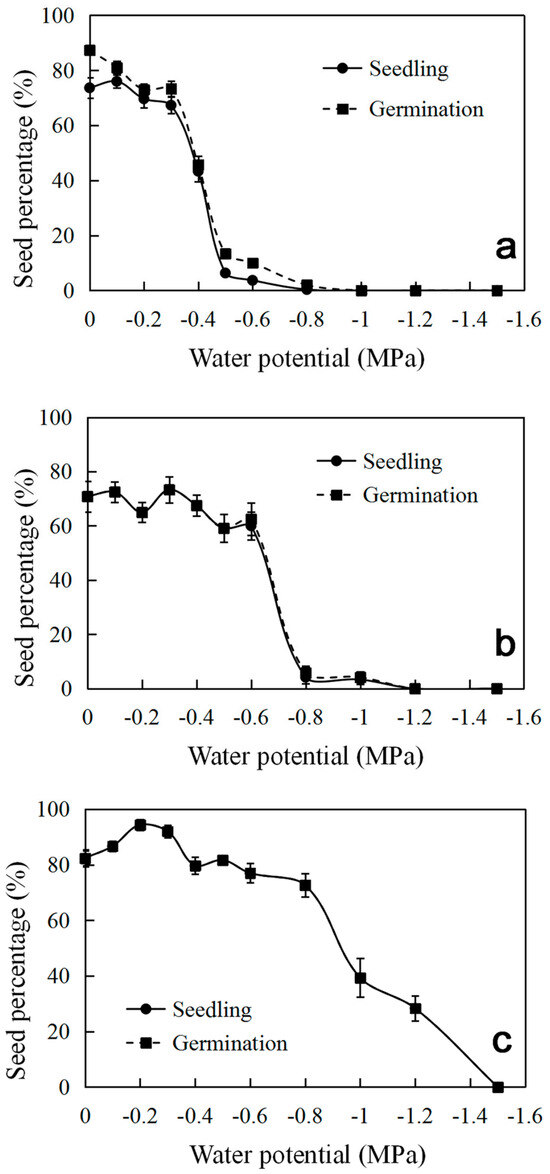
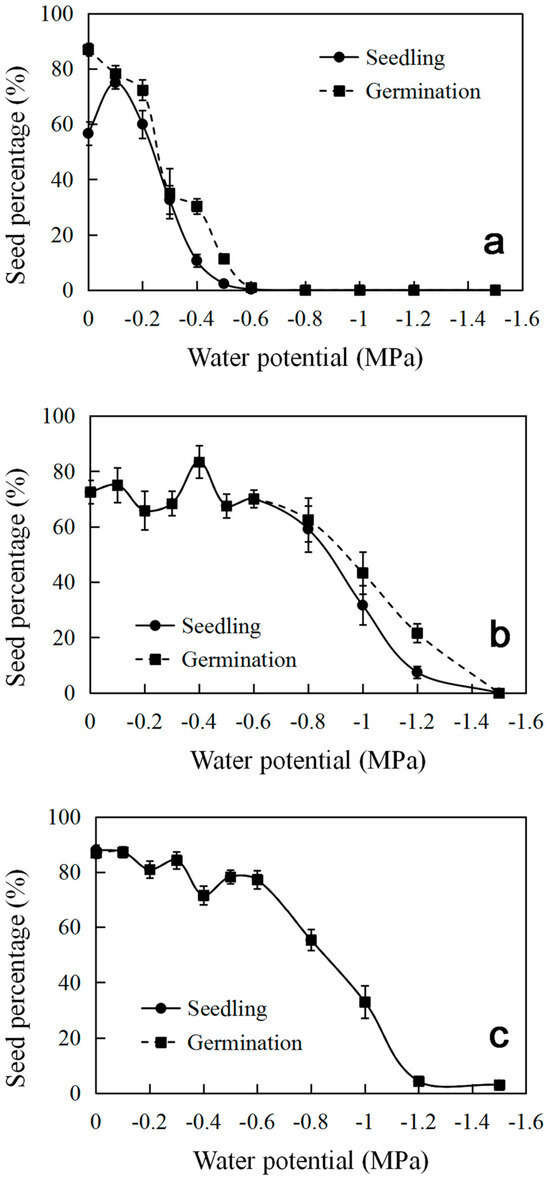
Germination traits and high-temperature tolerance are critical seed traits for species to respond to habitat changes through seed germination and population dynamics in tropical areas. This study investigated germination under temperature, water and NaCl stress and the seed high-temperature tolerance of three species
[...] Read more.
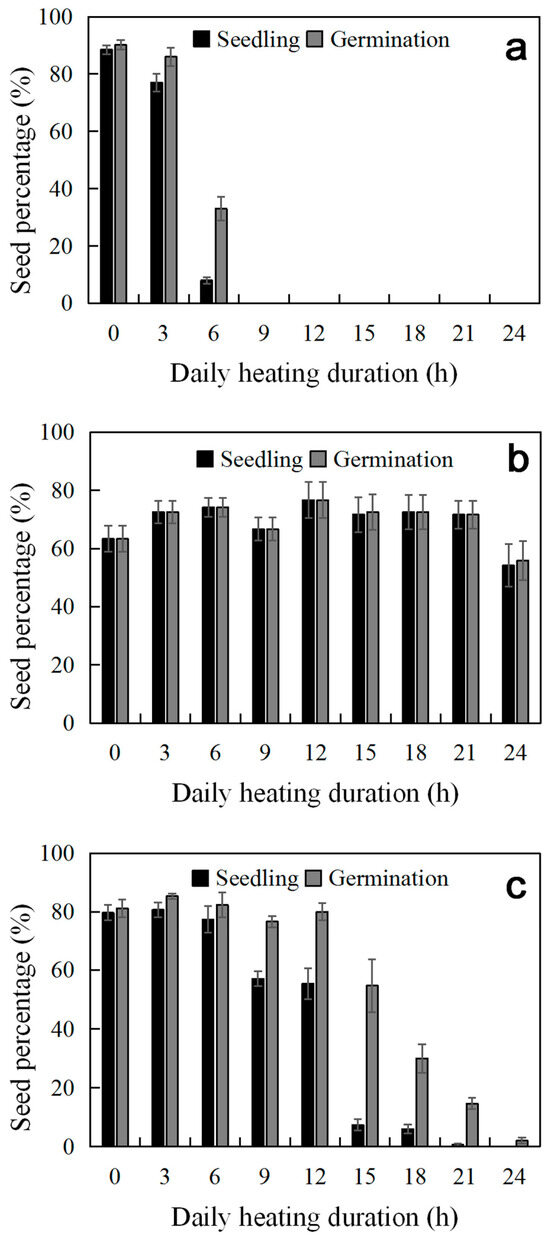
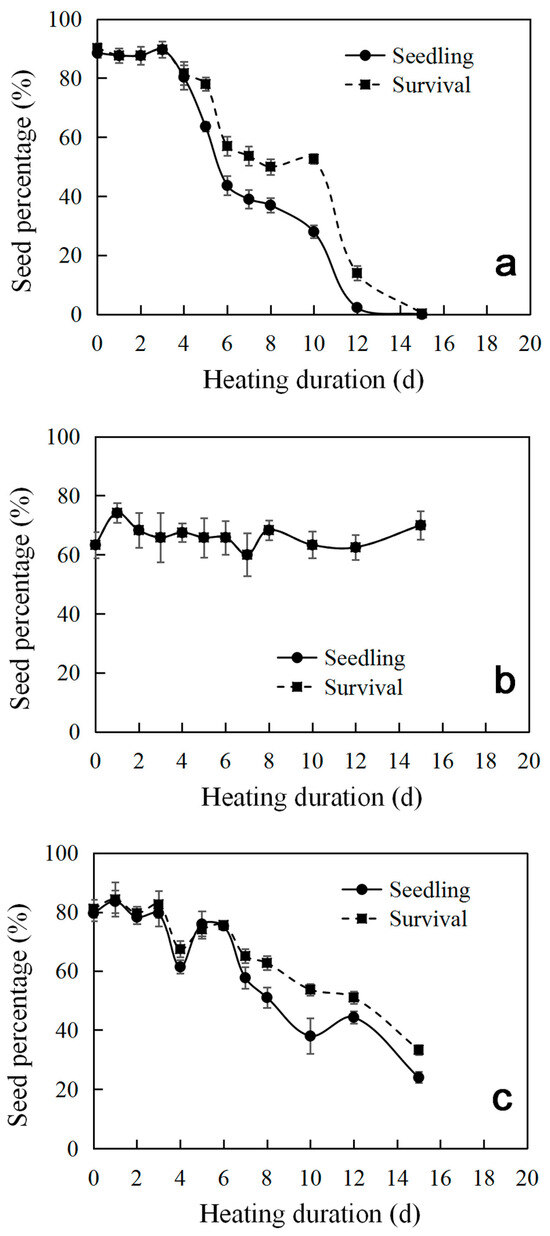
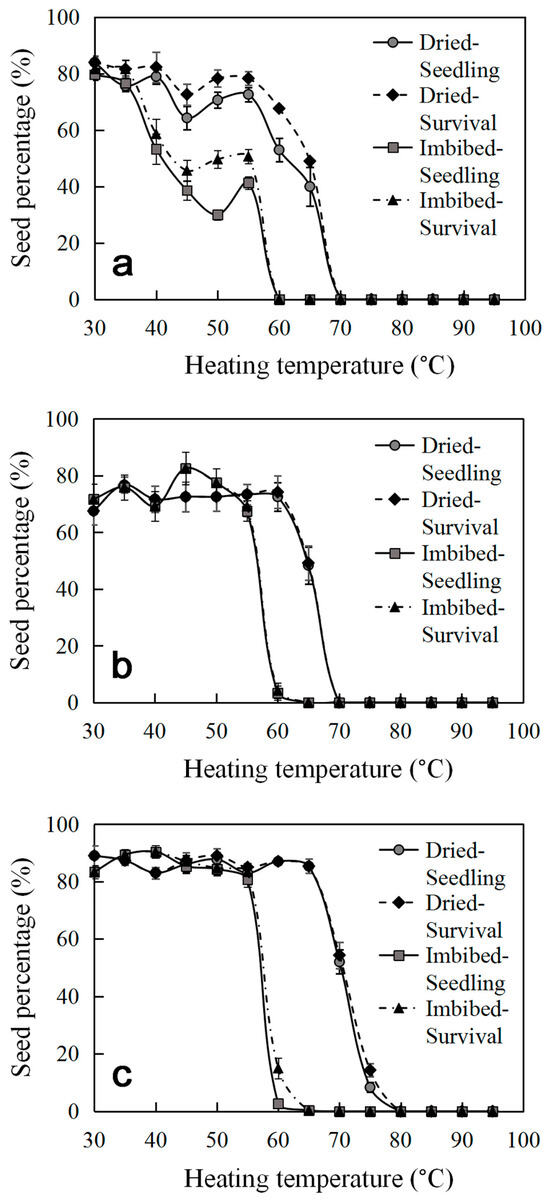
Germination traits and high-temperature tolerance are critical seed traits for species to respond to habitat changes through seed germination and population dynamics in tropical areas. This study investigated germination under temperature, water and NaCl stress and the seed high-temperature tolerance of three species growing in Xishuangbanna, i.e., one native vine species, Clematis subumbellata, and two introduced tree species, Handroanthus chrysanthus and Melaleuca viminalis. The results were compared with our previous studies in this region to assess the threatened status of C. subumbellata and invasion risk of H. chrysanthus and M. viminalis, in combination with their other traits. These three species are all characterized by the production of numerous small seeds with high viability every year, having the ability to increase their population rapidly under favorable conditions, though they all suffered viability loss and germination inhibition under high temperature and water stresses. The two introduced species, both H. chrysanthus and M. viminalis, produced seeds with wider germination temperature ranges and better high-temperature tolerance than the native C. subumbellata, but their seed heat tolerance was markedly lower than that of typical invasive weeds in this region. On the contrary, C. subumbellata seeds exhibited rather poor high-temperature tolerance, comparable to some rare and endangered species reported previously in the region; however, this species primarily grows on forest margins, slopes, and scrub and produces plumose achenes with good wind dispersal capacity. Thus, it was concluded that H. chrysanthus and M. viminalis may possess only low-to-moderate invasion risks, and their most probable invasive habitats are mainly forest edges. C. subumbellata can be regarded as not threatened currently, without urgent conservation demand. This information is useful for biodiversity conservation in Xishuangbanna.
Full article

Figure 1
Open AccessArticle
Phytochemical and Nutritional Composition of Wild Salvia lavandulifolia Vahl. Seeds
by
María Quílez, Gustavo J. Cáceres-Cevallos, Pedro Sánchez-Gómez and María J. Jordán
Seeds 2026, 5(4), 44; https://doi.org/10.3390/seeds5040044 - 30 Jul 2026
Abstract
►▼
Show Figures
Salvia lavandulifolia Vahl. is an aromatic and medicinal plant cultivated as a rainfed crop for essential oil production in the western Mediterranean. New trends in the use of Lamiaceae seeds as functional ingredients warrant characterization of this species. Hence, studies were conducted to
[...] Read more.
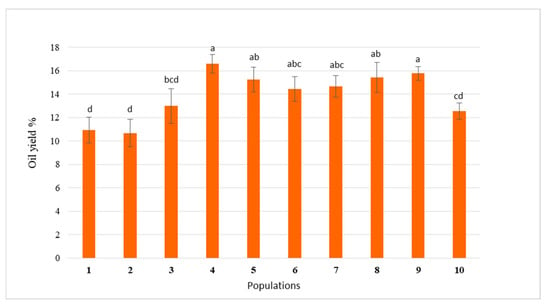
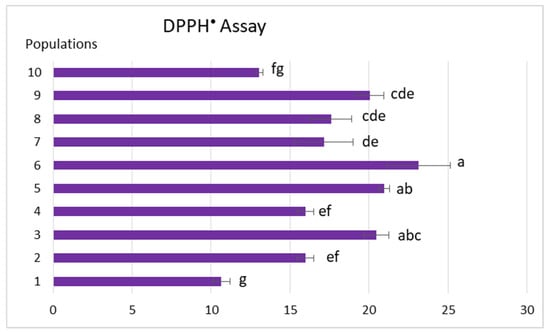
Salvia lavandulifolia Vahl. is an aromatic and medicinal plant cultivated as a rainfed crop for essential oil production in the western Mediterranean. New trends in the use of Lamiaceae seeds as functional ingredients warrant characterization of this species. Hence, studies were conducted to measure the proximate composition and amino acid profile, along with fatty acid profile, tocochromanol content, phenolic composition, and antioxidant activity in 10 wild populations. Defatted seed meal analysis demonstrates the potential usefulness of this species based on carbohydrate (50–60%), protein (13–21%), and oil (13–20%) content. The amino acid content ranged from 9.2 to 15.4 g/100 g. Seed oil analysis found a fatty acid content of 73–89 g/100 g with predominance of ω6 fatty acids, tocochromanol content of 62–89 mg/100 g, and a phenolic fraction of 7.5–148 mg/100 g with a high proportion of flavones. Antioxidant activity ranged from 10.6 to 23.1 µmol Trolox equivalents/100 g. Overall, seeds of S. lavandulifolia grown in subhumid conditions have strong nutritional and phytochemical profiles. These characteristics suggest opportunities for their use as functional ingredients. Further, strategies to minimize waste and maximize the availability of bioactive compounds will support the economic sustainability of this crop.
Full article

Figure 1

Open AccessArticle
Osmopriming, Halopriming, and Chemopriming Differentially Modulate Stress Tolerance in Solanum lycopersicum Seeds Under Salinity and Iron Toxicity
by
Anny Nogueira Fraga, Josinei Rodrigues Filho, Marina Reis Pires, Viviana Borges Corte and Hildegardo Seibert França
Seeds 2026, 5(4), 43; https://doi.org/10.3390/seeds5040043 - 29 Jul 2026
Abstract
►▼
Show Figures
Solanum lycopersicum L. (tomato) is an economically and nutritionally important crop whose germination and early seedling growth are highly sensitive to abiotic stresses that disrupt physiological processes and intensify oxidative damage. Seed priming has emerged as a low-cost physiological preconditioning strategy to enhance
[...] Read more.
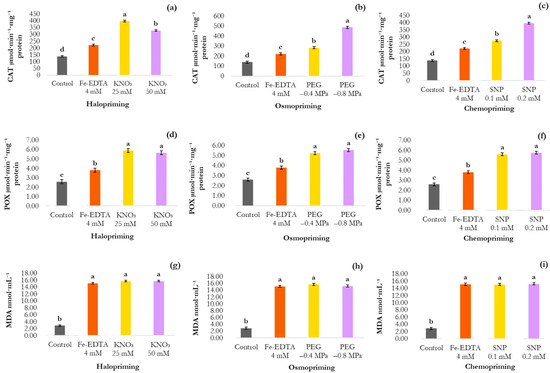
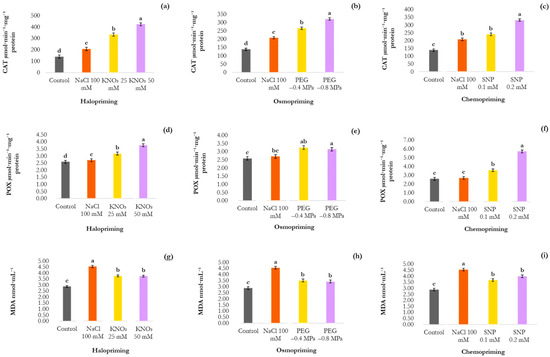
Solanum lycopersicum L. (tomato) is an economically and nutritionally important crop whose germination and early seedling growth are highly sensitive to abiotic stresses that disrupt physiological processes and intensify oxidative damage. Seed priming has emerged as a low-cost physiological preconditioning strategy to enhance stress tolerance by activating repair and defense mechanisms prior to stress exposure. This study evaluated the effects of osmopriming (PEG 6000), halopriming (KNO3), and chemopriming (SNP) on germination, early seedling growth, antioxidant enzyme activity, and lipid peroxidation in S. lycopersicum under salt stress and iron toxicity. Salt stress was induced with NaCl (100 mM) and iron toxicity with Fe-EDTA (4 mM). Priming treatments included osmopriming with PEG 6000 (−0.4 and −0.8 MPa), halopriming with KNO3 (25 and 50 mM), and chemopriming with sodium nitroprusside—SNP (0.1 and 0.2 mM). Under salt stress, NaCl (100 mM) completely inhibited germination and increased CAT activity by approximately 49% and POX activity by 4%; however, this antioxidant response was insufficient to reduce MDA content, which remained approximately 58% higher than the control. Under iron toxicity, Fe-EDTA (4 mM) reduced germination to 79% and caused a 425% increase in MDA content relative to the control, indicating severe oxidative damage despite a 59% increase in CAT and 47% increase in POX activities. Among the priming treatments evaluated, halopriming with KNO3 (50 mM) was the most effective strategy under salt stress, restoring germination to 81%, increasing CAT activity by 103%, and reducing MDA by 18% relative to non-primed salt-stressed seeds. Under iron toxicity, all priming treatments consistently increased antioxidant enzyme activities; however, none were capable of reducing lipid peroxidation or restoring seedling growth to control levels, likely due to continuous ROS generation via Fenton-type reactions that overwhelmed enzymatic detoxification capacity.
Full article

Figure 1
Open AccessArticle
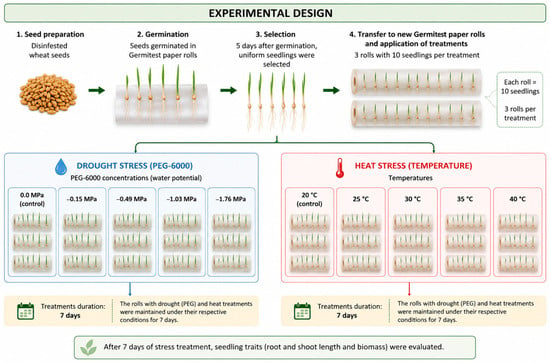
Early-Stage Screening of Brazilian Wheat Cultivars for Stand Establishment Under Heat and Osmotic Stress
by
Antônio de Azevedo Perleberg, Julio Cesar Paes Jacome de Araújo Filho, Thaís Monteiro Miranda, Taís Amanda Mundt, Antonio Costa de Oliveira, Luciano Carlos da Maia, Camila Pegoraro and Vívian Ebeling Viana
Seeds 2026, 5(4), 42; https://doi.org/10.3390/seeds5040042 - 29 Jul 2026
Abstract
►▼
Show Figures
Background: Wheat (Triticum aestivum L.) seedling performance under heat and drought stress is critical for crop establishment. Identifying cultivars with superior seedling vigor under stress conditions helps breeding programs and seed production systems. Methods: We aimed to evaluate the early growth performance
[...] Read more.
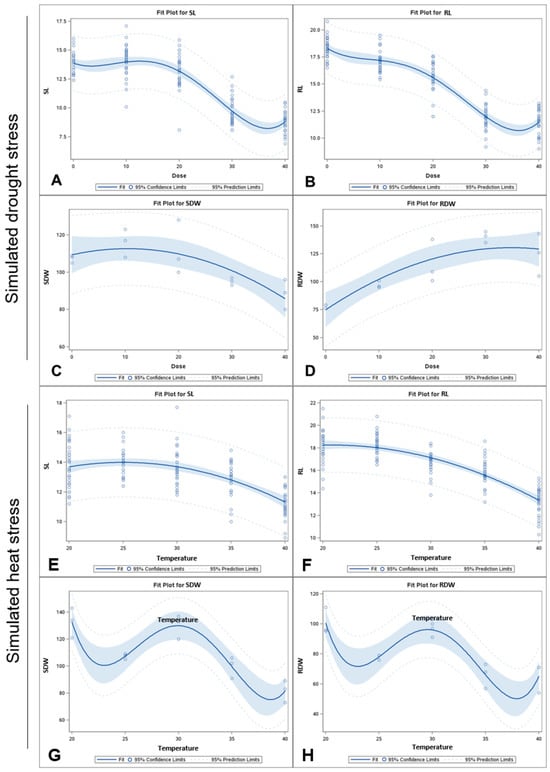
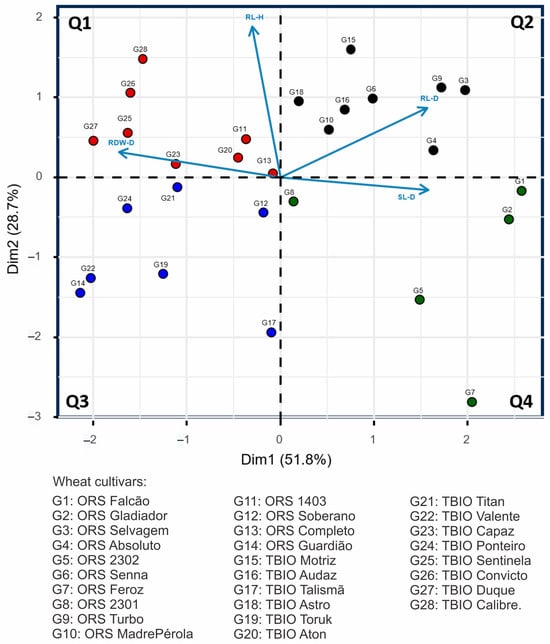
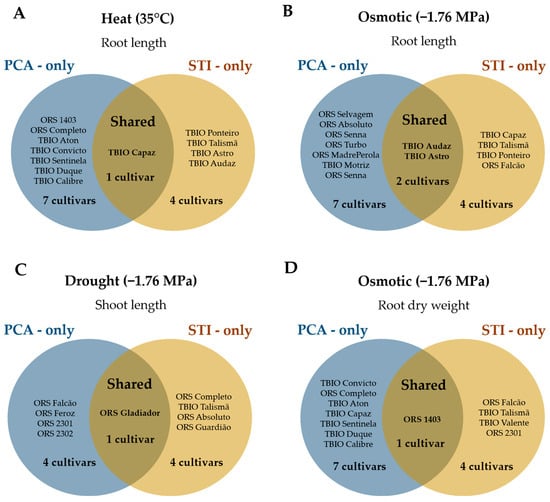
Background: Wheat (Triticum aestivum L.) seedling performance under heat and drought stress is critical for crop establishment. Identifying cultivars with superior seedling vigor under stress conditions helps breeding programs and seed production systems. Methods: We aimed to evaluate the early growth performance of wheat seedlings from 28 Brazilian commercial cultivars under heat and osmotic stress. Seedlings were assessed through shoot and root lengths and dry weight and analyzed using Scott–Knott grouping, heritability estimates, PCA and stress tolerance index. Results: Osmotic stress affected a wider range of traits than heat stress and revealed phenotypic and genetic variability among cultivars. Root length and root dry weight exhibited high broad-sense heritability, indicating a substantial genotypic contribution under the tested conditions and supporting their use for early-stage screening. Multivariate analyses revealed contrasting adaptation strategies, including root elongation and preferential allocation of biomass to roots under stress conditions. Through uni- and multivariate analyses, we suggested cultivars are potentially tolerant to heat and osmotic stresses. Conclusions: Root-related traits proved to be the most informative indicators of adaptation to stress, and the integration of stress tolerance indices and multivariate analyses enabled the identification of promising cultivars for further validation under greenhouse and field conditions.
Full article

Figure 1

Open AccessArticle
Analysis of Community-Based Vegetable Seed Systems to Strengthen Seed Security in Uganda
by
Shillah Kwikiiriza, Gail R. Nonnecke, A. Susana Goggi and David G. Acker
Seeds 2026, 5(4), 41; https://doi.org/10.3390/seeds5040041 - 26 Jul 2026
Abstract
►▼
Show Figures
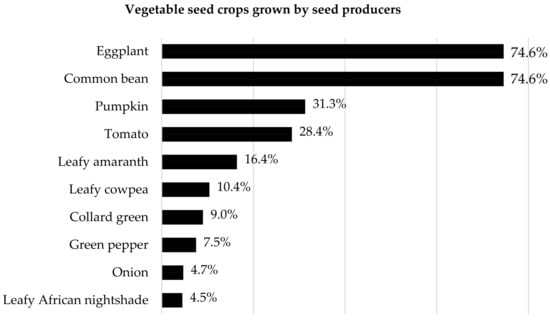
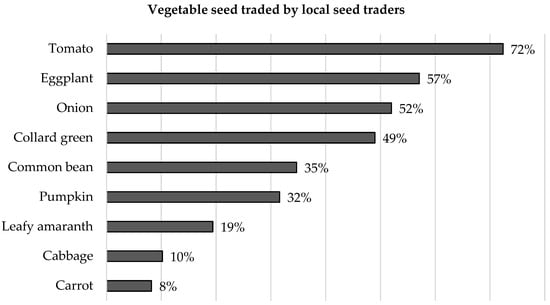
Limited access to quality seed constrains vegetable productivity and food security in Uganda, where informal seed systems remain central to farmers’ access to seed but are inadequately documented and largely unregulated. This study documented vegetable seed production and management practices, identified opportunities and
[...] Read more.
Limited access to quality seed constrains vegetable productivity and food security in Uganda, where informal seed systems remain central to farmers’ access to seed but are inadequately documented and largely unregulated. This study documented vegetable seed production and management practices, identified opportunities and constraints within informal seed systems, and examined the role of community seed banks in strengthening seed security. Using a mixed-method approach, quantitative surveys and key informant interviews were conducted with seed producers, seed traders, and community seed bank leaders across Uganda. Study respondents were predominantly men, with most respondents aged ≥35 years, despite women’s and youth’s primary role in vegetable production. Respondents reported key seed management constraints of seed storage pests, low-quality seeds, inconsistent market supply and price fluctuations, limited capital, and weak regulatory oversight. Seed treatment practices primarily consisted of sun-drying and plant-based pesticides, while seed quality assessment relied largely on experience and visual inspection, using cues such as seed color, size, and cleanliness, with limited use of standardized testing. Given that most vegetable growers obtain seeds through community-based seed channels, strengthening actors’ capacity to produce and supply high-quality seed is essential for sustaining vegetable production, improving farmer incomes, and enhancing food and nutrition security.
Full article

Figure 1

Highly Accessed Articles
Latest Books
E-Mail Alert
News
1 September 2026
MDPI INSIGHTS: The CEO’s Letter #38 – 2 Million Published Articles, Outstanding Reviewers, Michele Parrinello Award, AIS 2026 & WSF-12
5 August 2026
MDPI INSIGHTS: The CEO’s Letter #37 – Canada Summit, Sciforum Relaunch, 30 Years of Impactful Research & ISPRS 2026
Topics
Topic in
Agriculture, Agronomy, Horticulturae, Plants, Foods, Water, Sustainability, Seeds
Innovative Strategies for Enhancing Plant Tolerance to Abiotic and Biotic Stresses and Ensuring Food Safety in Changing Climates
Topic Editors: José Ramón Acosta Motos, Sara Álvarez, María del Rosario Álvarez Morales, María José Clemente-Moreno, María del Rosario Conesa-Saura, Juan de Dios Franco-Navarro, María José Gómez-Bellot, Isabel M. Martínez Alcalá, Victor Meseguer SánchezDeadline: 8 May 2027
Topic in
Crops, Pharmaceuticals, Plants, Antioxidants, Seeds, Analytica
Natural Compounds in Plants, 3rd Edition
Topic Editors: Zdenek Wimmer, Michal JurasekDeadline: 31 December 2028
Conferences
Special Issues
Special Issue in
Seeds
Seed Germination Techniques in Halophyte Plants
Guest Editors: José Antonio Hernández Cortés, Pedro Diaz-Vivancos, Gregorio Barba-EspínDeadline: 31 December 2026
Special Issue in
Seeds
Seedbank Dynamics in Agroecosystems
Guest Editors: Fernando Oreja, José L. Gonzalez-AndujarDeadline: 31 March 2027
Special Issue in
Seeds
Technological Advances in Seed Quality
Guest Editors: José Ramón Acosta Motos, Tathiana Elisa MasettoDeadline: 31 May 2027
Special Issue in
Seeds
Innovations in Seed Stimulation for Seedling Resilience Under Climate Stress
Guest Editor: Božena ŠeráDeadline: 30 June 2027